

Fowl Bluegrass
Poa palustris
Found in meadows, moist areas, bogs, calcareous spring marshes, stream banks and bars, beaver meadows. Weakley, Flora of the Southeastern United States (2025), Northern Tier edition What its natural habitat tells you
Native to West Virginia. How scores work Is it native here?
Profile 100%
- Height
- About 4 feet
- Light
- Full sun, Part shade, Shade
- Soil moisture
- Moist to wet
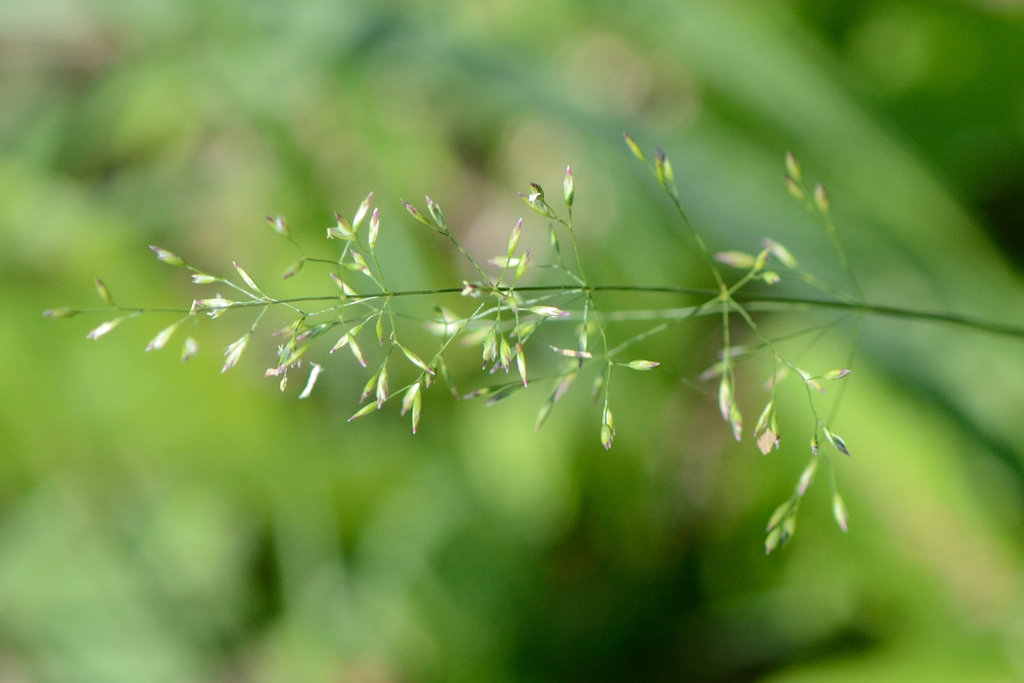
At a glance
- Bloom
- June to July
- Fruiting season
- Spring to summer
Not yet recorded · Spread · Life cycle · Leaves
Recorded in 6 West Virginia counties.
Natural habitats
Places it grows wild. Not a planting requirement. Each habitat page lists the plants and wildlife also found there.
Open, grassy or flowery ground that is not wet, such as mountain meadows; wet meadows are separate.
Open, herb-covered wetlands with fresh, non-tidal water.
Streams, rivers and their banks
Flowing water and its banks, bars and rocky shoals.
Also found with this plant
Wildlife whose habitat models include habitats this plant grows in, in West Virginia. Shared habitat, not food. 96 animals.
- Eurasian Collared-doveStreptopelia decaocto
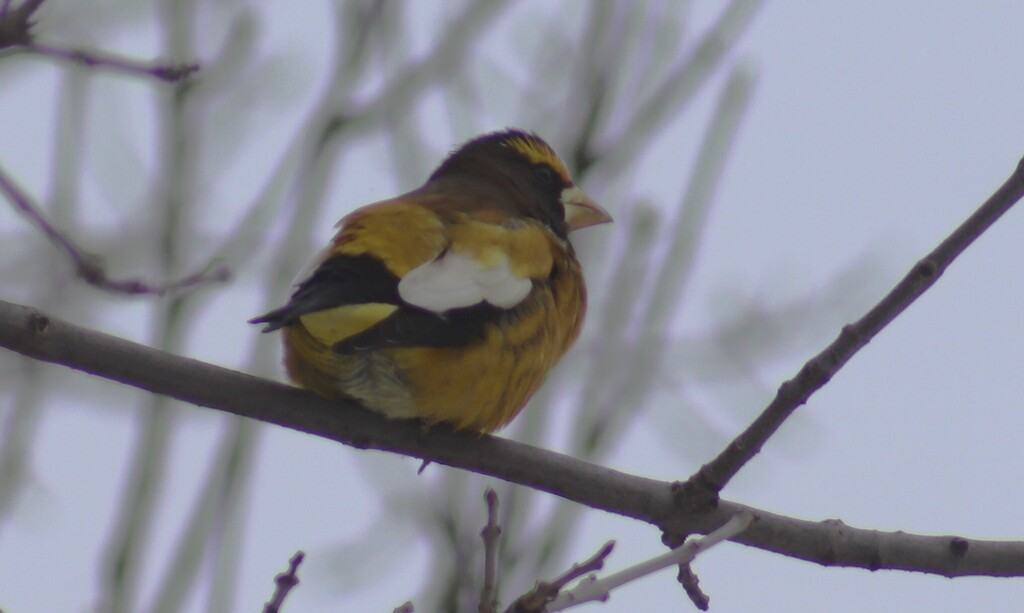
- Evening GrosbeakCoccothraustes vespertinus
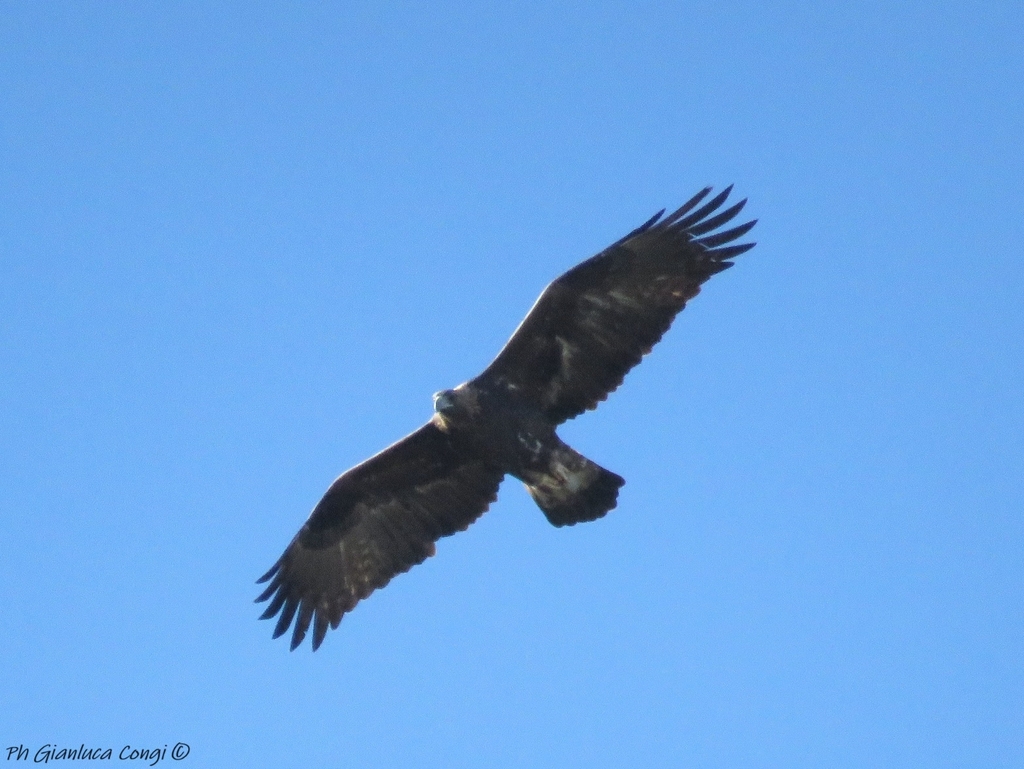
- Golden EagleAquila chrysaetos
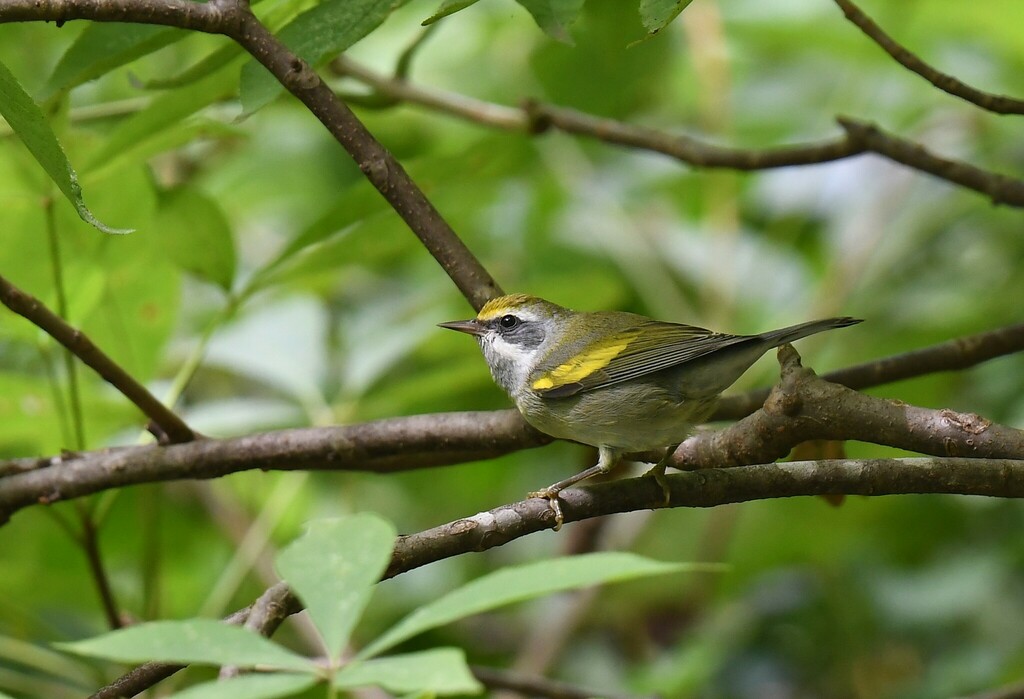
- Golden-winged WarblerVermivora chrysoptera
- Great Blue HeronArdea herodias
- Great EgretArdea alba
- Green HeronButorides virescens
- Hooded WarblerWilsonia citrina
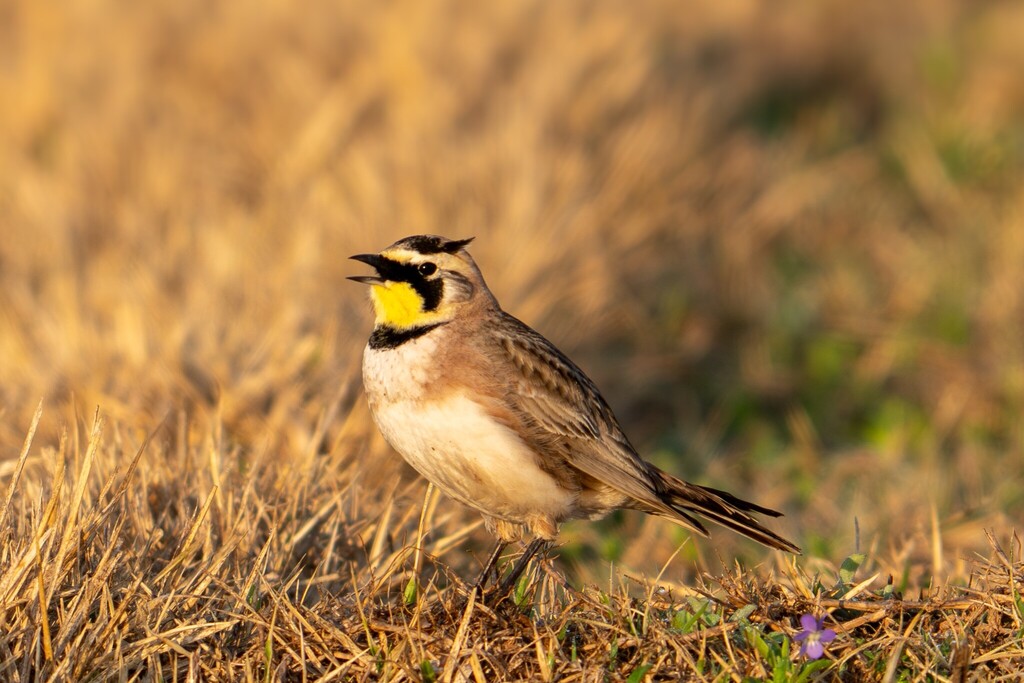
- Horned LarkEremophila alpestris
- Kentucky WarblerOporornis formosus
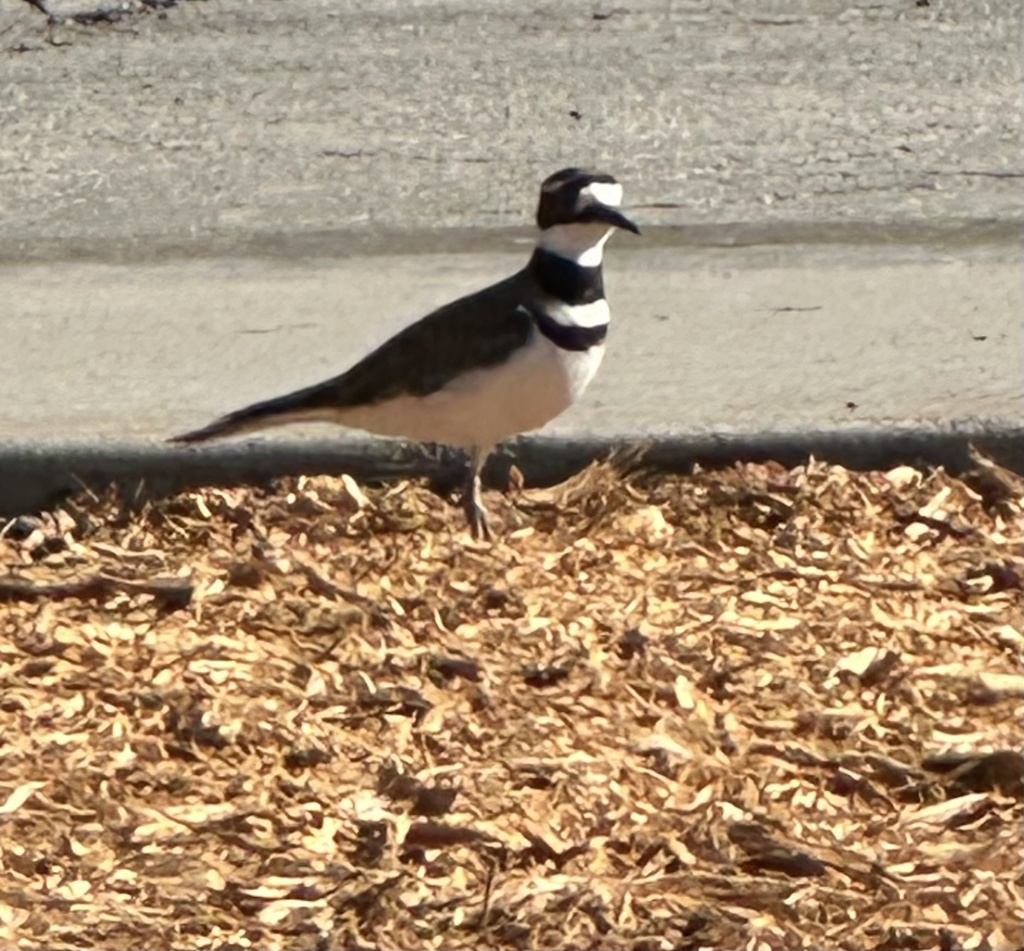
- KilldeerCharadrius vociferus
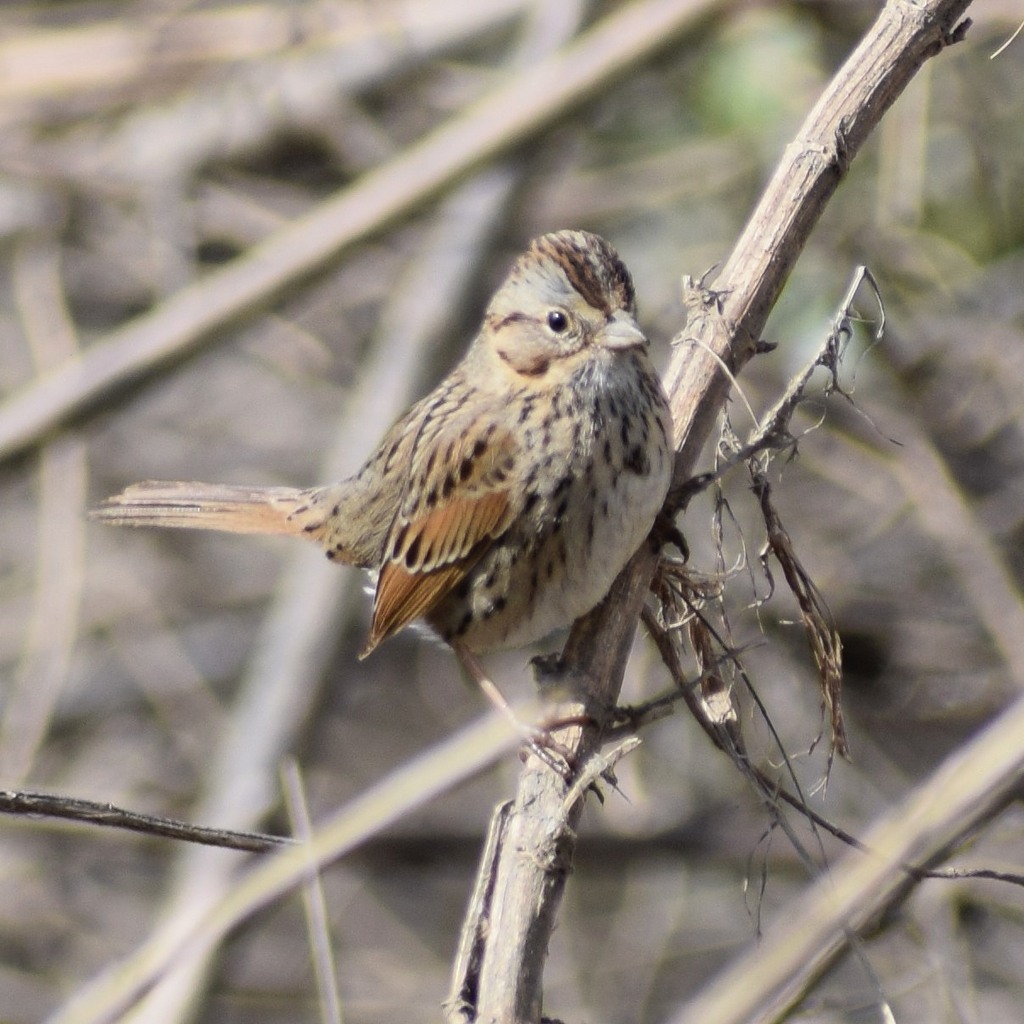
- Lincoln's SparrowMelospiza lincolnii
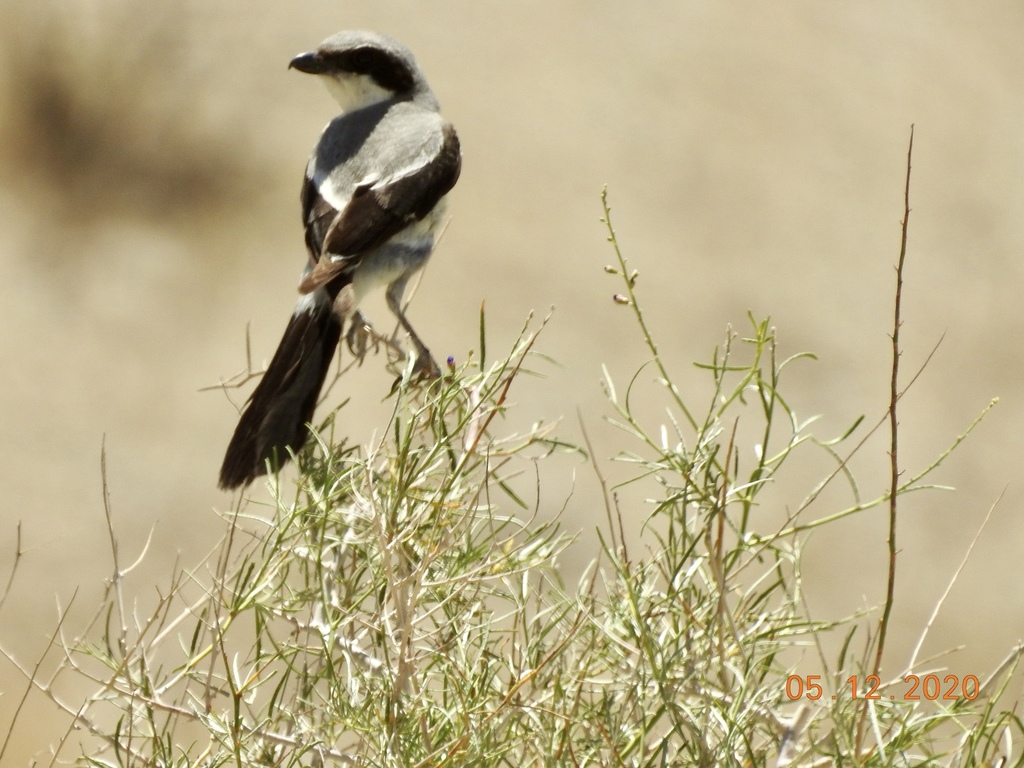
- Loggerhead ShrikeLanius ludovicianus
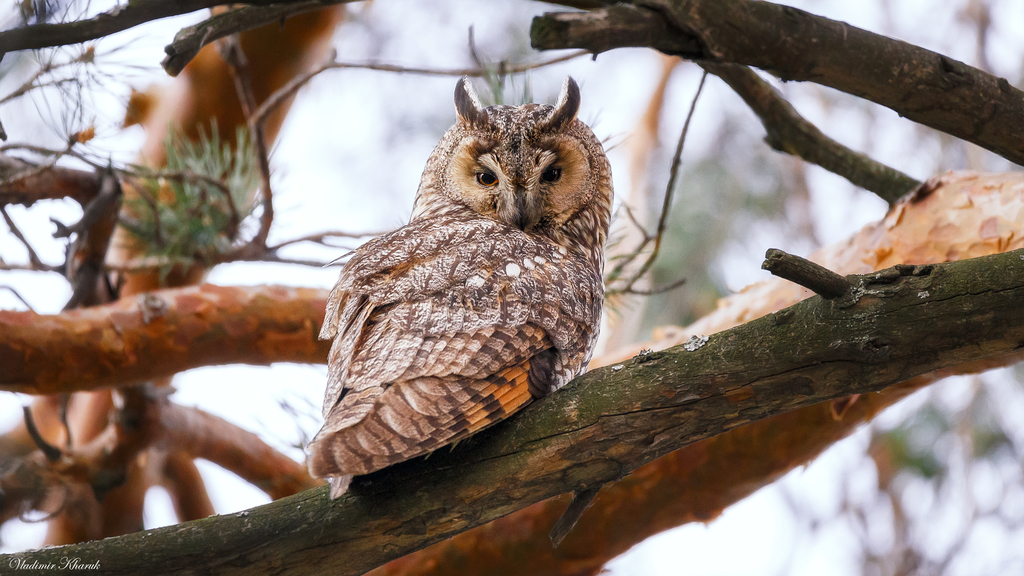
- Long-eared OwlAsio otus
- Louisiana WaterthrushSeiurus motacilla
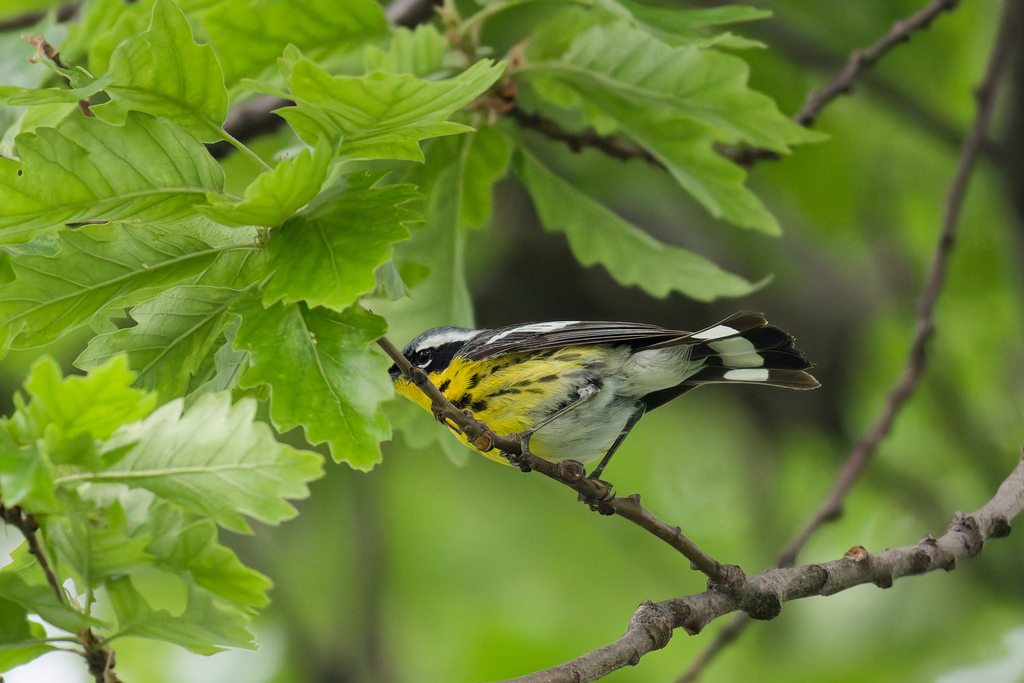
- Magnolia WarblerDendroica magnolia
- MallardAnas platyrhynchos
- Northern ParulaParula americana
- Northern Rough-winged SwallowStelgidopteryx serripennis
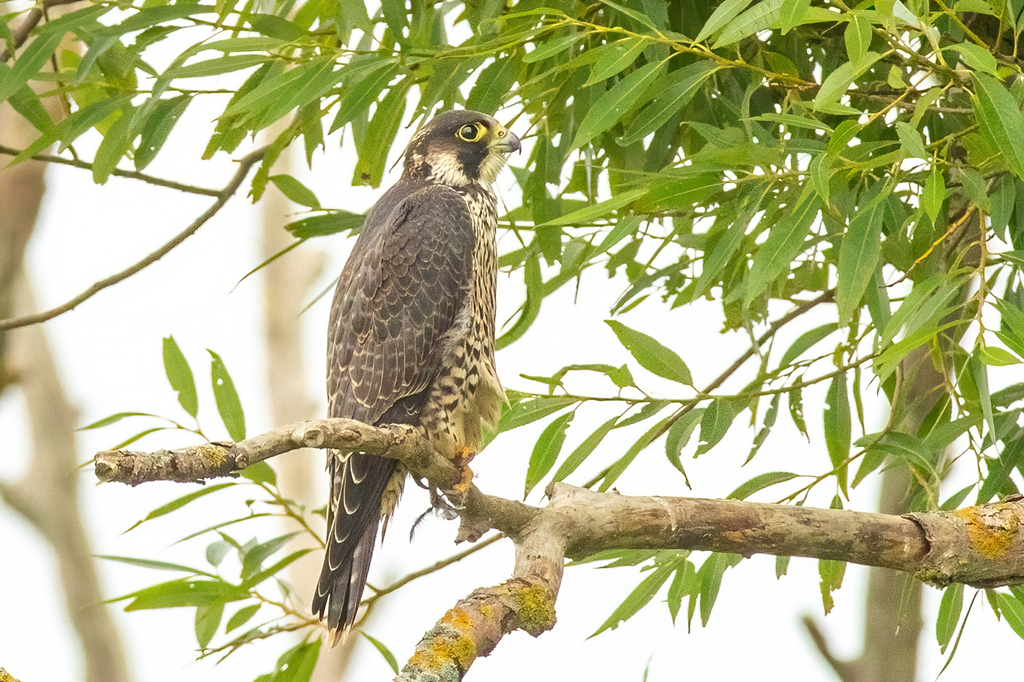
- Peregrine FalconFalco peregrinus
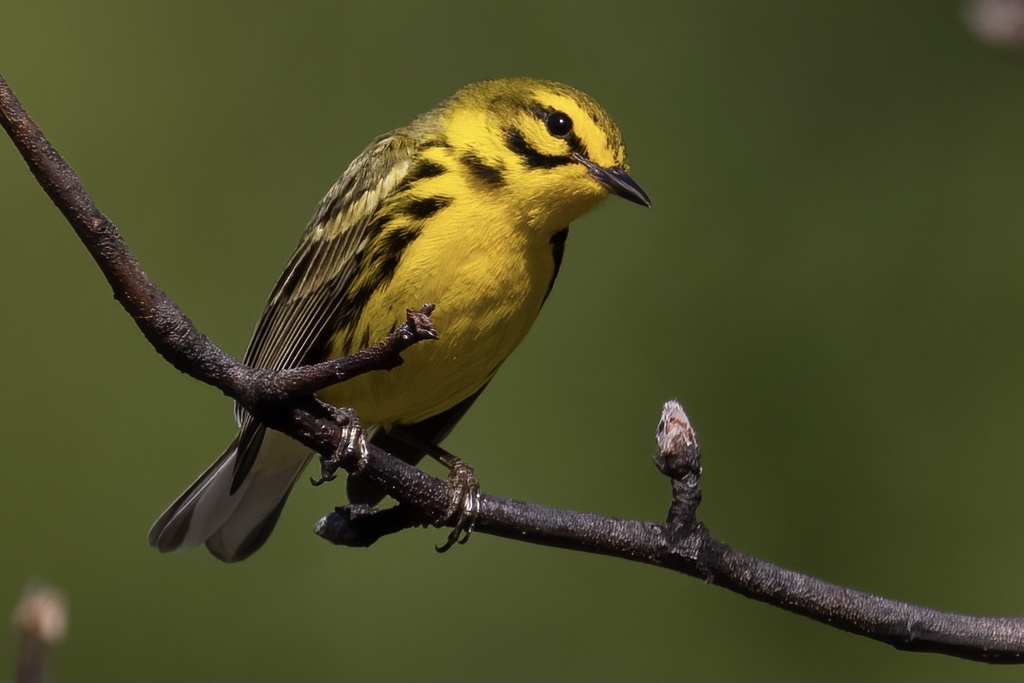
- Prairie WarblerDendroica discolor
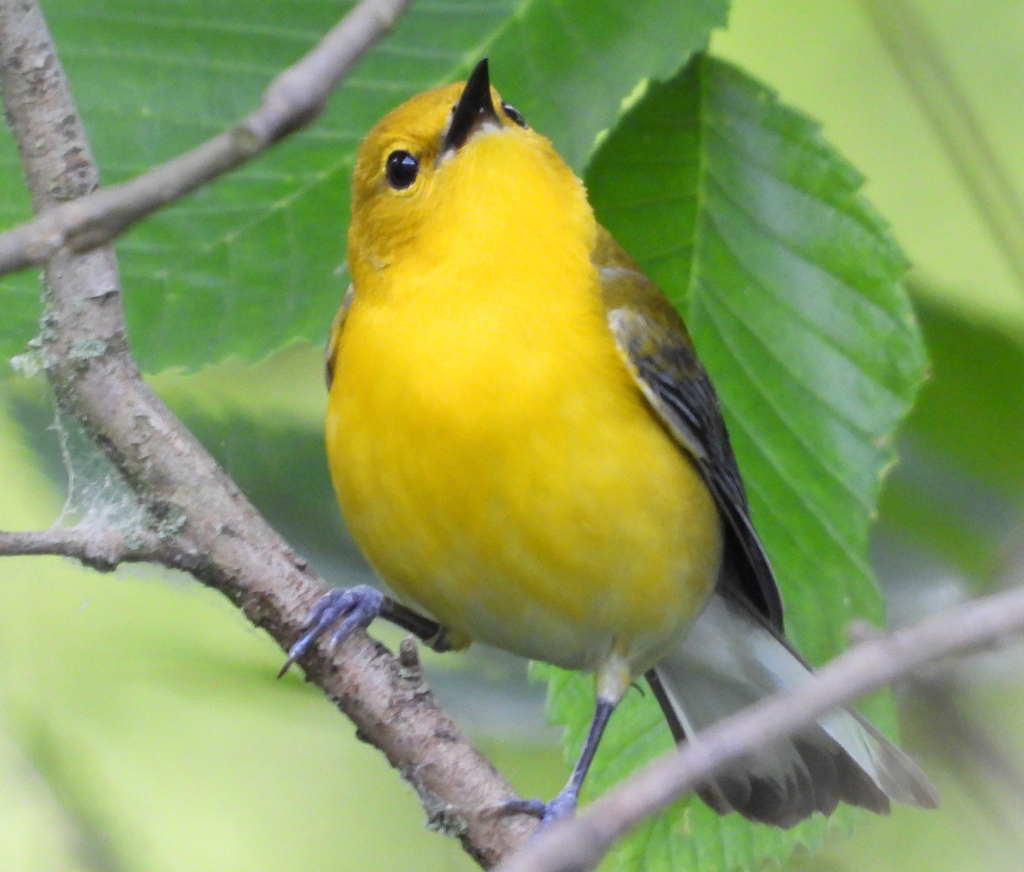
- Prothonotary WarblerProtonotaria citrea
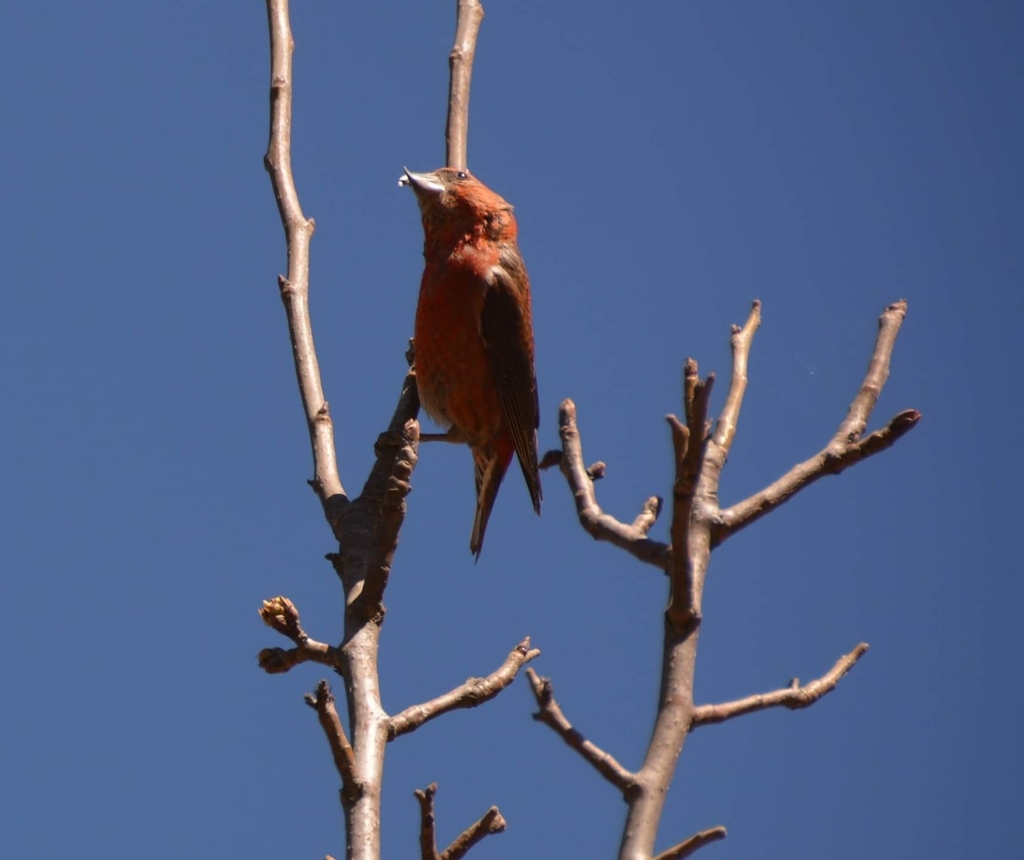
- Red CrossbillLoxia curvirostra
- Red-bellied WoodpeckerMelanerpes carolinus











Widespread birds also seen here (47)
Found in many habitats here, so not listed above.
- Alder Flycatcher
- American Crow
- American Goldfinch
- American Kestrel
- American Redstart
- American Robin
- Belted Kingfisher
- Black-billed Cuckoo
- Blue Grosbeak
- Blue Jay
- Blue-gray Gnatcatcher
- Cedar Waxwing
- Chimney Swift
- Chipping Sparrow
- Common Nighthawk
- Common Raven
- Common Yellowthroat
- Cooper's Hawk
- Dark-eyed Junco
- Eastern Kingbird
- Eastern Towhee
- European Starling
- Fox Sparrow
- Gray Catbird
- Great Crested Flycatcher
- Great Horned Owl
- Least Flycatcher
- Mourning Dove
- Northern Cardinal
- Northern Flicker
- Northern Mockingbird
- Olive-sided Flycatcher
- Orange-crowned Warbler
- Osprey
- Purple Finch
- Red-tailed Hawk
- Red-winged Blackbird
- Ruby-crowned Kinglet
- Sharp-shinned Hawk
- Spotted Sandpiper
- Tufted Titmouse
- Turkey Vulture
- Veery
- White-throated Sparrow
- Wild Turkey
- Yellow-breasted Chat
- Yellow-rumped Warbler
Who uses this plant?
 37CaterpillarsGenus host records with ranges including WV
Genus host records with ranges including WV · Poa
- Acrolophus popeanellaClemen's Grass Tubeworm
- Agrotis gladiariaSwordsman Dart, Clay-Backed Cut-Worm
- Amblyscirtes hegonPepper and Salt Skipper
- Amblyscirtes vialisCommon Roadside-Skipper, Black Little Skipper
- Ancyloxypha numitorLeast Skipper
- Anicla infectaGreen Cutworm Moth
- Apamea devastatorGlassy Borer, Glassy Cutworm Moth
- Atalopedes huronSachem
- Cercyonis pegalaCommon Wood Nymph
- Chrysoteuchia topiariusCranberry Girder, Subterranean Webworm, Topiary Grass-Veneer
Show all 37
- Ctenucha virginicaVirginia Ctenucha
- Feltia jaculiferaDingy Cutworm
- Fissicrambus mutabilisStriped Webworm, Striped Sodworm, Changeable Grass-Veneer
- Hesperia leonardusLeonard's Skipper, Blazing Star Skipper, Pawnee Prairie Skipper, Pawnee Montane Skipper
- Hylephila phyleusFiery Skipper
- Lacinipolia meditataThe Thinker
- Leucania phragmitidicolaNeedle Wainscot, Phragmites Wainscot
- Limochores mysticLong Dash
- Lon hobomokHobomok Skipper
- Lon zabulonZabulon Skipper
- Macrochilo litophoraAngulate Fan-Foot, Brown-Lined Owlet
- Marimatha nigrofimbriaBlack-Bordered Lemon
- Megisto cymelaLittle Wood Satyr
- Mythimna unipunctaArmyworm Moth, White Speck
- Nephelodes miniansBronzed Cutworm
- Nomophila nearcticaLucerne Moth, American Celery Webworm
- Orgyia leucostigmaWhite-Marked Tussock Moth
- Papaipema nebrisStalk Borer
- Parapediasia teterrellusBluegrass Webworm
- Pediasia trisectaSod Webworm Moth, Larger Sod Webworm
- Phalaenostola larentioidesBlack-Banded Owlet, Black-Banded Phalaenostola
- Phalaenostola metonalisPale Epidelta, Pale Phalaenostola
- Polites corasPeck's Skipper, Yellow-Patch Skipper
- Polites themistoclesTawny-Edged Skipper
- Spodoptera frugiperdaFall Armyworm Moth
- Elachista illectella
- Gonioterma mistrella
 1BeesSoutheastern regional records
Southeastern regional records · Poa
Individual names are not available yet.
Noori, Seltmann & Orr 2026, A curated and integrated dataset for exploring global bee-plant interactions (GloBI), Zenodo, CC BY 4.0 0Specialist beesPollen specialists
 5BirdsRecorded eating Poa in West Virginia
Diet records by plant genus, from studies across North America. Not a record from this state. Birds whose range includes West Virginia, most records first.
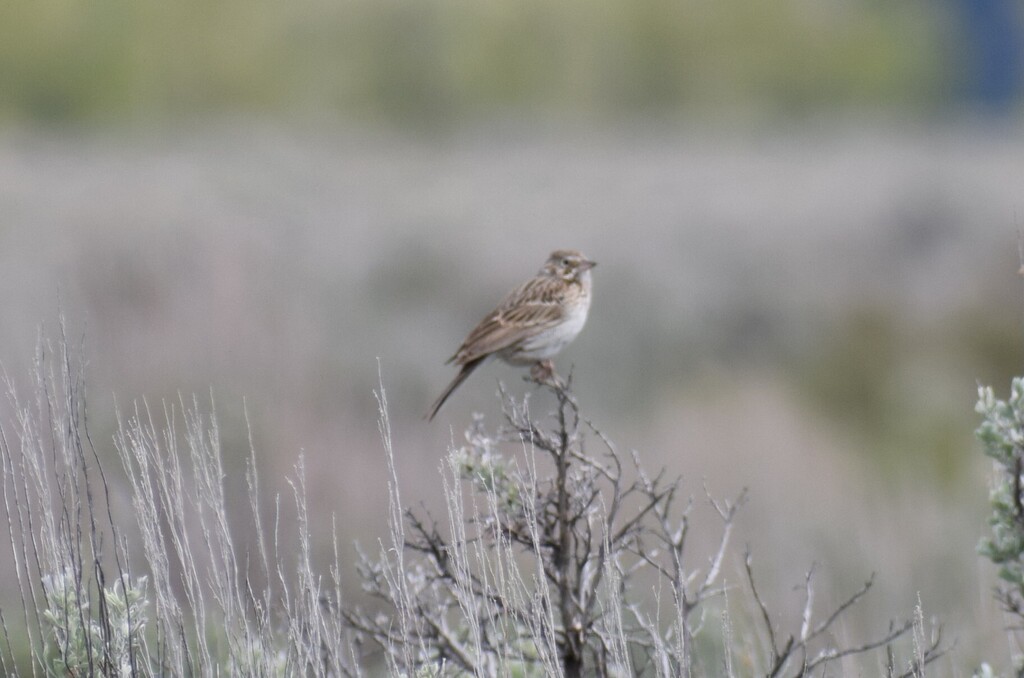
- Vesper Sparrow4 diet records
- Wild Turkey4 diet records
- Chipping SparrowSeeds. 3 diet records
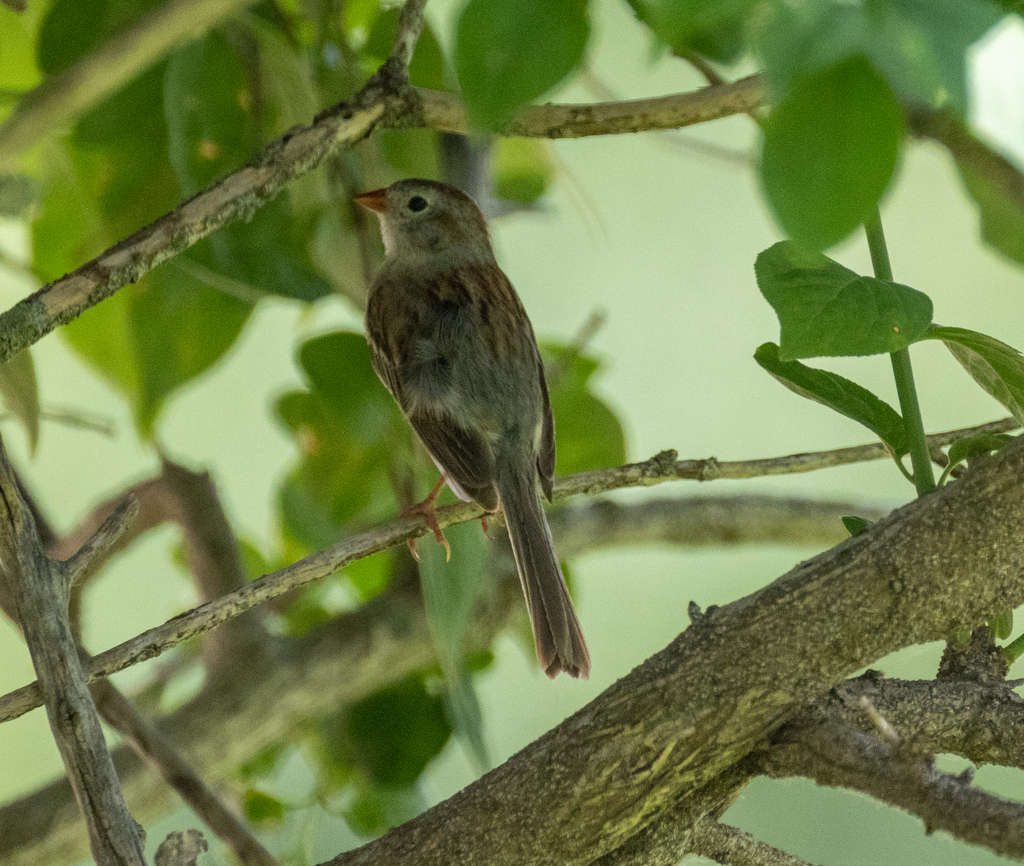
- Field SparrowSeeds. 2 diet records
- Canada GooseLeaves. 1 diet record
Direct food only. Caterpillars on host plants also feed nesting birds. NC Native Plant Society: butterfly gardening
No records yet · Ants · Beetles · Flies · Adult butterflies / moths · Other wasps · Other insects
Birds that eat Poa 5
Diet records by plant genus, from studies across North America. Not a record from this state. Avian Diet Database (Hurlbert Lab), CC0 1.0.
- Vesper SparrowPooecetes gramineus
- Wild TurkeyMeleagris gallopavo
- Chipping SparrowSpizella passerina
- Field SparrowSpizella pusilla
- Canada GooseBranta canadensis



Plant details
- Family
- Poaceae
- Flower color
- Yellow
- Growth rate
- Moderate
- Growth habit
- Grows in clumps
- Foliage color
- Green
- Fruit begins
- Spring
- Fruit ends
- Summer
Safety has not been reviewed for this plant; check toxicity and thorns before planting.
Growing sources and scope
- Bloom · “June to July” · Weakley, Flora of the Southeastern United States (2025), Carolinas & Georgia edition (ranked first; USDA PLANTS, Prairie Moon 2026 Cultural Guide differ) · Carolinas and Georgia
- Flower color · “Yellow” · USDA PLANTS · Nationwide species characteristics; local growing conditions may vary
- Foliage color · “Green” · USDA PLANTS · Nationwide species characteristics; local growing conditions may vary
- Fruit begins · “Spring” · USDA PLANTS · Nationwide species characteristics; local growing conditions may vary
- Fruit ends · “Summer” · USDA PLANTS · Nationwide species characteristics; local growing conditions may vary
- Growth habit · “Grows in clumps” · USDA PLANTS · Nationwide species characteristics; local growing conditions may vary
- Growth rate · “Moderate” · USDA PLANTS · Nationwide species characteristics; local growing conditions may vary
- Height · “About 4 feet” · USDA PLANTS (ranked first; Prairie Moon 2026 Cultural Guide differs) · Nationwide species characteristics; local growing conditions may vary
- Light · “Full sun (6+ hours); Part shade (3–6 hours); Shade (under 3 hours)” · Prairie Moon 2026 Cultural Guide · Nursery cultural guide; height in flower; moisture categories retained as printed
- Soil · “Wet; Wet-mesic” · Prairie Moon 2026 Cultural Guide · Nursery cultural guide; height in flower; moisture categories retained as printed
Conservation status
| West Virginia rank | S4 |
|---|---|
| Global rank | G5 |
| WV status | Not verified |
| Federal status | Not verified |
Will it fit your yard?
Check this plant against your county, sun and soil moisture. Conditions are checked in your browser.
Sources
- NatureServe Explorer
- USDA PLANTS
- Vascular Plants of North Carolina (NC Natural Heritage Program)
- Weakley, Flora of the Southeastern United States (2025)
- West Virginia occurrence source
- Shropshire & Tallamy 2025, Lepidoptera of North America north of Mexico, ZooKeys 1261 (ODbL)
- Noori, Seltmann & Orr 2026, A curated and integrated dataset for exploring global bee-plant interactions (GloBI), Zenodo, CC BY 4.0
- Smith, Bachelder, Russell, Morales, Mosher & Seltmann 2024, Bee-Specialization-Modeling v0.6.1 (specialist host table compiled from J. Fowler's pollen specialist bee lists), Zenodo, CC BY 4.0
- Hurlbert, Olsen, Sawyer & Winner 2021, Avian Diet Database, Scientific Data 8: 260 (CC0)
- Narango, Tallamy & Shropshire 2020, Few keystone plant genera support the majority of Lepidoptera species, Nature Communications