

Bird
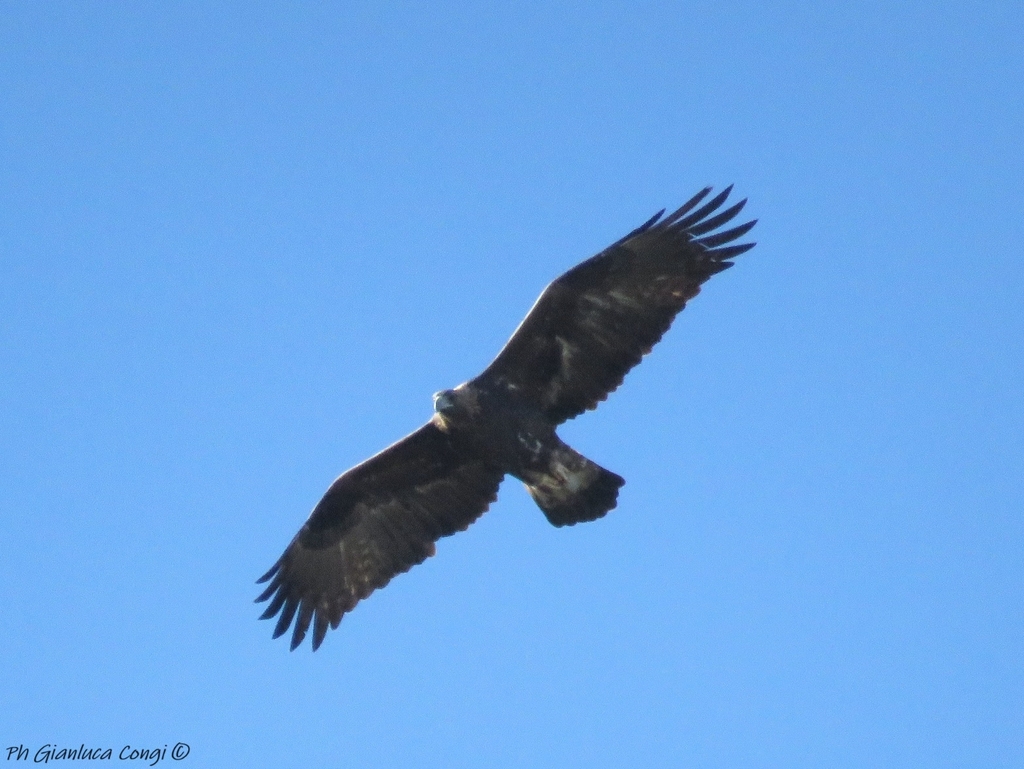
Golden Eagle
Aquila chrysaetos
A winter visitor to West Virginia, found in 53 of 55 counties and 4 habitats.
- Here
- Winter
- Nesting
- Not known to nest here
- Range
- 53 of 55 counties
- Habitats
- 4
At a glance
- Group
- Birds
- Here
- Winter
- Nesting
- Not known to nest here
- Range
- 53 of 55 counties
- Habitats
- 4
- Habitat models
- Winter
Where it lives
The places its habitat model includes. It is not found everywhere a habitat occurs.
Habitats in West Virginia 4
Each habitat page lists the plants and wildlife also found there.
Granite and other acidic rock outcrops
Bare or thin-soil rock on granite, gneiss, sandstone, quartzite and similar acidic rock, including granite flatrocks and domes.
Treeless grassy or shrubby summits and ridges in the high mountains.
Steep, sun-baked slopes of loose shale with sparse oaks and Virginia pine and their own endemic wildflowers. Linked only where the source names shale barrens; calcareous shale stays with the limestone glades.
Streams, rivers and their banks
Flowing water and its banks, bars and rocky shoals.
Other habitats in its models (14)
Land cover, or classes with no habitat page in West Virginia.
- North-Central Appalachian Circumneutral Cliff and Talus Winter.
- Southern Piedmont Cliff Winter.
- Southern Appalachian Montane Cliff Winter.
- Southern Interior Calcareous Cliff Winter.
- Southern Appalachian Rocky Summit Winter.
- Southern Appalachian Granitic Dome Winter.
- Central Interior Highlands Dry Acidic Glade and Barrens Winter.
- North-Central Interior Oak Savanna Winter.
- Nashville Basin Limestone Glade Winter.
- Cumberland Sandstone Glade and Barrens Winter.
- Central Appalachian Alkaline Glade and Woodland Winter.
- Central Interior Highlands Calcareous Glade and Barrens Winter.
- Central Interior and Appalachian Shrub-Herbaceous Wetland Systems Winter.
- Eastern Great Plains Wet Meadow, Prairie, and Marsh Winter.
Seasons in West Virginia
- Winter: does not nest here, in 53 of 55 counties.
Also found in this habitat
Plants 348
Plants named in NatureServe descriptions of these habitats that grow in West Virginia. Shared habitat, not food.
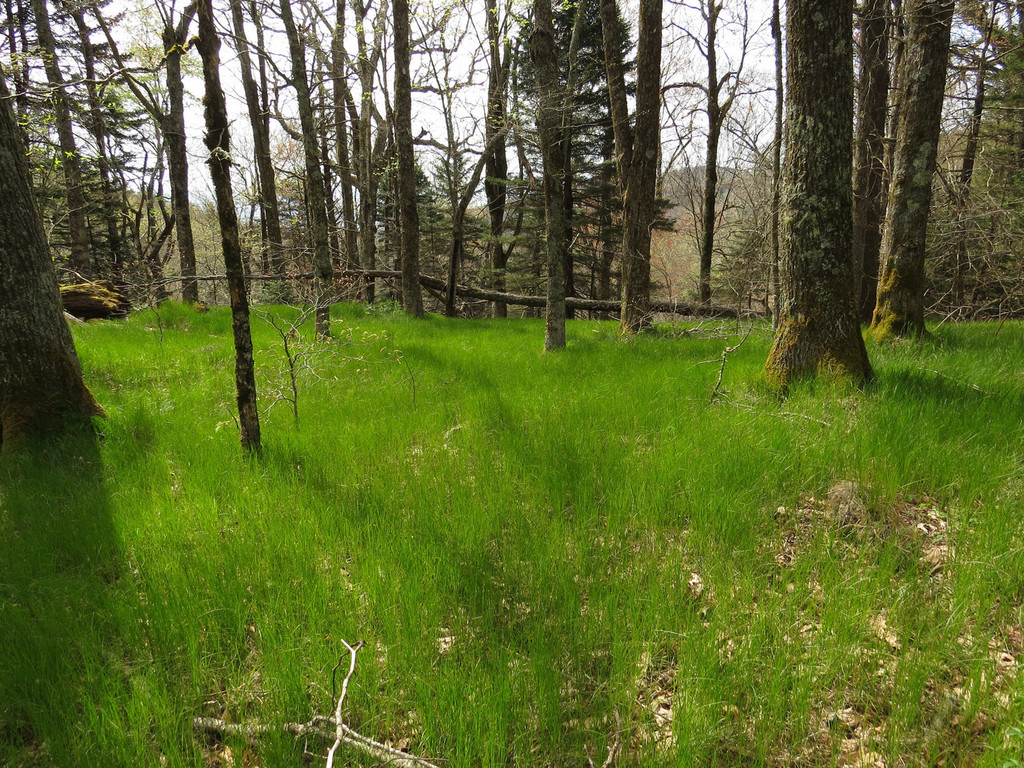
- Wavy HairgrassAvenella flexuosa
- Poverty OatgrassDanthonia spicata
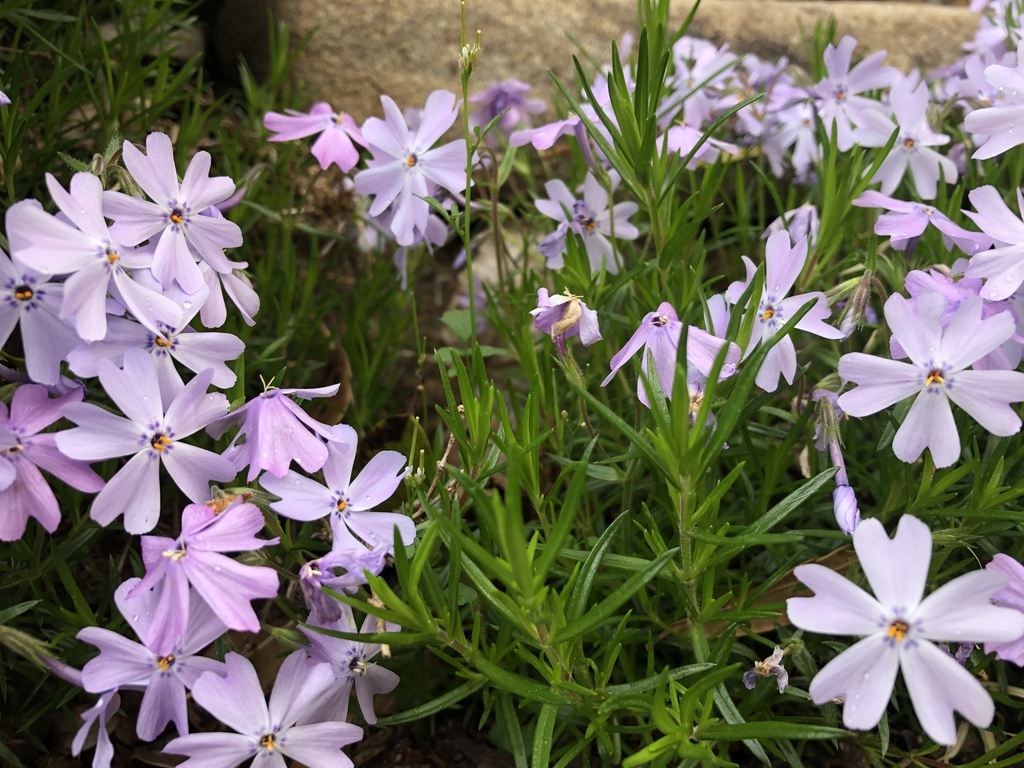
- Moss PhloxPhlox subulata
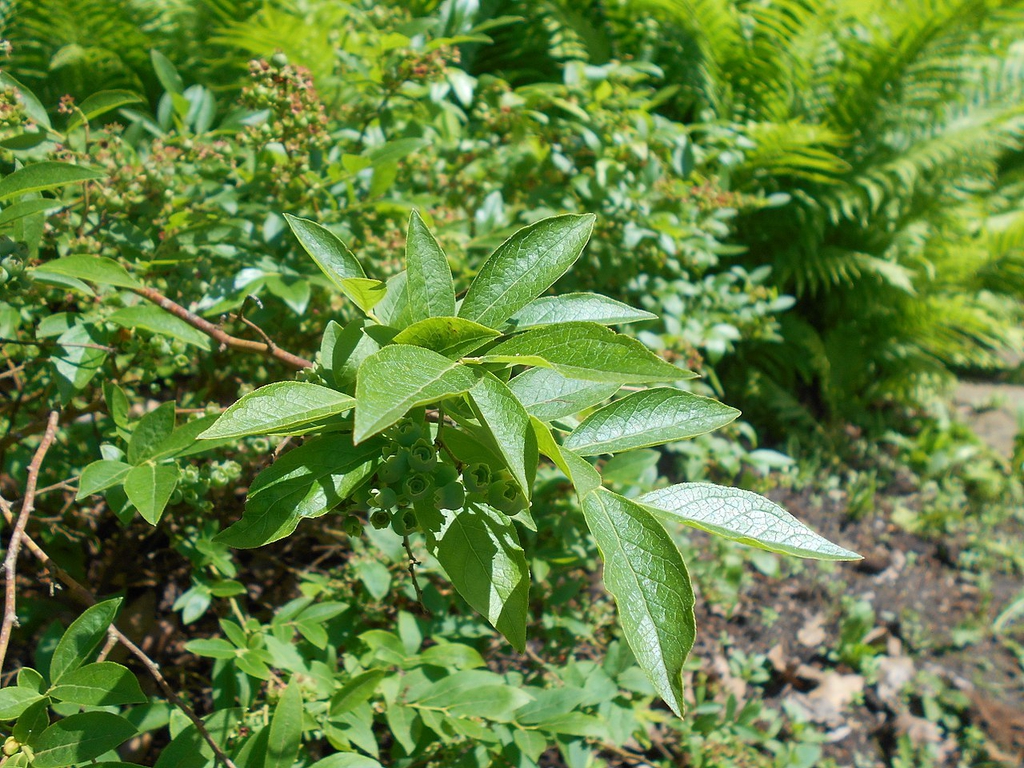
- Hillside BlueberryVaccinium pallidum
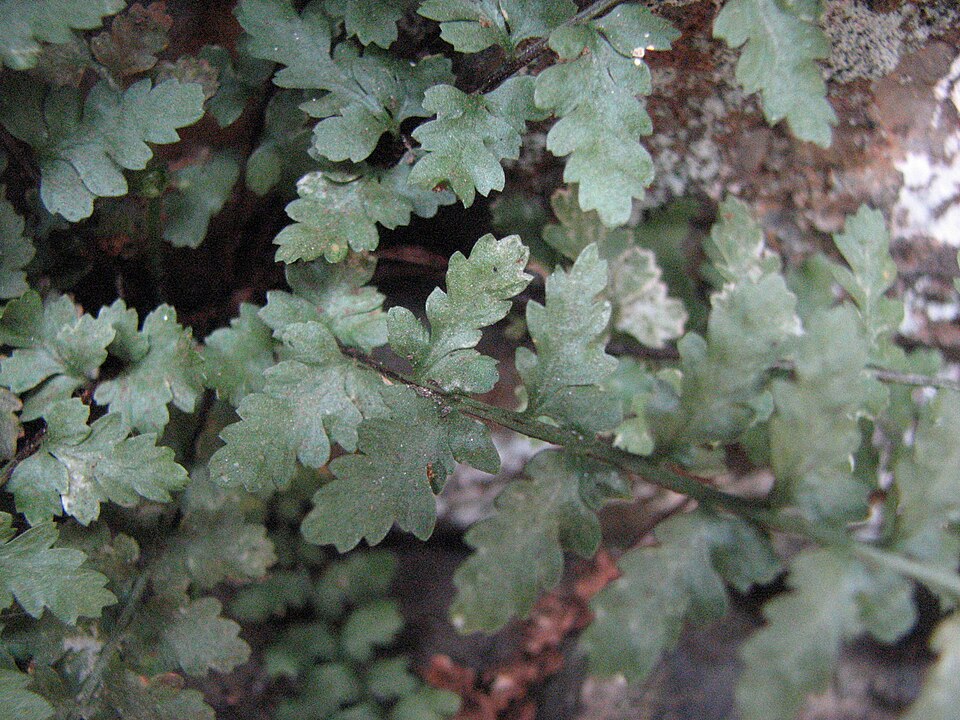
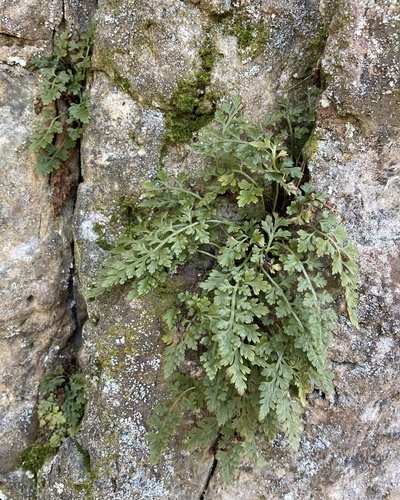
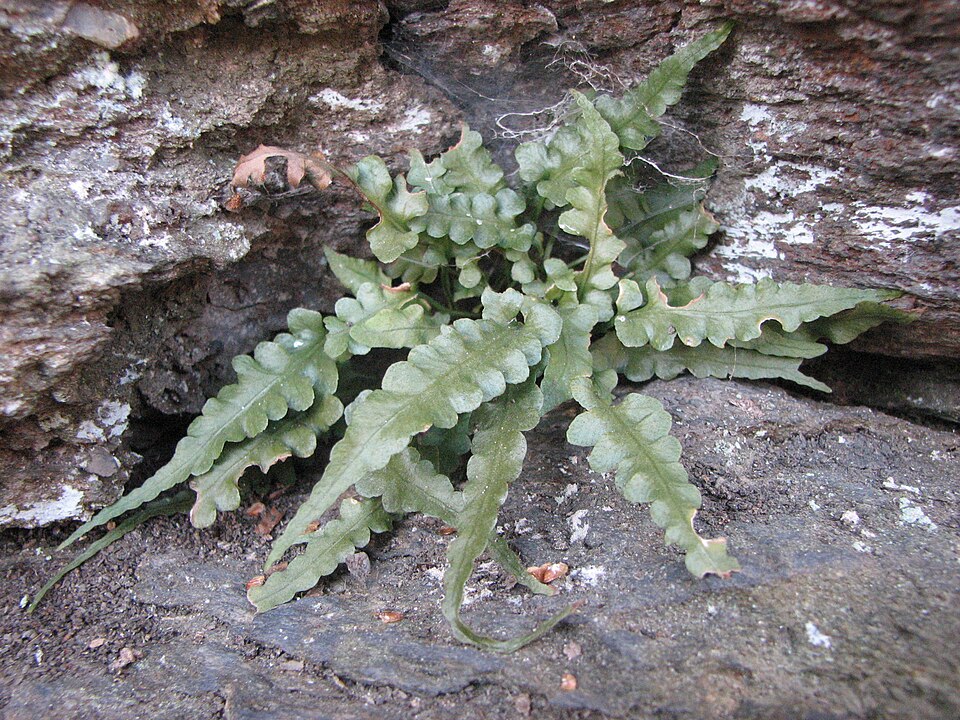
- Bradley's SpleenwortAsplenium bradleyi
- Pennsylvania SedgeCarex pensylvanica
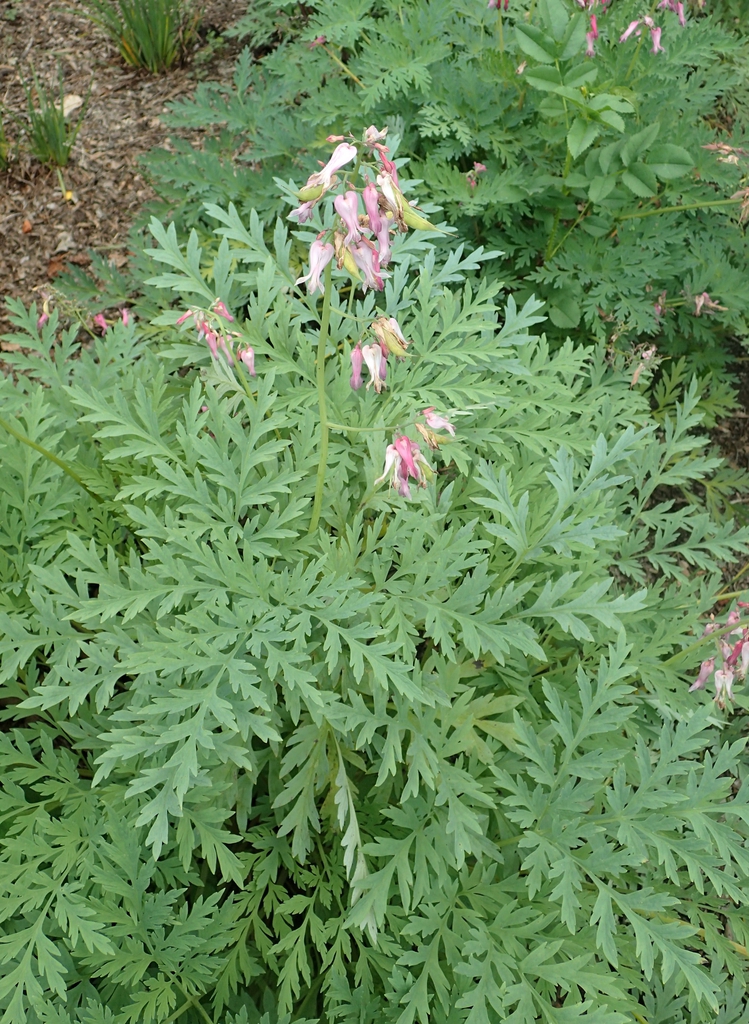
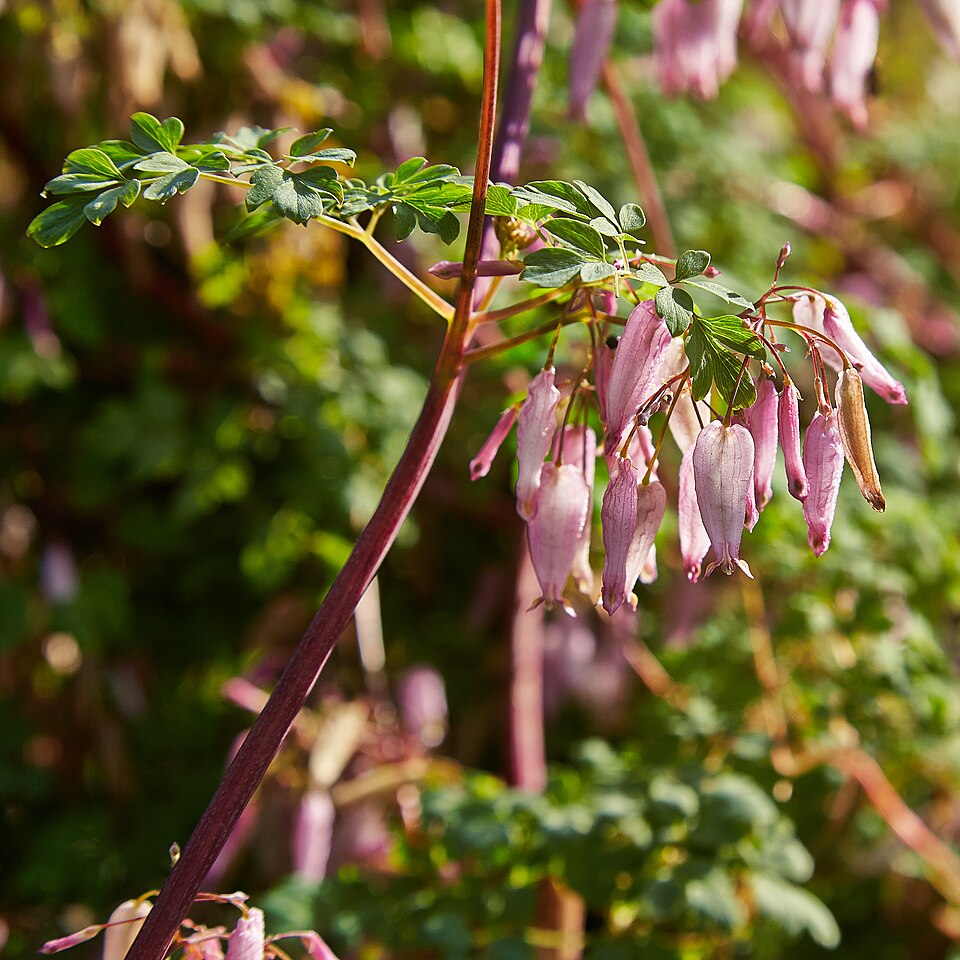
- Wild Bleeding-heartDicentra eximia
- Black HuckleberryGaylussacia baccata
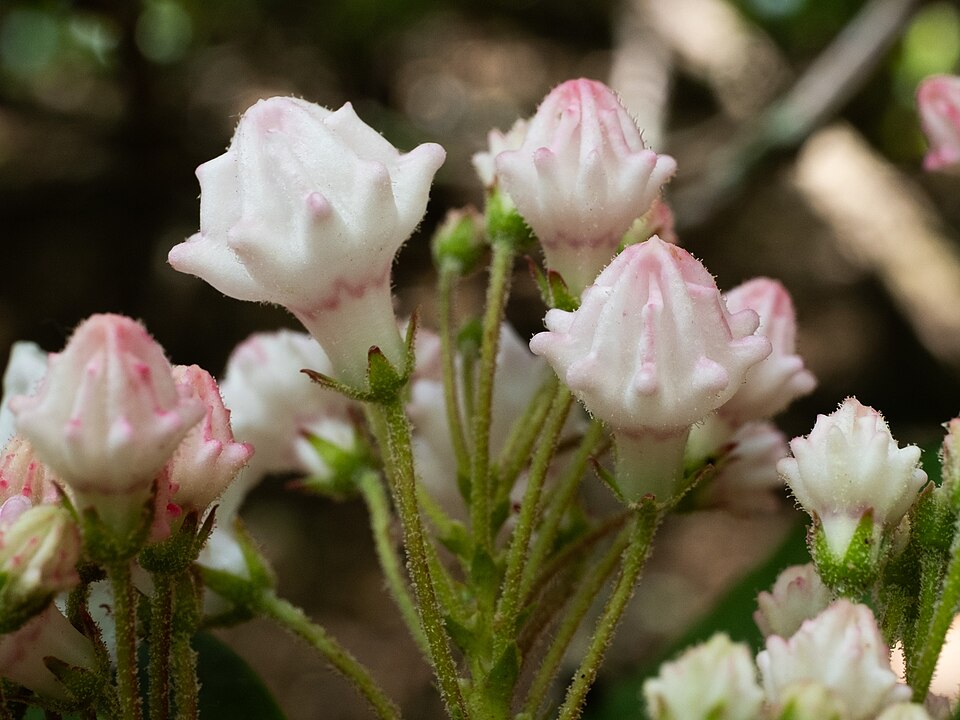
- Mountain LaurelKalmia latifolia
- Heller's Blazing-starLiatris helleri
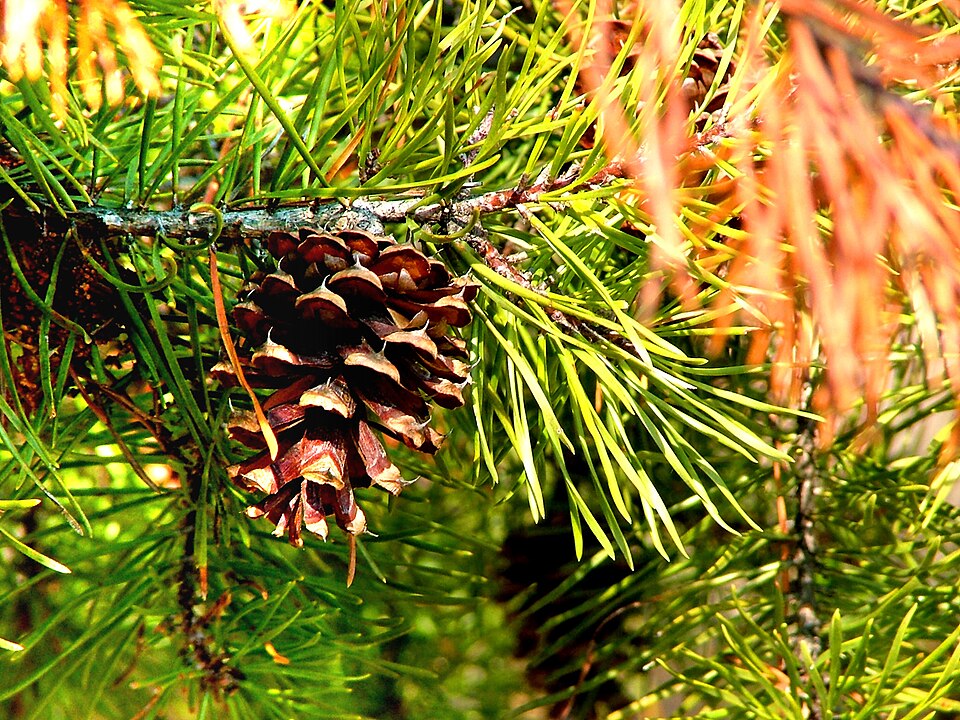
- Virginia PinePinus virginiana
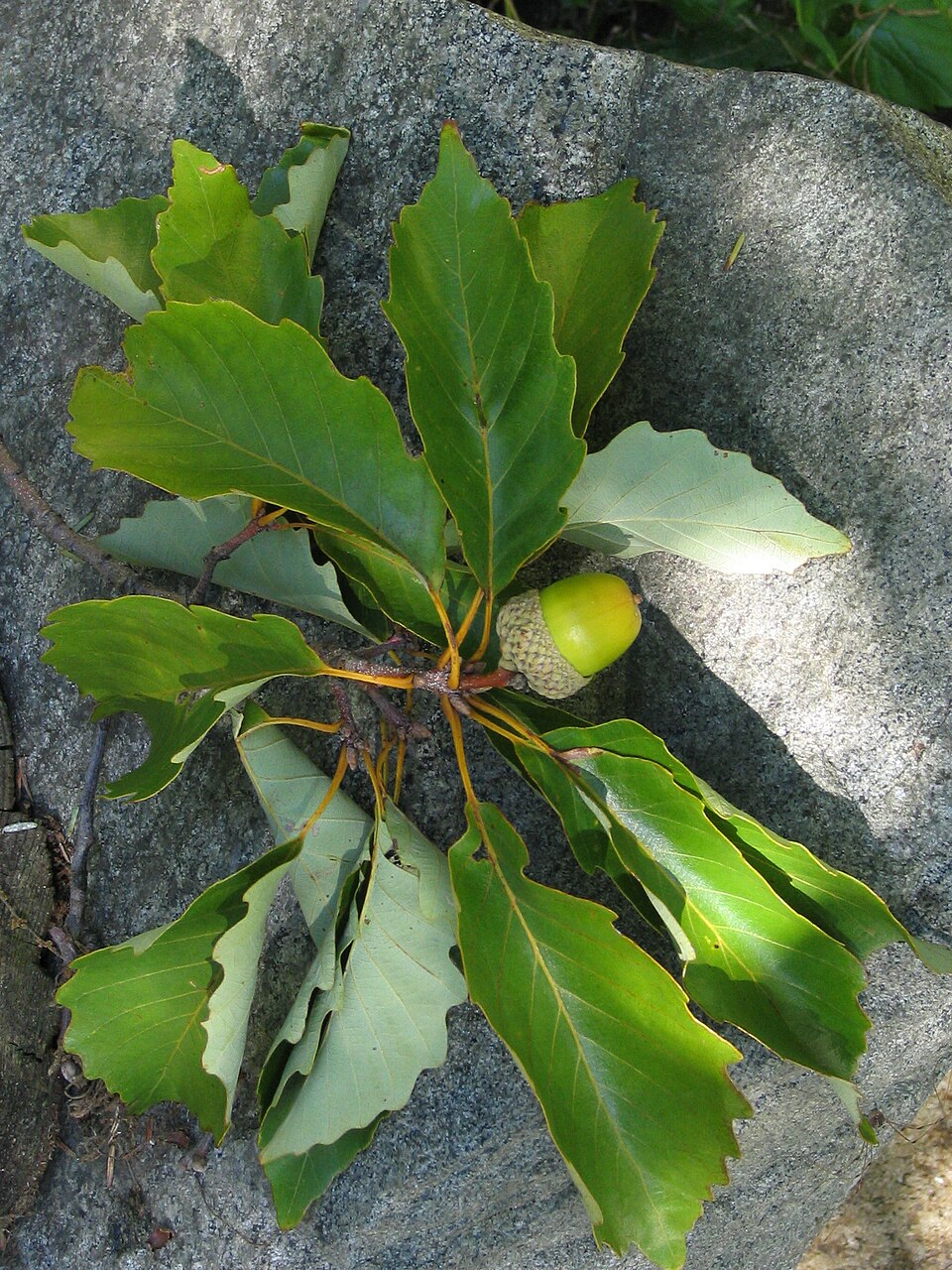
- Chestnut OakQuercus prinus
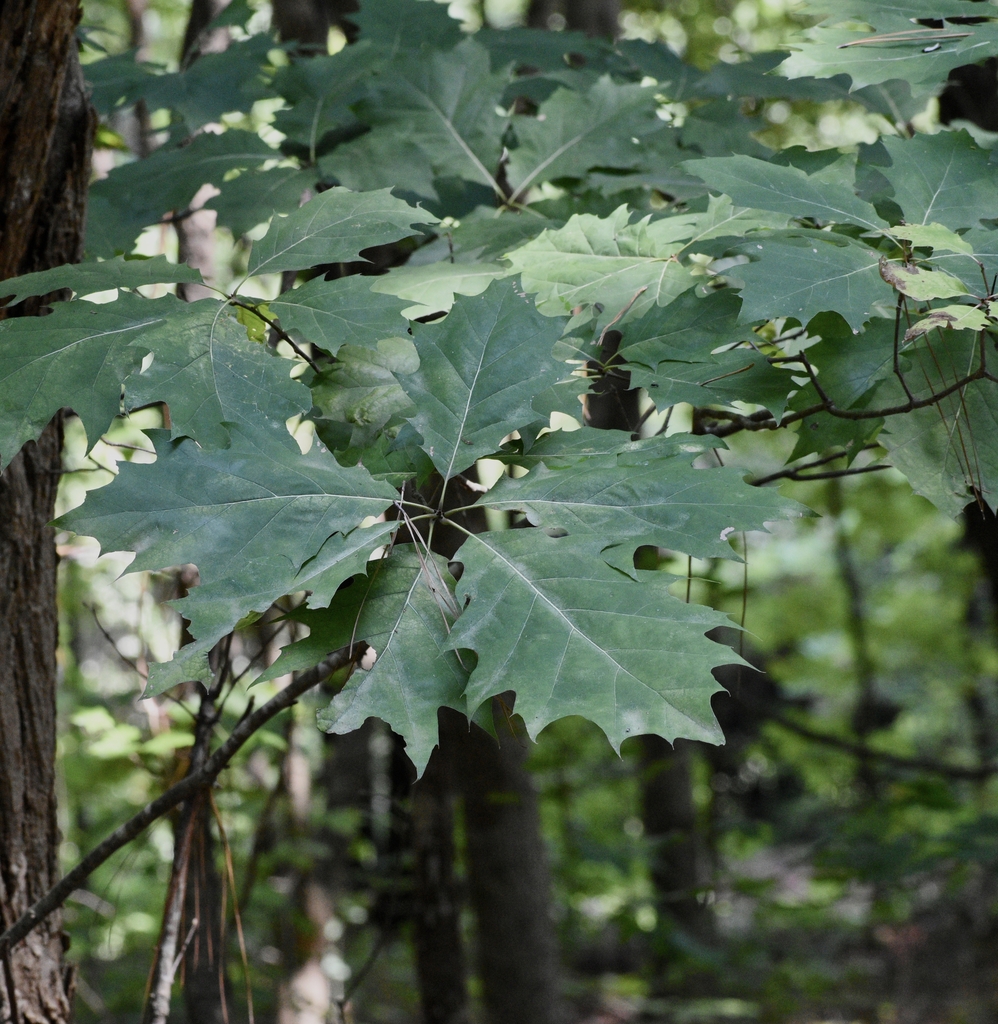
- Northern Red OakQuercus rubra
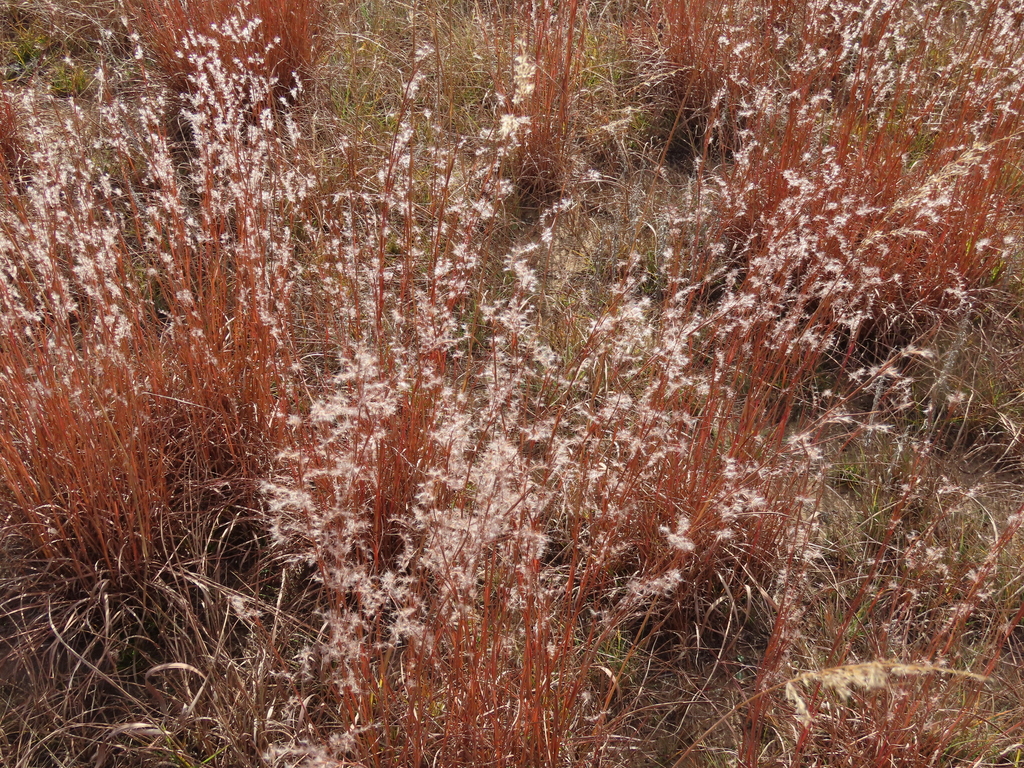
- Little BluestemSchizachyrium scoparium
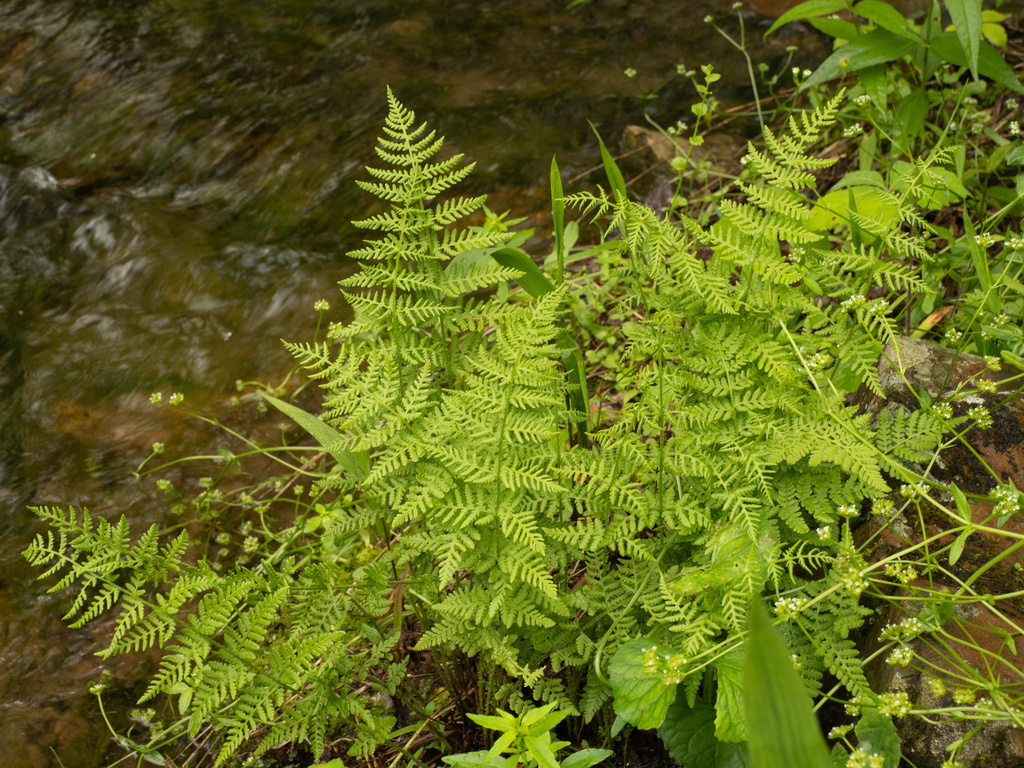
- Appalachian Cliff FernWoodsia appalachiana
- Blunt-lobe Cliff FernWoodsia obtusa
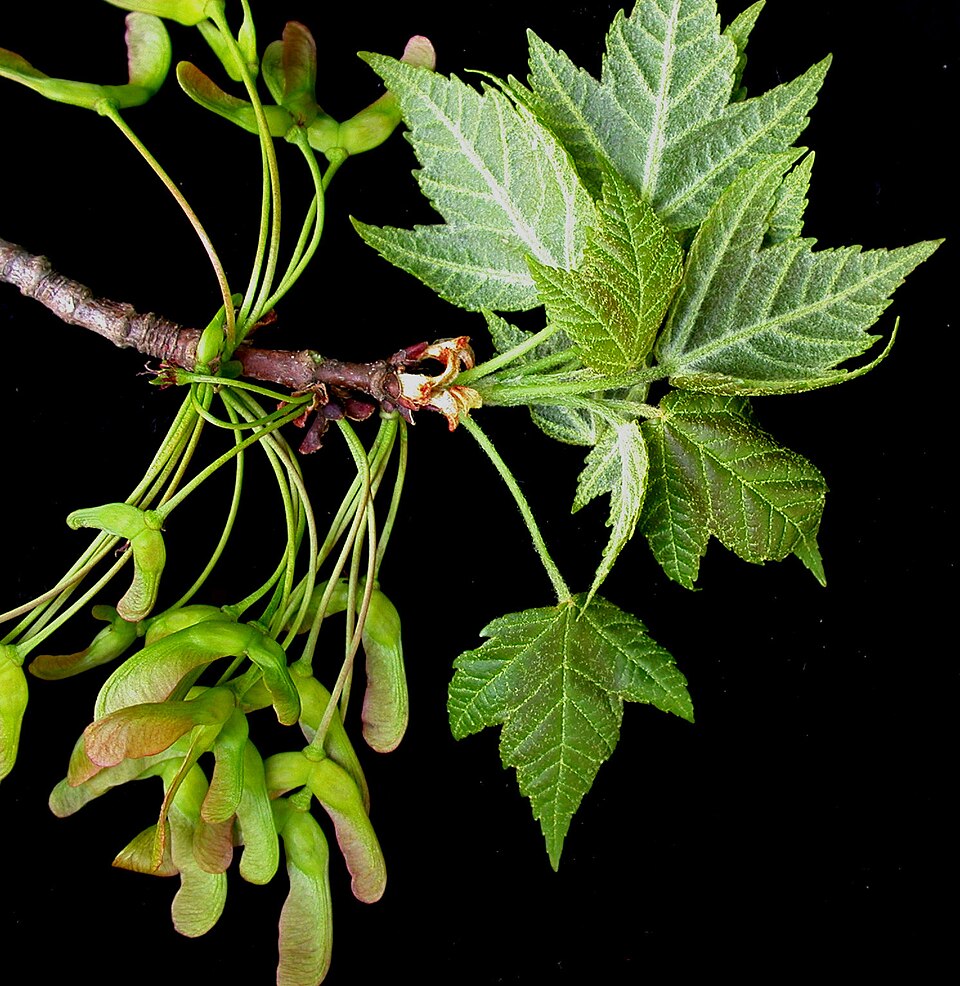
- Red MapleAcer rubrum
- Allegheny-vineAdlumia fungosa
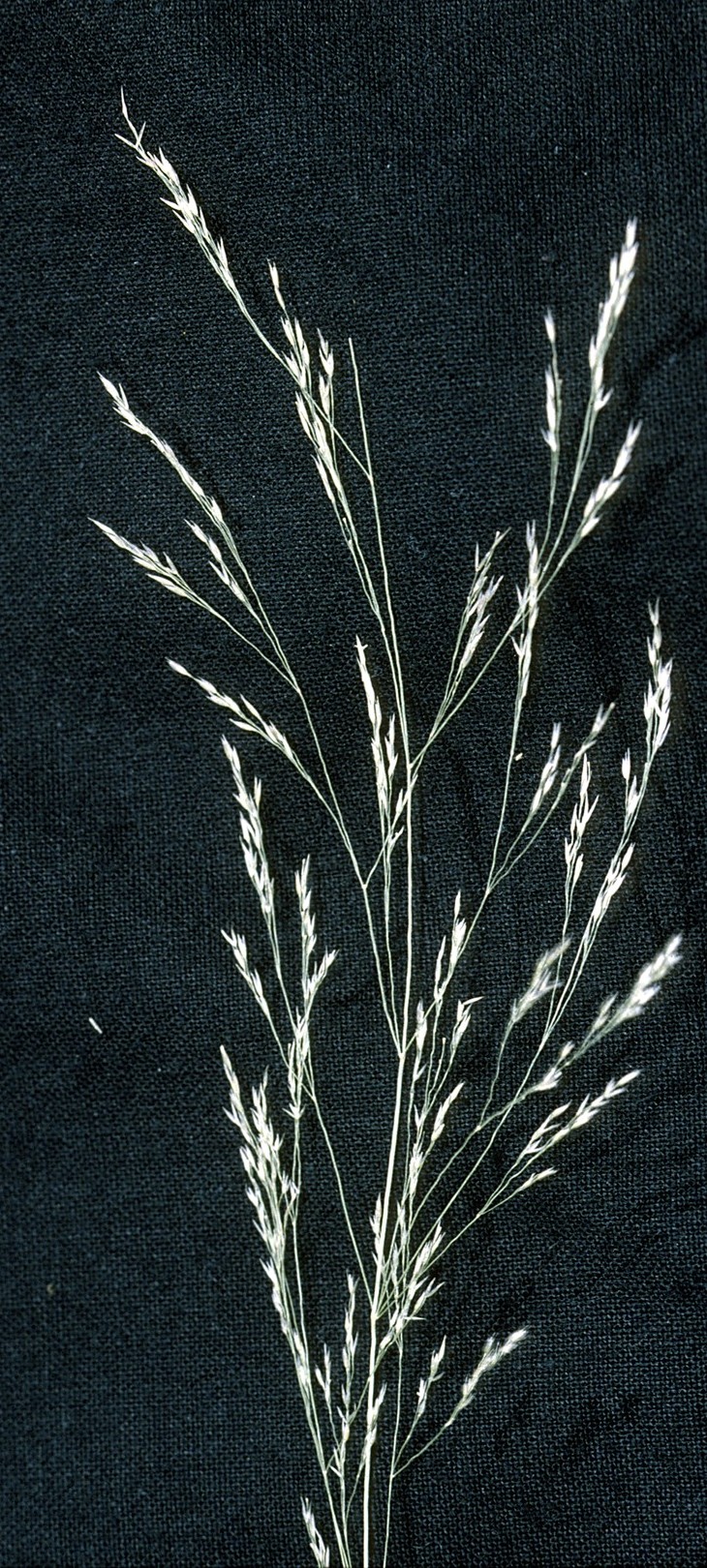
- Upland BentgrassAgrostis perennans
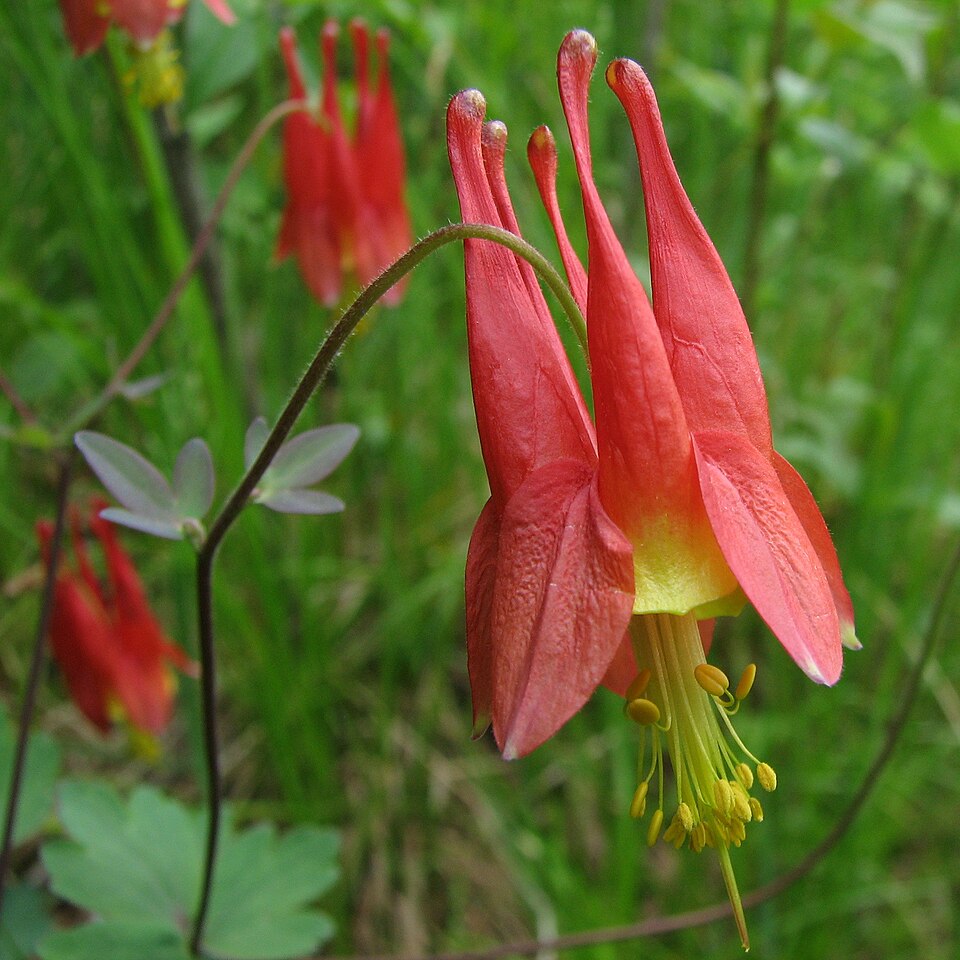
- Eastern ColumbineAquilegia canadensis
- Bristly SarsaparillaAralia hispida
- Mountain SpleenwortAsplenium montanum
- Lobed SpleenwortAsplenium pinnatifidum
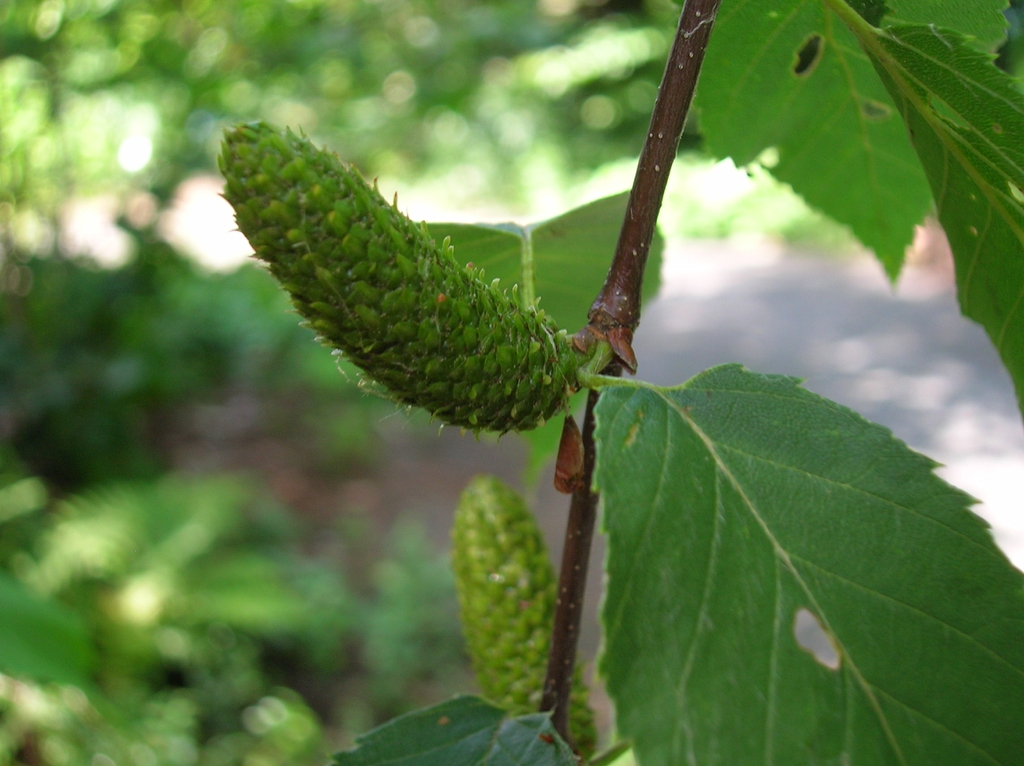
- Sweet BirchBetula lenta

Wildlife 155
Other animals whose habitat models include the same habitats in West Virginia. Not sighting records.
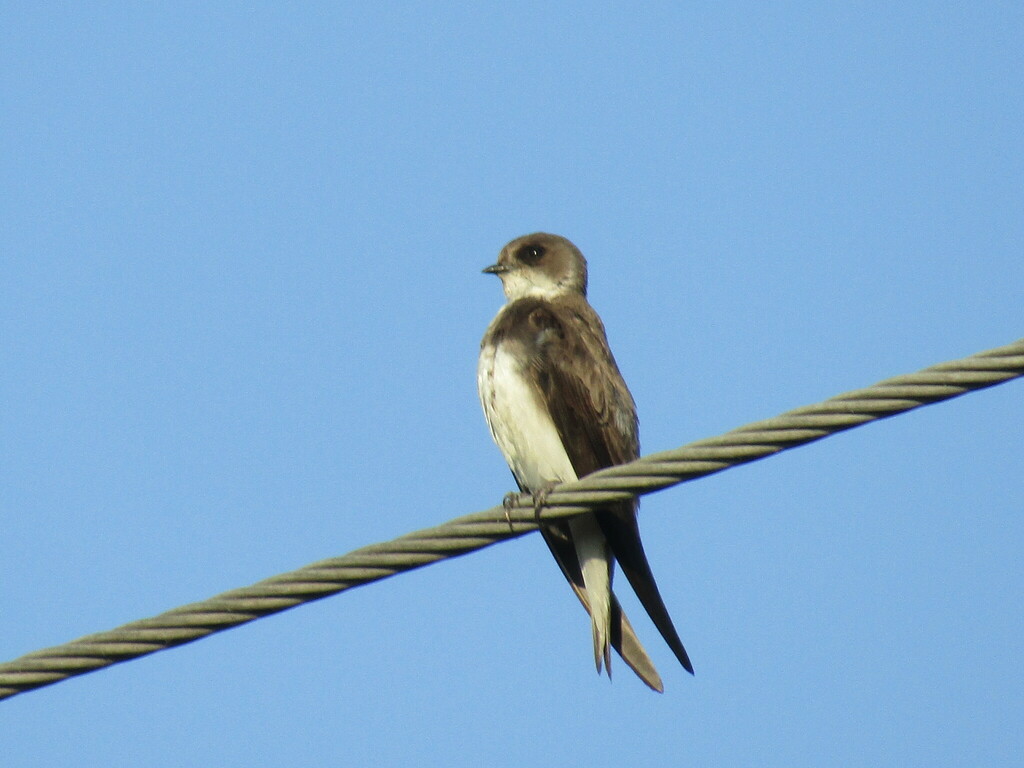
- Bank SwallowRiparia riparia
- Common NighthawkChordeiles minor
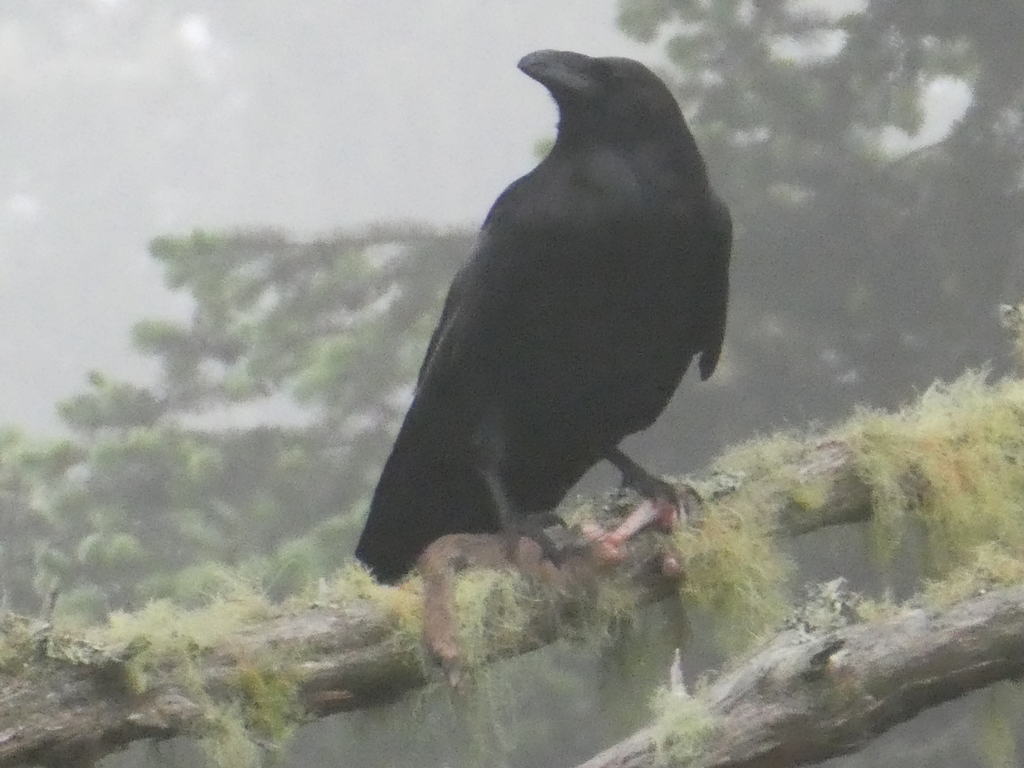
- Common RavenCorvus corax
- Dark-eyed JuncoJunco hyemalis
- Eastern KingbirdTyrannus tyrannus
- Eastern PhoebeSayornis phoebe
- Eurasian Collared-doveStreptopelia decaocto
- European StarlingSturnus vulgaris
- Great Horned OwlBubo virginianus
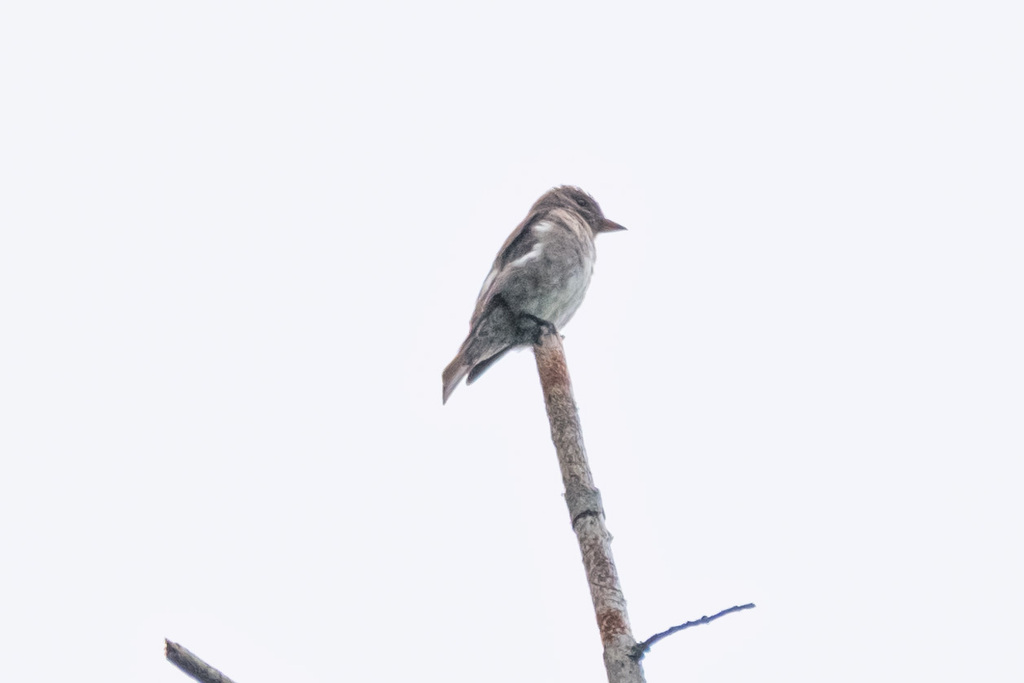
- Olive-sided FlycatcherContopus cooperi
- Red-tailed HawkButeo jamaicensis
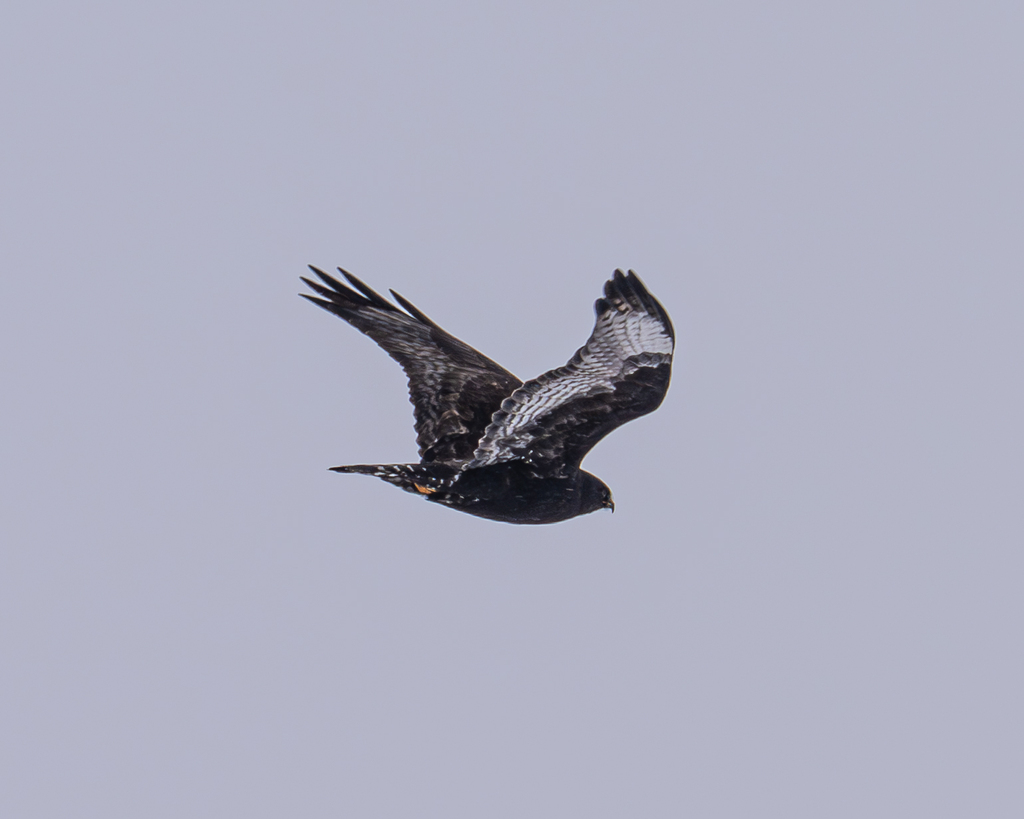
- Rough-legged HawkButeo lagopus
- Sharp-shinned HawkAccipiter striatus
- Turkey VultureCathartes aura
- American CrowCorvus brachyrhynchos
- American GoldfinchCarduelis tristis
- American KestrelFalco sparverius
- American RobinTurdus migratorius
- Blue GrosbeakPasserina caerulea
- Blue JayCyanocitta cristata
- Chimney SwiftChaetura pelagica
- Chipping SparrowSpizella passerina
- Cooper's HawkAccipiter cooperii
- Gray CatbirdDumetella carolinensis




















NatureServe Explorer, CC BY 4.0. USGS Gap Analysis Project habitat models.
Sources
- USGS Gap Analysis Project habitat models (2001)
- USGS GAP winter habitat model for Golden Eagle Elevation 0 to 3,630 m
- USGS Gap Analysis Project range maps (2001), modeled by watershed; migratory gives no dates
- NatureServe Explorer (CC BY 4.0), habitat names
- US Census TIGER/Line counties
- Names follow the USGS Gap Analysis Project (2001)