

Habitats in West Virginia
Places plants grow wild in West Virginia, with the plants and animals found in each.
30 habitats
- Cliffs, ledges and rocky summitsCliffs, ledges, rock outcrops, talus and rocky summits where the source does not name the rock. A named rock files the place under its own glade or outcrop type instead.
- Disturbed and introduced wetlandsWet ground taken over by weedy or introduced plants after disturbance, such as common reed, Chinese tallow or tamarisk stands; the upland counterpart is roadsides, fields and disturbed ground.
- Dry forests and woodlandsForests and open woodlands on dry ridges and slopes, often oak or pine.
- Floodplain and bottomland forestsForests on low ground beside rivers and streams that flood from time to time.
- Forest edges and thicketsBorders of forests, clearings and shrubby thickets.
- Forests and woodlandsForest or woodland where the source does not say how moist or dry.
- Freshwater marshesOpen, herb-covered wetlands with fresh, non-tidal water.
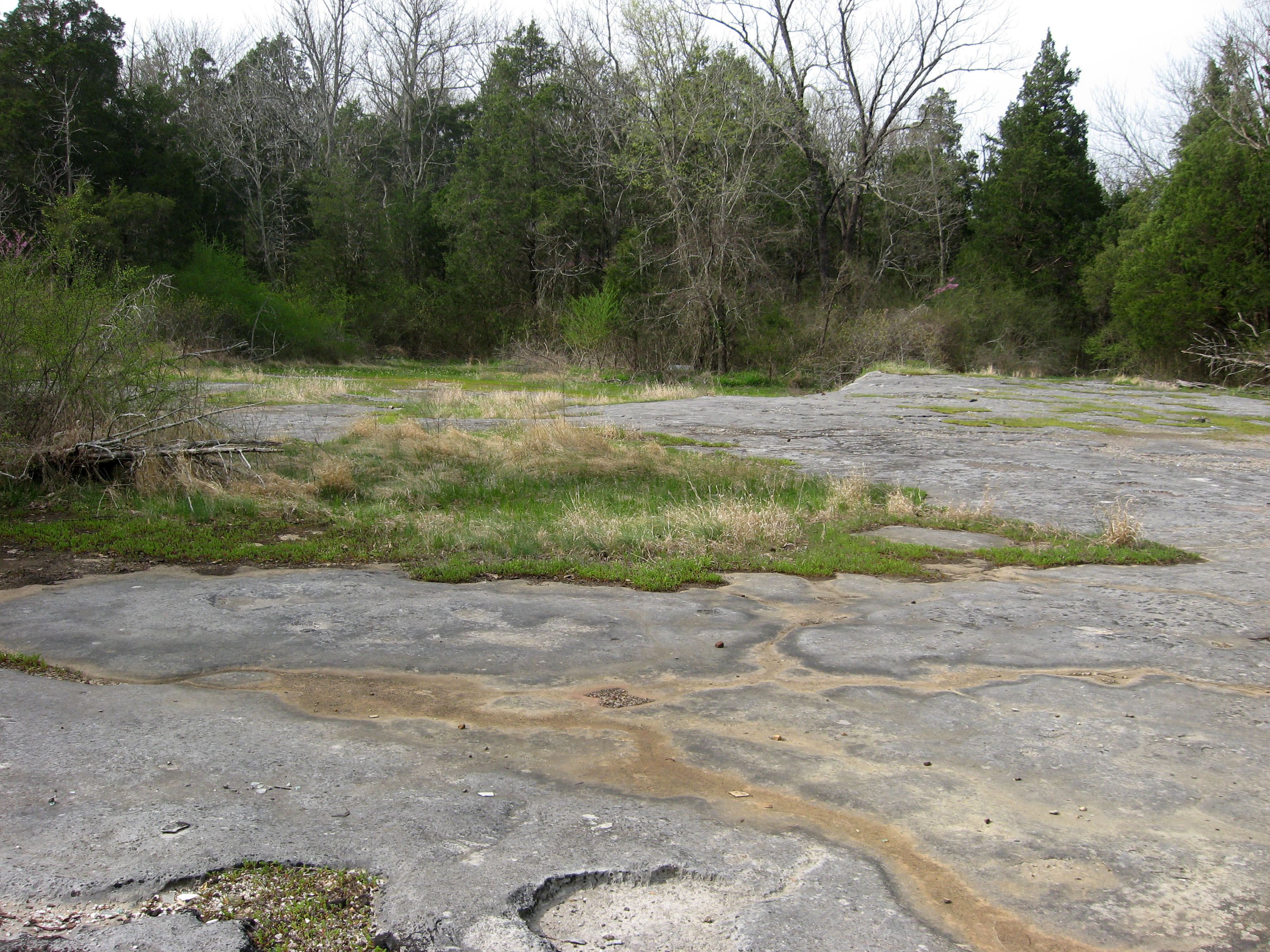 Glades, barrens and outcrops on limestoneOpen, thin-soil openings and rock on limestone, dolomite or other lime-rich rock, including cedar glades.
- Glades, barrens and outcrops on mafic or serpentine rockOpen, thin-soil openings, outcrops and cliffs on dark, magnesium- or iron-rich rock such as serpentine, diabase or gabbro.
- Granite and other acidic rock outcropsBare or thin-soil rock on granite, gneiss, sandstone, quartzite and similar acidic rock, including granite flatrocks and domes.
- Hemlock forestsShady, evergreen forests of eastern or Carolina hemlock, often along rocky mountain streams and in gorges.
- MeadowsOpen, grassy or flowery ground that is not wet, such as mountain meadows; wet meadows are separate.
- Moderately dry forestsForests between dry and moist, often oak-hickory on slopes.
- Moist forestsForests on moist but not wet ground, such as rich slopes and ravines.
- Mountain baldsTreeless grassy or shrubby summits and ridges in the high mountains.
- Mountain bogs and fensWet, open, peaty mountain wetlands fed by seepage, often with sphagnum moss.
- Northern hardwood forestsHigh mountain forests of beech, yellow birch and sugar maple, including boulderfield forests.
- Oak savannas and openingsOpen-grown oaks over grass and wildflowers, kept open by fire or thin soil; not the treeless prairies or the Coastal Plain's pine savannas.
- Ponds, lakes and their shoresStill water and its edges: ponds, lakes, millponds and reservoirs.
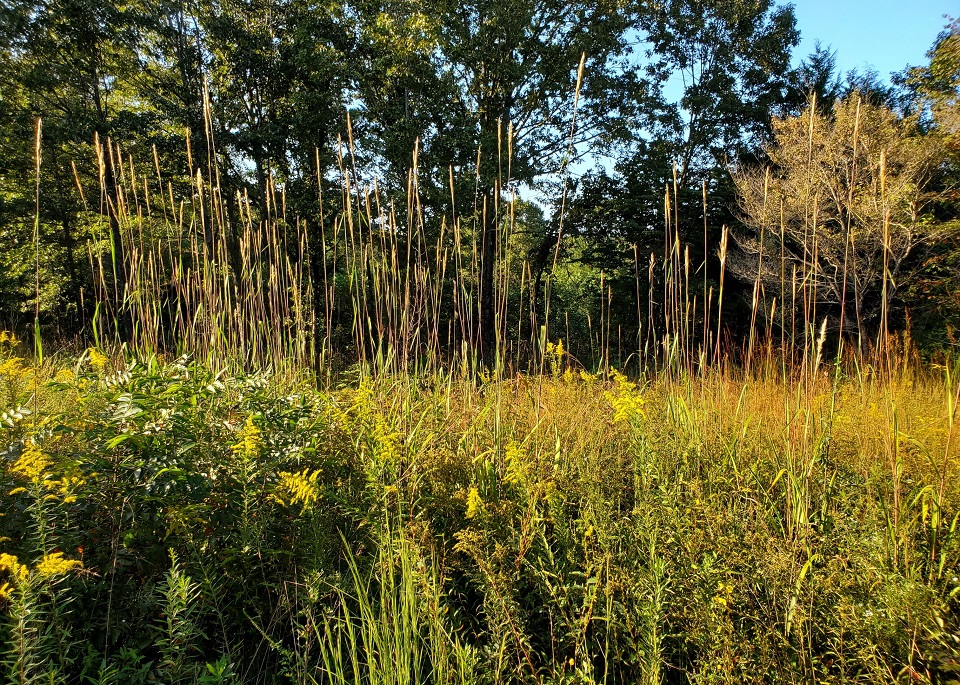 Prairies and grasslandsOpen, grass-dominated places kept open by fire, grazing or thin soil, from tallgrass prairie to Piedmont prairies.
- Rich cove forestsSheltered, moist mountain hollows and lower slopes with deep, fertile soil.
- Roadsides, fields and disturbed groundGround opened by people: roadsides, old fields, pastures, fencerows and lots.
- Seeps and springsPlaces where groundwater keeps the soil or rock wet, such as seepage slopes and spring runs.
- Shale barrensSteep, sun-baked slopes of loose shale with sparse oaks and Virginia pine and their own endemic wildflowers. Linked only where the source names shale barrens; calcareous shale stays with the limestone glades.
- Sinkhole pondsPonds and wet depressions in limestone sinkholes of the interior valleys and plateaus (karst), separate from the Coastal Plain's limesink ponds.
- Spruce-fir forestsCool, evergreen forests of red spruce and Fraser fir on the highest mountains.
- Streams, rivers and their banksFlowing water and its banks, bars and rocky shoals.
- SwampsForested wetlands with standing water much of the year, such as cypress and gum swamps.
- Tree plantations and managed pinePlanted or intensively managed stands of pine or hardwoods grown for timber; a land use rather than a natural community.
- Wet meadowsOpen, wet, grassy or sedgy ground that is not a bog.
- No picture yetCliffs, ledges and rocky summits
- No picture yetDisturbed and introduced wetlands
- No picture yetDry forests and woodlands
- No picture yetFloodplain and bottomland forests
- No picture yetForest edges and thickets
- No picture yetForests and woodlands
- No picture yetFreshwater marshes
- Glades, barrens and outcrops on limestone
- No picture yetGlades, barrens and outcrops on mafic or serpentine rock
- No picture yetGranite and other acidic rock outcrops
- No picture yetHemlock forests
- No picture yetMeadows
- No picture yetModerately dry forests
- No picture yetMoist forests
- No picture yetMountain balds
- No picture yetMountain bogs and fens
- No picture yetNorthern hardwood forests
- No picture yetOak savannas and openings
- No picture yetPonds, lakes and their shores
- Prairies and grasslands
- No picture yetRich cove forests
- No picture yetRoadsides, fields and disturbed ground
- No picture yetSeeps and springs
- No picture yetShale barrens
- No picture yetSinkhole ponds
- No picture yetSpruce-fir forests
- No picture yetStreams, rivers and their banks
- No picture yetSwamps
- No picture yetTree plantations and managed pine
- No picture yetWet meadows