

Bristly Sarsaparilla
Aralia hispida
Found in forests and woodlands; granite and other acidic rock outcrops; forest edges and thickets. Weakley, Flora of the Southeastern United States (2025), Northern Tier edition What its natural habitat tells you
Native to West Virginia. How scores work Is it native here?
Profile 24%
Will it fit your yard?No photograph yet. Looking for an old drawing…
At a glance
Not yet recorded · Height · Spread · Light · Soil · Life cycle · Leaves · Bloom
This plant is missing most of its facts, so Quercus is looking them up in old botany books.
Recorded in 5 West Virginia counties.
Natural habitats
Places it grows wild. Not a planting requirement. Each habitat page lists the plants and wildlife also found there.
Forest or woodland where the source does not say how moist or dry.
Granite and other acidic rock outcrops
Bare or thin-soil rock on granite, gneiss, sandstone, quartzite and similar acidic rock, including granite flatrocks and domes.
Borders of forests, clearings and shrubby thickets.
Also found with this plant
Wildlife whose habitat models include habitats this plant grows in, in West Virginia. Shared habitat, not food. 120 animals.
- American KestrelFalco sparverius
- Belted KingfisherMegaceryle alcyon
- Common NighthawkChordeiles minor
- Common RavenCorvus corax
- Dark-eyed JuncoJunco hyemalis
- Eastern PhoebeSayornis phoebe
- European StarlingSturnus vulgaris
- Great Horned OwlBubo virginianus
- Mourning DoveZenaida macroura
- Red-tailed HawkButeo jamaicensis
- Sharp-shinned HawkAccipiter striatus
- Turkey VultureCathartes aura
- American CrowCorvus brachyrhynchos
- Bald EagleHaliaeetus leucocephalus
- Bank SwallowRiparia riparia
- Chimney SwiftChaetura pelagica
- Eastern BluebirdSialia sialis
- Eastern KingbirdTyrannus tyrannus
- Eurasian Collared-doveStreptopelia decaocto
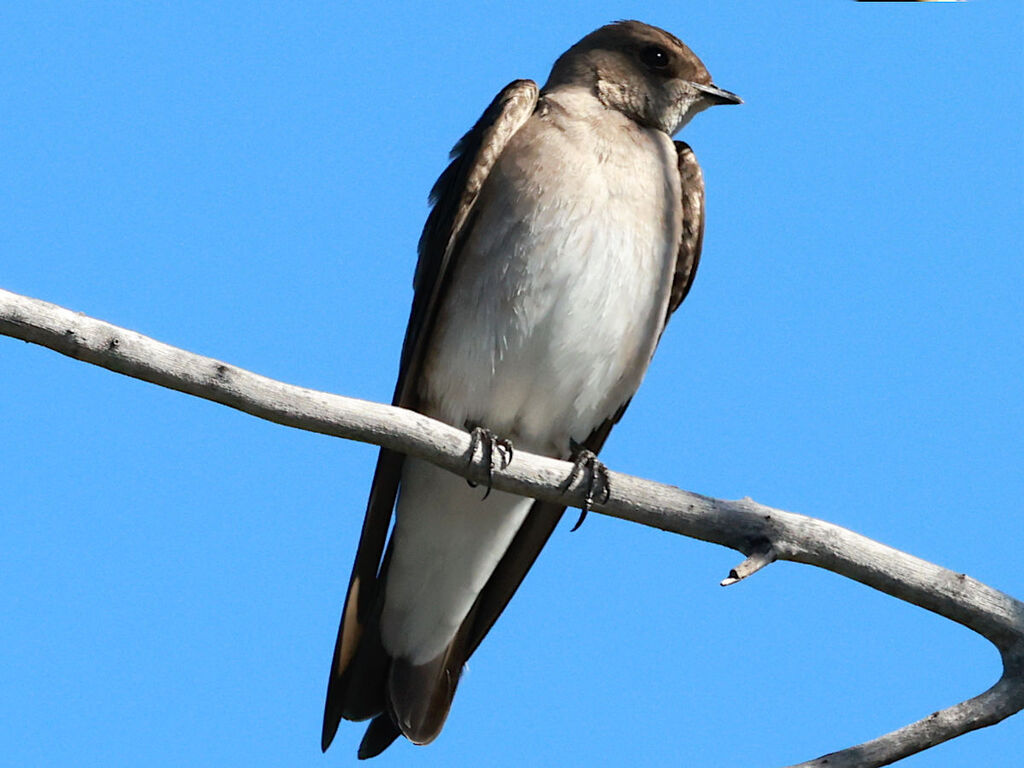
- Northern Rough-winged SwallowStelgidopteryx serripennis
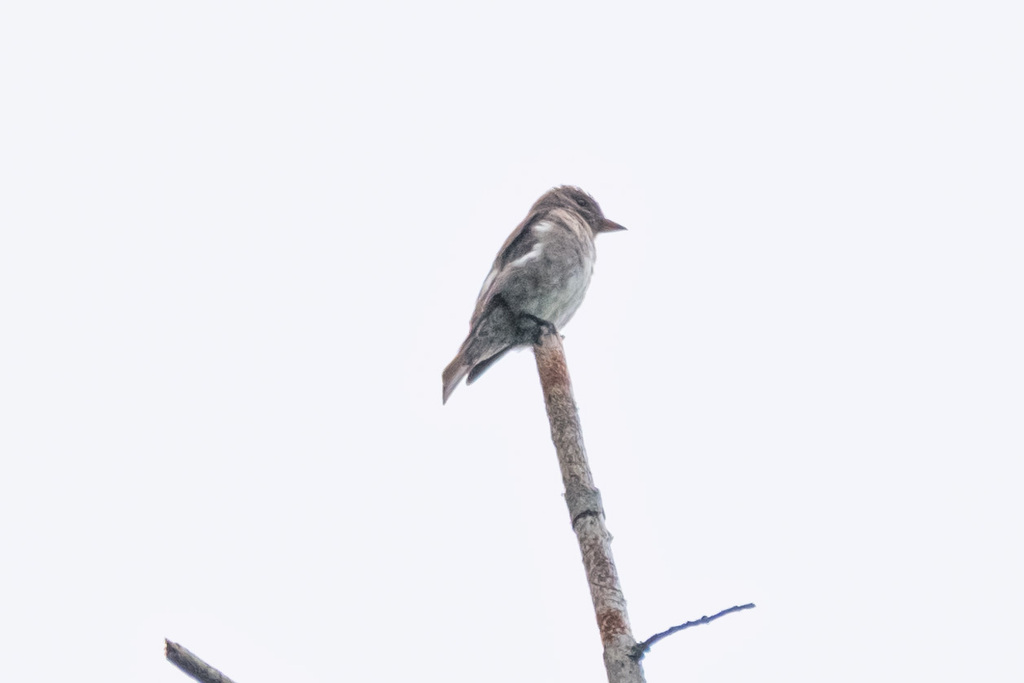
- Olive-sided FlycatcherContopus cooperi
- American GoldfinchCarduelis tristis
- American RobinTurdus migratorius
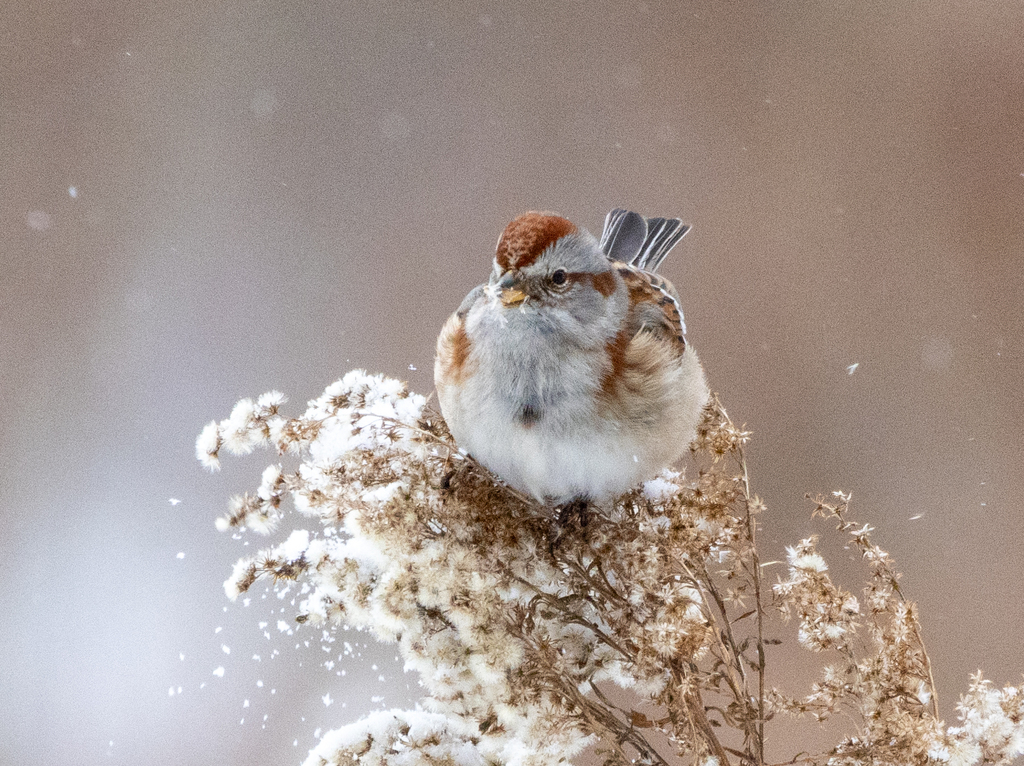
- American Tree SparrowSpizella arborea





















Who uses this plant?
 14CaterpillarsGenus host records with ranges including WV
Genus host records with ranges including WV · Aralia
- Amorbia humerosanaWhite-Lined Leafroller Moth
- Apatelodes torrefactaSpotted Apatelodes
- Celastrina ladonSpring Azure
- Celastrina luciaLucia Azure
- Celastrina serotinaCherry Gall Azure
- Coelostathma discopunctanaThe Batman Moth
- Dichomeris juncidellaOrange-Dotted Dichomeris
- Ectropis crepusculariaThe Small Engrailed, Saddleback Looper
- Herpetogramma thestealisZigzag Herpetogramma, Subtle-Feathered Grass Moth
- Iridopsis defectariaBrown-Shaded Gray, Willow Looper
Show all 14
- Iridopsis ephyrariaPale-Winged Gray
- Machimia tentoriferellaGold-Striped Leaftier Moth
- Orthosia rubescensRuby Quaker
- Spilosoma virginicaVirginian Tiger Moth, Yellow Woolybear Moth, Yellow Bear
 13BeesSoutheastern regional records
Southeastern regional records · Aralia
Individual names are not available yet.
Noori, Seltmann & Orr 2026, A curated and integrated dataset for exploring global bee-plant interactions (GloBI), Zenodo, CC BY 4.0 0Specialist beesPollen specialists
 6BirdsRecorded genus food-resource interactions; not a state feeding claim
Recorded genus food-resource interactions; not a state feeding claim · Aralia
- Hylocichla mustelinaWood Thrush
- Catharus guttatusHermit Thrush
- Catharus minimus/bicknelliGray-cheeked/Bicknell's Thrush
- Catharus ustulatusSwainson's Thrush
- Pinicola enucleatorPine Grosbeak
- Sialia sialisEastern Bluebird
Direct food only: birds recorded eating this genus across North America. Caterpillars on host plants also feed nesting birds. NC Native Plant Society: butterfly gardening
No records yet · Ants · Beetles · Flies · Adult butterflies / moths · Other wasps · Other insects
Plant details
- Family
- Family not recorded
Safety has not been reviewed for this plant; check toxicity and thorns before planting.
Conservation status
| West Virginia rank | S4 |
|---|---|
| Global rank | Not available |
| WV status | Not verified |
| Federal status | Not verified |
Will it fit your yard?
Check this plant against your county, sun and soil moisture. Conditions are checked in your browser.
Sources
- NatureServe Explorer
- Weakley, Flora of the Southeastern United States (2025)
- West Virginia occurrence source
- Shropshire & Tallamy 2025, Lepidoptera of North America north of Mexico, ZooKeys 1261 (ODbL)
- Noori, Seltmann & Orr 2026, A curated and integrated dataset for exploring global bee-plant interactions (GloBI), Zenodo, CC BY 4.0
- Smith, Bachelder, Russell, Morales, Mosher & Seltmann 2024, Bee-Specialization-Modeling v0.6.1 (specialist host table compiled from J. Fowler's pollen specialist bee lists), Zenodo, CC BY 4.0
- Hurlbert, Olsen, Sawyer & Winner 2021, Avian Diet Database, Scientific Data 8: 260 (CC0)
- Narango, Tallamy & Shropshire 2020, Few keystone plant genera support the majority of Lepidoptera species, Nature Communications