

Bird
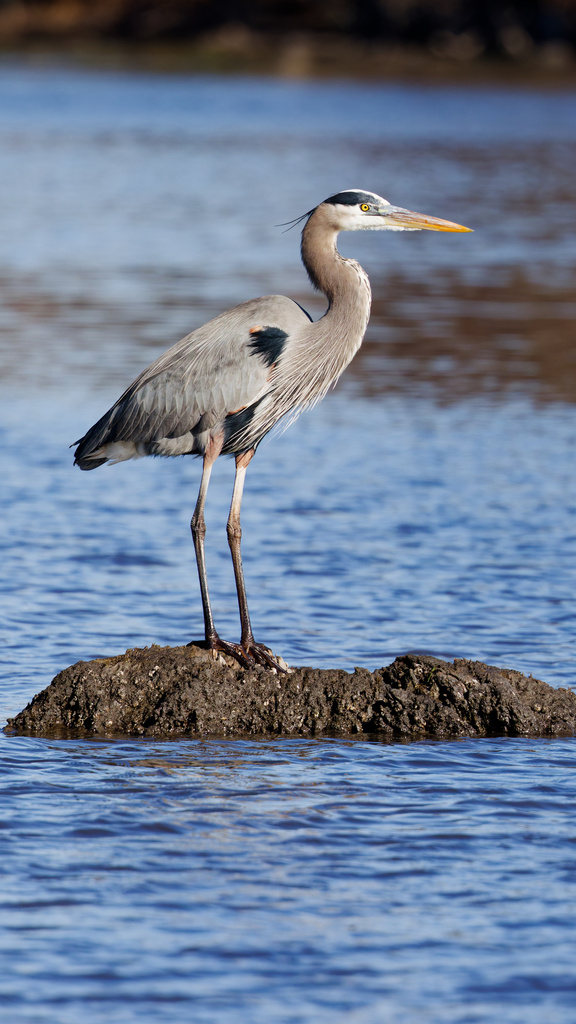
Great Blue Heron
Ardea herodias
Lives in West Virginia all year and nests here. Found in all 55 counties, across 6 habitats.
- Here
- All year
- Nesting
- Nests here
- Range
- All 55 counties
- Habitats
- 6
At a glance
- Group
- Birds
- Here
- All year
- Nesting
- Nests here
- Range
- All 55 counties
- Habitats
- 6
- Habitat models
- Summer, Winter
Where it lives
The places its habitat model includes. It is not found everywhere a habitat occurs.
Habitats in West Virginia 6
Each habitat page lists the plants and wildlife also found there.
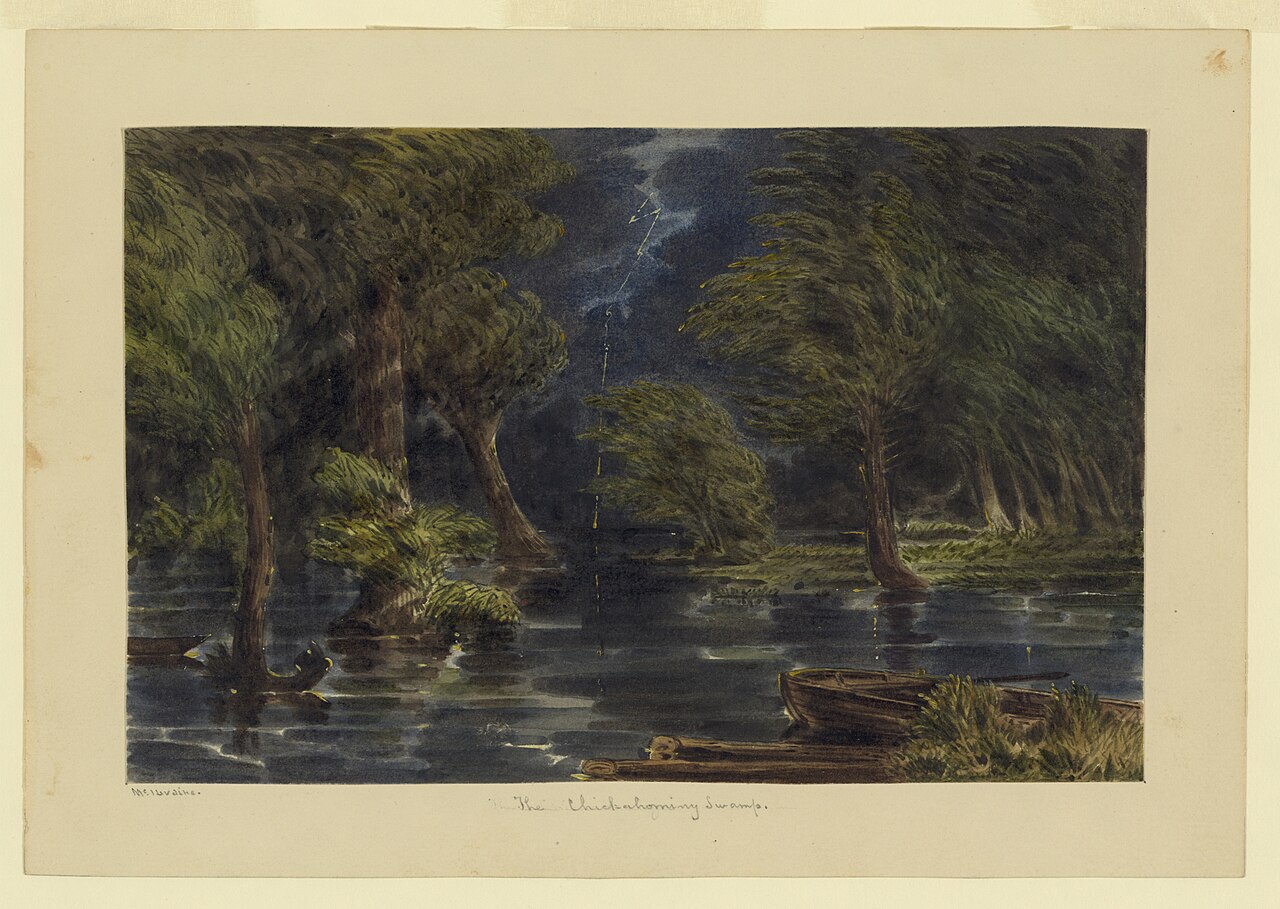
Disturbed and introduced wetlands
Wet ground taken over by weedy or introduced plants after disturbance, such as common reed, Chinese tallow or tamarisk stands; the upland counterpart is roadsides, fields and disturbed ground.
Floodplain and bottomland forests
Forests on low ground beside rivers and streams that flood from time to time.
Still water and its edges: ponds, lakes, millponds and reservoirs.
Streams, rivers and their banks
Flowing water and its banks, bars and rocky shoals.
Roadsides, fields and disturbed ground
Ground opened by people: roadsides, old fields, pastures, fencerows and lots.
Other habitats in its models (93)
Land cover, or classes with no habitat page in West Virginia. Those recorded in West Virginia first, the rest by region.
Elsewhere in the South (55)
- Atlantic and Gulf Coastal Plain Interdunal Wetland Summer and winter.
- Atlantic Coastal Plain Brownwater Stream Floodplain Forest Summer and winter.
- Atlantic Coastal Plain Central Fresh-Oligohaline Tidal Marsh Summer and winter.
- Atlantic Coastal Plain Central Salt and Brackish Tidal Marsh Summer and winter.
- Atlantic Coastal Plain Embayed Region Tidal Freshwater Marsh Summer and winter.
- Atlantic Coastal Plain Embayed Region Tidal Salt and Brackish Marsh Summer and winter.
- Atlantic Coastal Plain Indian River Lagoon Tidal Marsh Summer and winter.
- Atlantic Coastal Plain Large Natural Lakeshore Summer and winter.
- Atlantic Coastal Plain Northern Tidal Wooded Swamp Summer and winter.
- Atlantic Coastal Plain Peatland Pocosin Summer and winter.
- Atlantic Coastal Plain Sea Island Beach Summer and winter.
- Atlantic Coastal Plain Small Blackwater River Floodplain Forest Summer and winter.
- Atlantic Coastal Plain Small Brownwater River Floodplain Forest Summer and winter.
- Atlantic Coastal Plain Southern Beach Summer and winter.
- Atlantic Coastal Plain Southern Tidal Wooded Swamp Summer and winter.
- Atlantic Coastal Plain Southern Wet Pine Savanna and Flatwoods Summer and winter.
- Atlantic Coastal Plain Xeric River Dune Summer and winter.
- Central Florida Herbaceous Pondshore Summer and winter.
- Central Florida Herbaceous Seep Summer and winter.
- East Gulf Coastal Plain Savanna and Wet Prairie Summer and winter.
- East Gulf Coastal Plain Small Stream and River Floodplain Forest Summer and winter.
- East Gulf Coastal Plain Tidal Wooded Swamp Summer and winter.
- East-Central Texas Plains Riparian Forest Summer and winter.
- Florida Big Bend Fresh-Oligohaline Tidal Marsh Summer and winter.
- Florida Big Bend Salt-Brackish Tidal Marsh Summer and winter.
- Floridian Highlands Freshwater Marsh Summer and winter.
- Louisiana Beach Summer and winter.
- Mississippi River Bottomland Depression Summer and winter.
- Mississippi River Low Floodplain (Bottomland) Forest Summer and winter.
- Mississippi River Riparian Forest Summer and winter.
- Mississippi Sound Salt and Brackish Tidal Marsh Summer and winter.
- Ozark-Ouachita Riparian Summer and winter.
- Red River Large Floodplain Forest Summer and winter.
- South Florida Bayhead Swamp Summer and winter.
- South Florida Cypress Dome Summer and winter.
- South Florida Everglades Sawgrass Marsh Summer and winter.
- South Florida Freshwater Slough and Gator Hole Summer and winter.
- South Florida Mangrove Swamp Summer and winter.
- South Florida Wet Marl Prairie Summer and winter.
- Southern and Central Appalachian Bog and Fen Summer and winter.
- Southern Coastal Plain Blackwater River Floodplain Forest Summer and winter.
- Southern Coastal Plain Herbaceous Seepage Bog Summer and winter.
- Southern Coastal Plain Nonriverine Basin Swamp Summer and winter.
- Southern Coastal Plain Seepage Swamp and Baygall Summer and winter.
- Southern Piedmont Small Floodplain and Riparian Forest Summer and winter.
- Southwest Florida Beach Summer and winter.
- Texas Coastal Bend Beach Summer and winter.
- Texas Saline Coastal Prairie Summer and winter.
- Texas-Louisiana Coastal Prairie Summer and winter, only within 1,000 m of water.
- Upper Texas Coast Beach Summer and winter.
- West Gulf Coastal Plain Chenier and Upper Texas Coastal Fringe Forest and Woodland Summer, only within 1,000 m of water.
- West Gulf Coastal Plain Large River Floodplain Forest Summer and winter.
- West Gulf Coastal Plain Near-Coast Large River Swamp Summer and winter.
- West Gulf Coastal Plain Seepage Swamp and Baygall Summer and winter.
- West Gulf Coastal Plain Small Stream and River Forest Summer and winter.
Northeast (3)
- Atlantic Coastal Plain Northern Fresh and Oligohaline Tidal Marsh Summer and winter.
- Atlantic Coastal Plain Northern Tidal Salt Marsh Summer and winter.
- Northern Atlantic Coastal Plain Basin Swamp and Wet Hardwood Forest Summer and winter.
Midwest (1)
- Western Great Plains Wooded Draw and Ravine Winter, only within 60 m of water.
Land cover and other classes (34)
- Atlantic Coastal Plain Blackwater Stream Floodplain Forest - Forest Modifier Summer and winter.
- Atlantic Coastal Plain Clay-Based Carolina Bay Forested Wetland Summer and winter.
- Atlantic Coastal Plain Clay-Based Carolina Bay Herbaceous Wetland Summer and winter.
- Atlantic Coastal Plain Depression Pondshore Summer and winter.
- Atlantic Coastal Plain Nonriverine Swamp and Wet Hardwood Forest - Oak Dominated Modifier Summer and winter.
- Atlantic Coastal Plain Nonriverine Swamp and Wet Hardwood Forest - Taxodium/Nyssa Modifier Summer and winter.
- Atlantic Coastal Plain Streamhead Seepage Swamp - Pocosin - and Baygall Summer and winter.
- Central Interior and Appalachian Shrub-Herbaceous Wetland Systems Summer and winter.
- Developed, Low Intensity Summer, only within 1,000 m of water.
- East Gulf Coastal Plain Large River Floodplain Forest - Forest Modifier Summer and winter.
- East Gulf Coastal Plain Large River Floodplain Forest - Herbaceous Modifier Summer and winter.
- East Gulf Coastal Plain Southern Depression Pondshore Summer and winter.
- Eastern Great Plains Floodplain Systems Summer and winter.
- Eastern Great Plains Wet Meadow, Prairie, and Marsh Summer and winter.
- Gulf and Atlantic Coastal Plain Tidal Marsh Systems Summer and winter.
- Introduced Upland Vegetation - Annual Grassland Summer and winter, only within 1,000 m of water.
- Introduced Upland Vegetation - Perennial Grassland Summer and winter, only within 1,000 m of water.
- Lower Mississippi River Bottomland Depressions - Forest Modifier Summer and winter.
- Mississippi River Floodplain and Riparian Forest Summer and winter.
- Open Water (Aquaculture) Summer and winter.
- Open Water (Brackish/Salt) Summer and winter.
- South-Central Interior Large Floodplain - Herbaceous Modifier Summer and winter.
- Southern Coastal Plain Nonriverine Basin Swamp - Okefenokee Bay/Gum Modifier Summer and winter.
- Southern Coastal Plain Nonriverine Basin Swamp - Okefenokee Nupea Modifier Summer and winter.
- Southern Coastal Plain Nonriverine Basin Swamp - Okefenokee Pine Modifier Summer and winter.
- Southern Coastal Plain Nonriverine Basin Swamp - Okefenokee Taxodium Modifier Summer and winter.
- Southern Piedmont Large Floodplain Forest - Forest Modifier Summer and winter.
- Southern Piedmont/Ridge and Valley Upland Depression Swamp Summer and winter.
- Tamaulipan Riparian Systems Summer and winter.
- Unconsolidated Shore Summer and winter.
- Unconsolidated Shore (Beach/Dune) Summer and winter.
- Unconsolidated Shore (Lake/River/Pond) Summer and winter.
- Western Great Plains Depressional Wetland Systems Summer and winter.
- Western Great Plains Floodplain Systems Summer and winter.
- The model applies distance limits to open and flowing water while retaining wet vegetation without that interior limit.
Seasons in West Virginia
- Year-round: nests here, in all 55 counties.
Also found in this habitat
Plants 443
Plants named in NatureServe descriptions of these habitats that grow in West Virginia. Shared habitat, not food.
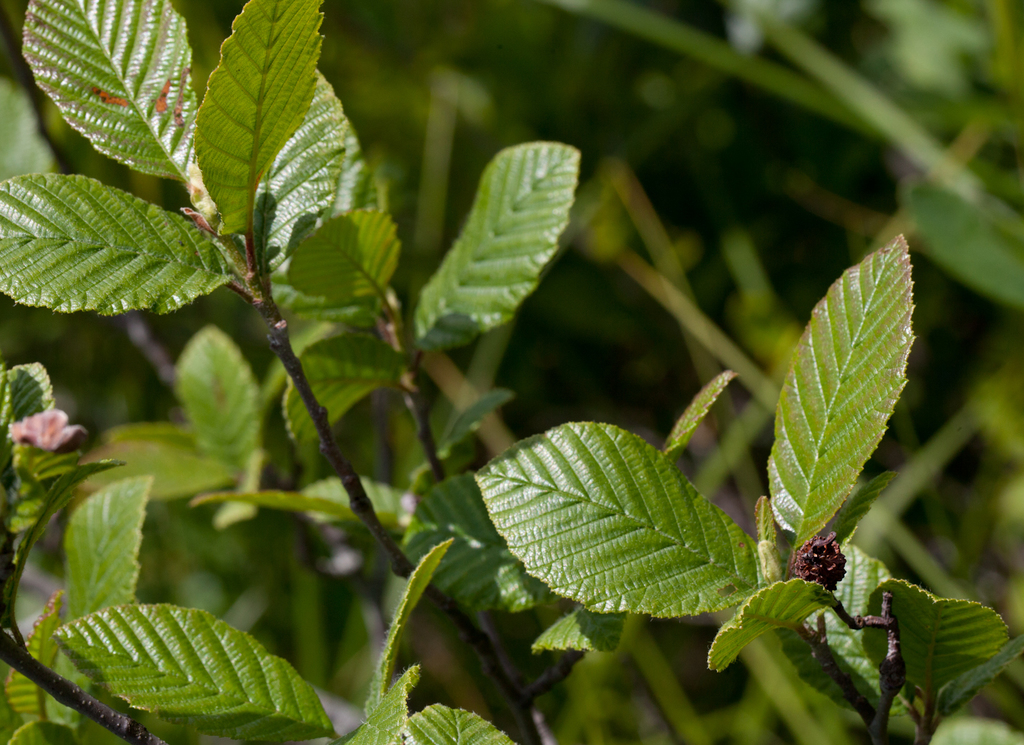
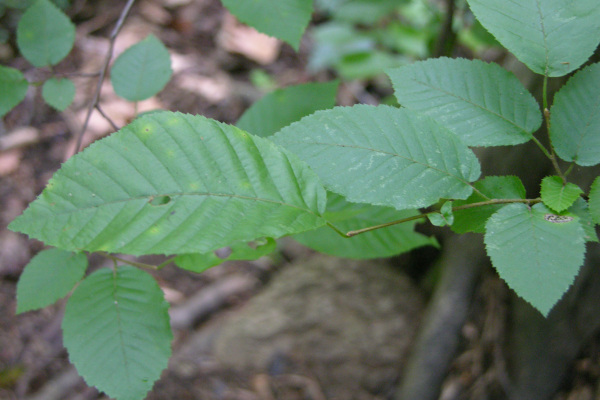
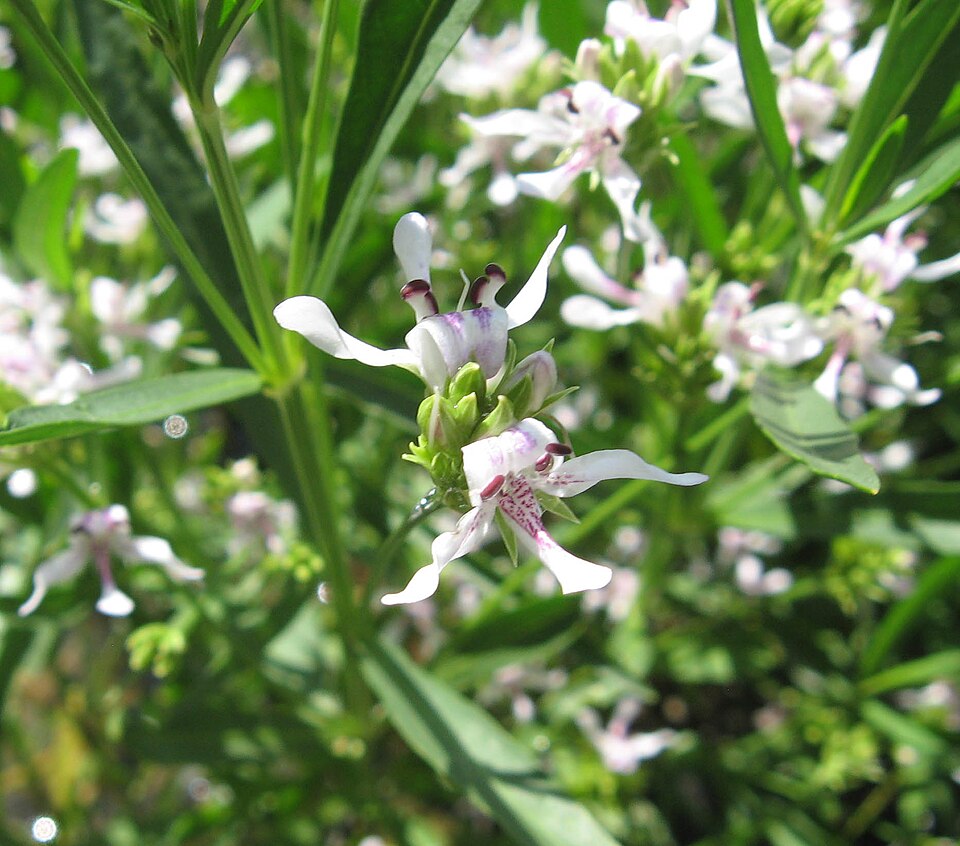
- Hazel AlderAlnus serrulata
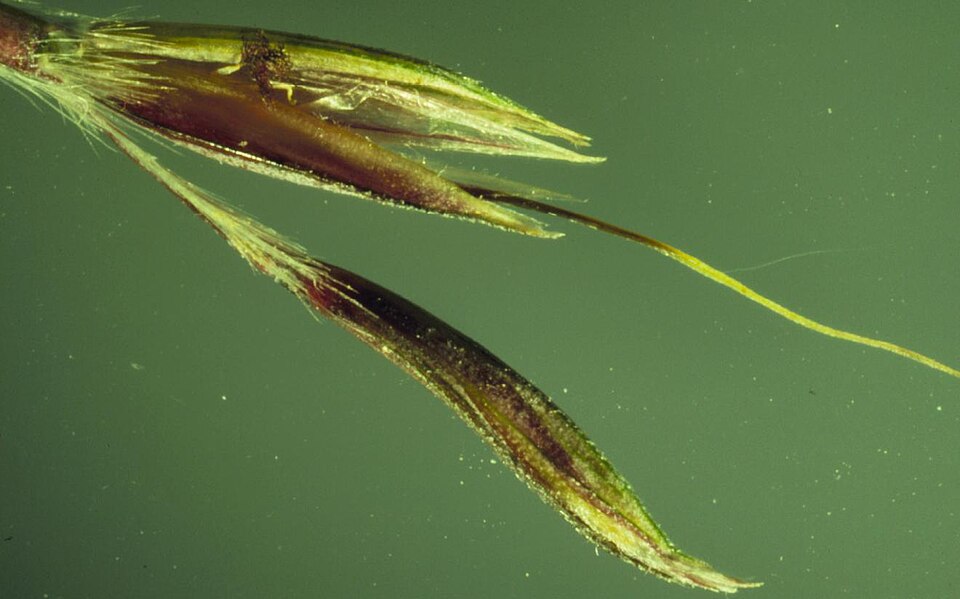
- Big BluestemAndropogon gerardi
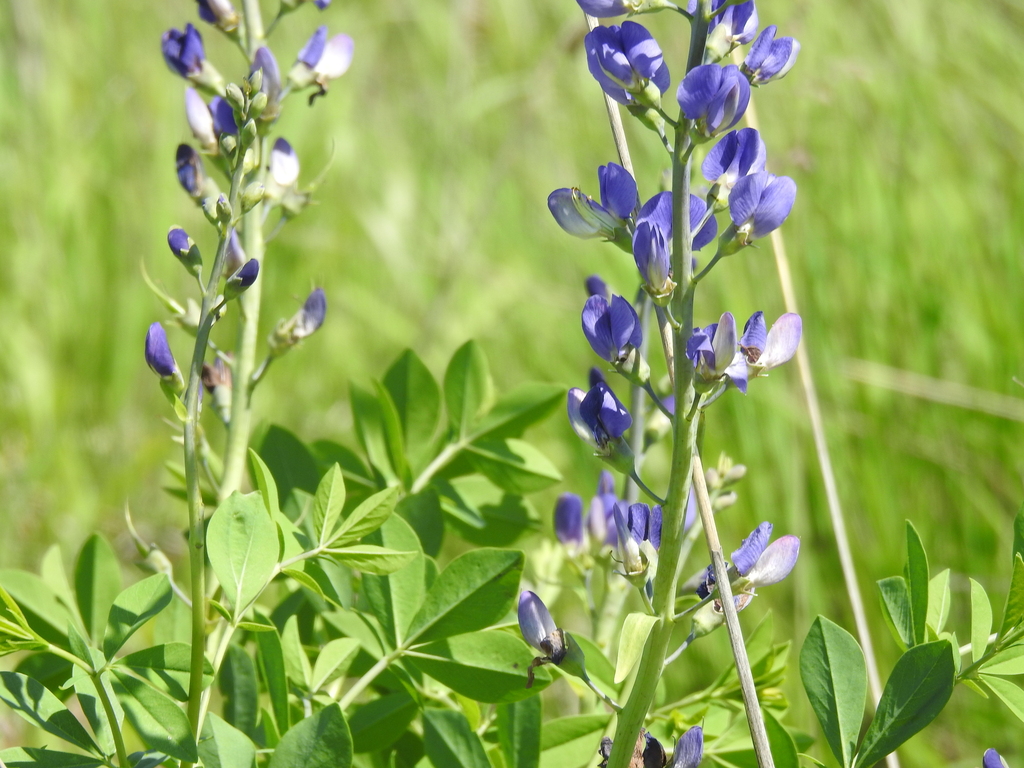
- Tall Blue Wild IndigoBaptisia australis
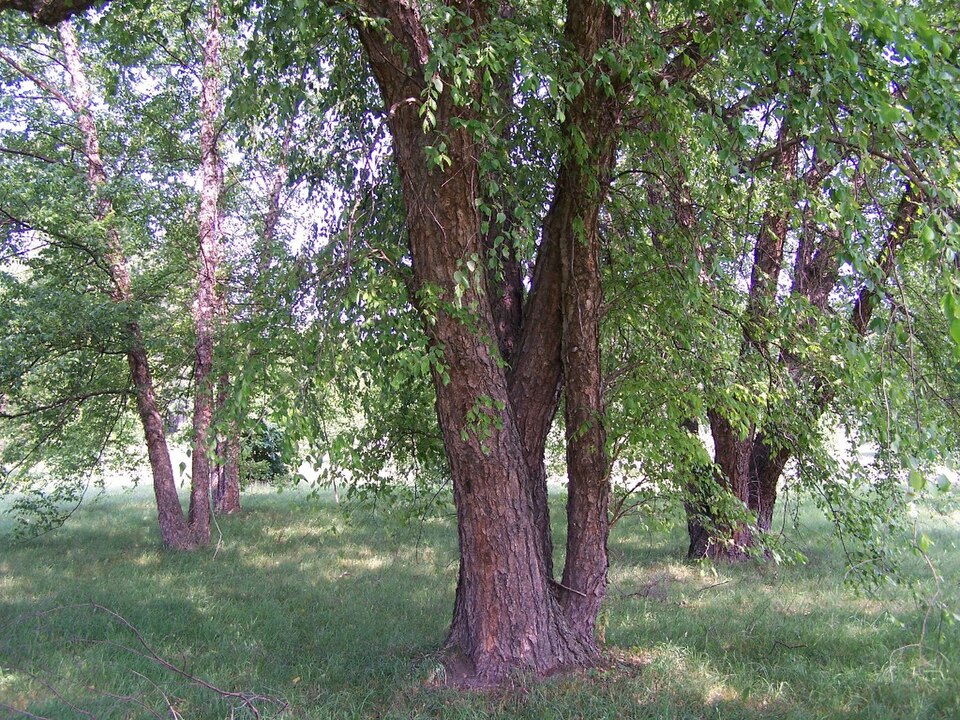
- River BirchBetula nigra
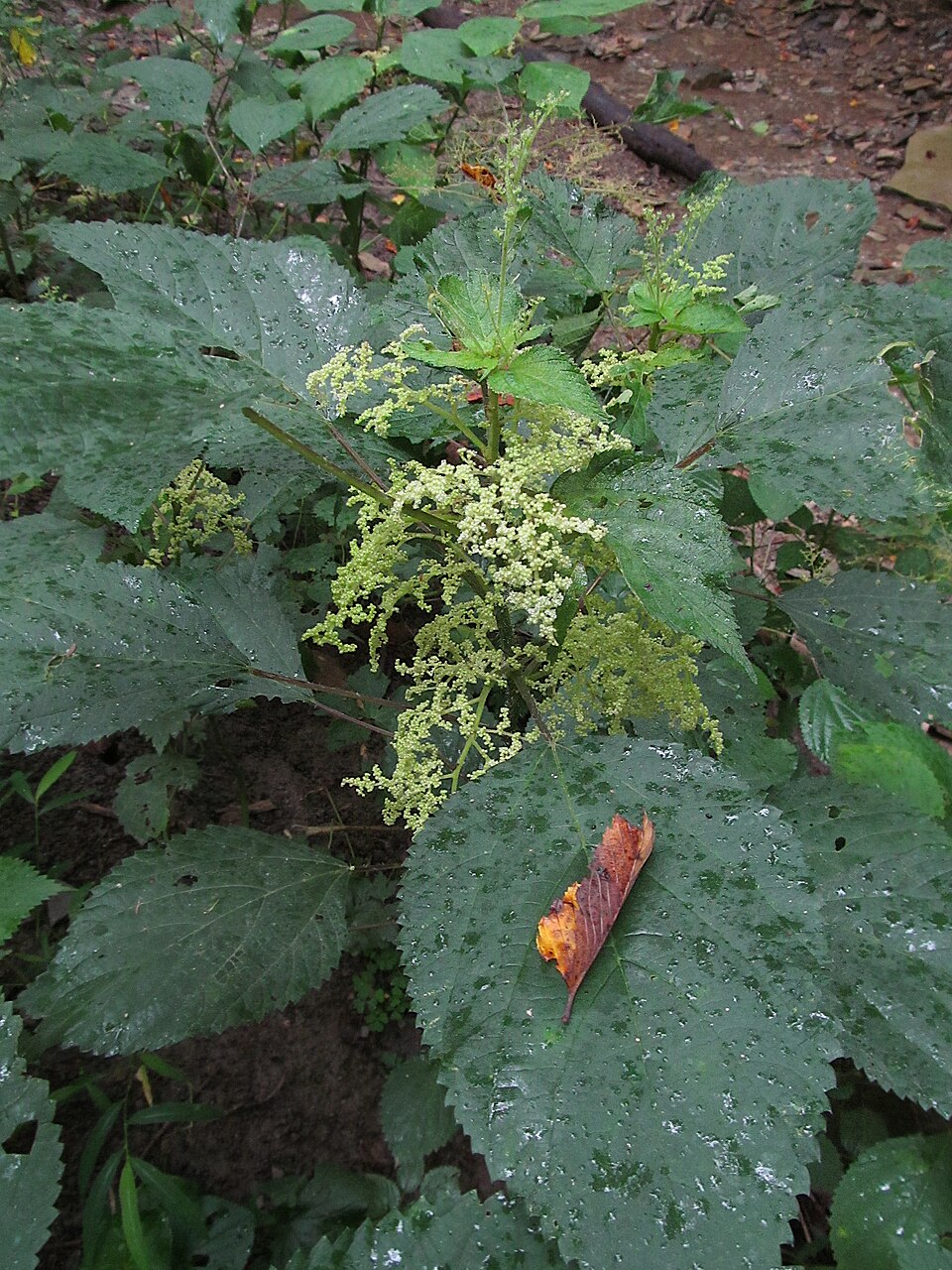
- False NettleBoehmeria cylindrica
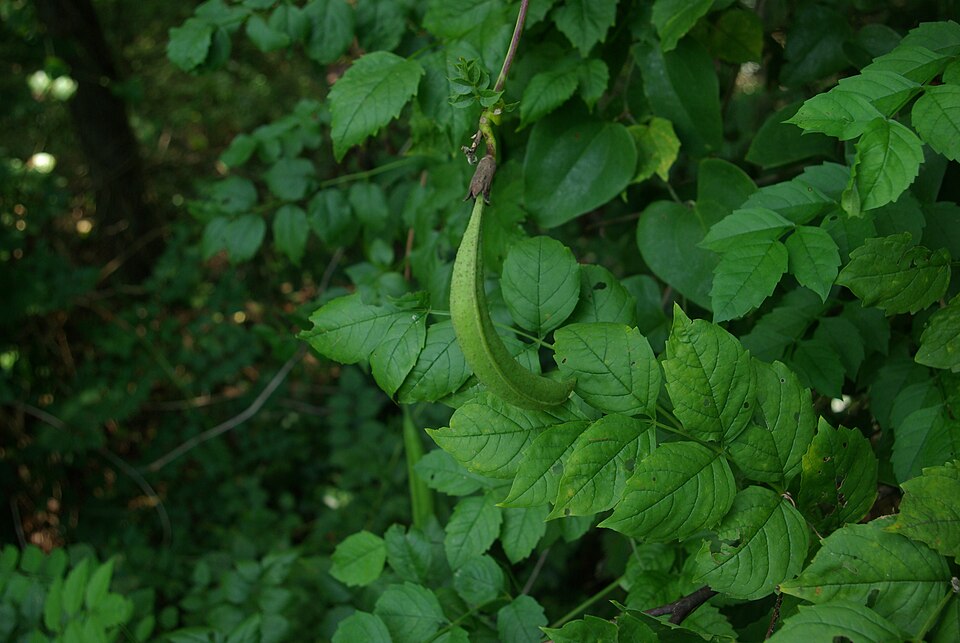
- Trumpet-creeperCampsis radicans
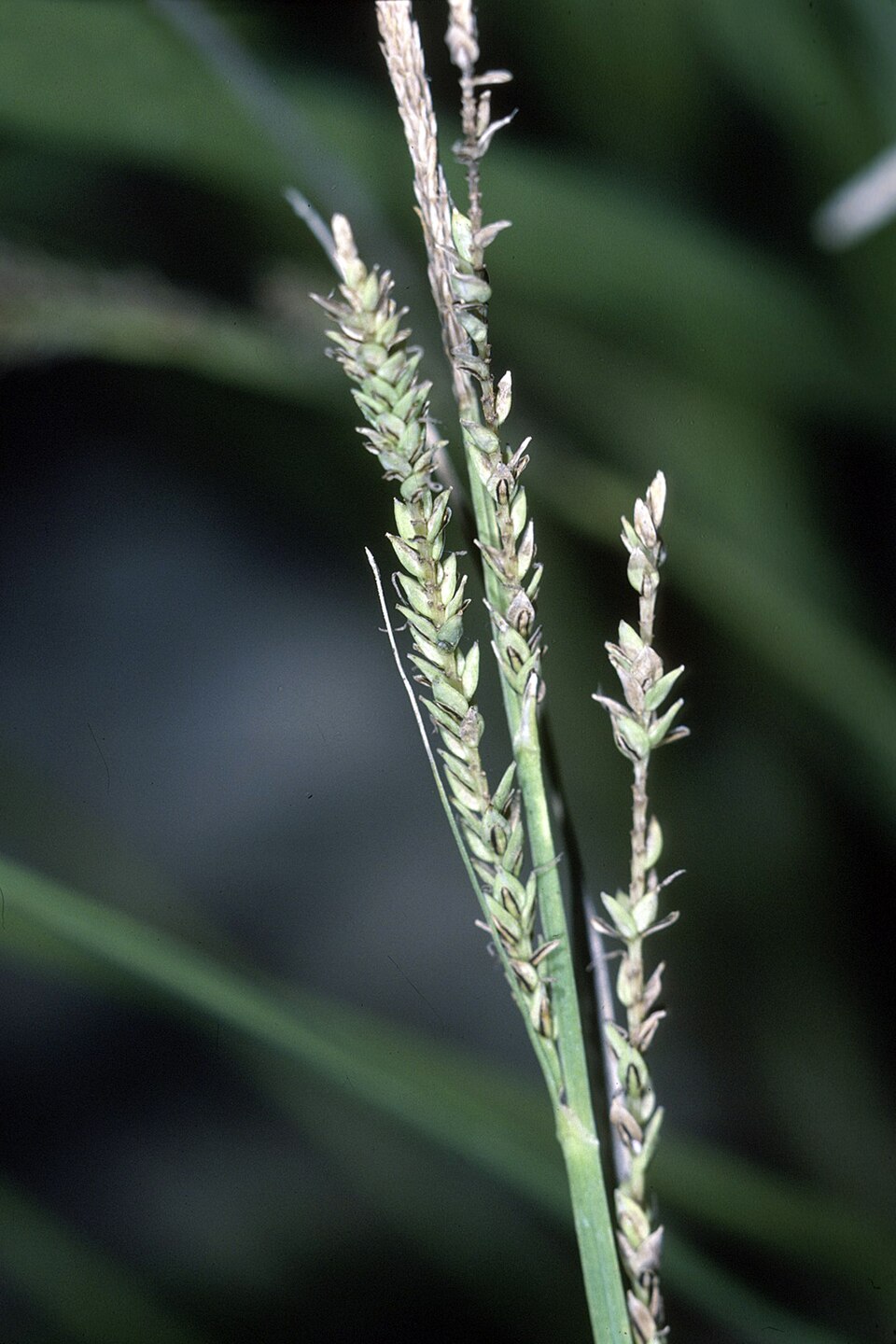
- Twisted SedgeCarex torta
- American HornbeamCarpinus caroliniana
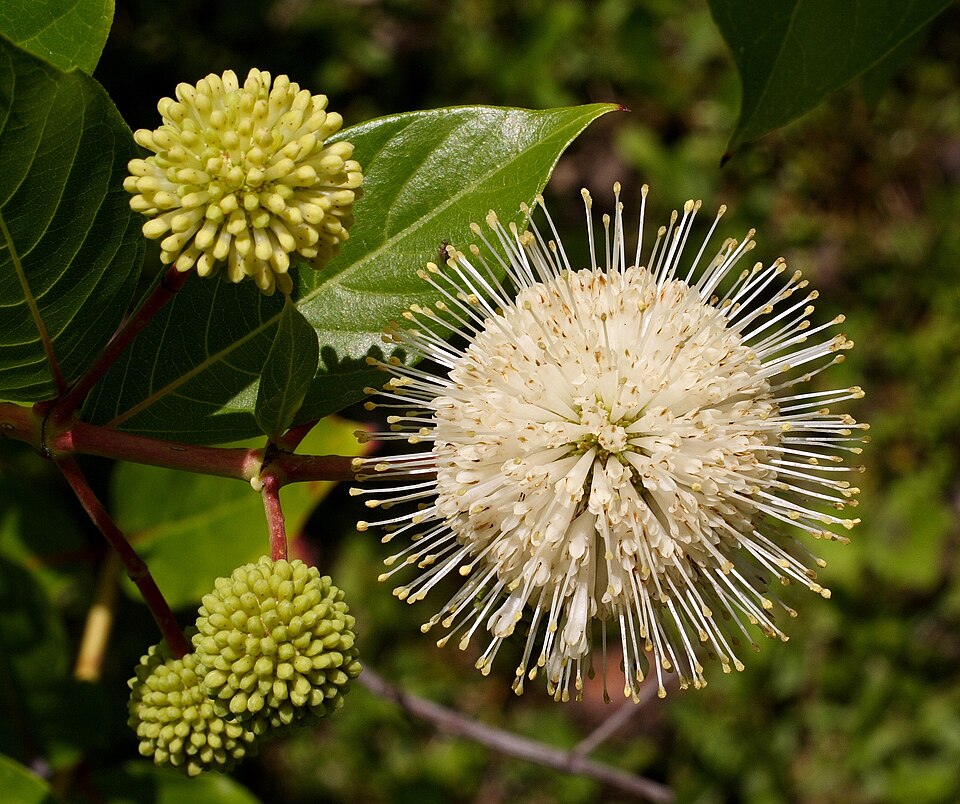
- ButtonbushCephalanthus occidentalis
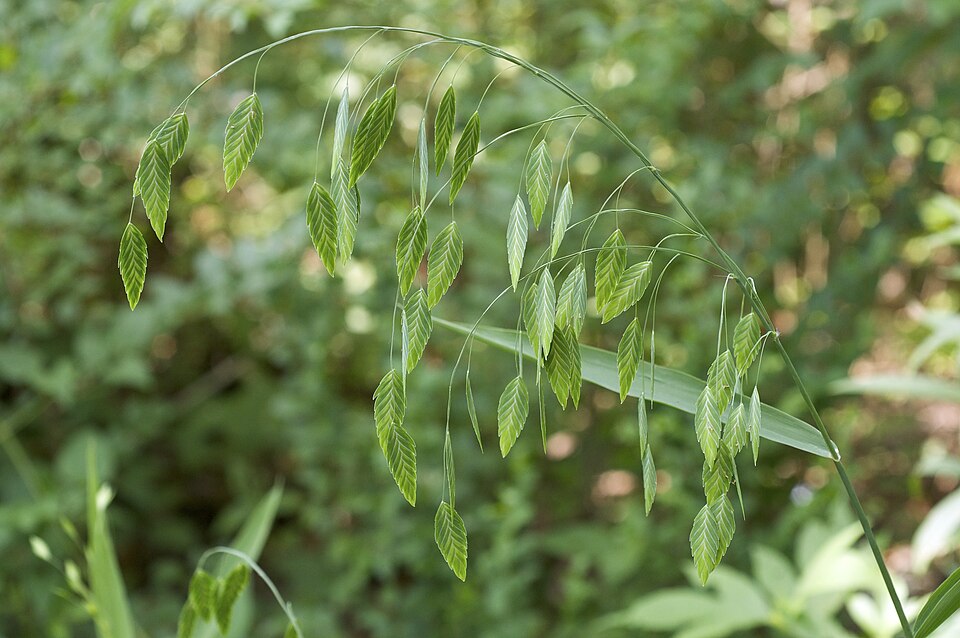
- River OatsChasmanthium latifolium
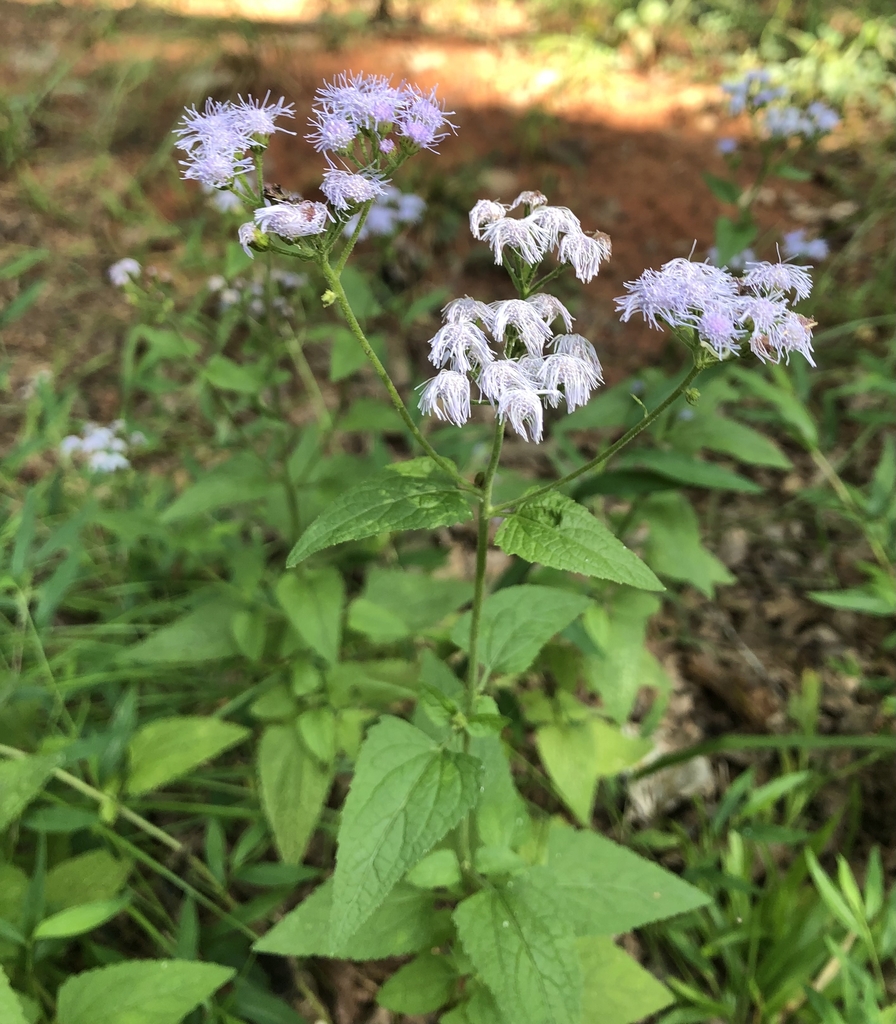
- Blue MistflowerConoclinium coelestinum
- Deer-tongue WitchgrassDichanthelium clandestinum
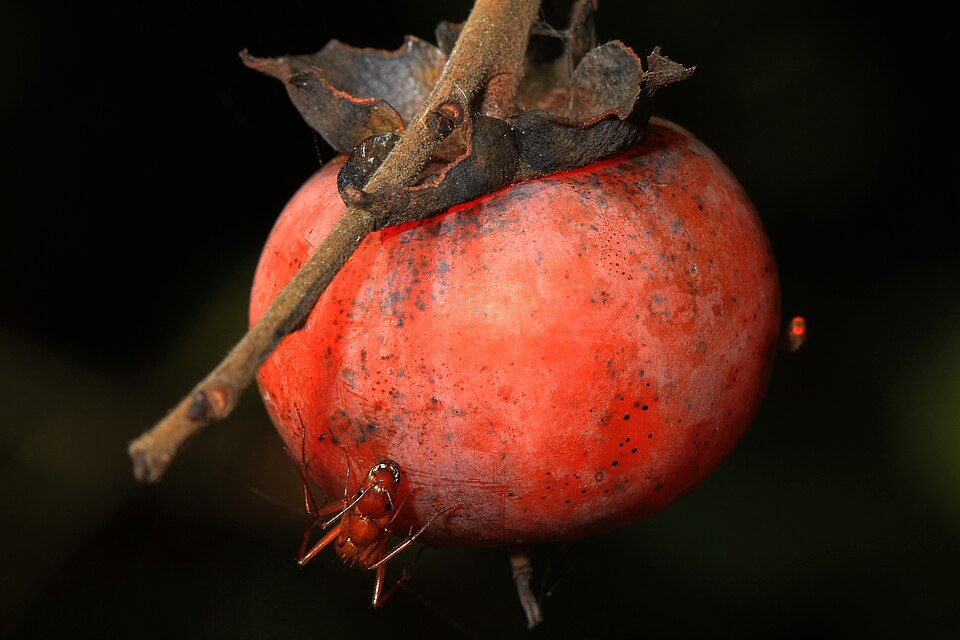
- American PersimmonDiospyros virginiana
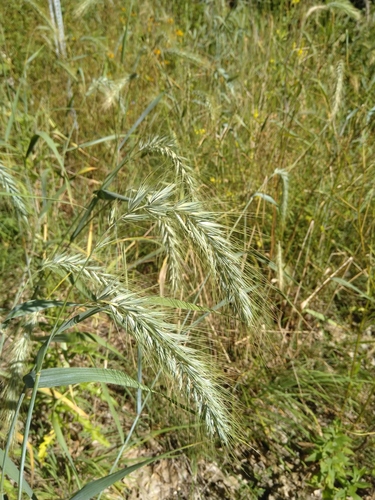
- Canada Wild-ryeElymus canadensis
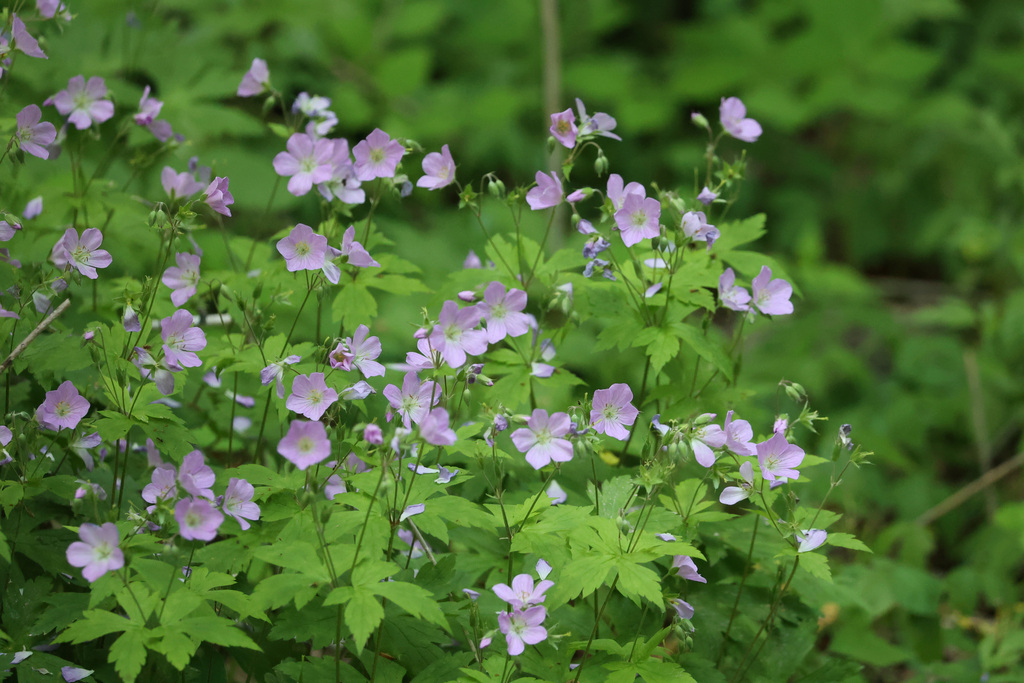
- Wild GeraniumGeranium maculatum
- HarperellaHarperella nodosa
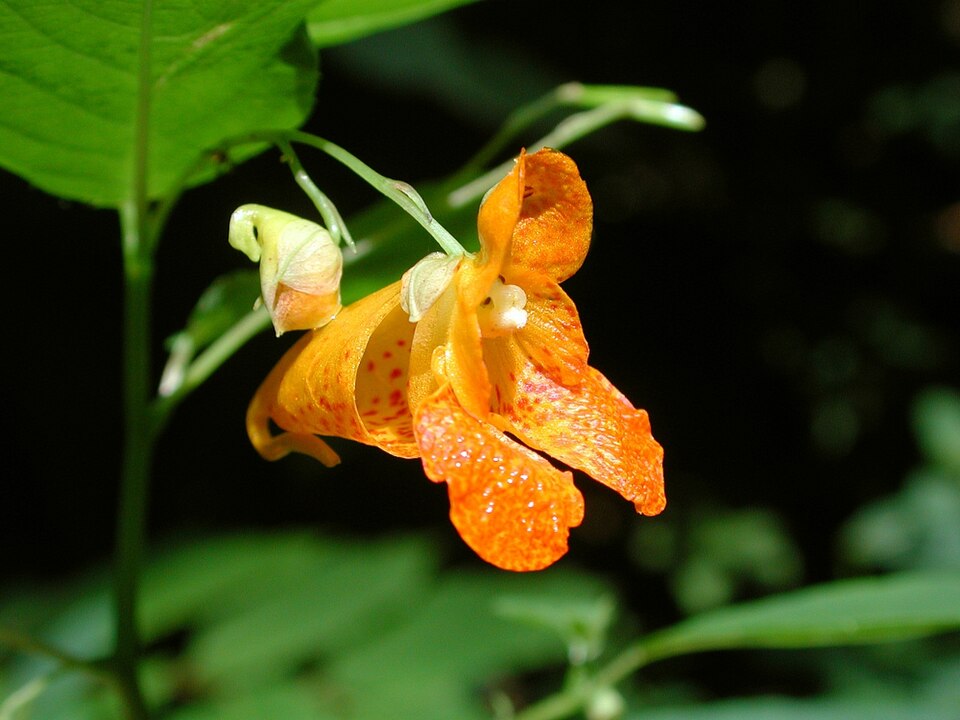
- Spotted JewelweedImpatiens capensis
- American Water-willowJusticia americana
- Canada Wood-nettleLaportea canadensis
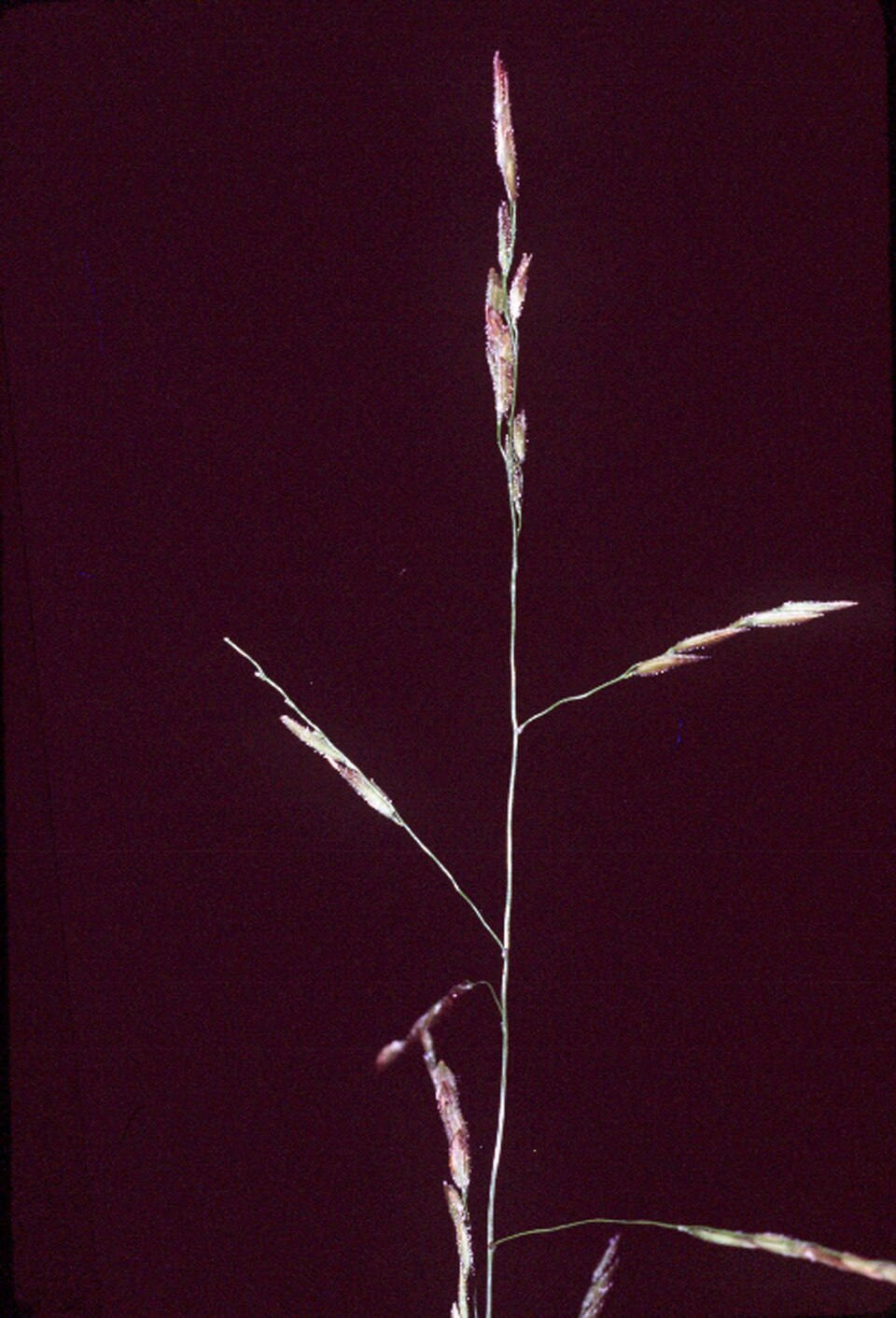
- Rice CutgrassLeersia oryzoides
- White CutgrassLeersia virginica
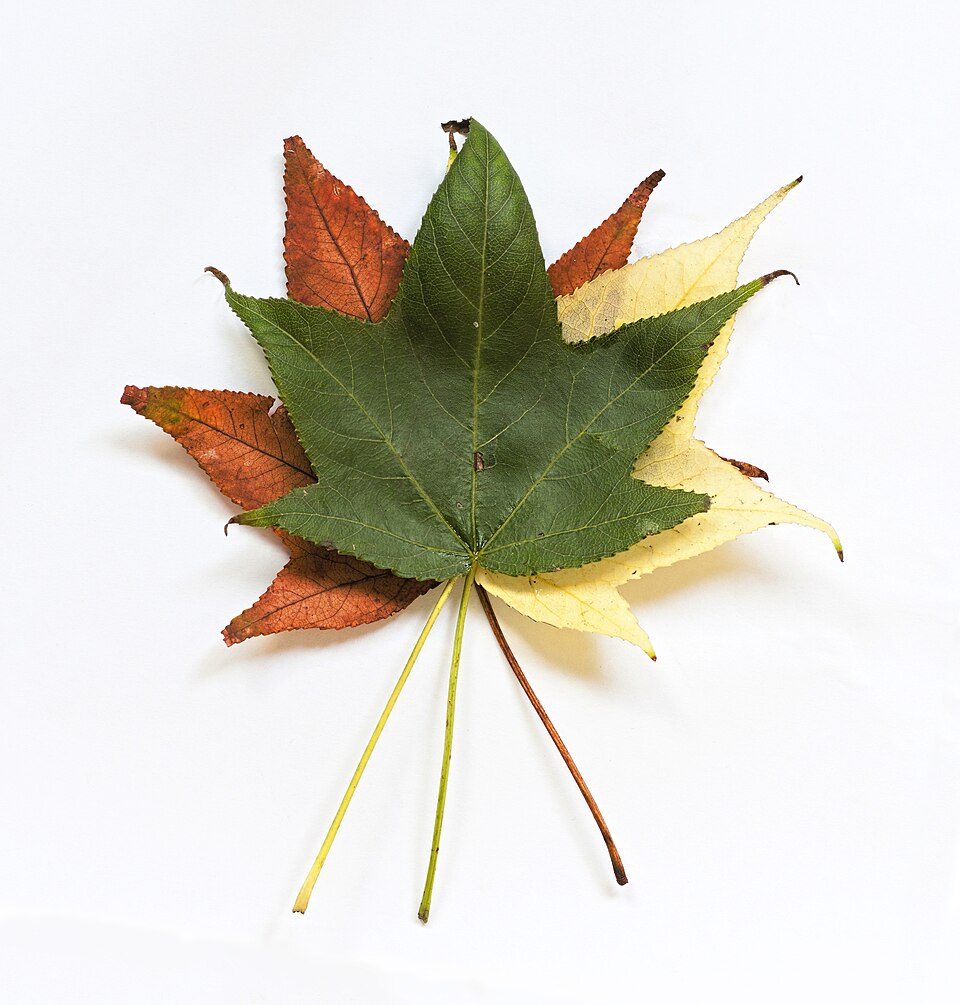
- SweetgumLiquidambar styraciflua
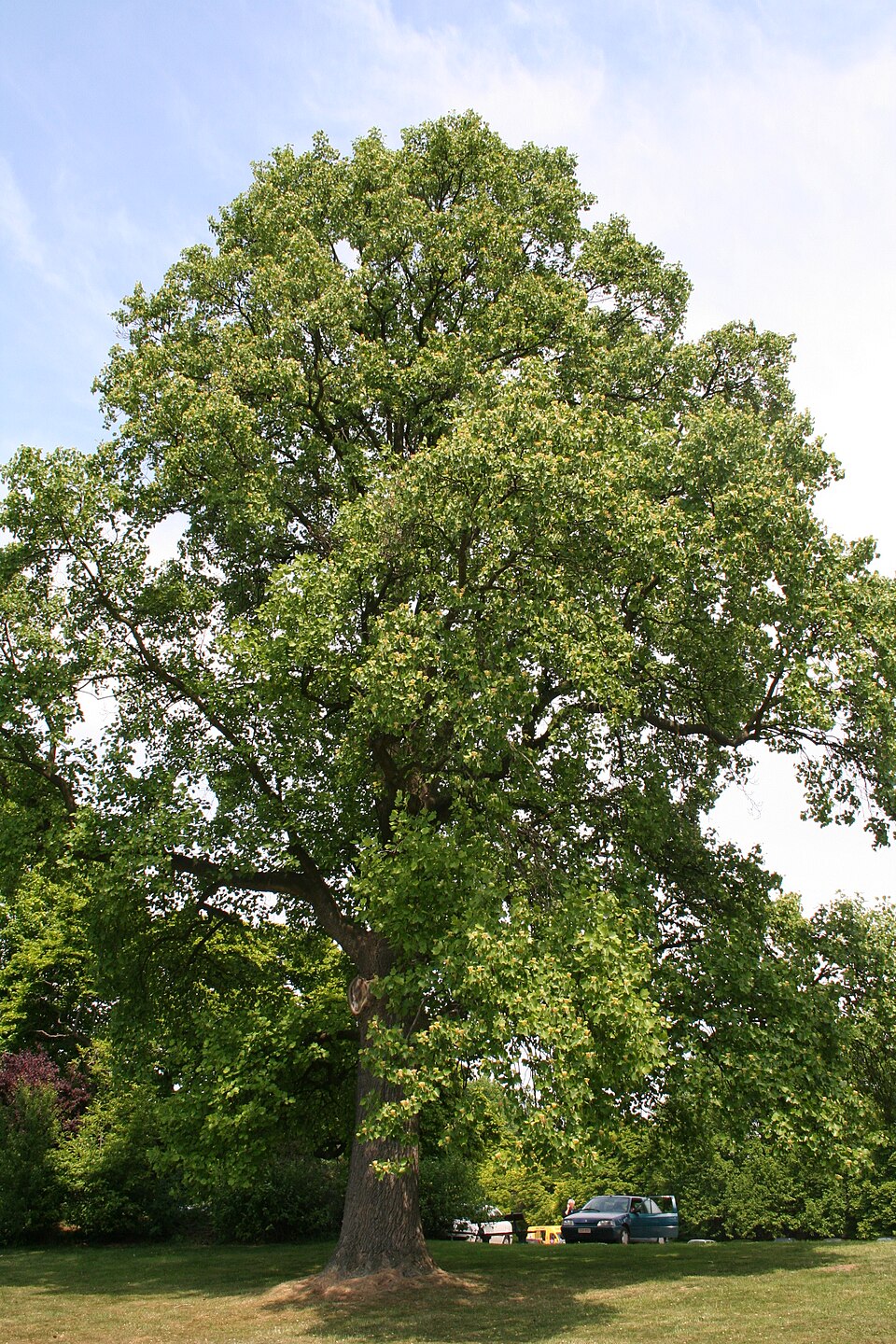
- TuliptreeLiriodendron tulipifera
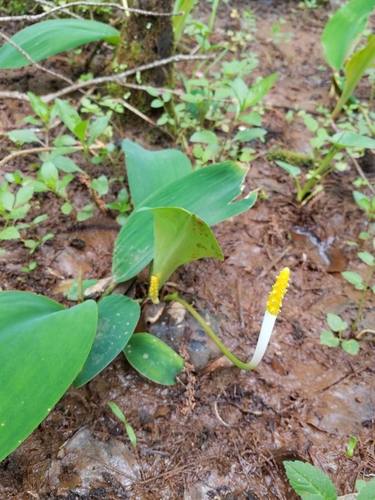
- Golden-clubOrontium aquaticum
Wildlife 214
Other animals whose habitat models include the same habitats in West Virginia. Not sighting records.
- American Black DuckAnas rubripes
- Black-crowned Night-heronNycticorax nycticorax
- Chimney SwiftChaetura pelagica
- Cliff SwallowPetrochelidon pyrrhonota
- Common NighthawkChordeiles minor
- Eastern KingbirdTyrannus tyrannus
- Great Horned OwlBubo virginianus
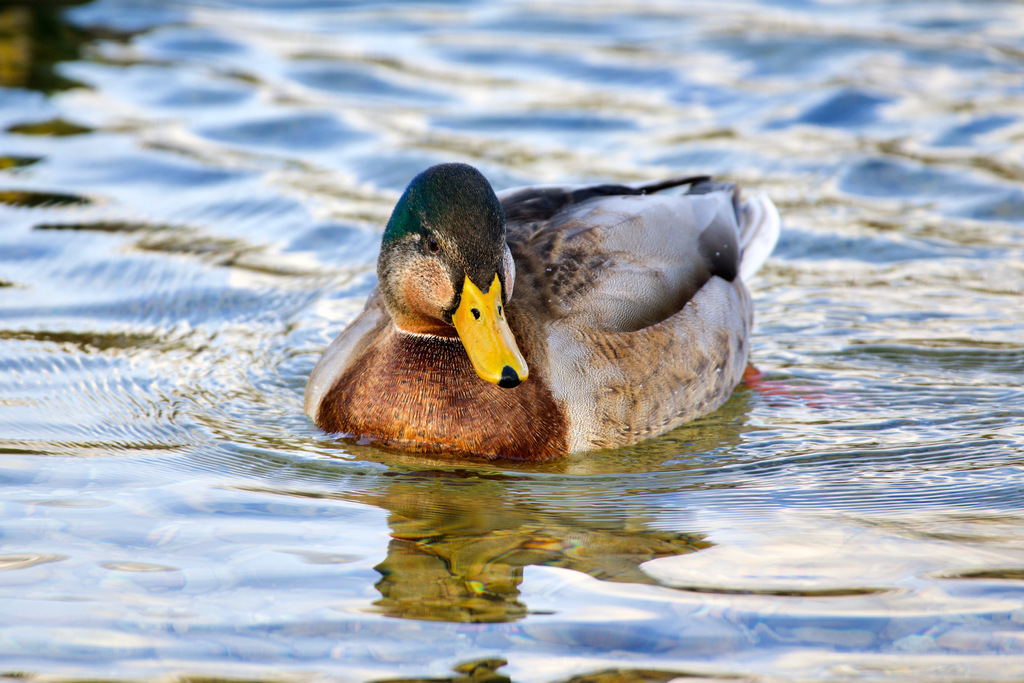
- MallardAnas platyrhynchos
- Tree SwallowTachycineta bicolor
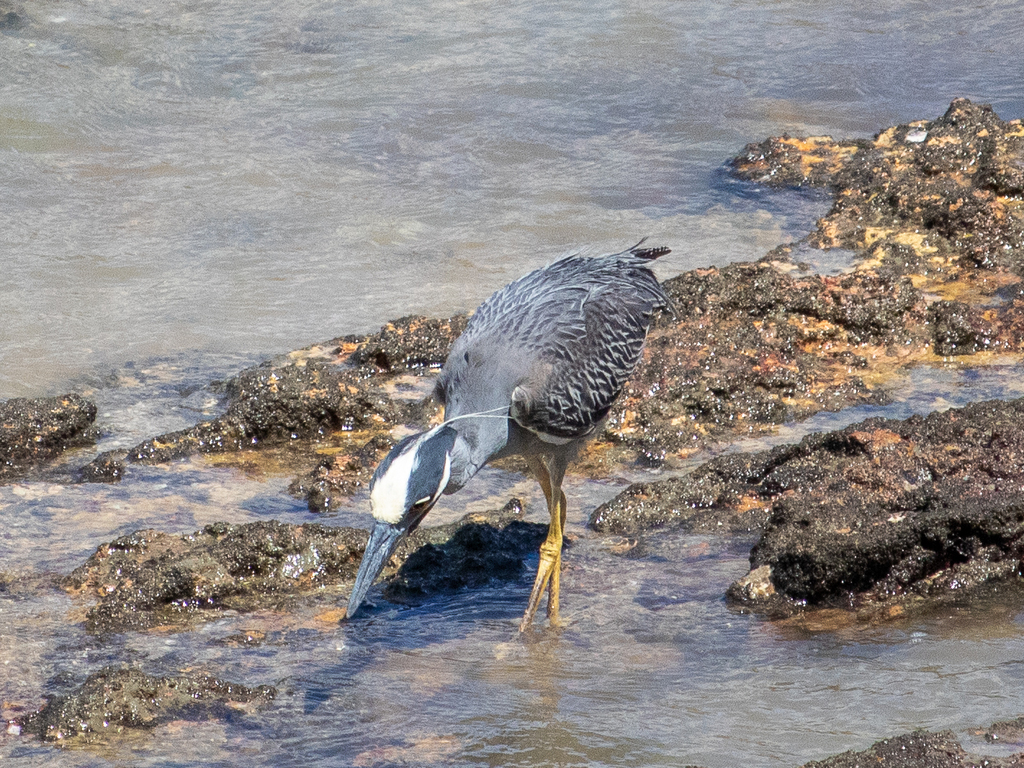
- Yellow-crowned Night-heronNyctanassa violacea
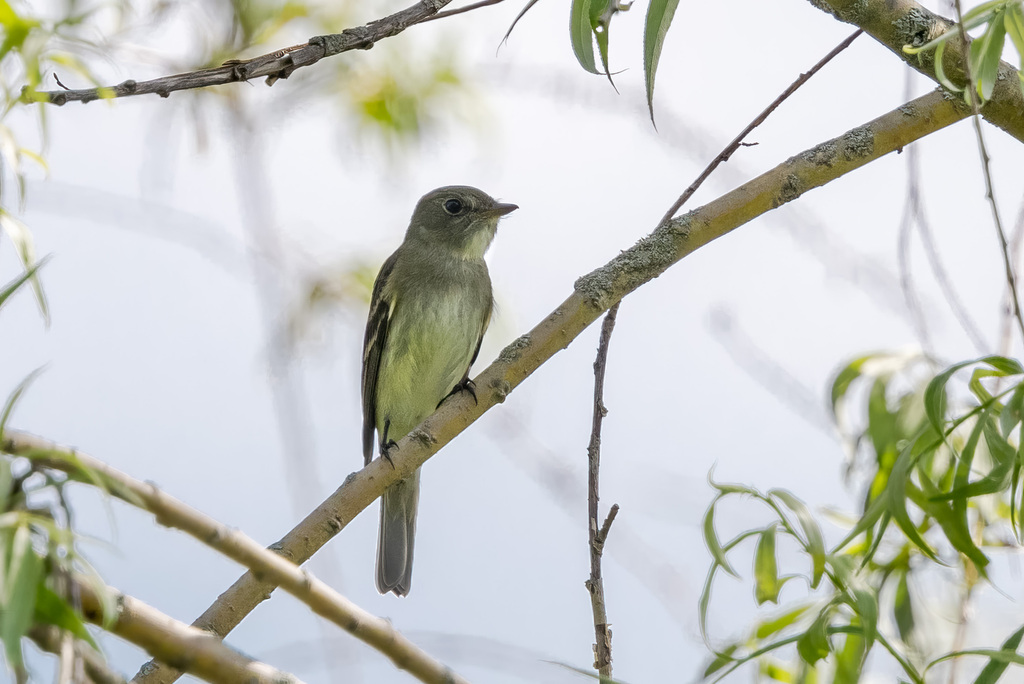
- Alder FlycatcherEmpidonax alnorum
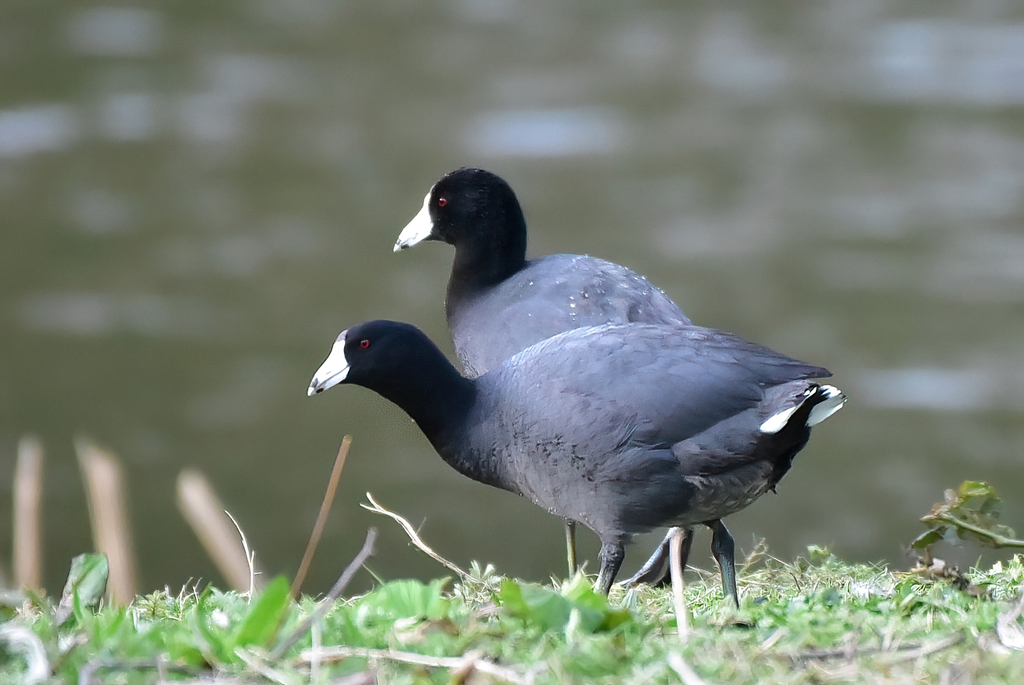
- American CootFulica americana
- American GoldfinchCarduelis tristis
- American KestrelFalco sparverius
- American RobinTurdus migratorius
- Bald EagleHaliaeetus leucocephalus
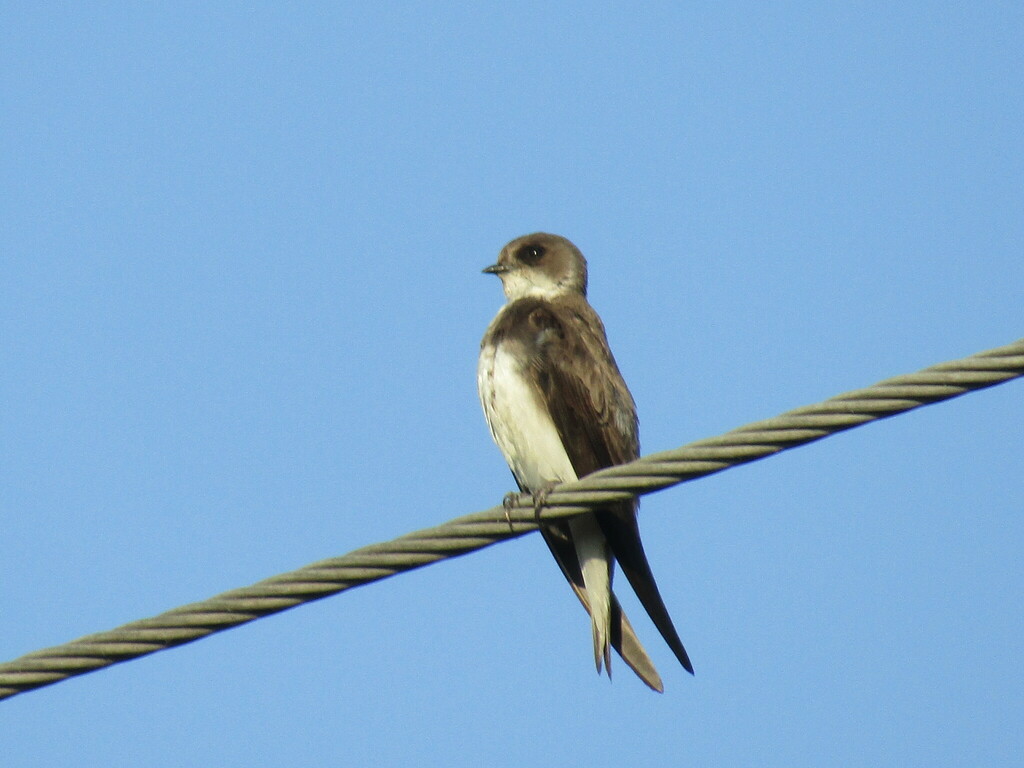
- Bank SwallowRiparia riparia
- Belted KingfisherMegaceryle alcyon
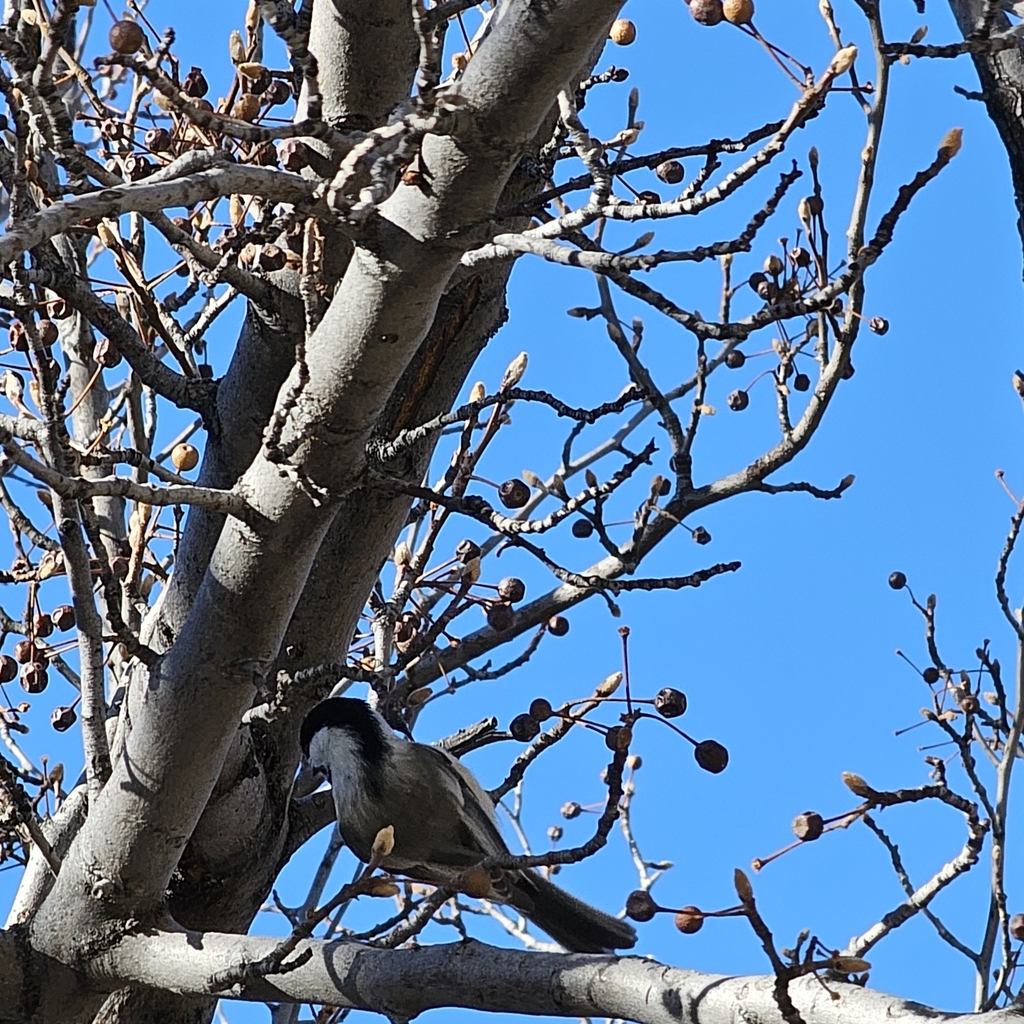
- Black-capped ChickadeePoecile atricapillus
- Blue-gray GnatcatcherPolioptila caerulea
- Canada GooseBranta canadensis
- Carolina WrenThryothorus ludovicianus
- Cedar WaxwingBombycilla cedrorum
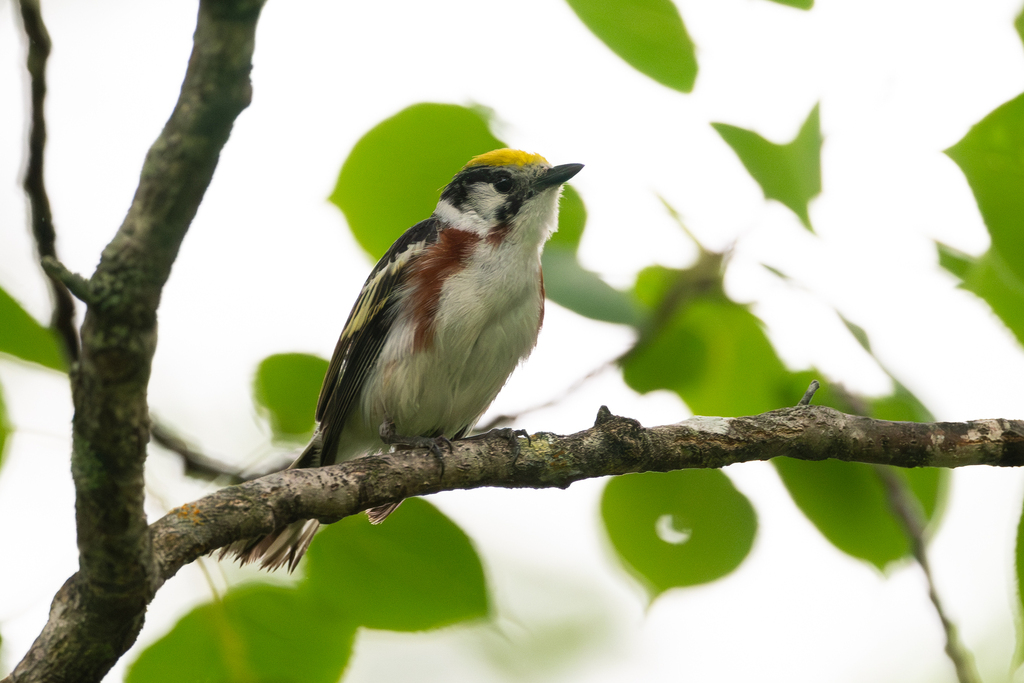
- Chestnut-sided WarblerDendroica pensylvanica


















NatureServe Explorer, CC BY 4.0. USGS Gap Analysis Project habitat models.
Sources
- USGS Gap Analysis Project habitat models (2001)
- USGS GAP winter habitat model for Great Blue Heron Elevation up to 610 m. Slow streams only
- USGS Gap Analysis Project range maps (2001), modeled by watershed; migratory gives no dates
- NatureServe Explorer (CC BY 4.0), habitat names
- US Census TIGER/Line counties
- Names follow the USGS Gap Analysis Project (2001)