

Bird
Louisiana Waterthrush
Seiurus motacilla
A summer resident that nests in West Virginia. Found in all 55 counties, across 7 habitats.
- Here
- Summer
- Nesting
- Nests here
- Range
- All 55 counties
- Habitats
- 7

At a glance
- Group
- Birds
- Here
- Summer
- Nesting
- Nests here
- Range
- All 55 counties
- Habitats
- 7
- Habitat models
- Summer
Where it lives
The places its habitat model includes. It is not found everywhere a habitat occurs.
Habitats in West Virginia 7
Each habitat page lists the plants and wildlife also found there.
Floodplain and bottomland forests
Forests on low ground beside rivers and streams that flood from time to time.
Streams, rivers and their banks
Flowing water and its banks, bars and rocky shoals.
Forested wetlands with standing water much of the year, such as cypress and gum swamps.
Forests and open woodlands on dry ridges and slopes, often oak or pine.
Shady, evergreen forests of eastern or Carolina hemlock, often along rocky mountain streams and in gorges.
Forests on moist but not wet ground, such as rich slopes and ravines.
Sheltered, moist mountain hollows and lower slopes with deep, fertile soil.
Other habitats in its models (41)
Land cover, or classes with no habitat page in West Virginia.
- Central and Southern Appalachian Northern Hardwood Forest Summer, only within 60 m of water.
- Ozark-Ouachita Dry-Mesic Oak Forest Summer, only within 60 m of water.
- Ouachita Montane Oak Forest Summer, only within 60 m of water.
- North-Central Interior Maple-Basswood Forest Summer, only within 60 m of water.
- East Gulf Coastal Plain Northern Loess Bluff Forest Summer, only within 60 m of water.
- East Gulf Coastal Plain Southern Loess Bluff Forest Summer, only within 60 m of water.
- East-Central Texas Plains Riparian Forest Summer.
- East-Central Texas Plains Floodplain Forest Summer.
- Southern Piedmont Mesic Forest Summer, only within 60 m of water.
- West Gulf Coastal Plain Mesic Hardwood Forest Summer, only within 60 m of water.
- East Gulf Coastal Plain Northern Mesic Hardwood Forest Summer, only within 60 m of water.
- Ozark-Ouachita Mesic Hardwood Forest Summer, only within 60 m of water.
- East Gulf Coastal Plain Southern Mesic Slope Forest Summer, only within 60 m of water.
- Atlantic Coastal Plain Mesic Hardwood and Mixed Forest Summer, only within 60 m of water.
- Southern Coastal Plain Nonriverine Basin Swamp - Okefenokee Taxodium Modifier Summer.
- West Gulf Coastal Plain Seepage Swamp and Baygall Summer.
- Northern Atlantic Coastal Plain Basin Swamp and Wet Hardwood Forest Summer.
- Atlantic Coastal Plain Nonriverine Swamp and Wet Hardwood Forest - Taxodium/Nyssa Modifier Summer.
- Atlantic Coastal Plain Nonriverine Swamp and Wet Hardwood Forest - Oak Dominated Modifier Summer.
- Lower Mississippi River Bottomland Depressions - Forest Modifier Summer.
- South Florida Cypress Dome Summer.
- Mississippi River Bottomland Depression Summer.
- Atlantic Coastal Plain Blackwater Stream Floodplain Forest - Forest Modifier Summer.
- East Gulf Coastal Plain Large River Floodplain Forest - Forest Modifier Summer.
- Southern Piedmont Large Floodplain Forest - Forest Modifier Summer.
- Mississippi River Riparian Forest Summer.
- Mississippi River Low Floodplain (Bottomland) Forest Summer.
- Southern Coastal Plain Hydric Hammock Summer.
- West Gulf Coastal Plain Small Stream and River Forest Summer.
- West Gulf Coastal Plain Large River Floodplain Forest Summer.
- Southern Piedmont Small Floodplain and Riparian Forest Summer.
- Atlantic Coastal Plain Small Brownwater River Floodplain Forest Summer.
- Atlantic Coastal Plain Small Blackwater River Floodplain Forest Summer.
- Red River Large Floodplain Forest Summer.
- Atlantic Coastal Plain Brownwater Stream Floodplain Forest Summer.
- East Gulf Coastal Plain Small Stream and River Floodplain Forest Summer.
- Southern Coastal Plain Blackwater River Floodplain Forest Summer.
- Mississippi River Floodplain and Riparian Forest Summer.
- Ozark-Ouachita Riparian Summer.
- North-Central Interior Wet Flatwoods Summer.
- Lower Mississippi River Flatwoods Summer, only within 60 m of water.
Seasons in West Virginia
- Summer: nests here, in all 55 counties.
Also found in this habitat
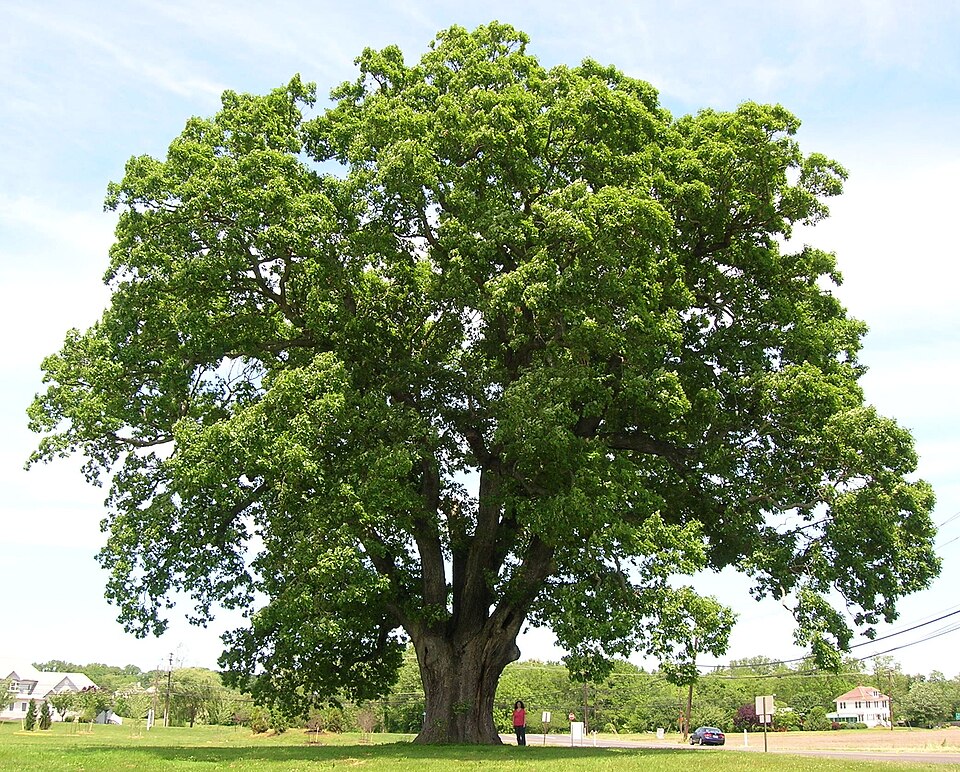
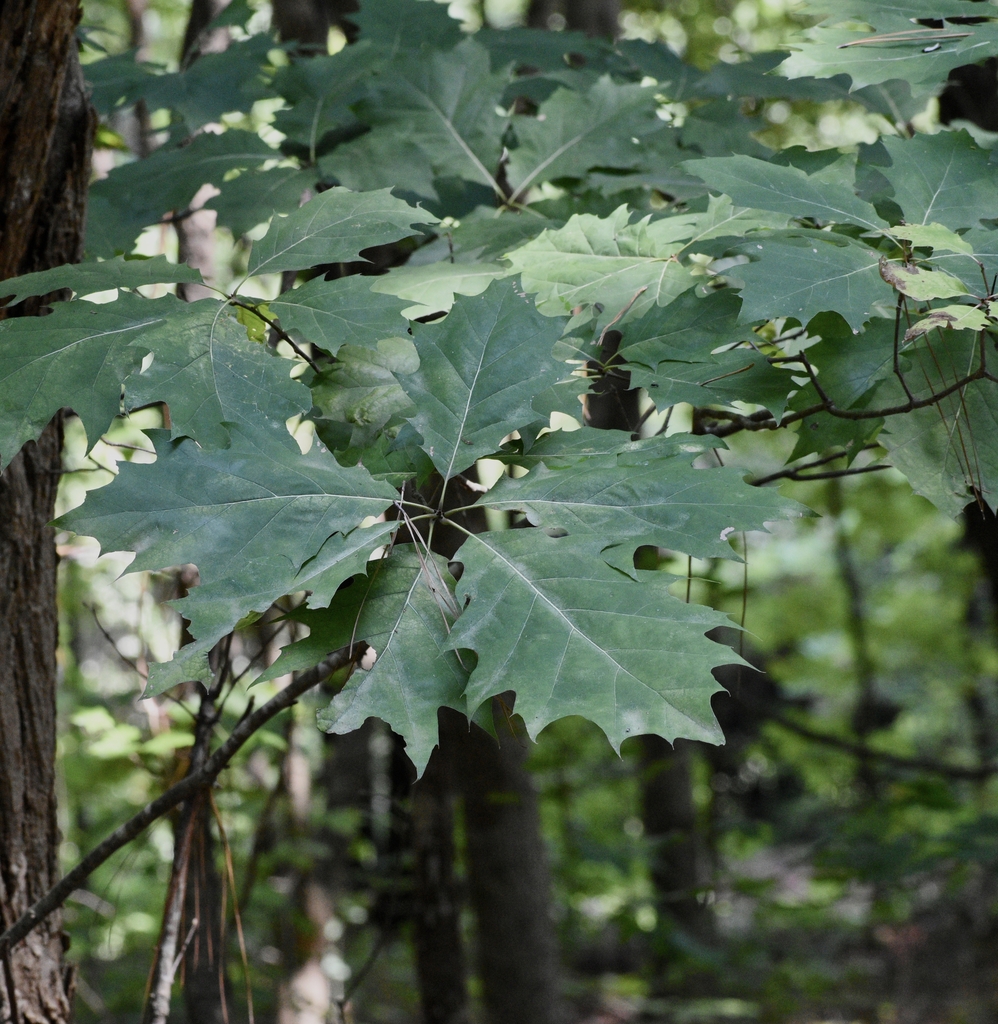
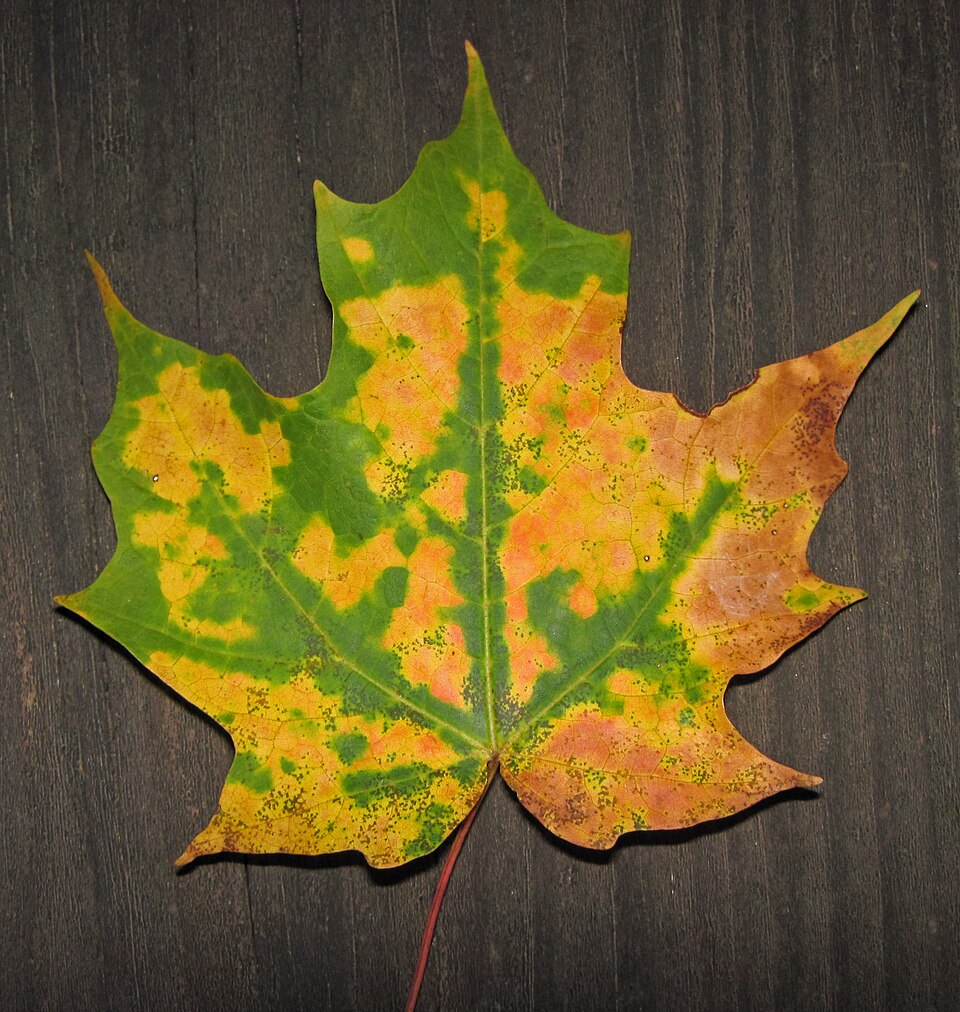
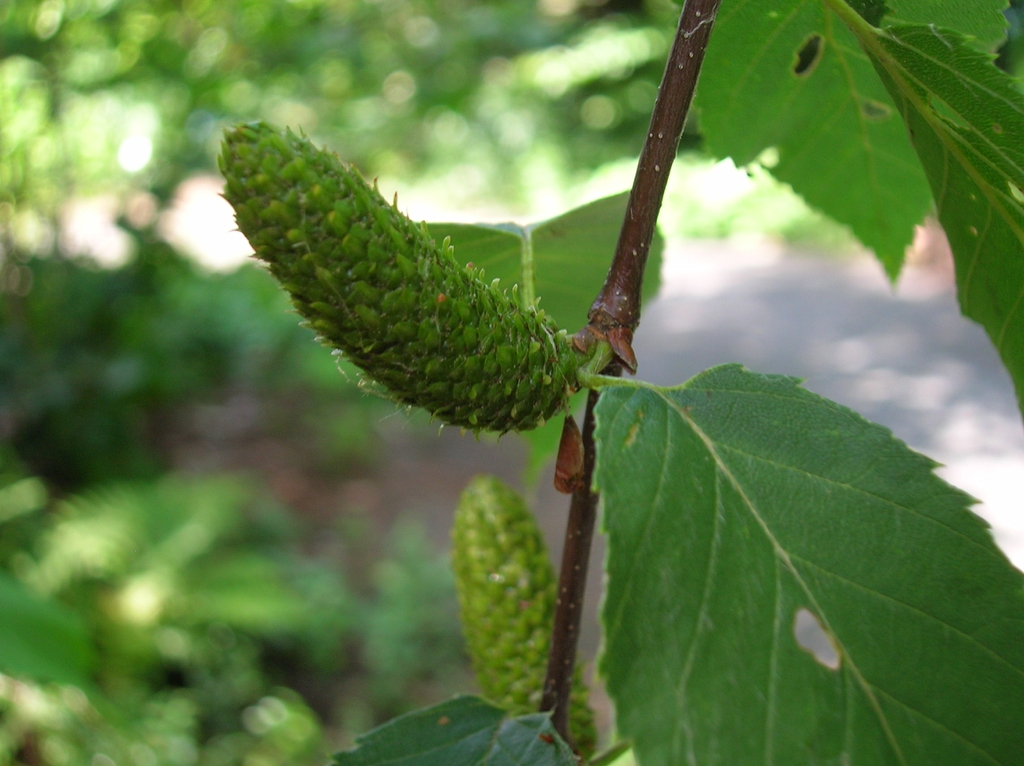
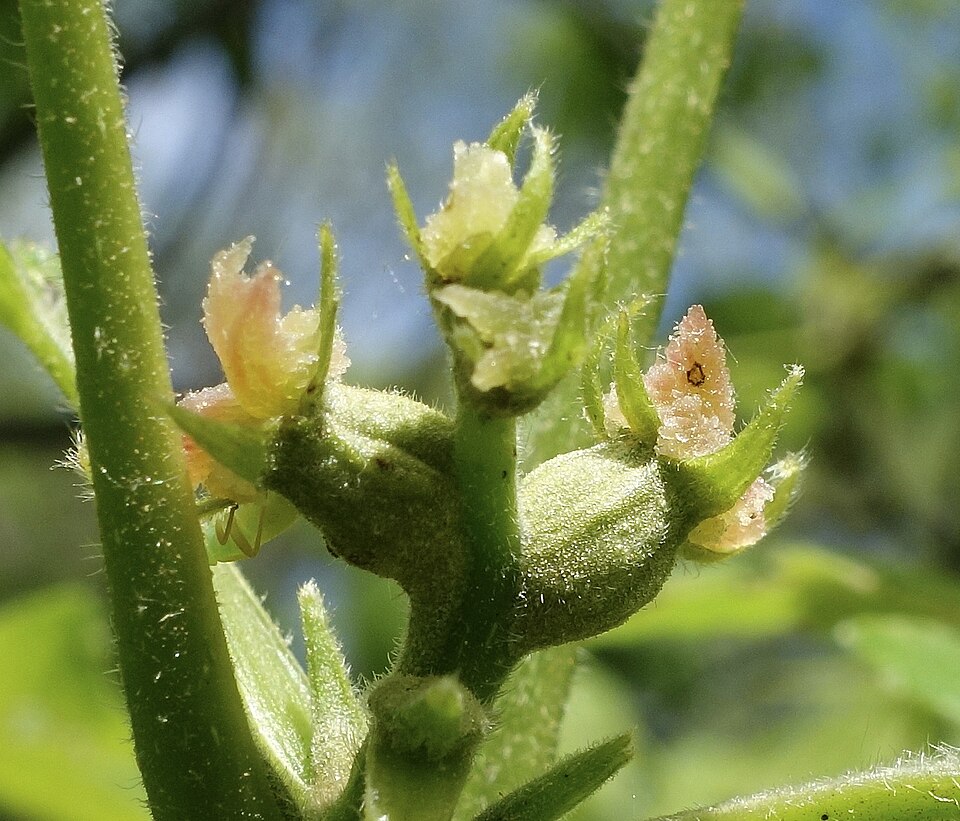
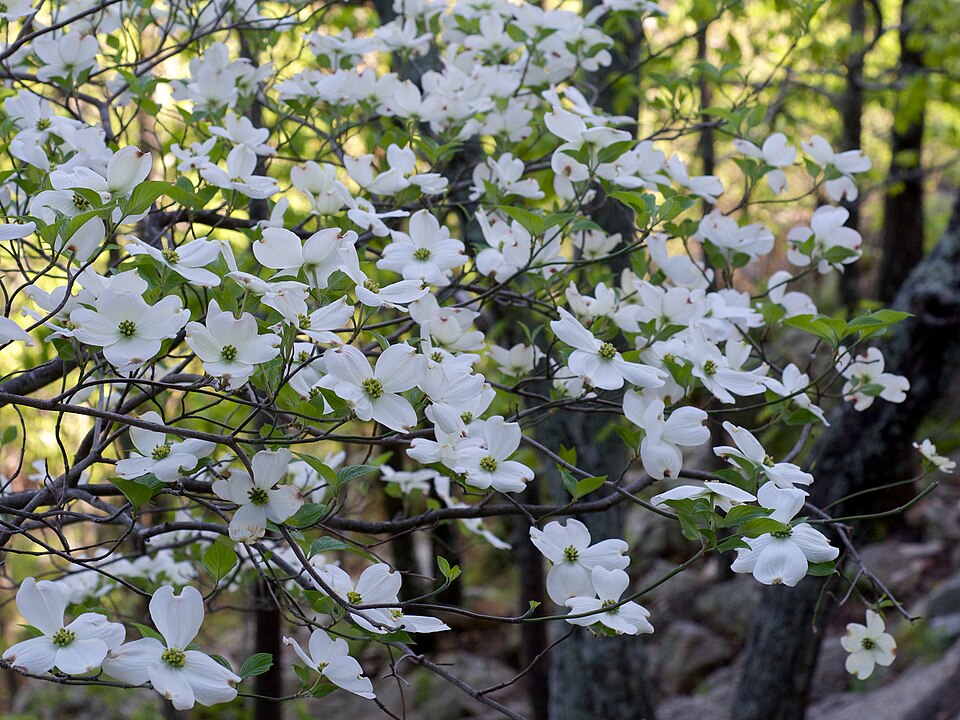
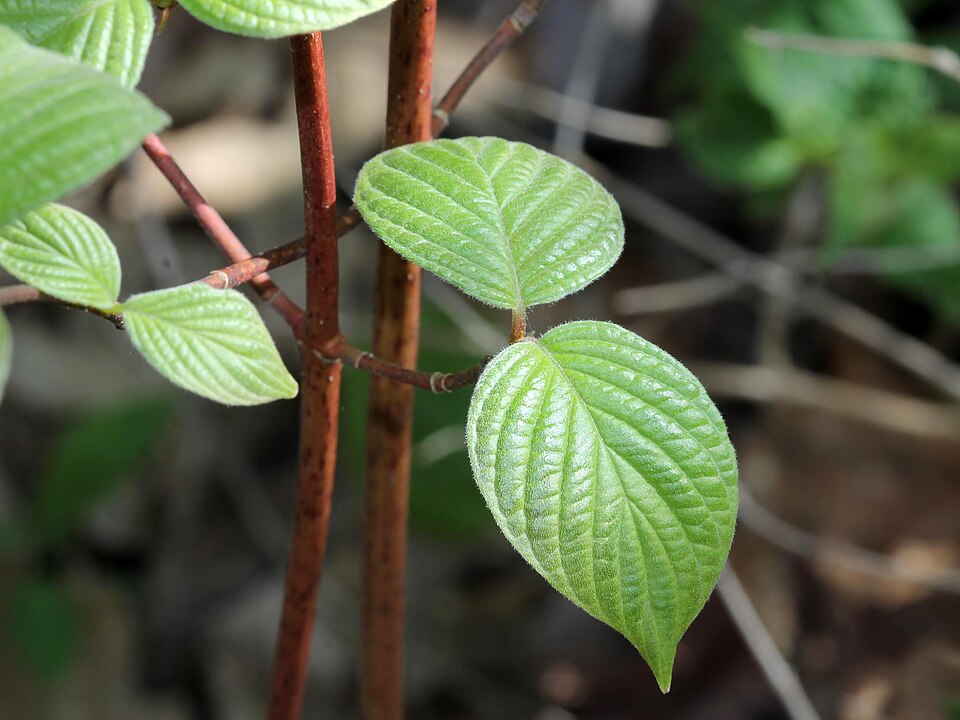
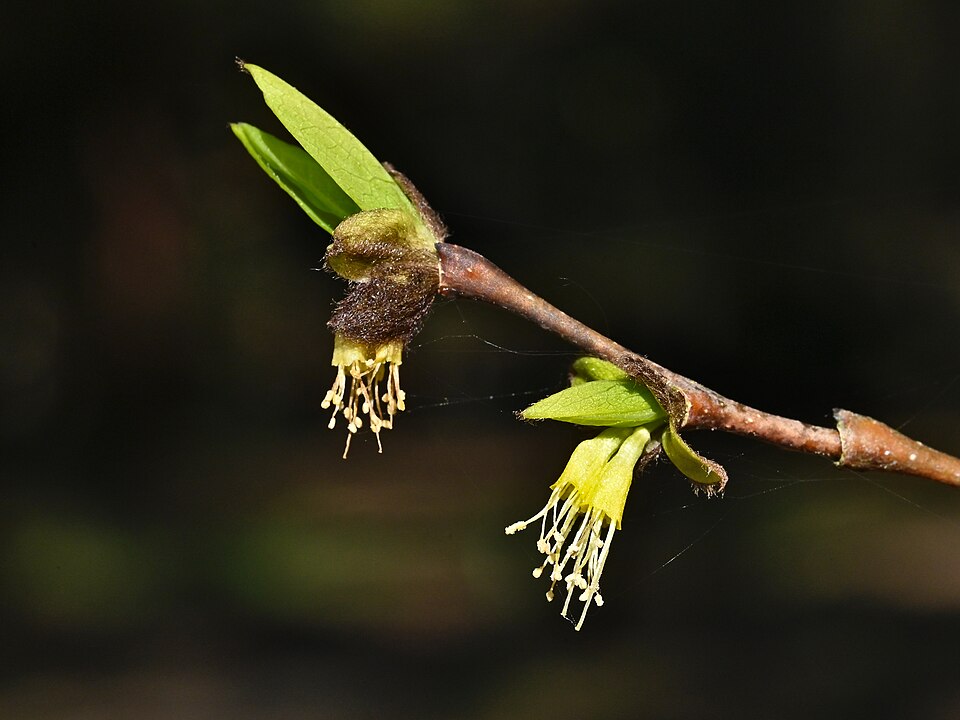
Plants 674
Plants named in NatureServe descriptions of these habitats that grow in West Virginia. Shared habitat, not food.
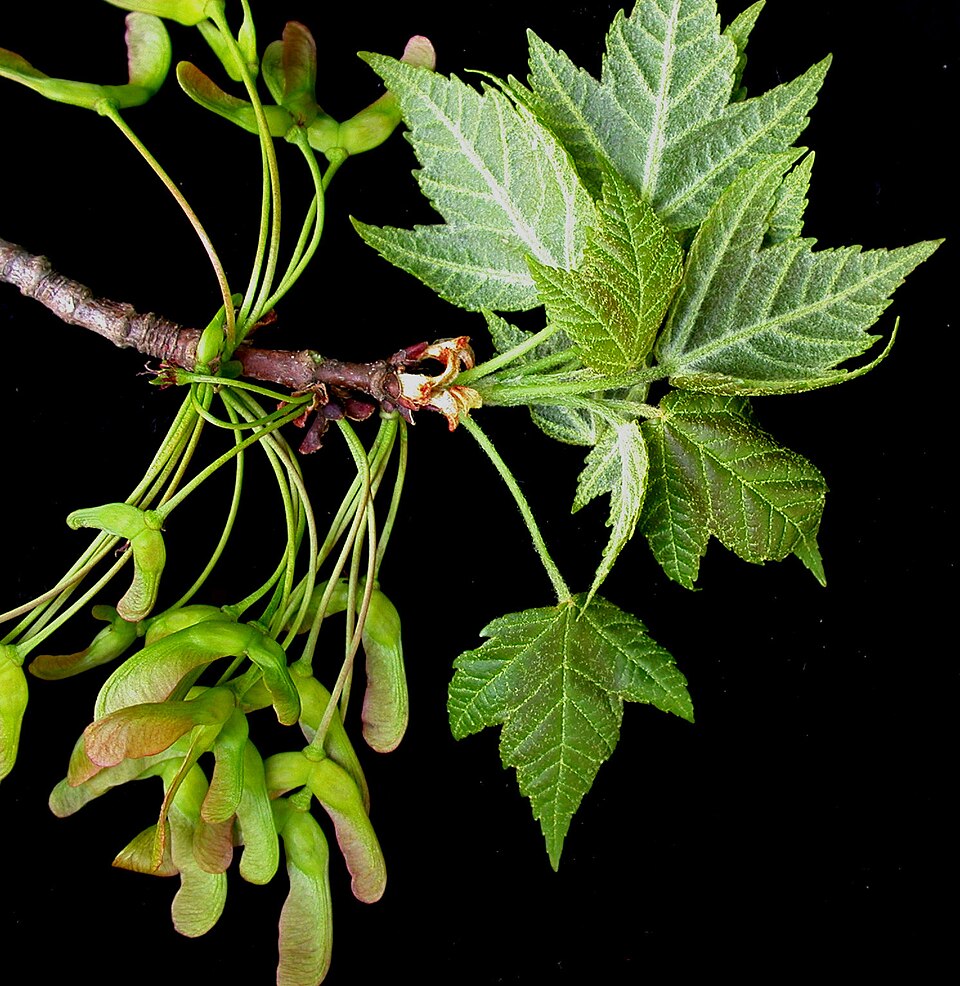
- Red MapleAcer rubrum
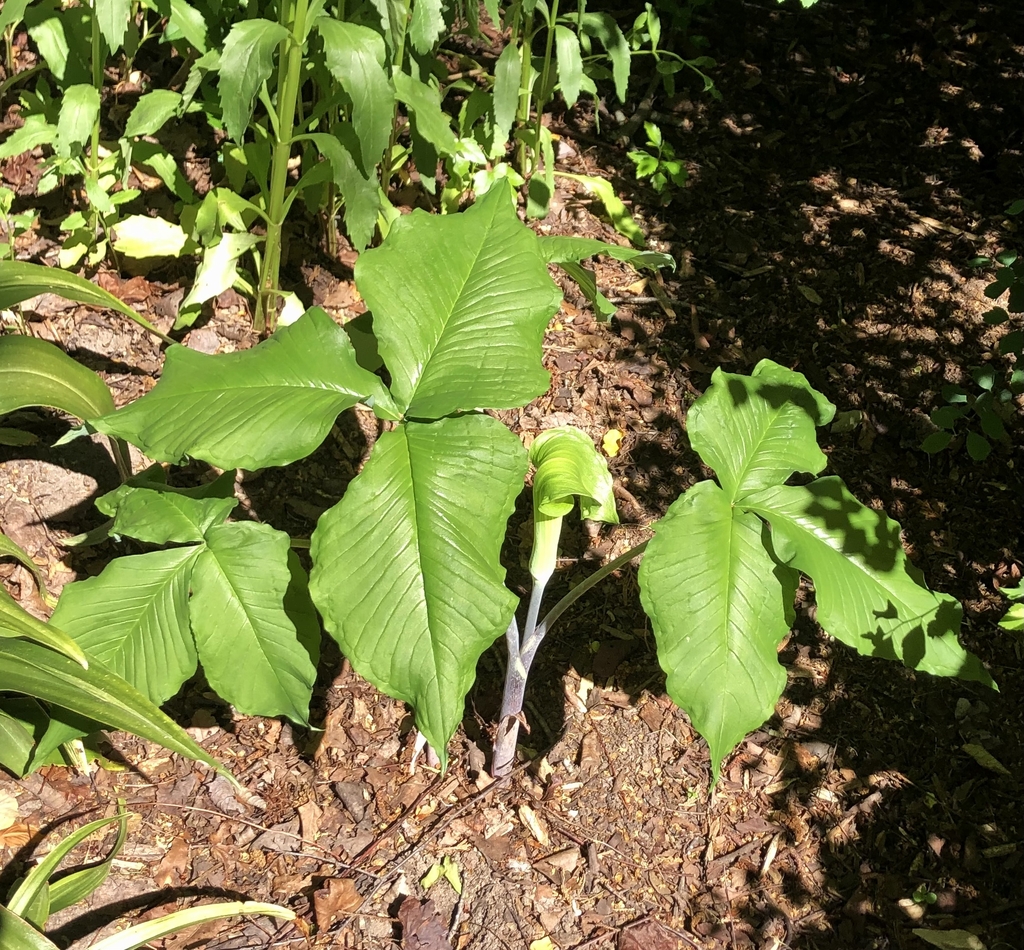
- Common Jack-in-the-pulpitArisaema triphyllum
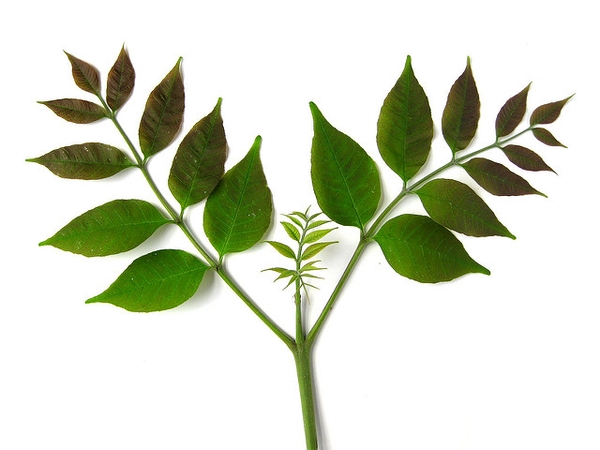
- White AshFraxinus americana
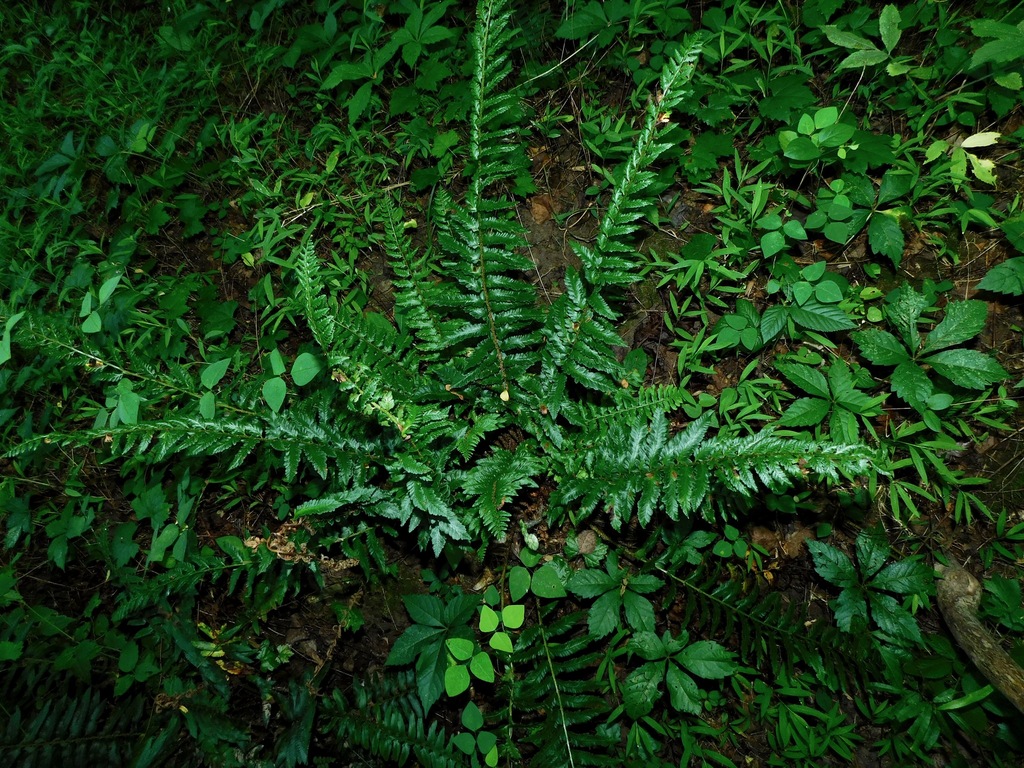
- Christmas FernPolystichum acrostichoides
- White OakQuercus alba
- Northern Red OakQuercus rubra
- Sugar MapleAcer saccharum
- Yellow BirchBetula alleghaniensis
- Sweet BirchBetula lenta
- Shagbark HickoryCarya ovata
- Flowering DogwoodCornus florida
- Round Leaf DogwoodCornus rugosa
- Eastern LeatherwoodDirca palustris
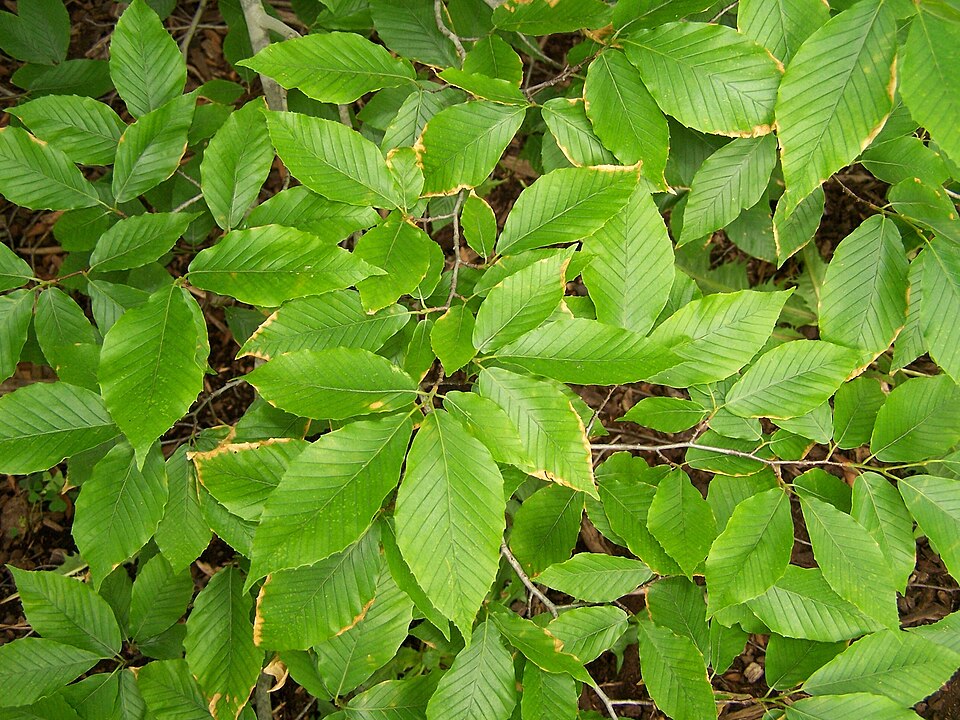
- American BeechFagus grandifolia
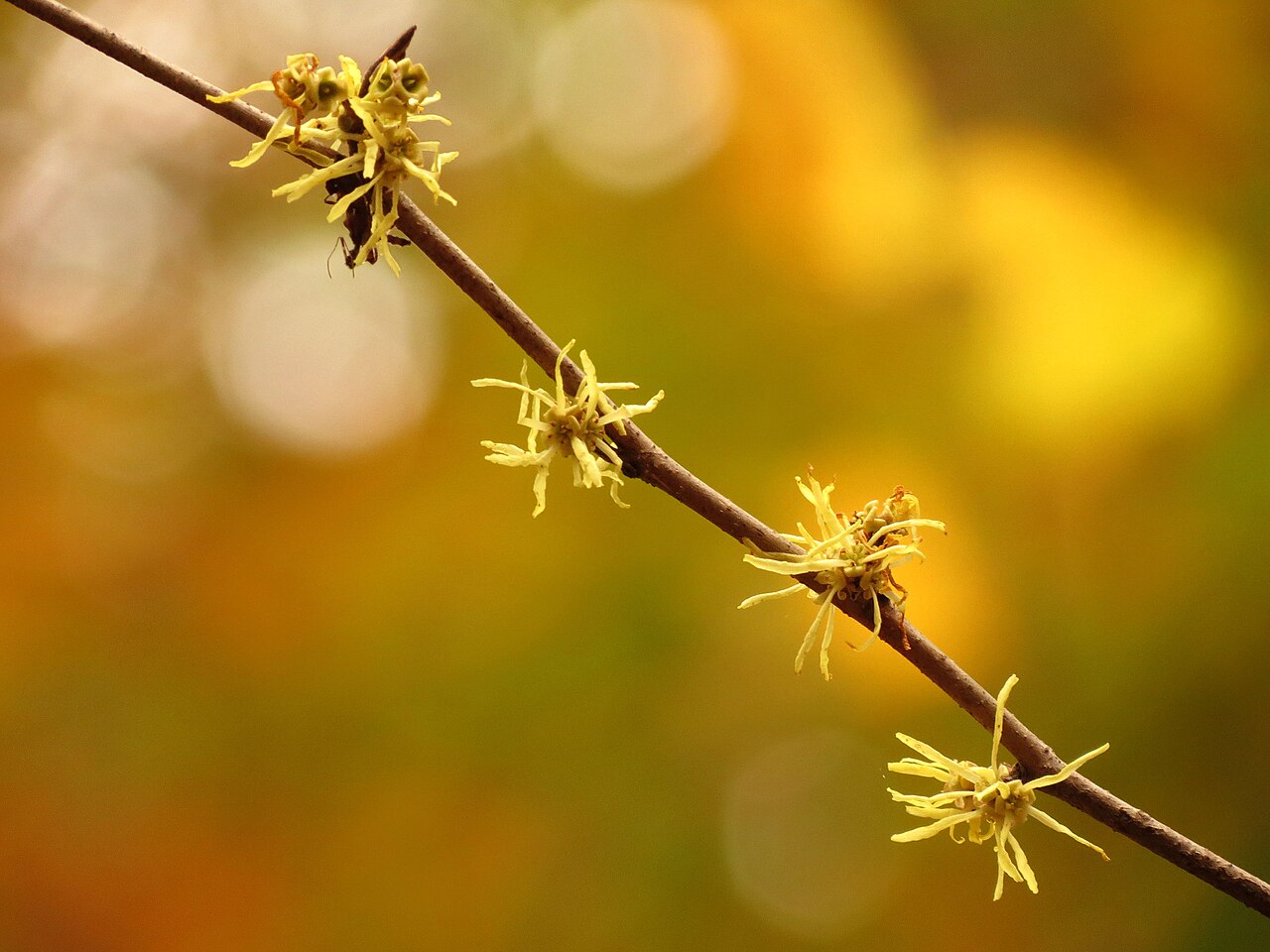
- American Witch-hazelHamamelis virginiana
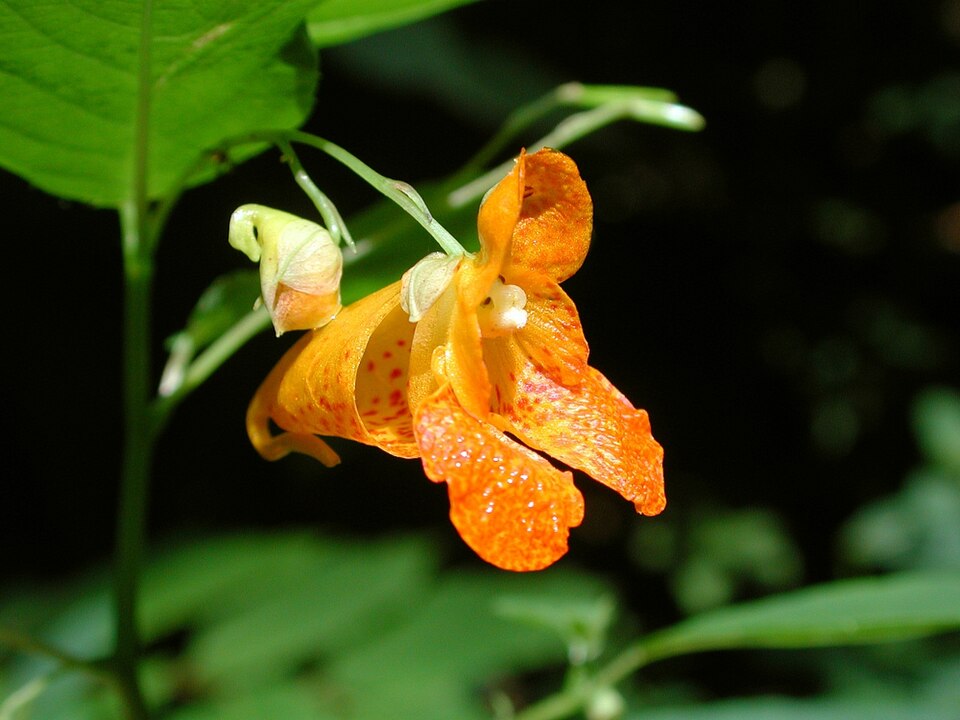
- Spotted JewelweedImpatiens capensis
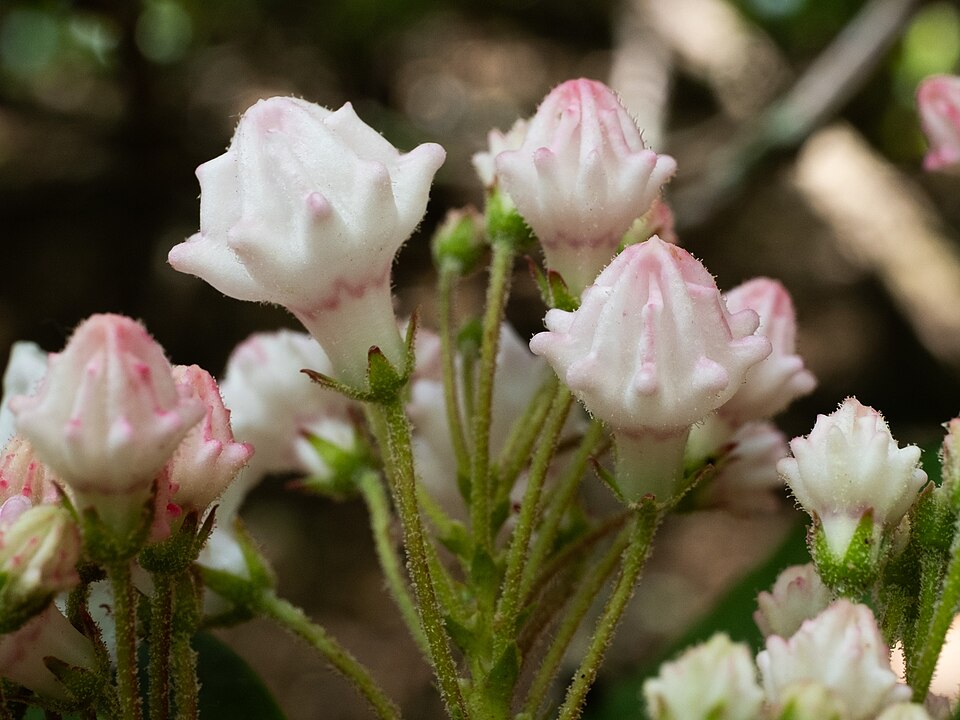
- Mountain LaurelKalmia latifolia
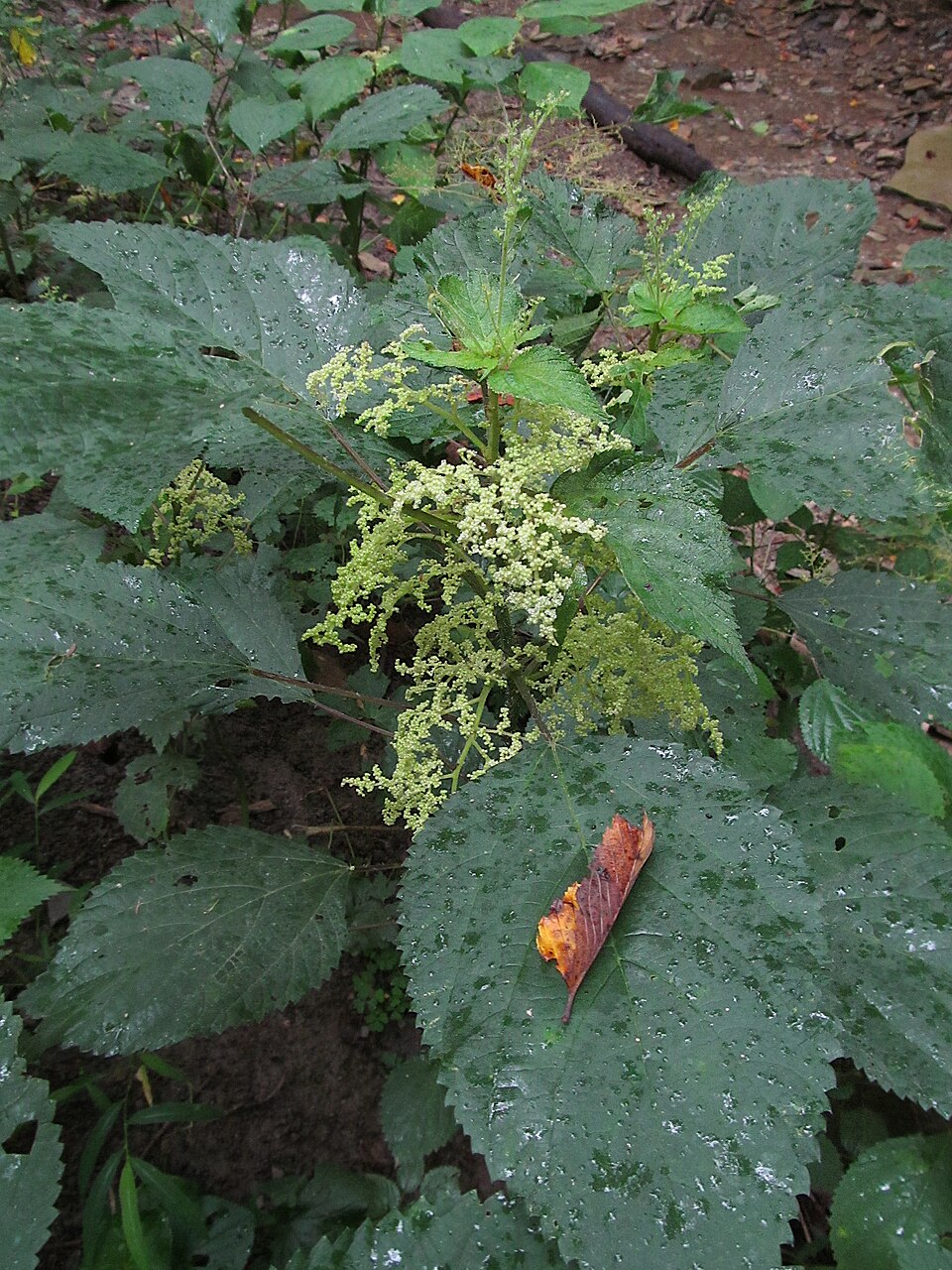
- Canada Wood-nettleLaportea canadensis
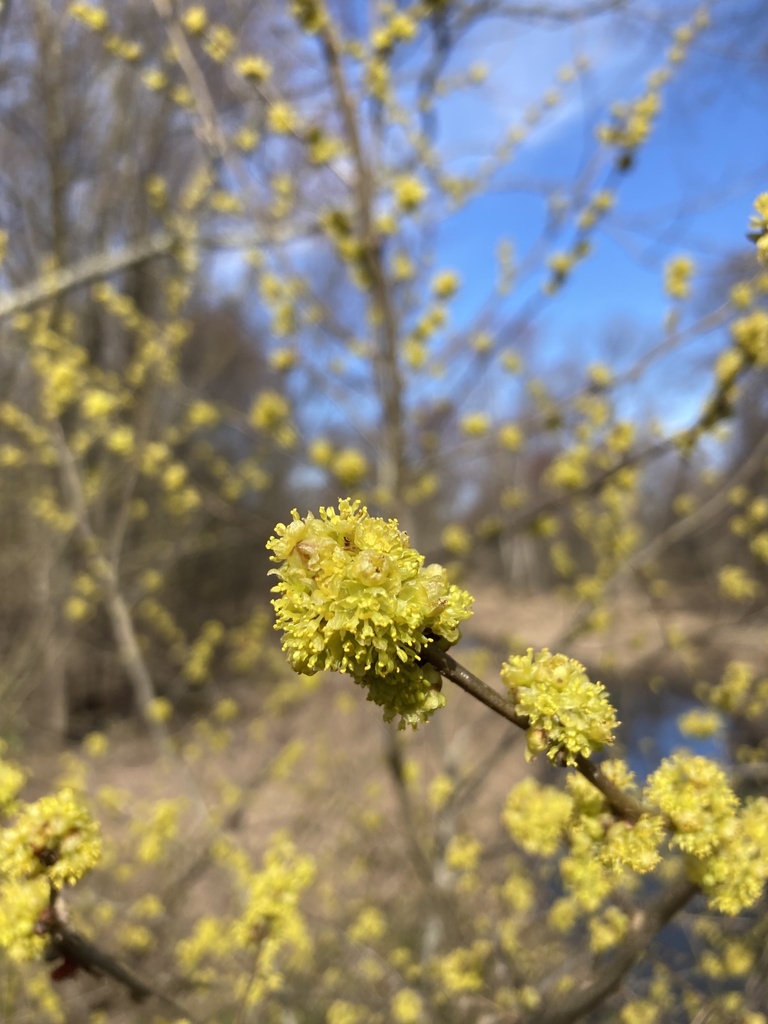
- Northern SpicebushLindera benzoin
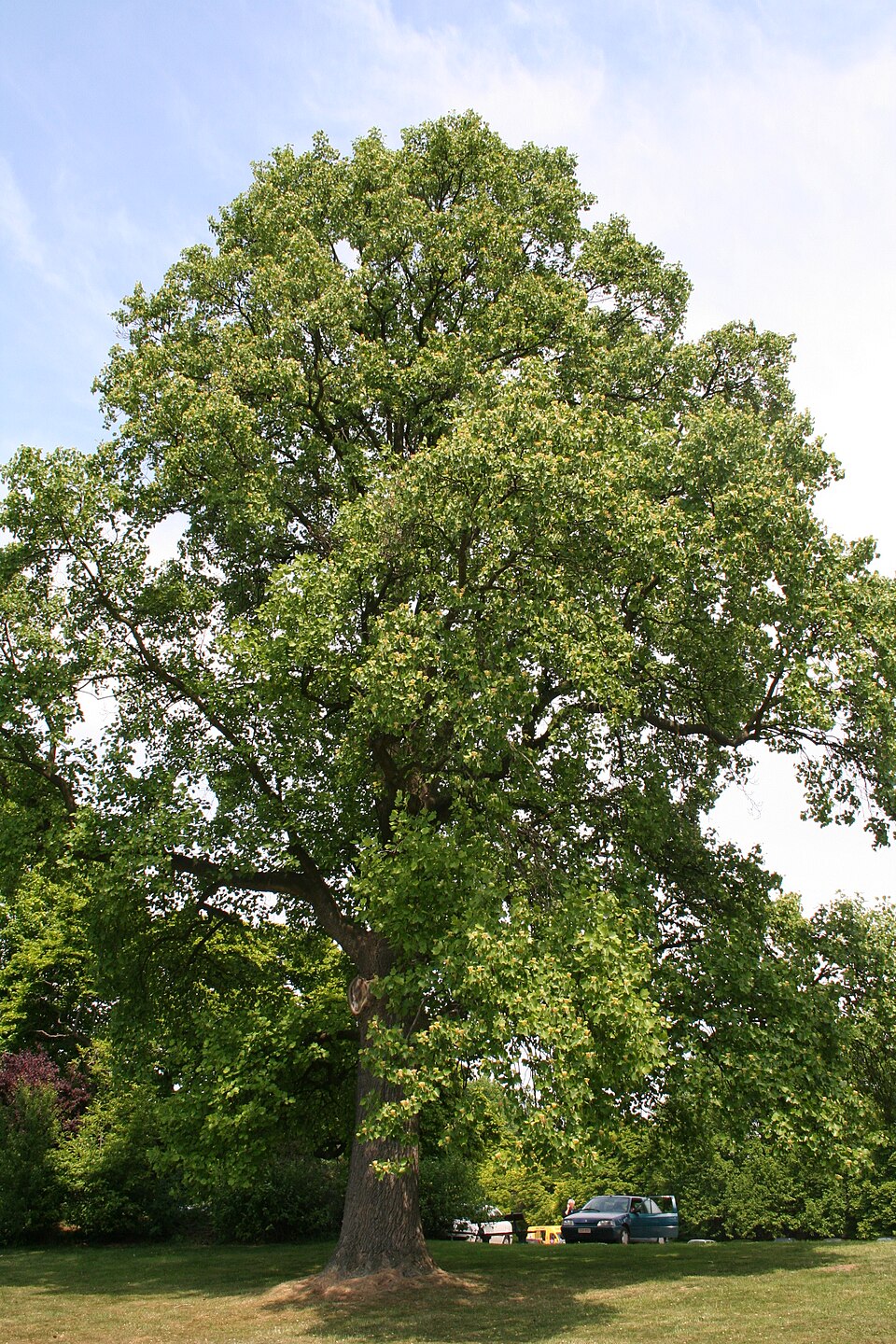
- TuliptreeLiriodendron tulipifera
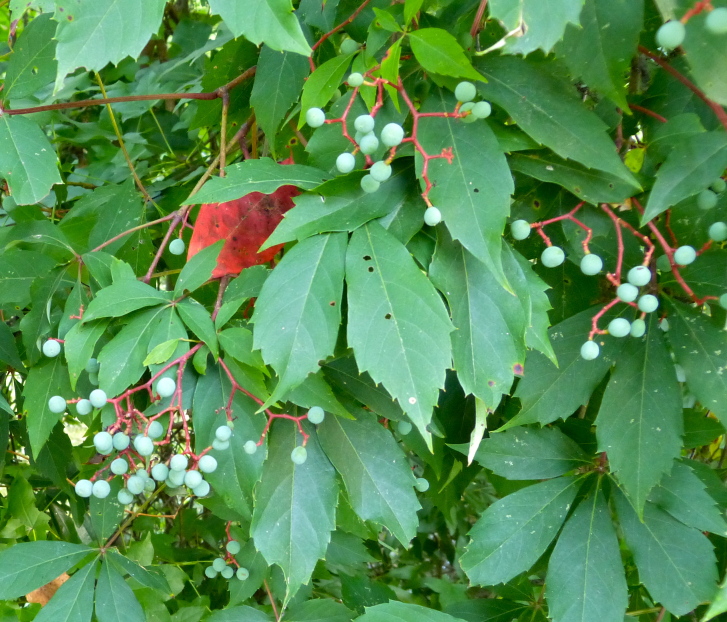
- Virginia CreeperParthenocissus quinquefolia
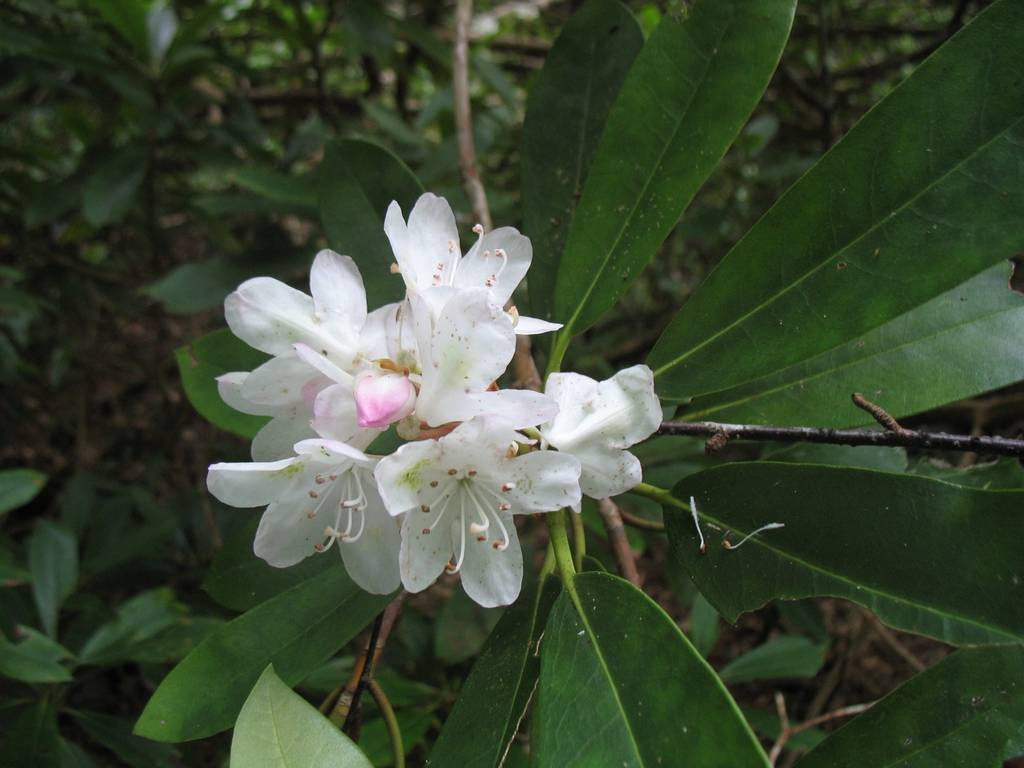
- Rosebay RhododendronRhododendron maximum
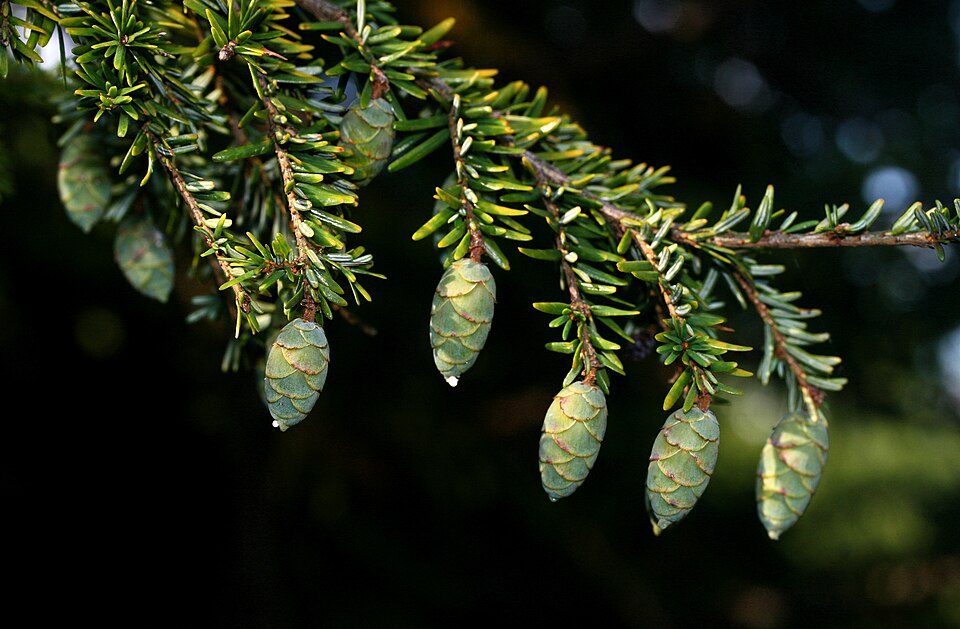
- Eastern HemlockTsuga canadensis
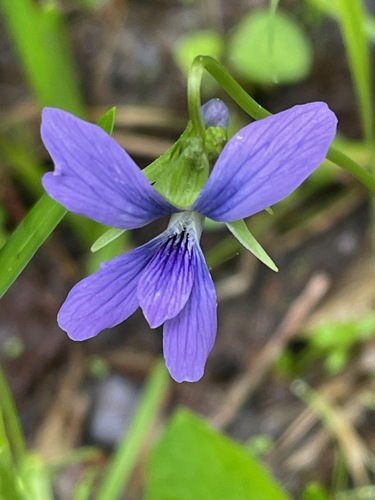
- Marsh Blue VioletViola cucullata
Wildlife 168
Other animals whose habitat models include the same habitats in West Virginia. Not sighting records.
- Acadian FlycatcherEmpidonax virescens
- Alder FlycatcherEmpidonax alnorum
- American GoldfinchCarduelis tristis
- American KestrelFalco sparverius
- American RedstartSetophaga ruticilla
- American RobinTurdus migratorius
- Bald EagleHaliaeetus leucocephalus
- Belted KingfisherMegaceryle alcyon
- Black-and-White WarblerMniotilta varia
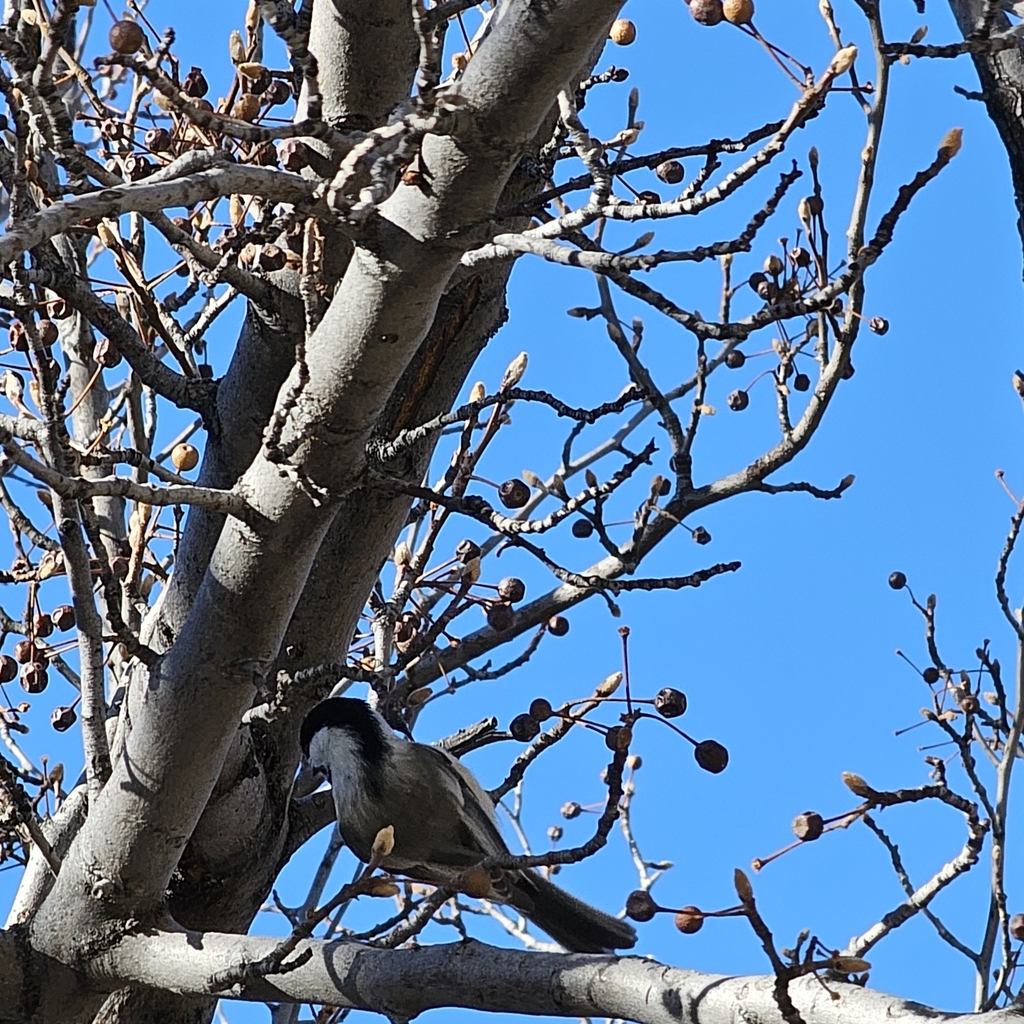
- Black-capped ChickadeePoecile atricapillus
- Blue GrosbeakPasserina caerulea
- Blue JayCyanocitta cristata
- Blue-gray GnatcatcherPolioptila caerulea
- Broad-winged HawkButeo platypterus
- Brown CreeperCerthia americana
- Carolina WrenThryothorus ludovicianus
- Cedar WaxwingBombycilla cedrorum
- Cerulean WarblerDendroica cerulea
- Chimney SwiftChaetura pelagica
- Common NighthawkChordeiles minor
- Common RavenCorvus corax
- Cooper's HawkAccipiter cooperii
- Downy WoodpeckerPicoides pubescens
- Eastern KingbirdTyrannus tyrannus
















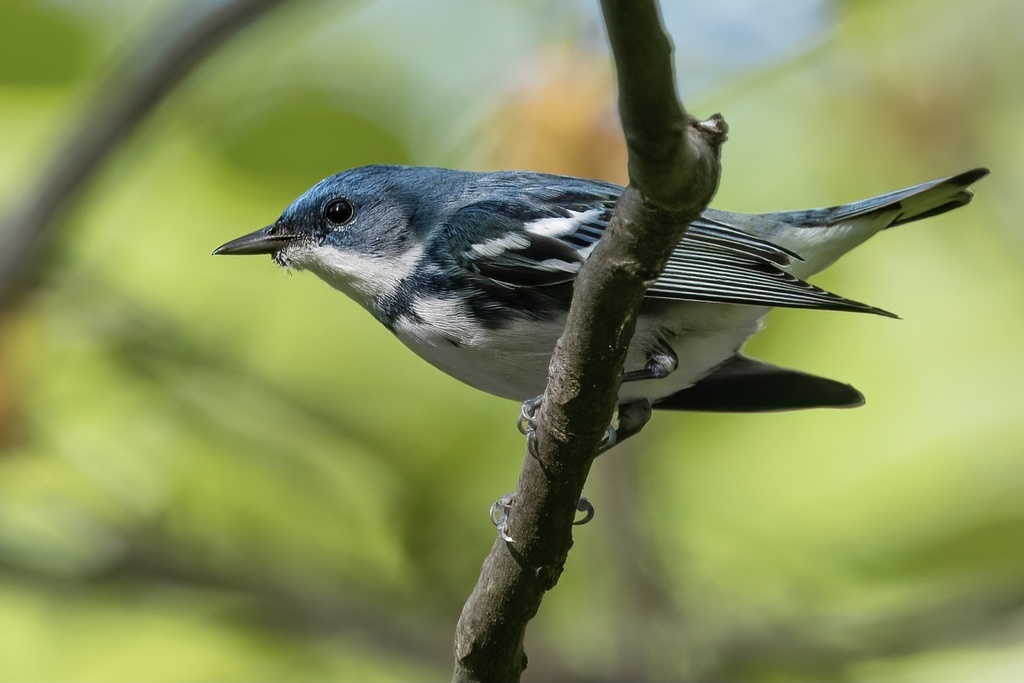


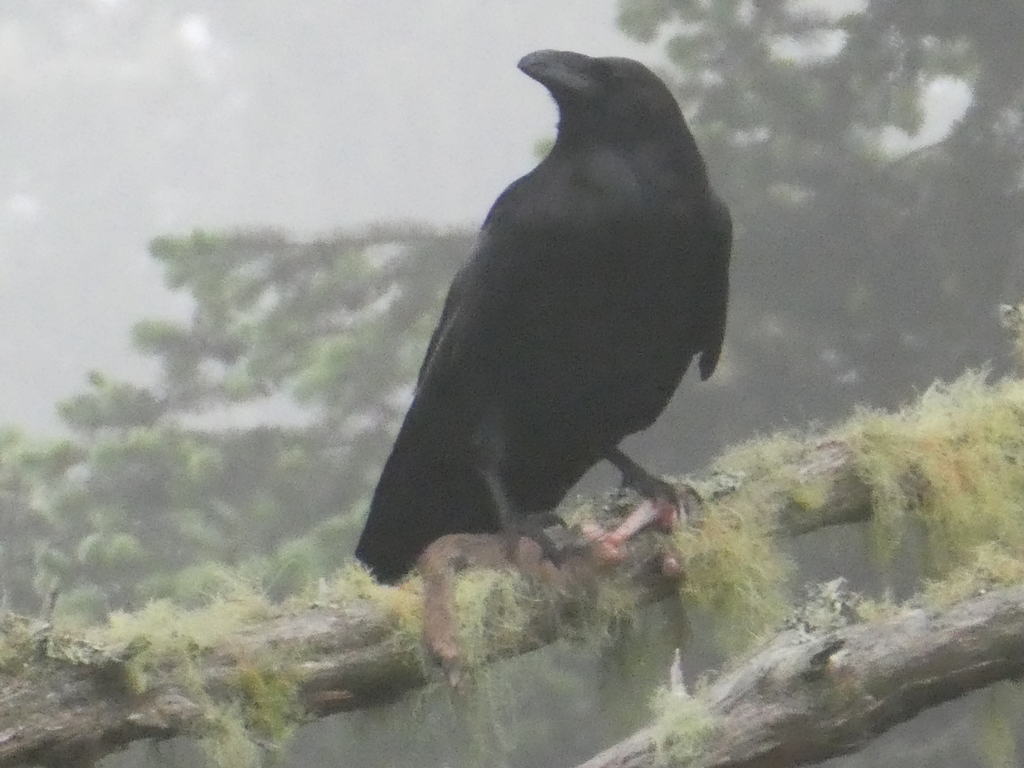



NatureServe Explorer, CC BY 4.0. USGS Gap Analysis Project habitat models.
Sources
- USGS Gap Analysis Project habitat models (2001)
- USGS GAP summer habitat model for Louisiana Waterthrush Fresh water only
- USGS Gap Analysis Project range maps (2001), modeled by watershed; migratory gives no dates
- NatureServe Explorer (CC BY 4.0), habitat names
- US Census TIGER/Line counties
- Names follow the USGS Gap Analysis Project (2001)