

American Witch-hazel
Hamamelis virginiana
Native to West Virginia. How scores work Is it native here?
Profile 100%
- Height
- 15–30 feet
- Spread
- 15–20 feet
- Light
- Full sun, Partial shade
- Soil moisture
- Usually moist
Space about 17.5 ft apart from its recorded spread. Enter your bed size for a count
Will it fit your yard?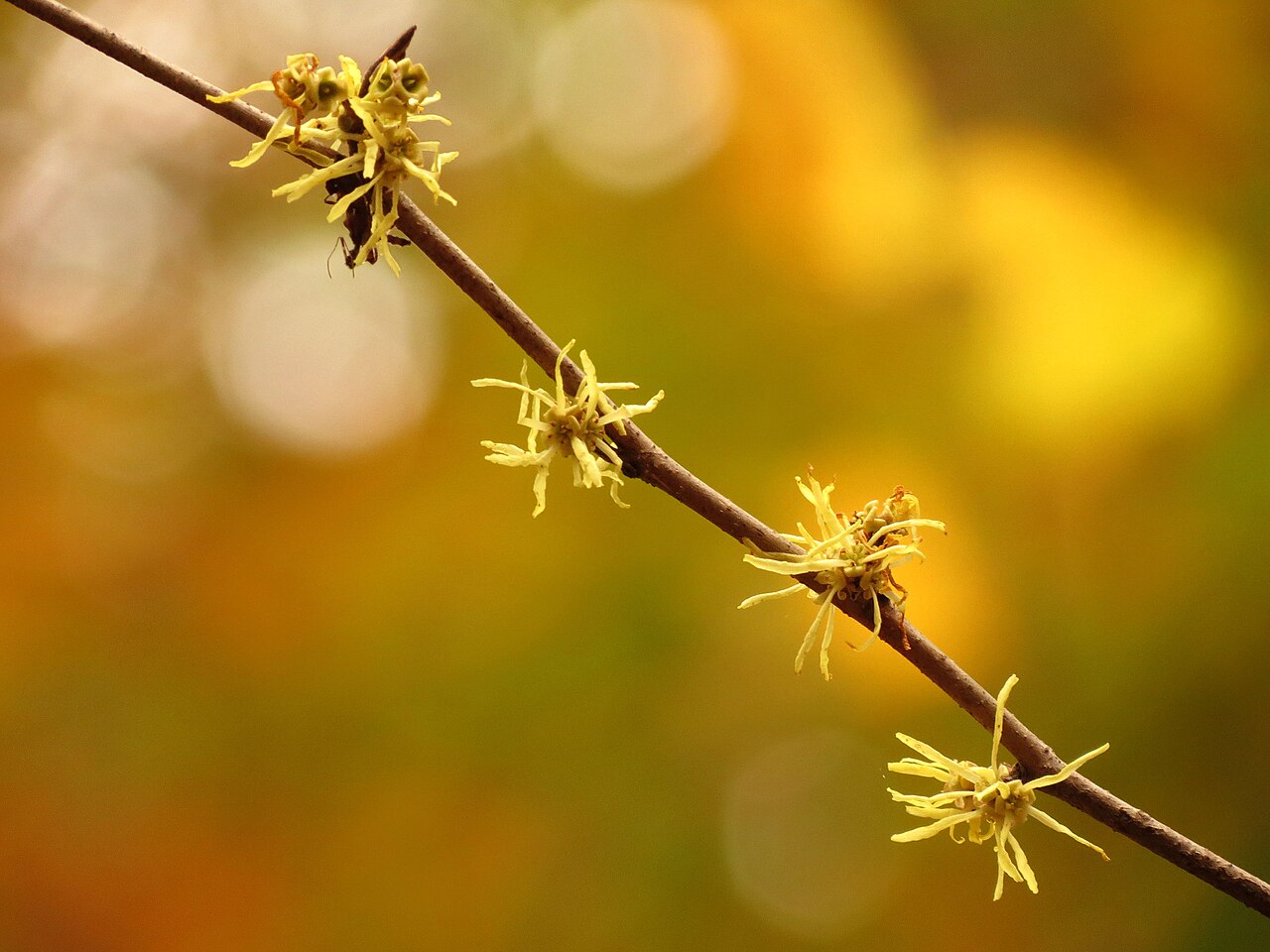
At a glance
- Life cycle
- Woody perennial
- Leaves
- Deciduous
- Bloom
- Fall
- Fruiting season
- Fall
Recorded in 30 West Virginia counties.
Also found with this plant
Wildlife whose habitat models include habitats this plant grows in, in West Virginia. Shared habitat, not food. 147 animals.
- Bald EagleHaliaeetus leucocephalus
- Chimney SwiftChaetura pelagica
- Common NighthawkChordeiles minor
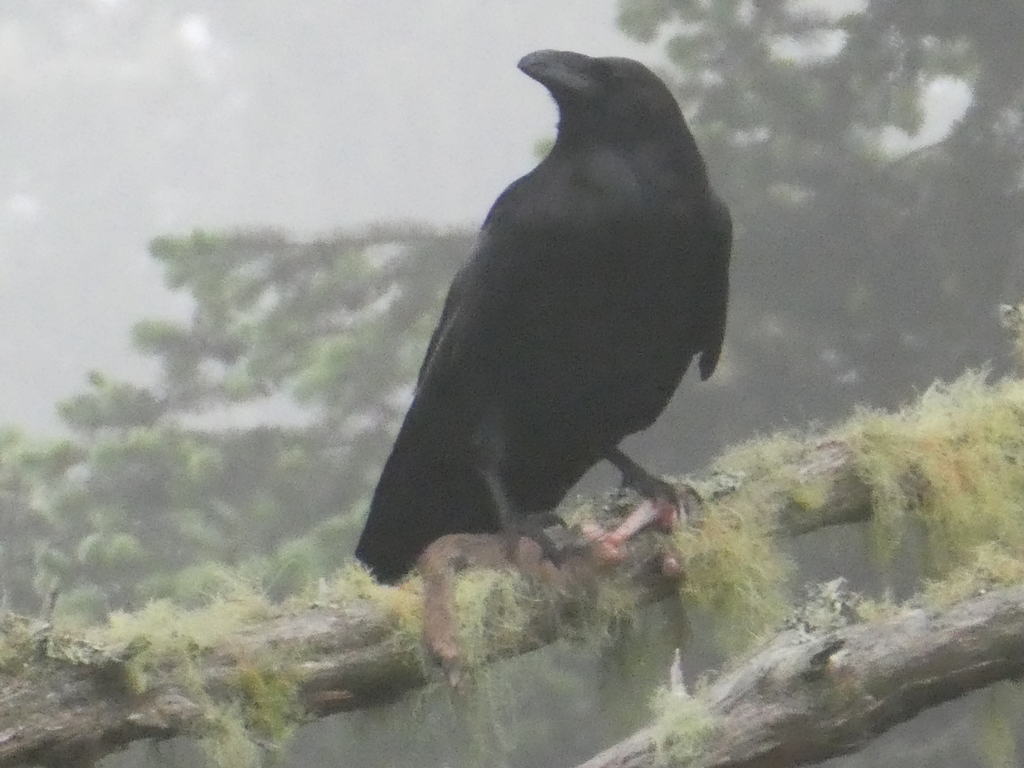
- Common RavenCorvus corax
- Eastern KingbirdTyrannus tyrannus
- European StarlingSturnus vulgaris
- Great Horned OwlBubo virginianus
- Mourning DoveZenaida macroura
- Red-tailed HawkButeo jamaicensis
- Sharp-shinned HawkAccipiter striatus
- Turkey VultureCathartes aura
- American GoldfinchCarduelis tristis
- American KestrelFalco sparverius
- American RobinTurdus migratorius
- Belted KingfisherMegaceryle alcyon
- Black-and-White WarblerMniotilta varia
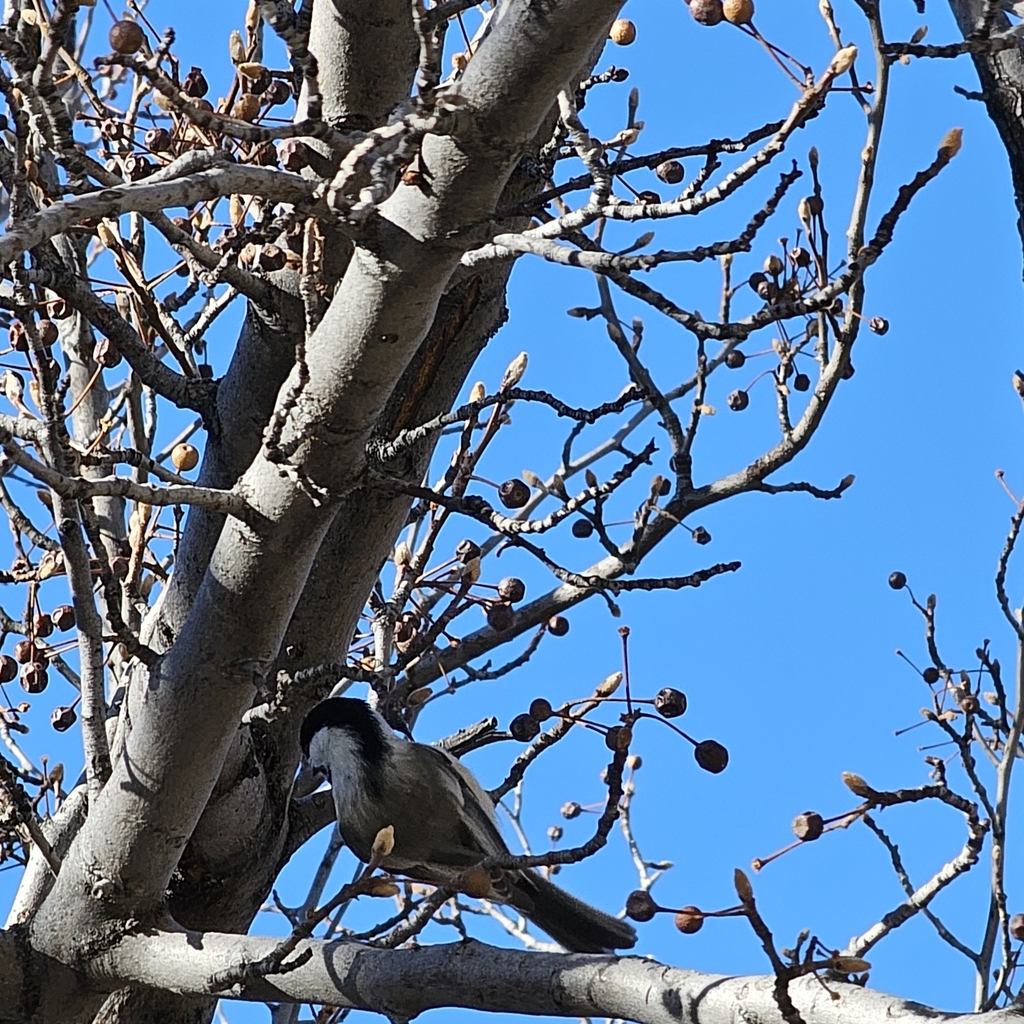
- Black-capped ChickadeePoecile atricapillus
- Blue GrosbeakPasserina caerulea
- Blue JayCyanocitta cristata
- Blue-gray GnatcatcherPolioptila caerulea
- Brown CreeperCerthia americana
- Cedar WaxwingBombycilla cedrorum
- Cooper's HawkAccipiter cooperii
- Downy WoodpeckerPicoides pubescens























Care
- Water through dry spells; this plant is drought intolerant.
Who uses this plant?
 68CaterpillarsGenus host records with ranges including WV
Genus host records with ranges including WV · Hamamelis
- Achatia distinctaDistinct Quaker
- Acrobasis indigenellaLeaf Crumpler
- Acronicta americanaAmerican Dagger
- Acronicta funeralisFunerary Dagger, Paddle Caterpillar
- Acronicta hamamelisWitch Hazel Dagger
- Acronicta impletaYellow-Haired Dagger
- Acronicta impressaImpressive Dagger, Printed Dagger
- Adoneta spinuloidesPurple-Crested Slug
- Antheraea polyphemusPolyphemus Moth
- Apatelodes torrefactaSpotted Apatelodes
Show all 68
- Archips semiferanusOak Leafroller Moth
- Argyrotaenia quercifolianaYellow-Winged Oak Leafroller Moth, Lined Oak Leafroller
- Caloptilia superbifrontellaWitch-Hazel Caloptilia
- Cameraria aceriellaMaple Leafblotch Miner
- Campaea perlataPale Beauty, Fringed Looper
- Cecrita biundataWavy-Lined Heterocampa
- Cecrita guttivittaMaple Prominent, Saddled Prominent
- Choristoneura rosaceanaOblique-Banded Leafroller Moth, Rosaceous Leaf Roller
- Clepsis melaleucanusBlack-Patched Clepsis, Trillium Tortrix
- Coelodasys unicornisUnicorn Caterpillar Moth
- Crocigrapha normaniNorman's Quaker
- Datana drexeliiDrexel's Datana
- Datana ministraYellow-Necked Caterpillar Moth
- Drasteria grandirenaFigure-Seven Moth
- Ectropis crepusculariaThe Small Engrailed, Saddleback Looper
- Ennomos subsignariaElm Spanworm Moth
- Episimus argutanaSumac Leaftier
- Euclea delphiniiSpiny Oak-Slug Moth
- Eupithecia miserulataCommon Eupithacia, Common Pug
- Halysidota tessellarisBanded Tussock Moth, Pale Tiger Moth
- Hyphantria cuneaFall Webworm
- Kocakina fidelisIntractable Quaker, Green Fruitworm, Fourlined Green Fruitworm
- Lambdina fervidariaCurve-Lined Looper Moth
- Lambdina fiscellariaHemlock Looper, Western Oak Looper
- Lithophane bethuneiBethune's Pinion
- Lithophane heminaHemina Pinion
- Lophocampa caryaeHickory Tussock Moth, Hickory Tiger Moth
- Malacosoma americanaEastern Tent Caterpillar
- Malacosoma disstriaForest Tent Caterpillar
- Morrisonia latexFluid Arches, Fluid Mamestra
- Nola triquetranaThree-Spot Nola
- Olethreutes appendiceumServiceberry Leafroller
- Orgyia definitaDefinite Tussock Moth
- Orgyia leucostigmaWhite-Marked Tussock Moth
- Palthis angulalisDark-Spotted Palthis
- Pandemis lamprosanaWoodgrain Leafroller
- Phaecasiophora niveiguttanaLabyrinth Moth
- Phaeoura quernariaOak Beauty Moth
- Phigalia strigatariaSmall Phigalia, Small Oak Looper
- Probole alienariaDogwood Probole, Alien Probole
- Prolimacodes badiaSkiff Moth, Skiff Caterpillar
- Pseudexentera costomaculanaWitch-Hazel Leafroller
- Pyreferra ceromaticaAnointed Sallow
- Pyreferra citrombraEyed Mustard Sallow, Citrine Sallow
- Pyreferra hesperidagoMustard Sallow
- Rifargia subrotataSmall Heterocampa
- Satyrium liparopsStriped Hairstreak
- Schizura ipomaeaeMorning-Glory Prominent, Checkered-Fringe Prominent
- Scopula limboundataLarge Lace-Border
- Thyridopteryx ephemeraeformisEvergreen Bagworm Moth
- Tortricidia testaceaEarly Button Slug
- Xystopeplus rufagoRed-Winged Sallow
- Zale phaeocapnaHazel Zale
- Zanclognatha dentataToothed Zanclognatha, Toothed Fan-Foot
- Herpetogramma aquilonalis
- Olethreutes footiana
- Olethreutes hamameliana
- Olethreutes merrickana
 2BeesSoutheastern regional records
Southeastern regional records · Hamamelis
Individual names are not available yet.
Noori, Seltmann & Orr 2026, A curated and integrated dataset for exploring global bee-plant interactions (GloBI), Zenodo, CC BY 4.0 0Specialist beesPollen specialists
 1BirdsRecorded genus food-resource interactions; not a state feeding claim
Recorded genus food-resource interactions; not a state feeding claim · Hamamelis
- Bonasa umbellusRuffed Grouse
Direct food only: birds recorded eating this genus across North America. Caterpillars on host plants also feed nesting birds. NC Native Plant Society: butterfly gardening
No records yet · Ants · Beetles · Flies · Adult butterflies / moths · Other wasps · Other insects
Plant details
- Family
- Hamamelidaceae
- Hardiness
- Zones 3a–9b
- Soil pH
- Acidic
- Flower color
- Cream, yellow, red or white
- Growth rate
- Slow
- Growth habit
- Several stems
- Foliage color
- Green
- Fruit begins
- Fall
- Fruit ends
- Fall
What its natural habitat tells you
Safety has not been reviewed for this plant; check toxicity and thorns before planting.
Growing sources and scope
- Bloom · “Fall” · USDA PLANTS (ranked first; Prairie Moon 2026 Cultural Guide differs) · Nationwide species characteristics; local growing conditions may vary
- Flower color · “Cream, yellow, red or white” · NC Extension Plant Toolbox (ranked first; USDA PLANTS, Prairie Moon 2026 Cultural Guide differ)
- Foliage color · “Green” · USDA PLANTS · Nationwide species characteristics; local growing conditions may vary
- Fruit begins · “Fall” · NC Extension Plant Toolbox (ranked first; USDA PLANTS differs) · Species profile fruit display season; not a local ripening date
- Fruit ends · “Fall” · NC Extension Plant Toolbox (ranked first; USDA PLANTS differs) · Species profile fruit display season; not a local ripening date
- Growth habit · “Several stems” · USDA PLANTS · Nationwide species characteristics; local growing conditions may vary
- Growth rate · “Slow” · USDA PLANTS · Nationwide species characteristics; local growing conditions may vary
- Hardiness · “Zones 3a–9b” · NC Extension Plant Toolbox
- Height · “15–30 feet” · NC Extension Plant Toolbox (ranked first; USDA PLANTS, Minnesota Wildflowers, Prairie Moon 2026 Cultural Guide differ)
- Leaves · “Deciduous” · NC Extension Plant Toolbox
- Life cycle · “Woody perennial” · NC Extension Plant Toolbox
- Light · “Full sun (6 or more hours of direct sunlight a day); Partial shade (direct sunlight only part of the day, 2-6 hours)” · NC Extension Plant Toolbox (ranked first; Virginia Cooperative Extension, Virginia DCR Piedmont, Virginia DCR Coastal Plain, Prairie Moon 2026 Cultural Guide differ)
- Soil · “Moist” · NC Extension Plant Toolbox (ranked first; Tennessee Smart Yards, Virginia Cooperative Extension, Virginia DCR Piedmont, Virginia DCR Coastal Plain, Prairie Moon 2026 Cultural Guide differ)
- Soil pH · “Acidic” · NC Extension Plant Toolbox
- Spread · “15–20 feet” · NC Extension Plant Toolbox
Also known as
American Witch Hazel; Northern Witch Hazel
Conservation status
| West Virginia rank | S5 |
|---|---|
| Global rank | G5 |
| WV status | Not verified |
| Federal status | Not verified |
Will it fit your yard?
Check this plant against your county, sun and soil moisture. Conditions are checked in your browser.
Sources
- NatureServe Explorer
- USDA PLANTS
- Vascular Plants of North Carolina (NC Natural Heritage Program)
- West Virginia occurrence source
- Shropshire & Tallamy 2025, Lepidoptera of North America north of Mexico, ZooKeys 1261 (ODbL)
- Noori, Seltmann & Orr 2026, A curated and integrated dataset for exploring global bee-plant interactions (GloBI), Zenodo, CC BY 4.0
- Smith, Bachelder, Russell, Morales, Mosher & Seltmann 2024, Bee-Specialization-Modeling v0.6.1 (specialist host table compiled from J. Fowler's pollen specialist bee lists), Zenodo, CC BY 4.0
- Hurlbert, Olsen, Sawyer & Winner 2021, Avian Diet Database, Scientific Data 8: 260 (CC0)
- Narango, Tallamy & Shropshire 2020, Few keystone plant genera support the majority of Lepidoptera species, Nature Communications