

Bird
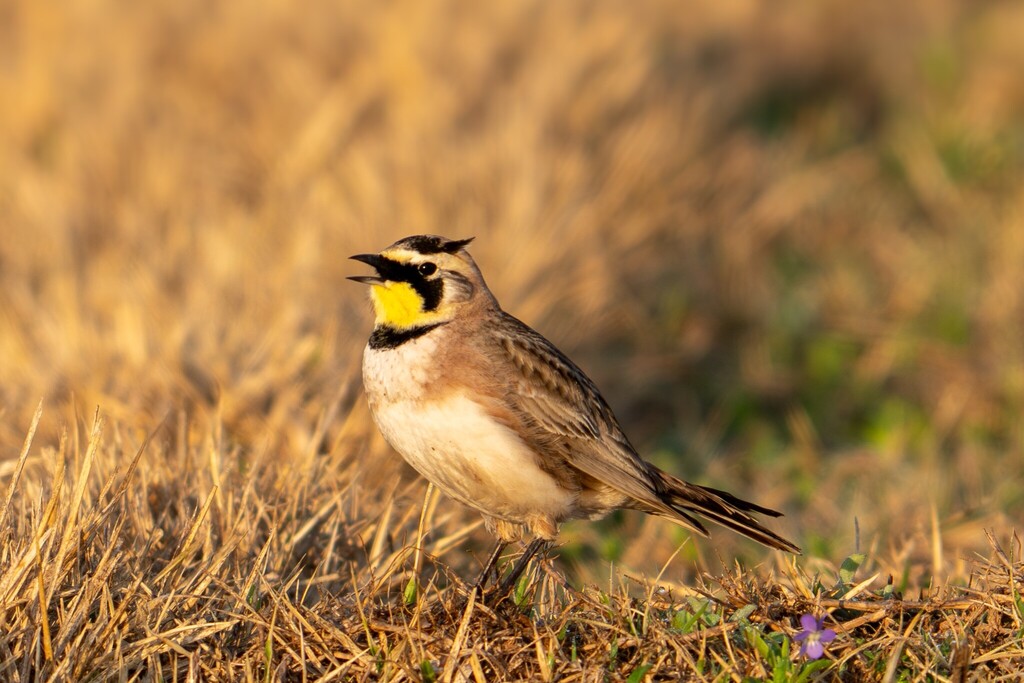
Horned Lark
Eremophila alpestris
Lives in West Virginia all year and nests here. Found in all 55 counties, across 3 habitats.
- Here
- All year
- Nesting
- Nests here
- Range
- All 55 counties
- Habitats
- 3
At a glance
- Group
- Birds
- Here
- All year
- Nesting
- Nests here
- Range
- All 55 counties
- Habitats
- 3
- Habitat models
- Summer, Winter
Where it lives
The places its habitat model includes. It is not found everywhere a habitat occurs.
Habitats in West Virginia 3
Each habitat page lists the plants and wildlife also found there.
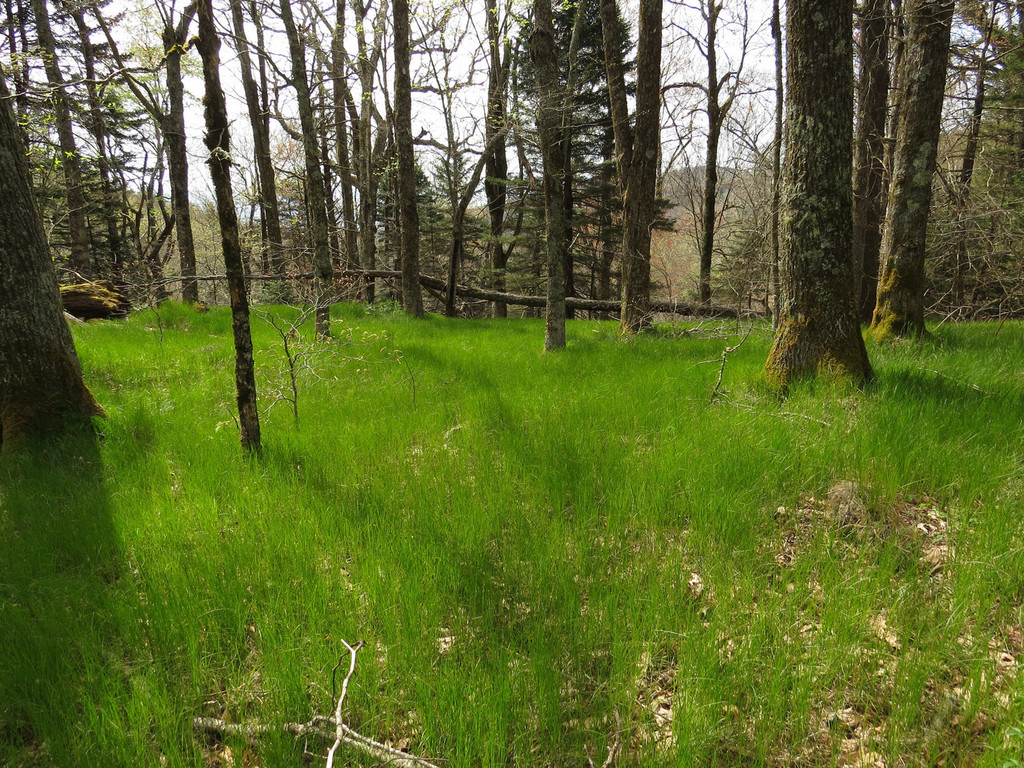
Treeless grassy or shrubby summits and ridges in the high mountains.
Roadsides, fields and disturbed ground
Ground opened by people: roadsides, old fields, pastures, fencerows and lots.
Steep, sun-baked slopes of loose shale with sparse oaks and Virginia pine and their own endemic wildflowers. Linked only where the source names shale barrens; calcareous shale stays with the limestone glades.
Other habitats in its models (35)
Land cover, or classes with no habitat page in West Virginia.
- Barren Land Summer and winter.
- Atlantic Coastal Plain Southern Beach Summer and winter.
- Unconsolidated Shore (Beach/Dune) Summer and winter.
- Unconsolidated Shore Summer and winter.
- Upper Texas Coast Beach Summer and winter.
- Louisiana Beach Summer and winter.
- Southeast Florida Beach Summer and winter.
- South Florida Shell Hash Beach Summer and winter.
- Florida Panhandle Beach Vegetation Summer and winter.
- Atlantic Coastal Plain Sea Island Beach Summer and winter.
- Southwest Florida Beach Summer and winter.
- Texas Coastal Bend Beach Summer and winter.
- East Gulf Coastal Plain Dry Chalk Bluff Summer and winter.
- East Gulf Coastal Plain Black Belt Calcareous Prairie and Woodland - Herbaceous Modifier Summer and winter.
- East Gulf Coastal Plain Black Belt Calcareous Prairie and Woodland - Woodland Modifier Summer and winter.
- Central Interior Highlands Dry Acidic Glade and Barrens Summer and winter.
- Central Appalachian Alkaline Glade and Woodland Summer.
- Central Interior Highlands Calcareous Glade and Barrens Summer and winter.
- Atlantic Coastal Plain Xeric River Dune Summer and winter.
- Eastern Highland Rim Prairie and Barrens - Dry Modifier Summer and winter.
- Central Mixedgrass Prairie Summer and winter.
- Florida Dry Prairie Summer and winter.
- West Gulf Coastal Plain Northern Calcareous Prairie Summer and winter.
- West Gulf Coastal Plain Southern Calcareous Prairie Summer and winter.
- East Gulf Coastal Plain Jackson Prairie and Woodland Summer and winter.
- Atlantic Coastal Plain Southern Dune and Maritime Grassland Summer and winter.
- Southwest Florida Dune and Coastal Grassland Summer and winter.
- Texas-Louisiana Coastal Prairie Summer and winter.
- East Gulf Coastal Plain Dune and Coastal Grassland Summer and winter.
- Central and Upper Texas Coast Dune and Coastal Grassland Summer and winter.
- Recently Burned Grassland Summer and winter.
- Introduced Upland Vegetation - Annual Grassland Summer and winter.
- Introduced Upland Vegetation - Perennial Grassland Summer and winter.
- Texas Saline Coastal Prairie Summer and winter.
- Eastern Great Plains Wet Meadow, Prairie, and Marsh Summer and winter.
Seasons in West Virginia
- Year-round: nests here, in all 55 counties.
Also found in this habitat
Plants 159
Plants named in NatureServe descriptions of these habitats that grow in West Virginia. Shared habitat, not food.
- Wavy HairgrassAvenella flexuosa
- Pennsylvania SedgeCarex pensylvanica
- Poverty OatgrassDanthonia spicata
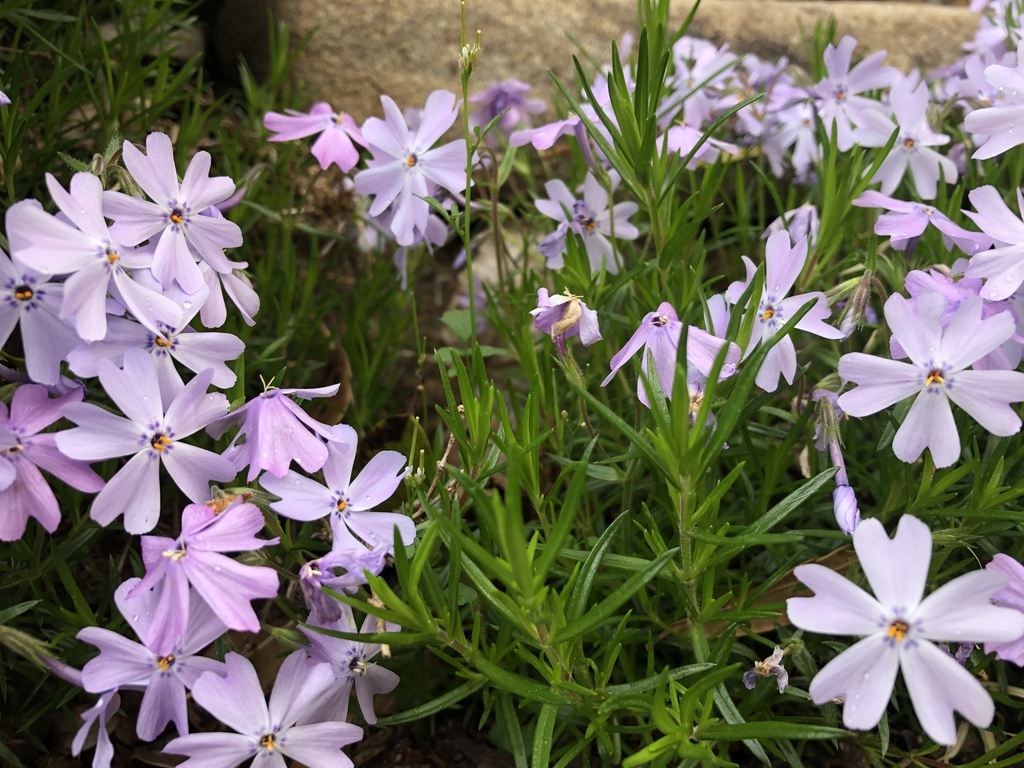
- Moss PhloxPhlox subulata
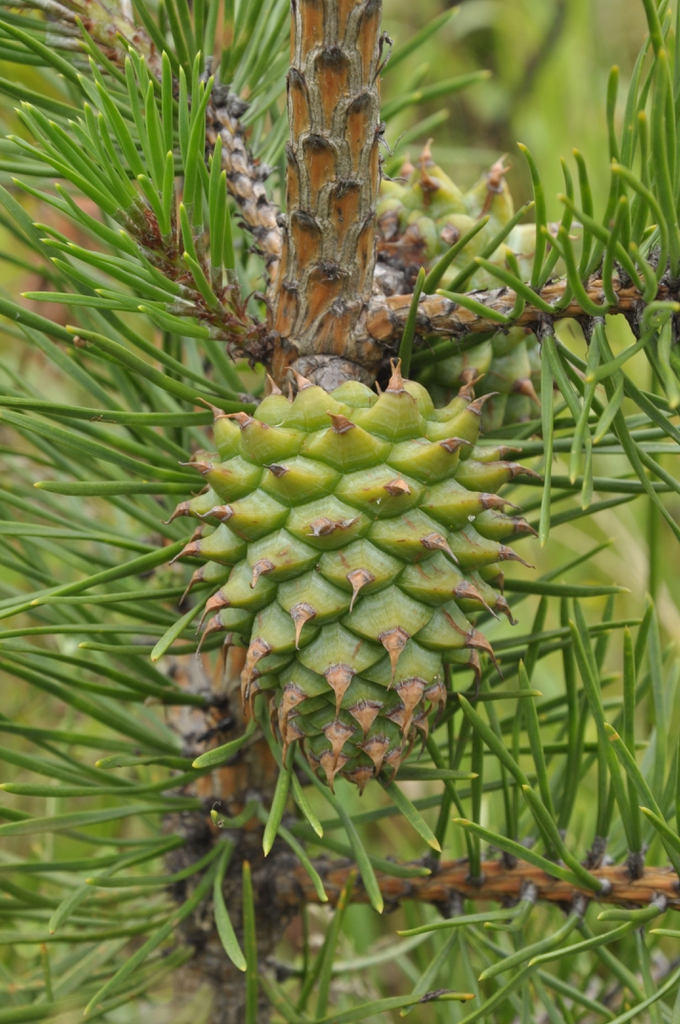
- Table Mountain PinePinus pungens
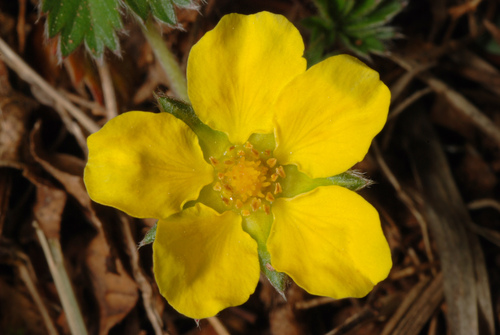
- Dwarf CinquefoilPotentilla canadensis
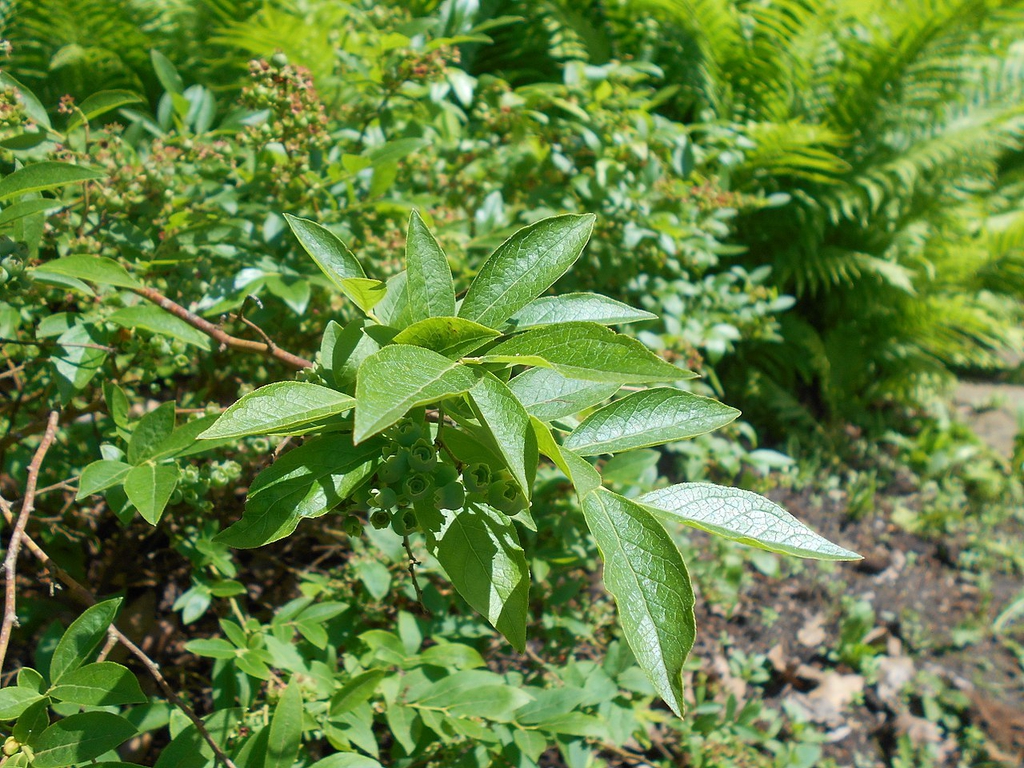
- Hillside BlueberryVaccinium pallidum
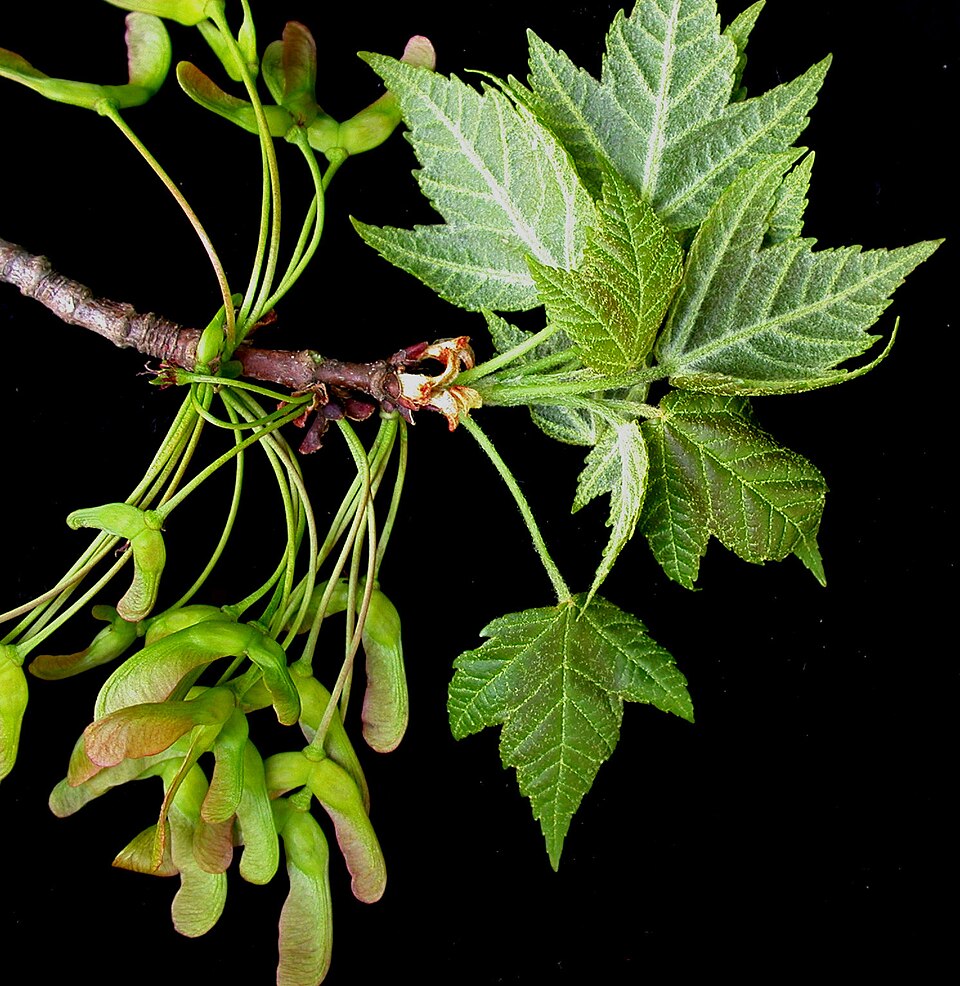
- Red MapleAcer rubrum
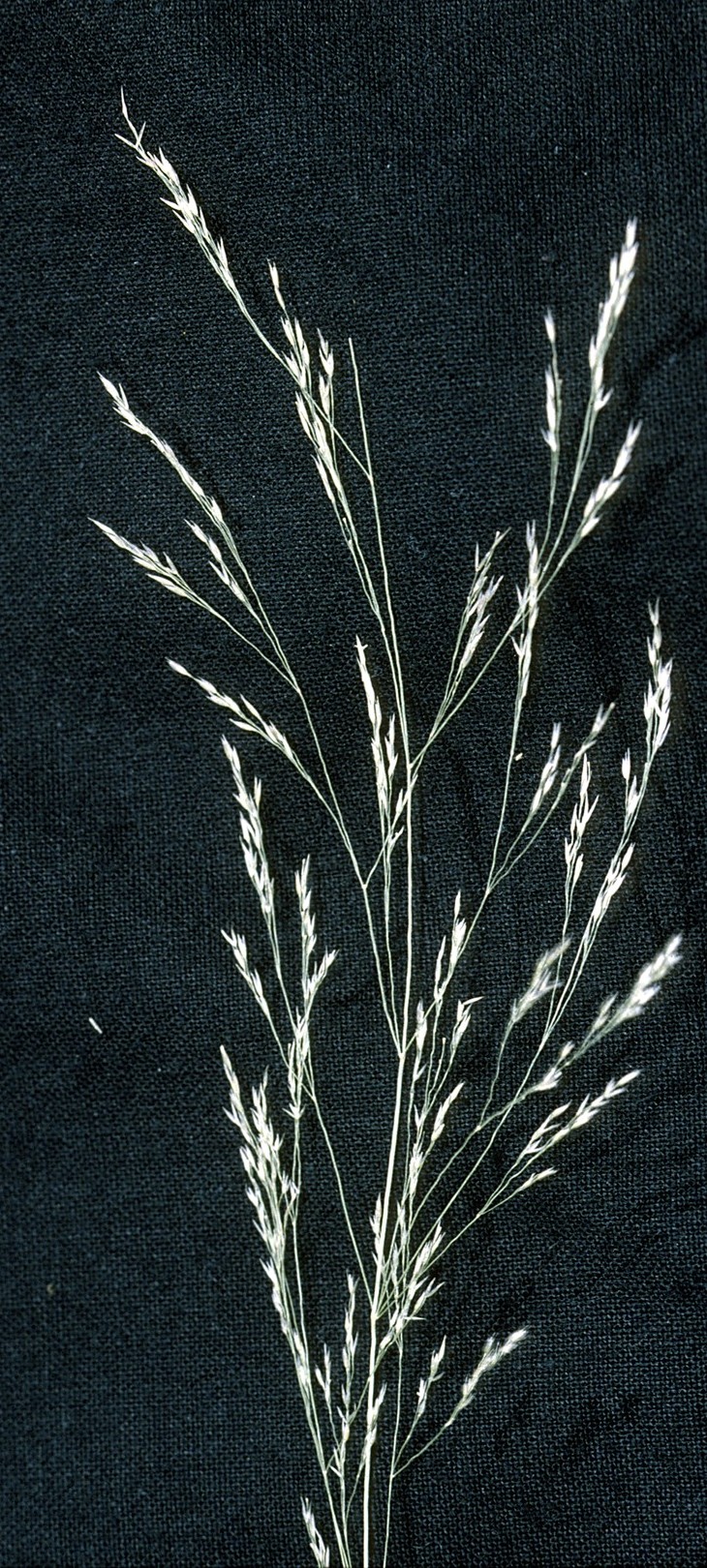
- Northern BentgrassAgrostis mertensii
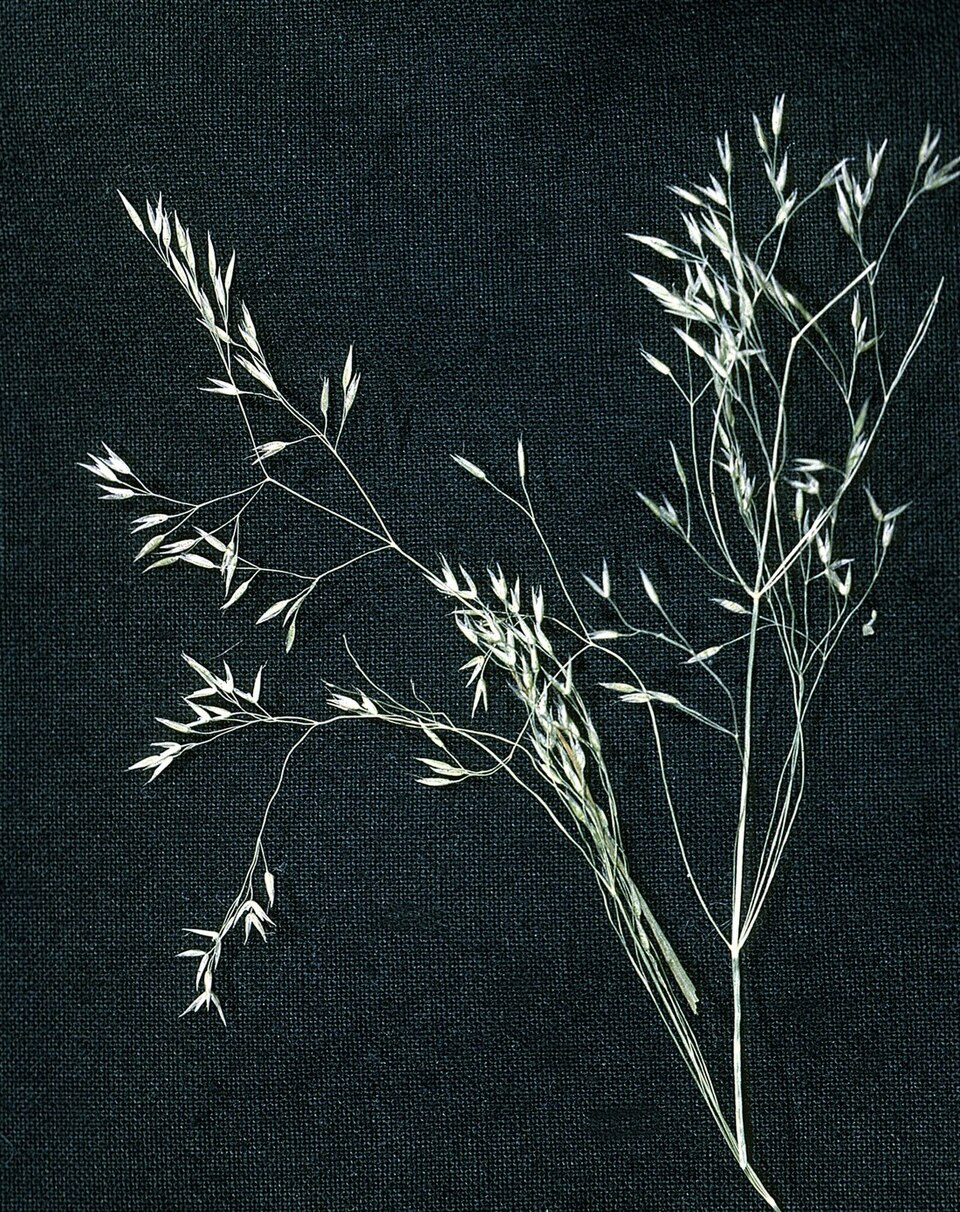
- Upland BentgrassAgrostis perennans
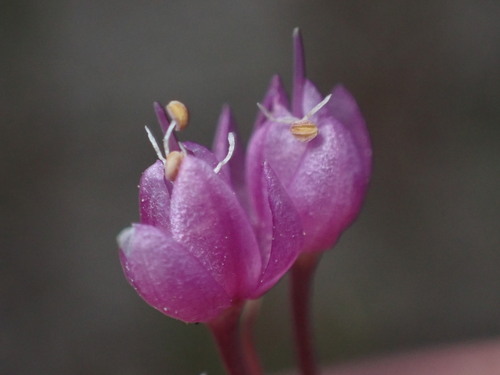
- Allegheny OnionAllium allegheniense
- Nodding OnionAllium cernuum
- Shale Barren Nodding OnionAllium oxyphilum
- Filmy AngelicaAngelica triquinata
- Shale-barren PussytoesAntennaria virginica
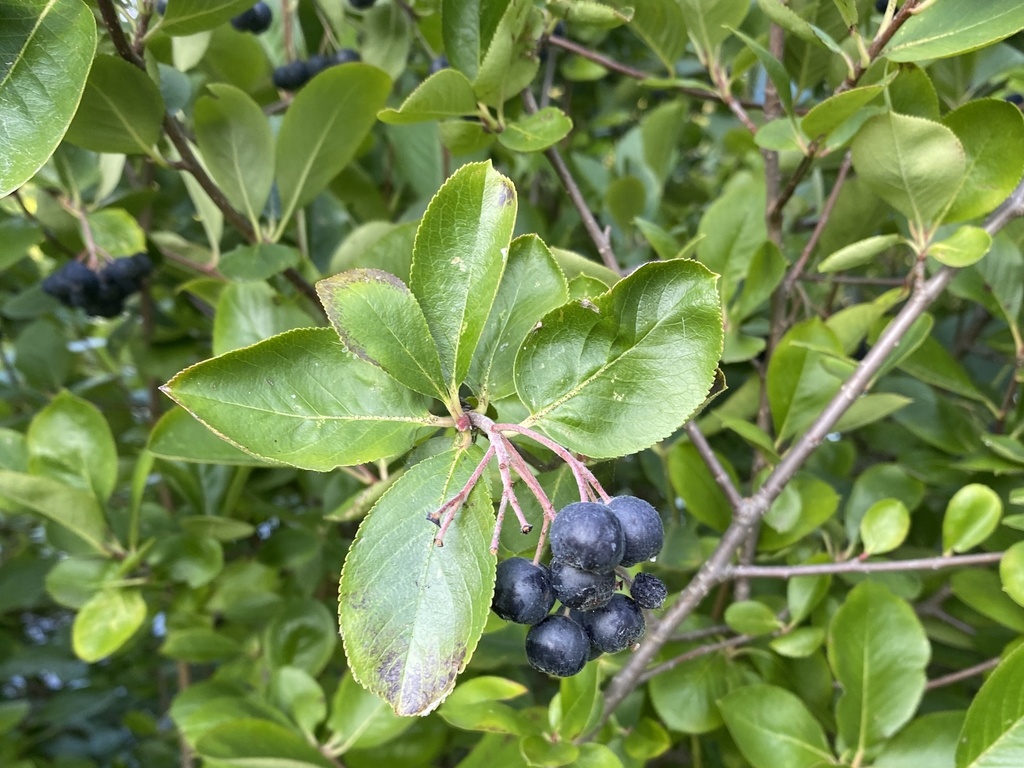
- Black ChokeberryAronia melanocarpa
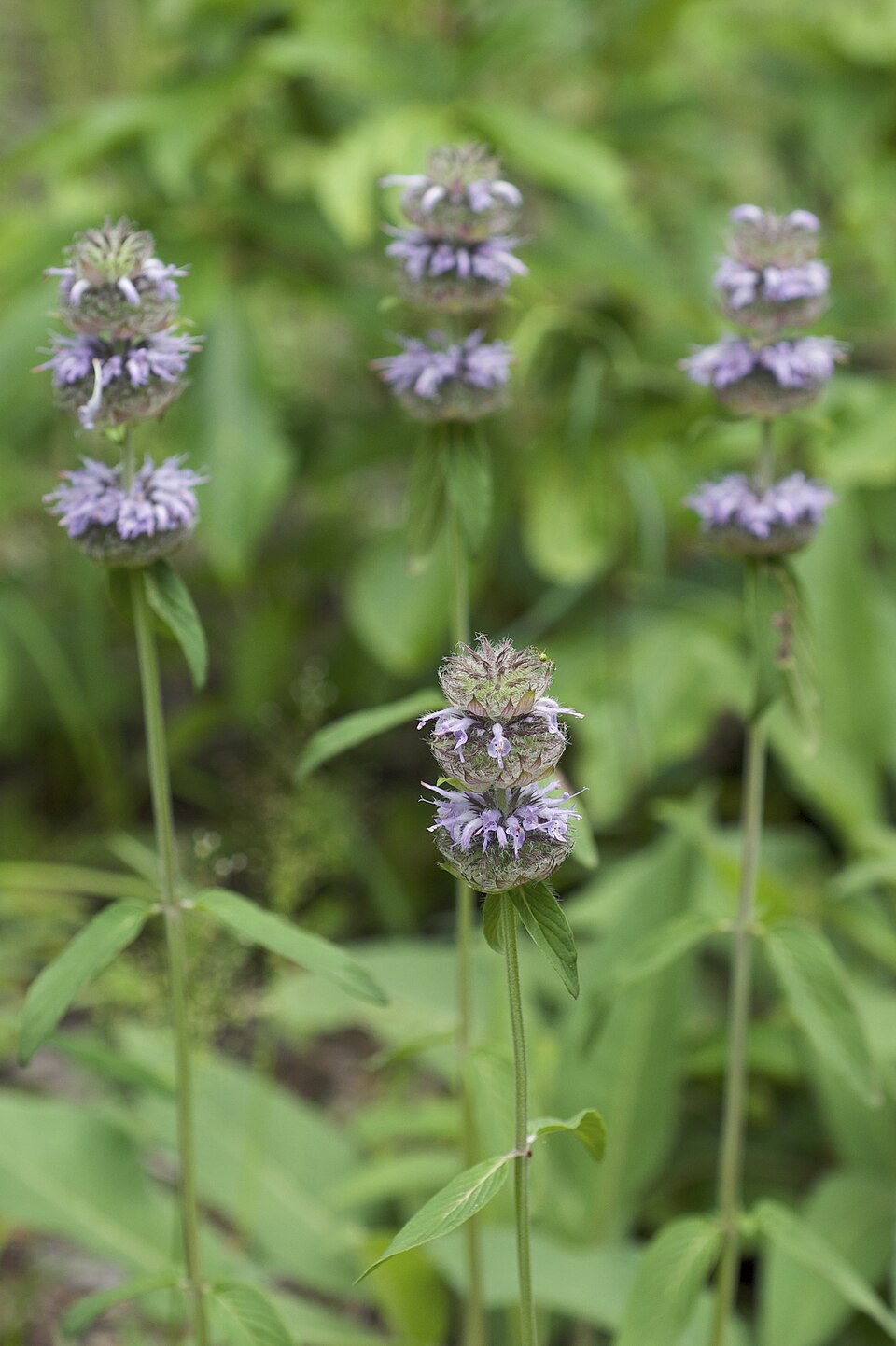
- Downy WoodmintBlephilia ciliata
- Shale Barren Rock CressBorodinia serotina
- Narrow Triangle MoonwortBotrychium lanceolatum var. angustisegmentum
- Leathery GrapefernBotrychium multifidum
- False BonesetBrickellia eupatorioides var. eupatorioides
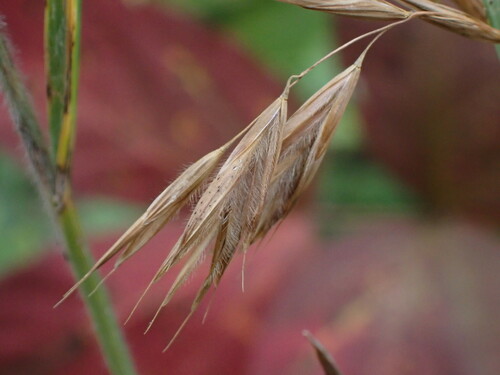
- Fringed BromeBromus ciliatus
- Bluejoint ReedgrassCalamagrostis canadensis
Wildlife 151
Other animals whose habitat models include the same habitats in West Virginia. Not sighting records.
- American GoldfinchCarduelis tristis
- American RobinTurdus migratorius
- Bank SwallowRiparia riparia
- Blue GrosbeakPasserina caerulea
- Chipping SparrowSpizella passerina
- Common NighthawkChordeiles minor
- Common RavenCorvus corax
- Cooper's HawkAccipiter cooperii
- Dark-eyed JuncoJunco hyemalis
- Eastern KingbirdTyrannus tyrannus
- Eastern PhoebeSayornis phoebe
- Eurasian Collared-doveStreptopelia decaocto
- European StarlingSturnus vulgaris
- Great Horned OwlBubo virginianus
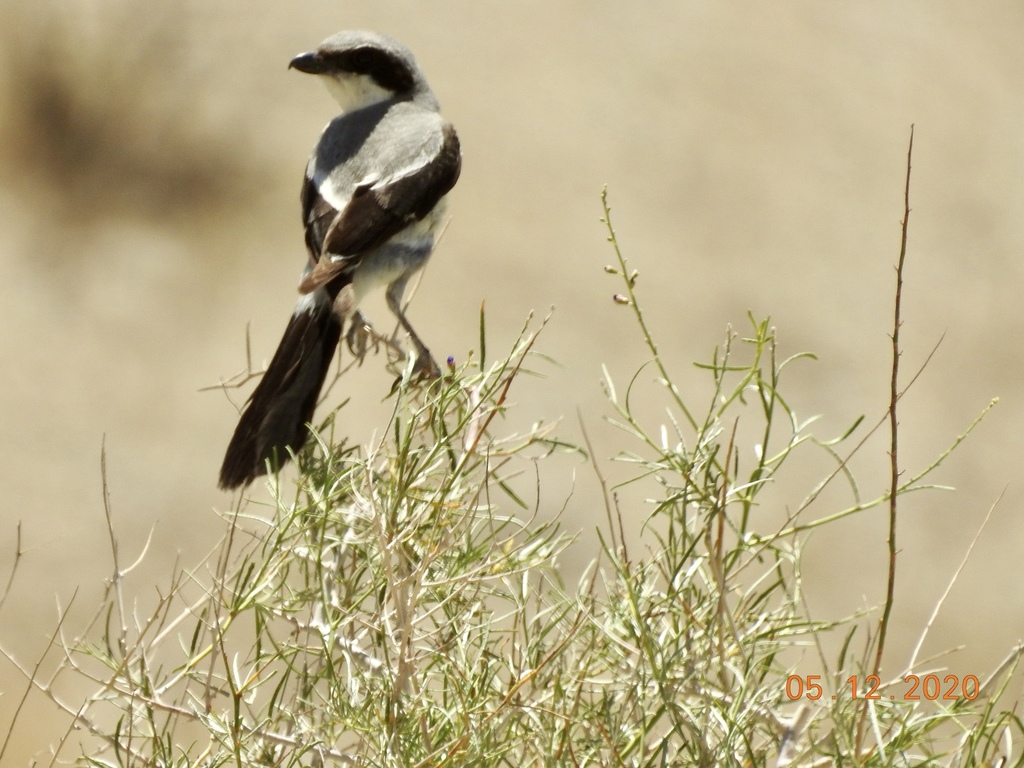
- Loggerhead ShrikeLanius ludovicianus
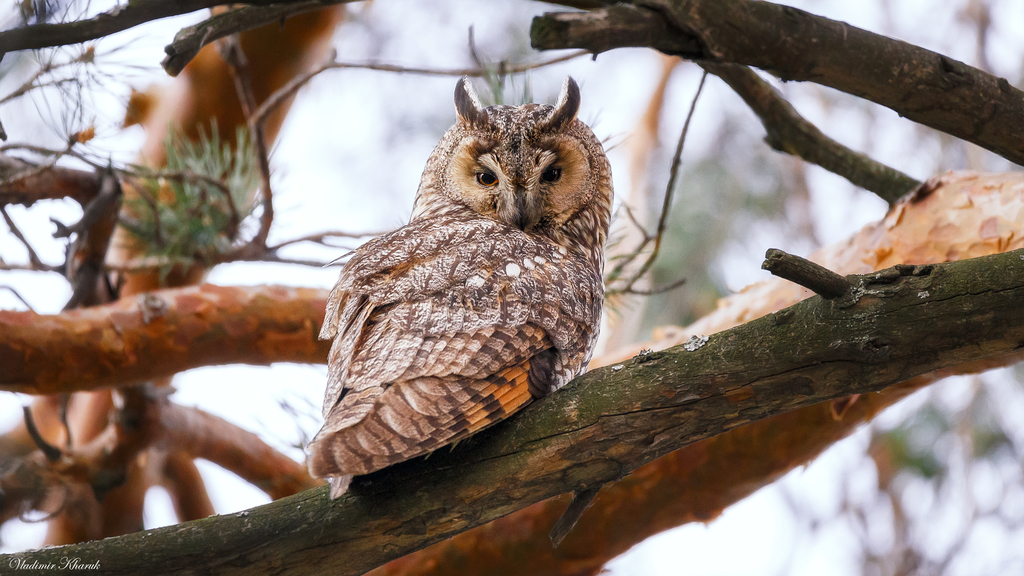
- Long-eared OwlAsio otus
- Northern FlickerColaptes auratus
- Northern MockingbirdMimus polyglottos
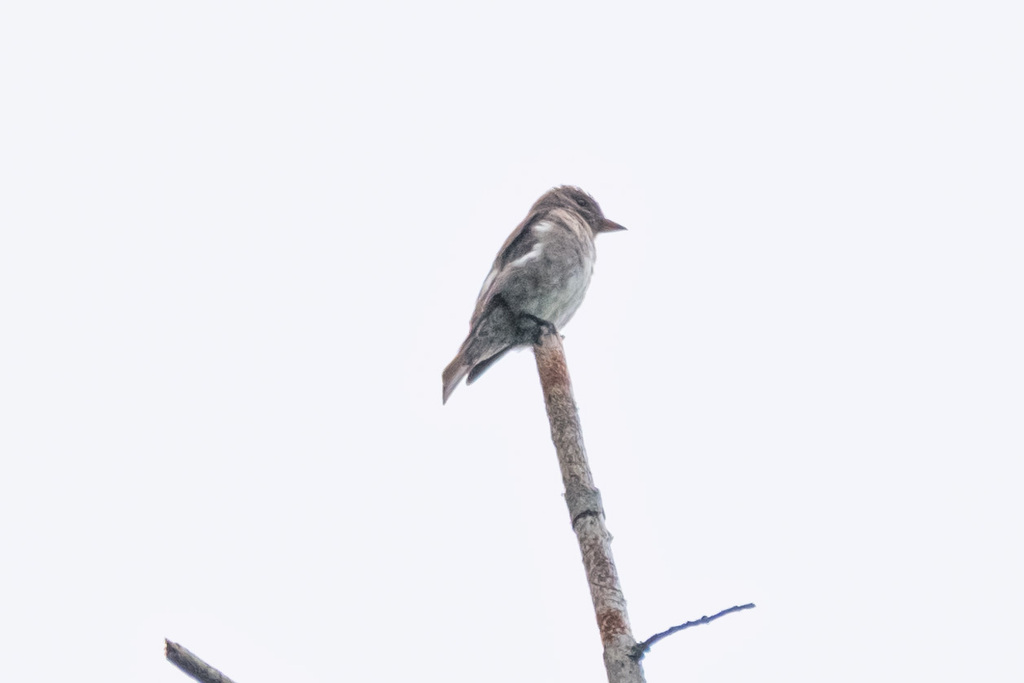
- Olive-sided FlycatcherContopus cooperi
- Orchard OrioleIcterus spurius
- Purple FinchCarpodacus purpureus
- Red-tailed HawkButeo jamaicensis
- Rough-legged HawkButeo lagopus
- Ruby-crowned KingletRegulus calendula
















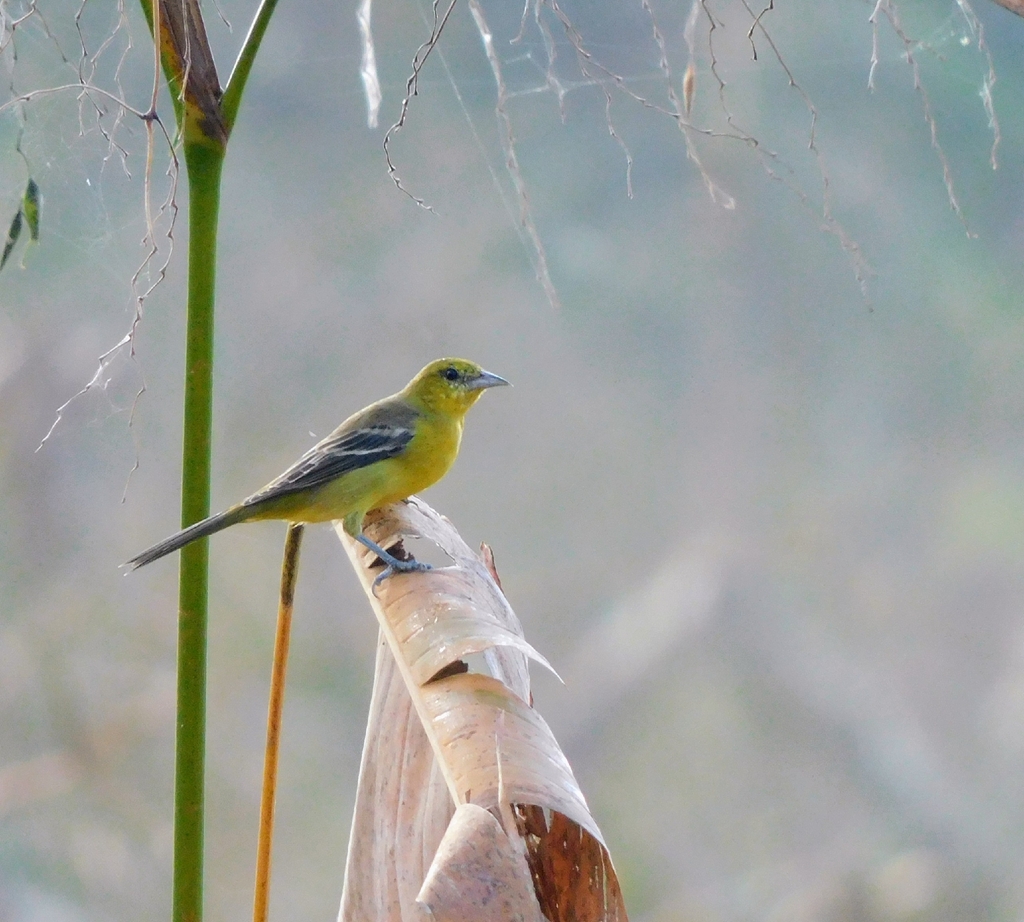


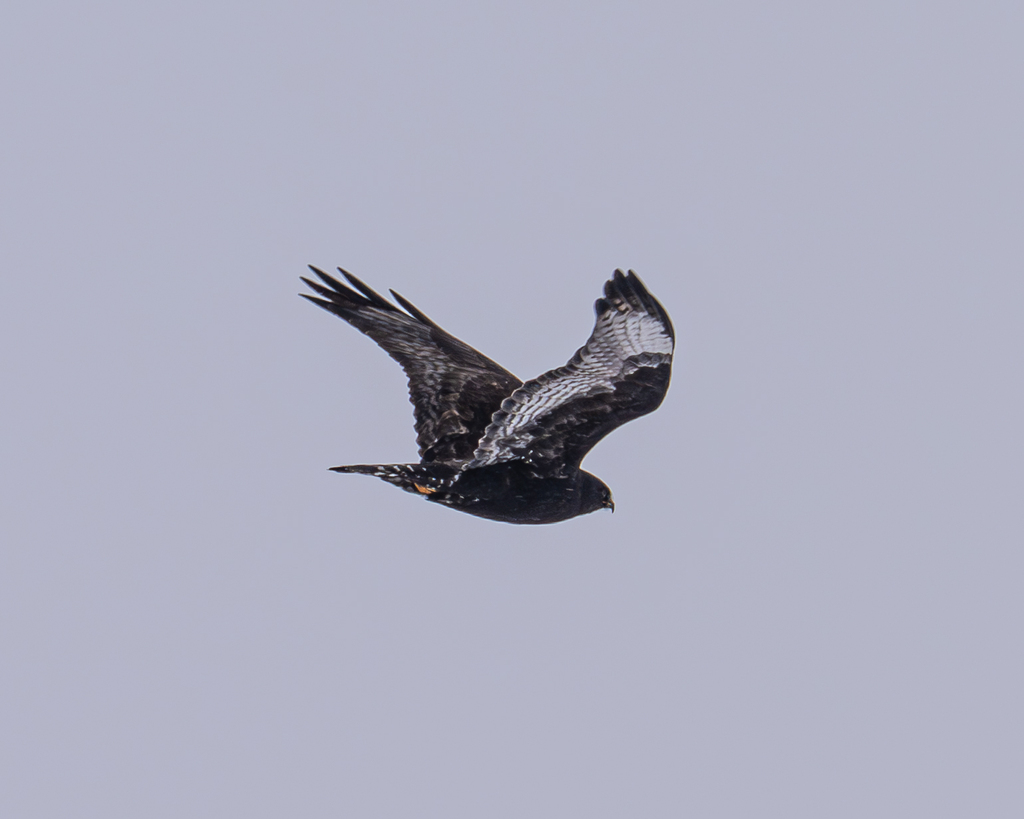

NatureServe Explorer, CC BY 4.0. USGS Gap Analysis Project habitat models.
Sources
- USGS Gap Analysis Project habitat models (2001)
- USGS GAP winter habitat model for Horned Lark
- USGS Gap Analysis Project range maps (2001), modeled by watershed; migratory gives no dates
- NatureServe Explorer (CC BY 4.0), habitat names
- US Census TIGER/Line counties
- Names follow the USGS Gap Analysis Project (2001)