

Northern Bentgrass
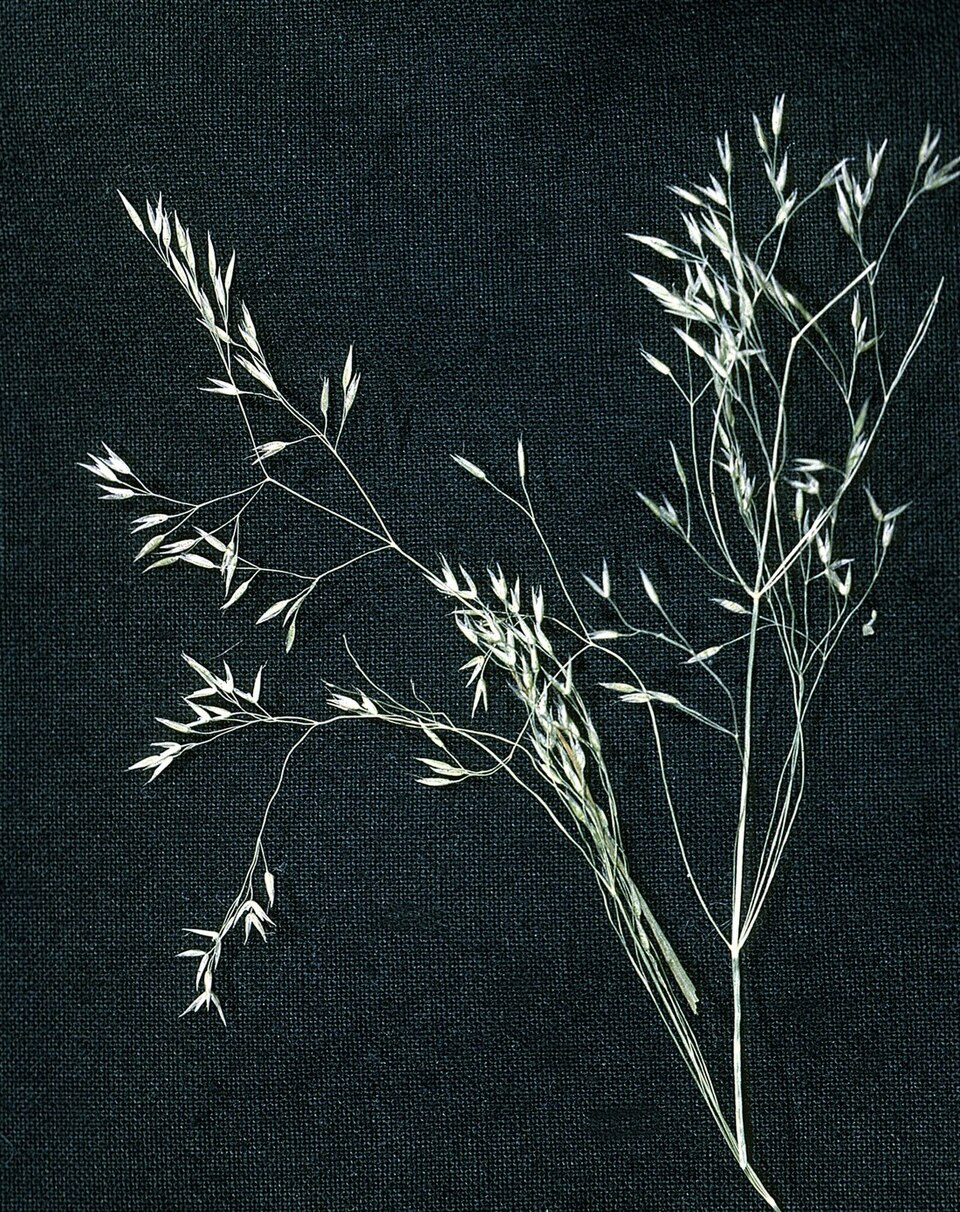
Agrostis mertensii
Found in thin soil of high elevation rocky summits; also in riverside flood scour areas at much lower elevations. Weakley, Flora of the Southeastern United States (2025), Northern Tier edition What its natural habitat tells you
Native to West Virginia. How scores work Is it native here?
Profile 94%
- Height
- Up to about 20 inches
- Light
- Partial shade, Full sun
- Soil moisture
- Dry to moist
Rare or protected plant. Specialist conservation planting; excluded from routine garden suggestions. Plant caution source
Hidden from default planting suggestions. Wildlife value and native status remain unchanged.
At a glance
- Life cycle
- Perennial
- Bloom
- July to August
Not yet recorded · Spread · Leaves
Recorded in 2 West Virginia counties.
Natural habitats
Places it grows wild. Not a planting requirement. Each habitat page lists the plants and wildlife also found there.
Cliffs, ledges and rocky summits
Cliffs, ledges, rock outcrops, talus and rocky summits where the source does not name the rock. A named rock files the place under its own glade or outcrop type instead.
Also found with this plant
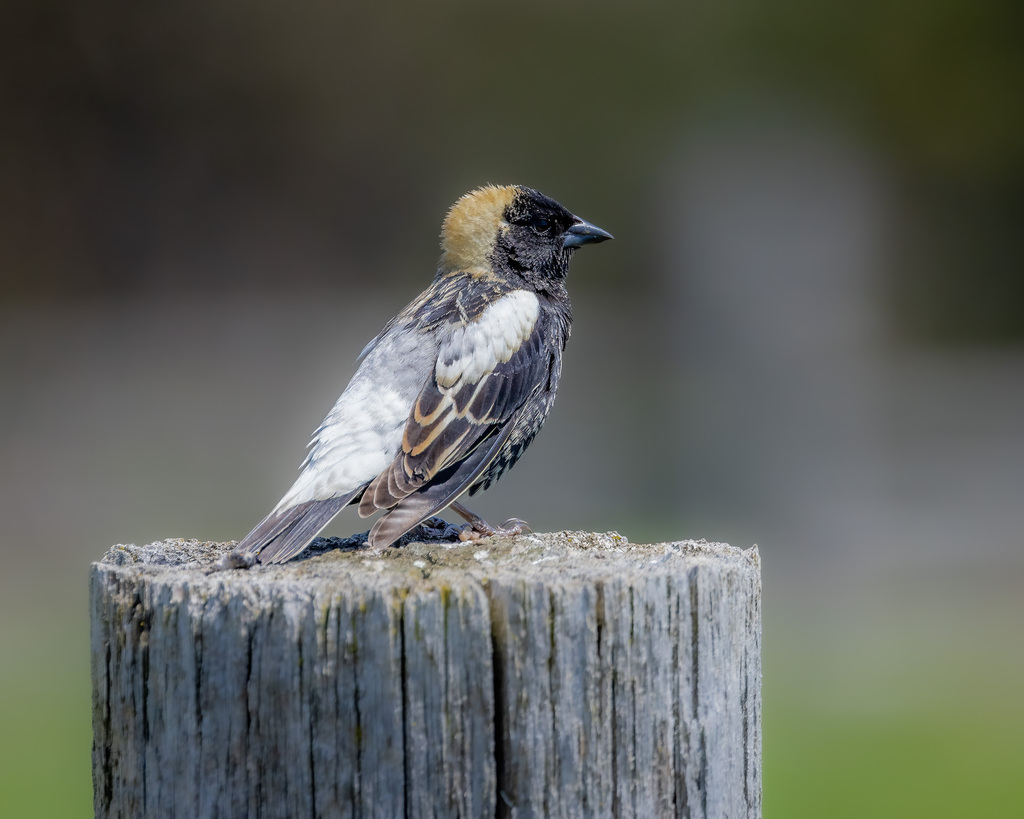
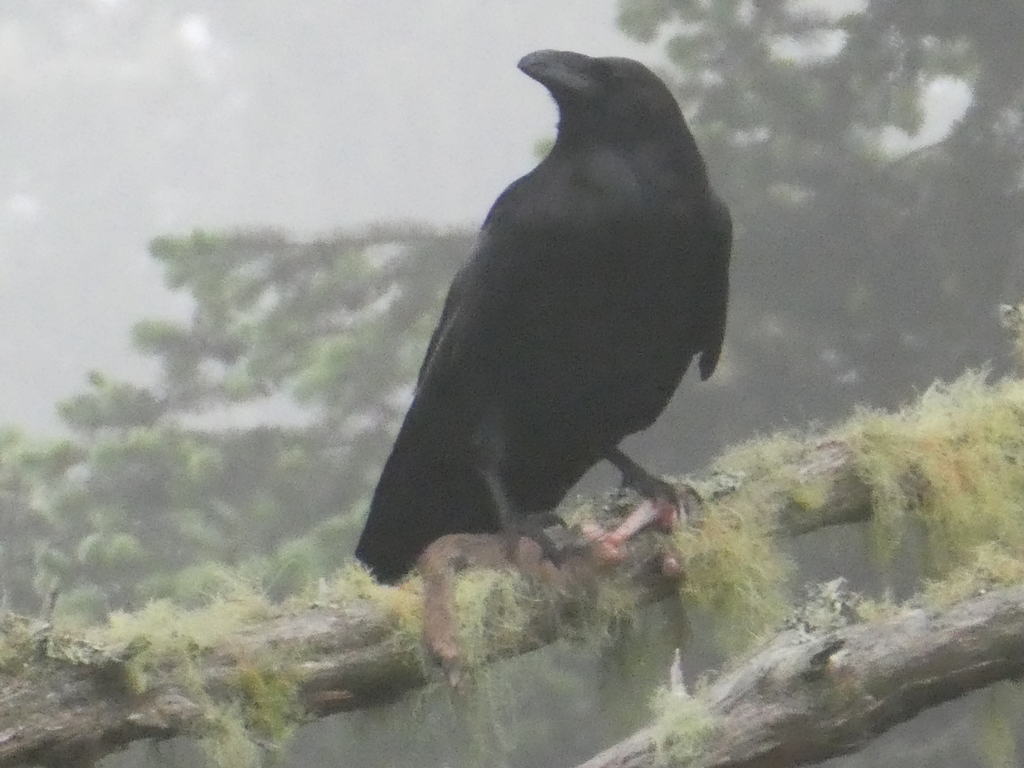
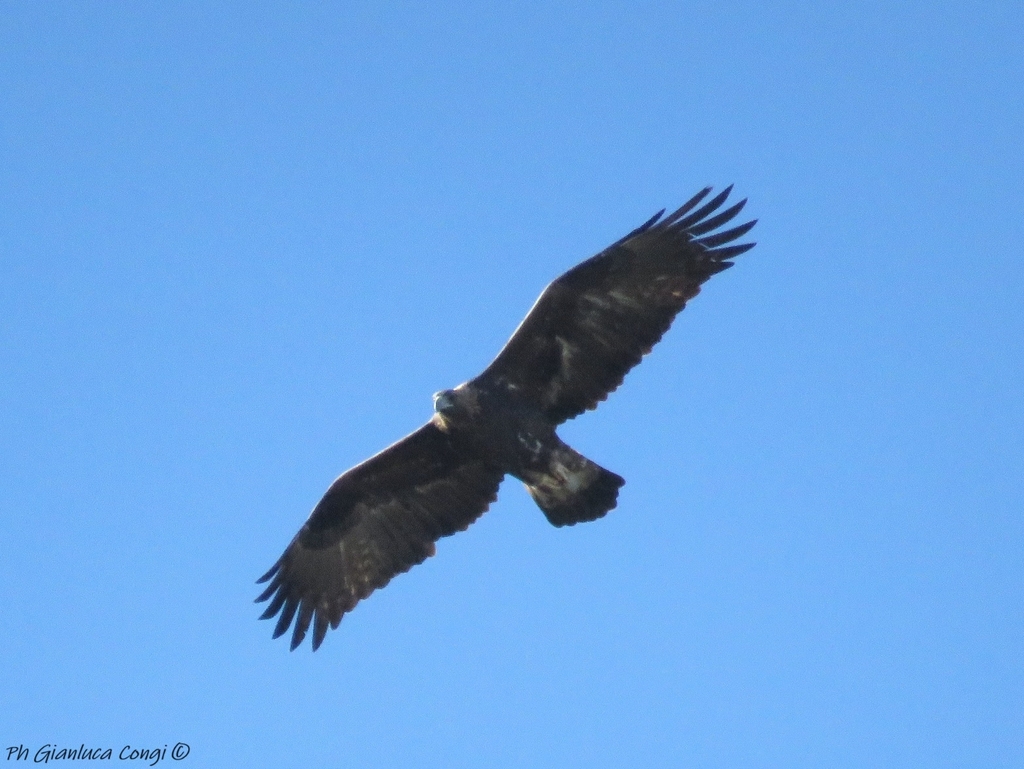
Wildlife whose habitat models include habitats this plant grows in, in West Virginia. Shared habitat, not food. 39 animals.
- American GoldfinchCarduelis tristis
- American KestrelFalco sparverius
- American RobinTurdus migratorius
- Blue GrosbeakPasserina caerulea
- BobolinkDolichonyx oryzivorus
- Canada GooseBranta canadensis
- Chimney SwiftChaetura pelagica
- Chipping SparrowSpizella passerina
- Common NighthawkChordeiles minor
- Common RavenCorvus corax
- Cooper's HawkAccipiter cooperii
- Dark-eyed JuncoJunco hyemalis
- Eastern KingbirdTyrannus tyrannus
- European StarlingSturnus vulgaris
- Golden EagleAquila chrysaetos
- Great Horned OwlBubo virginianus
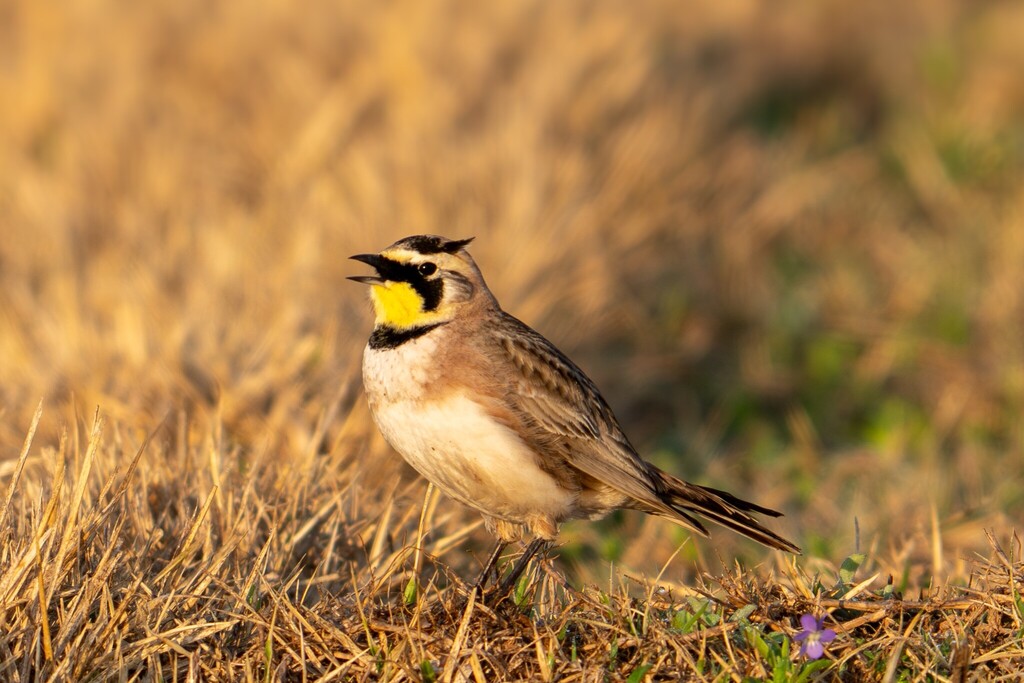
- Horned LarkEremophila alpestris
- Indigo BuntingPasserina cyanea
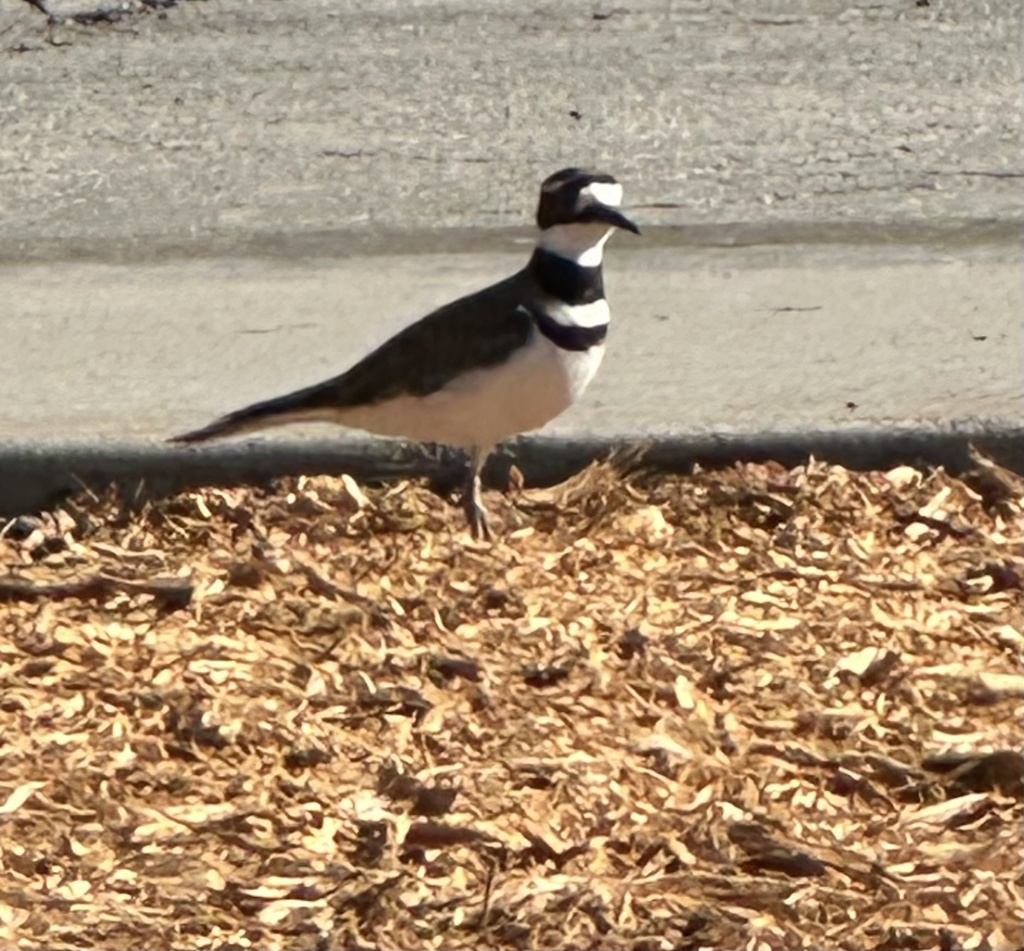
- KilldeerCharadrius vociferus
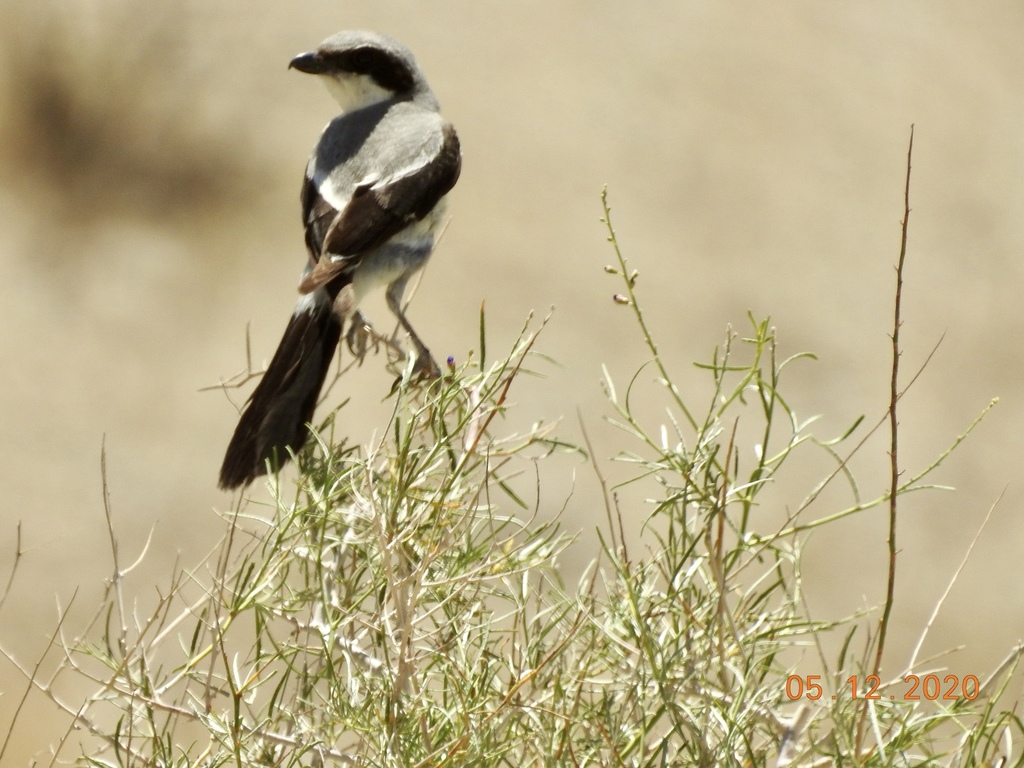
- Loggerhead ShrikeLanius ludovicianus
- Northern CardinalCardinalis cardinalis
- Northern FlickerColaptes auratus
- Northern MockingbirdMimus polyglottos
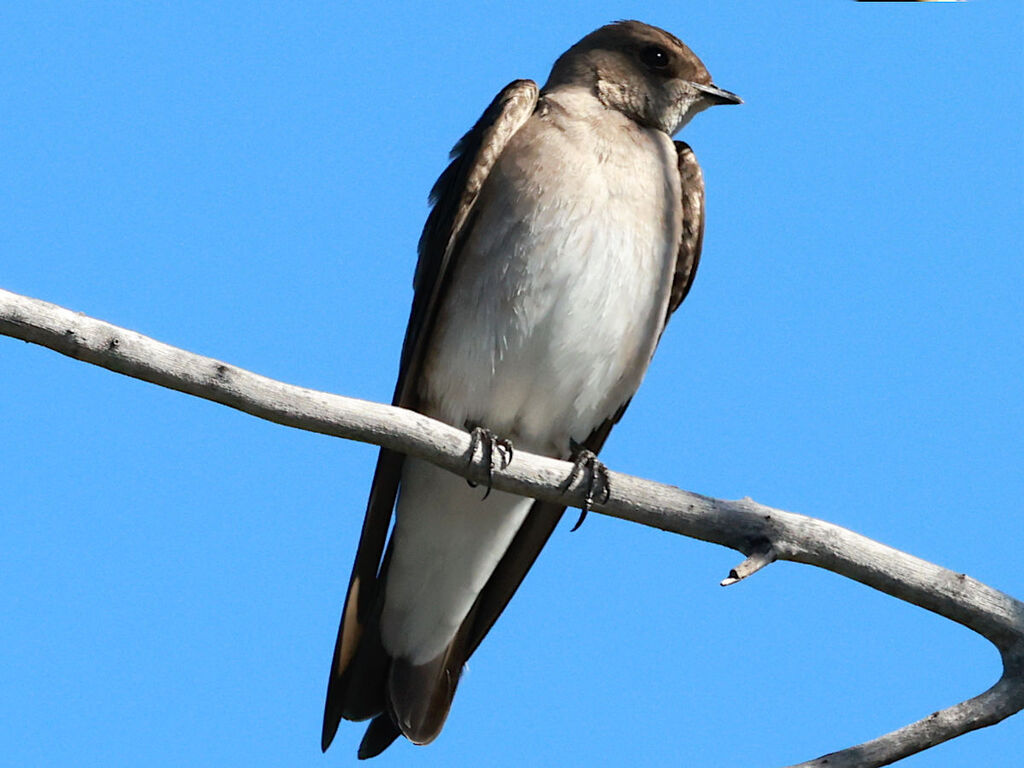
- Northern Rough-winged SwallowStelgidopteryx serripennis


















Who uses this plant?
 20CaterpillarsGenus host records with ranges including WV
Genus host records with ranges including WV · Agrostis
- Agriphila ruricolellusSilver Striped Webworm, Lesser Vagabond Sod Webworm, Lesser Vagabond Crambid
- Agrotis ipsilonIpsilon Dart, Black Cutworm, Greasy Cutworm
- Amblyscirtes vialisCommon Roadside-Skipper, Black Little Skipper
- Apamea sordensBordered Apamea, Rustic Shoulder-Knot
- Cercyonis pegalaCommon Wood Nymph
- Chrysoteuchia topiariusCranberry Girder, Subterranean Webworm, Topiary Grass-Veneer
- Crambus praefectellusSilver Striped Webworm, Common Grass-Veneer
- Ctenucha virginicaVirginia Ctenucha
- Hesperia leonardusLeonard's Skipper, Blazing Star Skipper, Pawnee Prairie Skipper, Pawnee Montane Skipper
- Hylephila phyleusFiery Skipper
Show all 20
- Leucania pseudargyriaFalse Wainscot
- Limochores mysticLong Dash
- Lon zabulonZabulon Skipper
- Mythimna unipunctaArmyworm Moth, White Speck
- Papaipema nebrisStalk Borer
- Parapediasia teterrellusBluegrass Webworm
- Photedes defectaNarrow-Winged Borer
- Spodoptera frugiperdaFall Armyworm Moth
- Trichordestra legitimaStriped Garden Caterpillar Moth
- Elachista illectella
 0BeesSoutheastern regional records
 0Specialist beesPollen specialists
 2BirdsRecorded genus food-resource interactions; not a state feeding claim
Recorded genus food-resource interactions; not a state feeding claim · Agrostis
- Ammospiza leconteiiLeConte's Sparrow
- Dendragapus obscurusDusky Grouse
Direct food only: birds recorded eating this genus across North America. Caterpillars on host plants also feed nesting birds. NC Native Plant Society: butterfly gardening
No records yet · Ants · Beetles · Flies · Adult butterflies / moths · Other wasps · Other insects
Plant details
- Family
- Poaceae
- Flower color
- Green or purple
Growing sources and scope
- Bloom · “July to August” · Weakley, Flora of the Southeastern United States (2025), Carolinas & Georgia edition · Carolinas and Georgia
- Flower color · “Green or purple” · Lady Bird Johnson Wildflower Center
- Height · “Up to about 20 inches” · Lady Bird Johnson Wildflower Center
- Life cycle · “Perennial” · Lady Bird Johnson Wildflower Center
- Light · “Partial shade; Full sun (documented habitat)” · Weakley, Flora of the Southeastern United States (2025), Carolinas & Georgia edition · Carolinas and Georgia
- Soil · “Dry; Moist (documented habitat)” · Weakley, Flora of the Southeastern United States (2025), Carolinas & Georgia edition · Carolinas and Georgia
Also known as
Agrostis borealis
Conservation status
| West Virginia rank | S1 |
|---|---|
| Global rank | G5 |
| WV status | Not verified |
| Federal status | Not verified |
Will it fit your yard?
Check this plant against your county, sun and soil moisture. Conditions are checked in your browser.
Sources
- NatureServe Explorer
- USDA PLANTS
- Vascular Plants of North Carolina (NC Natural Heritage Program)
- Weakley, Flora of the Southeastern United States (2025)
- West Virginia occurrence source
- Shropshire & Tallamy 2025, Lepidoptera of North America north of Mexico, ZooKeys 1261 (ODbL)
- Noori, Seltmann & Orr 2026, A curated and integrated dataset for exploring global bee-plant interactions (GloBI), Zenodo, CC BY 4.0
- Smith, Bachelder, Russell, Morales, Mosher & Seltmann 2024, Bee-Specialization-Modeling v0.6.1 (specialist host table compiled from J. Fowler's pollen specialist bee lists), Zenodo, CC BY 4.0
- Hurlbert, Olsen, Sawyer & Winner 2021, Avian Diet Database, Scientific Data 8: 260 (CC0)
- Narango, Tallamy & Shropshire 2020, Few keystone plant genera support the majority of Lepidoptera species, Nature Communications