

Bird
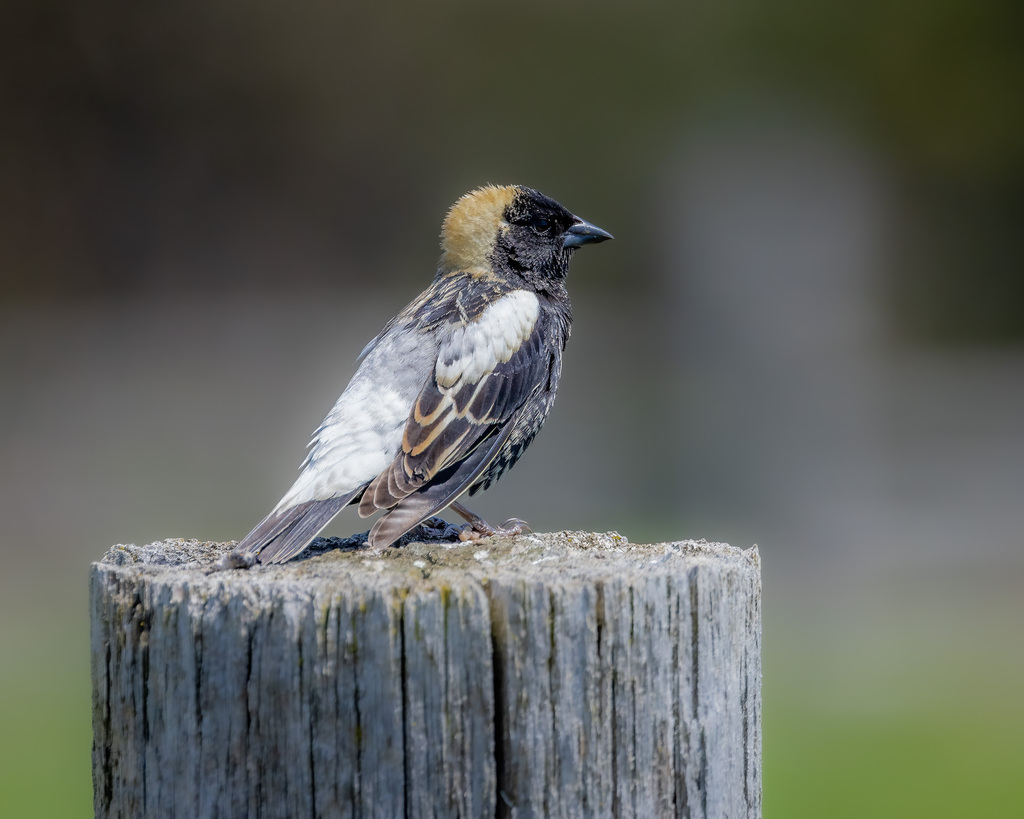
Bobolink
Dolichonyx oryzivorus
A summer resident that nests in West Virginia. Found in all 55 counties, across 3 habitats.
- Here
- Summer and on migration
- Nesting
- Nests here
- Range
- All 55 counties
- Habitats
- 3
At a glance
- Group
- Birds
- Here
- Summer and on migration
- Nesting
- Nests here
- Range
- All 55 counties
- Habitats
- 3
- Habitat models
- Summer
Where it lives
The places its habitat model includes. It is not found everywhere a habitat occurs.
Habitats in West Virginia 3
Each habitat page lists the plants and wildlife also found there.
Disturbed and introduced wetlands
Wet ground taken over by weedy or introduced plants after disturbance, such as common reed, Chinese tallow or tamarisk stands; the upland counterpart is roadsides, fields and disturbed ground.
Treeless grassy or shrubby summits and ridges in the high mountains.
Roadsides, fields and disturbed ground
Ground opened by people: roadsides, old fields, pastures, fencerows and lots.
Other habitats in its models (6)
Land cover, or classes with no habitat page in West Virginia.
- Eastern Highland Rim Prairie and Barrens - Dry Modifier Summer.
- Central Mixedgrass Prairie Summer.
- Southeastern Great Plains Tallgrass Prairie Summer.
- East Gulf Coastal Plain Jackson Prairie and Woodland Summer.
- Modified/Managed Southern Tall Grassland Summer.
- Eastern Great Plains Wet Meadow, Prairie, and Marsh Summer.
Seasons in West Virginia
- Migratory: does not nest here, in 51 of 55 counties.
- Summer: nests here, in 16 of 55 counties.
Also found in this habitat
Plants 90
Plants named in NatureServe descriptions of these habitats that grow in West Virginia. Shared habitat, not food.
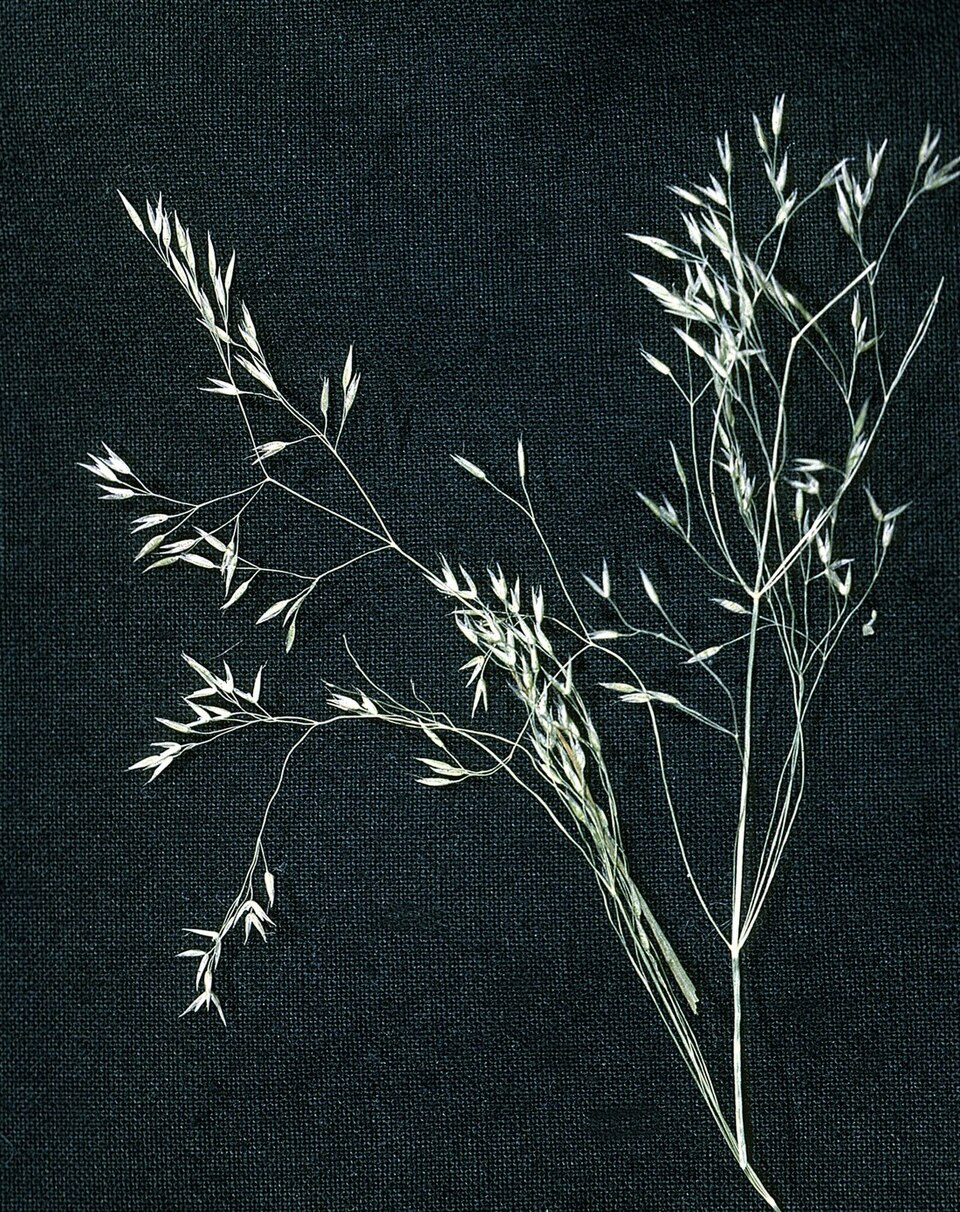
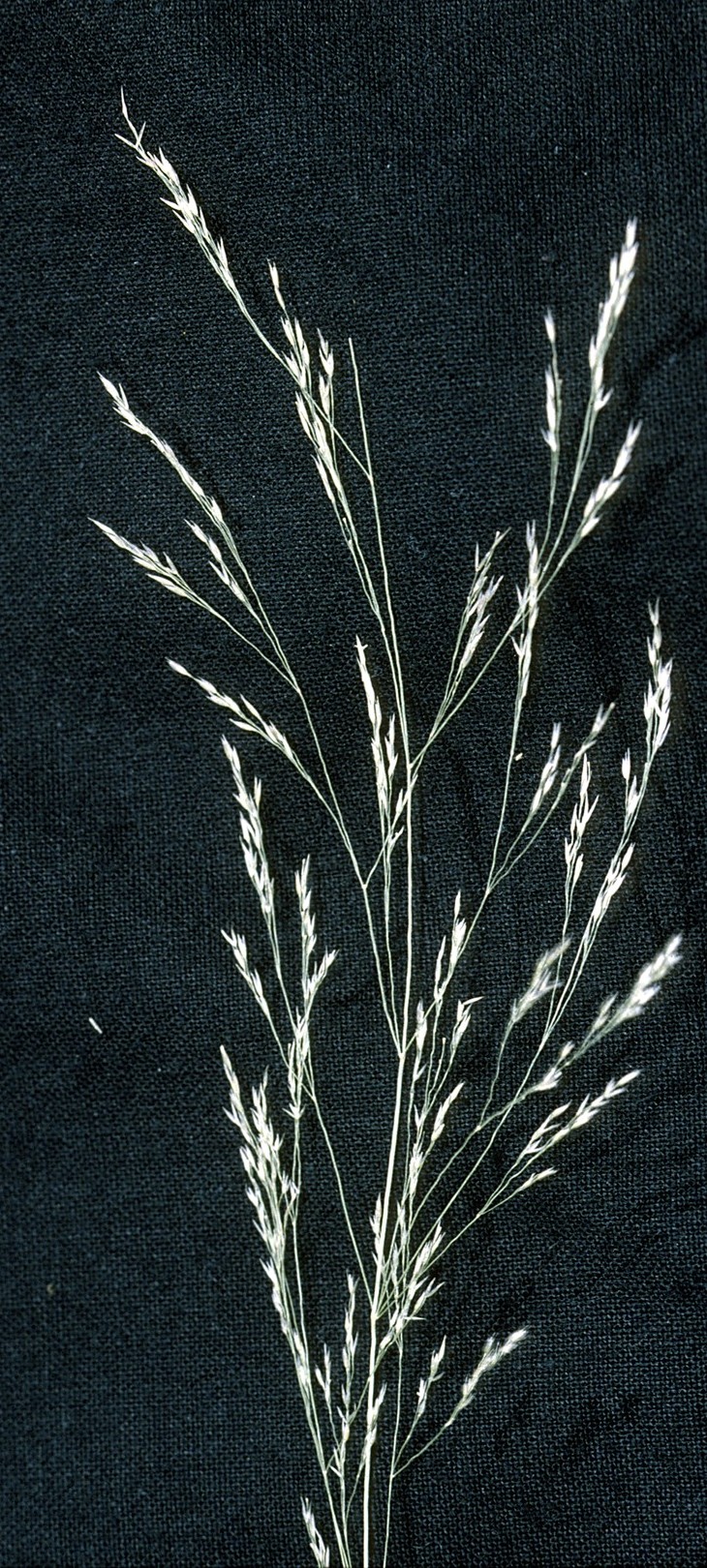
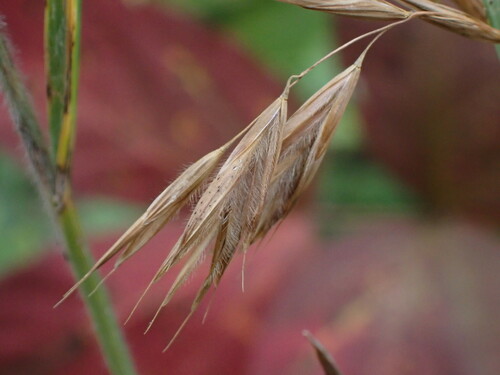
- Northern BentgrassAgrostis mertensii
- Upland BentgrassAgrostis perennans
- Allegheny OnionAllium allegheniense
- Filmy AngelicaAngelica triquinata
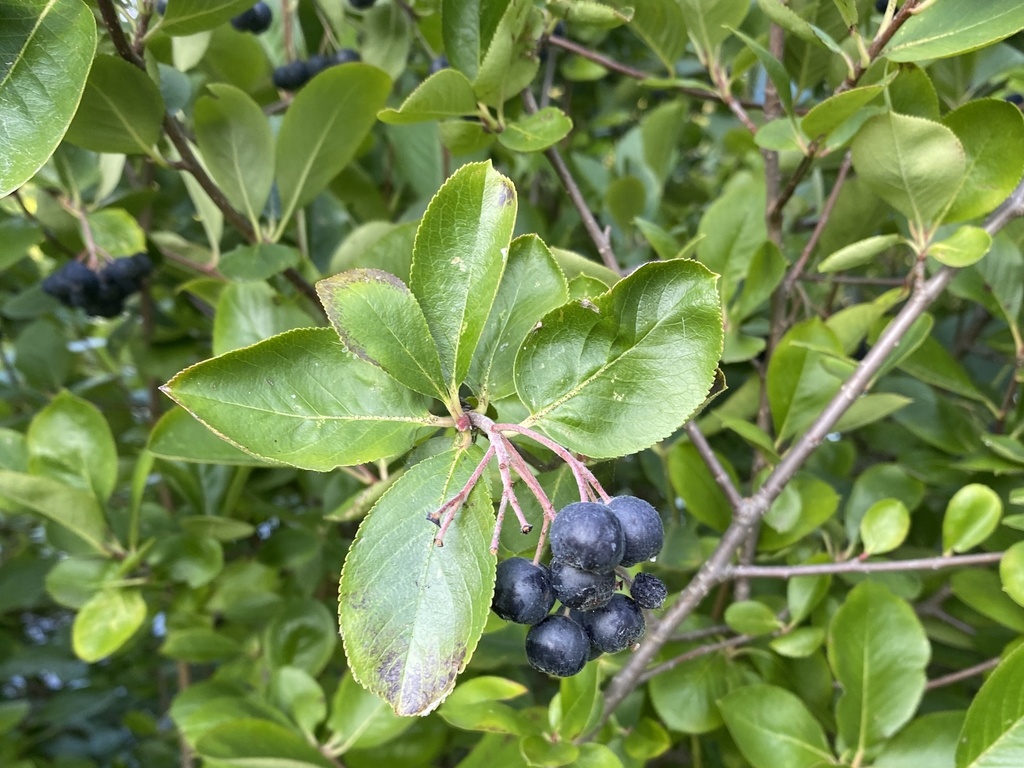
- Black ChokeberryAronia melanocarpa
- Wavy HairgrassAvenella flexuosa
- Narrow Triangle MoonwortBotrychium lanceolatum var. angustisegmentum
- Leathery GrapefernBotrychium multifidum
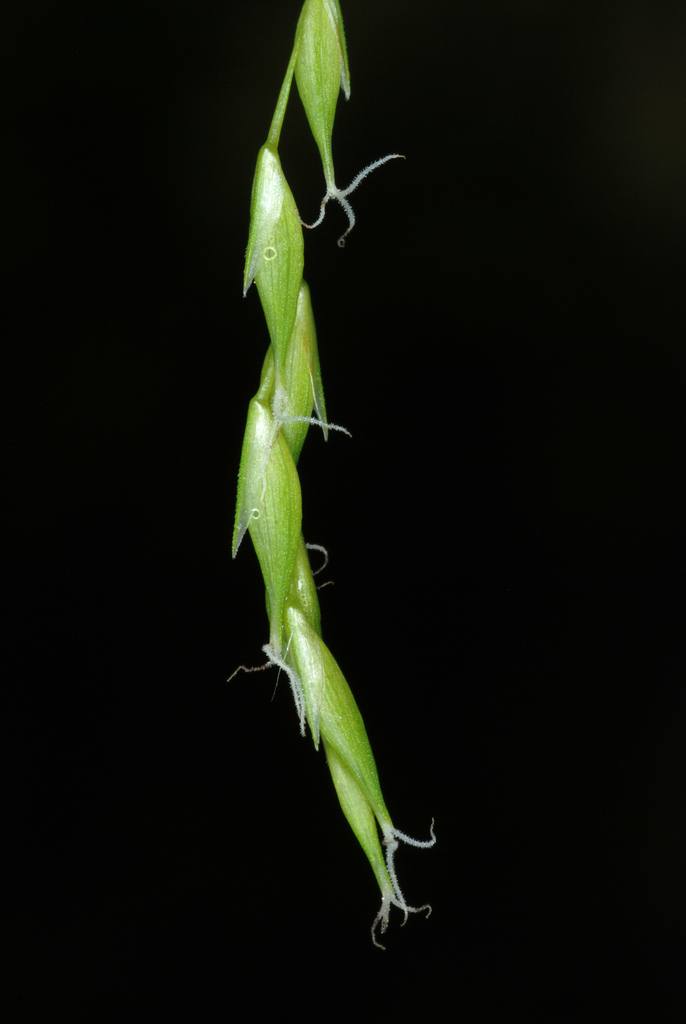
- Fringed BromeBromus ciliatus
- Bluejoint ReedgrassCalamagrostis canadensis
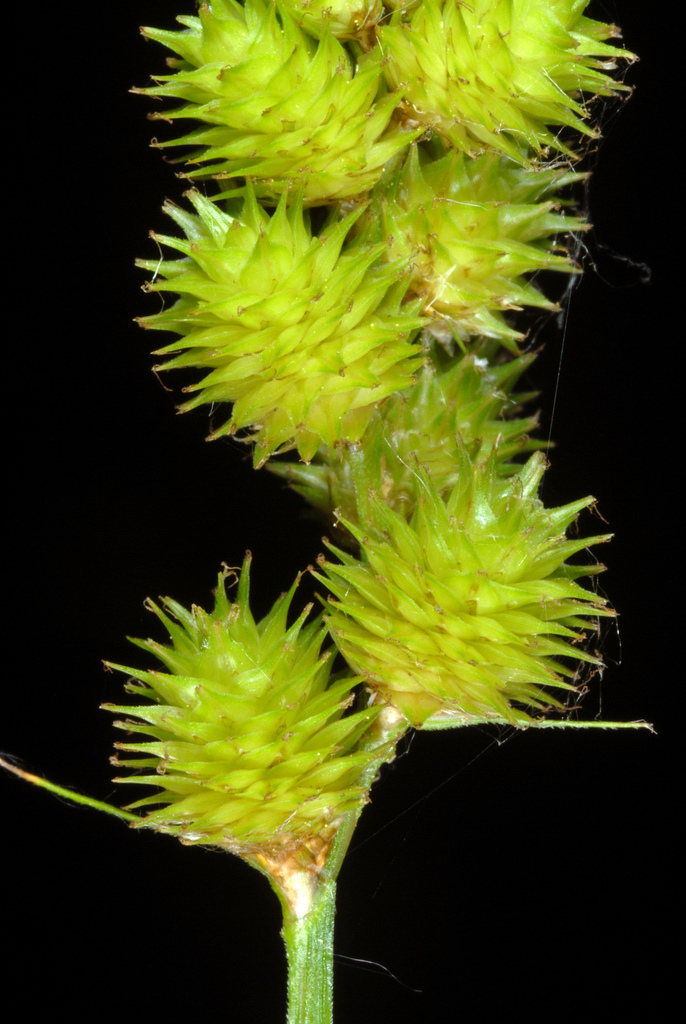
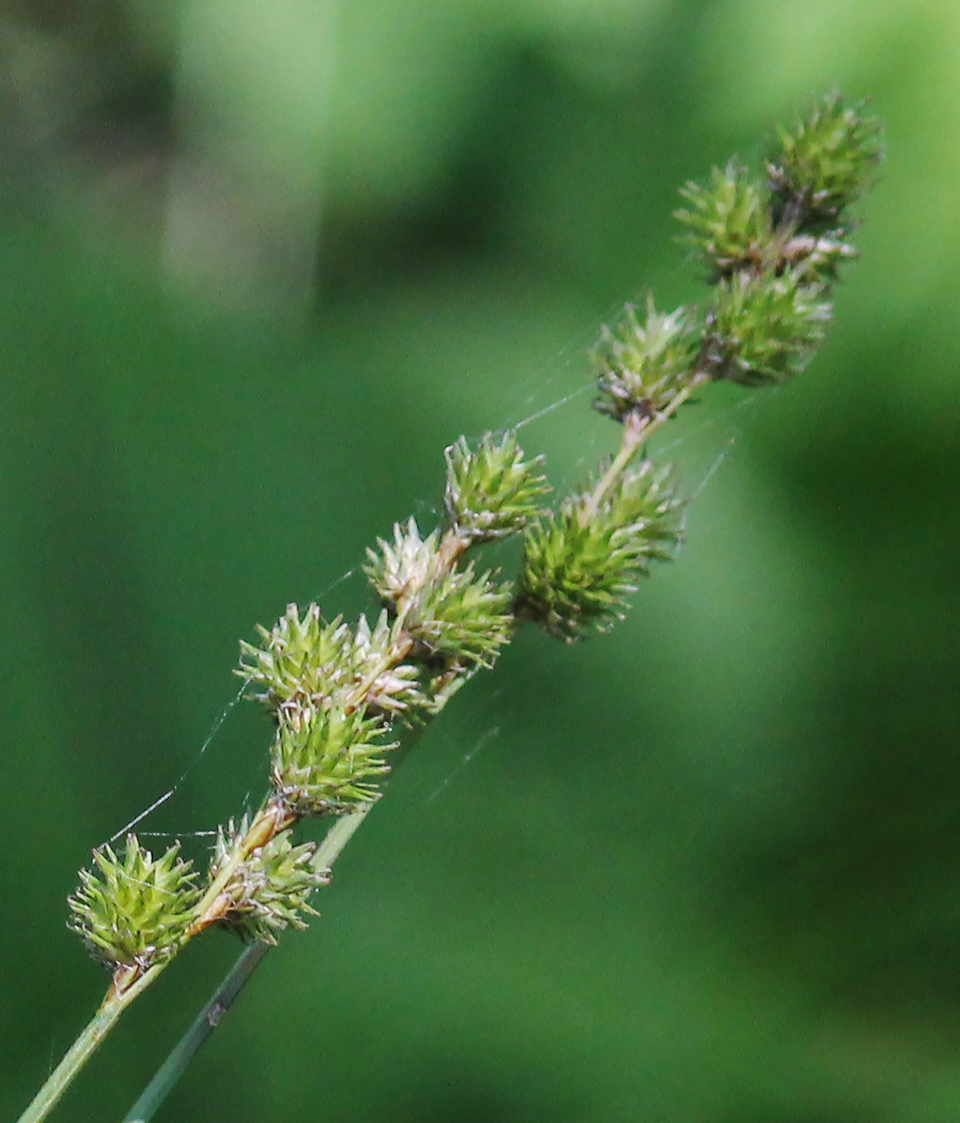
- Appalachian SedgeCarex appalachica
- Brownish SedgeCarex brunnescens
- Crested SedgeCarex cristatella
- White-edge SedgeCarex debilis
- Flexuous White-edge SedgeCarex debilis var. rudgei
- Greater Straw SedgeCarex normalis
- Fewseed SedgeCarex oligosperma
- Pale SedgeCarex pallescens
- Pennsylvania SedgeCarex pensylvanica
- Variable SedgeCarex polymorpha
- Scarlet Indian-paintbrushCastilleja coccinea
- FireweedChamaenerion angustifolium
- Hoary FrostweedCrocanthemum bicknellii
- Low FrostweedCrocanthemum propinquum
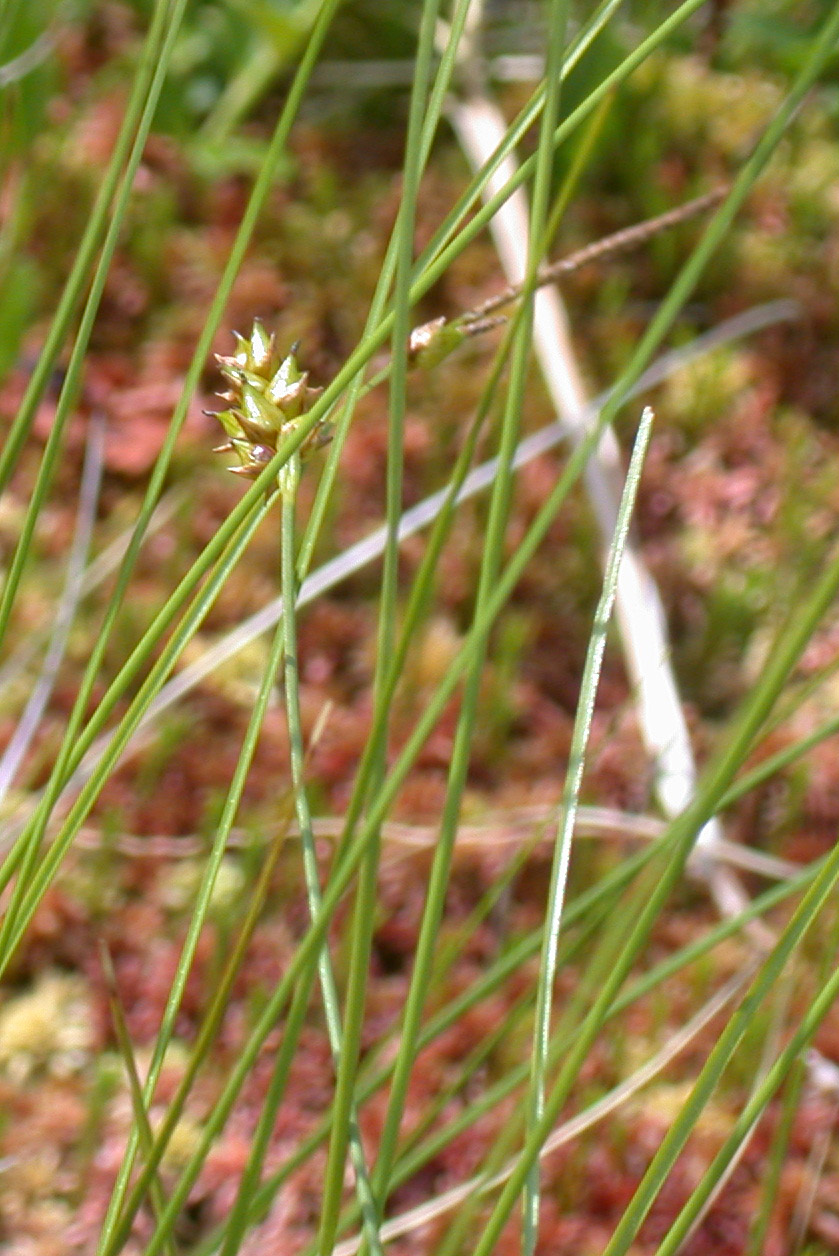
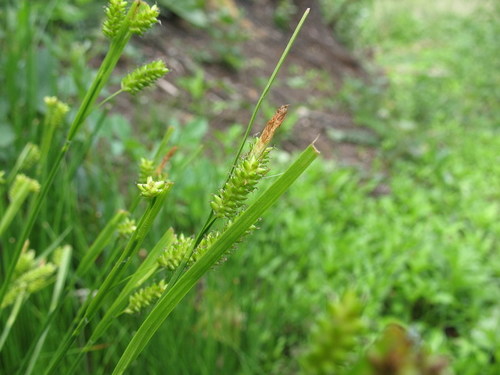
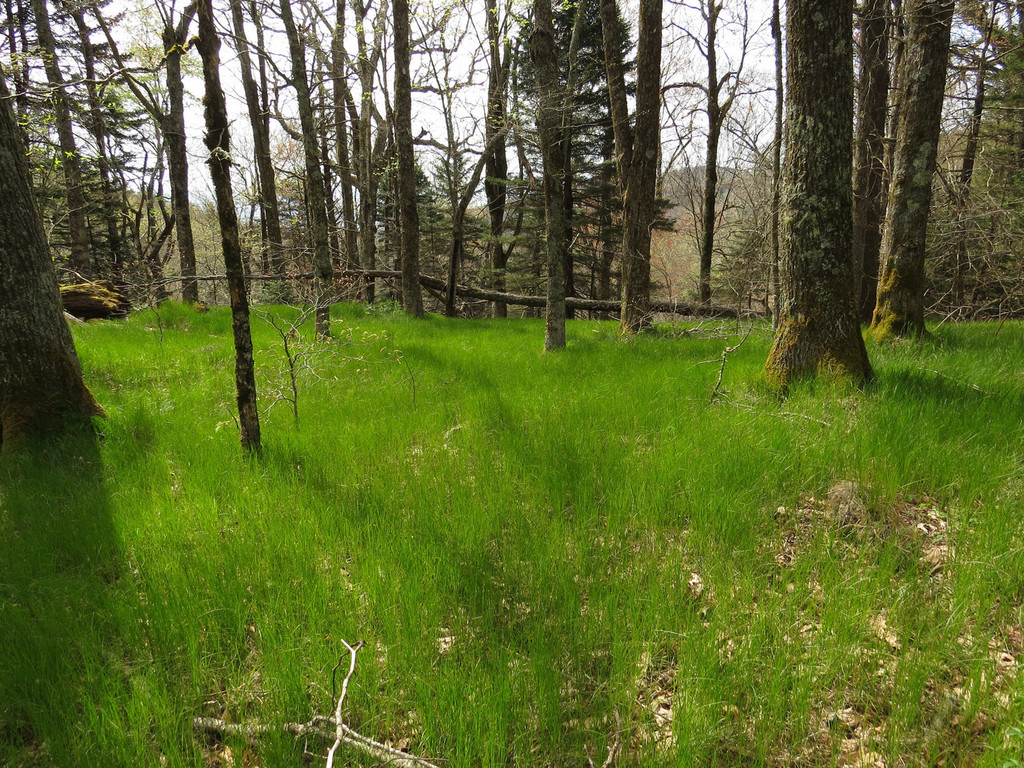
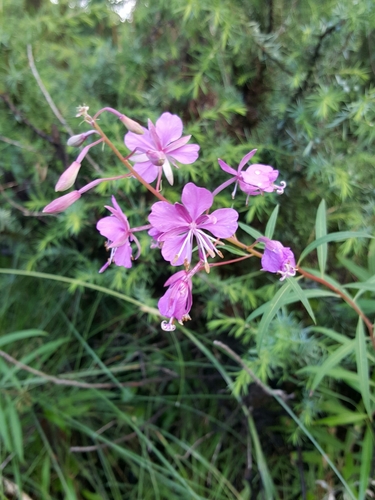
Wildlife 197
Other animals whose habitat models include the same habitats in West Virginia. Not sighting records.
- Alder FlycatcherEmpidonax alnorum
- American CrowCorvus brachyrhynchos
- American GoldfinchCarduelis tristis
- American KestrelFalco sparverius
- American RobinTurdus migratorius
- American Tree SparrowSpizella arborea
- Bank SwallowRiparia riparia
- Canada GooseBranta canadensis
- Chestnut-sided WarblerDendroica pensylvanica
- Chimney SwiftChaetura pelagica
- Chipping SparrowSpizella passerina
- Common NighthawkChordeiles minor
- Common RavenCorvus corax
- Cooper's HawkAccipiter cooperii
- Dark-eyed JuncoJunco hyemalis
- Eastern KingbirdTyrannus tyrannus
- Eastern PhoebeSayornis phoebe
- Eastern TowheePipilo erythrophthalmus
- European StarlingSturnus vulgaris
- Great Crested FlycatcherMyiarchus crinitus
- Great Horned OwlBubo virginianus
- Indigo BuntingPasserina cyanea
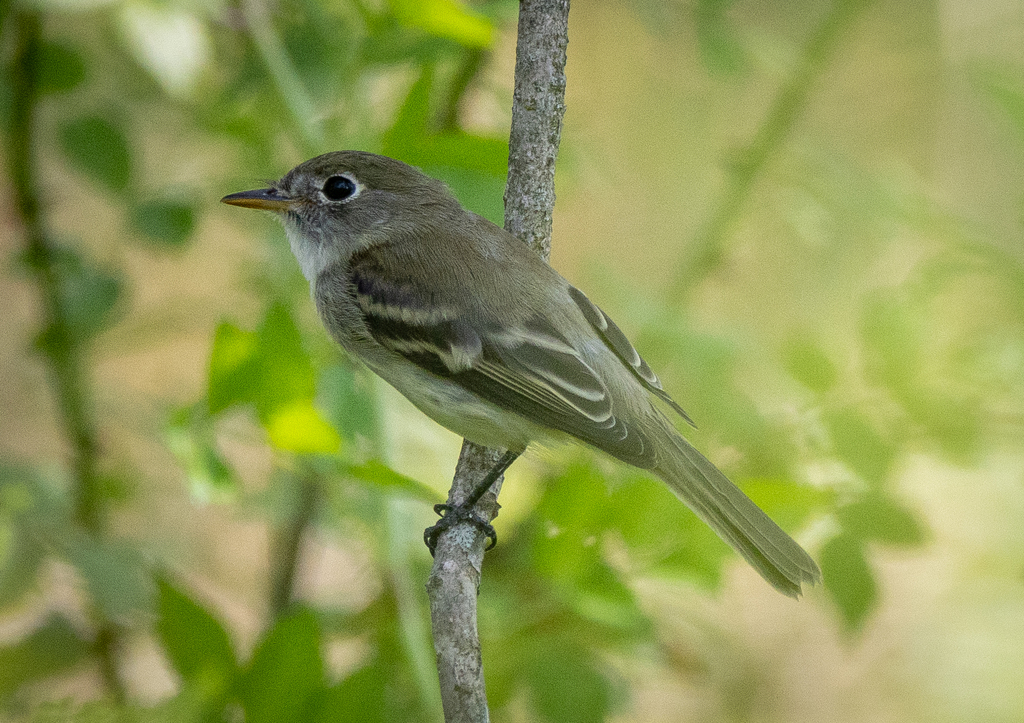
- Least FlycatcherEmpidonax minimus
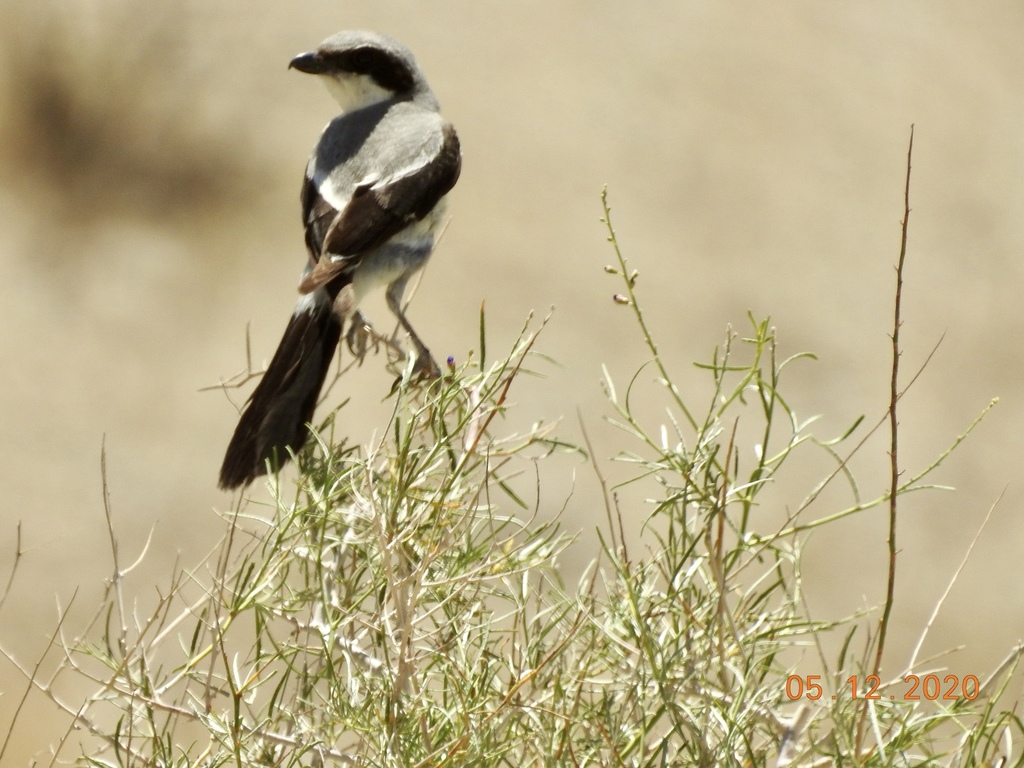
- Loggerhead ShrikeLanius ludovicianus





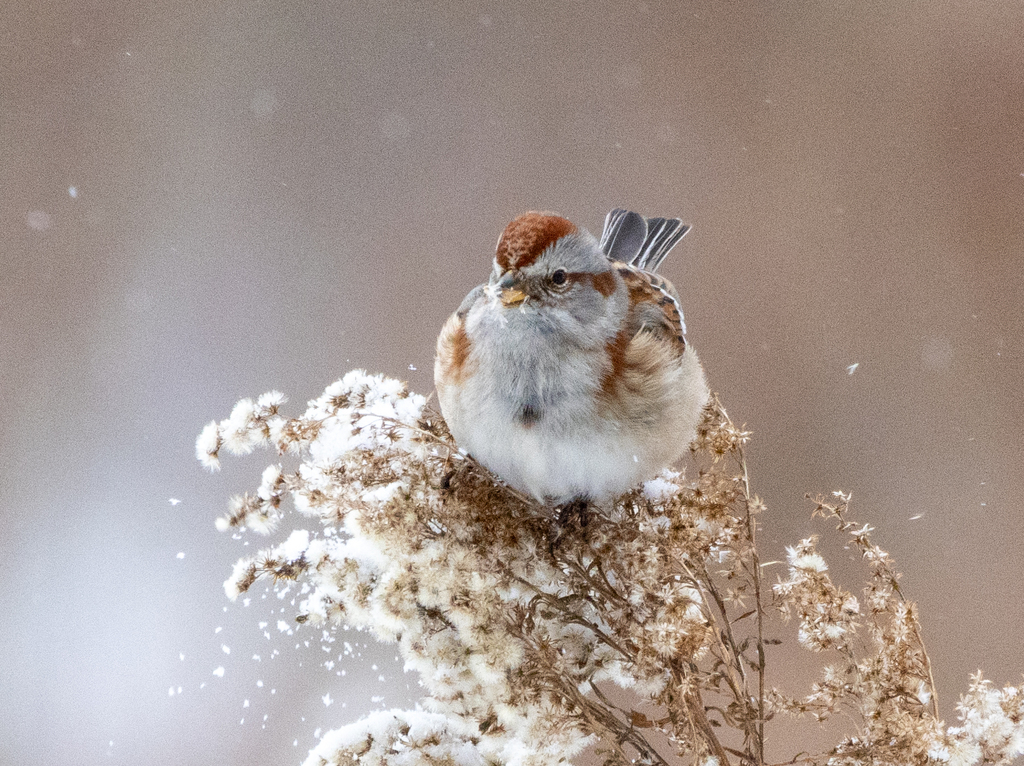


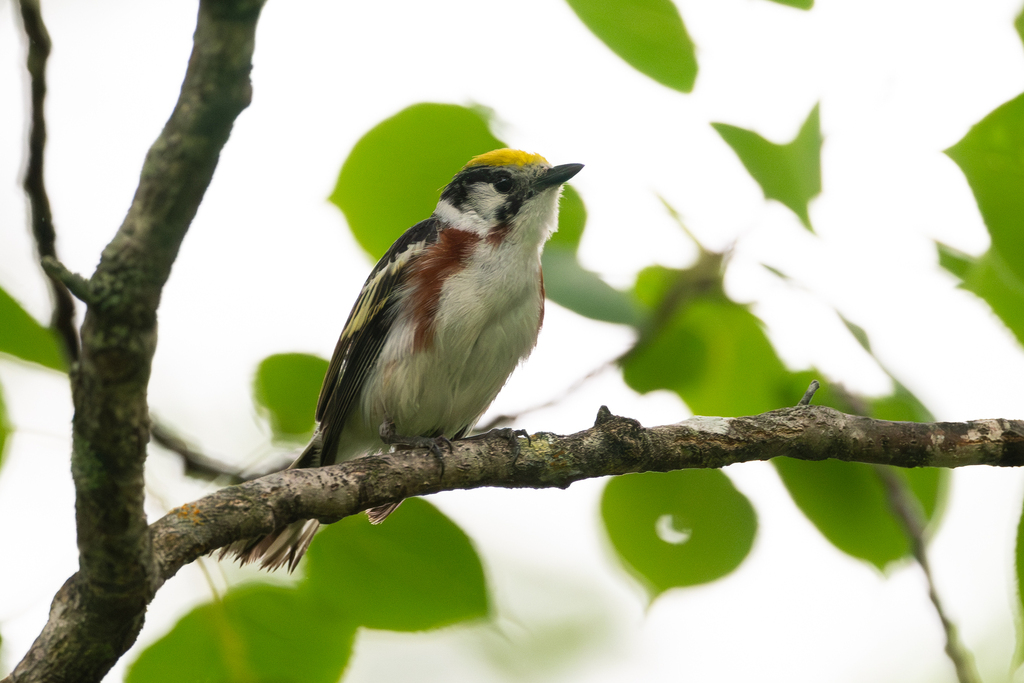








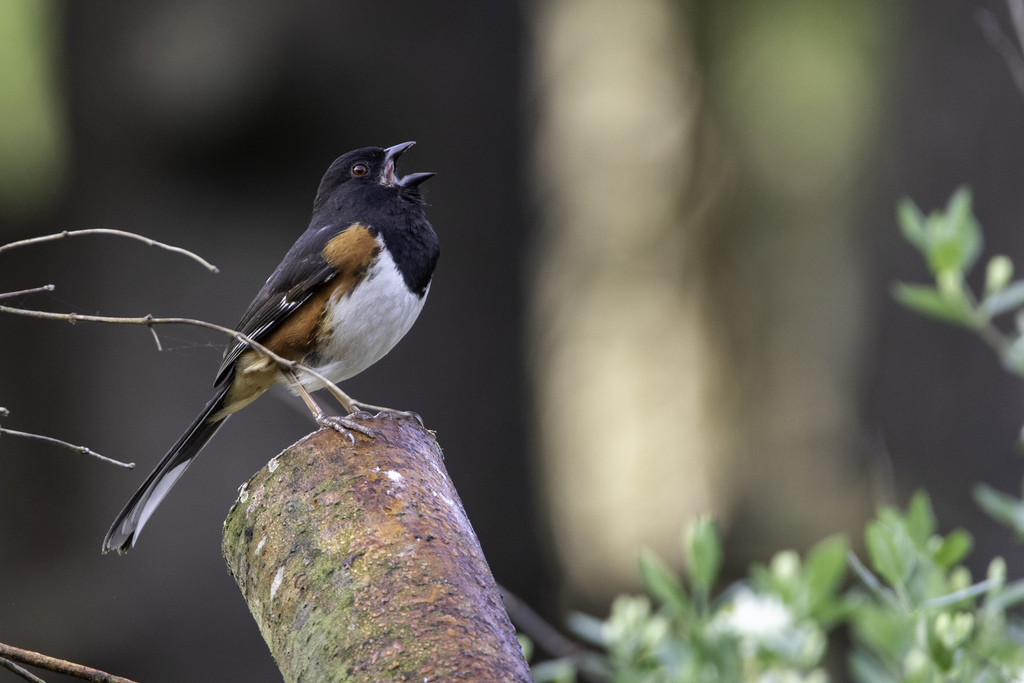

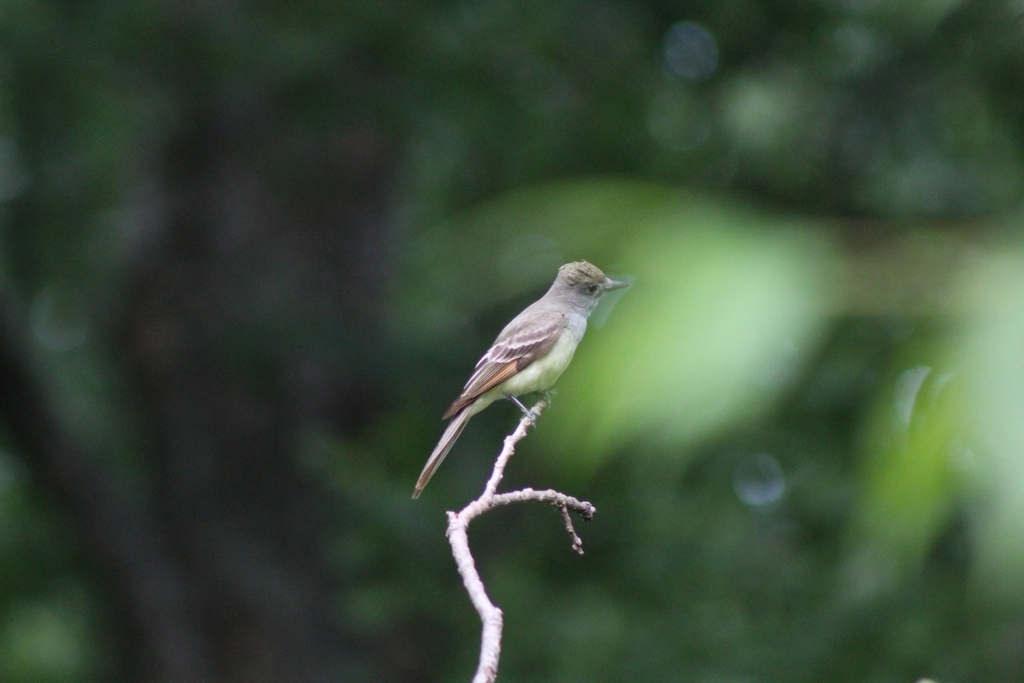


NatureServe Explorer, CC BY 4.0. USGS Gap Analysis Project habitat models.
Sources
- USGS Gap Analysis Project habitat models (2001)
- USGS GAP summer habitat model for Bobolink Elevation 18 to 2,500 m. Avoids forest interior
- USGS Gap Analysis Project range maps (2001), modeled by watershed; migratory gives no dates
- NatureServe Explorer (CC BY 4.0), habitat names
- US Census TIGER/Line counties
- Names follow the USGS Gap Analysis Project (2001)