

Bird
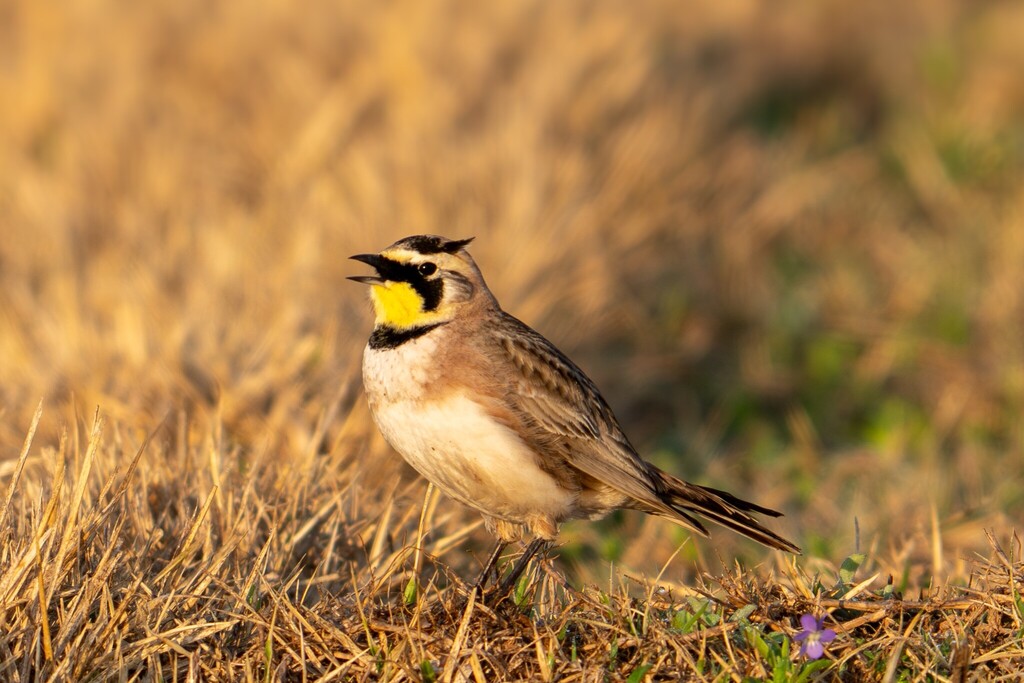
Horned Lark
Eremophila alpestris
Lives in West Virginia all year and nests here. Found in all 55 counties, across 3 habitats.
- Here
- All year
- Nesting
- Nests here
- Range
- All 55 counties
- Habitats
- 3
At a glance
- Group
- Birds
- Here
- All year
- Nesting
- Nests here
- Range
- All 55 counties
- Habitats
- 3
- Habitat models
- Summer, Winter
Where it lives
The places its habitat model includes. It is not found everywhere a habitat occurs.
Habitats in West Virginia 3
Each habitat page lists the plants and wildlife also found there.
Treeless grassy or shrubby summits and ridges in the high mountains.
Roadsides, fields and disturbed ground
Ground opened by people: roadsides, old fields, pastures, fencerows and lots.
Steep, sun-baked slopes of loose shale with sparse oaks and Virginia pine and their own endemic wildflowers. Linked only where the source names shale barrens; calcareous shale stays with the limestone glades.
Other habitats in its models (35)
Land cover, or classes with no habitat page in West Virginia. Those recorded in West Virginia first, the rest by region.
Elsewhere in the South (22)
- Atlantic Coastal Plain Sea Island Beach Summer and winter.
- Atlantic Coastal Plain Southern Beach Summer and winter.
- Atlantic Coastal Plain Southern Dune and Maritime Grassland Summer and winter.
- Atlantic Coastal Plain Xeric River Dune Summer and winter.
- Central and Upper Texas Coast Dune and Coastal Grassland Summer and winter.
- Central Interior Highlands Calcareous Glade and Barrens Summer and winter.
- Central Interior Highlands Dry Acidic Glade and Barrens Summer and winter.
- East Gulf Coastal Plain Dry Chalk Bluff Summer and winter.
- East Gulf Coastal Plain Dune and Coastal Grassland Summer and winter.
- Florida Dry Prairie Summer and winter.
- Florida Panhandle Beach Vegetation Summer and winter.
- Louisiana Beach Summer and winter.
- South Florida Shell Hash Beach Summer and winter.
- Southeast Florida Beach Summer and winter.
- Southwest Florida Beach Summer and winter.
- Southwest Florida Dune and Coastal Grassland Summer and winter.
- Texas Coastal Bend Beach Summer and winter.
- Texas Saline Coastal Prairie Summer and winter.
- Texas-Louisiana Coastal Prairie Summer and winter.
- Upper Texas Coast Beach Summer and winter.
- West Gulf Coastal Plain Northern Calcareous Prairie Summer and winter.
- West Gulf Coastal Plain Southern Calcareous Prairie Summer and winter.
Northeast (1)
- Central Appalachian Alkaline Glade and Woodland Summer.
Midwest (1)
- Central Mixedgrass Prairie Summer and winter.
Land cover and other classes (11)
- Barren Land Summer and winter.
- East Gulf Coastal Plain Black Belt Calcareous Prairie and Woodland - Herbaceous Modifier Summer and winter.
- East Gulf Coastal Plain Black Belt Calcareous Prairie and Woodland - Woodland Modifier Summer and winter.
- East Gulf Coastal Plain Jackson Prairie and Woodland Summer and winter.
- Eastern Great Plains Wet Meadow, Prairie, and Marsh Summer and winter.
- Eastern Highland Rim Prairie and Barrens - Dry Modifier Summer and winter.
- Introduced Upland Vegetation - Annual Grassland Summer and winter.
- Introduced Upland Vegetation - Perennial Grassland Summer and winter.
- Recently Burned Grassland Summer and winter.
- Unconsolidated Shore Summer and winter.
- Unconsolidated Shore (Beach/Dune) Summer and winter.
Seasons in West Virginia
- Year-round: nests here, in all 55 counties.
Food plants
Diet records by plant genus, from studies across North America. Not a record from this state. Plants matched by genus.
Native plants in these genera 7
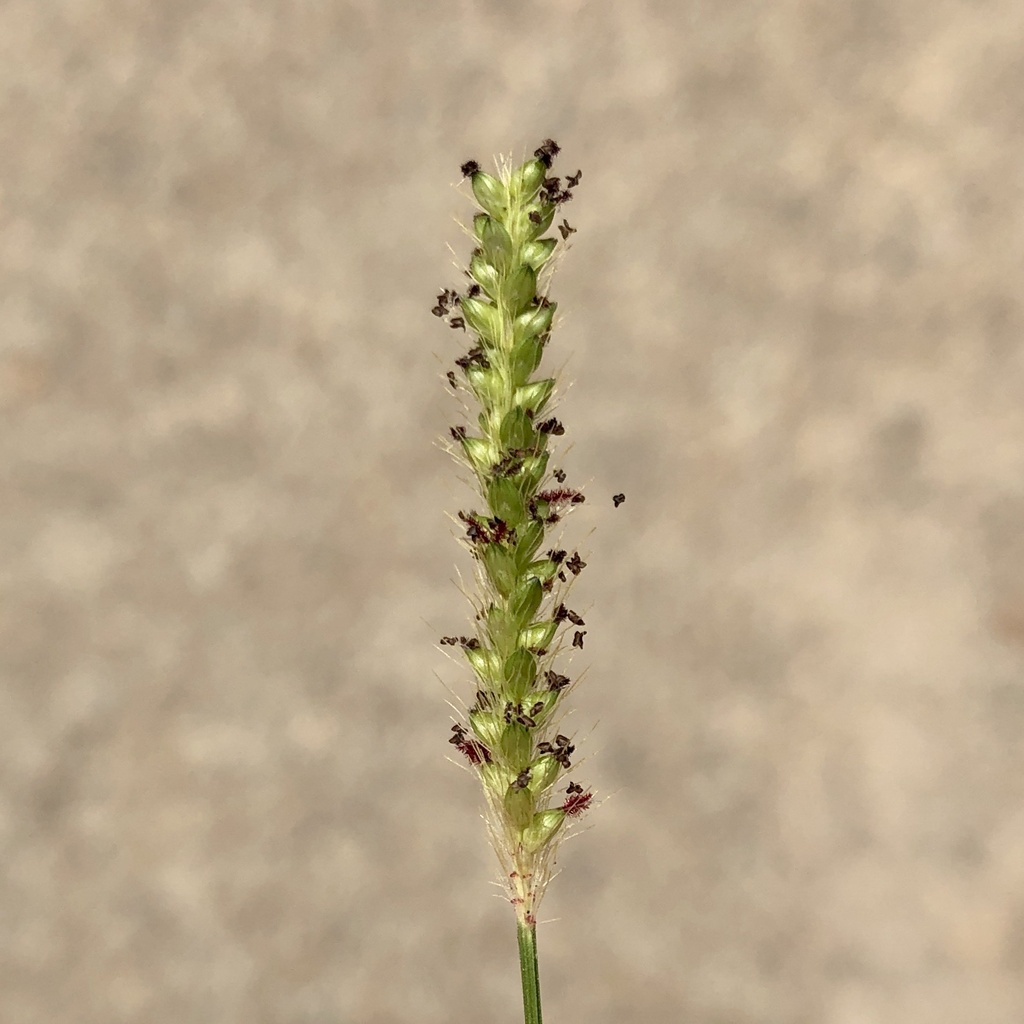
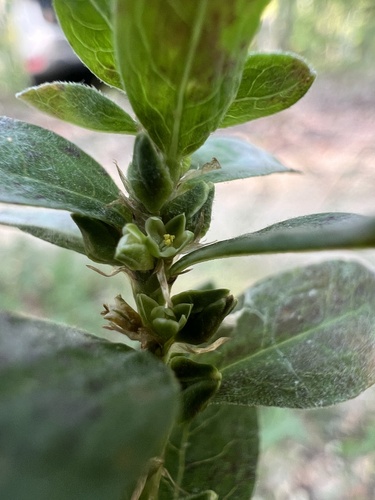
- Marsh BristlegrassSetaria parviflora
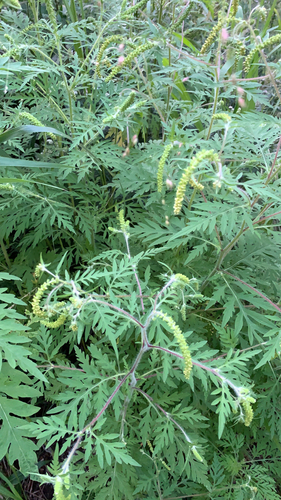
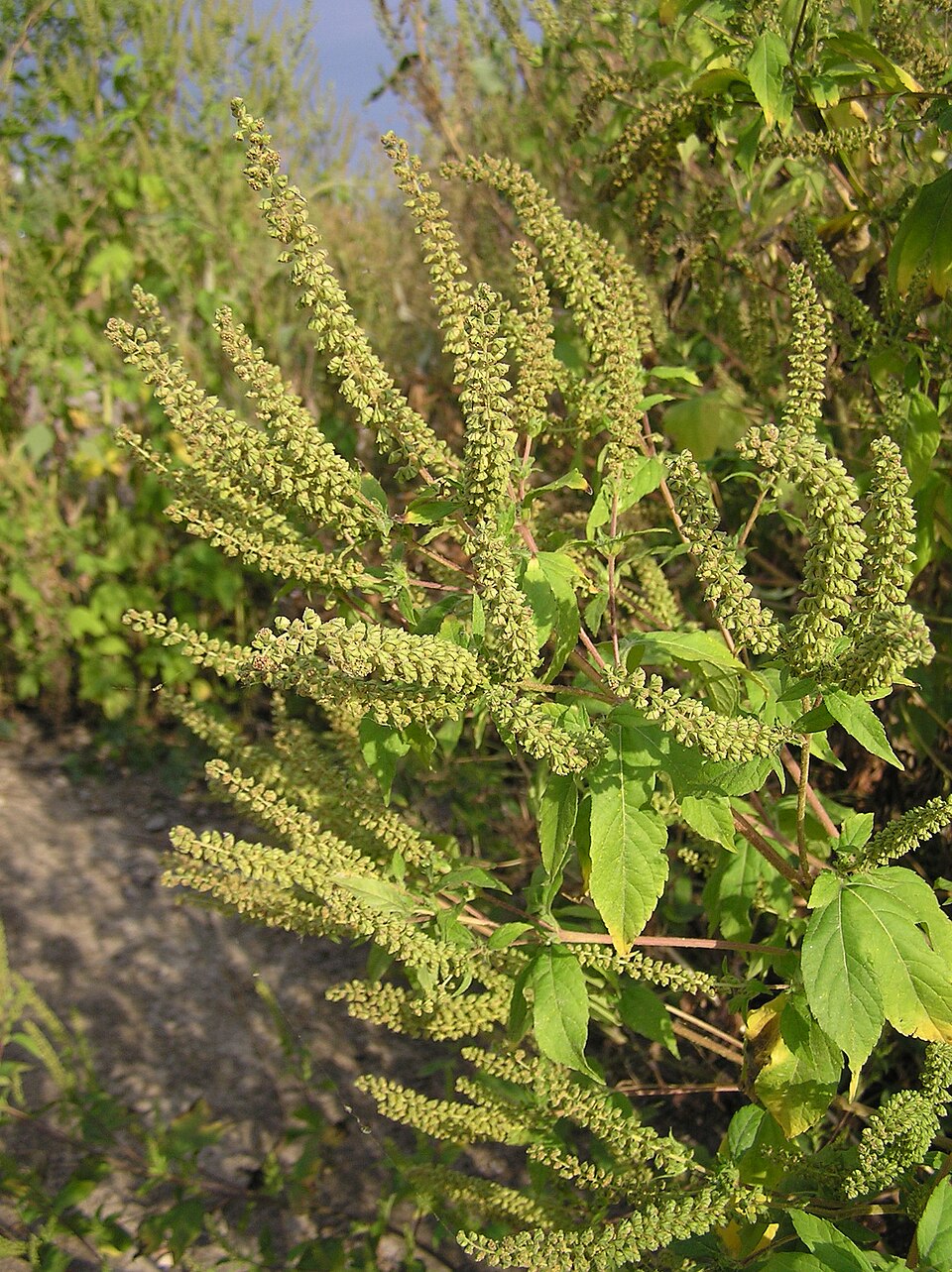
- Common RagweedAmbrosia artemisiifolia
- Giant RagweedAmbrosia trifida
- Bushy KnotweedPolygonum ramosissimum subsp. prolificum
- Erect KnotweedPolygonum erectum
- Pleatleaf KnotweedPolygonum tenue
- Tall KnotweedPolygonum ramosissimum
Plant genera in its diet records (7)
- Setaria Seeds. 5 diet records. 1 native plant in West Virginia
- Ambrosia Seeds. 2 diet records. 2 native plants in West Virginia
- Avena Seeds. 2 diet records. 0 native plants in West Virginia
- Fagopyrum Seeds. 2 diet records. 0 native plants in West Virginia
- Polygonum Seeds. 1 diet record. 4 native plants in West Virginia
- Triticum Seeds. 1 diet record. 0 native plants in West Virginia
- Zea Seeds. 1 diet record. 0 native plants in West Virginia
Also found in its main habitats
Its main habitats in West Virginia, by how much of its habitat model each one is, with the birds most characteristic of each and the plants that grow wild there. Shared habitat, not food.
Roadsides, fields and disturbed ground
Birds 89
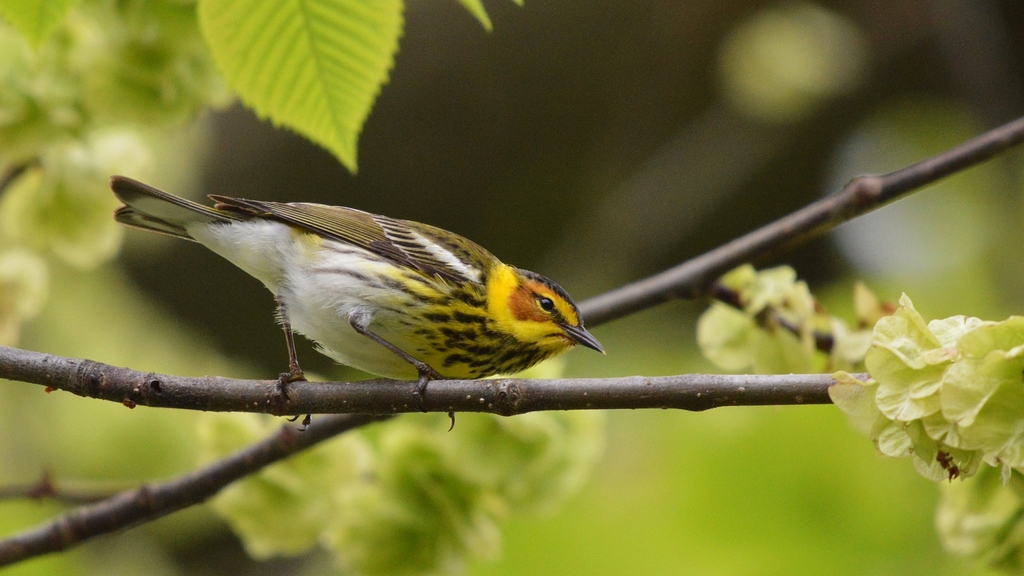
- Cape May WarblerDendroica tigrina
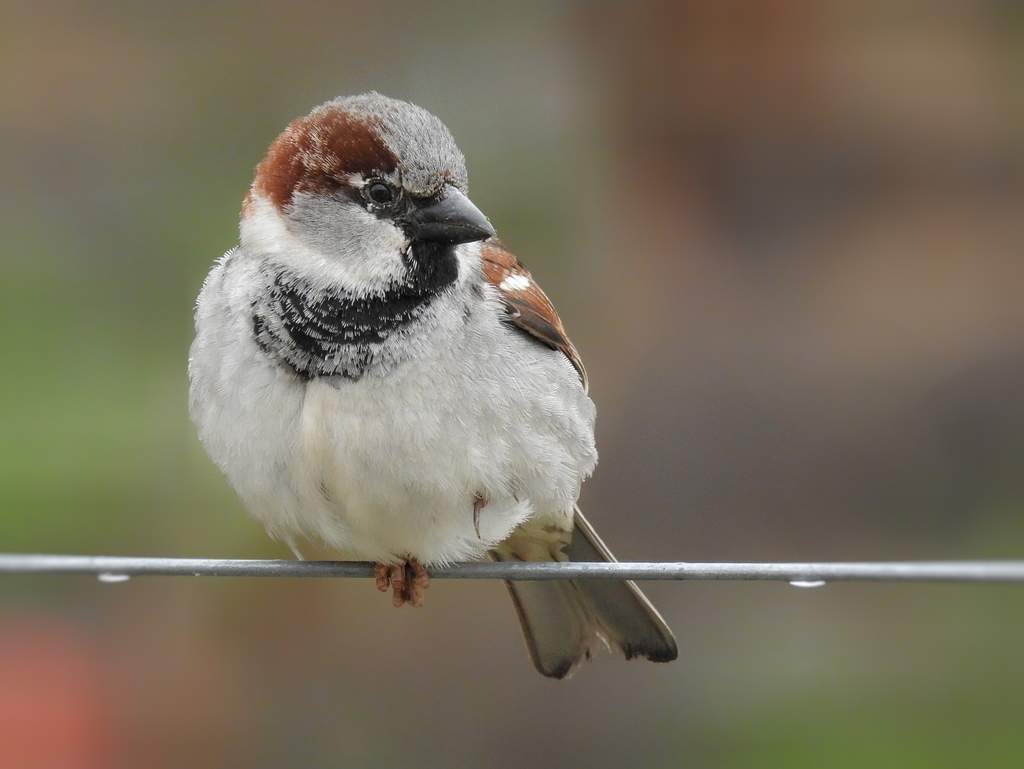
- House SparrowPasser domesticus
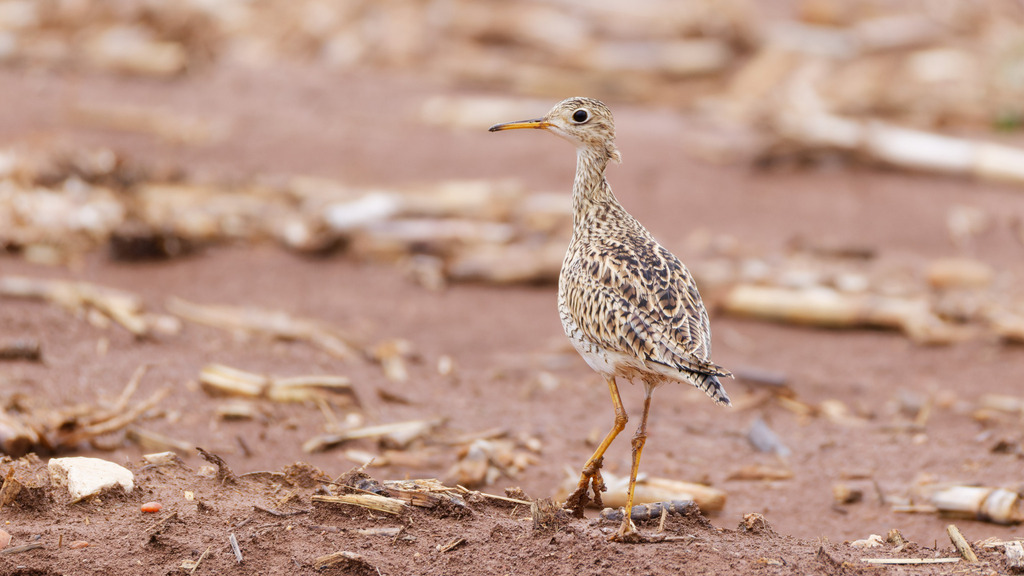
- Upland SandpiperBartramia longicauda
- Rock PigeonColumba livia
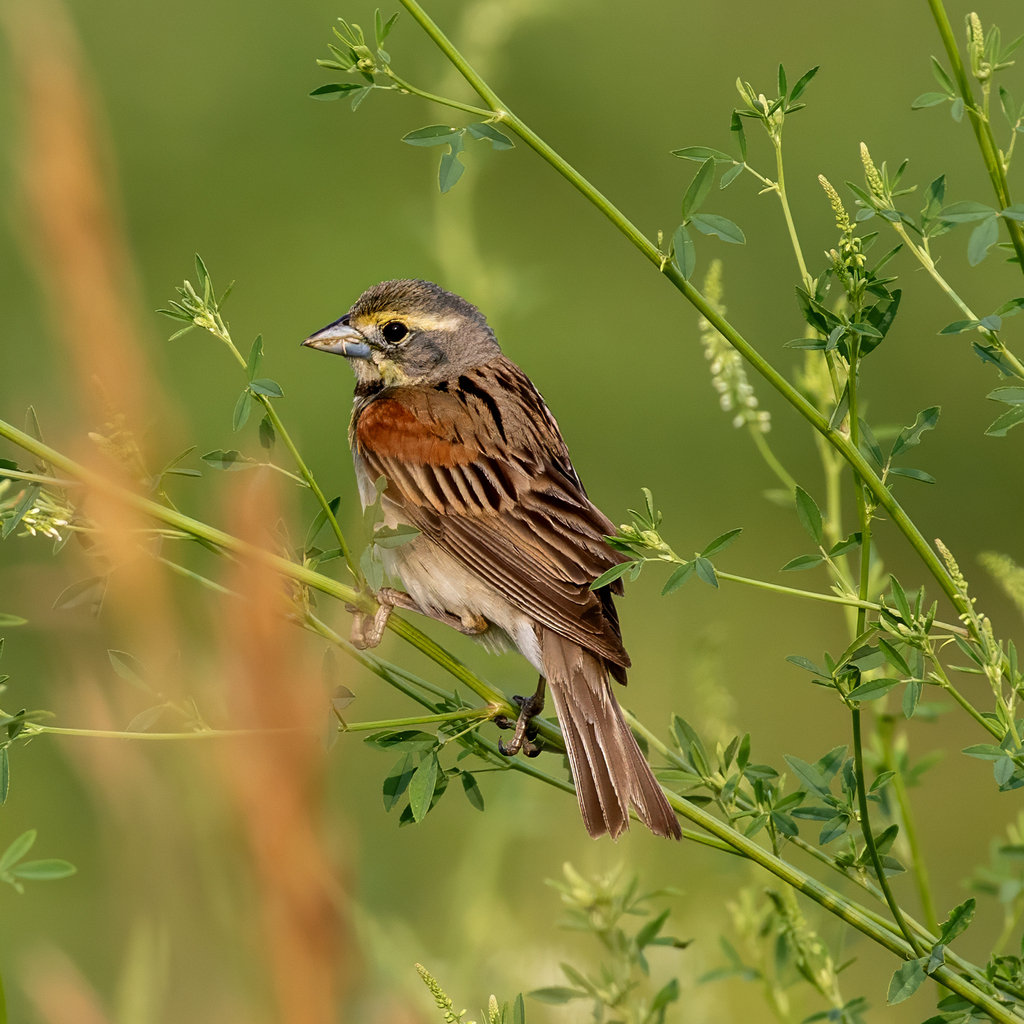
- DickcisselSpiza americana
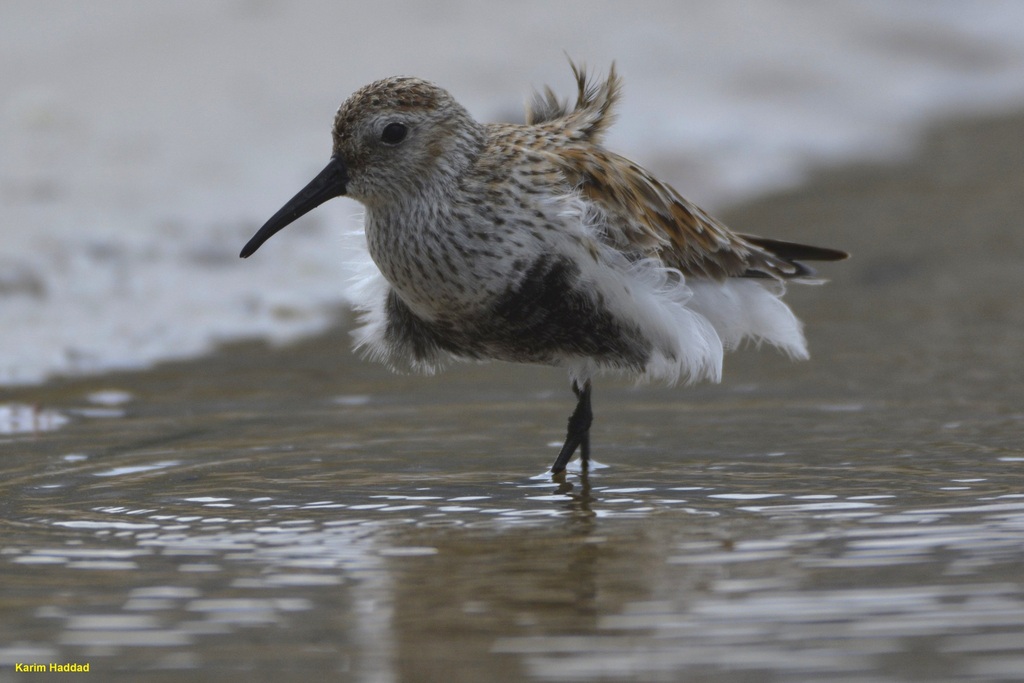
- DunlinCalidris alpina
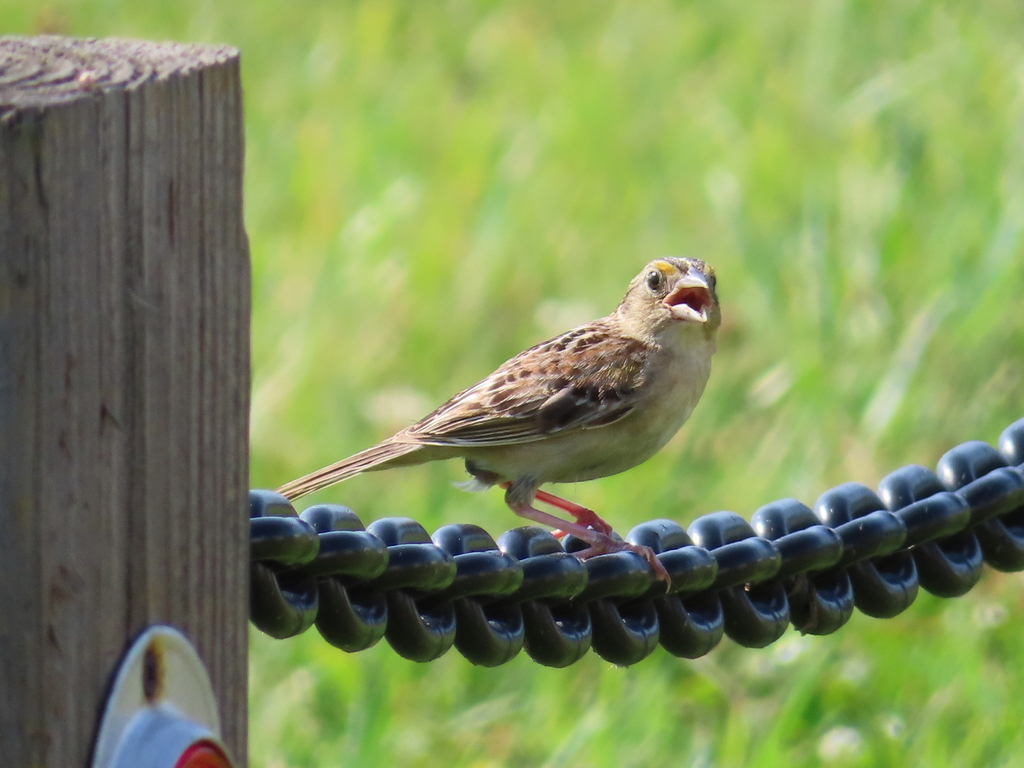
- Grasshopper SparrowAmmodramus savannarum
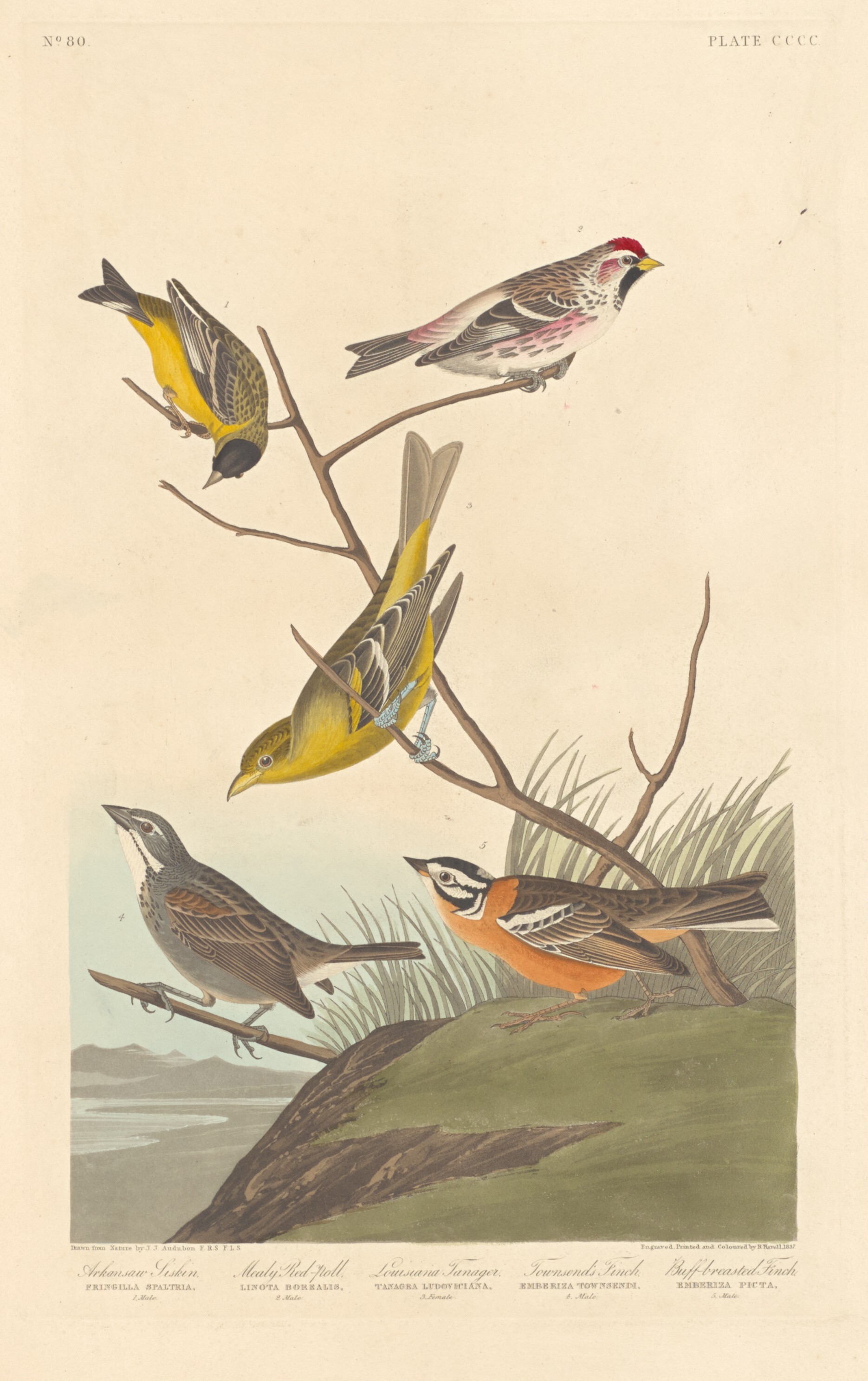
- Hoary RedpollCarduelis hornemanni
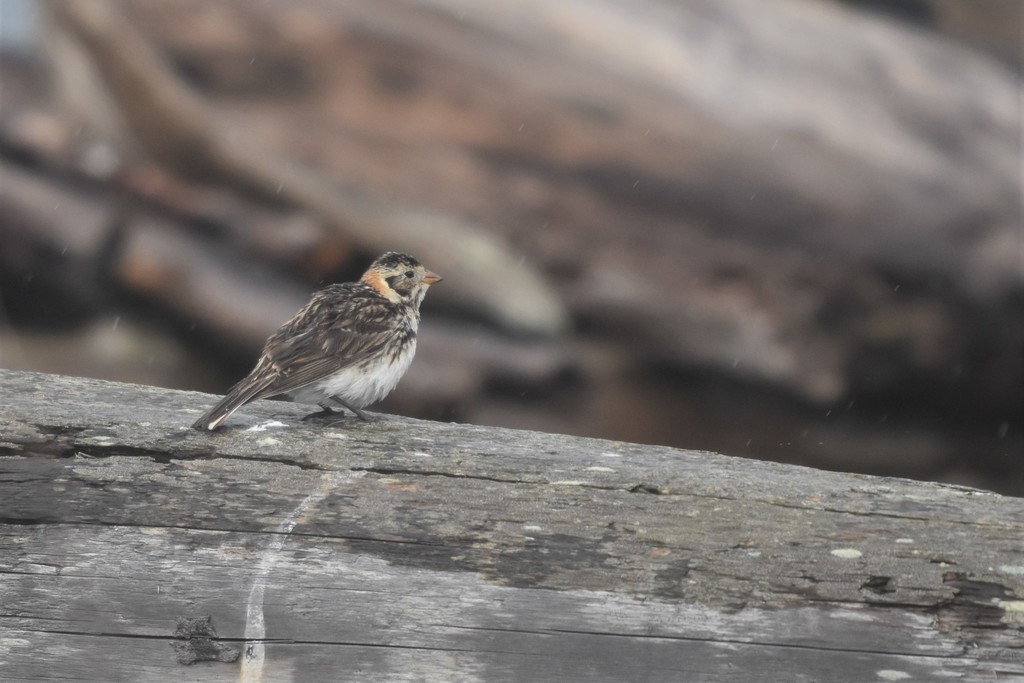
- Lapland LongspurCalcarius lapponicus
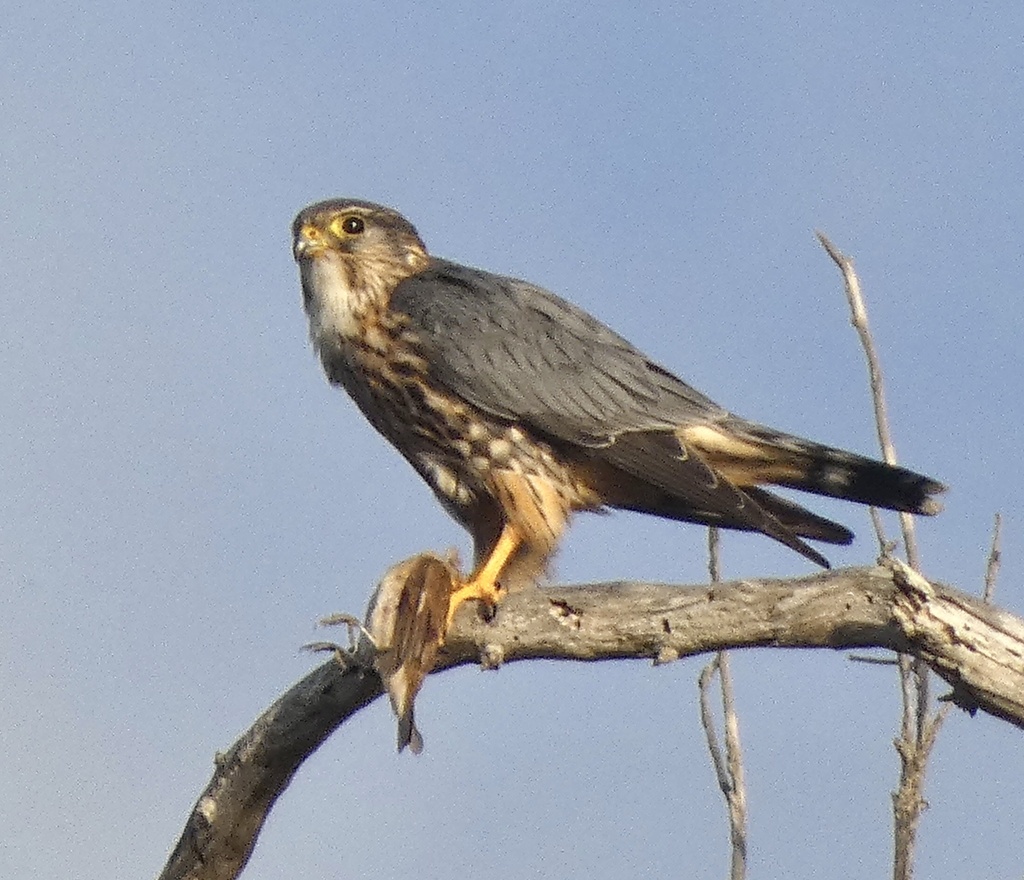
- MerlinFalco columbarius
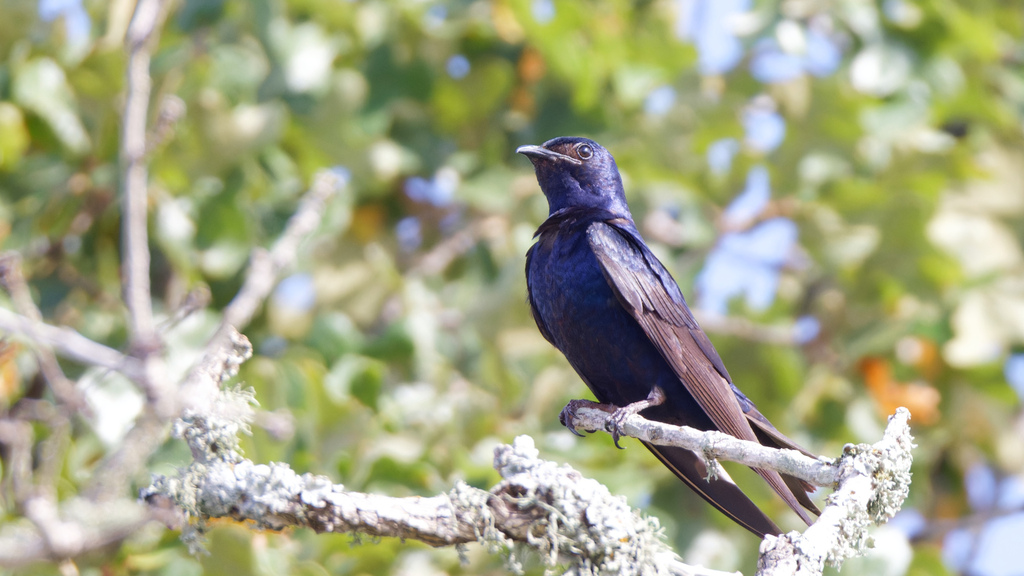
- Purple MartinProgne subis
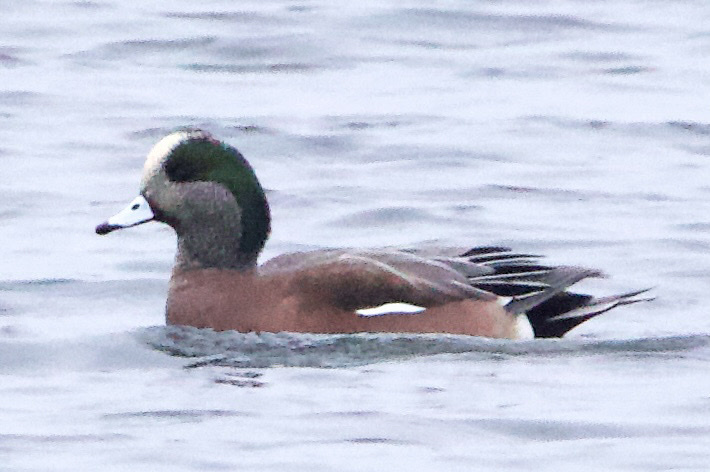
- American WigeonAnas americana

Plants 905
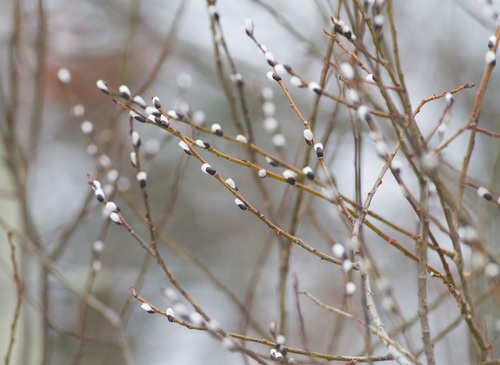
- Pussy WillowSalix discolor
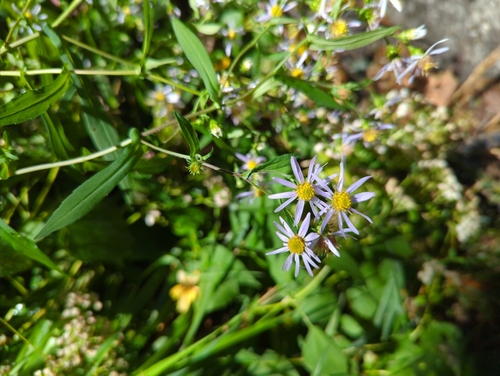
- Crooked-stem AsterSymphyotrichum prenanthoides
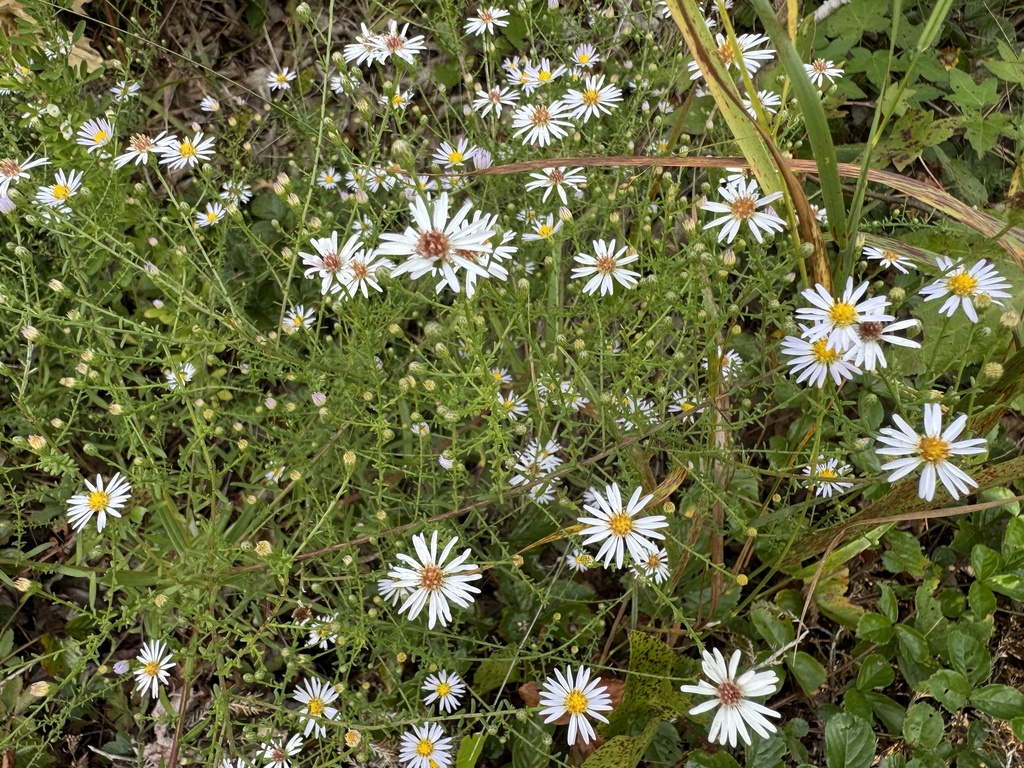
- Long Stalk AsterSymphyotrichum dumosum var. dumosum
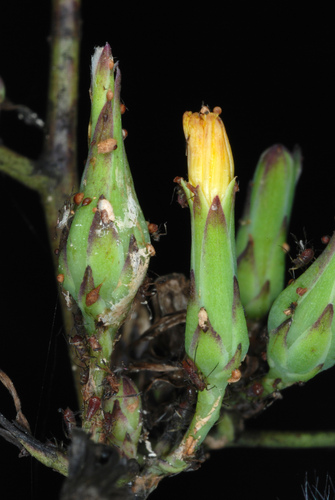
- Canada LettuceLactuca canadensis
- Annual FleabaneErigeron annuus
- Bushy KnotweedPolygonum ramosissimum subsp. prolificum
- Carey's KnotweedPersicaria careyi
- Carolina Crane's-billGeranium carolinianum
- Common Evening-primroseOenothera biennis
- Cutleaf Evening-primroseOenothera laciniata
- Northern Evening-primroseOenothera parviflora
- Oakes Evening PrimroseOenothera oakesiana
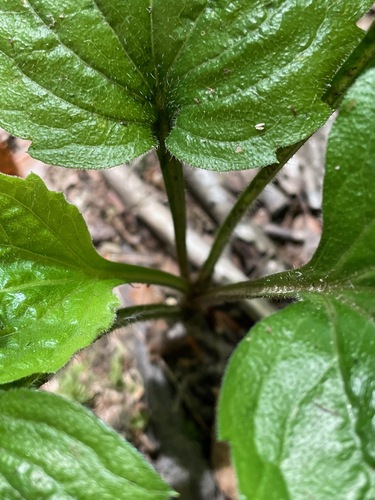
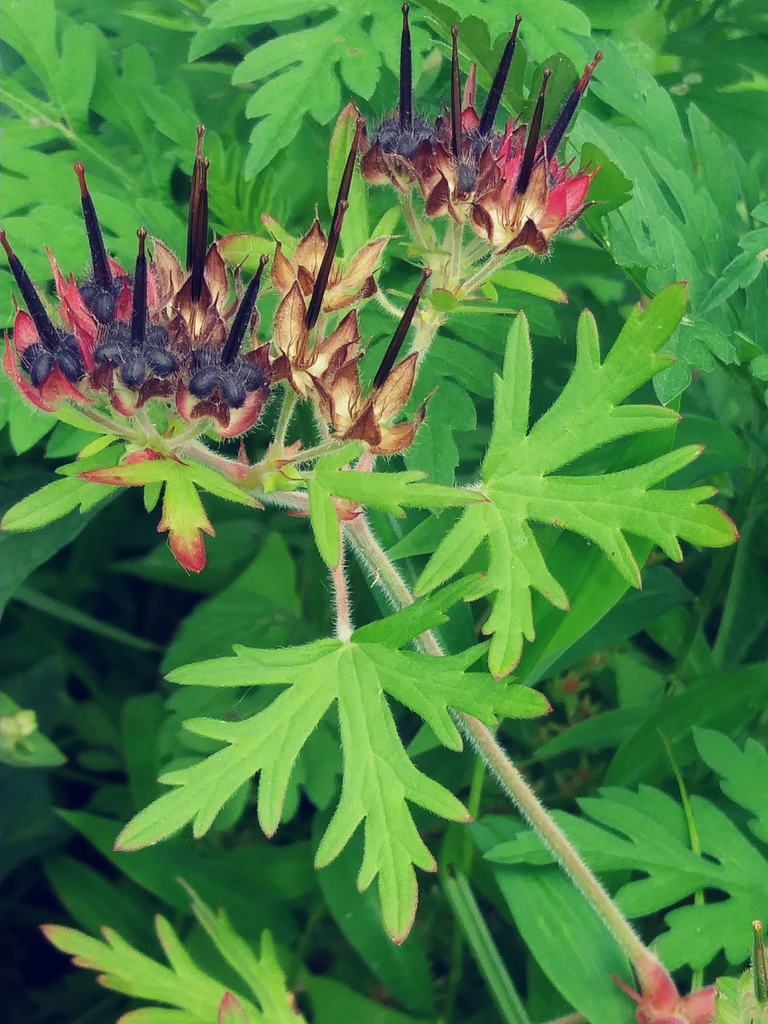
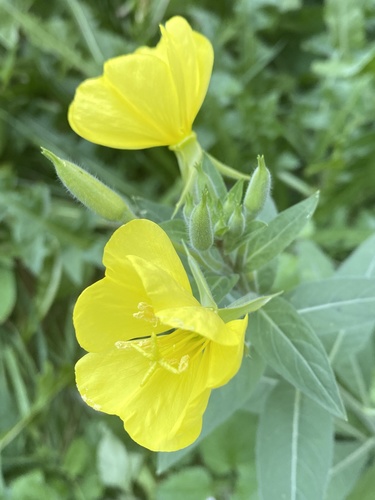
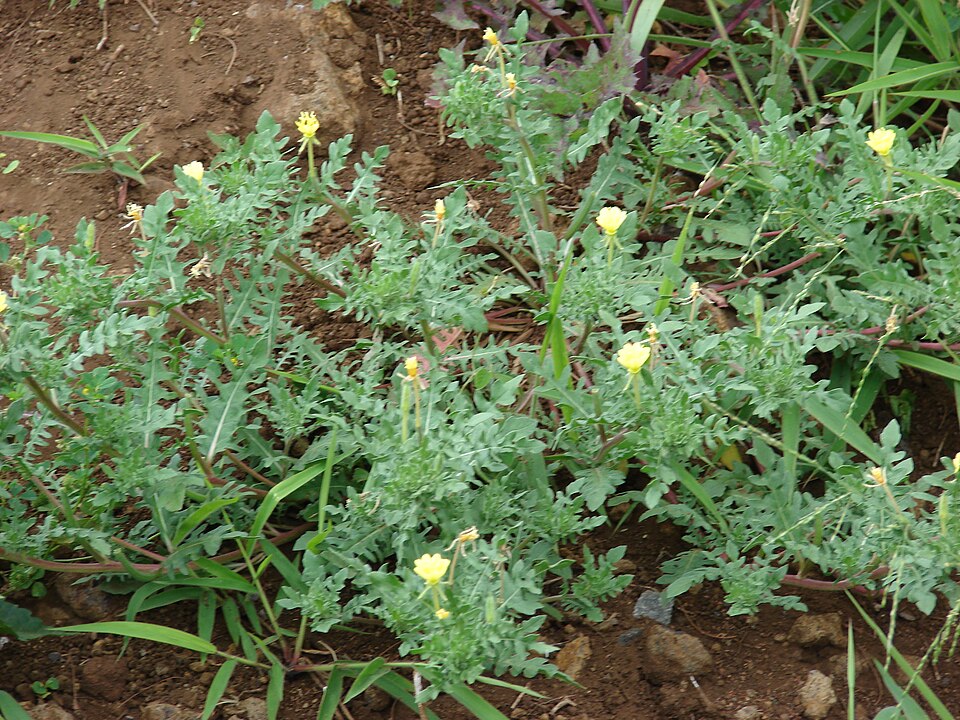
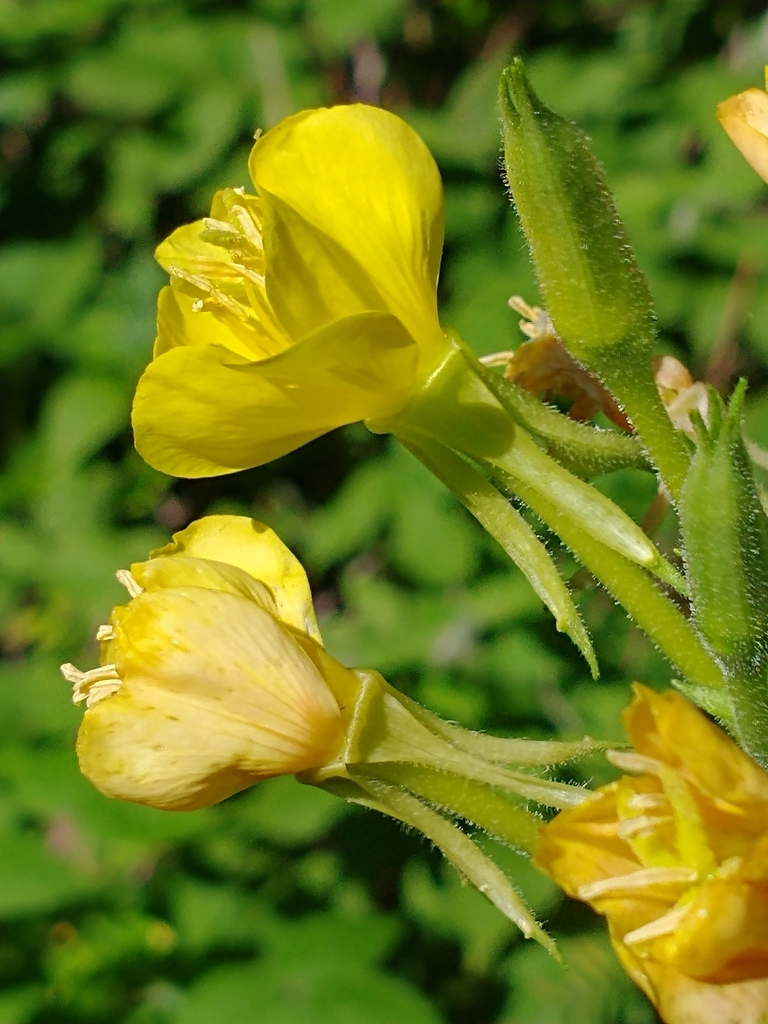
All of roadsides, fields and disturbed ground in West Virginia
Mountain balds
Birds 27
- Grasshopper SparrowAmmodramus savannarum
- BobolinkDolichonyx oryzivorus
- KilldeerCharadrius vociferus
- Vesper SparrowPooecetes gramineus
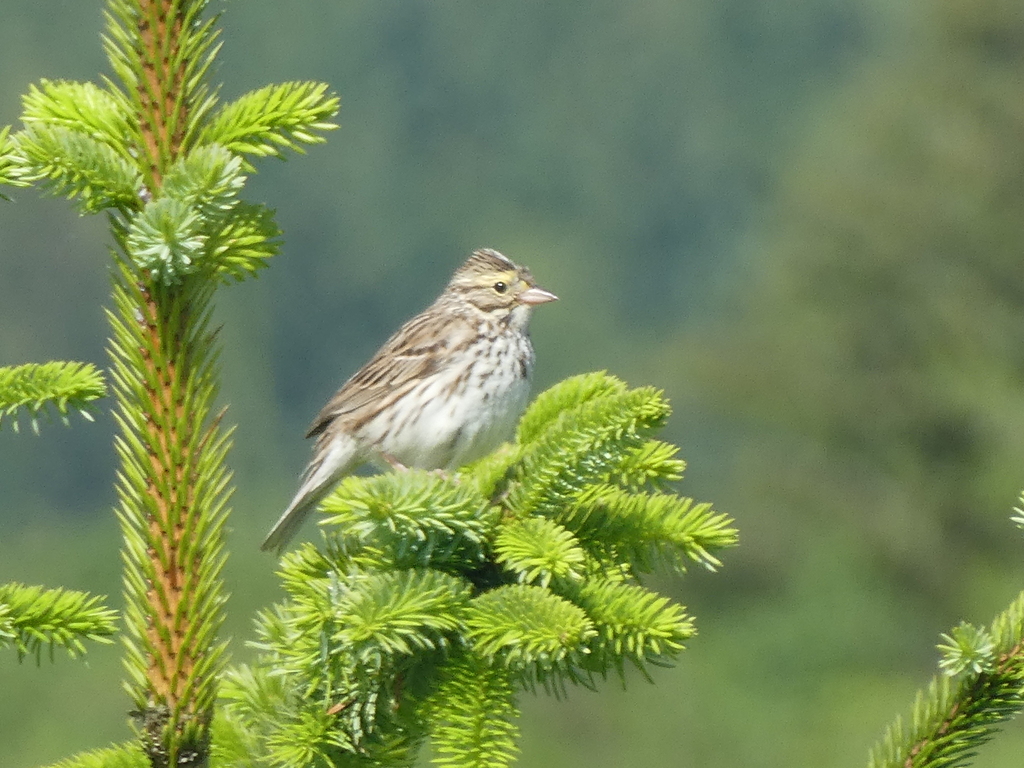
- Savannah SparrowPasserculus sandwichensis
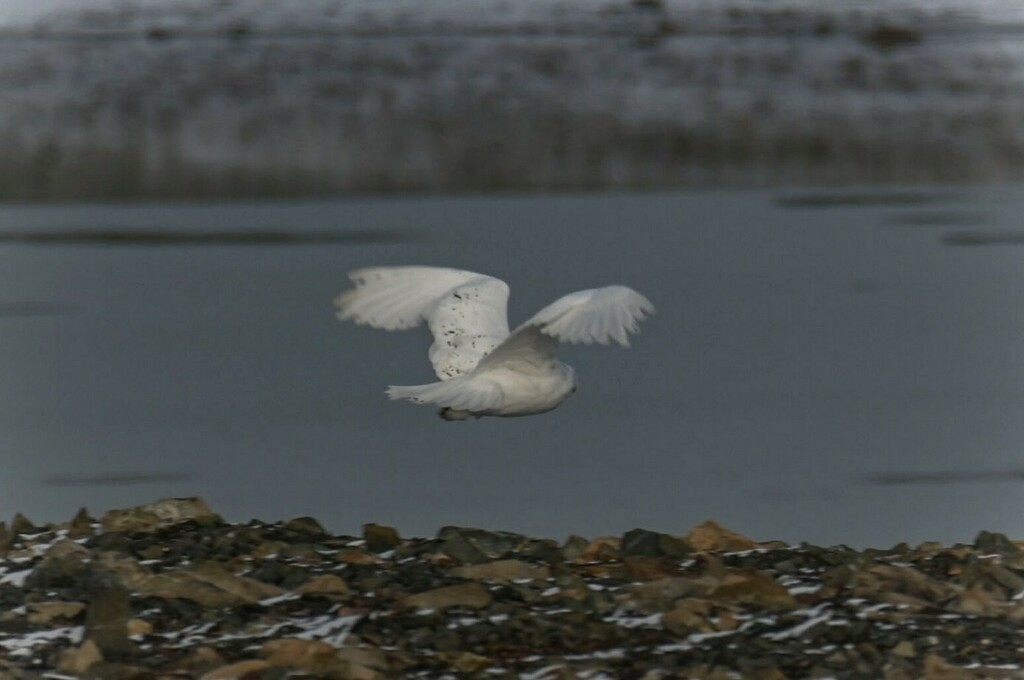
- Snowy OwlBubo scandiacus
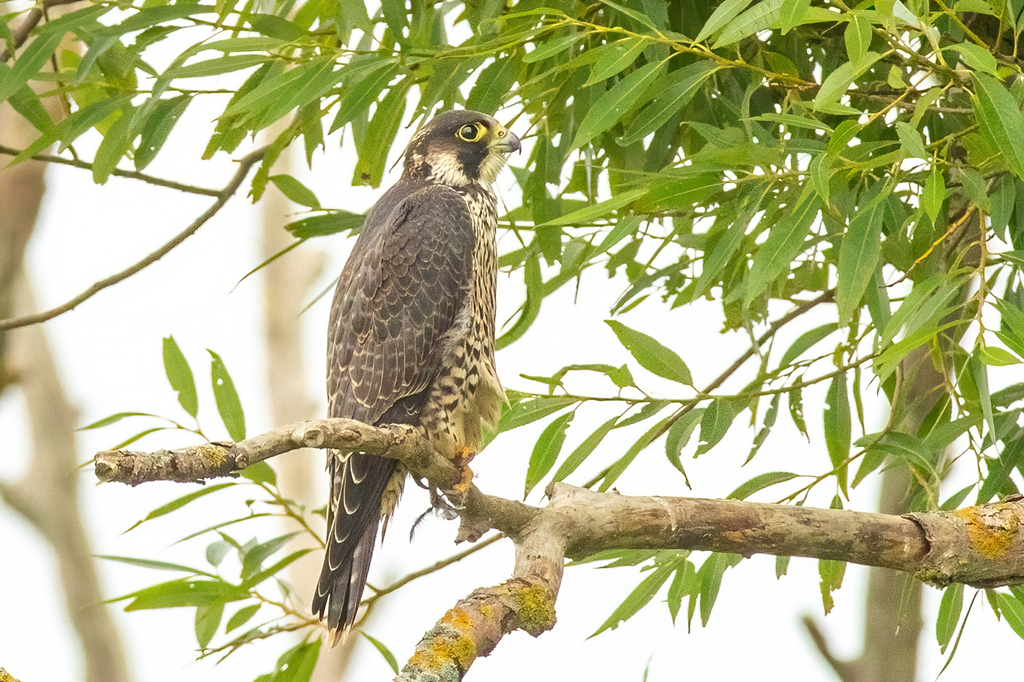
- Peregrine FalconFalco peregrinus
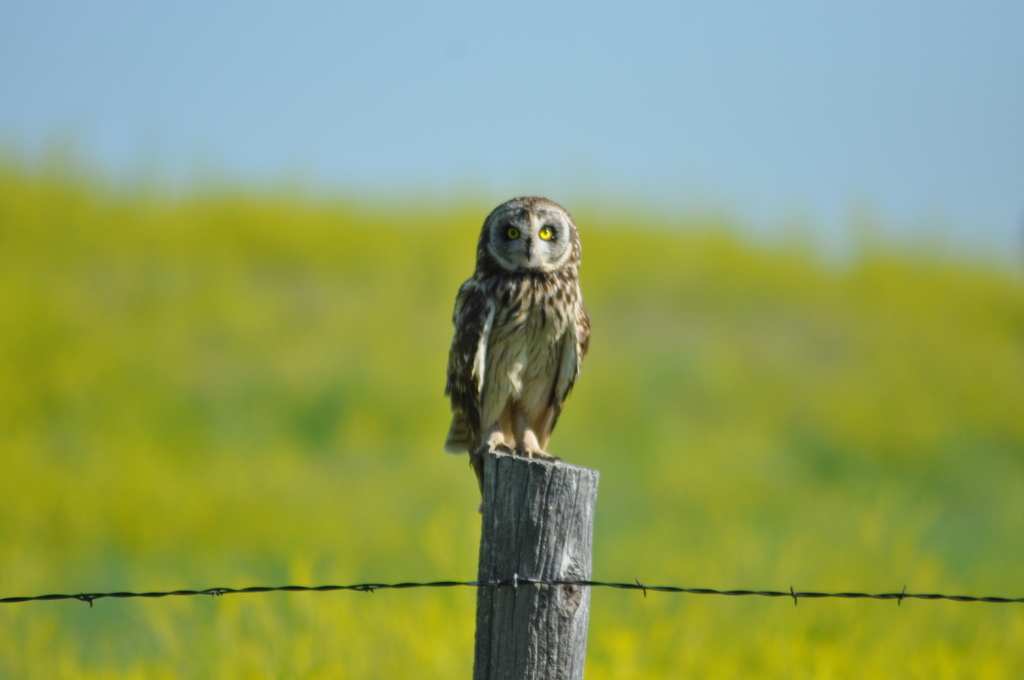
- Short-eared OwlAsio flammeus
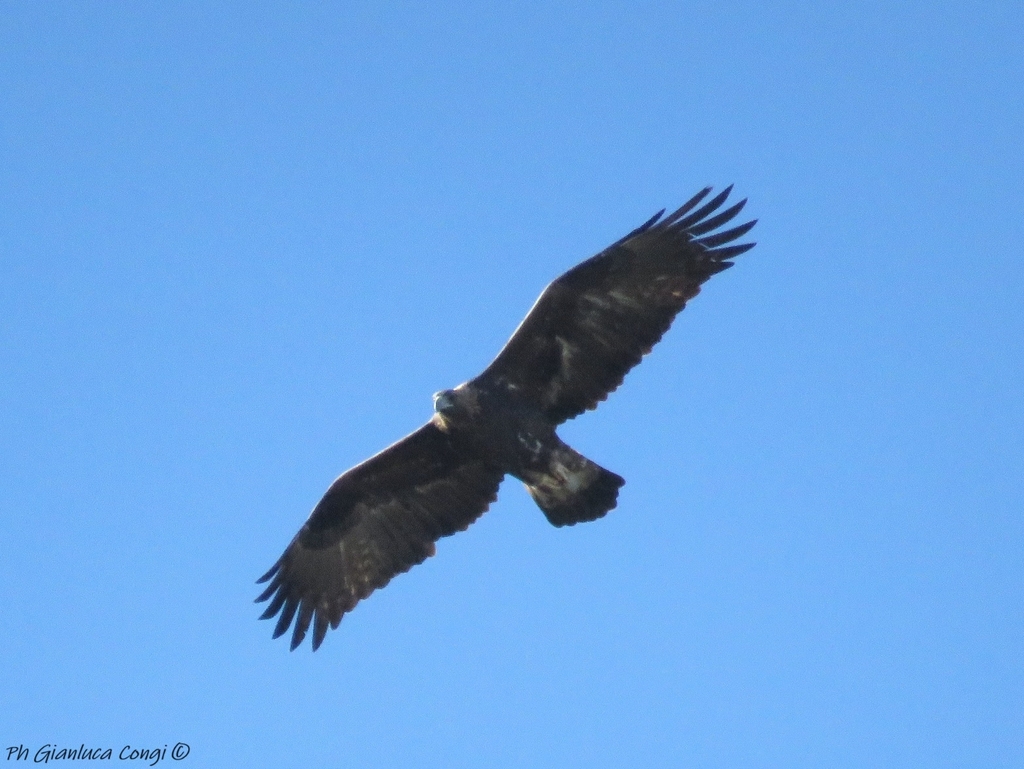
- Golden EagleAquila chrysaetos
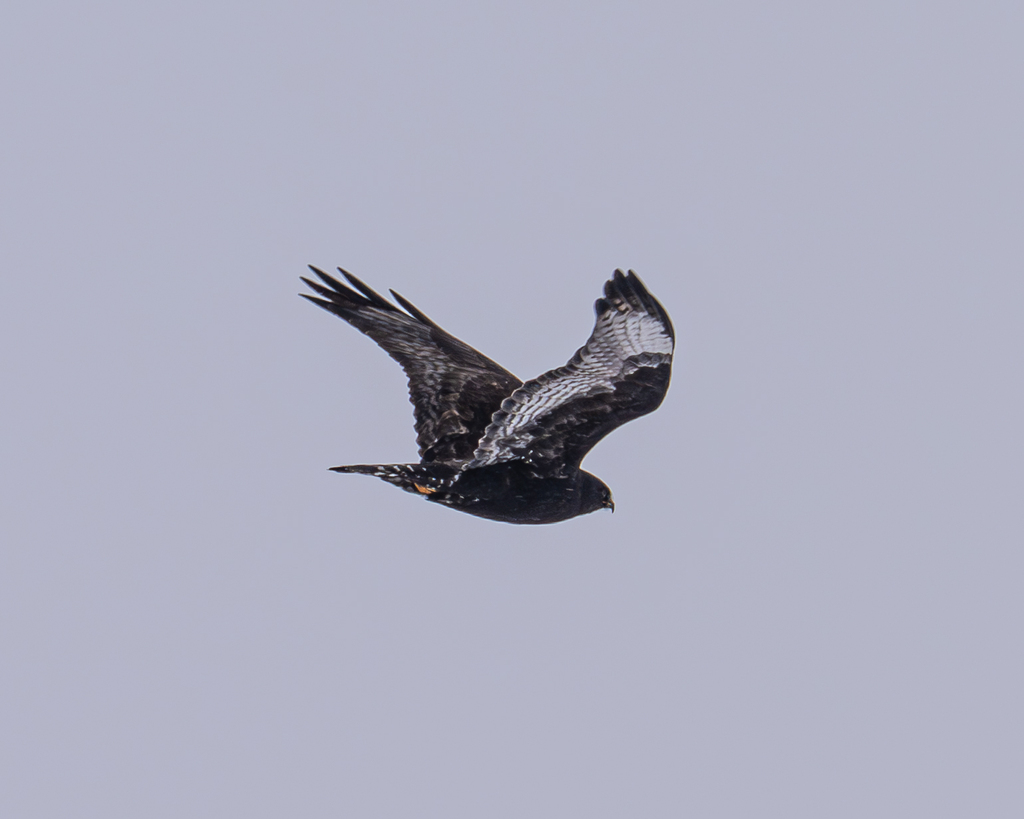
- Rough-legged HawkButeo lagopus
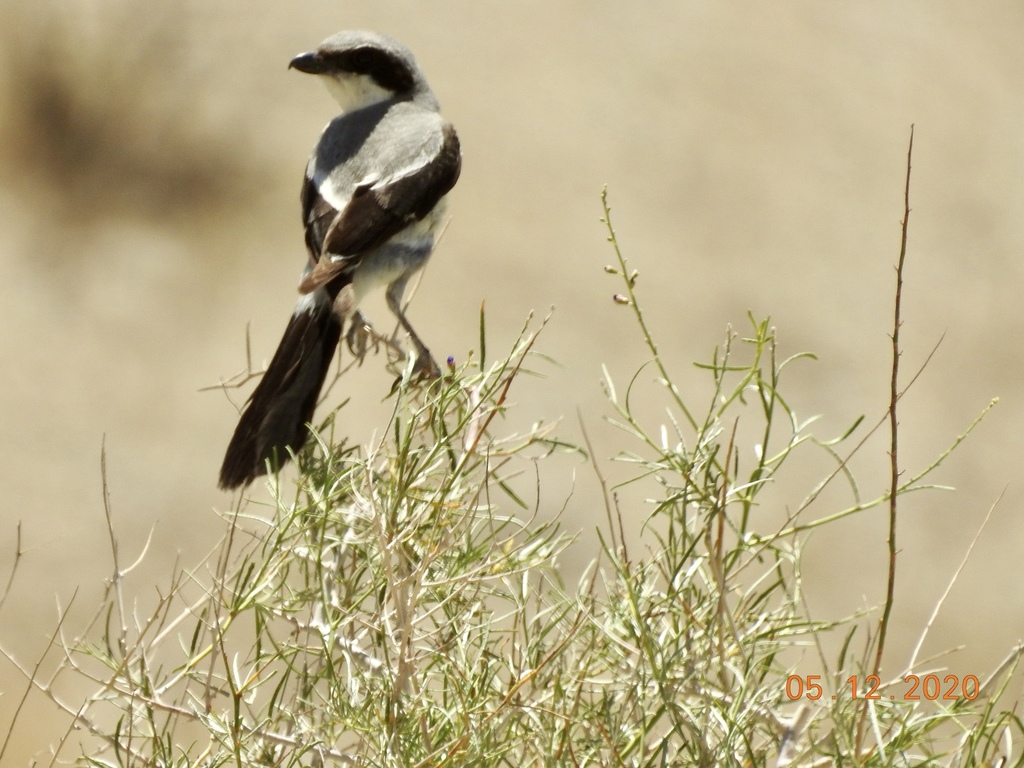
- Loggerhead ShrikeLanius ludovicianus
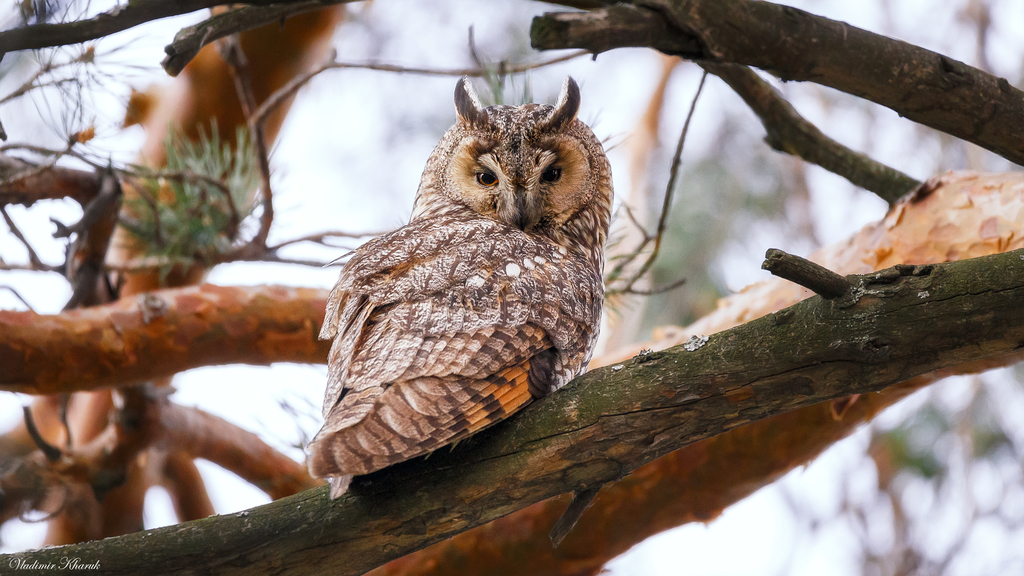
- Long-eared OwlAsio otus
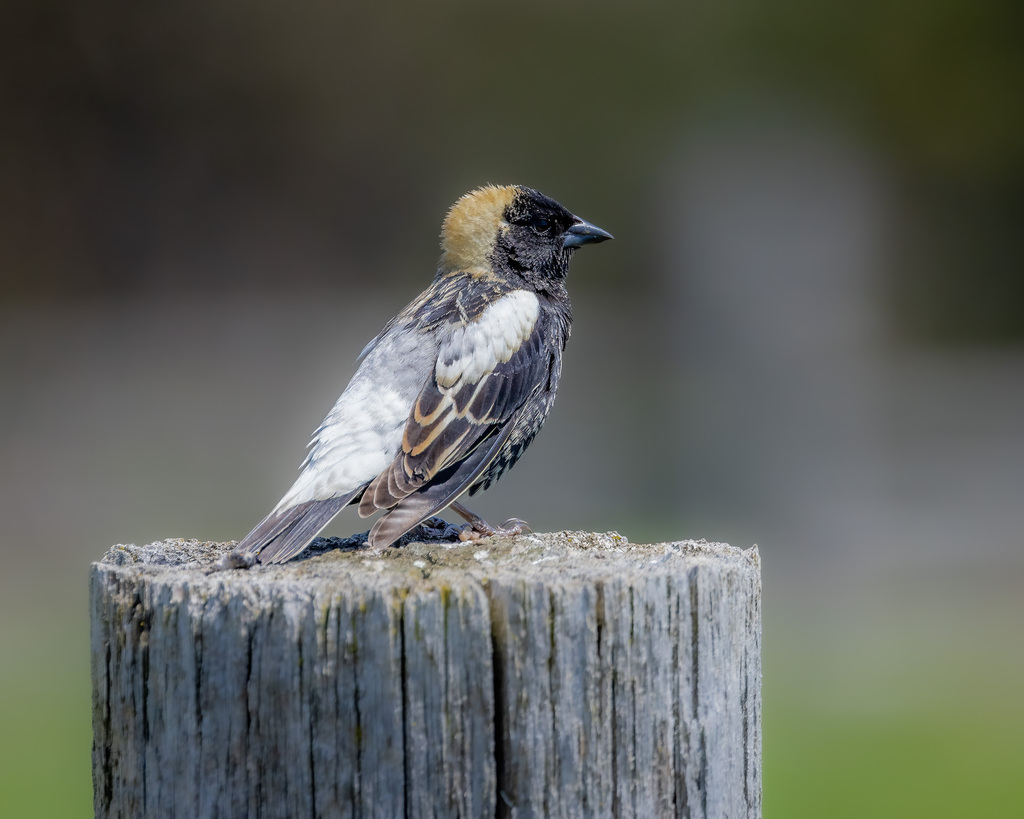
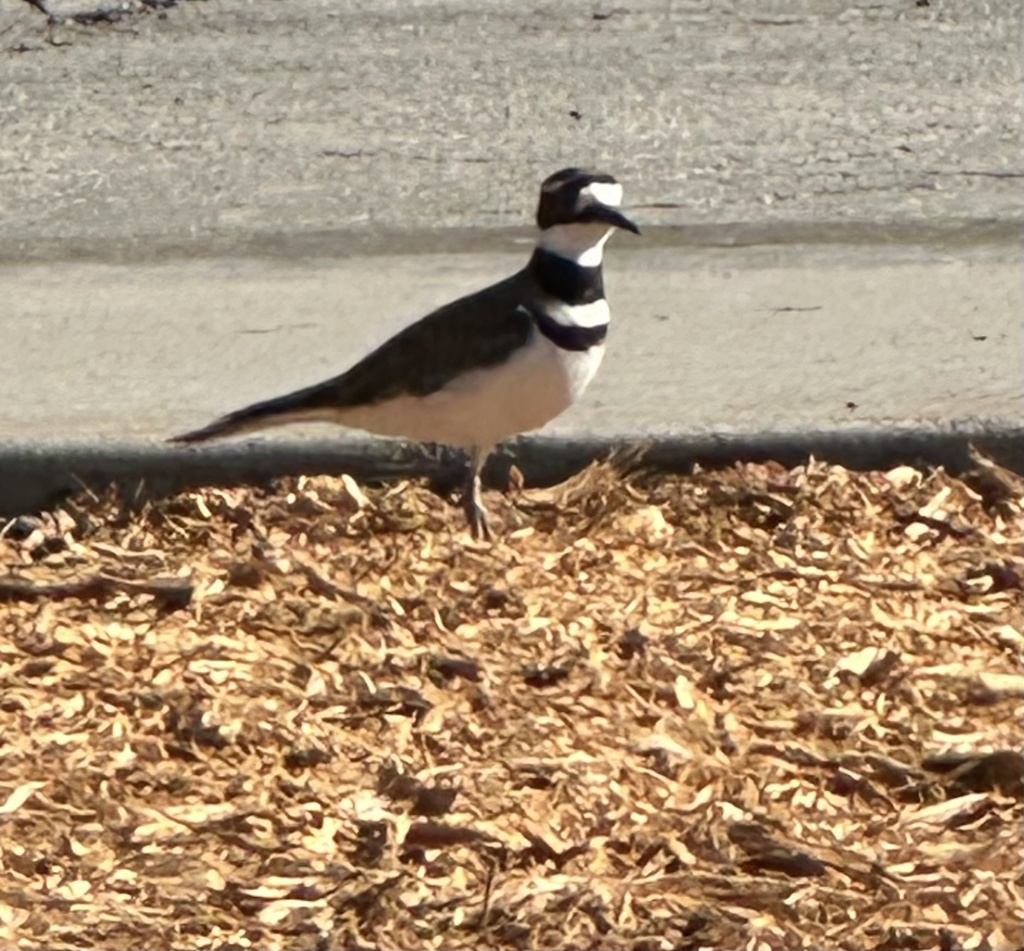
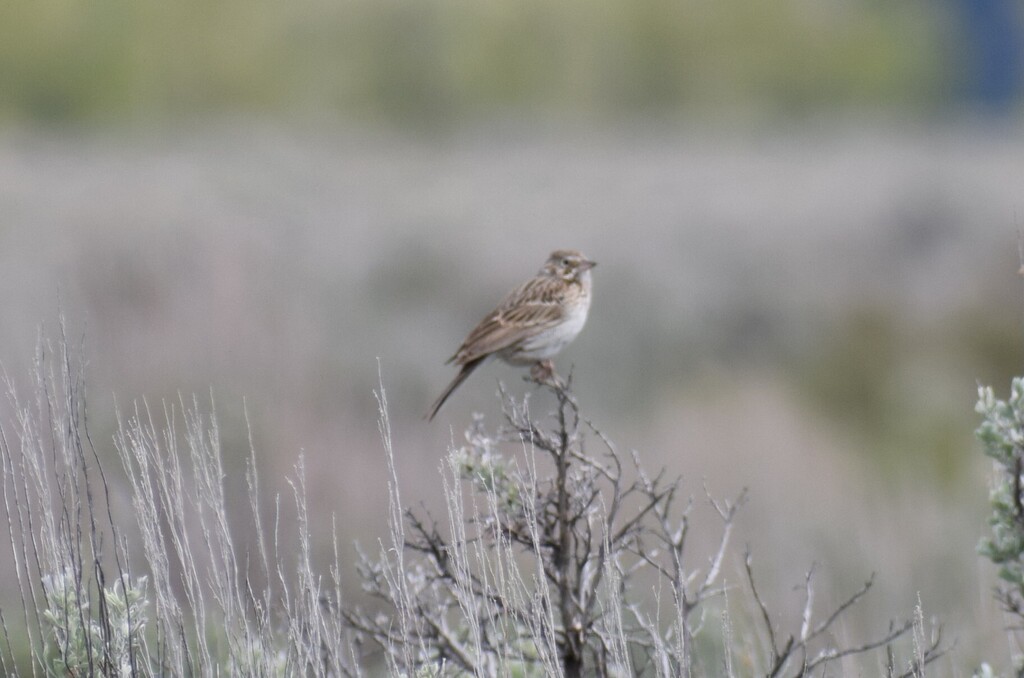
Plants 65
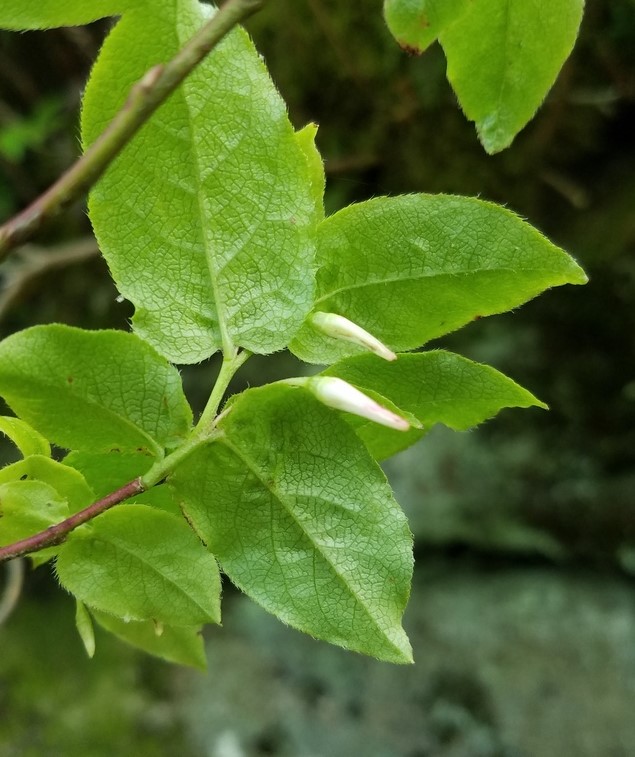
- Mountain Highbush BlueberryVaccinium simulatum
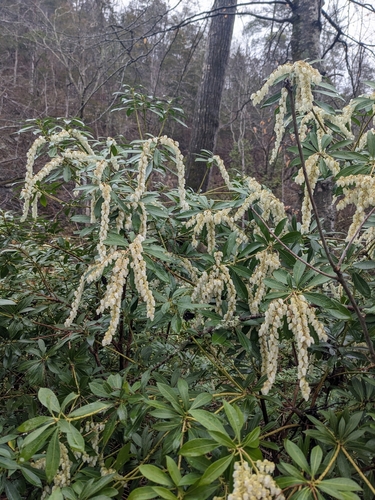
- Mountain AndromedaPieris floribunda
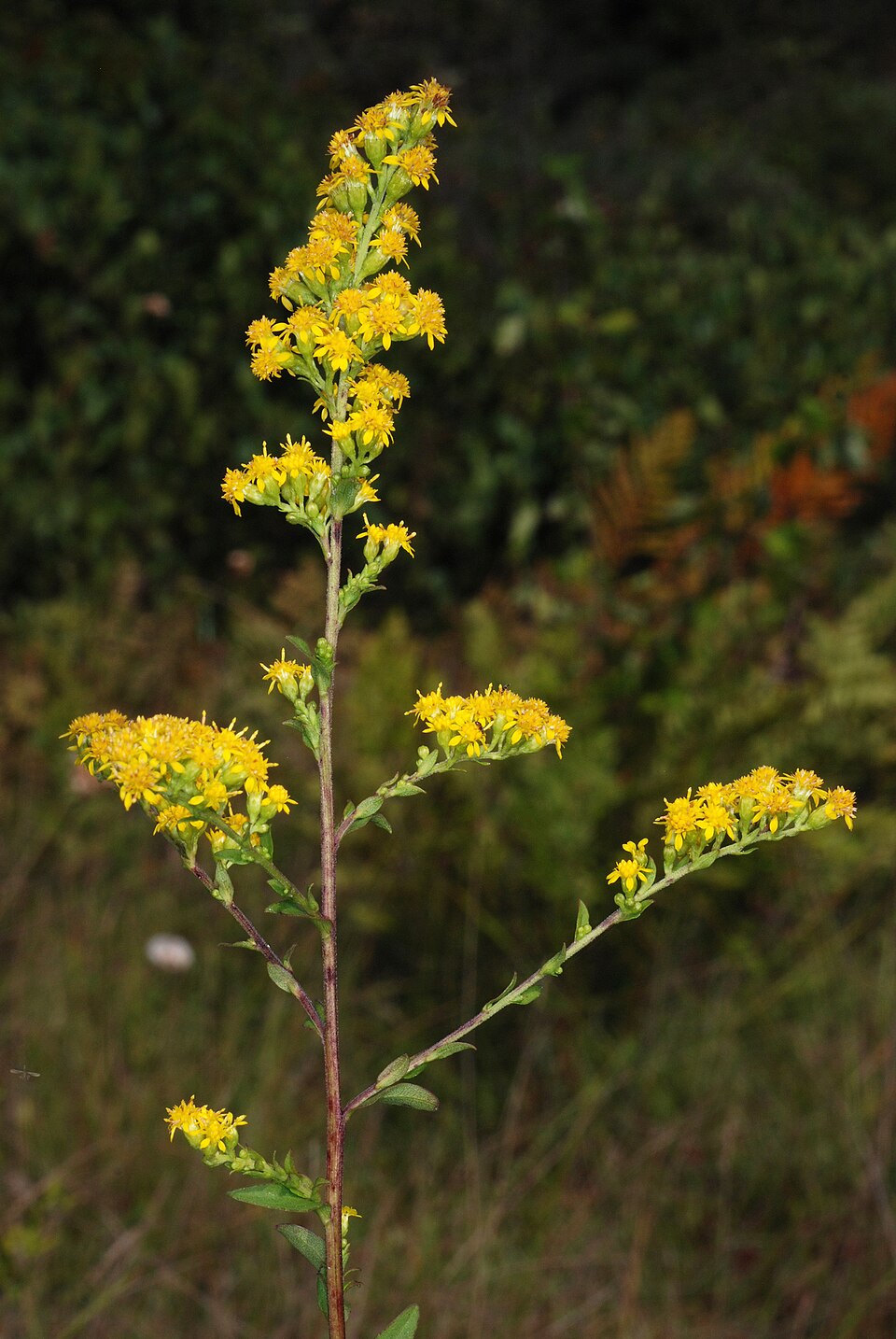
- Atlantic GoldenrodSolidago arguta var. caroliniana
- Smooth BlackberryRubus canadensis
- Southern Mountain CranberryVaccinium erythrocarpum
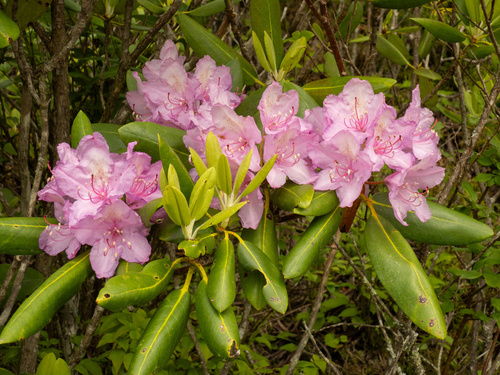
- Catawba RhododendronRhododendron catawbiense
- Northern Roughleaf GoldenrodSolidago patula
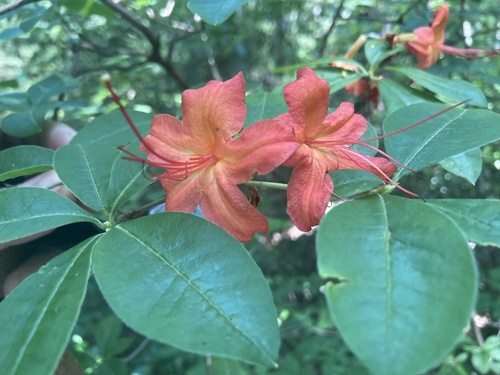
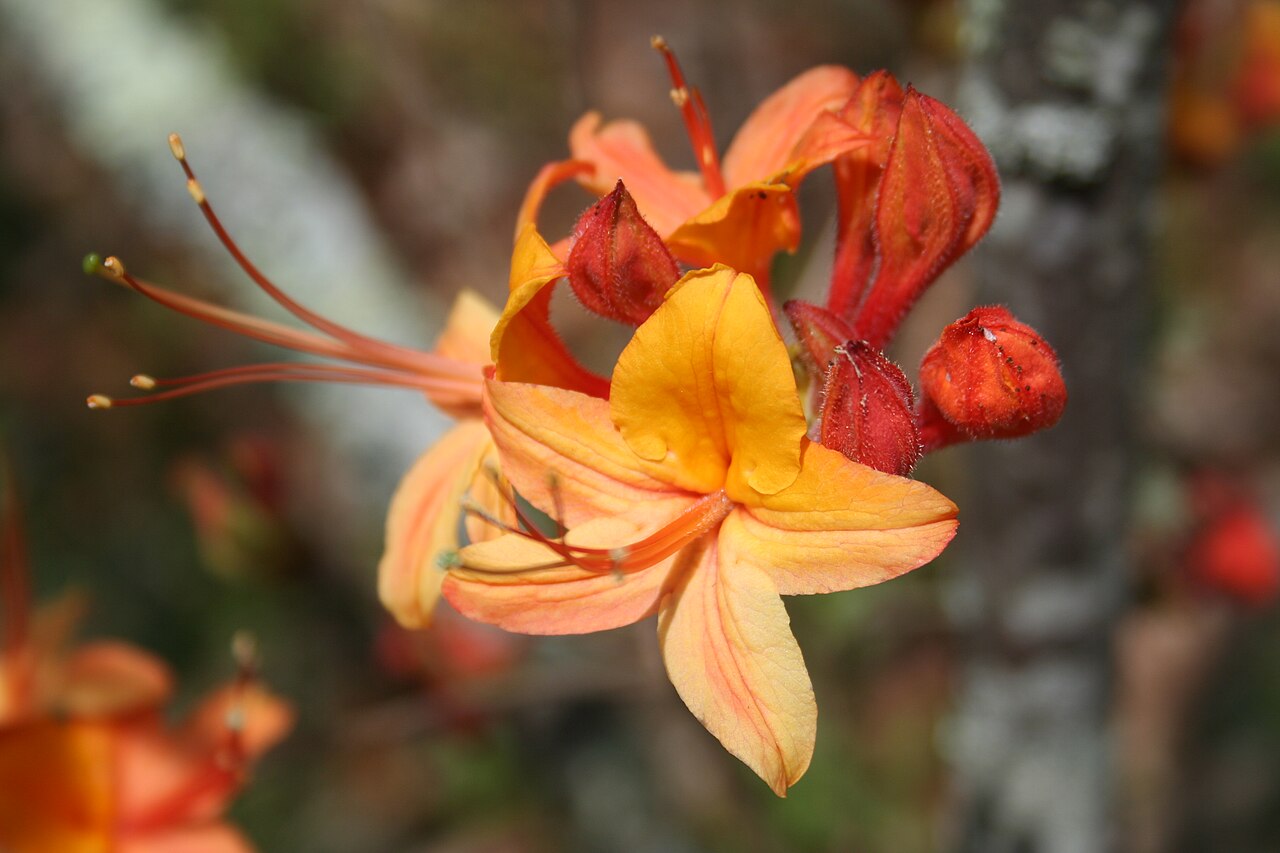
- Cumberland AzaleaRhododendron cumberlandense
- Flame AzaleaRhododendron calendulaceum
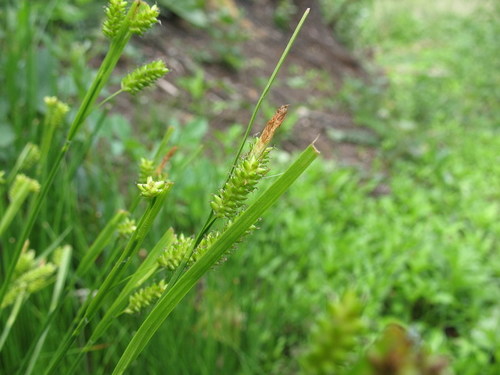
- Pale SedgeCarex pallescens
- Heller's Blazing-starLiatris helleri
- Filmy AngelicaAngelica triquinata
Shale barrens
Birds 22
- Snowy OwlBubo scandiacus
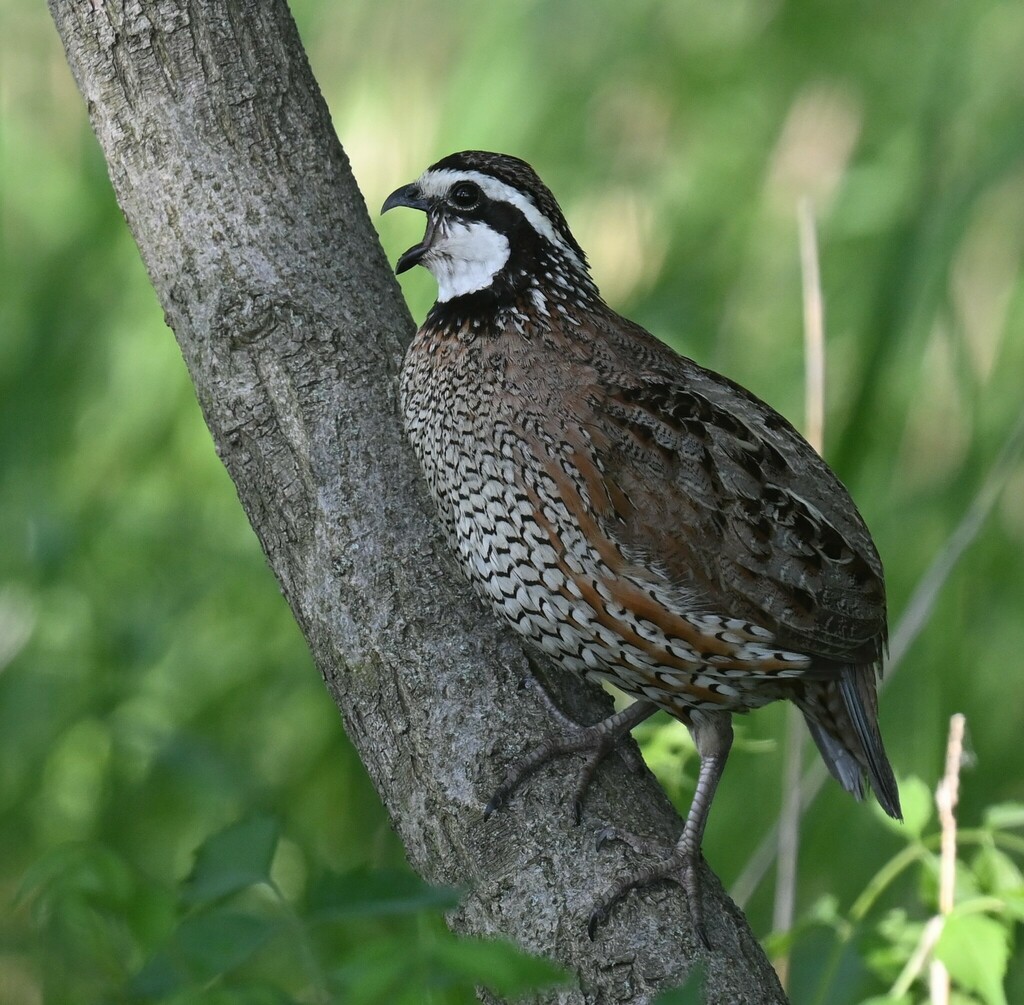
- Northern BobwhiteColinus virginianus
- Short-eared OwlAsio flammeus
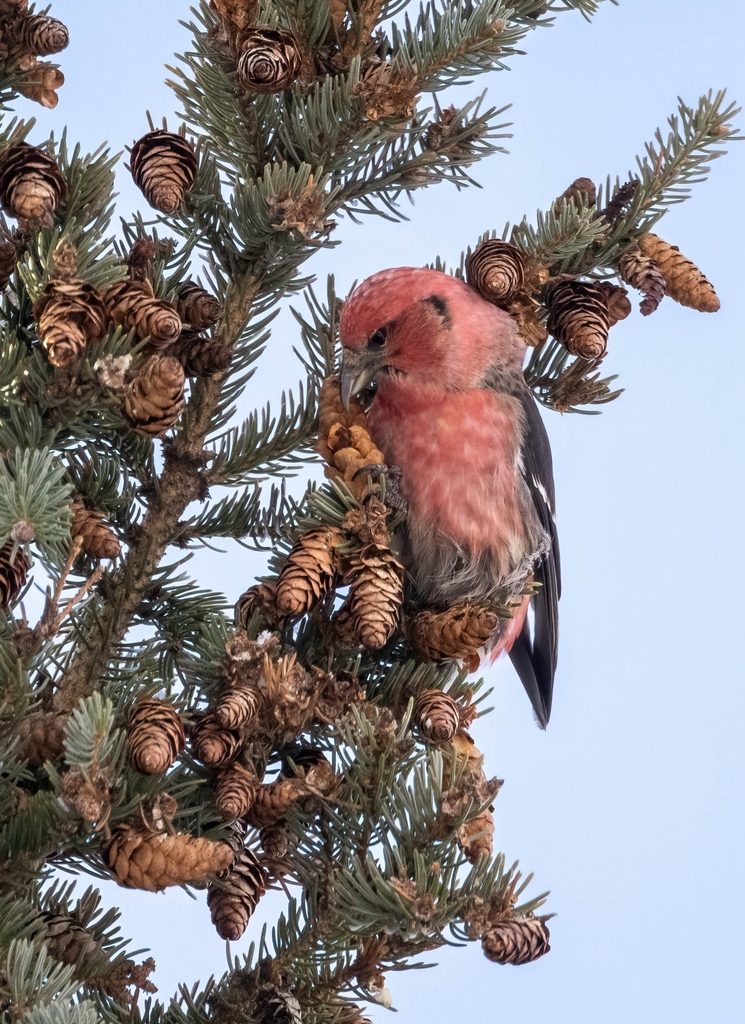
- White-winged CrossbillLoxia leucoptera
- Golden EagleAquila chrysaetos
- Rough-legged HawkButeo lagopus
- Loggerhead ShrikeLanius ludovicianus
- Eastern BluebirdSialia sialis
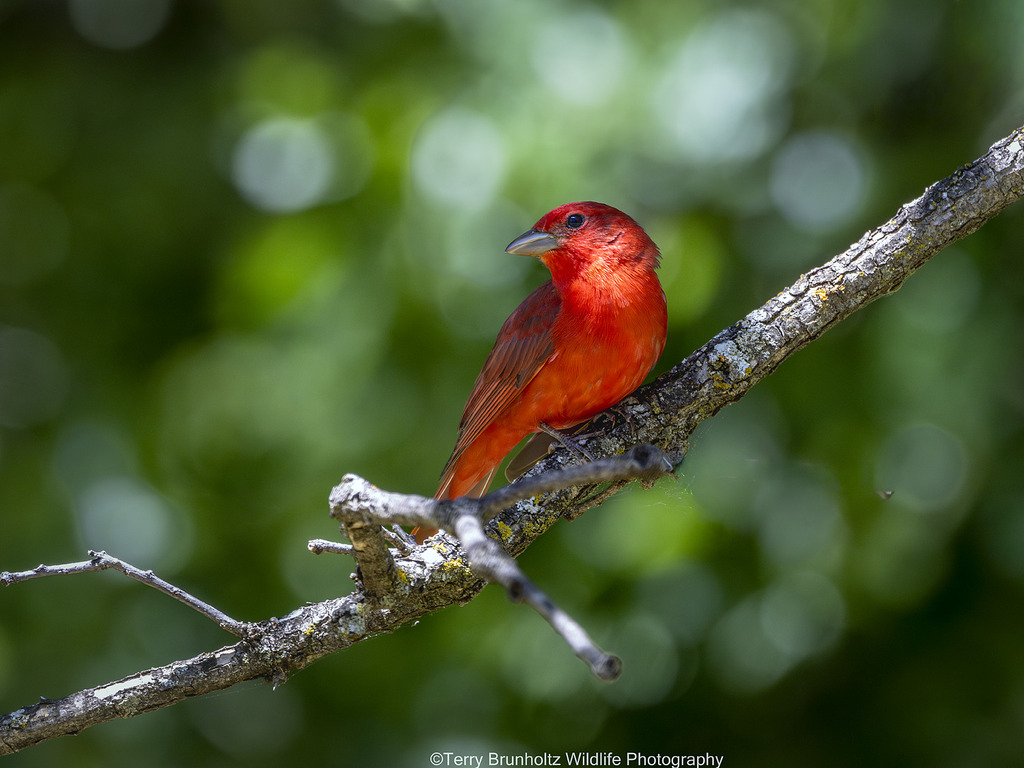
- Summer TanagerPiranga rubra
- Eastern PhoebeSayornis phoebe
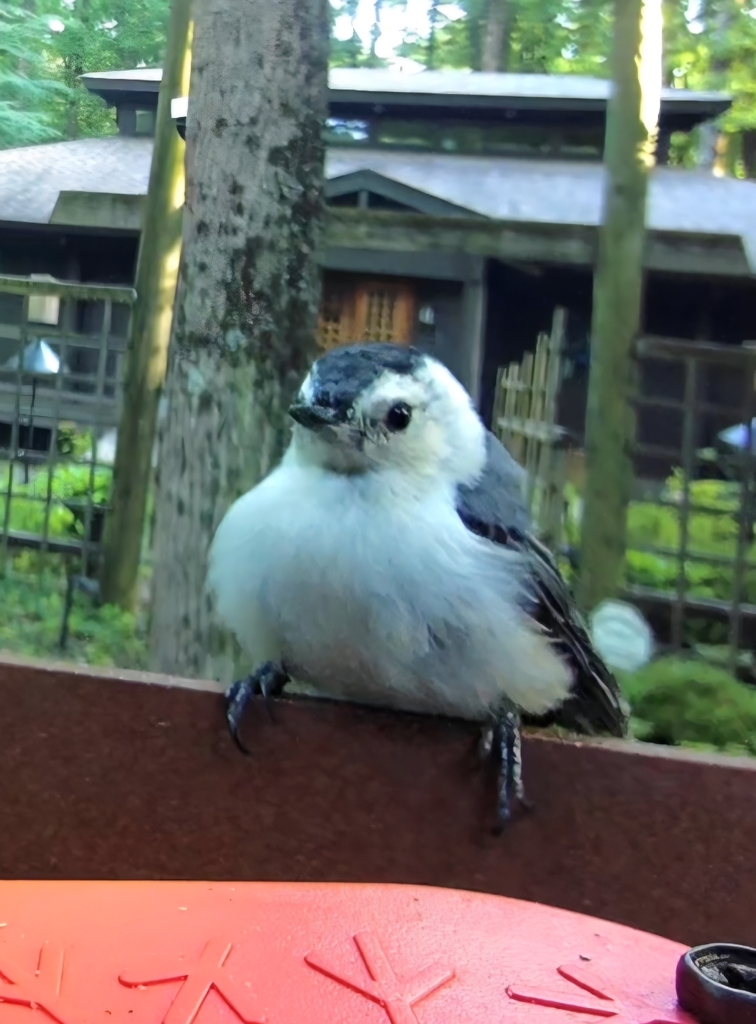
- White-breasted NuthatchSitta carolinensis
- Eurasian Collared-doveStreptopelia decaocto



Plants 36
- Ozark Milkvetch, Bent MilkvetchAstragalus distortus var. distortus
- Shale Barren Nodding OnionAllium oxyphilum
- White-haired LeatherflowerClematis albicoma
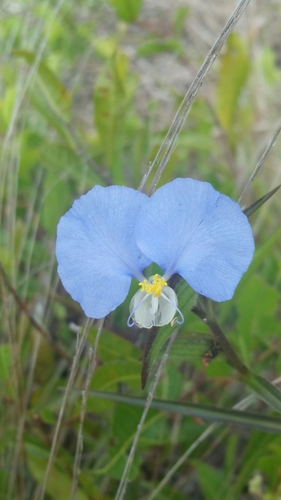
- Commelina erecta var. angustifoliaCommelina erecta var. angustifolia
- Shale-barren PussytoesAntennaria virginica
- Shale Barren Rock CressBorodinia serotina
- Kates Mountain CloverTrifolium virginicum
- Shale-barren RagwortPackera antennariifolia
- Bear OakQuercus ilicifolia
- Chestnut OakQuercus prinus
- Shale Barren Evening-primroseOenothera argillicola
- Shale Barren Wild BuckwheatEriogonum allenii
Sources
- USGS Gap Analysis Project habitat models (2001)
- USGS GAP winter habitat model for Horned Lark
- USGS Gap Analysis Project range maps (2001), modeled by watershed; migratory gives no dates
- NatureServe Explorer (CC BY 4.0), habitat names
- US Census TIGER/Line counties
- Names follow the USGS Gap Analysis Project (2001)
- Avian Diet Database (Hurlbert Lab) (CC0 1.0), diet records by plant genus