

Bird
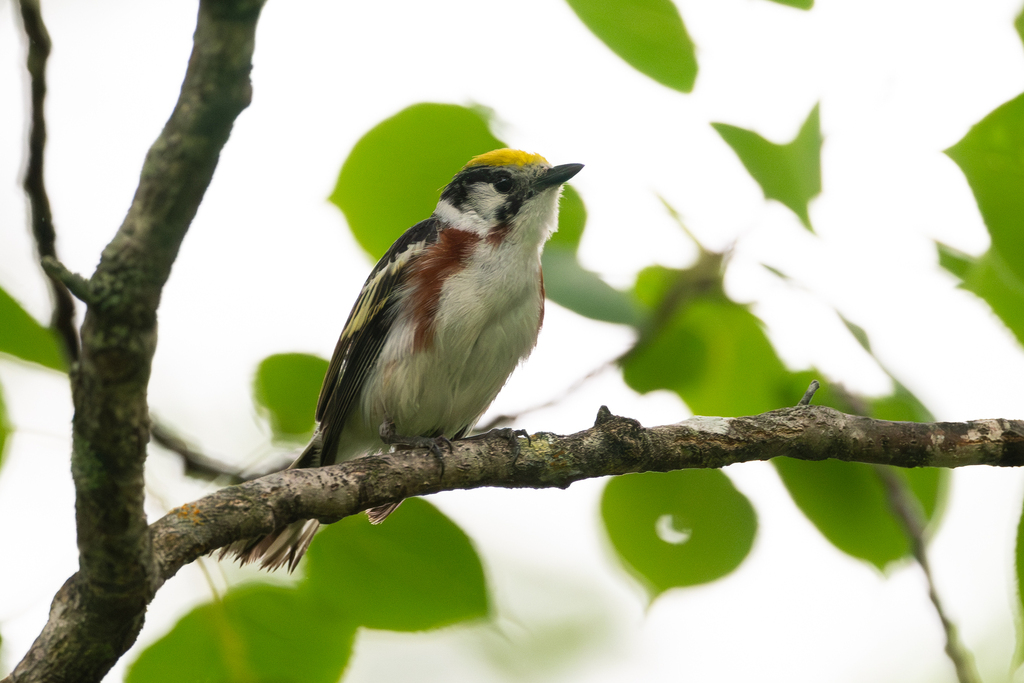
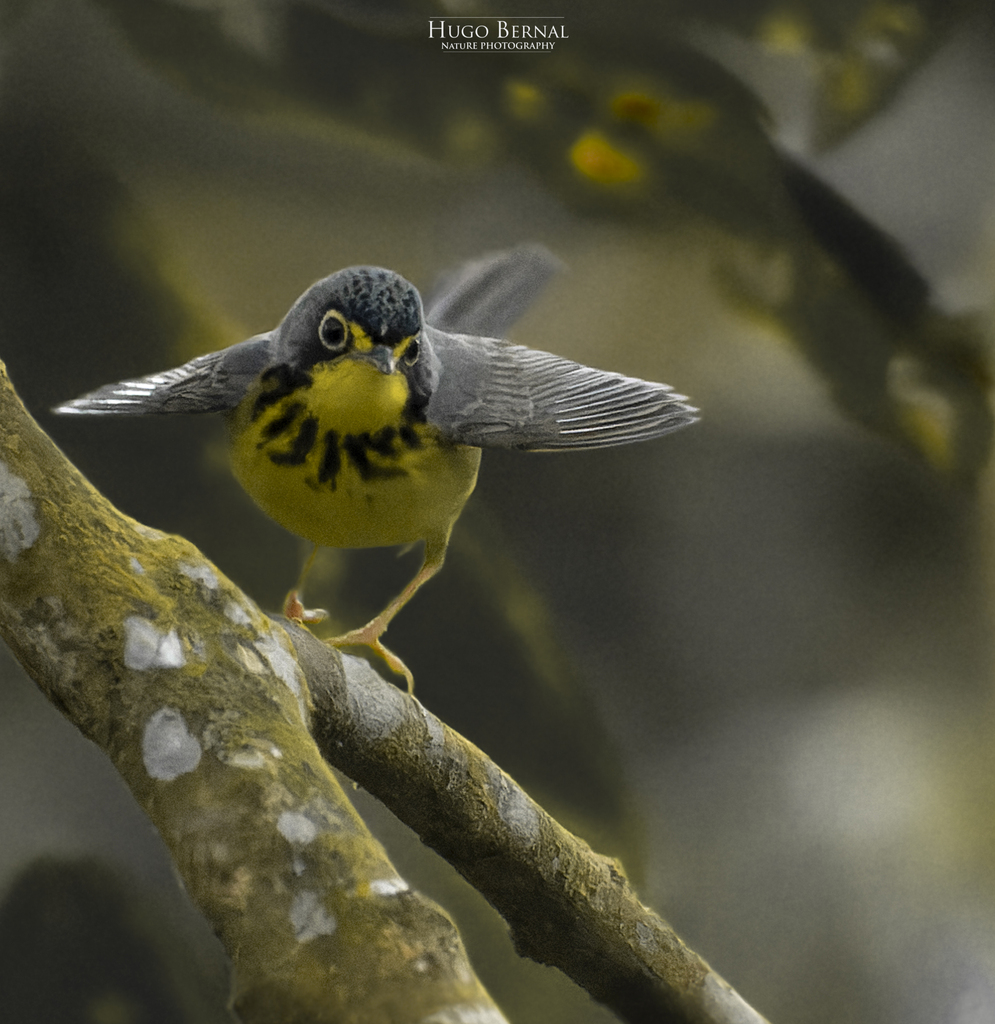
Chestnut-sided Warbler
Dendroica pensylvanica
A summer resident that nests in North Carolina. Found in all 100 counties, across 17 habitats.
- Here
- Summer and on migration
- Nesting
- Nests here
- Range
- All 100 counties
- Habitats
- 17
At a glance
- Group
- Birds
- Here
- Summer and on migration
- Nesting
- Nests here
- Range
- All 100 counties
- Habitats
- 17
- Habitat models
- Summer
Where it lives
The places its habitat model includes. It is not found everywhere a habitat occurs.
Habitats in North Carolina 17
Each habitat page lists the plants and wildlife also found there.
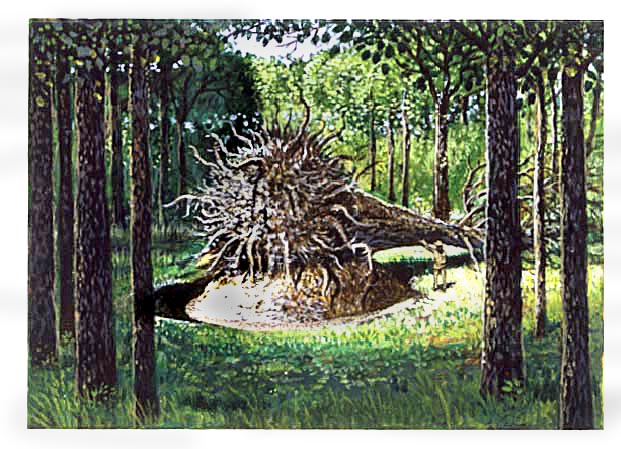
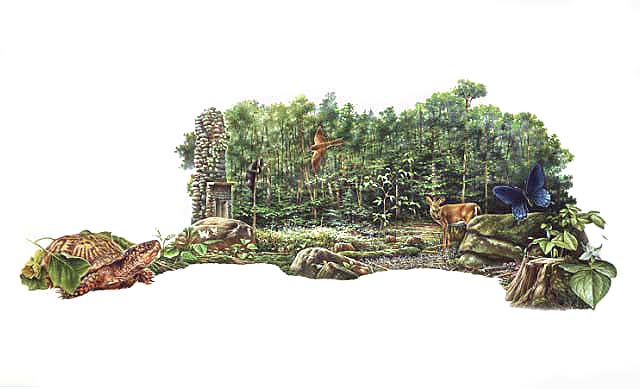
Floodplain and bottomland forests

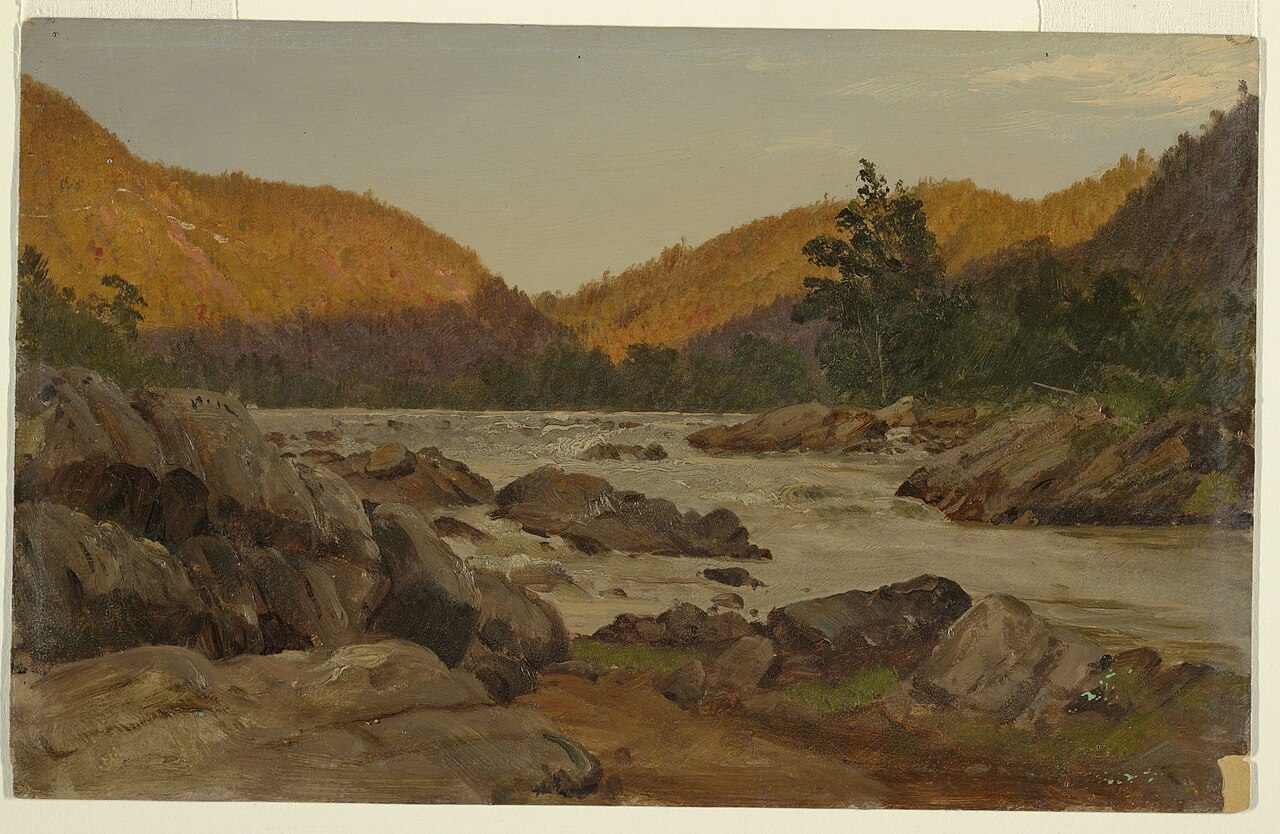
Streams, rivers and their banks
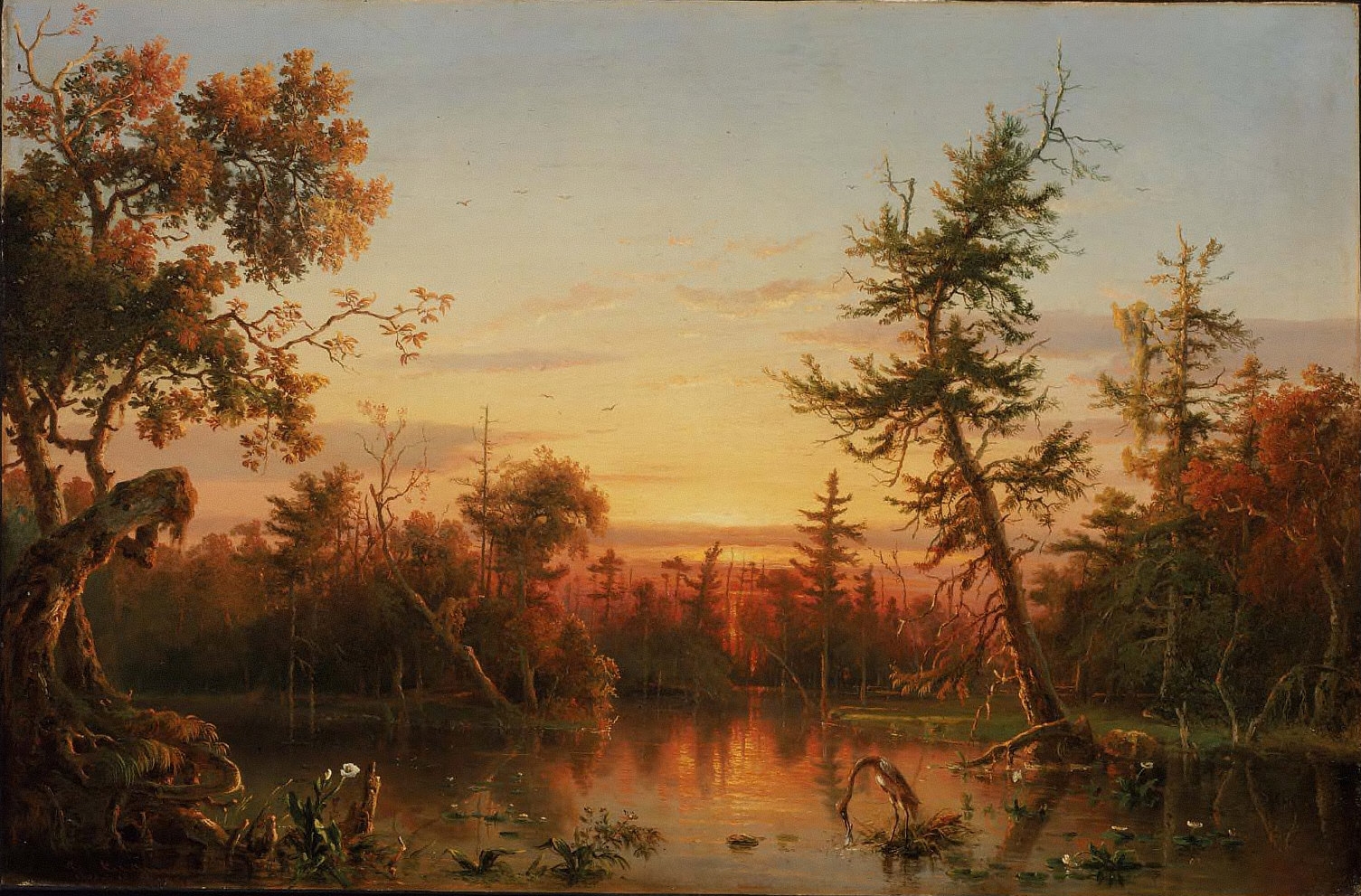
Disturbed and introduced wetlands
Wet ground taken over by weedy or introduced plants after disturbance, such as common reed, Chinese tallow or tamarisk stands; the upland counterpart is roadsides, fields and disturbed ground.
Forests and open woodlands on dry ridges and slopes, often oak or pine.
Borders of forests, clearings and shrubby thickets.
Forests between dry and moist, often oak-hickory on slopes.
Forests on moist but not wet ground, such as rich slopes and ravines.
Treeless grassy or shrubby summits and ridges in the high mountains.
Wet, open, peaty mountain wetlands fed by seepage, often with sphagnum moss.
High mountain forests of beech, yellow birch and sugar maple, including boulderfield forests.
Open, wet, grassy or sedgy ground that is not a bog.

Roadsides, fields and disturbed ground
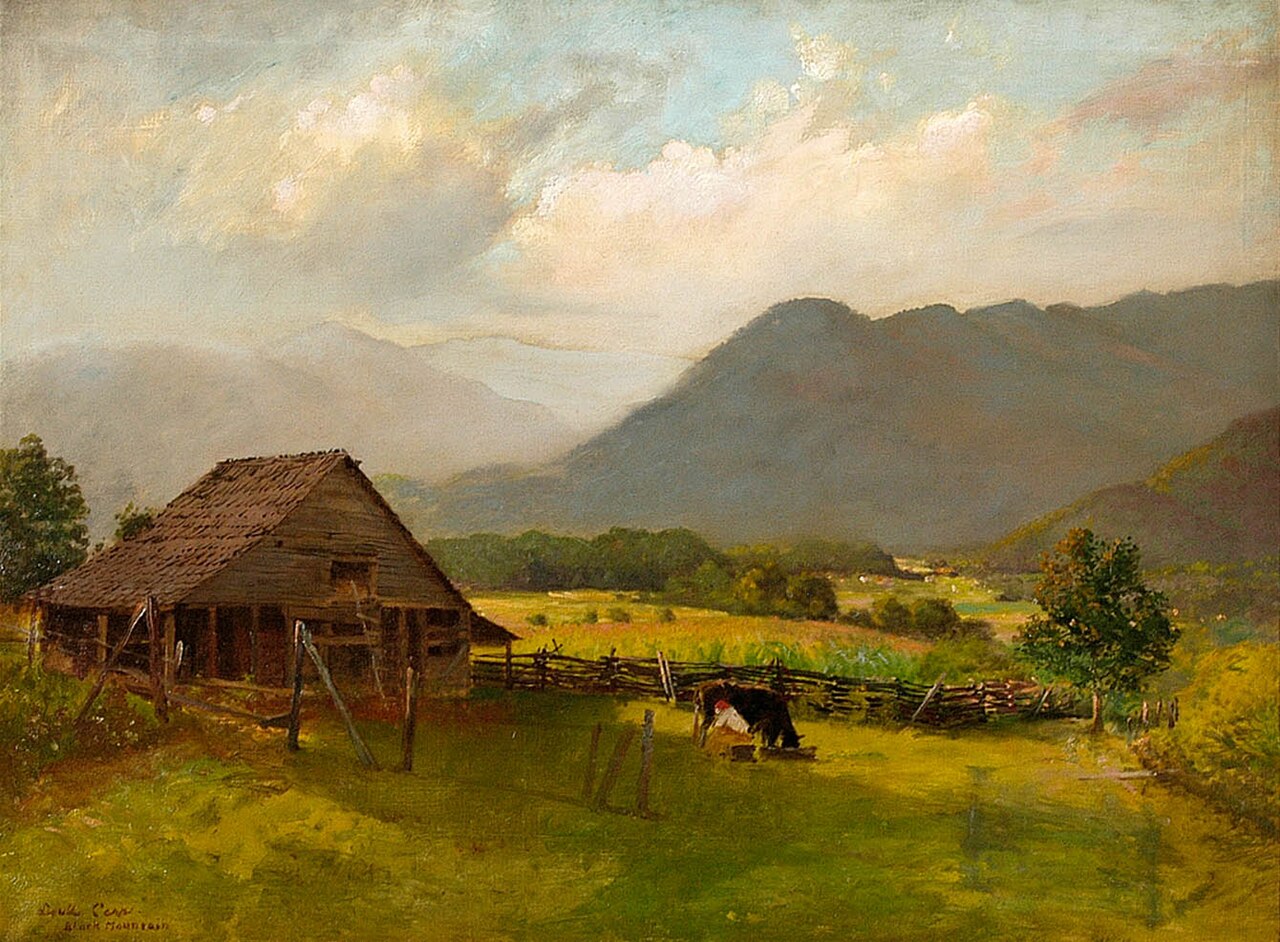
Tree plantations and managed pine
Planted or intensively managed stands of pine or hardwoods grown for timber; a land use rather than a natural community.
Other habitats in its models (19)
Land cover, or classes with no habitat page in North Carolina. Those recorded in North Carolina first, the rest by region.
Elsewhere in the South (3)
- South-Central Interior Mesophytic Forest Summer.
- Southern Interior Low Plateau Dry-Mesic Oak Forest Summer.
- Southern Ridge and Valley Dry Calcareous Forest Summer.
Northeast (2)
- Central Appalachian Alkaline Glade and Woodland Summer.
- Central Appalachian Oak and Pine Forest Summer, beside its main habitat.
Land cover and other classes (14)
- Allegheny-Cumberland Dry Oak Forest and Woodland - Hardwood Summer.
- Allegheny-Cumberland Dry Oak Forest and Woodland - Pine Modifier Summer, beside its main habitat.
- Central Appalachian Floodplain - Forest Modifier Summer.
- Central Appalachian Riparian - Forest Modifier Summer.
- Introduced Upland Vegetation - Shrub Summer.
- Northeastern Interior Dry Oak Forest - Mixed Modifier Summer, beside its main habitat.
- Northeastern Interior Dry Oak Forest - Virginia/Pitch Pine Modifier Summer, beside its main habitat.
- Recently Burned Summer.
- Recently Burned Forest Summer.
- Recently Burned Shrubland Summer.
- Recently Logged Areas Summer.
- Southern Piedmont Dry Oak-(Pine) Forest - Mixed Modifier Summer, beside its main habitat.
- Southern Piedmont Dry Oak-Heath Forest - Mixed Modifier Summer, beside its main habitat.
- Southern Ridge and Valley Dry Calcareous Forest - Pine modifier Summer, beside its main habitat.
Seasons in North Carolina
- Migratory: does not nest here, in 86 of 100 counties.
- Summer: nests here, in 24 of 100 counties.
Also found in its main habitats
Its main habitats in North Carolina, by how much of its habitat model each one is, with the birds most characteristic of each and the plants that grow wild there. Shared habitat, not food.
Chestnut-sided Warbler uses many habitats in North Carolina; these are its 3 most characteristic.
Forest edges and thickets
Birds 41
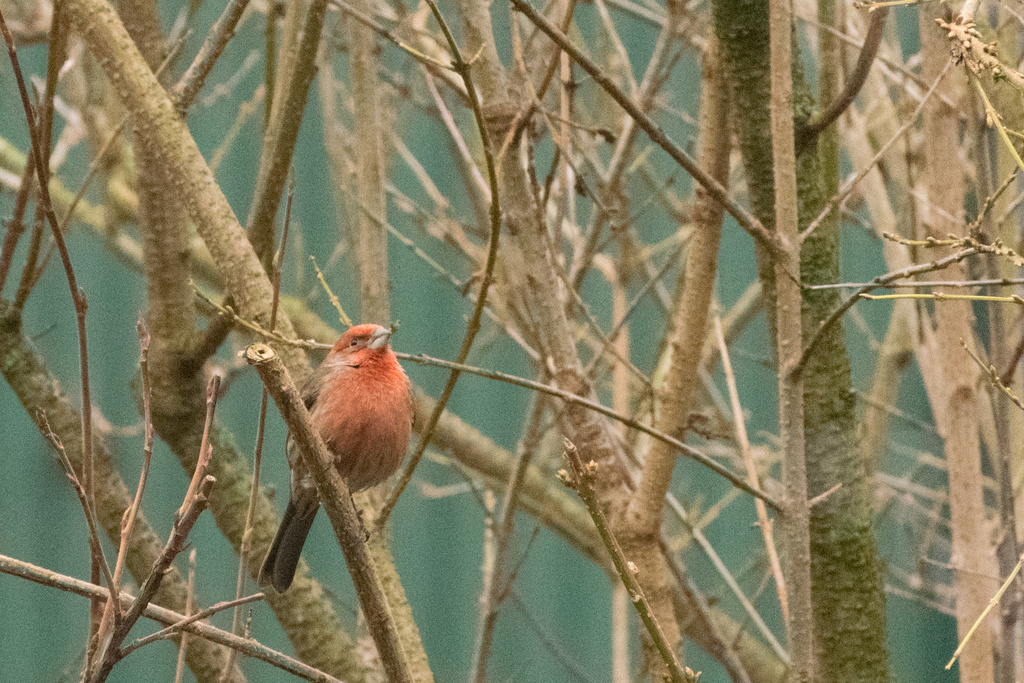
- House FinchCarpodacus mexicanus
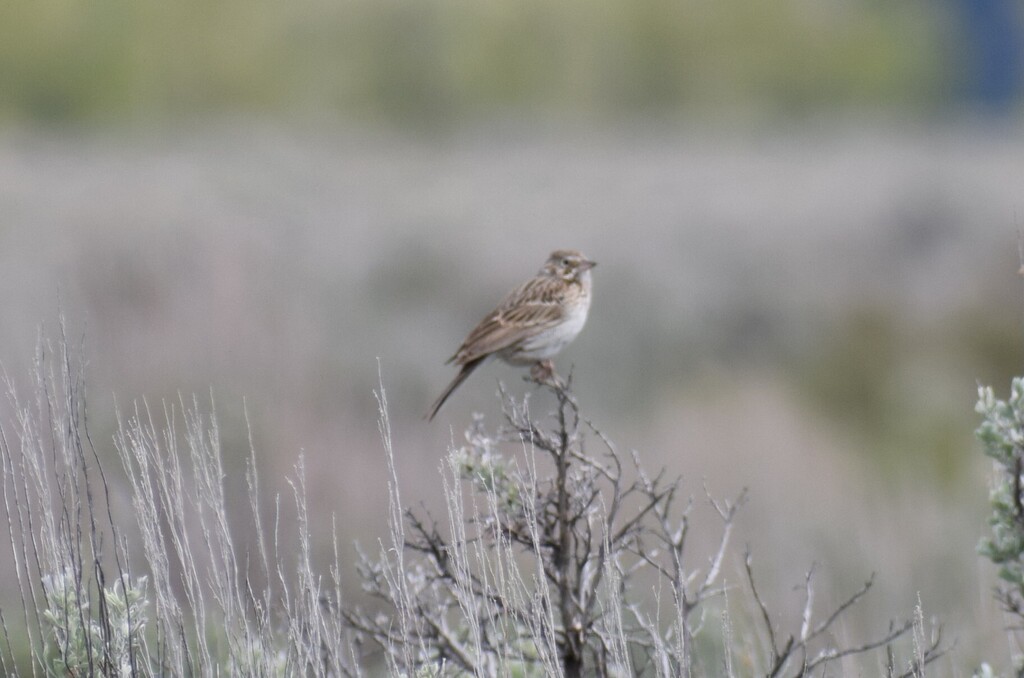
- Vesper SparrowPooecetes gramineus
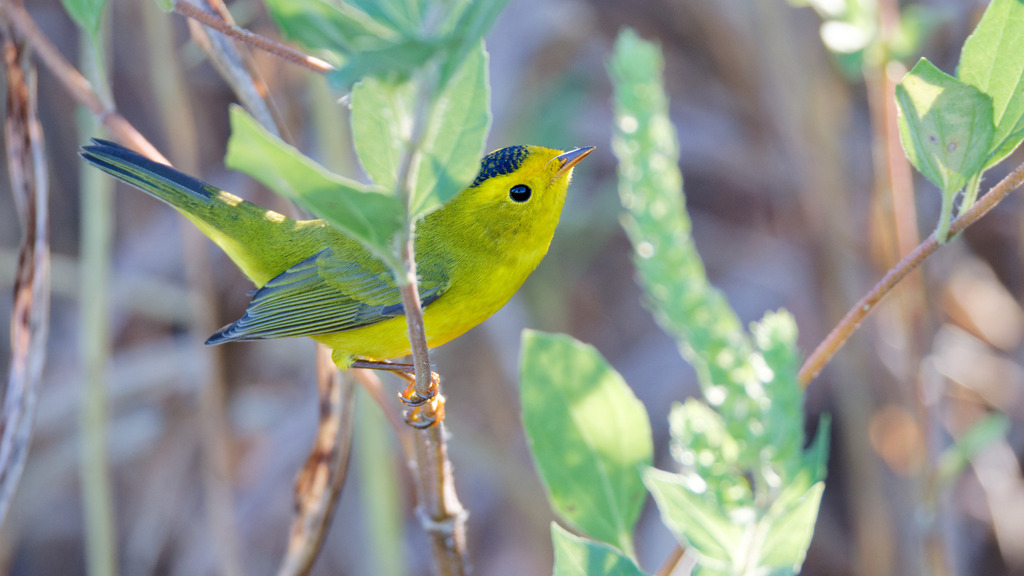
- Wilson's WarblerWilsonia pusilla
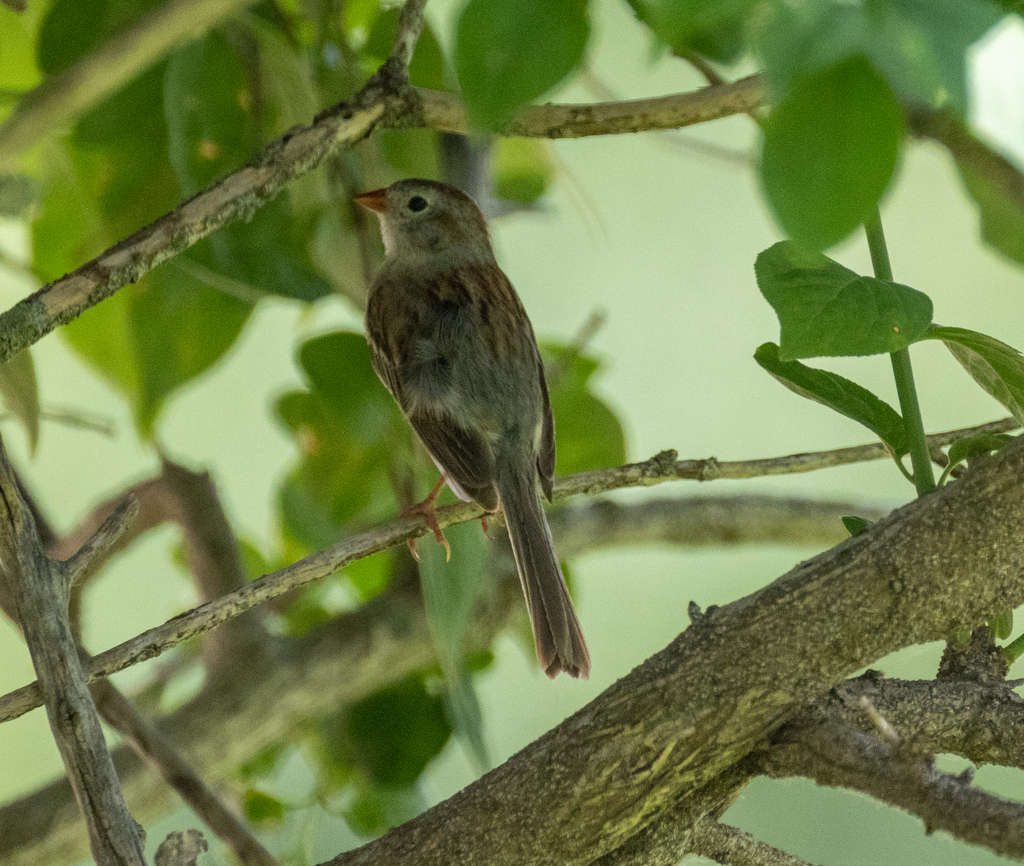
- Field SparrowSpizella pusilla
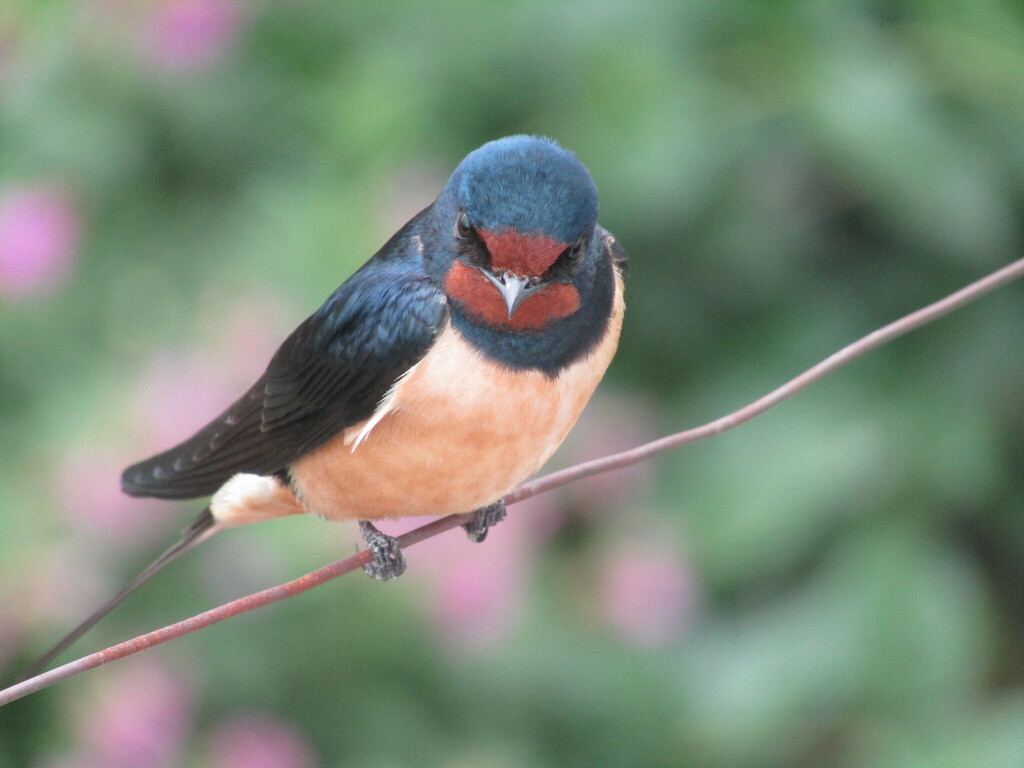
- Barn SwallowHirundo rustica
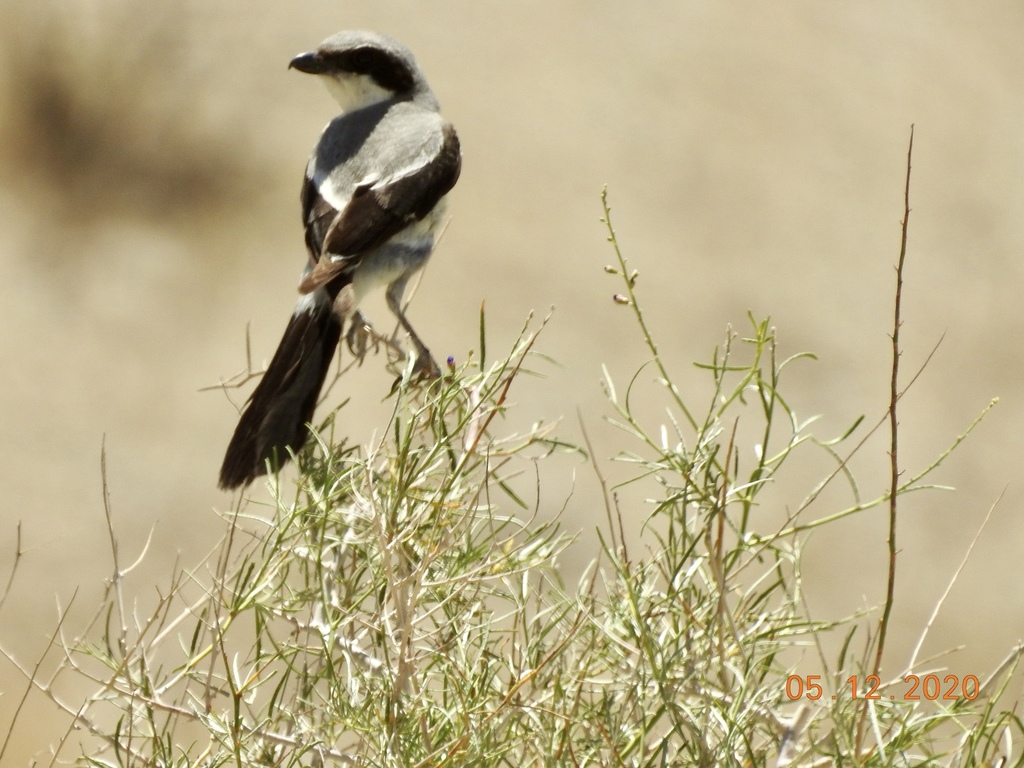
- Loggerhead ShrikeLanius ludovicianus
- Willow FlycatcherEmpidonax traillii
- Brown-headed CowbirdMolothrus ater
- Eastern BluebirdSialia sialis
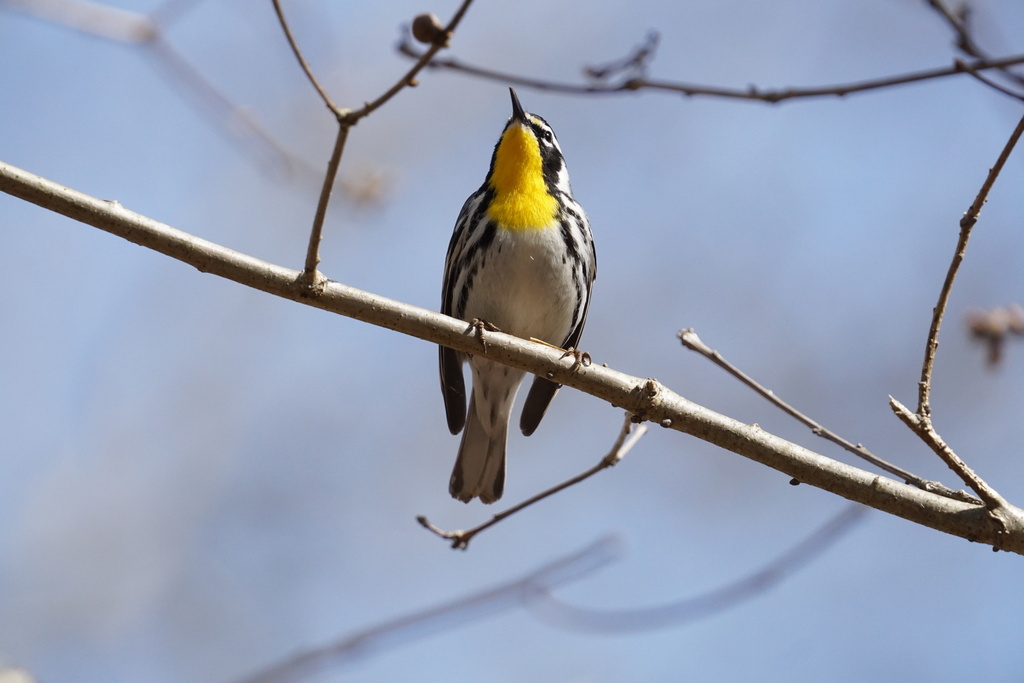
- Yellow-throated WarblerDendroica dominica
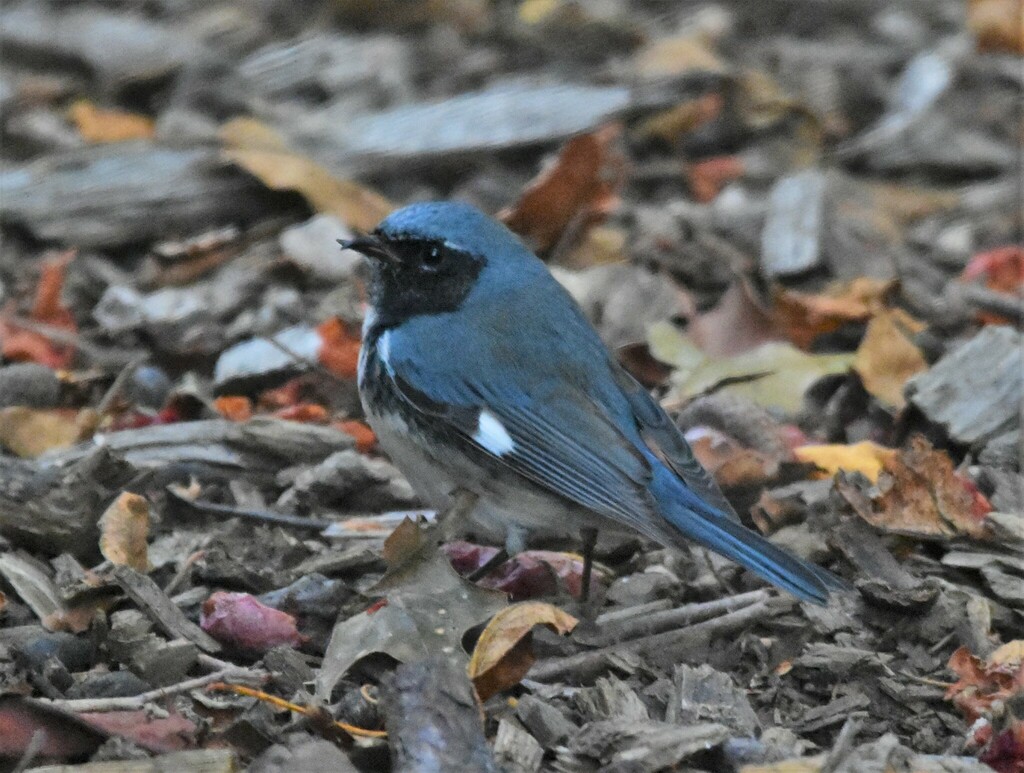
- Black-throated Blue WarblerDendroica caerulescens
- Northern BobwhiteColinus virginianus



Plants 231
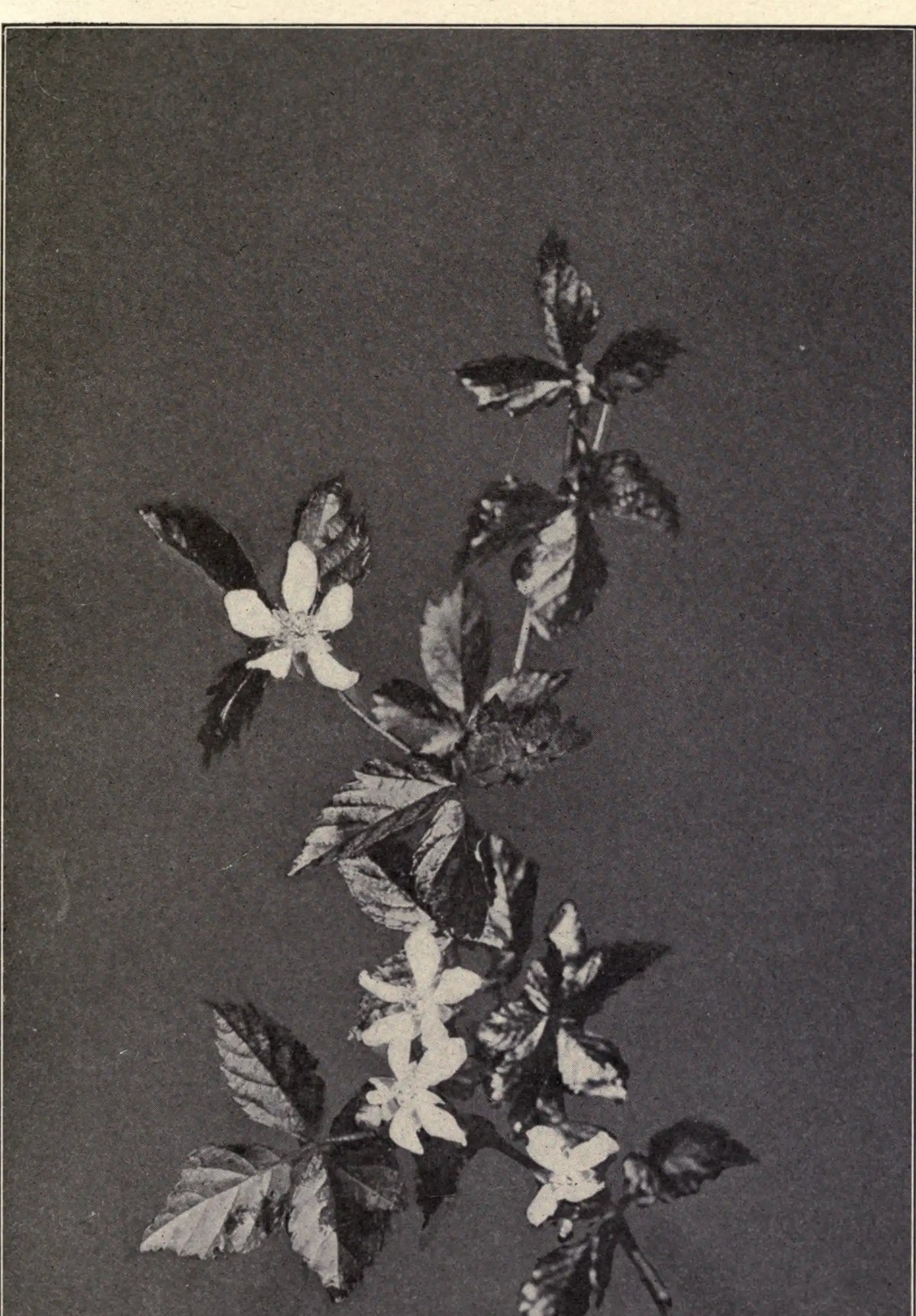
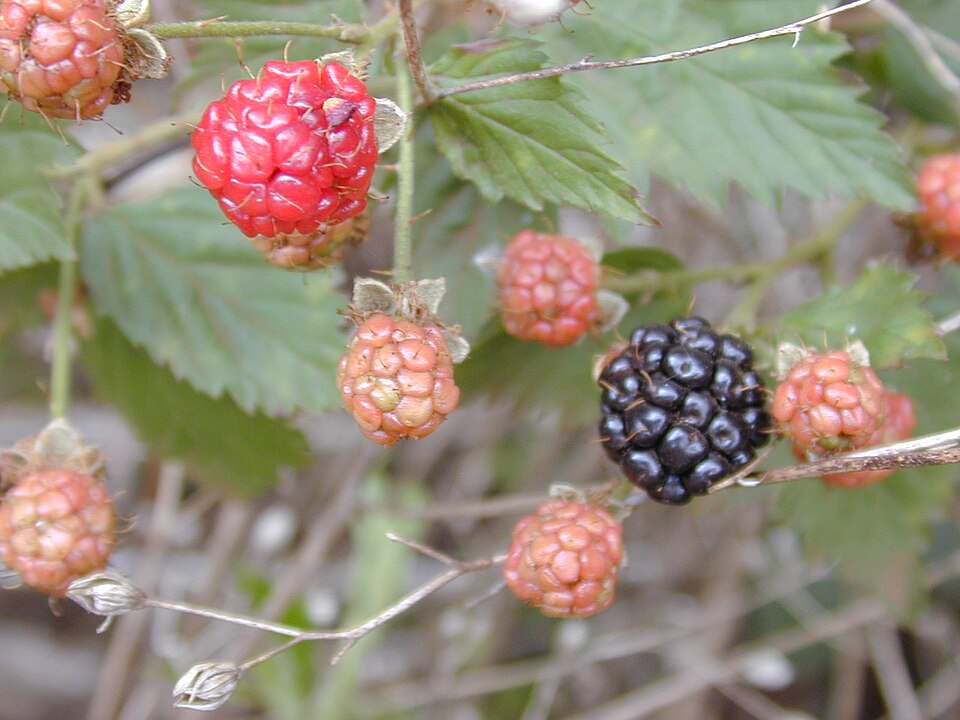
- Bristly BlackberryRubus setosus
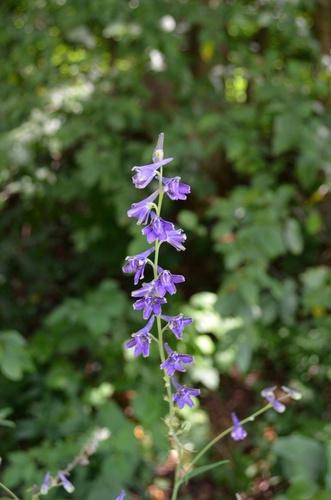
- Tall LarkspurDelphinium exaltatum
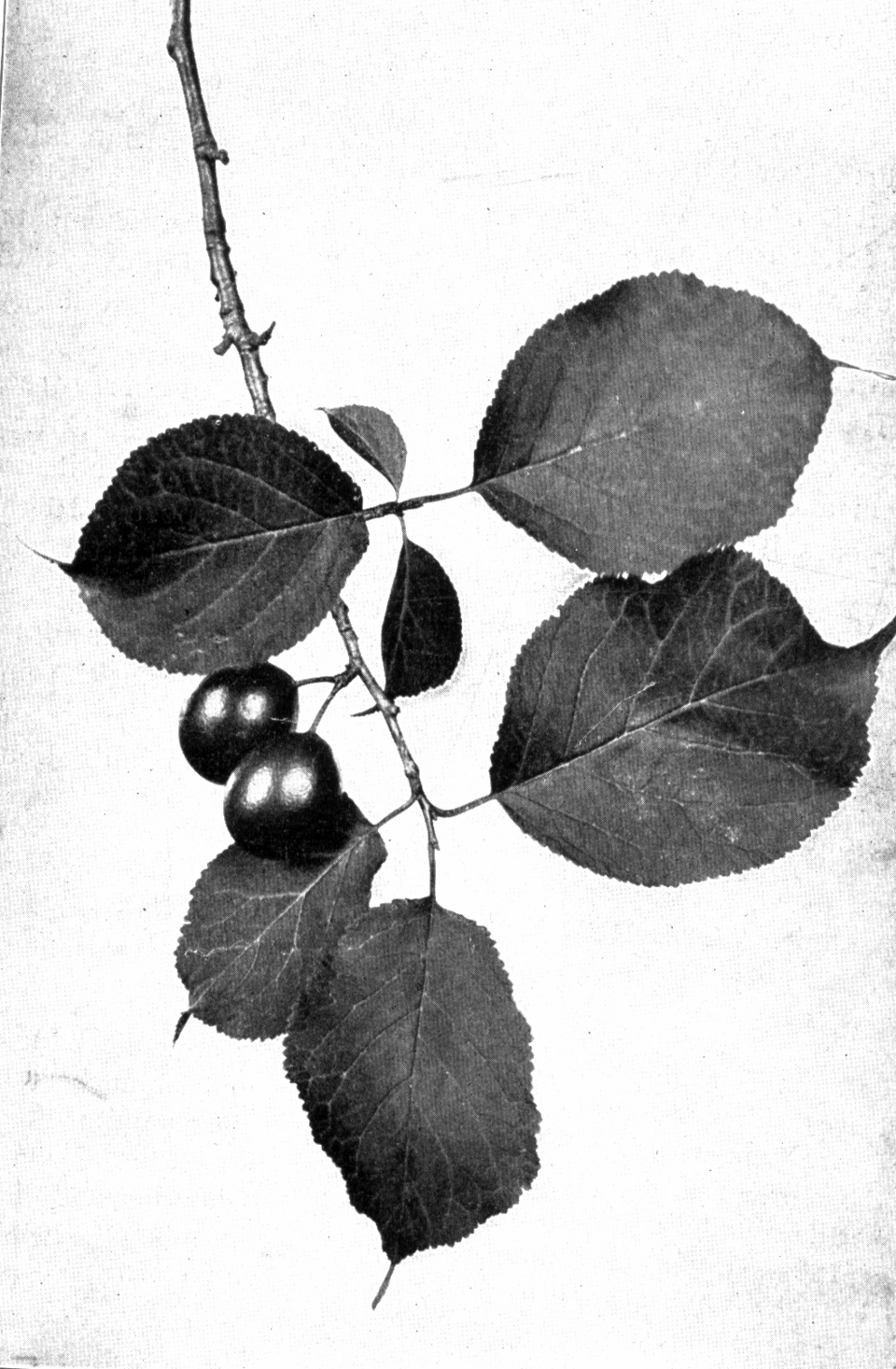
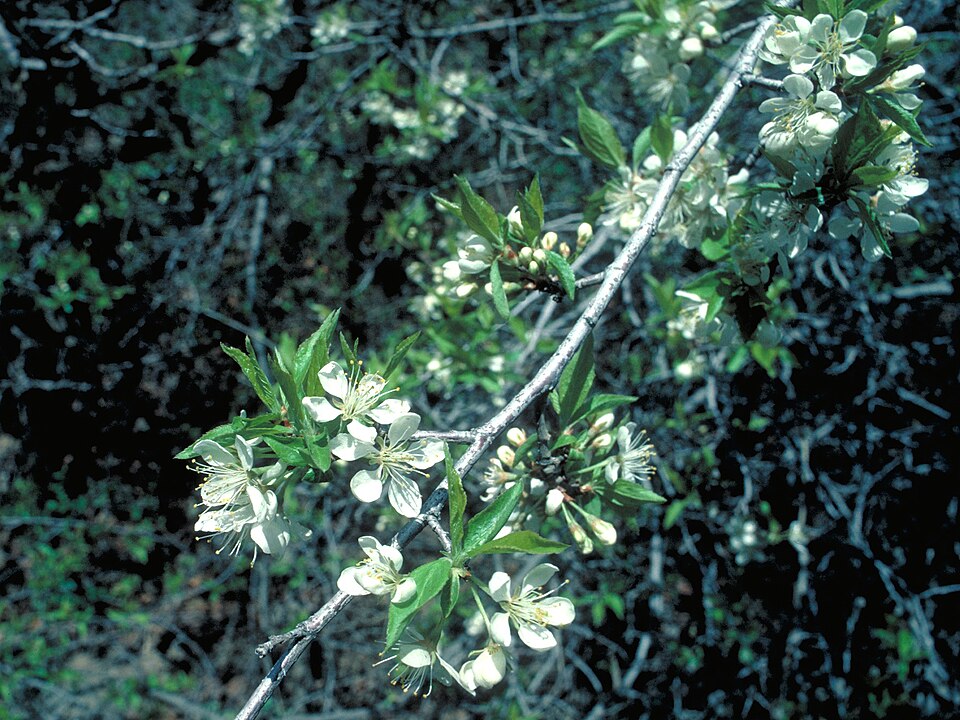
- Canada PlumPrunus nigra
- Fire CherryPrunus pensylvanica
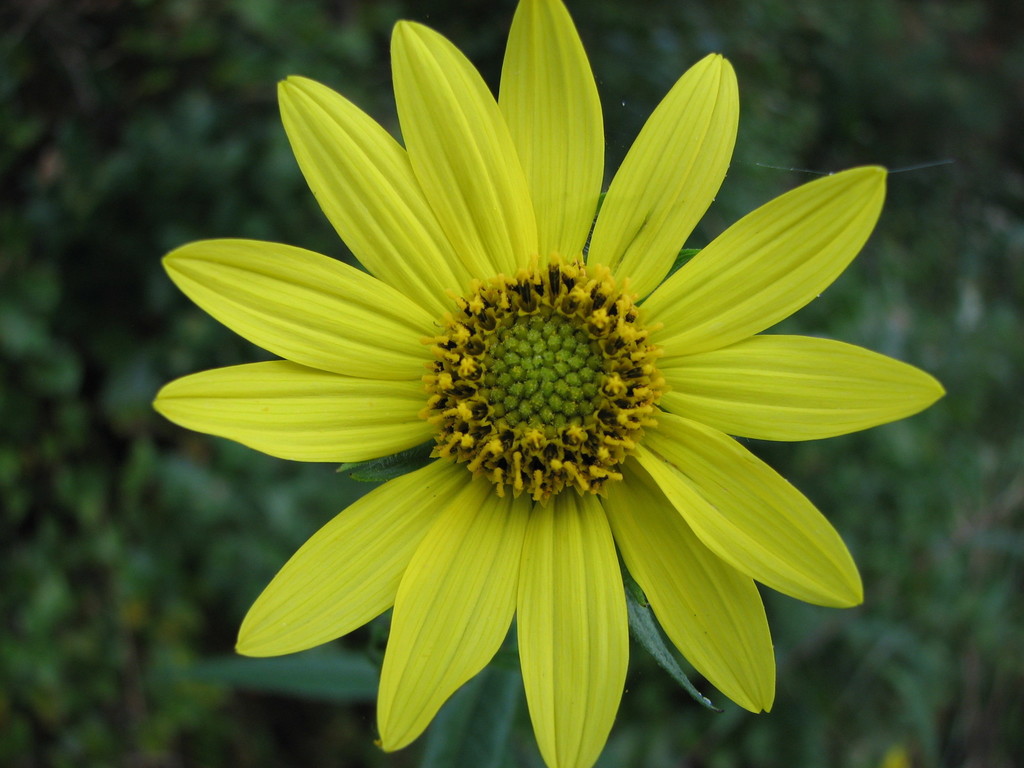
- Giant SunflowerHelianthus giganteus
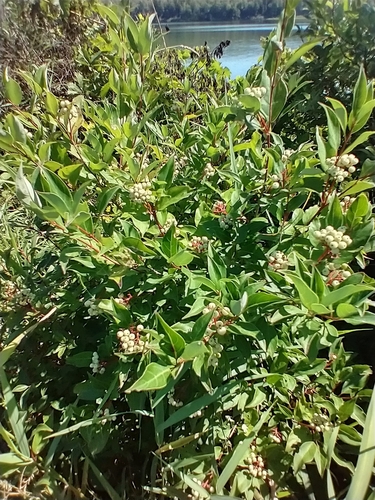
- Gray DogwoodSwida racemosa
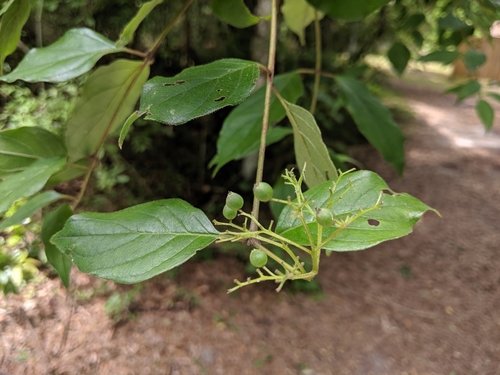
- Roughleaf DogwoodSwida asperifolia
- Southern DewberryRubus trivialis
- Sawtooth BlackberryRubus argutus
- Buffalo CloverTrifolium reflexum
- Cutleaf GoldenrodSolidago arguta
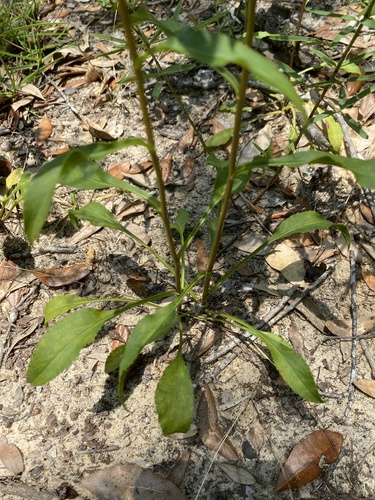
- Hairy LettuceLactuca hirsuta
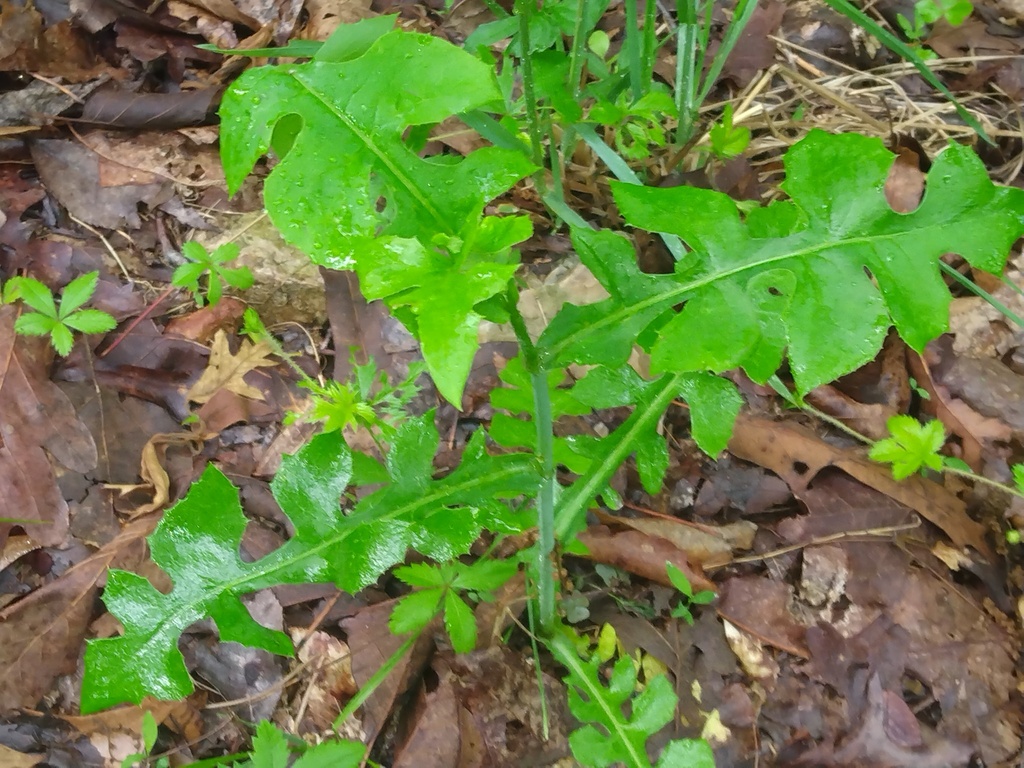
Dry forests and woodlands
Birds 54
- Red CrossbillLoxia curvirostra
- Pine WarblerDendroica pinus
- Red-cockaded WoodpeckerPicoides borealis
- Brown-headed NuthatchSitta pusilla
- Blackburnian WarblerDendroica fusca
- Red-breasted NuthatchSitta canadensis
- Bachman's SparrowAimophila aestivalis
- Brewer's BlackbirdEuphagus cyanocephalus
- Brown-headed CowbirdMolothrus ater
- Canada WarblerWilsonia canadensis
- Eastern BluebirdSialia sialis
- Louisiana WaterthrushSeiurus motacilla
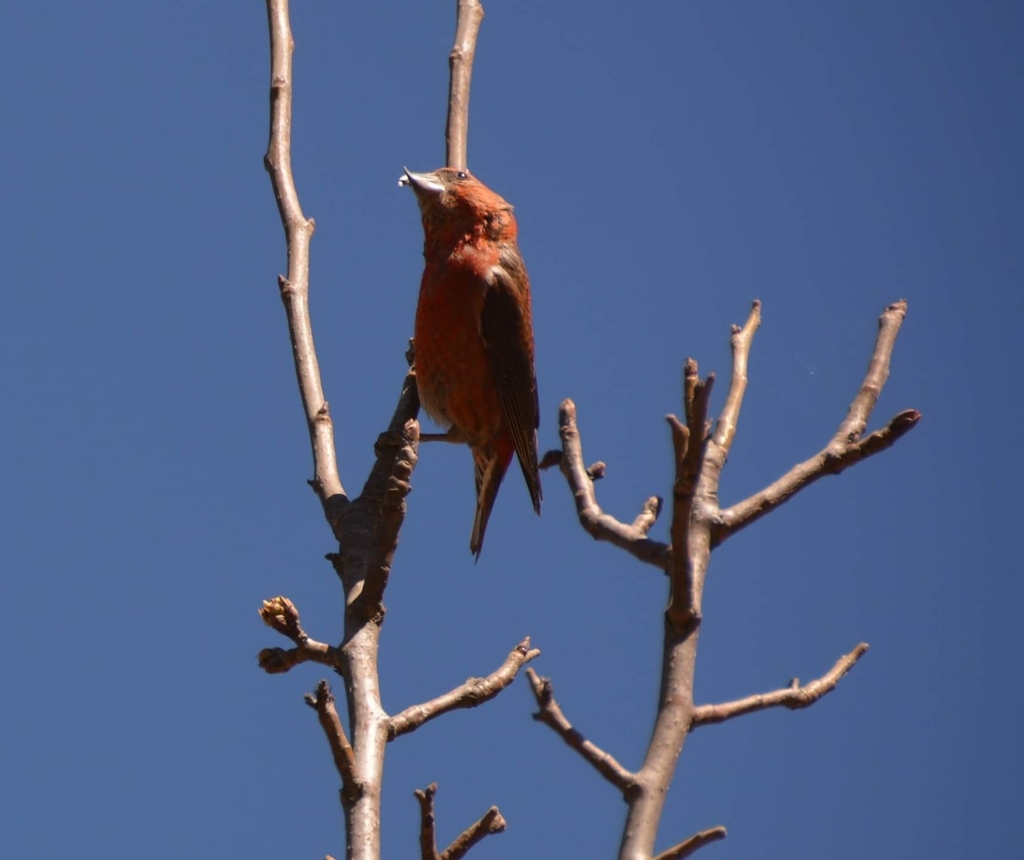
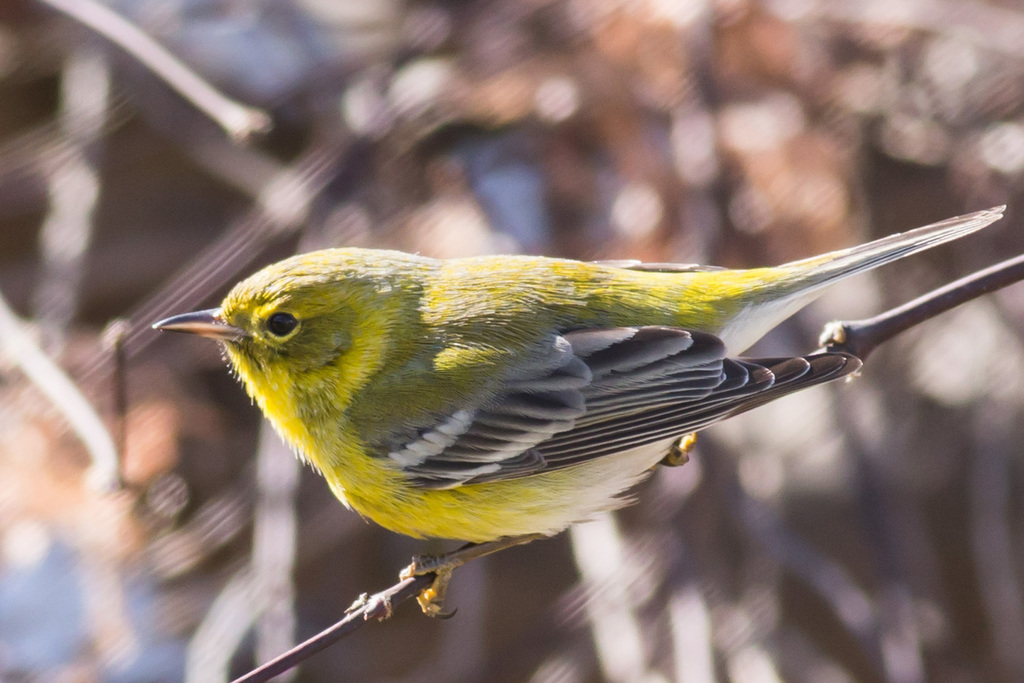
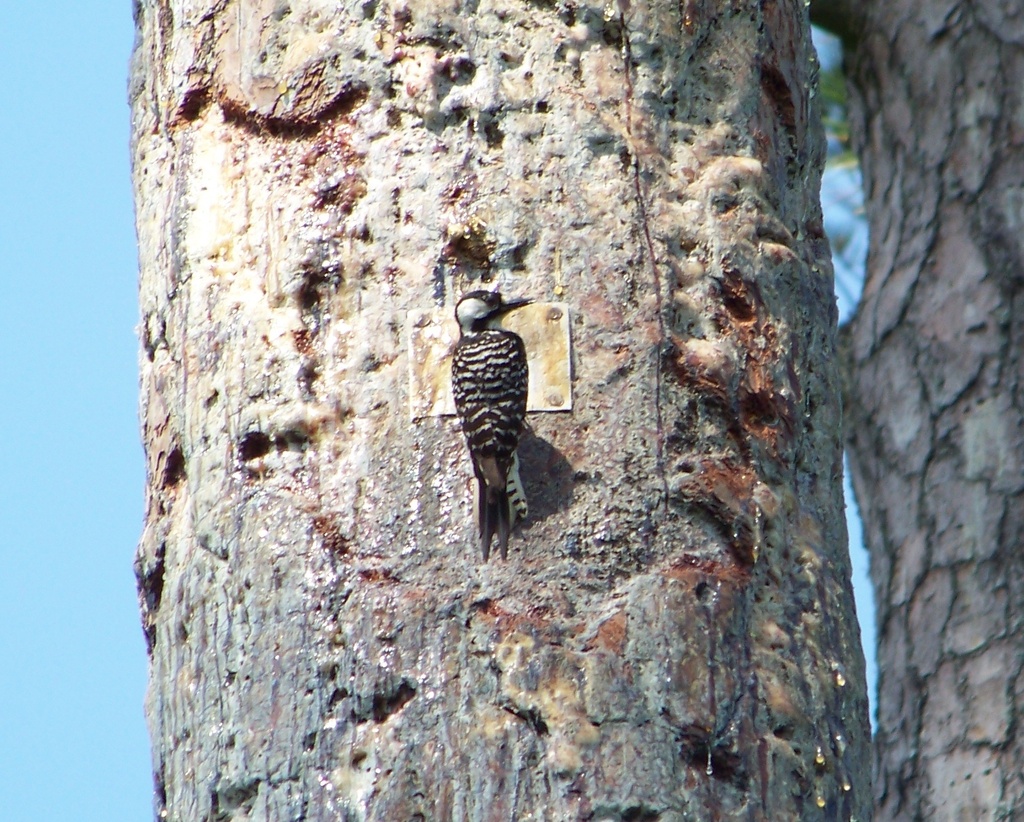
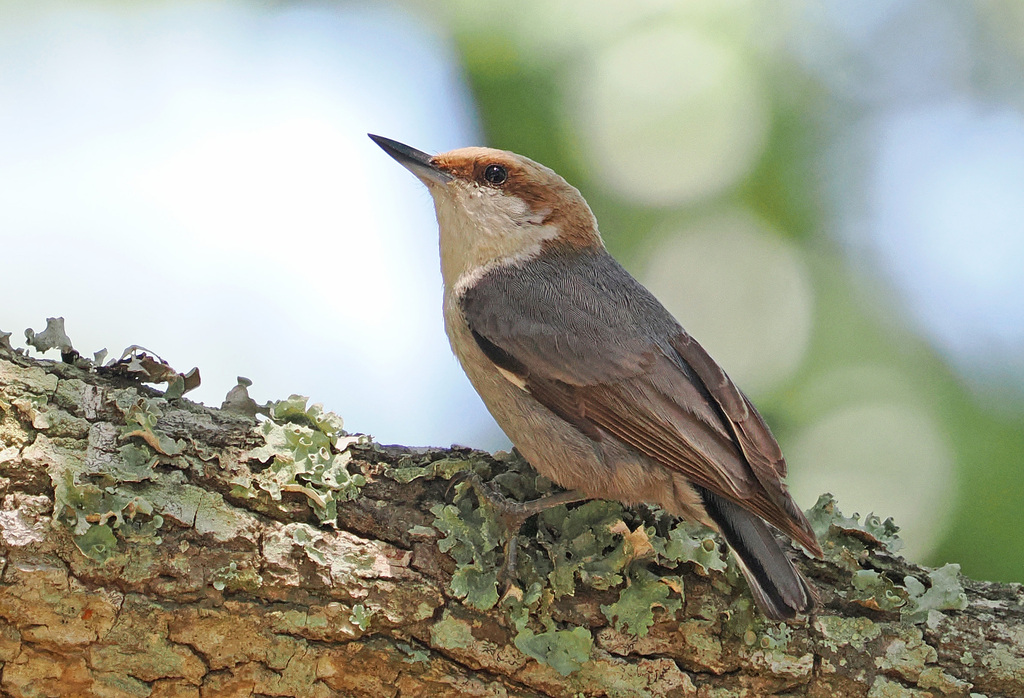
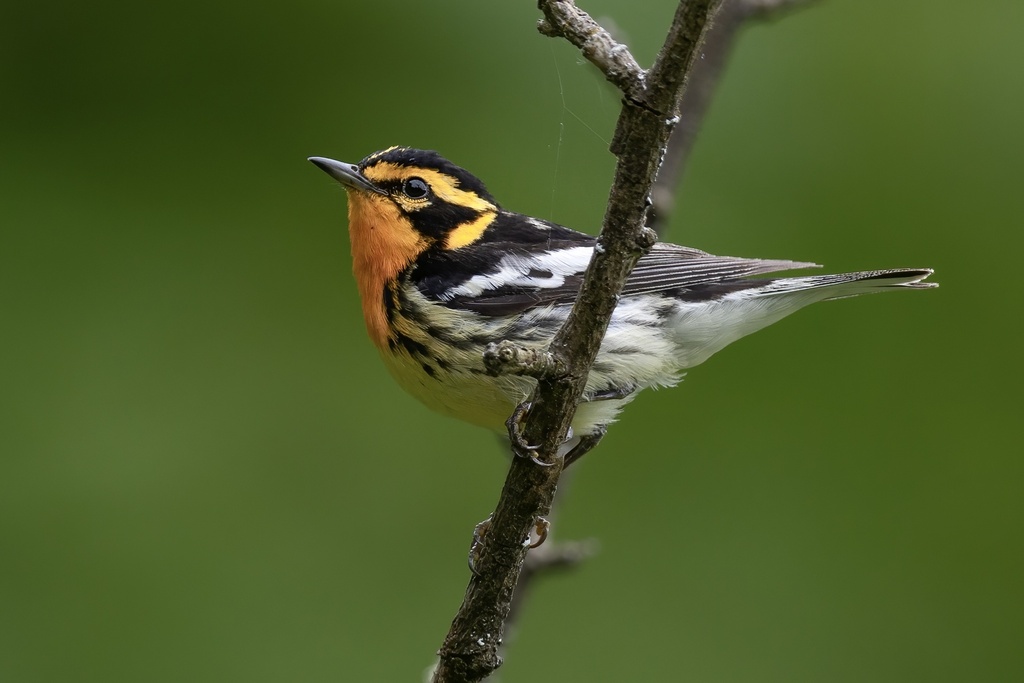

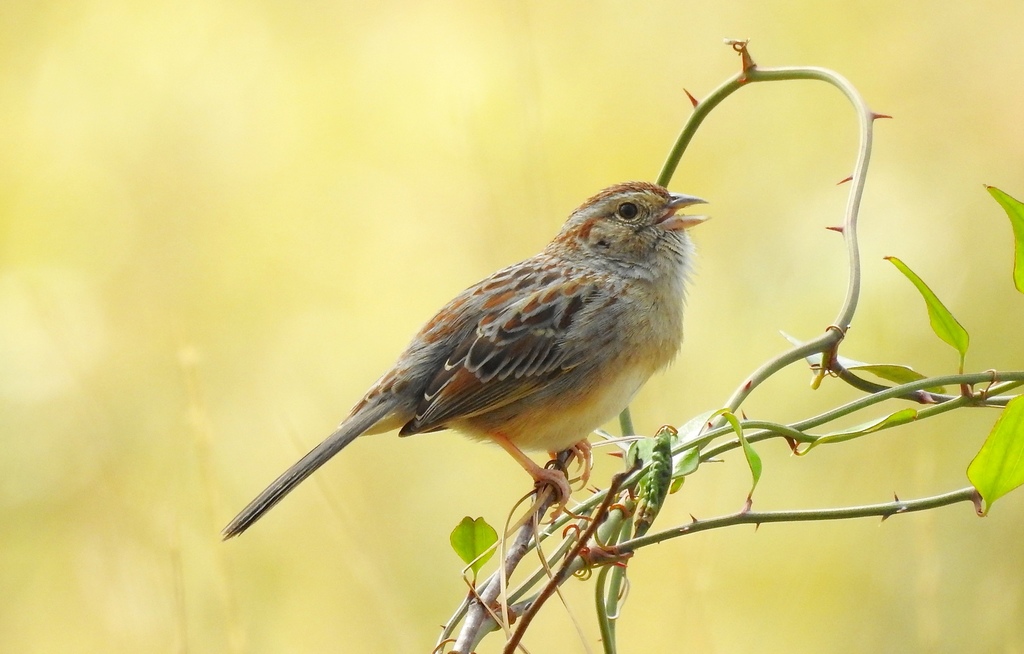
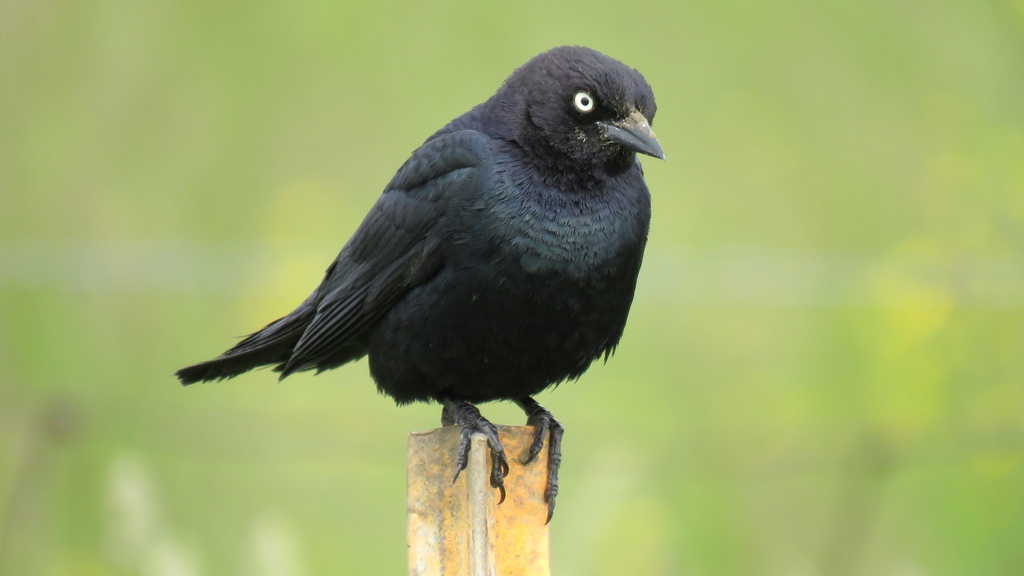

Plants 217
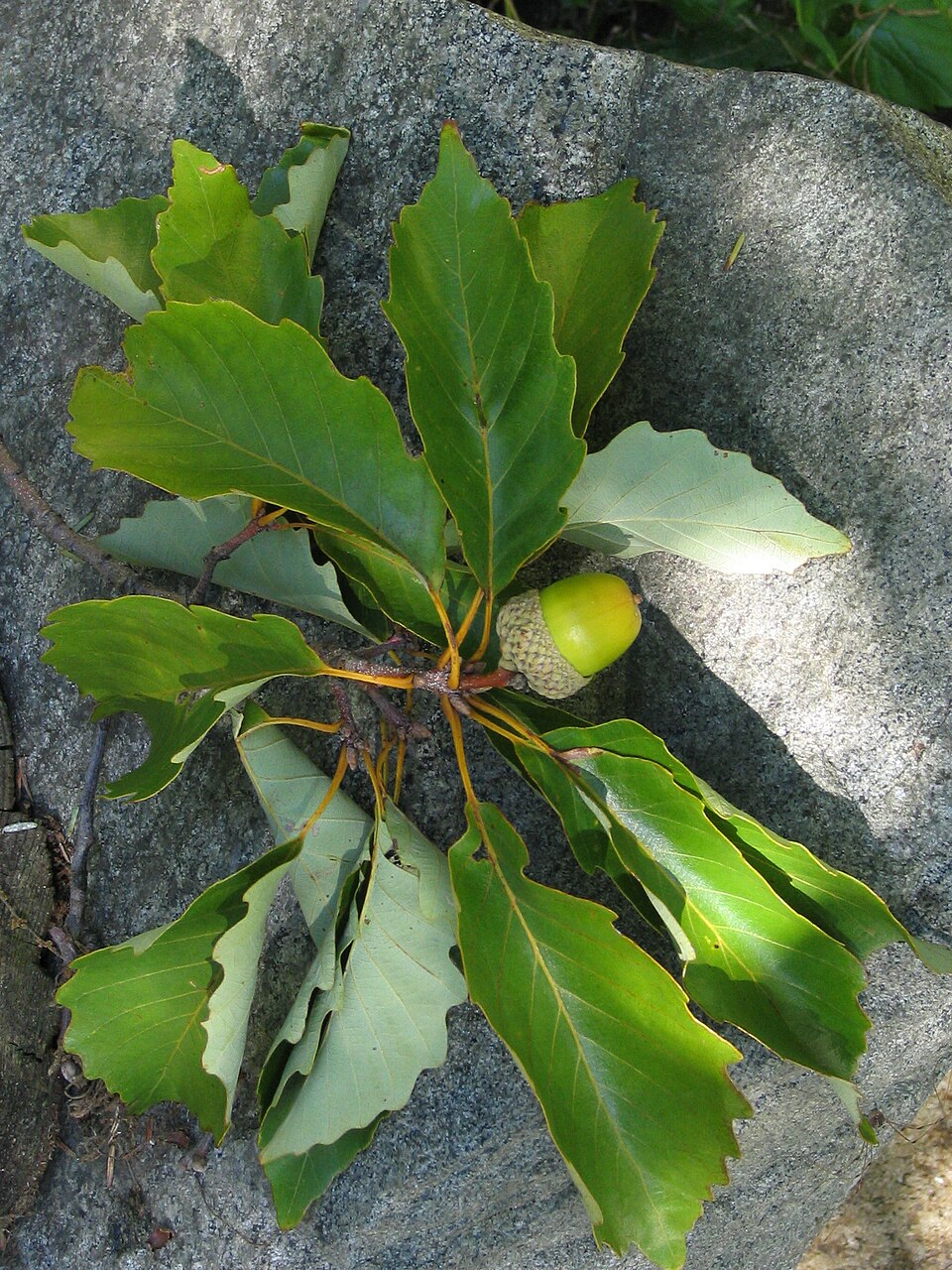
- Chestnut OakQuercus montana
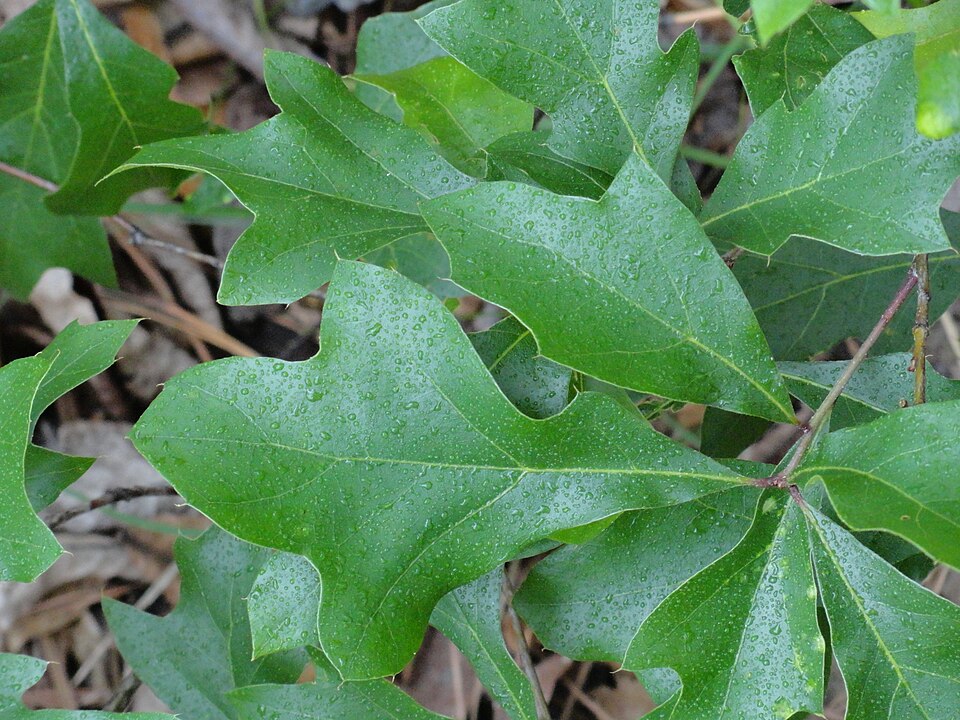
- Georgia OakQuercus georgiana
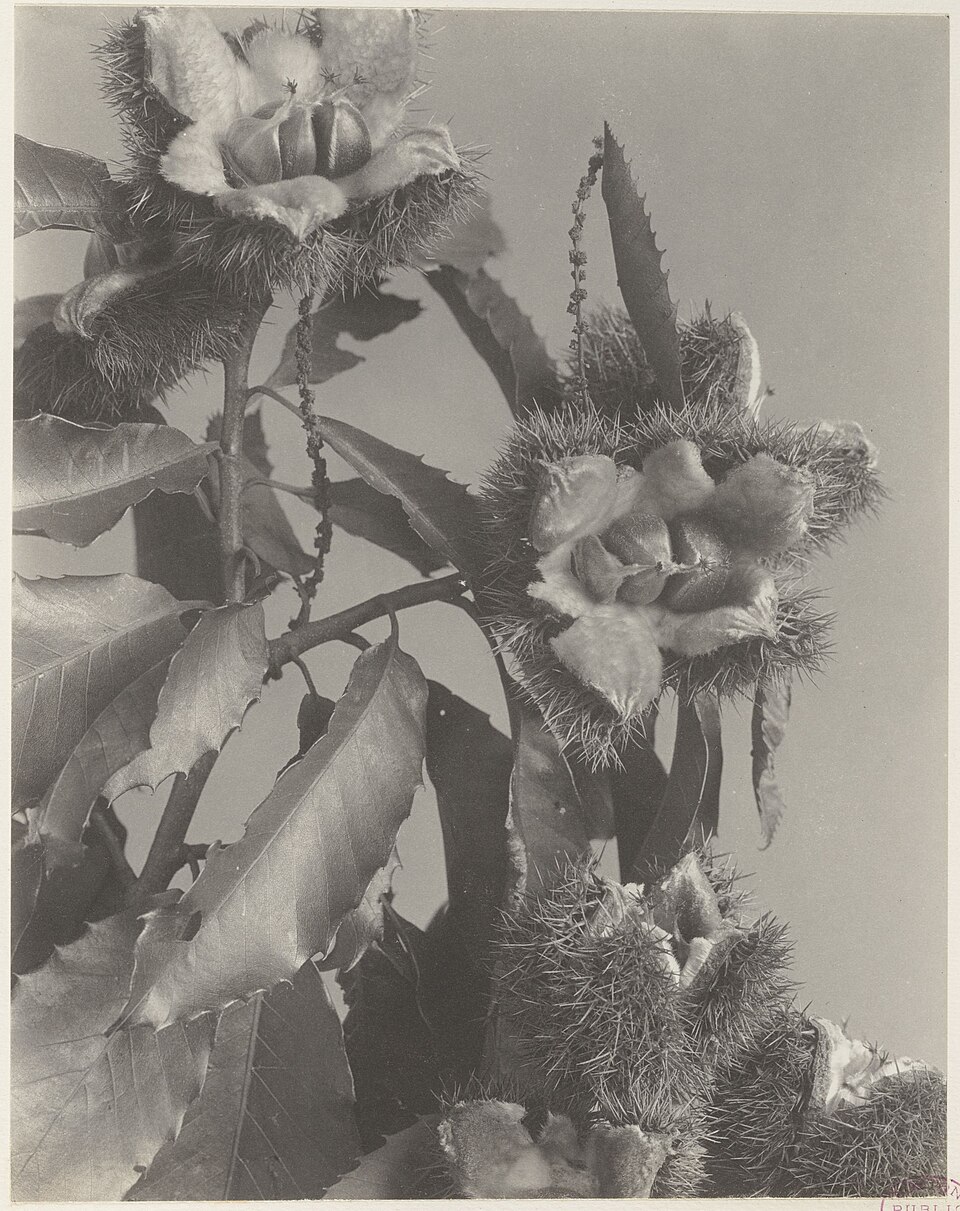
- American ChestnutCastanea dentata
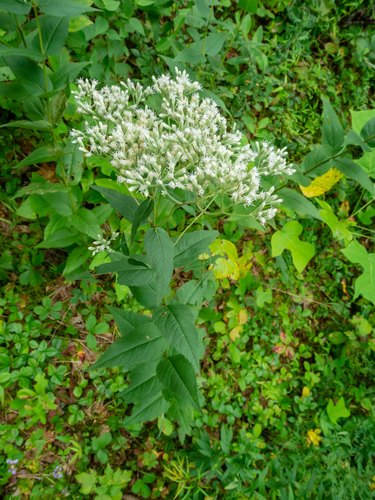
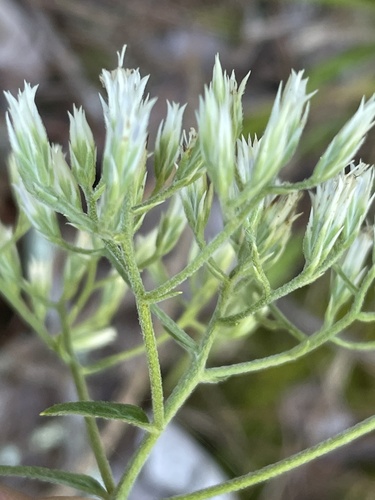
- Godfrey's ThoroughwortEupatorium godfreyanum
- White ThoroughwortEupatorium album
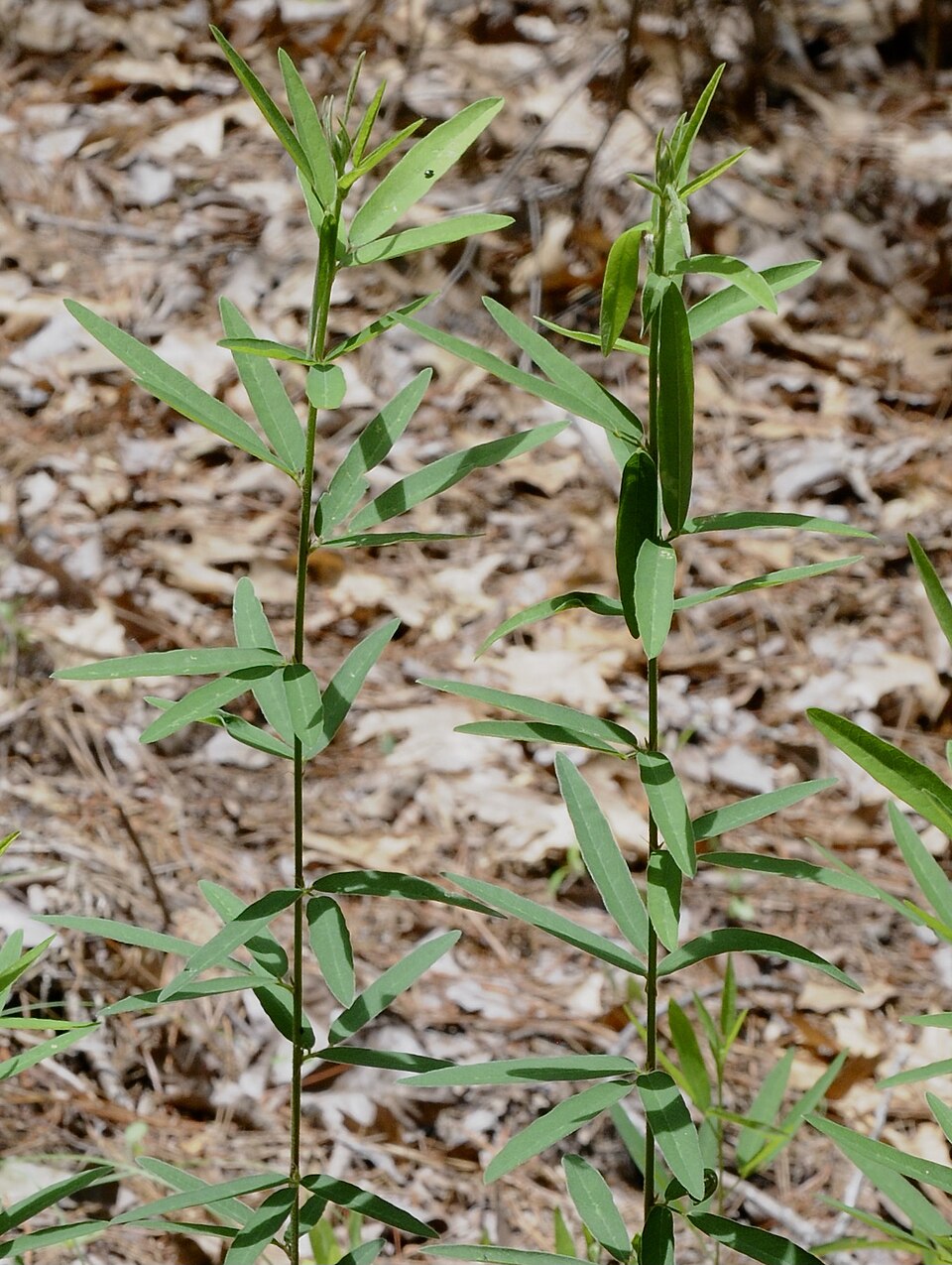
- Sessileleaf Tick-trefoilDesmodium sessilifolium
- Leavenworth's SedgeCarex leavenworthii
- Southern LoosestrifeSteironema tonsum
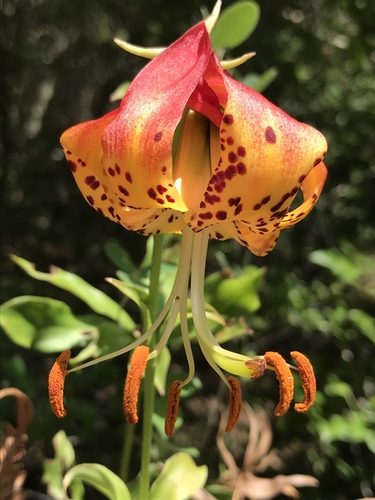
- Carolina LilyLilium michauxii
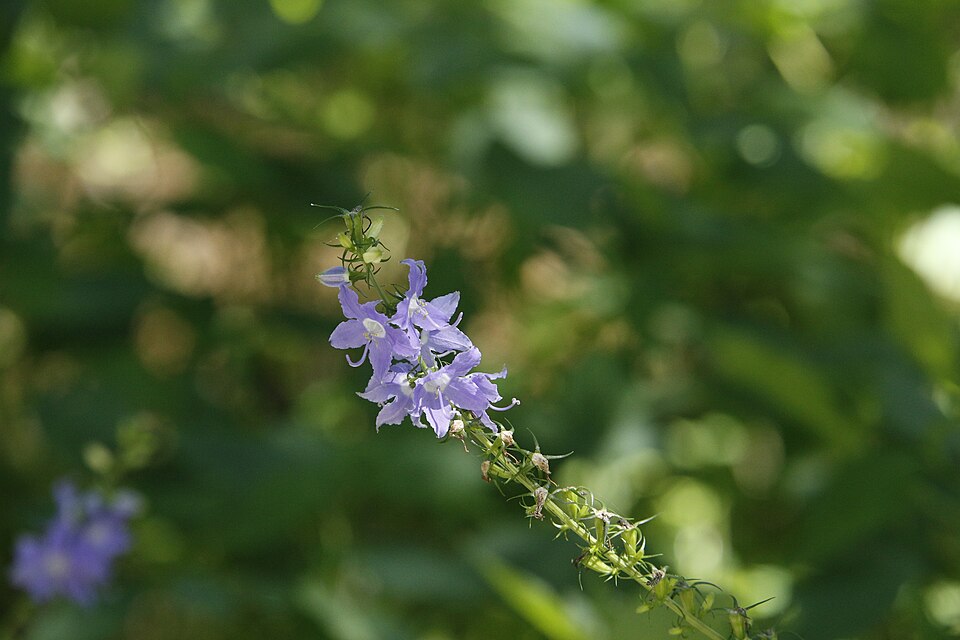
- Tall BellflowerCampanulastrum americanum
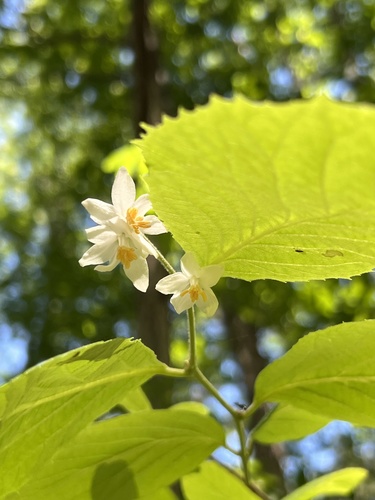
- Bigleaf SnowbellStyrax grandifolius
- Delicate Rabbit-tobaccoPseudognaphalium micradenium
Disturbed and introduced wetlands
Birds 121
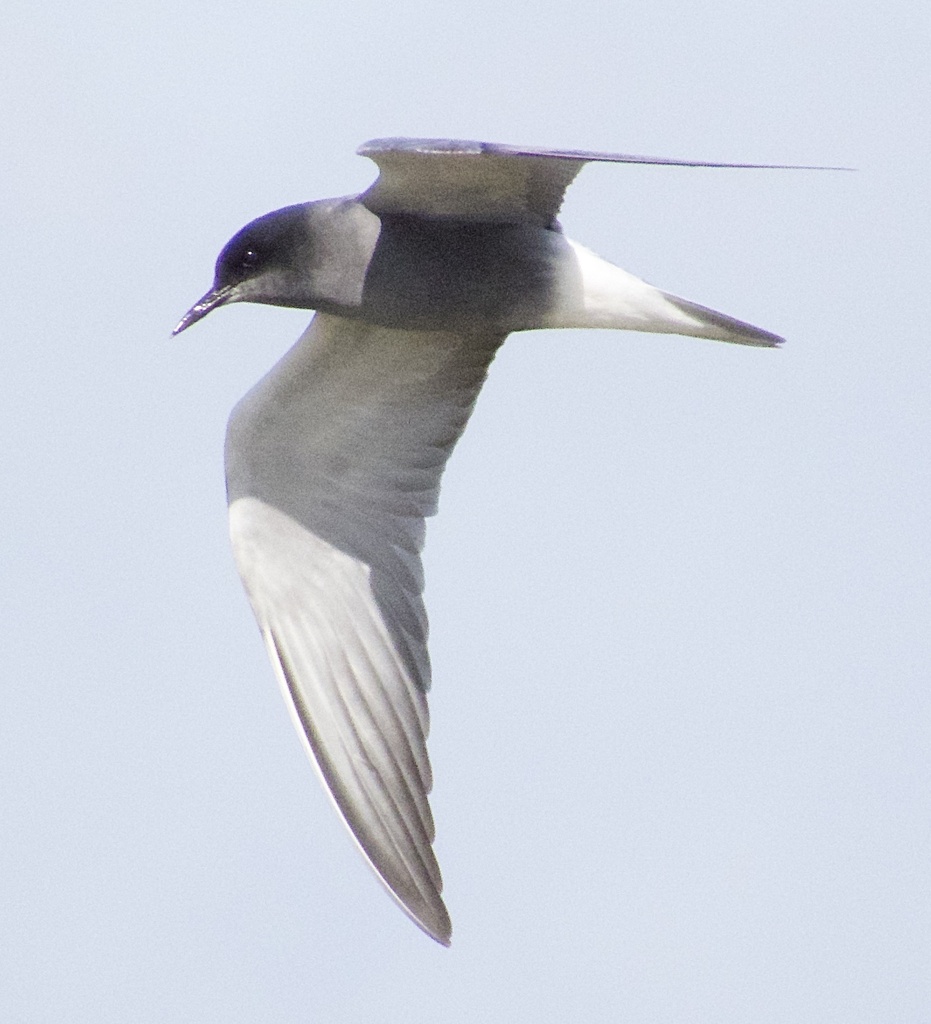
- Black TernChlidonias niger
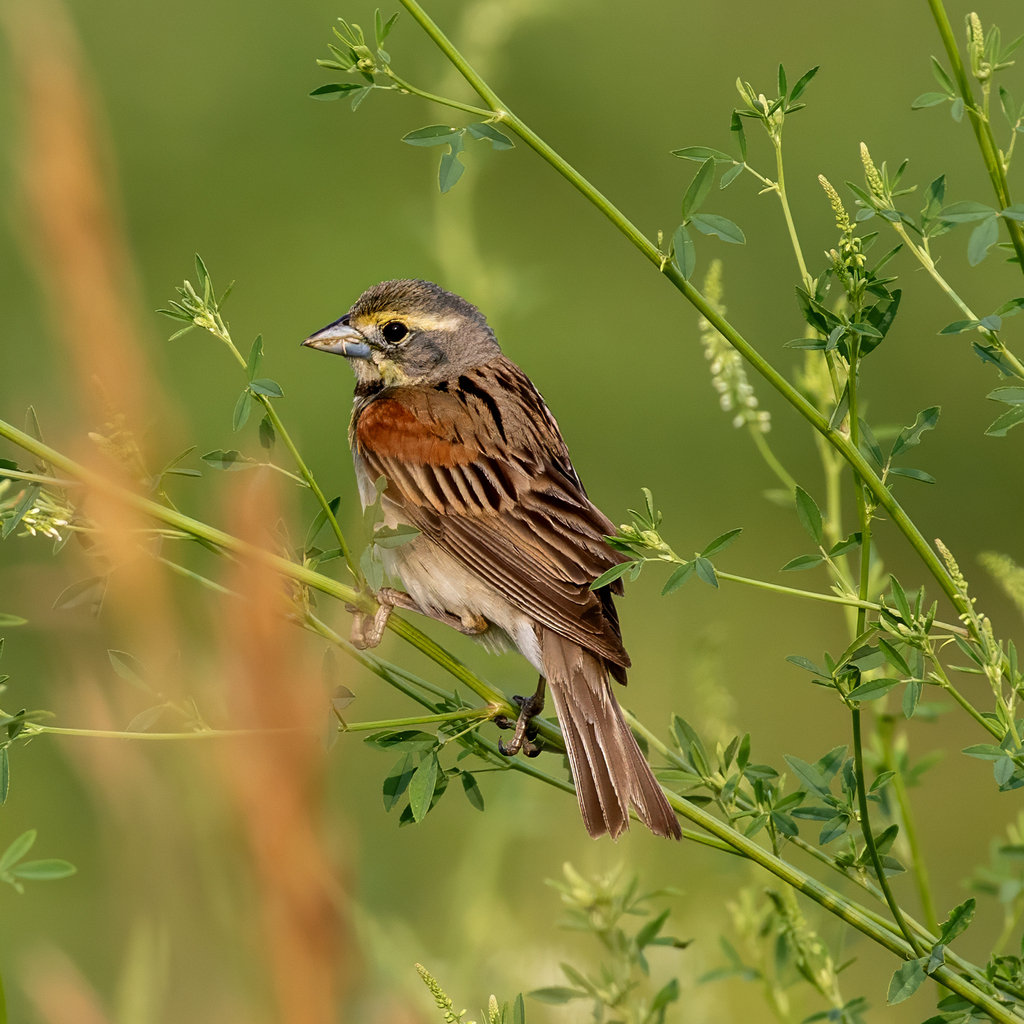
- DickcisselSpiza americana
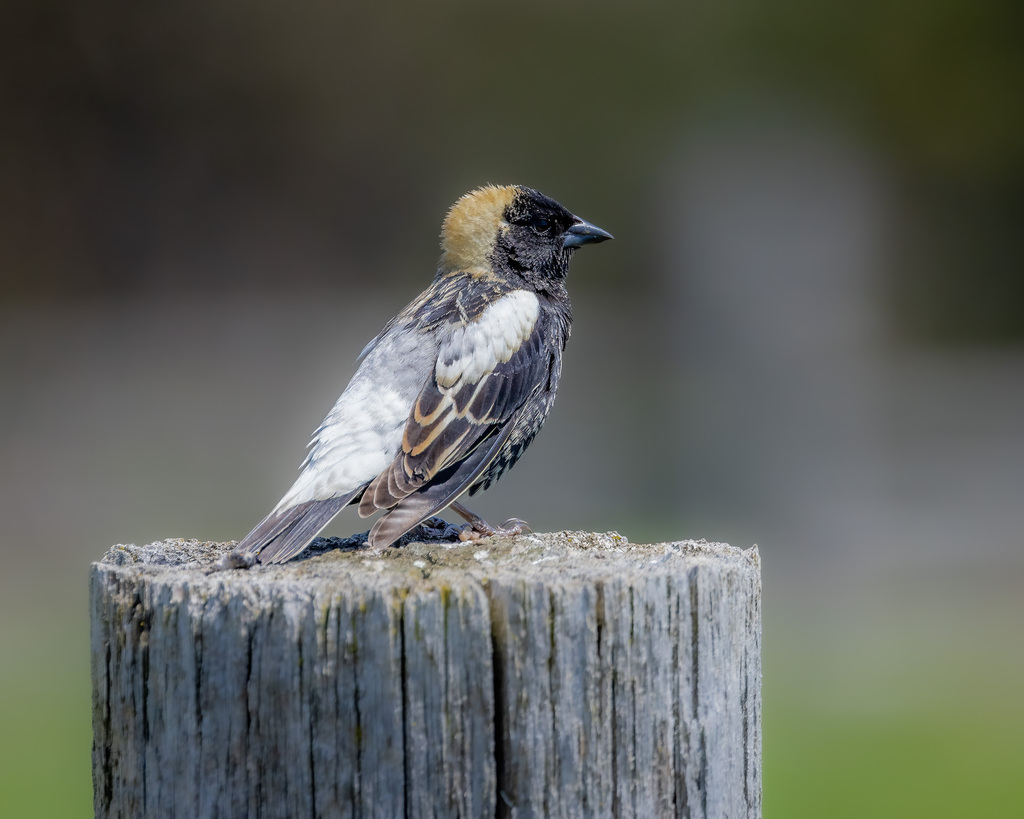
- BobolinkDolichonyx oryzivorus
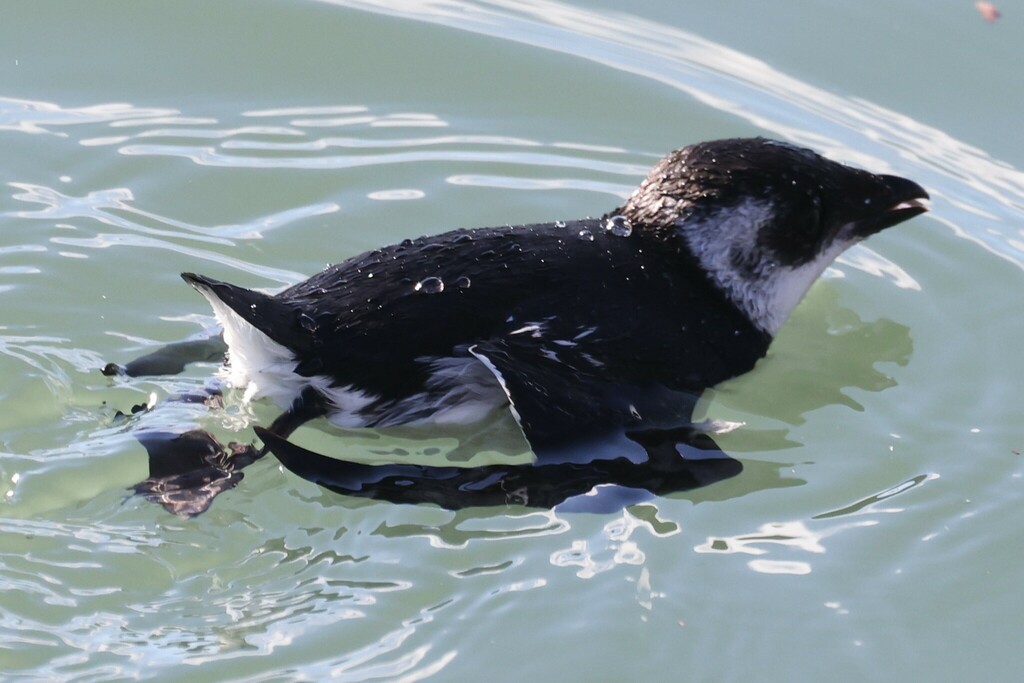
- DovekieAlle alle
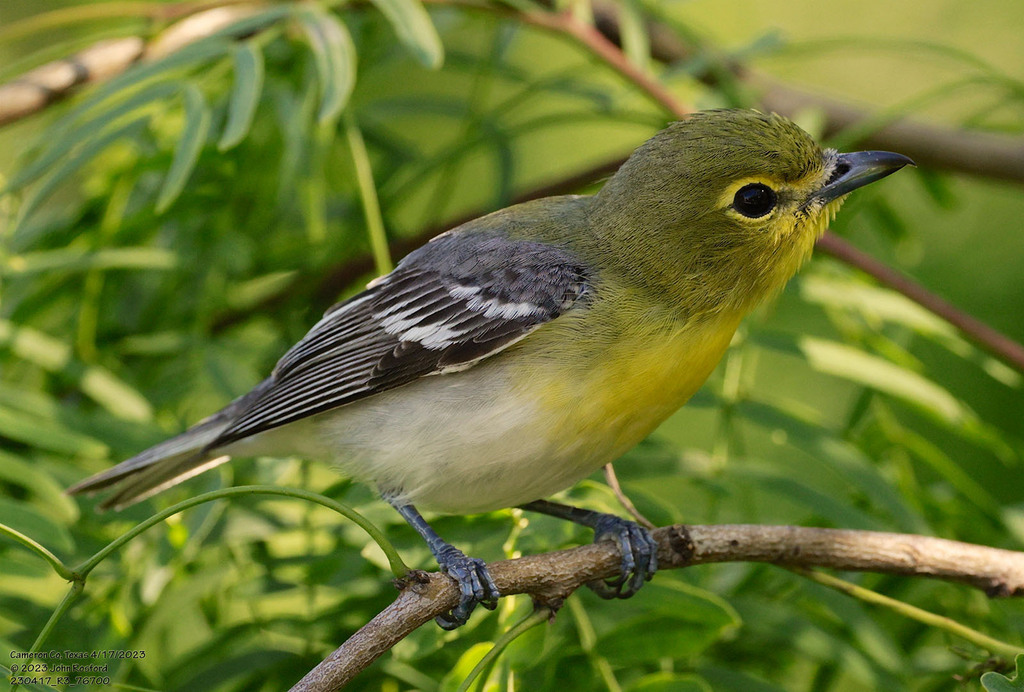
- Yellow-throated VireoVireo flavifrons
- Lincoln's SparrowMelospiza lincolnii
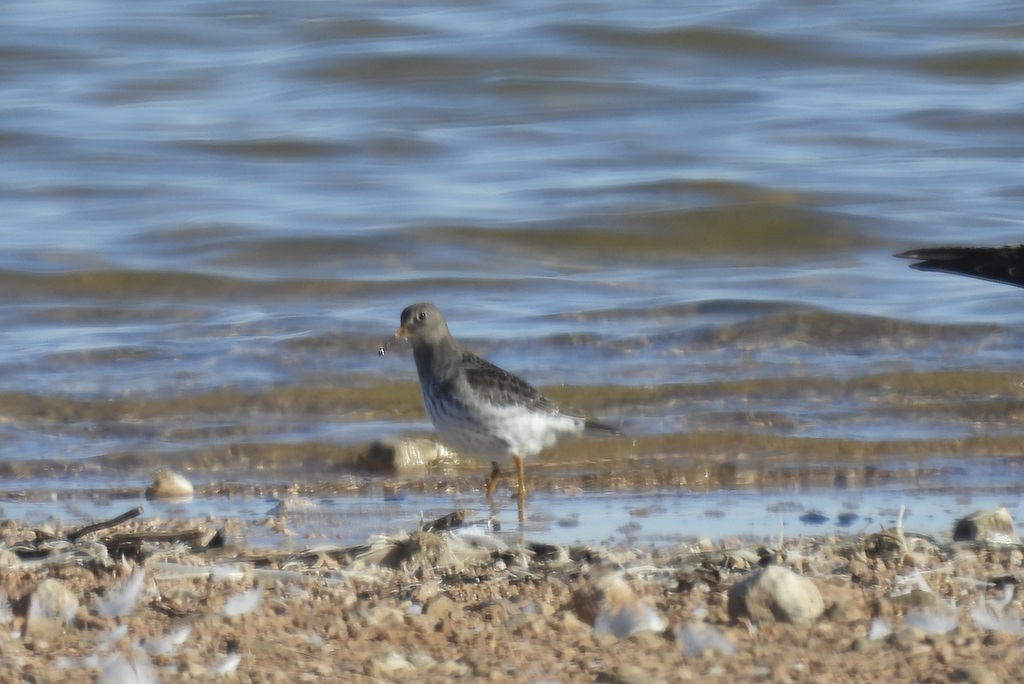
- Purple SandpiperCalidris maritima
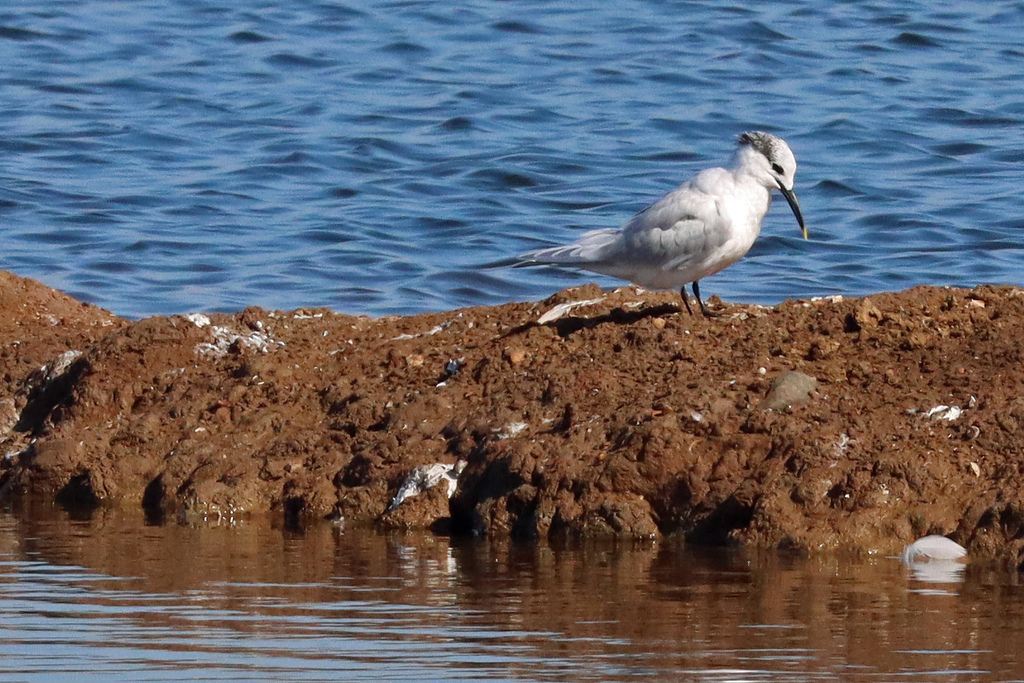
- Sandwich TernThalasseus sandvicensis
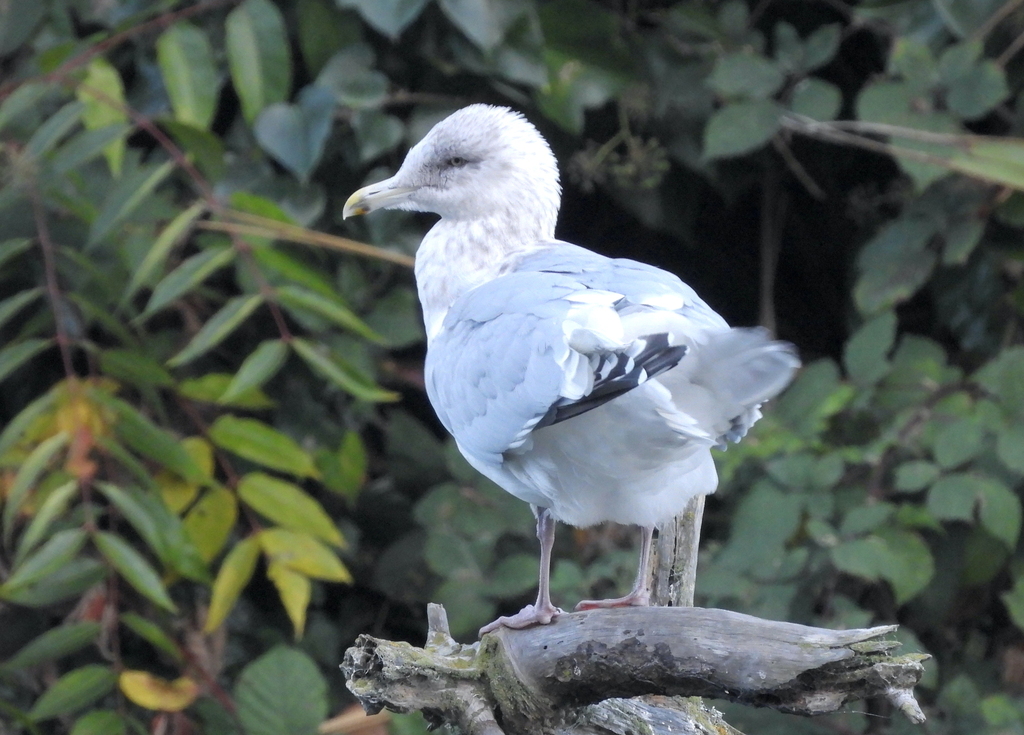
- Thayer's GullLarus thayeri
- Wilson's WarblerWilsonia pusilla
- Field SparrowSpizella pusilla
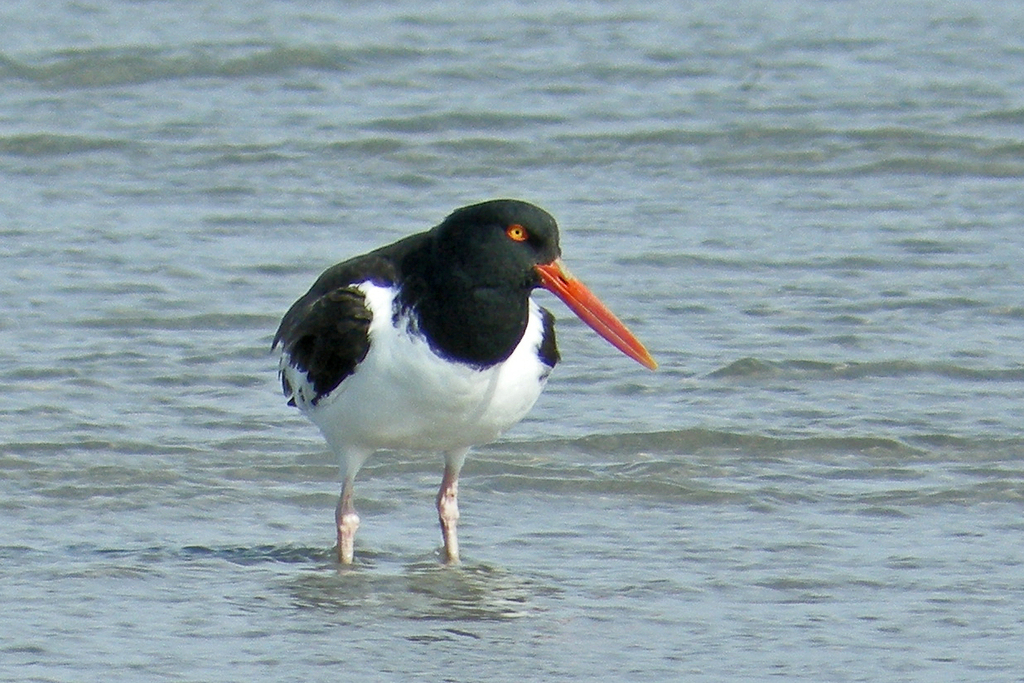
- American OystercatcherHaematopus palliatus

Plants 23
- Slender FimbryFimbristylis autumnalis
- Purple SpikerushEleocharis atropurpurea
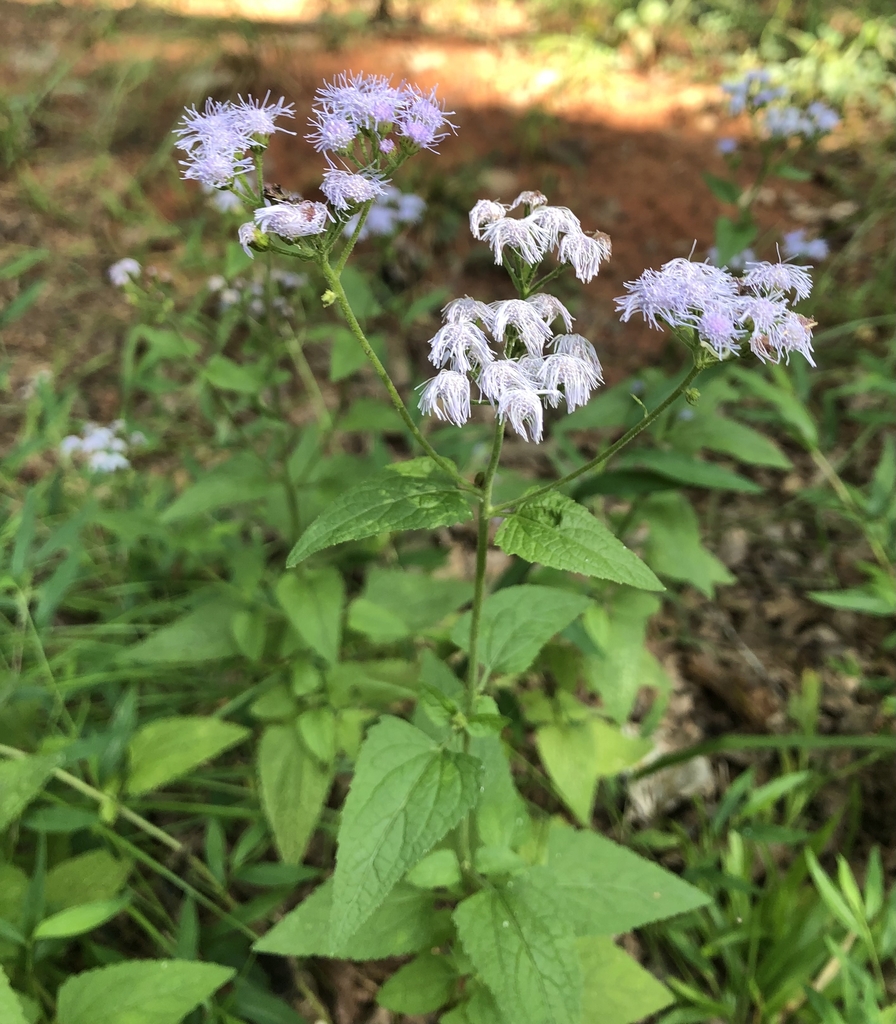
- Blue MistflowerConoclinium coelestinum
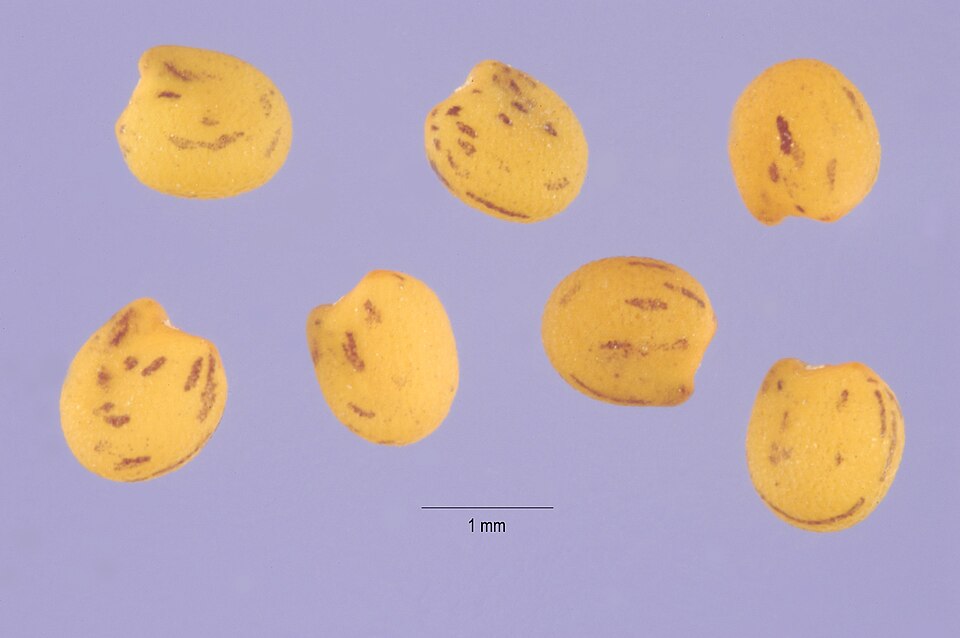
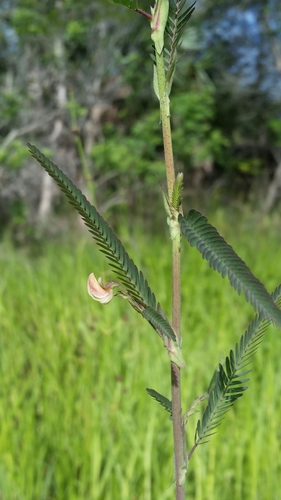
- BagpodSesbania vesicaria
- Tropical FlatsedgeCyperus surinamensis
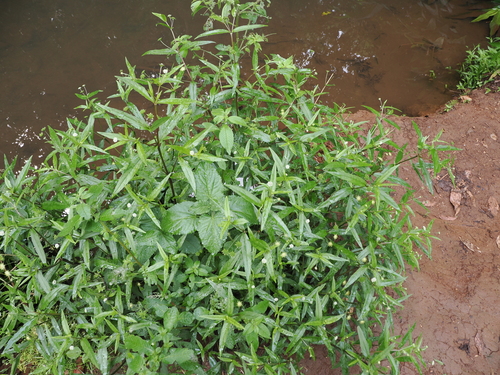
- False DaisyEclipta prostrata
- Indian JointvetchAeschynomene indica
- Mid-Atlantic Flat-top GoldenrodEuthamia floribunda
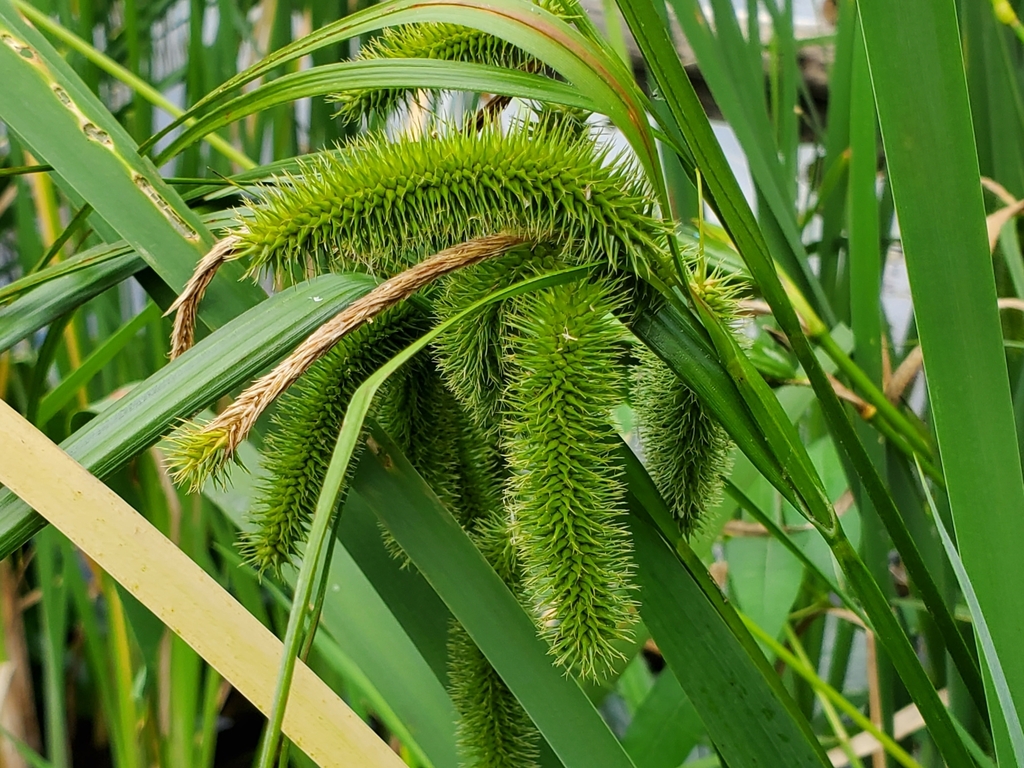
- Bristly SedgeCarex comosa
- Shortbeak BeaksedgeRhynchospora nitens
- Southern Marsh YellowcressRorippa teres
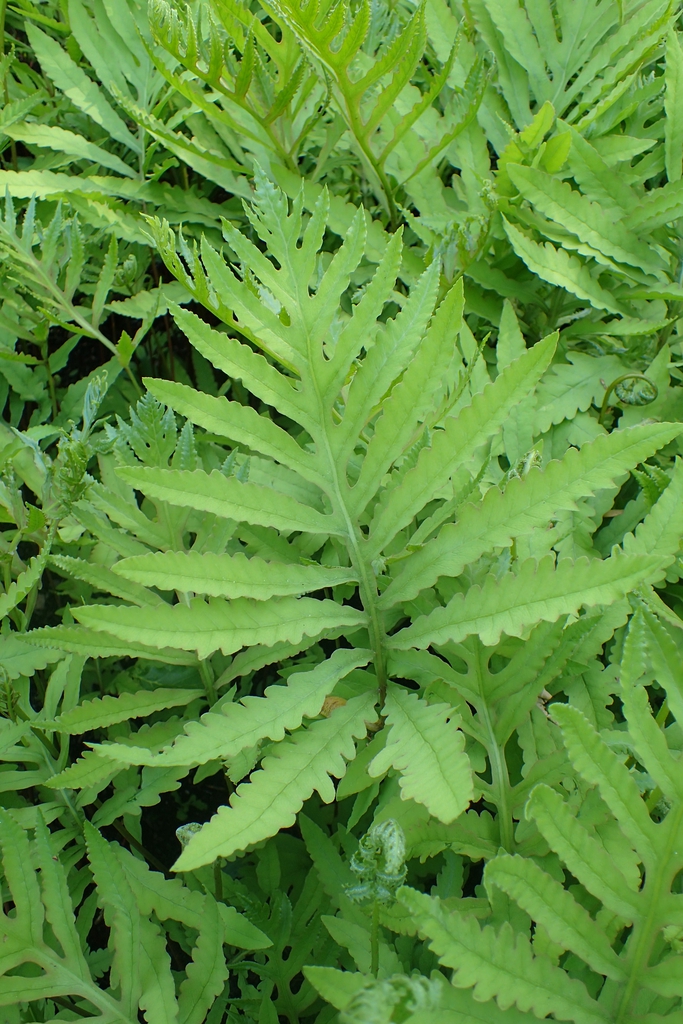
- Sensitive FernOnoclea sensibilis


Sources
- USGS Gap Analysis Project habitat models (2001)
- USGS GAP summer habitat model for Chestnut-sided Warbler Elevation 450 m to 2,500 m
- USGS Gap Analysis Project range maps (2001), modeled by watershed; migratory gives no dates
- NatureServe Explorer (CC BY 4.0), habitat names
- US Census TIGER/Line counties
- Names follow the USGS Gap Analysis Project (2001)