

Bird
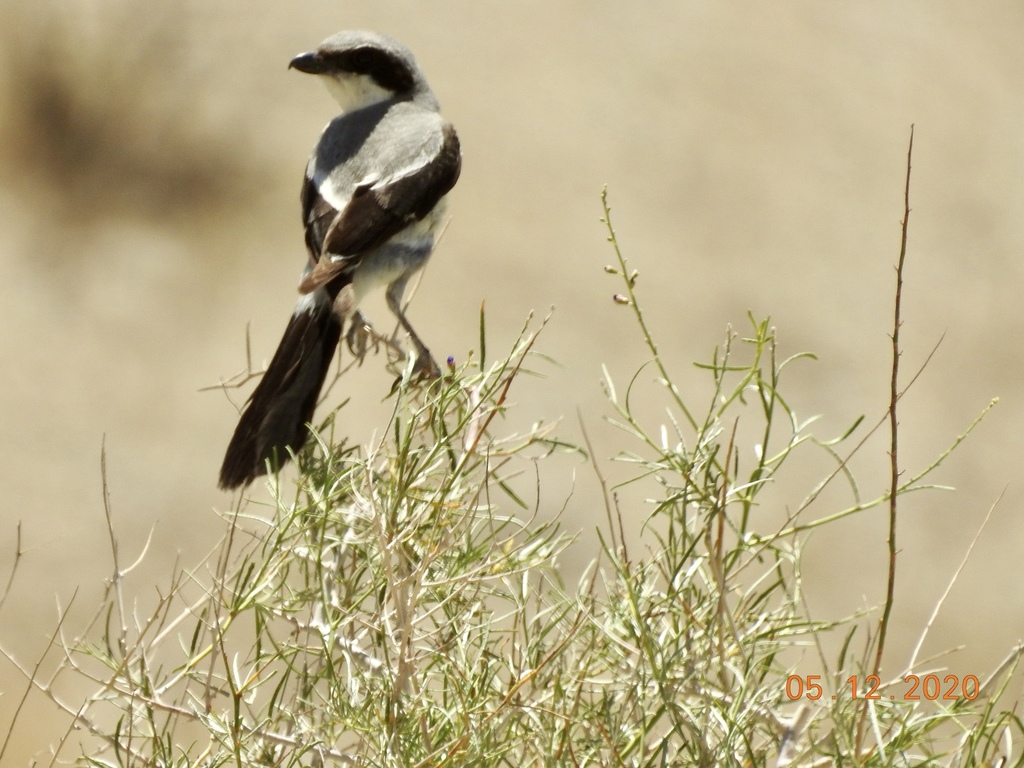
Loggerhead Shrike
Lanius ludovicianus
Lives in North Carolina all year and nests here. Found in all 100 counties, across 8 habitats.
- Here
- All year
- Nesting
- Nests here
- Range
- All 100 counties
- Habitats
- 8
At a glance
- Group
- Birds
- Here
- All year
- Nesting
- Nests here
- Range
- All 100 counties
- Habitats
- 8
- Habitat models
- Summer, Winter
Where it lives
The places its habitat model includes. It is not found everywhere a habitat occurs.
Habitats in North Carolina 8
Each habitat page lists the plants and wildlife also found there.
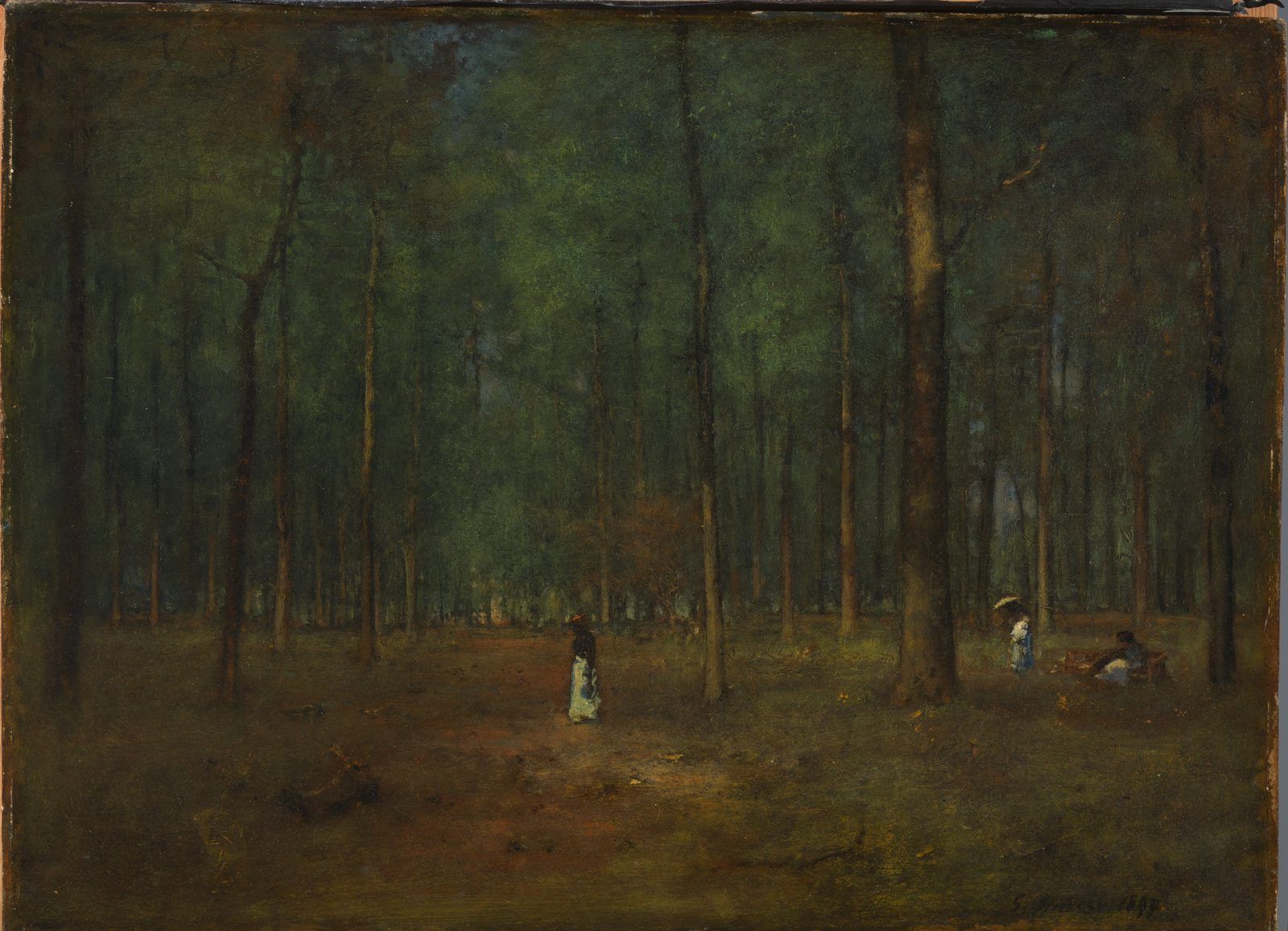
Roadsides, fields and disturbed ground
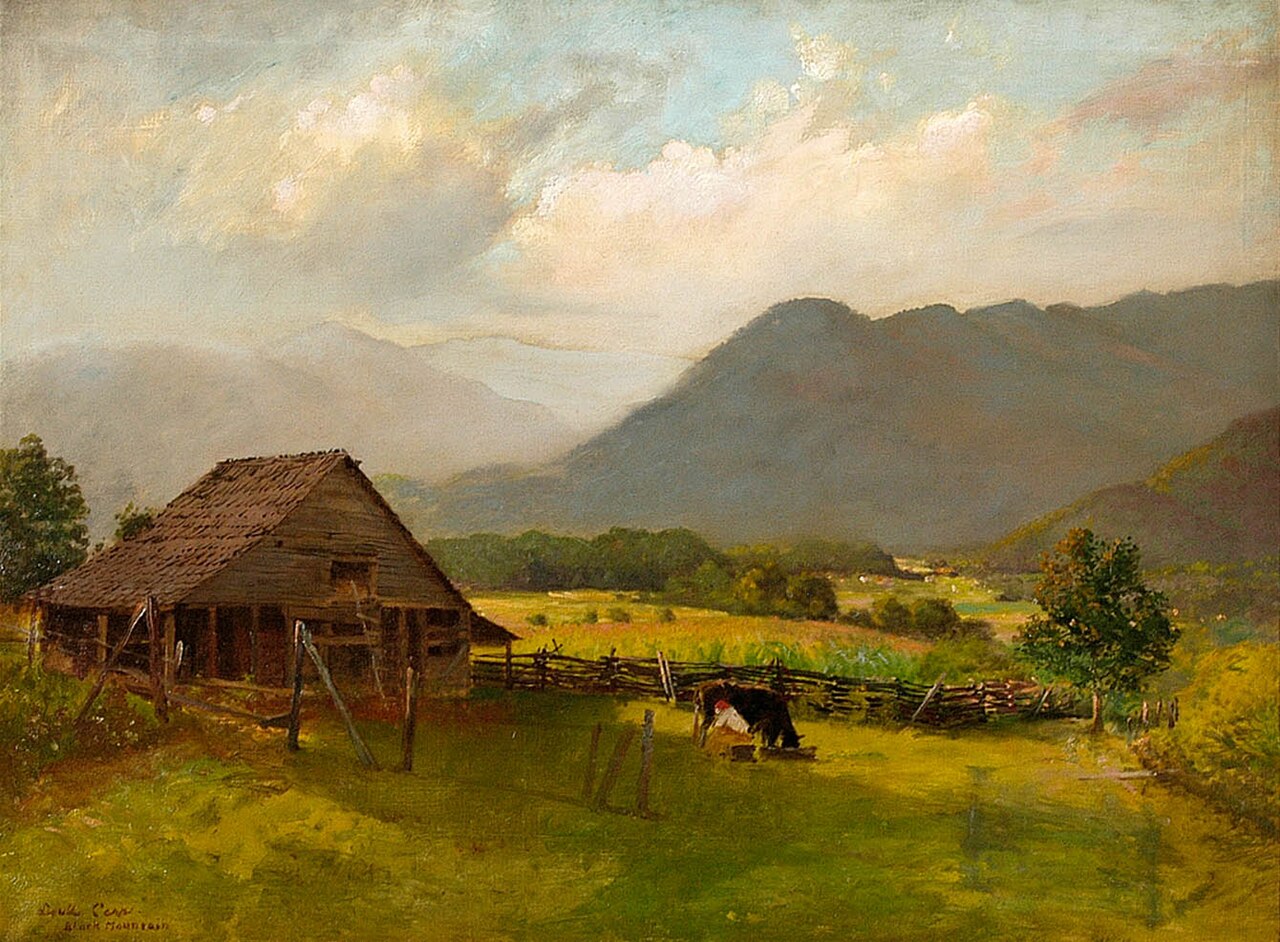
Open sand of beaches, dunes and the hollows between them.
Disturbed and introduced wetlands
Wet ground taken over by weedy or introduced plants after disturbance, such as common reed, Chinese tallow or tamarisk stands; the upland counterpart is roadsides, fields and disturbed ground.
Borders of forests, clearings and shrubby thickets.
Treeless grassy or shrubby summits and ridges in the high mountains.
Open, fire-kept longleaf pine stands over grasses and wildflowers on wet to moist sandy soil.
Tree plantations and managed pine
Planted or intensively managed stands of pine or hardwoods grown for timber; a land use rather than a natural community.
Other habitats in its models (44)
Land cover, or classes with no habitat page in North Carolina. Those recorded in North Carolina first, the rest by region.
In North Carolina 1
- Southern Piedmont Glade and Barrens Summer and winter.
Elsewhere in the South (18)
- Appalachian Shale Barrens Summer and winter.
- Atlantic Coastal Plain Southern Wet Pine Savanna and Flatwoods Summer.
- Central Florida Pine Flatwoods Summer.
- Cumberland Sandstone Glade and Barrens Summer and winter.
- East Gulf Coastal Plain Dune and Coastal Grassland Summer and winter.
- East Gulf Coastal Plain Southern Loblolly-Hardwood Flatwoods Summer.
- Florida Dry Prairie Summer and winter.
- Nashville Basin Limestone Glade Summer and winter.
- Ridge and Valley Calcareous Valley Bottom Glade and Woodland Summer.
- South Florida Dwarf Cypress Savanna Summer and winter.
- South Florida Pine Flatwoods Summer.
- South Florida Pine Rockland Summer.
- Southeastern Great Plains Tallgrass Prairie Summer.
- Southern Coastal Plain Oak Dome and Hammock Summer.
- Southwest Florida Dune and Coastal Grassland Summer and winter.
- West Gulf Coastal Plain Nonriverine Wet Hardwood Flatwoods Summer and winter.
- West Gulf Coastal Plain Northern Calcareous Prairie Summer and winter.
- West Gulf Coastal Plain Southern Calcareous Prairie Summer and winter.
Northeast (2)
- Central Appalachian Alkaline Glade and Woodland Summer and winter.
- Central Appalachian Pine-Oak Rocky Woodland Summer.
Midwest (3)
- North-Central Interior Oak Savanna Summer and winter.
- North-Central Interior Sand and Gravel Tallgrass Prairie Summer and winter.
- North-Central Oak Barrens Summer and winter.
Land cover and other classes (20)
- Developed, Low Intensity Summer and winter.
- East Gulf Coastal Plain Black Belt Calcareous Prairie and Woodland - Herbaceous Modifier Summer.
- East Gulf Coastal Plain Black Belt Calcareous Prairie and Woodland - Woodland Modifier Summer.
- East Gulf Coastal Plain Jackson Plain Dry Flatwoods - Open Understory Modifier Summer.
- East Gulf Coastal Plain Jackson Prairie and Woodland Summer.
- East Gulf Coastal Plain Near-Coast Pine Flatwoods - Open Understory Modifier Summer.
- East Gulf Coastal Plain Near-Coast Pine Flatwoods - Scrub/Shrub Understory Modifier Summer.
- Eastern Highland Rim Prairie and Barrens - Dry Modifier Summer and winter.
- Harvested Forest - Grass/Forb Regeneration Summer and winter.
- Introduced Upland Vegetation - Annual Grassland Summer and winter.
- Introduced Upland Vegetation - Forbland Summer and winter.
- Introduced Upland Vegetation - Perennial Grassland Summer and winter.
- Introduced Upland Vegetation - Perennial Grassland and Forbland Summer and winter.
- Introduced Upland Vegetation - Shrub Summer and winter.
- Orchards Vineyards and Other High Structure Agriculture Summer and winter.
- Recently Burned Summer and winter.
- Recently Burned Forest Summer and winter.
- Recently Burned Grassland Summer and winter.
- Recently Burned Shrubland Summer and winter.
- Recently Logged Areas Summer and winter.
Seasons in North Carolina
- Year-round: nests here, in 82 of 100 counties.
- Winter: does not nest here, in 40 of 100 counties.
- Summer: nests here, in 4 of 100 counties.
Also found in its main habitats
Its main habitats in North Carolina, by how much of its habitat model each one is, with the birds most characteristic of each and the plants that grow wild there. Shared habitat, not food.
Roadsides, fields and disturbed ground
Birds 89
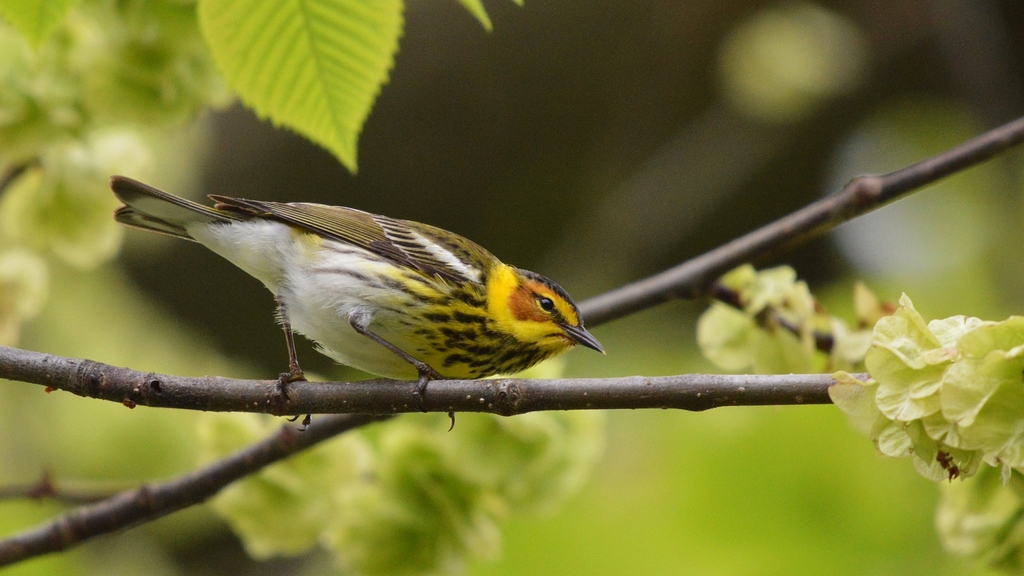
- Cape May WarblerDendroica tigrina
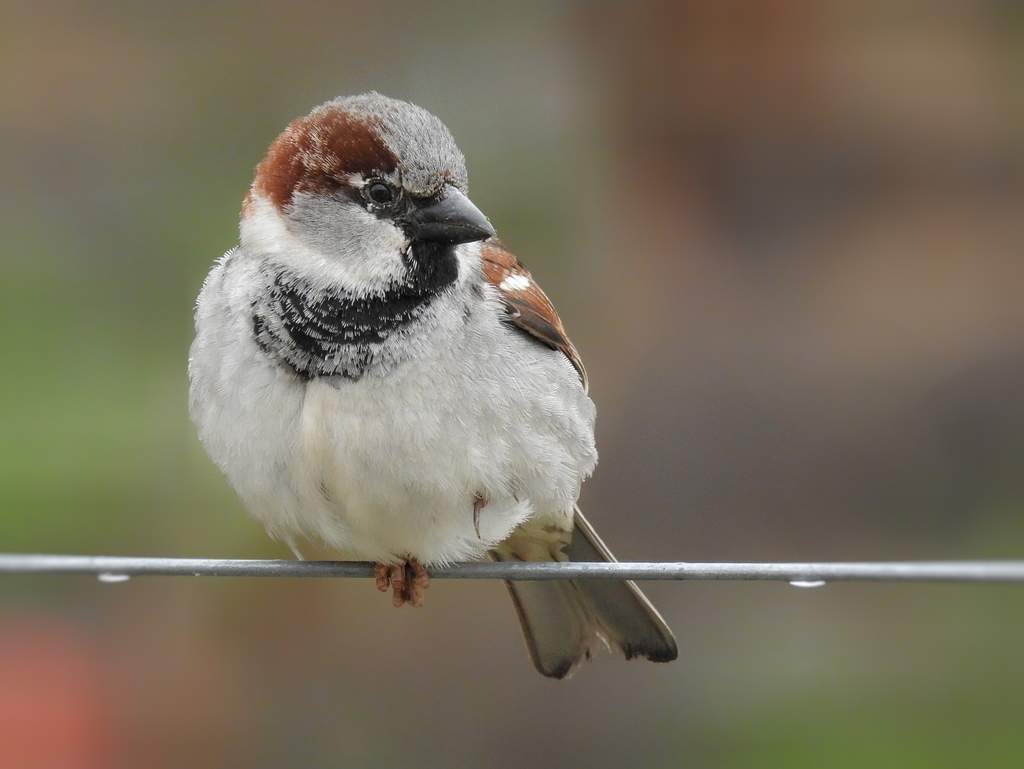
- House SparrowPasser domesticus
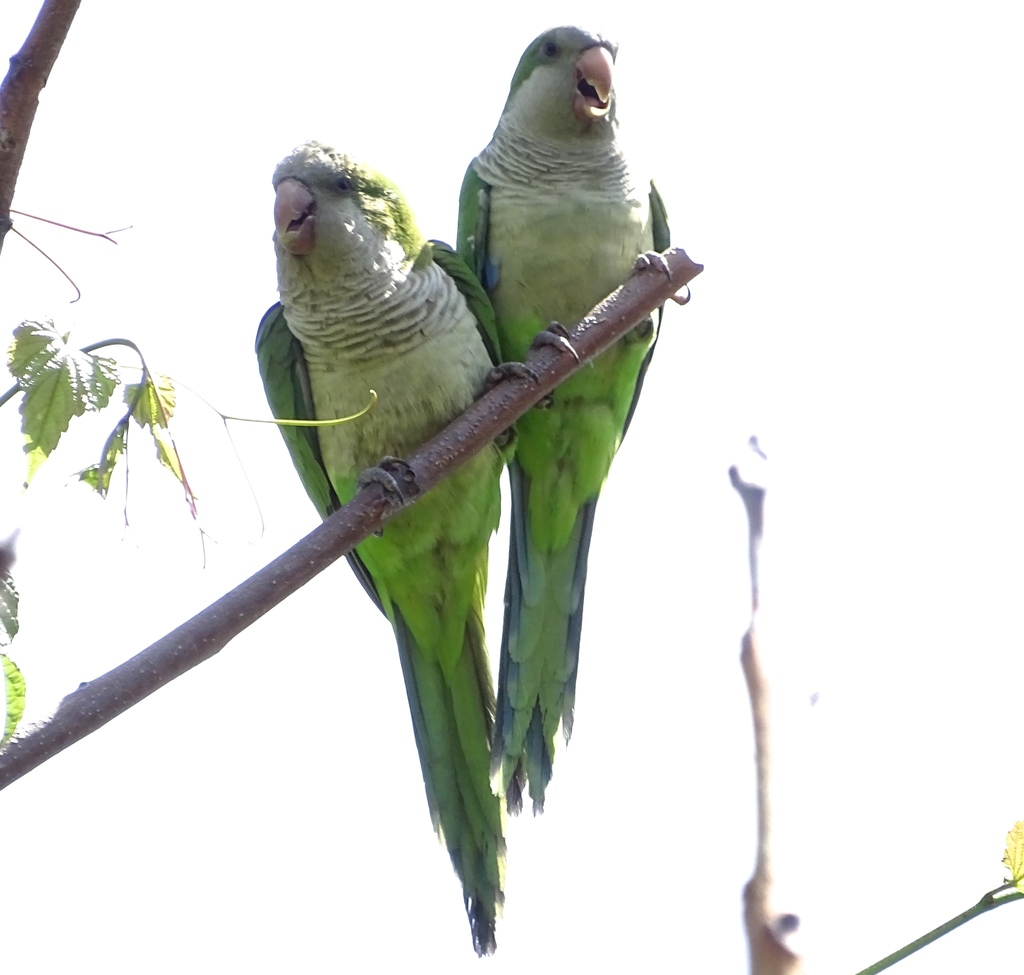
- Monk ParakeetMyiopsitta monachus
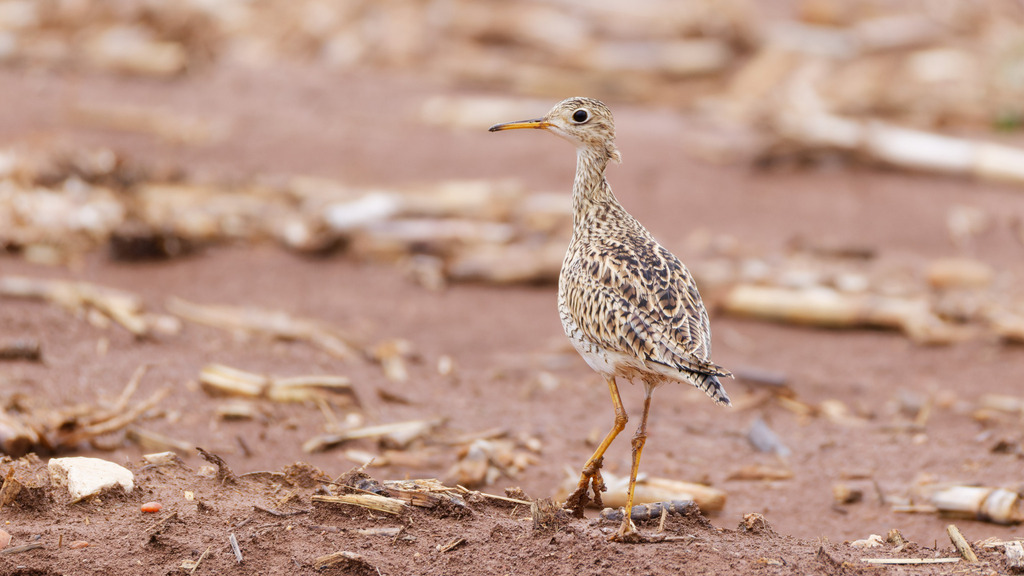
- Upland SandpiperBartramia longicauda
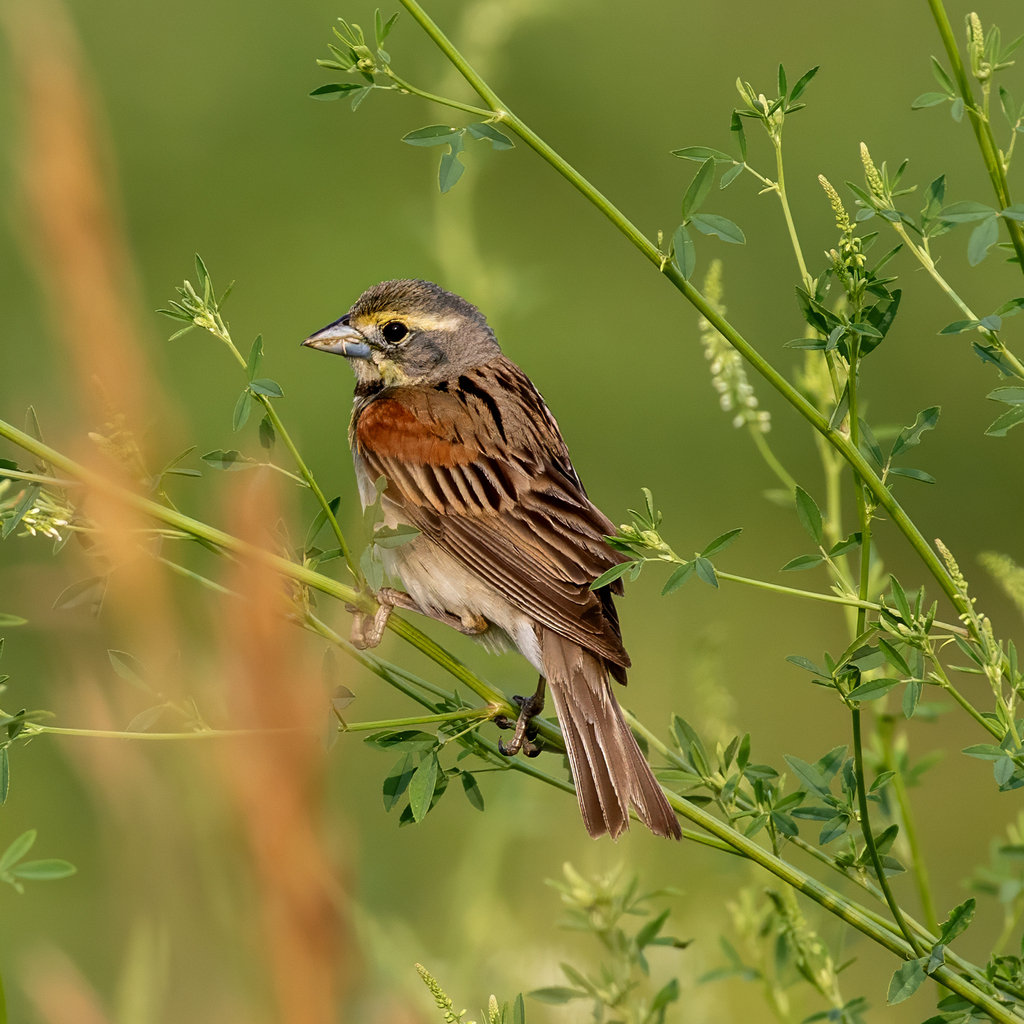
- DickcisselSpiza americana
- Grasshopper SparrowAmmodramus savannarum
- Rock PigeonColumba livia
- BobolinkDolichonyx oryzivorus
- Horned LarkEremophila alpestris
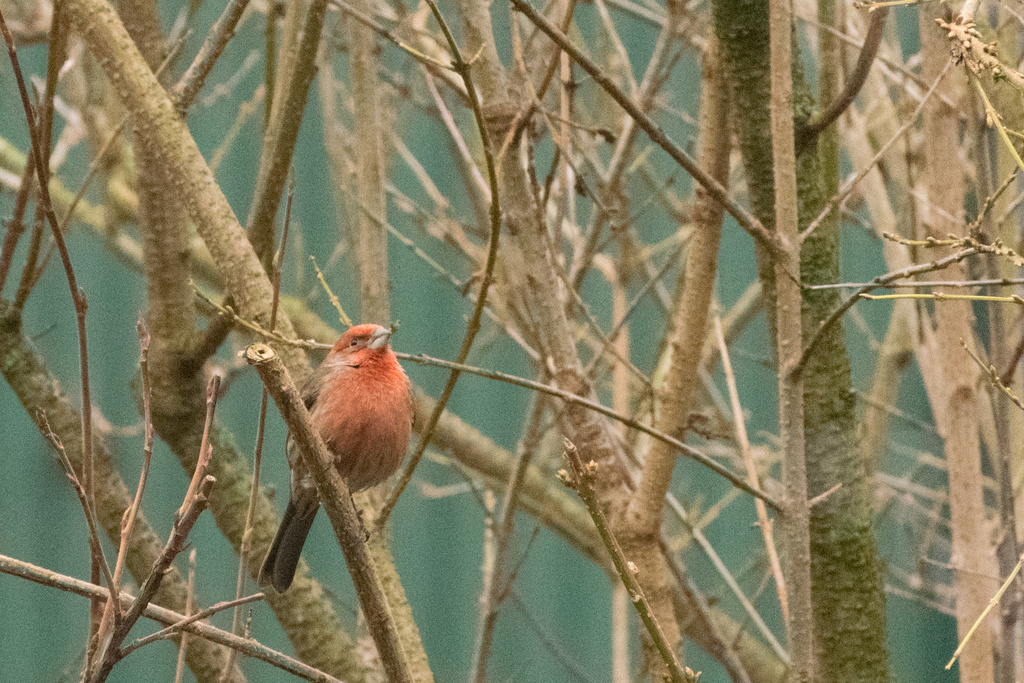
- House FinchCarpodacus mexicanus
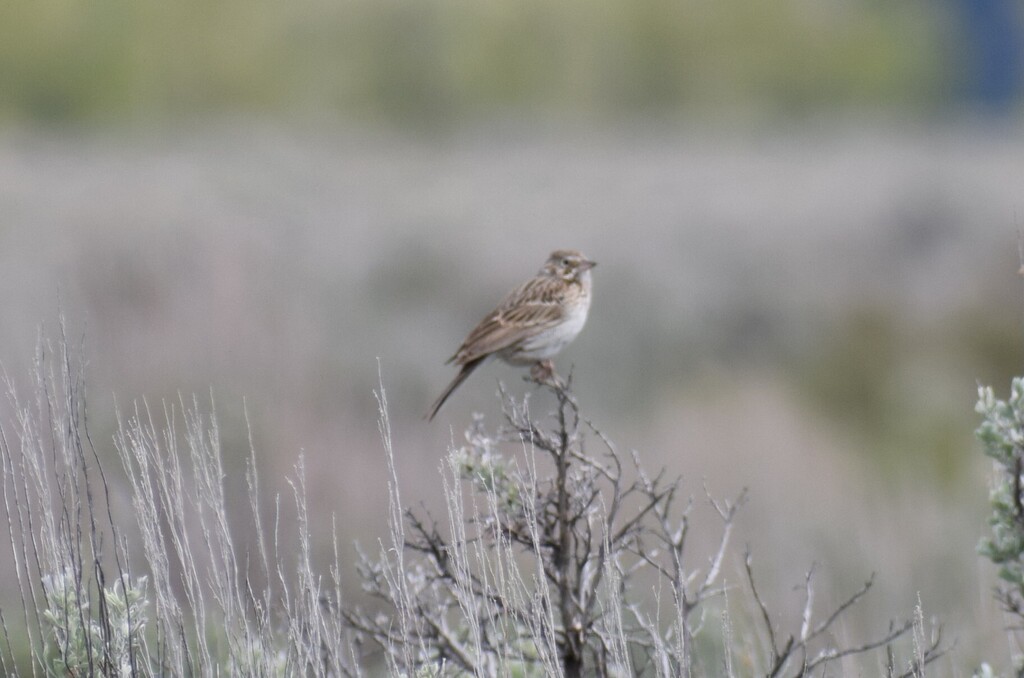
- Vesper SparrowPooecetes gramineus
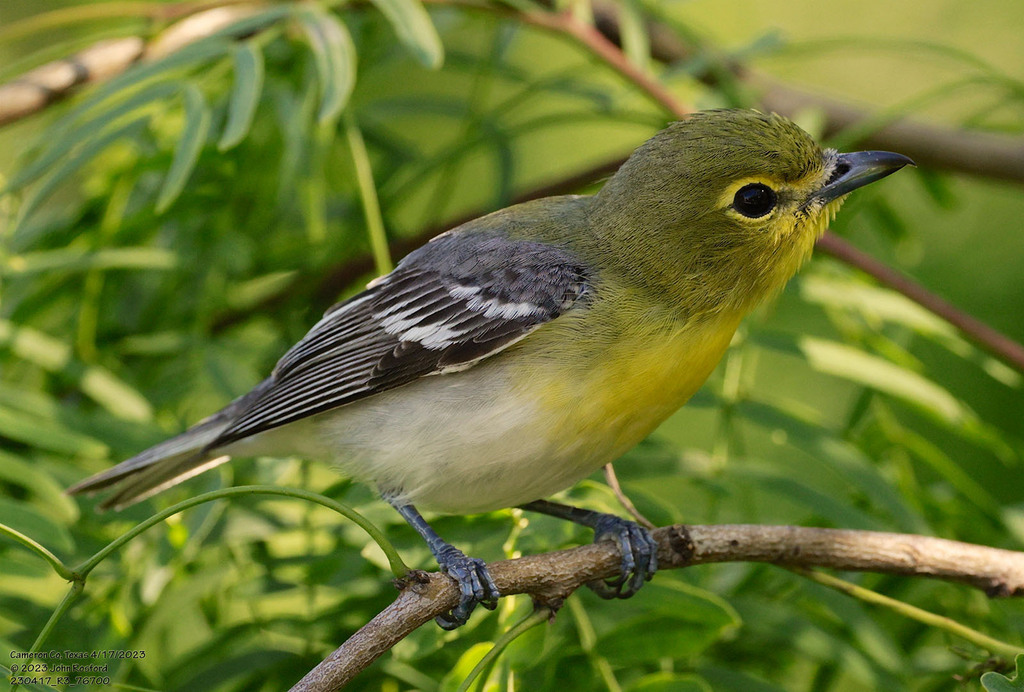
- Yellow-throated VireoVireo flavifrons
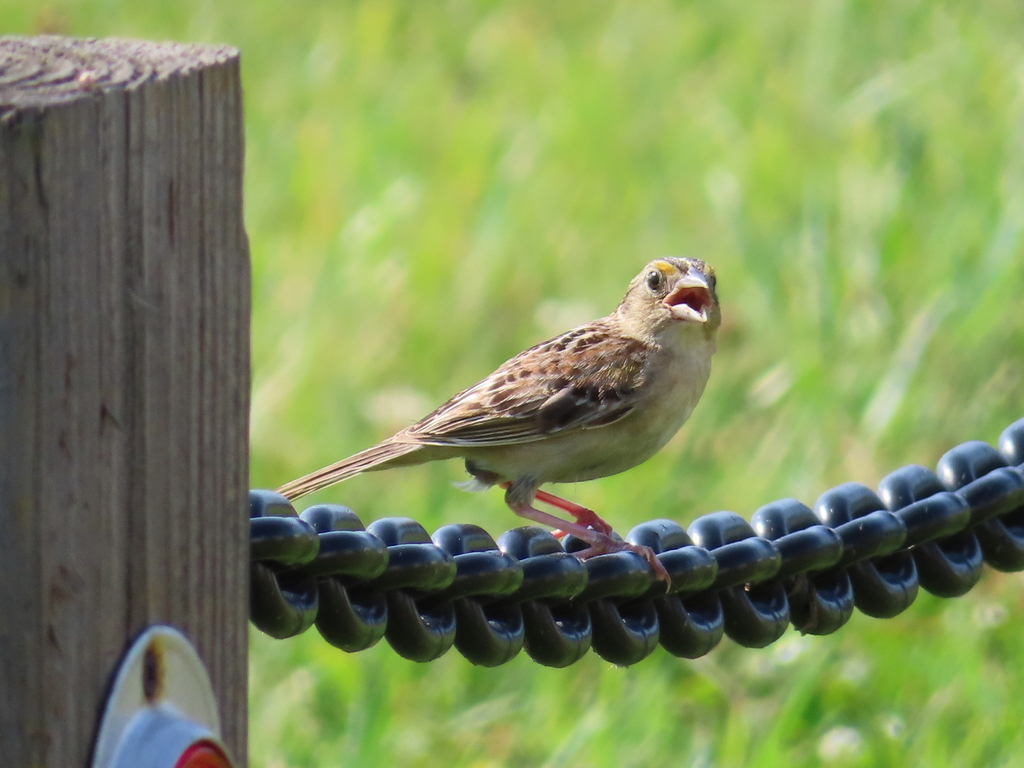
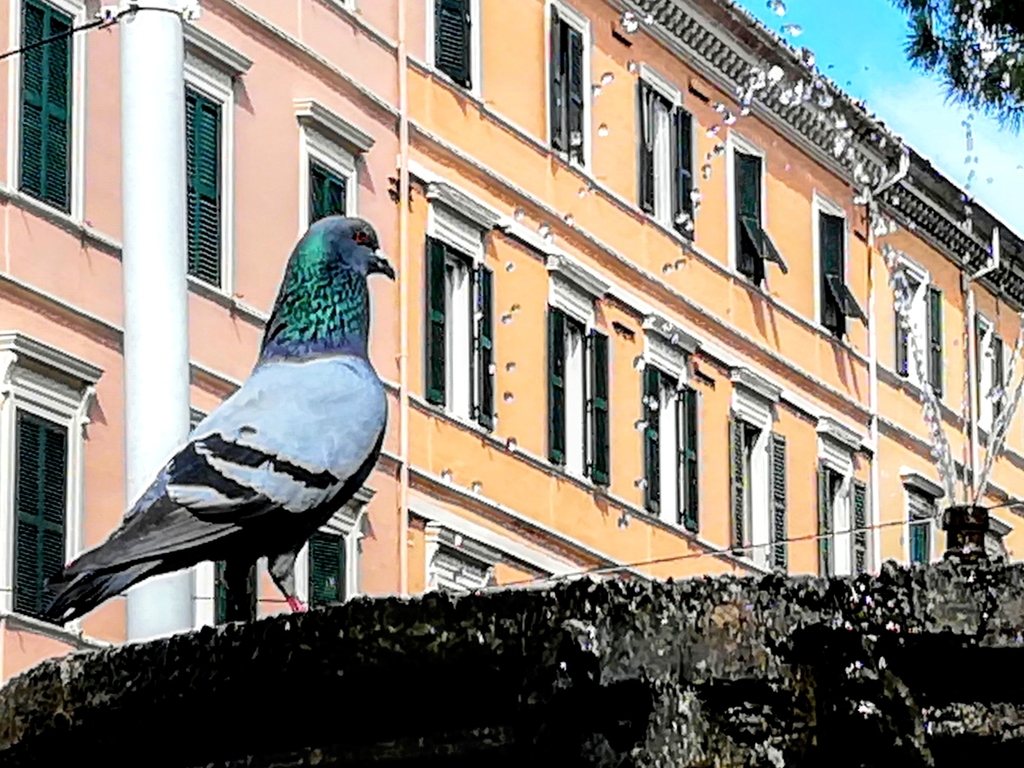
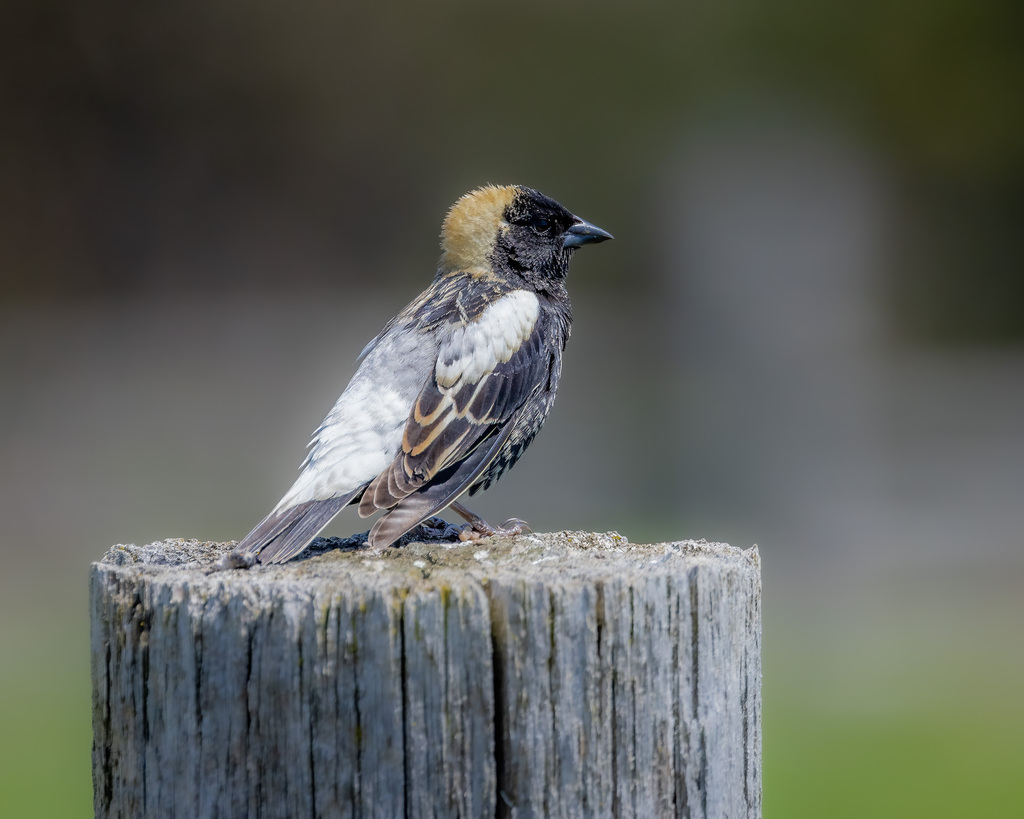
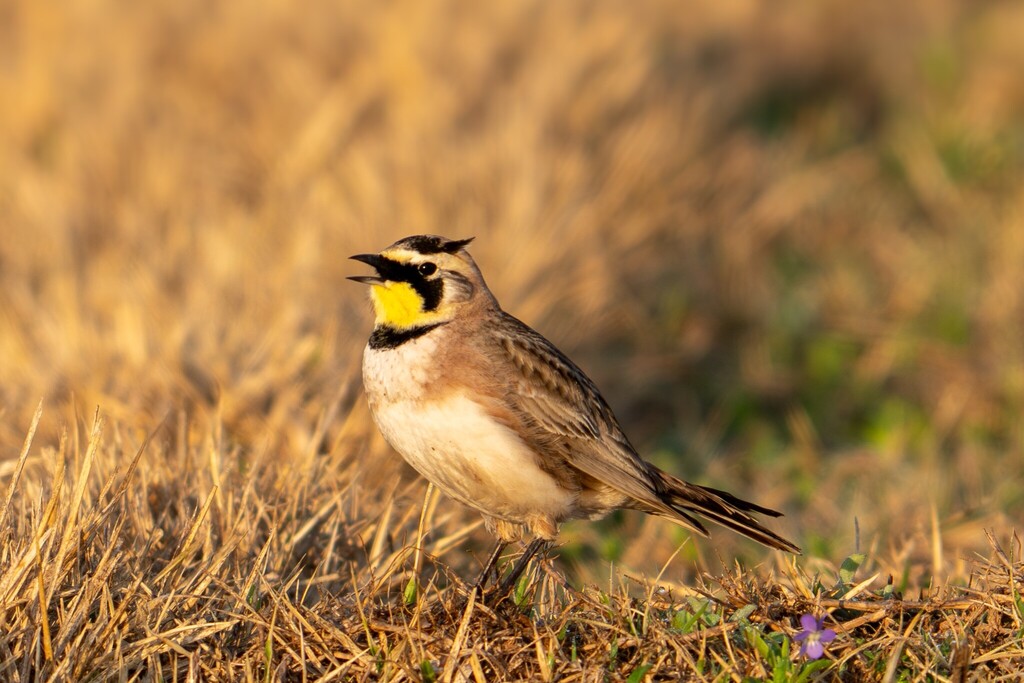
Plants 1314
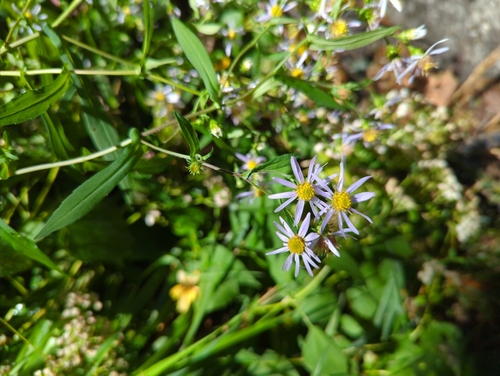
- Crooked-stem AsterSymphyotrichum prenanthoides
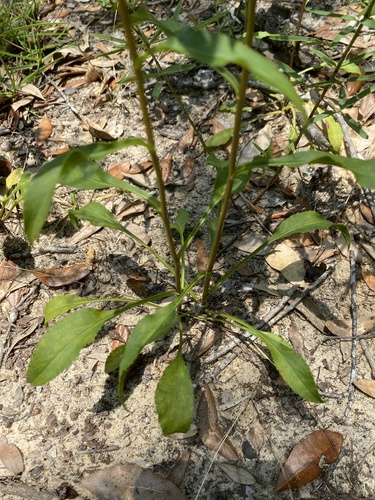
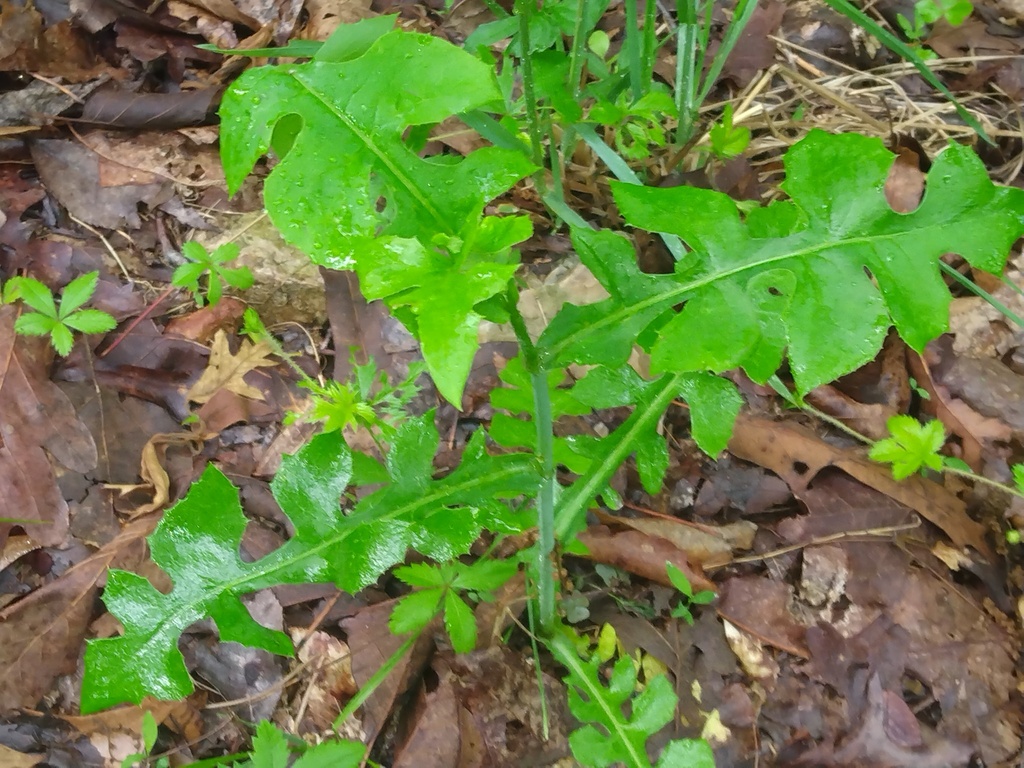
- Canada LettuceLactuca canadensis
- Common HorseweedErigeron canadensis
- Annual FleabaneErigeron annuus
- Oakleaf FleabaneErigeron quercifolius
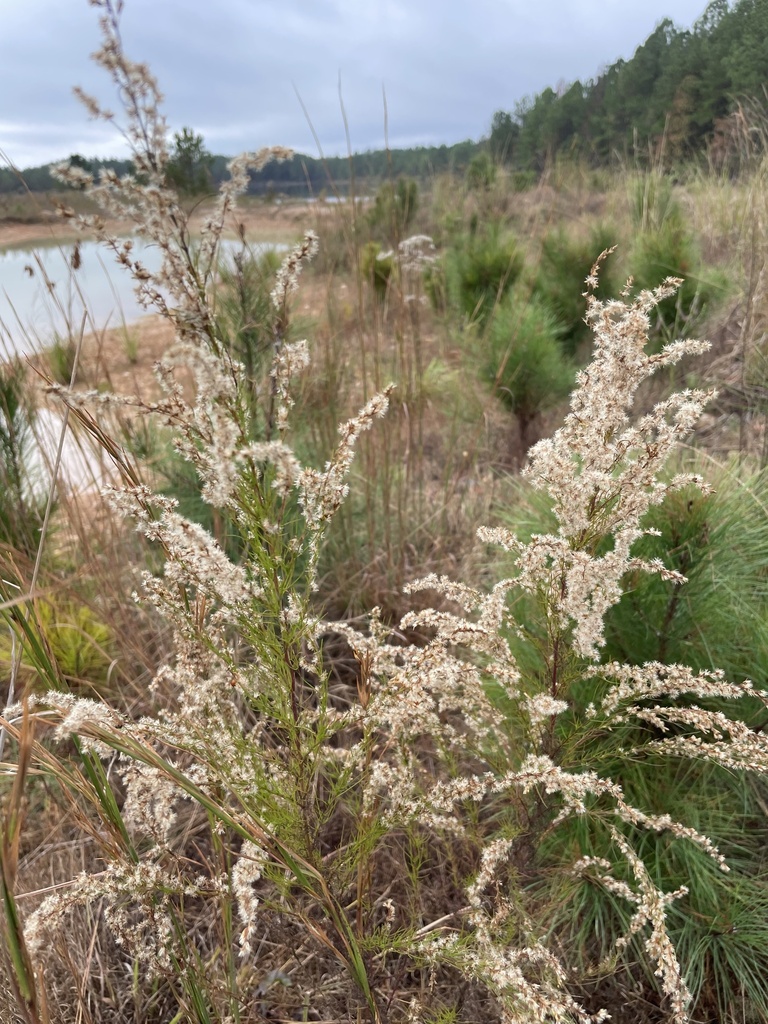
- Dog-fennelEupatorium capillifolium
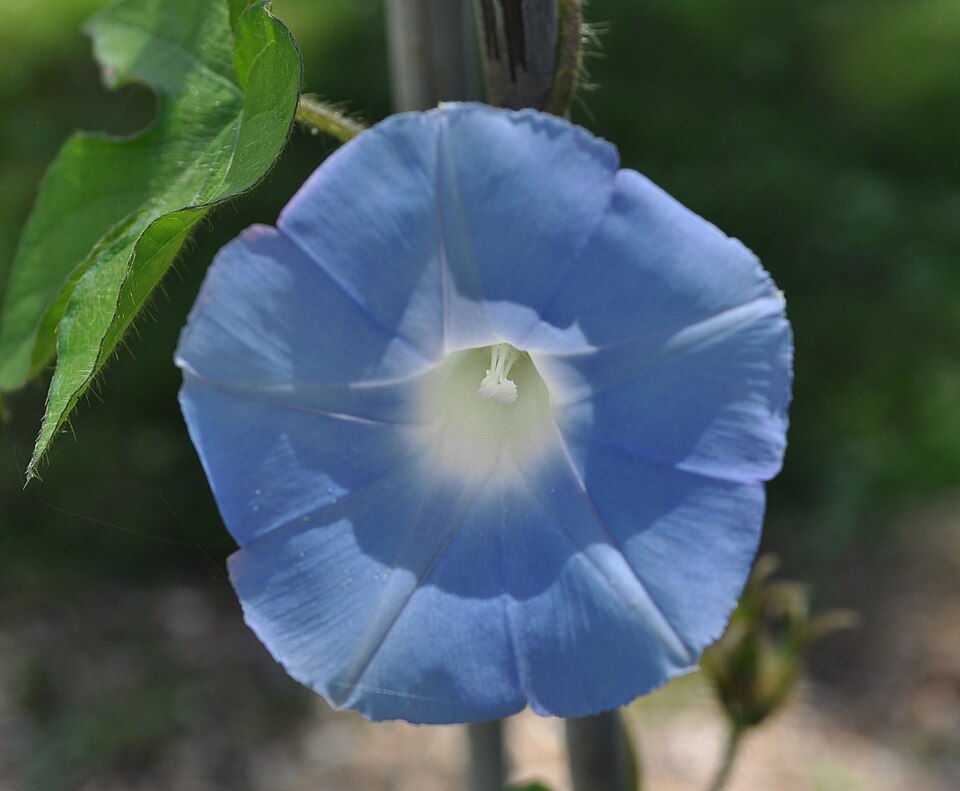
- Ivyleaf Morning-gloryIpomoea hederacea
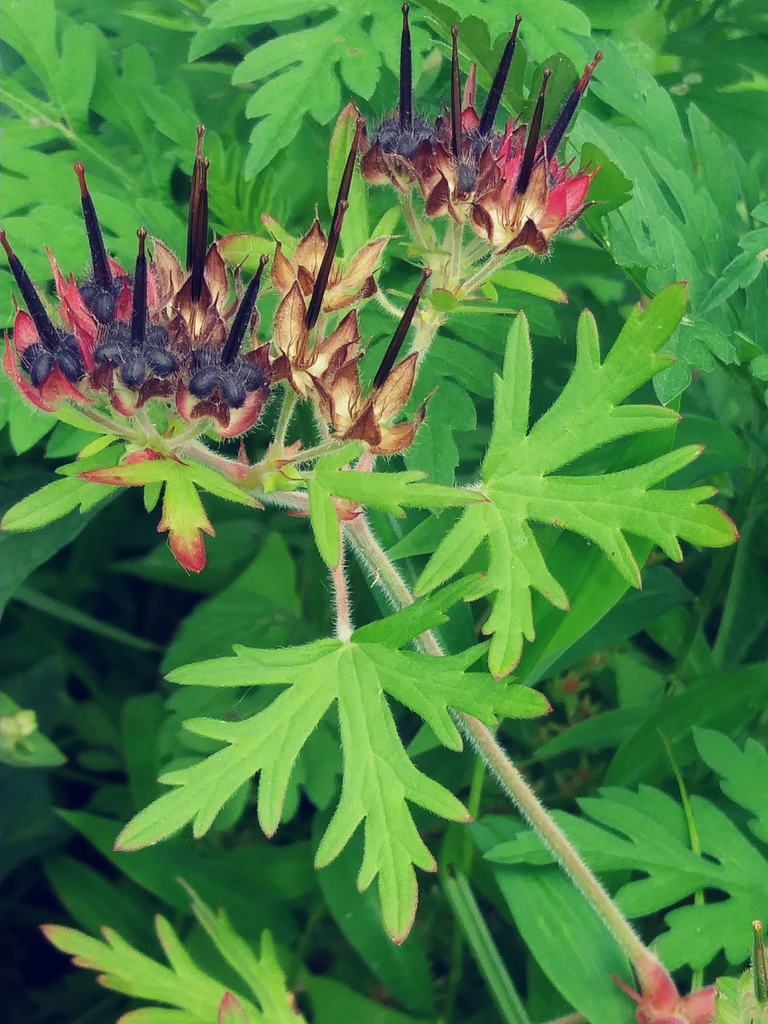
- Carolina Crane's-billGeranium carolinianum
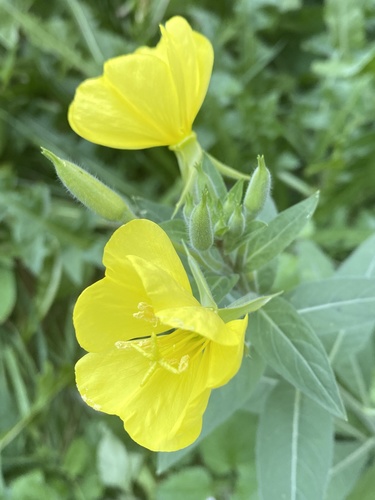
- Common Evening-primroseOenothera biennis
- Cutleaf Evening-primroseOenothera laciniata
- Northern Evening-primroseOenothera parviflora
- Downy Ground-cherryPhysalis pubescens
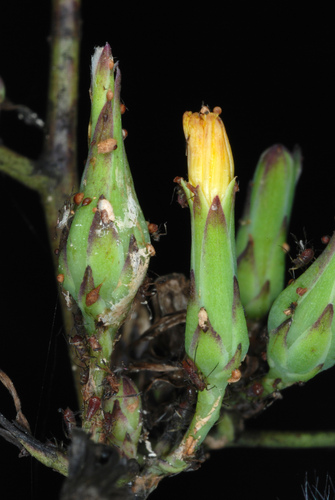
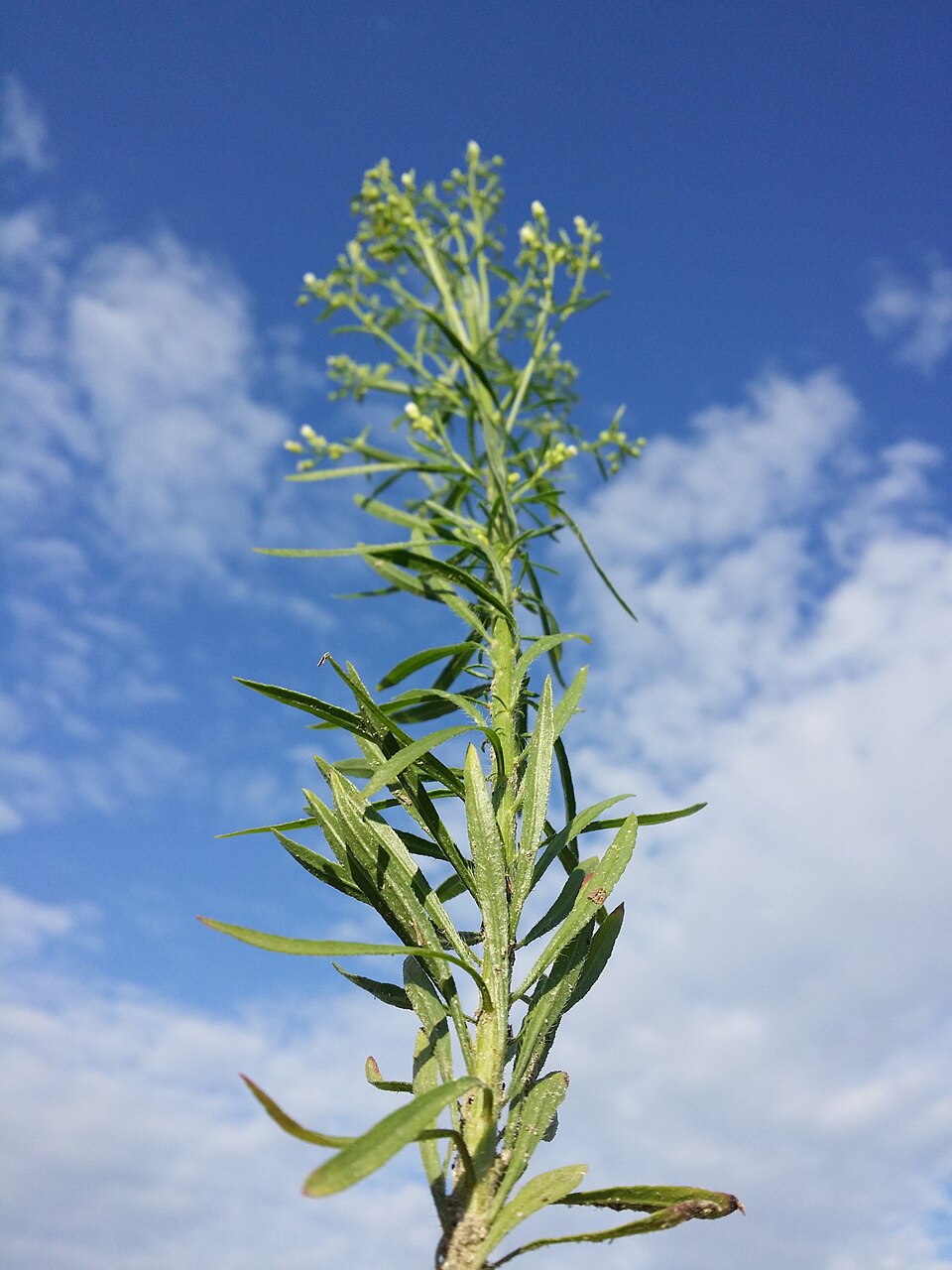
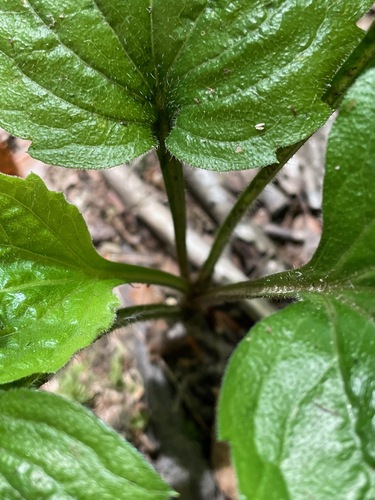
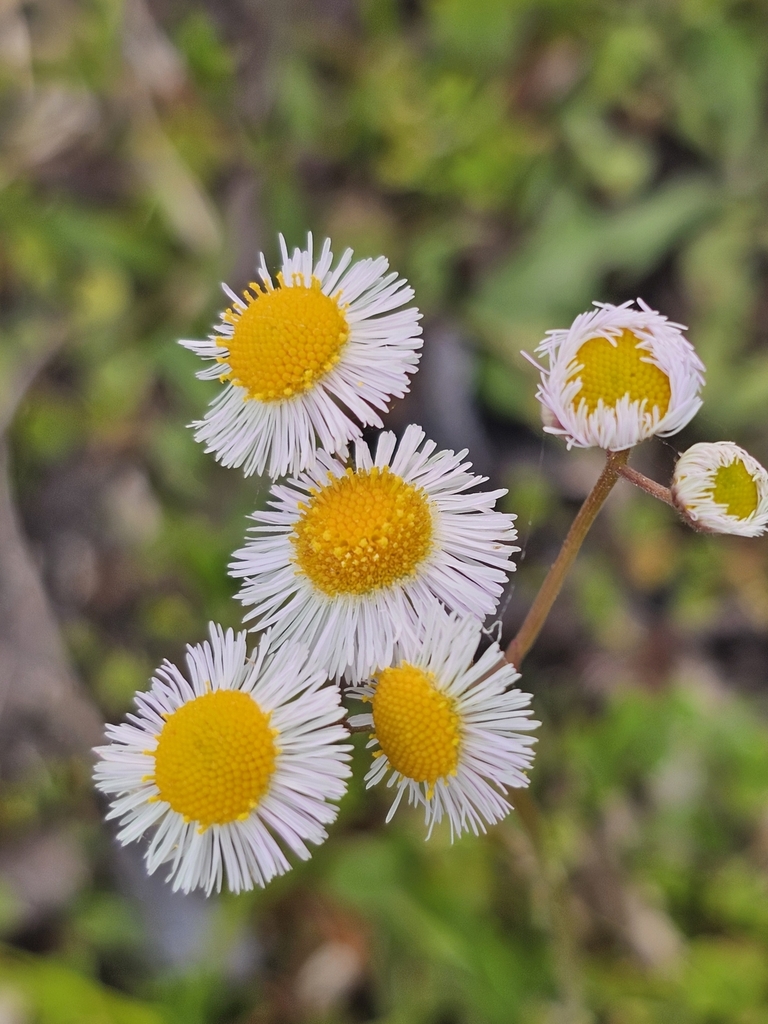
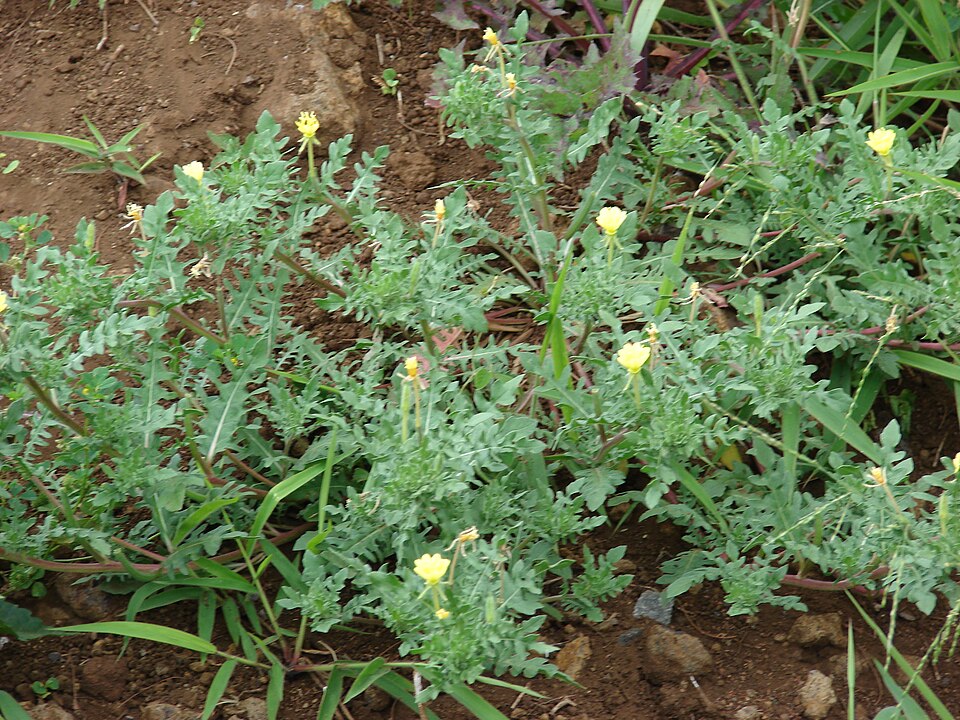
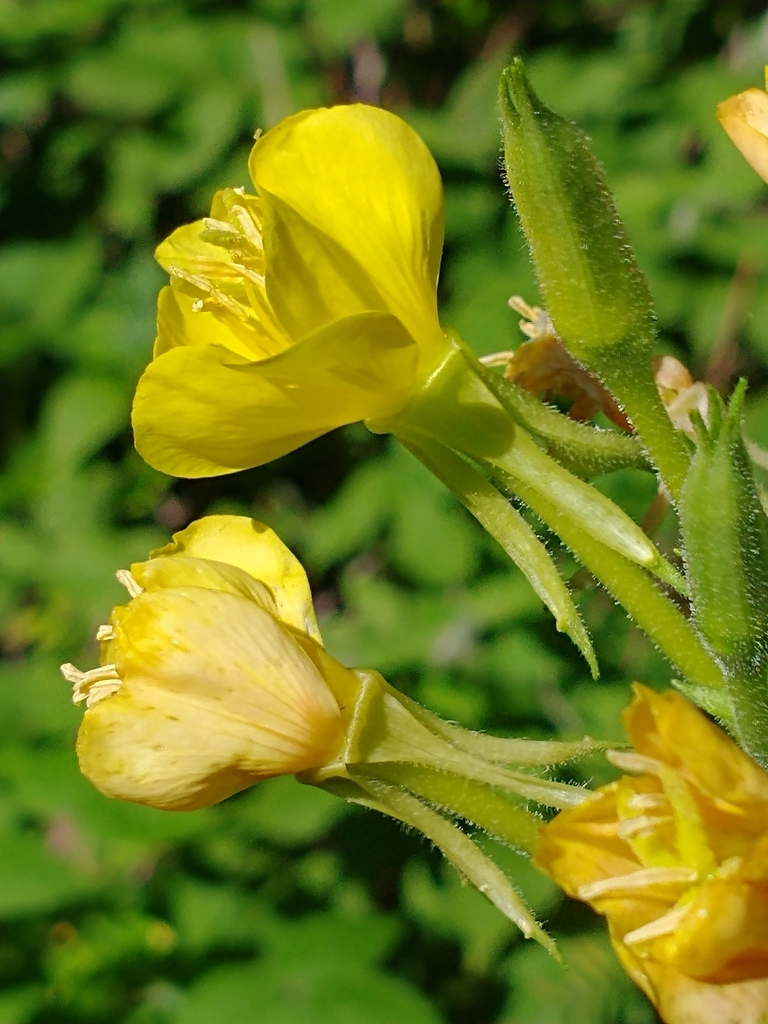
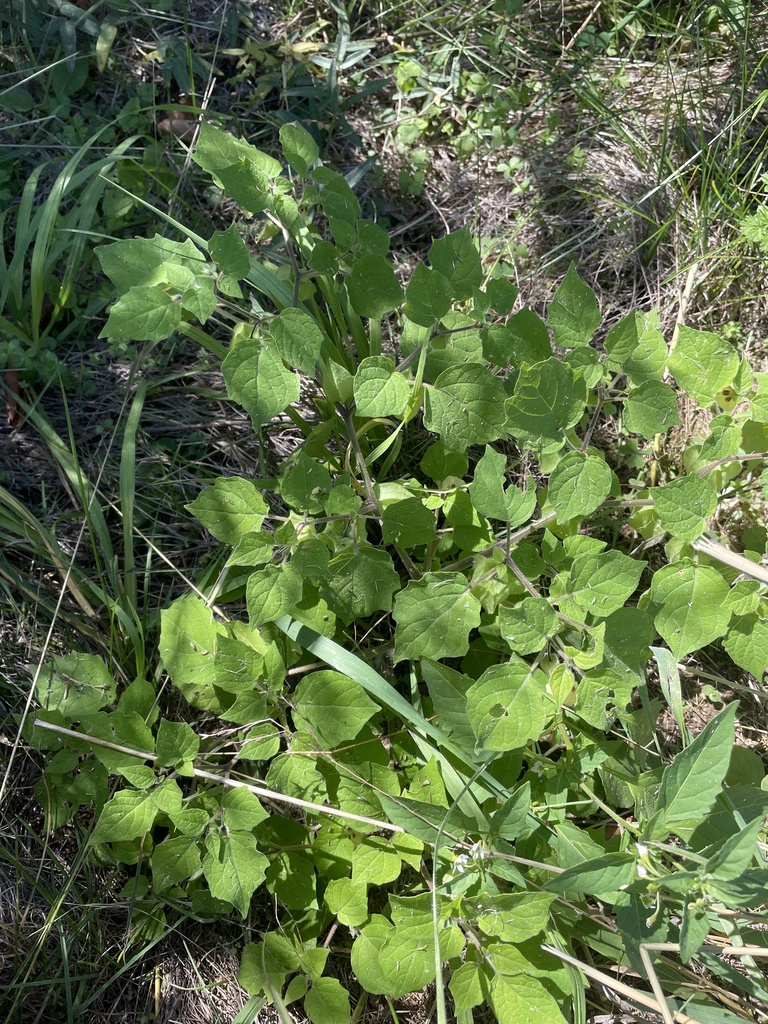
All of roadsides, fields and disturbed ground in North Carolina
Forest edges and thickets
Birds 40
- House FinchCarpodacus mexicanus
- Vesper SparrowPooecetes gramineus
- Wilson's WarblerWilsonia pusilla
- Field SparrowSpizella pusilla
- Barn SwallowHirundo rustica
- Willow FlycatcherEmpidonax traillii
- Brown-headed CowbirdMolothrus ater
- Eastern BluebirdSialia sialis
- Yellow-throated WarblerDendroica dominica
- Black-throated Blue WarblerDendroica caerulescens
- Northern BobwhiteColinus virginianus
- White-crowned SparrowZonotrichia leucophrys
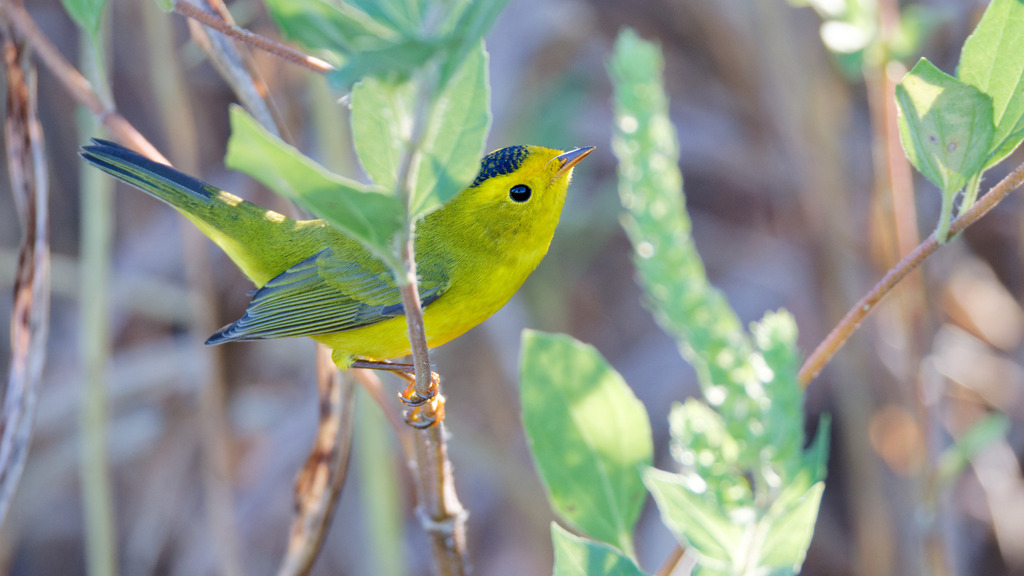
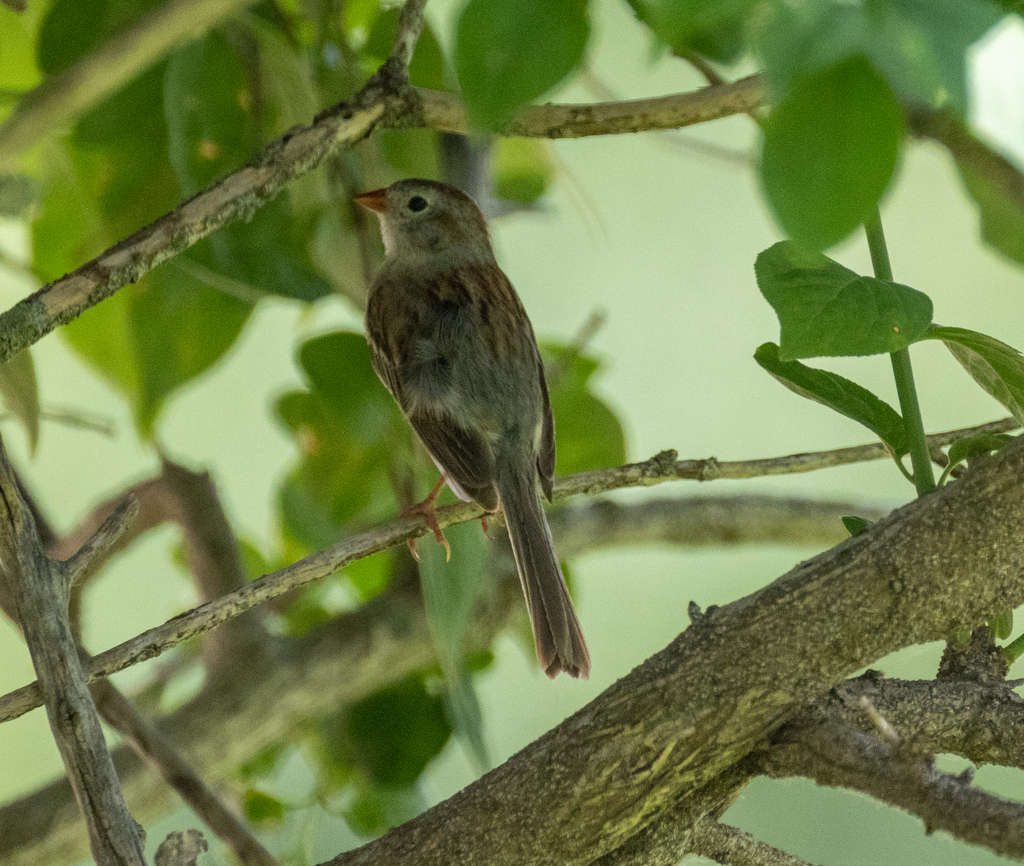
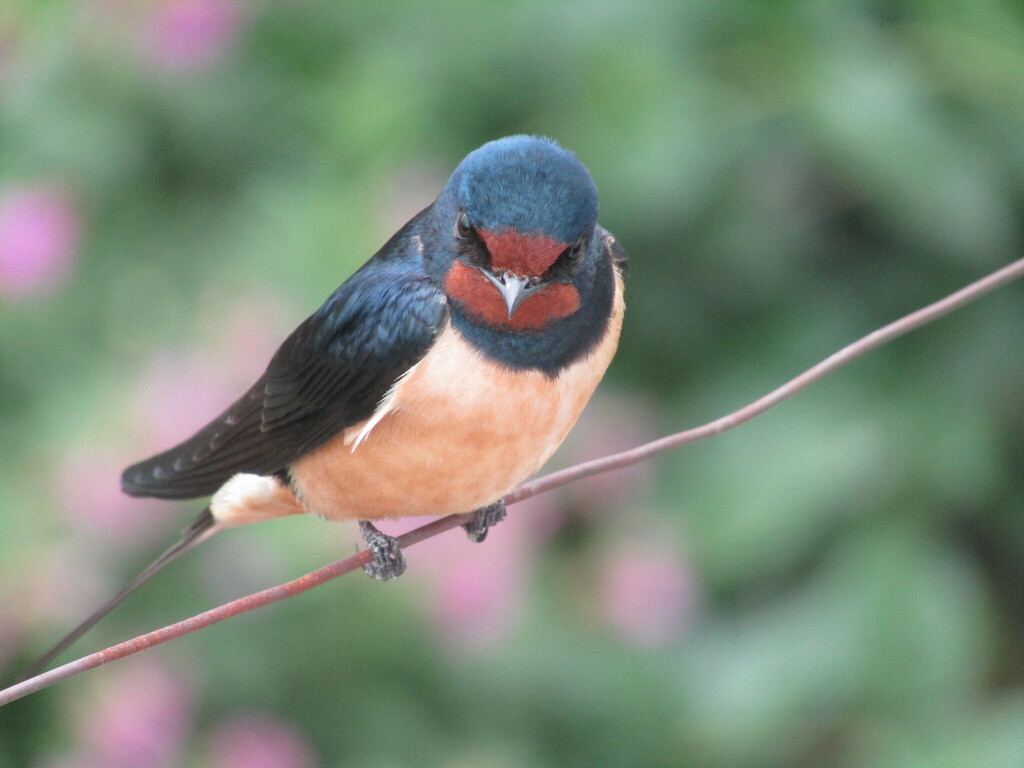





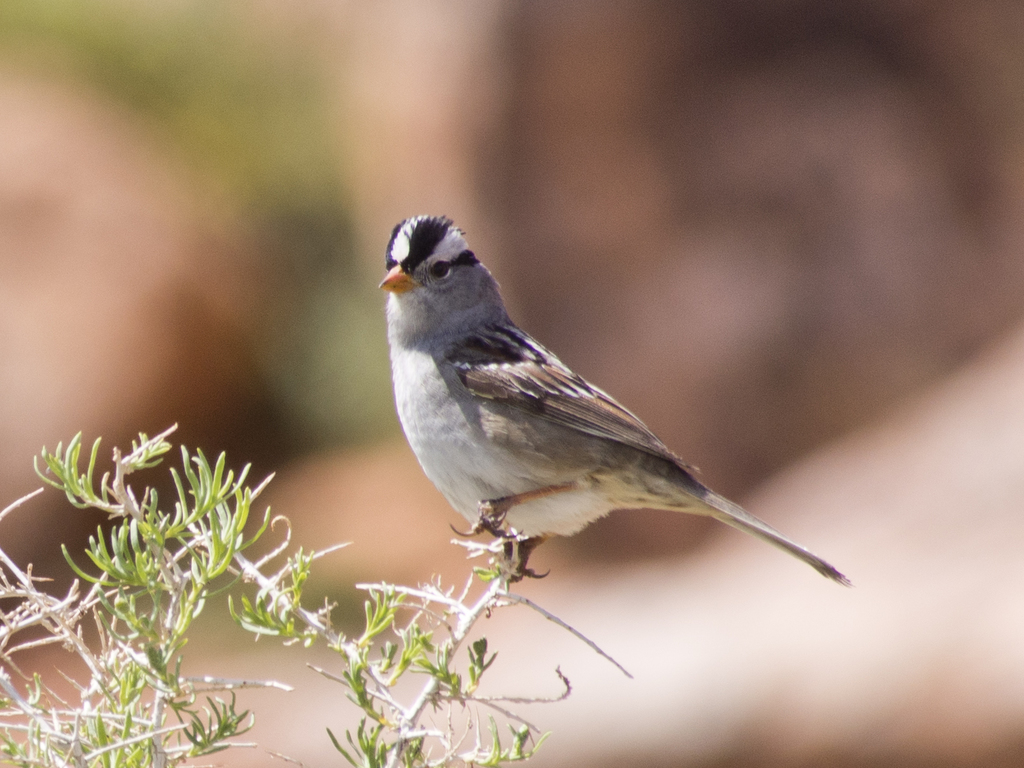
Plants 231
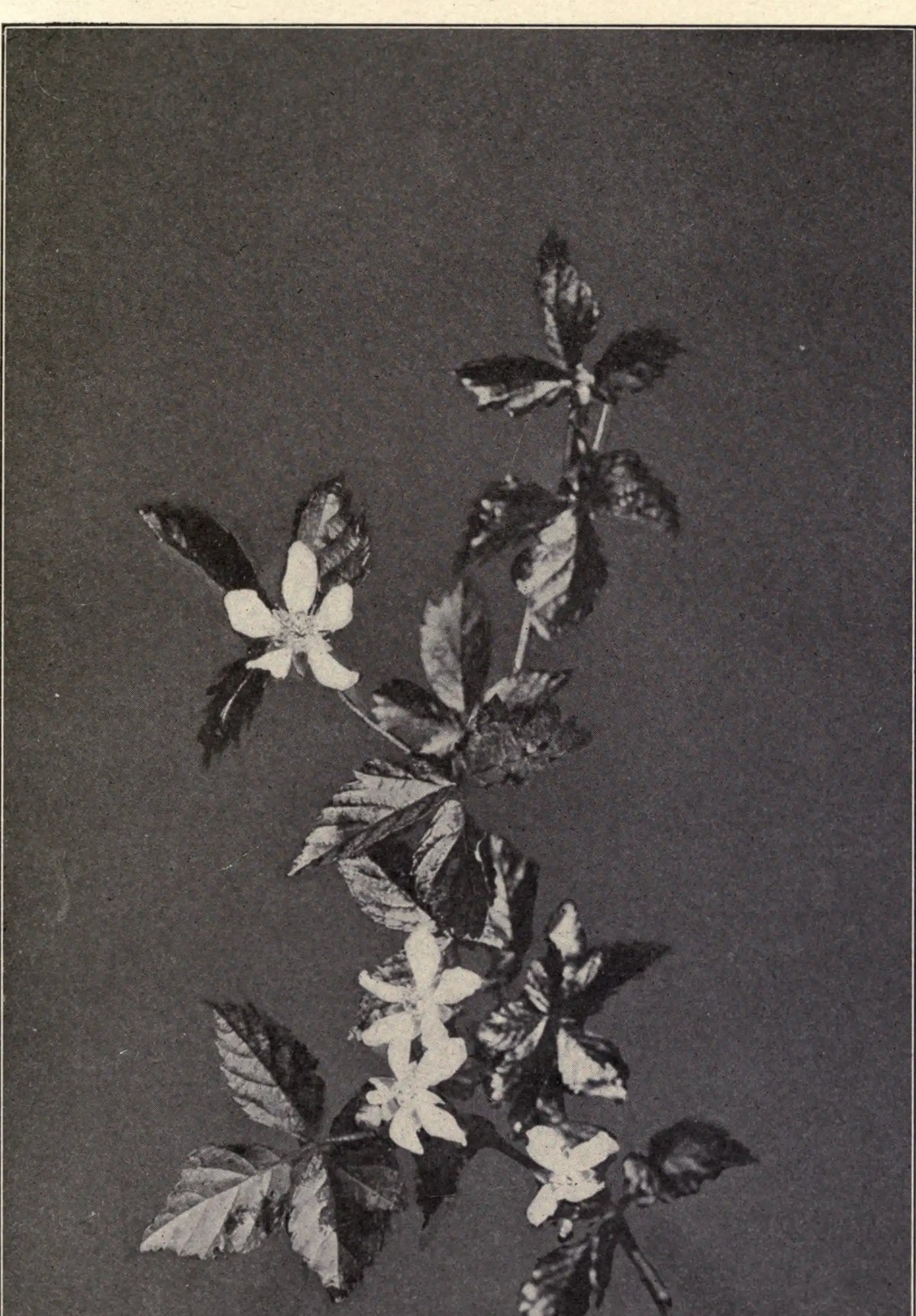
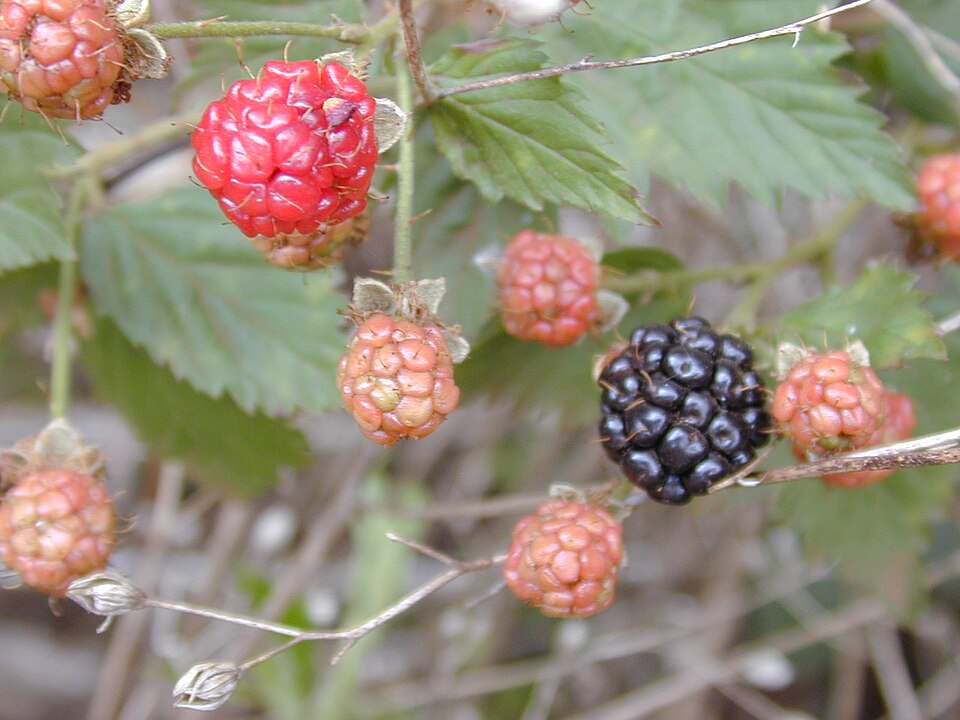
- Bristly BlackberryRubus setosus
- Tall LarkspurDelphinium exaltatum
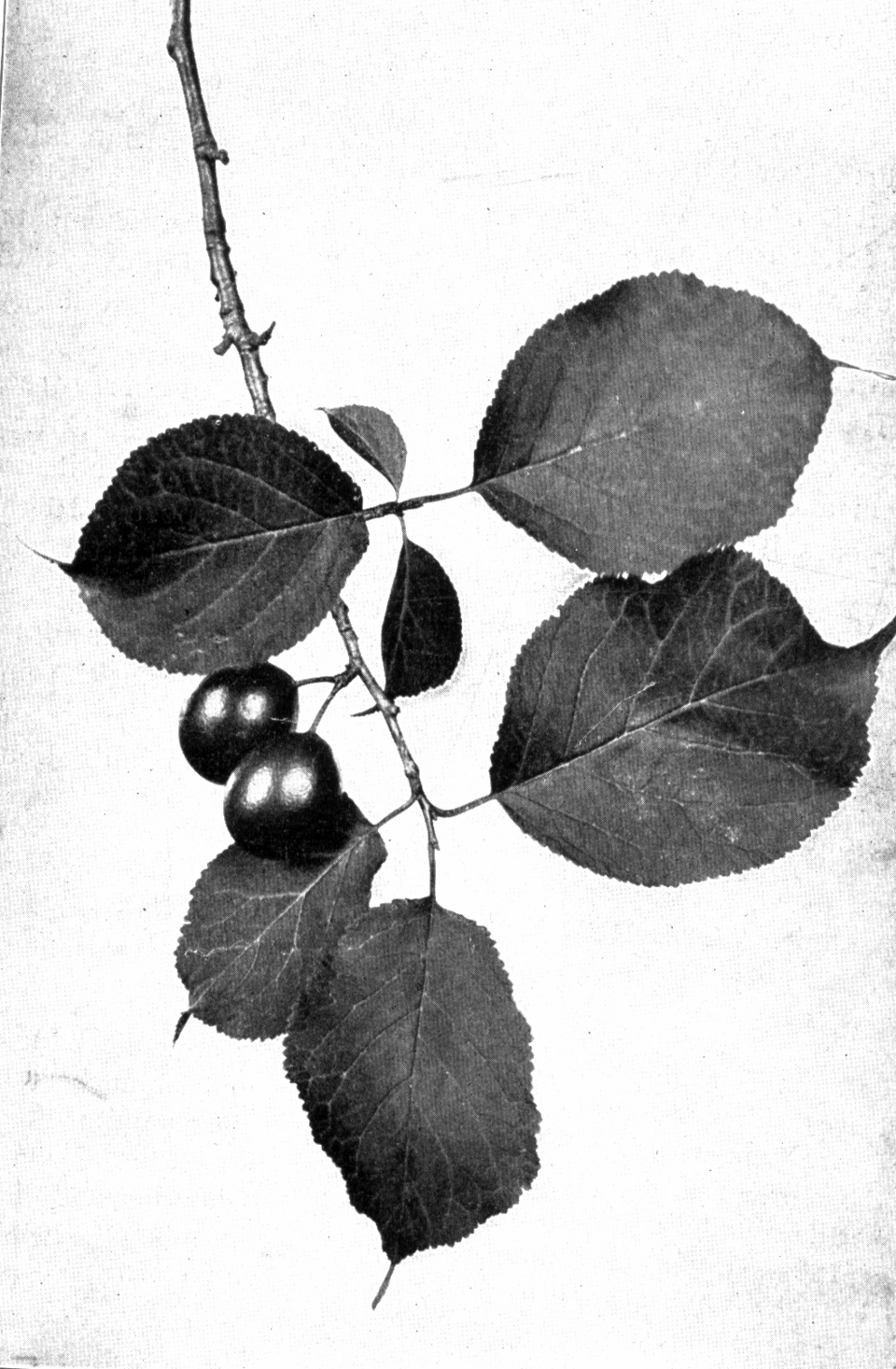
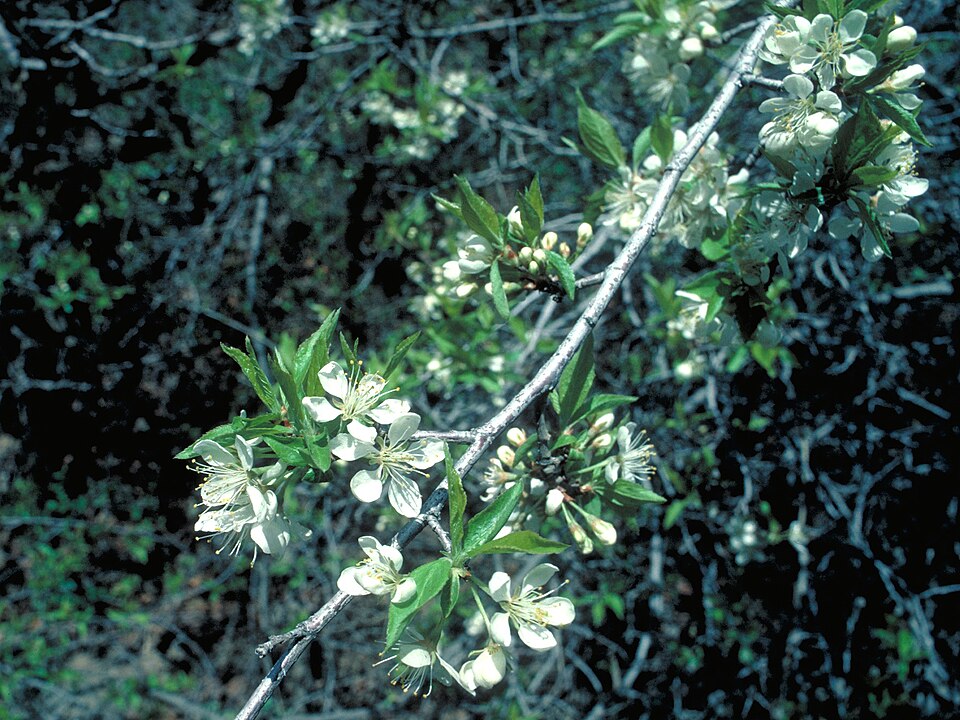
- Canada PlumPrunus nigra
- Fire CherryPrunus pensylvanica
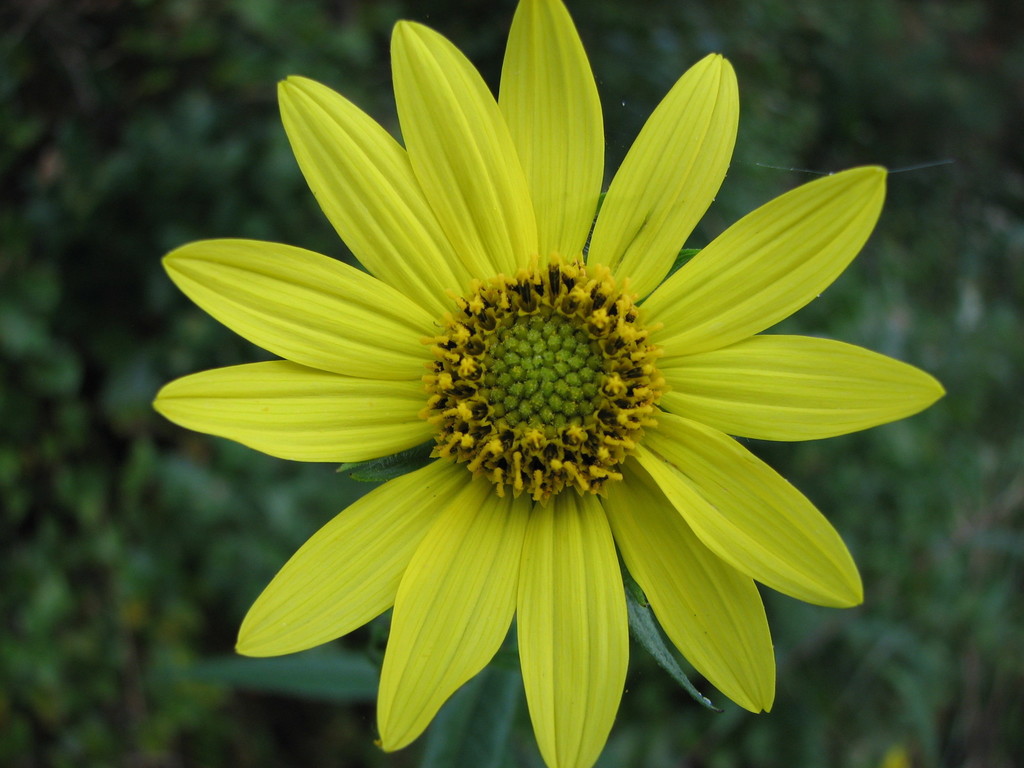
- Giant SunflowerHelianthus giganteus
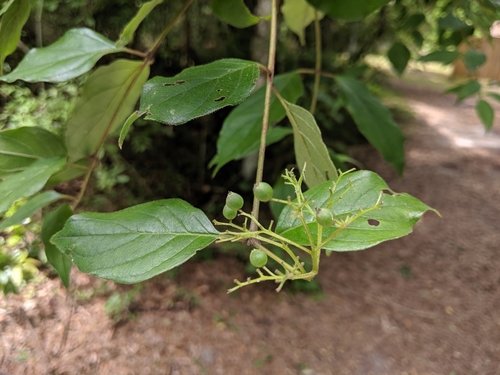
- Gray DogwoodSwida racemosa
- Roughleaf DogwoodSwida asperifolia
- Southern DewberryRubus trivialis
- Sawtooth BlackberryRubus argutus
- Buffalo CloverTrifolium reflexum
- Cutleaf GoldenrodSolidago arguta
- Hairy LettuceLactuca hirsuta
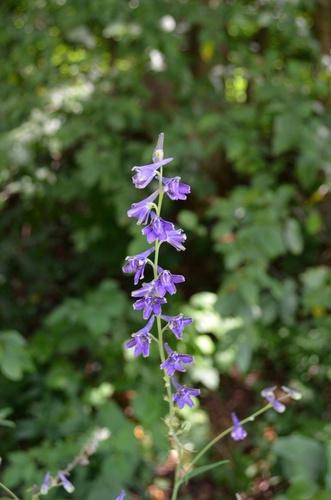
Mountain balds
Birds 23
- Grasshopper SparrowAmmodramus savannarum
- BobolinkDolichonyx oryzivorus
- Horned LarkEremophila alpestris
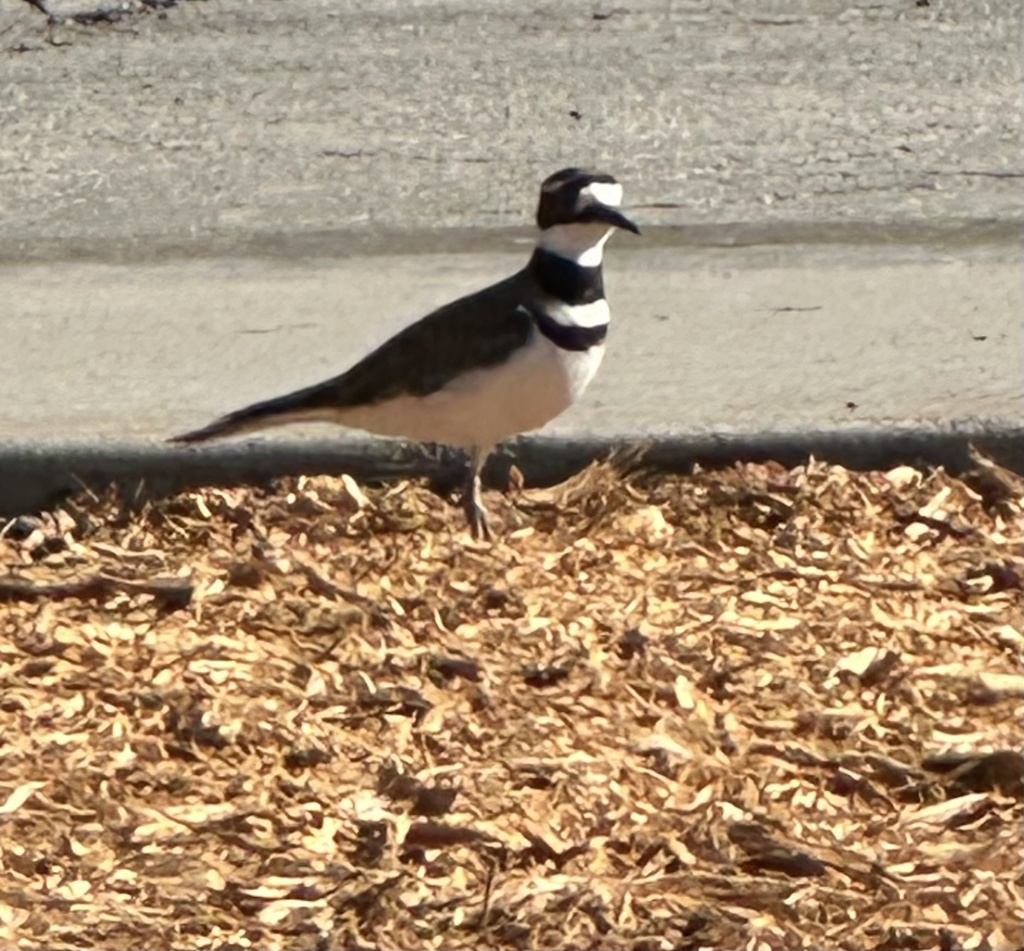
- KilldeerCharadrius vociferus
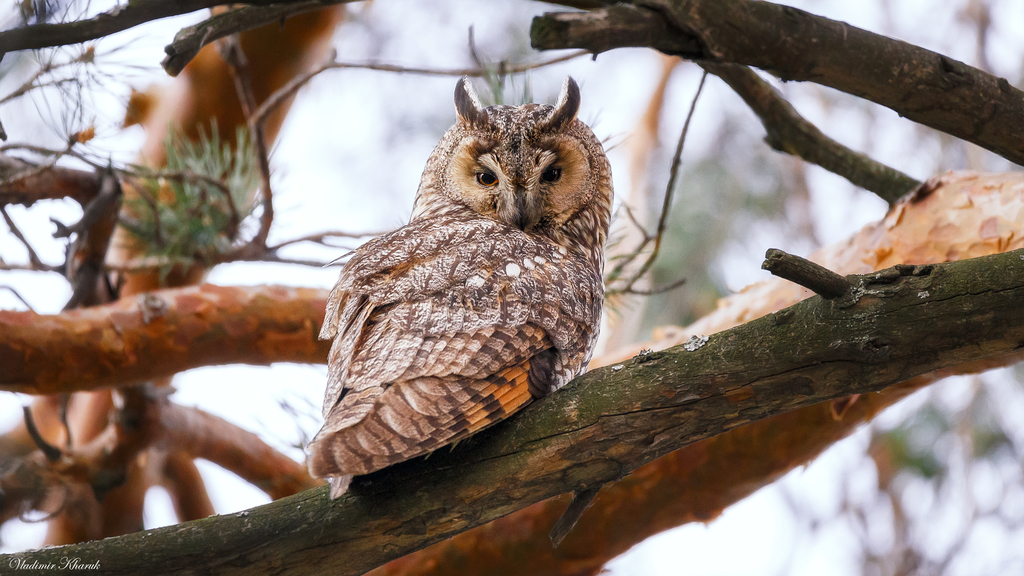
- Long-eared OwlAsio otus
- Canada WarblerWilsonia canadensis
- White-crowned SparrowZonotrichia leucophrys
- Short-eared OwlAsio flammeus
- Prairie WarblerDendroica discolor
- American Tree SparrowSpizella arborea
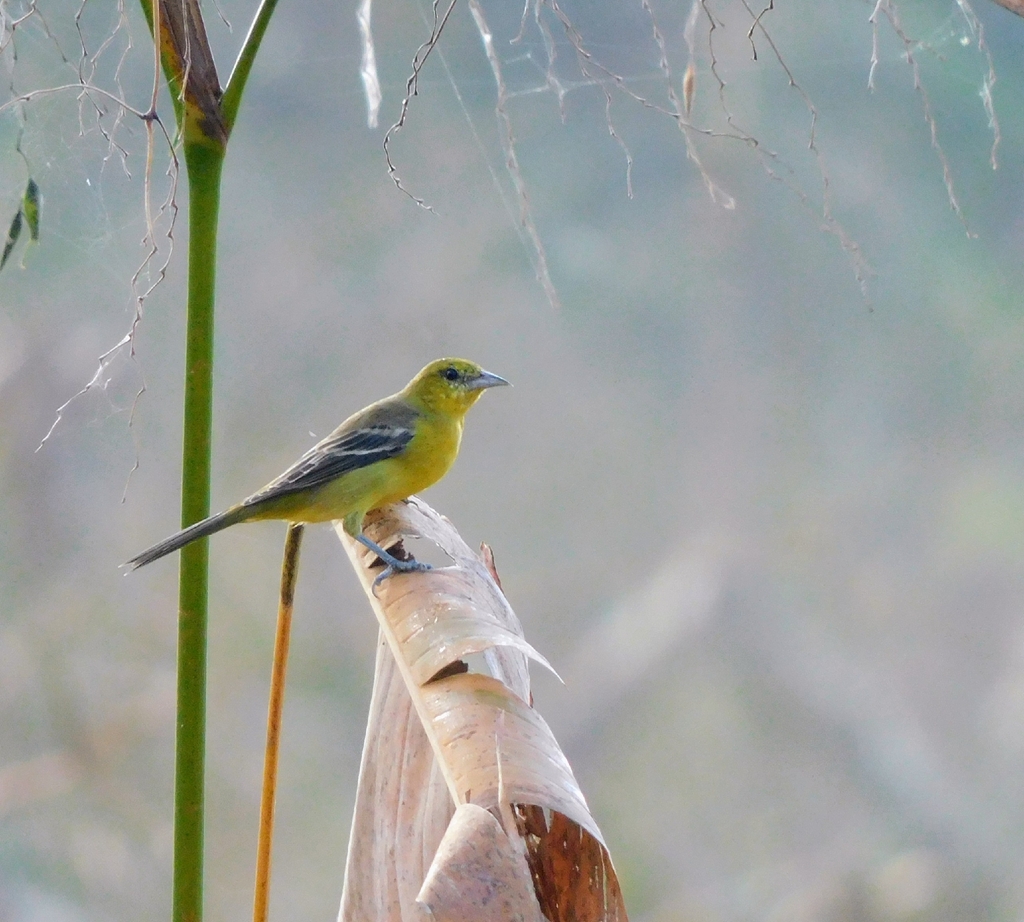
- Orchard OrioleIcterus spurius
- Vesper SparrowPooecetes gramineus
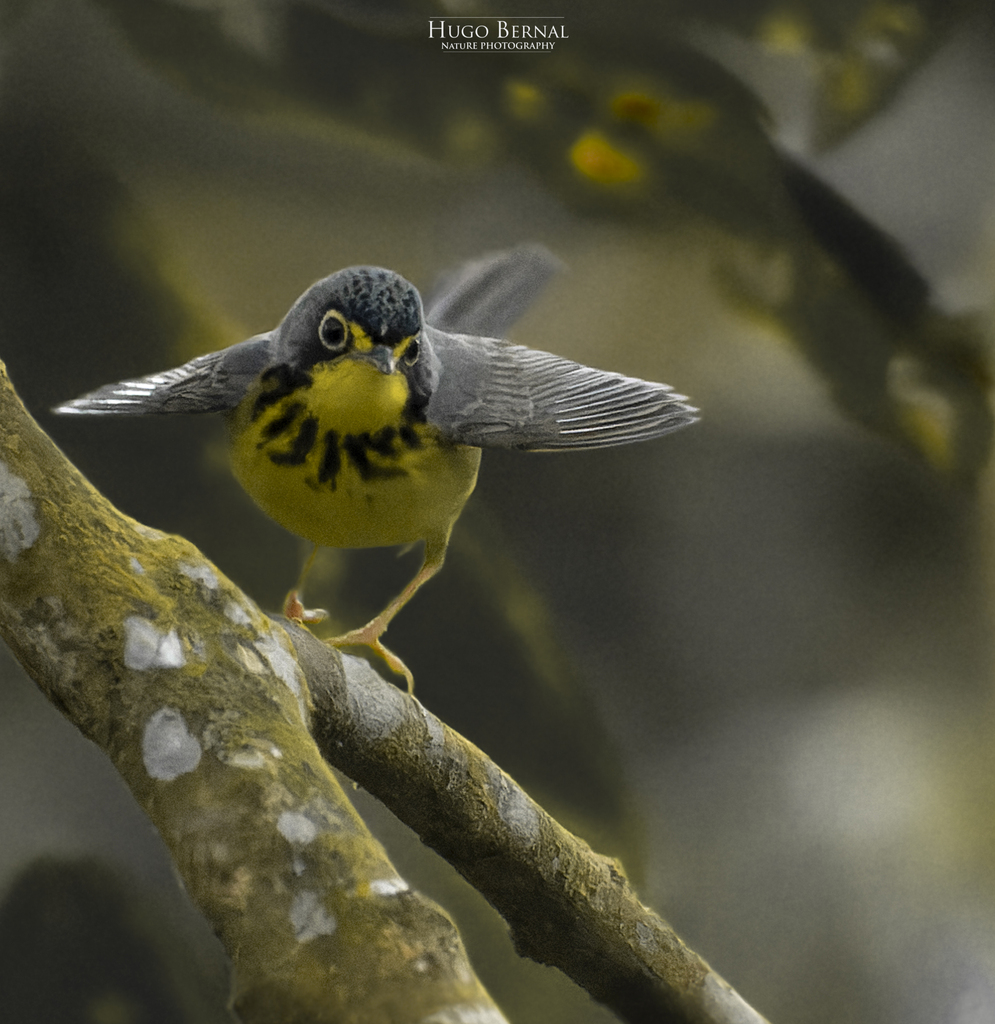
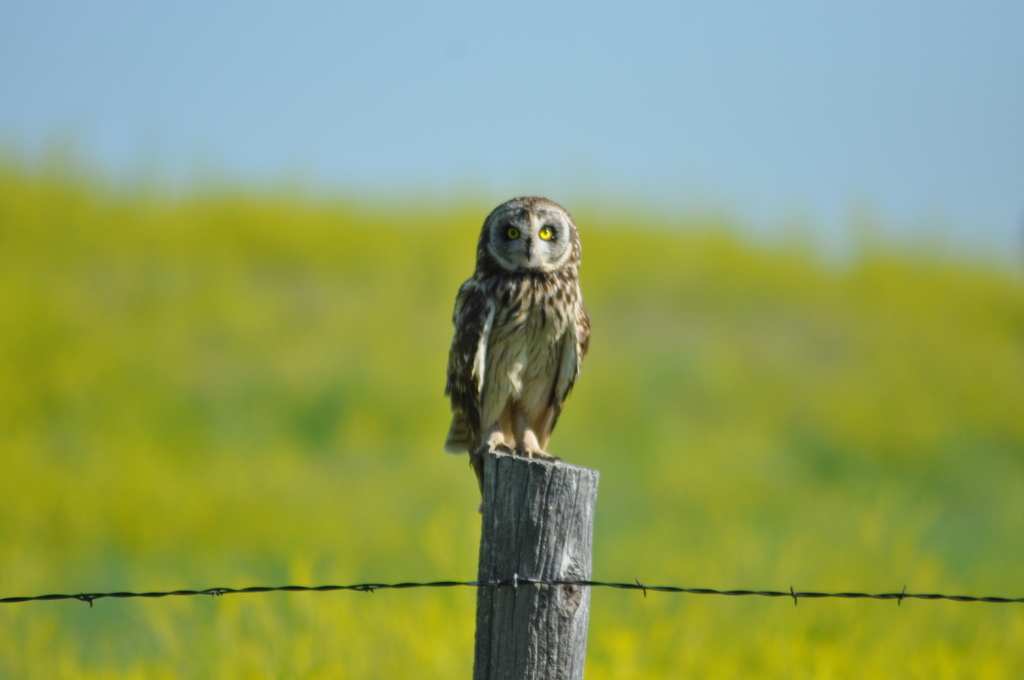
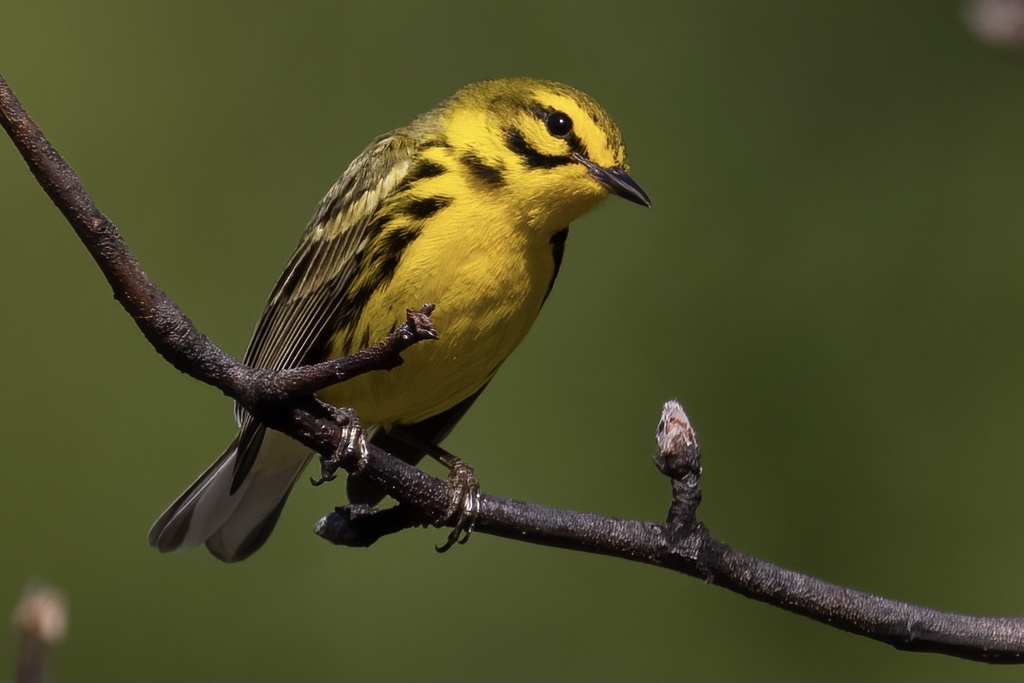
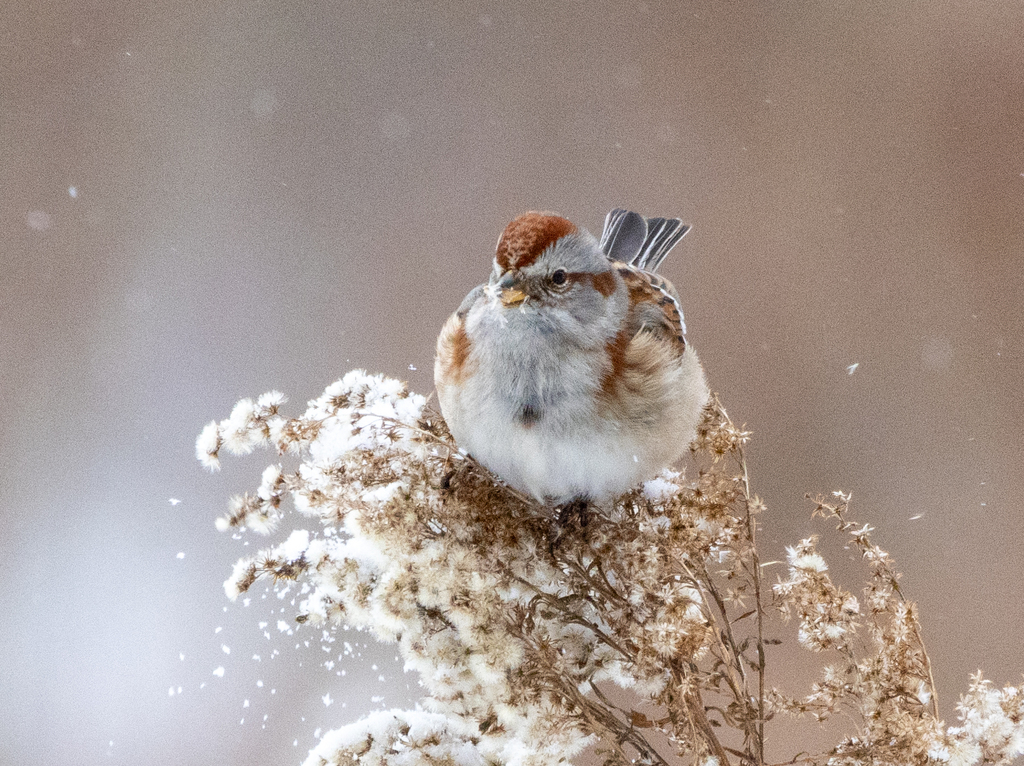
Plants 76
- Mountain Highbush BlueberryVaccinium simulatum
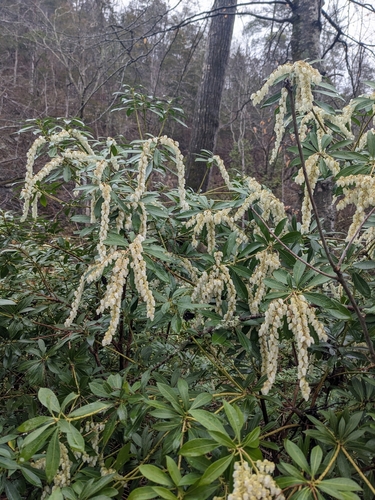
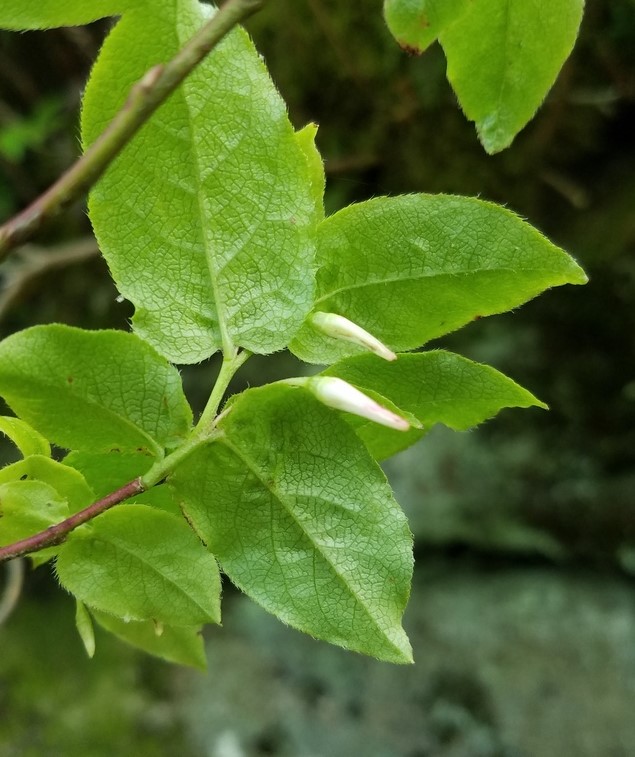
- Mountain AndromedaPieris floribunda
- Smooth BlackberryRubus canadensis
- Southern Mountain CranberryVaccinium erythrocarpum
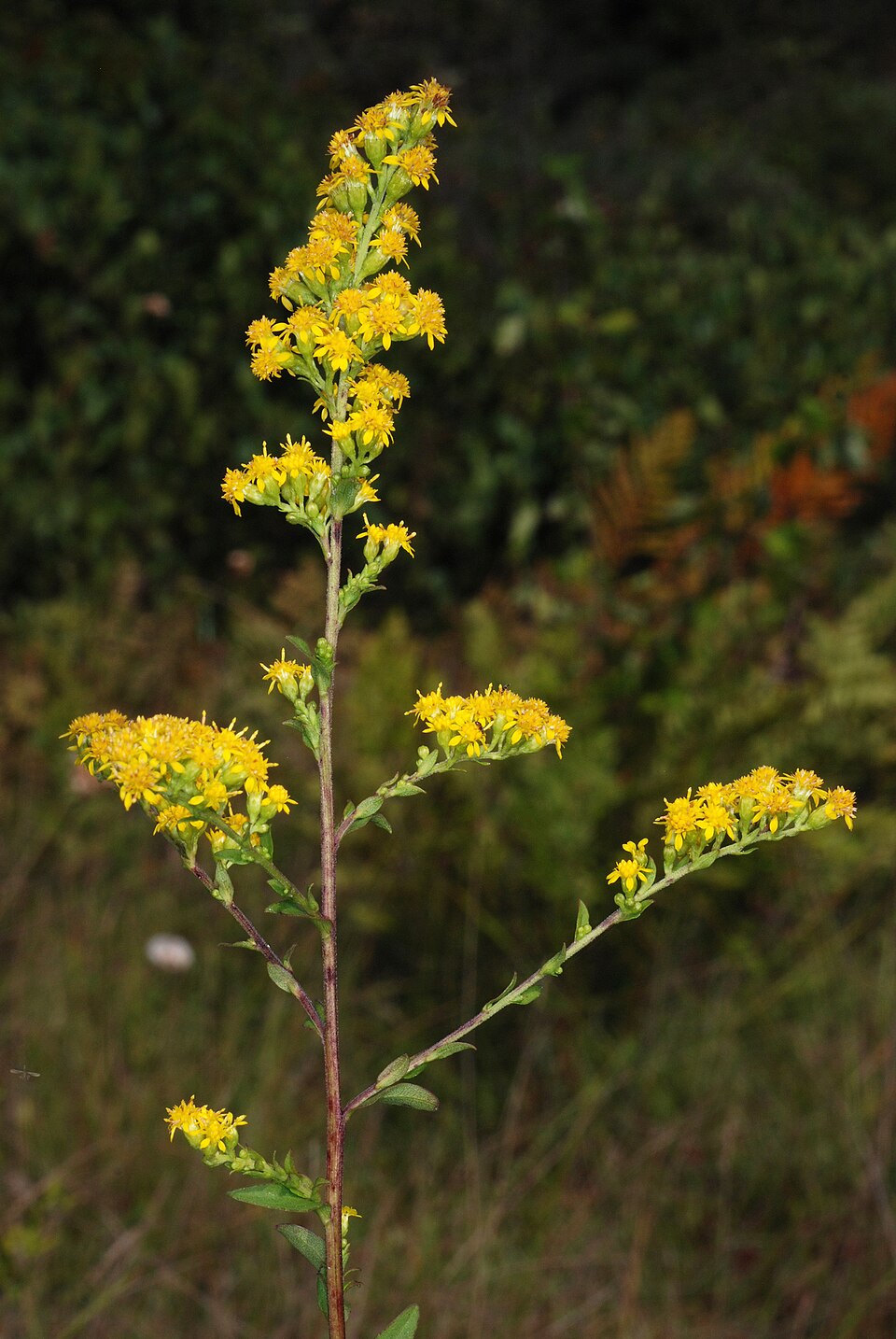
- Atlantic GoldenrodSolidago vaseyi
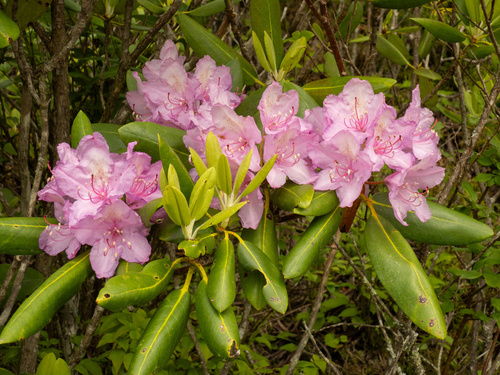
- Catawba RhododendronRhododendron catawbiense
- Great Smoky Mountains RhododendronRhododendron smokianum
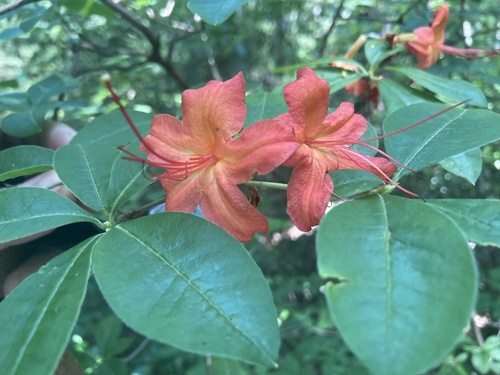
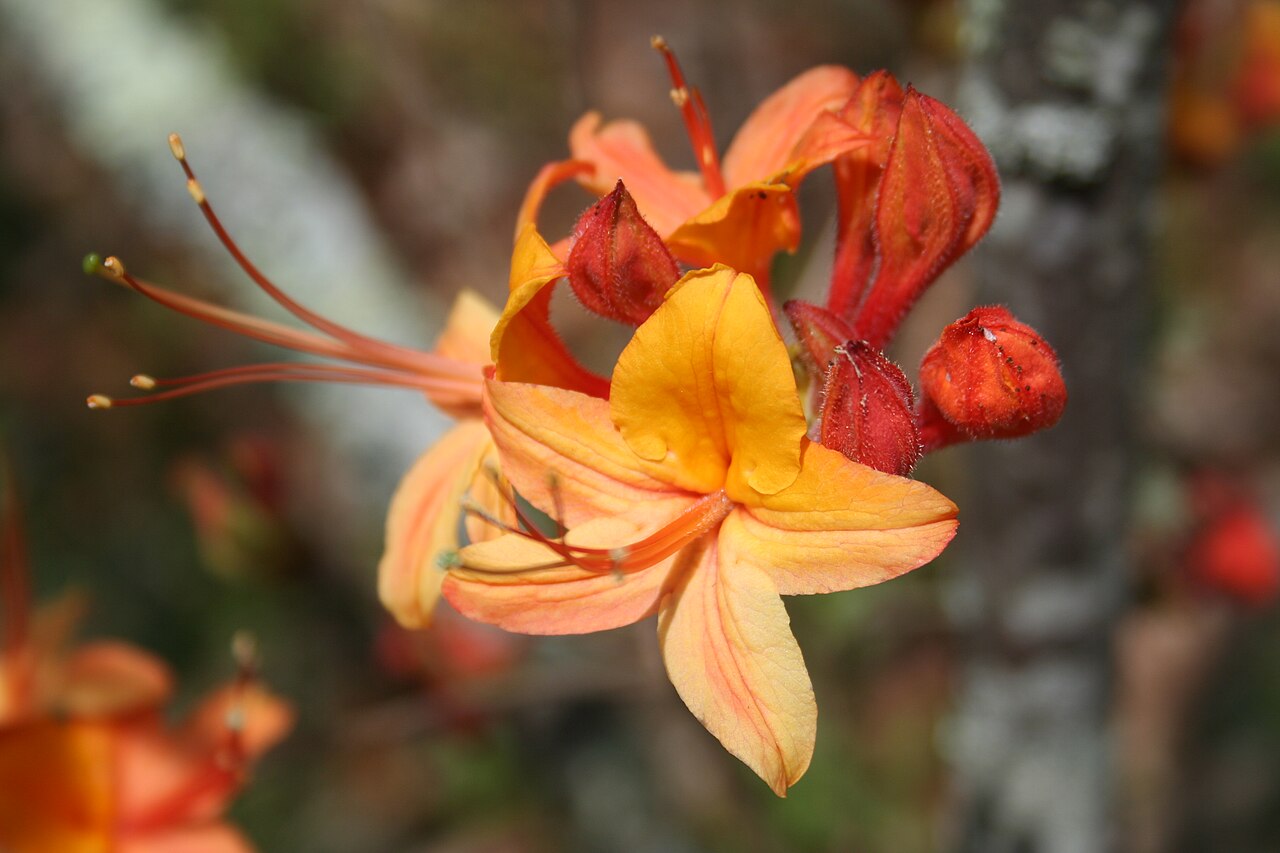
- Cumberland AzaleaRhododendron cumberlandense
- Flame AzaleaRhododendron calendulaceum
- Northern Roughleaf GoldenrodSolidago patula
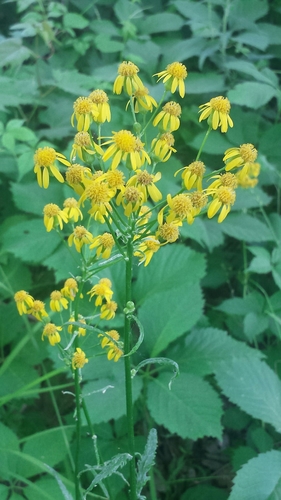
- Schweinitz's RagwortPackera schweinitziana
- Balsam Mountain HawthornCrataegus x oreophila

Sources
- USGS Gap Analysis Project habitat models (2001)
- USGS GAP winter habitat model for Loggerhead Shrike
- USGS Gap Analysis Project range maps (2001), modeled by watershed; migratory gives no dates
- NatureServe Explorer (CC BY 4.0), habitat names
- US Census TIGER/Line counties
- Names follow the USGS Gap Analysis Project (2001)