

Habitat in North Carolina
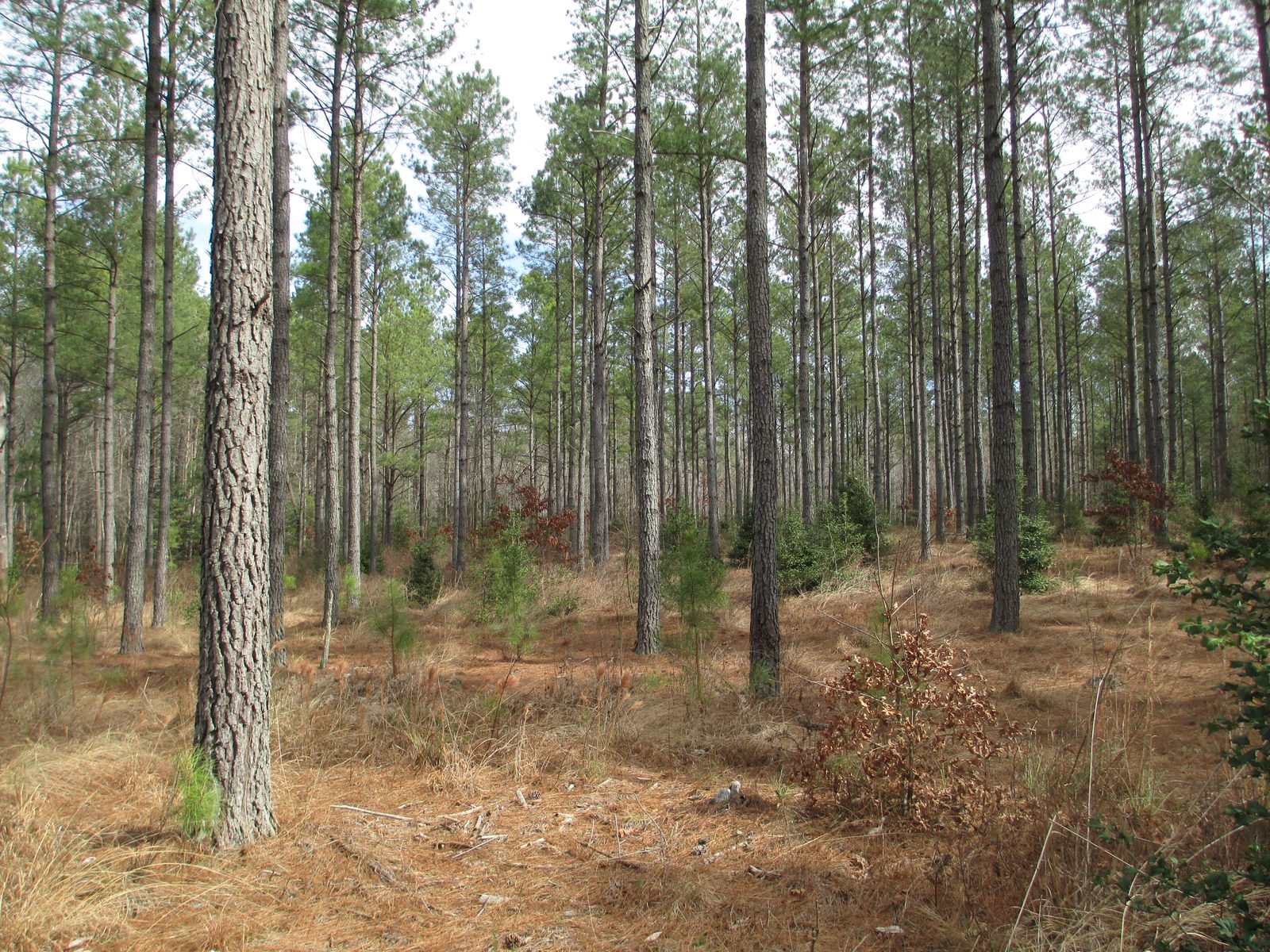
Tree plantations and managed pine
Planted or intensively managed stands of pine or hardwoods grown for timber; a land use rather than a natural community. NatureServe
- Plants
- 2
- Birds
- 99
Plants
Plants that grow wild in this habitat in North Carolina. Not a planting list.
Most characteristic plants of this habitat 2
Natives first, plants found in fewer other habitats first.
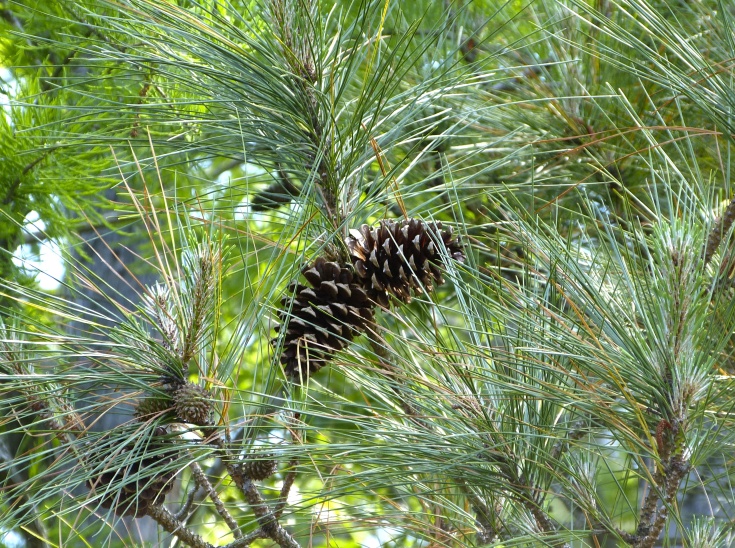
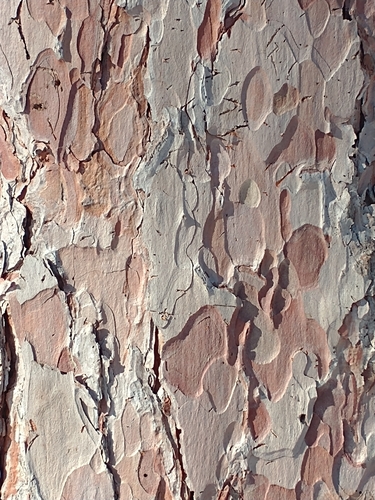
- Loblolly PinePinus taeda
- Red PinePinus resinosa
Wildlife
Animals whose habitat model includes this habitat in North Carolina. Shared habitat, not food.
Most characteristic birds of this habitat 30
Ranked by how much of their habitat model this habitat is.
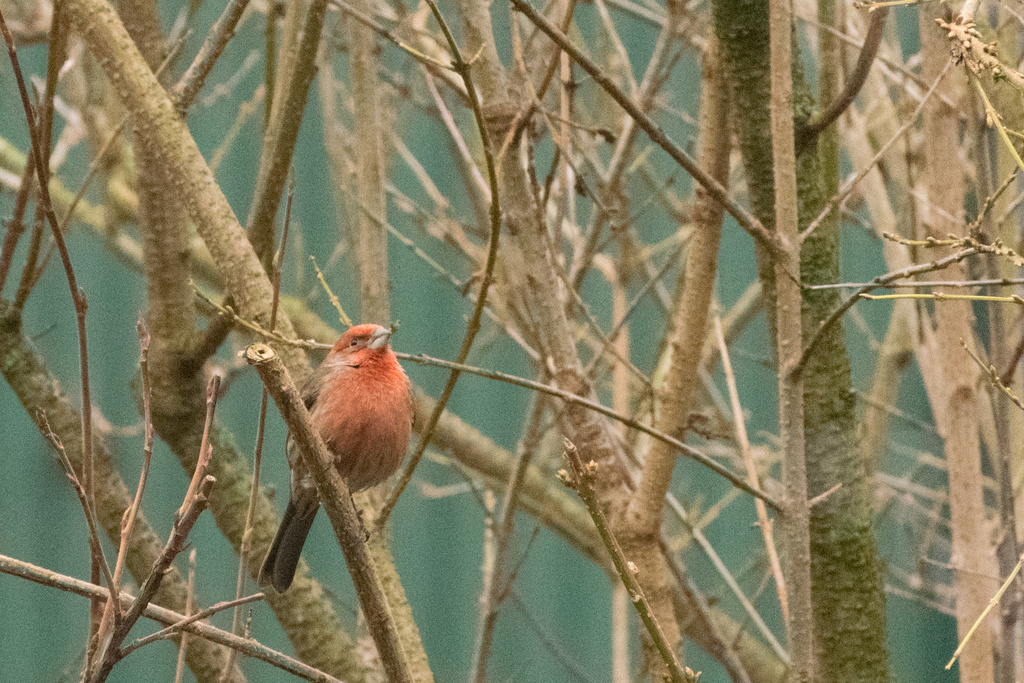
- House FinchCarpodacus mexicanus
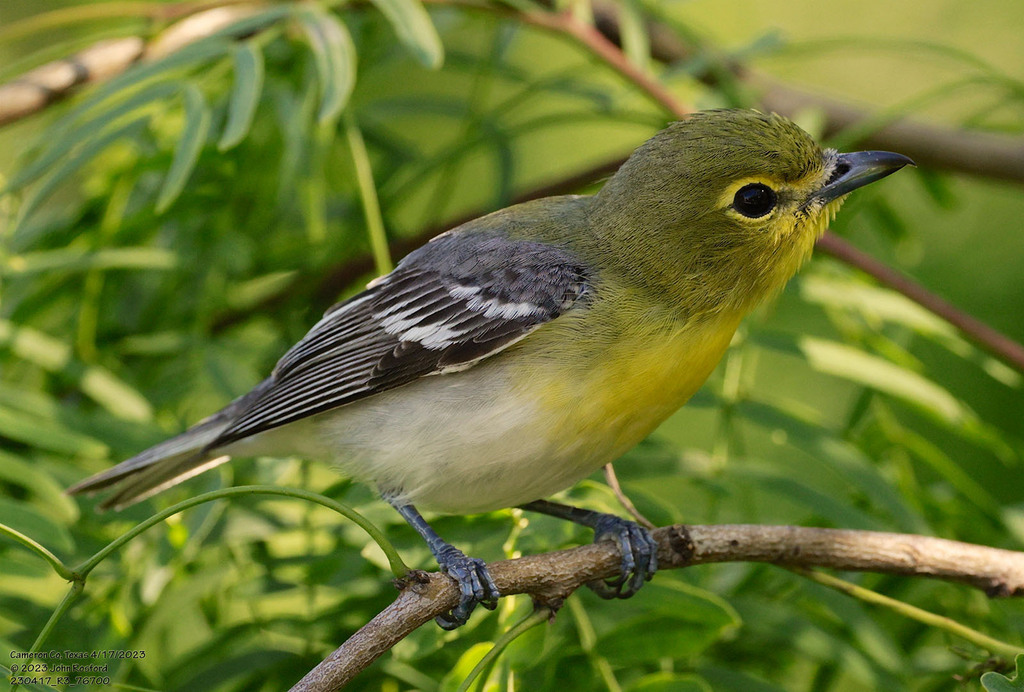
- Yellow-throated VireoVireo flavifrons
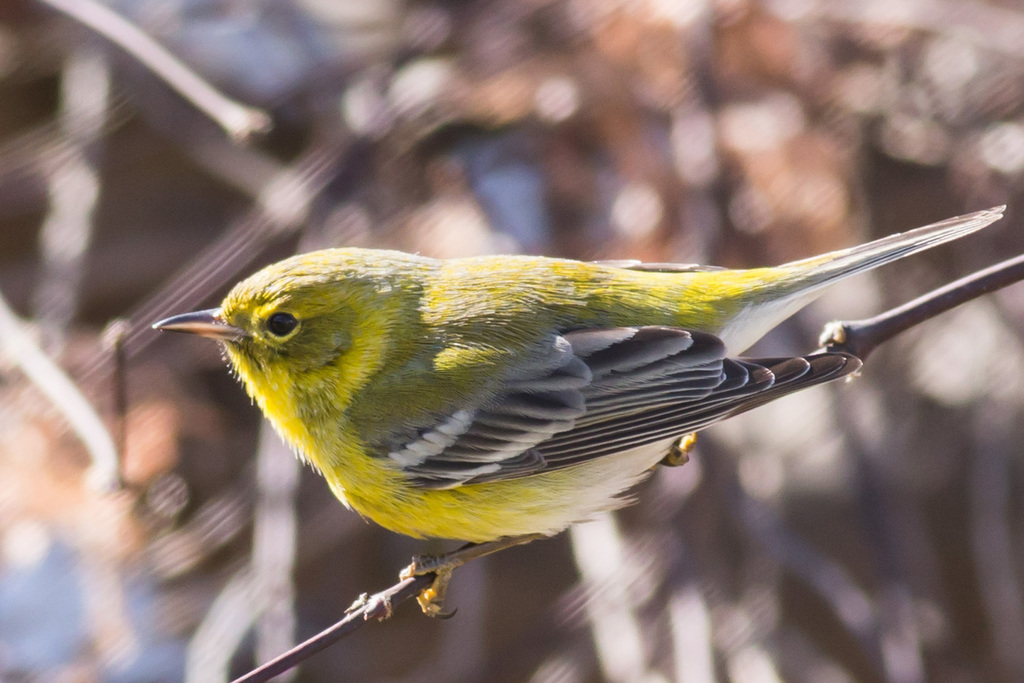
- Pine WarblerDendroica pinus
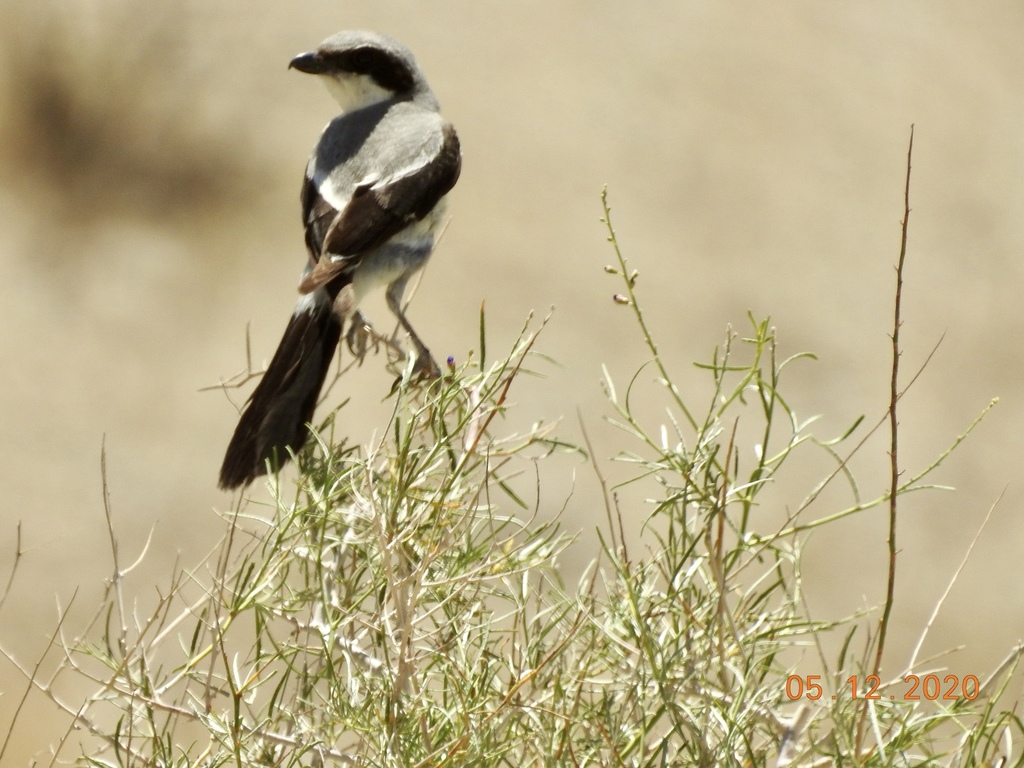
- Loggerhead ShrikeLanius ludovicianus
- Brown-headed CowbirdMolothrus ater
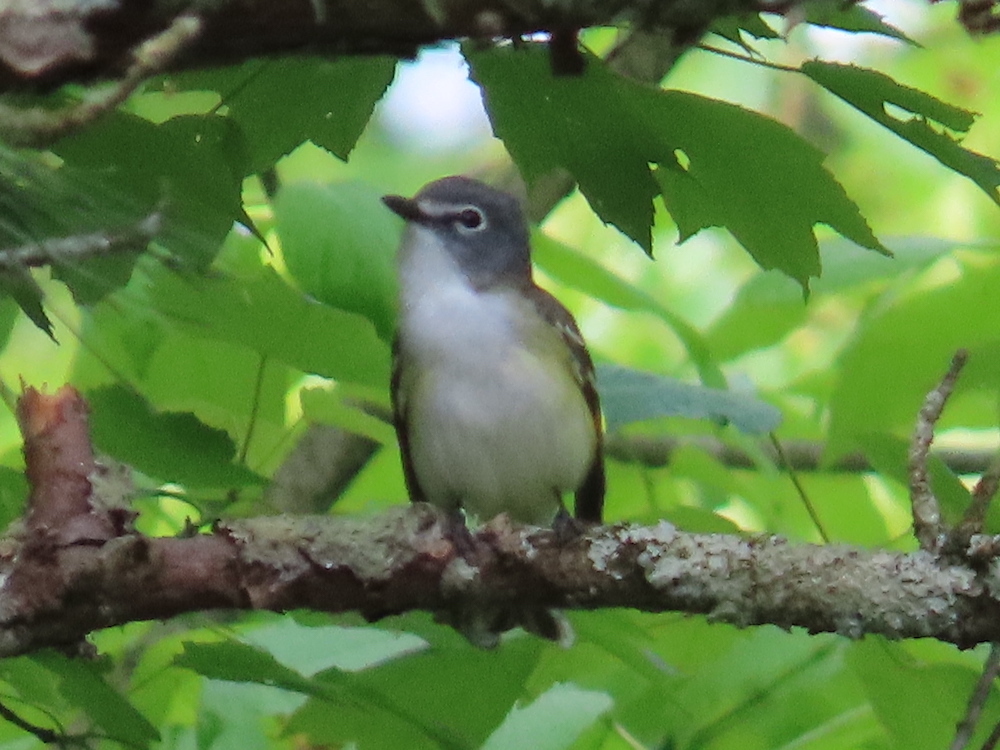
- Blue-headed VireoVireo solitarius
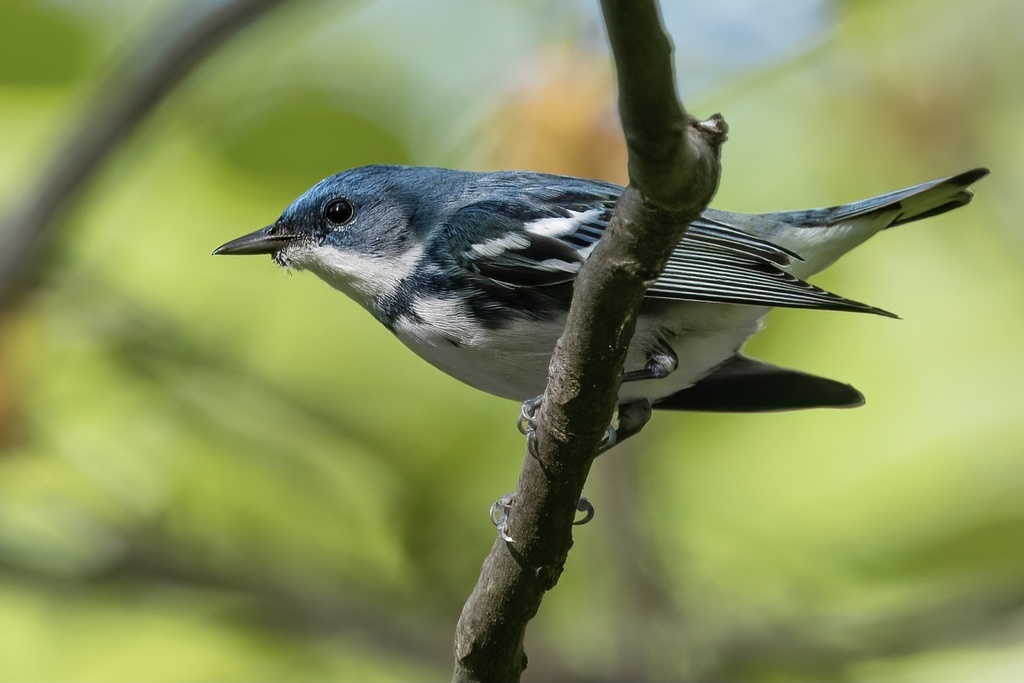
- Cerulean WarblerDendroica cerulea
- OvenbirdSeiurus aurocapilla
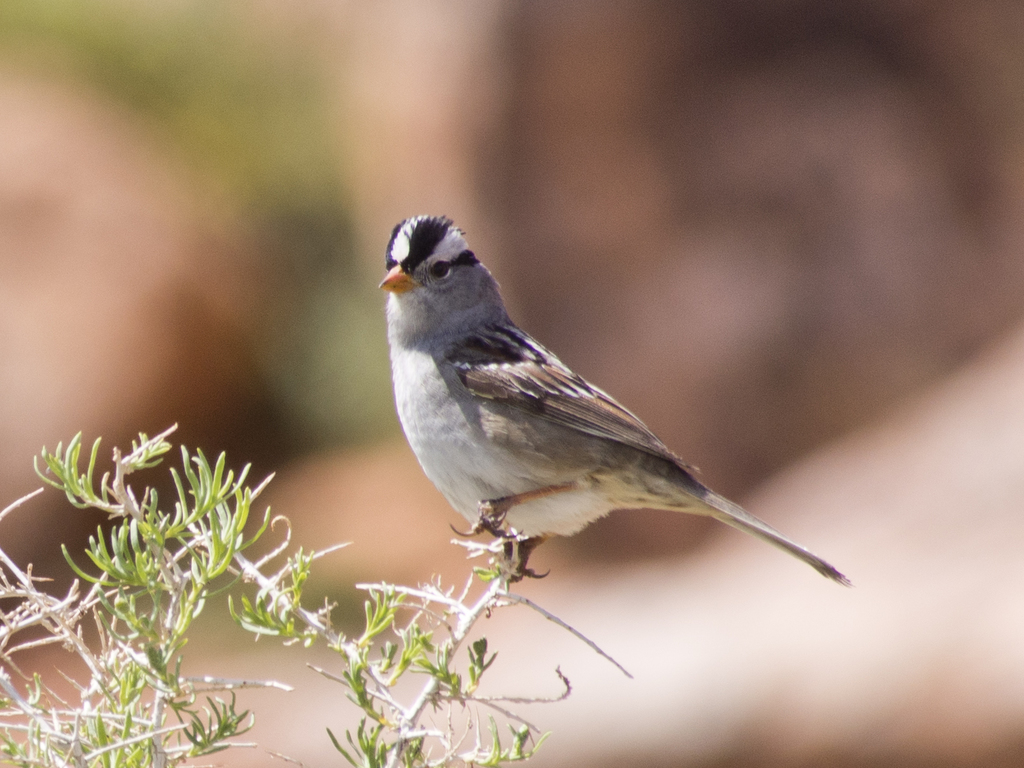
- White-crowned SparrowZonotrichia leucophrys
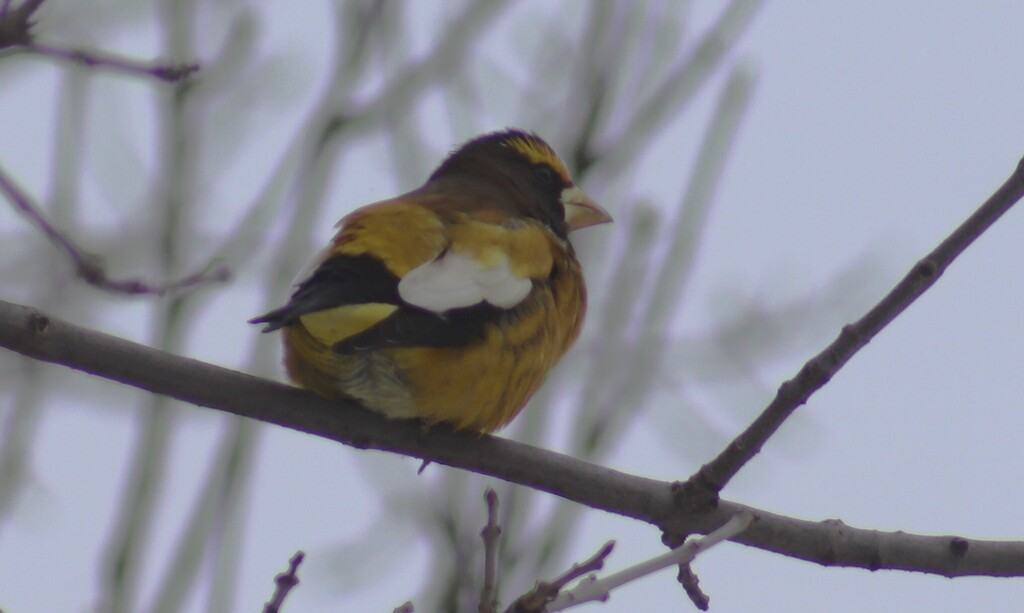
- Evening GrosbeakCoccothraustes vespertinus
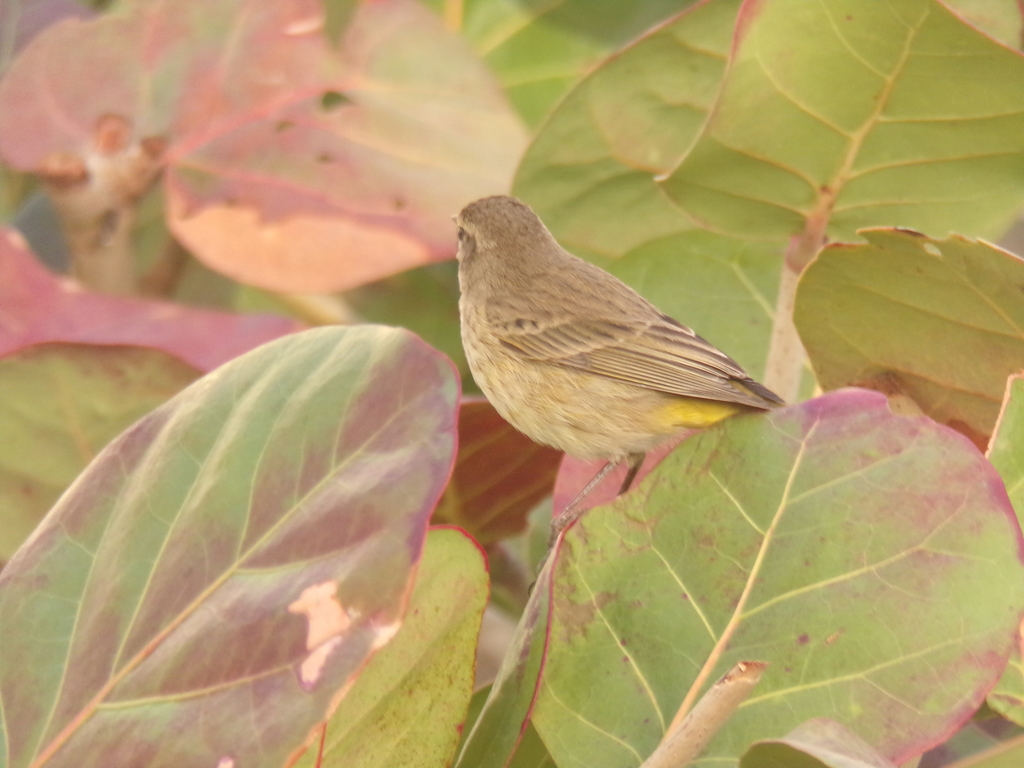
- Palm WarblerDendroica palmarum
- Scarlet TanagerPiranga olivacea
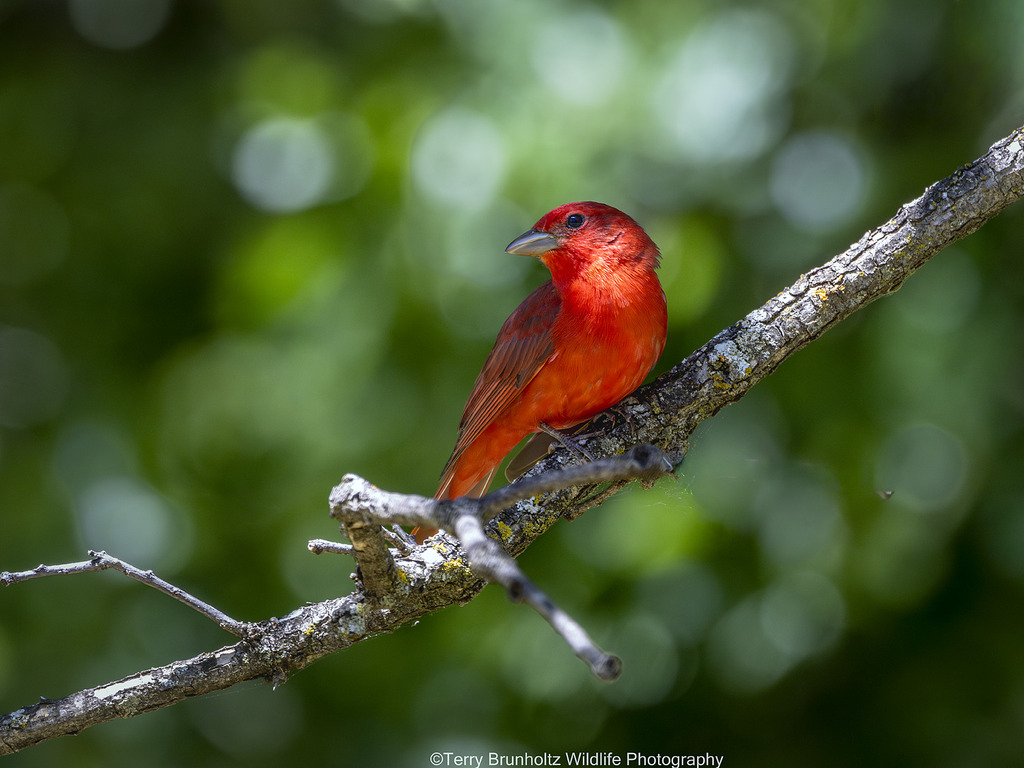
- Summer TanagerPiranga rubra
- Prairie WarblerDendroica discolor
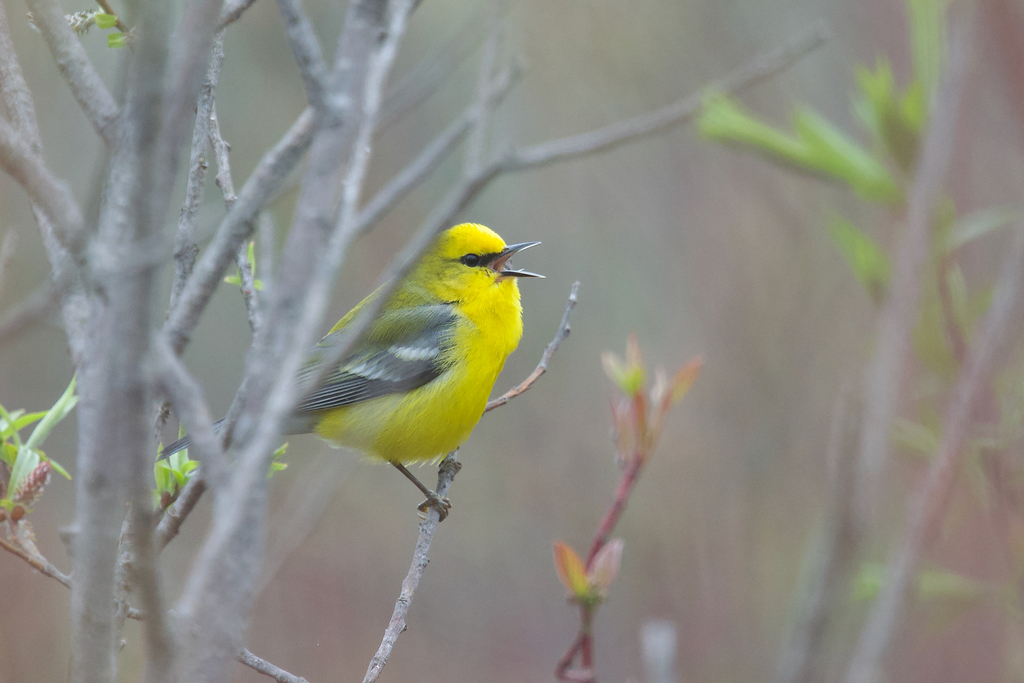
- Blue-winged WarblerVermivora pinus
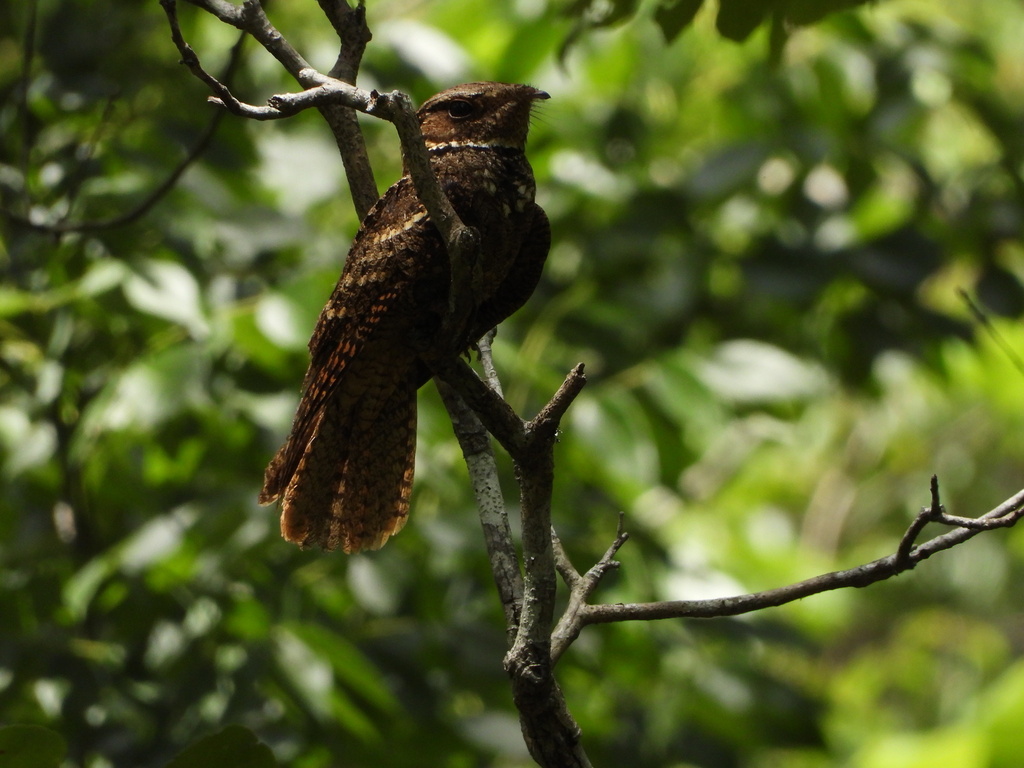
- Chuck-will's-widowCaprimulgus carolinensis
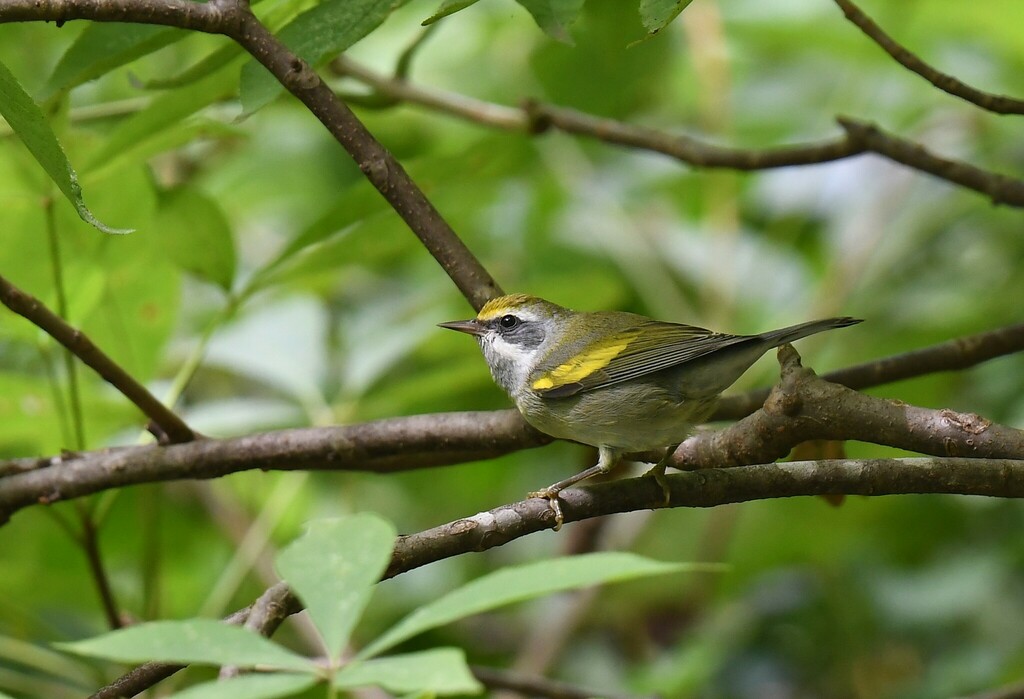
- Golden-winged WarblerVermivora chrysoptera
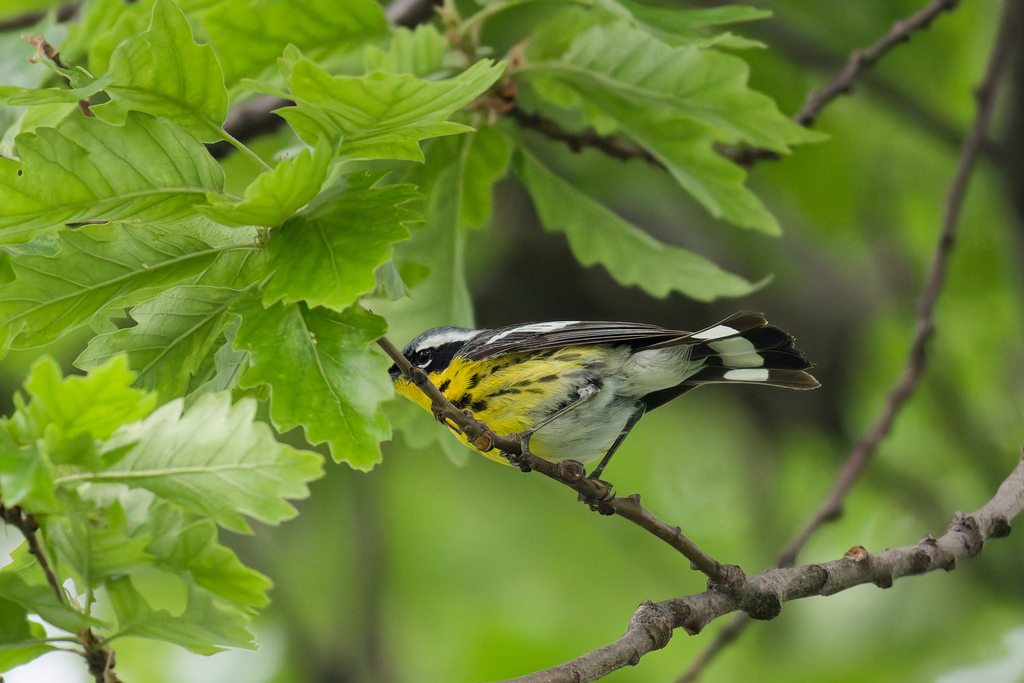
- Magnolia WarblerDendroica magnolia
- Ruffed GrouseBonasa umbellus
- Orchard OrioleIcterus spurius
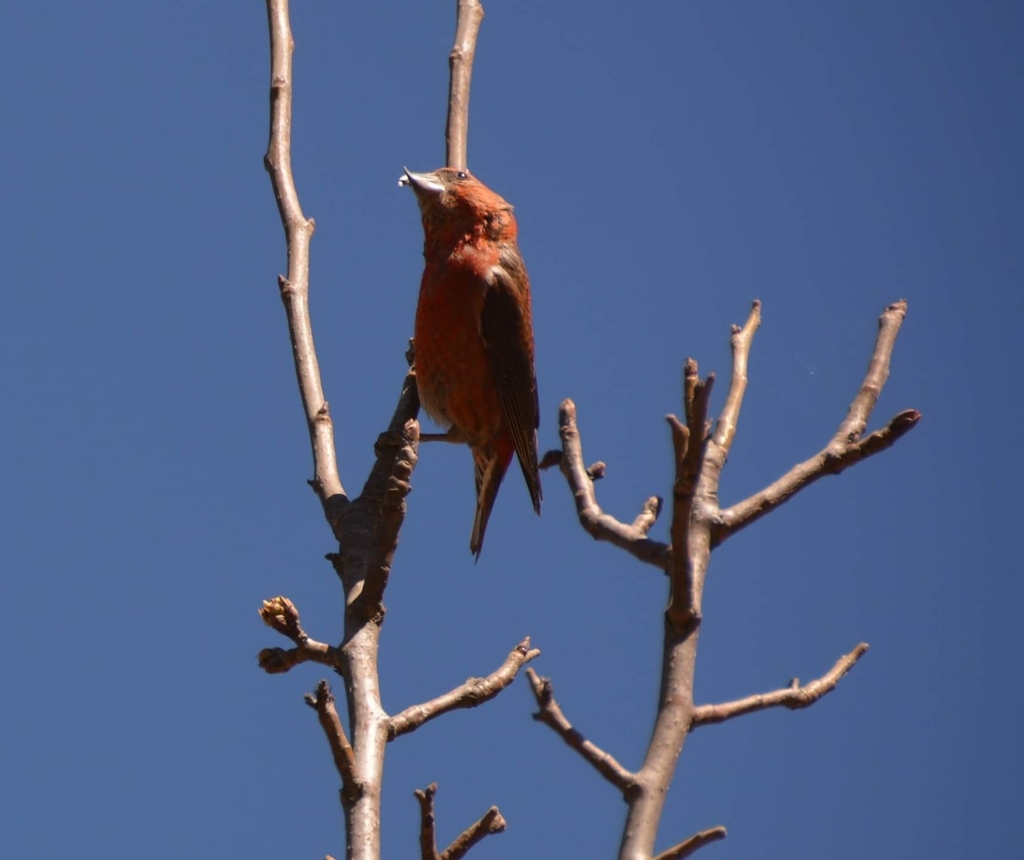
- Red CrossbillLoxia curvirostra
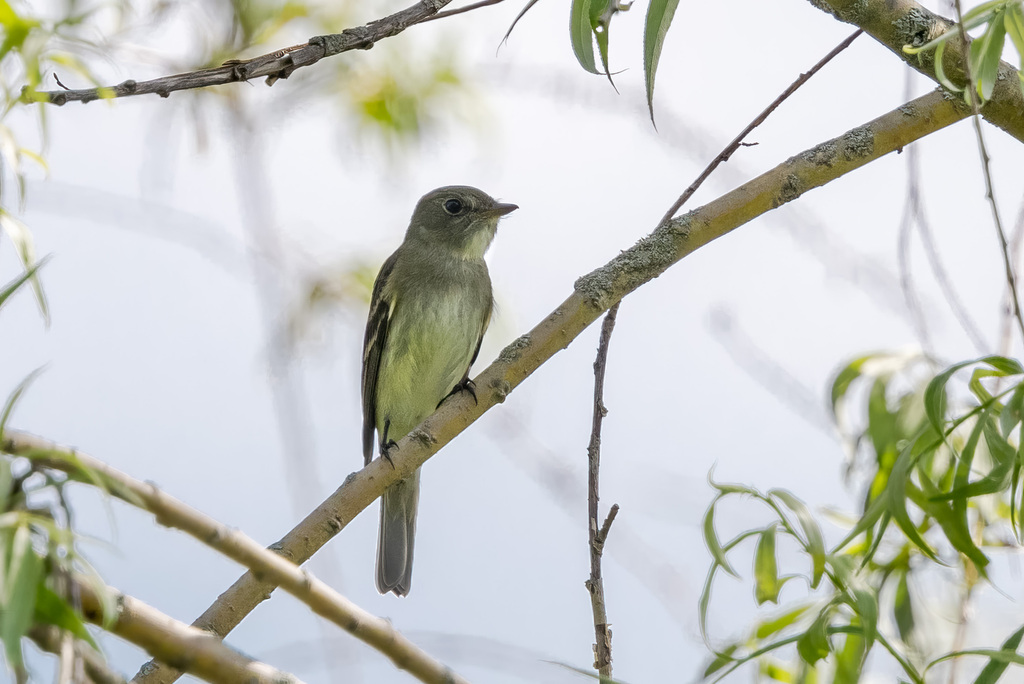
- Least FlycatcherEmpidonax minimus
- Alder FlycatcherEmpidonax alnorum
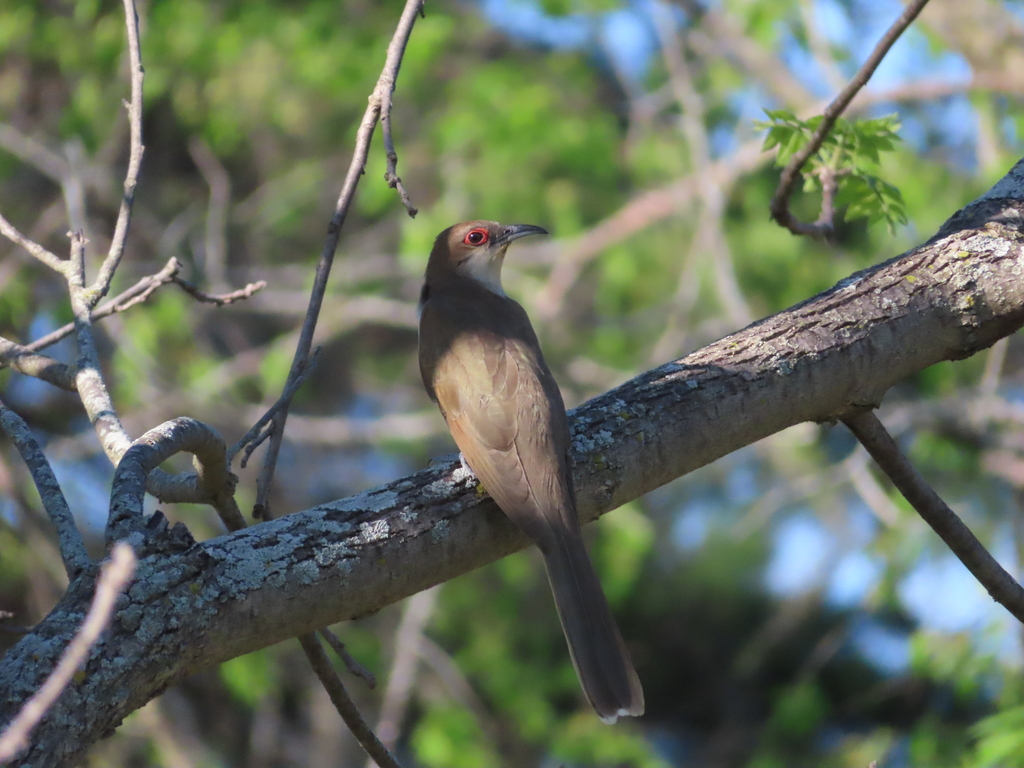
- Black-billed CuckooCoccyzus erythropthalmus
- Indigo BuntingPasserina cyanea
- Baltimore OrioleIcterus galbula
- Rose-breasted GrosbeakPheucticus ludovicianus
- Wild TurkeyMeleagris gallopavo
- Northern BobwhiteColinus virginianus
- Black-capped ChickadeePoecile atricapillus








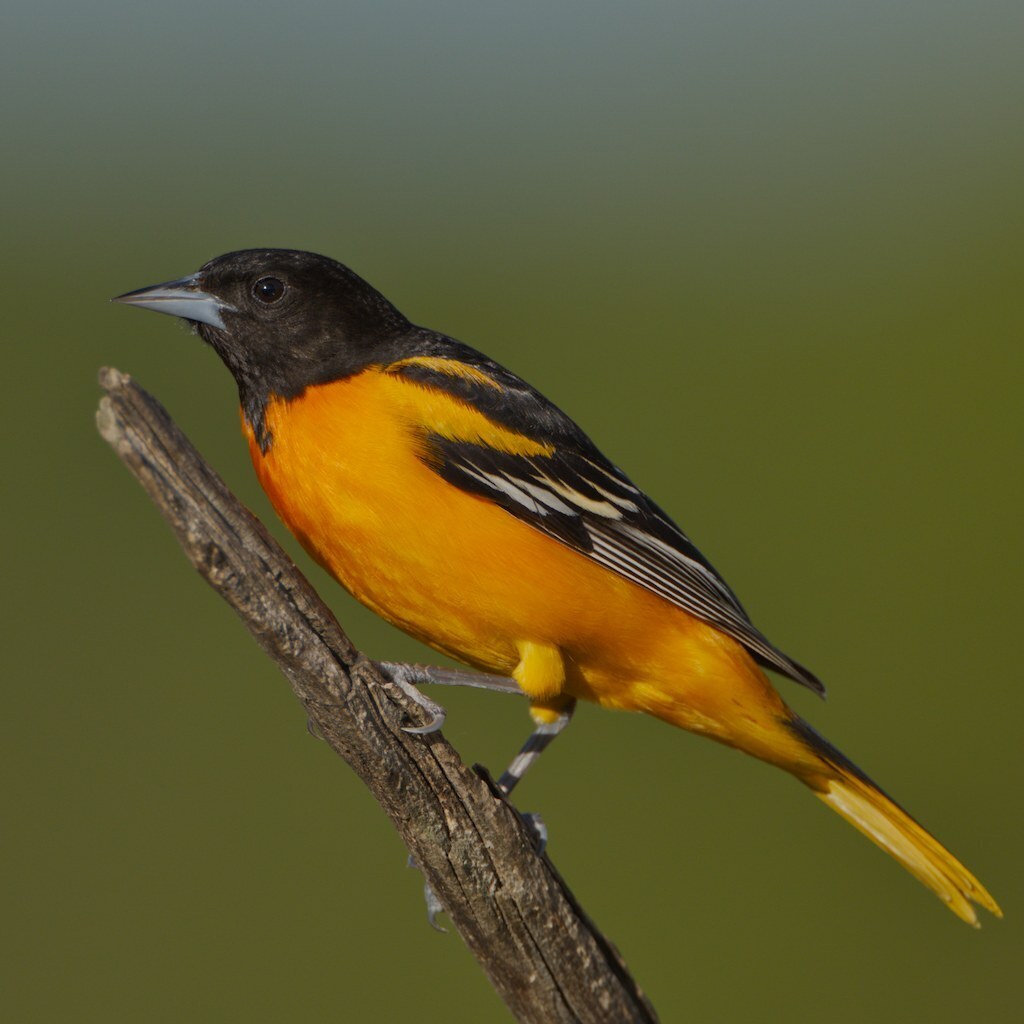
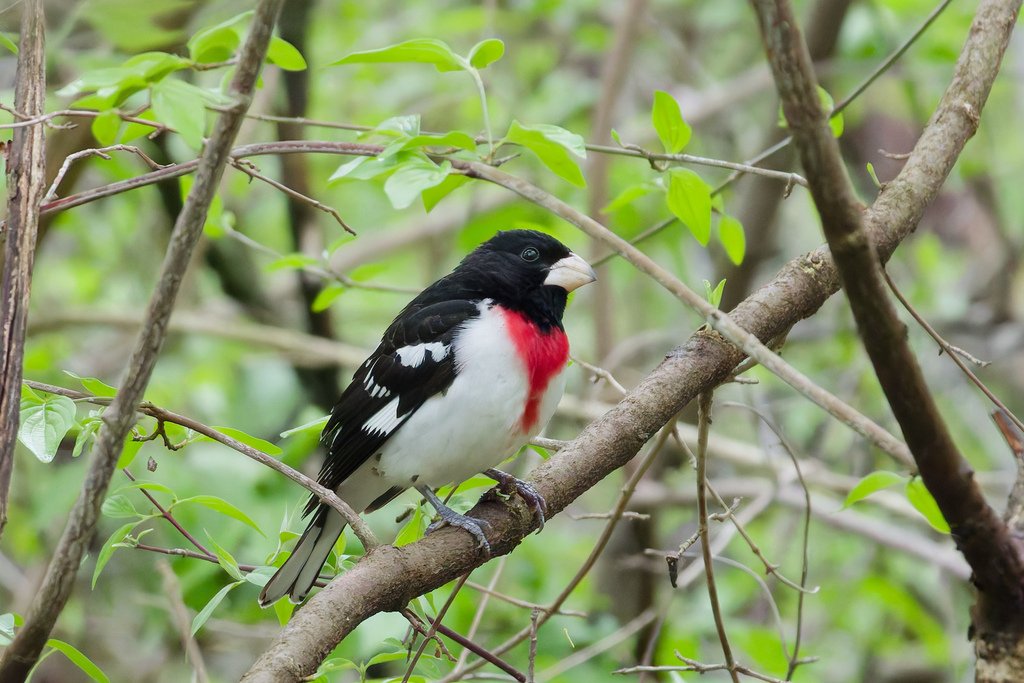


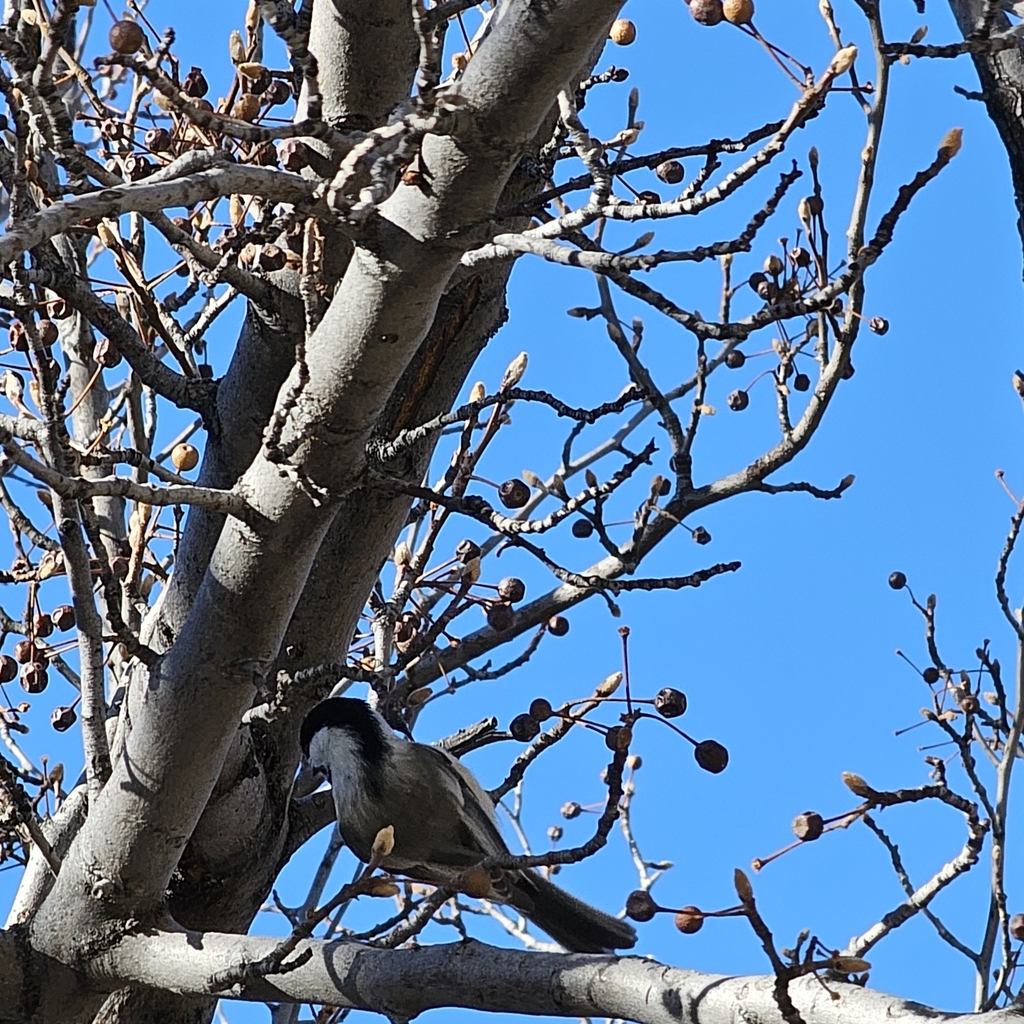
Near water in this habitat 3
These use it only close to water, such as stream banks for nesting.
- Broad-winged HawkButeo platypterus
- Acadian FlycatcherEmpidonax virescens
- Northern ParulaParula americana




Widespread birds also seen here (66)
Found in many habitats here, so not listed above.
- American Crow
- American Goldfinch
- American Redstart
- American Robin
- Belted Kingfisher
- Black Vulture
- Black-and-White Warbler
- Blue Grosbeak
- Blue Jay
- Blue-gray Gnatcatcher
- Brown Creeper
- Brown Thrasher
- Canada Goose
- Carolina Chickadee
- Carolina Wren
- Cedar Waxwing
- Chestnut-sided Warbler
- Chimney Swift
- Chipping Sparrow
- Common Grackle
- Common Nighthawk
- Common Raven
- Common Yellowthroat
- Cooper's Hawk
- Dark-eyed Junco
- Double-crested Cormorant
- Downy Woodpecker
- Eastern Kingbird
- Eastern Towhee
- Eastern Wood-pewee
- Eurasian Collared-dove
- European Starling
- Fish Crow
- Fox Sparrow
- Golden-crowned Kinglet
- Gray Catbird
- Great Crested Flycatcher
- Great Horned Owl
- Hairy Woodpecker
- Hermit Thrush
- Mourning Dove
- Northern Cardinal
- Northern Flicker
- Northern Mockingbird
- Olive-sided Flycatcher
- Orange-crowned Warbler
- Osprey
- Pileated Woodpecker
- Pine Siskin
- Purple Finch
- Red-shouldered Hawk
- Red-tailed Hawk
- Red-winged Blackbird
- Ruby-crowned Kinglet
- Ruby-throated Hummingbird
- Sharp-shinned Hawk
- Song Sparrow
- Spotted Sandpiper
- Tufted Titmouse
- Turkey Vulture
- White-eyed Vireo
- White-throated Sparrow
- Yellow-bellied Sapsucker
- Yellow-billed Cuckoo
- Yellow-breasted Chat
- Yellow-rumped Warbler
Sources
- NatureServe, ecological systems of the United States habitat description
- Weakley, Flora of the Southeastern United States (2025), Carolinas & Georgia edition, habitat text phone app
- NC Parks species accounts
- USDA Forest Service Fire Effects Information System (reviewed notes)
- USGS Gap Analysis Project habitat models (2001)
- USGS Gap Analysis Project range maps (2001)
- NatureServe Explorer ecological systems (CC BY 4.0)
- Big Woods State Forest loblolly plantation, Antepenultimate habitat picture
Habitat classes are filed under these habitat types by reviewed matches; descriptions are short glosses.