

Bird
Least Flycatcher
Empidonax minimus
A summer resident that nests in North Carolina. Found in all 100 counties, across 15 habitats.
- Here
- Summer and on migration
- Nesting
- Nests here
- Range
- All 100 counties
- Habitats
- 15

At a glance
- Group
- Birds
- Here
- Summer and on migration
- Nesting
- Nests here
- Range
- All 100 counties
- Habitats
- 15
- Habitat models
- Summer, Winter
Where it lives
The places its habitat model includes. It is not found everywhere a habitat occurs.
Habitats in North Carolina 15
Each habitat page lists the plants and wildlife also found there.
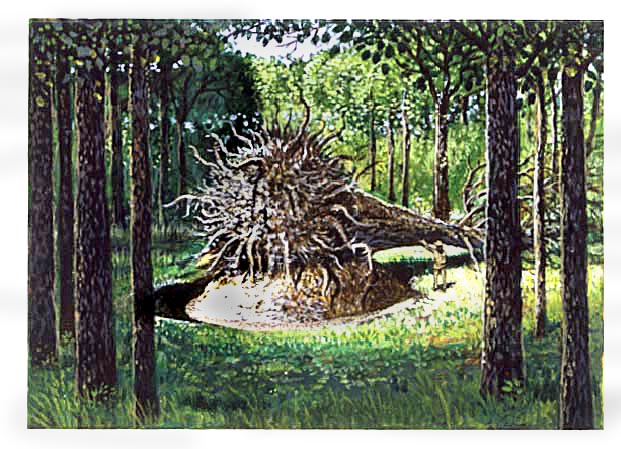
Floodplain and bottomland forests

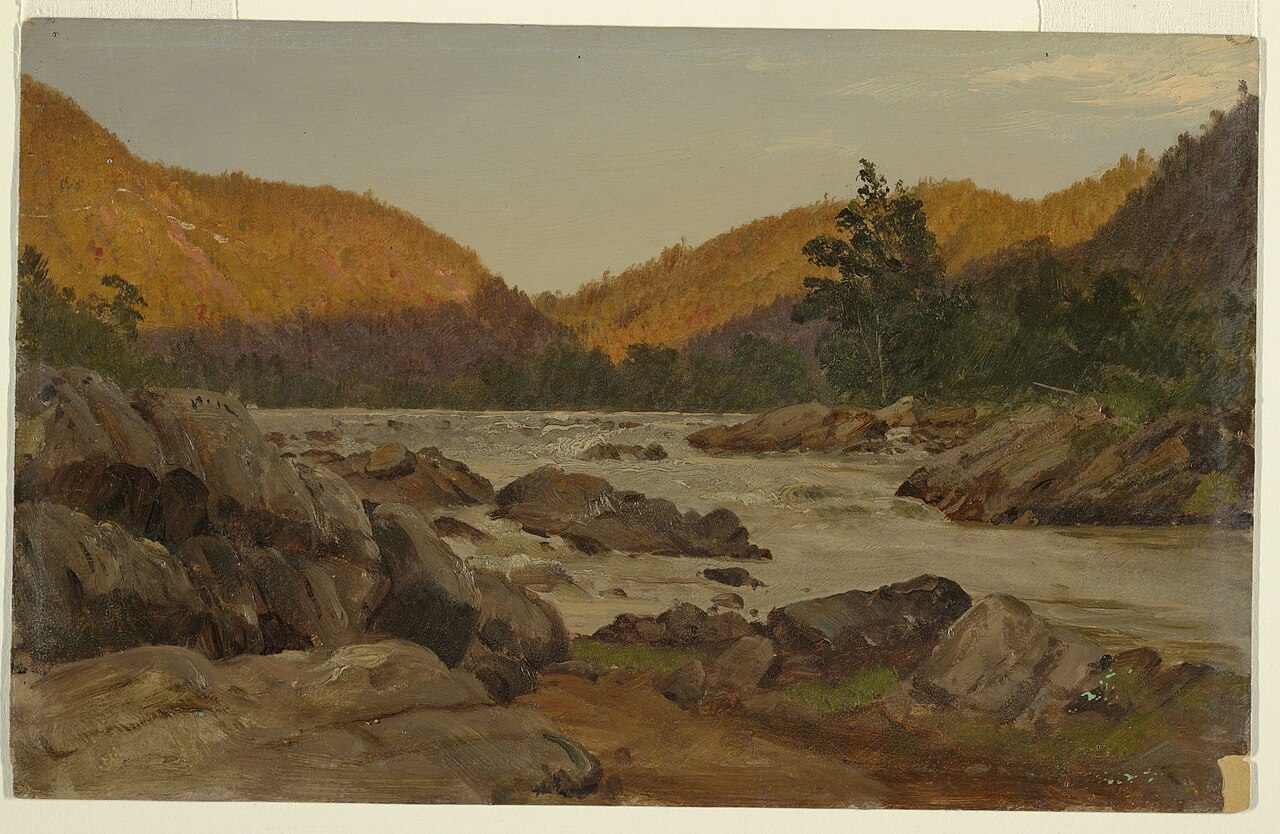
Streams, rivers and their banks
Disturbed and introduced wetlands
Wet ground taken over by weedy or introduced plants after disturbance, such as common reed, Chinese tallow or tamarisk stands; the upland counterpart is roadsides, fields and disturbed ground.
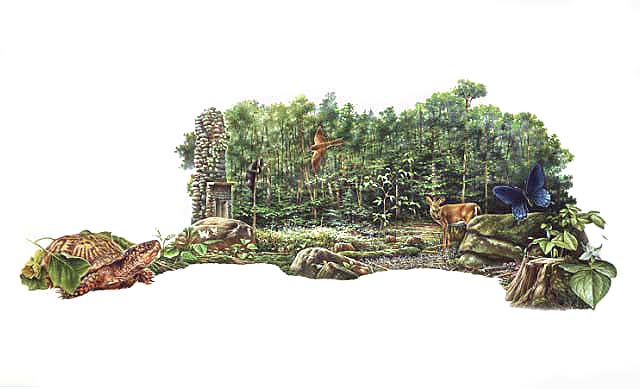
Forests and open woodlands on dry ridges and slopes, often oak or pine.
Forests between dry and moist, often oak-hickory on slopes.
Forests on moist but not wet ground, such as rich slopes and ravines.
Wet, open, peaty mountain wetlands fed by seepage, often with sphagnum moss.
High mountain forests of beech, yellow birch and sugar maple, including boulderfield forests.
Tree plantations and managed pine
Planted or intensively managed stands of pine or hardwoods grown for timber; a land use rather than a natural community.
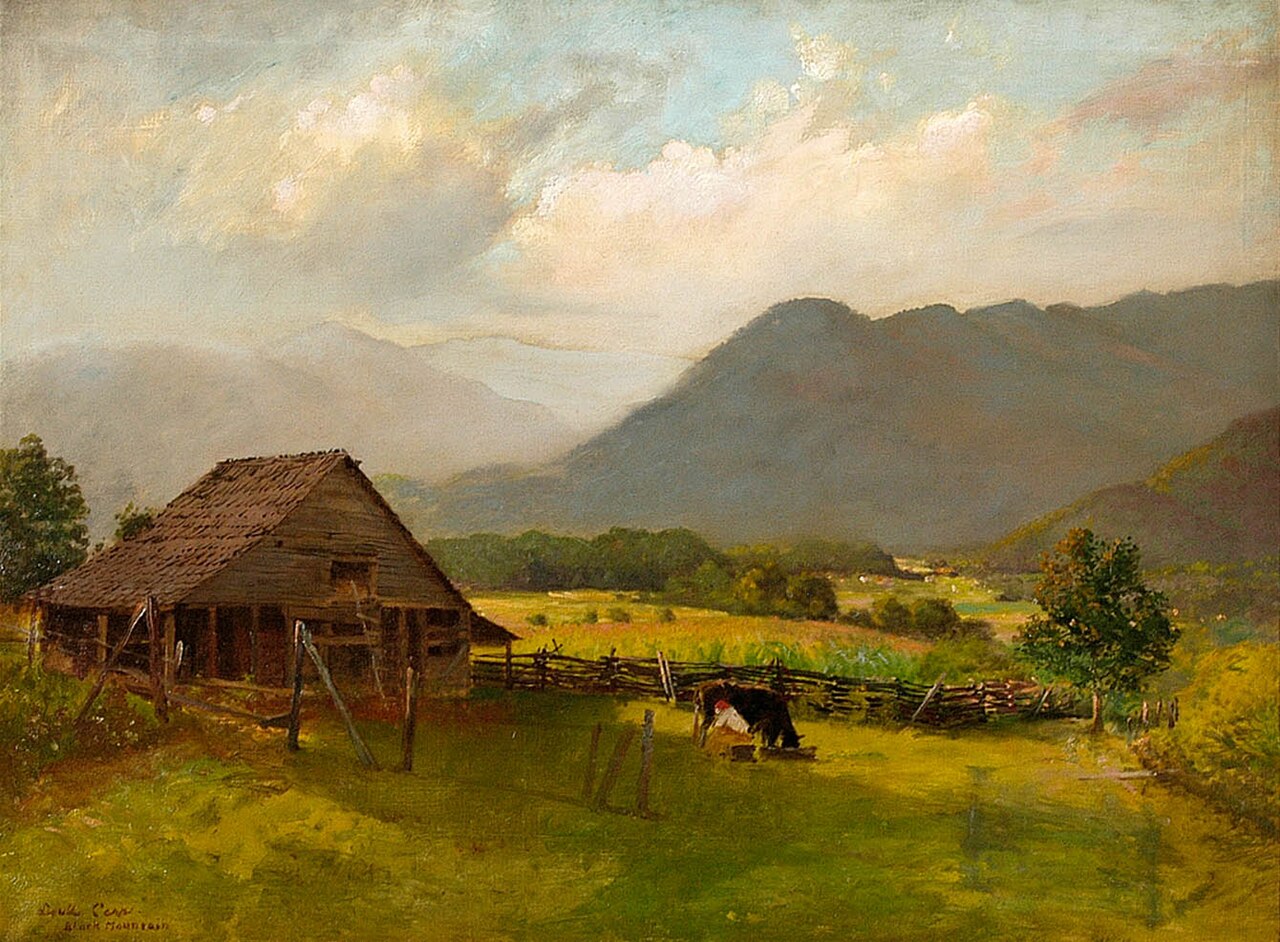
Roadsides, fields and disturbed ground
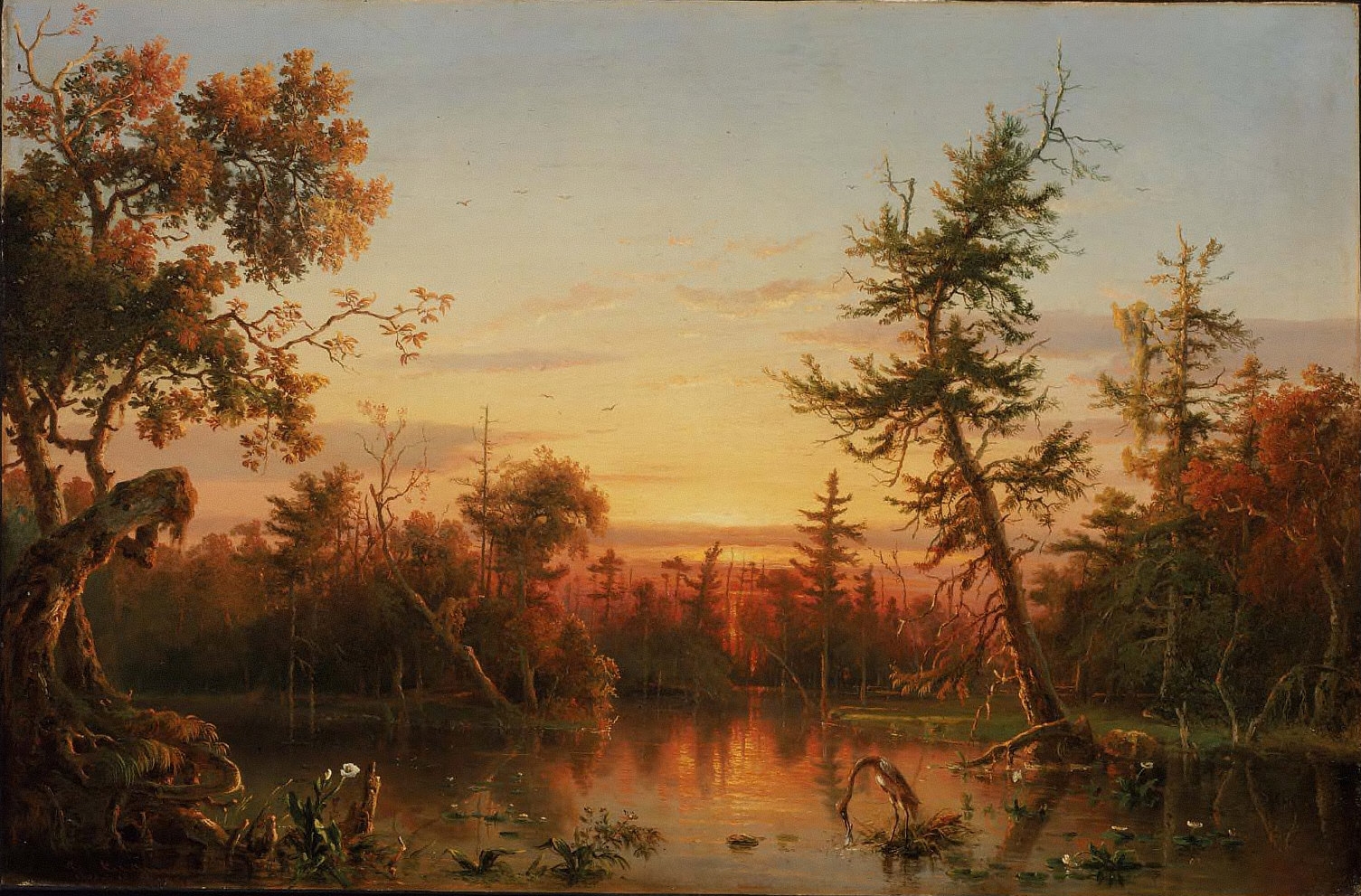
Borders of forests, clearings and shrubby thickets.
Treeless grassy or shrubby summits and ridges in the high mountains.
Other habitats in its models (48)
Land cover, or classes with no habitat page in North Carolina. Those recorded in North Carolina first, the rest by region.
Elsewhere in the South (23)
- Central Florida Pine Flatwoods Winter.
- East Gulf Coastal Plain Maritime Forest Winter.
- East Gulf Coastal Plain Near-Coast Pine Flatwoods Winter.
- East Gulf Coastal Plain Small Stream and River Floodplain Forest Winter.
- East Gulf Coastal Plain Southern Loblolly-Hardwood Flatwoods Winter.
- East Gulf Coastal Plain Tidal Wooded Swamp Winter.
- Florida Peninsula Inland Scrub Winter.
- South Florida Bayhead Swamp Winter.
- South Florida Cypress Dome Winter.
- South Florida Hardwood Hammock Winter.
- South Florida Mangrove Swamp Winter.
- South Florida Pine Flatwoods Winter.
- South-Central Interior / Upper Coastal Plain Wet Flatwoods Summer, beside its main habitat.
- South-Central Interior Mesophytic Forest Summer.
- Southeast Florida Coastal Strand and Maritime Hammock Winter.
- Southern Coastal Plain Blackwater River Floodplain Forest Winter.
- Southern Coastal Plain Hydric Hammock Winter.
- Southern Coastal Plain Nonriverine Cypress Dome Winter.
- Southern Coastal Plain Oak Dome and Hammock Winter.
- Southern Coastal Plain Seepage Swamp and Baygall Winter.
- Southern Interior Low Plateau Dry-Mesic Oak Forest Summer.
- Southern Ridge and Valley Dry Calcareous Forest Summer.
- Southwest Florida Coastal Strand and Maritime Hammock Winter.
Northeast (3)
- Appalachian Hemlock-Hardwood Forest Summer.
- Central Appalachian Oak and Pine Forest Summer.
- Central Appalachian Pine-Oak Rocky Woodland Summer.
Land cover and other classes (22)
- Allegheny-Cumberland Dry Oak Forest and Woodland - Hardwood Summer.
- Central Appalachian Floodplain - Forest Modifier Summer.
- Central Appalachian Riparian - Forest Modifier Summer.
- Developed, Low Intensity Summer and winter, beside its main habitat.
- East Gulf Coastal Plain Large River Floodplain Forest - Forest Modifier Winter.
- East Gulf Coastal Plain Large River Floodplain Forest - Herbaceous Modifier Winter.
- East Gulf Coastal Plain Near-Coast Pine Flatwoods - Open Understory Modifier Winter.
- East Gulf Coastal Plain Near-Coast Pine Flatwoods - Scrub/Shrub Understory Modifier Winter.
- Introduced Upland Vegetation - Shrub Summer, beside its main habitat.
- Orchards Vineyards and Other High Structure Agriculture Summer, beside its main habitat.
- Recently Burned Summer, beside its main habitat.
- Recently Burned Forest Summer, beside its main habitat.
- Recently Burned Shrubland Summer, beside its main habitat.
- Recently Logged Areas Summer, beside its main habitat.
- South-Central Interior Large Floodplain - Herbaceous Modifier Summer.
- Southern Coastal Plain Nonriverine Basin Swamp - Okefenokee Bay/Gum Modifier Winter.
- Southern Coastal Plain Nonriverine Basin Swamp - Okefenokee Clethra Modifier Winter.
- Southern Coastal Plain Nonriverine Basin Swamp - Okefenokee Nupea Modifier Winter.
- Southern Coastal Plain Nonriverine Basin Swamp - Okefenokee Pine Modifier Winter.
- Southern Coastal Plain Nonriverine Basin Swamp - Okefenokee Taxodium Modifier Winter.
- Southern Piedmont Dry Oak-(Pine) Forest - Mixed Modifier Summer.
- Southern Piedmont Dry Oak-Heath Forest - Mixed Modifier Summer.
Seasons in North Carolina
- Migratory: does not nest here, in 84 of 100 counties.
- Summer: nests here, in 25 of 100 counties.
Also found in its main habitats
Its main habitats in North Carolina, by how much of its habitat model each one is, with the birds most characteristic of each and the plants that grow wild there. Shared habitat, not food.
Floodplain and bottomland forests
Birds 70
- Lincoln's SparrowMelospiza lincolnii
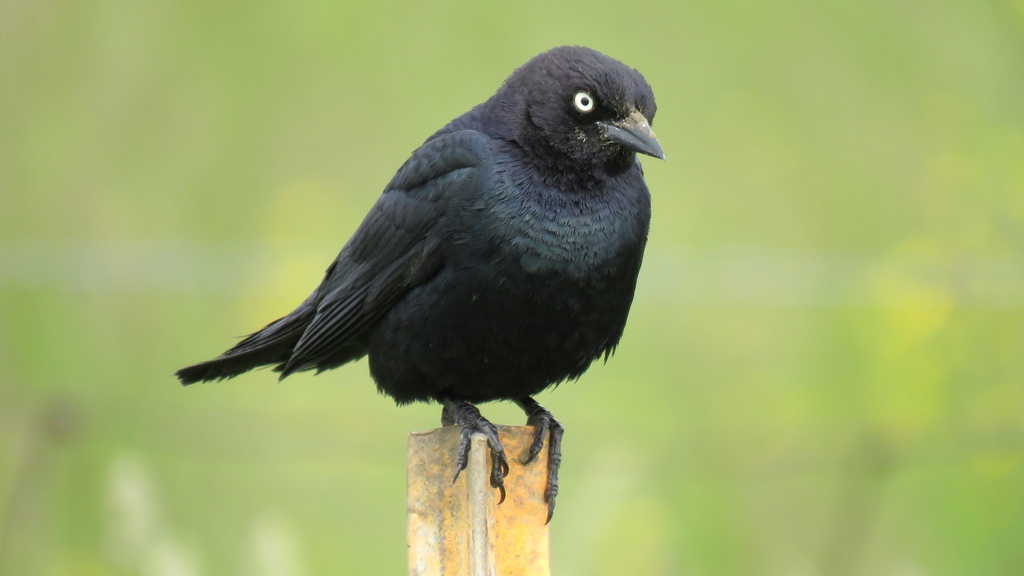
- Brewer's BlackbirdEuphagus cyanocephalus
- Willow FlycatcherEmpidonax traillii
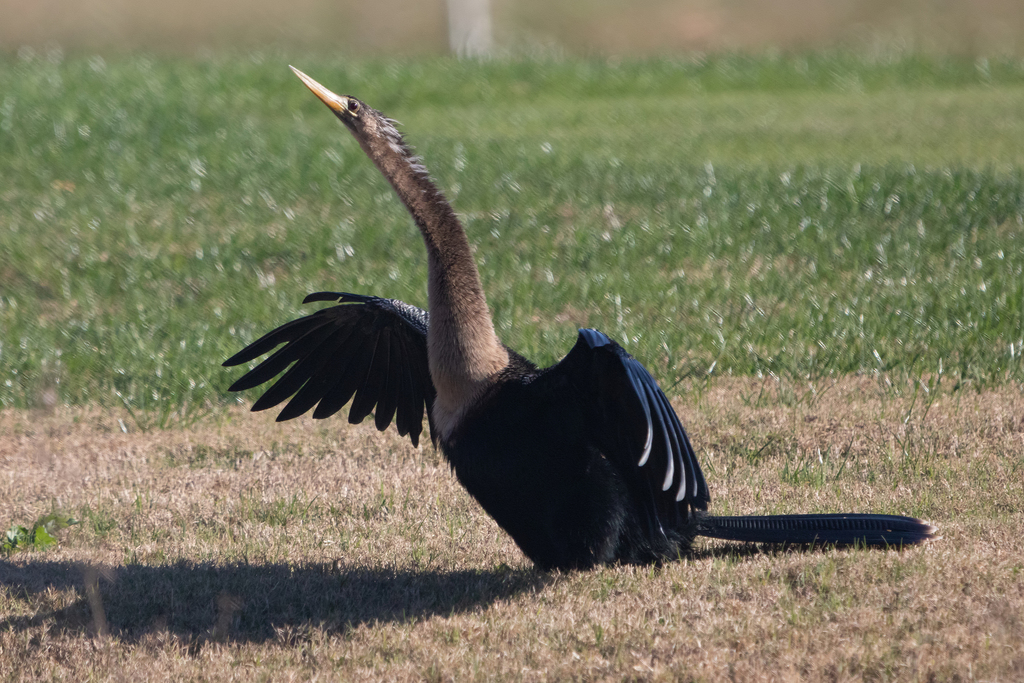
- AnhingaAnhinga anhinga
- Brown-headed CowbirdMolothrus ater
- Louisiana WaterthrushSeiurus motacilla
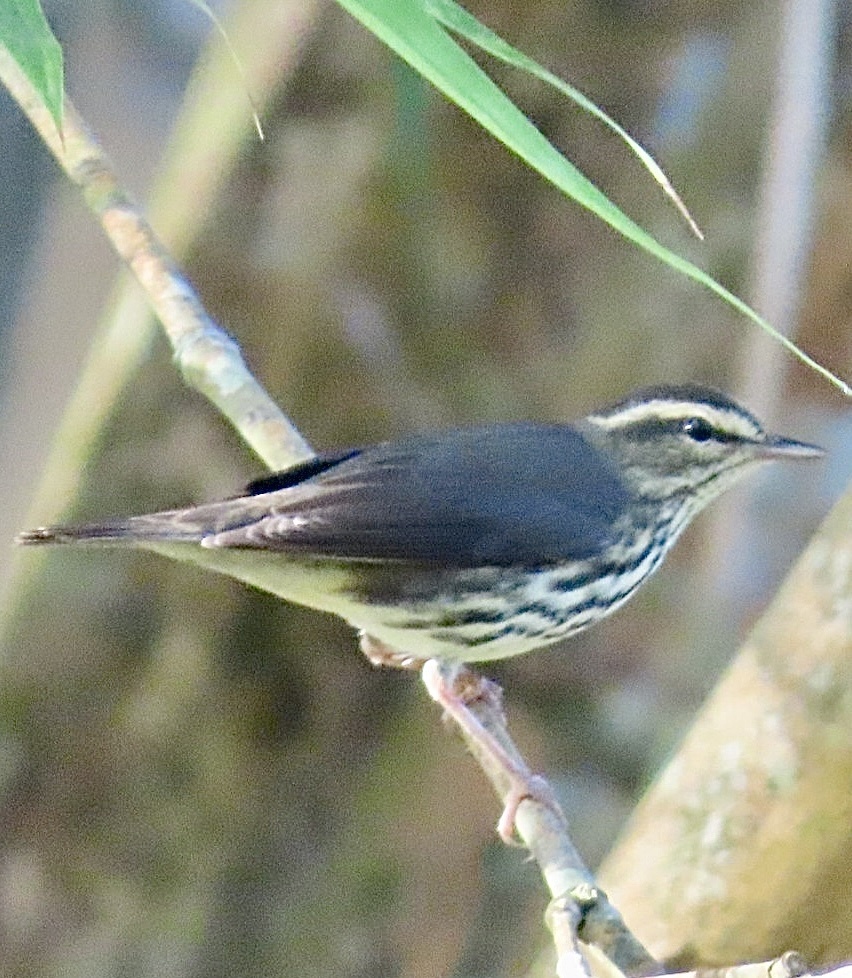
- Northern WaterthrushSeiurus noveboracensis
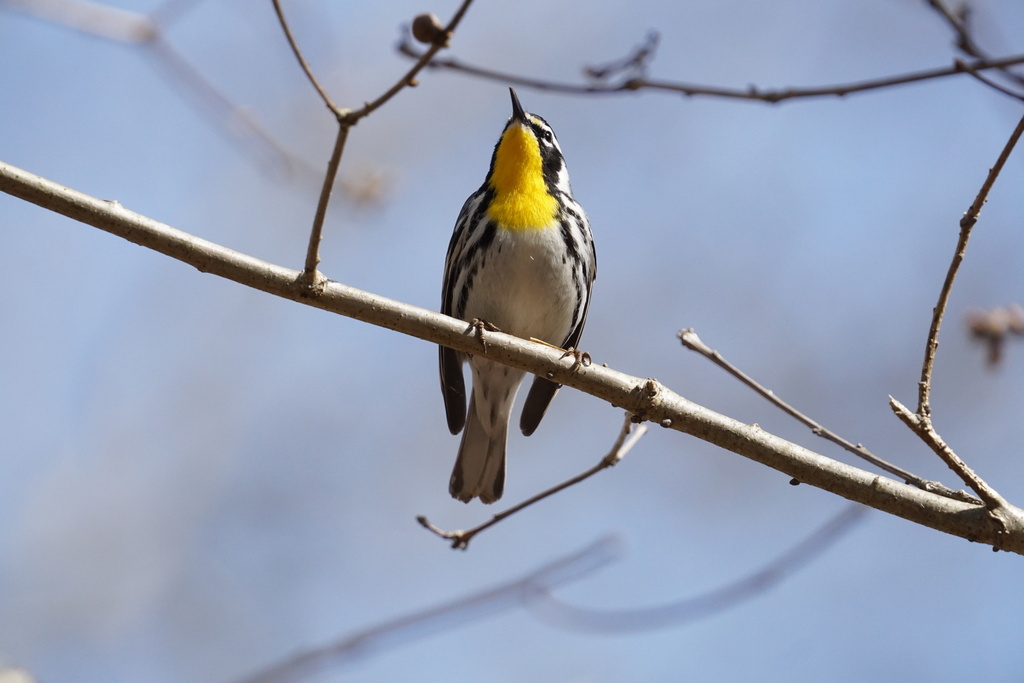
- Yellow-throated WarblerDendroica dominica
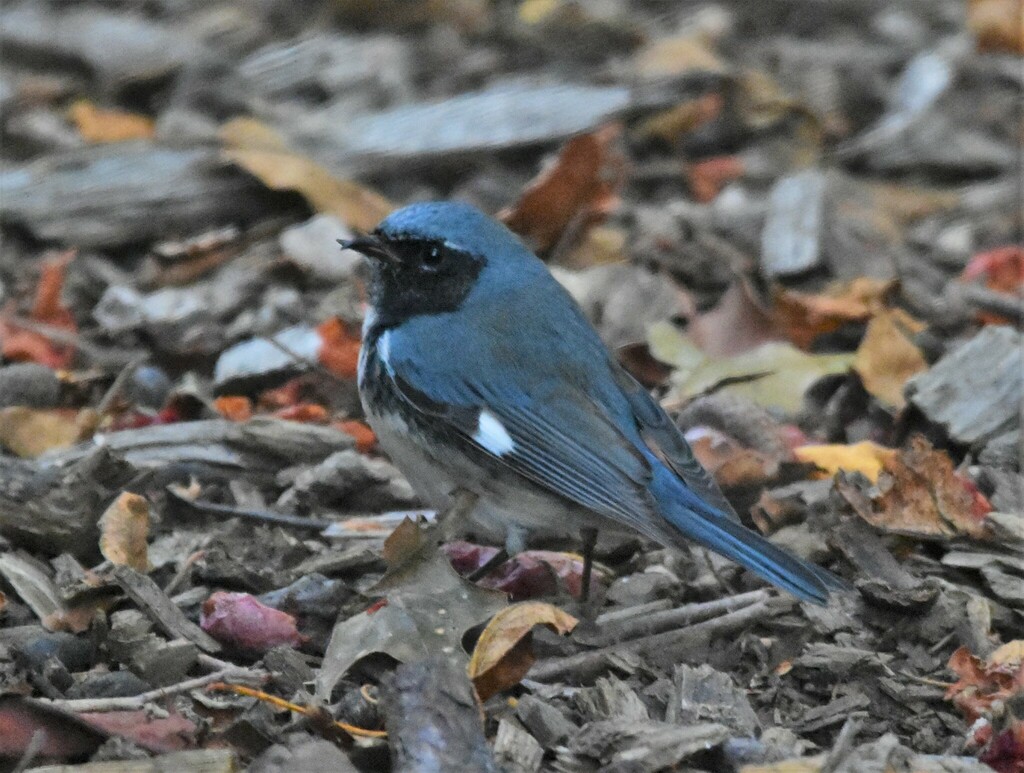
- Black-throated Blue WarblerDendroica caerulescens
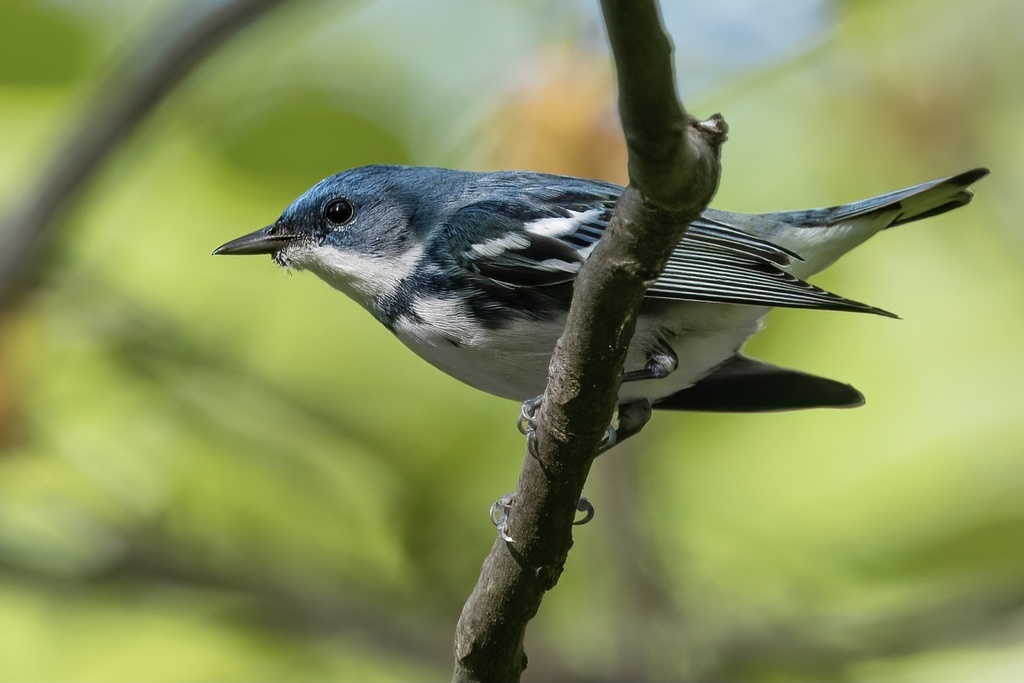
- Cerulean WarblerDendroica cerulea
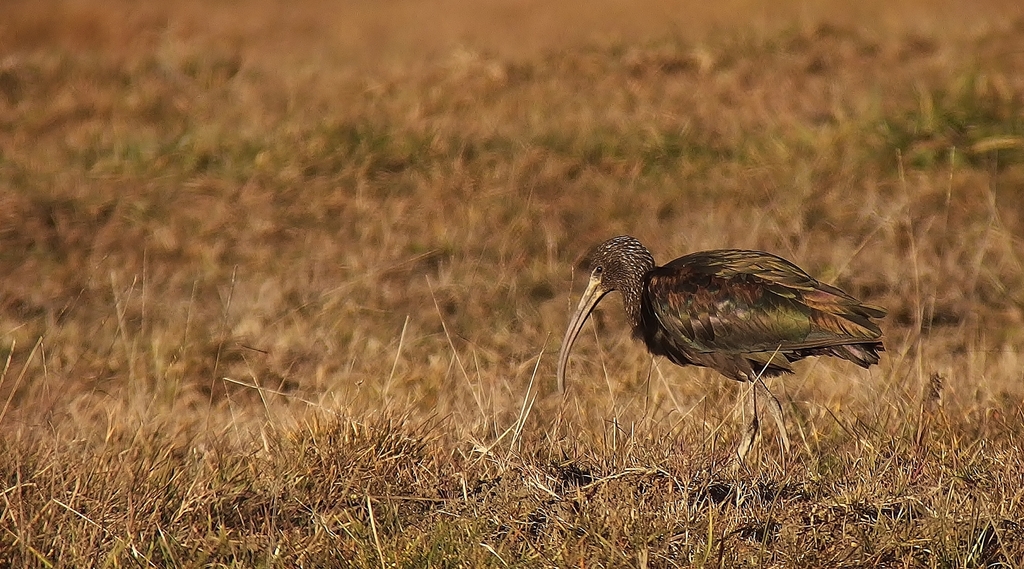
- Glossy IbisPlegadis falcinellus
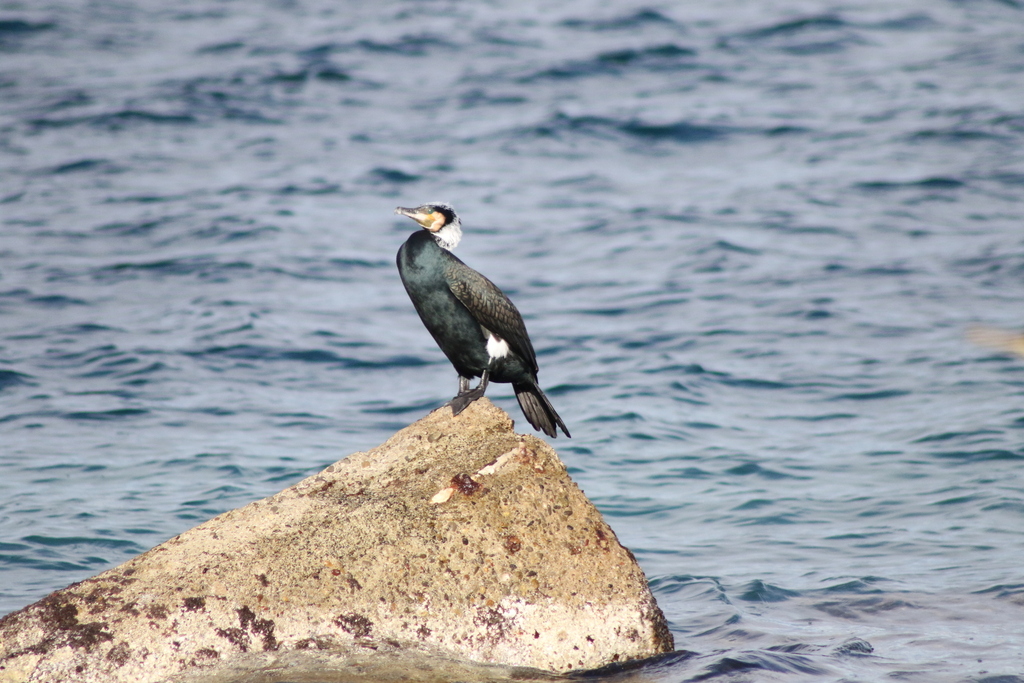
- Great CormorantPhalacrocorax carbo



Plants 367
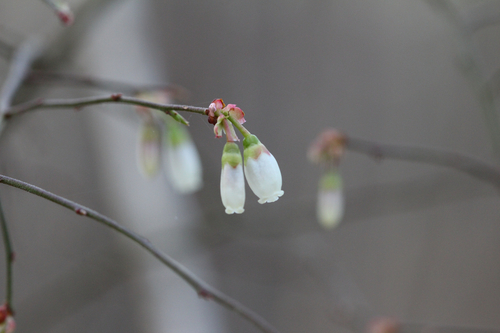
- Elliott's BlueberryVaccinium elliottii
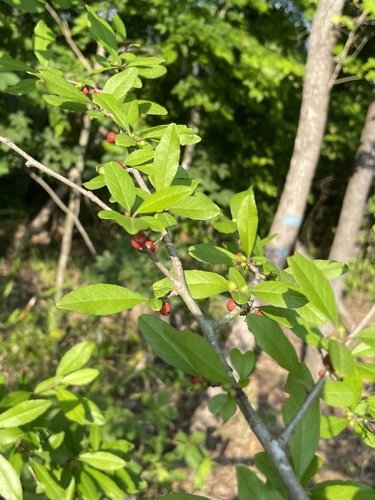
- Possumhaw HollyIlex decidua
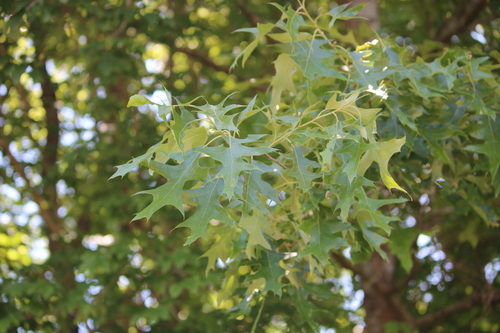
- Cherrybark OakQuercus pagoda
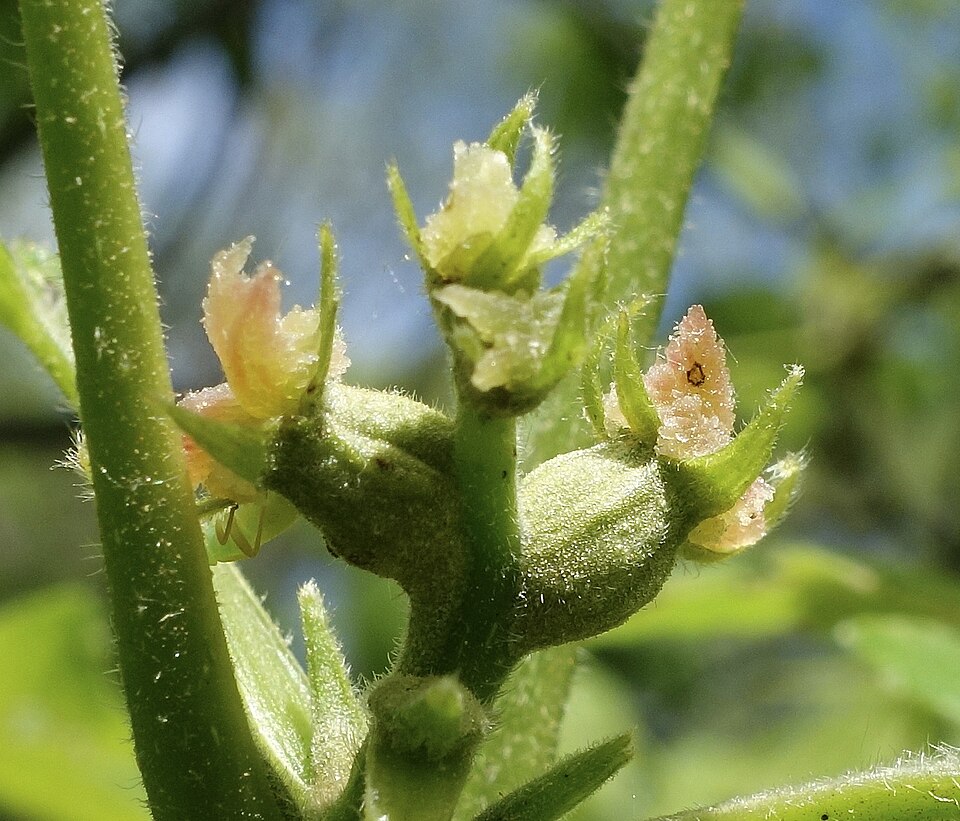
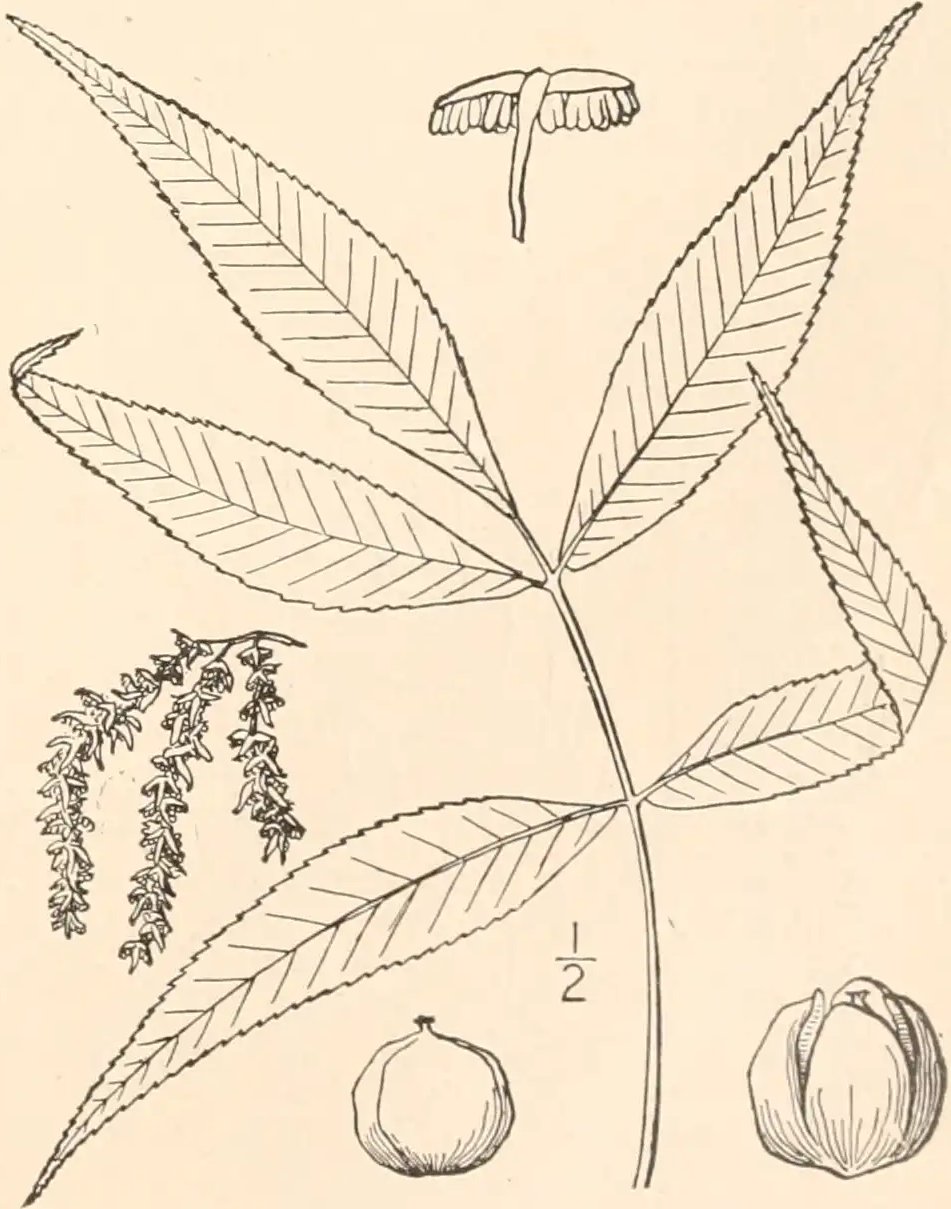
- Shagbark HickoryCarya ovata
- Southern Shagbark HickoryCarya carolinae-septentrionalis
- Wolf's BluegrassPoa wolfii
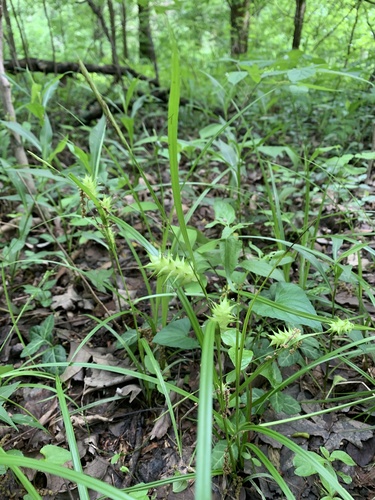
- Spreading SedgeCarex laxiculmis
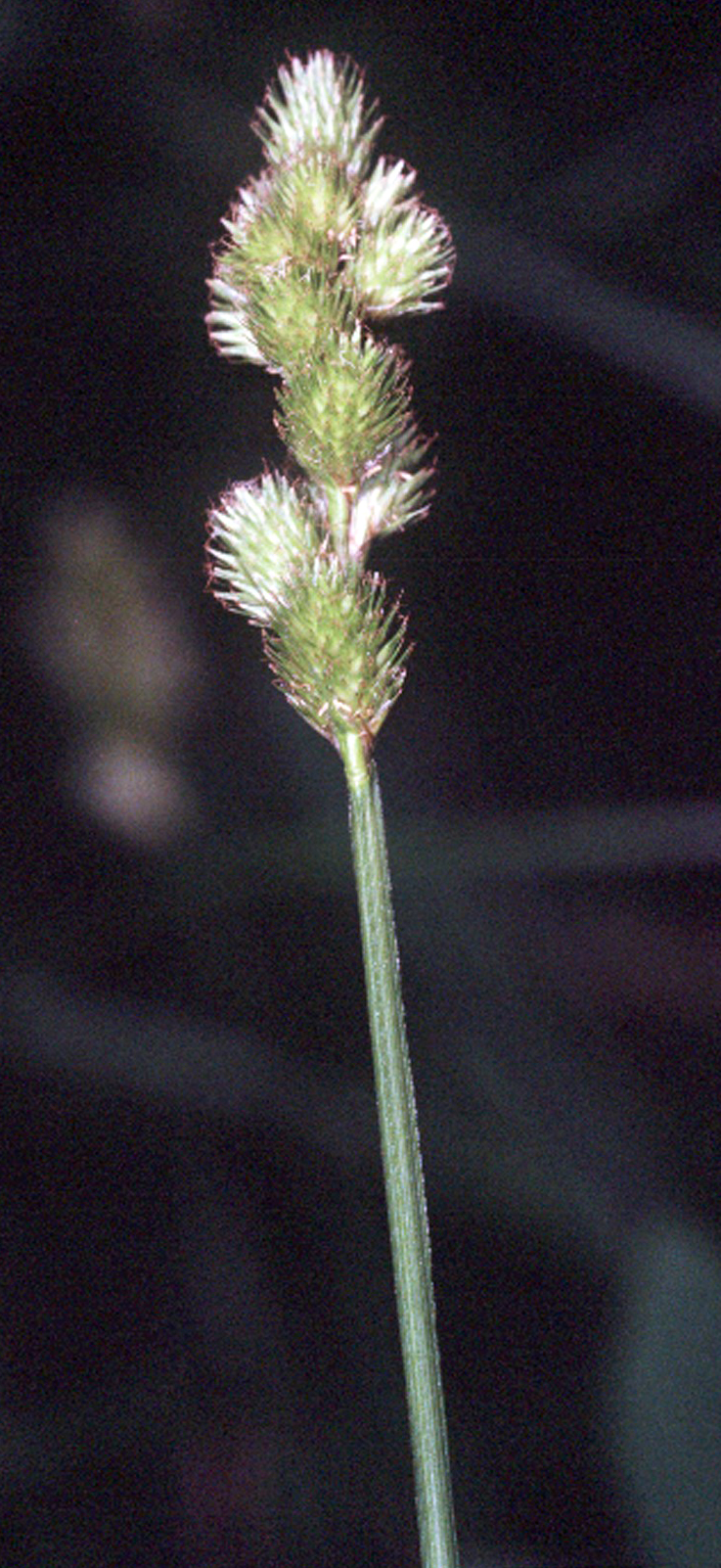
- Blunt Broom SedgeCarex tribuloides
- Louisiana SedgeCarex louisianica
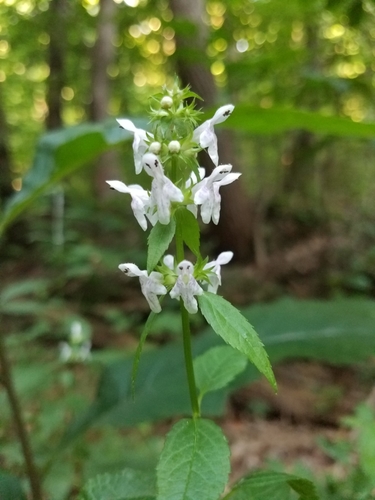
- Smooth Hedge-nettleStachys tenuifolia
- Woodland SpurgeEuphorbia obtusata
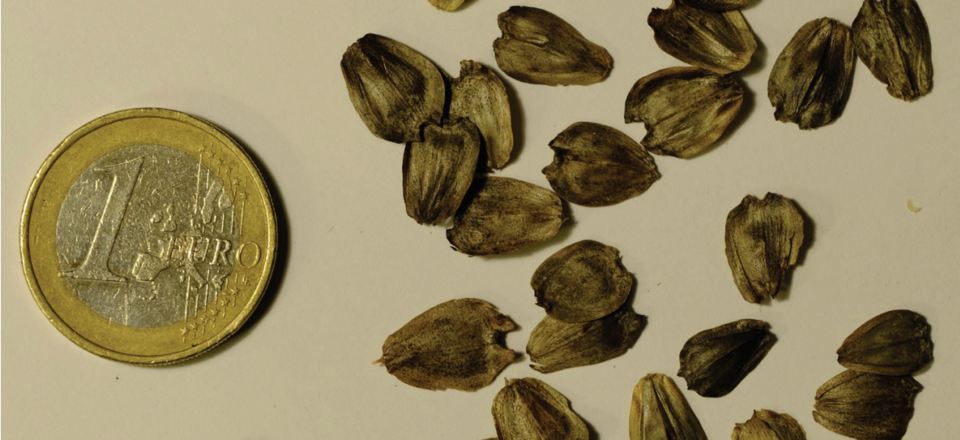
- Common Cup-plantSilphium perfoliatum
Dry forests and woodlands
Birds 53
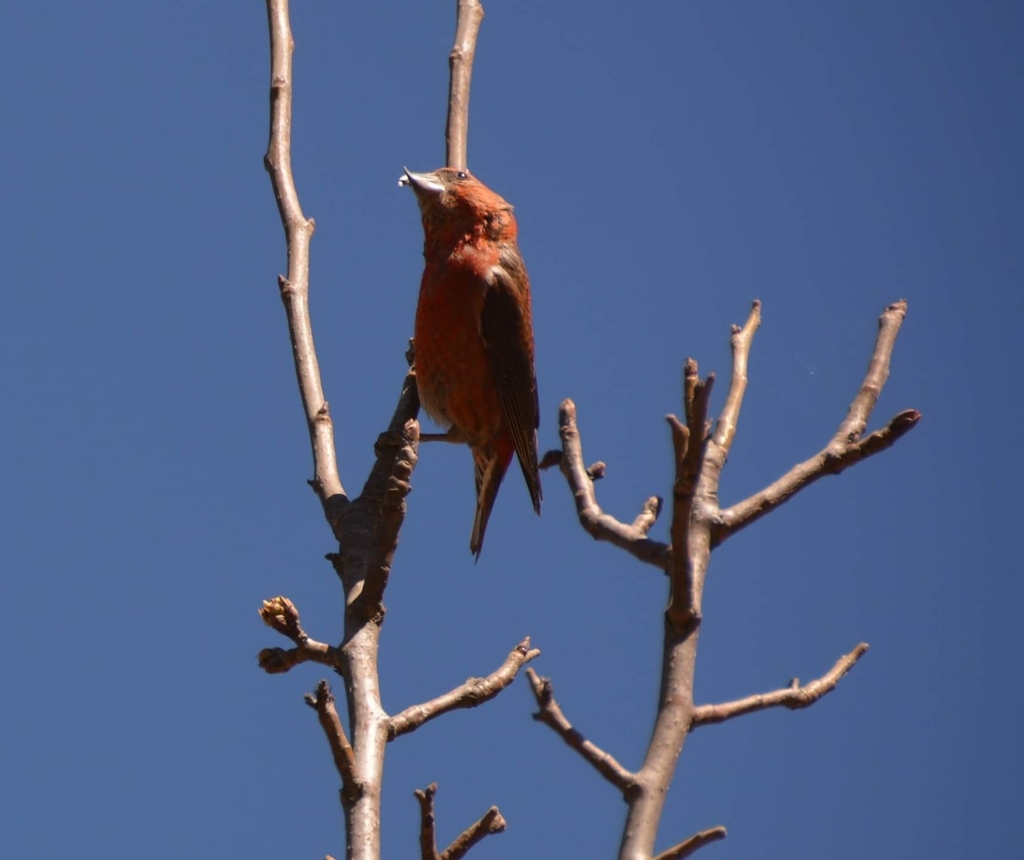
- Red CrossbillLoxia curvirostra
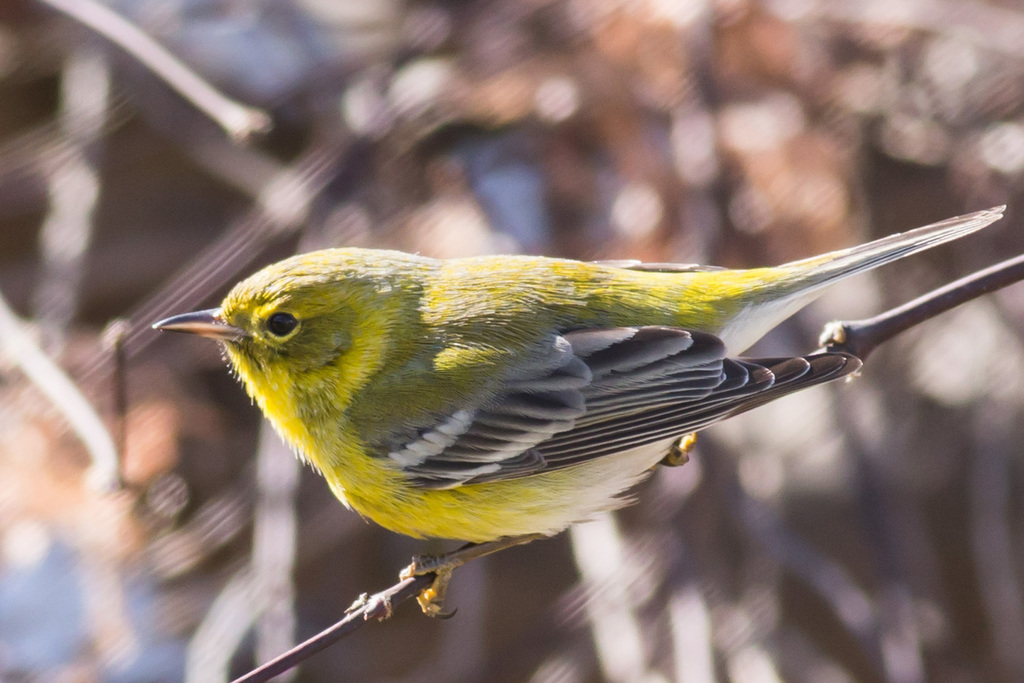
- Pine WarblerDendroica pinus
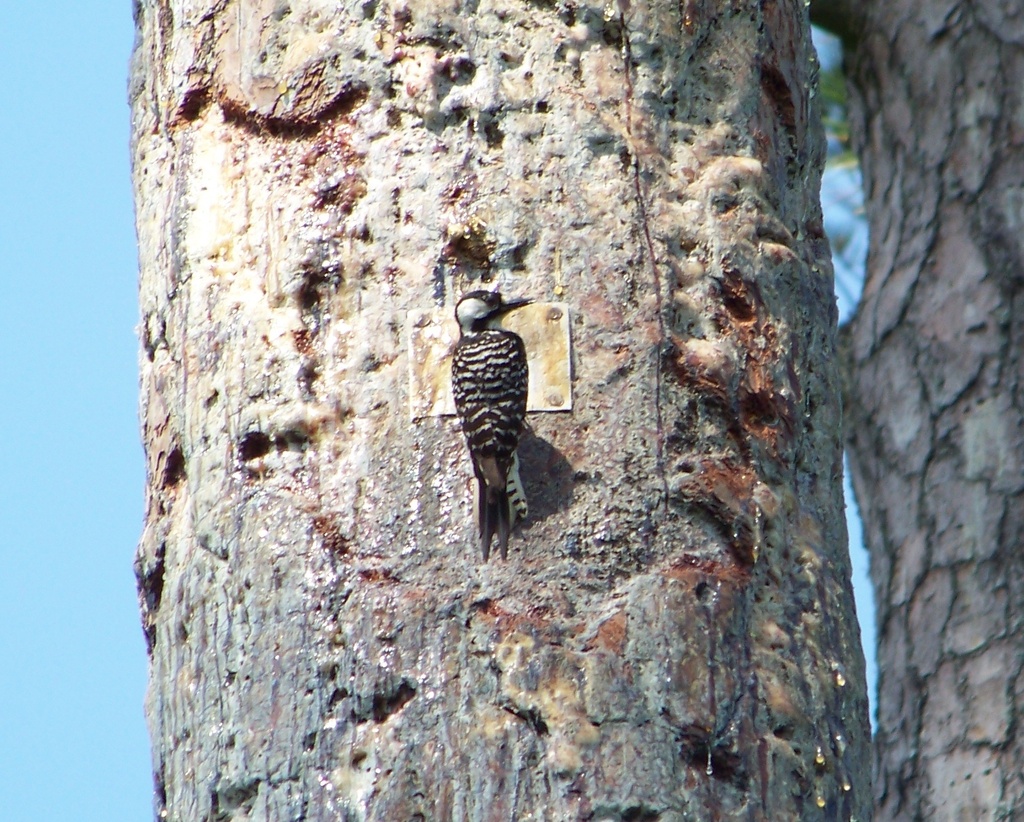
- Red-cockaded WoodpeckerPicoides borealis
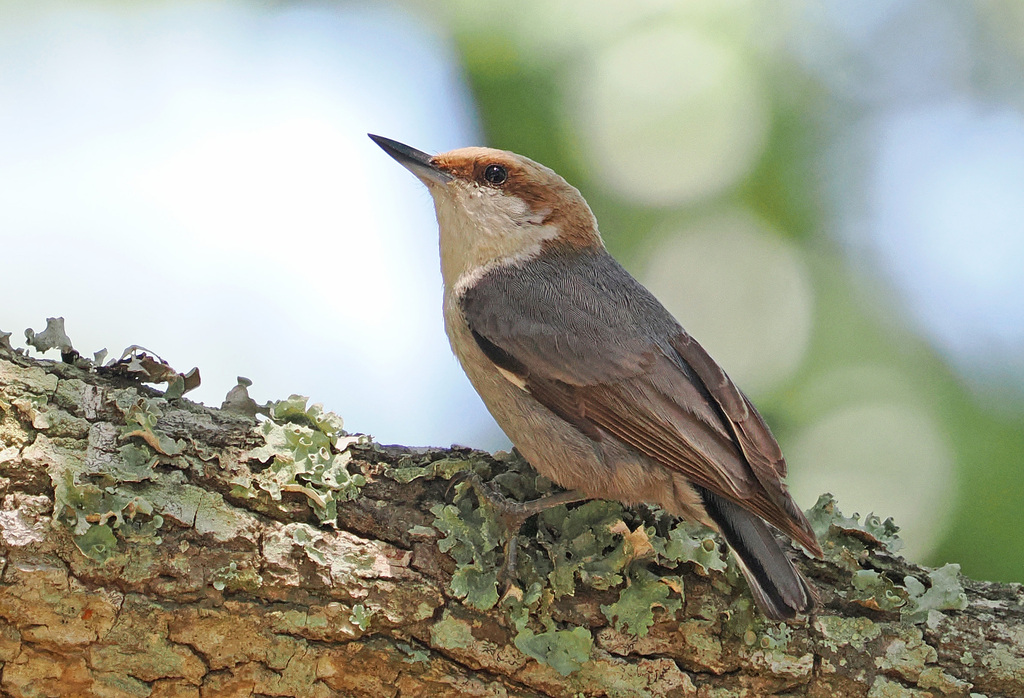
- Brown-headed NuthatchSitta pusilla
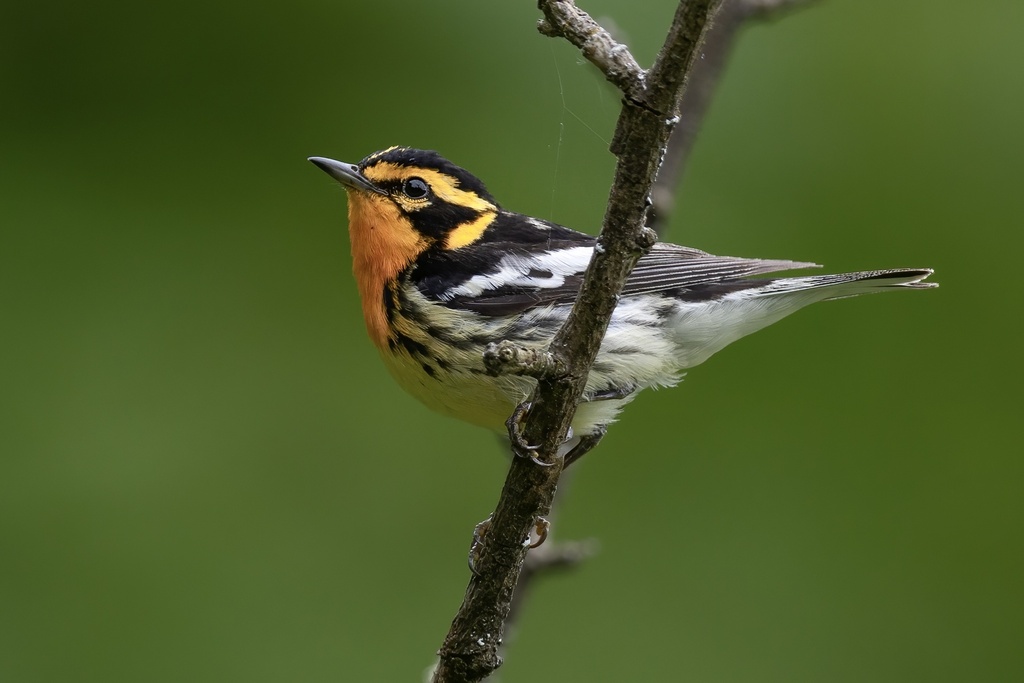
- Blackburnian WarblerDendroica fusca
- Red-breasted NuthatchSitta canadensis
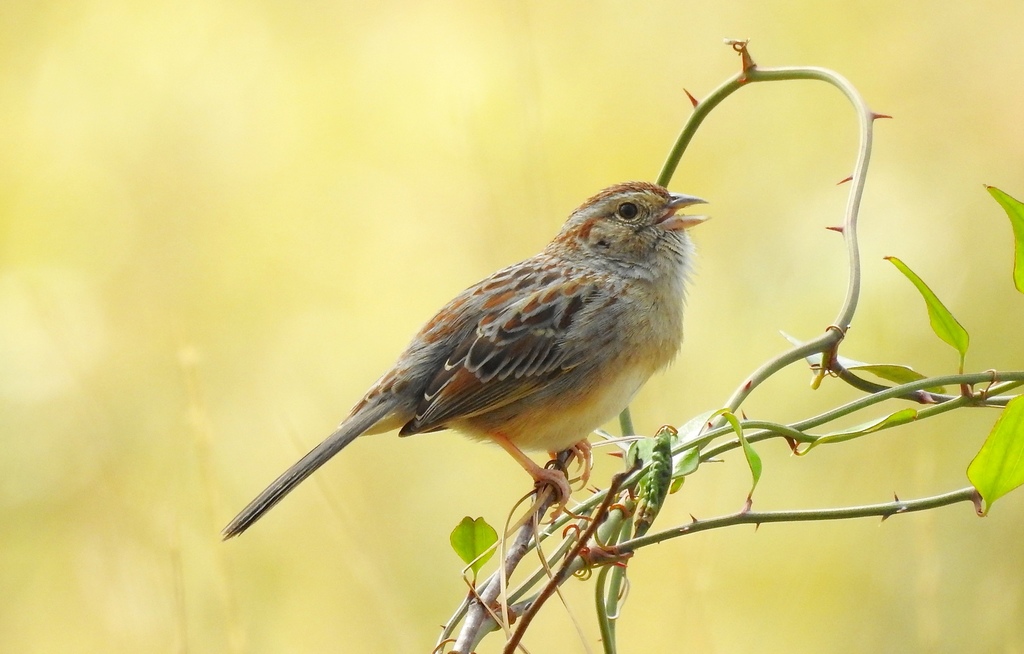
- Bachman's SparrowAimophila aestivalis
- Brewer's BlackbirdEuphagus cyanocephalus
- Brown-headed CowbirdMolothrus ater
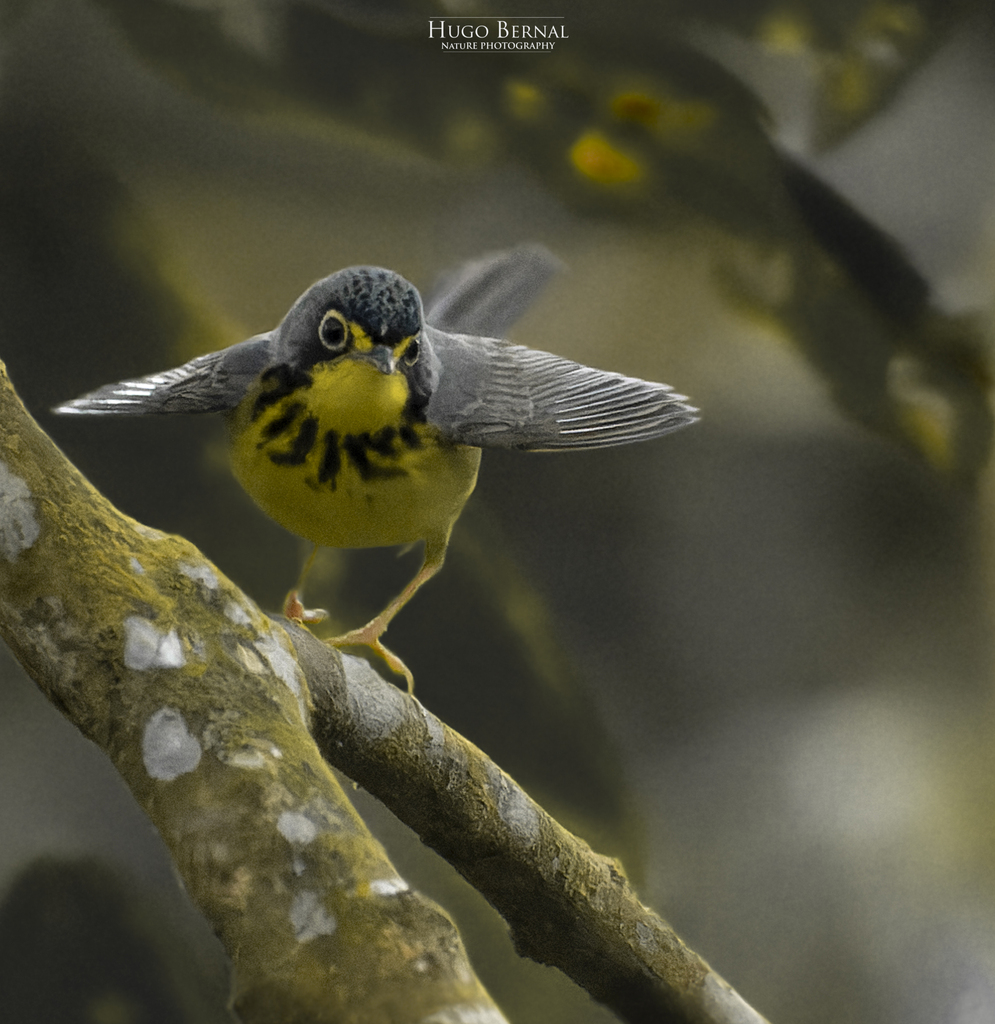
- Canada WarblerWilsonia canadensis
- Eastern BluebirdSialia sialis
- Louisiana WaterthrushSeiurus motacilla


Plants 217
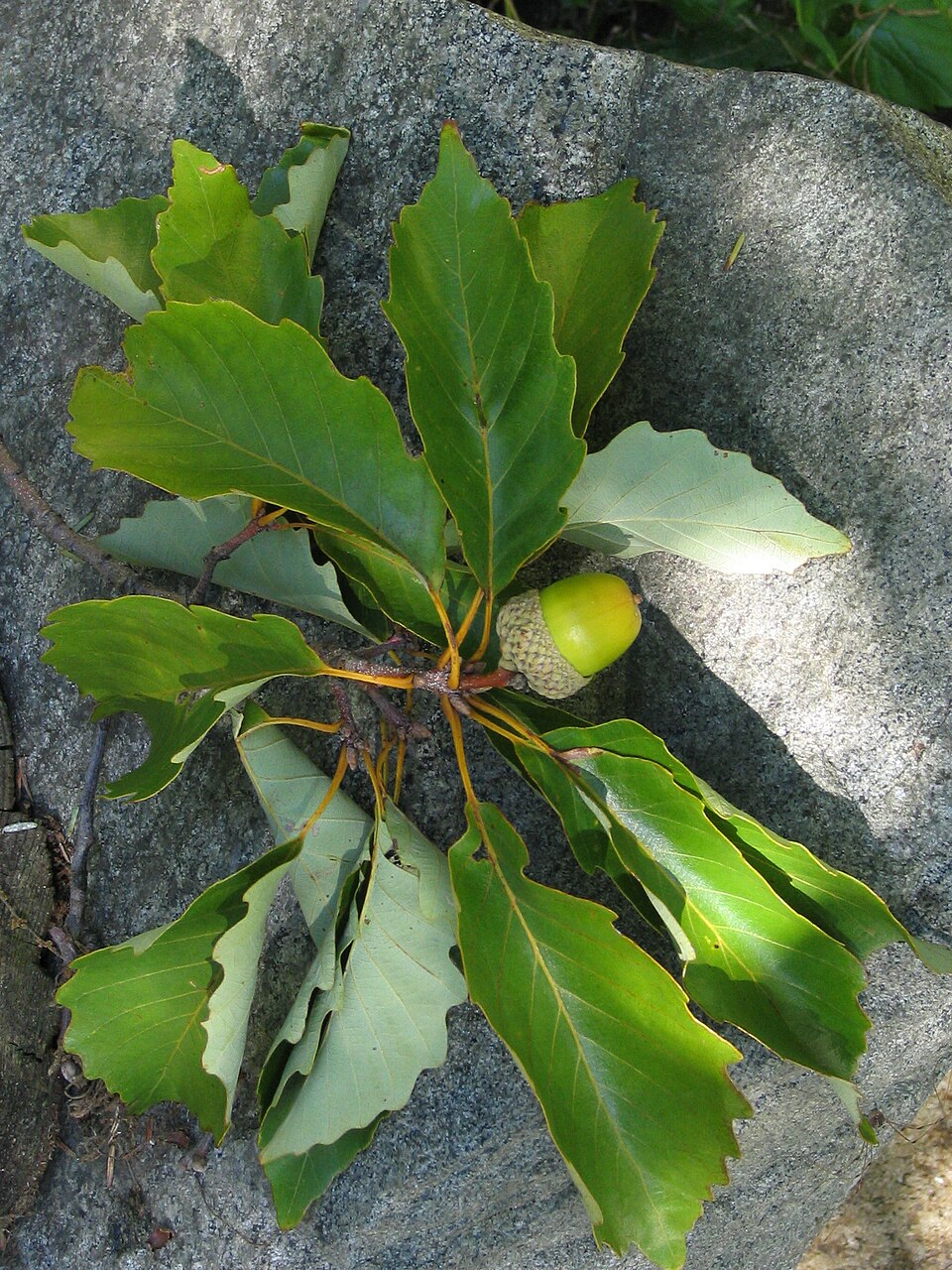
- Chestnut OakQuercus montana
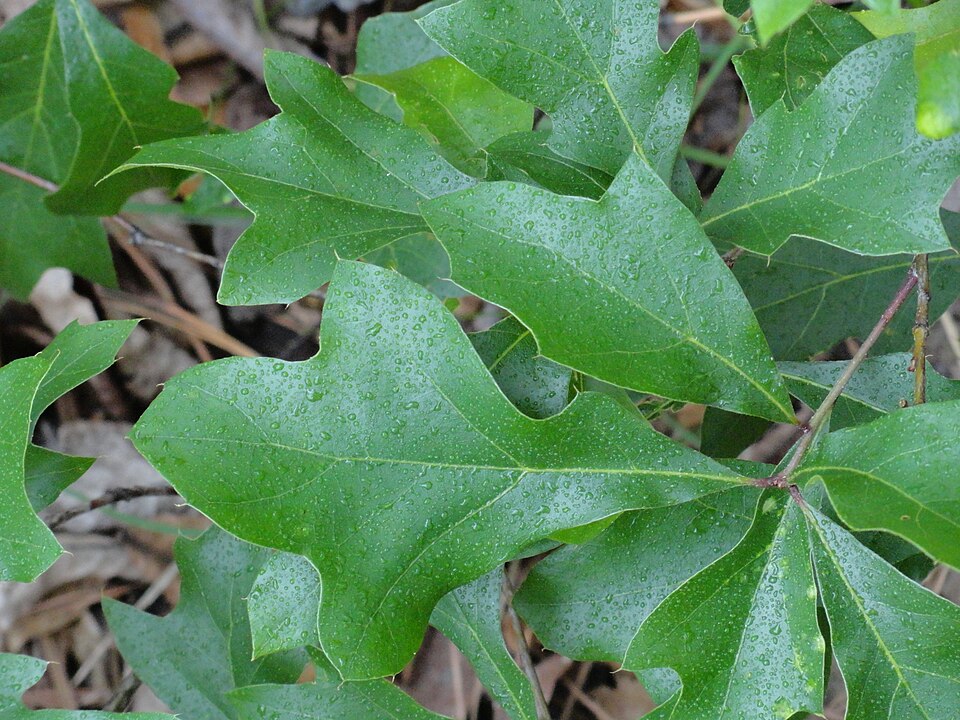
- Georgia OakQuercus georgiana
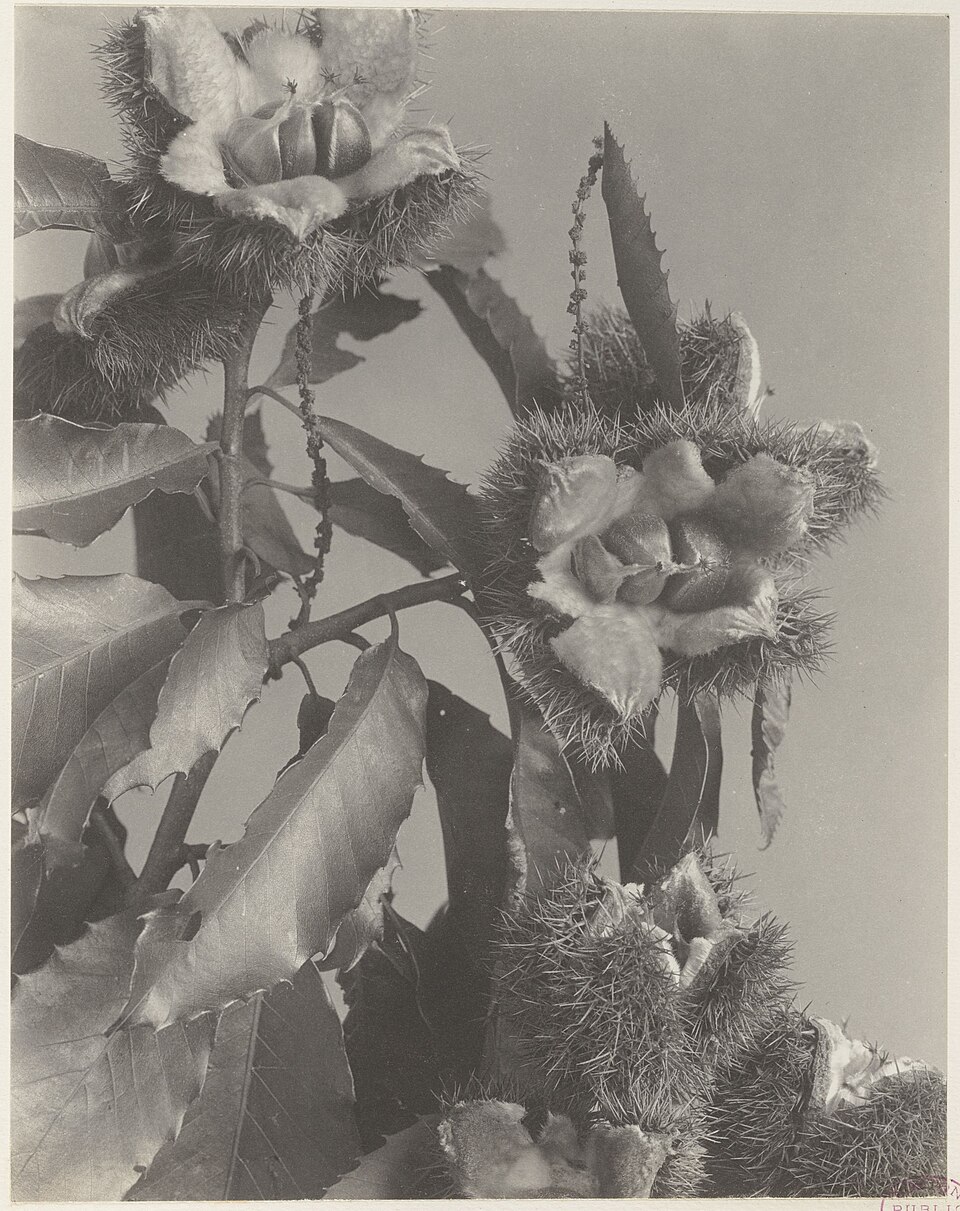
- American ChestnutCastanea dentata
- Godfrey's ThoroughwortEupatorium godfreyanum
- White ThoroughwortEupatorium album
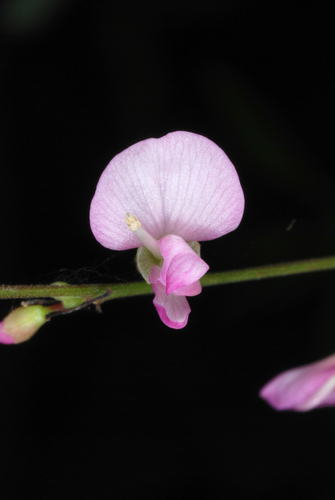
- Sessileleaf Tick-trefoilDesmodium sessilifolium
- Leavenworth's SedgeCarex leavenworthii
- Southern LoosestrifeSteironema tonsum
- Carolina LilyLilium michauxii
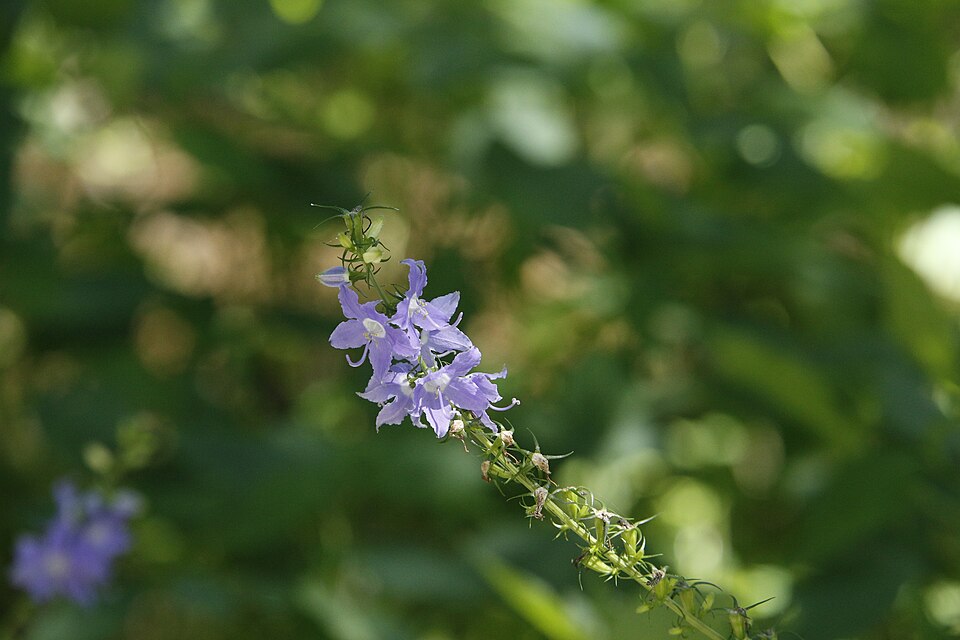
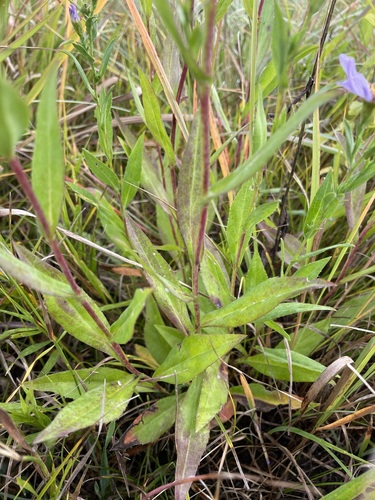
- Tall BellflowerCampanulastrum americanum
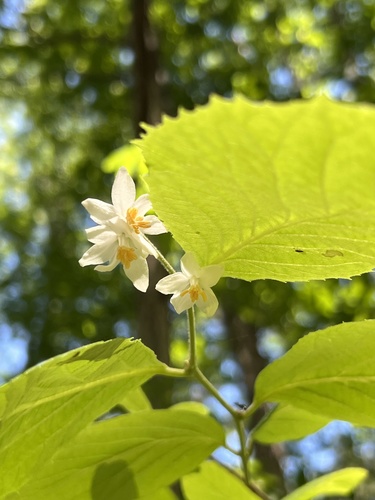
- Bigleaf SnowbellStyrax grandifolius
- Delicate Rabbit-tobaccoPseudognaphalium micradenium
Moist forests
Birds 41
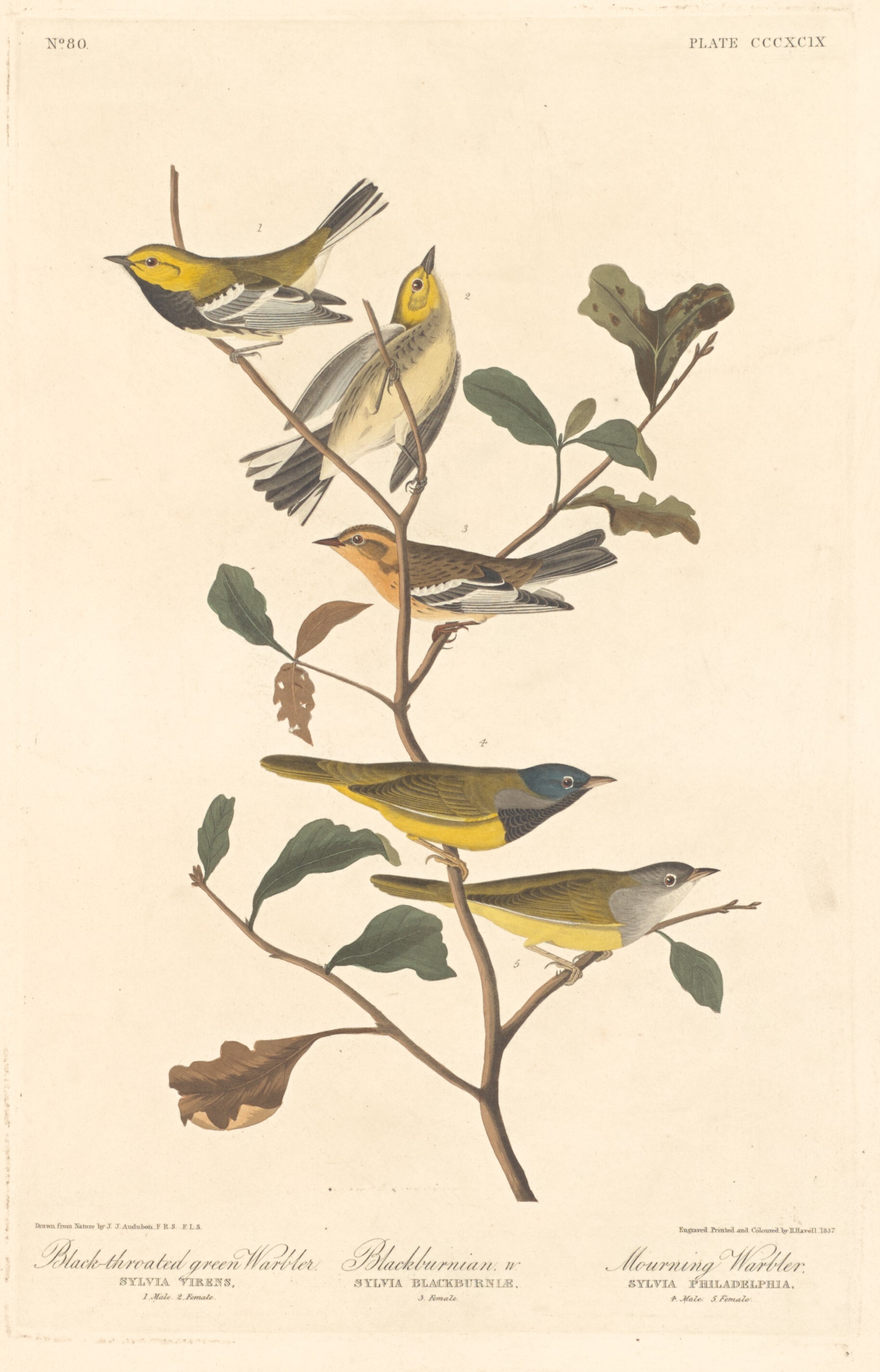
- Blackburnian WarblerDendroica fusca
- Canada WarblerWilsonia canadensis
- Louisiana WaterthrushSeiurus motacilla
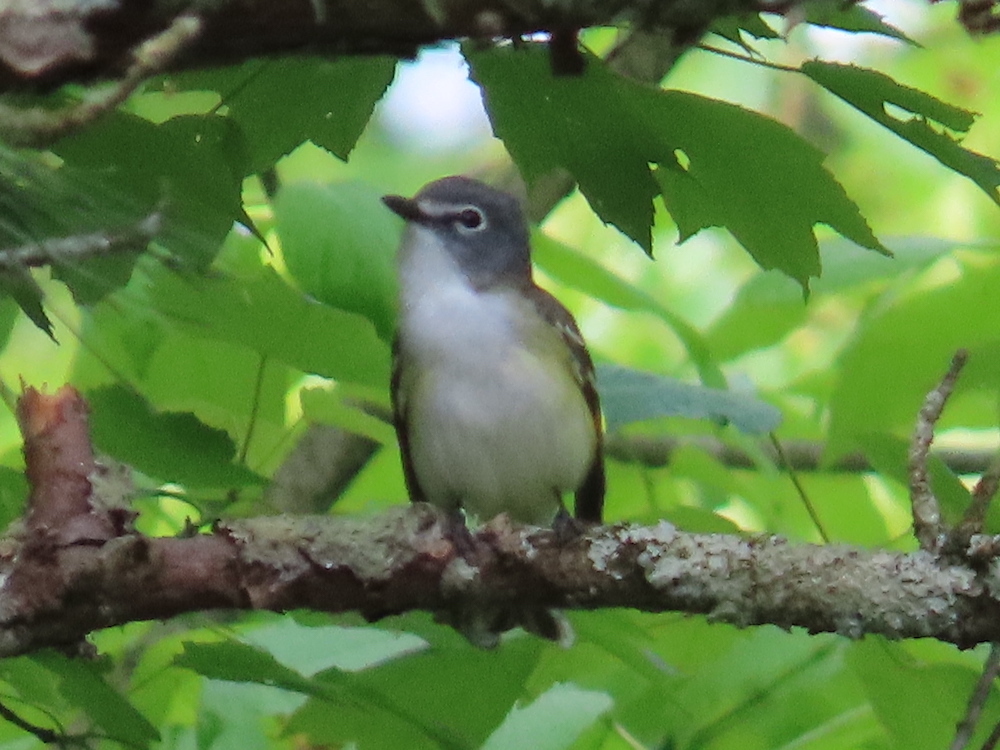
- Blue-headed VireoVireo solitarius
- Black-throated Blue WarblerDendroica caerulescens
- Cerulean WarblerDendroica cerulea
- OvenbirdSeiurus aurocapilla
- White-breasted NuthatchSitta carolinensis
- Black-throated Green WarblerDendroica virens
- Broad-winged HawkButeo platypterus
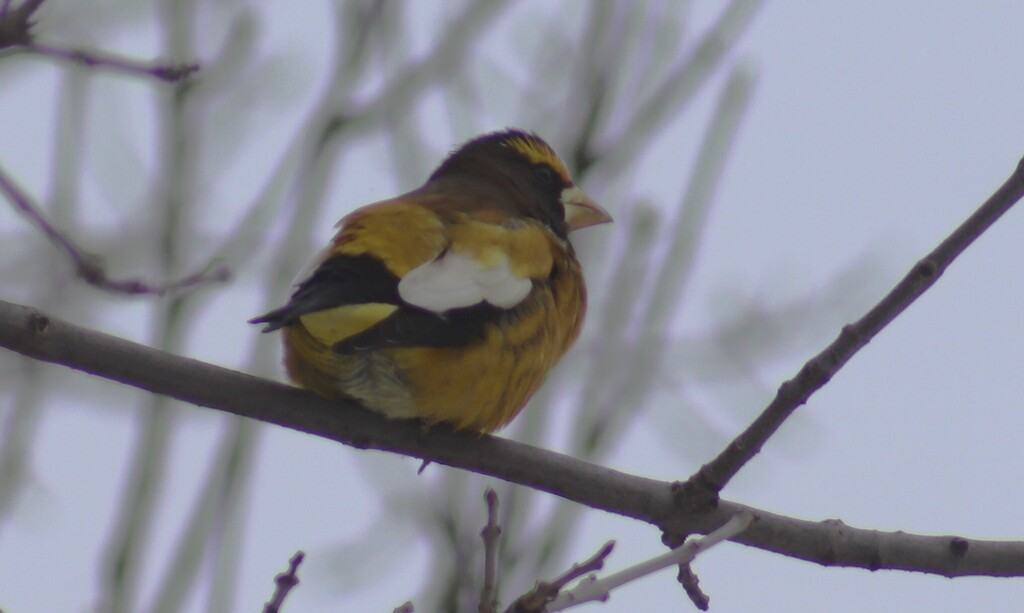
- Evening GrosbeakCoccothraustes vespertinus
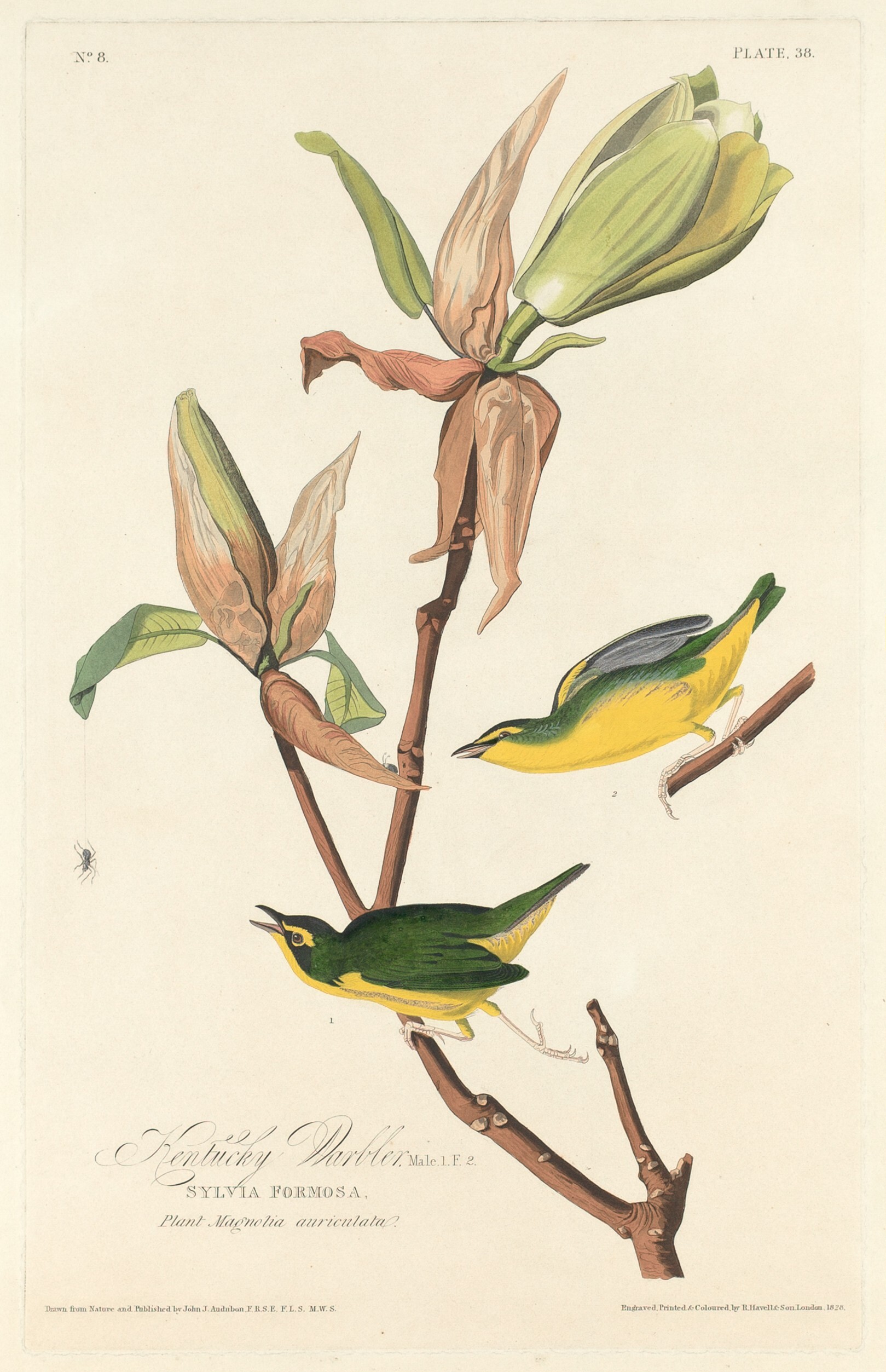
- Kentucky WarblerOporornis formosus



Plants 337
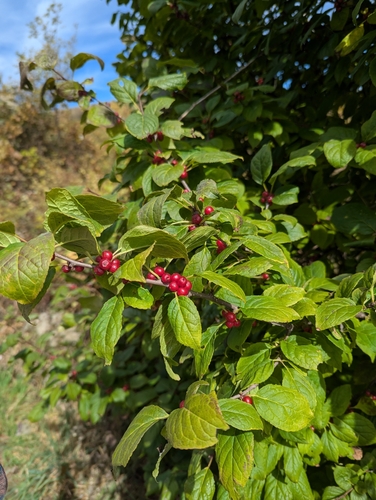
- Mountain HollyIlex montana
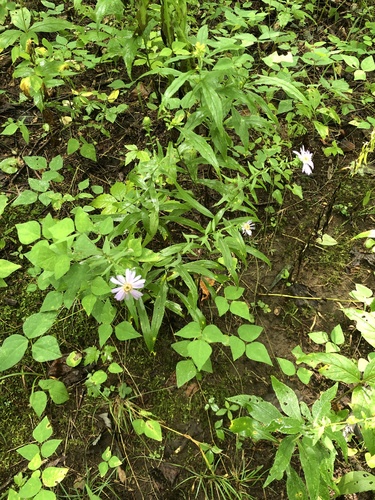
- Rigid Whitetop AsterSymphyotrichum retroflexum
- Smooth Blue AsterSymphyotrichum laeve
- Coastal GoldenrodSolidago villosicarpa
- Appalachian SnakerootAgeratina roanensis
- Fewflower Tick-trefoilHylodesmum pauciflorum
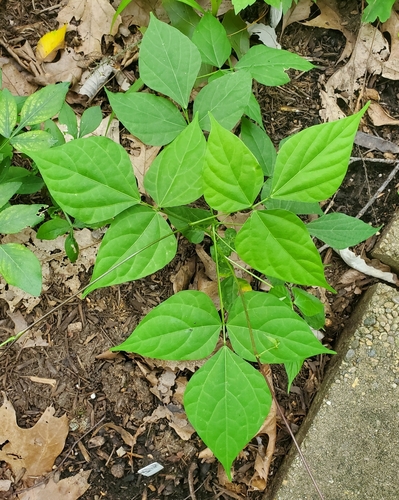
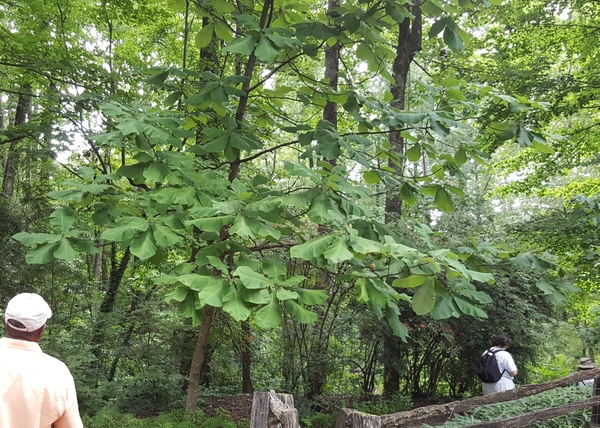
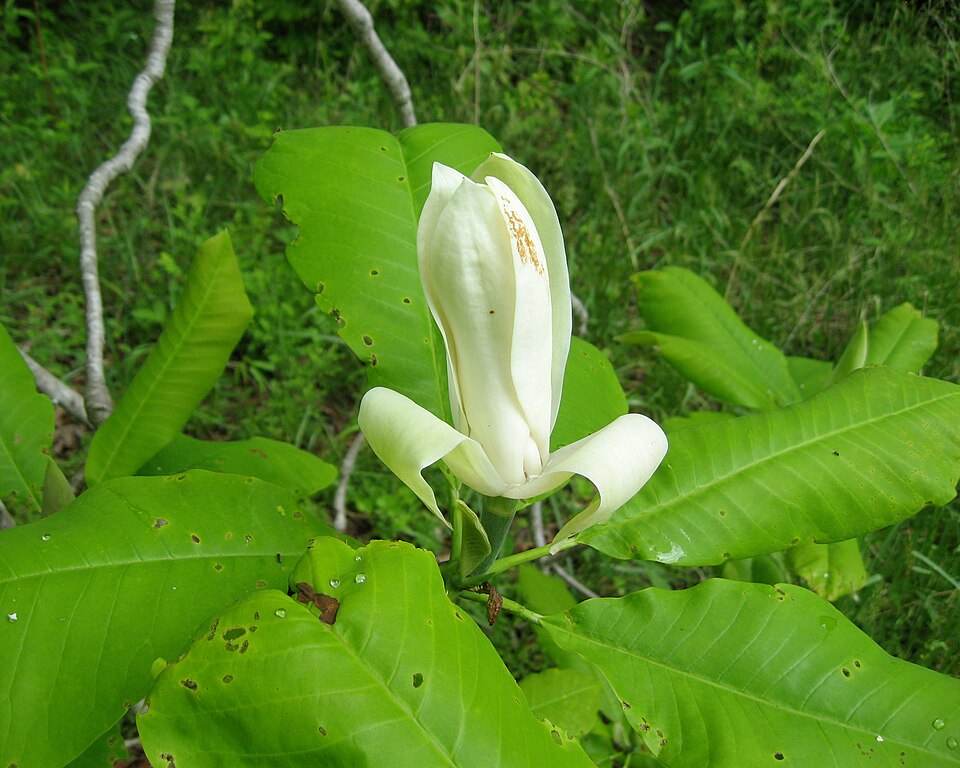
- Bigleaf MagnoliaMagnolia macrophylla
- Umbrella MagnoliaMagnolia tripetala
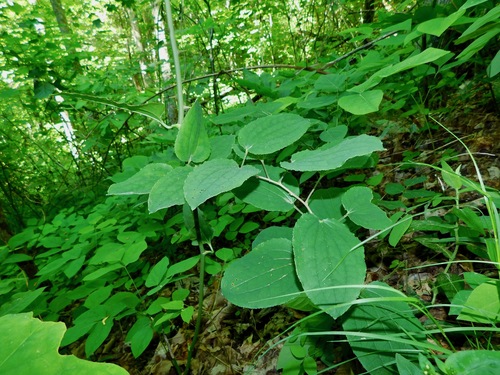
- Pointedleaf Tick-trefoilHylodesmum glutinosum
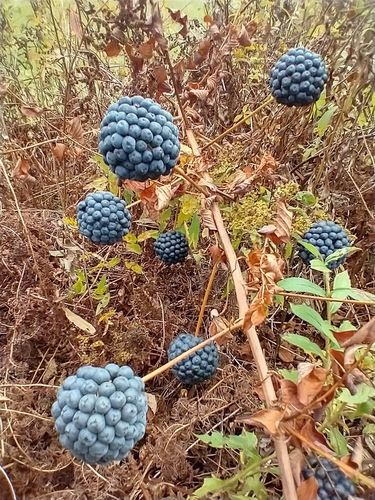
- Smooth Carrion-flowerSmilax herbacea
- Huger's Carrion-flowerSmilax hugeri
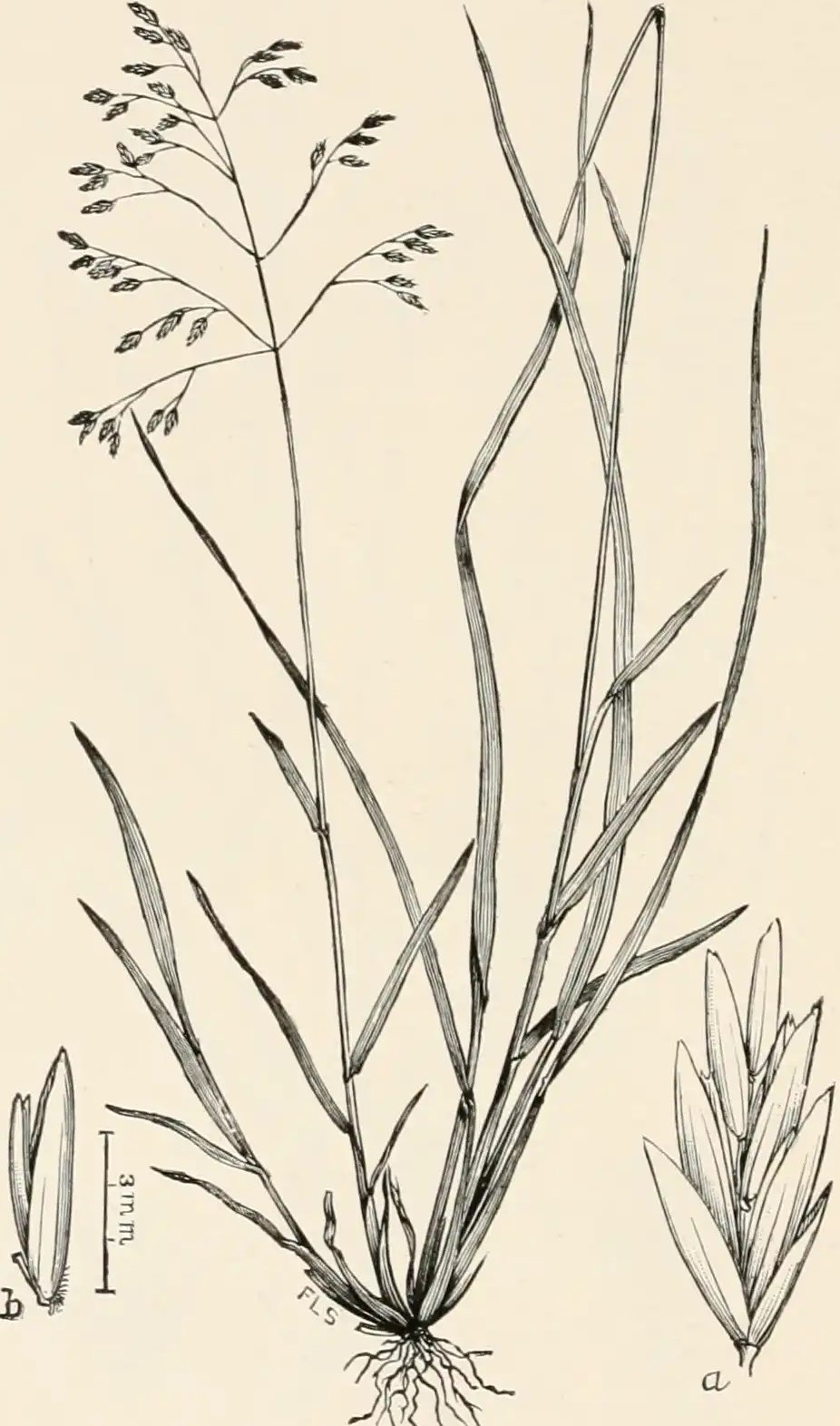
- Early BluegrassPoa cuspidata


Sources
- USGS Gap Analysis Project habitat models (2001)
- USGS GAP winter habitat model for Least Flycatcher
- USGS Gap Analysis Project range maps (2001), modeled by watershed; migratory gives no dates
- NatureServe Explorer (CC BY 4.0), habitat names
- US Census TIGER/Line counties
- Names follow the USGS Gap Analysis Project (2001)