

Habitats in North Carolina
Places plants grow wild in North Carolina, with the plants and animals found in each.
41 habitats
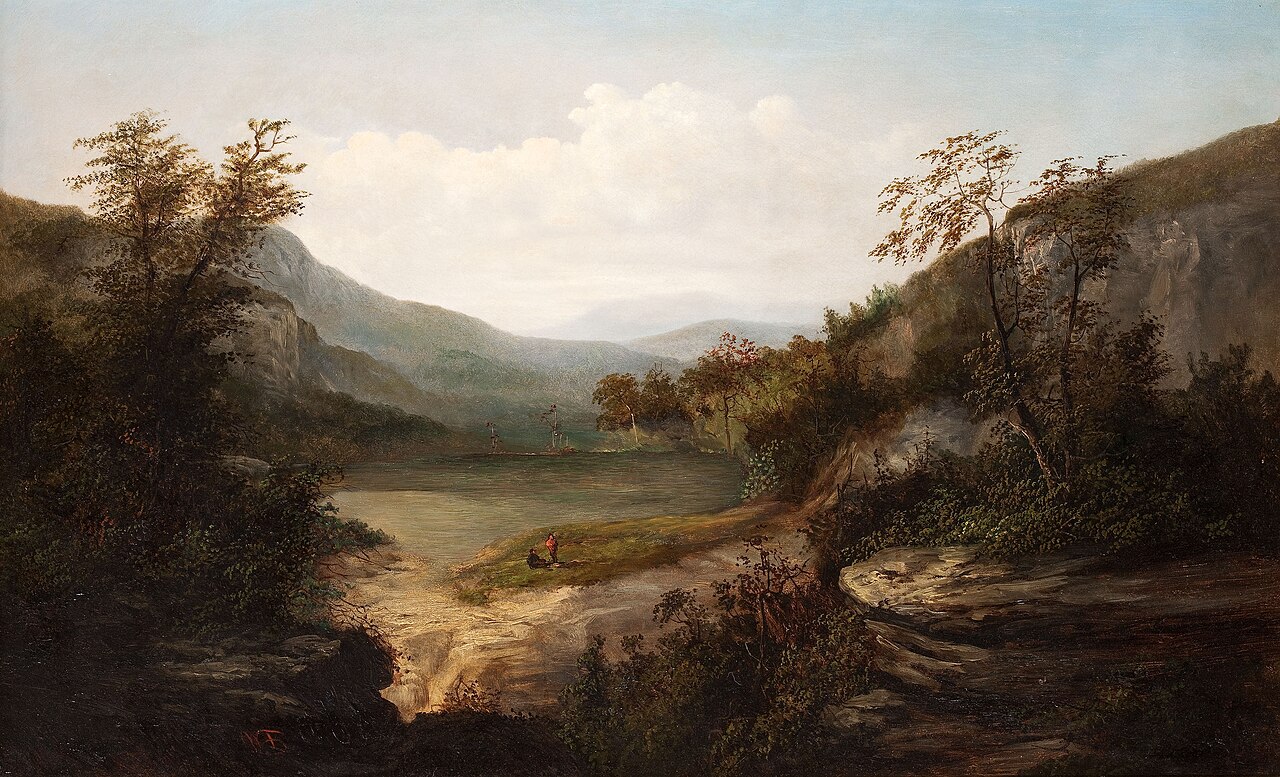 Cliffs, ledges and rocky summitsCliffs, ledges, rock outcrops, talus and rocky summits where the source does not name the rock. A named rock files the place under its own glade or outcrop type instead.
- Coastal dunes and beachesOpen sand of beaches, dunes and the hollows between them.
- Coastal Plain seepage bogsOpen, wet, seepage-fed bogs of the Coastal Plain and Sandhills, often with pitcher plants.
- Coastal tidal marshes (salinity not stated)Tidal marshes of the Atlantic and Gulf coasts where the source does not say whether the water is fresh, brackish or salt. A stated salinity files the marsh under freshwater tidal marshes or salt and brackish marshes instead.
- Depression ponds and limesinksShallow ponds in Coastal Plain depressions, such as limesinks and the ponds in some Carolina bays, that rise and fall with the seasons.
- Disturbed and introduced wetlandsWet ground taken over by weedy or introduced plants after disturbance, such as common reed, Chinese tallow or tamarisk stands; the upland counterpart is roadsides, fields and disturbed ground.
- Dry forests and woodlandsForests and open woodlands on dry ridges and slopes, often oak or pine.
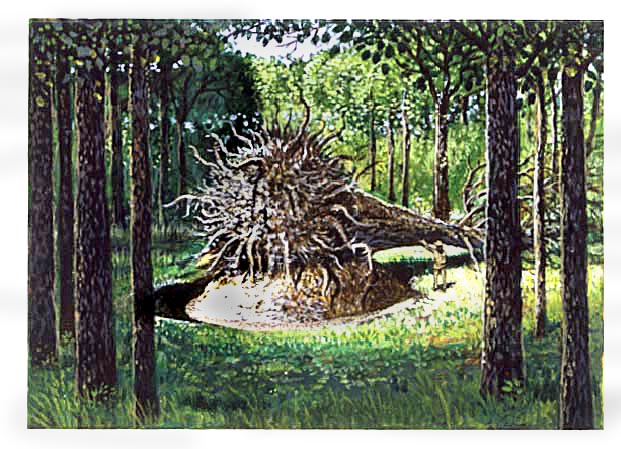 Floodplain and bottomland forestsForests on low ground beside rivers and streams that flood from time to time.
- Forest edges and thicketsBorders of forests, clearings and shrubby thickets.
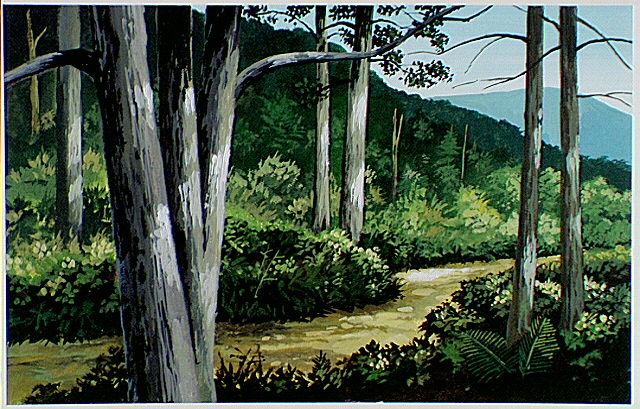 Forests and woodlandsForest or woodland where the source does not say how moist or dry.
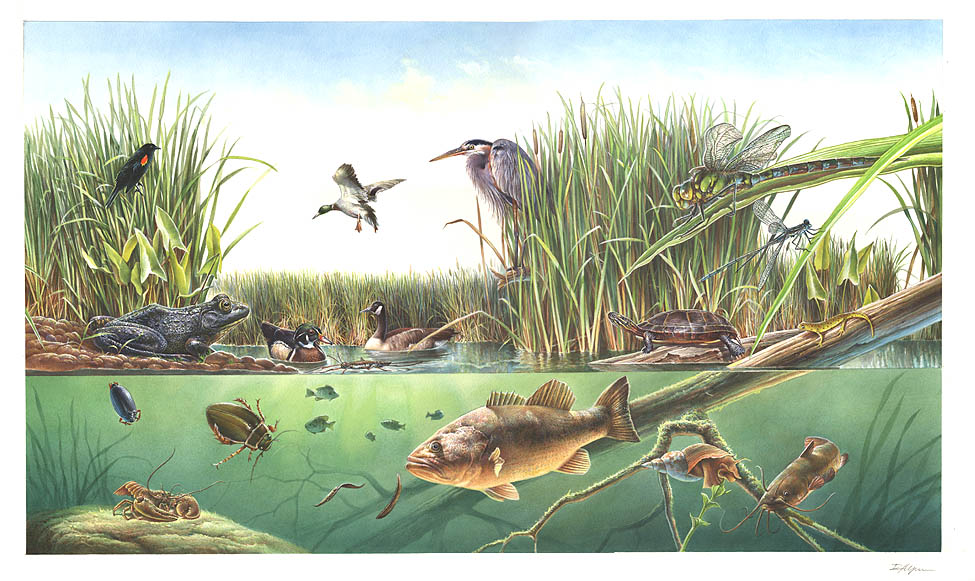 Freshwater marshesOpen, herb-covered wetlands with fresh, non-tidal water.
- Freshwater tidal marshesMarshes along tidal rivers where the water is fresh but rises and falls with the tide.
- Glades, barrens and outcrops on limestoneOpen, thin-soil openings and rock on limestone, dolomite or other lime-rich rock, including cedar glades.
- Glades, barrens and outcrops on mafic or serpentine rockOpen, thin-soil openings, outcrops and cliffs on dark, magnesium- or iron-rich rock such as serpentine, diabase or gabbro.
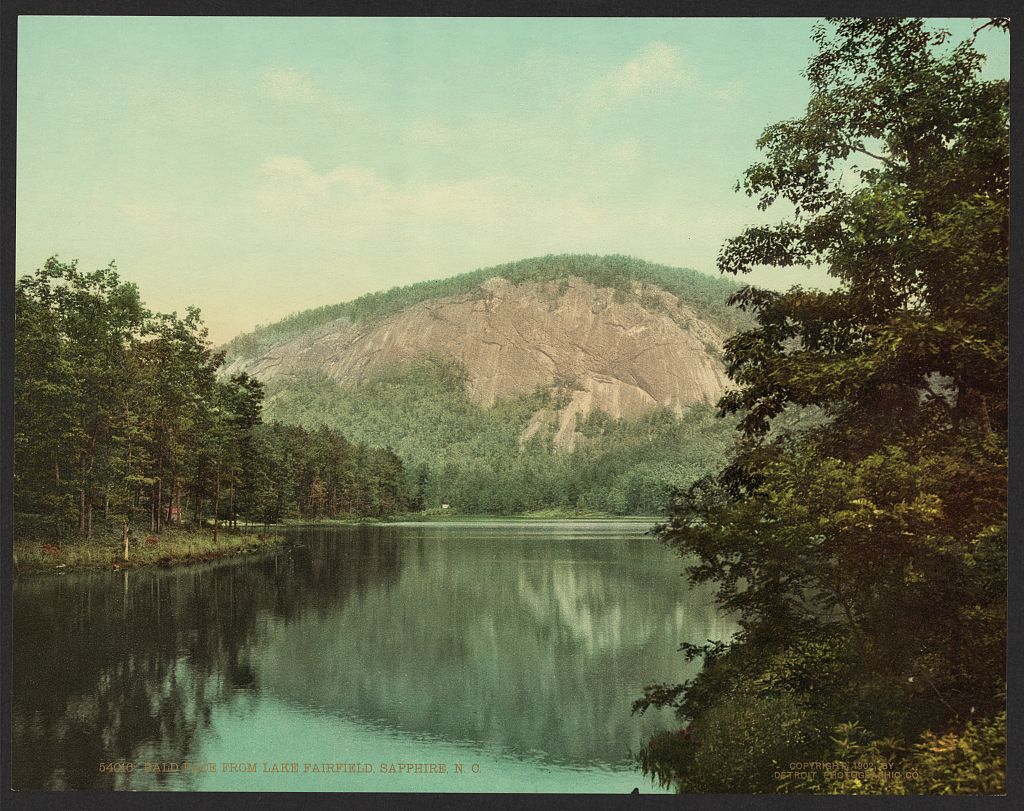 Granite and other acidic rock outcropsBare or thin-soil rock on granite, gneiss, sandstone, quartzite and similar acidic rock, including granite flatrocks and domes.
- Hardwood and oak flatwoodsFlat, poorly drained uplands and terraces with oaks, sweetgum and sometimes loblolly pine, wet in winter and dry in summer, but neither a floodplain nor a swamp.
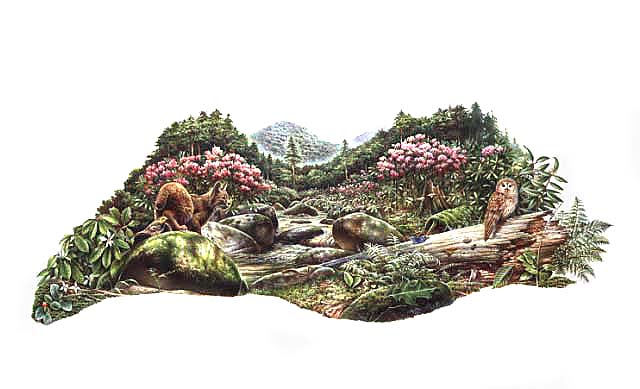 Hemlock forestsShady, evergreen forests of eastern or Carolina hemlock, often along rocky mountain streams and in gorges.
- Maritime forests and thicketsSalt-pruned forests and shrub thickets behind coastal dunes.
- MeadowsOpen, grassy or flowery ground that is not wet, such as mountain meadows; wet meadows are separate.
- Moderately dry forestsForests between dry and moist, often oak-hickory on slopes.
- Moist forestsForests on moist but not wet ground, such as rich slopes and ravines.
- Mountain baldsTreeless grassy or shrubby summits and ridges in the high mountains.
- Mountain bogs and fensWet, open, peaty mountain wetlands fed by seepage, often with sphagnum moss.
- Northern hardwood forestsHigh mountain forests of beech, yellow birch and sugar maple, including boulderfield forests.
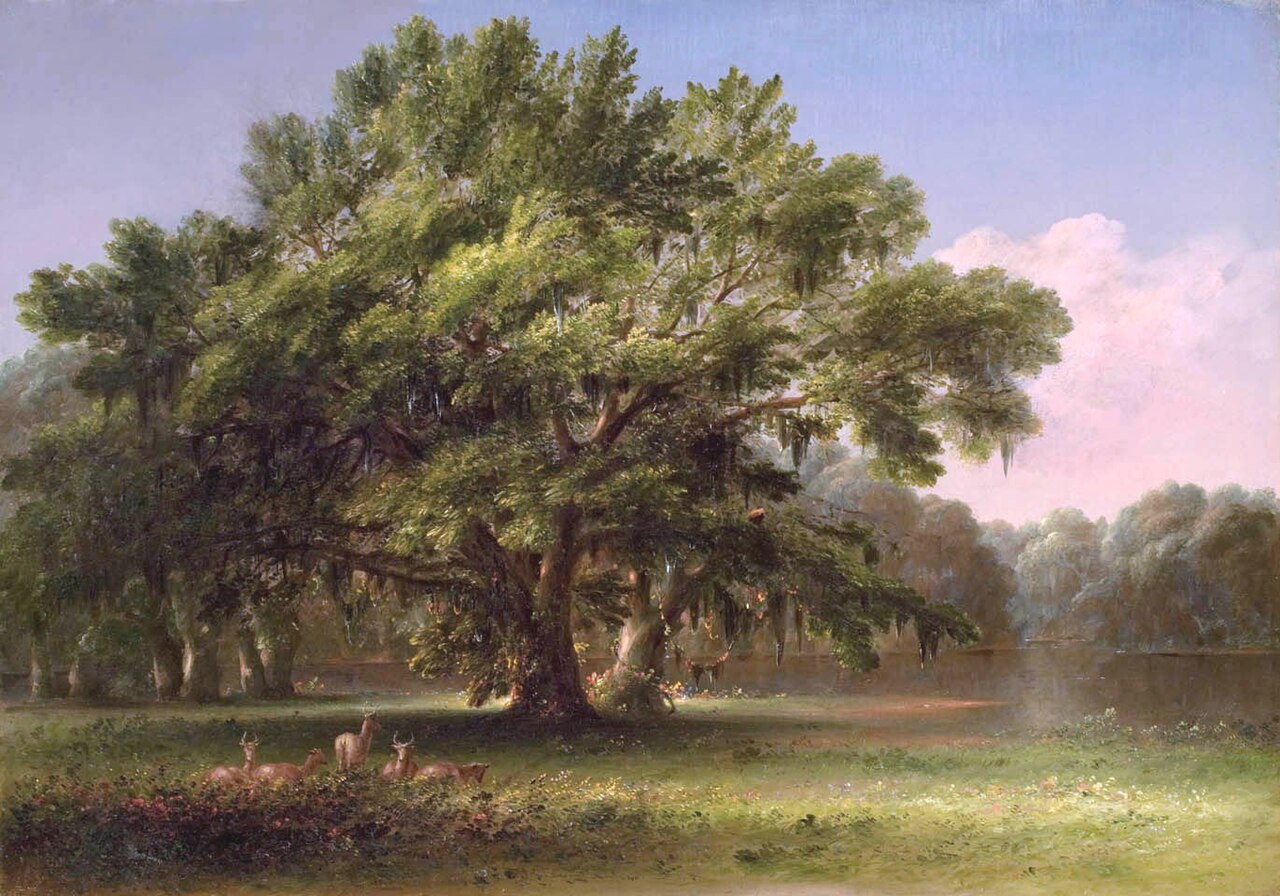 Oak savannas and openingsOpen-grown oaks over grass and wildflowers, kept open by fire or thin soil; not the treeless prairies or the Coastal Plain's pine savannas.
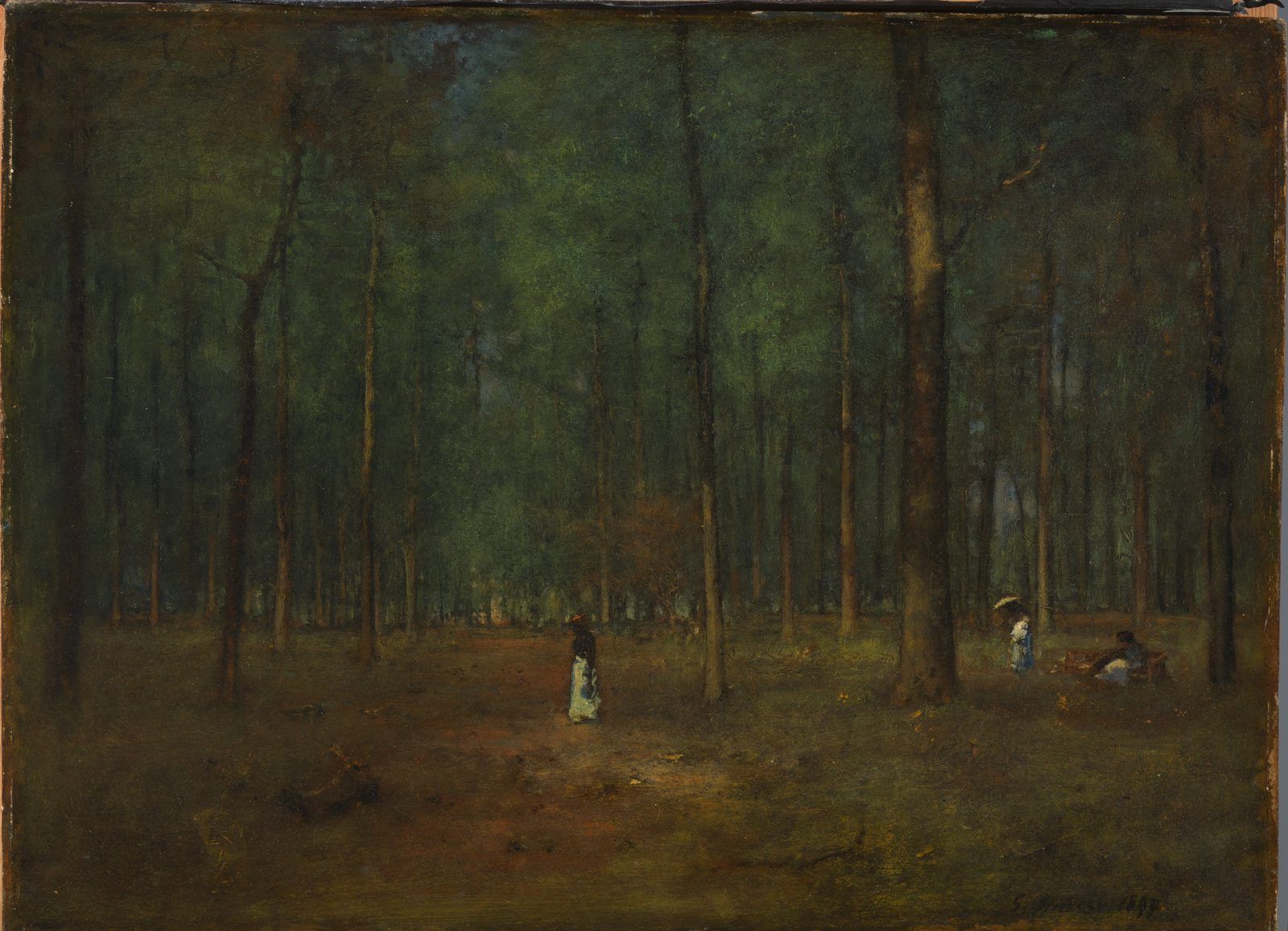 Pine flatwoodsFlat, sandy Coastal Plain pine woodlands, wetter than sandhills and denser than savannas.
- Pine savannasOpen, fire-kept longleaf pine stands over grasses and wildflowers on wet to moist sandy soil.
- Pocosins and bay forestsDense evergreen shrub wetlands and bay forests on wet, acid peat of the Coastal Plain.
- Ponds, lakes and their shoresStill water and its edges: ponds, lakes, millponds and reservoirs.
- Prairies and grasslandsOpen, grass-dominated places kept open by fire, grazing or thin soil, from tallgrass prairie to Piedmont prairies.
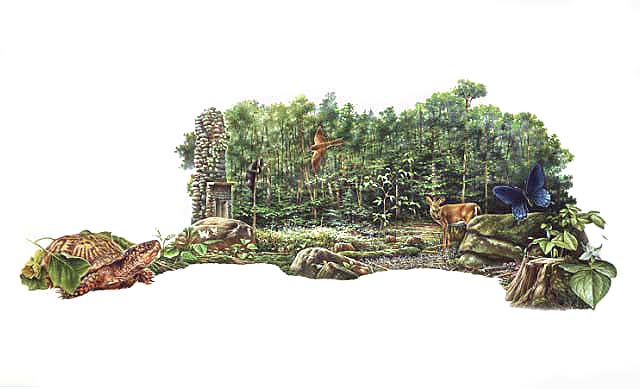 Rich cove forestsSheltered, moist mountain hollows and lower slopes with deep, fertile soil.
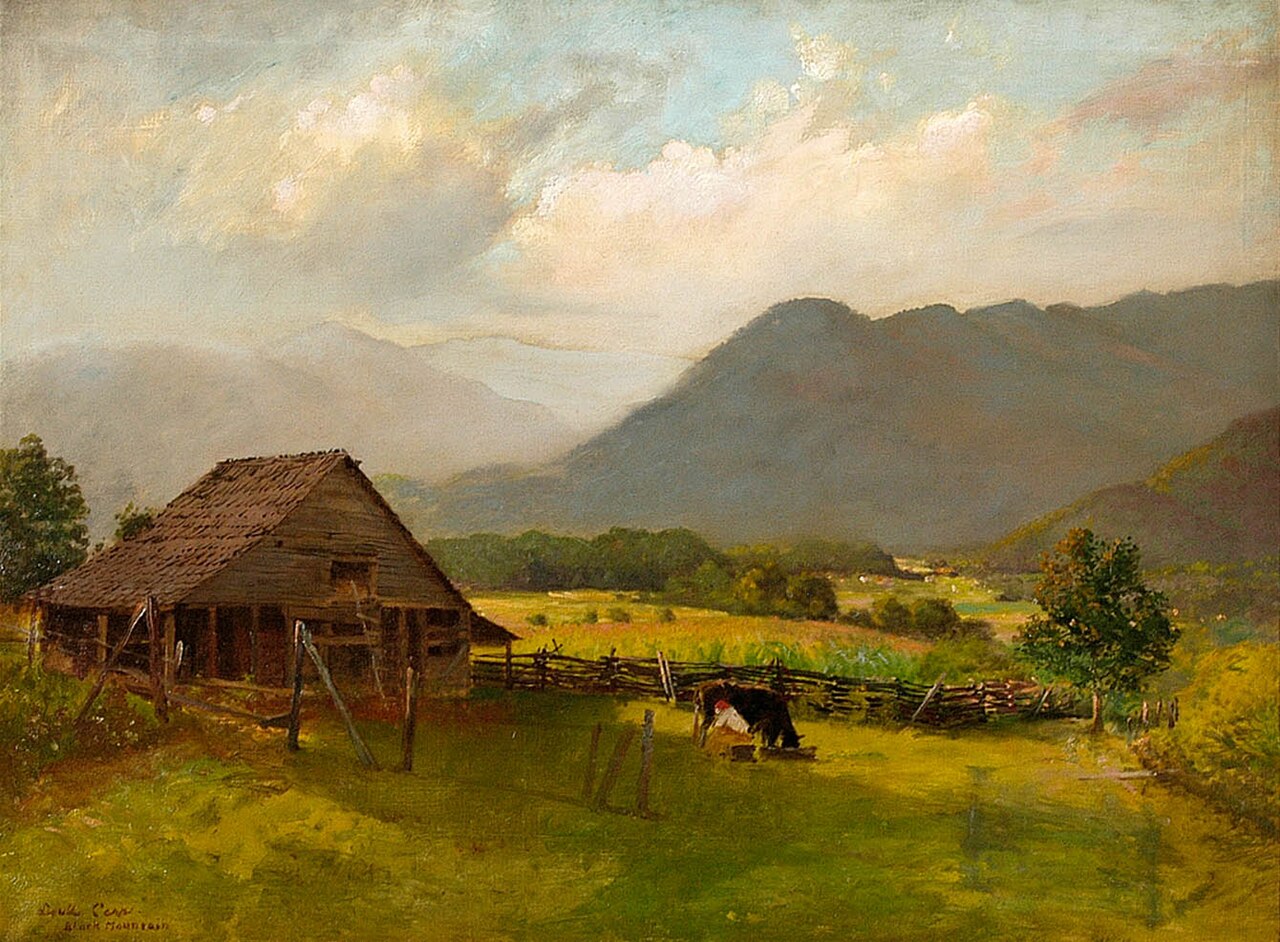 Roadsides, fields and disturbed groundGround opened by people: roadsides, old fields, pastures, fencerows and lots.
- Salt and brackish marshesCoastal marshes flooded by salty or brackish tides.
- SandhillsDry, deep-sand ridges with longleaf pine and turkey oak, kept open by fire.
- Seeps and springsPlaces where groundwater keeps the soil or rock wet, such as seepage slopes and spring runs.
- Sounds, bays and tidal flatsSalt and brackish open water of sounds, bays and estuaries, with the mud and sand flats and seagrass beds that tides cover and uncover; the vegetated marsh is salt and brackish marshes.
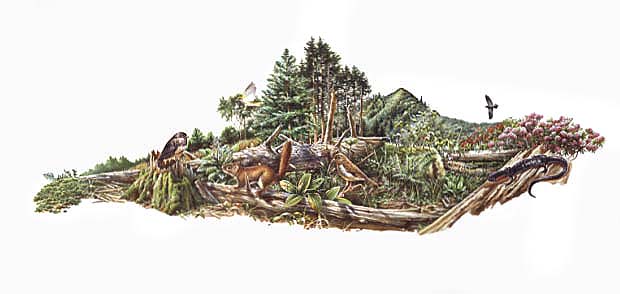 Spruce-fir forestsCool, evergreen forests of red spruce and Fraser fir on the highest mountains.
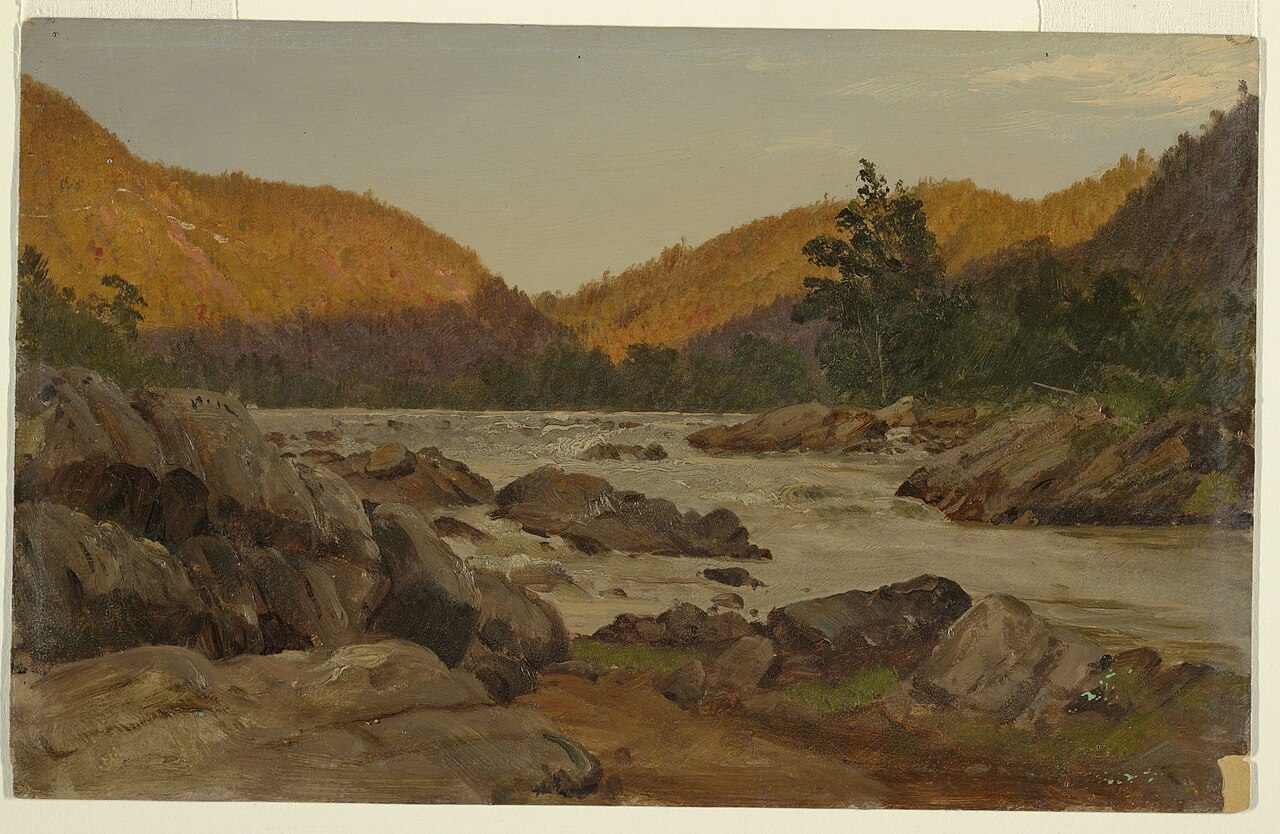 Streams, rivers and their banksFlowing water and its banks, bars and rocky shoals.
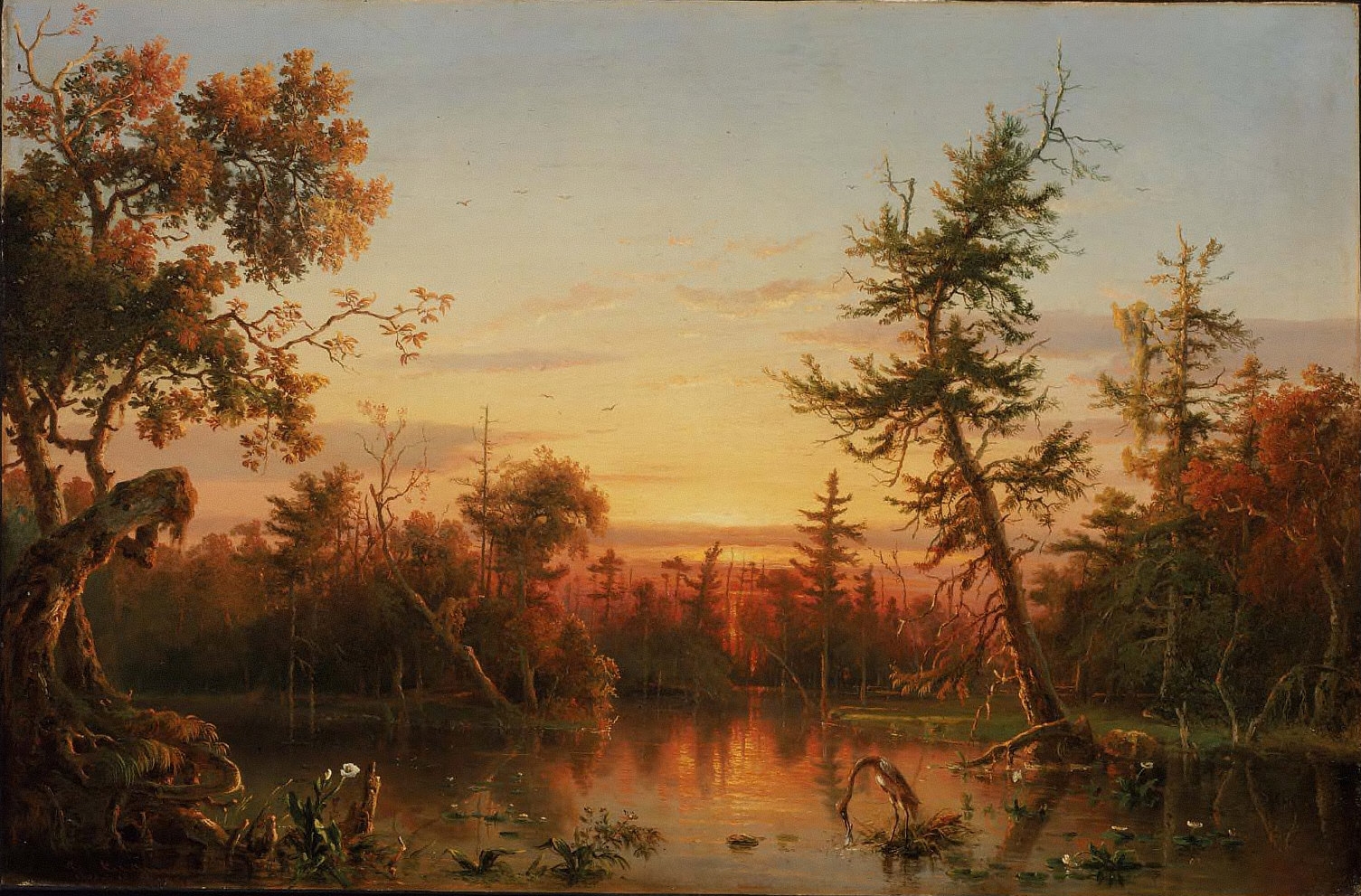 SwampsForested wetlands with standing water much of the year, such as cypress and gum swamps.
- Tree plantations and managed pinePlanted or intensively managed stands of pine or hardwoods grown for timber; a land use rather than a natural community.
- Wet meadowsOpen, wet, grassy or sedgy ground that is not a bog.
- Cliffs, ledges and rocky summits
- Coastal dunes and beaches
- Coastal Plain seepage bogs
- Coastal tidal marshes (salinity not stated)
- Depression ponds and limesinks
- Disturbed and introduced wetlands
- Dry forests and woodlands
- Floodplain and bottomland forests
- Forest edges and thickets
- Forests and woodlands
- Freshwater marshes
- Freshwater tidal marshes
- Glades, barrens and outcrops on limestone
- Glades, barrens and outcrops on mafic or serpentine rock
- Granite and other acidic rock outcrops
- Hardwood and oak flatwoods
- Hemlock forests
- Maritime forests and thickets
- Meadows
- Moderately dry forests
- Moist forests
- Mountain balds
- Mountain bogs and fens
- Northern hardwood forests
- Oak savannas and openings
- Pine flatwoods
- Pine savannas
- Pocosins and bay forests
- Ponds, lakes and their shores
- Prairies and grasslands
- Rich cove forests
- Roadsides, fields and disturbed ground
- Salt and brackish marshes
- Sandhills
- Seeps and springs
- Sounds, bays and tidal flats
- Spruce-fir forests
- Streams, rivers and their banks
- Swamps
- Tree plantations and managed pine
- Wet meadows