

Bird
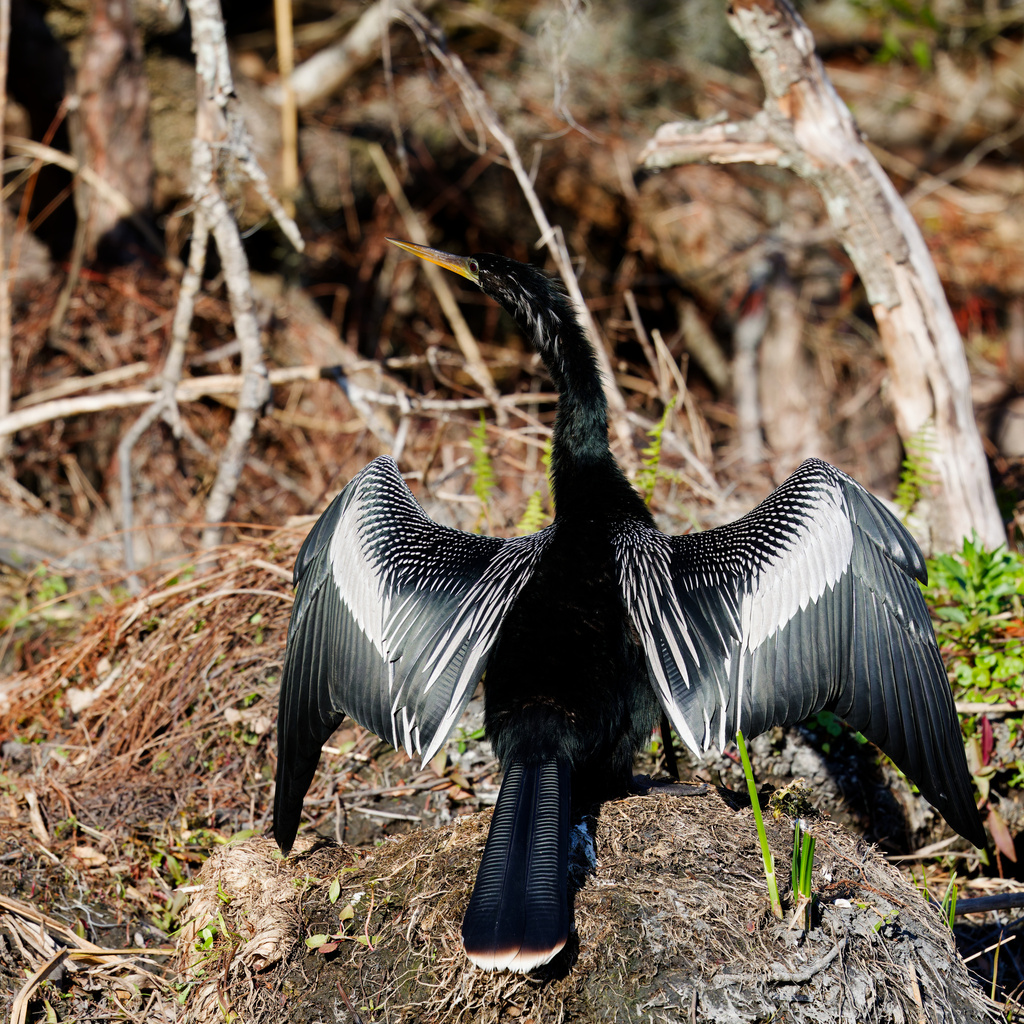
Anhinga
Anhinga anhinga
A summer resident that nests in North Carolina. Found in 29 of 100 counties, across 9 habitats.
- Here
- Summer
- Nesting
- Nests here
- Range
- 29 of 100 counties
- Habitats
- 9
At a glance
- Group
- Birds
- Here
- Summer
- Nesting
- Nests here
- Range
- 29 of 100 counties
- Habitats
- 9
- Habitat models
- Summer, Winter
Where it lives
The places its habitat model includes. It is not found everywhere a habitat occurs.
Habitats in North Carolina 9
Each habitat page lists the plants and wildlife also found there.
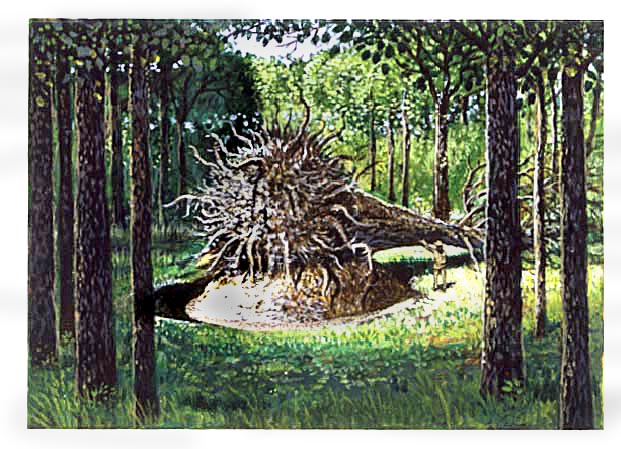
Floodplain and bottomland forests

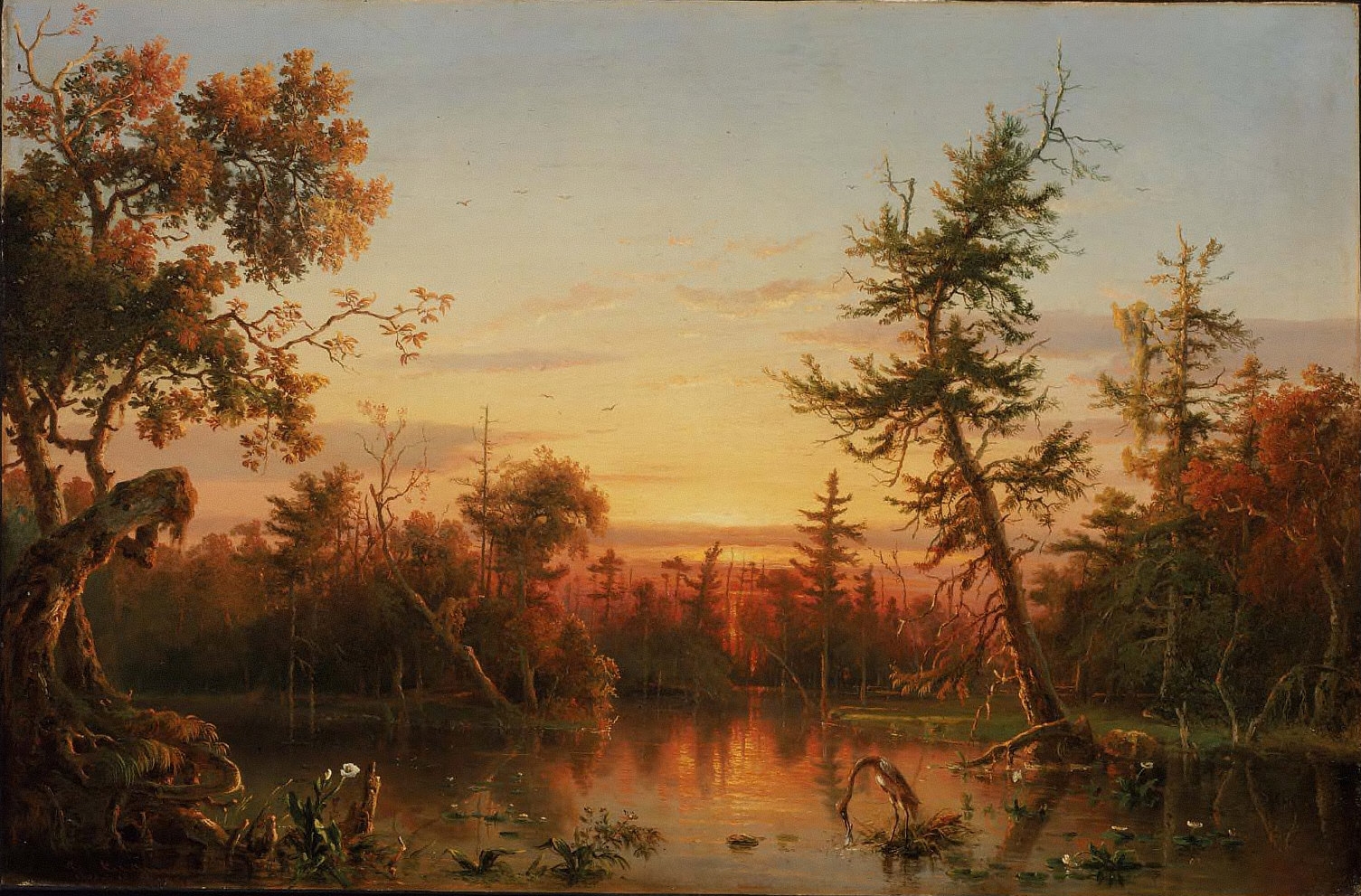
Coastal tidal marshes (salinity not stated)
Tidal marshes of the Atlantic and Gulf coasts where the source does not say whether the water is fresh, brackish or salt. A stated salinity files the marsh under freshwater tidal marshes or salt and brackish marshes instead.
Depression ponds and limesinks
Shallow ponds in Coastal Plain depressions, such as limesinks and the ponds in some Carolina bays, that rise and fall with the seasons.
Disturbed and introduced wetlands
Wet ground taken over by weedy or introduced plants after disturbance, such as common reed, Chinese tallow or tamarisk stands; the upland counterpart is roadsides, fields and disturbed ground.
Marshes along tidal rivers where the water is fresh but rises and falls with the tide.
Flat, poorly drained uplands and terraces with oaks, sweetgum and sometimes loblolly pine, wet in winter and dry in summer, but neither a floodplain nor a swamp.
Coastal marshes flooded by salty or brackish tides.
Other habitats in its models (31)
Land cover, or classes with no habitat page in North Carolina. Those recorded in North Carolina first, the rest by region.
Elsewhere in the South (20)
- Atlantic Coastal Plain Indian River Lagoon Tidal Marsh Summer.
- East Gulf Coastal Plain Small Stream and River Floodplain Forest Summer and winter.
- East Gulf Coastal Plain Tidal Wooded Swamp Summer and winter.
- Florida Big Bend Fresh-Oligohaline Tidal Marsh Summer and winter.
- Florida Big Bend Salt-Brackish Tidal Marsh Summer and winter.
- Mississippi River Low Floodplain (Bottomland) Forest Summer and winter.
- Mississippi River Riparian Forest Summer and winter.
- Mississippi Sound Salt and Brackish Tidal Marsh Summer and winter.
- South Florida Bayhead Swamp Summer and winter.
- South Florida Cypress Dome Summer and winter.
- South Florida Dwarf Cypress Savanna Summer and winter.
- South Florida Everglades Sawgrass Marsh Summer and winter.
- South Florida Freshwater Slough and Gator Hole Summer and winter.
- South Florida Mangrove Swamp Summer and winter.
- Southern Coastal Plain Blackwater River Floodplain Forest Summer and winter.
- Southern Coastal Plain Nonriverine Basin Swamp Summer and winter.
- Southern Coastal Plain Nonriverine Cypress Dome Summer and winter.
- West Gulf Coastal Plain Large River Floodplain Forest Summer and winter.
- West Gulf Coastal Plain Near-Coast Large River Swamp Summer and winter.
- West Gulf Coastal Plain Seepage Swamp and Baygall Summer and winter.
Land cover and other classes (11)
- East Gulf Coastal Plain Large River Floodplain Forest - Forest Modifier Summer and winter.
- East Gulf Coastal Plain Large River Floodplain Forest - Herbaceous Modifier Summer and winter.
- East Gulf Coastal Plain Southern Depression Pondshore Summer and winter.
- Lower Mississippi River Bottomland Depressions - Forest Modifier Summer and winter.
- Open Water (Aquaculture) Summer and winter.
- Southern Coastal Plain Nonriverine Basin Swamp - Okefenokee Bay/Gum Modifier Summer and winter.
- Southern Coastal Plain Nonriverine Basin Swamp - Okefenokee Nupea Modifier Summer and winter.
- Southern Coastal Plain Nonriverine Basin Swamp - Okefenokee Taxodium Modifier Summer and winter.
- Texas-Louisiana Coastal Prairie Slough Summer and winter.
- Unconsolidated Shore Summer and winter.
- Unconsolidated Shore (Lake/River/Pond) Summer and winter.
Seasons in North Carolina
- Summer: nests here, in 29 of 100 counties.
Also found in its main habitats
Its main habitats in North Carolina, by how much of its habitat model each one is, with the birds most characteristic of each and the plants that grow wild there. Shared habitat, not food.
Floodplain and bottomland forests
Birds 70
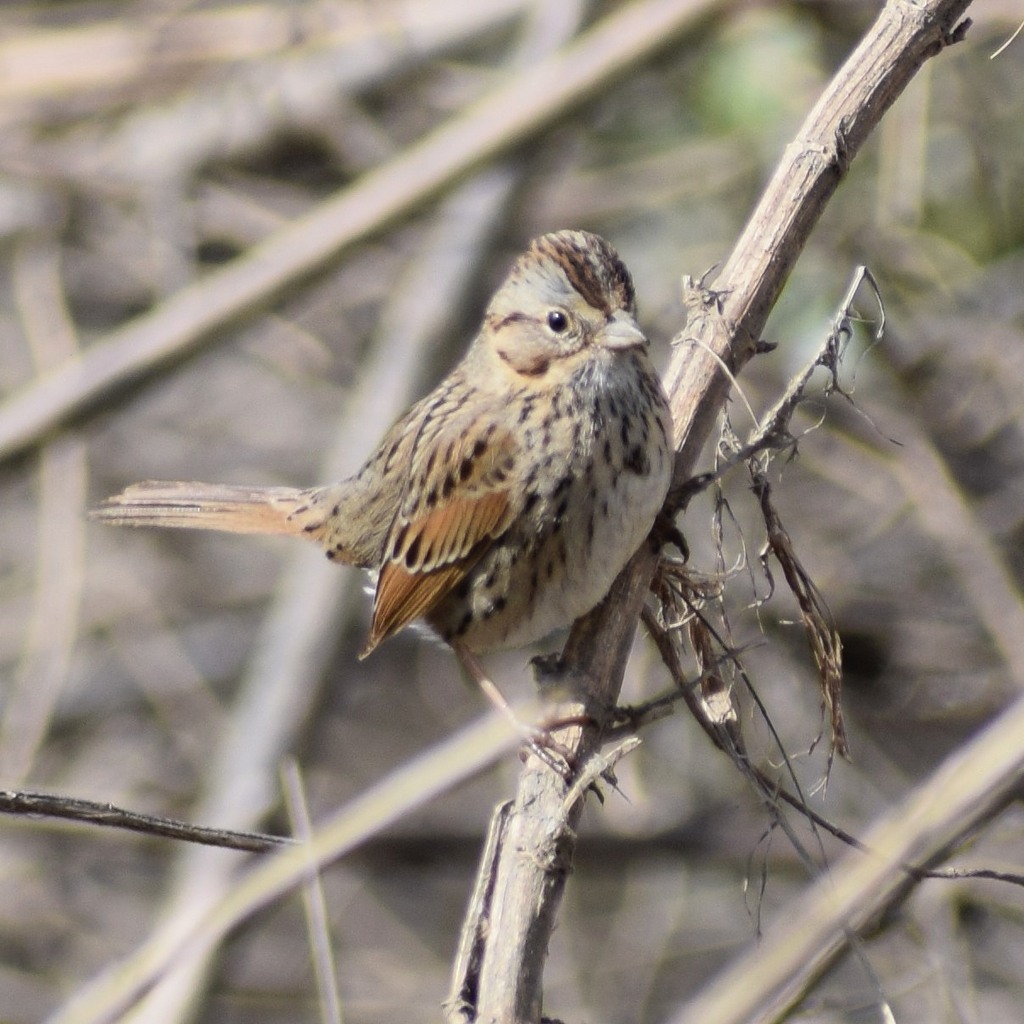
- Lincoln's SparrowMelospiza lincolnii
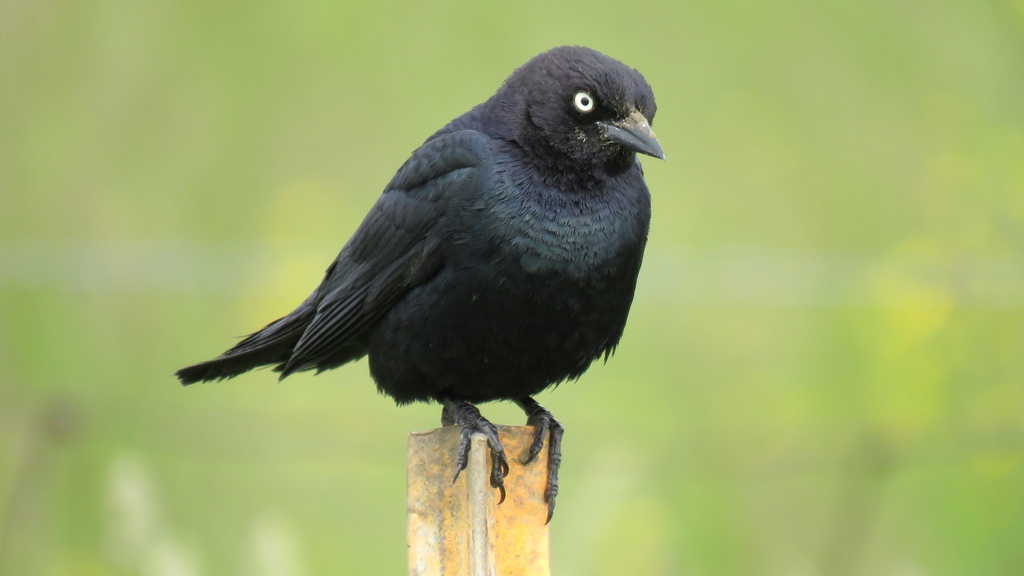
- Brewer's BlackbirdEuphagus cyanocephalus
- Willow FlycatcherEmpidonax traillii
- Brown-headed CowbirdMolothrus ater
- Louisiana WaterthrushSeiurus motacilla
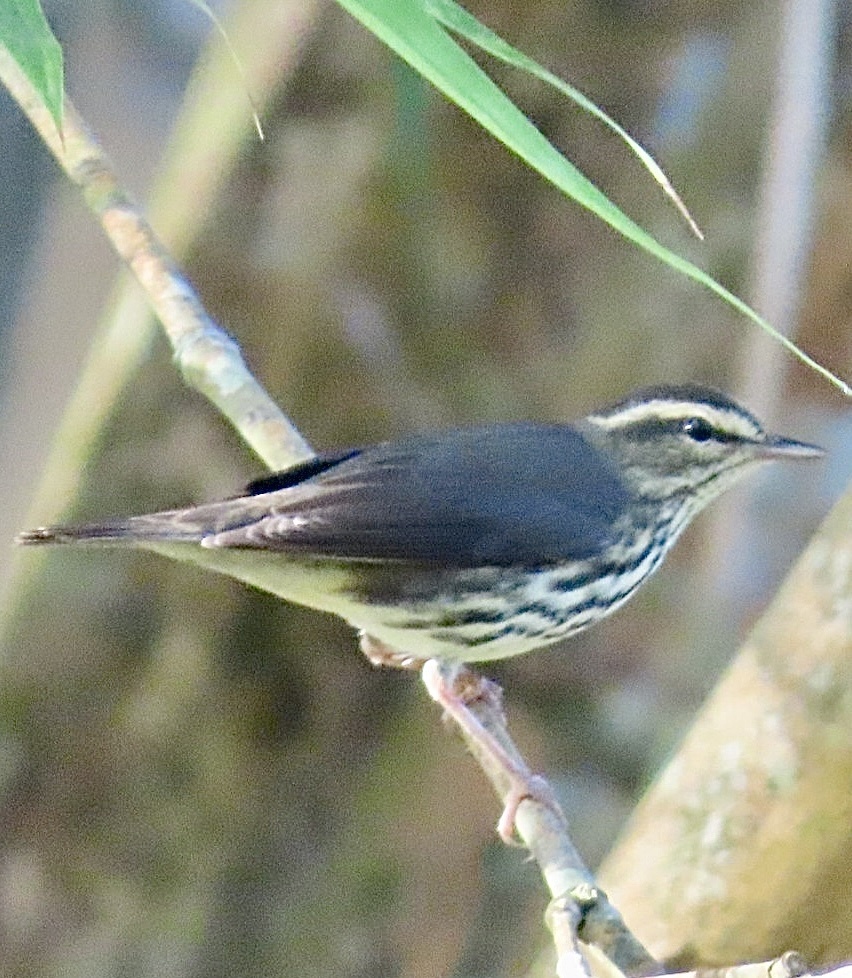
- Northern WaterthrushSeiurus noveboracensis
- Yellow-throated WarblerDendroica dominica
- Black-throated Blue WarblerDendroica caerulescens
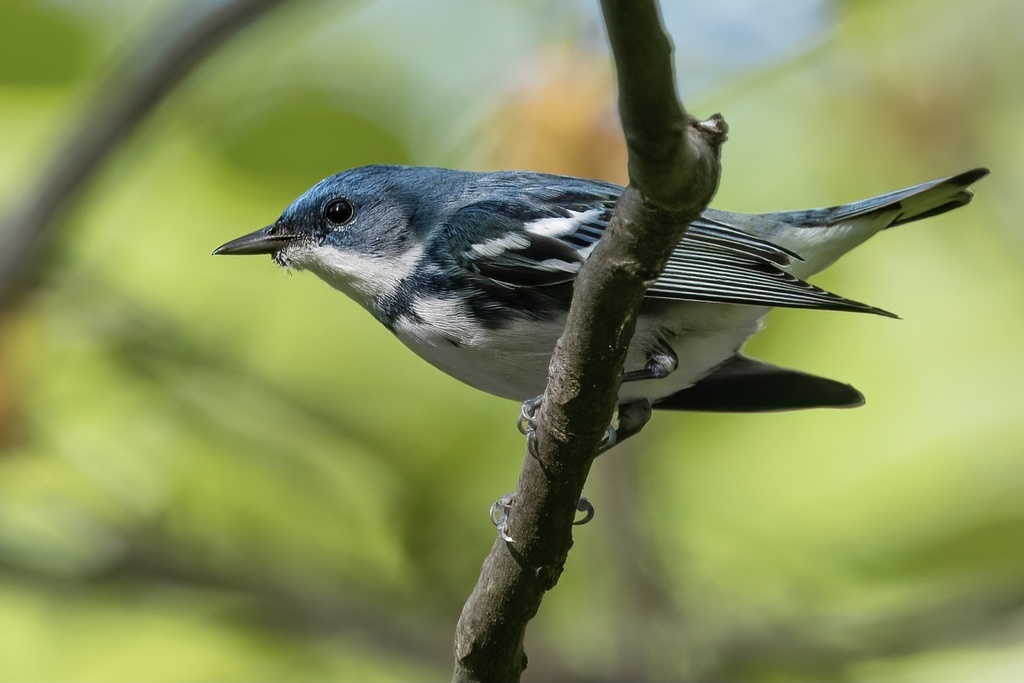
- Cerulean WarblerDendroica cerulea
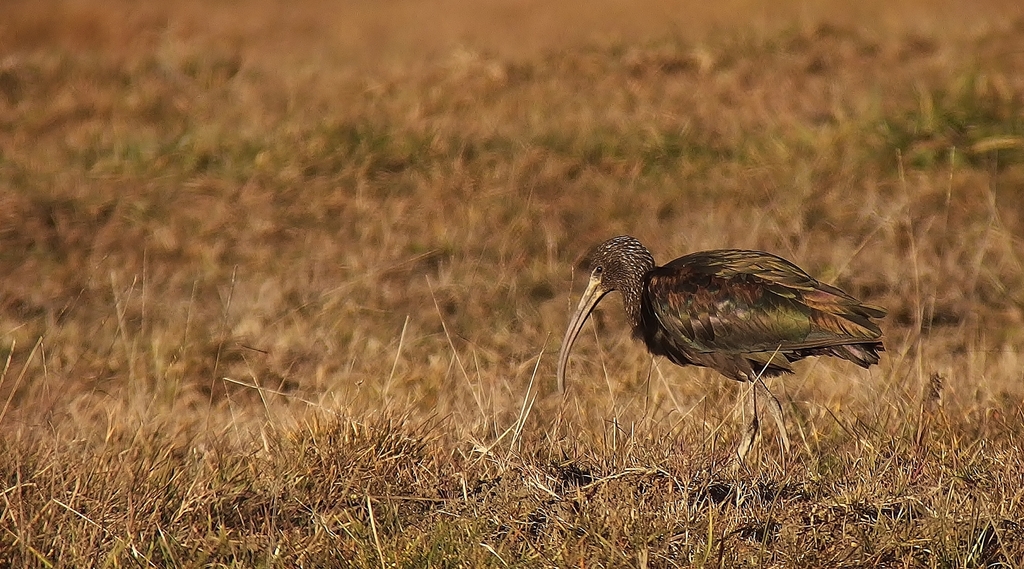
- Glossy IbisPlegadis falcinellus
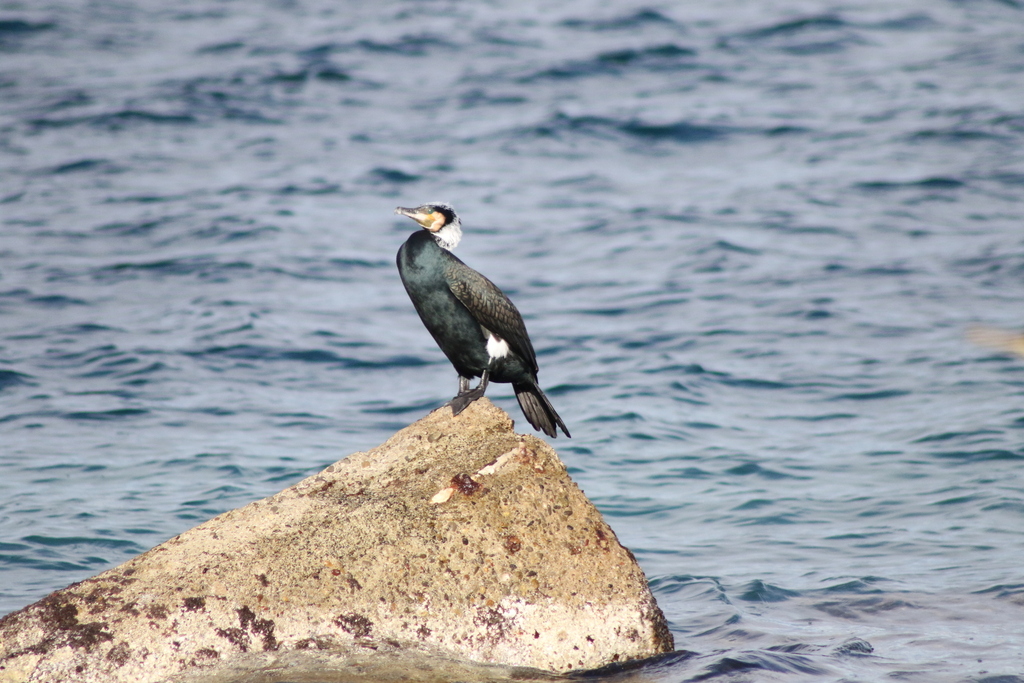
- Great CormorantPhalacrocorax carbo
- OvenbirdSeiurus aurocapilla





Plants 367
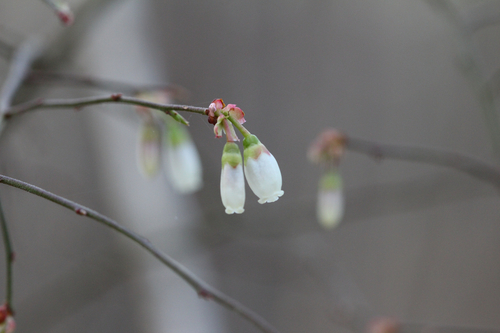
- Elliott's BlueberryVaccinium elliottii
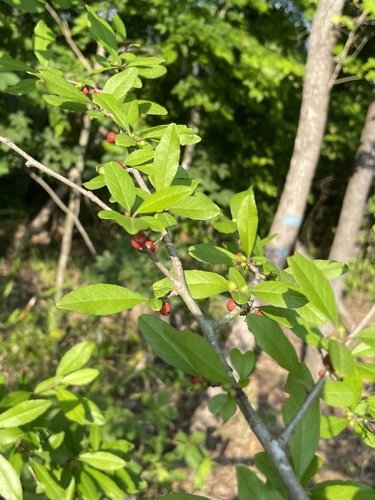
- Possumhaw HollyIlex decidua
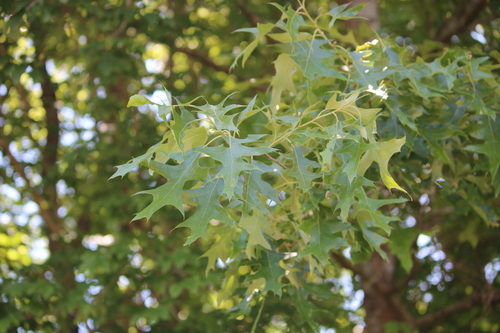
- Cherrybark OakQuercus pagoda
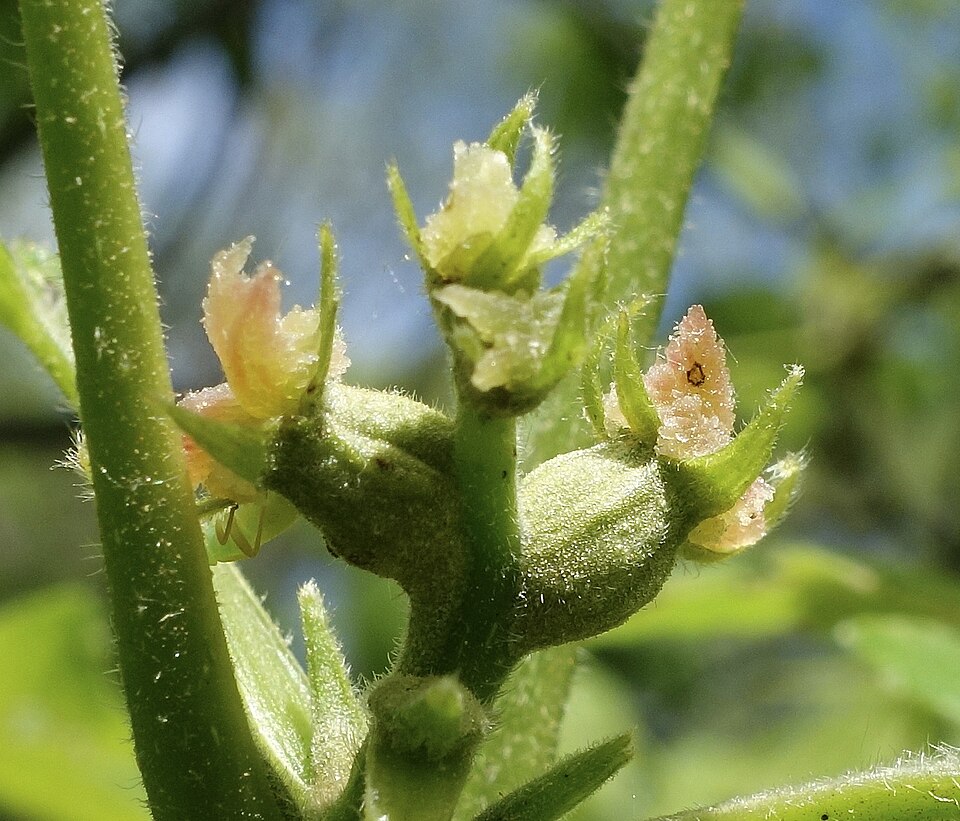
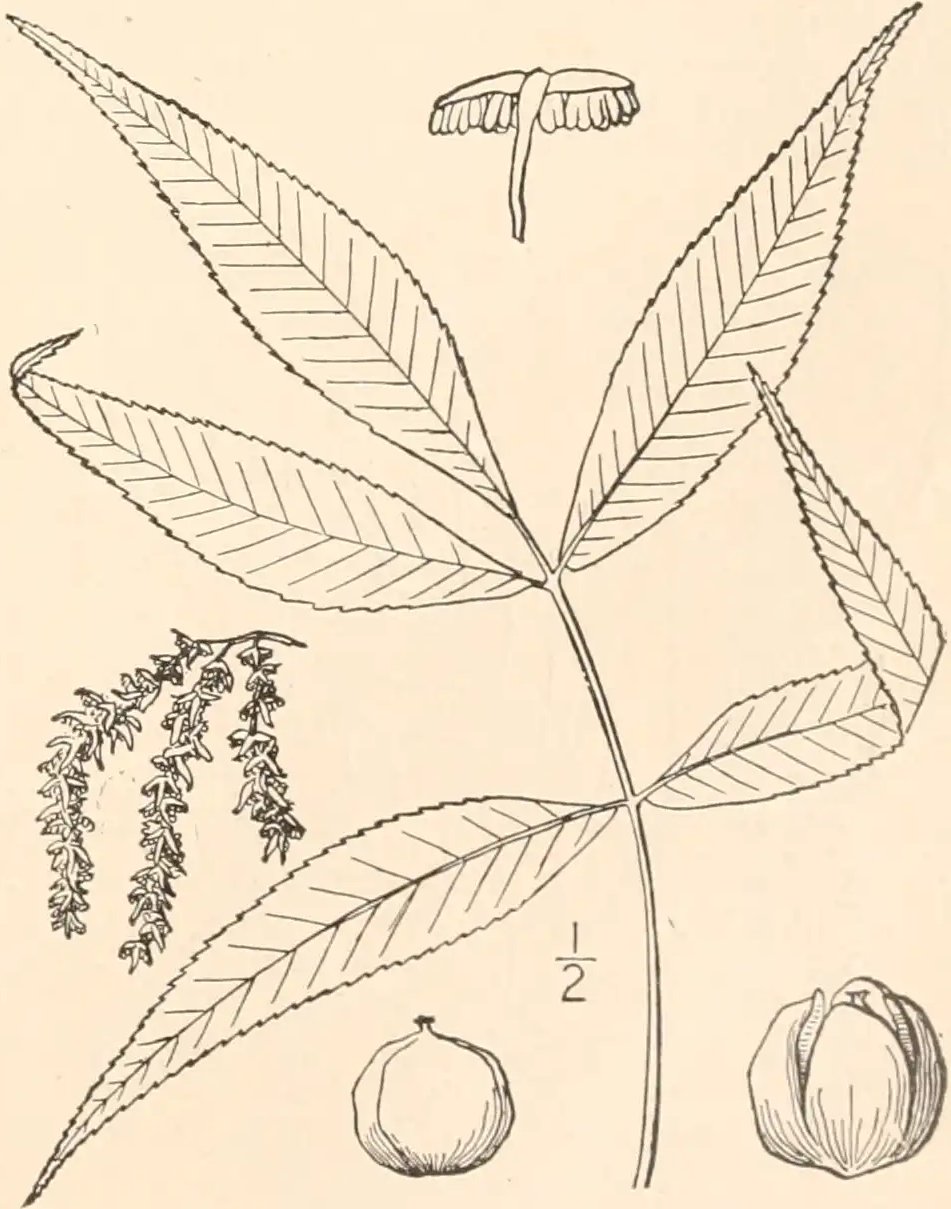
- Shagbark HickoryCarya ovata
- Southern Shagbark HickoryCarya carolinae-septentrionalis
- Wolf's BluegrassPoa wolfii
- Spreading SedgeCarex laxiculmis
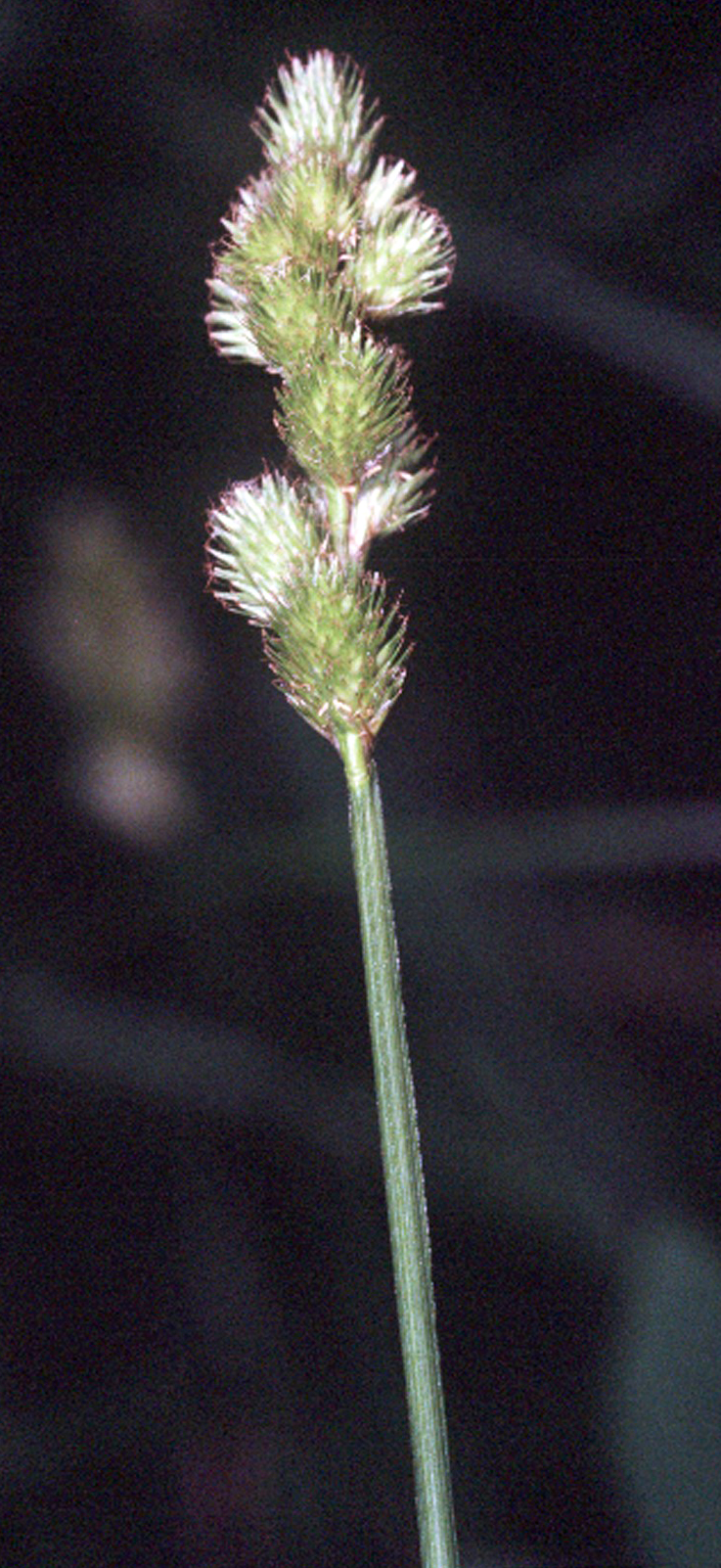
- Blunt Broom SedgeCarex tribuloides
- Louisiana SedgeCarex louisianica
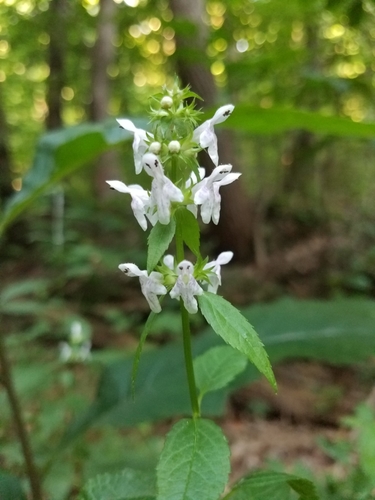
- Smooth Hedge-nettleStachys tenuifolia
- Woodland SpurgeEuphorbia obtusata
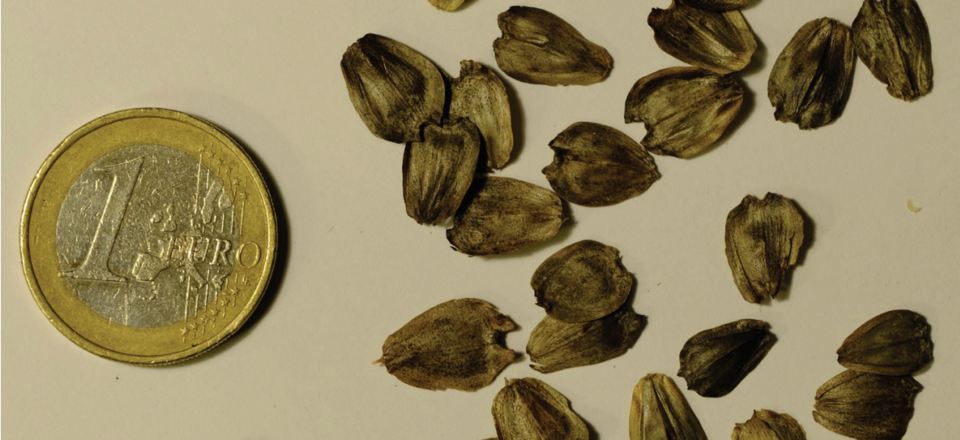
- Common Cup-plantSilphium perfoliatum
Swamps
Birds 69
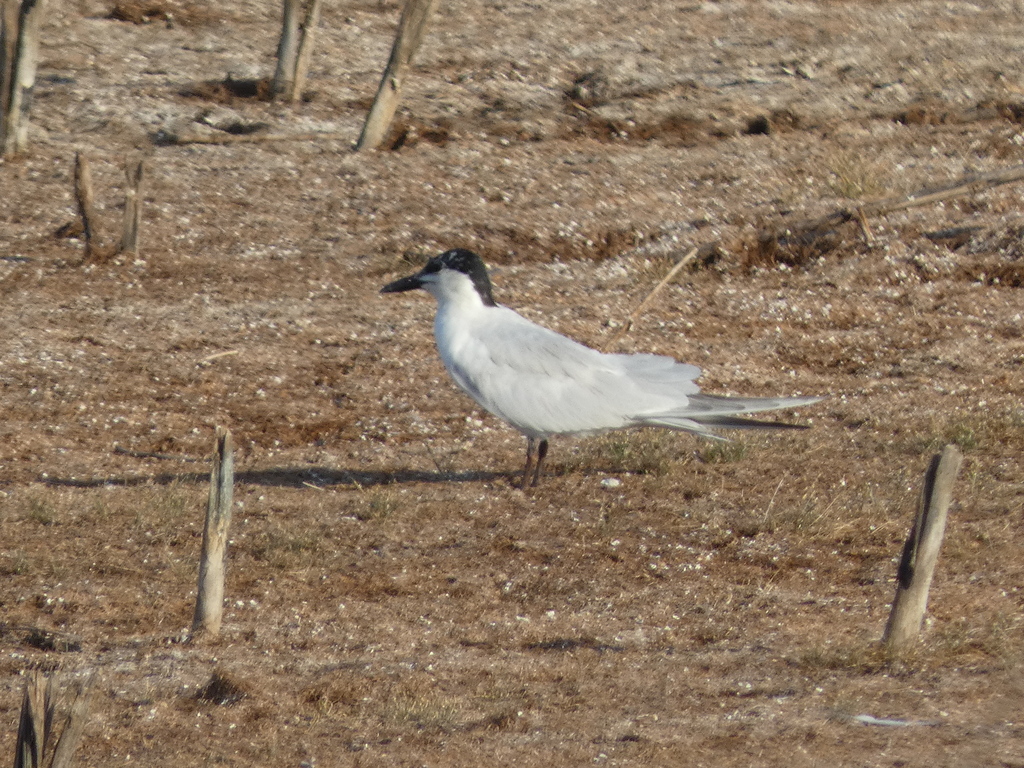
- Gull-billed TernGelochelidon nilotica
- Red-breasted NuthatchSitta canadensis
- Brewer's BlackbirdEuphagus cyanocephalus
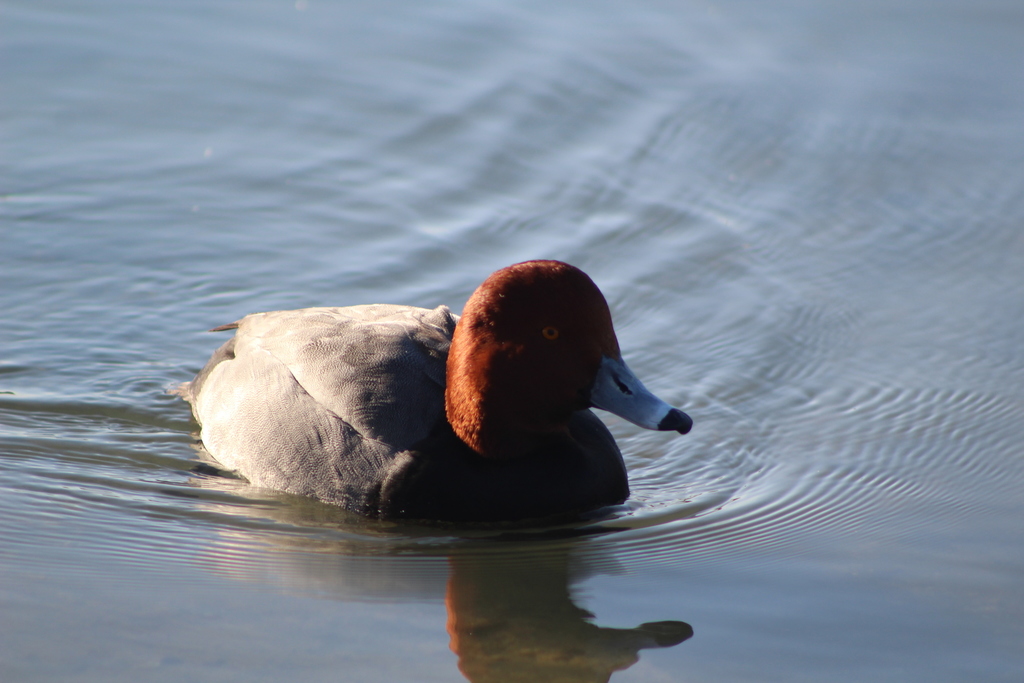
- RedheadAythya americana
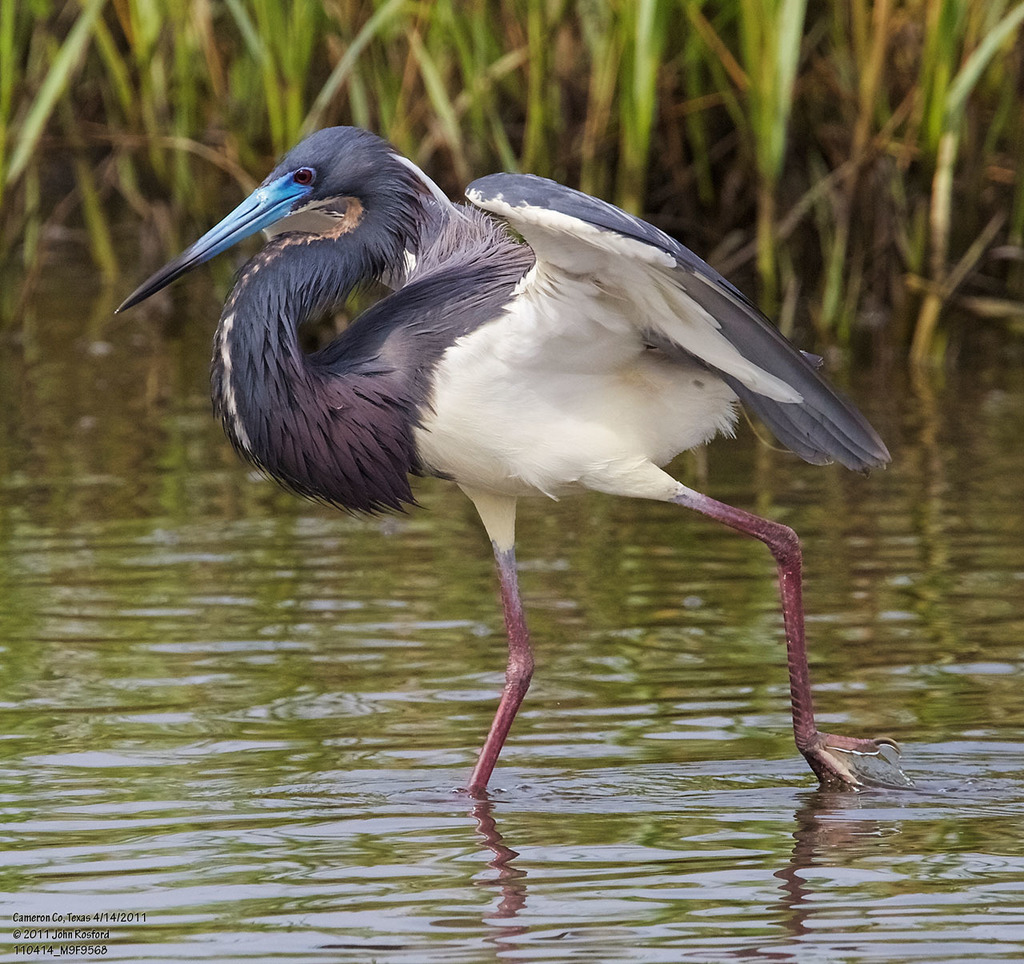
- Tricolored HeronEgretta tricolor
- Louisiana WaterthrushSeiurus motacilla
- Northern WaterthrushSeiurus noveboracensis
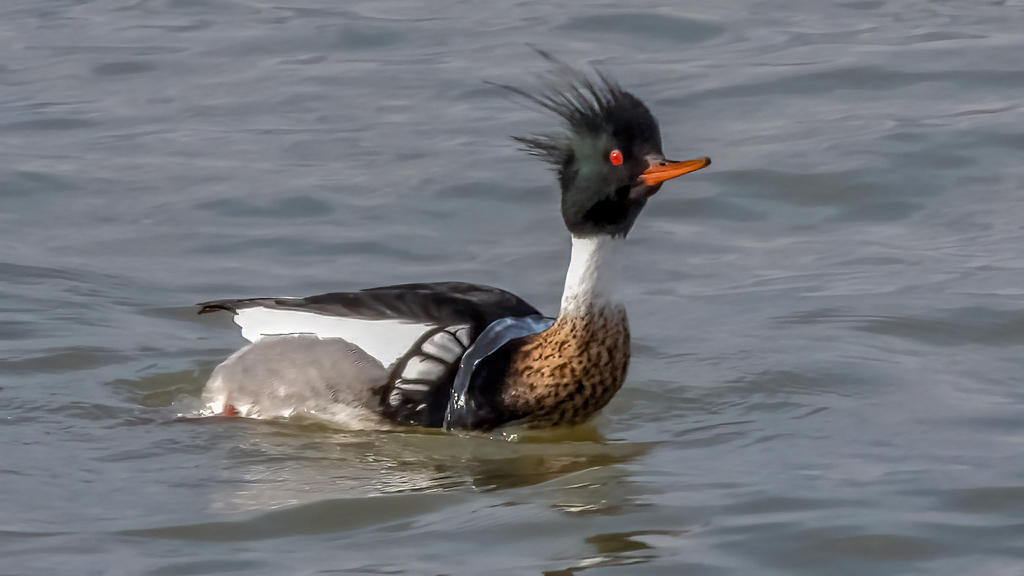
- Red-breasted MerganserMergus serrator
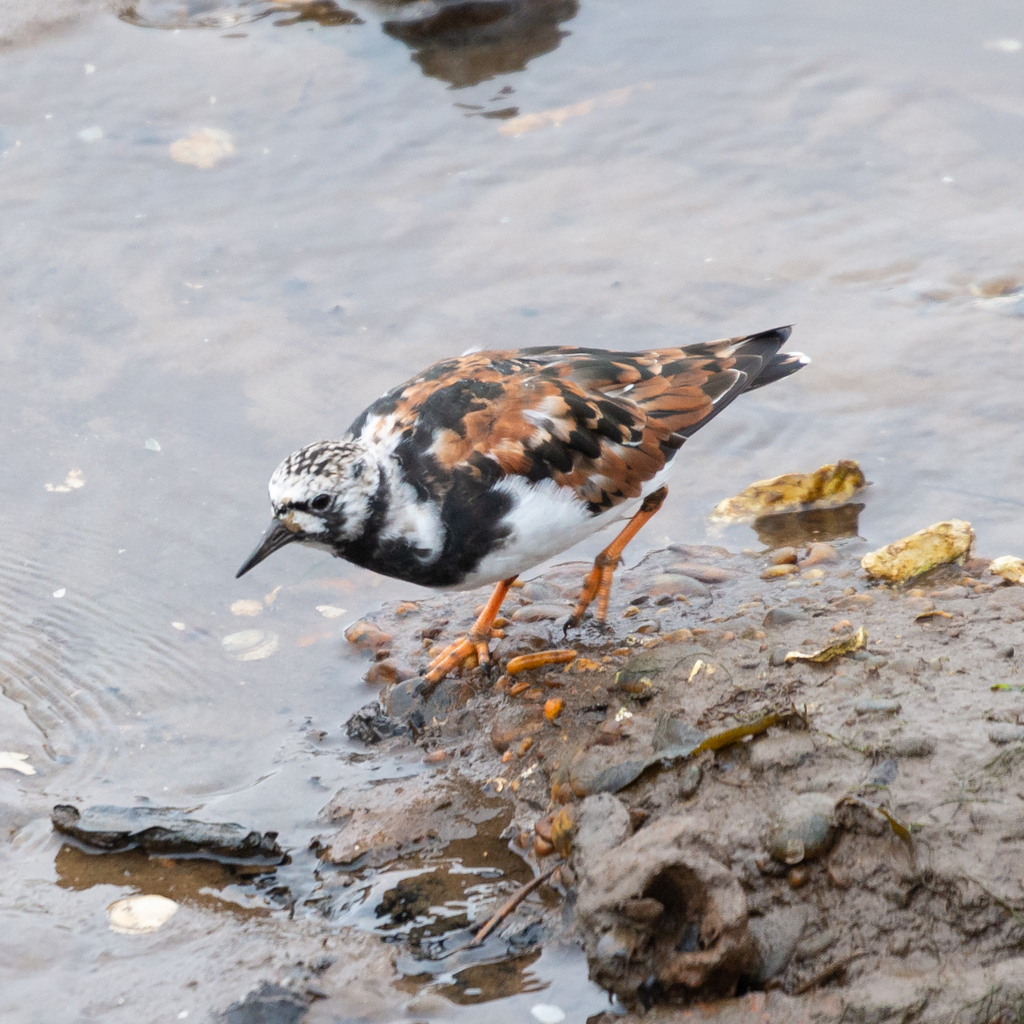
- Ruddy TurnstoneArenaria interpres
- Yellow-throated WarblerDendroica dominica
- Cerulean WarblerDendroica cerulea
- Glossy IbisPlegadis falcinellus

Plants 329
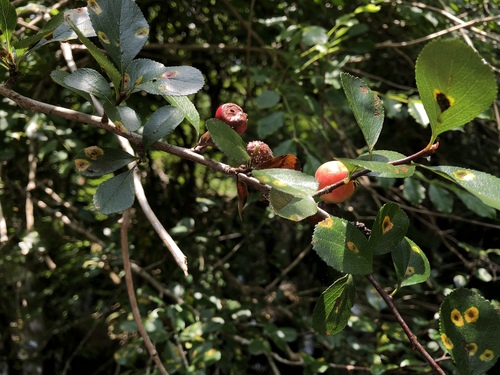
- May HawthornCrataegus aestivalis
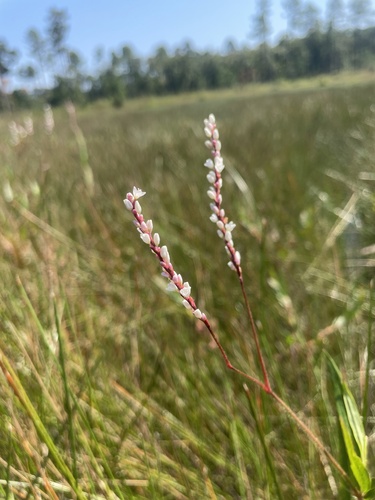
- Dense-flower SmartweedPersicaria densiflora
- Carolina AshFraxinus caroliniana
- Water HickoryCarya aquatica
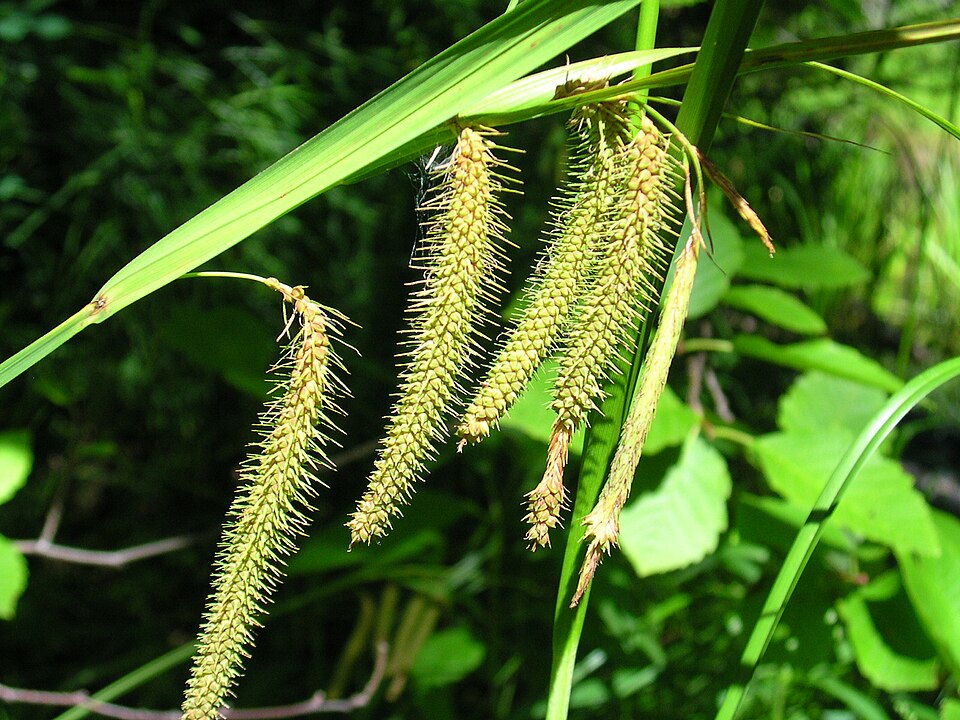
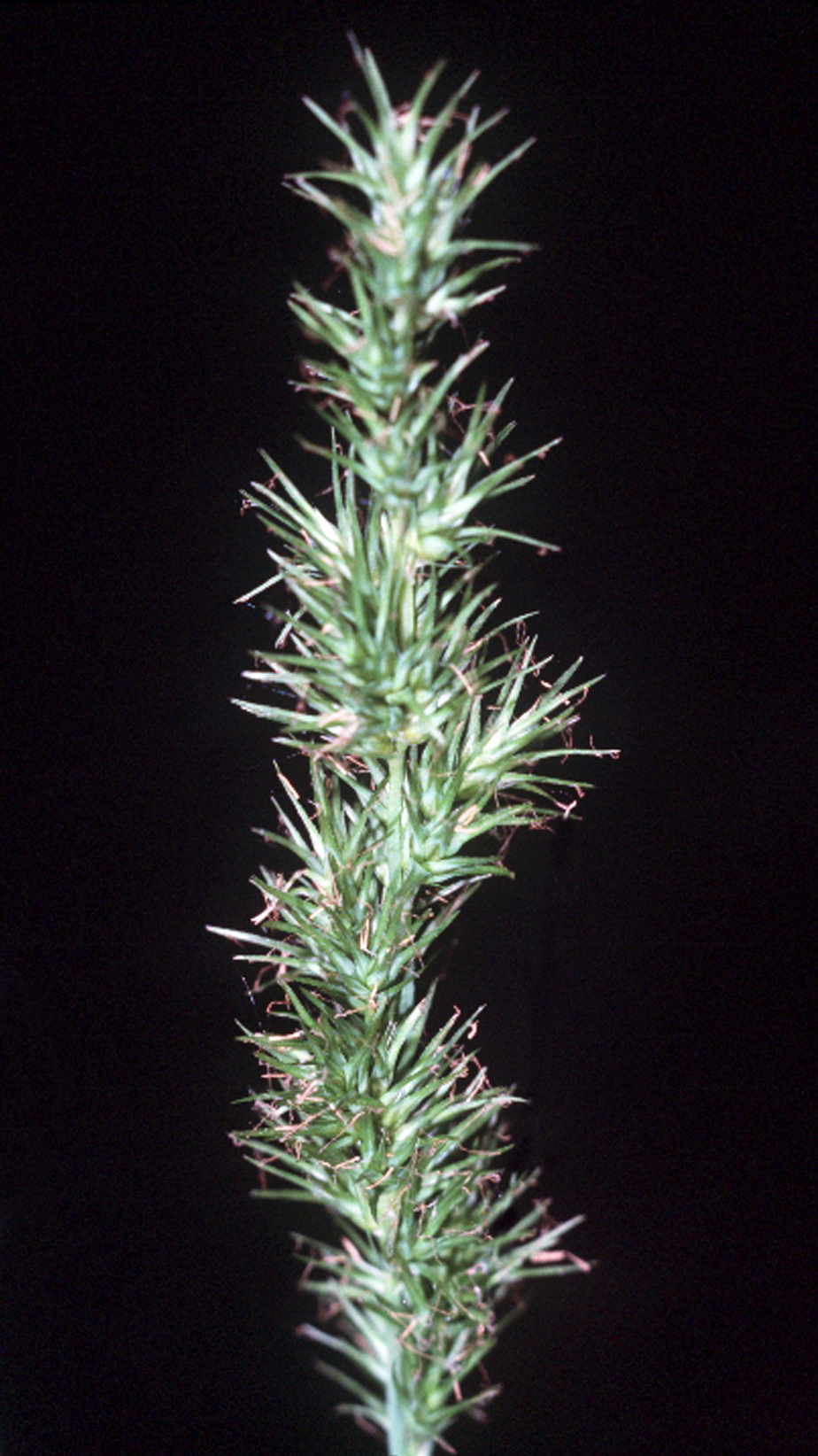
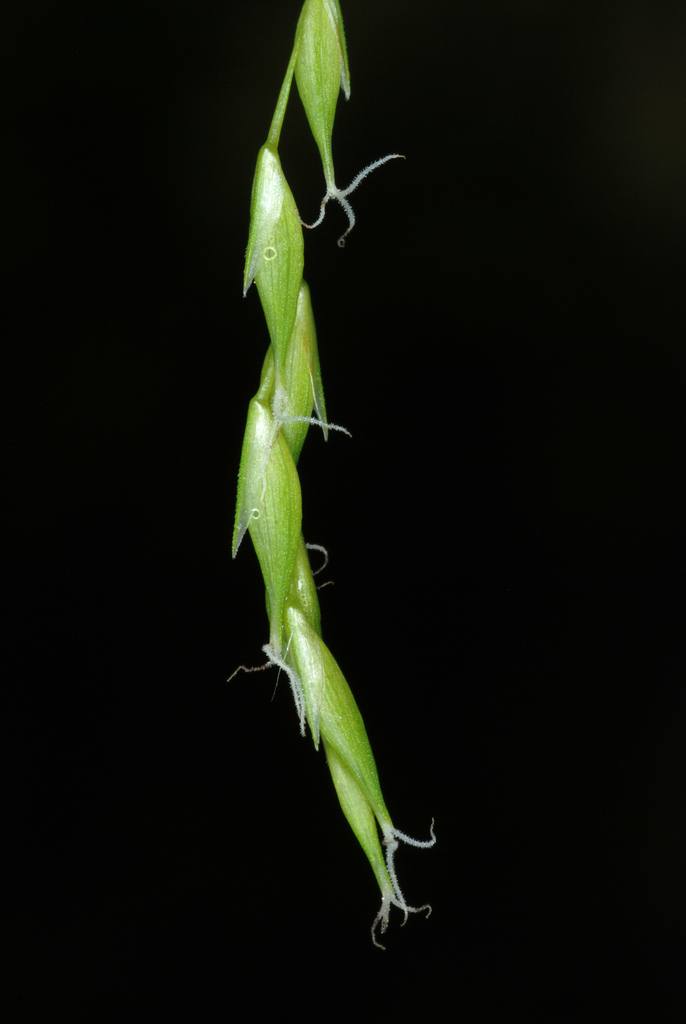
- Bent SedgeCarex styloflexa
- Cypress-swamp SedgeCarex joorii
- Dark-green SedgeCarex venusta
- Fringed SedgeCarex crinita
- Ravenfoot SedgeCarex crus-corvi
- Weak Stellate SedgeCarex seorsa
- White-edge SedgeCarex debilis
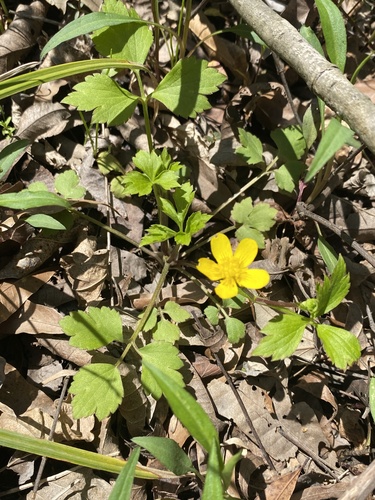
- Swamp ButtercupRanunculus septentrionalis
Depression ponds and limesinks
Birds 71
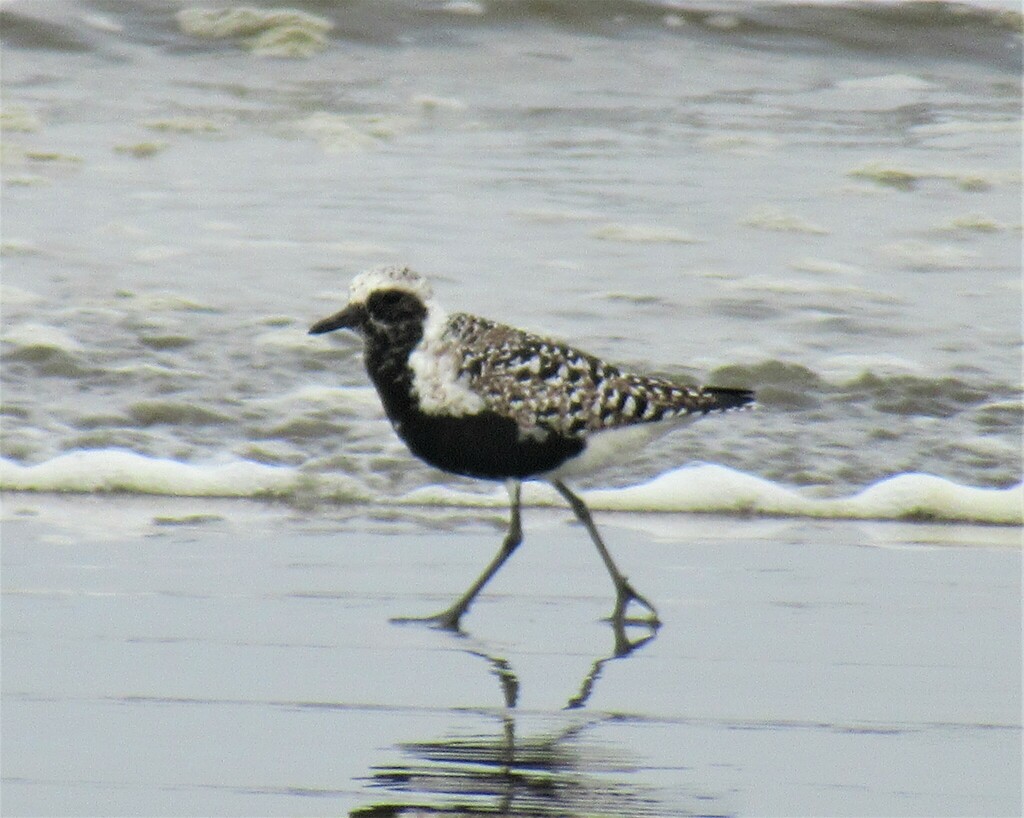
- Black-bellied PloverPluvialis squatarola
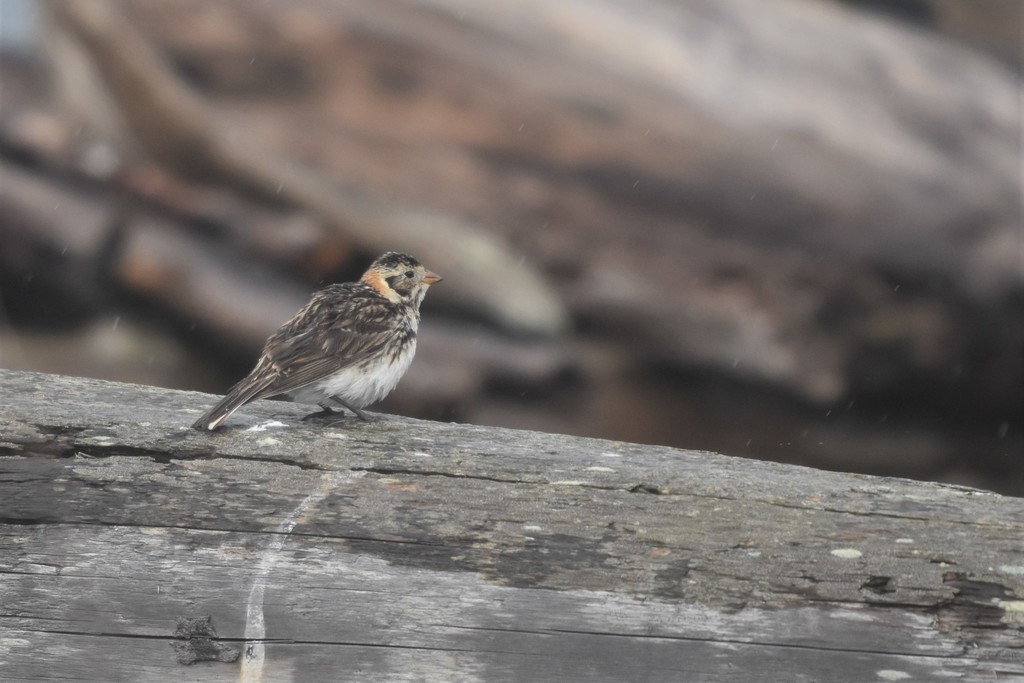
- Lapland LongspurCalcarius lapponicus
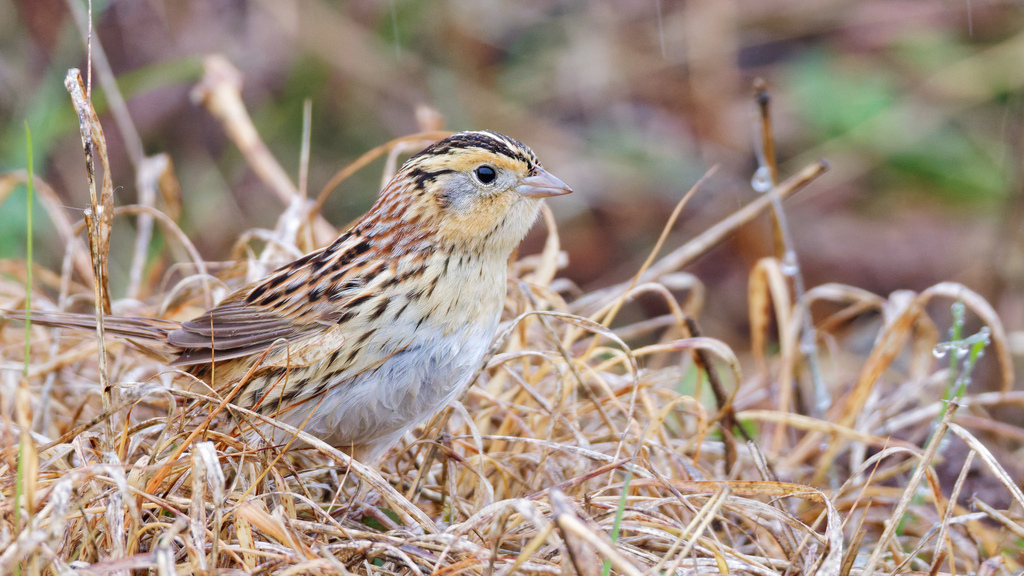
- Le Conte's SparrowAmmodramus leconteii
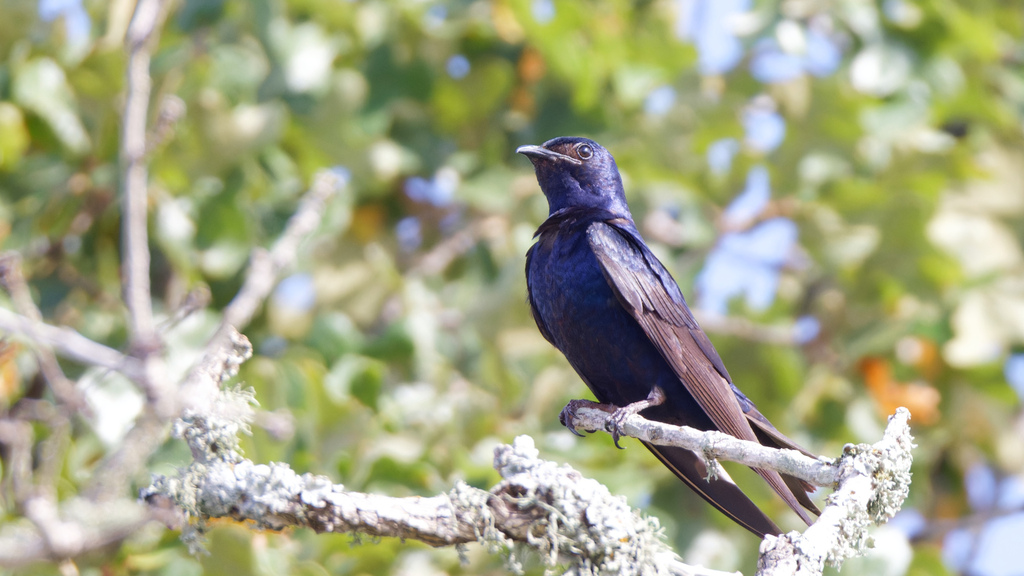
- Purple MartinProgne subis
- Western SandpiperCalidris mauri
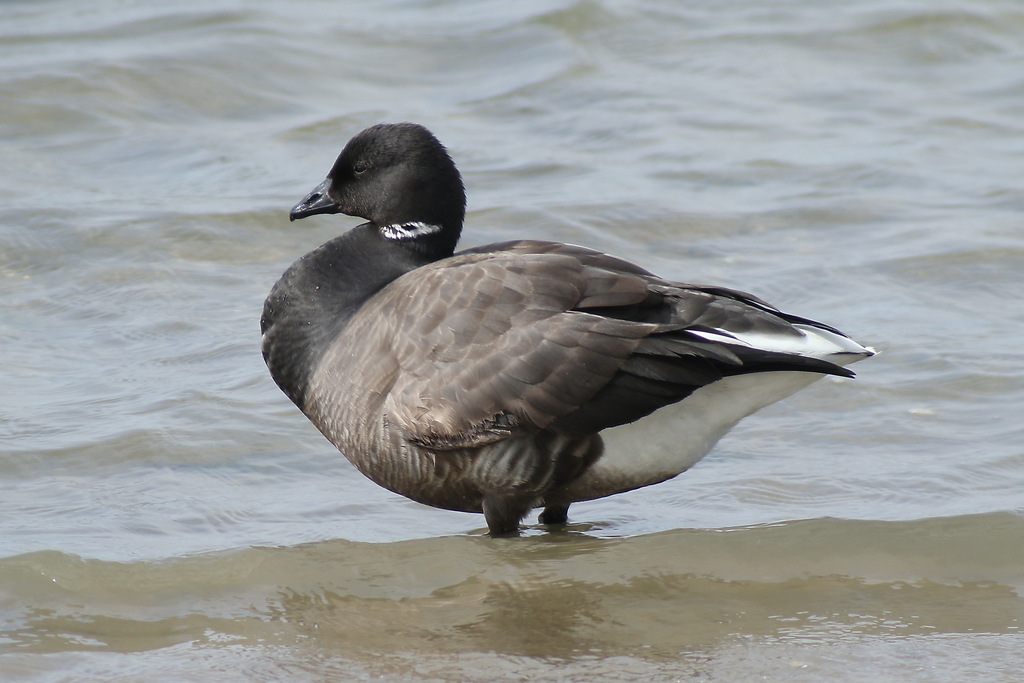
- BrantBranta bernicla
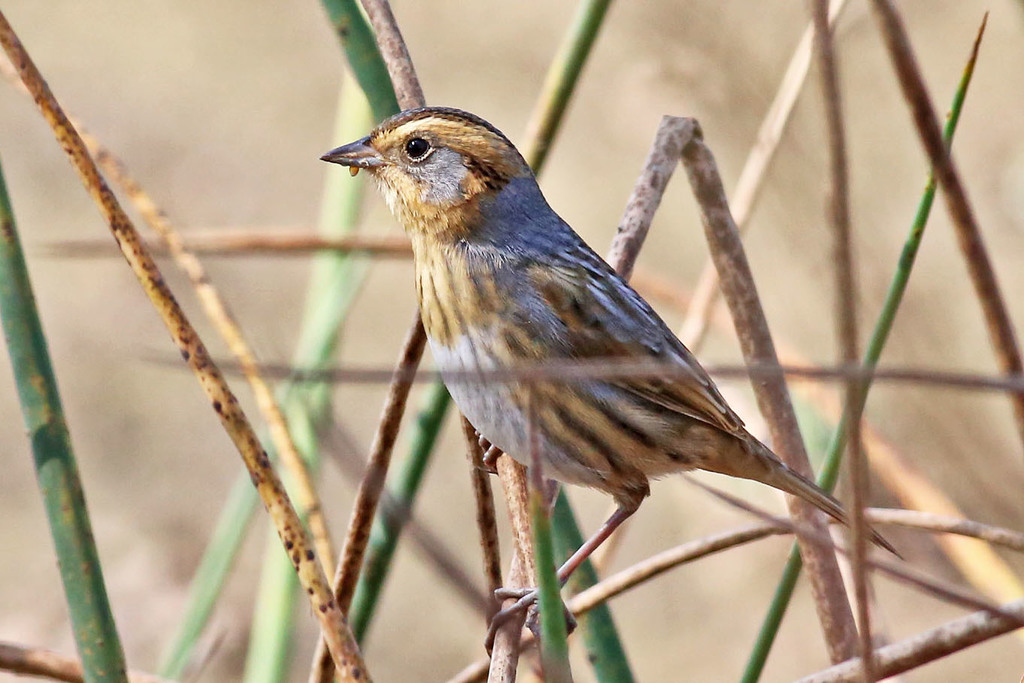
- Nelson's Sharp-tailed SparrowAmmodramus nelsoni
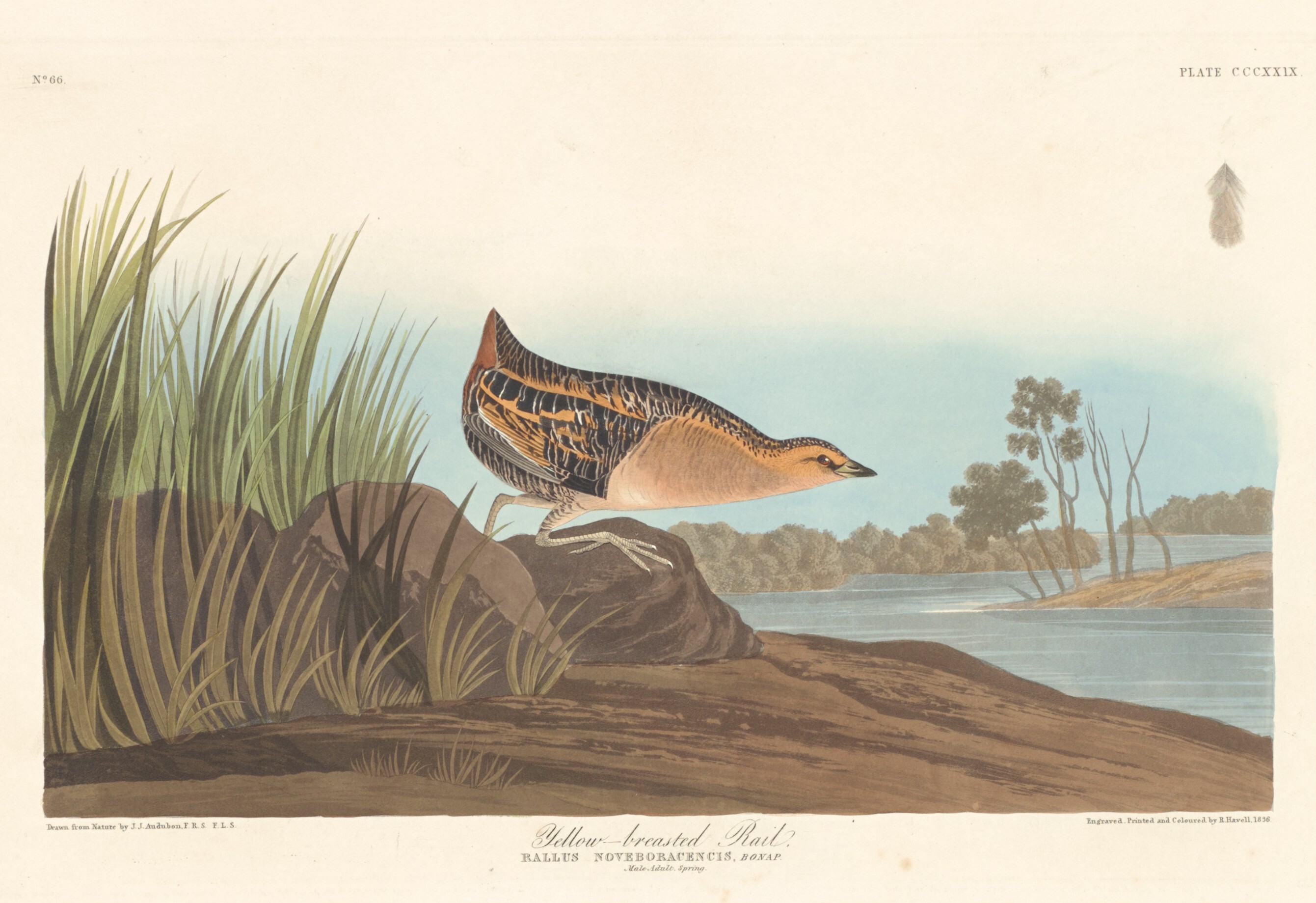
- Yellow RailCoturnicops noveboracensis
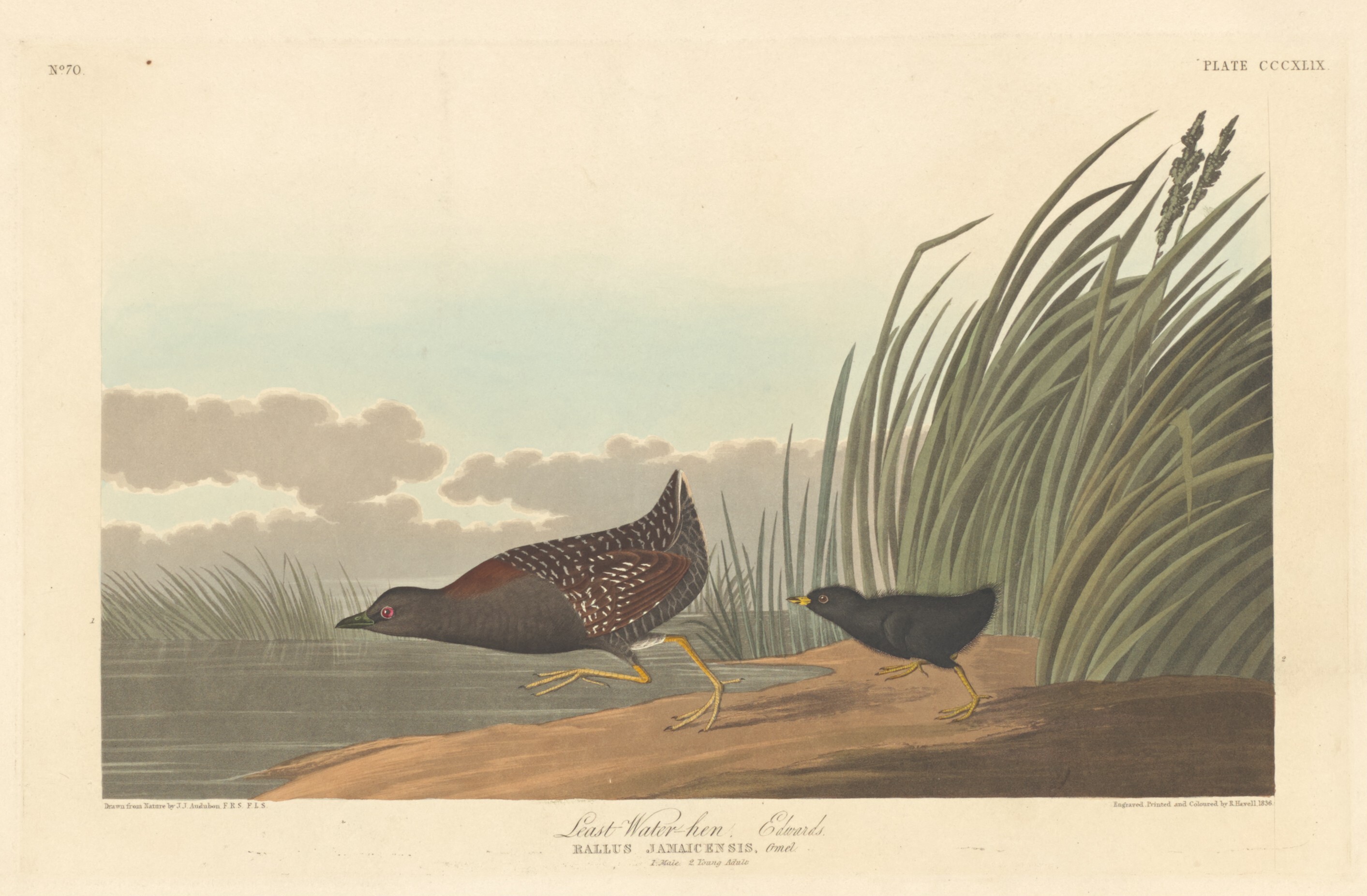
- Black RailLaterallus jamaicensis
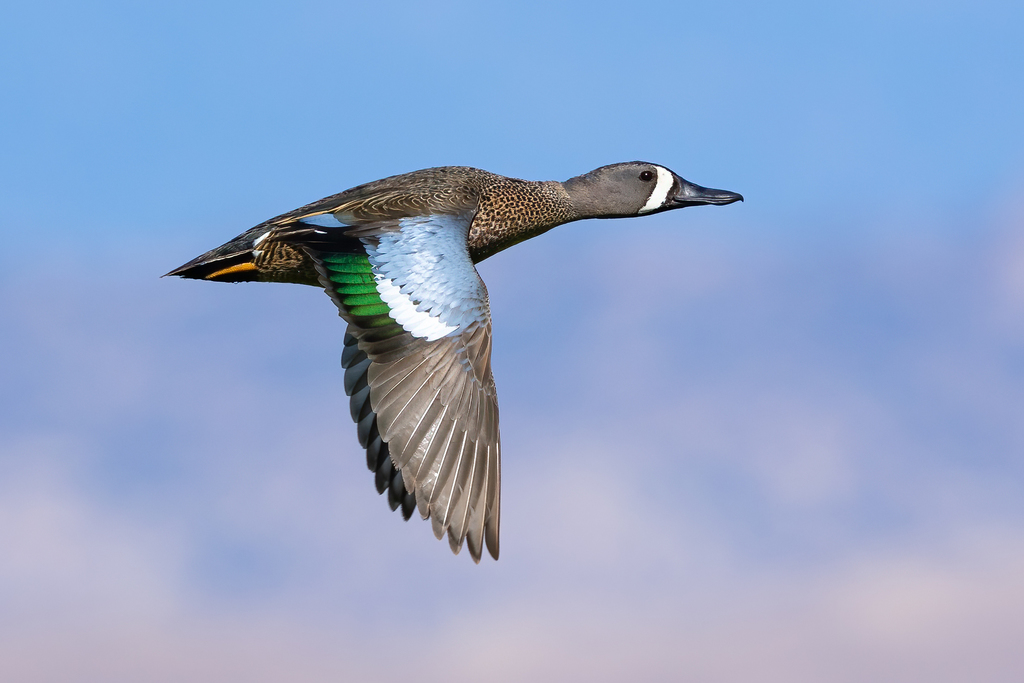
- Blue-winged TealAnas discors
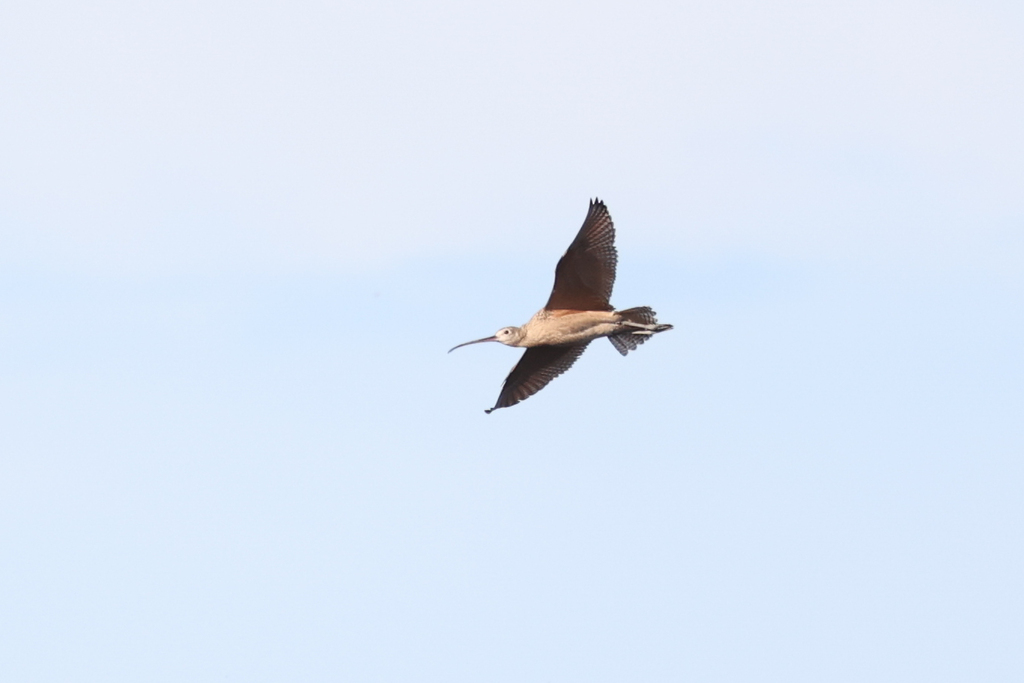
- Long-billed CurlewNumenius americanus
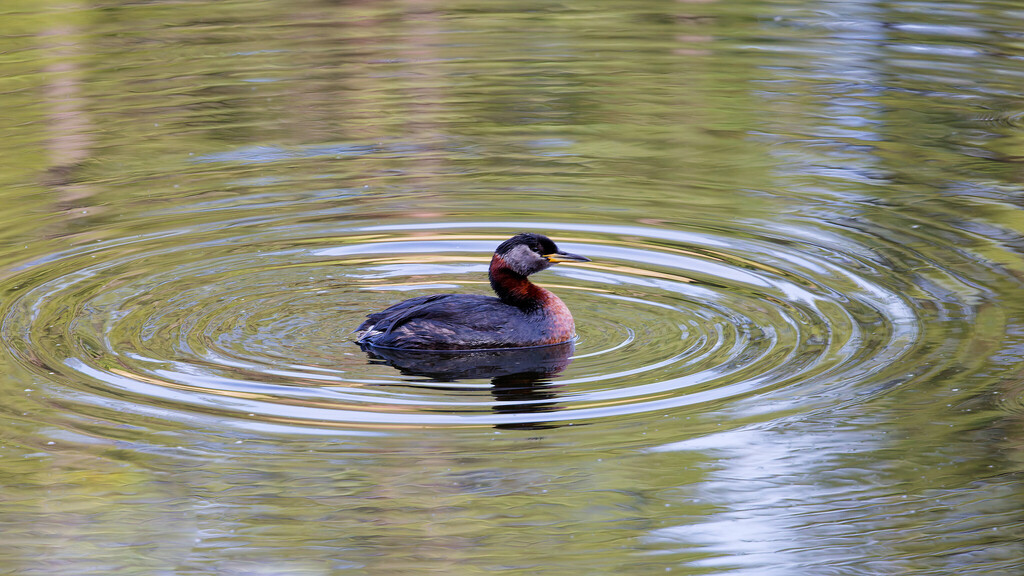
- Red-necked GrebePodiceps grisegena
Plants 123
- Bay BonesetEupatorium paludicola
- False FennelEupatorium leptophyllum
- Hairy SmartweedPersicaria hirsuta
- Shrubby SeedboxLudwigia suffruticosa
- Hirst's WitchgrassDichanthelium hirstii
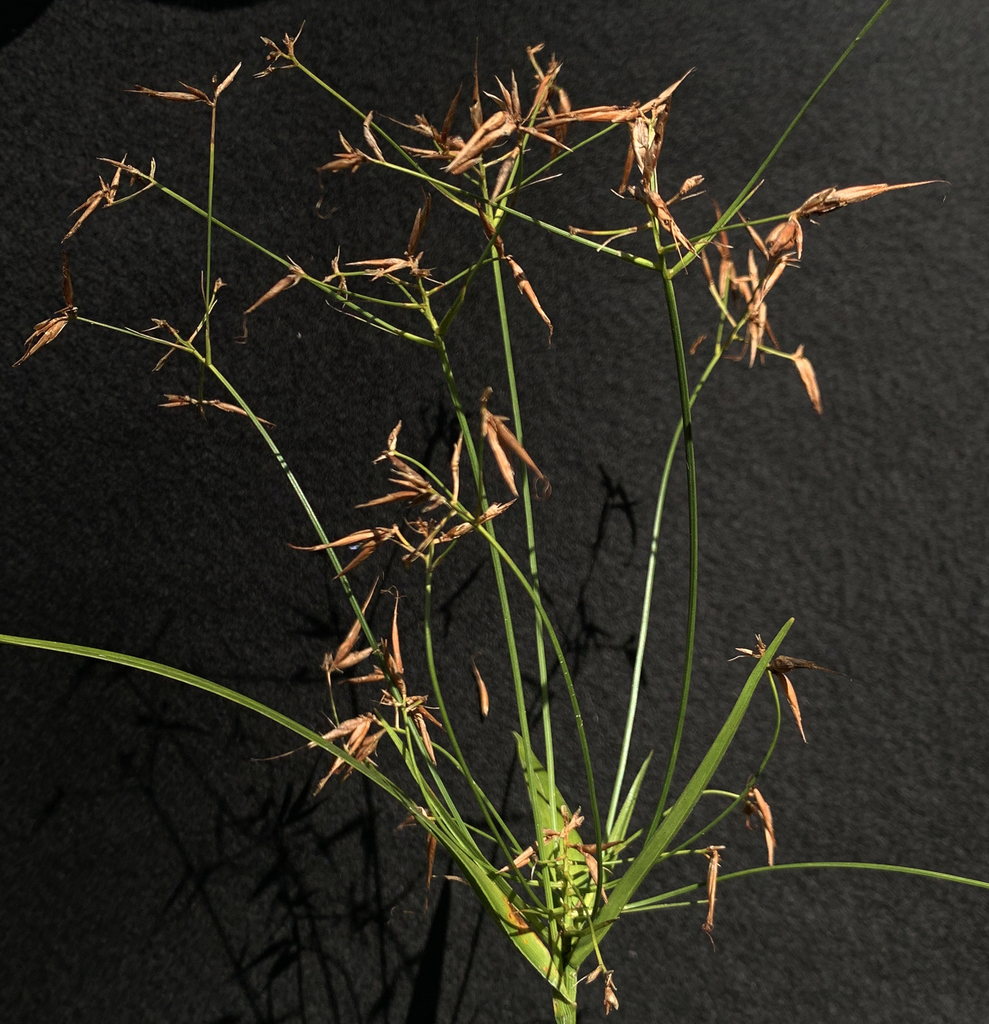
- Coastal BeaksedgeRhynchospora pleiantha
- Grooved BeaksedgeRhynchospora sulcata
- Harper's BeaksedgeRhynchospora harperi
- Narrow-fruit Horned BeaksedgeRhynchospora inundata
- Tracy's BeaksedgeRhynchospora tracyi
- Slender Water-milfoilMyriophyllum tenellum
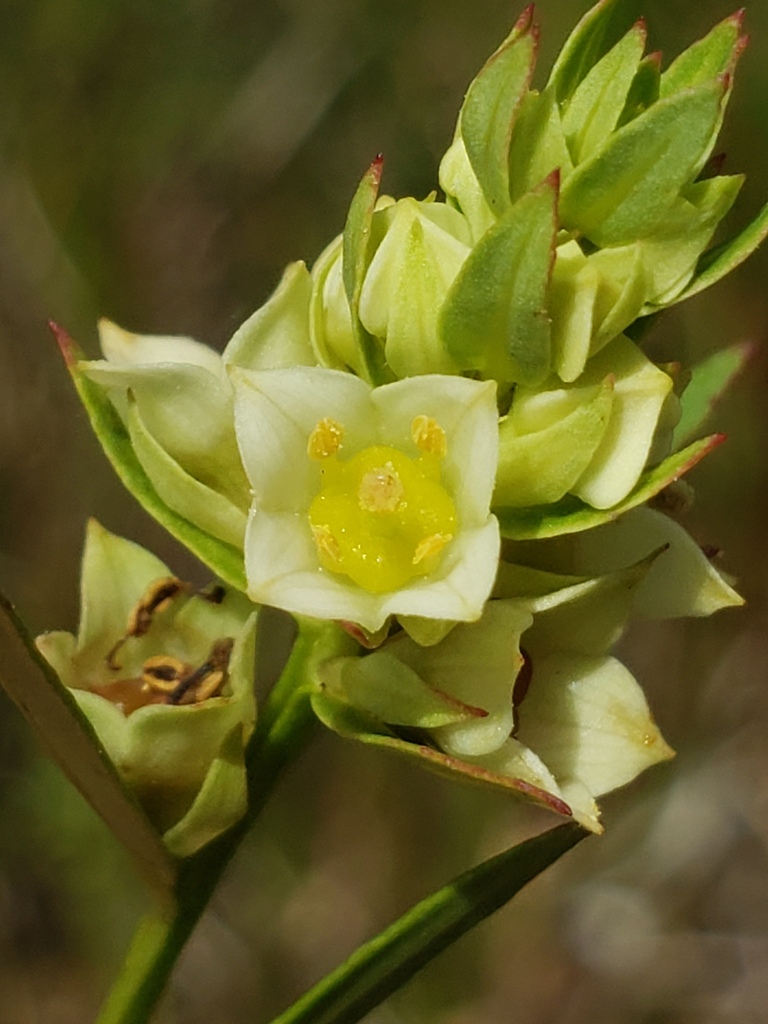
- Tall Pinebarren MilkwortSenega cymosa
Sources
- USGS Gap Analysis Project habitat models (2001)
- USGS GAP winter habitat model for Anhinga
- USGS Gap Analysis Project range maps (2001), modeled by watershed; migratory gives no dates
- NatureServe Explorer (CC BY 4.0), habitat names
- US Census TIGER/Line counties
- Names follow the USGS Gap Analysis Project (2001)