

Bird
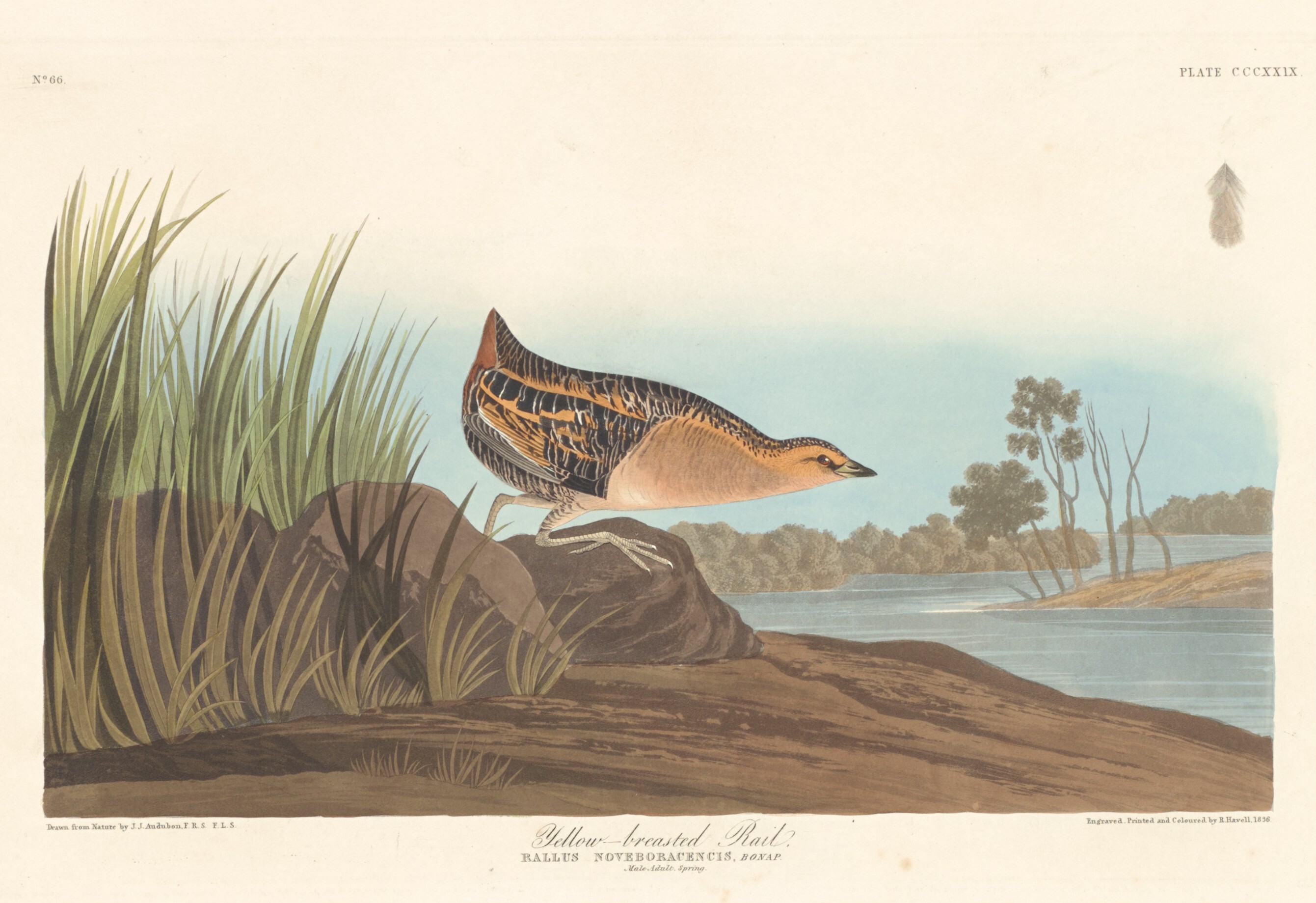
Yellow Rail
Coturnicops noveboracensis
A winter visitor to North Carolina, found in 40 of 100 counties and 6 habitats.
- Here
- Winter
- Nesting
- Not known to nest here
- Range
- 40 of 100 counties
- Habitats
- 6
At a glance
- Group
- Birds
- Here
- Winter
- Nesting
- Not known to nest here
- Range
- 40 of 100 counties
- Habitats
- 6
- Habitat models
- Winter
Where it lives
The places its habitat model includes. It is not found everywhere a habitat occurs.
Habitats in North Carolina 6
Each habitat page lists the plants and wildlife also found there.
Roadsides, fields and disturbed ground
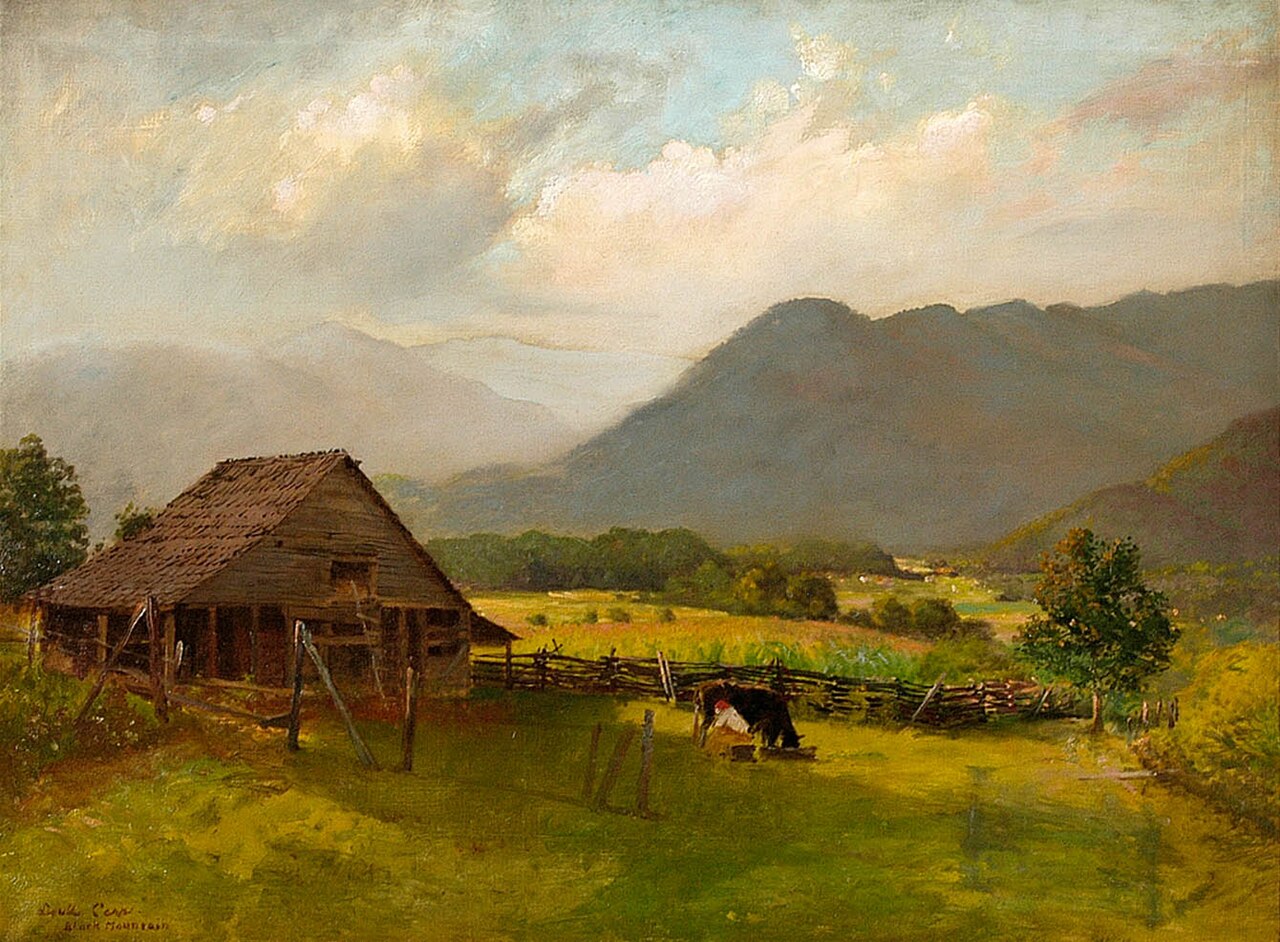
Open sand of beaches, dunes and the hollows between them.
Coastal tidal marshes (salinity not stated)
Tidal marshes of the Atlantic and Gulf coasts where the source does not say whether the water is fresh, brackish or salt. A stated salinity files the marsh under freshwater tidal marshes or salt and brackish marshes instead.
Depression ponds and limesinks
Shallow ponds in Coastal Plain depressions, such as limesinks and the ponds in some Carolina bays, that rise and fall with the seasons.
Marshes along tidal rivers where the water is fresh but rises and falls with the tide.
Coastal marshes flooded by salty or brackish tides.
Other habitats in its models (34)
Land cover, or classes with no habitat page in North Carolina. Those recorded in North Carolina first, the rest by region.
Elsewhere in the South (18)
- Atlantic Coastal Plain Indian River Lagoon Tidal Marsh Winter.
- Central and Upper Texas Coast Dune and Coastal Grassland Winter.
- Central Florida Herbaceous Seep Winter.
- East Gulf Coastal Plain Dune and Coastal Grassland Winter.
- East Gulf Coastal Plain Savanna and Wet Prairie Winter.
- Florida Big Bend Fresh-Oligohaline Tidal Marsh Winter.
- Florida Big Bend Salt-Brackish Tidal Marsh Winter.
- Florida Dry Prairie Winter.
- Floridian Highlands Freshwater Marsh Winter.
- Mississippi Sound Salt and Brackish Tidal Marsh Winter.
- South Florida Everglades Sawgrass Marsh Winter.
- South Florida Freshwater Slough and Gator Hole Winter.
- South Florida Wet Marl Prairie Winter.
- Southeastern Great Plains Tallgrass Prairie Winter.
- Southern Blackland Tallgrass Prairie Winter.
- Southern Coastal Plain Herbaceous Seepage Bog Winter.
- Southwest Florida Dune and Coastal Grassland Winter.
- Texas-Louisiana Coastal Prairie Winter.
Northeast (2)
- Atlantic Coastal Plain Northern Fresh and Oligohaline Tidal Marsh Winter.
- Atlantic Coastal Plain Northern Tidal Salt Marsh Winter.
Land cover and other classes (14)
- East Gulf Coastal Plain Large River Floodplain Forest - Herbaceous Modifier Winter.
- Eastern Great Plains Wet Meadow, Prairie, and Marsh Winter.
- Harvested Forest - Grass/Forb Regeneration Winter.
- Introduced Upland Vegetation - Annual Grassland Winter.
- Introduced Upland Vegetation - Forbland Winter.
- Introduced Upland Vegetation - Perennial Grassland Winter.
- Modified/Managed Southern Tall Grassland Winter.
- Recently Burned Winter.
- Recently Burned Forest Winter.
- Recently Burned Grassland Winter.
- Recently Logged Areas Winter.
- South-Central Interior Large Floodplain - Herbaceous Modifier Winter.
- Texas-Louisiana Coastal Prairie Slough Winter.
- Western Great Plains Depressional Wetland Systems Winter.
Seasons in North Carolina
- Winter: does not nest here, in 40 of 100 counties.
Food plants
Diet records by plant genus, from studies across North America. Not a record from this state. Plants matched by genus.
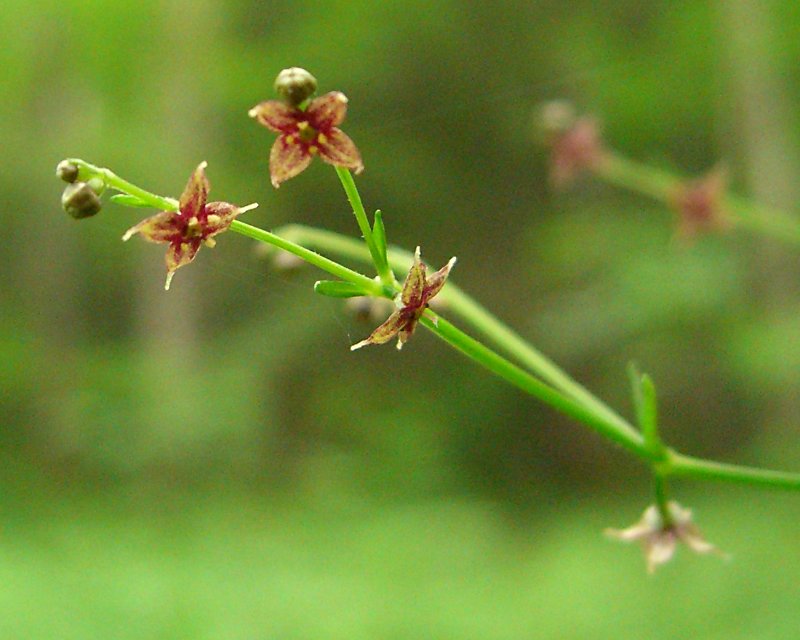
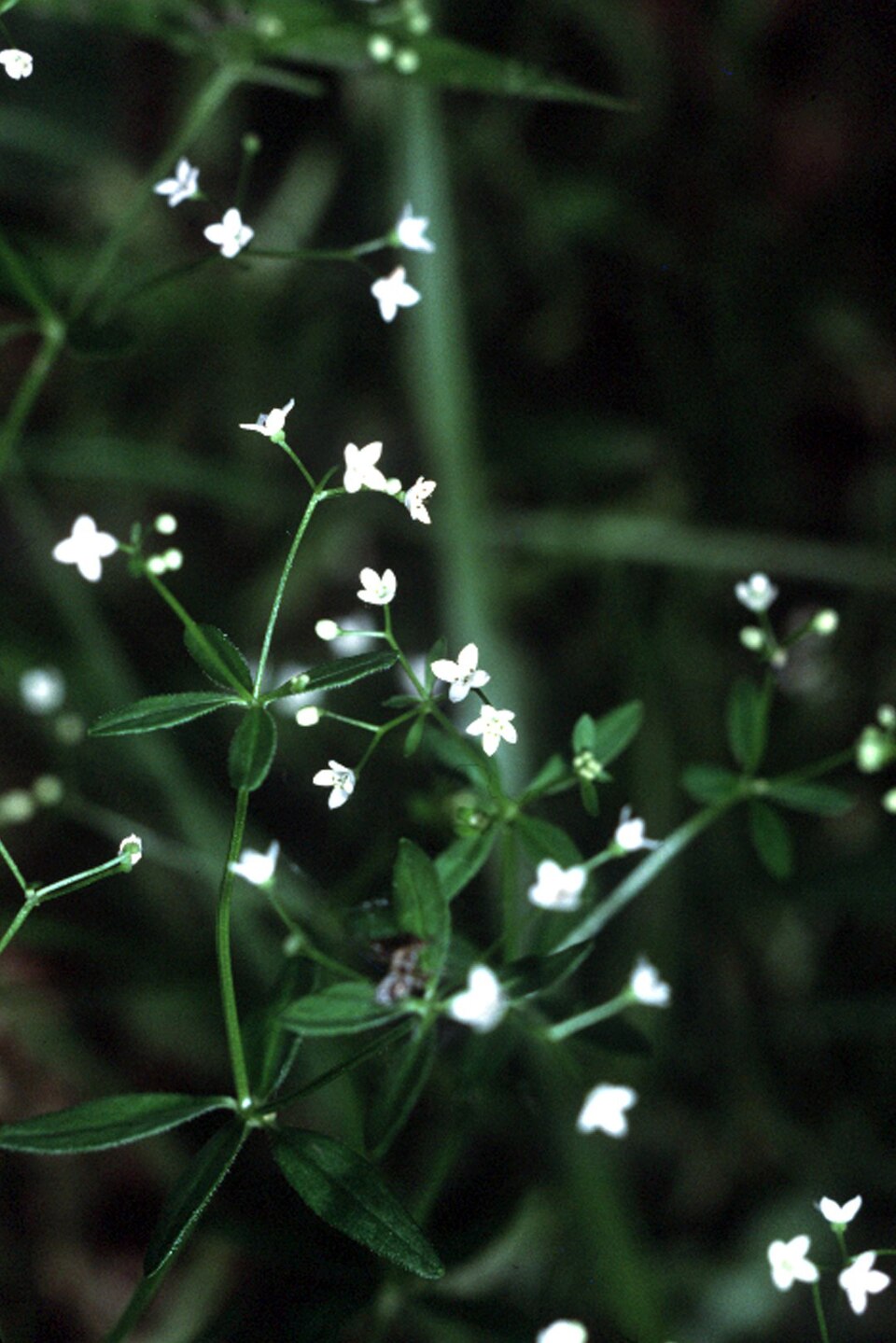
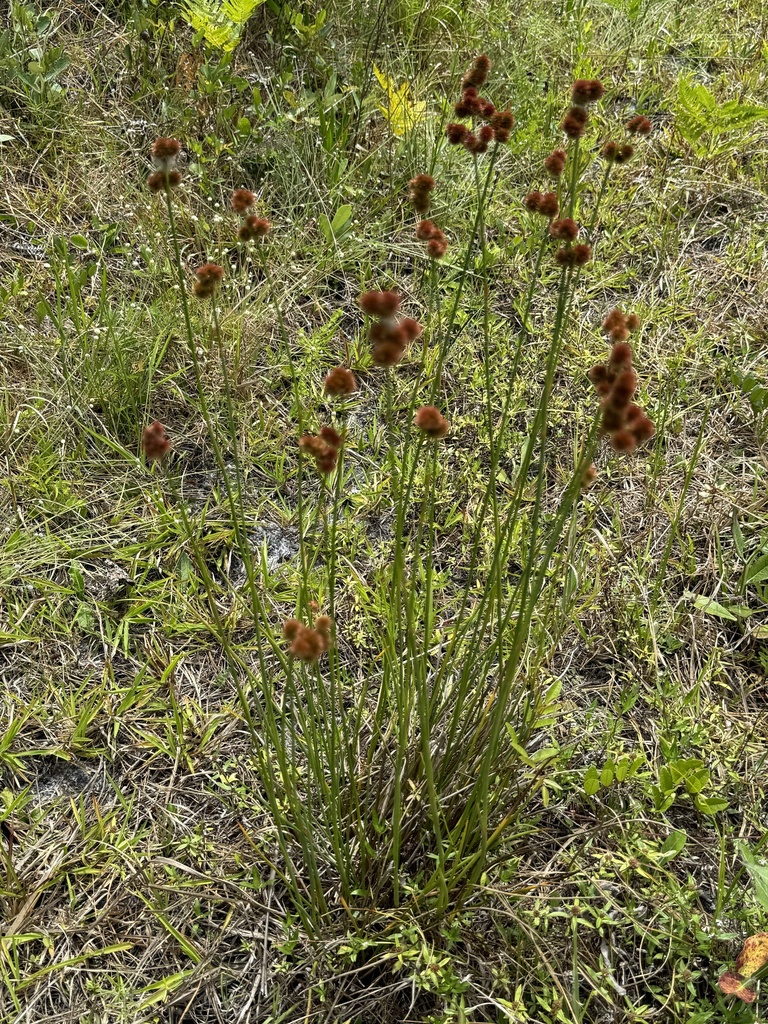
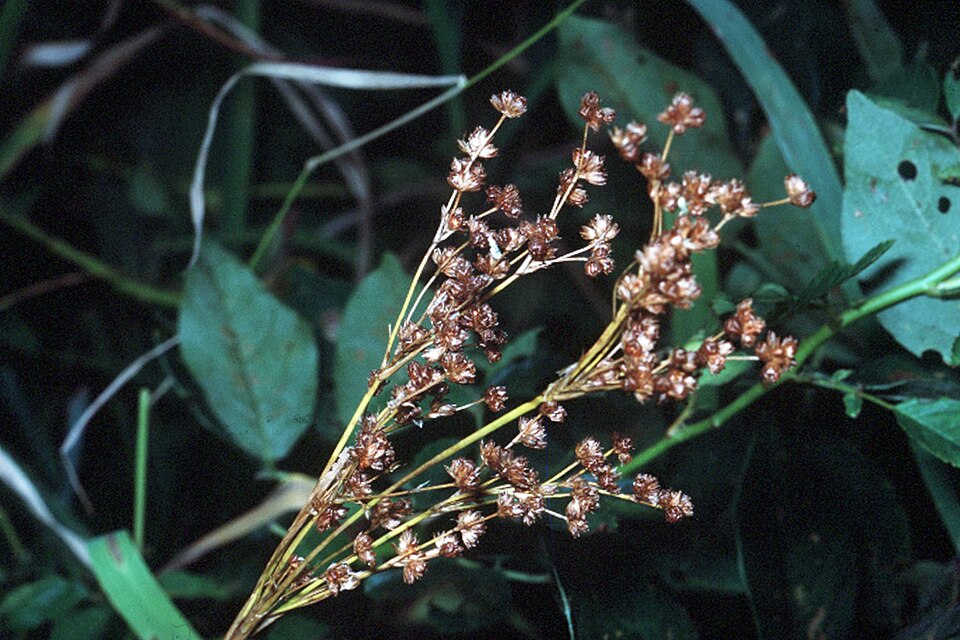
Native plants in these genera 48
- Coastal BedstrawGalium bermudense
- Bluntleaf BedstrawGalium obtusum
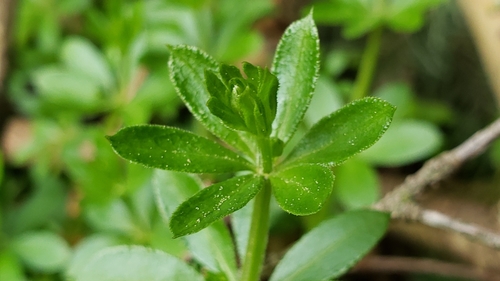
- CleaversGalium aparine
- Fragrant BedstrawGalium triflorum
- Hairy BedstrawGalium pilosum
- Lanceleaf Wild LicoriceGalium lanceolatum
- Licorice BedstrawGalium circaezans
- Oneflower BedstrawGalium uniflorum
- Purple BedstrawGalium latifolium
- Rough BedstrawGalium asprellum
- Stiff Marsh BedstrawGalium tinctorium
- Bayonet RushJuncus militaris
- Bighead RushJuncus megacephalus
- Black NeedlerushJuncus roemerianus
- Bog RushJuncus biflorus
- Brownfruit RushJuncus pelocarpus
- Canadian RushJuncus canadensis
- Creeping RushJuncus repens
- Dudley's RushJuncus dudleyi
- Elliott's RushJuncus elliottii
- Forked RushJuncus dichotomus
- Georgia RushJuncus georgianus
- Grassleaf RushJuncus marginatus
- Jointed RushJuncus articulatus
Plant genera in its diet records (5)
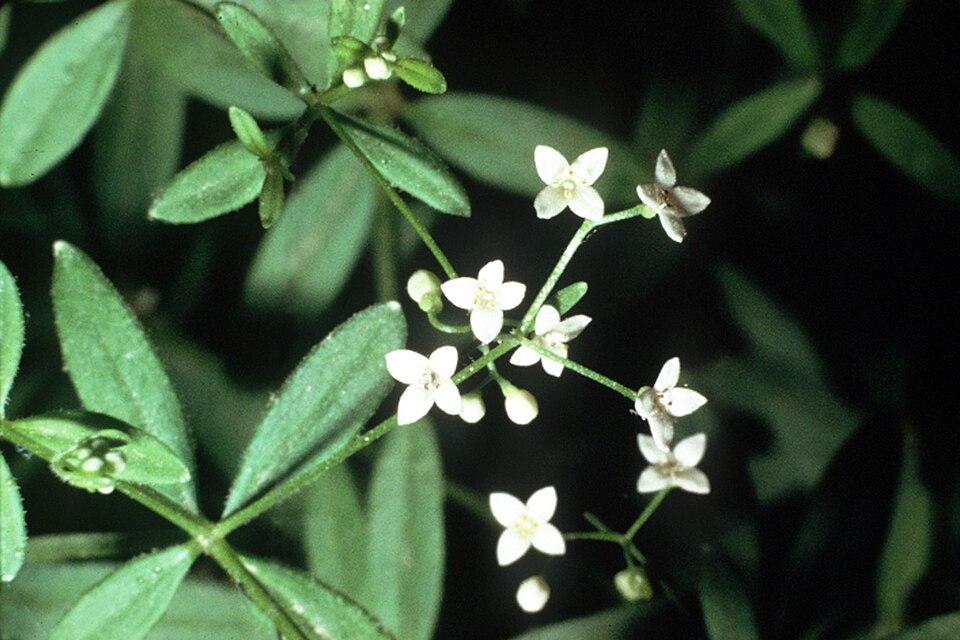
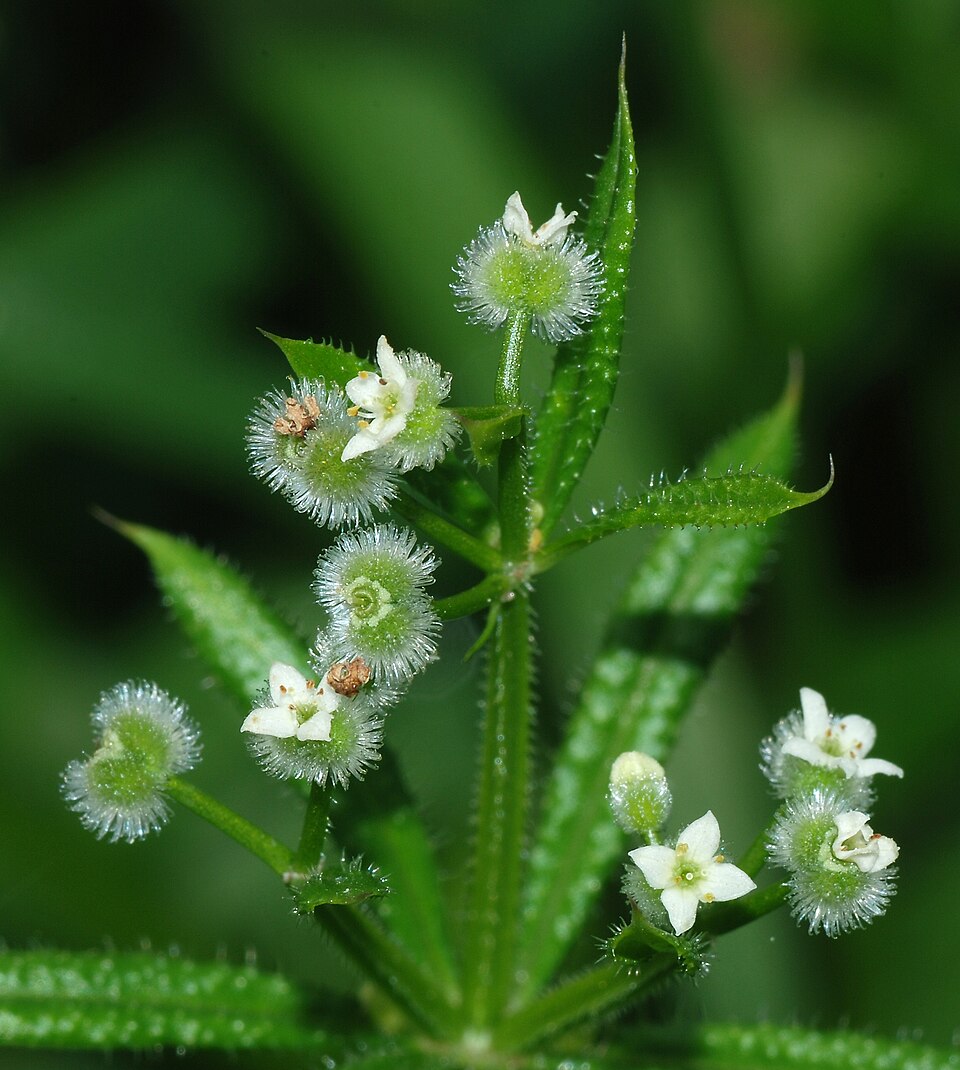
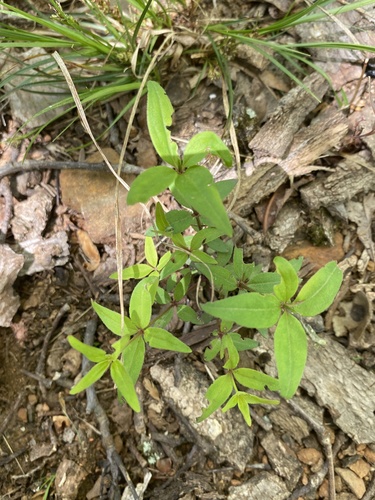
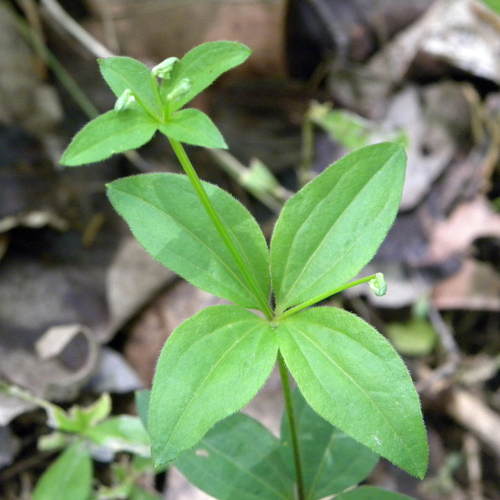
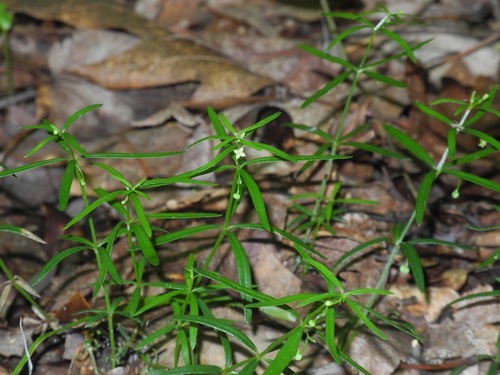
- Galium Seeds. 1 diet record. 11 native plants in North Carolina
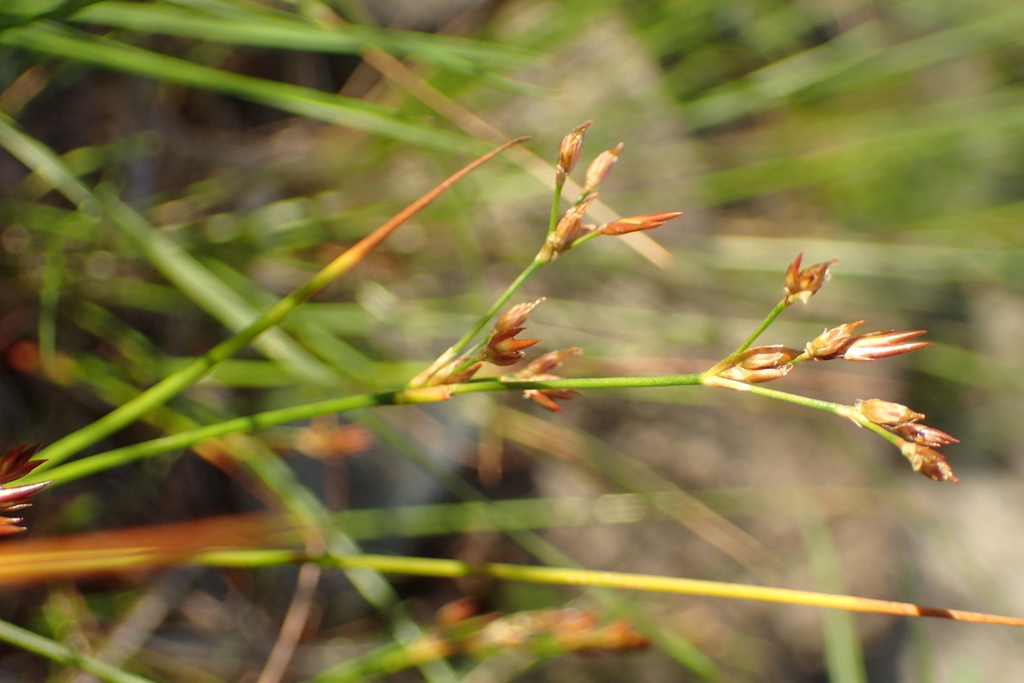
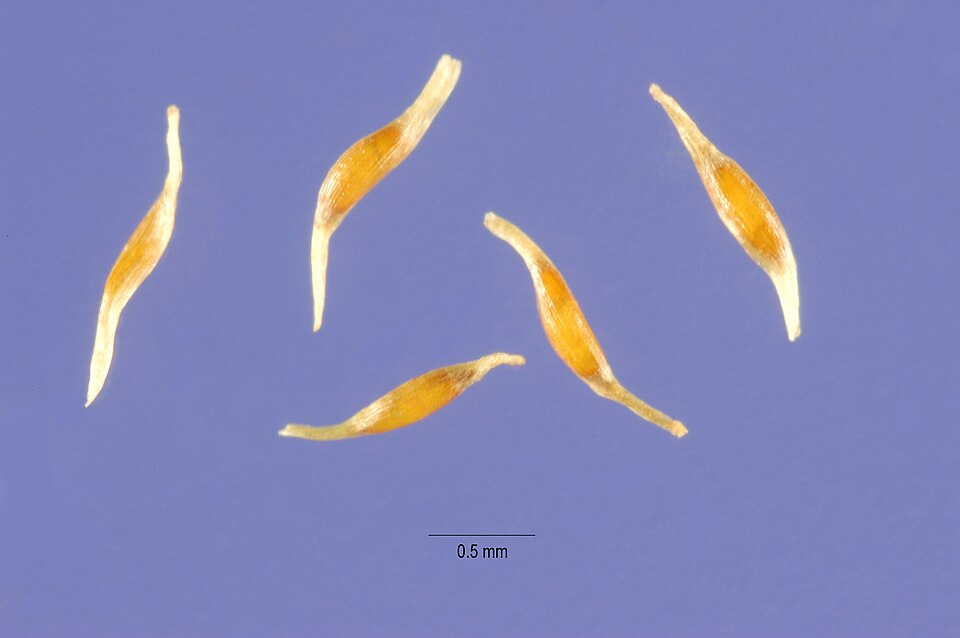
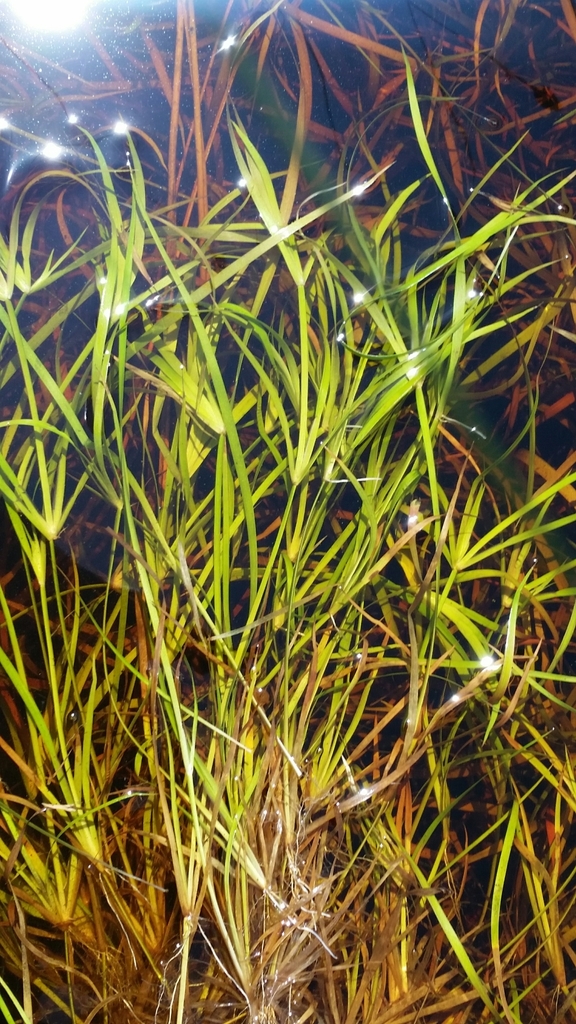
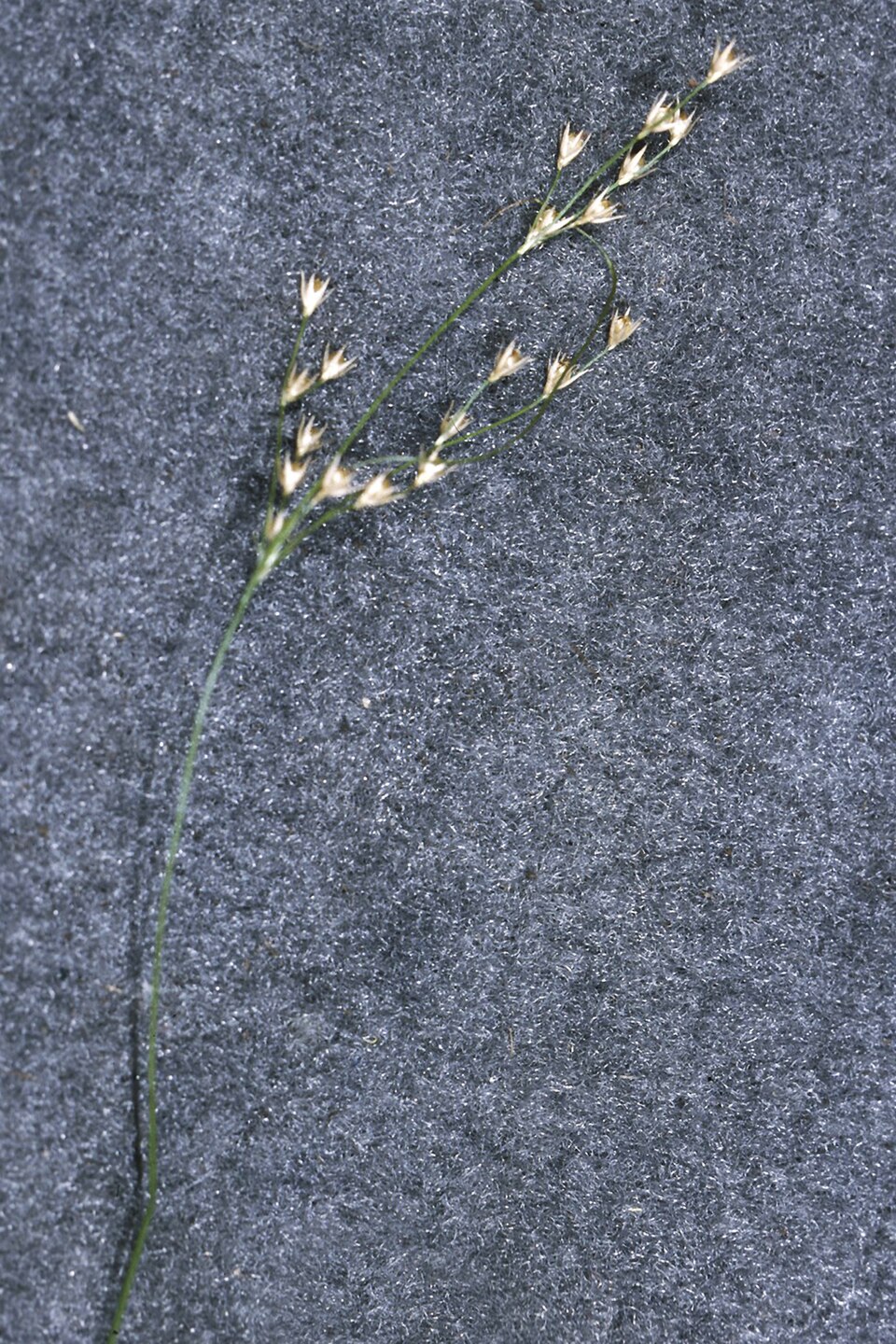
- Juncus Seeds. 1 diet record. 29 native plants in North Carolina
- Lythrum Seeds. 1 diet record. 2 native plants in North Carolina
- Polygonum Seeds. 1 diet record. 5 native plants in North Carolina
- Triglochin Seeds. 1 diet record. 1 native plant in North Carolina
Also found in its main habitats
Its main habitats in North Carolina, by how much of its habitat model each one is, with the birds most characteristic of each and the plants that grow wild there. Shared habitat, not food.
Roadsides, fields and disturbed ground
Birds 89
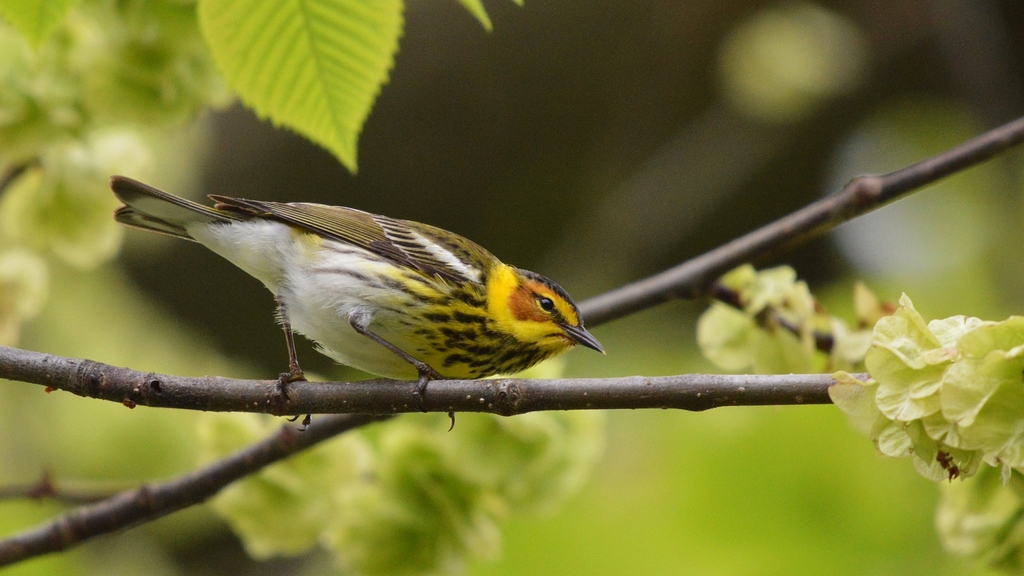
- Cape May WarblerDendroica tigrina
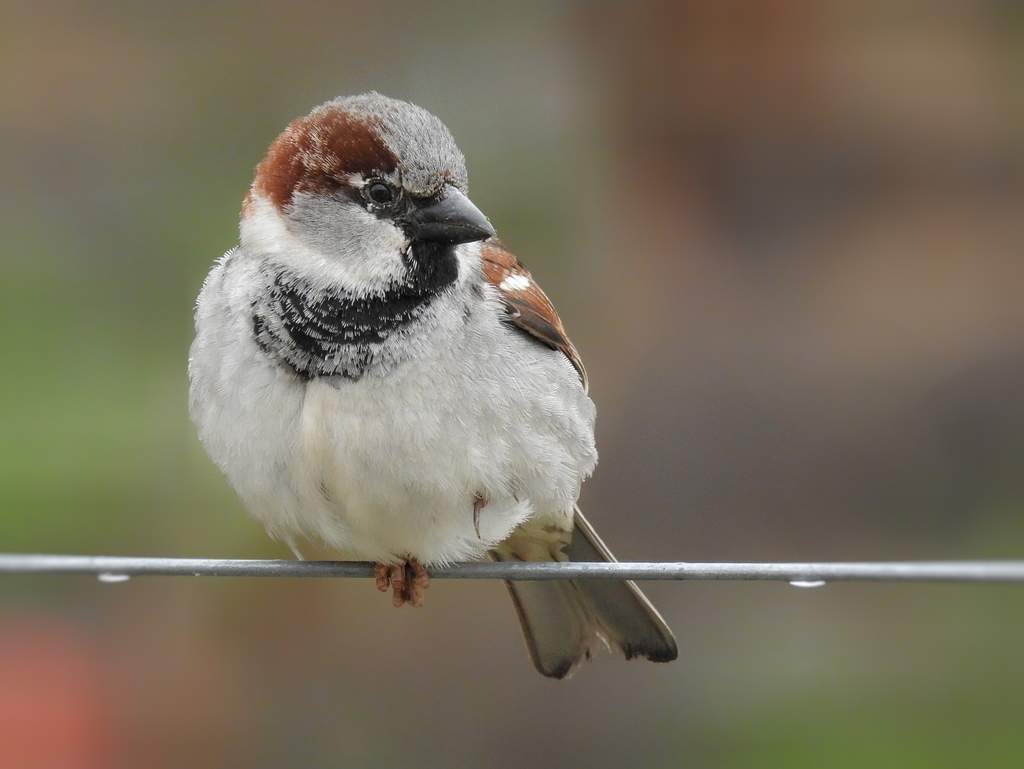
- House SparrowPasser domesticus
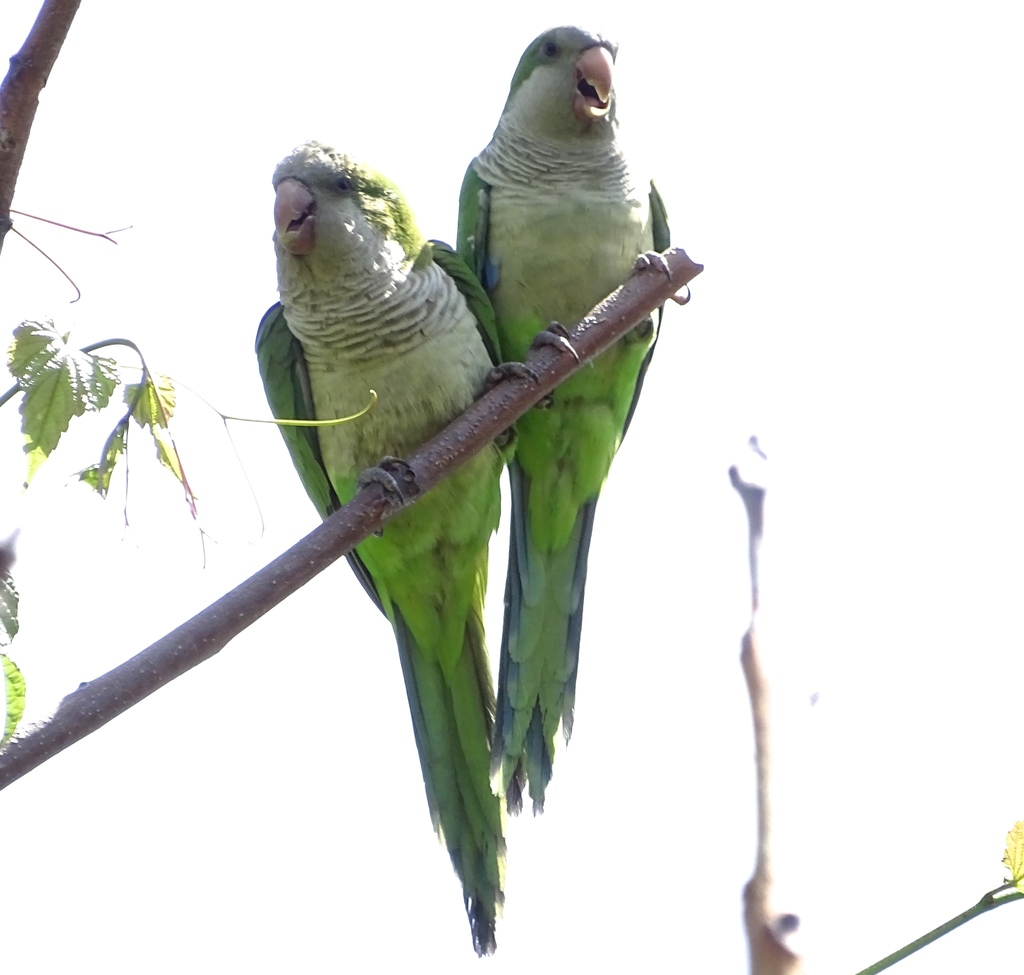
- Monk ParakeetMyiopsitta monachus
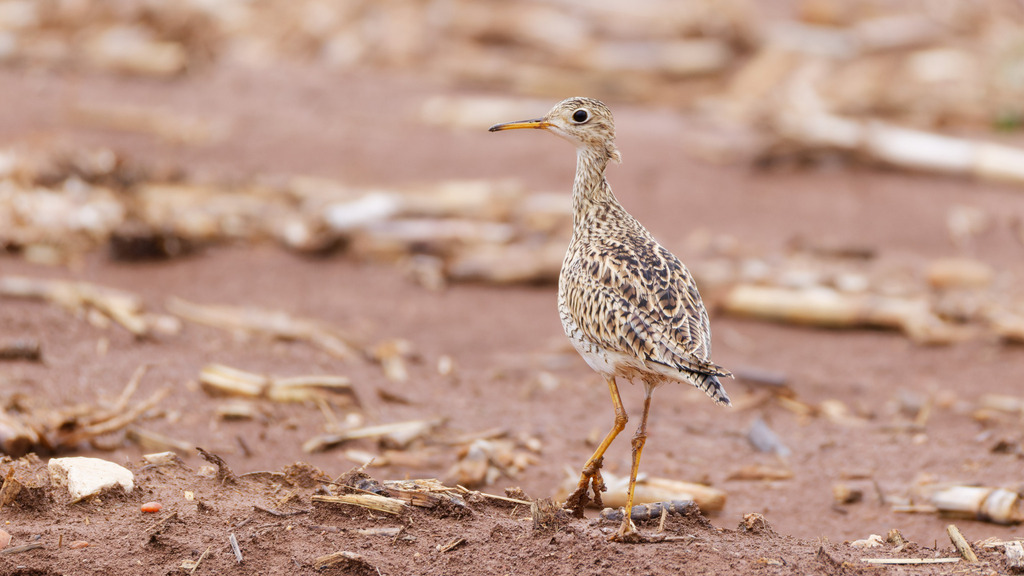
- Upland SandpiperBartramia longicauda
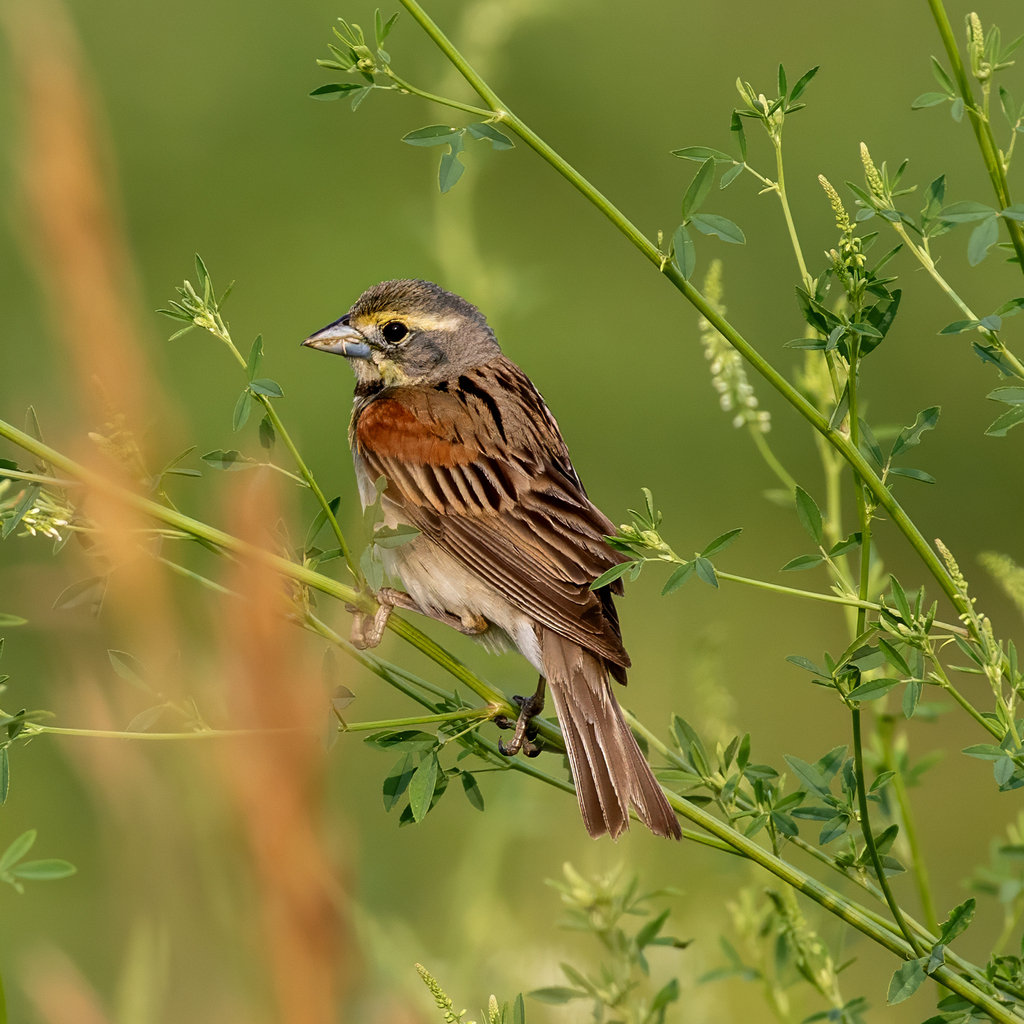
- DickcisselSpiza americana
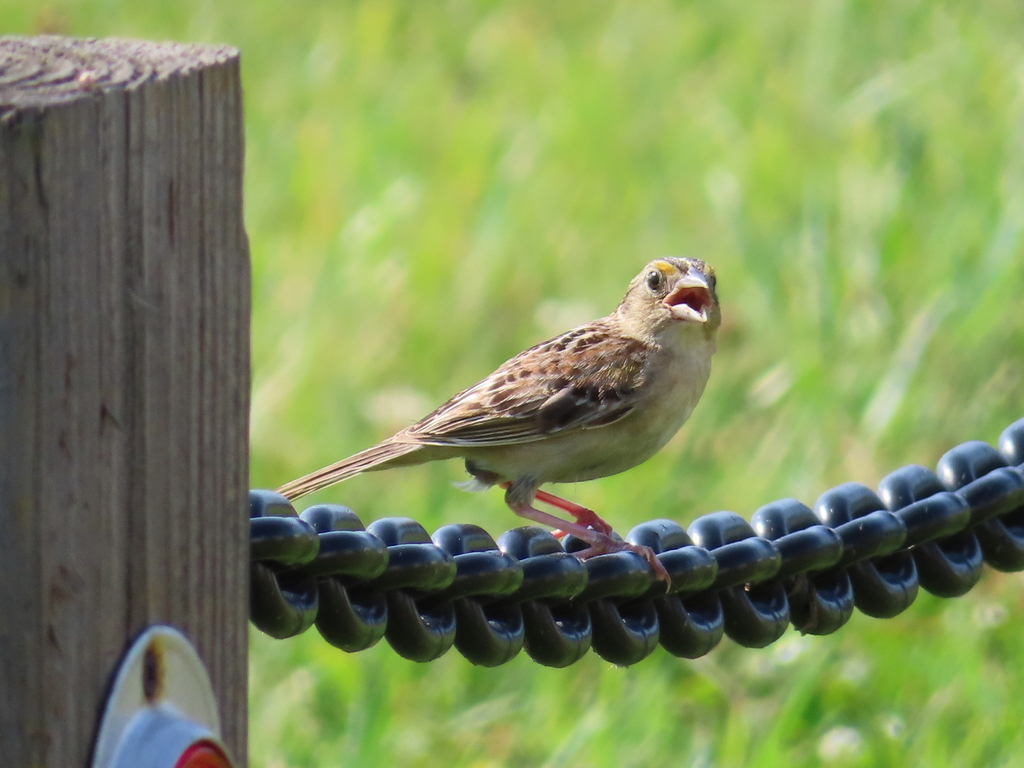
- Grasshopper SparrowAmmodramus savannarum
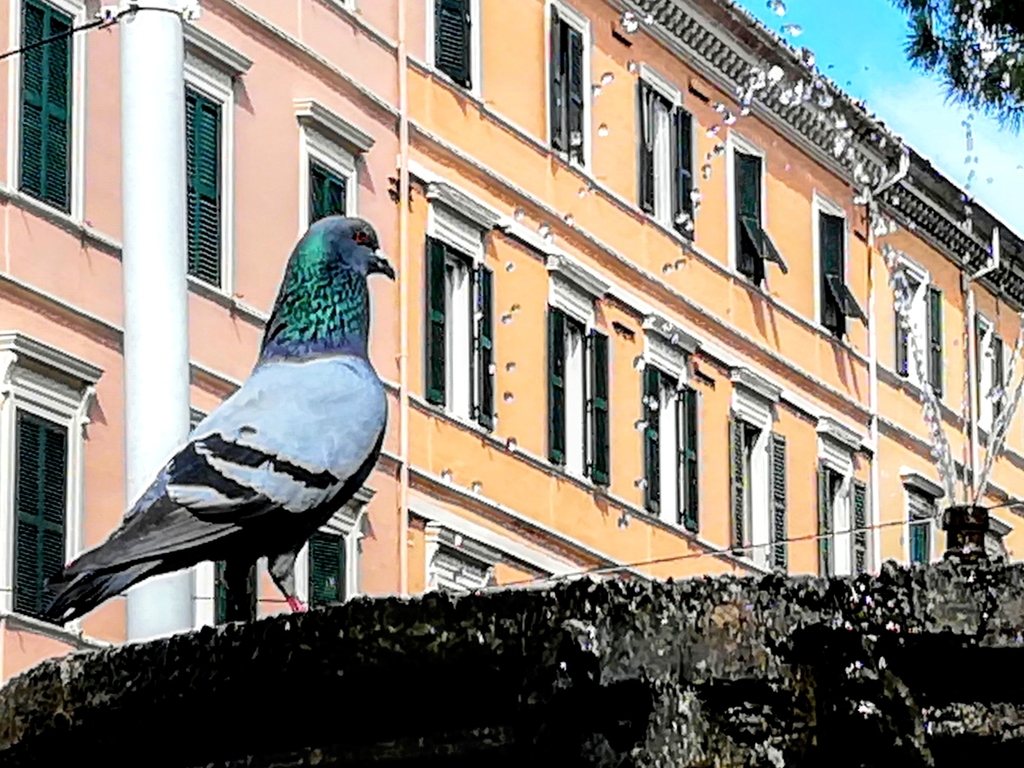
- Rock PigeonColumba livia
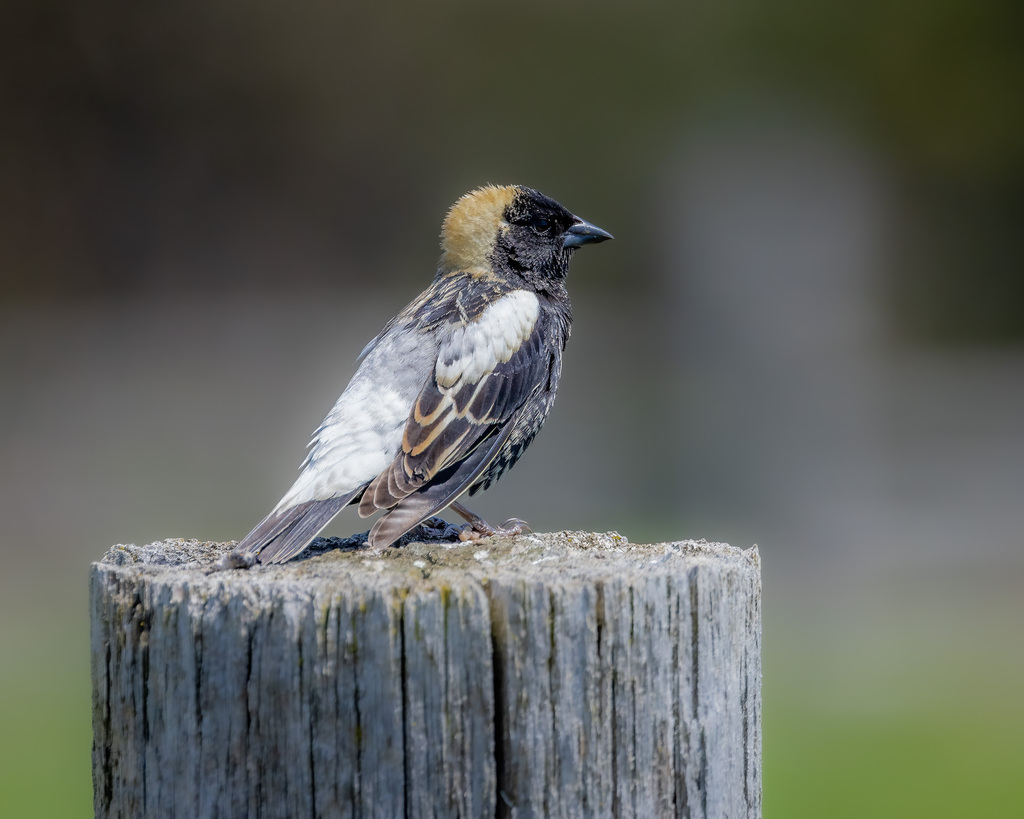
- BobolinkDolichonyx oryzivorus
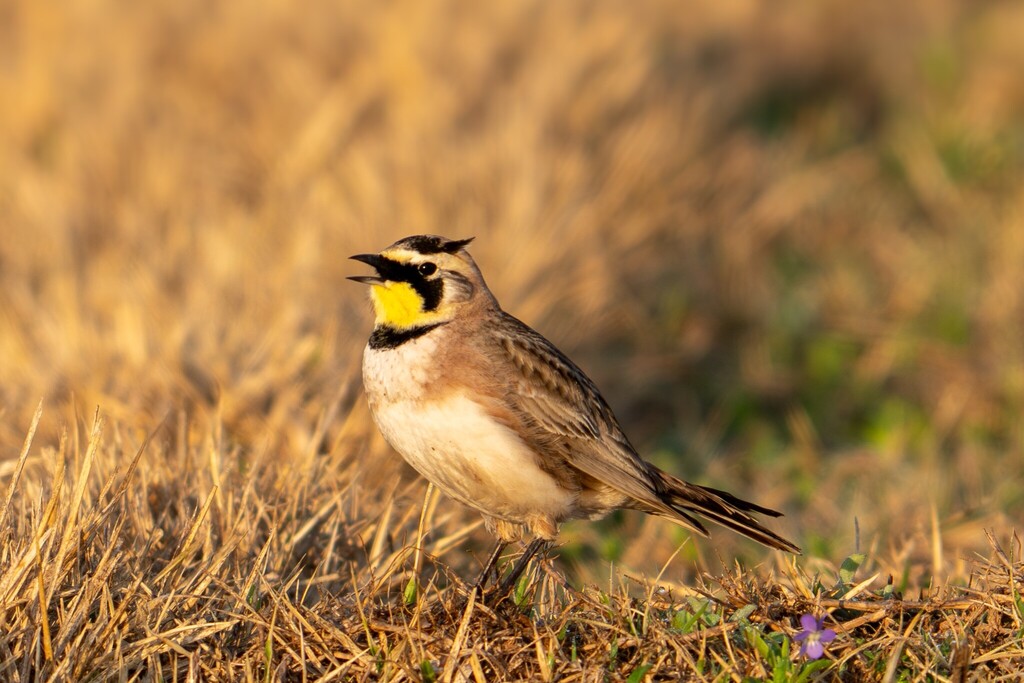
- Horned LarkEremophila alpestris
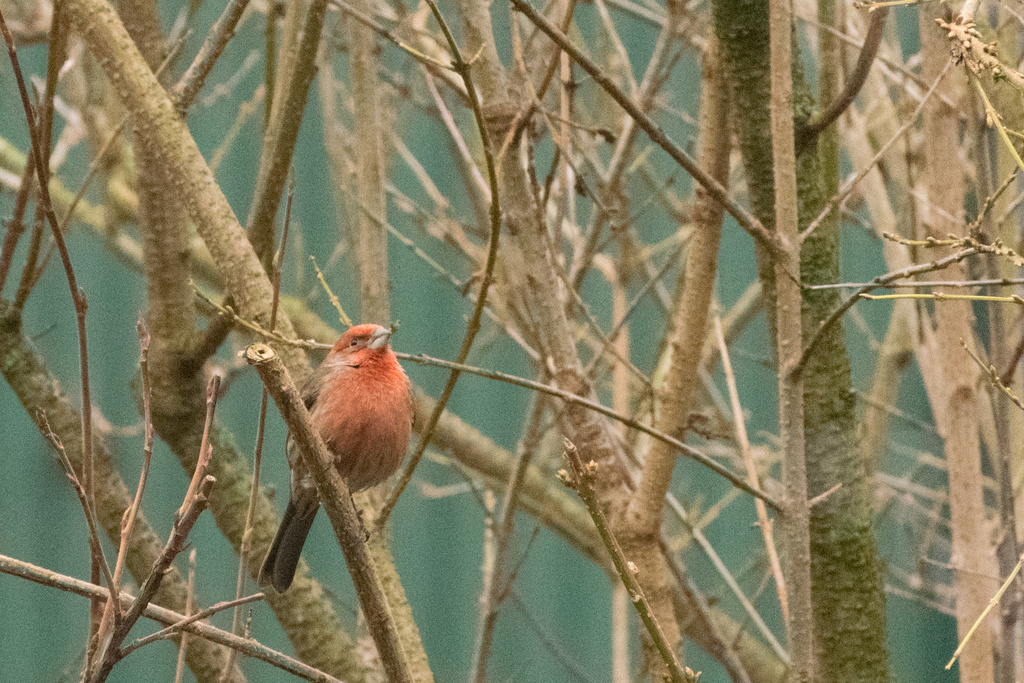
- House FinchCarpodacus mexicanus
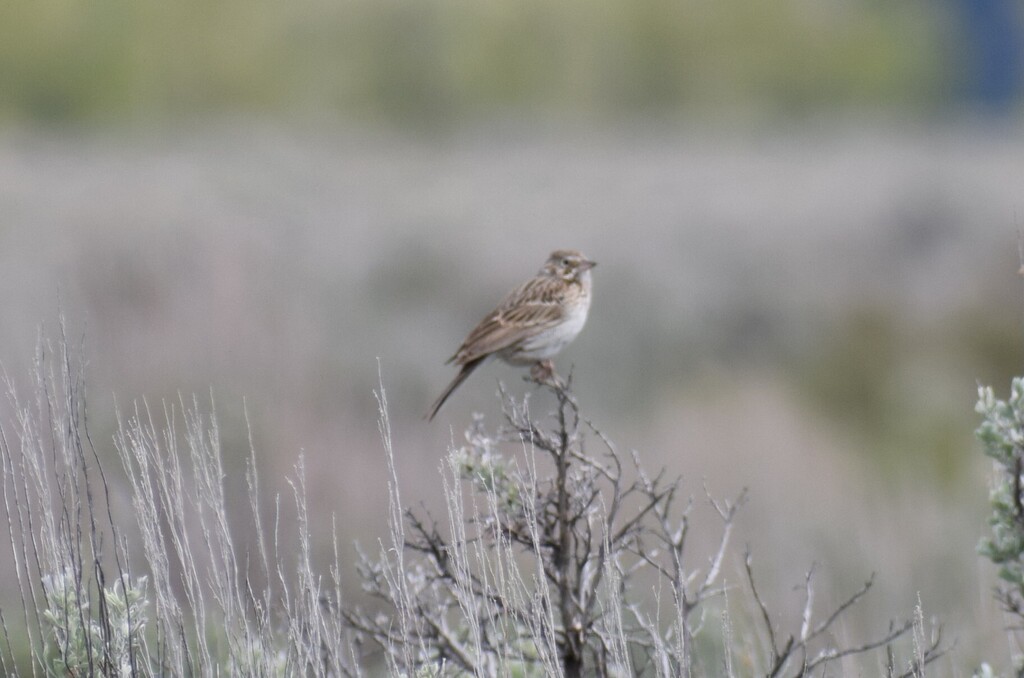
- Vesper SparrowPooecetes gramineus
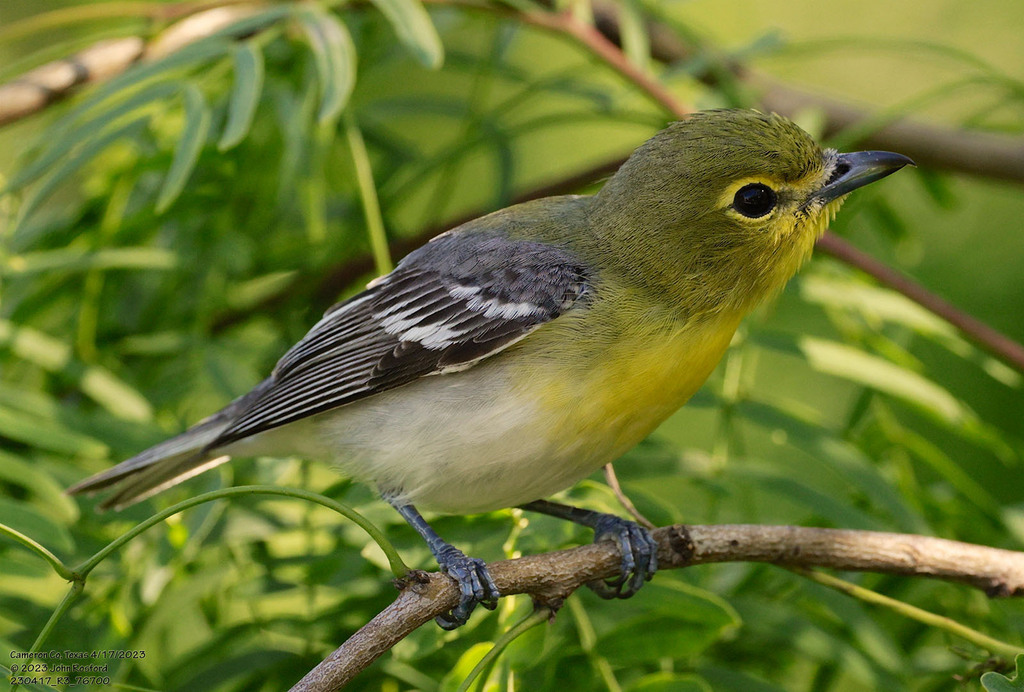
- Yellow-throated VireoVireo flavifrons
Plants 1314
- Crooked-stem AsterSymphyotrichum prenanthoides
- Canada LettuceLactuca canadensis
- Common HorseweedErigeron canadensis
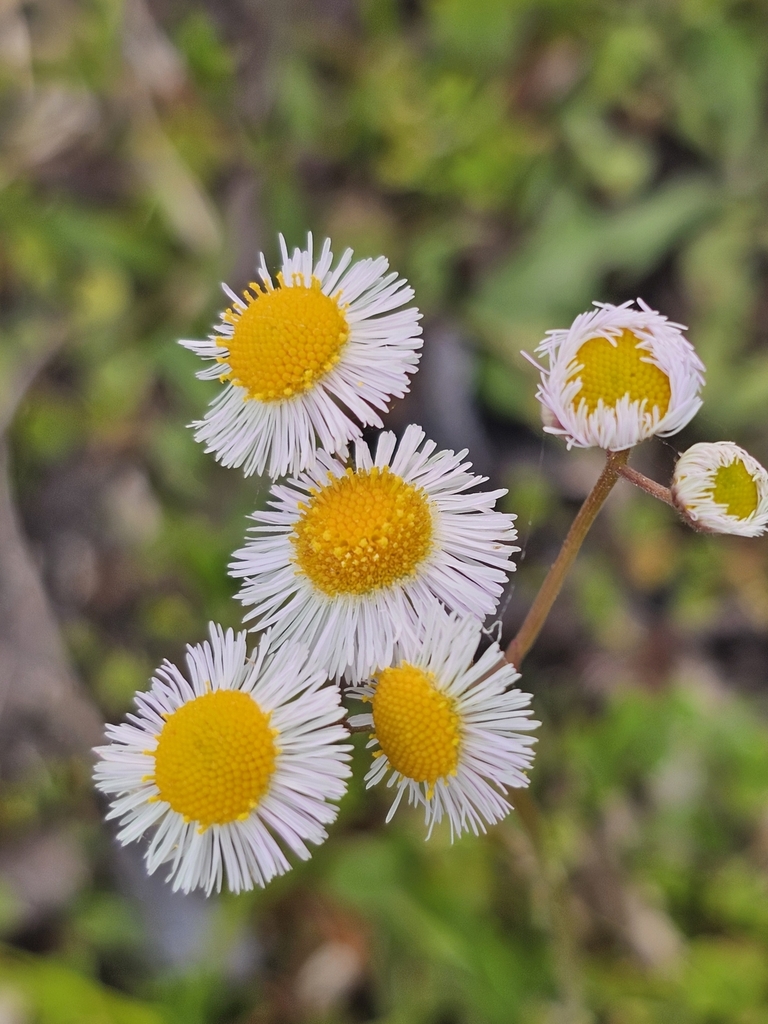
- Annual FleabaneErigeron annuus
- Oakleaf FleabaneErigeron quercifolius
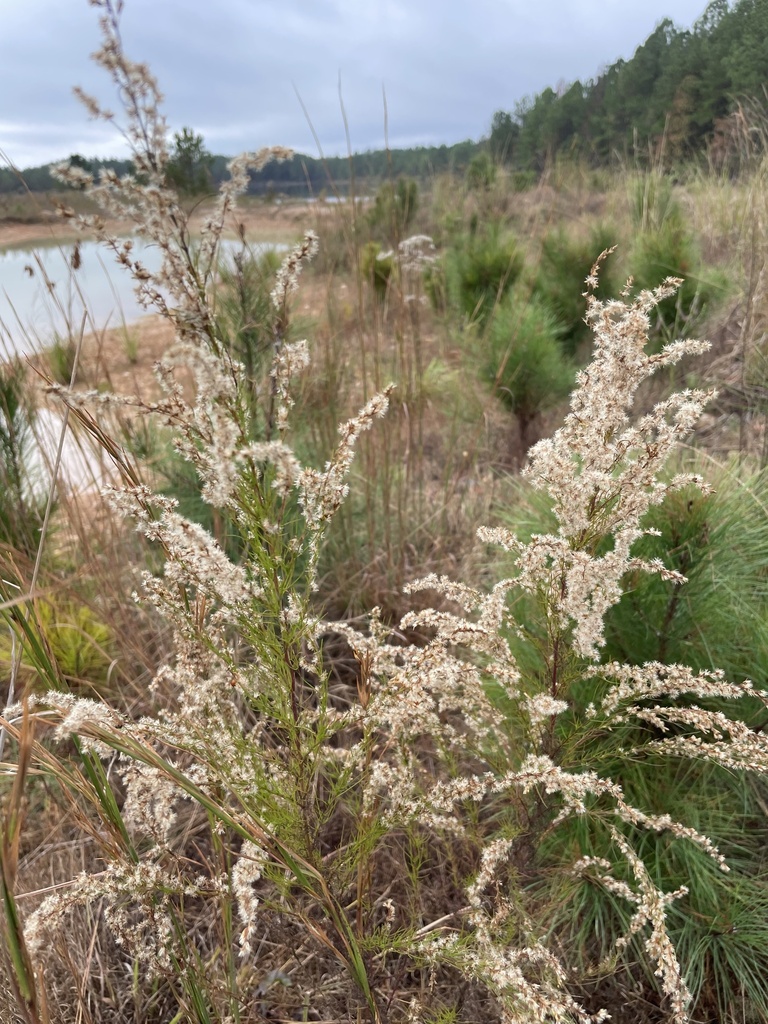
- Dog-fennelEupatorium capillifolium
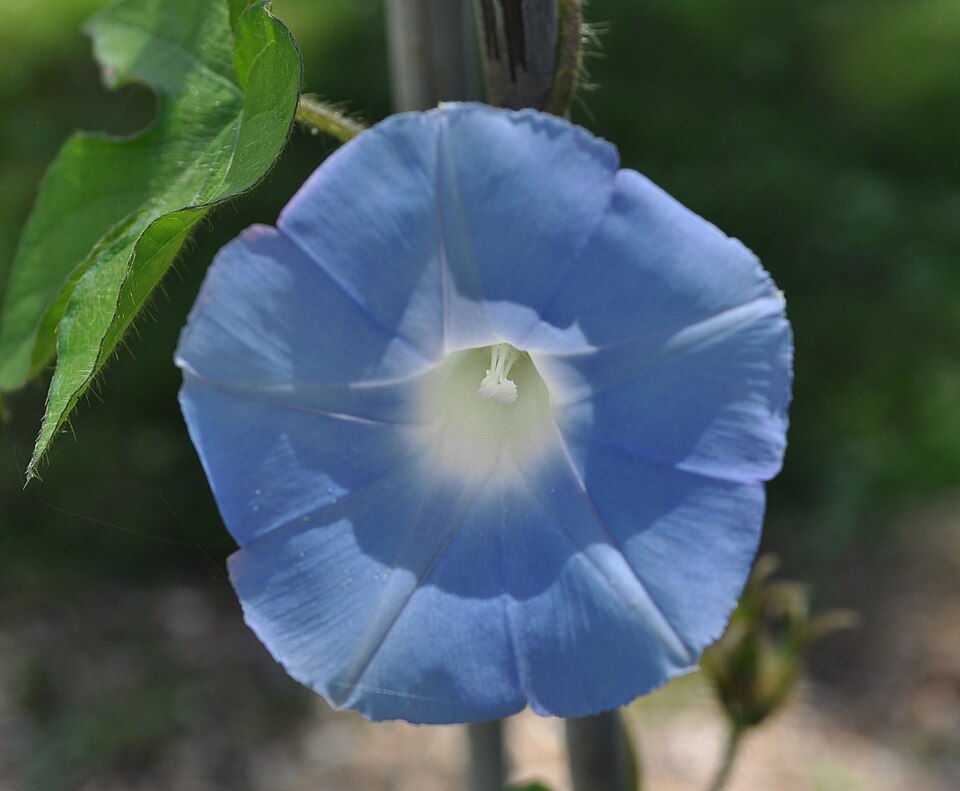
- Ivyleaf Morning-gloryIpomoea hederacea
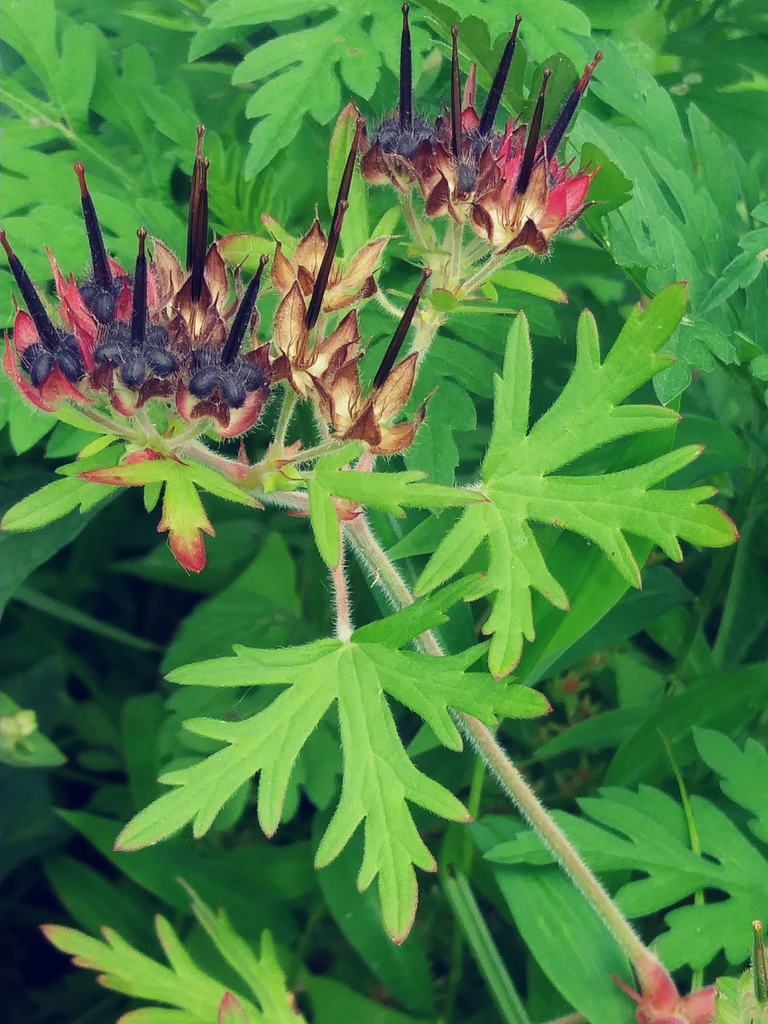
- Carolina Crane's-billGeranium carolinianum
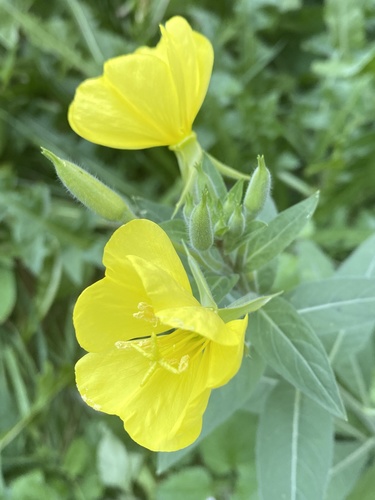
- Common Evening-primroseOenothera biennis
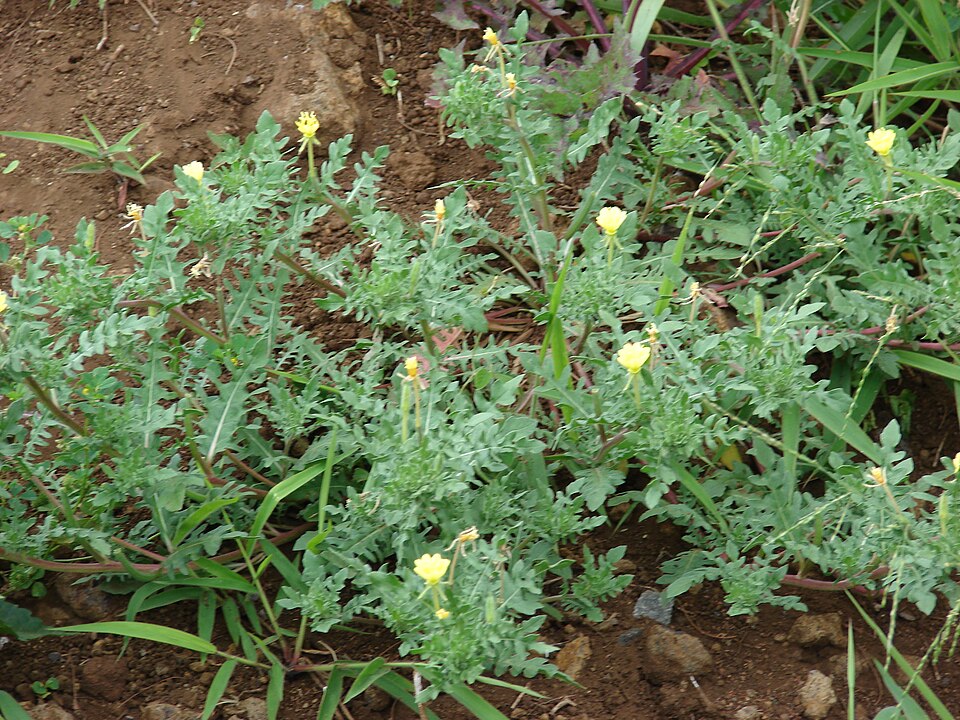
- Cutleaf Evening-primroseOenothera laciniata
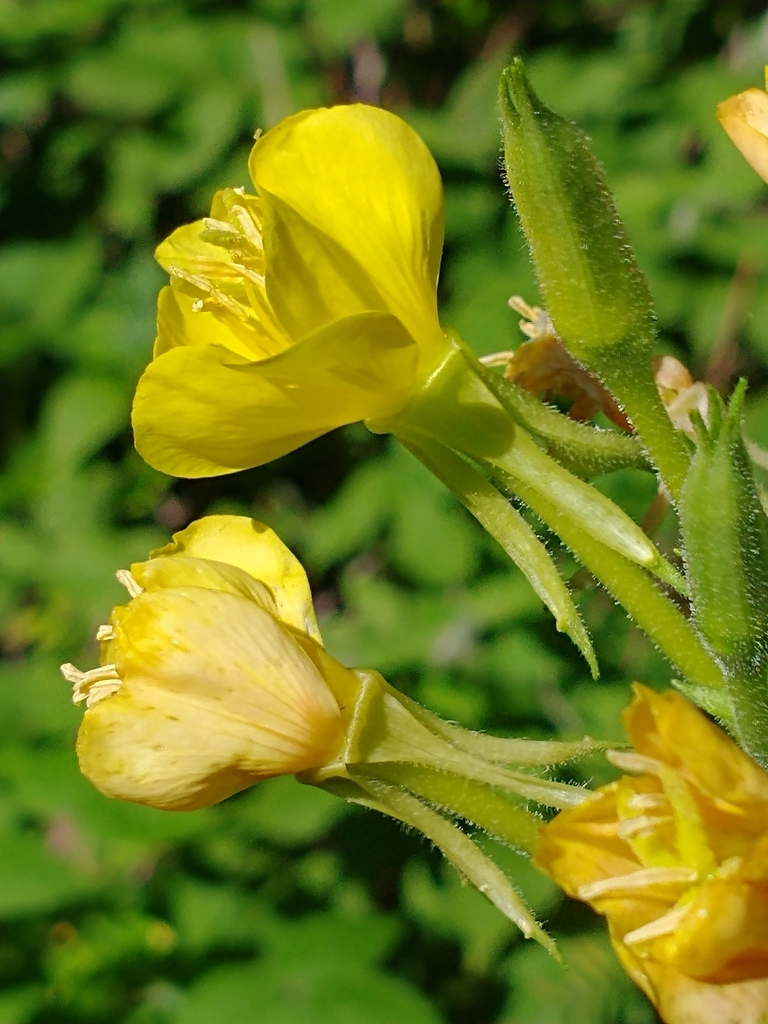
- Northern Evening-primroseOenothera parviflora
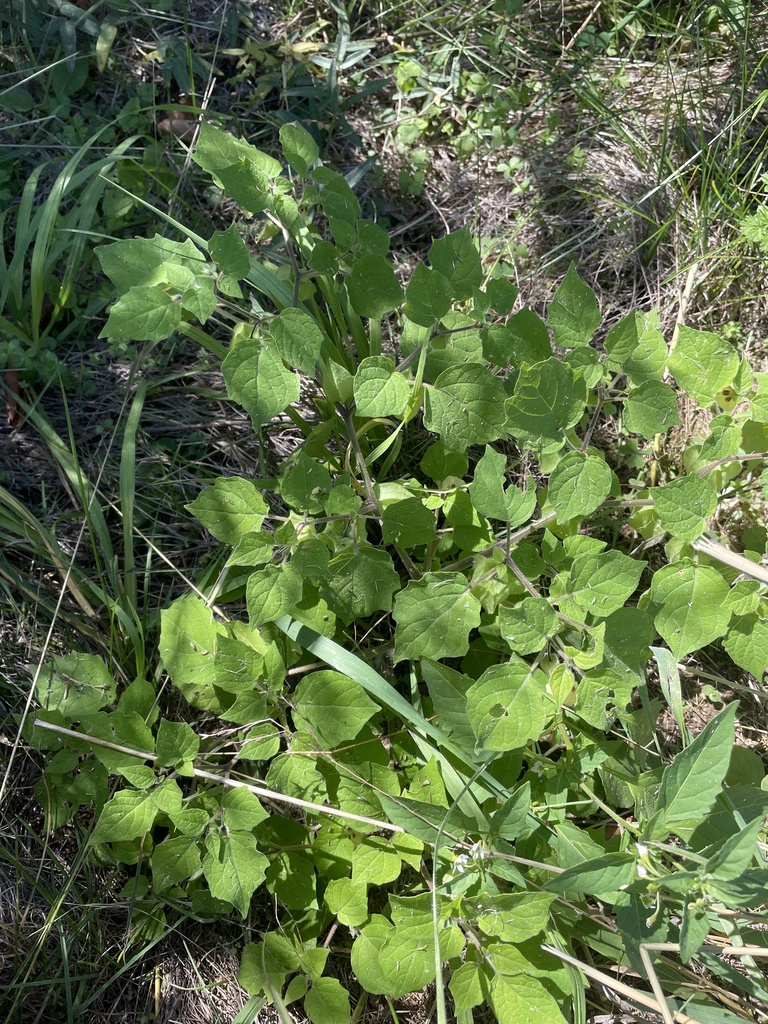
- Downy Ground-cherryPhysalis pubescens
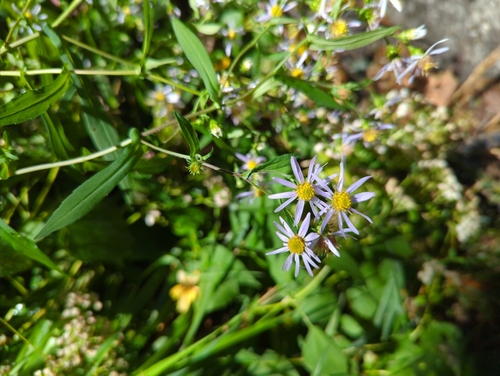
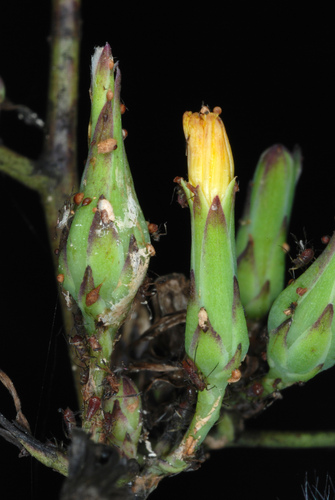
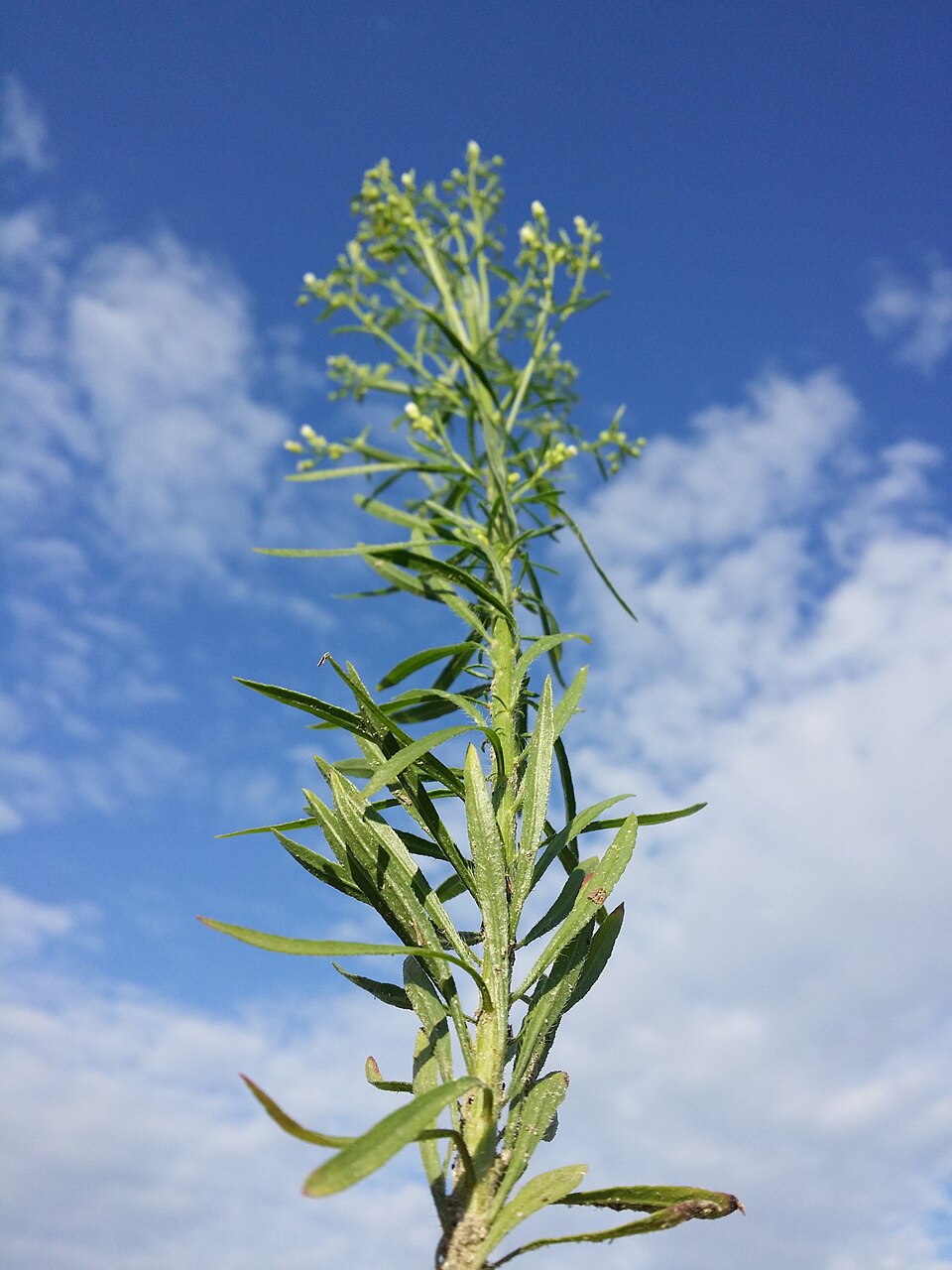
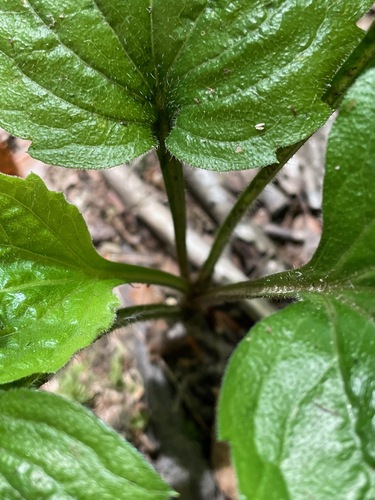
All of roadsides, fields and disturbed ground in North Carolina
Coastal dunes and beaches
Birds 112
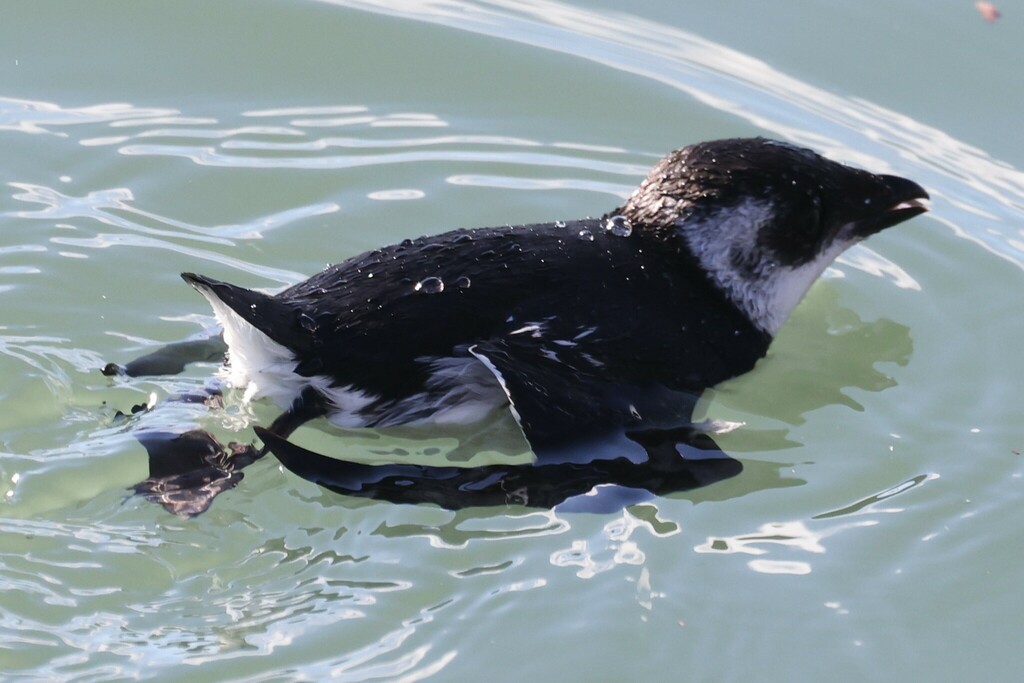
- DovekieAlle alle
- Horned LarkEremophila alpestris
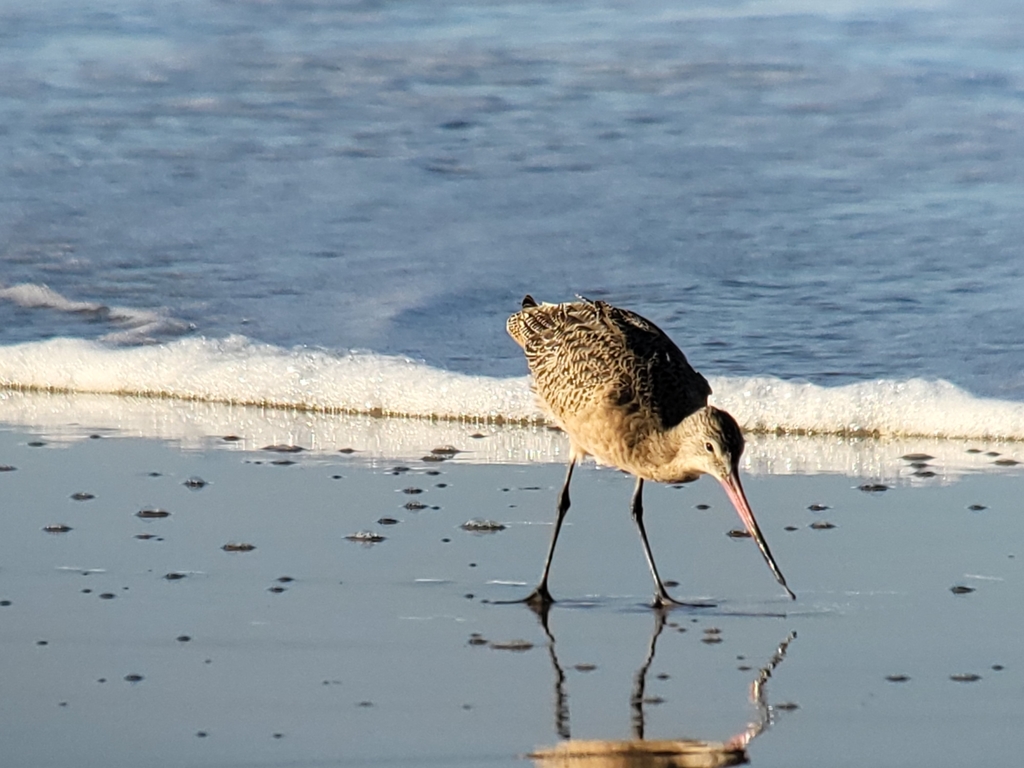
- Marbled GodwitLimosa fedoa
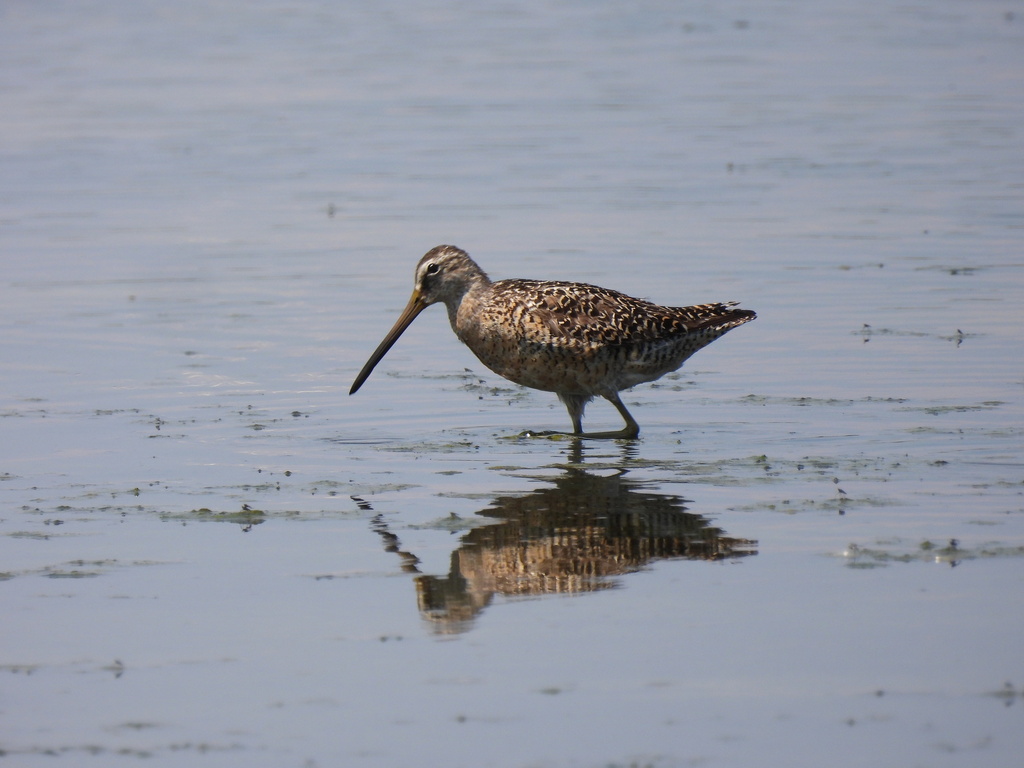
- Short-billed DowitcherLimnodromus griseus
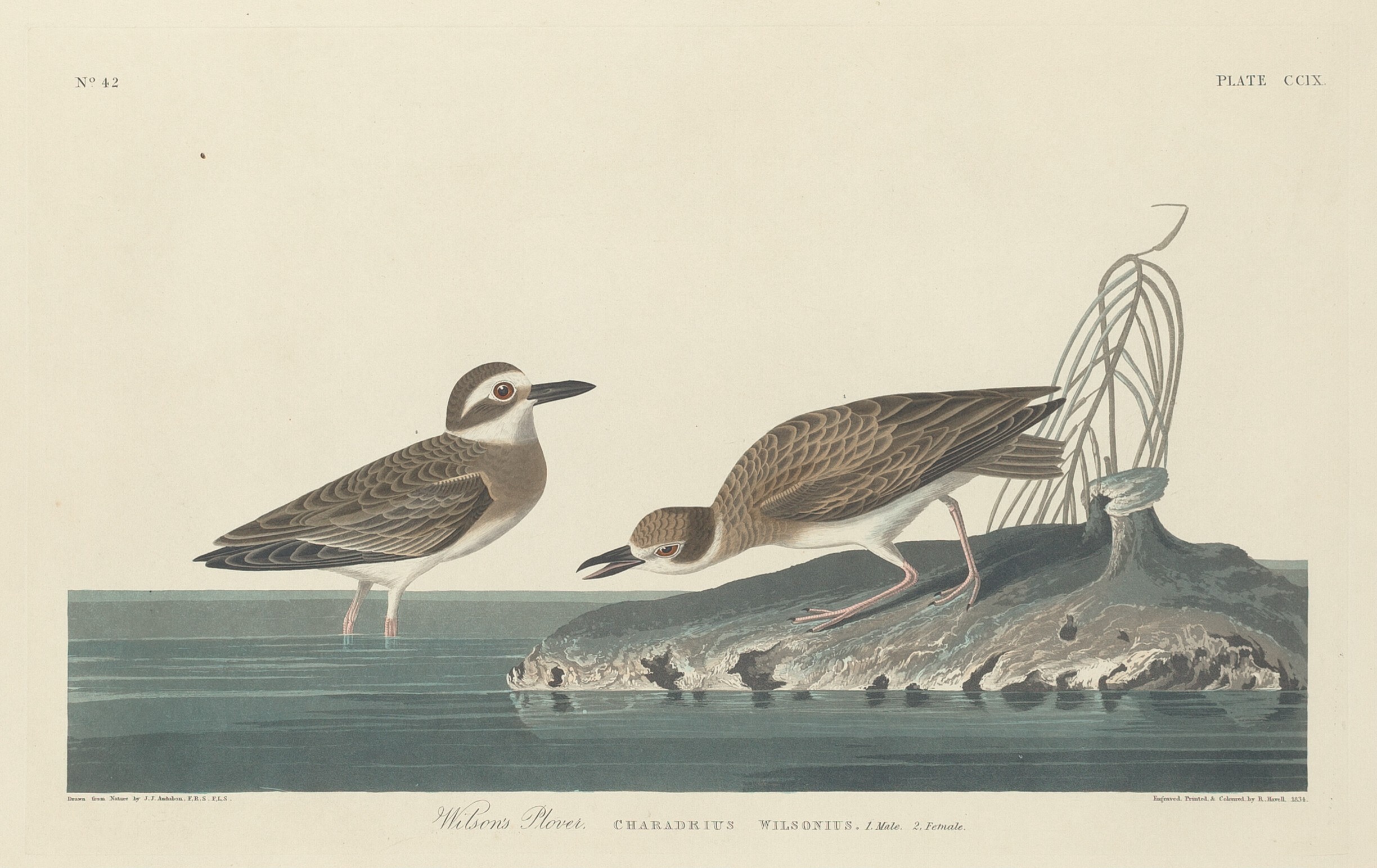
- Wilson's PloverCharadrius wilsonia
- Great Black-backed GullLarus marinus
- Purple SandpiperCalidris maritima
- Saltmarsh Sharp-tailed SparrowAmmodramus caudacutus
- Sandwich TernThalasseus sandvicensis
- Seaside SparrowAmmodramus maritimus
- Wilson's WarblerWilsonia pusilla
- Field SparrowSpizella pusilla
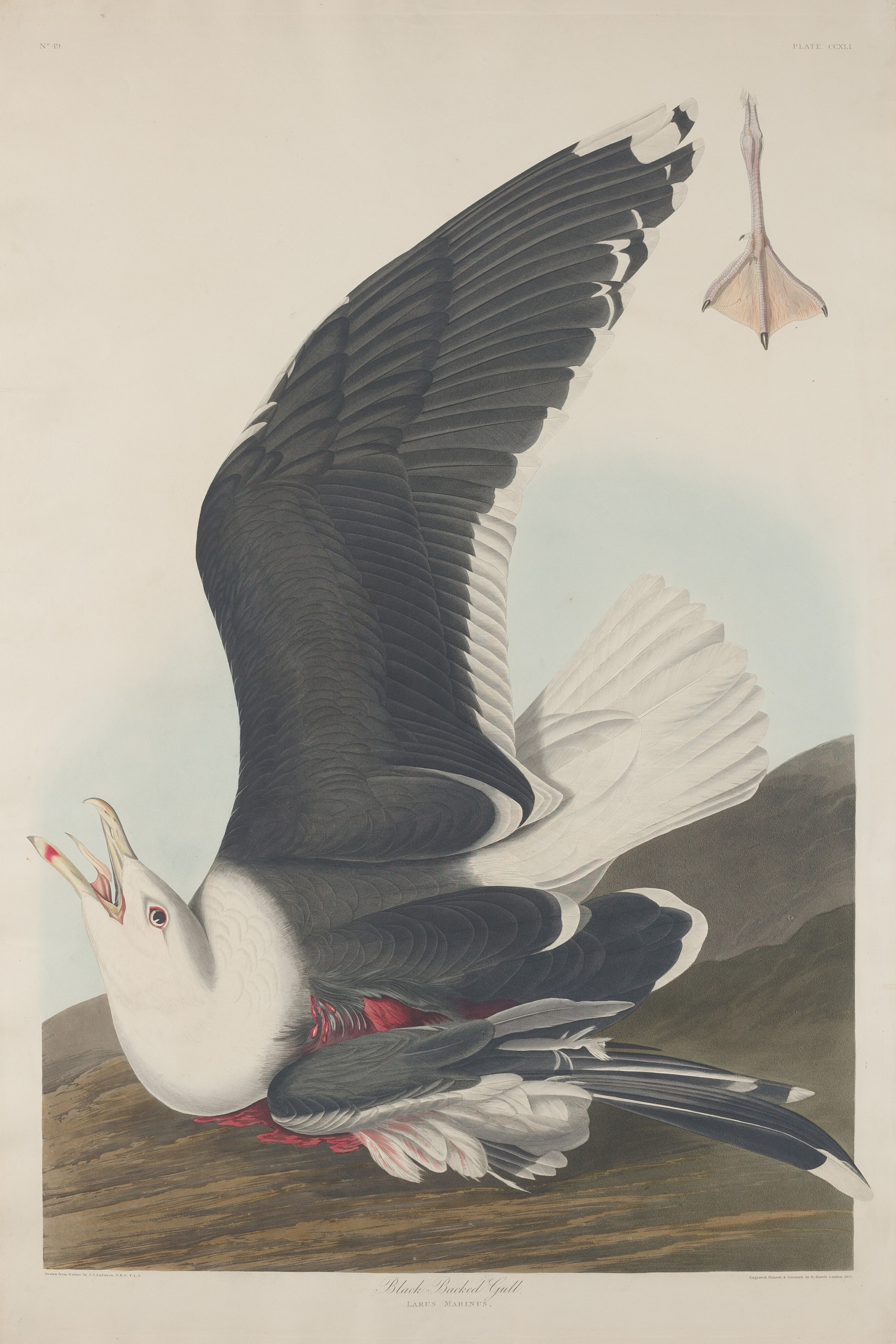
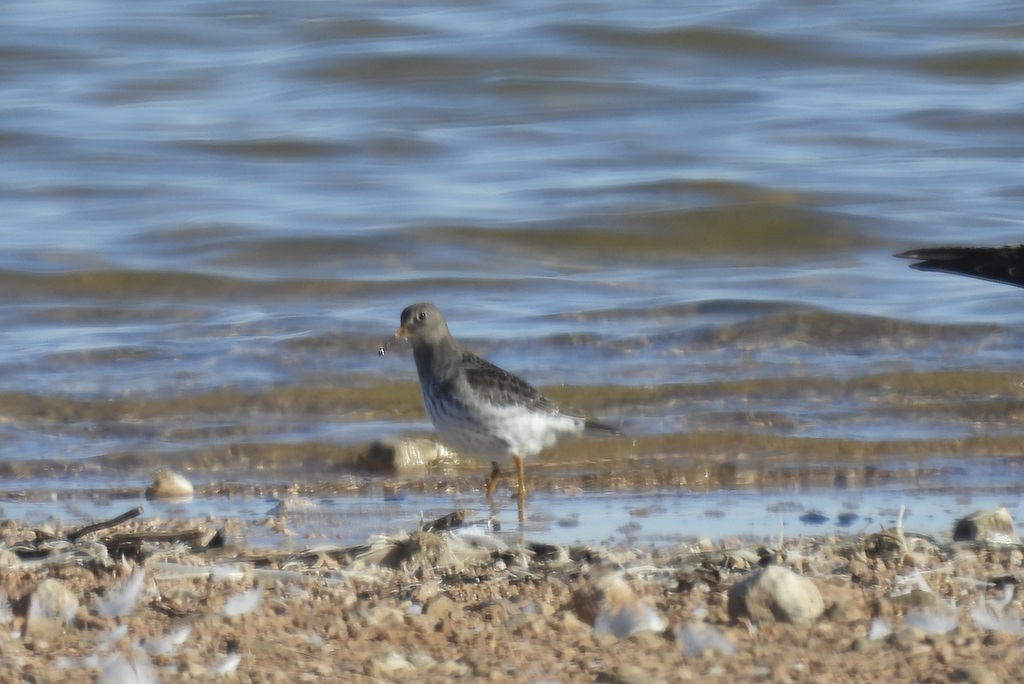
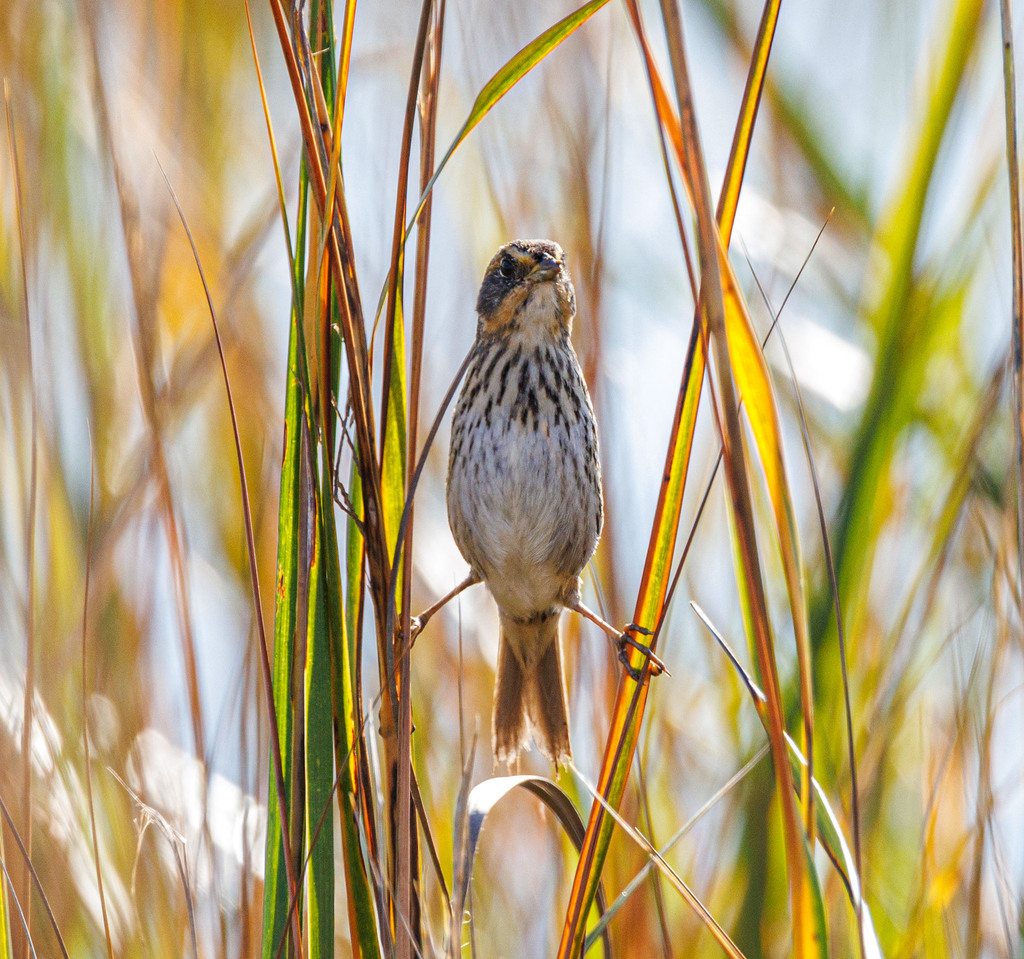
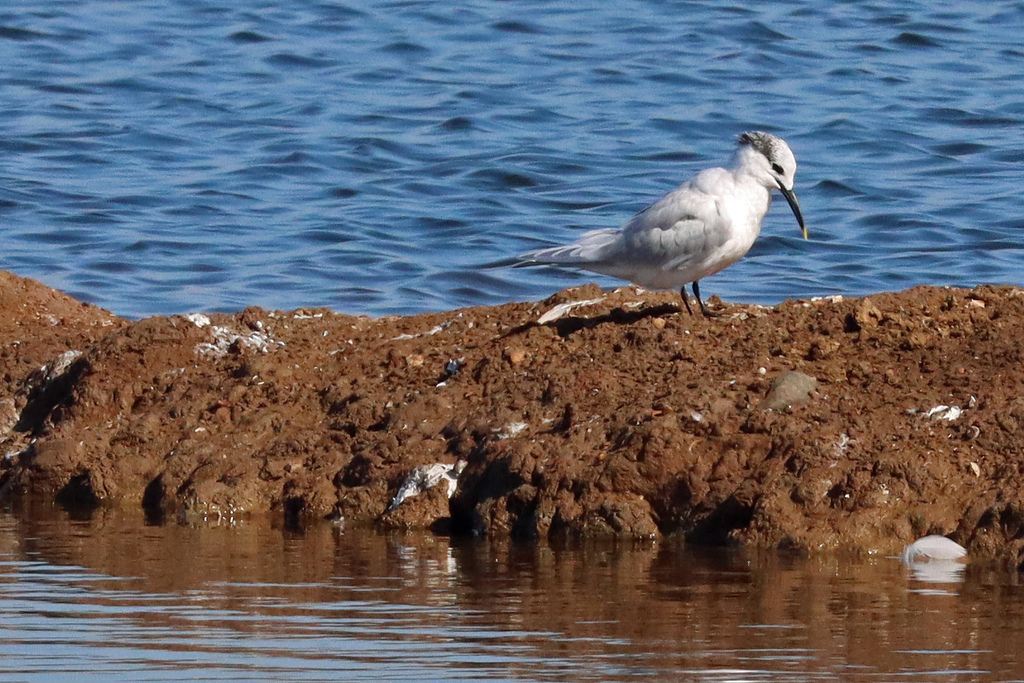
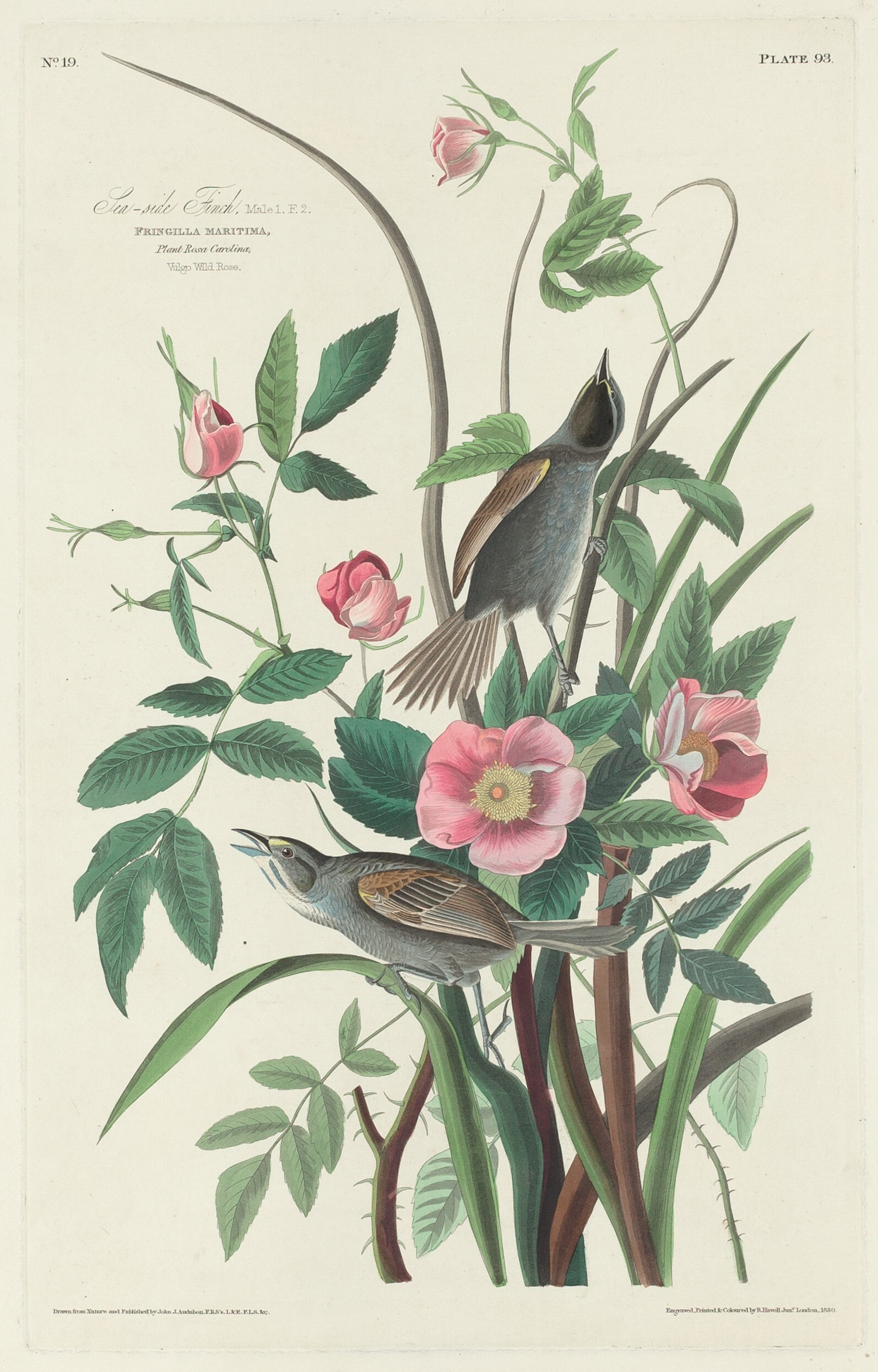
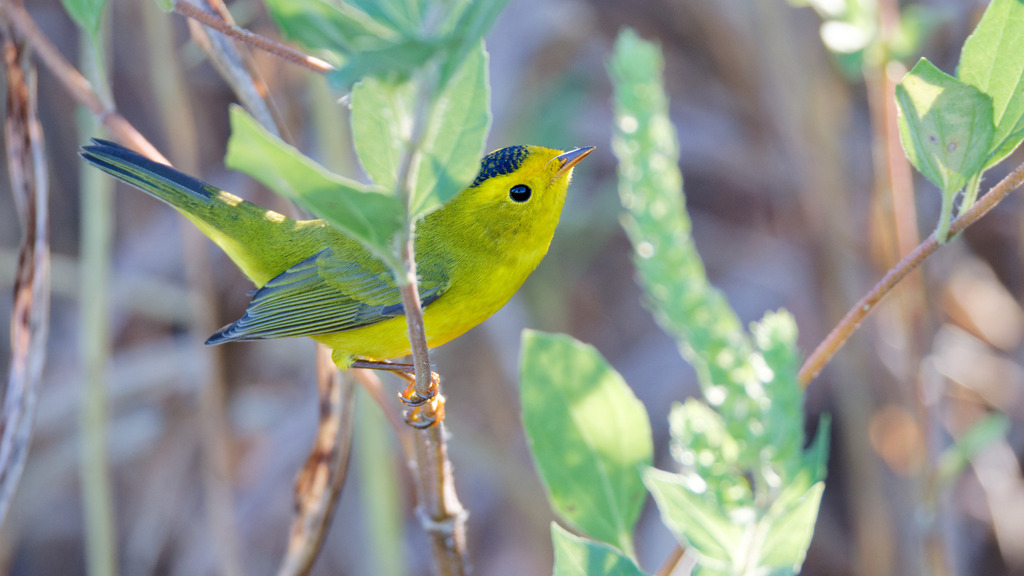
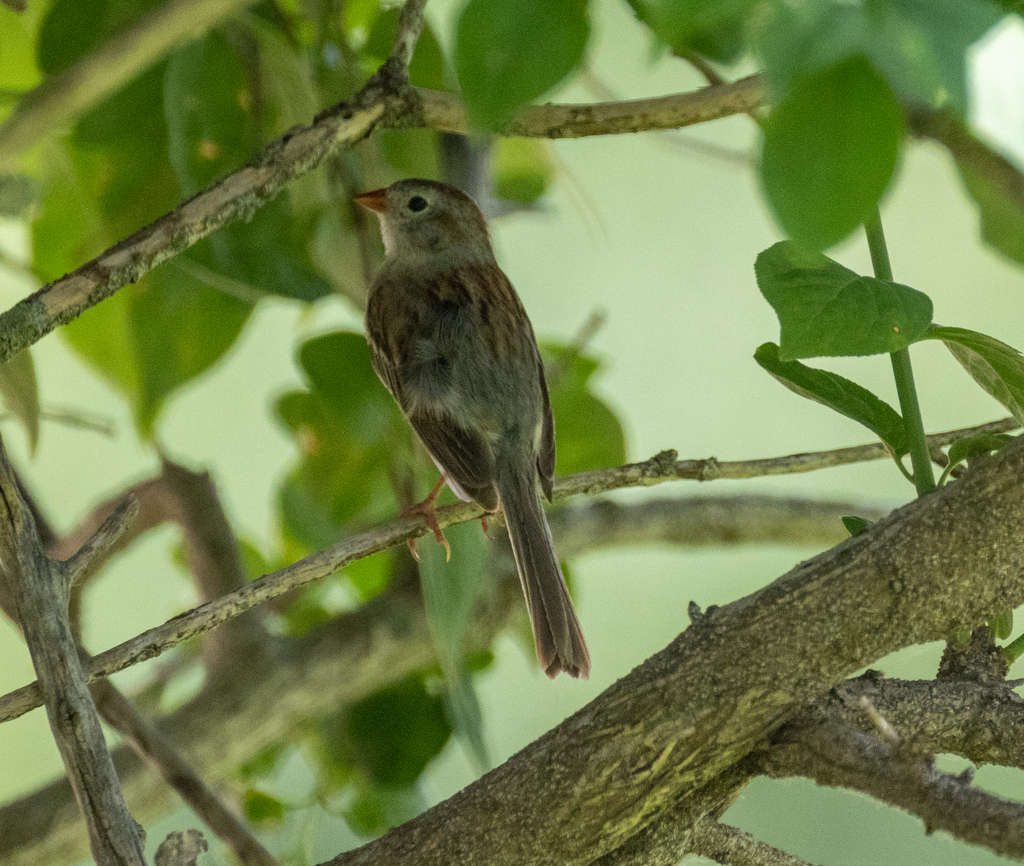
Plants 132
- Maritime ThoroughwortEupatorium maritimum
- Beach Morning-gloryIpomoea imperati
- Railroad VineIpomoea brasiliensis
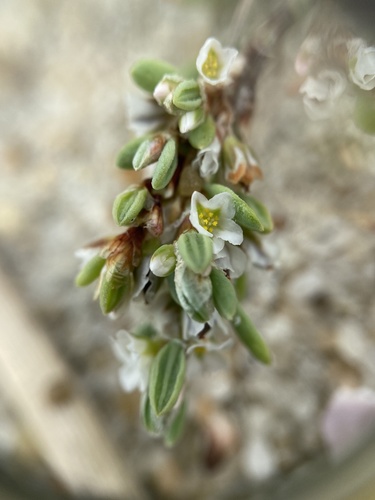
- Seabeach KnotweedPolygonum glaucum
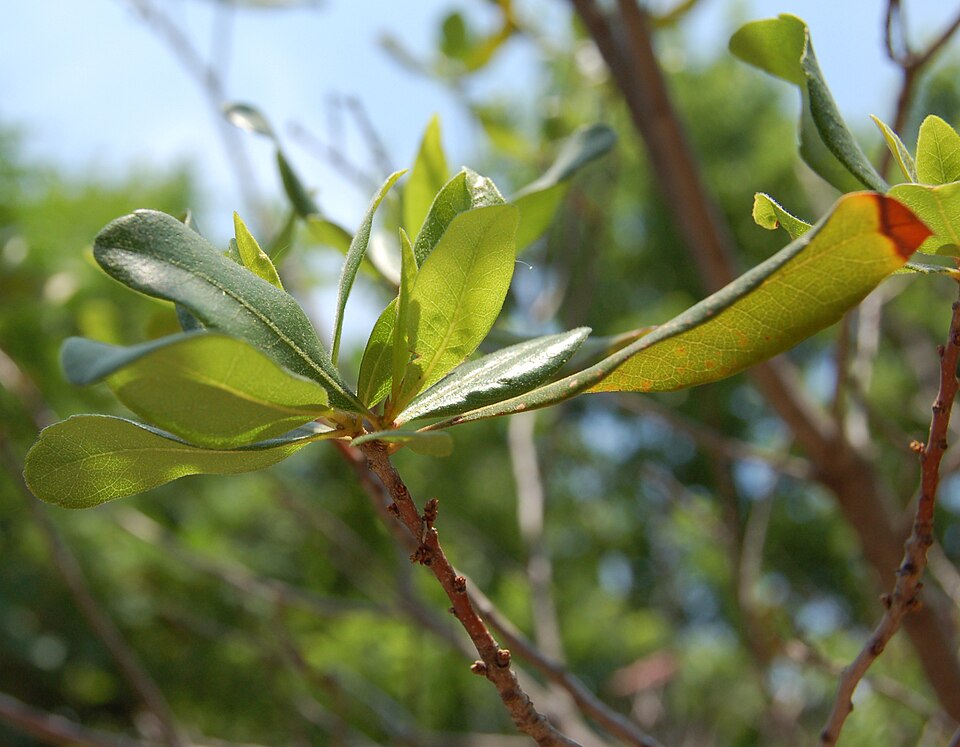
- Northern BayberryMorella pensylvanica
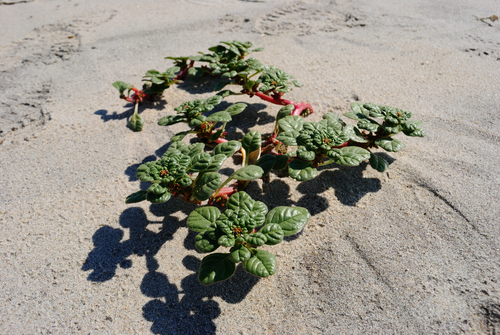
- Seabeach AmaranthAmaranthus pumilus
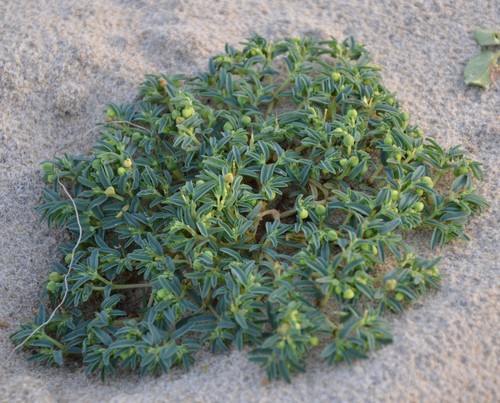
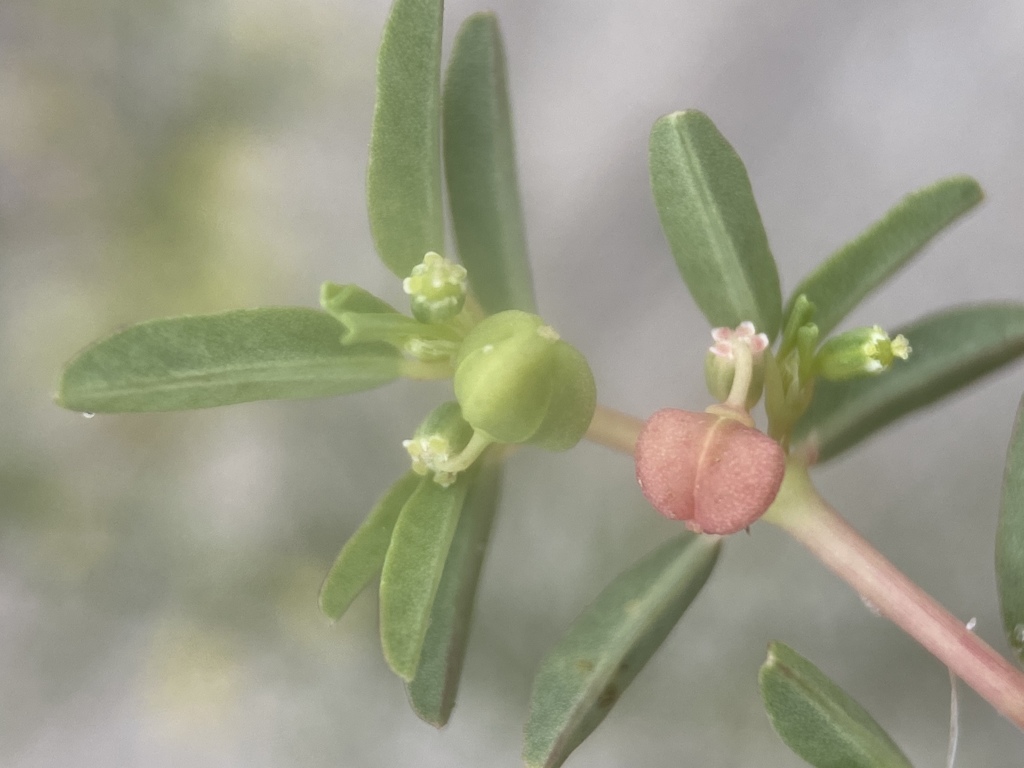
- Northern Seaside SpurgeEuphorbia polygonifolia
- Southern Seaside SpurgeEuphorbia bombensis
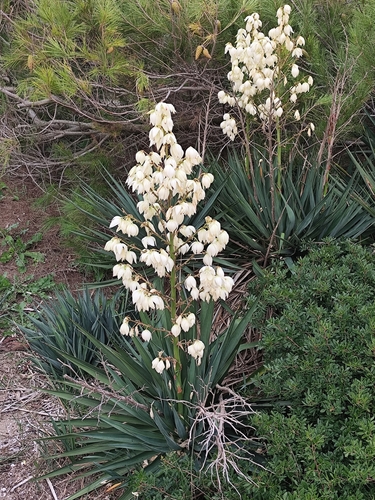
- Mound-lily YuccaYucca gloriosa
- Northern Seabeach OrachAtriplex mucronata
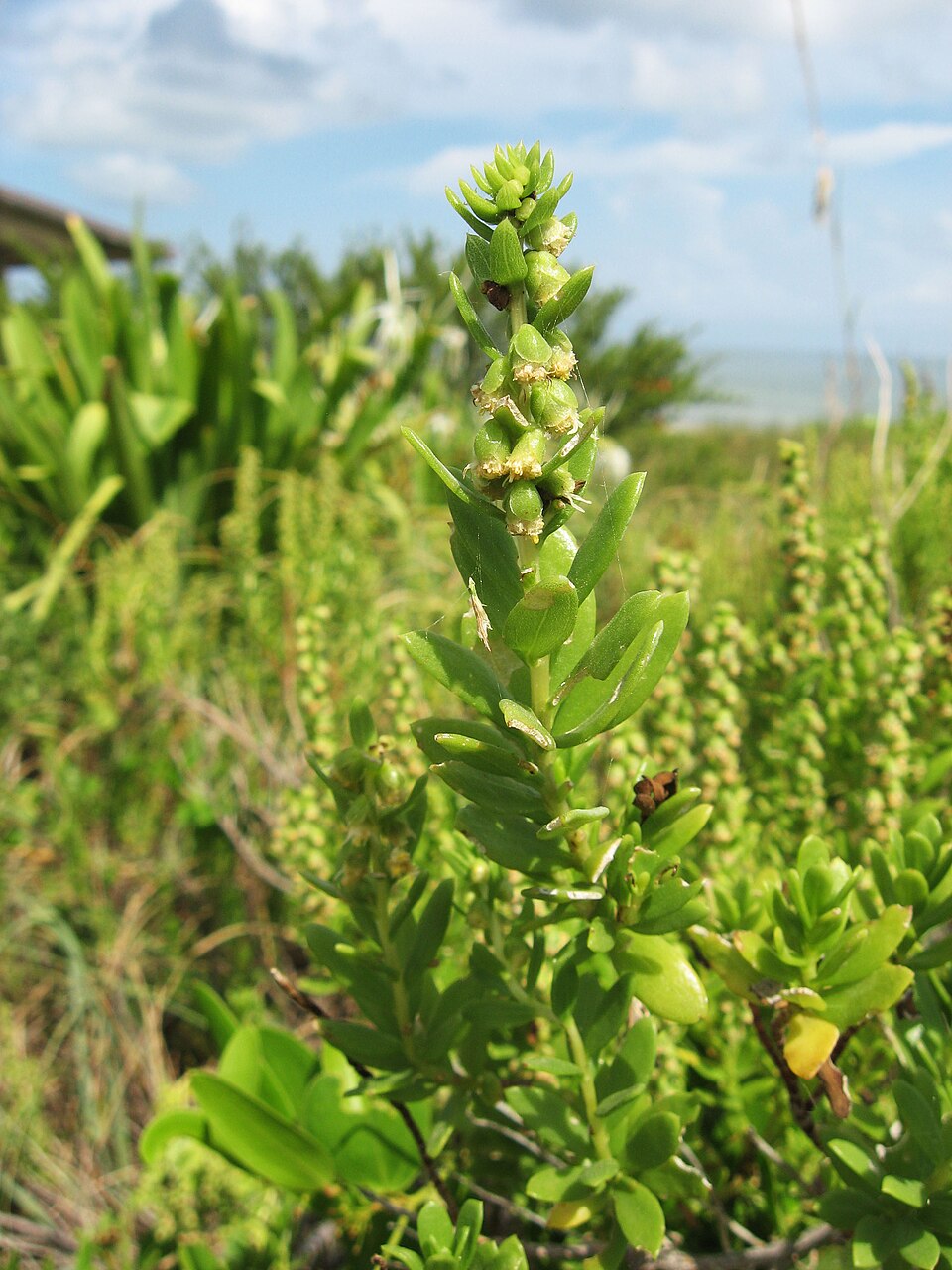
- Dune Marsh-elderIva imbricata
- Dune BluecurlsTrichostema nesophilum
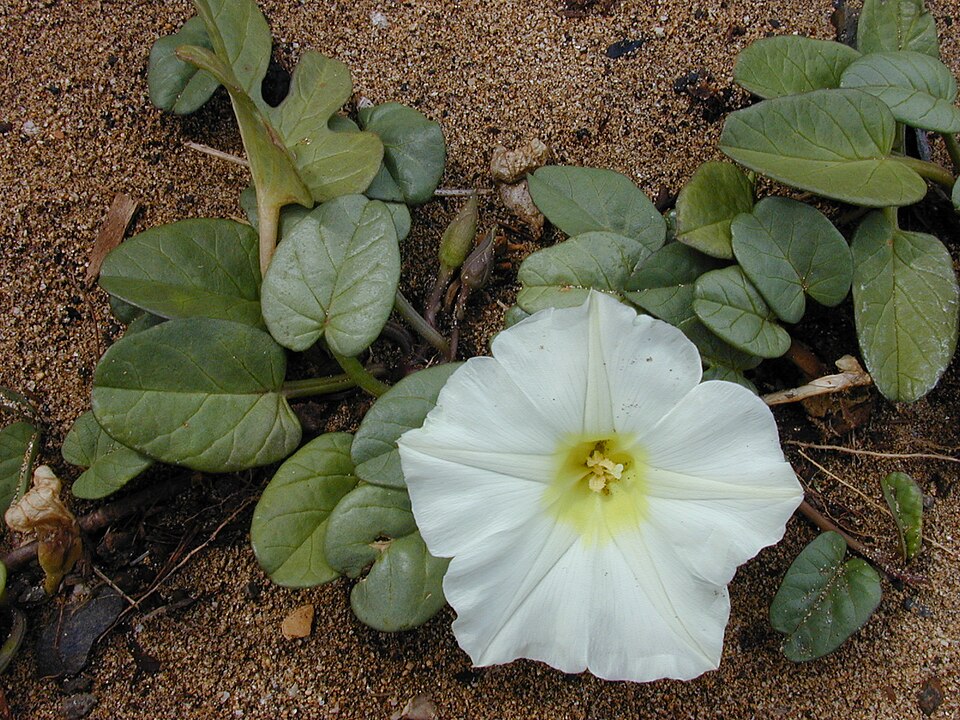
Freshwater tidal marshes
Birds 81
- Saltmarsh Sharp-tailed SparrowAmmodramus caudacutus
- Seaside SparrowAmmodramus maritimus
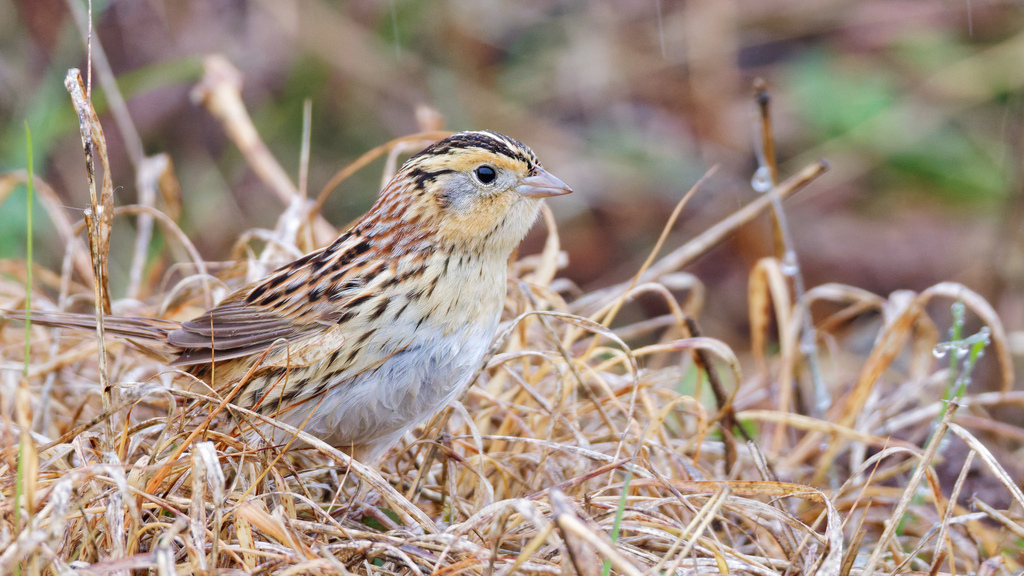
- Le Conte's SparrowAmmodramus leconteii
- Purple MartinProgne subis
- Red KnotCalidris canutus
- BrantBranta bernicla
- Piping PloverCharadrius melodus
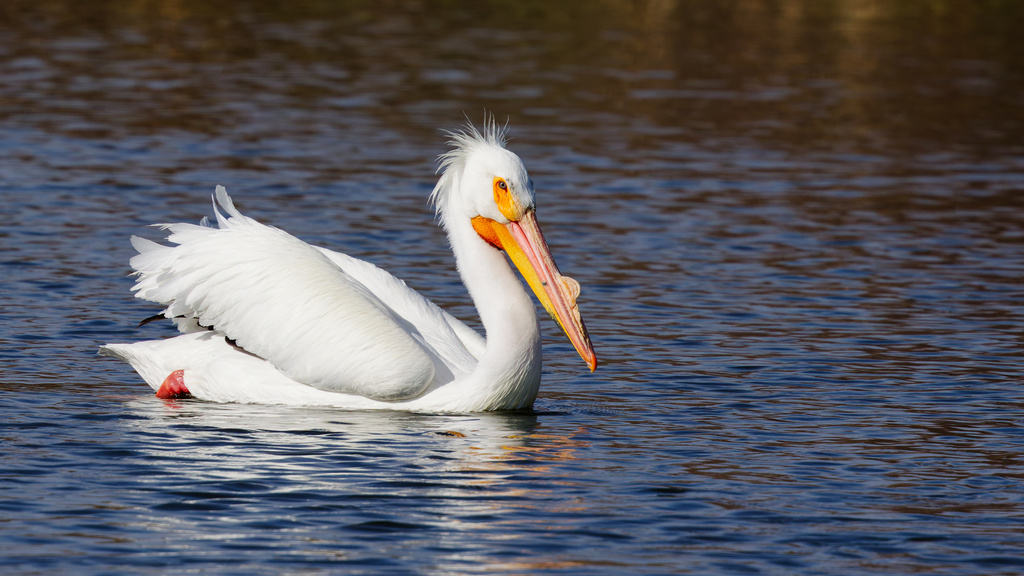
- American White PelicanPelecanus erythrorhynchos
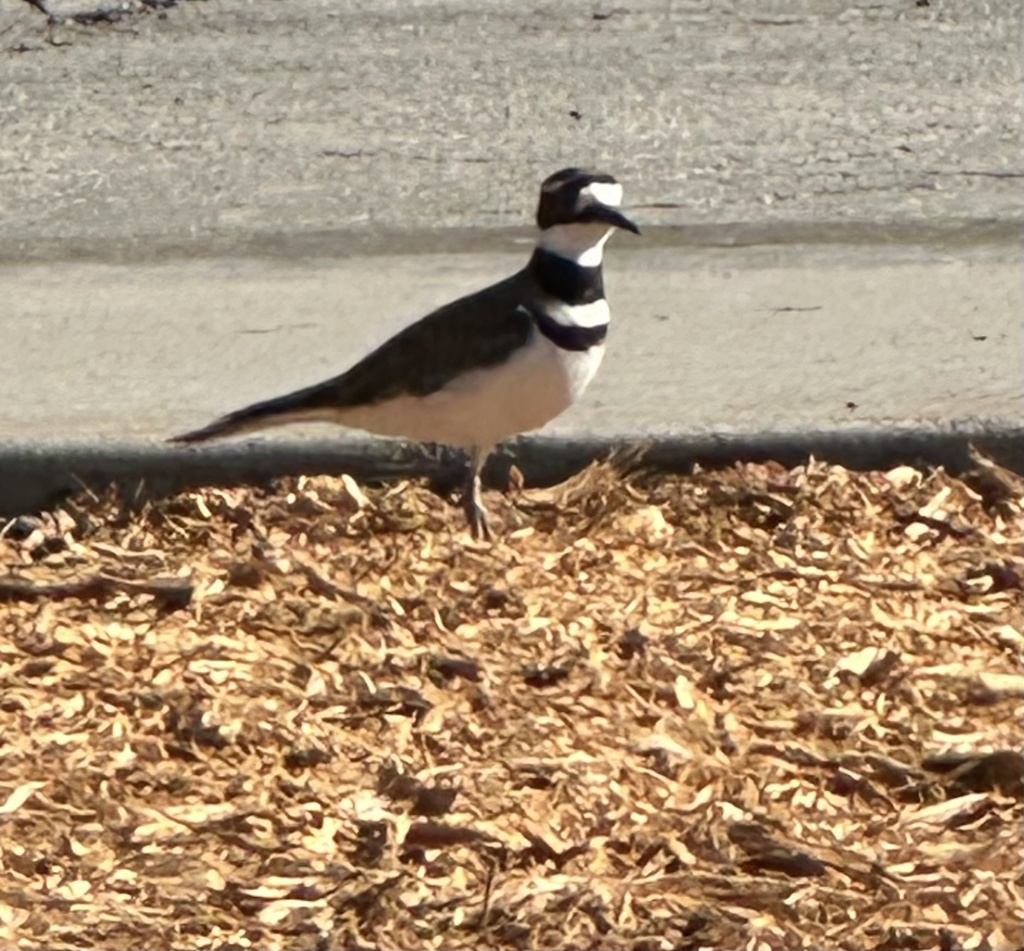
- KilldeerCharadrius vociferus
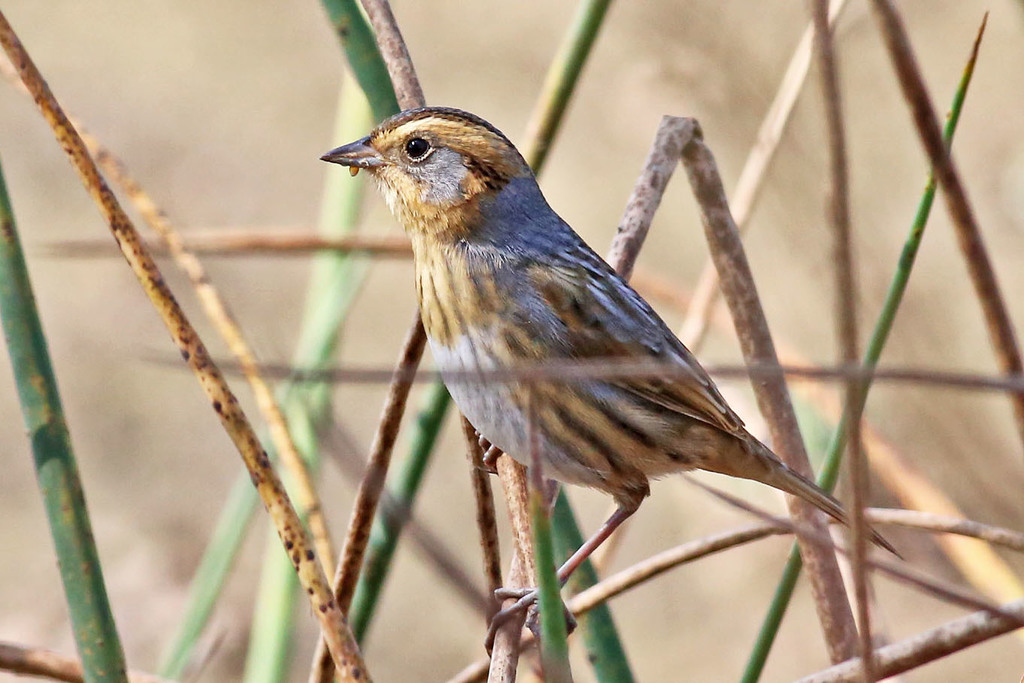
- Nelson's Sharp-tailed SparrowAmmodramus nelsoni
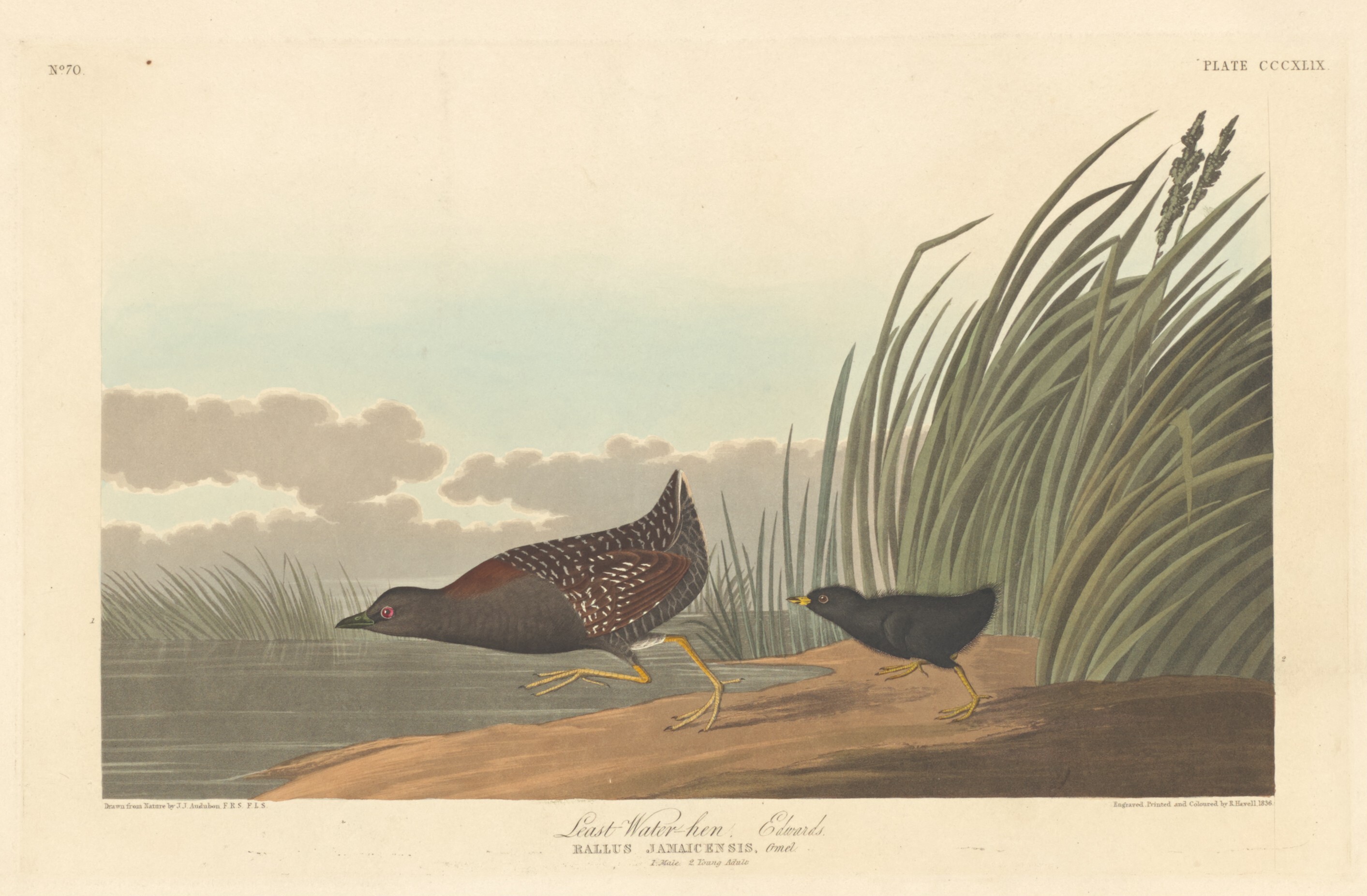
- Black RailLaterallus jamaicensis
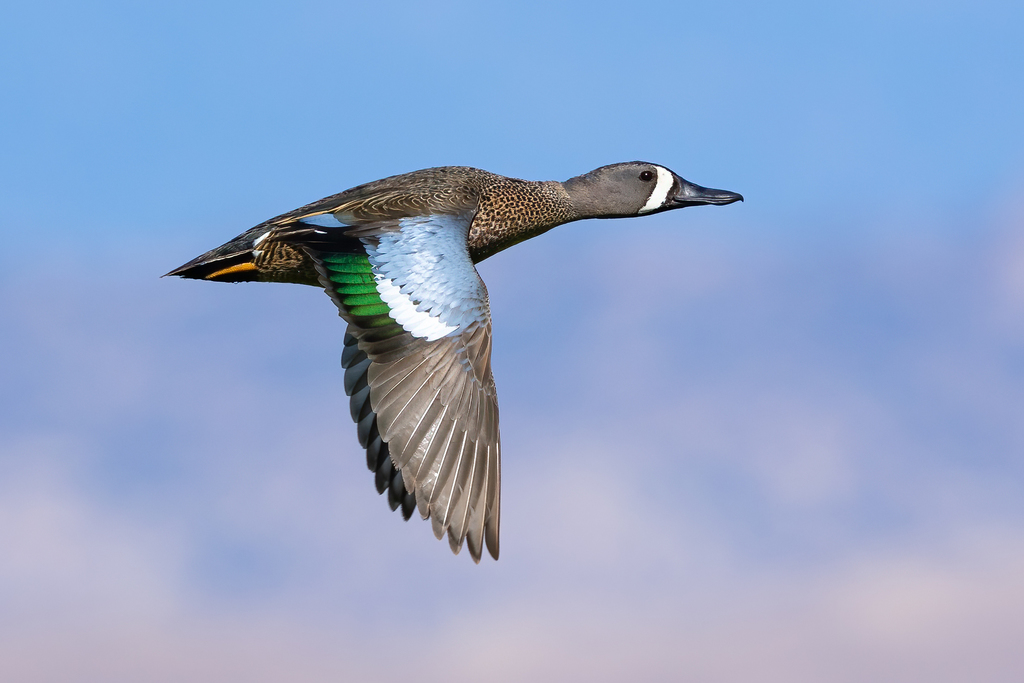
- Blue-winged TealAnas discors
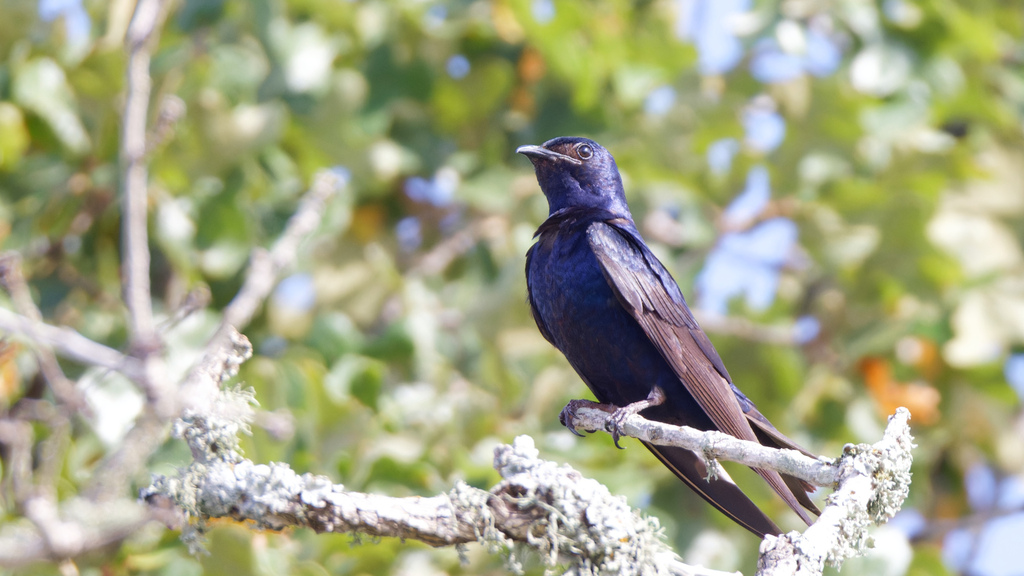
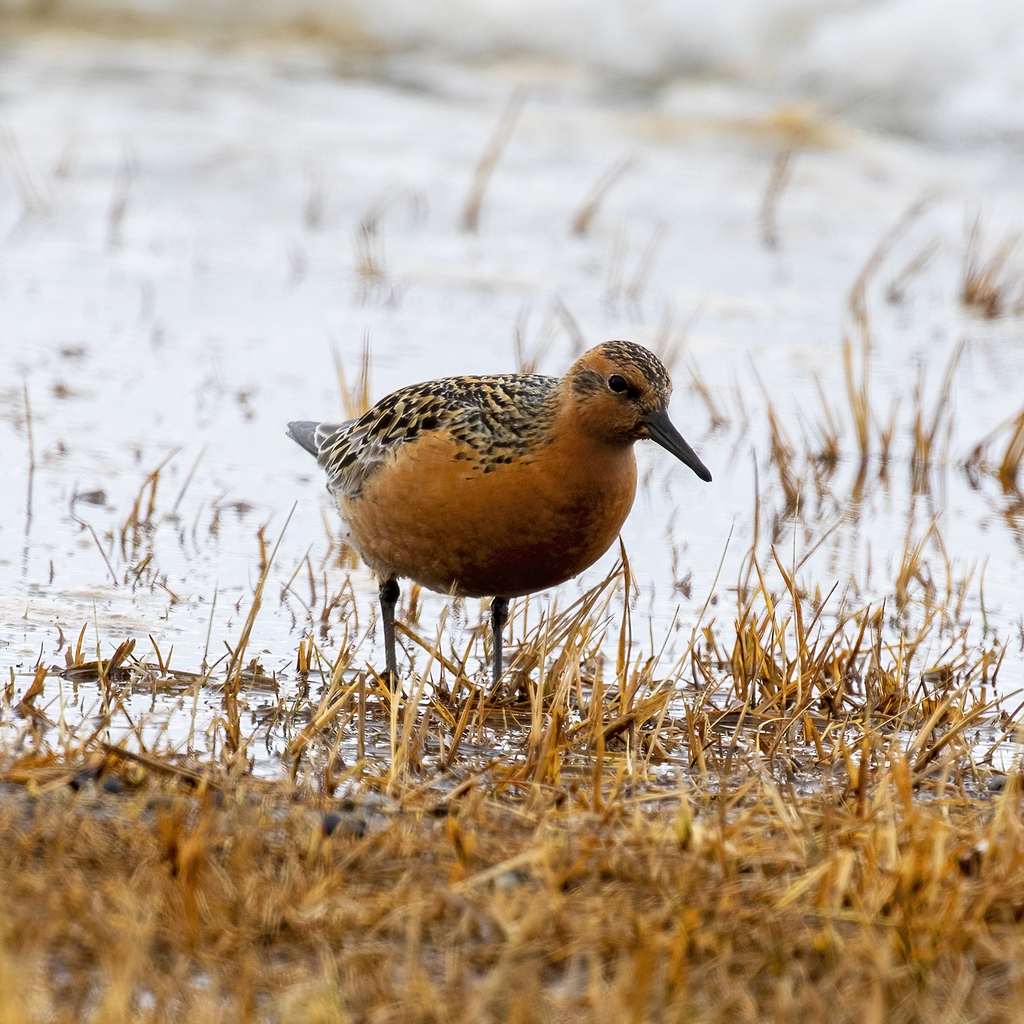
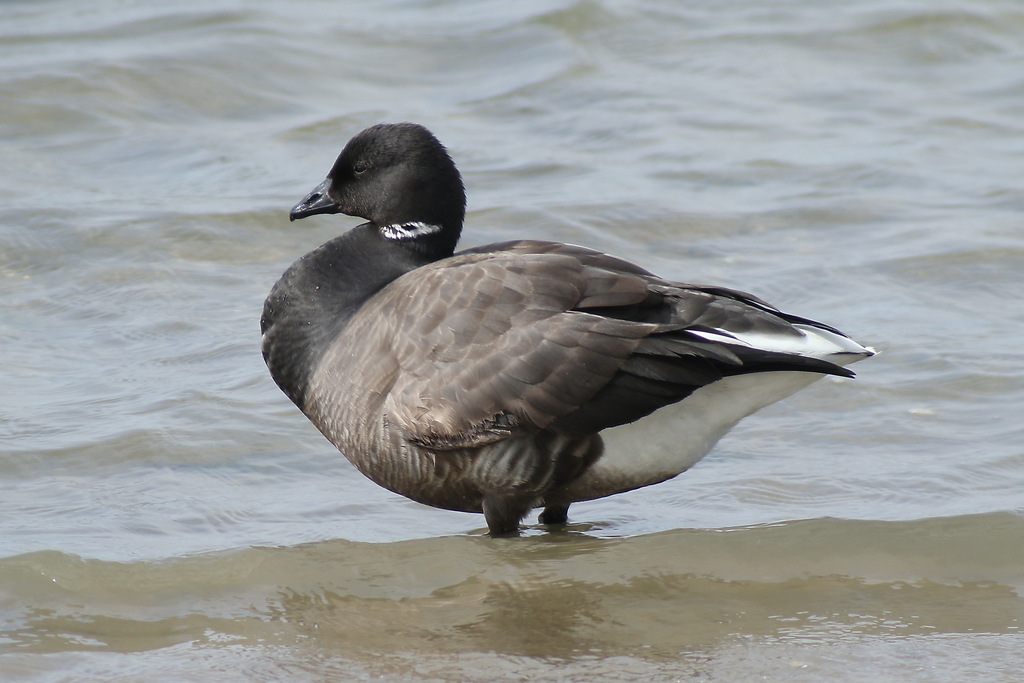
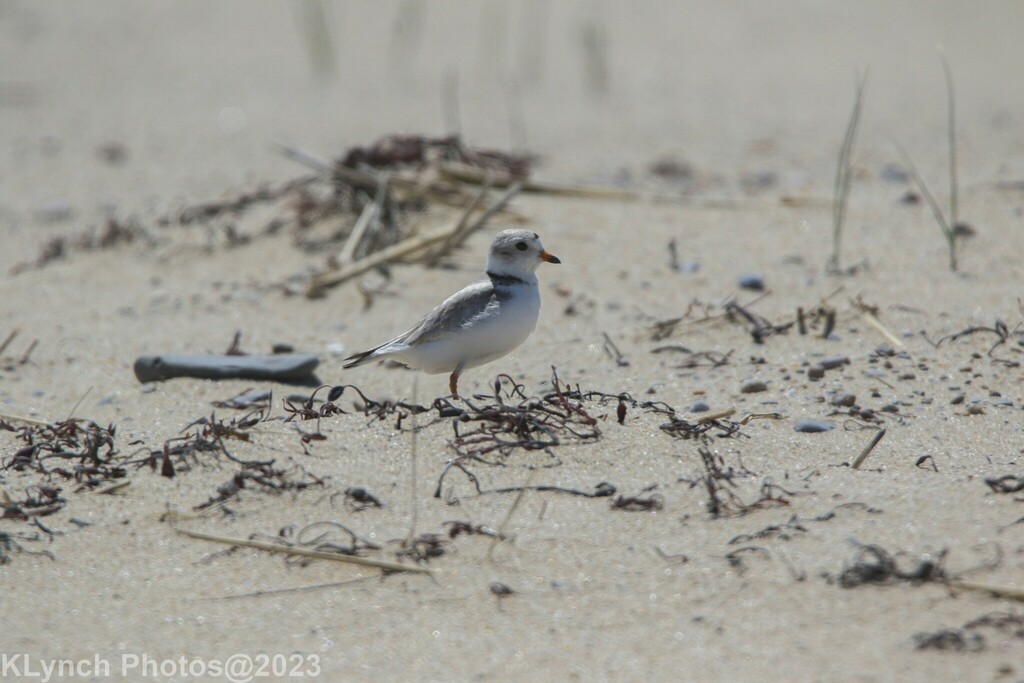
Plants 30
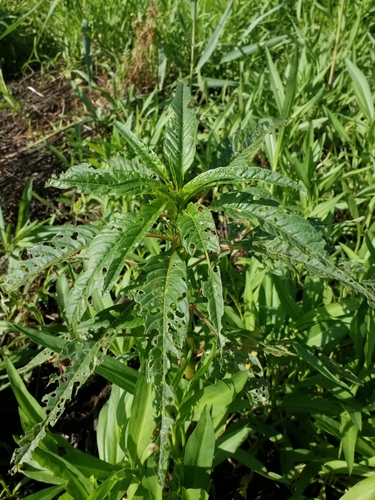
- Saltmarsh Water-hempAmaranthus cannabinus
- Seashore MallowKosteletzkya pentacarpos
- Carolina BishopweedPtilimnium ahlesii
- Riverbank Evening-primroseOenothera riparia
- Long's BittercressCardamine longii
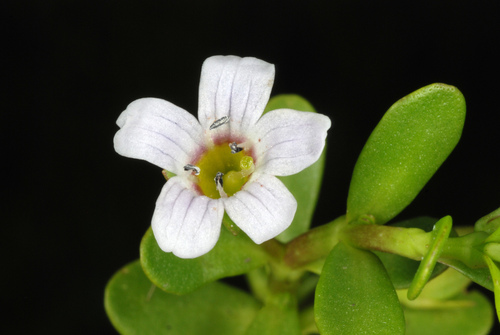
- Coastal Water-hyssopBacopa monnieri
- Beaked SpikerushEleocharis rostellata
- American ReedPhragmites americanus
- Godfrey's SandwortSabulina paludicola
- Eastern GrasswortLilaeopsis chinensis
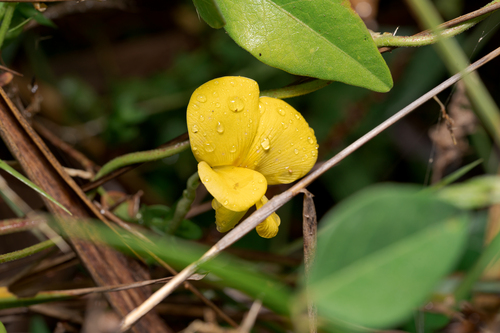
- Hairypod CowpeaVigna luteola
- Bushy SeedboxLudwigia alternifolia

Sources
- USGS Gap Analysis Project habitat models (2001)
- USGS GAP winter habitat model for Yellow Rail
- USGS Gap Analysis Project range maps (2001), modeled by watershed; migratory gives no dates
- NatureServe Explorer (CC BY 4.0), habitat names
- US Census TIGER/Line counties
- Names follow the USGS Gap Analysis Project (2001)
- Avian Diet Database (Hurlbert Lab) (CC0 1.0), diet records by plant genus