

Bird
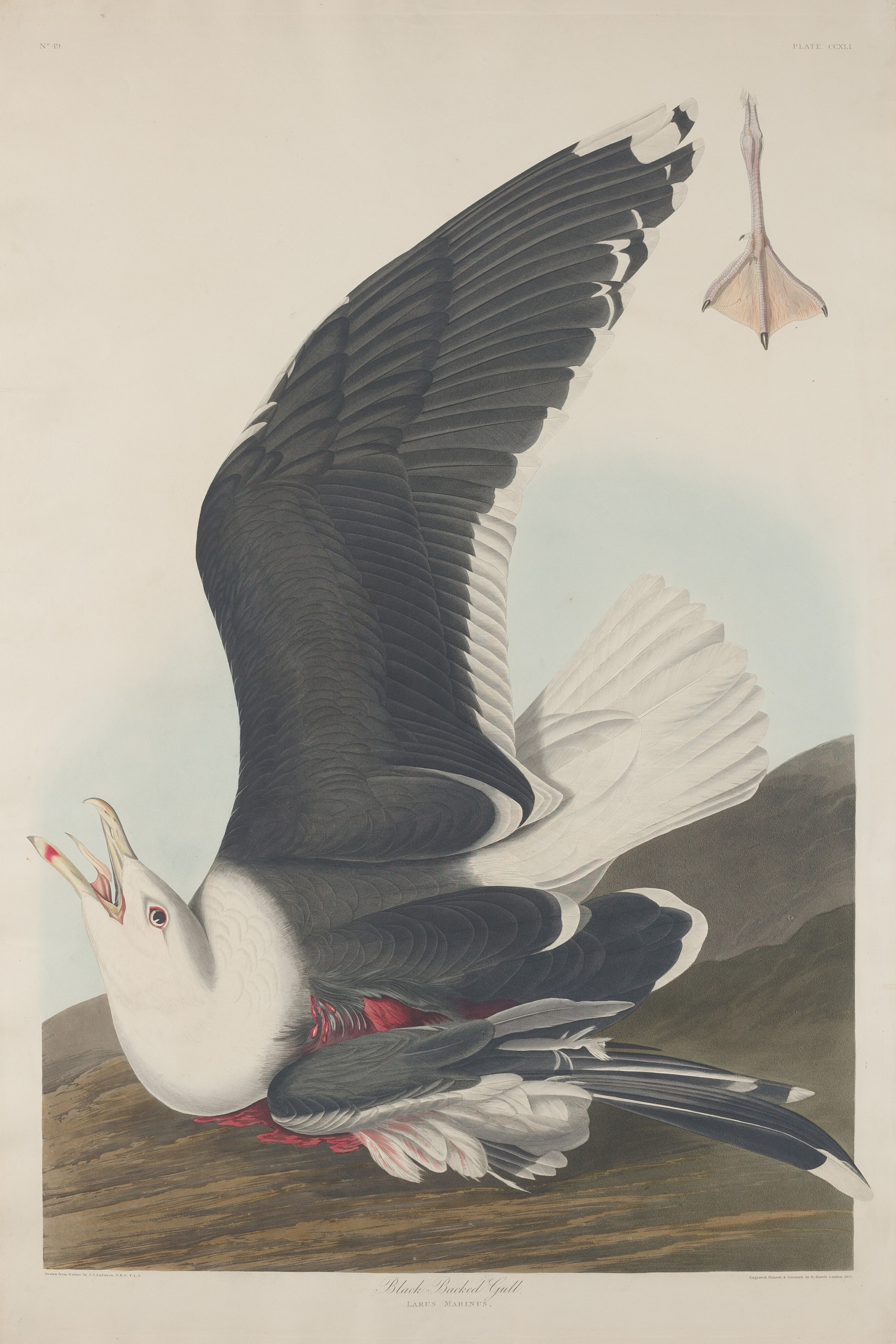
Great Black-backed Gull
Larus marinus
Lives in North Carolina all year and nests here. Found in 24 of 100 counties, across 4 habitats.
- Here
- All year
- Nesting
- Nests here
- Range
- 24 of 100 counties
- Habitats
- 4
At a glance
- Group
- Birds
- Here
- All year
- Nesting
- Nests here
- Range
- 24 of 100 counties
- Habitats
- 4
- Habitat models
- Summer, Winter
Where it lives
The places its habitat model includes. It is not found everywhere a habitat occurs.
Habitats in North Carolina 4
Each habitat page lists the plants and wildlife also found there.
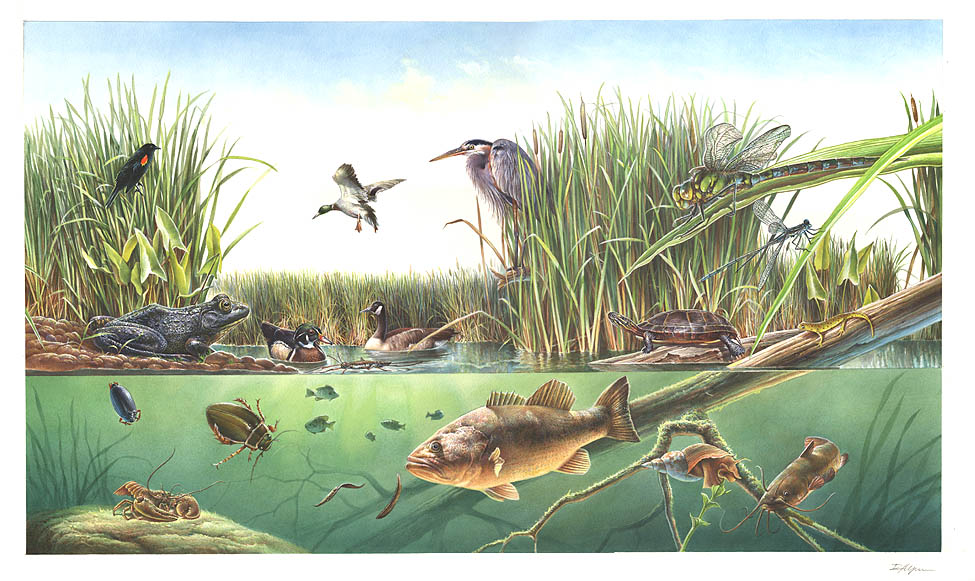
Open sand of beaches, dunes and the hollows between them.
Coastal marshes flooded by salty or brackish tides.
Salt and brackish open water of sounds, bays and estuaries, with the mud and sand flats and seagrass beds that tides cover and uncover; the vegetated marsh is salt and brackish marshes.
Other habitats in its models (9)
Land cover, or classes with no habitat page in North Carolina. Those recorded in North Carolina first, the rest by region.
Elsewhere in the South (6)
- Atlantic Coastal Plain Sea Island Beach Summer and winter.
- Atlantic Coastal Plain Southern Beach Summer and winter.
- Florida Panhandle Beach Vegetation Summer and winter.
- Louisiana Beach Summer and winter.
- South Florida Shell Hash Beach Summer and winter.
- Southeast Florida Beach Summer and winter.
Northeast (1)
- Atlantic Coastal Plain Northern Tidal Salt Marsh Summer and winter.
Land cover and other classes (2)
- Unconsolidated Shore Summer and winter.
- Unconsolidated Shore (Lake/River/Pond) Summer and winter.
Seasons in North Carolina
- Year-round: nests here, in 3 of 100 counties.
- Winter: does not nest here, in 24 of 100 counties.
Also found in its main habitats
Its main habitats in North Carolina, by how much of its habitat model each one is, with the birds most characteristic of each and the plants that grow wild there. Shared habitat, not food.
Coastal dunes and beaches
Birds 112
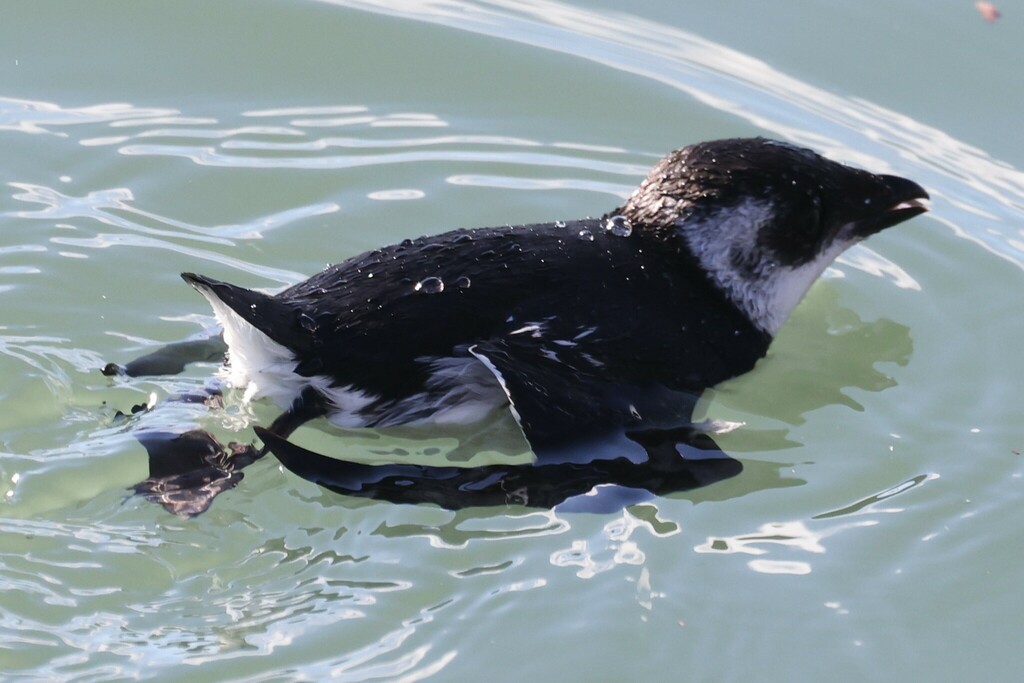
- DovekieAlle alle
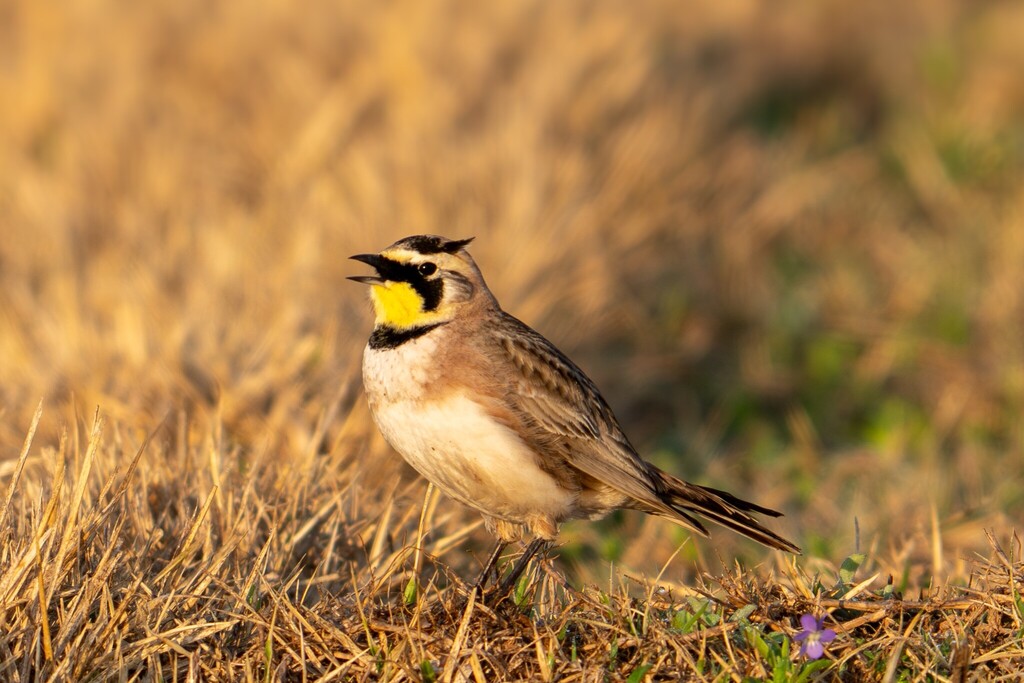
- Horned LarkEremophila alpestris
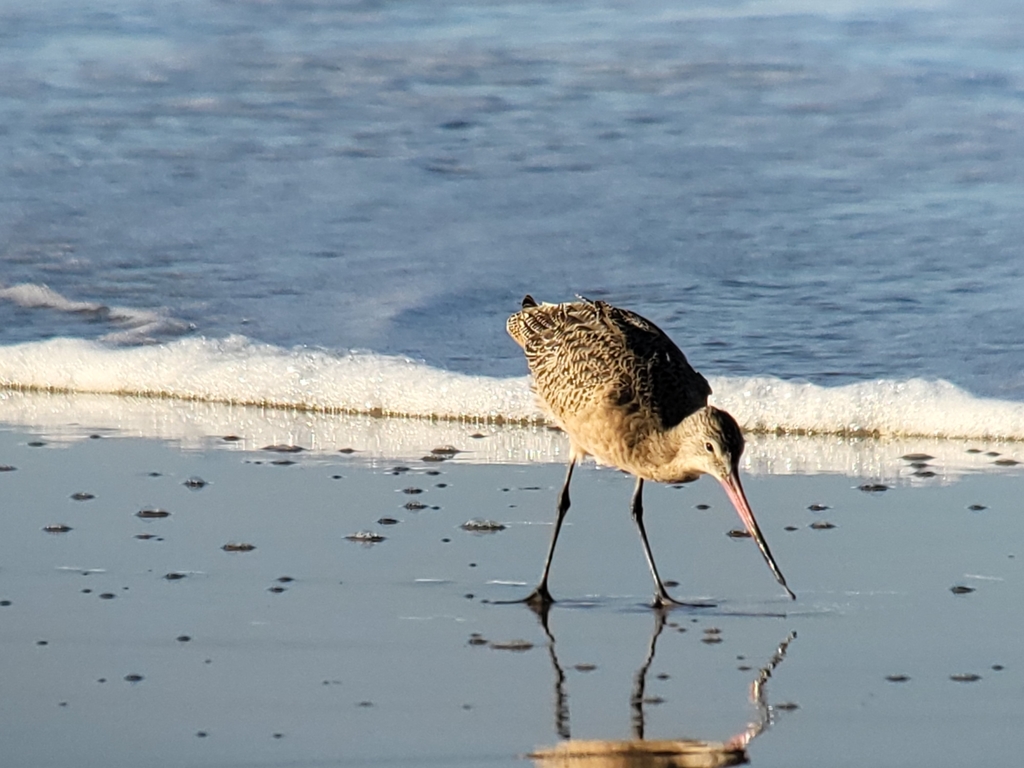
- Marbled GodwitLimosa fedoa
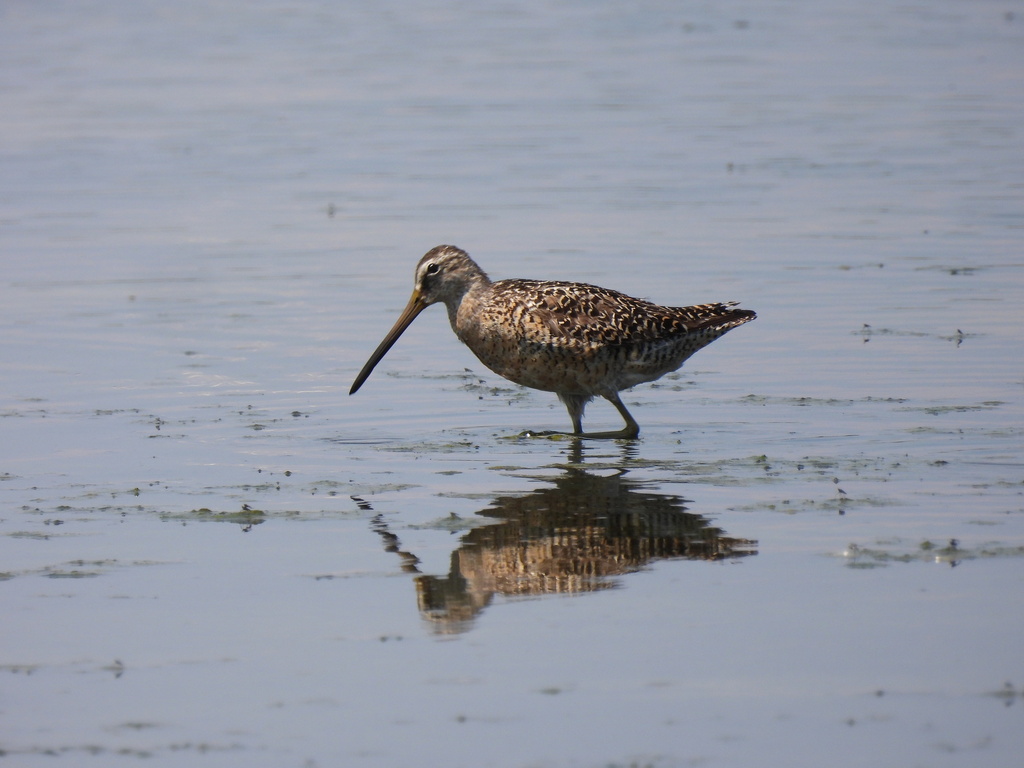
- Short-billed DowitcherLimnodromus griseus
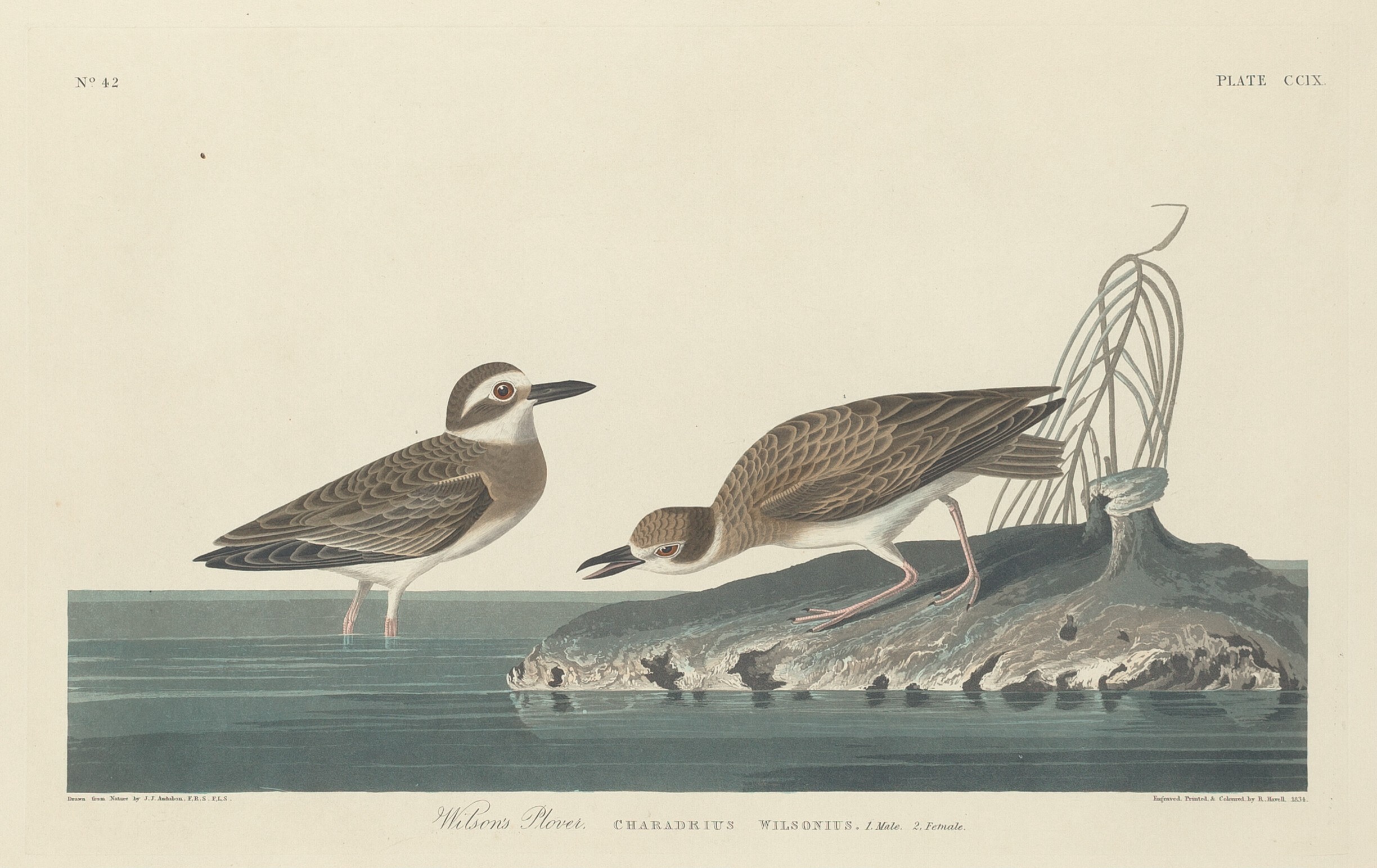
- Wilson's PloverCharadrius wilsonia
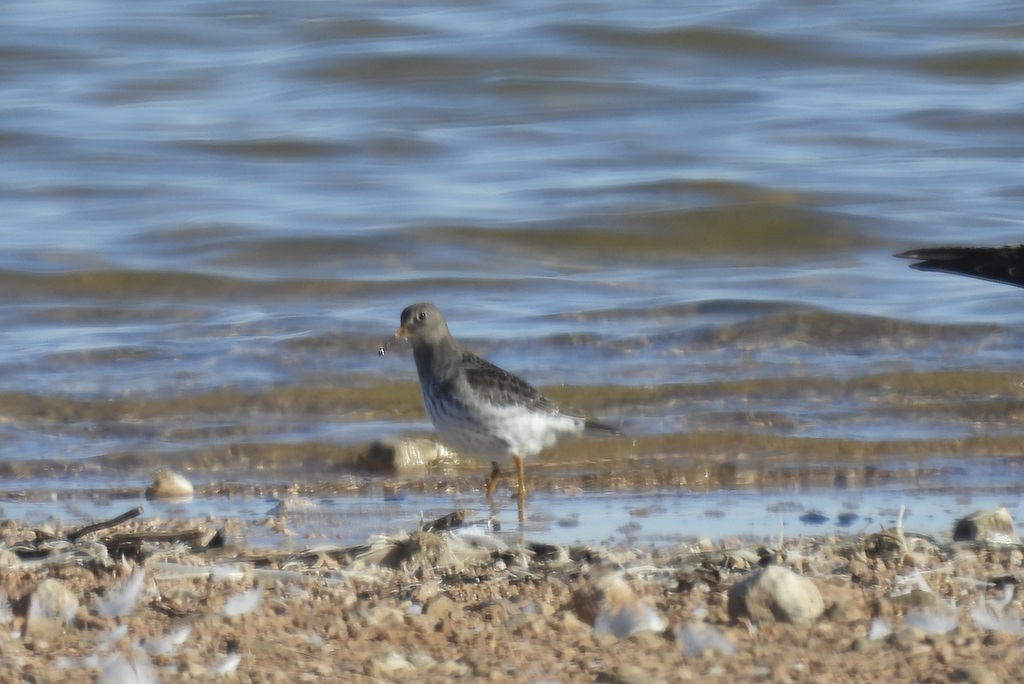
- Purple SandpiperCalidris maritima
- Saltmarsh Sharp-tailed SparrowAmmodramus caudacutus
- Sandwich TernThalasseus sandvicensis
- Seaside SparrowAmmodramus maritimus
- Wilson's WarblerWilsonia pusilla
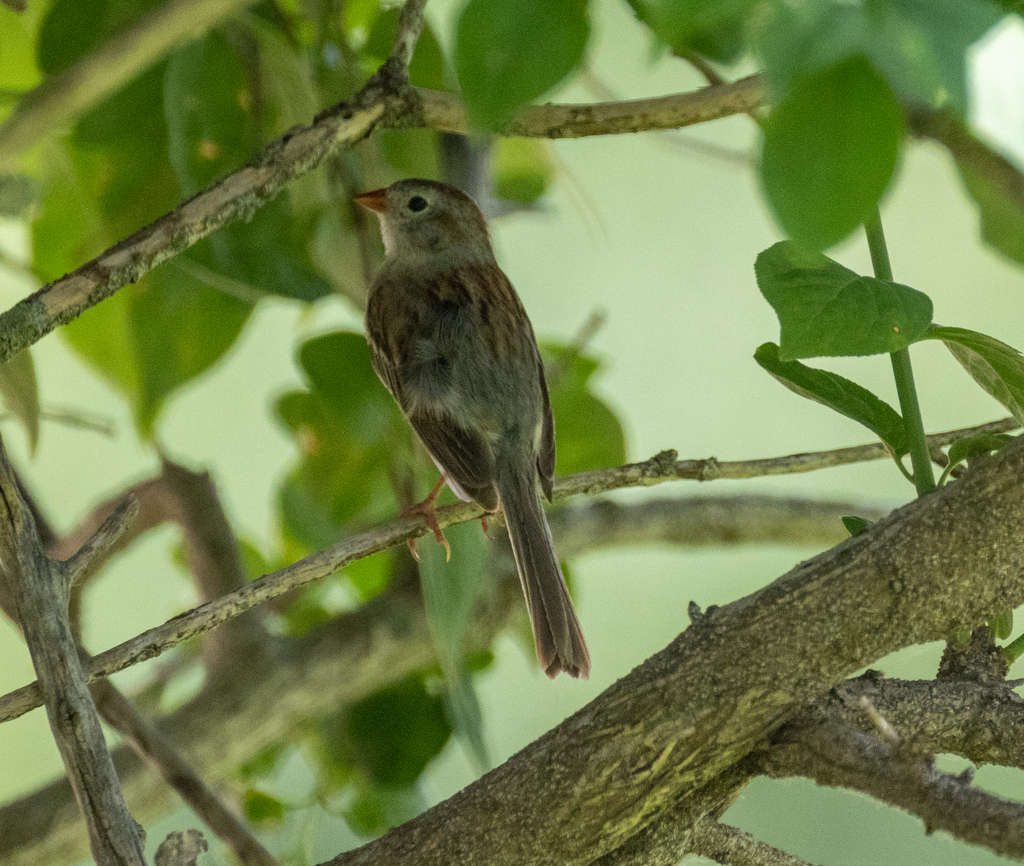
- Field SparrowSpizella pusilla
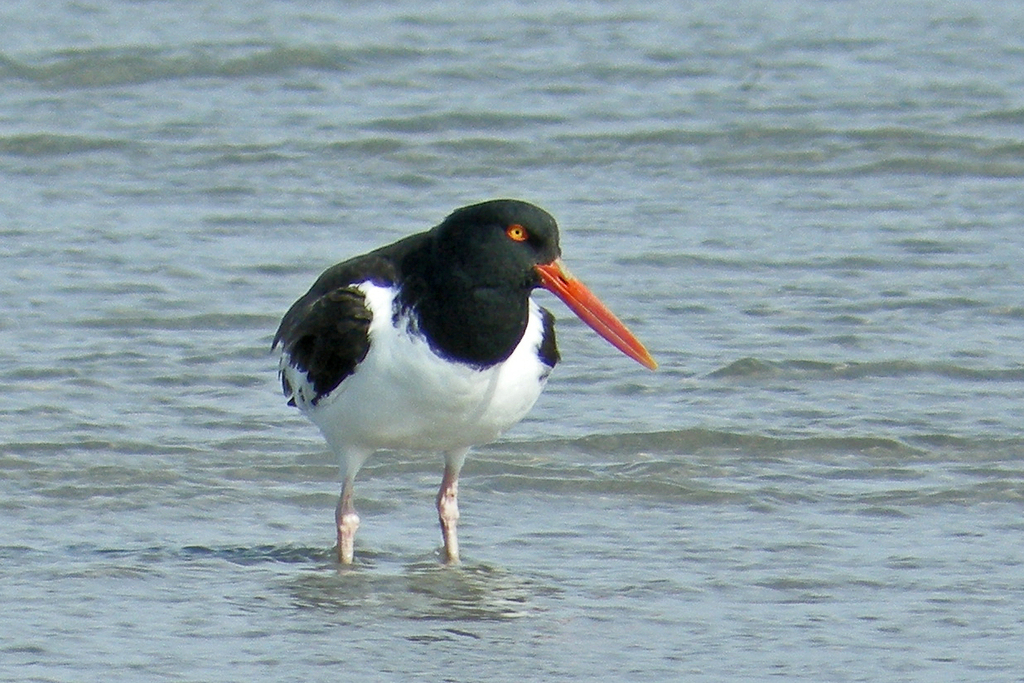
- American OystercatcherHaematopus palliatus
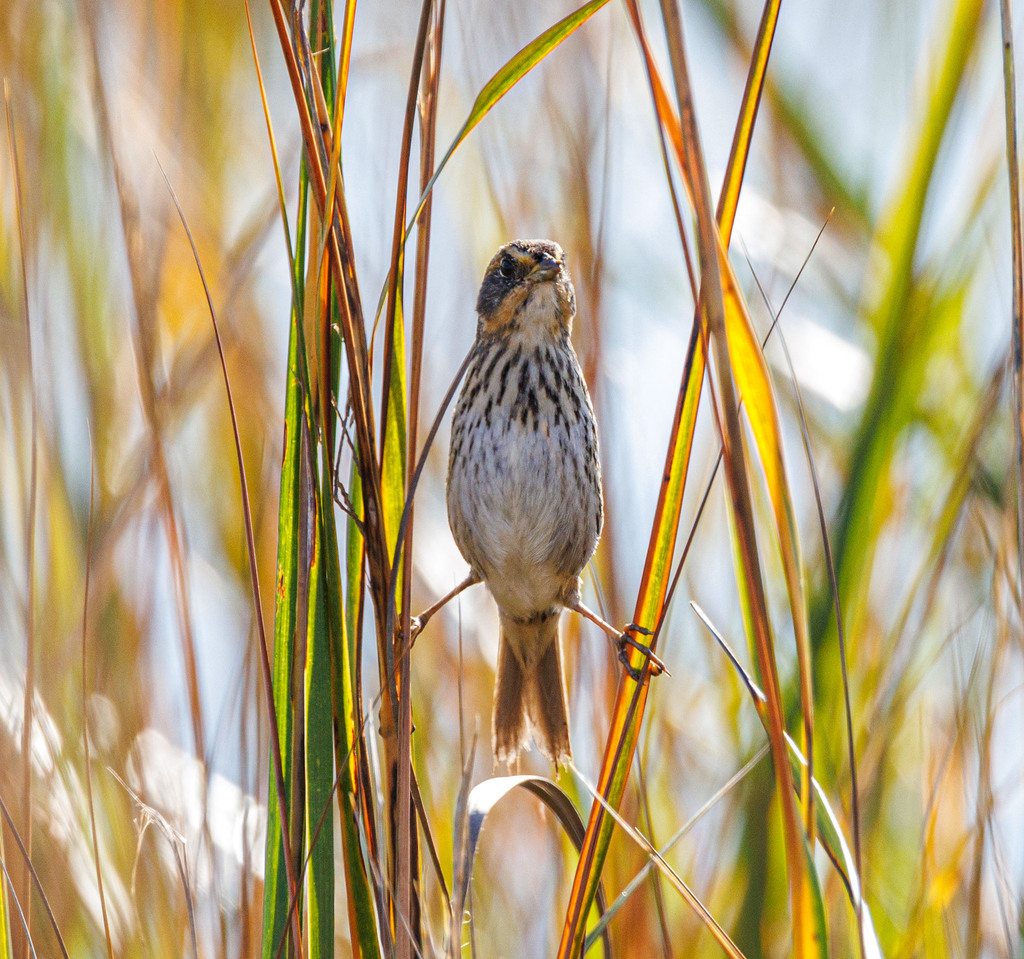
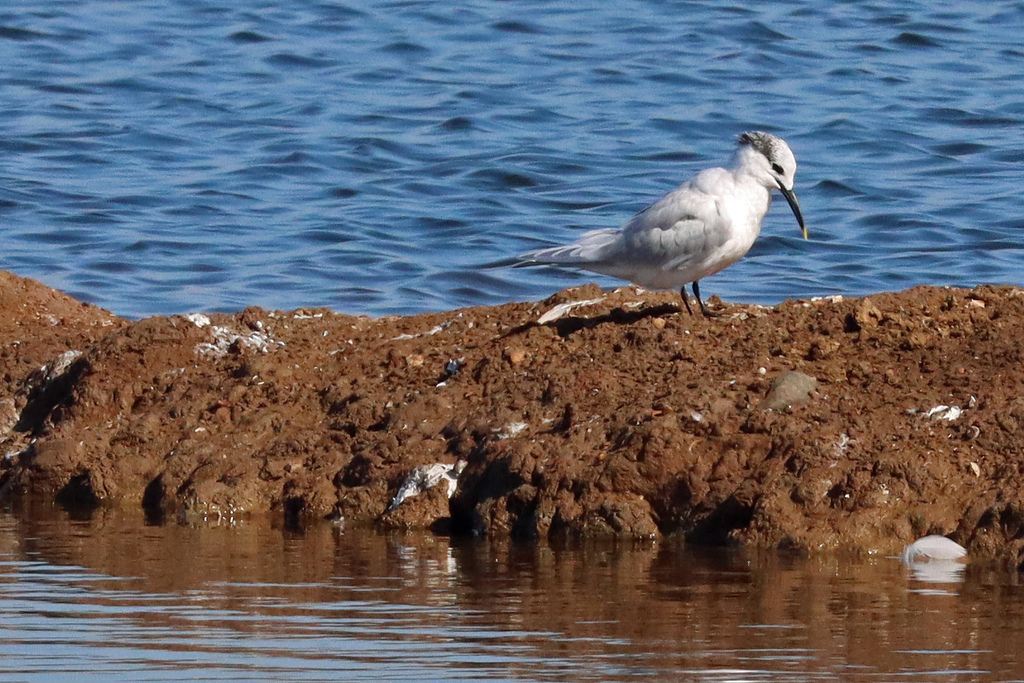
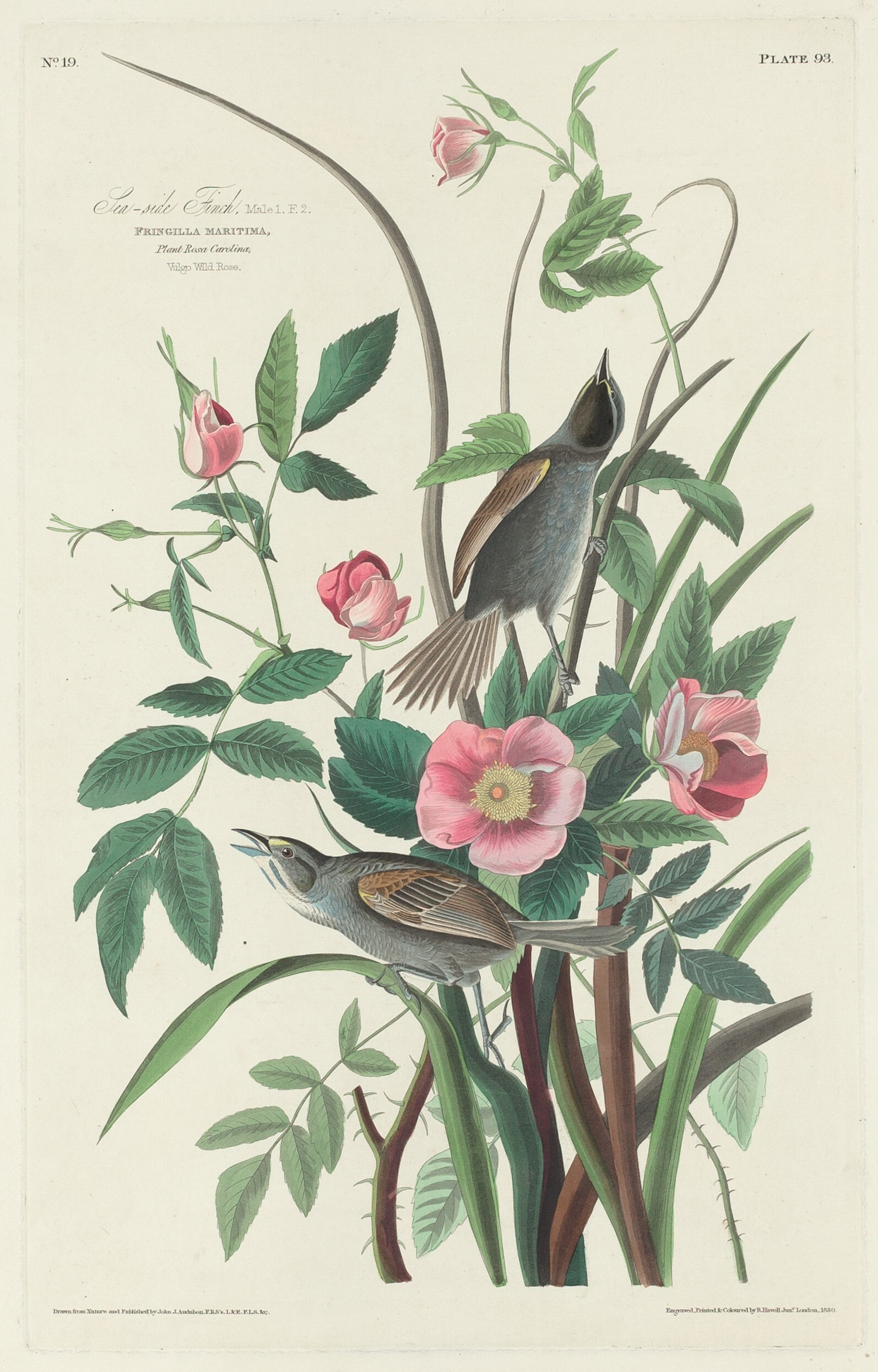
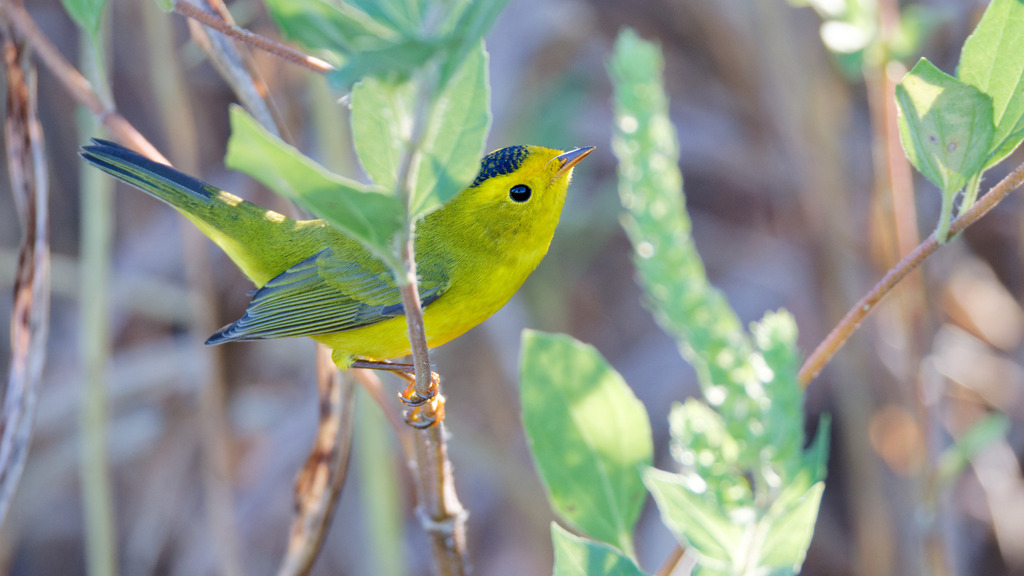
Plants 132
- Maritime ThoroughwortEupatorium maritimum
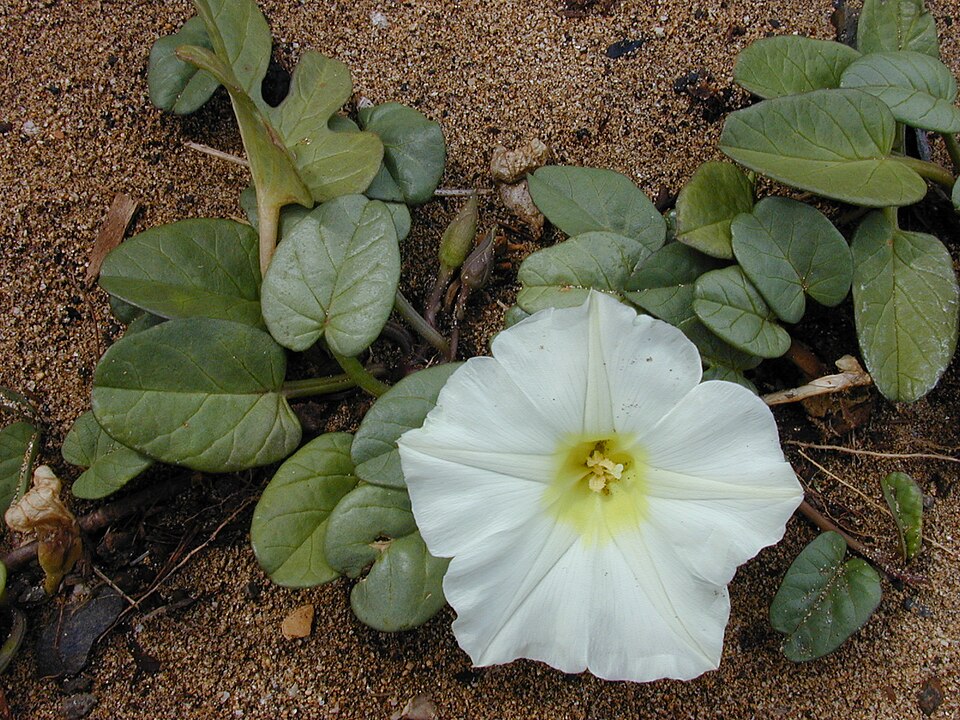
- Beach Morning-gloryIpomoea imperati
- Railroad VineIpomoea brasiliensis
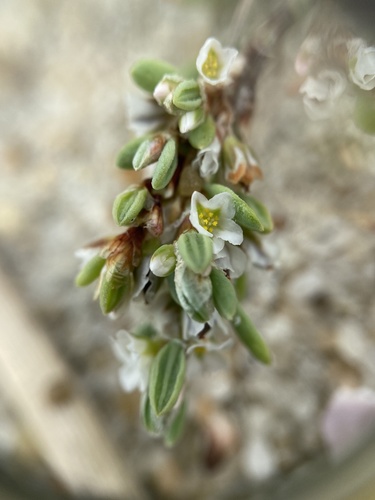
- Seabeach KnotweedPolygonum glaucum
- Northern BayberryMorella pensylvanica
- Seabeach AmaranthAmaranthus pumilus
- Northern Seaside SpurgeEuphorbia polygonifolia
- Southern Seaside SpurgeEuphorbia bombensis
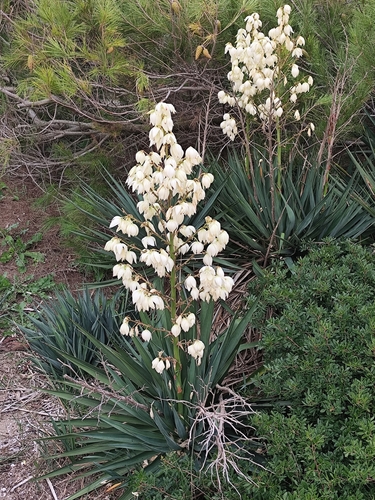
- Mound-lily YuccaYucca gloriosa
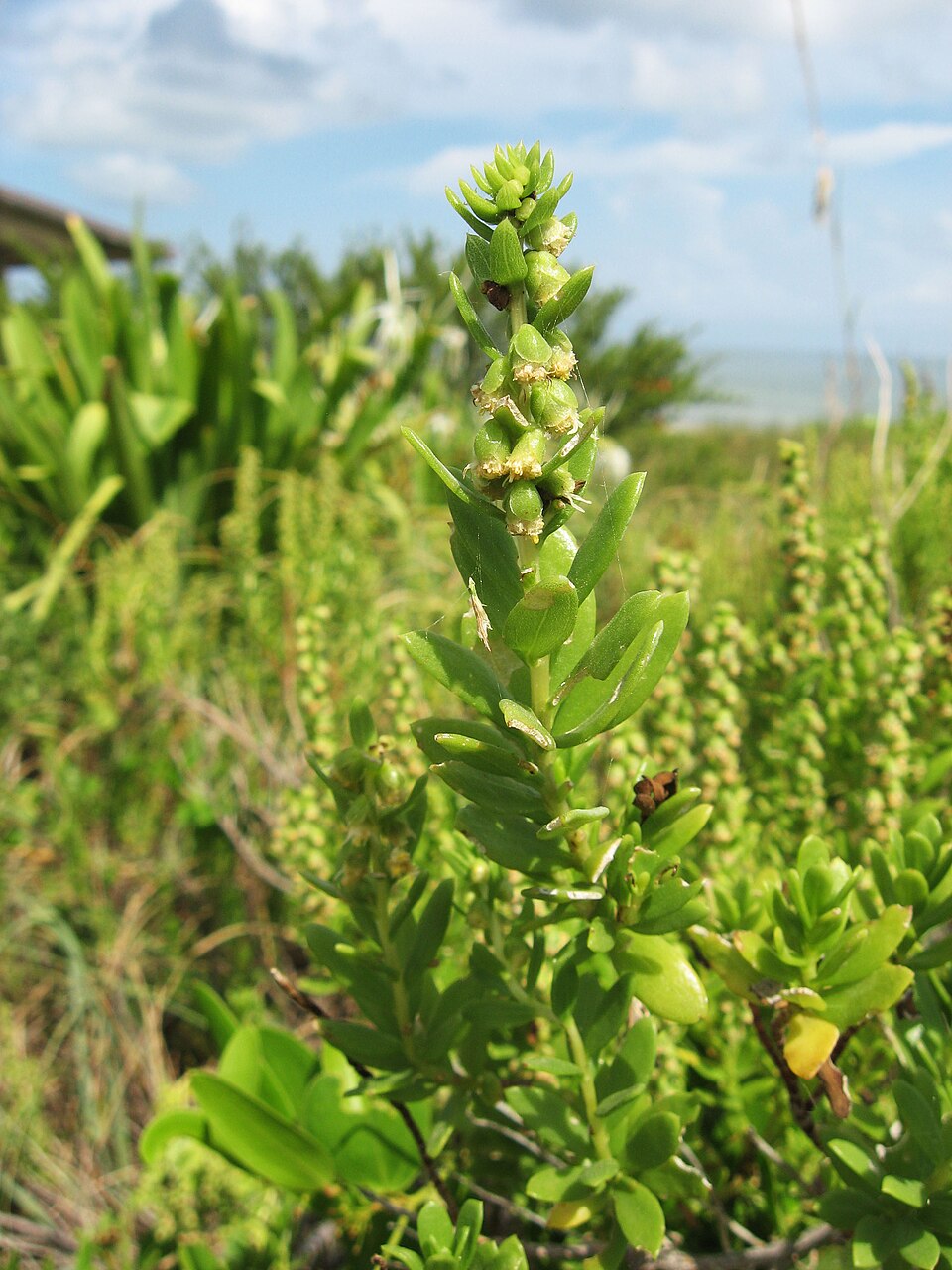
- Northern Seabeach OrachAtriplex mucronata
- Dune Marsh-elderIva imbricata
- Dune BluecurlsTrichostema nesophilum
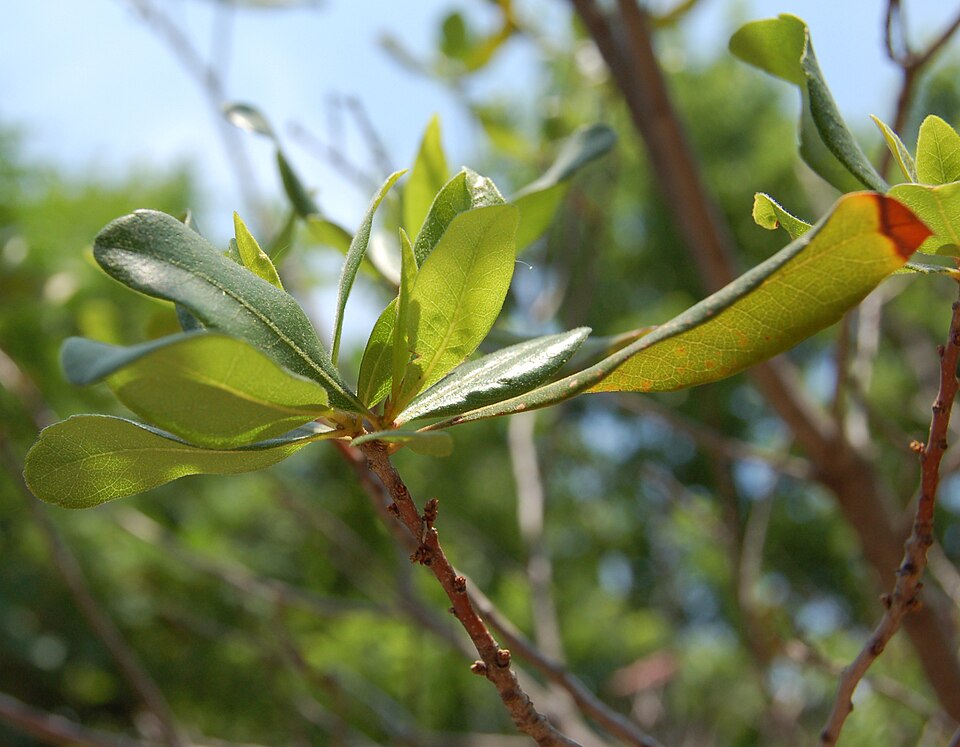
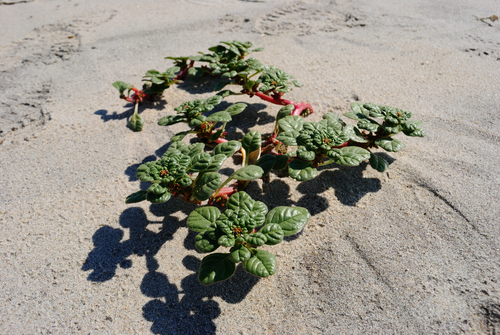
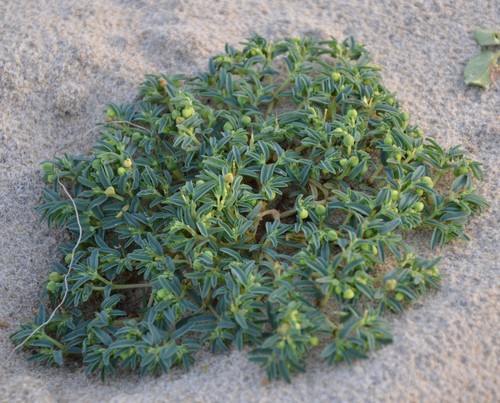
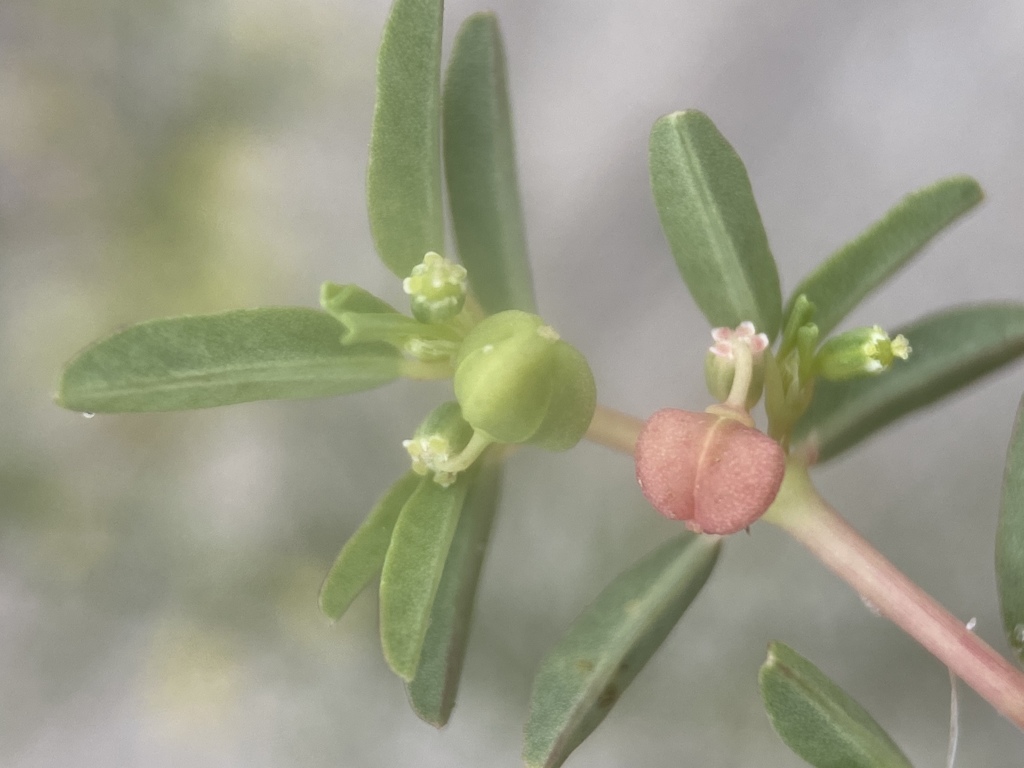
Sounds, bays and tidal flats
Birds 78
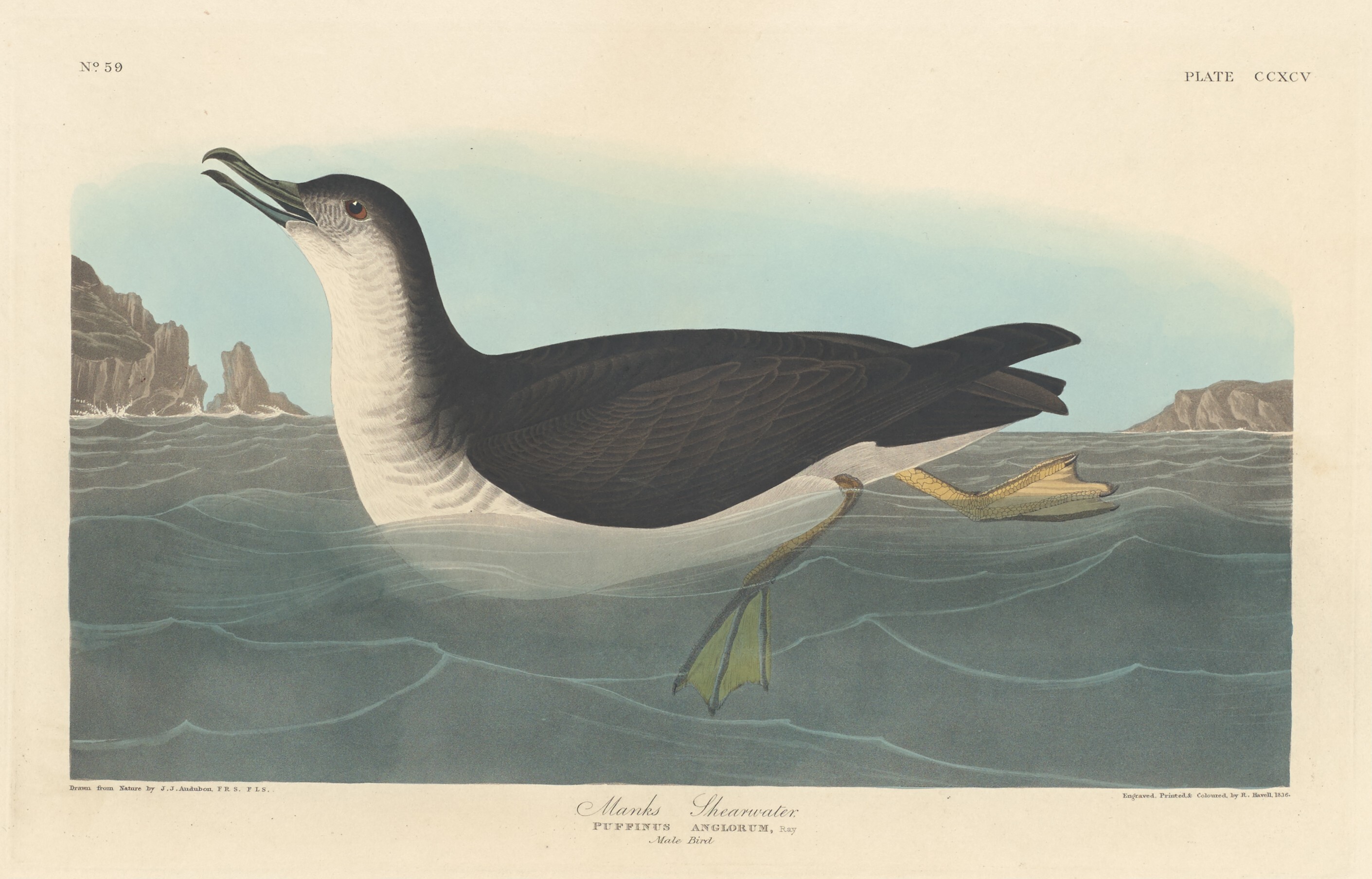
- Manx ShearwaterPuffinus puffinus
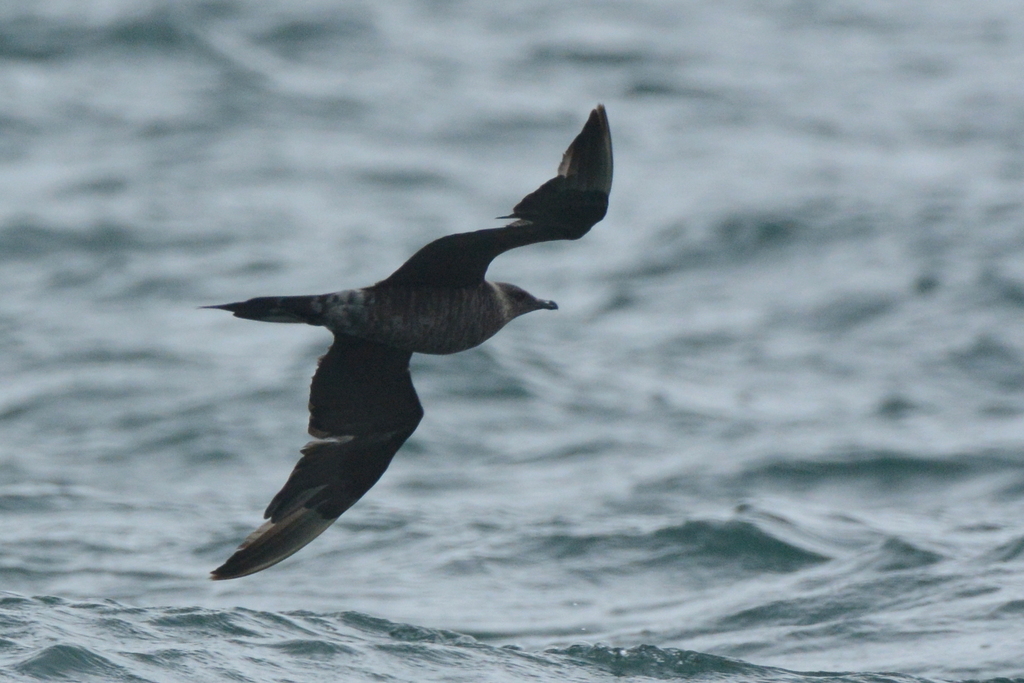
- Parasitic JaegerStercorarius parasiticus
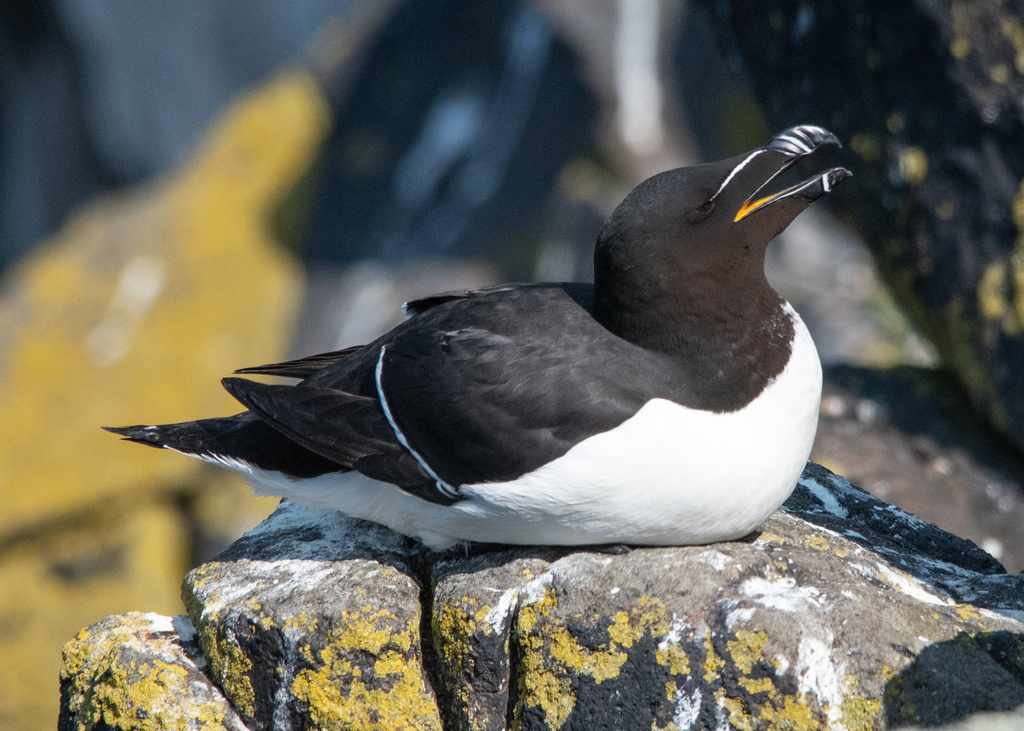
- RazorbillAlca torda
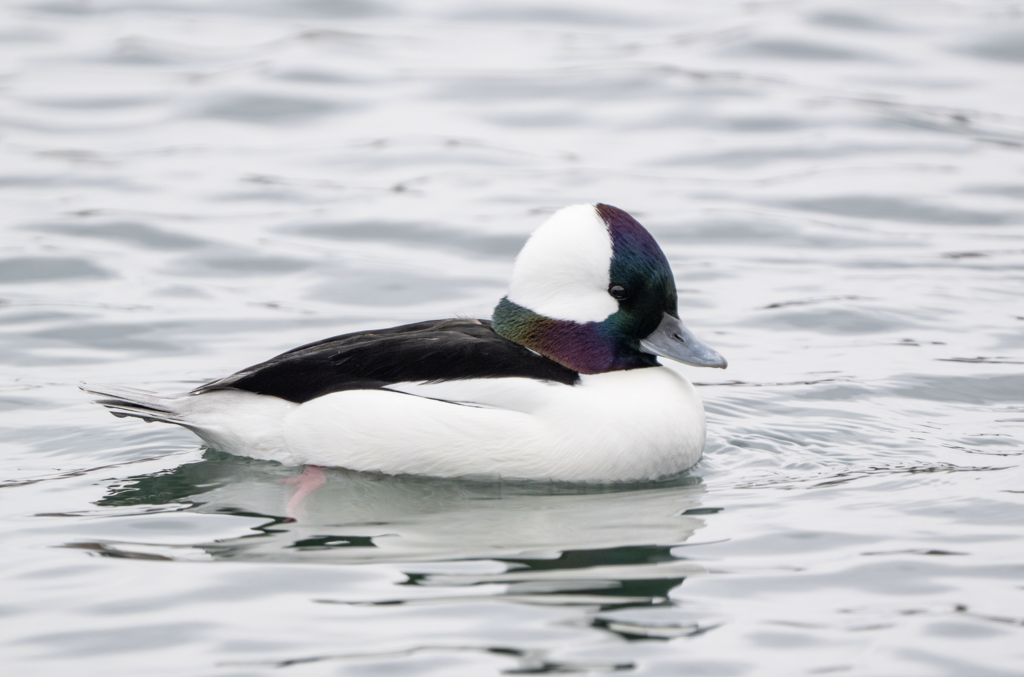
- BuffleheadBucephala albeola
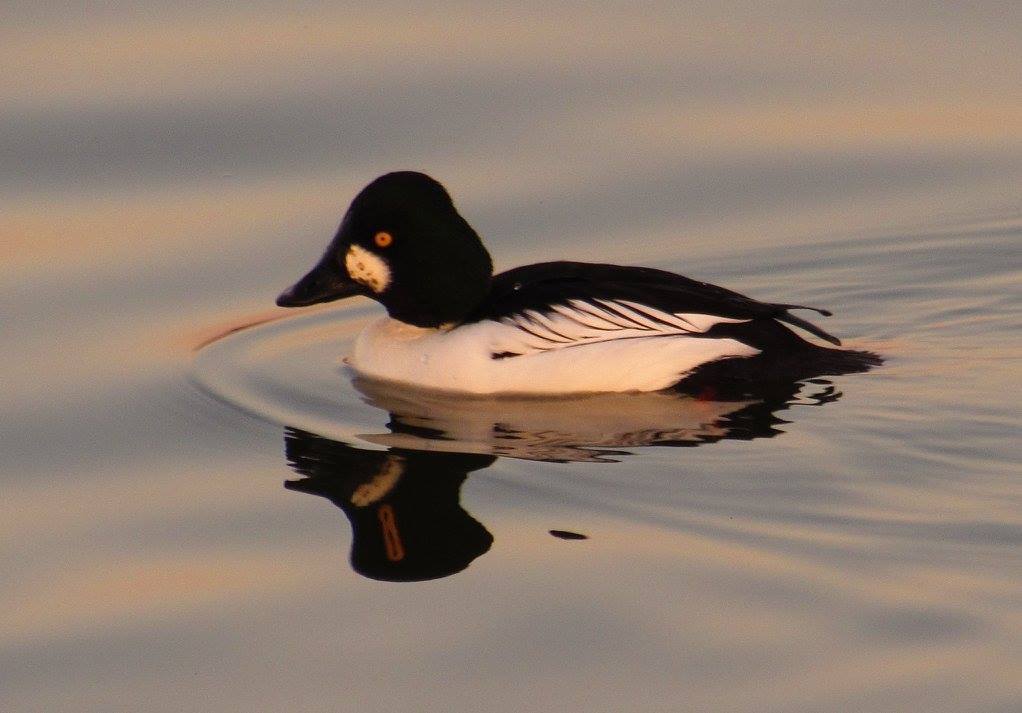
- Common GoldeneyeBucephala clangula
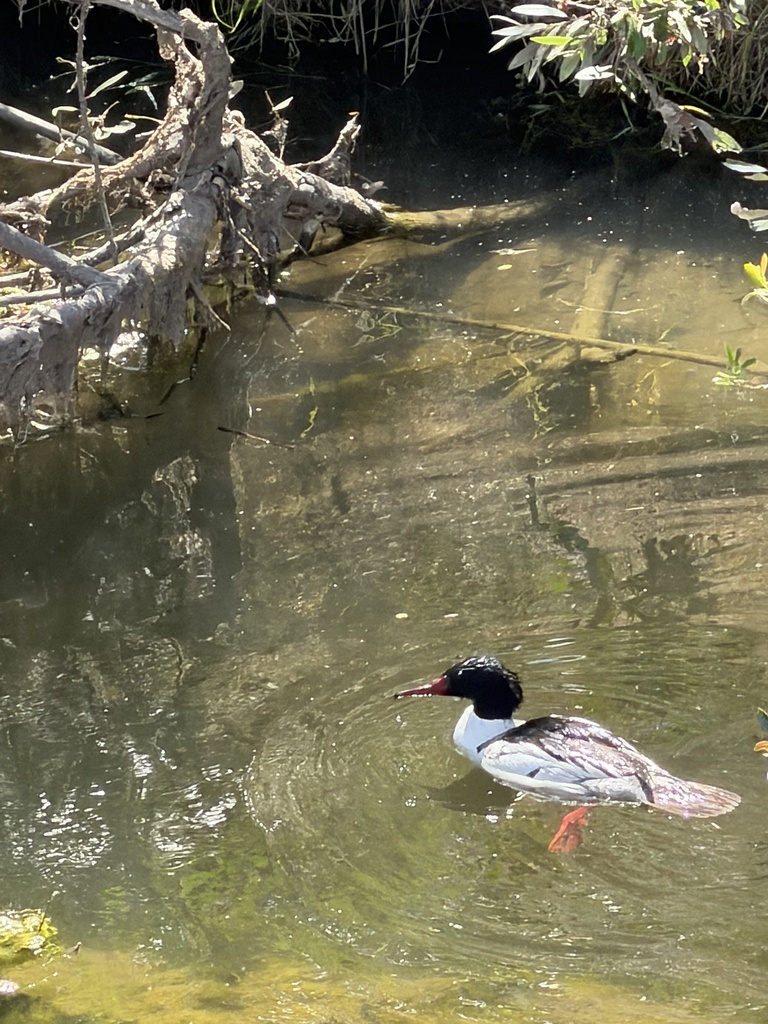
- Common MerganserMergus merganser
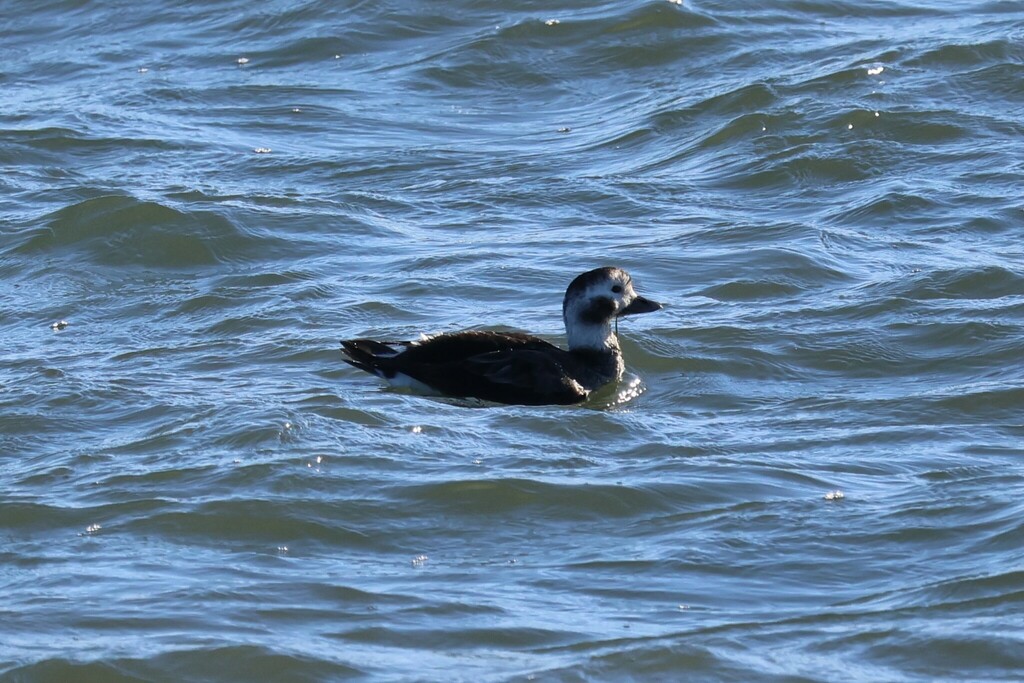
- Long-tailed DuckClangula hyemalis
- DovekieAlle alle
- Purple SandpiperCalidris maritima
- Sandwich TernThalasseus sandvicensis
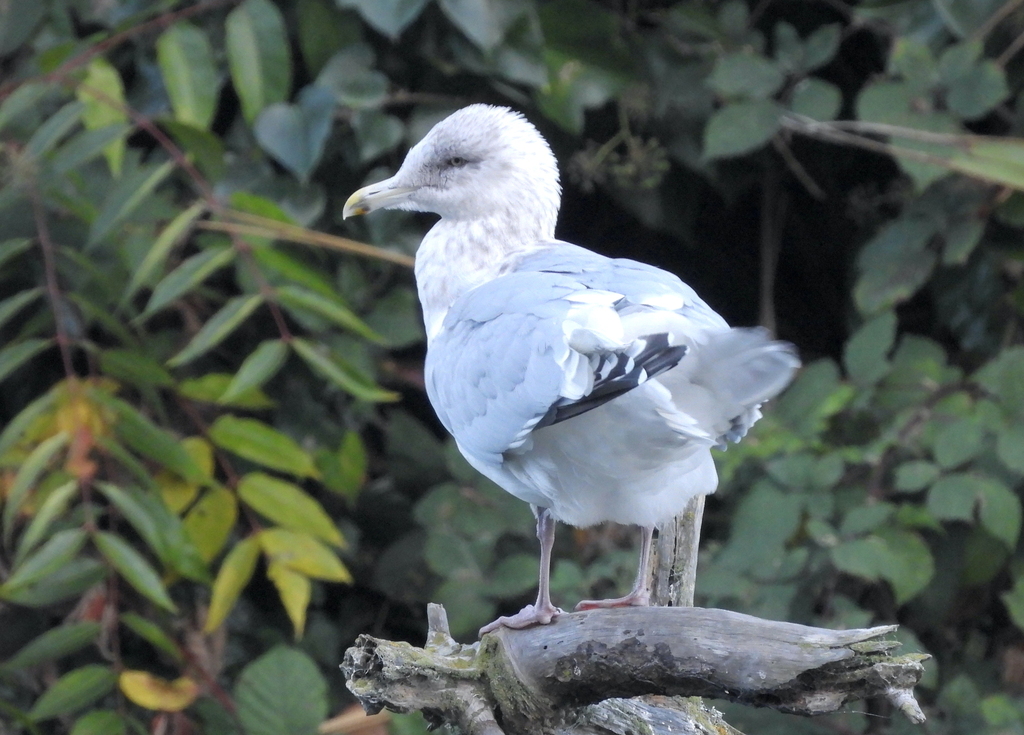
- Thayer's GullLarus thayeri
- American OystercatcherHaematopus palliatus
Plants 11
- Shoal-grassHalodule wrightii
- Welsh MudwortLimosella australis
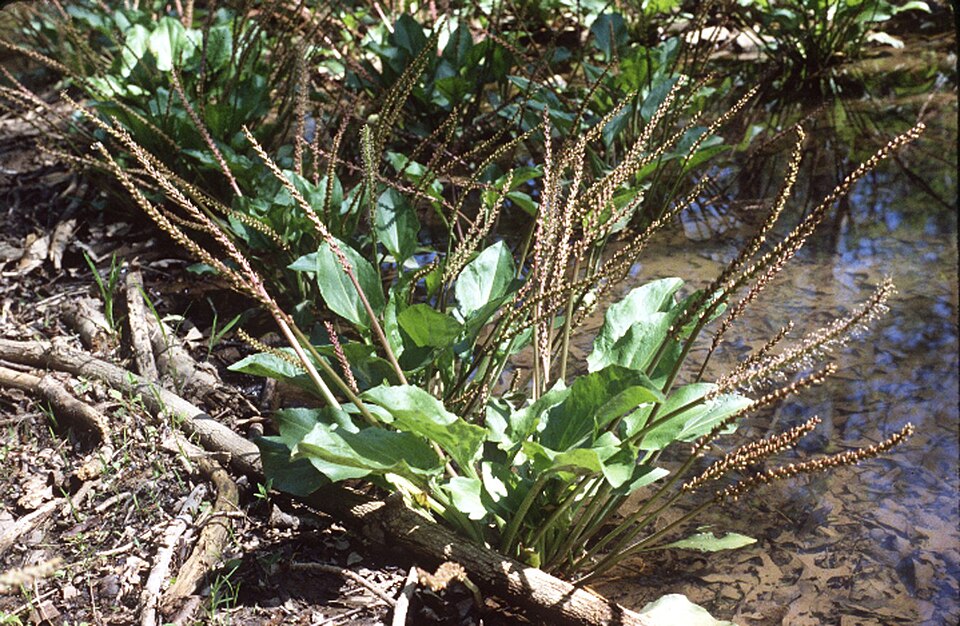
- Heartleaf PlantainPlantago cordata
- Sago PondweedStuckenia pectinata
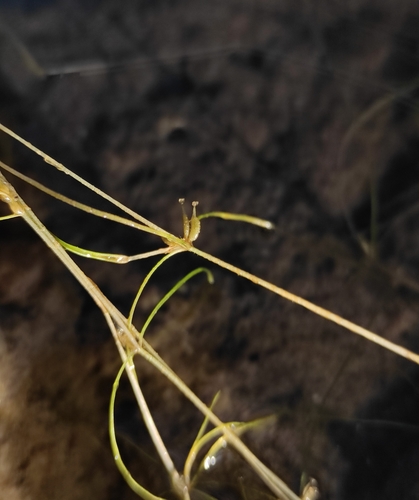
- Horned PondweedZannichellia palustris
- Seashore DropseedSporobolus virginicus
- American EelgrassVallisneria americana
- Widgeon-grassRuppia maritima
- Carolina GrasswortLilaeopsis carolinensis
- American WaterwortElatine americana
- Small WaterwortElatine minima
Ponds, lakes and their shores
Birds 90
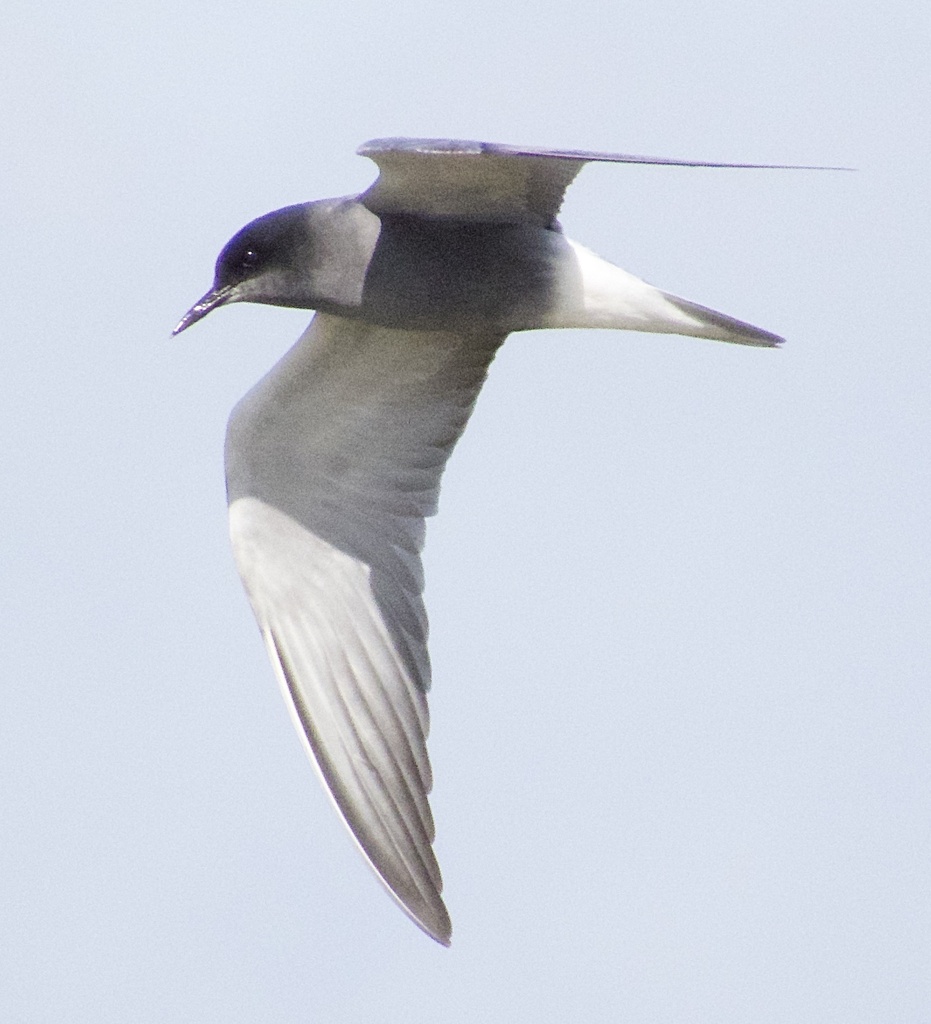
- Black TernChlidonias niger
- BuffleheadBucephala albeola
- Common GoldeneyeBucephala clangula
- Common MerganserMergus merganser
- Long-tailed DuckClangula hyemalis
- Purple SandpiperCalidris maritima
- Thayer's GullLarus thayeri
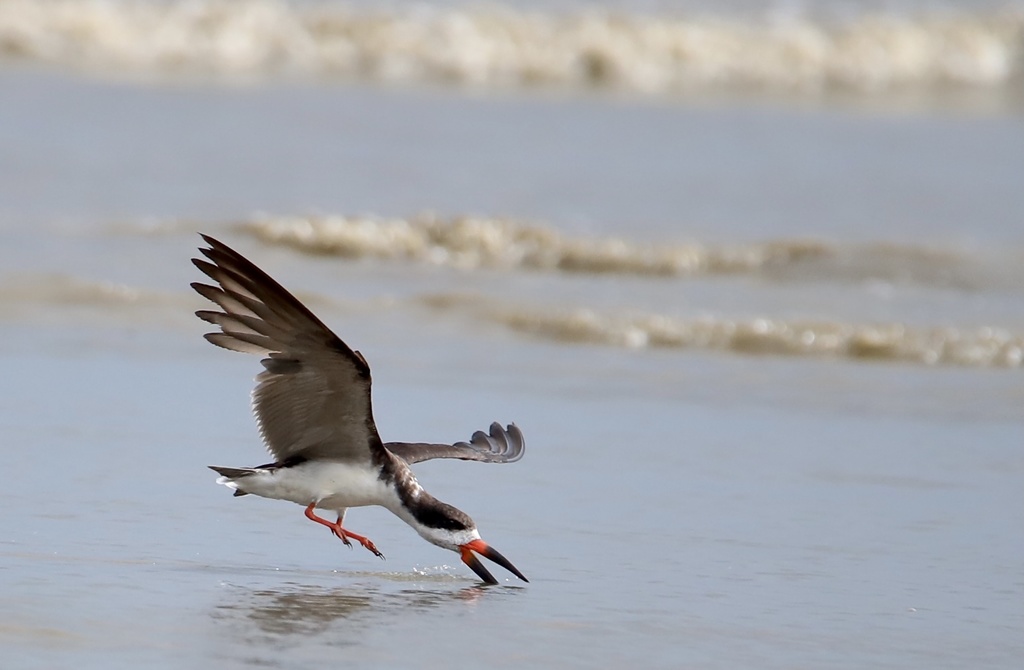
- Black SkimmerRynchops niger
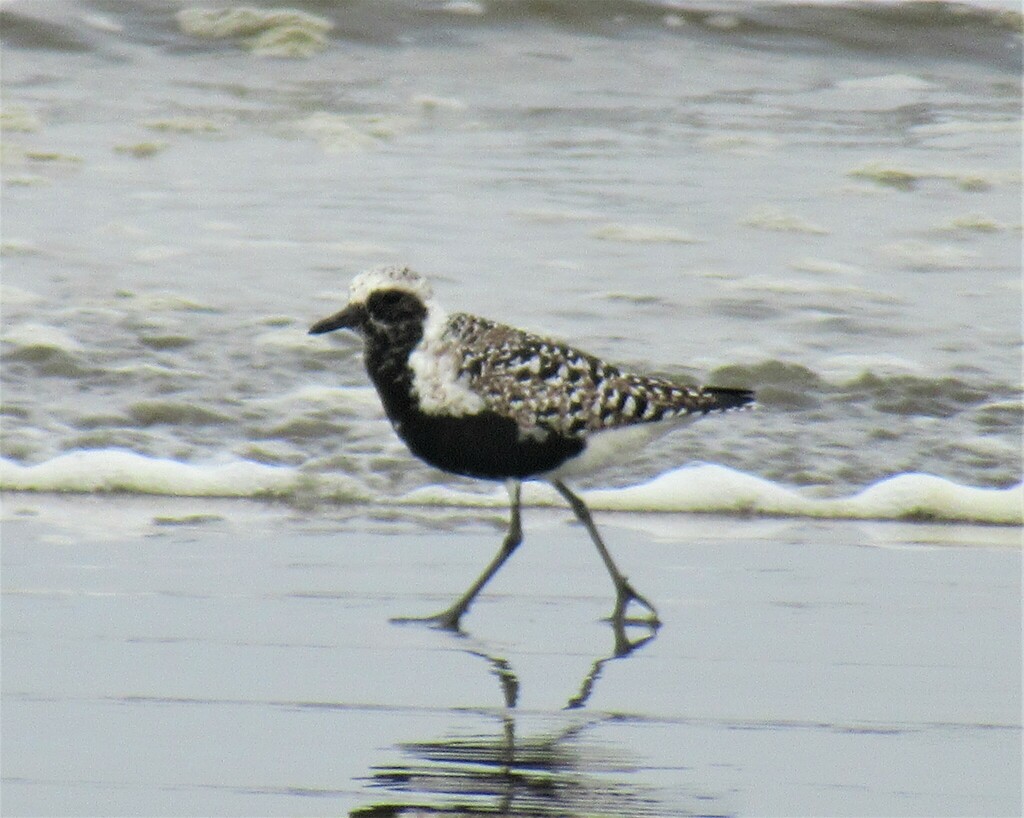
- Black-bellied PloverPluvialis squatarola
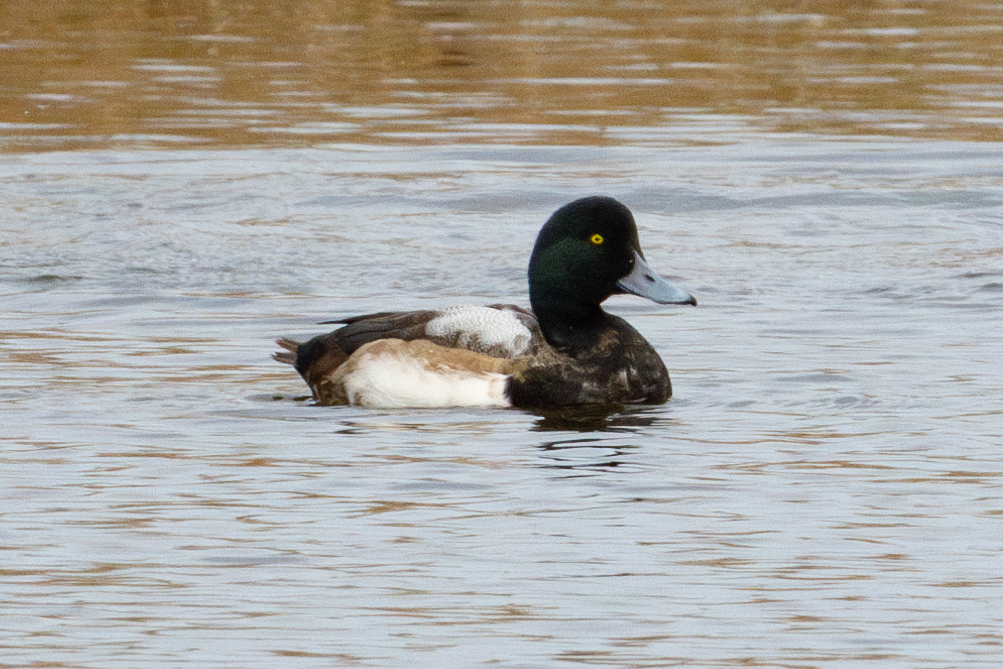
- Greater ScaupAythya marila
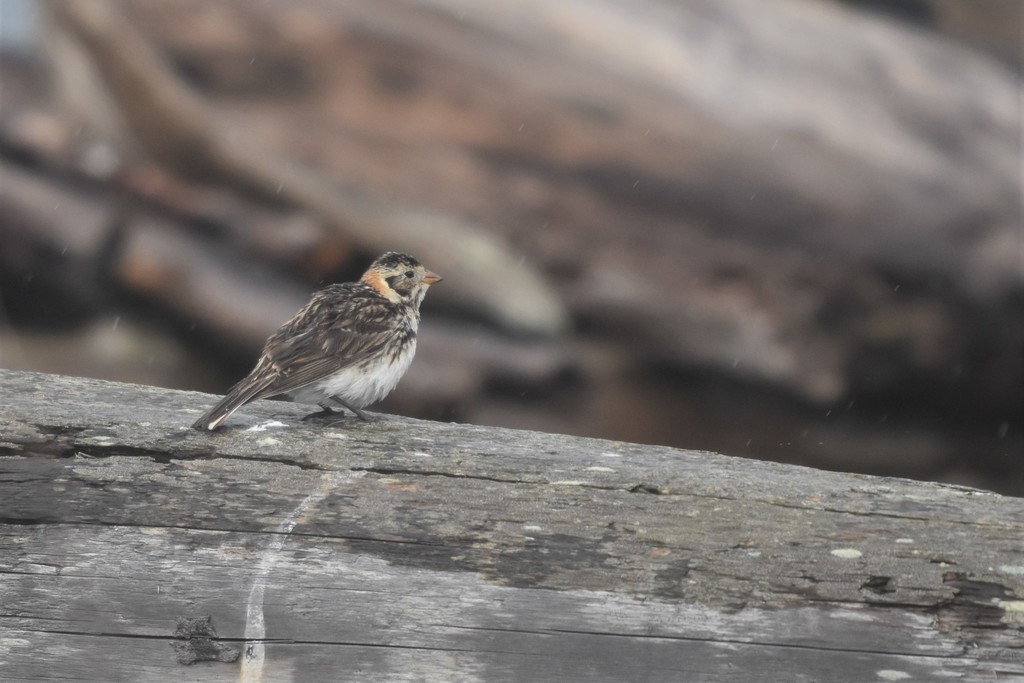
- Lapland LongspurCalcarius lapponicus
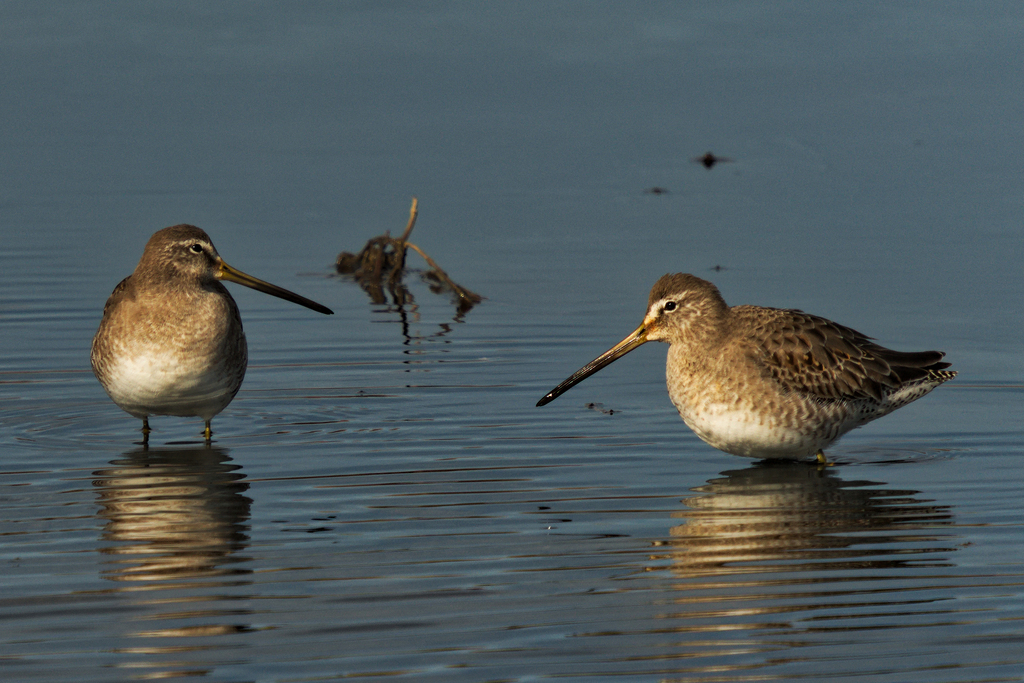
- Long-billed DowitcherLimnodromus scolopaceus
Plants 211
- Mudbank CrowngrassPaspalum dissectum
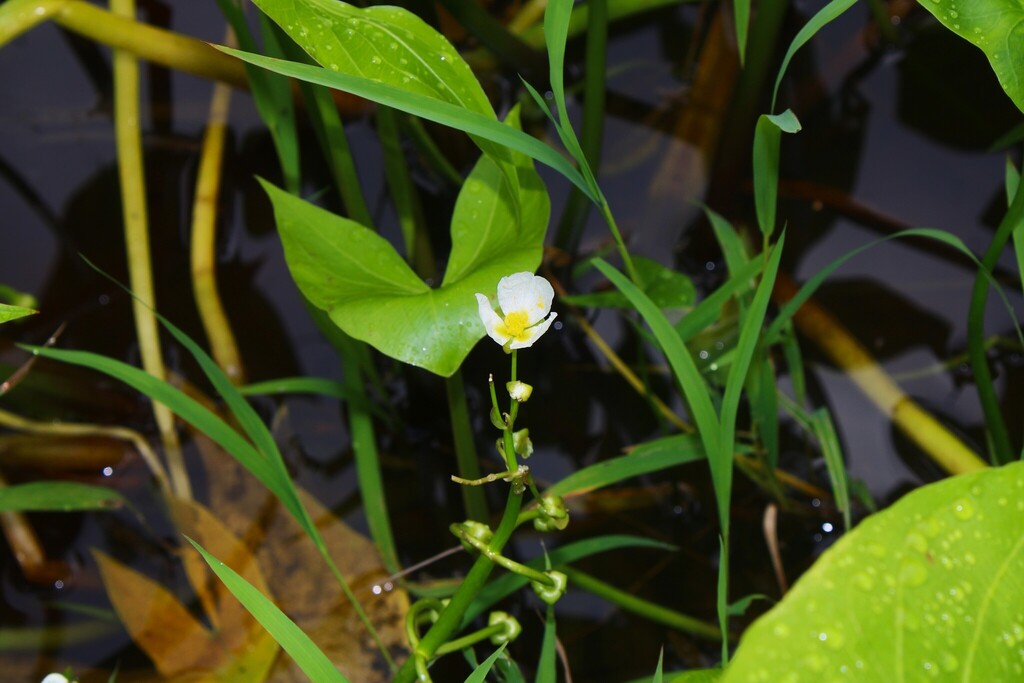
- Hooded ArrowheadSagittaria calycina
- Large-fruited ArrowheadSagittaria macrocarpa
- Pine-barren False FoxgloveAgalinis virgata
- Clasping-leaf PondweedPotamogeton perfoliatus
- Common BladderwortUtricularia macrorhiza
- Water TupeloNyssa aquatica
- Southern Marsh St. John's-wortTriadenum tubulosum
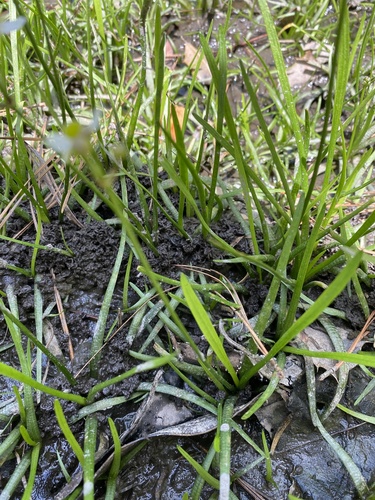
- Quillwort ArrowheadSagittaria isoetiformis
- Threadleaf ArrowheadSagittaria filiformis
- Narrowleaf Pond-lilyNuphar sagittifolia
- Swaying BulrushSchoenoplectus subterminalis
Sources
- USGS Gap Analysis Project habitat models (2001)
- USGS GAP winter habitat model for Great Black-backed Gull Brackish or salt water only
- USGS Gap Analysis Project range maps (2001), modeled by watershed; migratory gives no dates
- NatureServe Explorer (CC BY 4.0), habitat names
- US Census TIGER/Line counties
- Names follow the USGS Gap Analysis Project (2001)