

Bird
Black Tern
Chlidonias niger
Passes through North Carolina on migration. Found in all 100 counties, across 2 habitats.
- Here
- On migration
- Nesting
- Not known to nest here
- Range
- All 100 counties
- Habitats
- 2
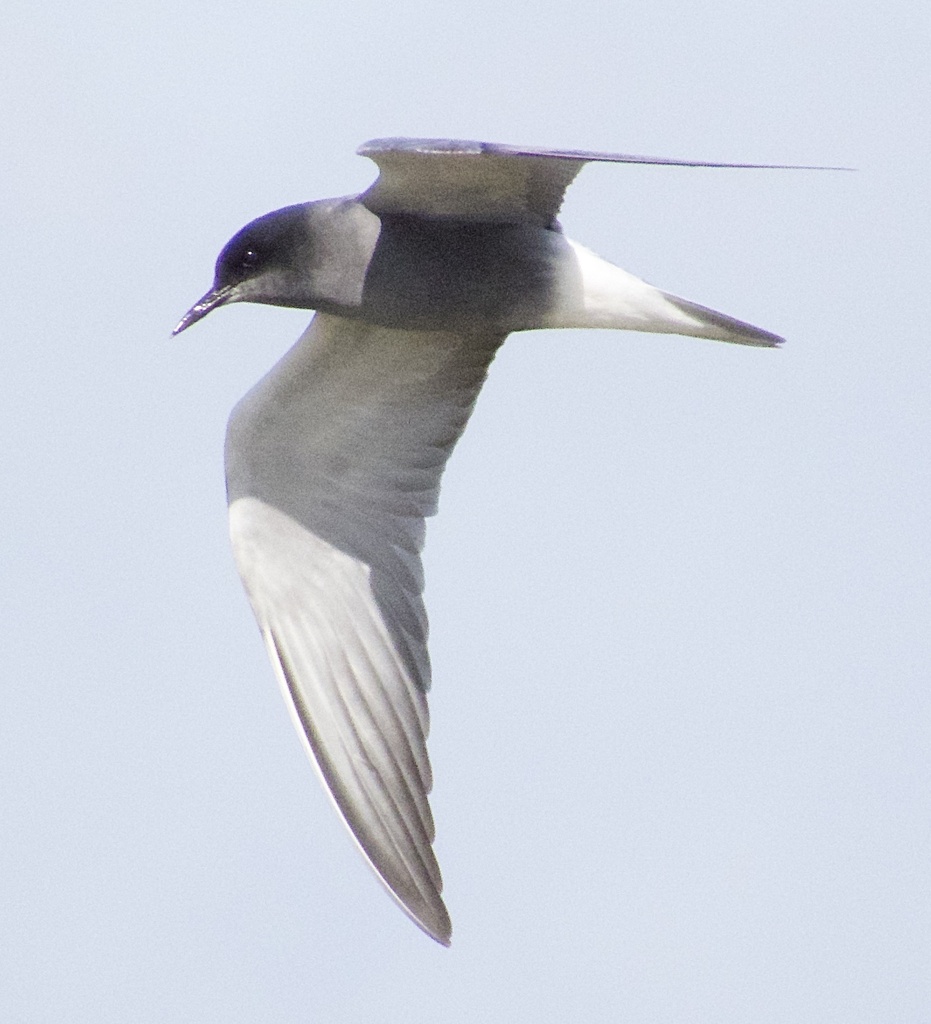
At a glance
- Group
- Birds
- Here
- On migration
- Nesting
- Not known to nest here
- Range
- All 100 counties
- Habitats
- 2
- Habitat models
- Summer
Where it lives
The places its habitat model includes. It is not found everywhere a habitat occurs.
Habitats in North Carolina 2
Each habitat page lists the plants and wildlife also found there.

Disturbed and introduced wetlands
Wet ground taken over by weedy or introduced plants after disturbance, such as common reed, Chinese tallow or tamarisk stands; the upland counterpart is roadsides, fields and disturbed ground.
Other habitats in its models (1)
Land cover, or classes with no habitat page in North Carolina. Those recorded in North Carolina first, the rest by region.
Land cover and other classes (1)
- South-Central Interior Large Floodplain - Herbaceous Modifier Summer.
Seasons in North Carolina
- Migratory: does not nest here, in all 100 counties.
Also found in its main habitats
Its main habitats in North Carolina, by how much of its habitat model each one is, with the birds most characteristic of each and the plants that grow wild there. Shared habitat, not food.
Disturbed and introduced wetlands
Birds 120
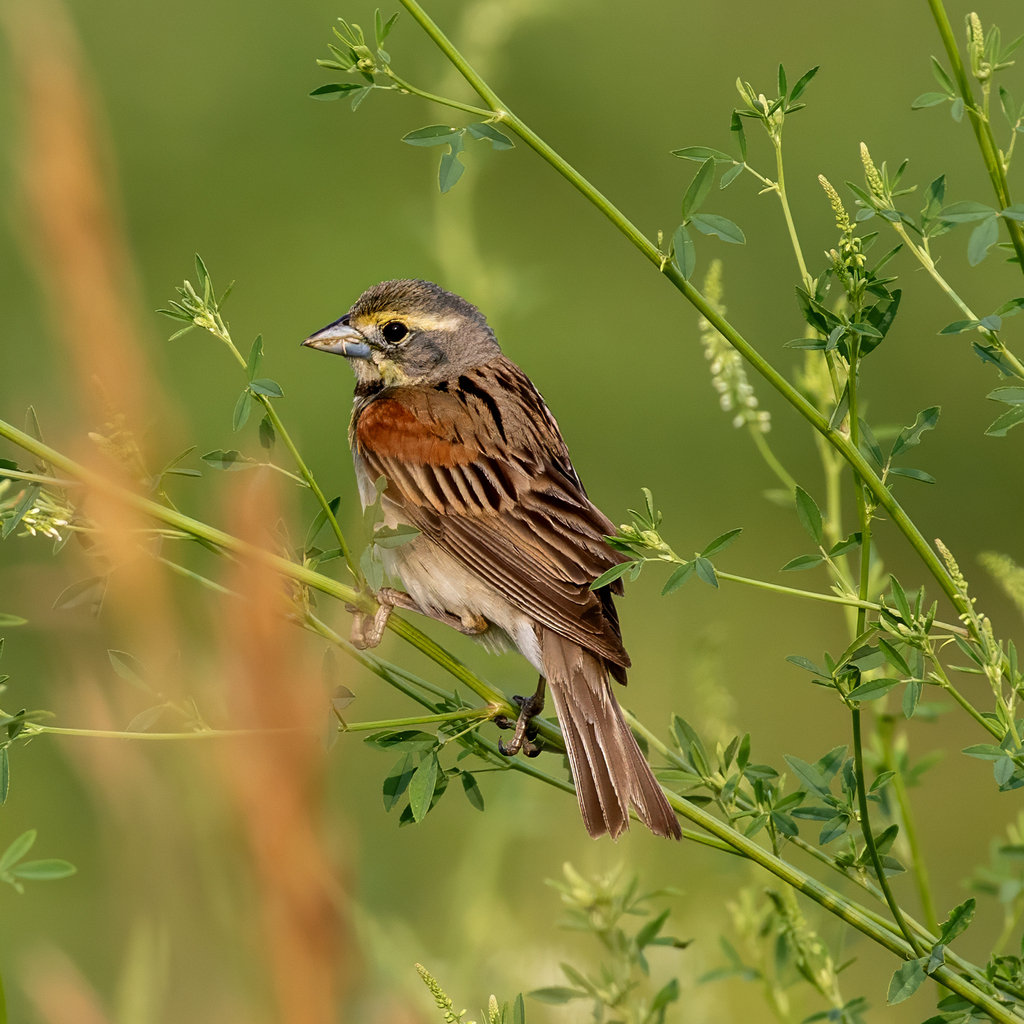
- DickcisselSpiza americana
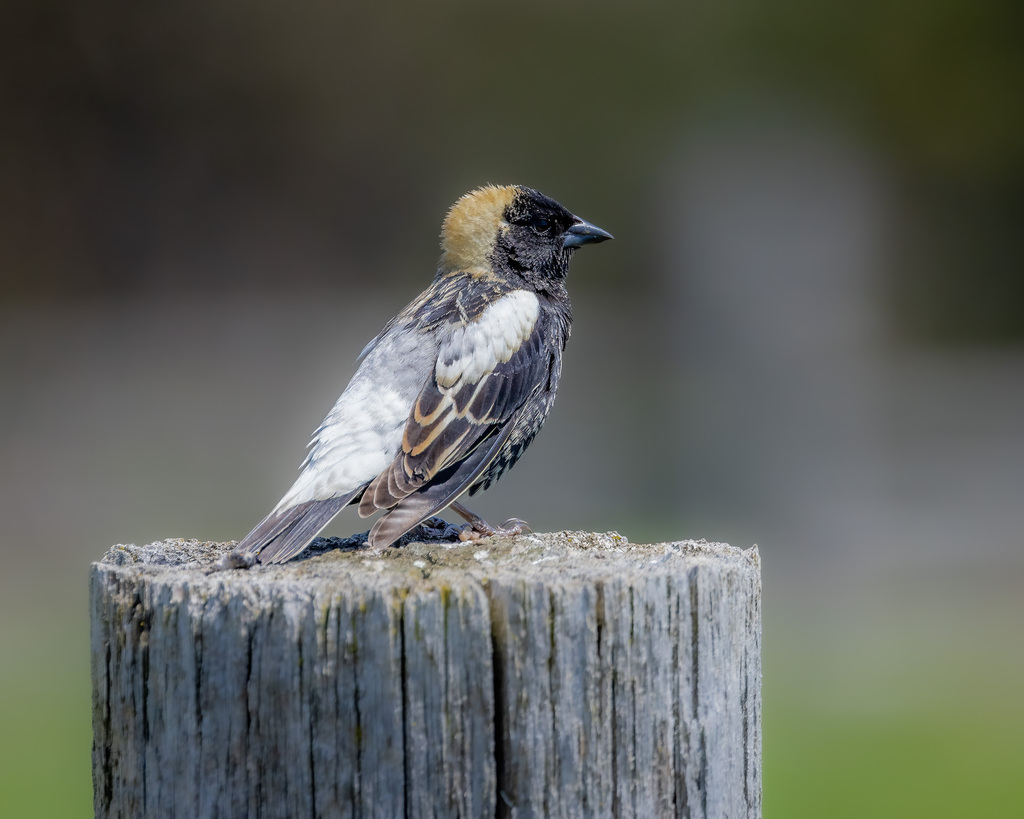
- BobolinkDolichonyx oryzivorus
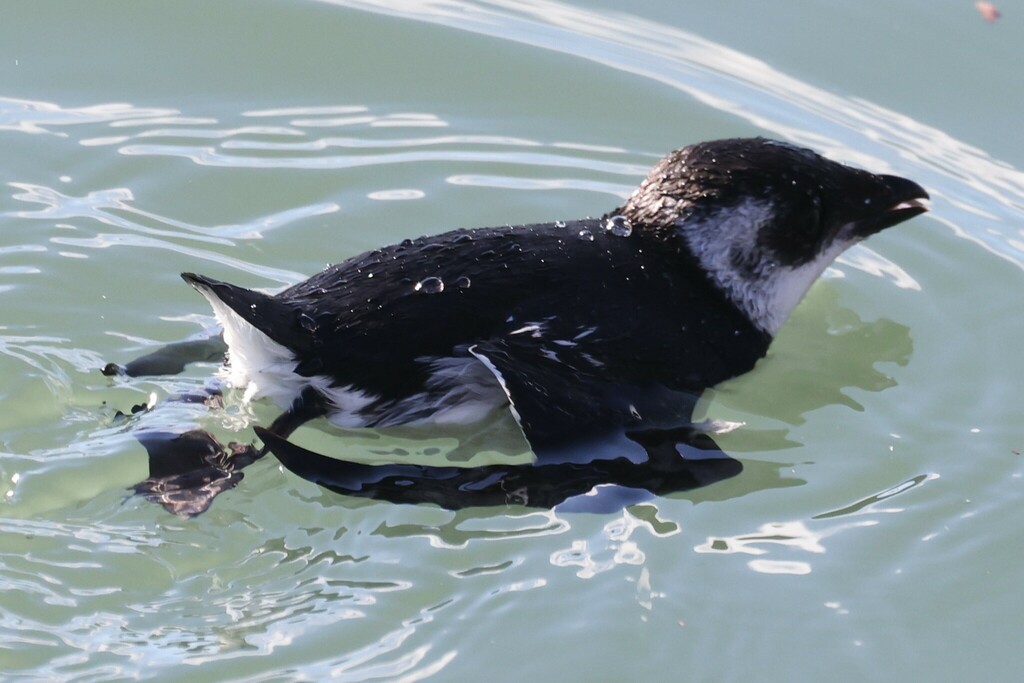
- DovekieAlle alle
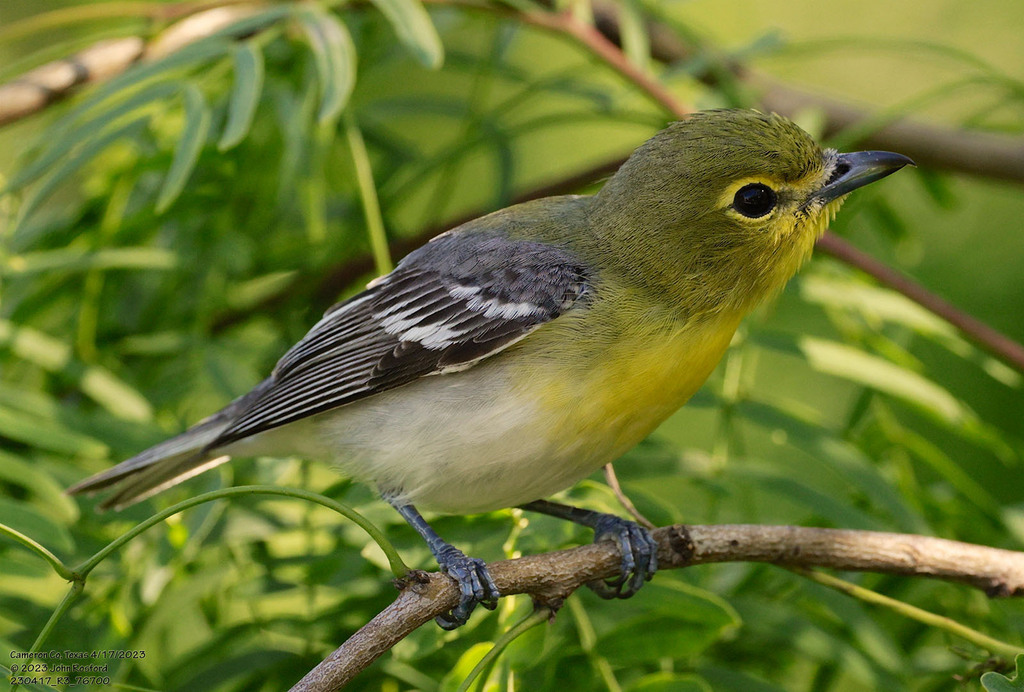
- Yellow-throated VireoVireo flavifrons
- Lincoln's SparrowMelospiza lincolnii
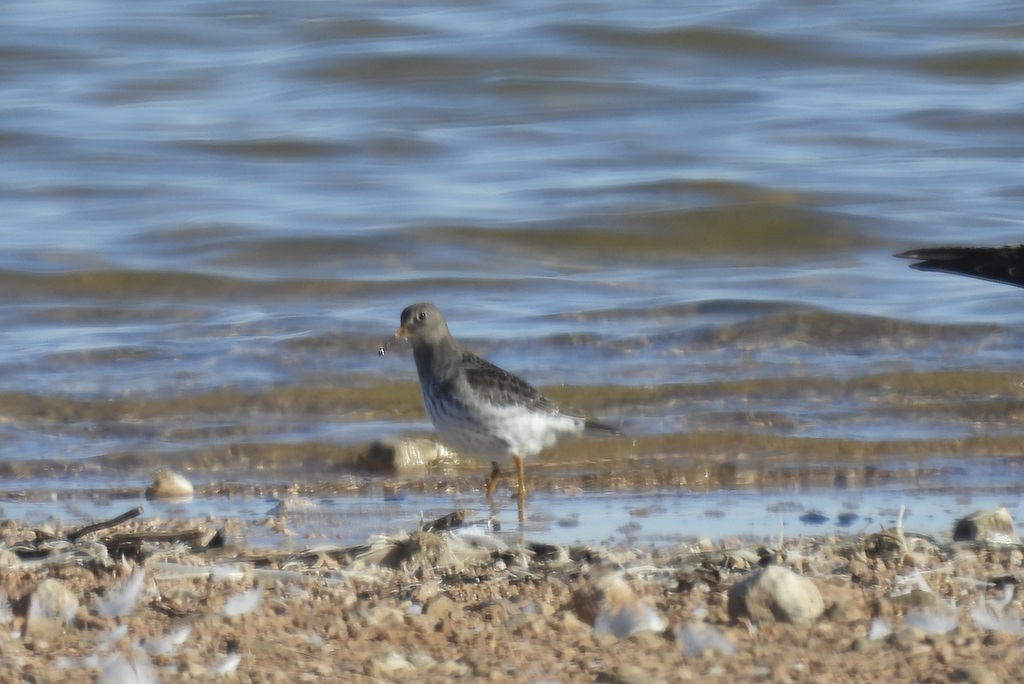
- Purple SandpiperCalidris maritima
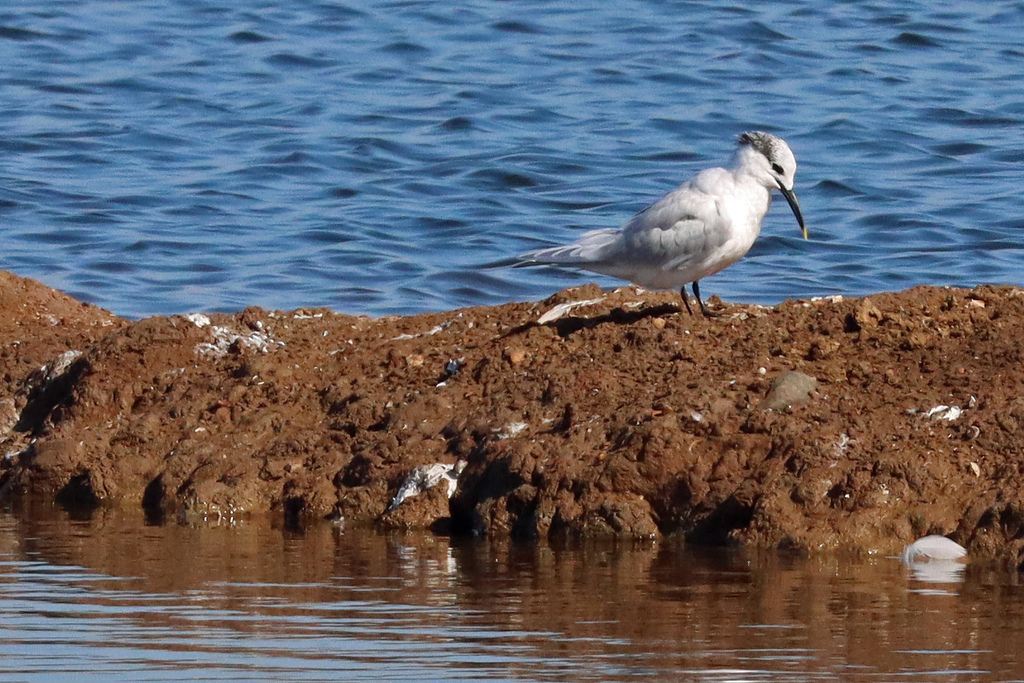
- Sandwich TernThalasseus sandvicensis
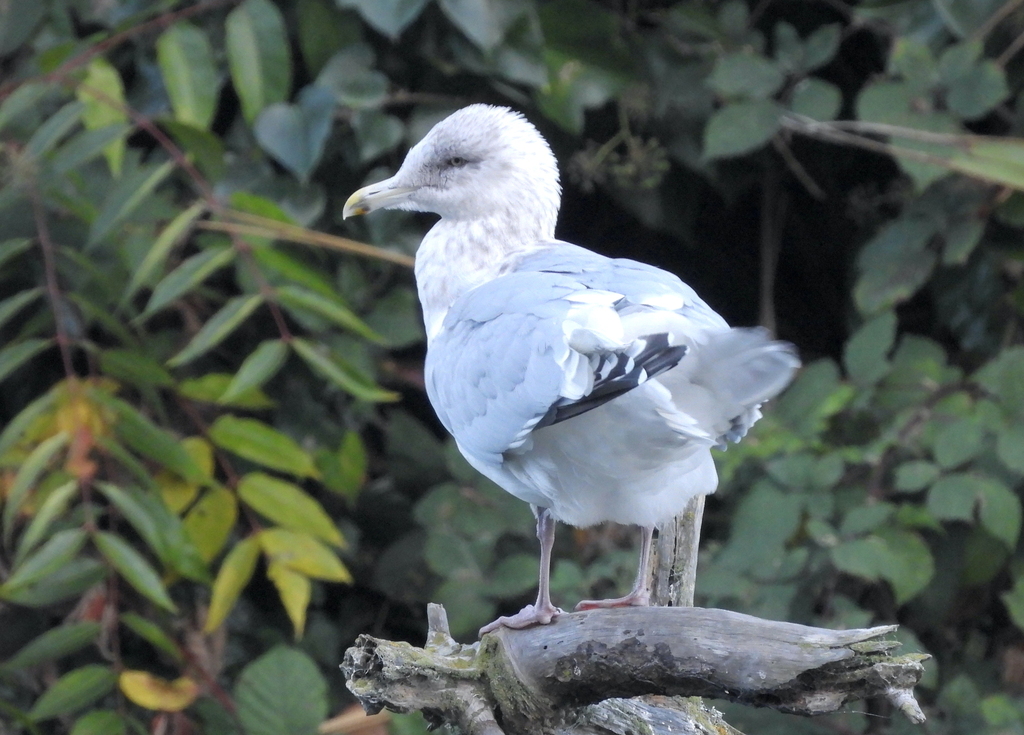
- Thayer's GullLarus thayeri
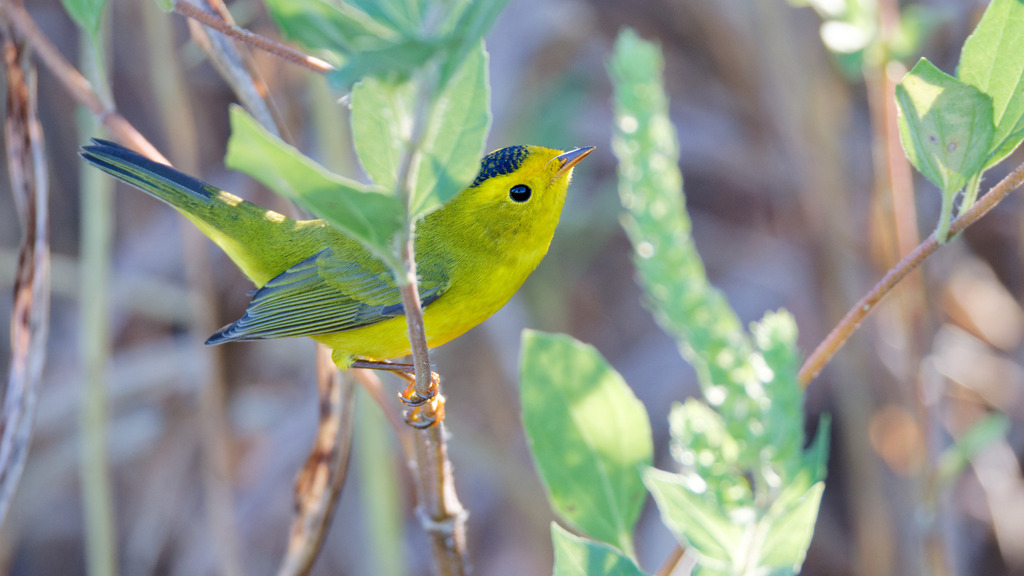
- Wilson's WarblerWilsonia pusilla
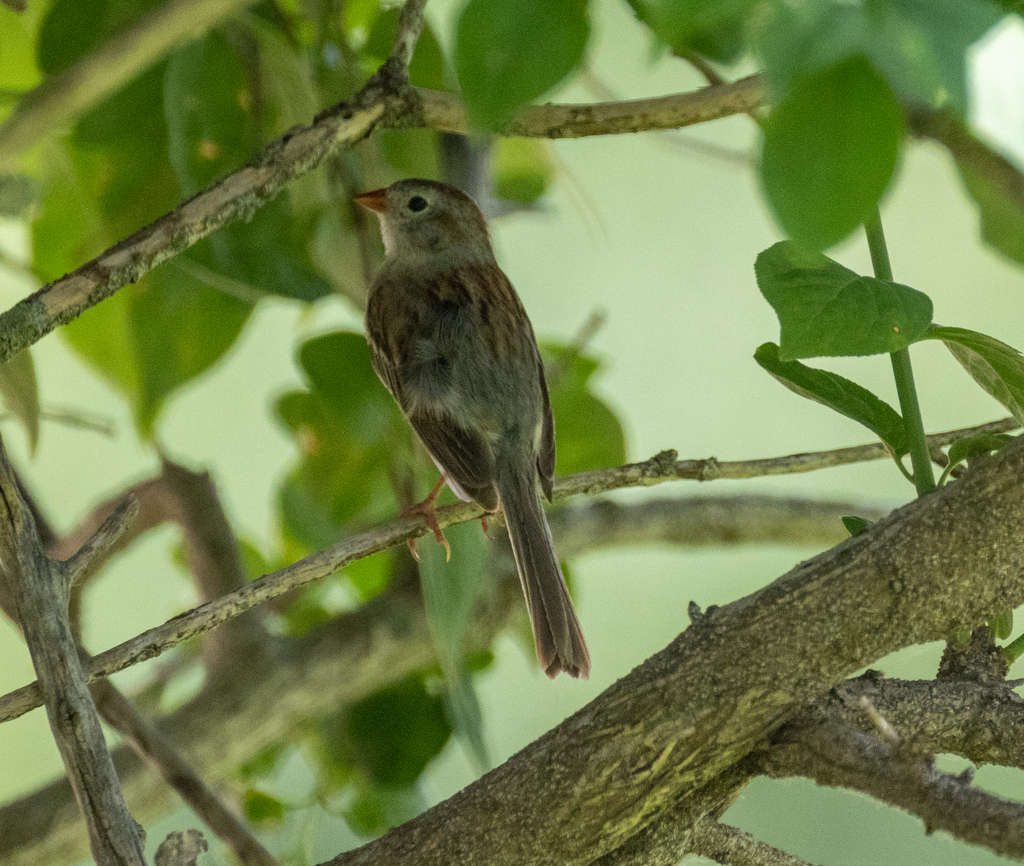
- Field SparrowSpizella pusilla
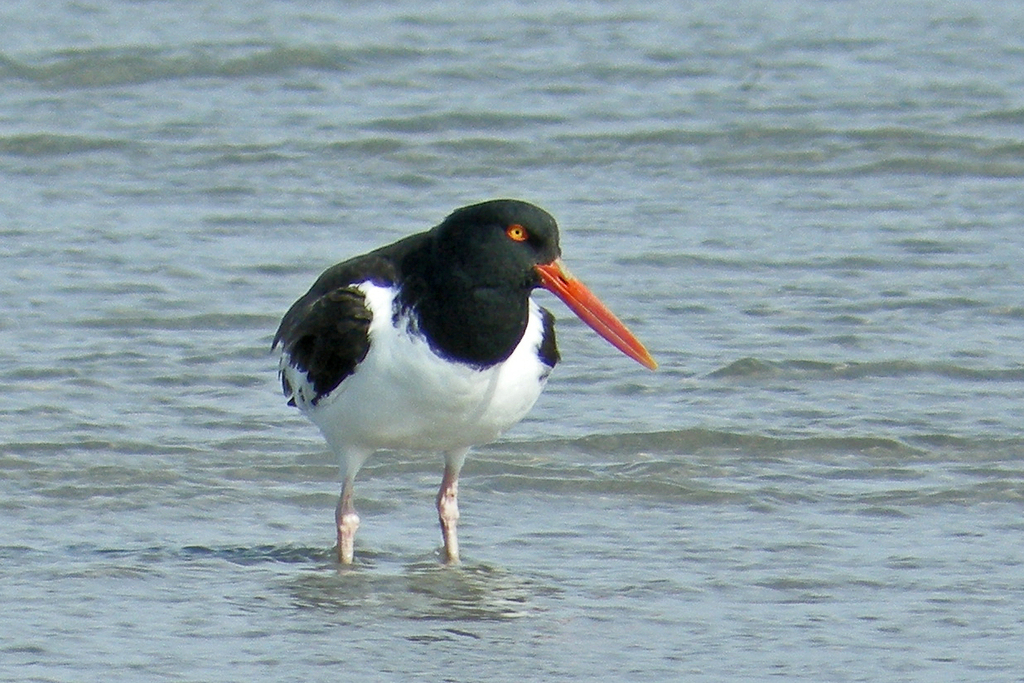
- American OystercatcherHaematopus palliatus
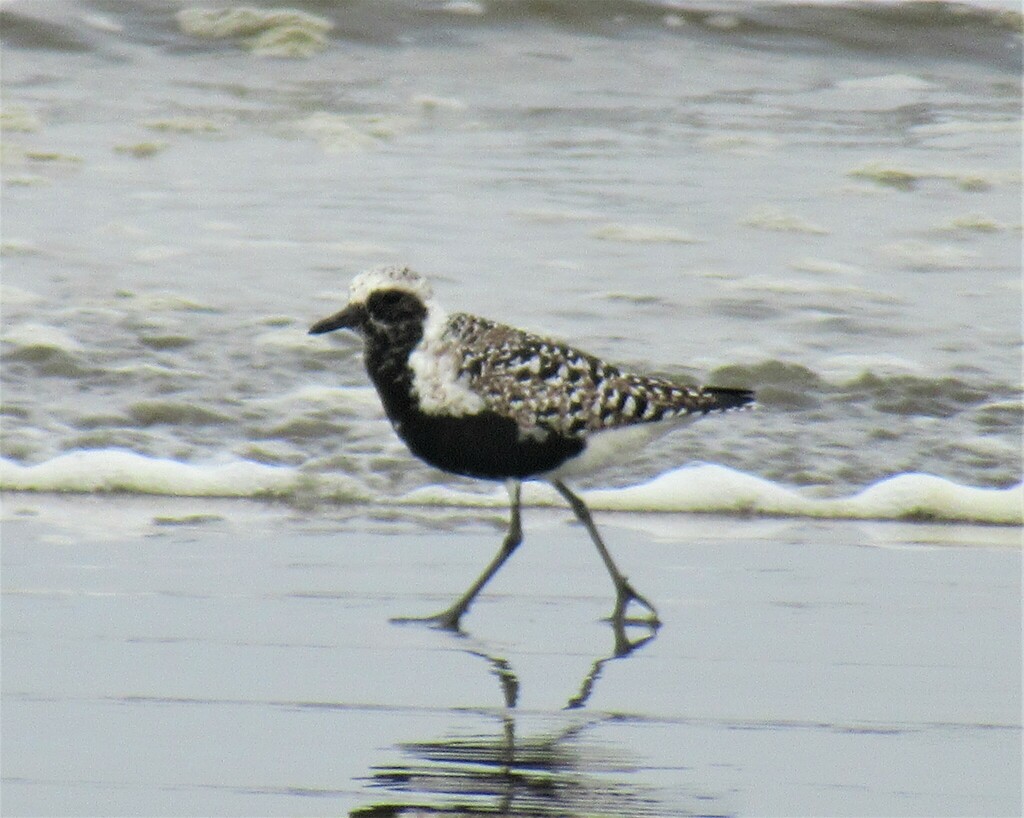
- Black-bellied PloverPluvialis squatarola

Plants 23
- Slender FimbryFimbristylis autumnalis
- Purple SpikerushEleocharis atropurpurea
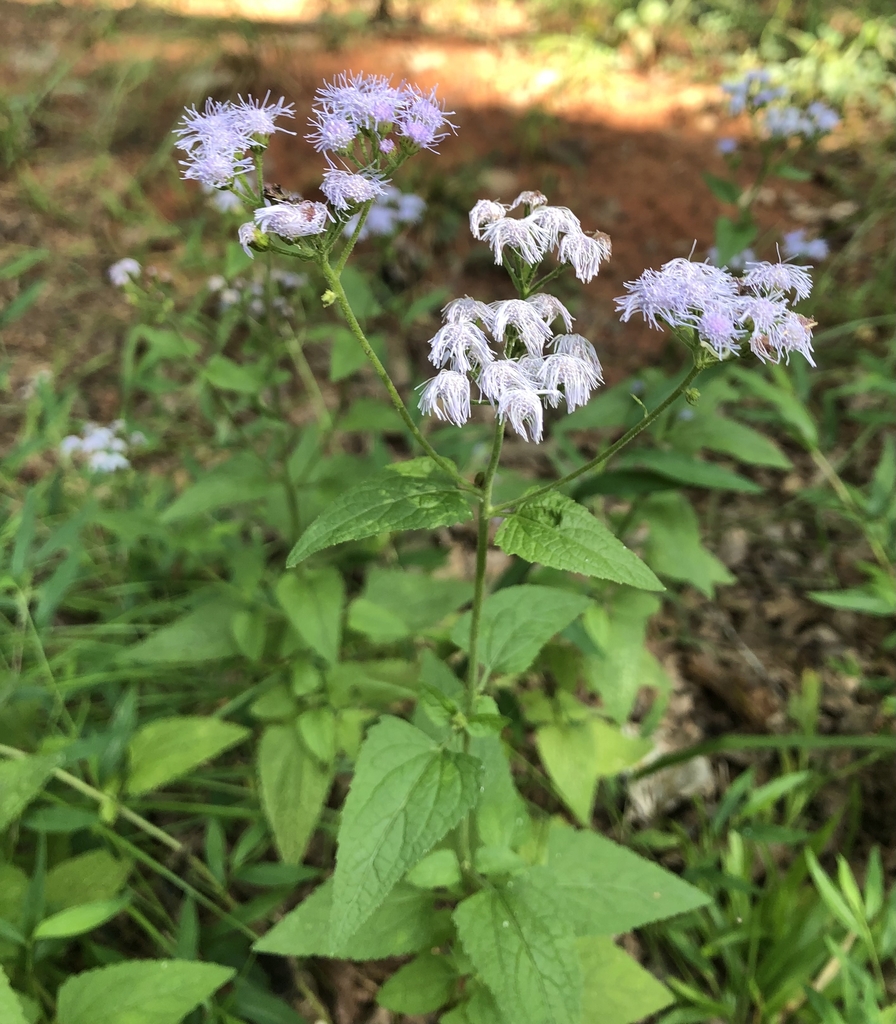
- Blue MistflowerConoclinium coelestinum
- BagpodSesbania vesicaria
- Tropical FlatsedgeCyperus surinamensis
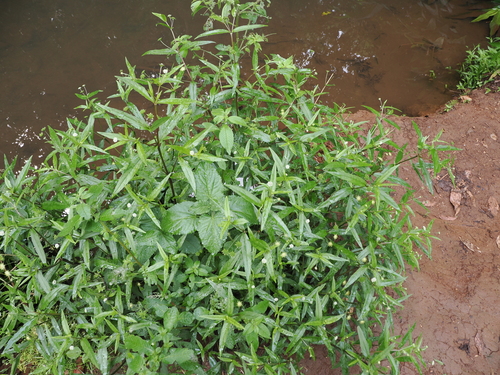
- False DaisyEclipta prostrata
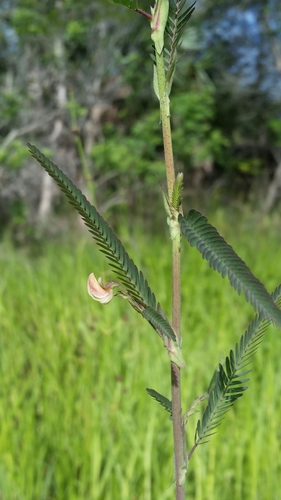
- Indian JointvetchAeschynomene indica
- Mid-Atlantic Flat-top GoldenrodEuthamia floribunda
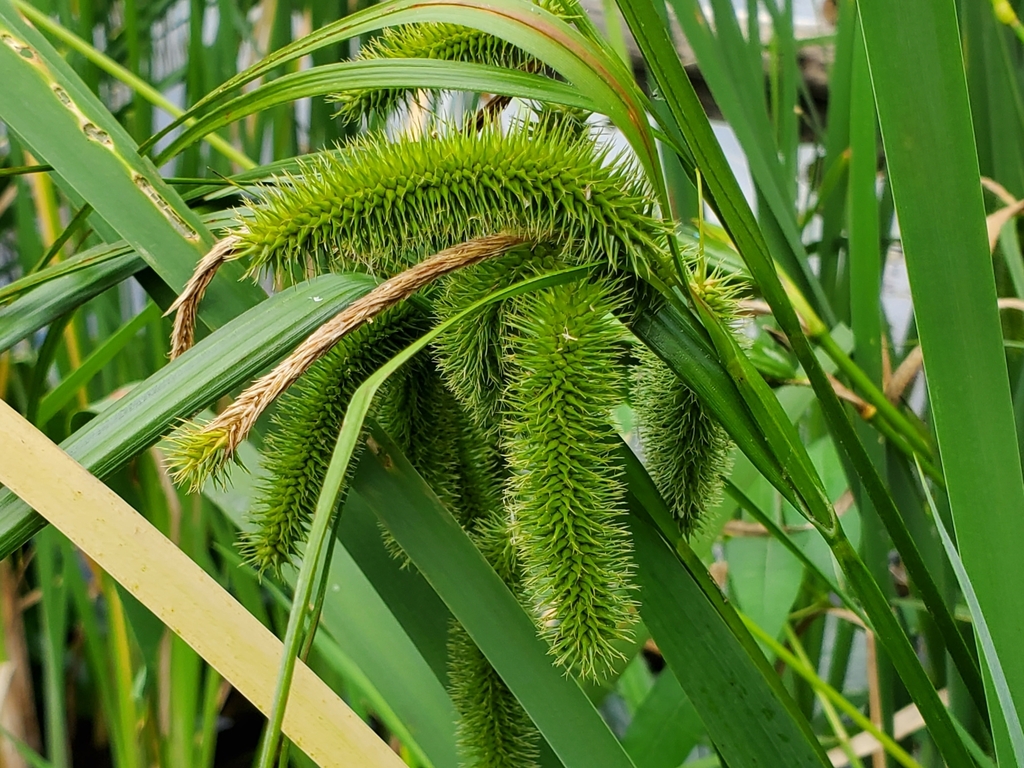
- Bristly SedgeCarex comosa
- Shortbeak BeaksedgeRhynchospora nitens
- Southern Marsh YellowcressRorippa teres
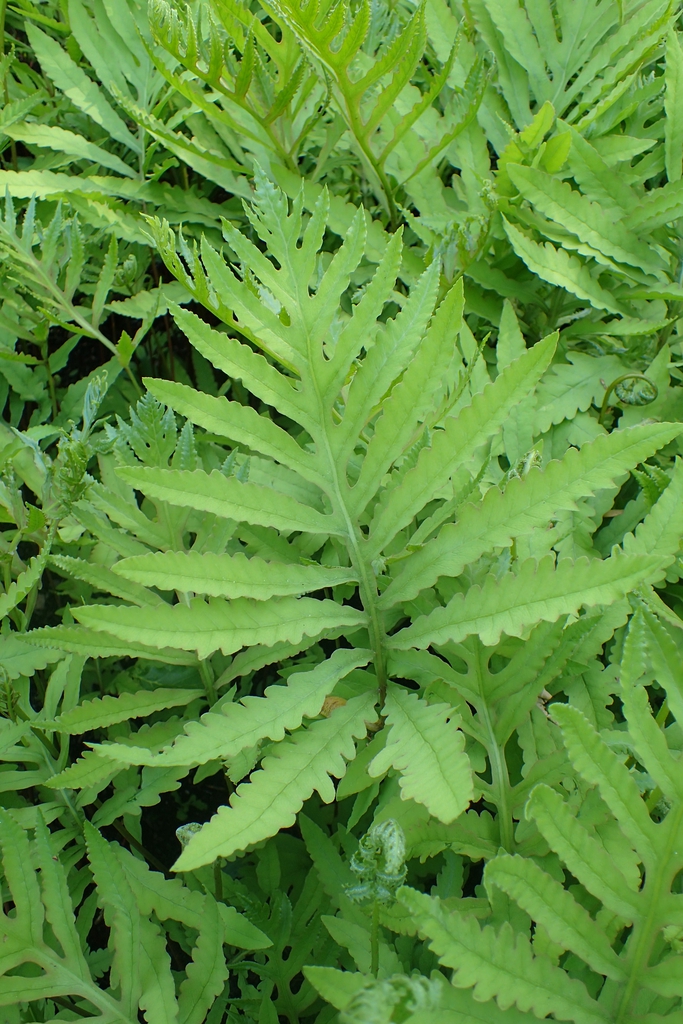
- Sensitive FernOnoclea sensibilis
Ponds, lakes and their shores
Birds 90
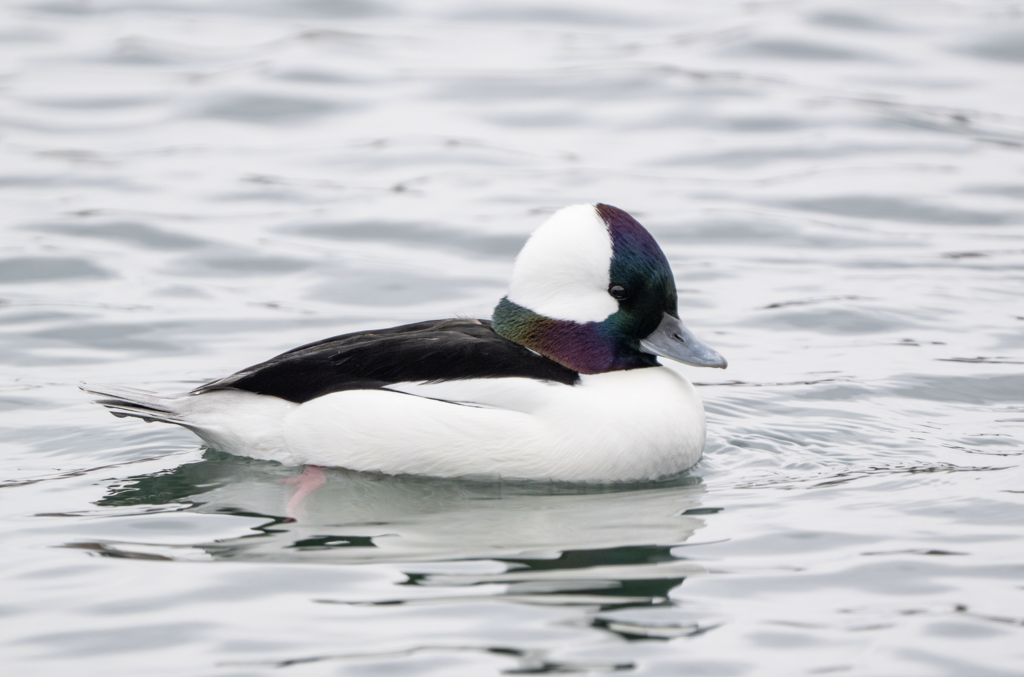
- BuffleheadBucephala albeola
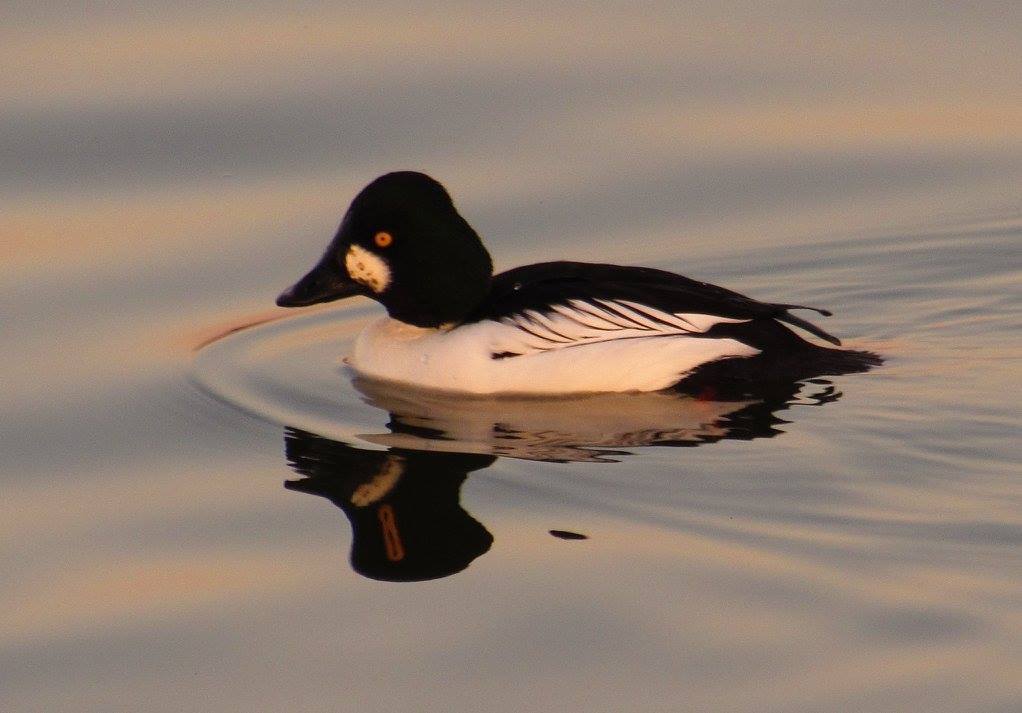
- Common GoldeneyeBucephala clangula
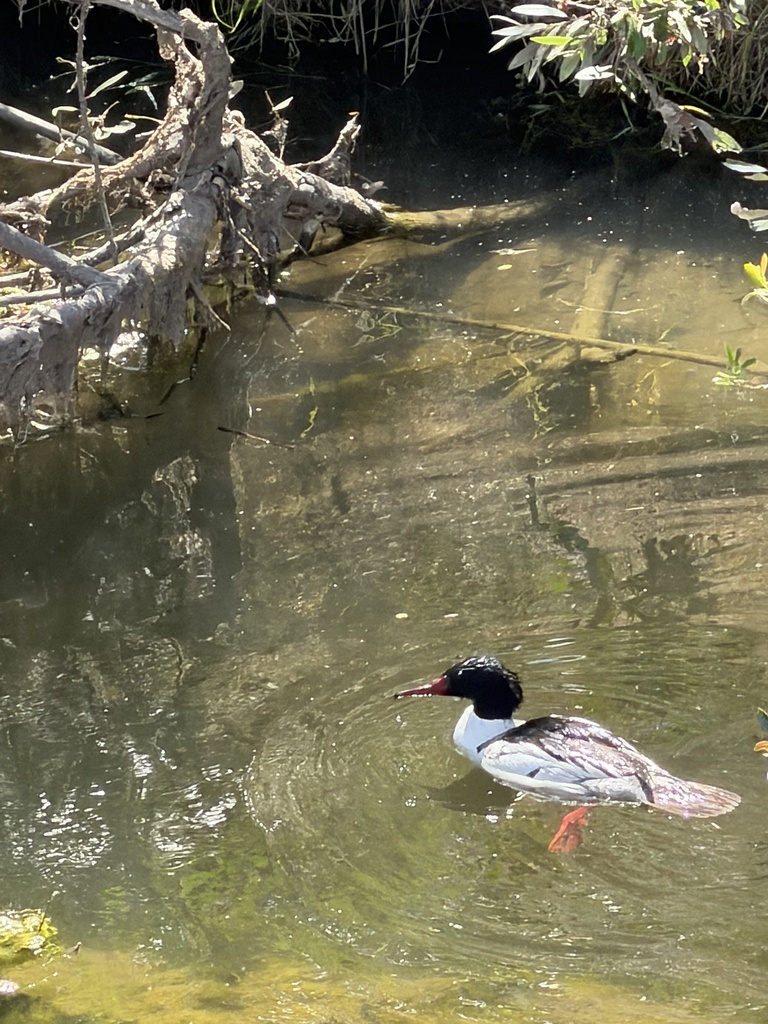
- Common MerganserMergus merganser
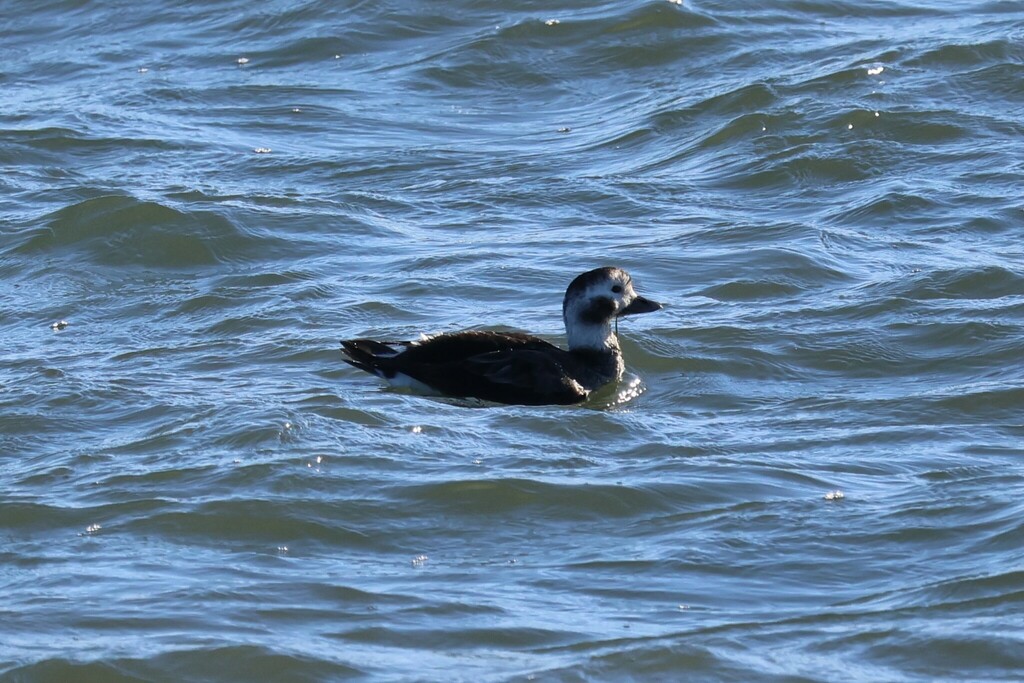
- Long-tailed DuckClangula hyemalis
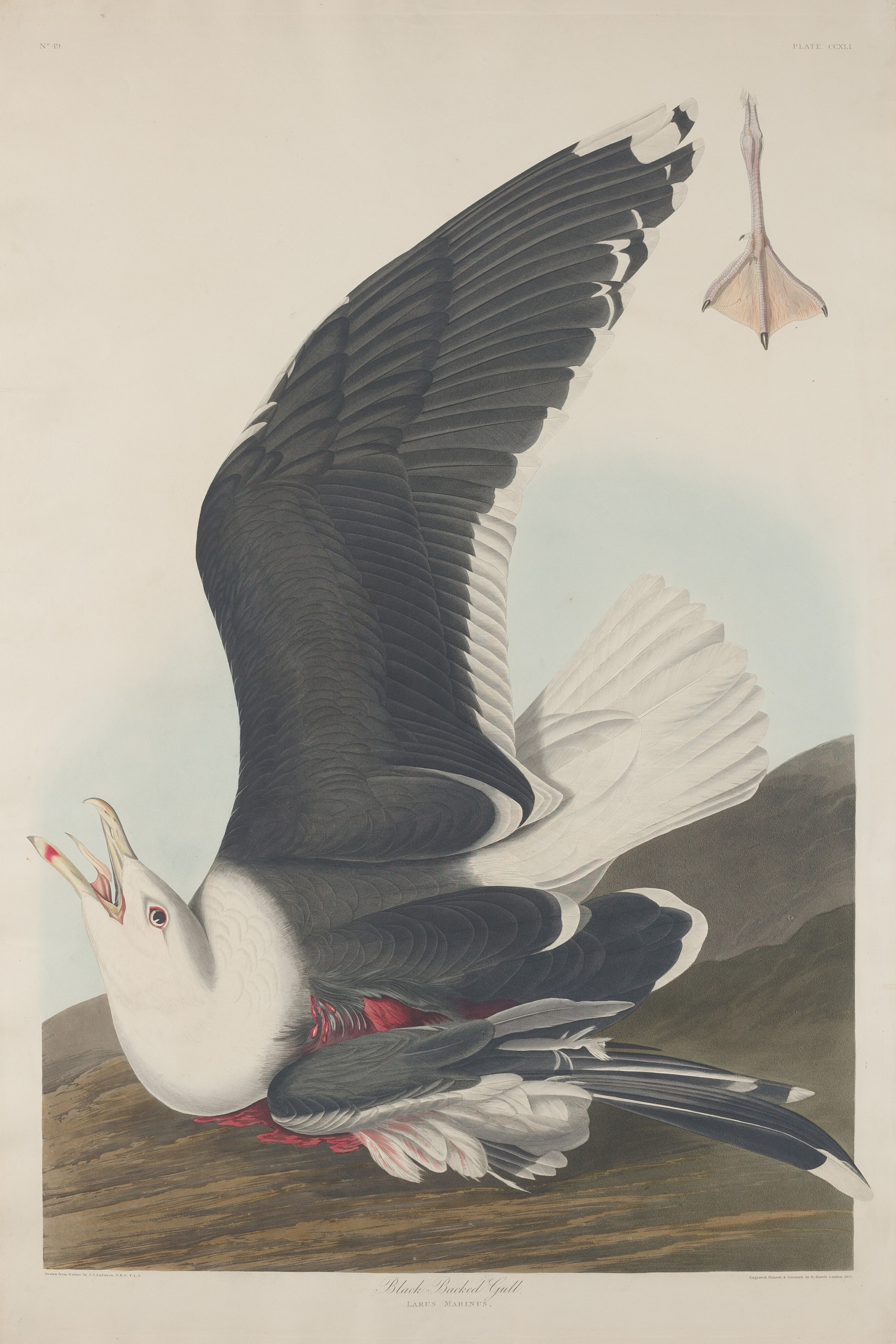
- Great Black-backed GullLarus marinus
- Purple SandpiperCalidris maritima
- Thayer's GullLarus thayeri
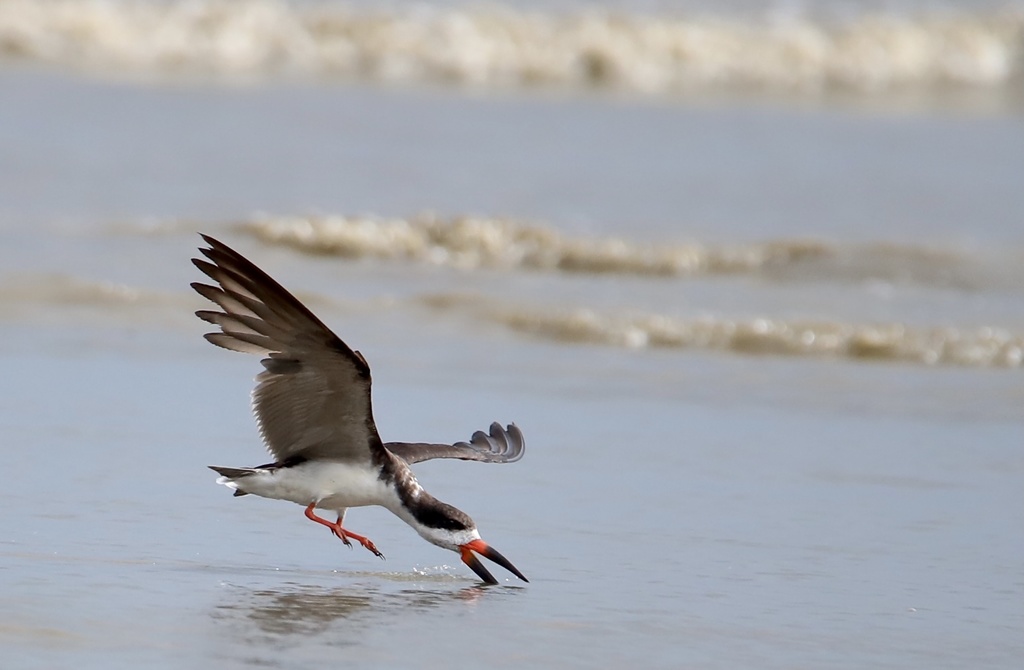
- Black SkimmerRynchops niger
- Black-bellied PloverPluvialis squatarola
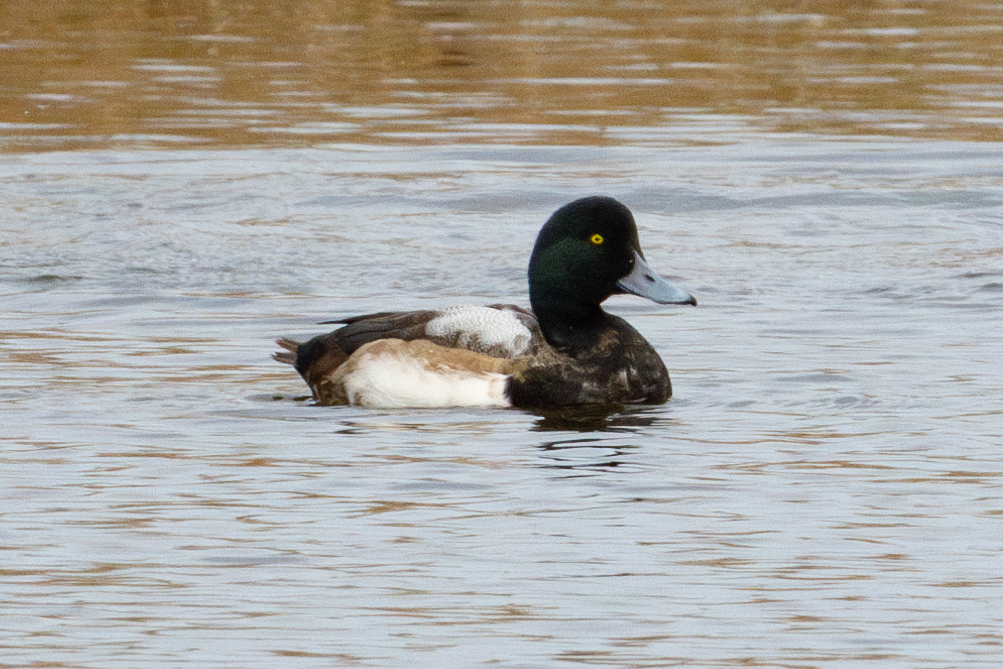
- Greater ScaupAythya marila
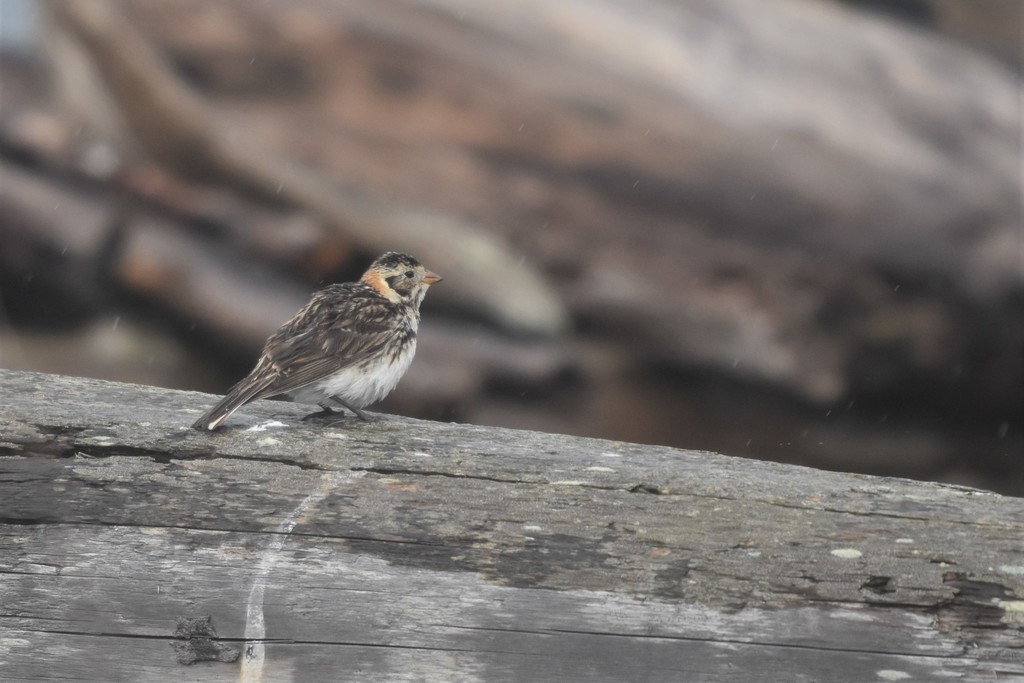
- Lapland LongspurCalcarius lapponicus
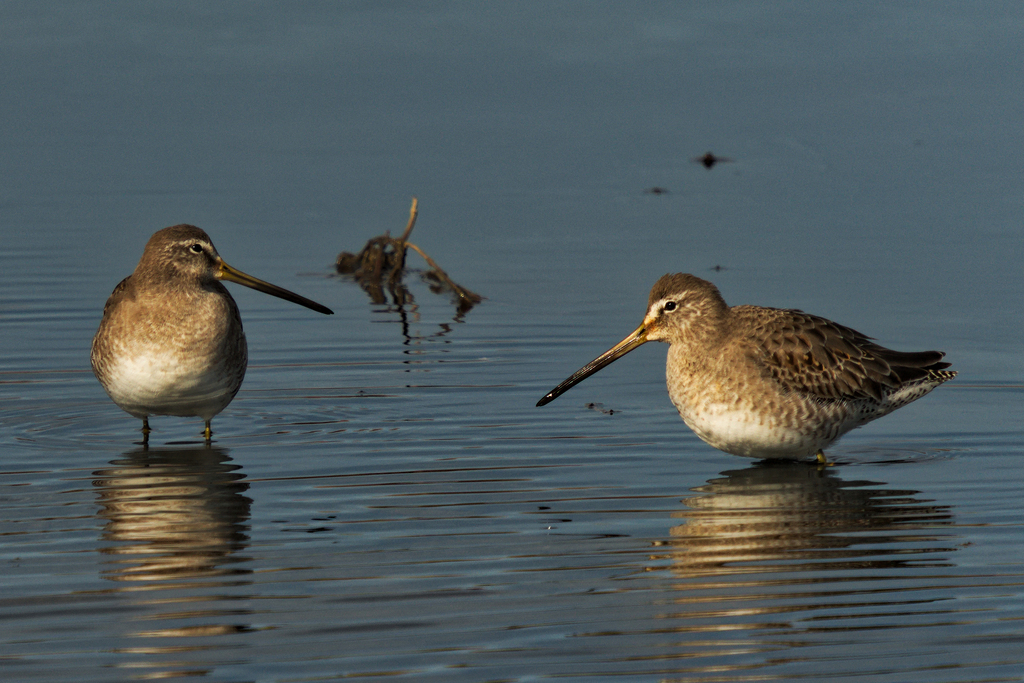
- Long-billed DowitcherLimnodromus scolopaceus
Plants 211
- Mudbank CrowngrassPaspalum dissectum
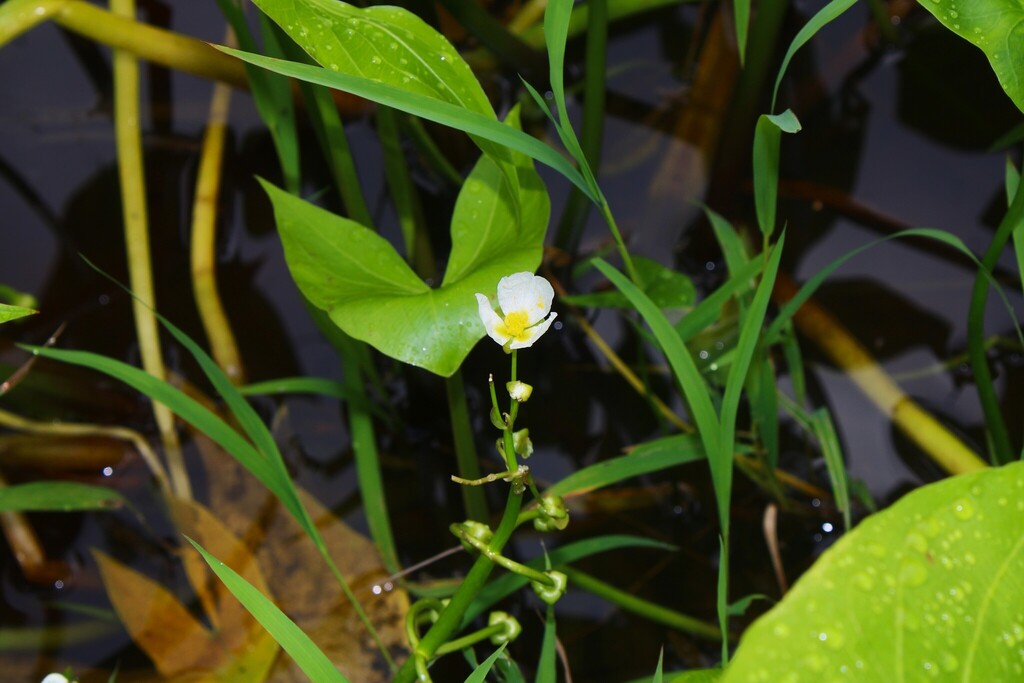
- Hooded ArrowheadSagittaria calycina
- Large-fruited ArrowheadSagittaria macrocarpa
- Pine-barren False FoxgloveAgalinis virgata
- Clasping-leaf PondweedPotamogeton perfoliatus
- Common BladderwortUtricularia macrorhiza
- Water TupeloNyssa aquatica
- Southern Marsh St. John's-wortTriadenum tubulosum
- Quillwort ArrowheadSagittaria isoetiformis
- Threadleaf ArrowheadSagittaria filiformis
- Narrowleaf Pond-lilyNuphar sagittifolia
- Swaying BulrushSchoenoplectus subterminalis
Sources
- USGS Gap Analysis Project habitat models (2001)
- USGS GAP summer habitat model for Black Tern Elevation up to 1,540 m
- USGS Gap Analysis Project range maps (2001), modeled by watershed; migratory gives no dates
- NatureServe Explorer (CC BY 4.0), habitat names
- US Census TIGER/Line counties
- Names follow the USGS Gap Analysis Project (2001)