

Bird
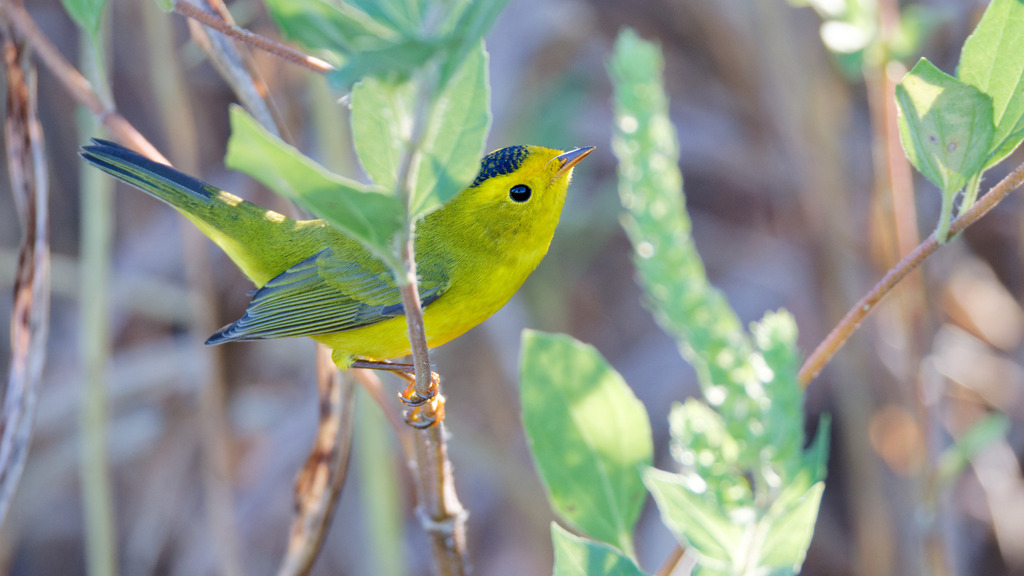
Wilson's Warbler
Wilsonia pusilla
Passes through North Carolina on migration. Found in all 100 counties, across 4 habitats.
- Here
- On migration
- Nesting
- Not known to nest here
- Range
- All 100 counties
- Habitats
- 4
At a glance
- Group
- Birds
- Here
- On migration
- Nesting
- Not known to nest here
- Range
- All 100 counties
- Habitats
- 4
- Habitat models
- Winter
Where it lives
The places its habitat model includes. It is not found everywhere a habitat occurs.
Habitats in North Carolina 4
Each habitat page lists the plants and wildlife also found there.
Roadsides, fields and disturbed ground
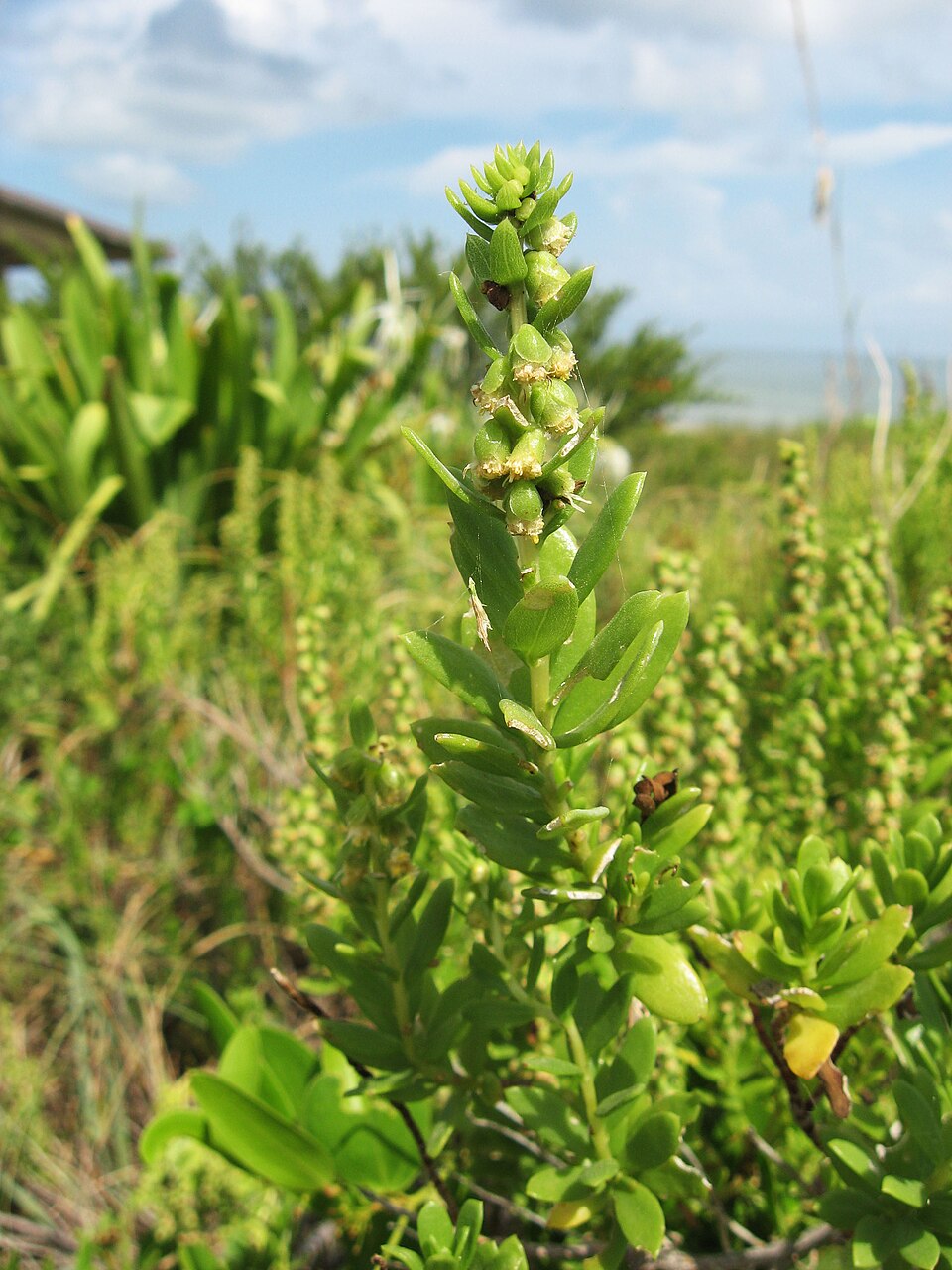
Open sand of beaches, dunes and the hollows between them.
Disturbed and introduced wetlands
Wet ground taken over by weedy or introduced plants after disturbance, such as common reed, Chinese tallow or tamarisk stands; the upland counterpart is roadsides, fields and disturbed ground.
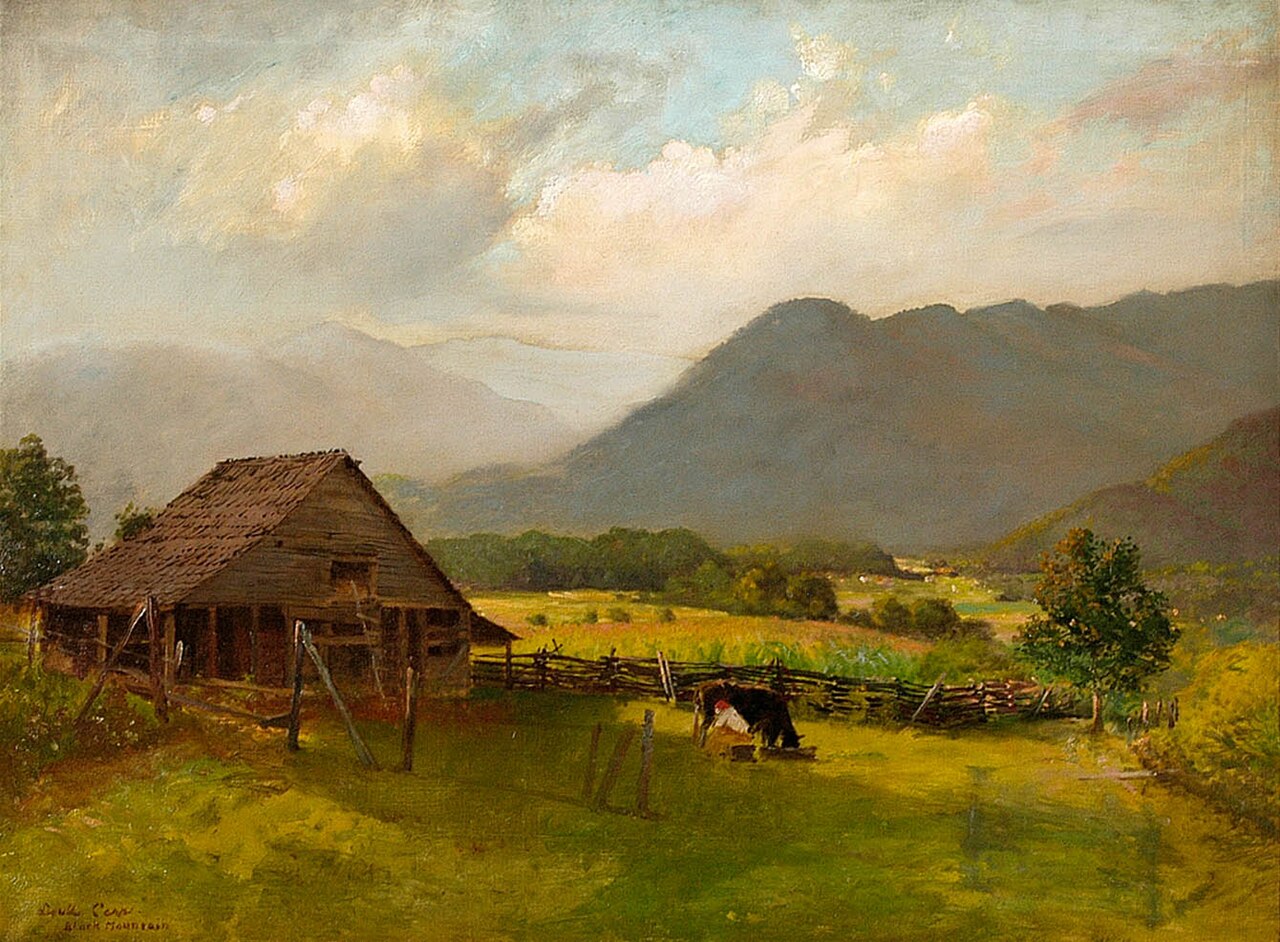
Borders of forests, clearings and shrubby thickets.
Other habitats in its models (32)
Land cover, or classes with no habitat page in North Carolina. Those recorded in North Carolina first, the rest by region.
Elsewhere in the South (18)
- Central and South Texas Coastal Fringe Forest and Woodland Winter.
- East Gulf Coastal Plain Small Stream and River Floodplain Forest Winter.
- East-Central Texas Plains Post Oak Savanna and Woodland Winter.
- East-Central Texas Plains Riparian Forest Winter.
- Lower Mississippi River Dune Woodland and Forest Winter.
- Lower Mississippi River Flatwoods Winter.
- Mississippi River Alluvial Plain Dry-Mesic Loess Slope Forest Winter.
- Mississippi River Bottomland Depression Winter.
- Mississippi River Low Floodplain (Bottomland) Forest Winter.
- Mississippi River Riparian Forest Winter.
- Mississippi Sound Salt and Brackish Tidal Marsh Winter.
- West Gulf Coastal Plain Chenier and Upper Texas Coastal Fringe Forest and Woodland Winter.
- West Gulf Coastal Plain Large River Floodplain Forest Winter.
- West Gulf Coastal Plain Mesic Hardwood Forest Winter.
- West Gulf Coastal Plain Nonriverine Wet Hardwood Flatwoods Winter.
- West Gulf Coastal Plain Pine-Hardwood Flatwoods Winter.
- West Gulf Coastal Plain Sandhill Oak and Shortleaf Pine Forest and Woodland Winter.
- West Gulf Coastal Plain Small Stream and River Forest Winter.
Land cover and other classes (14)
- Developed, Low Intensity Winter.
- East Gulf Coastal Plain Large River Floodplain Forest - Forest Modifier Winter.
- East Gulf Coastal Plain Large River Floodplain Forest - Herbaceous Modifier Winter.
- East Gulf Coastal Plain Southern Depression Pondshore Winter.
- Introduced Upland Vegetation - Shrub Winter.
- Lower Mississippi River Bottomland Depressions - Forest Modifier Winter.
- Mississippi River Floodplain and Riparian Forest Winter.
- Orchards Vineyards and Other High Structure Agriculture Winter.
- Recently Burned Winter.
- Recently Burned Forest Winter.
- Recently Burned Shrubland Winter.
- Recently Logged Areas Winter.
- Unconsolidated Shore Winter.
- Unconsolidated Shore (Lake/River/Pond) Winter.
Seasons in North Carolina
- Migratory: does not nest here, in all 100 counties.
Also found in its main habitats
Its main habitats in North Carolina, by how much of its habitat model each one is, with the birds most characteristic of each and the plants that grow wild there. Shared habitat, not food.
Forest edges and thickets
Birds 40
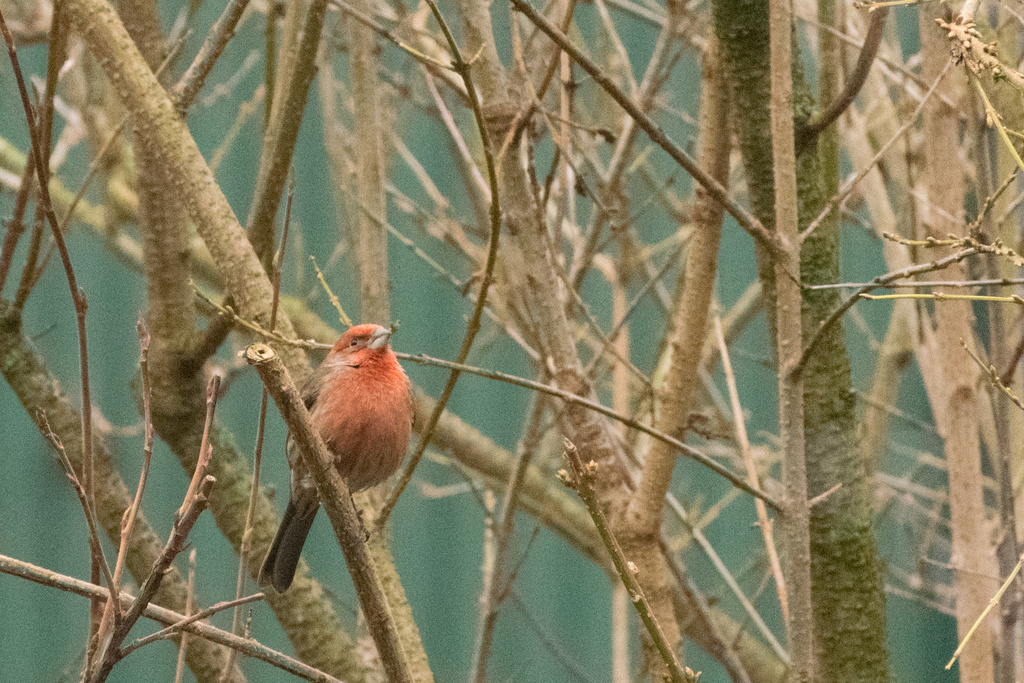
- House FinchCarpodacus mexicanus
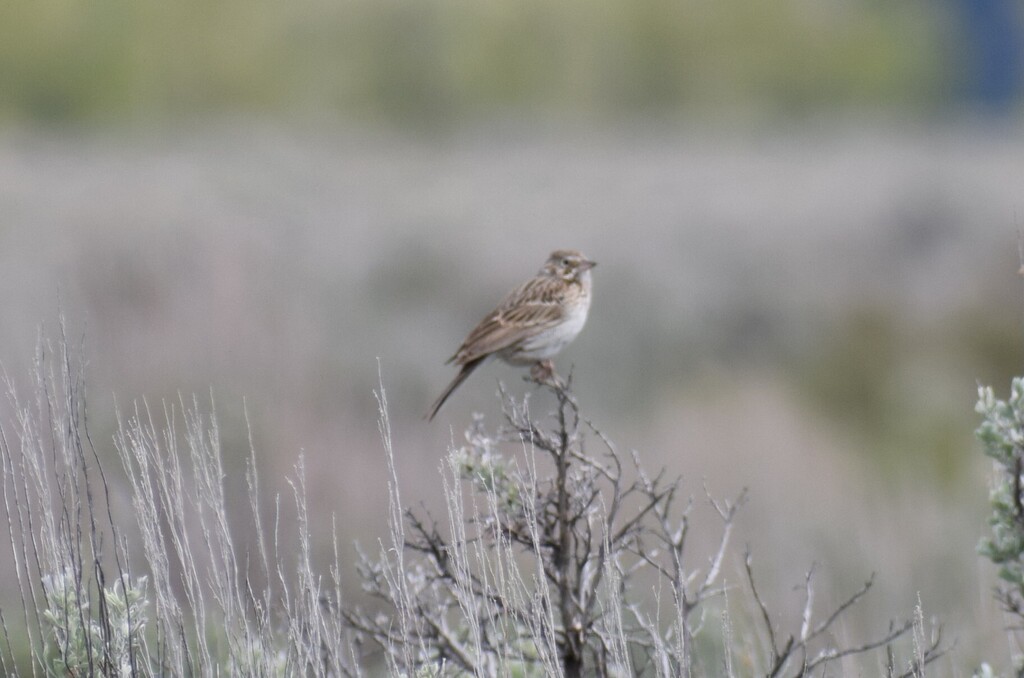
- Vesper SparrowPooecetes gramineus
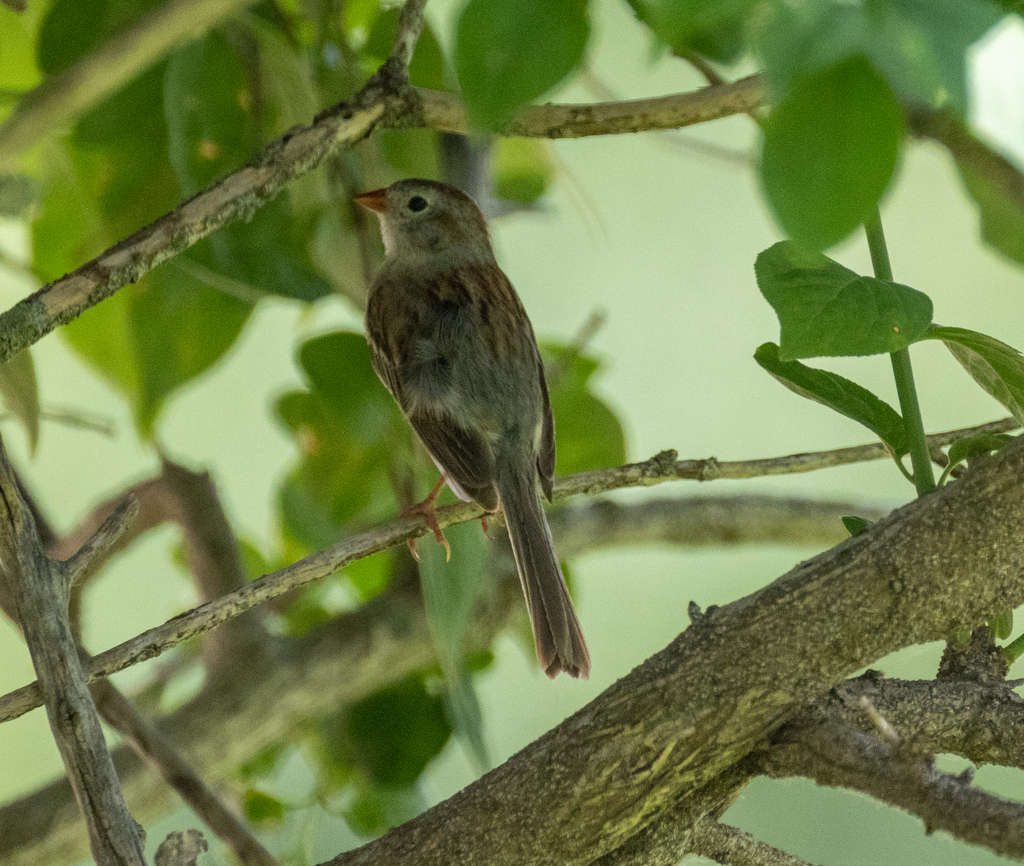
- Field SparrowSpizella pusilla
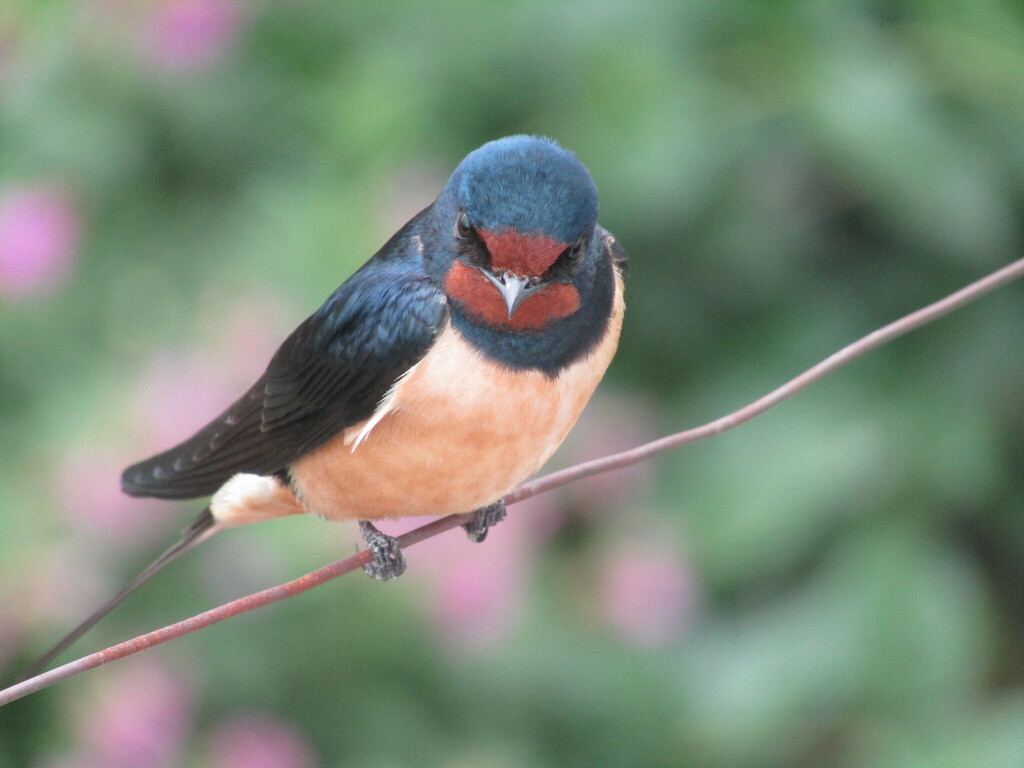
- Barn SwallowHirundo rustica
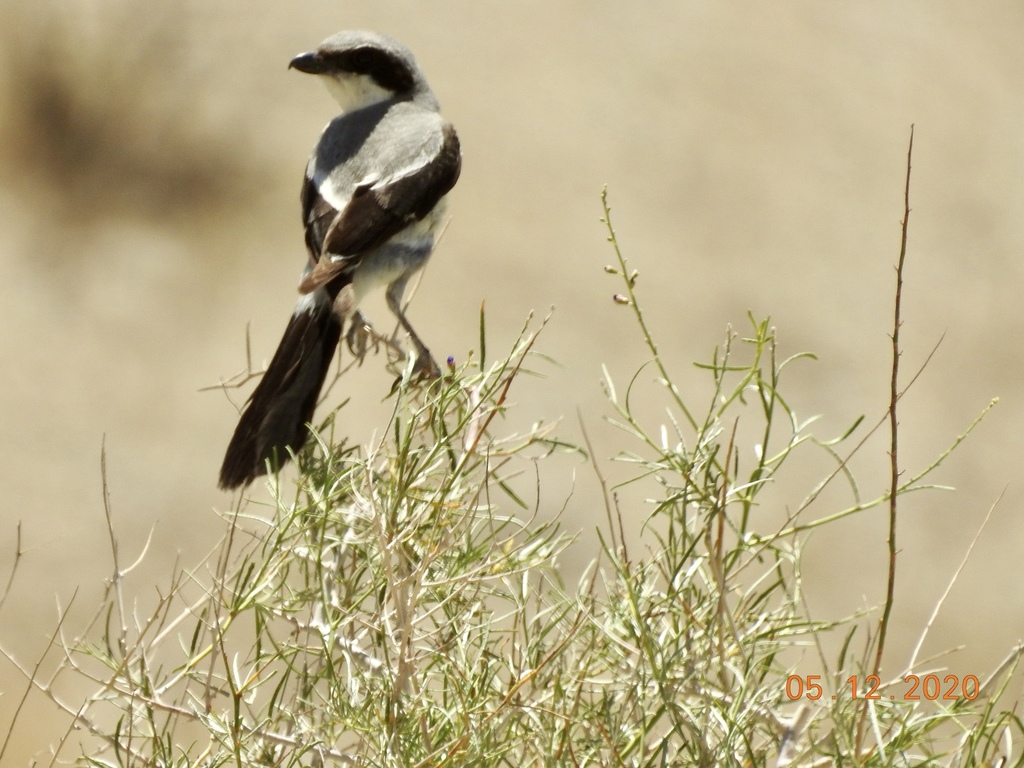
- Loggerhead ShrikeLanius ludovicianus
- Willow FlycatcherEmpidonax traillii
- Brown-headed CowbirdMolothrus ater
- Eastern BluebirdSialia sialis
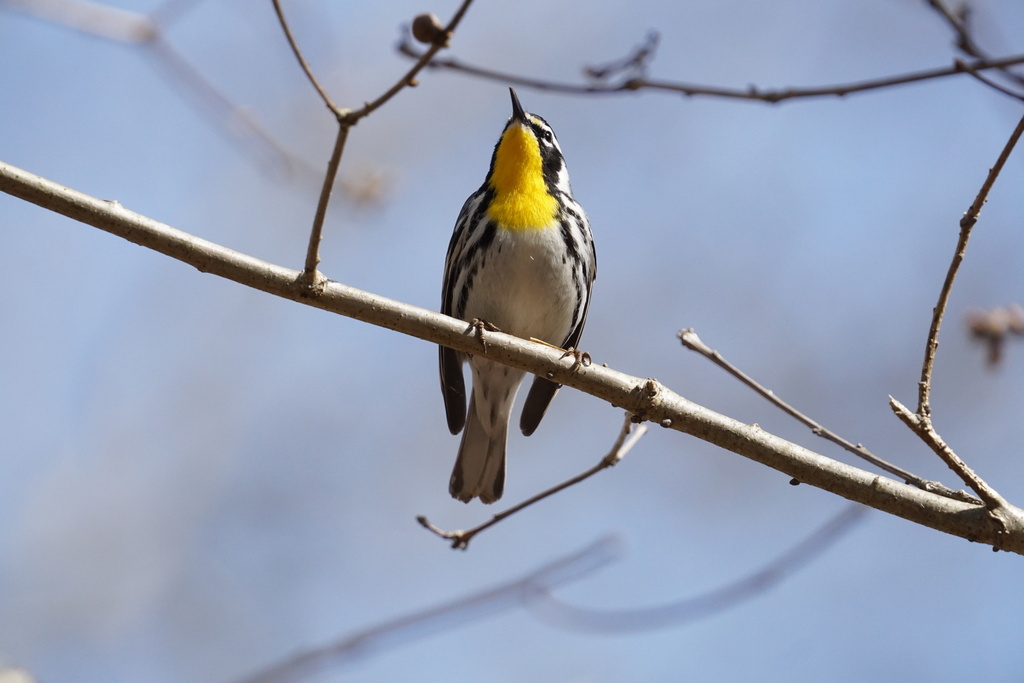
- Yellow-throated WarblerDendroica dominica
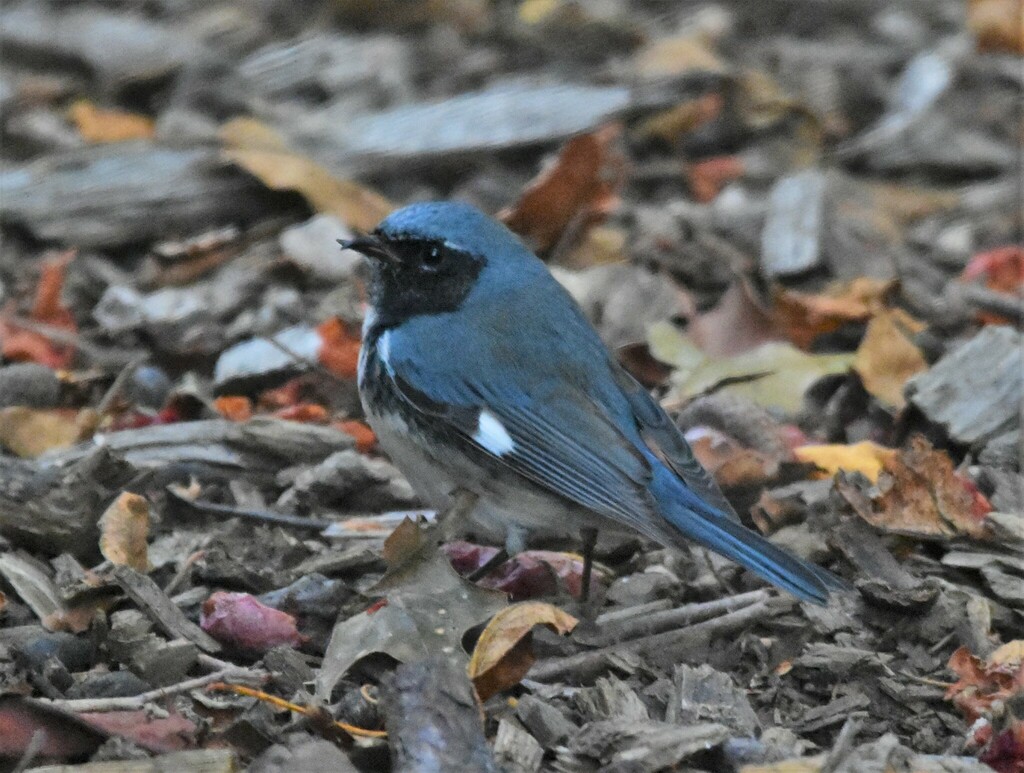
- Black-throated Blue WarblerDendroica caerulescens
- Northern BobwhiteColinus virginianus
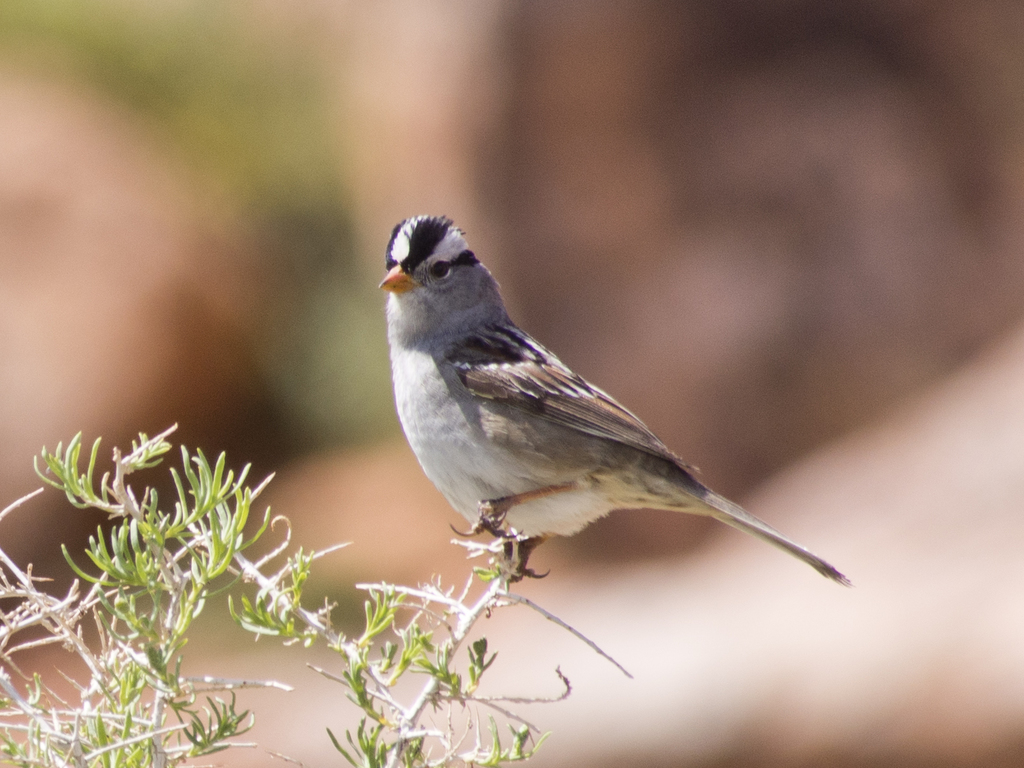
- White-crowned SparrowZonotrichia leucophrys



Plants 231
- Bristly BlackberryRubus setosus
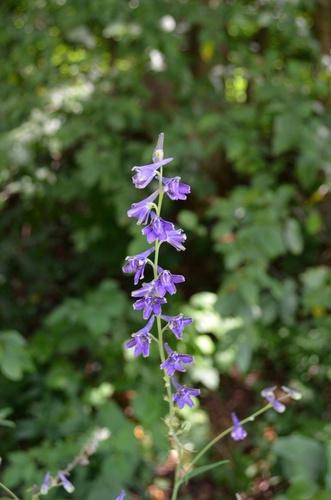
- Tall LarkspurDelphinium exaltatum
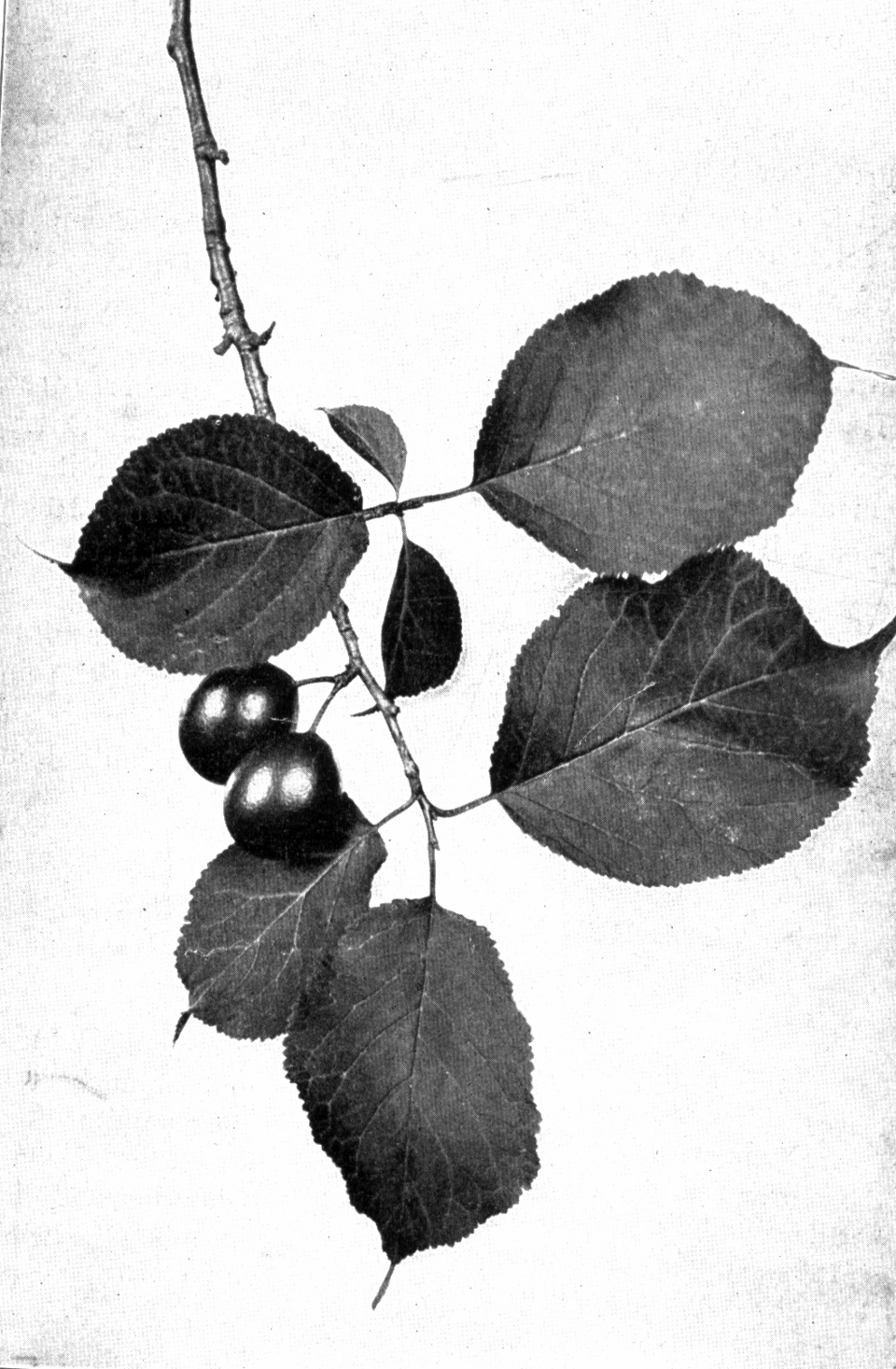
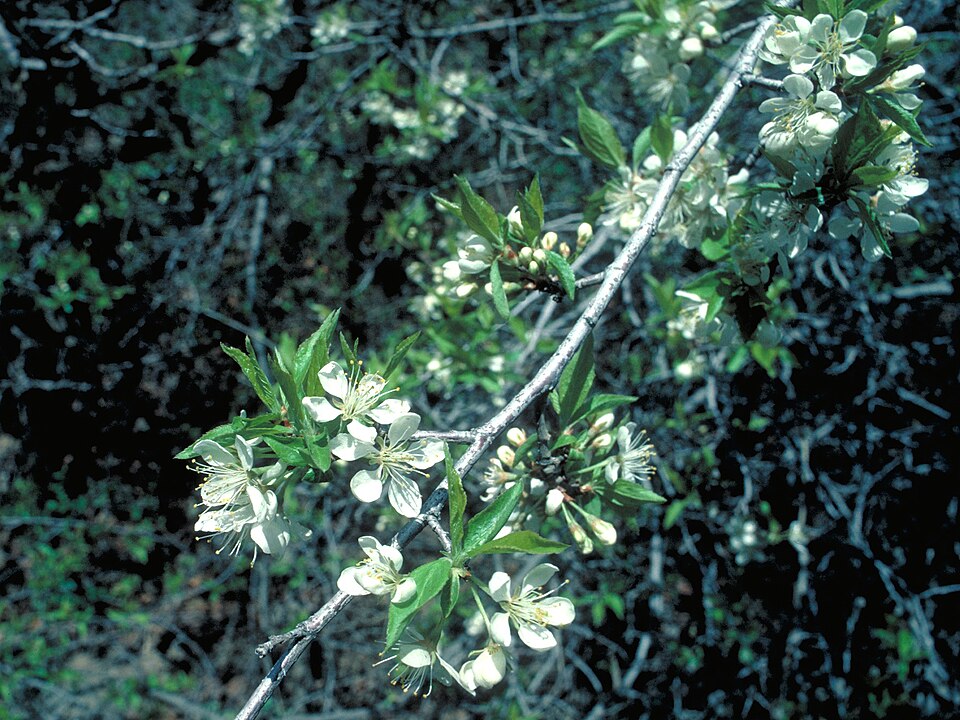
- Canada PlumPrunus nigra
- Fire CherryPrunus pensylvanica
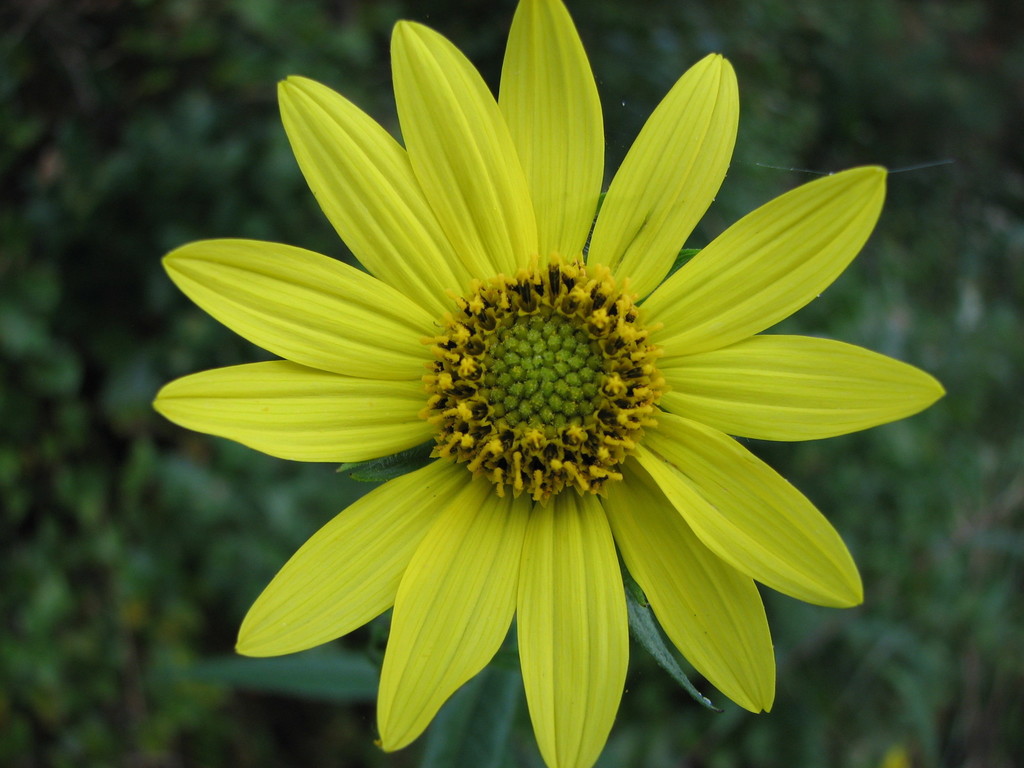
- Giant SunflowerHelianthus giganteus
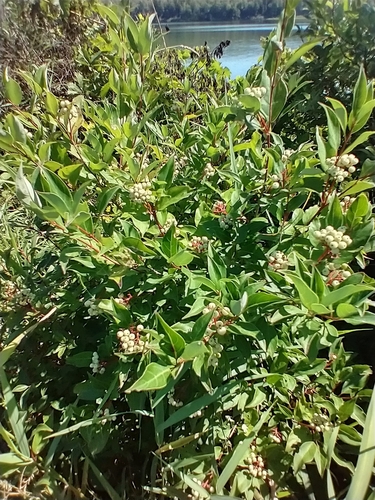
- Gray DogwoodSwida racemosa
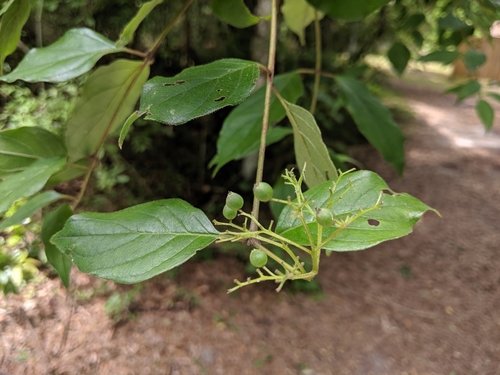
- Roughleaf DogwoodSwida asperifolia
- Southern DewberryRubus trivialis
- Sawtooth BlackberryRubus argutus
- Buffalo CloverTrifolium reflexum
- Cutleaf GoldenrodSolidago arguta
- Hairy LettuceLactuca hirsuta
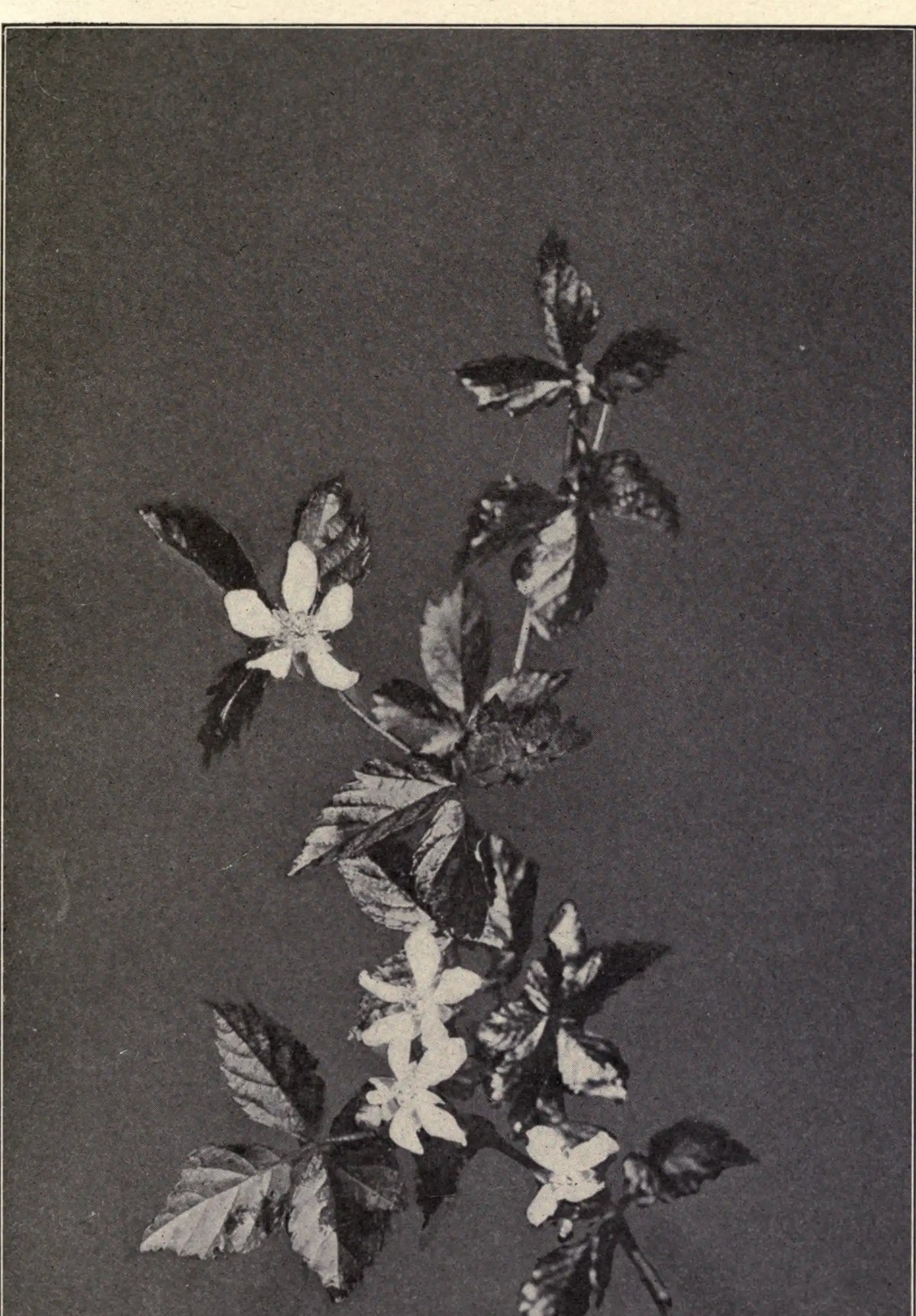
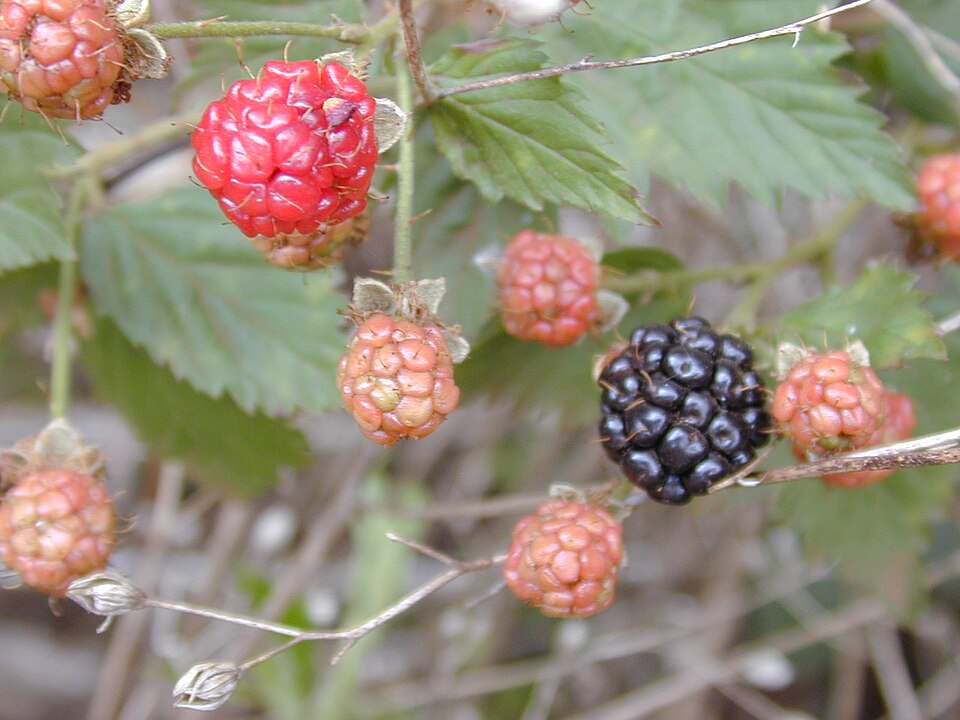
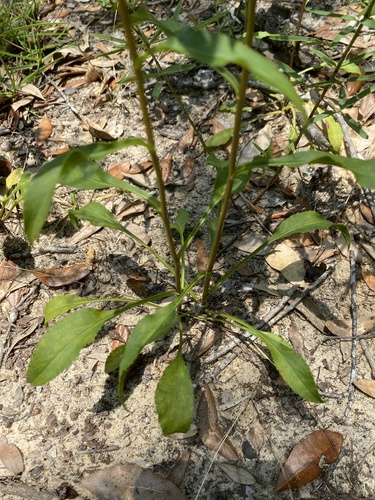
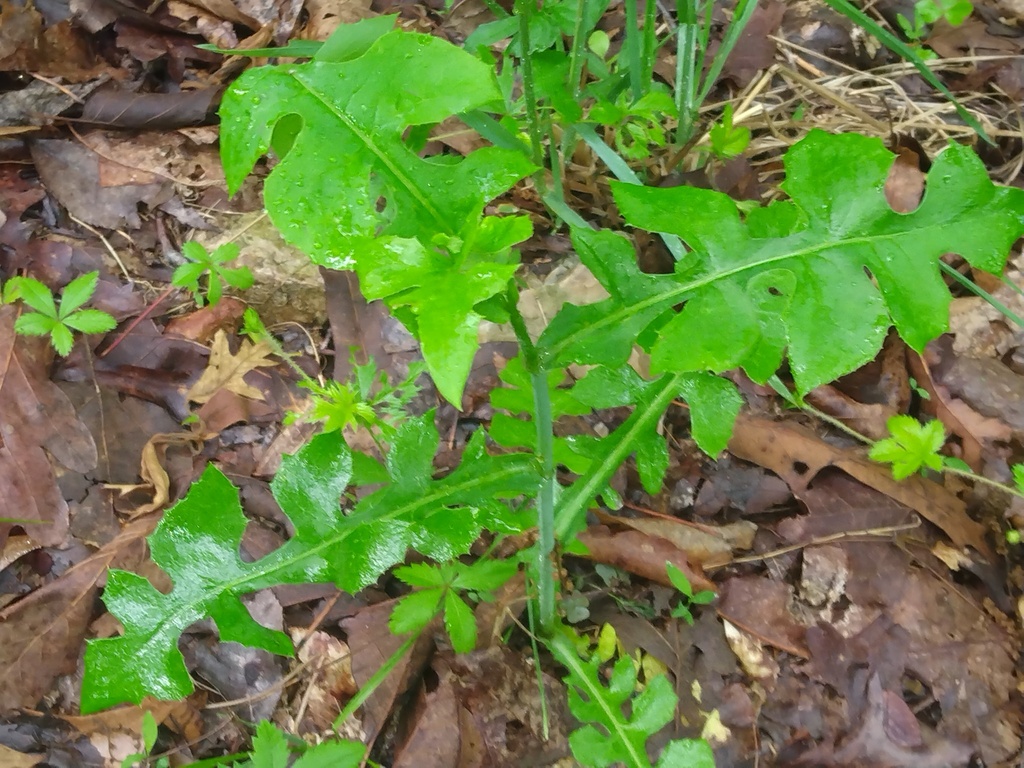
Roadsides, fields and disturbed ground
Birds 89
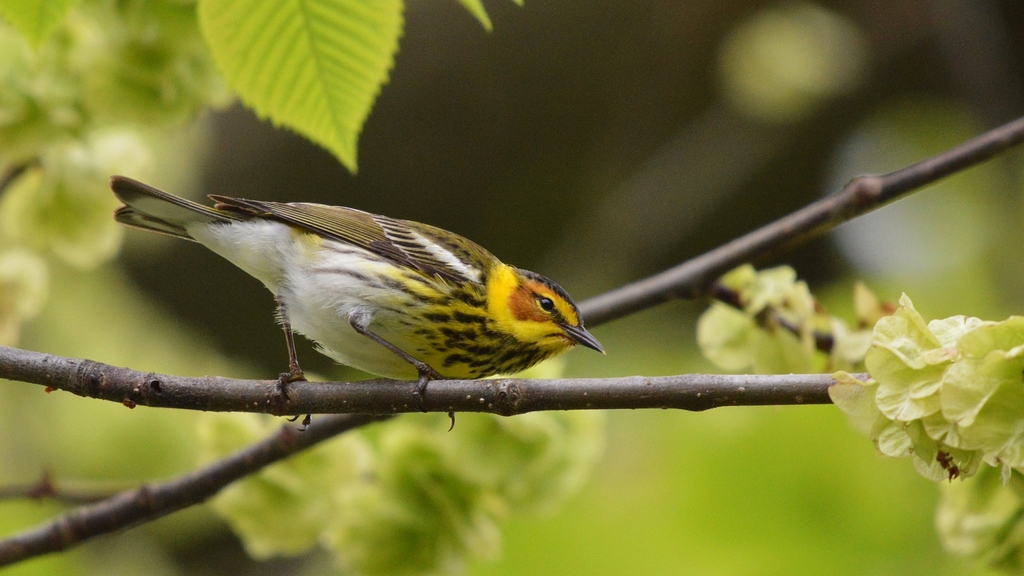
- Cape May WarblerDendroica tigrina
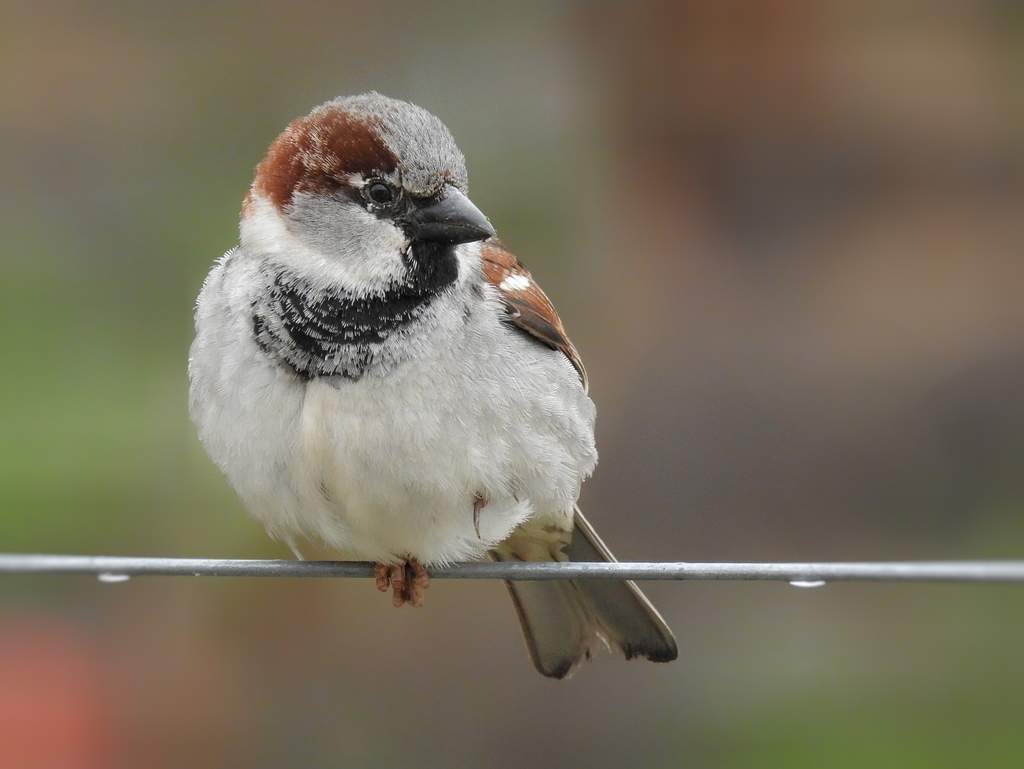
- House SparrowPasser domesticus
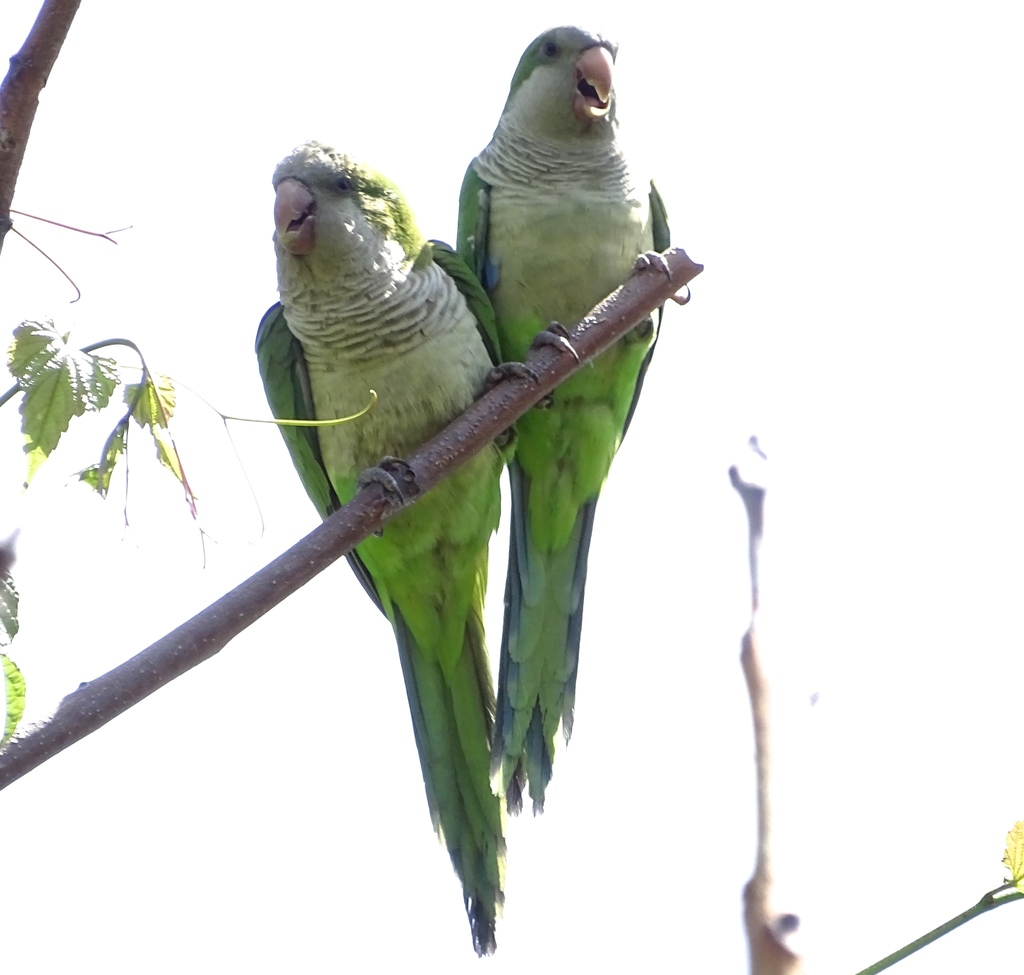
- Monk ParakeetMyiopsitta monachus
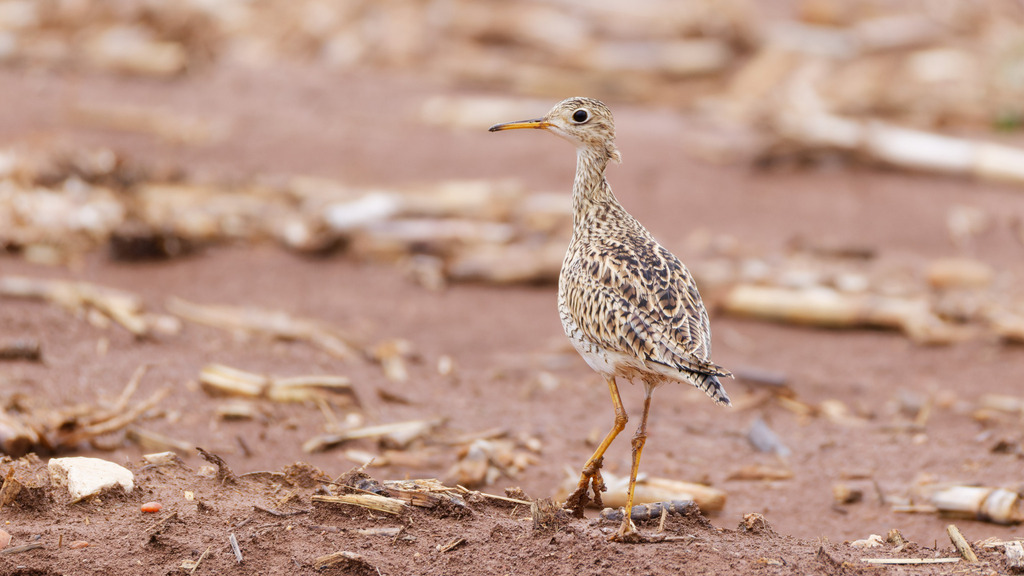
- Upland SandpiperBartramia longicauda
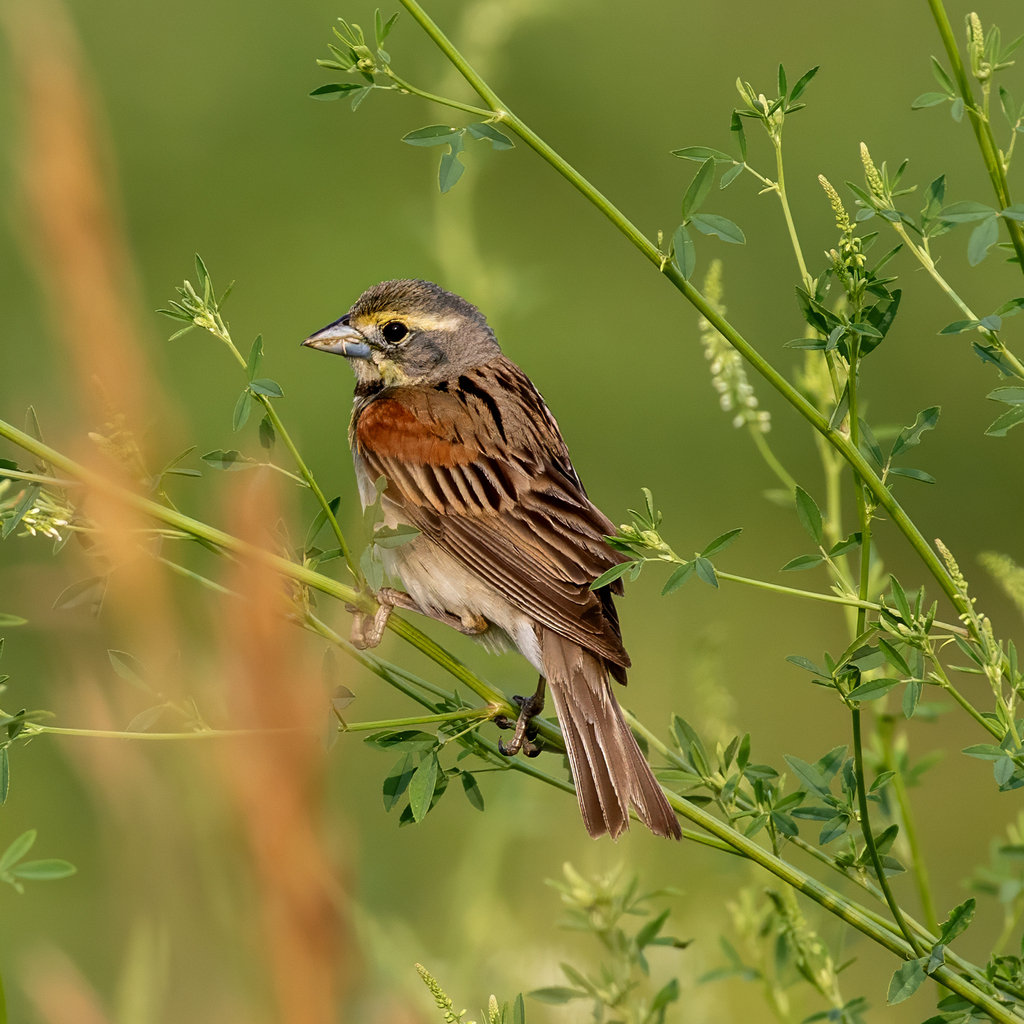
- DickcisselSpiza americana
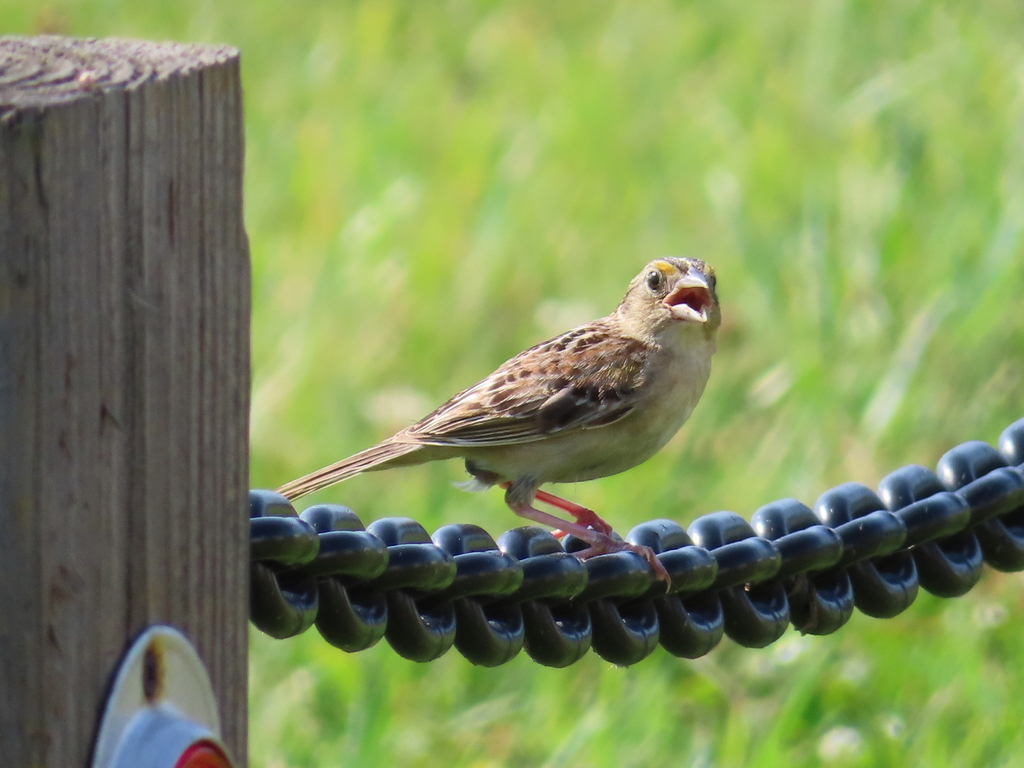
- Grasshopper SparrowAmmodramus savannarum
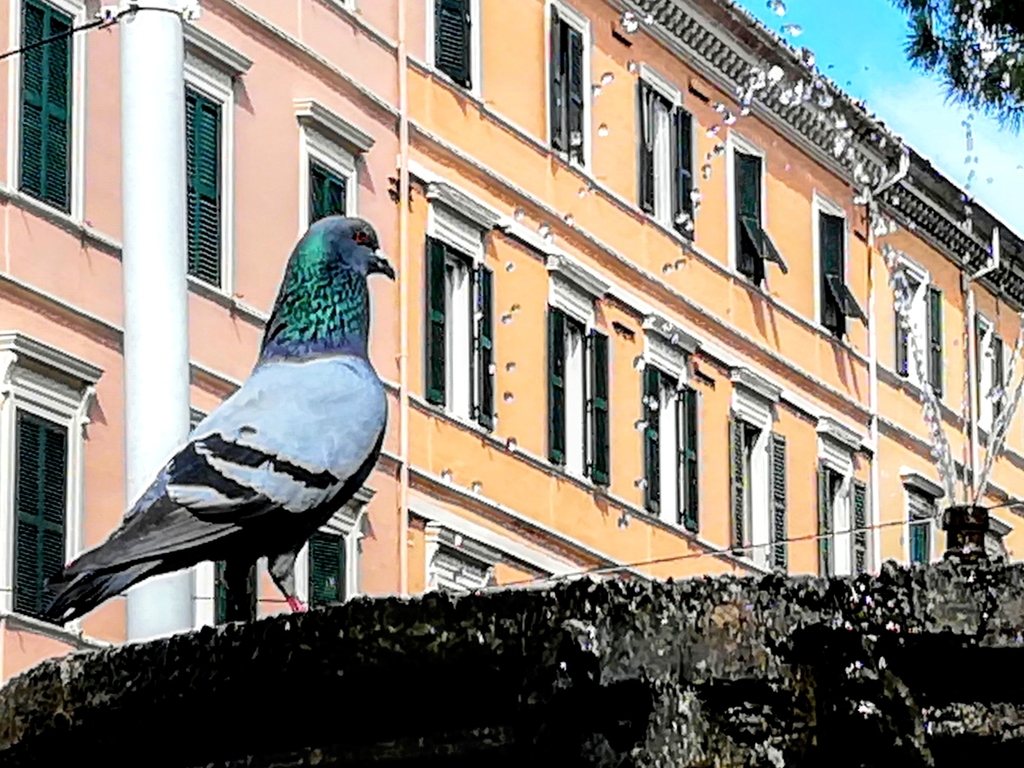
- Rock PigeonColumba livia
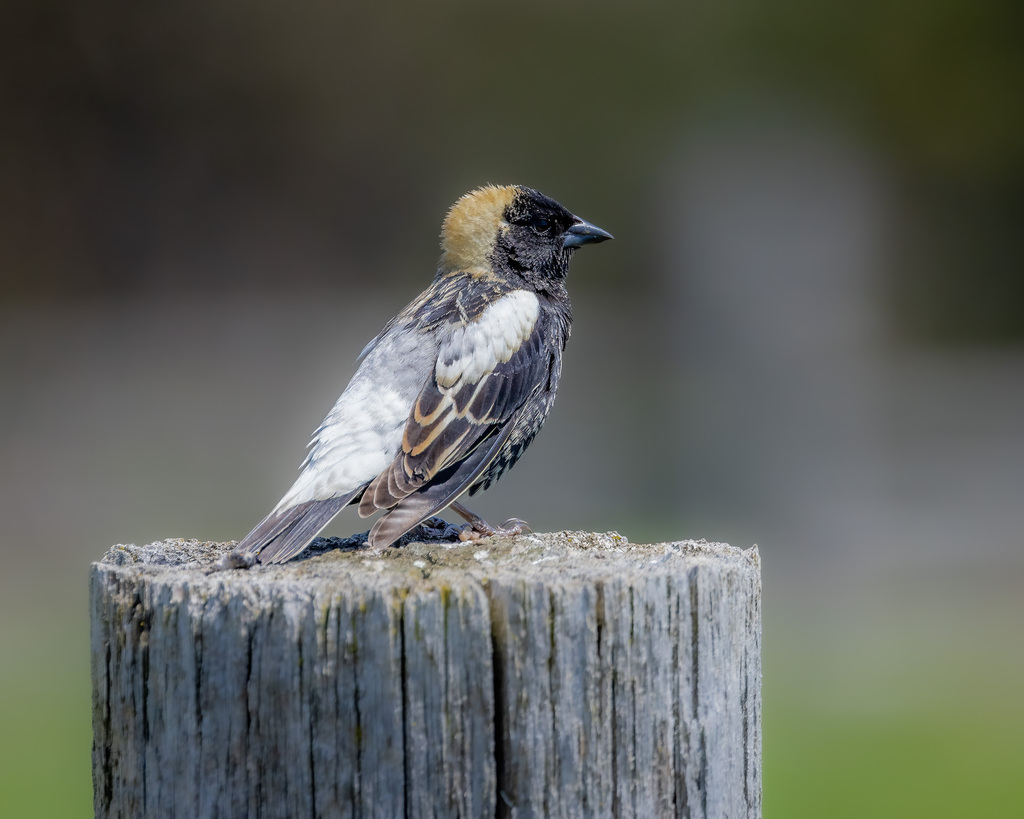
- BobolinkDolichonyx oryzivorus
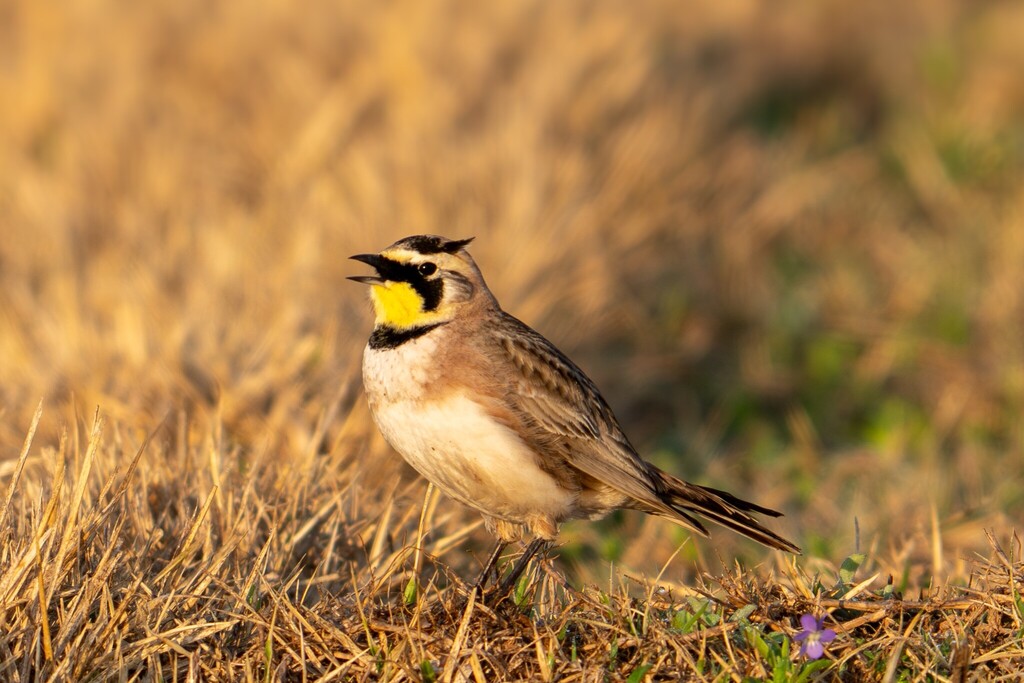
- Horned LarkEremophila alpestris
- House FinchCarpodacus mexicanus
- Vesper SparrowPooecetes gramineus
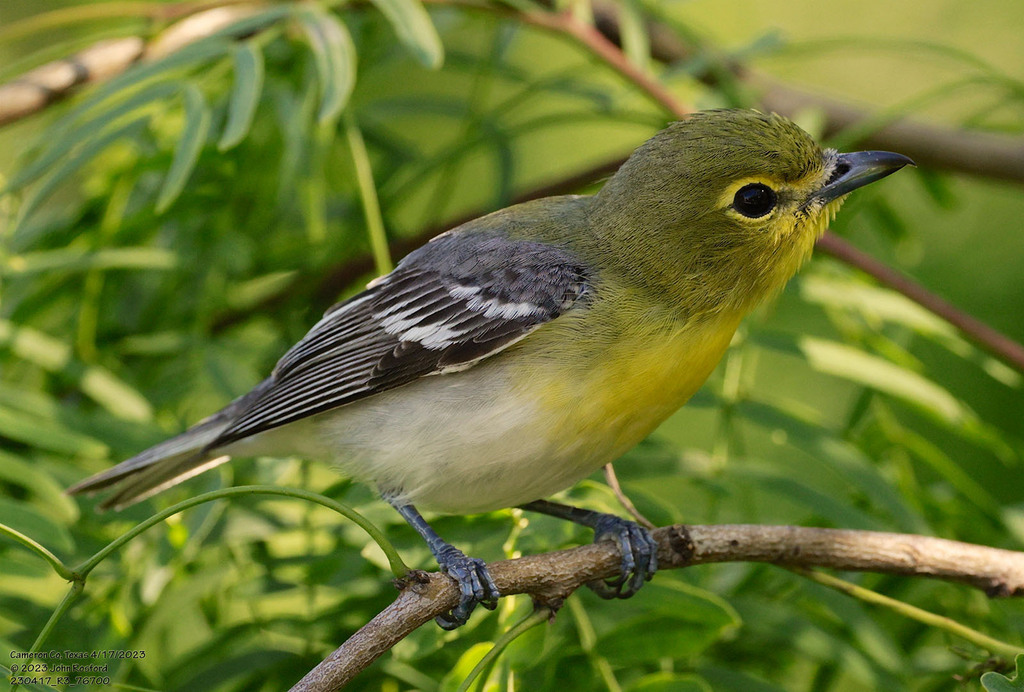
- Yellow-throated VireoVireo flavifrons
Plants 1314
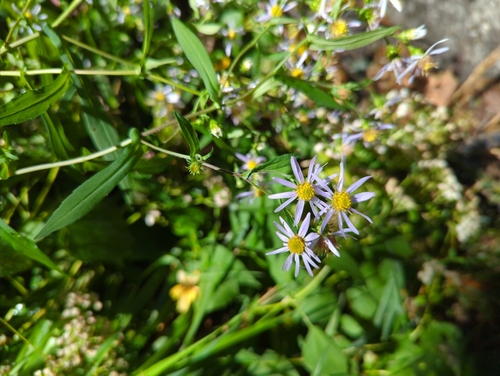
- Crooked-stem AsterSymphyotrichum prenanthoides
- Canada LettuceLactuca canadensis
- Common HorseweedErigeron canadensis
- Annual FleabaneErigeron annuus
- Oakleaf FleabaneErigeron quercifolius
- Dog-fennelEupatorium capillifolium
- Ivyleaf Morning-gloryIpomoea hederacea
- Carolina Crane's-billGeranium carolinianum
- Common Evening-primroseOenothera biennis
- Cutleaf Evening-primroseOenothera laciniata
- Northern Evening-primroseOenothera parviflora
- Downy Ground-cherryPhysalis pubescens
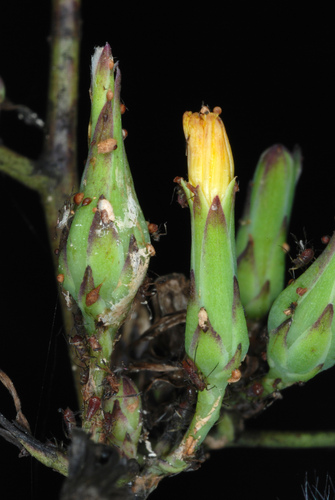
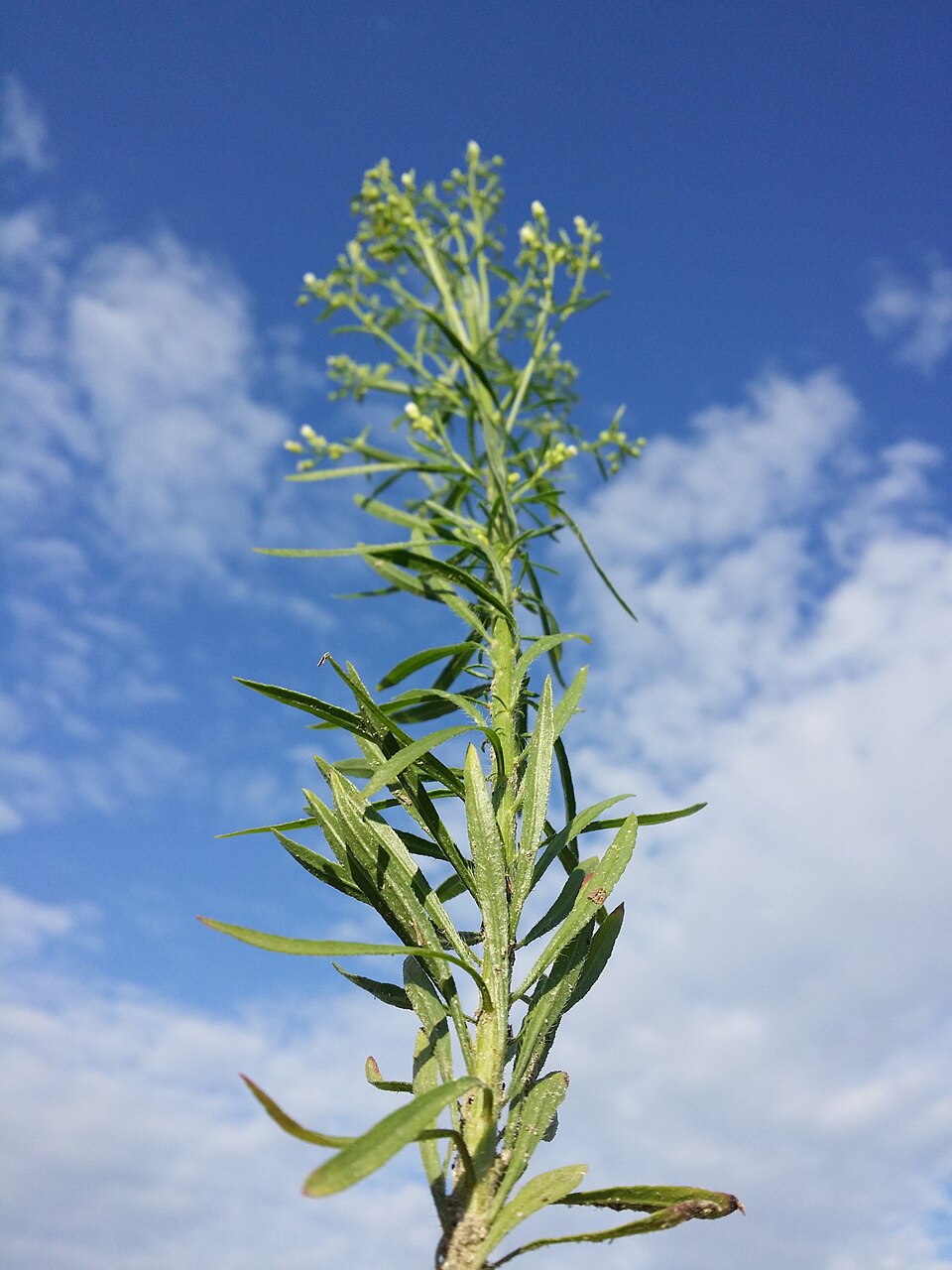
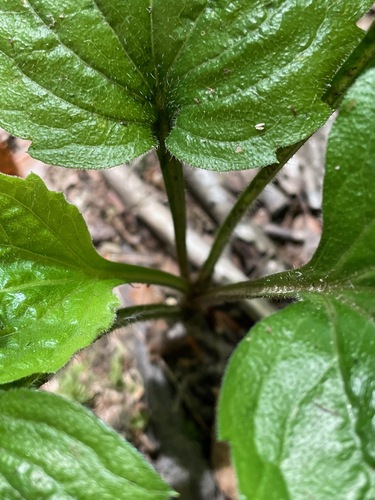
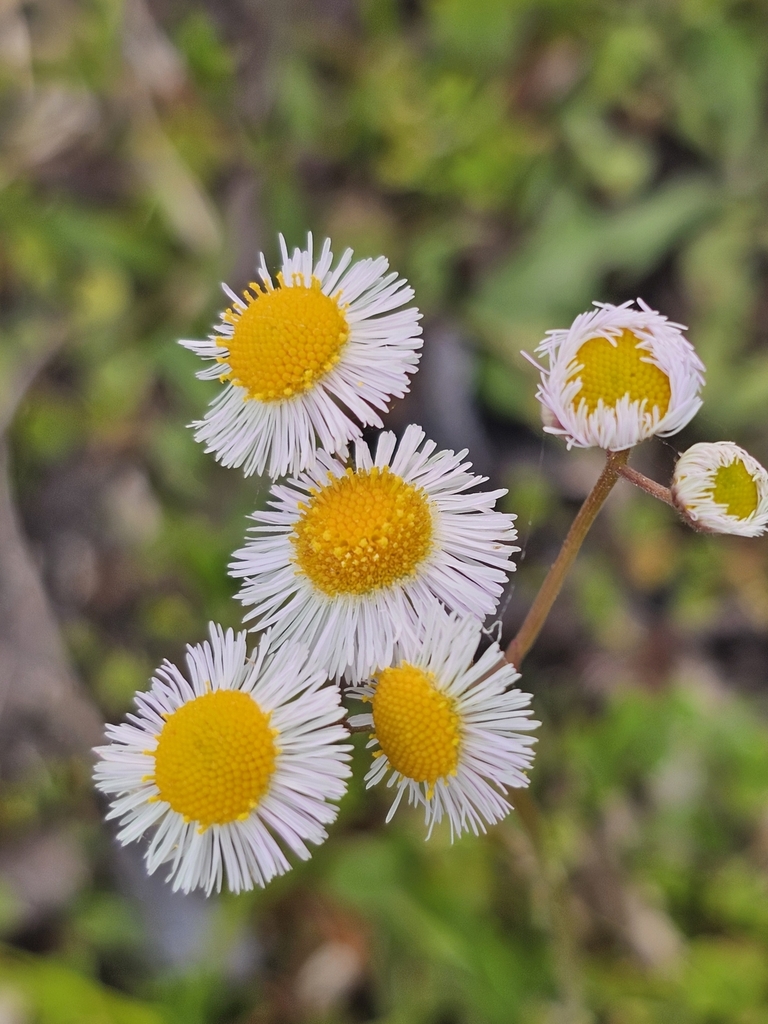
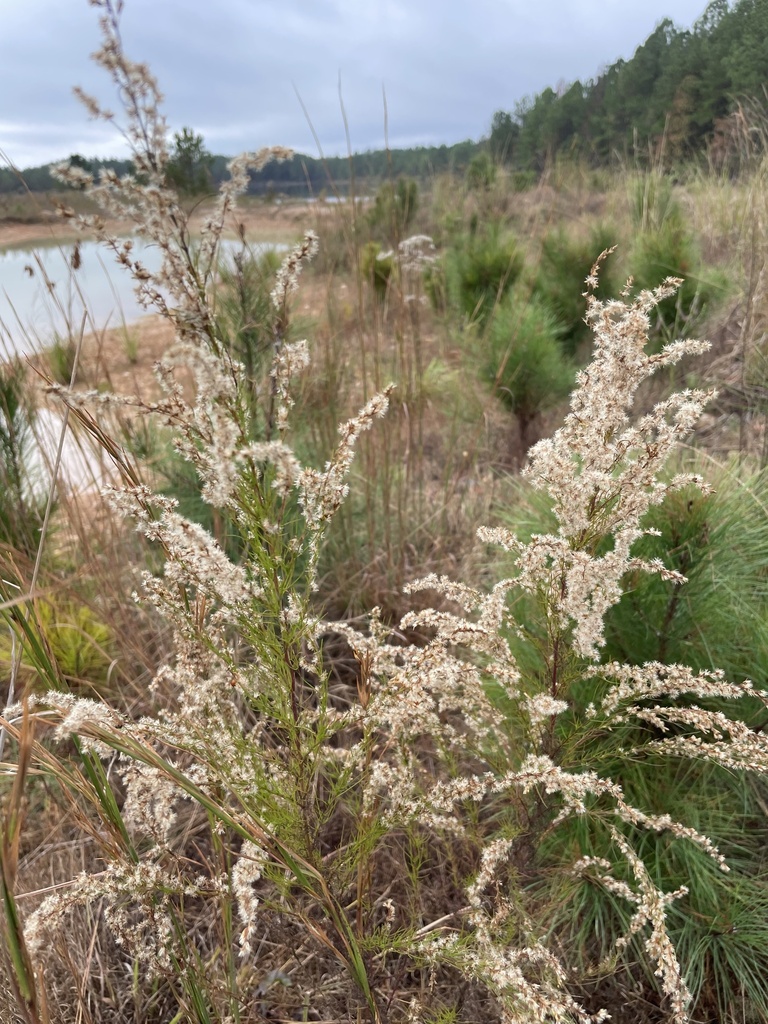
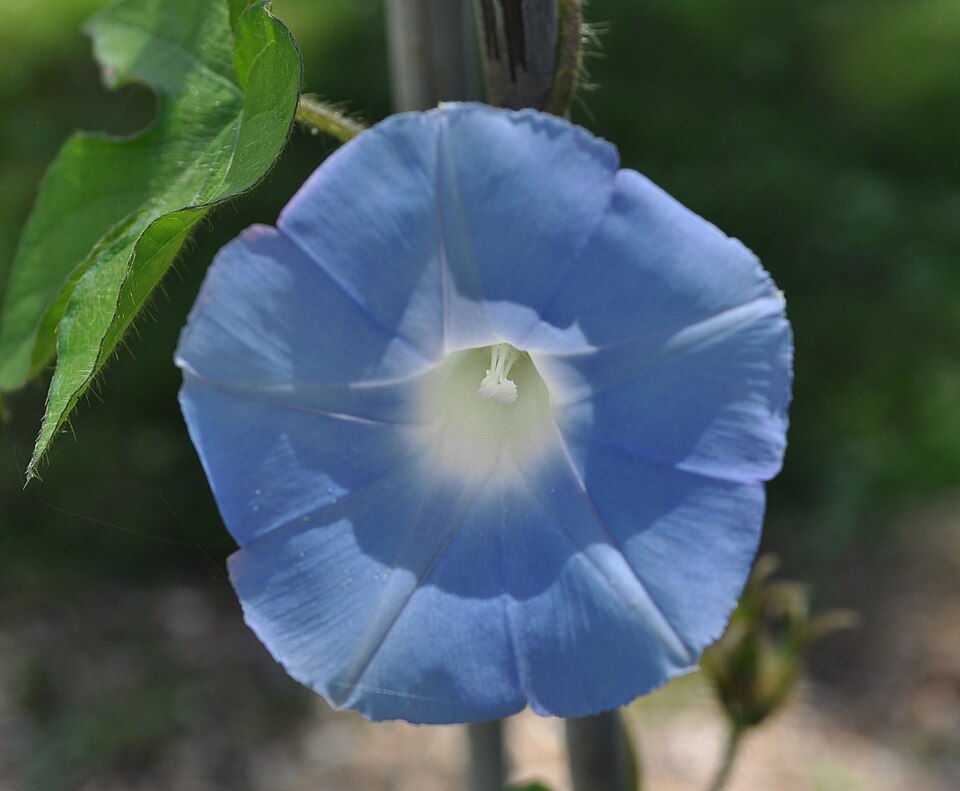
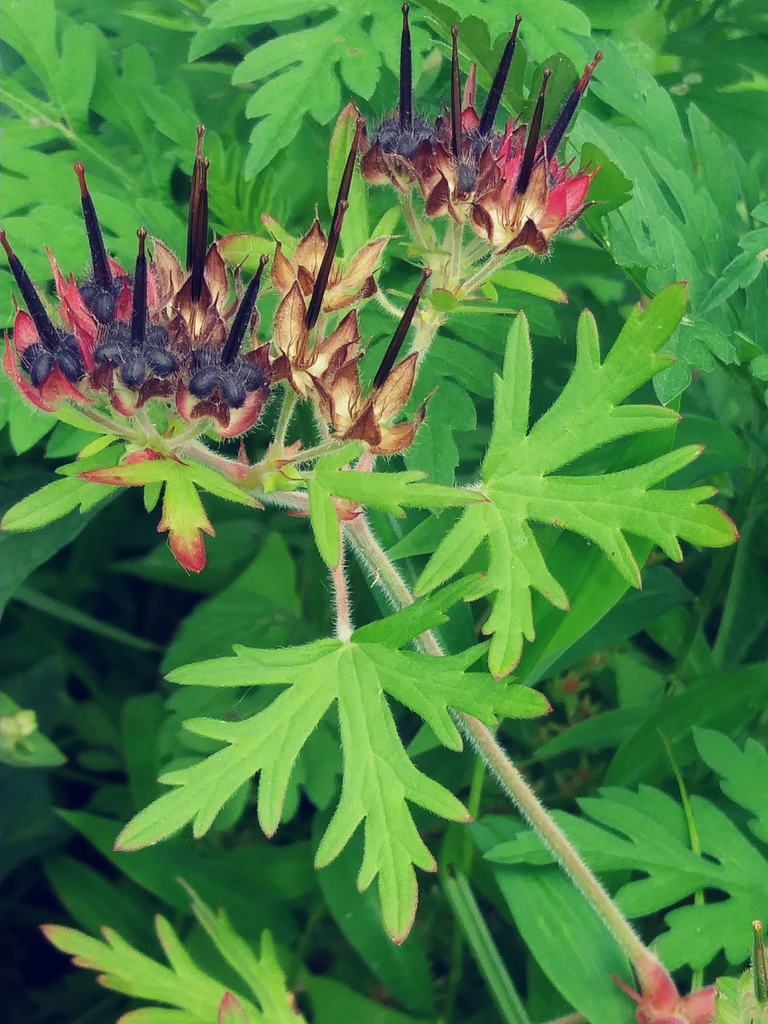
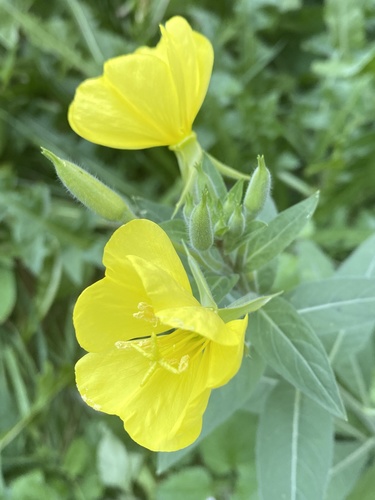
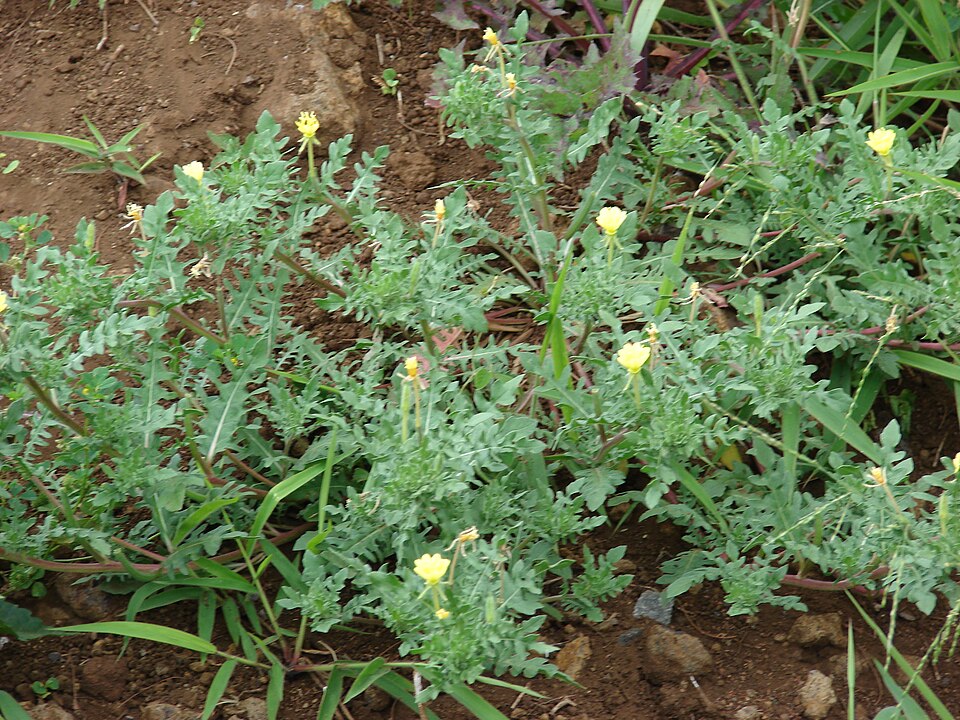
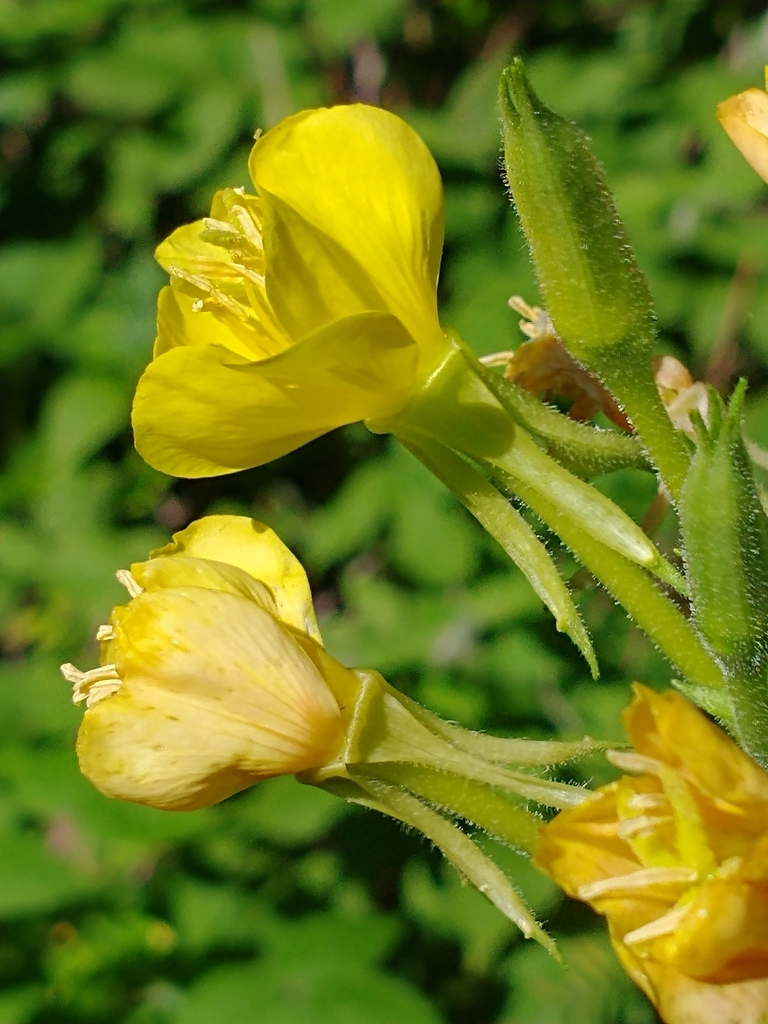
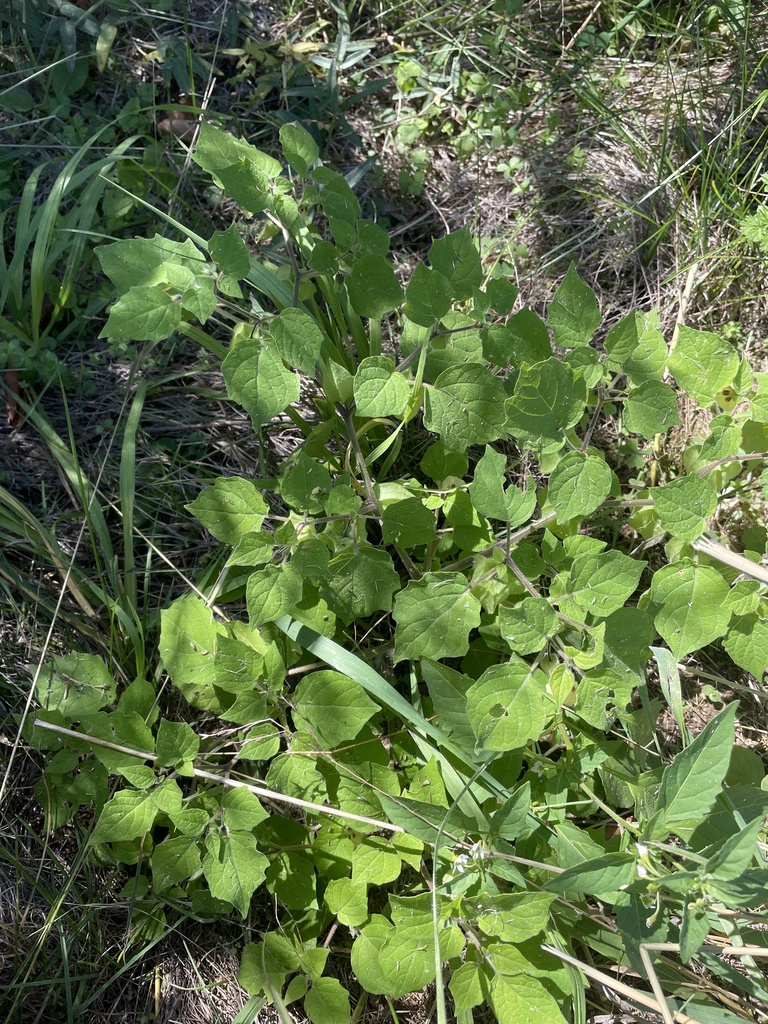
All of roadsides, fields and disturbed ground in North Carolina
Coastal dunes and beaches
Birds 112
- DovekieAlle alle
- Horned LarkEremophila alpestris
- Marbled GodwitLimosa fedoa
- Short-billed DowitcherLimnodromus griseus
- Wilson's PloverCharadrius wilsonia
- Great Black-backed GullLarus marinus
- Purple SandpiperCalidris maritima
- Saltmarsh Sharp-tailed SparrowAmmodramus caudacutus
- Sandwich TernThalasseus sandvicensis
- Seaside SparrowAmmodramus maritimus
- Field SparrowSpizella pusilla
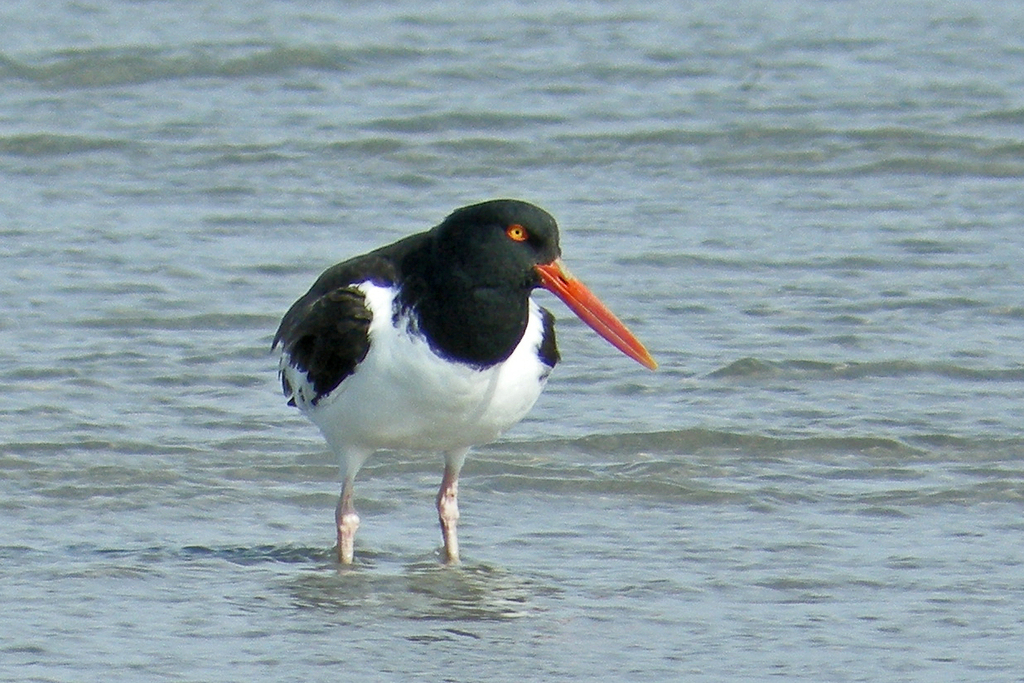
- American OystercatcherHaematopus palliatus
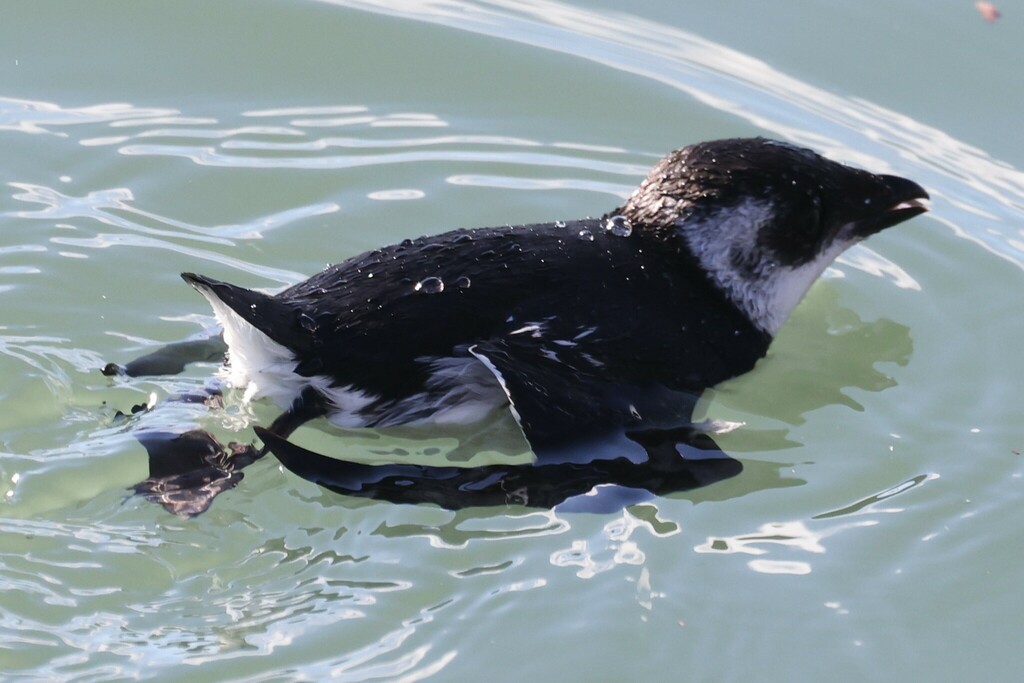
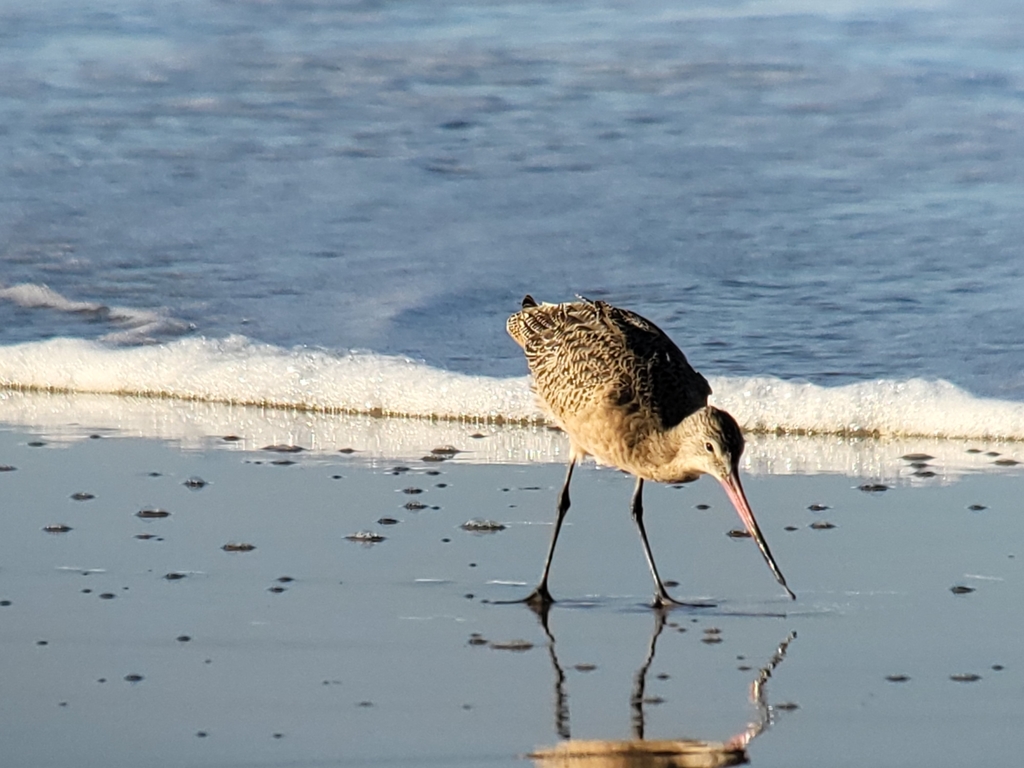
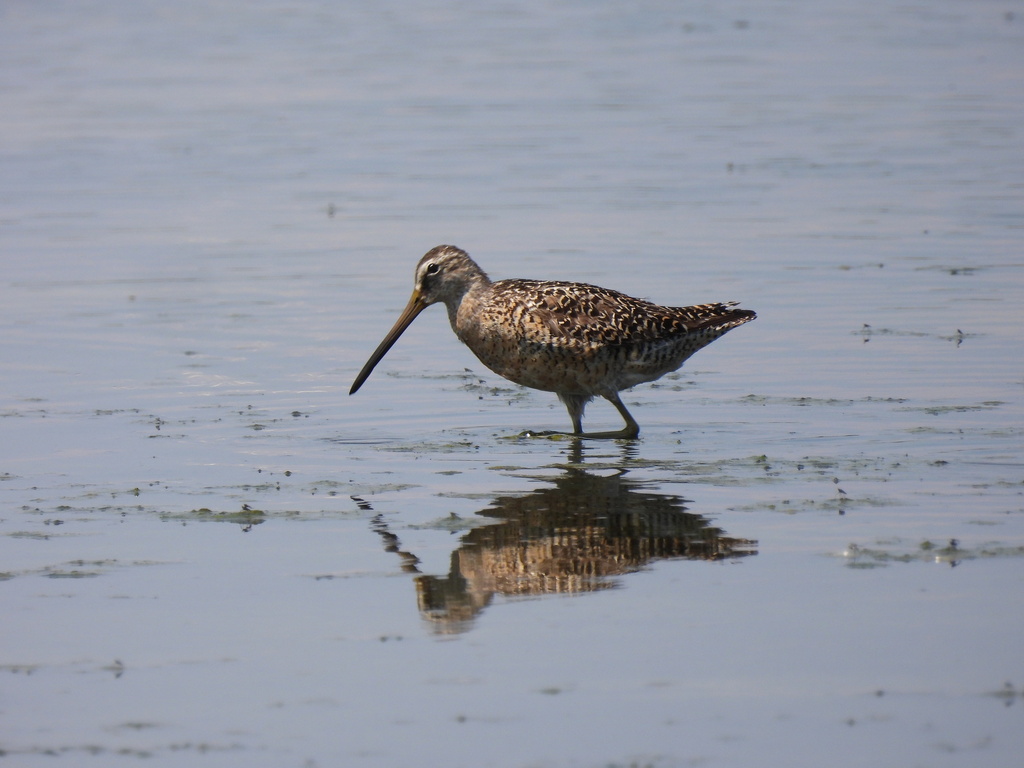
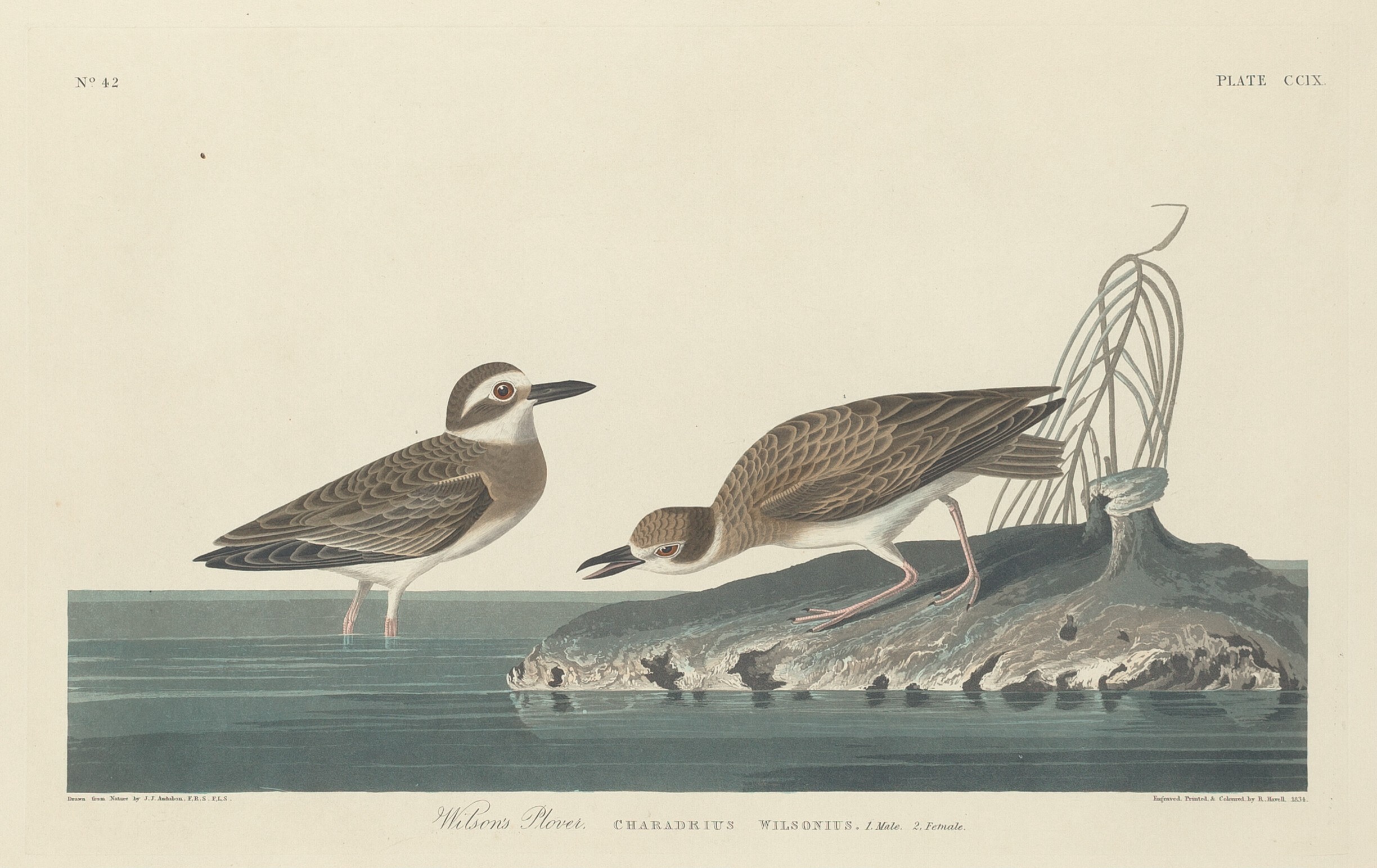
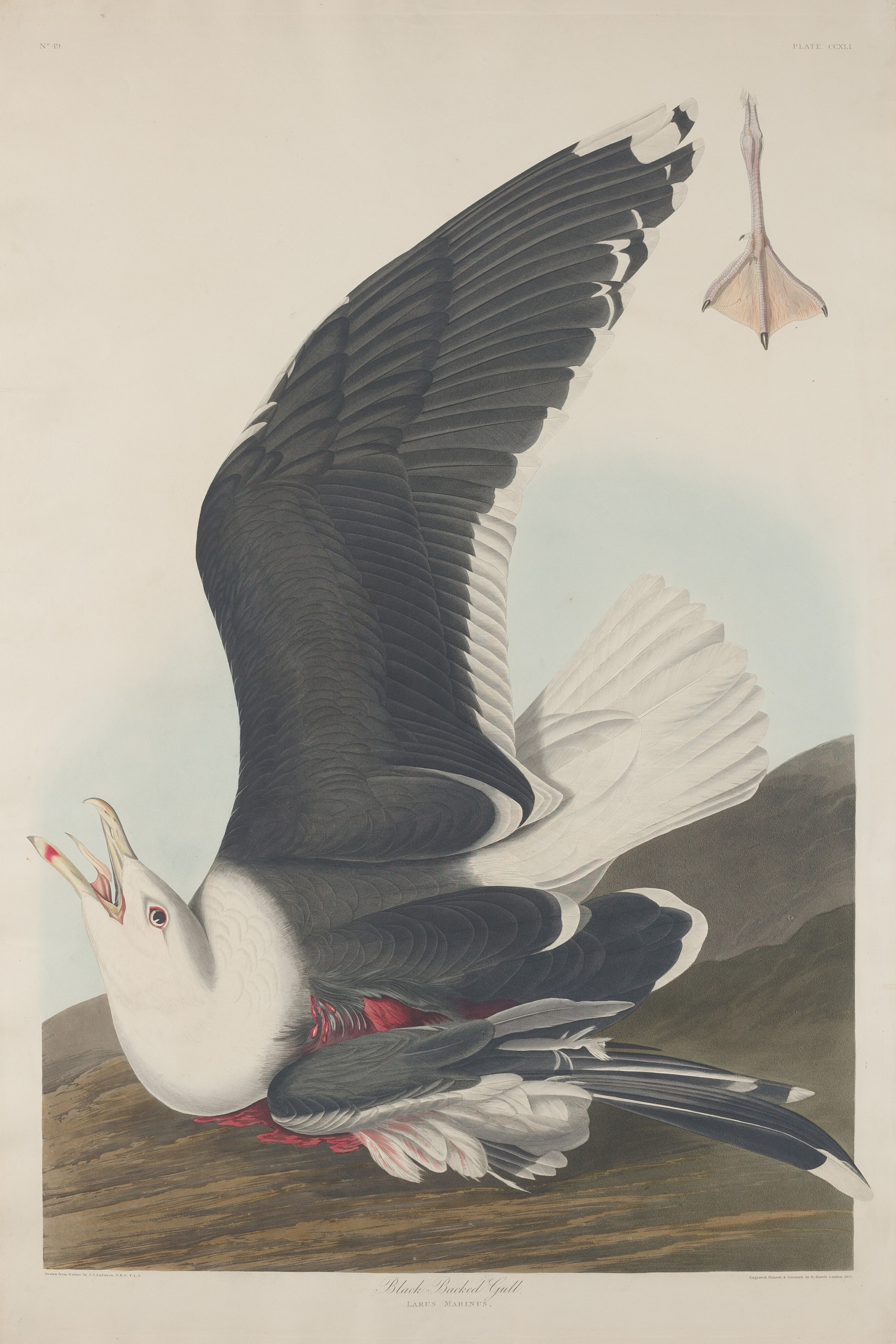
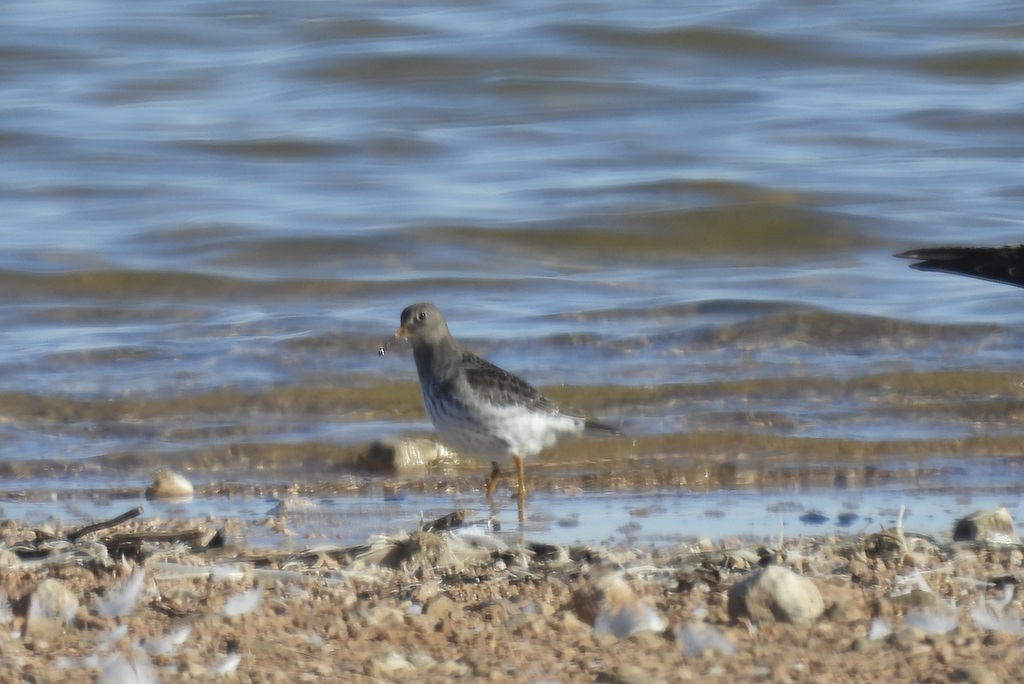
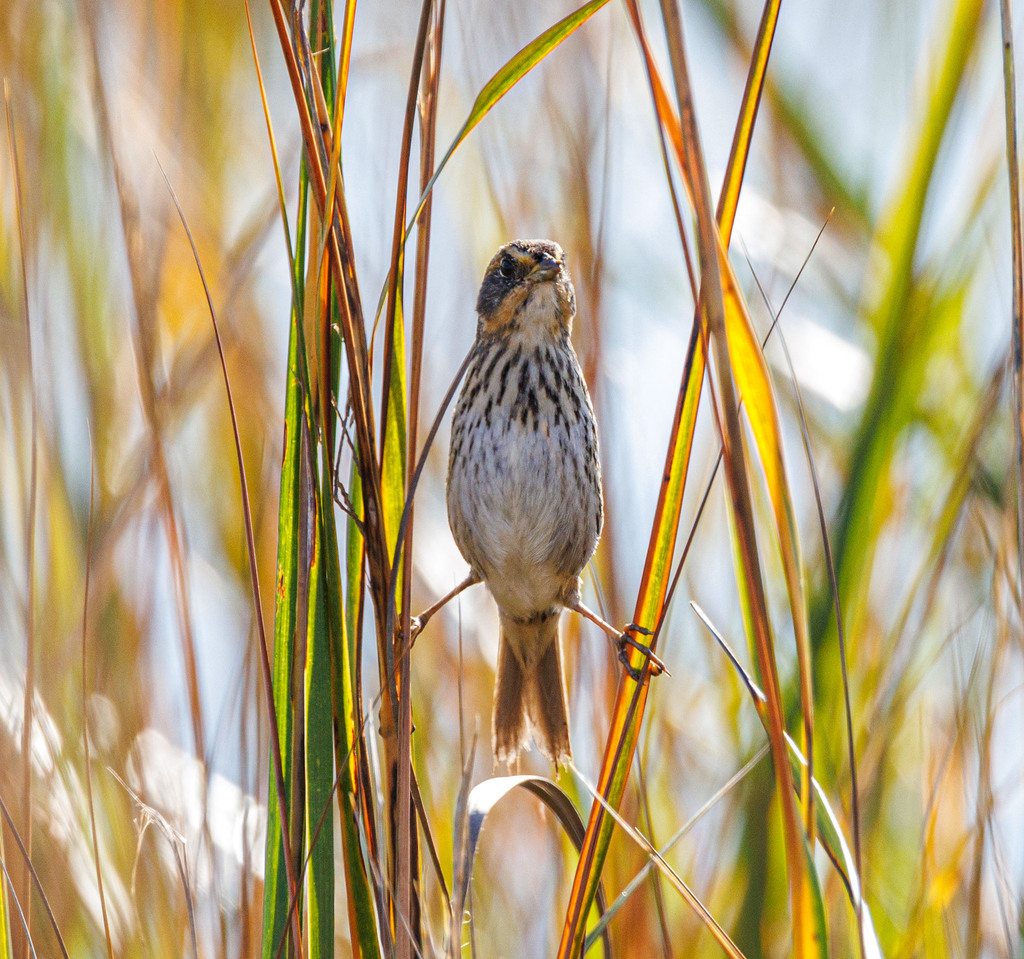
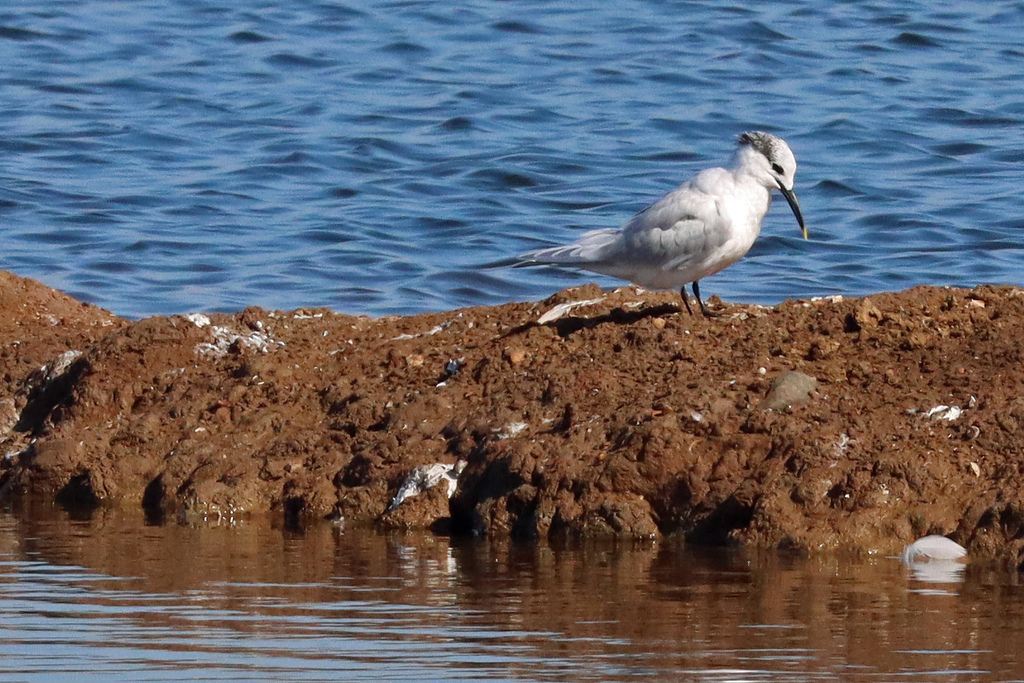
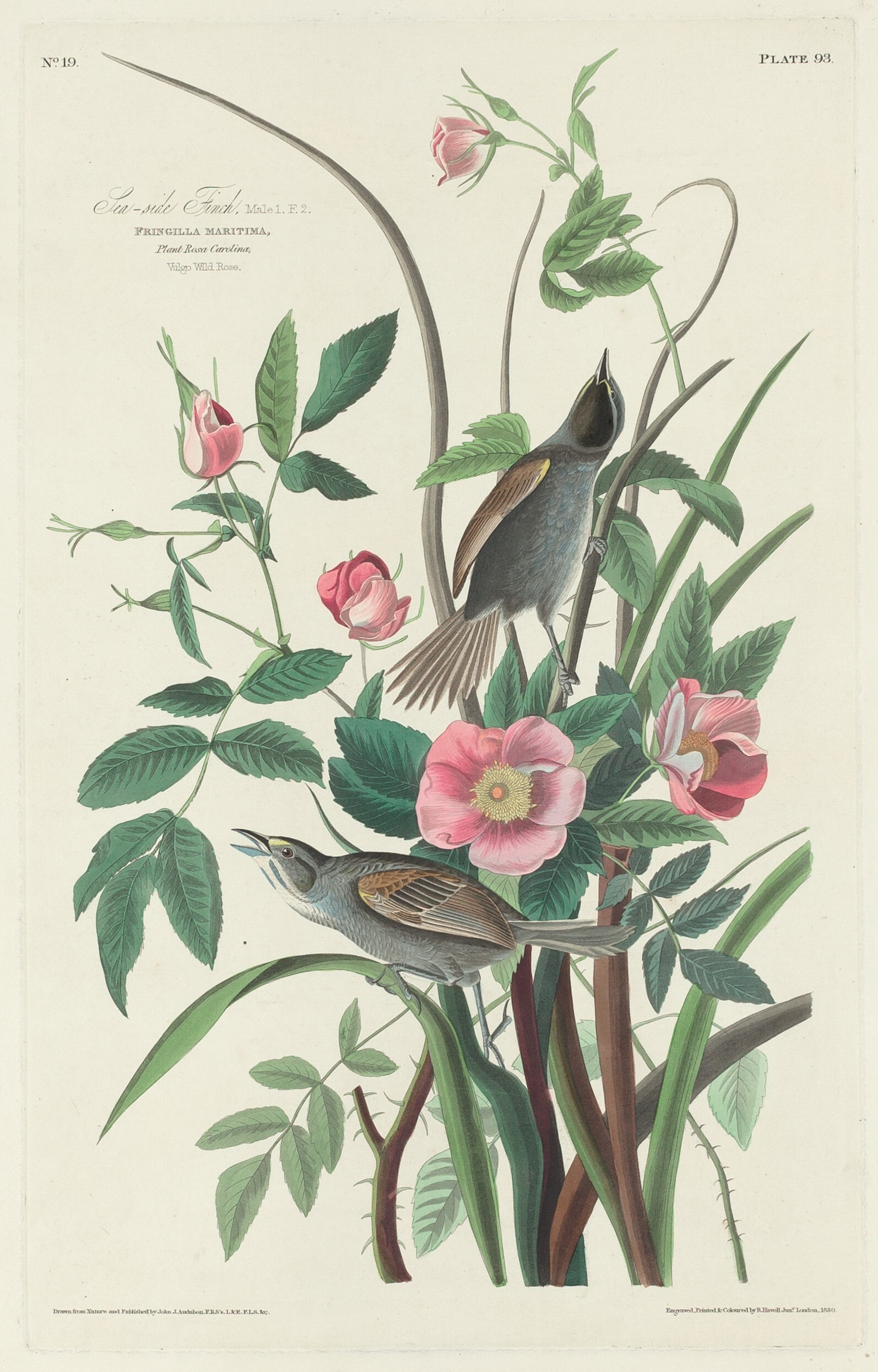
Plants 132
- Maritime ThoroughwortEupatorium maritimum
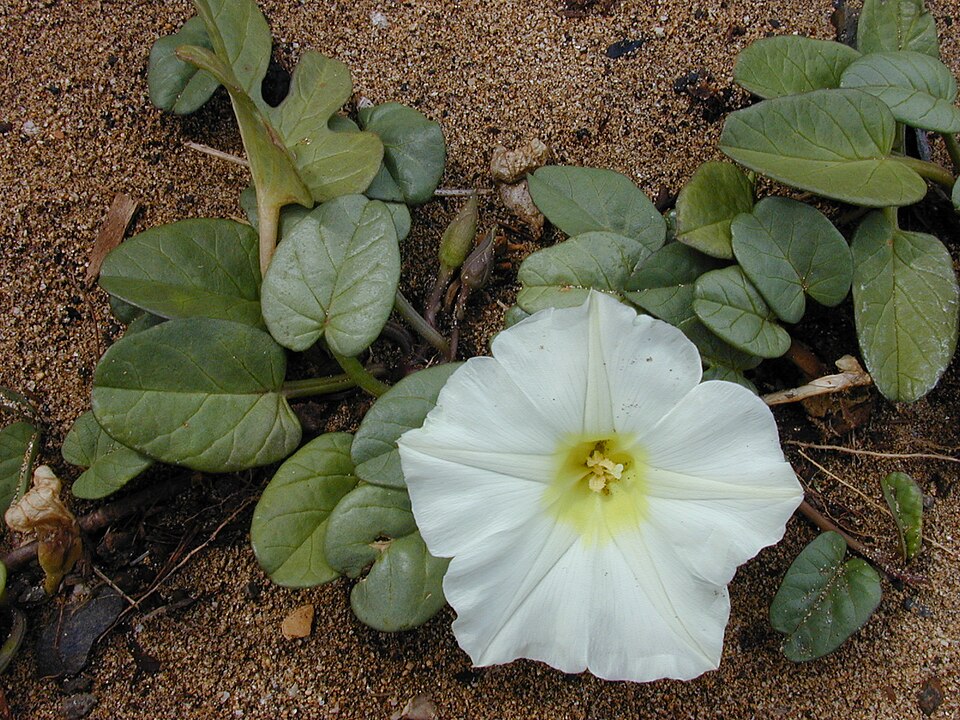
- Beach Morning-gloryIpomoea imperati
- Railroad VineIpomoea brasiliensis
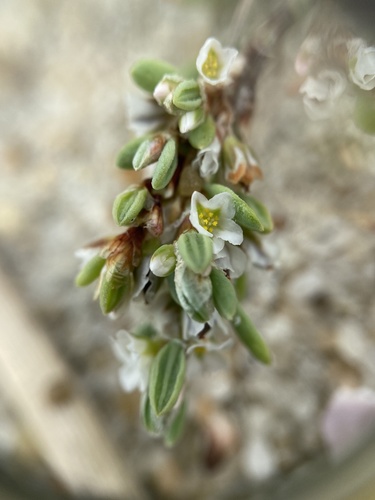
- Seabeach KnotweedPolygonum glaucum
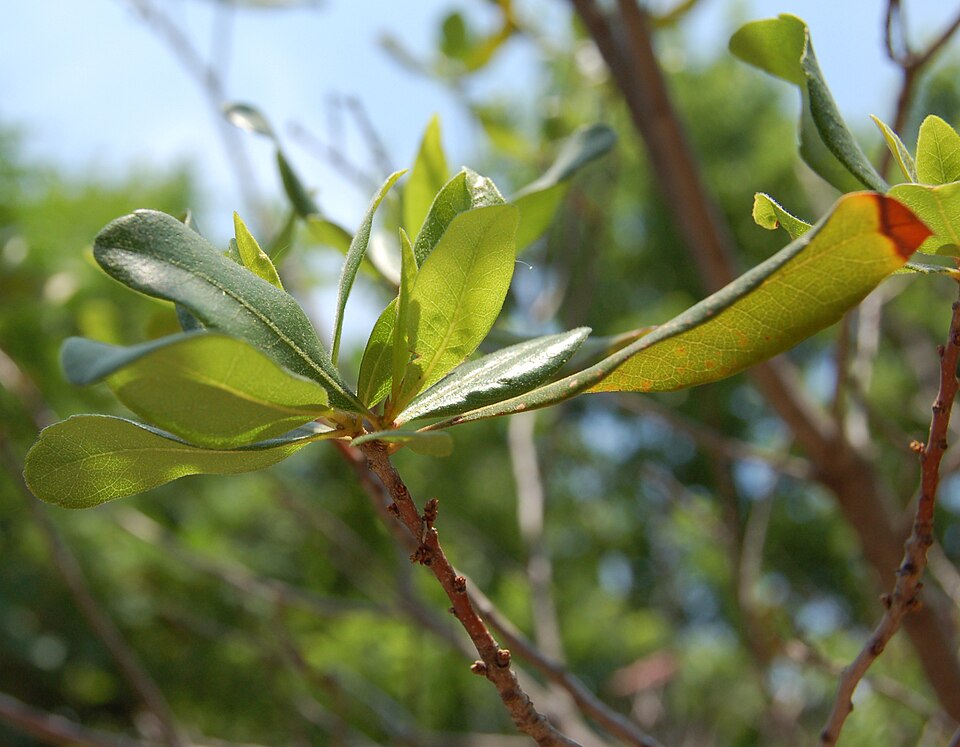
- Northern BayberryMorella pensylvanica
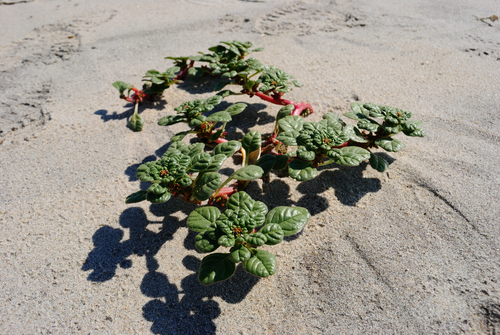
- Seabeach AmaranthAmaranthus pumilus
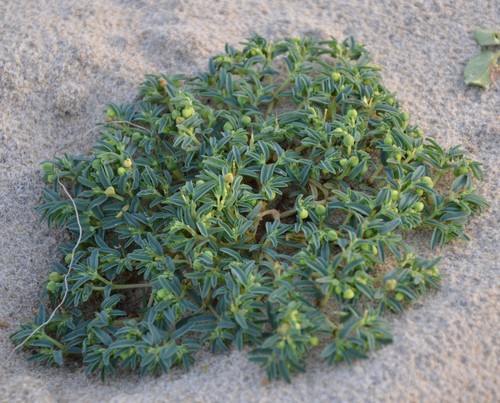
- Northern Seaside SpurgeEuphorbia polygonifolia
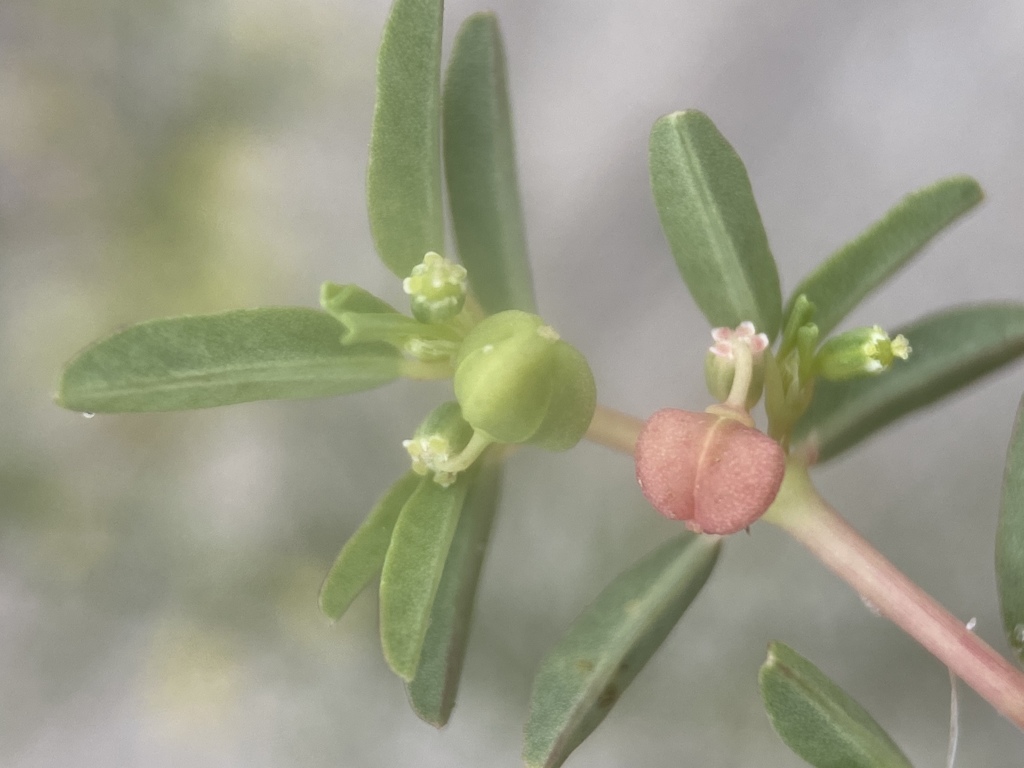
- Southern Seaside SpurgeEuphorbia bombensis
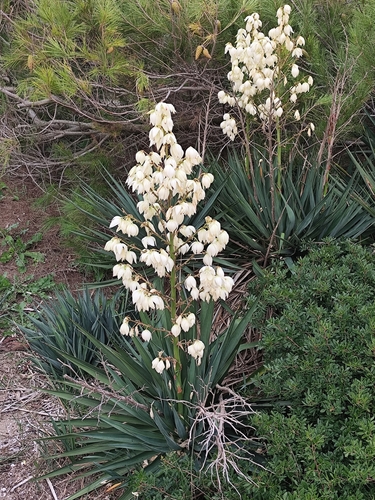
- Mound-lily YuccaYucca gloriosa
- Northern Seabeach OrachAtriplex mucronata
- Dune Marsh-elderIva imbricata
- Dune BluecurlsTrichostema nesophilum

Sources
- USGS Gap Analysis Project habitat models (2001)
- USGS GAP winter habitat model for Wilson's Warbler
- USGS Gap Analysis Project range maps (2001), modeled by watershed; migratory gives no dates
- NatureServe Explorer (CC BY 4.0), habitat names
- US Census TIGER/Line counties
- Names follow the USGS Gap Analysis Project (2001)