

Bird
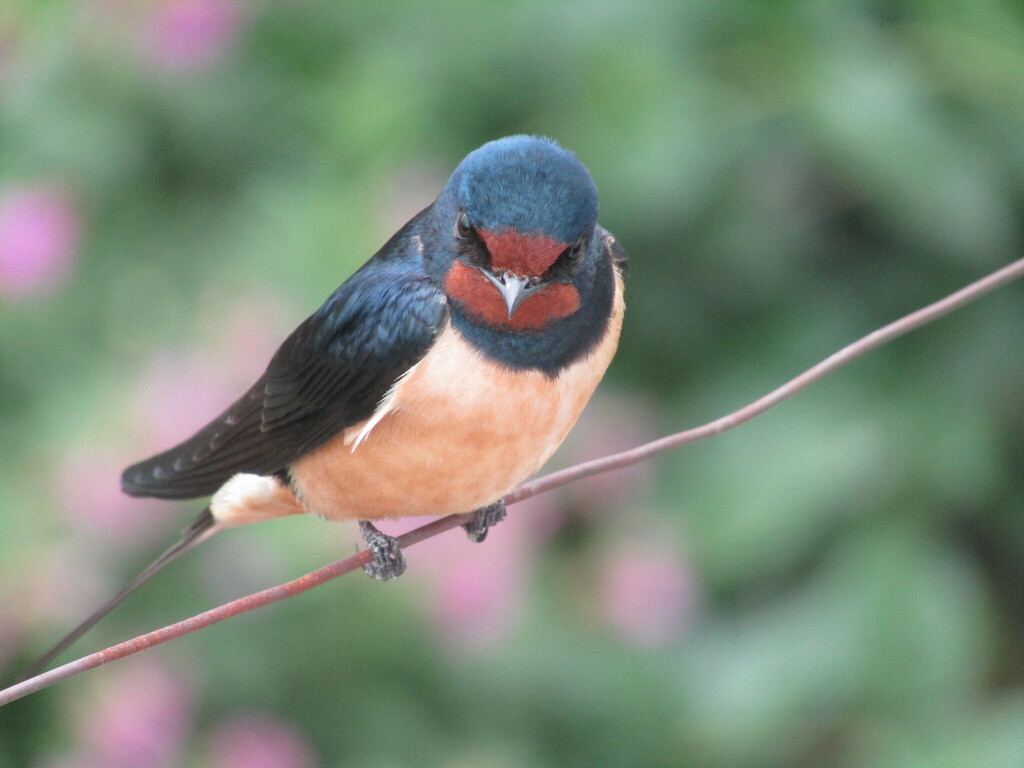
Barn Swallow
Hirundo rustica
A summer resident that nests in North Carolina. Found in all 100 counties, across 7 habitats.
- Here
- Summer
- Nesting
- Nests here
- Range
- All 100 counties
- Habitats
- 7
At a glance
- Group
- Birds
- Here
- Summer
- Nesting
- Nests here
- Range
- All 100 counties
- Habitats
- 7
- Habitat models
- Summer
Where it lives
The places its habitat model includes. It is not found everywhere a habitat occurs.
Habitats in North Carolina 7
Each habitat page lists the plants and wildlife also found there.

Open sand of beaches, dunes and the hollows between them.
Disturbed and introduced wetlands
Wet ground taken over by weedy or introduced plants after disturbance, such as common reed, Chinese tallow or tamarisk stands; the upland counterpart is roadsides, fields and disturbed ground.
Coastal marshes flooded by salty or brackish tides.
Salt and brackish open water of sounds, bays and estuaries, with the mud and sand flats and seagrass beds that tides cover and uncover; the vegetated marsh is salt and brackish marshes.
Roadsides, fields and disturbed ground
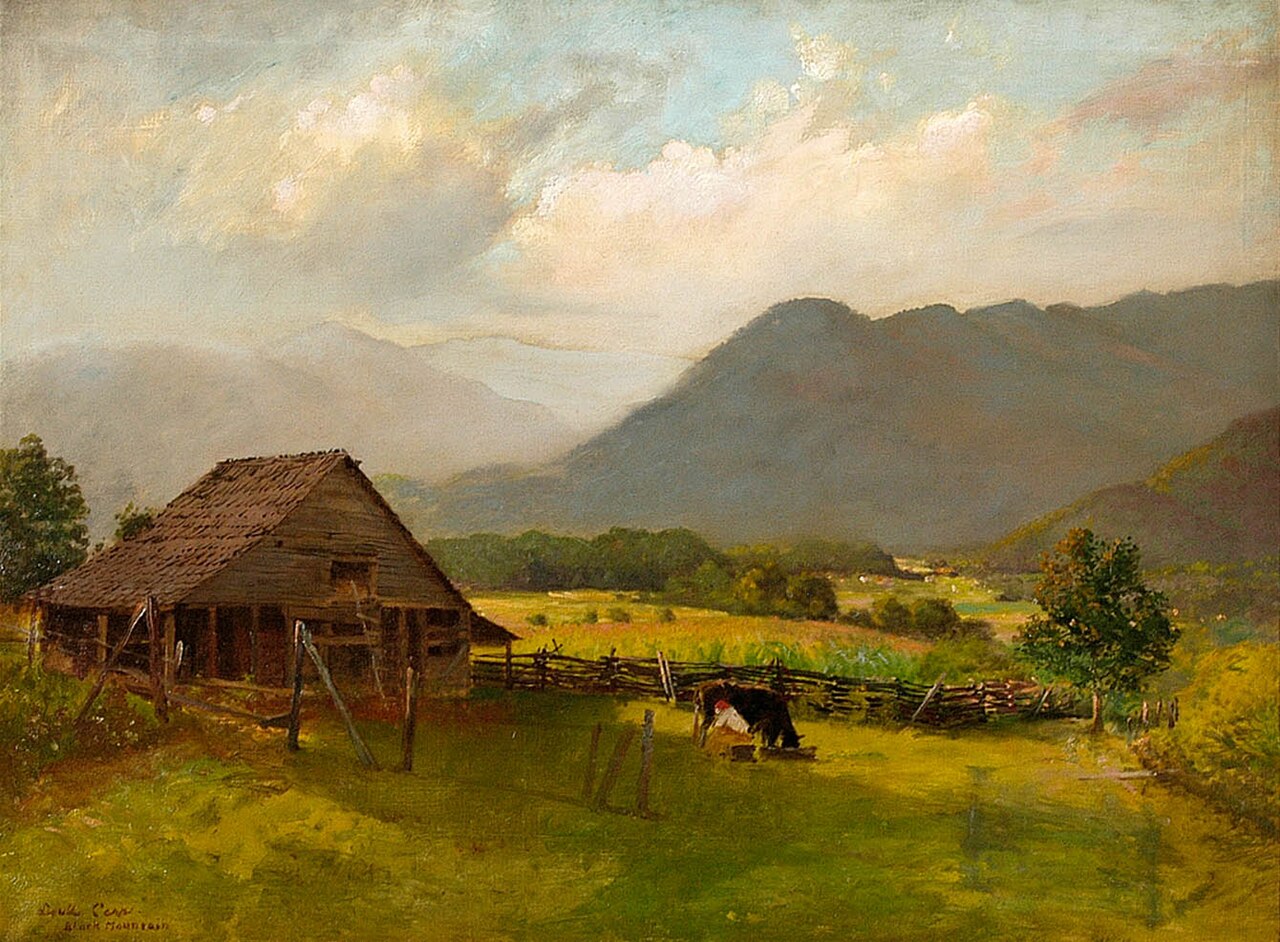
Borders of forests, clearings and shrubby thickets.
Other habitats in its models (25)
Land cover, or classes with no habitat page in North Carolina. Those recorded in North Carolina first, the rest by region.
Elsewhere in the South (6)
- Atlantic Coastal Plain Indian River Lagoon Tidal Marsh Summer.
- East Gulf Coastal Plain Dune and Coastal Grassland Summer.
- Florida Big Bend Salt-Brackish Tidal Marsh Summer.
- Mississippi Sound Salt and Brackish Tidal Marsh Summer.
- South Florida Everglades Sawgrass Marsh Summer.
- Southwest Florida Dune and Coastal Grassland Summer.
Northeast (1)
- Atlantic Coastal Plain Northern Tidal Salt Marsh Summer.
Land cover and other classes (18)
- Barren Land Summer, only within 500 m of water.
- Developed, High Intensity Summer, only within 500 m of water.
- Developed, Low Intensity Summer, only within 500 m of water.
- Developed, Medium Intensity Summer, only within 500 m of water.
- Harvested Forest - Grass/Forb Regeneration Summer, only within 500 m of water.
- Introduced Upland Vegetation - Annual Grassland Summer, only within 500 m of water.
- Introduced Upland Vegetation - Forbland Summer, only within 500 m of water.
- Introduced Upland Vegetation - Perennial Grassland Summer, only within 500 m of water.
- Introduced Upland Vegetation - Perennial Grassland and Forbland Summer, only within 500 m of water.
- Open Water (Aquaculture) Summer.
- Quarries, Mines, Gravel Pits and Oil Wells Summer, only within 500 m of water.
- Recently Burned Summer, only within 500 m of water.
- Recently Burned Forest Summer, only within 500 m of water.
- Recently Burned Grassland Summer, only within 500 m of water.
- Recently Burned Shrubland Summer, only within 500 m of water.
- Recently Logged Areas Summer, only within 500 m of water.
- Unconsolidated Shore Summer.
- Unconsolidated Shore (Lake/River/Pond) Summer.
Seasons in North Carolina
- Summer: nests here, in all 100 counties.
Also found in its main habitats
Its main habitats in North Carolina, by how much of its habitat model each one is, with the birds most characteristic of each and the plants that grow wild there. Shared habitat, not food.
Roadsides, fields and disturbed ground
Birds 89
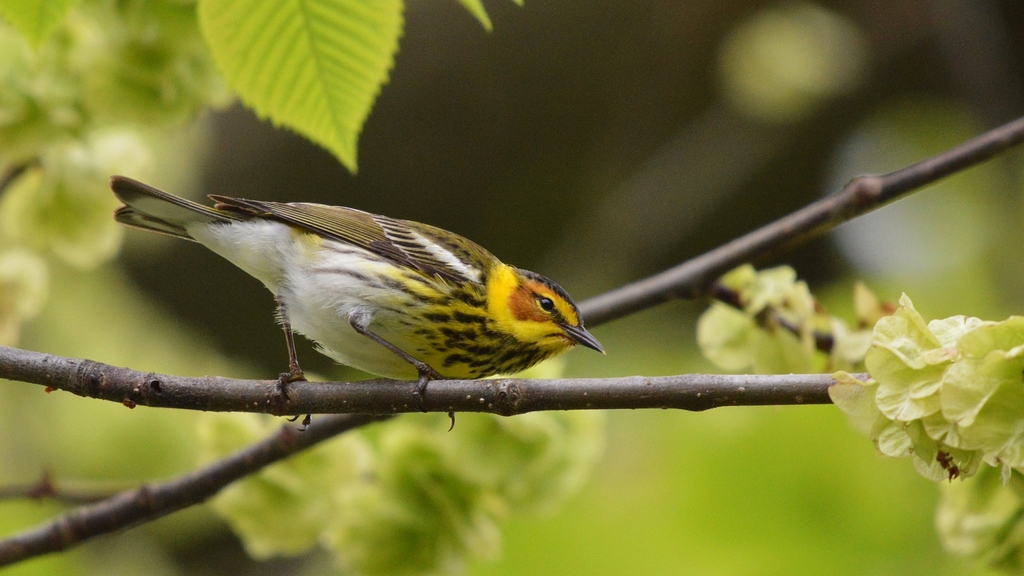
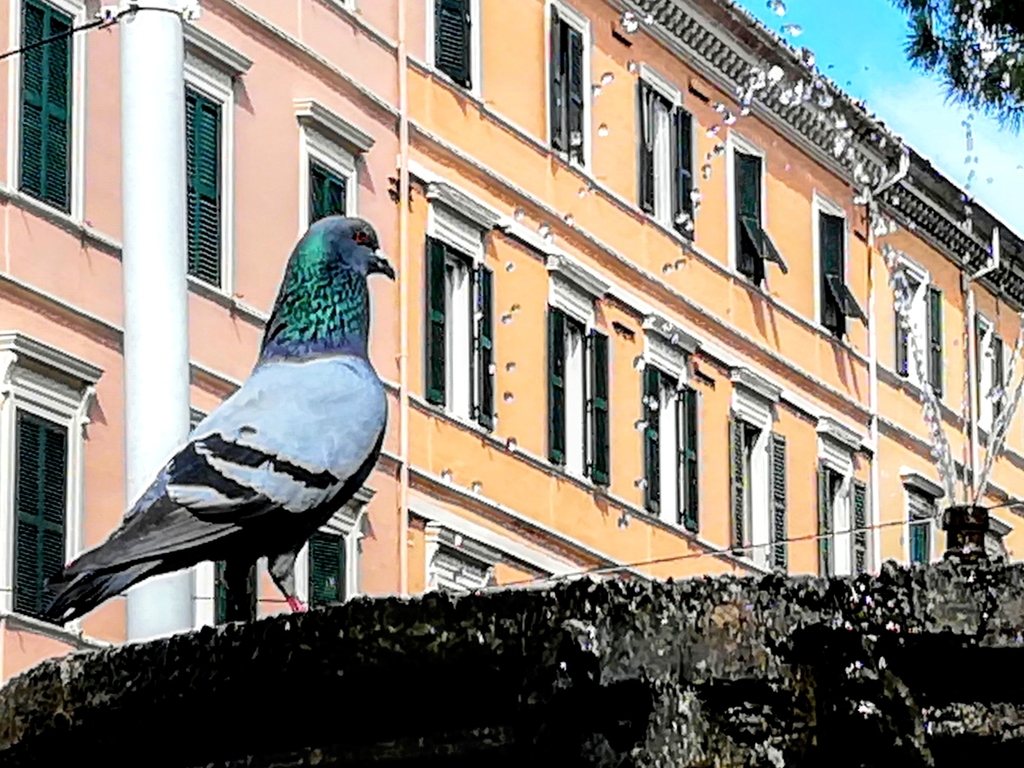
- Cape May WarblerDendroica tigrina
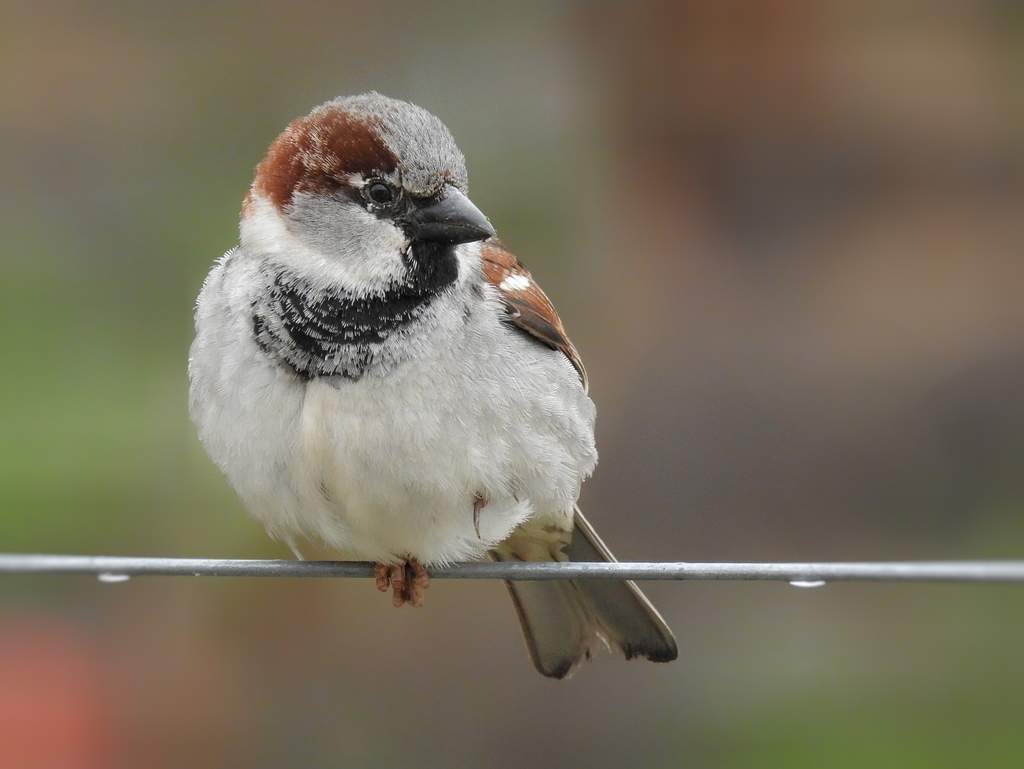
- House SparrowPasser domesticus
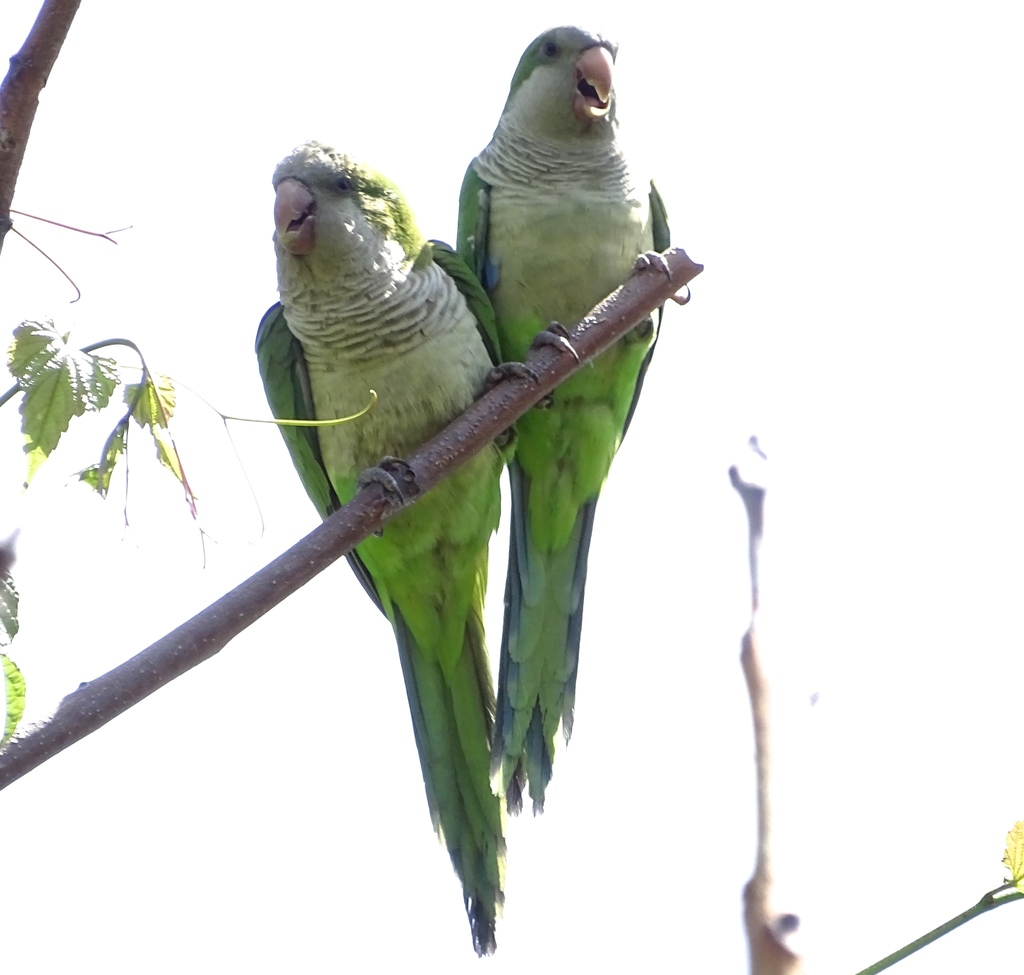
- Monk ParakeetMyiopsitta monachus
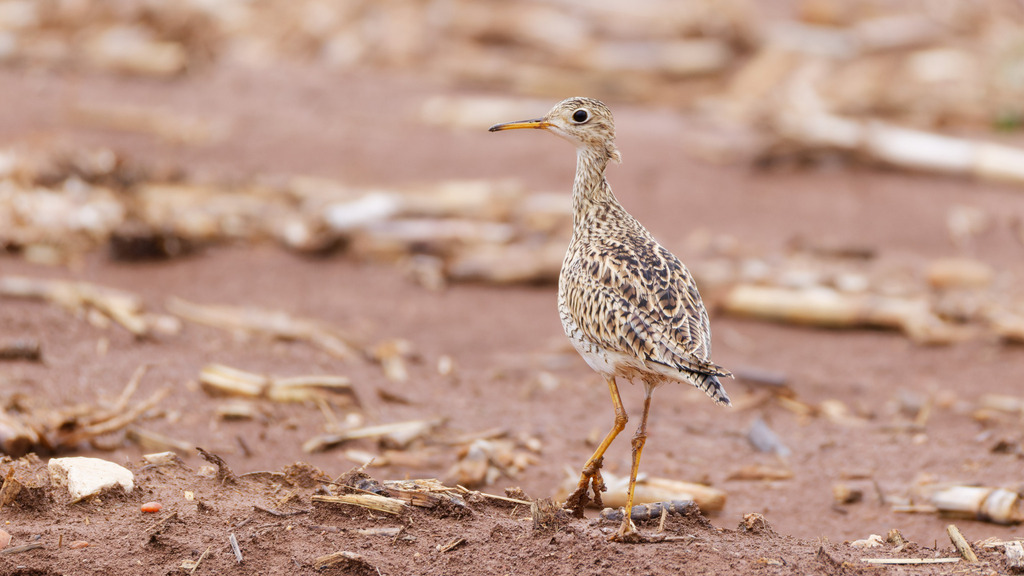
- Upland SandpiperBartramia longicauda
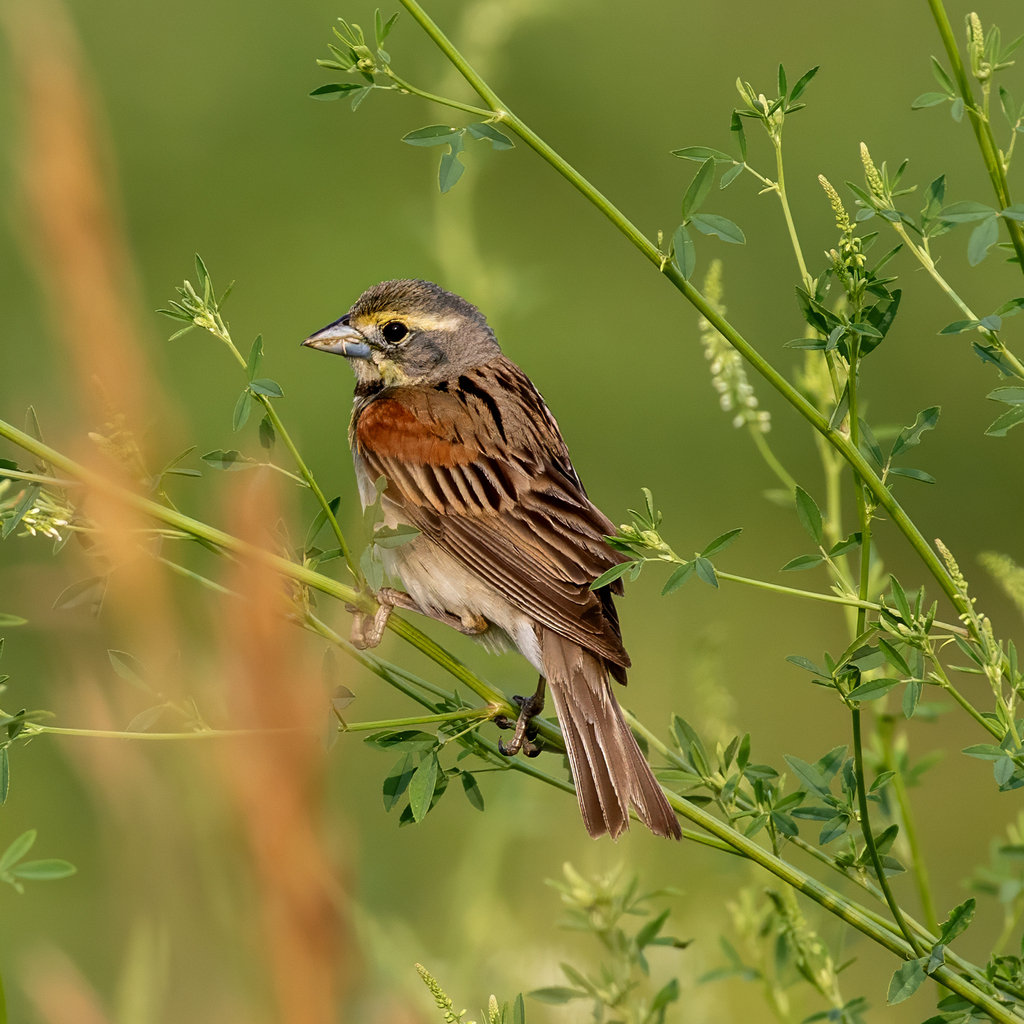
- DickcisselSpiza americana
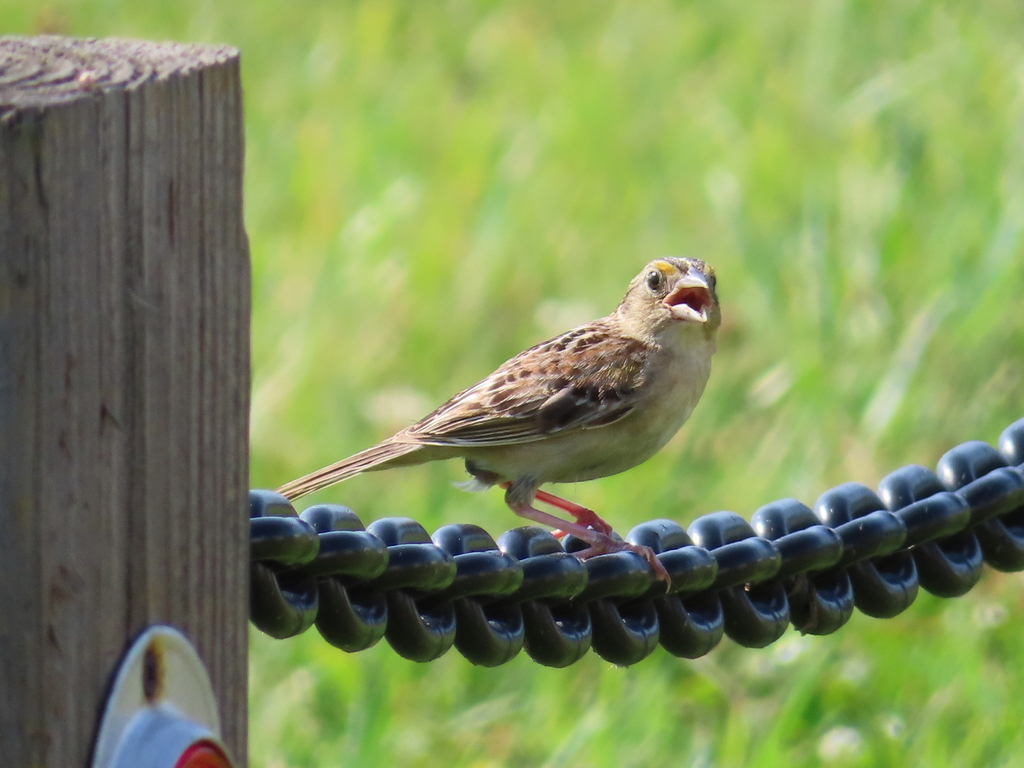
- Grasshopper SparrowAmmodramus savannarum
- Rock PigeonColumba livia
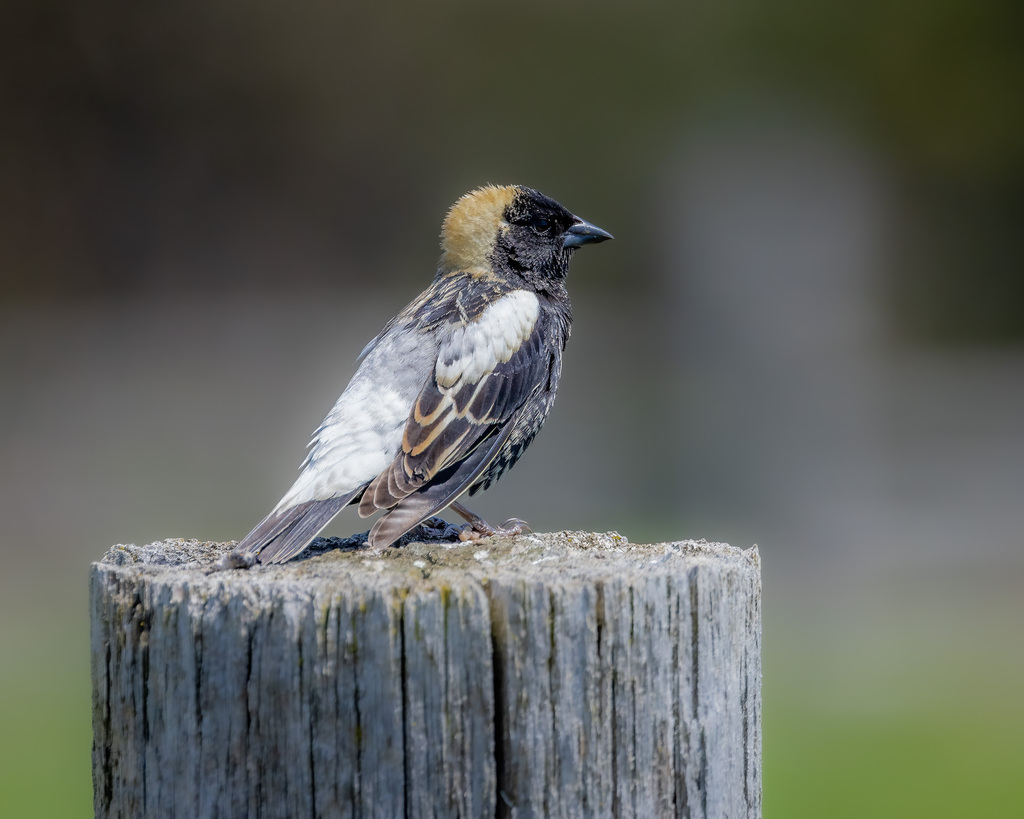
- BobolinkDolichonyx oryzivorus
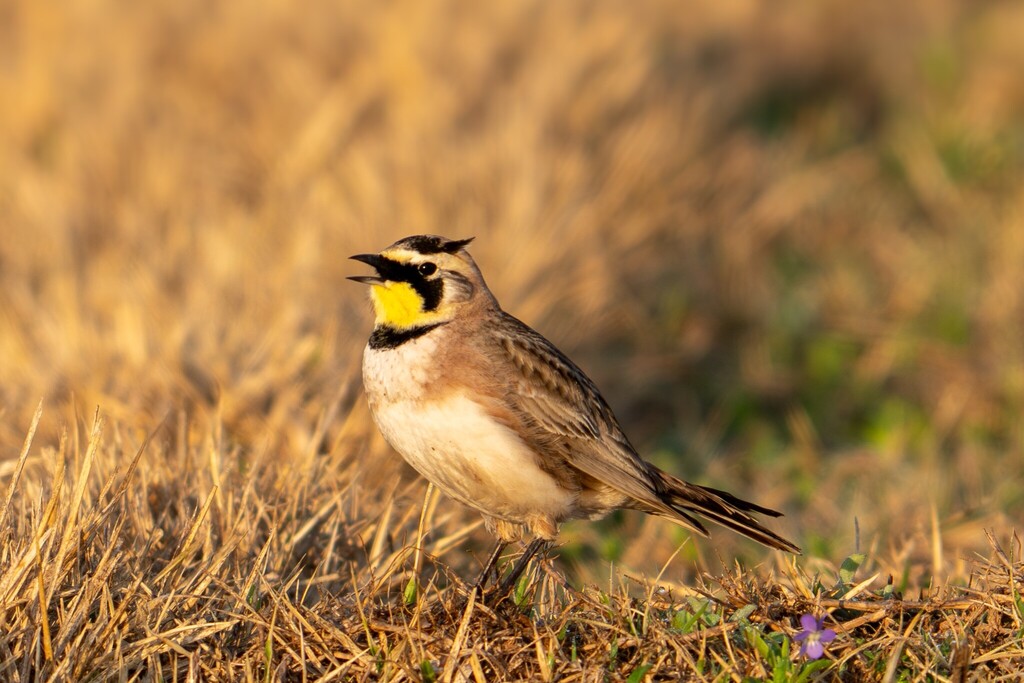
- Horned LarkEremophila alpestris
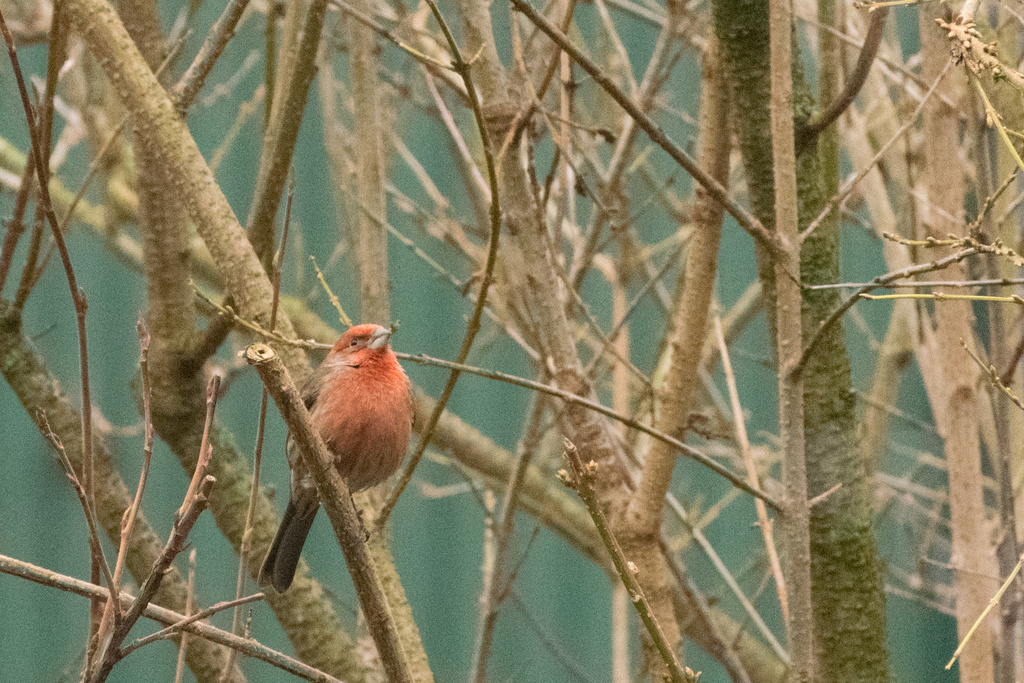
- House FinchCarpodacus mexicanus
- Vesper SparrowPooecetes gramineus
- Yellow-throated VireoVireo flavifrons
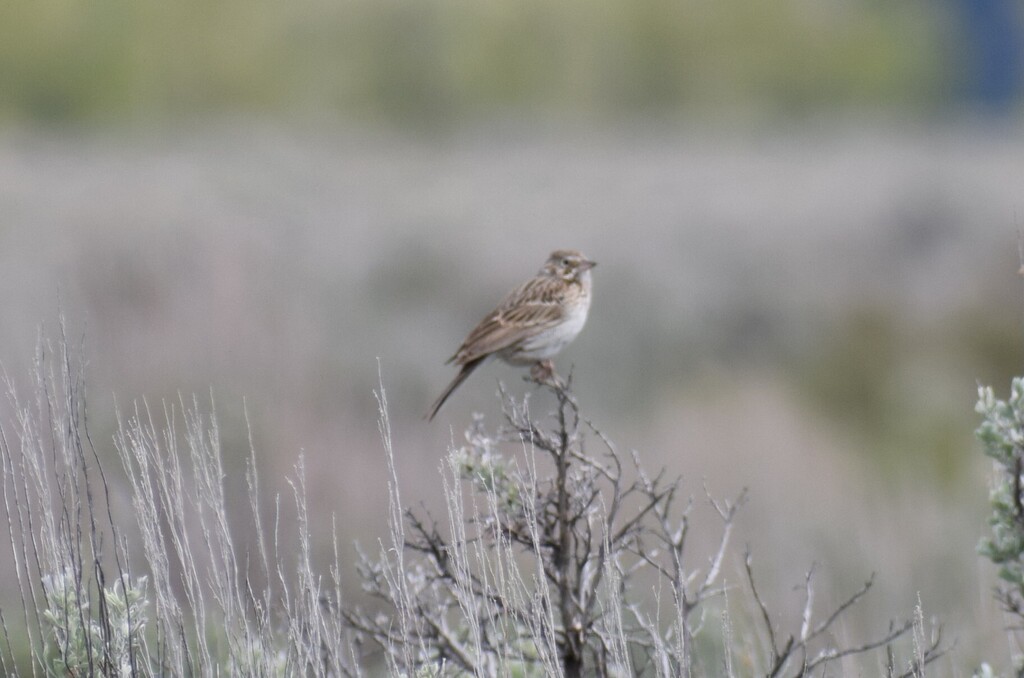
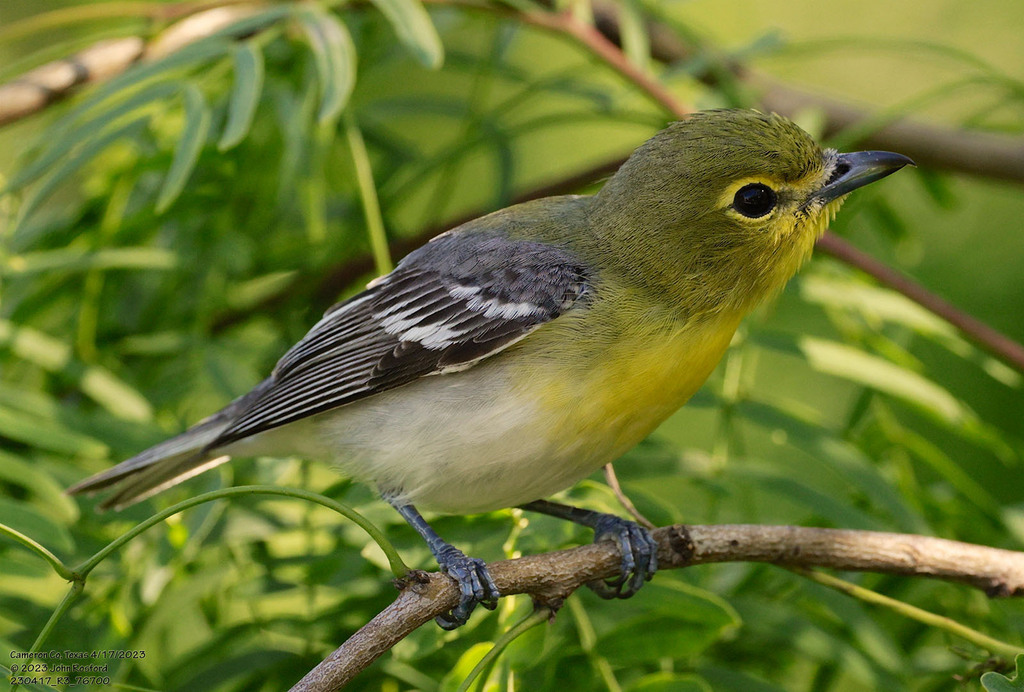
Plants 1314
- Crooked-stem AsterSymphyotrichum prenanthoides
- Canada LettuceLactuca canadensis
- Common HorseweedErigeron canadensis
- Annual FleabaneErigeron annuus
- Oakleaf FleabaneErigeron quercifolius
- Dog-fennelEupatorium capillifolium
- Ivyleaf Morning-gloryIpomoea hederacea
- Carolina Crane's-billGeranium carolinianum
- Common Evening-primroseOenothera biennis
- Cutleaf Evening-primroseOenothera laciniata
- Northern Evening-primroseOenothera parviflora
- Downy Ground-cherryPhysalis pubescens
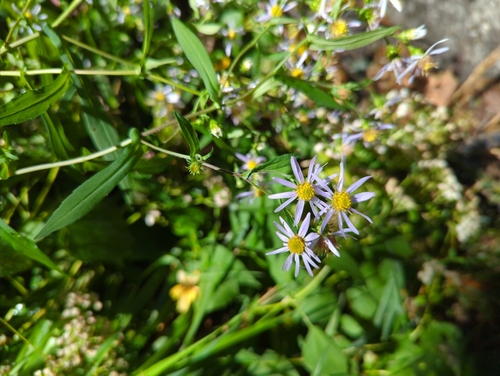
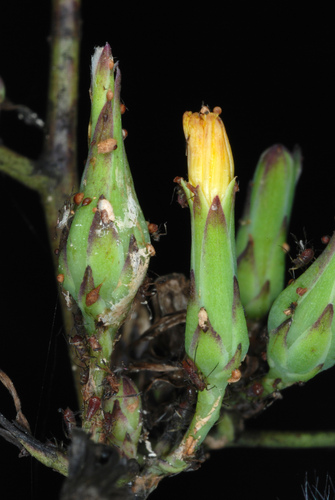
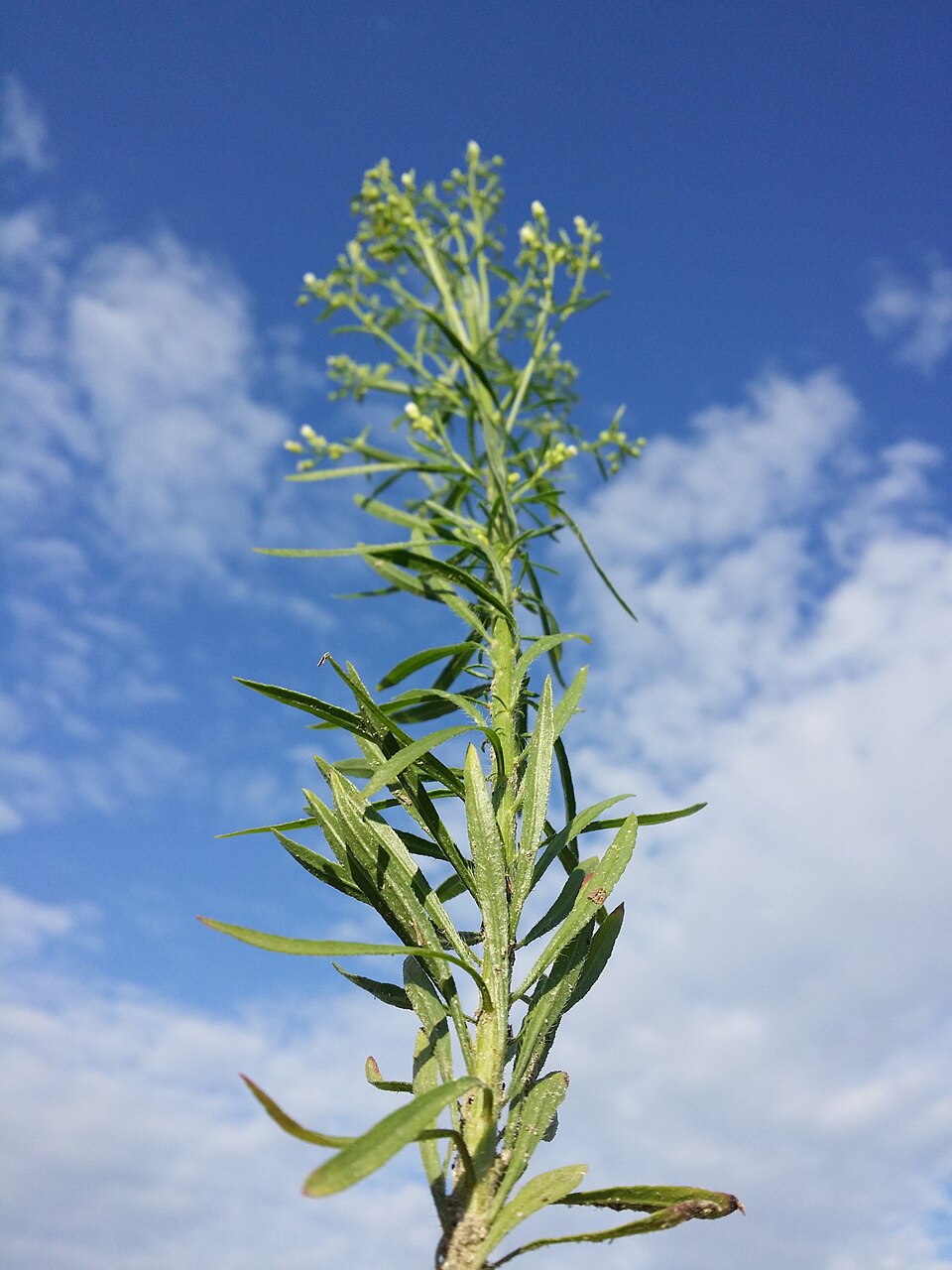
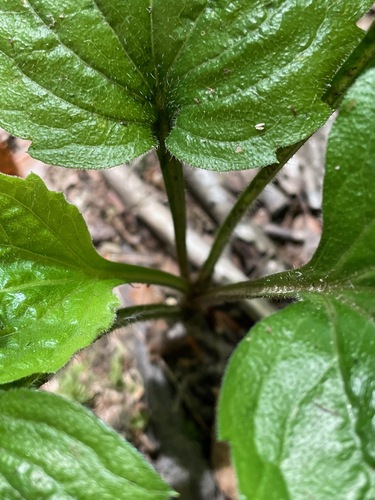
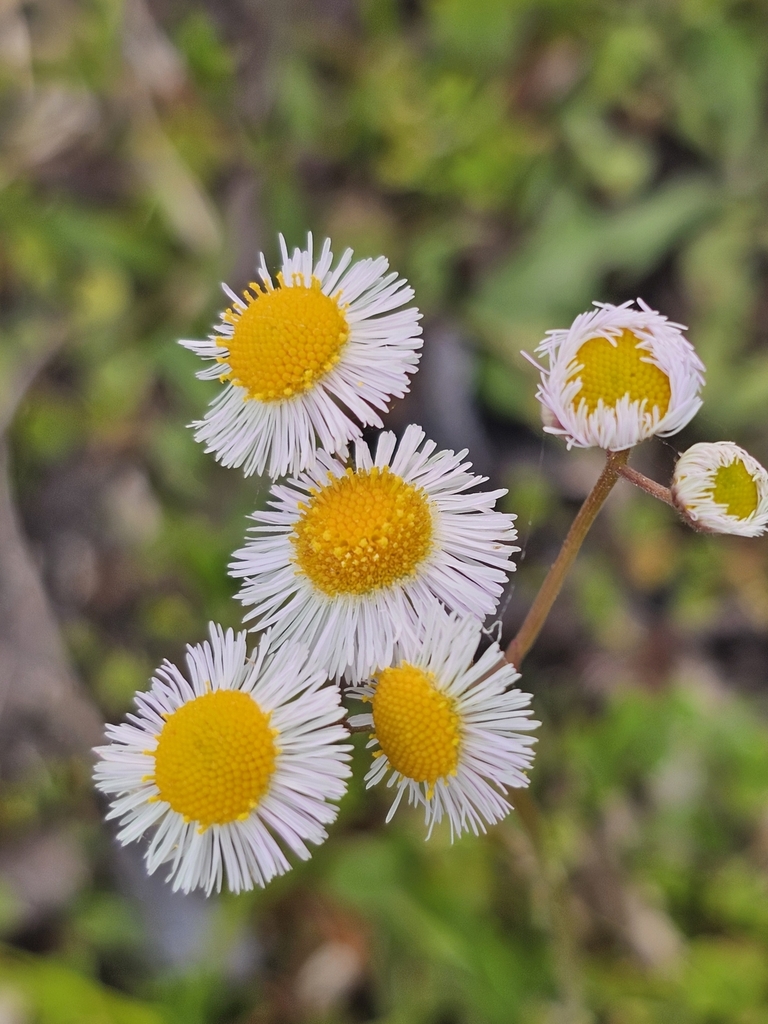
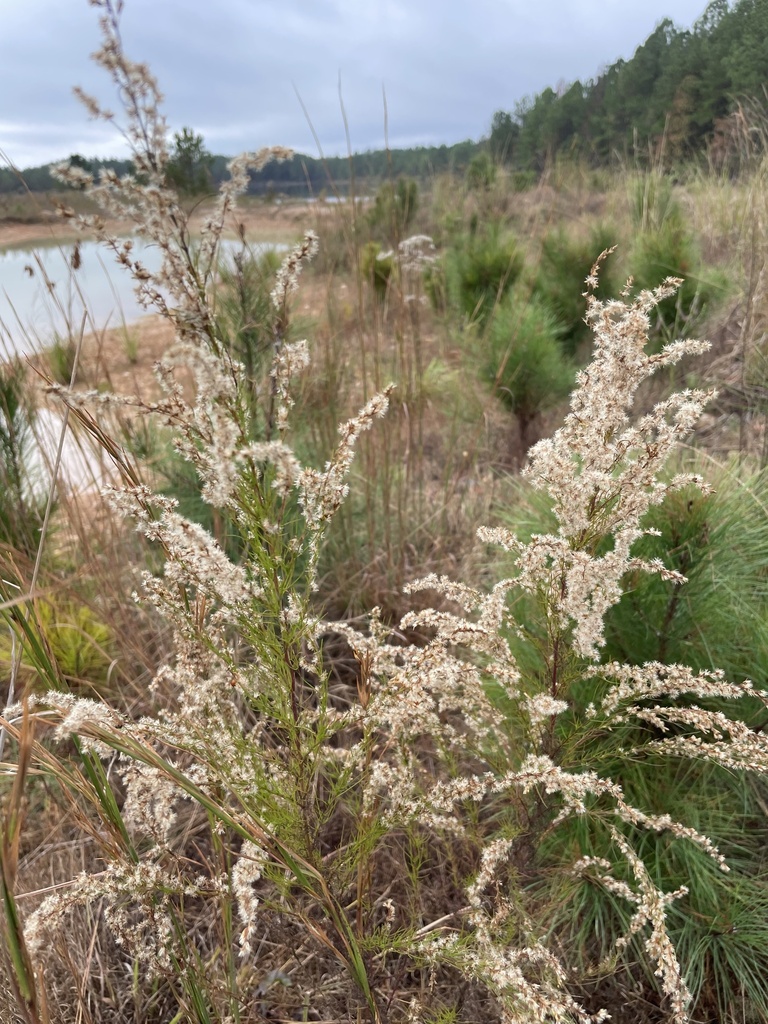
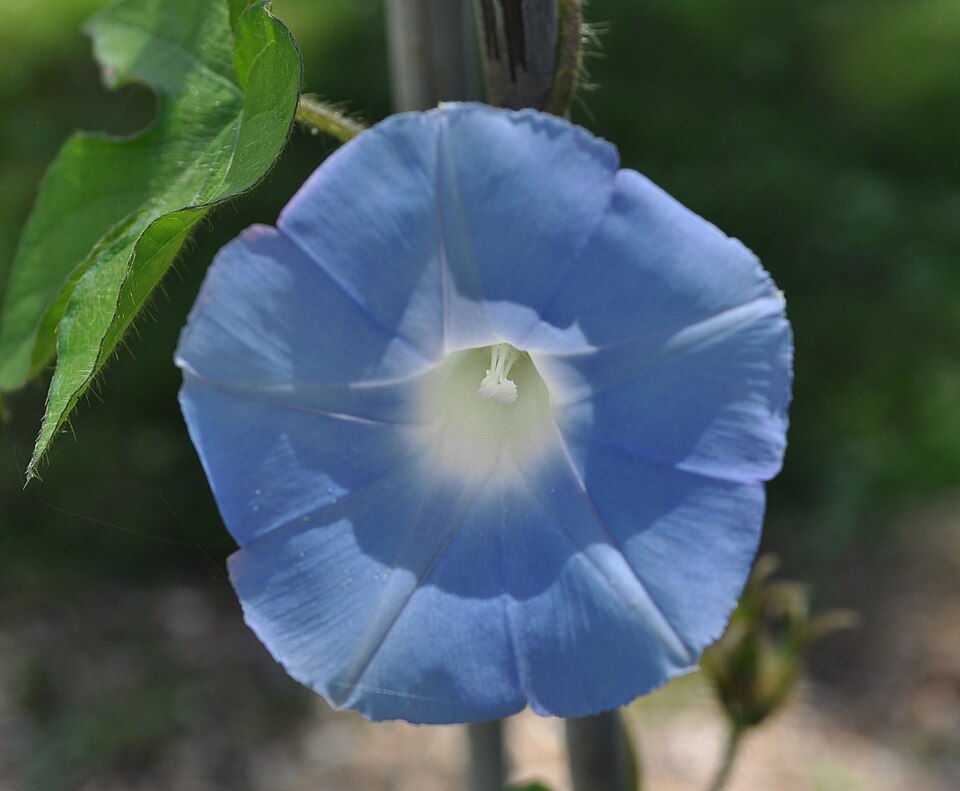
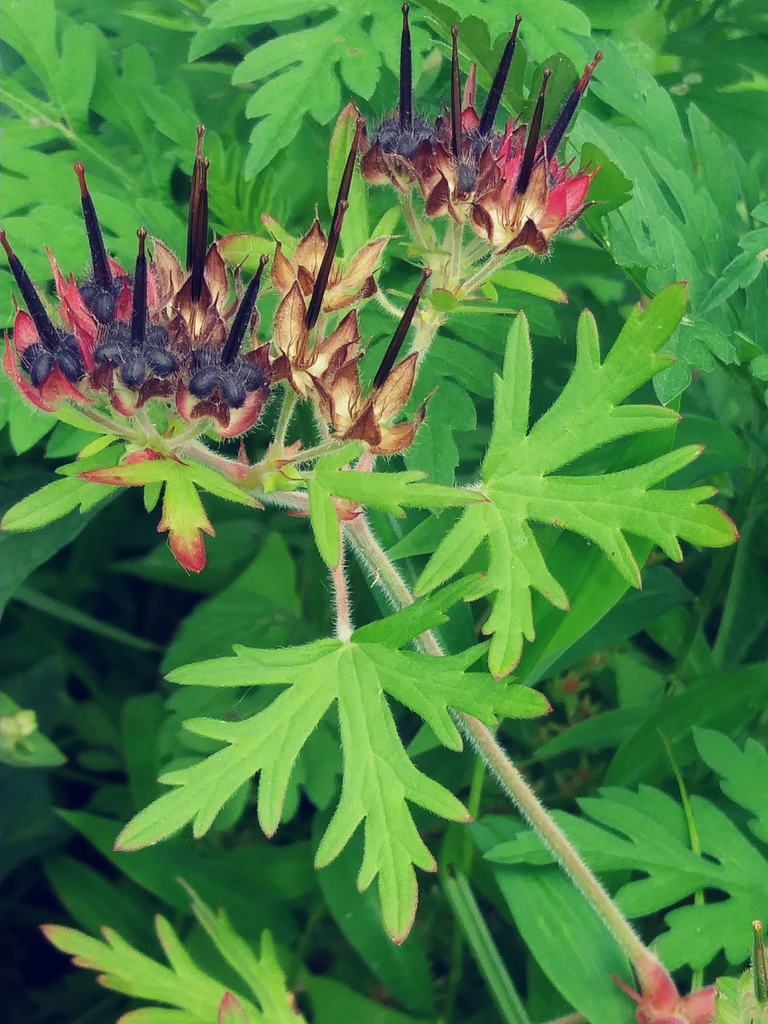
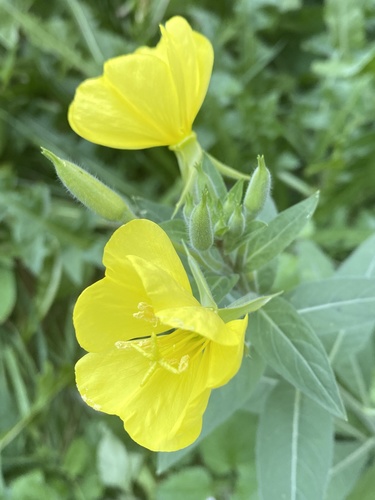
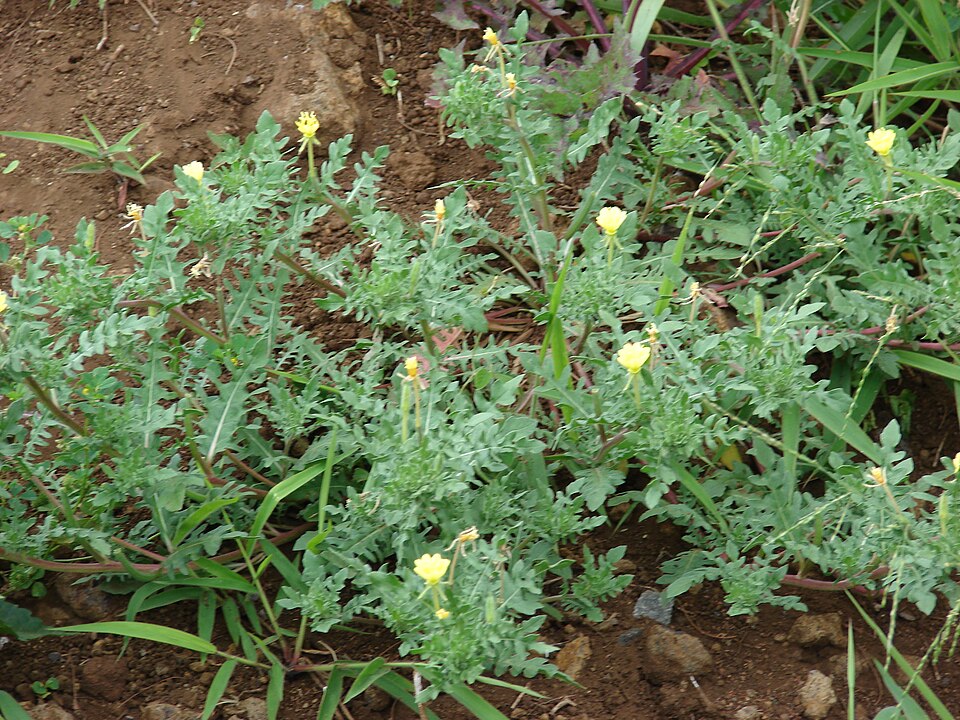
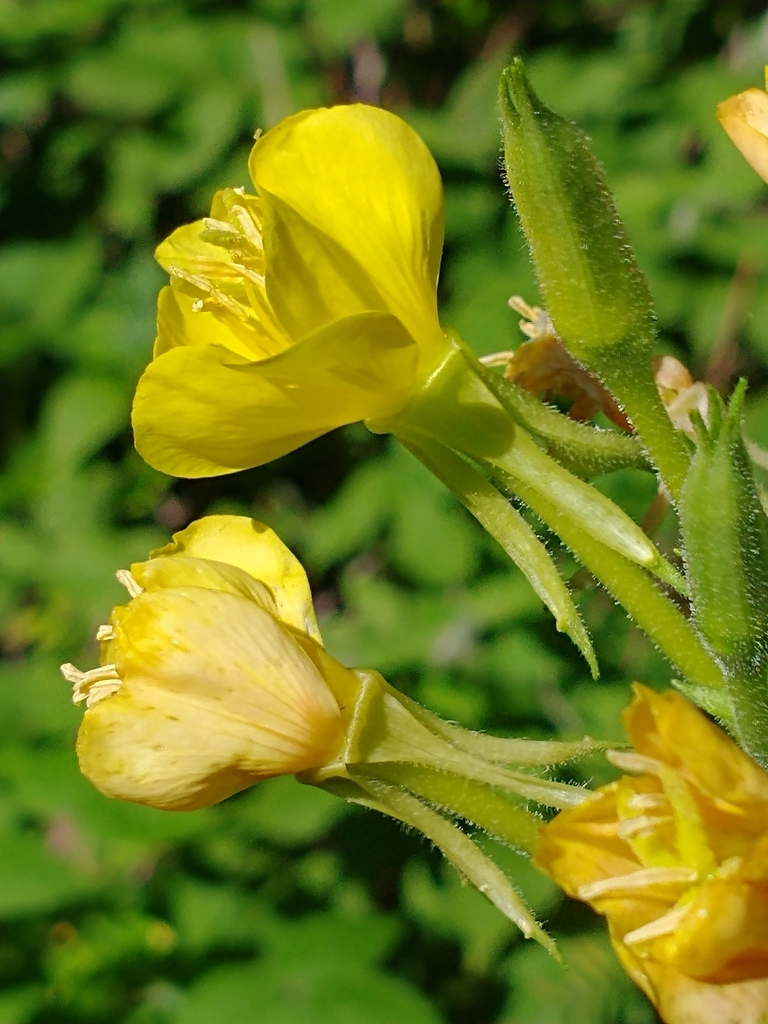
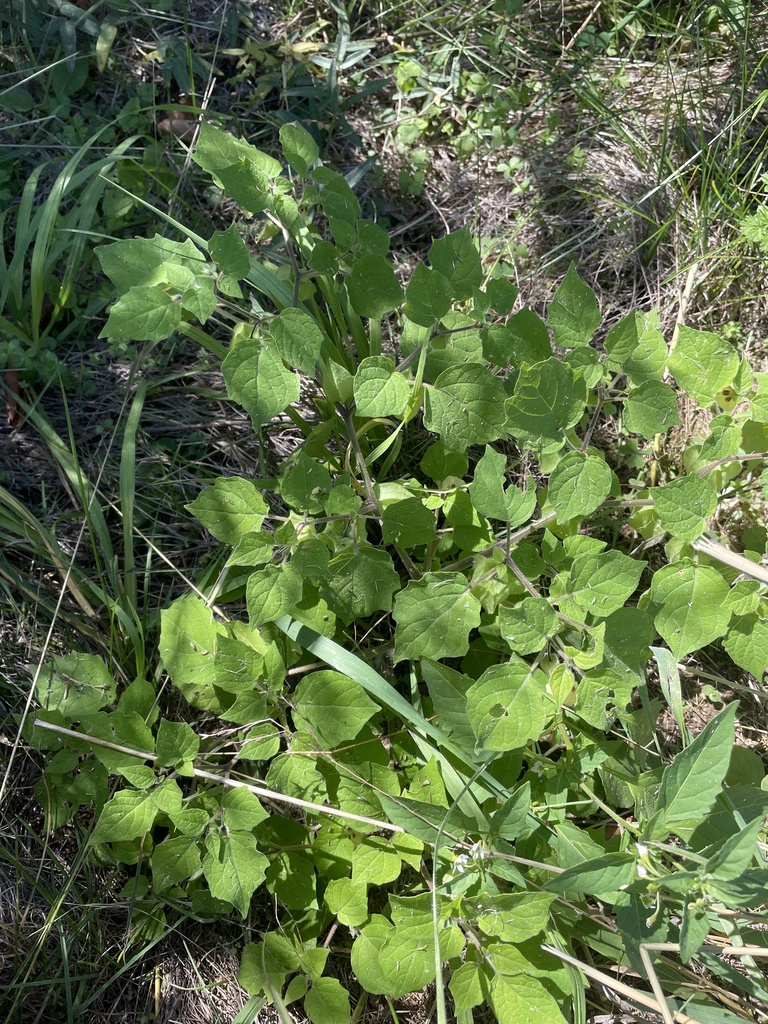
All of roadsides, fields and disturbed ground in North Carolina
Coastal dunes and beaches
Birds 112
- DovekieAlle alle
- Horned LarkEremophila alpestris
- Marbled GodwitLimosa fedoa
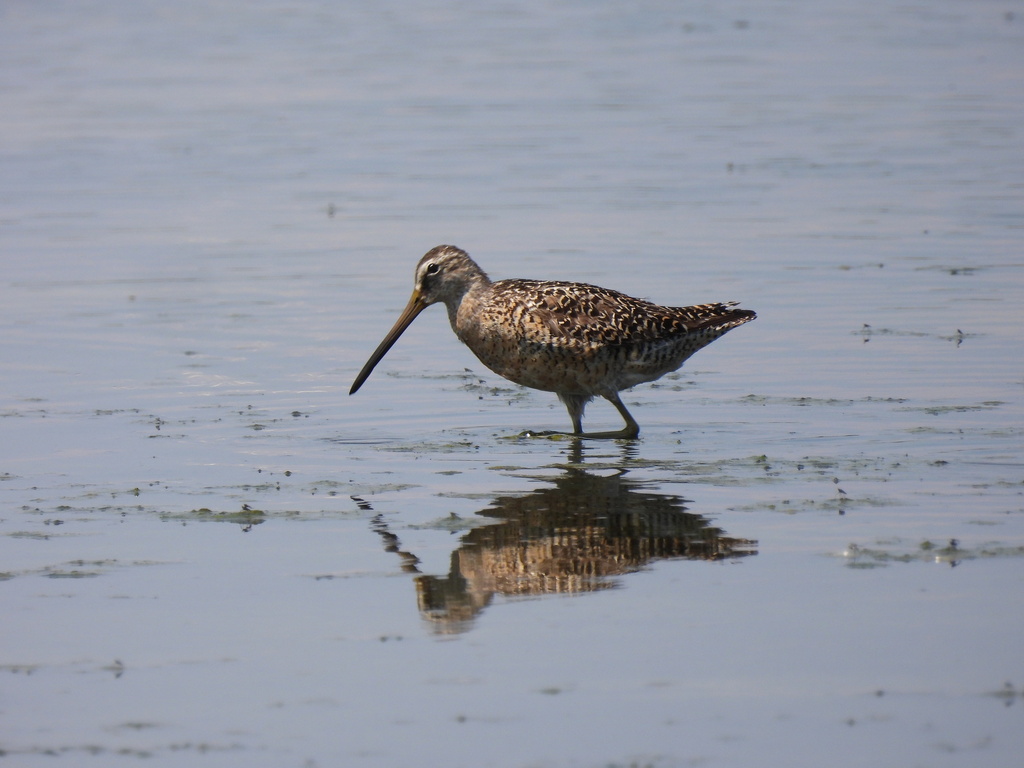
- Short-billed DowitcherLimnodromus griseus
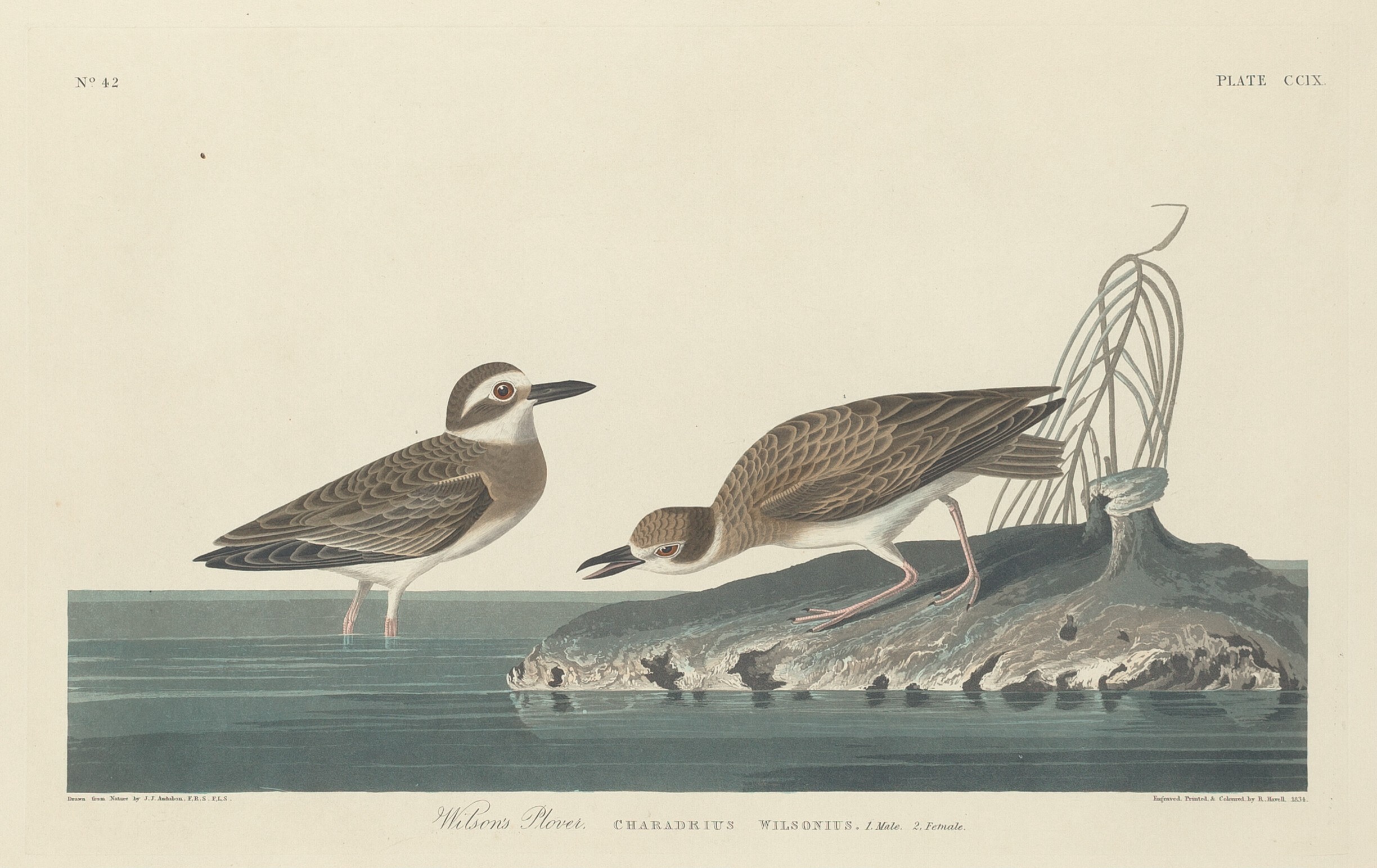
- Wilson's PloverCharadrius wilsonia
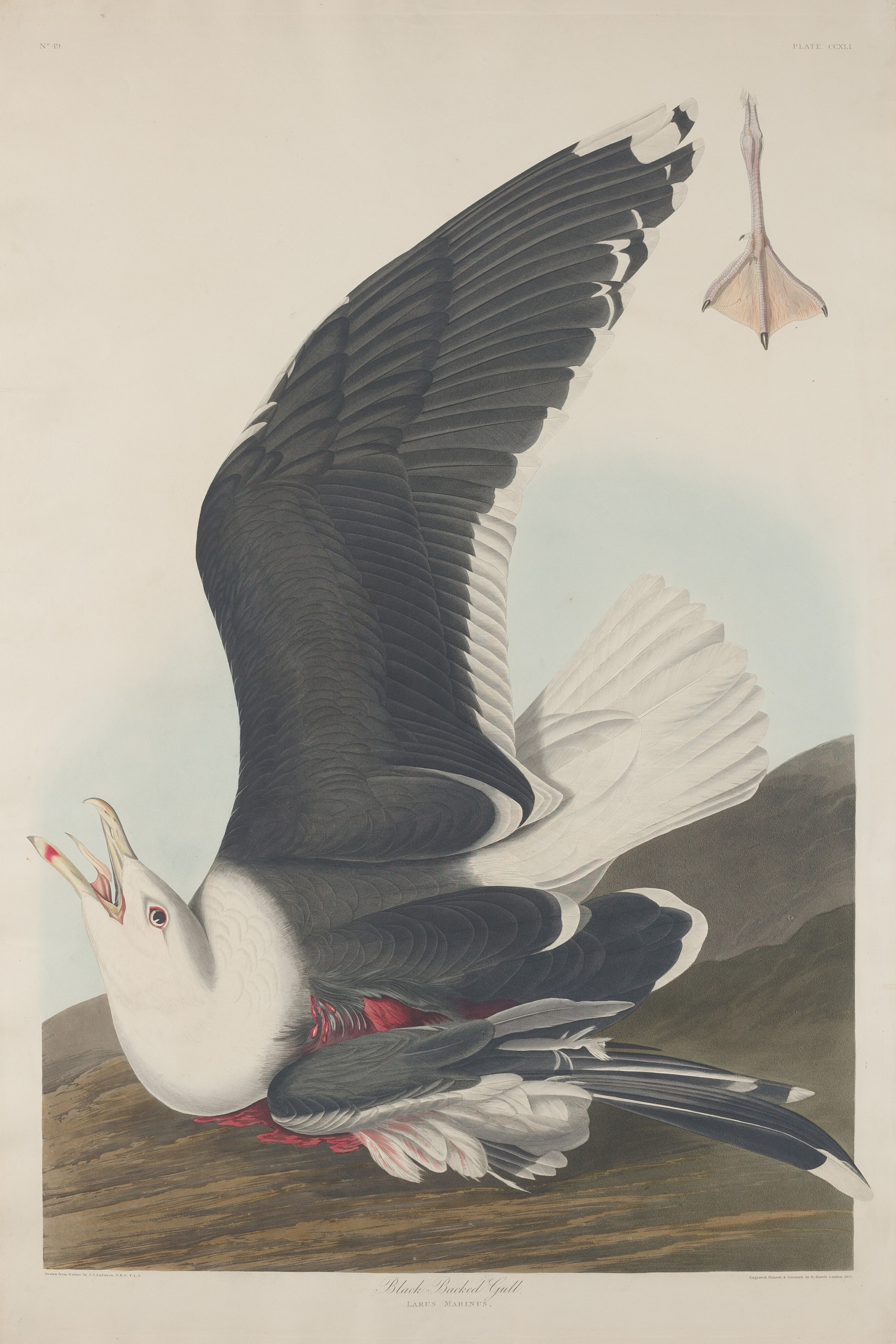
- Great Black-backed GullLarus marinus
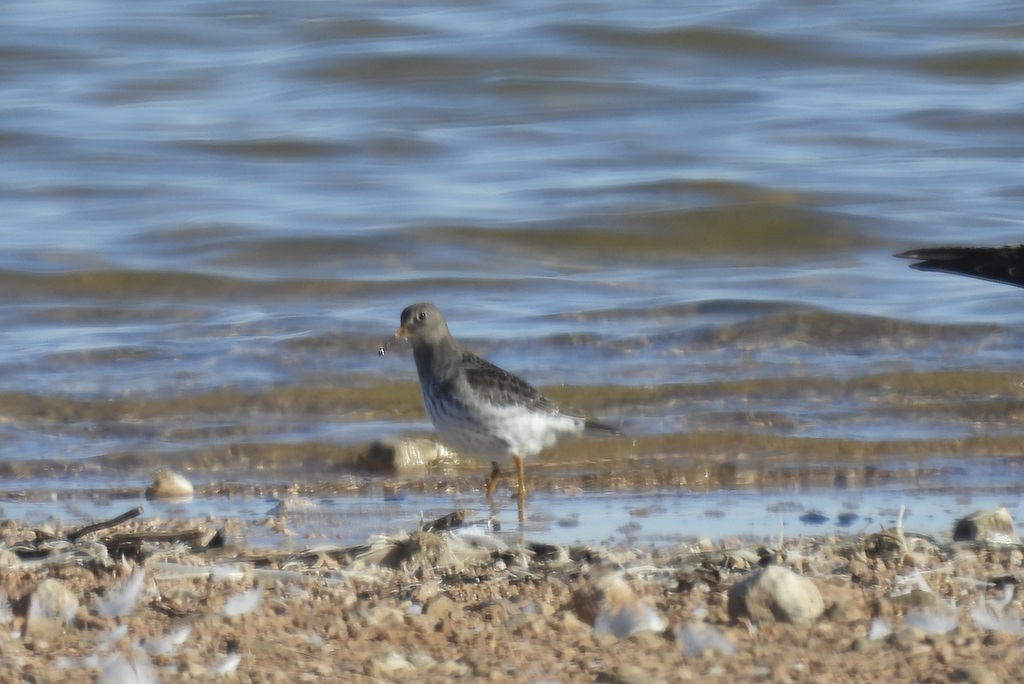
- Purple SandpiperCalidris maritima
- Saltmarsh Sharp-tailed SparrowAmmodramus caudacutus
- Sandwich TernThalasseus sandvicensis
- Seaside SparrowAmmodramus maritimus
- Wilson's WarblerWilsonia pusilla
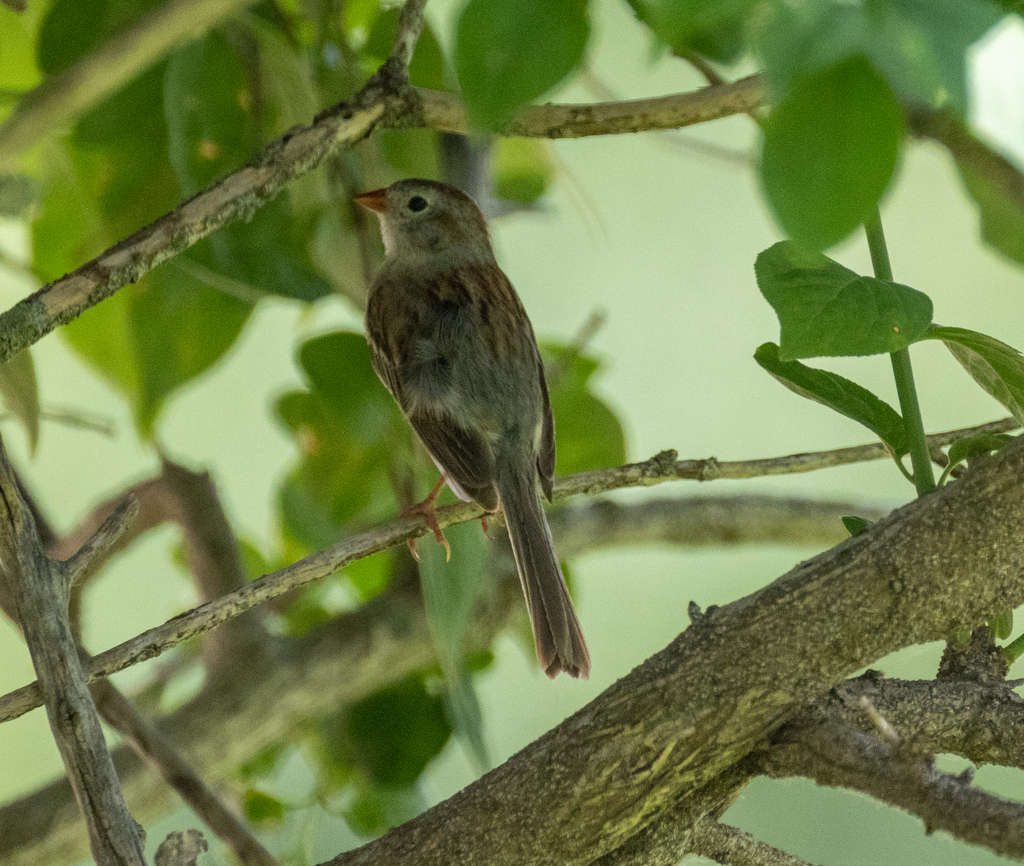
- Field SparrowSpizella pusilla
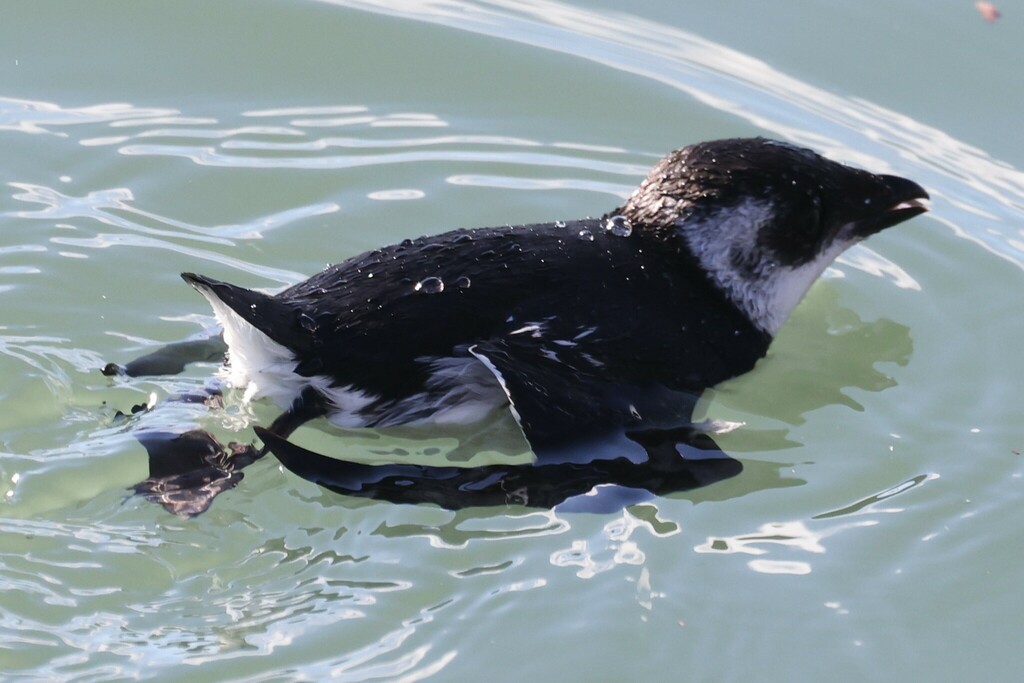
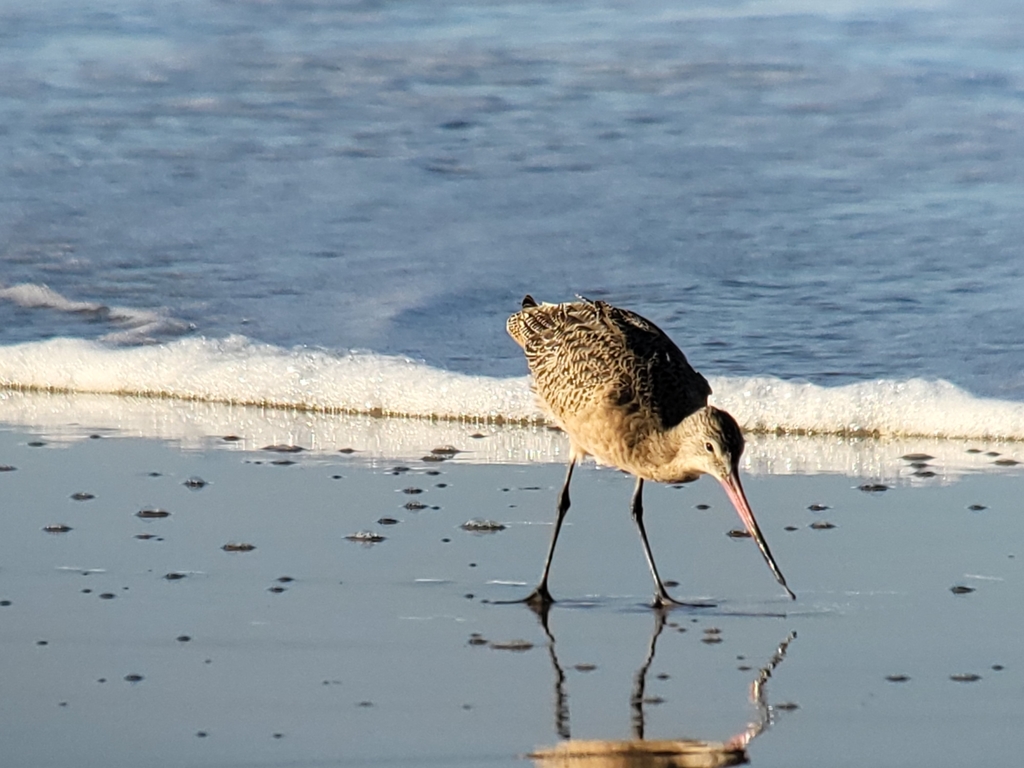
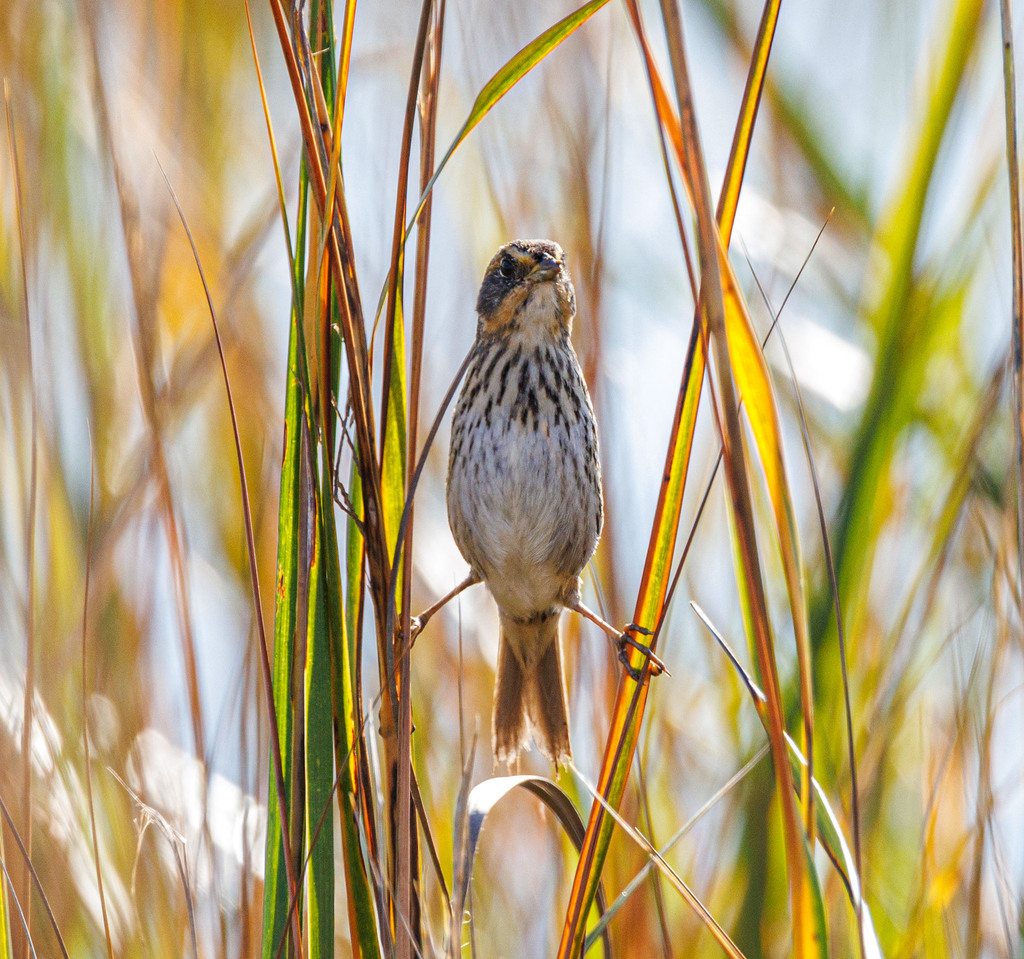
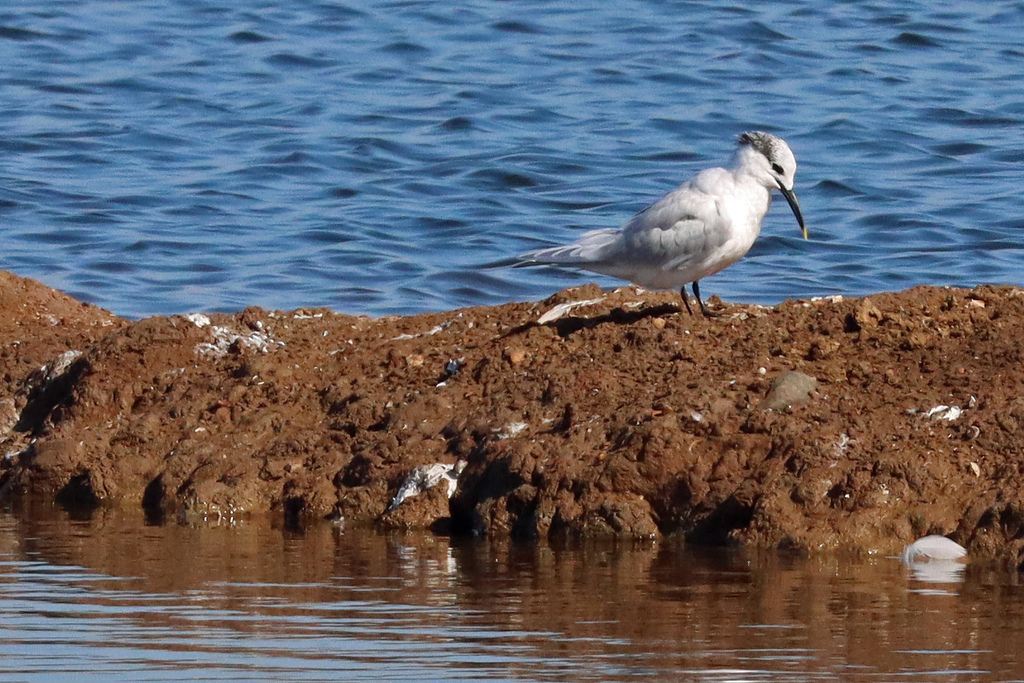
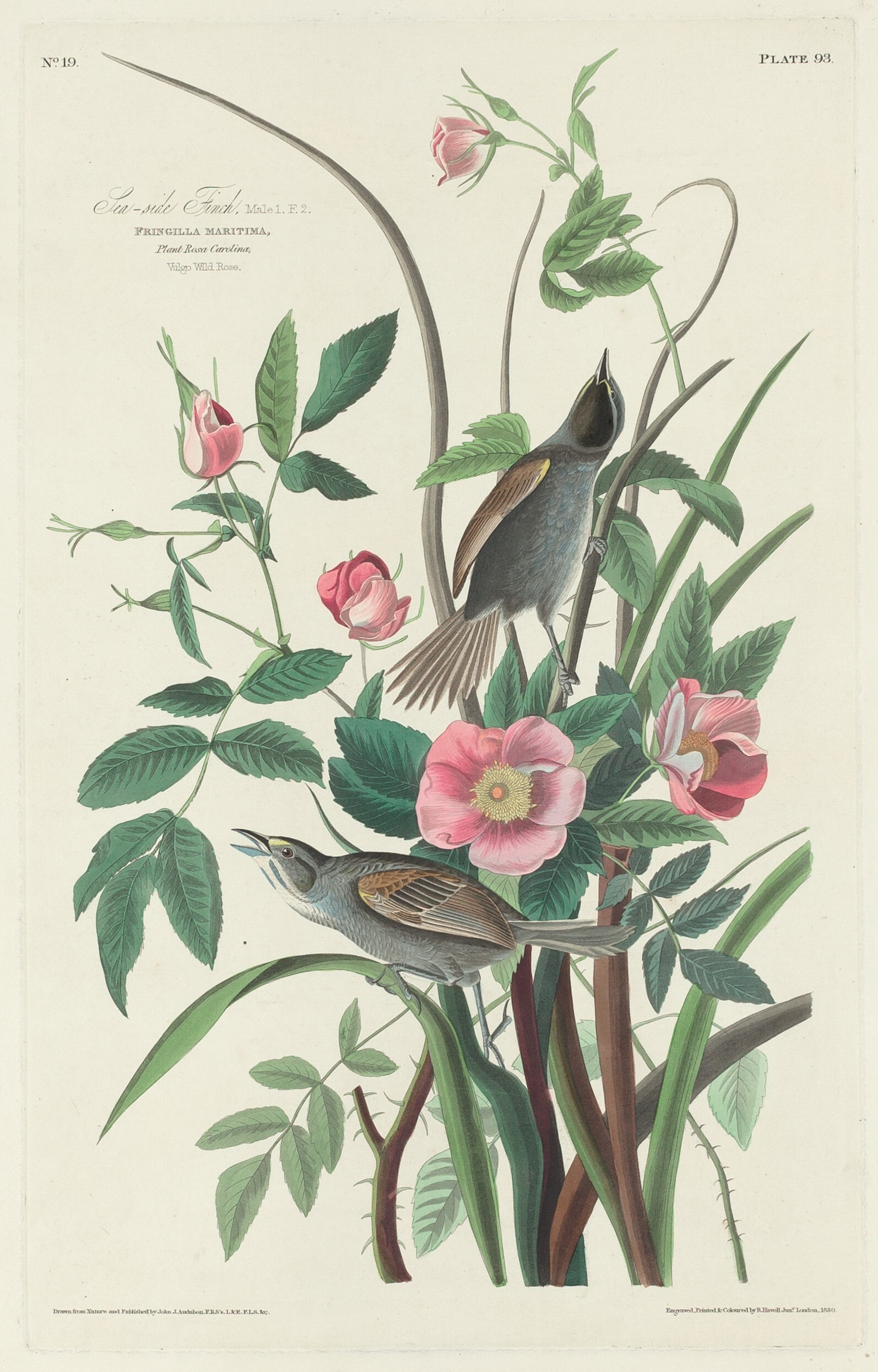
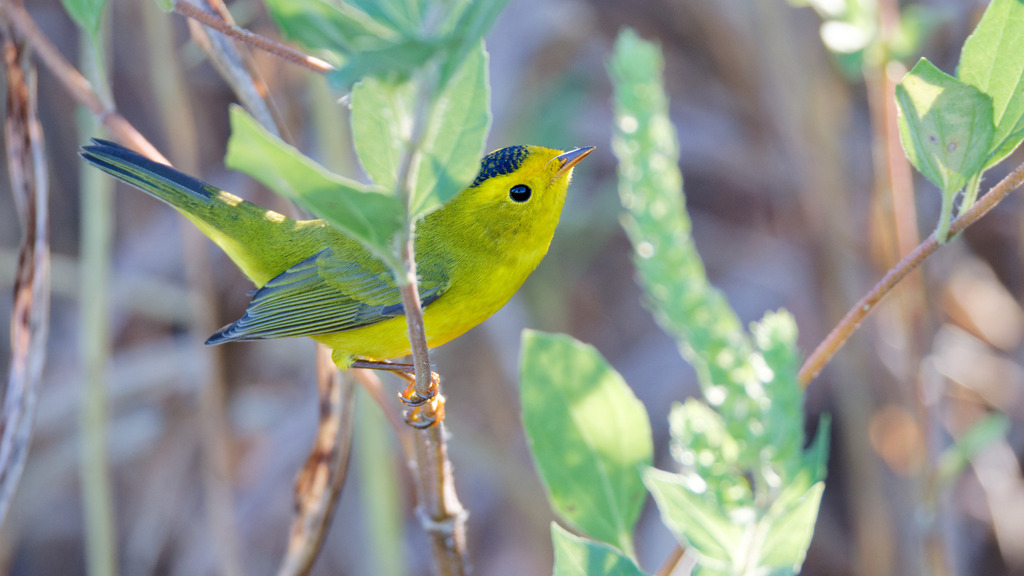
Plants 132
- Maritime ThoroughwortEupatorium maritimum
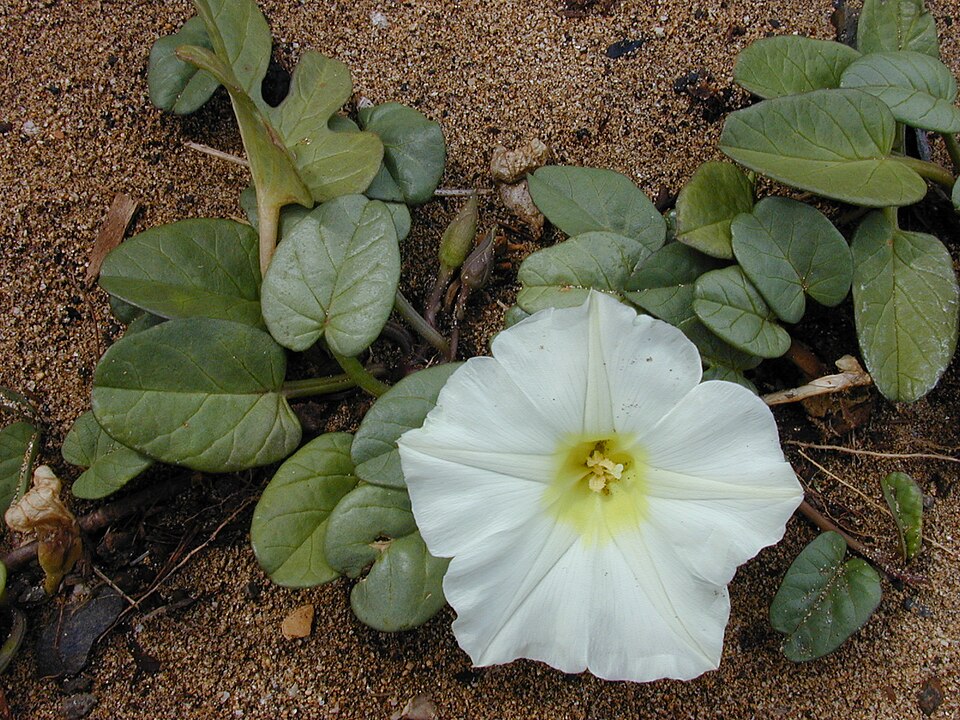
- Beach Morning-gloryIpomoea imperati
- Railroad VineIpomoea brasiliensis
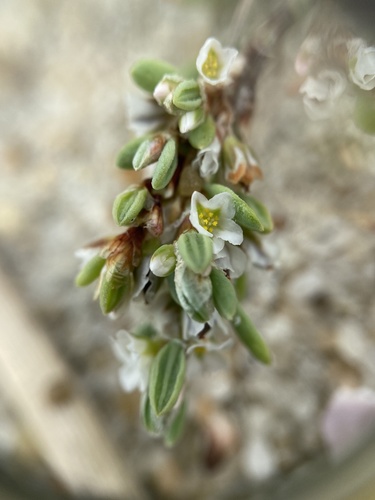
- Seabeach KnotweedPolygonum glaucum
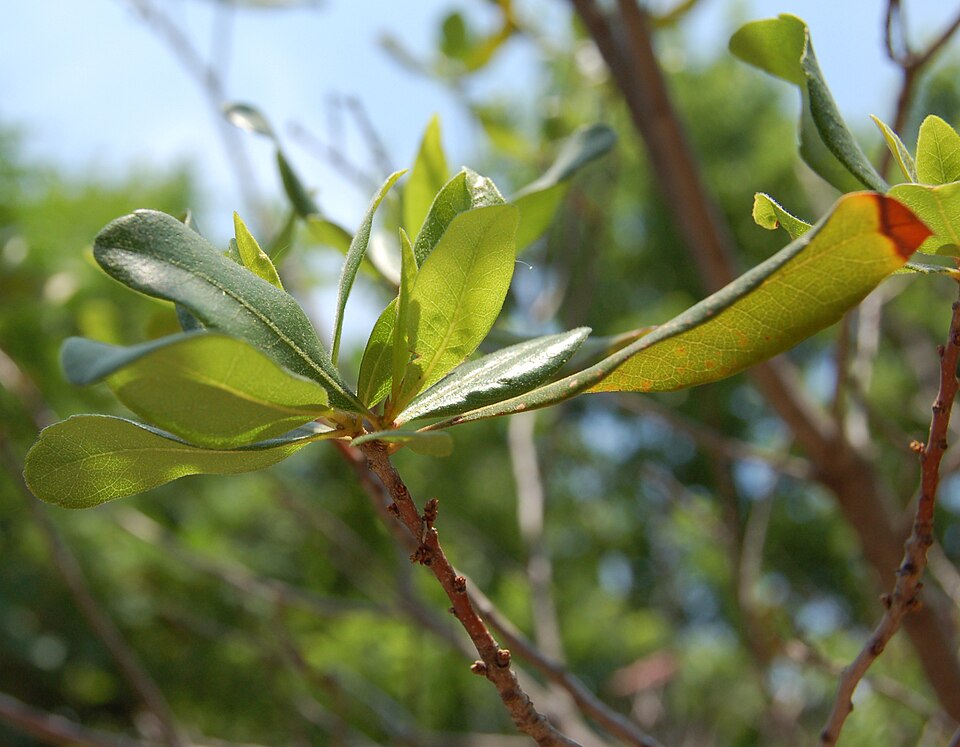
- Northern BayberryMorella pensylvanica
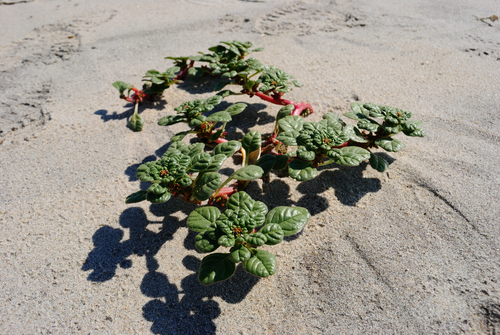
- Seabeach AmaranthAmaranthus pumilus
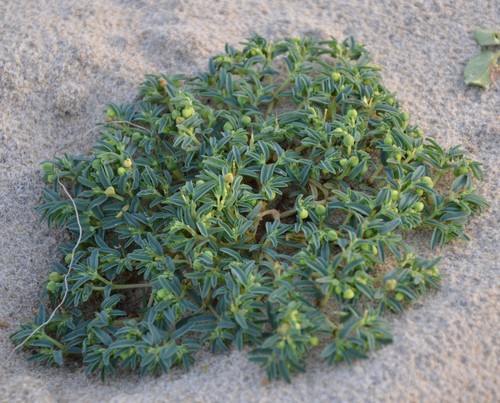
- Northern Seaside SpurgeEuphorbia polygonifolia
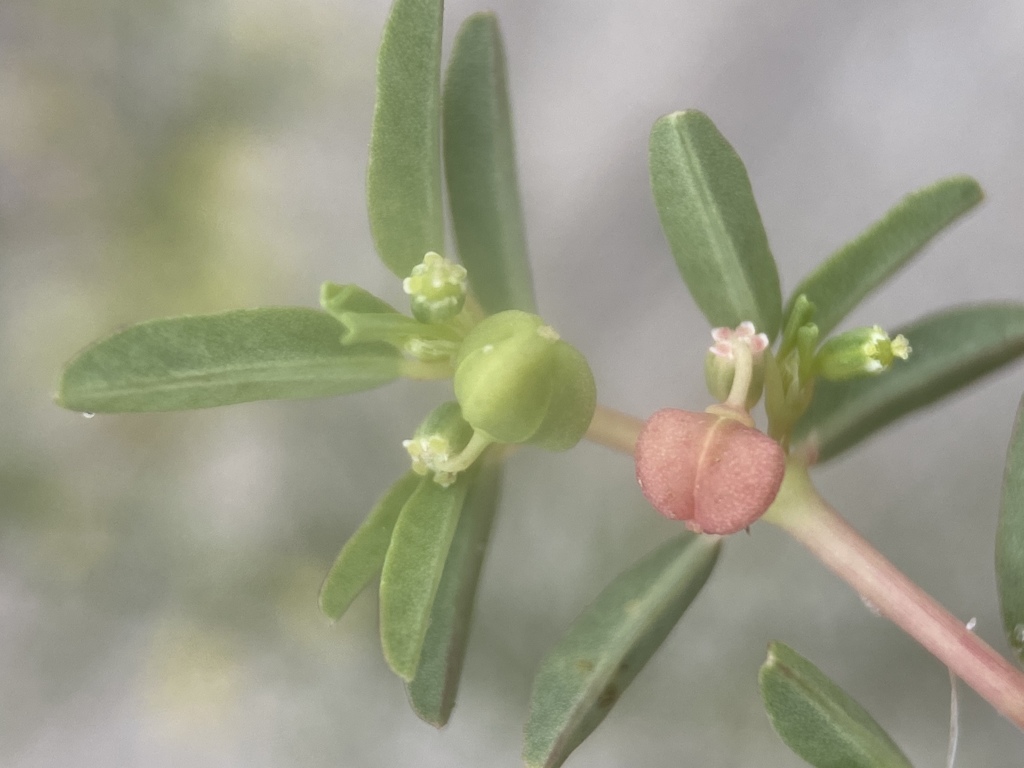
- Southern Seaside SpurgeEuphorbia bombensis
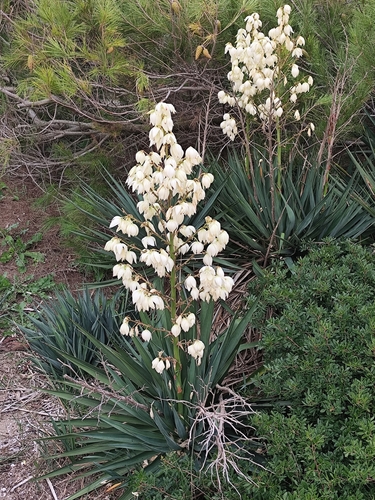
- Mound-lily YuccaYucca gloriosa
- Northern Seabeach OrachAtriplex mucronata
- Dune Marsh-elderIva imbricata
- Dune BluecurlsTrichostema nesophilum
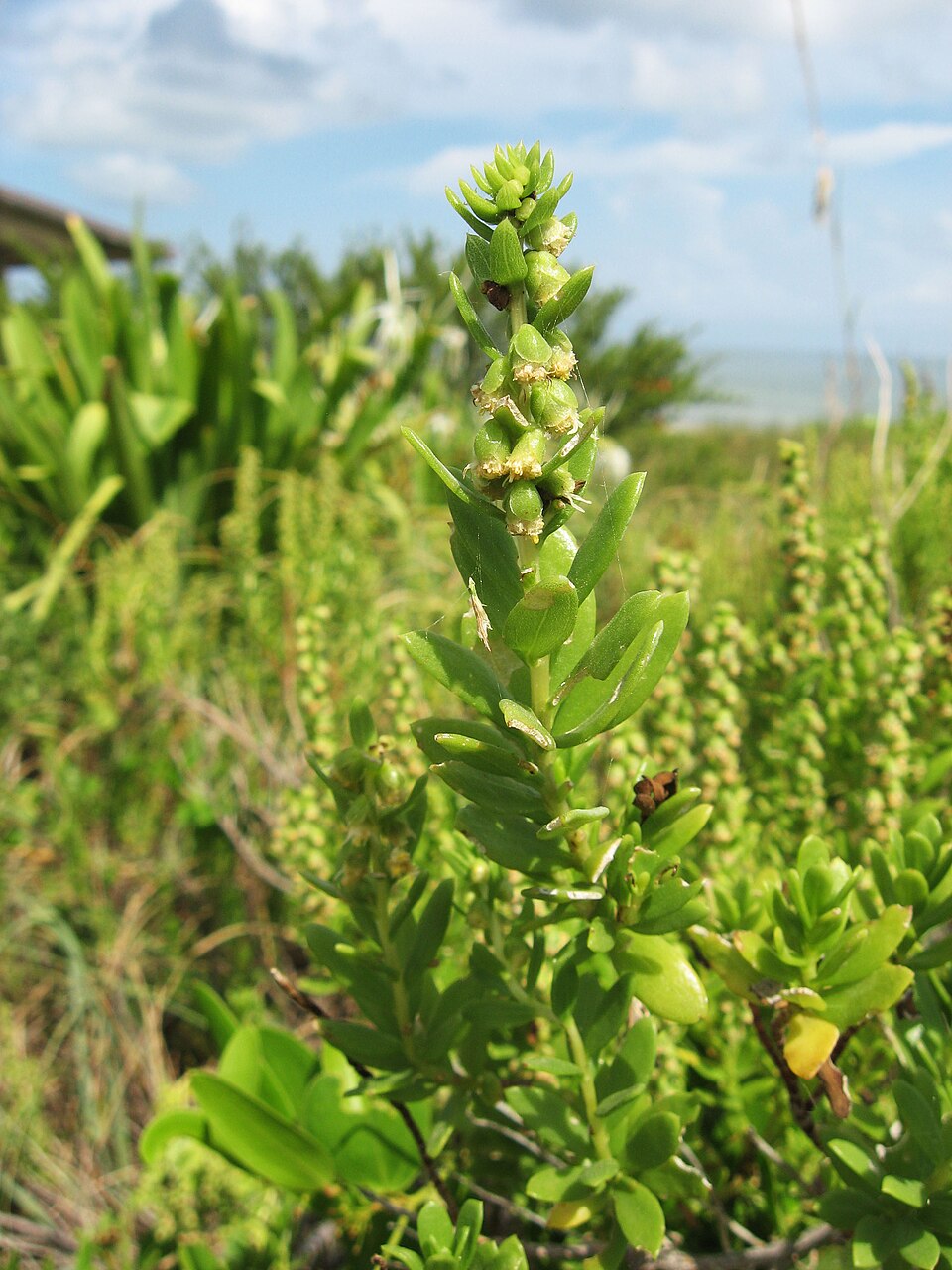
Disturbed and introduced wetlands
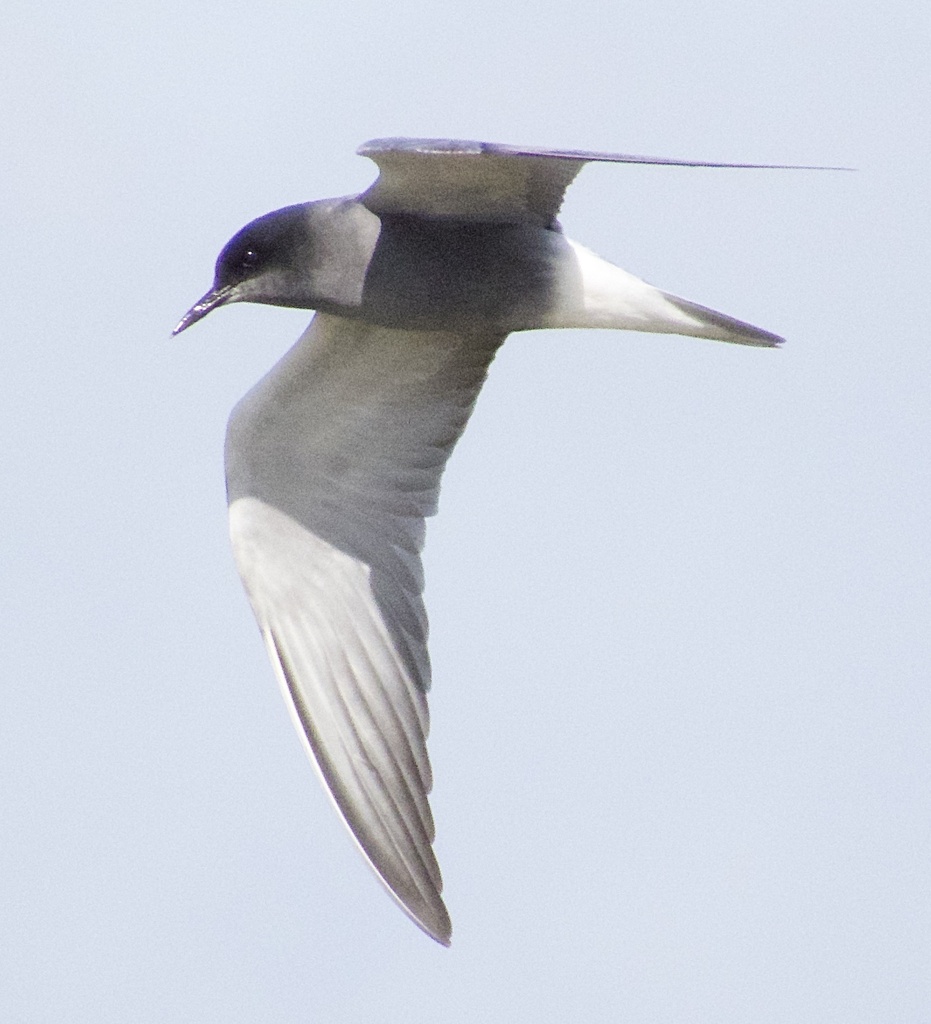
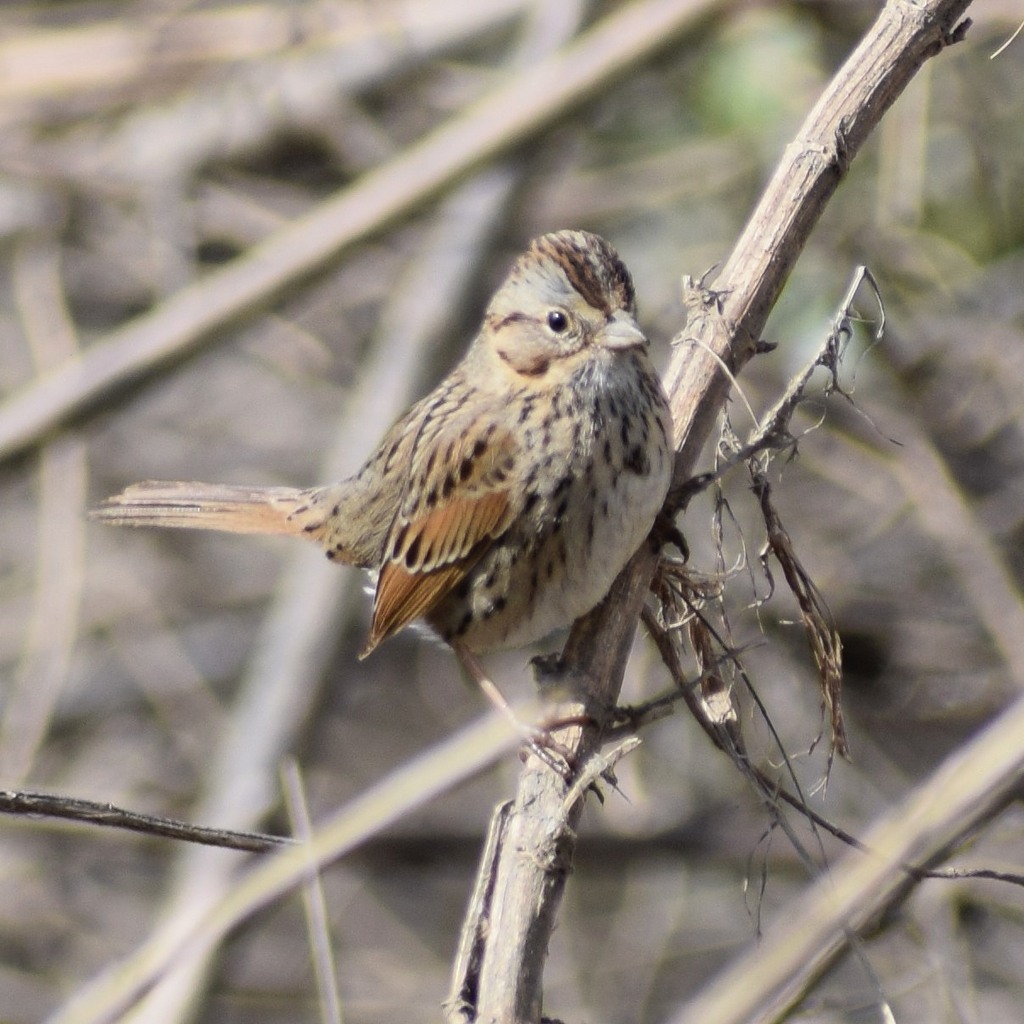
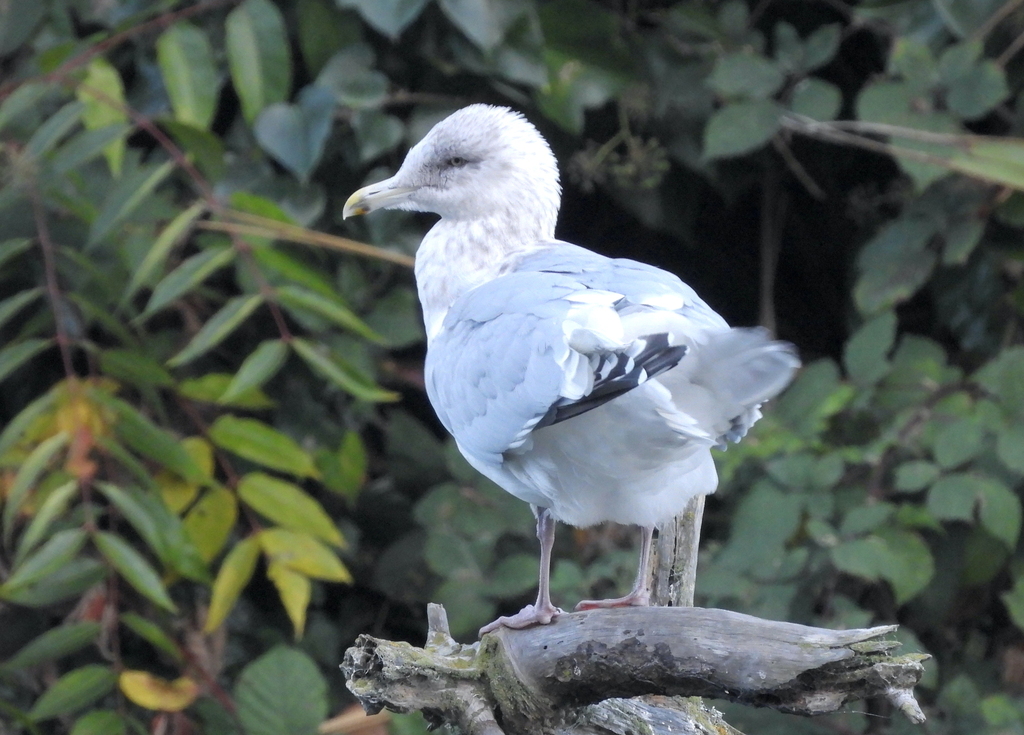
Birds 120
- Black TernChlidonias niger
- DickcisselSpiza americana
- BobolinkDolichonyx oryzivorus
- DovekieAlle alle
- Yellow-throated VireoVireo flavifrons
- Lincoln's SparrowMelospiza lincolnii
- Purple SandpiperCalidris maritima
- Sandwich TernThalasseus sandvicensis
- Thayer's GullLarus thayeri
- Wilson's WarblerWilsonia pusilla
- Field SparrowSpizella pusilla
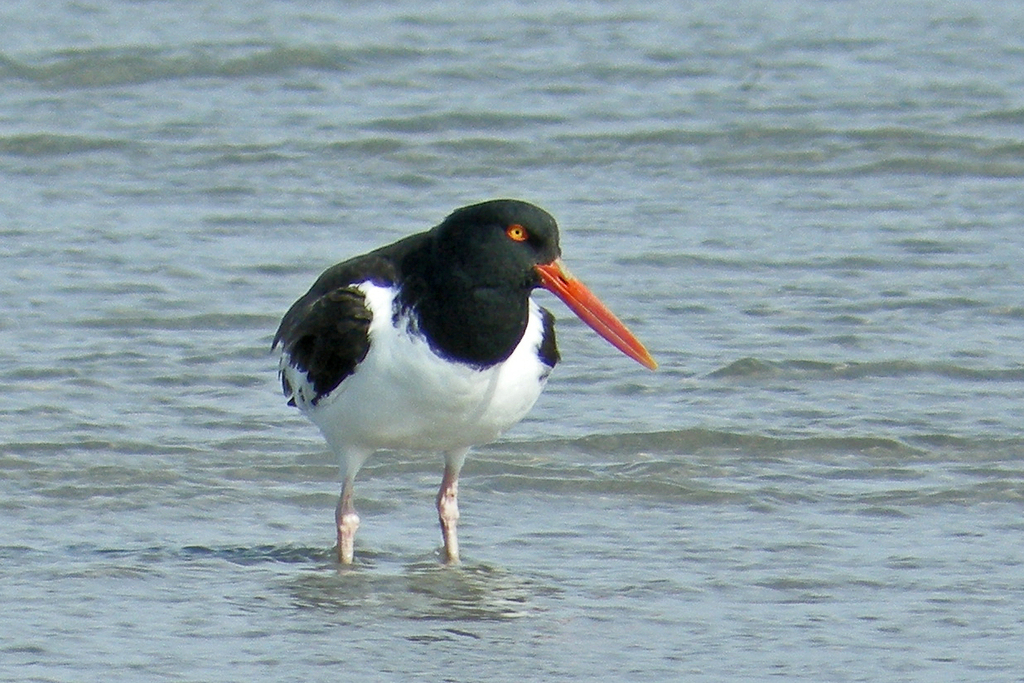
- American OystercatcherHaematopus palliatus
Plants 23
- Slender FimbryFimbristylis autumnalis
- Purple SpikerushEleocharis atropurpurea
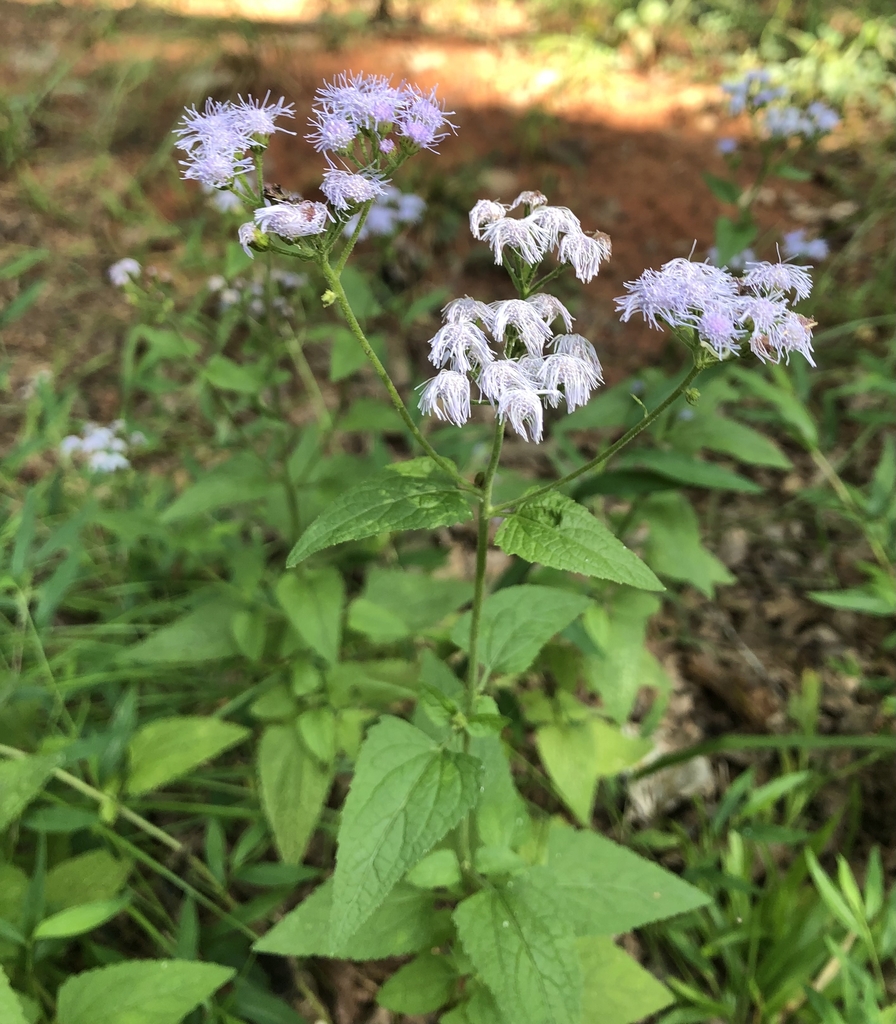
- Blue MistflowerConoclinium coelestinum
- BagpodSesbania vesicaria
- Tropical FlatsedgeCyperus surinamensis
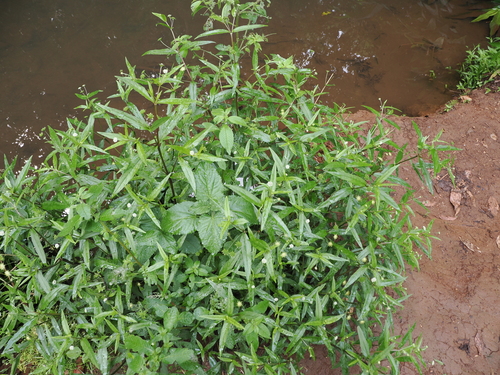
- False DaisyEclipta prostrata
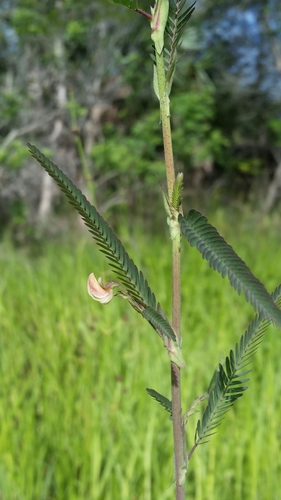
- Indian JointvetchAeschynomene indica
- Mid-Atlantic Flat-top GoldenrodEuthamia floribunda
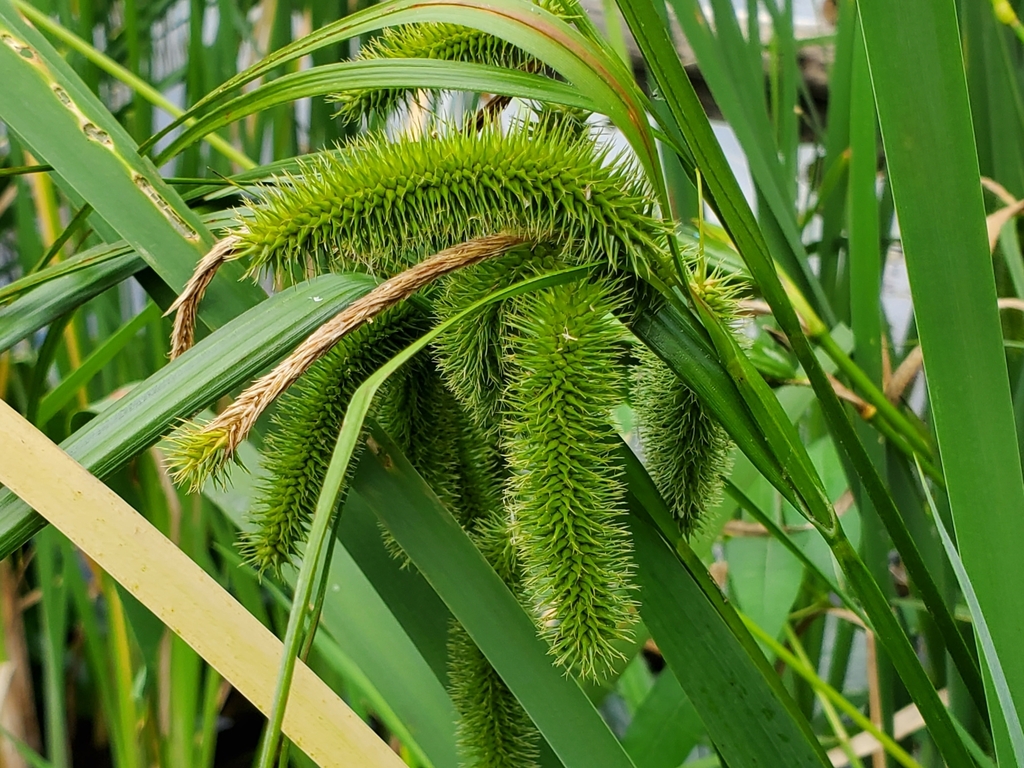
- Bristly SedgeCarex comosa
- Shortbeak BeaksedgeRhynchospora nitens
- Southern Marsh YellowcressRorippa teres
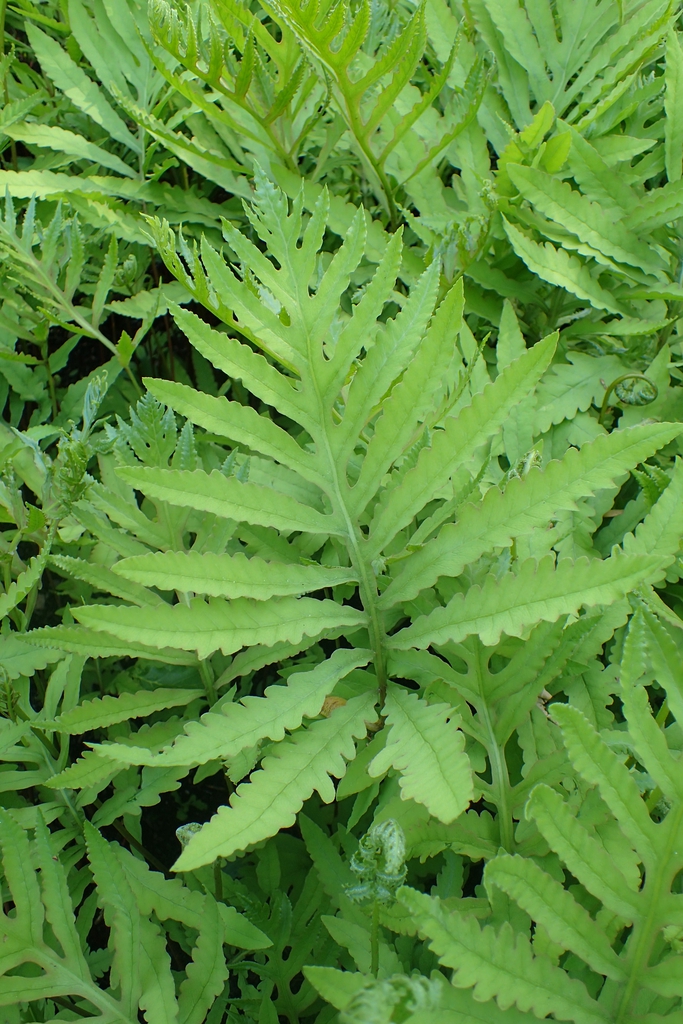
- Sensitive FernOnoclea sensibilis

Sources
- USGS Gap Analysis Project habitat models (2001)
- USGS GAP summer habitat model for Barn Swallow
- USGS Gap Analysis Project range maps (2001), modeled by watershed; migratory gives no dates
- NatureServe Explorer (CC BY 4.0), habitat names
- US Census TIGER/Line counties
- Names follow the USGS Gap Analysis Project (2001)