

Bird
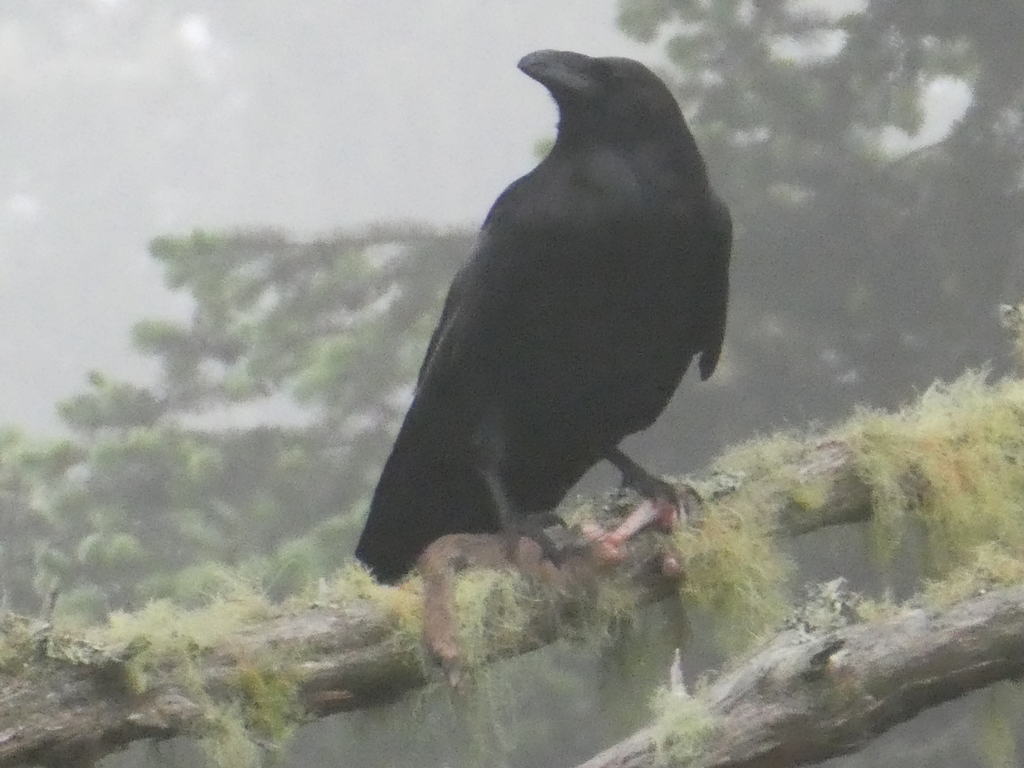
Common Raven
Corvus corax
Lives in North Carolina all year and nests here. Found in 33 of 100 counties, across 22 habitats.
- Here
- All year
- Nesting
- Nests here
- Range
- 33 of 100 counties
- Habitats
- 22
At a glance
- Group
- Birds
- Here
- All year
- Nesting
- Nests here
- Range
- 33 of 100 counties
- Habitats
- 22
- Habitat models
- Year-round
Where it lives
The places its habitat model includes. It is not found everywhere a habitat occurs.
Habitats in North Carolina 22
Each habitat page lists the plants and wildlife also found there.
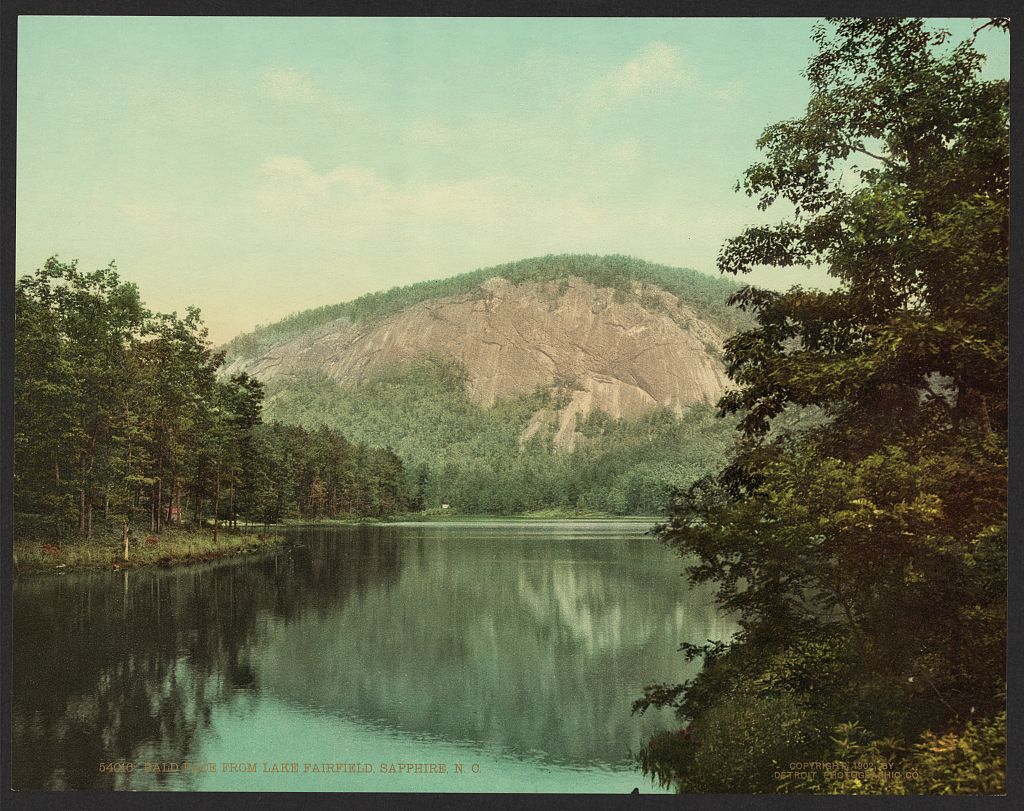
Cliffs, ledges and rocky summits
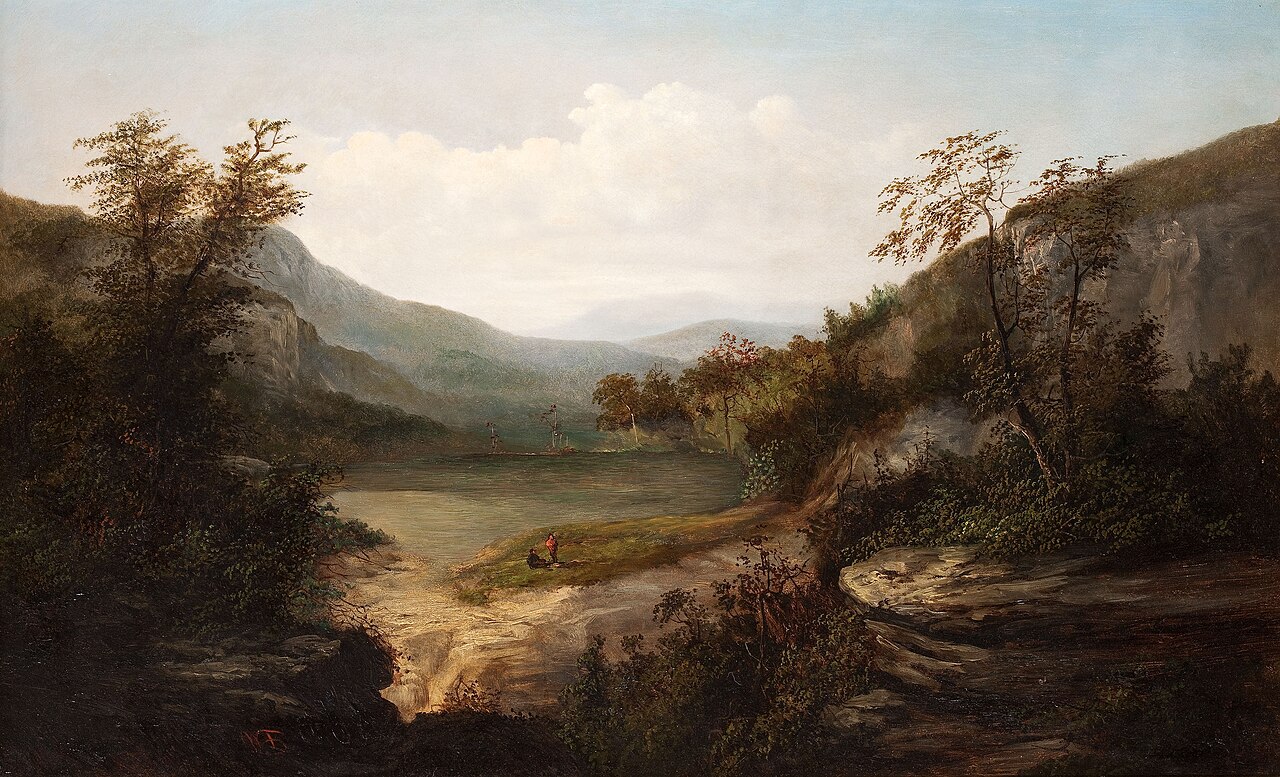
Floodplain and bottomland forests
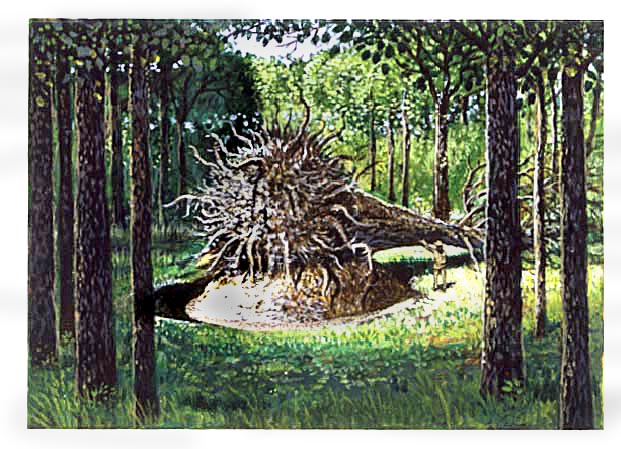
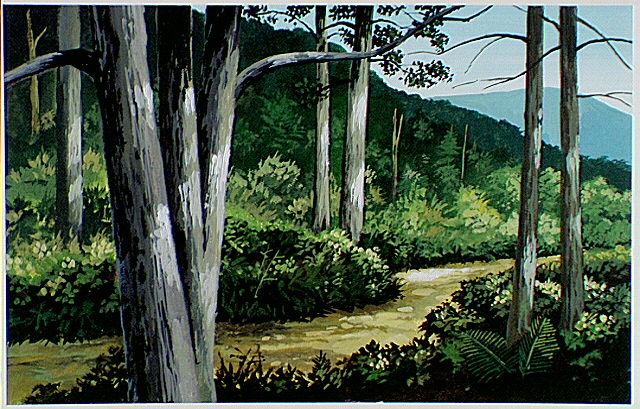

Granite and other acidic rock outcrops
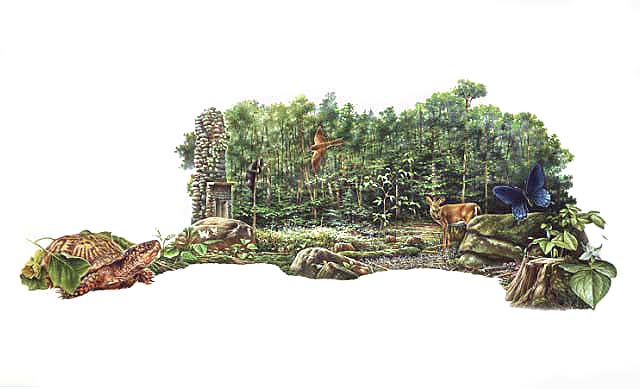
Roadsides, fields and disturbed ground
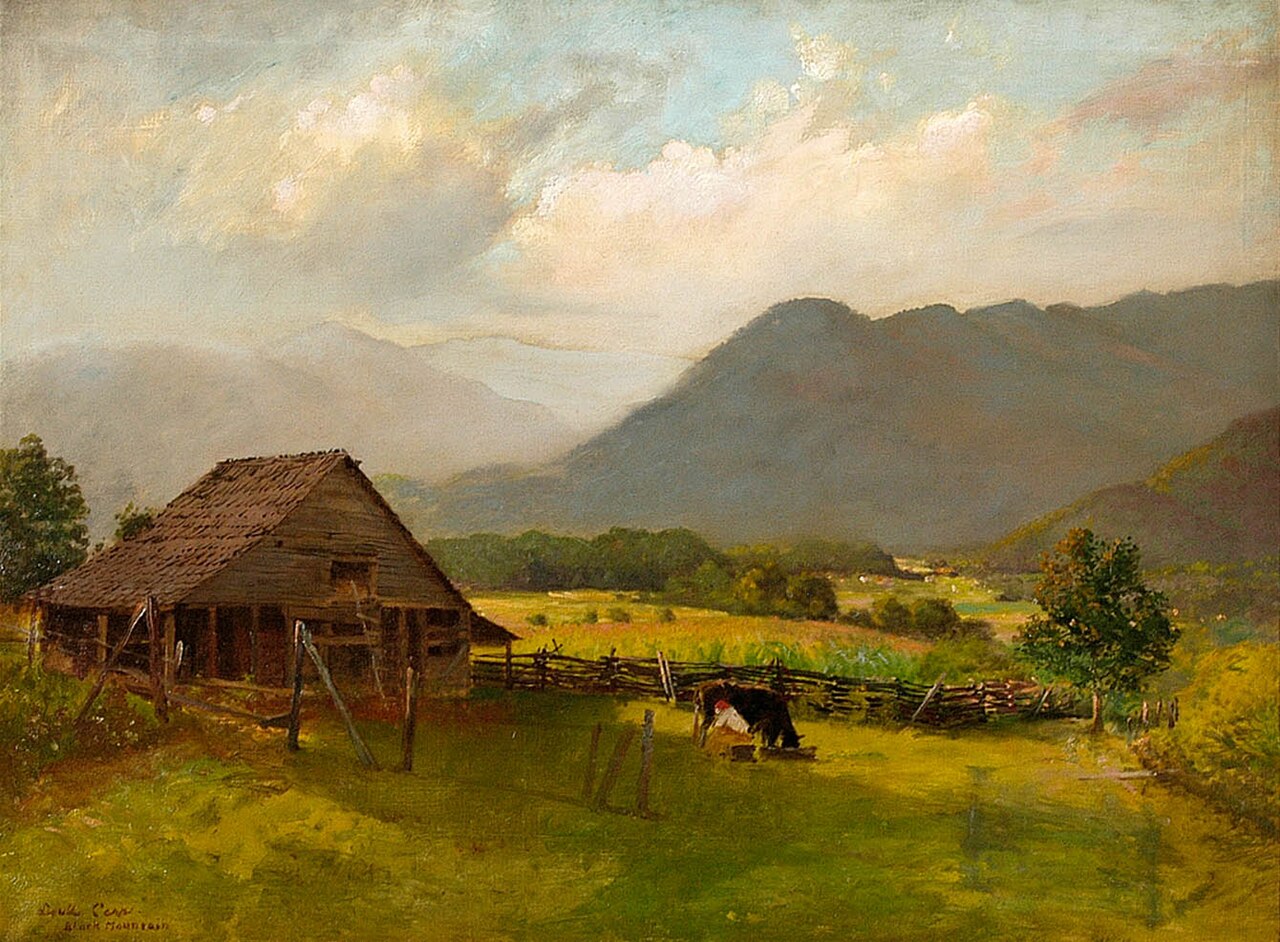
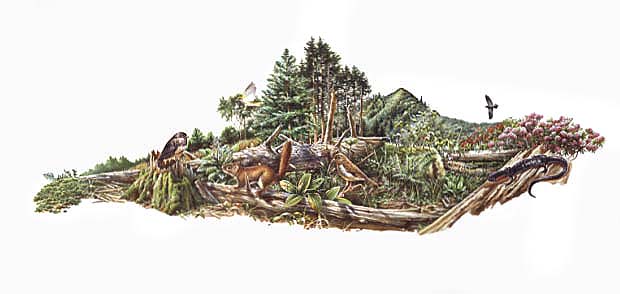
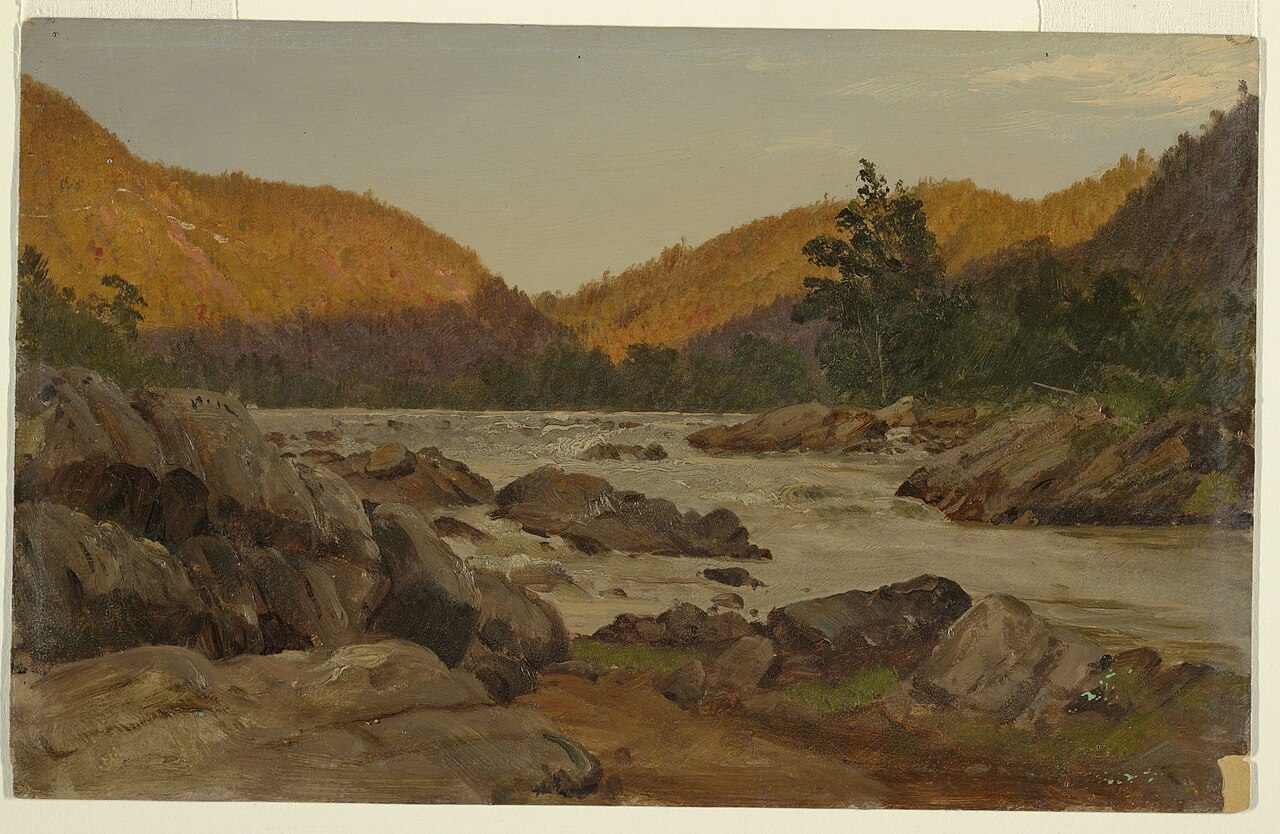
Streams, rivers and their banks
Open sand of beaches, dunes and the hollows between them.
Disturbed and introduced wetlands
Wet ground taken over by weedy or introduced plants after disturbance, such as common reed, Chinese tallow or tamarisk stands; the upland counterpart is roadsides, fields and disturbed ground.
Forests and open woodlands on dry ridges and slopes, often oak or pine.
Borders of forests, clearings and shrubby thickets.
Glades, barrens and outcrops on limestone
Open, thin-soil openings and rock on limestone, dolomite or other lime-rich rock, including cedar glades.
Forests between dry and moist, often oak-hickory on slopes.
Forests on moist but not wet ground, such as rich slopes and ravines.
Treeless grassy or shrubby summits and ridges in the high mountains.
Wet, open, peaty mountain wetlands fed by seepage, often with sphagnum moss.
High mountain forests of beech, yellow birch and sugar maple, including boulderfield forests.
Tree plantations and managed pine
Planted or intensively managed stands of pine or hardwoods grown for timber; a land use rather than a natural community.
Open, wet, grassy or sedgy ground that is not a bog.
Other habitats in its models (78)
Land cover, or classes with no habitat page in North Carolina. Those recorded in North Carolina first, the rest by region.
In North Carolina 1
- Southern Piedmont Glade and Barrens Year-round.
Elsewhere in the South (25)
- Appalachian Shale Barrens Year-round.
- Central Interior Highlands Calcareous Glade and Barrens Year-round.
- Central Interior Highlands Dry Acidic Glade and Barrens Year-round.
- Crosstimbers Oak Forest and Woodland Year-round.
- Cumberland Riverscour Year-round.
- Cumberland Sandstone Glade and Barrens Year-round.
- East-Central Texas Plains Pine Forest and Woodland Year-round.
- East-Central Texas Plains Post Oak Savanna and Woodland Year-round.
- East-Central Texas Plains Riparian Forest Year-round.
- Edwards Plateau Limestone Savanna and Woodland Year-round.
- Nashville Basin Limestone Glade Year-round.
- Red River Large Floodplain Forest Year-round.
- Ridge and Valley Calcareous Valley Bottom Glade and Woodland Year-round.
- South-Central Interior / Upper Coastal Plain Wet Flatwoods Year-round.
- South-Central Interior Mesophytic Forest Year-round.
- Southeastern Great Plains Tallgrass Prairie Year-round.
- Southern Blackland Tallgrass Prairie Year-round.
- Southern Coastal Plain Dry Upland Hardwood Forest Year-round.
- Southern Coastal Plain Herbaceous Seepage Bog Year-round.
- Southern Coastal Plain Oak Dome and Hammock Year-round.
- Southern Interior Acid Cliff Year-round.
- Southern Interior Low Plateau Dry-Mesic Oak Forest Year-round.
- Southern Ridge and Valley Dry Calcareous Forest Year-round.
- Tamaulipan Calcareous Thornscrub Year-round.
- Tamaulipan Mixed Deciduous Thornscrub Year-round.
Northeast (12)
- Acadian Low-Elevation Spruce-Fir-Hardwood Forest Year-round.
- Appalachian Hemlock-Hardwood Forest Year-round.
- Central Appalachian Alkaline Glade and Woodland Year-round.
- Central Appalachian Oak and Pine Forest Year-round.
- Central Appalachian Pine-Oak Rocky Woodland Year-round.
- North-Central Appalachian Acidic Cliff and Talus Year-round.
- North-Central Appalachian Circumneutral Cliff and Talus Year-round.
- North-Central Interior Wet Flatwoods Year-round.
- Northeastern Interior Dry-Mesic Oak Forest Year-round.
- Northeastern Interior Pine Barrens Year-round.
- Northern Atlantic Coastal Plain Basin Swamp and Wet Hardwood Forest Year-round.
- Northern Atlantic Coastal Plain Dry Hardwood Forest Year-round.
Midwest (11)
- Central Interior Acidic Cliff and Talus Year-round.
- Central Interior Calcareous Cliff and Talus Year-round.
- Central Mixedgrass Prairie Year-round.
- Central Tallgrass Prairie Year-round.
- North-Central Interior Beech-Maple Forest Year-round.
- North-Central Interior Dry Oak Forest and Woodland Year-round.
- North-Central Interior Dry-Mesic Oak Forest and Woodland Year-round.
- North-Central Interior Maple-Basswood Forest Year-round.
- North-Central Interior Oak Savanna Year-round.
- North-Central Interior Sand and Gravel Tallgrass Prairie Year-round.
- North-Central Oak Barrens Year-round.
Land cover and other classes (29)
- Allegheny-Cumberland Dry Oak Forest and Woodland - Hardwood Year-round.
- Allegheny-Cumberland Dry Oak Forest and Woodland - Pine Modifier Year-round.
- Arkansas Valley Prairie and Woodland Year-round.
- Barren Land Year-round.
- Central Appalachian Riparian - Forest Modifier Year-round.
- Developed, High Intensity Year-round.
- Developed, Low Intensity Year-round.
- Developed, Medium Intensity Year-round.
- Eastern Great Plains Floodplain Systems Year-round.
- Eastern Great Plains Wet Meadow, Prairie, and Marsh Year-round.
- Harvested Forest - Grass/Forb Regeneration Year-round.
- Introduced Upland Vegetation - Annual Grassland Year-round.
- Introduced Upland Vegetation - Forbland Year-round.
- Introduced Upland Vegetation - Perennial Grassland Year-round.
- Introduced Upland Vegetation - Treed Year-round.
- Modified/Managed Southern Tall Grassland Year-round.
- Northeastern Interior Dry Oak Forest - Mixed Modifier Year-round.
- Northeastern Interior Dry Oak Forest - Virginia/Pitch Pine Modifier Year-round.
- Northeastern Interior Dry Oak Forest-Hardwood Modifier Year-round.
- Quarries, Mines, Gravel Pits and Oil Wells Year-round.
- Recently Burned Grassland Year-round.
- Recently Burned Shrubland Year-round.
- Southern Piedmont Dry Oak-(Pine) Forest - Mixed Modifier Year-round.
- Southern Piedmont Dry Oak-Heath Forest - Mixed Modifier Year-round.
- Southern Ridge and Valley Dry Calcareous Forest - Pine modifier Year-round.
- Tamaulipan Mesquite Upland Scrub Year-round.
- Tamaulipan Riparian Systems Year-round.
- Unconsolidated Shore Year-round.
- Unconsolidated Shore (Lake/River/Pond) Year-round.
Seasons in North Carolina
- Year-round: nests here, in 33 of 100 counties.
Food plants
Diet records by plant genus, from studies across North America. Not a record from this state. Plants matched by genus.
Native plants in these genera 1
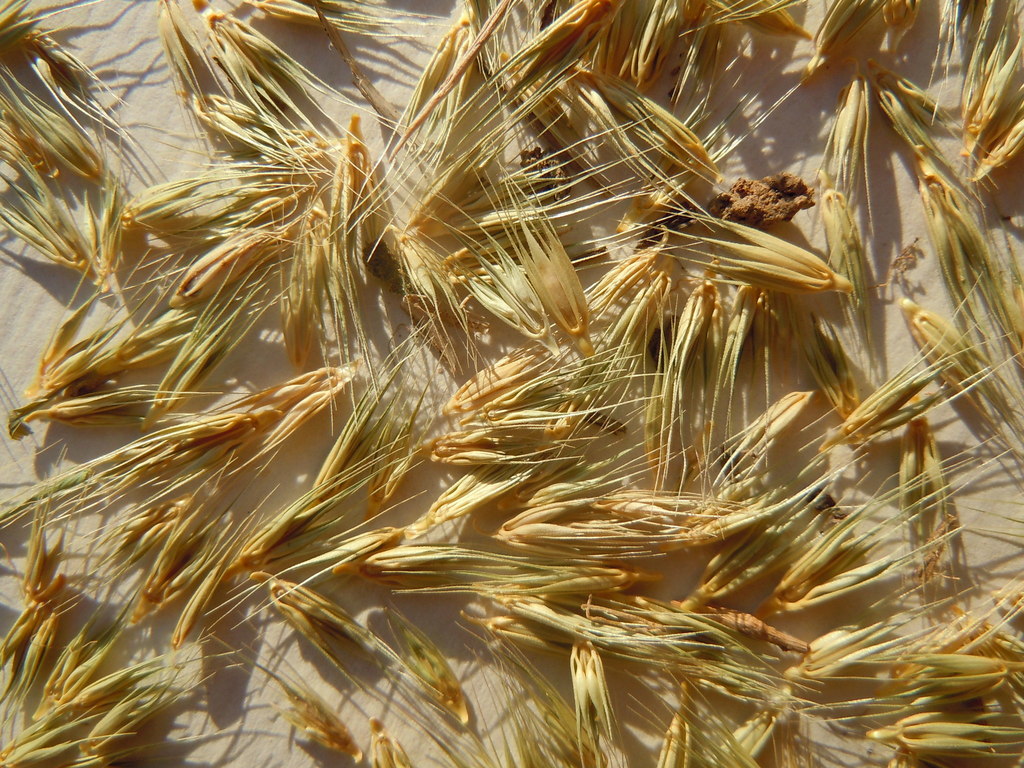
- Little BarleyHordeum pusillum
Plant genera in its diet records (2)
Also found in its main habitats
Its main habitats in North Carolina, by how much of its habitat model each one is, with the birds most characteristic of each and the plants that grow wild there. Shared habitat, not food.
Common Raven uses many habitats in North Carolina; these are its 3 most characteristic.
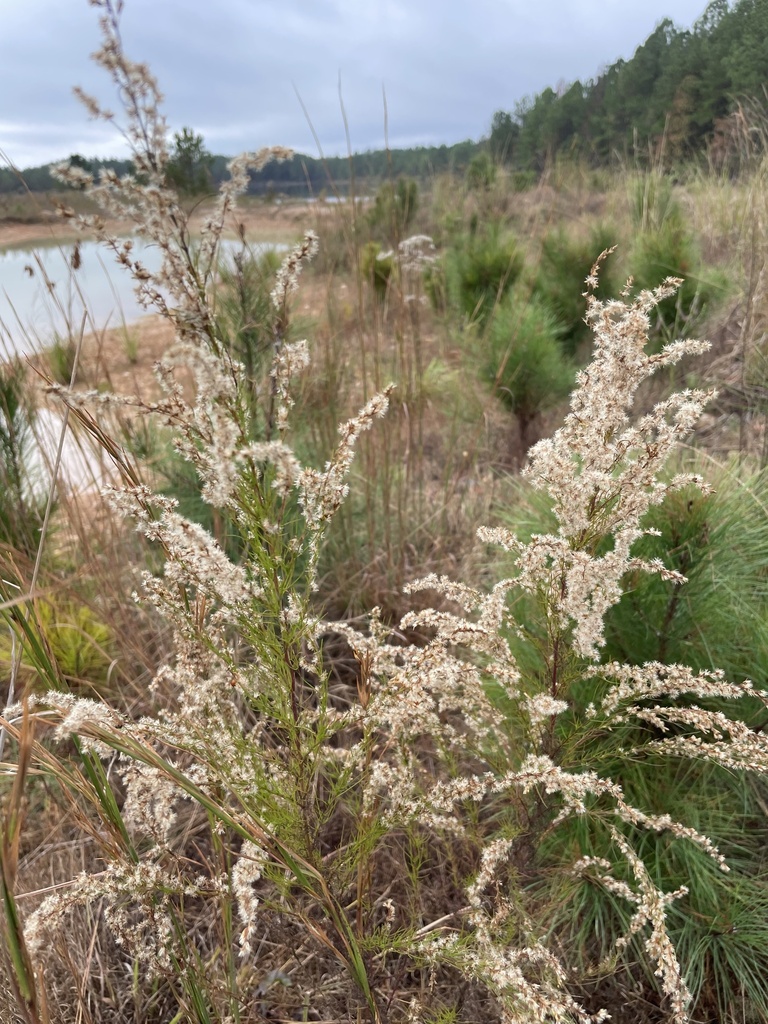
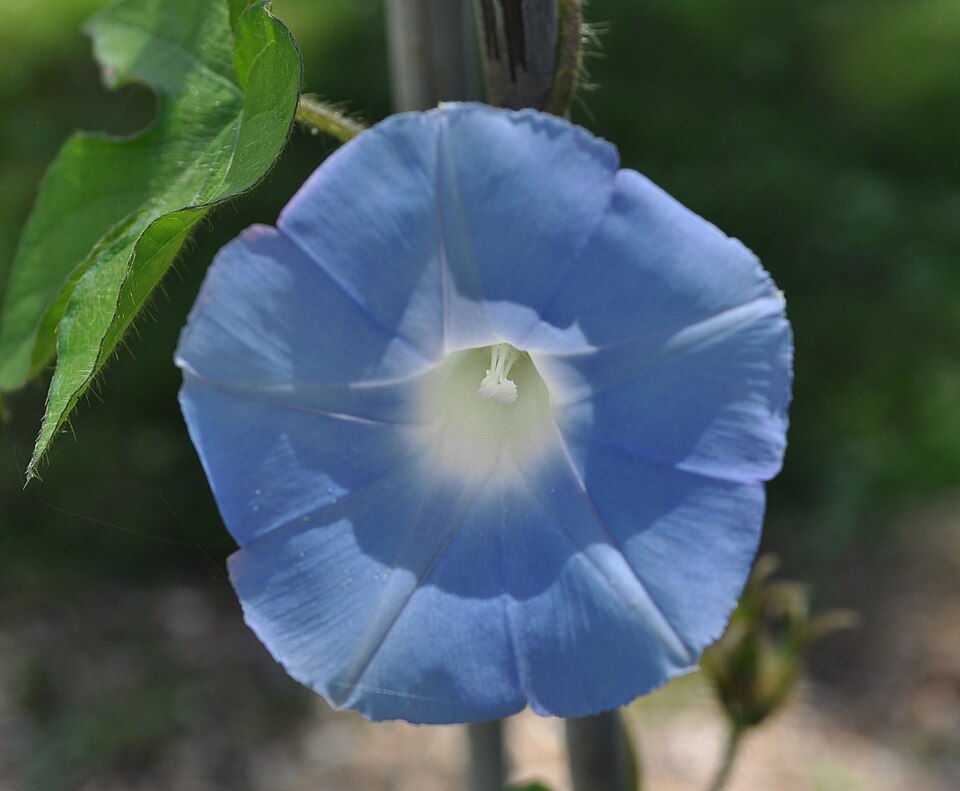
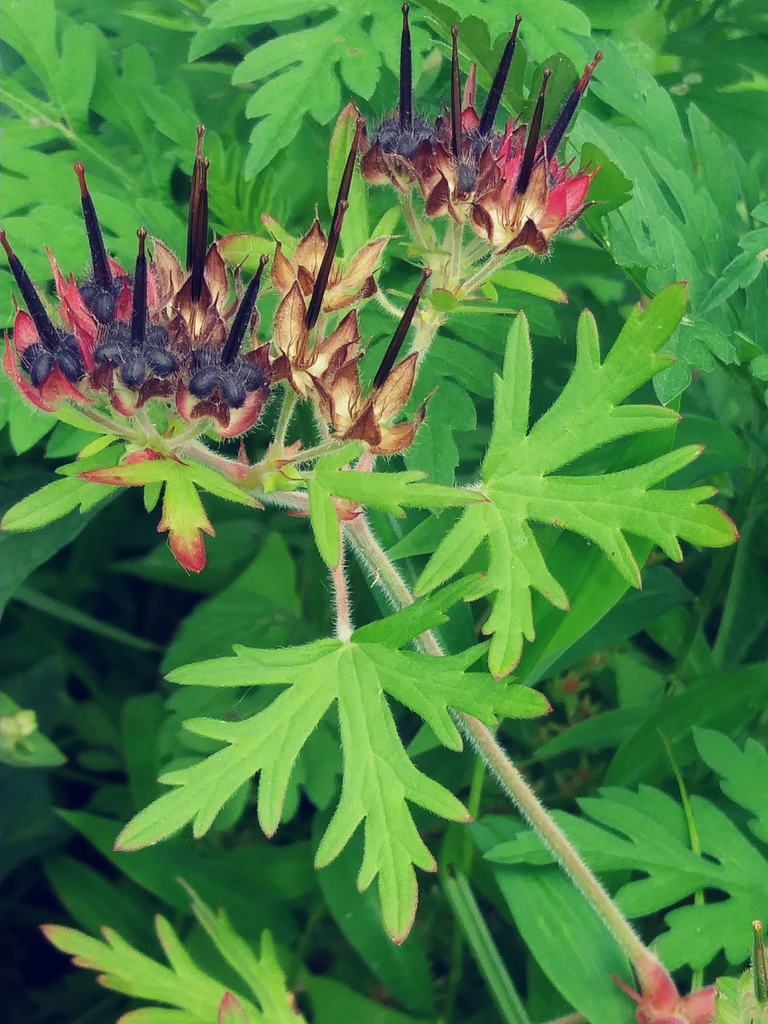
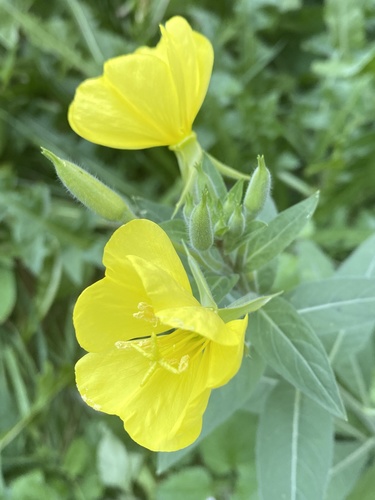
Roadsides, fields and disturbed ground
Birds 90
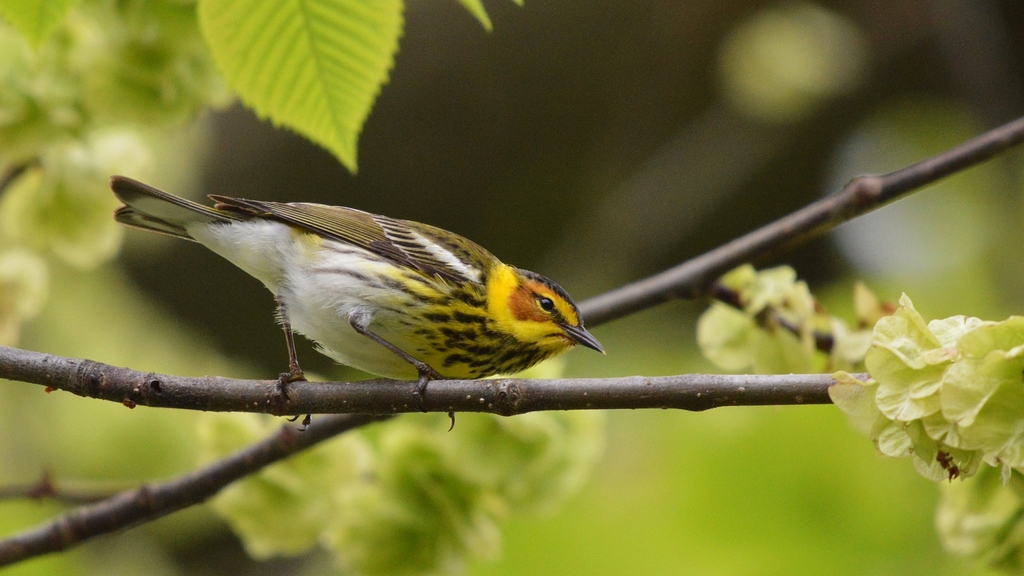
- Cape May WarblerDendroica tigrina
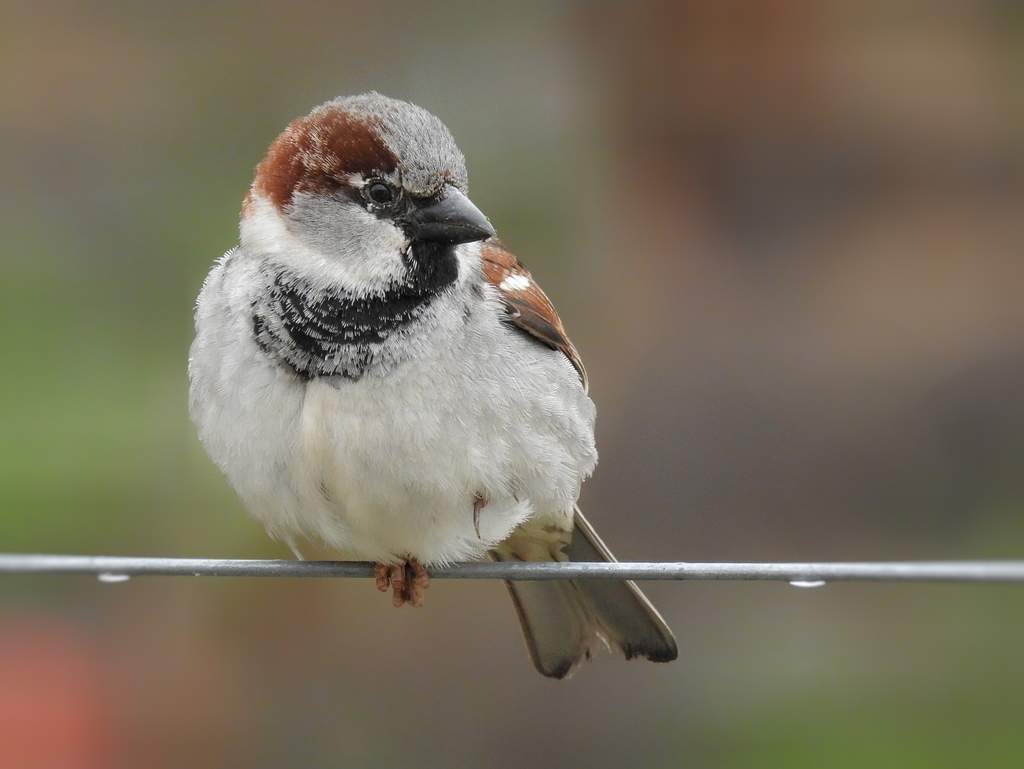
- House SparrowPasser domesticus
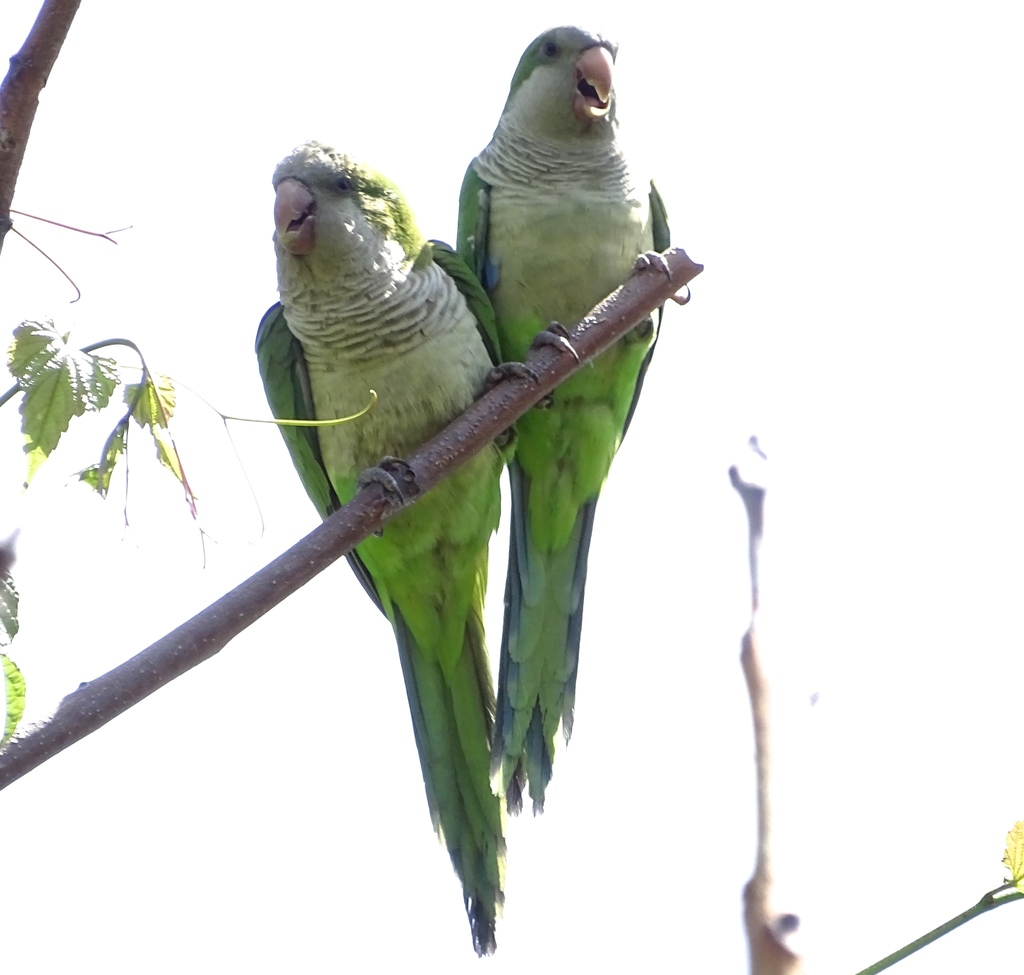
- Monk ParakeetMyiopsitta monachus
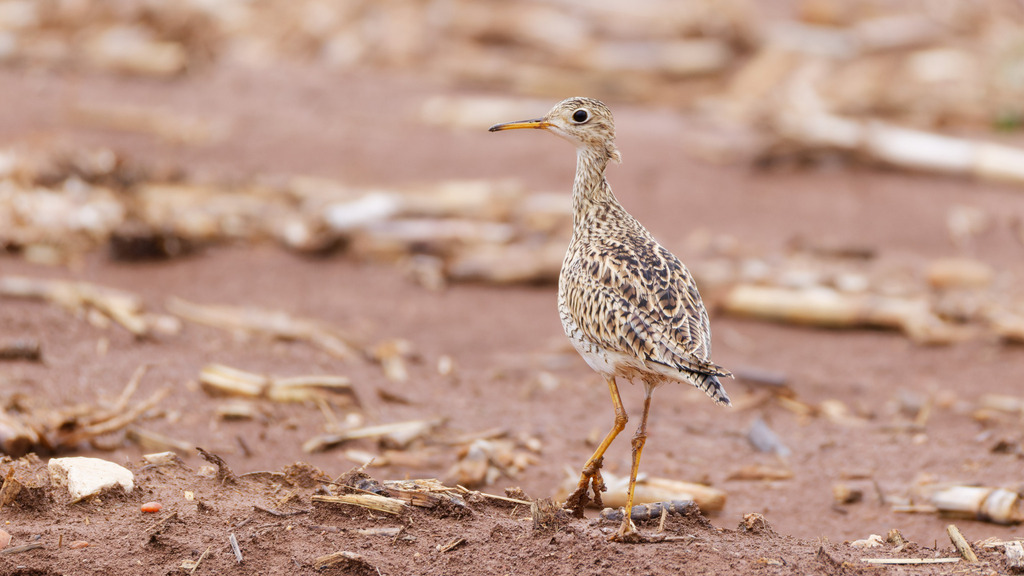
- Upland SandpiperBartramia longicauda
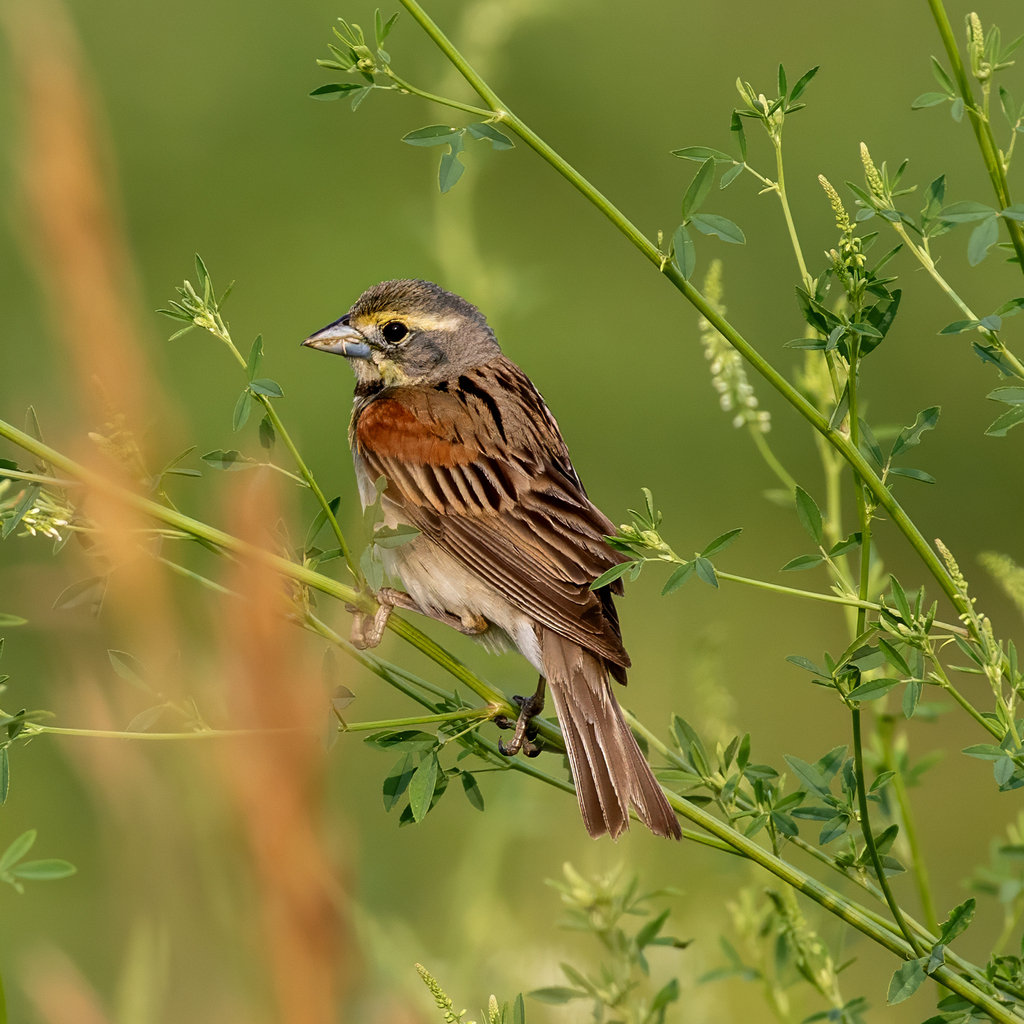
- DickcisselSpiza americana
- Grasshopper SparrowAmmodramus savannarum
- Rock PigeonColumba livia
- BobolinkDolichonyx oryzivorus
- Horned LarkEremophila alpestris
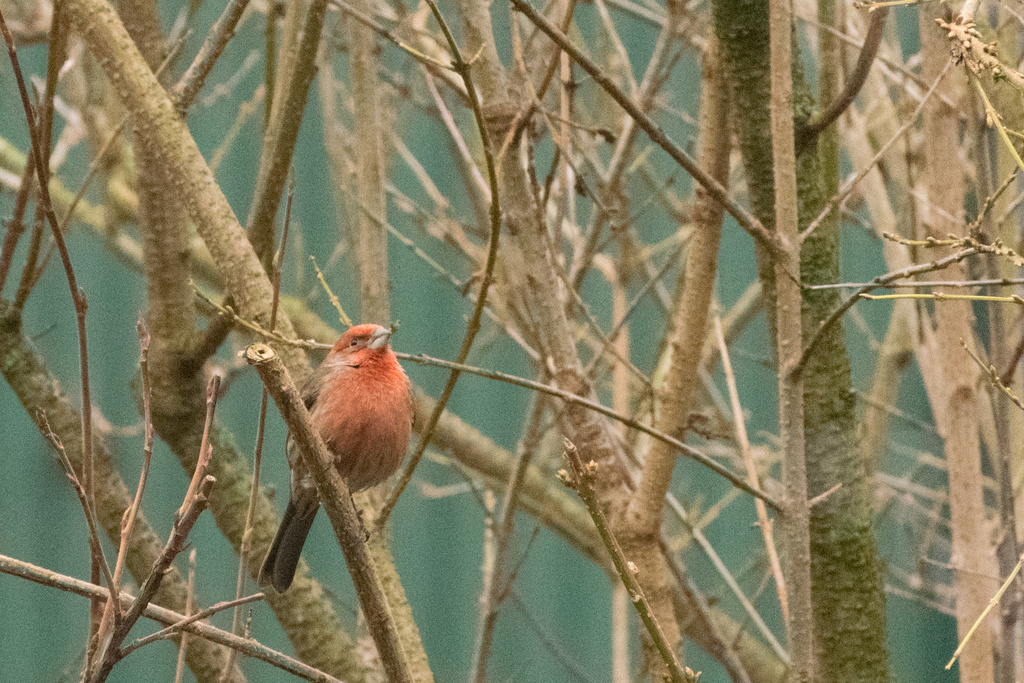
- House FinchCarpodacus mexicanus
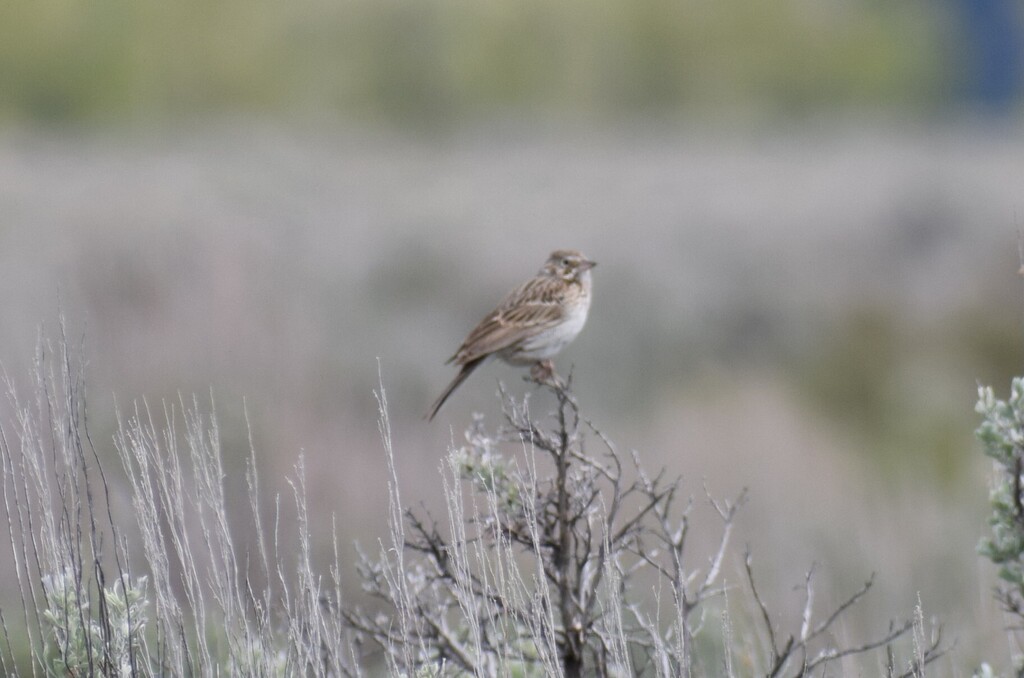
- Vesper SparrowPooecetes gramineus
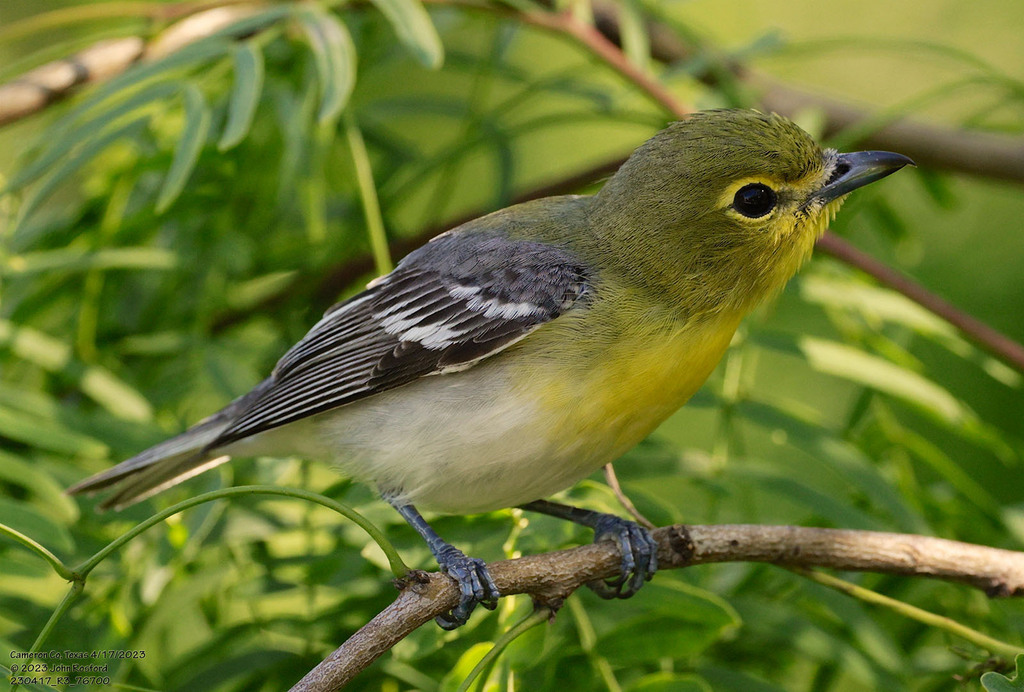
- Yellow-throated VireoVireo flavifrons
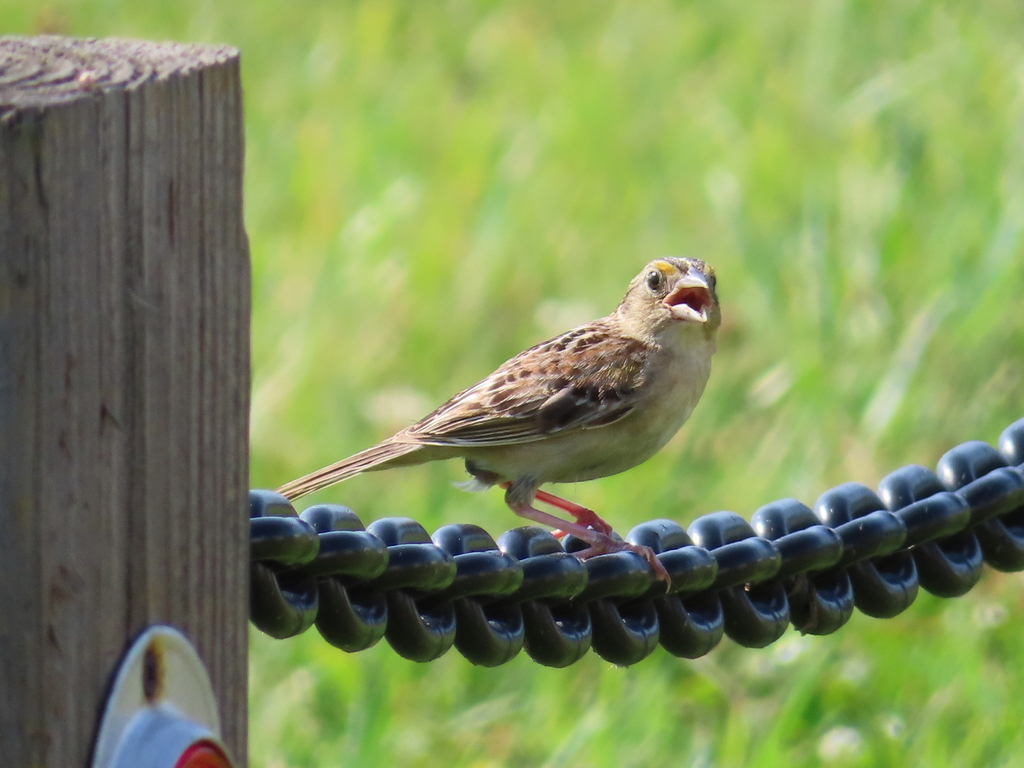
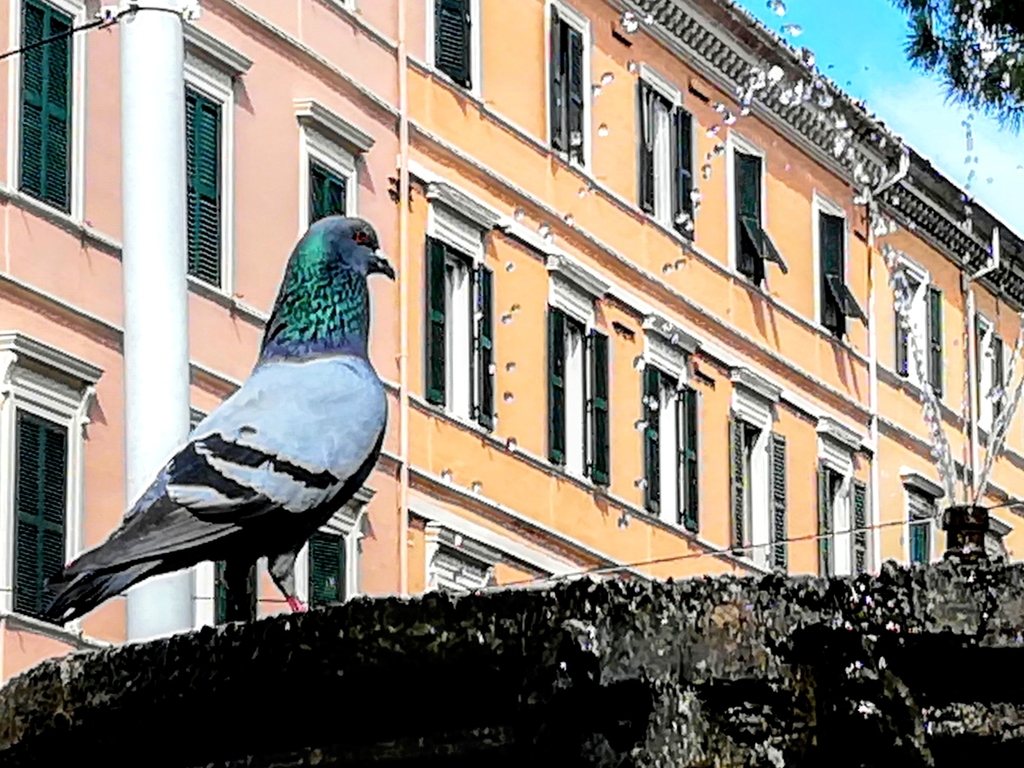
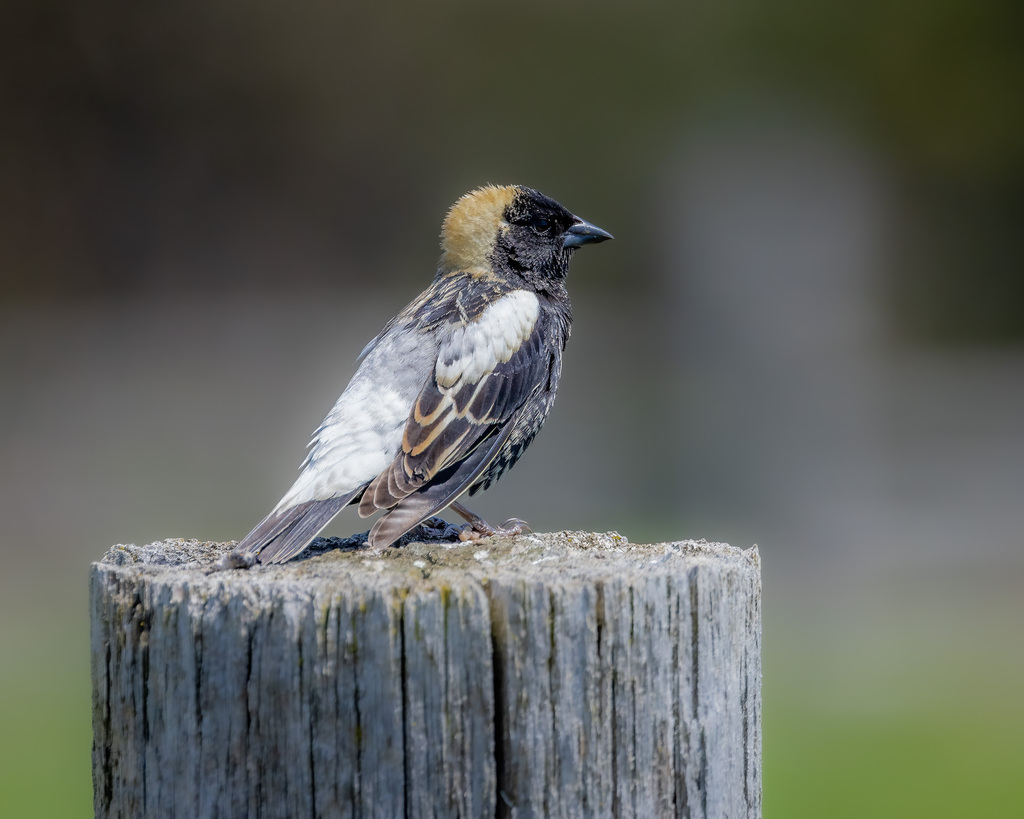
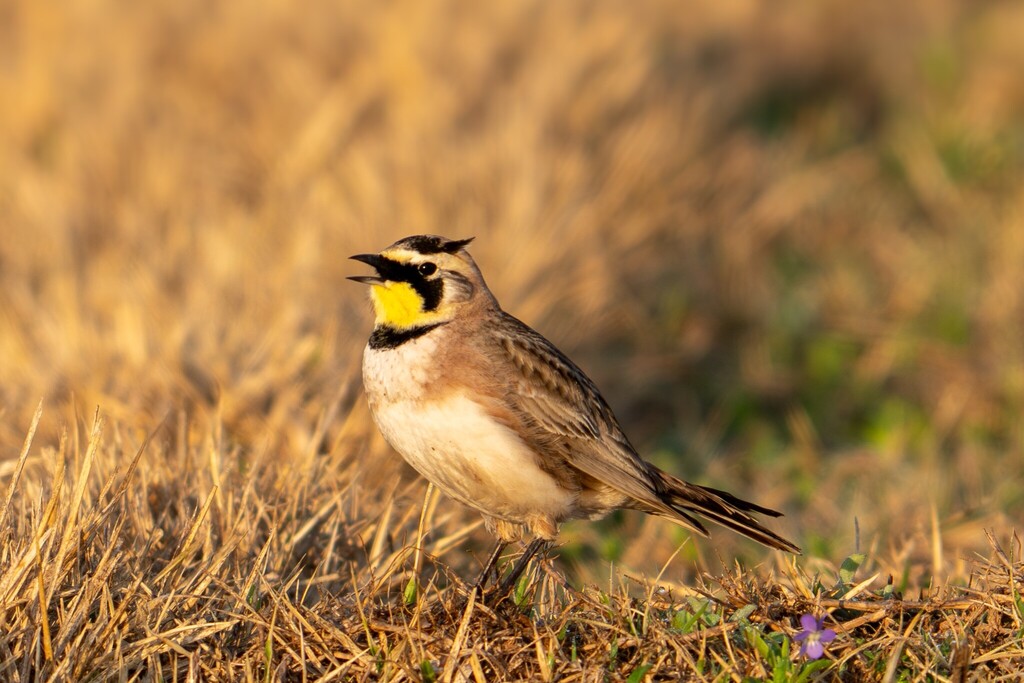
Plants 1314
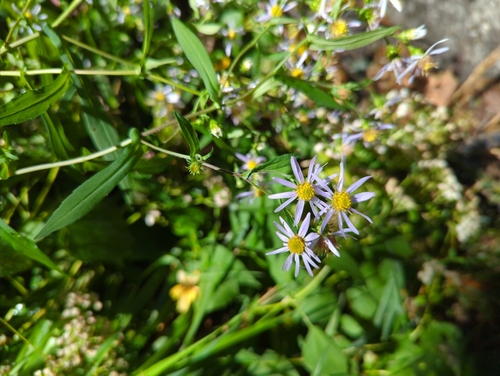
- Crooked-stem AsterSymphyotrichum prenanthoides
- Canada LettuceLactuca canadensis
- Common HorseweedErigeron canadensis
- Annual FleabaneErigeron annuus
- Oakleaf FleabaneErigeron quercifolius
- Dog-fennelEupatorium capillifolium
- Ivyleaf Morning-gloryIpomoea hederacea
- Carolina Crane's-billGeranium carolinianum
- Common Evening-primroseOenothera biennis
- Cutleaf Evening-primroseOenothera laciniata
- Northern Evening-primroseOenothera parviflora
- Downy Ground-cherryPhysalis pubescens
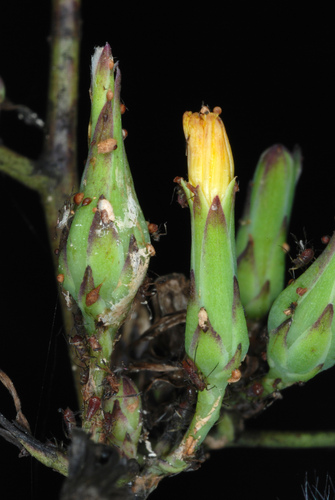
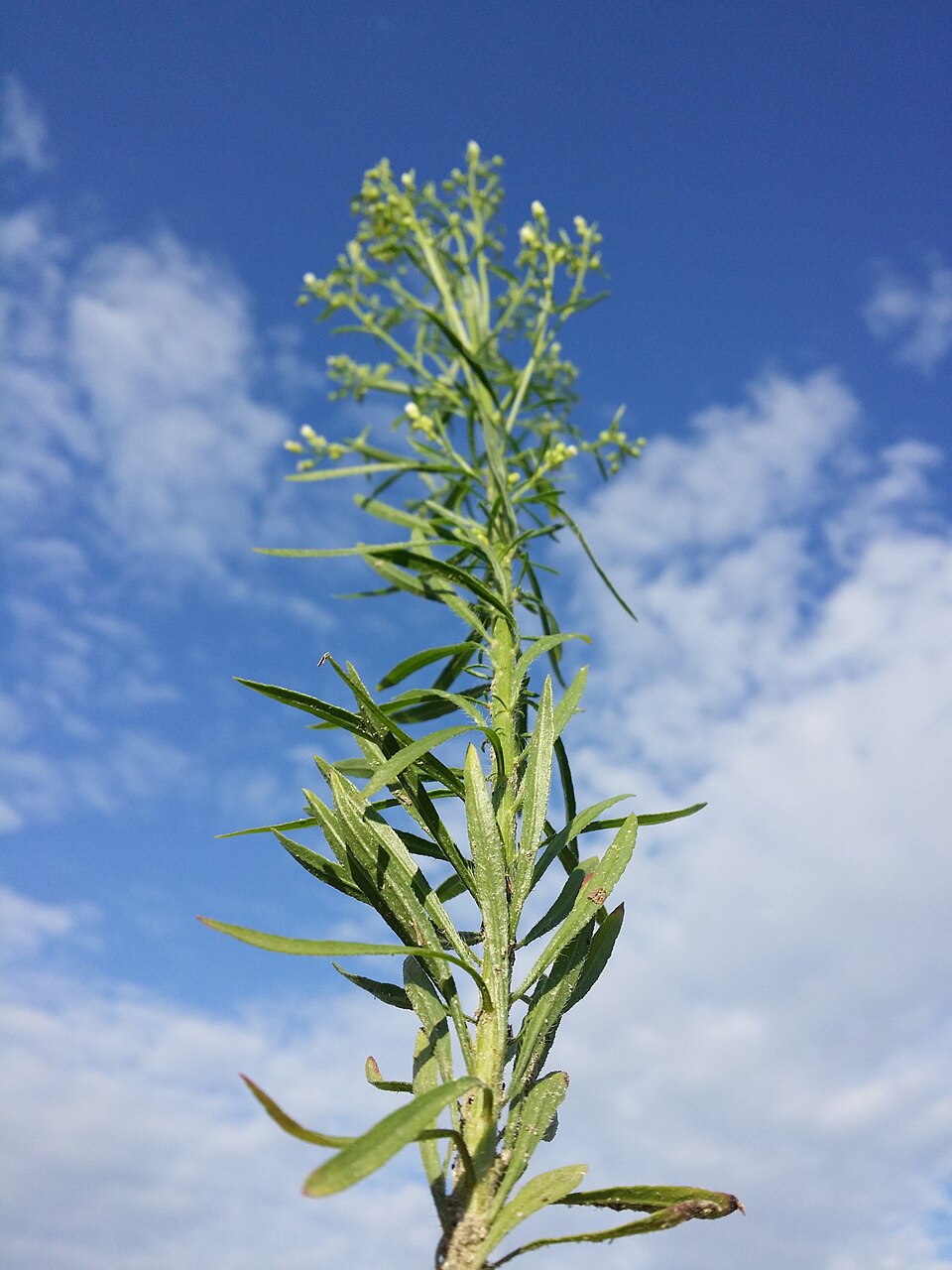
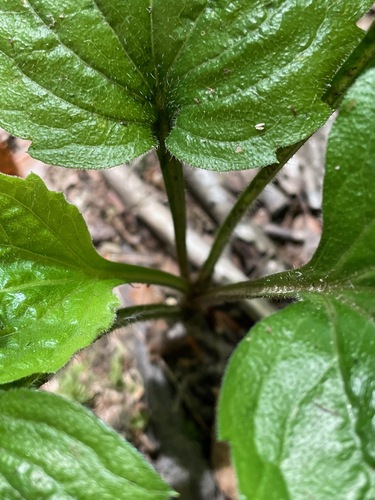
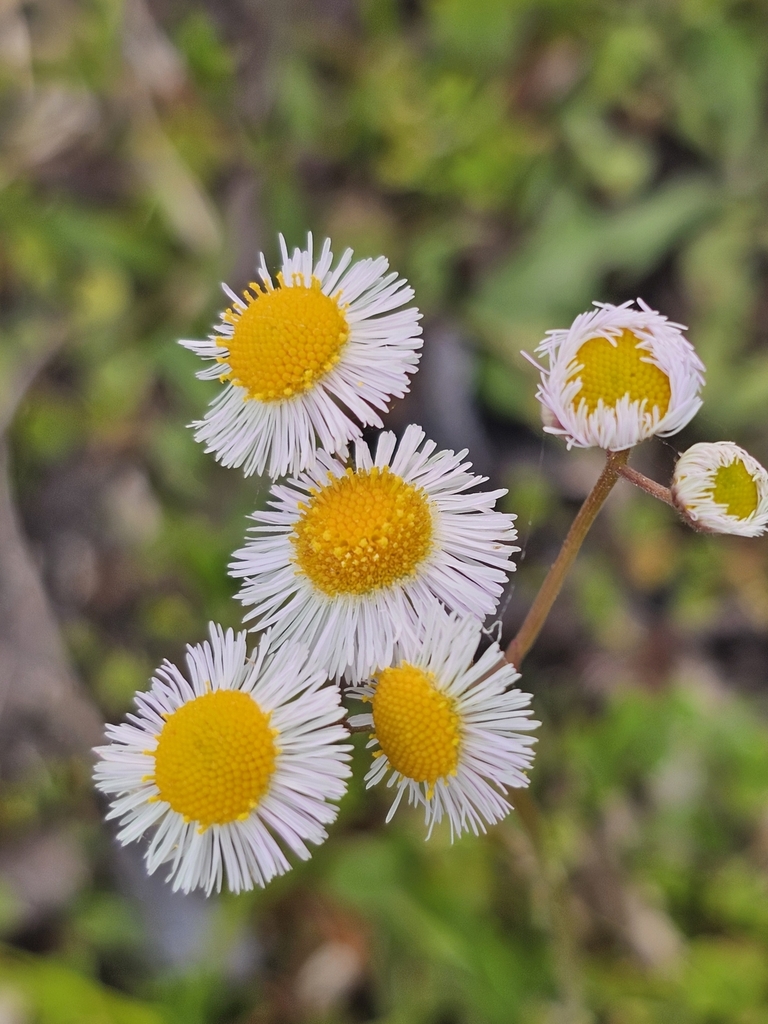
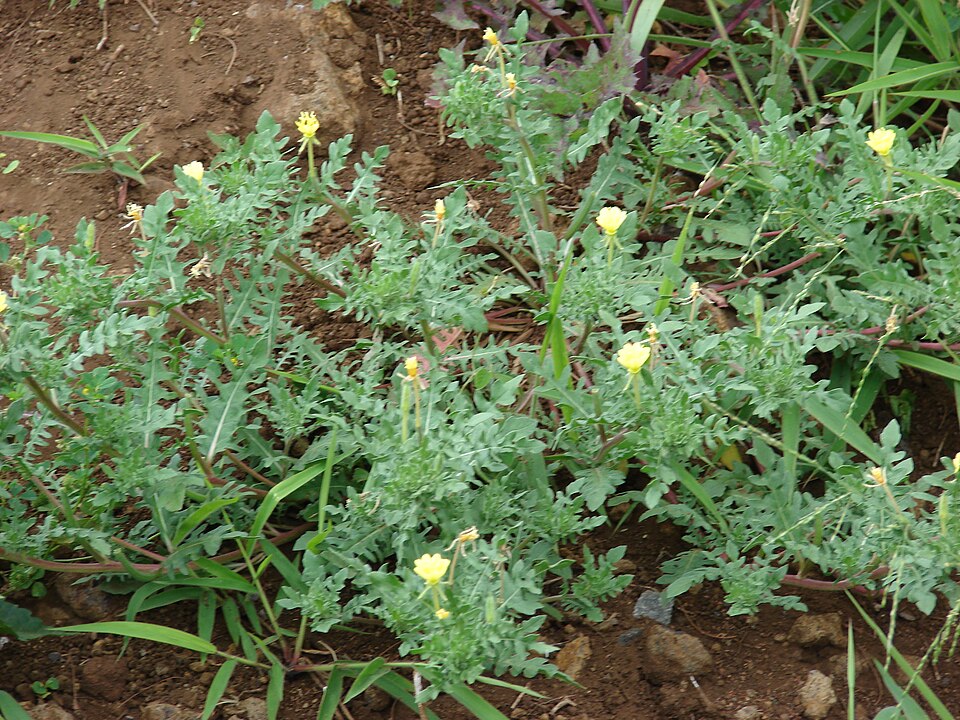
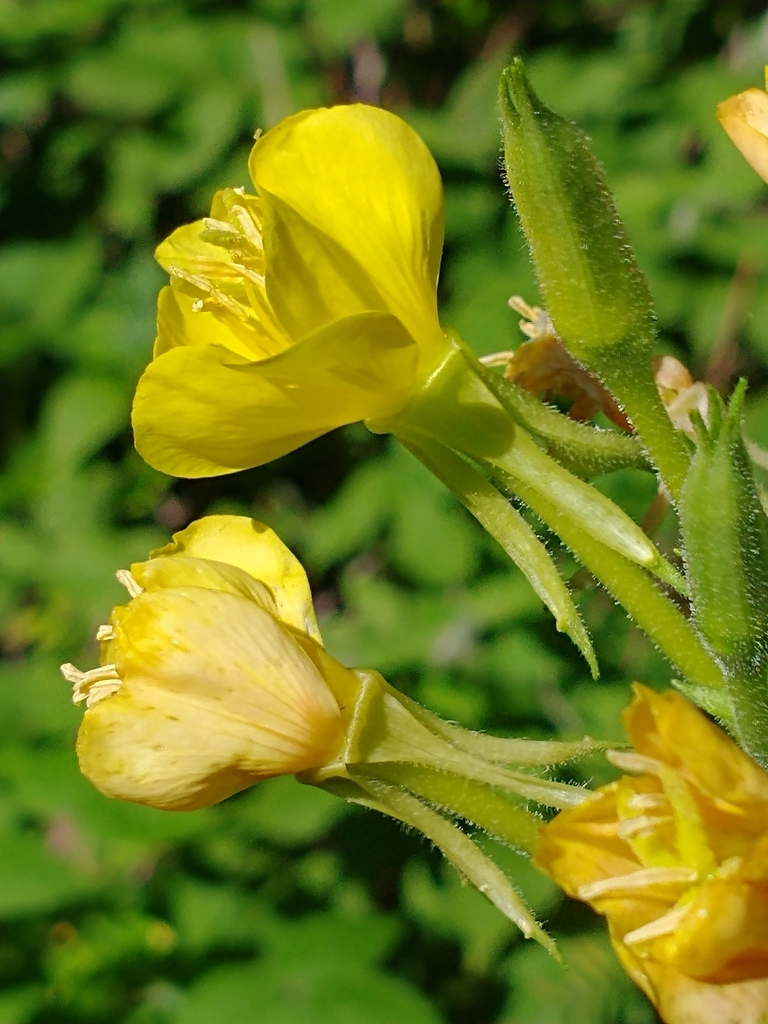
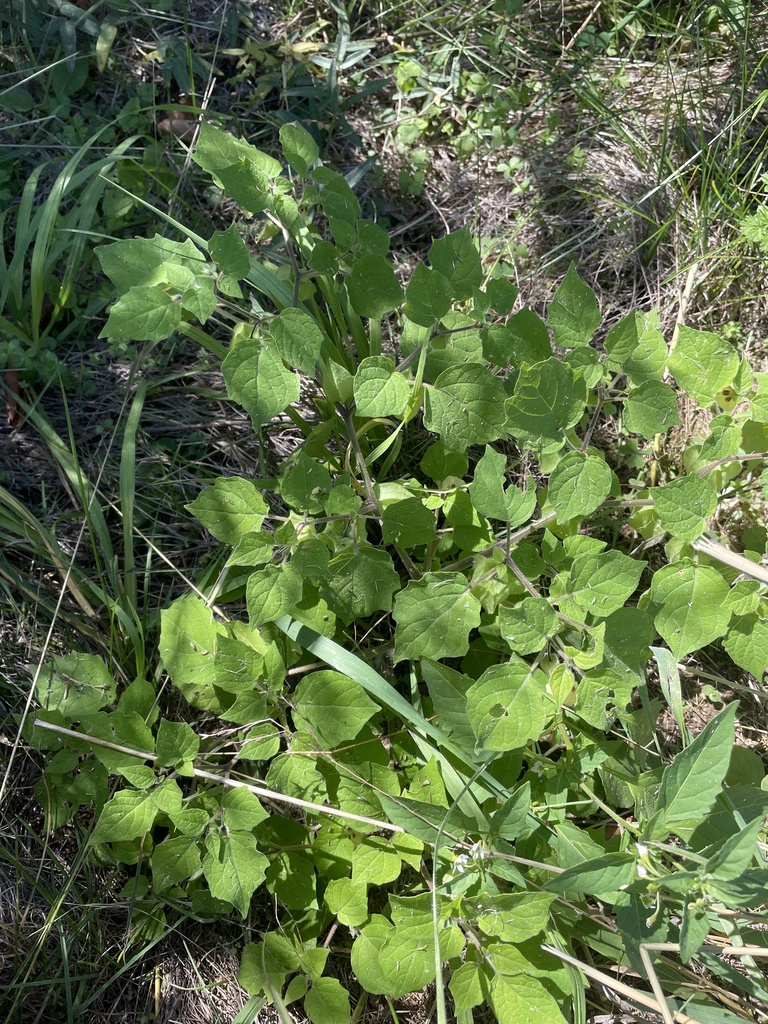
All of roadsides, fields and disturbed ground in North Carolina
Dry forests and woodlands
Birds 54
- Red CrossbillLoxia curvirostra
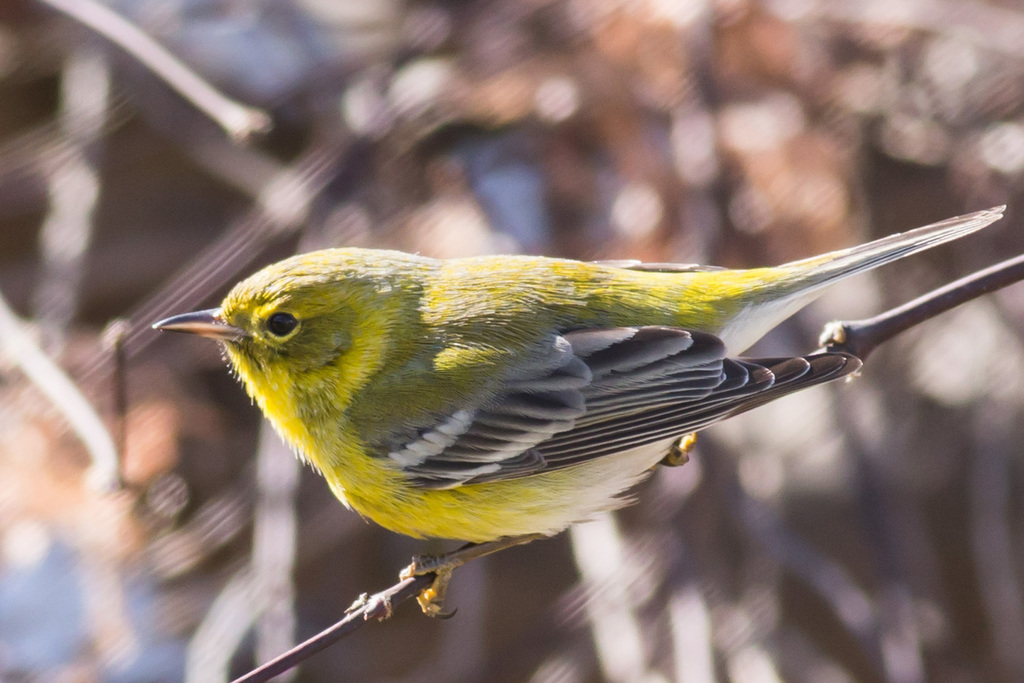
- Pine WarblerDendroica pinus
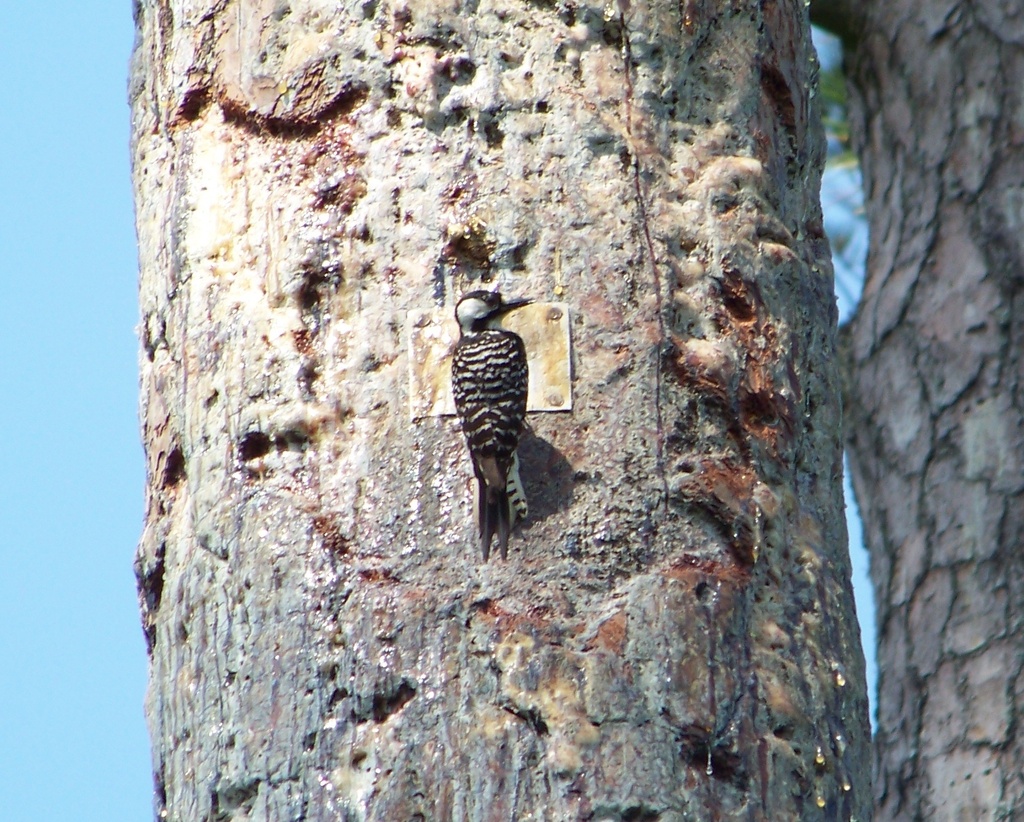
- Red-cockaded WoodpeckerPicoides borealis
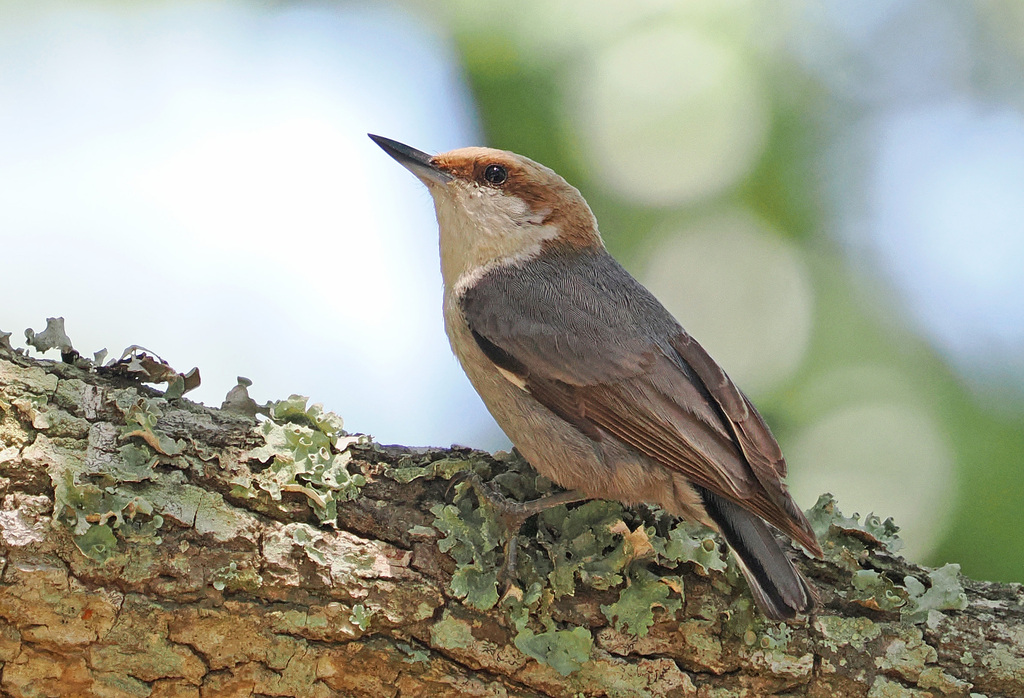
- Brown-headed NuthatchSitta pusilla
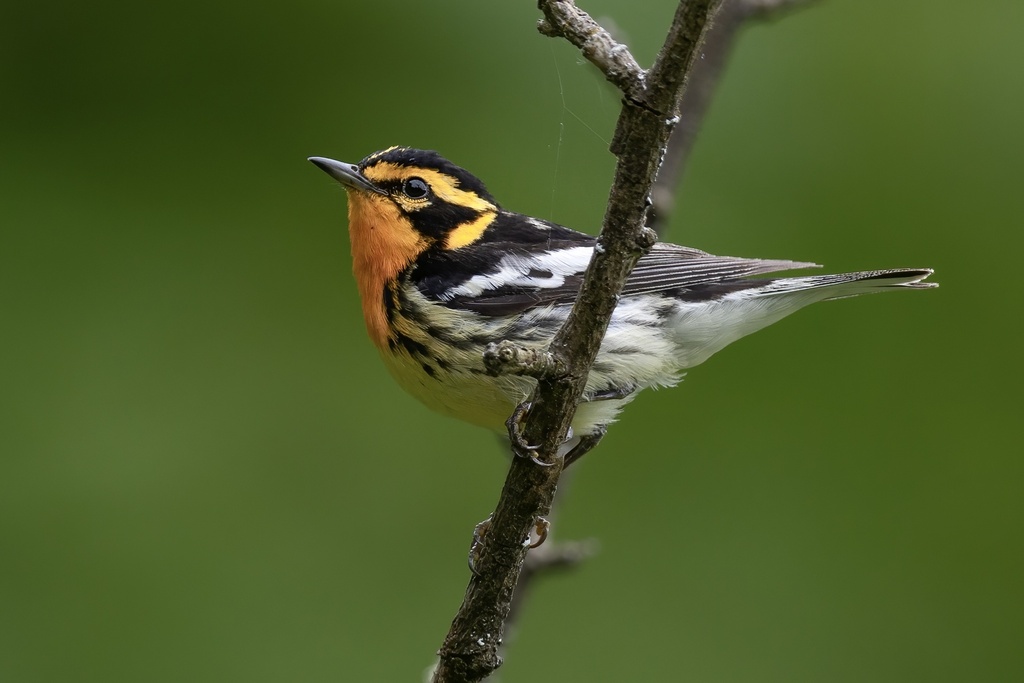
- Blackburnian WarblerDendroica fusca
- Red-breasted NuthatchSitta canadensis
- Bachman's SparrowAimophila aestivalis
- Brewer's BlackbirdEuphagus cyanocephalus
- Brown-headed CowbirdMolothrus ater
- Canada WarblerWilsonia canadensis
- Eastern BluebirdSialia sialis
- Louisiana WaterthrushSeiurus motacilla
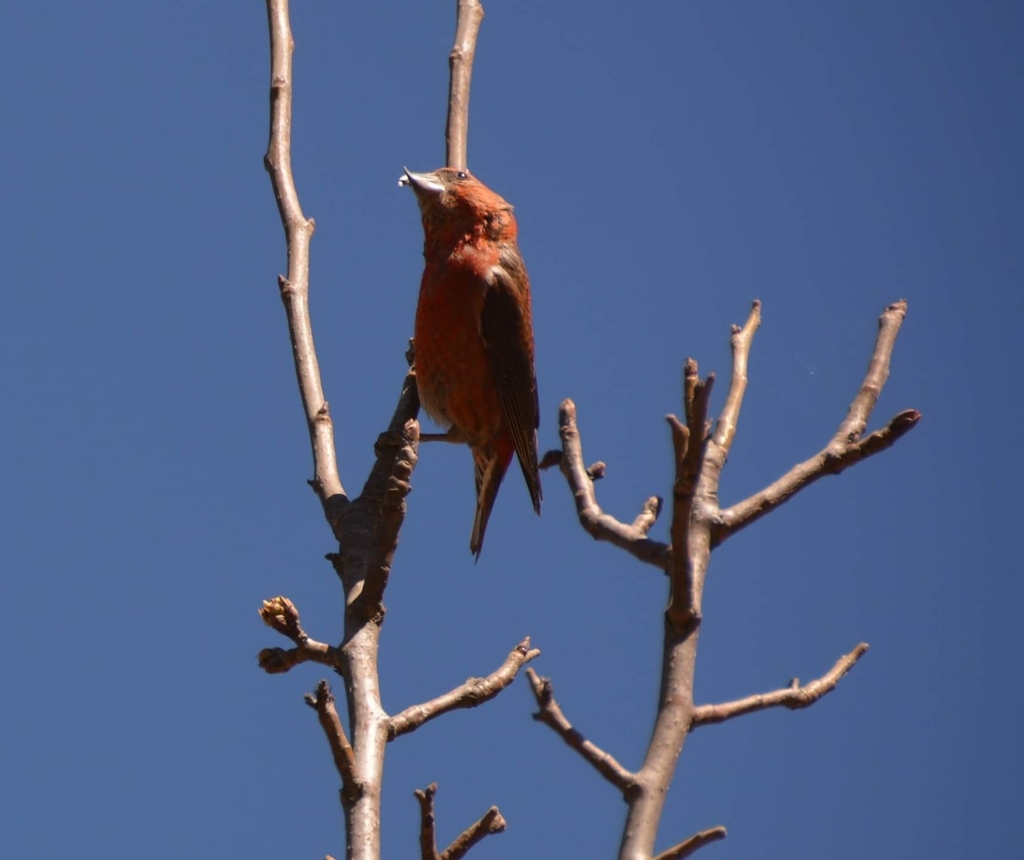

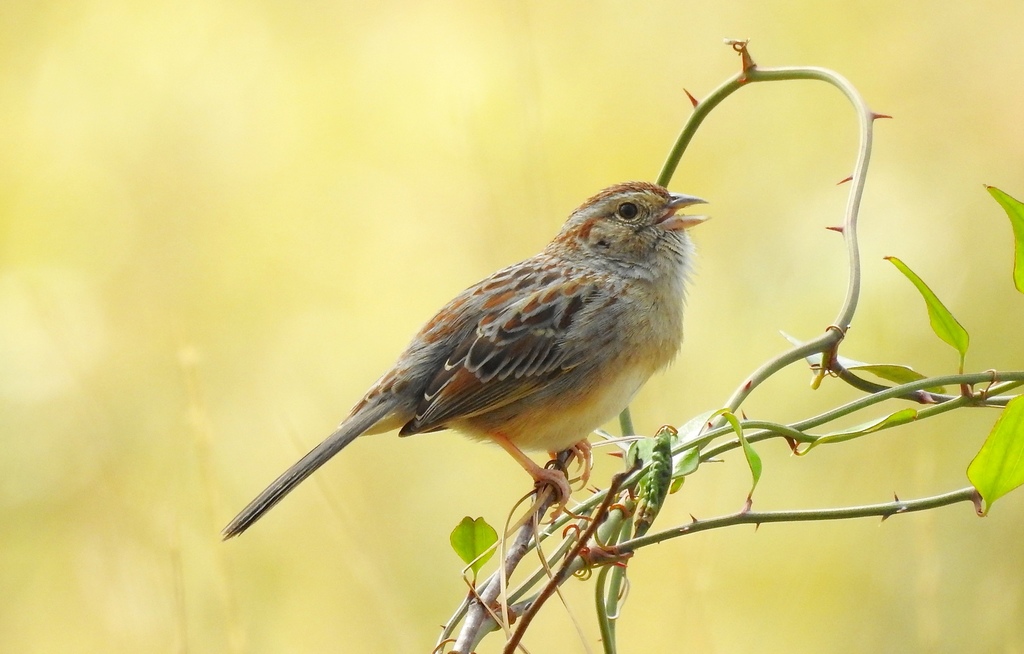
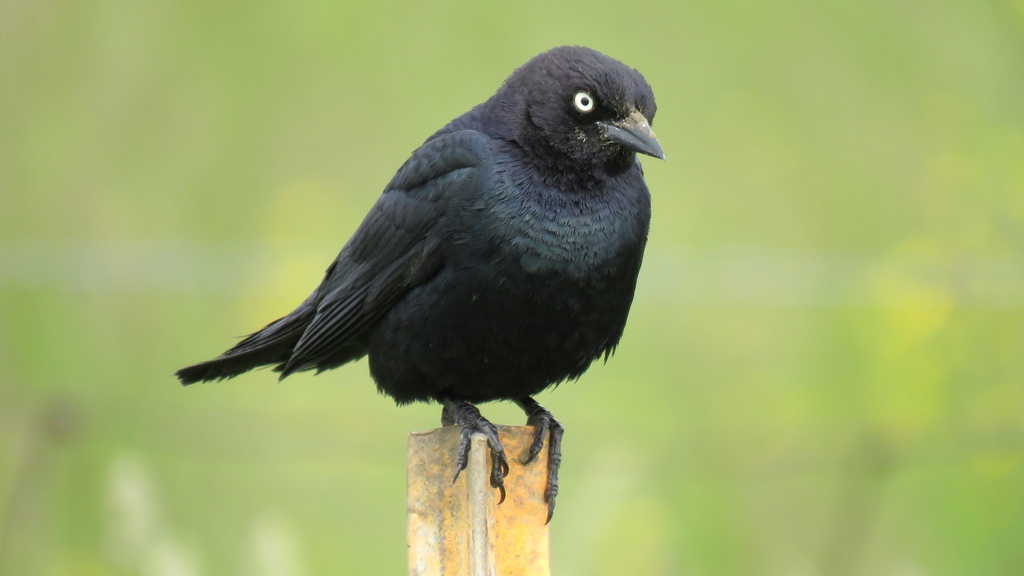

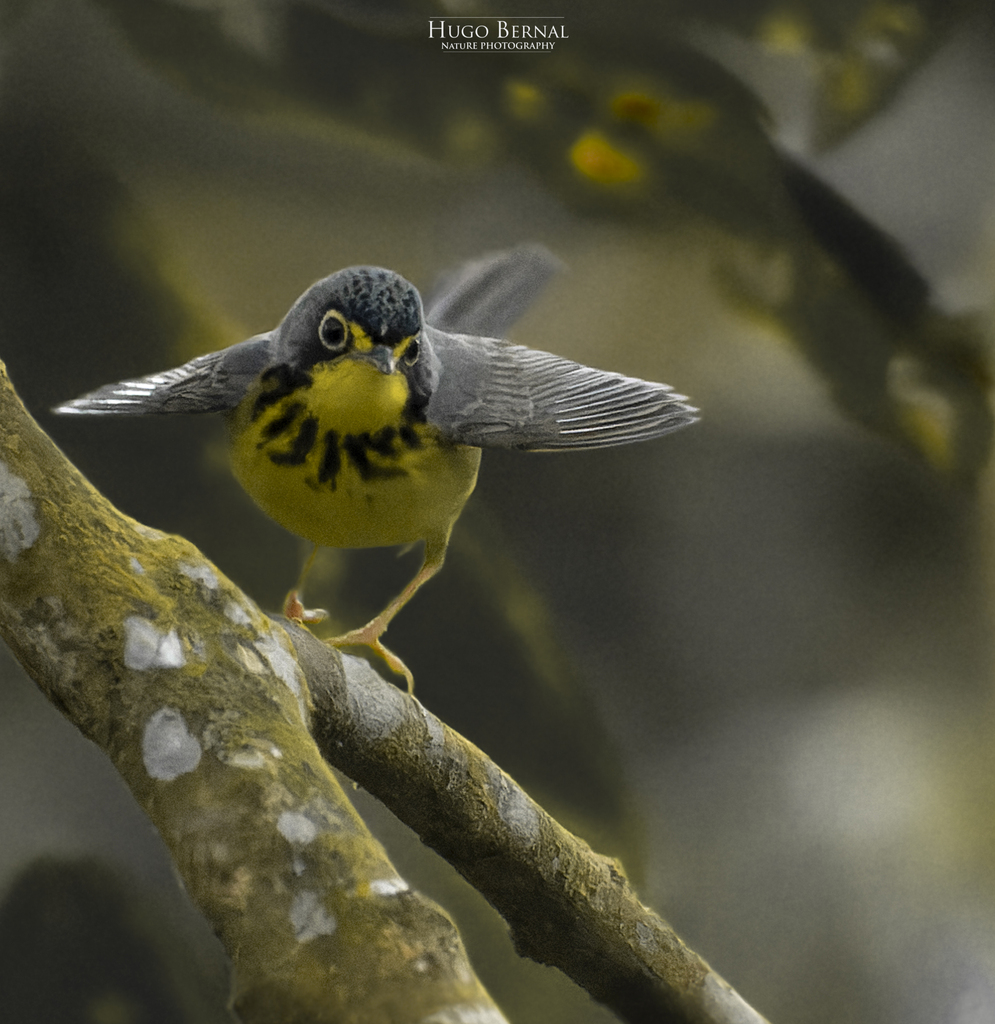


Plants 217
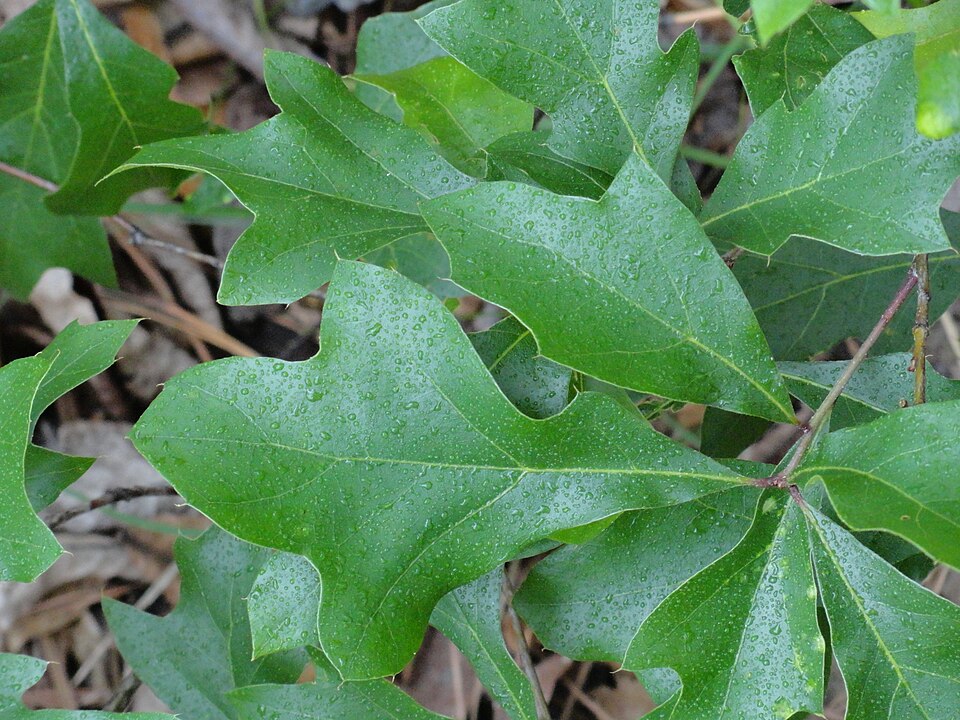
- Chestnut OakQuercus montana
- Georgia OakQuercus georgiana
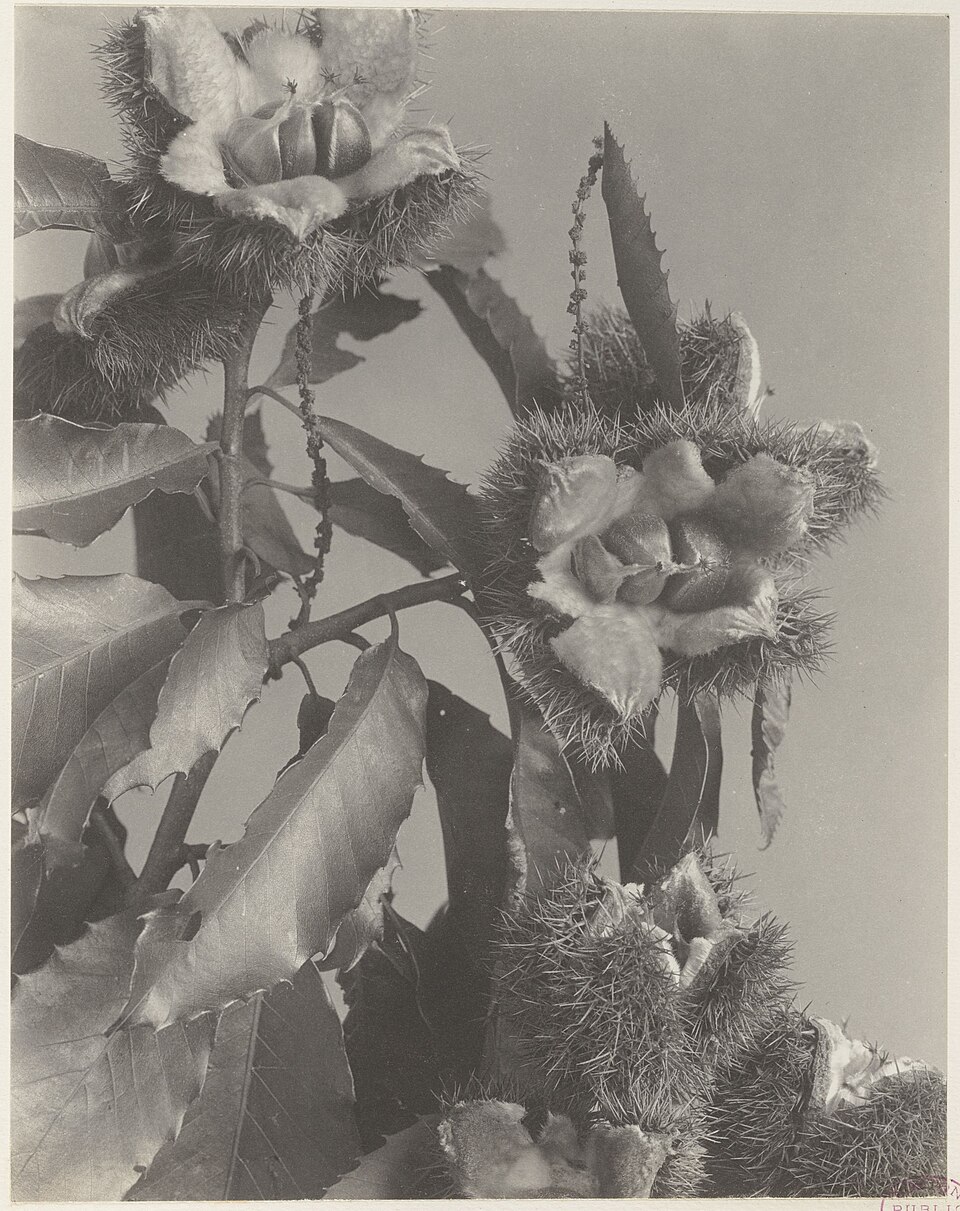
- American ChestnutCastanea dentata
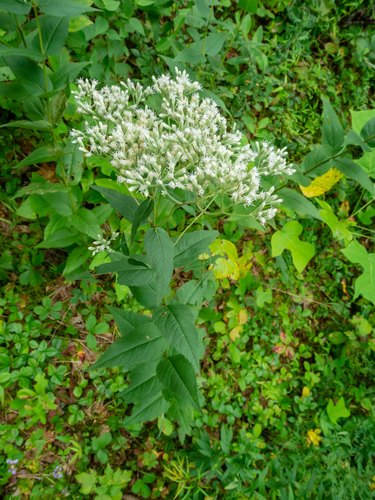
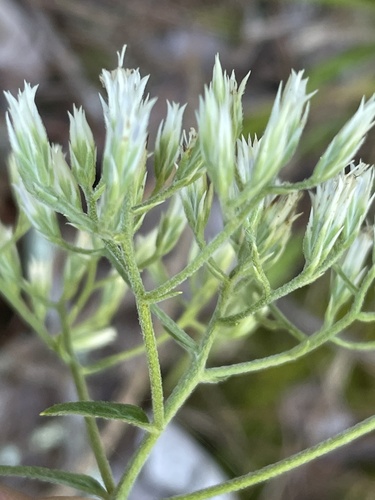
- Godfrey's ThoroughwortEupatorium godfreyanum
- White ThoroughwortEupatorium album
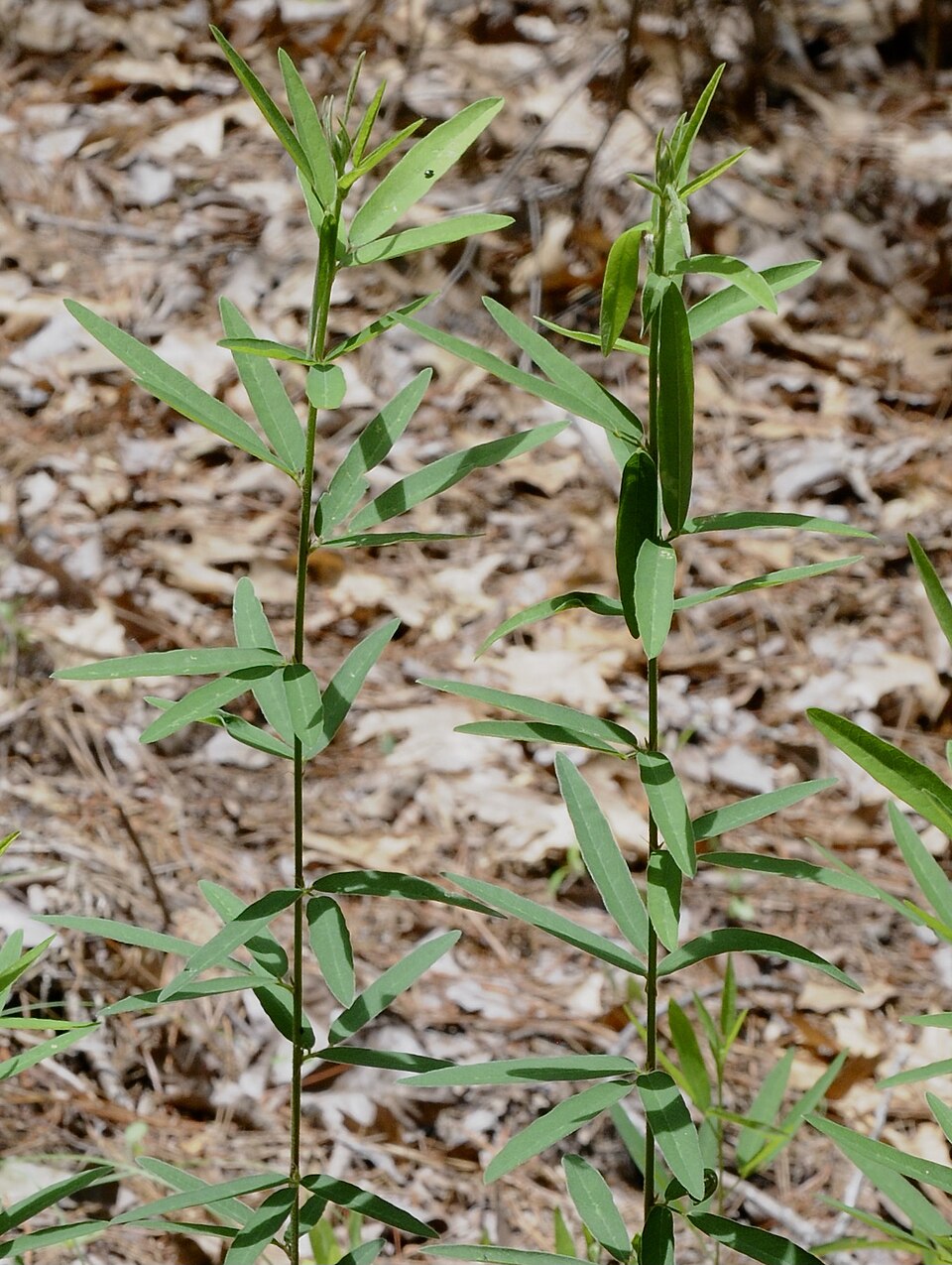
- Sessileleaf Tick-trefoilDesmodium sessilifolium
- Leavenworth's SedgeCarex leavenworthii
- Southern LoosestrifeSteironema tonsum
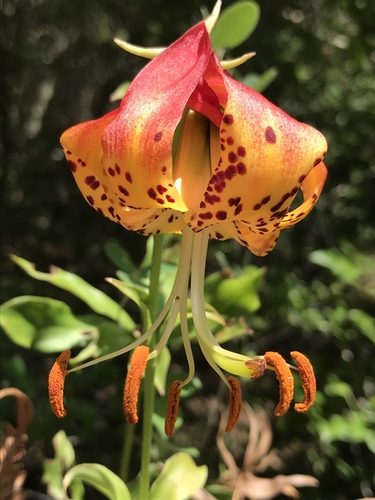
- Carolina LilyLilium michauxii
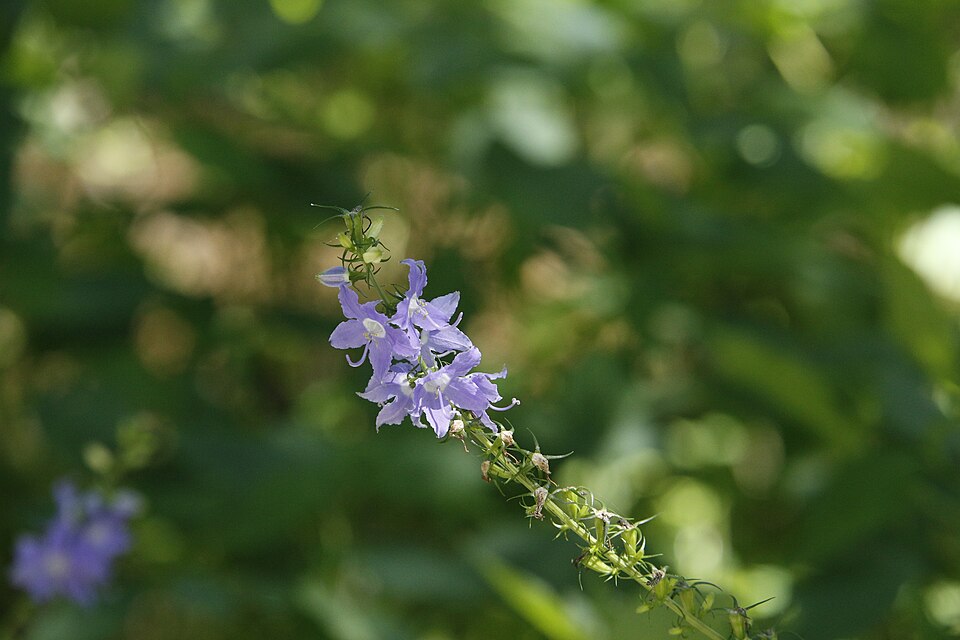
- Tall BellflowerCampanulastrum americanum
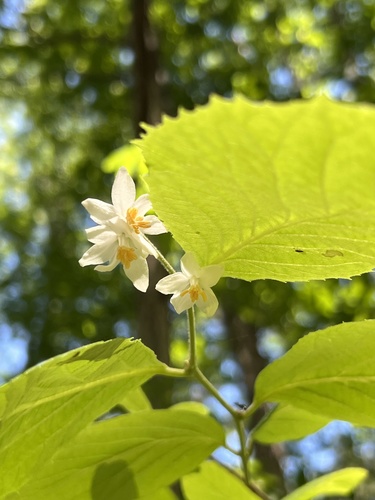
- Bigleaf SnowbellStyrax grandifolius
- Delicate Rabbit-tobaccoPseudognaphalium micradenium
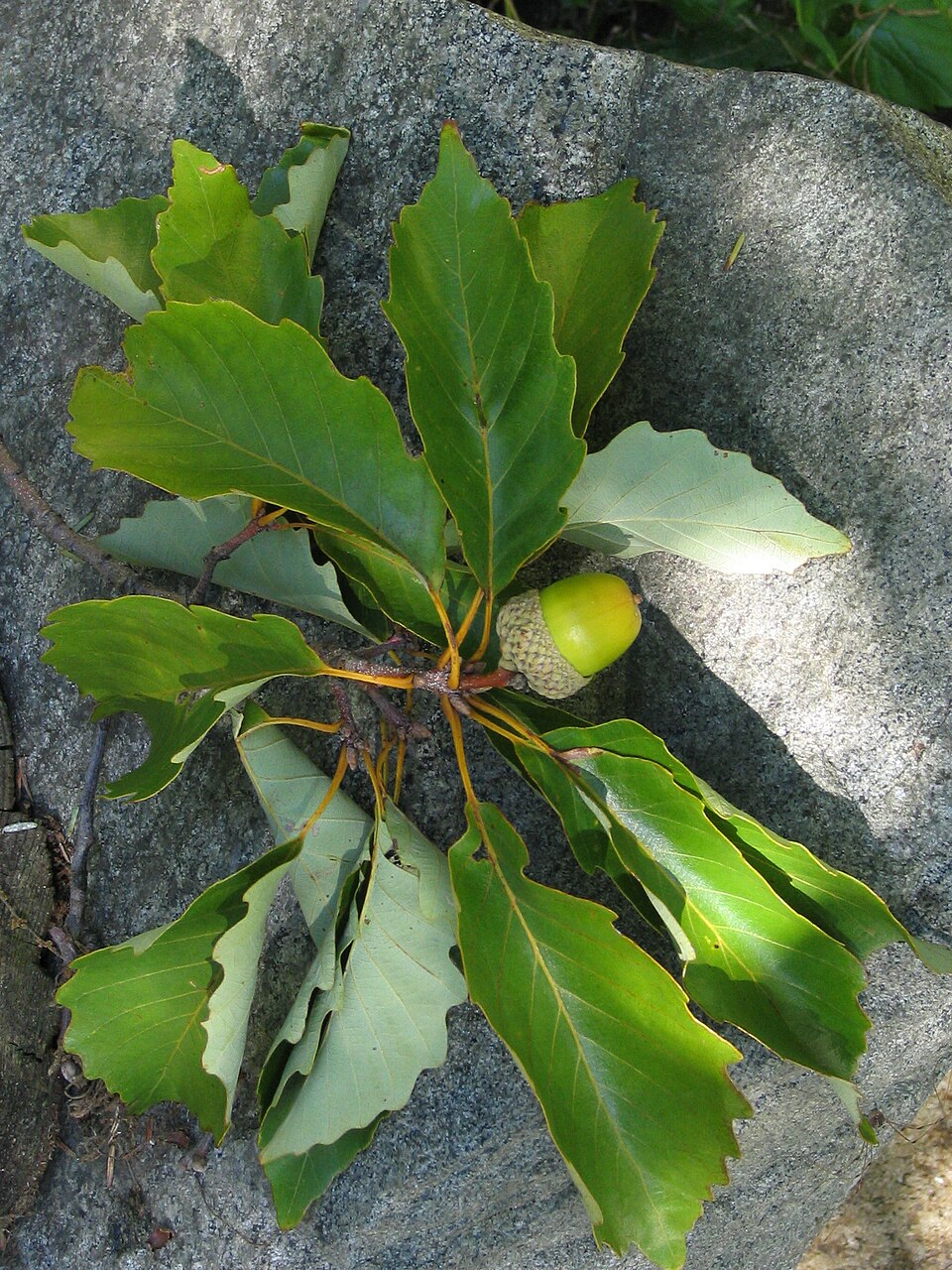
Floodplain and bottomland forests
Birds 71
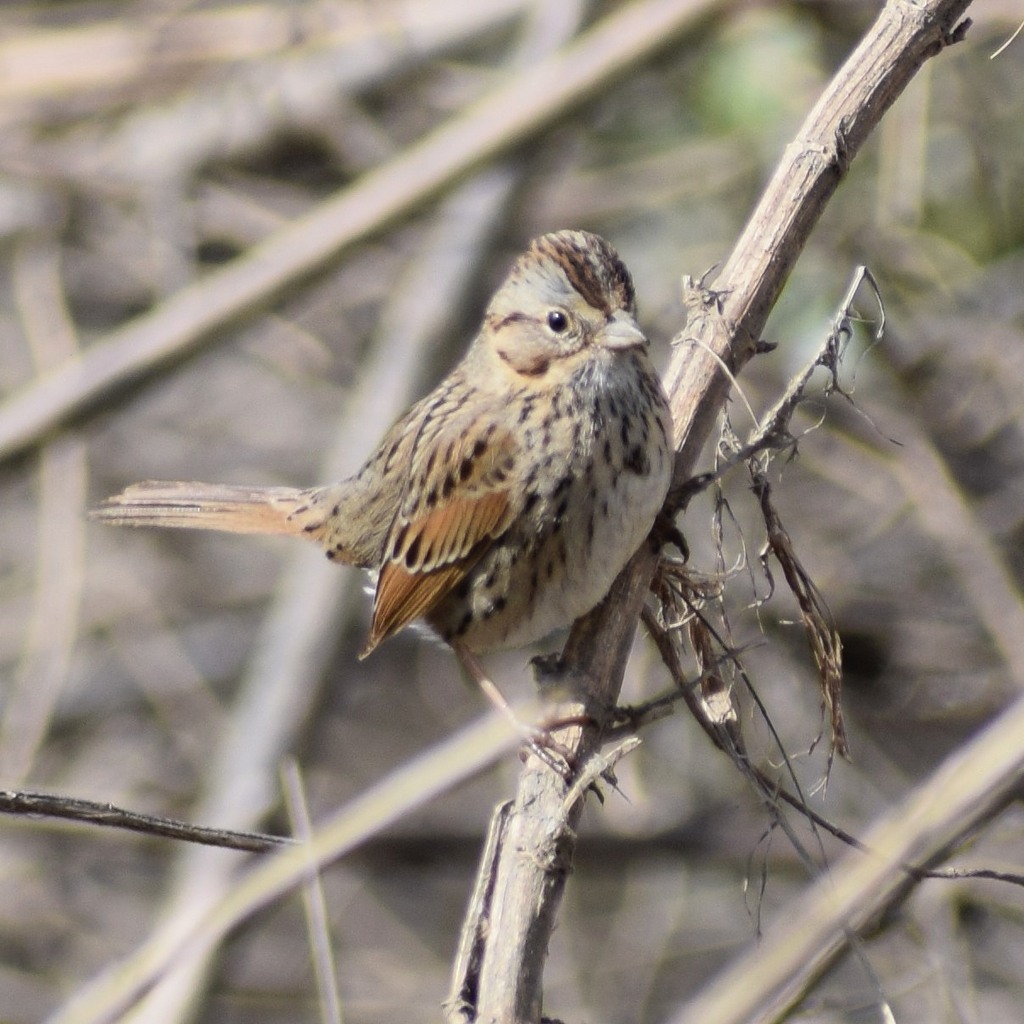
- Lincoln's SparrowMelospiza lincolnii
- Brewer's BlackbirdEuphagus cyanocephalus
- Willow FlycatcherEmpidonax traillii
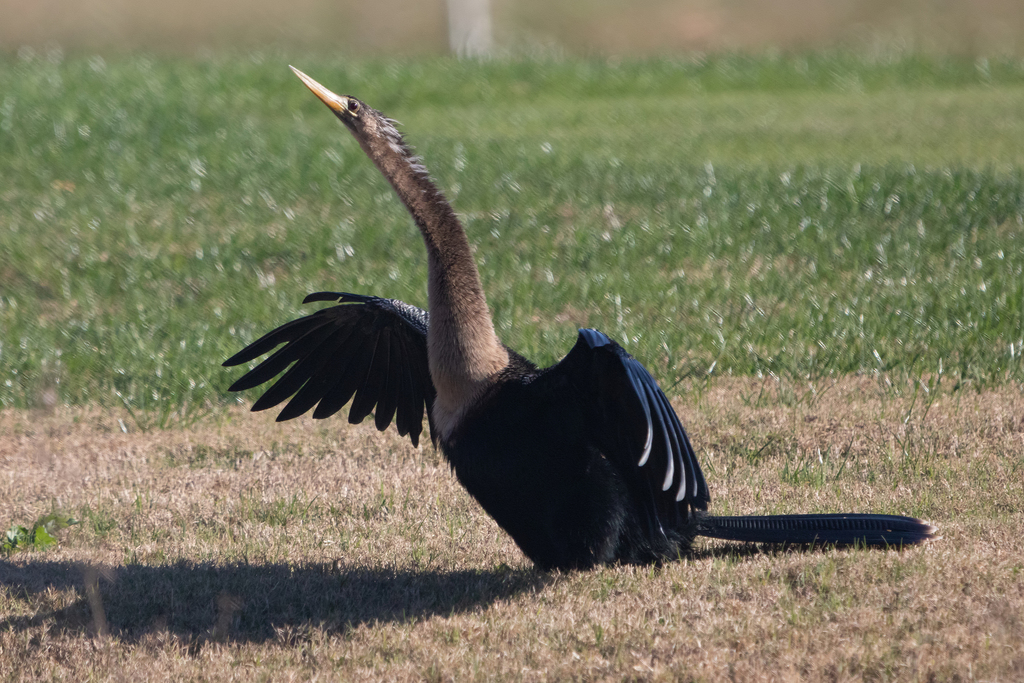
- AnhingaAnhinga anhinga
- Brown-headed CowbirdMolothrus ater
- Louisiana WaterthrushSeiurus motacilla
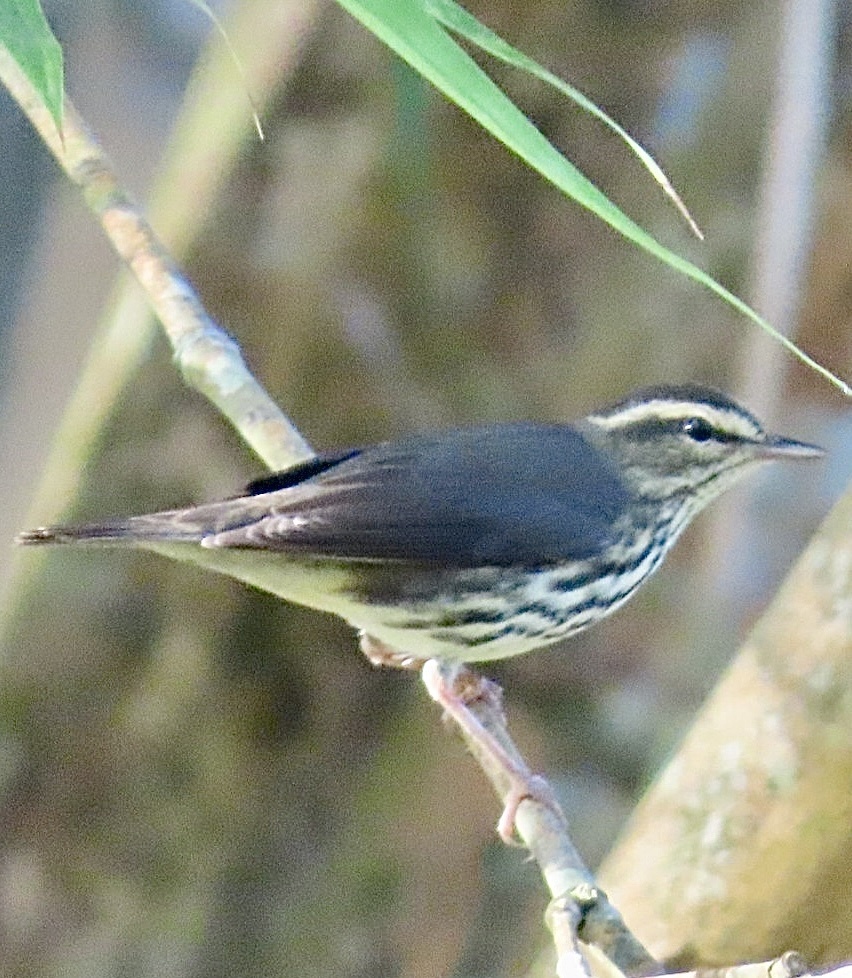
- Northern WaterthrushSeiurus noveboracensis
- Yellow-throated WarblerDendroica dominica
- Black-throated Blue WarblerDendroica caerulescens
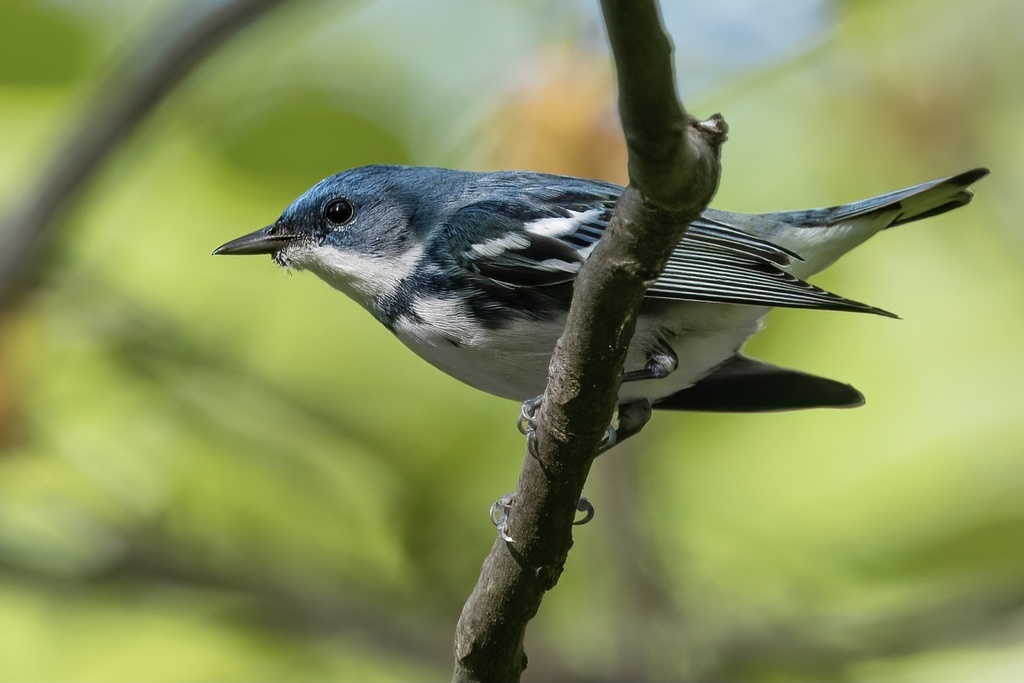
- Cerulean WarblerDendroica cerulea
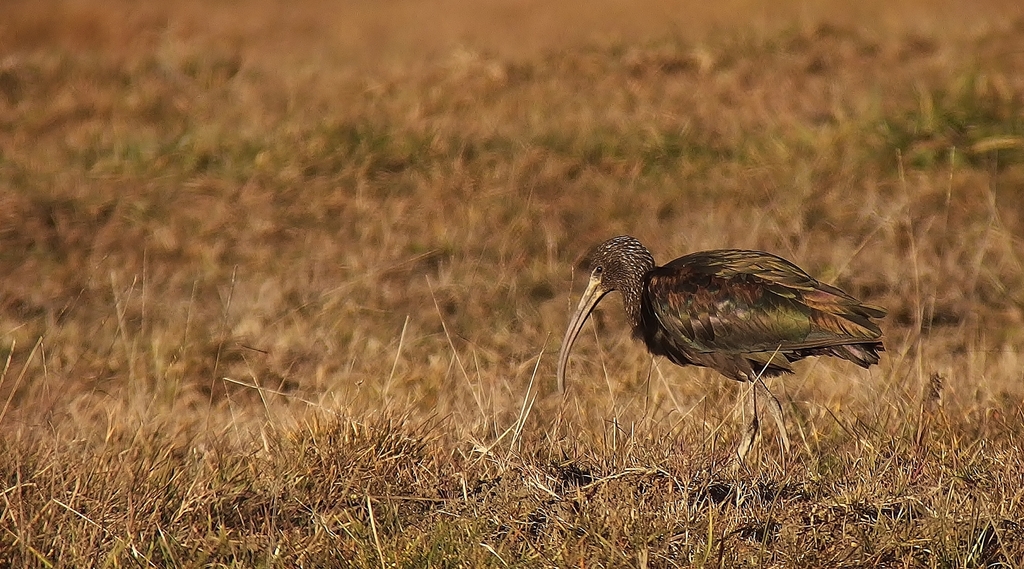
- Glossy IbisPlegadis falcinellus
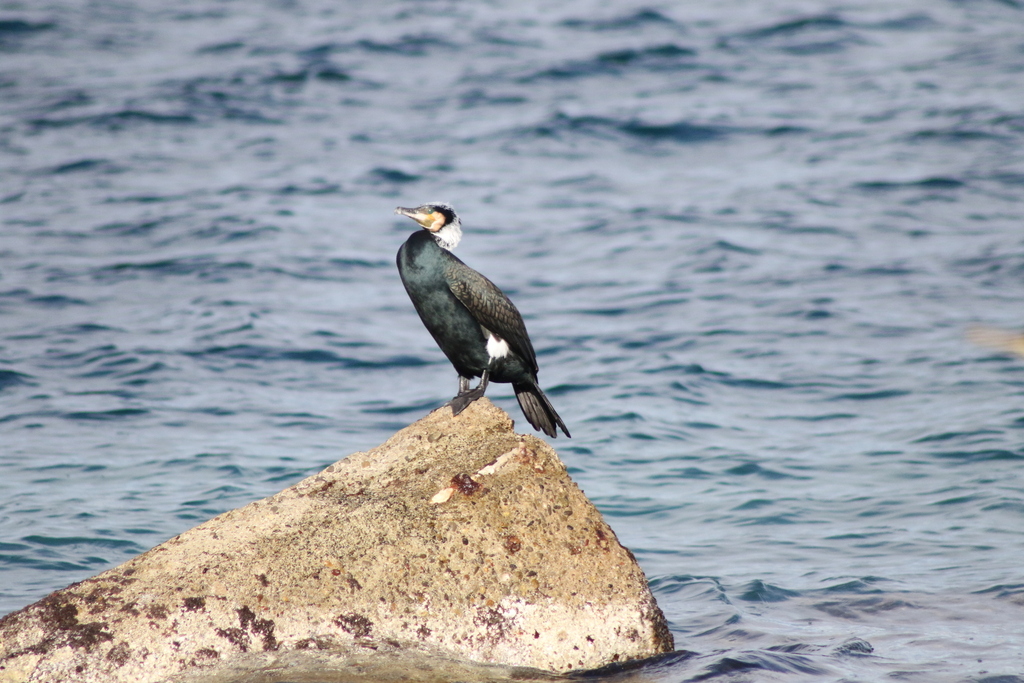
- Great CormorantPhalacrocorax carbo


Plants 367
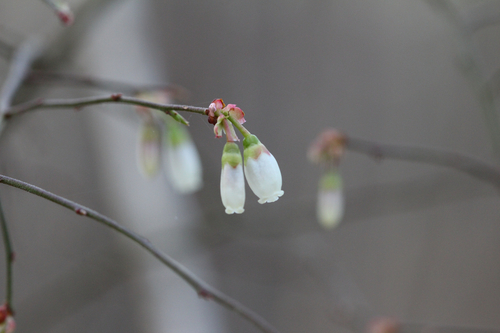
- Elliott's BlueberryVaccinium elliottii
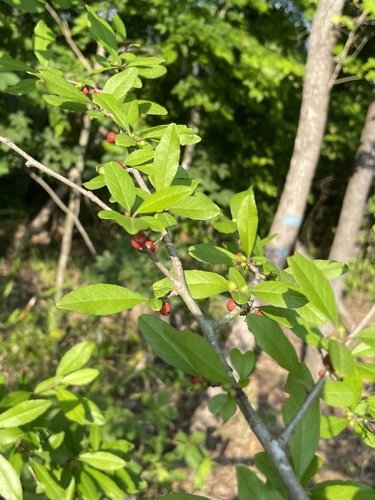
- Possumhaw HollyIlex decidua
- Cherrybark OakQuercus pagoda
- Shagbark HickoryCarya ovata
- Southern Shagbark HickoryCarya carolinae-septentrionalis
- Wolf's BluegrassPoa wolfii
- Spreading SedgeCarex laxiculmis
- Blunt Broom SedgeCarex tribuloides
- Louisiana SedgeCarex louisianica
- Smooth Hedge-nettleStachys tenuifolia
- Woodland SpurgeEuphorbia obtusata
- Common Cup-plantSilphium perfoliatum


Sources
- USGS Gap Analysis Project habitat models (2001)
- USGS GAP year-round habitat model for Common Raven Elevation 457 m to 2,500 m
- USGS Gap Analysis Project range maps (2001), modeled by watershed; migratory gives no dates
- NatureServe Explorer (CC BY 4.0), habitat names
- US Census TIGER/Line counties
- Names follow the USGS Gap Analysis Project (2001)
- Avian Diet Database (Hurlbert Lab) (CC0 1.0), diet records by plant genus