

Bird
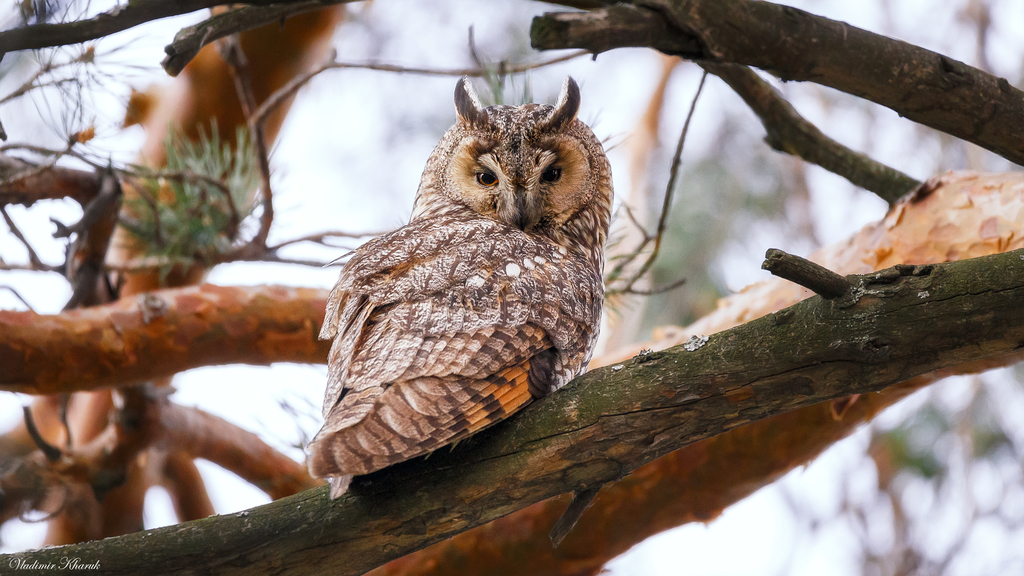
Long-eared Owl
Asio otus
Lives in West Virginia all year and nests here. Found in all 55 counties, across 11 habitats.
- Here
- All year
- Nesting
- Nests here
- Range
- All 55 counties
- Habitats
- 11
At a glance
- Group
- Birds
- Here
- All year
- Nesting
- Nests here
- Range
- All 55 counties
- Habitats
- 11
- Habitat models
- Summer, Winter
Where it lives
The places its habitat model includes. It is not found everywhere a habitat occurs.
Habitats in West Virginia 11
Each habitat page lists the plants and wildlife also found there.
Treeless grassy or shrubby summits and ridges in the high mountains.
Roadsides, fields and disturbed ground
Ground opened by people: roadsides, old fields, pastures, fencerows and lots.
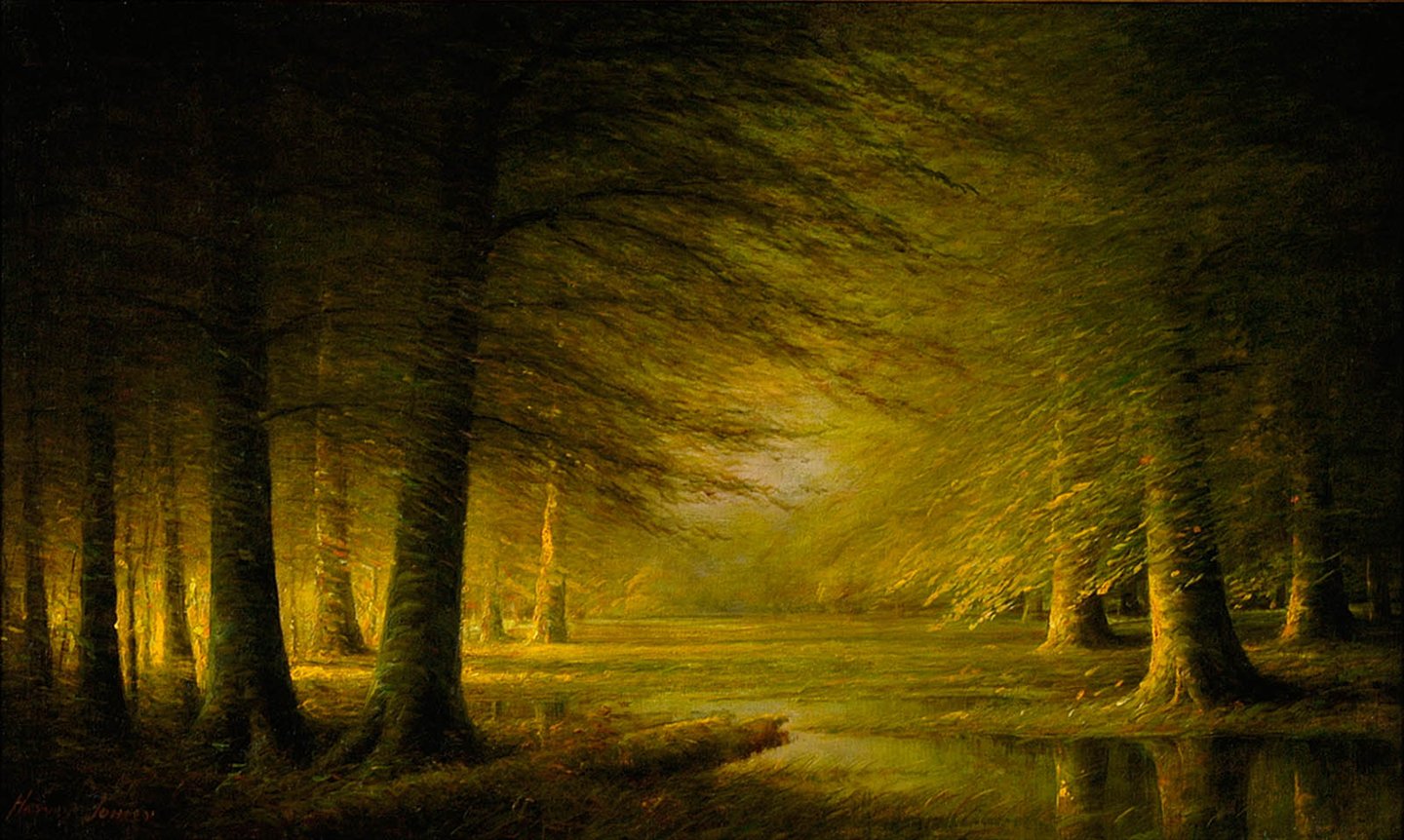
Forests and open woodlands on dry ridges and slopes, often oak or pine.
Floodplain and bottomland forests
Forests on low ground beside rivers and streams that flood from time to time.
Shady, evergreen forests of eastern or Carolina hemlock, often along rocky mountain streams and in gorges.
Forests between dry and moist, often oak-hickory on slopes.
Sheltered, moist mountain hollows and lower slopes with deep, fertile soil.
Steep, sun-baked slopes of loose shale with sparse oaks and Virginia pine and their own endemic wildflowers. Linked only where the source names shale barrens; calcareous shale stays with the limestone glades.
Cool, evergreen forests of red spruce and Fraser fir on the highest mountains.
Streams, rivers and their banks
Flowing water and its banks, bars and rocky shoals.
Other habitats in its models (29)
Land cover, or classes with no habitat page in West Virginia. Those recorded in West Virginia first, the rest by region.
Elsewhere in the South (6)
- Central and Southern Appalachian Northern Hardwood Forest Summer and winter, beside its main habitat.
- Ridge and Valley Calcareous Valley Bottom Glade and Woodland Summer and winter, beside its main habitat.
- Southeastern Great Plains Tallgrass Prairie Summer and winter.
- Southern Appalachian Low Mountain Pine Forest Summer and winter, beside its main habitat.
- Southern Appalachian Northern Hardwood Forest Summer and winter, beside its main habitat.
- Southern Ridge and Valley Dry Calcareous Forest Summer and winter, beside its main habitat.
Northeast (3)
- Central Appalachian Alkaline Glade and Woodland Summer and winter, beside its main habitat.
- North-Central Interior Wet Flatwoods Summer and winter, beside its main habitat.
- Northern Atlantic Coastal Plain Dry Hardwood Forest Summer and winter, beside its main habitat.
Midwest (7)
- North-Central Interior Beech-Maple Forest Summer and winter, beside its main habitat.
- North-Central Interior Dry Oak Forest and Woodland Summer and winter, beside its main habitat.
- North-Central Interior Dry-Mesic Oak Forest and Woodland Summer and winter, beside its main habitat.
- North-Central Interior Maple-Basswood Forest Summer and winter, beside its main habitat.
- North-Central Interior Oak Savanna Summer and winter.
- North-Central Interior Sand and Gravel Tallgrass Prairie Summer and winter.
- North-Central Oak Barrens Summer and winter.
Land cover and other classes (13)
- Eastern Great Plains Floodplain Systems Summer and winter, beside its main habitat.
- Harvested Forest - Grass/Forb Regeneration Summer and winter.
- Introduced Upland Vegetation - Annual Grassland Summer and winter.
- Introduced Upland Vegetation - Forbland Winter.
- Introduced Upland Vegetation - Perennial Grassland Summer and winter.
- Introduced Upland Vegetation - Perennial Grassland and Forbland Winter.
- Northeastern Interior Dry Oak Forest - Mixed Modifier Summer and winter, beside its main habitat.
- Northeastern Interior Dry Oak Forest - Virginia/Pitch Pine Modifier Summer and winter, beside its main habitat.
- Northeastern Interior Dry Oak Forest-Hardwood Modifier Summer and winter, beside its main habitat.
- Recently Burned Grassland Summer and winter.
- Recently Burned Shrubland Summer and winter.
- Recently Logged Areas Summer and winter.
- Southern Ridge and Valley Dry Calcareous Forest - Pine modifier Summer and winter, beside its main habitat.
Seasons in West Virginia
- Year-round: nests here, in 12 of 55 counties.
- Winter: does not nest here, in 52 of 55 counties.
Also found in its main habitats
Its main habitats in West Virginia, by how much of its habitat model each one is, with the birds most characteristic of each and the plants that grow wild there. Shared habitat, not food.
Roadsides, fields and disturbed ground
Birds 96
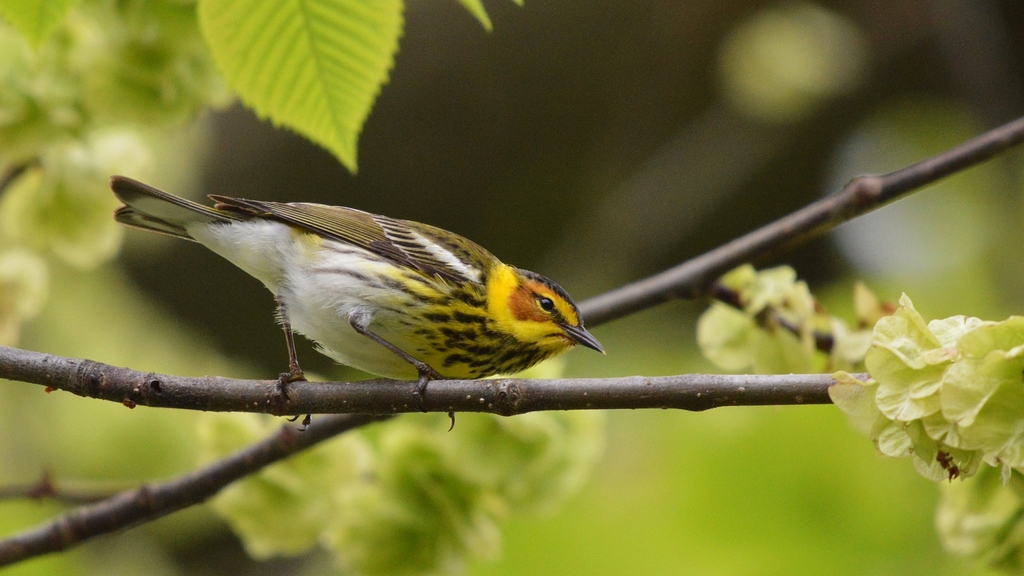
- Cape May WarblerDendroica tigrina
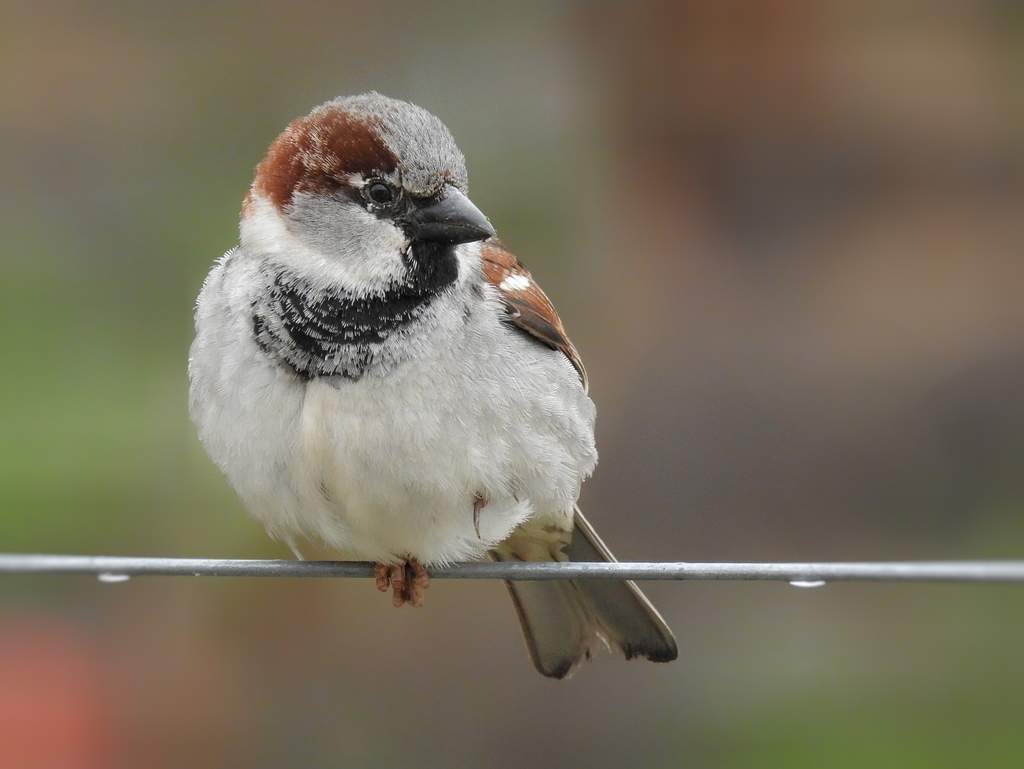
- House SparrowPasser domesticus
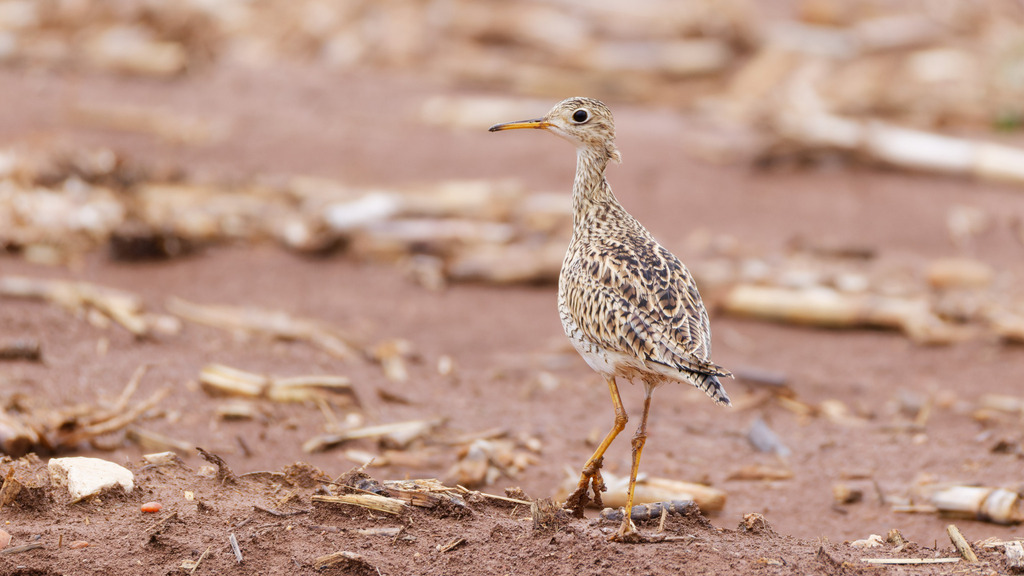
- Upland SandpiperBartramia longicauda
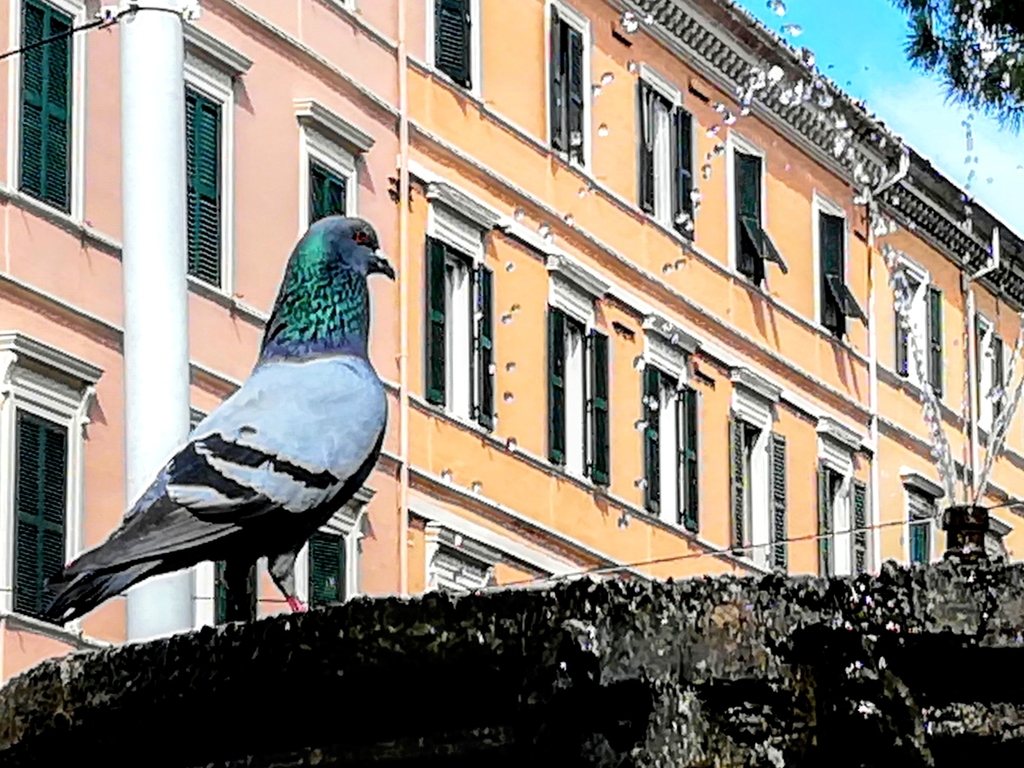
- Rock PigeonColumba livia
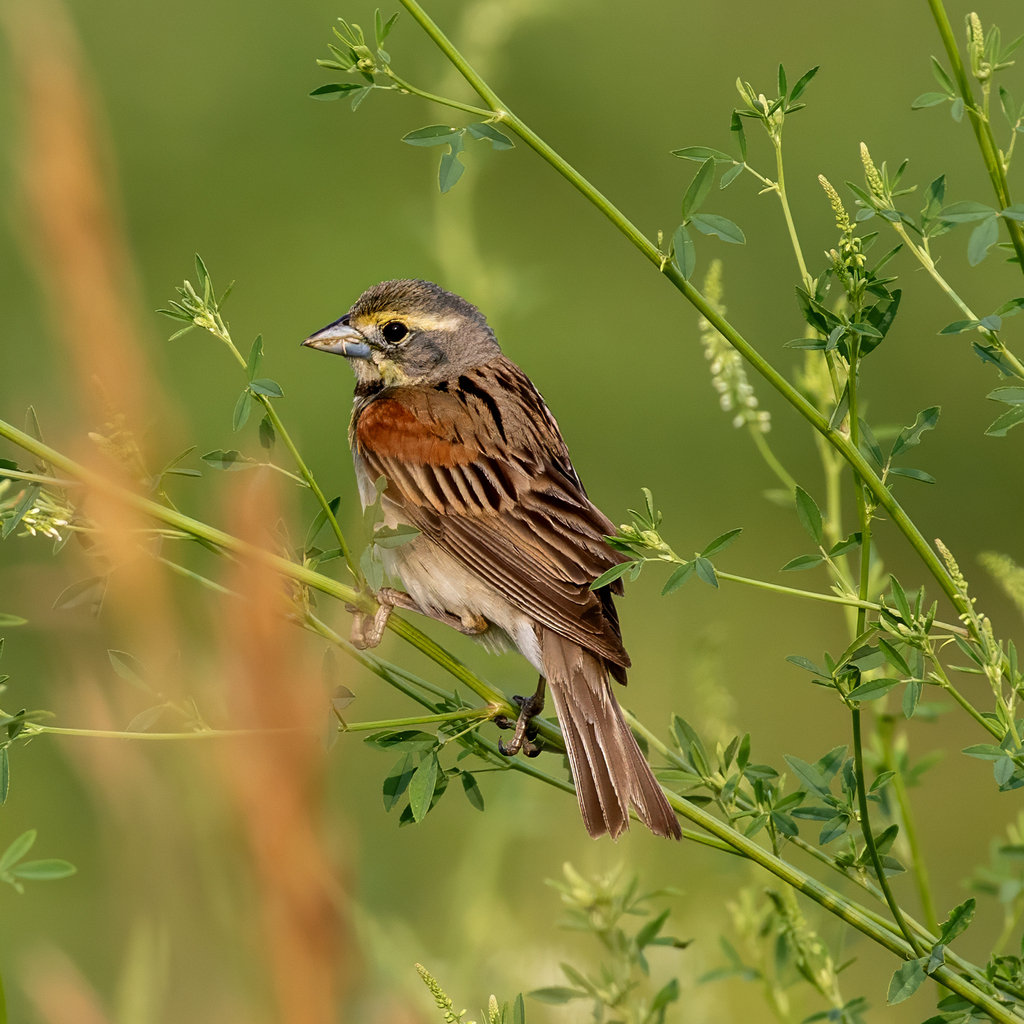
- DickcisselSpiza americana
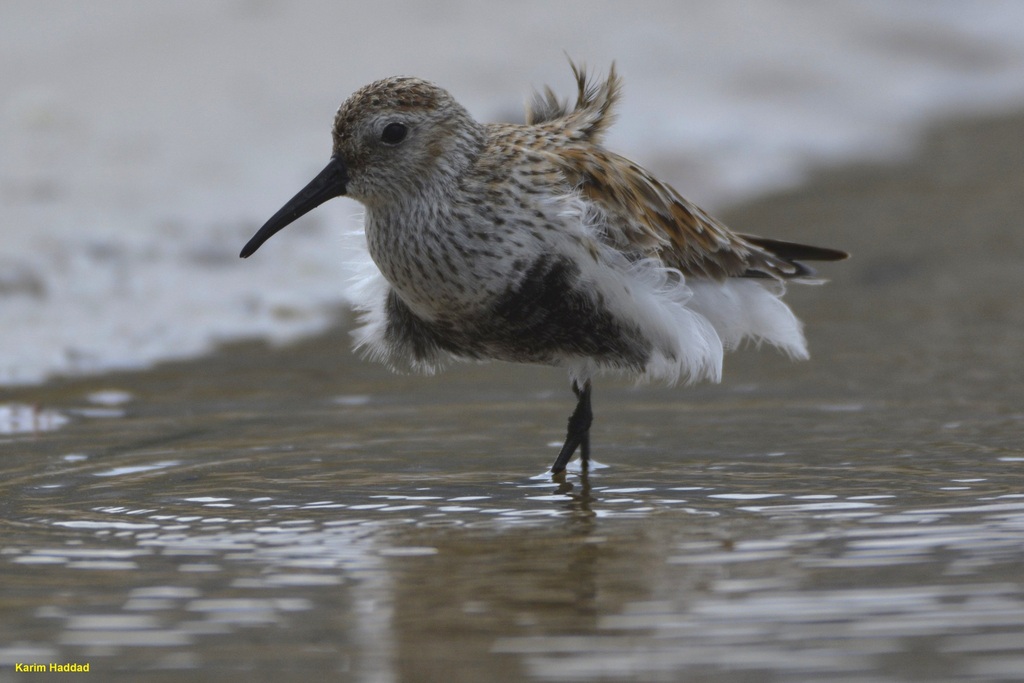
- DunlinCalidris alpina
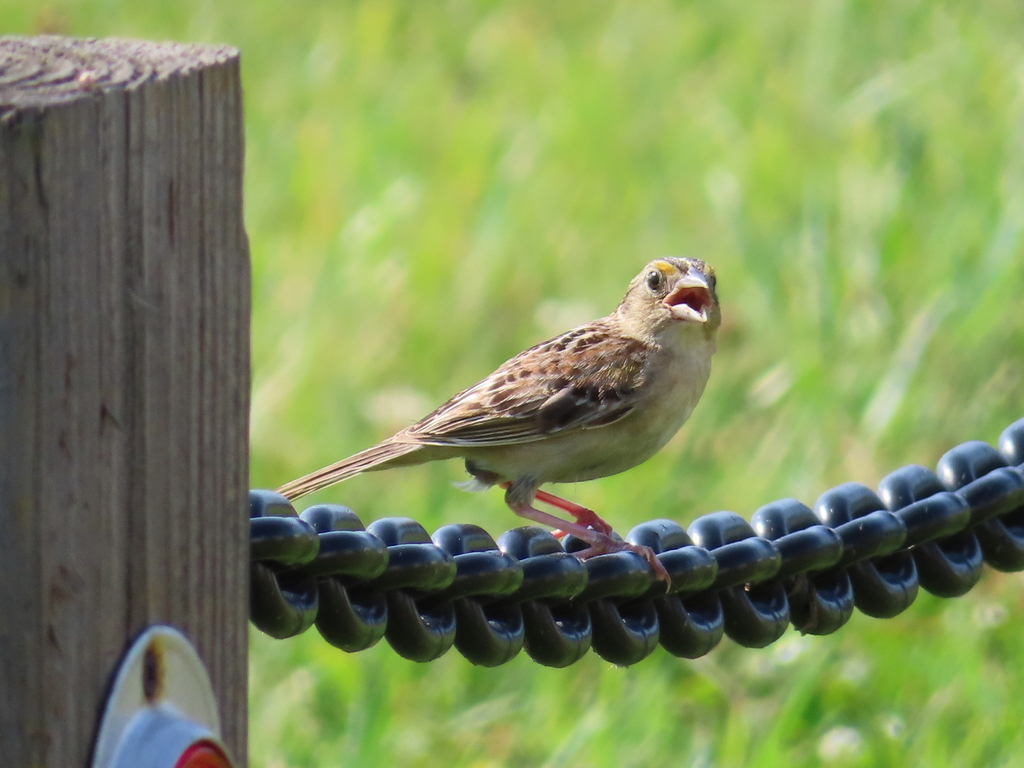
- Grasshopper SparrowAmmodramus savannarum
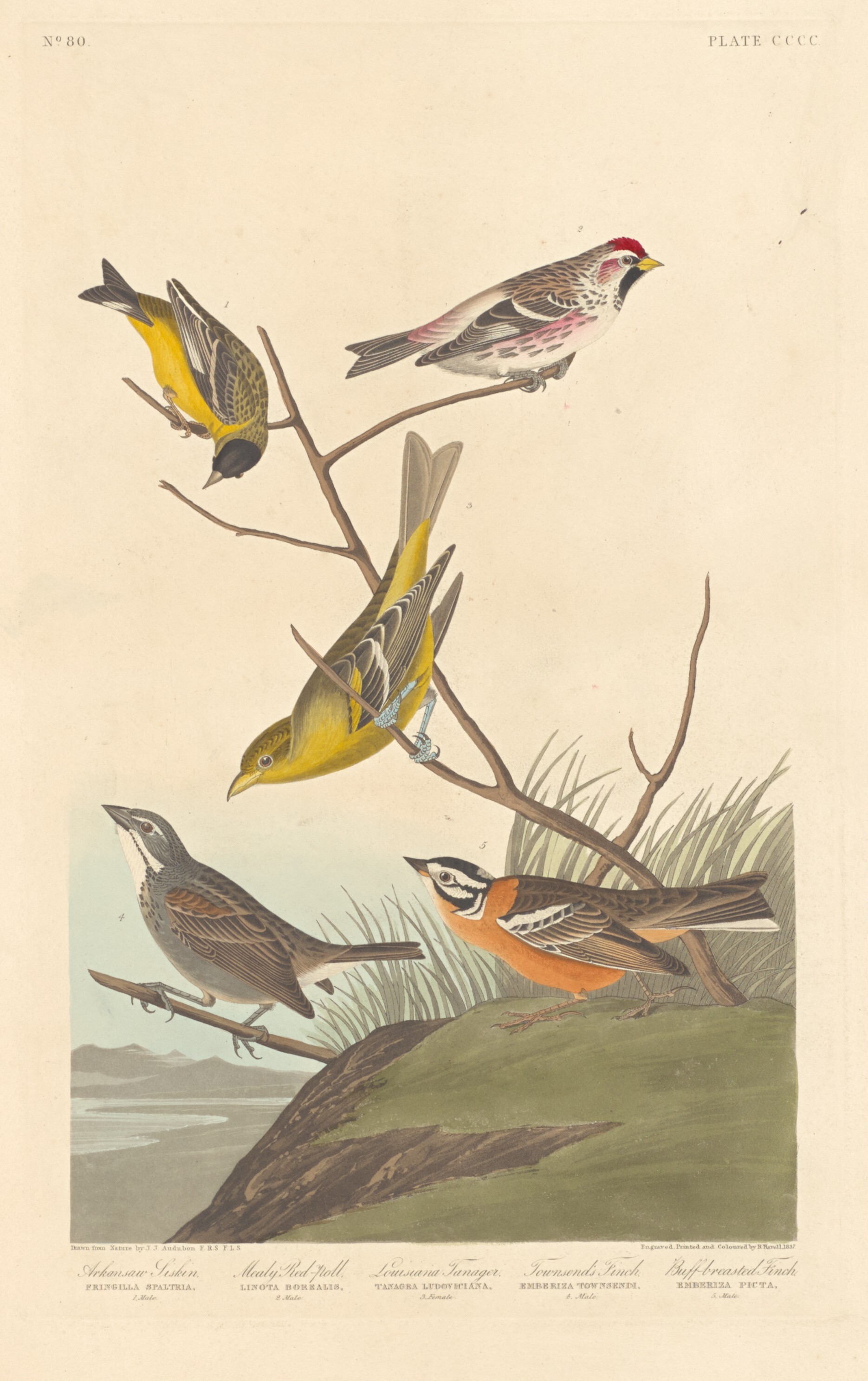
- Hoary RedpollCarduelis hornemanni
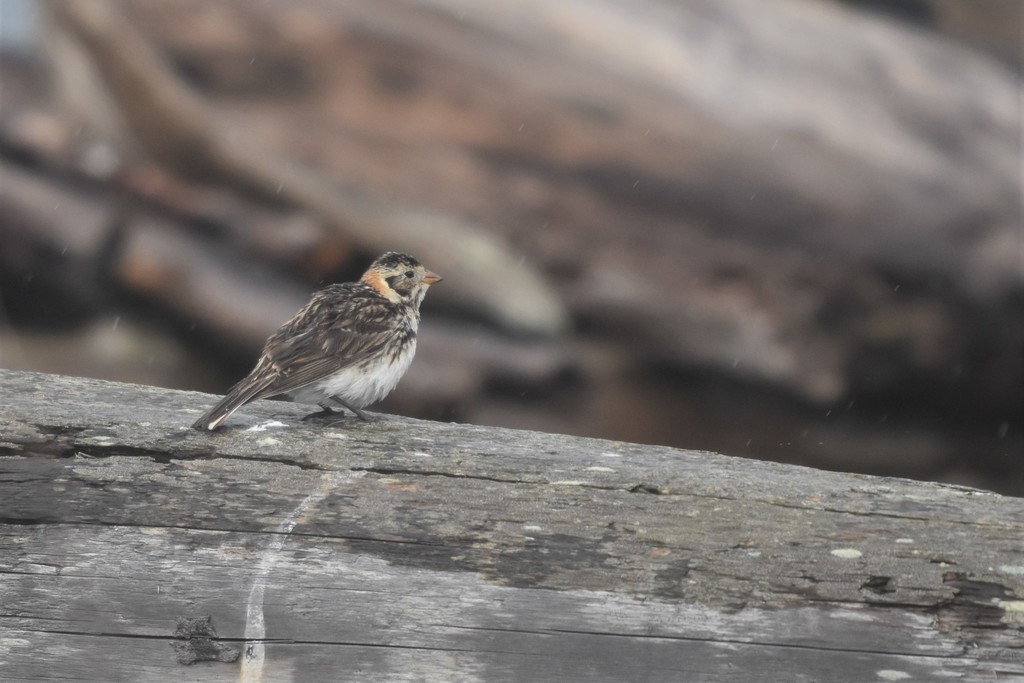
- Lapland LongspurCalcarius lapponicus
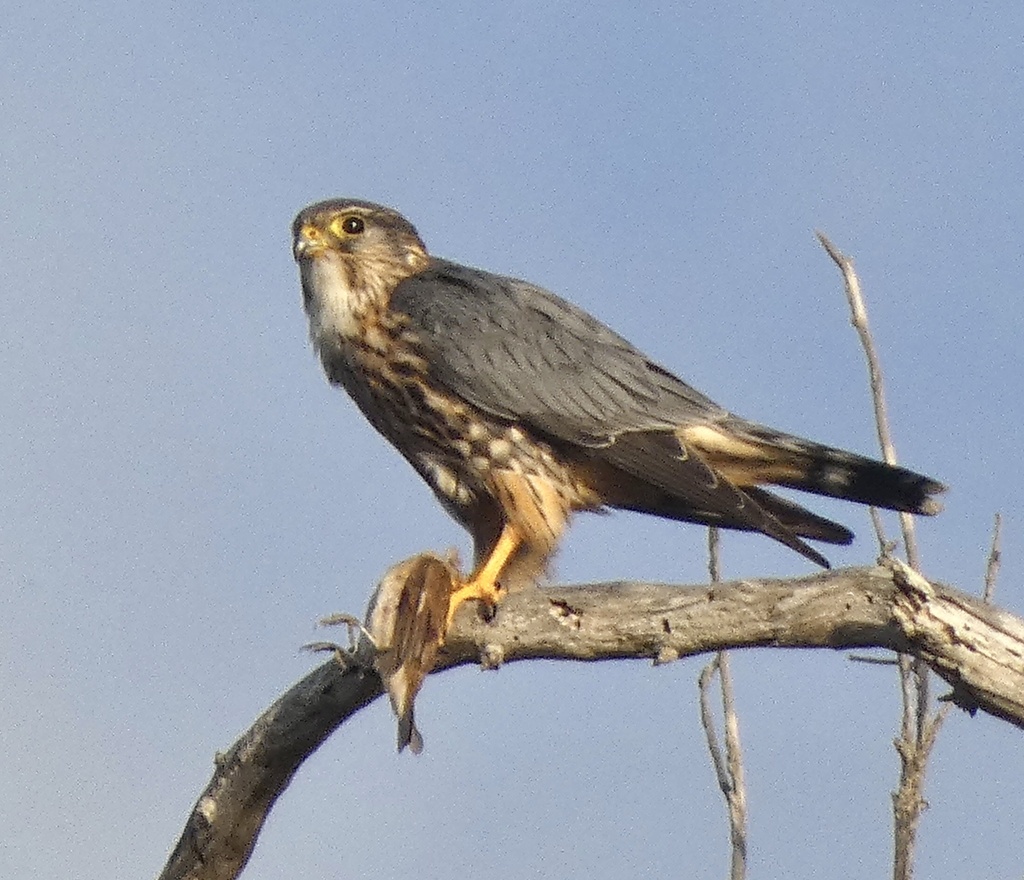
- MerlinFalco columbarius
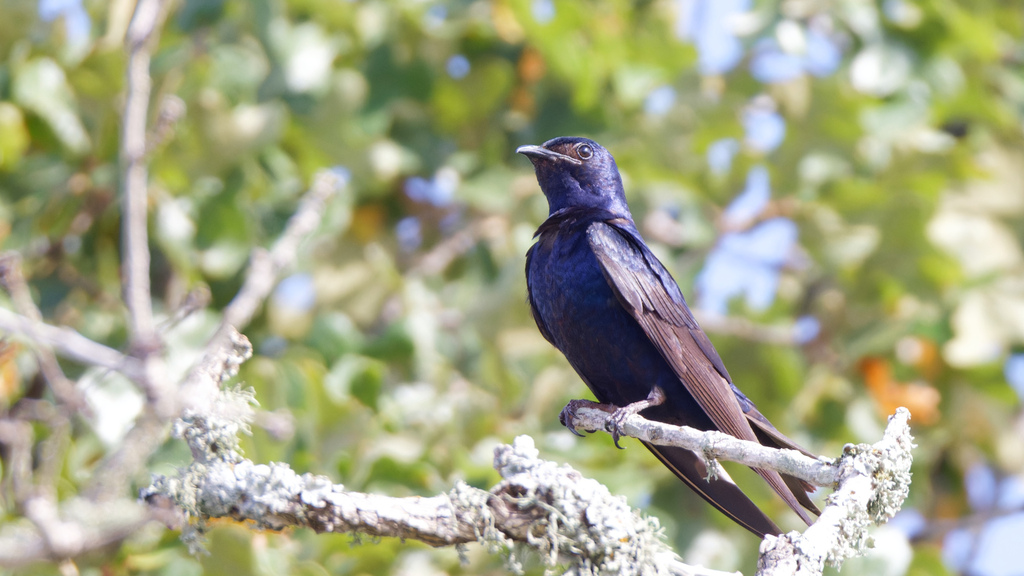
- Purple MartinProgne subis
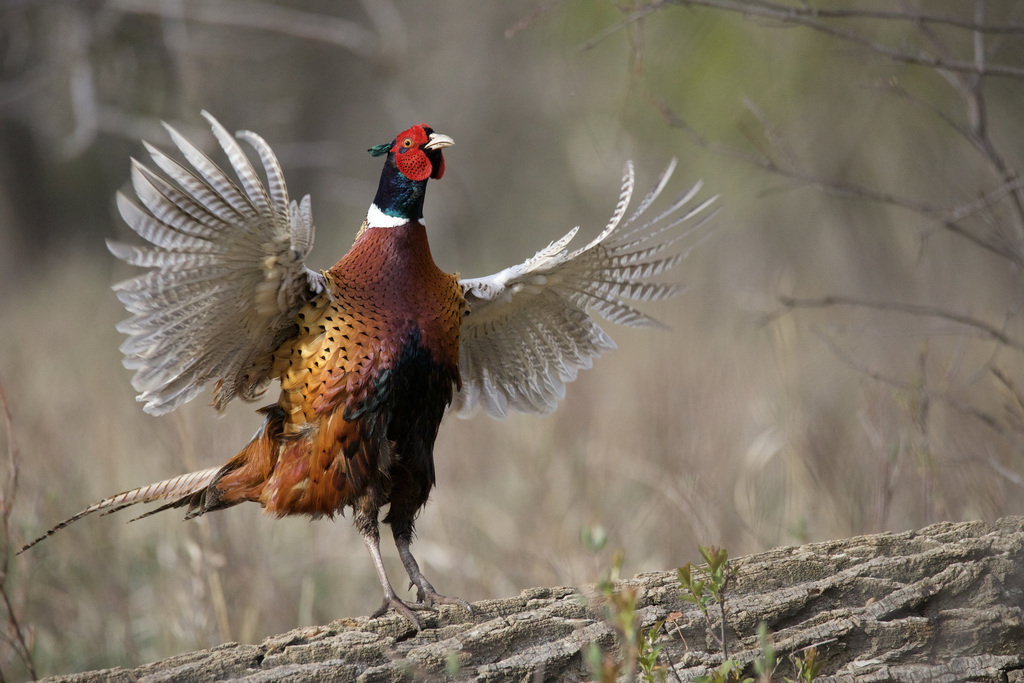
- Ring-necked PheasantPhasianus colchicus
Plants 905
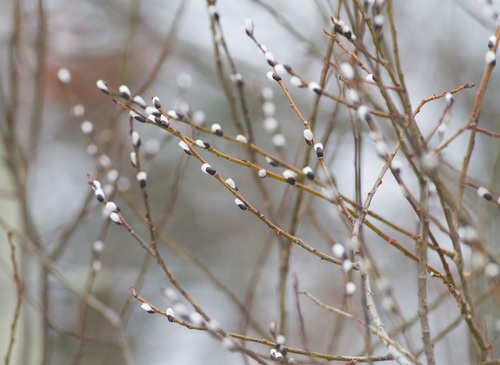
- Pussy WillowSalix discolor
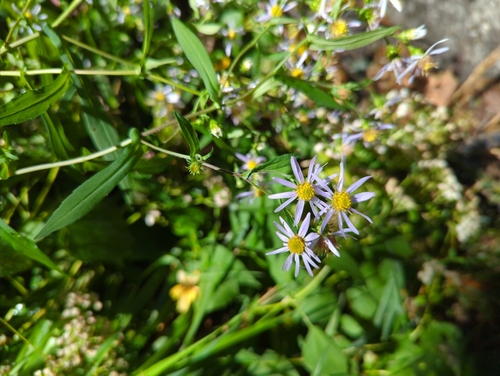
- Crooked-stem AsterSymphyotrichum prenanthoides
- Long Stalk AsterSymphyotrichum dumosum var. dumosum
- Canada LettuceLactuca canadensis
- Annual FleabaneErigeron annuus
- Bushy KnotweedPolygonum ramosissimum subsp. prolificum
- Carey's KnotweedPersicaria careyi
- Carolina Crane's-billGeranium carolinianum
- Common Evening-primroseOenothera biennis
- Cutleaf Evening-primroseOenothera laciniata
- Northern Evening-primroseOenothera parviflora
- Oakes Evening PrimroseOenothera oakesiana
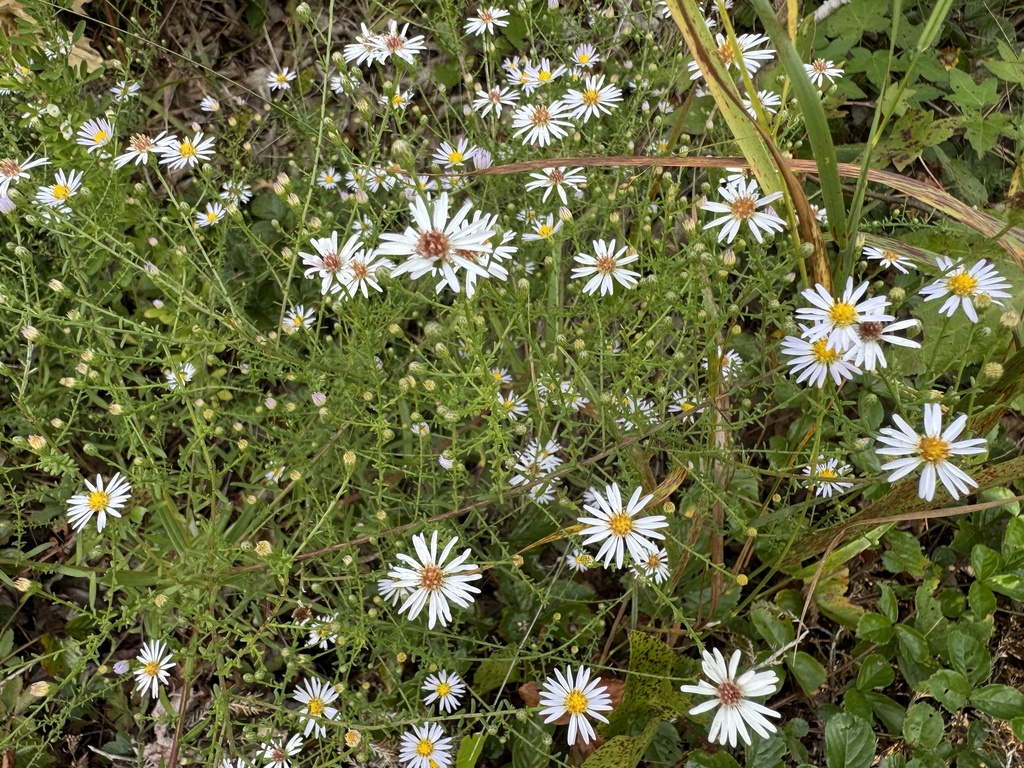
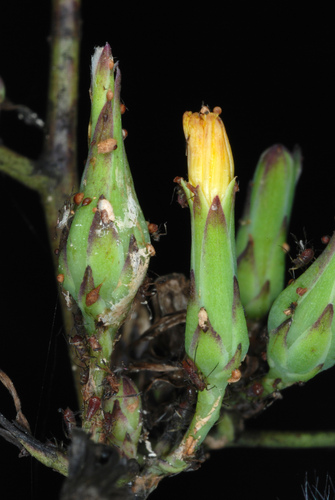
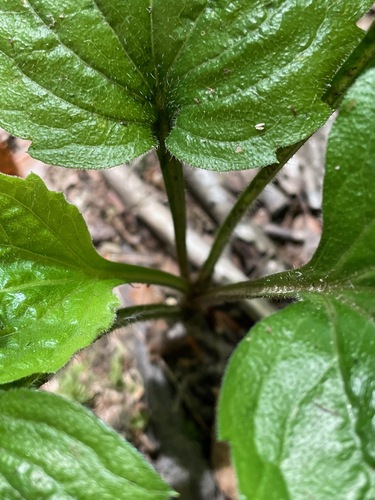
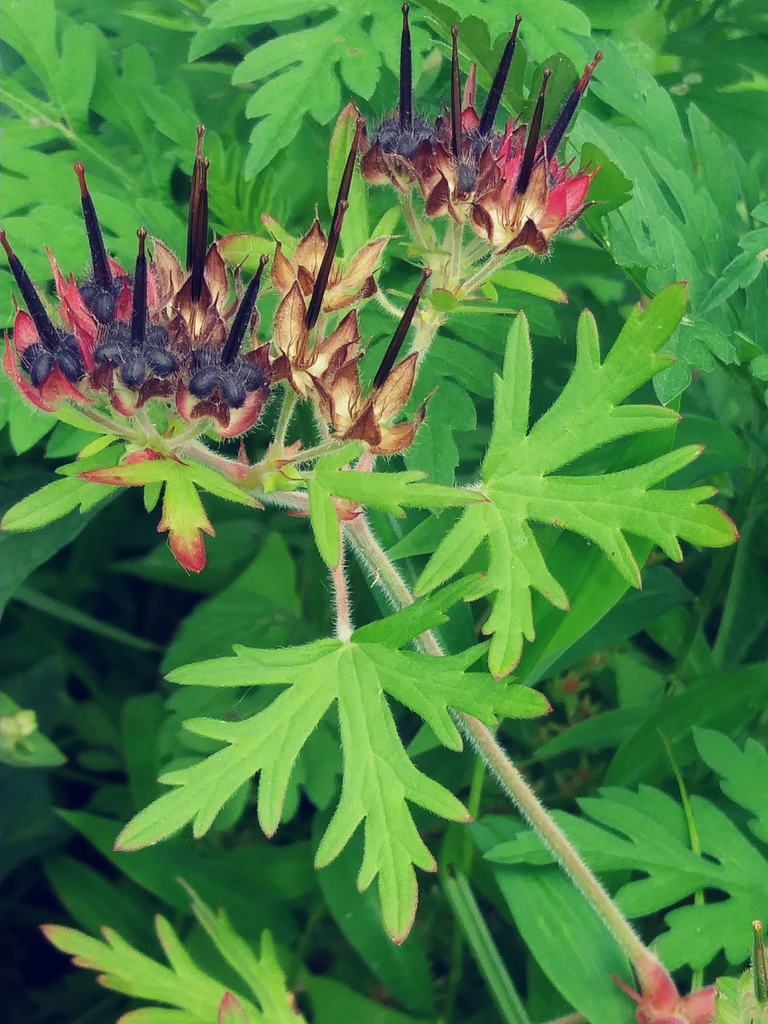
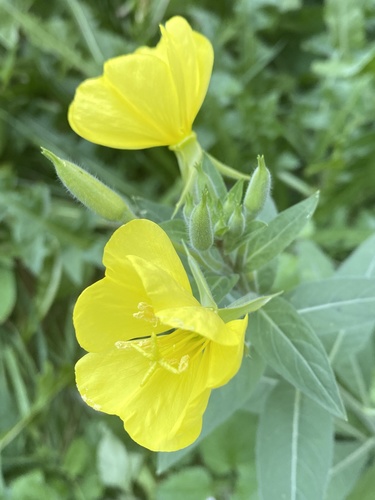
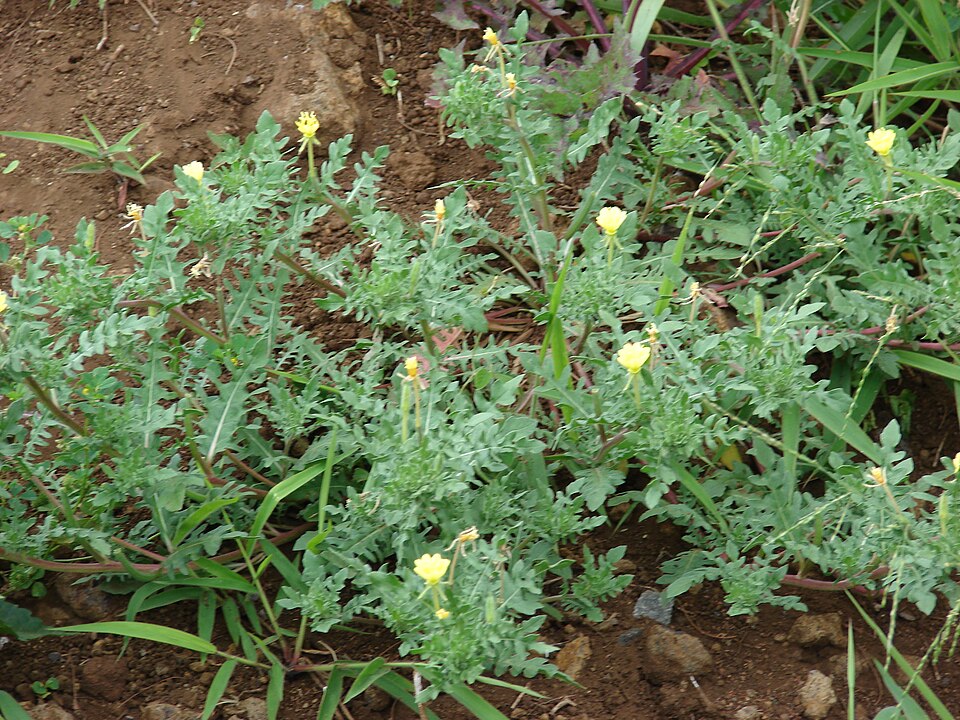
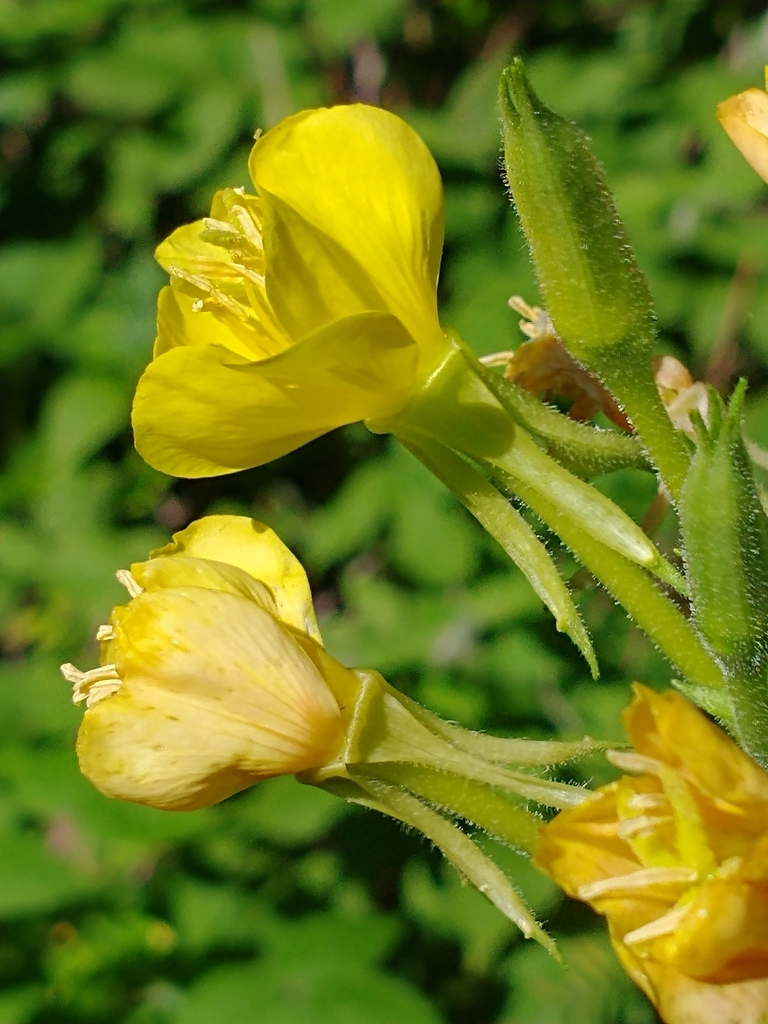
All of roadsides, fields and disturbed ground in West Virginia
Mountain balds
Birds 34
- Grasshopper SparrowAmmodramus savannarum
- BobolinkDolichonyx oryzivorus
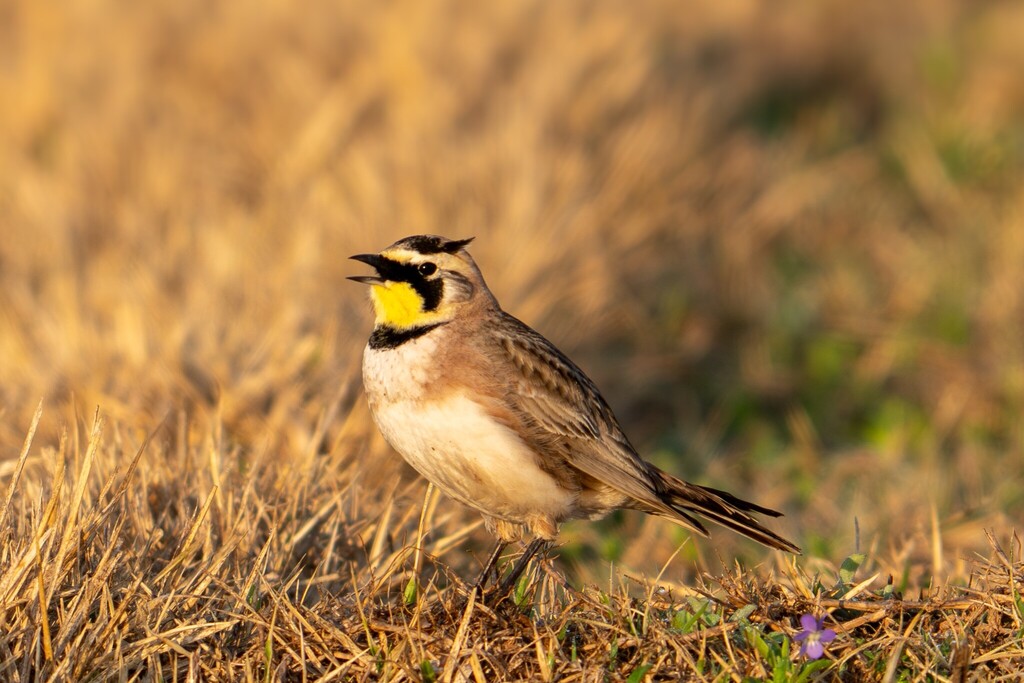
- Horned LarkEremophila alpestris
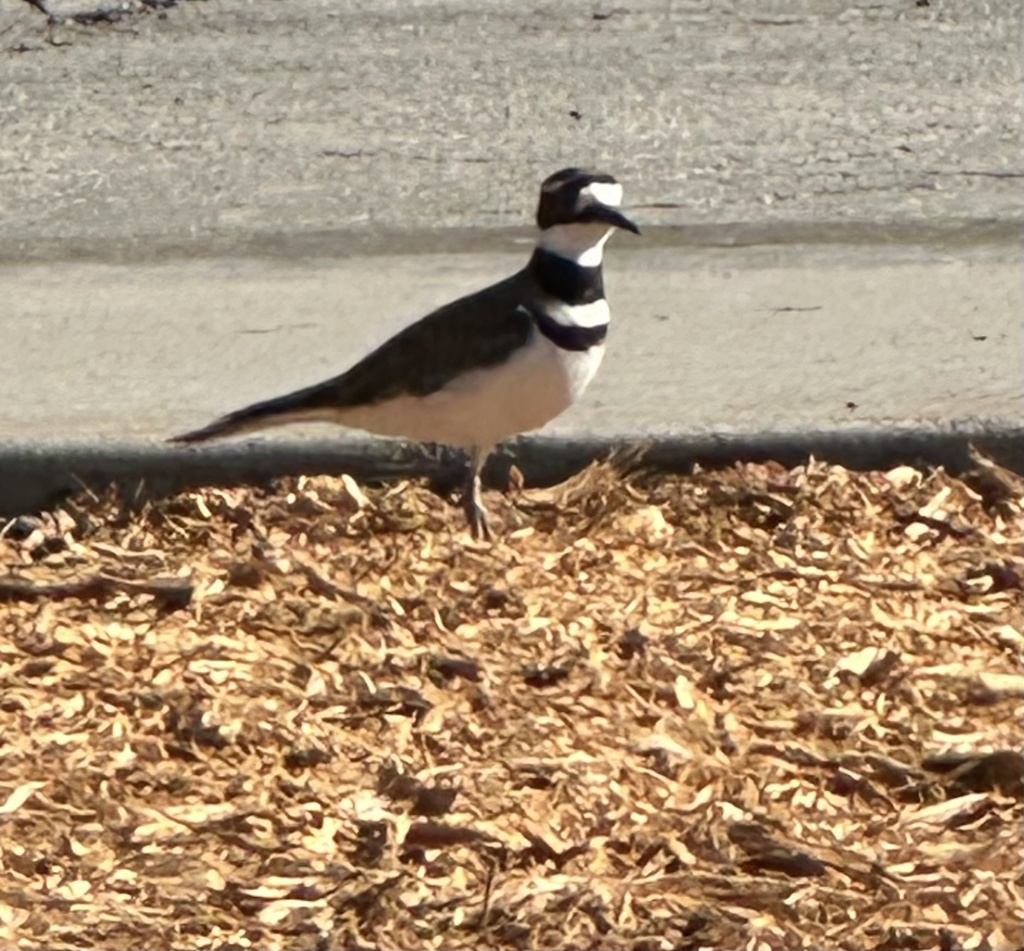
- KilldeerCharadrius vociferus
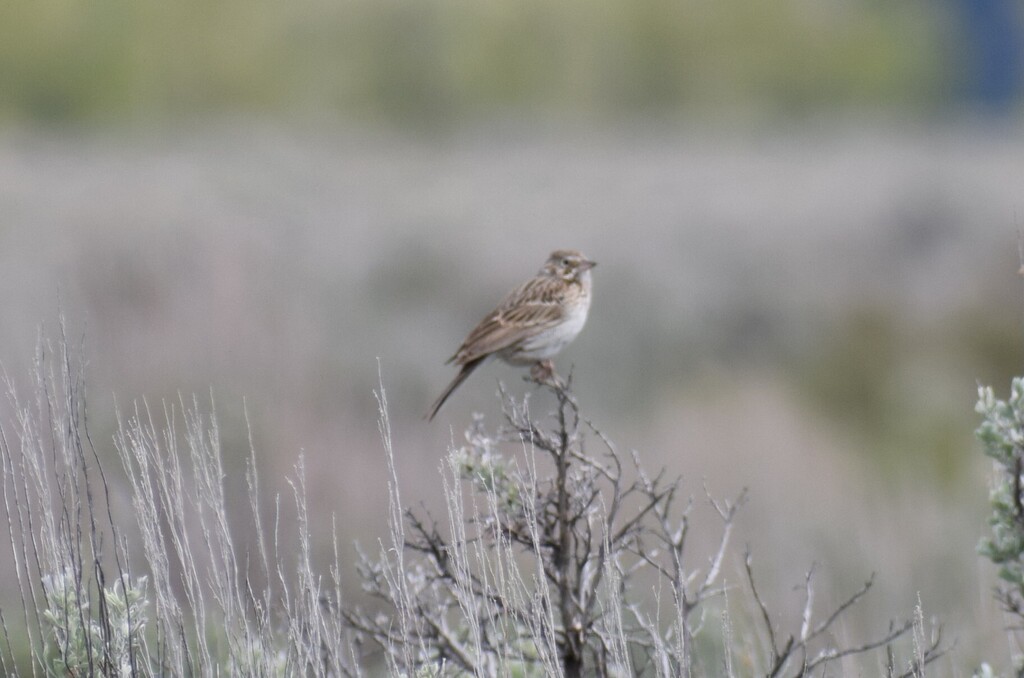
- Vesper SparrowPooecetes gramineus
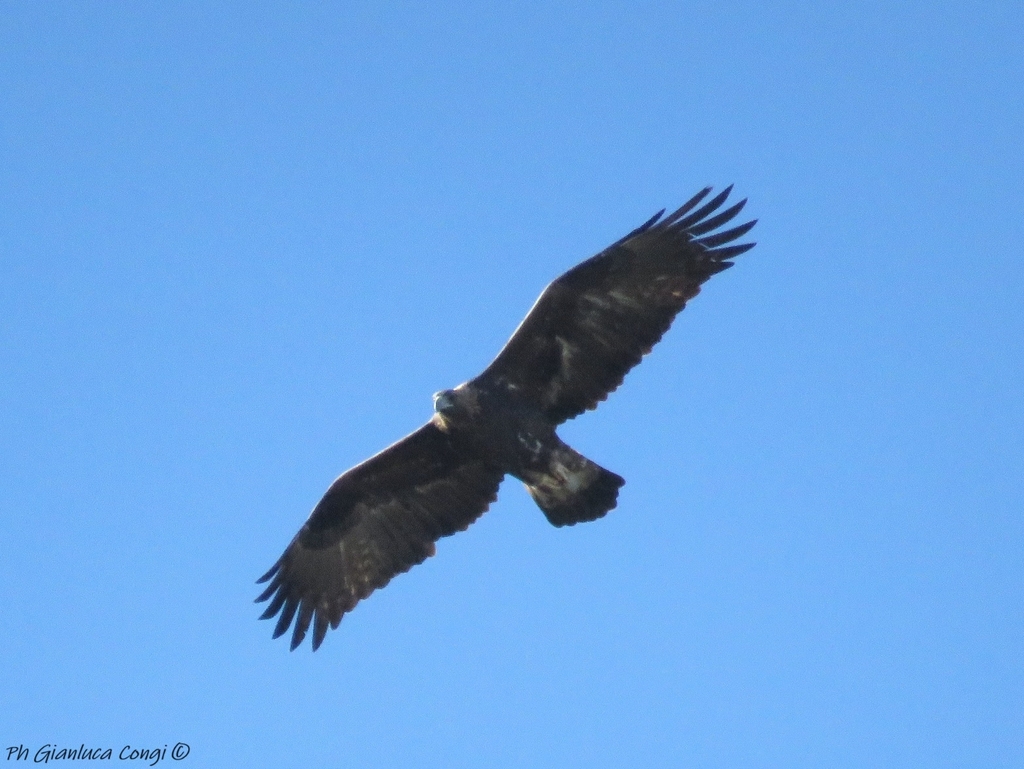
- Golden EagleAquila chrysaetos
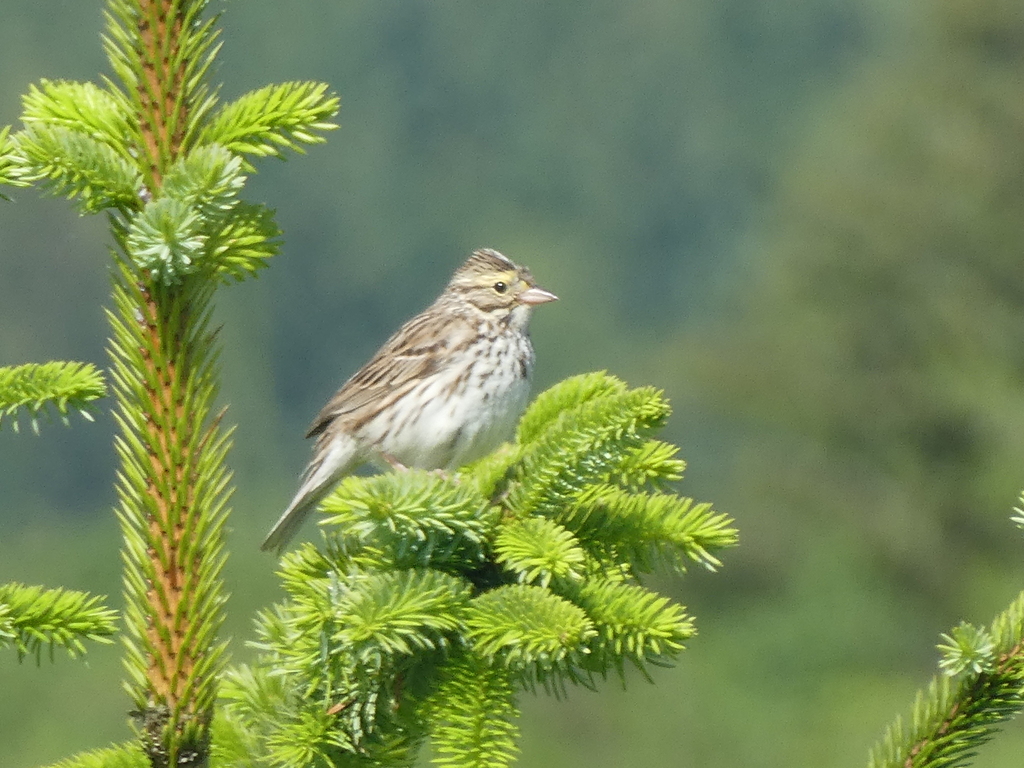
- Savannah SparrowPasserculus sandwichensis
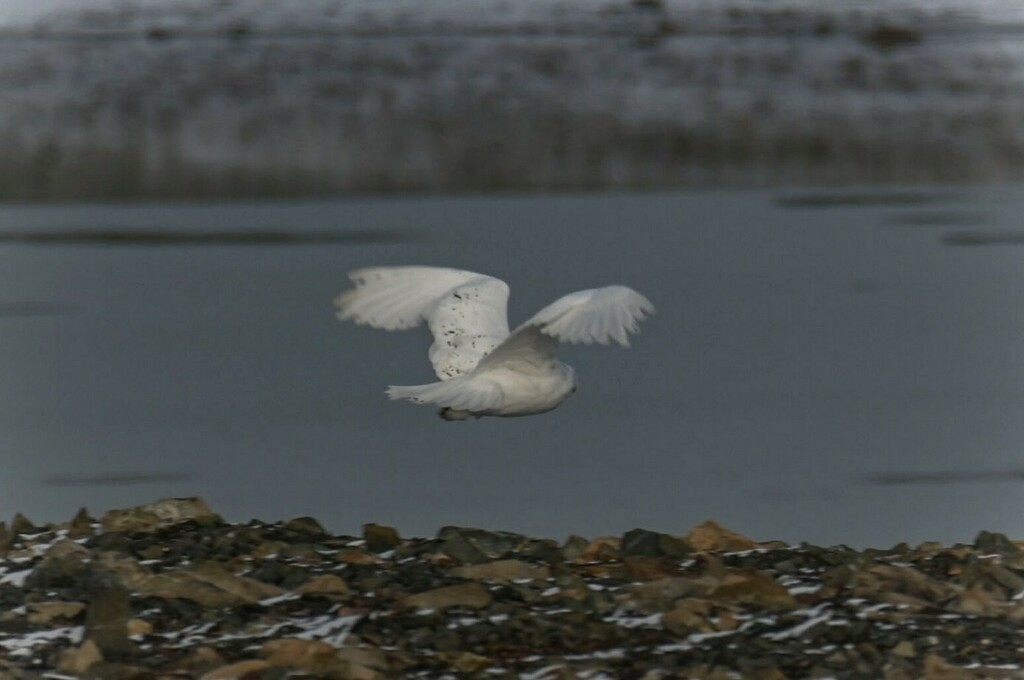
- Snowy OwlBubo scandiacus
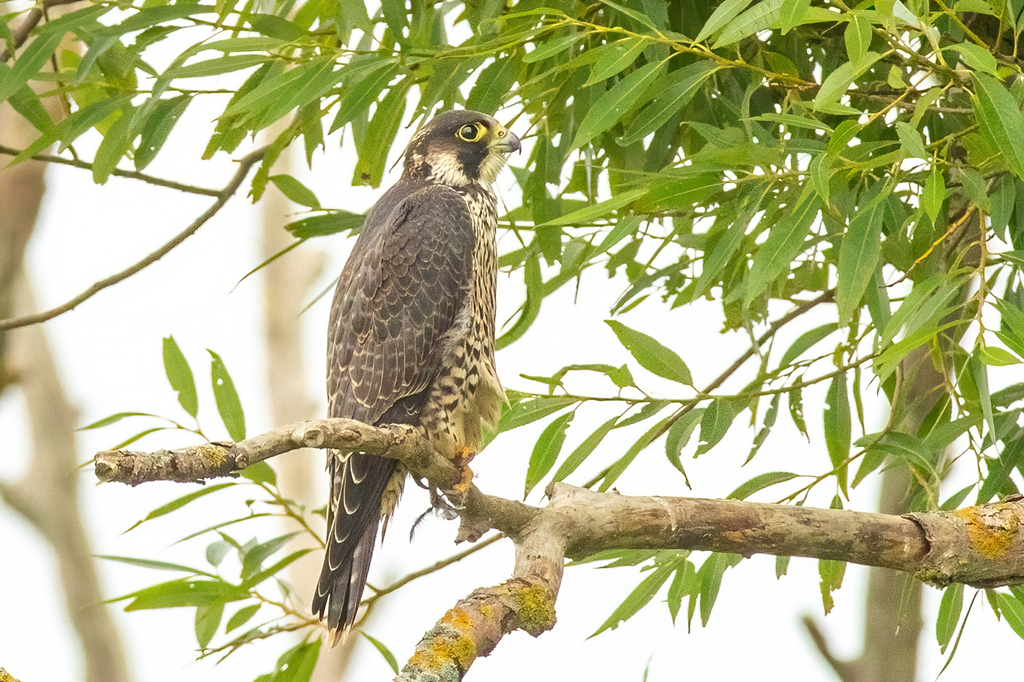
- Peregrine FalconFalco peregrinus
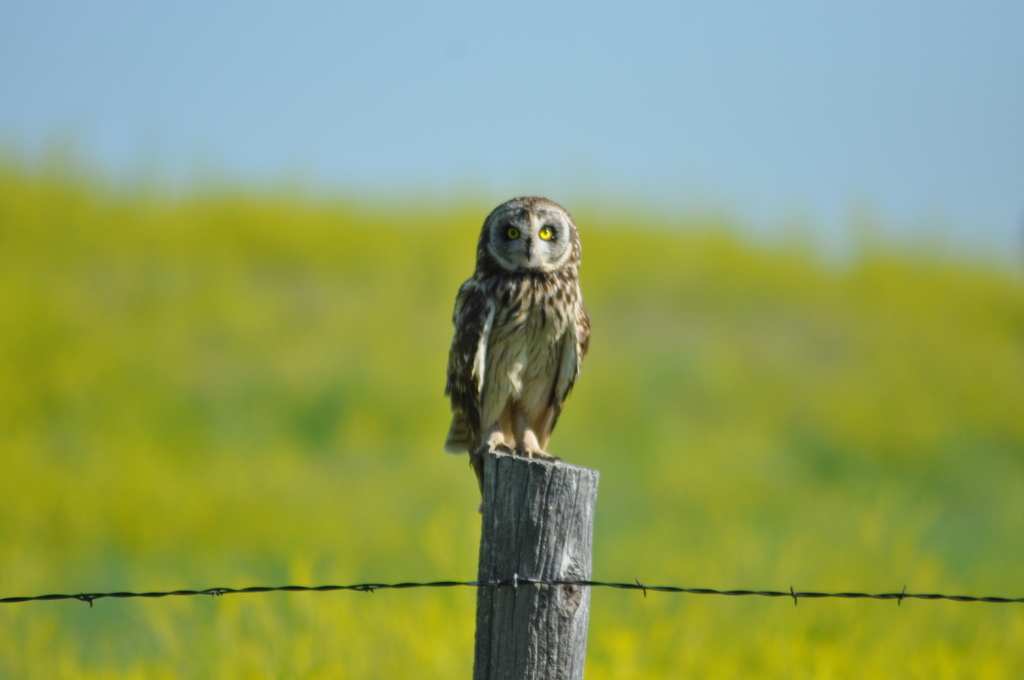
- Short-eared OwlAsio flammeus
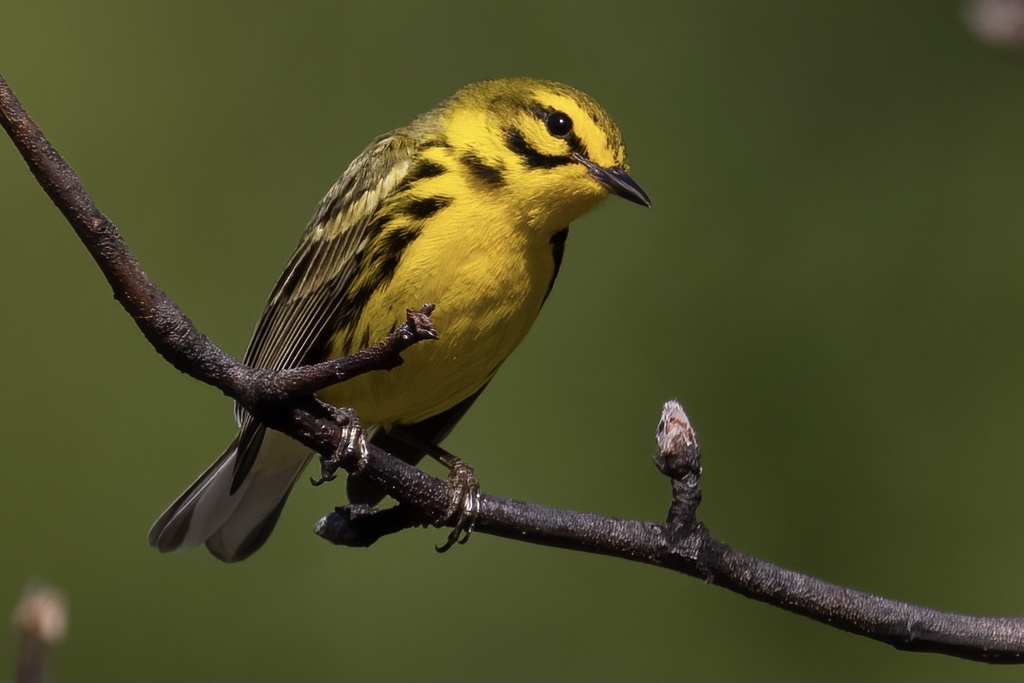
- Prairie WarblerDendroica discolor
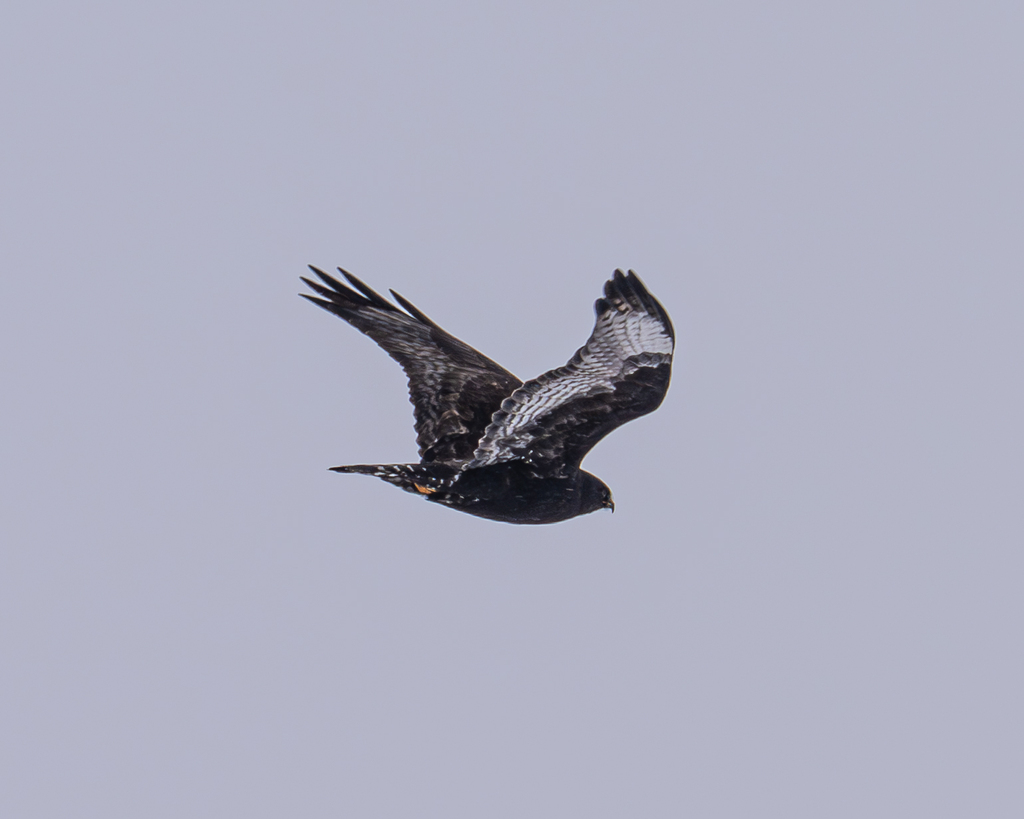
- Rough-legged HawkButeo lagopus
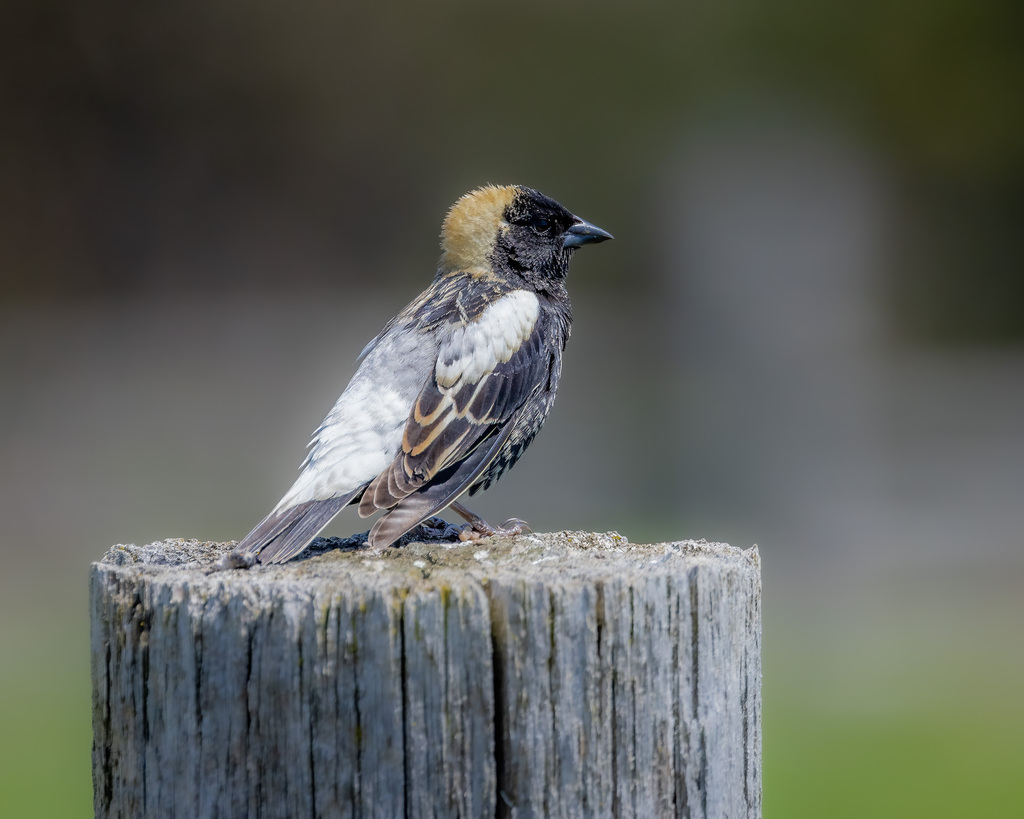
Plants 65
- Mountain Highbush BlueberryVaccinium simulatum
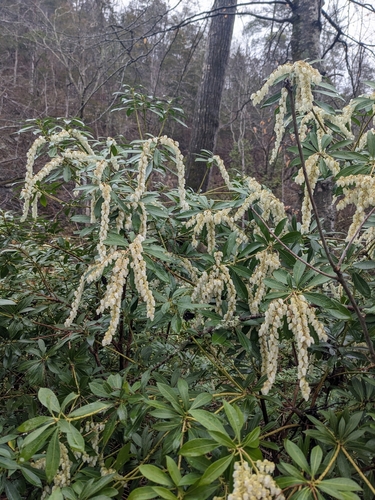
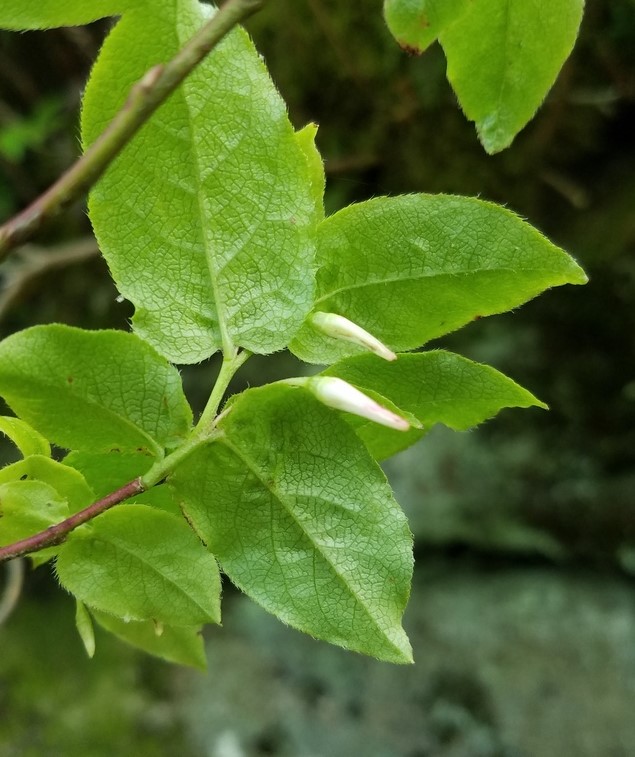
- Mountain AndromedaPieris floribunda
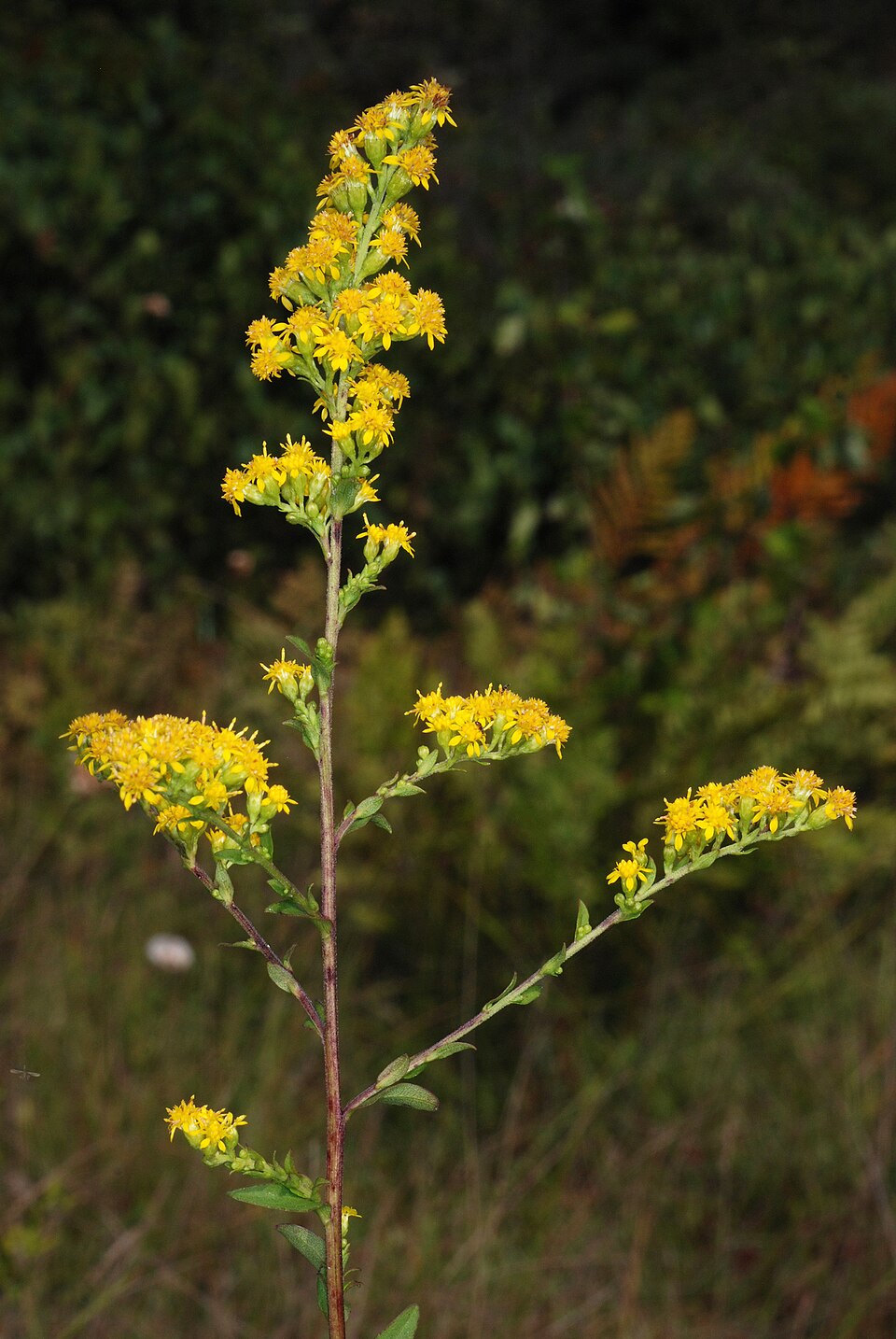
- Atlantic GoldenrodSolidago arguta var. caroliniana
- Smooth BlackberryRubus canadensis
- Southern Mountain CranberryVaccinium erythrocarpum
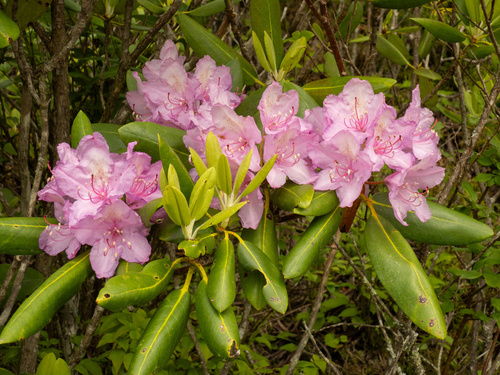
- Catawba RhododendronRhododendron catawbiense
- Northern Roughleaf GoldenrodSolidago patula
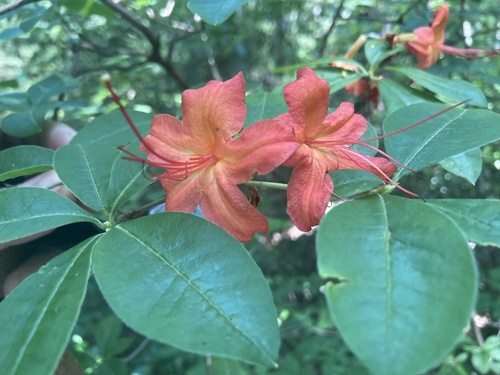
- Cumberland AzaleaRhododendron cumberlandense
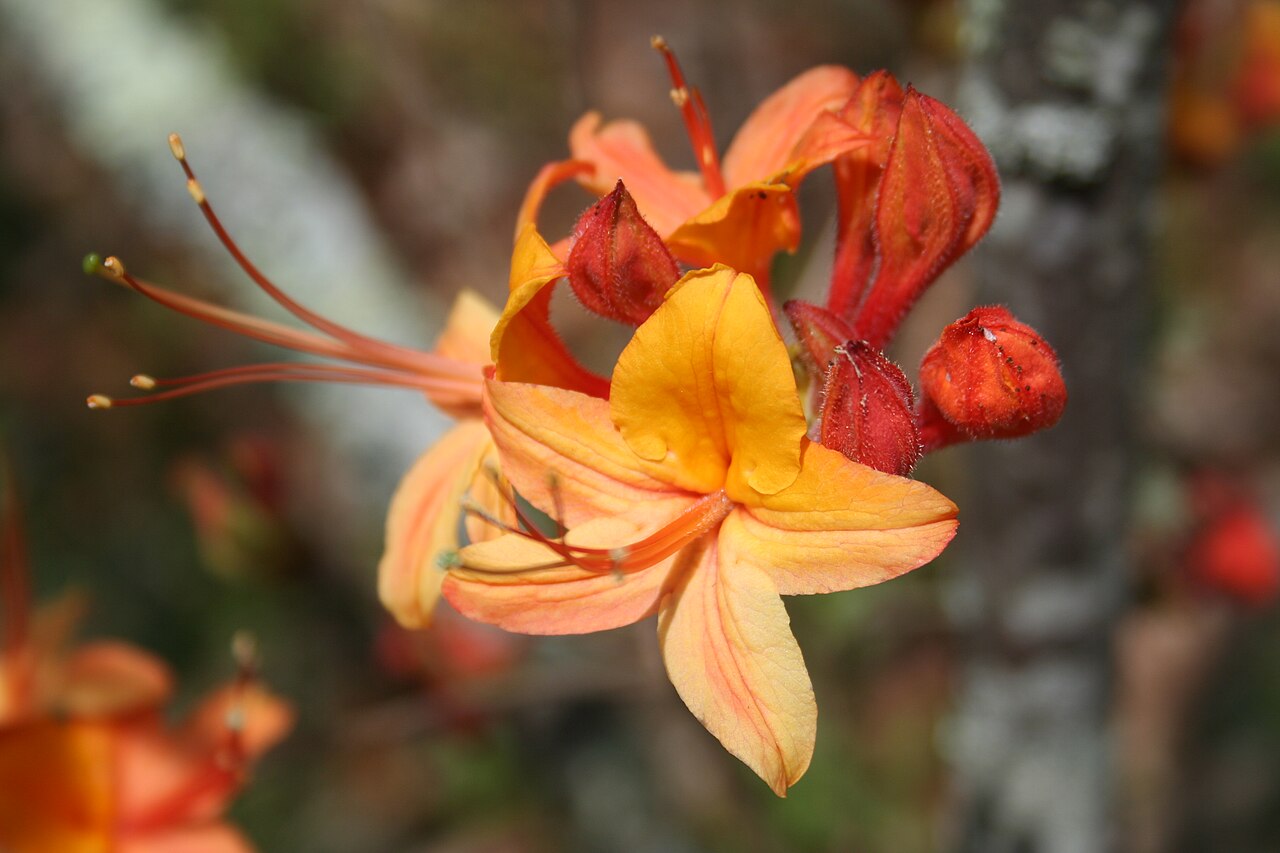
- Flame AzaleaRhododendron calendulaceum
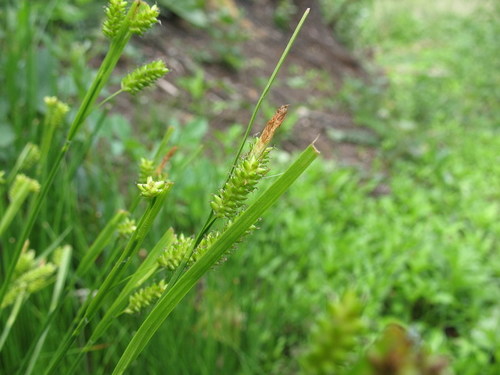
- Pale SedgeCarex pallescens
- Heller's Blazing-starLiatris helleri
- Filmy AngelicaAngelica triquinata
Dry forests and woodlands
Birds 88
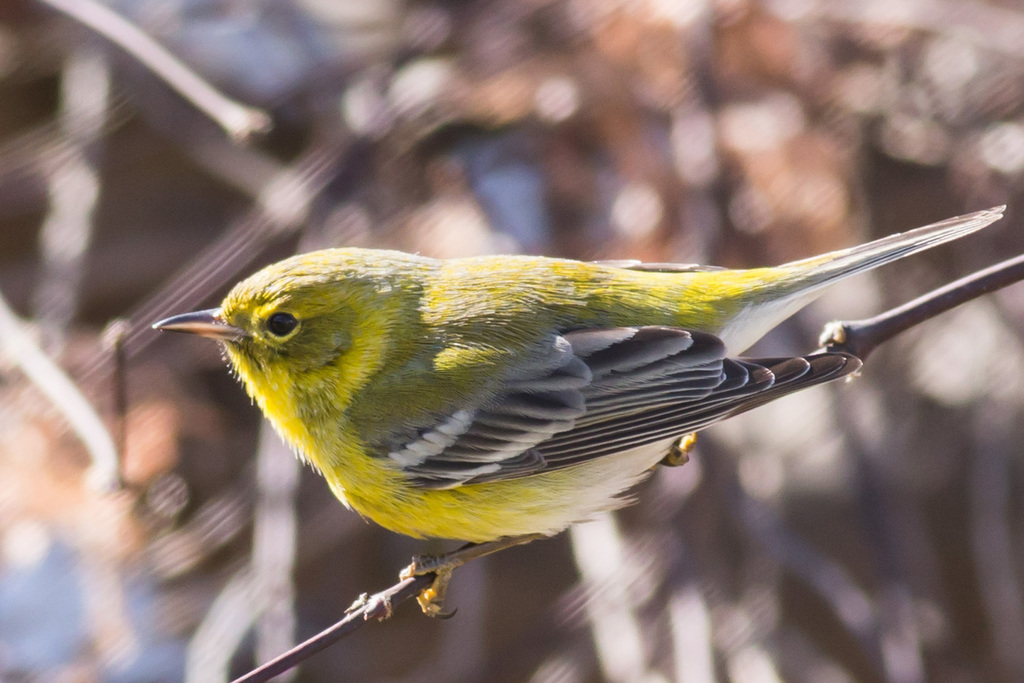
- Pine WarblerDendroica pinus
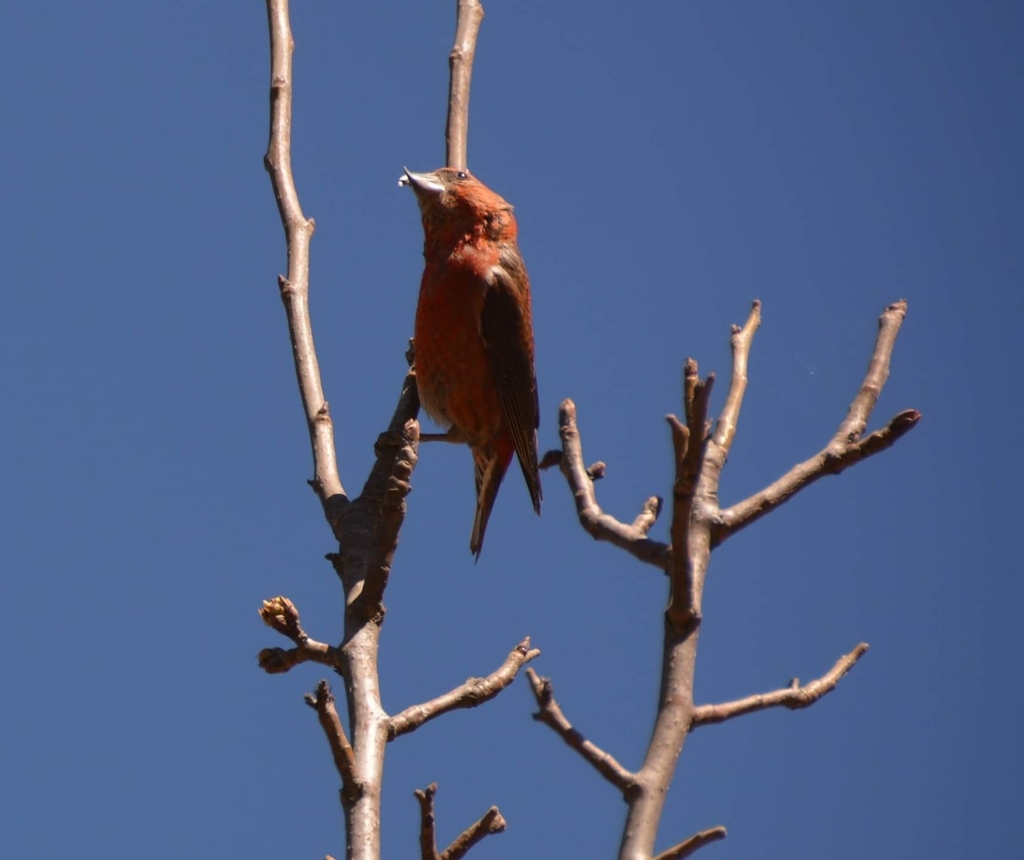
- Red CrossbillLoxia curvirostra
- Northern BobwhiteColinus virginianus
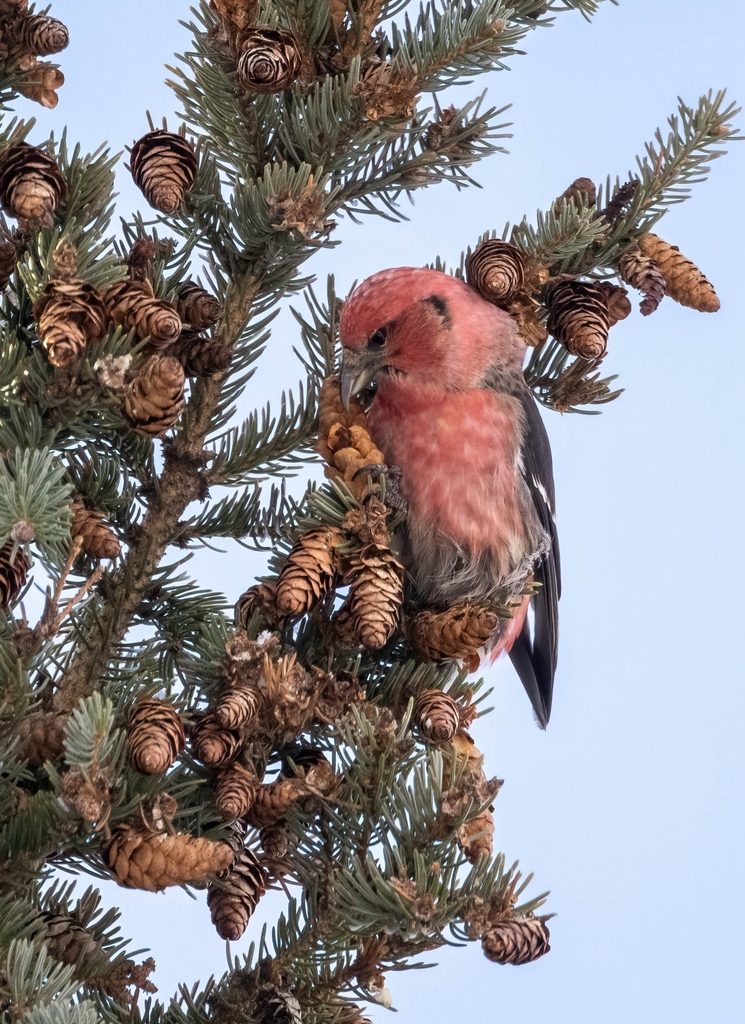
- White-winged CrossbillLoxia leucoptera
- Yellow-throated WarblerDendroica dominica
- Prairie WarblerDendroica discolor
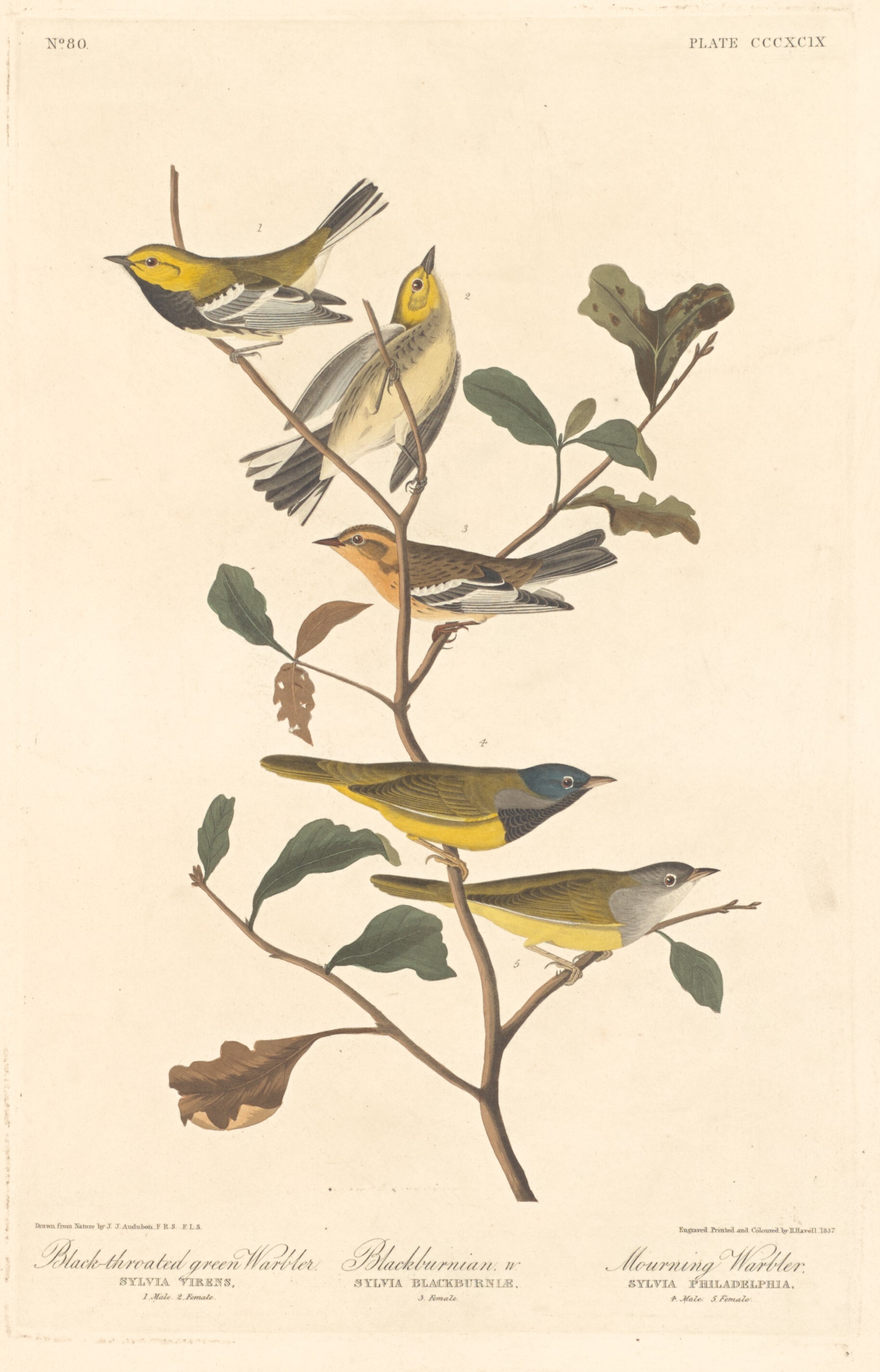
- Black-throated Green WarblerDendroica virens
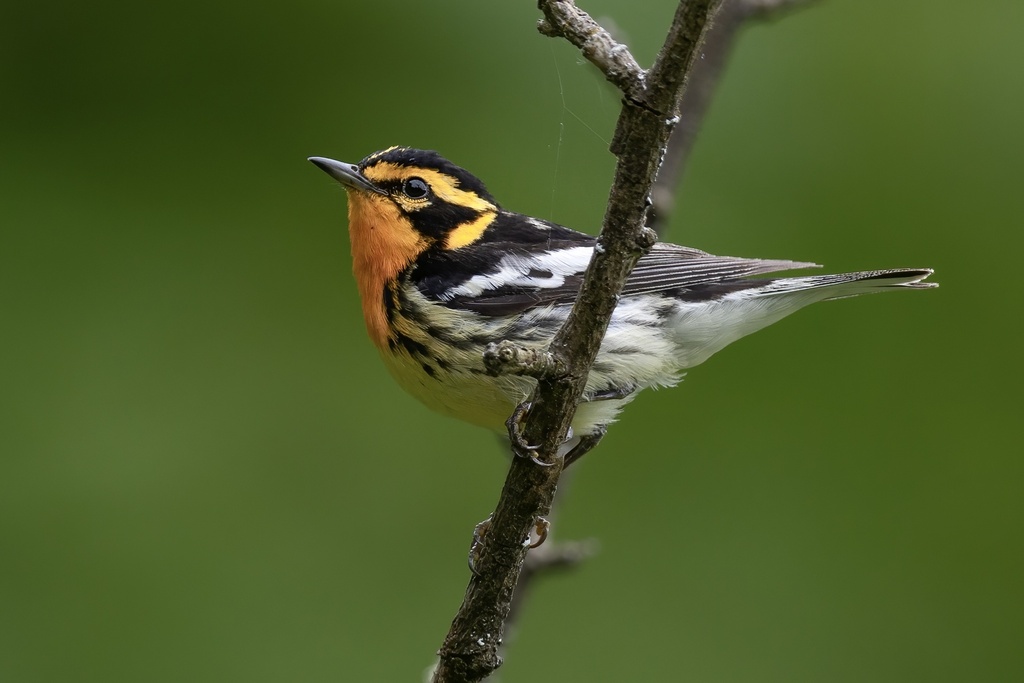
- Blackburnian WarblerDendroica fusca
- Red-breasted NuthatchSitta canadensis
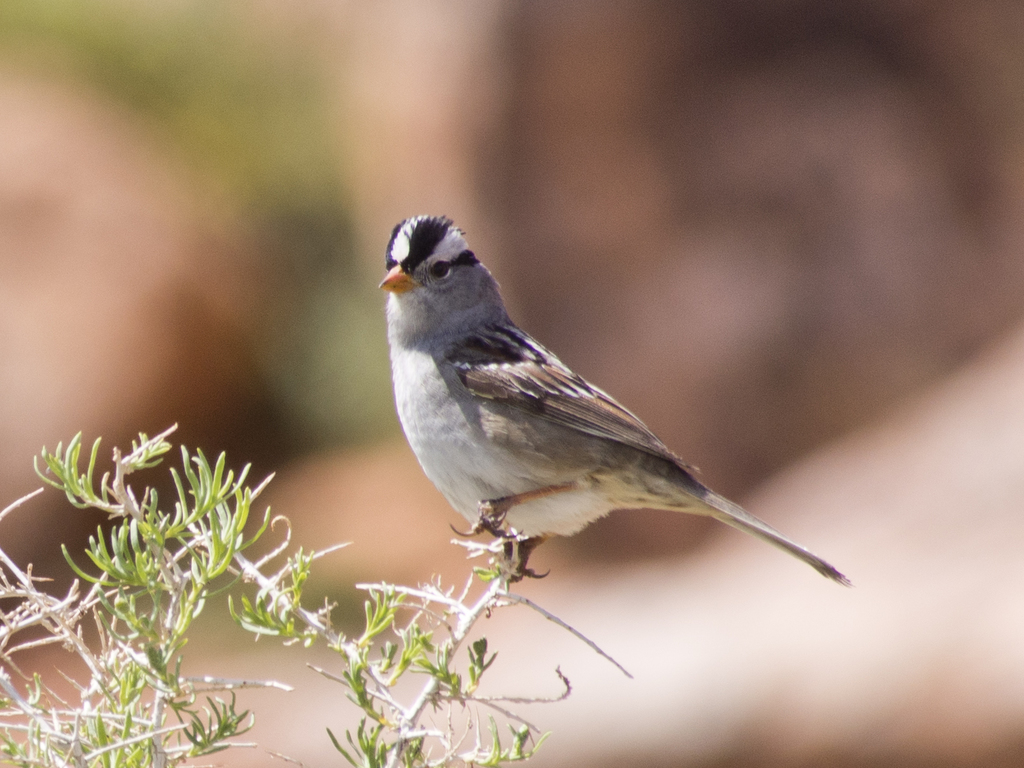
- White-crowned SparrowZonotrichia leucophrys
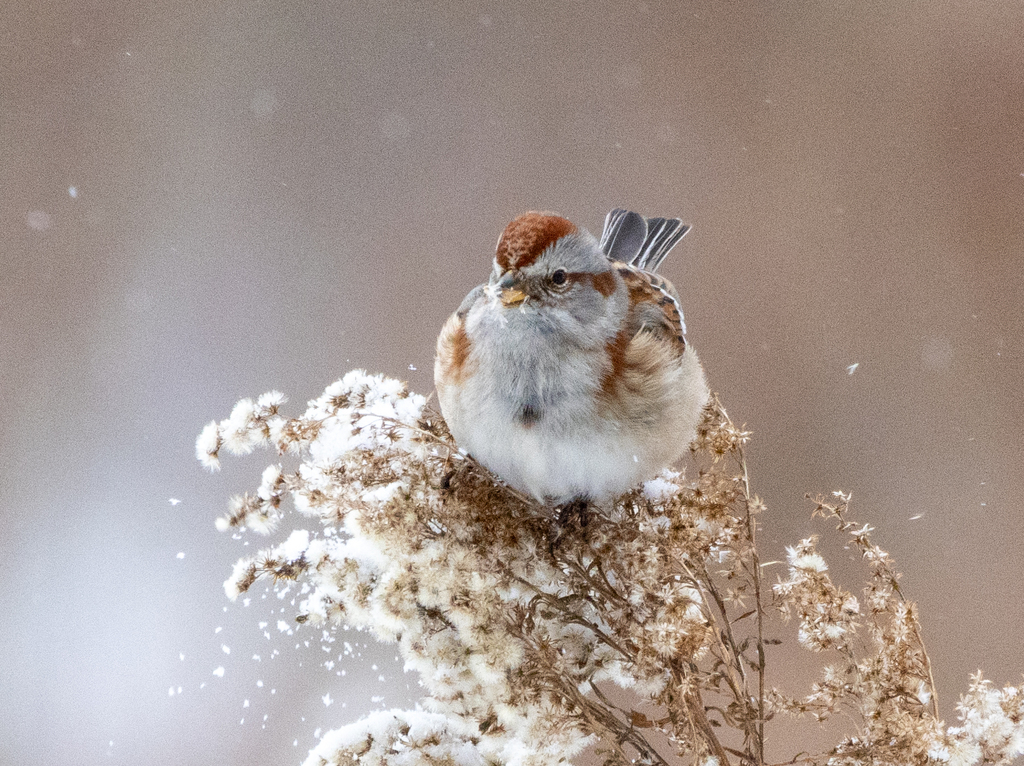
- American Tree SparrowSpizella arborea
- Barred OwlStrix varia




Plants 192
- Eastern Winged SumacRhus copallinum var. latifolia
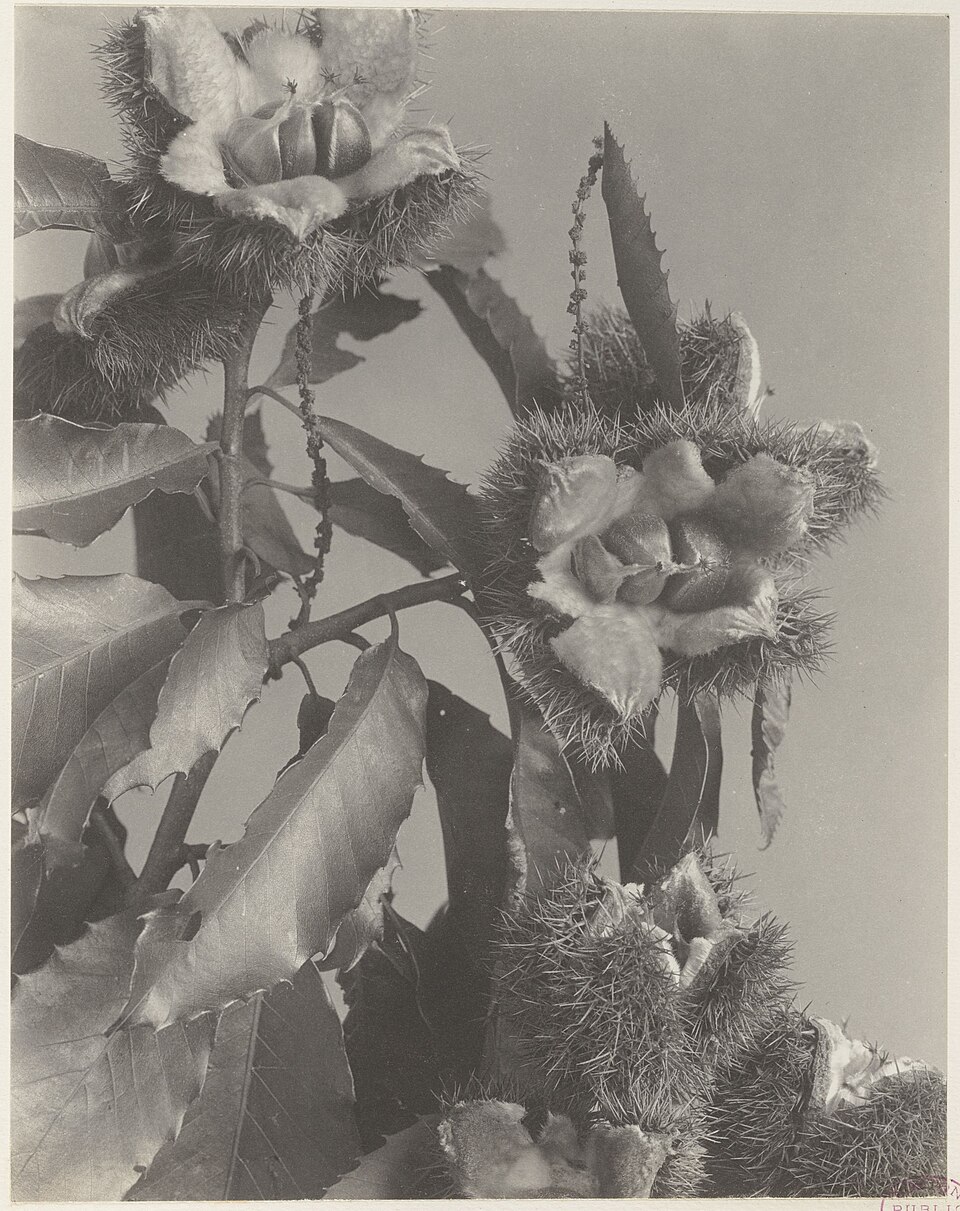
- American ChestnutCastanea dentata
- Godfrey's ThoroughwortEupatorium godfreyanum
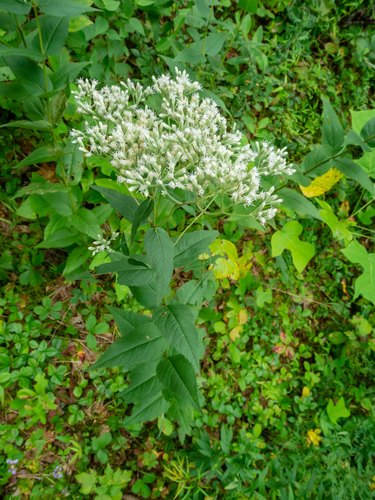
- White ThoroughwortEupatorium album
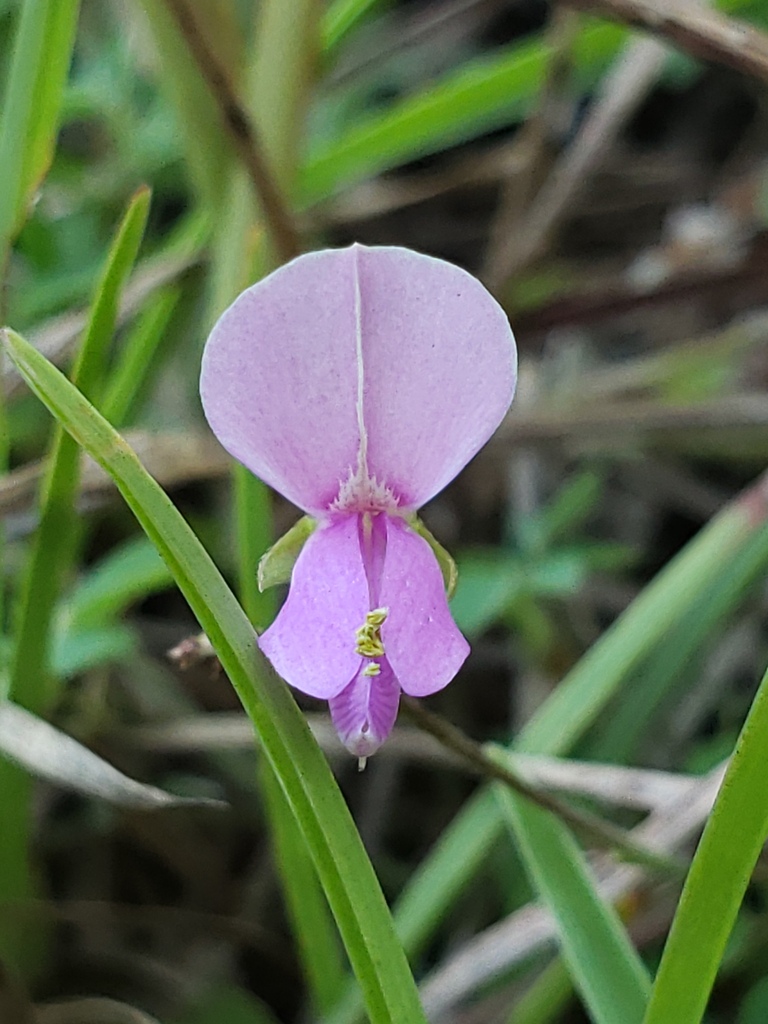
- McCree's MilkpeaGalactia volubilis
- Leavenworth's SedgeCarex leavenworthii
- Southern LoosestrifeLysimachia tonsa
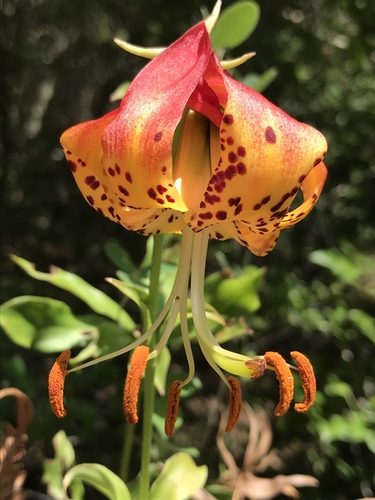
- Carolina LilyLilium michauxii
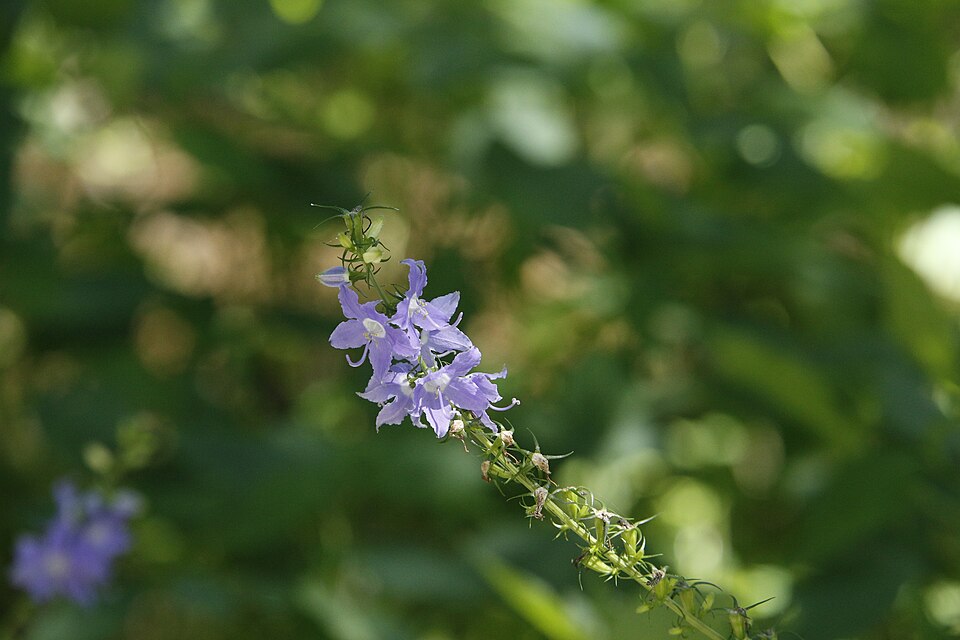
- Tall BellflowerCampanulastrum americanum
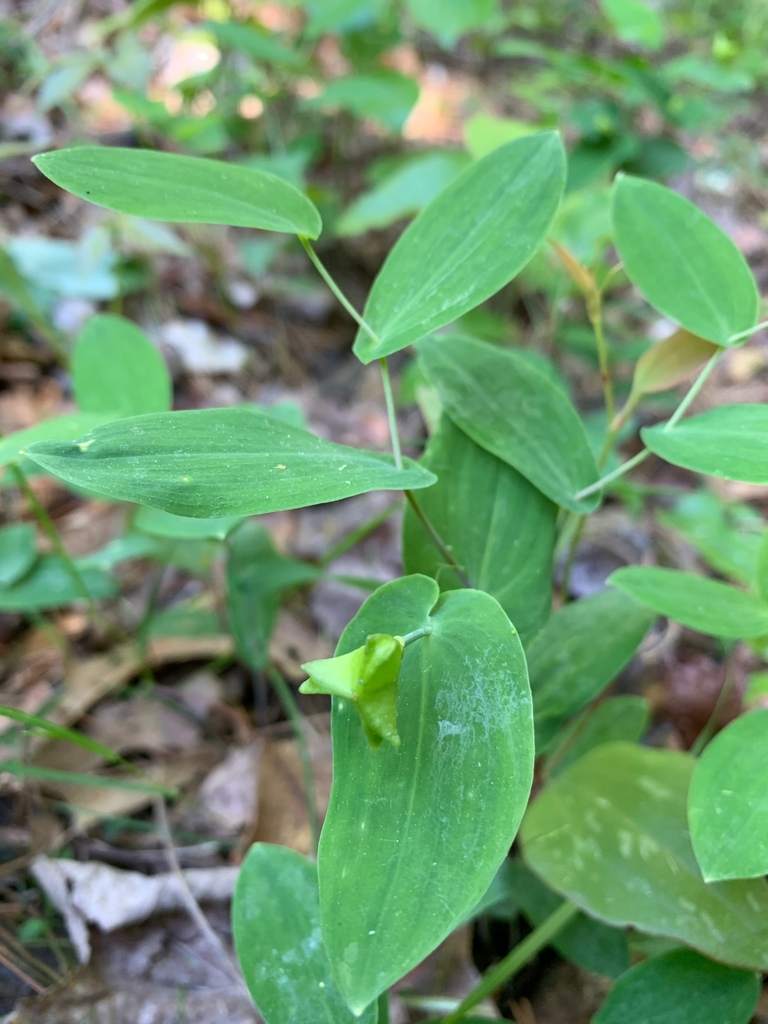
- Perfoliate BellwortUvularia perfoliata
- Green Pyrola, Green-flowered WintergreenPyrola chlorantha
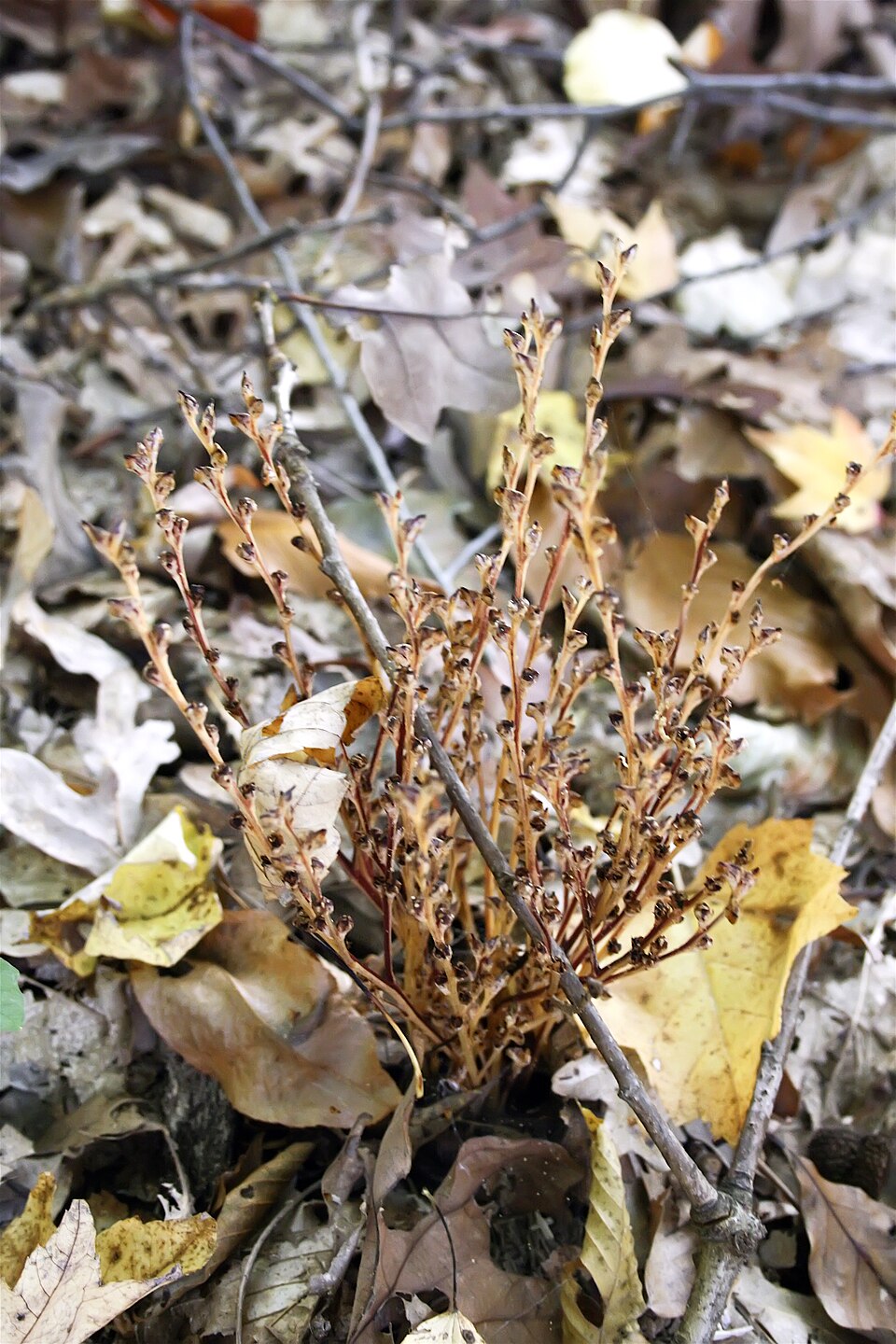
- BeechdropsEpifagus virginiana

Sources
- USGS Gap Analysis Project habitat models (2001)
- USGS GAP winter habitat model for Long-eared Owl
- USGS Gap Analysis Project range maps (2001), modeled by watershed; migratory gives no dates
- NatureServe Explorer (CC BY 4.0), habitat names
- US Census TIGER/Line counties
- Names follow the USGS Gap Analysis Project (2001)