

Bird
Blackburnian Warbler
Dendroica fusca
A summer resident that nests in West Virginia. Found in all 55 counties, across 6 habitats.
- Here
- Summer and on migration
- Nesting
- Nests here
- Range
- All 55 counties
- Habitats
- 6
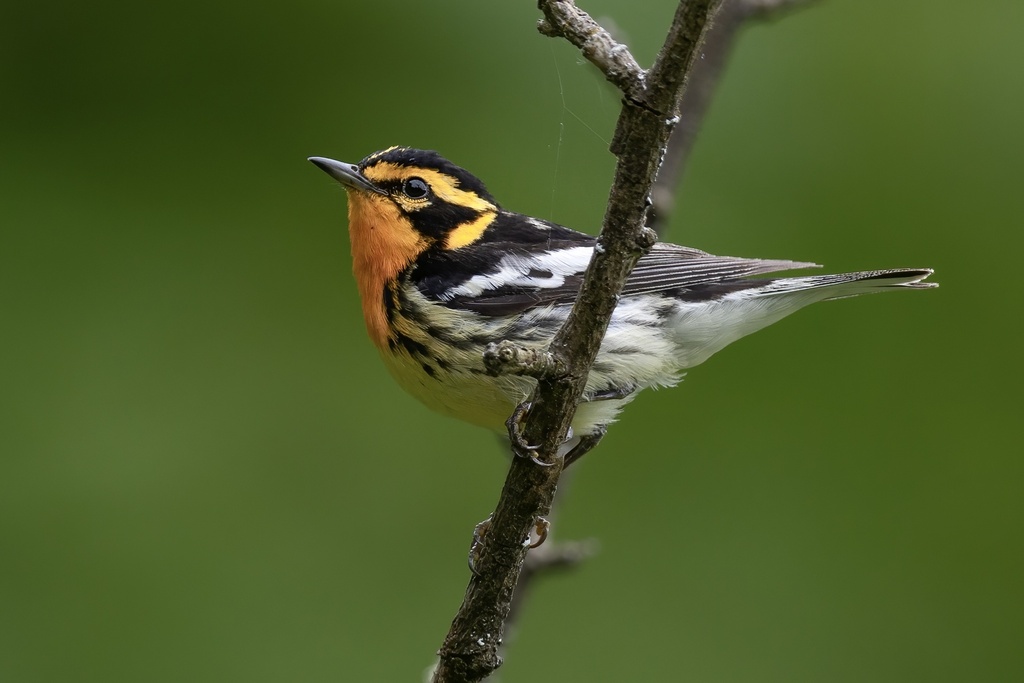
At a glance
- Group
- Birds
- Here
- Summer and on migration
- Nesting
- Nests here
- Range
- All 55 counties
- Habitats
- 6
- Habitat models
- Summer
Where it lives
The places its habitat model includes. It is not found everywhere a habitat occurs.
Habitats in West Virginia 6
Each habitat page lists the plants and wildlife also found there.
Forests and open woodlands on dry ridges and slopes, often oak or pine.
Shady, evergreen forests of eastern or Carolina hemlock, often along rocky mountain streams and in gorges.
Forests between dry and moist, often oak-hickory on slopes.
Forests on moist but not wet ground, such as rich slopes and ravines.
Sheltered, moist mountain hollows and lower slopes with deep, fertile soil.
Cool, evergreen forests of red spruce and Fraser fir on the highest mountains.
Other habitats in its models (6)
Land cover, or classes with no habitat page in West Virginia.
- Central and Southern Appalachian Northern Hardwood Forest Summer.
- Northeastern Interior Dry Oak Forest-Hardwood Modifier Summer.
- Northeastern Interior Dry Oak Forest - Mixed Modifier Summer.
- Southern Interior Low Plateau Dry-Mesic Oak Forest Summer.
- Northern Atlantic Coastal Plain Dry Hardwood Forest Summer.
- Southern Ridge and Valley Dry Calcareous Forest Summer.
Seasons in West Virginia
- Migratory: does not nest here, in 23 of 55 counties.
- Summer: nests here, in 48 of 55 counties.
Also found in this habitat
Plants 464
Plants named in NatureServe descriptions of these habitats that grow in West Virginia. Shared habitat, not food.
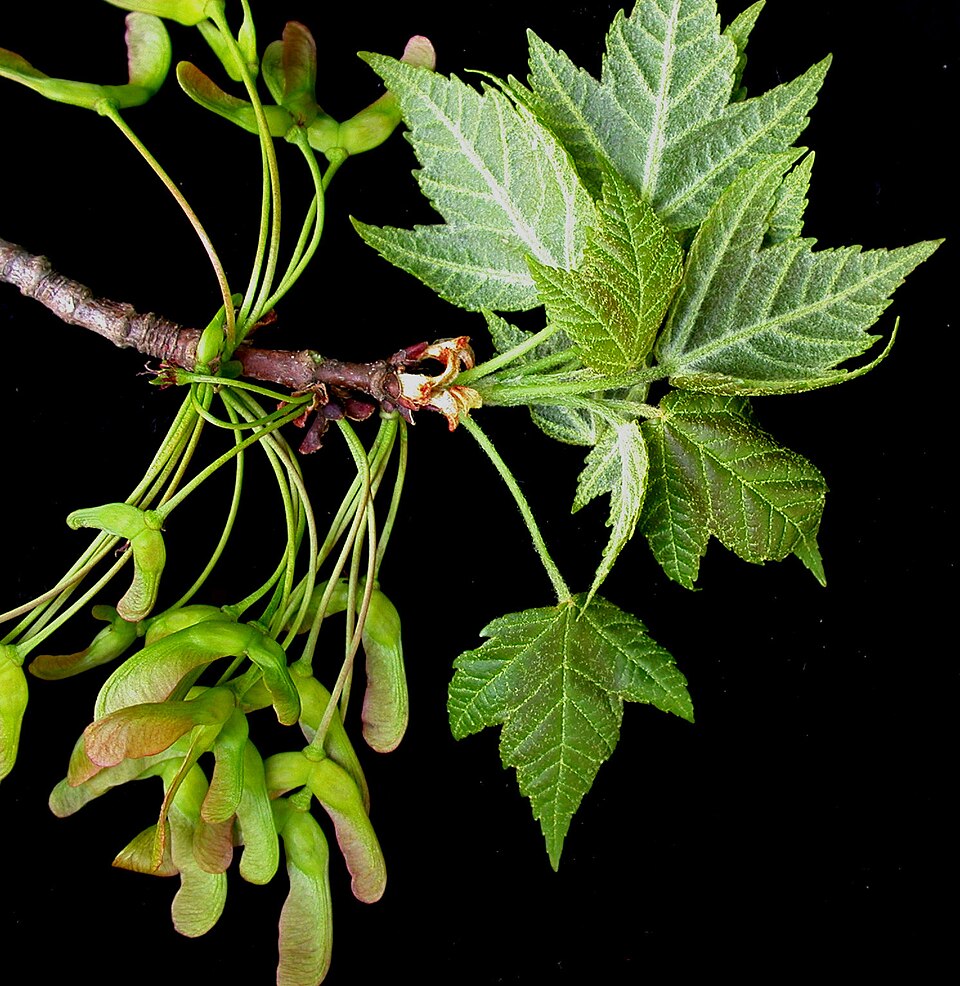
- Red MapleAcer rubrum
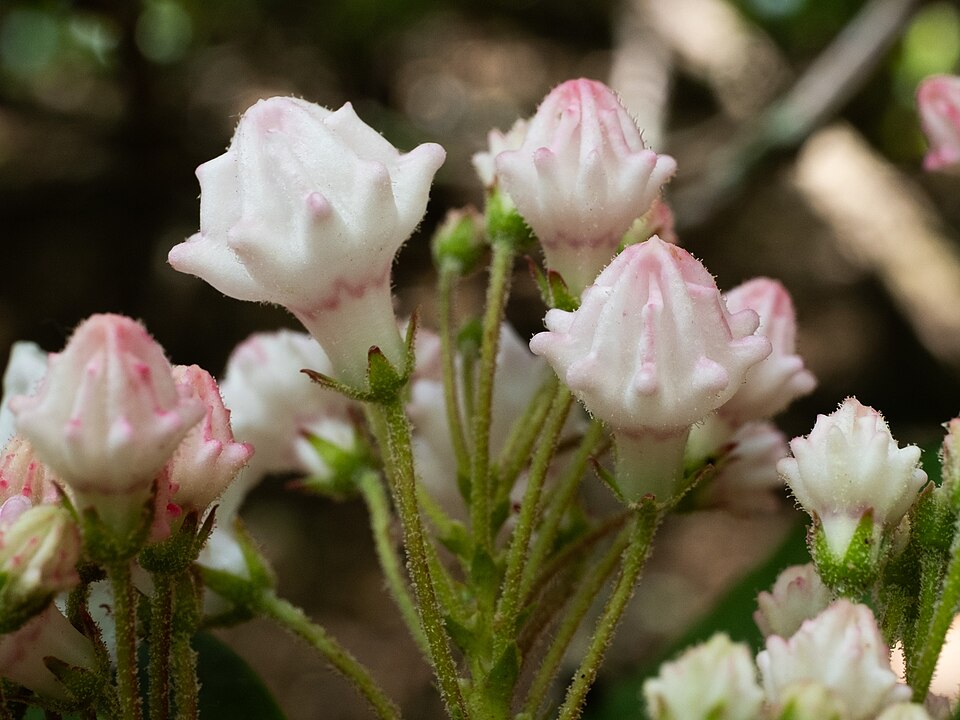
- Mountain LaurelKalmia latifolia
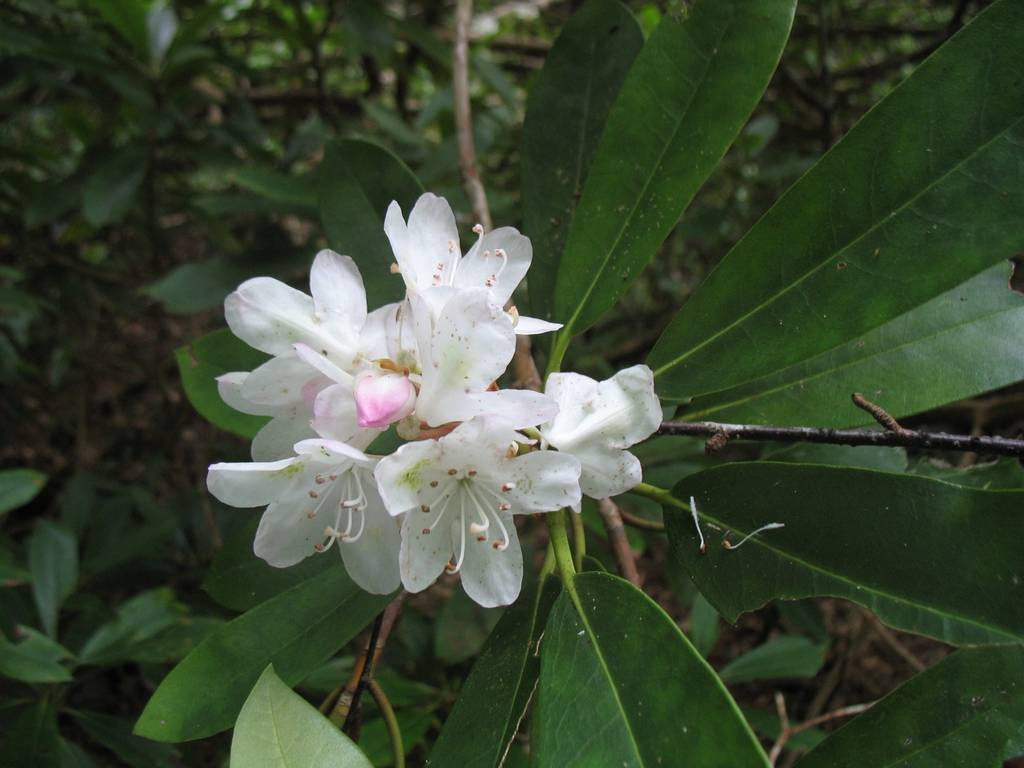
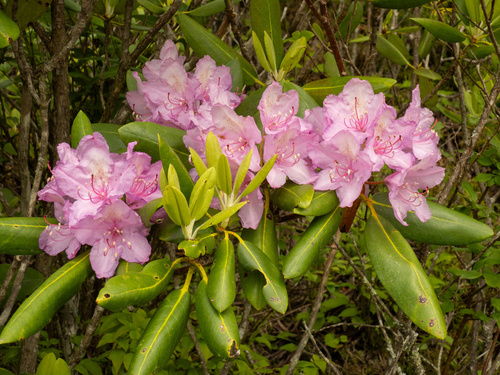
- Rosebay RhododendronRhododendron maximum
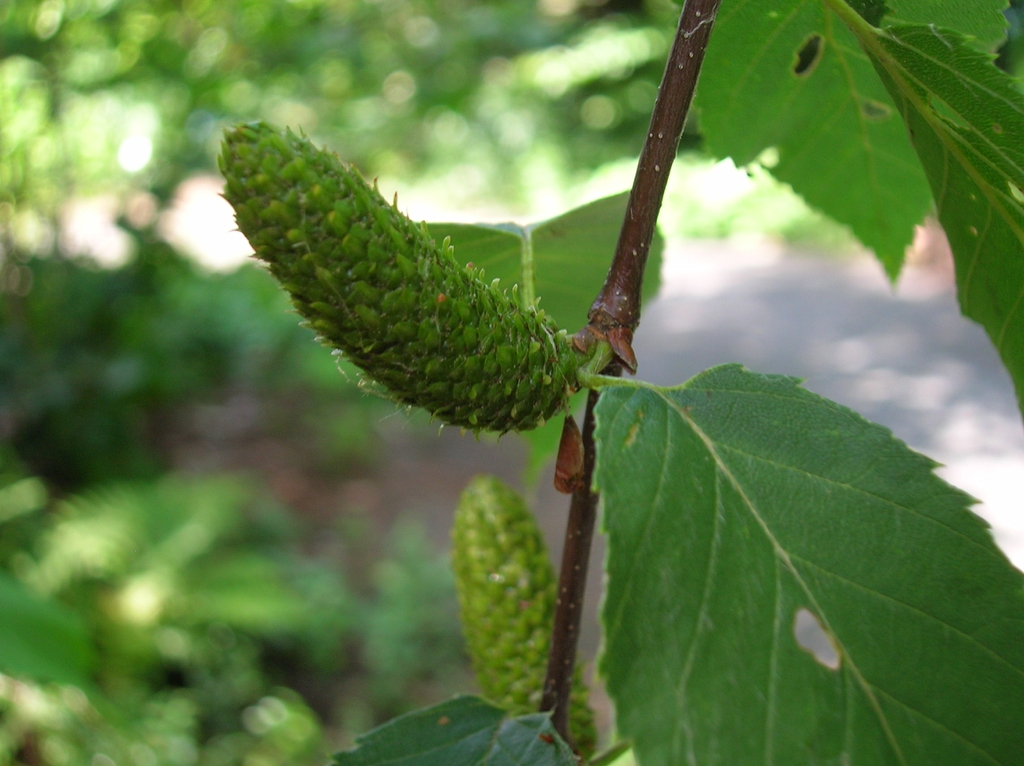
- Sweet BirchBetula lenta
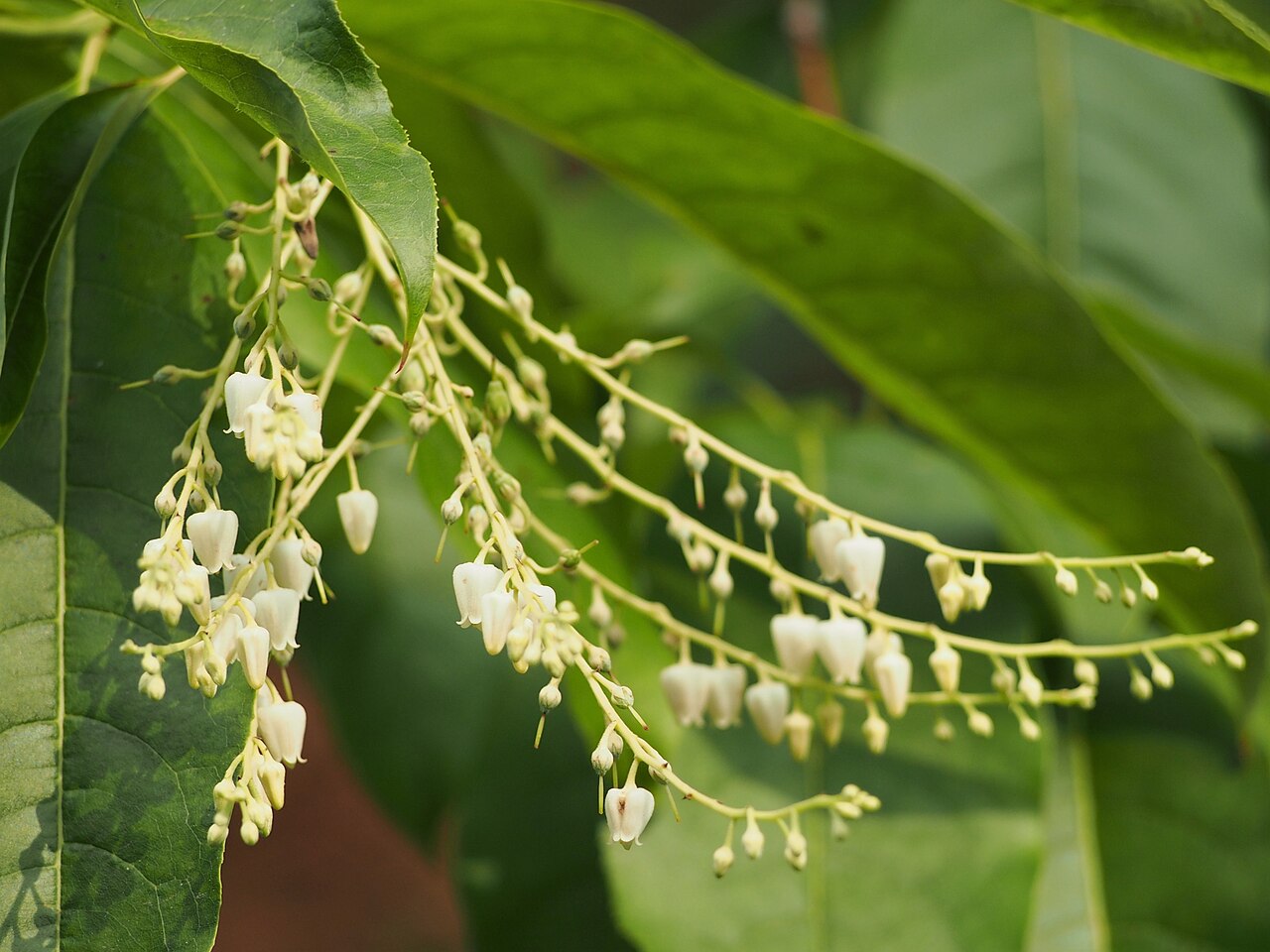
- SourwoodOxydendrum arboreum
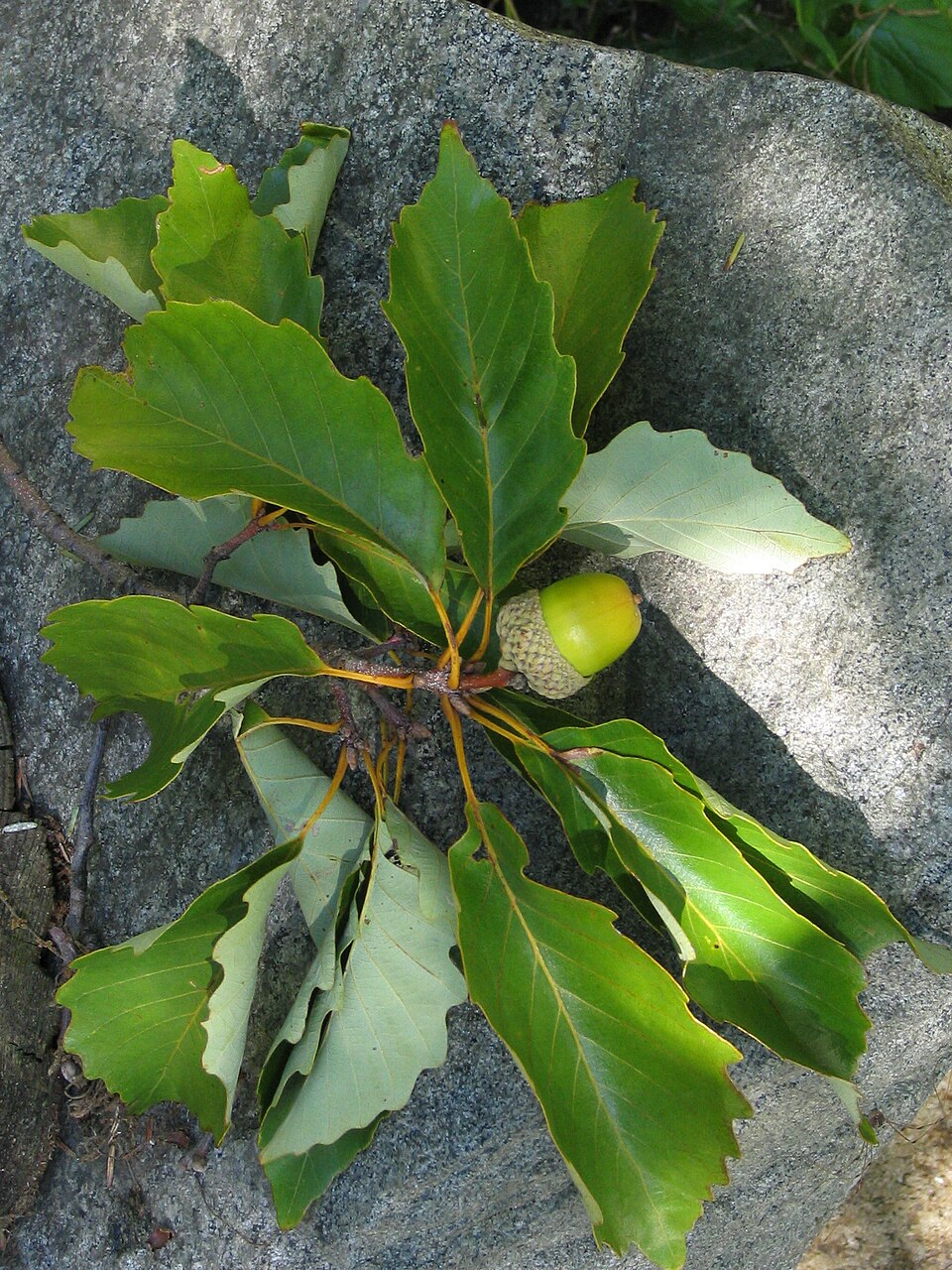
- Chestnut OakQuercus prinus
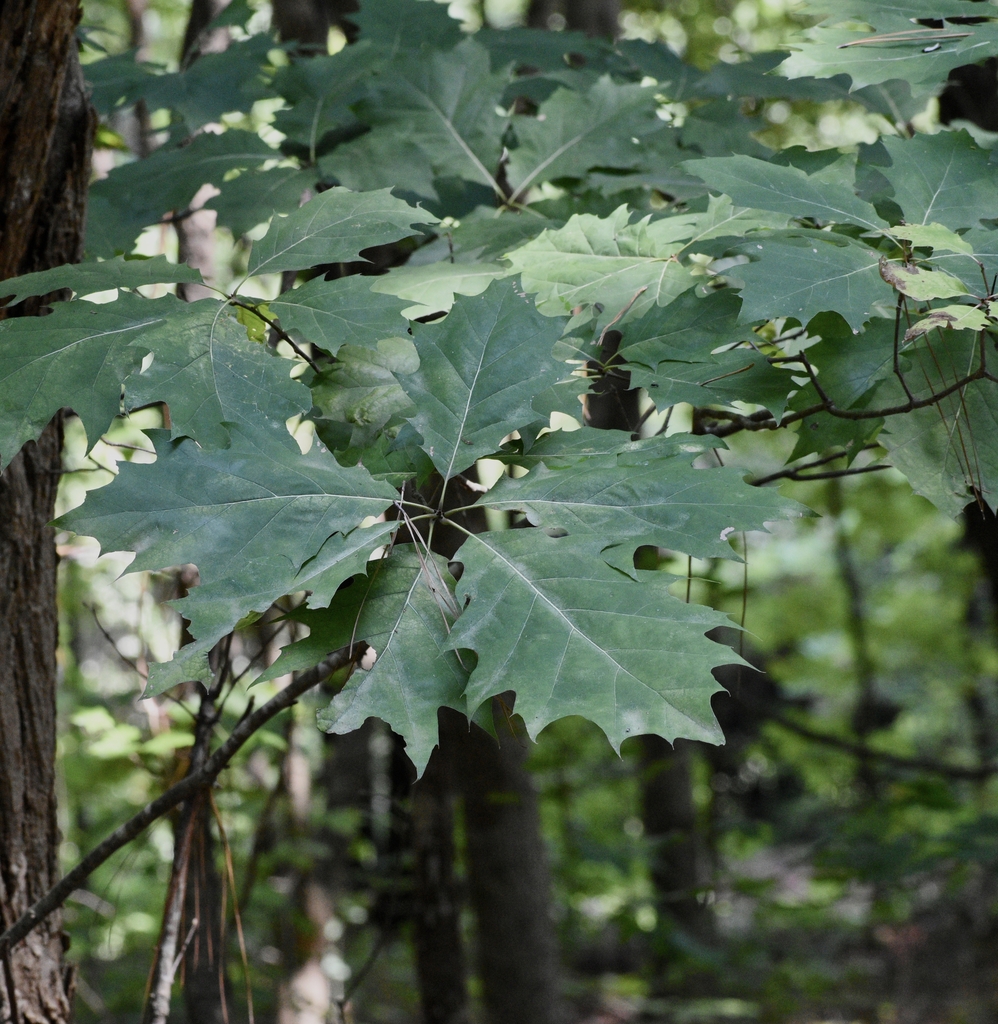
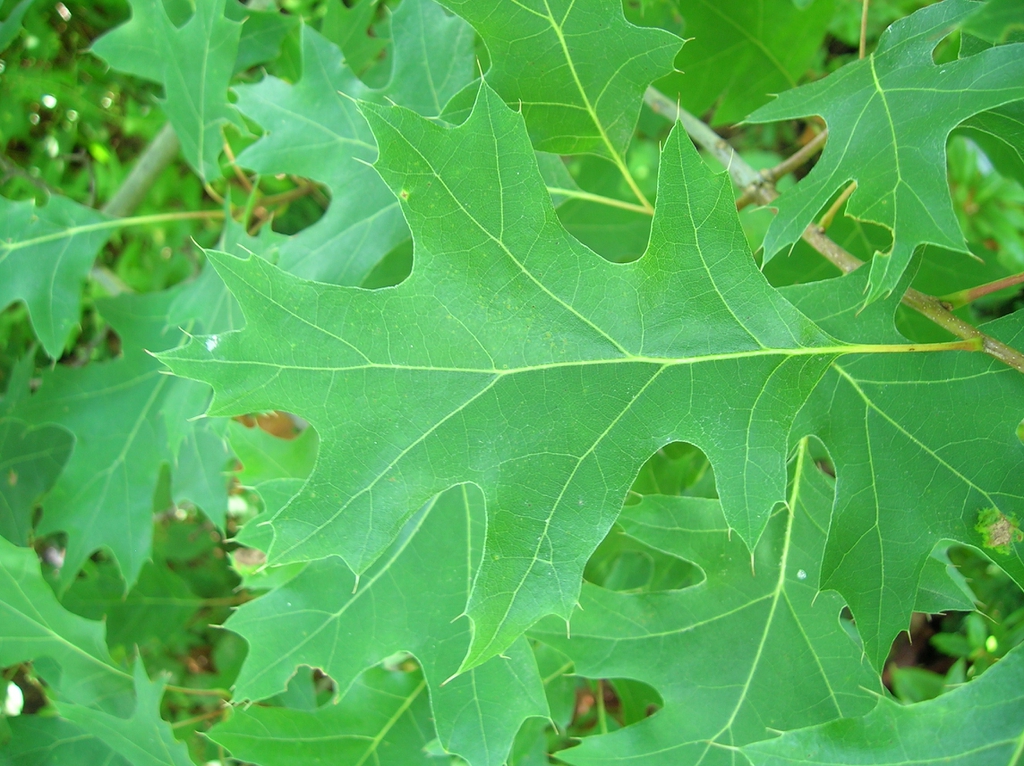
- Northern Red OakQuercus rubra
- Catawba RhododendronRhododendron catawbiense
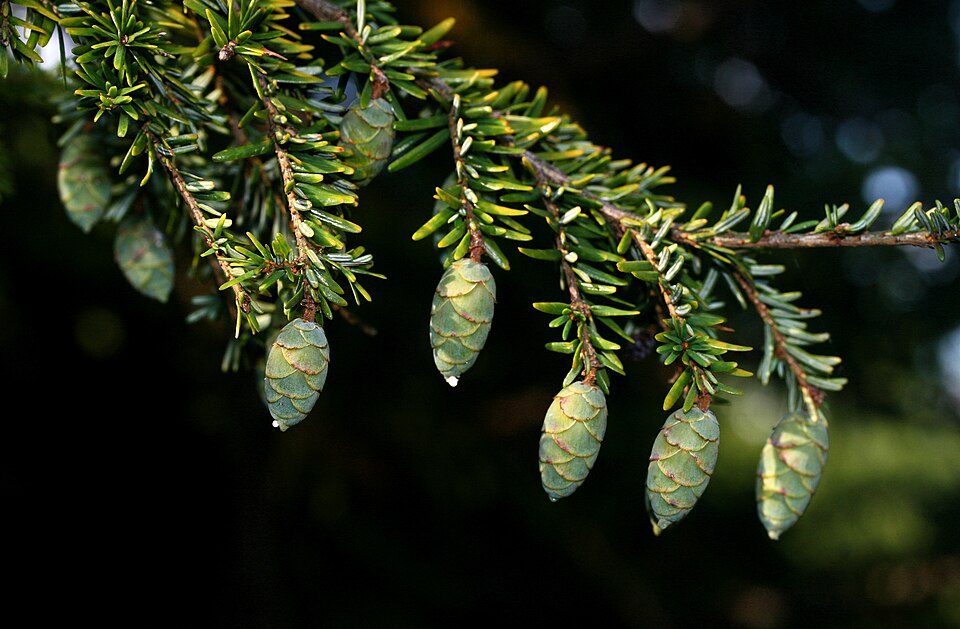
- Eastern HemlockTsuga canadensis
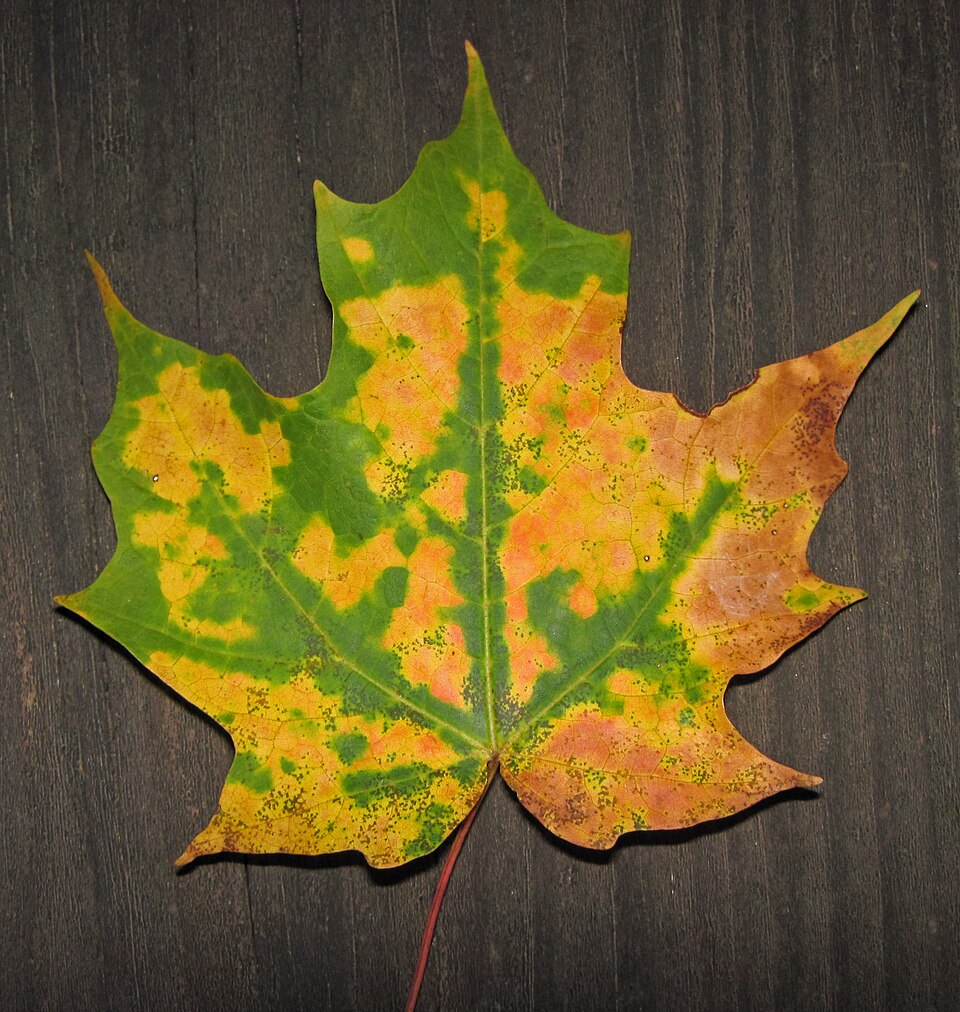
- Sugar MapleAcer saccharum
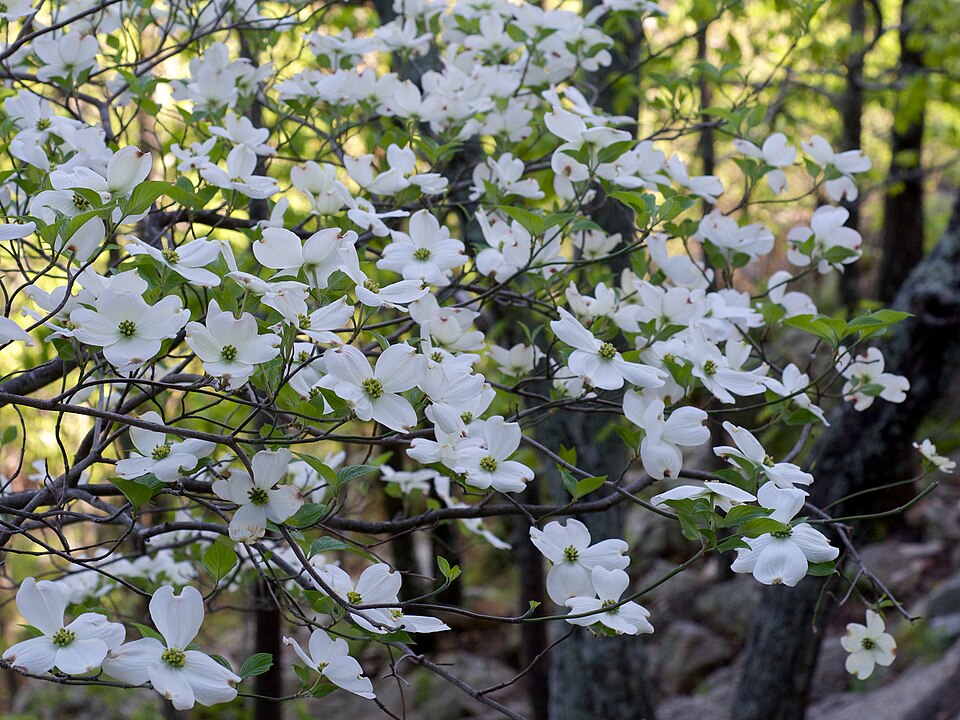
- Flowering DogwoodCornus florida
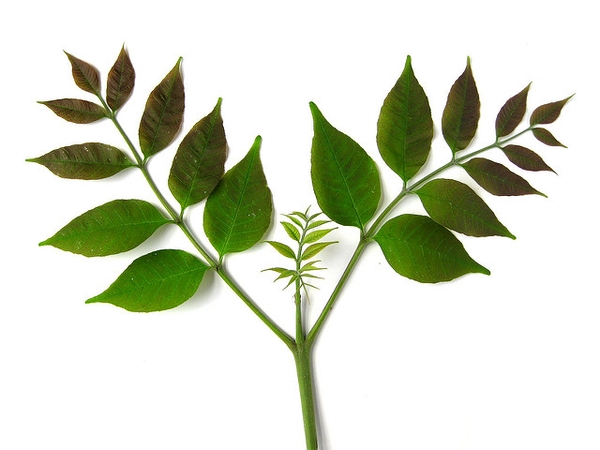
- White AshFraxinus americana
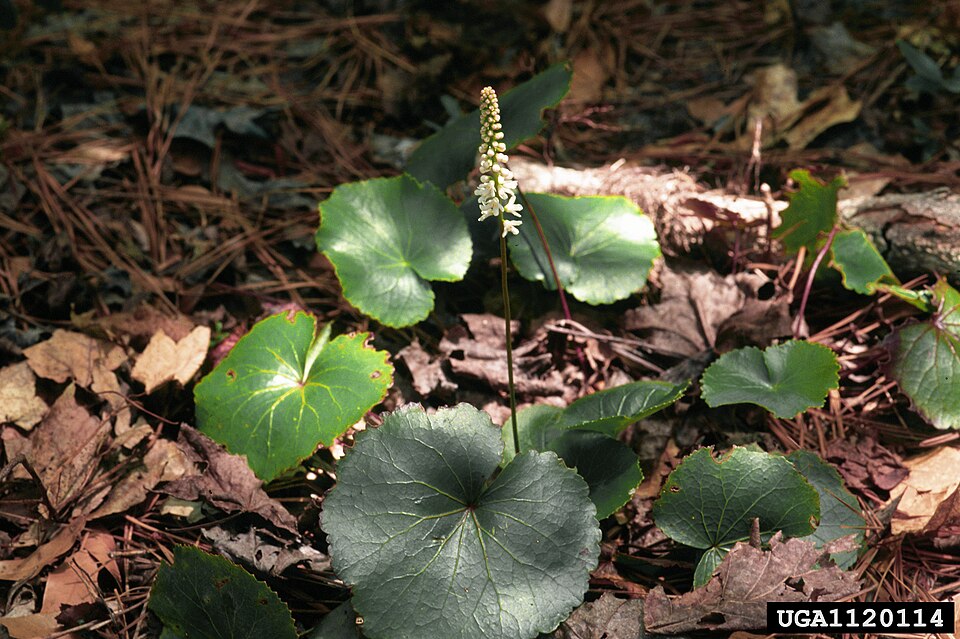
- GalaxGalax urceolata
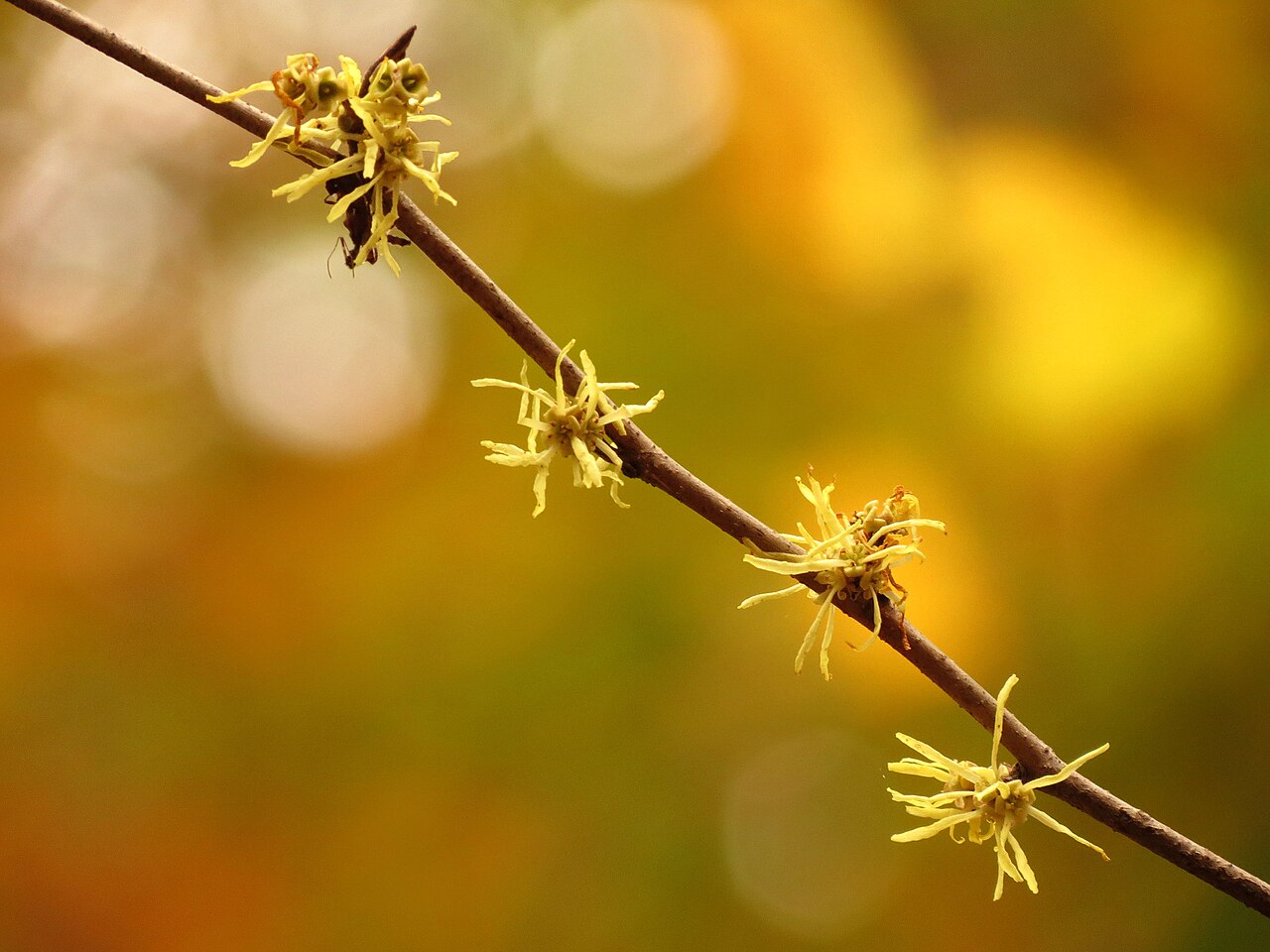
- American Witch-hazelHamamelis virginiana
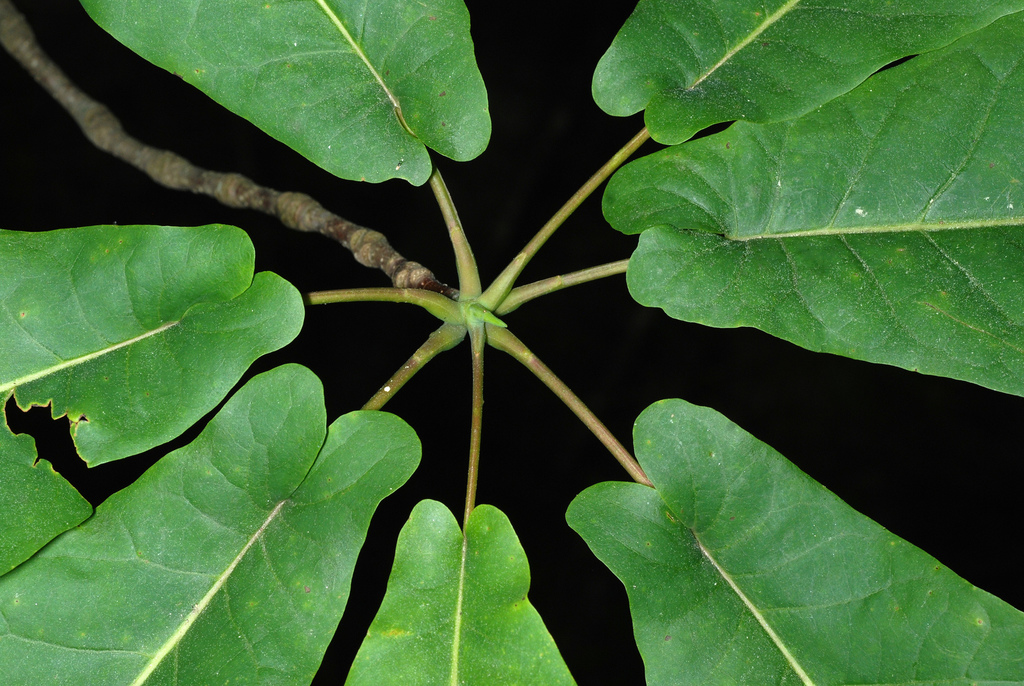
- Fraser MagnoliaMagnolia fraseri
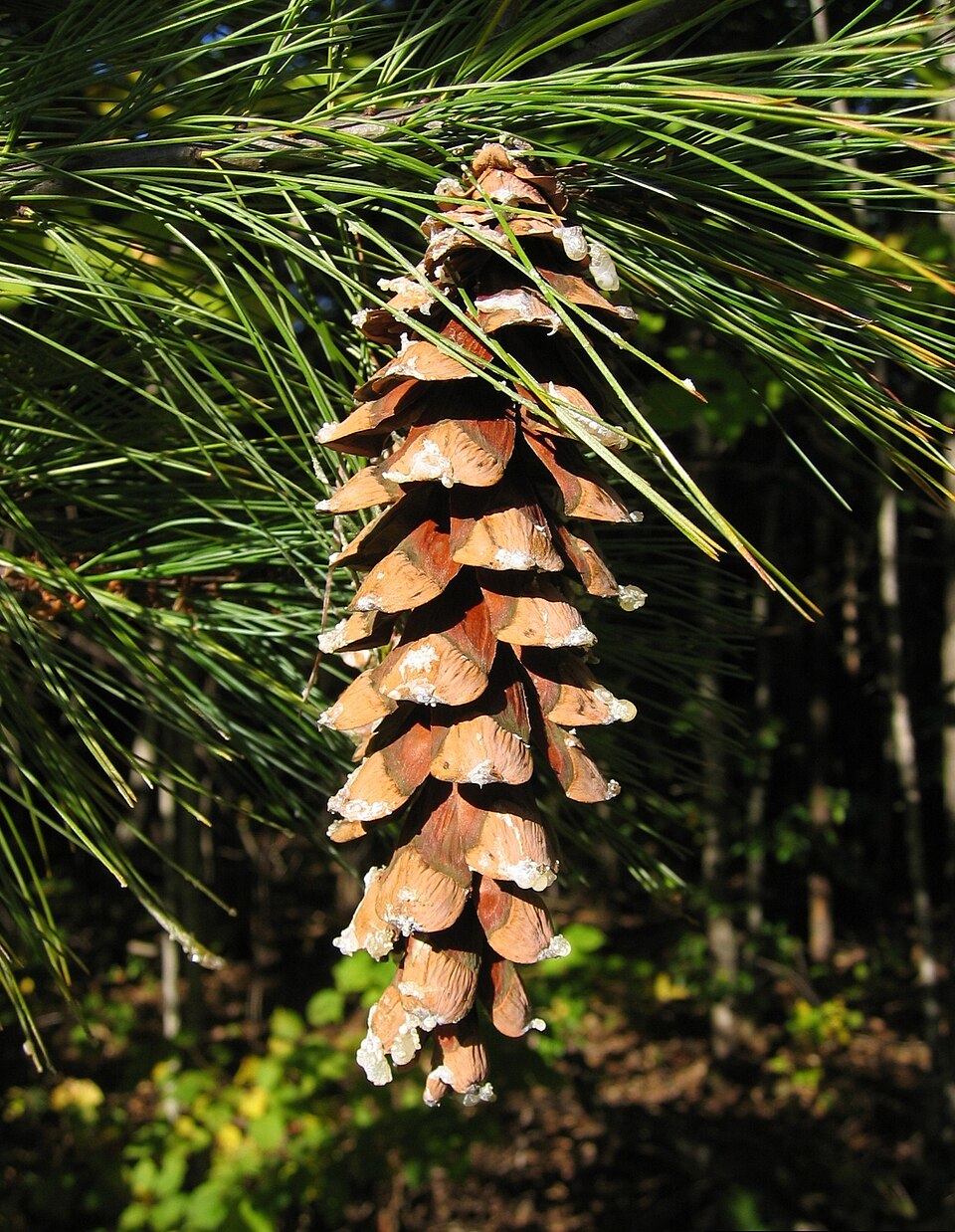
- Eastern White PinePinus strobus
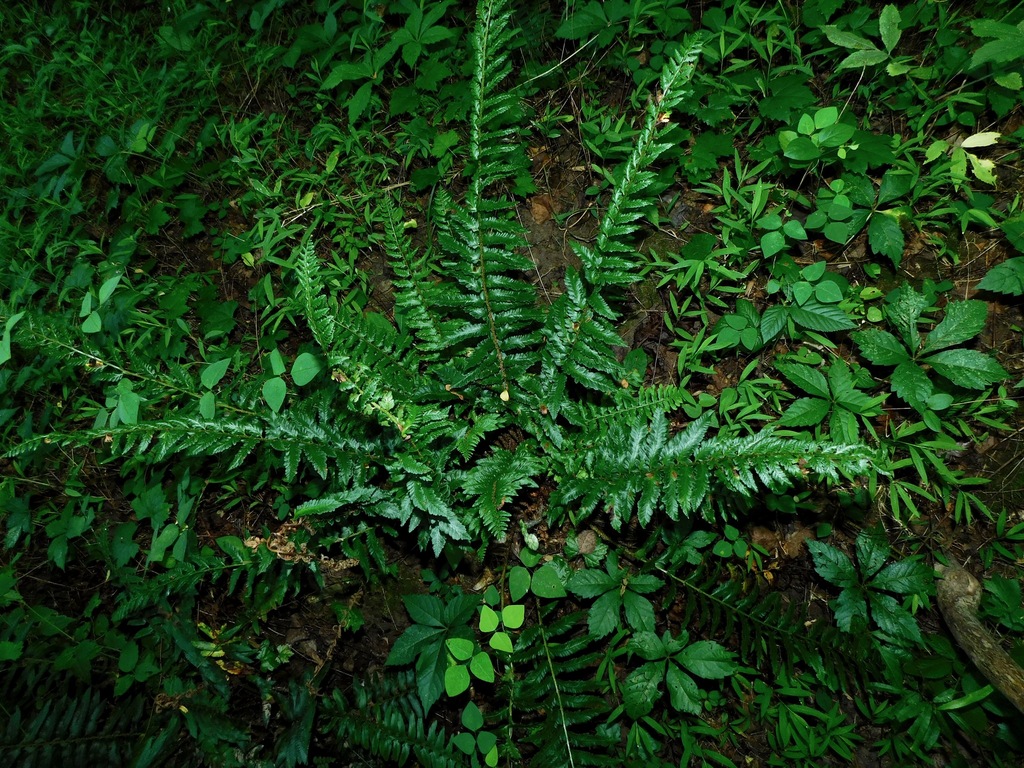
- Christmas FernPolystichum acrostichoides
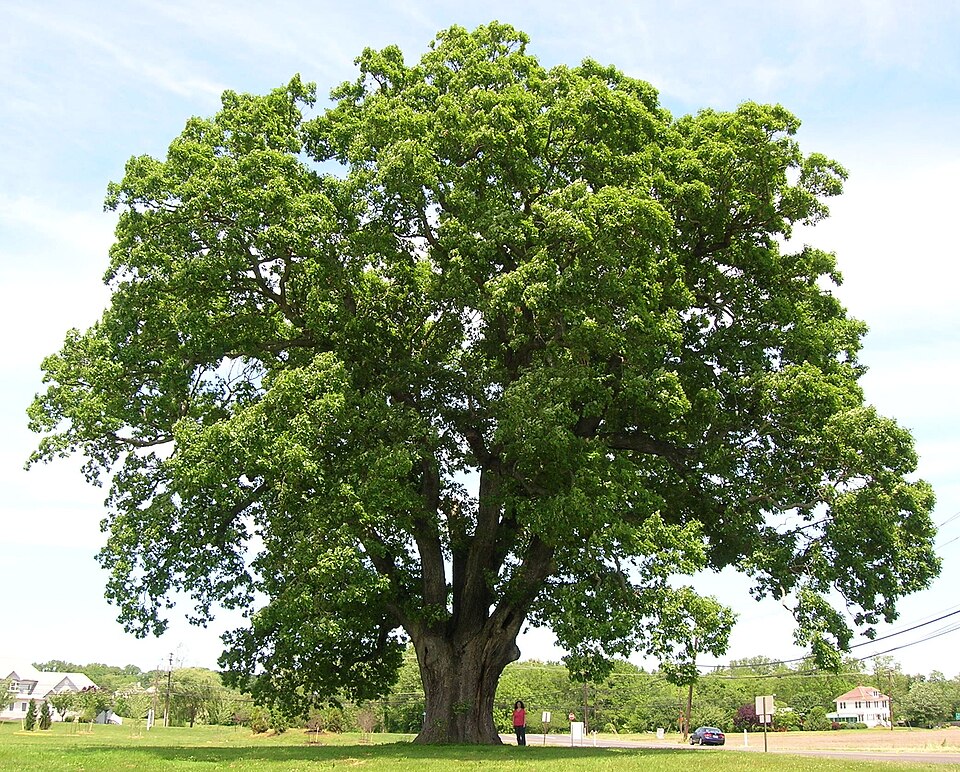
- White OakQuercus alba
- Scarlet OakQuercus coccinea
- Striped MapleAcer pensylvanicum
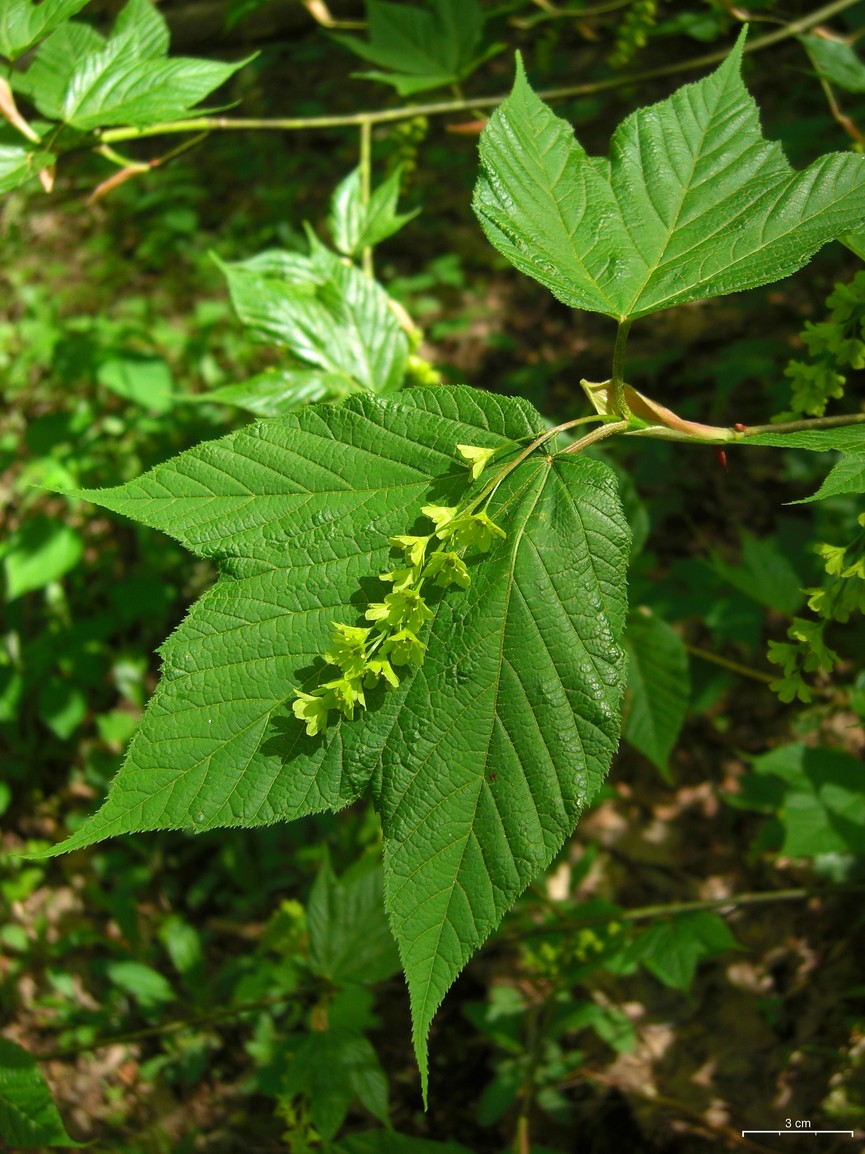
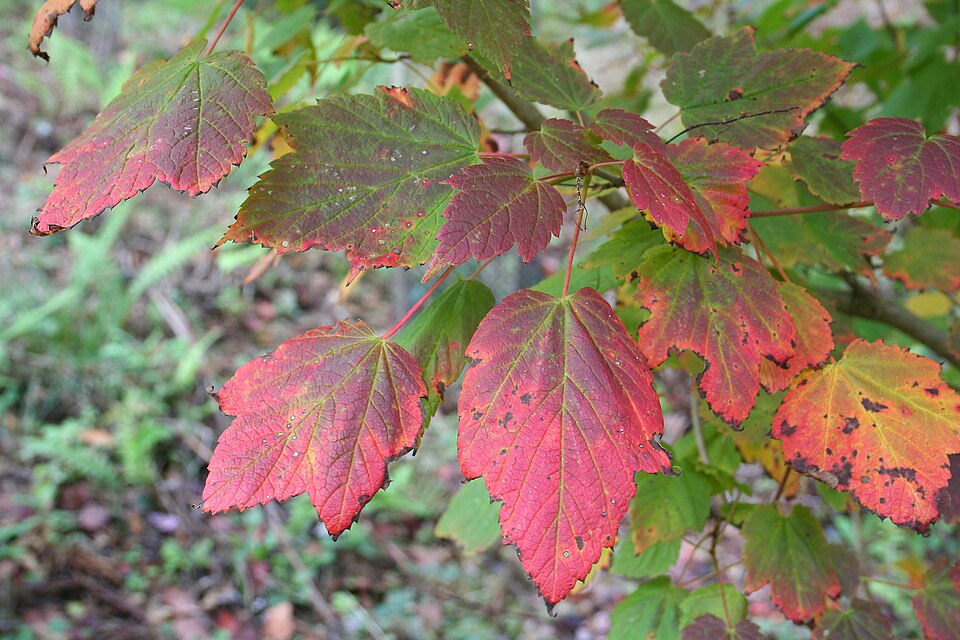
- Mountain MapleAcer spicatum
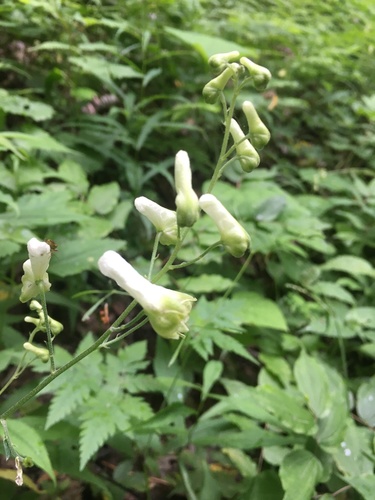
- White MonkshoodAconitum reclinatum
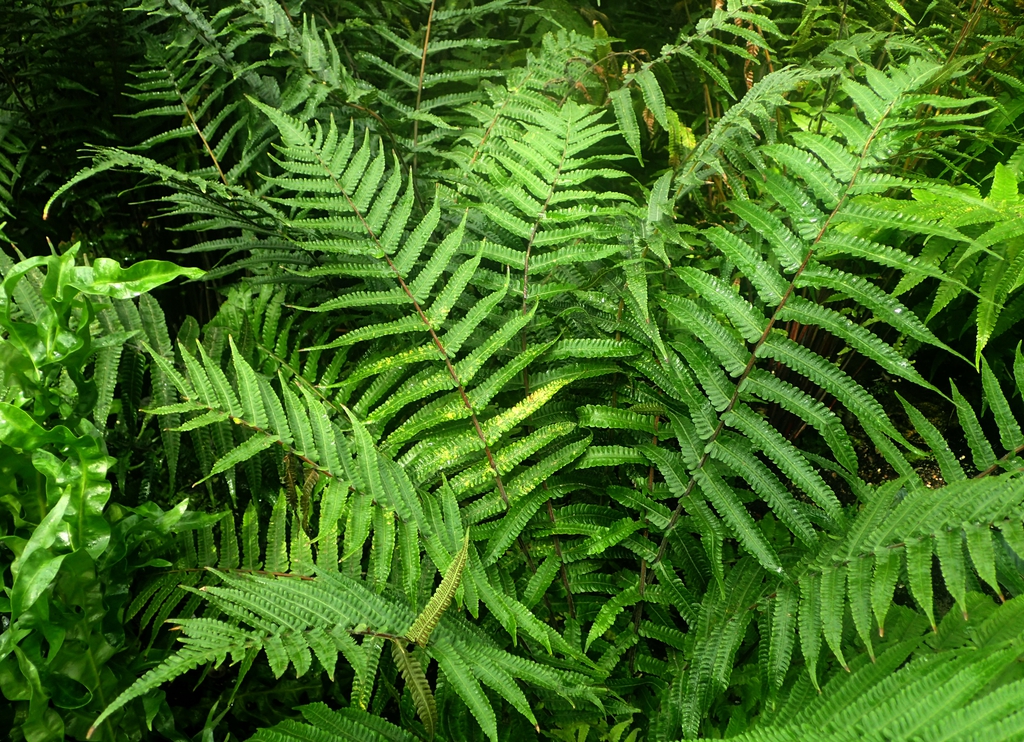
- New York FernAmauropelta noveboracensis
- Common Jack-in-the-pulpitArisaema triphyllum
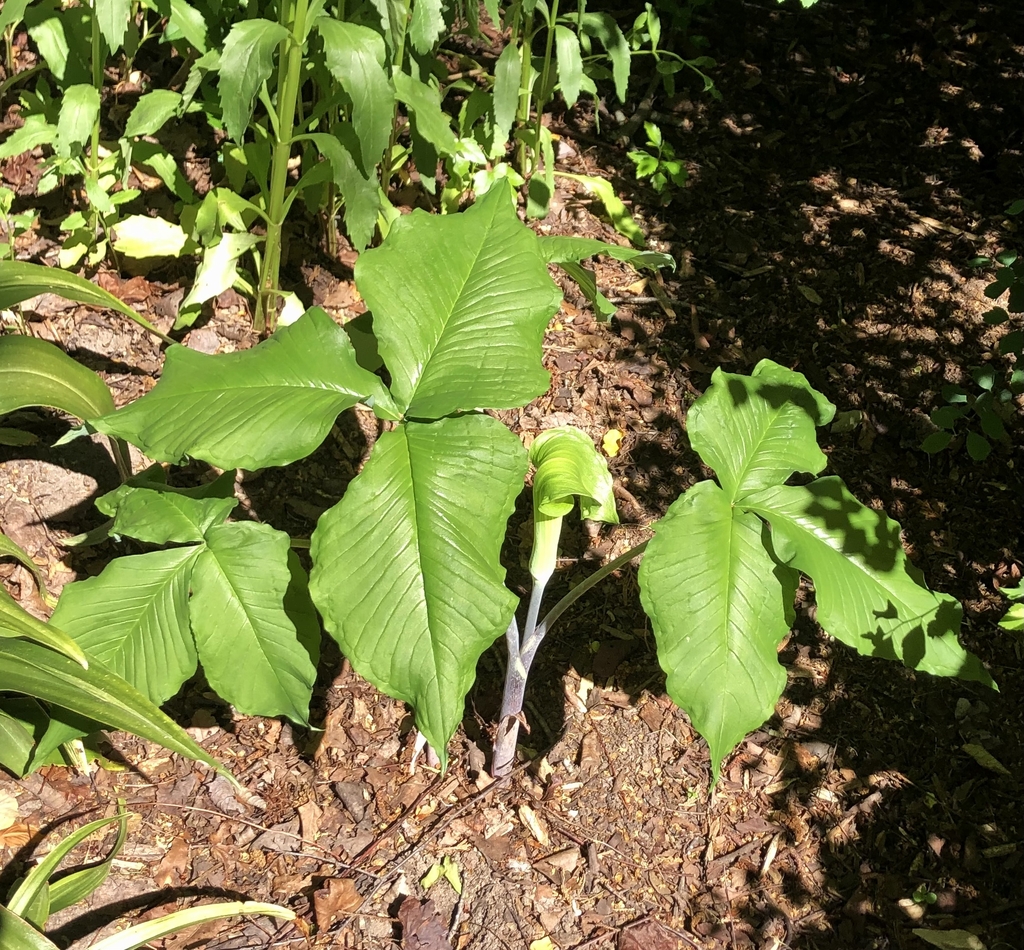
Wildlife 130
Other animals whose habitat models include the same habitats in West Virginia. Not sighting records.
- American CrowCorvus brachyrhynchos
- American GoldfinchCarduelis tristis
- American KestrelFalco sparverius
- American RobinTurdus migratorius
- Baltimore OrioleIcterus galbula
- Belted KingfisherMegaceryle alcyon
- Black-and-White WarblerMniotilta varia
- Black-capped ChickadeePoecile atricapillus
- Black-throated Blue WarblerDendroica caerulescens
- Black-throated Green WarblerDendroica virens
- Blue JayCyanocitta cristata
- Blue-headed VireoVireo solitarius
- Brown CreeperCerthia americana
- Canada WarblerWilsonia canadensis
- Cedar WaxwingBombycilla cedrorum
- Chipping SparrowSpizella passerina
- Common GrackleQuiscalus quiscula
- Common NighthawkChordeiles minor
- Common RavenCorvus corax
- Cooper's HawkAccipiter cooperii
- Dark-eyed JuncoJunco hyemalis
- Eastern TowheePipilo erythrophthalmus
- Eastern Wood-peweeContopus virens
- European StarlingSturnus vulgaris







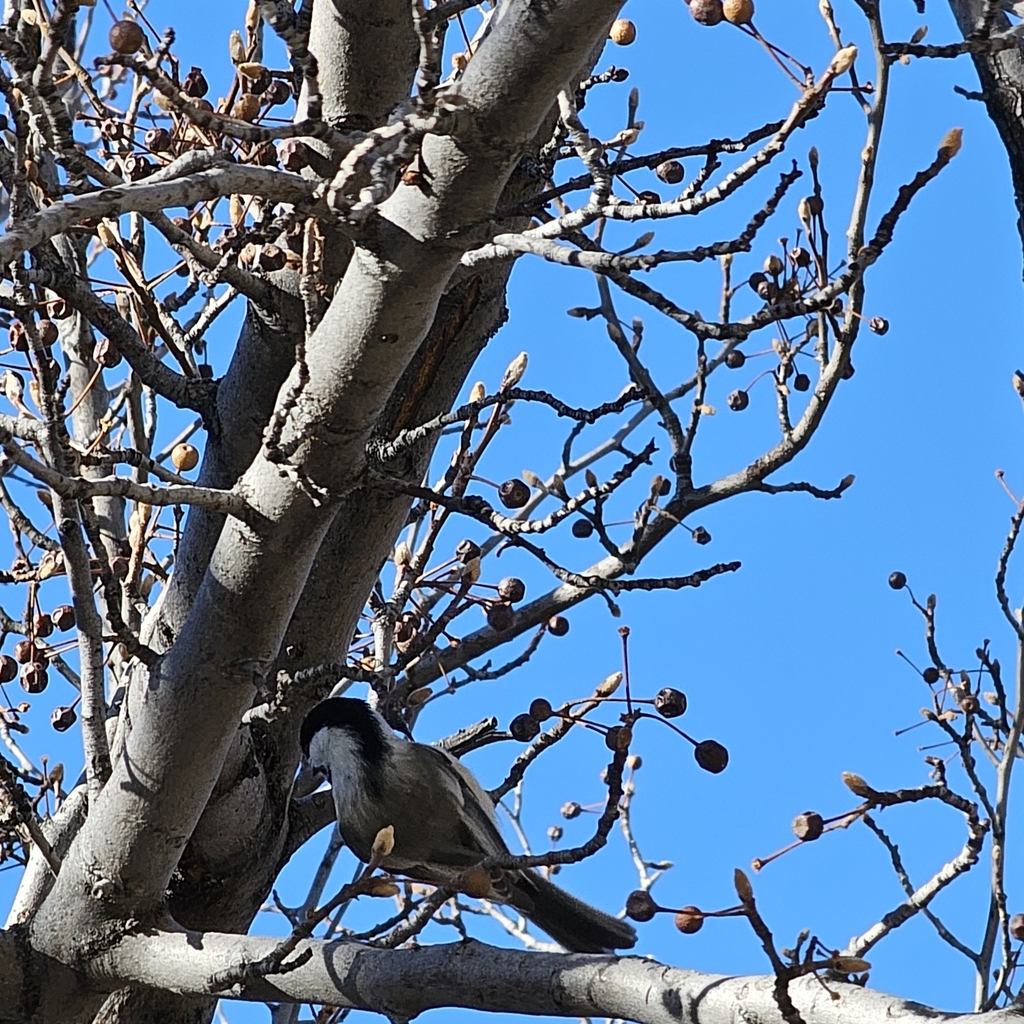

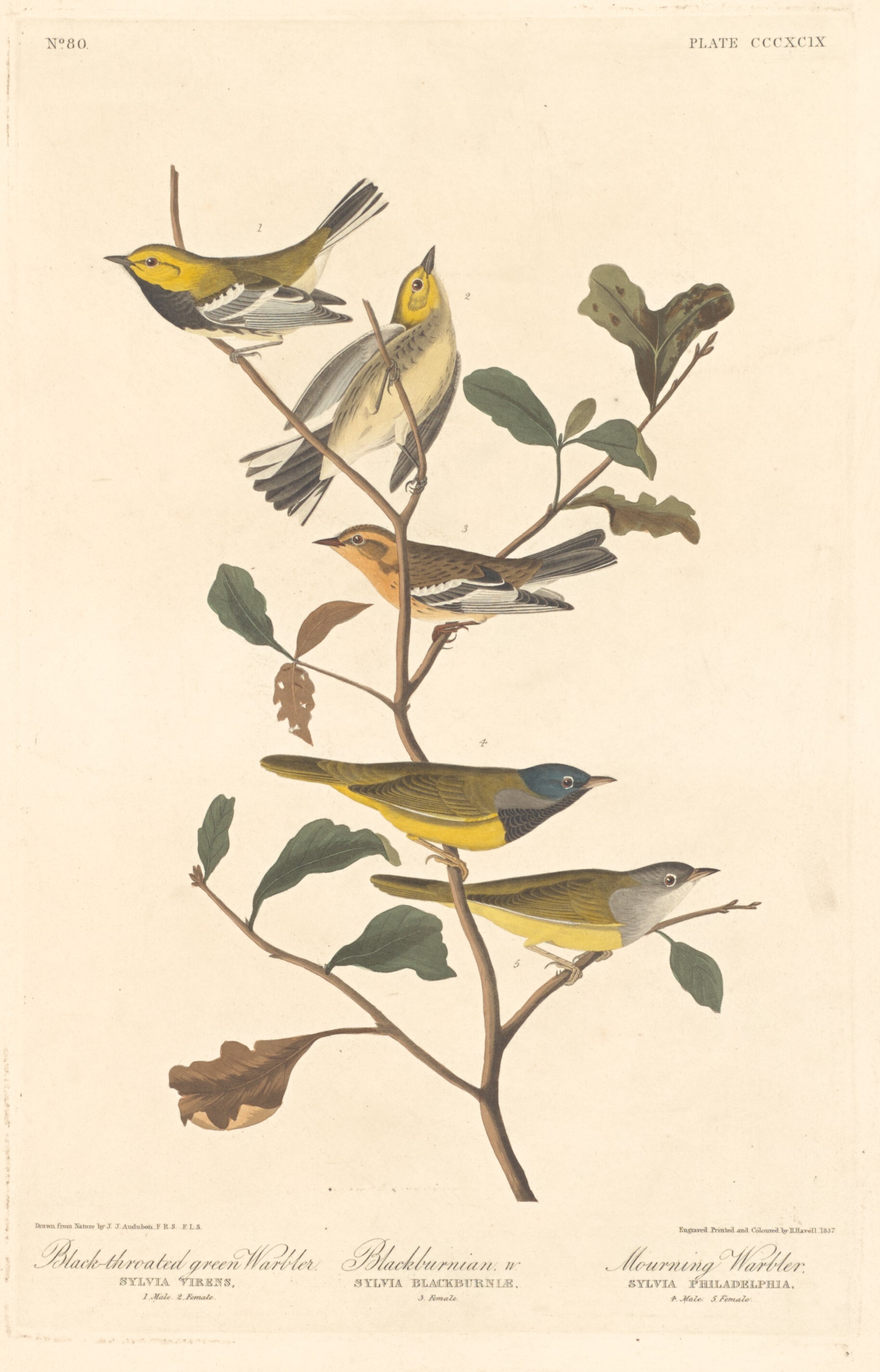

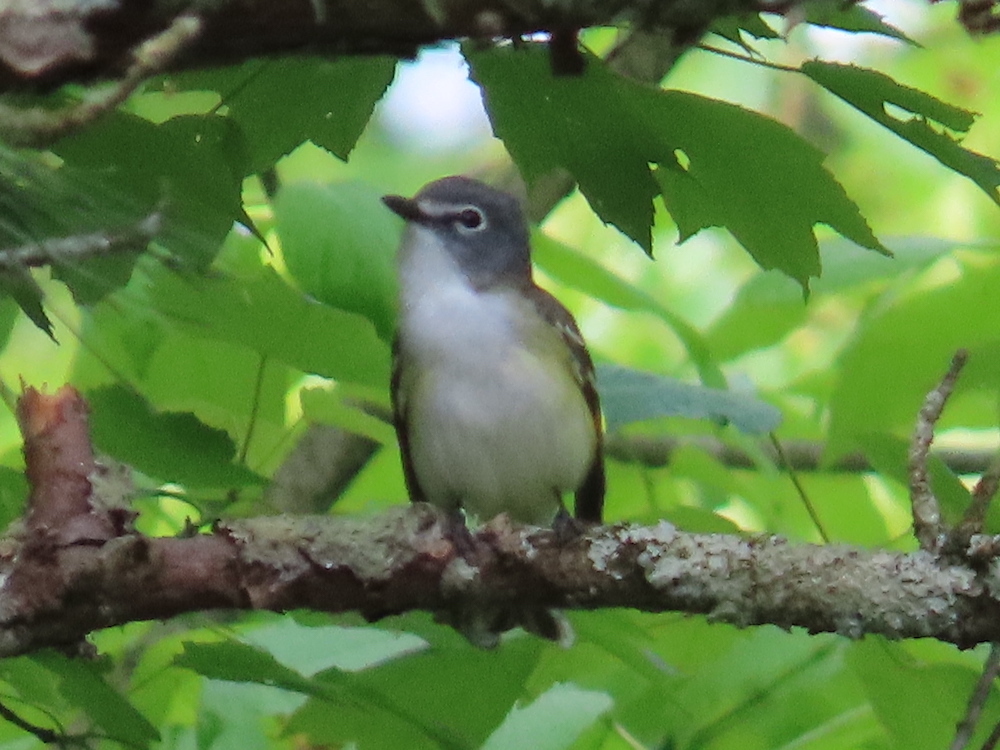

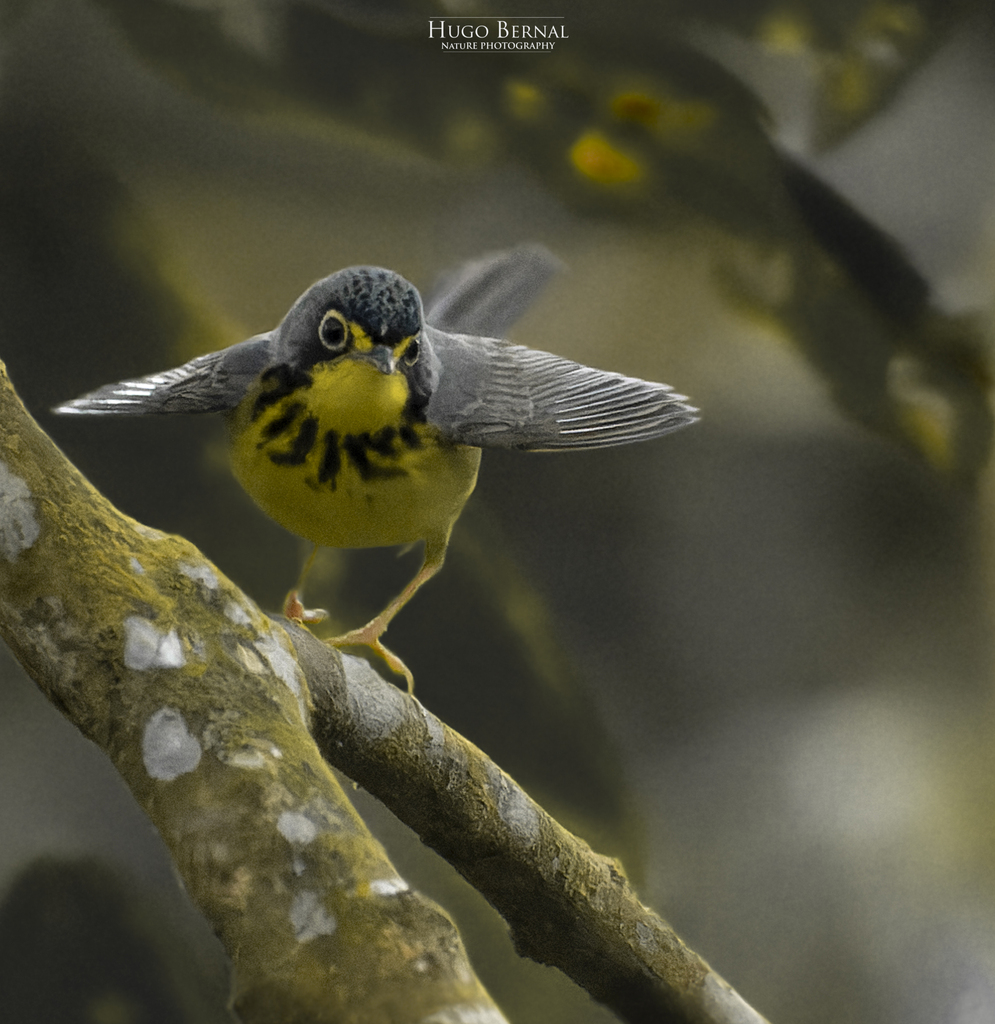







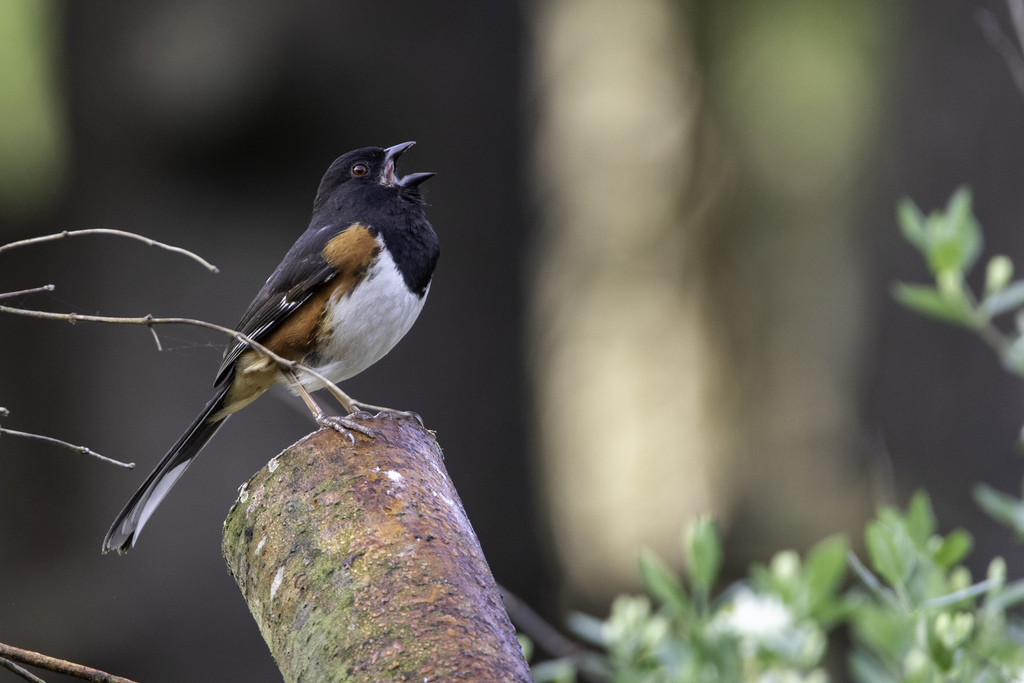
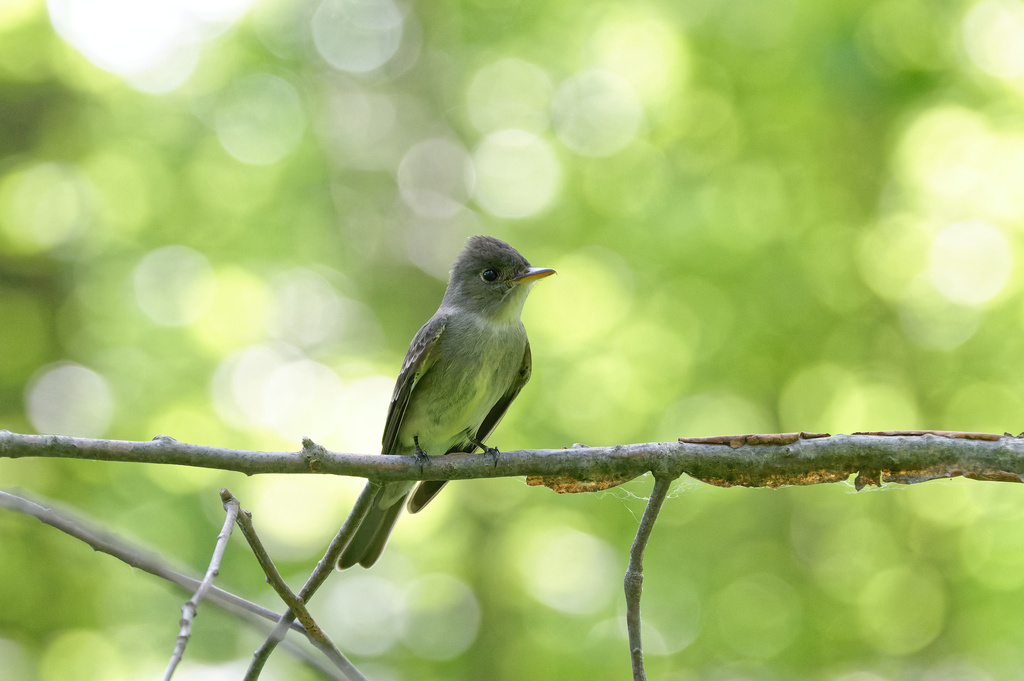

NatureServe Explorer, CC BY 4.0. USGS Gap Analysis Project habitat models.
Sources
- USGS Gap Analysis Project habitat models (2001)
- USGS GAP summer habitat model for Blackburnian Warbler Elevation 480 to 2,500 m
- USGS Gap Analysis Project range maps (2001), modeled by watershed; migratory gives no dates
- NatureServe Explorer (CC BY 4.0), habitat names
- US Census TIGER/Line counties
- Names follow the USGS Gap Analysis Project (2001)