

Bird
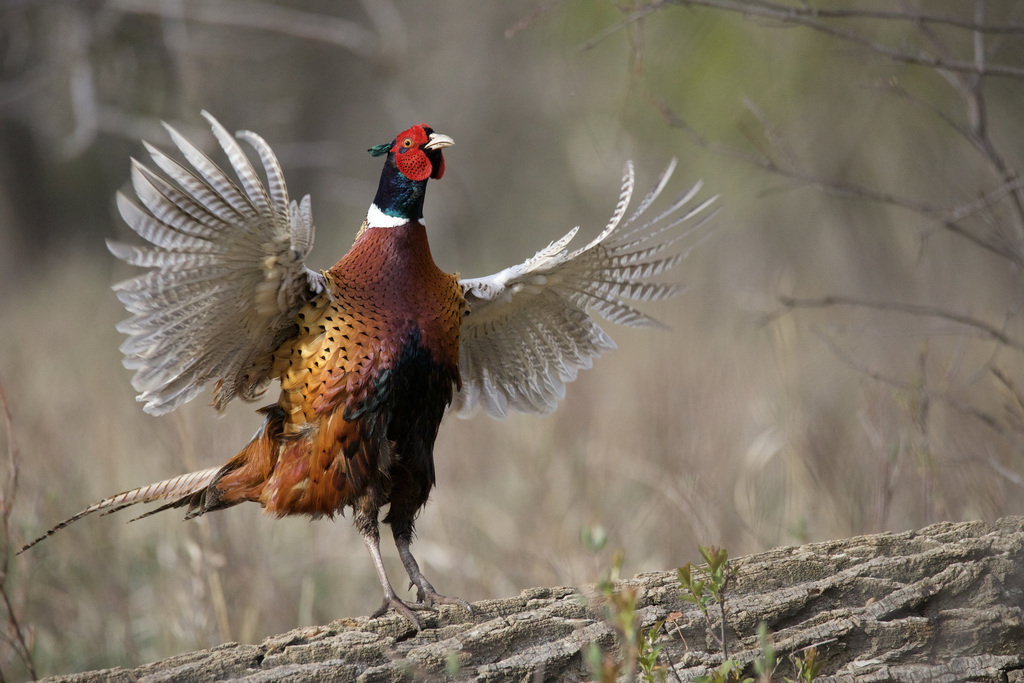
Ring-necked Pheasant
Phasianus colchicus
Lives in West Virginia all year and nests here. Found in 19 of 55 counties, across 3 habitats.
- Here
- All year
- Nesting
- Nests here
- Range
- 19 of 55 counties
- Habitats
- 3
At a glance
- Group
- Birds
- Here
- All year
- Nesting
- Nests here
- Range
- 19 of 55 counties
- Habitats
- 3
- Habitat models
- Year-round
Where it lives
The places its habitat model includes. It is not found everywhere a habitat occurs.
Habitats in West Virginia 3
Each habitat page lists the plants and wildlife also found there.
Roadsides, fields and disturbed ground
Ground opened by people: roadsides, old fields, pastures, fencerows and lots.
Disturbed and introduced wetlands
Wet ground taken over by weedy or introduced plants after disturbance, such as common reed, Chinese tallow or tamarisk stands; the upland counterpart is roadsides, fields and disturbed ground.
Borders of forests, clearings and shrubby thickets.
Other habitats in its models (34)
Land cover, or classes with no habitat page in West Virginia.
- Western Great Plains Wooded Draw and Ravine Year-round, beside its main habitat.
- West Gulf Coastal Plain Catahoula Barrens Year-round.
- Central Mixedgrass Prairie Year-round.
- North-Central Interior Sand and Gravel Tallgrass Prairie Year-round.
- Central Tallgrass Prairie Year-round.
- Southern Blackland Tallgrass Prairie Year-round.
- Southeastern Great Plains Tallgrass Prairie Year-round.
- West Gulf Coastal Plain Northern Calcareous Prairie Year-round.
- West Gulf Coastal Plain Southern Calcareous Prairie Year-round.
- Atlantic Coastal Plain Southern Dune and Maritime Grassland Year-round.
- Texas-Louisiana Coastal Prairie Year-round.
- Central and Upper Texas Coast Dune and Coastal Grassland Year-round.
- Harvested Forest - Grass/Forb Regeneration Year-round, beside its main habitat.
- Introduced Upland Vegetation - Forbland Year-round.
- Introduced Upland Vegetation - Annual Grassland Year-round.
- Introduced Upland Vegetation - Perennial Grassland Year-round.
- Modified/Managed Southern Tall Grassland Year-round.
- Atlantic Coastal Plain Central Salt and Brackish Tidal Marsh Year-round, beside its main habitat.
- Atlantic Coastal Plain Embayed Region Tidal Salt and Brackish Marsh Year-round, beside its main habitat.
- Atlantic Coastal Plain Northern Tidal Salt Marsh Year-round, beside its main habitat.
- Atlantic Coastal Plain Large Natural Lakeshore Year-round, beside its main habitat.
- Gulf and Atlantic Coastal Plain Tidal Marsh Systems Year-round, beside its main habitat.
- Central Interior and Appalachian Shrub-Herbaceous Wetland Systems Year-round, beside its main habitat.
- Atlantic Coastal Plain Embayed Region Tidal Freshwater Marsh Year-round, beside its main habitat.
- Atlantic Coastal Plain Central Fresh-Oligohaline Tidal Marsh Year-round, beside its main habitat.
- Atlantic and Gulf Coastal Plain Interdunal Wetland Year-round, beside its main habitat.
- East Gulf Coastal Plain Savanna and Wet Prairie Year-round, beside its main habitat.
- Texas Saline Coastal Prairie Year-round.
- Eastern Great Plains Wet Meadow, Prairie, and Marsh Year-round, beside its main habitat.
- Western Great Plains Depressional Wetland Systems Year-round, beside its main habitat.
- East Gulf Coastal Plain Southern Depression Pondshore Year-round, beside its main habitat.
- Atlantic Coastal Plain Depression Pondshore Year-round, beside its main habitat.
- South-Central Interior Large Floodplain - Herbaceous Modifier Year-round, beside its main habitat.
- Texas-Louisiana Coastal Prairie Slough Year-round, beside its main habitat.
Seasons in West Virginia
- Year-round: nests here, in 19 of 55 counties.
Also found in this habitat
Wildlife 198
Other animals whose habitat models include the same habitats in West Virginia. Not sighting records.
- Alder FlycatcherEmpidonax alnorum
- American CrowCorvus brachyrhynchos
- American GoldfinchCarduelis tristis
- American RobinTurdus migratorius
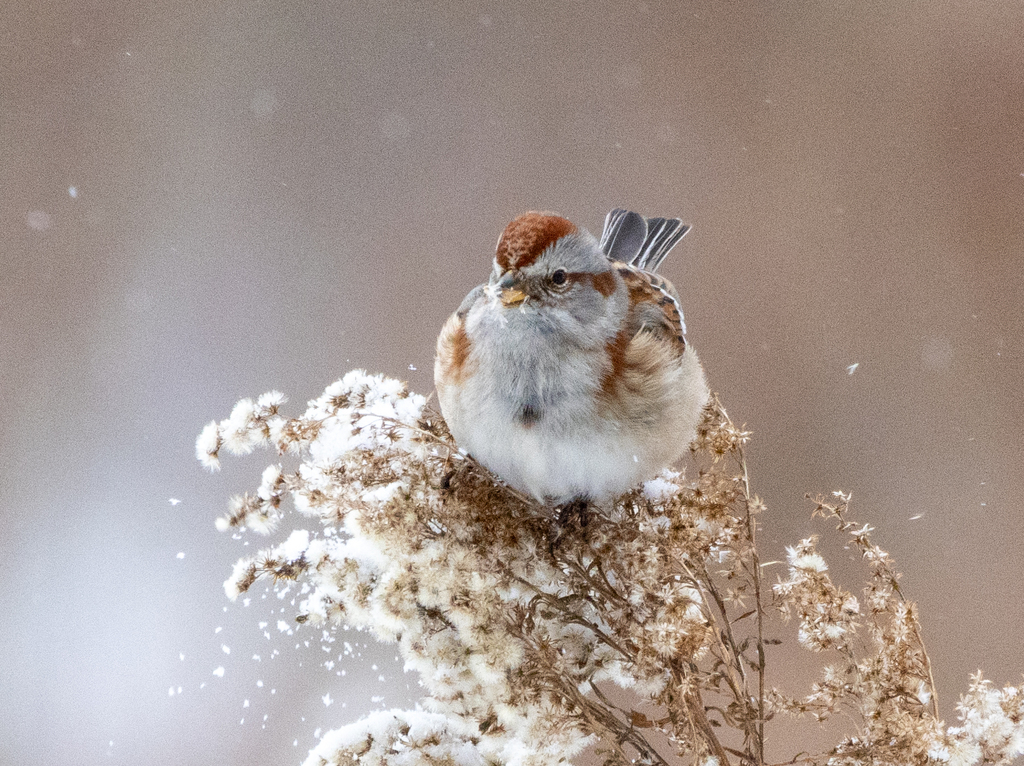
- American Tree SparrowSpizella arborea
- Baltimore OrioleIcterus galbula
- Bank SwallowRiparia riparia
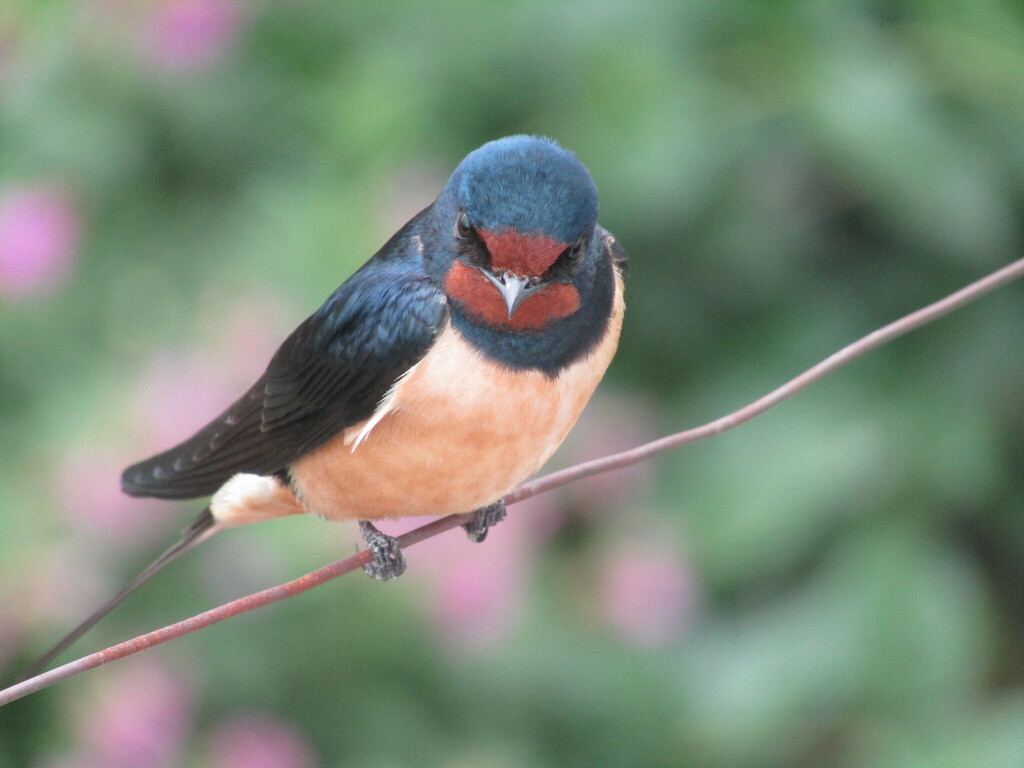
- Barn SwallowHirundo rustica
- Bewick's WrenThryomanes bewickii
- Black-billed CuckooCoccyzus erythropthalmus
- Black-crowned Night-heronNycticorax nycticorax
- Blue-gray GnatcatcherPolioptila caerulea
- Brown-headed CowbirdMolothrus ater
- Carolina WrenThryothorus ludovicianus
- Cedar WaxwingBombycilla cedrorum
- Chestnut-sided WarblerDendroica pensylvanica
- Chimney SwiftChaetura pelagica
- Chipping SparrowSpizella passerina
- Chuck-will's-widowCaprimulgus carolinensis
- Cliff SwallowPetrochelidon pyrrhonota
- Common GrackleQuiscalus quiscula
- Common NighthawkChordeiles minor
- Common RavenCorvus corax
- Common YellowthroatGeothlypis trichas












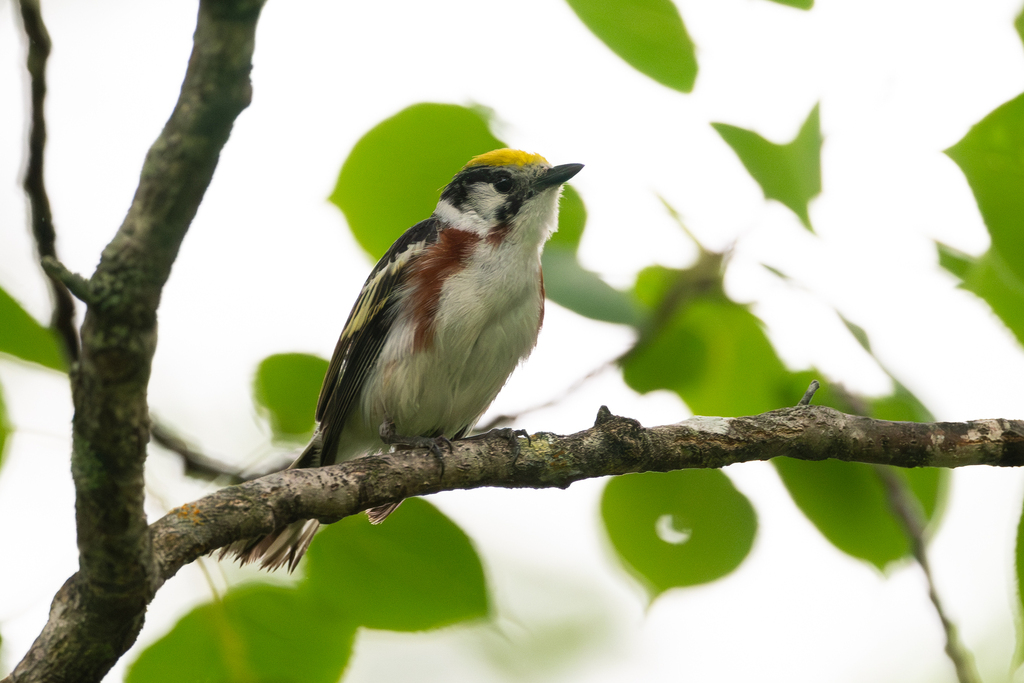


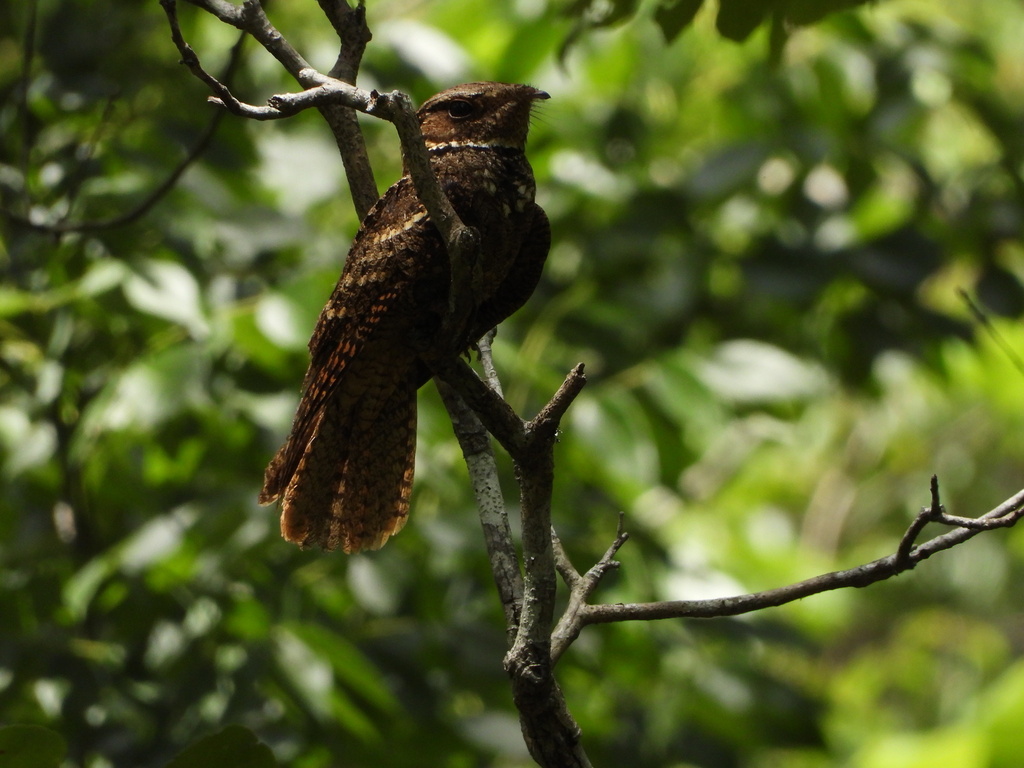



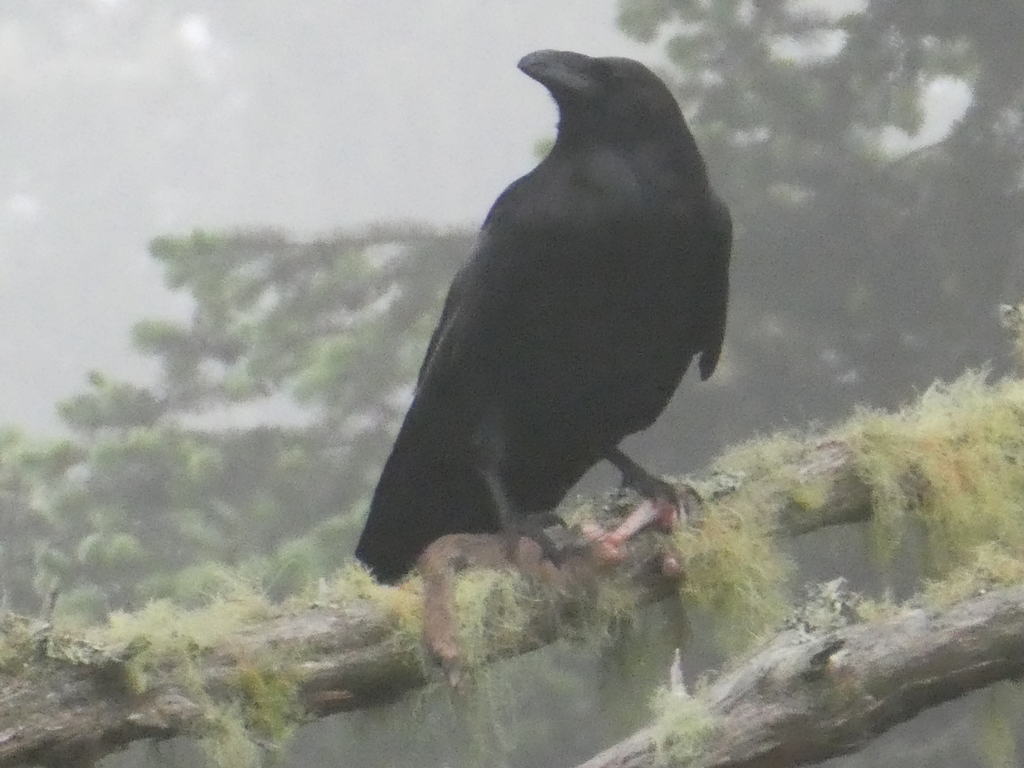

NatureServe Explorer, CC BY 4.0. USGS Gap Analysis Project habitat models.
Sources
- USGS Gap Analysis Project habitat models (2001)
- USGS GAP year-round habitat model for Ring-necked Pheasant Elevation up to 3,353 m
- USGS Gap Analysis Project range maps (2001), modeled by watershed; migratory gives no dates
- NatureServe Explorer (CC BY 4.0), habitat names
- US Census TIGER/Line counties
- Names follow the USGS Gap Analysis Project (2001)