

Bird
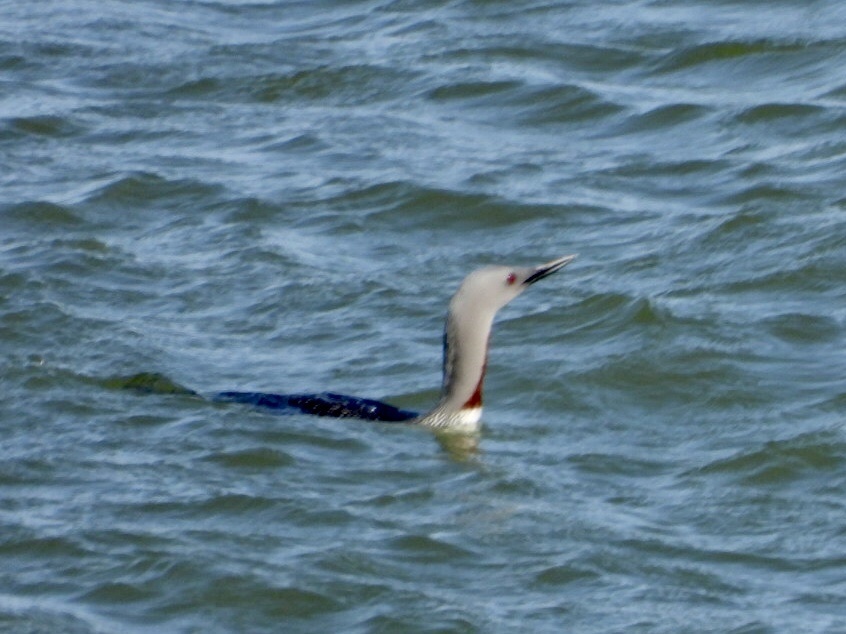
Red-throated Loon
Gavia stellata
A winter visitor to North Carolina, found in 19 of 100 counties and 7 habitats.
- Here
- Winter
- Nesting
- Not known to nest here
- Range
- 19 of 100 counties
- Habitats
- 7
At a glance
- Group
- Birds
- Here
- Winter
- Nesting
- Not known to nest here
- Range
- 19 of 100 counties
- Habitats
- 7
- Habitat models
- Winter
Where it lives
The places its habitat model includes. It is not found everywhere a habitat occurs.
Habitats in North Carolina 7
Each habitat page lists the plants and wildlife also found there.
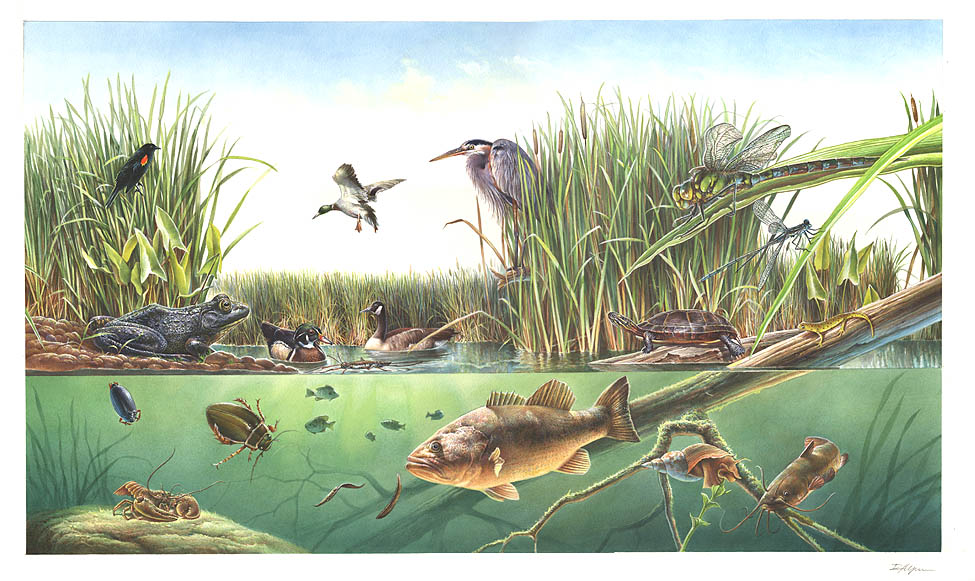
Open sand of beaches, dunes and the hollows between them.
Coastal tidal marshes (salinity not stated)
Tidal marshes of the Atlantic and Gulf coasts where the source does not say whether the water is fresh, brackish or salt. A stated salinity files the marsh under freshwater tidal marshes or salt and brackish marshes instead.
Disturbed and introduced wetlands
Wet ground taken over by weedy or introduced plants after disturbance, such as common reed, Chinese tallow or tamarisk stands; the upland counterpart is roadsides, fields and disturbed ground.
Marshes along tidal rivers where the water is fresh but rises and falls with the tide.
Coastal marshes flooded by salty or brackish tides.
Salt and brackish open water of sounds, bays and estuaries, with the mud and sand flats and seagrass beds that tides cover and uncover; the vegetated marsh is salt and brackish marshes.
Other habitats in its models (5)
Land cover, or classes with no habitat page in North Carolina. Those recorded in North Carolina first, the rest by region.
Elsewhere in the South (1)
- Atlantic Coastal Plain Indian River Lagoon Tidal Marsh Winter.
Northeast (2)
- Atlantic Coastal Plain Northern Fresh and Oligohaline Tidal Marsh Winter.
- Atlantic Coastal Plain Northern Tidal Salt Marsh Winter.
Land cover and other classes (2)
- Unconsolidated Shore Winter.
- Unconsolidated Shore (Lake/River/Pond) Winter.
Seasons in North Carolina
- Winter: does not nest here, in 19 of 100 counties.
Also found in its main habitats
Its main habitats in North Carolina, by how much of its habitat model each one is, with the birds most characteristic of each and the plants that grow wild there. Shared habitat, not food.
Disturbed and introduced wetlands
Birds 120
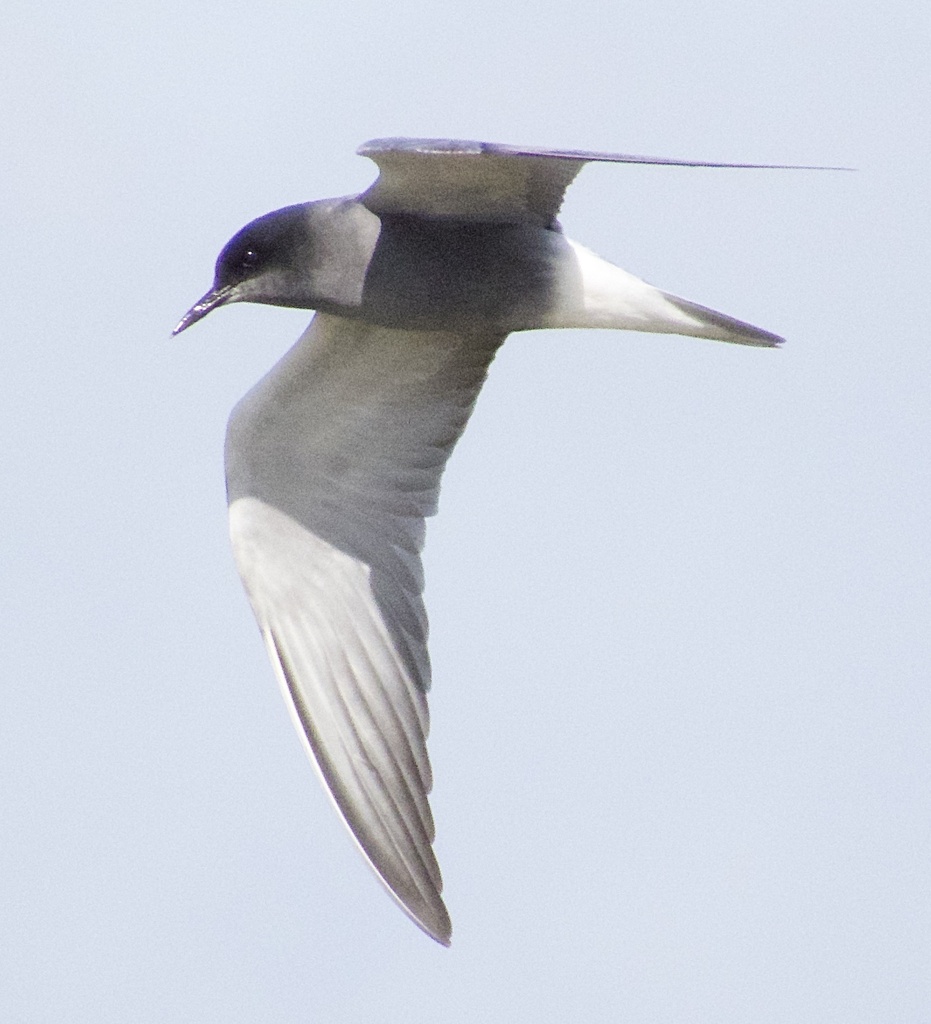
- Black TernChlidonias niger
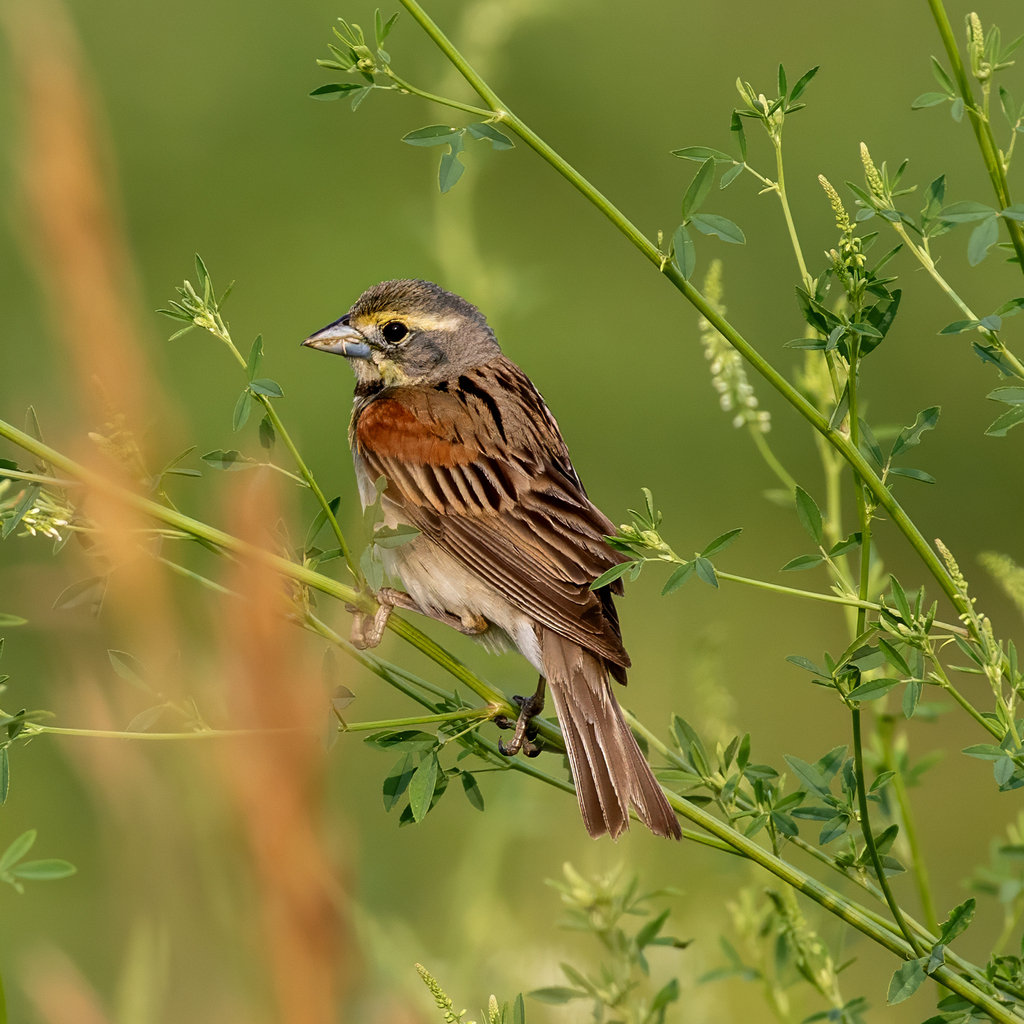
- DickcisselSpiza americana
- BobolinkDolichonyx oryzivorus
- DovekieAlle alle
- Yellow-throated VireoVireo flavifrons
- Lincoln's SparrowMelospiza lincolnii
- Purple SandpiperCalidris maritima
- Sandwich TernThalasseus sandvicensis
- Thayer's GullLarus thayeri
- Wilson's WarblerWilsonia pusilla
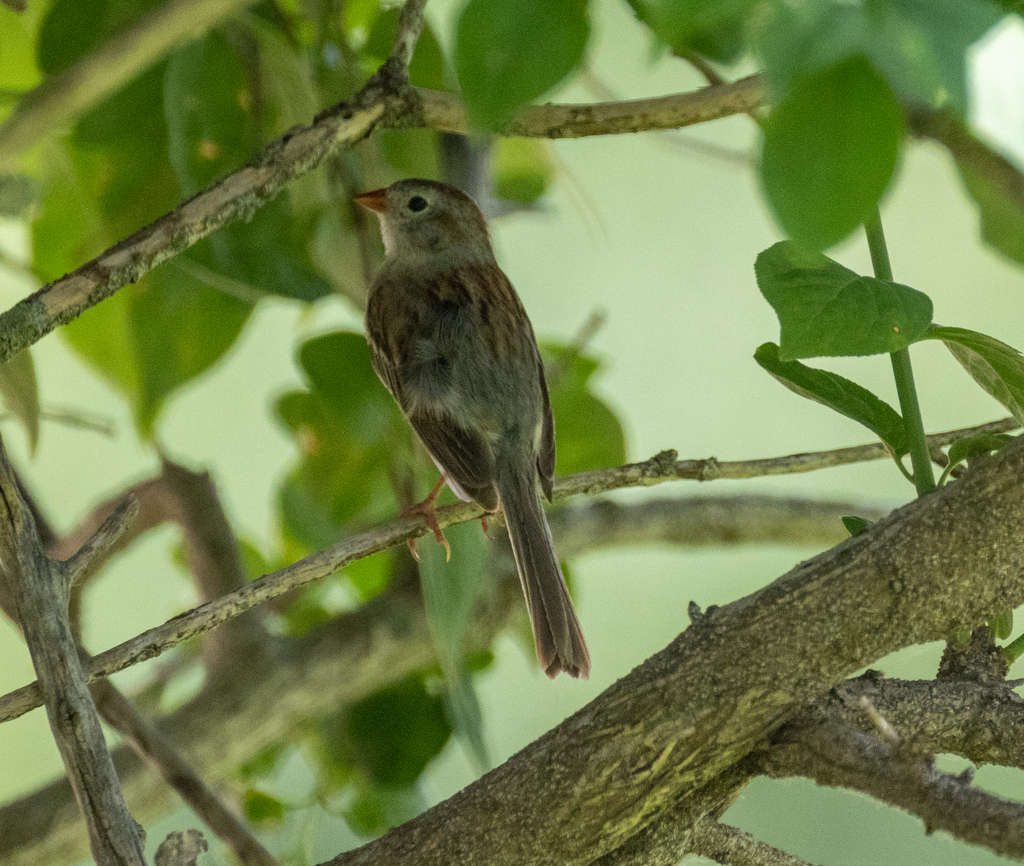
- Field SparrowSpizella pusilla
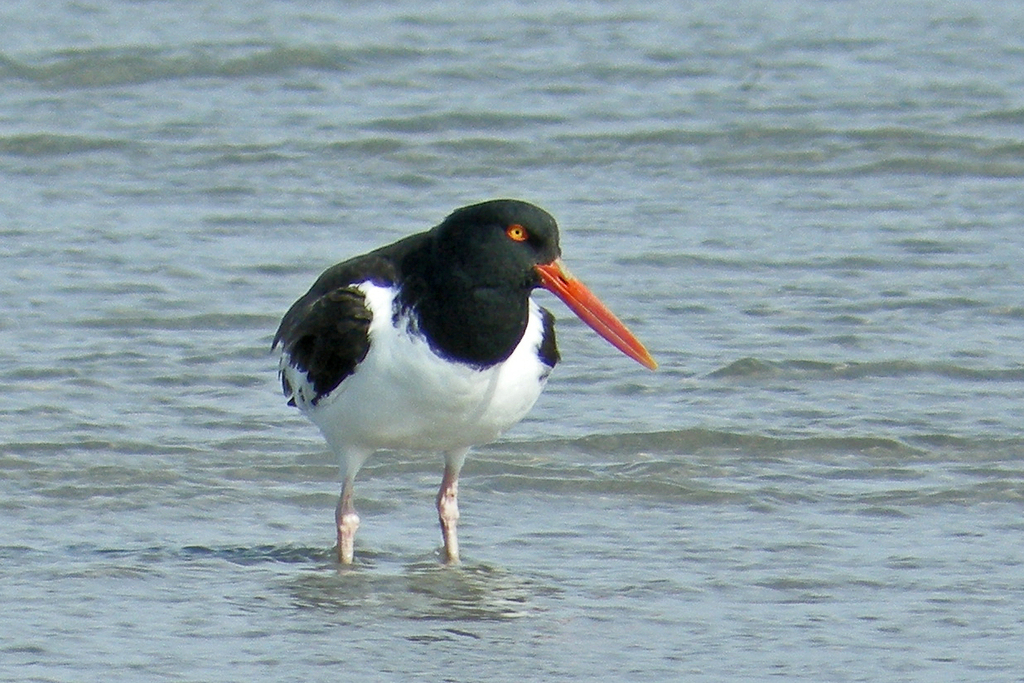
- American OystercatcherHaematopus palliatus
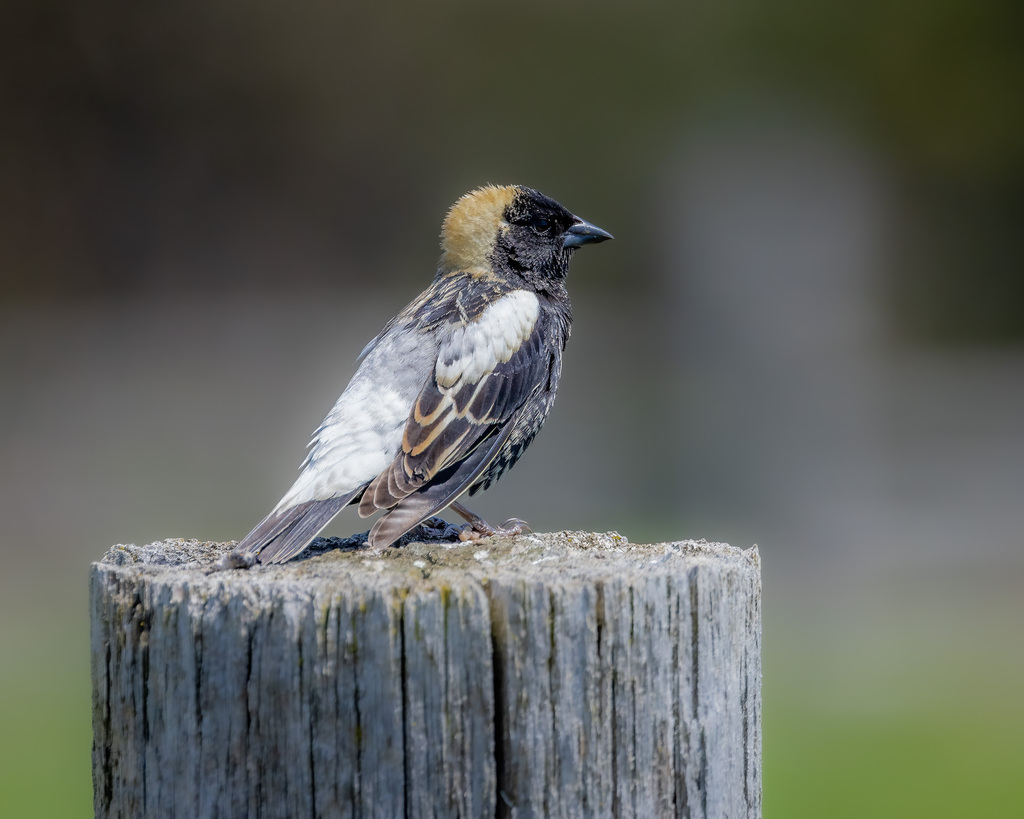
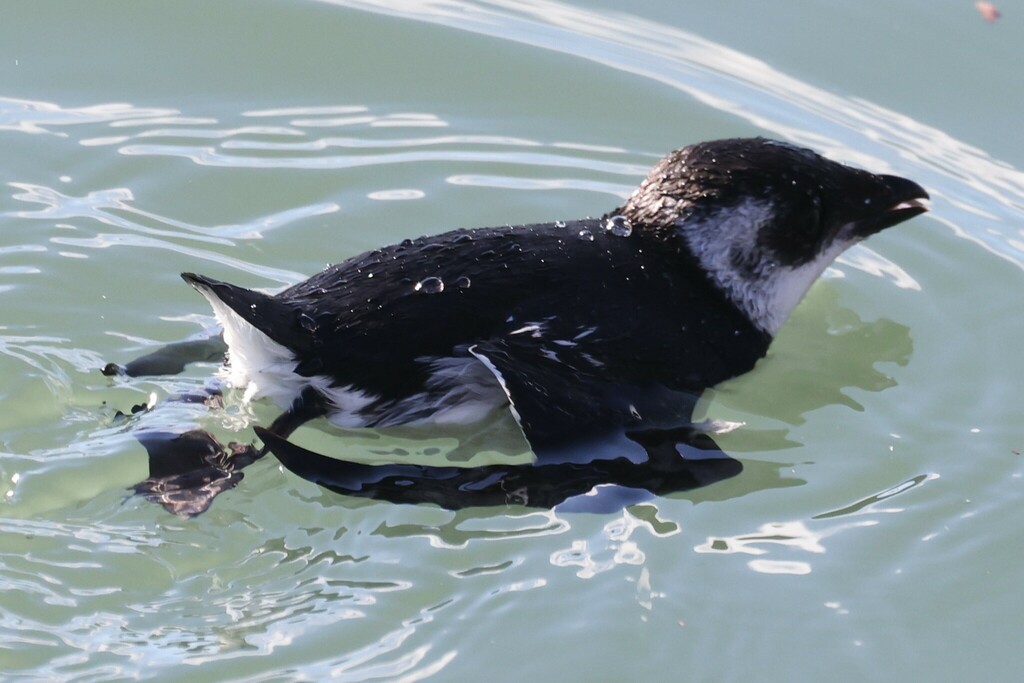
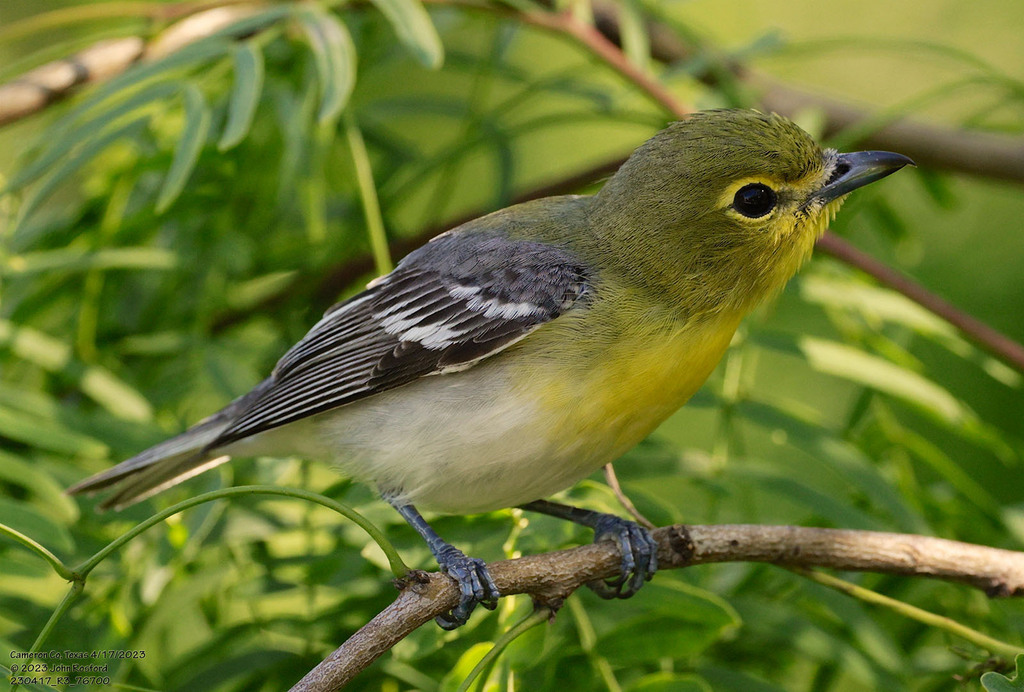
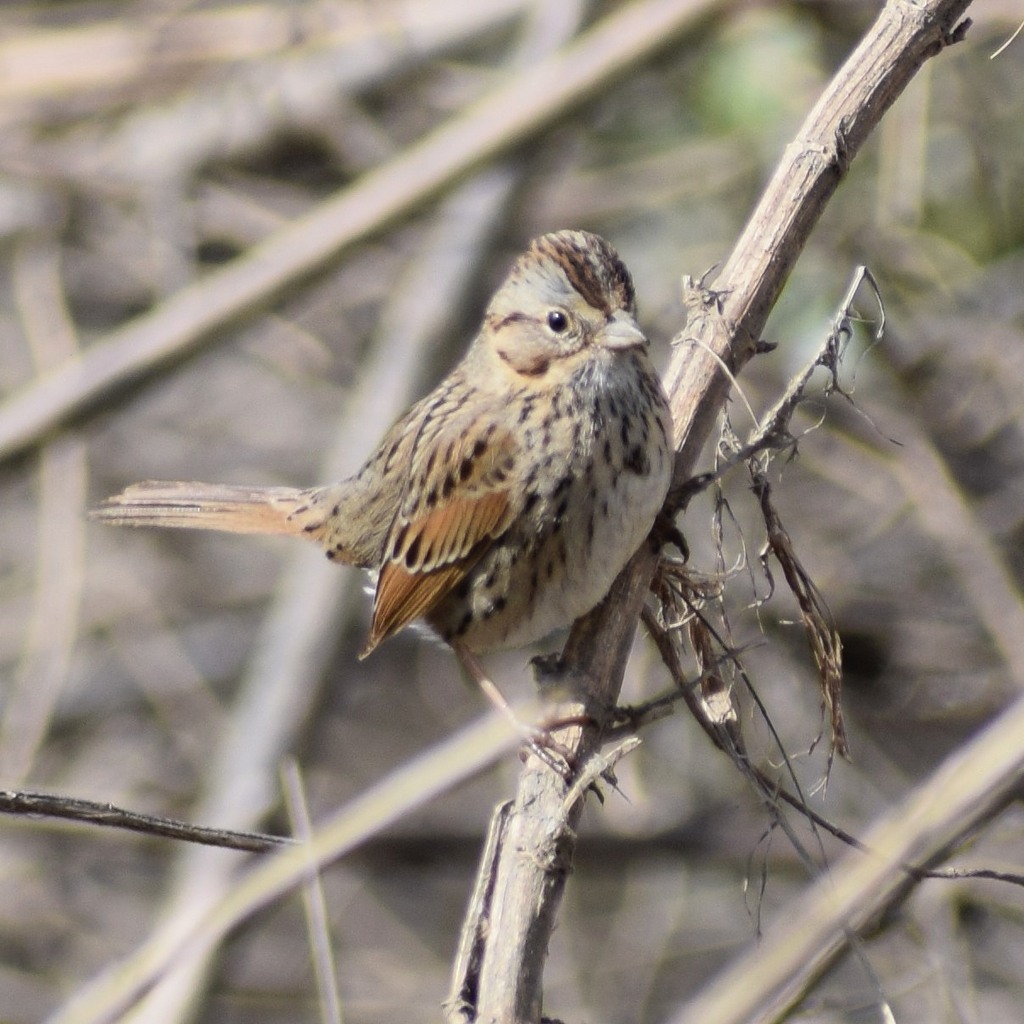
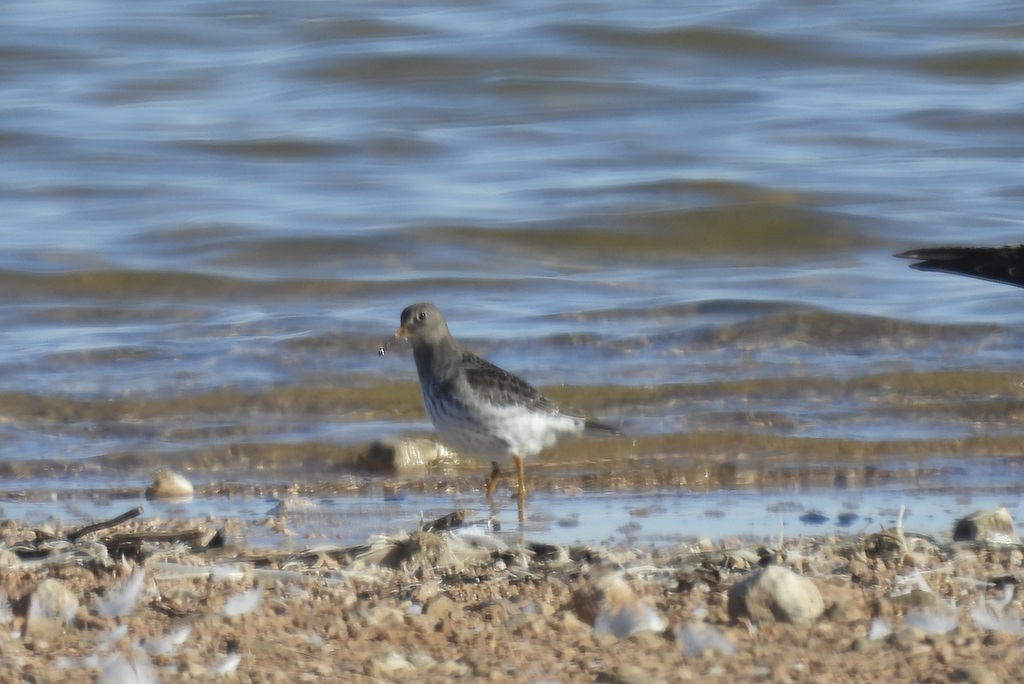
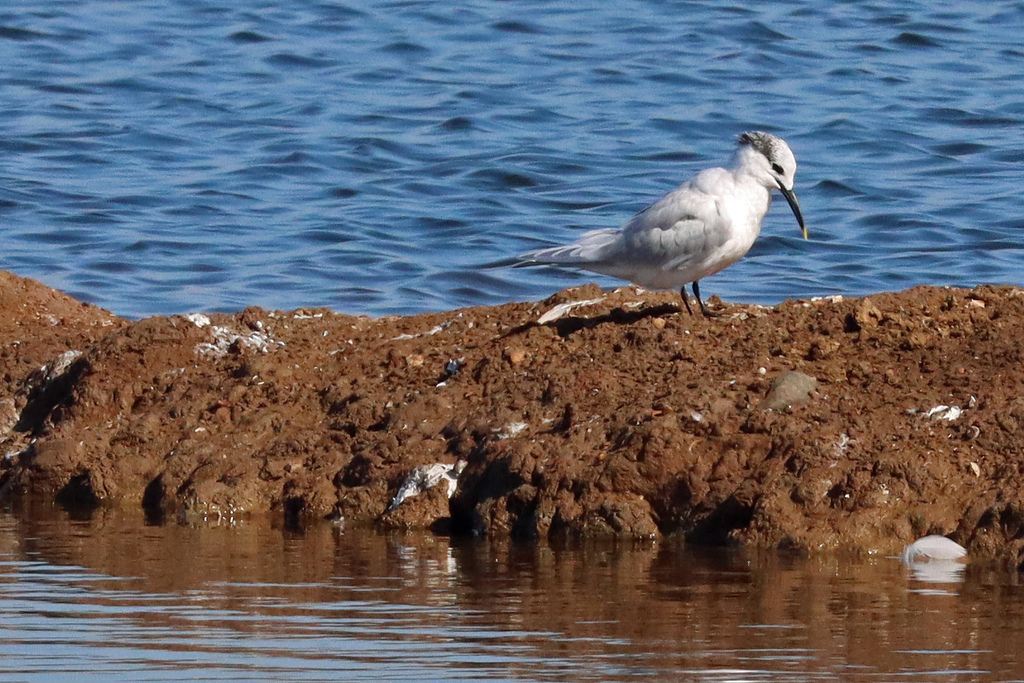
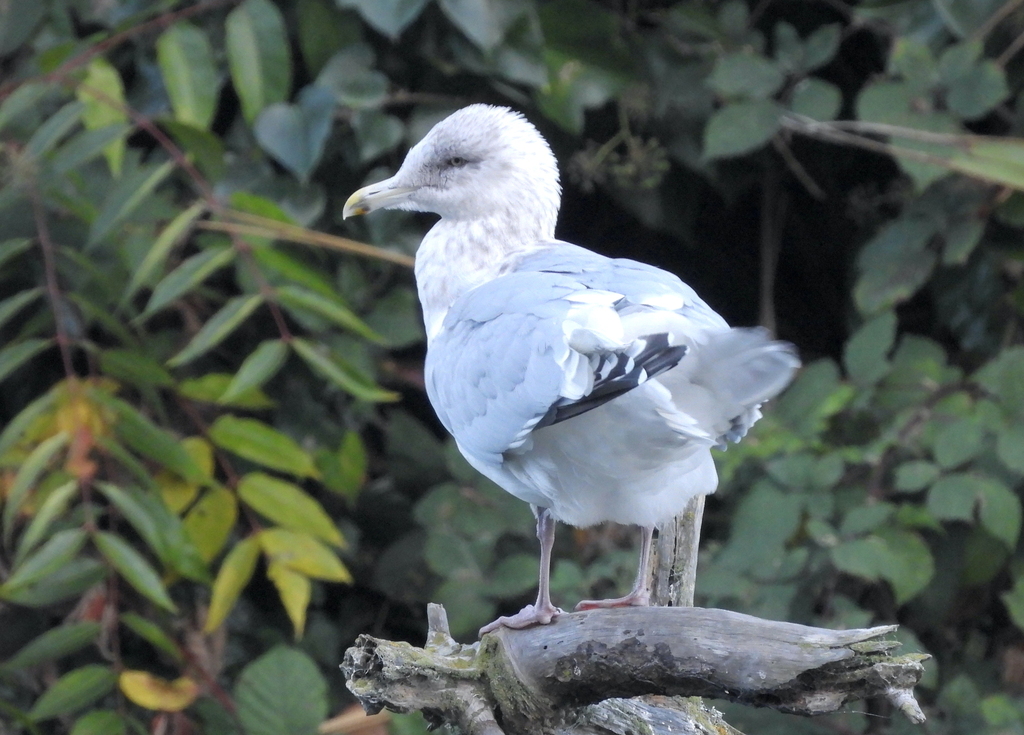
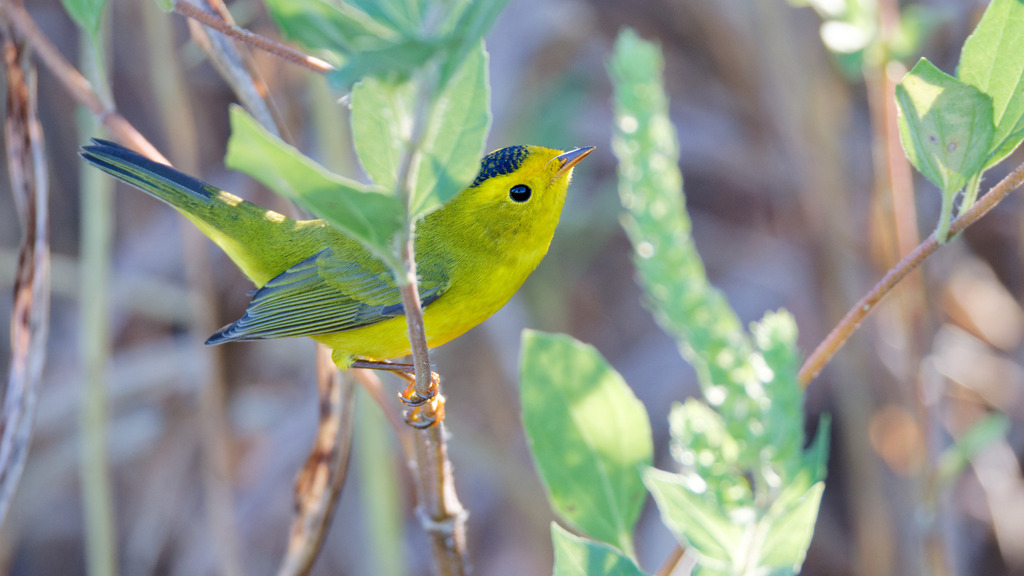
Plants 23
- Slender FimbryFimbristylis autumnalis
- Purple SpikerushEleocharis atropurpurea
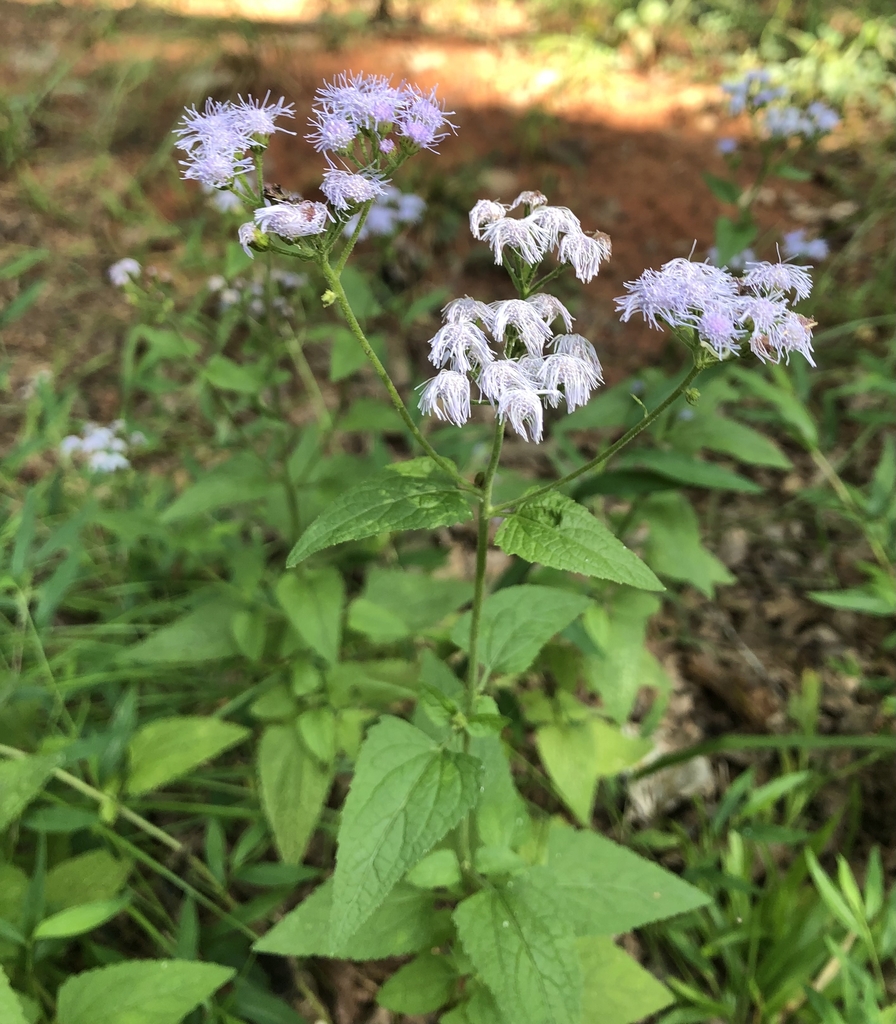
- Blue MistflowerConoclinium coelestinum
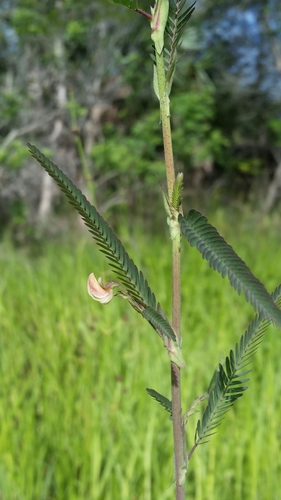
- BagpodSesbania vesicaria
- Tropical FlatsedgeCyperus surinamensis
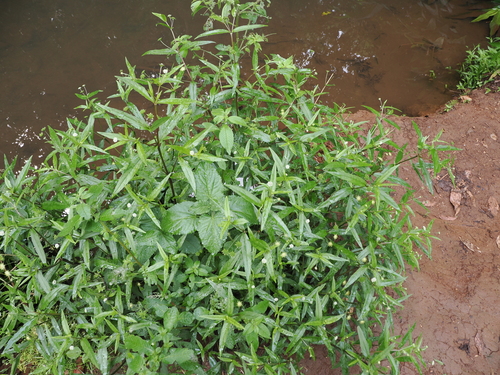
- False DaisyEclipta prostrata
- Indian JointvetchAeschynomene indica
- Mid-Atlantic Flat-top GoldenrodEuthamia floribunda
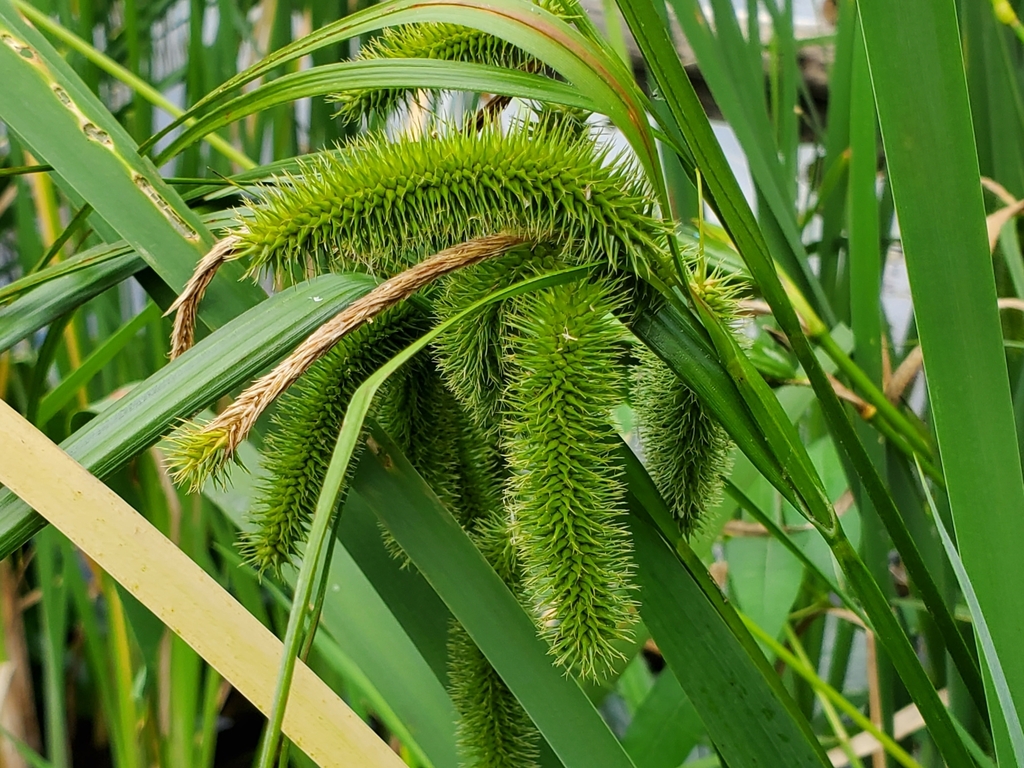
- Bristly SedgeCarex comosa
- Shortbeak BeaksedgeRhynchospora nitens
- Southern Marsh YellowcressRorippa teres
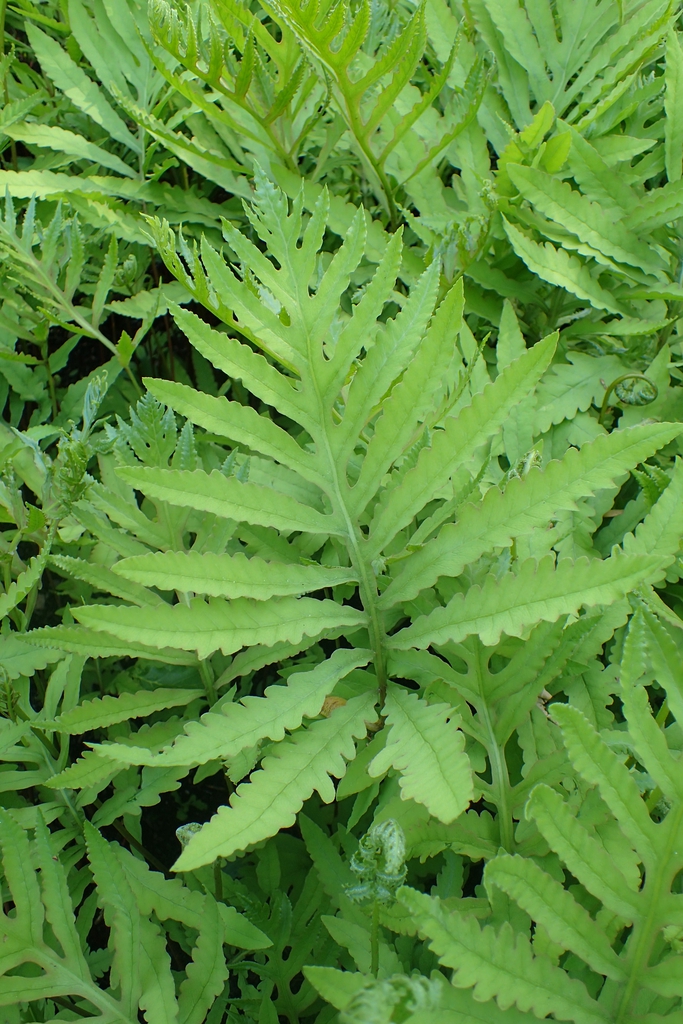
- Sensitive FernOnoclea sensibilis
Freshwater tidal marshes
Birds 81
- Saltmarsh Sharp-tailed SparrowAmmodramus caudacutus
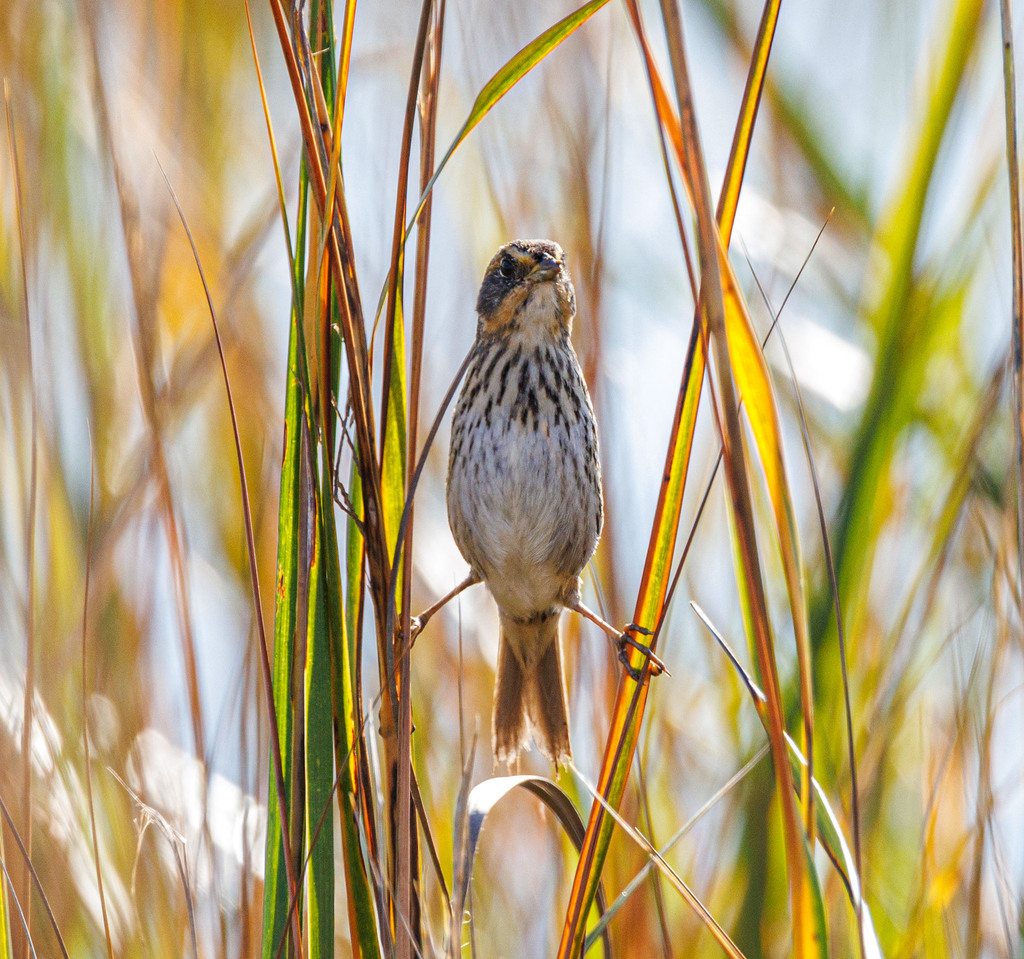
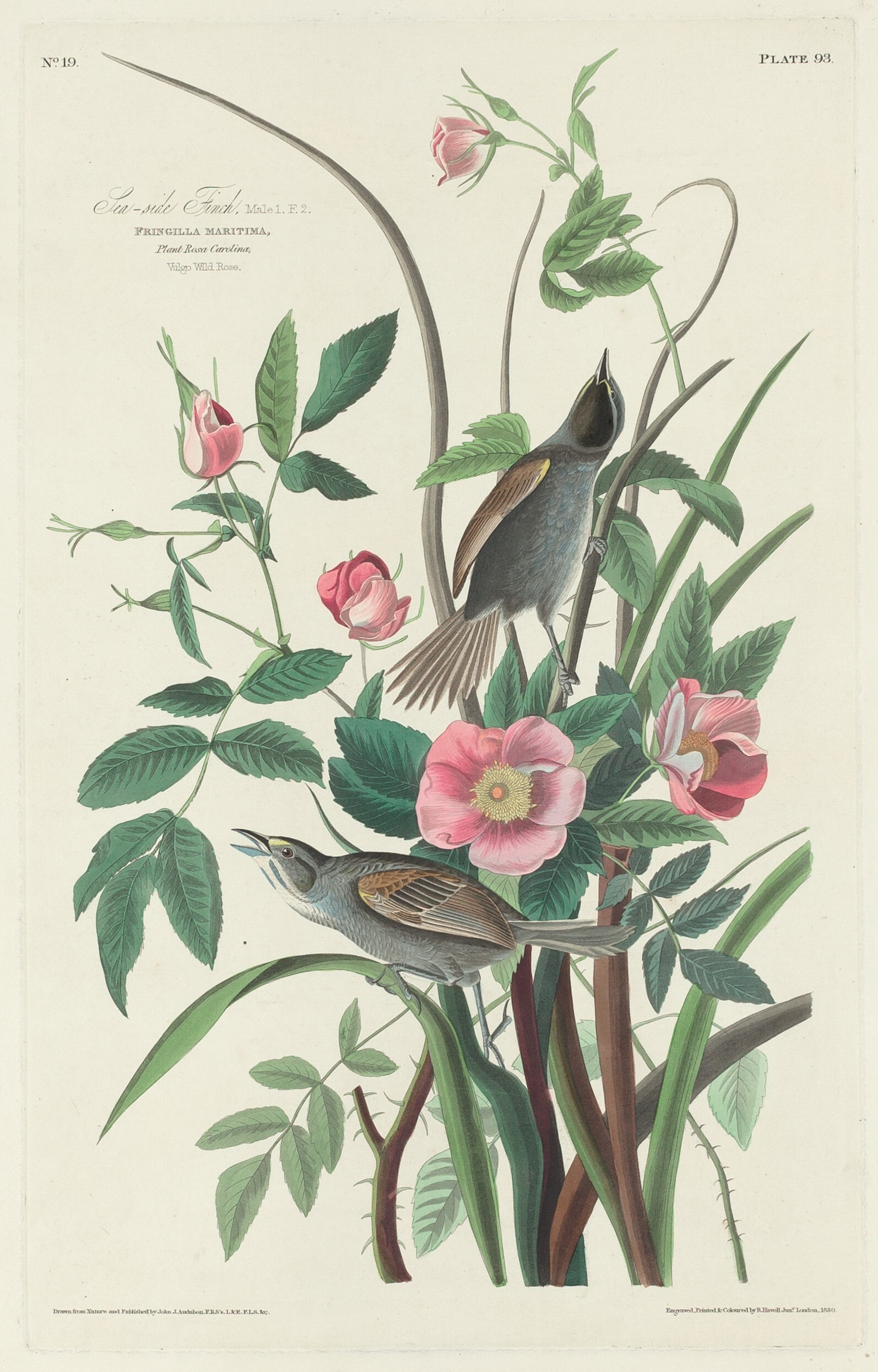
- Seaside SparrowAmmodramus maritimus
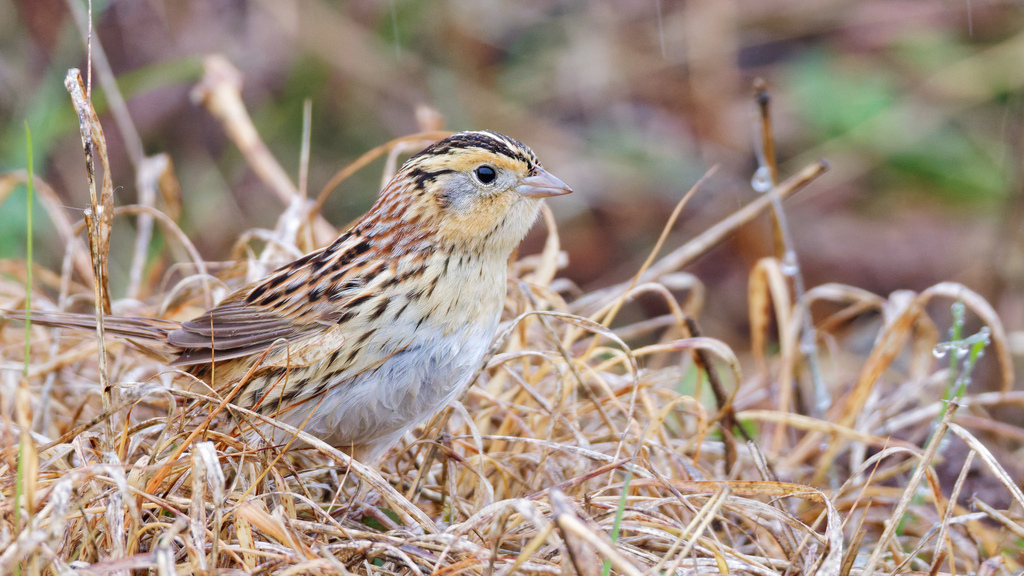
- Le Conte's SparrowAmmodramus leconteii
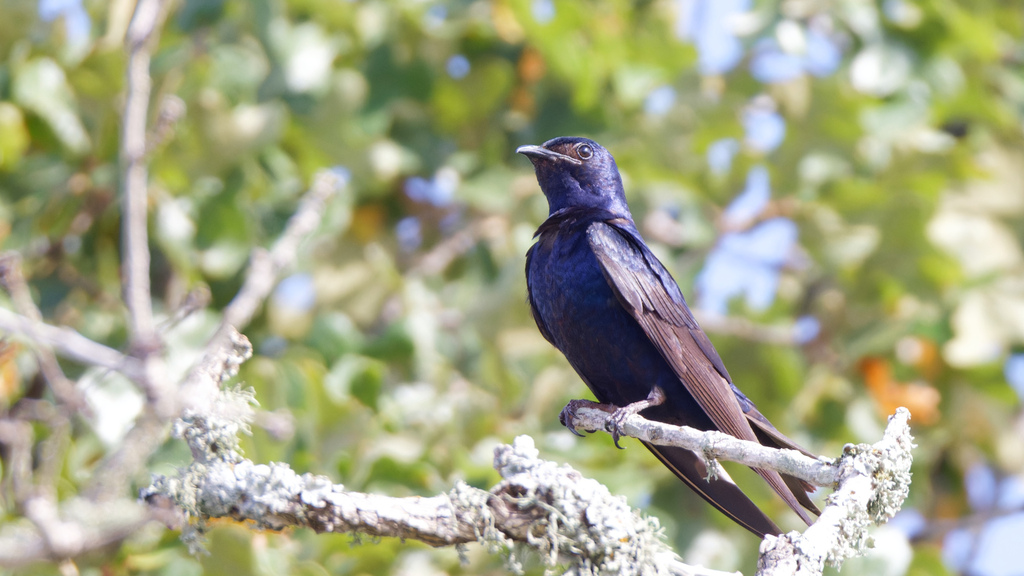
- Purple MartinProgne subis
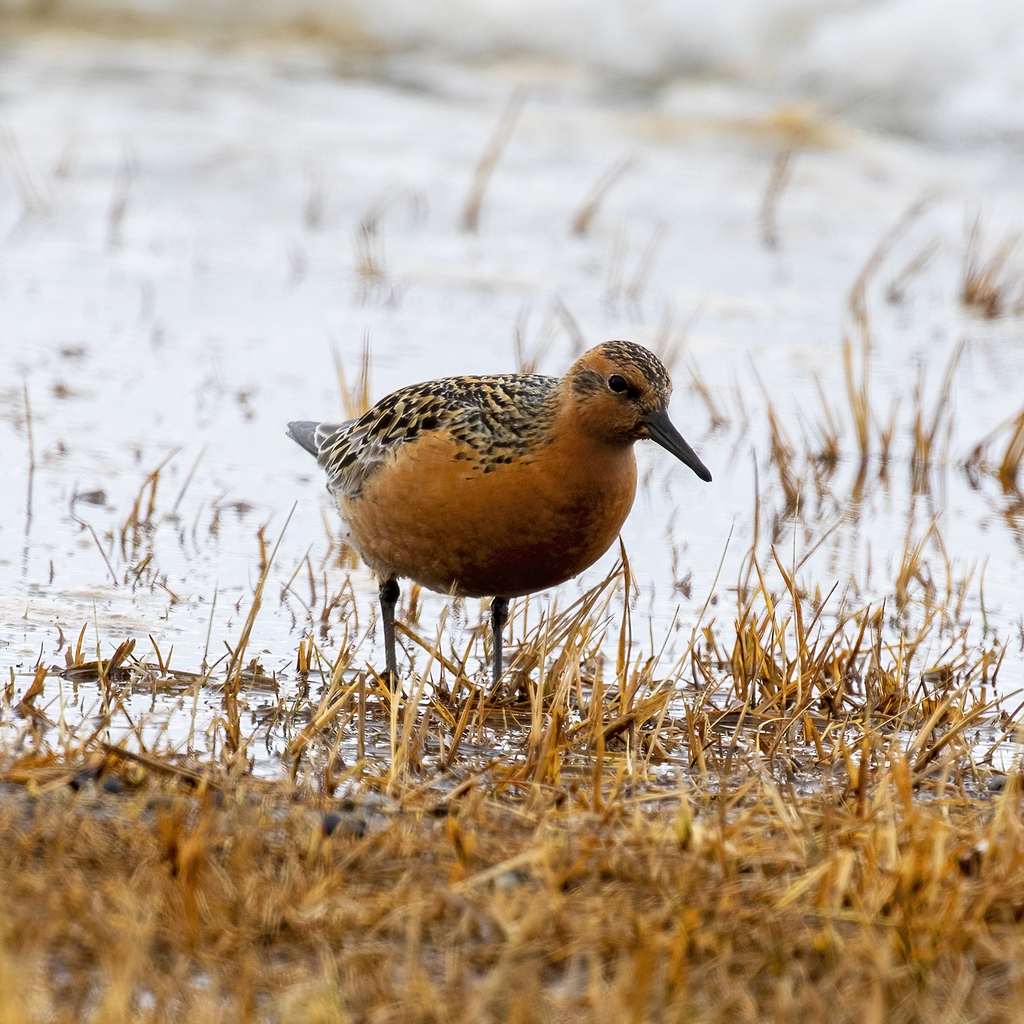
- Red KnotCalidris canutus
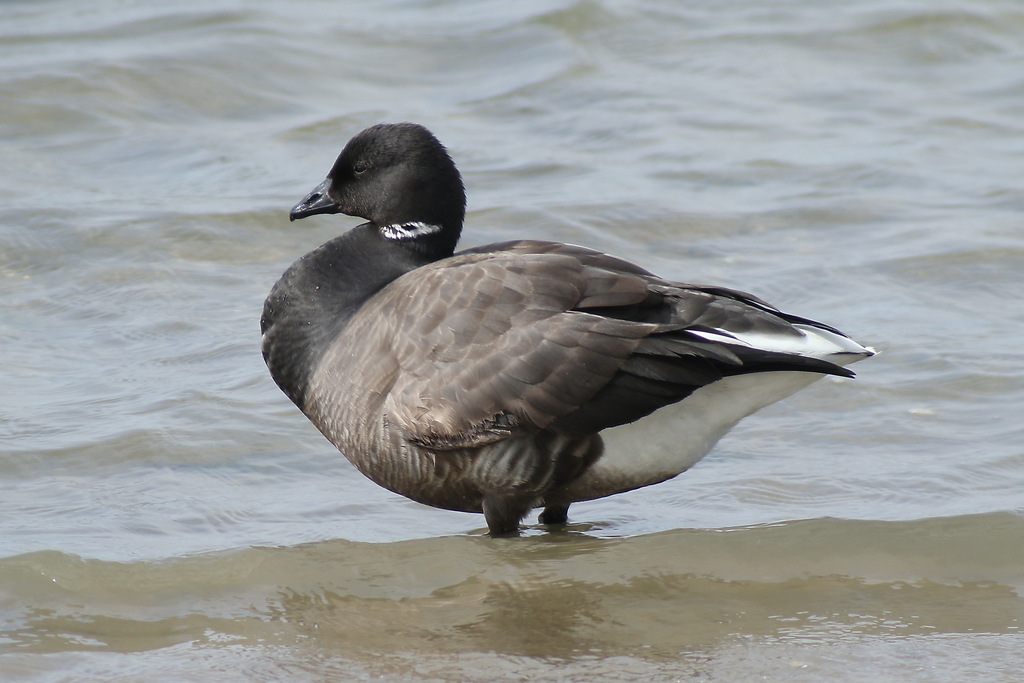
- BrantBranta bernicla
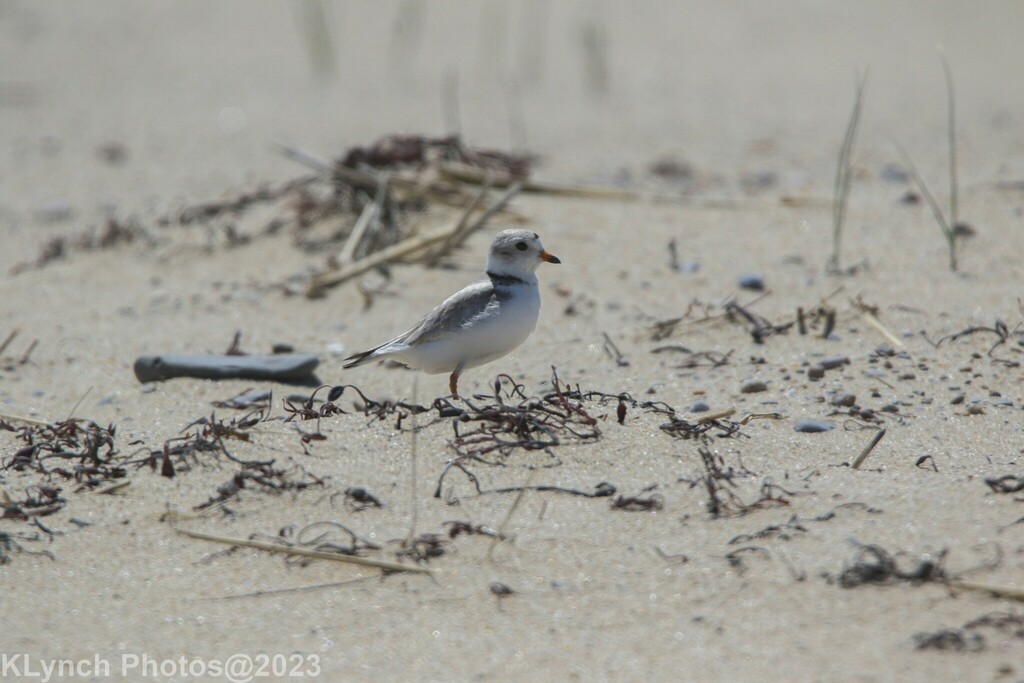
- Piping PloverCharadrius melodus
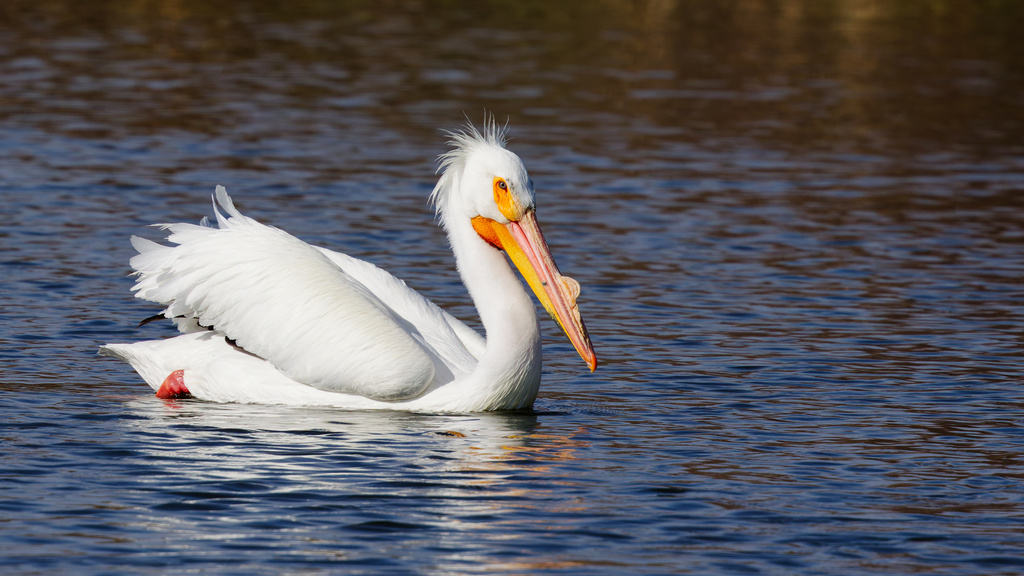
- American White PelicanPelecanus erythrorhynchos
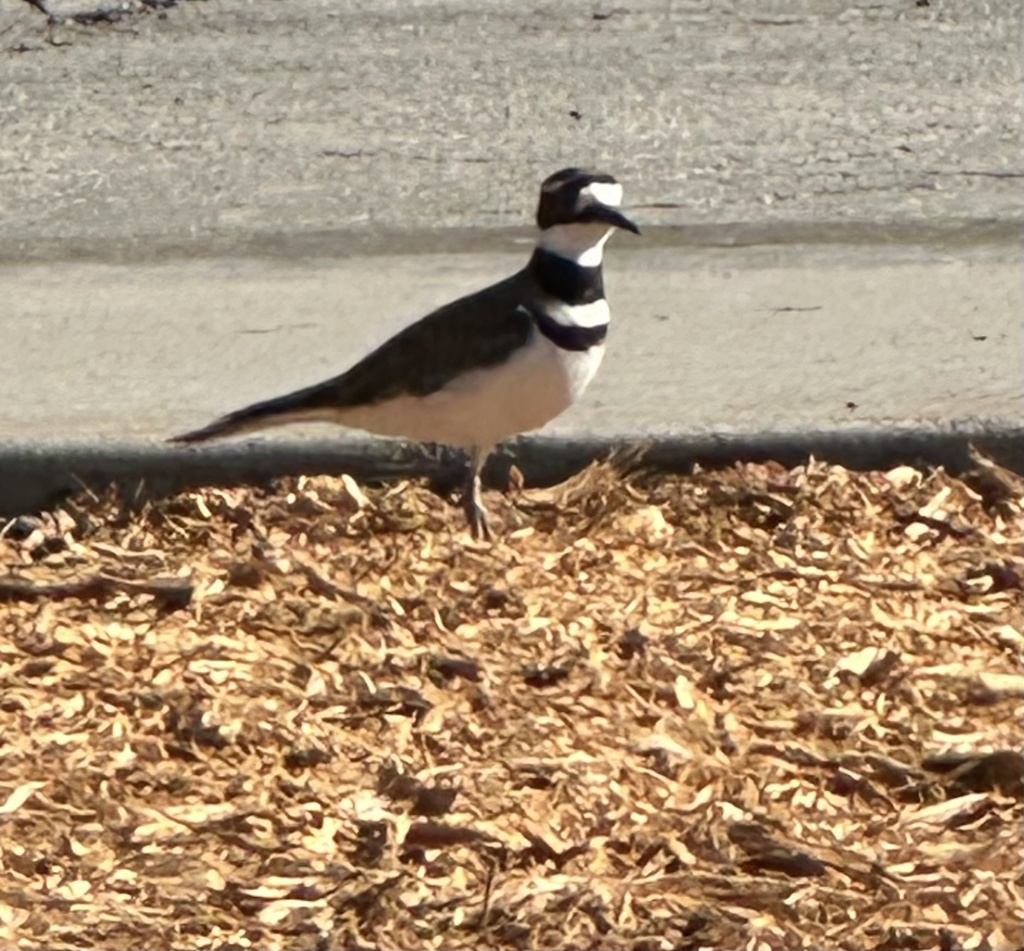
- KilldeerCharadrius vociferus
- Nelson's Sharp-tailed SparrowAmmodramus nelsoni
- Yellow RailCoturnicops noveboracensis
- Black RailLaterallus jamaicensis
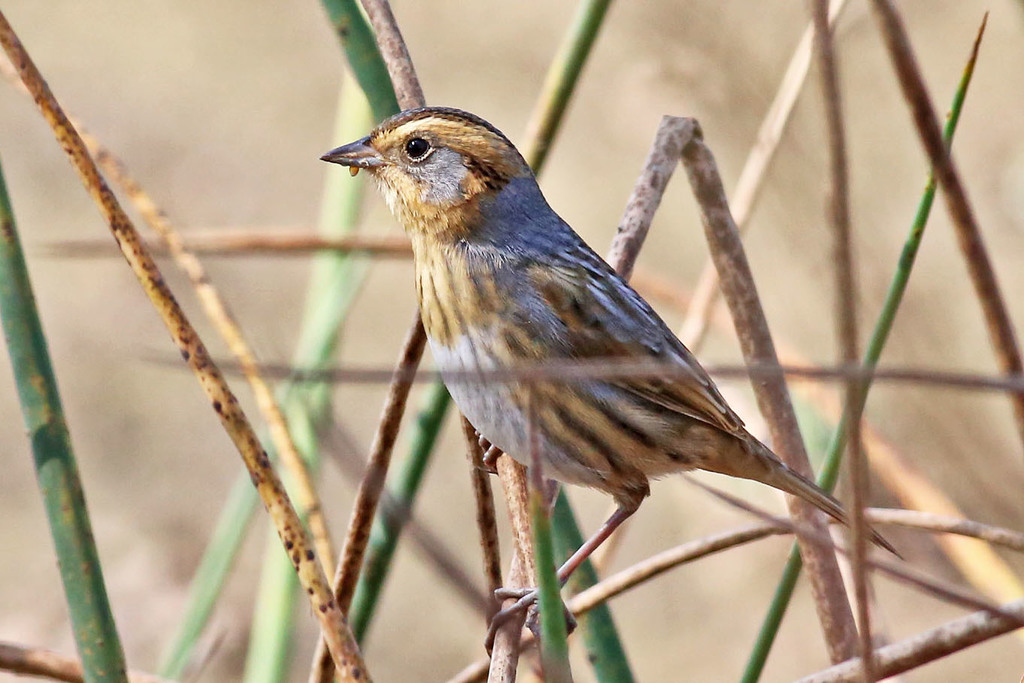
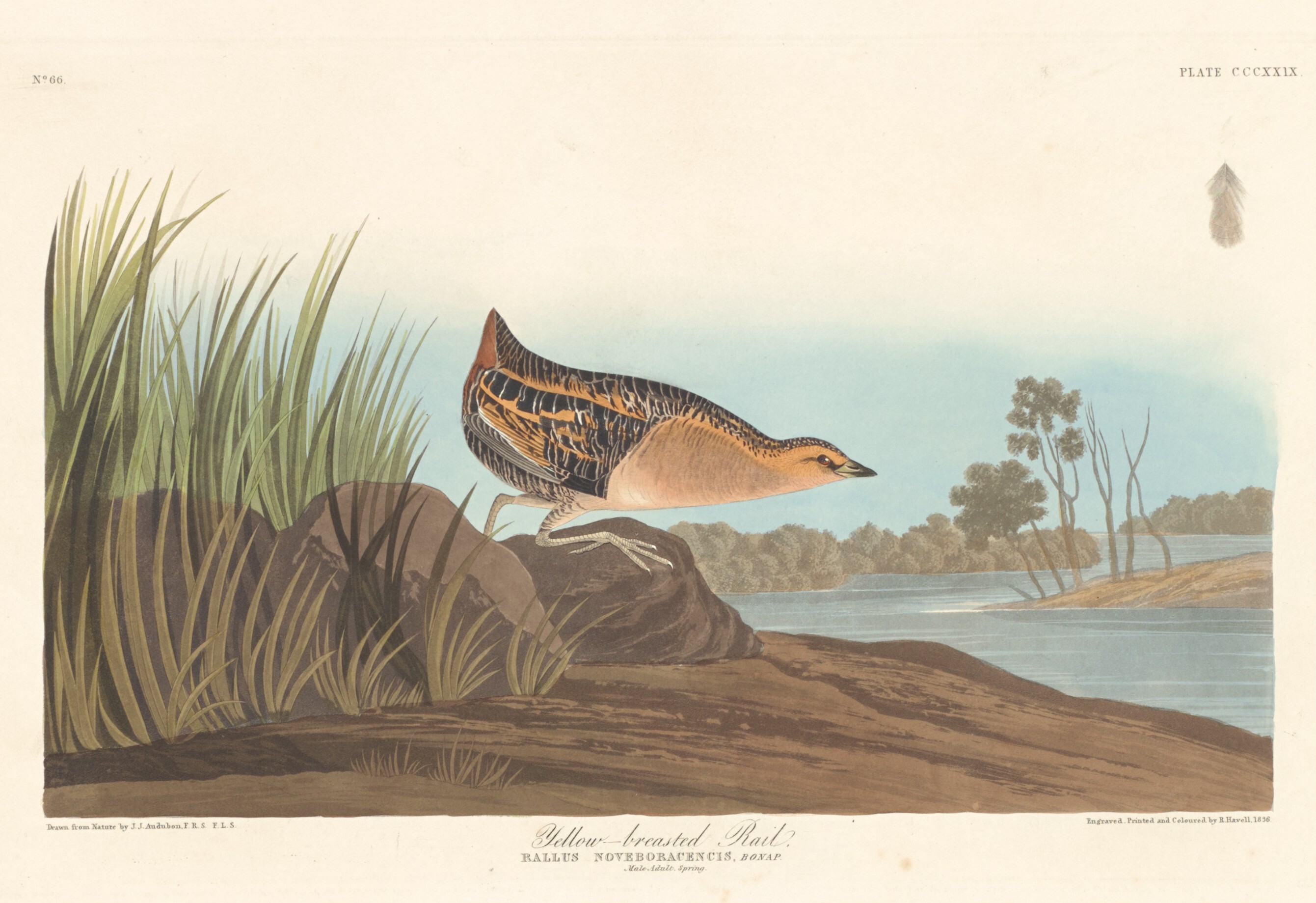
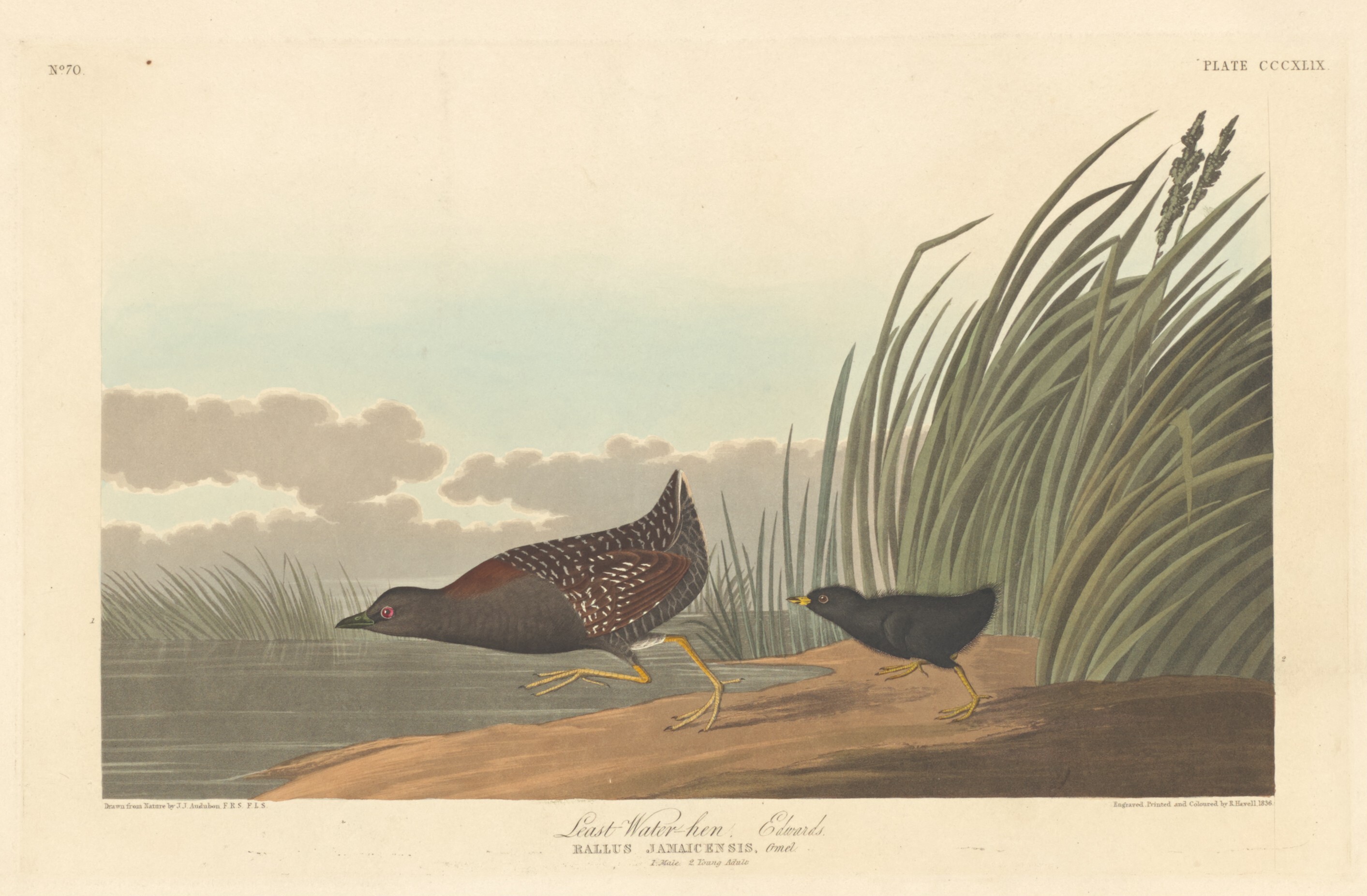
Plants 30
- Saltmarsh Water-hempAmaranthus cannabinus
- Seashore MallowKosteletzkya pentacarpos
- Carolina BishopweedPtilimnium ahlesii
- Riverbank Evening-primroseOenothera riparia
- Long's BittercressCardamine longii
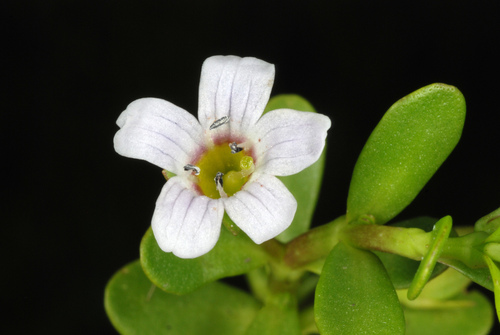
- Coastal Water-hyssopBacopa monnieri
- Beaked SpikerushEleocharis rostellata
- American ReedPhragmites americanus
- Godfrey's SandwortSabulina paludicola
- Eastern GrasswortLilaeopsis chinensis
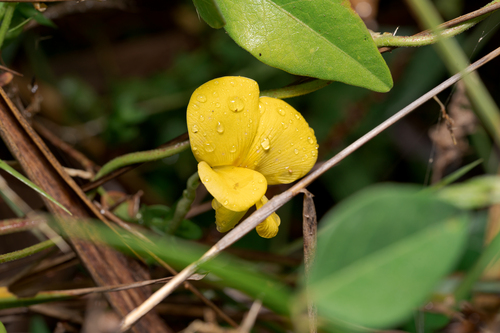
- Hairypod CowpeaVigna luteola
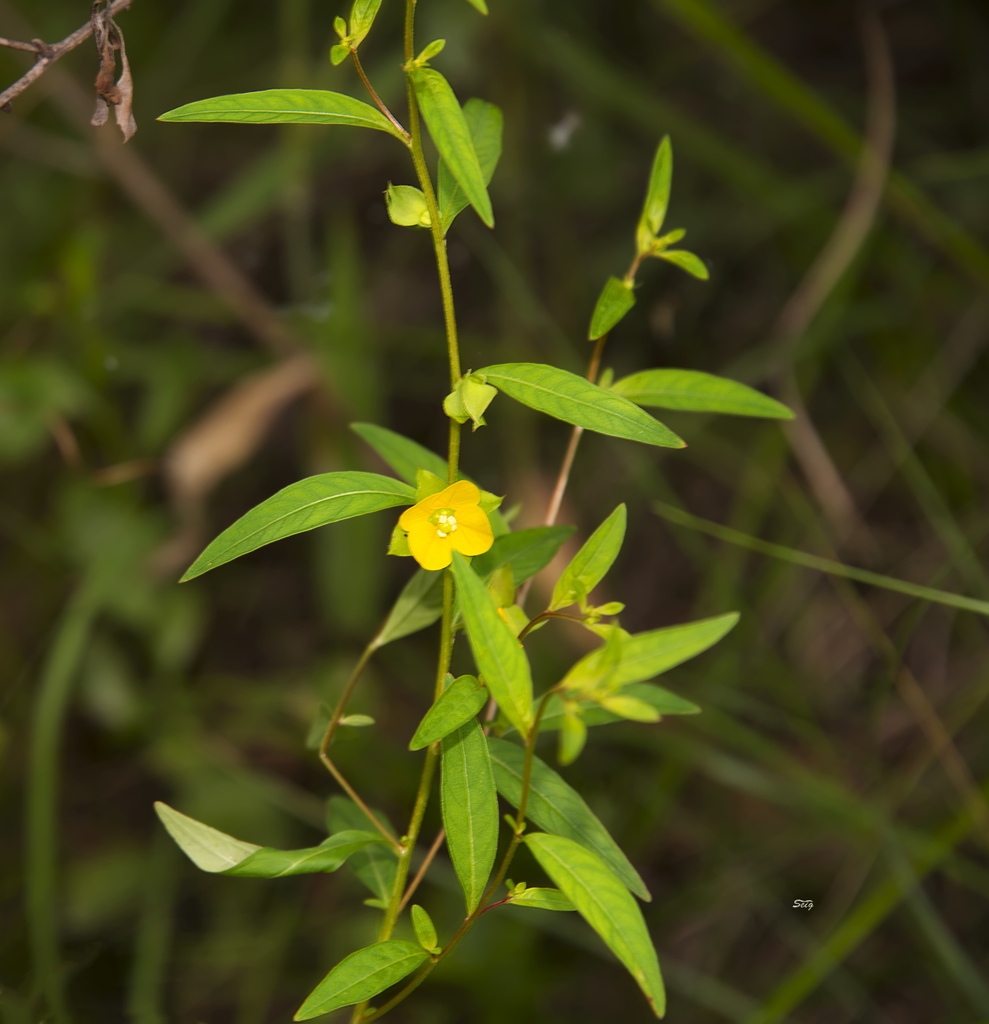
- Bushy SeedboxLudwigia alternifolia
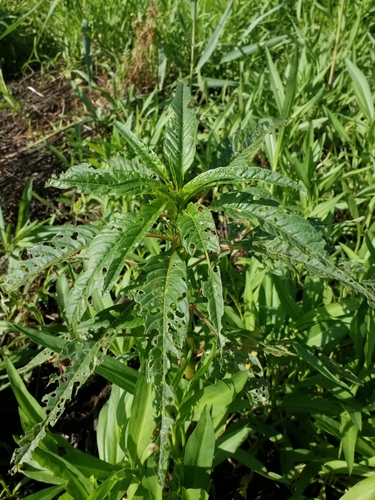
Salt and brackish marshes
Birds 92
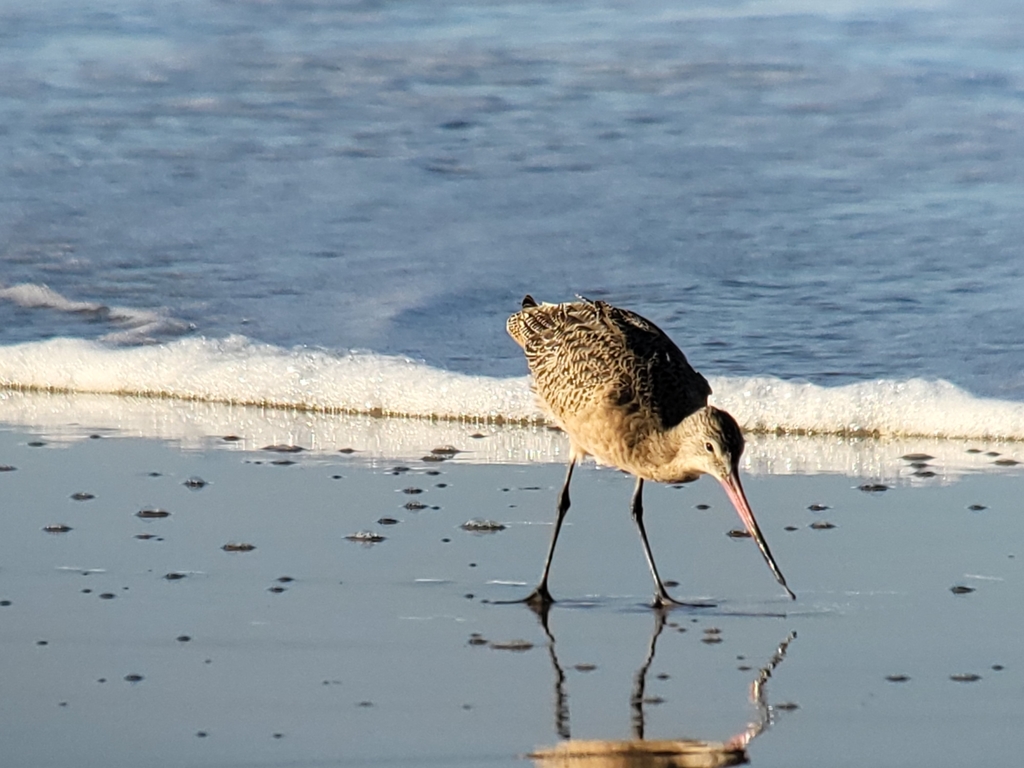
- Marbled GodwitLimosa fedoa
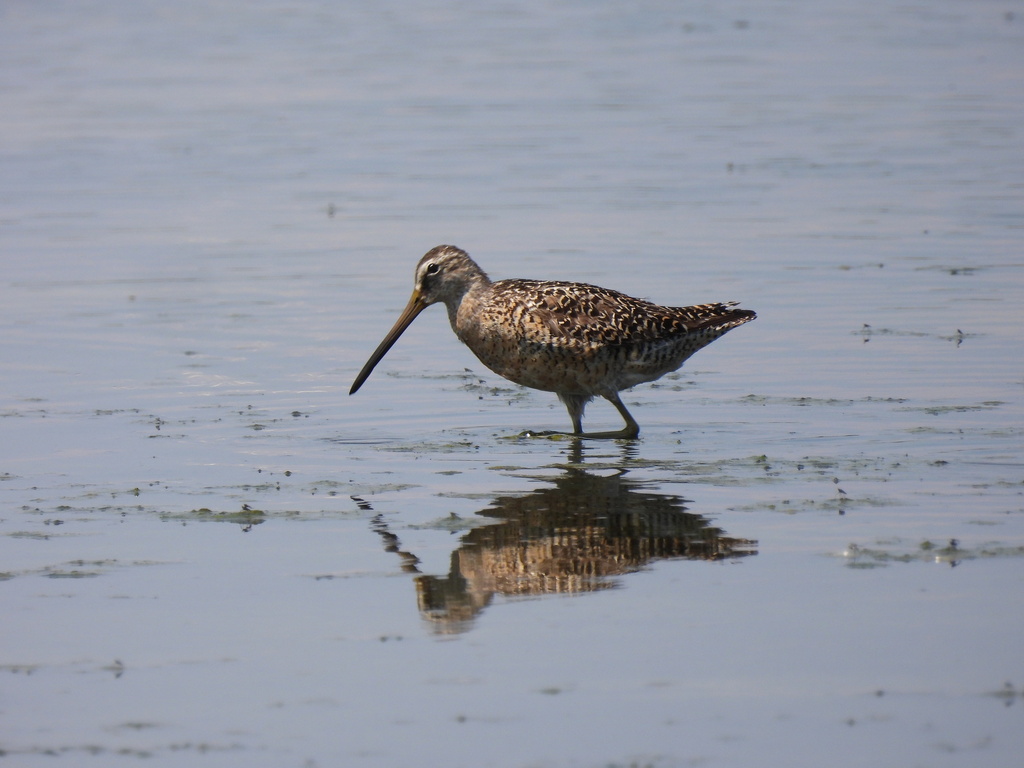
- Short-billed DowitcherLimnodromus griseus
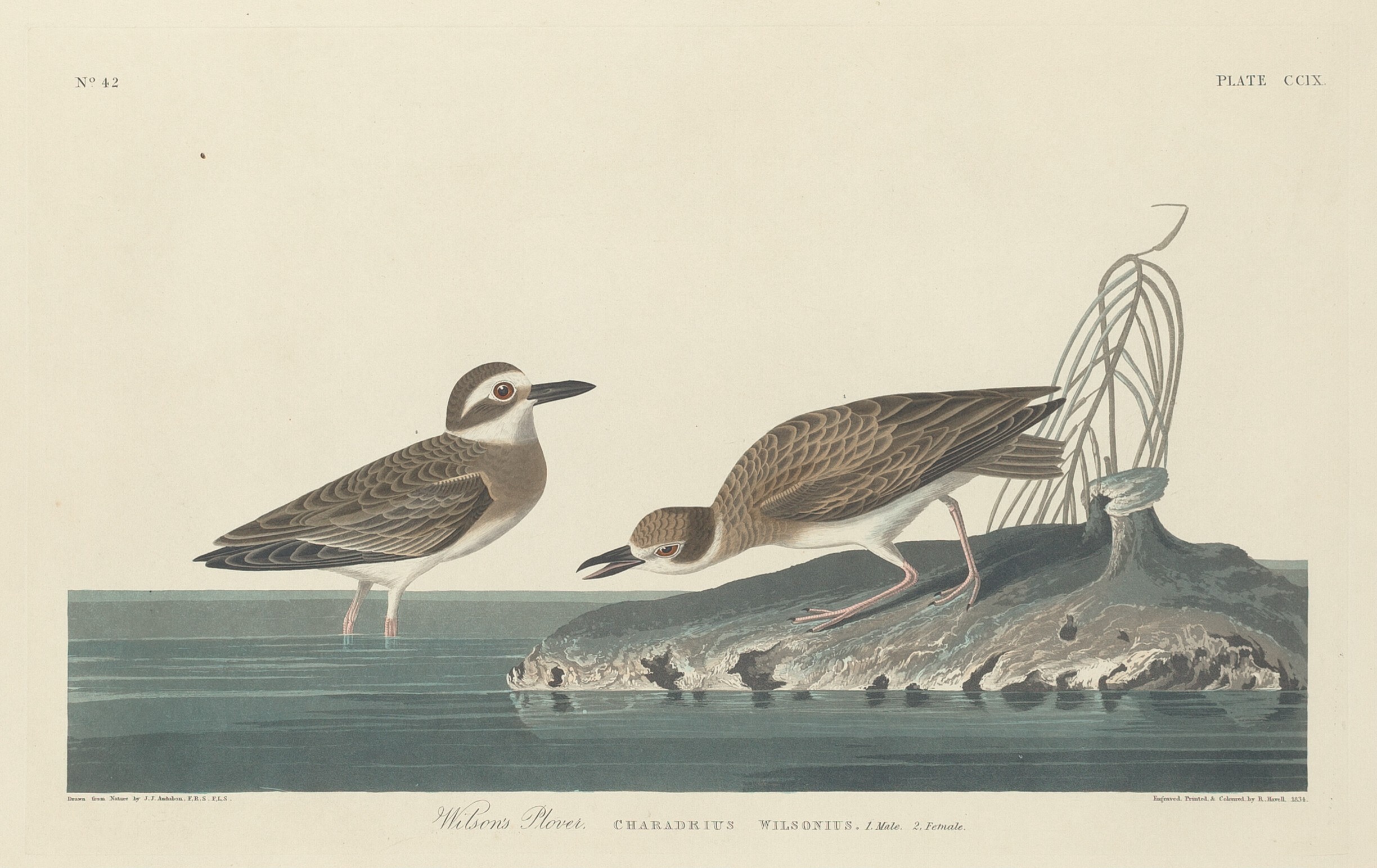
- Wilson's PloverCharadrius wilsonia
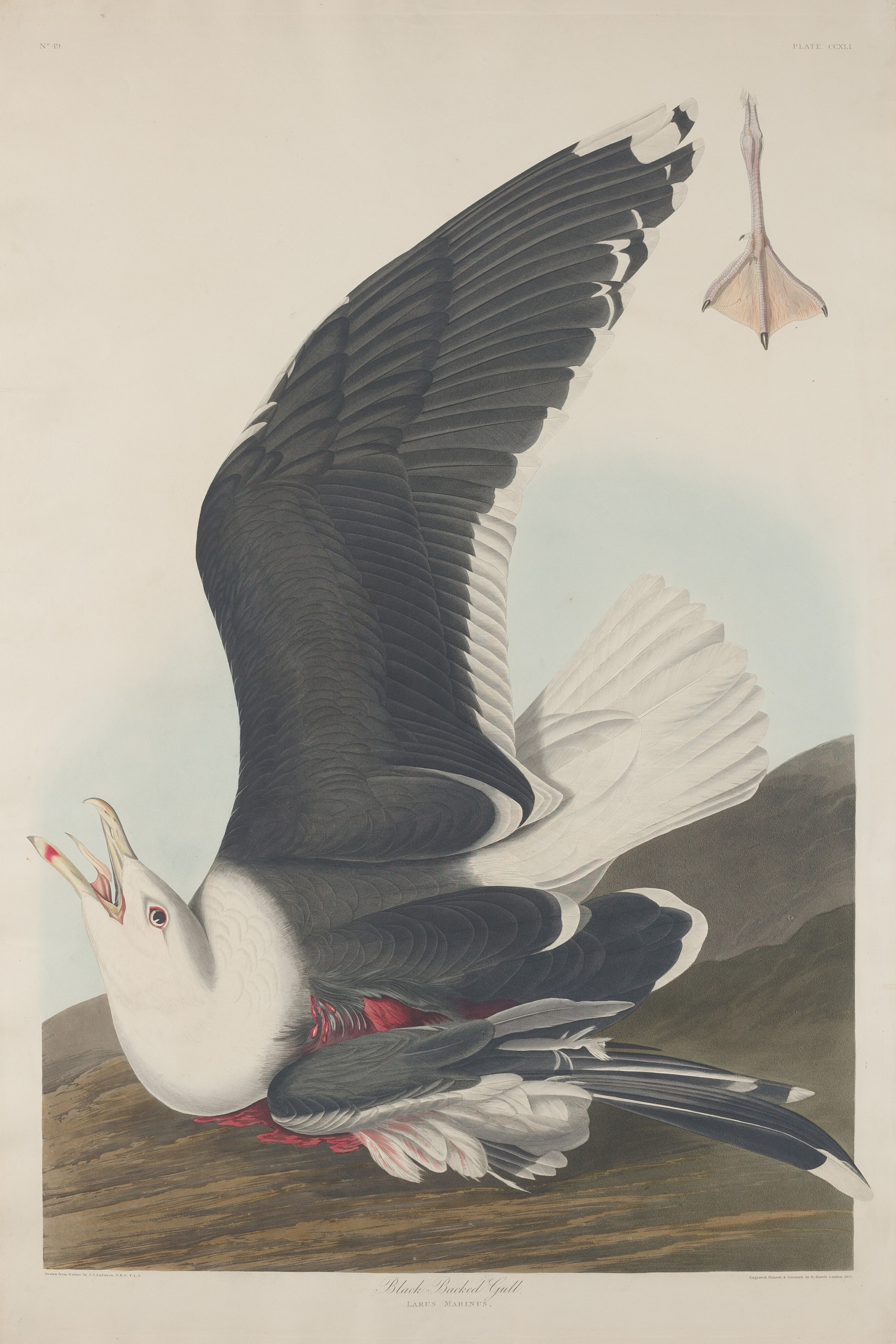
- Great Black-backed GullLarus marinus
- Saltmarsh Sharp-tailed SparrowAmmodramus caudacutus
- Sandwich TernThalasseus sandvicensis
- Seaside SparrowAmmodramus maritimus
- American OystercatcherHaematopus palliatus
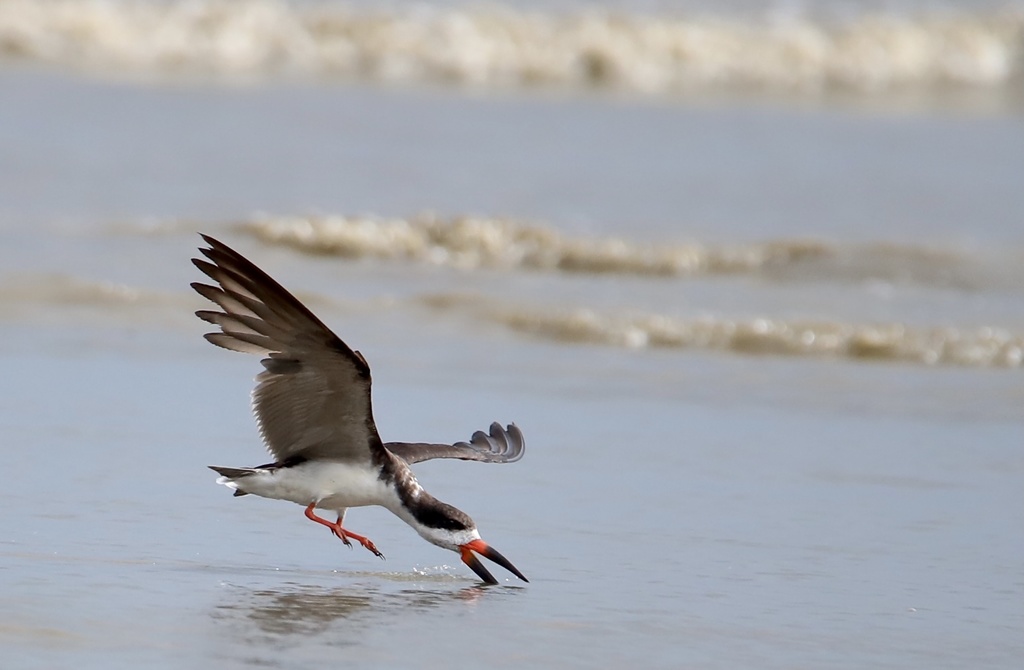
- Black SkimmerRynchops niger
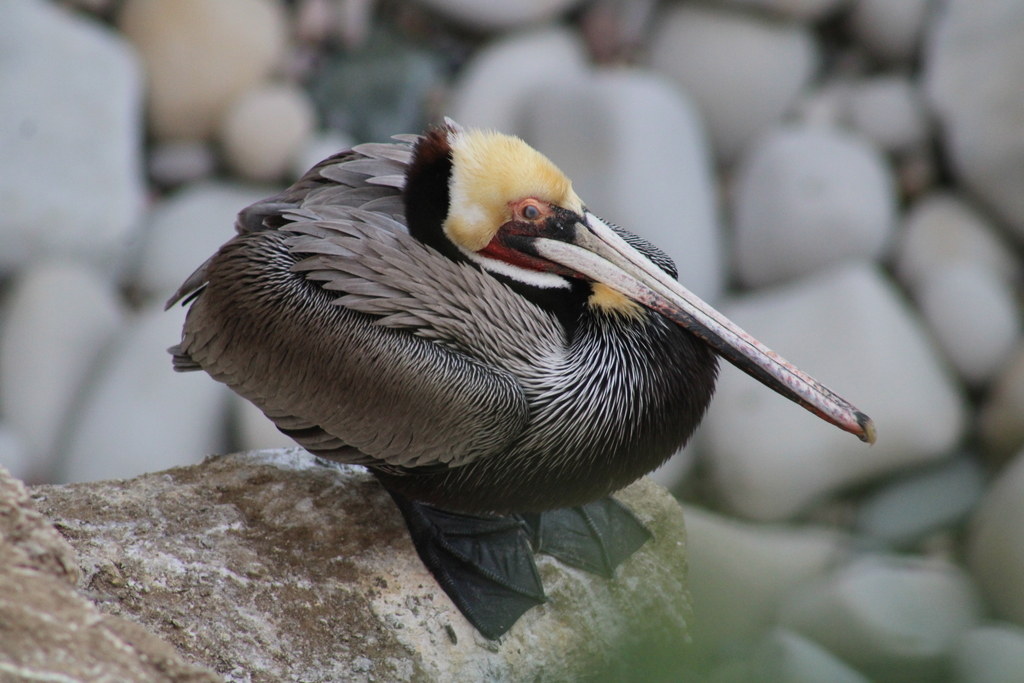
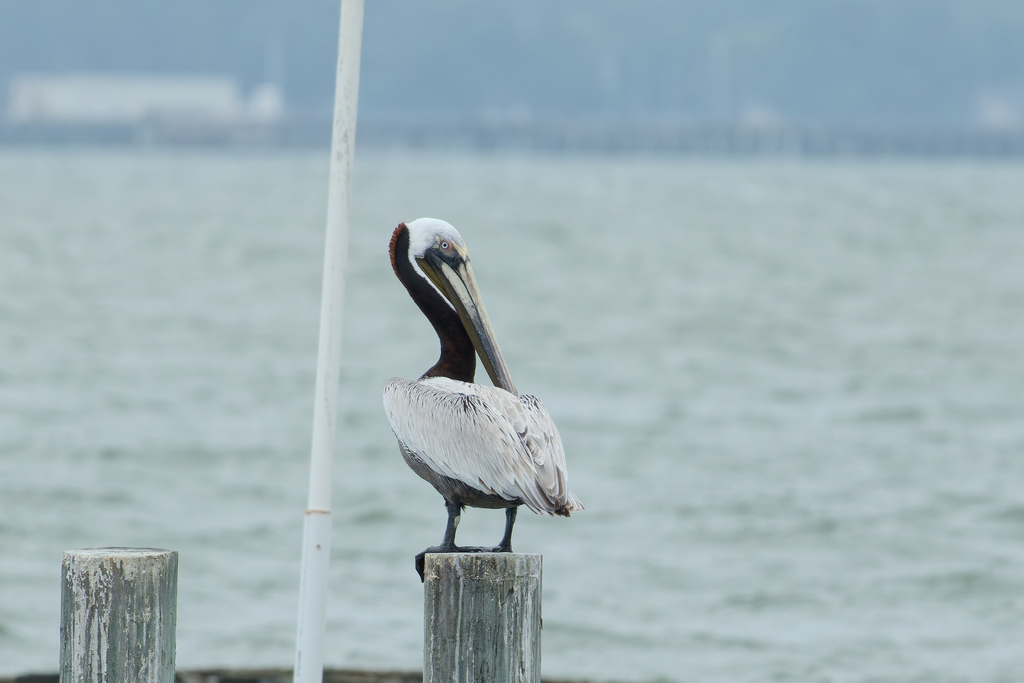
- Brown PelicanPelecanus occidentalis
- Eastern Brown PelicanPelecanus occidentalis carolinensis
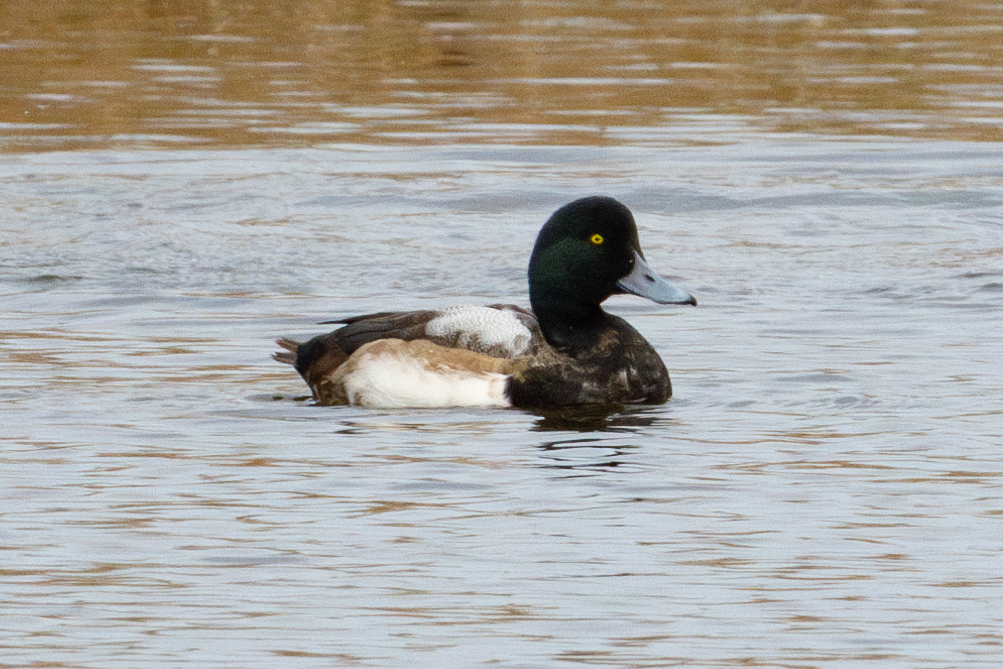
- Greater ScaupAythya marila
Plants 52
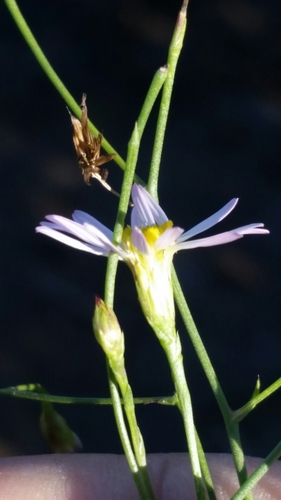
- Perennial Saltmarsh AsterSymphyotrichum tenuifolium
- Wand LoosestrifeLythrum lineare
- Sea OxeyeBorrichia frutescens
- Olney's ThreesquareSchoenoplectus americanus
- Saltmarsh SpikerushEleocharis uniglumis
- Perennial GlasswortSalicornia ambigua
- Weakley's Flat-top GoldenrodEuthamia weakleyi
- Smallfruit BeggarticksBidens mitis
- Saltmarsh Morning-gloryIpomoea sagittata
- Bushy KnotweedPolygonum prolificum
- Virginia PlantainPlantago virginica
- Seashore CrowngrassPaspalum vaginatum
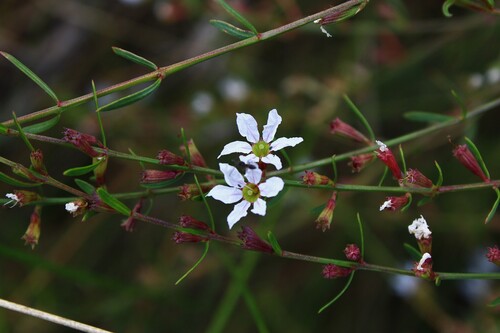
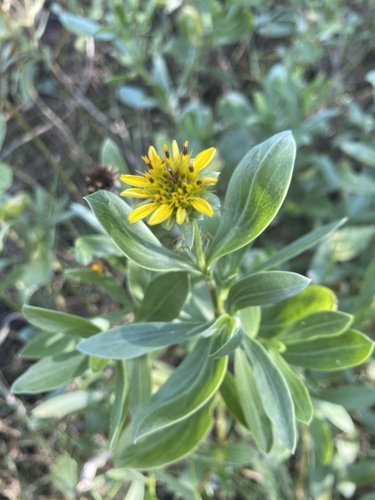
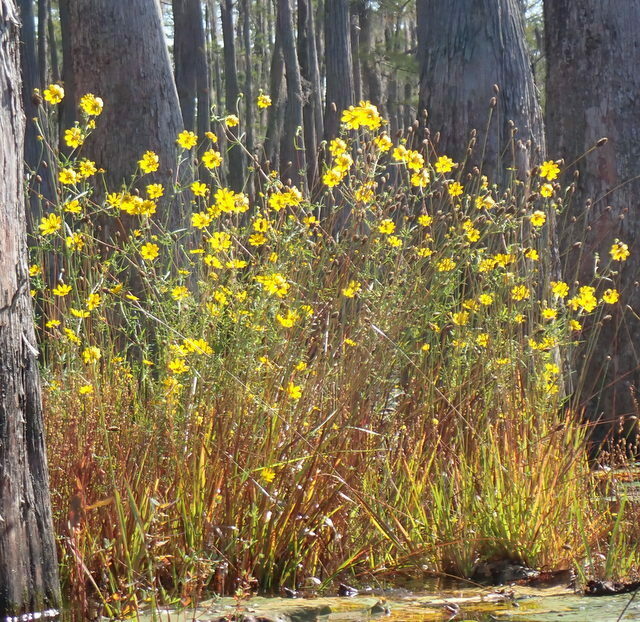
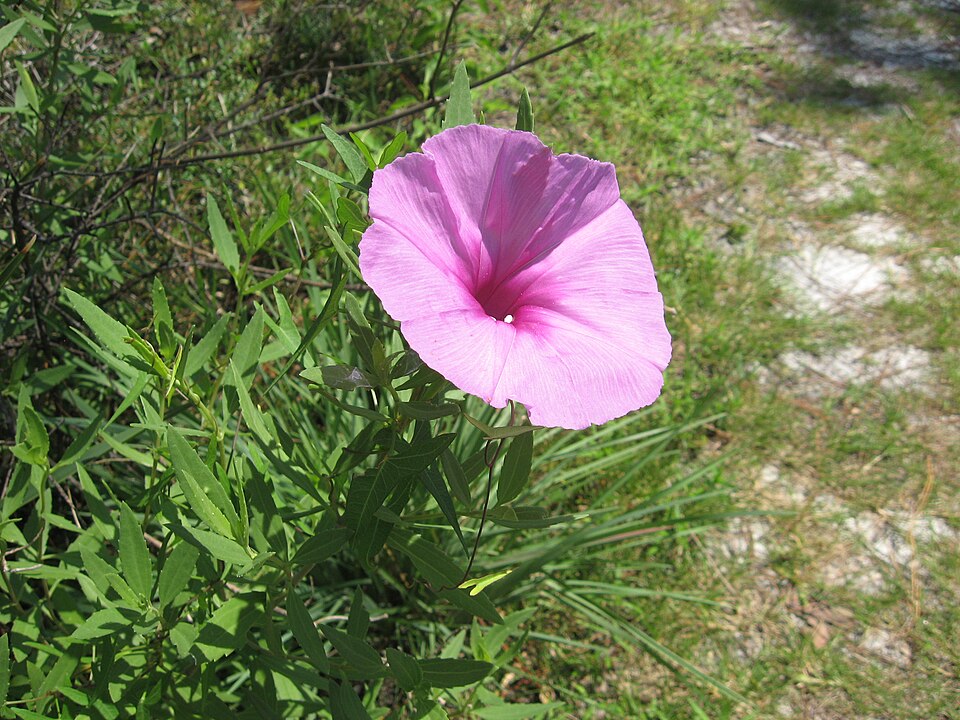
Sources
- USGS Gap Analysis Project habitat models (2001)
- USGS GAP winter habitat model for Red-throated Loon Brackish or salt water only
- USGS Gap Analysis Project range maps (2001), modeled by watershed; migratory gives no dates
- NatureServe Explorer (CC BY 4.0), habitat names
- US Census TIGER/Line counties
- Names follow the USGS Gap Analysis Project (2001)