

Bird
Snowy Owl
Bubo scandiacus
A winter visitor to West Virginia, found in 19 of 55 counties and 4 habitats.
- Here
- Winter
- Nesting
- Not known to nest here
- Range
- 19 of 55 counties
- Habitats
- 4

At a glance
- Group
- Birds
- Here
- Winter
- Nesting
- Not known to nest here
- Range
- 19 of 55 counties
- Habitats
- 4
- Habitat models
- Winter
Where it lives
The places its habitat model includes. It is not found everywhere a habitat occurs.
Habitats in West Virginia 4
Each habitat page lists the plants and wildlife also found there.
Floodplain and bottomland forests
Forests on low ground beside rivers and streams that flood from time to time.
Treeless grassy or shrubby summits and ridges in the high mountains.
Roadsides, fields and disturbed ground
Ground opened by people: roadsides, old fields, pastures, fencerows and lots.
Steep, sun-baked slopes of loose shale with sparse oaks and Virginia pine and their own endemic wildflowers. Linked only where the source names shale barrens; calcareous shale stays with the limestone glades.
Other habitats in its models (20)
Land cover, or classes with no habitat page in West Virginia. Those recorded in West Virginia first, the rest by region.
Elsewhere in the South (3)
- Central Interior Highlands Calcareous Glade and Barrens Winter.
- Nashville Basin Limestone Glade Winter.
- Southeastern Great Plains Tallgrass Prairie Winter.
Midwest (2)
- Central Mixedgrass Prairie Winter.
- North-Central Interior Sand and Gravel Tallgrass Prairie Winter.
Land cover and other classes (15)
- Developed, High Intensity Winter.
- Developed, Low Intensity Winter.
- Developed, Medium Intensity Winter.
- Eastern Great Plains Floodplain Systems Winter.
- Eastern Great Plains Wet Meadow, Prairie, and Marsh Winter.
- Harvested Forest - Grass/Forb Regeneration Winter.
- Introduced Upland Vegetation - Annual Grassland Winter.
- Introduced Upland Vegetation - Forbland Winter.
- Introduced Upland Vegetation - Perennial Grassland Winter.
- Introduced Upland Vegetation - Perennial Grassland and Forbland Winter.
- Recently Burned Winter.
- Recently Burned Forest Winter.
- Recently Burned Grassland Winter.
- Recently Logged Areas Winter.
- South-Central Interior Large Floodplain - Herbaceous Modifier Winter.
Seasons in West Virginia
- Winter: does not nest here, in 19 of 55 counties.
Also found in its main habitats
Its main habitats in West Virginia, by how much of its habitat model each one is, with the birds most characteristic of each and the plants that grow wild there. Shared habitat, not food.
Roadsides, fields and disturbed ground
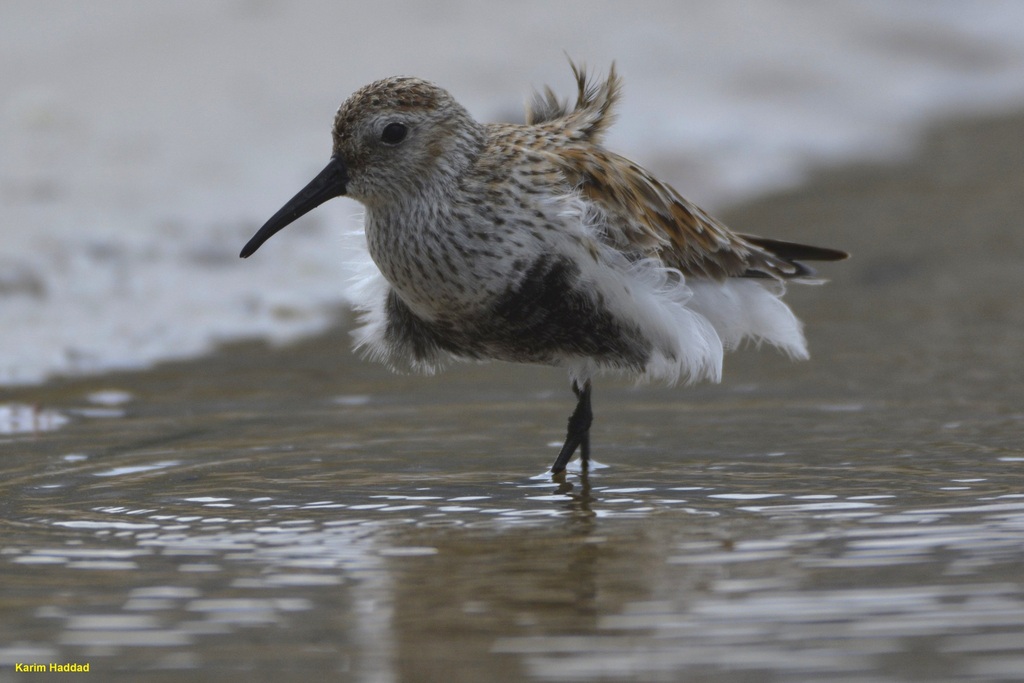
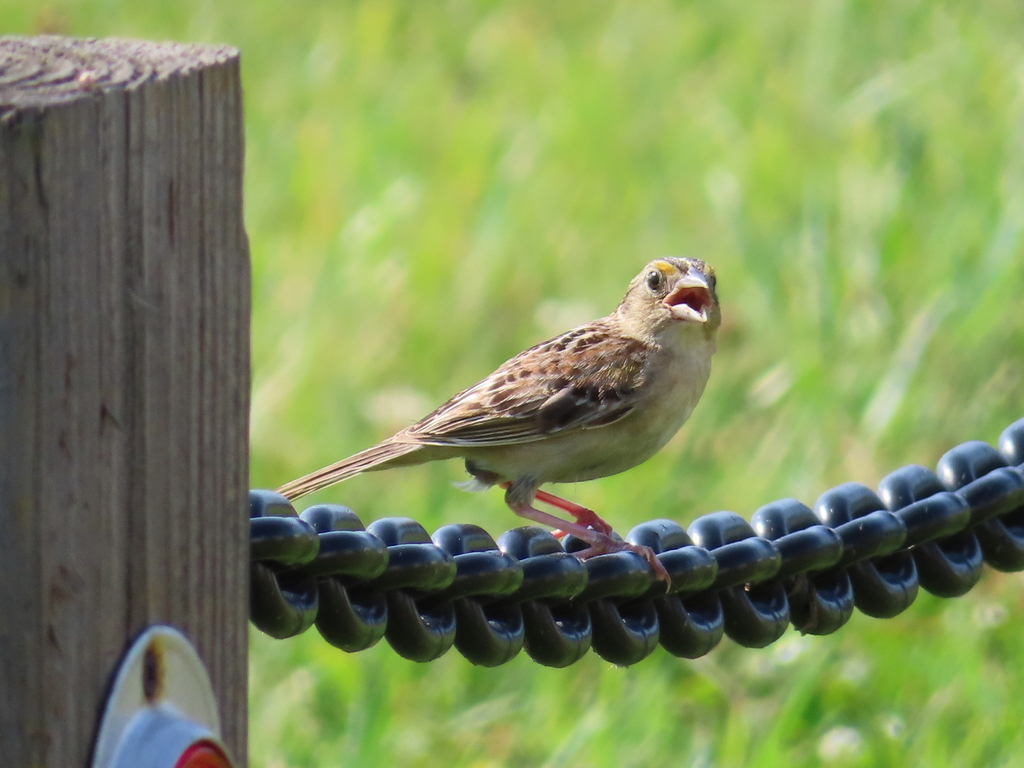
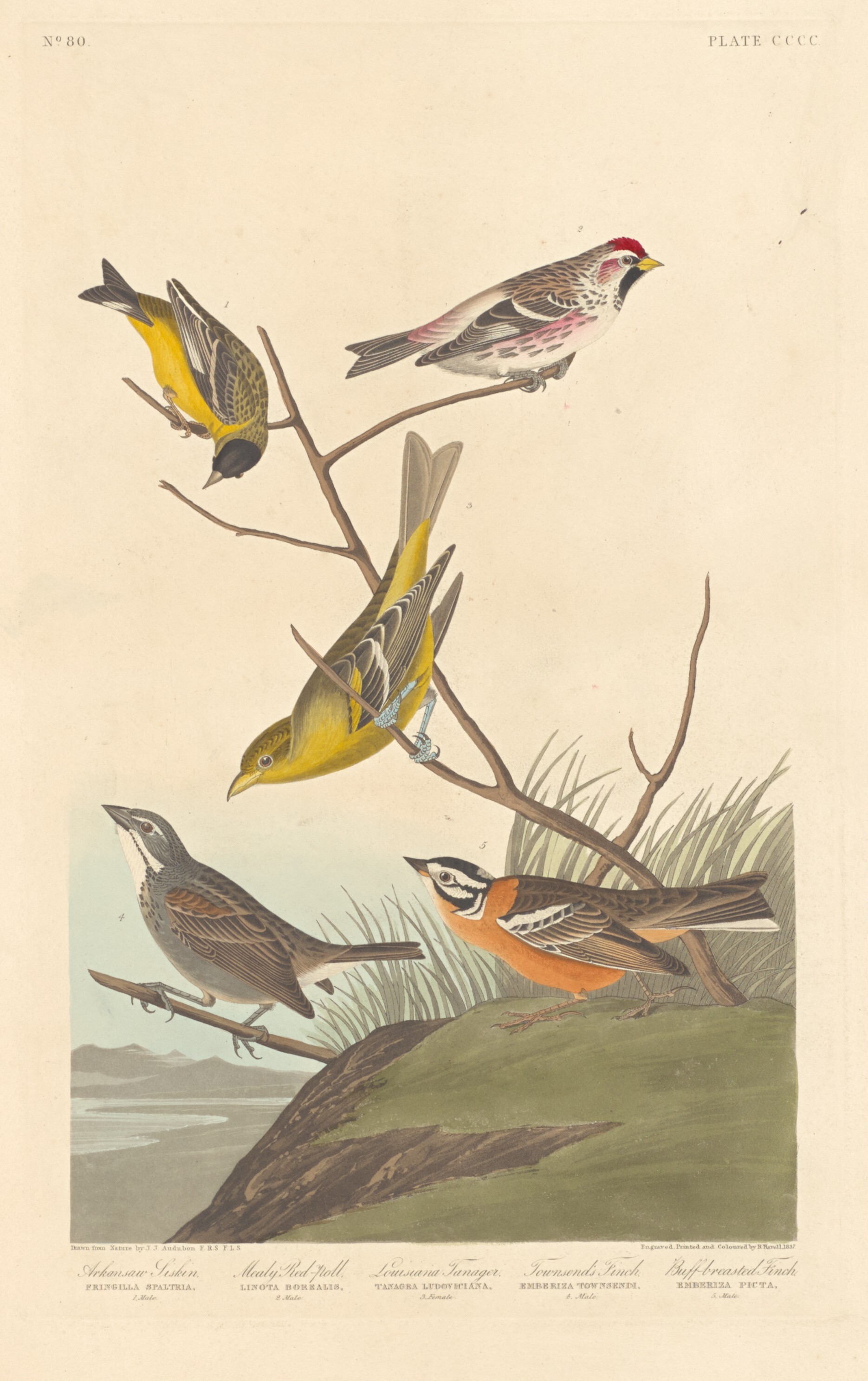
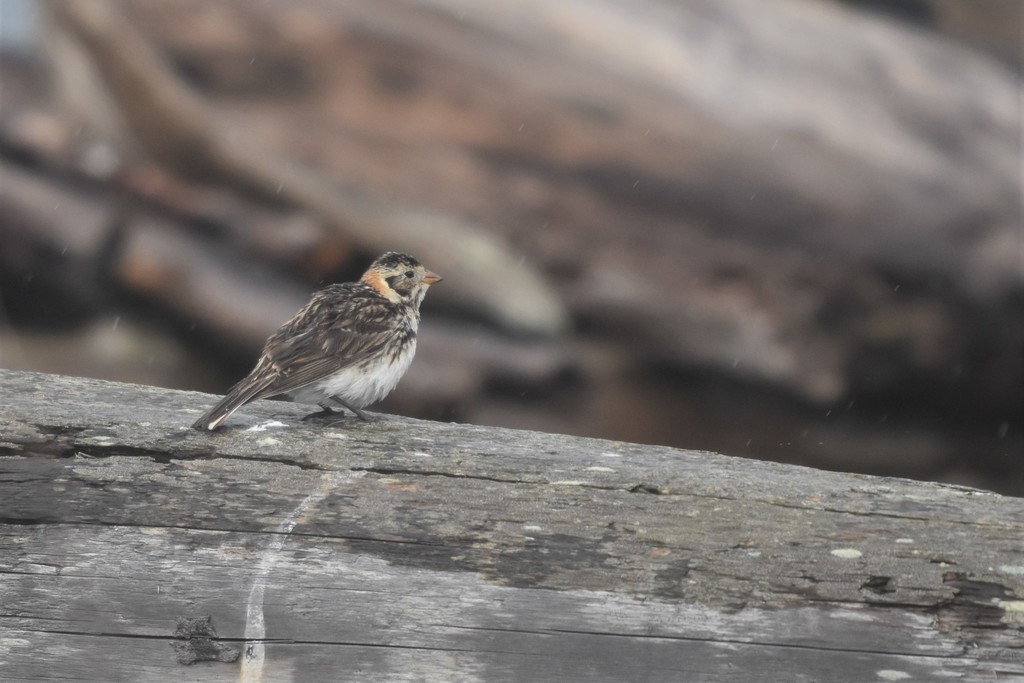
Birds 96
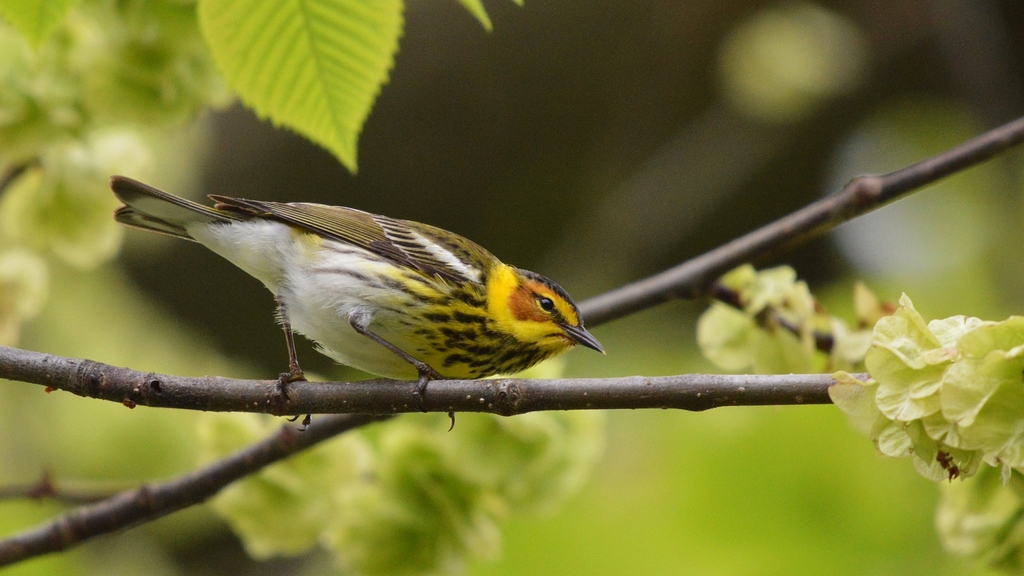
- Cape May WarblerDendroica tigrina
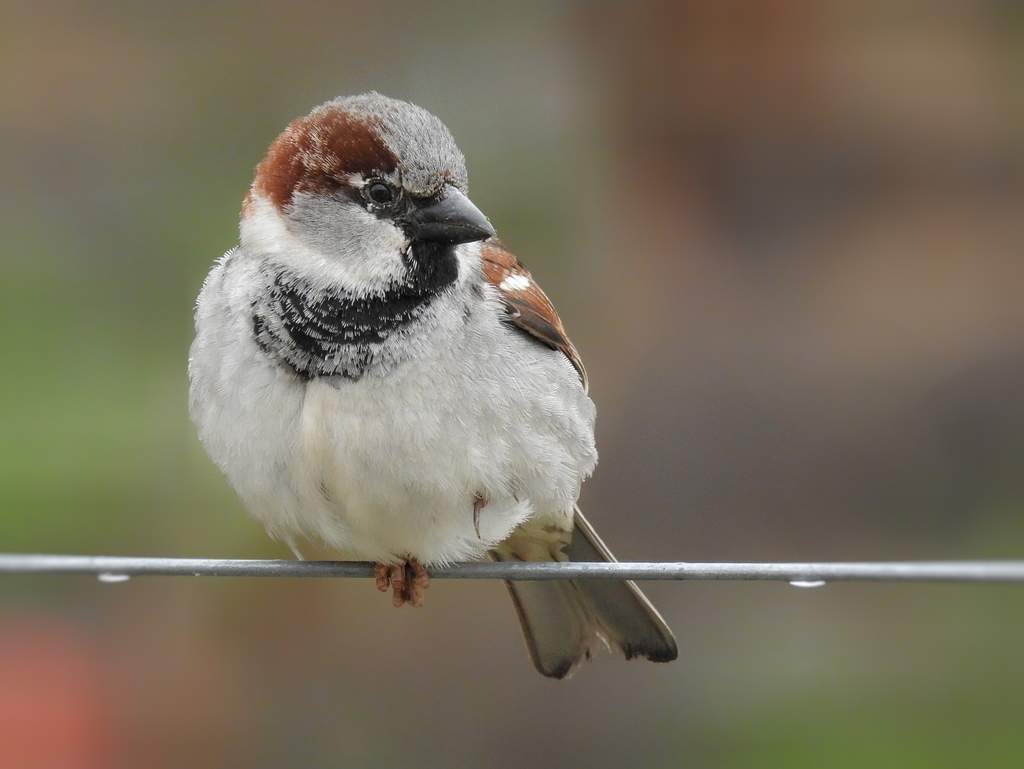
- House SparrowPasser domesticus
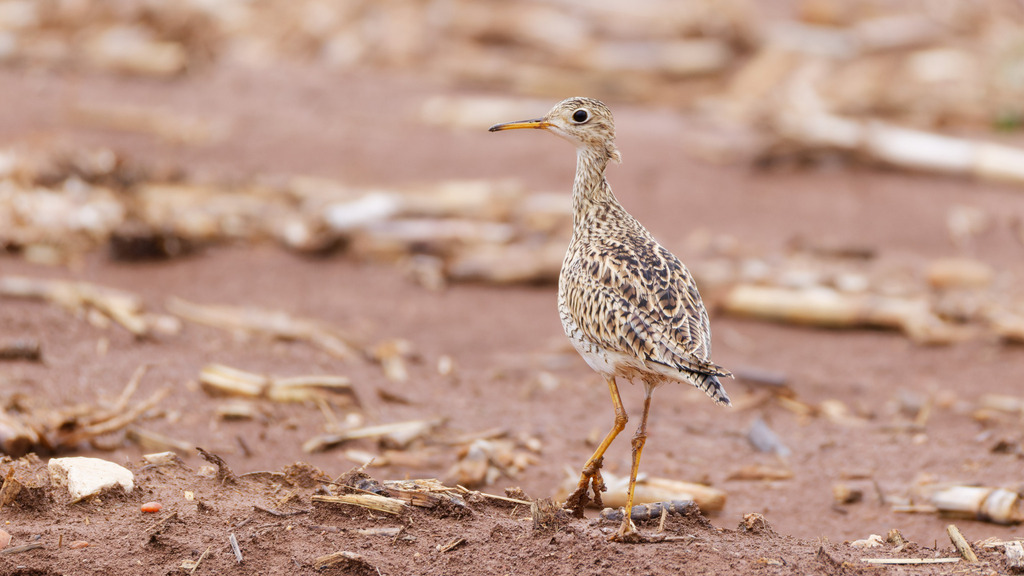
- Upland SandpiperBartramia longicauda
- Rock PigeonColumba livia
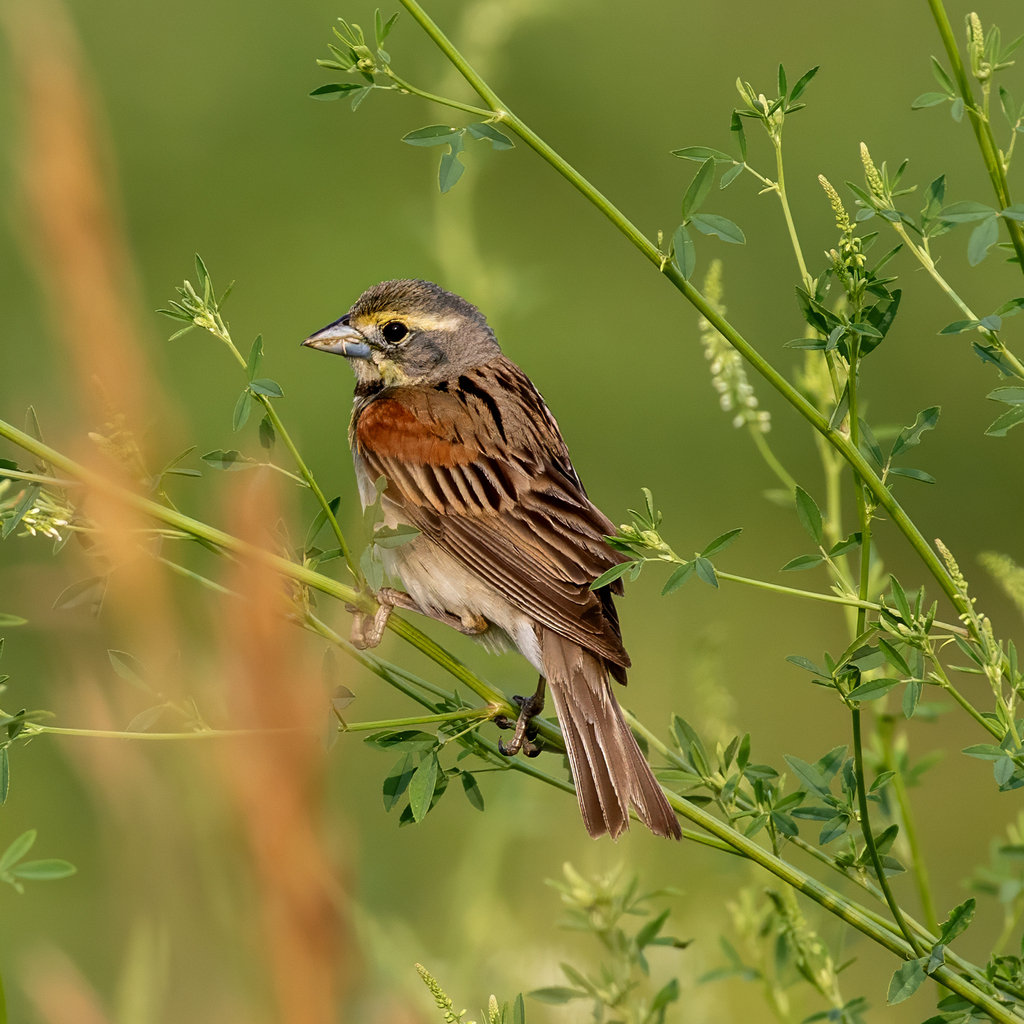
- DickcisselSpiza americana
- DunlinCalidris alpina
- Grasshopper SparrowAmmodramus savannarum
- Hoary RedpollCarduelis hornemanni
- Lapland LongspurCalcarius lapponicus
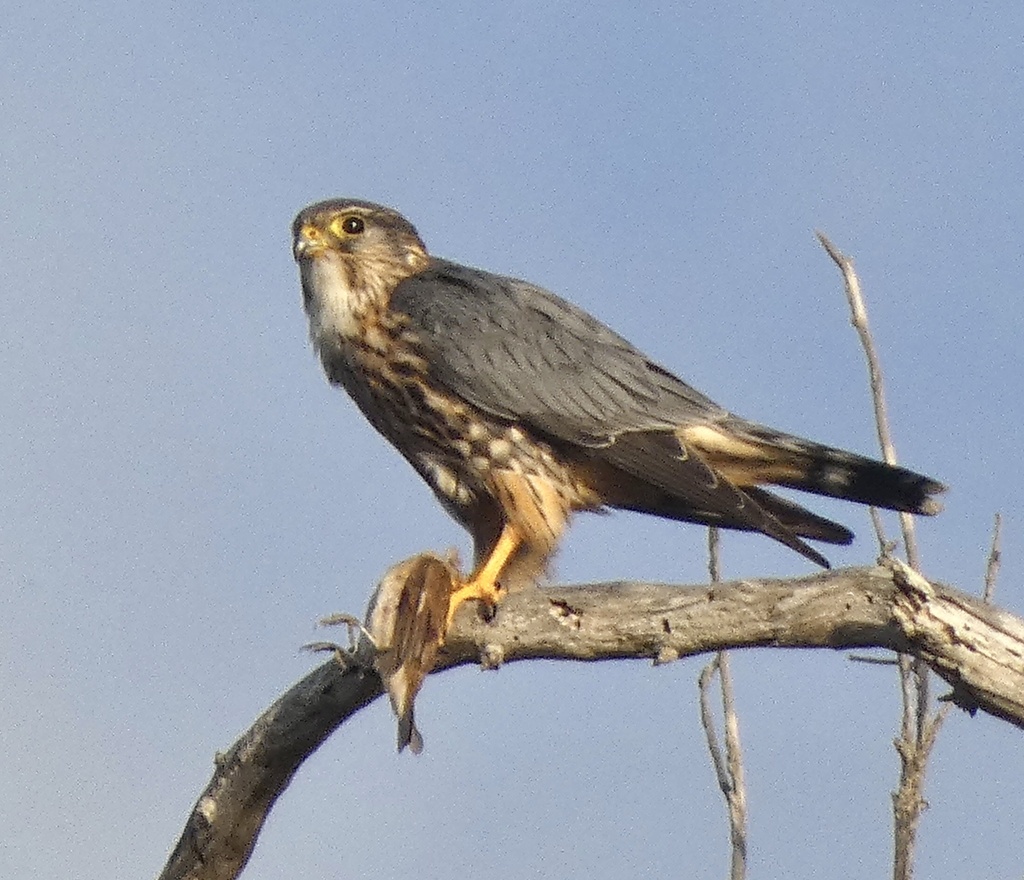
- MerlinFalco columbarius
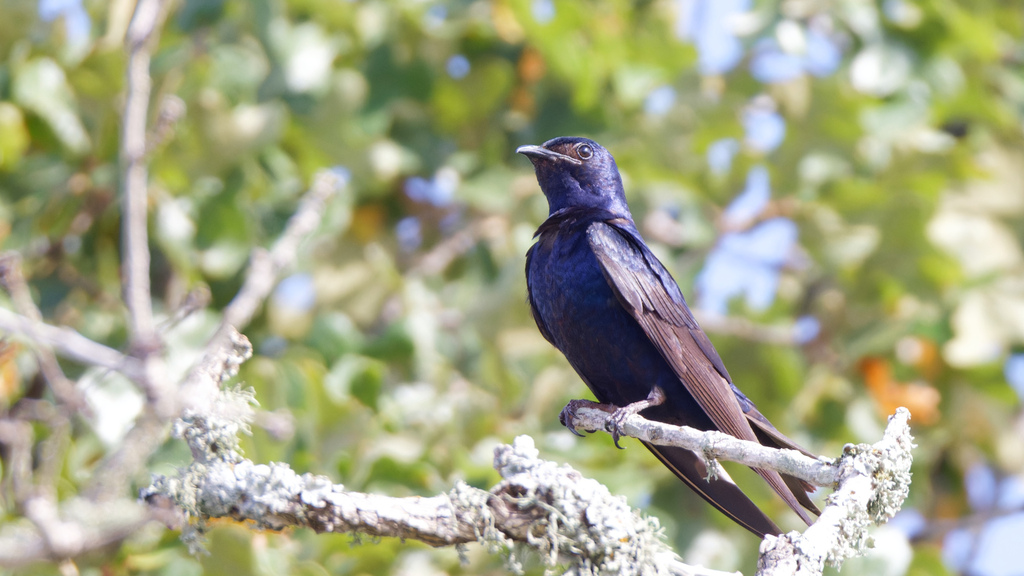
- Purple MartinProgne subis
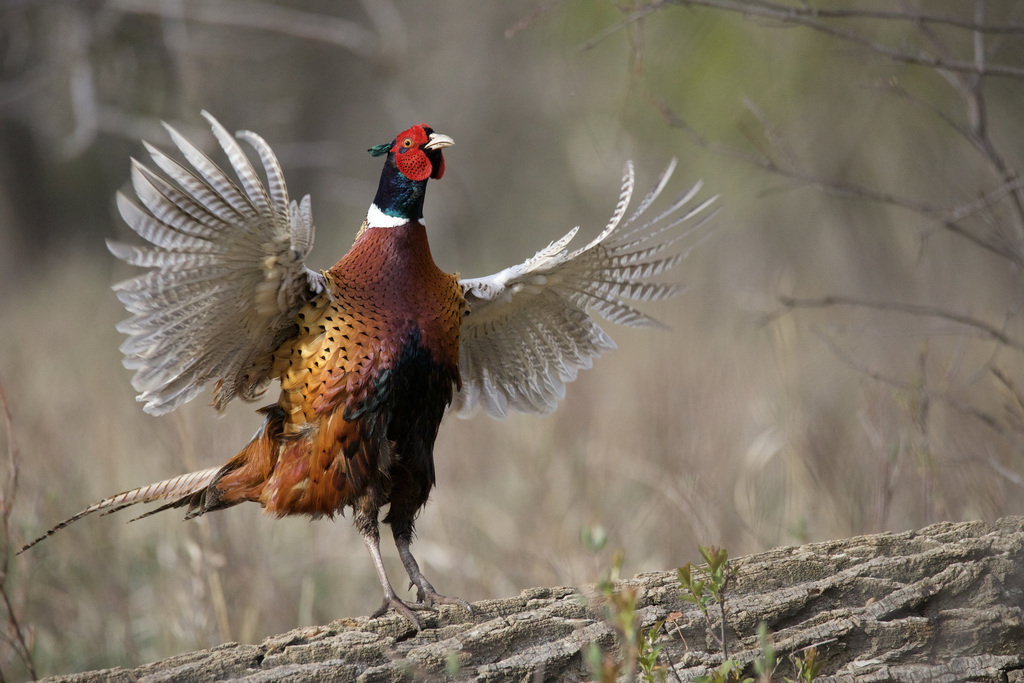
- Ring-necked PheasantPhasianus colchicus

Plants 905
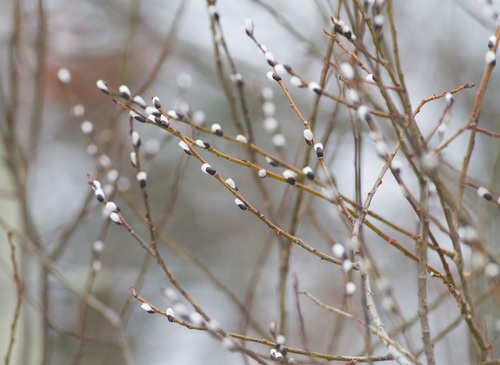
- Pussy WillowSalix discolor
- Crooked-stem AsterSymphyotrichum prenanthoides
- Long Stalk AsterSymphyotrichum dumosum var. dumosum
- Canada LettuceLactuca canadensis
- Annual FleabaneErigeron annuus
- Bushy KnotweedPolygonum ramosissimum subsp. prolificum
- Carey's KnotweedPersicaria careyi
- Carolina Crane's-billGeranium carolinianum
- Common Evening-primroseOenothera biennis
- Cutleaf Evening-primroseOenothera laciniata
- Northern Evening-primroseOenothera parviflora
- Oakes Evening PrimroseOenothera oakesiana
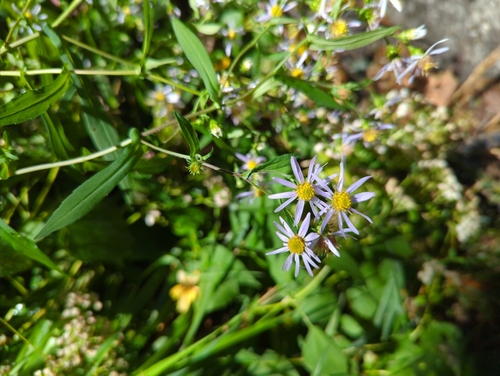
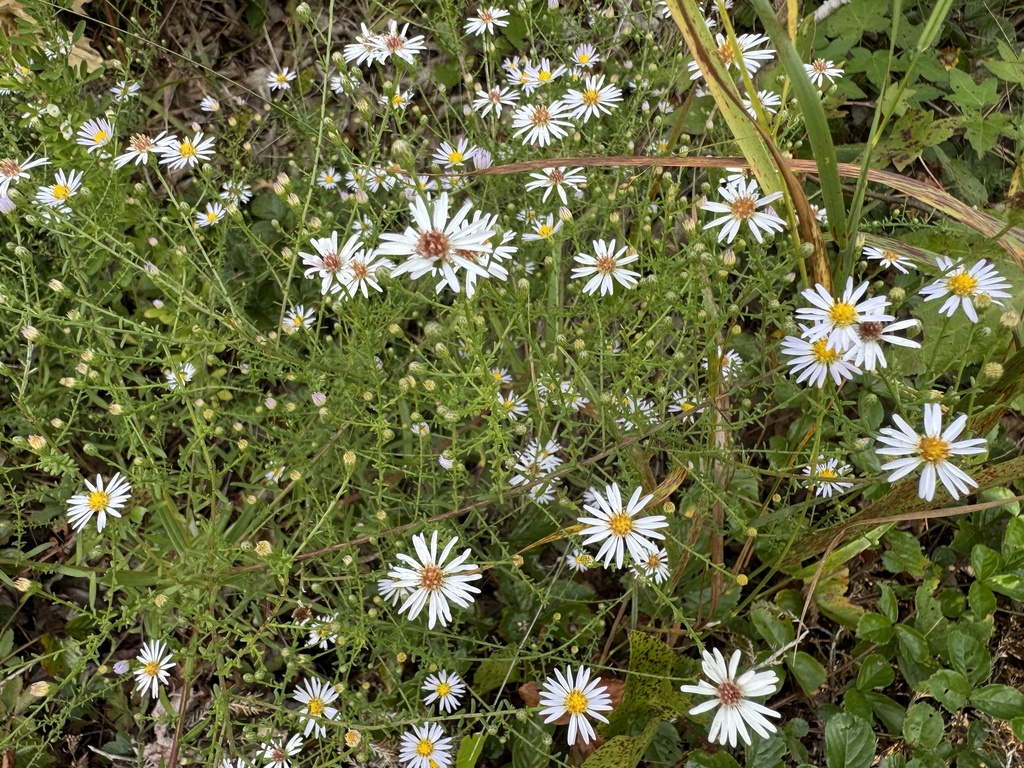
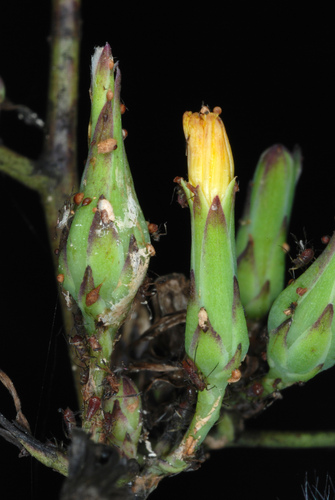
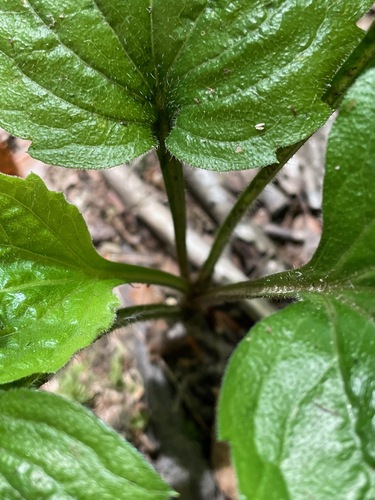
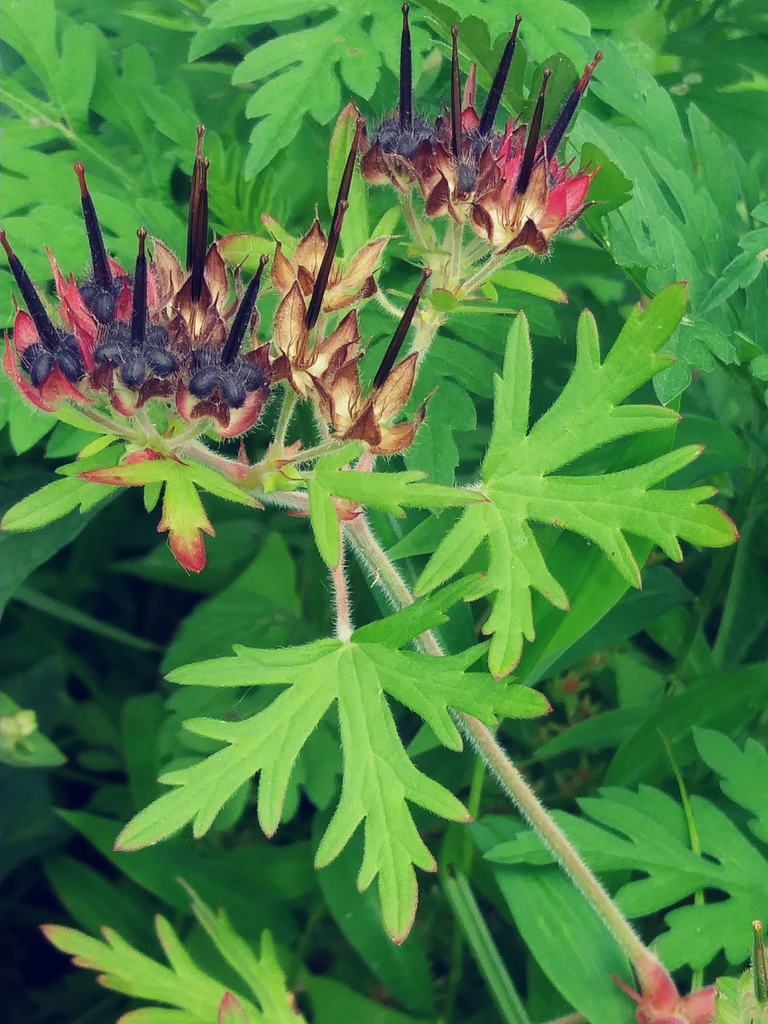
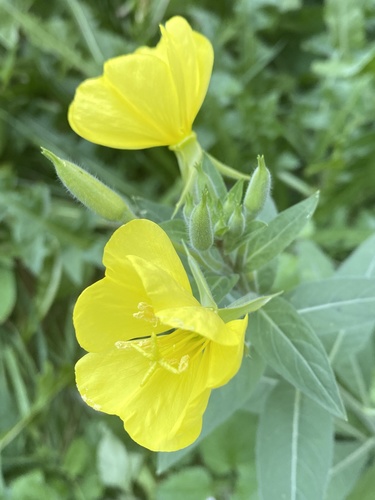
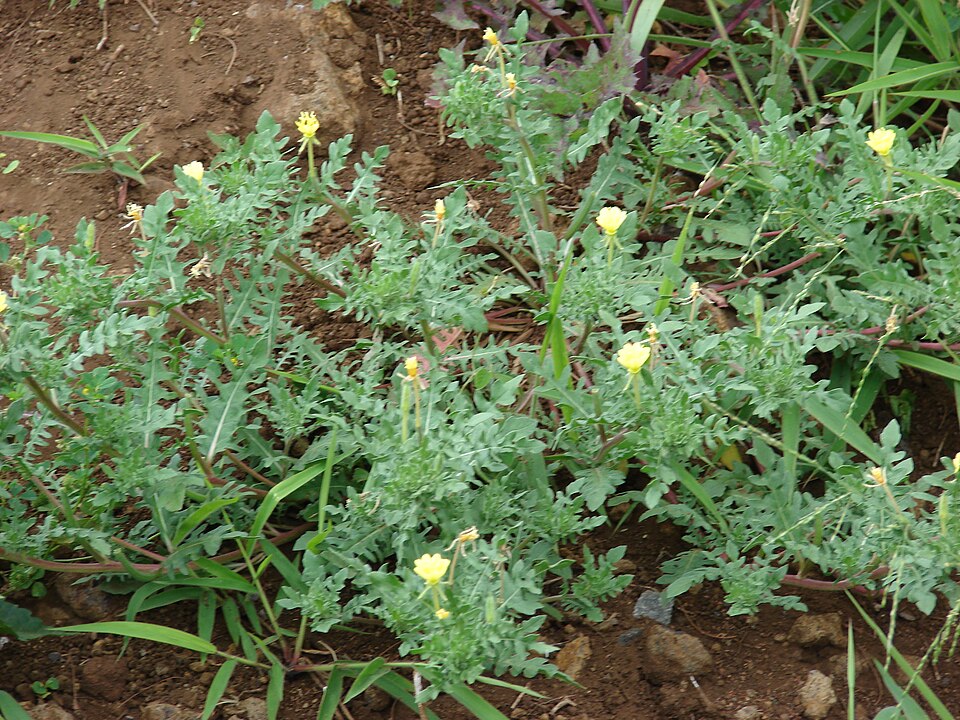
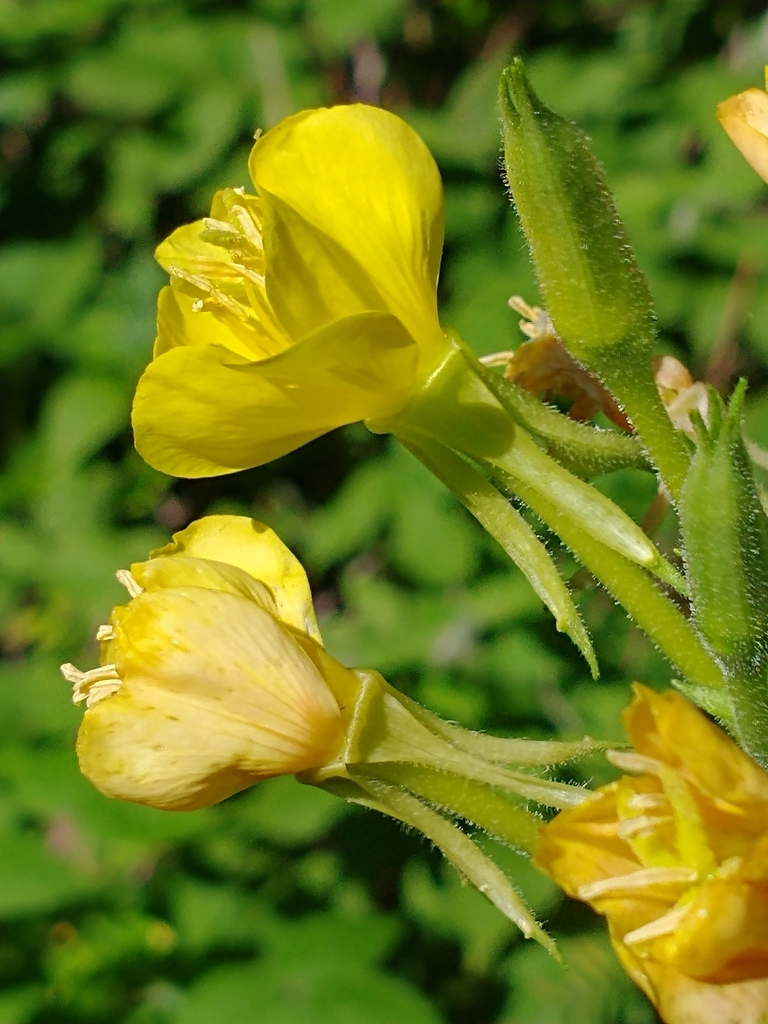
All of roadsides, fields and disturbed ground in West Virginia
Floodplain and bottomland forests
Birds 103
- Blue-winged TealAnas discors
- CanvasbackAythya valisineria
- GadwallAnas strepera
- Least BitternIxobrychus exilis
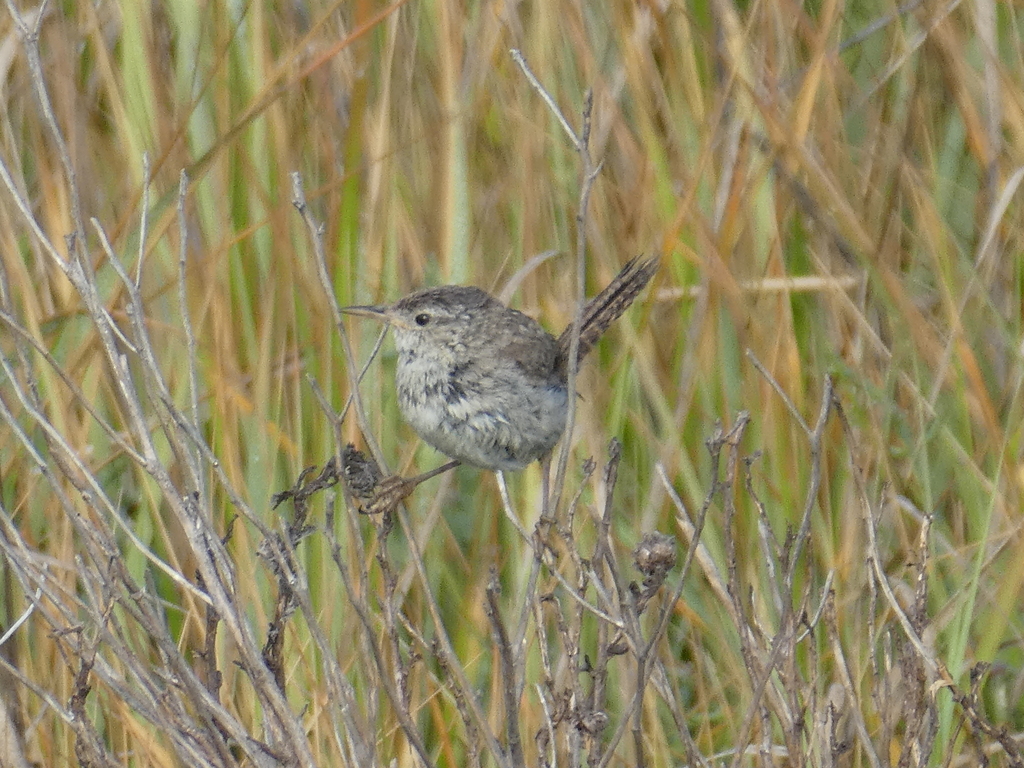
- Marsh WrenCistothorus palustris
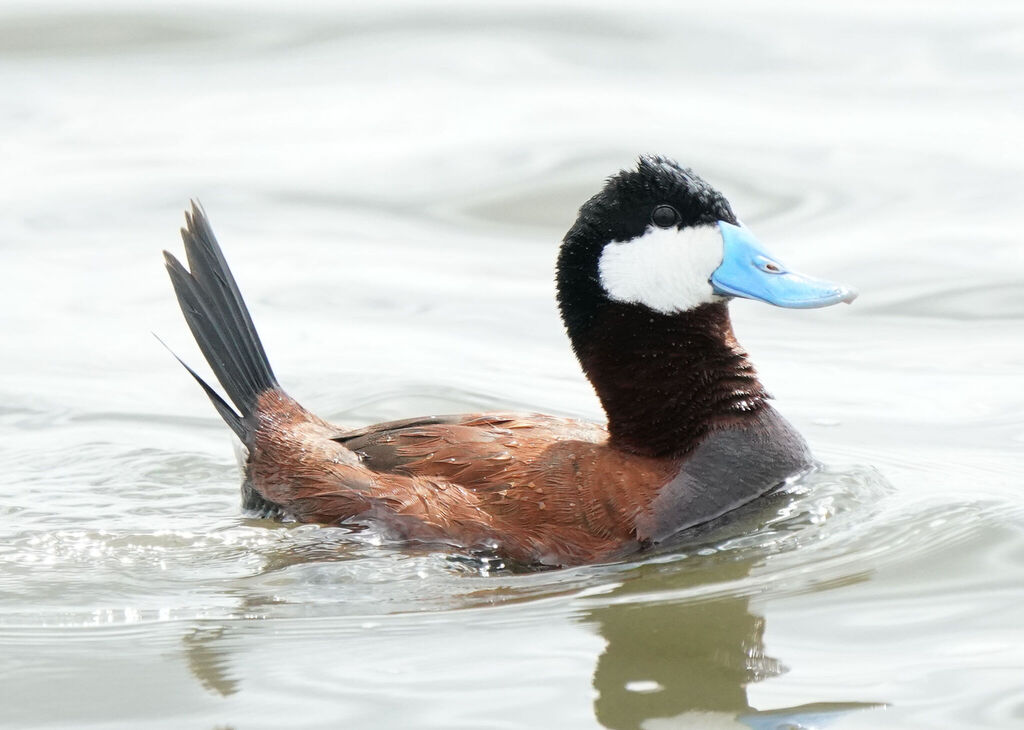
- Ruddy DuckOxyura jamaicensis
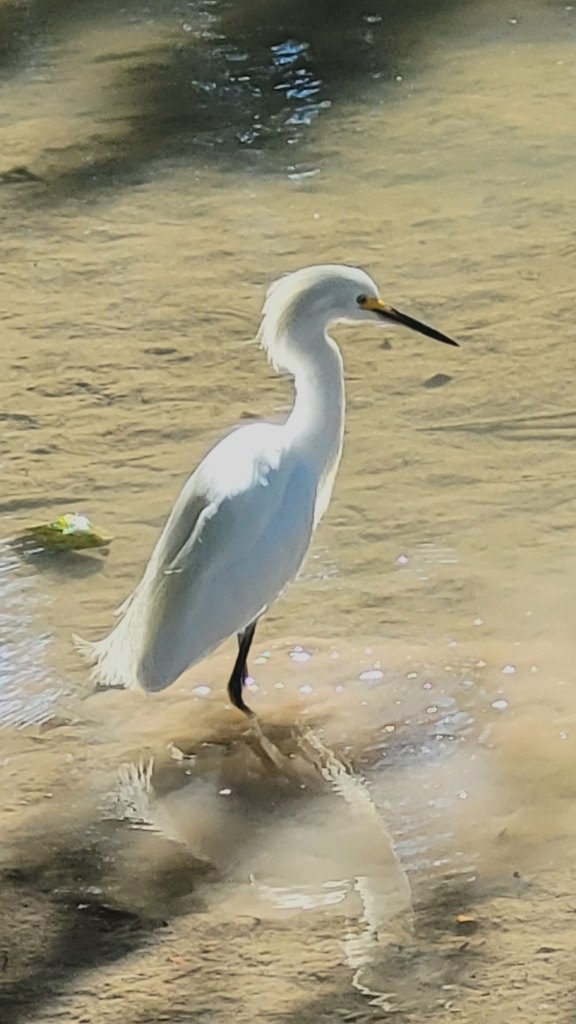
- Snowy EgretEgretta thula
- American PipitAnthus rubescens
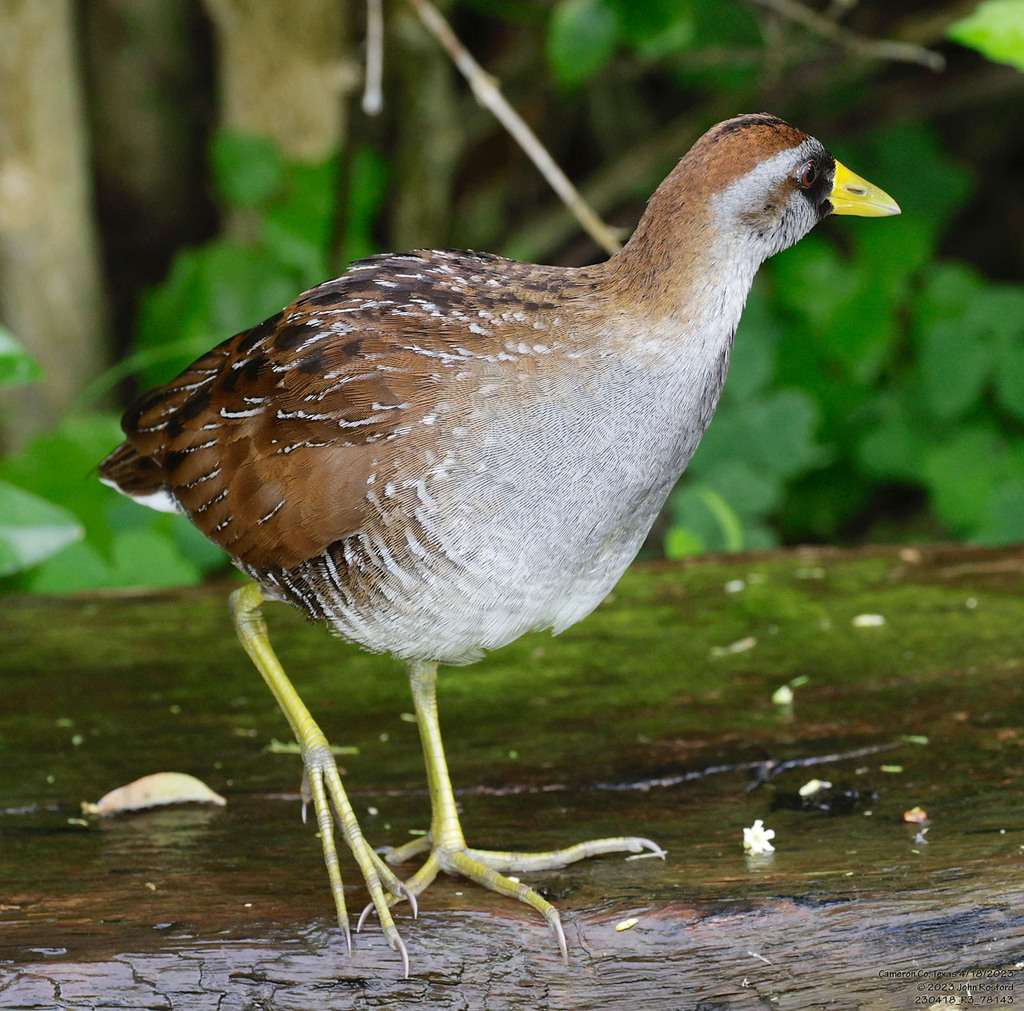
- SoraPorzana carolina
- Lincoln's SparrowMelospiza lincolnii
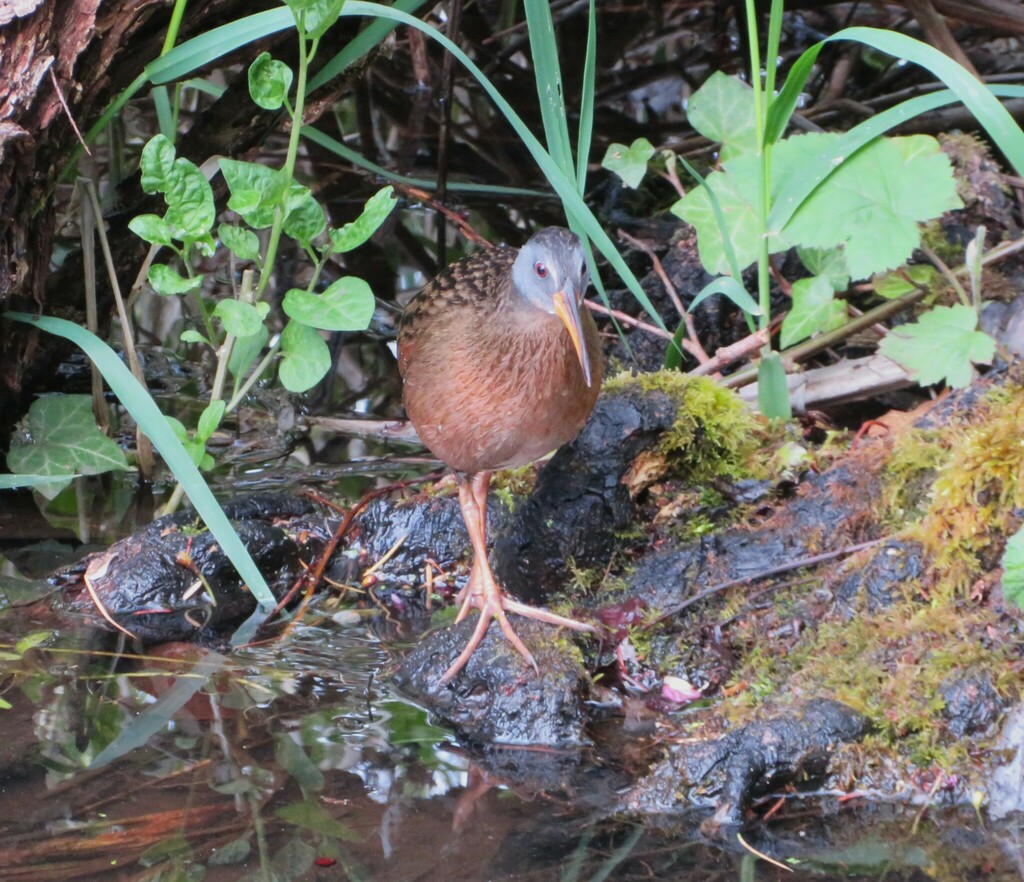
- Virginia RailRallus limicola
- Willow FlycatcherEmpidonax traillii
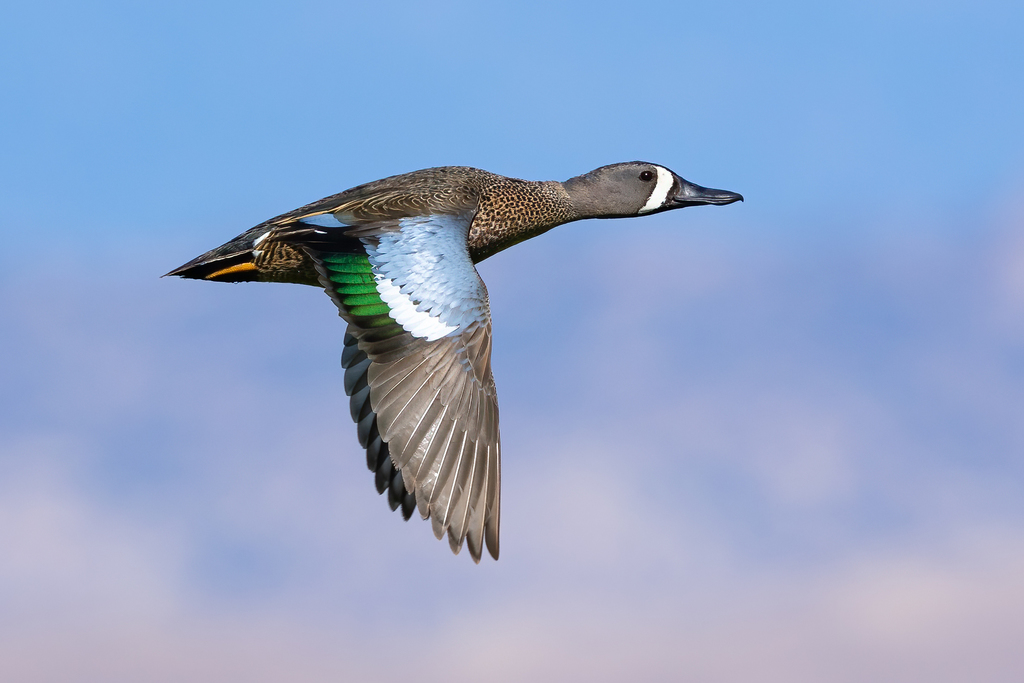
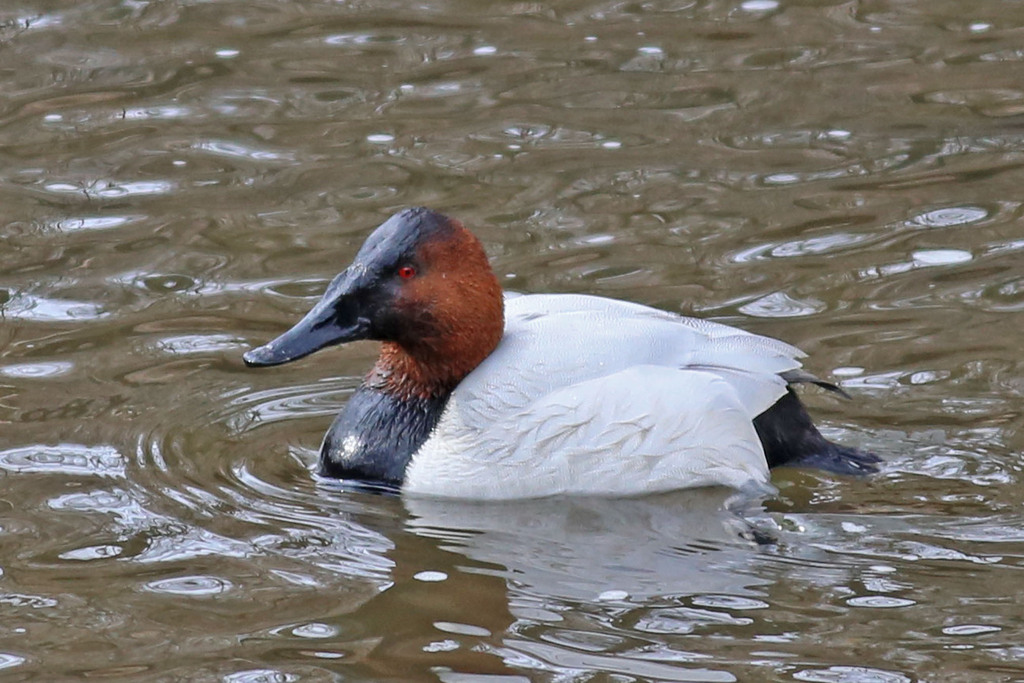
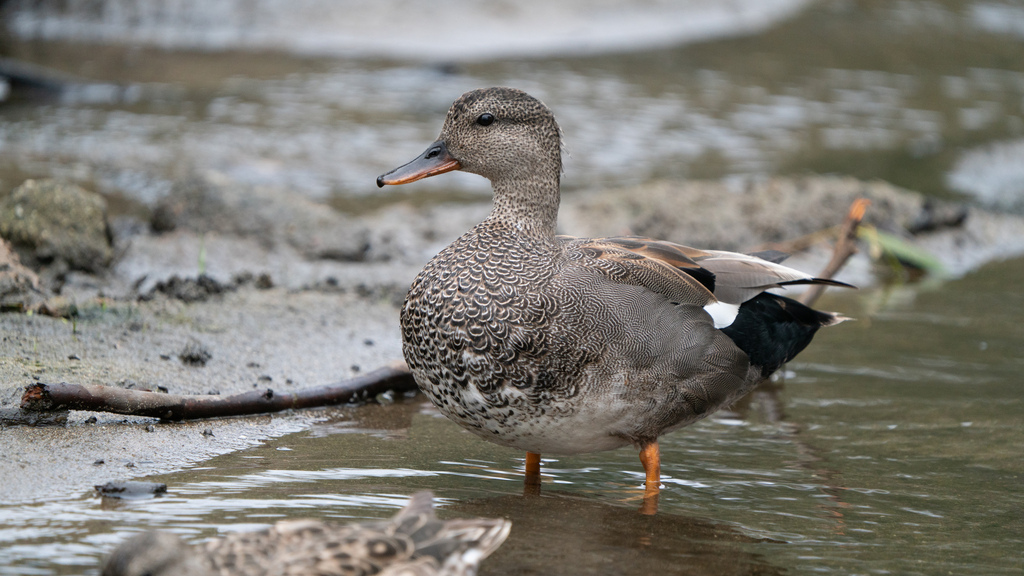
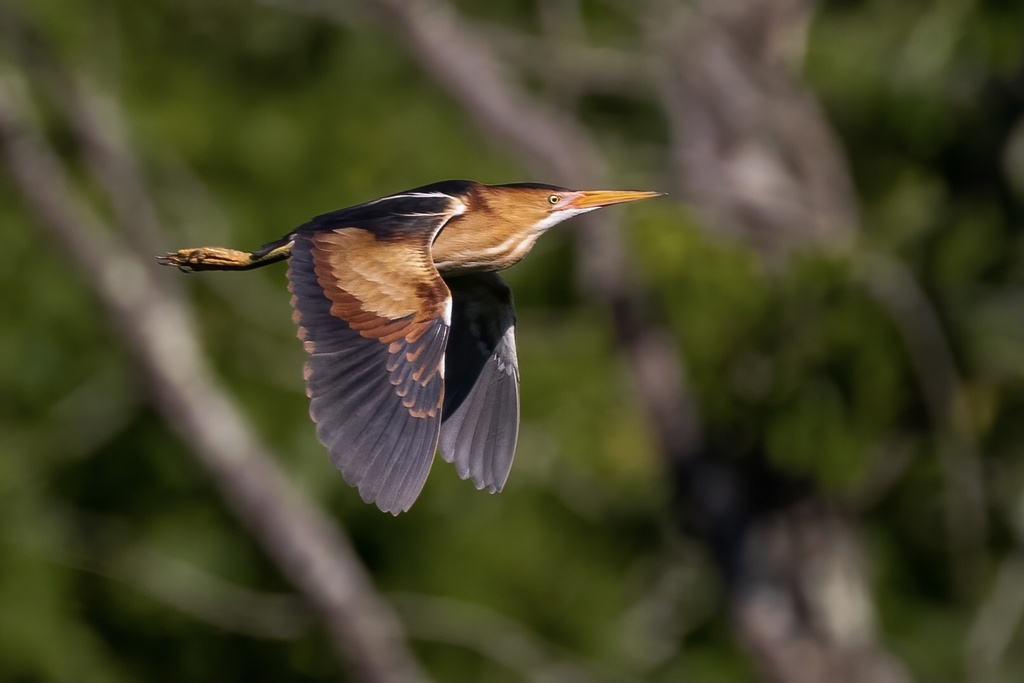


Plants 303
- Peach Leaf WillowSalix amygdaloides
- White Panicled Aster; Eastern Lined AsterSymphyotrichum lanceolatum var. latifolium
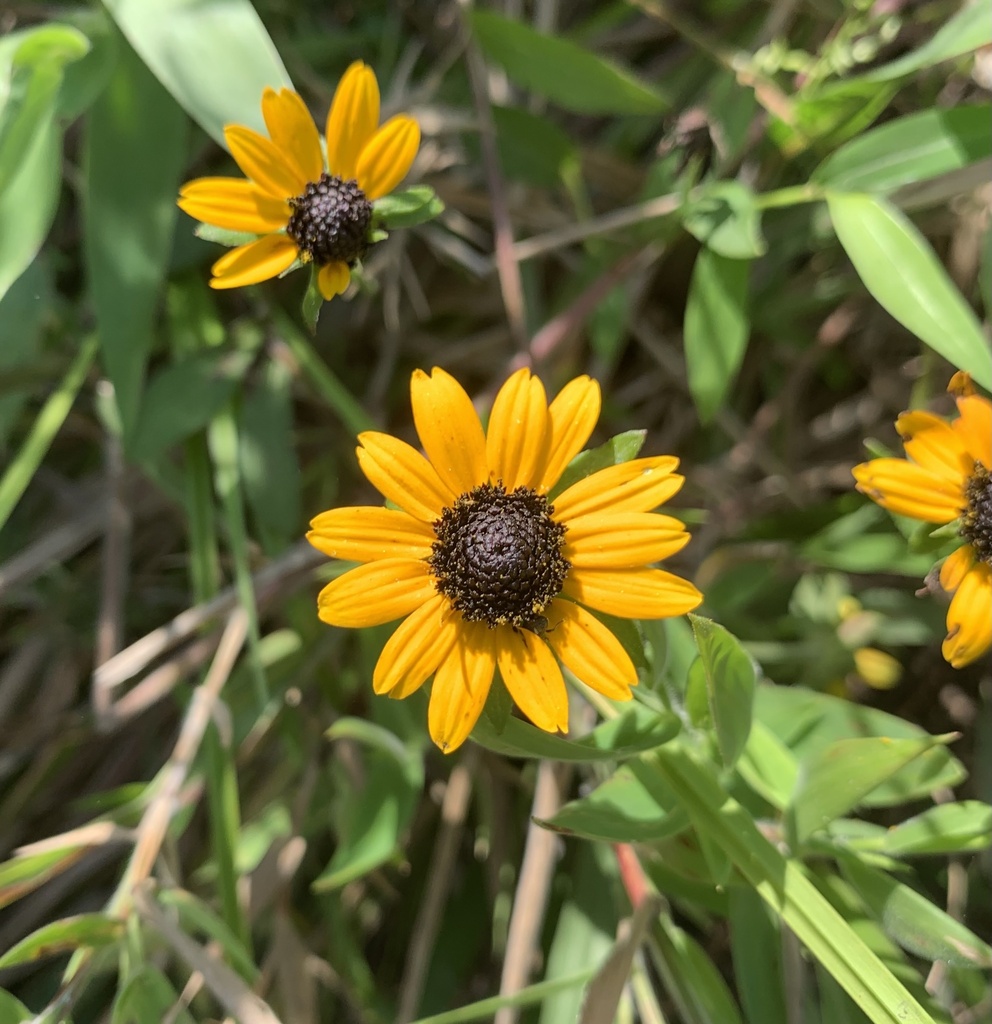
- Rudbeckia fulgida var. spathulataRudbeckia fulgida var. spathulata
- Shagbark HickoryCarya ovata
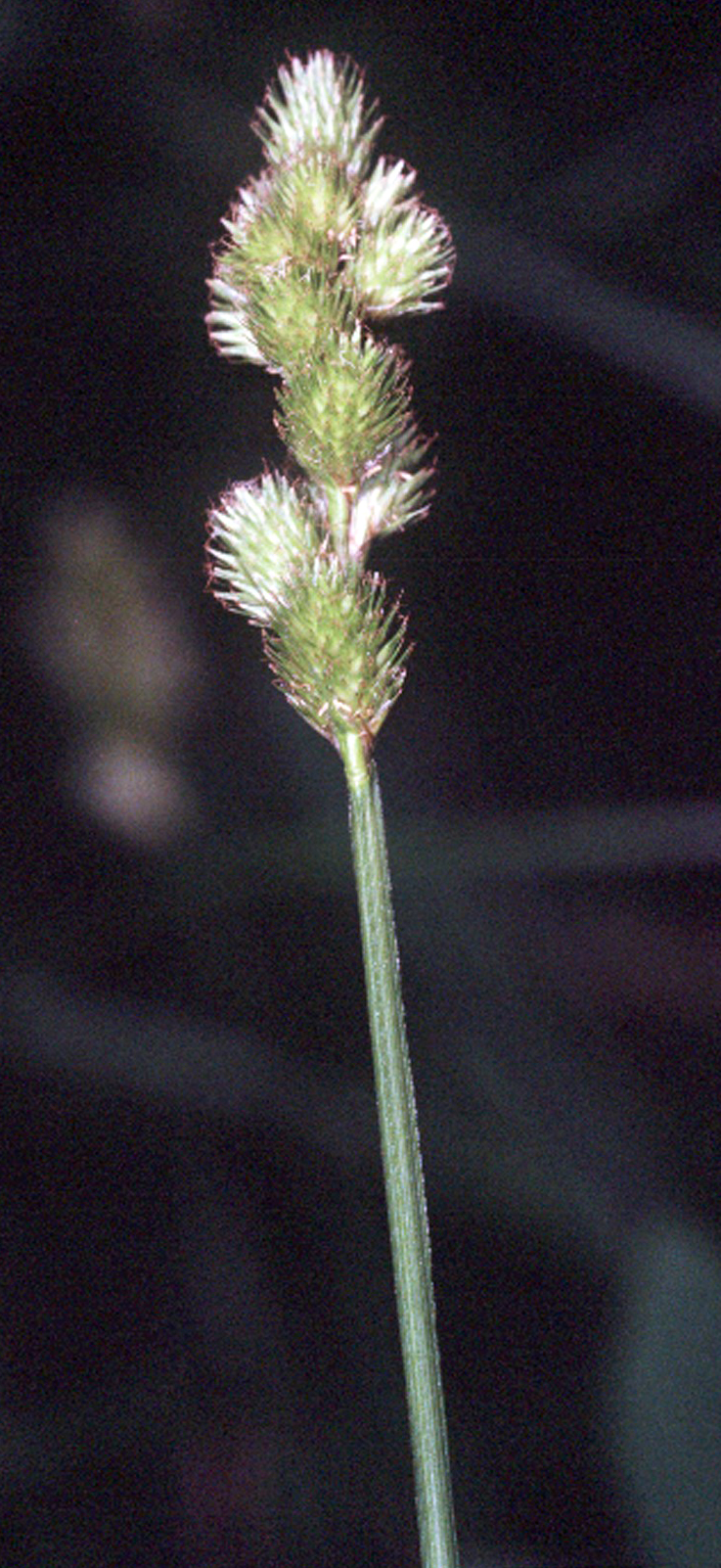
- Spreading SedgeCarex laxiculmis
- Blunt Broom SedgeCarex tribuloides
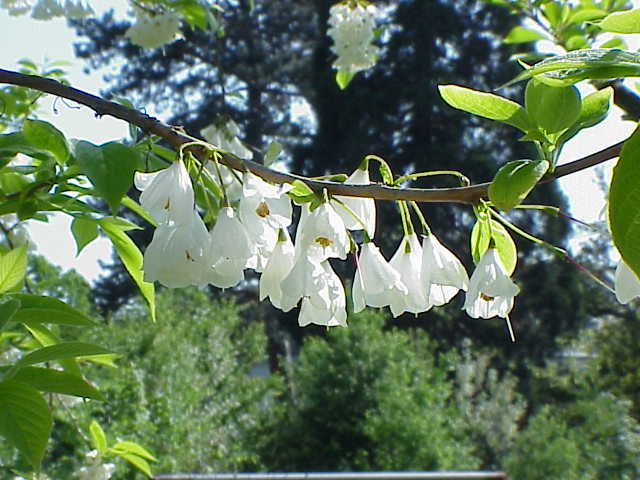
- Mountain SilverbellHalesia carolina
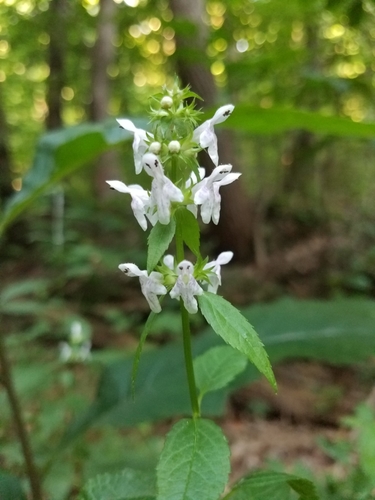
- Smooth Hedge-nettleStachys tenuifolia
- Common Cup-plantSilphium perfoliatum
- Camphor PlucheaPluchea camphorata
- Virginia Cup-plantSilphium perfoliatum var. connatum
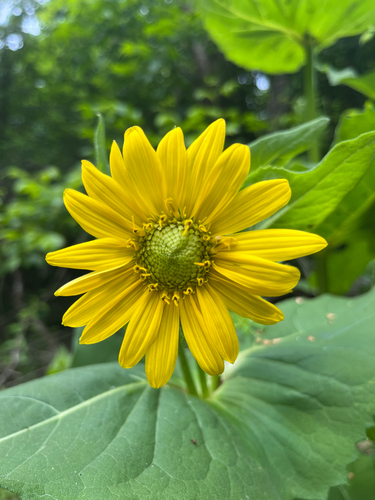
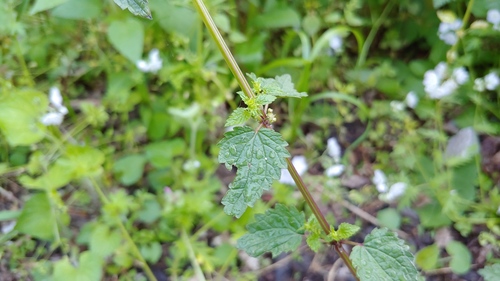
- Heartleaf NettleUrtica chamaedryoides
Mountain balds
Birds 34
- Grasshopper SparrowAmmodramus savannarum
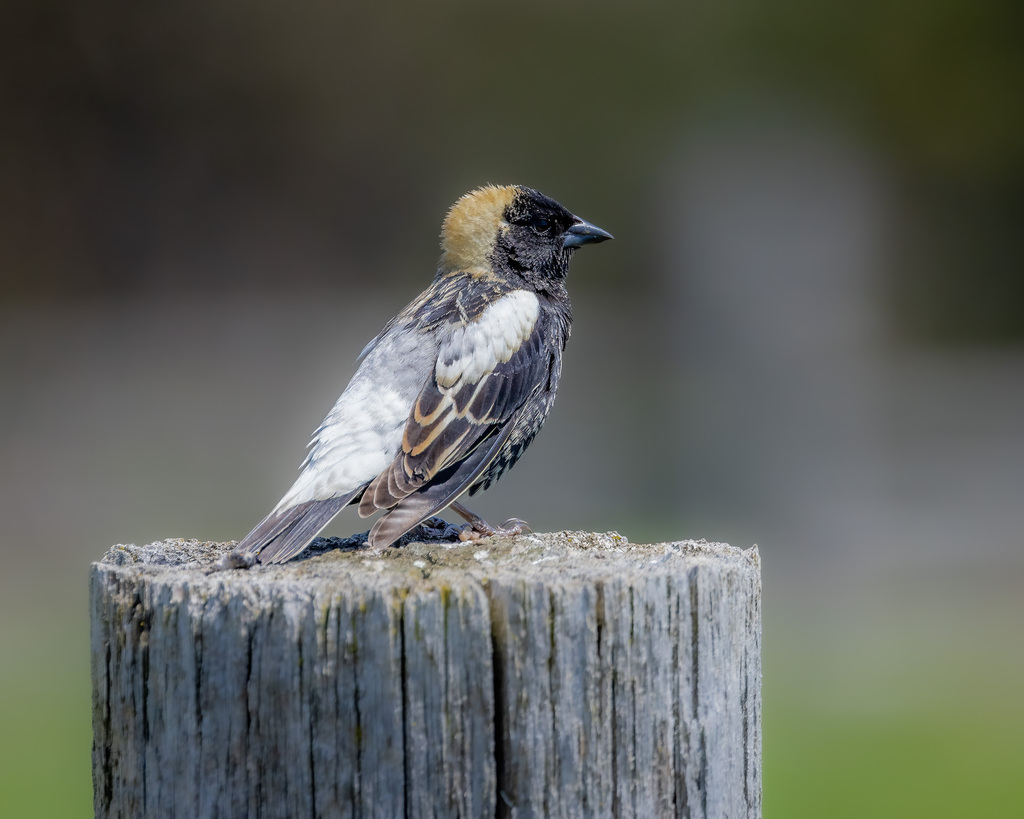
- BobolinkDolichonyx oryzivorus
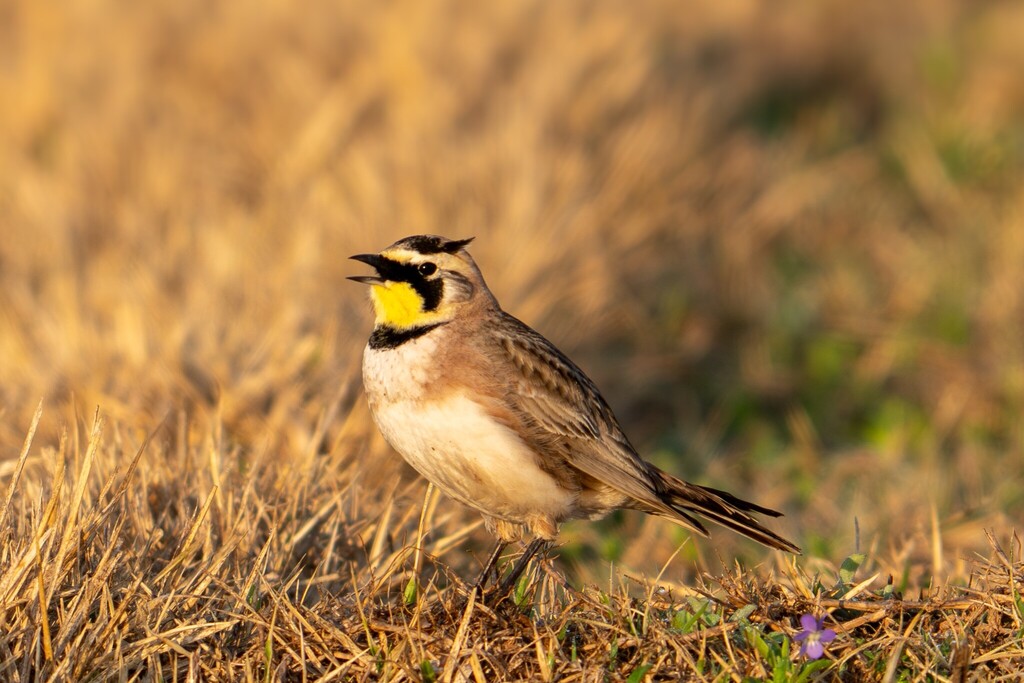
- Horned LarkEremophila alpestris
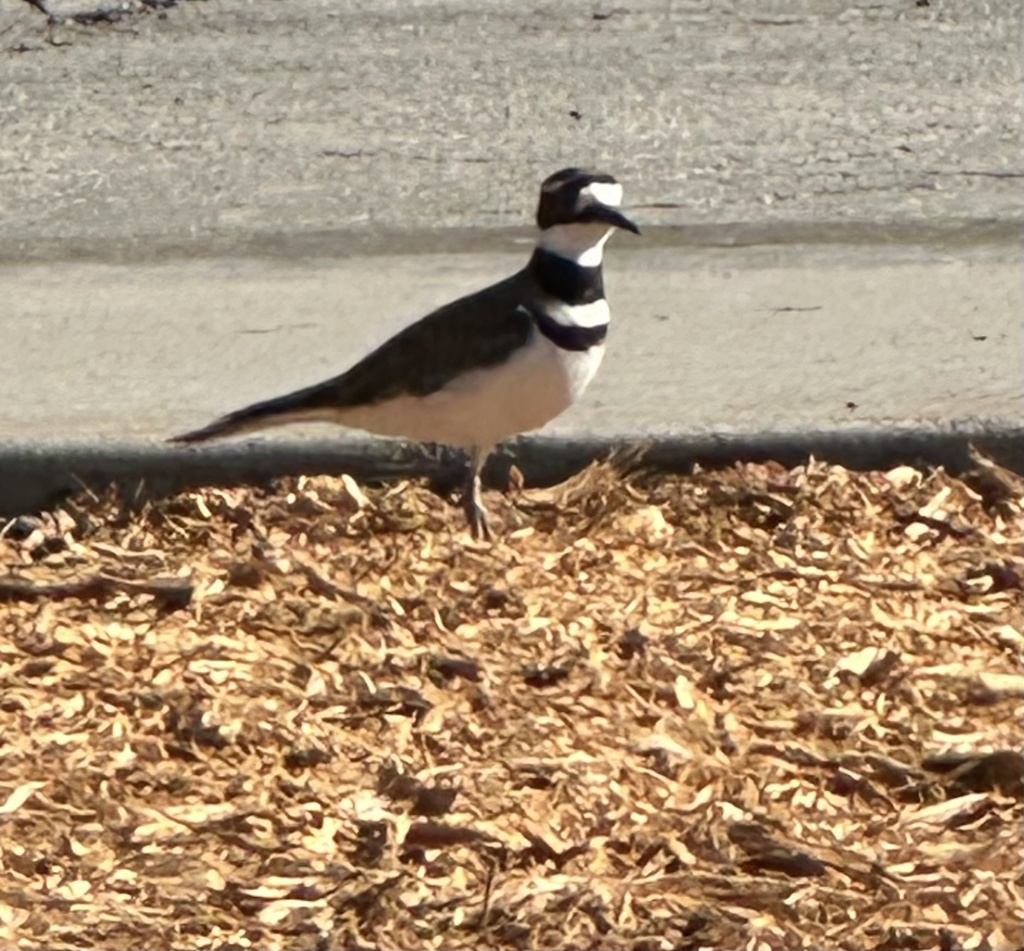
- KilldeerCharadrius vociferus
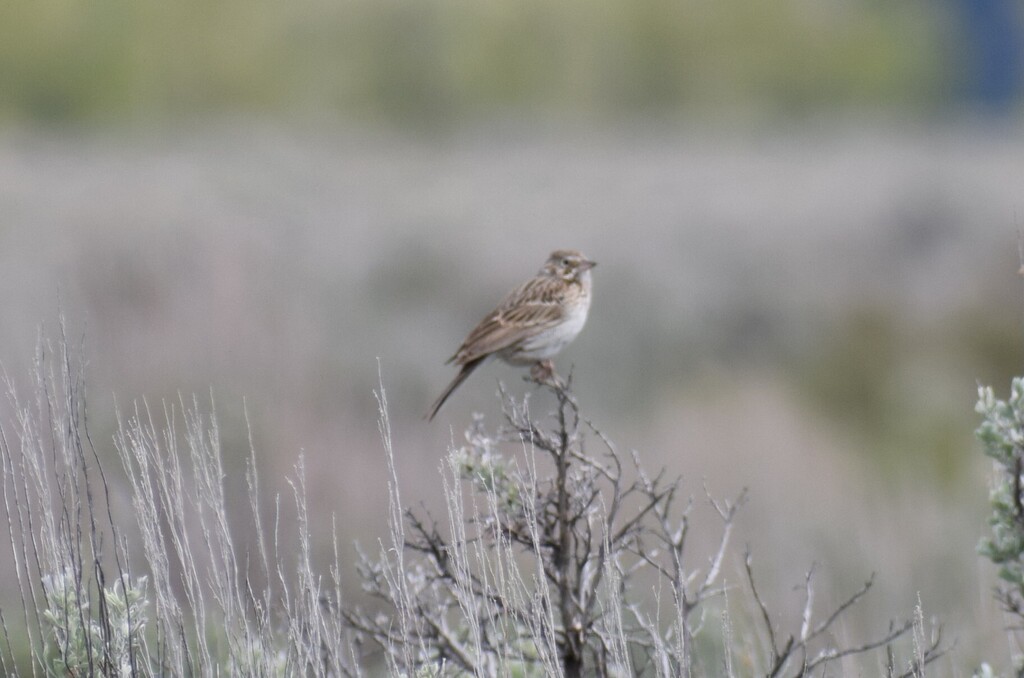
- Vesper SparrowPooecetes gramineus
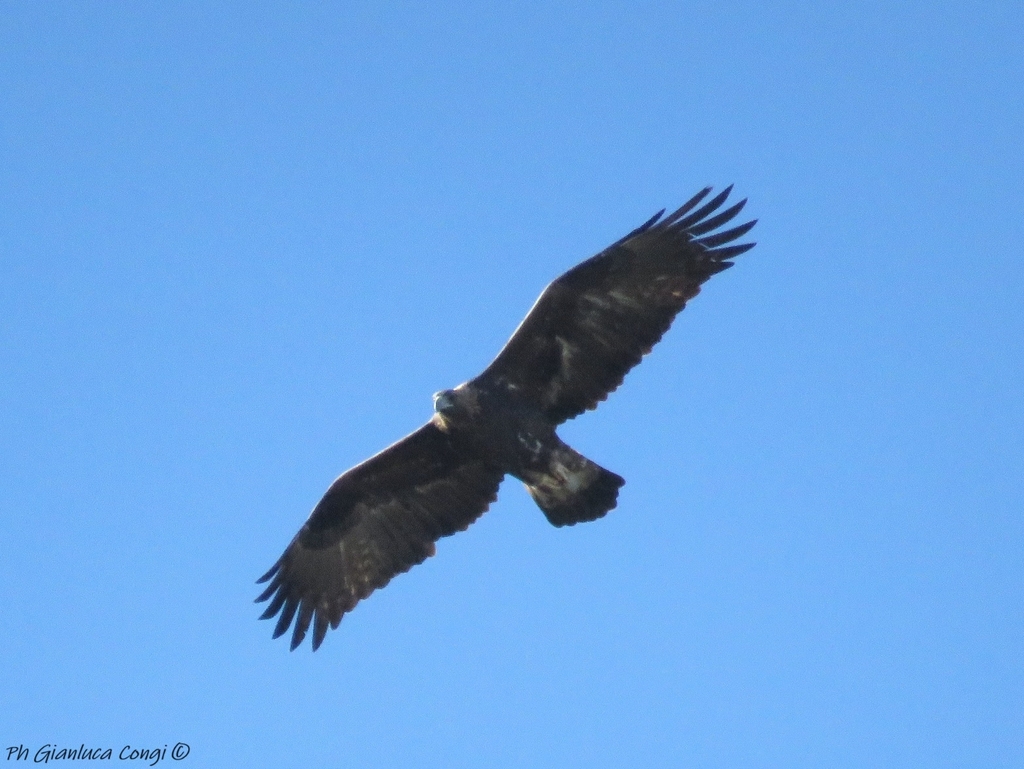
- Golden EagleAquila chrysaetos
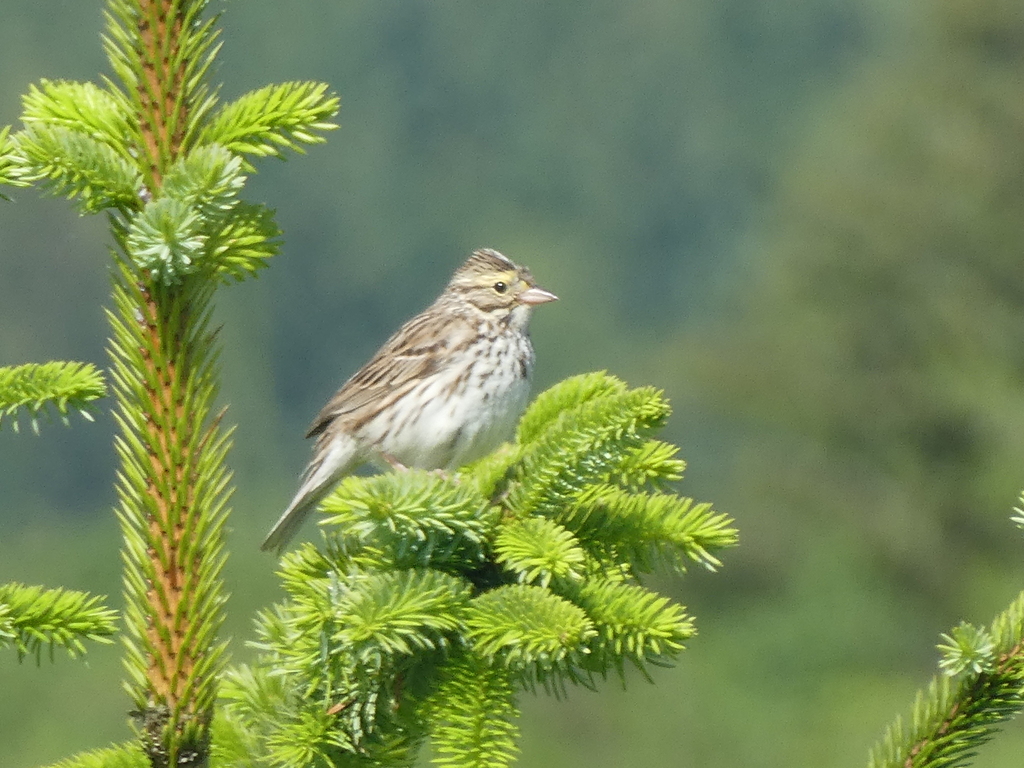
- Savannah SparrowPasserculus sandwichensis
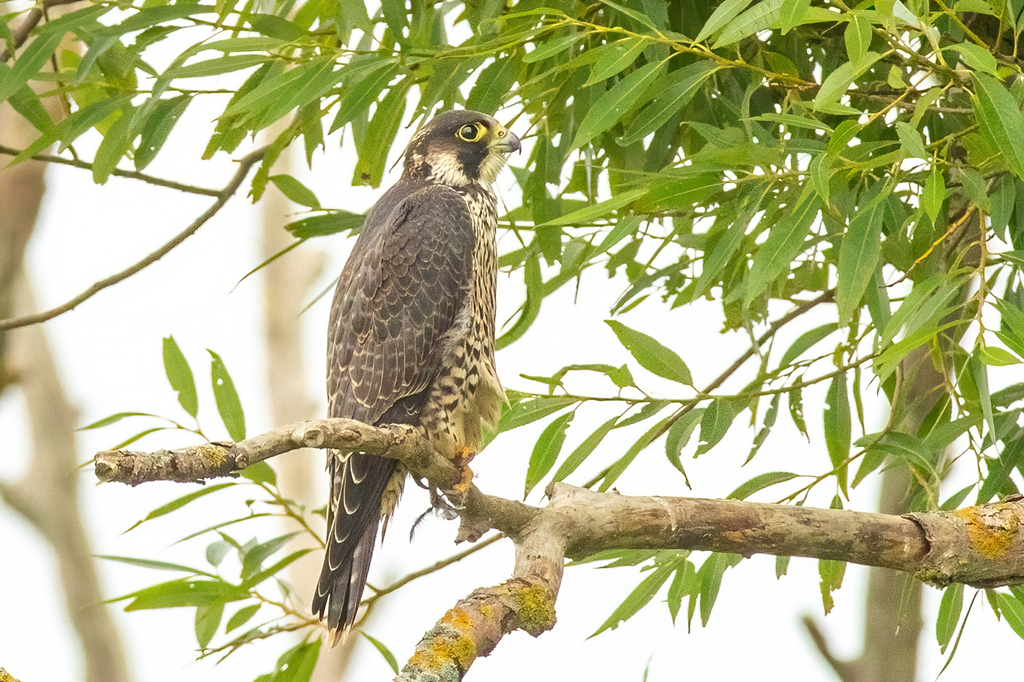
- Peregrine FalconFalco peregrinus
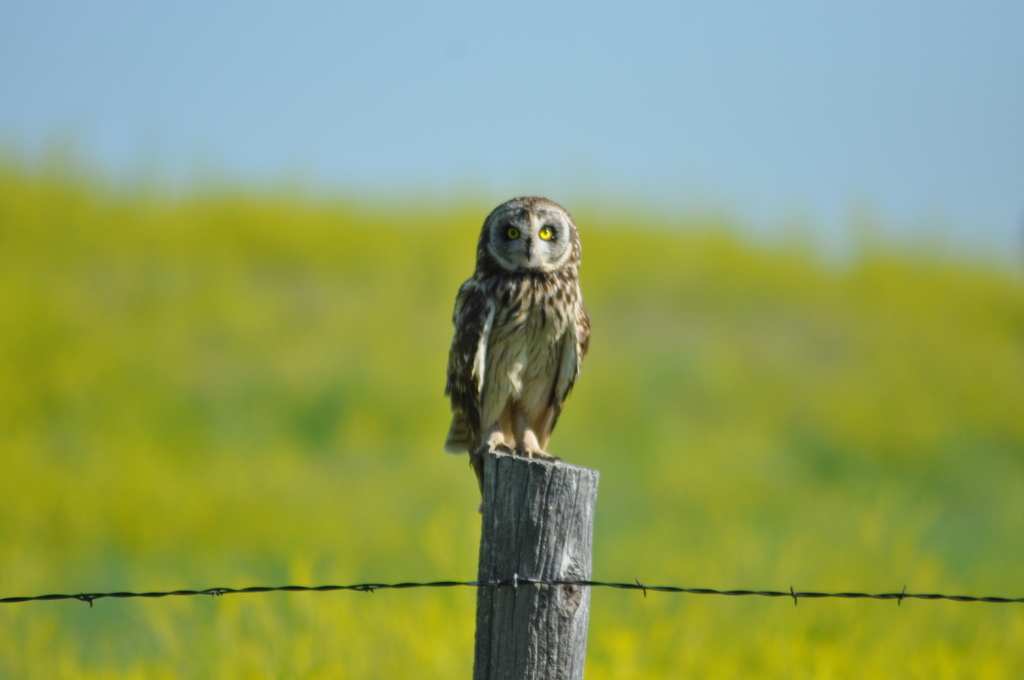
- Short-eared OwlAsio flammeus
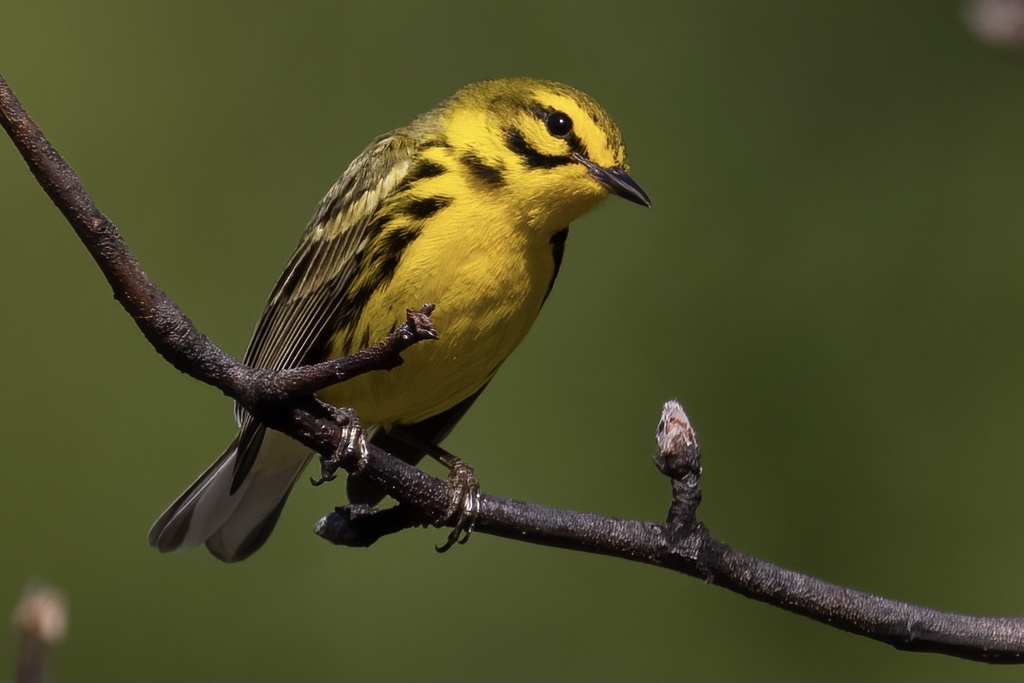
- Prairie WarblerDendroica discolor
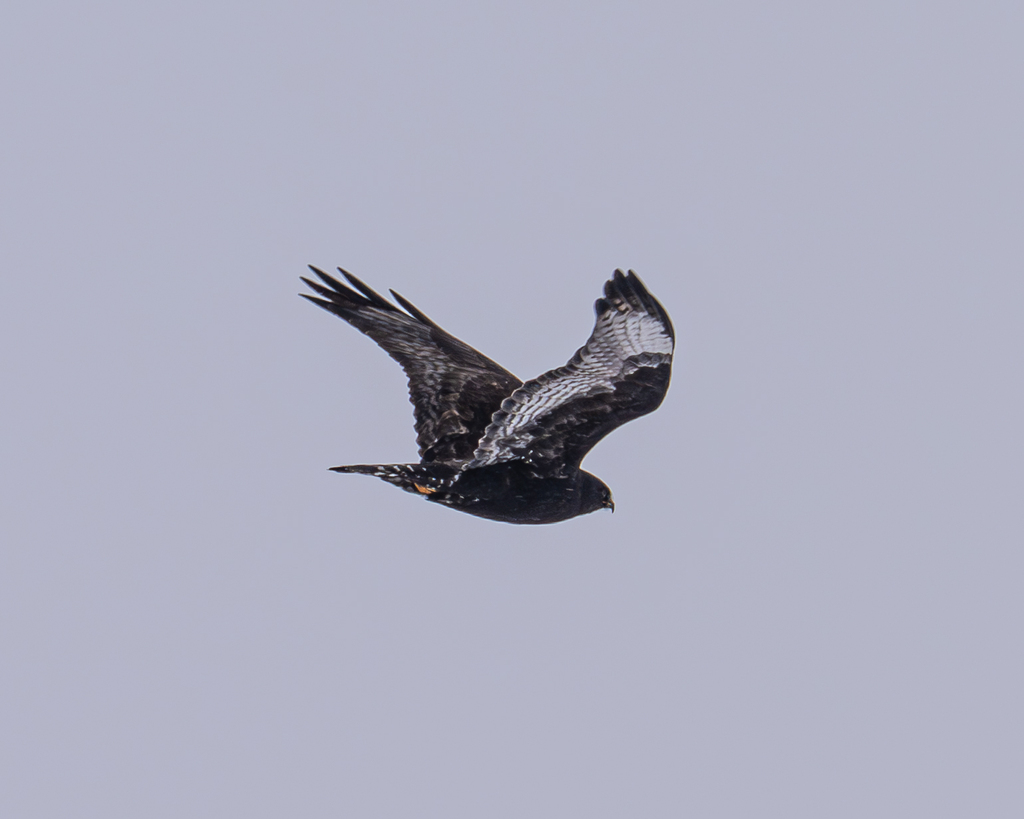
- Rough-legged HawkButeo lagopus
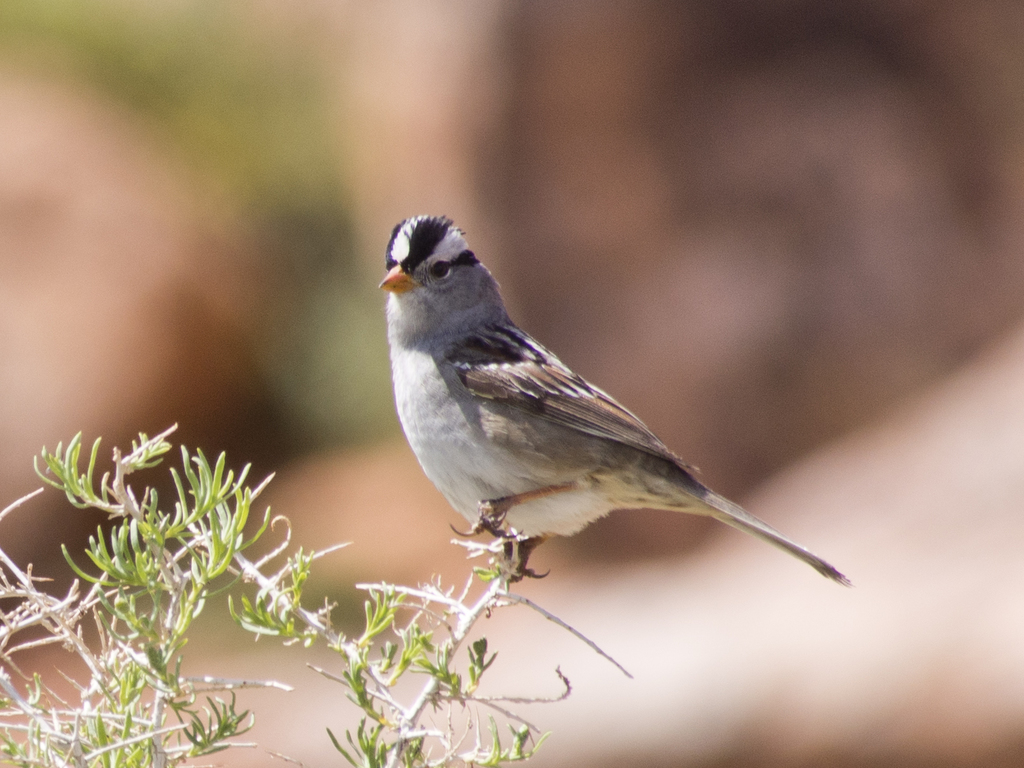
- White-crowned SparrowZonotrichia leucophrys
Plants 65
- Mountain Highbush BlueberryVaccinium simulatum
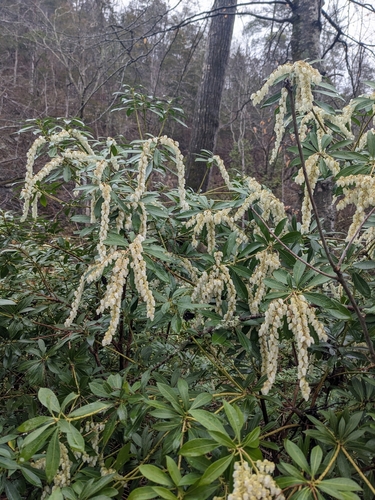
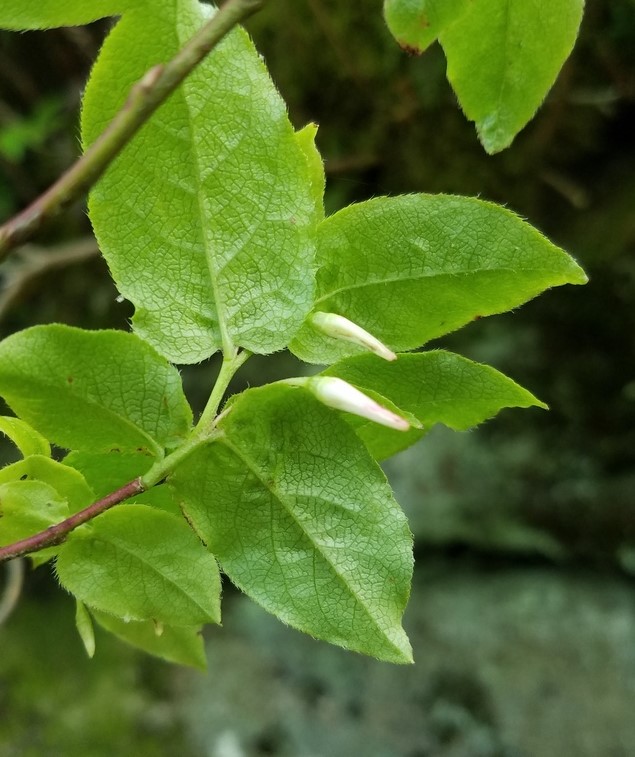
- Mountain AndromedaPieris floribunda
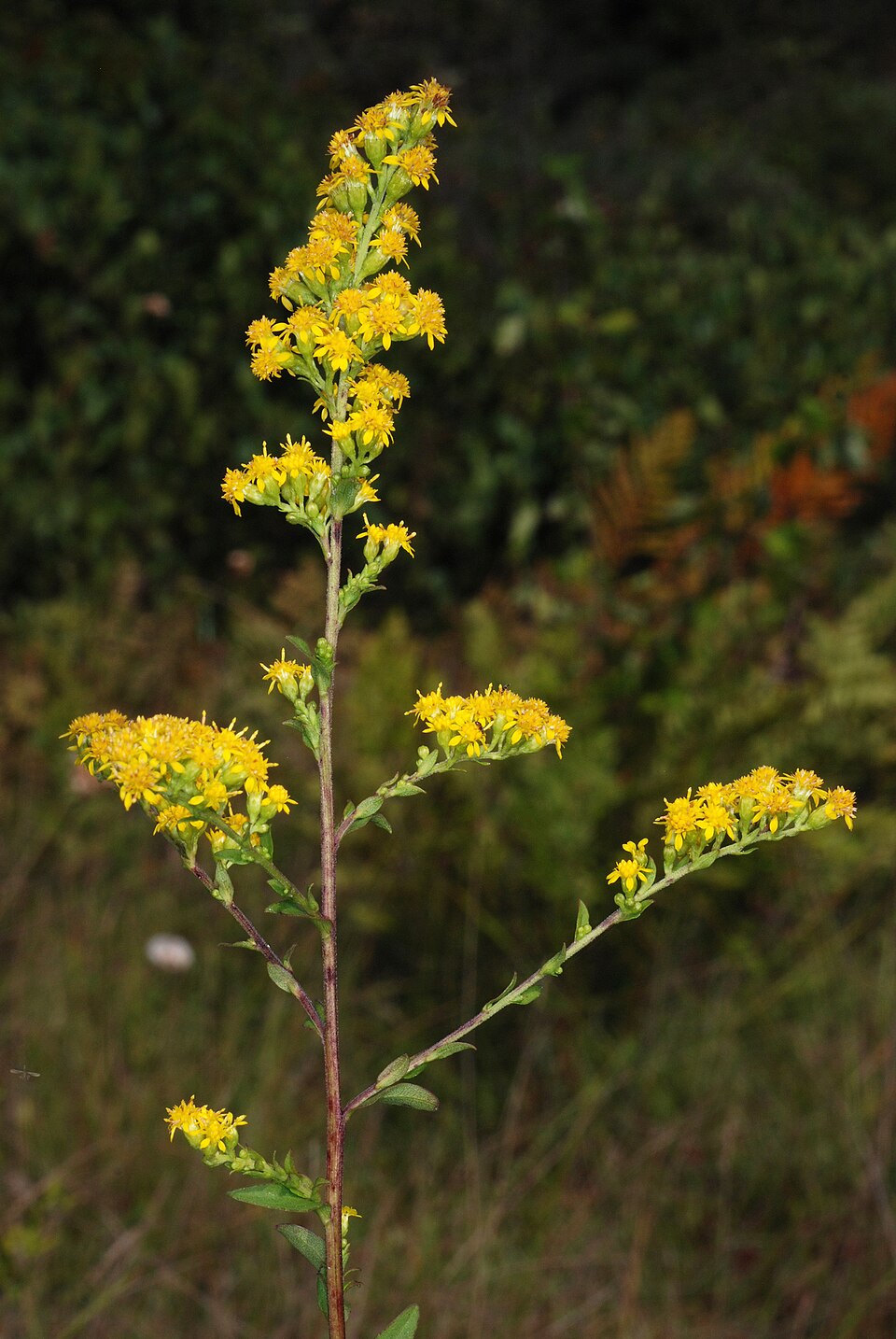
- Atlantic GoldenrodSolidago arguta var. caroliniana
- Smooth BlackberryRubus canadensis
- Southern Mountain CranberryVaccinium erythrocarpum
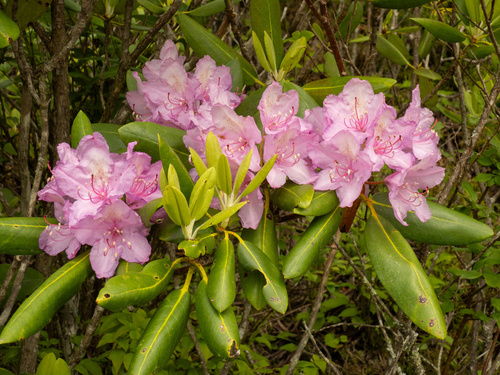
- Catawba RhododendronRhododendron catawbiense
- Northern Roughleaf GoldenrodSolidago patula
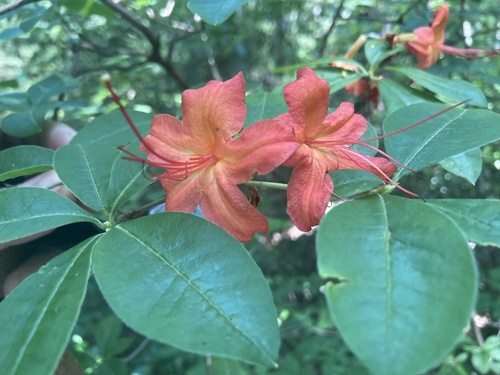
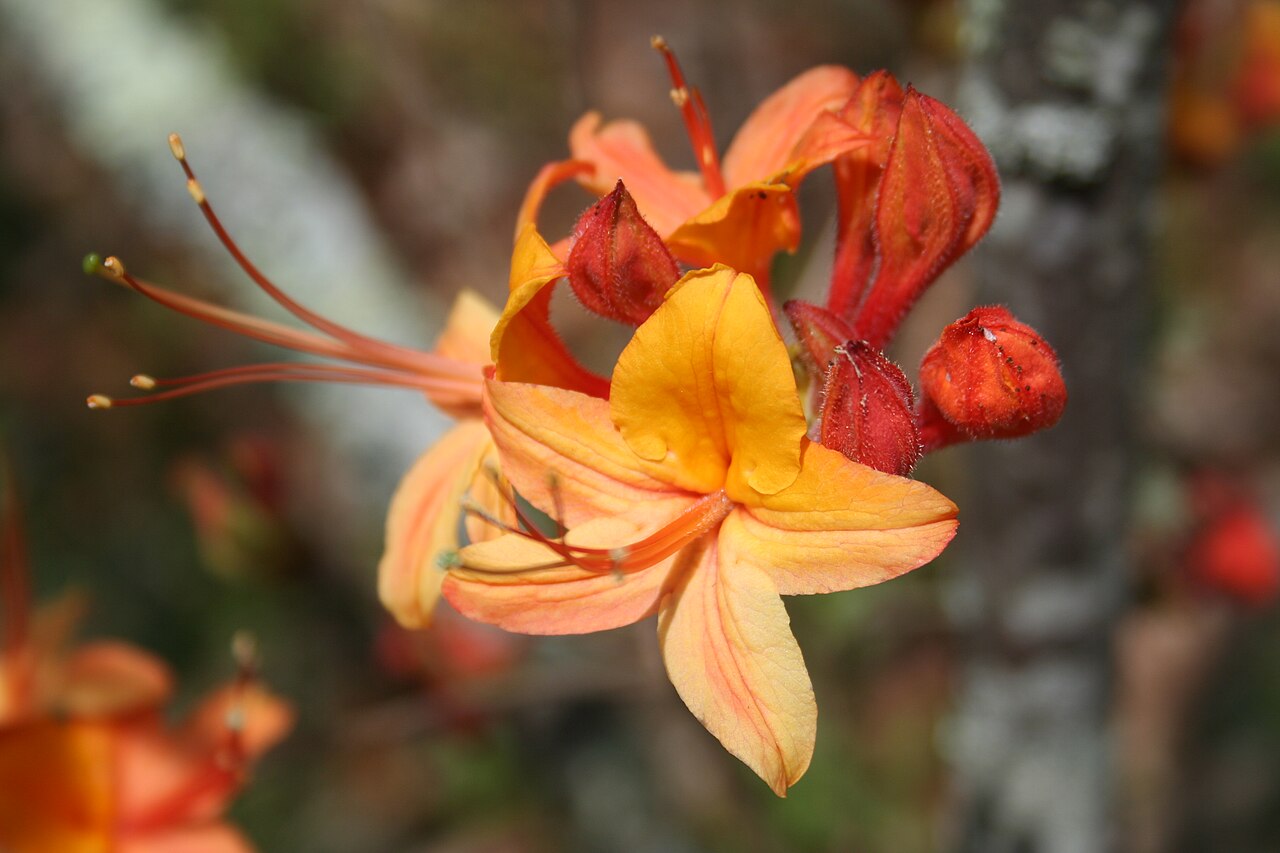
- Cumberland AzaleaRhododendron cumberlandense
- Flame AzaleaRhododendron calendulaceum
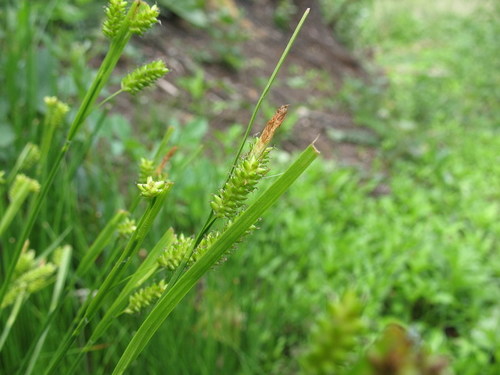
- Pale SedgeCarex pallescens
- Heller's Blazing-starLiatris helleri
- Filmy AngelicaAngelica triquinata
Sources
- USGS Gap Analysis Project habitat models (2001)
- USGS GAP winter habitat model for Snowy Owl
- USGS Gap Analysis Project range maps (2001), modeled by watershed; migratory gives no dates
- NatureServe Explorer (CC BY 4.0), habitat names
- US Census TIGER/Line counties
- Names follow the USGS Gap Analysis Project (2001)