

American Mountain-ash
Sorbus americana
Found in moist forests, balds, and rock outcrops, often with Picea , Abies , and/or Betula alleghaniensis , southwards only at high elevations. Weakley, Flora of the Southeastern United States (2025), Northern Tier edition What its natural habitat tells you
Native to West Virginia. How scores work Is it native here?
Profile 94%
- Height
- 15–35 feet
- Spread
- 8–20 feet
- Light
- Full sun, Partial shade
- Soil moisture
- Usually moist
Space about 14 ft apart from its recorded spread. Enter your bed size for a count
Will it fit your yard?No photograph yet. Looking for an old drawing…
At a glance
- Life cycle
- Woody perennial
- Leaves
- Deciduous
- Bloom
- June to July
- Fruiting season
- Summer to fall
Recorded in 7 West Virginia counties.
Natural habitats
Places it grows wild. Not a planting requirement. Each habitat page lists the plants and wildlife also found there.

Treeless grassy or shrubby summits and ridges in the high mountains.
Cliffs, ledges and rocky summits
Cliffs, ledges, rock outcrops, talus and rocky summits where the source does not name the rock. A named rock files the place under its own glade or outcrop type instead.
Also found with this plant
Wildlife whose habitat models include habitats this plant grows in, in West Virginia. Shared habitat, not food. 73 animals.
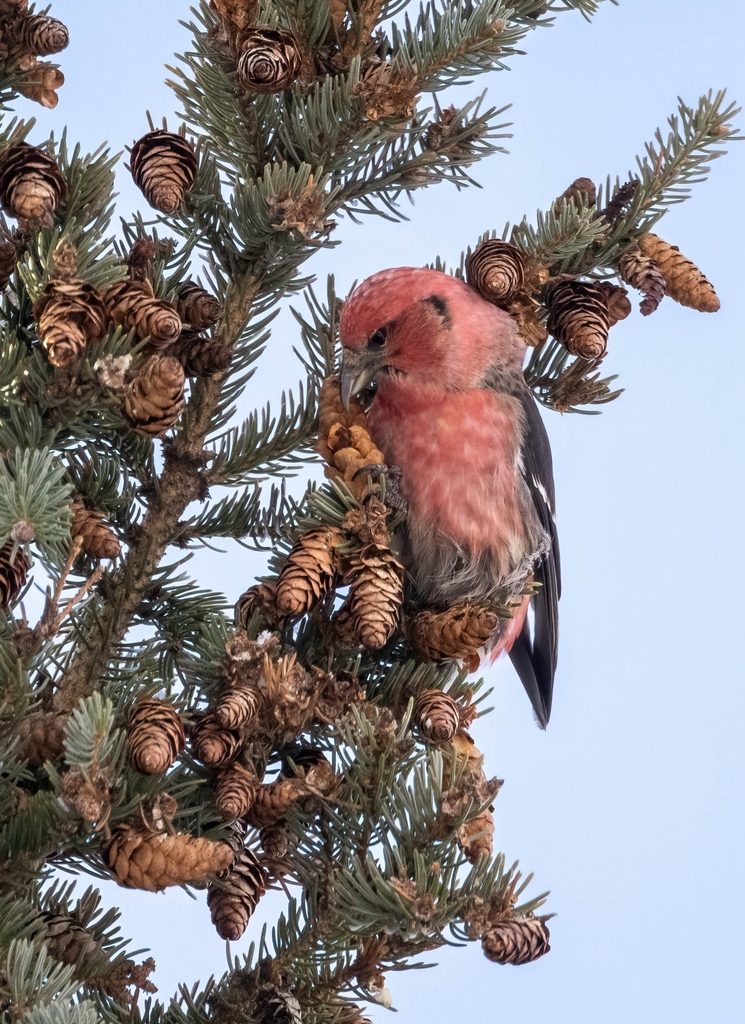
- White-winged CrossbillLoxia leucoptera
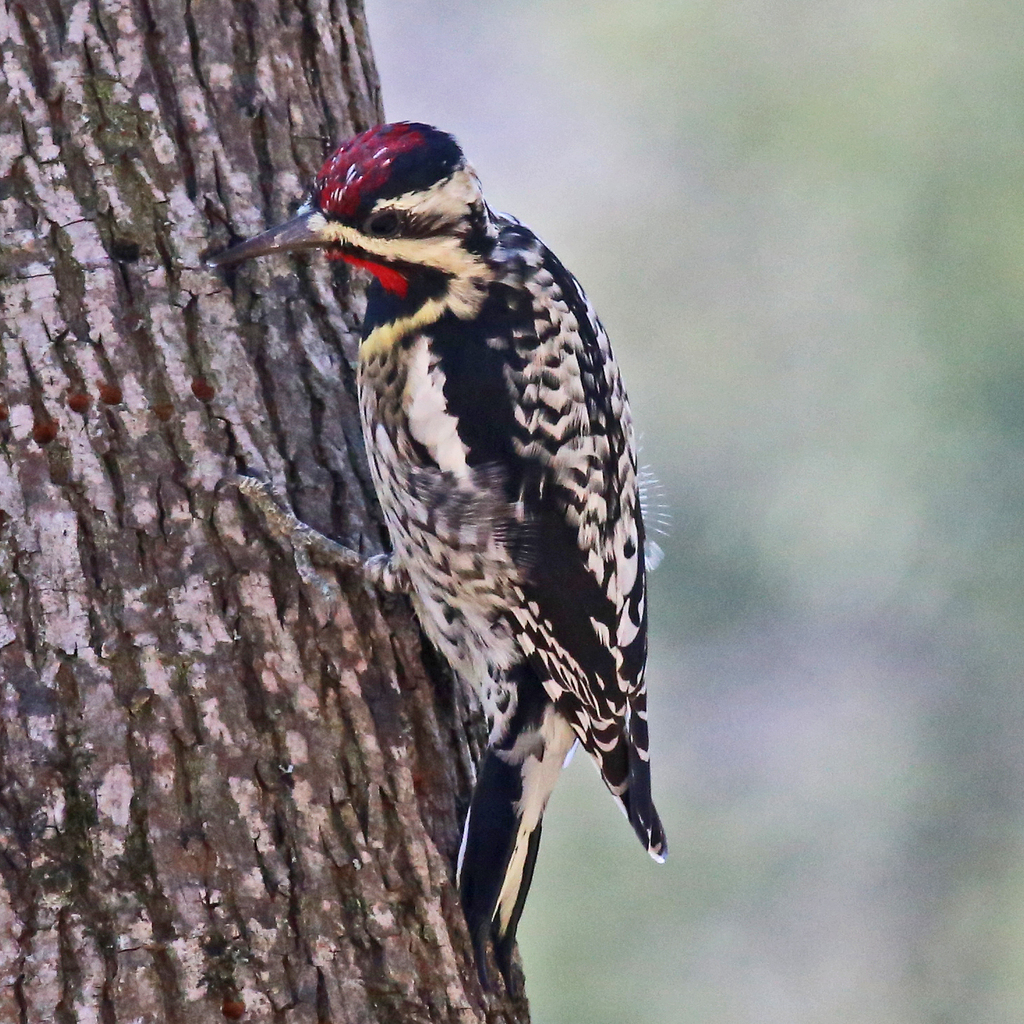
- Yellow-bellied SapsuckerSphyrapicus varius
- Acadian FlycatcherEmpidonax virescens
- American WoodcockScolopax minor
- Bald EagleHaliaeetus leucocephalus
- Barred OwlStrix varia
- Black VultureCoragyps atratus
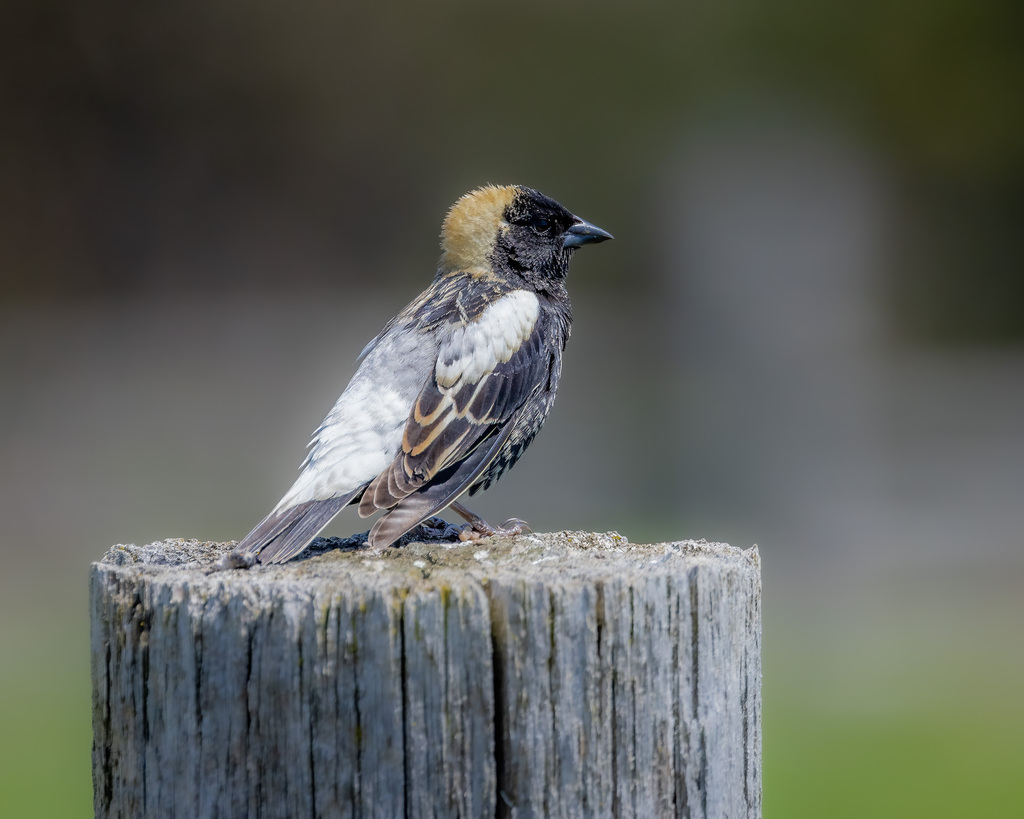
- BobolinkDolichonyx oryzivorus
- Broad-winged HawkButeo platypterus
- Brown ThrasherToxostoma rufum
- Canada GooseBranta canadensis
- Carolina ChickadeePoecile carolinensis
- Carolina WrenThryothorus ludovicianus
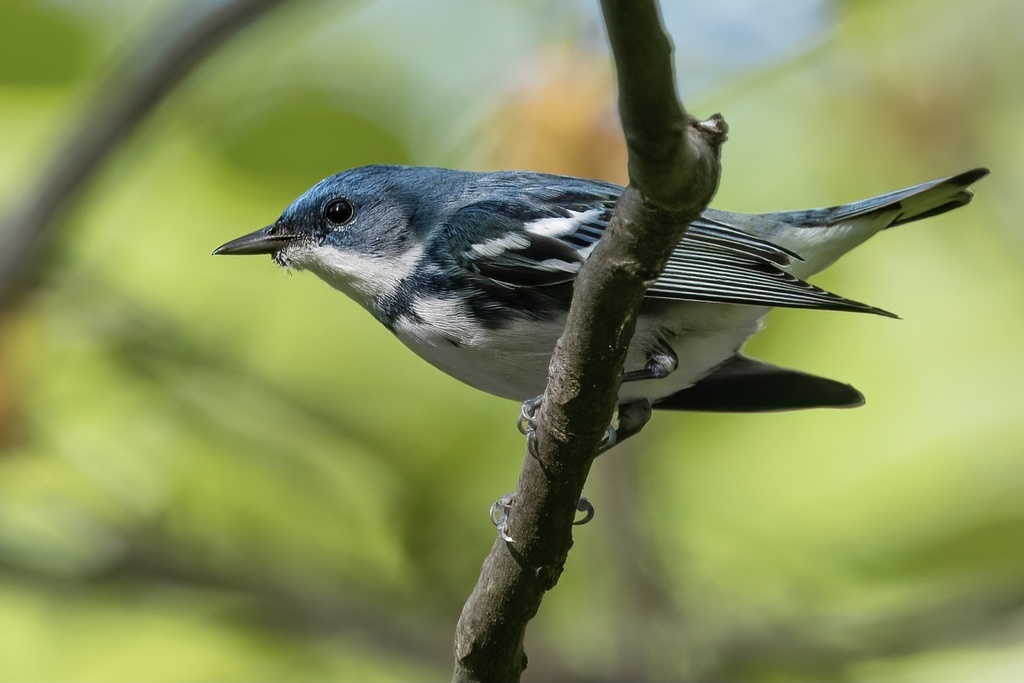
- Cerulean WarblerDendroica cerulea
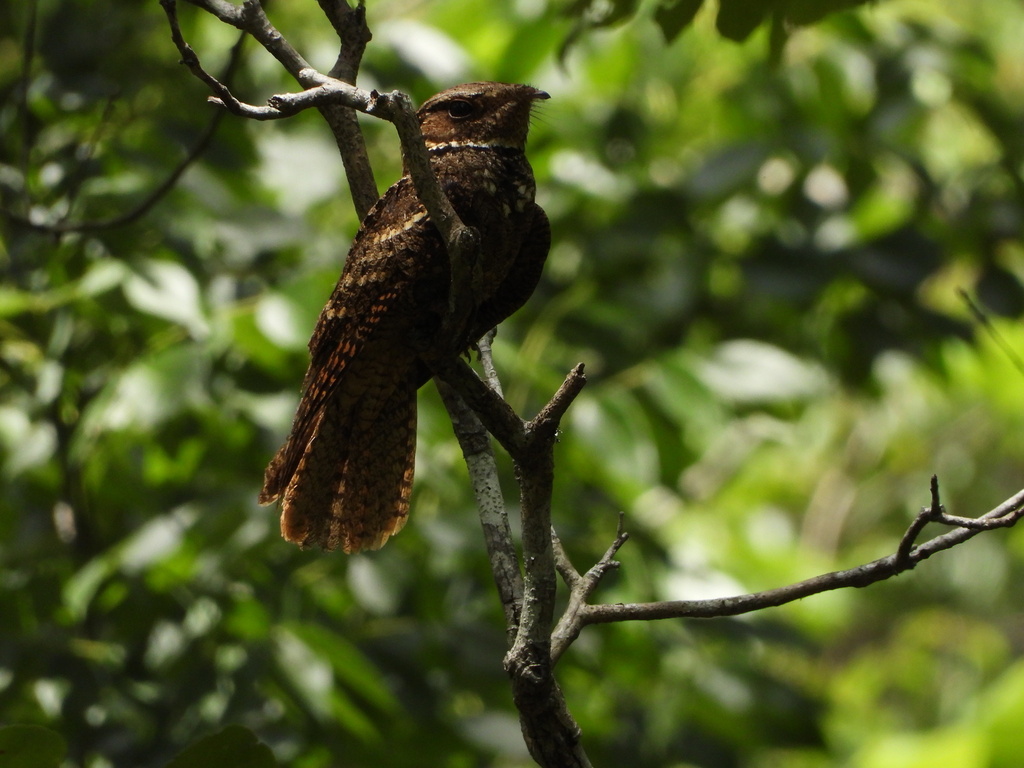
- Chuck-will's-widowCaprimulgus carolinensis
- Downy WoodpeckerPicoides pubescens
- Eastern BluebirdSialia sialis
- Eastern Screech-owlMegascops asio
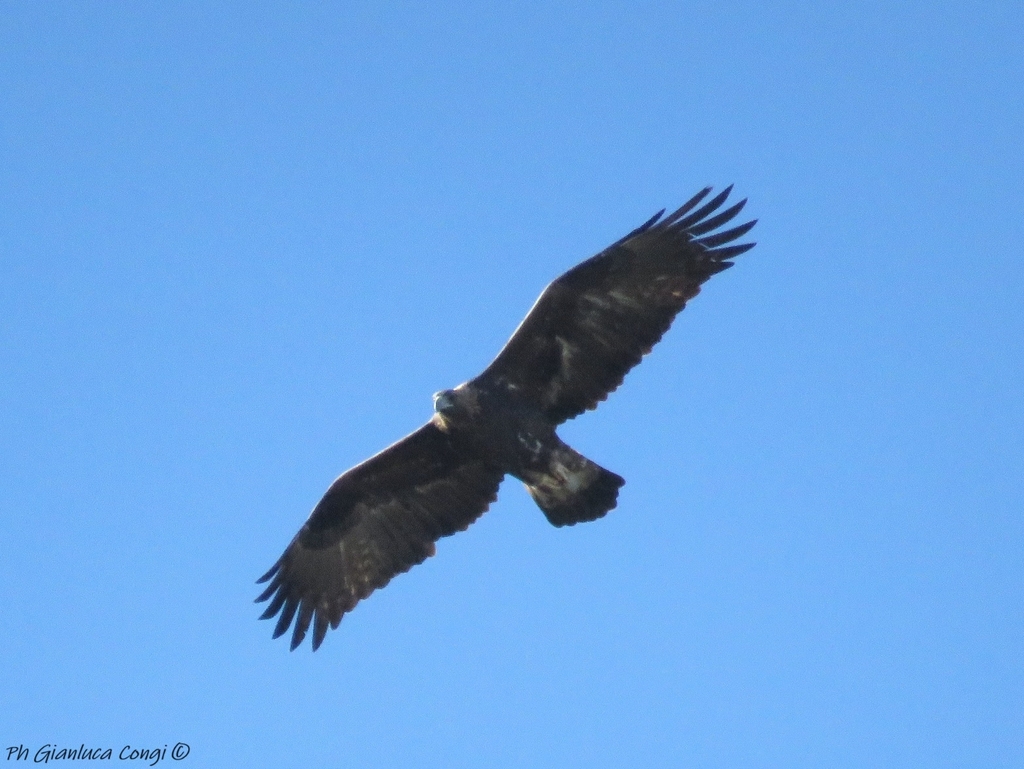
- Golden EagleAquila chrysaetos
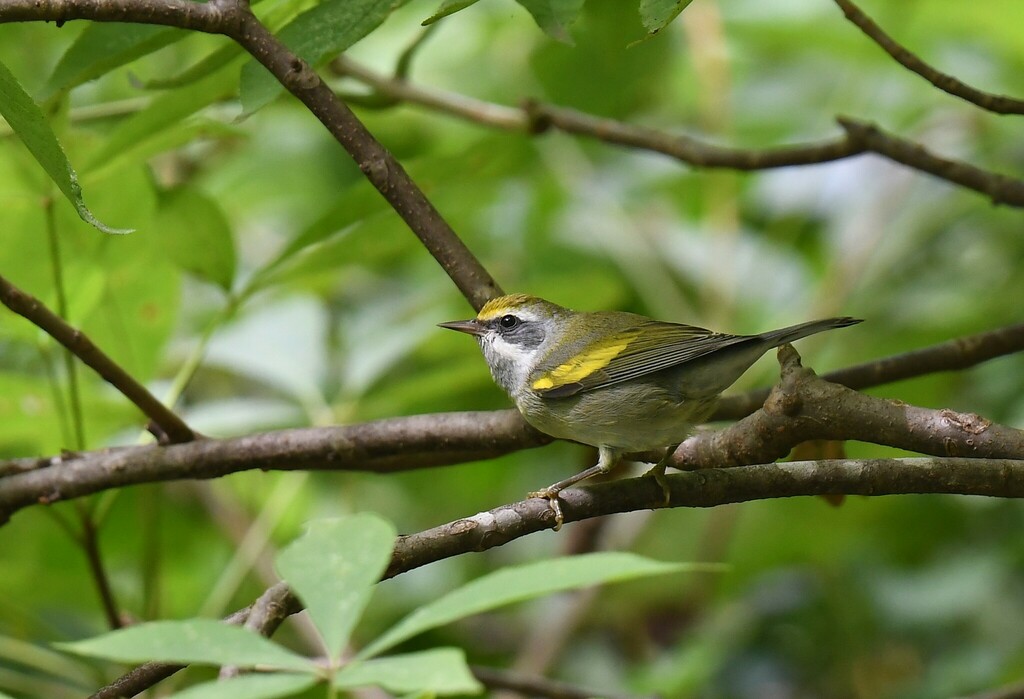
- Golden-winged WarblerVermivora chrysoptera
- Hooded WarblerWilsonia citrina
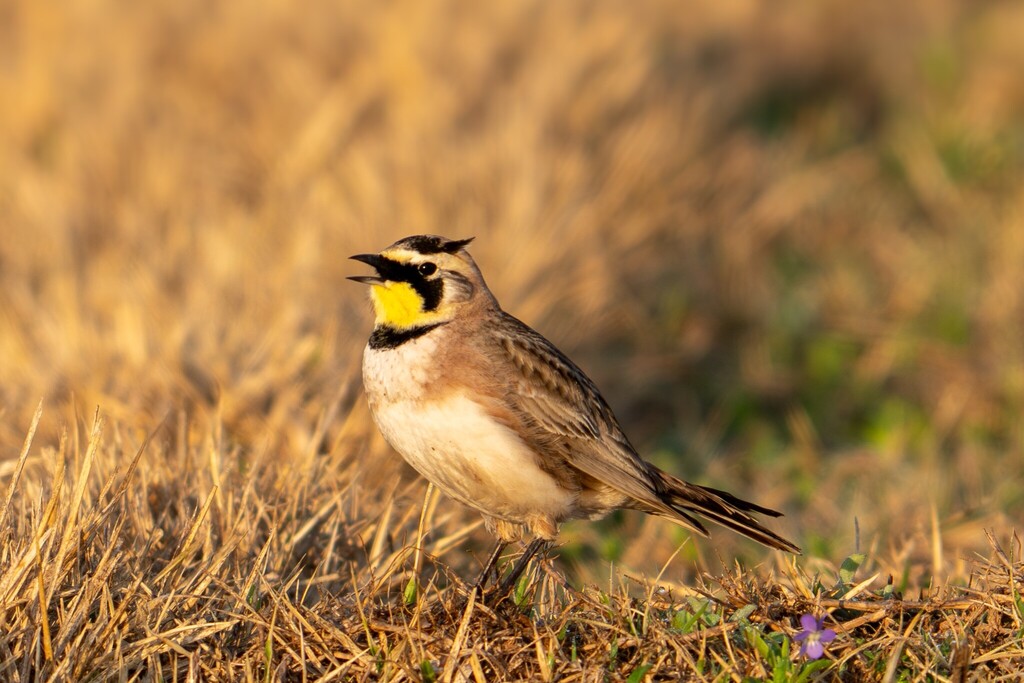
- Horned LarkEremophila alpestris
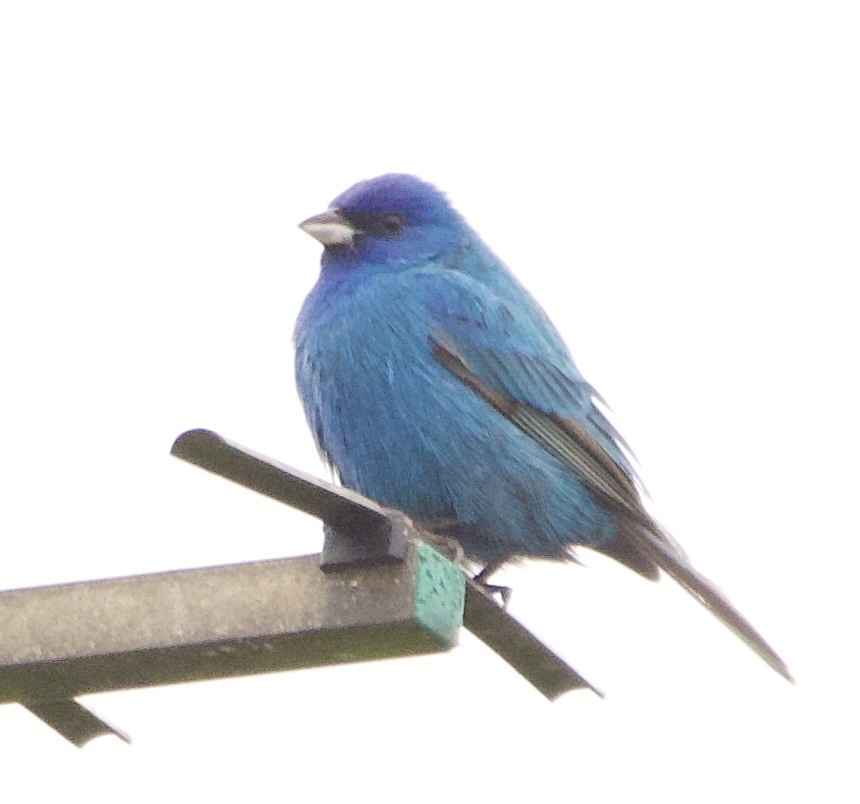
- Indigo BuntingPasserina cyanea
- Kentucky WarblerOporornis formosus















Widespread birds also seen here (47)
Found in many habitats here, so not listed above.
- Alder Flycatcher
- American Crow
- American Goldfinch
- American Kestrel
- American Redstart
- American Robin
- Belted Kingfisher
- Black-billed Cuckoo
- Blue Grosbeak
- Blue Jay
- Blue-gray Gnatcatcher
- Cedar Waxwing
- Chimney Swift
- Chipping Sparrow
- Common Nighthawk
- Common Raven
- Common Yellowthroat
- Cooper's Hawk
- Dark-eyed Junco
- Eastern Kingbird
- Eastern Towhee
- European Starling
- Fox Sparrow
- Gray Catbird
- Great Crested Flycatcher
- Great Horned Owl
- Least Flycatcher
- Mourning Dove
- Northern Cardinal
- Northern Flicker
- Northern Mockingbird
- Olive-sided Flycatcher
- Orange-crowned Warbler
- Osprey
- Purple Finch
- Red-tailed Hawk
- Rose-breasted Grosbeak
- Ruby-crowned Kinglet
- Sharp-shinned Hawk
- Spotted Sandpiper
- Tufted Titmouse
- Turkey Vulture
- Veery
- White-throated Sparrow
- Wild Turkey
- Yellow-breasted Chat
- Yellow-rumped Warbler
Who uses this plant?
 67CaterpillarsGenus host records with ranges including WV
Genus host records with ranges including WV · Sorbus
- Acronicta americanaAmerican Dagger
- Acronicta clarescensClear Dagger
- Acronicta fragilisFragile Dagger
- Acronicta funeralisFunerary Dagger, Paddle Caterpillar
- Acronicta griseaGray Dagger
- Acronicta impletaYellow-Haired Dagger
- Acronicta innotataUnmarked Dagger
- Acronicta interruptaInterrupted Dagger
- Acronicta radcliffeiRadcliffe's Dagger
- Acronicta superansSplendid Dagger, Chieftain Dagger
Show all 67
- Alsophila pometariaFall Cankerworm Moth
- Amphipyra pyramidoidesMiranda Underwing, Copper Underwing, Copper Amphipyra
- Antheraea polyphemusPolyphemus Moth
- Biston betulariaSalt-and-Pepper Geometer, Cleft-Headed Looper
- Catocala gryneaWoody Underwing
- Cenopis pettitanaMaple-Basswood Leafroller Moth
- Choristoneura conflictanaLarge Aspen Tortrix
- Coelodasys unicornisUnicorn Caterpillar Moth
- Crocigrapha normaniNorman's Quaker
- Datana ministraYellow-Necked Caterpillar Moth
- Dysstroma citrataDark Marbled Carpet
- Dysstroma truncataMarbled Carpet
- Ennomos subsignariaElm Spanworm Moth
- Erannis tiliariaLinden Looper Moth, Western Winter Moth, Lime Looper
- Eupithecia miserulataCommon Eupithacia, Common Pug
- Eupsilia tristigmataThree-Spotted Sallow, Brown Fruitworm
- Euzophera semifuneralisAmerican Plum Borer
- Halysidota tessellarisBanded Tussock Moth, Pale Tiger Moth
- Hedya chionosemaTwin-Spotted Budworm, White-Spotted Hedya
- Hedya nr.Large Bud Moth, Green Bud Moth, Off-White Hedya
- Hesperumia sulphurariaSulphur Moth
- Hyalophora cecropiaCecropia Silkmoth, Cecropia Moth
- Hyphantria cuneaFall Webworm
- Iridopsis larvariaBent-Line Gray
- Korscheltellus gracilisConifer Swift Moth, Graceful Ghost Moth
- Limenitis arthemisBanded Purple, Red-Spotted Admiral
- Lithophane innominataNameless Pinion
- Lomographa semiclarataBluish Spring Moth, Wildcherry Looper
- Lomographa vestaliataWhite Spring Moth
- Lophocampa maculataSpotted Tussock Moth, Yellow-Spotted Tiger Moth
- Lyonetia prunifoliellaStriped Bent-wing
- Machimia tentoriferellaGold-Striped Leaftier Moth
- Malacosoma americanaEastern Tent Caterpillar
- Malacosoma disstriaForest Tent Caterpillar
- Metaxaglaea semitariaFootpath Sallow
- Metaxaglaea viaticaRoadside Sallow
- Nematocampa resistariaFilament Bearer, Horned Spanworm Moth
- Nemoria mimosariaWhite-Fringed Emerald
- Nymphalis antiopaMourning Cloak
- Orgyia leucostigmaWhite-Marked Tussock Moth
- Orthosia hibisciSpeckled Green Fruitworm Moth, Speckled Green Quaker
- Pandemis limitataThree-Lined Leafroller Moth
- Papilio canadensisCanadian Tiger Swallowtail
- Papilio glaucusEastern Tiger Swallowtail
- Paraclemensia acerifoliellaMaple Leafcutter, Maple Case-Bearer
- Phigalia titeaThe Half-Wing Geometer, Spiney Looper, Eastern Oak Looper
- Phyllonorycter crataegellaApple Leaf Miner, Apple Blotch Leafminer, Apple Leafblotch Miner
- Podosesia syringaeLilac Borer Moth, Ash Borer
- Pseudothyatira cymatophoroidesTufted Thyatirid
- Rhopobota naevanaBlackheaded Fireworm, Holly Bud Moth, Holly Tortrix
- Satyrium liparopsStriped Hairstreak
- Synanthedon pictipesLesser Peachtree Borer Moth
- Synanthedon pyriApple Bark Borer, Pear Borer
- Synanthedon scitulaDogwood Borer, Pecan Borer
- Venusia cambricaThe Welsh Wave
- Venusia comptariaBrown-Shaded Carpet
- Xanthotype sospetaCrocus Geometer
 0BeesSoutheastern regional records
 0Specialist beesPollen specialists
 5BirdsRecorded eating Sorbus in West Virginia
Diet records by plant genus, from studies across North America. Not a record from this state. Birds whose range includes West Virginia, most records first.
- American RobinFruit. 1 diet record
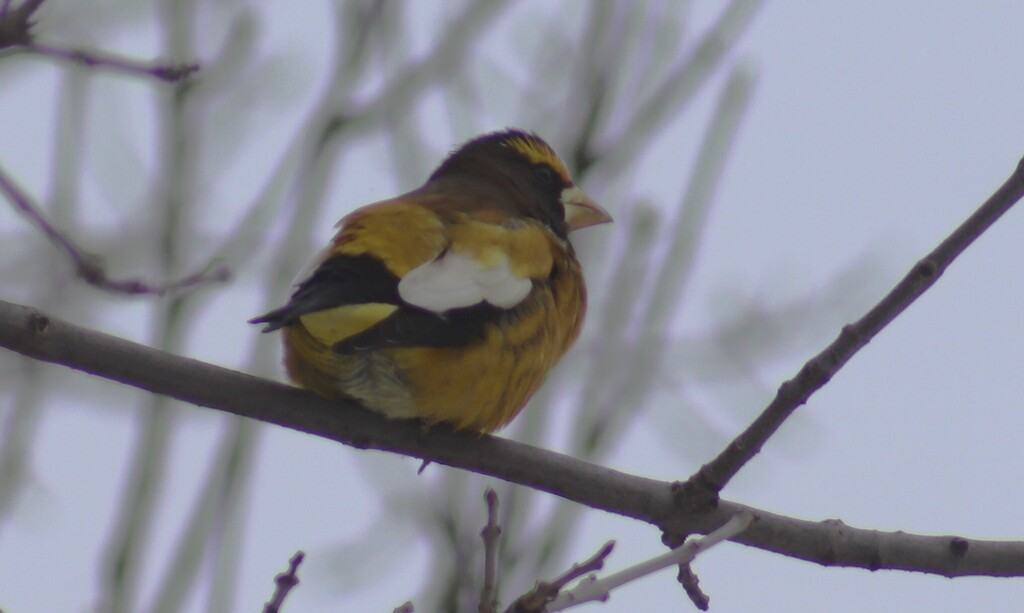
- Evening Grosbeak1 diet record
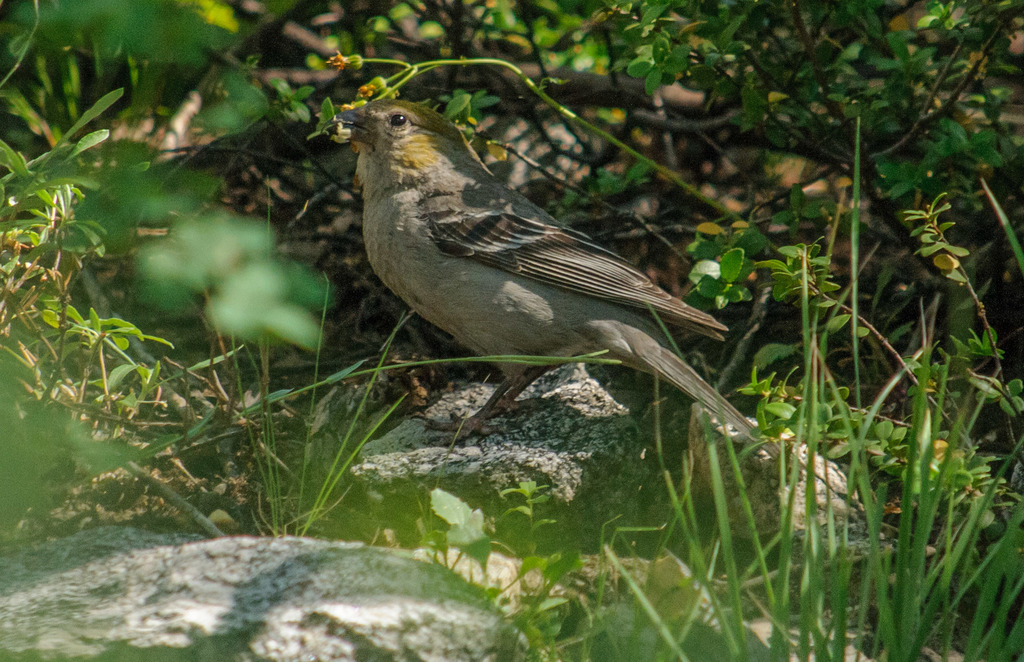
- Pine Grosbeak1 diet record
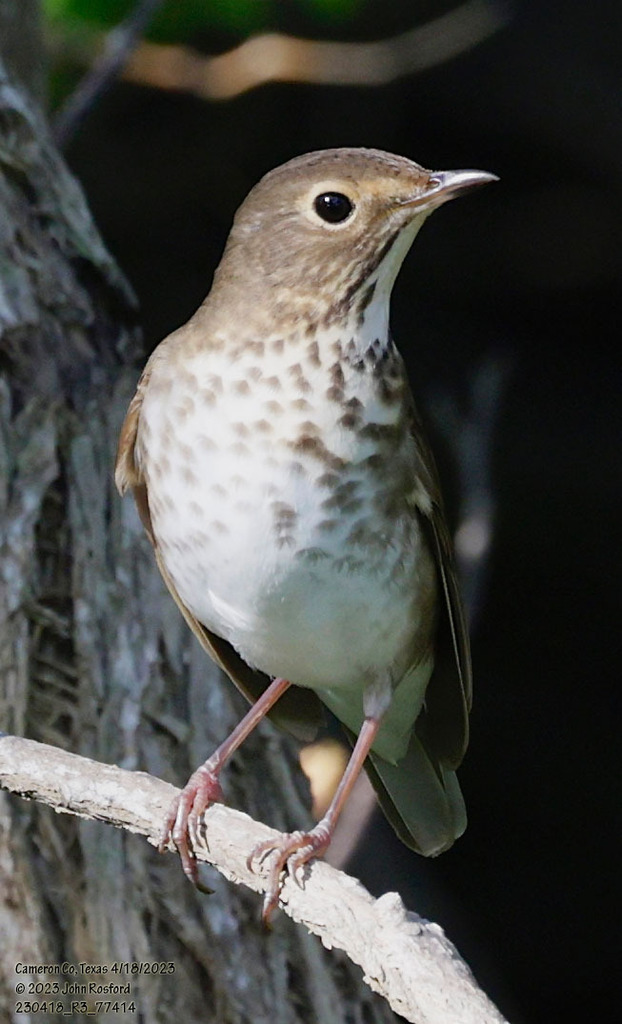
- Swainson's ThrushFruit and seeds. 1 diet record
- VeeryFruit and seeds. 1 diet record
Direct food only. Caterpillars on host plants also feed nesting birds. NC Native Plant Society: butterfly gardening
No records yet · Ants · Beetles · Flies · Adult butterflies / moths · Other wasps · Other insects
Birds that eat Sorbus 5
Diet records by plant genus, from studies across North America. Not a record from this state. Avian Diet Database (Hurlbert Lab), CC0 1.0.
- American RobinTurdus migratorius
- Evening GrosbeakCoccothraustes vespertinus
- Pine GrosbeakPinicola enucleator
- Swainson's ThrushCatharus ustulatus
- VeeryCatharus fuscescens



Plant details
- Family
- Rosaceae
- Hardiness
- Zones 2a–6b
- Soil pH
- Acidic
- Flower color
- White
- Growth rate
- Moderate
- Growth habit
- Single stem
- Foliage color
- Green
- Fruit begins
- Summer
- Fruit ends
- Fall
Safety has not been reviewed for this plant; check toxicity and thorns before planting.
Growing sources and scope
- Bloom · “June to July” · Weakley, Flora of the Southeastern United States (2025), Carolinas & Georgia edition (ranked first; USDA PLANTS differs) · Carolinas and Georgia
- Flower color · “White” · NC Extension Plant Toolbox
- Foliage color · “Green” · USDA PLANTS · Nationwide species characteristics; local growing conditions may vary
- Fruit begins · “Summer” · USDA PLANTS · Nationwide species characteristics; local growing conditions may vary
- Fruit ends · “Fall” · USDA PLANTS · Nationwide species characteristics; local growing conditions may vary
- Growth habit · “Single stem” · USDA PLANTS · Nationwide species characteristics; local growing conditions may vary
- Growth rate · “Moderate” · USDA PLANTS · Nationwide species characteristics; local growing conditions may vary
- Hardiness · “Zones 2a–6b” · NC Extension Plant Toolbox
- Height · “15–35 feet” · NC Extension Plant Toolbox (ranked first; USDA PLANTS, Minnesota Wildflowers differ)
- Leaves · “Deciduous” · NC Extension Plant Toolbox
- Life cycle · “Woody perennial” · NC Extension Plant Toolbox
- Light · “Full sun (6 or more hours of direct sunlight a day); Partial shade (direct sunlight only part of the day, 2-6 hours)” · NC Extension Plant Toolbox
- primary_flower_color · “white” · USDA PLANTS
- Soil · “Moist” · NC Extension Plant Toolbox
- Soil pH · “Acidic” · NC Extension Plant Toolbox
- Spread · “8–20 feet” · NC Extension Plant Toolbox
Also known as
American Mountain Ash
Conservation status
| West Virginia rank | S4 |
|---|---|
| Global rank | G5 |
| WV status | Not verified |
| Federal status | Not verified |
Will it fit your yard?
Check this plant against your county, sun and soil moisture. Conditions are checked in your browser.
Sources
- NatureServe Explorer
- USDA PLANTS
- Vascular Plants of North Carolina (NC Natural Heritage Program)
- Weakley, Flora of the Southeastern United States (2025), Carolinas & Georgia edition
- West Virginia occurrence source
- Shropshire & Tallamy 2025, Lepidoptera of North America north of Mexico, ZooKeys 1261 (ODbL)
- Noori, Seltmann & Orr 2026, A curated and integrated dataset for exploring global bee-plant interactions (GloBI), Zenodo, CC BY 4.0
- Smith, Bachelder, Russell, Morales, Mosher & Seltmann 2024, Bee-Specialization-Modeling v0.6.1 (specialist host table compiled from J. Fowler's pollen specialist bee lists), Zenodo, CC BY 4.0
- Hurlbert, Olsen, Sawyer & Winner 2021, Avian Diet Database, Scientific Data 8: 260 (CC0)
- Narango, Tallamy & Shropshire 2020, Few keystone plant genera support the majority of Lepidoptera species, Nature Communications