

Bird
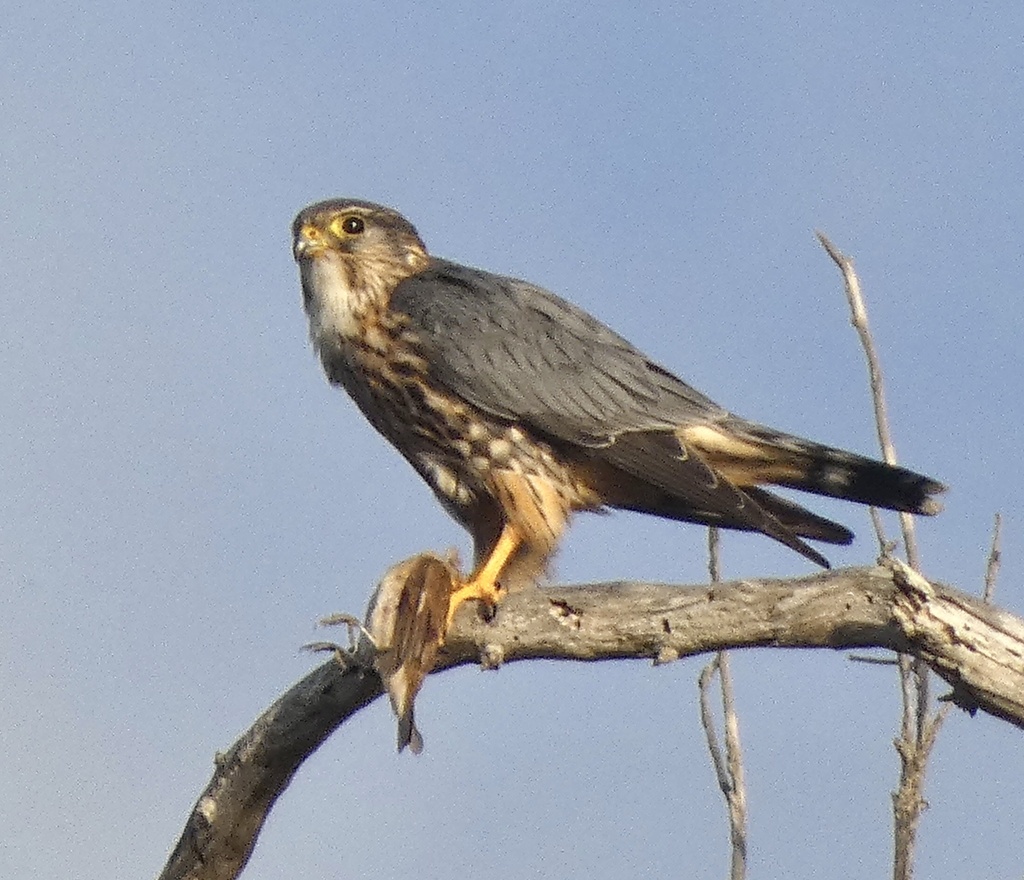
Merlin
Falco columbarius
Passes through North Carolina on migration. Found in all 100 counties, across 9 habitats.
- Here
- On migration
- Nesting
- Not known to nest here
- Range
- All 100 counties
- Habitats
- 9
At a glance
- Group
- Birds
- Here
- On migration
- Nesting
- Not known to nest here
- Range
- All 100 counties
- Habitats
- 9
- Habitat models
- Winter
Where it lives
The places its habitat model includes. It is not found everywhere a habitat occurs.
Habitats in North Carolina 9
Each habitat page lists the plants and wildlife also found there.

Roadsides, fields and disturbed ground
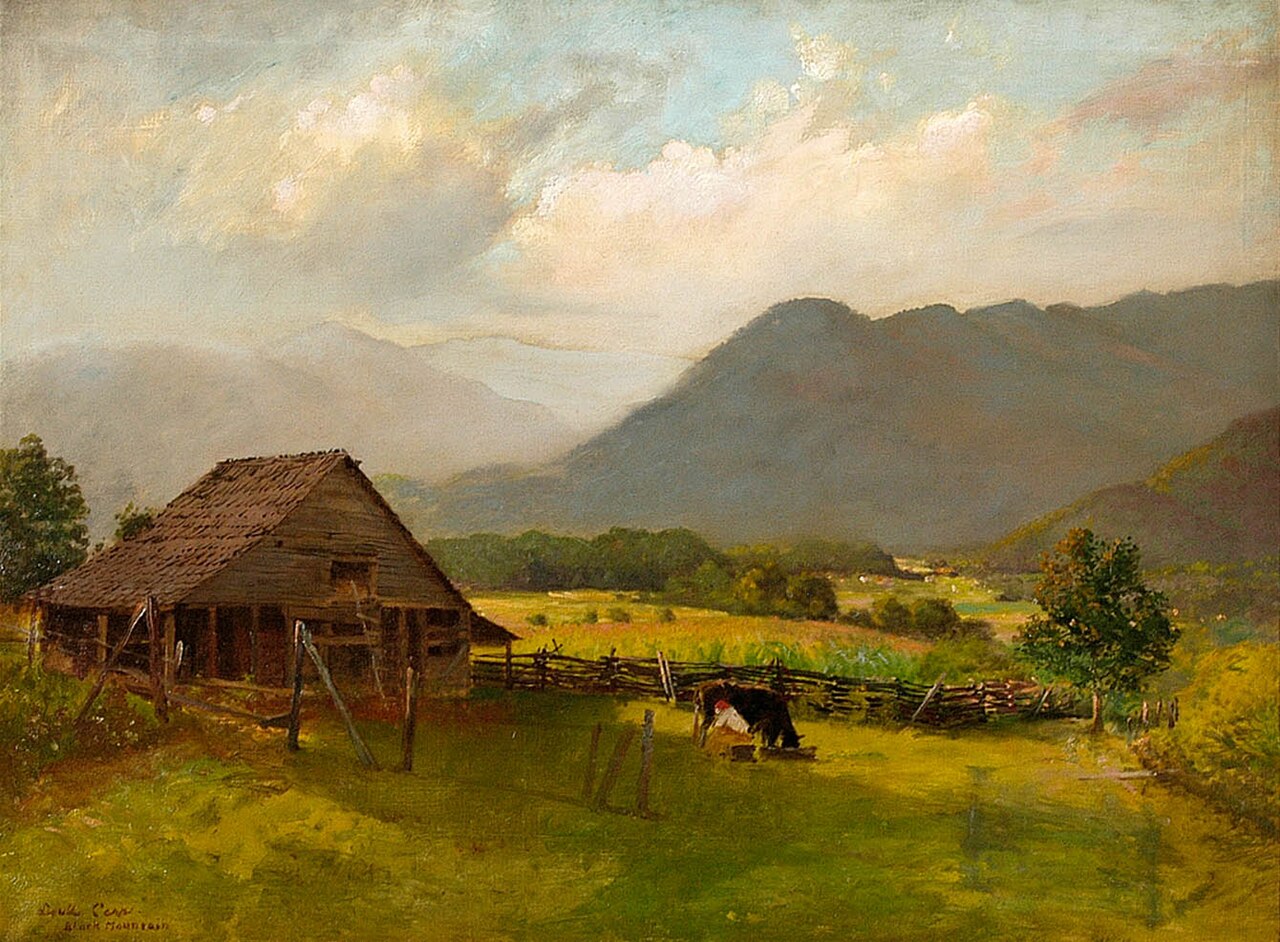
Open sand of beaches, dunes and the hollows between them.
Depression ponds and limesinks
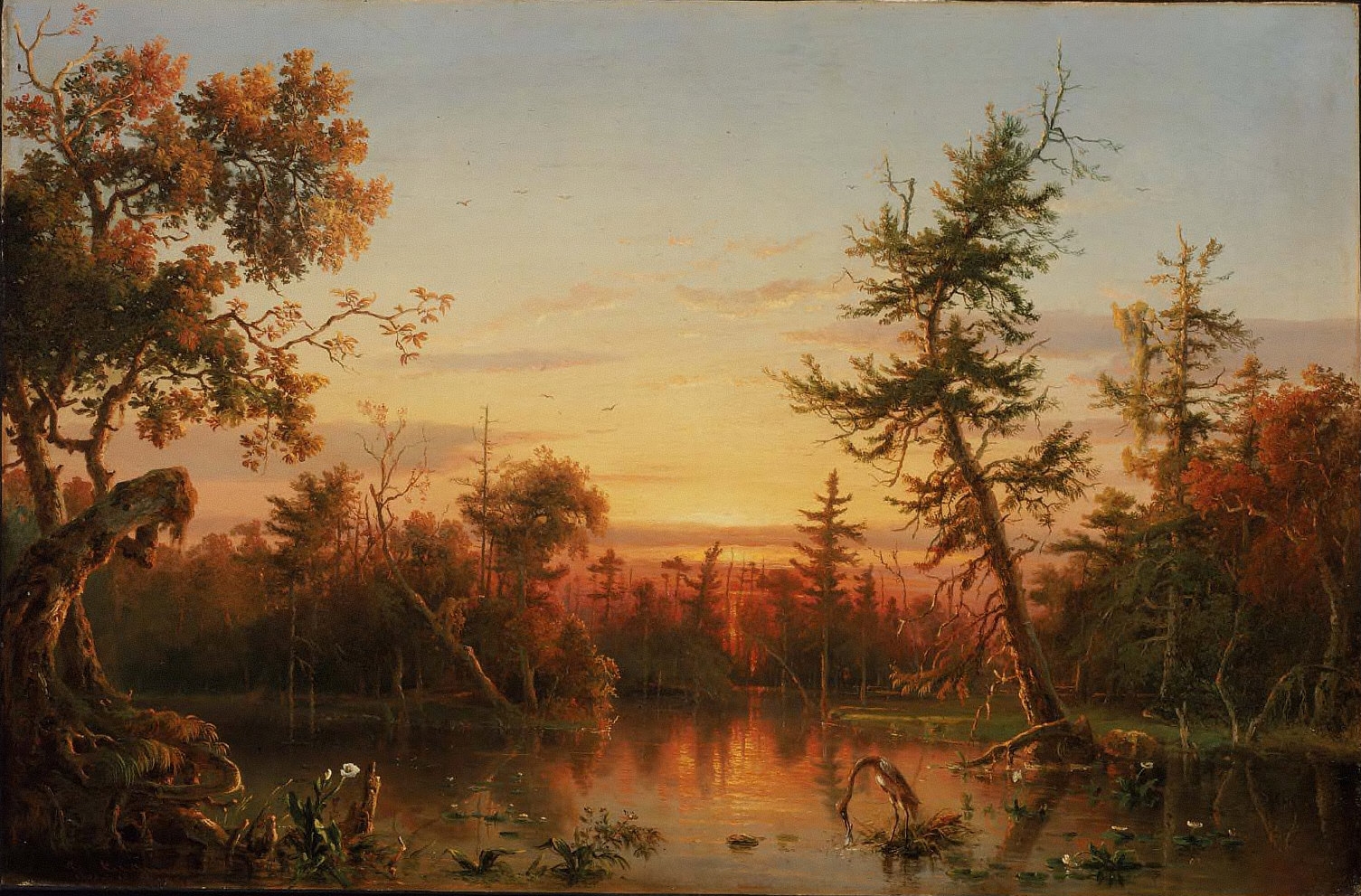
Shallow ponds in Coastal Plain depressions, such as limesinks and the ponds in some Carolina bays, that rise and fall with the seasons.
Disturbed and introduced wetlands
Wet ground taken over by weedy or introduced plants after disturbance, such as common reed, Chinese tallow or tamarisk stands; the upland counterpart is roadsides, fields and disturbed ground.
Marshes along tidal rivers where the water is fresh but rises and falls with the tide.
Dense evergreen shrub wetlands and bay forests on wet, acid peat of the Coastal Plain.
Coastal marshes flooded by salty or brackish tides.
Other habitats in its models (56)
Land cover, or classes with no habitat page in North Carolina. Those recorded in North Carolina first, the rest by region.
In North Carolina 1
- Southern Piedmont Glade and Barrens Winter.
Elsewhere in the South (40)
- Atlantic Coastal Plain Indian River Lagoon Tidal Marsh Winter.
- Atlantic Coastal Plain Northern Tidal Wooded Swamp Winter.
- Atlantic Coastal Plain Sea Island Beach Winter.
- Atlantic Coastal Plain Southern Beach Winter.
- Atlantic Coastal Plain Xeric River Dune Winter.
- Central and Upper Texas Coast Dune and Coastal Grassland Winter.
- Central Florida Herbaceous Pondshore Winter.
- Central Florida Herbaceous Seep Winter.
- East Gulf Coastal Plain Savanna and Wet Prairie Winter.
- East Gulf Coastal Plain Tidal Wooded Swamp Winter.
- Florida Big Bend Fresh-Oligohaline Tidal Marsh Winter.
- Florida Big Bend Salt-Brackish Tidal Marsh Winter.
- Florida Dry Prairie Winter.
- Florida Panhandle Beach Vegetation Winter.
- Florida Peninsula Inland Scrub Winter.
- Floridian Highlands Freshwater Marsh Winter.
- Mississippi River Bottomland Depression Winter.
- Mississippi Sound Salt and Brackish Tidal Marsh Winter.
- South Florida Cypress Dome Winter.
- South Florida Everglades Sawgrass Marsh Winter.
- South Florida Mangrove Swamp Winter.
- South Florida Pine Rockland Winter.
- South Florida Shell Hash Beach Winter.
- South Florida Wet Marl Prairie Winter.
- South Texas Lomas Winter.
- Southeast Florida Beach Winter.
- Southeast Florida Coastal Strand and Maritime Hammock Winter.
- Southern Blackland Tallgrass Prairie Winter.
- Southern Rocky Mountain Pinyon-Juniper Woodland Winter.
- Southwest Florida Beach Winter.
- Southwest Florida Coastal Strand and Maritime Hammock Winter.
- Southwest Florida Dune and Coastal Grassland Winter.
- Texas Coastal Bend Beach Winter.
- Texas Saline Coastal Prairie Winter.
- Texas-Louisiana Coastal Prairie Winter.
- West Gulf Coastal Plain Catahoula Barrens Winter.
- West Gulf Coastal Plain Nepheline Syenite Glade Winter.
- West Gulf Coastal Plain Northern Calcareous Prairie Winter.
- West Gulf Coastal Plain Seepage Swamp and Baygall Winter.
- West Gulf Coastal Plain Southern Calcareous Prairie Winter.
Northeast (2)
- Atlantic Coastal Plain Northern Fresh and Oligohaline Tidal Marsh Winter.
- Atlantic Coastal Plain Northern Tidal Salt Marsh Winter.
West (1)
- North American Arid West Emergent Marsh Winter.
Land cover and other classes (12)
- Developed, Low Intensity Winter.
- East Gulf Coastal Plain Black Belt Calcareous Prairie and Woodland - Herbaceous Modifier Winter.
- East Gulf Coastal Plain Interior Upland Longleaf Pine Woodland - Open Understory Modifier Winter.
- East Gulf Coastal Plain Near-Coast Pine Flatwoods - Open Understory Modifier Winter.
- East Gulf Coastal Plain Southern Depression Pondshore Winter.
- Florida Longleaf Pine Sandhill - Open Understory Modifier Winter.
- Recently Chained Pinyon-Juniper Areas Winter.
- South Texas Dune and Coastal Grassland Winter.
- South Texas Sand Sheet Grassland Winter.
- Texas-Louisiana Coastal Prairie Slough Winter.
- Unconsolidated Shore Winter.
- Unconsolidated Shore (Lake/River/Pond) Winter.
Seasons in North Carolina
- Migratory: does not nest here, in all 100 counties.
Also found in its main habitats
Its main habitats in North Carolina, by how much of its habitat model each one is, with the birds most characteristic of each and the plants that grow wild there. Shared habitat, not food.
Coastal dunes and beaches
Birds 112
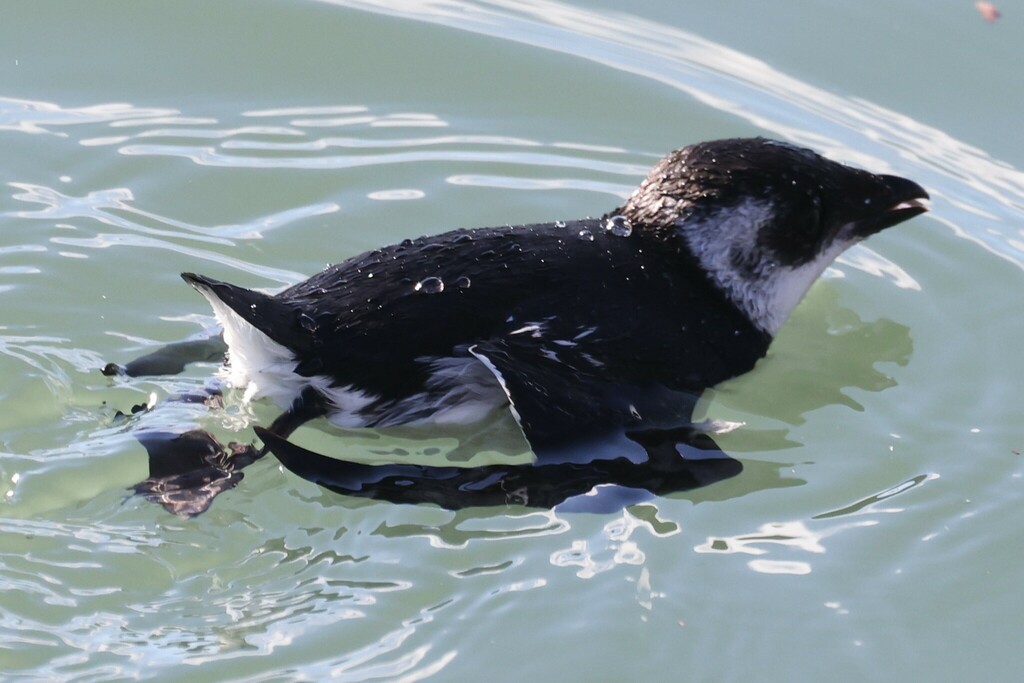
- DovekieAlle alle
- Horned LarkEremophila alpestris
- Marbled GodwitLimosa fedoa
- Short-billed DowitcherLimnodromus griseus
- Wilson's PloverCharadrius wilsonia
- Great Black-backed GullLarus marinus
- Purple SandpiperCalidris maritima
- Saltmarsh Sharp-tailed SparrowAmmodramus caudacutus
- Sandwich TernThalasseus sandvicensis
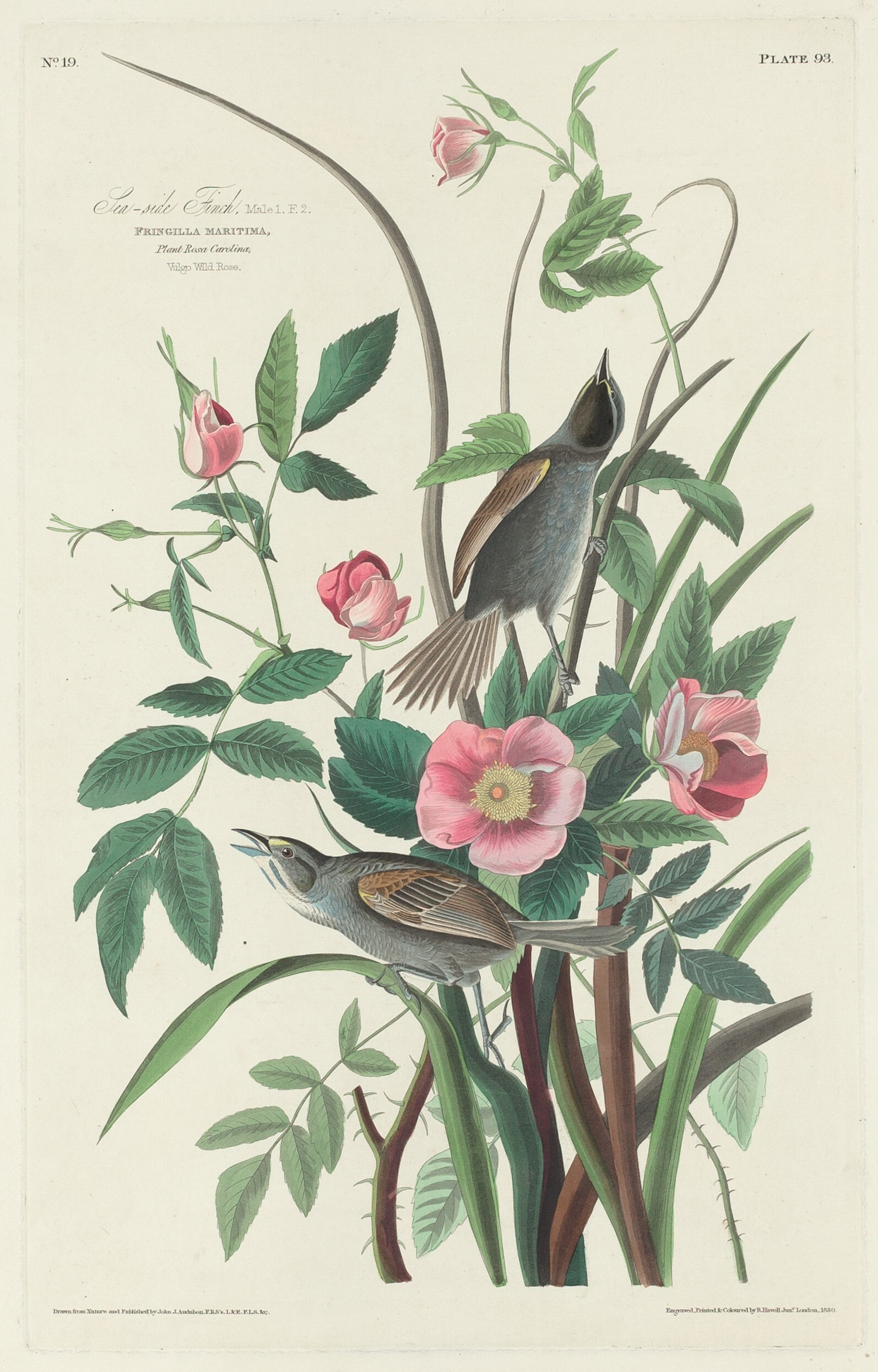
- Seaside SparrowAmmodramus maritimus
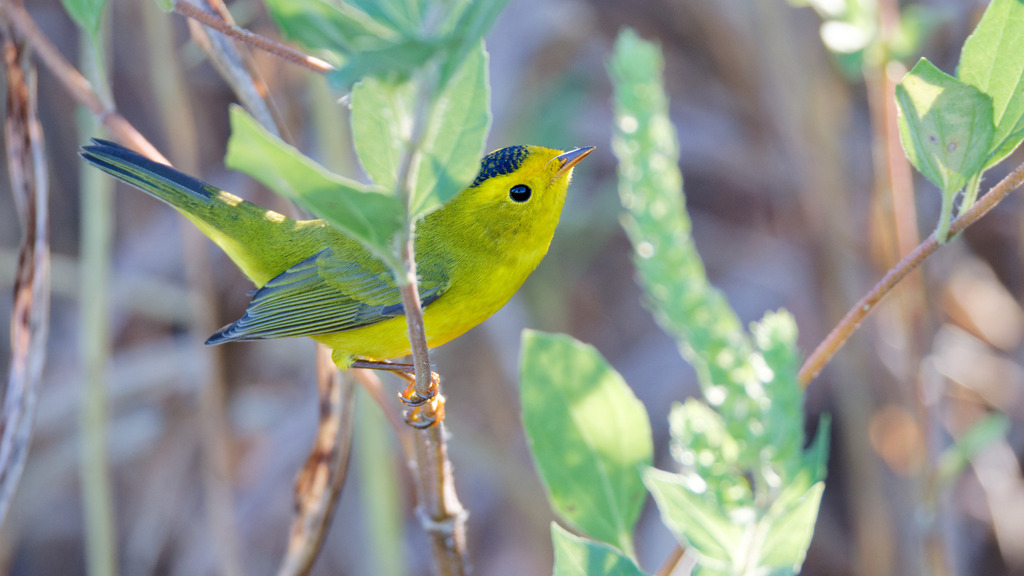
- Wilson's WarblerWilsonia pusilla
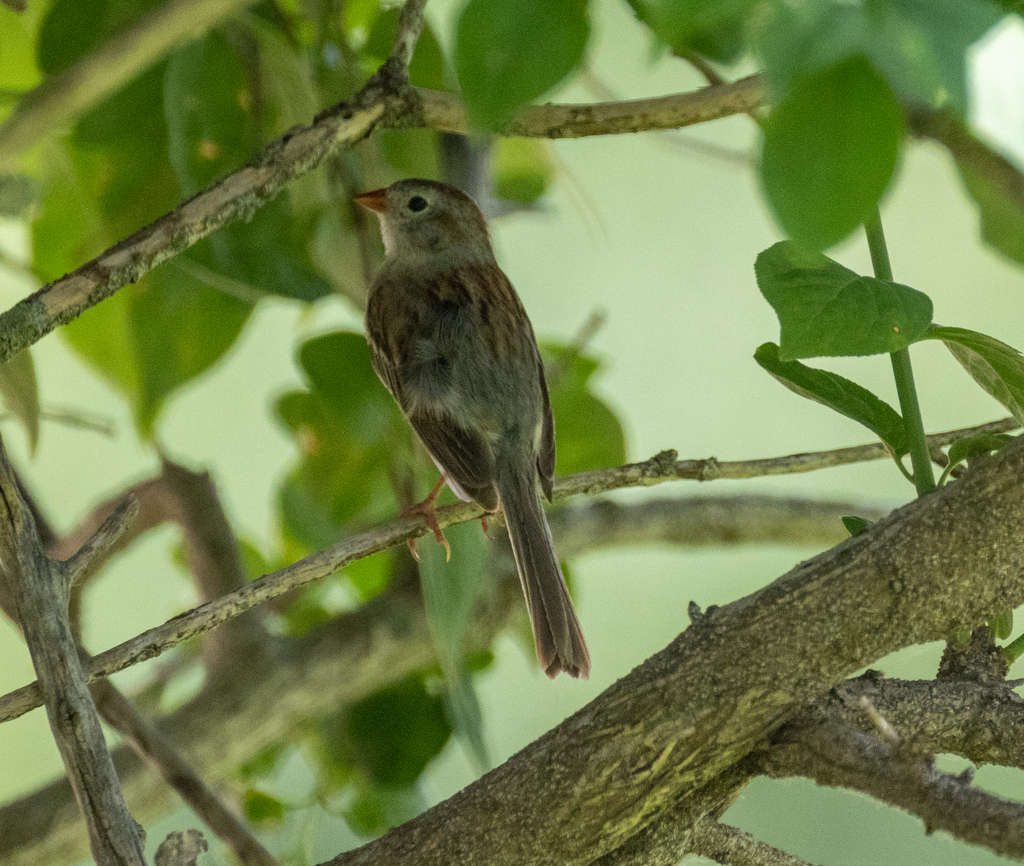
- Field SparrowSpizella pusilla
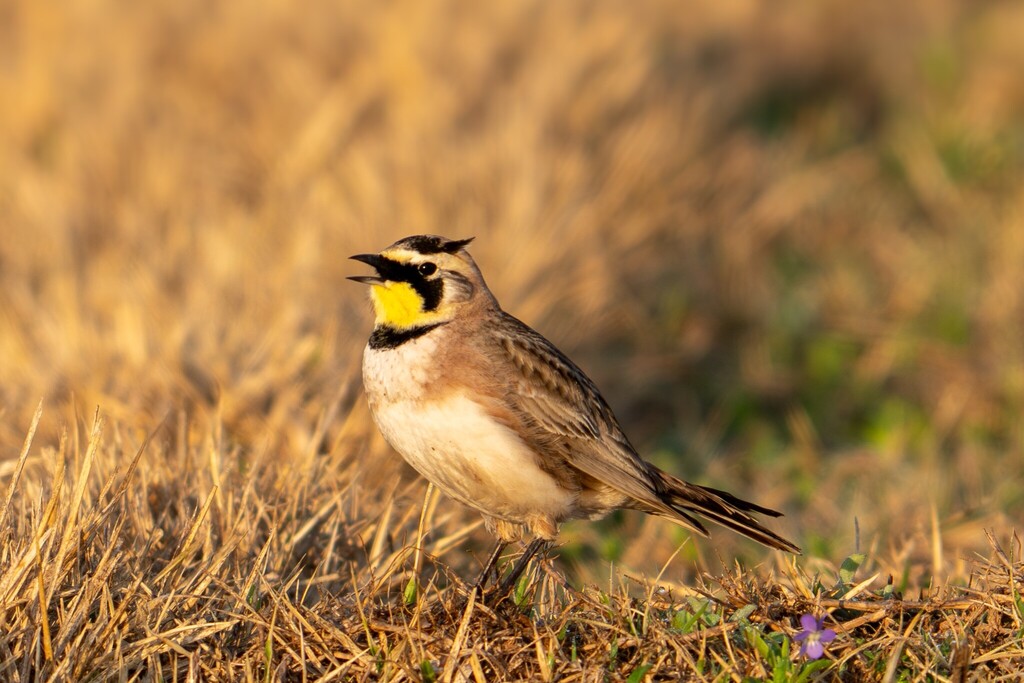
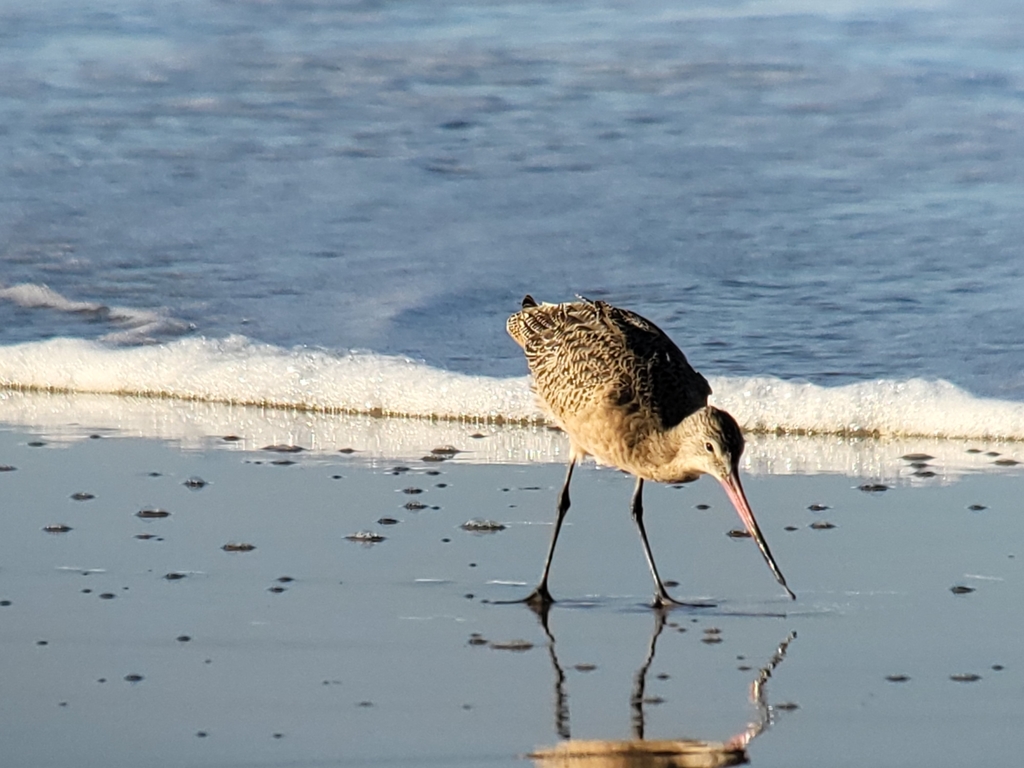
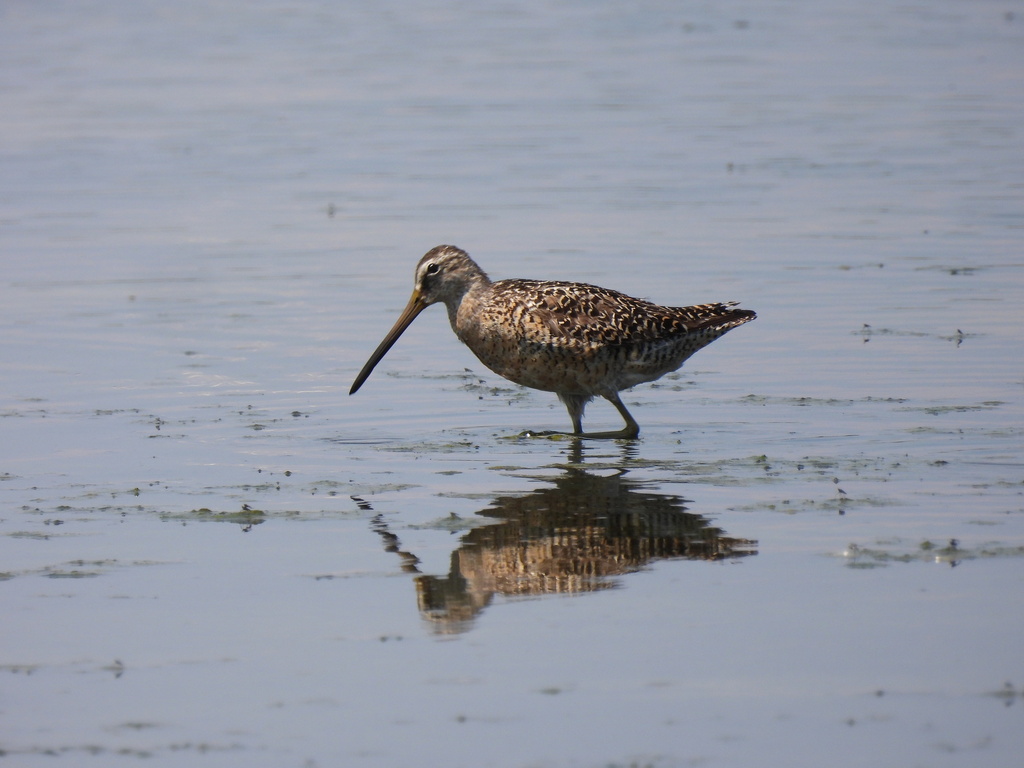
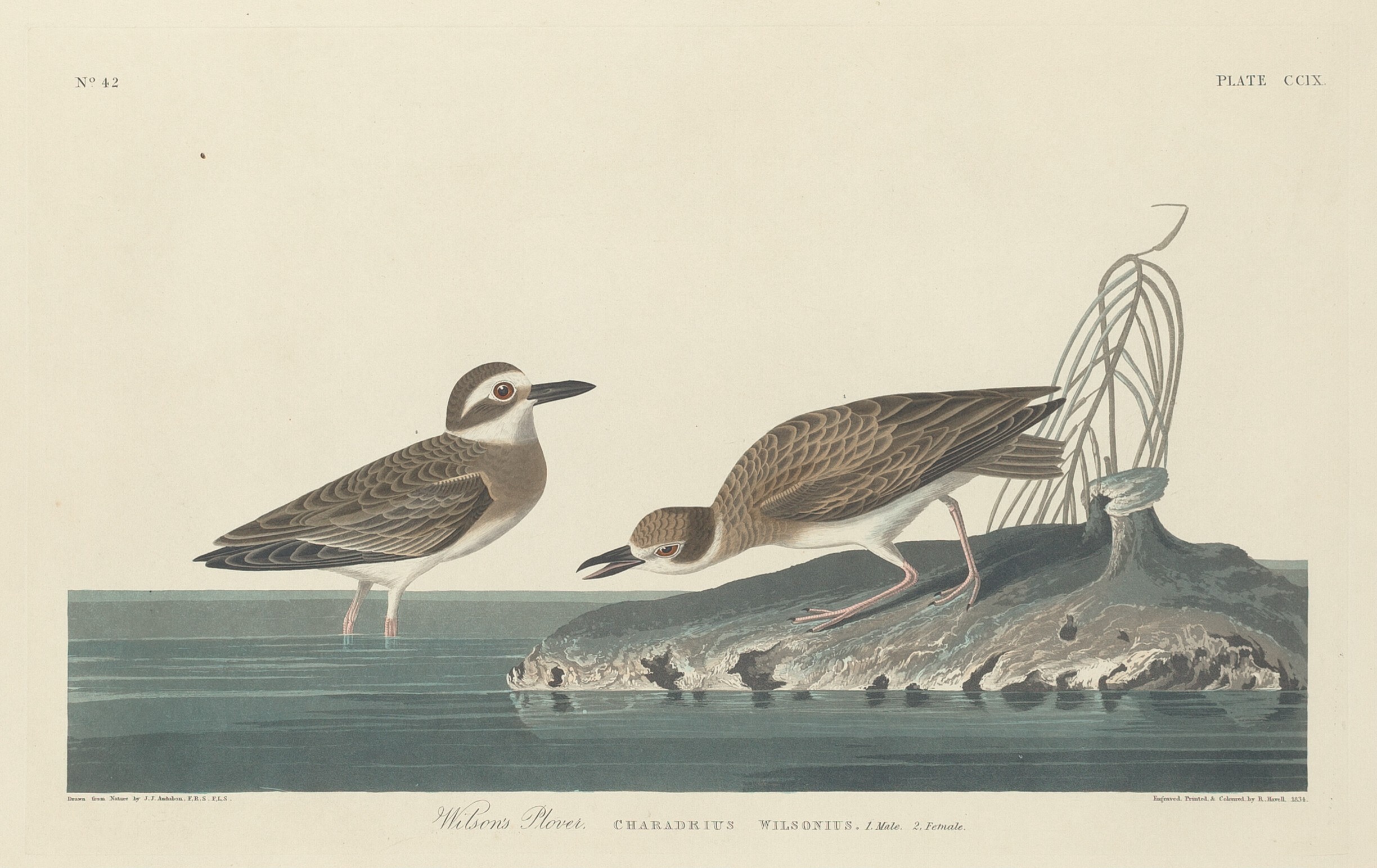
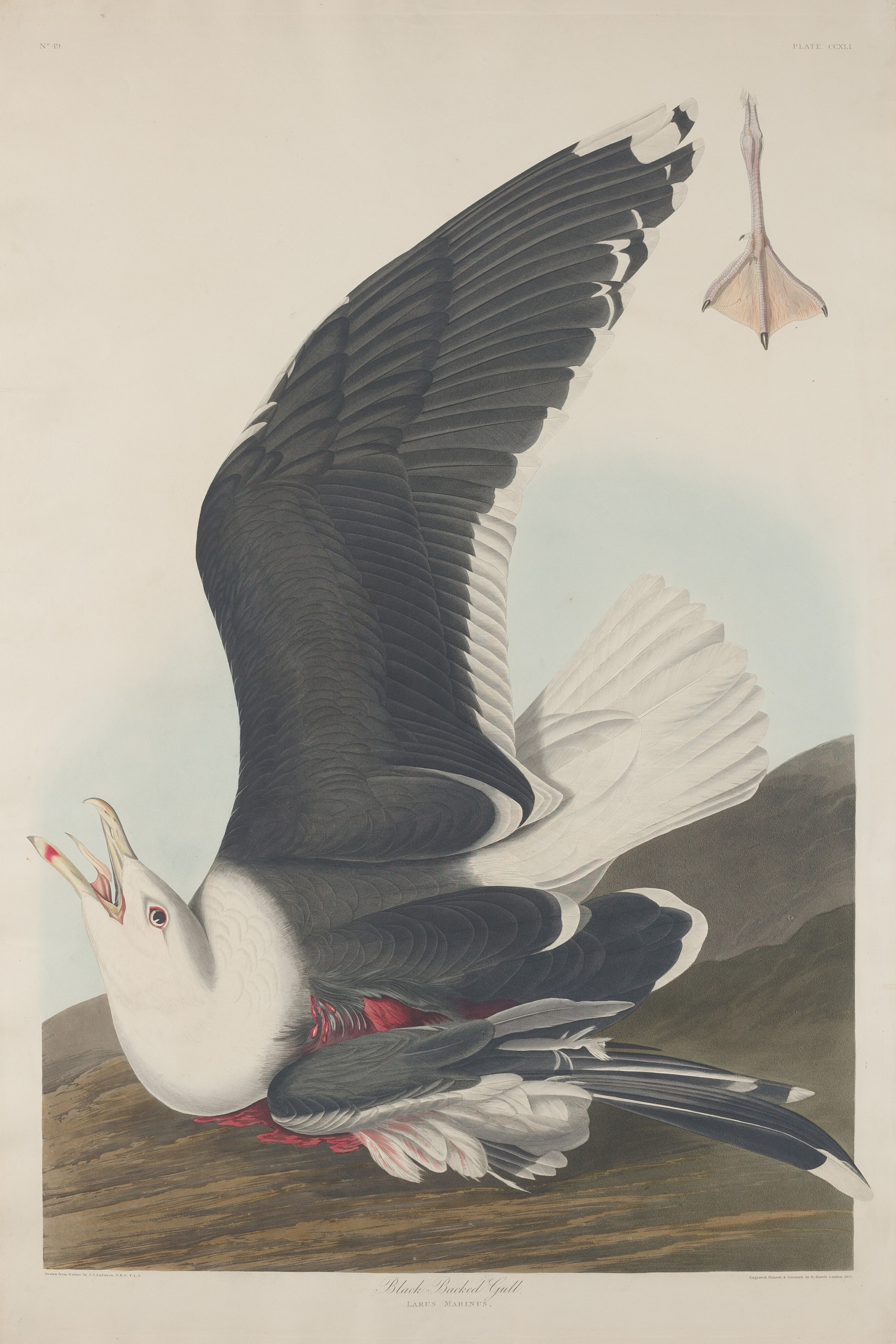
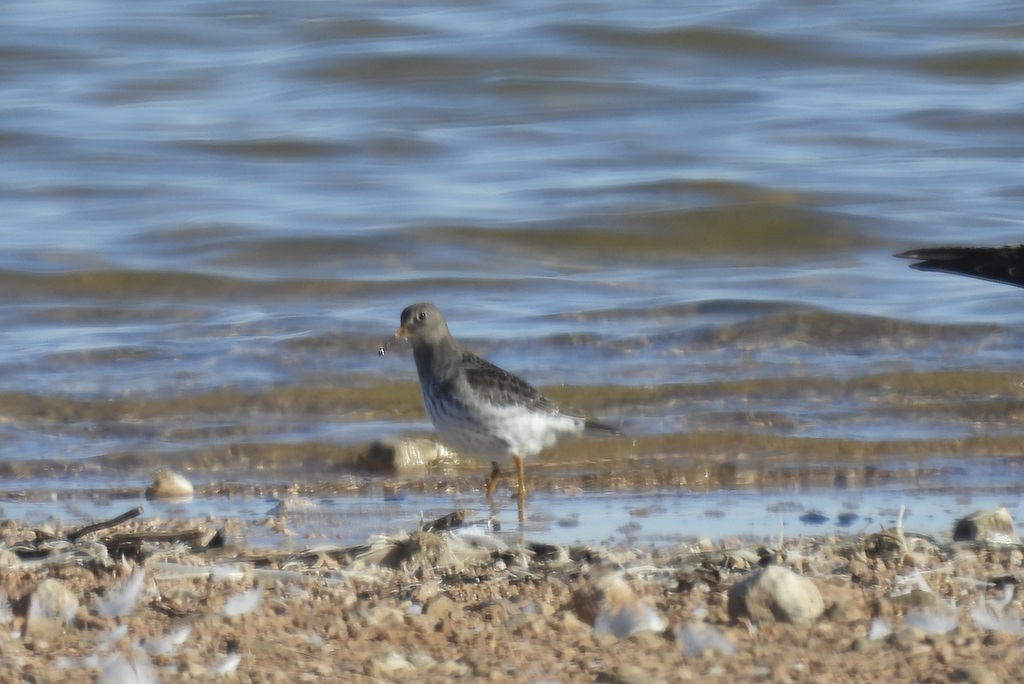
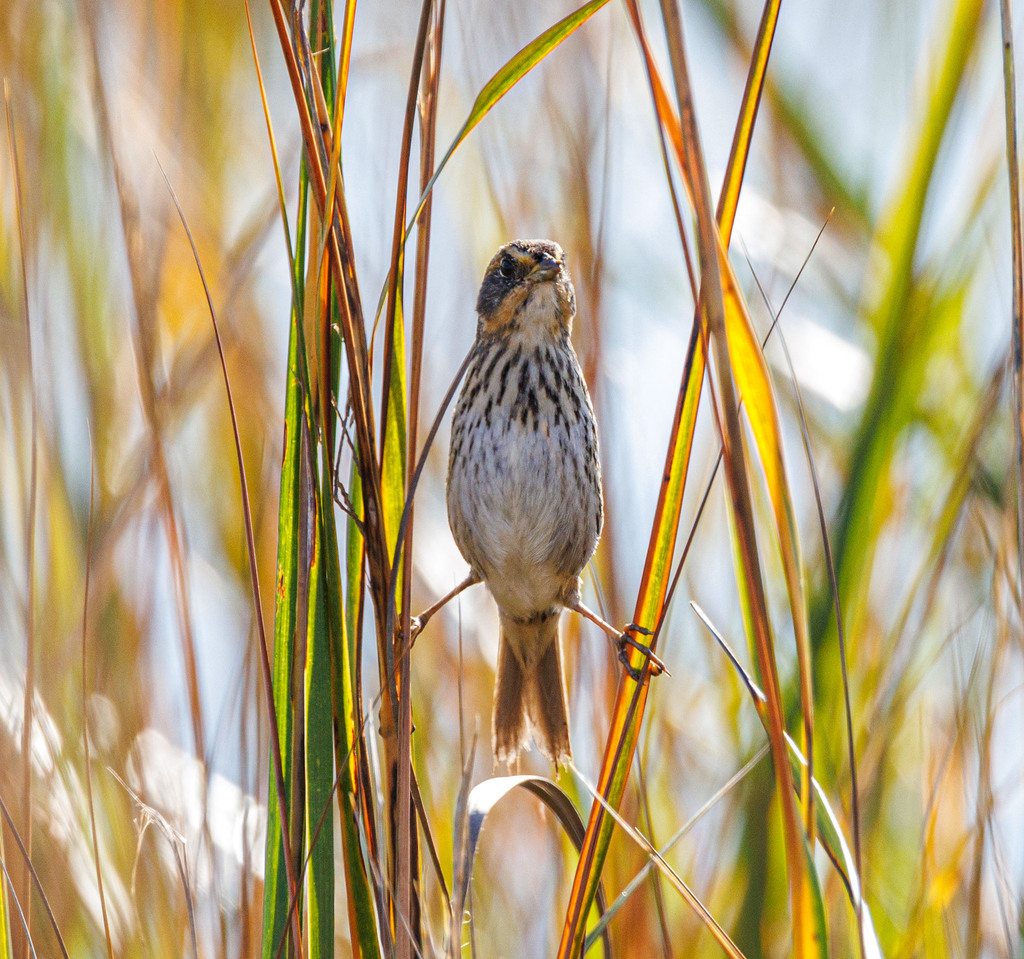
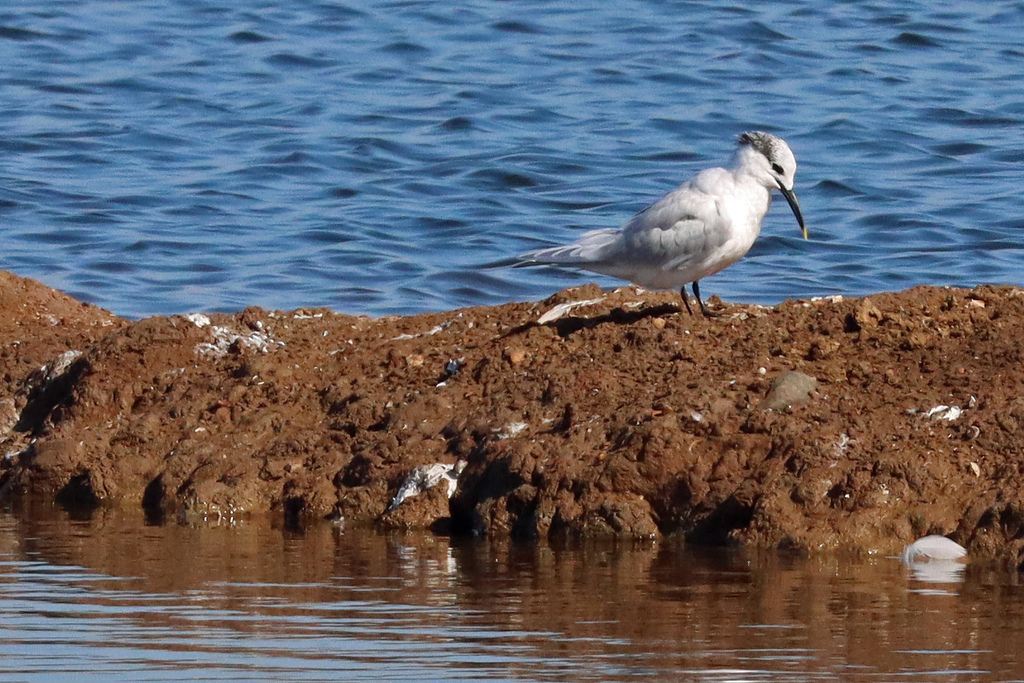
Plants 132
- Maritime ThoroughwortEupatorium maritimum
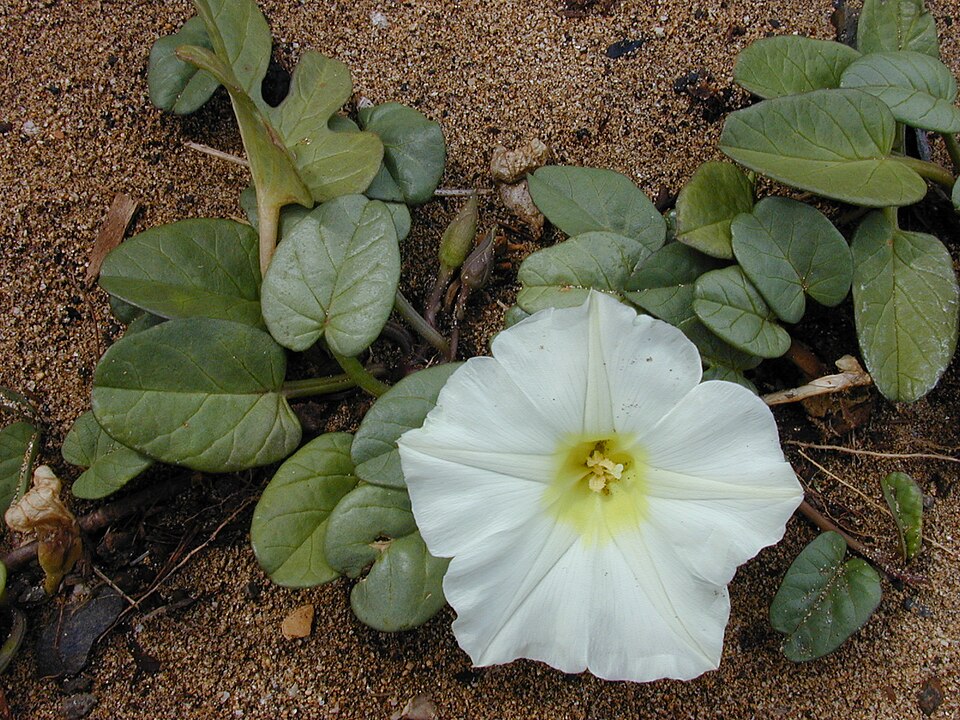
- Beach Morning-gloryIpomoea imperati
- Railroad VineIpomoea brasiliensis
- Seabeach KnotweedPolygonum glaucum
- Northern BayberryMorella pensylvanica
- Seabeach AmaranthAmaranthus pumilus
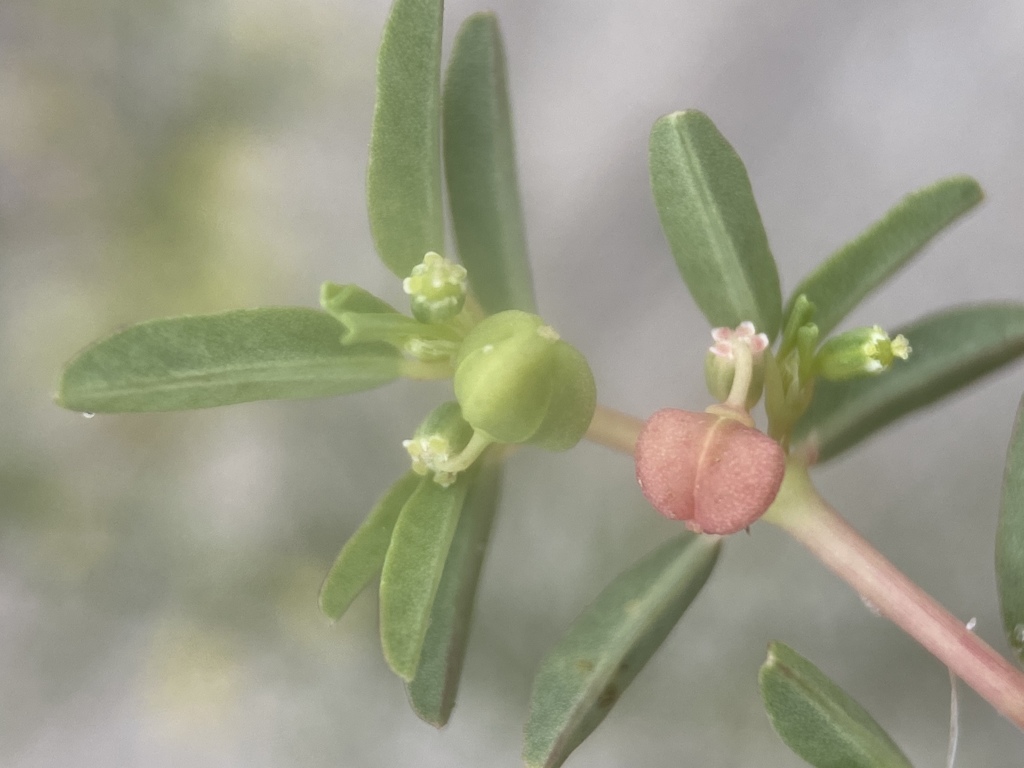
- Northern Seaside SpurgeEuphorbia polygonifolia
- Southern Seaside SpurgeEuphorbia bombensis
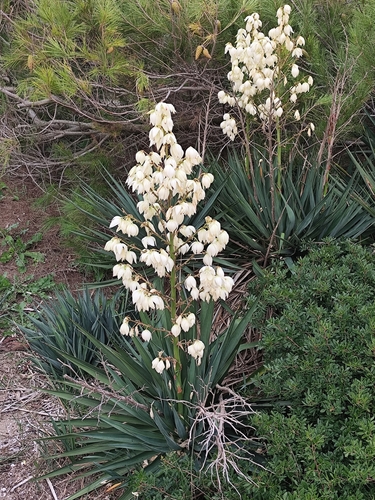
- Mound-lily YuccaYucca gloriosa
- Northern Seabeach OrachAtriplex mucronata
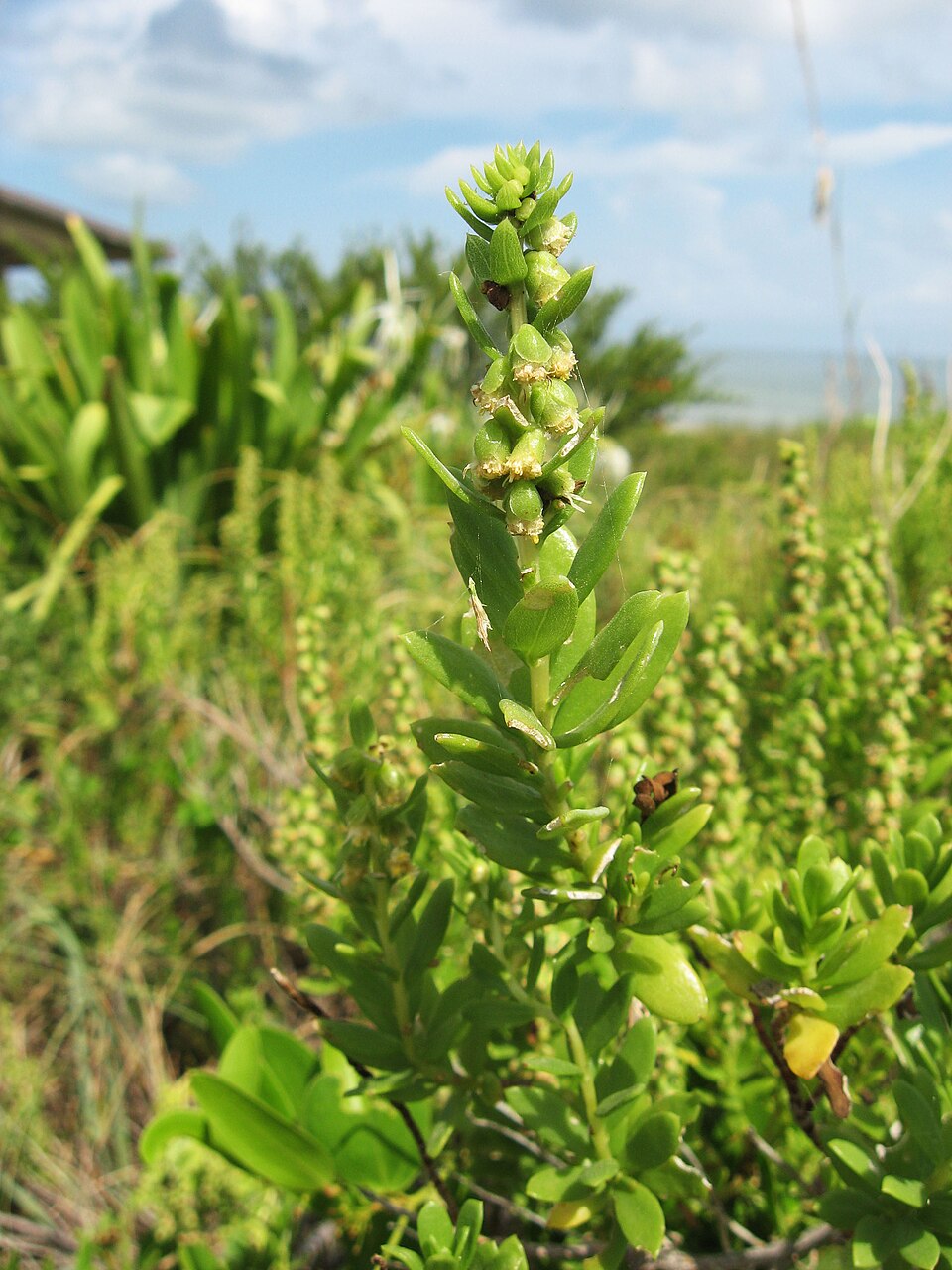
- Dune Marsh-elderIva imbricata
- Dune BluecurlsTrichostema nesophilum
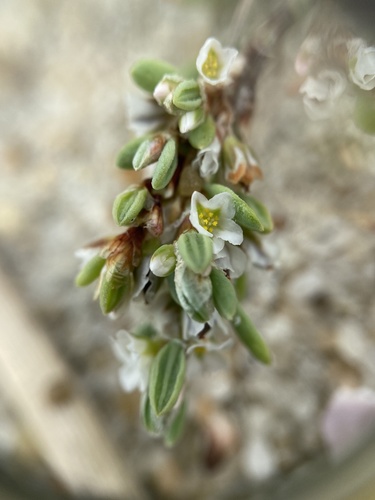
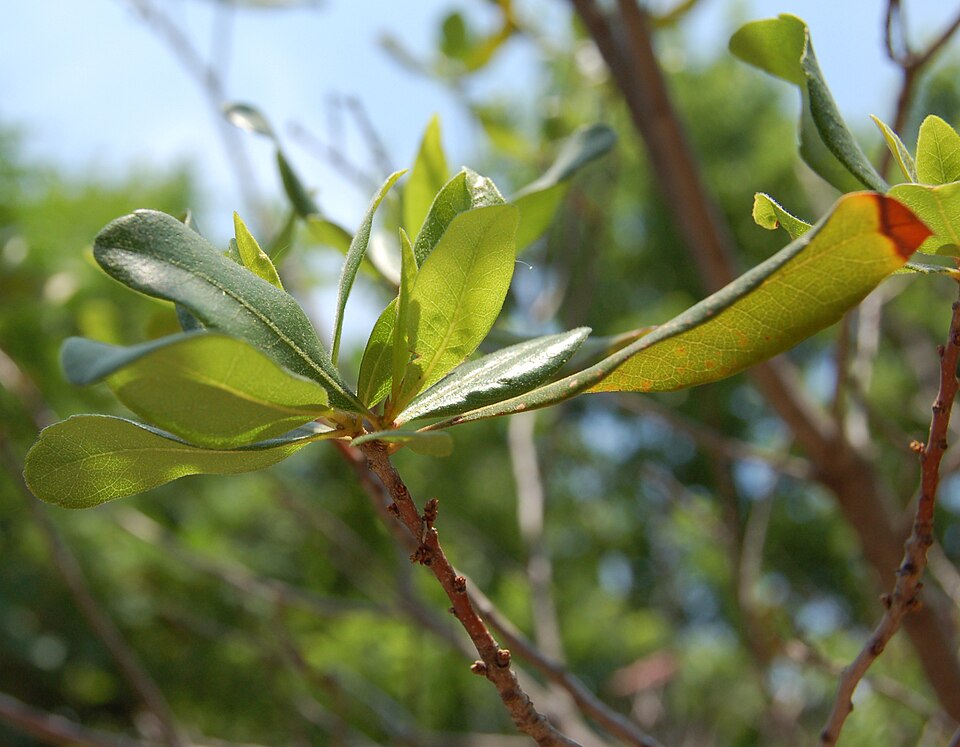
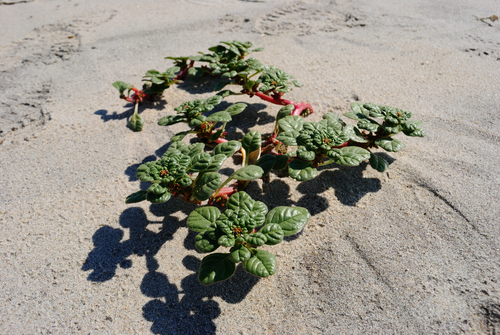
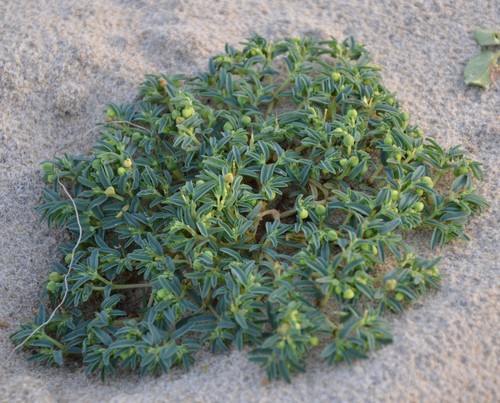
Depression ponds and limesinks
Birds 71
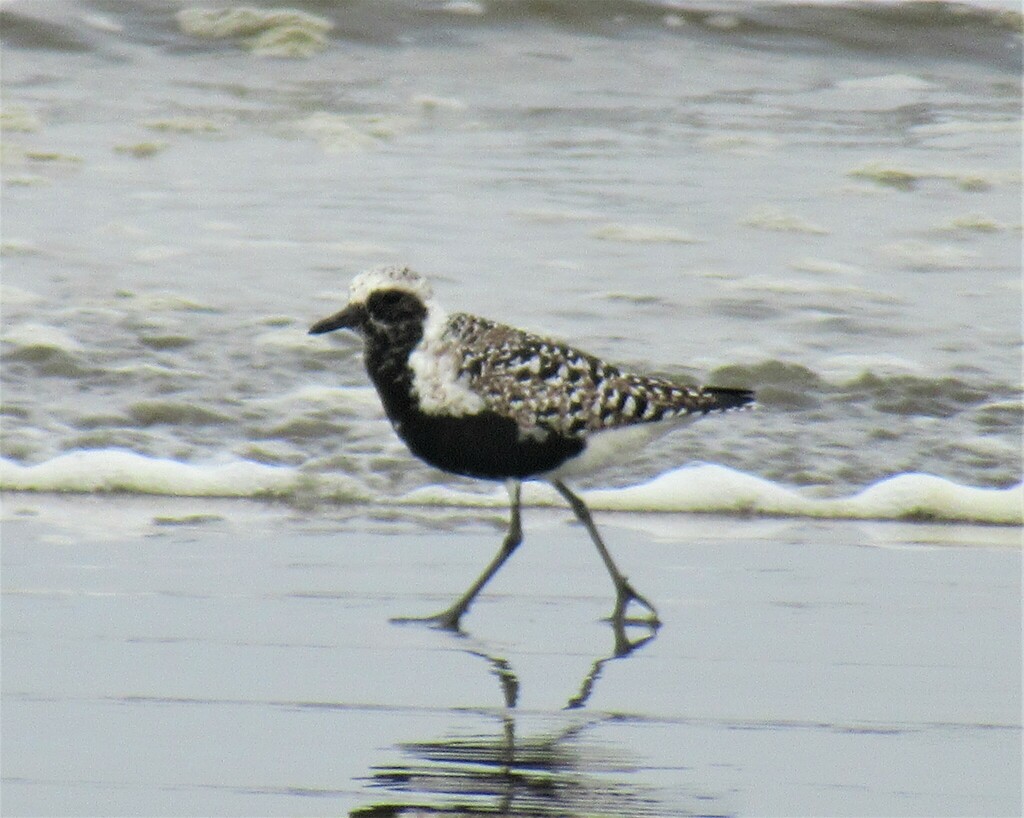
- Black-bellied PloverPluvialis squatarola
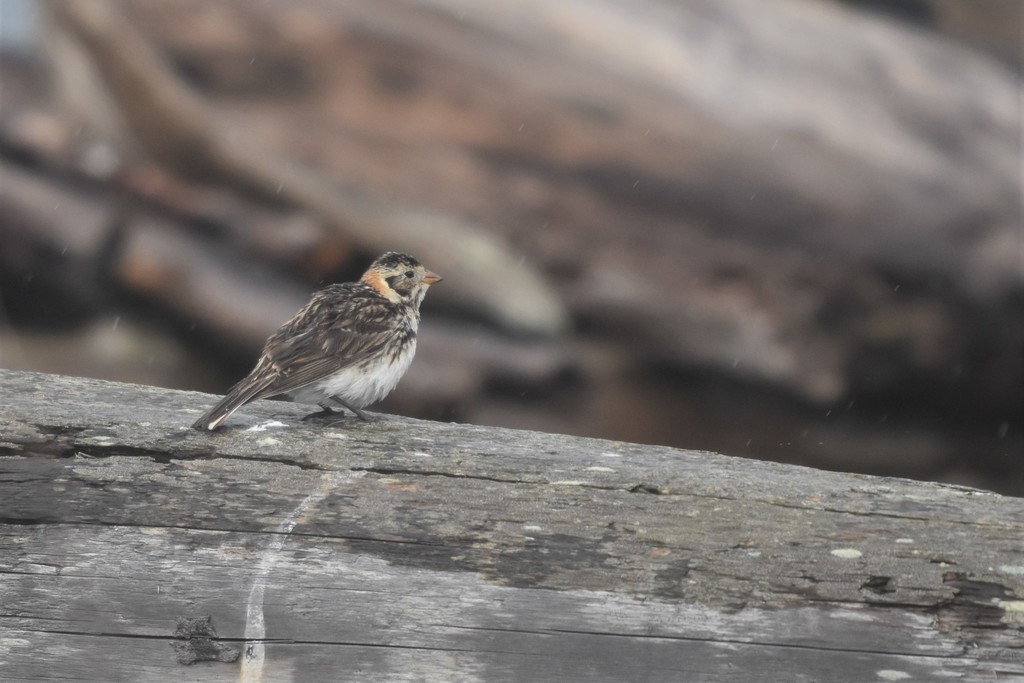
- Lapland LongspurCalcarius lapponicus
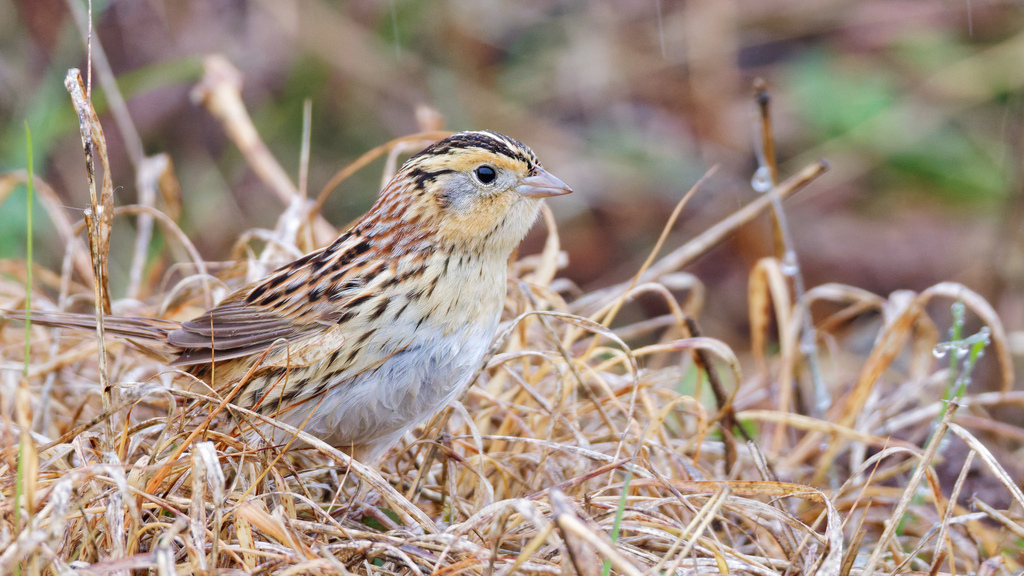
- Le Conte's SparrowAmmodramus leconteii
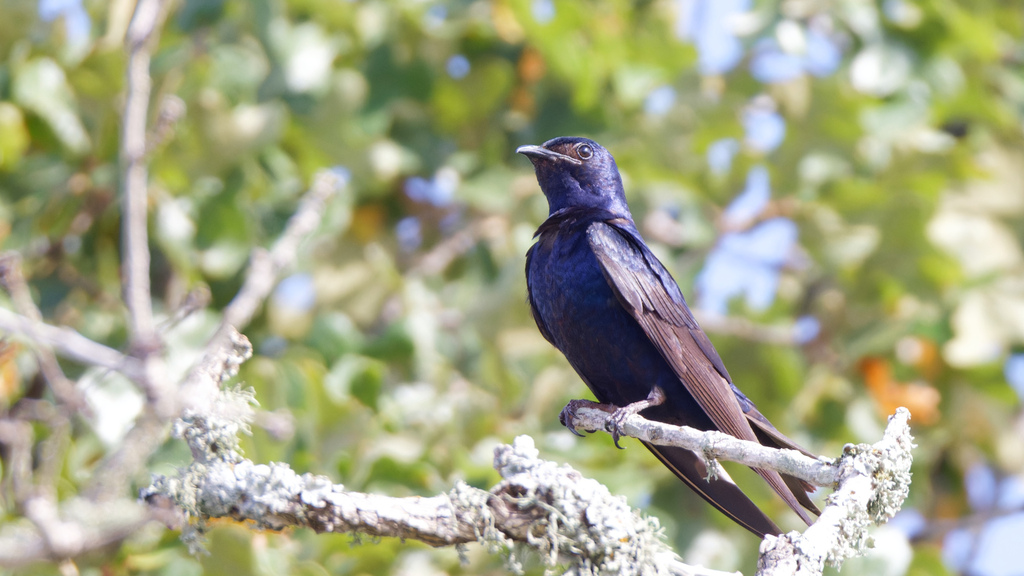
- Purple MartinProgne subis
- Western SandpiperCalidris mauri
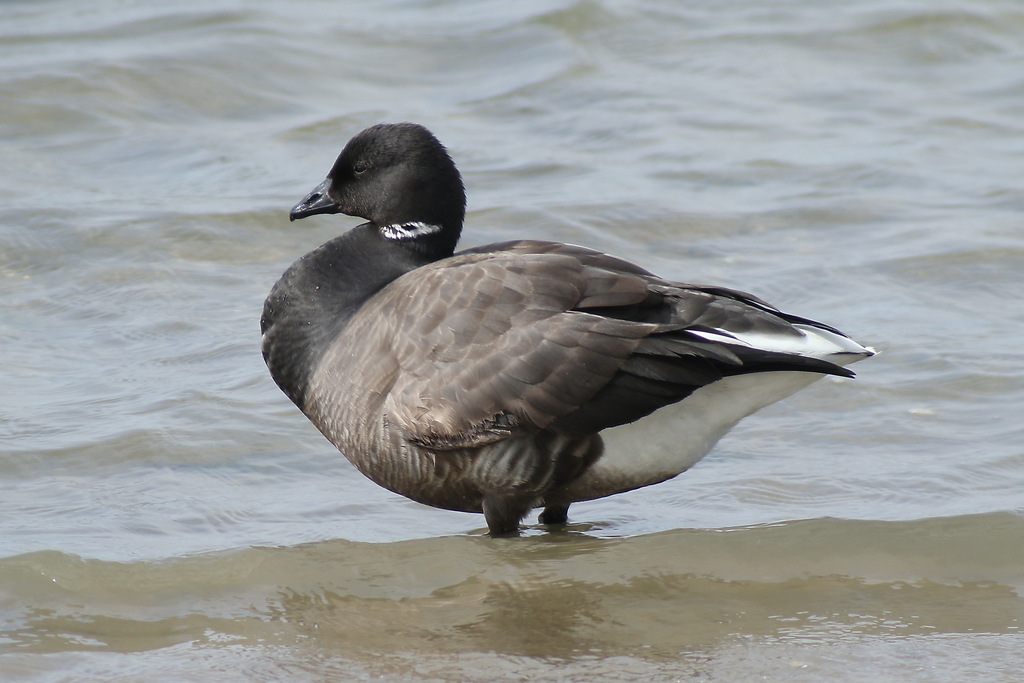
- BrantBranta bernicla
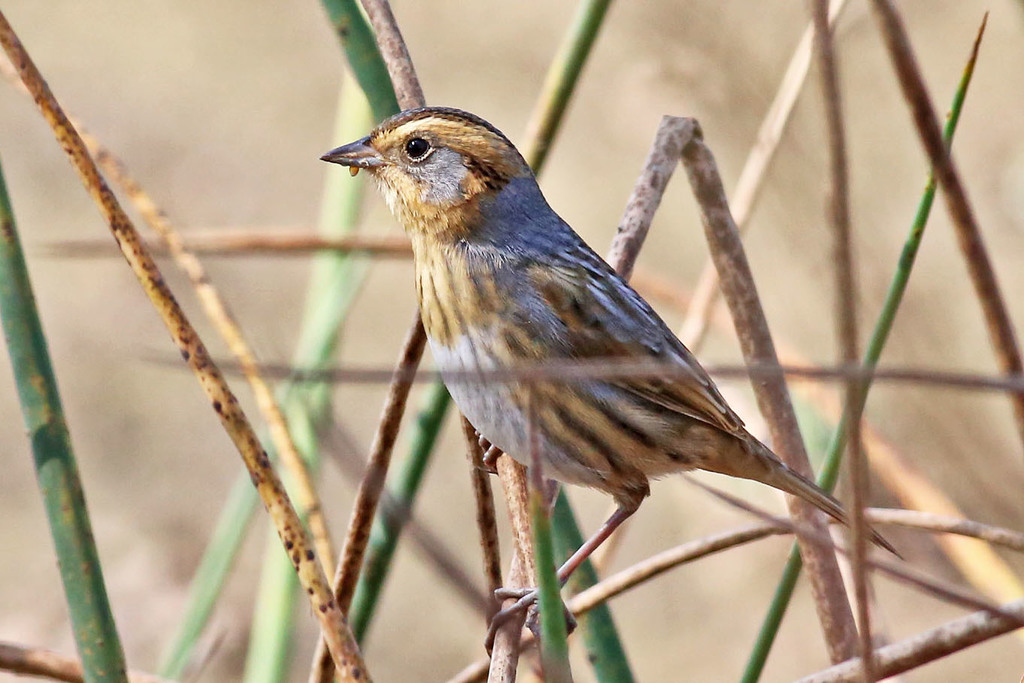
- Nelson's Sharp-tailed SparrowAmmodramus nelsoni
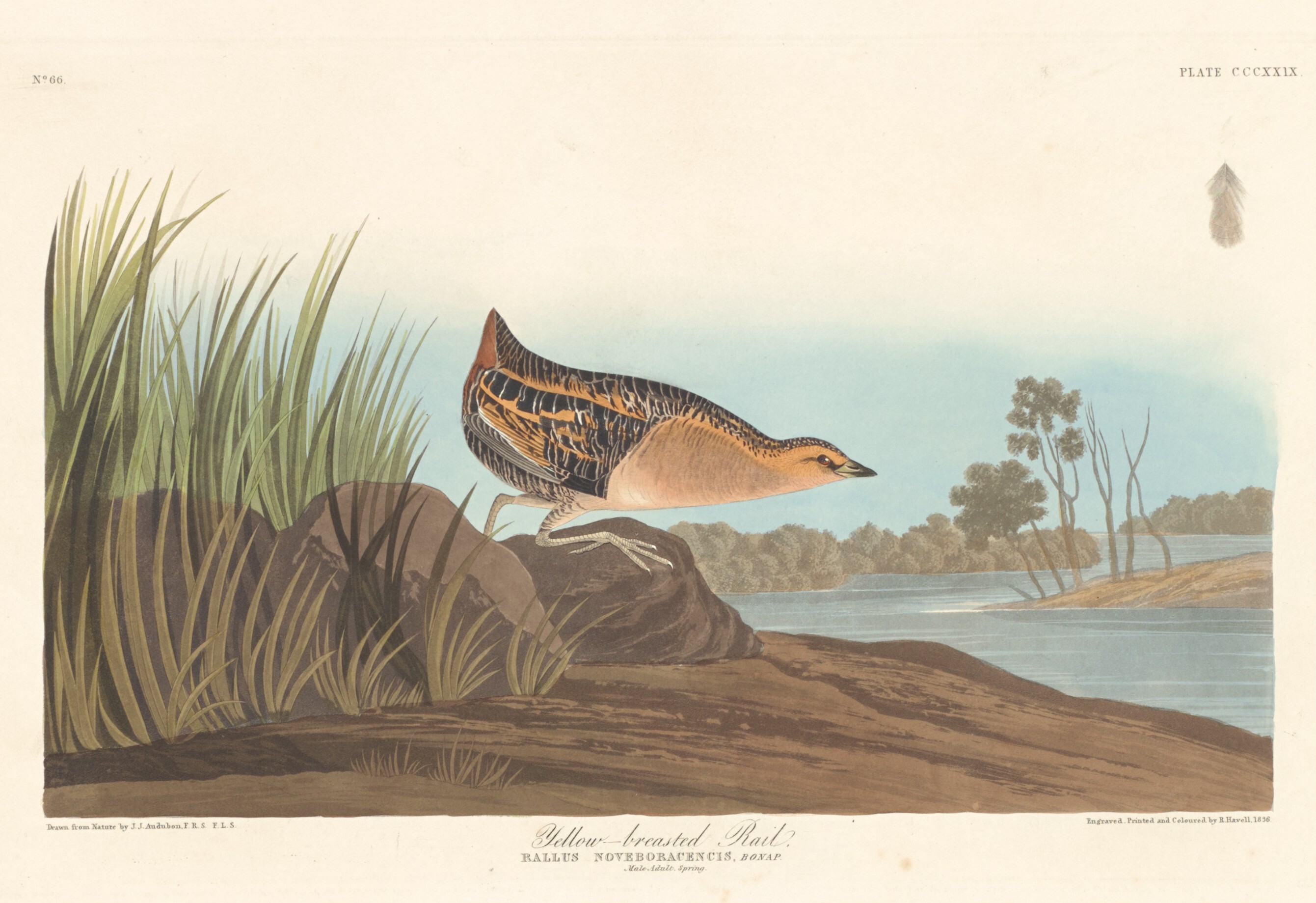
- Yellow RailCoturnicops noveboracensis
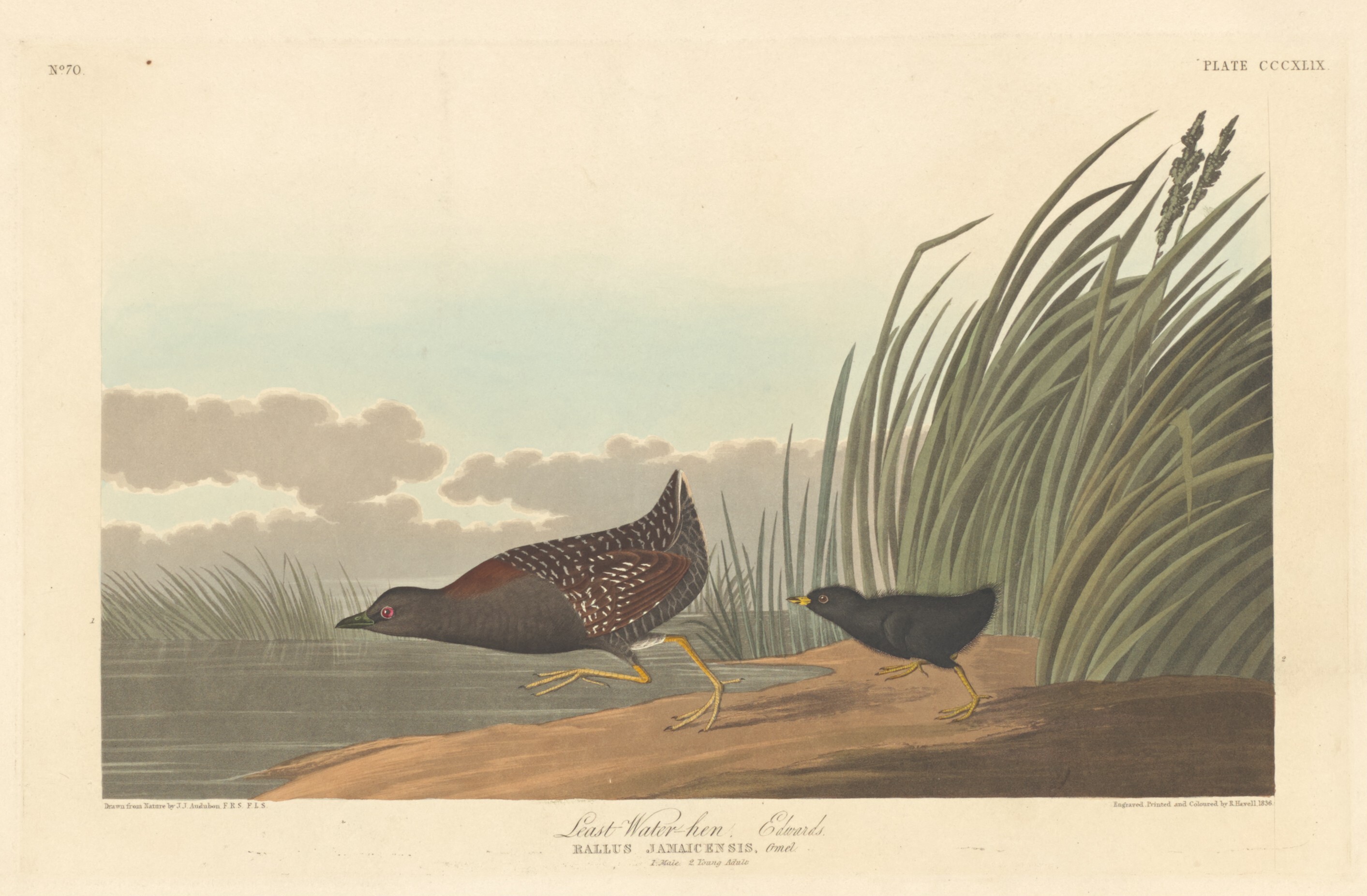
- Black RailLaterallus jamaicensis
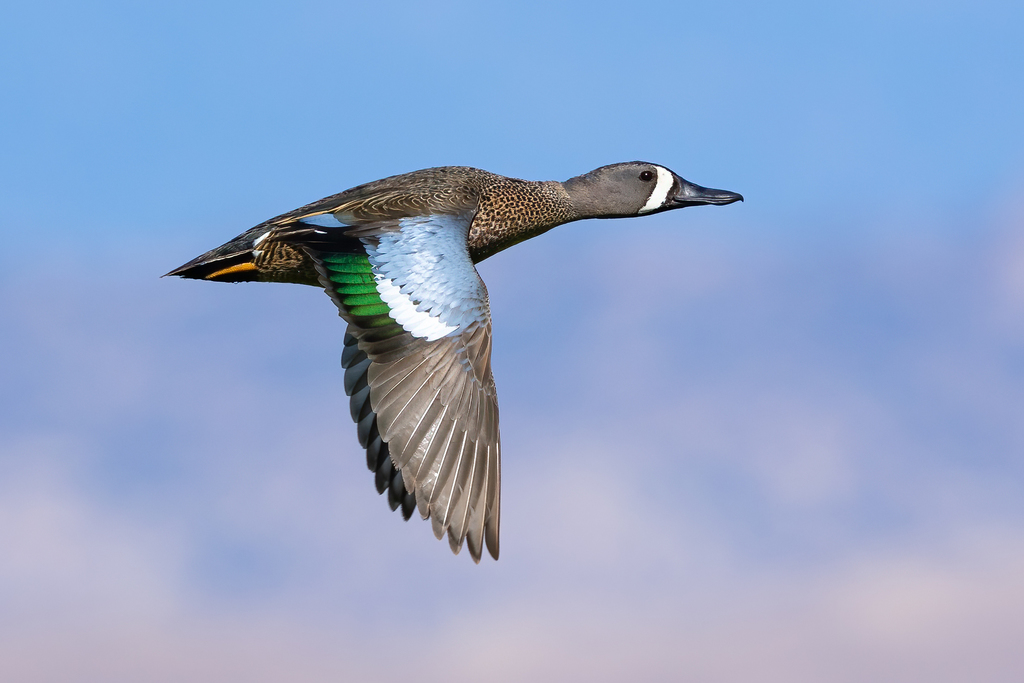
- Blue-winged TealAnas discors
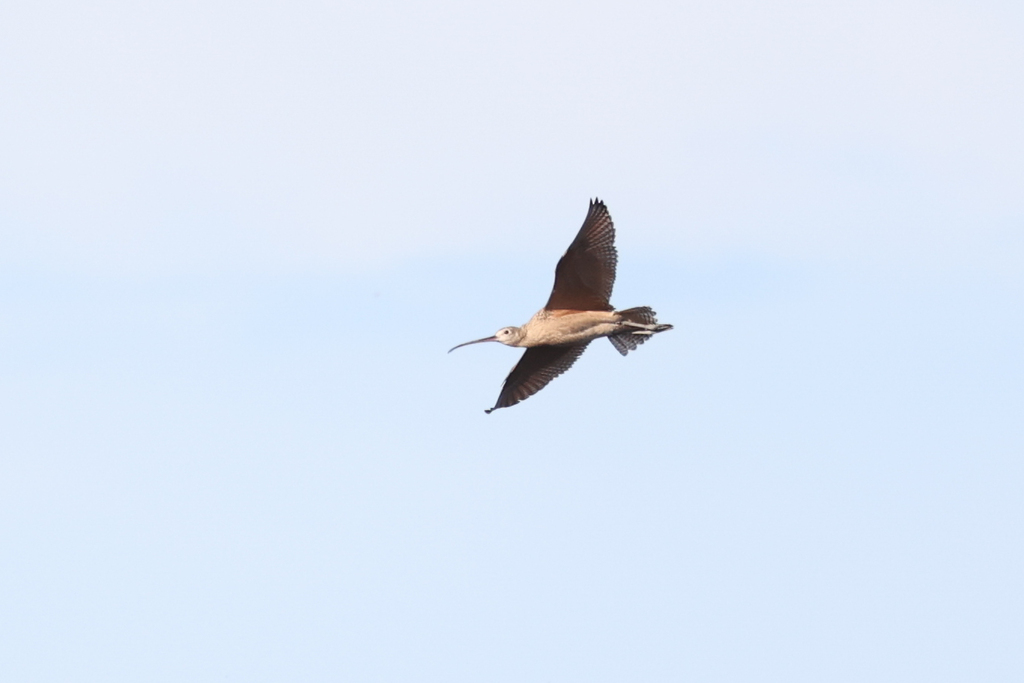
- Long-billed CurlewNumenius americanus
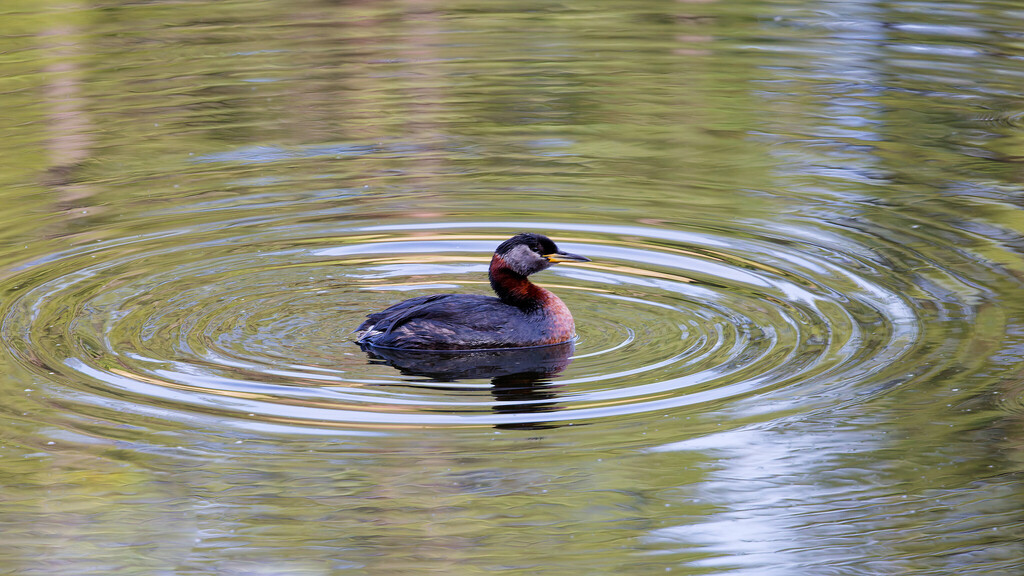
- Red-necked GrebePodiceps grisegena
Plants 123
- Bay BonesetEupatorium paludicola
- False FennelEupatorium leptophyllum
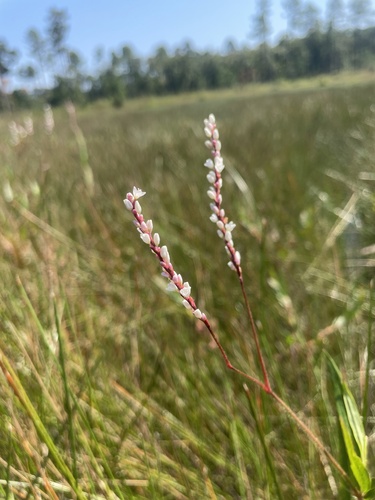
- Hairy SmartweedPersicaria hirsuta
- Shrubby SeedboxLudwigia suffruticosa
- Hirst's WitchgrassDichanthelium hirstii
- Coastal BeaksedgeRhynchospora pleiantha
- Grooved BeaksedgeRhynchospora sulcata
- Harper's BeaksedgeRhynchospora harperi
- Narrow-fruit Horned BeaksedgeRhynchospora inundata
- Tracy's BeaksedgeRhynchospora tracyi
- Slender Water-milfoilMyriophyllum tenellum
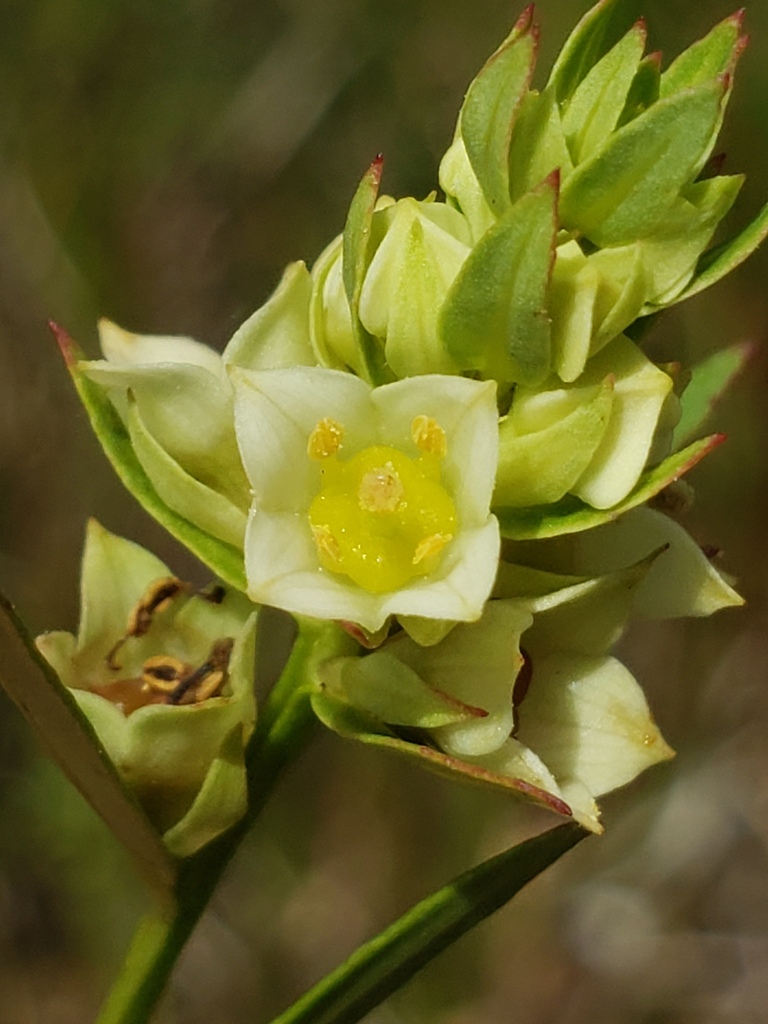
- Tall Pinebarren MilkwortSenega cymosa
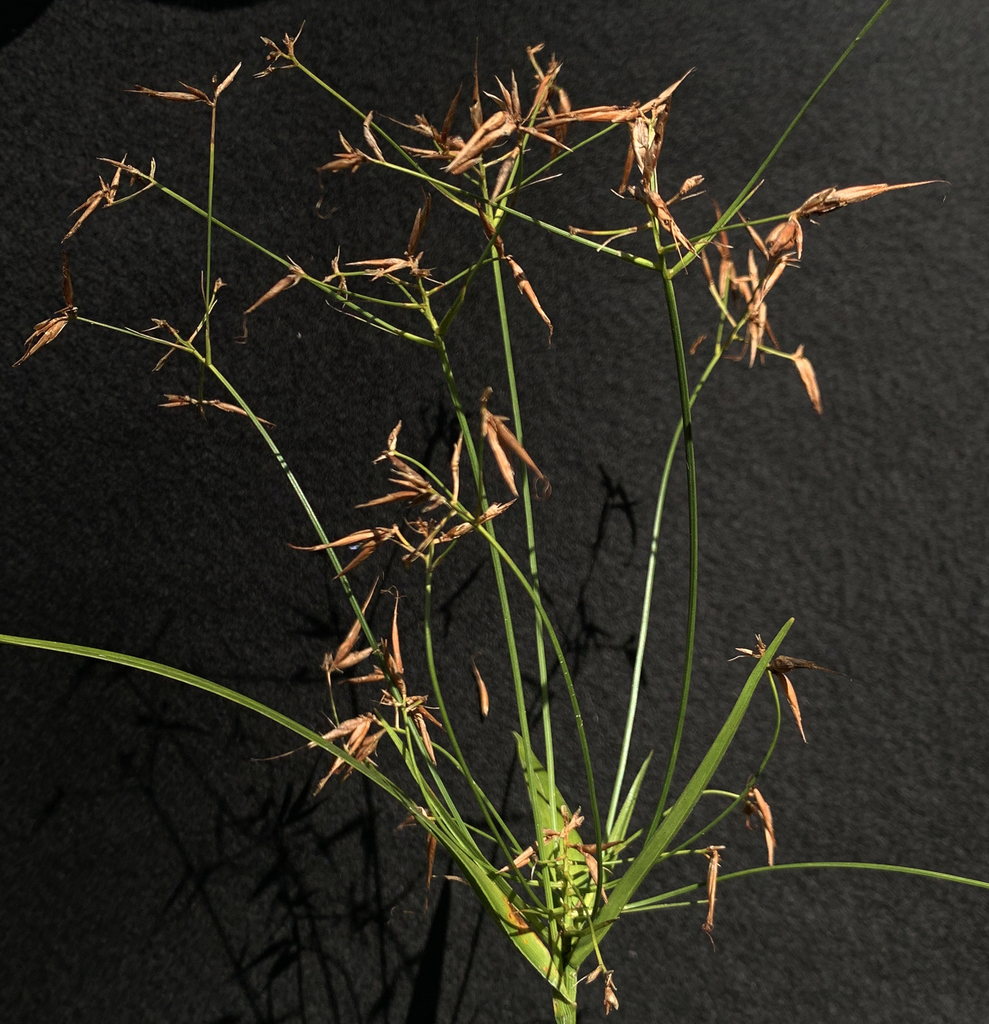
Disturbed and introduced wetlands
Birds 120
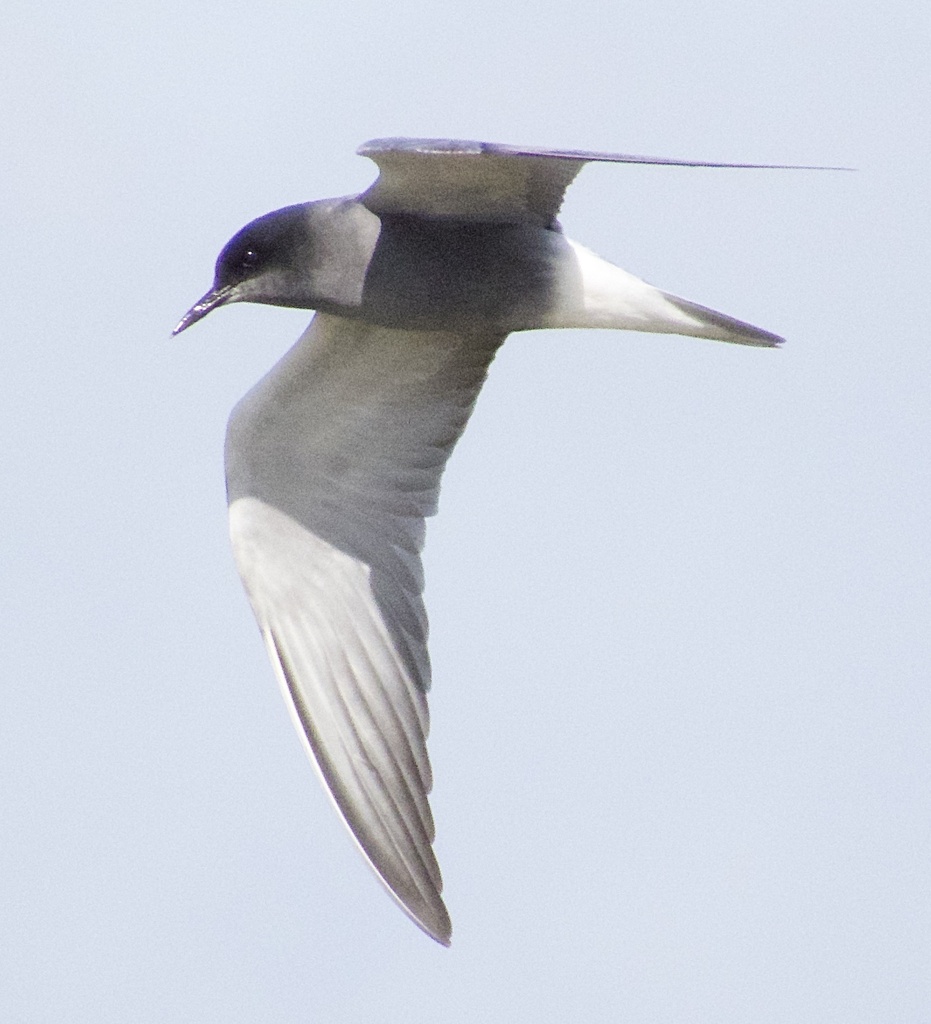
- Black TernChlidonias niger
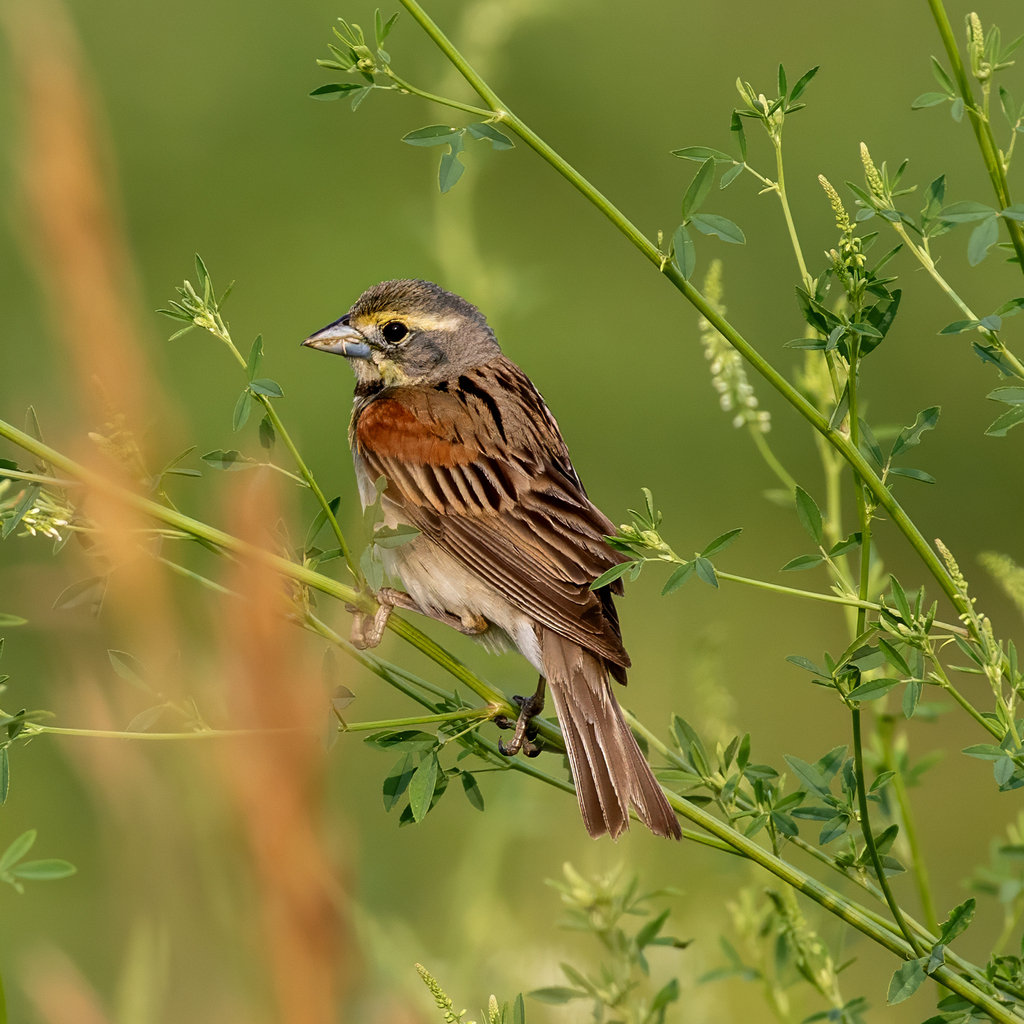
- DickcisselSpiza americana
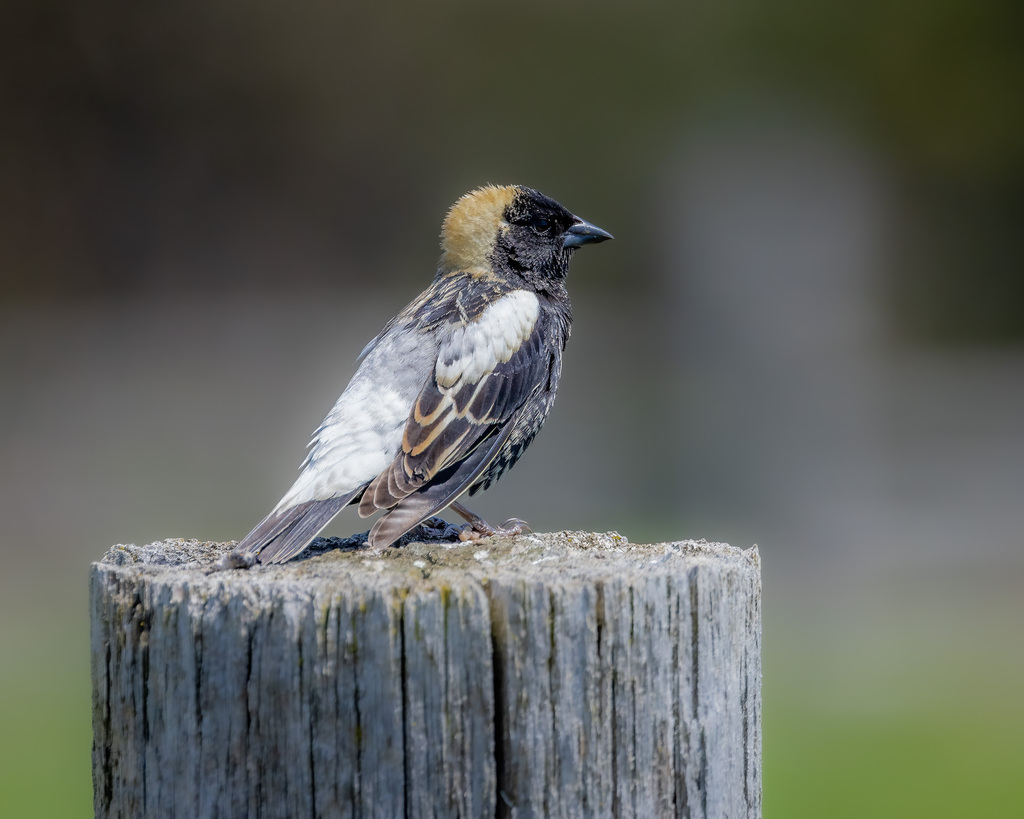
- BobolinkDolichonyx oryzivorus
- DovekieAlle alle
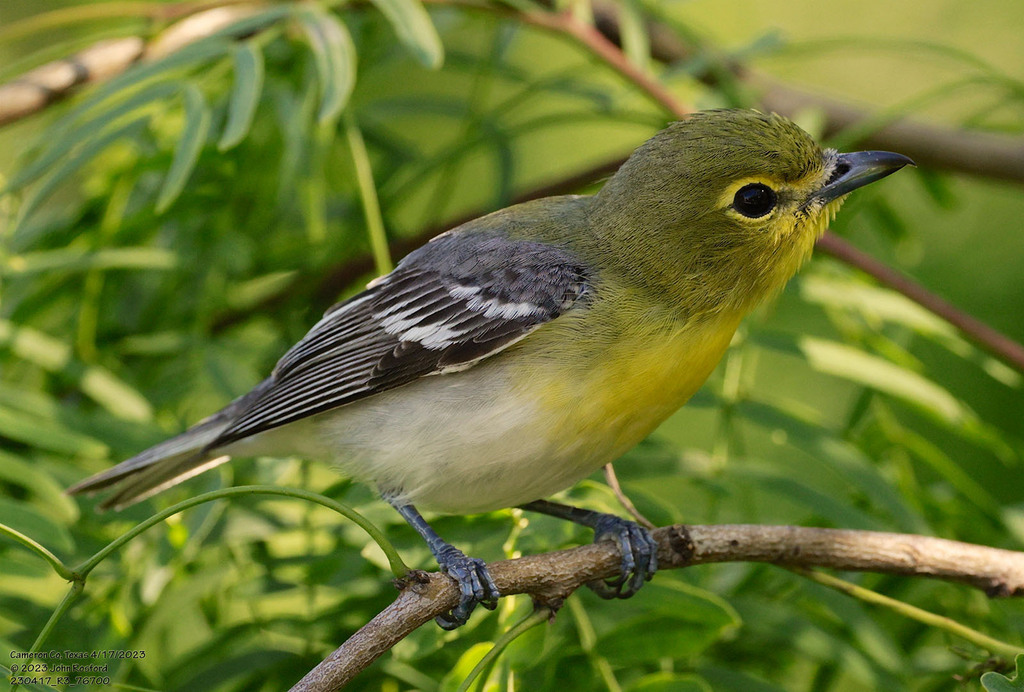
- Yellow-throated VireoVireo flavifrons
- Lincoln's SparrowMelospiza lincolnii
- Purple SandpiperCalidris maritima
- Sandwich TernThalasseus sandvicensis
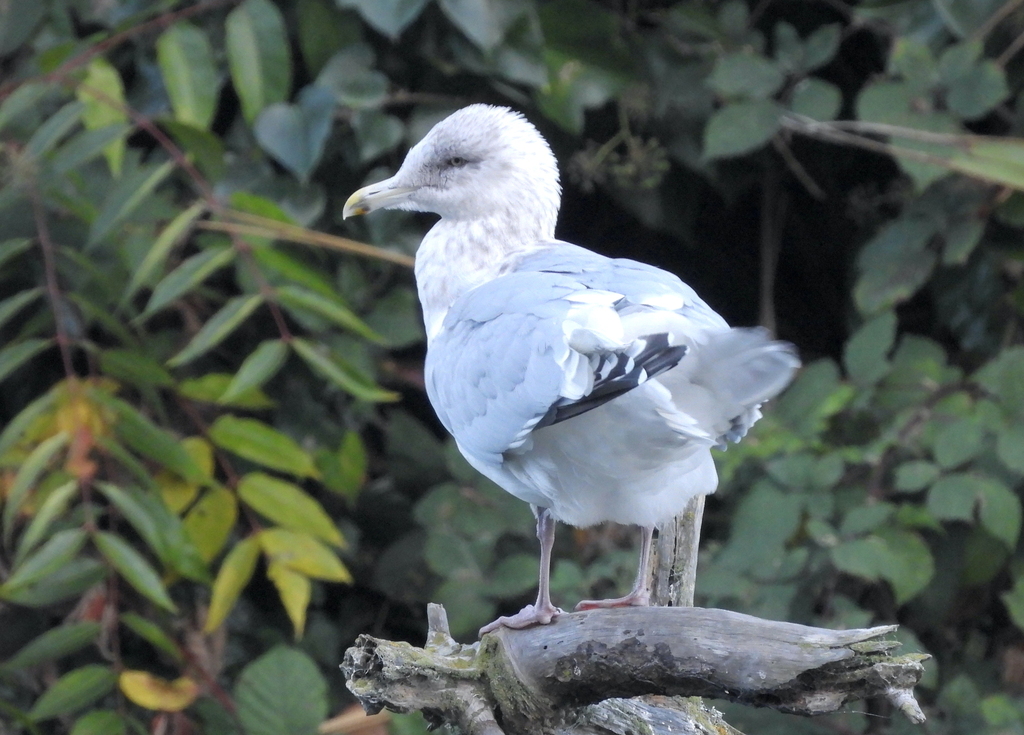
- Thayer's GullLarus thayeri
- Wilson's WarblerWilsonia pusilla
- Field SparrowSpizella pusilla
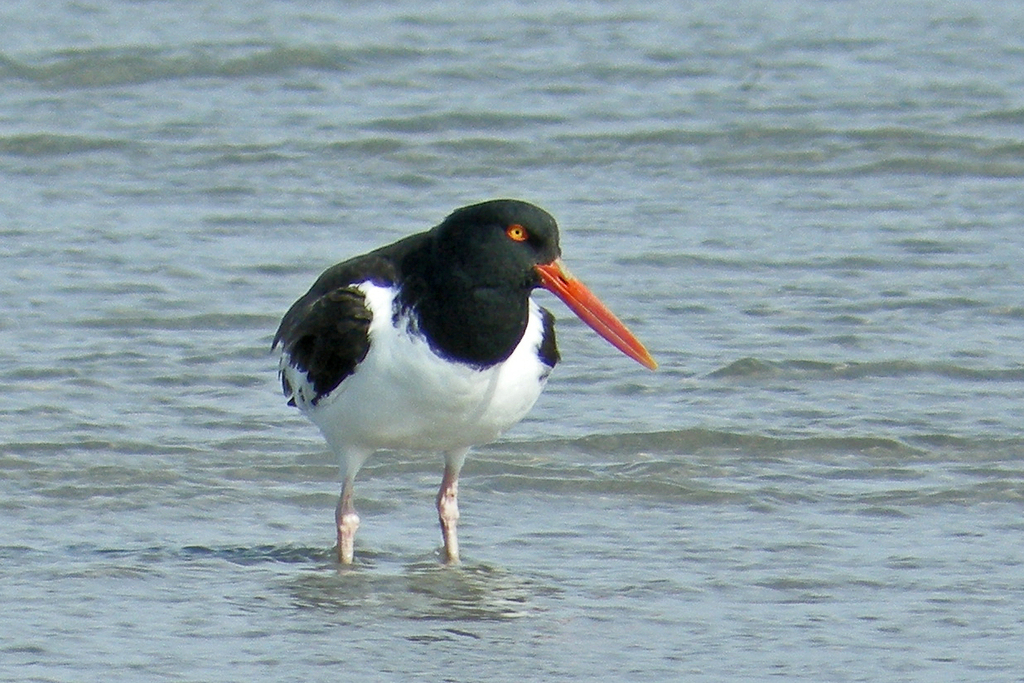
- American OystercatcherHaematopus palliatus

Plants 23
- Slender FimbryFimbristylis autumnalis
- Purple SpikerushEleocharis atropurpurea
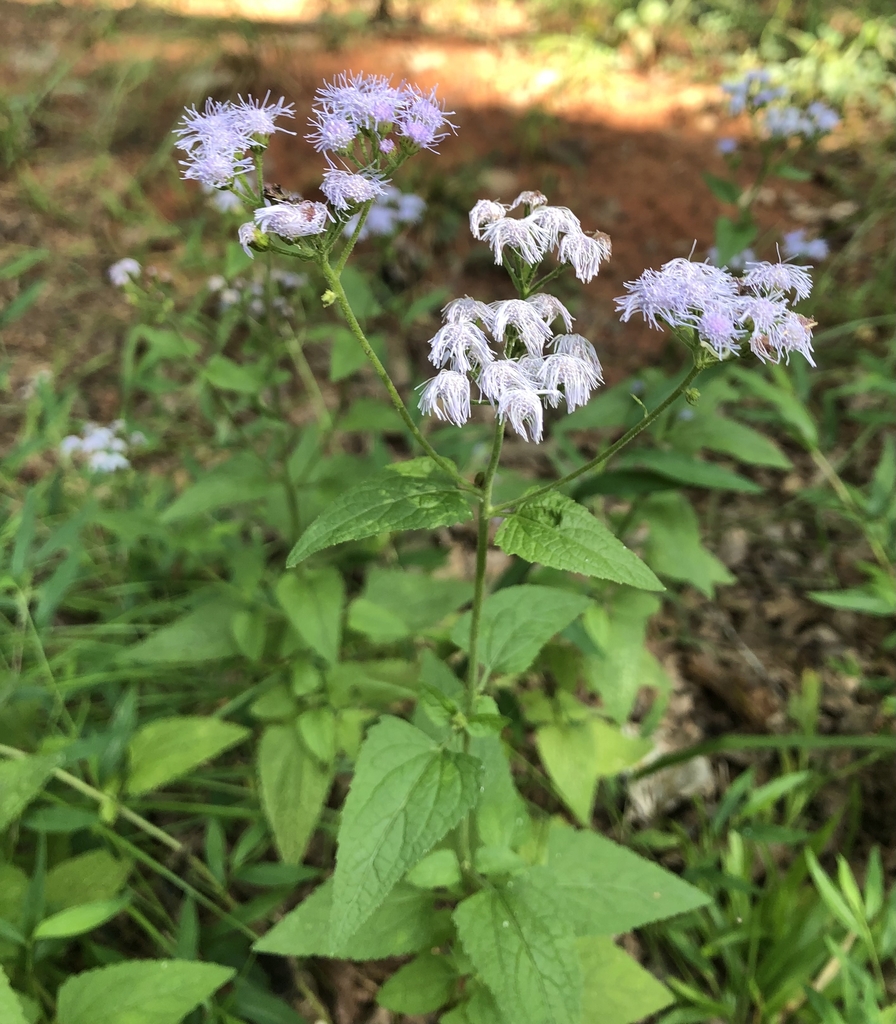
- Blue MistflowerConoclinium coelestinum
- BagpodSesbania vesicaria
- Tropical FlatsedgeCyperus surinamensis
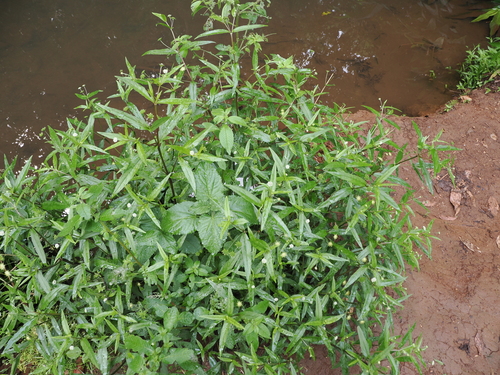
- False DaisyEclipta prostrata
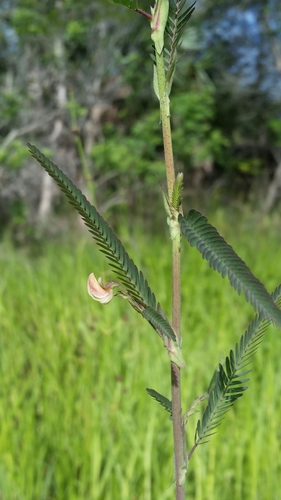
- Indian JointvetchAeschynomene indica
- Mid-Atlantic Flat-top GoldenrodEuthamia floribunda
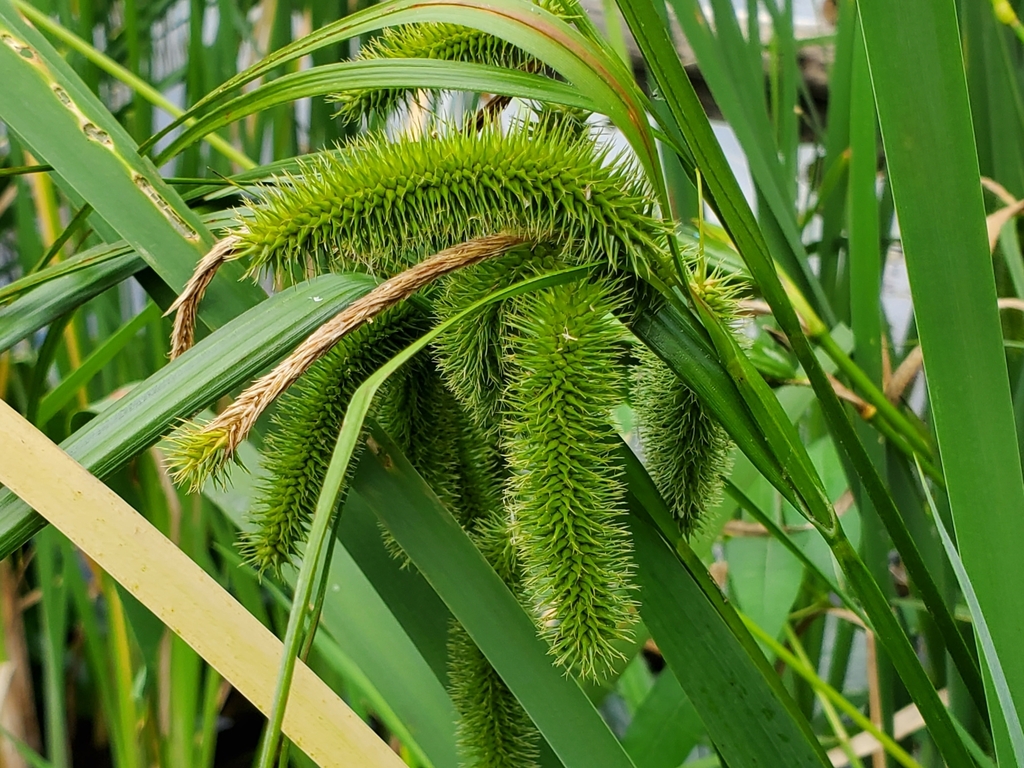
- Bristly SedgeCarex comosa
- Shortbeak BeaksedgeRhynchospora nitens
- Southern Marsh YellowcressRorippa teres
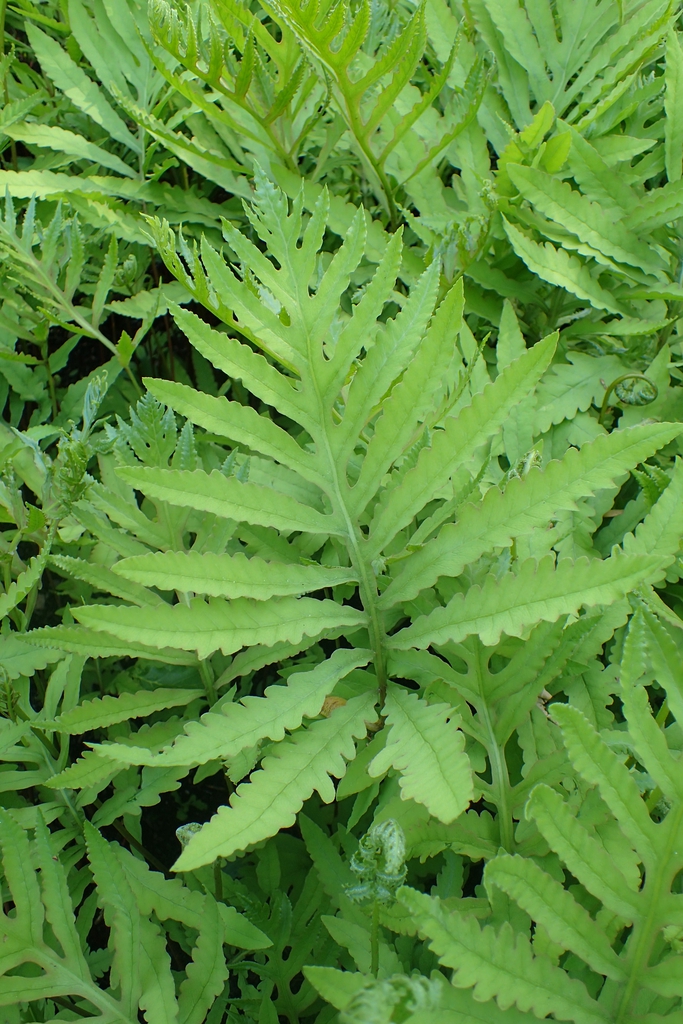
- Sensitive FernOnoclea sensibilis

Sources
- USGS Gap Analysis Project habitat models (2001)
- USGS GAP winter habitat model for Merlin
- USGS Gap Analysis Project range maps (2001), modeled by watershed; migratory gives no dates
- NatureServe Explorer (CC BY 4.0), habitat names
- US Census TIGER/Line counties
- Names follow the USGS Gap Analysis Project (2001)