

Bird
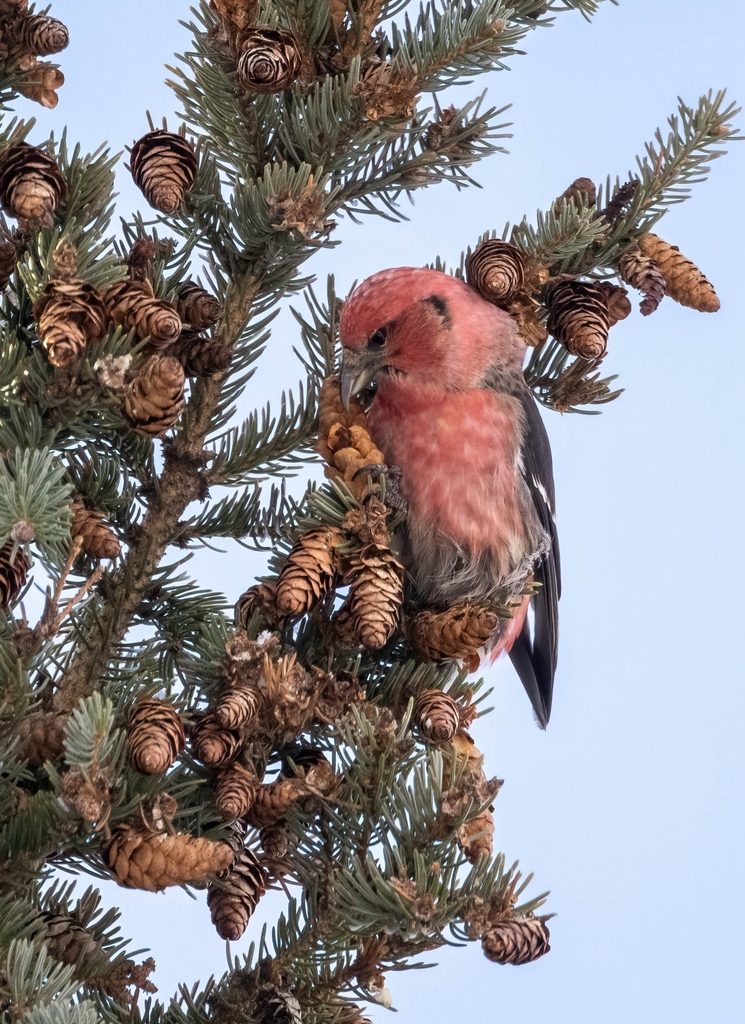
White-winged Crossbill
Loxia leucoptera
A winter visitor to West Virginia, found in all 55 counties and 5 habitats.
- Here
- Winter
- Nesting
- Not known to nest here
- Range
- All 55 counties
- Habitats
- 5
At a glance
- Group
- Birds
- Here
- Winter
- Nesting
- Not known to nest here
- Range
- All 55 counties
- Habitats
- 5
- Habitat models
- Winter
Where it lives
The places its habitat model includes. It is not found everywhere a habitat occurs.
Habitats in West Virginia 5
Each habitat page lists the plants and wildlife also found there.
Forests and open woodlands on dry ridges and slopes, often oak or pine.
Shady, evergreen forests of eastern or Carolina hemlock, often along rocky mountain streams and in gorges.
Steep, sun-baked slopes of loose shale with sparse oaks and Virginia pine and their own endemic wildflowers. Linked only where the source names shale barrens; calcareous shale stays with the limestone glades.
Cool, evergreen forests of red spruce and Fraser fir on the highest mountains.
Tree plantations and managed pine
Planted or intensively managed stands of pine or hardwoods grown for timber; a land use rather than a natural community.
Other habitats in its models (28)
Land cover, or classes with no habitat page in West Virginia. Those recorded in West Virginia first, the rest by region.
Elsewhere in the South (16)
- Atlantic Coastal Plain Central Maritime Forest Winter.
- Atlantic Coastal Plain Southern Maritime Forest Winter.
- Atlantic Coastal Plain Upland Longleaf Pine Woodland Winter.
- Central Interior Highlands Calcareous Glade and Barrens Winter.
- Central Interior Highlands Dry Acidic Glade and Barrens Winter.
- Cumberland Sandstone Glade and Barrens Winter.
- Mississippi Delta Maritime Forest Winter.
- Nashville Basin Limestone Glade Winter.
- Northern Crowley's Ridge Sand Forest Winter.
- Ozark-Ouachita Shortleaf Pine-Bluestem Woodland Winter.
- Ozark-Ouachita Shortleaf Pine-Oak Forest and Woodland Winter.
- Ridge and Valley Calcareous Valley Bottom Glade and Woodland Winter.
- Southeastern Interior Longleaf Pine Woodland Winter.
- Southern Appalachian Low Mountain Pine Forest Winter.
- Southern Piedmont Dry Oak-(Pine) Forest Winter.
- Southern Piedmont Glade and Barrens Winter.
Northeast (2)
- Central Appalachian Alkaline Glade and Woodland Winter.
- Northeastern Interior Pine Barrens Winter.
Land cover and other classes (10)
- Allegheny-Cumberland Dry Oak Forest and Woodland - Pine Modifier Winter.
- Atlantic Coastal Plain Fall-Line Sandhills Longleaf Pine Woodland - Loblolly Modifier Winter.
- Atlantic Coastal Plain Fall-line Sandhills Longleaf Pine Woodland - Open Understory Modifier Winter.
- Atlantic Coastal Plain Fall-line Sandhills Longleaf Pine Woodland - Scrub/Shrub Understory Modifier Winter.
- Northeastern Interior Dry Oak Forest - Mixed Modifier Winter.
- Northeastern Interior Dry Oak Forest - Virginia/Pitch Pine Modifier Winter.
- Southern Piedmont Dry Oak-(Pine) Forest - Loblolly Pine Modifier Winter.
- Southern Piedmont Dry Oak-(Pine) Forest - Mixed Modifier Winter.
- Southern Piedmont Dry Oak-Heath Forest - Mixed Modifier Winter.
- Southern Ridge and Valley Dry Calcareous Forest - Pine modifier Winter.
Seasons in West Virginia
- Winter: does not nest here, in all 55 counties.
Also found in this habitat
Plants 360
Plants named in NatureServe descriptions of these habitats that grow in West Virginia. Shared habitat, not food.
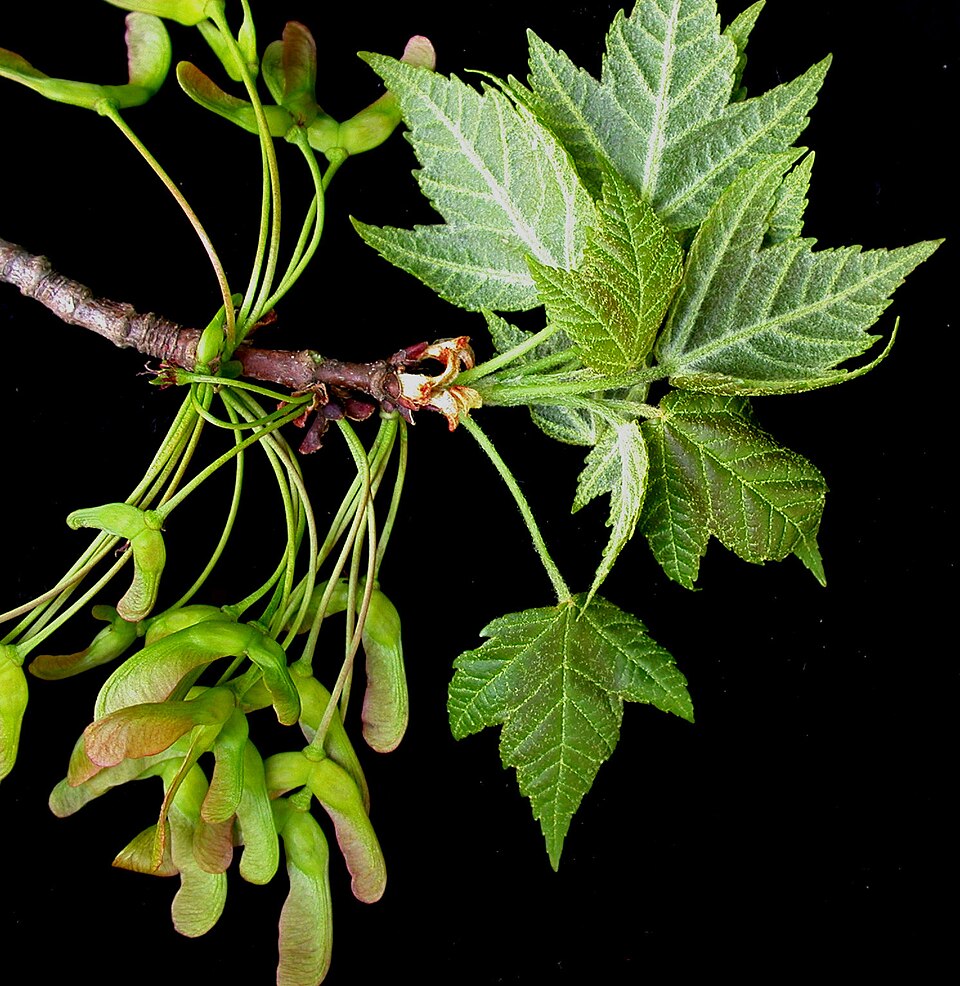
- Red MapleAcer rubrum
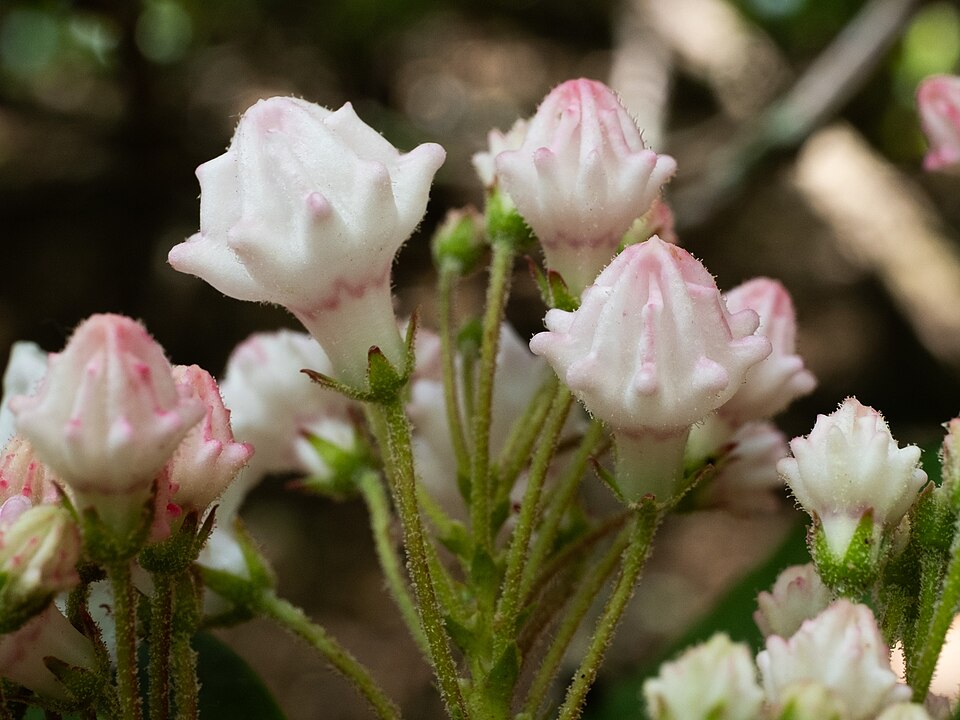
- Mountain LaurelKalmia latifolia
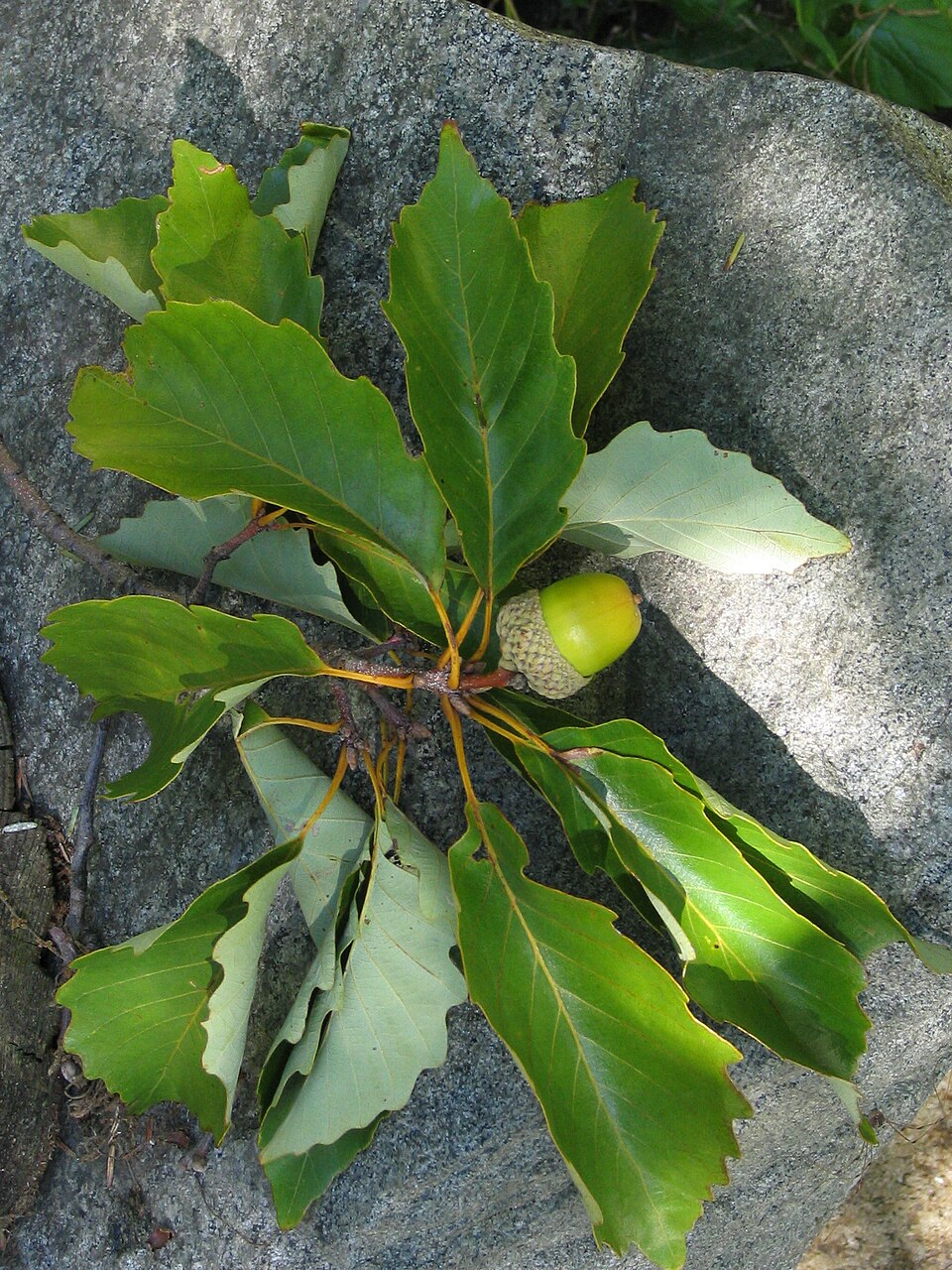
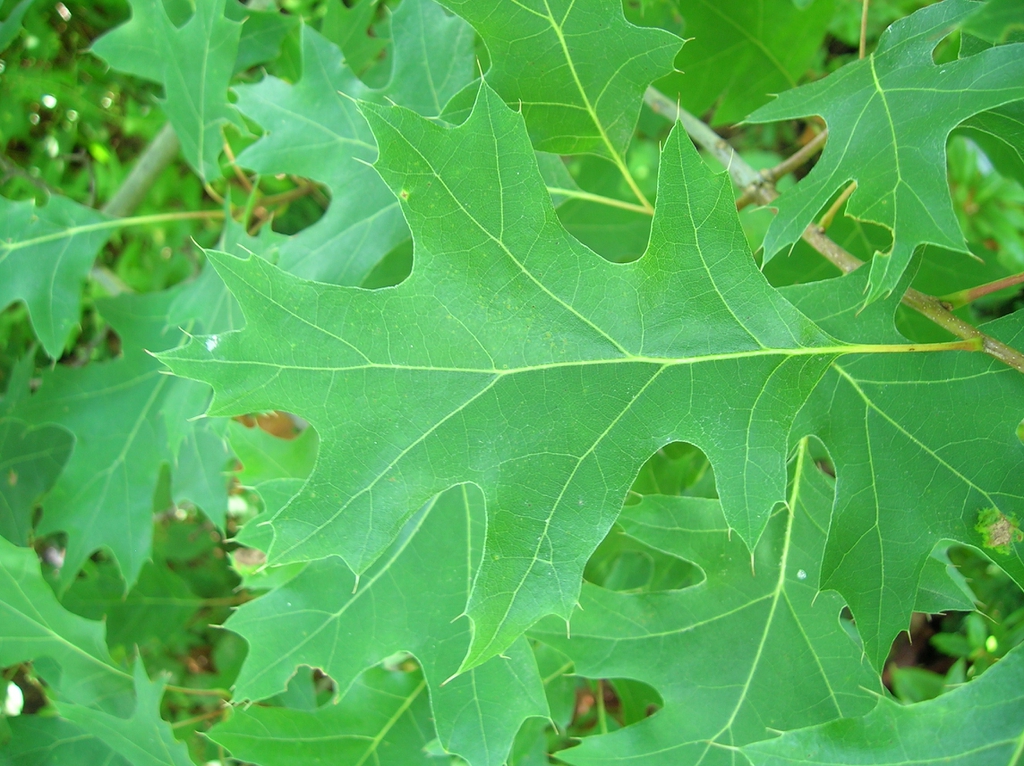
- Chestnut OakQuercus prinus
- Northern Red OakQuercus rubra
- Sweet BirchBetula lenta
- Poverty OatgrassDanthonia spicata
- Eastern TeaberryGaultheria procumbens
- American Hop-hornbeamOstrya virginiana
- SourwoodOxydendrum arboreum
- Table Mountain PinePinus pungens
- Eastern White PinePinus strobus
- Virginia PinePinus virginiana
- Pteridium aquilinumPteridium aquilinum
- Scarlet OakQuercus coccinea
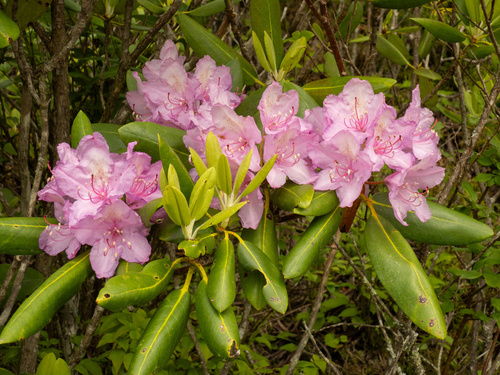
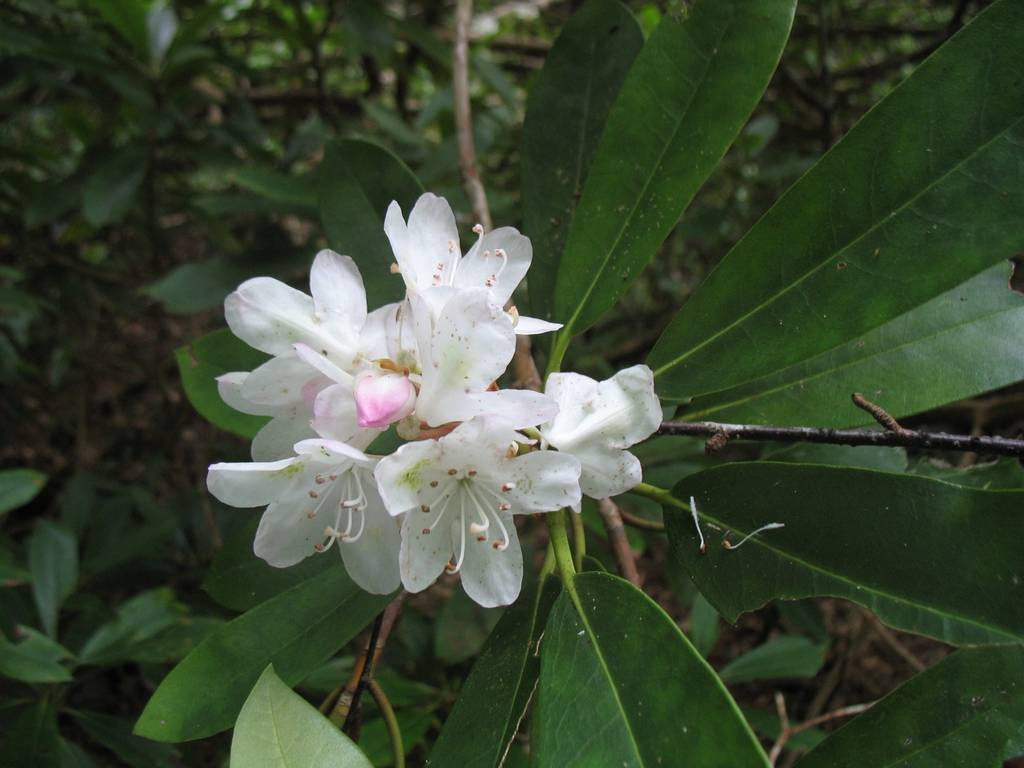
- Catawba RhododendronRhododendron catawbiense
- Rosebay RhododendronRhododendron maximum
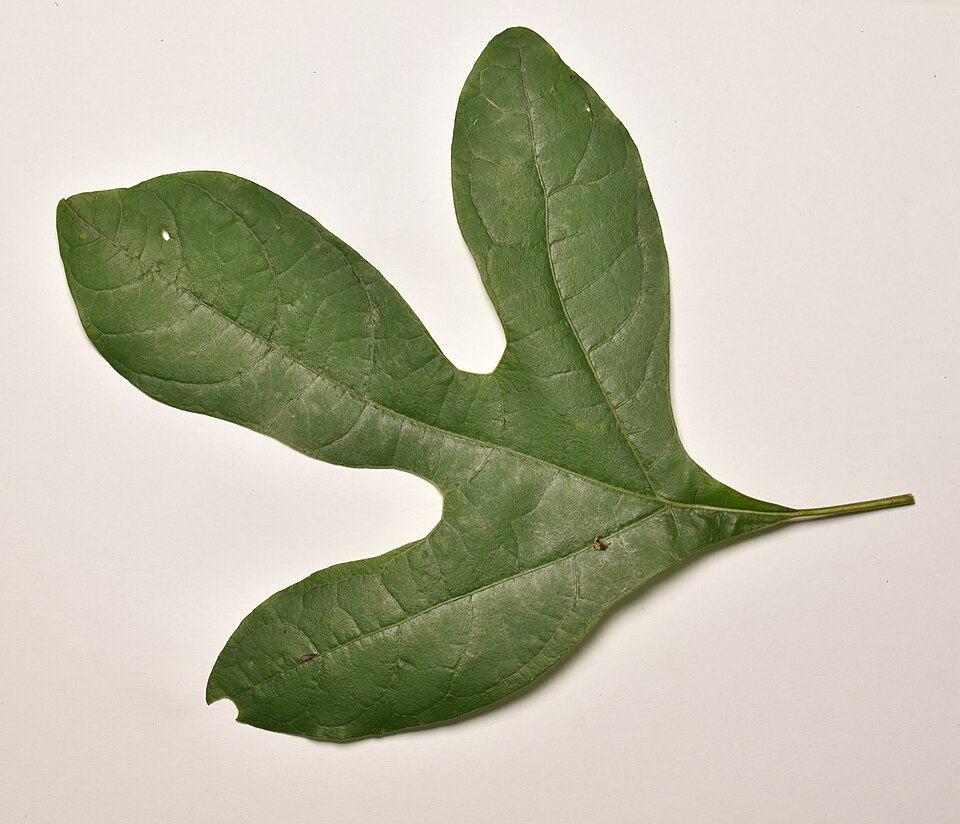
- SassafrasSassafras albidum
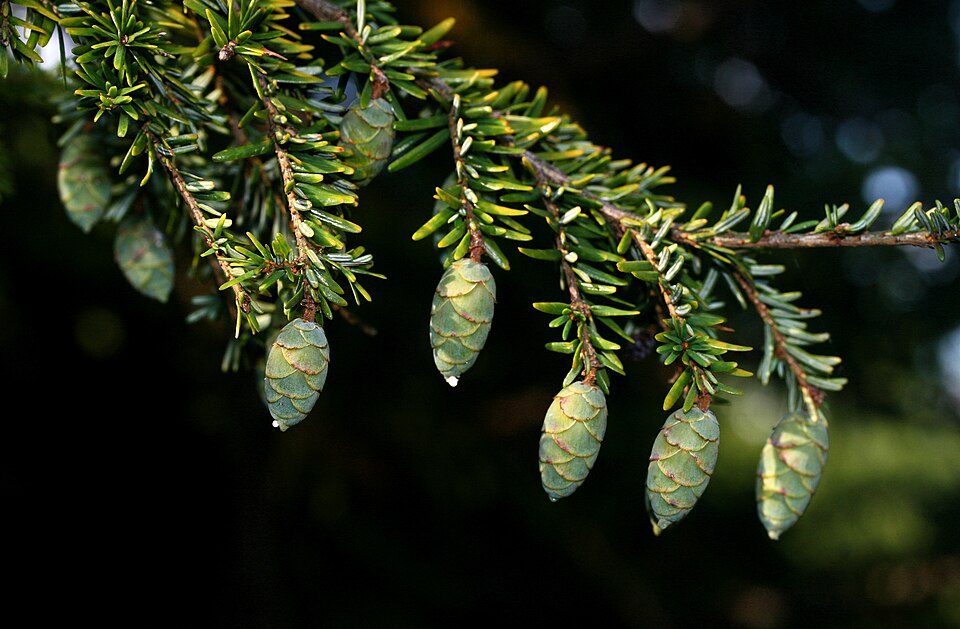
- Eastern HemlockTsuga canadensis
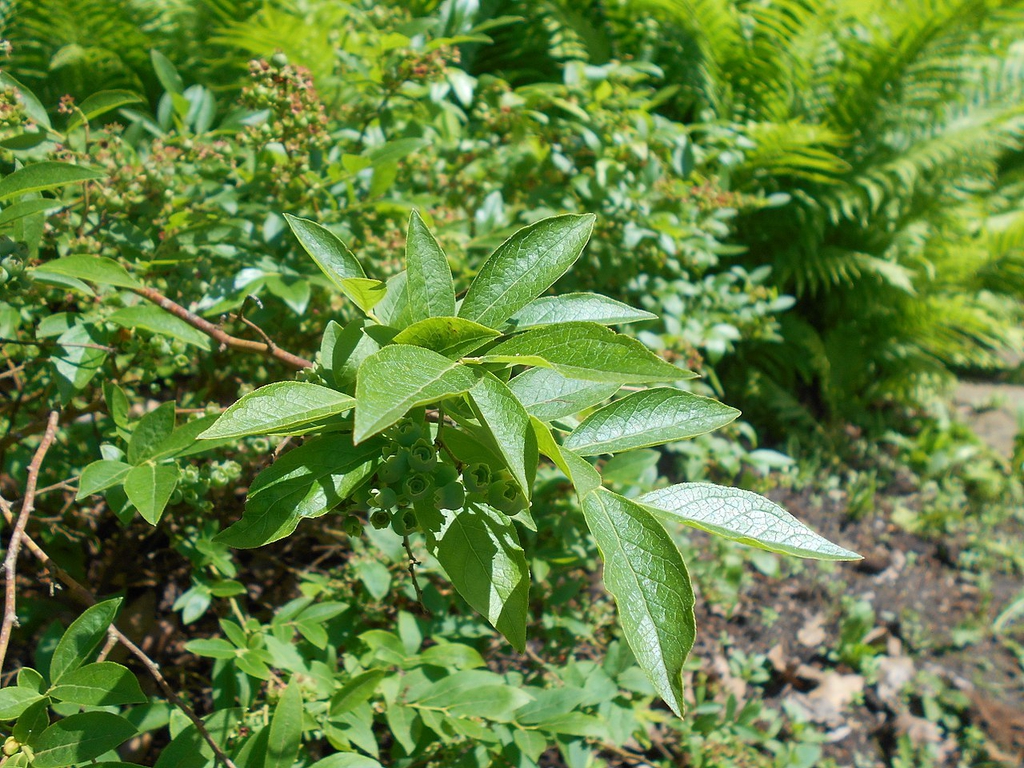
- Hillside BlueberryVaccinium pallidum
- Wavy HairgrassAvenella flexuosa
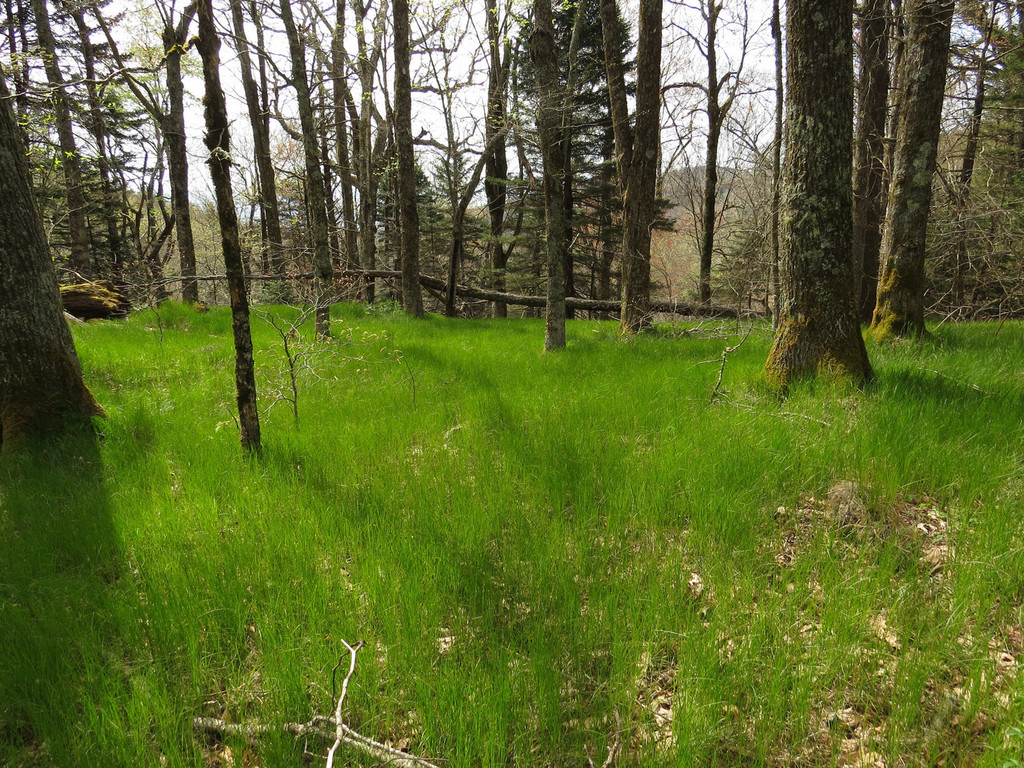
- Pennsylvania SedgeCarex pensylvanica
- Variable SedgeCarex polymorpha
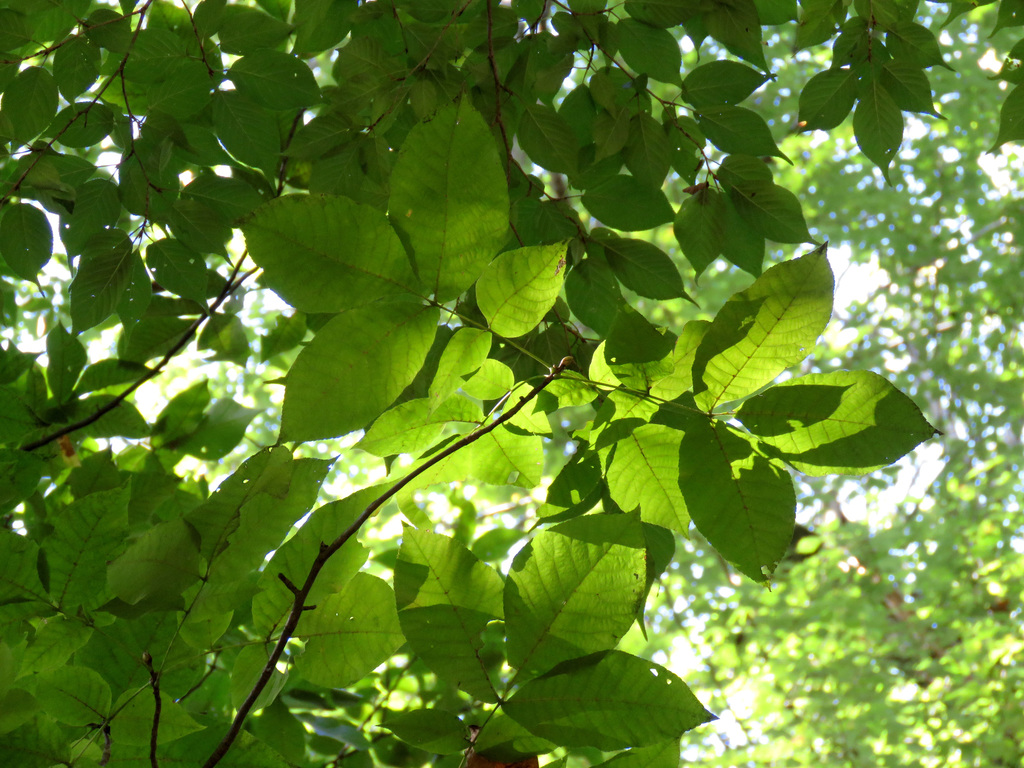
- Pignut HickoryCarya glabra
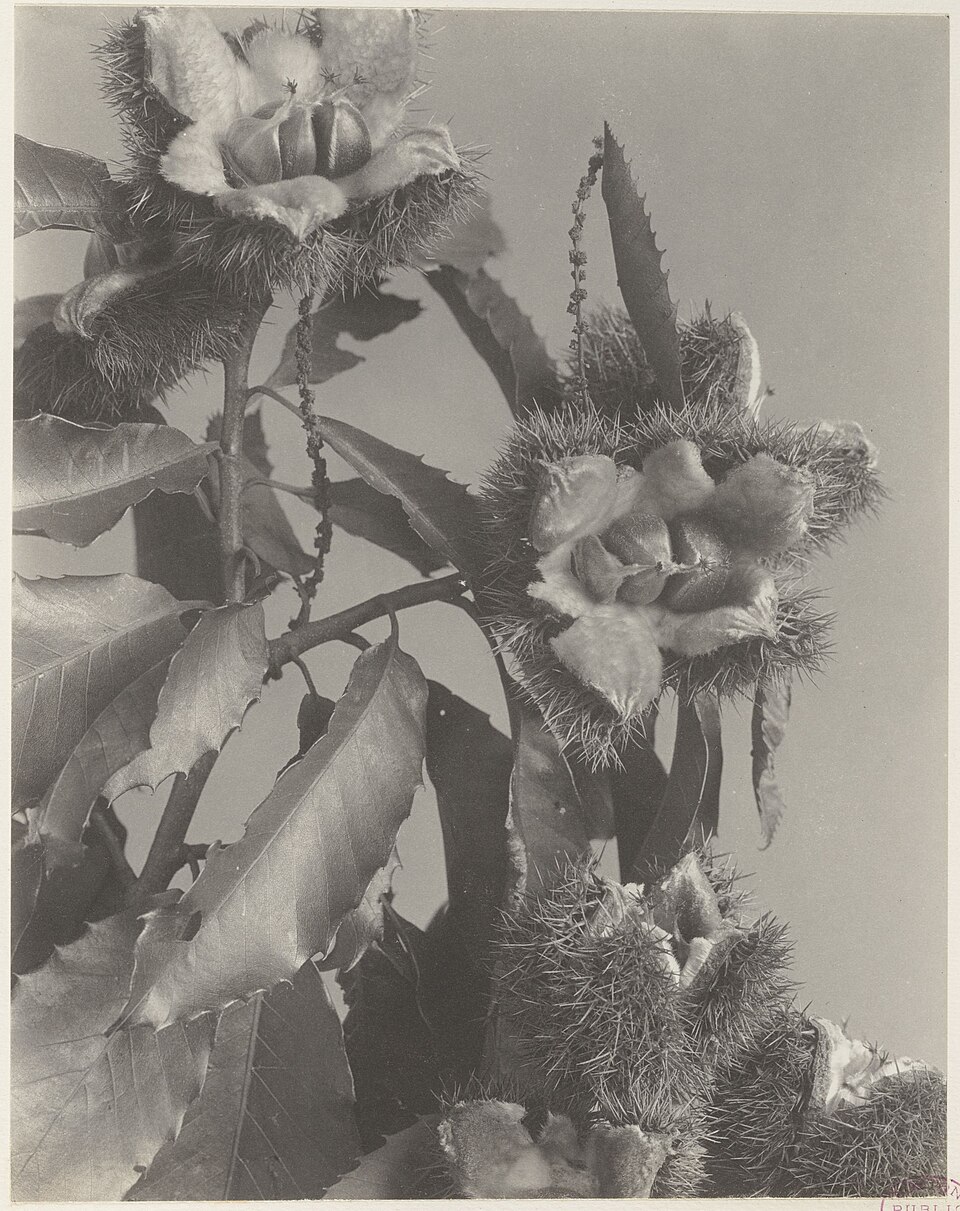
- American ChestnutCastanea dentata
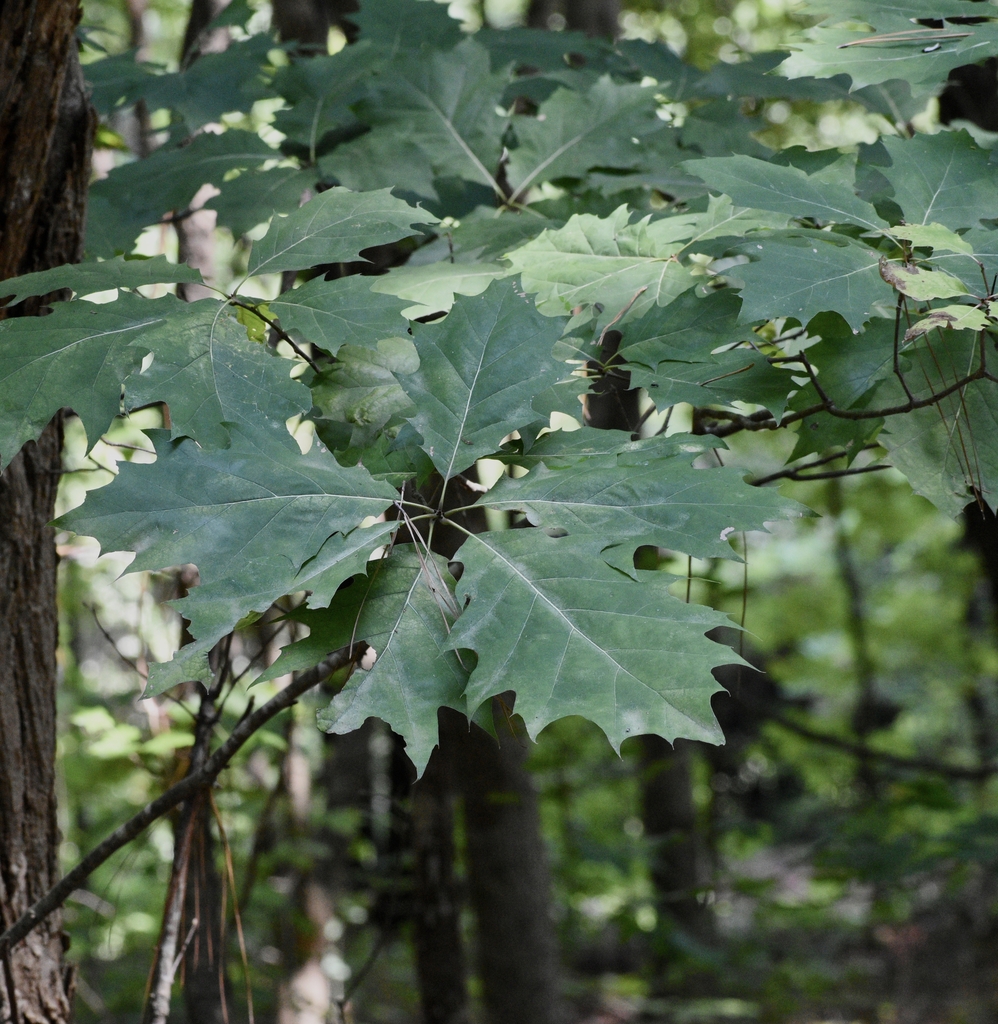
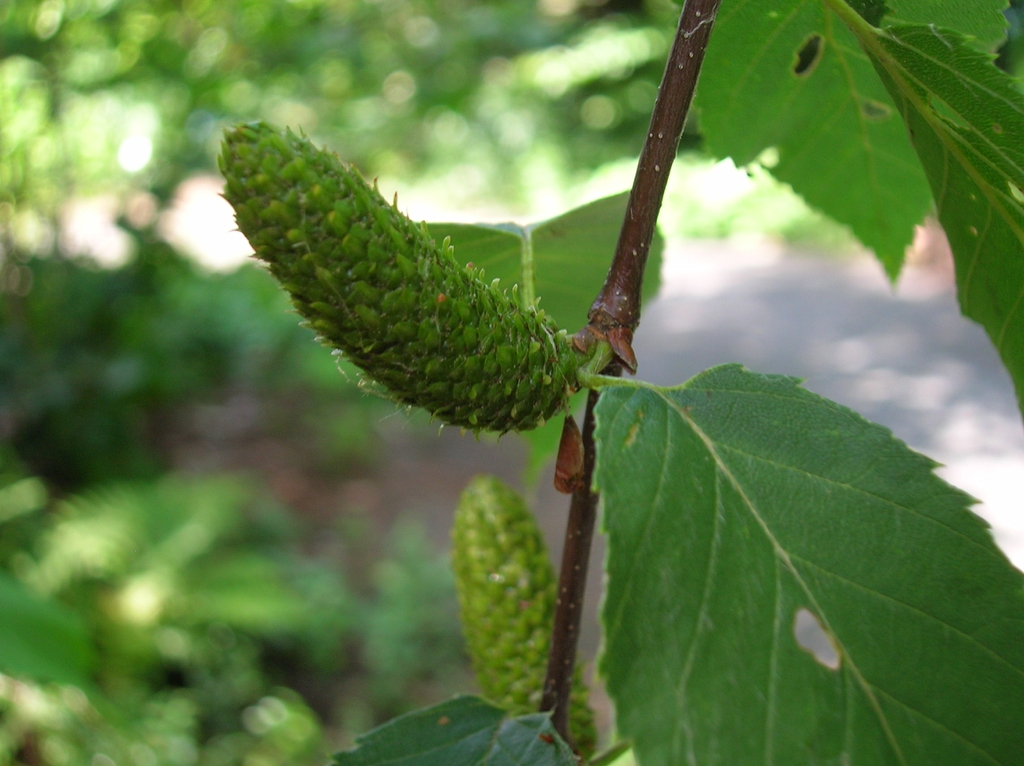
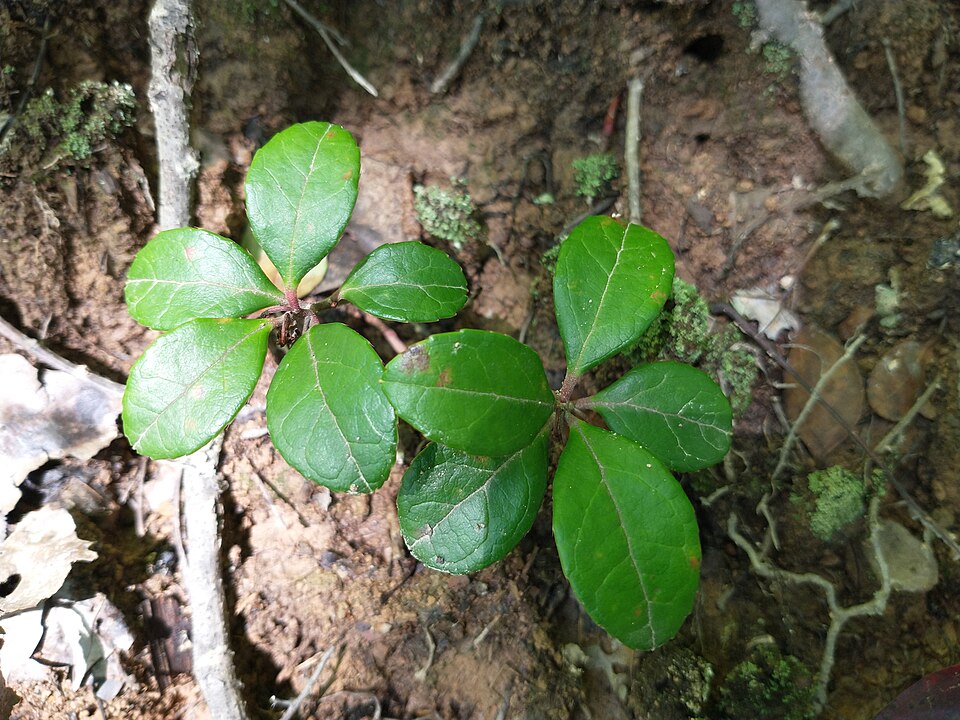
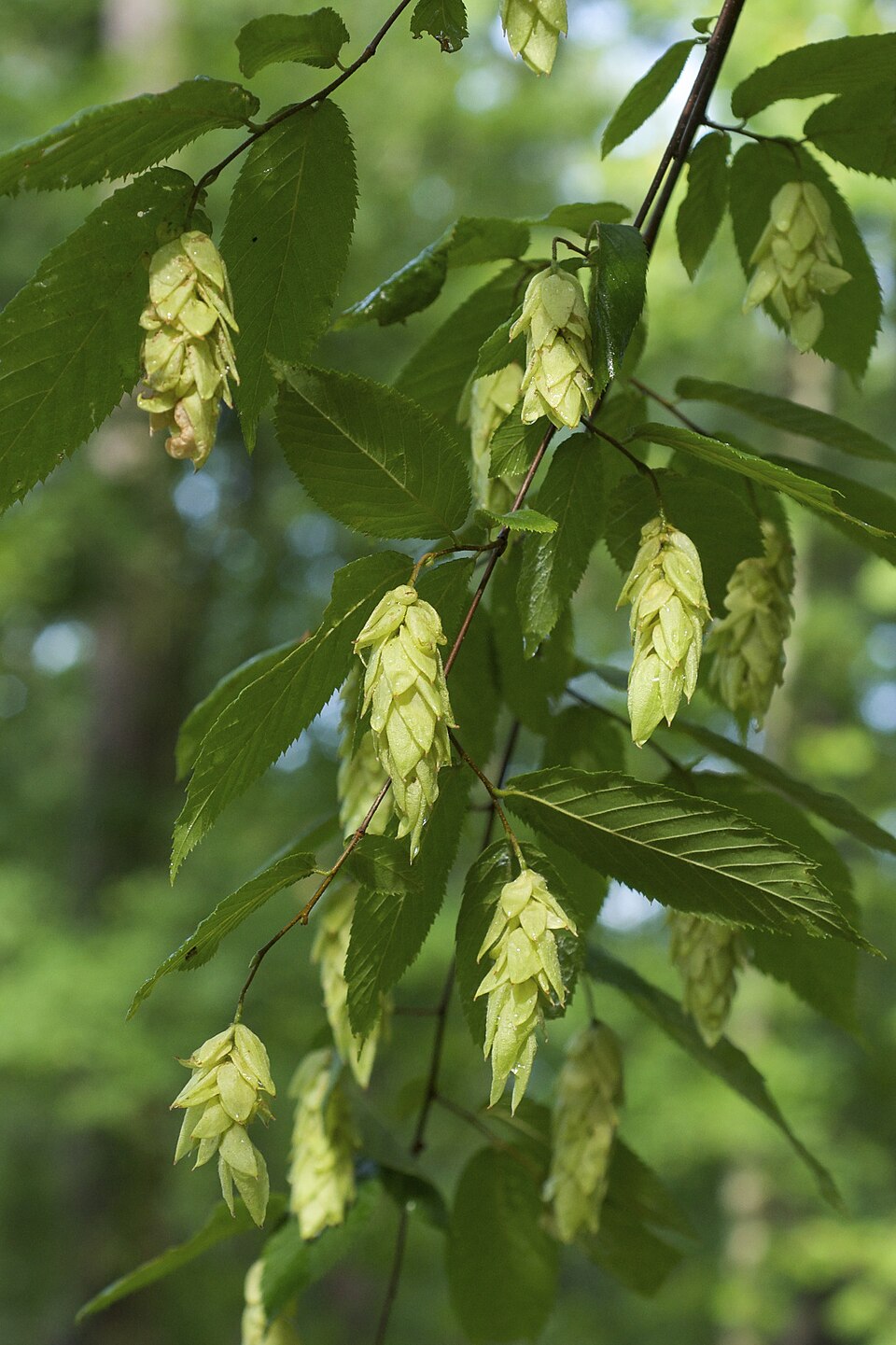
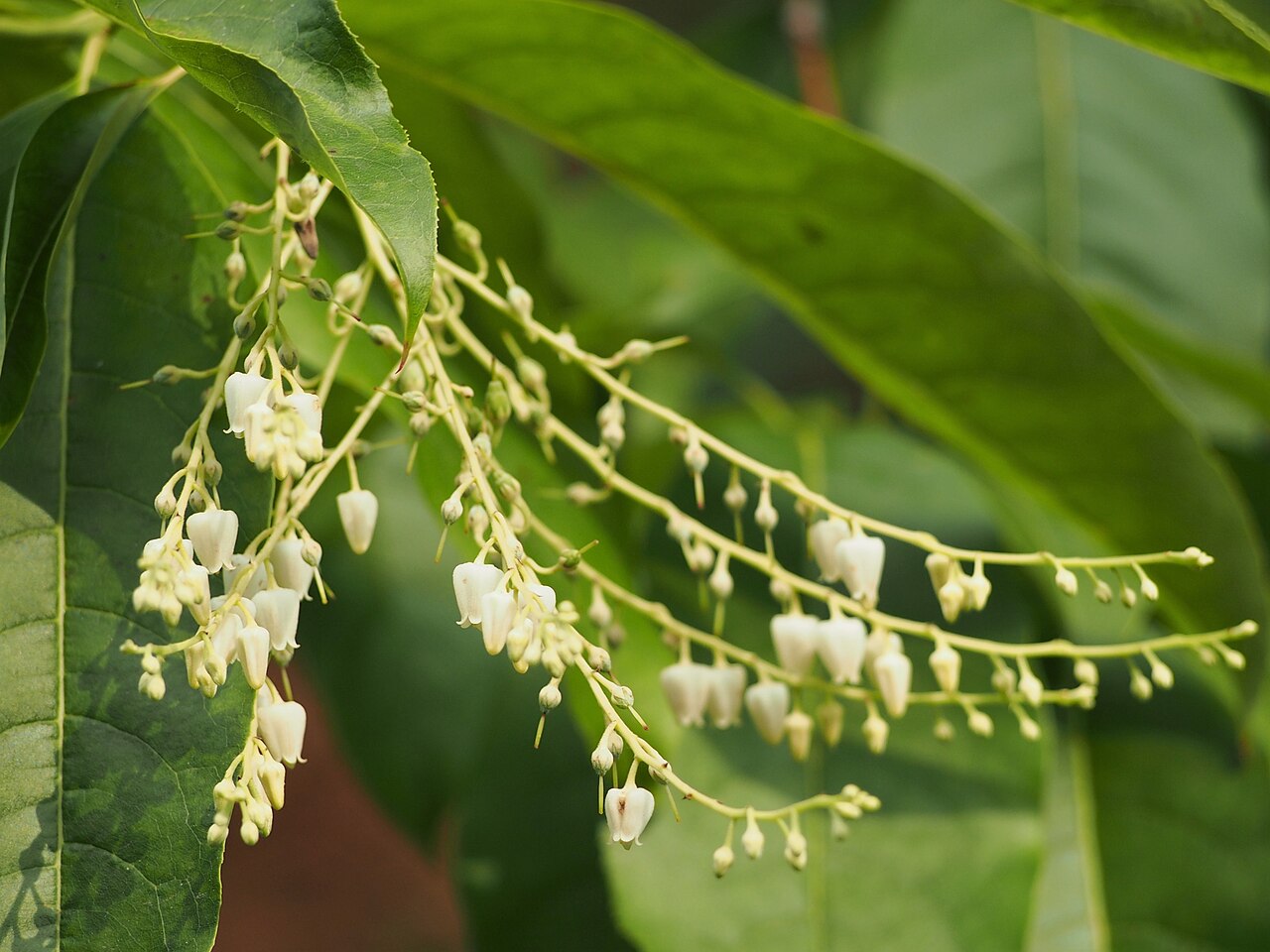
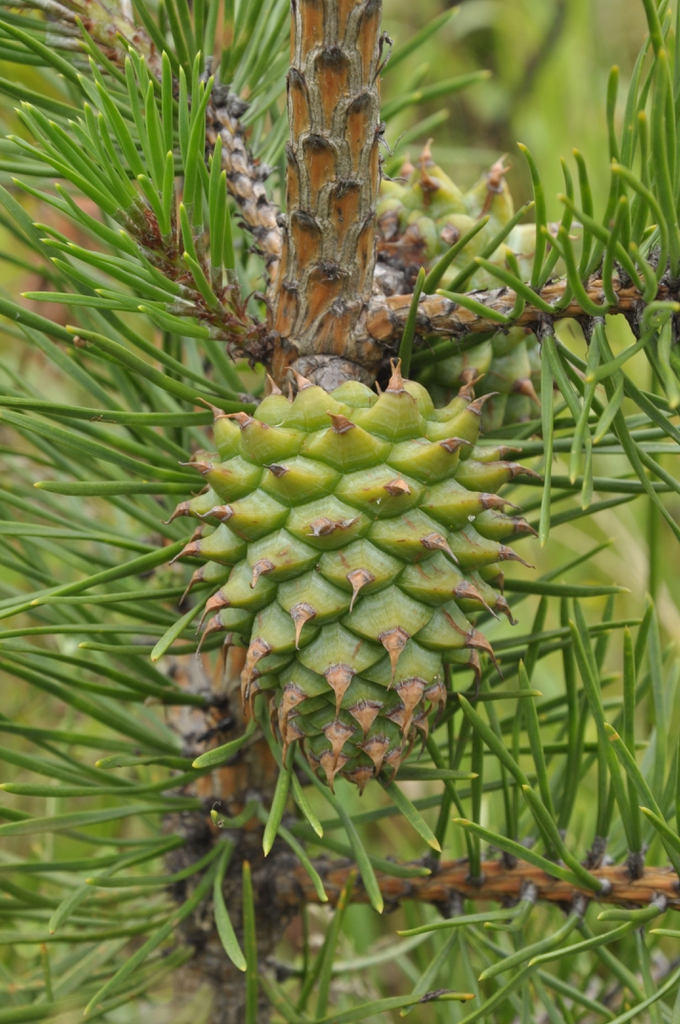
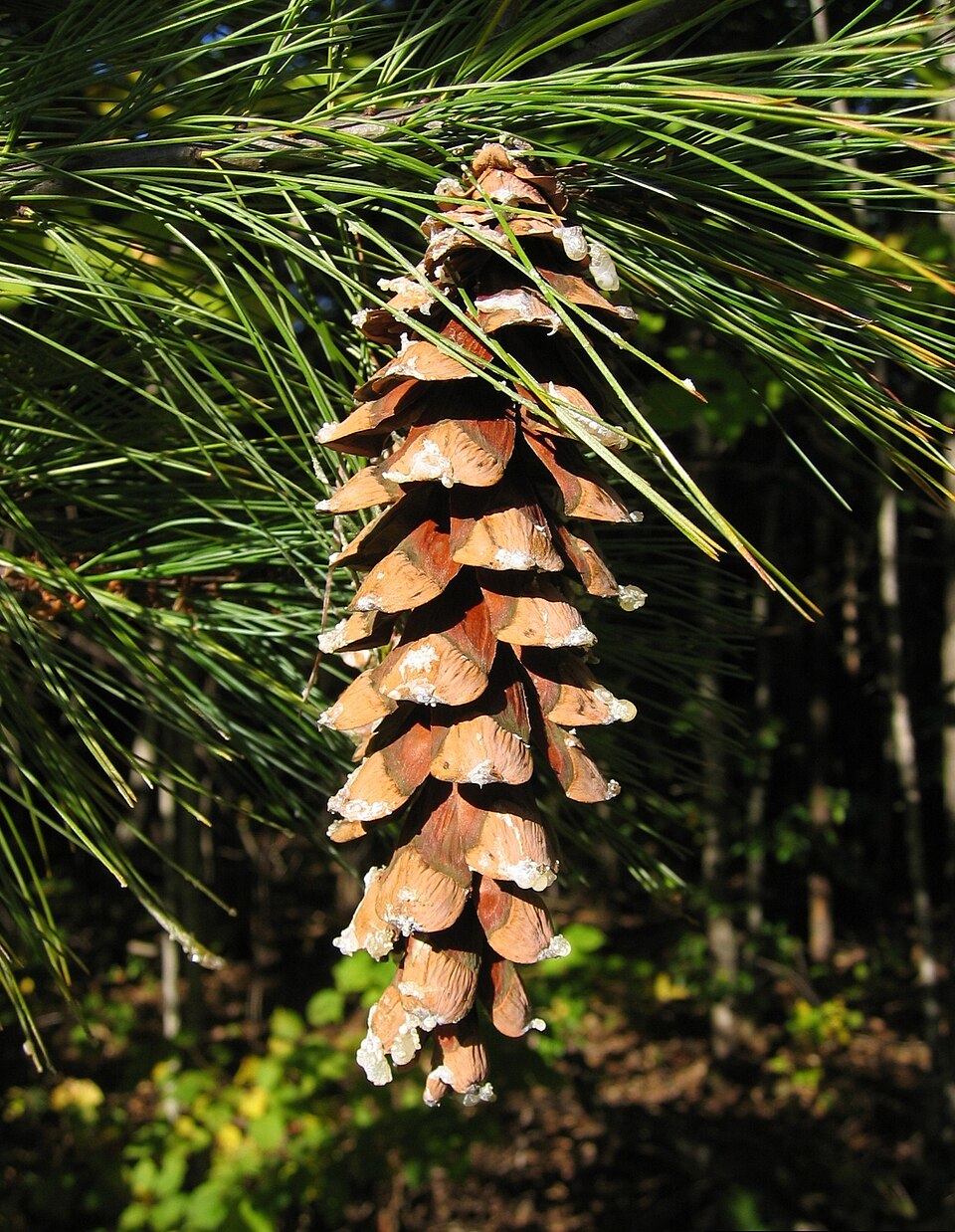
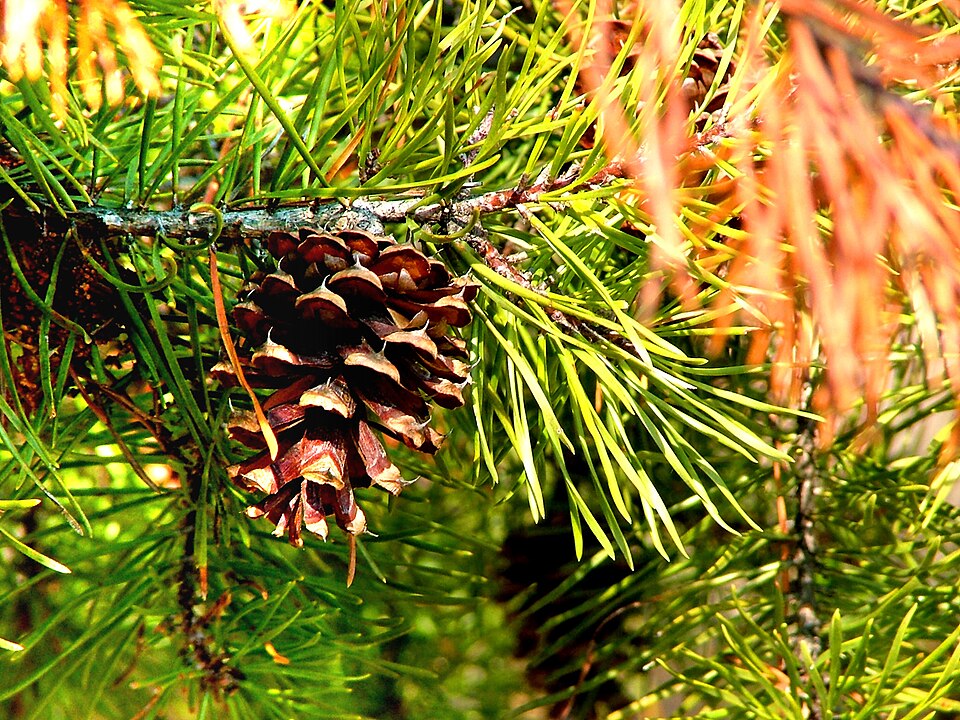
Wildlife 137
Other animals whose habitat models include the same habitats in West Virginia. Not sighting records.
- OvenbirdSeiurus aurocapilla
- Pileated WoodpeckerDryocopus pileatus
- Ruby-throated HummingbirdArchilochus colubris
- Ruffed GrouseBonasa umbellus
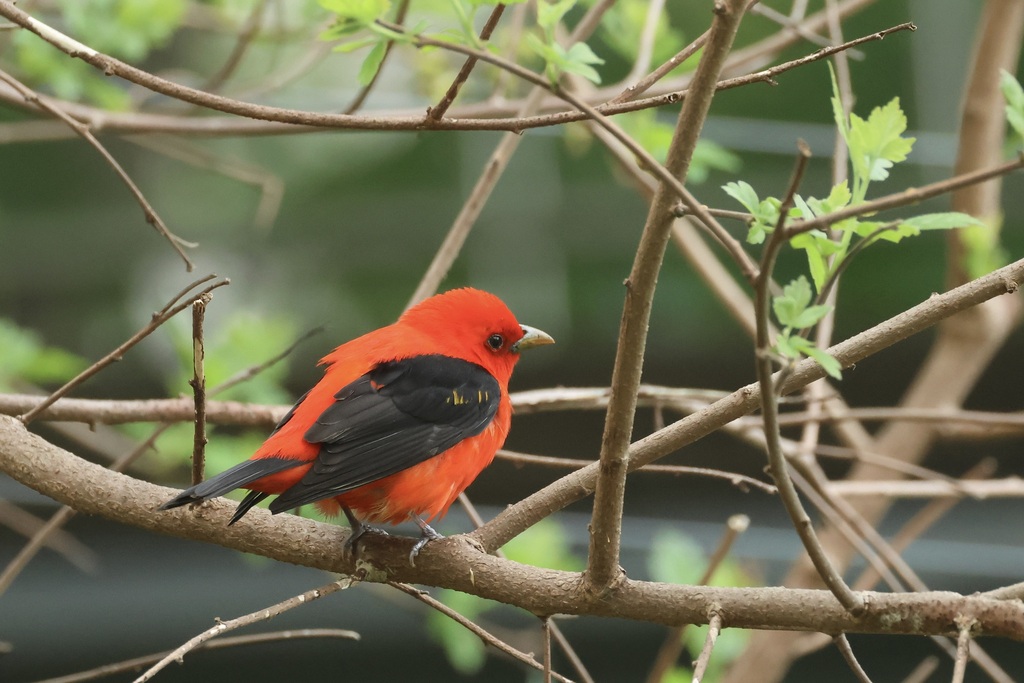
- Scarlet TanagerPiranga olivacea
- Spotted SandpiperActitis macularius
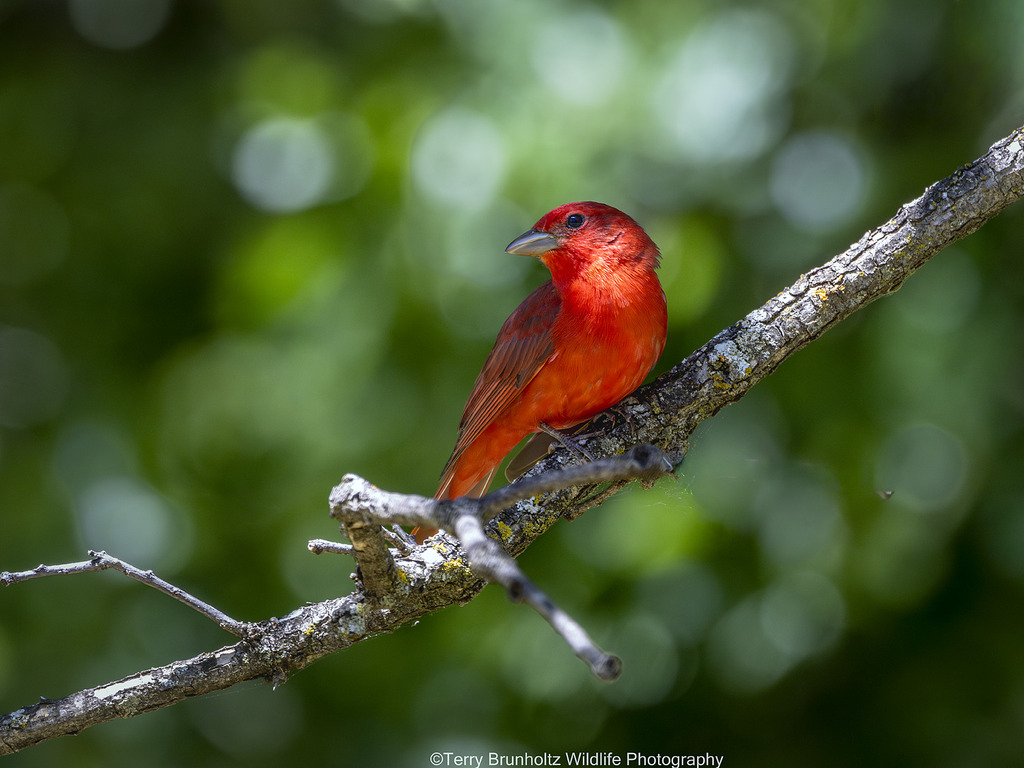
- Summer TanagerPiranga rubra
- Wild TurkeyMeleagris gallopavo
- Yellow-bellied SapsuckerSphyrapicus varius
- Yellow-billed CuckooCoccyzus americanus
- Yellow-breasted ChatIcteria virens
- Acadian FlycatcherEmpidonax virescens
- Alder FlycatcherEmpidonax alnorum
- American KestrelFalco sparverius
- American RedstartSetophaga ruticilla
- Black VultureCoragyps atratus
- Black-billed CuckooCoccyzus erythropthalmus
- Black-throated Blue WarblerDendroica caerulescens
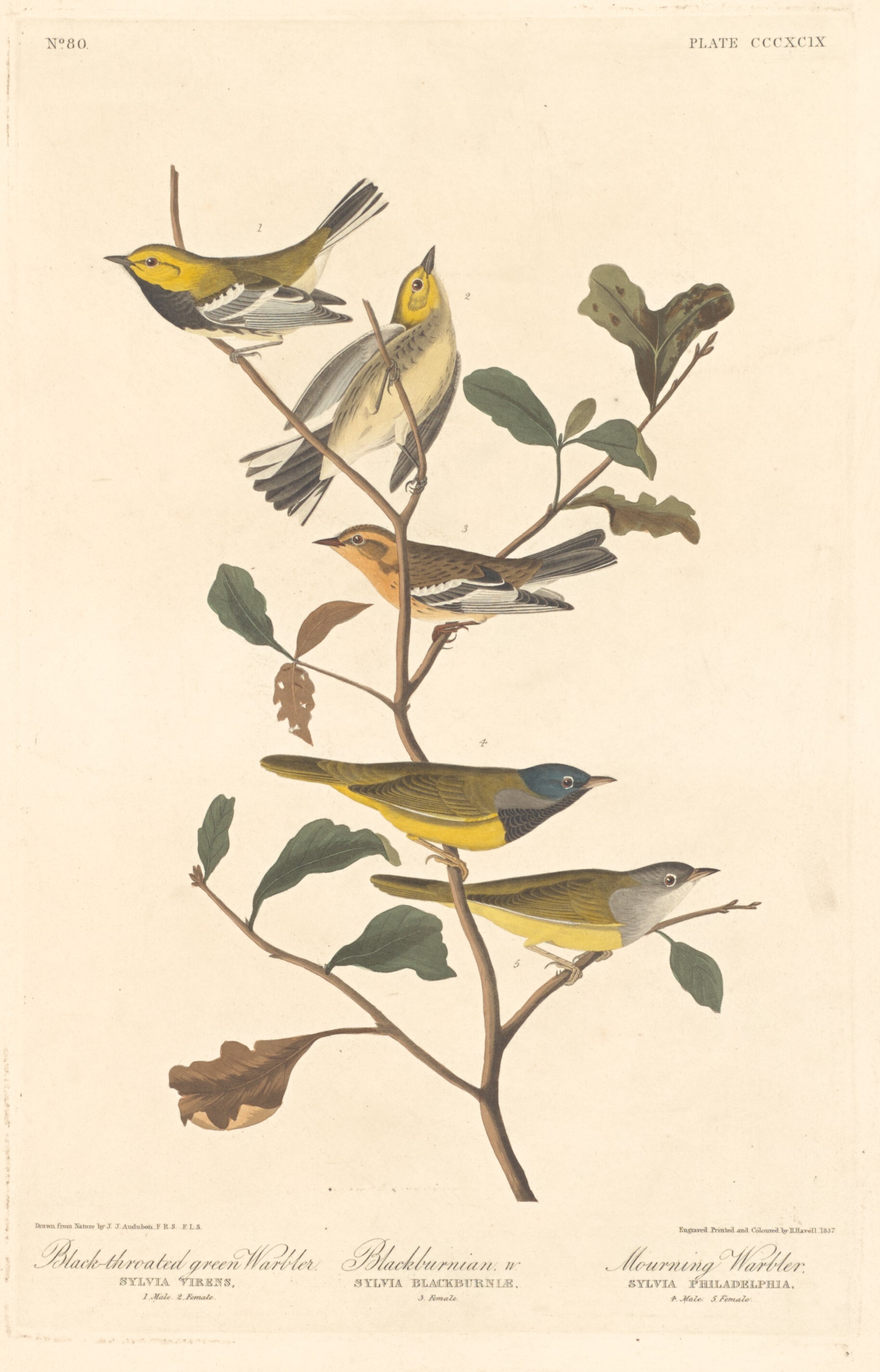
- Black-throated Green WarblerDendroica virens
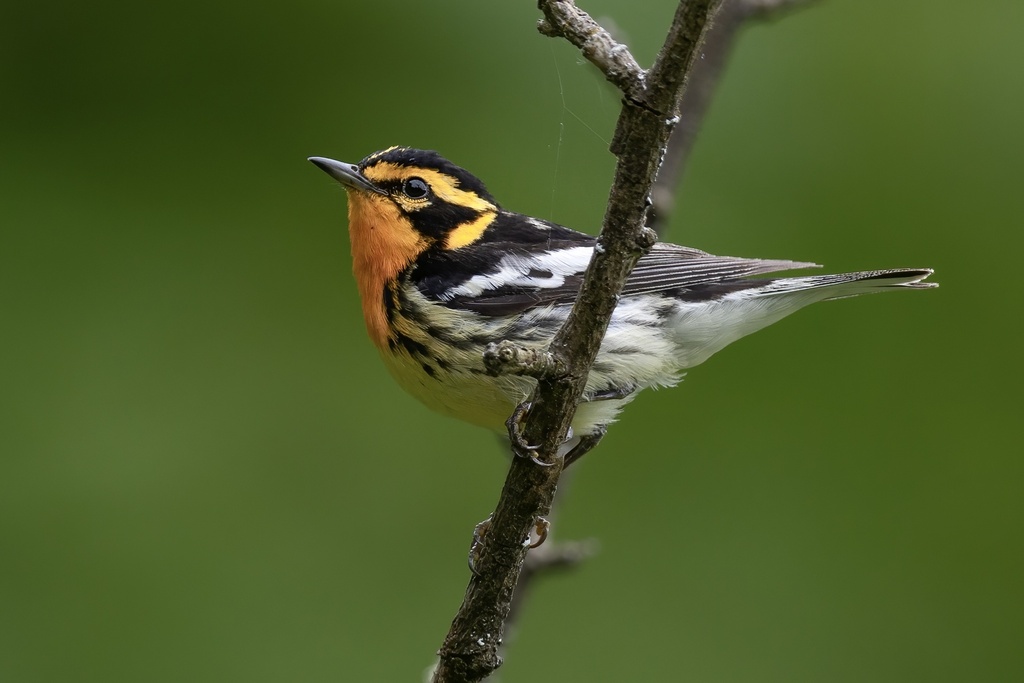
- Blackburnian WarblerDendroica fusca
- Broad-winged HawkButeo platypterus
- Brown ThrasherToxostoma rufum
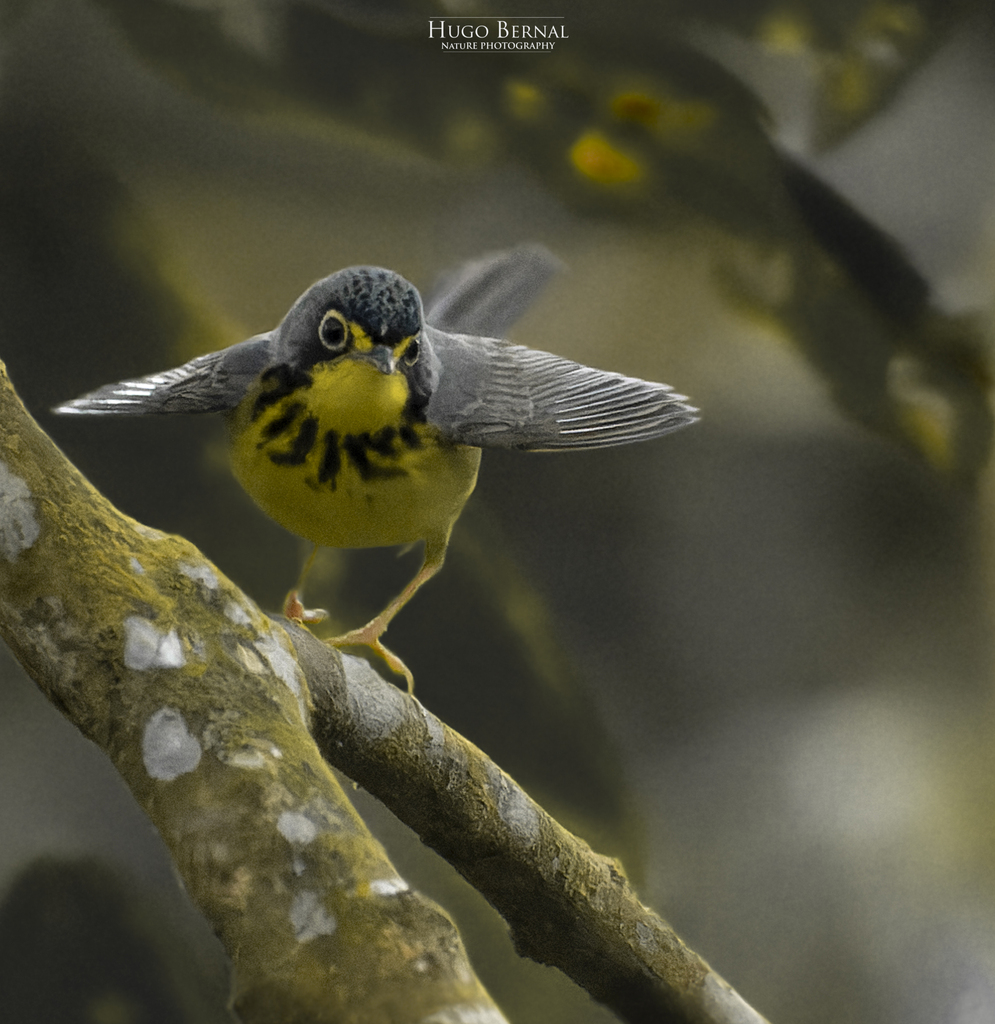
- Canada WarblerWilsonia canadensis
- Carolina ChickadeePoecile carolinensis



















NatureServe Explorer, CC BY 4.0. USGS Gap Analysis Project habitat models.
Sources
- USGS Gap Analysis Project habitat models (2001)
- USGS GAP winter habitat model for White-winged Crossbill
- USGS Gap Analysis Project range maps (2001), modeled by watershed; migratory gives no dates
- NatureServe Explorer (CC BY 4.0), habitat names
- US Census TIGER/Line counties
- Names follow the USGS Gap Analysis Project (2001)