

Bird
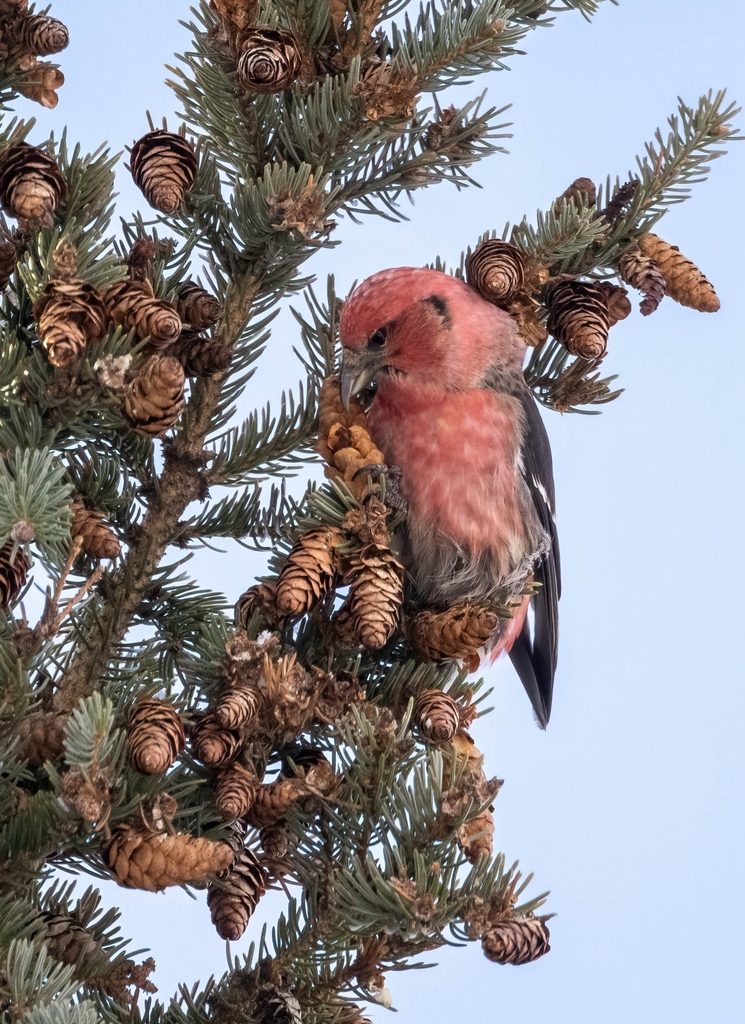
White-winged Crossbill
Loxia leucoptera
A winter visitor to West Virginia, found in all 55 counties and 5 habitats.
- Here
- Winter
- Nesting
- Not known to nest here
- Range
- All 55 counties
- Habitats
- 5
At a glance
- Group
- Birds
- Here
- Winter
- Nesting
- Not known to nest here
- Range
- All 55 counties
- Habitats
- 5
- Habitat models
- Winter
Where it lives
The places its habitat model includes. It is not found everywhere a habitat occurs.
Habitats in West Virginia 5
Each habitat page lists the plants and wildlife also found there.
Forests and open woodlands on dry ridges and slopes, often oak or pine.
Shady, evergreen forests of eastern or Carolina hemlock, often along rocky mountain streams and in gorges.
Steep, sun-baked slopes of loose shale with sparse oaks and Virginia pine and their own endemic wildflowers. Linked only where the source names shale barrens; calcareous shale stays with the limestone glades.
Cool, evergreen forests of red spruce and Fraser fir on the highest mountains.
Tree plantations and managed pine
Planted or intensively managed stands of pine or hardwoods grown for timber; a land use rather than a natural community.
Other habitats in its models (28)
Land cover, or classes with no habitat page in West Virginia. Those recorded in West Virginia first, the rest by region.
Elsewhere in the South (16)
- Atlantic Coastal Plain Central Maritime Forest Winter.
- Atlantic Coastal Plain Southern Maritime Forest Winter.
- Atlantic Coastal Plain Upland Longleaf Pine Woodland Winter.
- Central Interior Highlands Calcareous Glade and Barrens Winter.
- Central Interior Highlands Dry Acidic Glade and Barrens Winter.
- Cumberland Sandstone Glade and Barrens Winter.
- Mississippi Delta Maritime Forest Winter.
- Nashville Basin Limestone Glade Winter.
- Northern Crowley's Ridge Sand Forest Winter.
- Ozark-Ouachita Shortleaf Pine-Bluestem Woodland Winter.
- Ozark-Ouachita Shortleaf Pine-Oak Forest and Woodland Winter.
- Ridge and Valley Calcareous Valley Bottom Glade and Woodland Winter.
- Southeastern Interior Longleaf Pine Woodland Winter.
- Southern Appalachian Low Mountain Pine Forest Winter.
- Southern Piedmont Dry Oak-(Pine) Forest Winter.
- Southern Piedmont Glade and Barrens Winter.
Northeast (2)
- Central Appalachian Alkaline Glade and Woodland Winter.
- Northeastern Interior Pine Barrens Winter.
Land cover and other classes (10)
- Allegheny-Cumberland Dry Oak Forest and Woodland - Pine Modifier Winter.
- Atlantic Coastal Plain Fall-Line Sandhills Longleaf Pine Woodland - Loblolly Modifier Winter.
- Atlantic Coastal Plain Fall-line Sandhills Longleaf Pine Woodland - Open Understory Modifier Winter.
- Atlantic Coastal Plain Fall-line Sandhills Longleaf Pine Woodland - Scrub/Shrub Understory Modifier Winter.
- Northeastern Interior Dry Oak Forest - Mixed Modifier Winter.
- Northeastern Interior Dry Oak Forest - Virginia/Pitch Pine Modifier Winter.
- Southern Piedmont Dry Oak-(Pine) Forest - Loblolly Pine Modifier Winter.
- Southern Piedmont Dry Oak-(Pine) Forest - Mixed Modifier Winter.
- Southern Piedmont Dry Oak-Heath Forest - Mixed Modifier Winter.
- Southern Ridge and Valley Dry Calcareous Forest - Pine modifier Winter.
Seasons in West Virginia
- Winter: does not nest here, in all 55 counties.
Food plants
Diet records by plant genus, from studies across North America. Not a record from this state. Plants matched by genus.
Native plants in these genera 27
- Balsam Fir, Northern BalsamAbies balsamea
- Carolina FoxtailAlopecurus carolinianus
- Short-awn FoxtailAlopecurus aequalis
- Short-awn Foxtail GrassAlopecurus aequalis var. aequalis
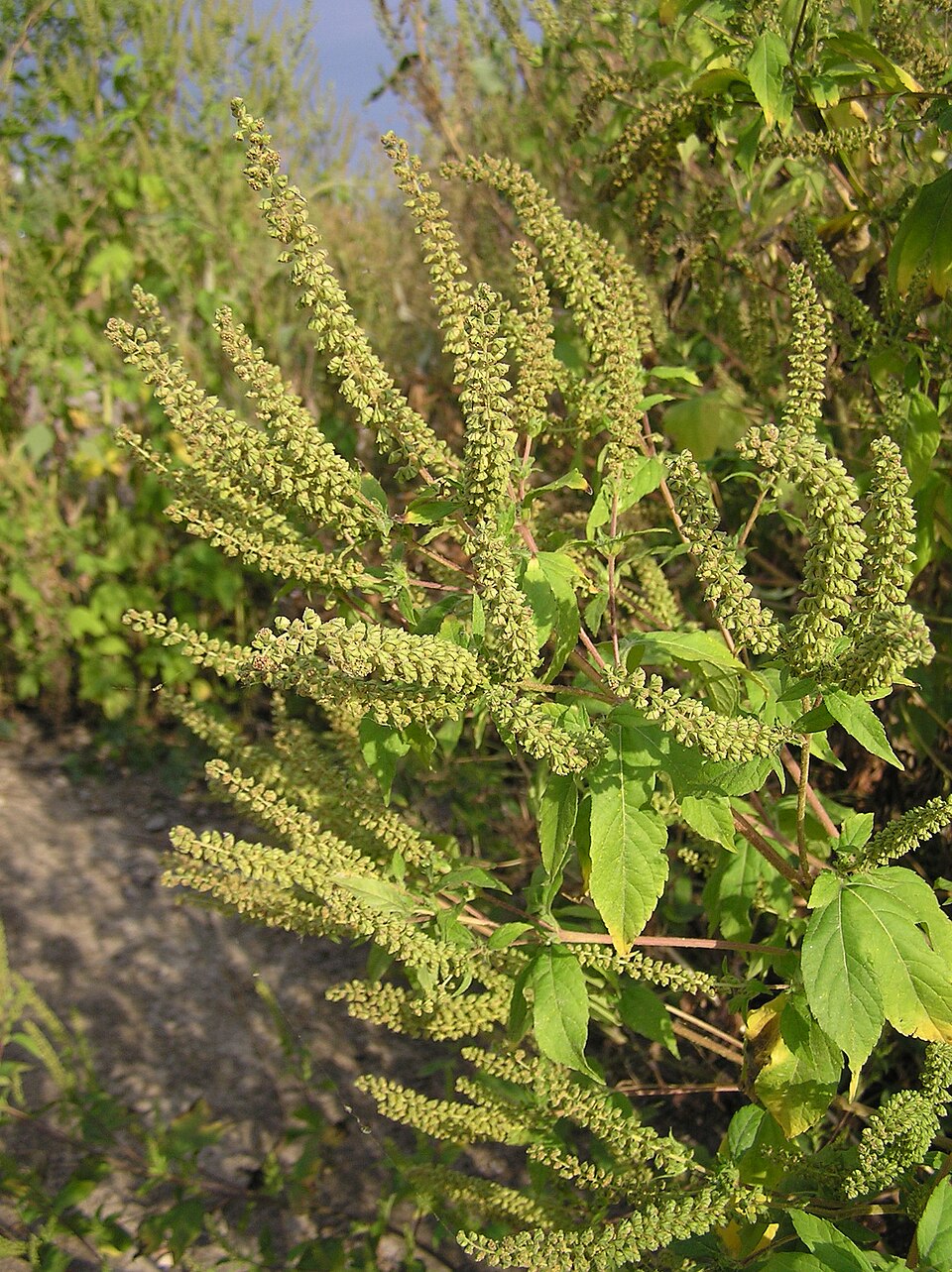
- Common RagweedAmbrosia artemisiifolia
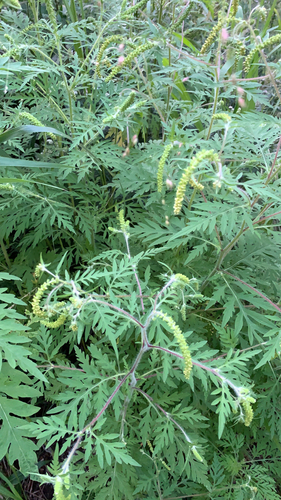
- Giant RagweedAmbrosia trifida
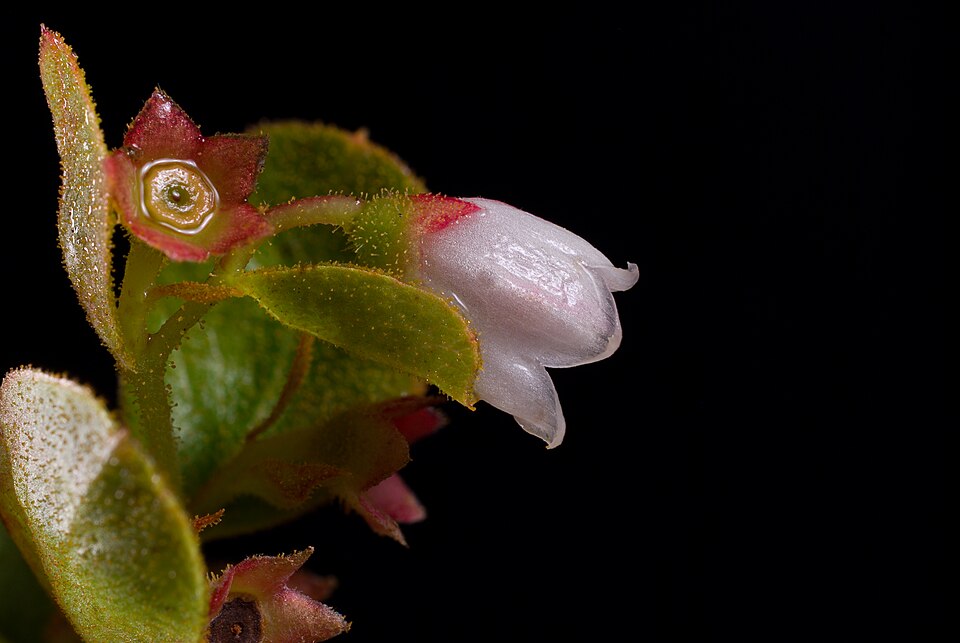
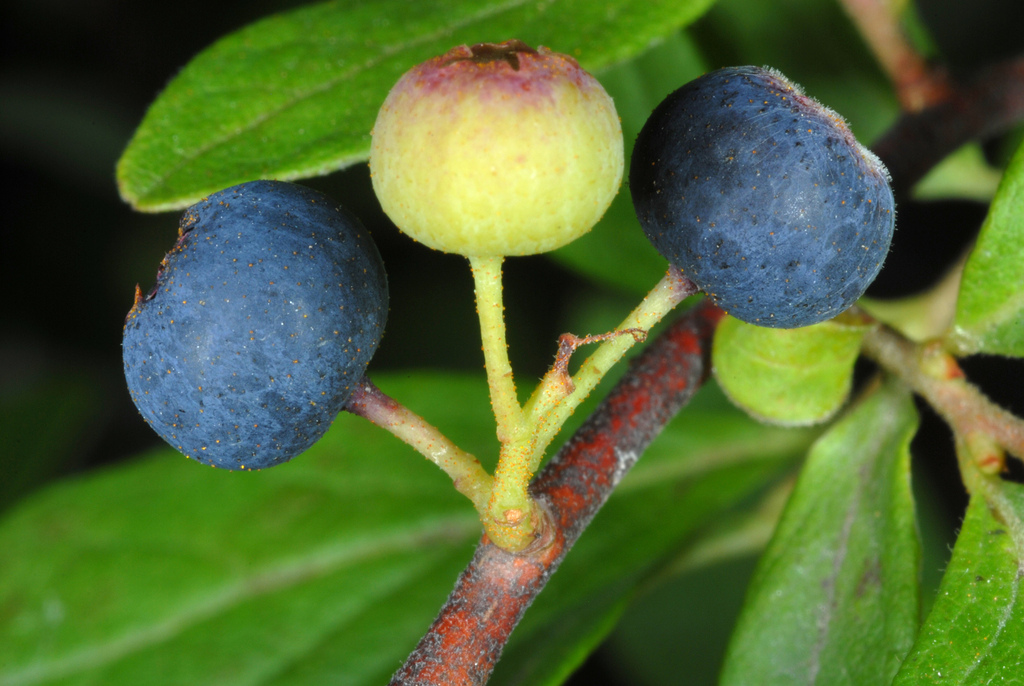
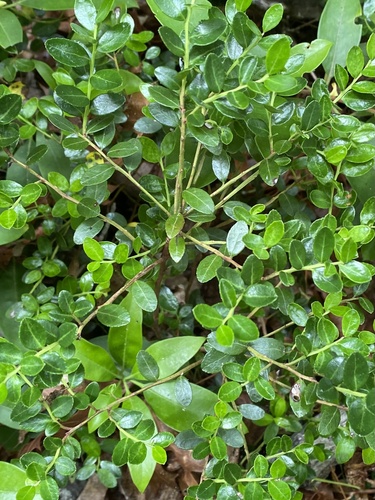
- Dwarf HuckleberryGaylussacia dumosa
- Black HuckleberryGaylussacia baccata
- Box HuckleberryGaylussacia brachycera
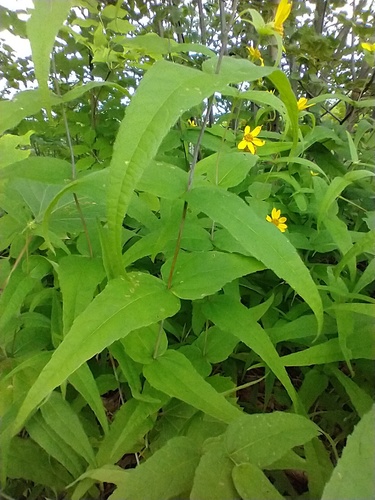
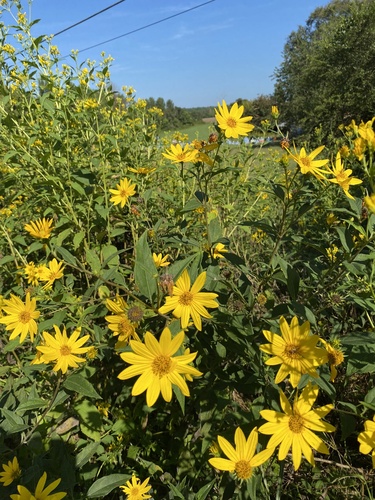
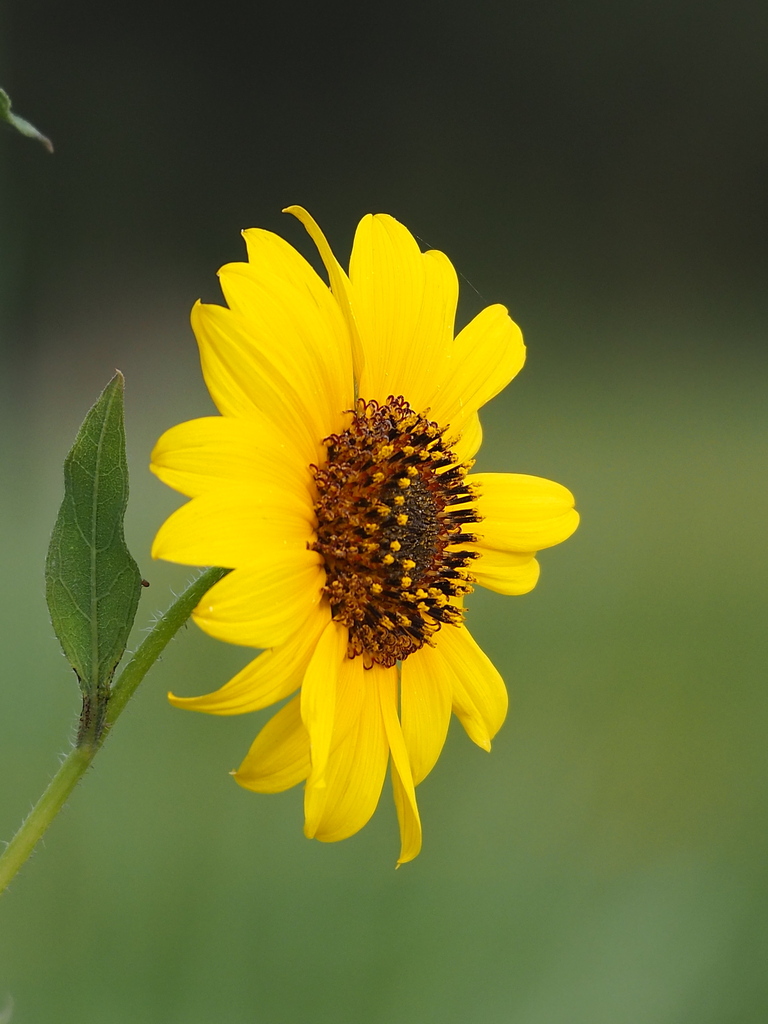
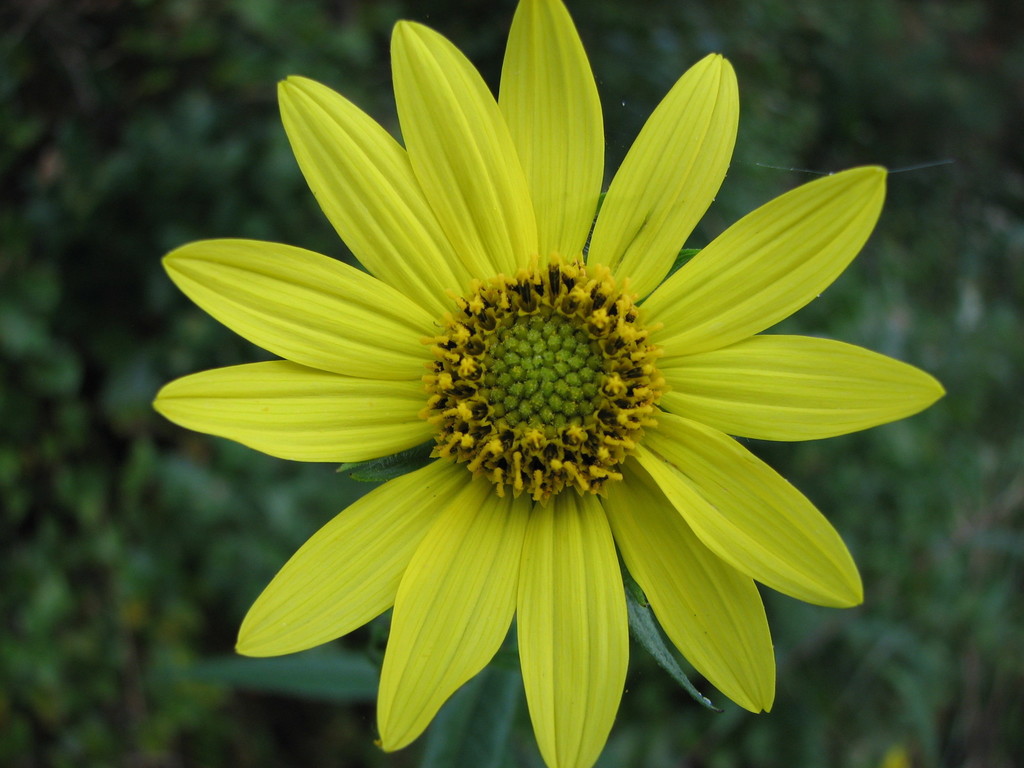
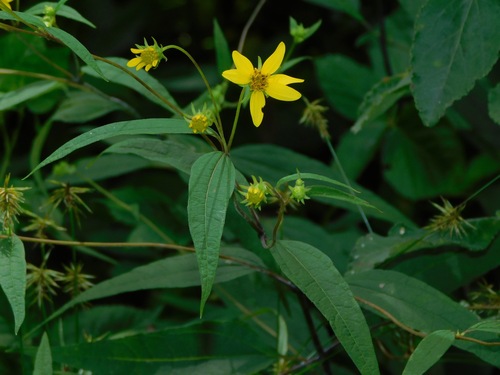
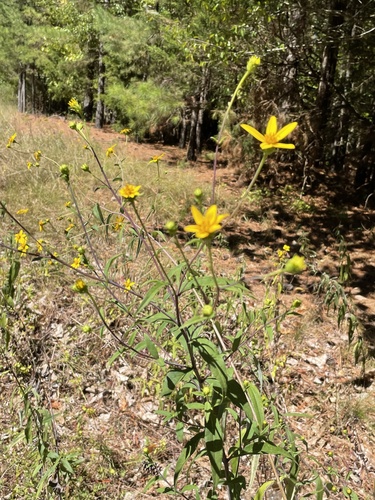
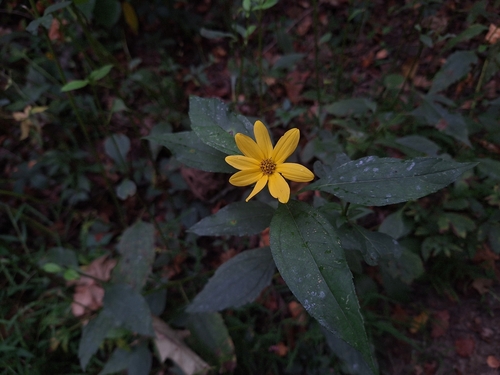
- Woodland SunflowerHelianthus divaricatus
- Helianthus debilis subsp. cucumerifoliusHelianthus debilis subsp. cucumerifolius
- Helianthus occidentalis subsp. occidentalisHelianthus occidentalis subsp. occidentalis
- Paleleaf SunflowerHelianthus strumosus
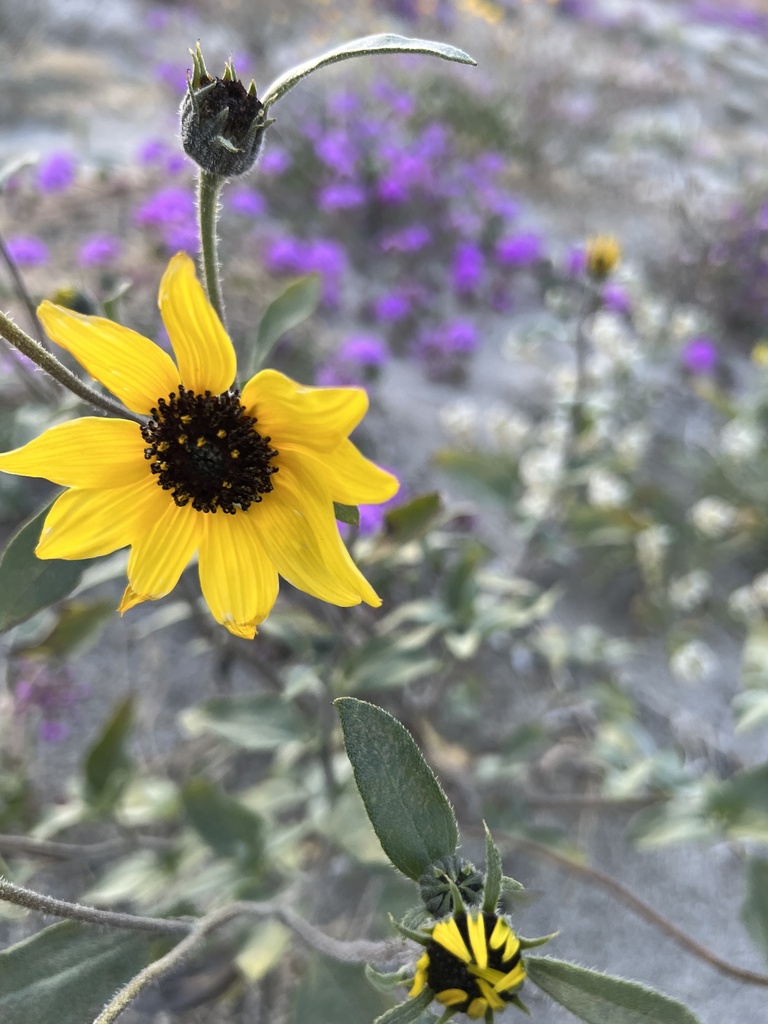
- Beach SunflowerHelianthus debilis
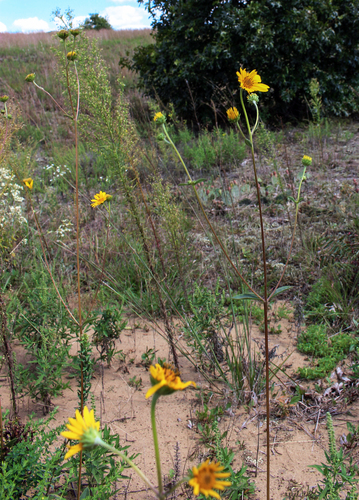
- Giant SunflowerHelianthus giganteus
- Hairy SunflowerHelianthus hirsutus
- Jerusalem ArtichokeHelianthus tuberosus
- Prairie SunflowerHelianthus petiolaris
- Small Wood SunflowerHelianthus microcephalus
- Smooth SunflowerHelianthus laevigatus
- Thinleaf SunflowerHelianthus decapetalus
- Western SunflowerHelianthus occidentalis
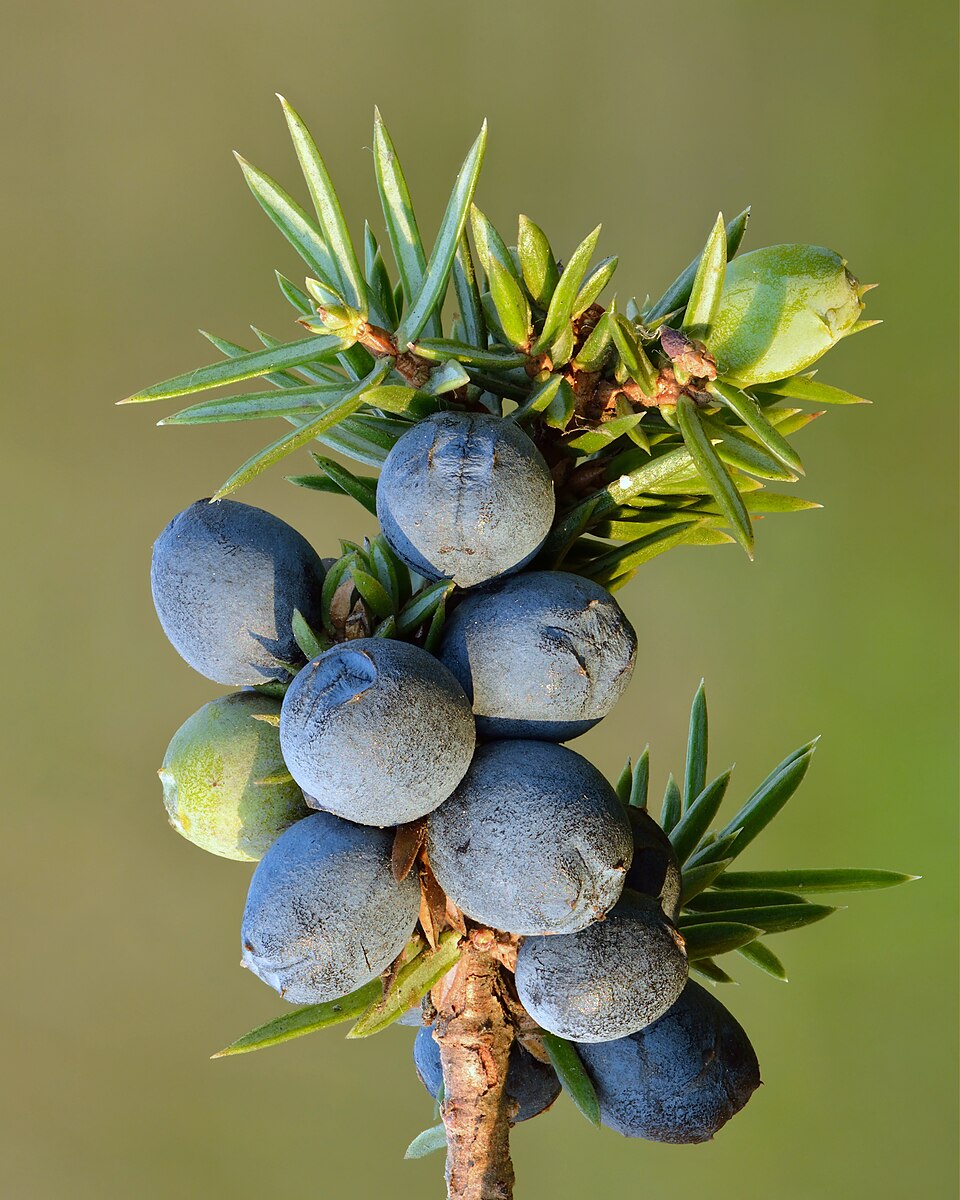
- Common JuniperJuniperus communis
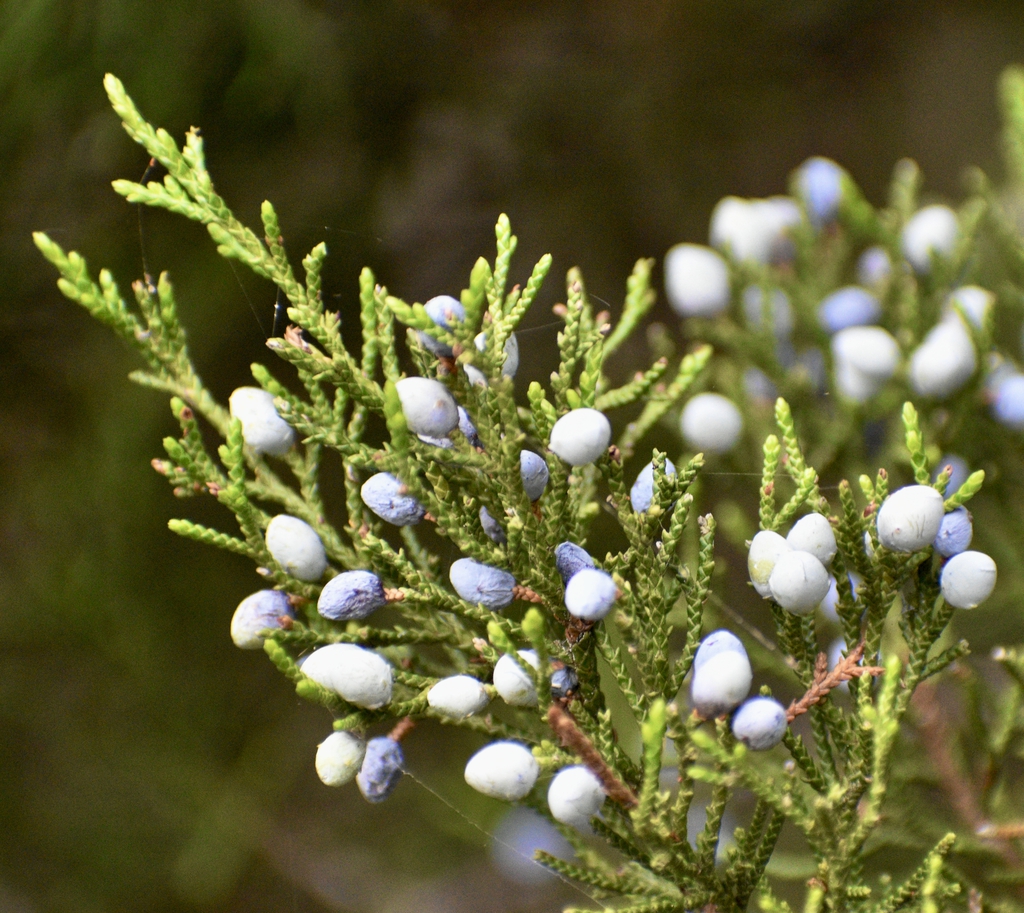
- Eastern Red CedarJuniperus virginiana
Plant genera in its diet records (9)
- Abies 1 diet record. 1 native plant in West Virginia
- Alopecurus 1 diet record. 3 native plants in West Virginia
- Ambrosia 1 diet record. 2 native plants in West Virginia
- Empetrum 1 diet record. 0 native plants in West Virginia
- Gaylussacia 1 diet record. 3 native plants in West Virginia
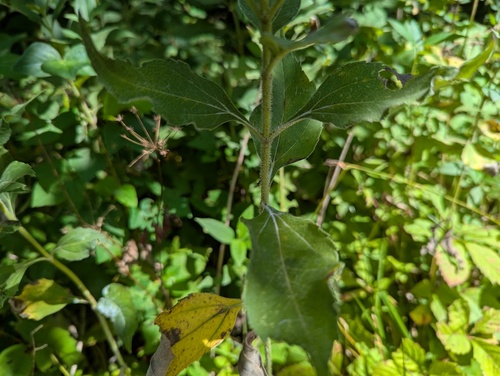
- Helianthus 1 diet record. 13 native plants in West Virginia
- Juniperus 1 diet record. 3 native plants in West Virginia
- Picea 1 diet record. 1 native plant in West Virginia
- Tsuga 1 diet record. 1 native plant in West Virginia
Also found in its main habitats
Its main habitats in West Virginia, by how much of its habitat model each one is, with the birds most characteristic of each and the plants that grow wild there. Shared habitat, not food.
Dry forests and woodlands
Birds 88
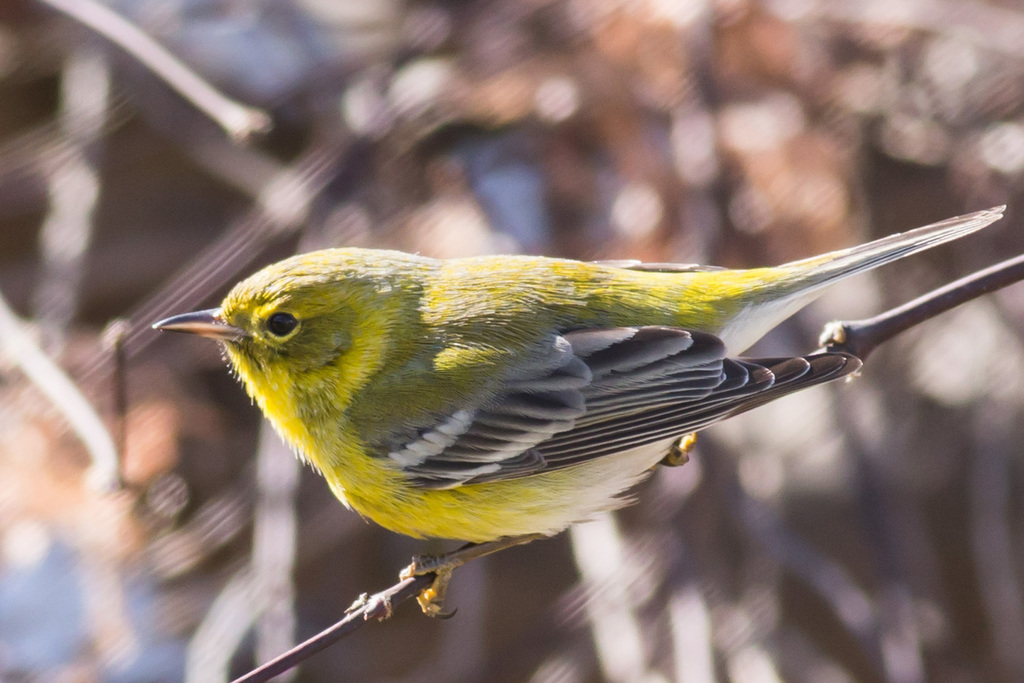
- Pine WarblerDendroica pinus
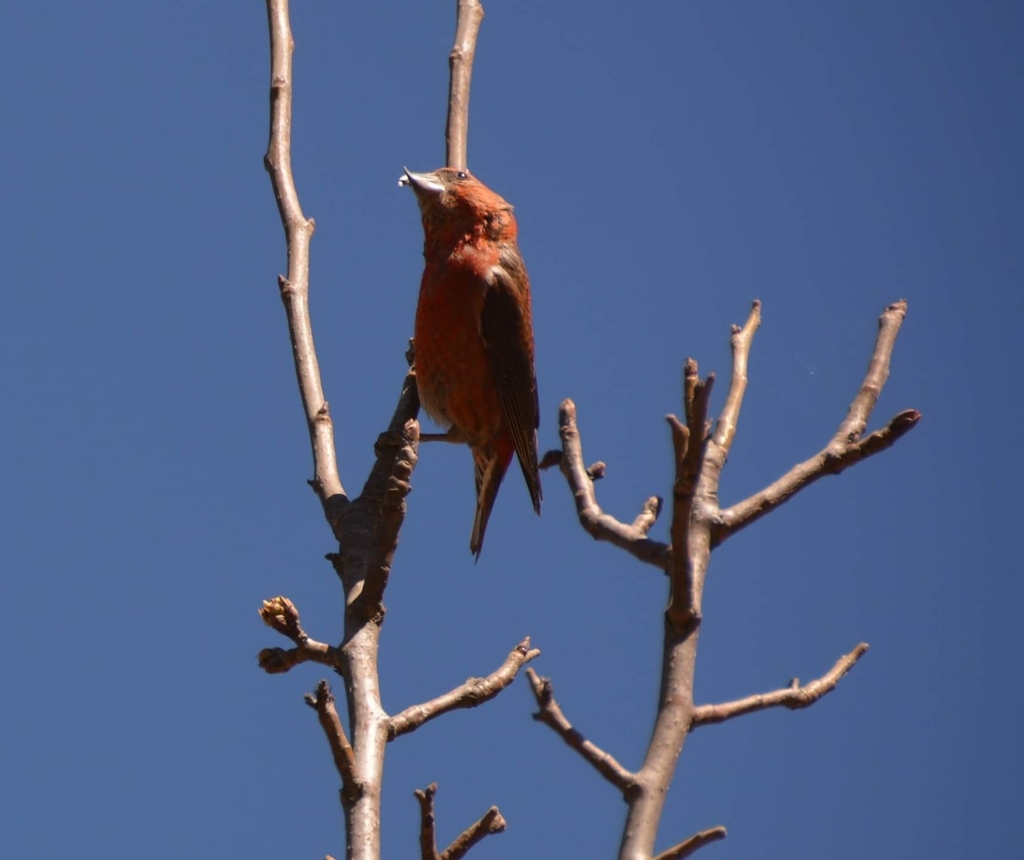
- Red CrossbillLoxia curvirostra
- Northern BobwhiteColinus virginianus
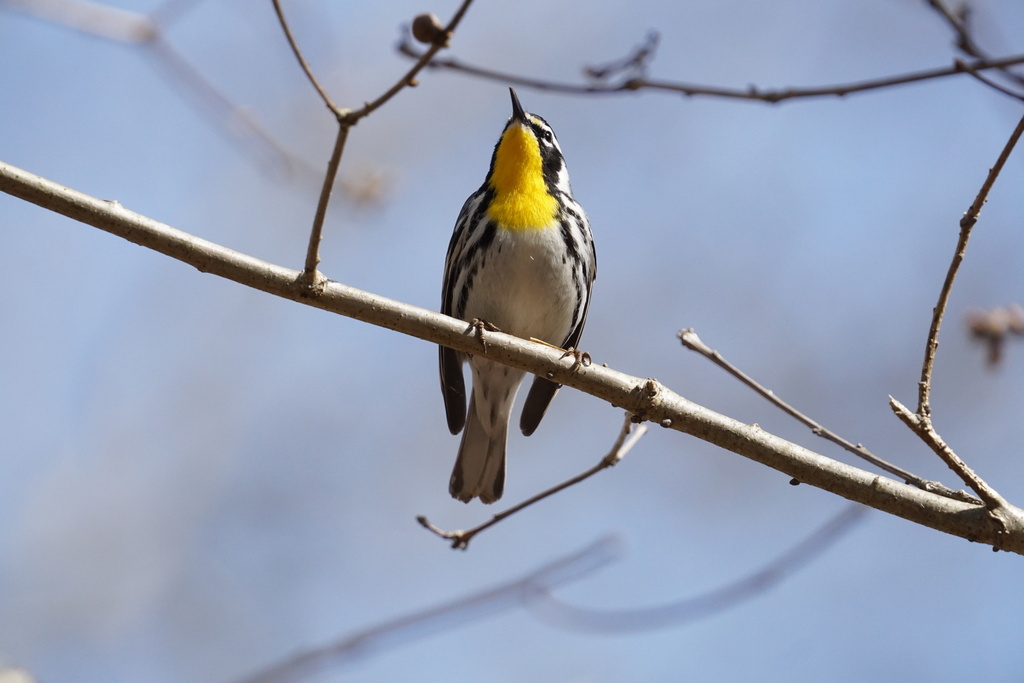
- Yellow-throated WarblerDendroica dominica
- Prairie WarblerDendroica discolor
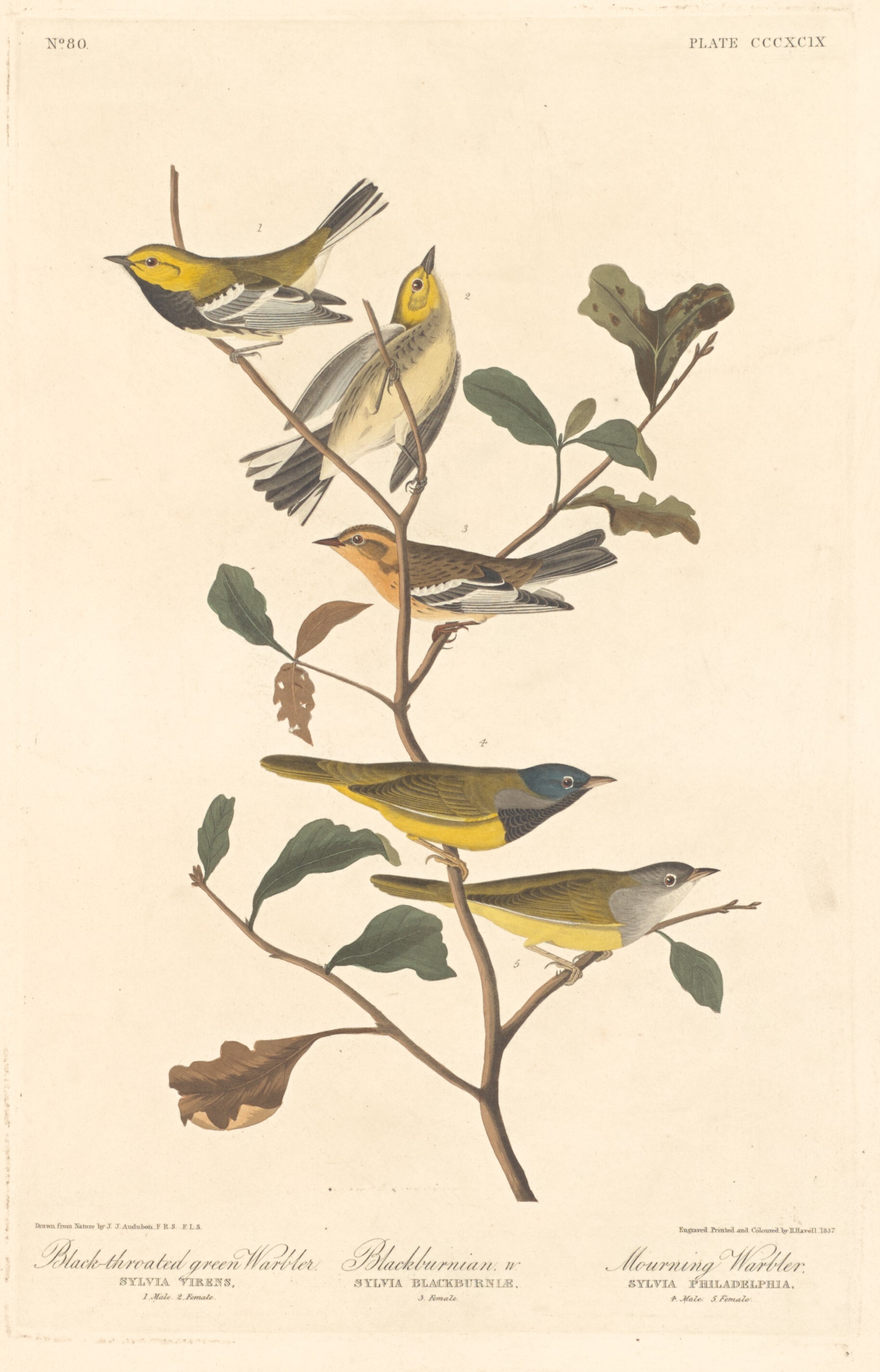
- Black-throated Green WarblerDendroica virens
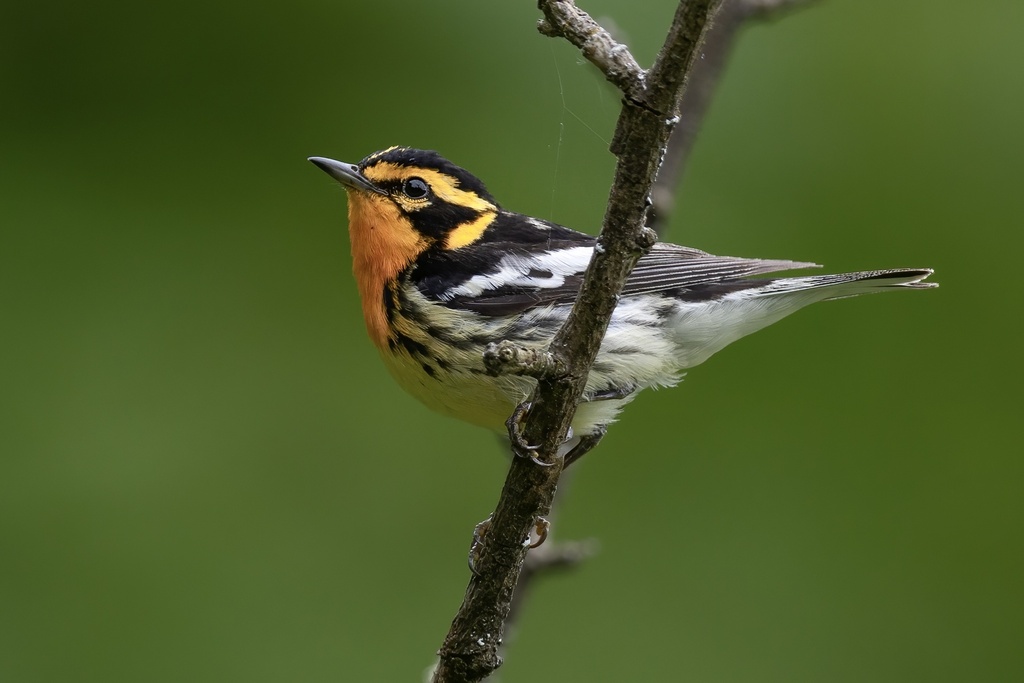
- Blackburnian WarblerDendroica fusca
- Red-breasted NuthatchSitta canadensis
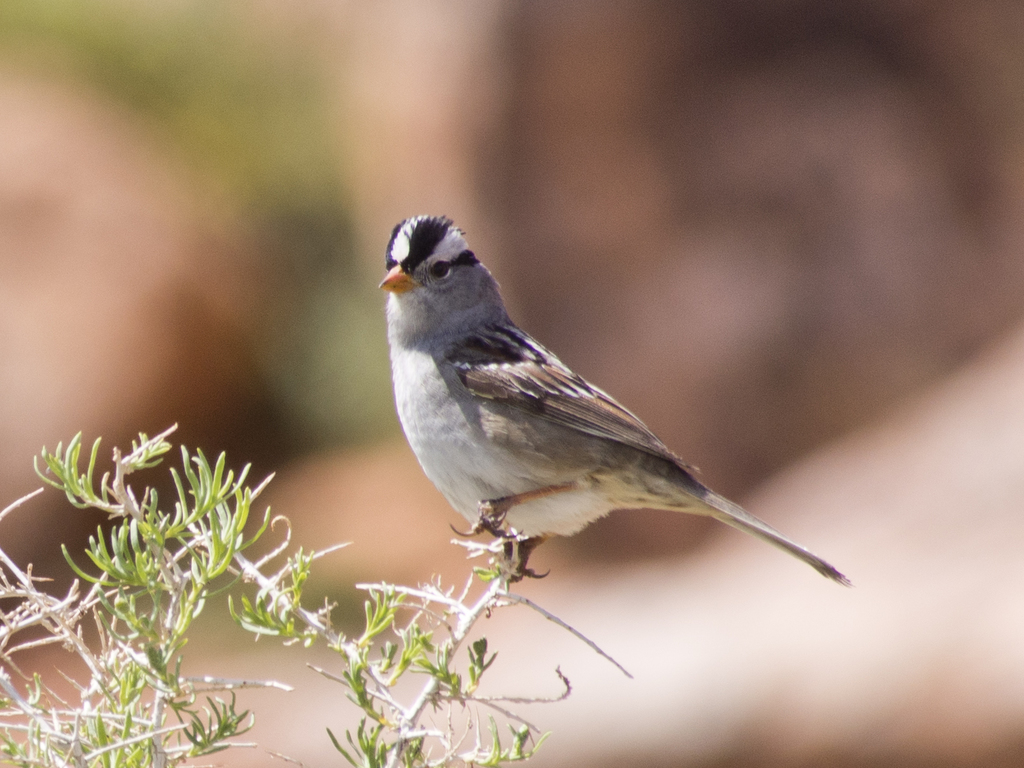
- White-crowned SparrowZonotrichia leucophrys
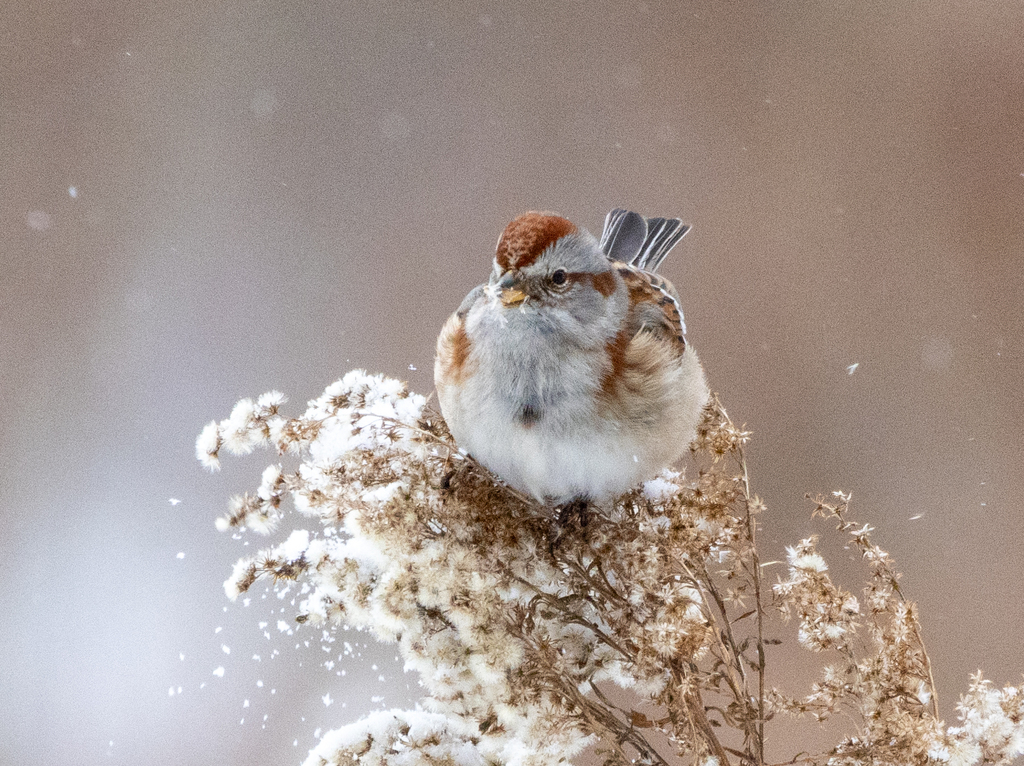
- American Tree SparrowSpizella arborea
- Barred OwlStrix varia
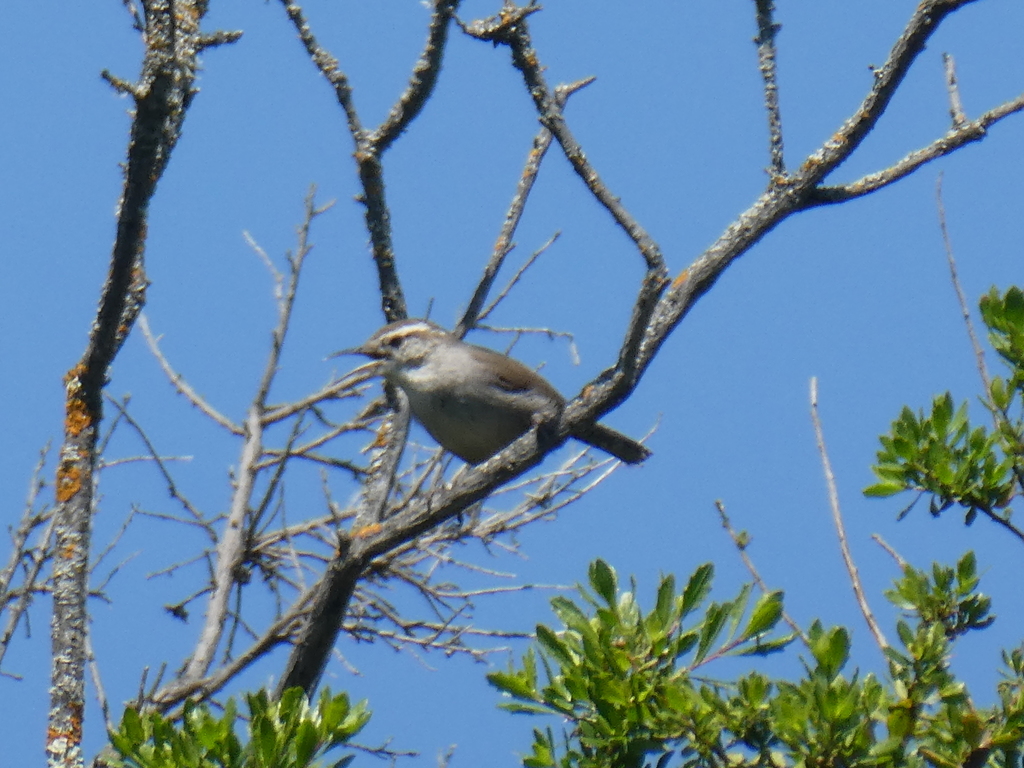
- Bewick's WrenThryomanes bewickii




Plants 192
- Eastern Winged SumacRhus copallinum var. latifolia
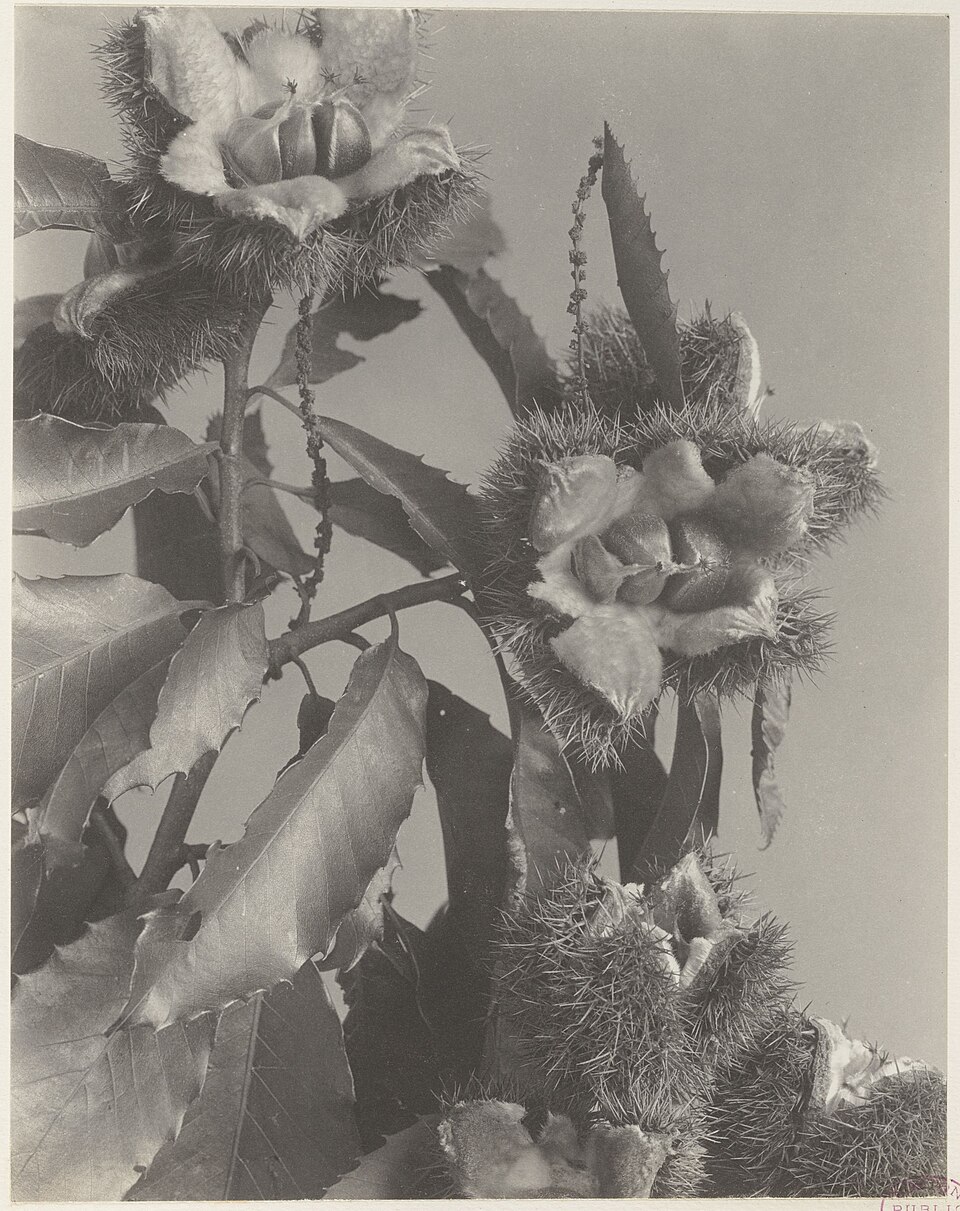
- American ChestnutCastanea dentata
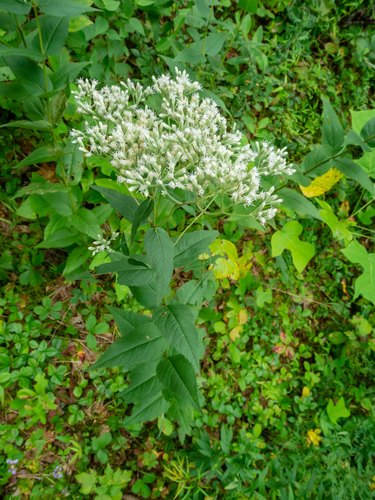
- Godfrey's ThoroughwortEupatorium godfreyanum
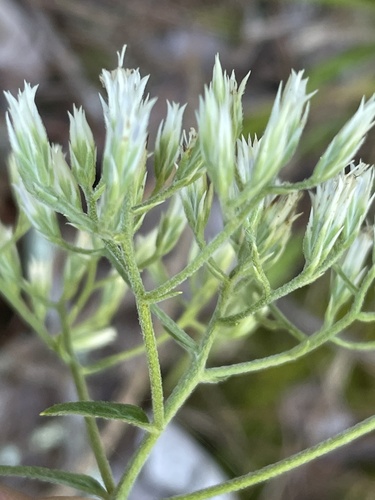
- White ThoroughwortEupatorium album
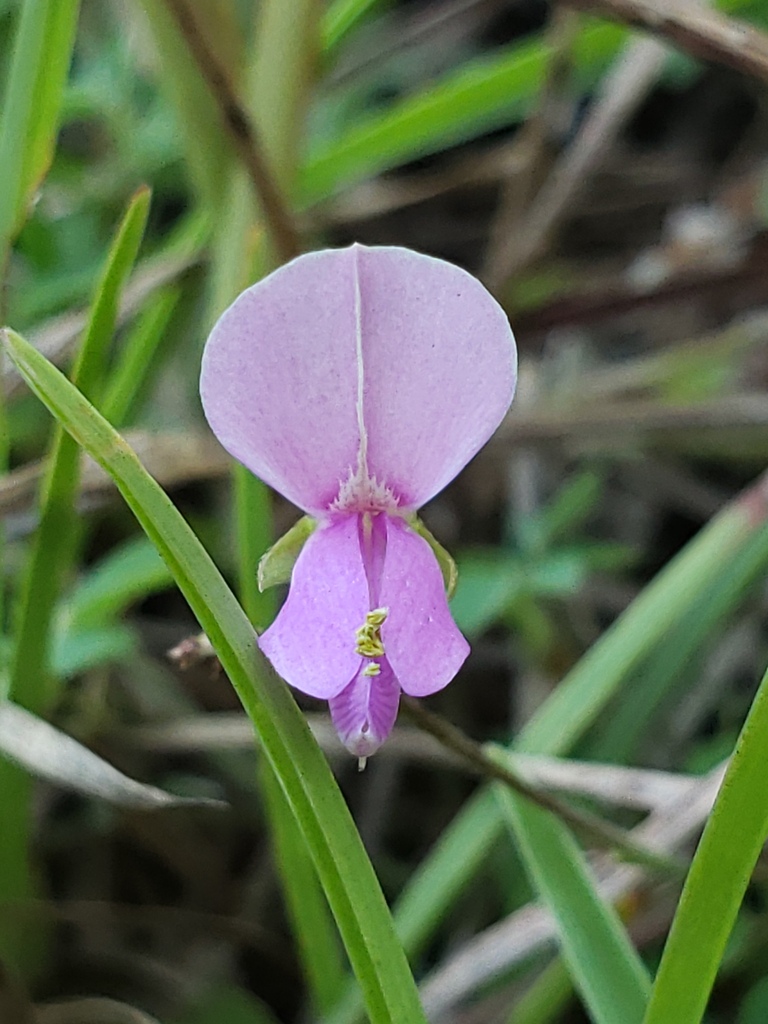
- McCree's MilkpeaGalactia volubilis
- Leavenworth's SedgeCarex leavenworthii
- Southern LoosestrifeLysimachia tonsa
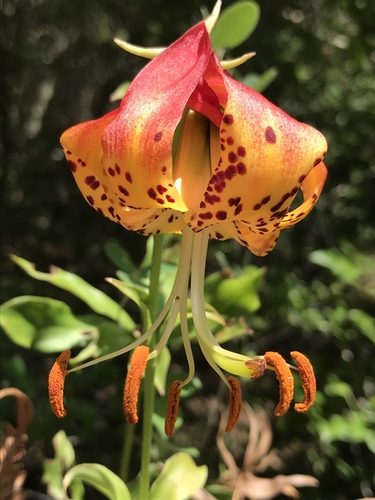
- Carolina LilyLilium michauxii
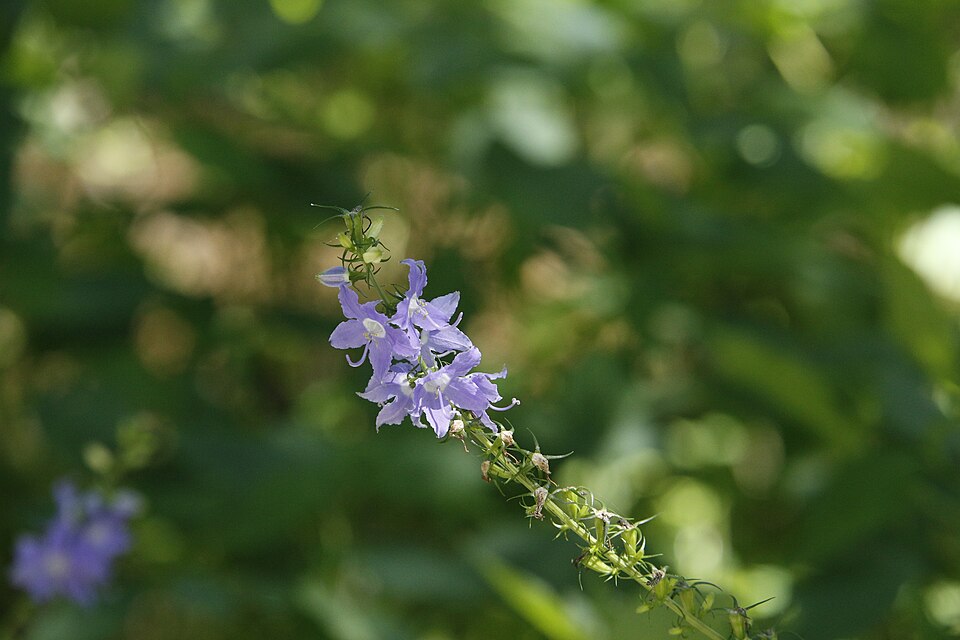
- Tall BellflowerCampanulastrum americanum
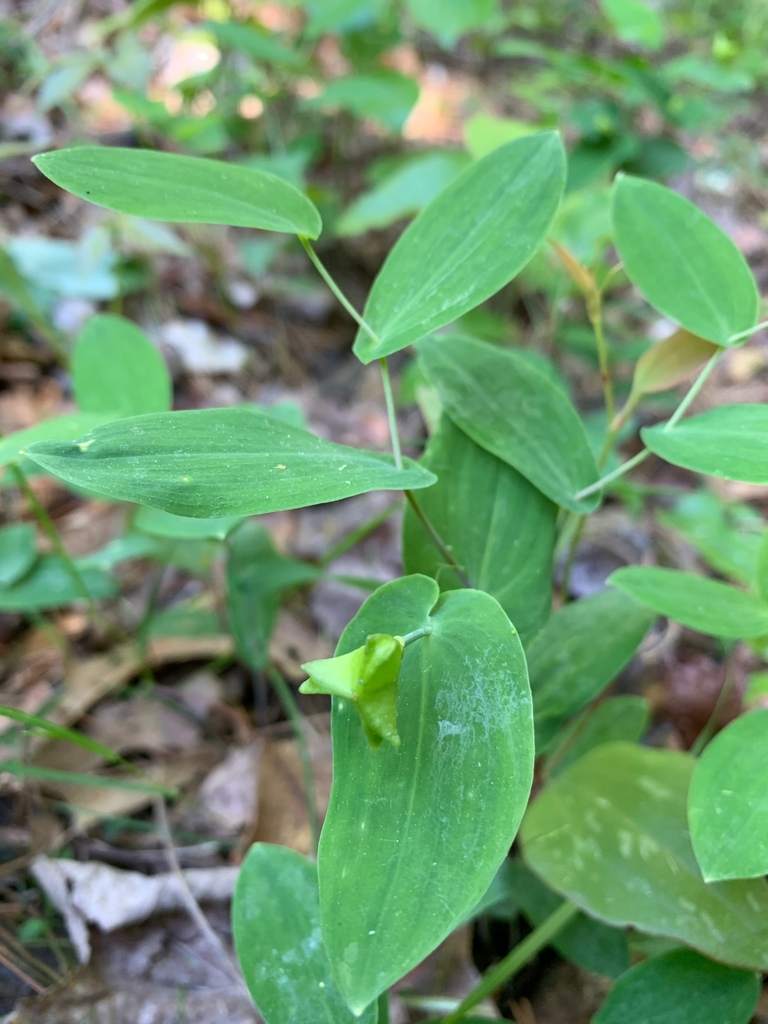
- Perfoliate BellwortUvularia perfoliata
- Green Pyrola, Green-flowered WintergreenPyrola chlorantha
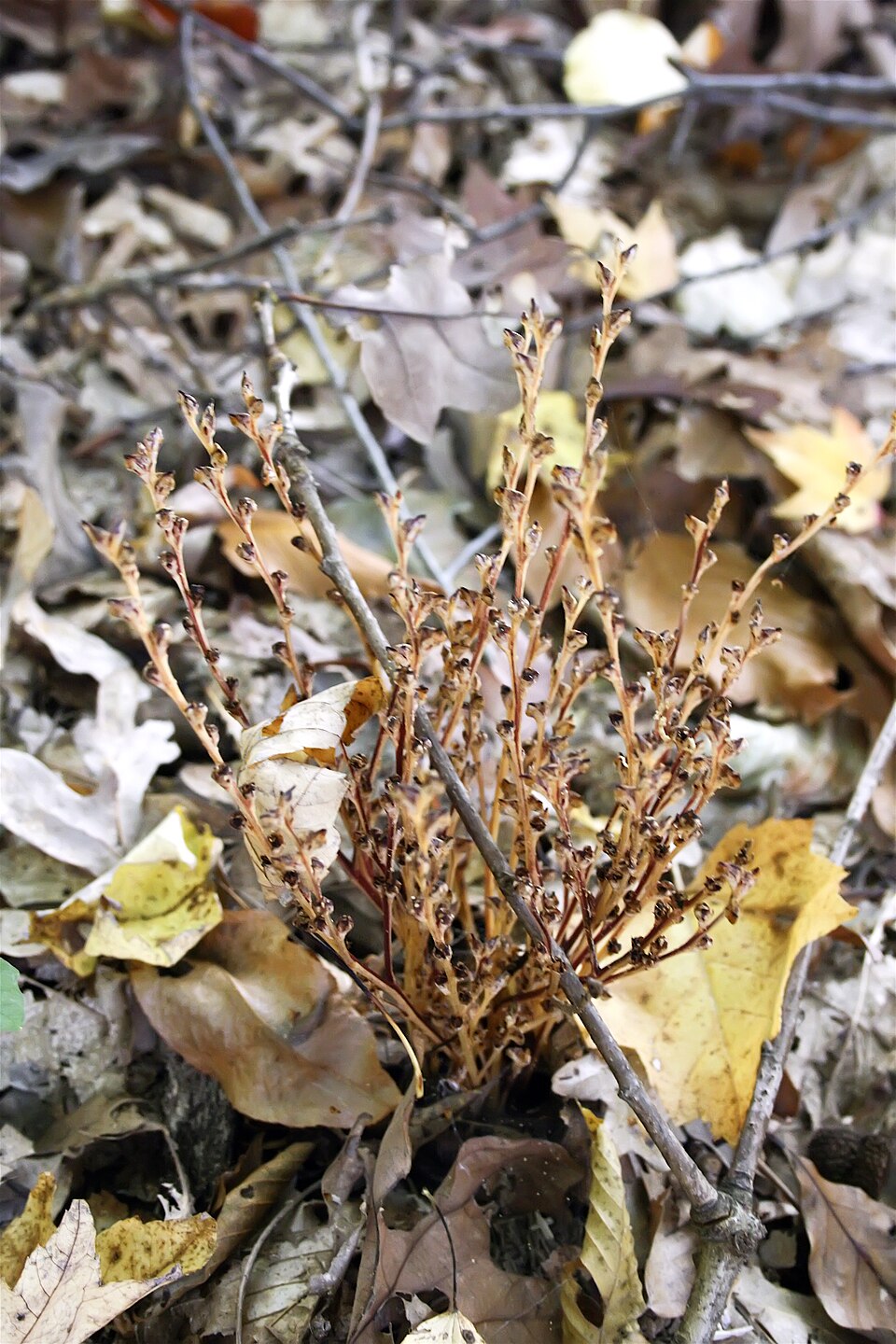
- BeechdropsEpifagus virginiana
Tree plantations and managed pine
Birds 61
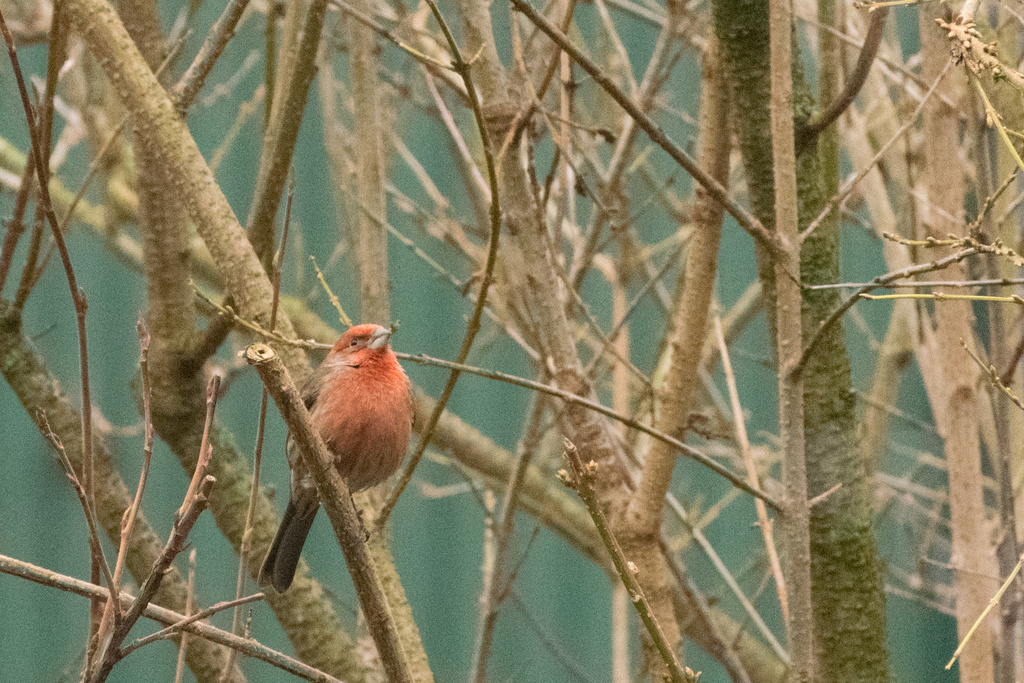
- House FinchCarpodacus mexicanus
- Pine WarblerDendroica pinus
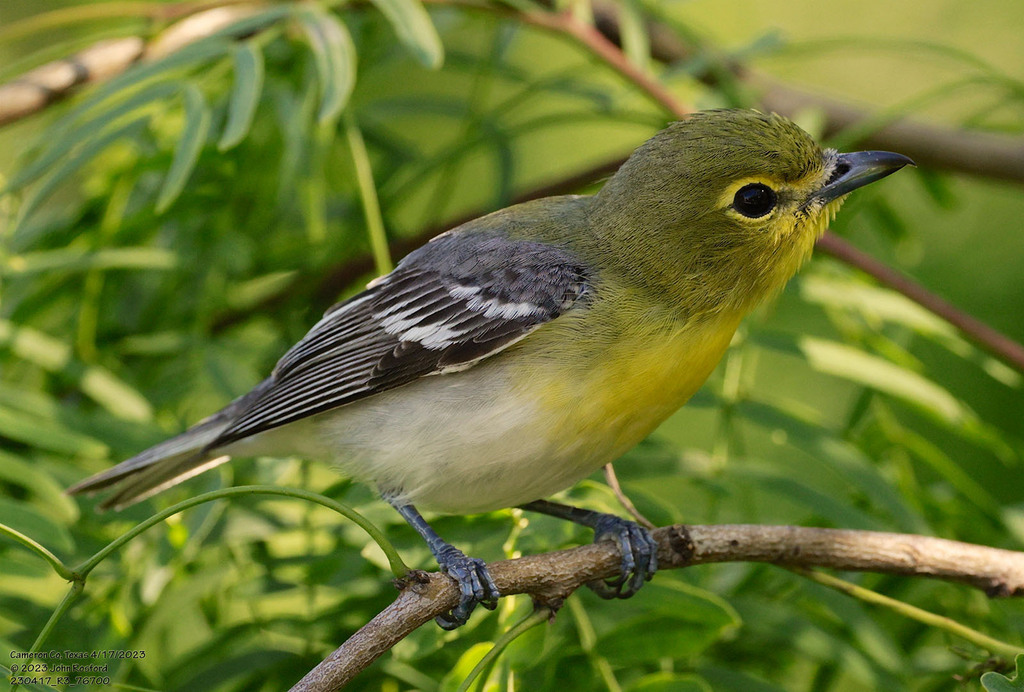
- Yellow-throated VireoVireo flavifrons
- Palm WarblerDendroica palmarum
- Fish CrowCorvus ossifragus
- Prairie WarblerDendroica discolor
- White-crowned SparrowZonotrichia leucophrys
- Loggerhead ShrikeLanius ludovicianus
- Blue-headed VireoVireo solitarius
- Canada GooseBranta canadensis
- Song SparrowMelospiza melodia
- Blue-winged WarblerVermivora pinus
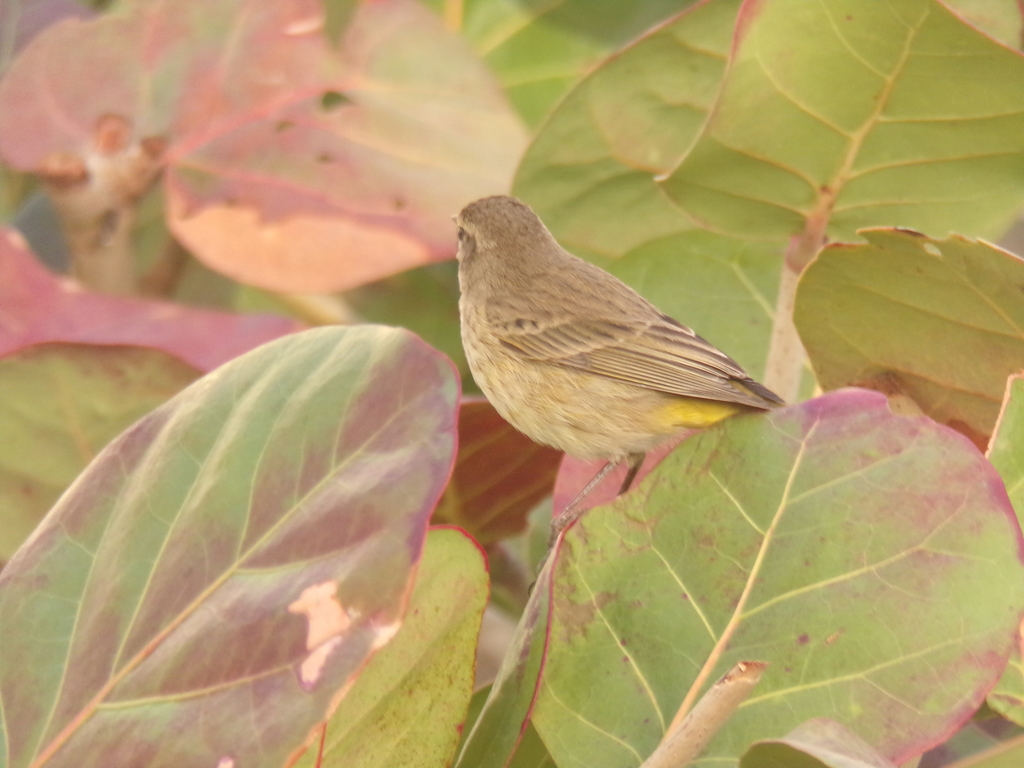

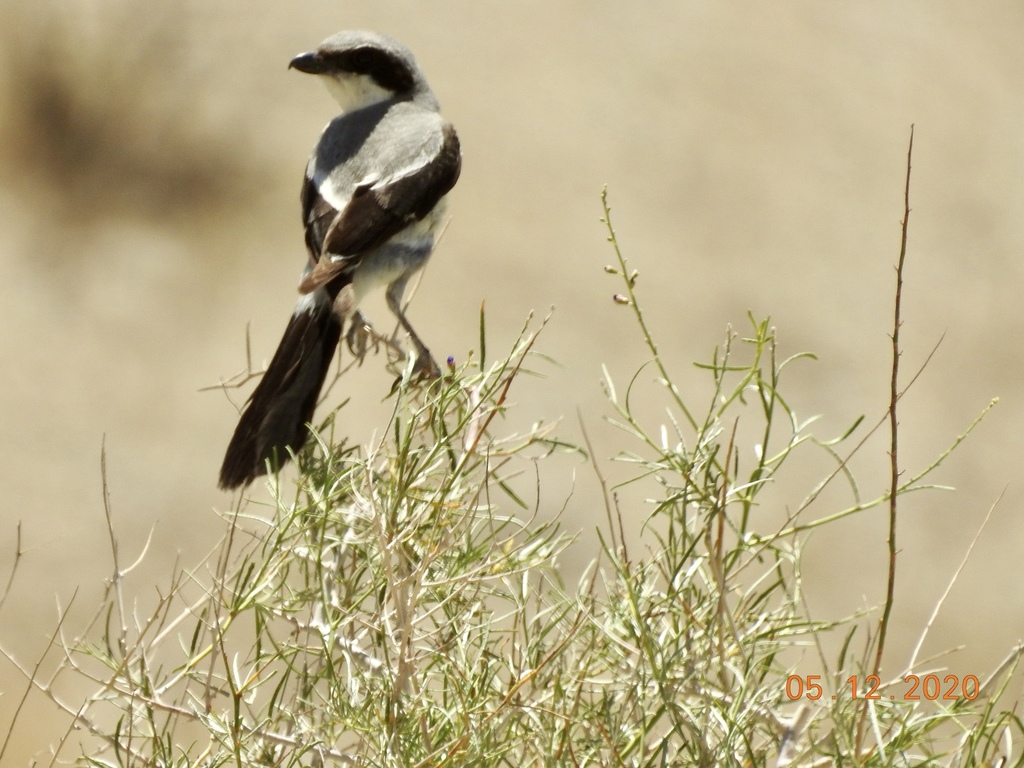
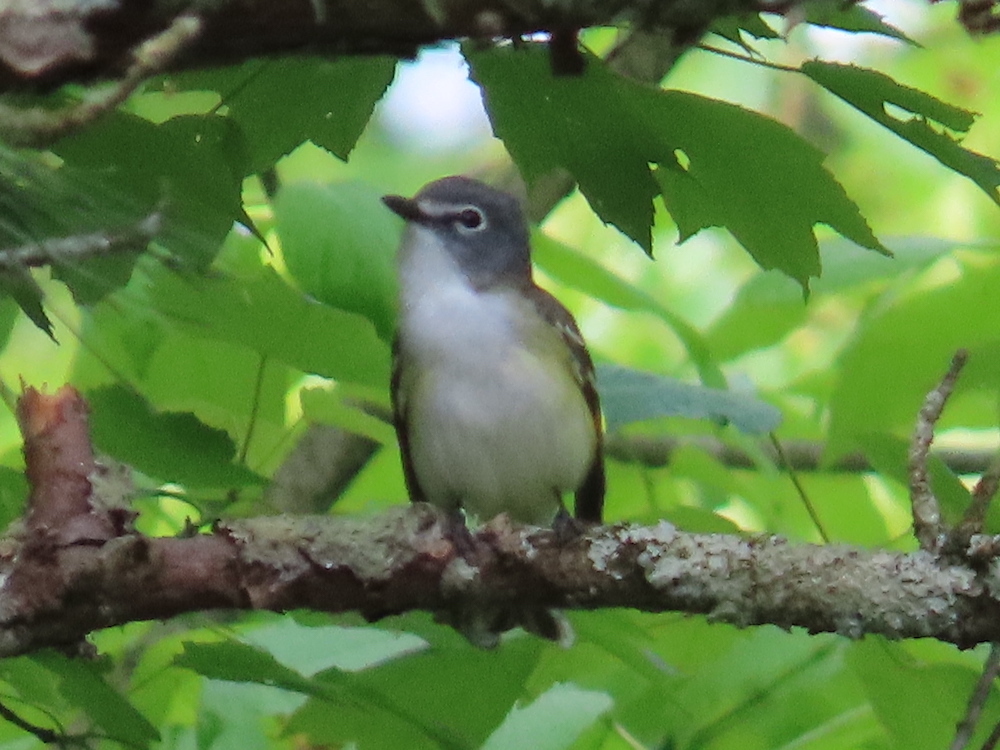


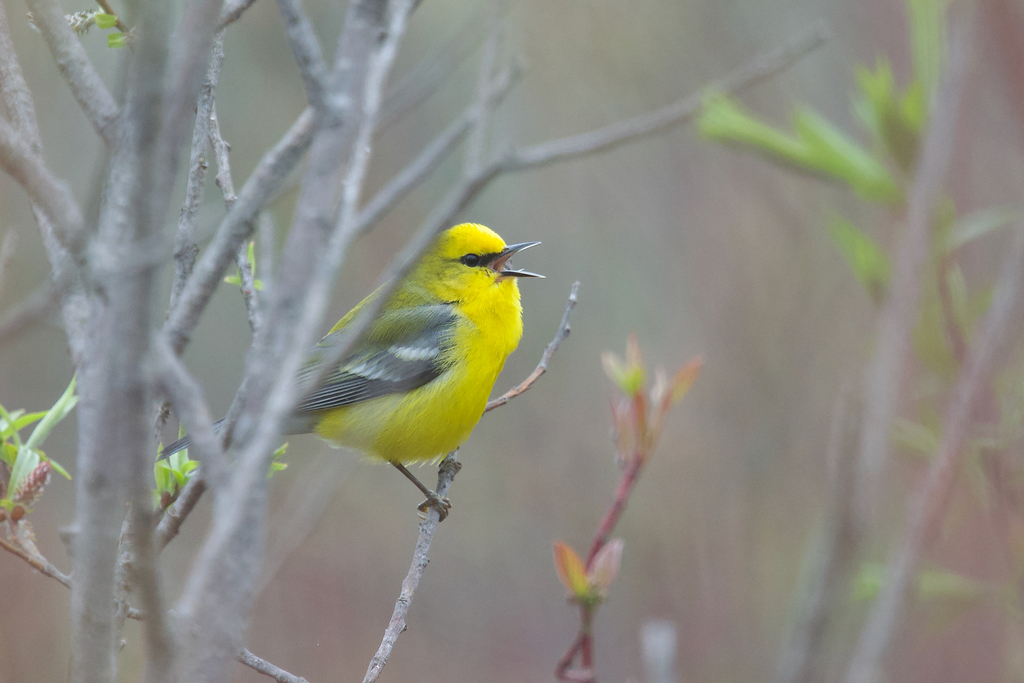
Plants 1
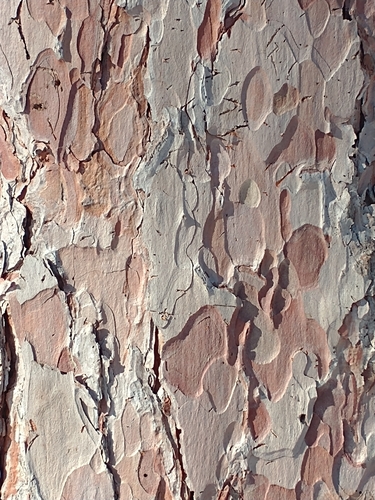
- Red PinePinus resinosa
Hemlock forests
Birds 61
- Black-throated Green WarblerDendroica virens
- Blackburnian WarblerDendroica fusca
- Red-breasted NuthatchSitta canadensis
- Barred OwlStrix varia
- Blue-headed VireoVireo solitarius
- Louisiana WaterthrushSeiurus motacilla
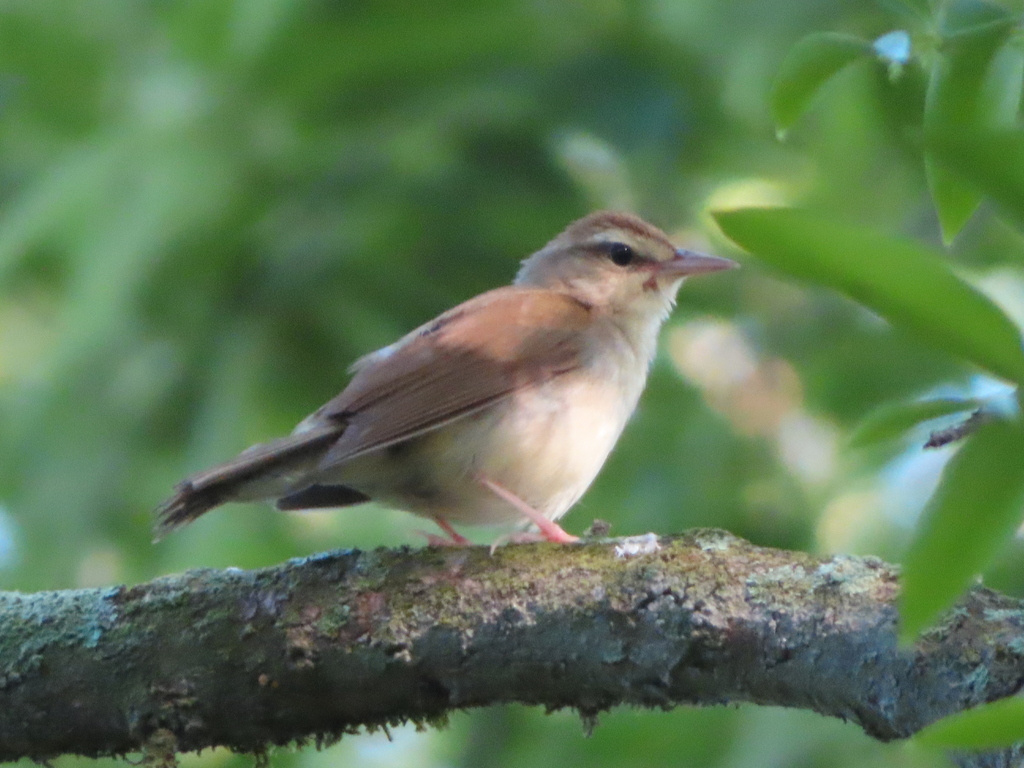
- Swainson's WarblerLimnothlypis swainsonii
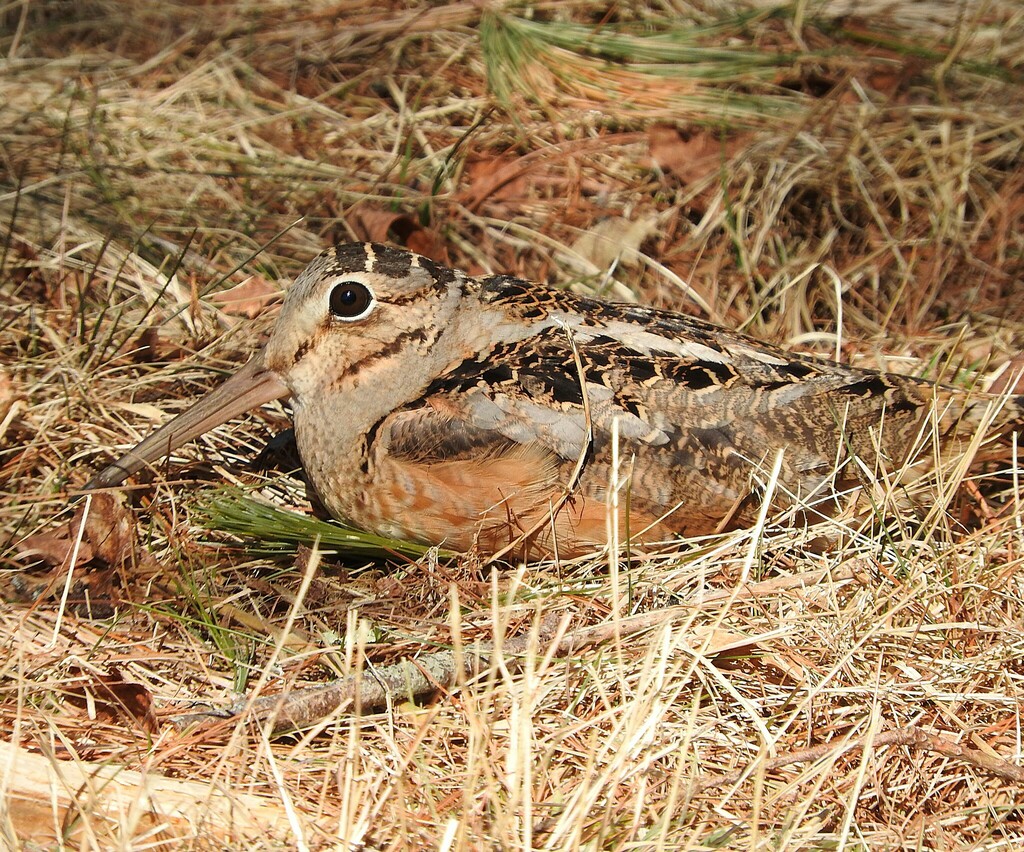
- American WoodcockScolopax minor
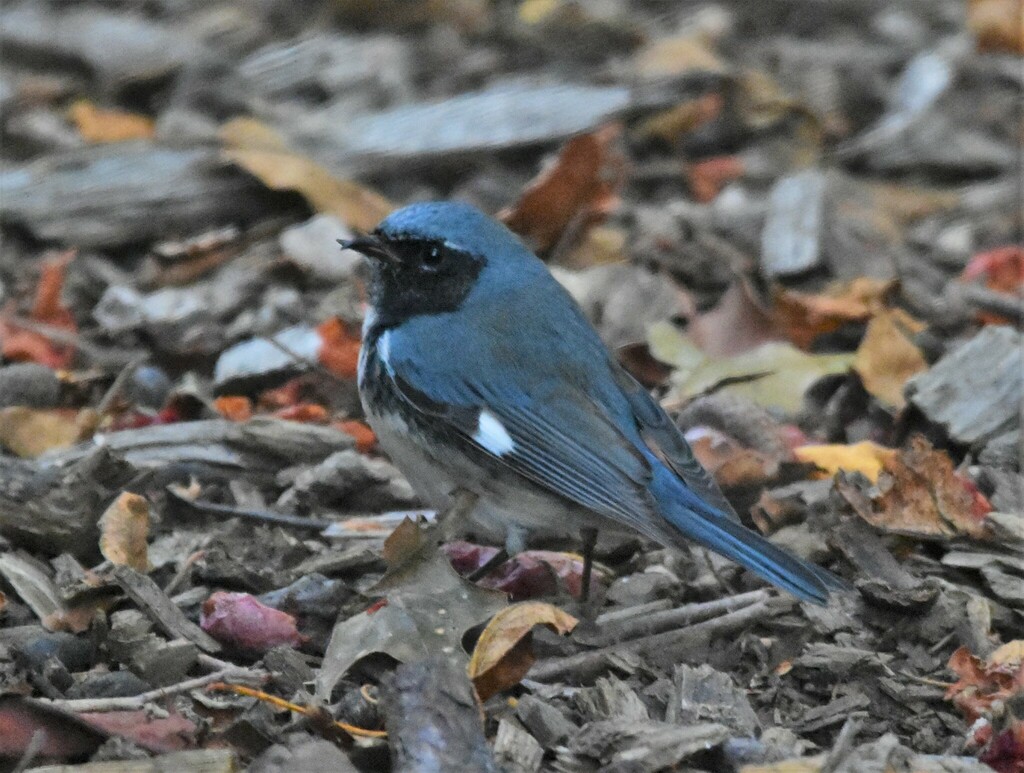
- Black-throated Blue WarblerDendroica caerulescens
- Canada WarblerWilsonia canadensis
- Hermit ThrushCatharus guttatus
- Hooded WarblerWilsonia citrina



Sources
- USGS Gap Analysis Project habitat models (2001)
- USGS GAP winter habitat model for White-winged Crossbill
- USGS Gap Analysis Project range maps (2001), modeled by watershed; migratory gives no dates
- NatureServe Explorer (CC BY 4.0), habitat names
- US Census TIGER/Line counties
- Names follow the USGS Gap Analysis Project (2001)
- Avian Diet Database (Hurlbert Lab) (CC0 1.0), diet records by plant genus