

Bird
Red-breasted Nuthatch
Sitta canadensis
Lives in West Virginia all year and nests here. Found in all 55 counties, across 8 habitats.
- Here
- All year
- Nesting
- Nests here
- Range
- All 55 counties
- Habitats
- 8

At a glance
- Group
- Birds
- Here
- All year
- Nesting
- Nests here
- Range
- All 55 counties
- Habitats
- 8
- Habitat models
- Summer, Winter
Where it lives
The places its habitat model includes. It is not found everywhere a habitat occurs.
Habitats in West Virginia 8
Each habitat page lists the plants and wildlife also found there.
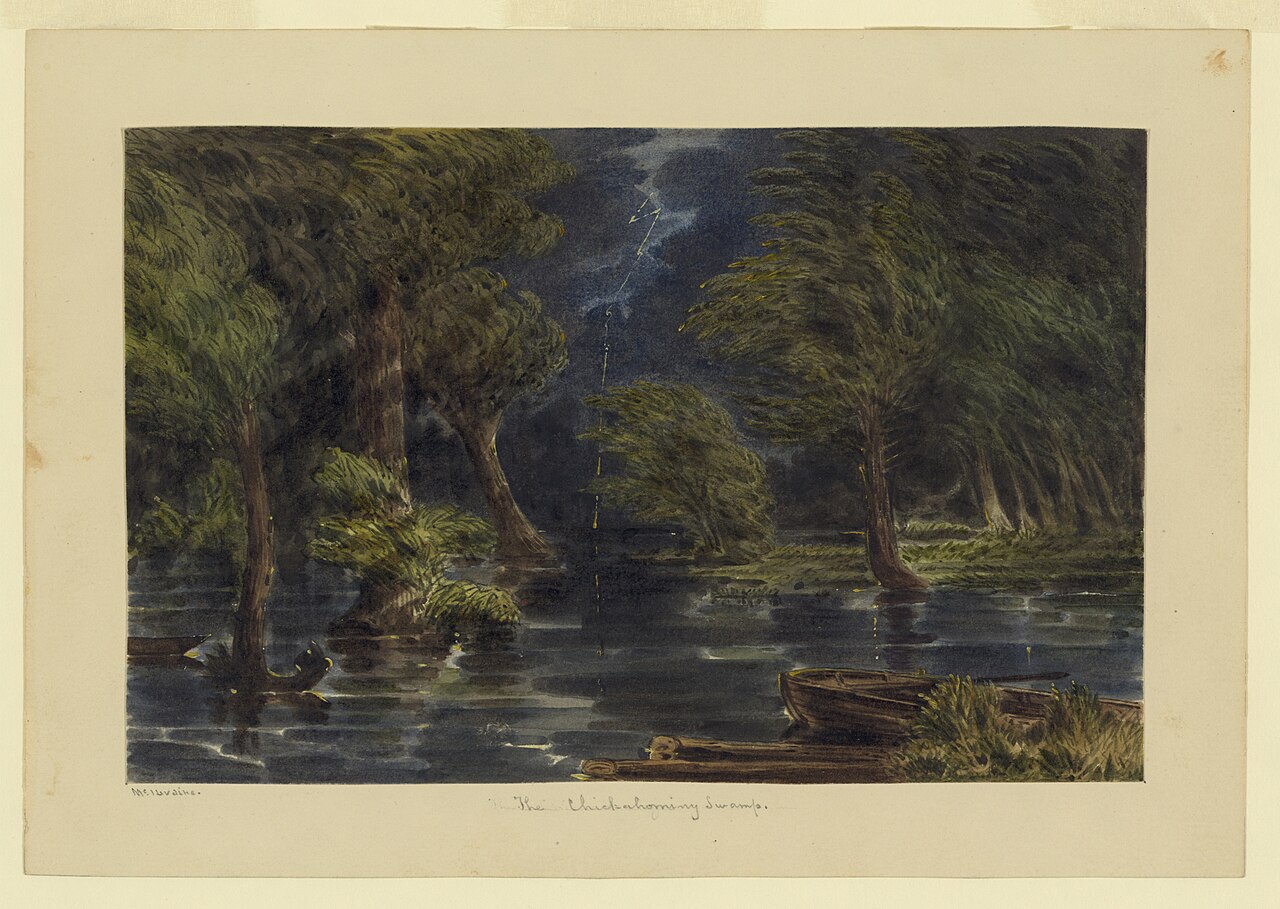
Disturbed and introduced wetlands
Wet ground taken over by weedy or introduced plants after disturbance, such as common reed, Chinese tallow or tamarisk stands; the upland counterpart is roadsides, fields and disturbed ground.
Forests and open woodlands on dry ridges and slopes, often oak or pine.
Floodplain and bottomland forests
Forests on low ground beside rivers and streams that flood from time to time.
Shady, evergreen forests of eastern or Carolina hemlock, often along rocky mountain streams and in gorges.
Forests between dry and moist, often oak-hickory on slopes.
Cool, evergreen forests of red spruce and Fraser fir on the highest mountains.
Streams, rivers and their banks
Flowing water and its banks, bars and rocky shoals.
Other habitats in its models (38)
Land cover, or classes with no habitat page in West Virginia. Those recorded in West Virginia first, the rest by region.
Elsewhere in the South (18)
- Atlantic Coastal Plain Brownwater Stream Floodplain Forest Winter.
- Atlantic Coastal Plain Mesic Hardwood and Mixed Forest Winter.
- Atlantic Coastal Plain Small Blackwater River Floodplain Forest Winter.
- Atlantic Coastal Plain Small Brownwater River Floodplain Forest Winter.
- Central and Southern Appalachian Northern Hardwood Forest Winter.
- East Gulf Coastal Plain Northern Mesic Hardwood Forest Winter.
- East Gulf Coastal Plain Small Stream and River Floodplain Forest Winter.
- East Gulf Coastal Plain Southern Mesic Slope Forest Winter.
- East-Central Texas Plains Riparian Forest Winter.
- Mississippi River Low Floodplain (Bottomland) Forest Winter.
- Mississippi River Riparian Forest Winter.
- Ozark-Ouachita Dry-Mesic Oak Forest Winter.
- Ozark-Ouachita Riparian Winter.
- Red River Large Floodplain Forest Winter.
- Southern Appalachian Low Mountain Pine Forest Summer and winter.
- Southern Coastal Plain Blackwater River Floodplain Forest Winter.
- Southern Piedmont Small Floodplain and Riparian Forest Winter.
- West Gulf Coastal Plain Large River Floodplain Forest Winter.
Northeast (2)
- Acadian Low-Elevation Spruce-Fir-Hardwood Forest Winter.
- Northern Atlantic Coastal Plain Dry Hardwood Forest Winter.
Midwest (2)
- North-Central Interior Beech-Maple Forest Winter.
- North-Central Interior Maple-Basswood Forest Winter.
Land cover and other classes (16)
- Allegheny-Cumberland Dry Oak Forest and Woodland - Pine Modifier Summer and winter.
- Atlantic Coastal Plain Blackwater Stream Floodplain Forest - Forest Modifier Winter.
- Developed, Low Intensity Winter.
- East Gulf Coastal Plain Large River Floodplain Forest - Forest Modifier Winter.
- East Gulf Coastal Plain Large River Floodplain Forest - Herbaceous Modifier Winter.
- Eastern Great Plains Floodplain Systems Winter.
- Mississippi River Floodplain and Riparian Forest Winter.
- Northeastern Interior Dry Oak Forest - Mixed Modifier Winter.
- Northeastern Interior Dry Oak Forest - Virginia/Pitch Pine Modifier Winter.
- Northeastern Interior Dry Oak Forest-Hardwood Modifier Winter.
- Orchards Vineyards and Other High Structure Agriculture Winter.
- Southern Piedmont Dry Oak-(Pine) Forest - Hardwood Modifier Winter.
- Southern Piedmont Large Floodplain Forest - Forest Modifier Winter.
- Southern Ridge and Valley Dry Calcareous Forest - Pine modifier Summer and winter.
- Tamaulipan Riparian Systems Winter.
- Western Great Plains Floodplain Systems Winter.
Seasons in West Virginia
- Year-round: nests here, in 28 of 55 counties.
- Winter: does not nest here, in 42 of 55 counties.
Also found in its main habitats
Its main habitats in West Virginia, by how much of its habitat model each one is, with the birds most characteristic of each and the plants that grow wild there. Shared habitat, not food.
Dry forests and woodlands
Birds 88
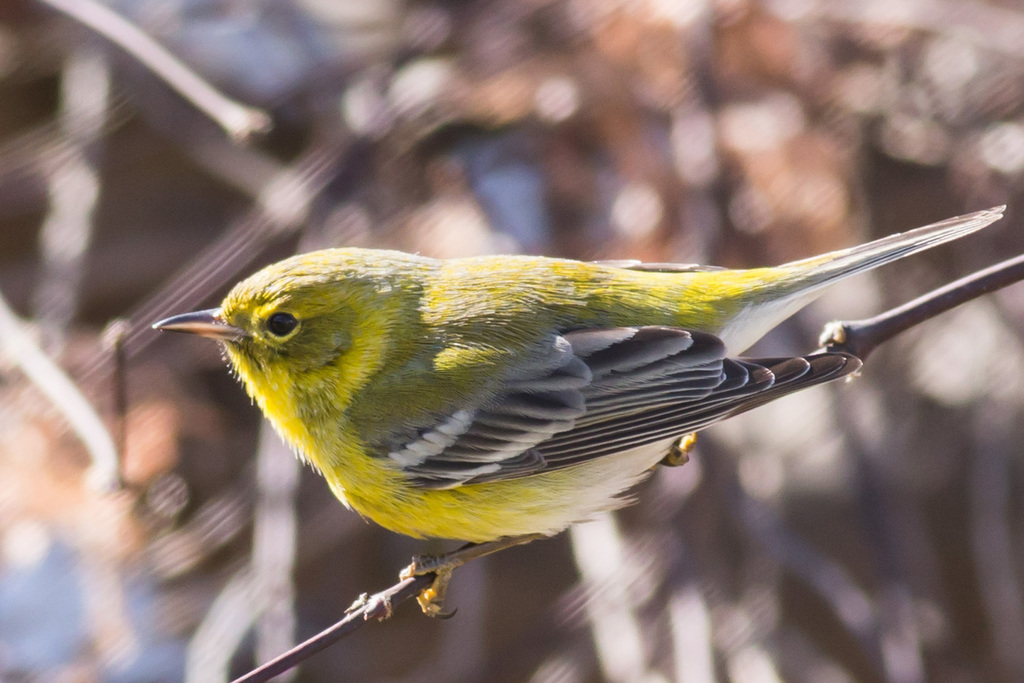
- Pine WarblerDendroica pinus
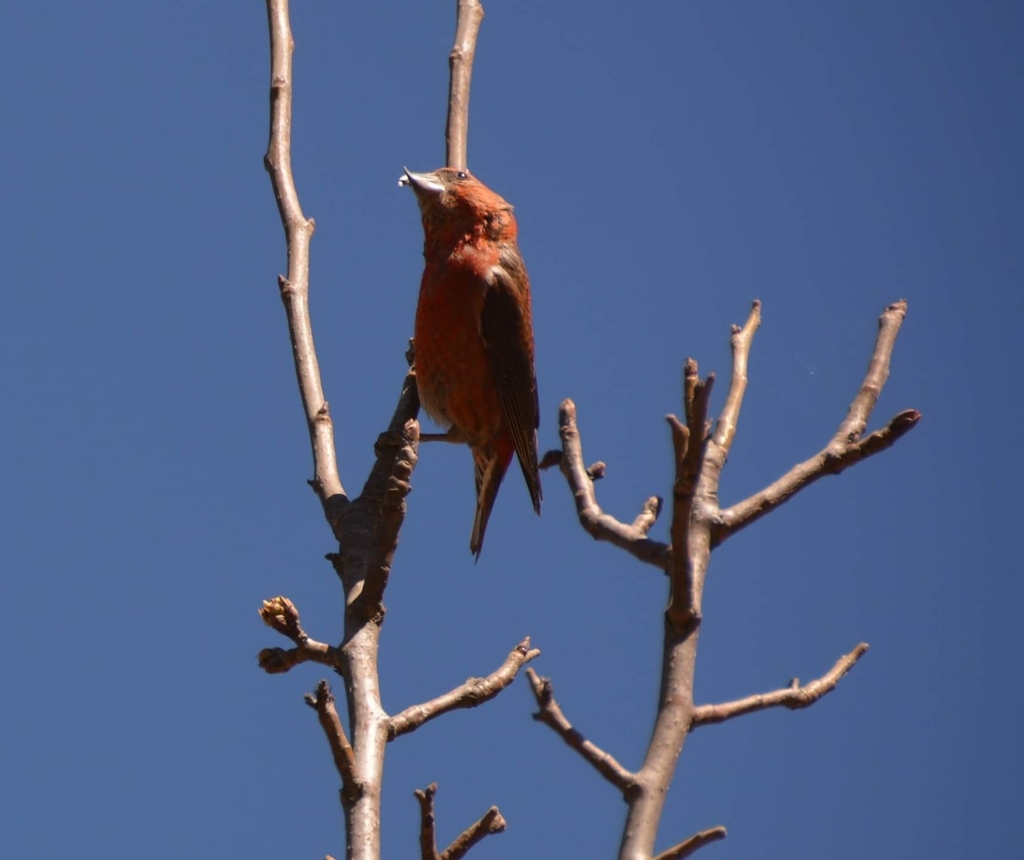
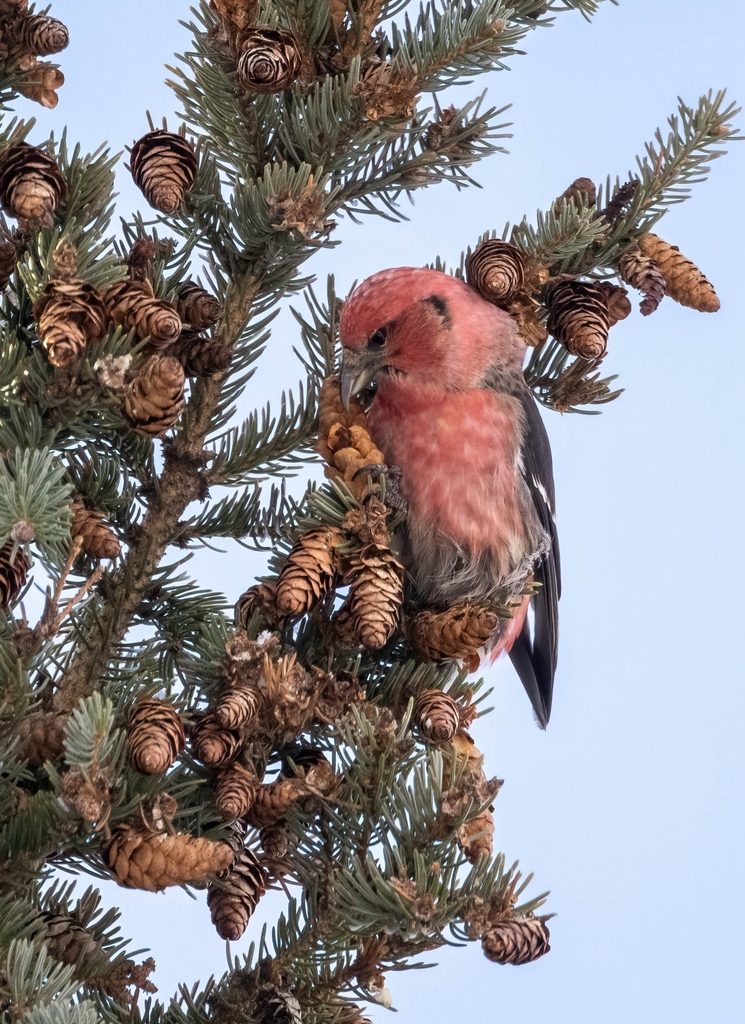
- Red CrossbillLoxia curvirostra
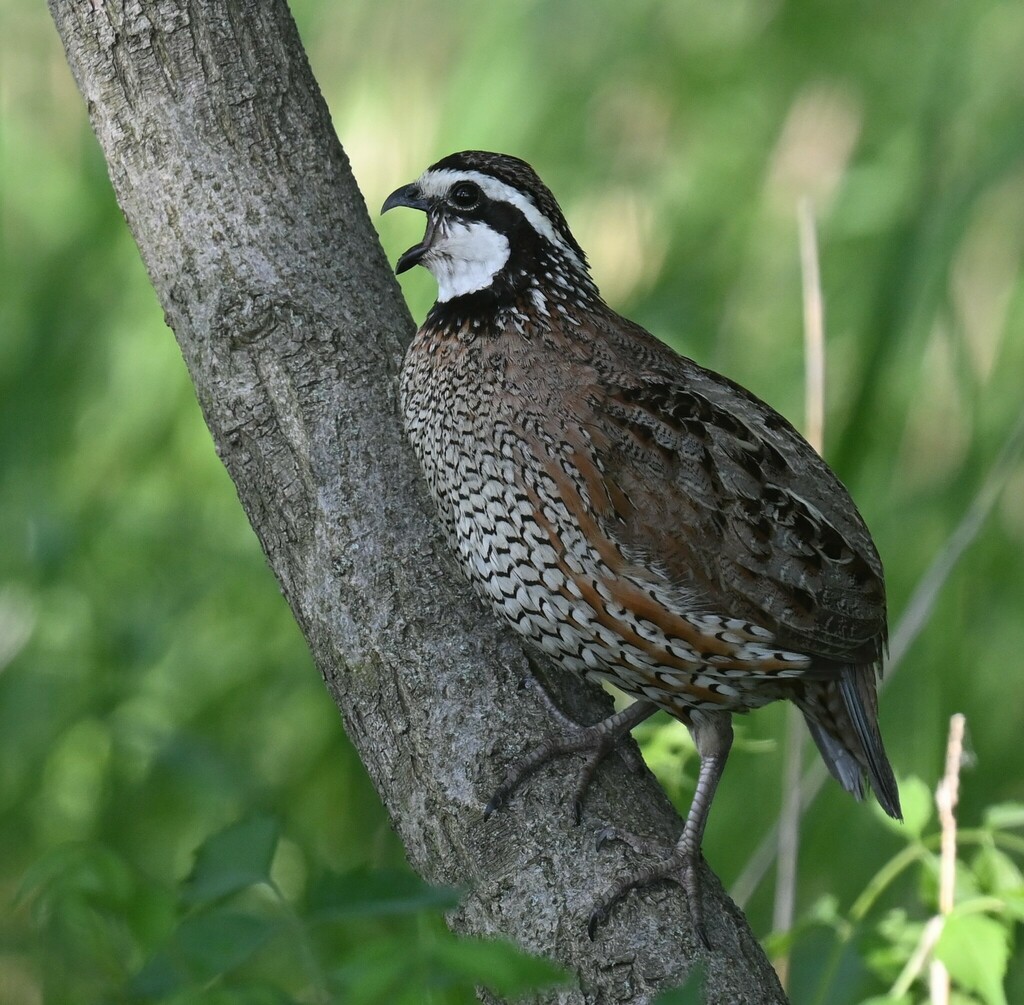
- Northern BobwhiteColinus virginianus
- White-winged CrossbillLoxia leucoptera
- Yellow-throated WarblerDendroica dominica
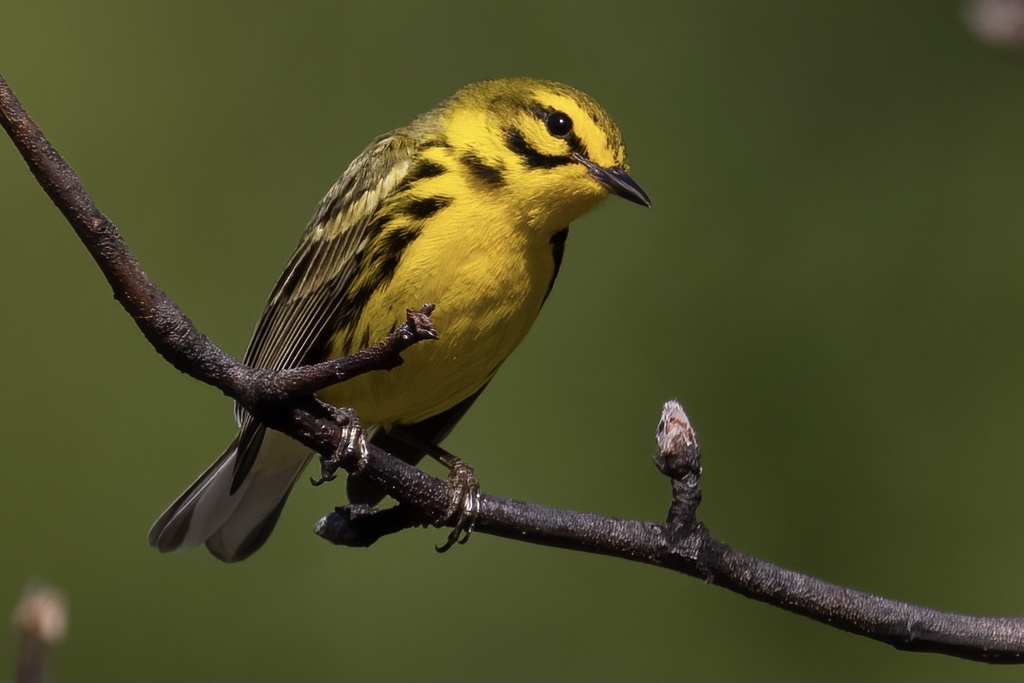
- Prairie WarblerDendroica discolor
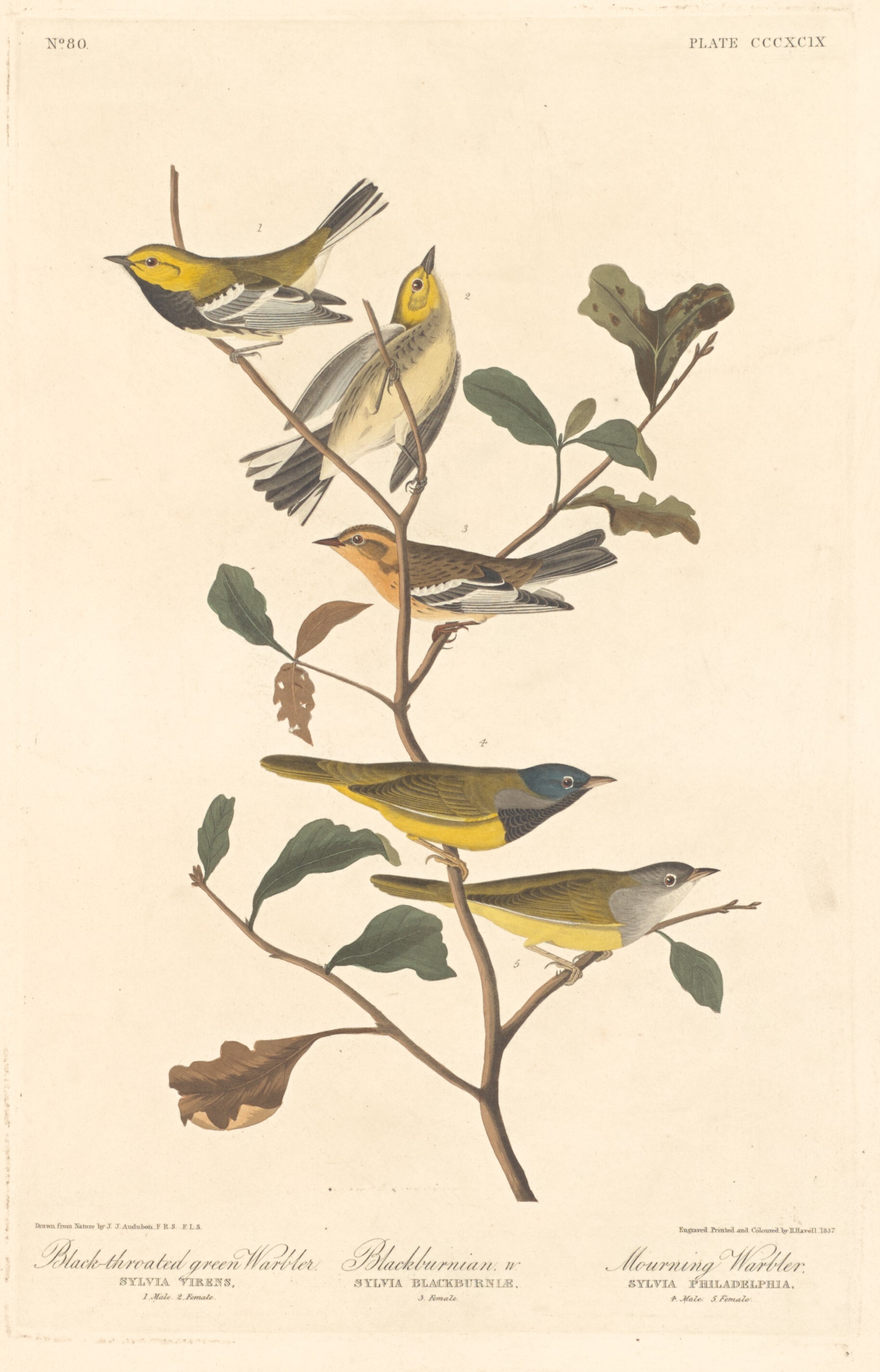
- Black-throated Green WarblerDendroica virens
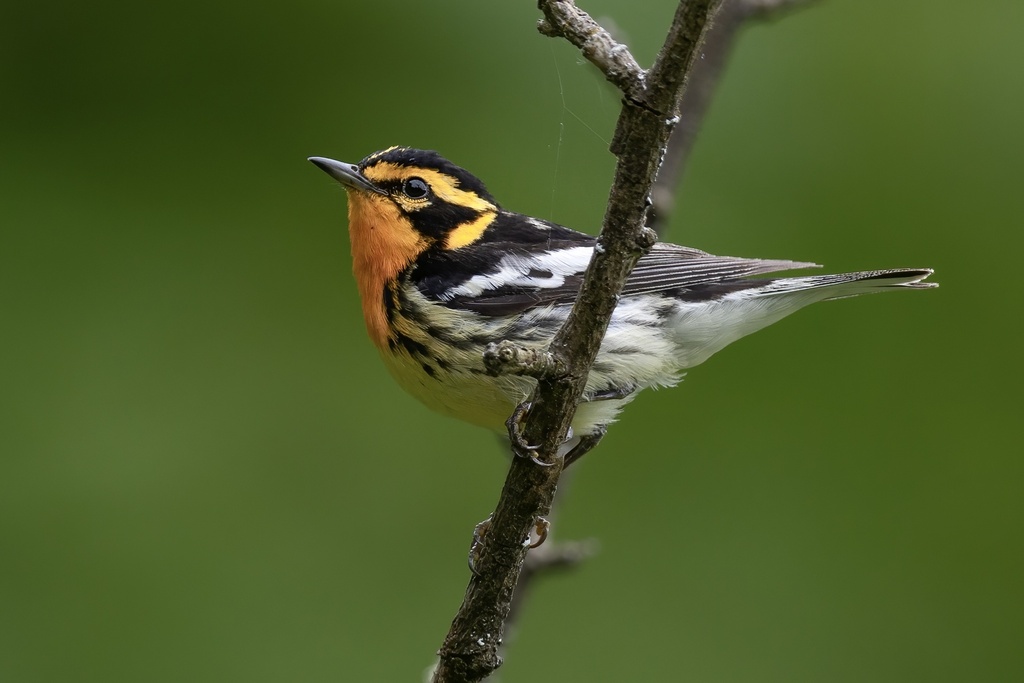
- Blackburnian WarblerDendroica fusca
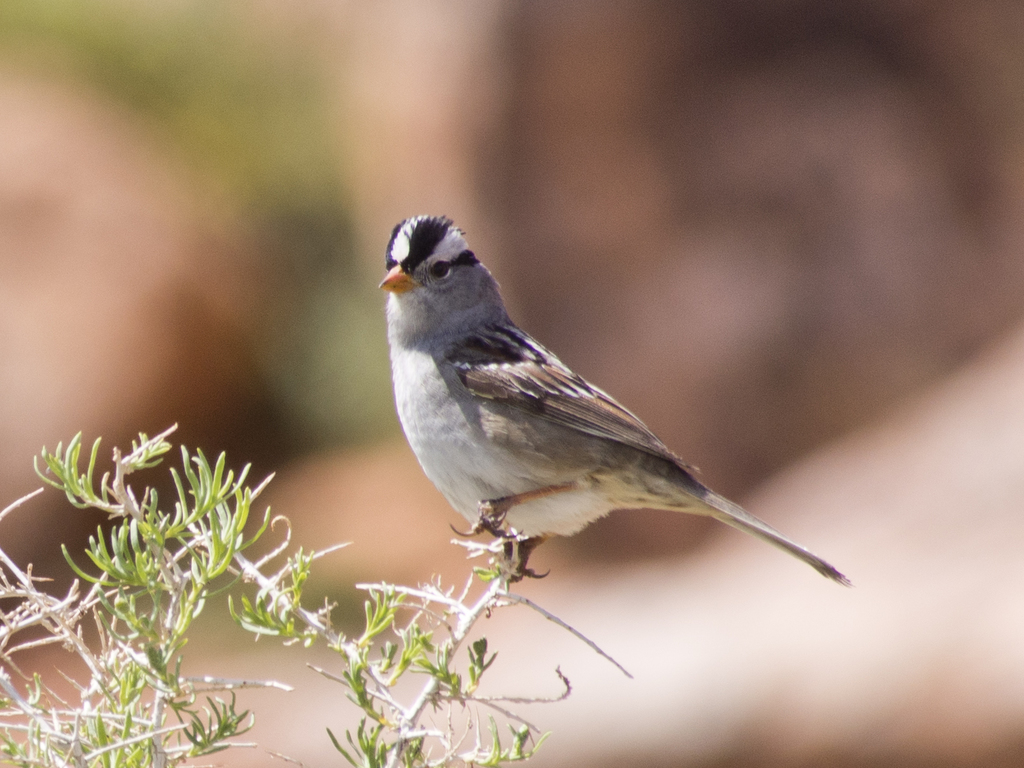
- White-crowned SparrowZonotrichia leucophrys
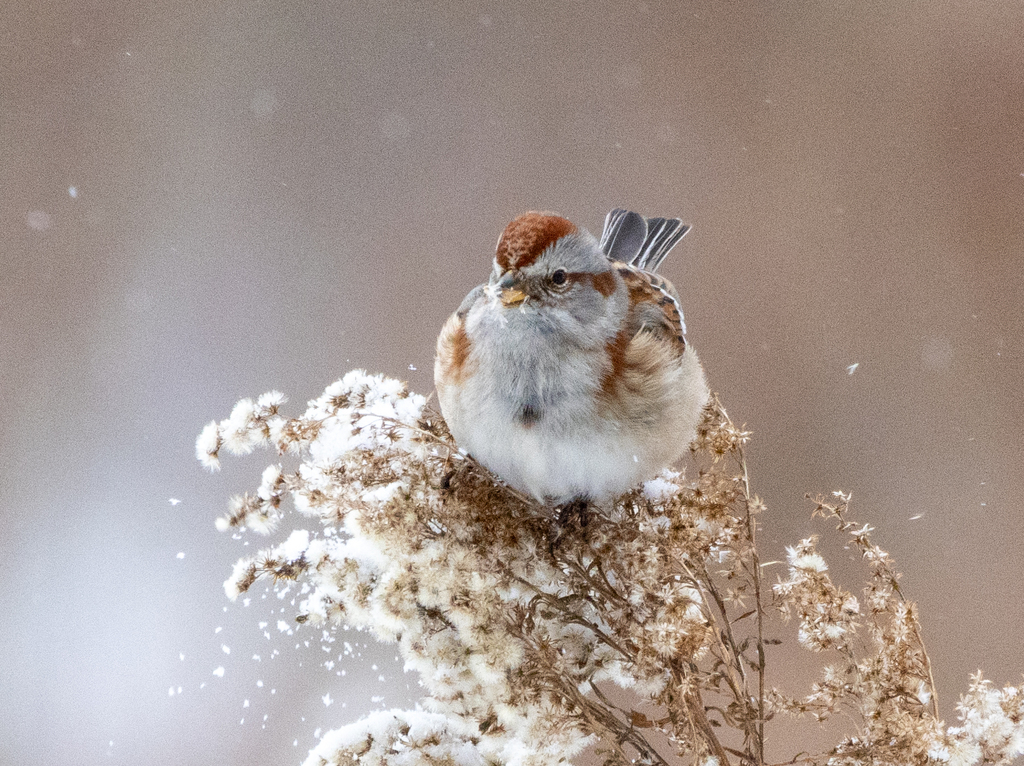
- American Tree SparrowSpizella arborea
- Barred OwlStrix varia
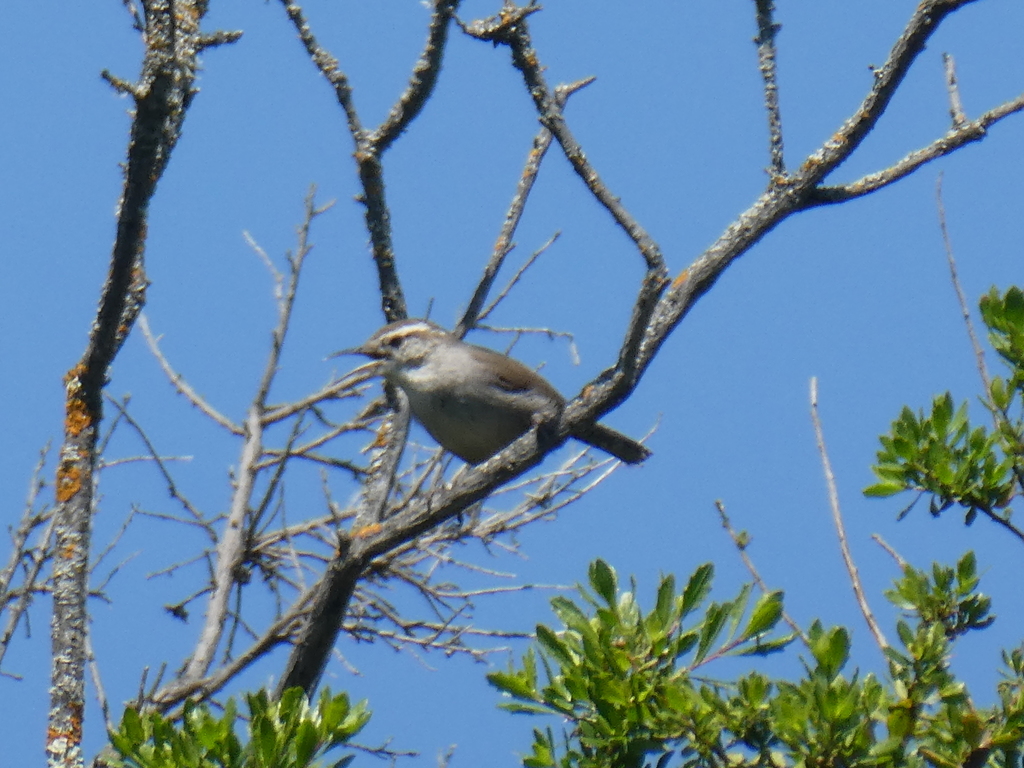
- Bewick's WrenThryomanes bewickii


Plants 192
- Eastern Winged SumacRhus copallinum var. latifolia
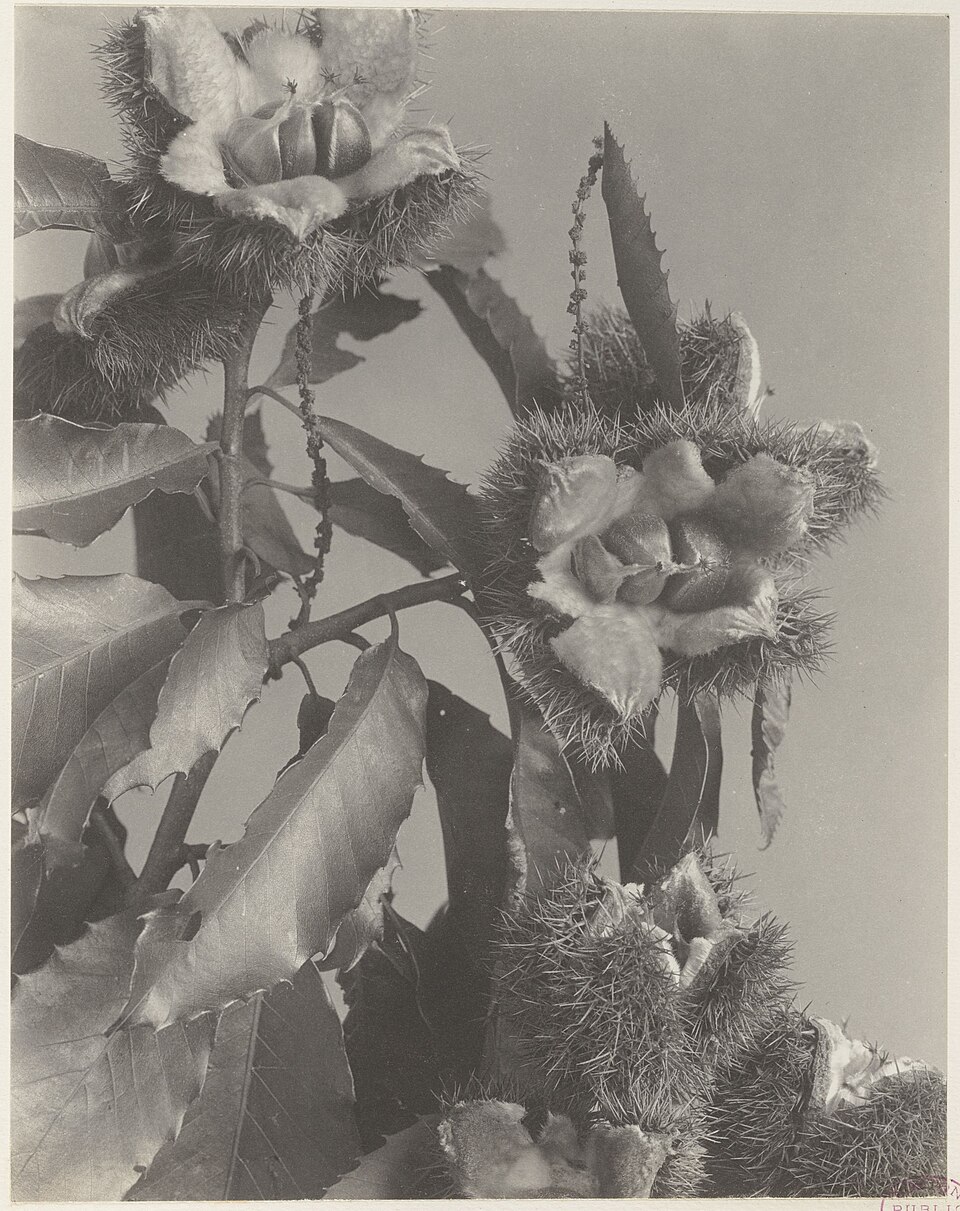
- American ChestnutCastanea dentata
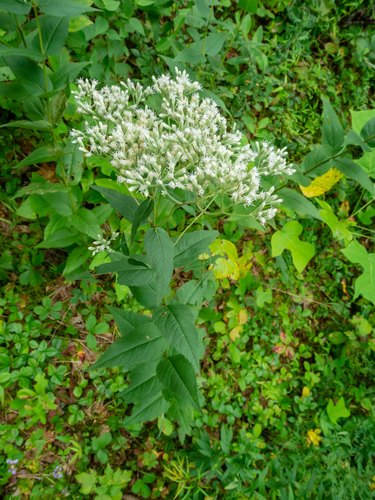
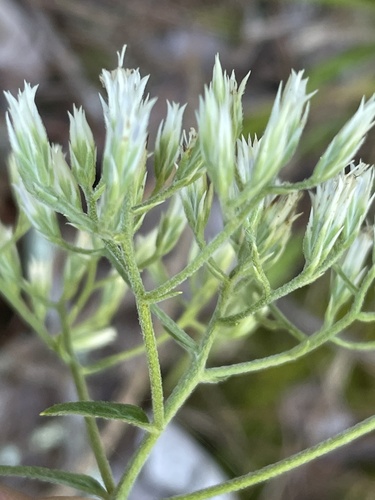
- Godfrey's ThoroughwortEupatorium godfreyanum
- White ThoroughwortEupatorium album
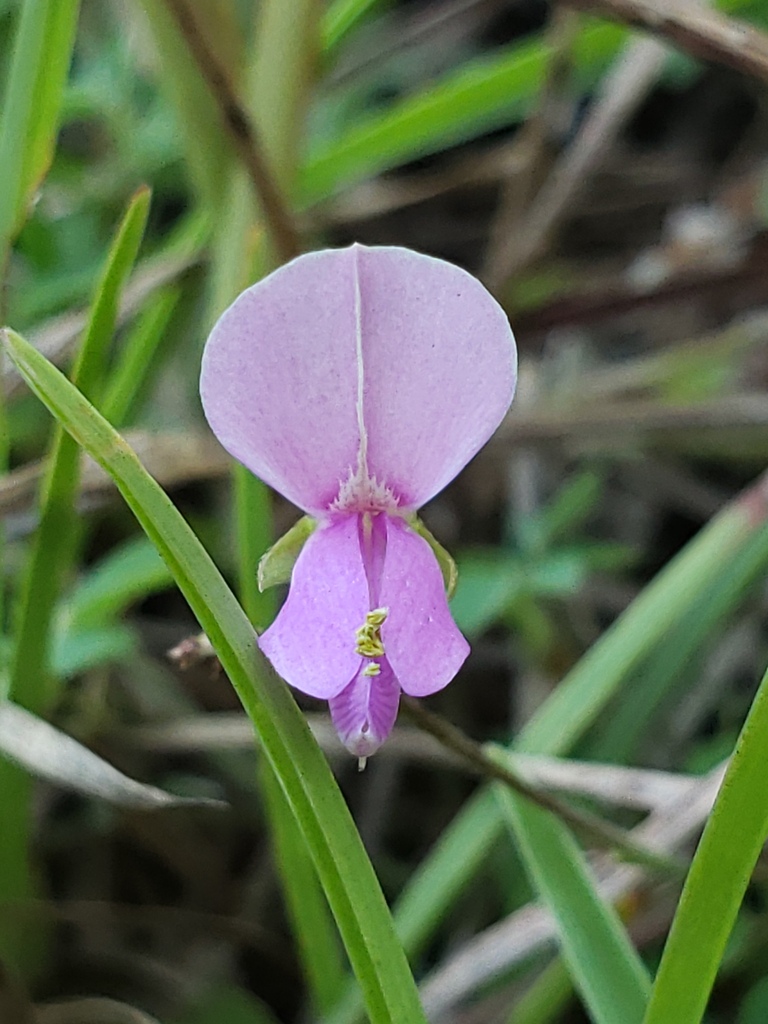
- McCree's MilkpeaGalactia volubilis
- Leavenworth's SedgeCarex leavenworthii
- Southern LoosestrifeLysimachia tonsa
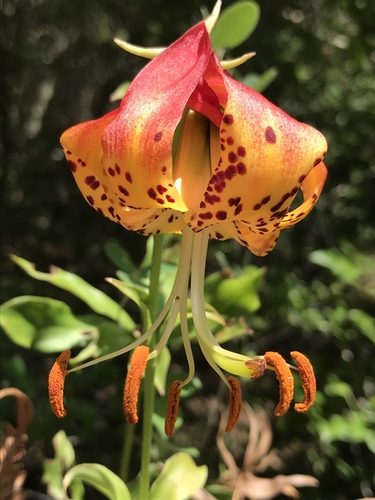
- Carolina LilyLilium michauxii
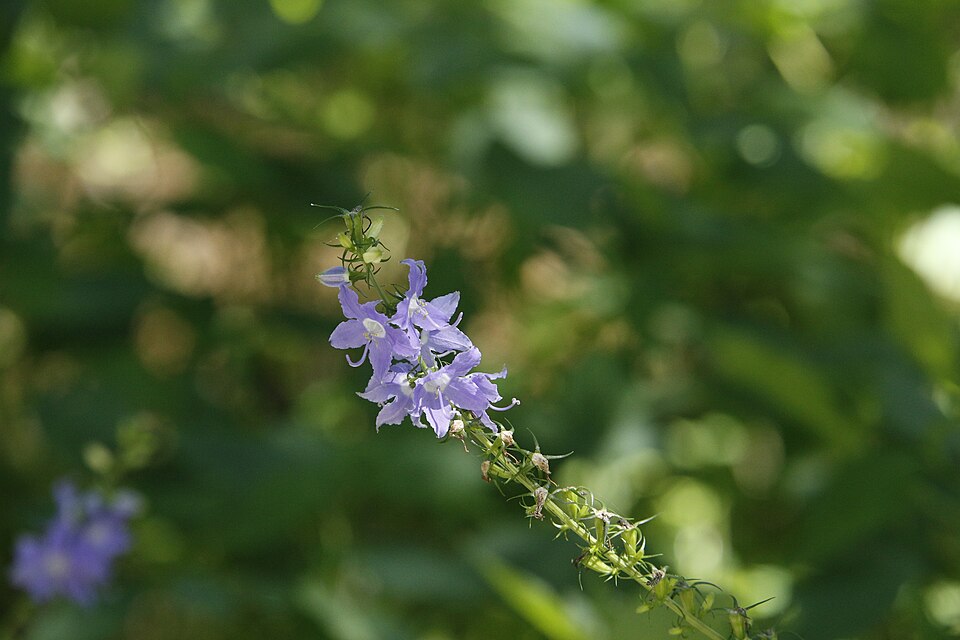
- Tall BellflowerCampanulastrum americanum
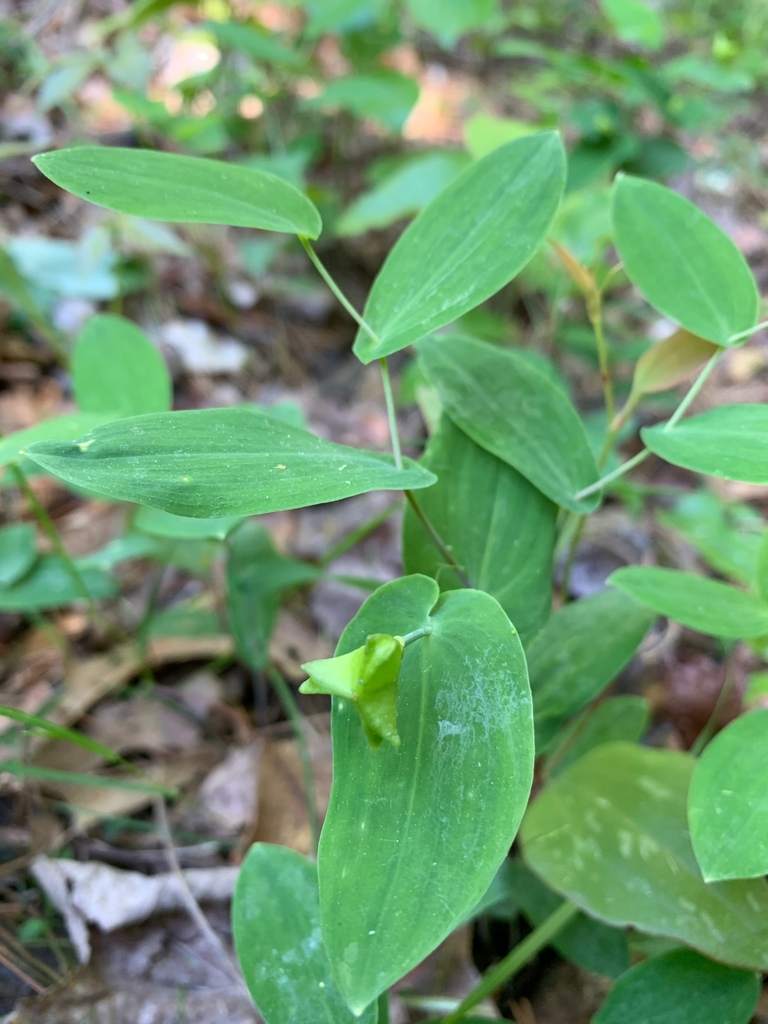
- Perfoliate BellwortUvularia perfoliata
- Green Pyrola, Green-flowered WintergreenPyrola chlorantha
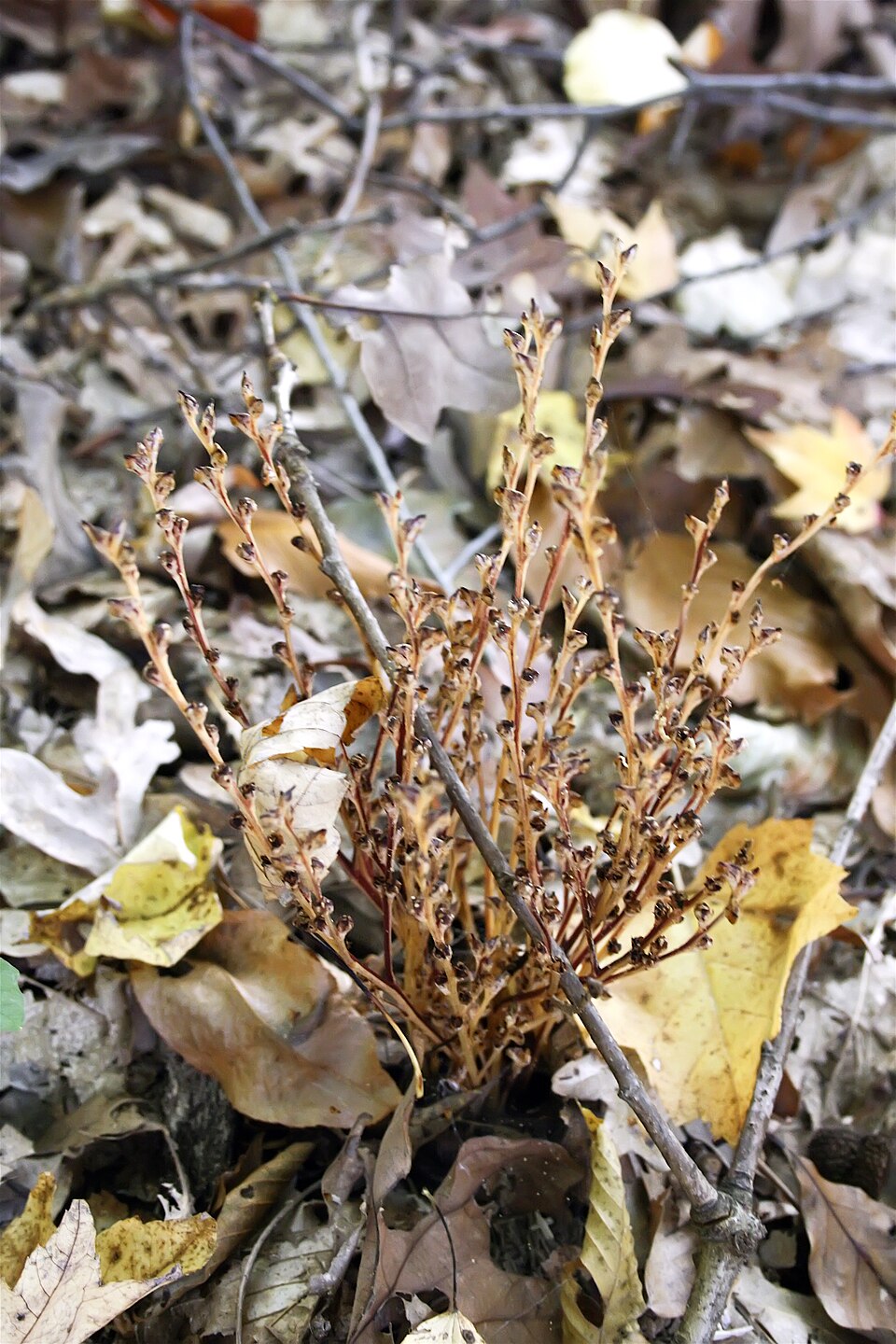
- BeechdropsEpifagus virginiana
Hemlock forests
Birds 61
- White-winged CrossbillLoxia leucoptera
- Black-throated Green WarblerDendroica virens
- Blackburnian WarblerDendroica fusca
- Barred OwlStrix varia
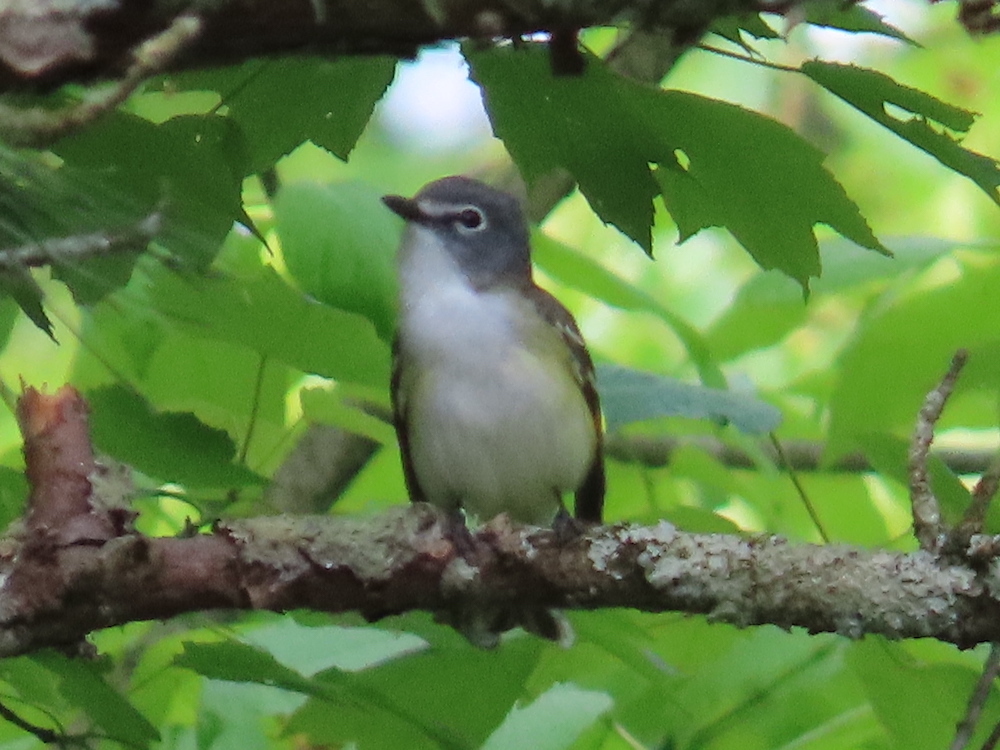
- Blue-headed VireoVireo solitarius
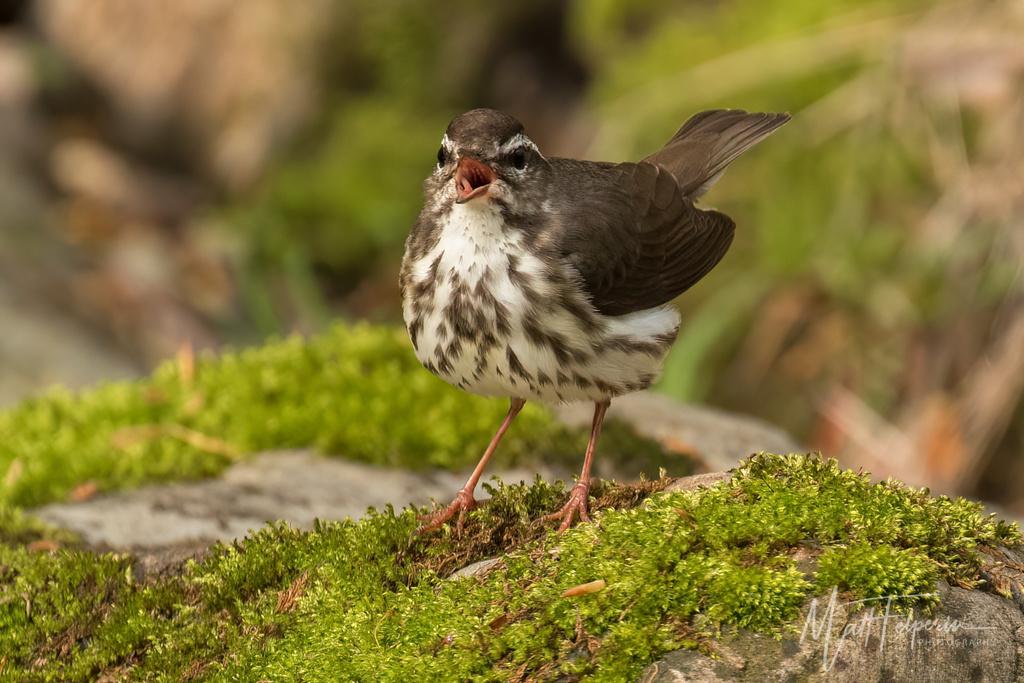
- Louisiana WaterthrushSeiurus motacilla
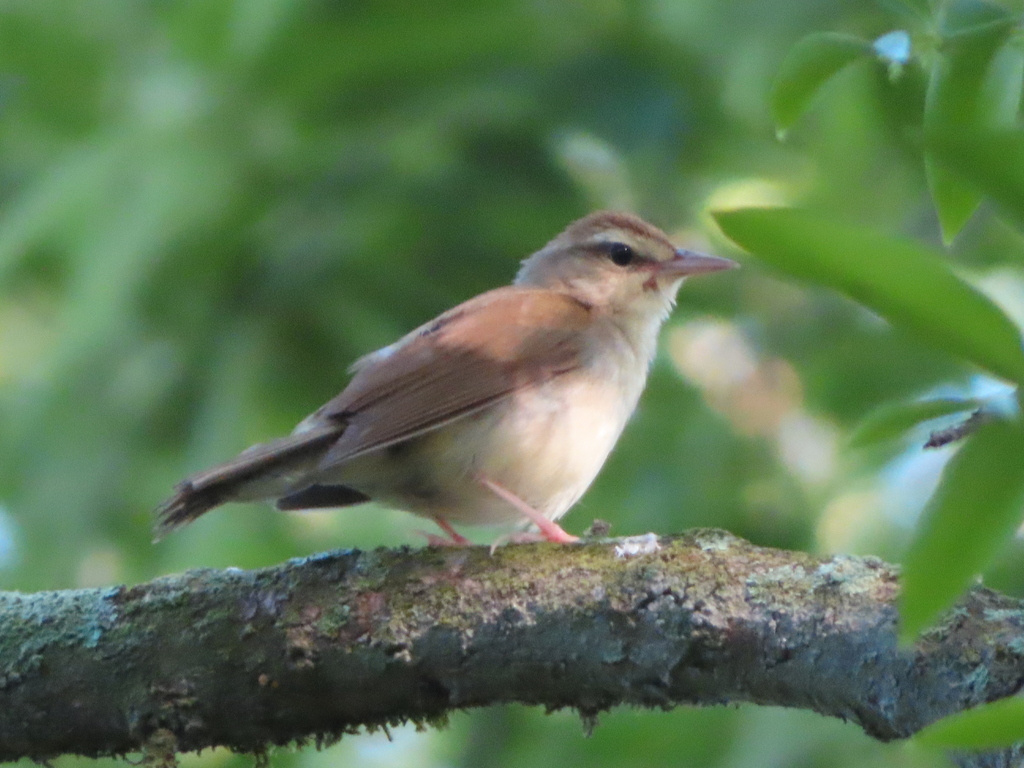
- Swainson's WarblerLimnothlypis swainsonii
- American WoodcockScolopax minor
- Black-throated Blue WarblerDendroica caerulescens
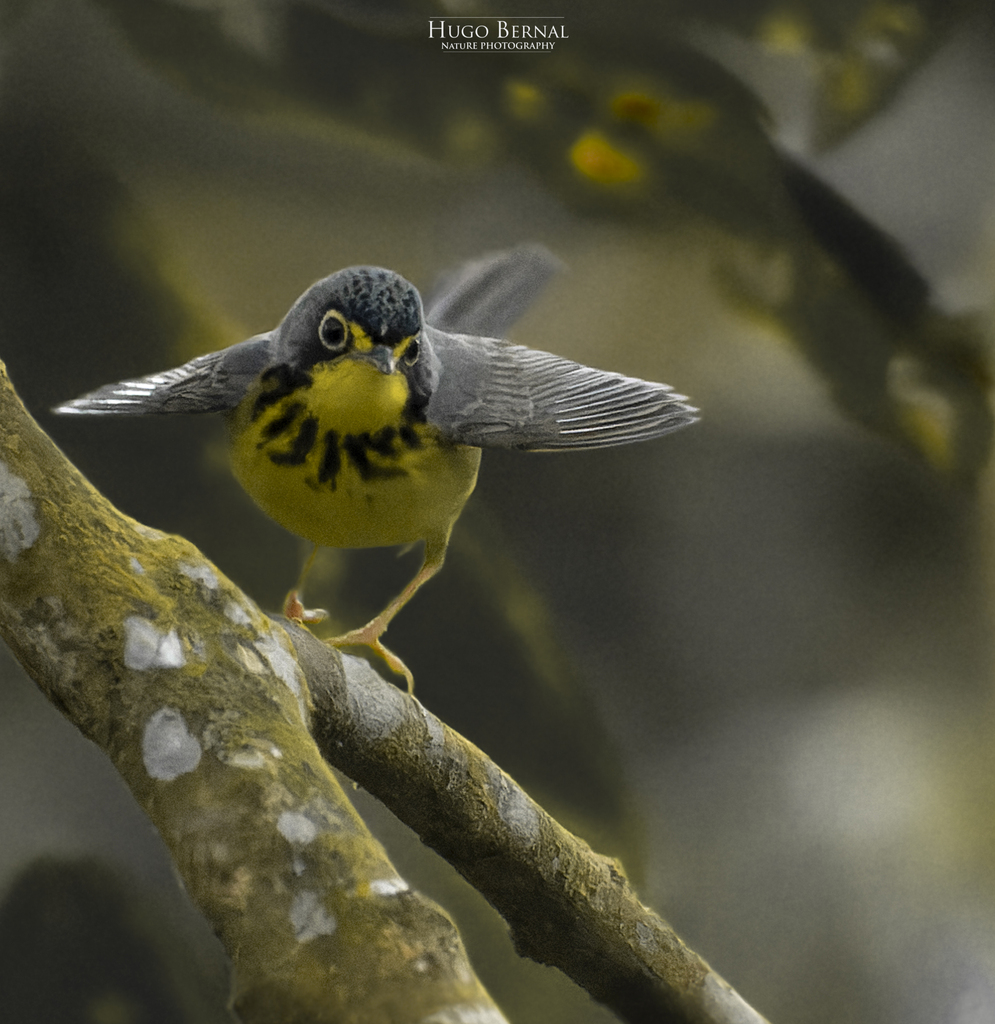
- Canada WarblerWilsonia canadensis
- Hermit ThrushCatharus guttatus
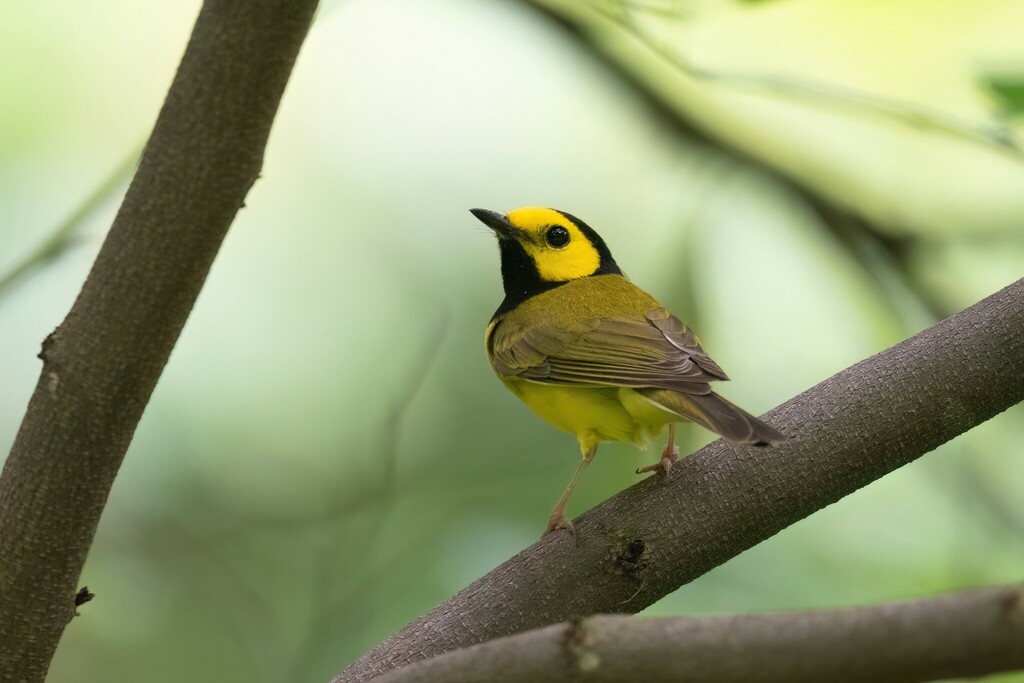
- Hooded WarblerWilsonia citrina



Spruce-fir forests
Birds 31
- Red CrossbillLoxia curvirostra
- White-winged CrossbillLoxia leucoptera
- Black-throated Green WarblerDendroica virens
- Blackburnian WarblerDendroica fusca
- Blue-headed VireoVireo solitarius
- Black-throated Blue WarblerDendroica caerulescens
- Canada WarblerWilsonia canadensis
- Hermit ThrushCatharus guttatus
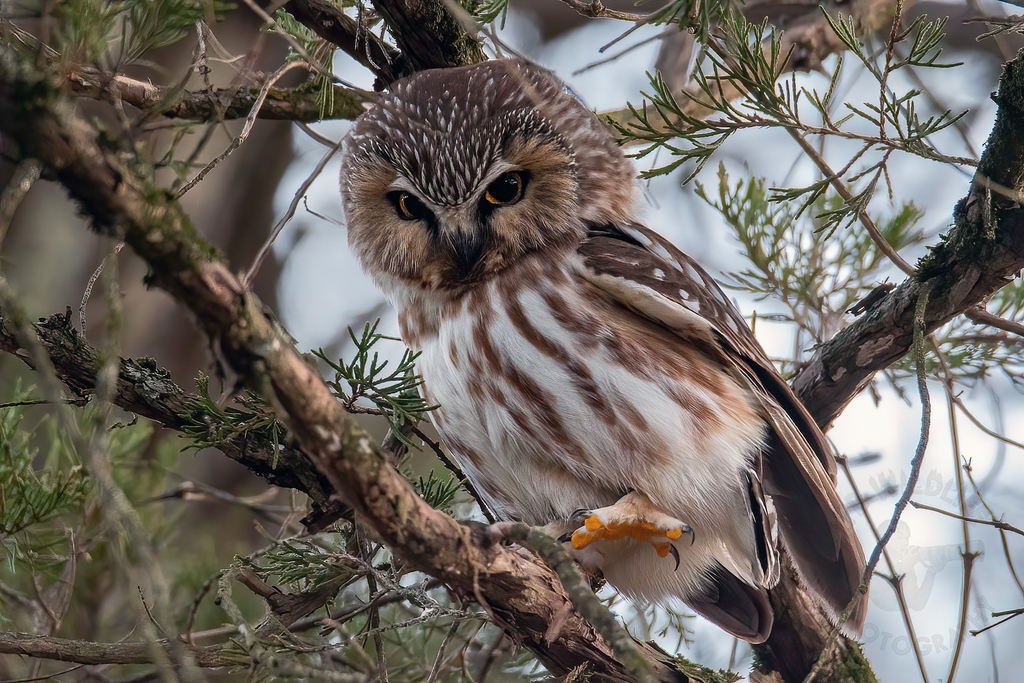
- Northern Saw-whet OwlAegolius acadicus
- Brown ThrasherToxostoma rufum
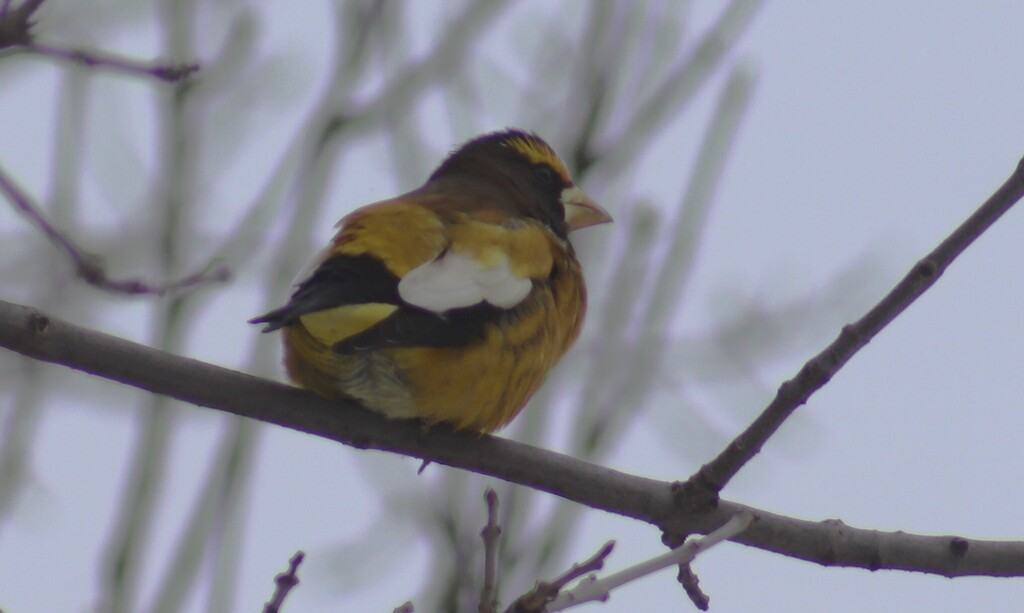
- Evening GrosbeakCoccothraustes vespertinus
- Golden-crowned KingletRegulus satrapa


Plants 19
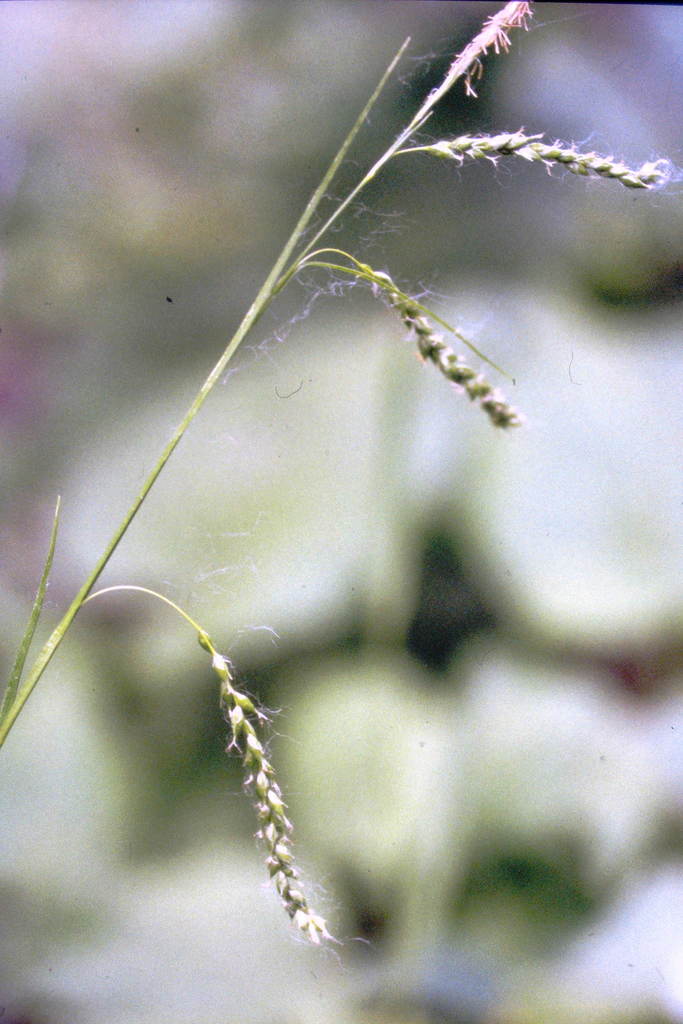
- Drooping Woodland SedgeCarex arctata
- Drooping WoodreedCinna latifolia
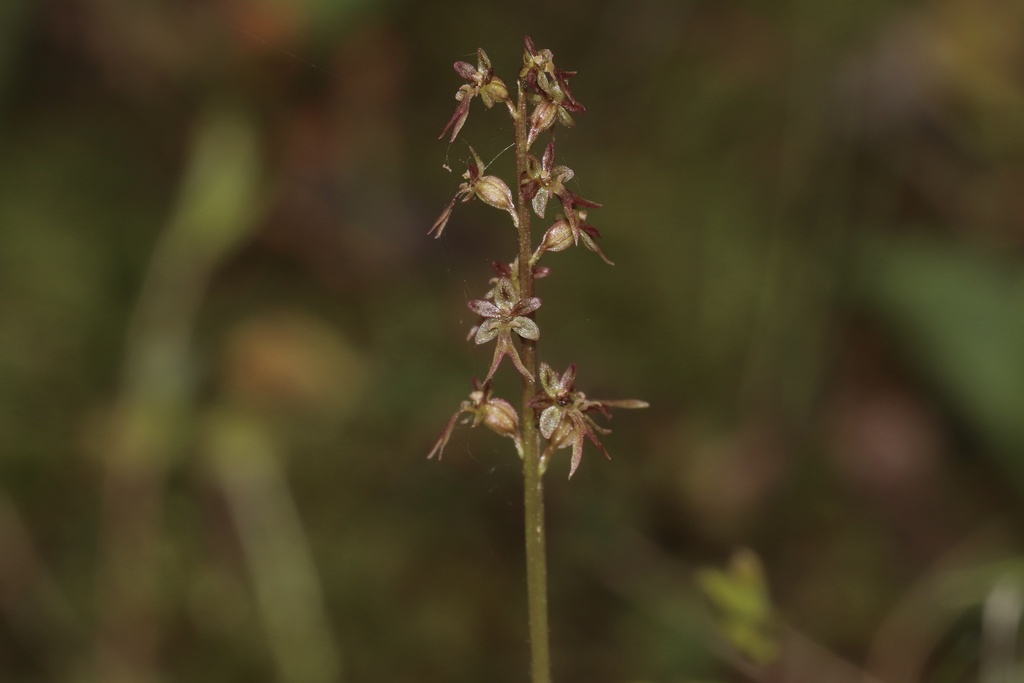
- Heartleaf TwaybladeListera cordata
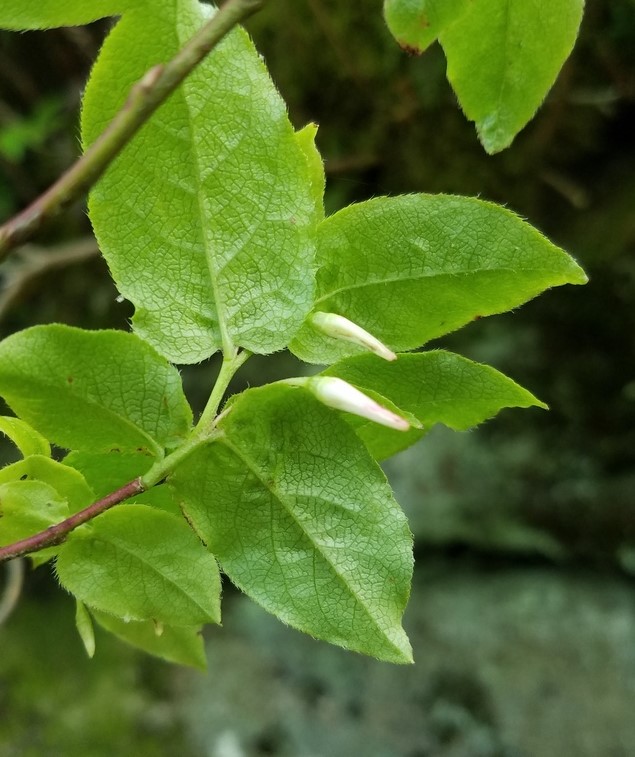
- Southern Mountain CranberryVaccinium erythrocarpum
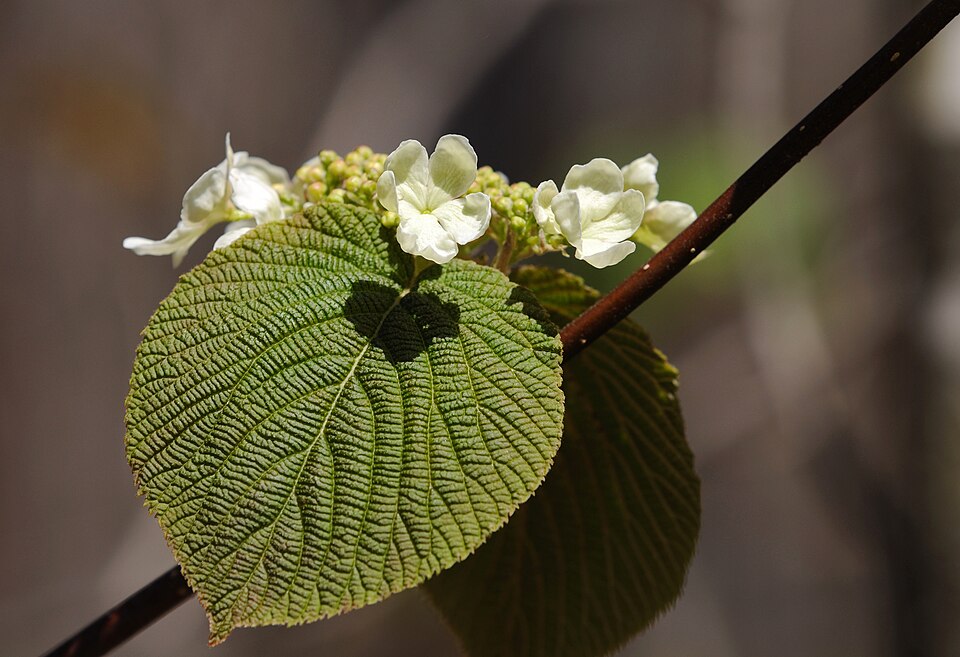
- HobblebushViburnum lantanoides
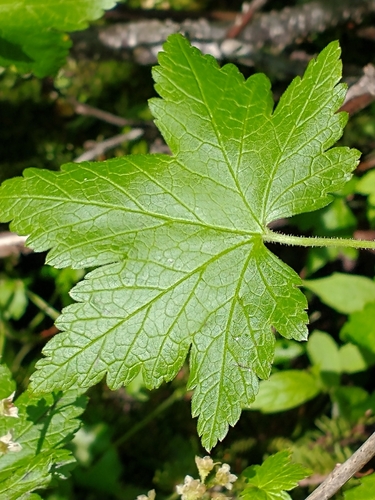
- Skunk CurrantRibes glandulosum
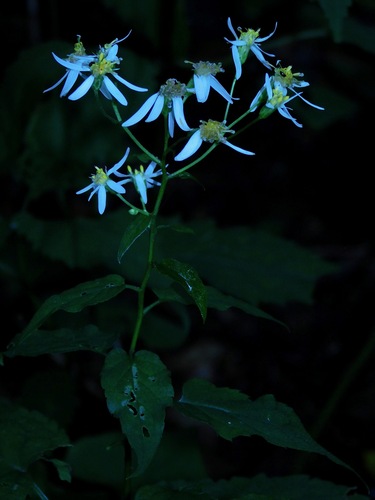
- Mountain Wood-asterEurybia chlorolepis
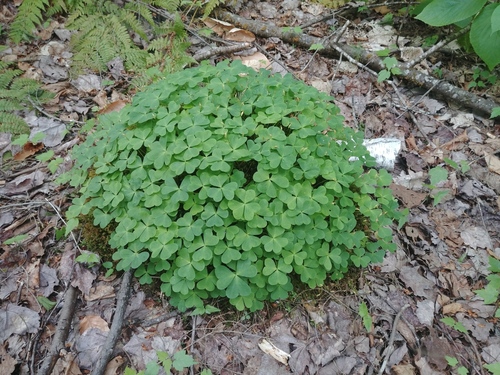
- Mountain WoodsorrelOxalis montana
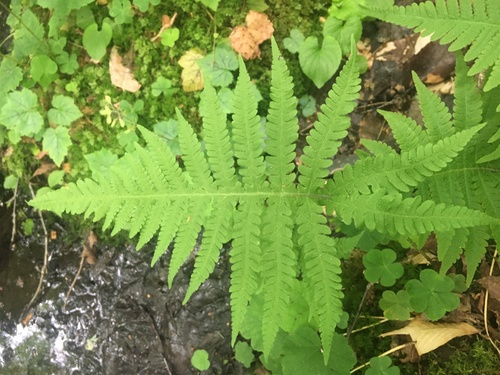
- Mountain Wood-fernDryopteris campyloptera
- Narrowleaf GentianGentiana linearis
- Northern Beech FernPhegopteris connectilis
- Northern ShorthuskBrachyelytrum aristosum


Sources
- USGS Gap Analysis Project habitat models (2001)
- USGS GAP winter habitat model for Red-breasted Nuthatch
- USGS Gap Analysis Project range maps (2001), modeled by watershed; migratory gives no dates
- NatureServe Explorer (CC BY 4.0), habitat names
- US Census TIGER/Line counties
- Names follow the USGS Gap Analysis Project (2001)