

Bird
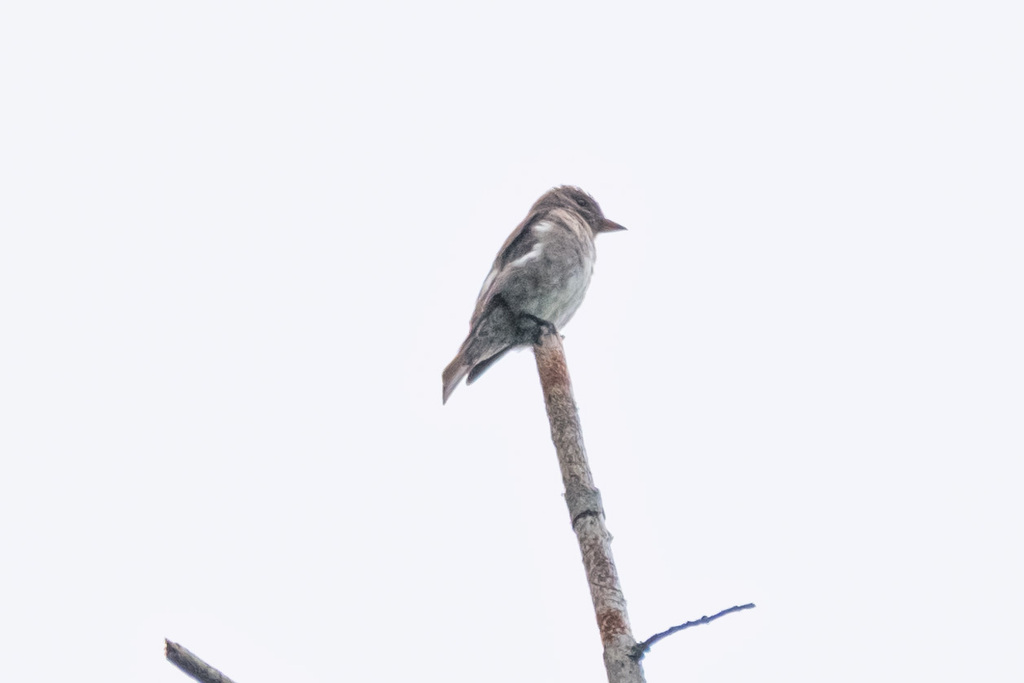
Olive-sided Flycatcher
Contopus cooperi
A summer resident that nests in West Virginia. Found in 33 of 55 counties, across 14 habitats.
- Here
- Summer
- Nesting
- Nests here
- Range
- 33 of 55 counties
- Habitats
- 14
At a glance
- Group
- Birds
- Here
- Summer
- Nesting
- Nests here
- Range
- 33 of 55 counties
- Habitats
- 14
- Habitat models
- Summer
Where it lives
The places its habitat model includes. It is not found everywhere a habitat occurs.
Habitats in West Virginia 14
Each habitat page lists the plants and wildlife also found there.
Disturbed and introduced wetlands
Wet ground taken over by weedy or introduced plants after disturbance, such as common reed, Chinese tallow or tamarisk stands; the upland counterpart is roadsides, fields and disturbed ground.
Forests and open woodlands on dry ridges and slopes, often oak or pine.
Floodplain and bottomland forests
Forests on low ground beside rivers and streams that flood from time to time.
Open, herb-covered wetlands with fresh, non-tidal water.
Granite and other acidic rock outcrops
Bare or thin-soil rock on granite, gneiss, sandstone, quartzite and similar acidic rock, including granite flatrocks and domes.
Shady, evergreen forests of eastern or Carolina hemlock, often along rocky mountain streams and in gorges.
Treeless grassy or shrubby summits and ridges in the high mountains.
Roadsides, fields and disturbed ground
Ground opened by people: roadsides, old fields, pastures, fencerows and lots.
Steep, sun-baked slopes of loose shale with sparse oaks and Virginia pine and their own endemic wildflowers. Linked only where the source names shale barrens; calcareous shale stays with the limestone glades.
Cool, evergreen forests of red spruce and Fraser fir on the highest mountains.
Streams, rivers and their banks
Flowing water and its banks, bars and rocky shoals.
Tree plantations and managed pine
Planted or intensively managed stands of pine or hardwoods grown for timber; a land use rather than a natural community.
Open, wet, grassy or sedgy ground that is not a bog.
Other habitats in its models (28)
Land cover, or classes with no habitat page in West Virginia. Those recorded in West Virginia first, the rest by region.
In West Virginia 1
- North-Central Appalachian Circumneutral Cliff and Talus Summer.
Elsewhere in the South (13)
- Ridge and Valley Calcareous Valley Bottom Glade and Woodland Summer.
- Southeastern Interior Longleaf Pine Woodland Summer.
- Southern and Central Appalachian Bog and Fen Summer.
- Southern Appalachian Granitic Dome Summer.
- Southern Appalachian Low Mountain Pine Forest Summer.
- Southern Appalachian Montane Cliff Summer.
- Southern Appalachian Rocky Summit Summer.
- Southern Interior Calcareous Cliff Summer.
- Southern Piedmont Cliff Summer.
- Southern Piedmont Glade and Barrens Summer.
- Southern Piedmont Granite Flatrock Summer.
- Southern Piedmont Small Floodplain and Riparian Forest Summer.
- Southern Ridge and Valley Dry Calcareous Forest Summer.
Northeast (1)
- Central Appalachian Alkaline Glade and Woodland Summer.
Land cover and other classes (13)
- Introduced Upland Vegetation - Perennial Grassland and Forbland Summer.
- Introduced Upland Vegetation - Shrub Summer.
- Northeastern Interior Dry Oak Forest - Mixed Modifier Summer.
- Northeastern Interior Dry Oak Forest - Virginia/Pitch Pine Modifier Summer.
- Recently Burned Summer.
- Recently Burned Forest Summer.
- Recently Burned Shrubland Summer.
- Recently Logged Areas Summer.
- Southern Piedmont Dry Oak-(Pine) Forest - Loblolly Pine Modifier Summer.
- Southern Piedmont Dry Oak-(Pine) Forest - Mixed Modifier Summer.
- Southern Piedmont Large Floodplain Forest - Forest Modifier Summer.
- Southern Piedmont/Ridge and Valley Upland Depression Swamp Summer.
- Southern Ridge and Valley Dry Calcareous Forest - Pine modifier Summer.
Seasons in West Virginia
- Summer: nests here, in 33 of 55 counties.
Also found in its main habitats
Its main habitats in West Virginia, by how much of its habitat model each one is, with the birds most characteristic of each and the plants that grow wild there. Shared habitat, not food.
Olive-sided Flycatcher uses many habitats in West Virginia; these are its 3 most characteristic.
Floodplain and bottomland forests
Birds 93
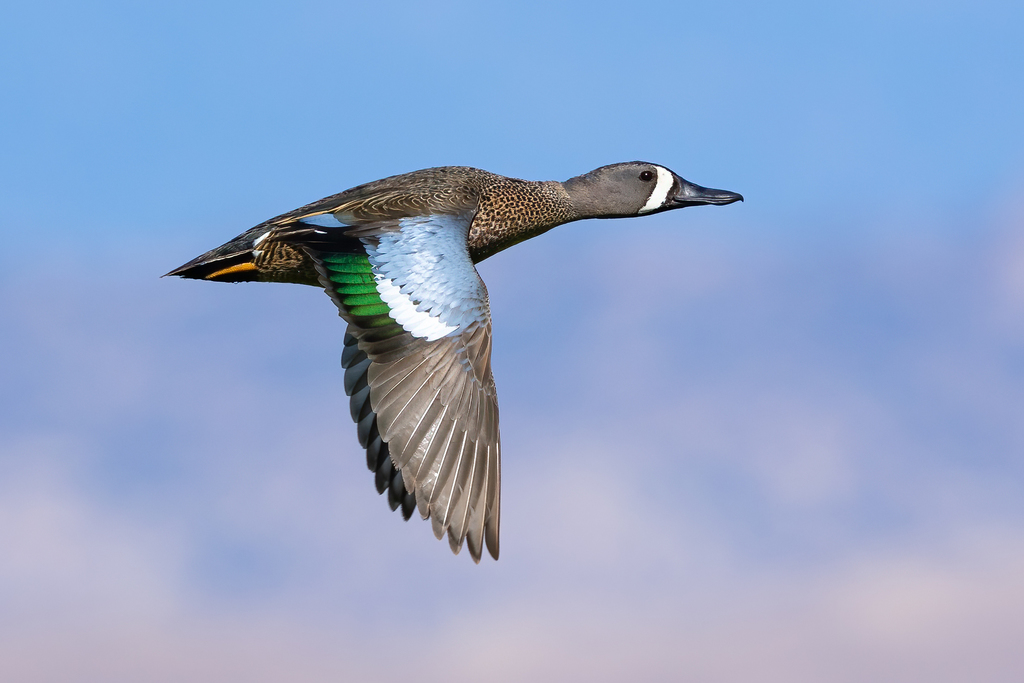
- Blue-winged TealAnas discors
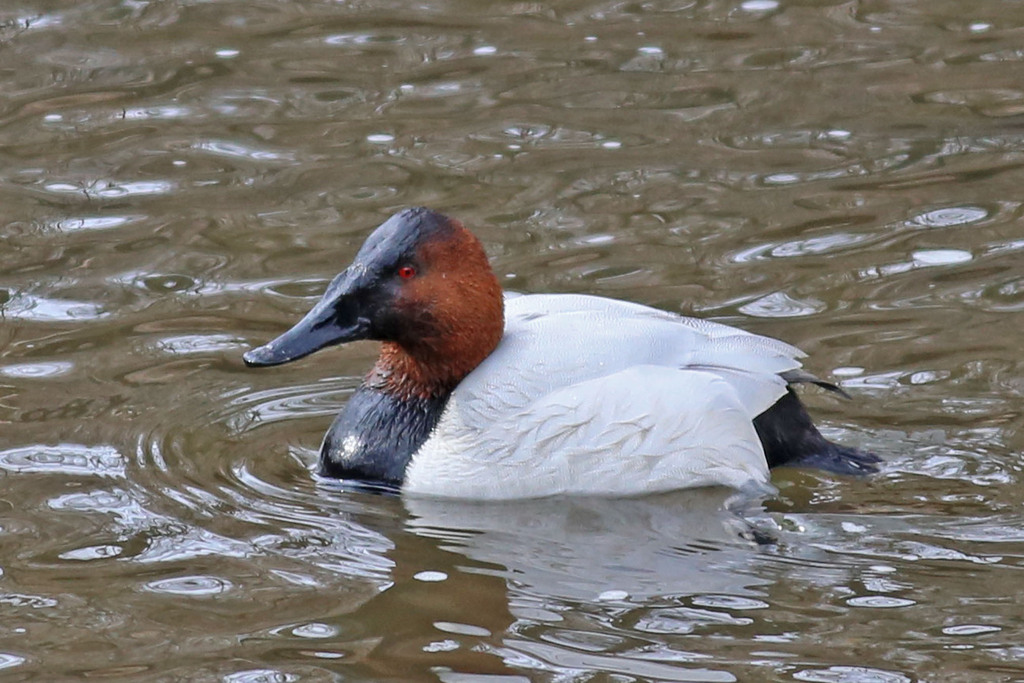
- CanvasbackAythya valisineria
- Marsh WrenCistothorus palustris
- Ruddy DuckOxyura jamaicensis
- Snowy EgretEgretta thula
- American PipitAnthus rubescens
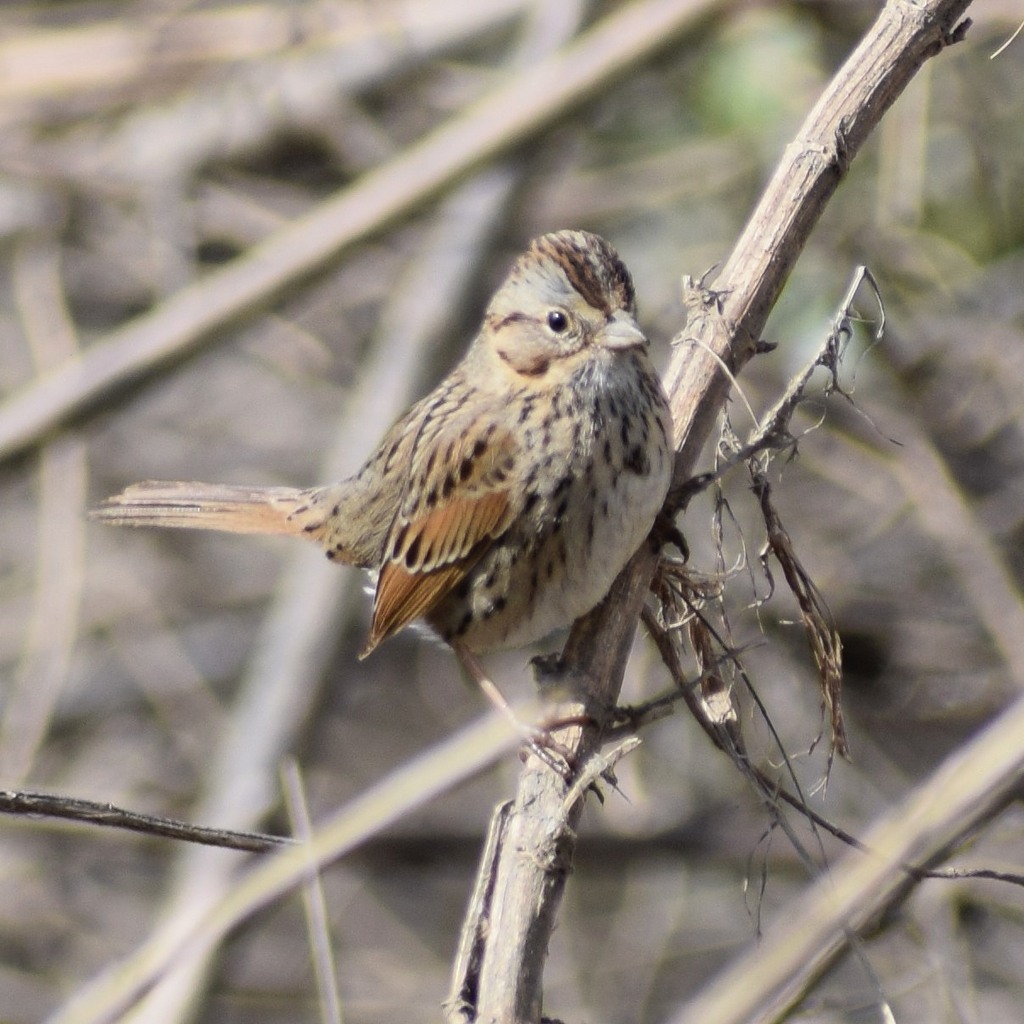
- Lincoln's SparrowMelospiza lincolnii
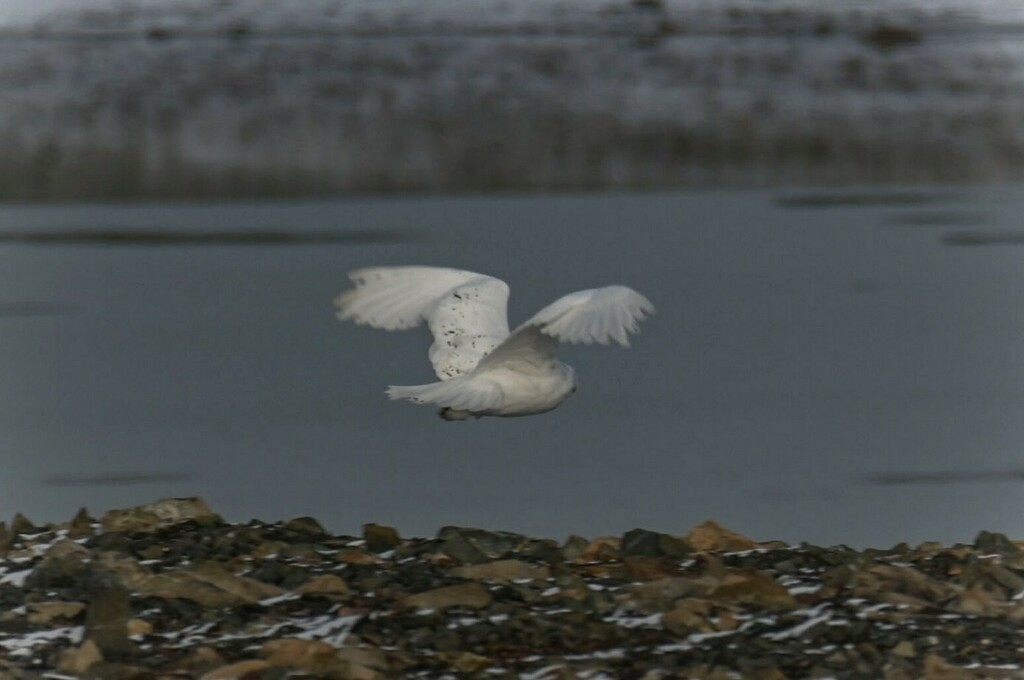
- Snowy OwlBubo scandiacus
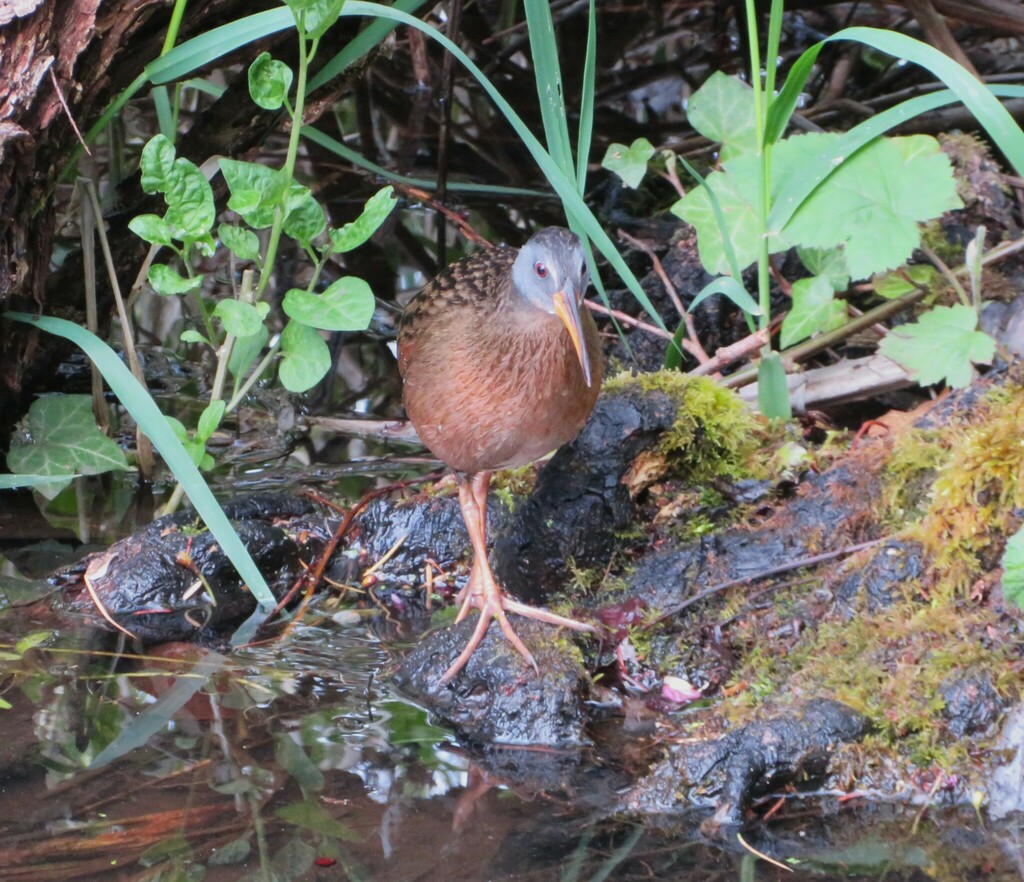
- Virginia RailRallus limicola
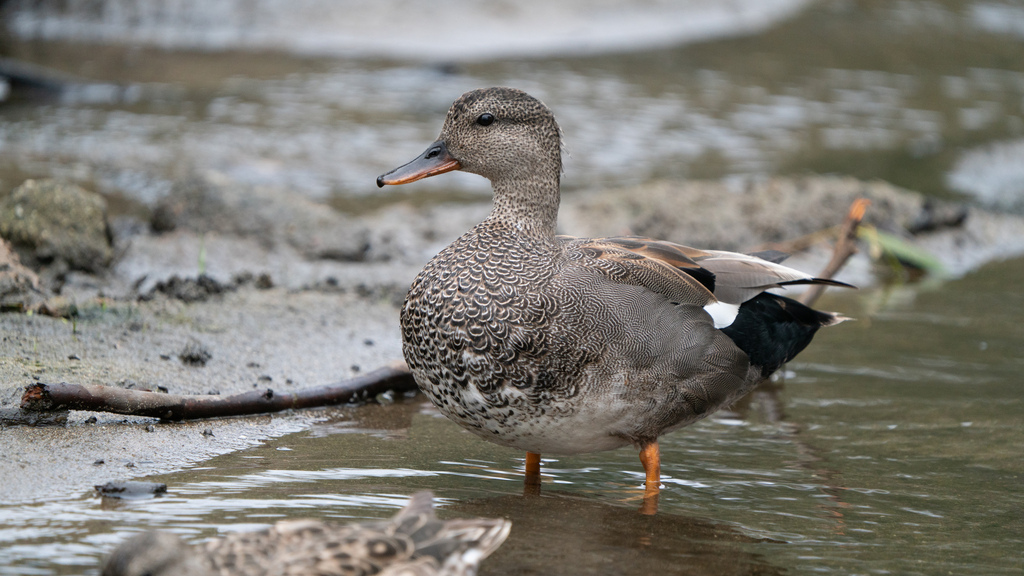
- GadwallAnas strepera
- Green HeronButorides virescens
- Least BitternIxobrychus exilis
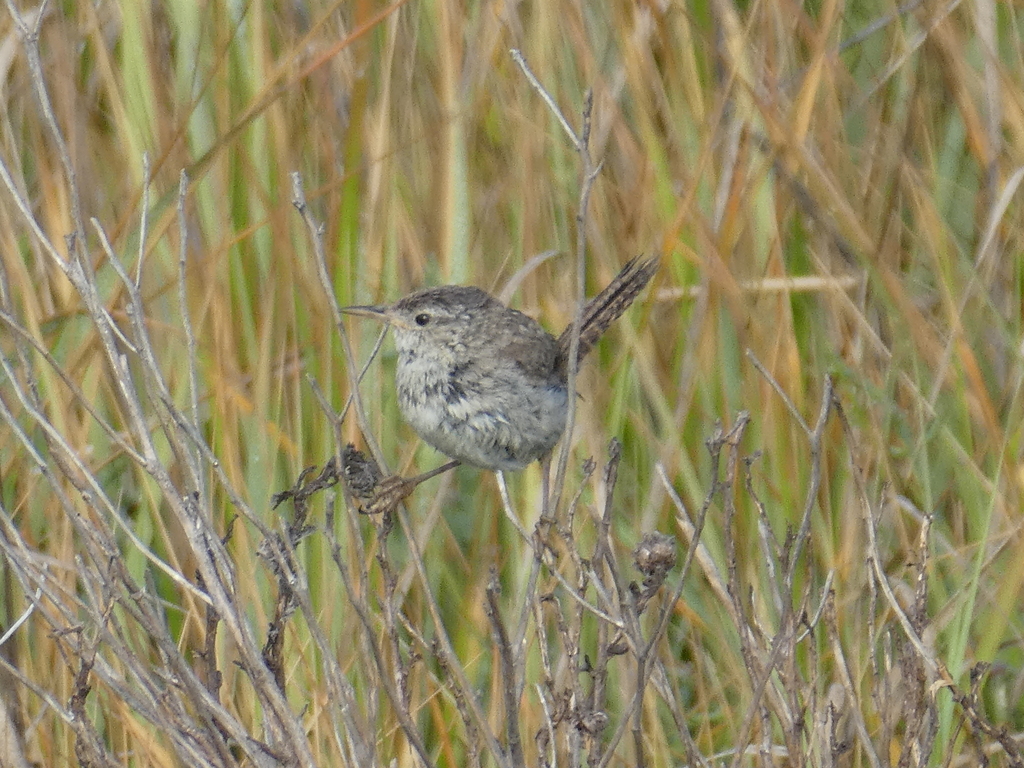
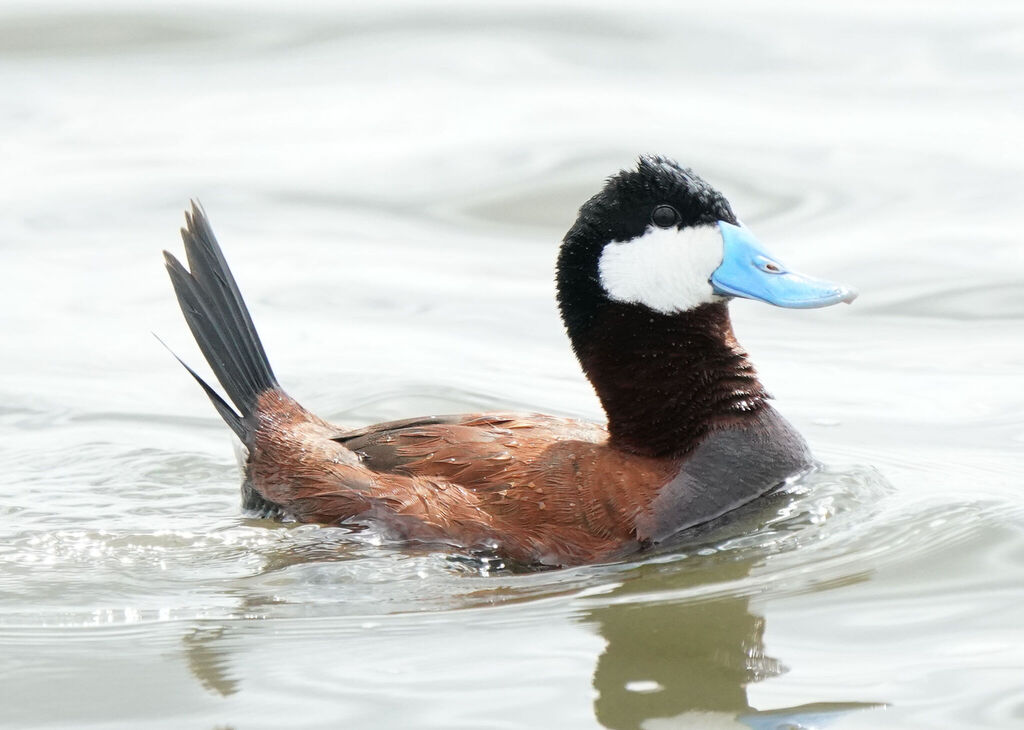
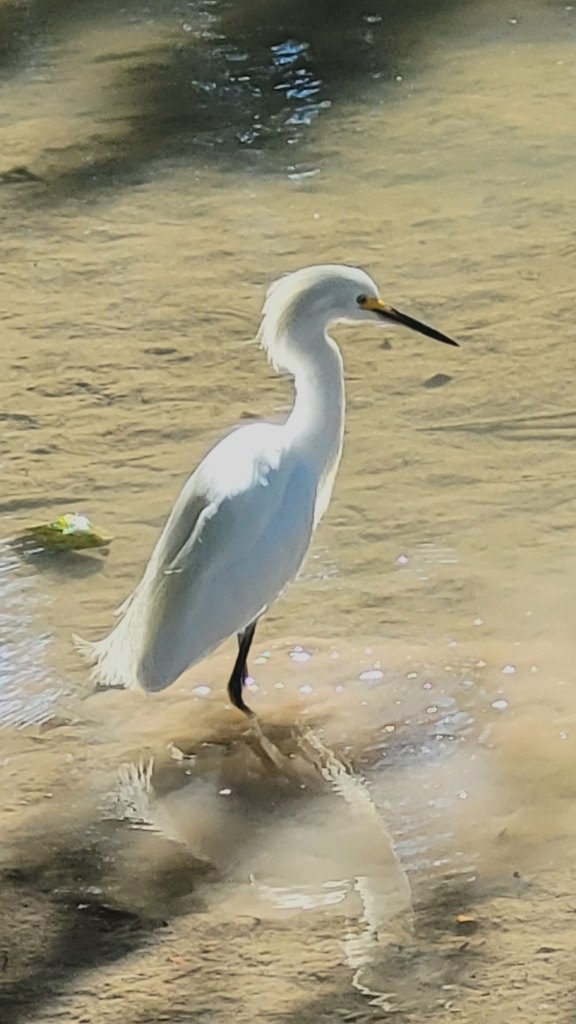
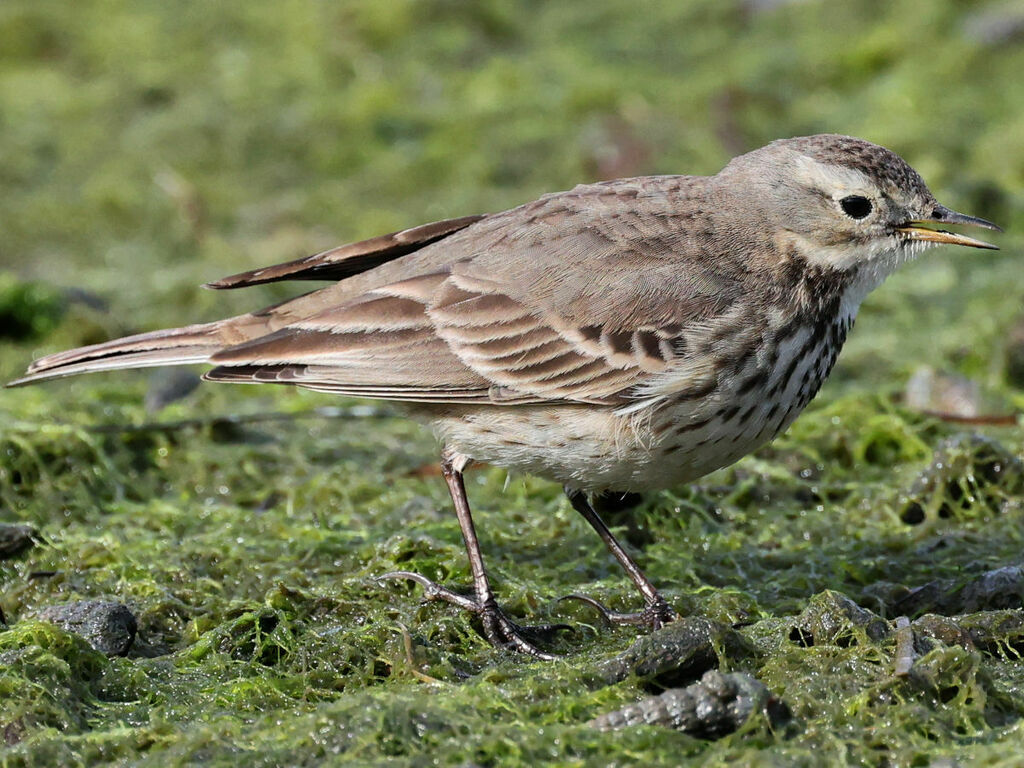


Plants 303
- Peach Leaf WillowSalix amygdaloides
- White Panicled Aster; Eastern Lined AsterSymphyotrichum lanceolatum var. latifolium
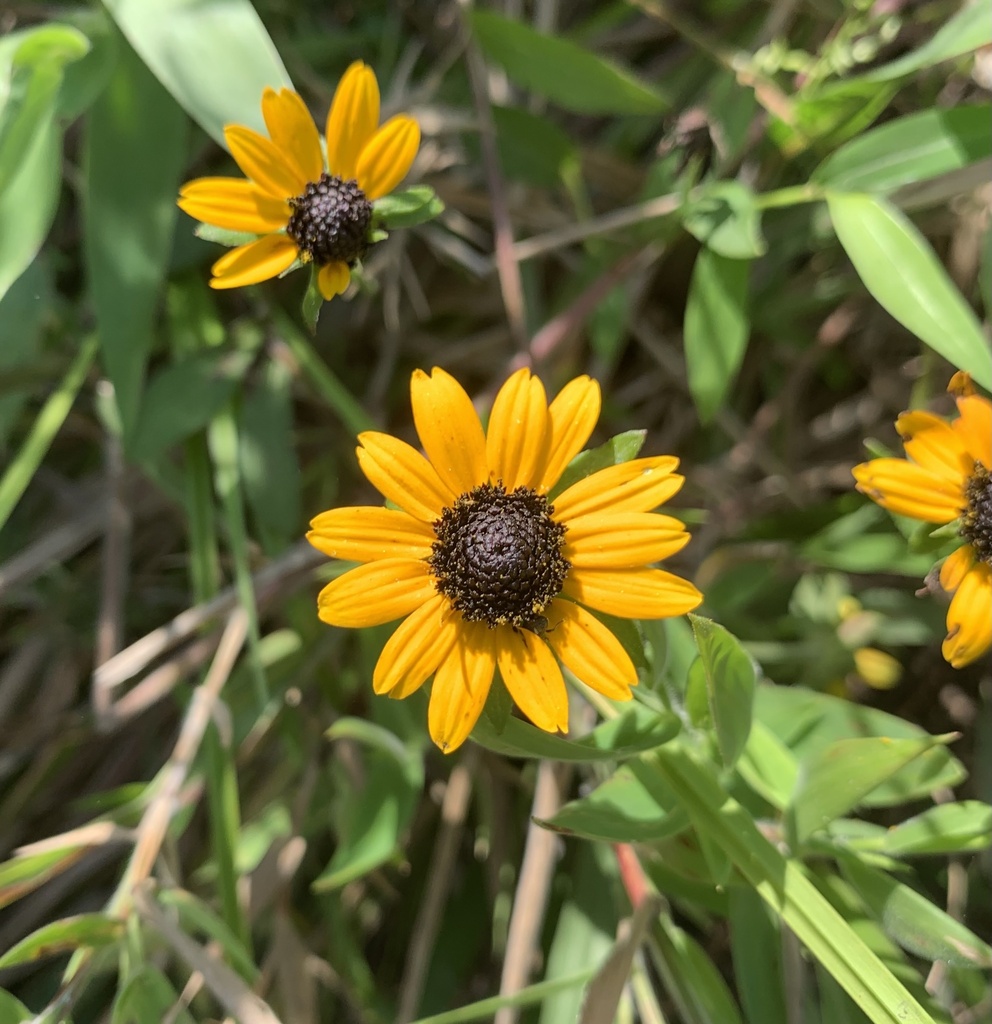
- Rudbeckia fulgida var. spathulataRudbeckia fulgida var. spathulata
- Shagbark HickoryCarya ovata
- Spreading SedgeCarex laxiculmis
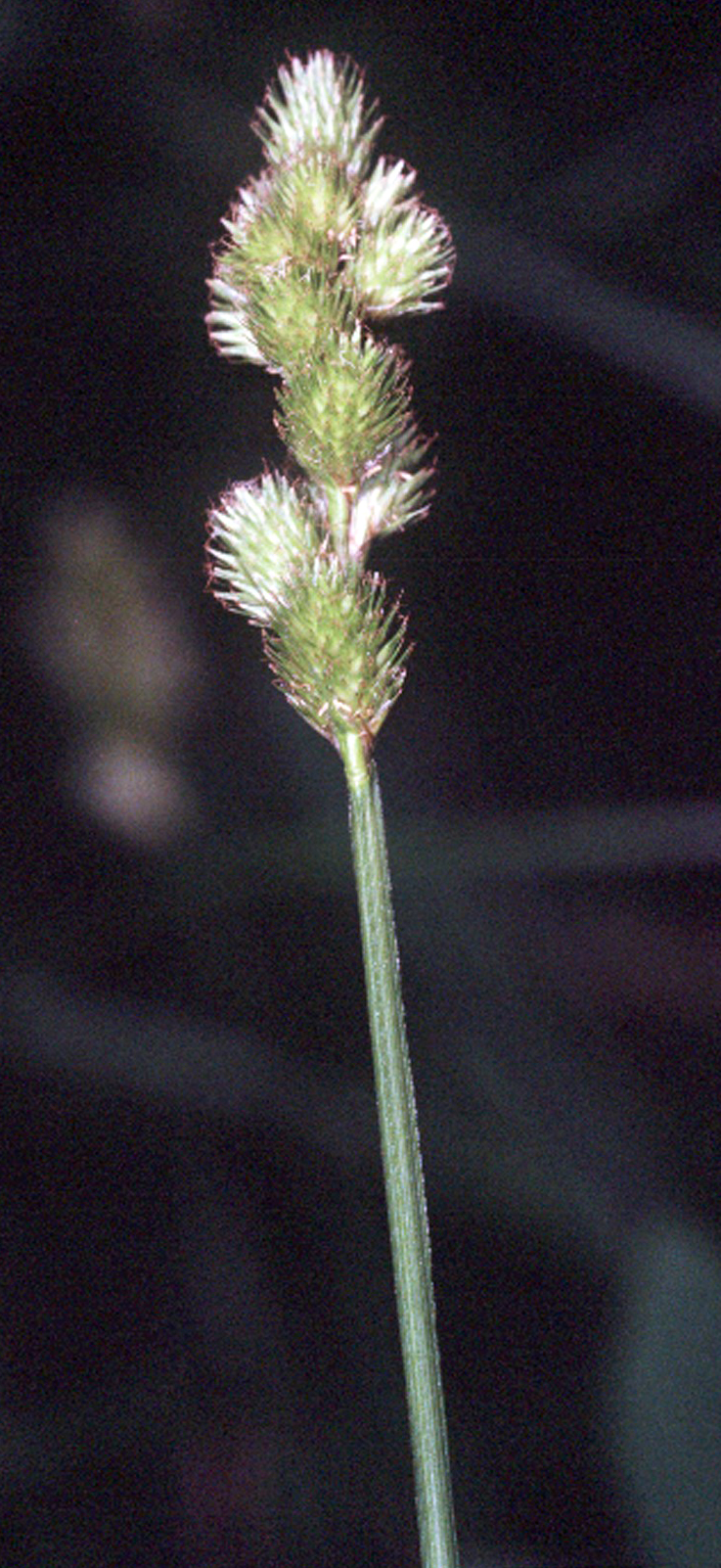
- Blunt Broom SedgeCarex tribuloides
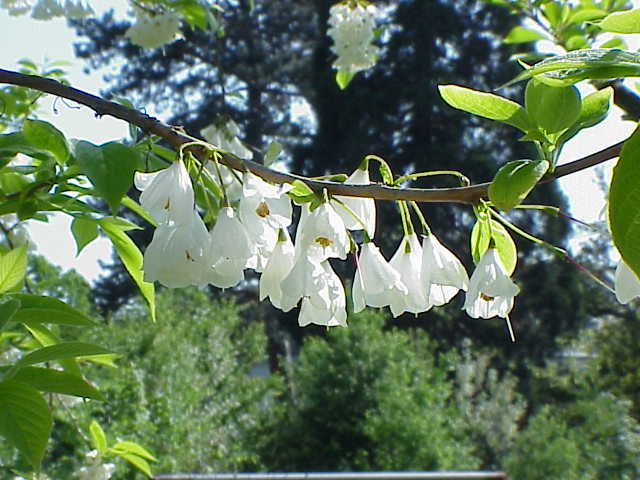
- Mountain SilverbellHalesia carolina
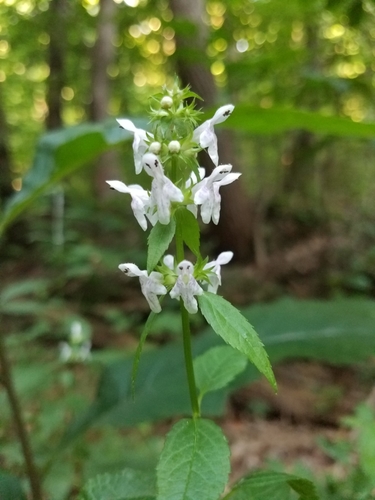
- Smooth Hedge-nettleStachys tenuifolia
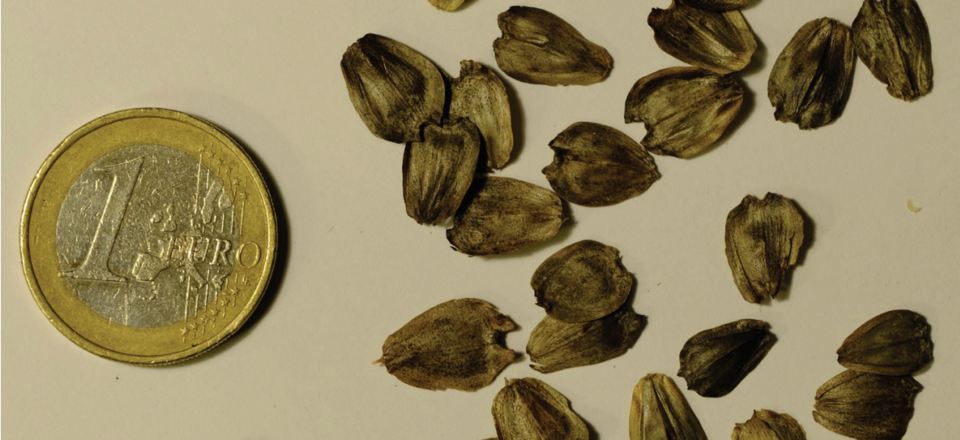
- Common Cup-plantSilphium perfoliatum
- Camphor PlucheaPluchea camphorata
- Virginia Cup-plantSilphium perfoliatum var. connatum
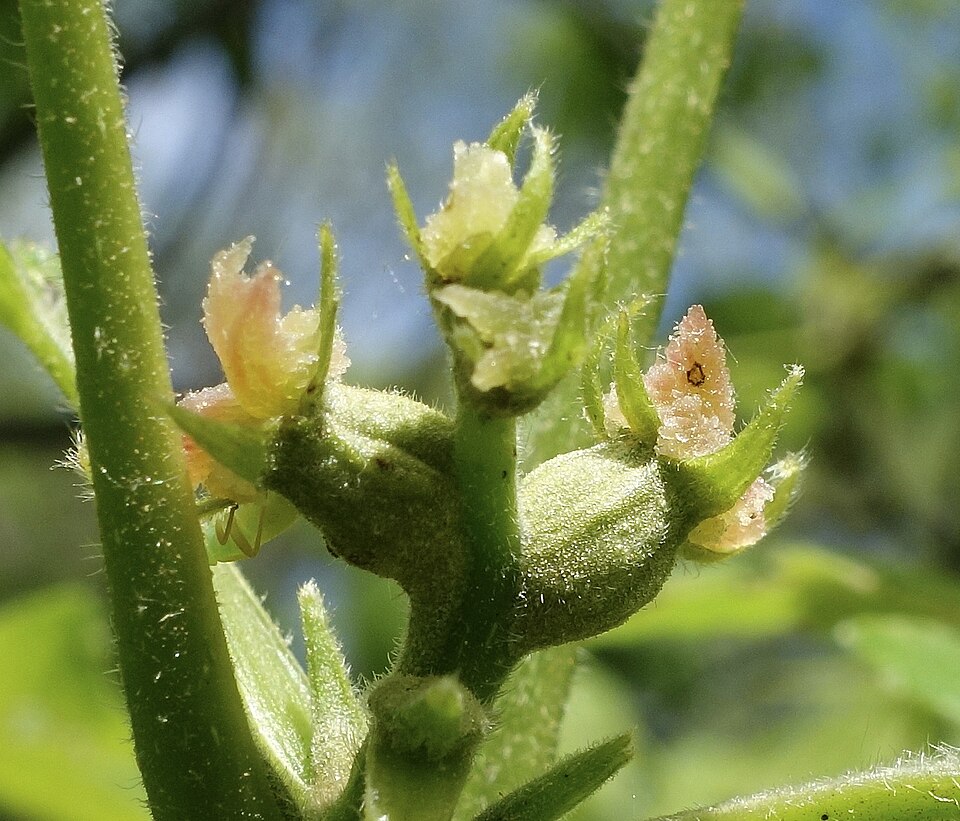
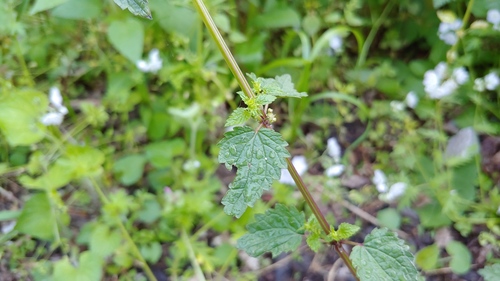
- Heartleaf NettleUrtica chamaedryoides
Dry forests and woodlands
Birds 78
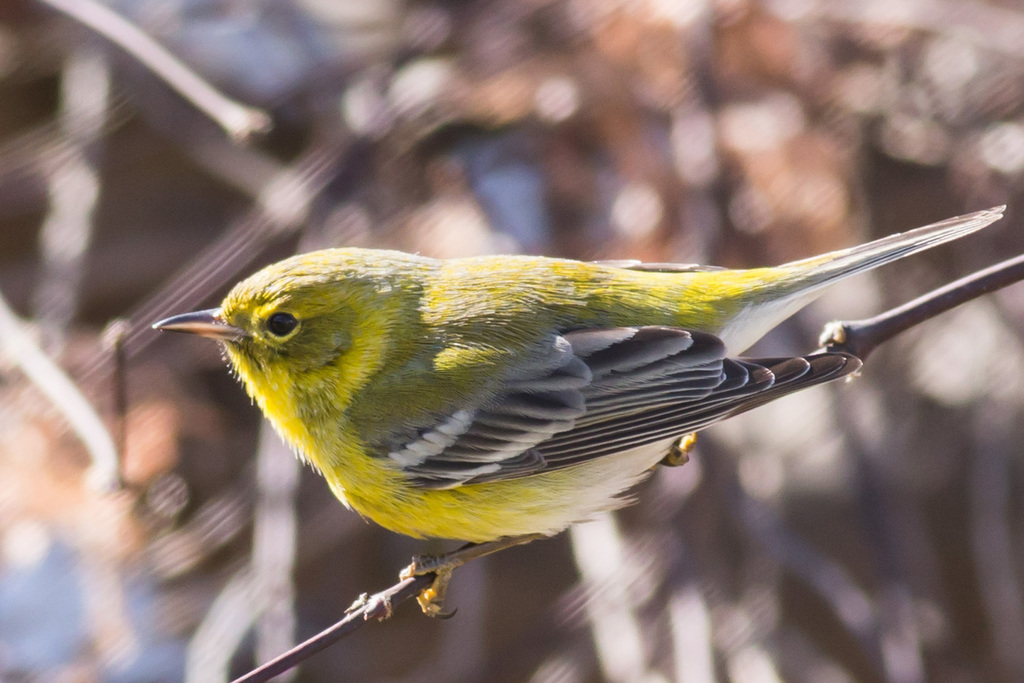
- Pine WarblerDendroica pinus
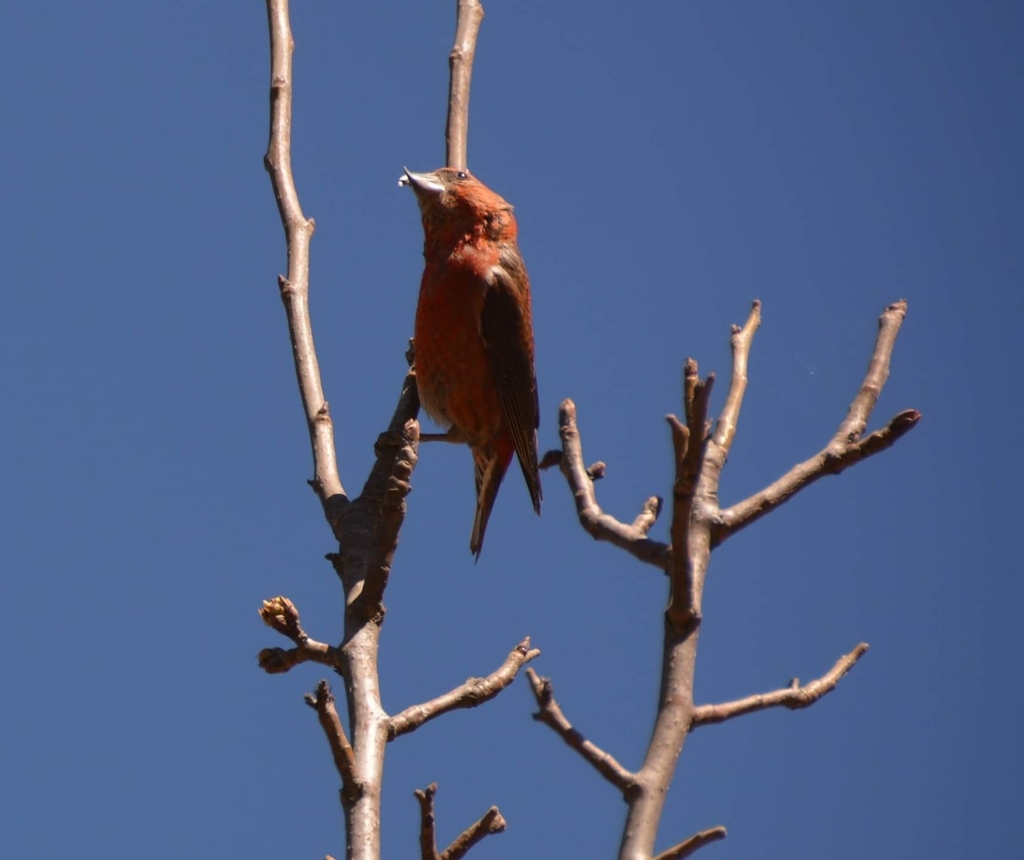
- Red CrossbillLoxia curvirostra
- Northern BobwhiteColinus virginianus
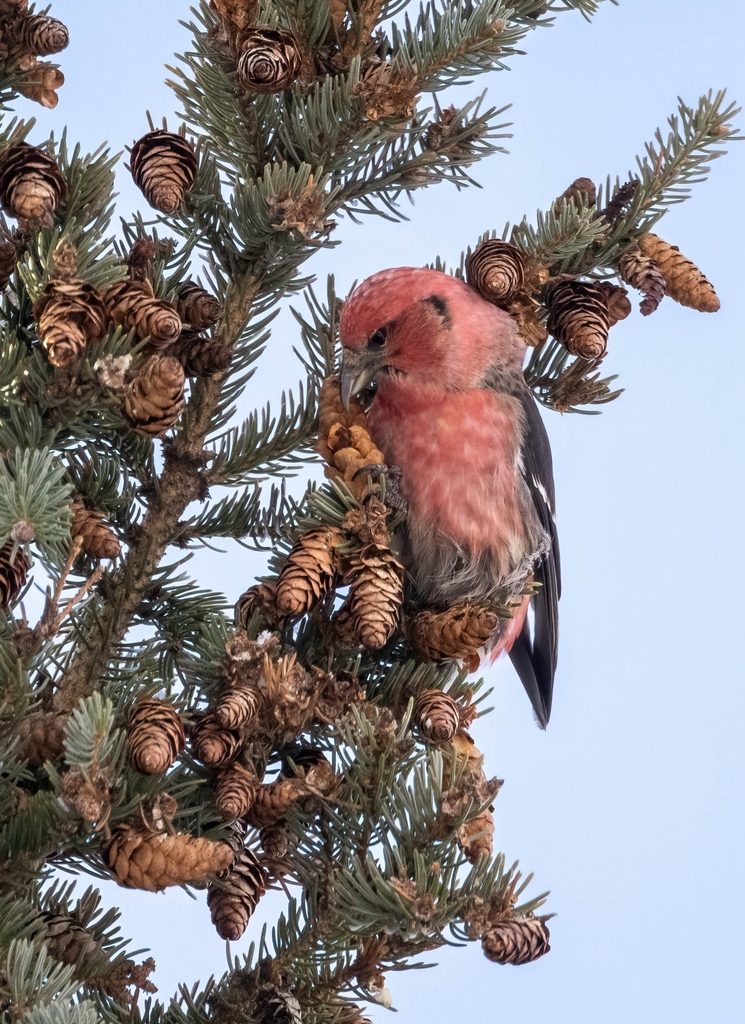
- White-winged CrossbillLoxia leucoptera
- Yellow-throated WarblerDendroica dominica
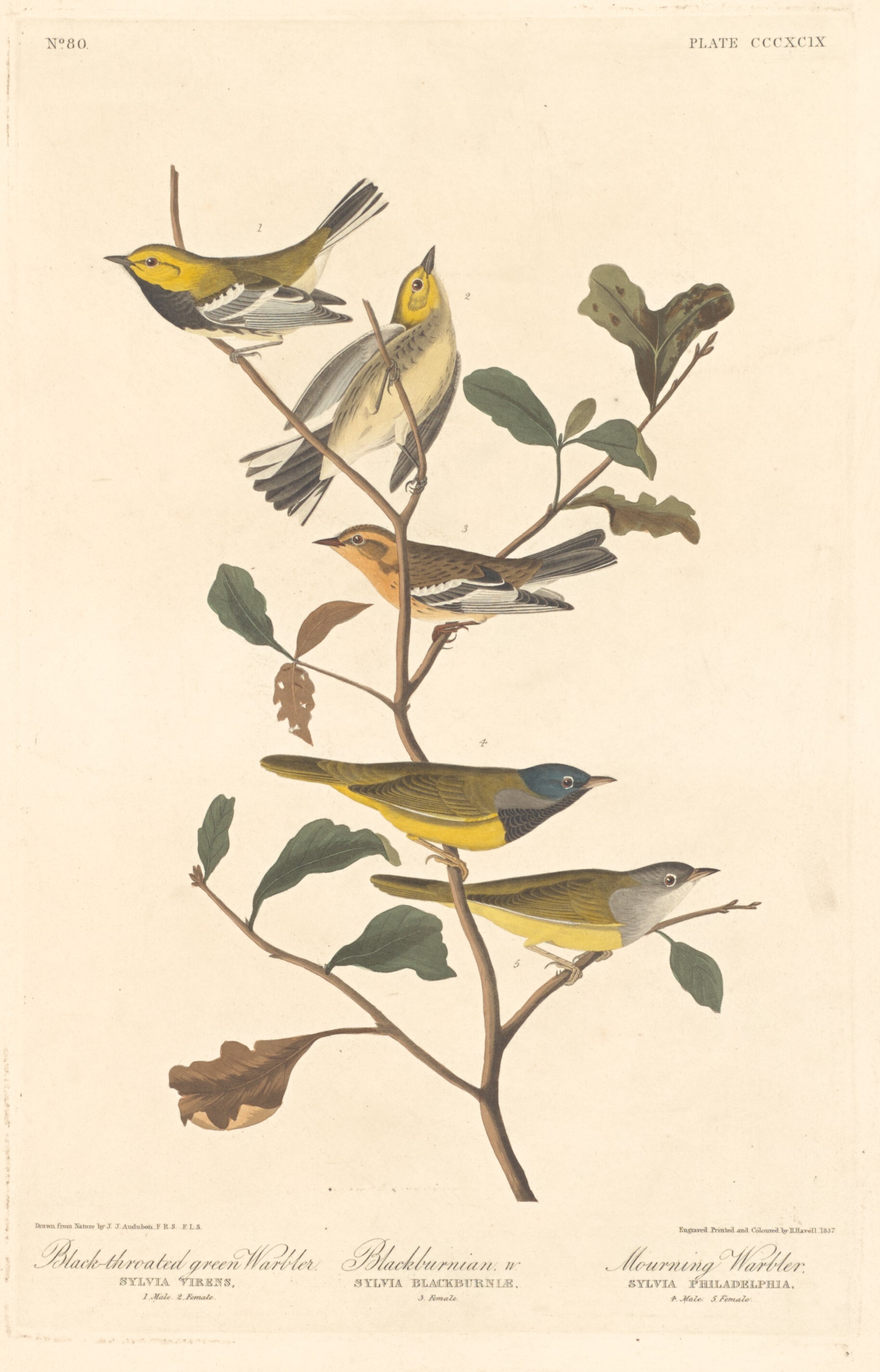
- Black-throated Green WarblerDendroica virens
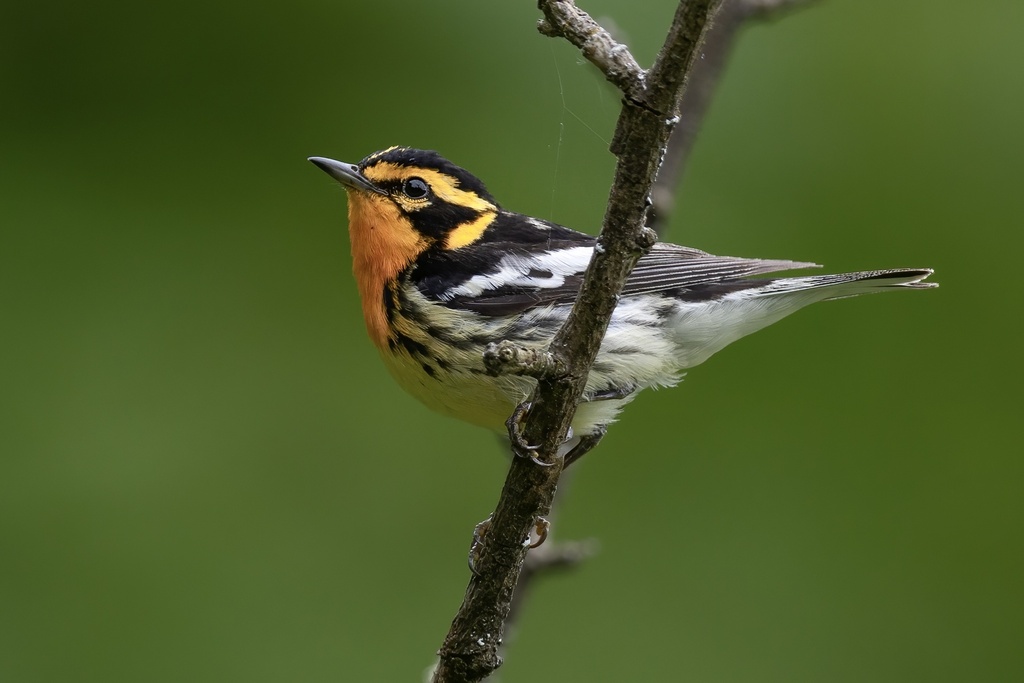
- Blackburnian WarblerDendroica fusca
- Red-breasted NuthatchSitta canadensis
- Barred OwlStrix varia
- Blue-headed VireoVireo solitarius
- Eastern BluebirdSialia sialis
- Louisiana WaterthrushSeiurus motacilla







Plants 192
- Eastern Winged SumacRhus copallinum var. latifolia
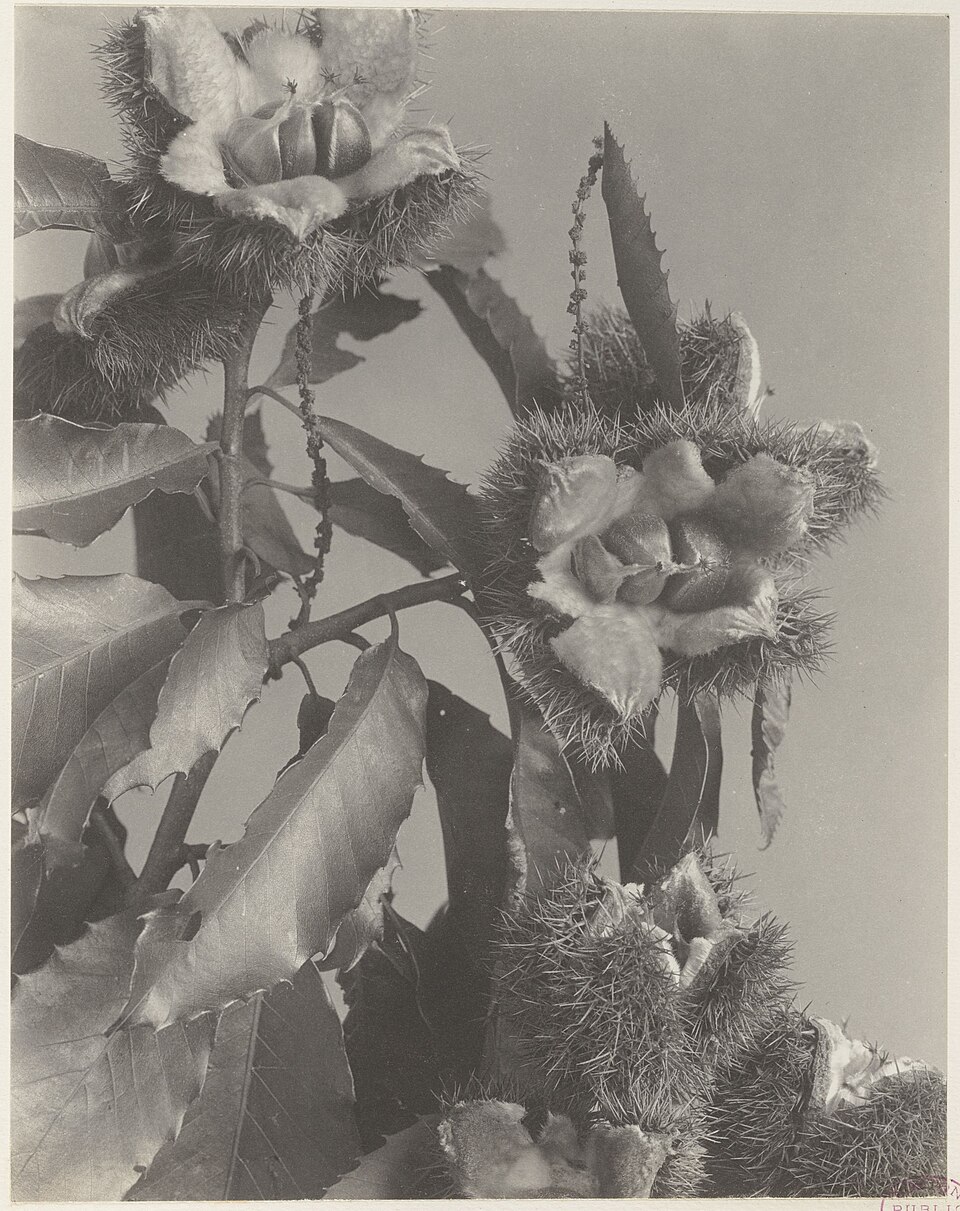
- American ChestnutCastanea dentata
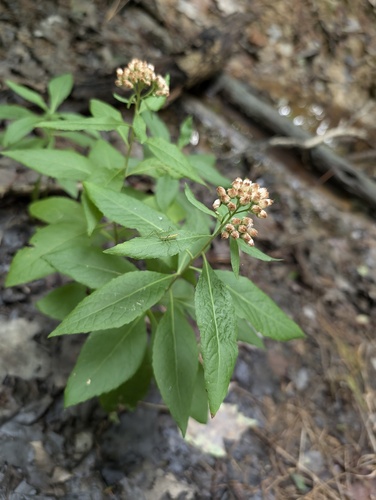
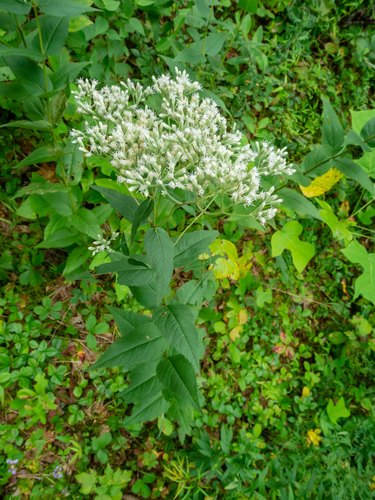
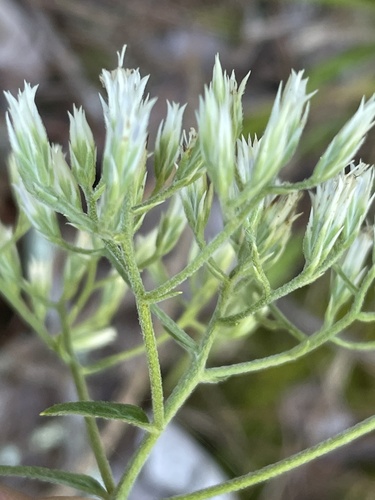
- Godfrey's ThoroughwortEupatorium godfreyanum
- White ThoroughwortEupatorium album
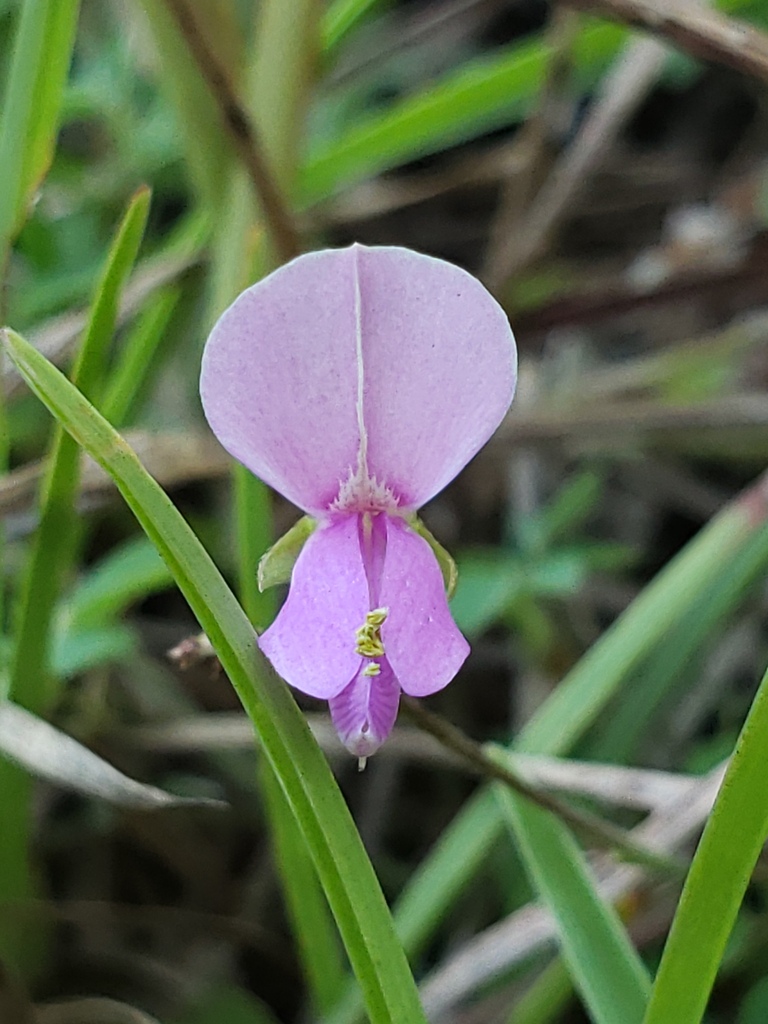
- McCree's MilkpeaGalactia volubilis
- Leavenworth's SedgeCarex leavenworthii
- Southern LoosestrifeLysimachia tonsa
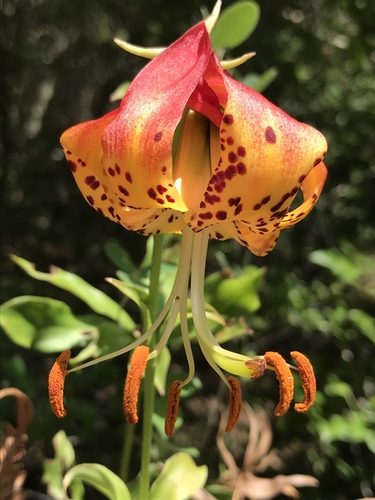
- Carolina LilyLilium michauxii
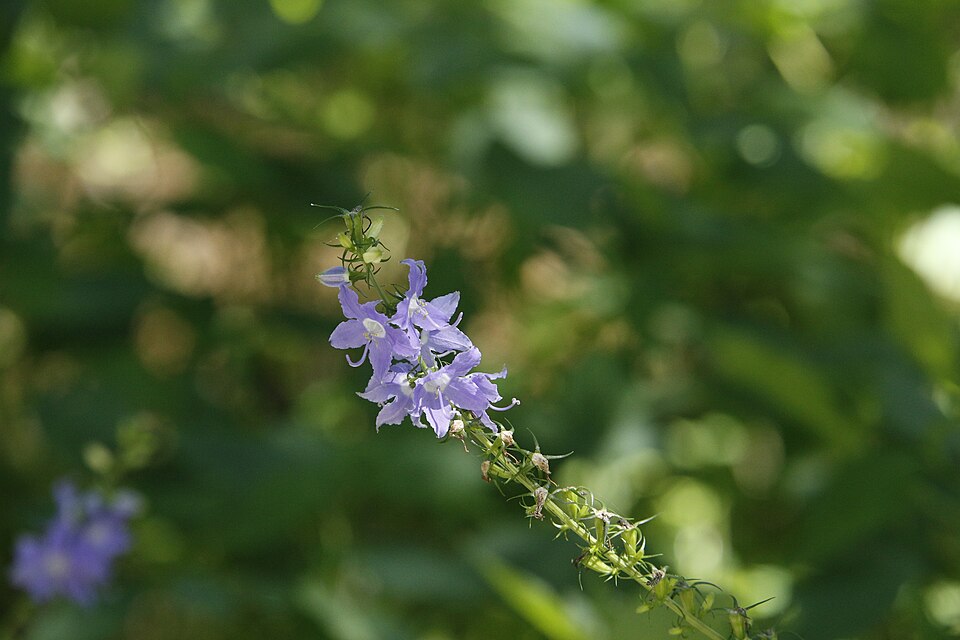
- Tall BellflowerCampanulastrum americanum
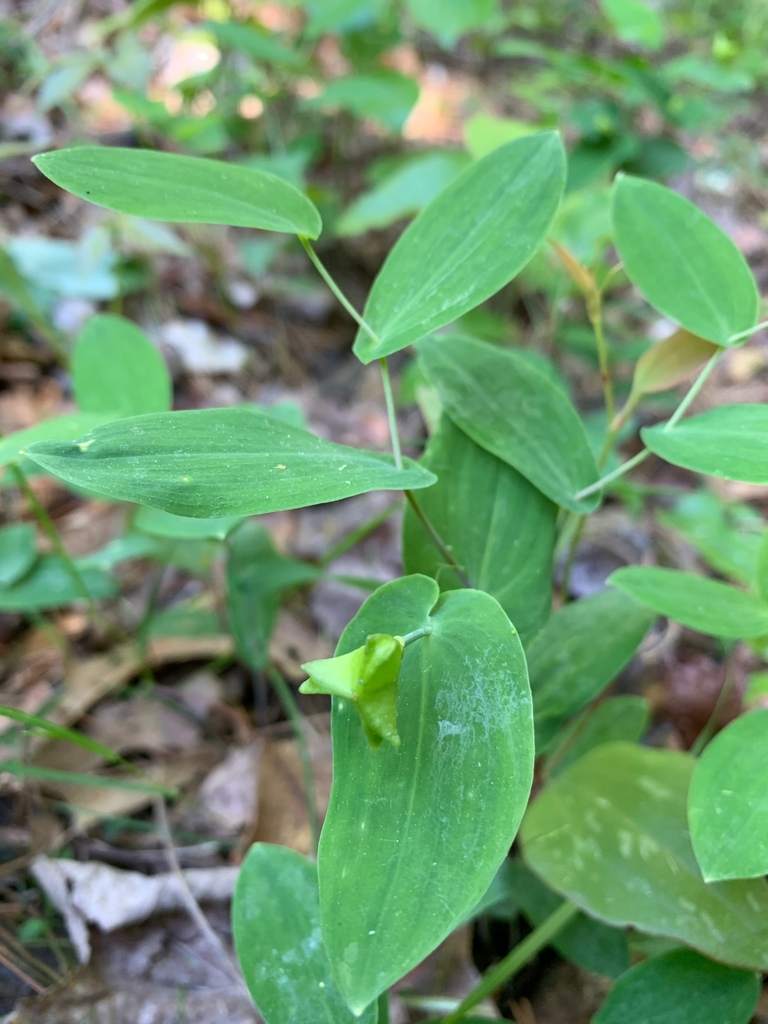
- Perfoliate BellwortUvularia perfoliata
- Green Pyrola, Green-flowered WintergreenPyrola chlorantha
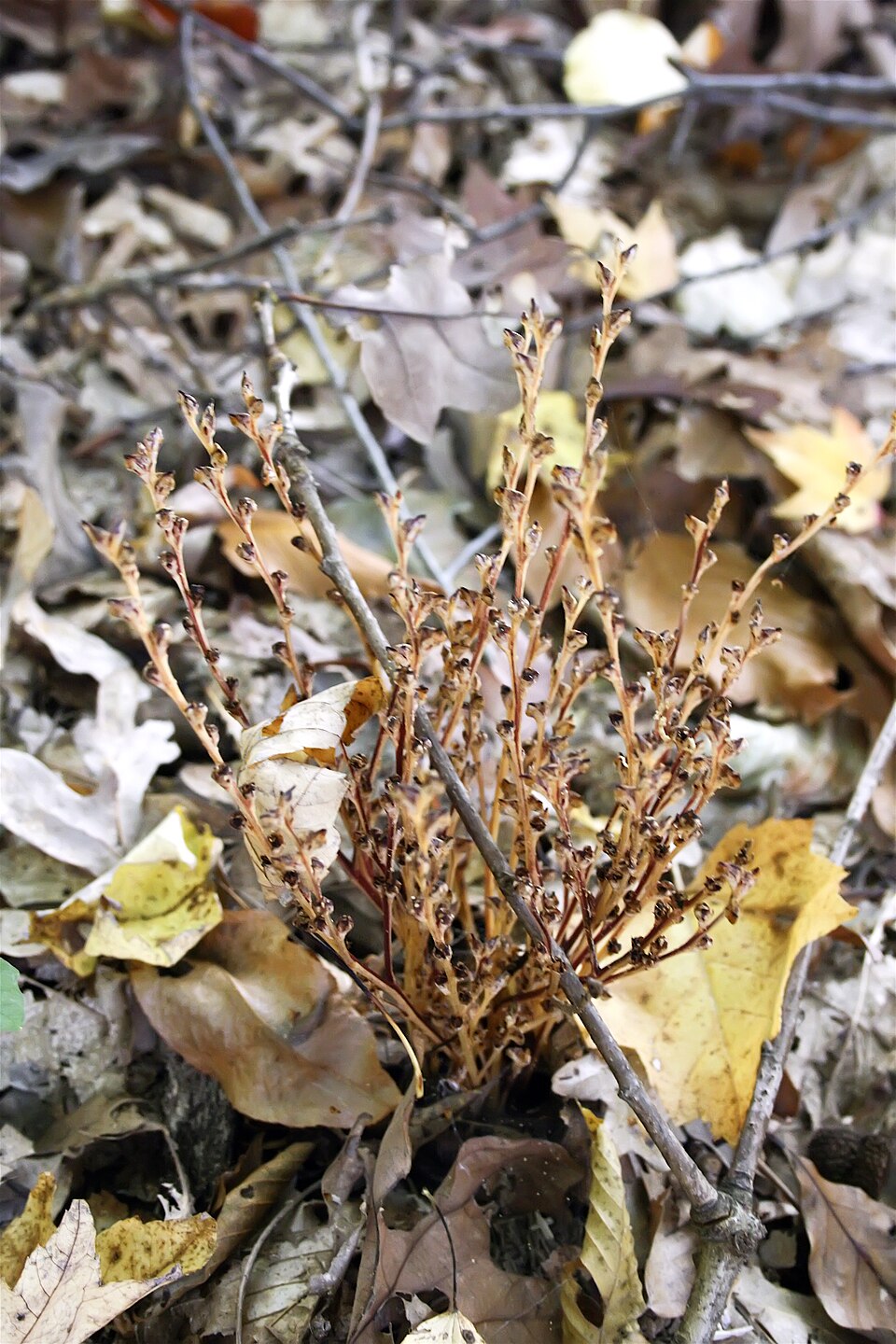
- BeechdropsEpifagus virginiana
Forest edges and thickets
Birds 53
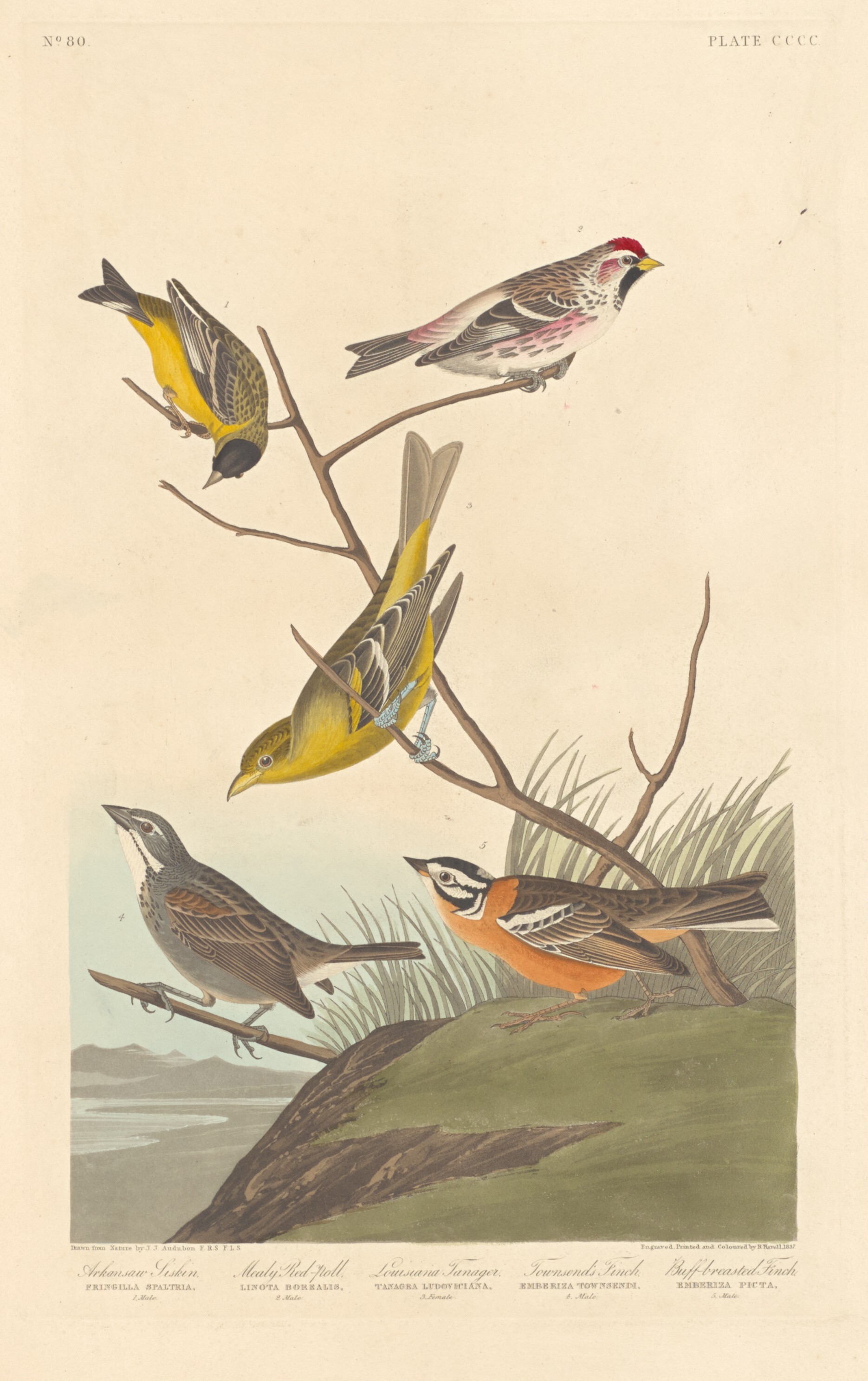
- Hoary RedpollCarduelis hornemanni
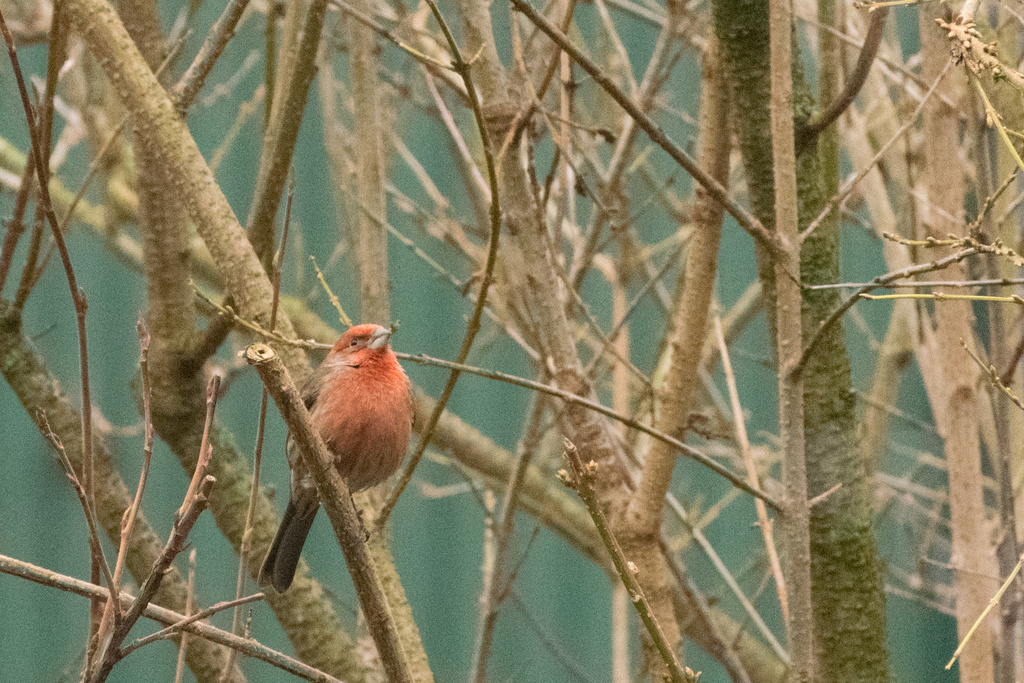
- House FinchCarpodacus mexicanus
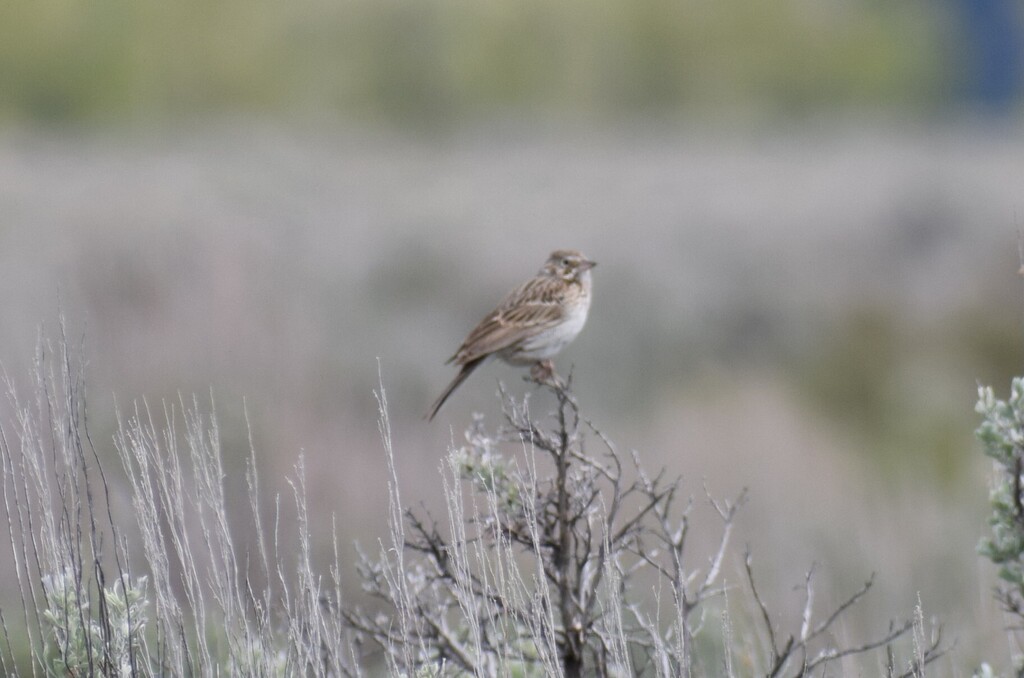
- Vesper SparrowPooecetes gramineus
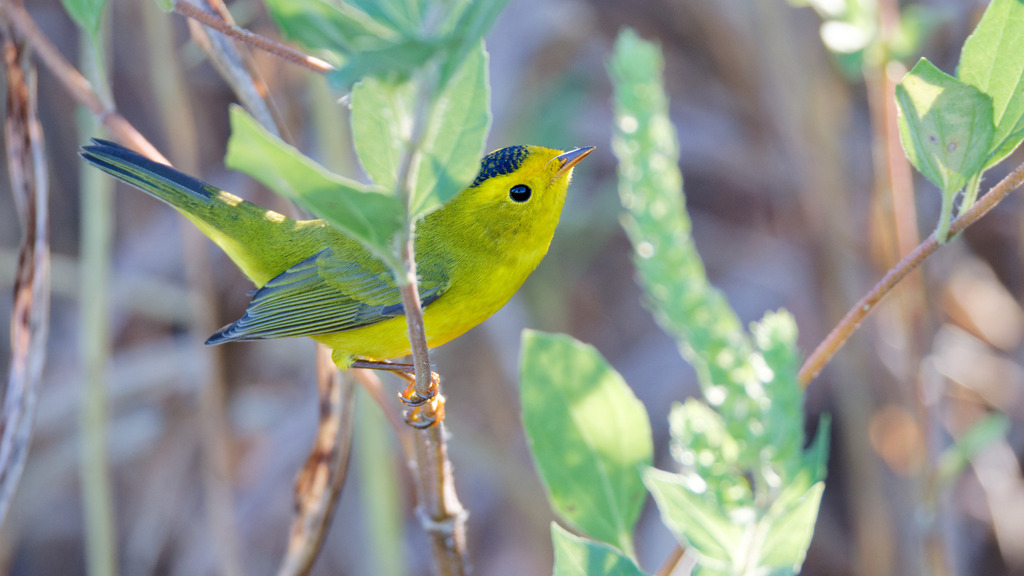
- Wilson's WarblerWilsonia pusilla
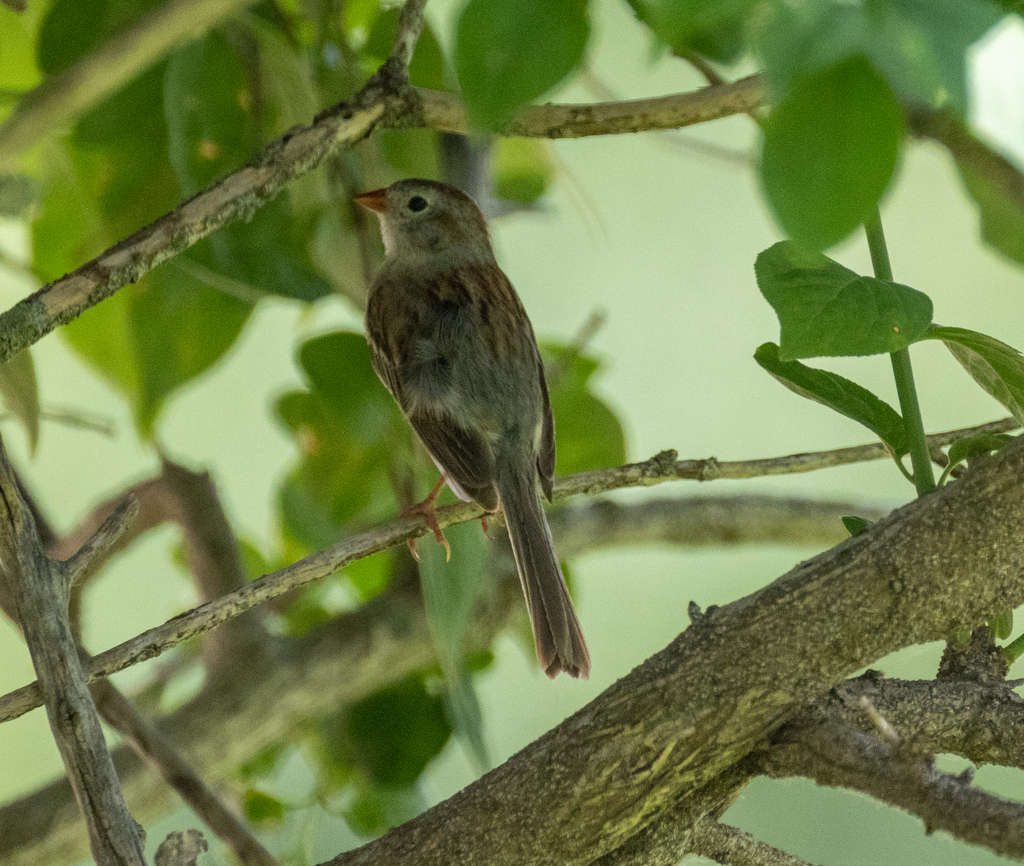
- Field SparrowSpizella pusilla
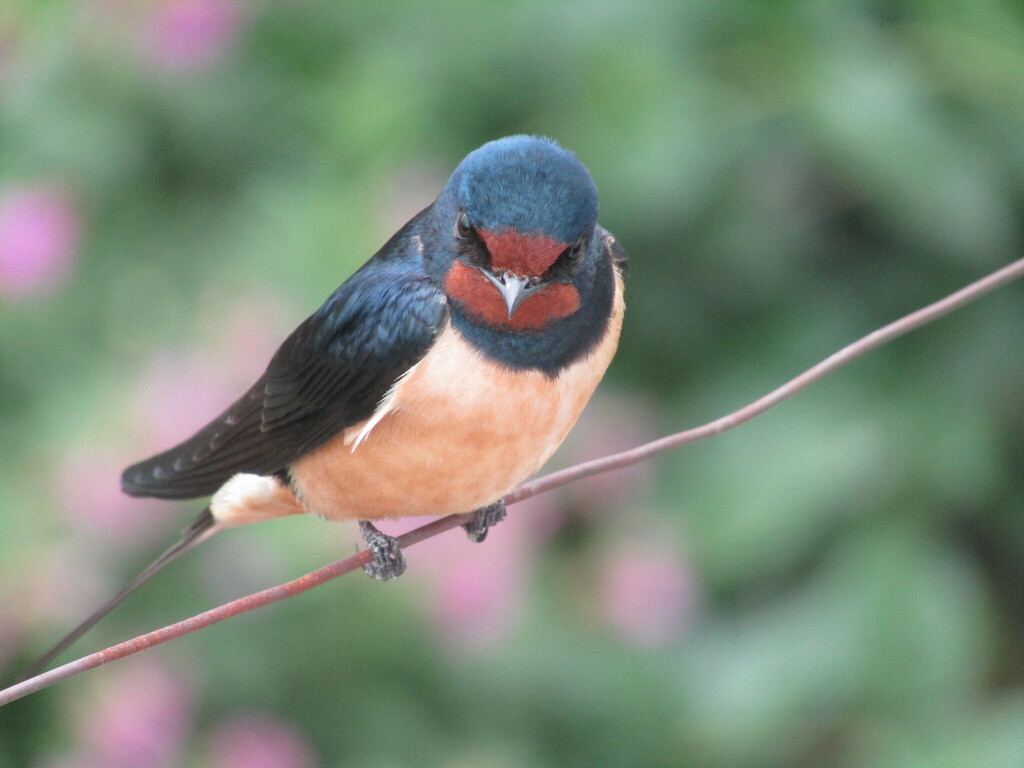
- Barn SwallowHirundo rustica
- Henslow's SparrowAmmodramus henslowii
- Lark SparrowChondestes grammacus
- Palm WarblerDendroica palmarum
- Savannah SparrowPasserculus sandwichensis
- Northern BobwhiteColinus virginianus
- Fish CrowCorvus ossifragus
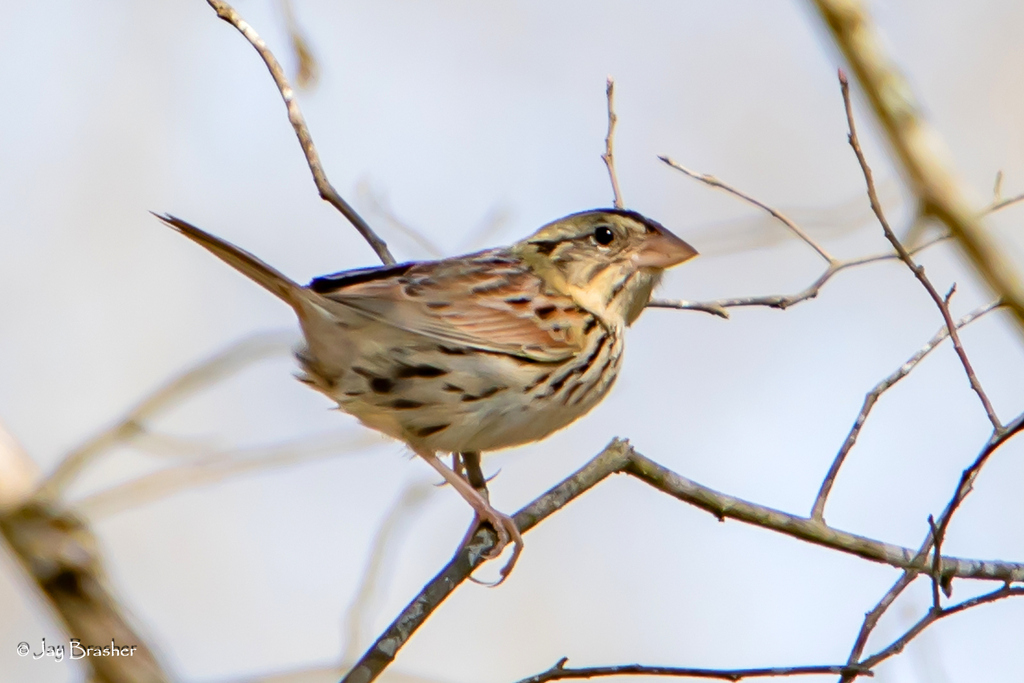
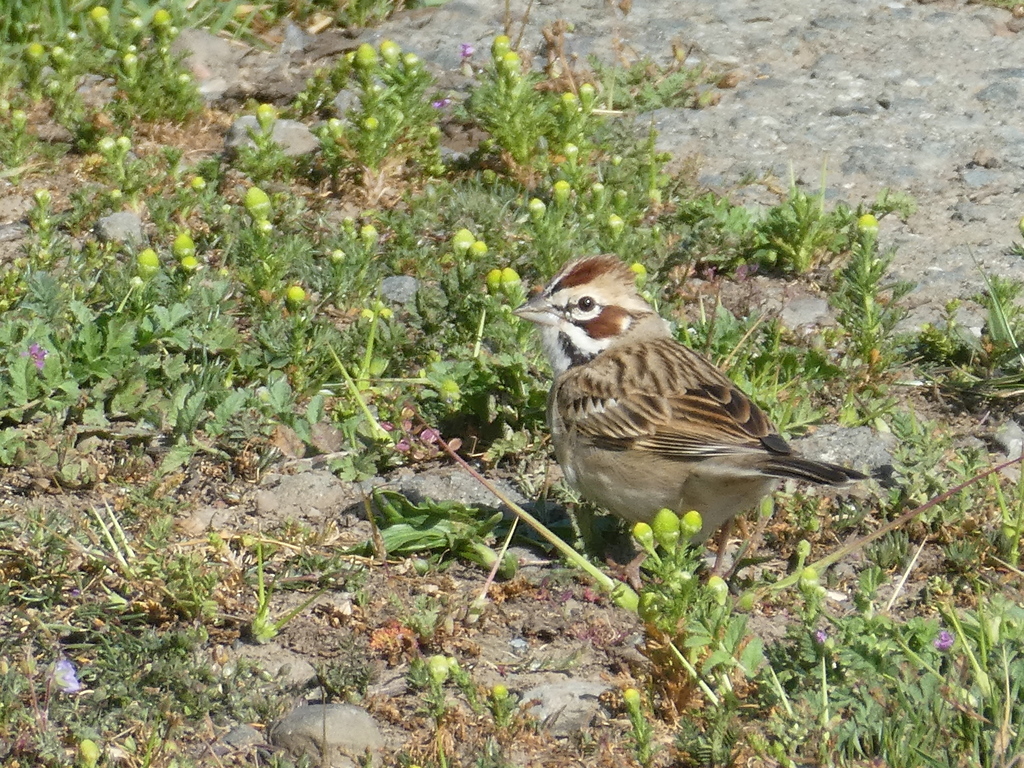
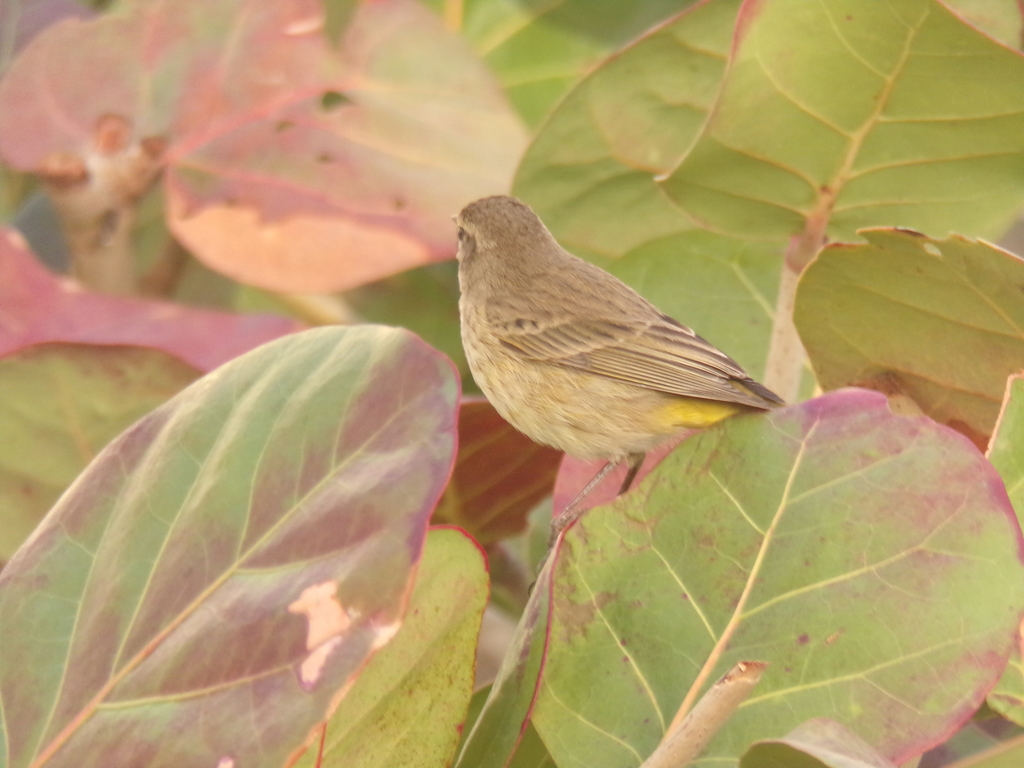
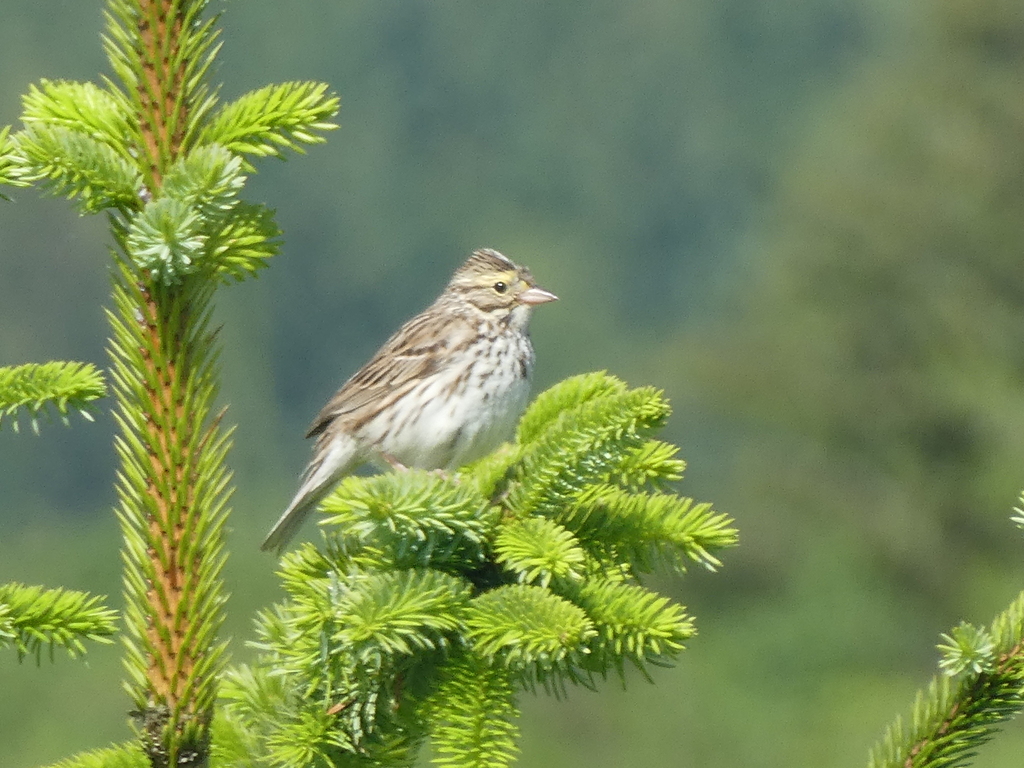

Plants 204
- Bristly BlackberryRubus setosus
- Rubus invisusRubus invisus
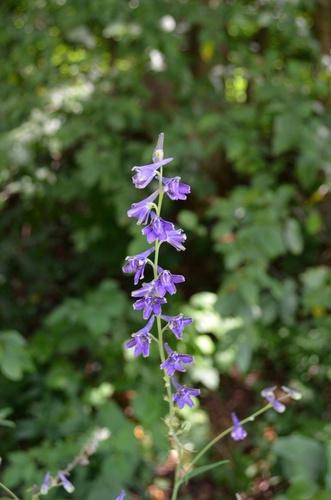
- Tall LarkspurDelphinium exaltatum
- Northeastern BindweedCalystegia sepium subsp. americana
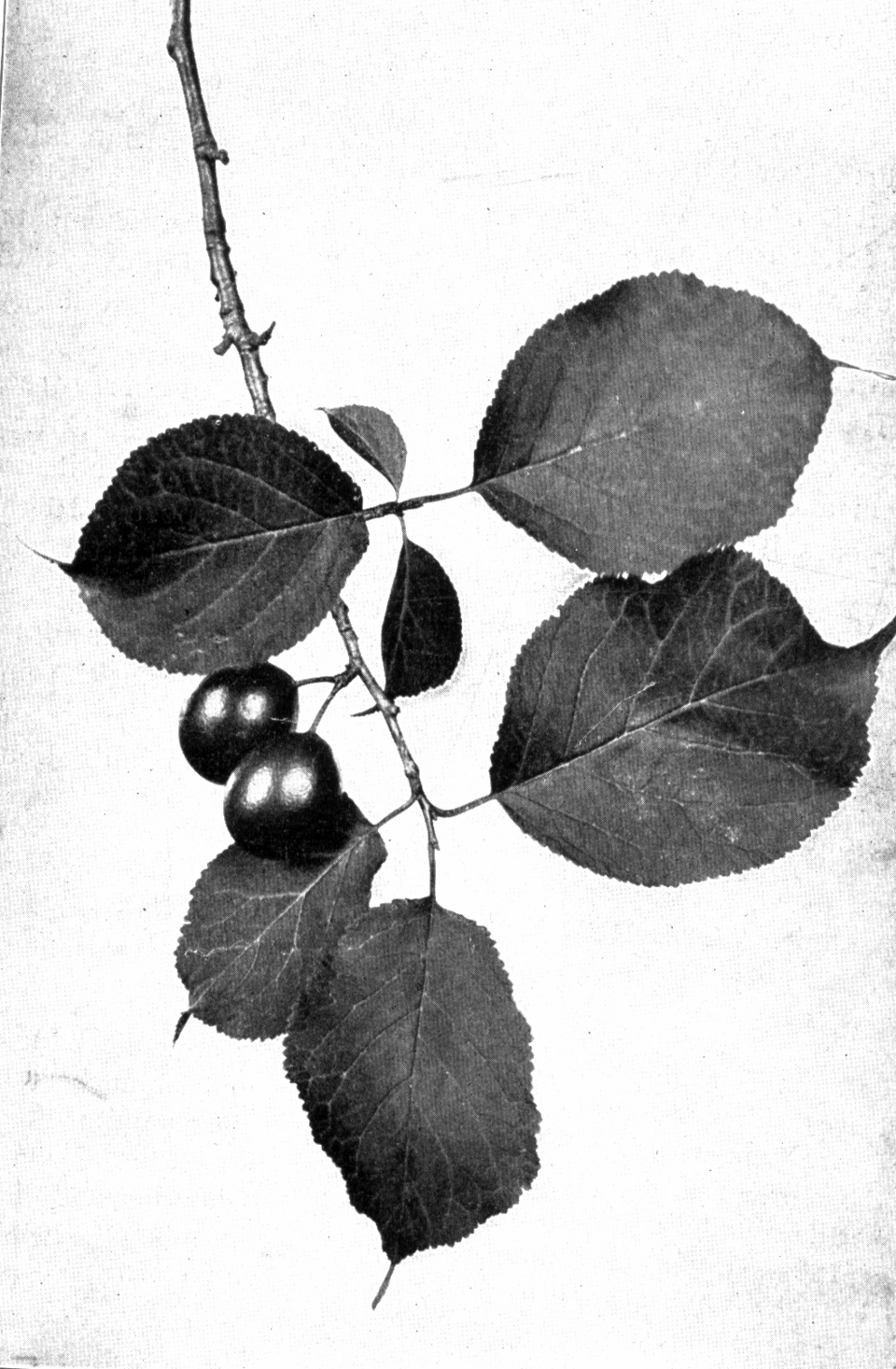
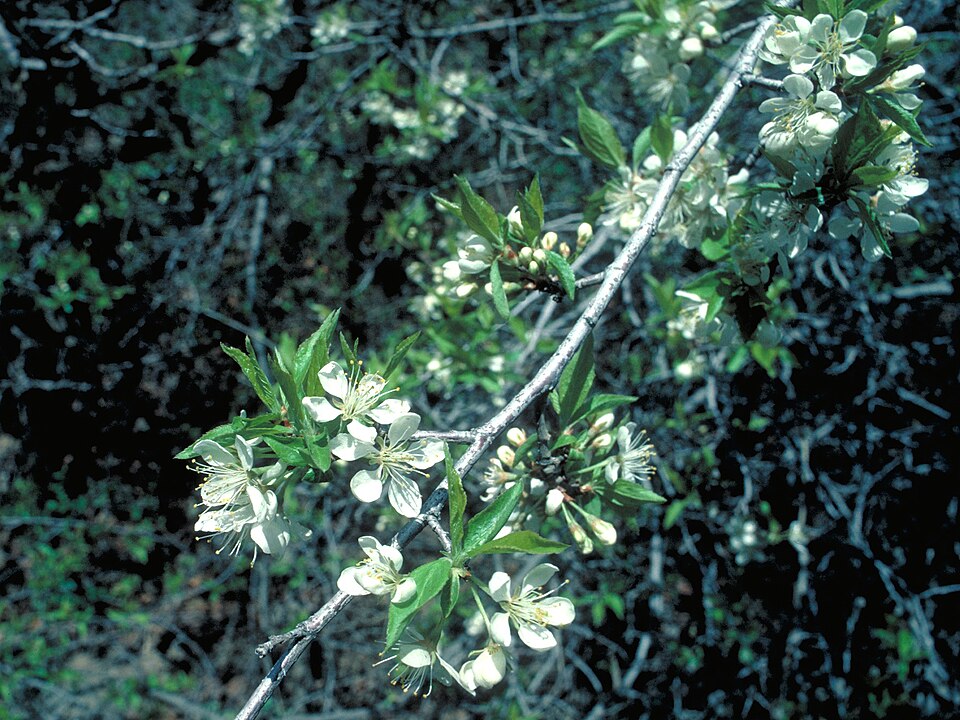
- Canada PlumPrunus nigra
- ChokecherryPrunus virginiana var. virginiana
- Fire CherryPrunus pensylvanica
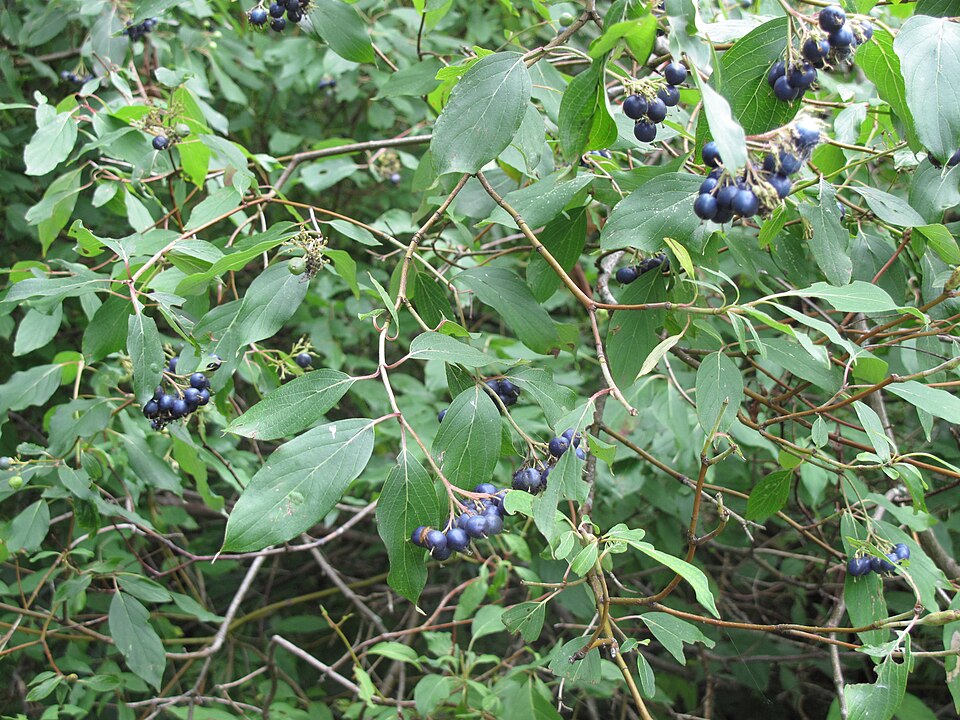
- Silky DogwoodCornus obliqua
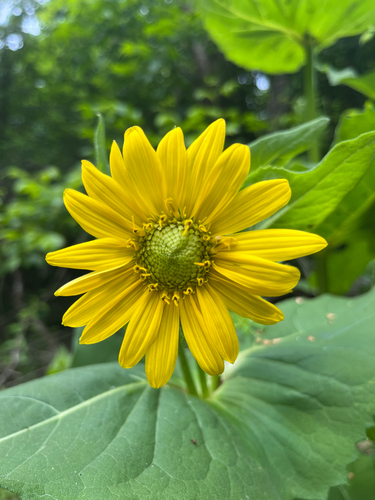
- Giant SunflowerHelianthus giganteus
- Gray DogwoodCornus racemosa
- Buffalo CloverTrifolium reflexum
- Cutleaf GoldenrodSolidago arguta

Sources
- USGS Gap Analysis Project habitat models (2001)
- USGS GAP summer habitat model for Olive-sided Flycatcher
- USGS Gap Analysis Project range maps (2001), modeled by watershed; migratory gives no dates
- NatureServe Explorer (CC BY 4.0), habitat names
- US Census TIGER/Line counties
- Names follow the USGS Gap Analysis Project (2001)