

Bird
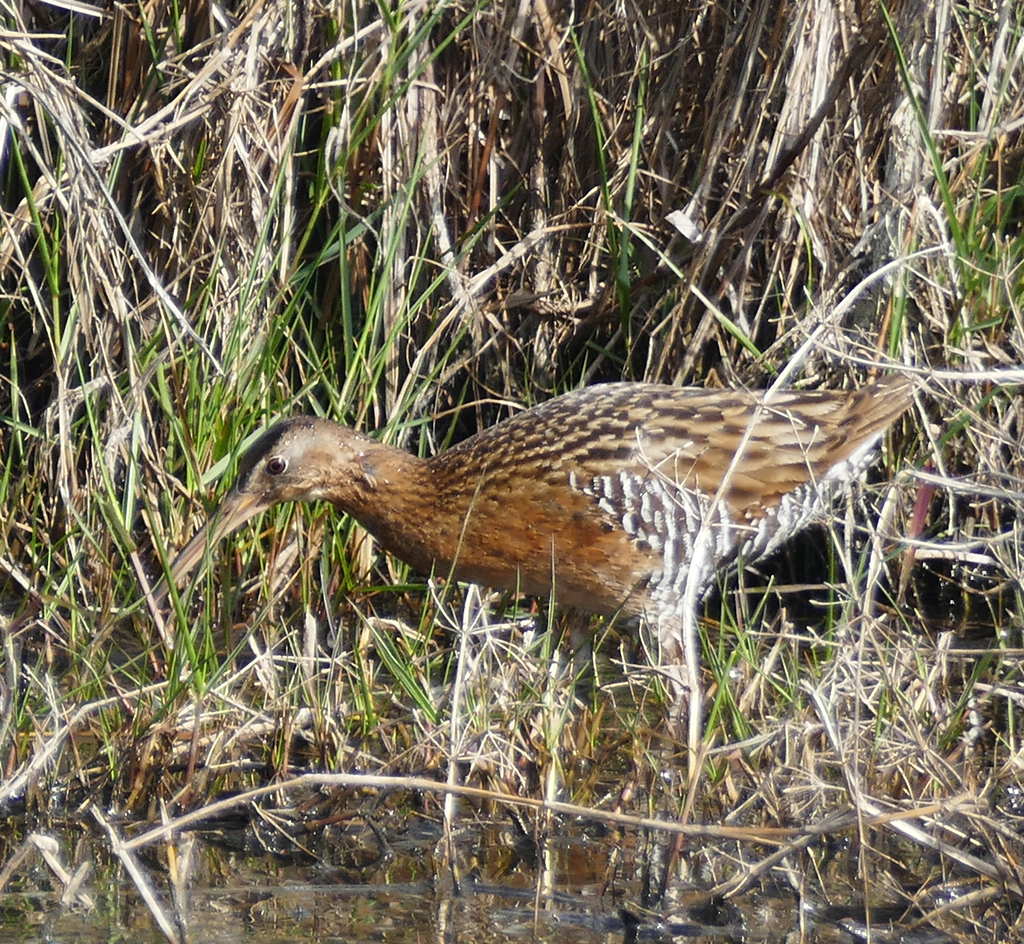
King Rail
Rallus elegans
A summer resident that nests in West Virginia. Found in 30 of 55 counties, across 4 habitats.
- Here
- Summer
- Nesting
- Nests here
- Range
- 30 of 55 counties
- Habitats
- 4
At a glance
- Group
- Birds
- Here
- Summer
- Nesting
- Nests here
- Range
- 30 of 55 counties
- Habitats
- 4
- Habitat models
- Summer, Winter
Where it lives
The places its habitat model includes. It is not found everywhere a habitat occurs.
Habitats in West Virginia 4
Each habitat page lists the plants and wildlife also found there.
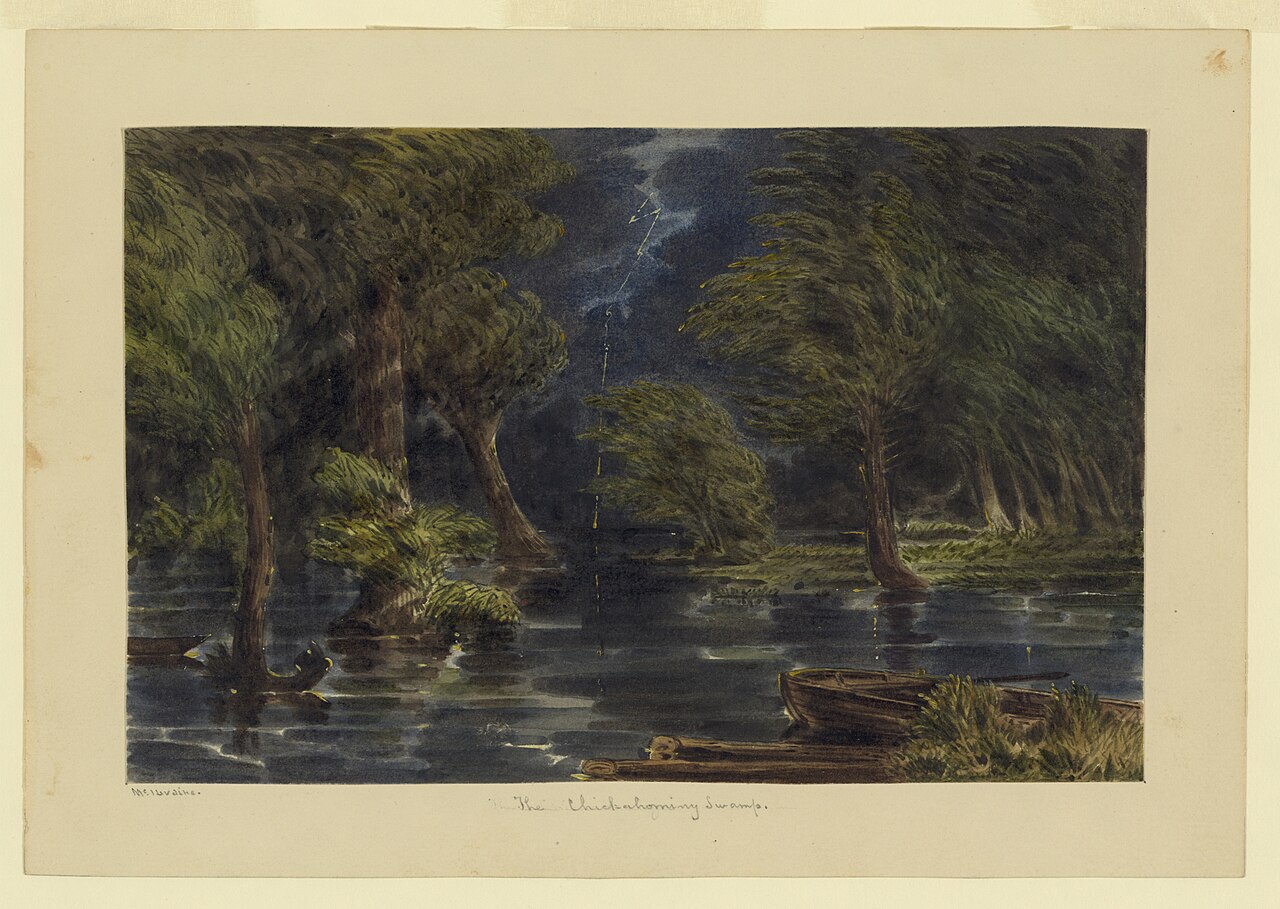
Disturbed and introduced wetlands
Wet ground taken over by weedy or introduced plants after disturbance, such as common reed, Chinese tallow or tamarisk stands; the upland counterpart is roadsides, fields and disturbed ground.
Open, herb-covered wetlands with fresh, non-tidal water.
Open, wet, grassy or sedgy ground that is not a bog.
Other habitats in its models (35)
Land cover, or classes with no habitat page in West Virginia. Those recorded in West Virginia first, the rest by region.
Elsewhere in the South (21)
- Atlantic and Gulf Coastal Plain Interdunal Wetland Summer and winter.
- Atlantic Coastal Plain Central Fresh-Oligohaline Tidal Marsh Summer and winter.
- Atlantic Coastal Plain Central Salt and Brackish Tidal Marsh Summer and winter.
- Atlantic Coastal Plain Embayed Region Tidal Freshwater Marsh Summer and winter.
- Atlantic Coastal Plain Embayed Region Tidal Salt and Brackish Marsh Summer and winter.
- Atlantic Coastal Plain Indian River Lagoon Tidal Marsh Summer and winter.
- Atlantic Coastal Plain Northern Tidal Wooded Swamp Summer and winter.
- Atlantic Coastal Plain Southern Tidal Wooded Swamp Summer and winter.
- Atlantic Coastal Plain Southern Wet Pine Savanna and Flatwoods Summer and winter.
- East Gulf Coastal Plain Savanna and Wet Prairie Summer and winter.
- Florida Big Bend Fresh-Oligohaline Tidal Marsh Summer and winter.
- Florida Big Bend Salt-Brackish Tidal Marsh Summer and winter.
- Floridian Highlands Freshwater Marsh Summer and winter.
- Mississippi Sound Salt and Brackish Tidal Marsh Summer and winter.
- South Florida Dwarf Cypress Savanna Summer and winter.
- South Florida Everglades Sawgrass Marsh Summer and winter.
- South Florida Freshwater Slough and Gator Hole Summer and winter.
- South Florida Pine Flatwoods Summer and winter, only within 250 m of water.
- South Florida Wet Marl Prairie Summer and winter.
- Southern Coastal Plain Herbaceous Seepage Bog Summer and winter.
- West Gulf Coastal Plain Near-Coast Large River Swamp Summer.
Northeast (3)
- Atlantic Coastal Plain Northern Fresh and Oligohaline Tidal Marsh Summer and winter.
- Atlantic Coastal Plain Northern Tidal Salt Marsh Summer and winter.
- North-Central Interior Wet Flatwoods Summer.
Land cover and other classes (11)
- Atlantic Coastal Plain Clay-Based Carolina Bay Herbaceous Wetland Summer and winter.
- Atlantic Coastal Plain Depression Pondshore Summer and winter.
- East Gulf Coastal Plain Southern Depression Pondshore Summer and winter.
- Eastern Great Plains Floodplain Systems Summer.
- Eastern Great Plains Wet Meadow, Prairie, and Marsh Summer.
- Gulf and Atlantic Coastal Plain Tidal Marsh Systems Summer and winter.
- Unconsolidated Shore Winter.
- Unconsolidated Shore (Beach/Dune) Winter.
- Unconsolidated Shore (Lake/River/Pond) Winter.
- Western Great Plains Depressional Wetland Systems Summer.
- Western Great Plains Floodplain Systems Summer.
Seasons in West Virginia
- Summer: nests here, in 30 of 55 counties.
Food plants
Diet records by plant genus, from studies across North America. Not a record from this state. Plants matched by genus.
Native plants in these genera 18
- Rough American Barnyard GrassEchinochloa muricata var. muricata
- American Barnyard-grassEchinochloa muricata
- Coast Cockspur-grassEchinochloa walteri
- Rice CutgrassLeersia oryzoides
- White CutgrassLeersia virginica
- Thin CrowngrassPaspalum setaceum
- Field PaspalumPaspalum laeve
- Hairy Seed PaspalumPaspalum pubiflorum var. glabrum
- Hairyseed CrowngrassPaspalum pubiflorum
- Horsetail CrowngrassPaspalum fluitans
- Bushy KnotweedPolygonum ramosissimum subsp. prolificum
- Erect KnotweedPolygonum erectum
- Pleatleaf KnotweedPolygonum tenue
- Tall KnotweedPolygonum ramosissimum
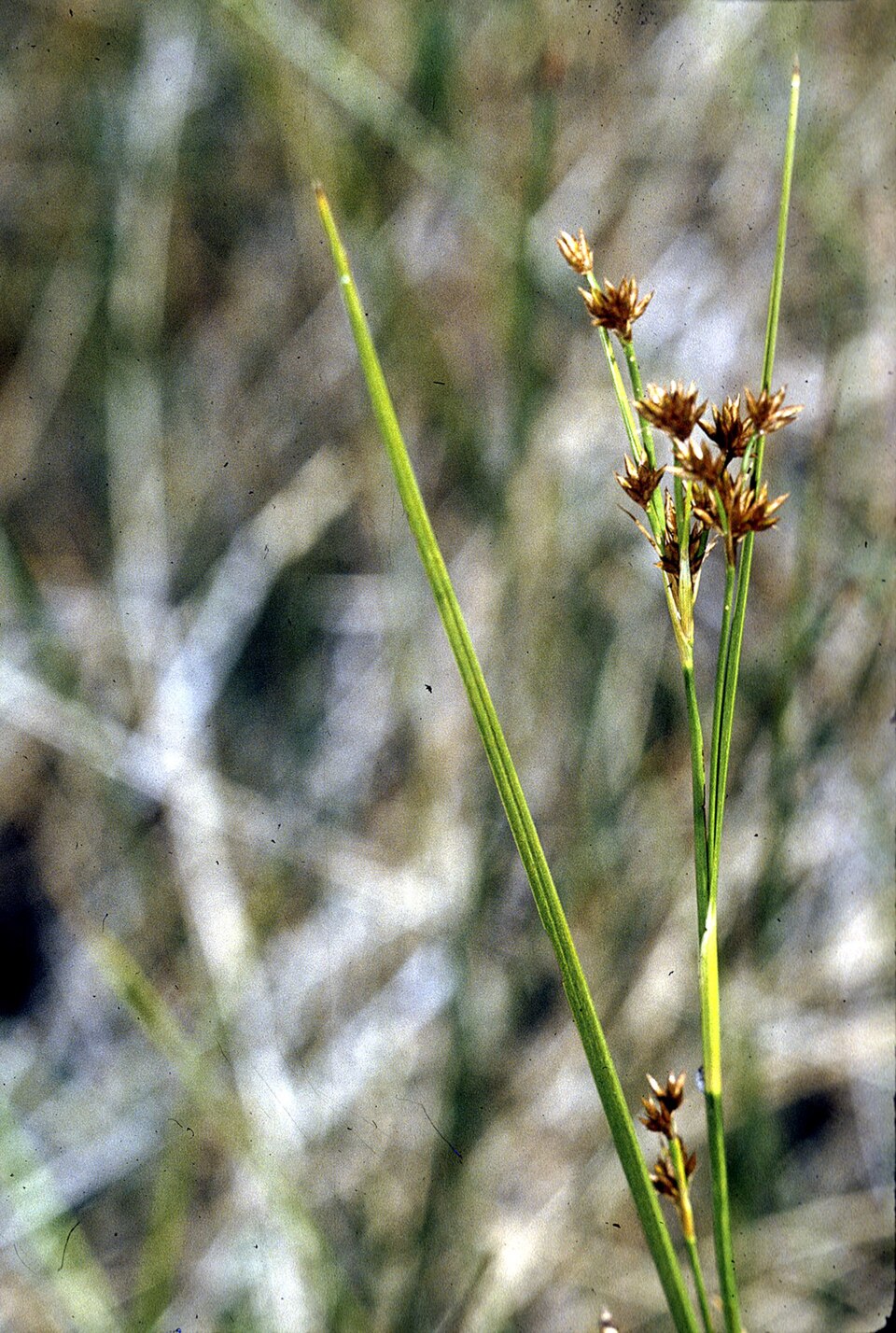
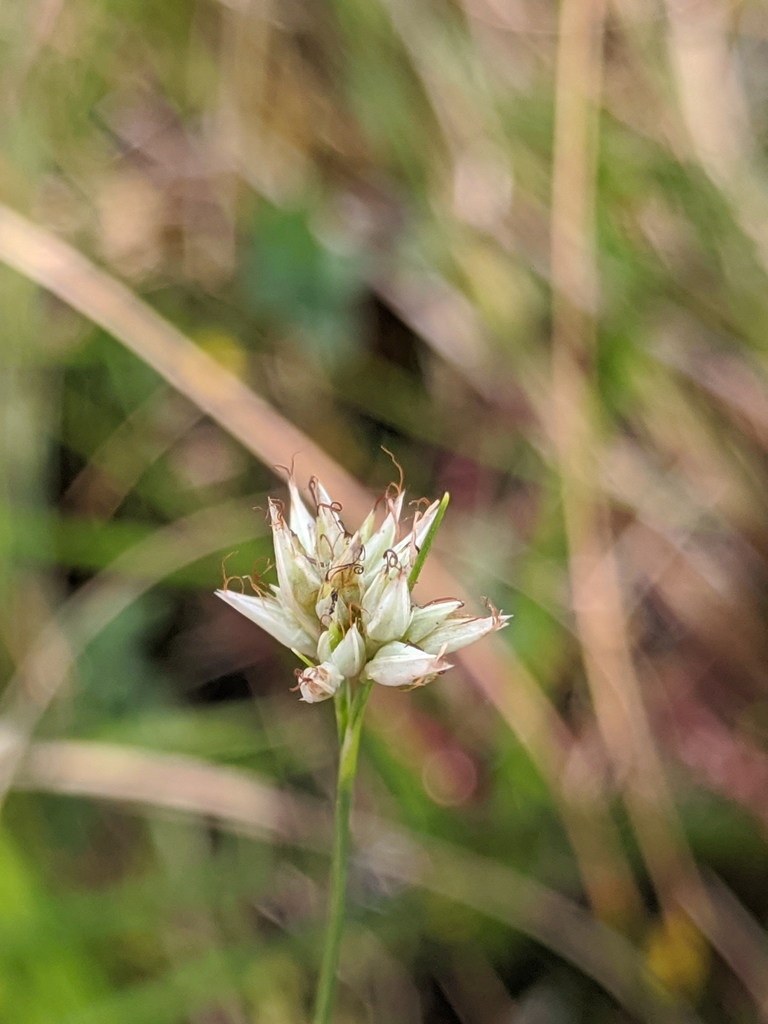
- Brown BeakrushRhynchospora fusca
- Brownish BeaksedgeRhynchospora capitellata
- Cymose BeaksedgeRhynchospora recognita
- White BeaksedgeRhynchospora alba
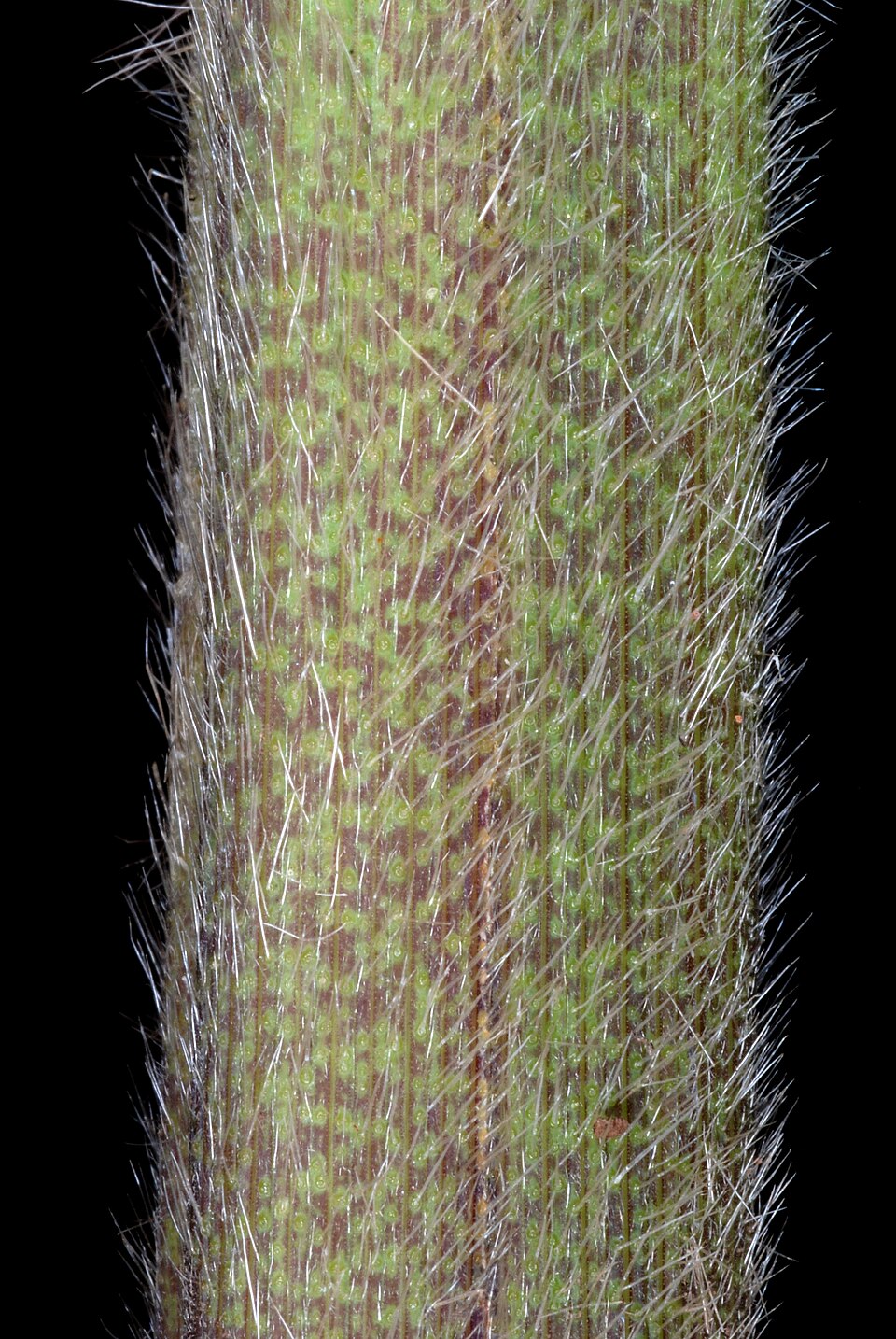
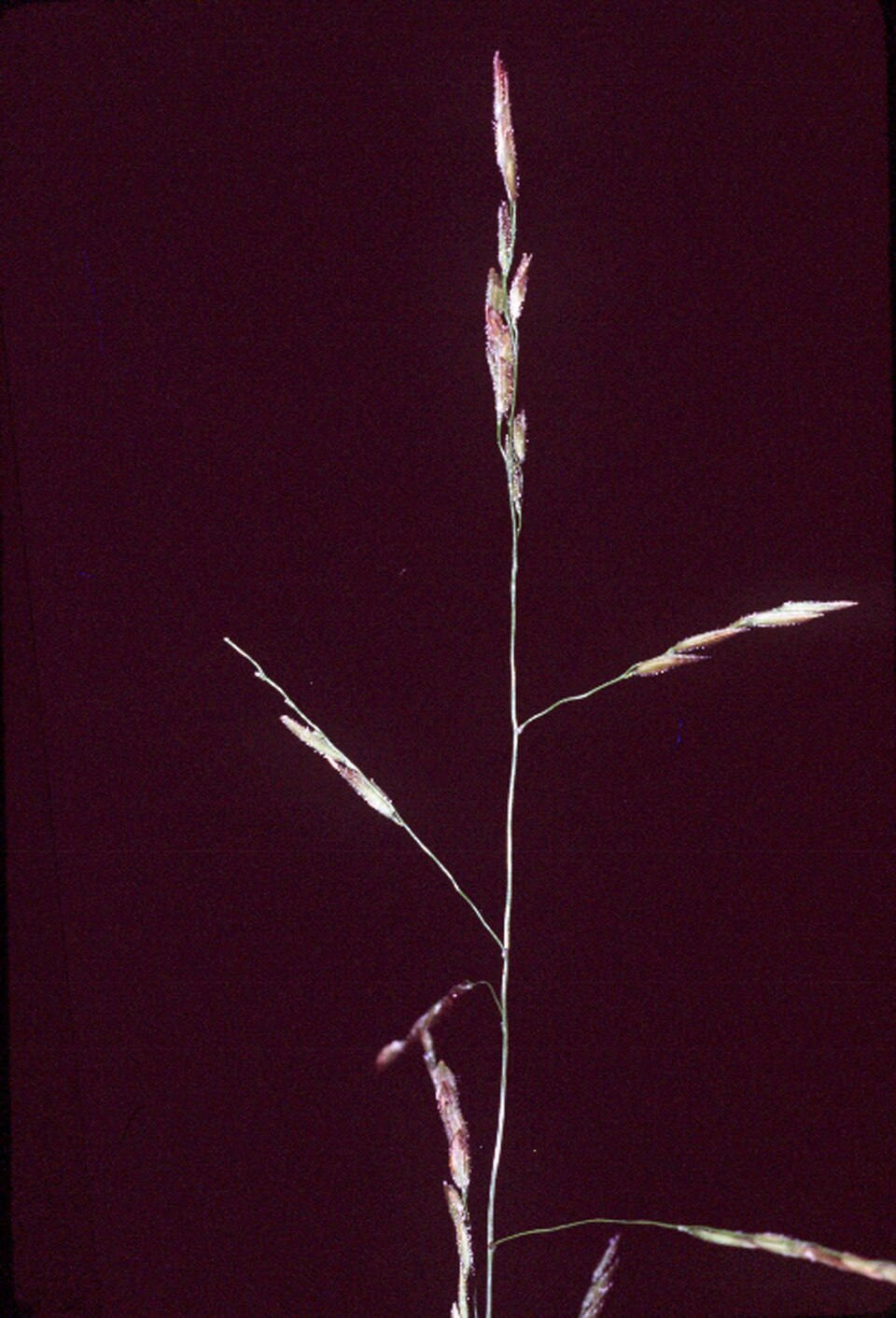
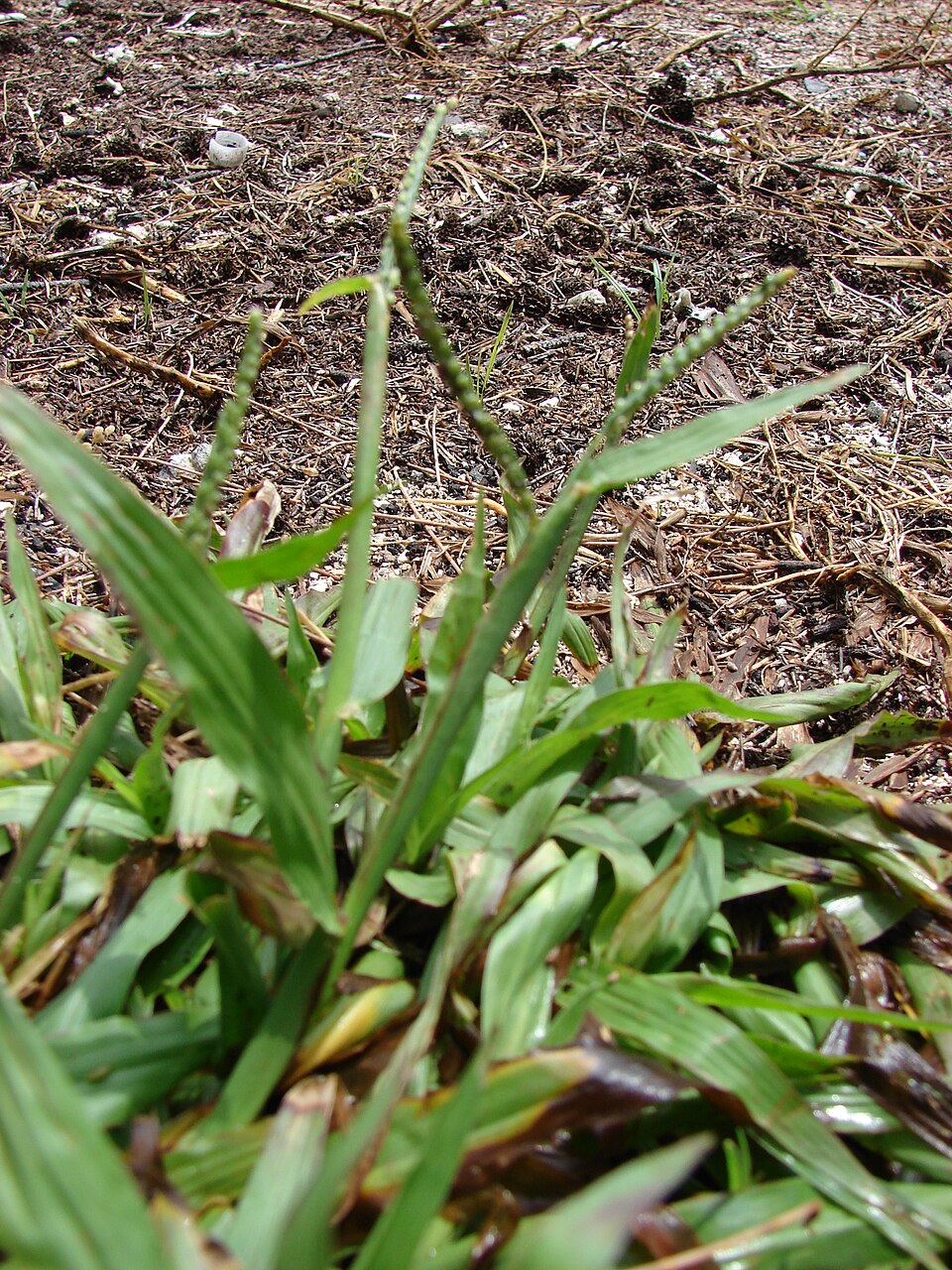
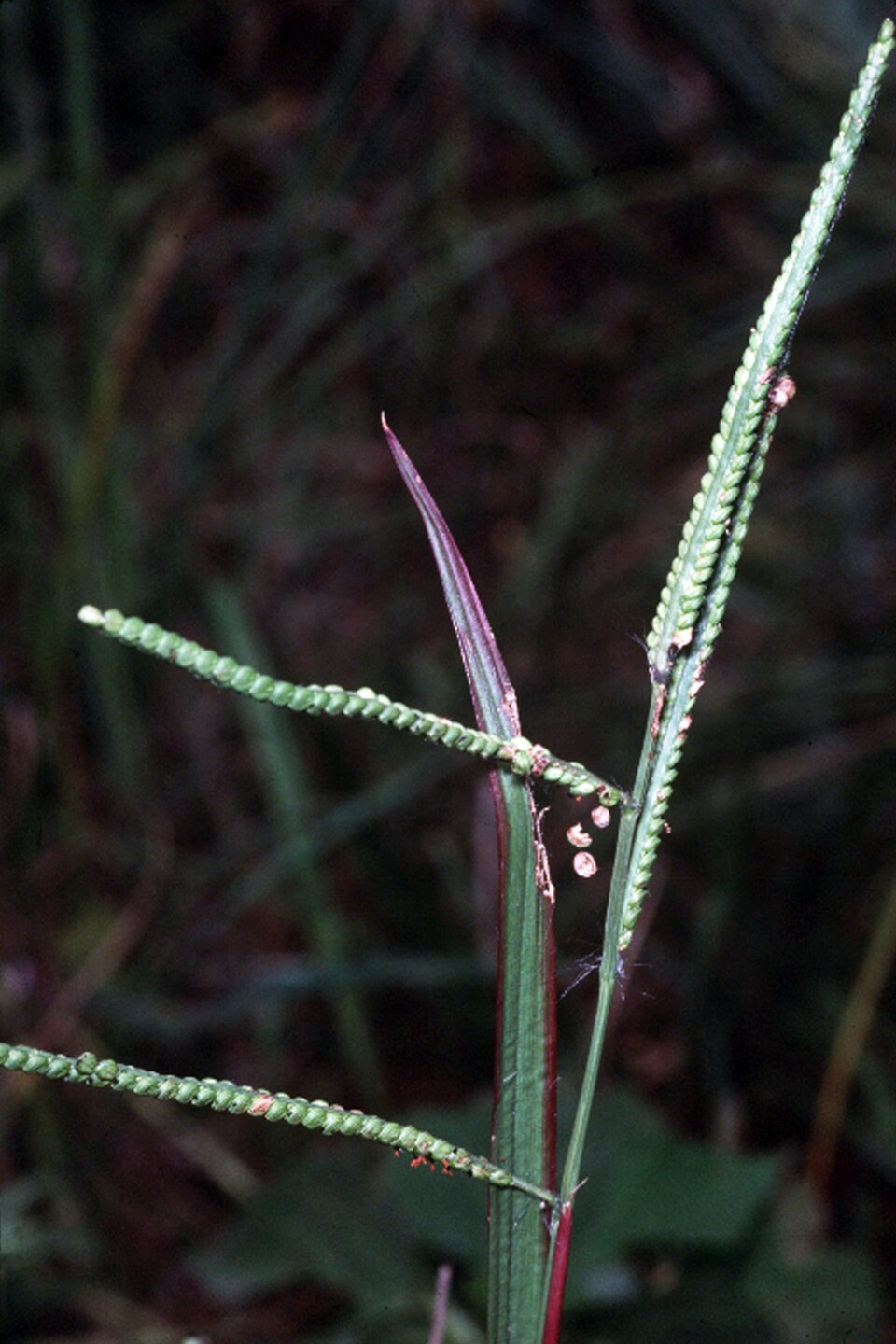
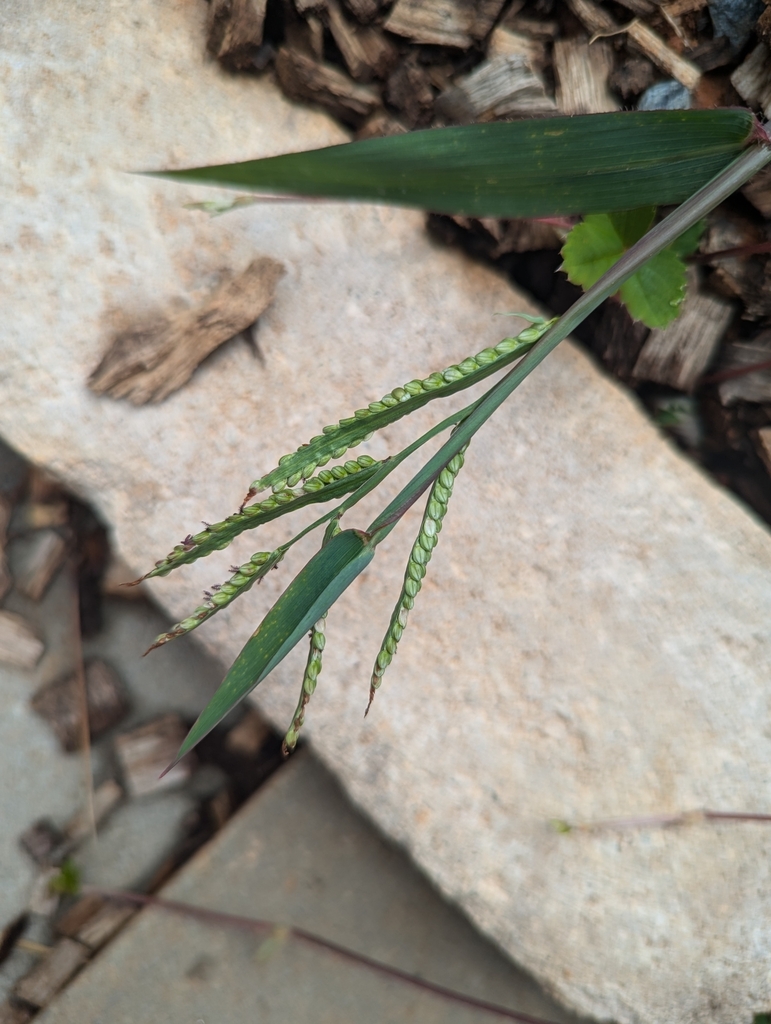
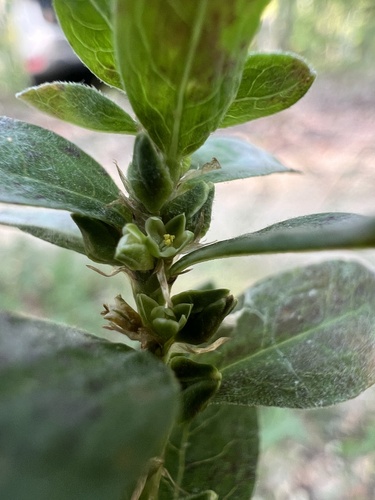
Plant genera in its diet records (6)
- Oryza Seeds. 8 diet records. 0 native plants in West Virginia
- Echinochloa Seeds. 1 diet record. 3 native plants in West Virginia
- Leersia Seeds. 1 diet record. 2 native plants in West Virginia
- Paspalum Seeds. 1 diet record. 5 native plants in West Virginia
- Polygonum Seeds. 1 diet record. 4 native plants in West Virginia
- Rhynchospora Seeds. 1 diet record. 4 native plants in West Virginia
Also found in its main habitats
Its main habitats in West Virginia, by how much of its habitat model each one is, with the birds most characteristic of each and the plants that grow wild there. Shared habitat, not food.
Disturbed and introduced wetlands
Birds 112
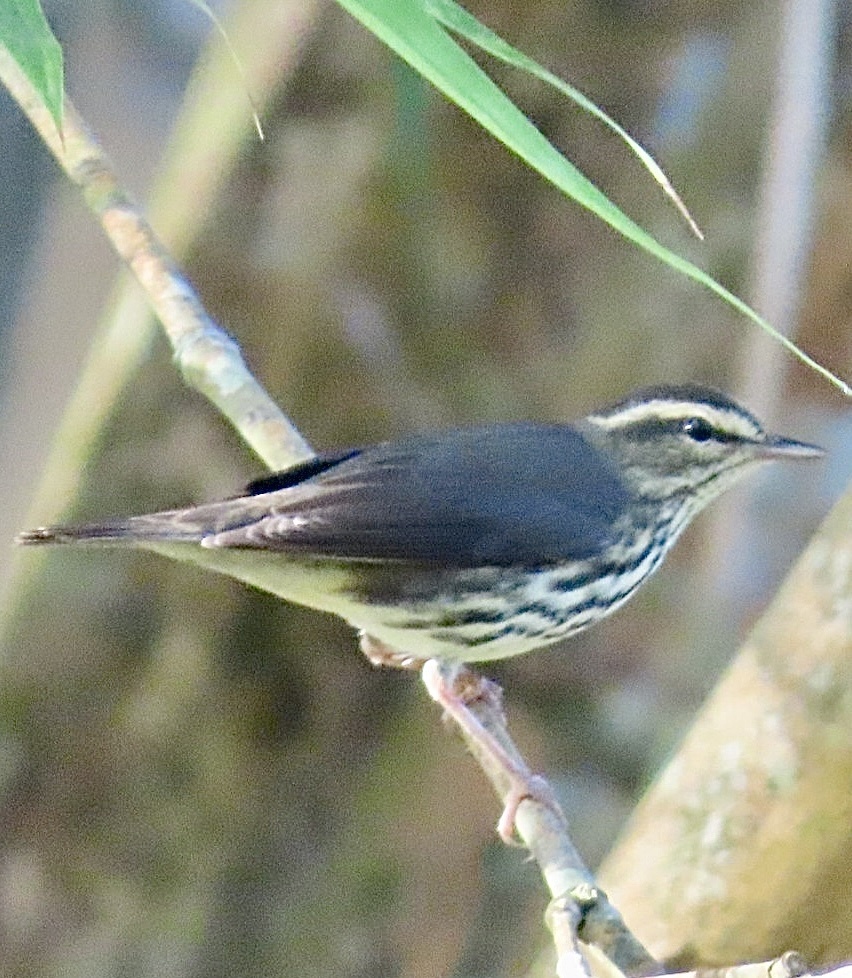
- Northern WaterthrushSeiurus noveboracensis
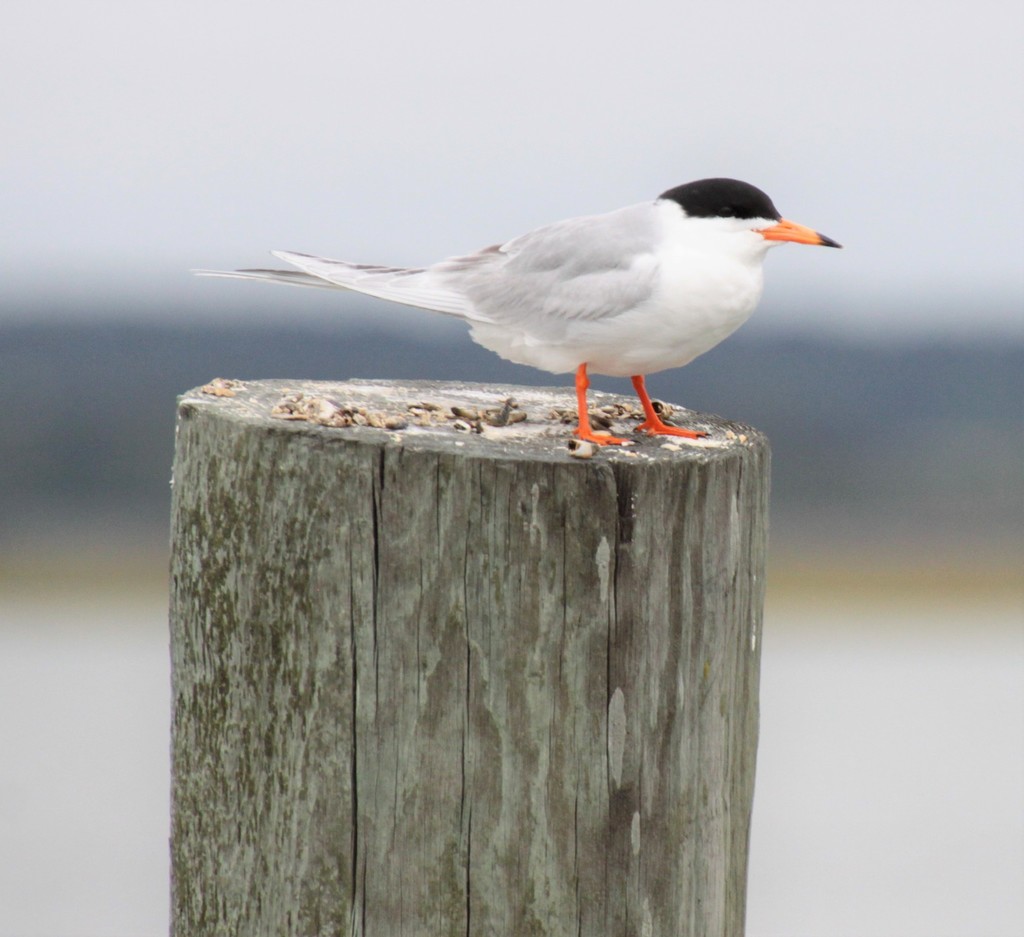
- Forster's TernSterna forsteri
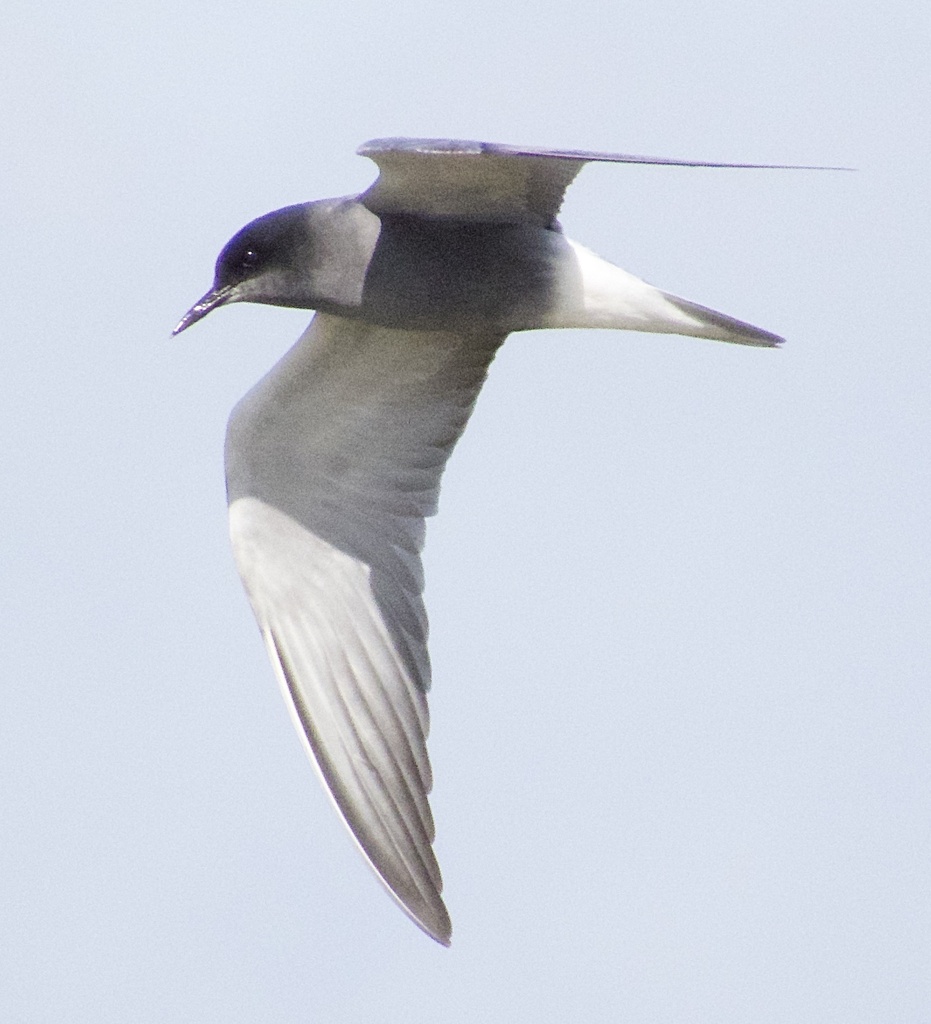
- Black TernChlidonias niger
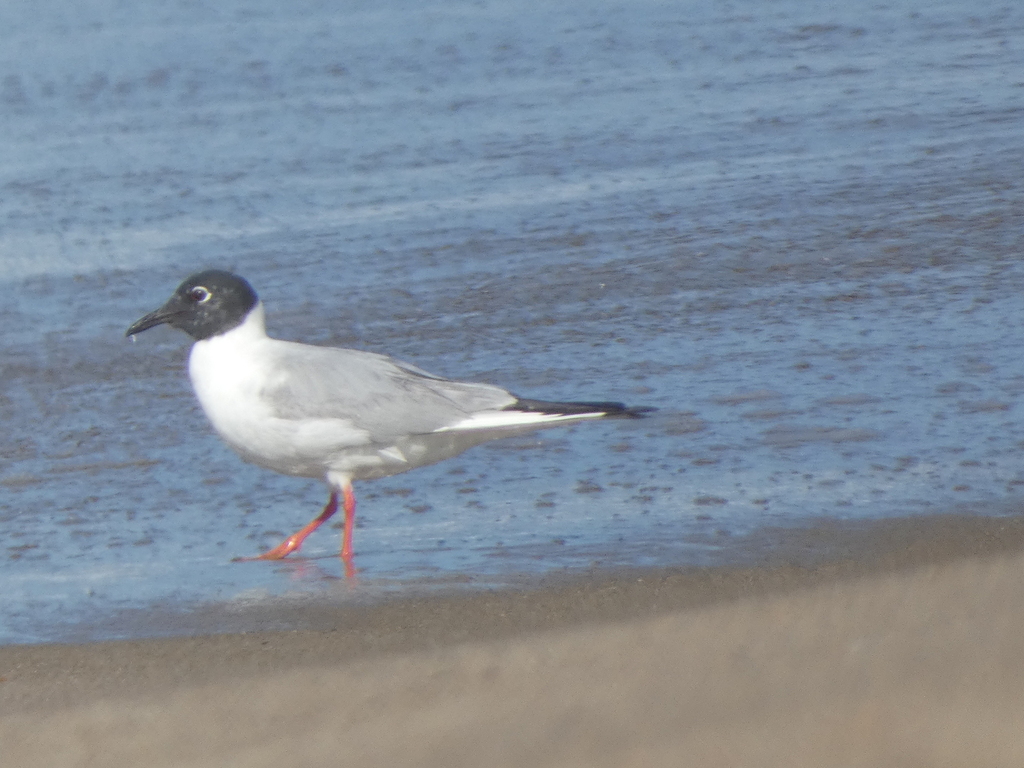
- Bonaparte's GullChroicocephalus philadelphia
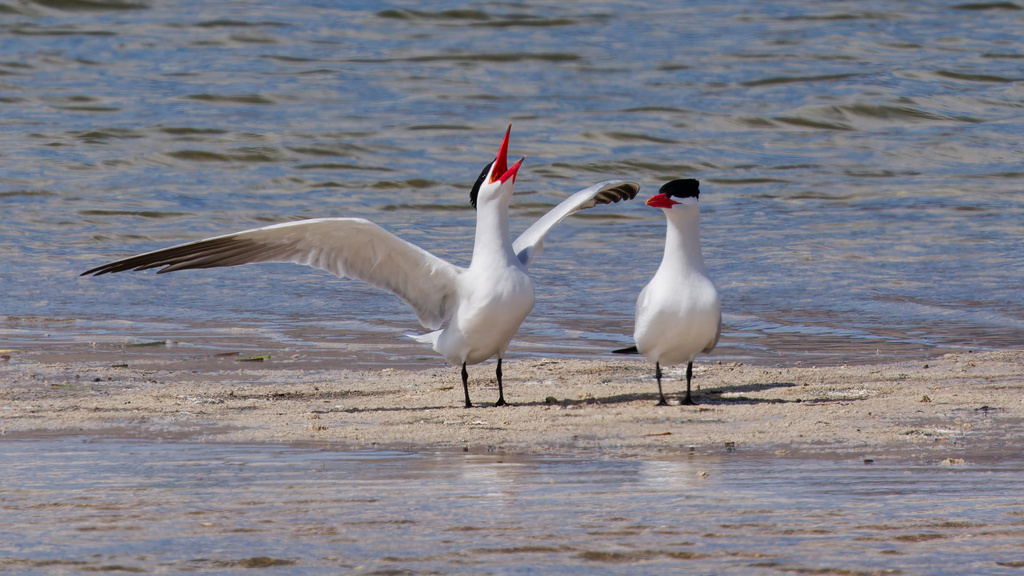
- Caspian TernHydroprogne caspia
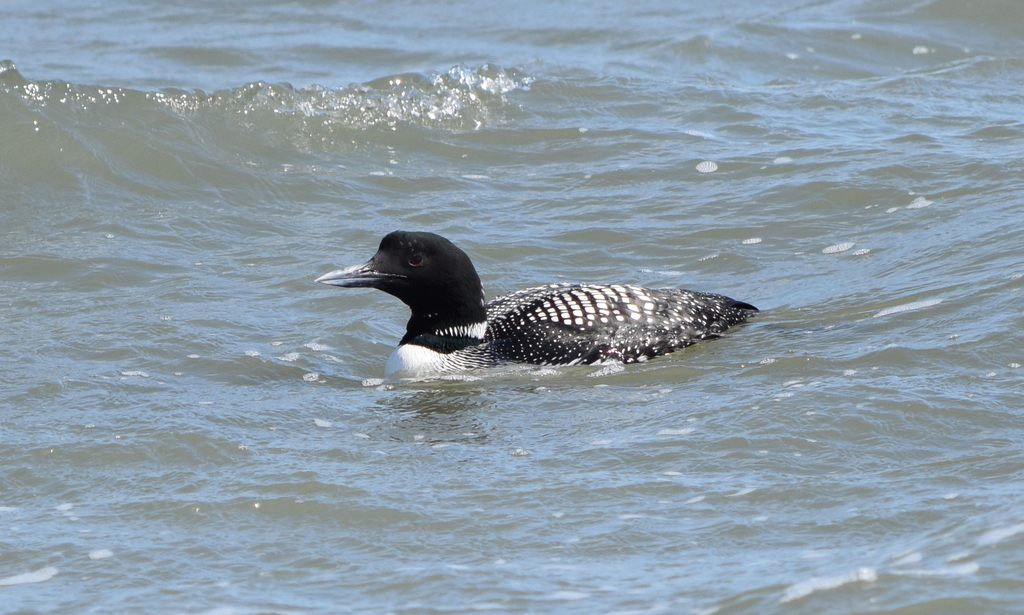
- Common LoonGavia immer
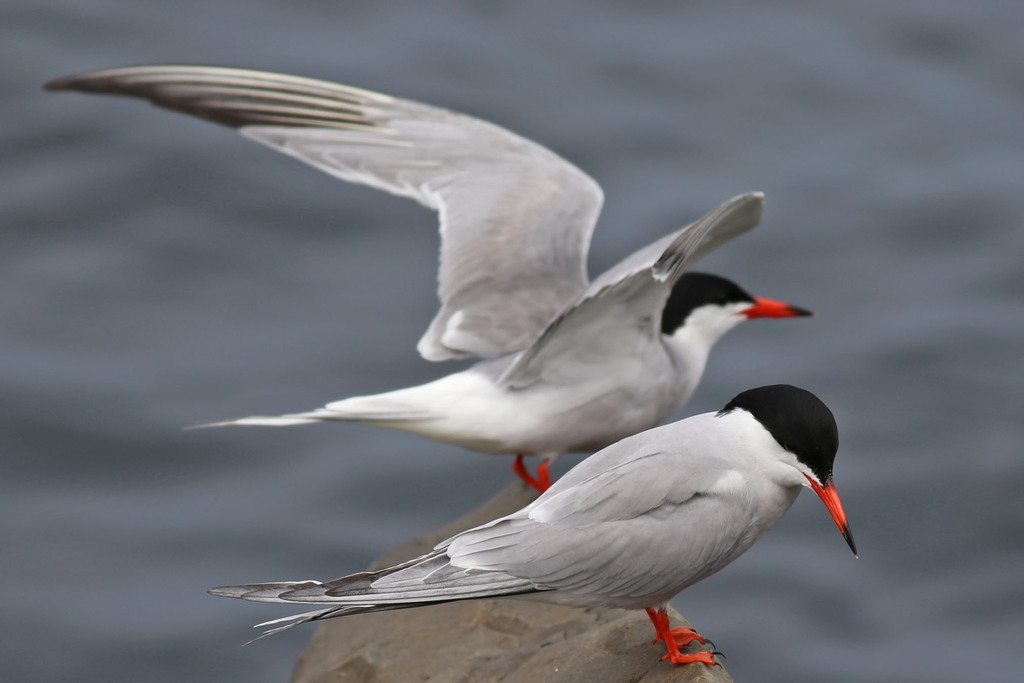
- Common TernSterna hirundo
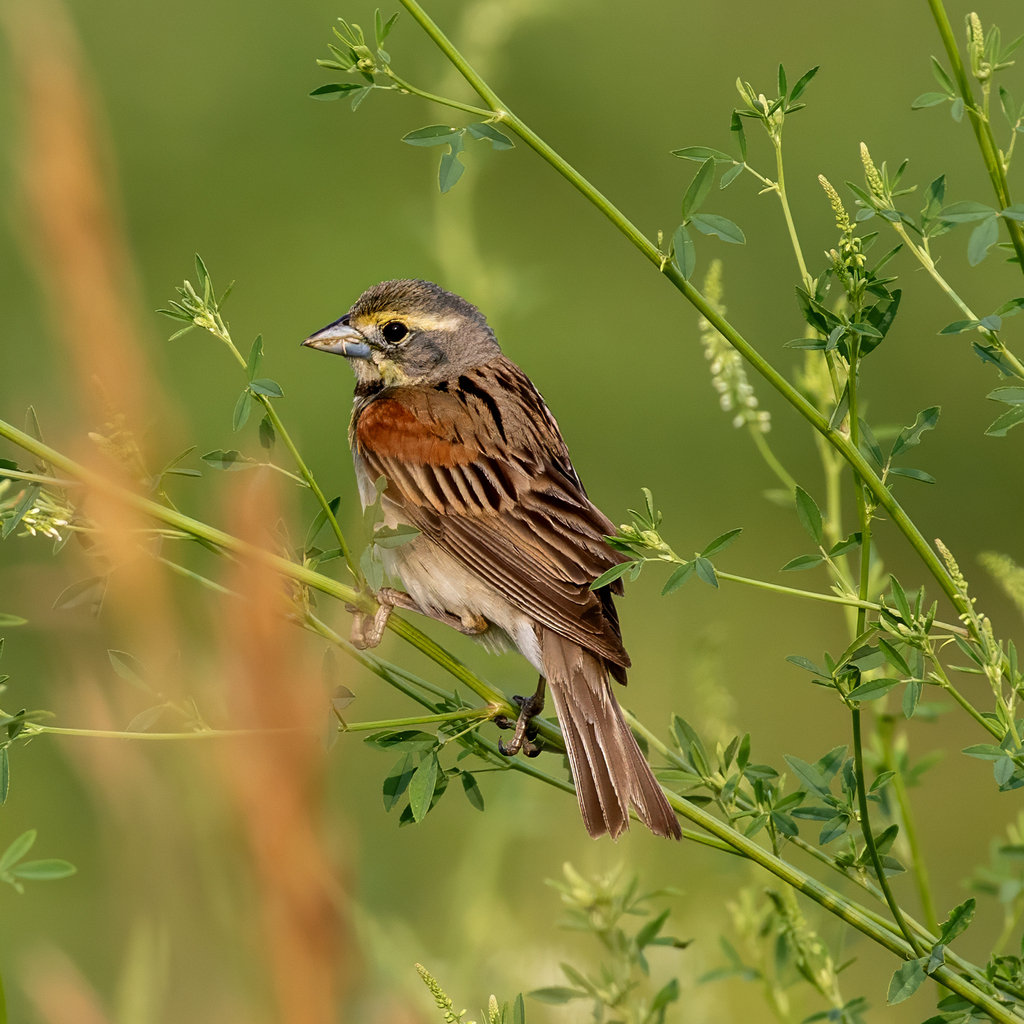
- DickcisselSpiza americana
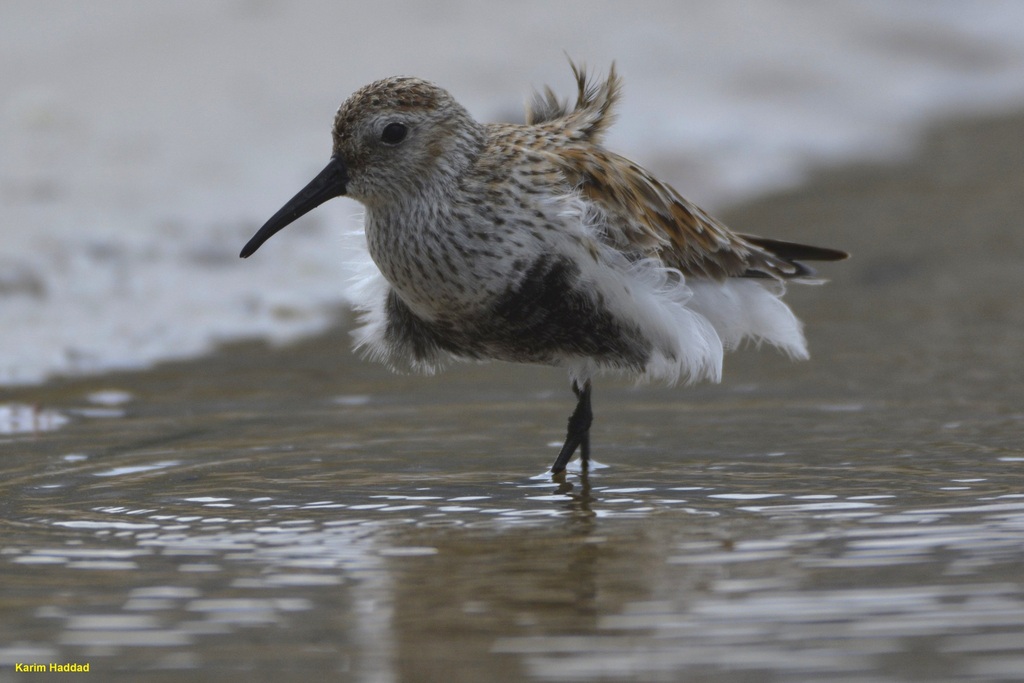
- DunlinCalidris alpina
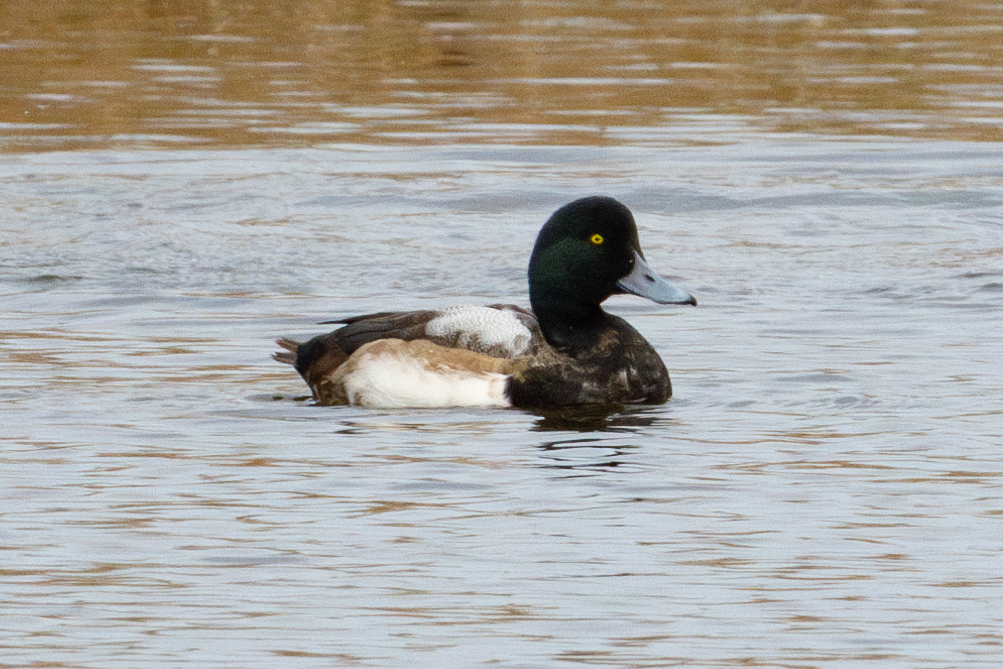
- Greater ScaupAythya marila
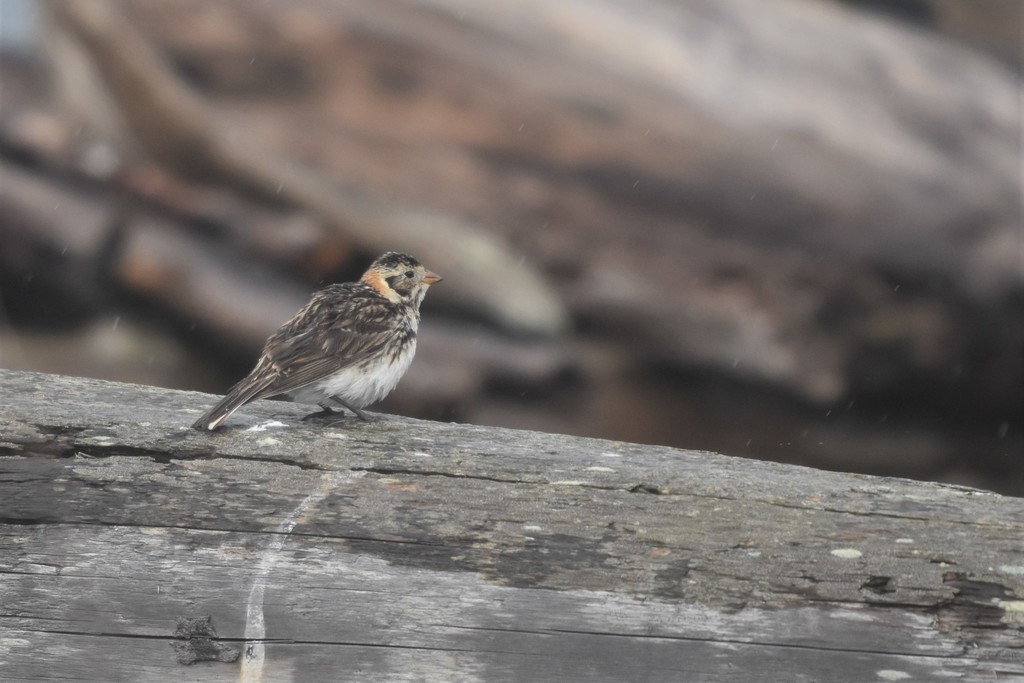
- Lapland LongspurCalcarius lapponicus
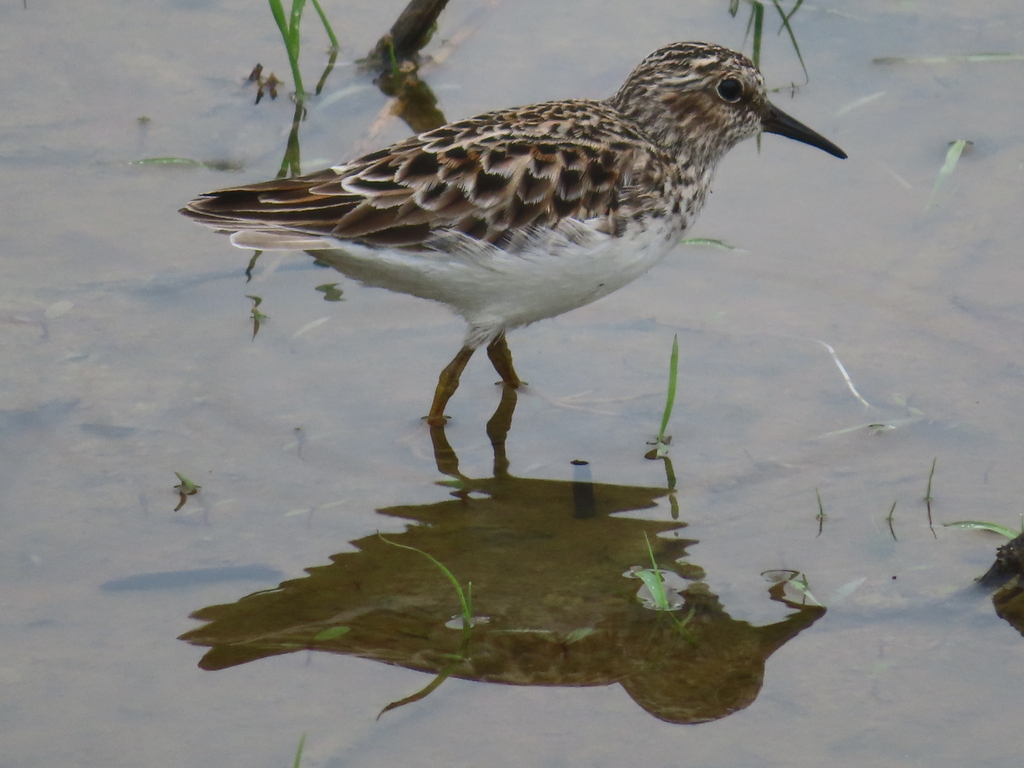
- Least SandpiperCalidris minutilla
Plants 12
- Slender FimbryFimbristylis autumnalis
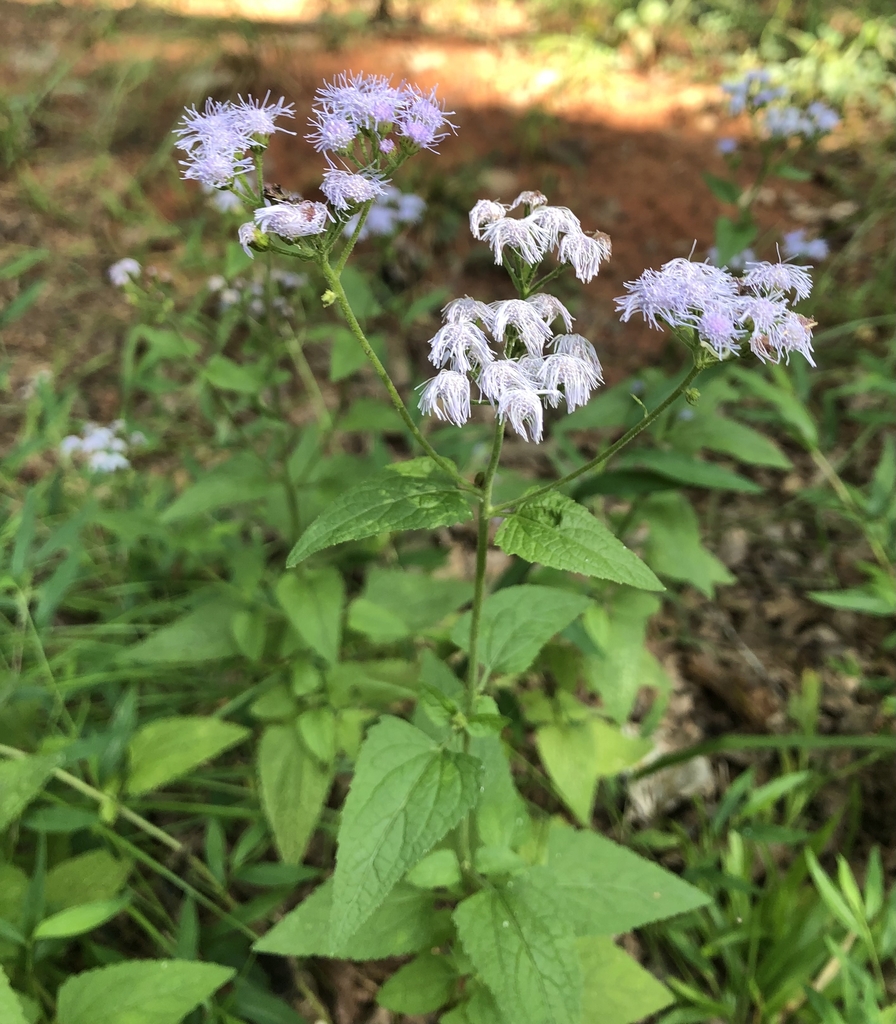
- Blue MistflowerConoclinium coelestinum
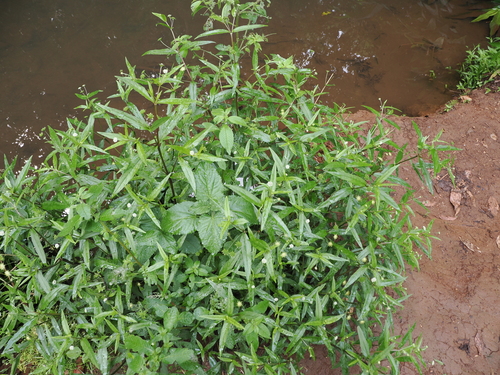
- False DaisyEclipta prostrata
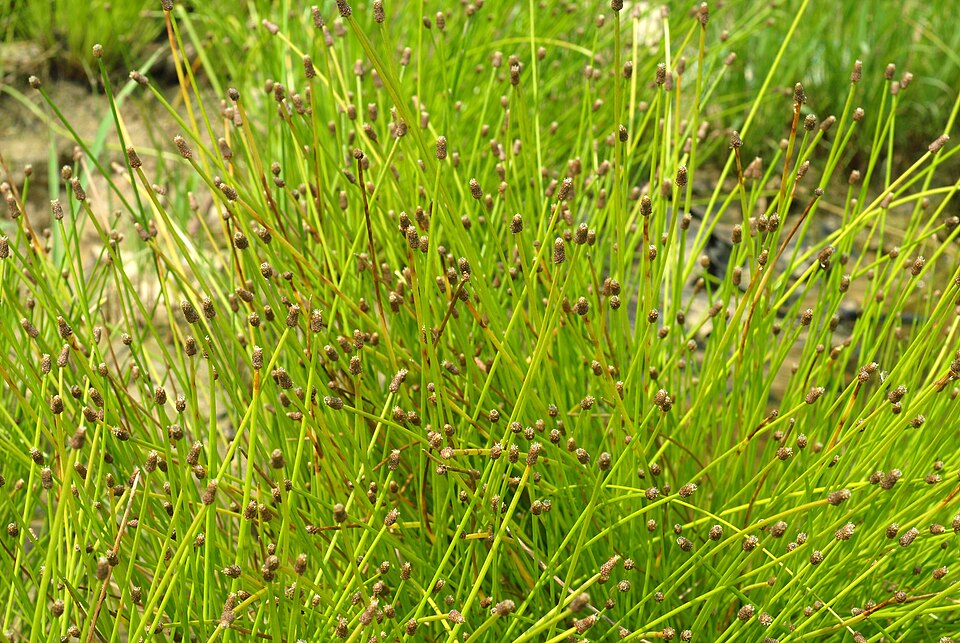
- Intermediate Spike RushEleocharis intermedia
- Blunt Spike RushEleocharis obtusa
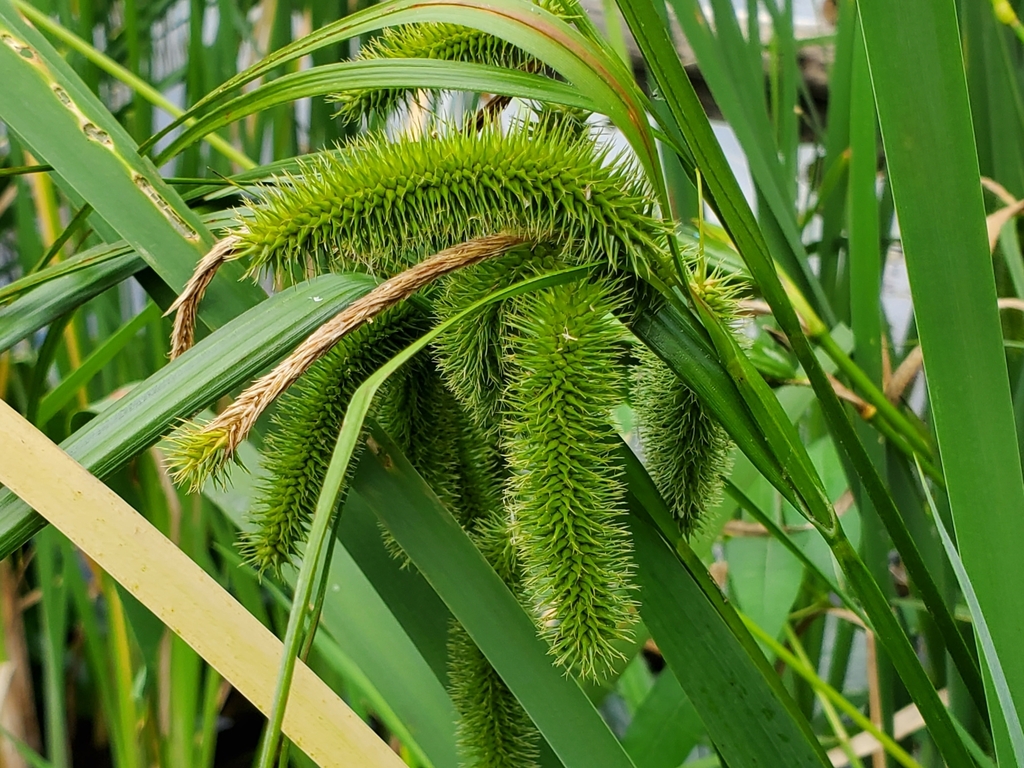
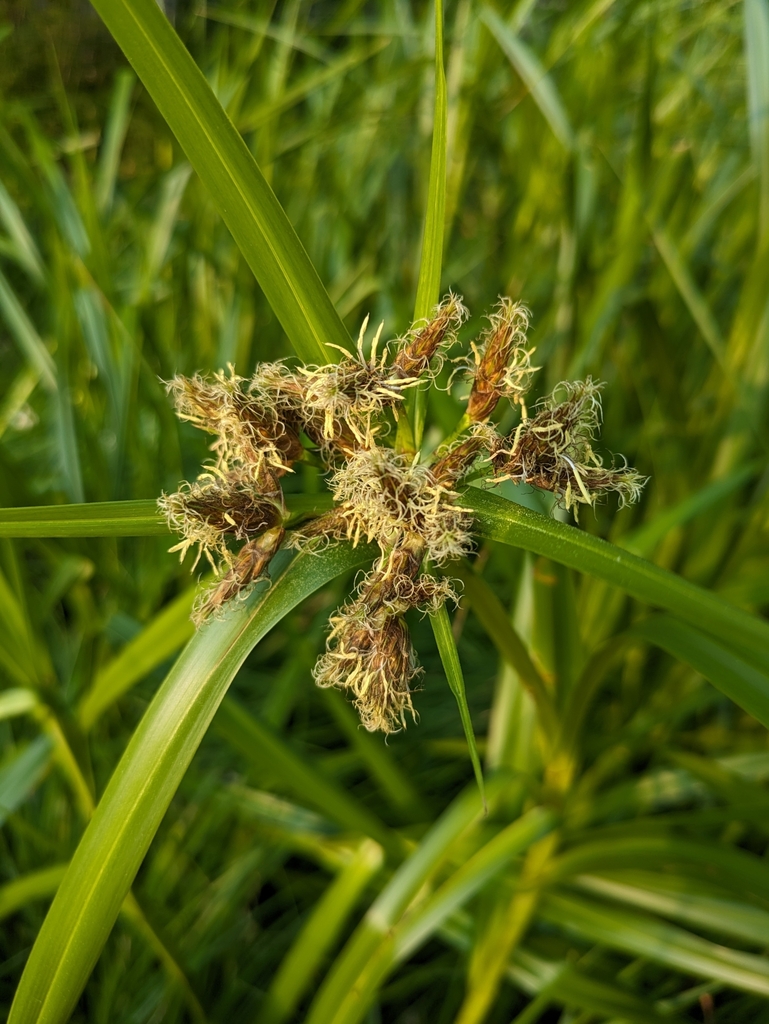
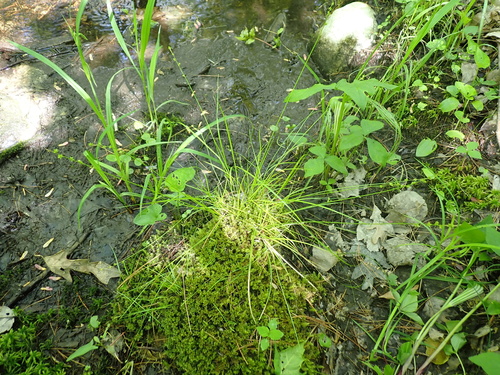
- Bristly SedgeCarex comosa
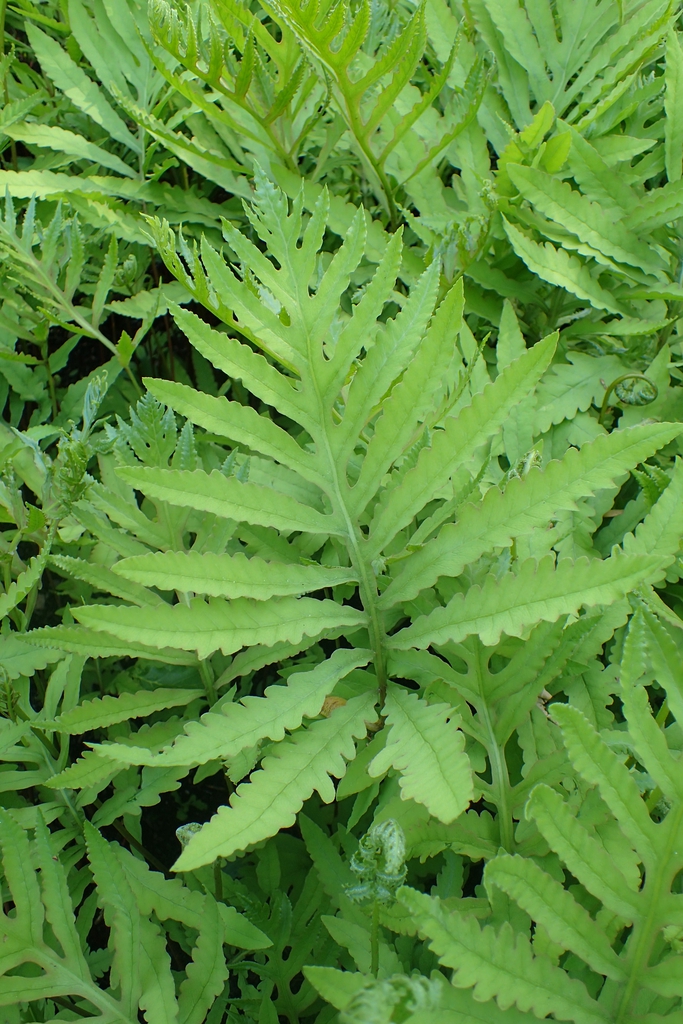
- Sensitive FernOnoclea sensibilis
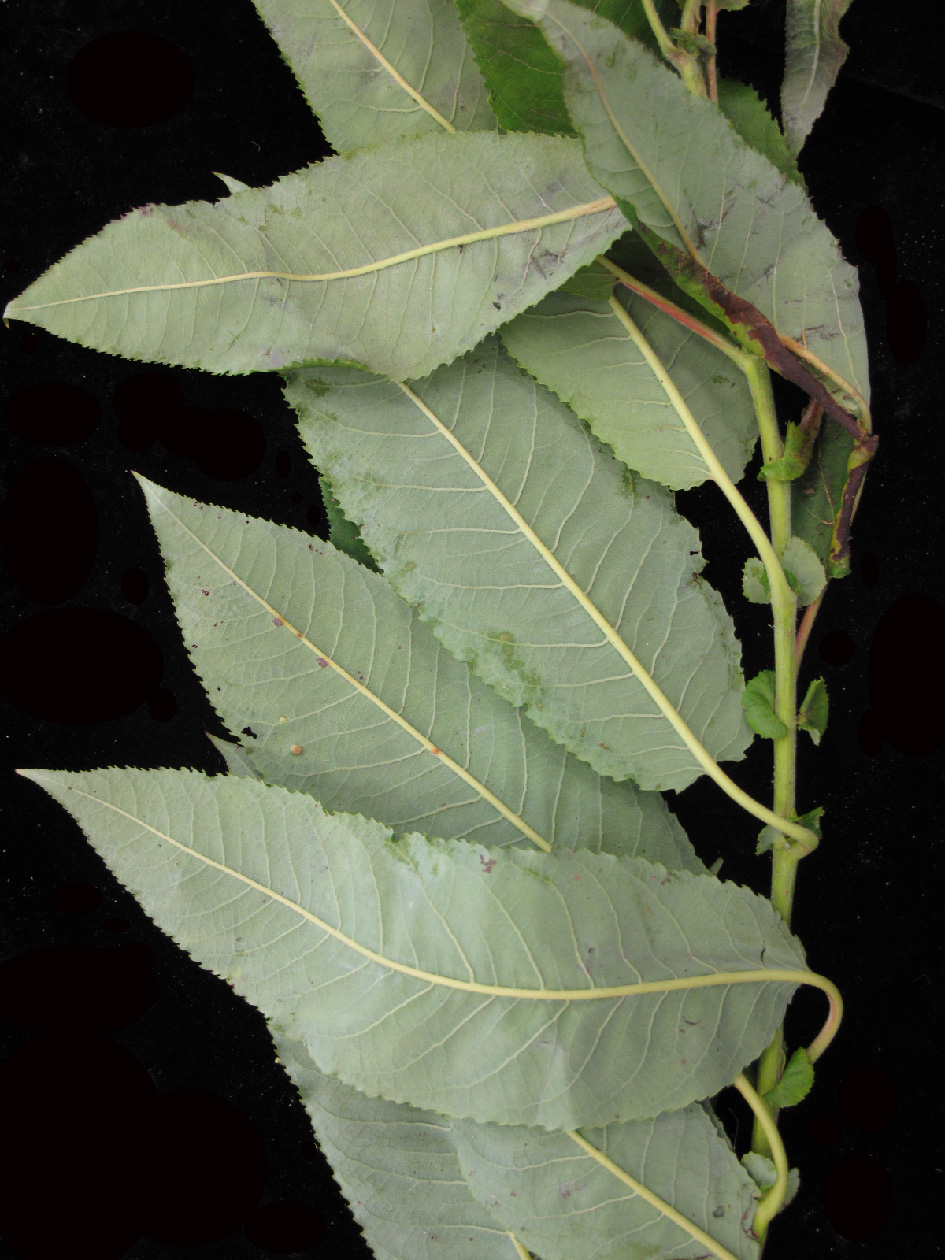
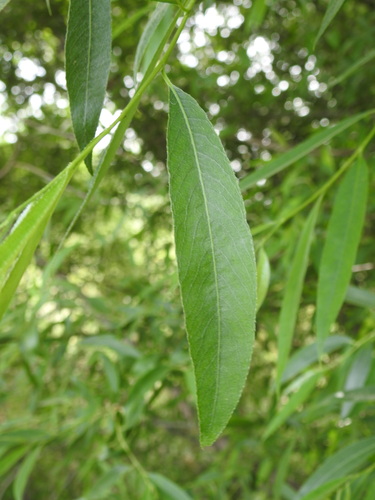
- Heart Leaf WillowSalix eriocephala
- Cuscuta gronovii var. gronoviiCuscuta gronovii var. gronovii
- European Gray WillowSalix cinerea
- Ricefield FlatsedgeCyperus iria
- White WillowSalix alba
Freshwater marshes
Birds 31
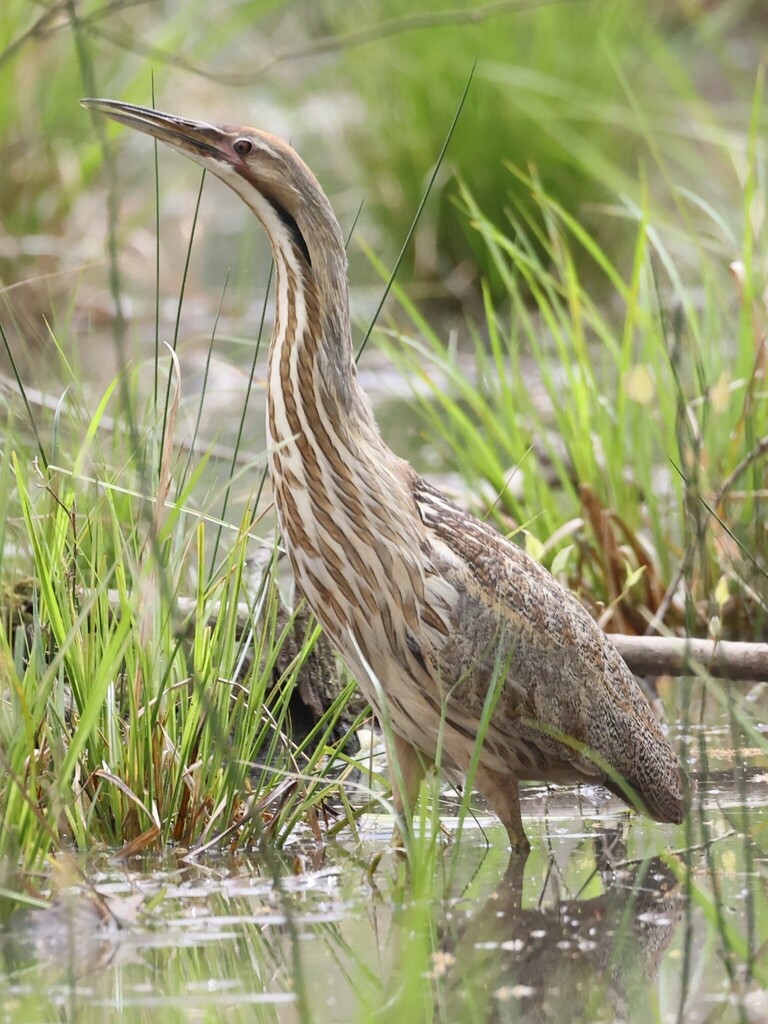
- American BitternBotaurus lentiginosus
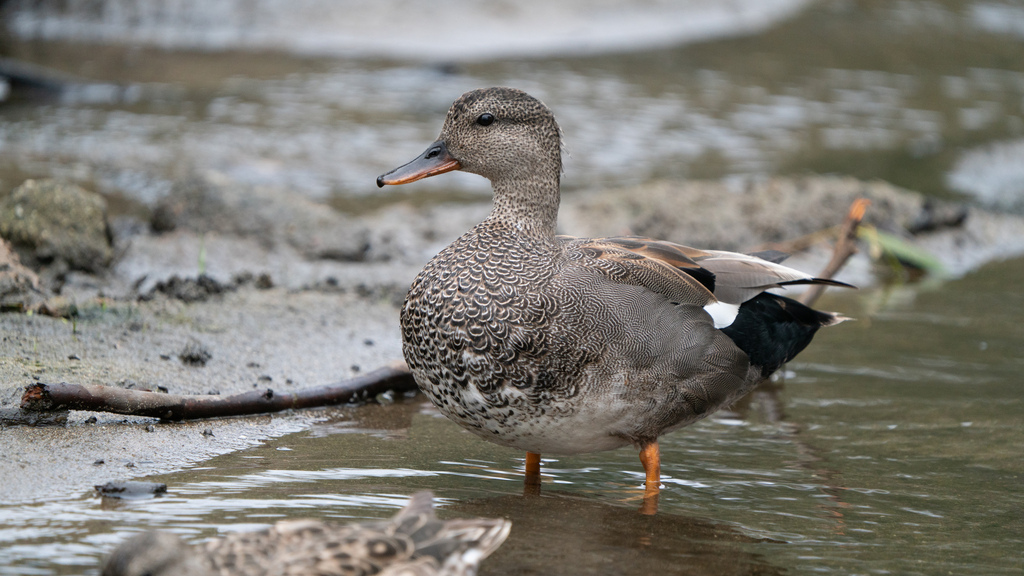
- GadwallAnas strepera
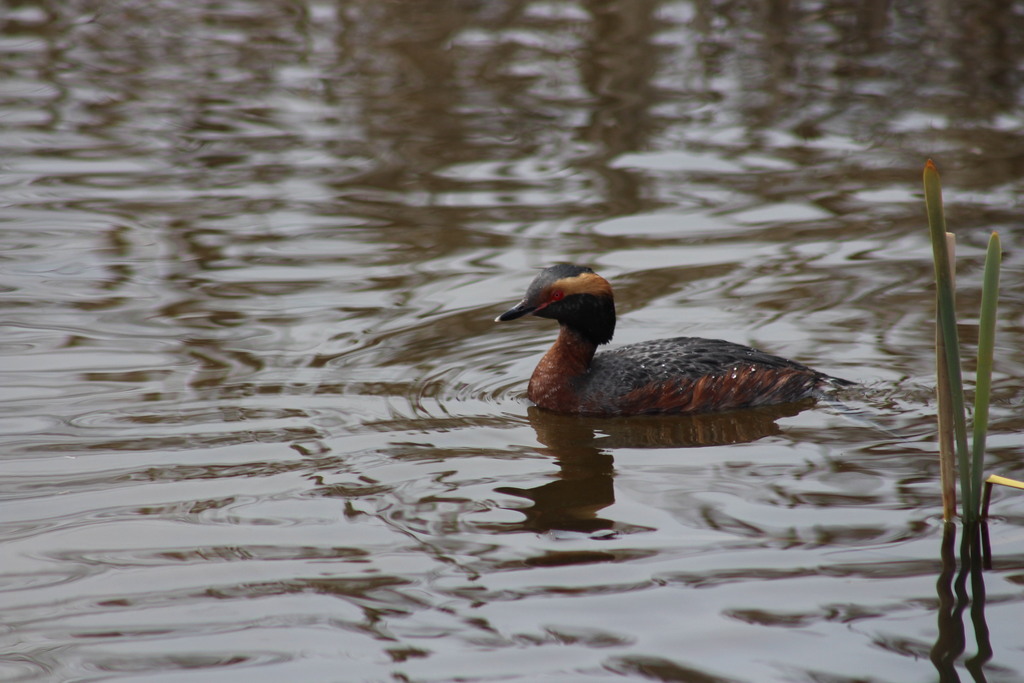
- Horned GrebePodiceps auritus
- Least BitternIxobrychus exilis
- SoraPorzana carolina
- Golden EagleAquila chrysaetos
- Ring-necked PheasantPhasianus colchicus
- Willow FlycatcherEmpidonax traillii
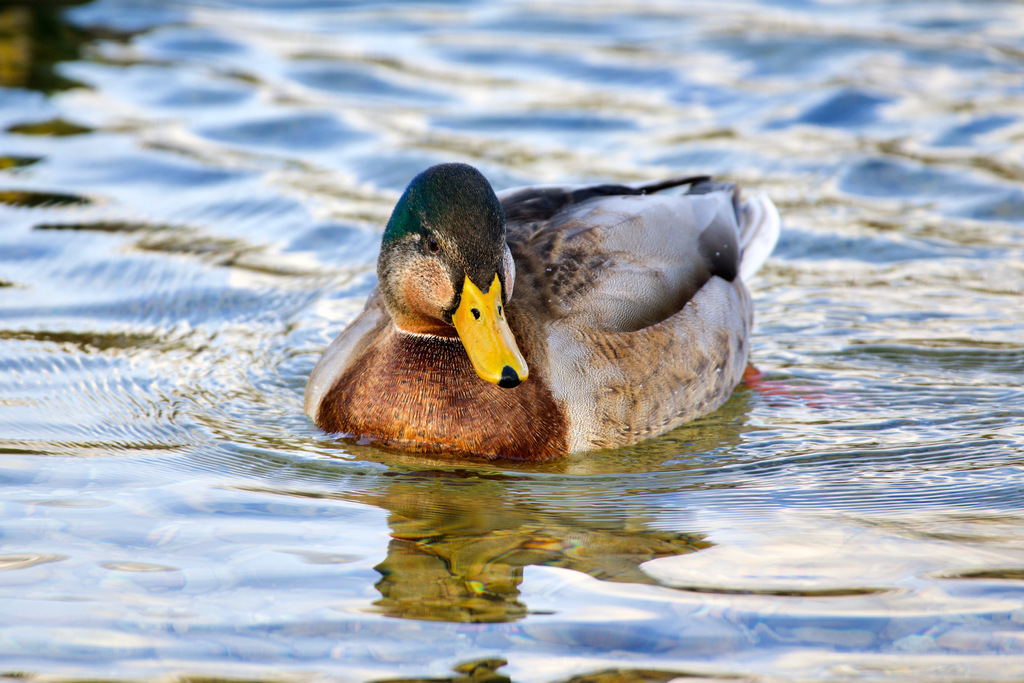
- MallardAnas platyrhynchos
- Great EgretArdea alba
- Ring-necked DuckAythya collaris
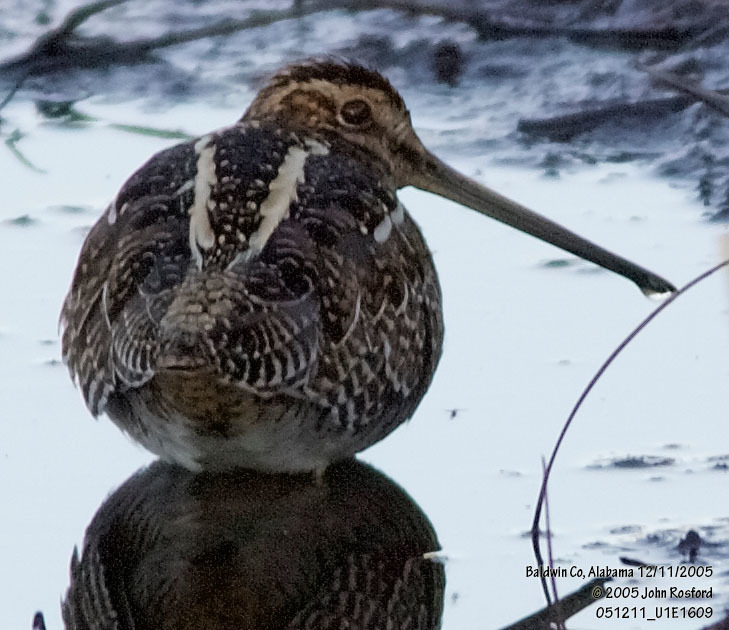
- Wilson's SnipeGallinago delicata
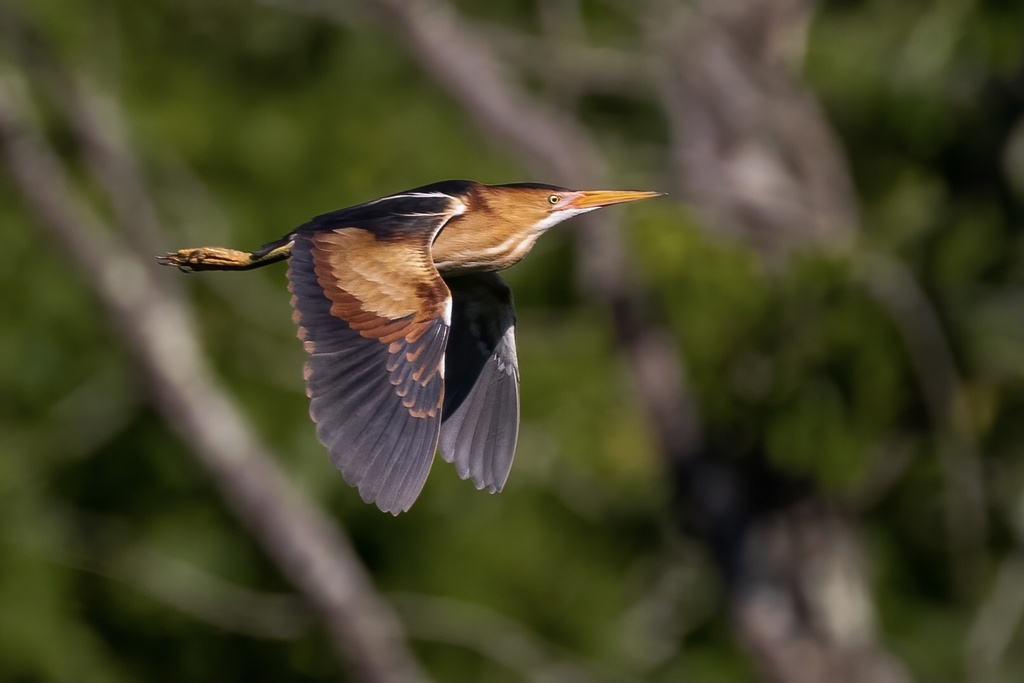
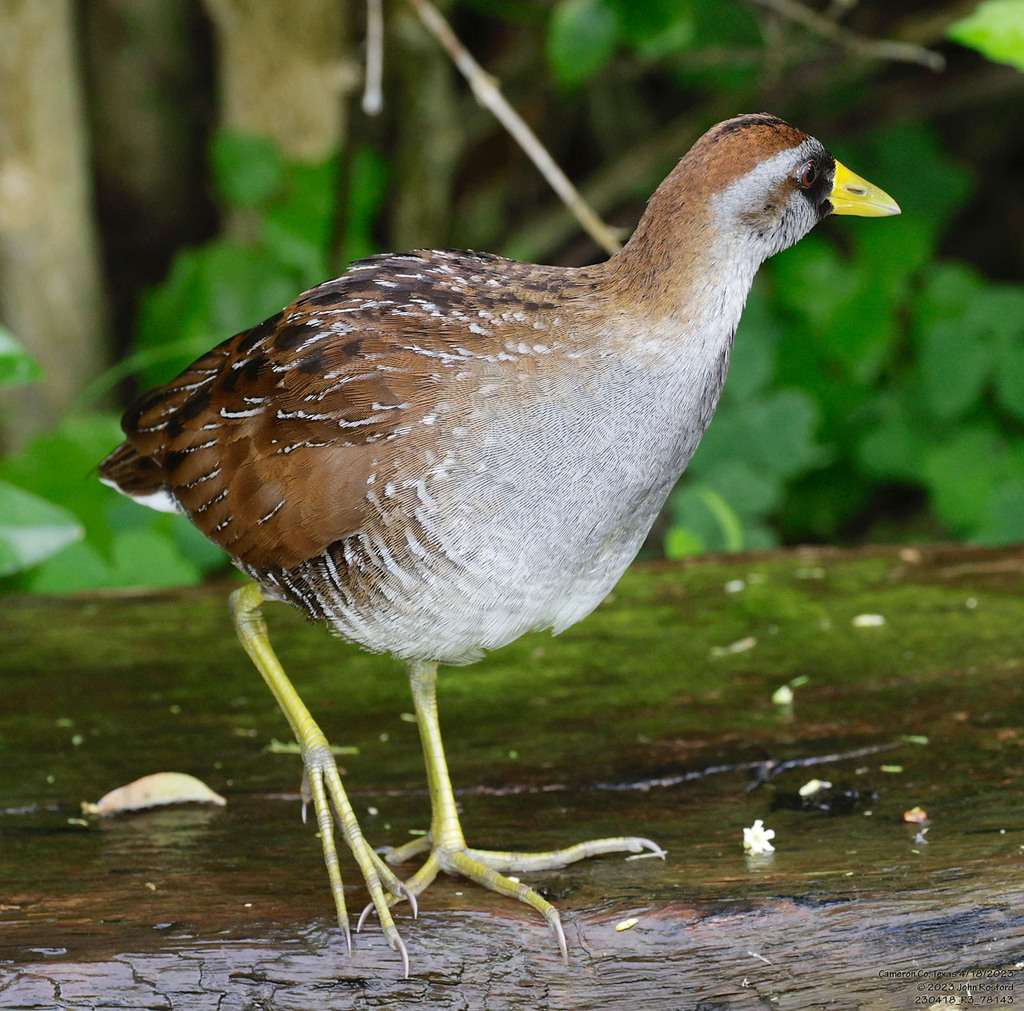
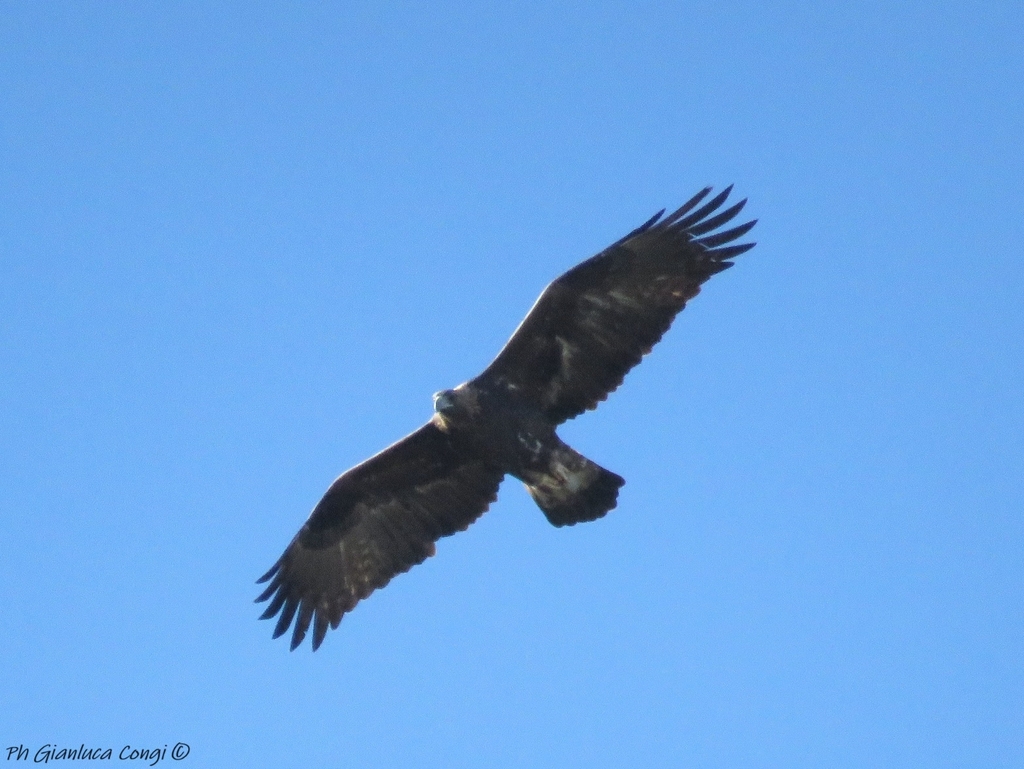
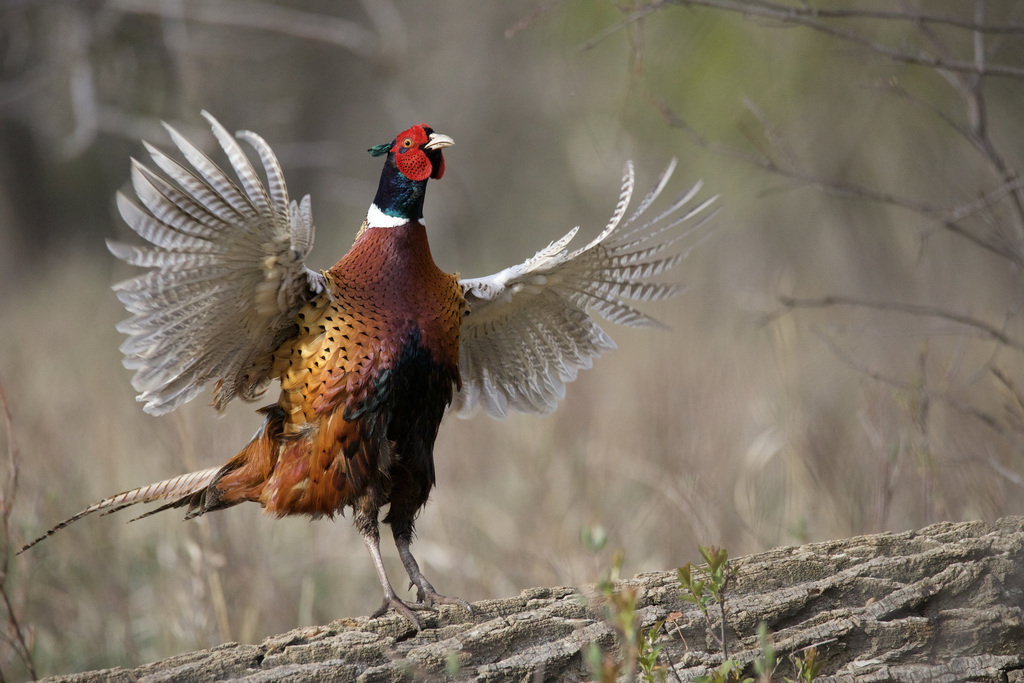


Plants 166
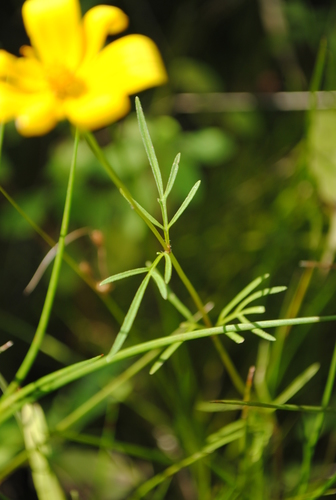
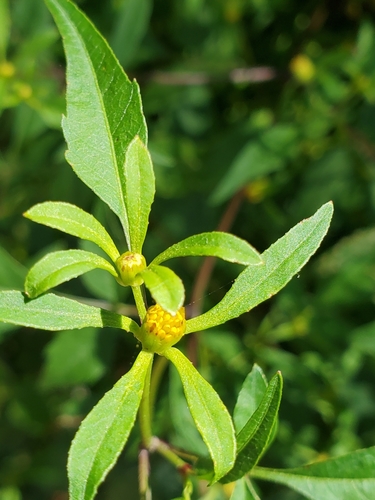
- Crowned BeggarticksBidens trichosperma
- Lakebank SedgeCarex lacustris
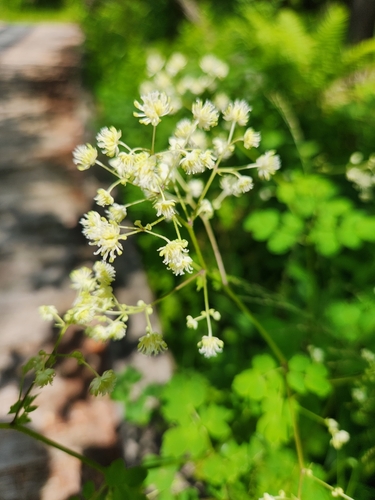
- Tall Meadow-rueThalictrum pubescens
- River BulrushBolboschoenus fluviatilis
- Coast Cockspur-grassEchinochloa walteri
- Common SpikerushEleocharis palustris
- Englemann's SpikerushEleocharis engelmannii
- Slender Spike RushEleocharis tenuis var. tenuis
- Squarestem SpikerushEleocharis quadrangulata
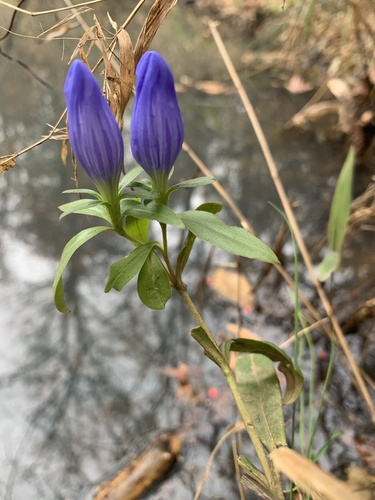
- Soapwort GentianGentiana saponaria
- Small BeggarticksBidens discoidea
Swamps
Birds 46
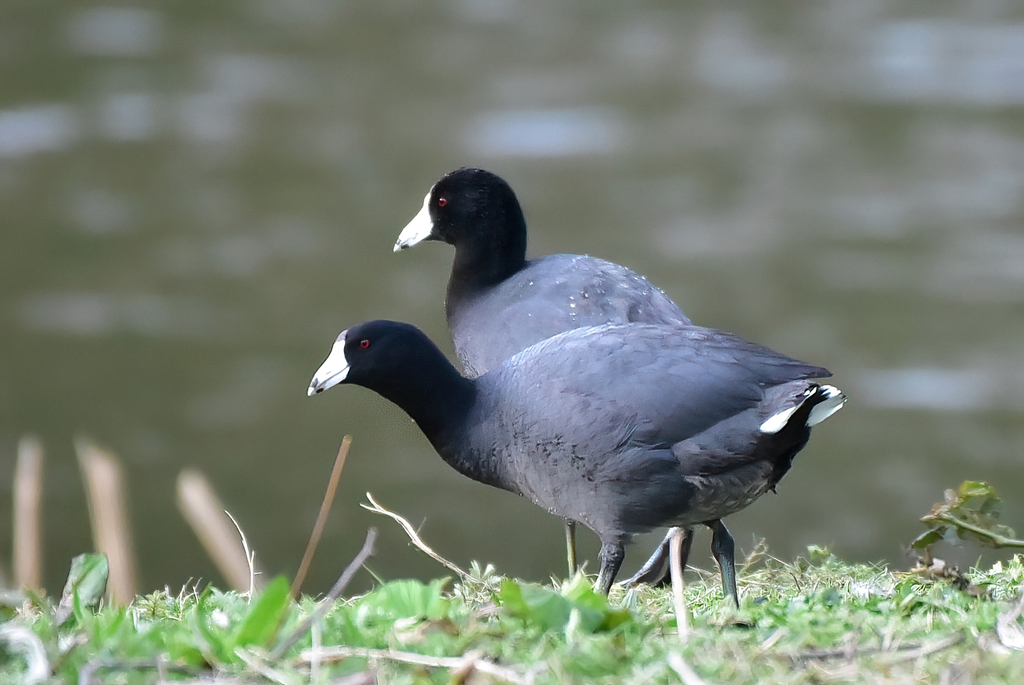
- American CootFulica americana
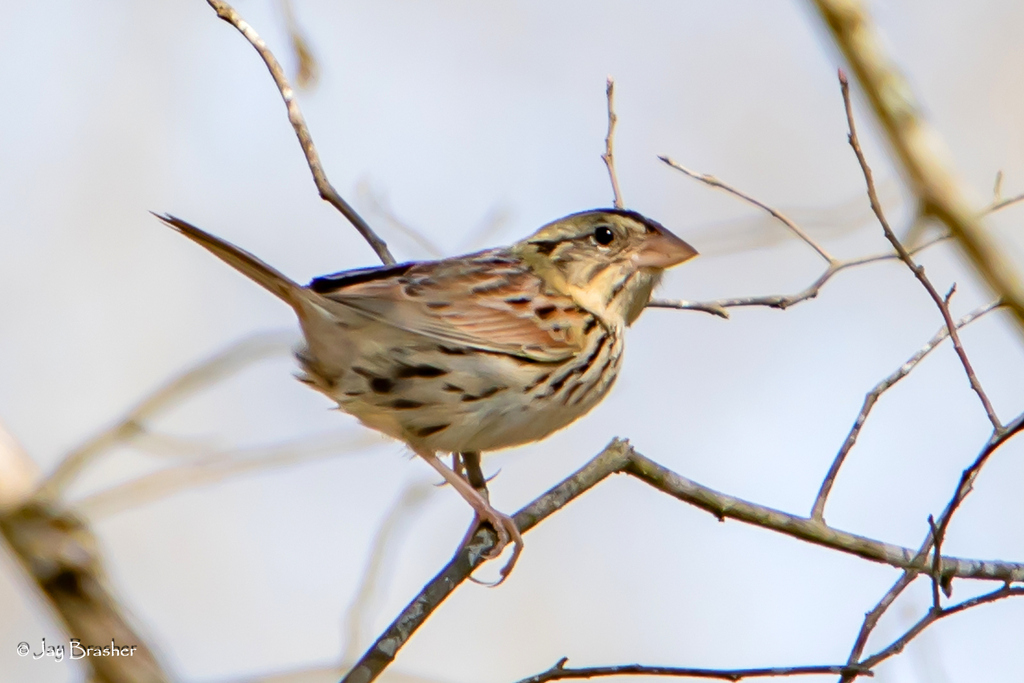
- Henslow's SparrowAmmodramus henslowii
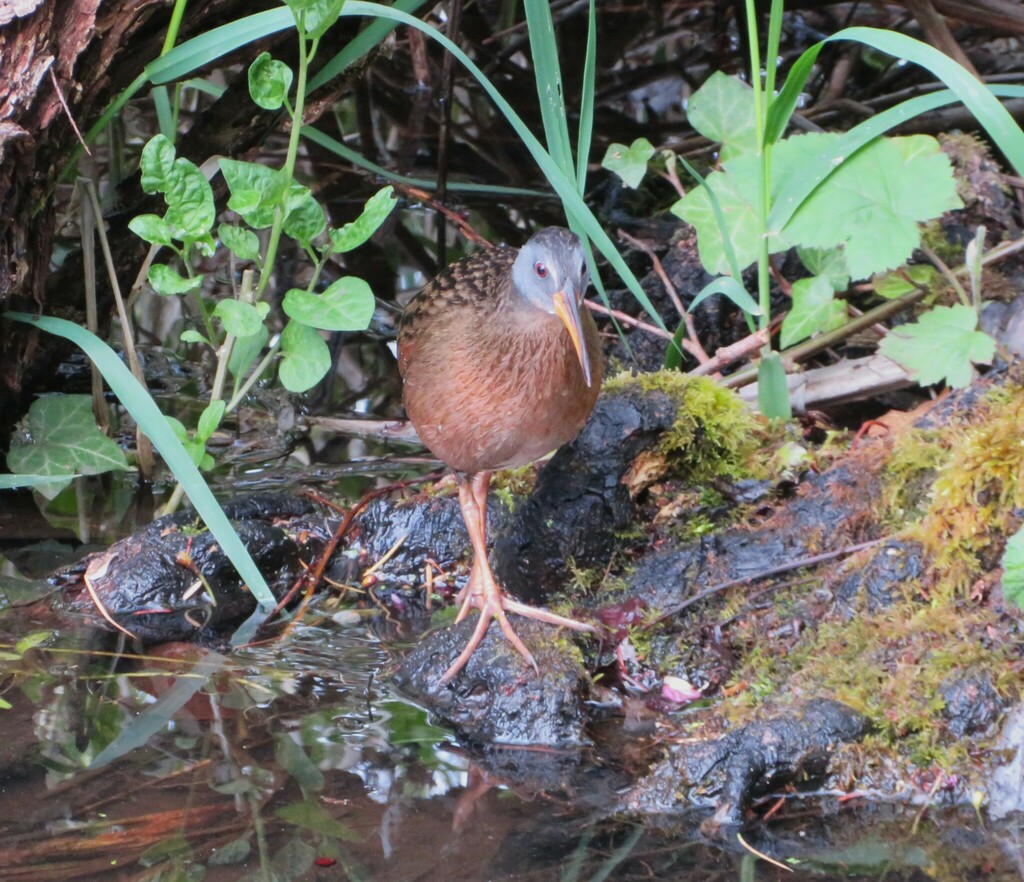
- Virginia RailRallus limicola
- Green HeronButorides virescens
- Horned GrebePodiceps auritus
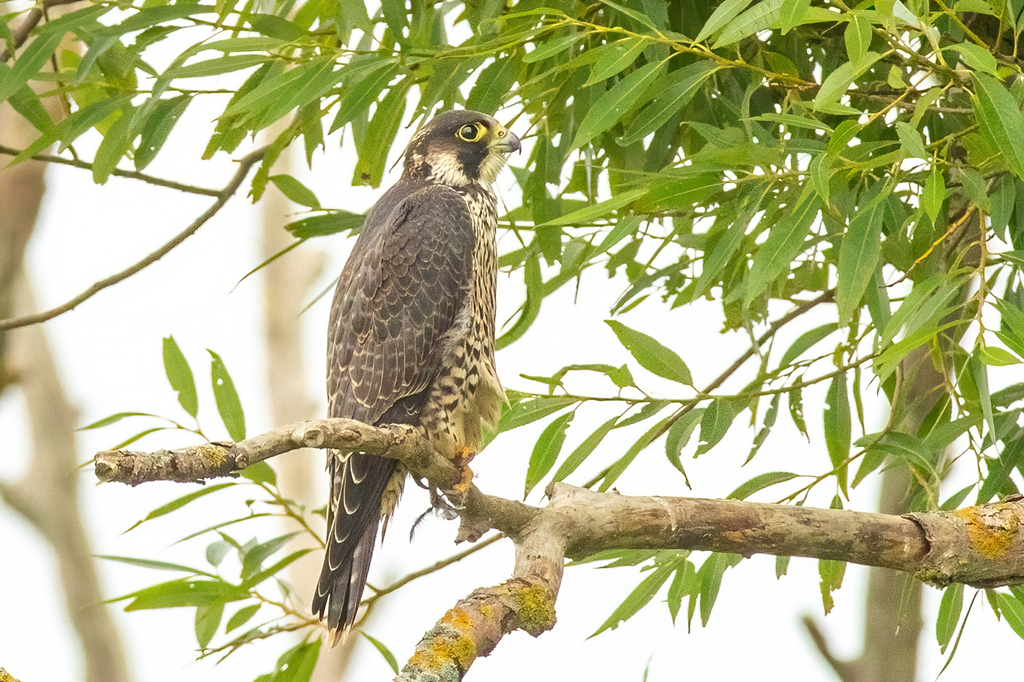
- Peregrine FalconFalco peregrinus
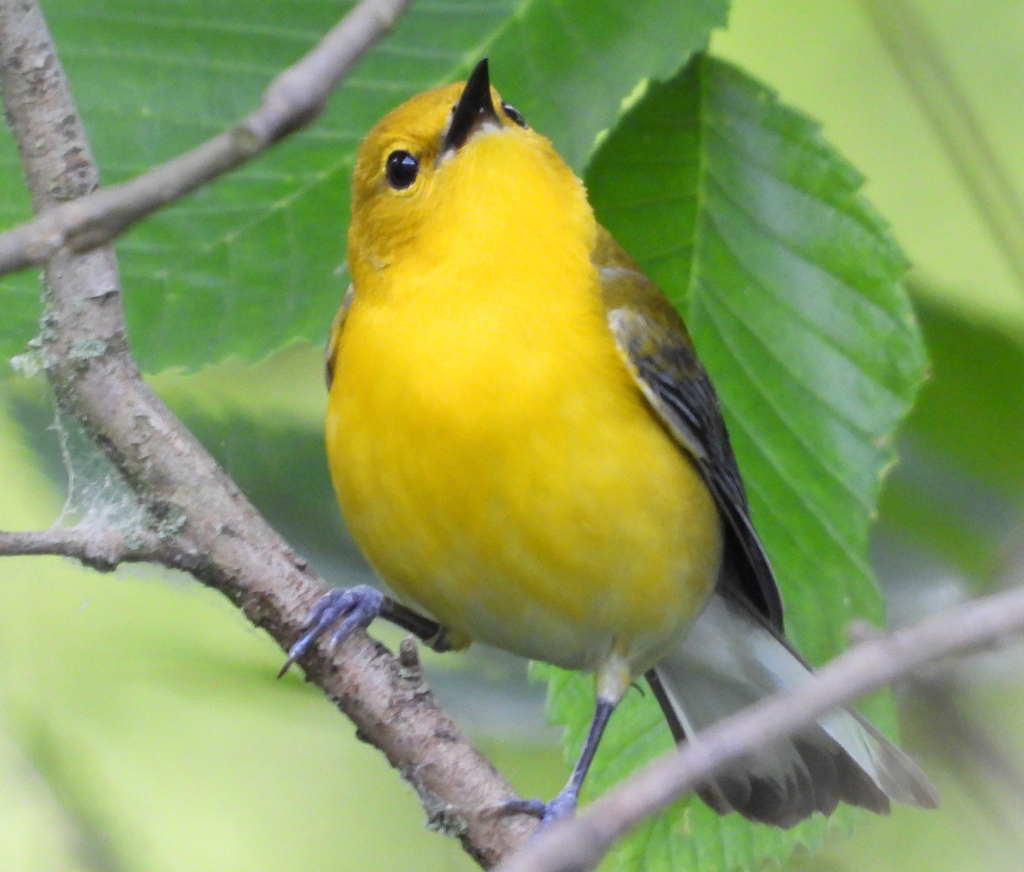
- Prothonotary WarblerProtonotaria citrea
- Red-breasted NuthatchSitta canadensis
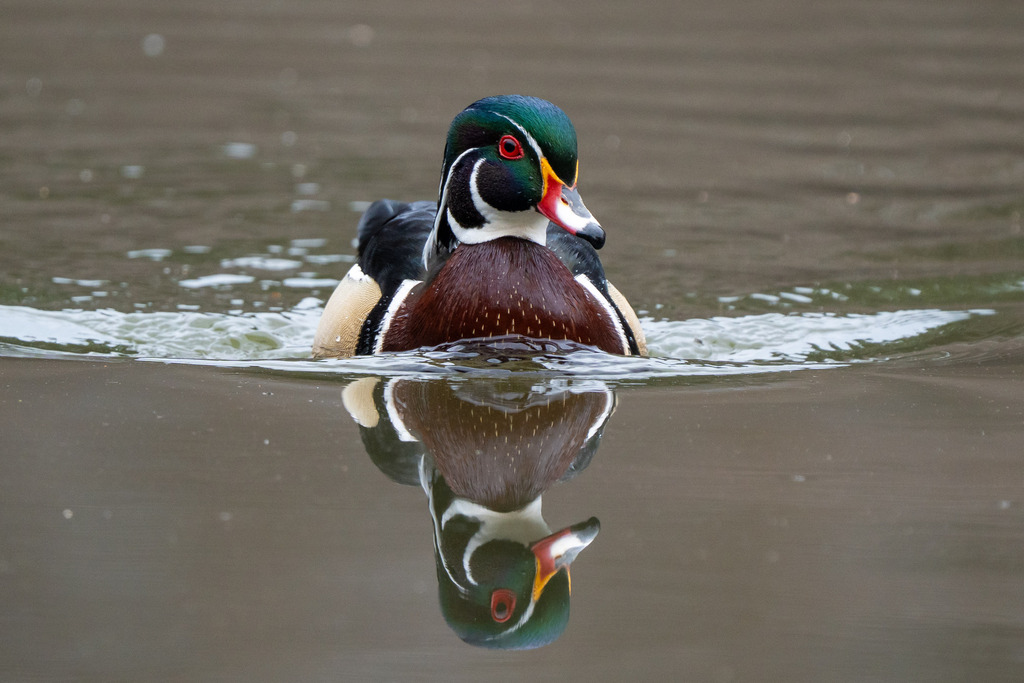
- Wood DuckAix sponsa
- MallardAnas platyrhynchos
- Great EgretArdea alba
- Louisiana WaterthrushSeiurus motacilla



Plants 185
- Eastern LarchLarix laricina
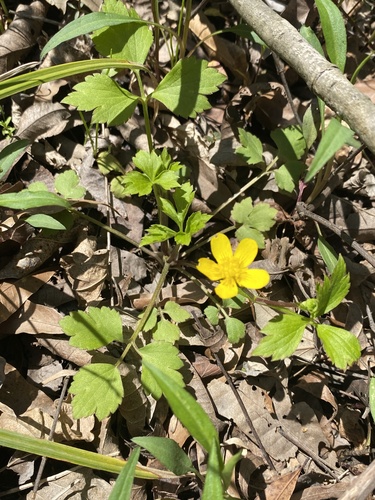
- Swamp ButtercupRanunculus hispidus var. nitidus
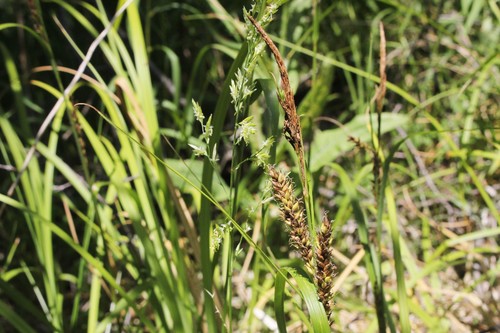
- Bent SedgeCarex styloflexa
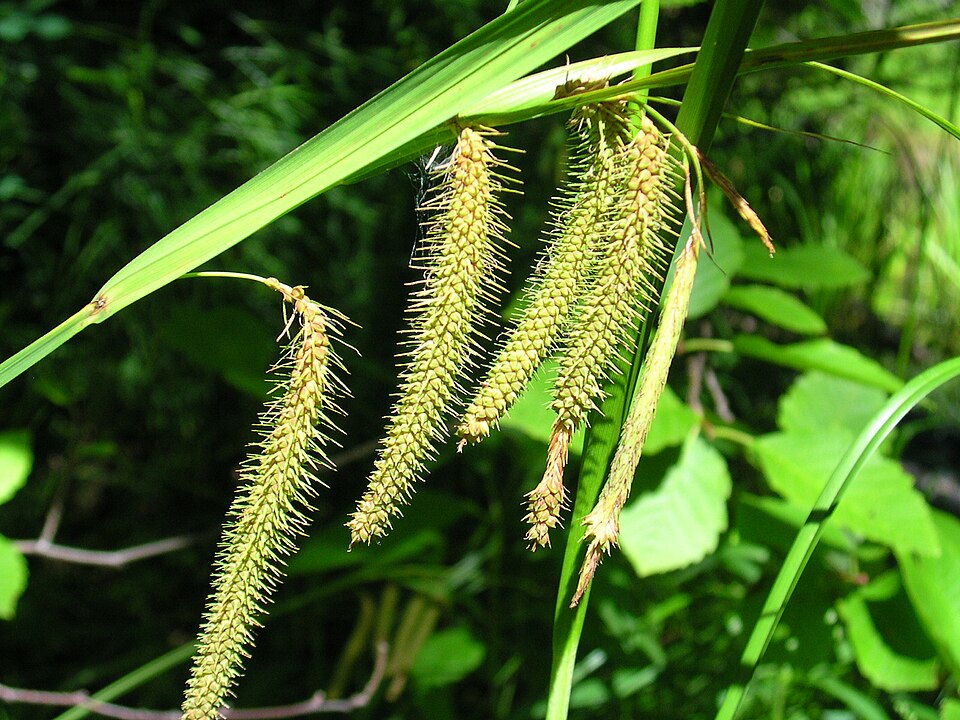
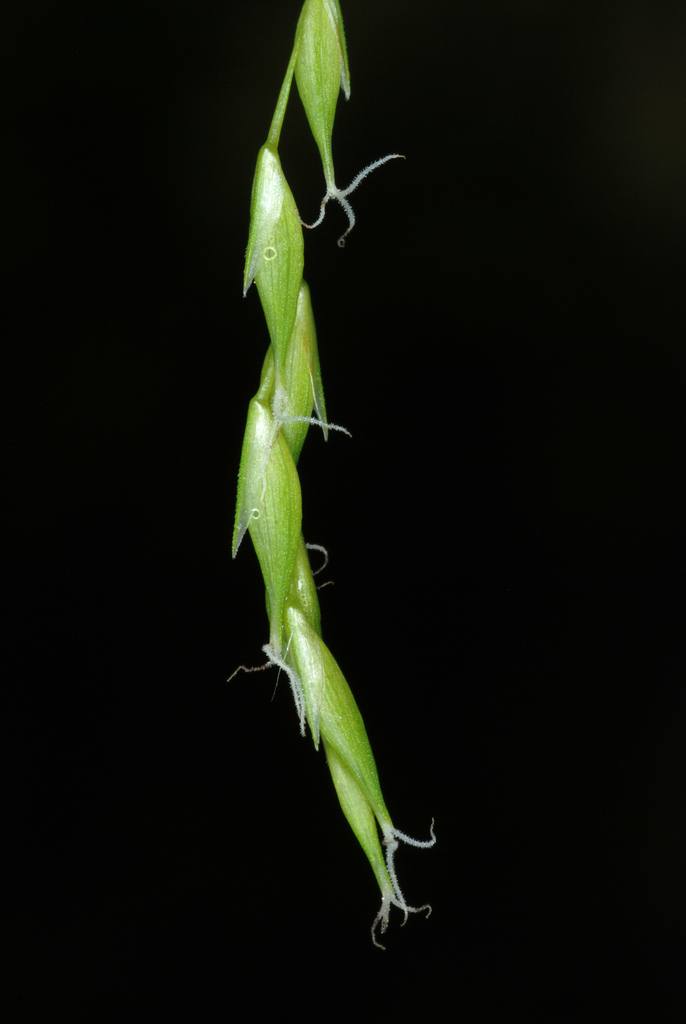
- Fringed SedgeCarex crinita
- Shoreline SedgeCarex hyalinolepis
- Weak Stellate SedgeCarex seorsa
- White-edge SedgeCarex debilis
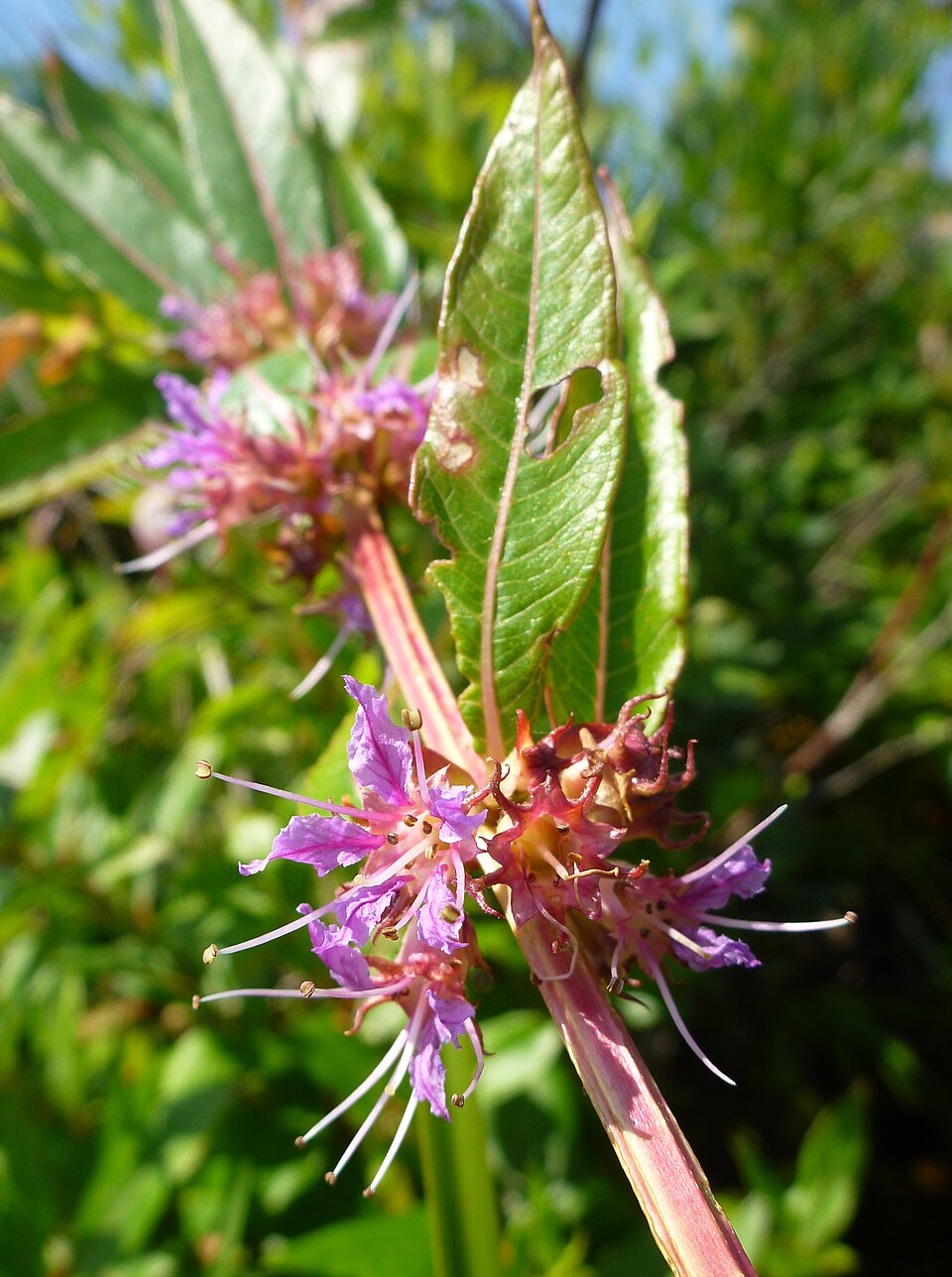
- Swamp LoosestrifeDecodon verticillatus
- Drooping BulrushScirpus lineatus
- Creeping SpikerushEleocharis fallax
- Crested Wood-fernDryopteris cristata
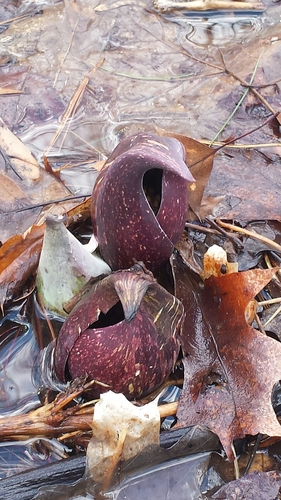
- Skunk CabbageSymplocarpus foetidus

Sources
- USGS Gap Analysis Project habitat models (2001)
- USGS GAP winter habitat model for King Rail
- USGS Gap Analysis Project range maps (2001), modeled by watershed; migratory gives no dates
- NatureServe Explorer (CC BY 4.0), habitat names
- US Census TIGER/Line counties
- Names follow the USGS Gap Analysis Project (2001)
- Avian Diet Database (Hurlbert Lab) (CC0 1.0), diet records by plant genus