

Bird
American Redstart
Setophaga ruticilla
A summer resident that nests in West Virginia. Found in all 55 counties, across 13 habitats.
- Here
- Summer
- Nesting
- Nests here
- Range
- All 55 counties
- Habitats
- 13

At a glance
- Group
- Birds
- Here
- Summer
- Nesting
- Nests here
- Range
- All 55 counties
- Habitats
- 13
- Habitat models
- Summer, Winter
Where it lives
The places its habitat model includes. It is not found everywhere a habitat occurs.
Habitats in West Virginia 13
Each habitat page lists the plants and wildlife also found there.
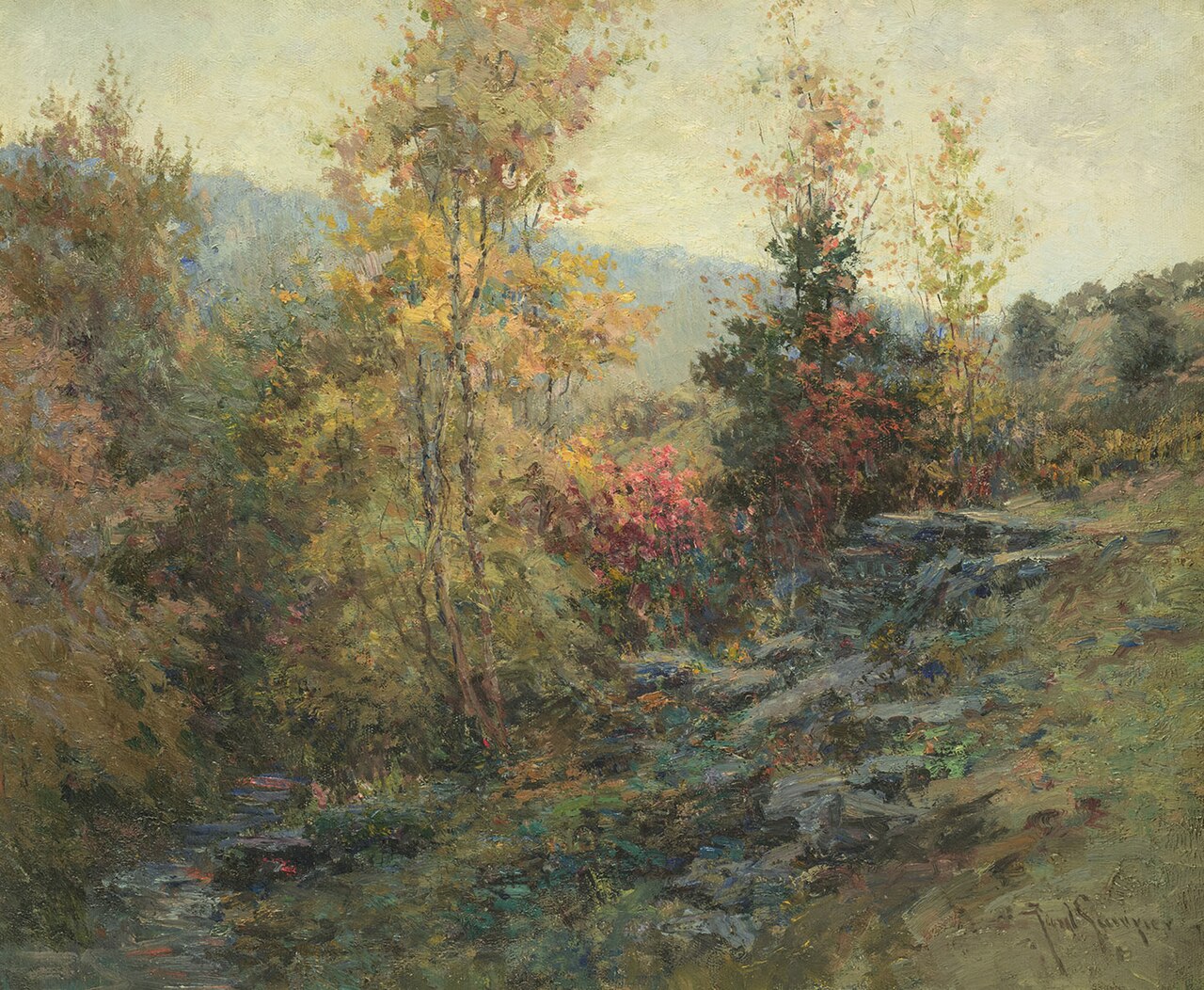
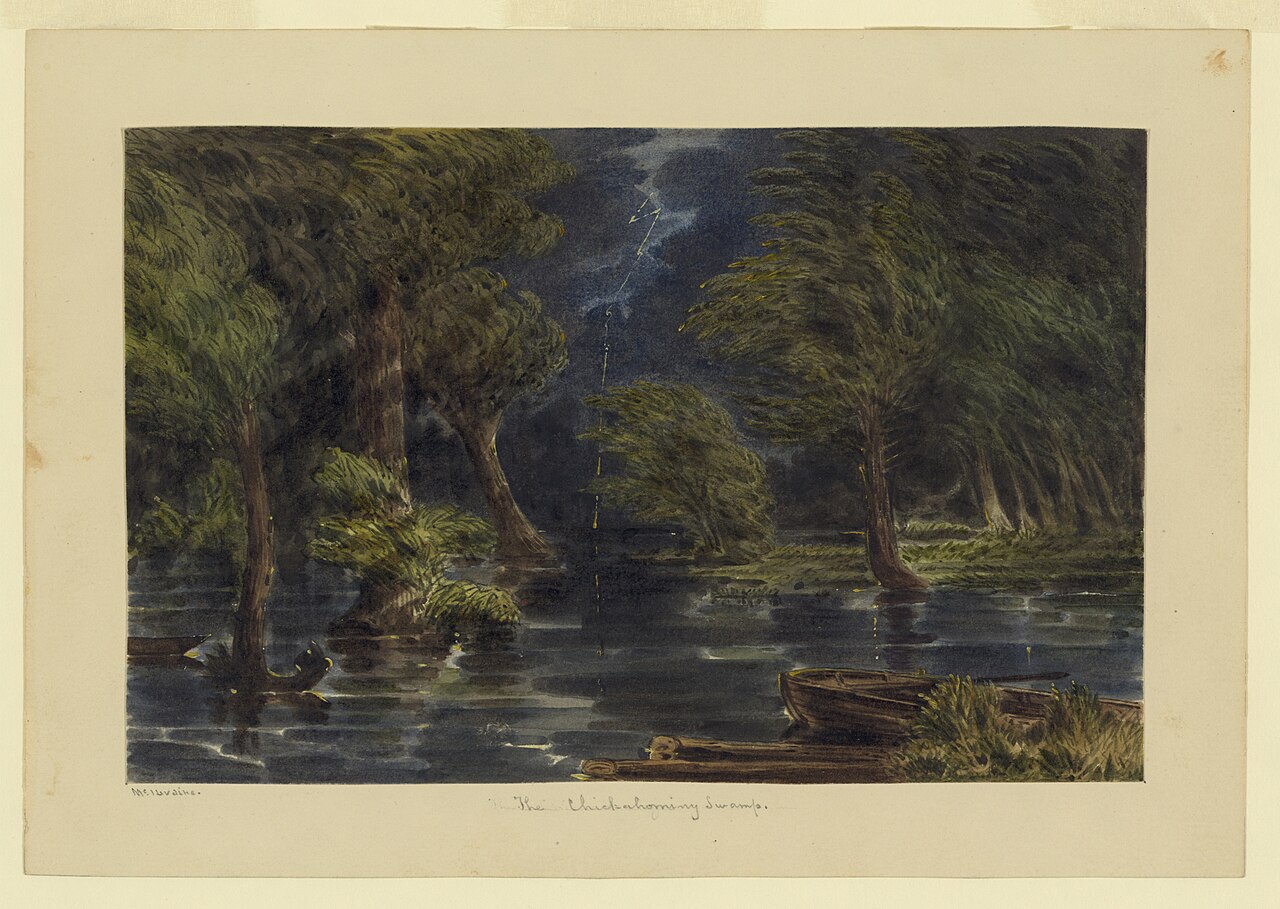
Disturbed and introduced wetlands
Wet ground taken over by weedy or introduced plants after disturbance, such as common reed, Chinese tallow or tamarisk stands; the upland counterpart is roadsides, fields and disturbed ground.
Forests and open woodlands on dry ridges and slopes, often oak or pine.
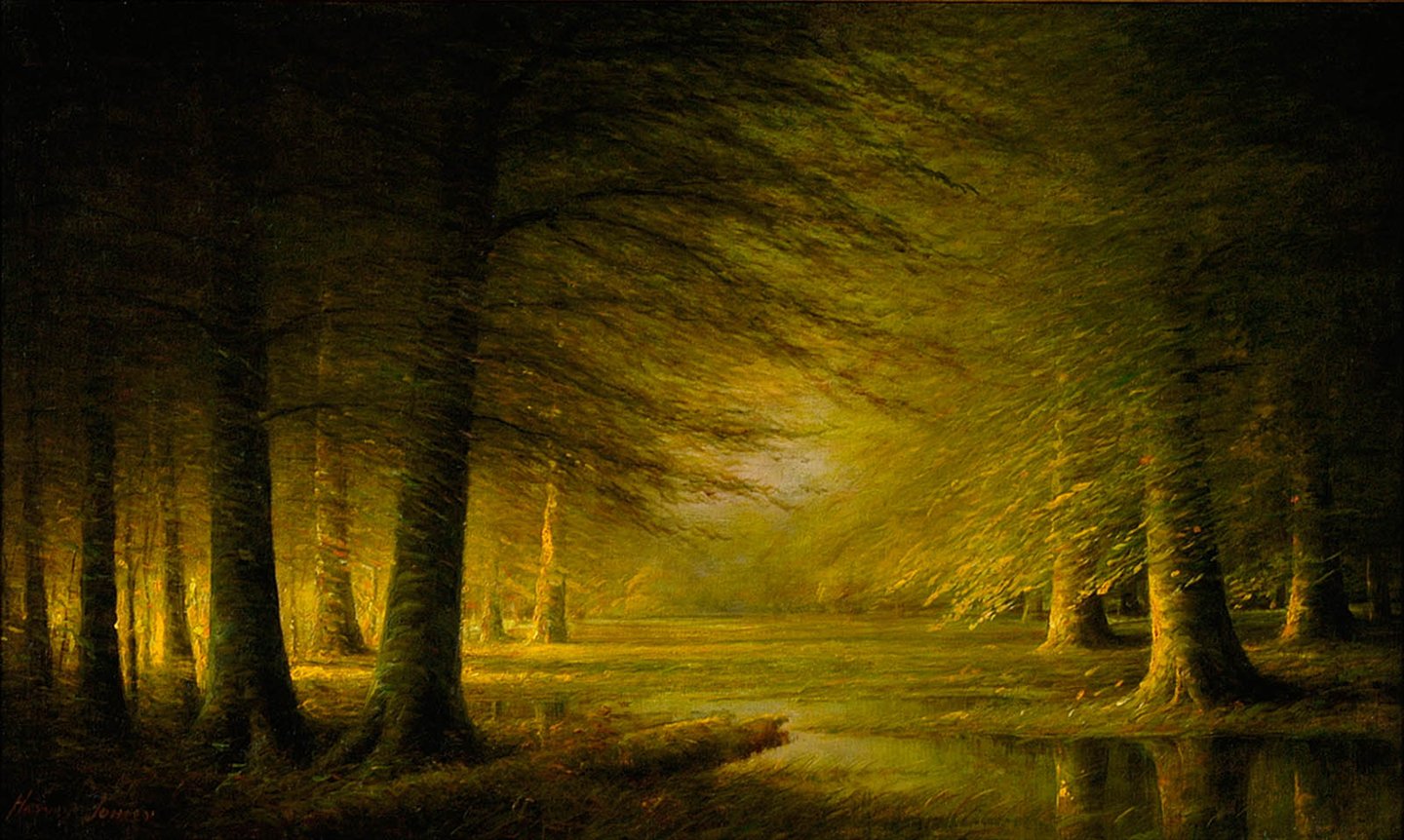
Floodplain and bottomland forests
Forests on low ground beside rivers and streams that flood from time to time.
Open, herb-covered wetlands with fresh, non-tidal water.
Shady, evergreen forests of eastern or Carolina hemlock, often along rocky mountain streams and in gorges.
Forests between dry and moist, often oak-hickory on slopes.
Sheltered, moist mountain hollows and lower slopes with deep, fertile soil.
Streams, rivers and their banks
Flowing water and its banks, bars and rocky shoals.
Tree plantations and managed pine
Planted or intensively managed stands of pine or hardwoods grown for timber; a land use rather than a natural community.
Open, wet, grassy or sedgy ground that is not a bog.
Other habitats in its models (71)
Land cover, or classes with no habitat page in West Virginia. Those recorded in West Virginia first, the rest by region.
Elsewhere in the South (45)
- Atlantic Coastal Plain Brownwater Stream Floodplain Forest Summer and winter.
- Atlantic Coastal Plain Dry and Dry-Mesic Oak Forest Summer and winter.
- Atlantic Coastal Plain Mesic Hardwood and Mixed Forest Summer and winter.
- Atlantic Coastal Plain Peatland Pocosin Summer and winter.
- Atlantic Coastal Plain Small Blackwater River Floodplain Forest Summer and winter.
- Atlantic Coastal Plain Small Brownwater River Floodplain Forest Summer and winter.
- Central and Southern Appalachian Northern Hardwood Forest Summer.
- East Gulf Coastal Plain Limestone Forest Summer and winter.
- East Gulf Coastal Plain Maritime Forest Winter, only within 250 m of water.
- East Gulf Coastal Plain Northern Dry Upland Hardwood Forest Summer and winter.
- East Gulf Coastal Plain Northern Loess Bluff Forest Summer and winter.
- East Gulf Coastal Plain Northern Mesic Hardwood Forest Summer and winter.
- East Gulf Coastal Plain Small Stream and River Floodplain Forest Summer and winter.
- East Gulf Coastal Plain Southern Loess Bluff Forest Summer and winter.
- East Gulf Coastal Plain Southern Mesic Slope Forest Summer and winter.
- East-Central Texas Plains Riparian Forest Summer and winter.
- Florida Peninsula Inland Scrub Winter, only within 250 m of water.
- Lower Mississippi River Flatwoods Summer.
- Mississippi River Bottomland Depression Summer.
- Mississippi River Low Floodplain (Bottomland) Forest Summer and winter.
- Mississippi River Riparian Forest Summer and winter.
- Ozark-Ouachita Dry-Mesic Oak Forest Summer and winter.
- Ozark-Ouachita Mesic Hardwood Forest Summer and winter.
- Ozark-Ouachita Riparian Summer and winter.
- Red River Large Floodplain Forest Summer and winter.
- South Florida Bayhead Swamp Winter.
- South Florida Cypress Dome Winter.
- South Florida Dwarf Cypress Savanna Winter.
- South Florida Freshwater Slough and Gator Hole Winter.
- South Florida Hardwood Hammock Winter.
- South Florida Mangrove Swamp Winter.
- Southeast Florida Coastal Strand and Maritime Hammock Winter.
- Southern Coastal Plain Blackwater River Floodplain Forest Summer and winter.
- Southern Coastal Plain Dry Upland Hardwood Forest Summer and winter.
- Southern Coastal Plain Hydric Hammock Summer and winter.
- Southern Coastal Plain Nonriverine Basin Swamp Summer and winter.
- Southern Coastal Plain Nonriverine Cypress Dome Winter.
- Southern Coastal Plain Oak Dome and Hammock Winter.
- Southern Coastal Plain Seepage Swamp and Baygall Summer and winter.
- Southern Piedmont Mesic Forest Summer.
- Southern Piedmont Small Floodplain and Riparian Forest Summer.
- Southwest Florida Coastal Strand and Maritime Hammock Winter.
- West Gulf Coastal Plain Large River Floodplain Forest Summer and winter.
- West Gulf Coastal Plain Nonriverine Wet Hardwood Flatwoods Summer.
- West Gulf Coastal Plain Small Stream and River Forest Summer and winter.
Northeast (2)
- Northern Atlantic Coastal Plain Basin Swamp and Wet Hardwood Forest Summer and winter.
- Northern Atlantic Coastal Plain Dry Hardwood Forest Summer and winter.
Midwest (1)
- North-Central Interior Beech-Maple Forest Summer.
Land cover and other classes (23)
- Atlantic Coastal Plain Blackwater Stream Floodplain Forest - Forest Modifier Summer and winter.
- Atlantic Coastal Plain Clay-Based Carolina Bay Forested Wetland Summer and winter.
- Atlantic Coastal Plain Clay-Based Carolina Bay Herbaceous Wetland Summer and winter.
- Atlantic Coastal Plain Nonriverine Swamp and Wet Hardwood Forest - Oak Dominated Modifier Summer and winter.
- Atlantic Coastal Plain Nonriverine Swamp and Wet Hardwood Forest - Taxodium/Nyssa Modifier Summer and winter.
- Atlantic Coastal Plain Streamhead Seepage Swamp - Pocosin - and Baygall Summer and winter.
- East Gulf Coastal Plain Black Belt Calcareous Prairie and Woodland - Woodland Modifier Summer and winter.
- East Gulf Coastal Plain Interior Shortleaf Pine-Oak Forest - Hardwood Modifier Summer and winter.
- East Gulf Coastal Plain Interior Shortleaf Pine-Oak Forest - Mixed Modifier Winter, only within 250 m of water.
- East Gulf Coastal Plain Large River Floodplain Forest - Forest Modifier Summer and winter.
- East Gulf Coastal Plain Large River Floodplain Forest - Herbaceous Modifier Summer and winter.
- East Gulf Coastal Plain Northern Loess Plain Oak-Hickory Upland - Hardwood Modifier Summer and winter.
- Eastern Great Plains Floodplain Systems Summer and winter.
- Lower Mississippi River Bottomland Depressions - Forest Modifier Summer and winter.
- Mississippi River Floodplain and Riparian Forest Summer and winter.
- Northeastern Interior Dry Oak Forest-Hardwood Modifier Summer and winter.
- Southern Coastal Plain Nonriverine Basin Swamp - Okefenokee Bay/Gum Modifier Summer and winter.
- Southern Coastal Plain Nonriverine Basin Swamp - Okefenokee Pine Modifier Summer and winter.
- Southern Coastal Plain Nonriverine Basin Swamp - Okefenokee Taxodium Modifier Summer and winter.
- Southern Piedmont Dry Oak-(Pine) Forest - Hardwood Modifier Summer.
- Southern Piedmont Large Floodplain Forest - Forest Modifier Summer.
- Tamaulipan Riparian Systems Summer and winter.
- Western Great Plains Floodplain Systems Summer and winter.
Seasons in West Virginia
- Summer: nests here, in all 55 counties.
Also found in its main habitats
Its main habitats in West Virginia, by how much of its habitat model each one is, with the birds most characteristic of each and the plants that grow wild there. Shared habitat, not food.
American Redstart uses many habitats in West Virginia; these are its 3 most characteristic.
Floodplain and bottomland forests
Birds 93
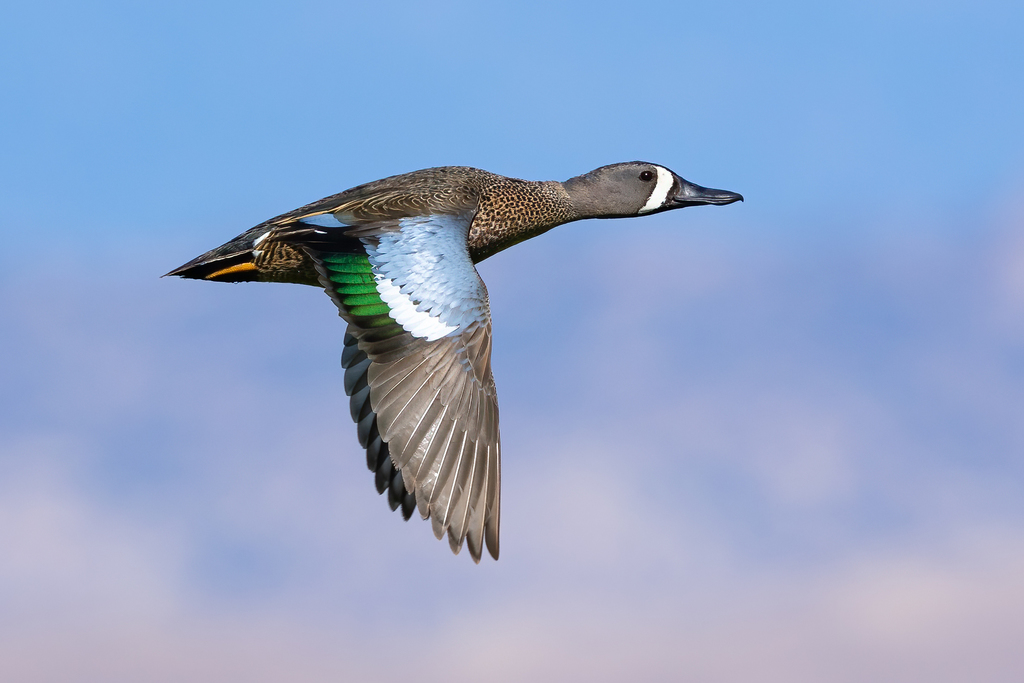
- Blue-winged TealAnas discors
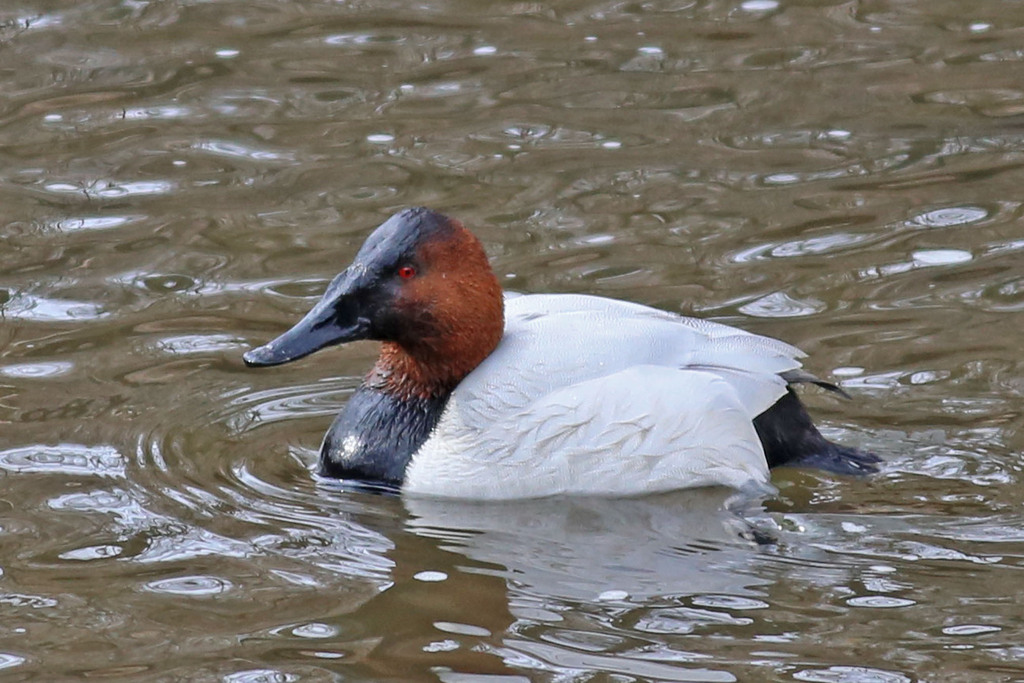
- CanvasbackAythya valisineria
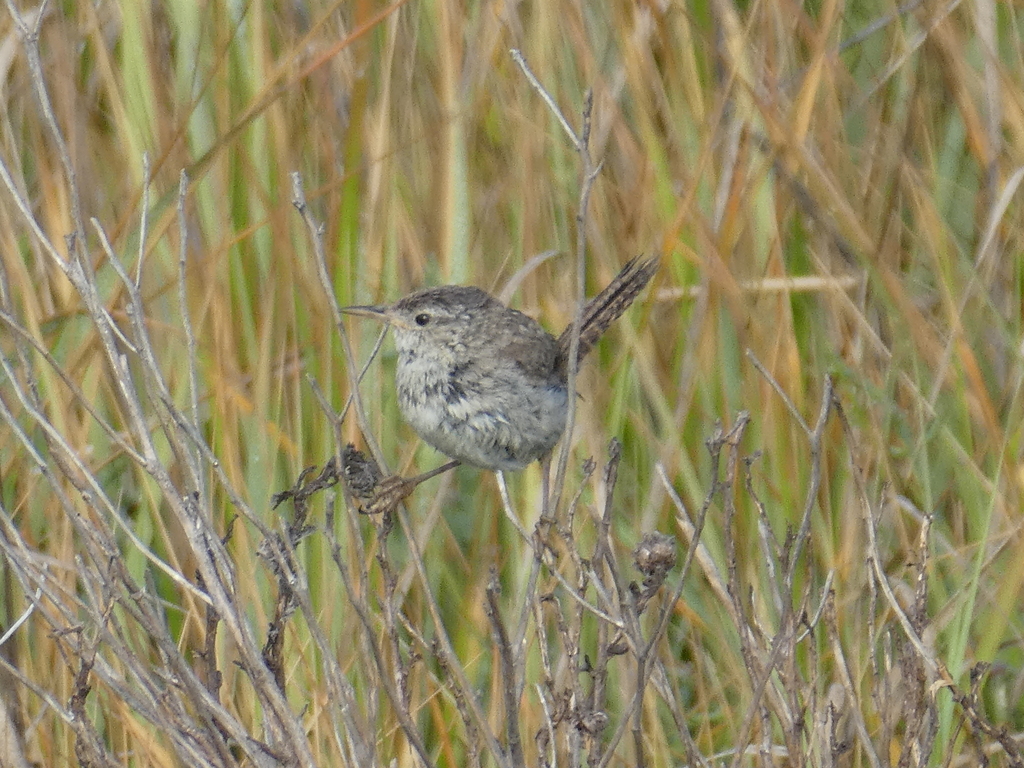
- Marsh WrenCistothorus palustris
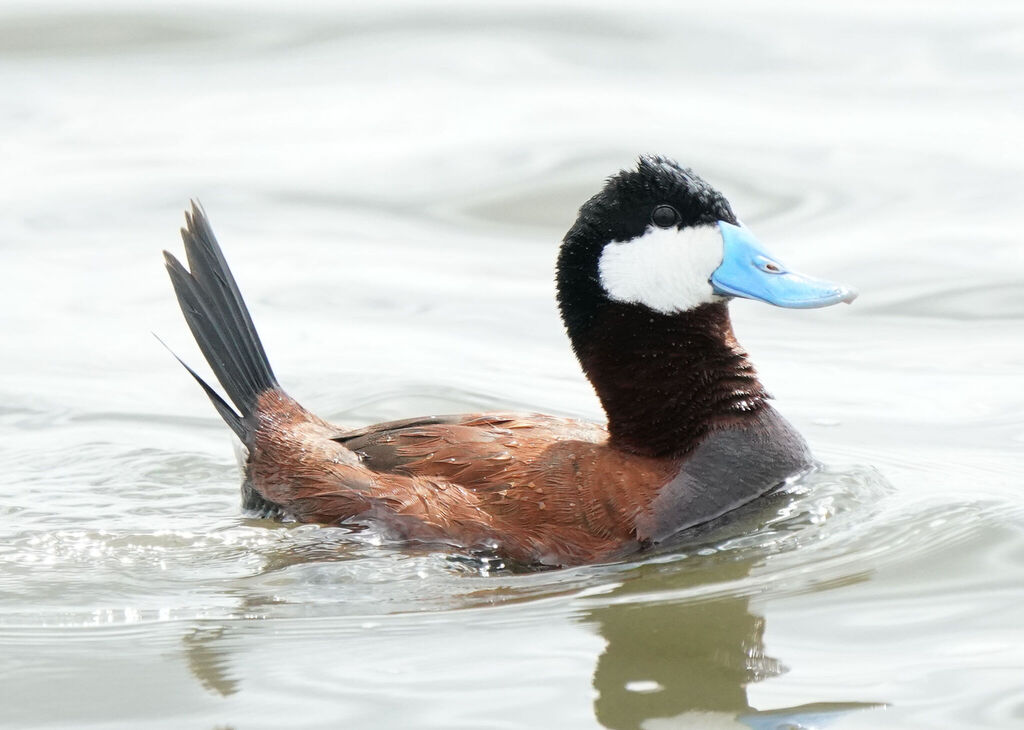
- Ruddy DuckOxyura jamaicensis
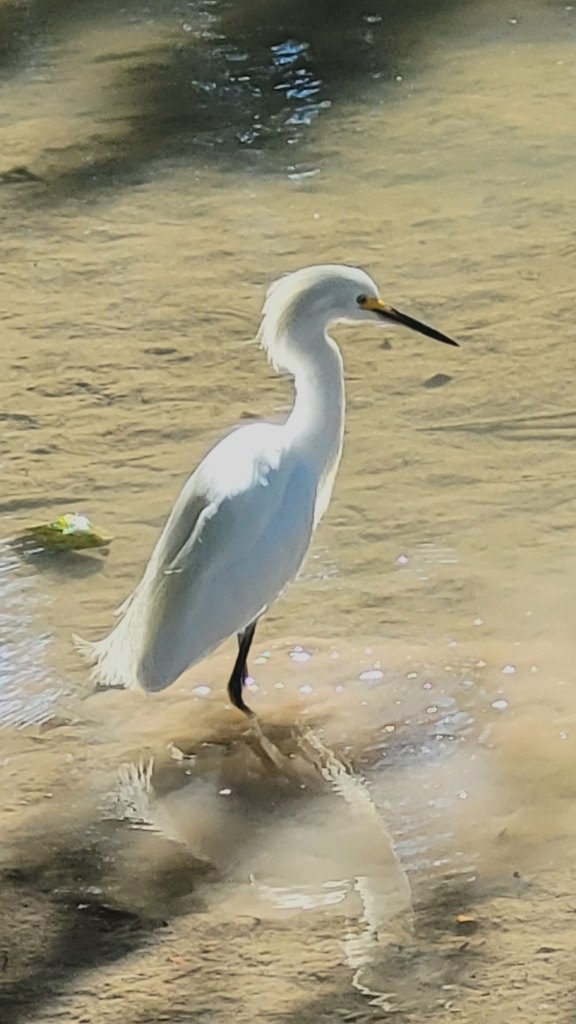
- Snowy EgretEgretta thula
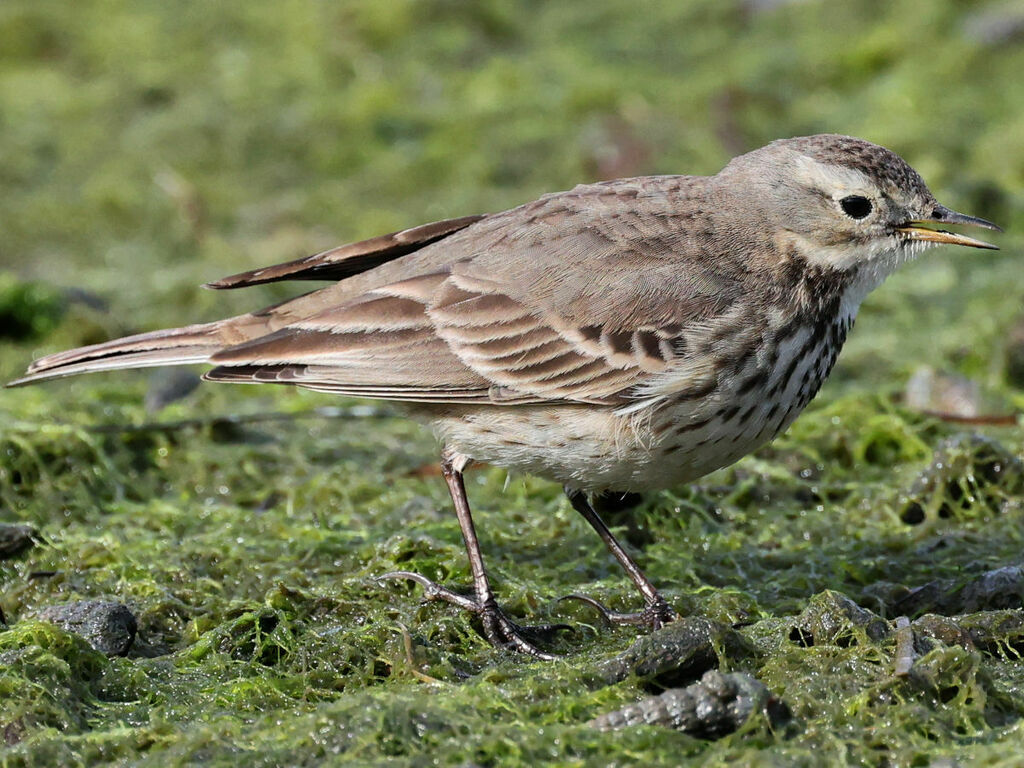
- American PipitAnthus rubescens
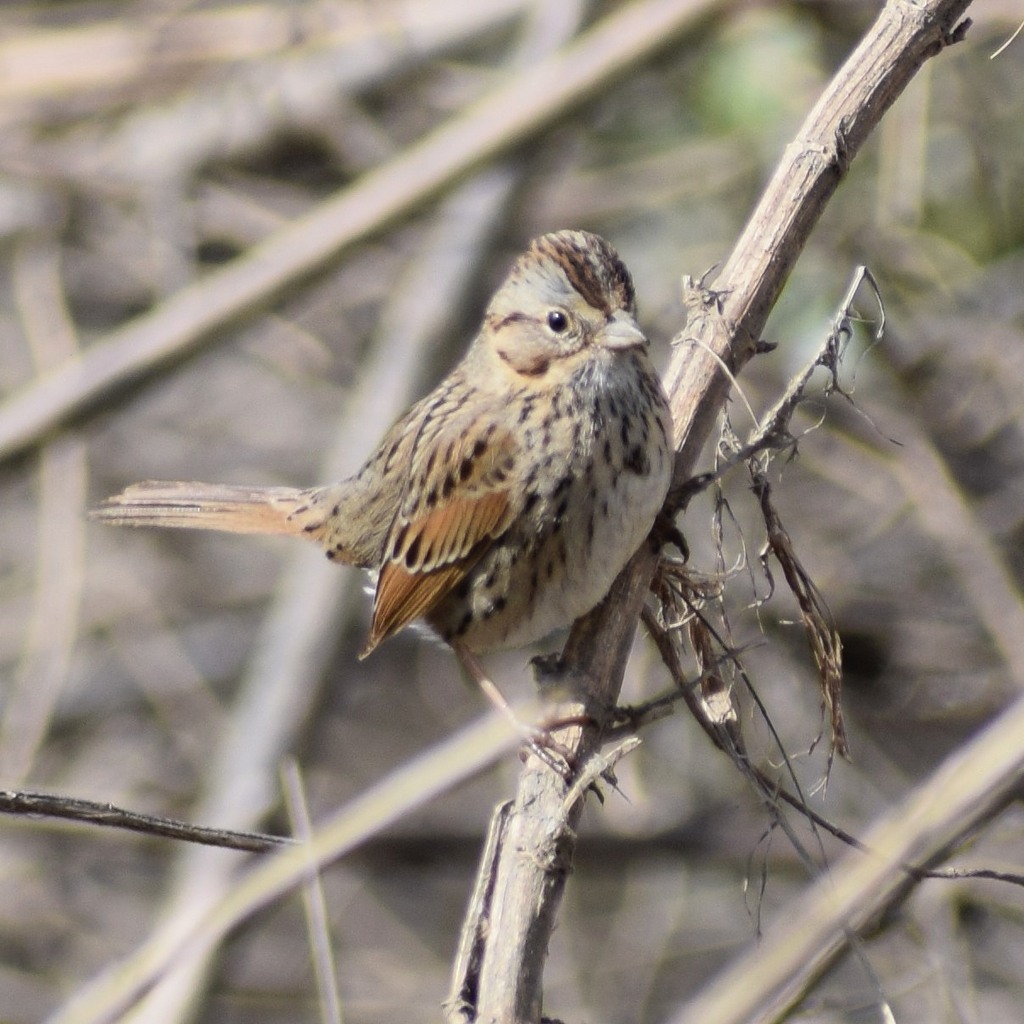
- Lincoln's SparrowMelospiza lincolnii
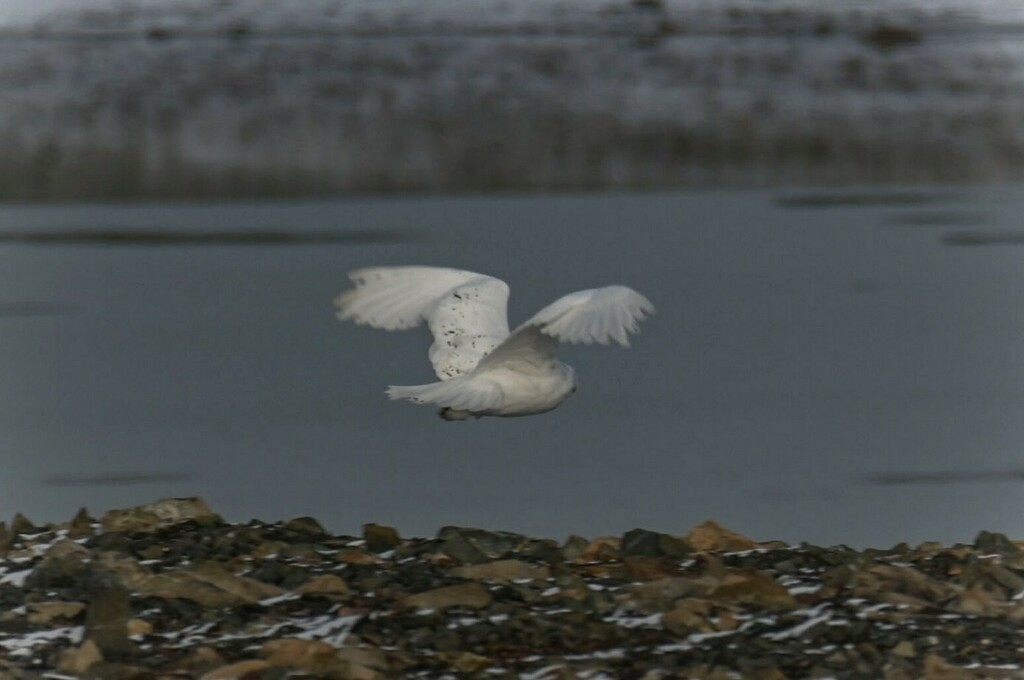
- Snowy OwlBubo scandiacus
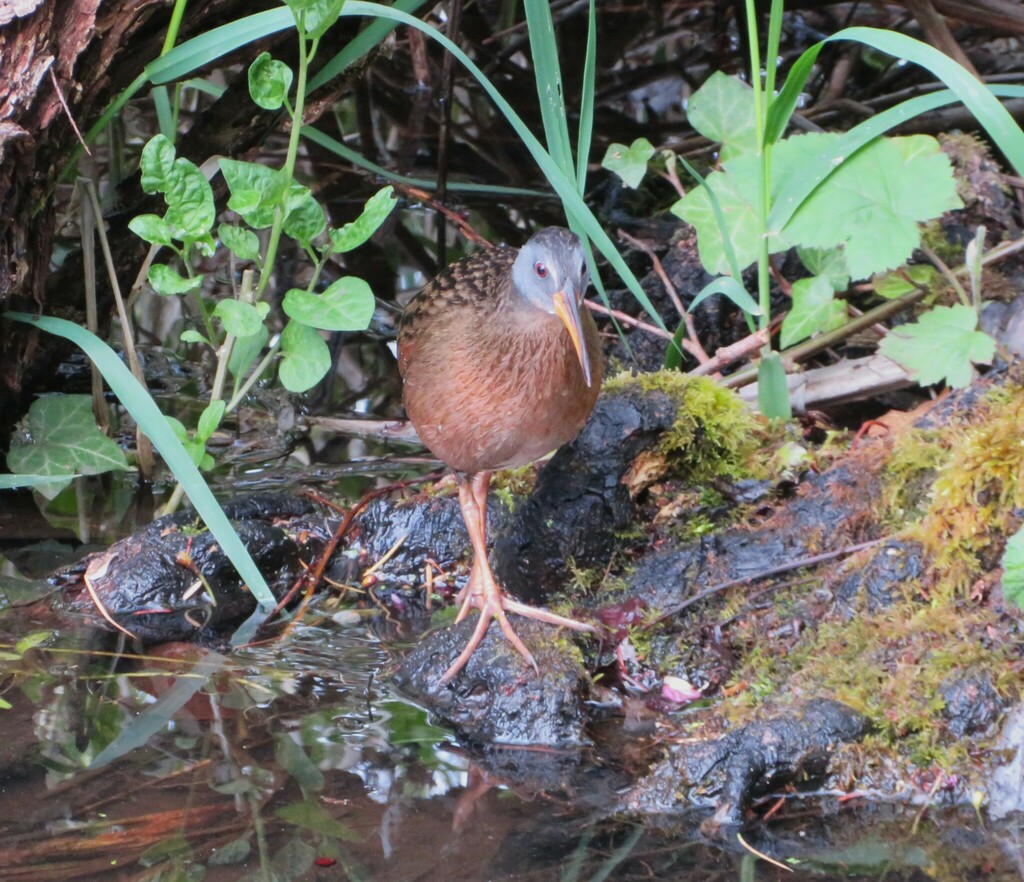
- Virginia RailRallus limicola
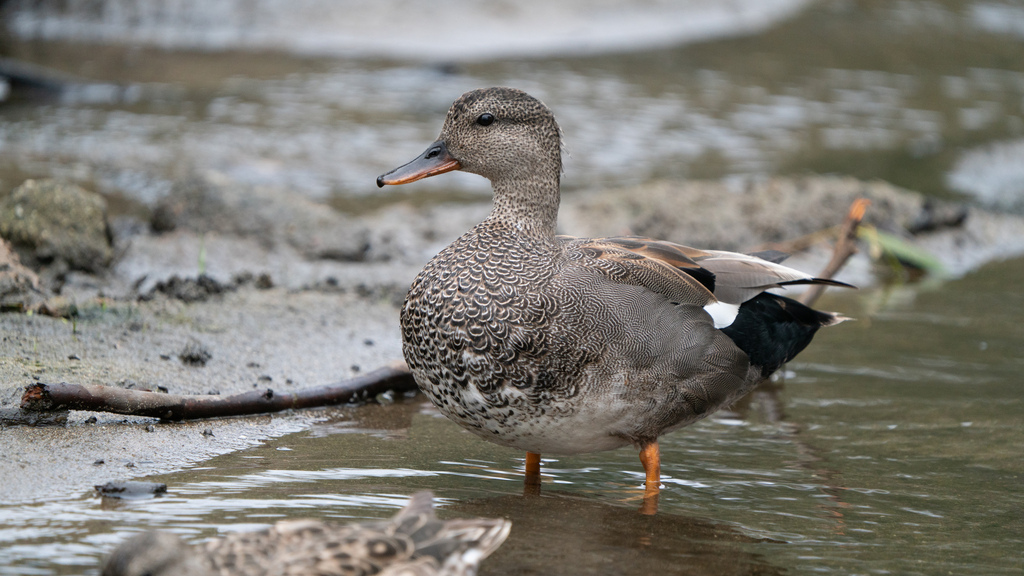
- GadwallAnas strepera
- Green HeronButorides virescens
- Least BitternIxobrychus exilis


Plants 303
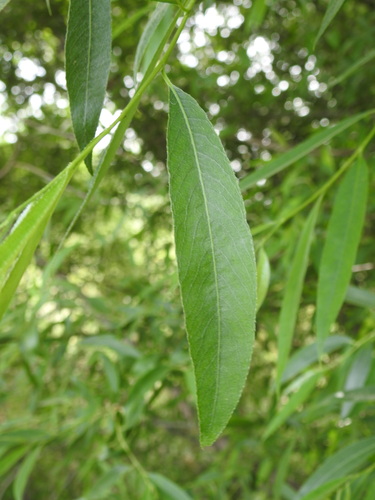
- Peach Leaf WillowSalix amygdaloides
- White Panicled Aster; Eastern Lined AsterSymphyotrichum lanceolatum var. latifolium
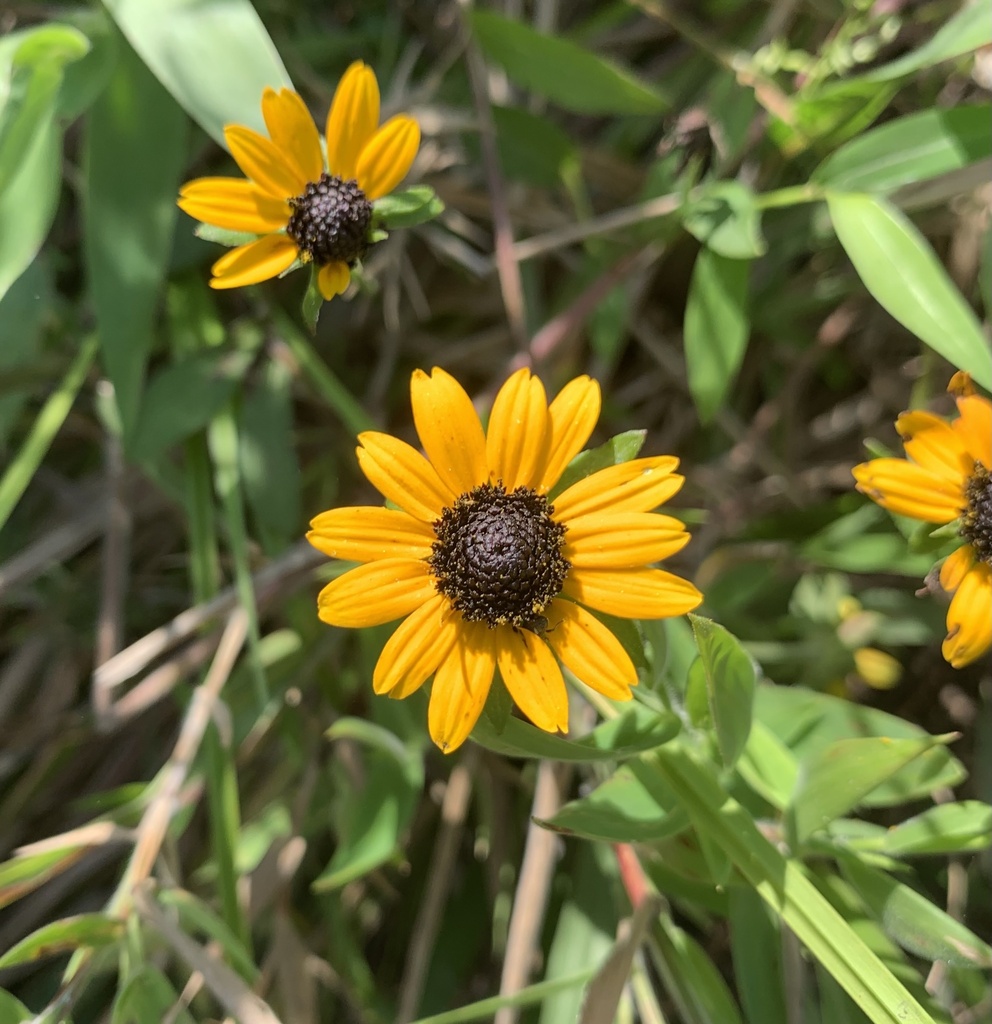
- Rudbeckia fulgida var. spathulataRudbeckia fulgida var. spathulata
- Shagbark HickoryCarya ovata
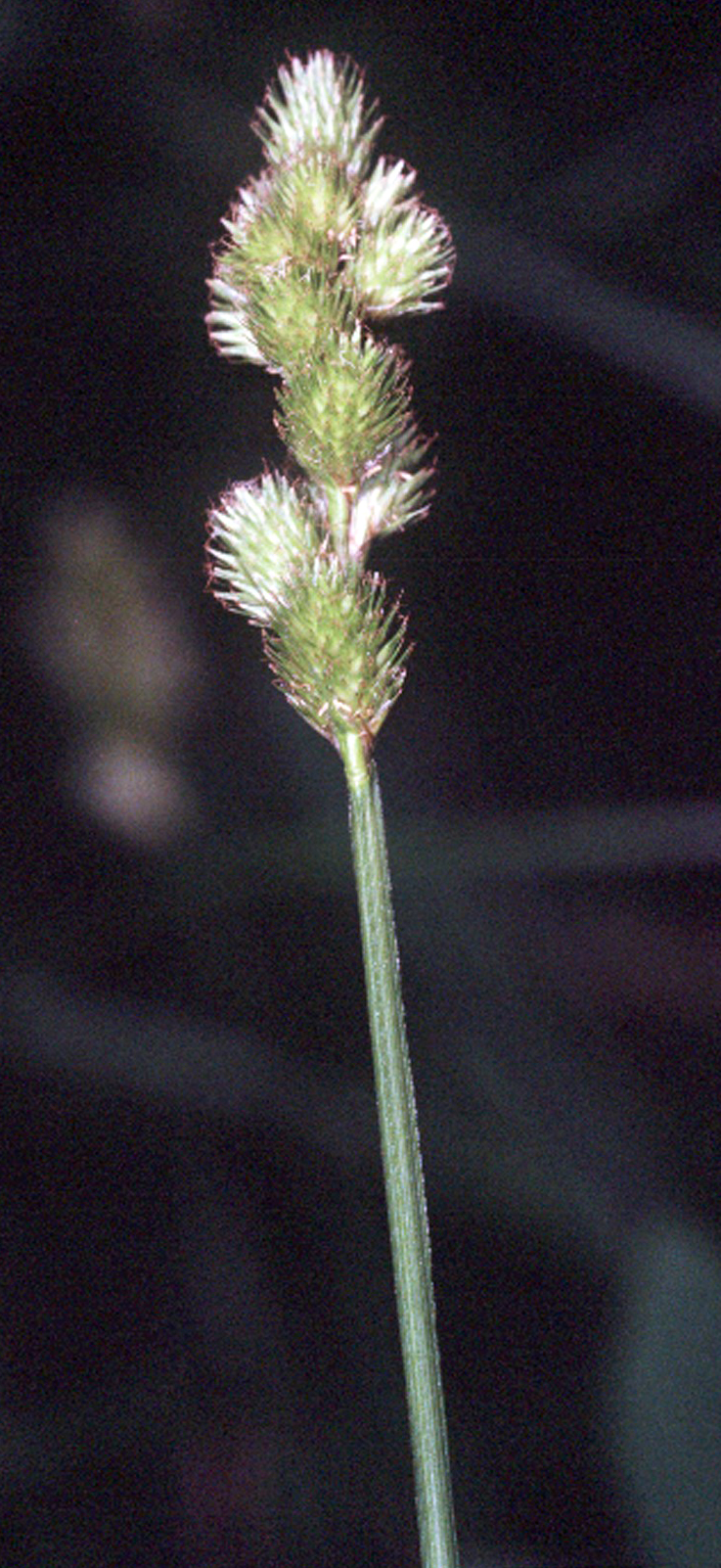
- Spreading SedgeCarex laxiculmis
- Blunt Broom SedgeCarex tribuloides
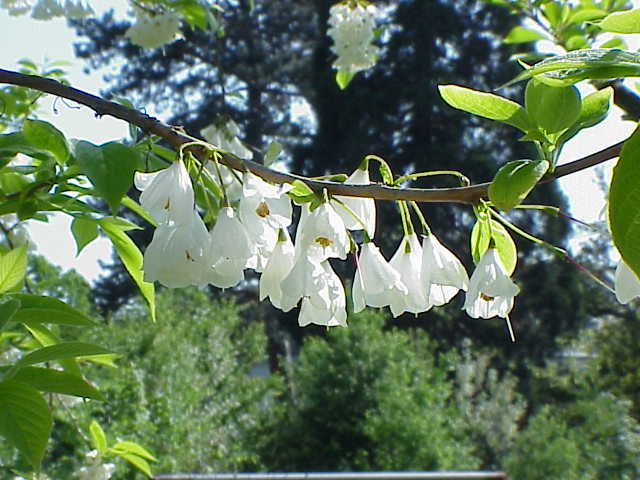
- Mountain SilverbellHalesia carolina
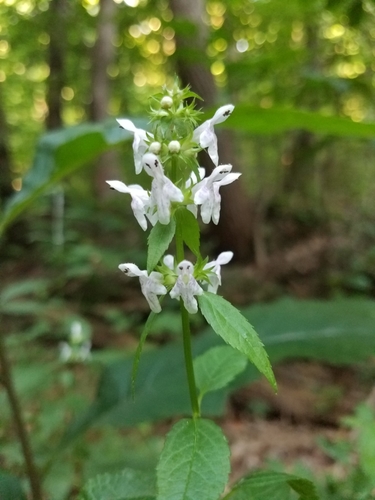
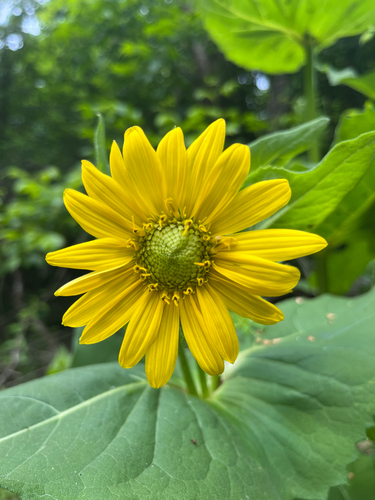
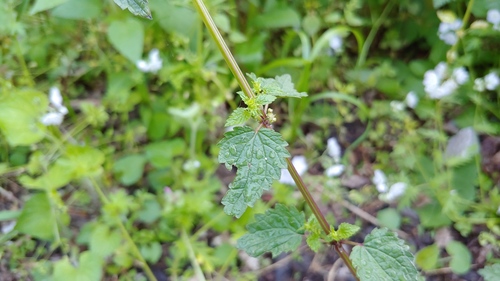
- Smooth Hedge-nettleStachys tenuifolia
- Common Cup-plantSilphium perfoliatum
- Camphor PlucheaPluchea camphorata
- Virginia Cup-plantSilphium perfoliatum var. connatum
- Heartleaf NettleUrtica chamaedryoides
Disturbed and introduced wetlands
Birds 113
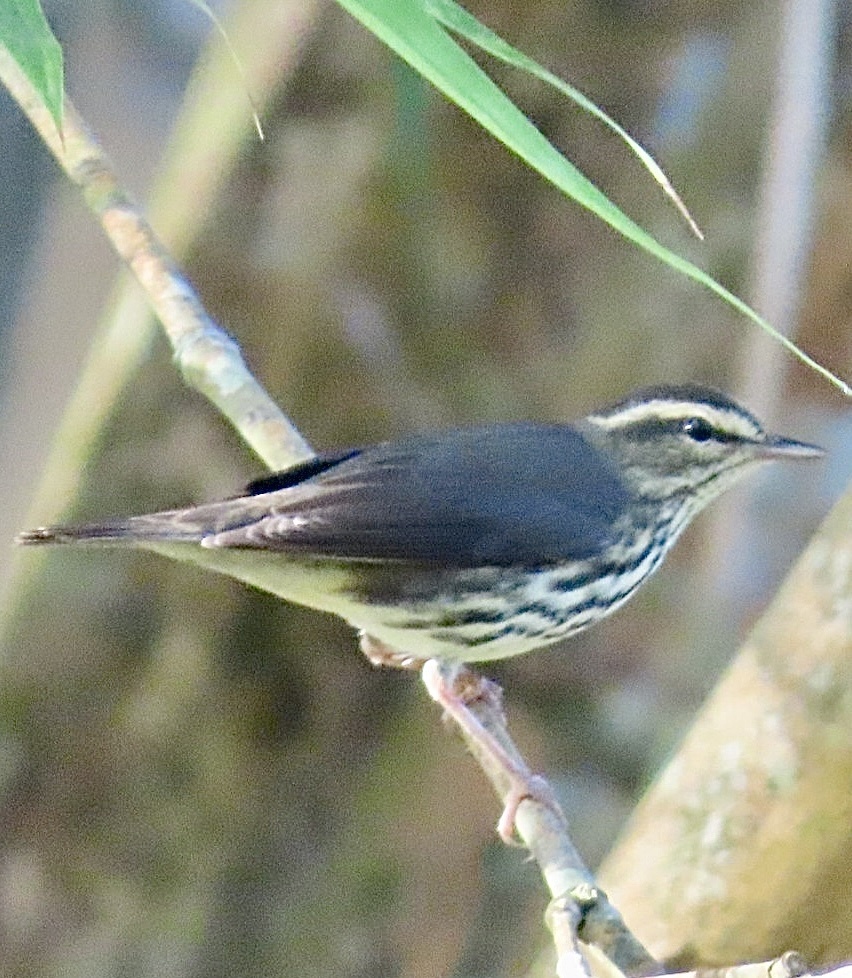
- Northern WaterthrushSeiurus noveboracensis
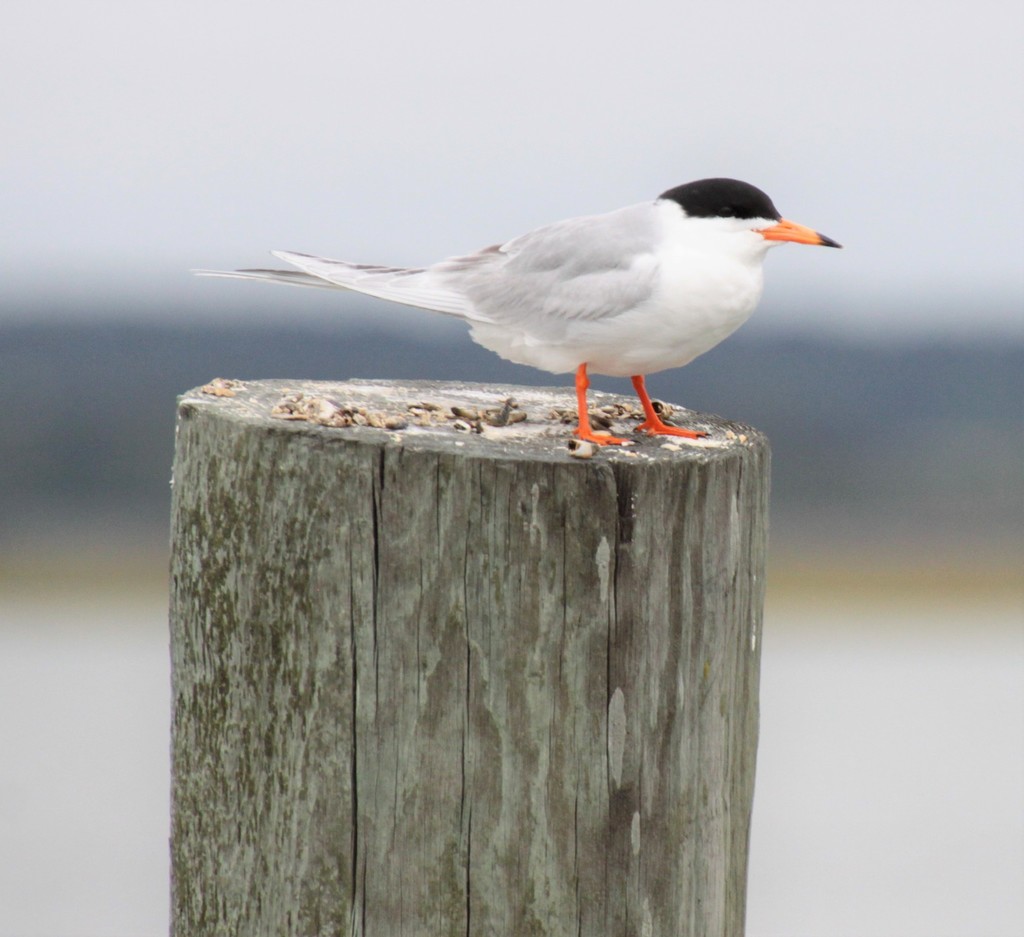
- Forster's TernSterna forsteri
- Black TernChlidonias niger
- Bonaparte's GullChroicocephalus philadelphia
- Caspian TernHydroprogne caspia
- Common LoonGavia immer
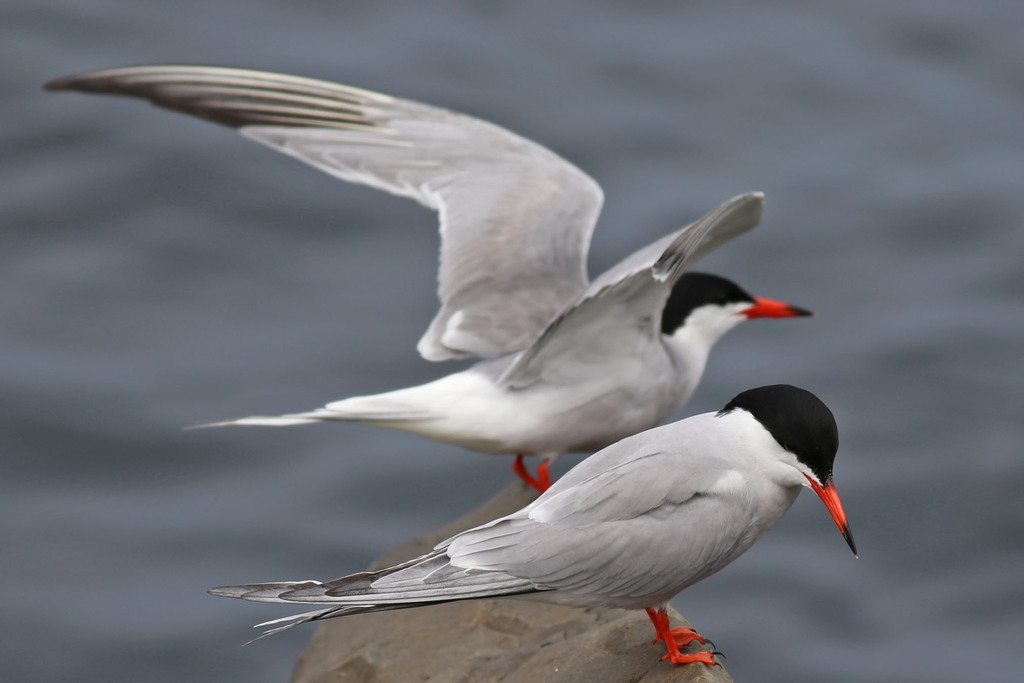
- Common TernSterna hirundo
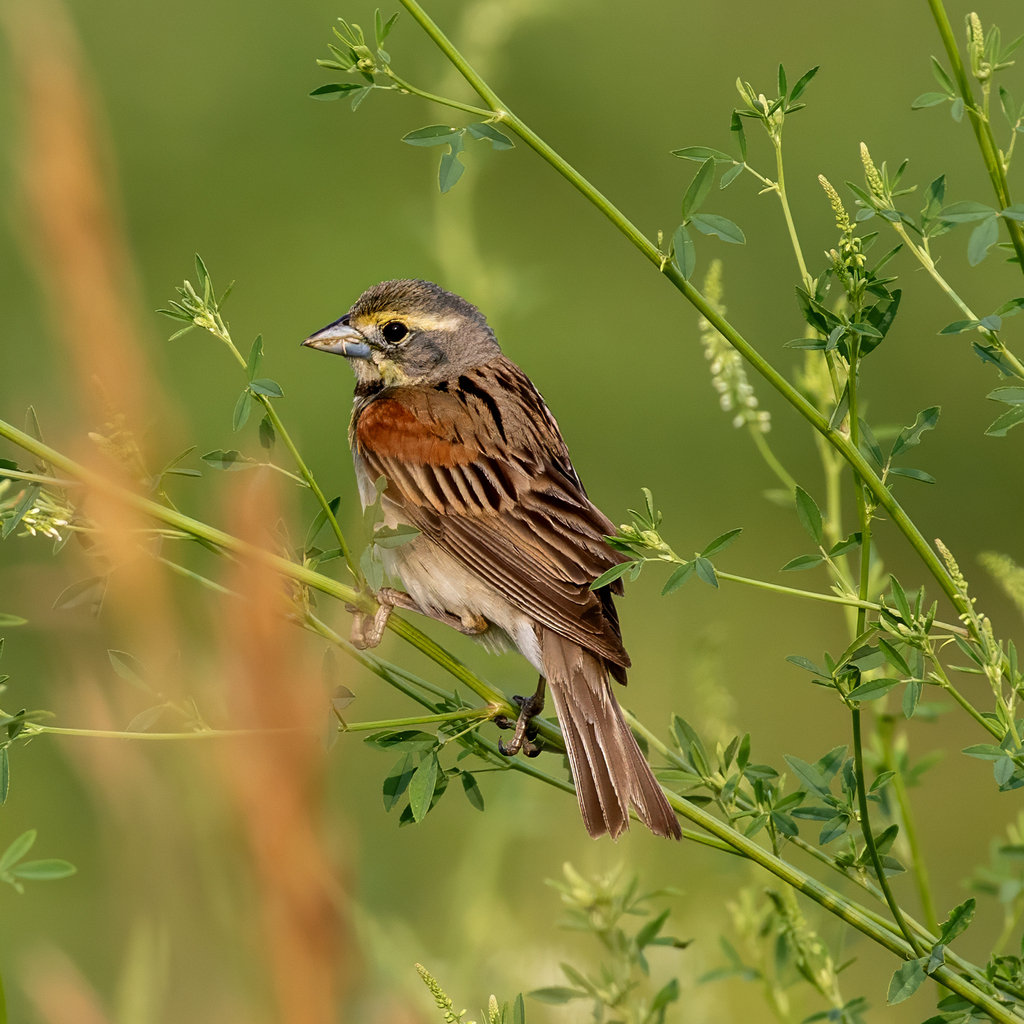
- DickcisselSpiza americana
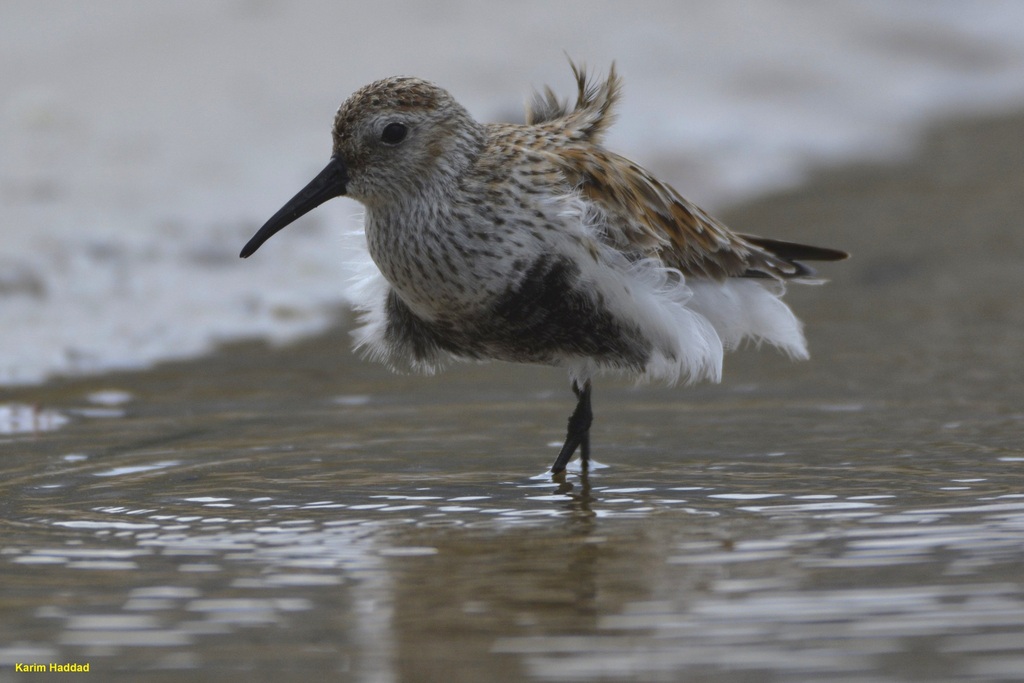
- DunlinCalidris alpina
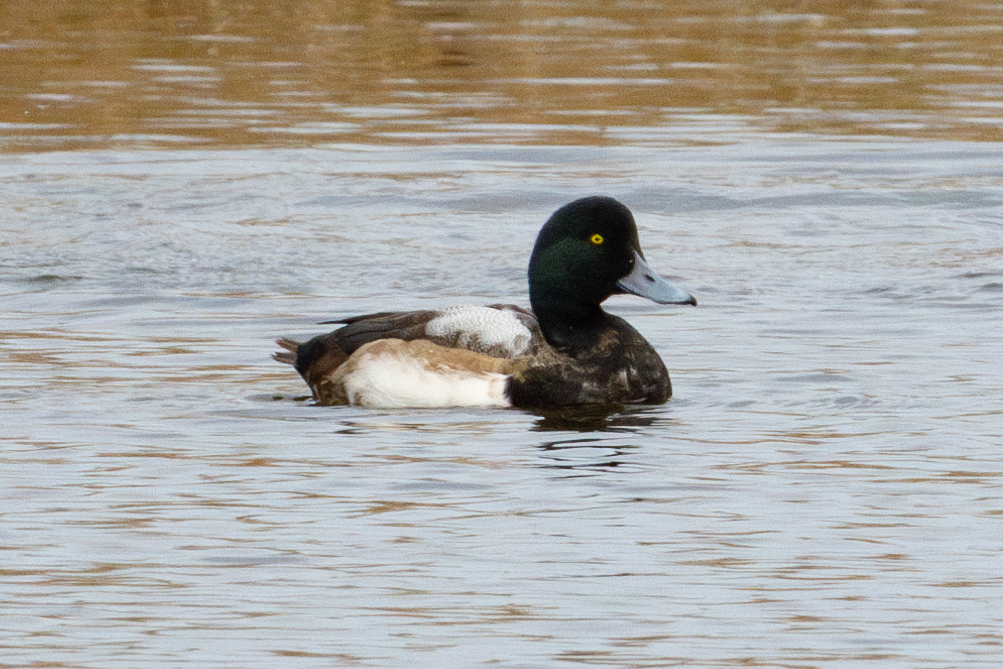
- Greater ScaupAythya marila
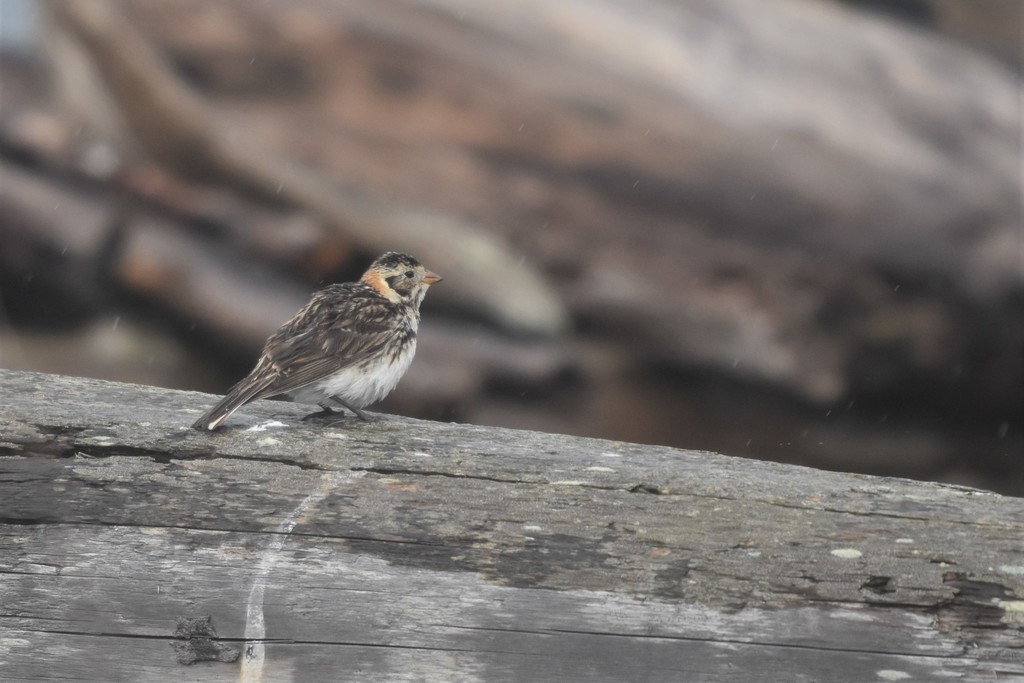
- Lapland LongspurCalcarius lapponicus
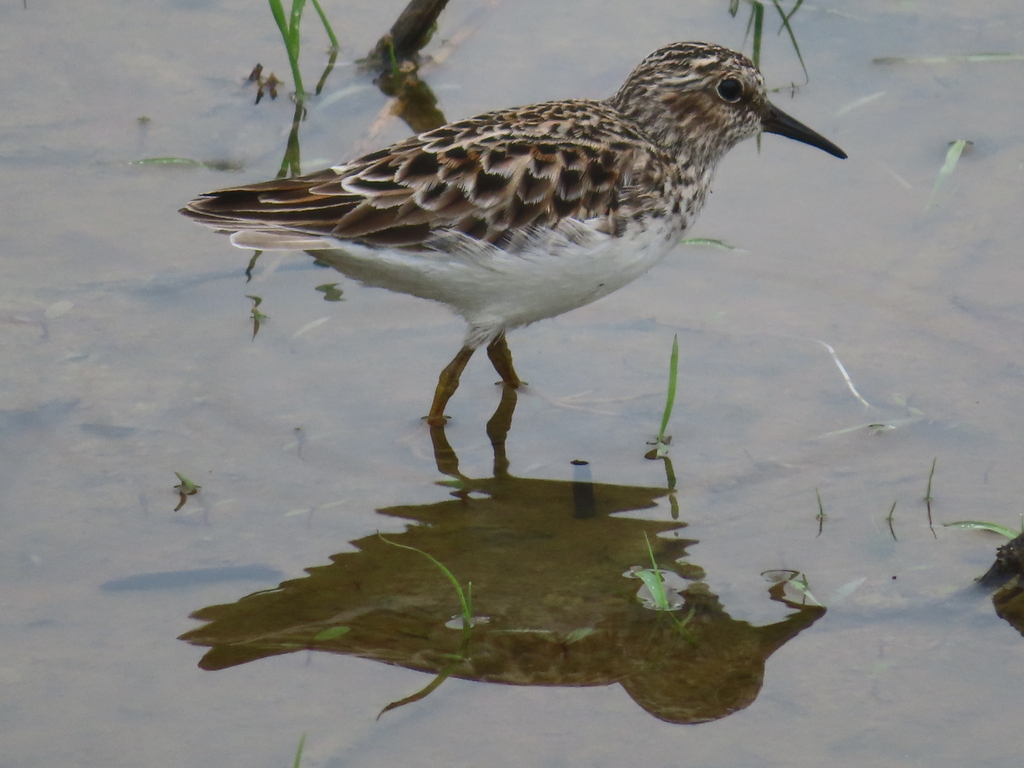
- Least SandpiperCalidris minutilla
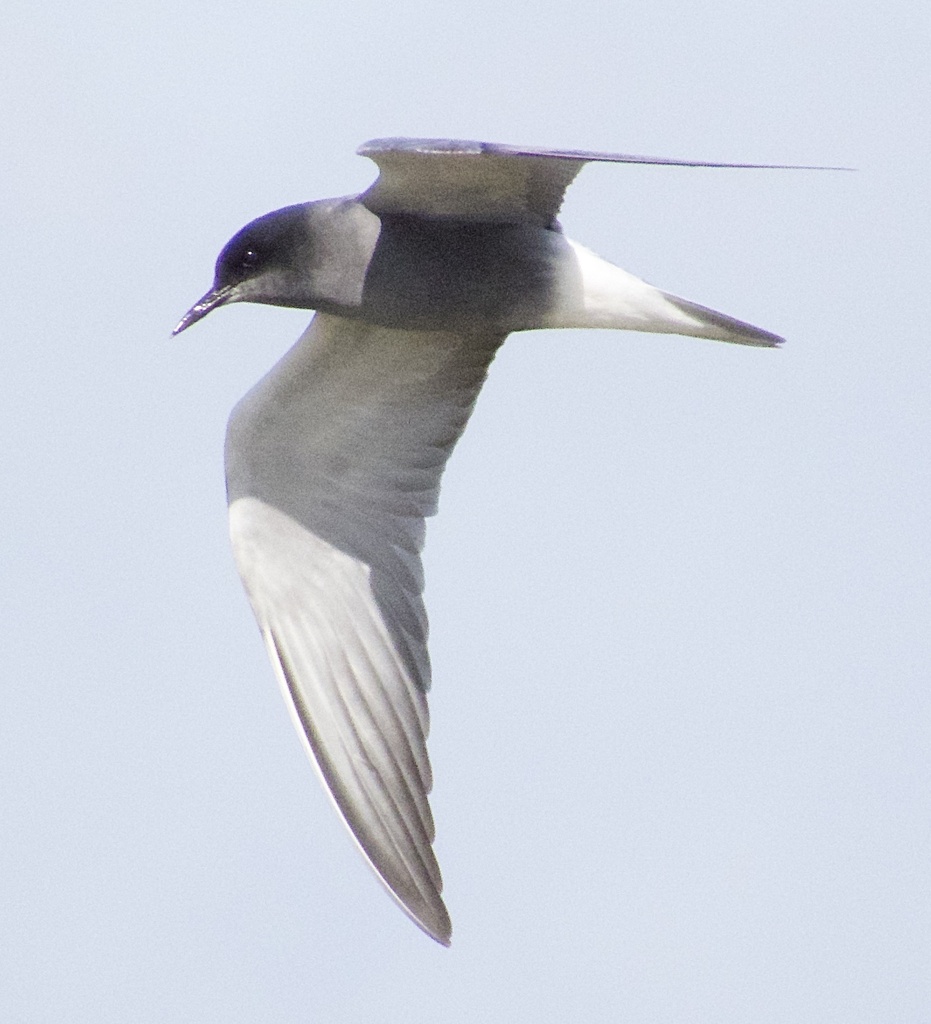
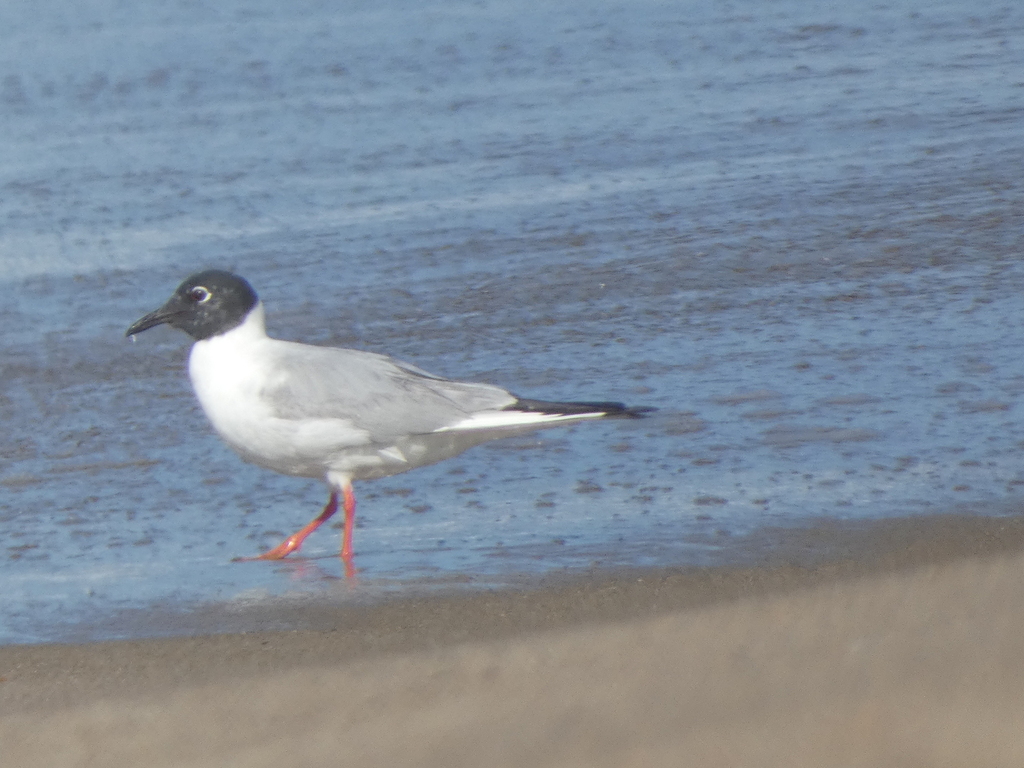
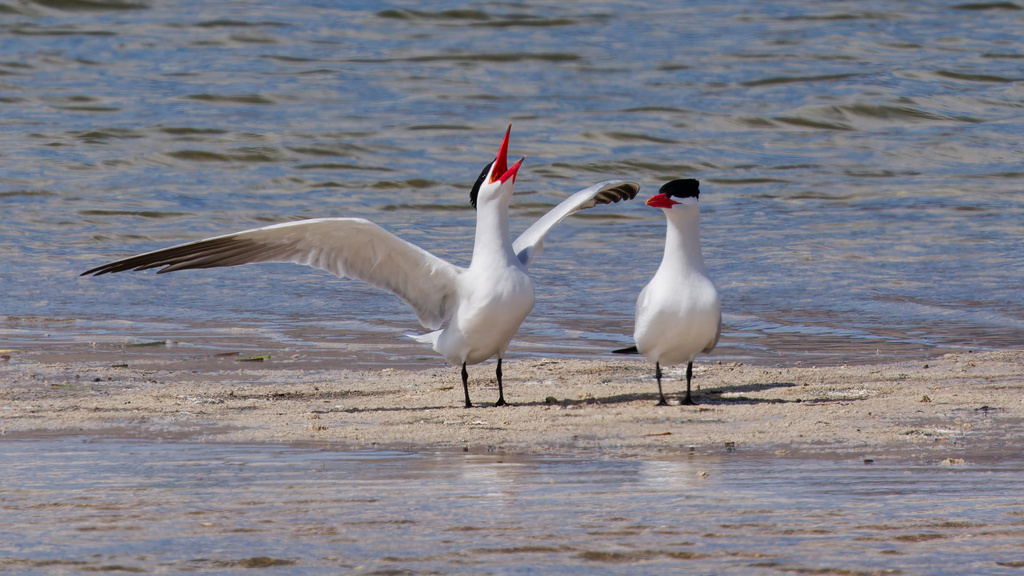
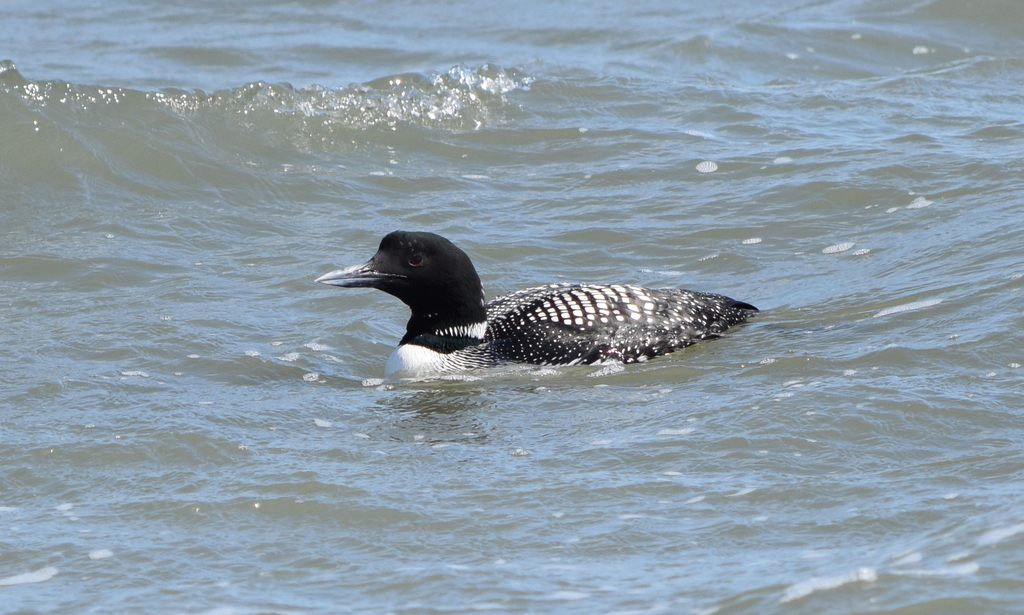
Plants 12
- Slender FimbryFimbristylis autumnalis
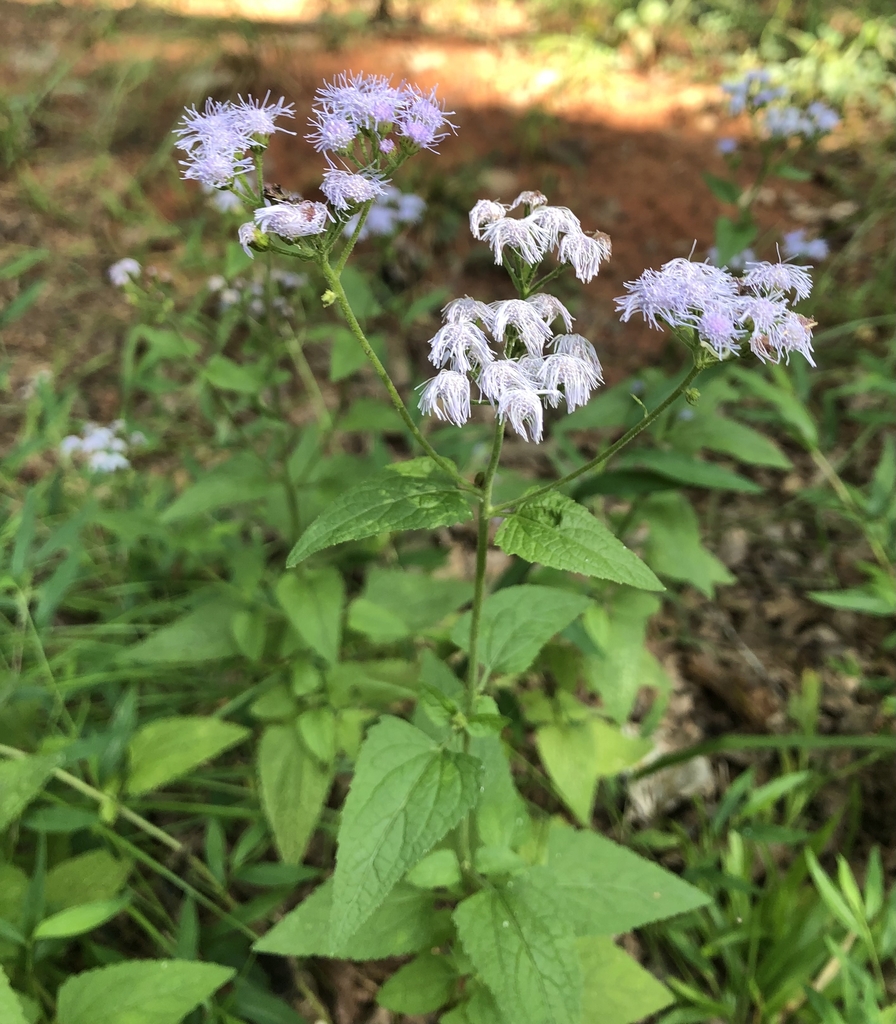
- Blue MistflowerConoclinium coelestinum
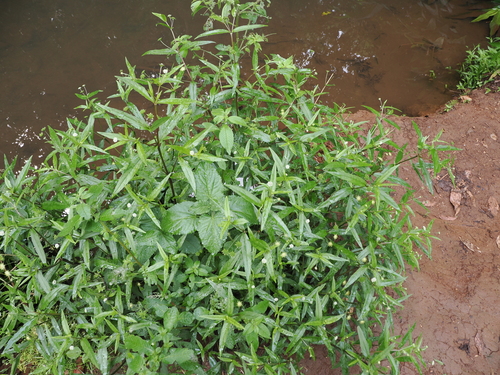
- False DaisyEclipta prostrata
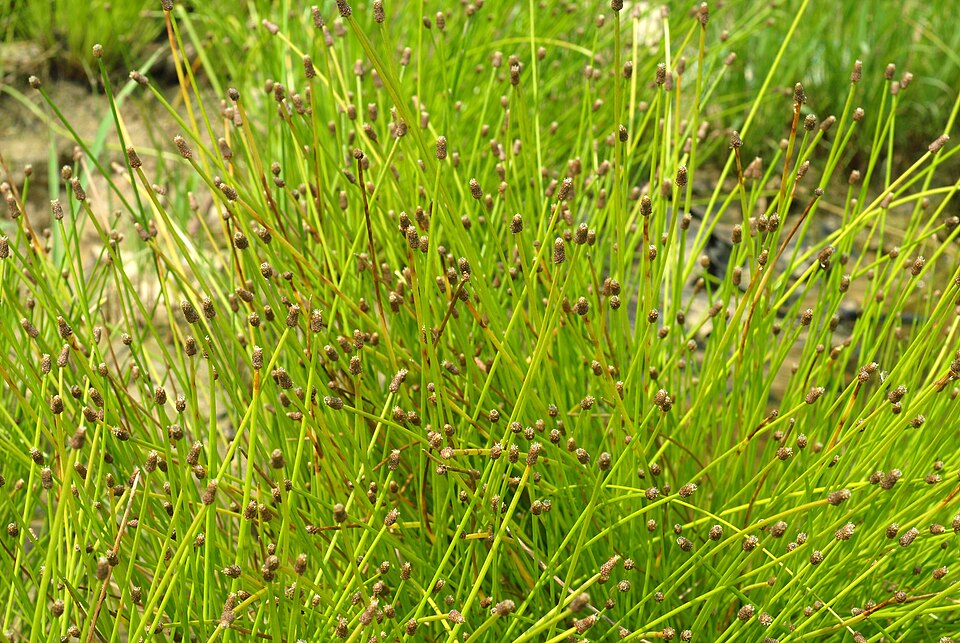
- Intermediate Spike RushEleocharis intermedia
- Blunt Spike RushEleocharis obtusa
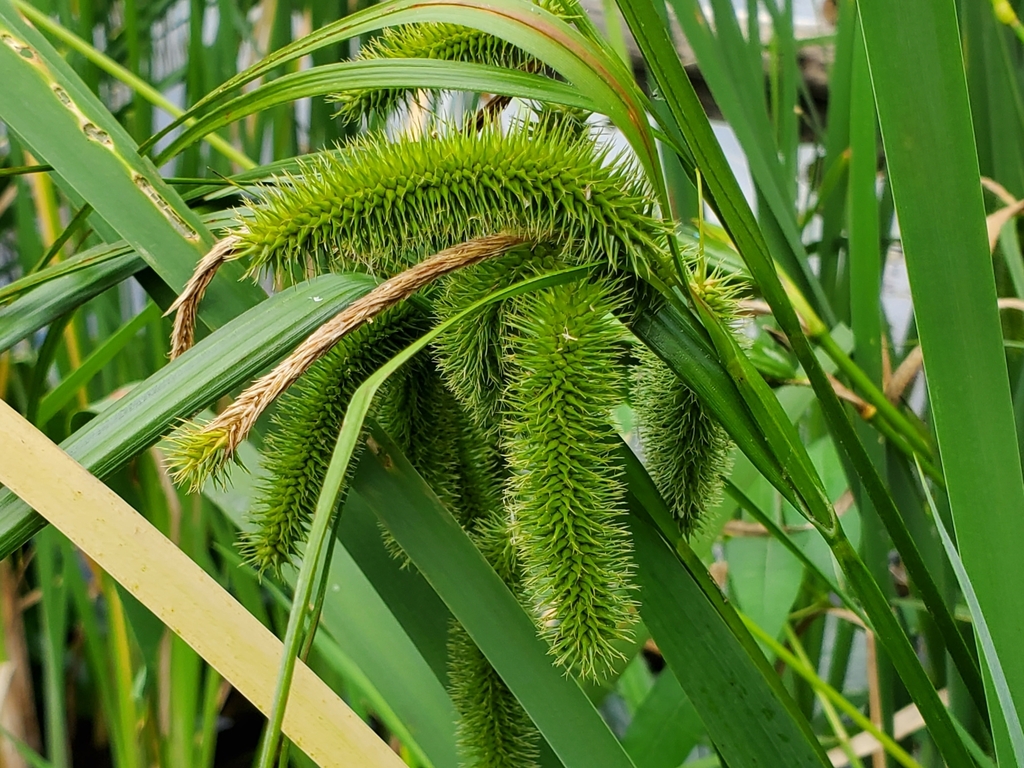
- Bristly SedgeCarex comosa
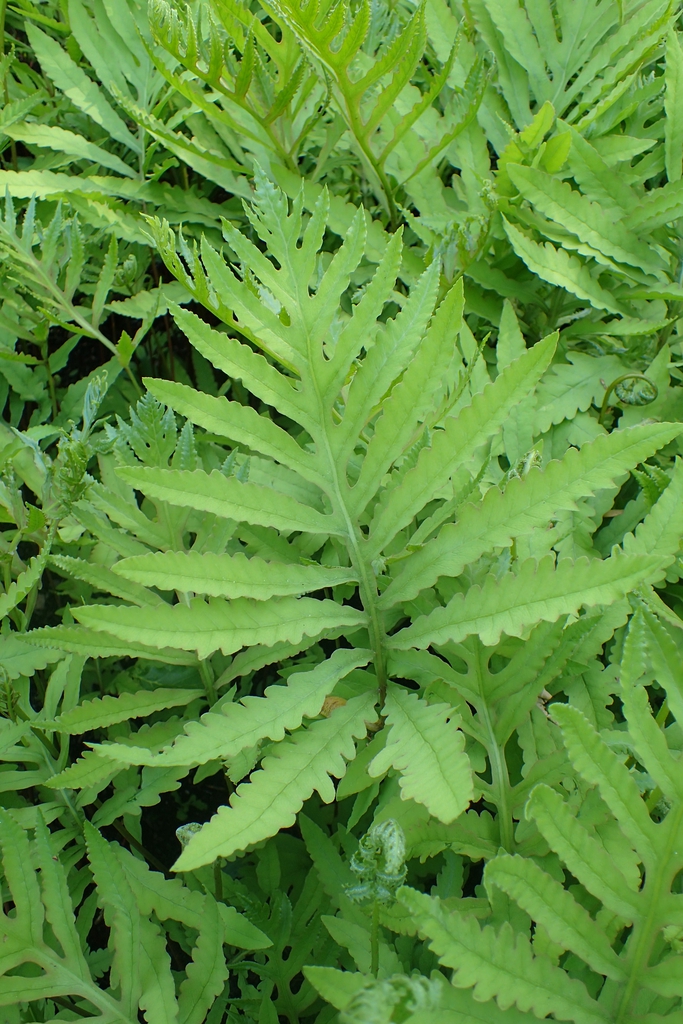
- Sensitive FernOnoclea sensibilis
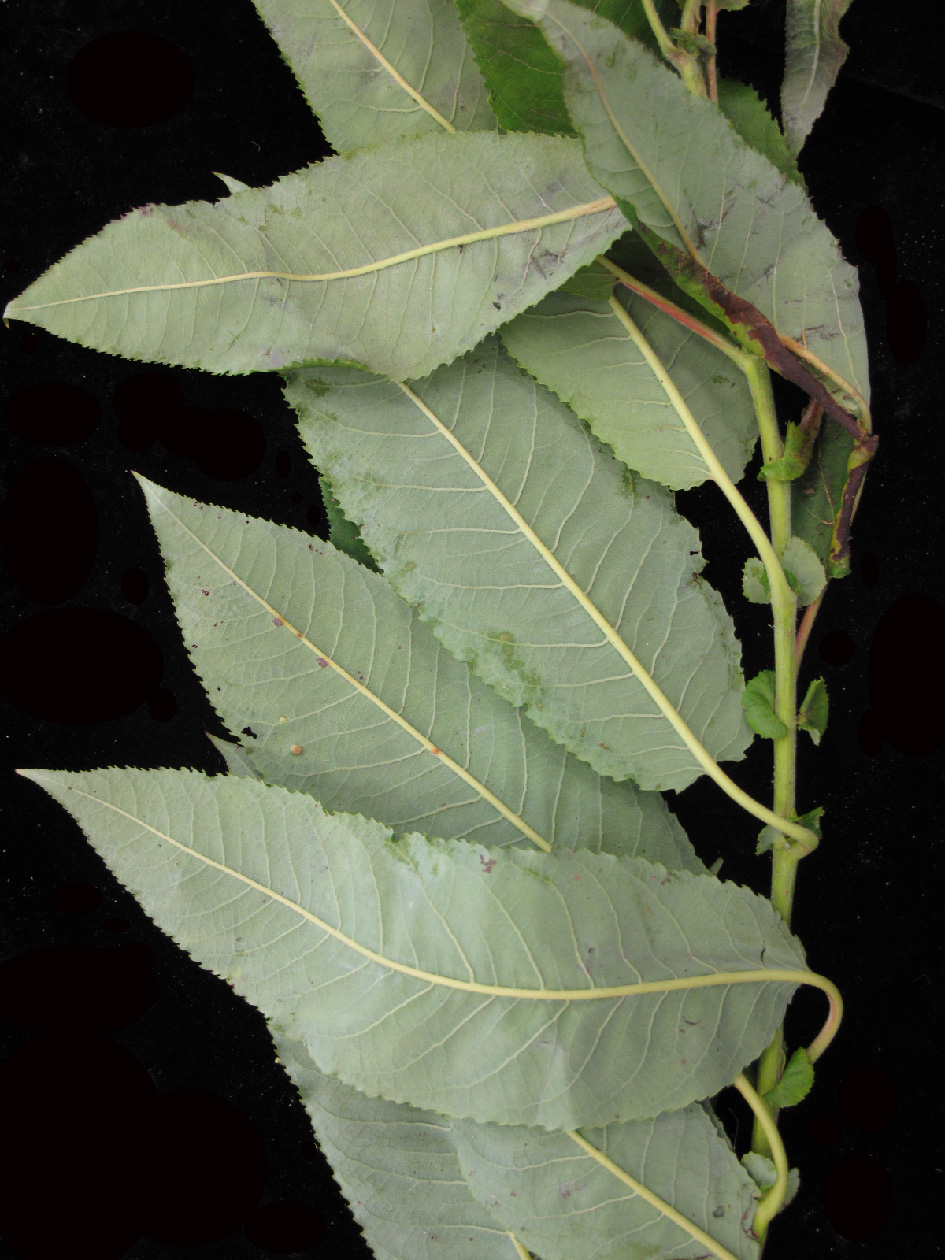
- Heart Leaf WillowSalix eriocephala
- Cuscuta gronovii var. gronoviiCuscuta gronovii var. gronovii
- European Gray WillowSalix cinerea
- Ricefield FlatsedgeCyperus iria
- White WillowSalix alba
Dry forests and woodlands
Birds 78
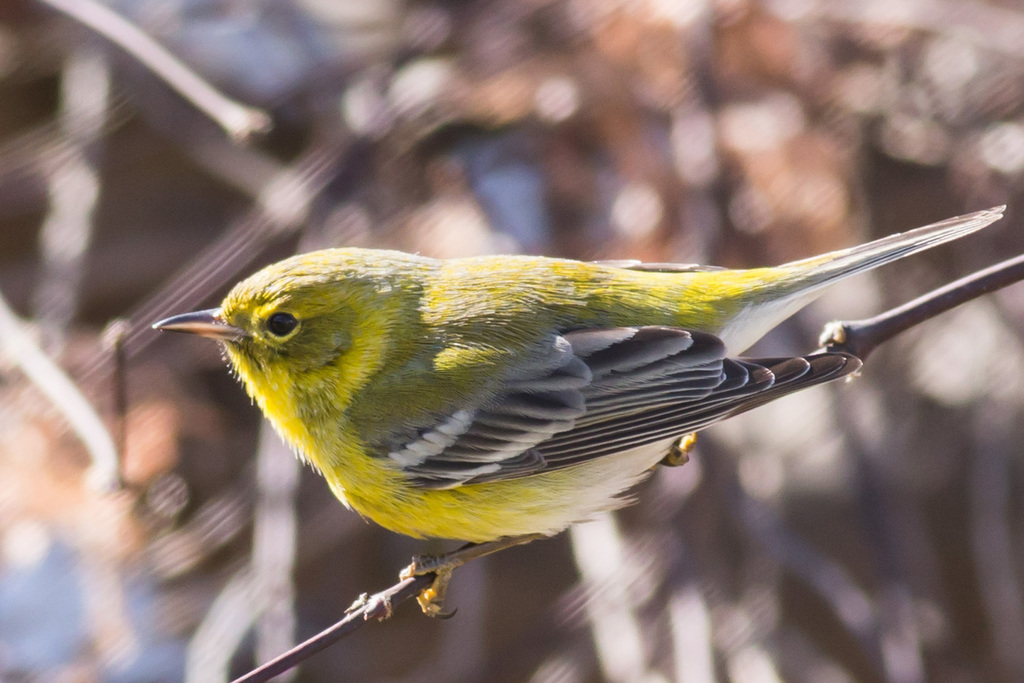
- Pine WarblerDendroica pinus
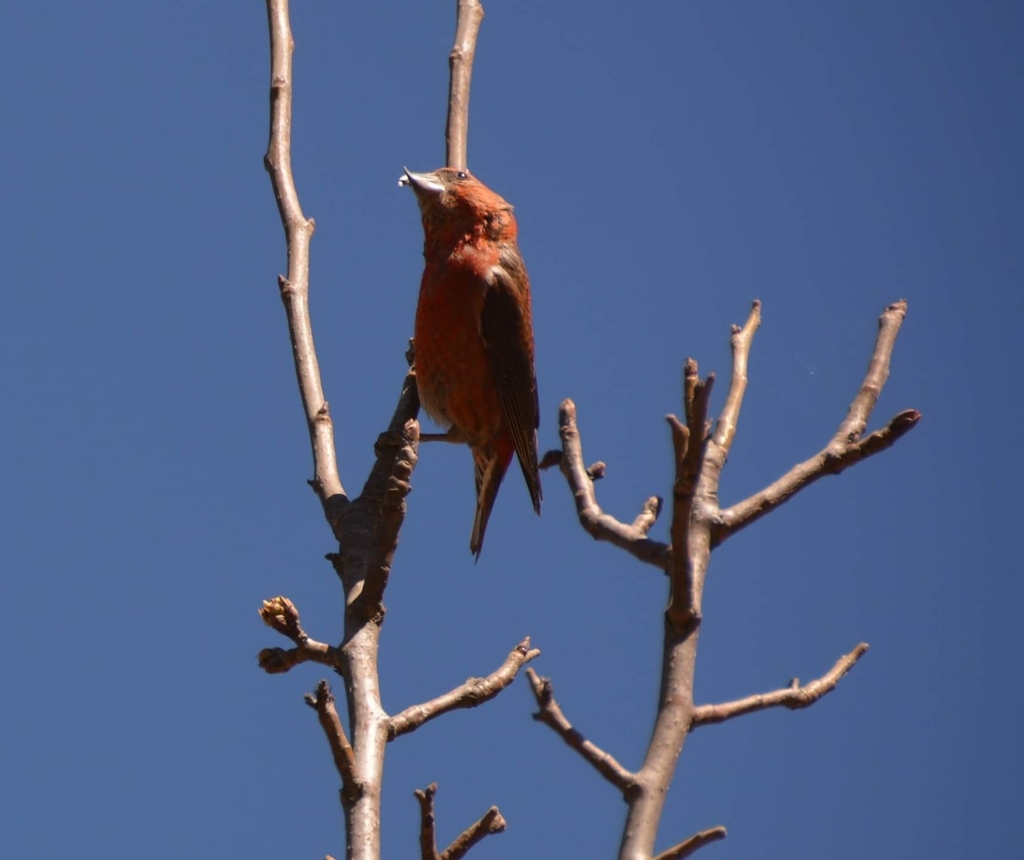
- Red CrossbillLoxia curvirostra
- Northern BobwhiteColinus virginianus
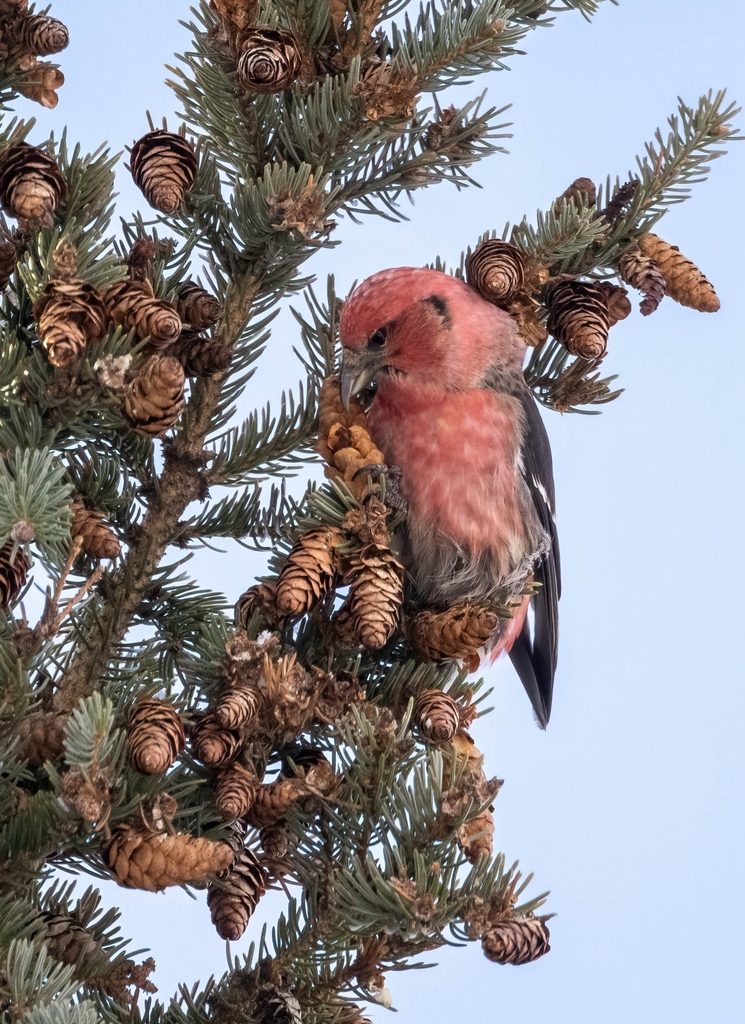
- White-winged CrossbillLoxia leucoptera
- Yellow-throated WarblerDendroica dominica
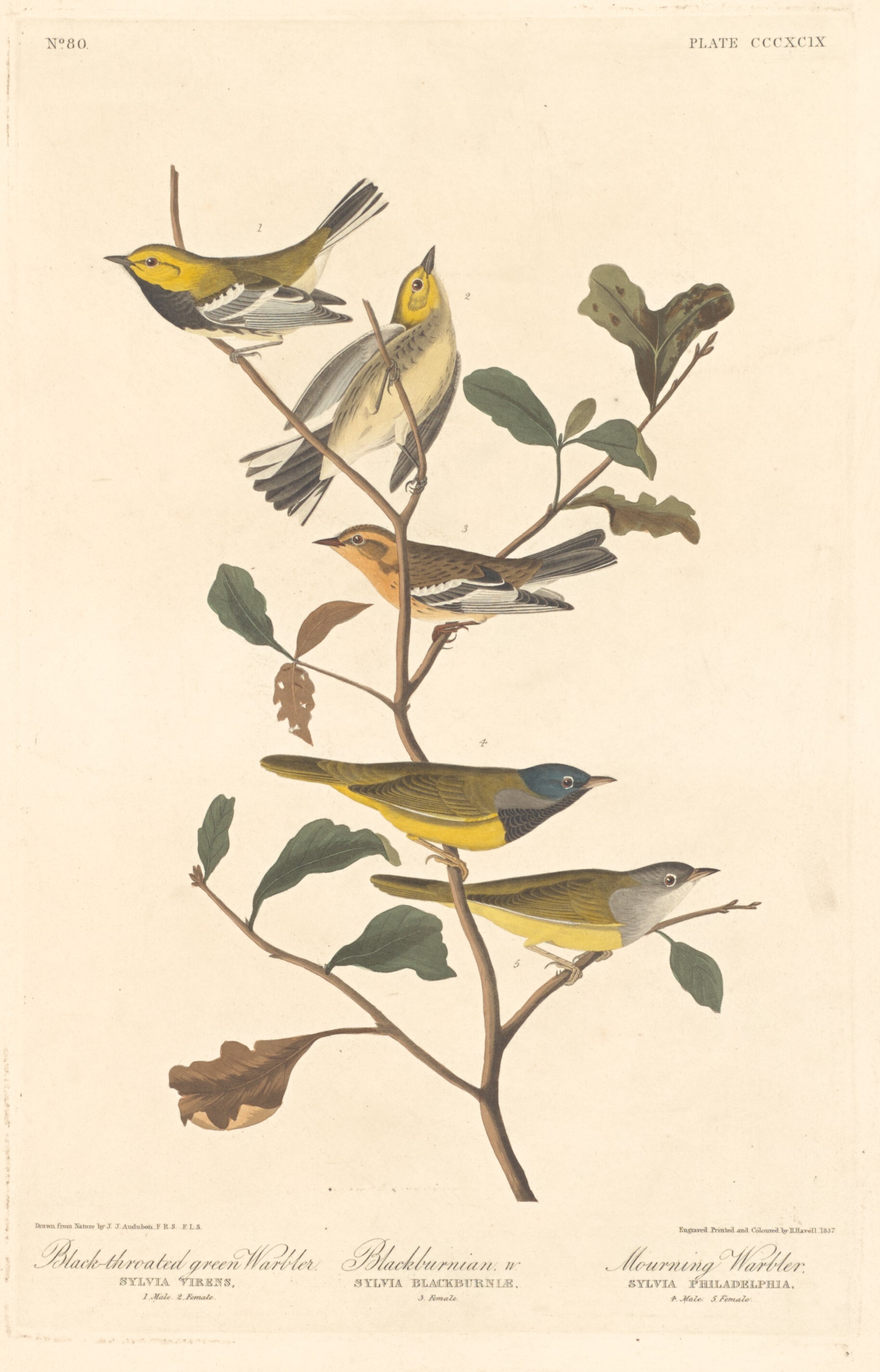
- Black-throated Green WarblerDendroica virens
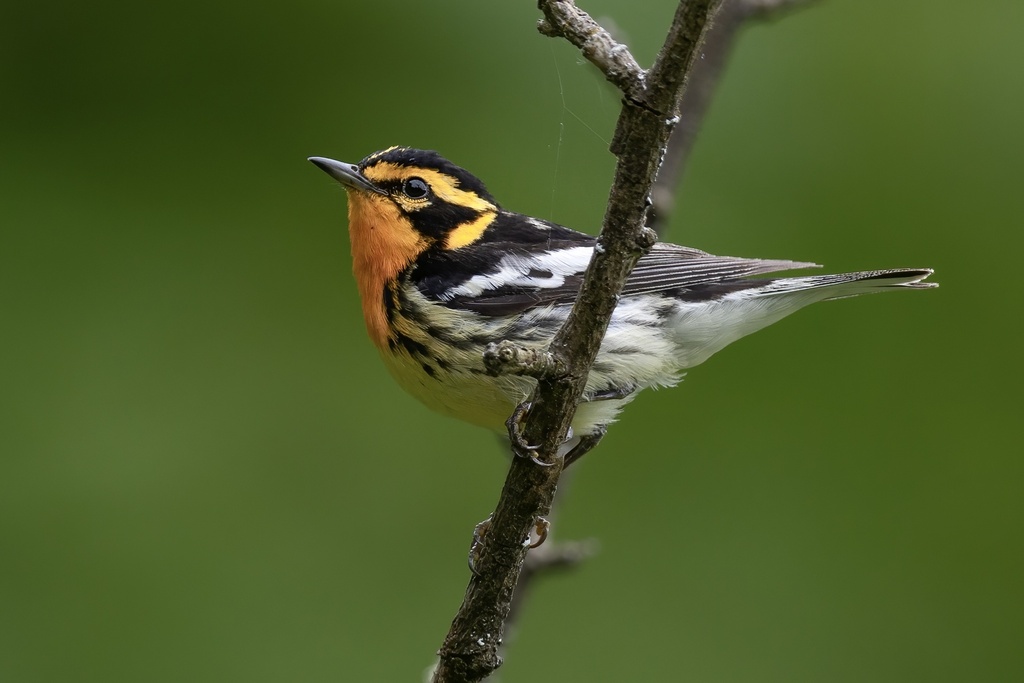
- Blackburnian WarblerDendroica fusca
- Red-breasted NuthatchSitta canadensis
- Barred OwlStrix varia
- Blue-headed VireoVireo solitarius
- Eastern BluebirdSialia sialis
- Louisiana WaterthrushSeiurus motacilla







Plants 192
- Eastern Winged SumacRhus copallinum var. latifolia
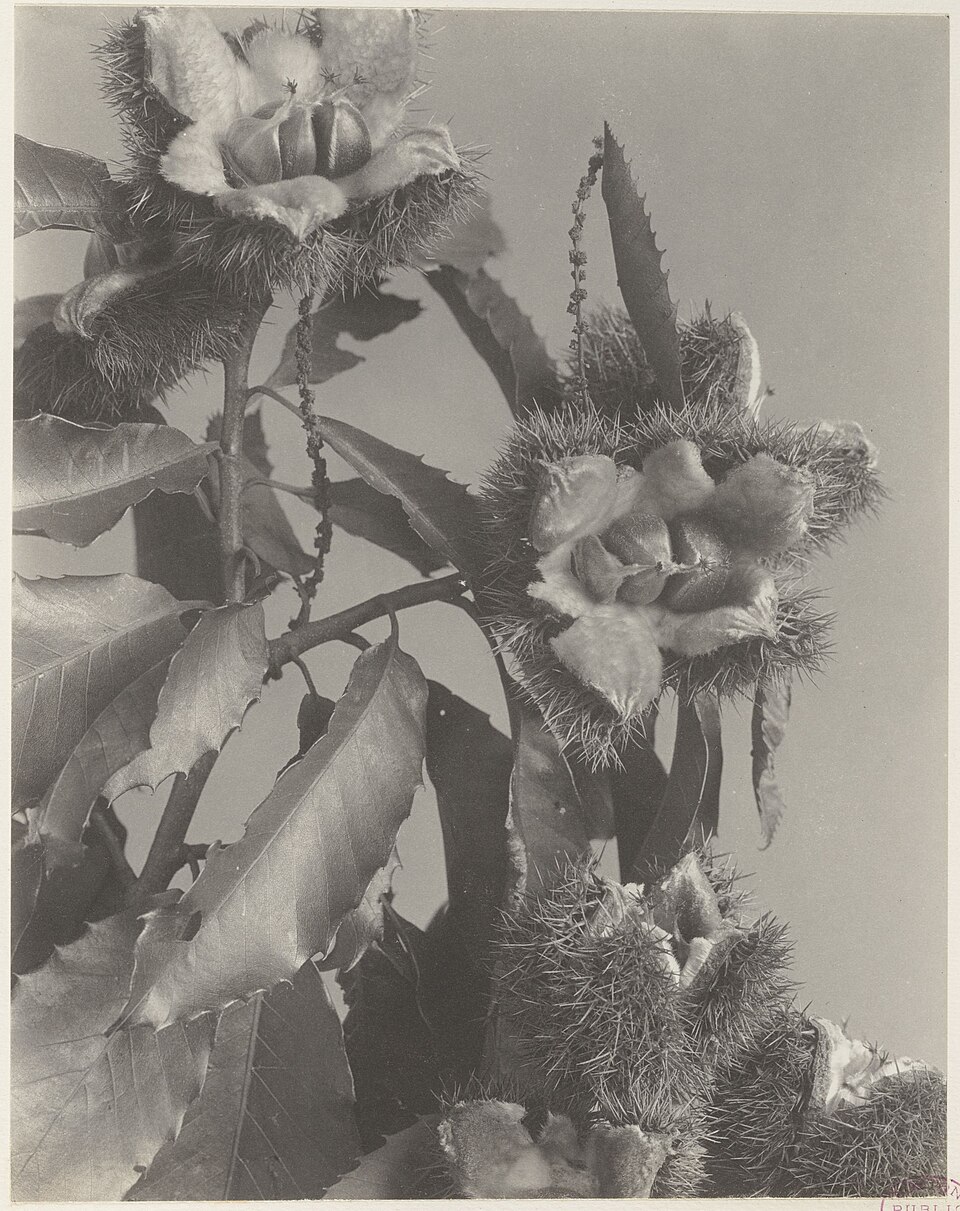
- American ChestnutCastanea dentata
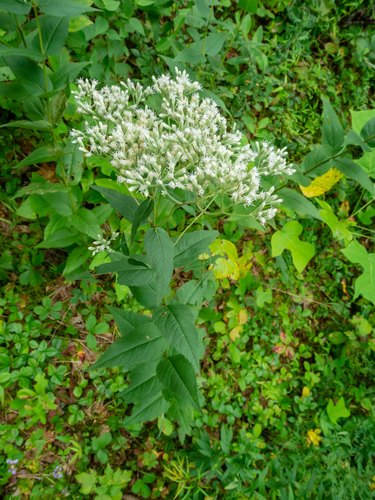
- Godfrey's ThoroughwortEupatorium godfreyanum
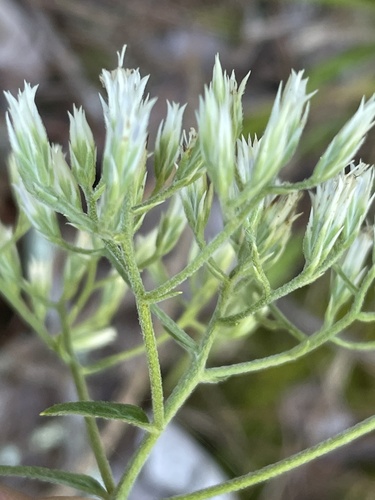
- White ThoroughwortEupatorium album
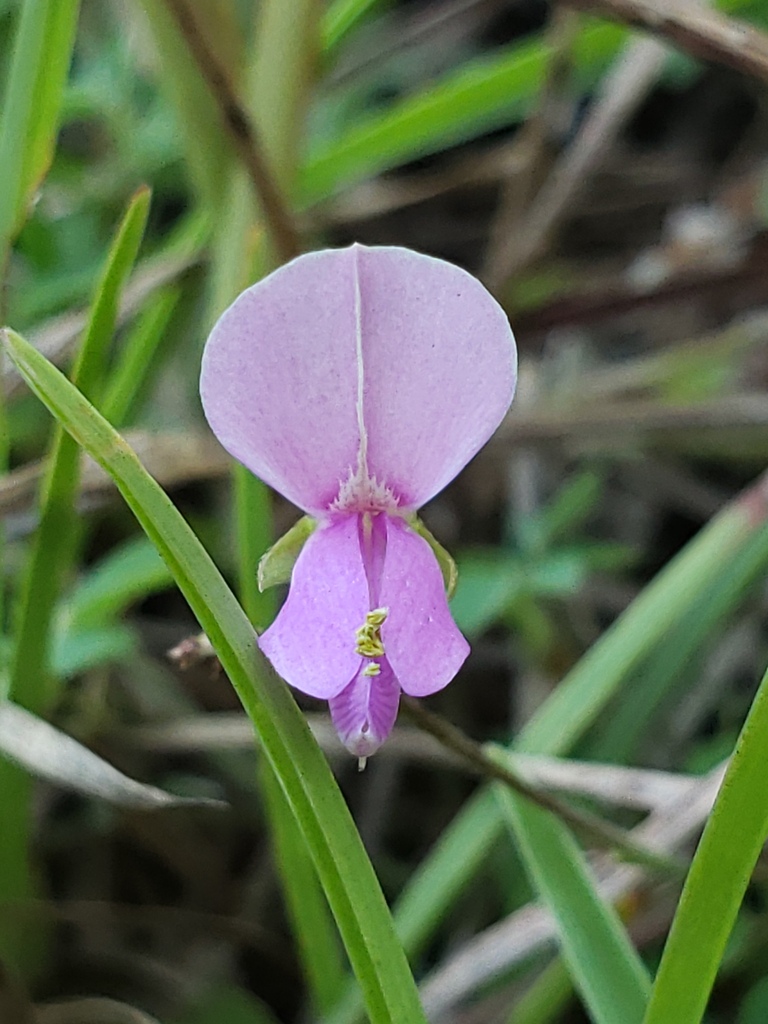
- McCree's MilkpeaGalactia volubilis
- Leavenworth's SedgeCarex leavenworthii
- Southern LoosestrifeLysimachia tonsa
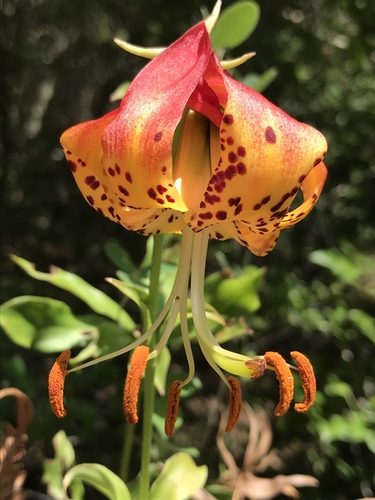
- Carolina LilyLilium michauxii
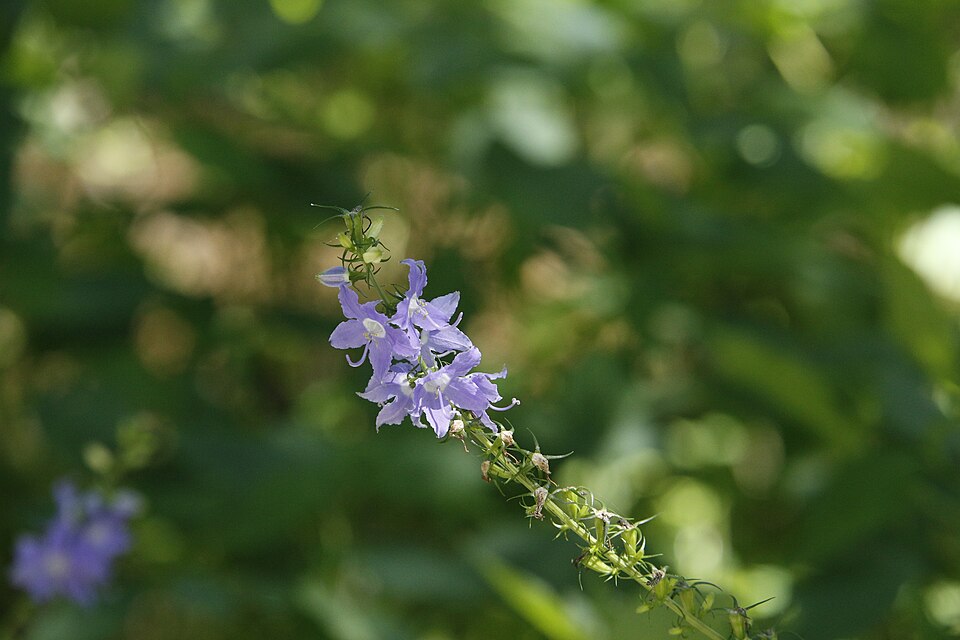
- Tall BellflowerCampanulastrum americanum
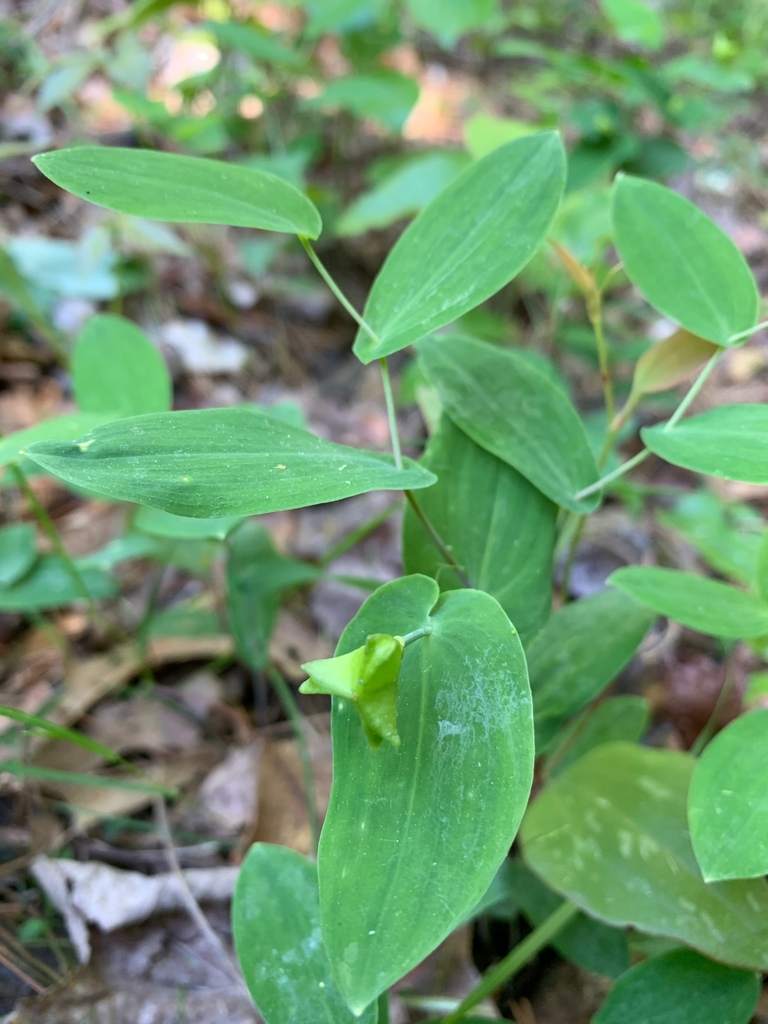
- Perfoliate BellwortUvularia perfoliata
- Green Pyrola, Green-flowered WintergreenPyrola chlorantha
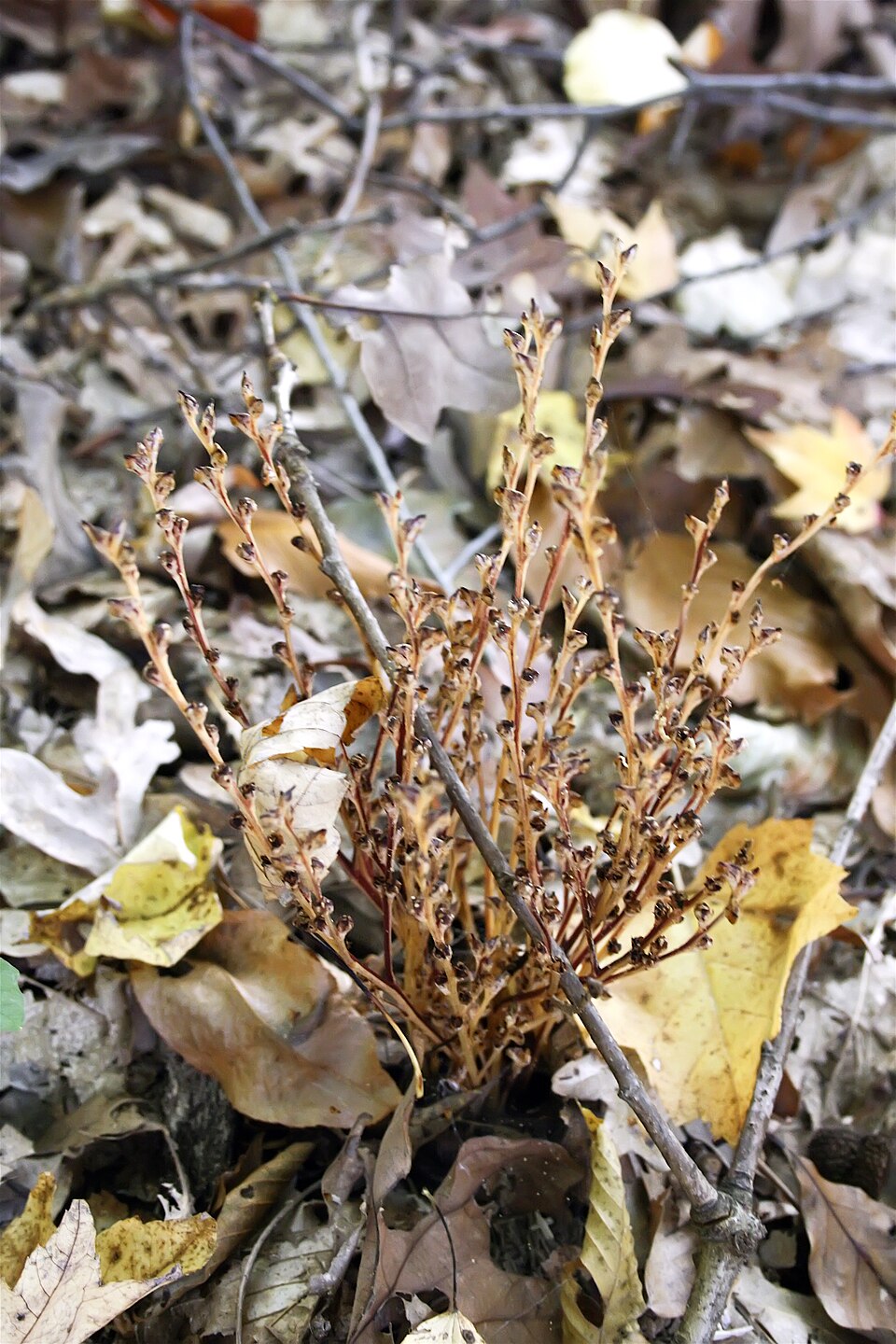
- BeechdropsEpifagus virginiana


Sources
- USGS Gap Analysis Project habitat models (2001)
- USGS GAP winter habitat model for American Redstart Elevation up to 1,200 m
- USGS Gap Analysis Project range maps (2001), modeled by watershed; migratory gives no dates
- NatureServe Explorer (CC BY 4.0), habitat names
- US Census TIGER/Line counties
- Names follow the USGS Gap Analysis Project (2001)