

Habitat in West Virginia
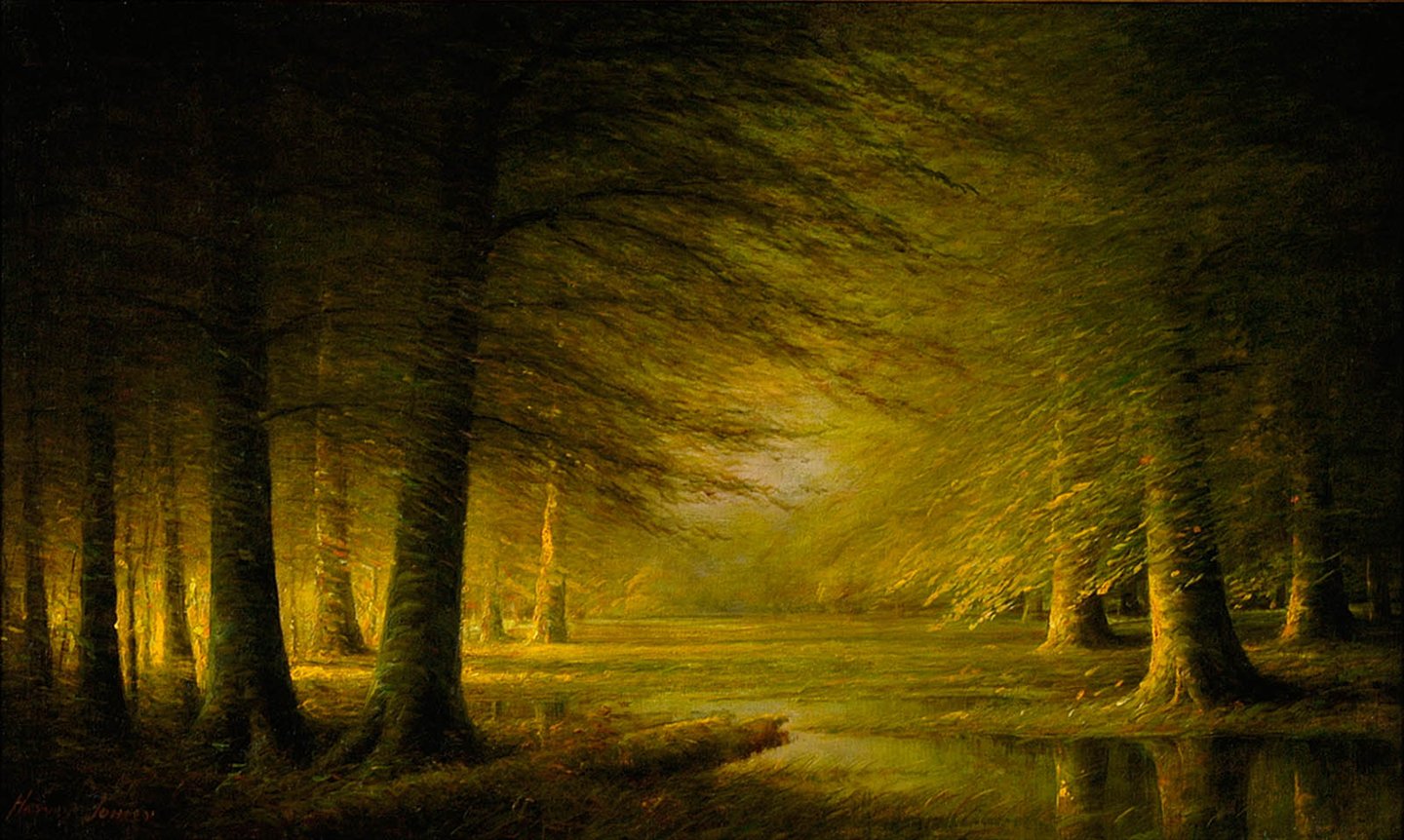
Moist forests
Forests on moist but not wet ground, such as rich slopes and ravines. Schafale
- Plants
- 328
- Birds
- 111
Plants
Plants that grow wild in this habitat in West Virginia. Not a planting list.
Most characteristic plants of this habitat 328
Natives first, plants found in fewer other habitats first.
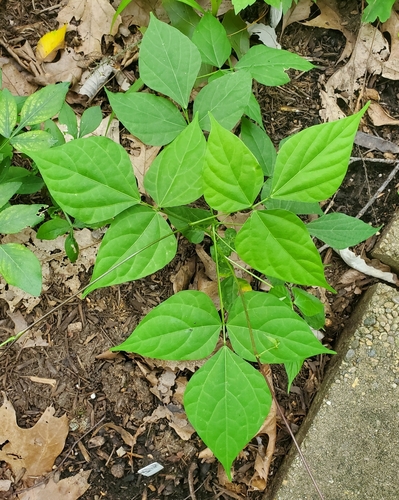
- Gorge GoldenrodSolidago faucibus
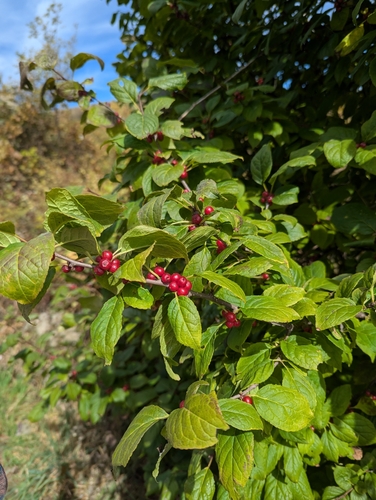
- Mountain HollyIlex montana
- Smooth Blue AsterSymphyotrichum laeve
- Sugar MapleAcer saccharum var. schneckii
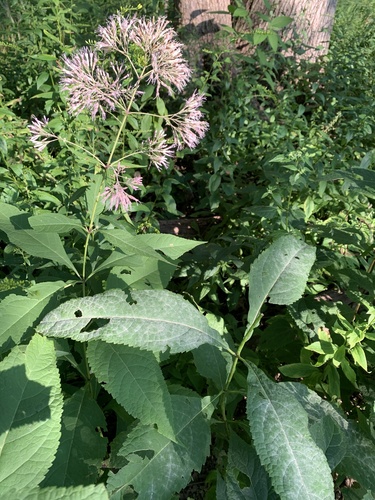
- Sweet Scented Joe Pye WeedEutrochium purpureum var. purpureum
- Vitis cinereaVitis cinerea
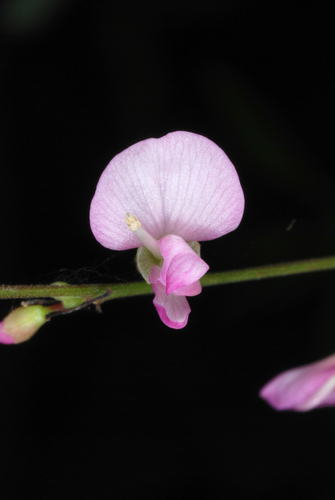
- Fewflower Tick-trefoilDesmodium pauciflorum
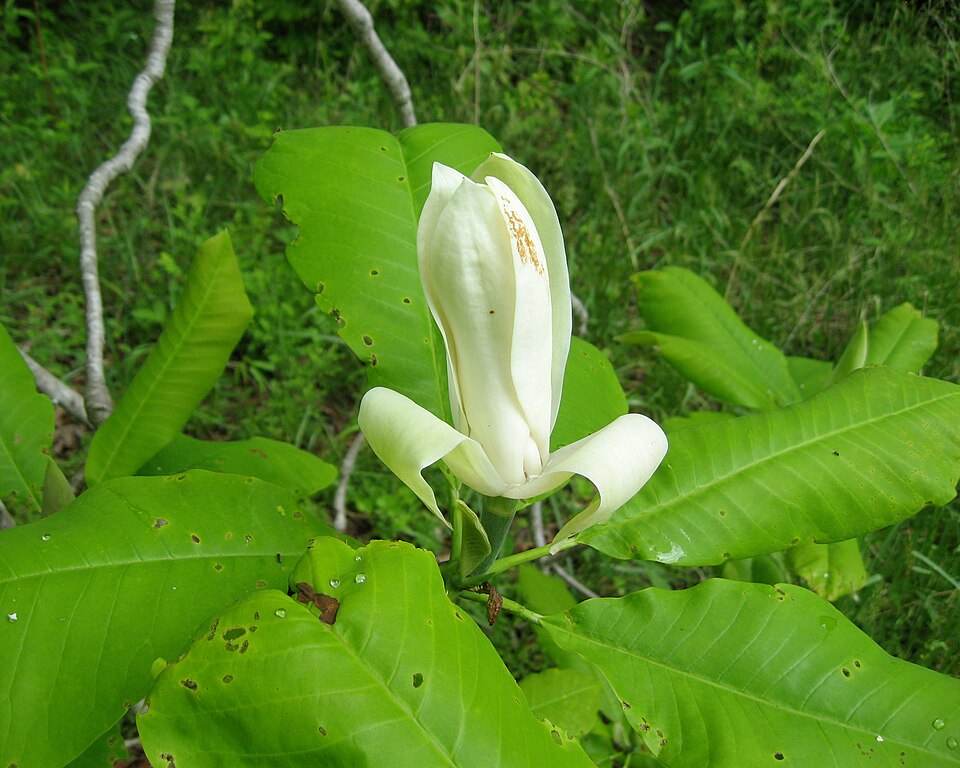
- Umbrella MagnoliaMagnolia tripetala
- Pointedleaf Tick-trefoilDesmodium glutinosum
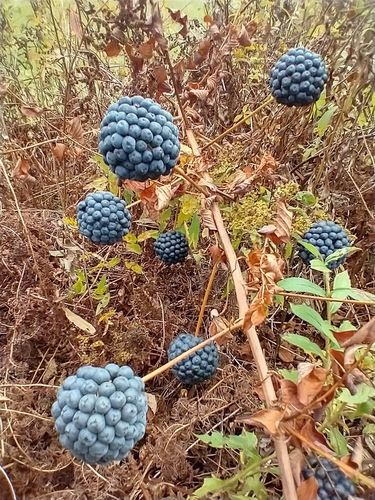
- Smooth Carrion-flowerSmilax herbacea
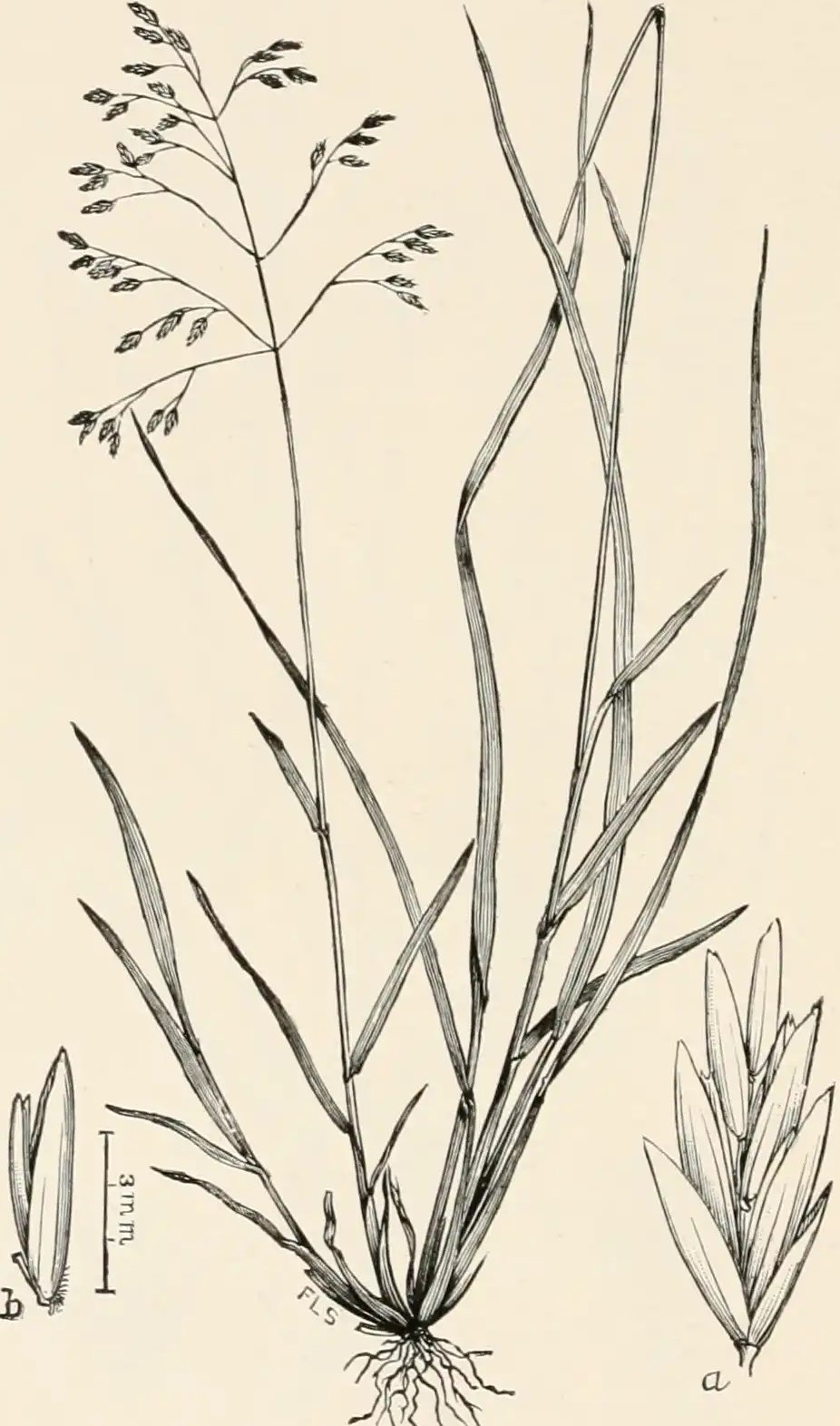
- Early BluegrassPoa cuspidata
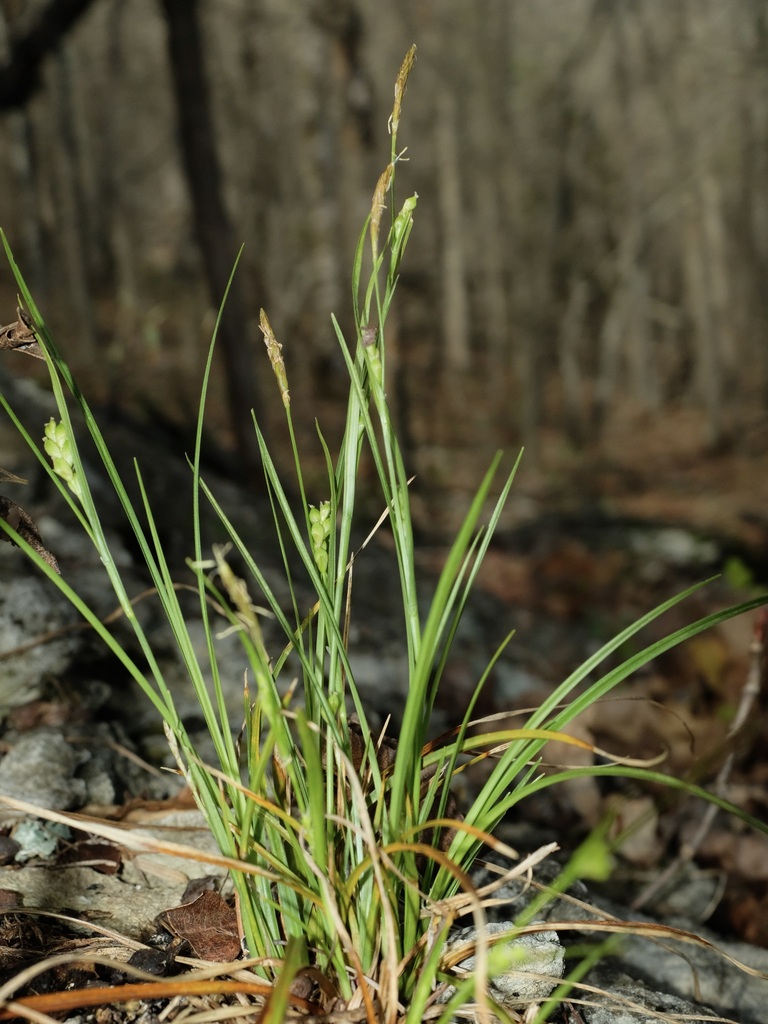
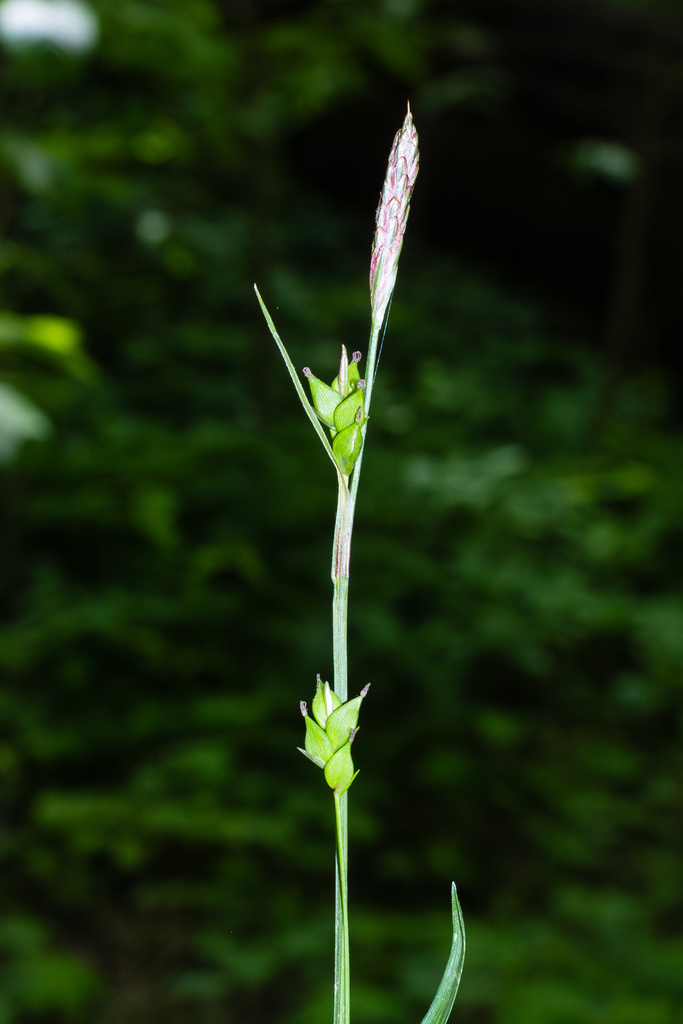
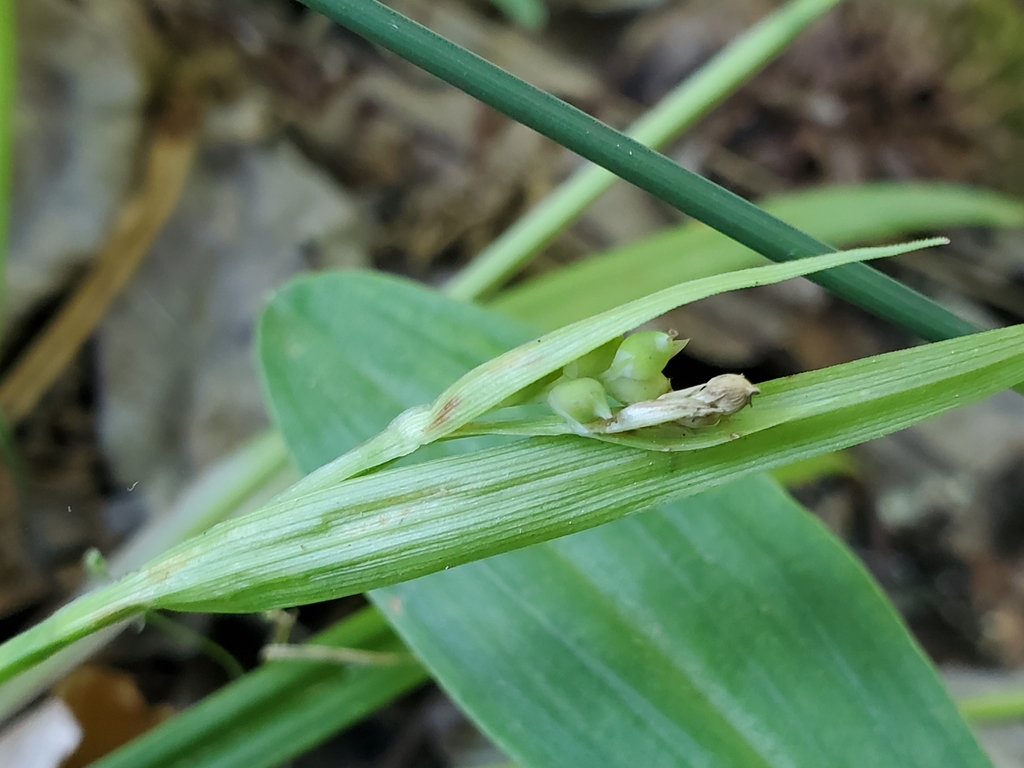
- Rich-woods SedgeCarex oligocarpa
- Carey's SedgeCarex careyana
- Krals SedgeCarex kraliana
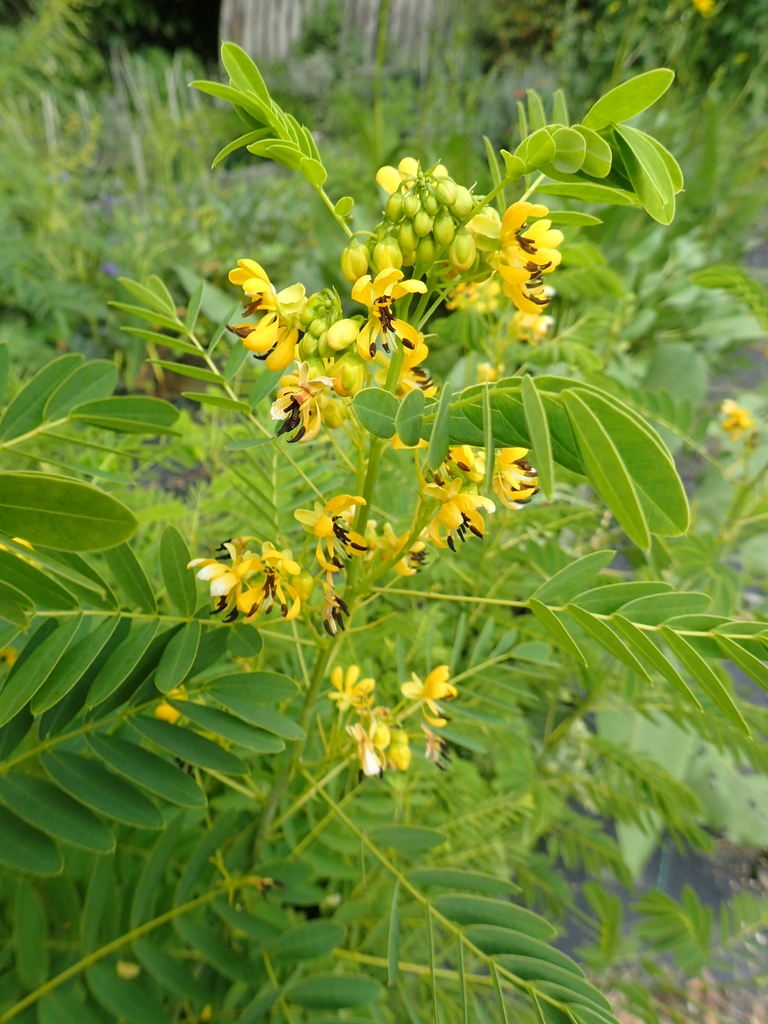
- American SennaSenna hebecarpa
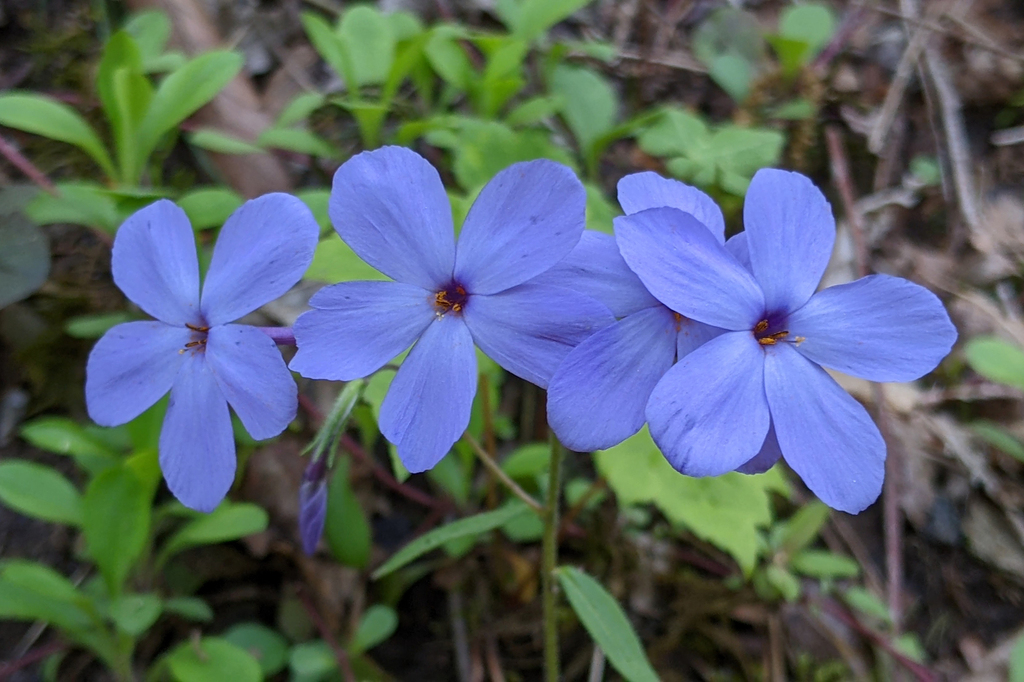
- Creeping PhloxPhlox stolonifera
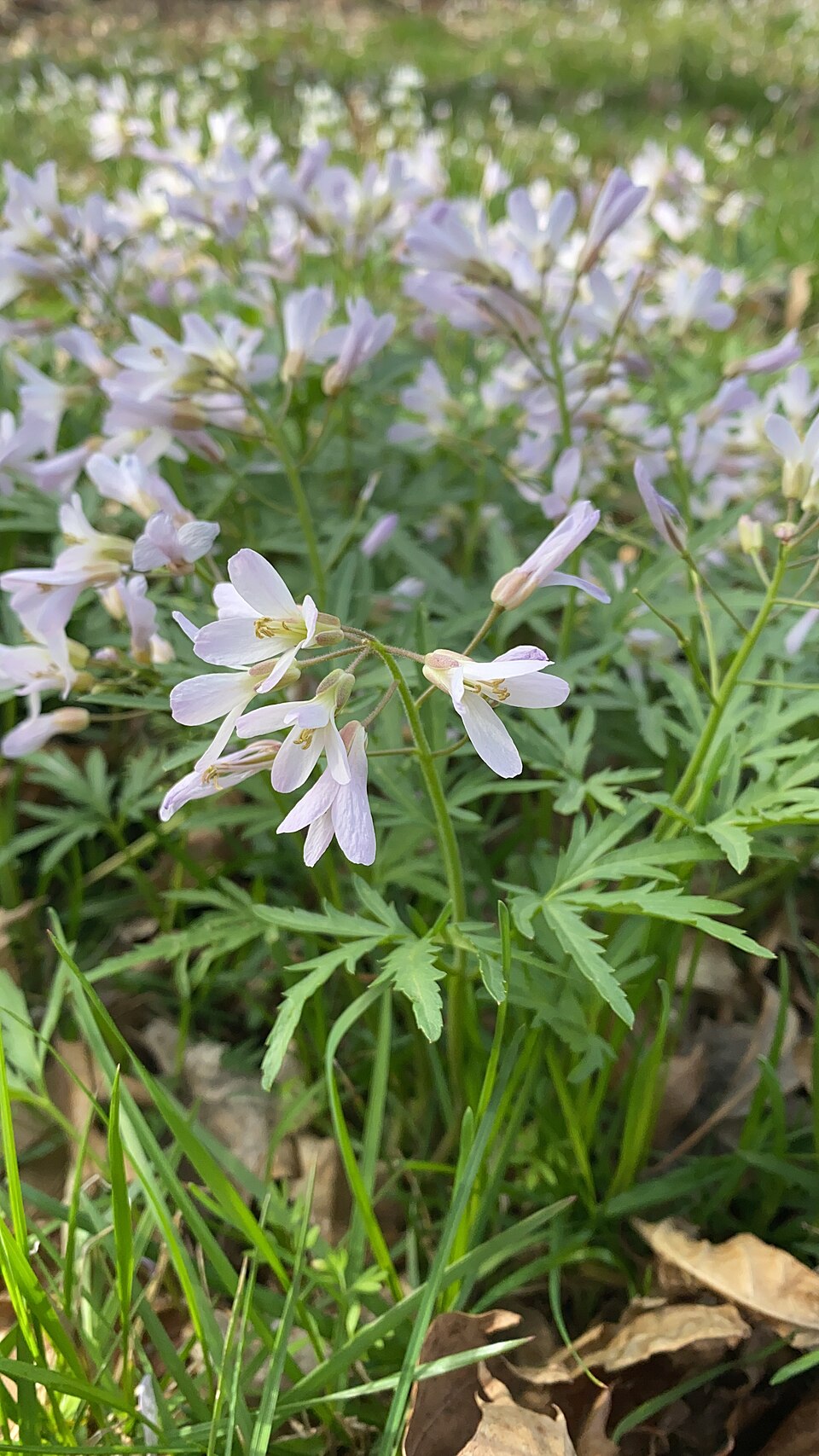
- Cutleaf ToothwortCardamine concatenata
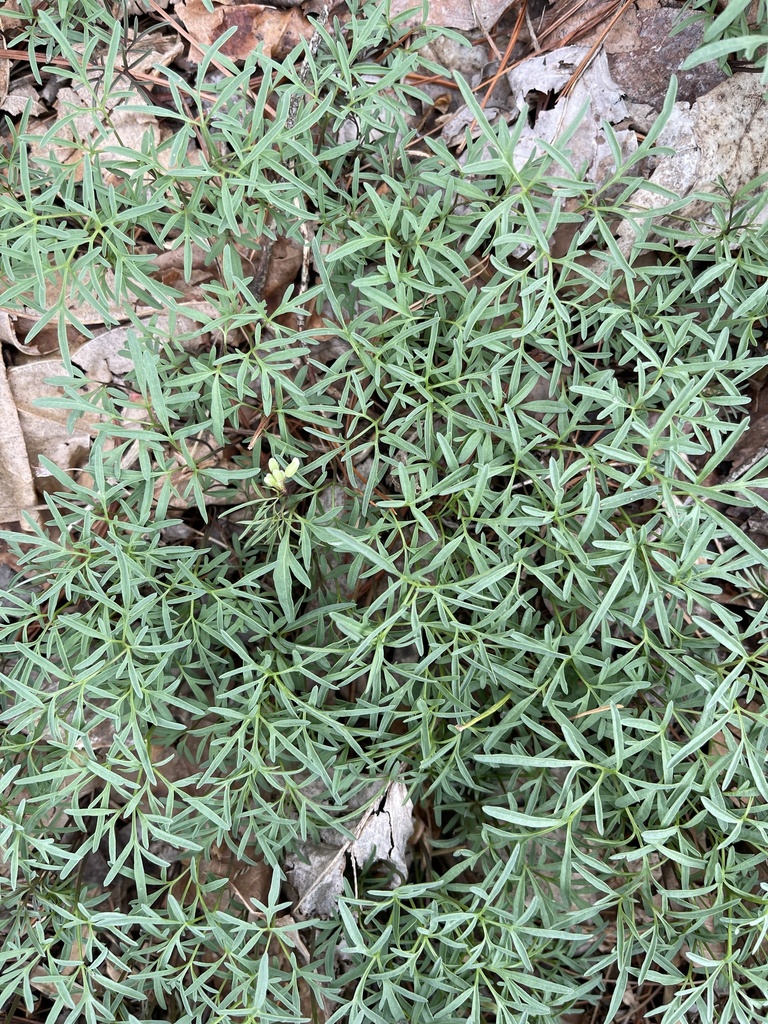
- Forkleaf ToothwortCardamine dissecta
- Slender ToothwortCardamine angustata
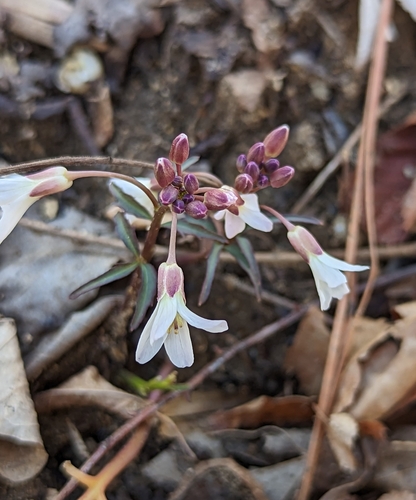
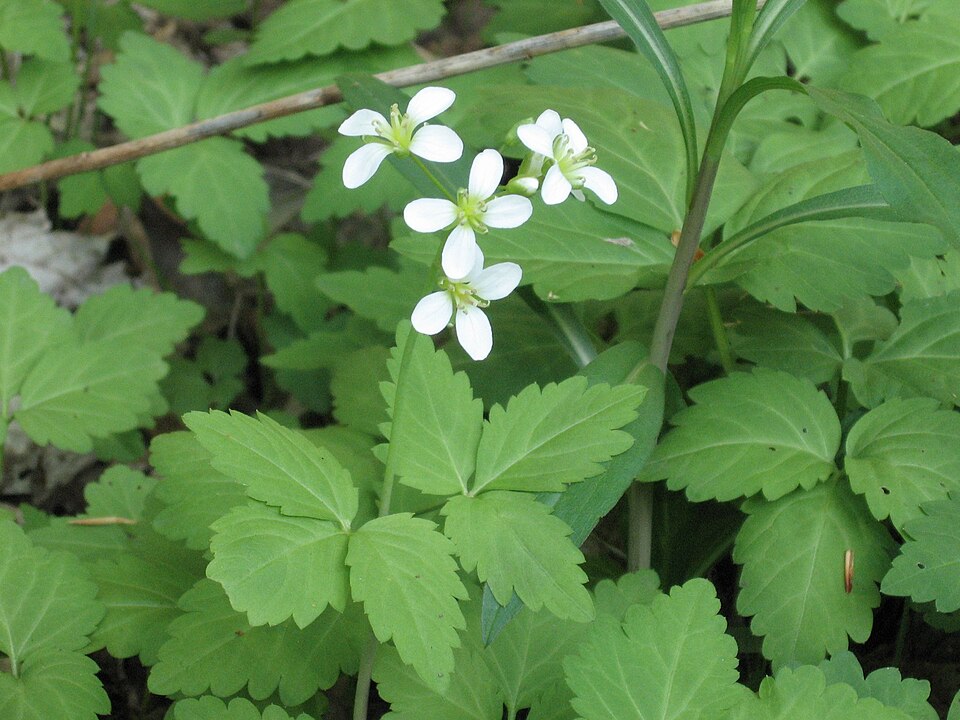
- Two-leaved ToothwortCardamine diphylla
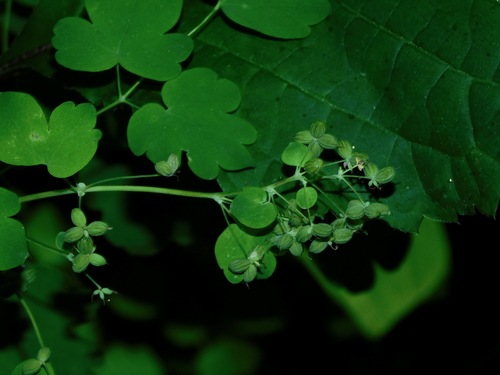
- Rue AnemoneThalictrum thalictroides
- Thickleaf Meadow-rueThalictrum coriaceum
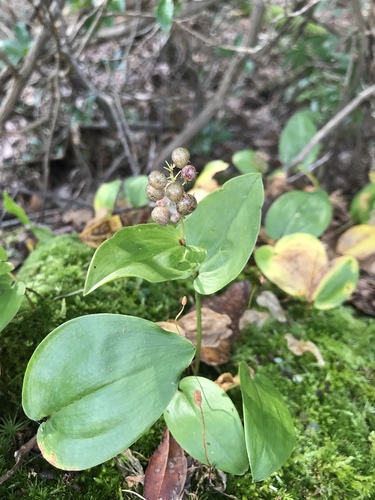
- Canada MayflowerMaianthemum canadense
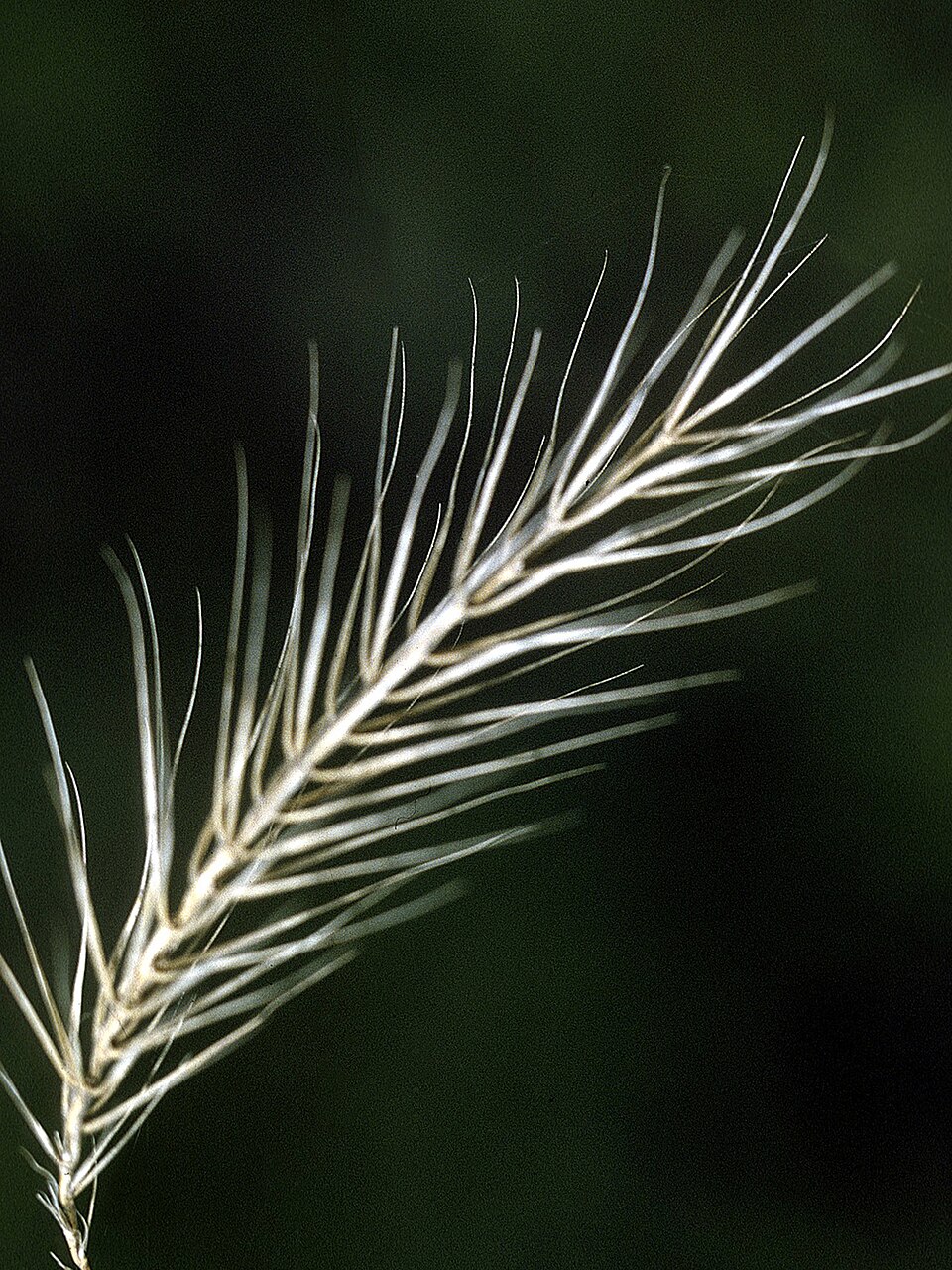
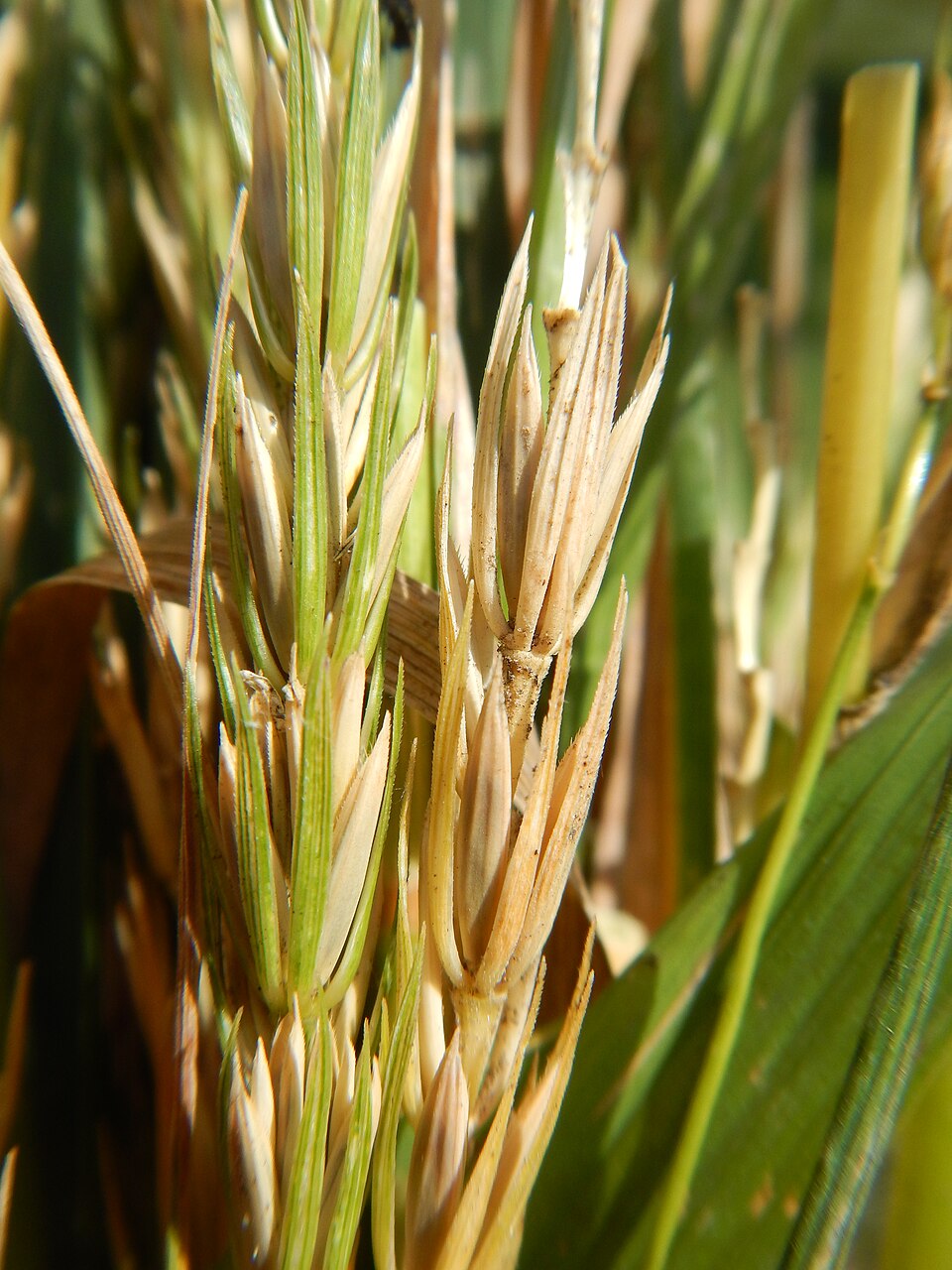
- Riverbank Wild-ryeElymus riparius
- Virginia Wild-ryeElymus virginicus
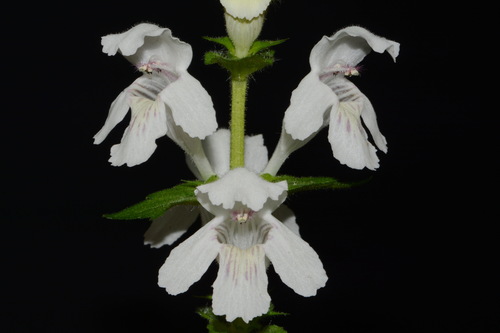
- Showy SkullcapScutellaria serrata
- Cypripedium parviflorum var. pubescensCypripedium parviflorum var. pubescens
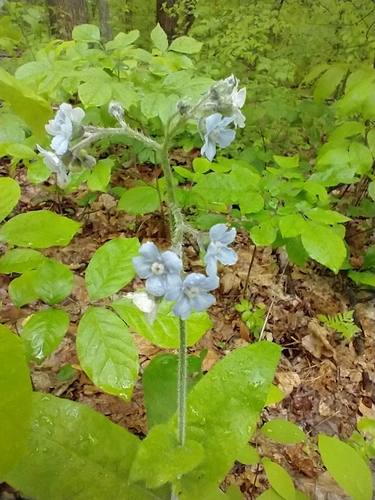
- Wild ComfreyCynoglossum virginianum
- Orange Dwarf Dandelion; Two Flower Dwarf DandelionKrigia biflora var. biflora
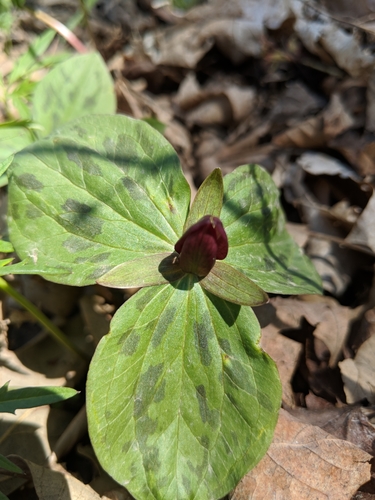
- Sessile TrilliumTrillium sessile
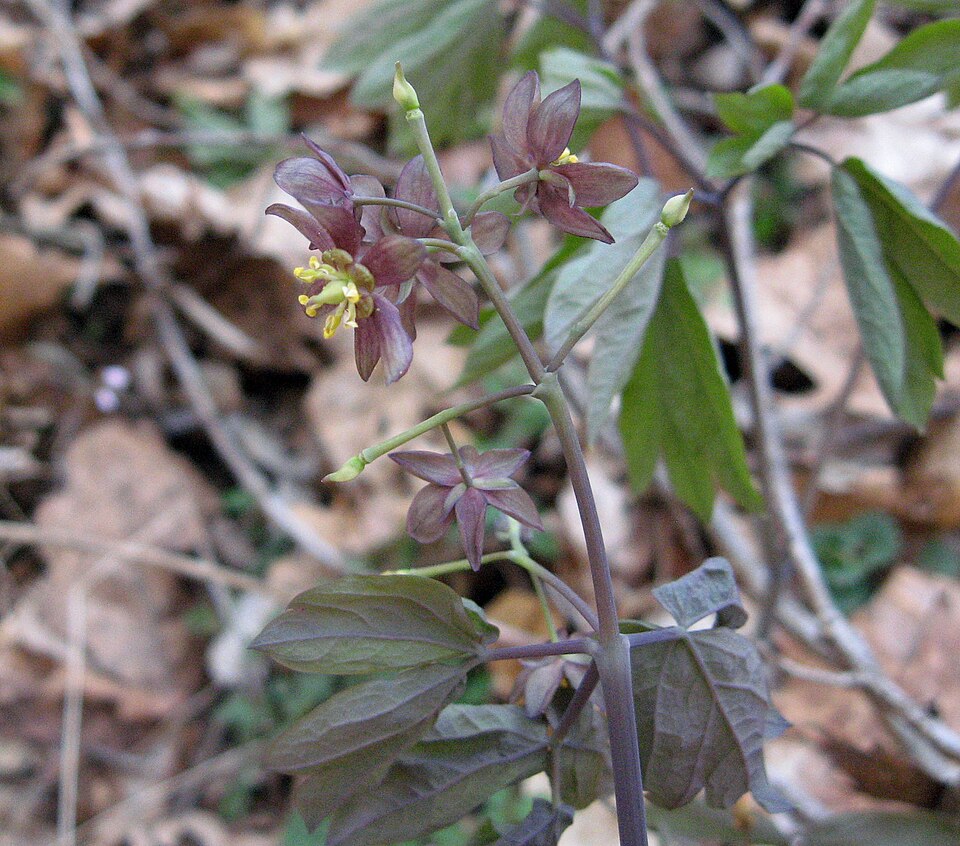
- Common Blue CohoshCaulophyllum thalictroides
- Great WaterleafHydrophyllum appendiculatum
- Hairy-jointed Meadow-parsnipThaspium barbinode
- Purple Meadow ParsnipThaspium trifoliatum var. trifoliatum
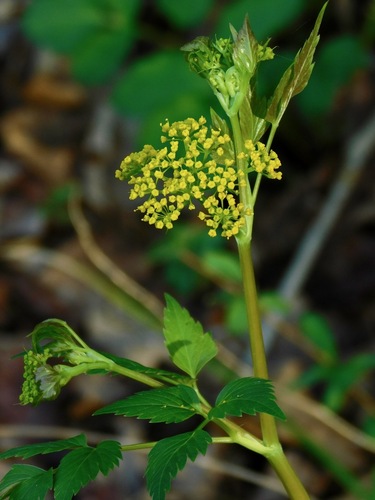
- Yellow Meadow ParsnipThaspium trifoliatum var. aureum
- Northern Blue CohoshCaulophyllum giganteum
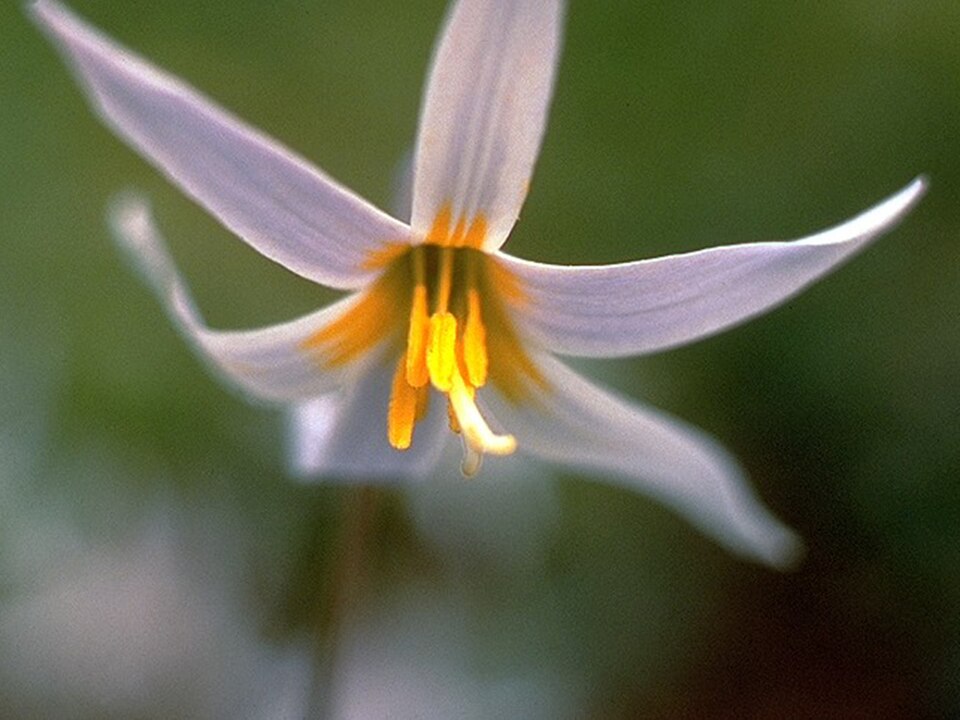
- White Trout LilyErythronium albidum
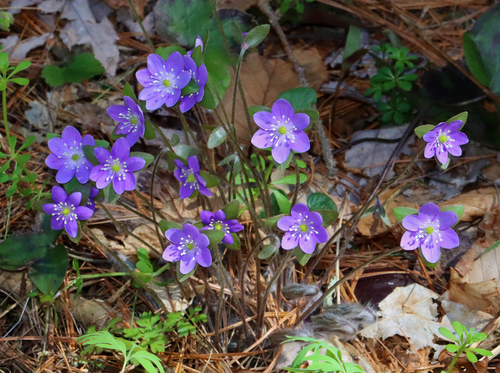
- Sharp-lobed HepaticaAnemone acutiloba
- Round-lobed HepaticaAnemone americana
- Bearded ShorthuskBrachyelytrum erectum
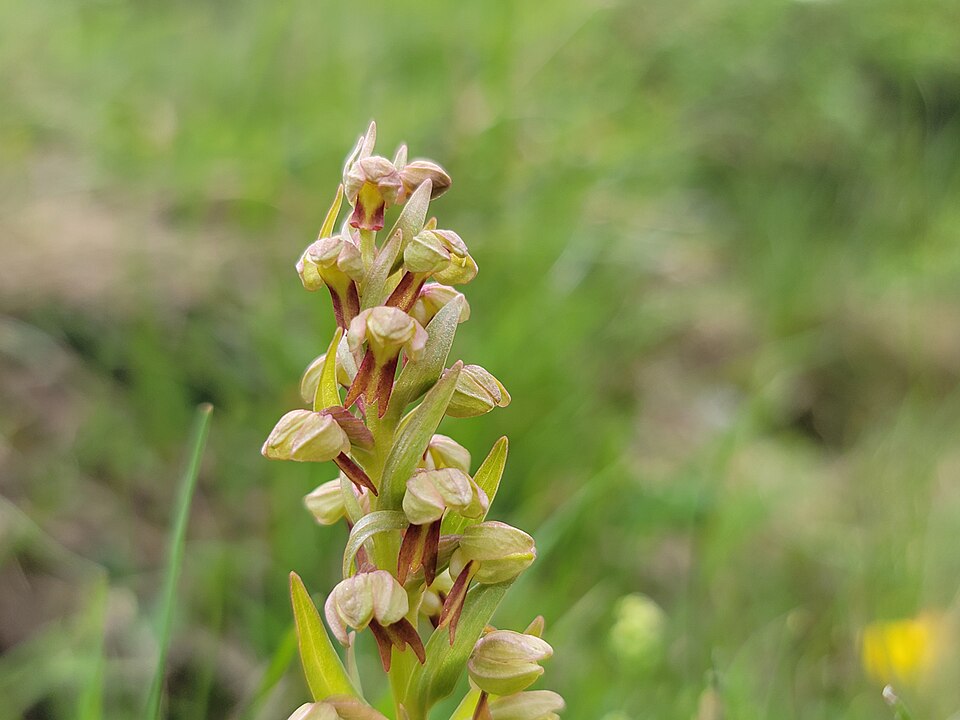
- Longbract Frog OrchidCoeloglossum viride
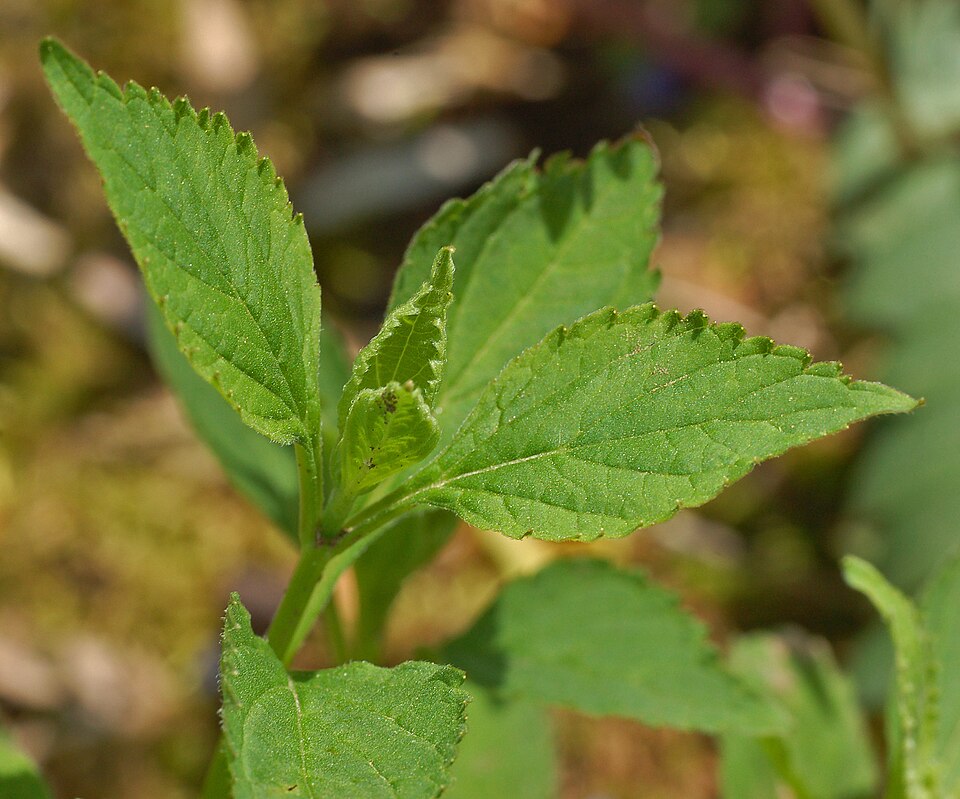
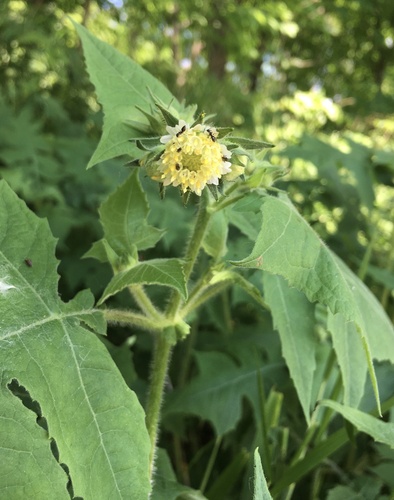
- White-flowered LeafcupPolymnia canadensis
- Carolina Wood RushLuzula acuminata var. carolinae
- Hairy Wood Rush; Hairy WoodrushLuzula acuminata var. acuminata
- Shining ClubmossHuperzia lucidula
- American BeakgrassDiarrhena americana
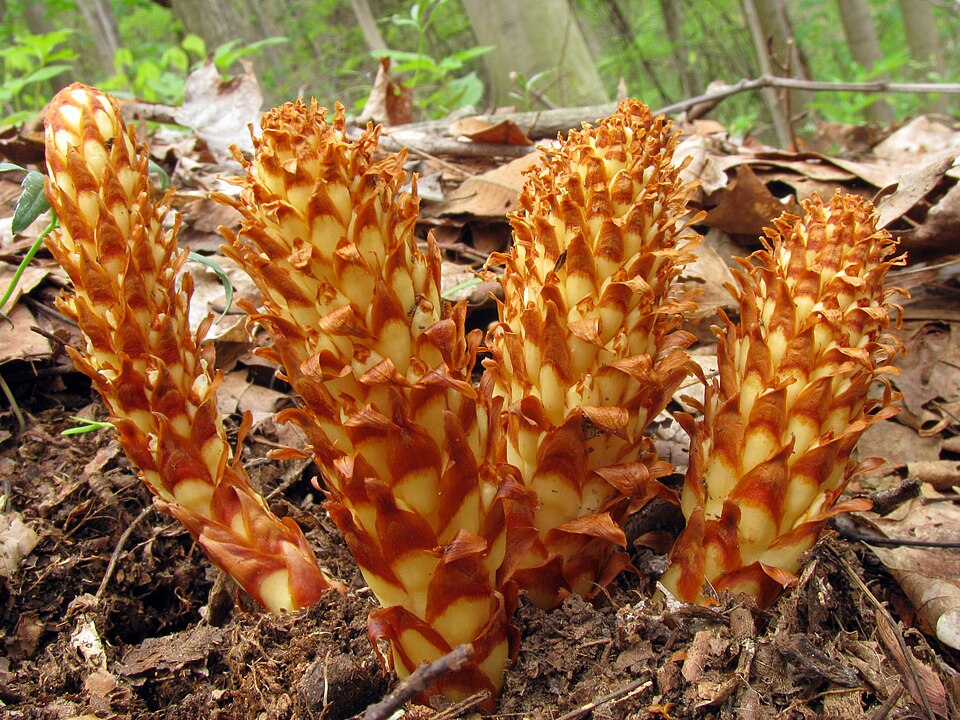
- American Cancer-rootConopholis americana
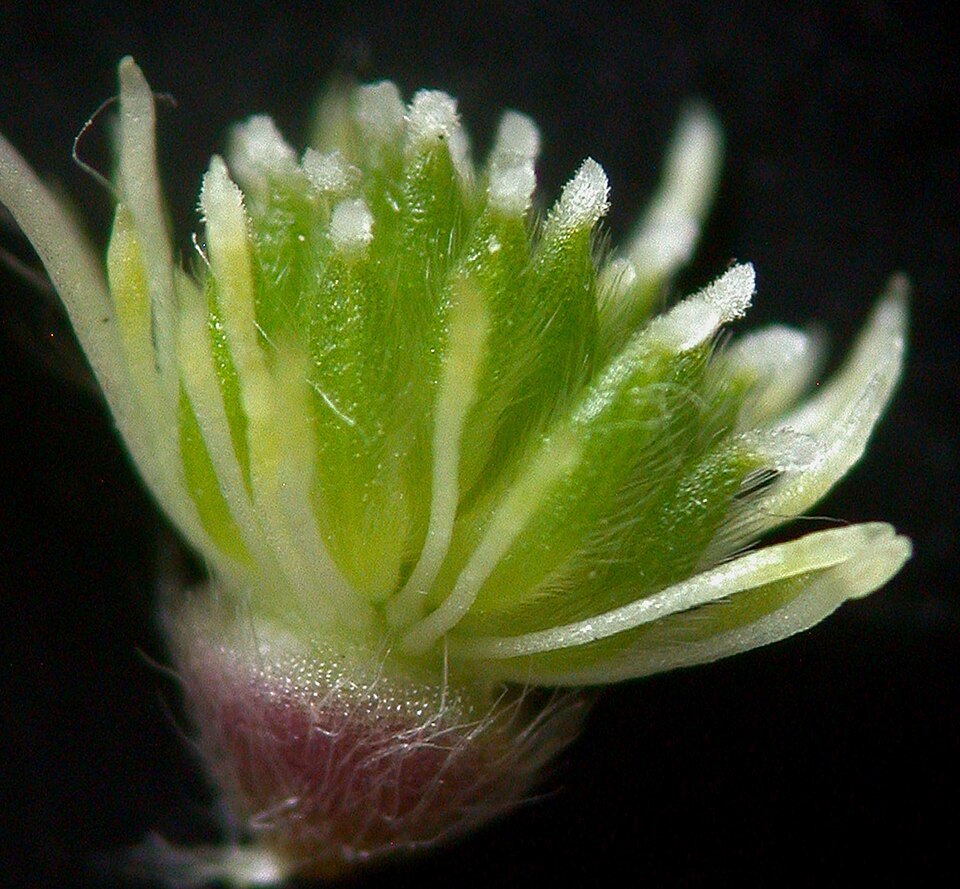
- Guyandotte BeautySynandra hispidula
Wildlife
Animals whose habitat model includes this habitat in West Virginia. Shared habitat, not food.
Most characteristic birds of this habitat 52
Ranked by how much of their habitat model this habitat is.
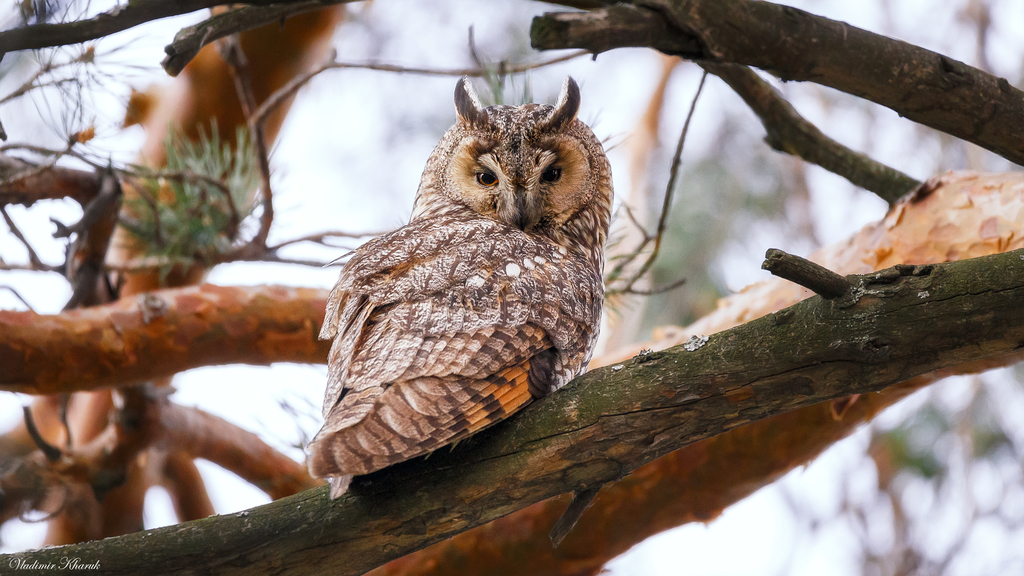
- Long-eared OwlAsio otus
- Eastern BluebirdSialia sialis
- Hermit ThrushCatharus guttatus
- Golden-crowned KingletRegulus satrapa



Near water in this habitat 11
These use it only close to water, such as stream banks for nesting.
- Prothonotary WarblerProtonotaria citrea
- Louisiana WaterthrushSeiurus motacilla
- Swainson's WarblerLimnothlypis swainsonii
- Northern ParulaParula americana
- Broad-winged HawkButeo platypterus
- Red-shouldered HawkButeo lineatus
- Acadian FlycatcherEmpidonax virescens
- Double-crested CormorantPhalacrocorax auritus
- Rusty BlackbirdEuphagus carolinus
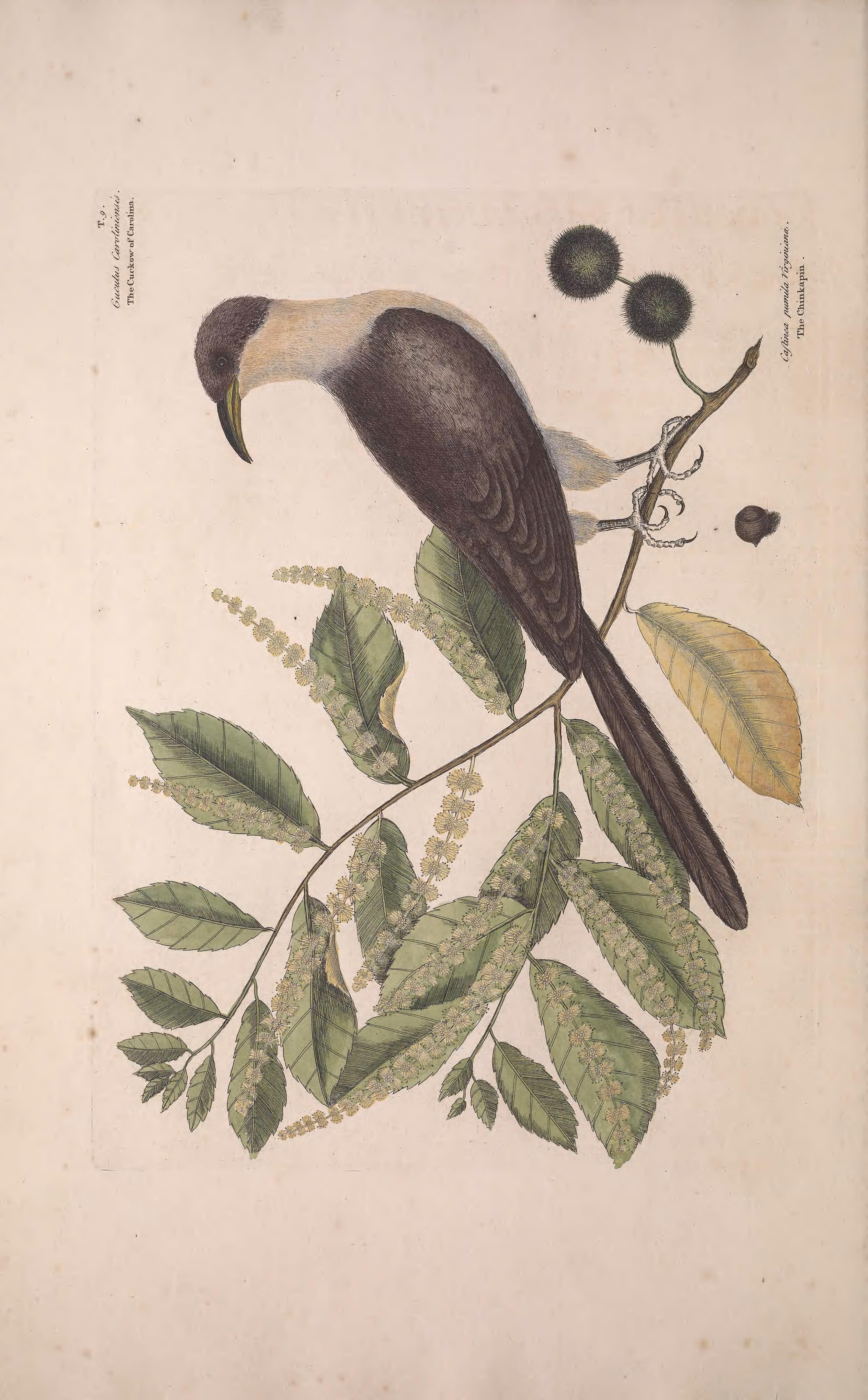
- Yellow-billed CuckooCoccyzus americanus
- Hooded MerganserLophodytes cucullatus











Widespread birds also seen here (48)
Found in many habitats here, so not listed above.
- Alder Flycatcher
- American Crow
- American Goldfinch
- American Kestrel
- American Redstart
- American Robin
- Belted Kingfisher
- Black-billed Cuckoo
- Blue Grosbeak
- Blue Jay
- Blue-gray Gnatcatcher
- Cedar Waxwing
- Chestnut-sided Warbler
- Chimney Swift
- Chipping Sparrow
- Common Nighthawk
- Common Raven
- Common Yellowthroat
- Cooper's Hawk
- Dark-eyed Junco
- Eastern Kingbird
- Eastern Towhee
- European Starling
- Fox Sparrow
- Gray Catbird
- Great Crested Flycatcher
- Great Horned Owl
- Least Flycatcher
- Mourning Dove
- Northern Cardinal
- Northern Flicker
- Northern Mockingbird
- Orange-crowned Warbler
- Osprey
- Purple Finch
- Red-tailed Hawk
- Red-winged Blackbird
- Rose-breasted Grosbeak
- Ruby-crowned Kinglet
- Sharp-shinned Hawk
- Spotted Sandpiper
- Tufted Titmouse
- Turkey Vulture
- Veery
- White-throated Sparrow
- Wild Turkey
- Yellow-breasted Chat
- Yellow-rumped Warbler
Sources
- Schafale, Guide to the Natural Communities of North Carolina, Fourth Approximation (NC Natural Heritage Program, 2012) habitat description
- Weakley, Flora of the Southeastern United States (2025), Carolinas & Georgia edition, habitat text phone app
- NC Parks species accounts
- USDA Forest Service Fire Effects Information System (reviewed notes)
- USGS Gap Analysis Project habitat models (2001)
- USGS Gap Analysis Project range maps (2001)
- NatureServe Explorer ecological systems (CC BY 4.0)
- Woods Scene, Harvey Joiner habitat picture
Habitat classes are filed under these habitat types by reviewed matches; descriptions are short glosses.