

Habitat in West Virginia
Dry forests and woodlands
Forests and open woodlands on dry ridges and slopes, often oak or pine. Schafale
- Plants
- 192
- Birds
- 127
Plants
Plants that grow wild in this habitat in West Virginia. Not a planting list.
Most characteristic plants of this habitat 192
Natives first, plants found in fewer other habitats first.
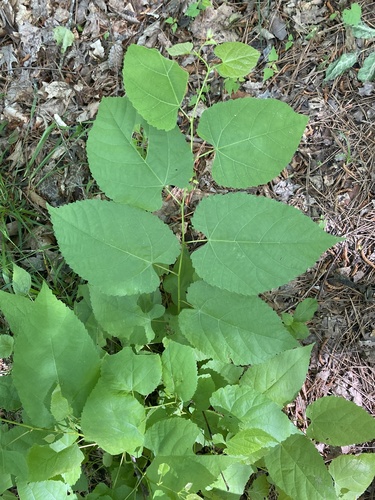
- American Basswood; American LindenTilia americana var. heterophylla
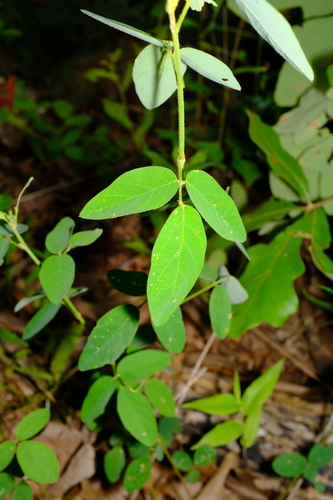
- Stiff Tick-trefoilDesmodium obtusum
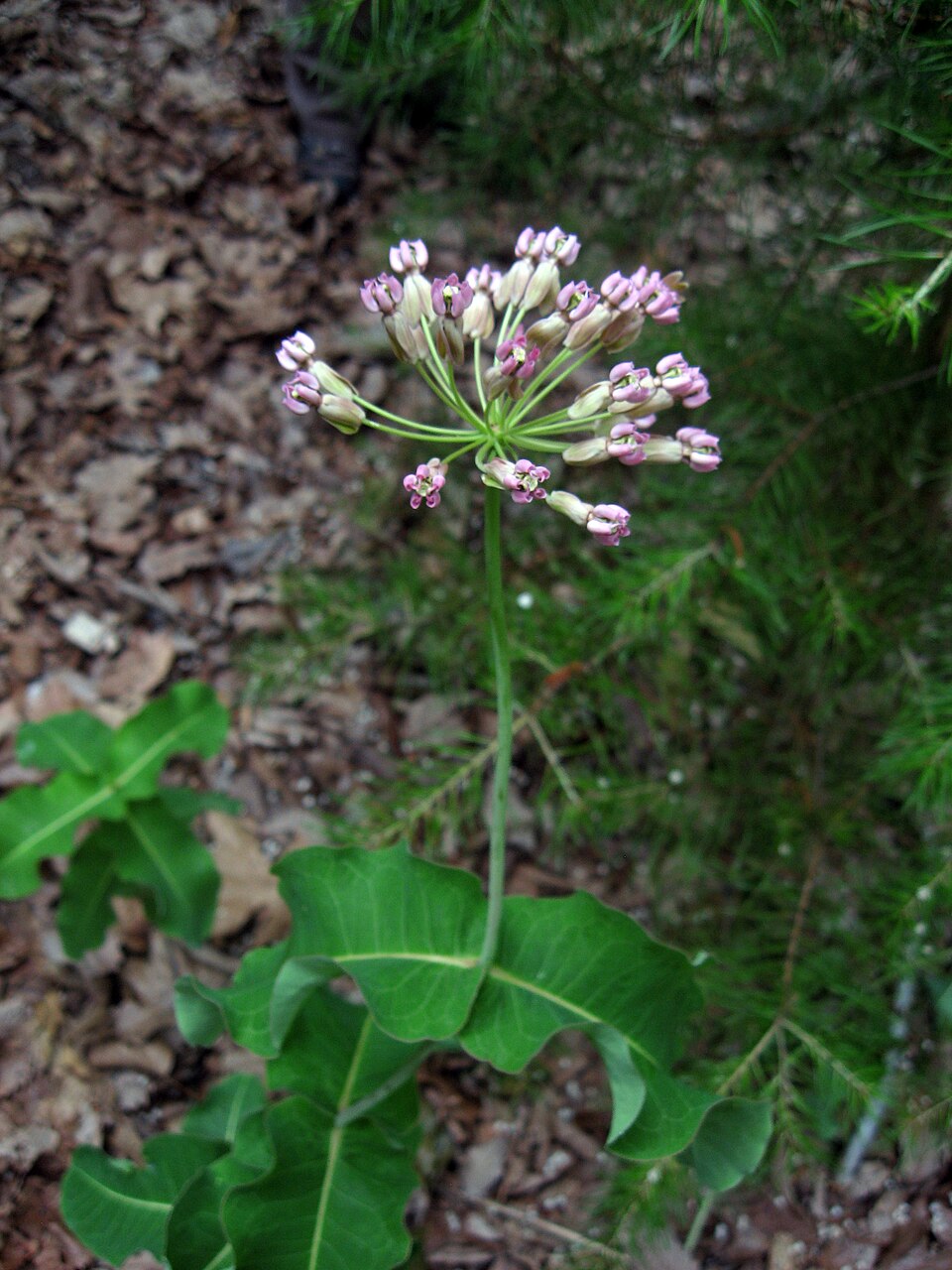
- Clasping MilkweedAsclepias amplexicaulis
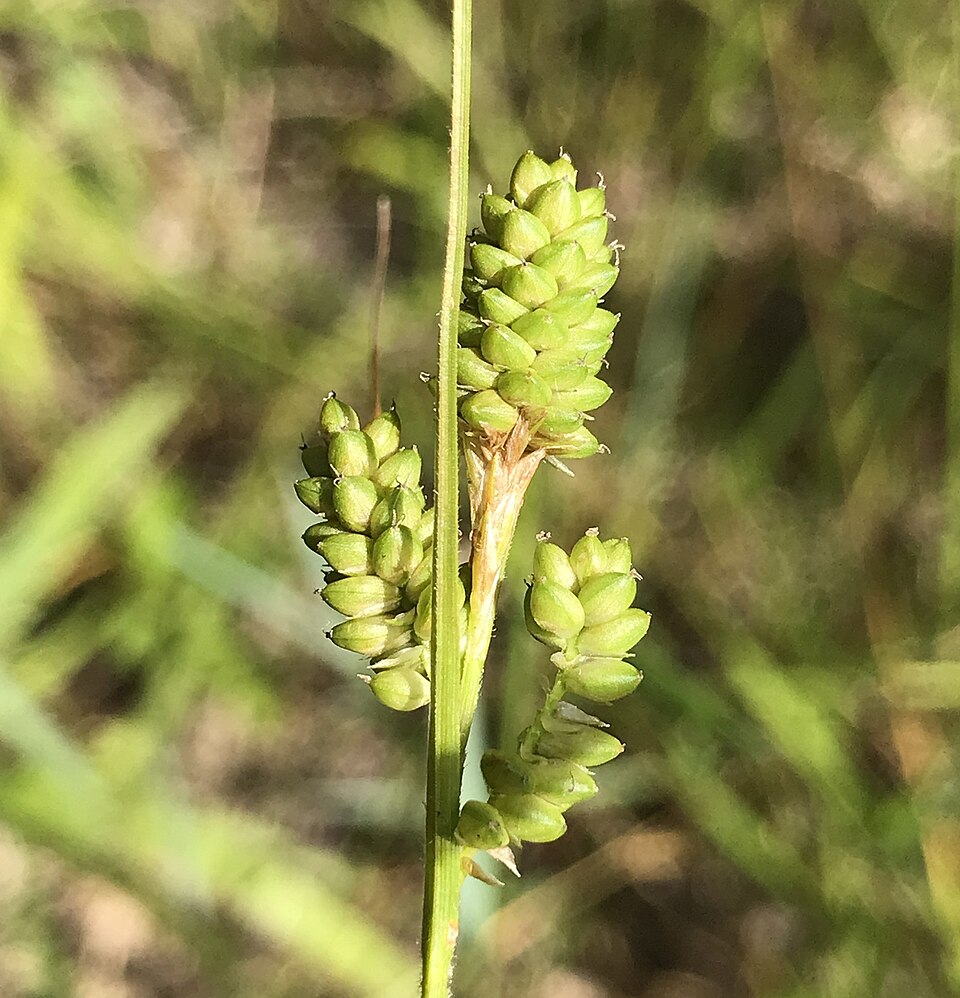
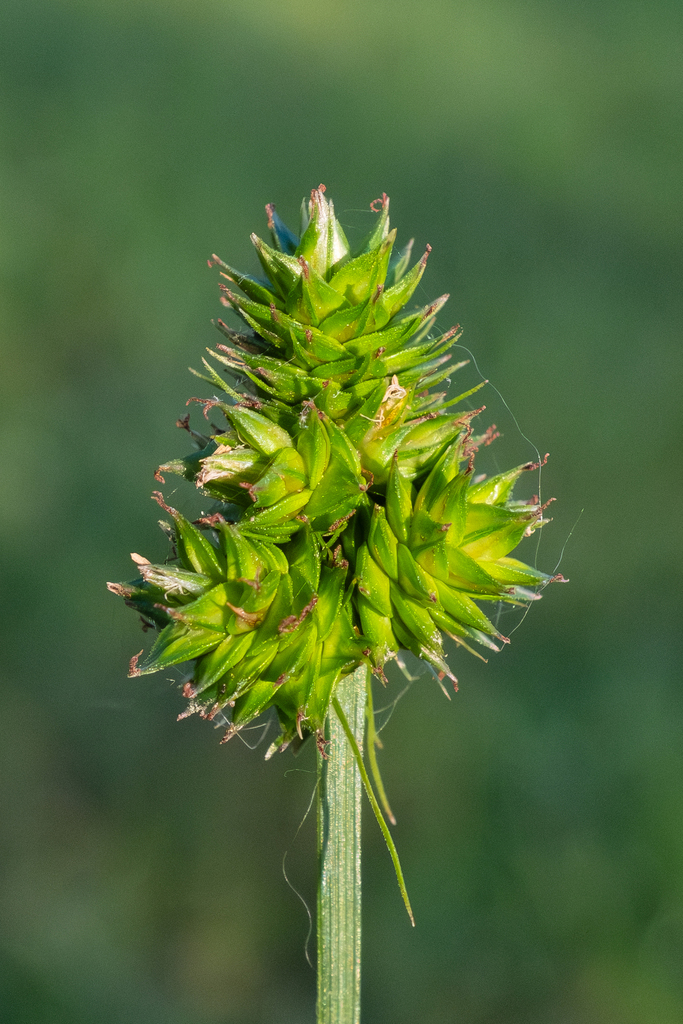
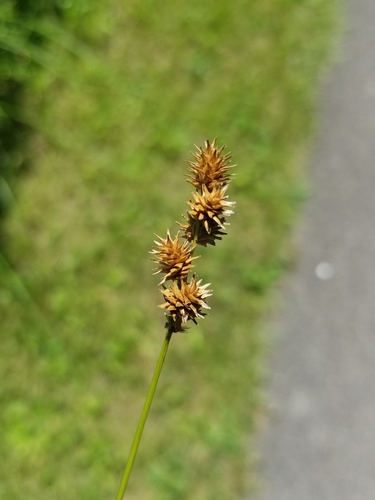
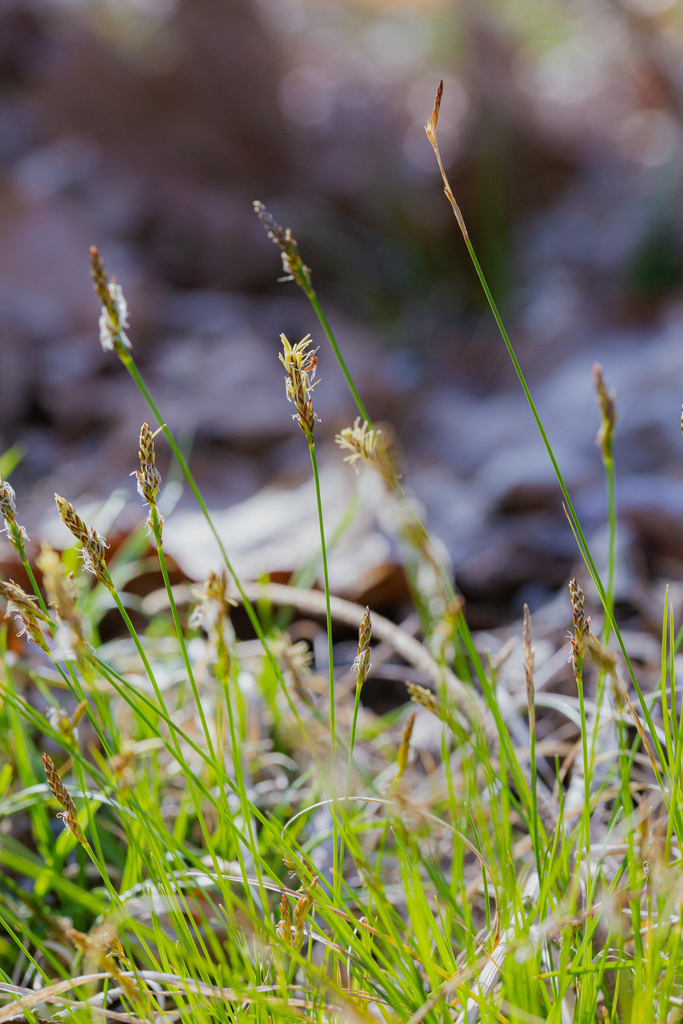
- Appalachian SedgeCarex appalachica
- Fuzzy Wuzzy SedgeCarex hirsutella
- Midland SedgeCarex mesochorea
- Shortbeak SedgeCarex brevior
- Whitetinge SedgeCarex albicans var. albicans
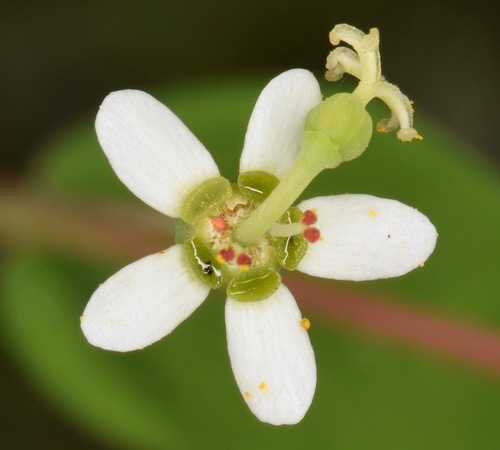
- Southeastern Flowering SpurgeEuphorbia pubentissima
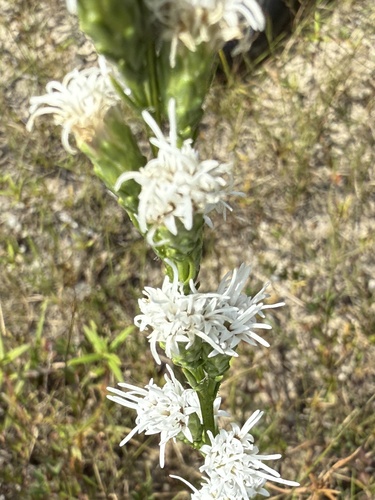
- Grass Leaf GayfeatherLiatris pilosa
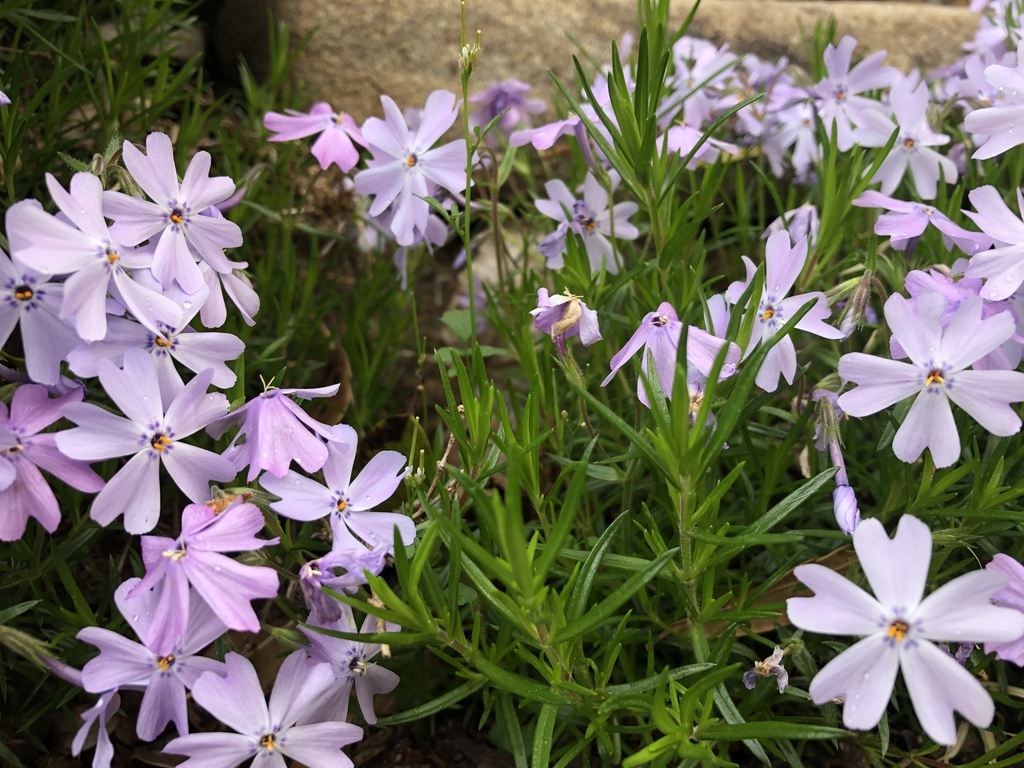
- Moss PhloxPhlox subulata
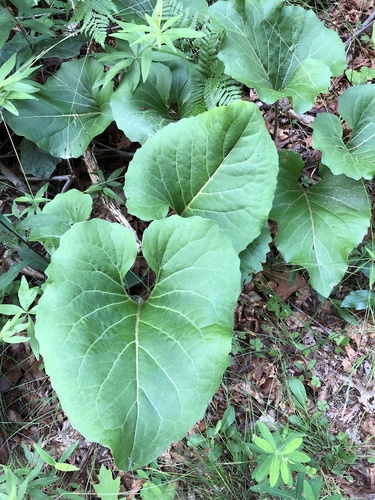
- Kidneyleaf RosinweedSilphium compositum var. reniforme
- Standleys GoosefootChenopodium standleyanum
- Forked Witchgrass; Cypress Panicgrass; Forked Witch Grass; Cypress Panic GrassDichanthelium dichotomum var. dichotomum
- Lopsided RushJuncus secundus
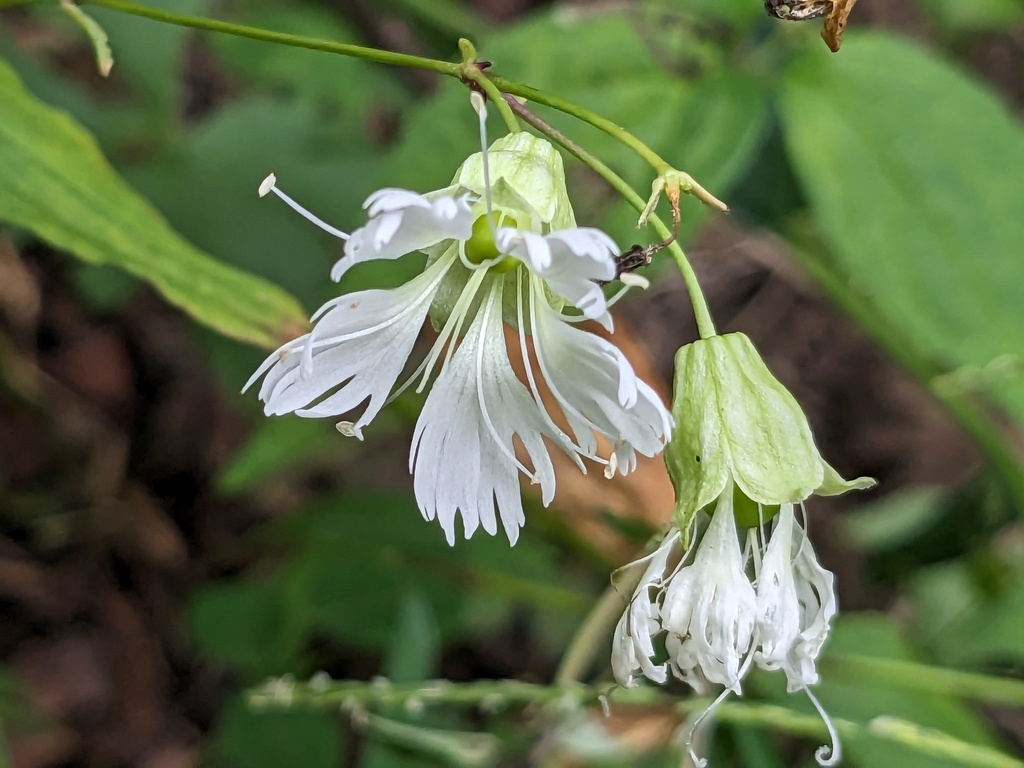
- Starry CampionSilene stellata
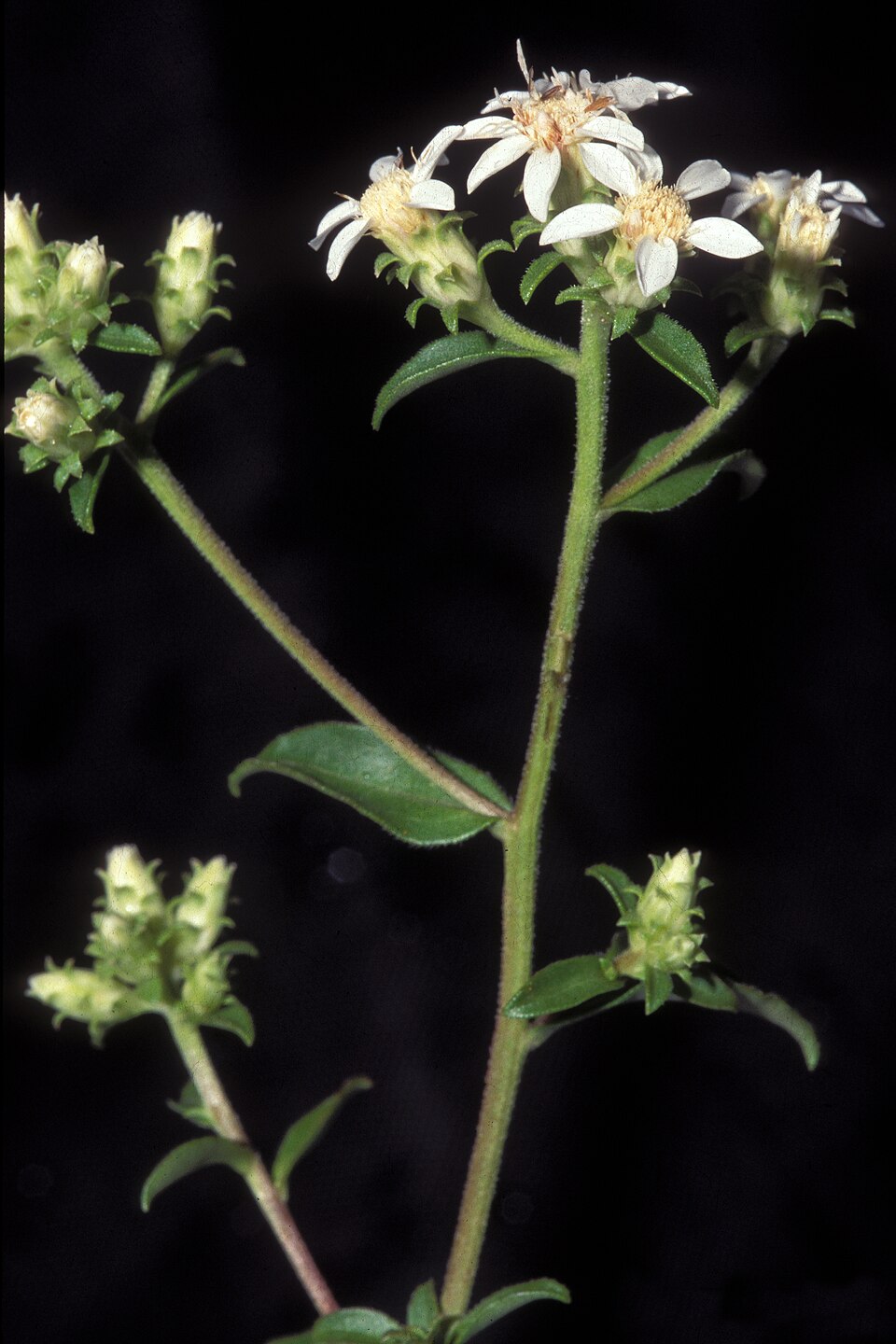
- Toothed Whitetop AsterSericocarpus caespitosus
- Hogpeanut; American Hogpeanut; Hog Peanut; American Hog PeanutAmphicarpaea bracteata var. bracteata
- Hogpeanut; American Hogpeanut; Hog Peanut; American Hog PeanutAmphicarpaea bracteata var. comosa
- Maryland HawkweedHieracium traillii
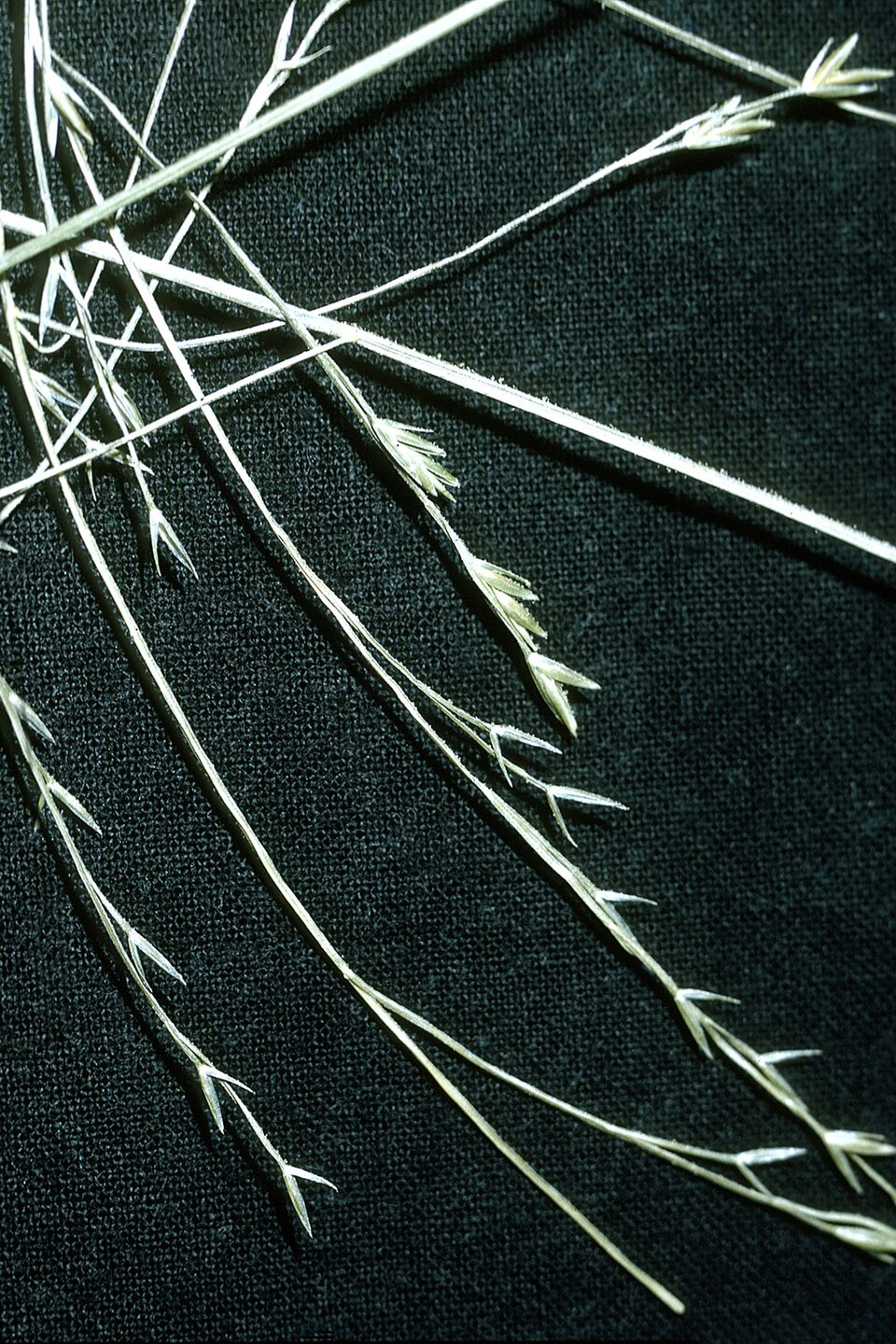
- Nodding FescueFestuca subverticillata
- Maryland HawkweedHieracium marianum
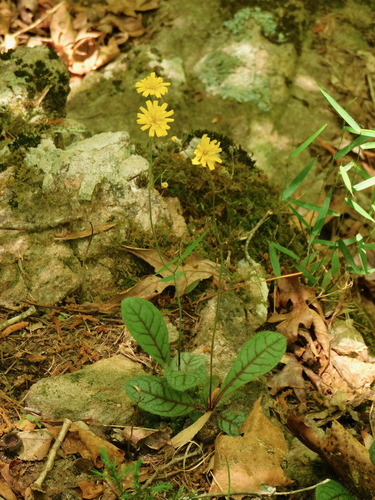
- Rattlesnake HawkweedHieracium venosum
- Rough HawkweedHieracium scabrum
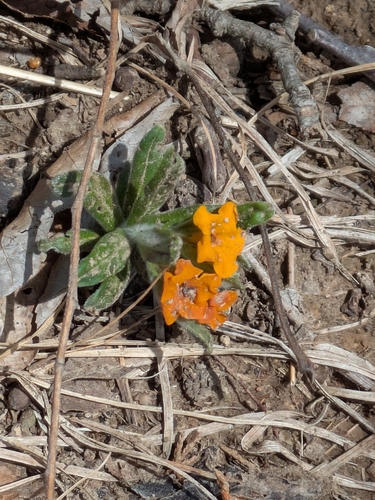
- Hoary PuccoonLithospermum canescens
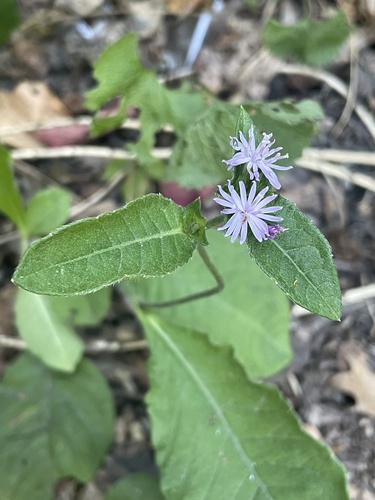
- Hoary SkullcapScutellaria incana var. incana
- Hoary SkullcapScutellaria incana var. punctata
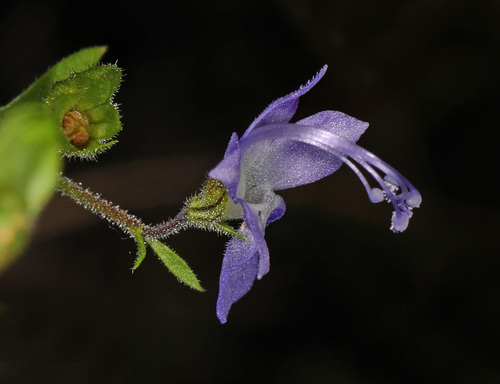
- Veined SkullcapScutellaria nervosa
- Carolina Elephant's-footElephantopus carolinianus
- Manyflower FlatsedgeCyperus lancastriensis
- Downy AgrimonyAgrimonia pubescens
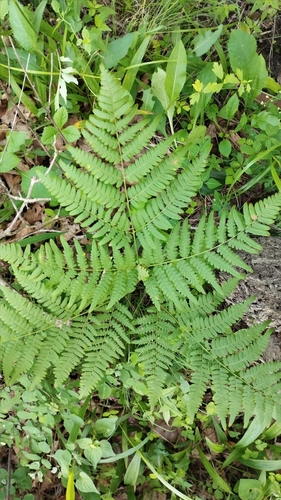
- Eastern BrackenPteridium aquilinum var. latiusculum
- Poverty OatgrassDanthonia spicata
- Smallfruit AgrimonyAgrimonia microcarpa
- Lanceleaf FigwortScrophularia lanceolata
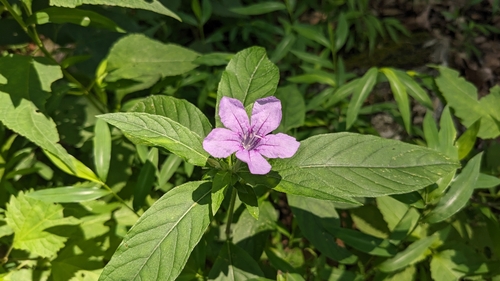
- Carolina Wild-petuniaRuellia caroliniensis
- False BonesetBrickellia eupatorioides
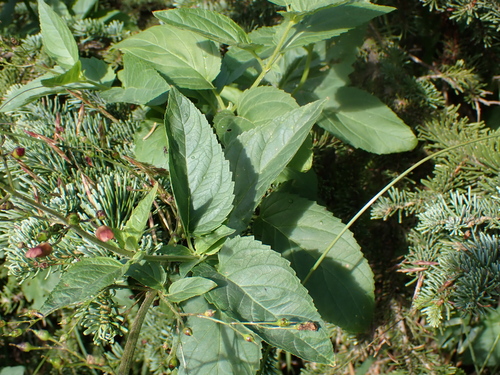
- Mullein FoxgloveDasistoma macrophyllum
- Yellow PimpernelTaenidia integerrima
- Waxflower ShinleafPyrola elliptica
- Forked BluecurlsTrichostema dichotomum
- Green-violetHybanthus concolor
- Thyme-leaf PinweedLechea minor
- Blue Ground-cedarDiphasiastrum tristachyum
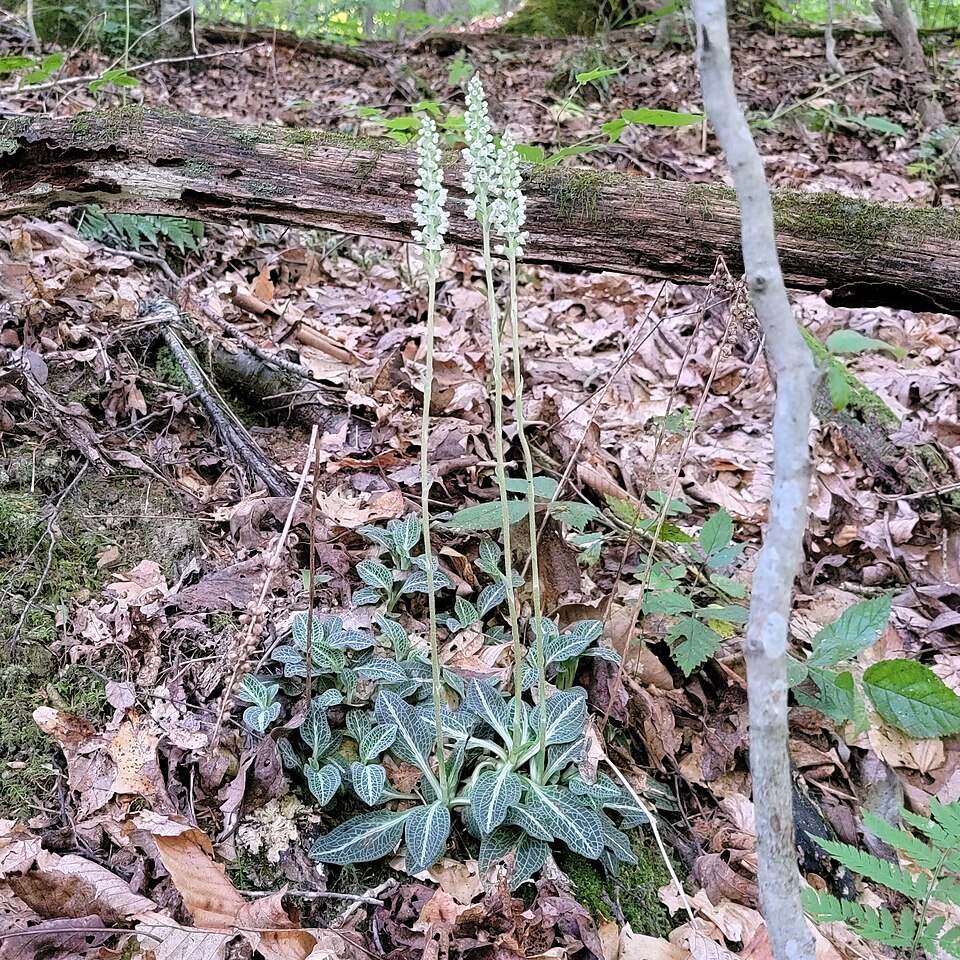
- Downy Rattlesnake-plantainGoodyera pubescens
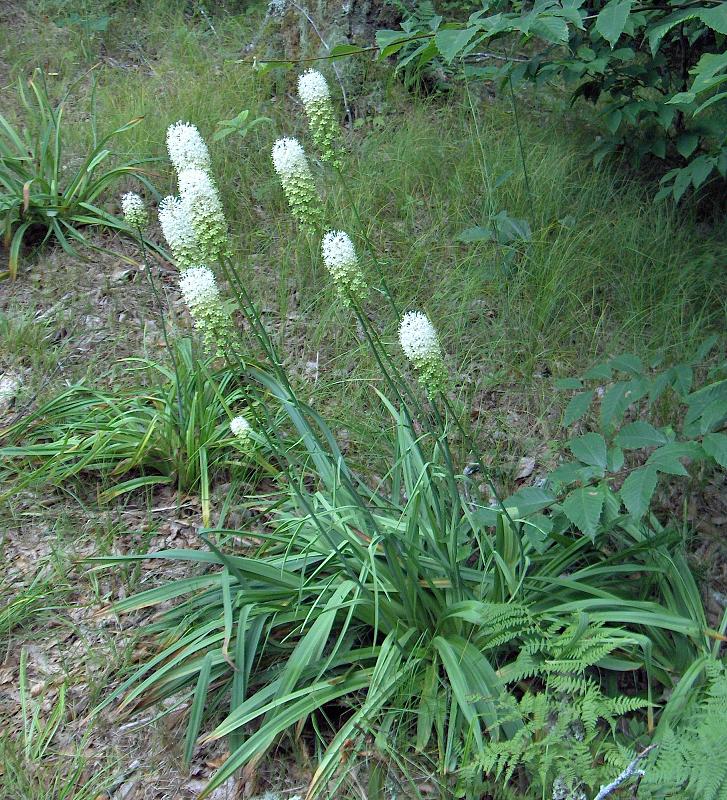
- Eastern TurkeybeardXerophyllum asphodeloides
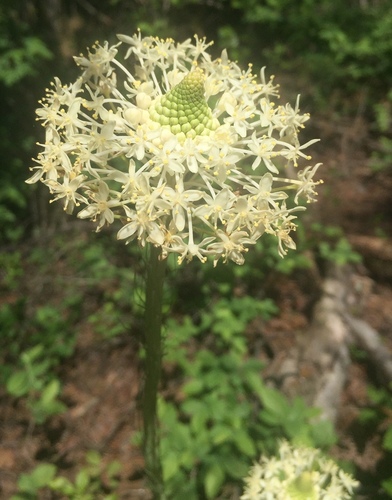
- Fly-poisonAmianthium muscitoxicum
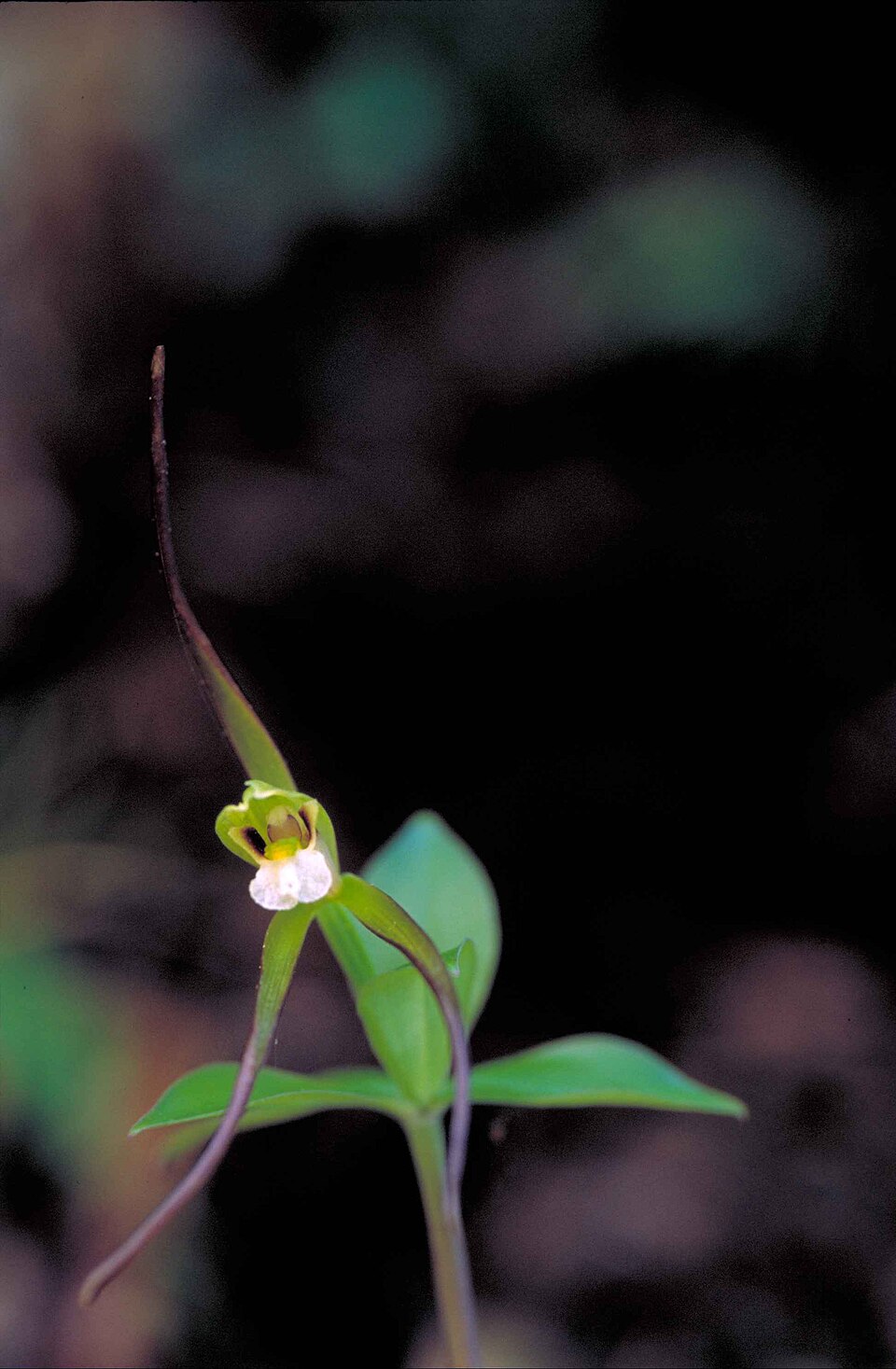
- Large Whorled PogoniaIsotria verticillata
Wildlife
Animals whose habitat model includes this habitat in West Virginia. Shared habitat, not food.
Most characteristic birds of this habitat 66
Ranked by how much of their habitat model this habitat is.
- Brown CreeperCerthia americana
- Bald EagleHaliaeetus leucocephalus
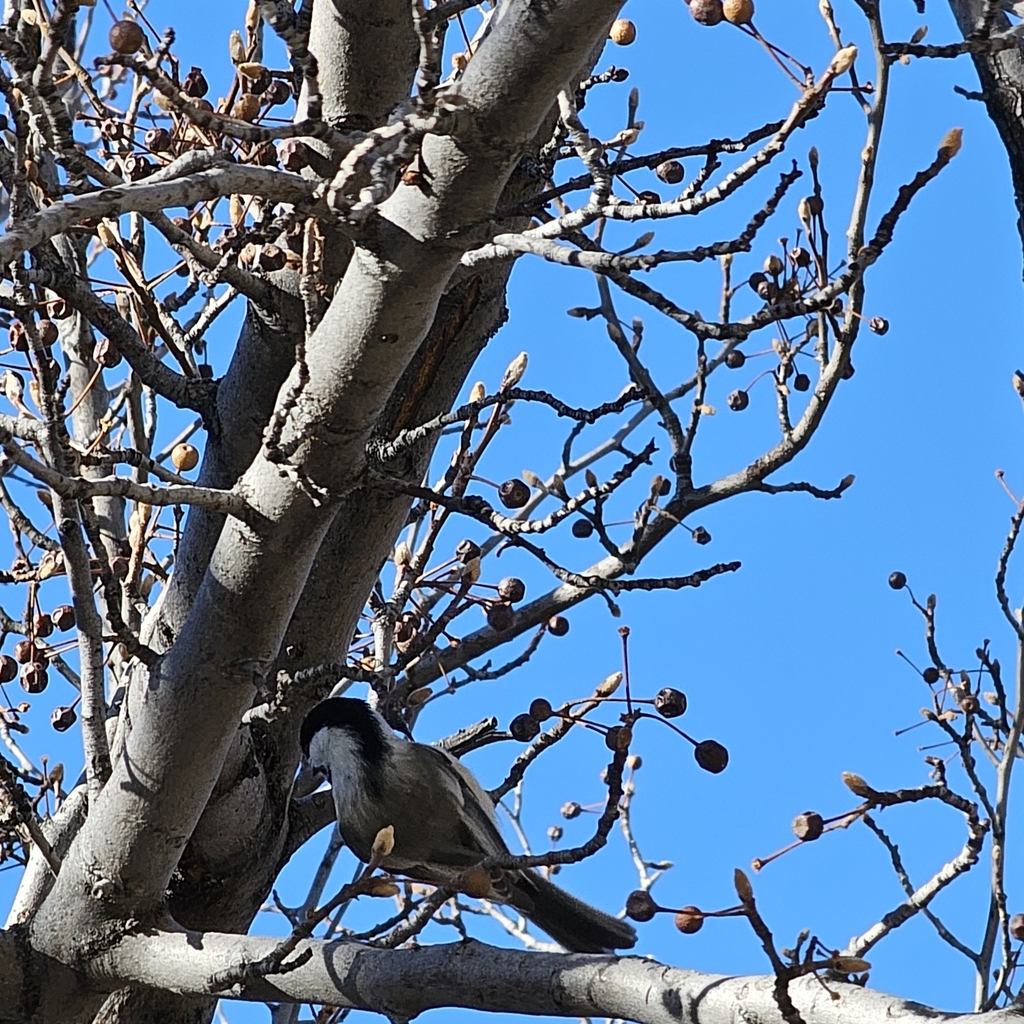
- Black-capped ChickadeePoecile atricapillus
- Downy WoodpeckerPicoides pubescens
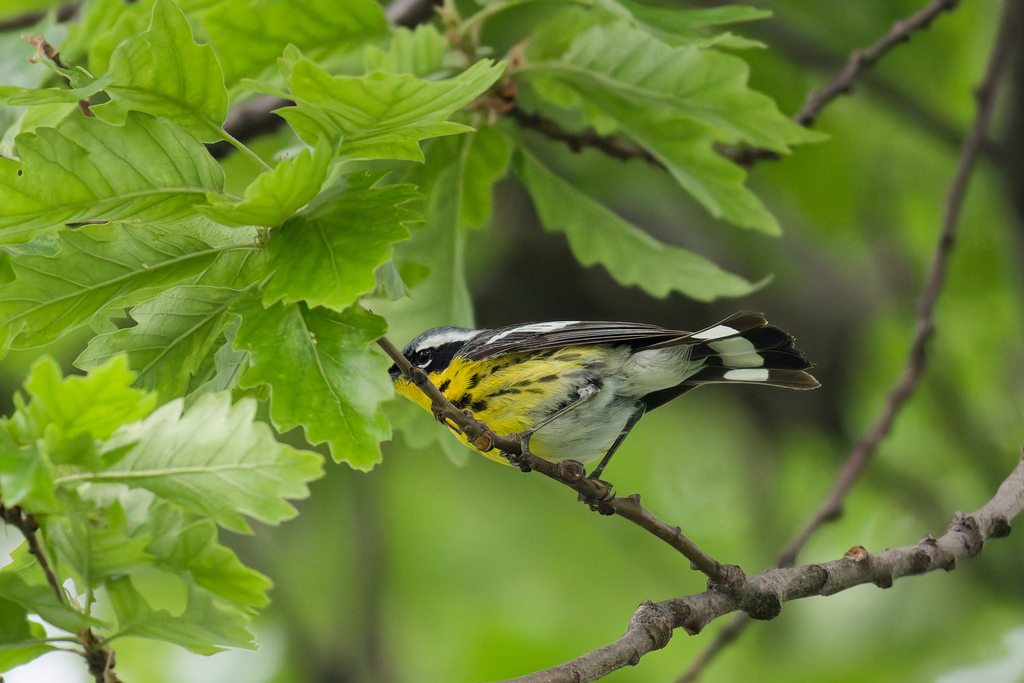
- Magnolia WarblerDendroica magnolia
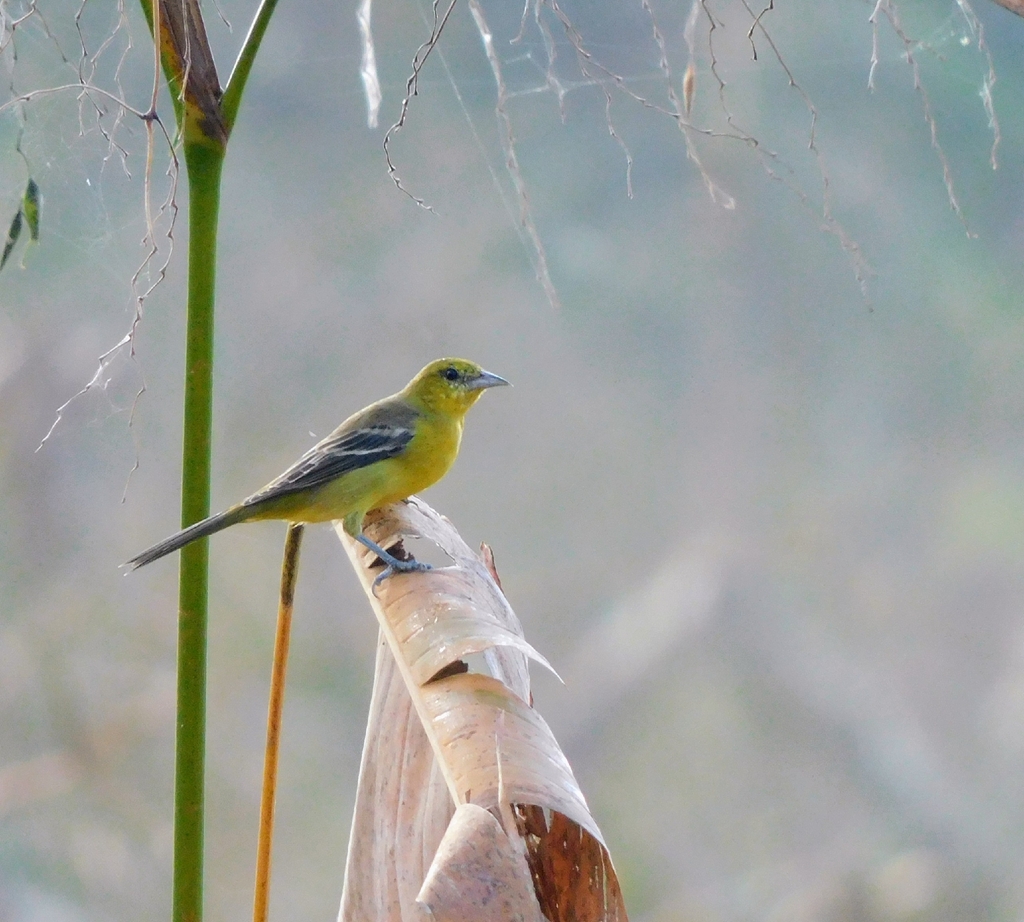
- Orchard OrioleIcterus spurius
- Red-bellied WoodpeckerMelanerpes carolinus
- Carolina WrenThryothorus ludovicianus
- Baltimore OrioleIcterus galbula
- Black VultureCoragyps atratus
- Black-and-White WarblerMniotilta varia
- Common GrackleQuiscalus quiscula
- Hairy WoodpeckerPicoides villosus
- Ruby-throated HummingbirdArchilochus colubris
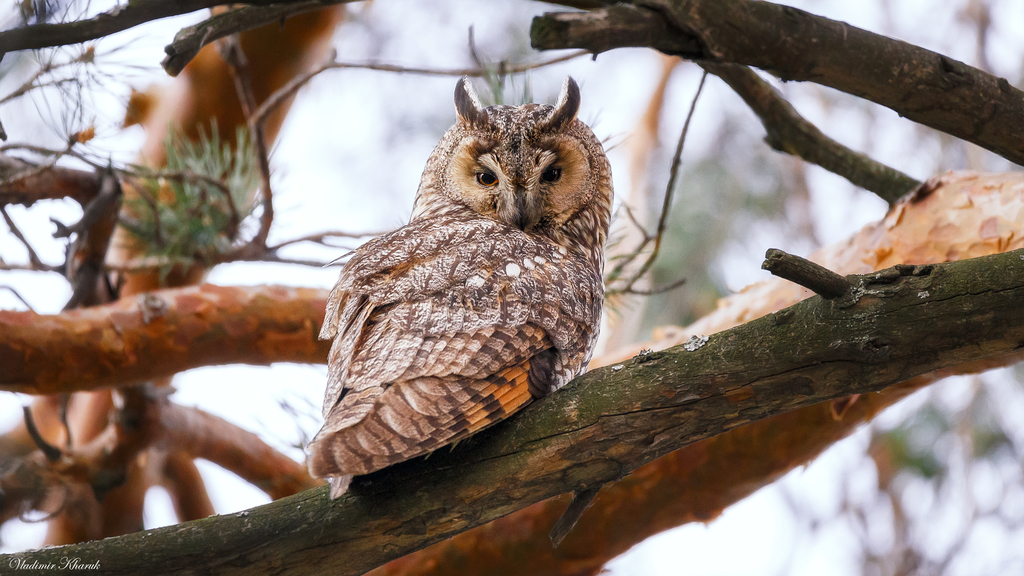
- Long-eared OwlAsio otus
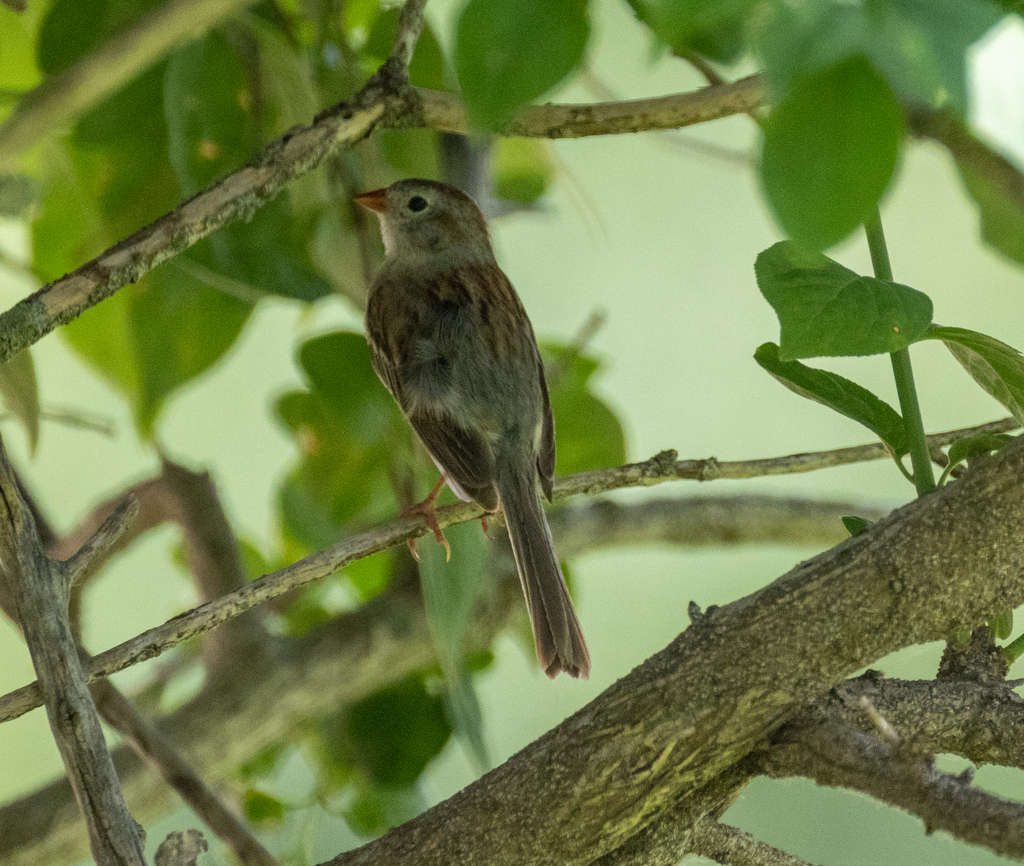
- Field SparrowSpizella pusilla
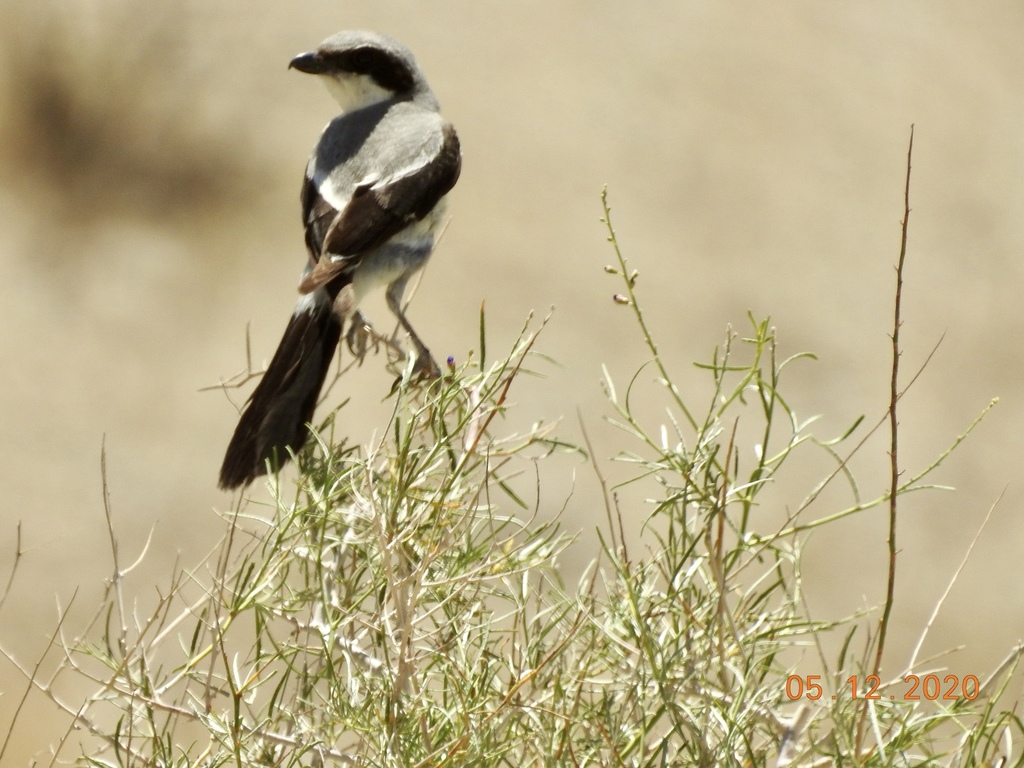
- Loggerhead ShrikeLanius ludovicianus
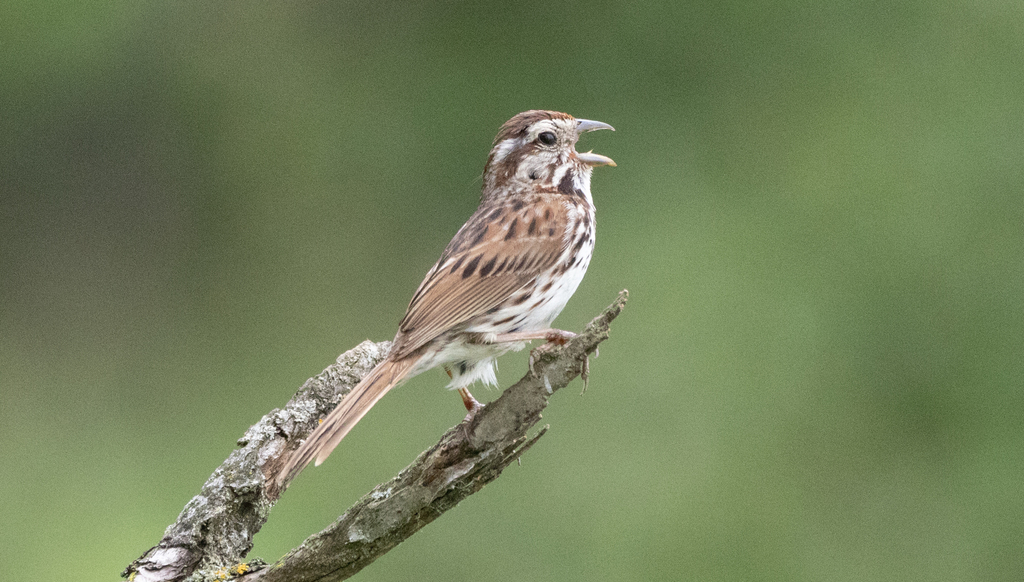
- Song SparrowMelospiza melodia











Near water in this habitat 12
These use it only close to water, such as stream banks for nesting.
- Louisiana WaterthrushSeiurus motacilla
- Swainson's WarblerLimnothlypis swainsonii
- Northern ParulaParula americana
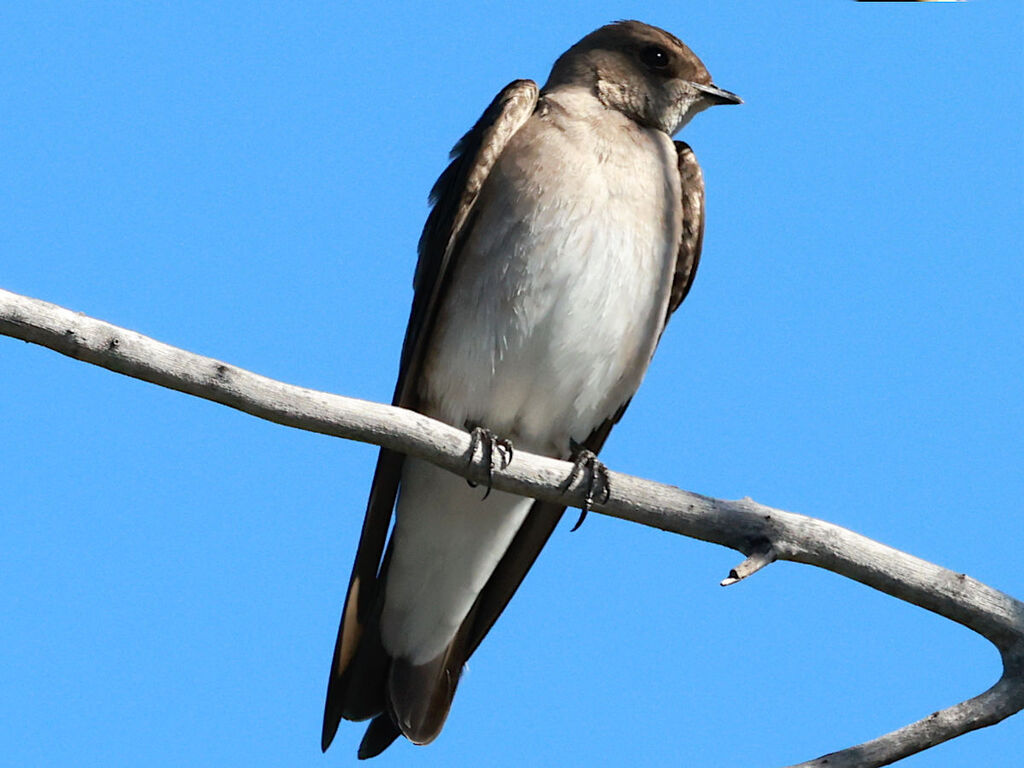
- Northern Rough-winged SwallowStelgidopteryx serripennis
- Broad-winged HawkButeo platypterus
- Red-shouldered HawkButeo lineatus
- Acadian FlycatcherEmpidonax virescens
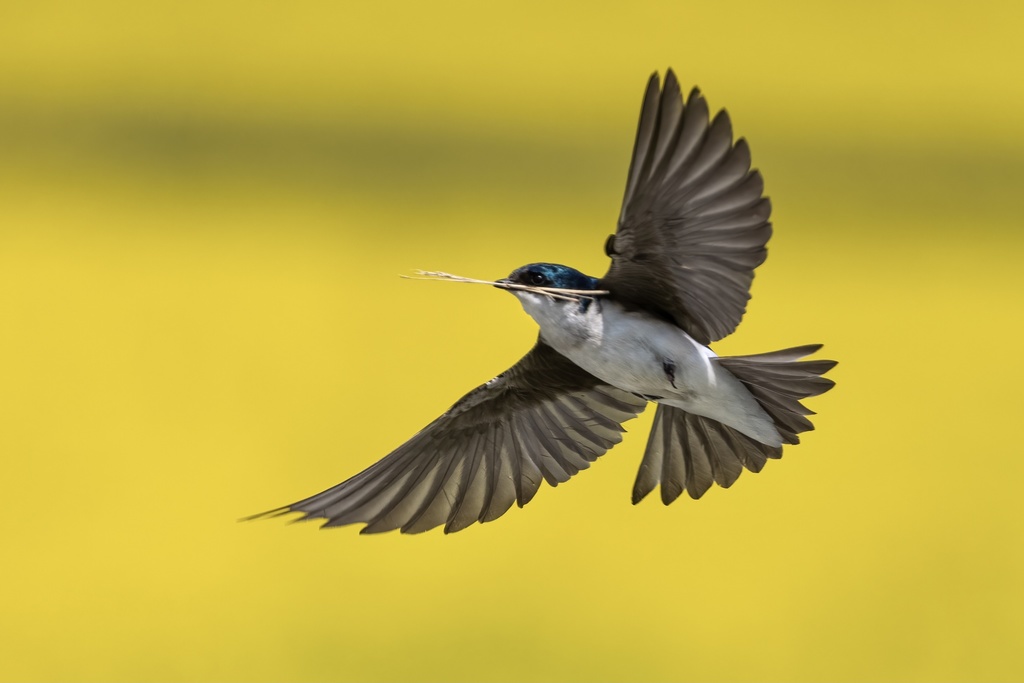
- Tree SwallowTachycineta bicolor
- Double-crested CormorantPhalacrocorax auritus
- Bank SwallowRiparia riparia
- Yellow-billed CuckooCoccyzus americanus
- Hooded MerganserLophodytes cucullatus










Widespread birds also seen here (49)
Found in many habitats here, so not listed above.
- Alder Flycatcher
- American Crow
- American Goldfinch
- American Kestrel
- American Redstart
- American Robin
- Belted Kingfisher
- Black-billed Cuckoo
- Blue Grosbeak
- Blue Jay
- Blue-gray Gnatcatcher
- Cedar Waxwing
- Chestnut-sided Warbler
- Chimney Swift
- Chipping Sparrow
- Common Nighthawk
- Common Raven
- Common Yellowthroat
- Cooper's Hawk
- Dark-eyed Junco
- Eastern Kingbird
- Eastern Towhee
- European Starling
- Fox Sparrow
- Gray Catbird
- Great Crested Flycatcher
- Great Horned Owl
- Least Flycatcher
- Mourning Dove
- Northern Cardinal
- Northern Flicker
- Northern Mockingbird
- Olive-sided Flycatcher
- Orange-crowned Warbler
- Osprey
- Purple Finch
- Red-tailed Hawk
- Red-winged Blackbird
- Rose-breasted Grosbeak
- Ruby-crowned Kinglet
- Sharp-shinned Hawk
- Spotted Sandpiper
- Tufted Titmouse
- Turkey Vulture
- Veery
- White-throated Sparrow
- Wild Turkey
- Yellow-breasted Chat
- Yellow-rumped Warbler
Sources
- Schafale, Guide to the Natural Communities of North Carolina, Fourth Approximation (NC Natural Heritage Program, 2012) habitat description
- Weakley, Flora of the Southeastern United States (2025), Carolinas & Georgia edition, habitat text phone app
- NC Parks species accounts
- USDA Forest Service Fire Effects Information System (reviewed notes)
- USGS Gap Analysis Project habitat models (2001)
- USGS Gap Analysis Project range maps (2001)
- NatureServe Explorer ecological systems (CC BY 4.0)
Habitat classes are filed under these habitat types by reviewed matches; descriptions are short glosses.