

Bird
Blue-headed Vireo
Vireo solitarius
Lives in Virginia all year and nests here. Found in all 133 counties and cities, across 13 habitats.
- Here
- All year
- Nesting
- Nests here
- Range
- All 133 counties and cities
- Habitats
- 13

At a glance
- Group
- Birds
- Here
- All year
- Nesting
- Nests here
- Range
- All 133 counties and cities
- Habitats
- 13
- Habitat models
- Summer, Winter
Where it lives
The places its habitat model includes. It is not found everywhere a habitat occurs.
Habitats in Virginia 13
Each habitat page lists the plants and wildlife also found there.
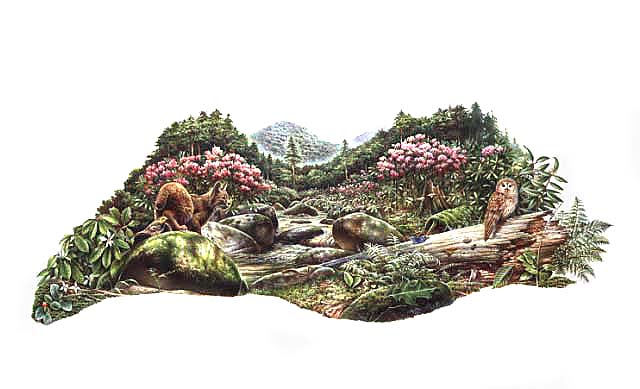
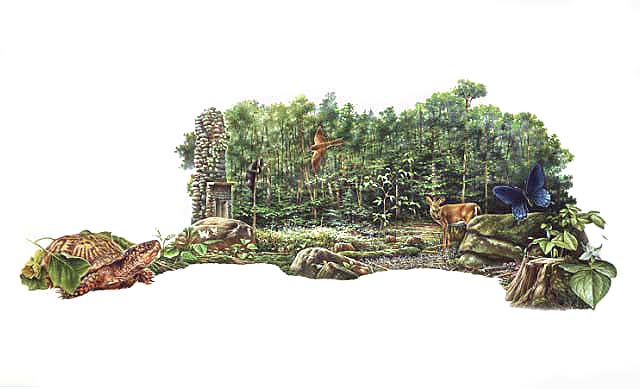
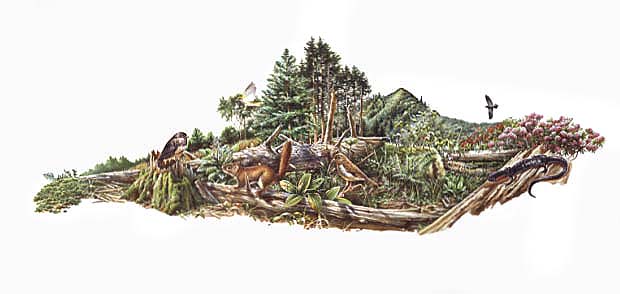
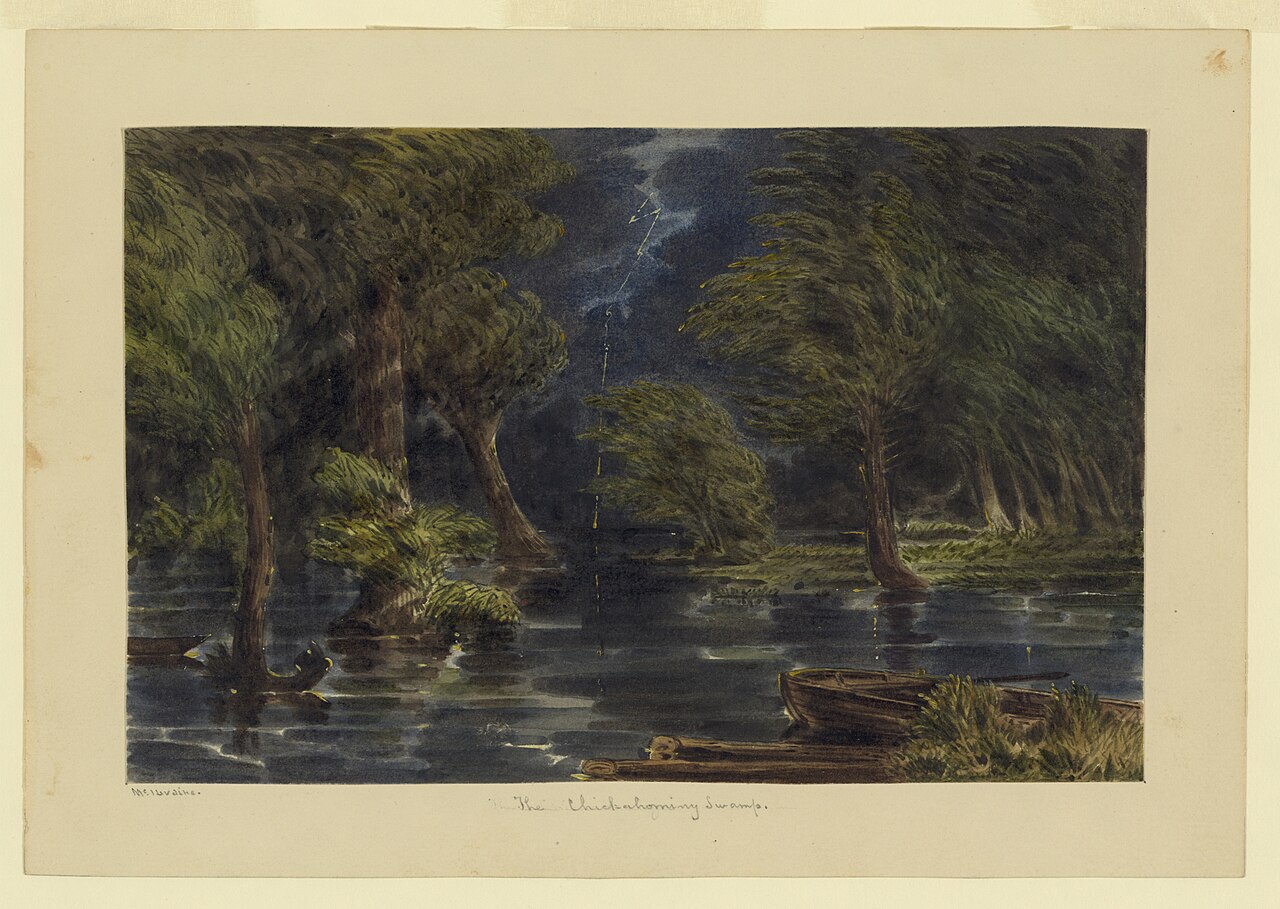
Coastal tidal marshes (salinity not stated)
Tidal marshes of the Atlantic and Gulf coasts where the source does not say whether the water is fresh, brackish or salt. A stated salinity files the marsh under freshwater tidal marshes or salt and brackish marshes instead.
Disturbed and introduced wetlands
Wet ground taken over by weedy or introduced plants after disturbance, such as common reed, Chinese tallow or tamarisk stands; the upland counterpart is roadsides, fields and disturbed ground.
Forests and open woodlands on dry ridges and slopes, often oak or pine.
Forest or woodland where the source does not say how moist or dry.
Forests between dry and moist, often oak-hickory on slopes.
High mountain forests of beech, yellow birch and sugar maple, including boulderfield forests.
Coastal marshes flooded by salty or brackish tides.
Tree plantations and managed pine
Planted or intensively managed stands of pine or hardwoods grown for timber; a land use rather than a natural community.
Other habitats in its models (36)
Land cover, or classes with no habitat page in Virginia. Those recorded in Virginia first, the rest by region.
Elsewhere in the South (22)
- Atlantic Coastal Plain Central Salt and Brackish Tidal Marsh Winter.
- Atlantic Coastal Plain Indian River Lagoon Tidal Marsh Winter.
- East Gulf Coastal Plain Tidal Wooded Swamp Winter.
- Florida Big Bend Salt-Brackish Tidal Marsh Winter.
- Lower Mississippi River Dune Woodland and Forest Winter.
- Lower Mississippi River Flatwoods Winter.
- Mississippi Delta Maritime Forest Winter.
- Mississippi River Bottomland Depression Winter.
- Mississippi River Low Floodplain (Bottomland) Forest Winter.
- Mississippi River Riparian Forest Winter.
- Mississippi Sound Salt and Brackish Tidal Marsh Winter.
- Red River Large Floodplain Forest Winter.
- West Gulf Coastal Plain Chenier and Upper Texas Coastal Fringe Forest and Woodland Winter.
- West Gulf Coastal Plain Large River Floodplain Forest Winter.
- West Gulf Coastal Plain Mesic Hardwood Forest Winter.
- West Gulf Coastal Plain Near-Coast Large River Swamp Winter.
- West Gulf Coastal Plain Nonriverine Wet Hardwood Flatwoods Winter.
- West Gulf Coastal Plain Pine-Hardwood Flatwoods Winter.
- West Gulf Coastal Plain Pine-Hardwood Forest Winter.
- West Gulf Coastal Plain Sandhill Oak and Shortleaf Pine Forest and Woodland Winter.
- West Gulf Coastal Plain Small Stream and River Forest Winter.
- West Gulf Coastal Plain Upland Longleaf Pine Forest and Woodland Winter.
Land cover and other classes (14)
- Allegheny-Cumberland Dry Oak Forest and Woodland - Pine Modifier Winter.
- Atlantic Coastal Plain Fall-line Sandhills Longleaf Pine Woodland - Offsite Hardwood Modifier Winter.
- East Gulf Coastal Plain Interior Shortleaf Pine-Oak Forest - Hardwood Modifier Winter.
- East Gulf Coastal Plain Interior Shortleaf Pine-Oak Forest - Mixed Modifier Winter.
- East Gulf Coastal Plain Northern Dry Upland Hardwood Forest - Offsite Pine Modifier Winter.
- Florida Longleaf Pine Sandhill - Scrub/Shrub Understory Modifier Winter.
- Lower Mississippi River Bottomland Depressions - Forest Modifier Winter.
- Mississippi River Floodplain and Riparian Forest Winter.
- Northeastern Interior Dry Oak Forest - Mixed Modifier Summer.
- Northeastern Interior Dry Oak Forest - Virginia/Pitch Pine Modifier Summer.
- Northeastern Interior Dry Oak Forest-Hardwood Modifier Summer.
- Southern Piedmont Dry Oak-(Pine) Forest - Mixed Modifier Summer and winter.
- Southern Piedmont Dry Oak-Heath Forest - Mixed Modifier Summer and winter.
- Southern Ridge and Valley Dry Calcareous Forest - Pine modifier Winter.
Seasons in Virginia
- Migratory: does not nest here, in 51 of 133 counties and cities.
- Winter: does not nest here, in 10 of 133 counties and cities.
- Summer: nests here, in 97 of 133 counties and cities.
Food plants
Diet records by plant genus, from studies across North America. Not a record from this state. Plants matched by genus.
Native plants in these genera 43
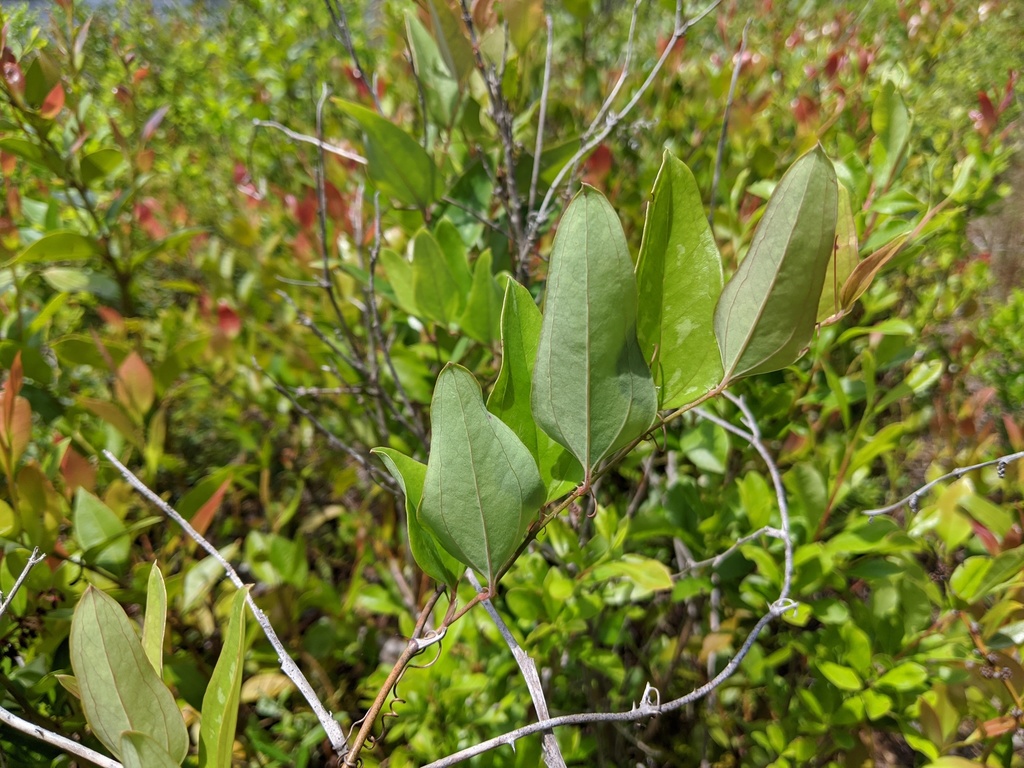
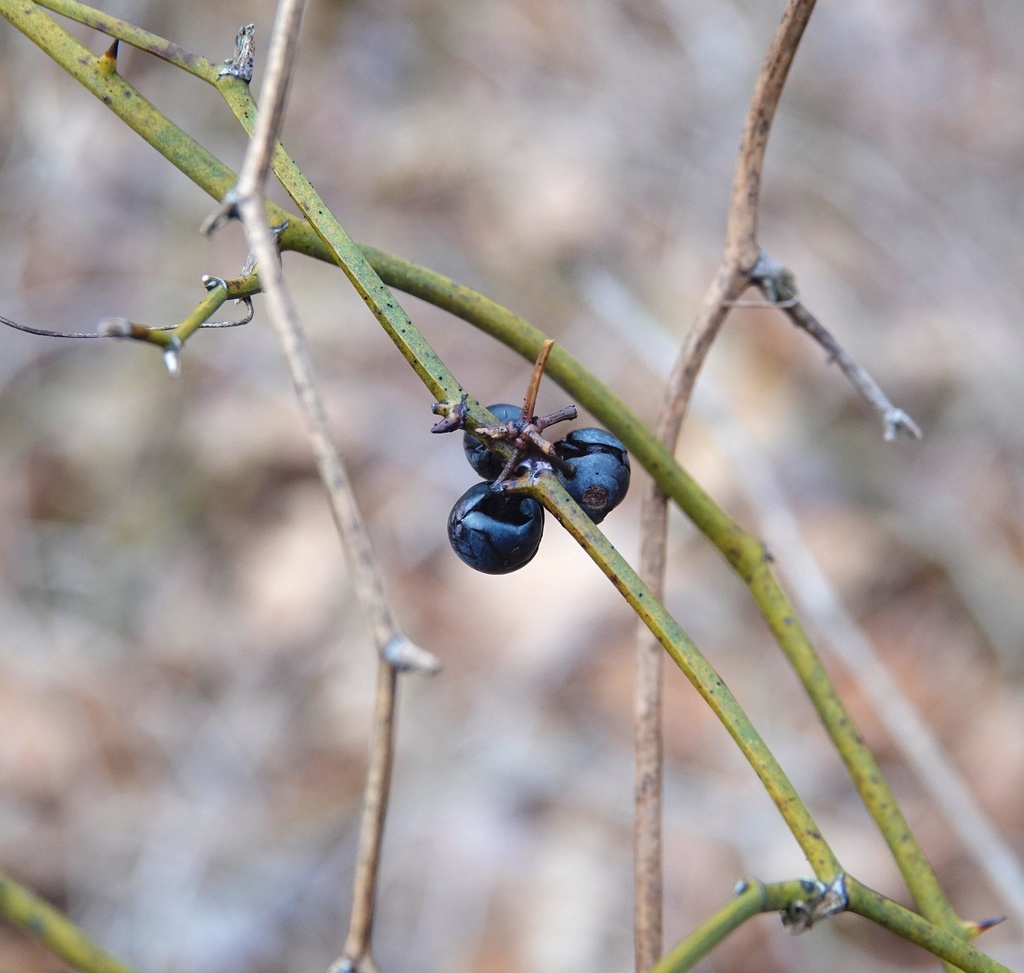
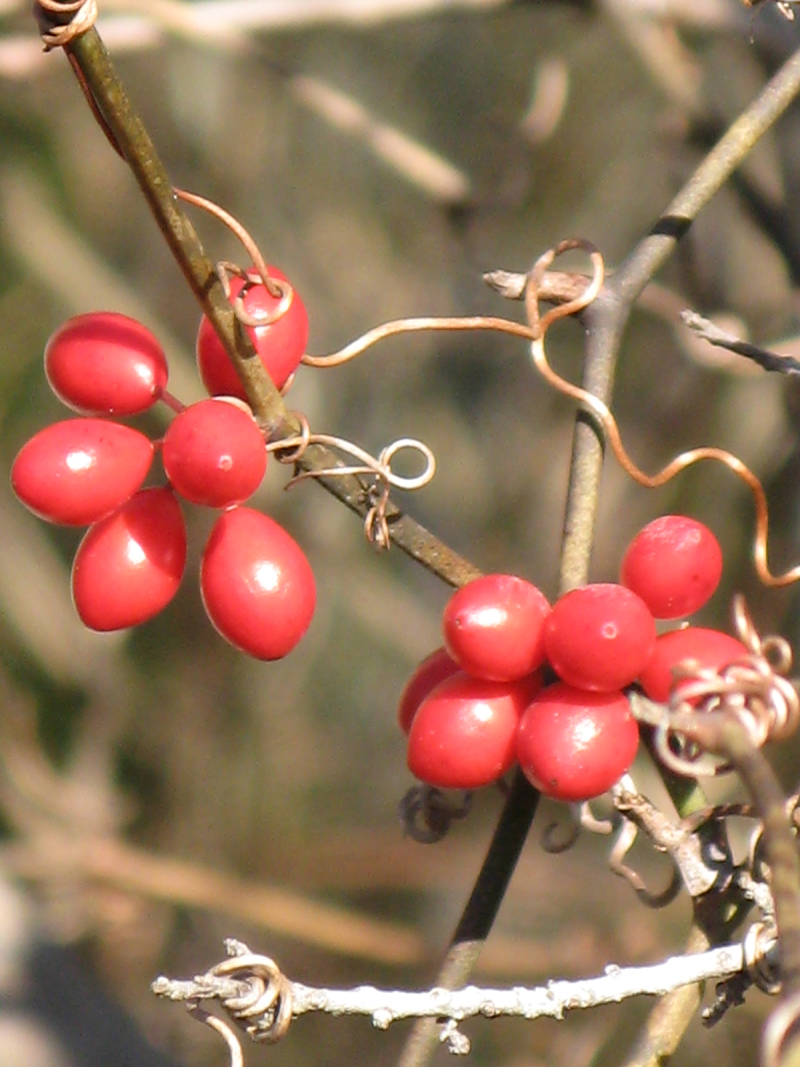
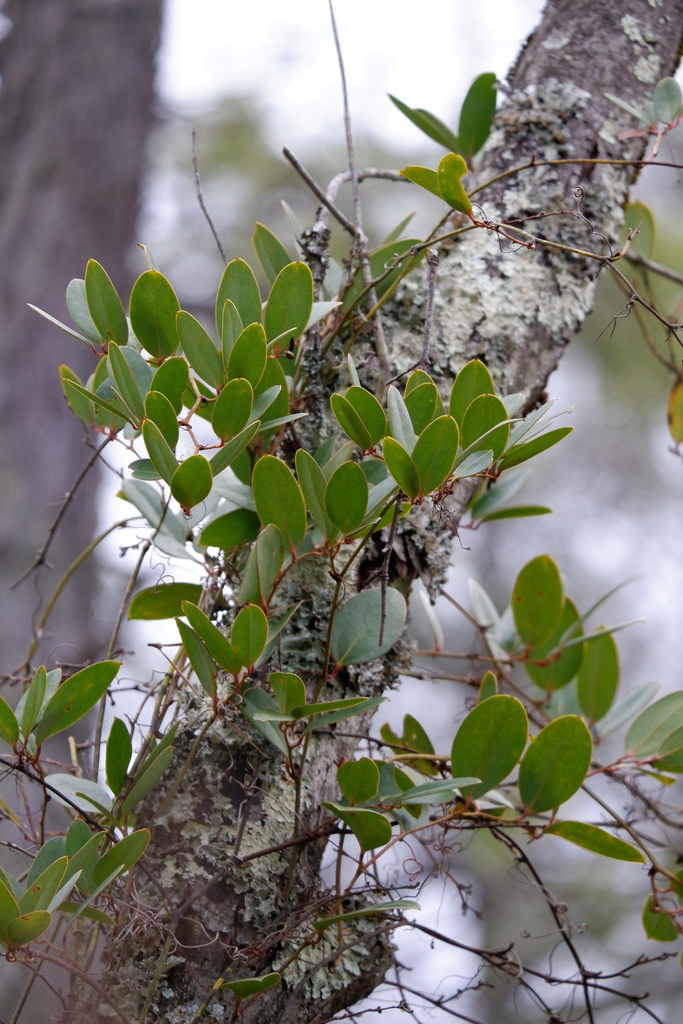
- SupplejackBerchemia scandens
- Ground JuniperJuniperus communis var. depressa
- Juniperus virginiana var. virginianaJuniperus virginiana var. virginiana
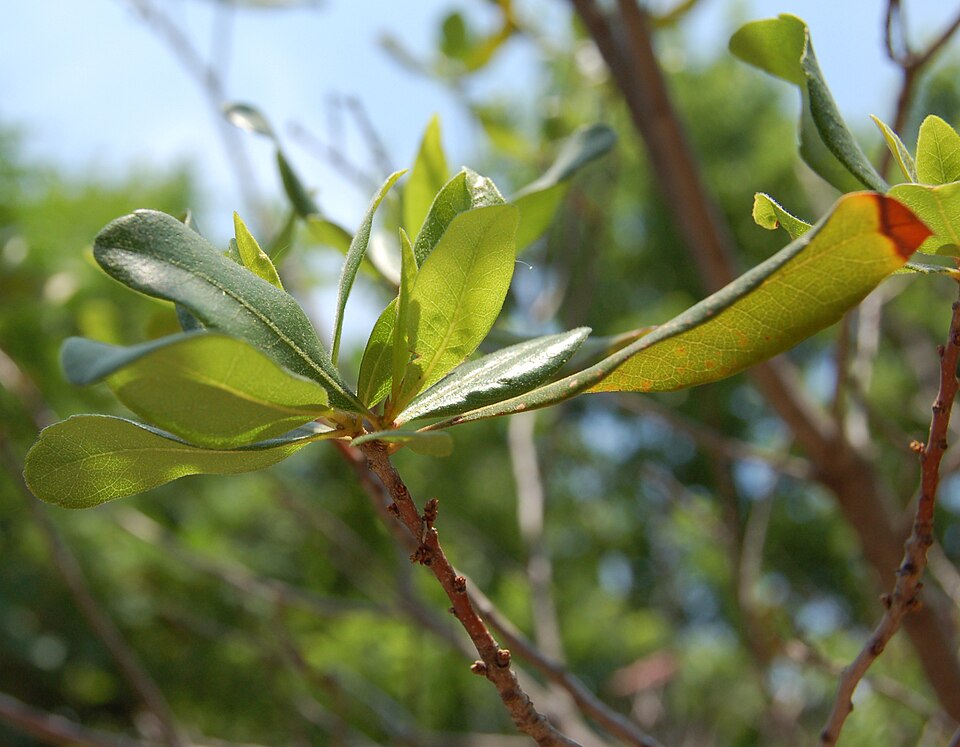
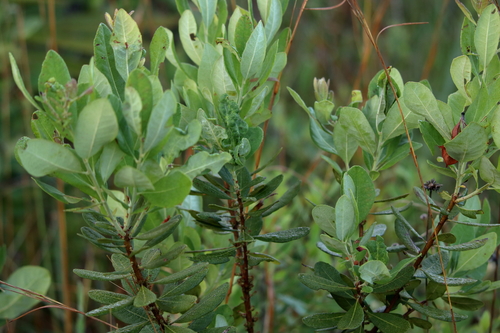
- Common WaxmyrtleMorella cerifera
- Northern BayberryMorella pensylvanica
- Southern BayberryMorella caroliniensis
- Dwarf Bayberry, Dwarf Wax MyrtleMorella pusilla
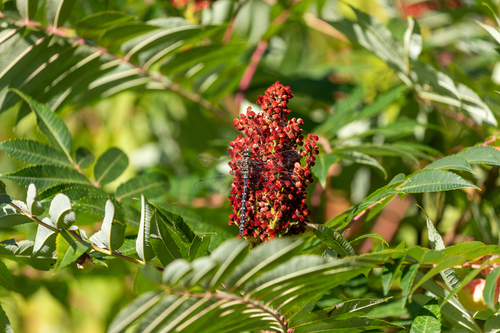
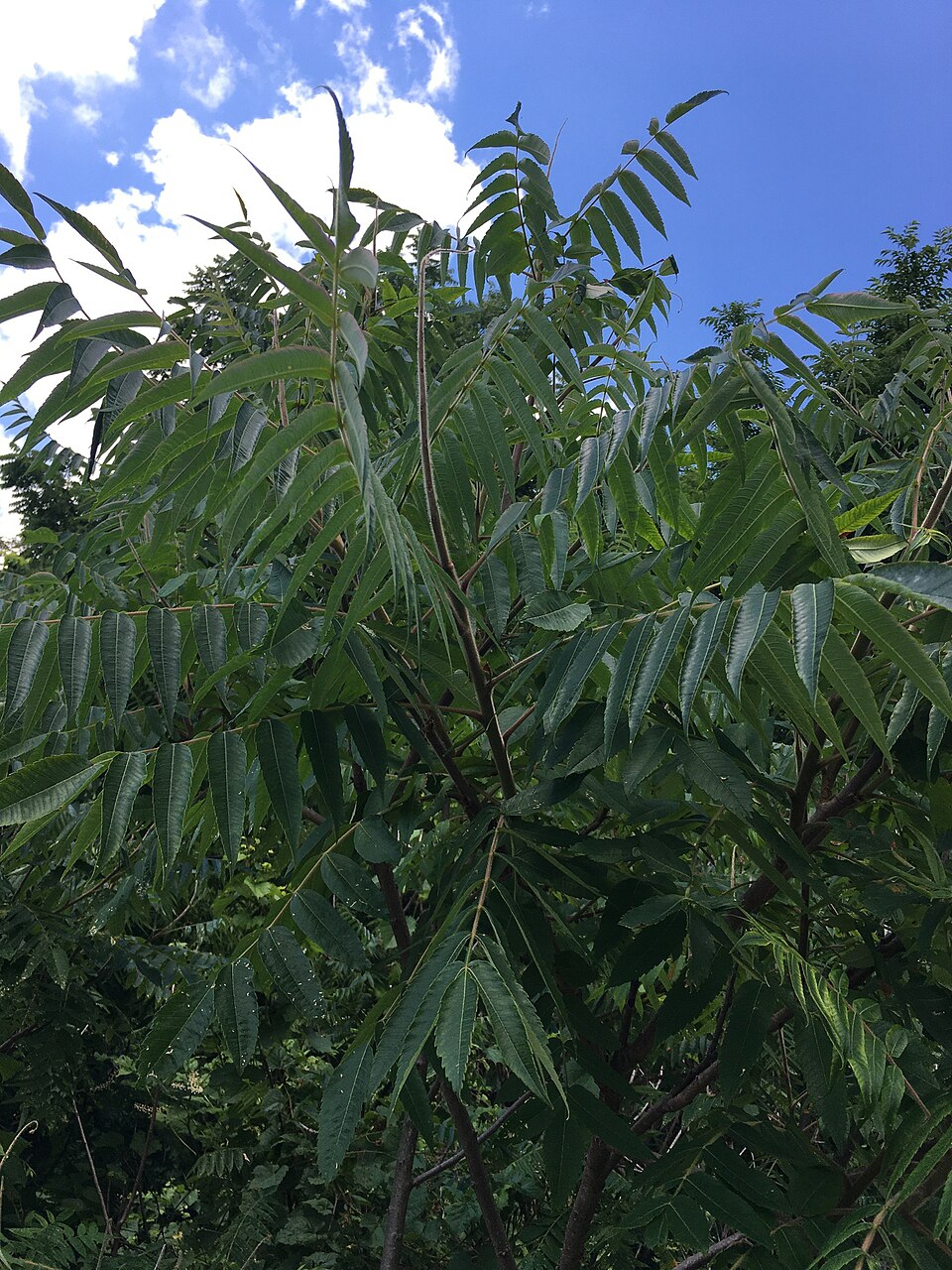
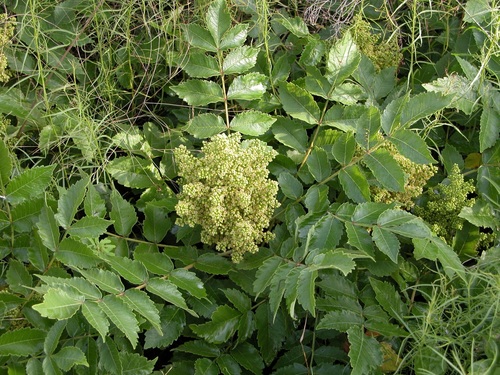
- Smooth SumacRhus glabra
- Eastern Winged SumacRhus copallinum var. latifolia
- Staghorn SumacRhus typhina
- Fragrant Sumac; Squawbush; Squaw BushRhus aromatica var. aromatica
- Michaux's SumacRhus michauxii
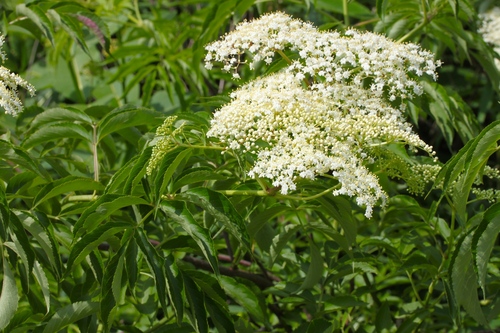
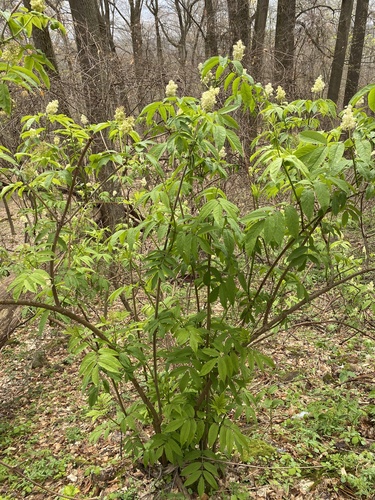
- Common ElderberrySambucus canadensis
- Red ElderberrySambucus racemosa var. pubens
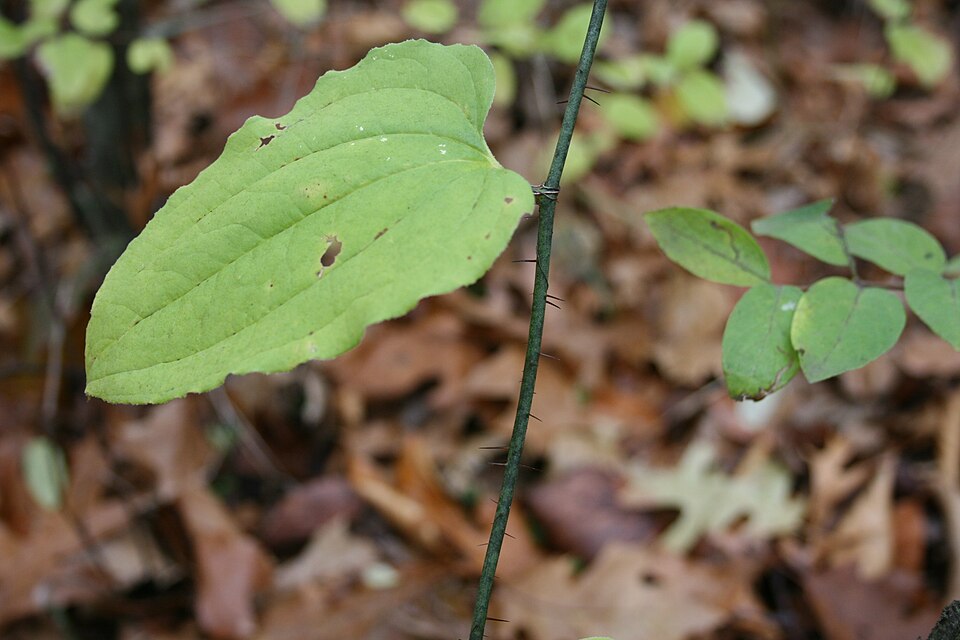
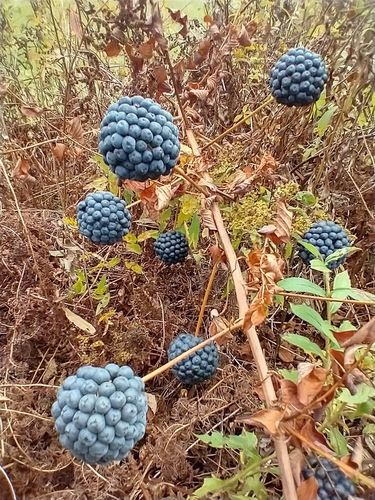
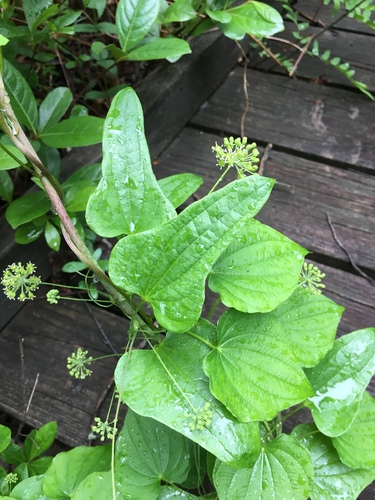
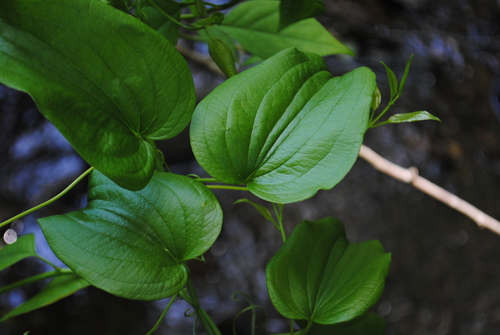
- Bristly GreenbrierSmilax hispida
- Upright Carrion FlowerSmilax ecirrata
- Cat GreenbrierSmilax glauca
- Common GreenbrierSmilax rotundifolia
- Coral GreenbrierSmilax walteri
- Laurel GreenbrierSmilax laurifolia
- Smooth Carrion-flowerSmilax herbacea
- Coastal Carrion-flowerSmilax pseudochina
- Downy Carrion-flowerSmilax pulverulenta
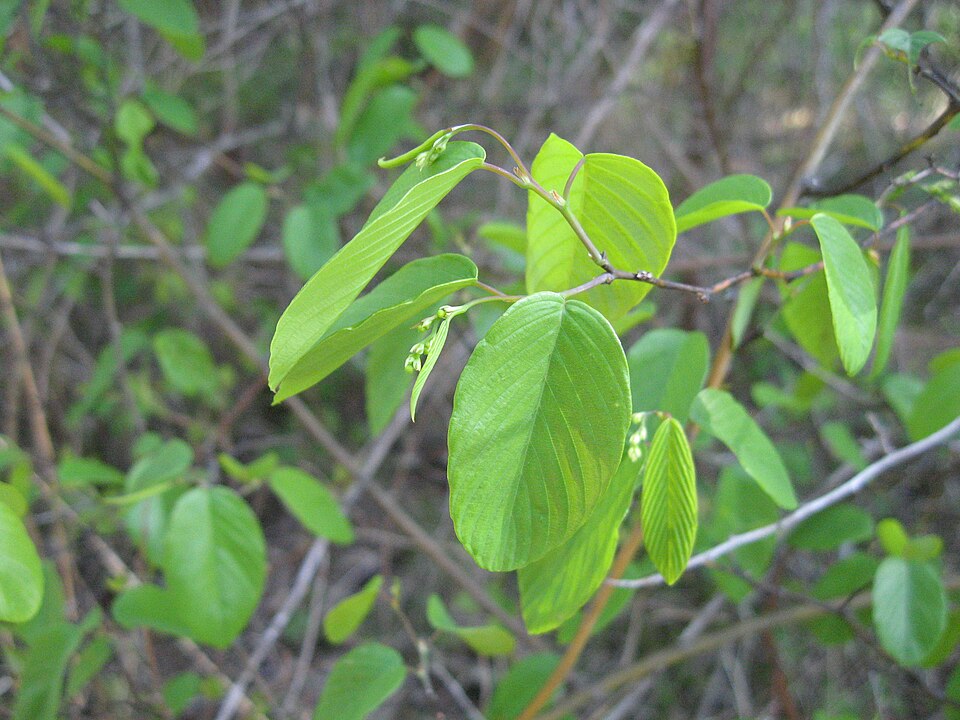
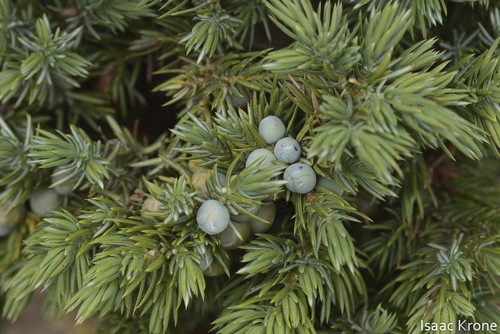
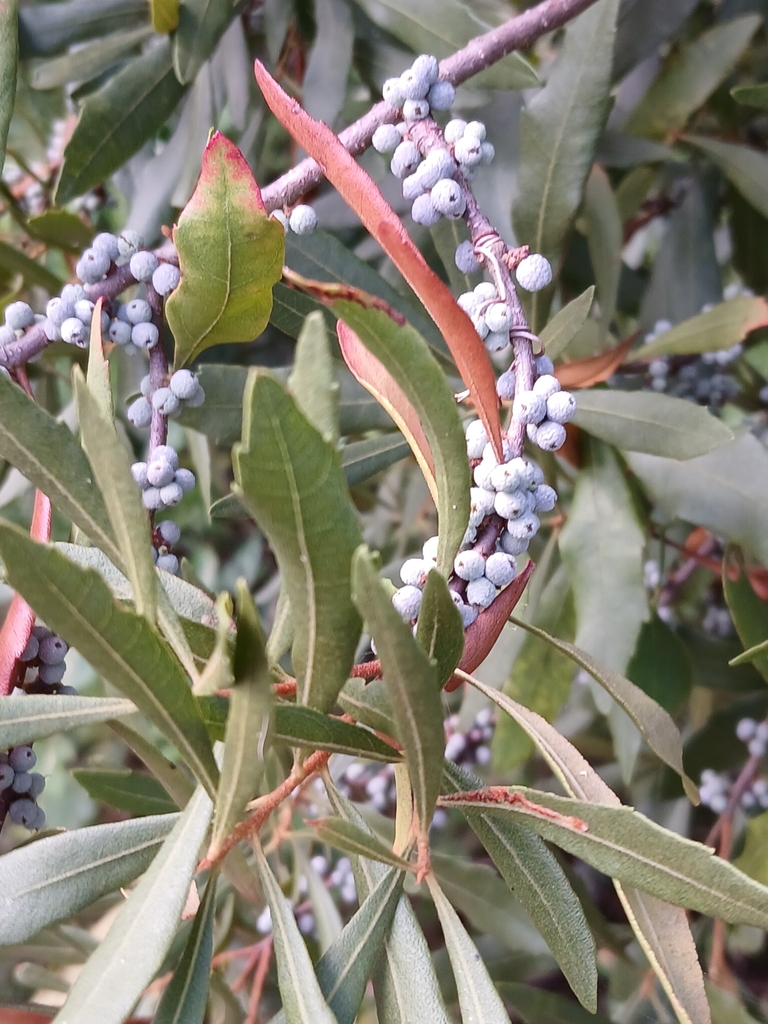
Plant genera in its diet records (9)
- Cornus 2 diet records. 0 native plants in Virginia
- Berchemia 1 diet record. 1 native plant in Virginia
- Juniperus 1 diet record. 2 native plants in Virginia
- Morella 1 diet record. 4 native plants in Virginia
- Rhus 1 diet record. 6 native plants in Virginia
- Sambucus 1 diet record. 2 native plants in Virginia
- Smilax 1 diet record. 9 native plants in Virginia
- Viburnum 1 diet record. 10 native plants in Virginia
- Vitis 1 diet record. 9 native plants in Virginia
Also found in its main habitats
Its main habitats in Virginia, by how much of its habitat model each one is, with the birds most characteristic of each and the plants that grow wild there. Shared habitat, not food.
Dry forests and woodlands
Birds 59
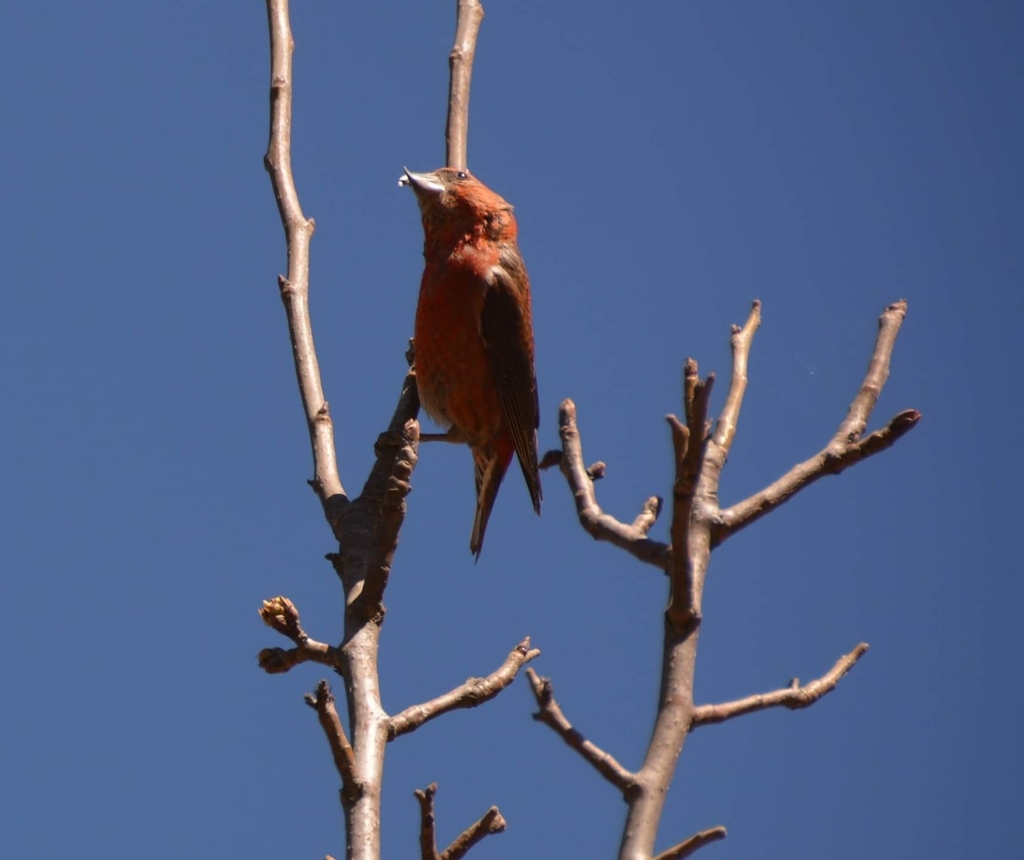
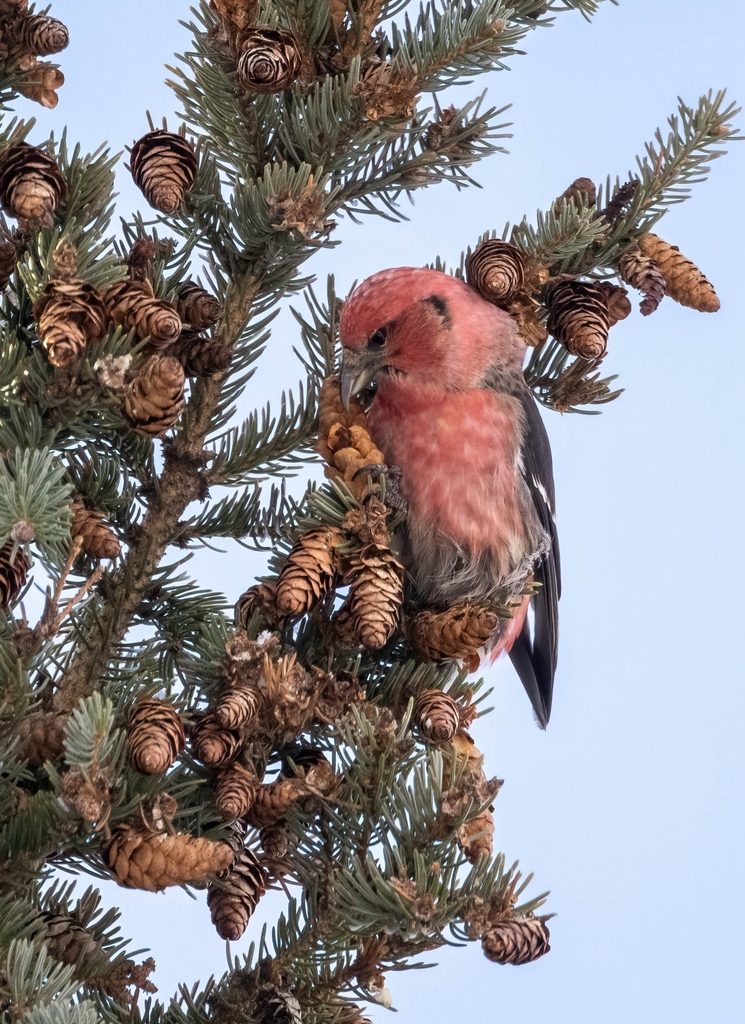
- Red CrossbillLoxia curvirostra
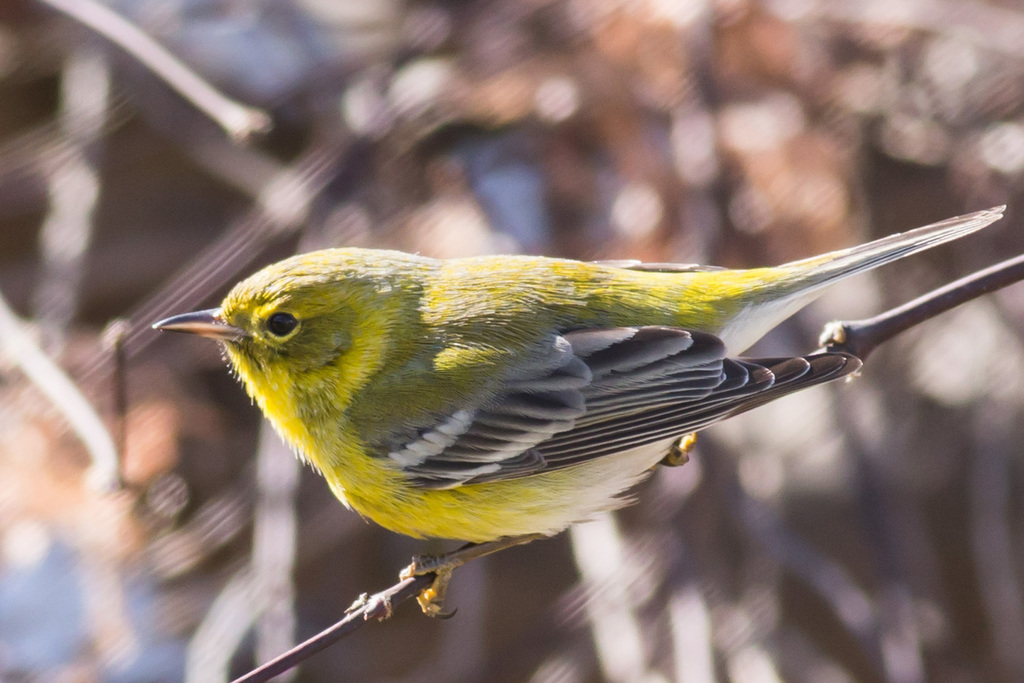
- Pine WarblerDendroica pinus
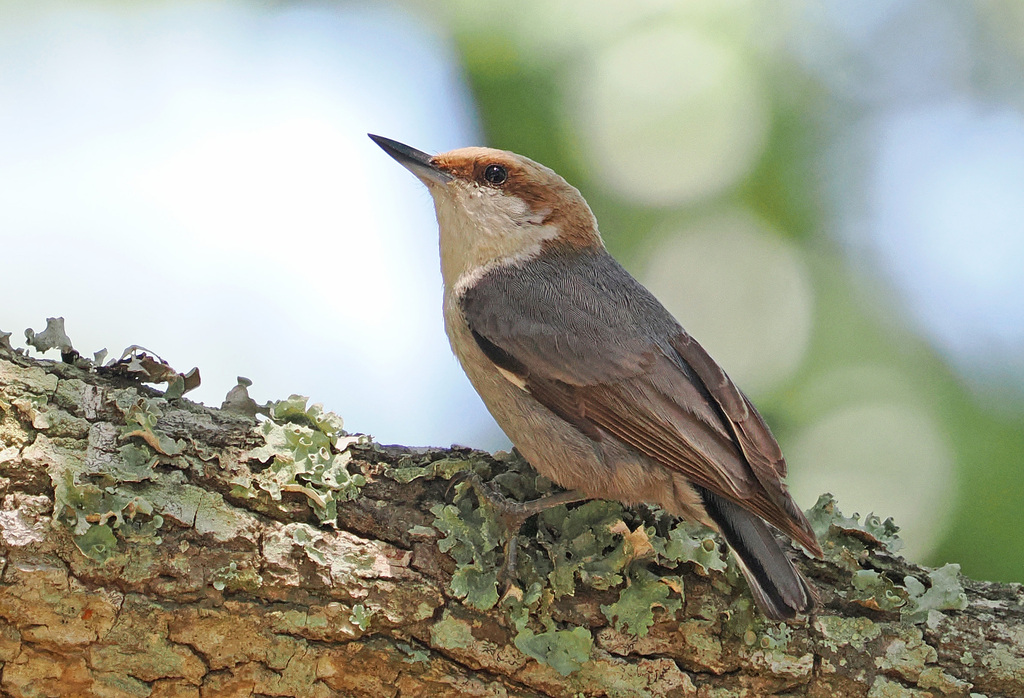
- Brown-headed NuthatchSitta pusilla
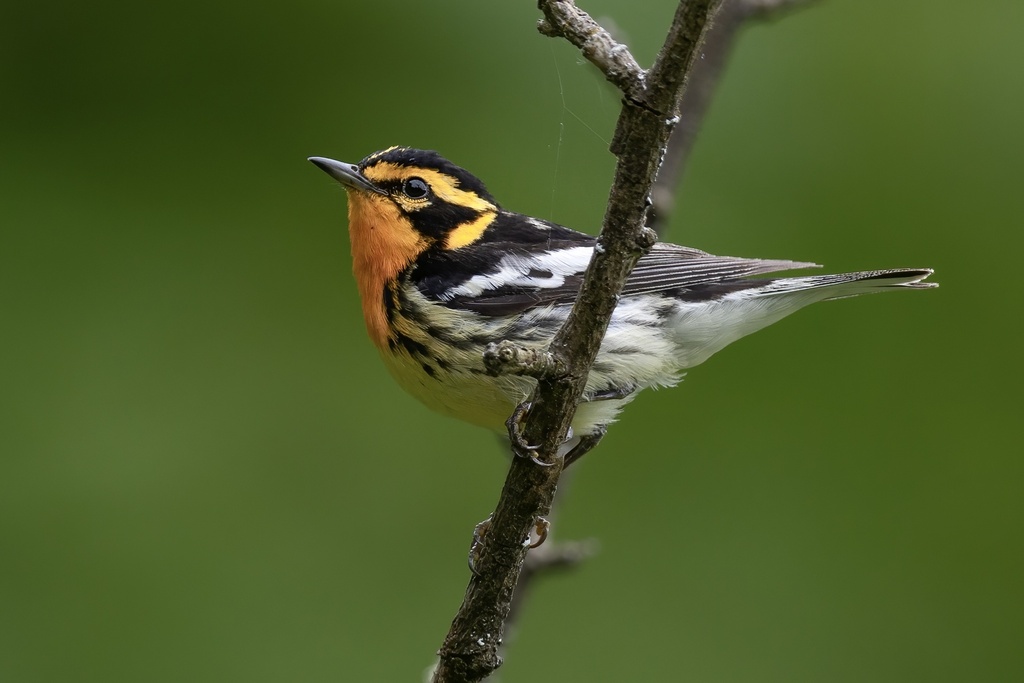
- Blackburnian WarblerDendroica fusca
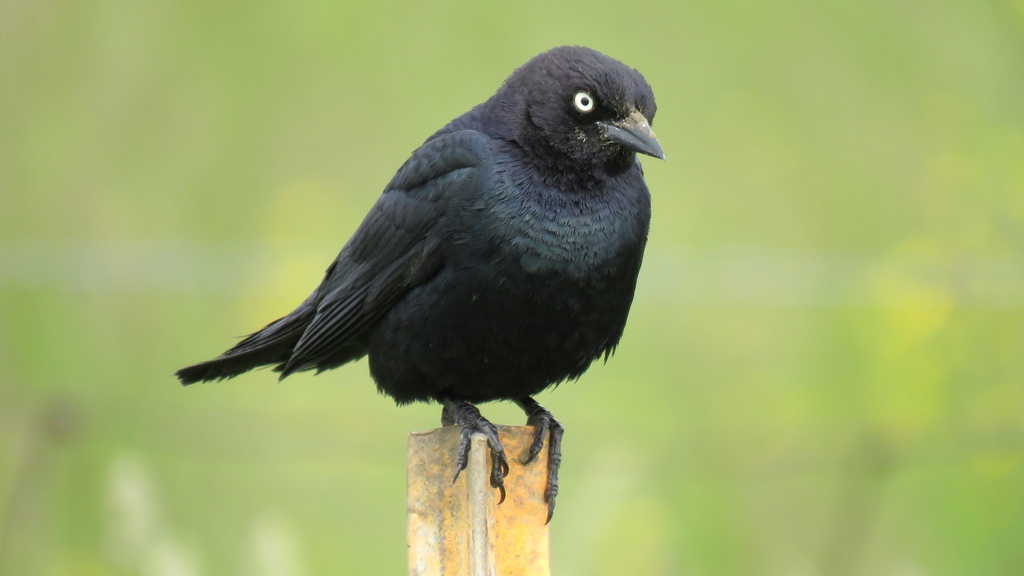
- Brewer's BlackbirdEuphagus cyanocephalus
- Red-breasted NuthatchSitta canadensis
- Louisiana WaterthrushSeiurus motacilla
- White-winged CrossbillLoxia leucoptera
- Yellow-throated WarblerDendroica dominica
- Black-throated Blue WarblerDendroica caerulescens
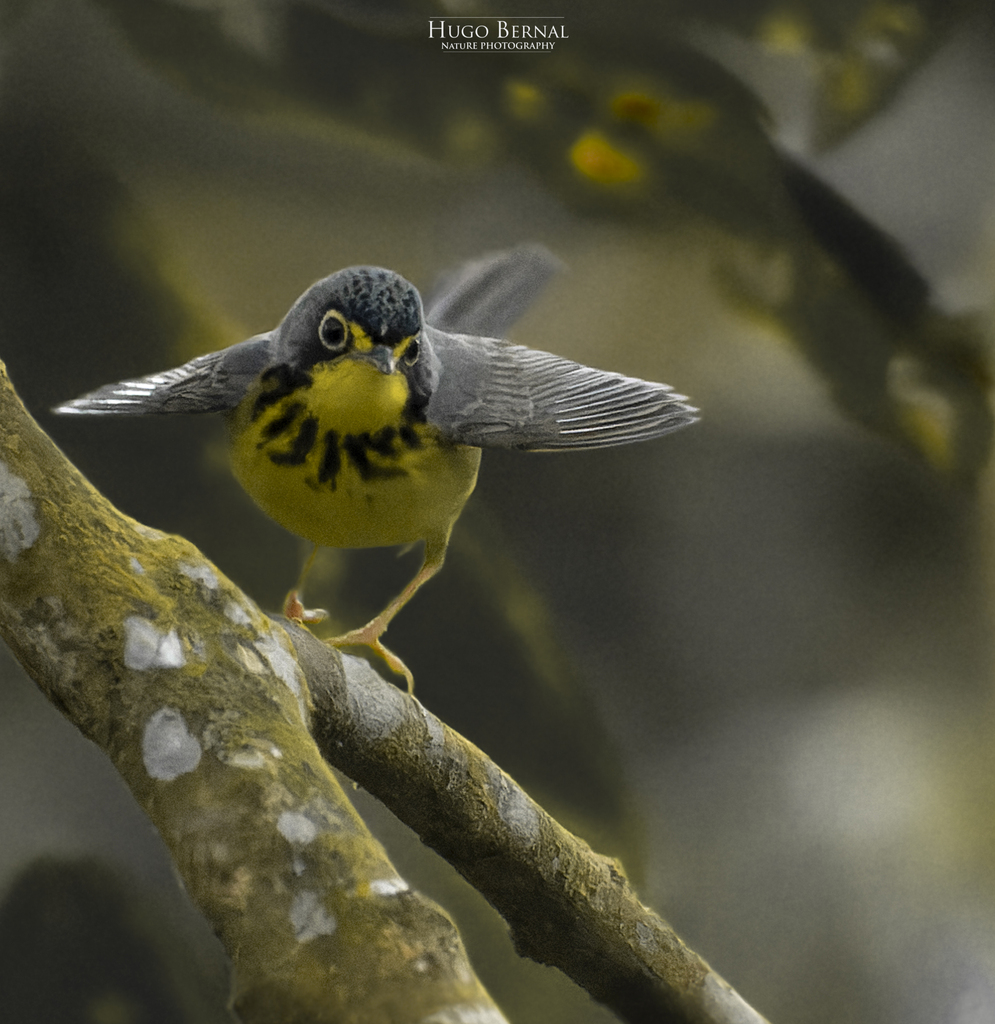
- Canada WarblerWilsonia canadensis
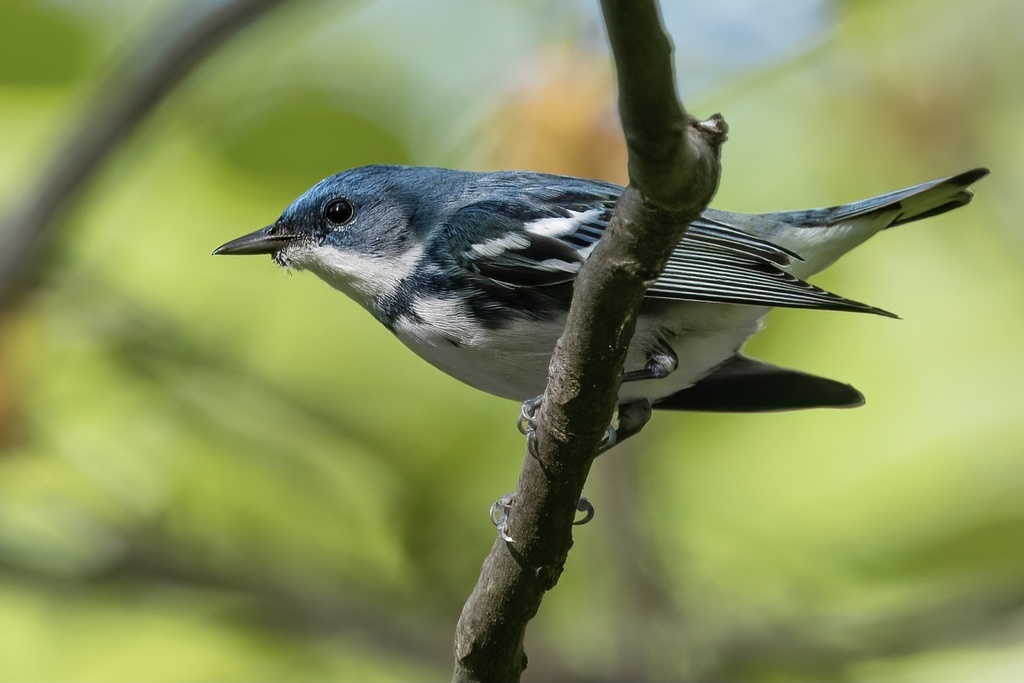
- Cerulean WarblerDendroica cerulea




Plants 230
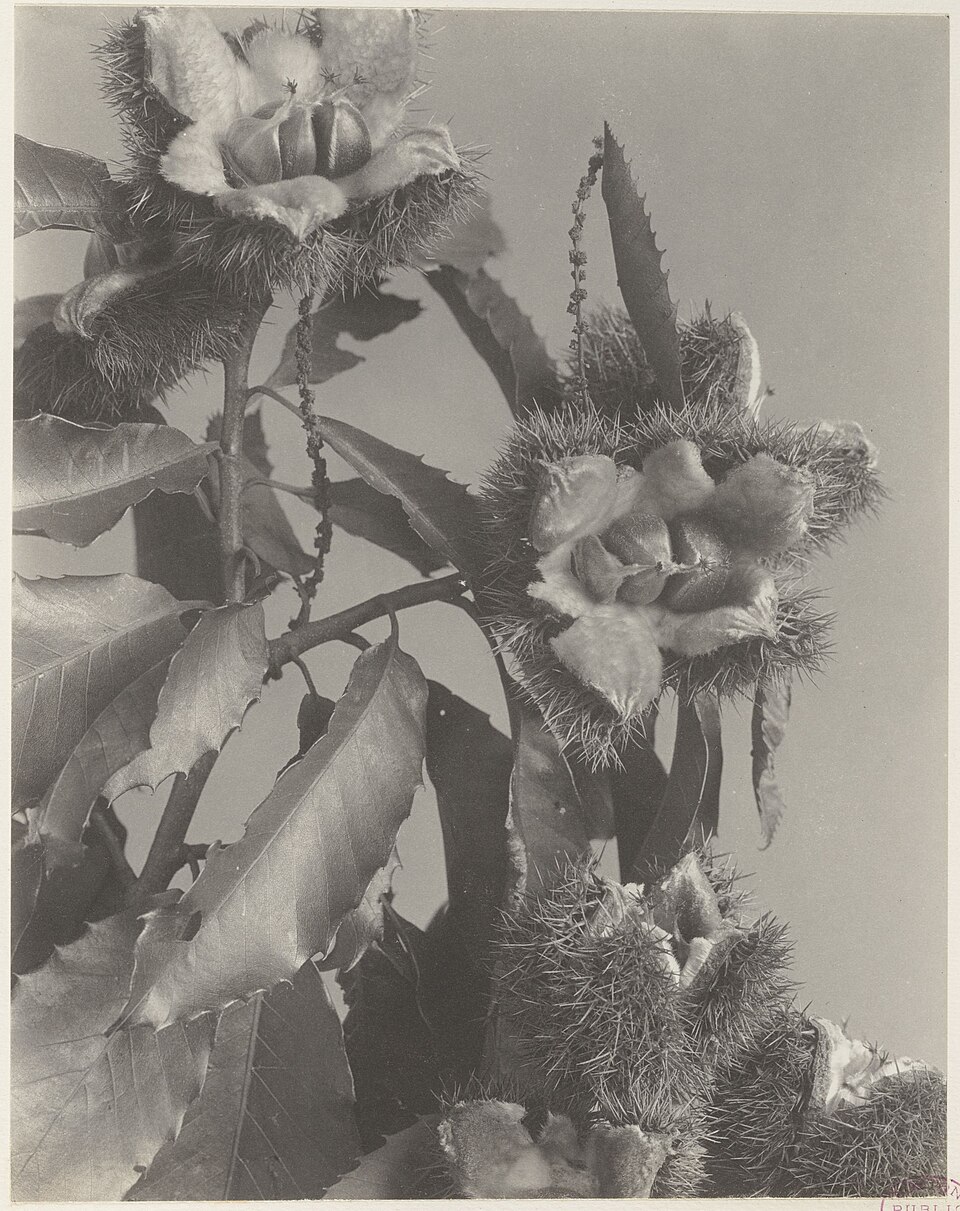
- American ChestnutCastanea dentata
- Eastern Winged SumacRhus copallinum var. latifolia
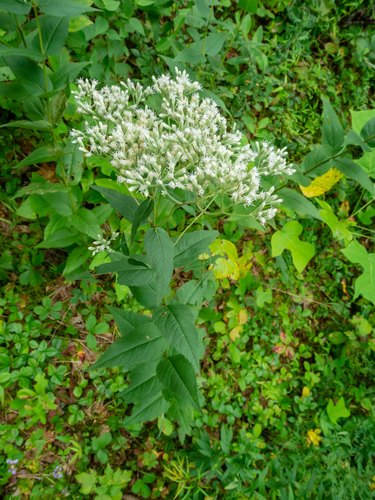
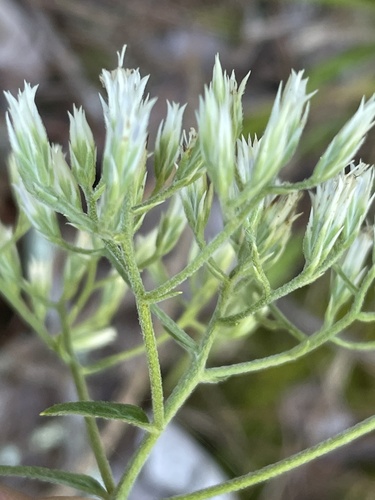
- Godfrey's ThoroughwortEupatorium godfreyanum
- White ThoroughwortEupatorium album
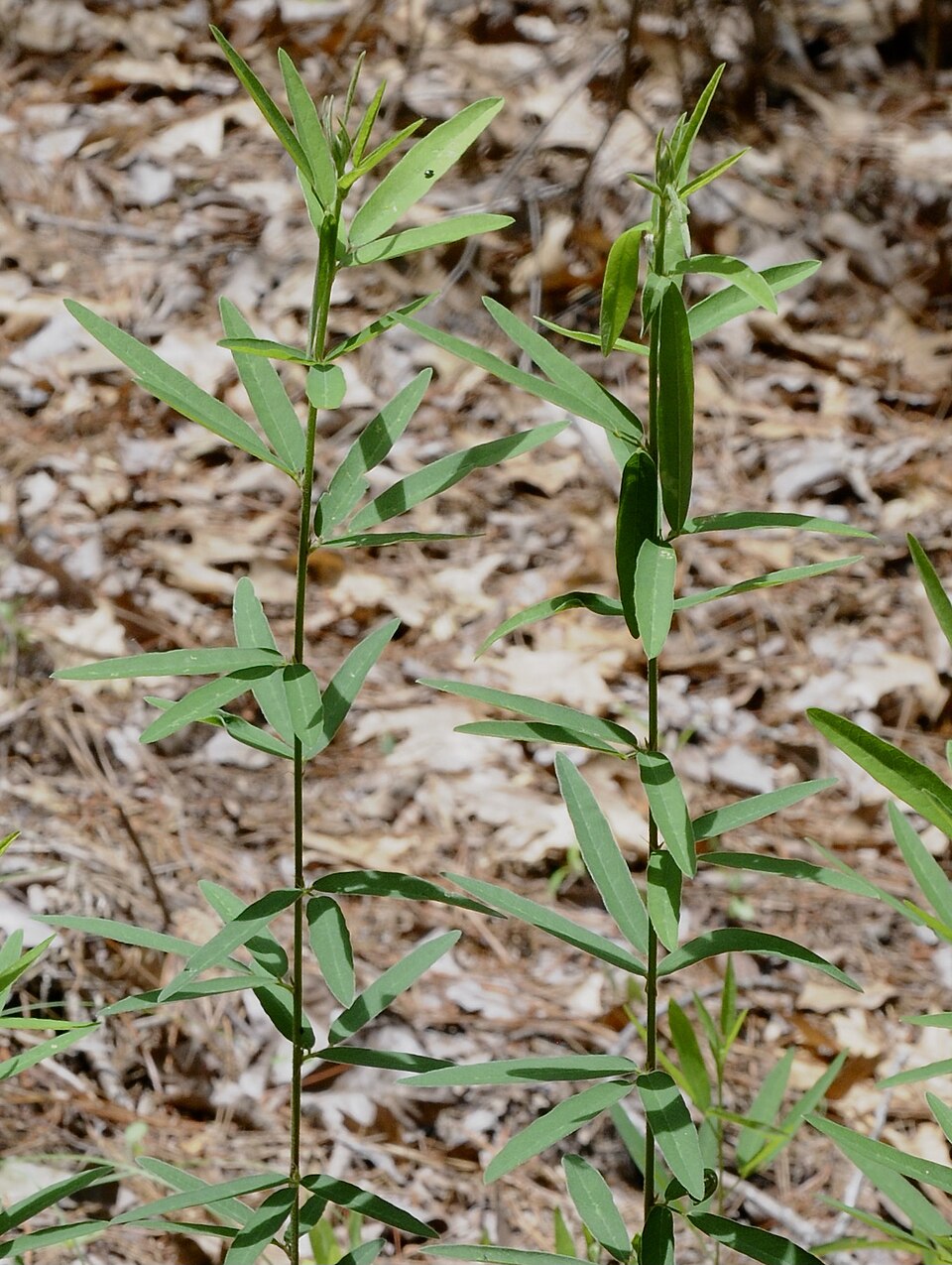
- Sessileleaf Tick-trefoilDesmodium sessilifolium
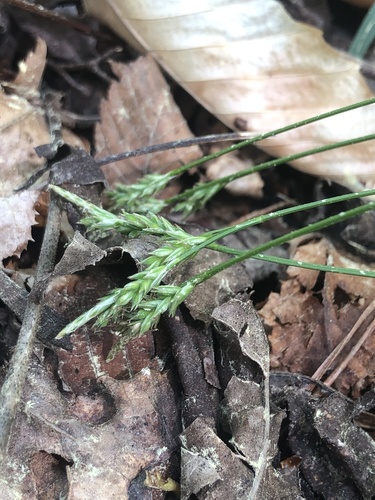
- Leavenworth's SedgeCarex leavenworthii
- Southern Whitetinge SedgeCarex albicans var. australis
- Southern LoosestrifeSteironema tonsum
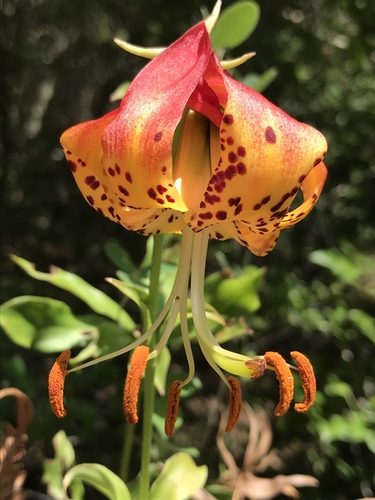
- Carolina LilyLilium michauxii
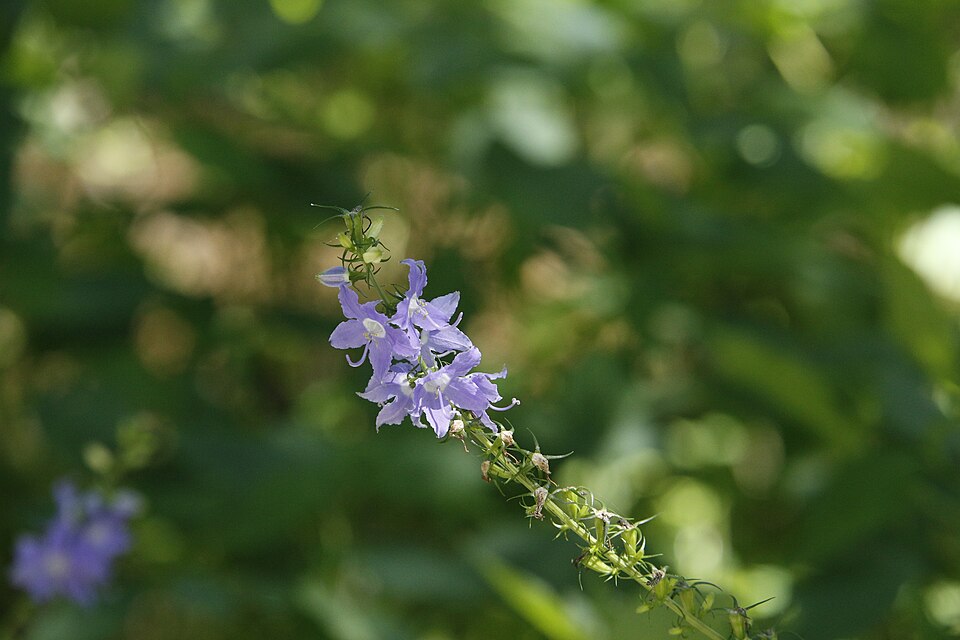
- Tall BellflowerCampanulastrum americanum
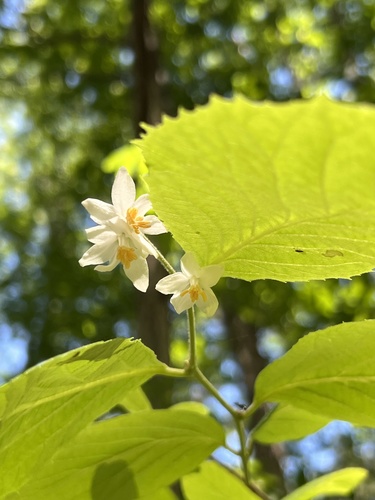
- Bigleaf SnowbellStyrax grandifolius
- Delicate Rabbit-tobaccoPseudognaphalium micradenium
Tree plantations and managed pine
Birds 34
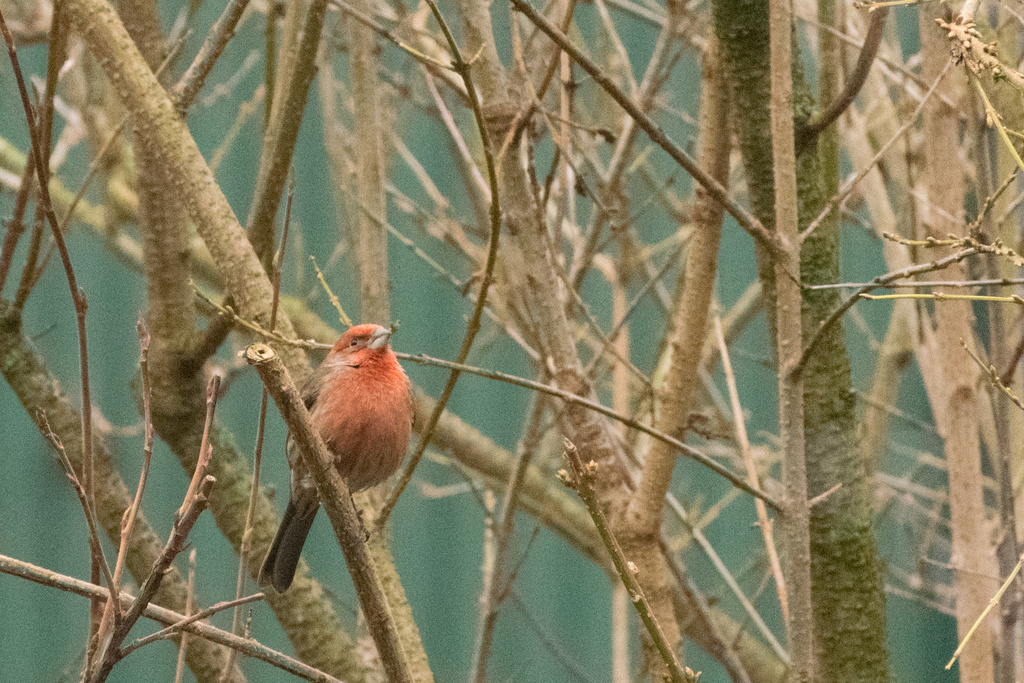
- House FinchCarpodacus mexicanus
- Yellow-throated VireoVireo flavifrons
- Pine WarblerDendroica pinus
- Loggerhead ShrikeLanius ludovicianus
- White-winged CrossbillLoxia leucoptera
- Cerulean WarblerDendroica cerulea
- OvenbirdSeiurus aurocapilla
- Palm WarblerDendroica palmarum
- White-crowned SparrowZonotrichia leucophrys
- Broad-winged HawkButeo platypterus
- Brown-headed CowbirdMolothrus ater
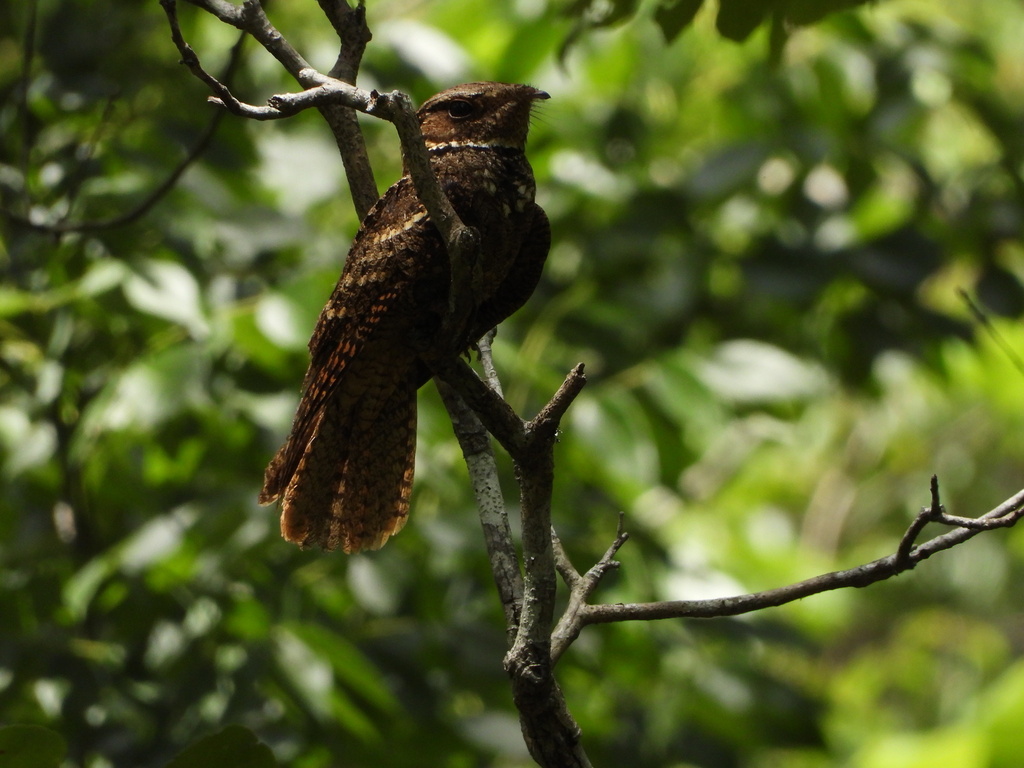
- Chuck-will's-widowCaprimulgus carolinensis
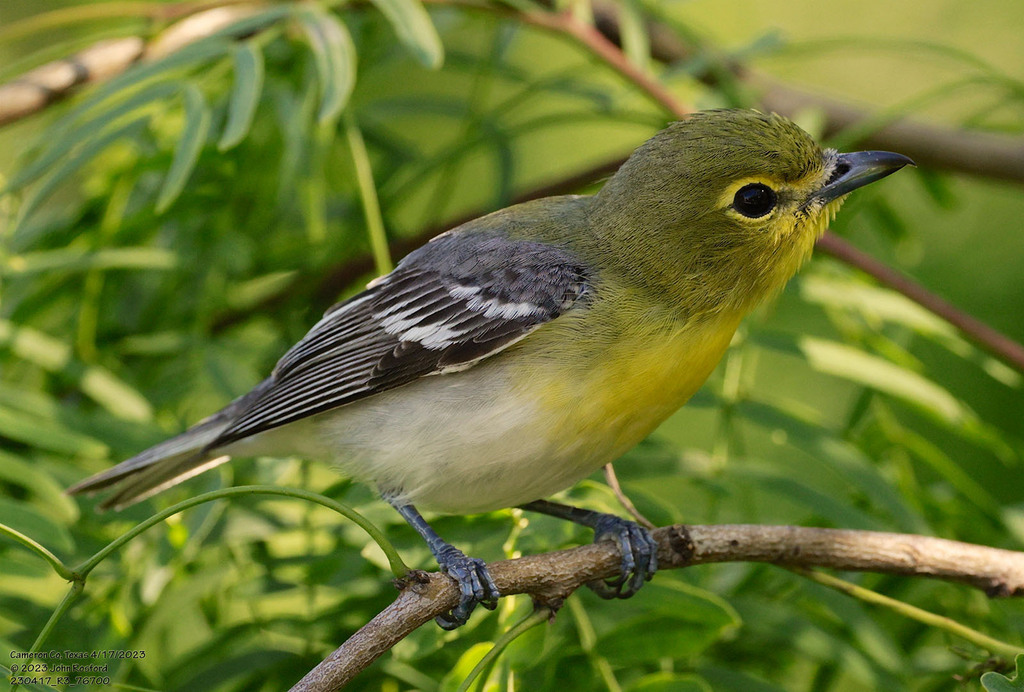
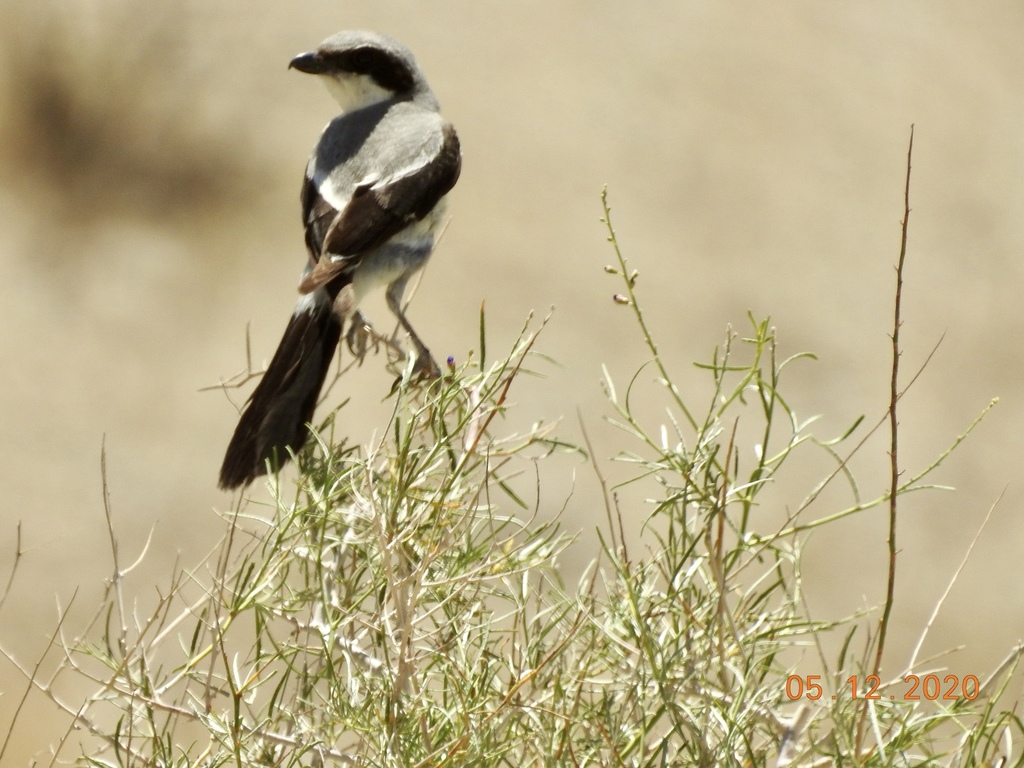

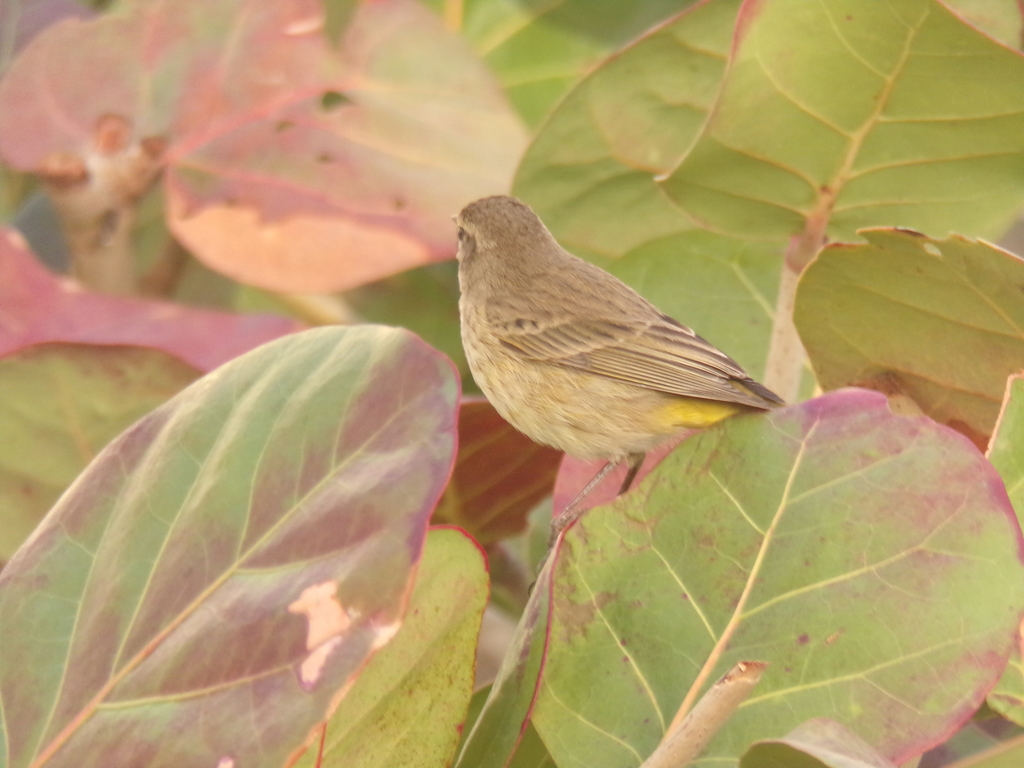
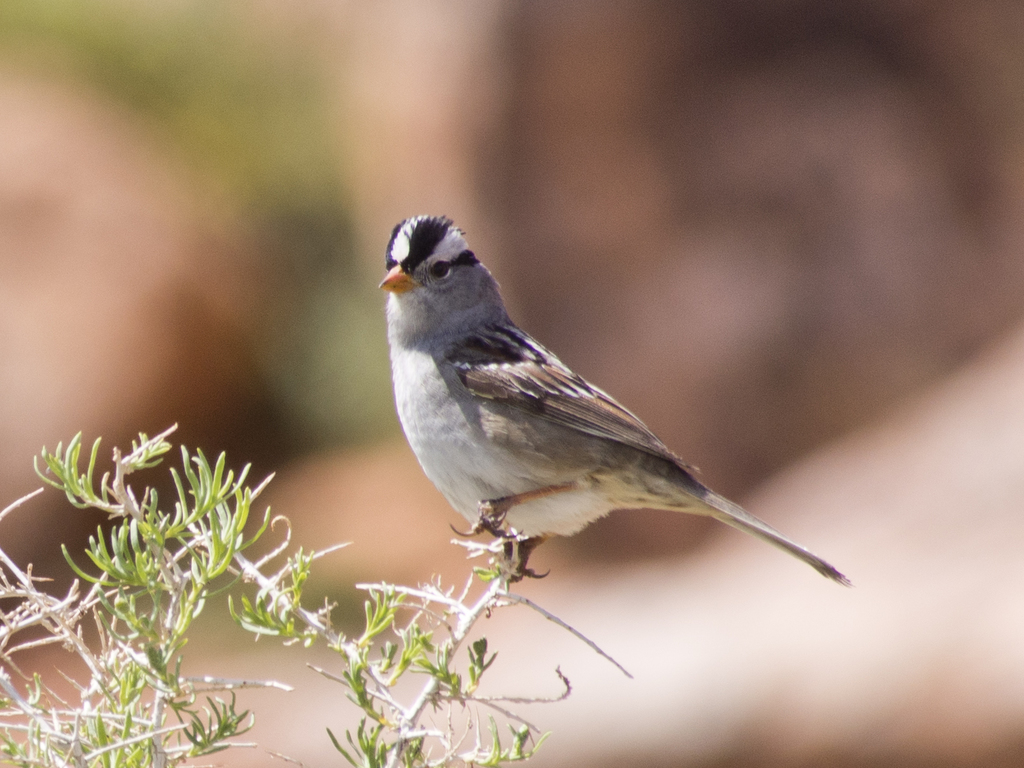


Plants 2
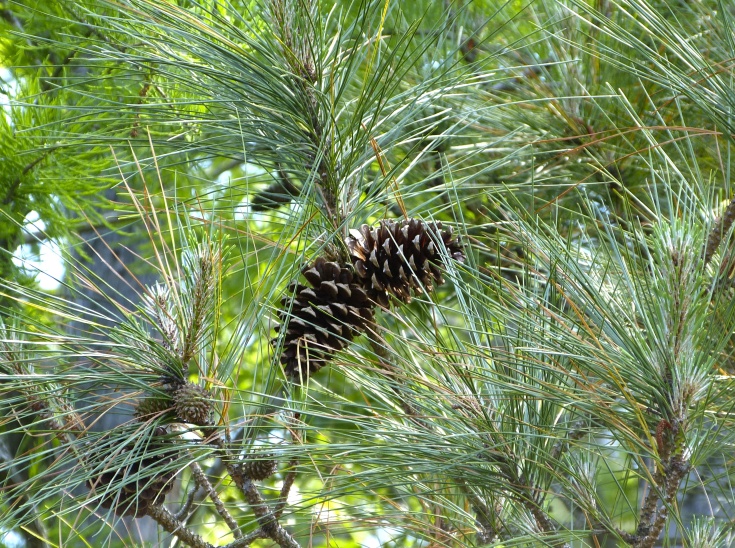
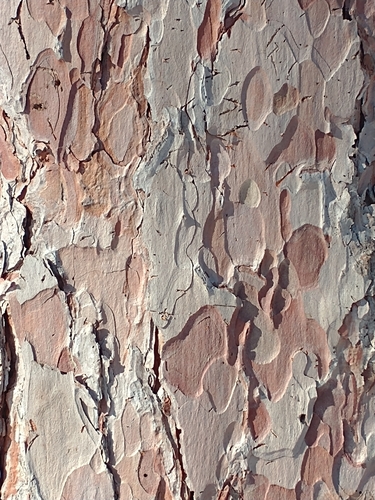
- Loblolly PinePinus taeda
- Red PinePinus resinosa
Moist forests
Birds 44
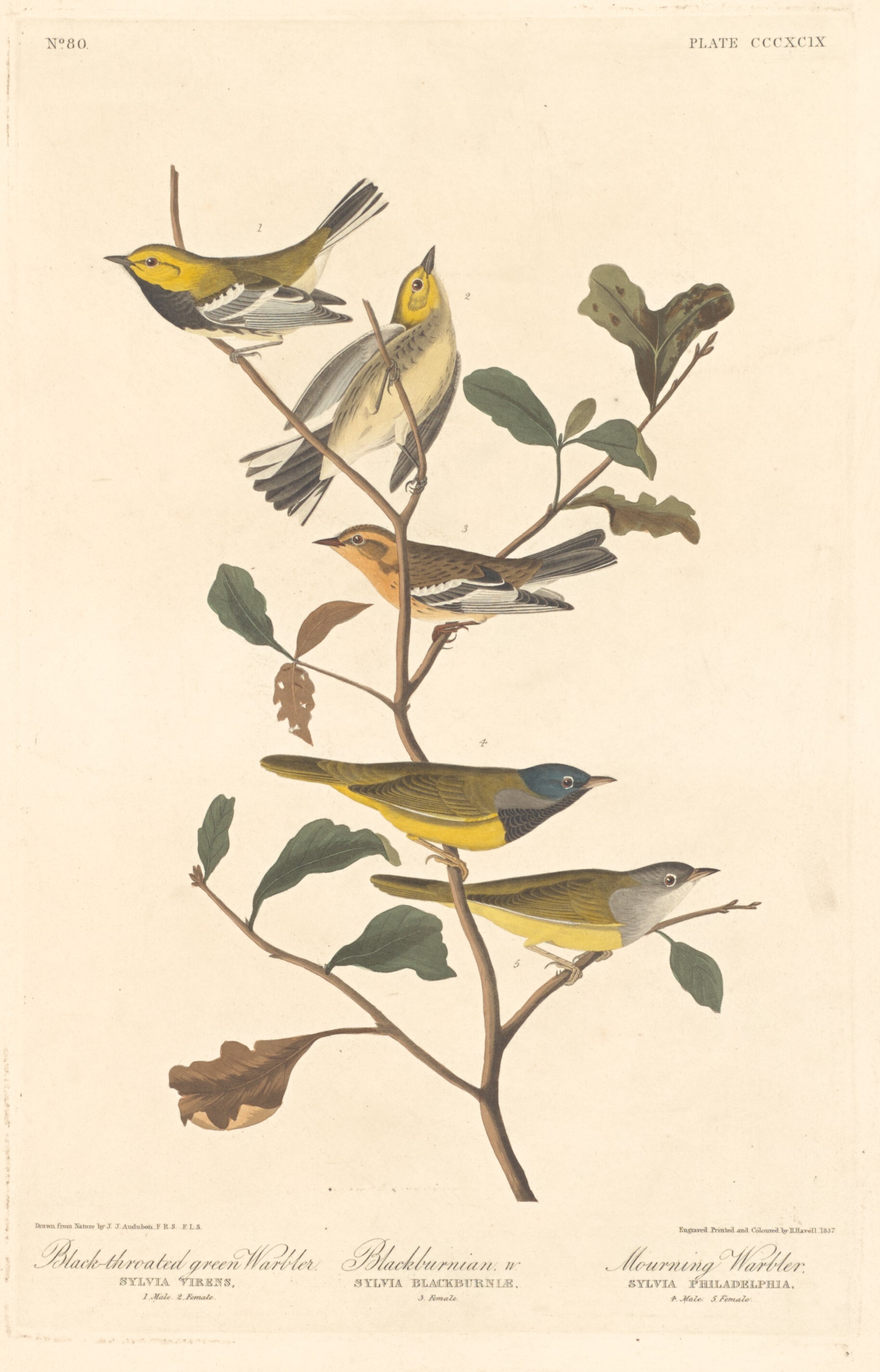
- Blackburnian WarblerDendroica fusca
- Louisiana WaterthrushSeiurus motacilla
- Black-throated Blue WarblerDendroica caerulescens
- Canada WarblerWilsonia canadensis
- Cerulean WarblerDendroica cerulea
- OvenbirdSeiurus aurocapilla
- Black-throated Green WarblerDendroica virens
- Broad-winged HawkButeo platypterus
- Brown-headed CowbirdMolothrus ater
- Chuck-will's-widowCaprimulgus carolinensis
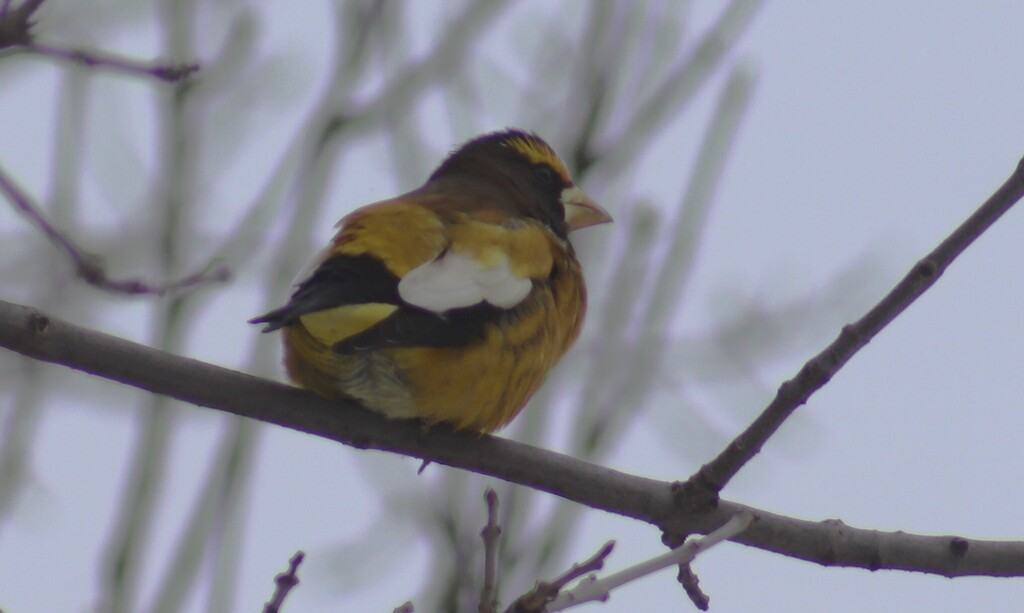
- Evening GrosbeakCoccothraustes vespertinus
- Kentucky WarblerOporornis formosus

Plants 363
- Gorge GoldenrodSolidago faucibus
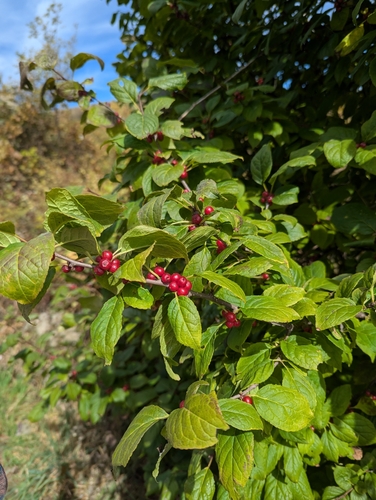
- Mountain HollyIlex montana
- Smooth Blue AsterSymphyotrichum laeve
- Appalachian SnakerootAgeratina roanensis
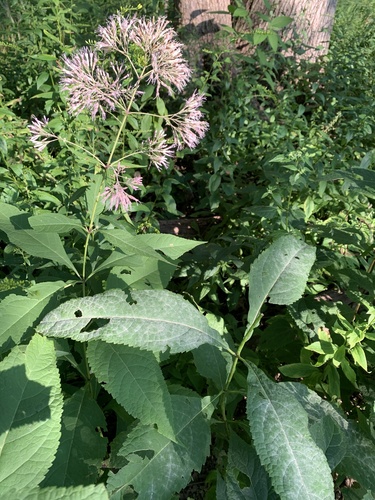
- Sweet Scented Joe Pye WeedEutrochium purpureum var. purpureum
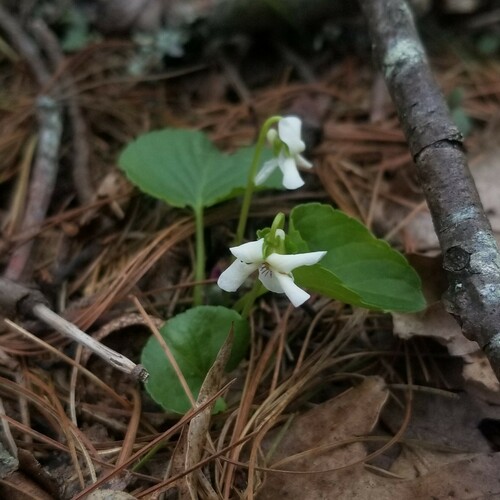
- Common Sweet White VioletViola incognita
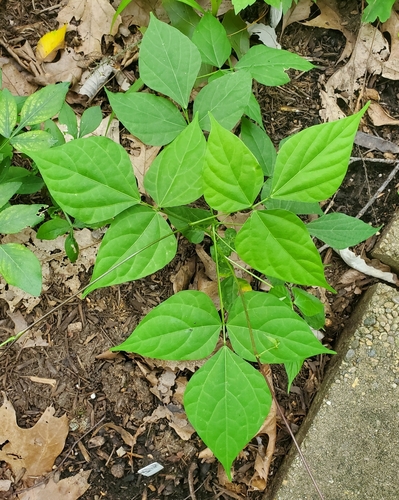
- Fewflower Tick-trefoilHylodesmum pauciflorum
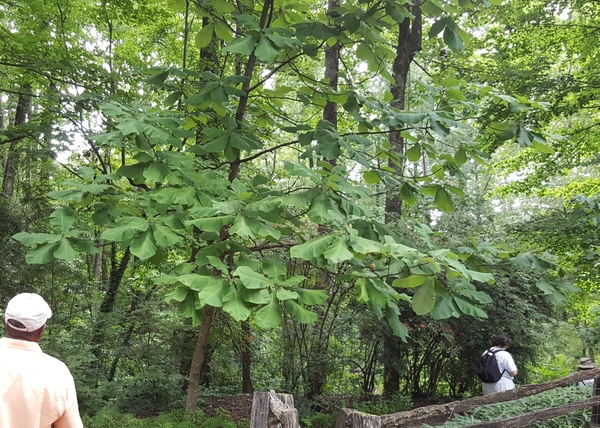
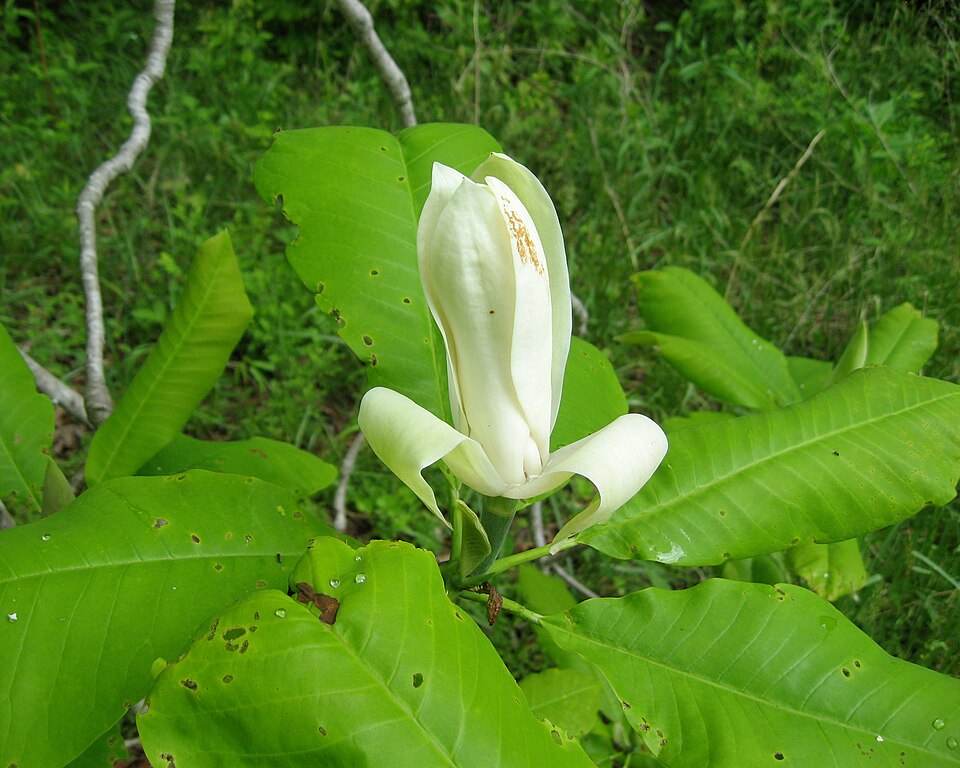
- Bigleaf MagnoliaMagnolia macrophylla
- Umbrella MagnoliaMagnolia tripetala
- Smooth Carrion-flowerSmilax herbacea
- Pointedleaf Tick-trefoilHylodesmum glutinosum
- Blue Ridge Hedge-nettleStachys subcordata
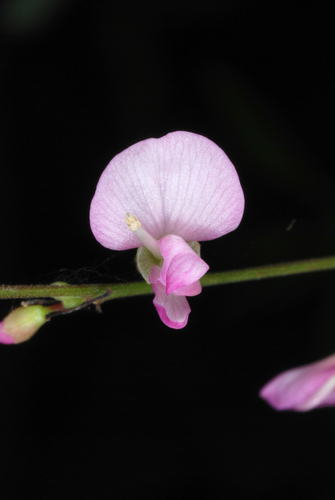


Sources
- USGS Gap Analysis Project habitat models (2001)
- USGS GAP winter habitat model for Blue-headed Vireo Elevation sea level to 300 m
- USGS Gap Analysis Project range maps (2001), modeled by watershed; migratory gives no dates
- NatureServe Explorer (CC BY 4.0), habitat names
- US Census TIGER/Line counties
- Names follow the USGS Gap Analysis Project (2001)
- Avian Diet Database (Hurlbert Lab) (CC0 1.0), diet records by plant genus