

Southern Bayberry
Morella caroliniensis
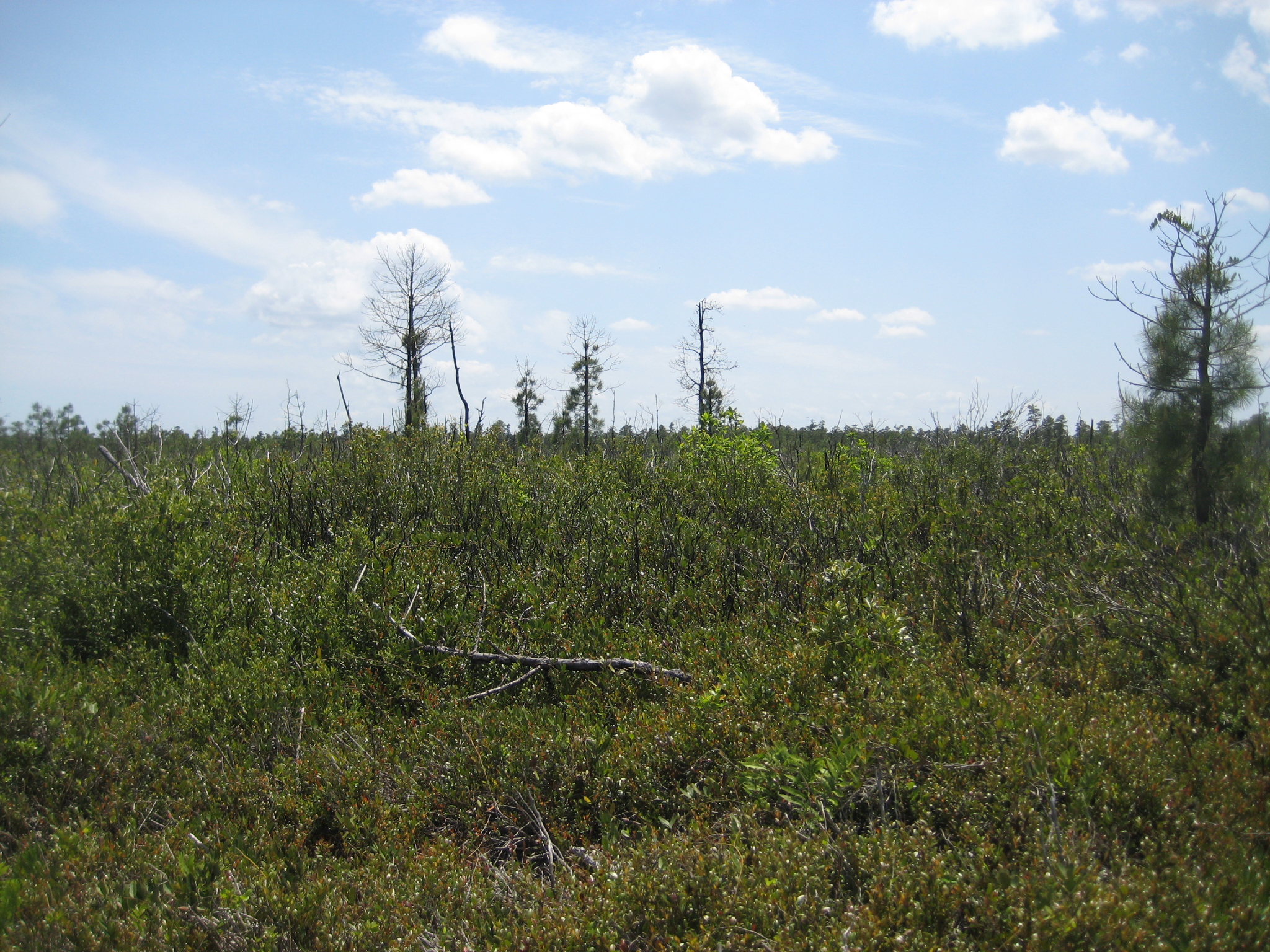
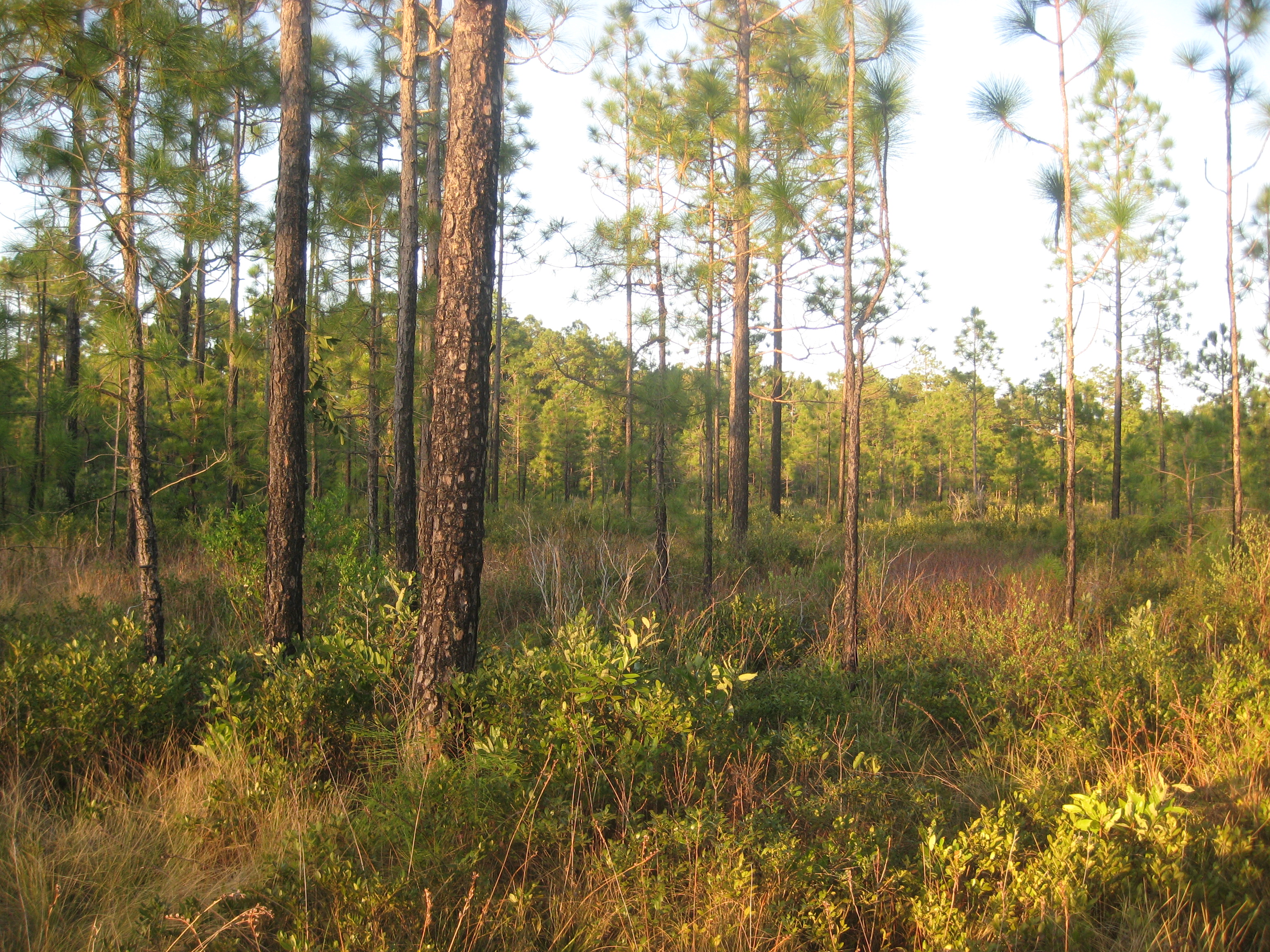
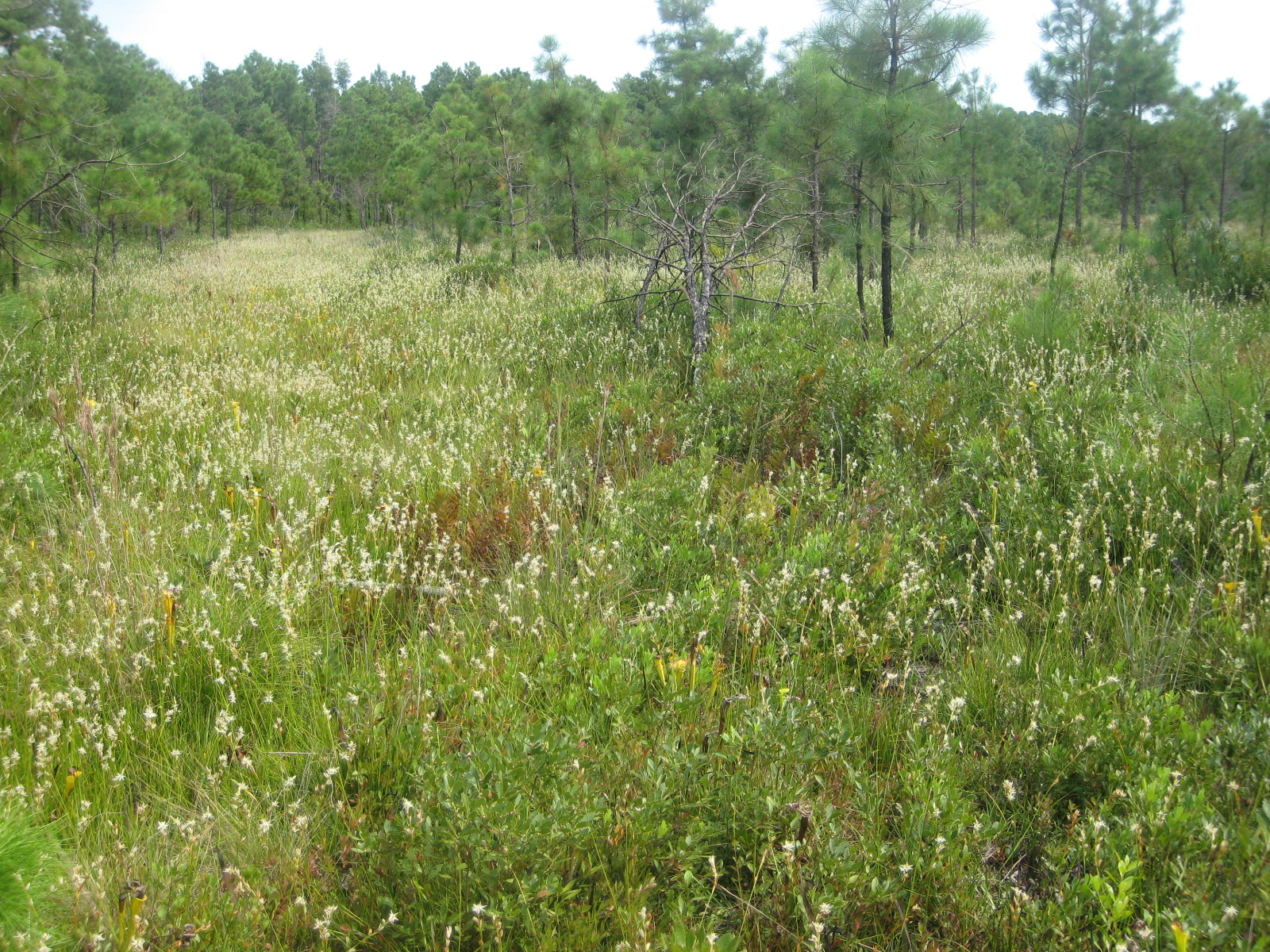
Found in pocosins, wet savannas and pine flatwoods, sandhill seepage bogs, and other peaty or sandy-peaty wetlands. FloraQuest, phone app (app page) What its natural habitat tells you
Native to Virginia. How scores work Is it native here?
Profile 88%
- Height
- About 7 feet
- Light
- Shade, Partial sun
- Soil moisture
- Low, Moderate
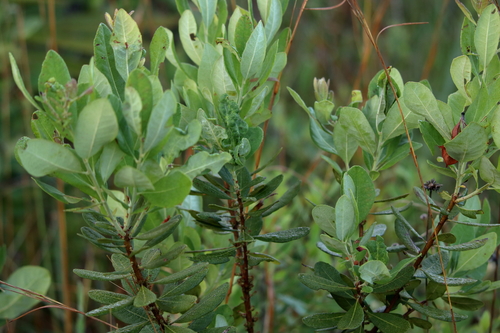
At a glance
- Leaves
- Evergreen
- Bloom
- April
- Fruiting season
- August to October
Not yet recorded · Spread · Life cycle
Recorded in 23 Virginia counties.
Natural habitats
Places it grows wild. Not a planting requirement.
Habitats
Pocosins and bay forests; pine flatwoods; pine savannas; Coastal Plain seepage bogs; sandhills.
Each habitat page lists the plants and wildlife also found there. All habitats
Who uses this plant?
 77CaterpillarsGenus host records with ranges including VA
Genus host records with ranges including VA · Myrica
- Acharia stimuleaSaddleback Caterpillar Moth
- Acleris minutaLesser Apple Leaf Folder, Yellowheaded Fireworm
- Acleris pulverosana"North American" Hasty Acleris
- Acronicta impressaImpressive Dagger, Printed Dagger
- Acronicta oblinitaSmeared Dagger
- Adoneta spinuloidesPurple-Crested Slug
- Archips argyrospilaFruit-Tree Leafroller Moth
- Argyrotaenia velutinanaRed-Banded Leafroller Moth, Jack Pine Tube Moth
- Autographa amplaLarge Looper Moth, Broken-Banded Y, Climbing Looper
- Biston betulariaSalt-and-Pepper Geometer, Cleft-Headed Looper
Show all 77
- Bucculatrix montanaMountain Bucculatrix
- Caloptilia stigmatellaPoplar Caloptilia
- Calycopis cecropsRed-Banded Hairstreak, Cecrops Hairstreak
- Catocala antinymphaWayward Nymph, Sweetfern Underwing
- Catocala consorsThe Consort
- Catocala mulierculaThe Little Wife, Little Wife Underwing
- Cecrita biundataWavy-Lined Heterocampa
- Cenopis reticulatanaReticulated Fruitworm Moth
- Cleora projectaProjecta Gray
- Coelodasys apicalisPlain Schizura
- Crocigrapha normaniNorman's Quaker
- Cyclophora pendulinariaSweetfern Geometer
- Episimus tyriusMaple Tip Borer
- Eupithecia miserulataCommon Eupithacia, Common Pug
- Eupsilia morrisoniMorrison's Sallow
- Eurois occultaGreat Grey Dart, Great Brocade
- Eutrapela clematariaCurved-Tooth Geometer, Purplish Brown Looper
- Hellinsia balanotesBaccharis Borer Plume Moth, Groundsel Plume Moth
- Hypomecis buchholzariaX
- Iridopsis defectariaBrown-Shaded Gray, Willow Looper
- Kocakina fidelisIntractable Quaker, Green Fruitworm, Fourlined Green Fruitworm
- Leptostales rubromarginariaDark-Ribboned Wave
- Lycia ypsilonWoolly Gray
- Megalopyge crispataBlack-Waved Flannel Moth, Crinkled Flannel Moth
- Melanchra assimilisBlack Arches
- Melanolophia canadariaCanadian Melanolphia, Variable Redmarked Looper
- Morrisonia confusaConfused Woodgrain
- Nematocampa resistariaFilament Bearer, Horned Spanworm Moth
- Nemoria bistriariaTwo-Striped Emerald, Red-Fringed Emerald
- Nemoria mimosariaWhite-Fringed Emerald
- Nemoria rubrifrontariaRed-Fronted Emerald
- Oedemasia concinnaRed-Humped Caterpillar, Red-Humped Appleworm
- Oiketicus abbotiiAbbot's Bagworm Moth
- Olethreutes appendiceumServiceberry Leafroller
- Olethreutes permundanaRaspberry Leafroller
- Orgyia leucostigmaWhite-Marked Tussock Moth
- Orthotaenia undulanaDusky Leafroller
- Palthis angulalisDark-Spotted Palthis
- Pandemis limitataThree-Lined Leafroller Moth
- Parasa chlorisSmaller Parasa, Green Slug Moth
- Parasa indeterminaStinging Rose Caterpillar Moth, Rose Slug Caterpillar
- Pero zalissariaCoastal Pero
- Plagodis pulverariaAmerican Barred Umber, Barred Umber
- Prochoerodes lineolaLarge Maple Spanworm Moth
- Prolimacodes badiaSkiff Moth, Skiff Caterpillar
- Protolampra brunneicollisBrown-Collared Dart
- Rheumaptera hastataSpear-Marked Black Moth, Spear Mark
- Rheumaptera subhastataWhite-Banded Black Moth
- Sphinx kalmiaeFawn Sphinx, Laurel Sphinx
- Spilosoma virginicaVirginian Tiger Moth, Yellow Woolybear Moth, Yellow Bear
- Strepsicrates smithianaBayberry Leaftier
- Tallula watsoniWatson's Tallula
- Tetracis cachexiataWhite Slant-Line
- Utetheisa ornatrixOrnate Moth, Pink Underwing, Rattlebox Moth, Bella Moth
- Xanthotype urticariaFalse Crocus Geometer
- Xestia dilucidaDull Reddish Dart, Reddish Heath Dart
- Xestia normanianusNorman's Dart
- Xylena nuperaRed Swordgrass Moth, American Swordgrass Moth, False Armyworm
- Acleris kearfottana
- Acleris maccana
- Ancylis subaequana
- Aroga argutiola
- Cenopis karacana
- Dichomeris bipunctellus
- Olethreutes sericoranum
- Olethreutes valdanum
- Stigmella myricafoliella
 1BeesSoutheastern regional records
Southeastern regional records · Myrica
Individual names are not available yet.
Noori, Seltmann & Orr 2026, A curated and integrated dataset for exploring global bee-plant interactions (GloBI), Zenodo, CC BY 4.0 0Specialist beesPollen specialists
 18BirdsRecorded genus food-resource interactions; not a state feeding claim
Recorded genus food-resource interactions; not a state feeding claim · Morella
- Sialia sialisEastern Bluebird
- Aythya collarisRing-necked Duck
- Catharus guttatusHermit Thrush
- Catharus minimus/bicknelliGray-cheeked/Bicknell's Thrush
- Fulica americanaAmerican Coot
- Gallinula galeataCommon Gallinule
- Hylocichla mustelinaWood Thrush
- Plectrophenax nivalisSnow Bunting
- Quiscalus majorBoat-tailed Grackle
- Sphyrapicus ruberRed-breasted Sapsucker
Show all 18
- Tachycineta bicolorTree Swallow
- Turdus migratoriusAmerican Robin
- Tyrannus tyrannusEastern Kingbird
- Vireo gilvusWarbling Vireo
- Vireo griseusWhite-eyed Vireo
- Vireo olivaceusRed-eyed Vireo
- Vireo philadelphicusPhiladelphia Vireo
- Vireo solitariusBlue-headed Vireo
Direct food only: birds recorded eating this genus across North America. Caterpillars on host plants also feed nesting birds. NC Native Plant Society: butterfly gardening
No records yet · Ants · Beetles · Flies · Adult butterflies / moths · Other wasps · Other insects
Plant details
- Family
- Myricaceae
- Flower color
- Green
- Growth rate
- Moderate
- Growth habit
- Several stems
- Foliage color
- Dark green
- Fruit begins
- August
- Fruit ends
- October
Safety has not been reviewed for this plant; check toxicity and thorns before planting.
Growing sources and scope
- Bloom · “April” · FloraQuest: Carolinas, Georgia (Southeastern Flora Team), phone app (app page) (ranked first; USDA PLANTS differs) · Carolinas and Georgia
- Flower color · “Green” · USDA PLANTS · Nationwide species characteristics; local growing conditions may vary
- Foliage color · “Dark green” · USDA PLANTS · Nationwide species characteristics; local growing conditions may vary
- Fruit begins · “August” · FloraQuest: Carolinas, Georgia (Southeastern Flora Team), phone app (app page) (ranked first; USDA PLANTS differs) · Carolinas and Georgia
- Fruit ends · “October” · FloraQuest: Carolinas, Georgia (Southeastern Flora Team), phone app (app page) (ranked first; USDA PLANTS differs) · Carolinas and Georgia
- Growth habit · “Several stems” · USDA PLANTS · Nationwide species characteristics; local growing conditions may vary
- Growth rate · “Moderate” · USDA PLANTS · Nationwide species characteristics; local growing conditions may vary
- Height · “About 7 feet” · USDA PLANTS · Nationwide species characteristics; local growing conditions may vary
- Leaf retention · “Evergreen” · USDA PLANTS · Nationwide species characteristics; local growing conditions may vary
- Light · “Shade (minimum requirement); Partial sun (minimum requirement)” · Virginia DCR Coastal Plain · Virginia regional planting chart; sunlight is a minimum requirement, moisture is low/moderate/high
- primary_flower_color · “green” · USDA PLANTS
- Soil · “Low; Moderate” · Virginia DCR Coastal Plain · Virginia regional planting chart; sunlight is a minimum requirement, moisture is low/moderate/high
Also known as
Myrica heterophylla; sweet gale; sweet-gale
Conservation status
| Virginia rank | SNR |
|---|---|
| Global rank | G5 |
| VA status | Not verified |
| Federal status | Not verified |
Will it fit your yard?
Check this plant against your county, sun and soil moisture. Conditions are checked in your browser.
Sources
- Digital Atlas of the Virginia Flora
- USDA PLANTS
- Vascular Plants of North Carolina (NC Natural Heritage Program)
- FloraQuest: Northern Tier (Weakley), phone app (app page)
- NatureServe Explorer
- Shropshire & Tallamy 2025, Lepidoptera of North America north of Mexico, ZooKeys 1261 (ODbL)
- Noori, Seltmann & Orr 2026, A curated and integrated dataset for exploring global bee-plant interactions (GloBI), Zenodo, CC BY 4.0
- Smith, Bachelder, Russell, Morales, Mosher & Seltmann 2024, Bee-Specialization-Modeling v0.6.1 (specialist host table compiled from J. Fowler's pollen specialist bee lists), Zenodo, CC BY 4.0
- Hurlbert, Olsen, Sawyer & Winner 2021, Avian Diet Database, Scientific Data 8: 260 (CC0)
- Narango, Tallamy & Shropshire 2020, Few keystone plant genera support the majority of Lepidoptera species, Nature Communications