

Common Greenbrier
Smilax rotundifolia
Found in moderately dry forests; moist forests; forests and woodlands; floodplain and bottomland forests; swamps; ponds, lakes and their shores; pine flatwoods; prairies and grasslands; roadsides, fields and disturbed ground. FloraQuest, phone app (app page) What its natural habitat tells you
Native to Virginia. Not suggested for planting. How scores work Is it native here?
Profile 100%
- Height
- 3 inches–20.5 feet
- Spread
- 5–20 feet
- Light
- Dappled sunlight, Full sun, Partial shade
- Soil moisture
- Somewhat dry to moist
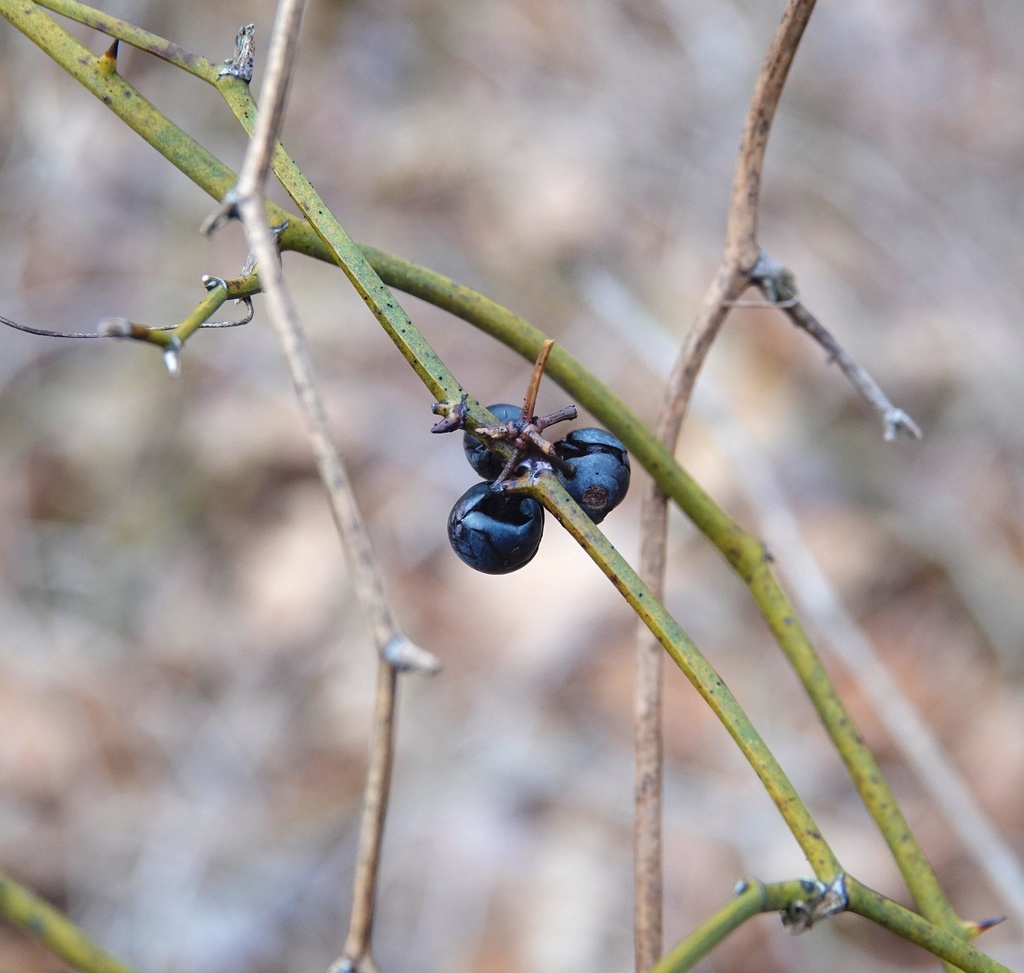
Thorny climbing vine. Stiff stem prickles and dense growth need placement away from paths and play areas. Plant caution source
Hidden from default planting suggestions. Wildlife value and native status remain unchanged.
At a glance
- Life cycle
- Woody perennial
- Leaves
- Deciduous or semi-evergreen
- Bloom
- April to May
- Fruiting season
- Spring to summer
Recorded in 100 Virginia counties.
Natural habitats
Places it grows wild. Not a planting requirement.
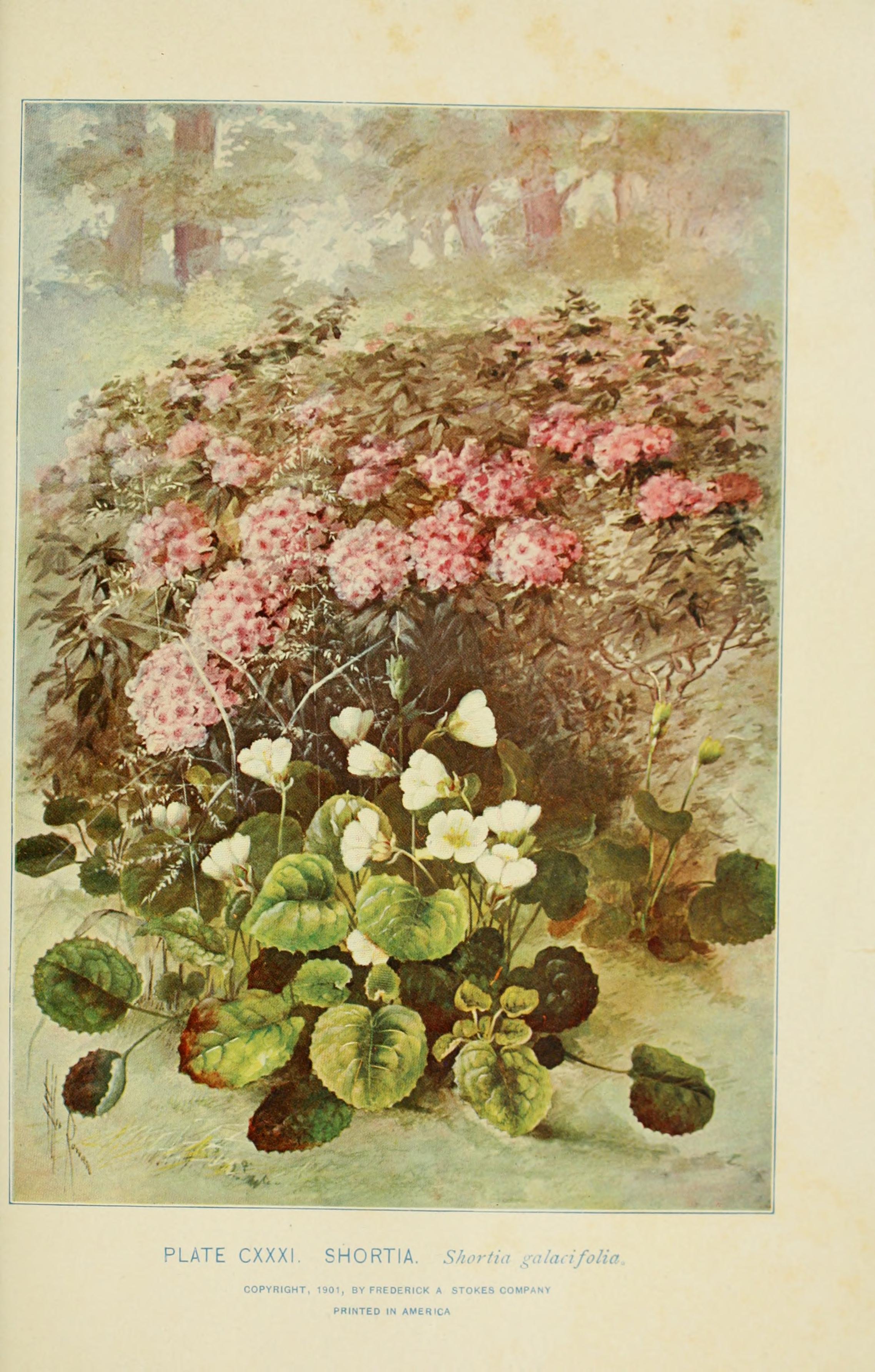
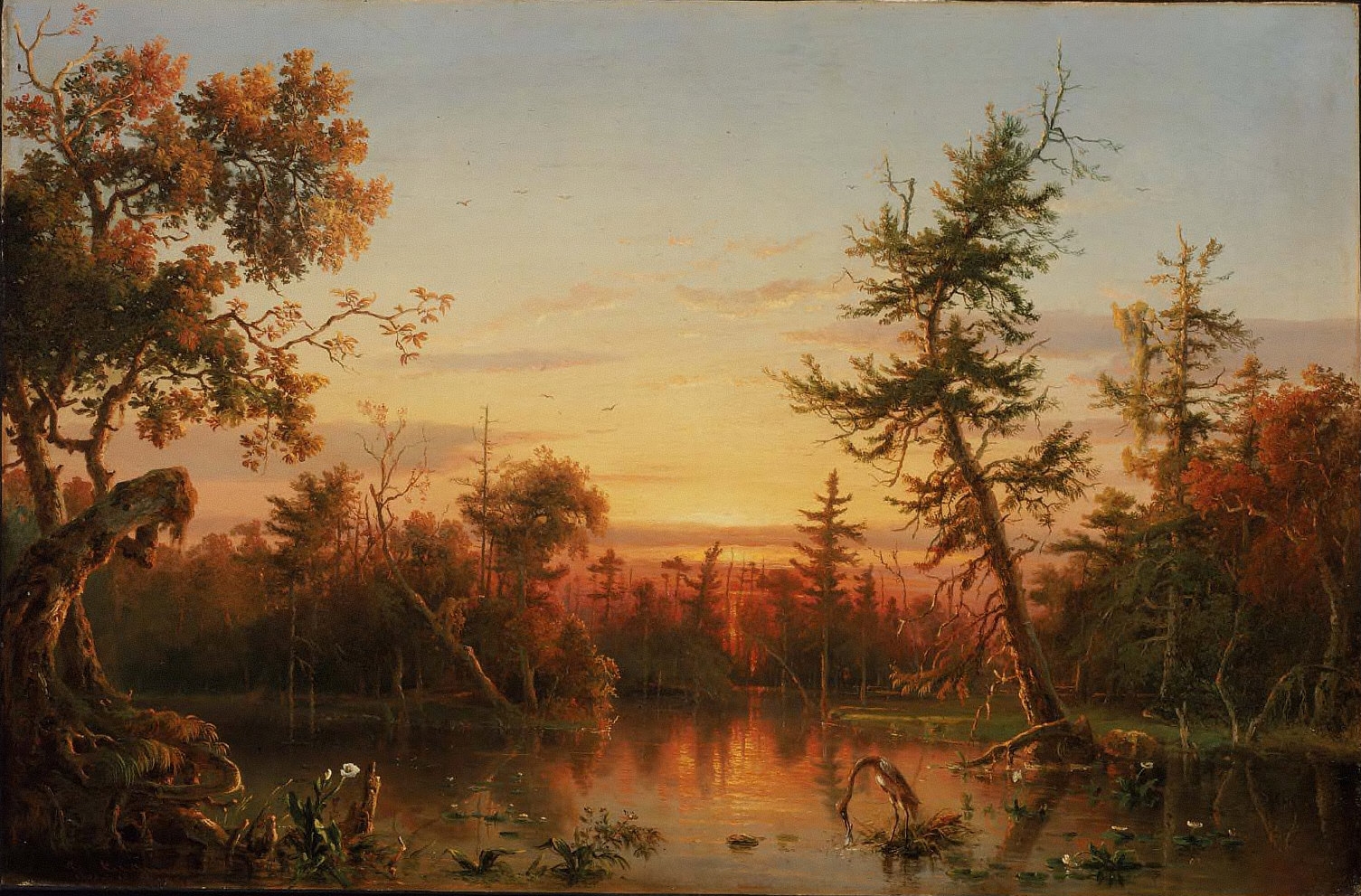
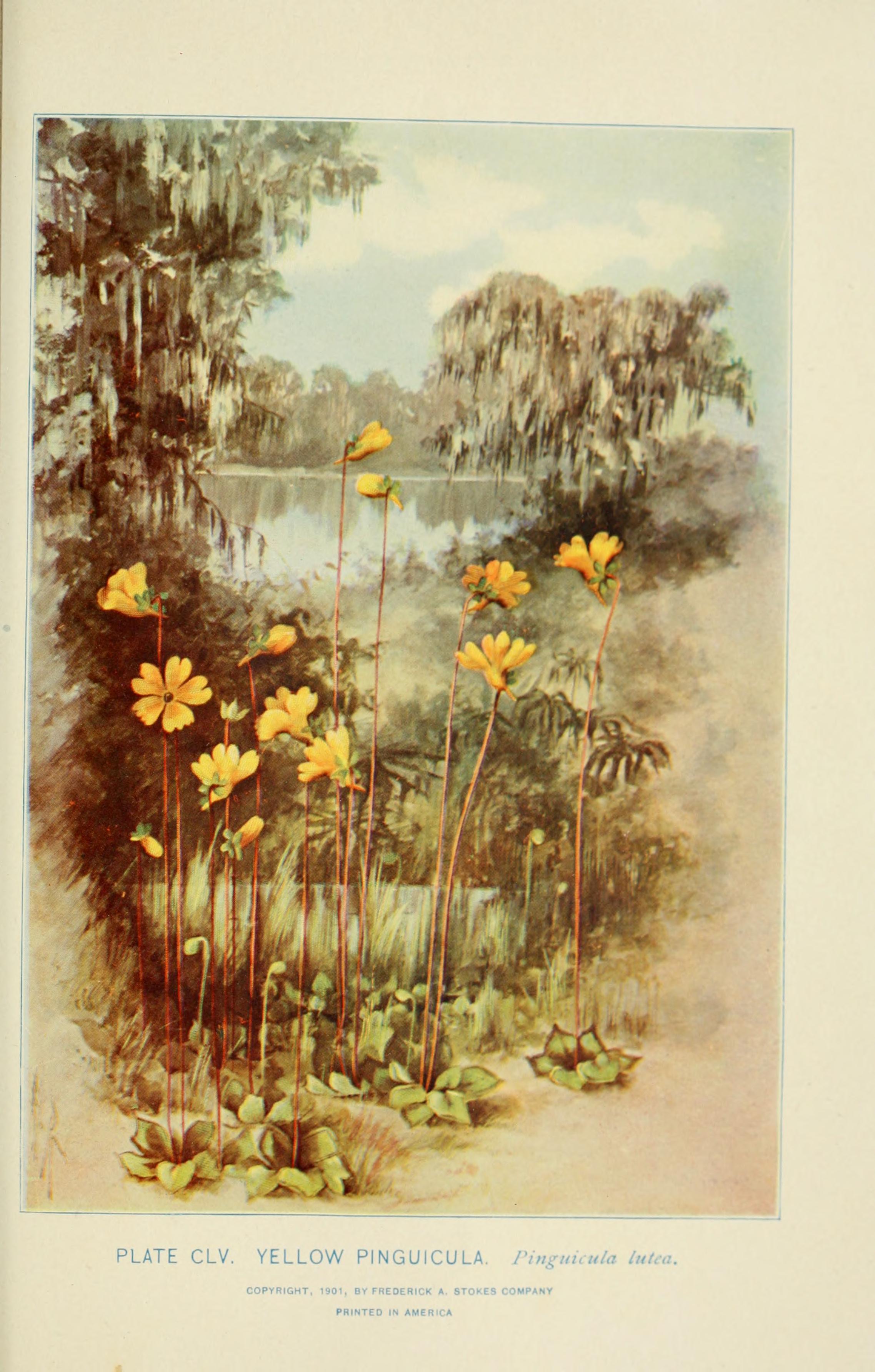
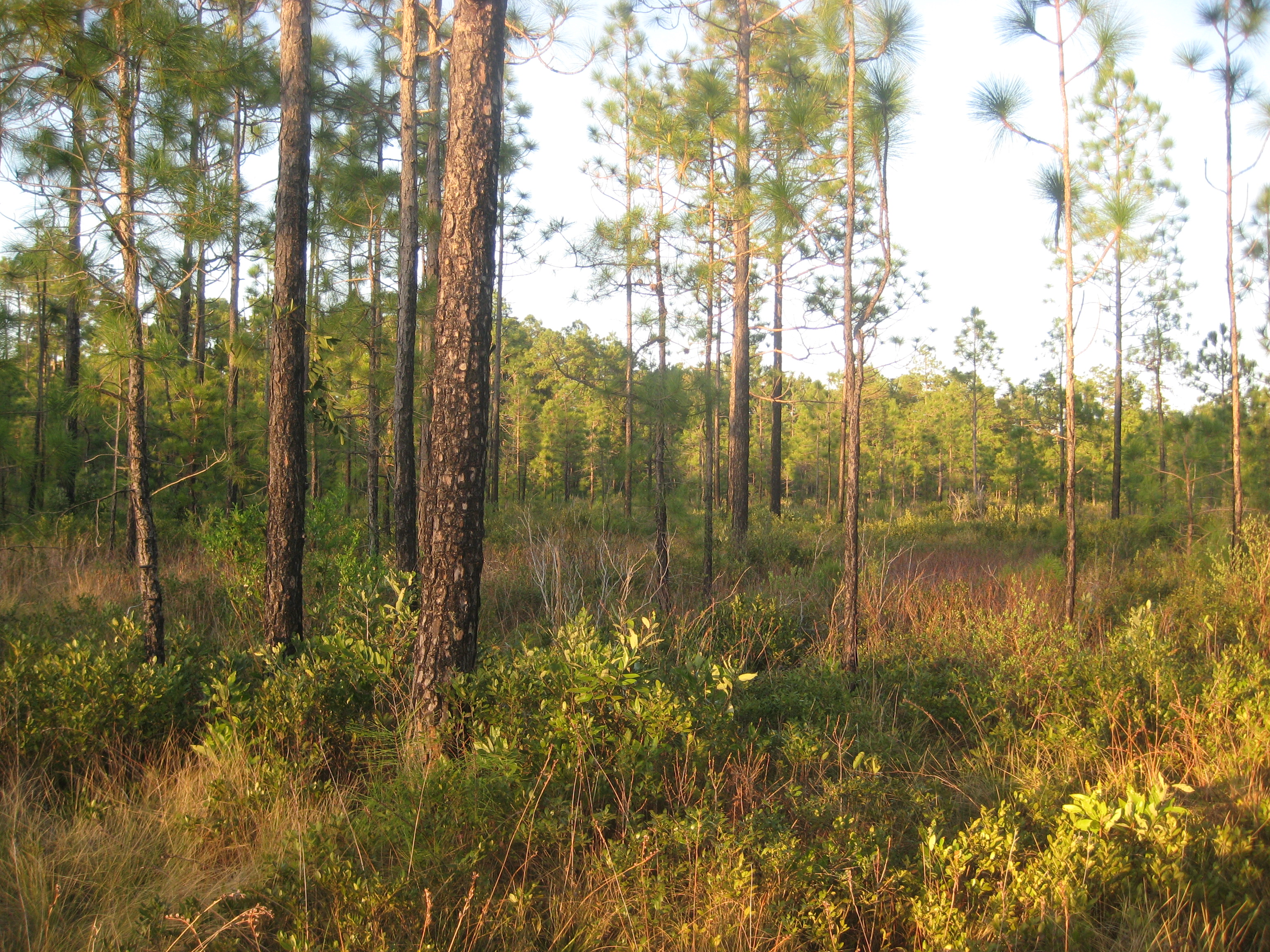
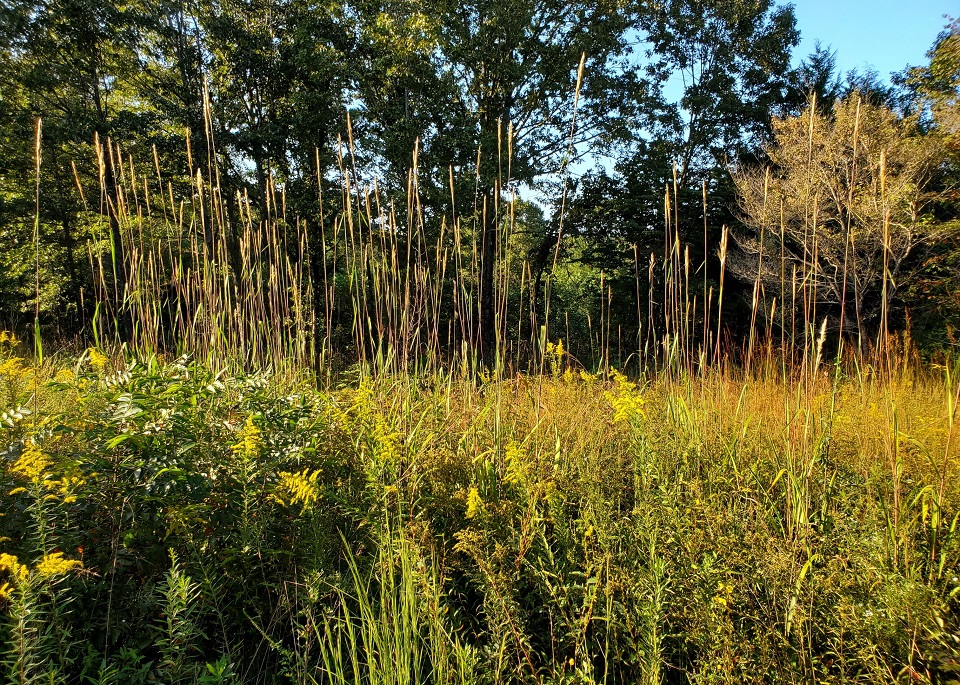
Habitats
Moderately dry forests; moist forests; forests and woodlands; floodplain and bottomland forests; swamps; ponds, lakes and their shores; pine flatwoods; prairies and grasslands; roadsides, fields and disturbed ground.
Each habitat page lists the plants and wildlife also found there. All habitats
Also found with this plant
Wildlife whose habitat models include habitats this plant grows in, in Virginia. Shared habitat, not food. 165 animals.
- Belted KingfisherMegaceryle alcyon
- Blue JayCyanocitta cristata
- Cooper's HawkAccipiter cooperii
- Mourning DoveZenaida macroura
- Northern CardinalCardinalis cardinalis
- Red-tailed HawkButeo jamaicensis
- Ruby-crowned KingletRegulus calendula
- Sharp-shinned HawkAccipiter striatus
- Tufted TitmouseBaeolophus bicolor
- Turkey VultureCathartes aura
- Yellow-breasted ChatIcteria virens
- Yellow-rumped WarblerDendroica coronata
- American CrowCorvus brachyrhynchos
- American GoldfinchCarduelis tristis
- American RobinTurdus migratorius
- Blue GrosbeakPasserina caerulea
- Blue-gray GnatcatcherPolioptila caerulea
- Brown CreeperCerthia americana
- Carolina WrenThryothorus ludovicianus
- Cedar WaxwingBombycilla cedrorum
- Common NighthawkChordeiles minor
- Downy WoodpeckerPicoides pubescens
- Eastern KingbirdTyrannus tyrannus
- Eastern TowheePipilo erythrophthalmus
























Who uses this plant?
 22CaterpillarsGenus host records with ranges including VA
Genus host records with ranges including VA · Smilax
- Acrolepiopsis incertellaCarrionflower Moth
- Amphipyra pyramidoidesMiranda Underwing, Copper Underwing, Copper Amphipyra
- Callopistria floridensisFlorida Fern Caterpillar
- Choristoneura parallelaParallel-Banded Leafroller, Spotted Fireworm Moth
- Cymatophora approximariaLarge Scalloped-Wing, Giant Grey
- Ephestiodes infimellaReddish Ephestiodes
- Eutrapela clematariaCurved-Tooth Geometer, Purplish Brown Looper
- Feniseca tarquiniusHarvester
- Lithophane viridipallensPale Green Pinion
- Norape cretataWhite Flannel Moth
Show all 22
- Oiketicus abbotiiAbbot's Bagworm Moth
- Orthosia rubescensRuby Quaker
- Papaipema unimodaMeadow Rue Borer, Chain Fern Border Moth
- Phosphila miselioidesSpotted Phosphila
- Phosphila turbulentaTurbulent Phosphila
- Phyprosopus callitrichoidesCurved-Line Owlet
- Proleucoptera smilaciellaGreenbrier Leafminer
- Pseudogalleria inimicellaInimical Borer
- Pseudothyris sepulchralisMournful Thyris
- Thyridopteryx ephemeraeformisEvergreen Bagworm Moth
- Trichoplusia niNi Moth, Cabbage Looper Moth
- Acrolepiopsis heppneri
 10BeesSoutheastern regional records
Southeastern regional records · Smilax
Individual names are not available yet.
Noori, Seltmann & Orr 2026, A curated and integrated dataset for exploring global bee-plant interactions (GloBI), Zenodo, CC BY 4.0 0Specialist beesPollen specialists
 11BirdsRecorded genus food-resource interactions; not a state feeding claim
Recorded genus food-resource interactions; not a state feeding claim · Smilax
- Bonasa umbellusRuffed Grouse
- Cardinalis cardinalisNorthern Cardinal
- Catharus fuscescensVeery
- Catharus guttatusHermit Thrush
- Catharus minimus/bicknelliGray-cheeked/Bicknell's Thrush
- Catharus ustulatusSwainson's Thrush
- Meleagris gallopavoWild Turkey
- Pinicola enucleatorPine Grosbeak
- Sialia sialisEastern Bluebird
- Turdus migratoriusAmerican Robin
Show all 11
- Vireo solitariusBlue-headed Vireo
Direct food only: birds recorded eating this genus across North America. Caterpillars on host plants also feed nesting birds. NC Native Plant Society: butterfly gardening
No records yet · Ants · Beetles · Flies · Adult butterflies / moths · Other wasps · Other insects
Plant details
- Family
- Smilacaceae
- Hardiness
- Zones 4a–9b
- Soil pH
- Acidic to neutral
- Flower color
- Yellow, green or white
- Growth rate
- Slow
- Growth habit
- Single crown
- Foliage color
- Green
- Fruit begins
- Spring
- Fruit ends
- Summer
Growing sources and scope
- Bloom · “April to May” · FloraQuest: Carolinas, Georgia (Southeastern Flora Team), phone app (app page) (ranked first; USDA PLANTS differs) · Carolinas and Georgia
- Flower color · “Yellow, green or white” · NC Extension Plant Toolbox (ranked first; USDA PLANTS differs)
- Foliage color · “Green” · USDA PLANTS · Nationwide species characteristics; local growing conditions may vary
- Fruit begins · “Spring” · USDA PLANTS · Nationwide species characteristics; local growing conditions may vary
- Fruit ends · “Summer” · USDA PLANTS · Nationwide species characteristics; local growing conditions may vary
- Growth habit · “Single crown” · USDA PLANTS · Nationwide species characteristics; local growing conditions may vary
- Growth rate · “Slow” · USDA PLANTS · Nationwide species characteristics; local growing conditions may vary
- Hardiness · “Zones 4a–9b” · NC Extension Plant Toolbox
- Height · “3 inches–20.5 feet” · NC Extension Plant Toolbox (ranked first; USDA PLANTS differs)
- Leaves · “Deciduous or semi-evergreen” · NC Extension Plant Toolbox
- Life cycle · “Woody perennial” · NC Extension Plant Toolbox
- Light · “Dappled sunlight (shade through upper canopy all day); Full sun (6 or more hours of direct sunlight a day); Partial shade (direct sunlight only part of the day, 2-6 hours)” · NC Extension Plant Toolbox
- Soil · “Moist; Occasionally dry” · NC Extension Plant Toolbox
- Soil pH · “Acidic to neutral” · NC Extension Plant Toolbox
- Spread · “5–20 feet” · NC Extension Plant Toolbox
Also known as
Common Greenbriar; Round Leaf Green Briar
Conservation status
| Virginia rank | S5 |
|---|---|
| Global rank | G5 |
| VA status | Not verified |
| Federal status | Not verified |
Will it fit your yard?
Check this plant against your county, sun and soil moisture. Conditions are checked in your browser.
Sources
- Digital Atlas of the Virginia Flora
- USDA PLANTS
- Vascular Plants of North Carolina (NC Natural Heritage Program)
- FloraQuest: Northern Tier (Weakley), phone app (app page)
- NatureServe Explorer
- Shropshire & Tallamy 2025, Lepidoptera of North America north of Mexico, ZooKeys 1261 (ODbL)
- Noori, Seltmann & Orr 2026, A curated and integrated dataset for exploring global bee-plant interactions (GloBI), Zenodo, CC BY 4.0
- Smith, Bachelder, Russell, Morales, Mosher & Seltmann 2024, Bee-Specialization-Modeling v0.6.1 (specialist host table compiled from J. Fowler's pollen specialist bee lists), Zenodo, CC BY 4.0
- Hurlbert, Olsen, Sawyer & Winner 2021, Avian Diet Database, Scientific Data 8: 260 (CC0)
- Narango, Tallamy & Shropshire 2020, Few keystone plant genera support the majority of Lepidoptera species, Nature Communications