

Bird
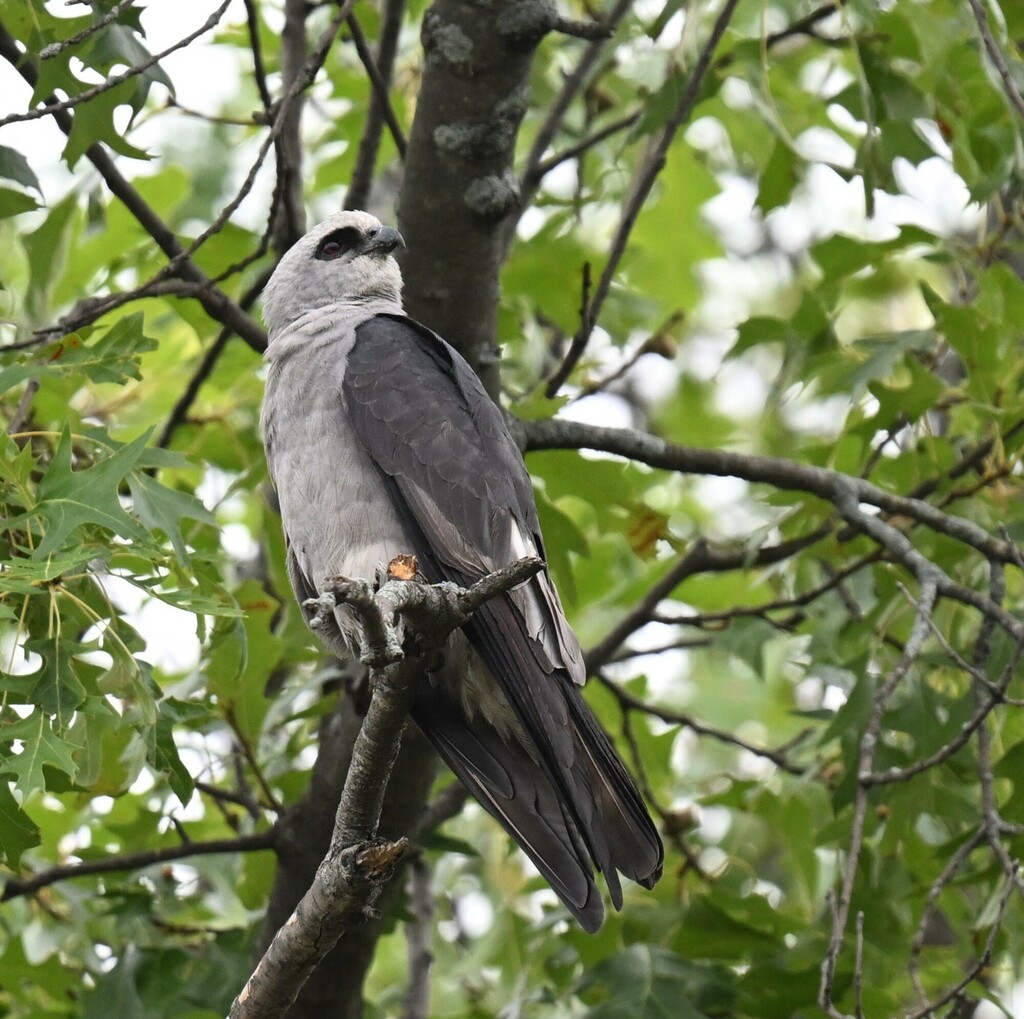
Mississippi Kite
Ictinia mississippiensis
A summer resident that nests in North Carolina. Found in 26 of 100 counties, across 14 habitats.
- Here
- Summer
- Nesting
- Nests here
- Range
- 26 of 100 counties
- Habitats
- 14
At a glance
- Group
- Birds
- Here
- Summer
- Nesting
- Nests here
- Range
- 26 of 100 counties
- Habitats
- 14
- Habitat models
- Summer
Where it lives
The places its habitat model includes. It is not found everywhere a habitat occurs.
Habitats in North Carolina 14
Each habitat page lists the plants and wildlife also found there.
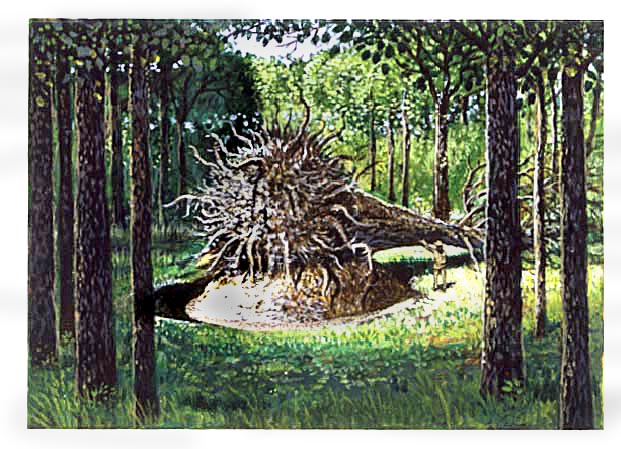
Floodplain and bottomland forests
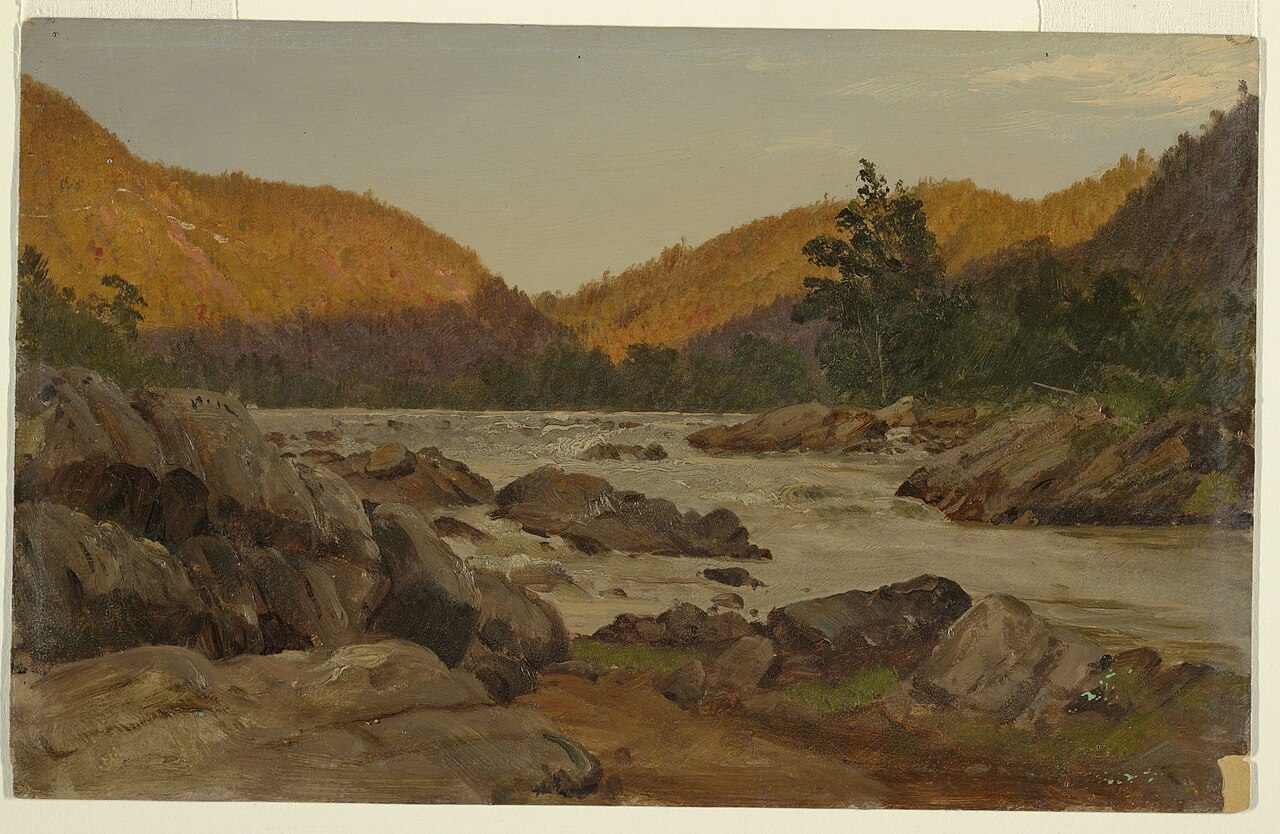
Streams, rivers and their banks
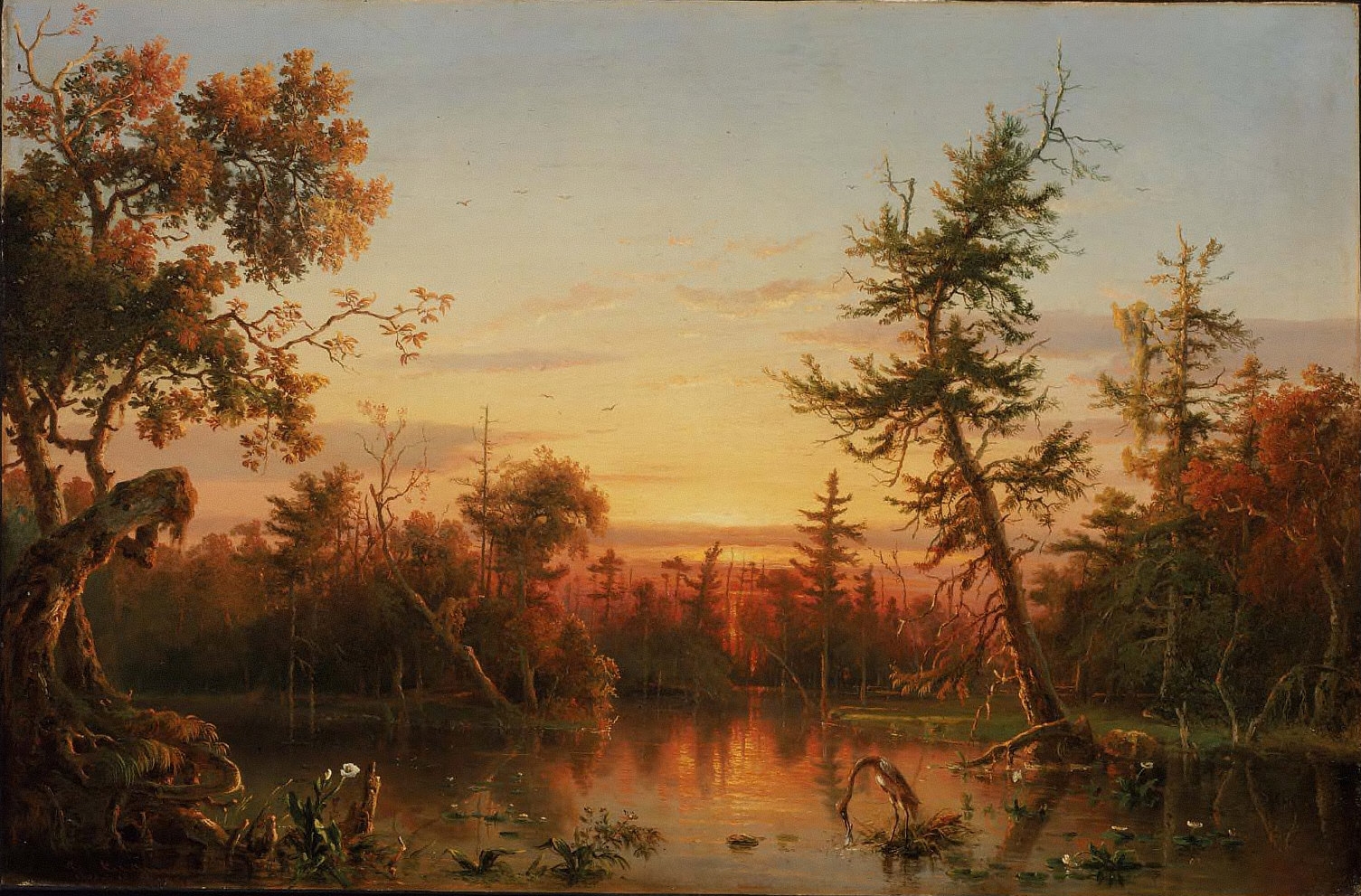
Flat, poorly drained uplands and terraces with oaks, sweetgum and sometimes loblolly pine, wet in winter and dry in summer, but neither a floodplain nor a swamp.
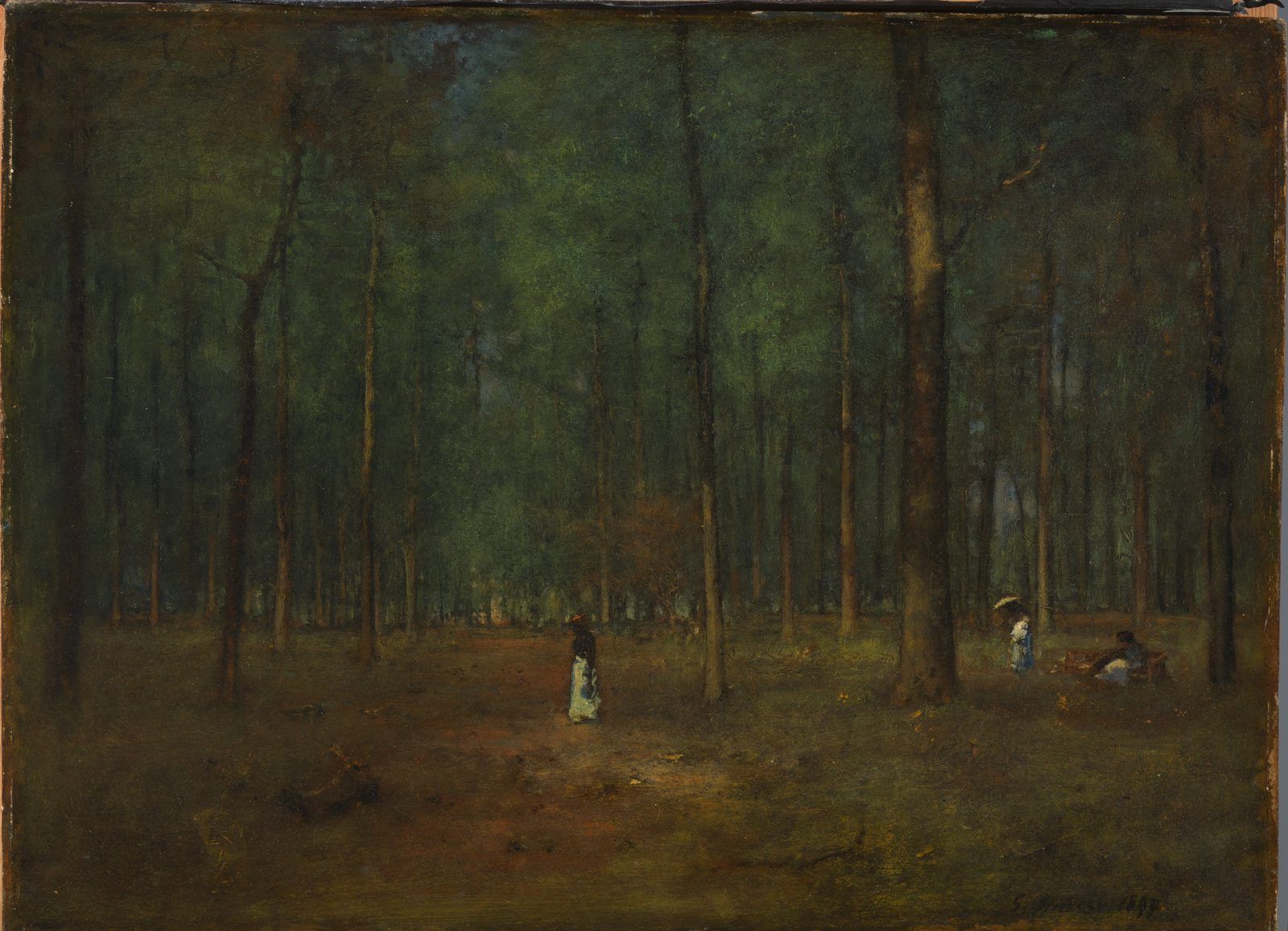
Forests on moist but not wet ground, such as rich slopes and ravines.
Open, fire-kept longleaf pine stands over grasses and wildflowers on wet to moist sandy soil.
Dense evergreen shrub wetlands and bay forests on wet, acid peat of the Coastal Plain.
Places where groundwater keeps the soil or rock wet, such as seepage slopes and spring runs.
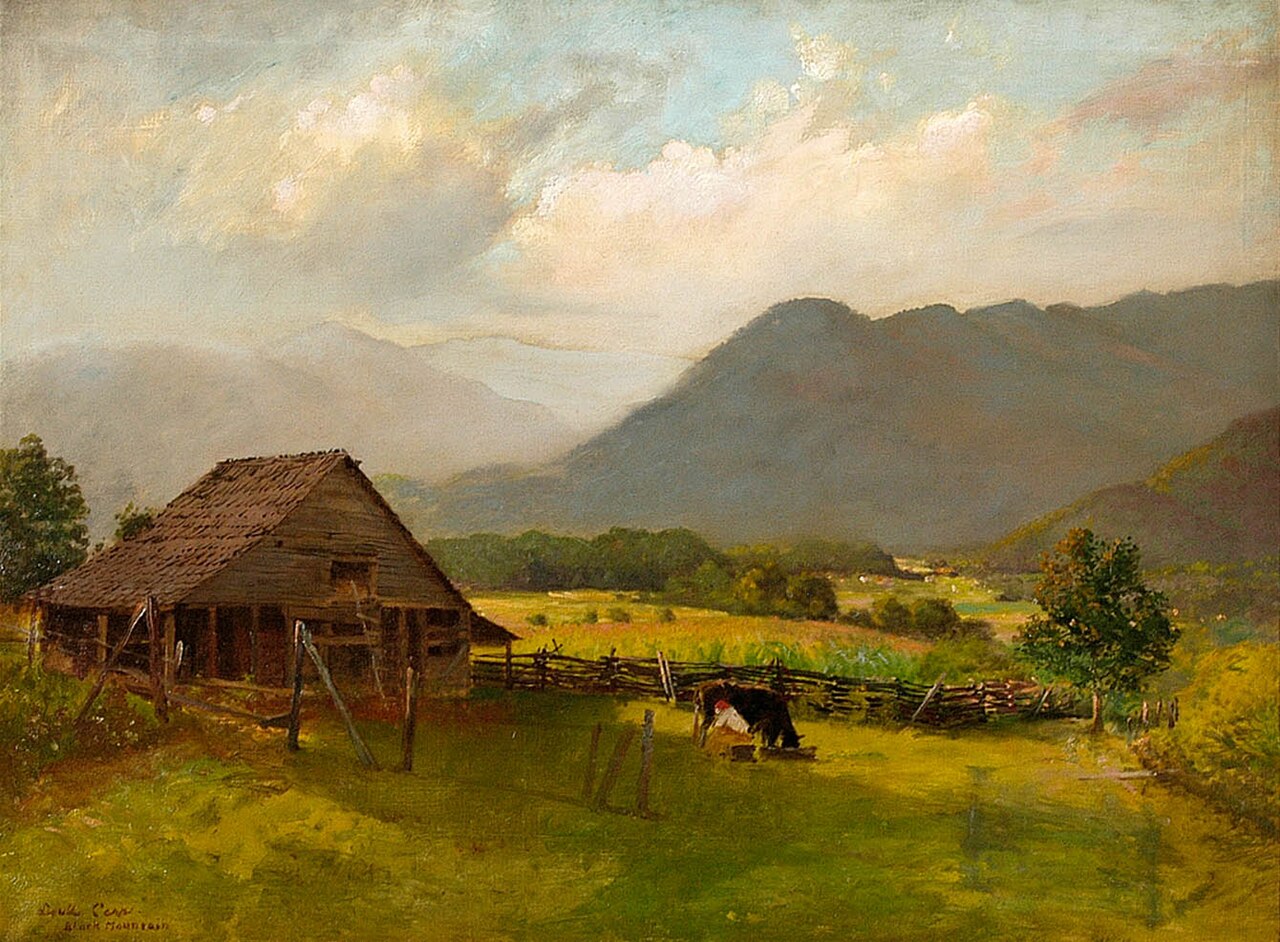
Roadsides, fields and disturbed ground
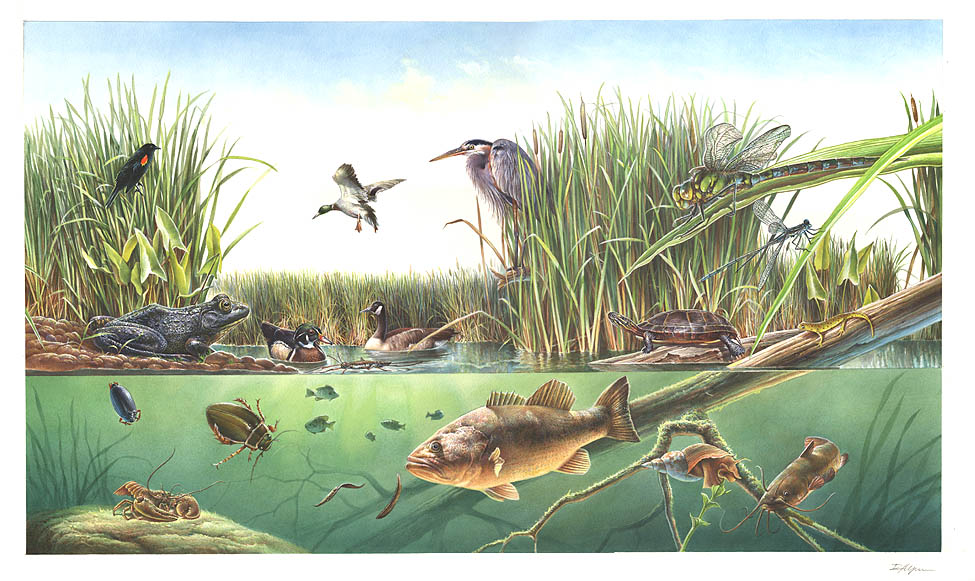
Disturbed and introduced wetlands
Wet ground taken over by weedy or introduced plants after disturbance, such as common reed, Chinese tallow or tamarisk stands; the upland counterpart is roadsides, fields and disturbed ground.
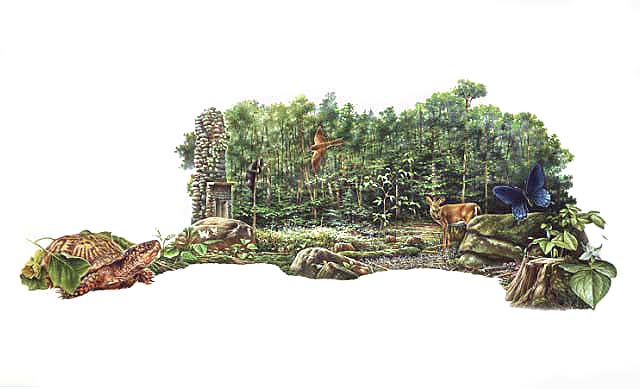
Borders of forests, clearings and shrubby thickets.
Other habitats in its models (45)
Land cover, or classes with no habitat page in North Carolina. Those recorded in North Carolina first, the rest by region.
Elsewhere in the South (22)
- Atlantic Coastal Plain Southern Wet Pine Savanna and Flatwoods Summer.
- Central Florida Pine Flatwoods Summer.
- East Gulf Coastal Plain Near-Coast Pine Flatwoods Summer.
- East Gulf Coastal Plain Small Stream and River Floodplain Forest Summer.
- East Gulf Coastal Plain Southern Loblolly-Hardwood Flatwoods Summer.
- East Gulf Coastal Plain Tidal Wooded Swamp Summer.
- Lower Mississippi River Flatwoods Summer.
- Mississippi River Bottomland Depression Summer.
- Mississippi River Low Floodplain (Bottomland) Forest Summer.
- Mississippi River Riparian Forest Summer.
- Ozark-Ouachita Mesic Hardwood Forest Summer.
- Ozark-Ouachita Riparian Summer.
- Red River Large Floodplain Forest Summer.
- South-Central Interior / Upper Coastal Plain Wet Flatwoods Summer.
- South-Central Interior Mesophytic Forest Summer.
- Southern Coastal Plain Blackwater River Floodplain Forest Summer.
- Southern Coastal Plain Nonriverine Basin Swamp Summer.
- Southern Coastal Plain Seepage Swamp and Baygall Summer.
- West Gulf Coastal Plain Near-Coast Large River Swamp Summer.
- West Gulf Coastal Plain Nonriverine Wet Hardwood Flatwoods Summer.
- West Gulf Coastal Plain Seepage Swamp and Baygall Summer.
- West Gulf Coastal Plain Wet Longleaf Pine Savanna and Flatwoods Summer.
Northeast (1)
- Appalachian Hemlock-Hardwood Forest Summer.
Land cover and other classes (22)
- Central Appalachian Floodplain - Forest Modifier Summer.
- Central Appalachian Riparian - Forest Modifier Summer.
- East Gulf Coastal Plain Large River Floodplain Forest - Forest Modifier Summer.
- East Gulf Coastal Plain Near-Coast Pine Flatwoods - Offsite Hardwood Modifier Summer.
- East Gulf Coastal Plain Near-Coast Pine Flatwoods - Open Understory Modifier Summer.
- East Gulf Coastal Plain Near-Coast Pine Flatwoods - Scrub/Shrub Understory Modifier Summer.
- Harvested Forest - Grass/Forb Regeneration Summer, beside its main habitat.
- Introduced Upland Vegetation - Forbland Summer, beside its main habitat.
- Introduced Upland Vegetation - Perennial Grassland Summer, beside its main habitat.
- Introduced Upland Vegetation - Perennial Grassland and Forbland Summer, beside its main habitat.
- Introduced Upland Vegetation - Shrub Summer, beside its main habitat.
- Lower Mississippi River Bottomland Depressions - Forest Modifier Summer.
- Mississippi River Floodplain and Riparian Forest Summer.
- Recently Burned Summer, beside its main habitat.
- Recently Burned Forest Summer, beside its main habitat.
- Recently Burned Grassland Summer, beside its main habitat.
- Recently Burned Shrubland Summer, beside its main habitat.
- Recently Logged Areas Summer, beside its main habitat.
- Southern Coastal Plain Nonriverine Basin Swamp - Okefenokee Bay/Gum Modifier Summer.
- Southern Coastal Plain Nonriverine Basin Swamp - Okefenokee Clethra Modifier Summer.
- Southern Coastal Plain Nonriverine Basin Swamp - Okefenokee Pine Modifier Summer.
- Southern Coastal Plain Nonriverine Basin Swamp - Okefenokee Taxodium Modifier Summer.
Seasons in North Carolina
- Summer: nests here, in 26 of 100 counties.
Also found in its main habitats
Its main habitats in North Carolina, by how much of its habitat model each one is, with the birds most characteristic of each and the plants that grow wild there. Shared habitat, not food.
Floodplain and bottomland forests
Birds 70
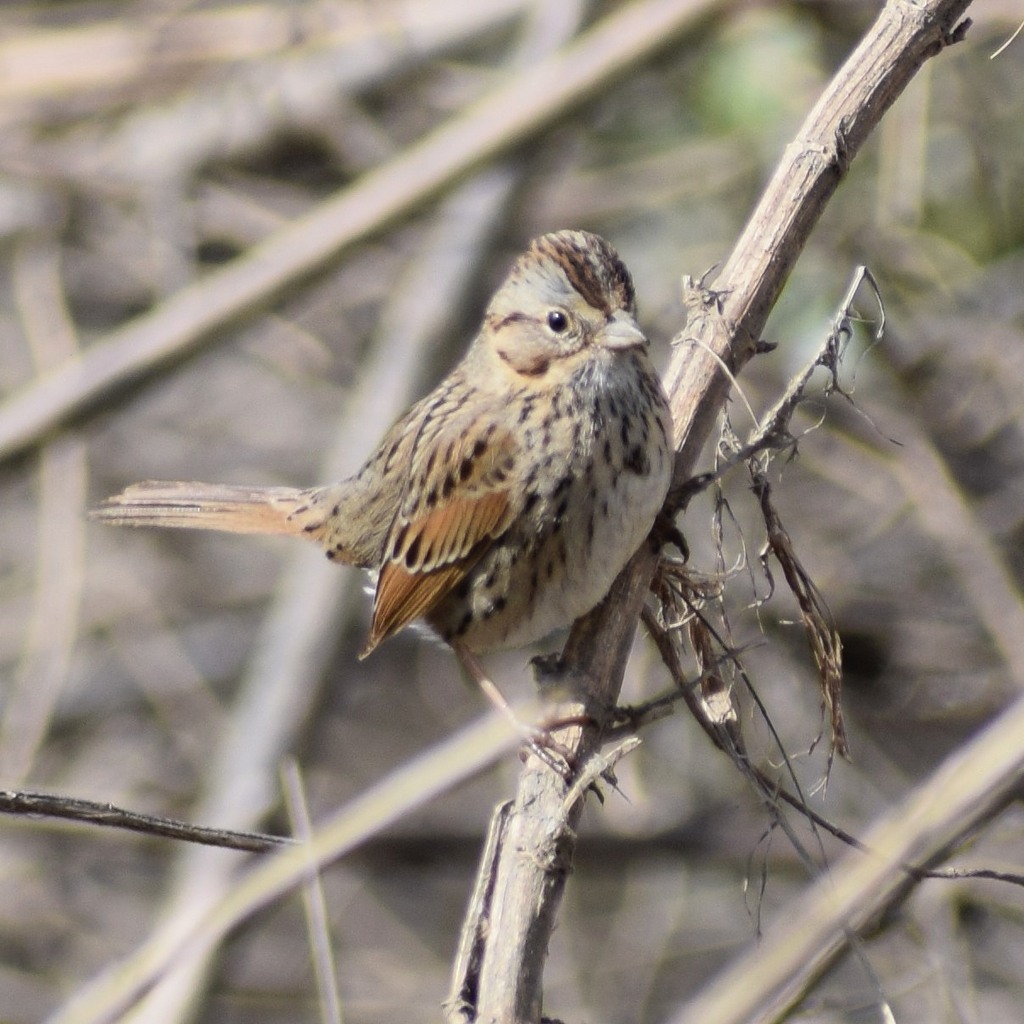
- Lincoln's SparrowMelospiza lincolnii
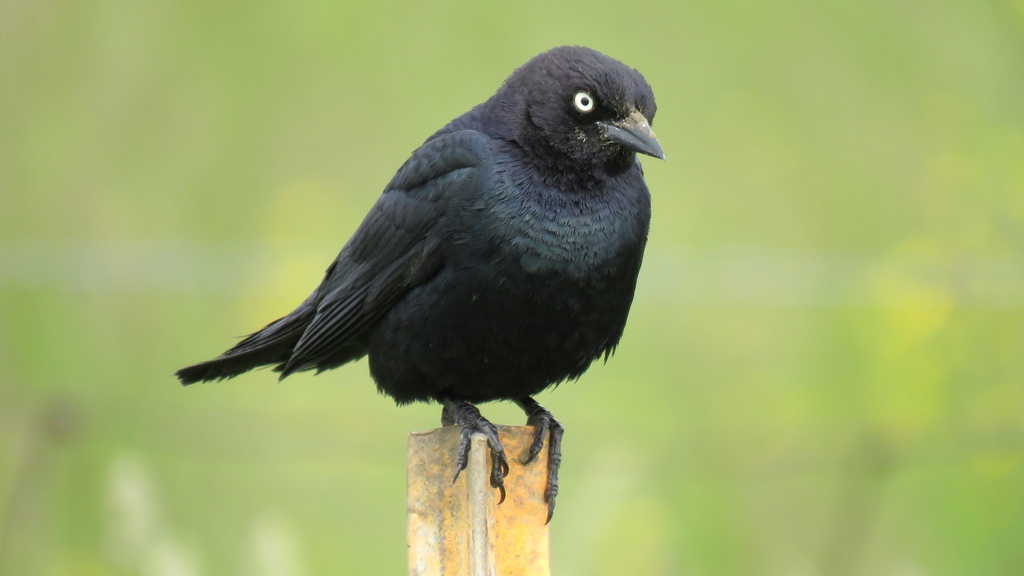
- Brewer's BlackbirdEuphagus cyanocephalus
- Willow FlycatcherEmpidonax traillii
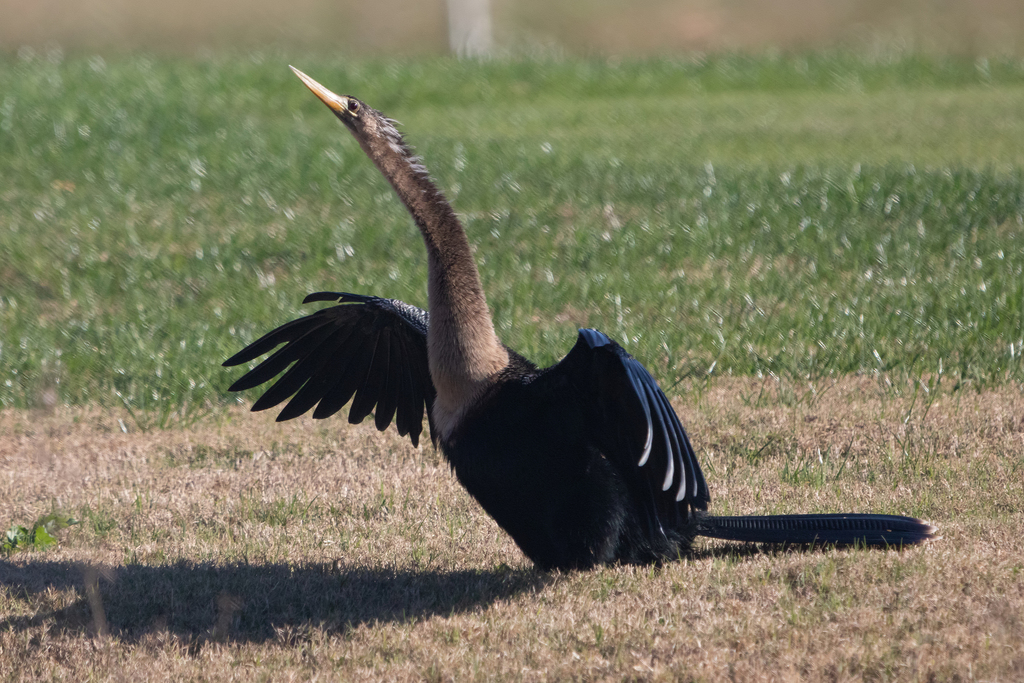
- AnhingaAnhinga anhinga
- Brown-headed CowbirdMolothrus ater
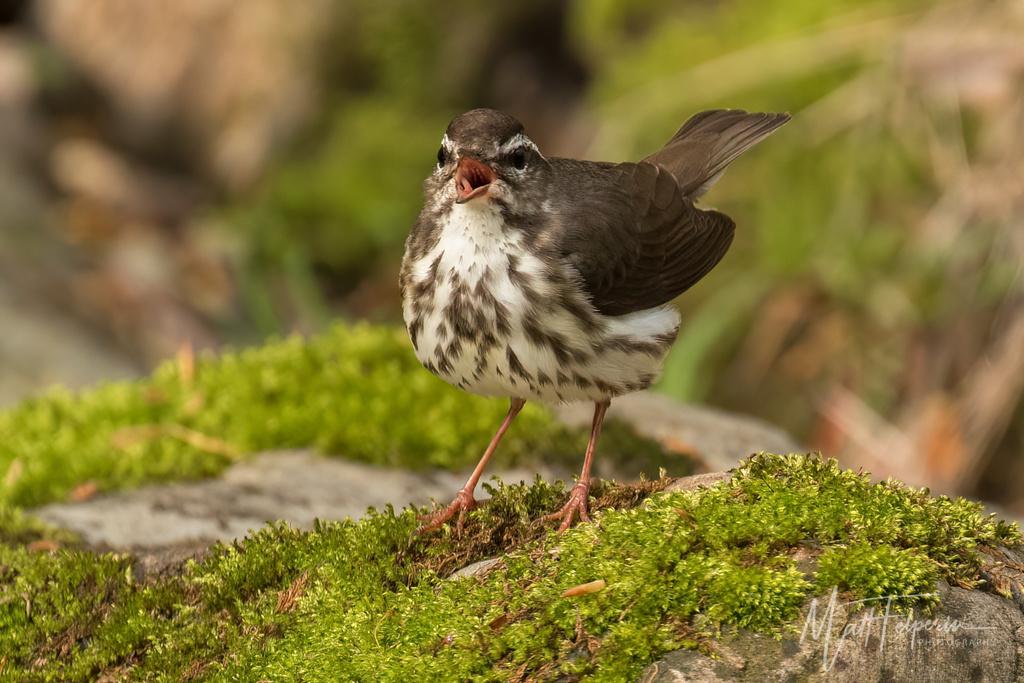
- Louisiana WaterthrushSeiurus motacilla
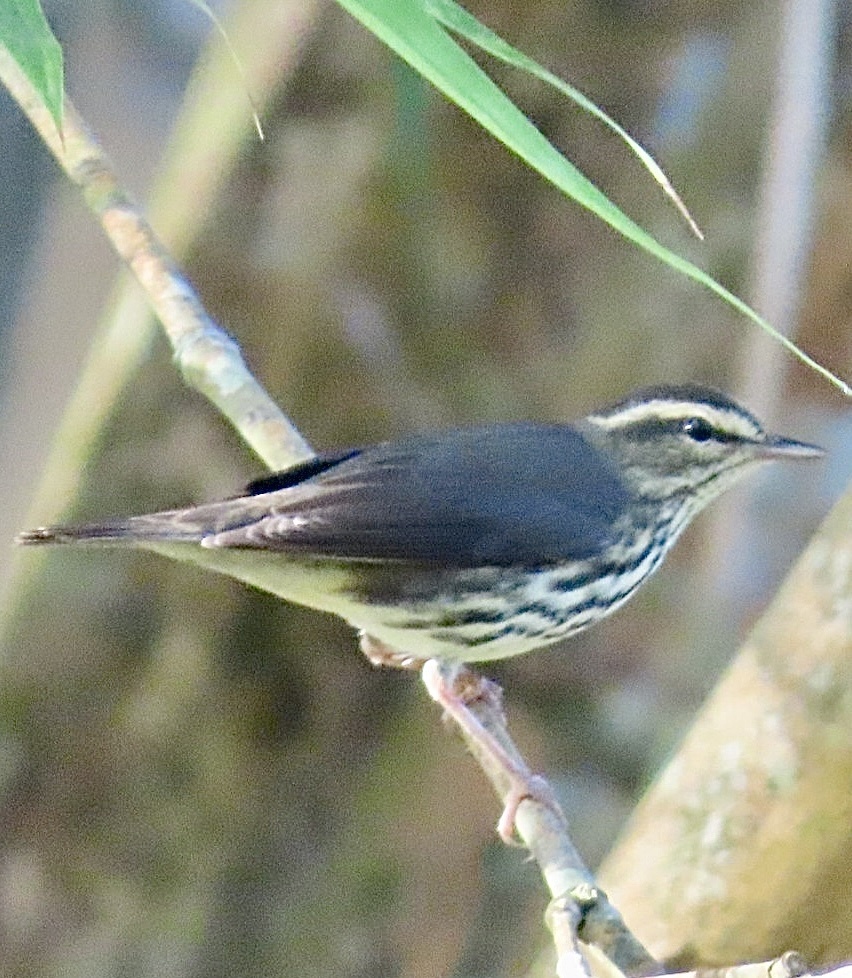
- Northern WaterthrushSeiurus noveboracensis
- Yellow-throated WarblerDendroica dominica
- Black-throated Blue WarblerDendroica caerulescens
- Cerulean WarblerDendroica cerulea
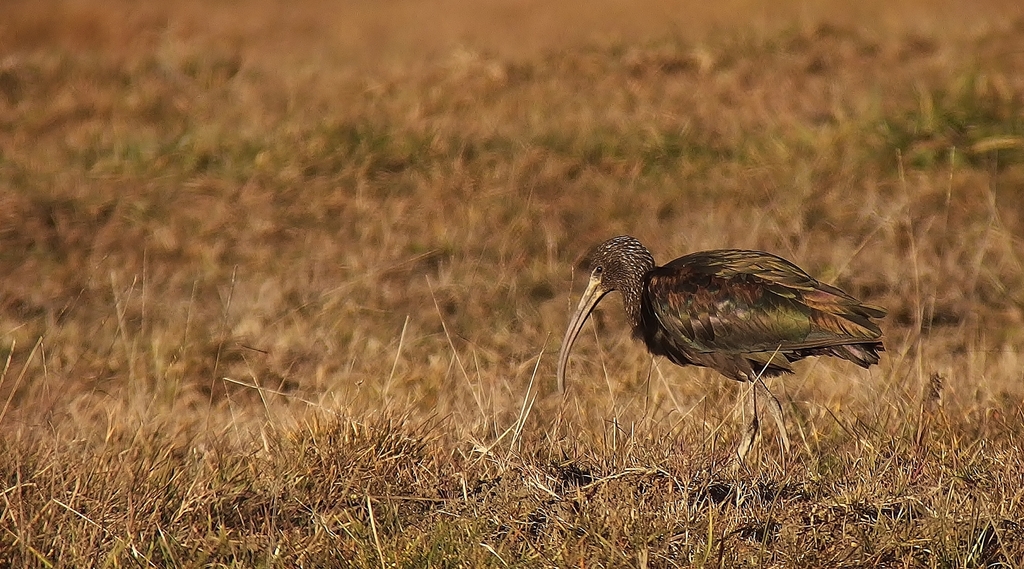
- Glossy IbisPlegadis falcinellus
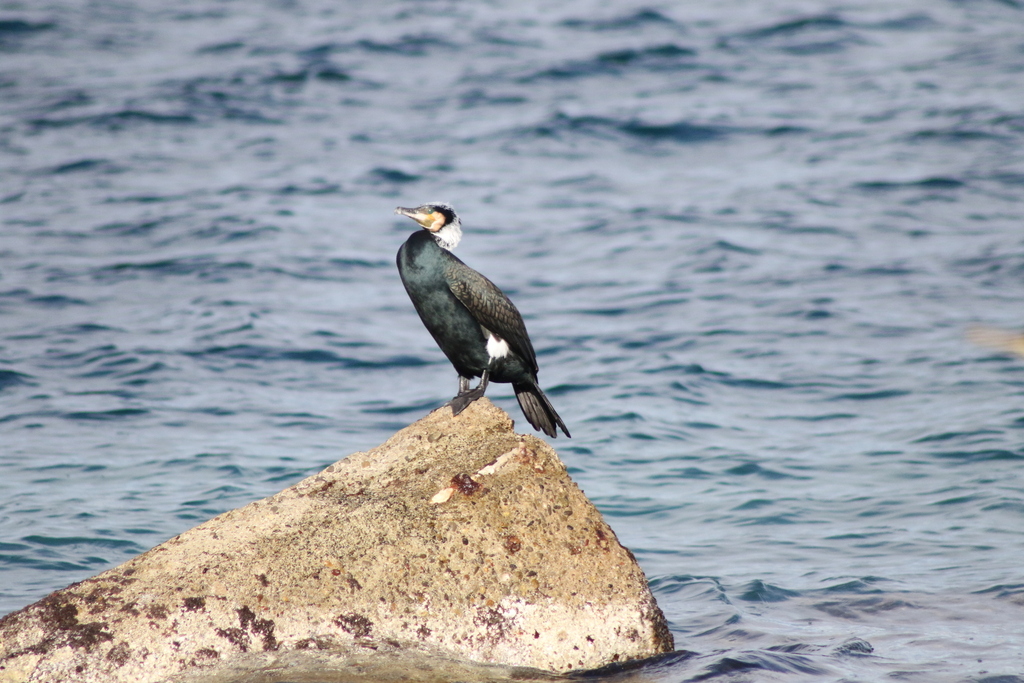
- Great CormorantPhalacrocorax carbo




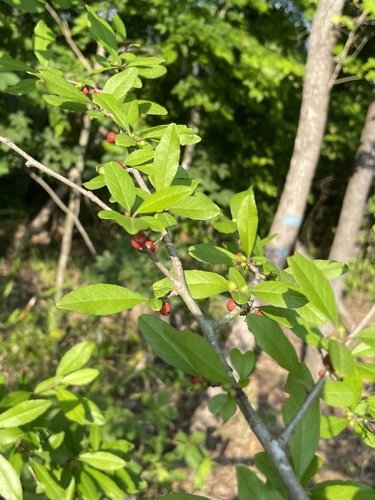
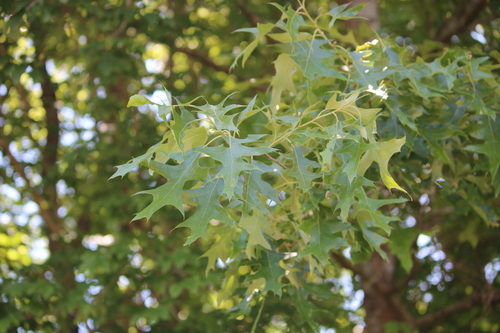
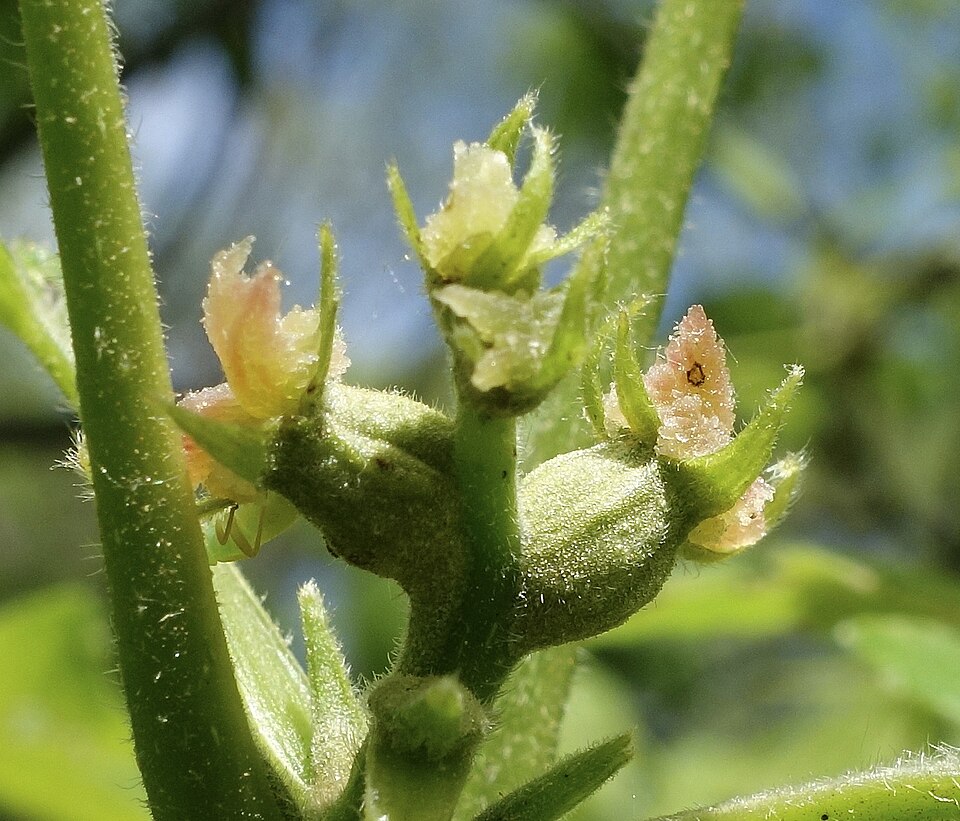
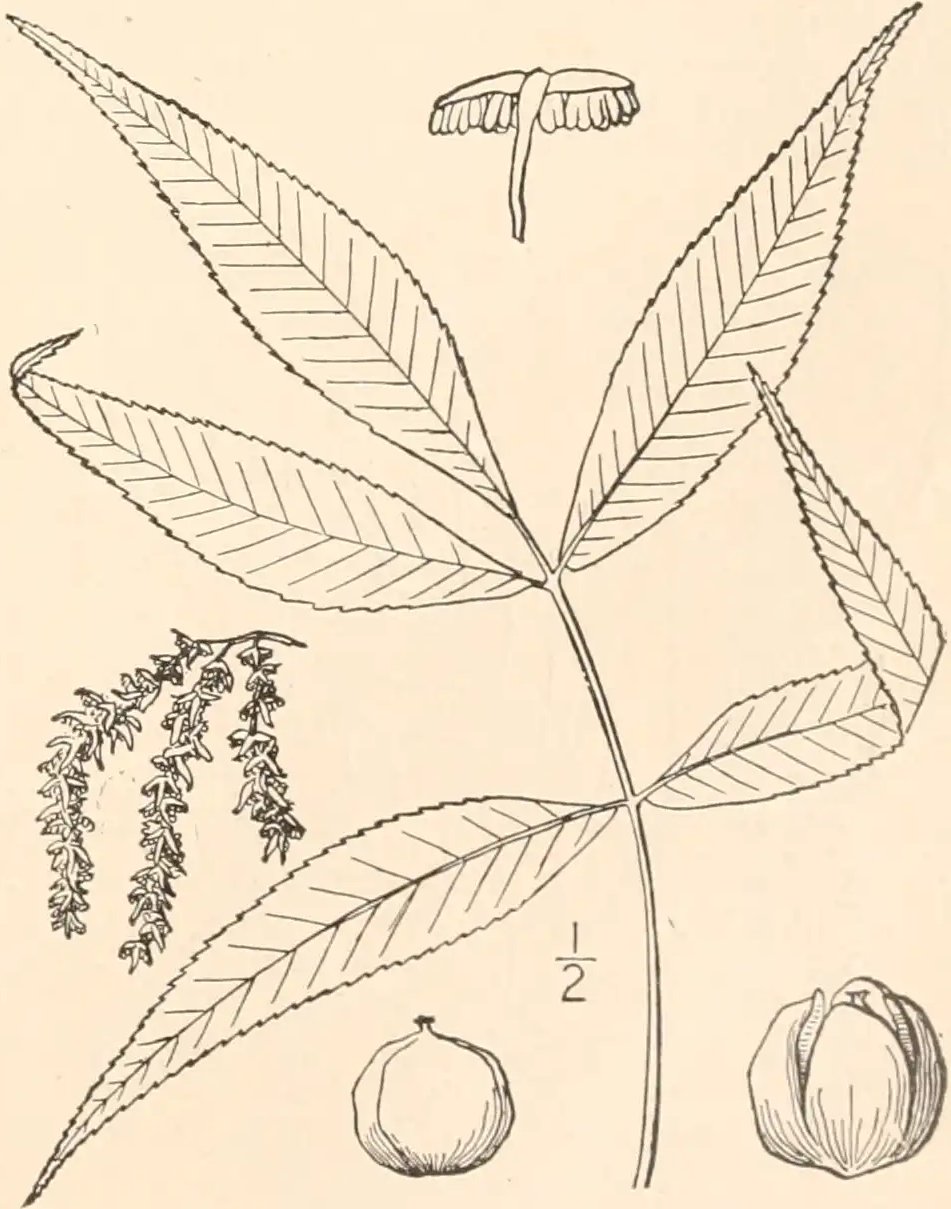
Plants 367
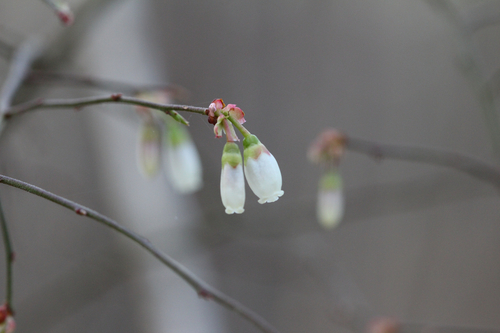
- Elliott's BlueberryVaccinium elliottii
- Possumhaw HollyIlex decidua
- Cherrybark OakQuercus pagoda
- Shagbark HickoryCarya ovata
- Southern Shagbark HickoryCarya carolinae-septentrionalis
- Wolf's BluegrassPoa wolfii
- Spreading SedgeCarex laxiculmis
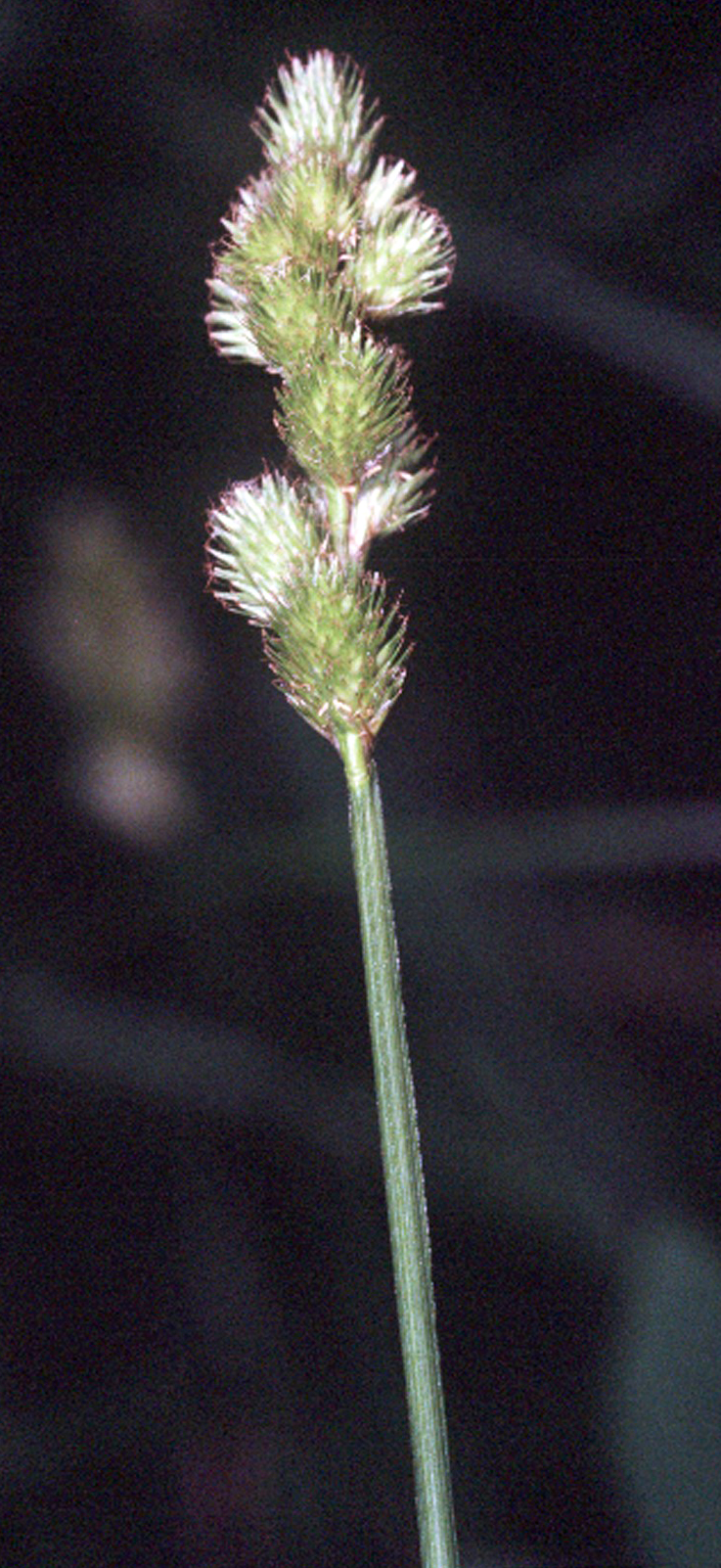
- Blunt Broom SedgeCarex tribuloides
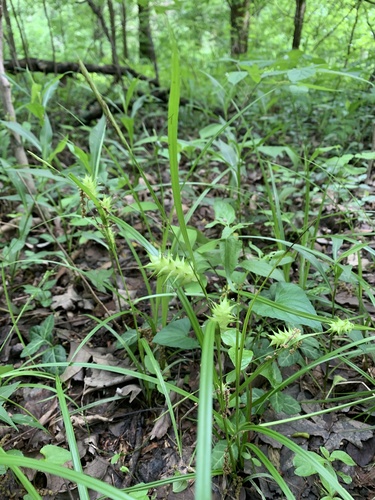
- Louisiana SedgeCarex louisianica
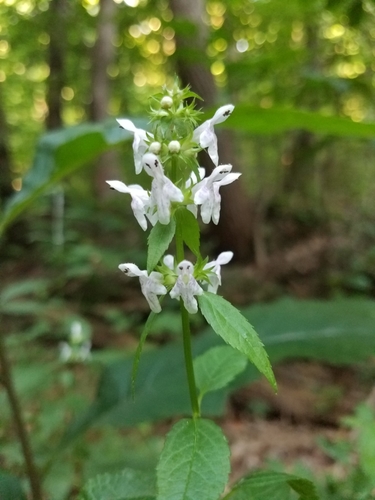
- Smooth Hedge-nettleStachys tenuifolia
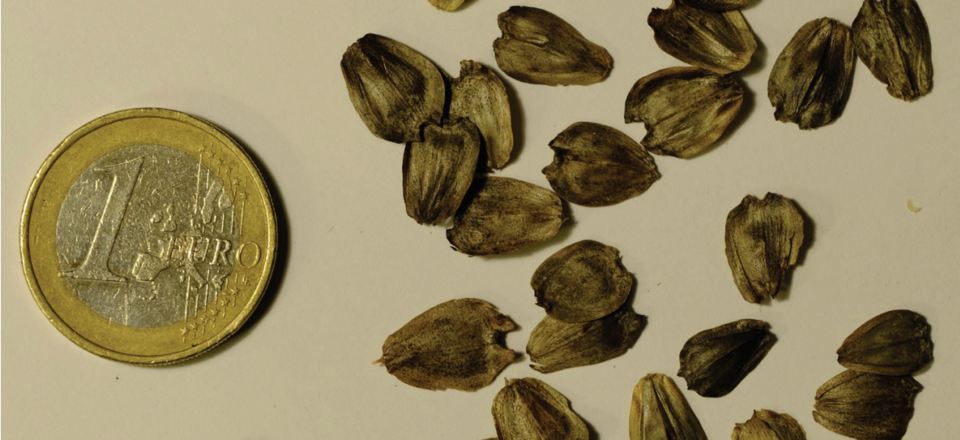
- Woodland SpurgeEuphorbia obtusata
- Common Cup-plantSilphium perfoliatum
Swamps
Birds 69
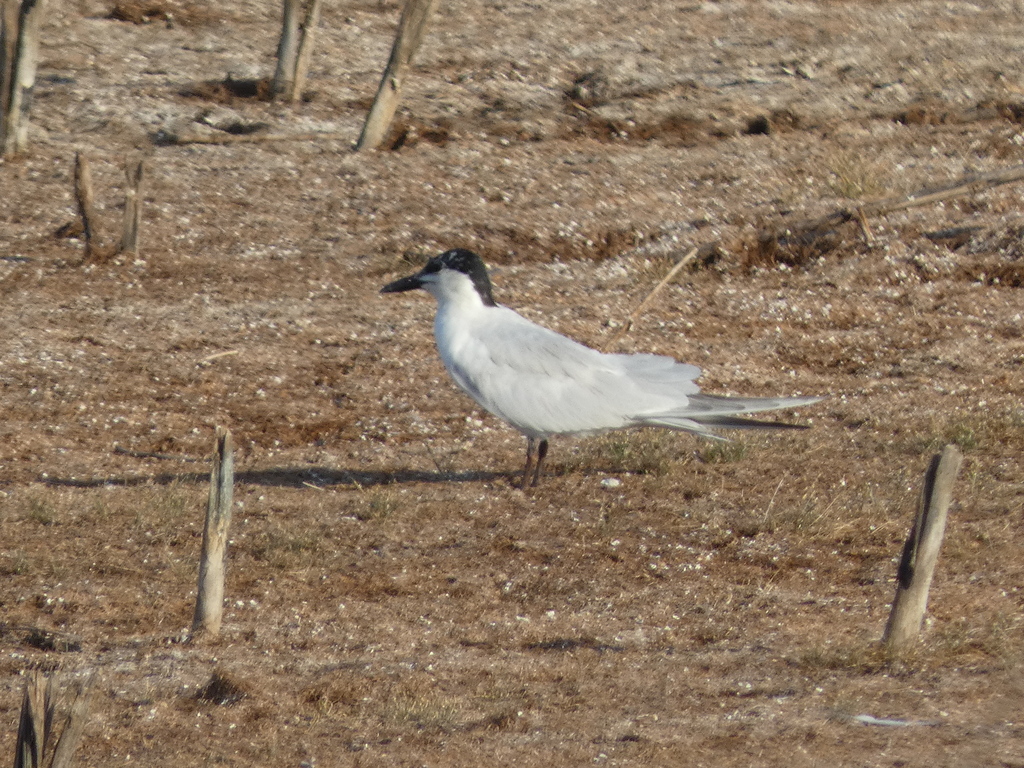
- Gull-billed TernGelochelidon nilotica
- Red-breasted NuthatchSitta canadensis
- Brewer's BlackbirdEuphagus cyanocephalus
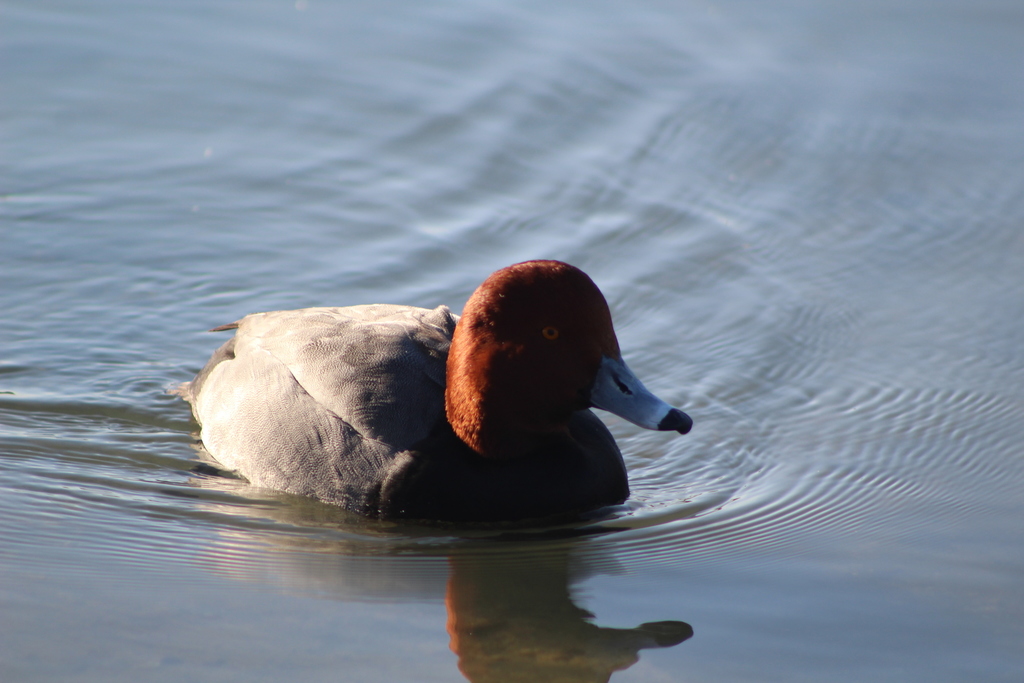
- RedheadAythya americana
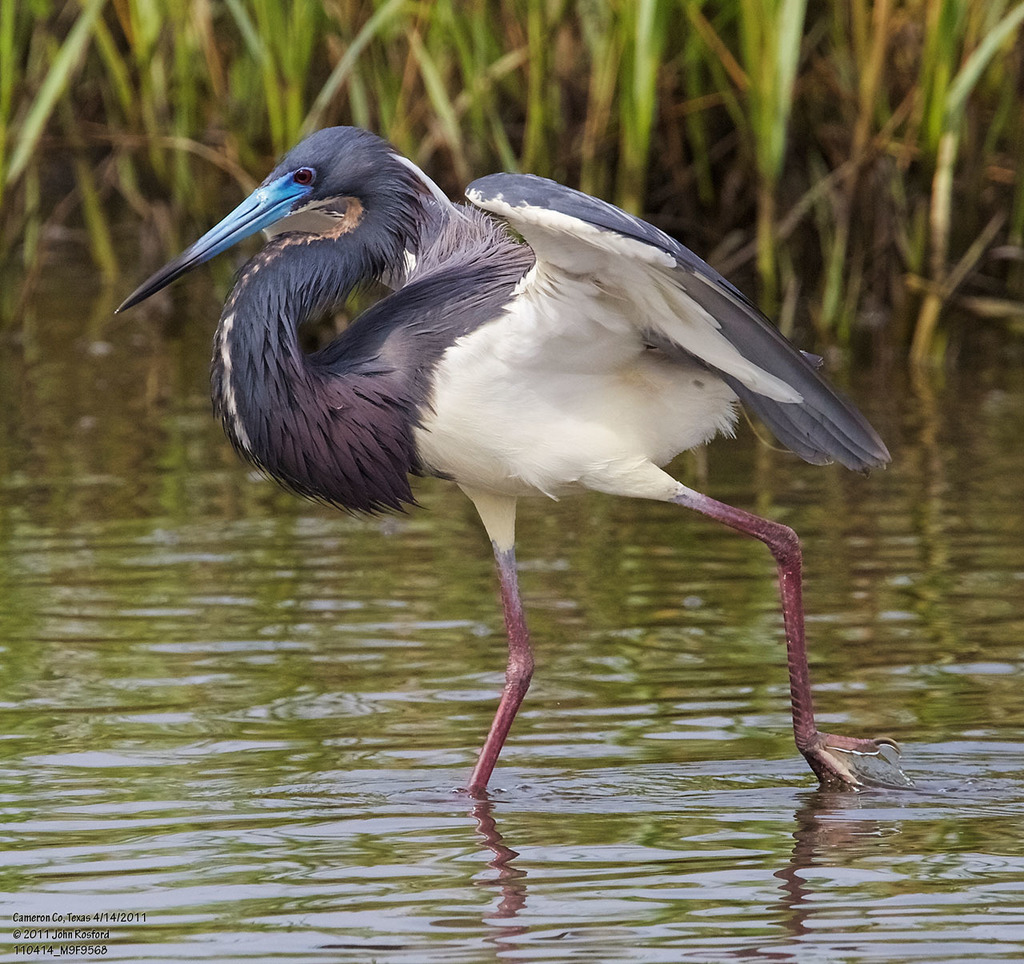
- Tricolored HeronEgretta tricolor
- AnhingaAnhinga anhinga
- Louisiana WaterthrushSeiurus motacilla
- Northern WaterthrushSeiurus noveboracensis
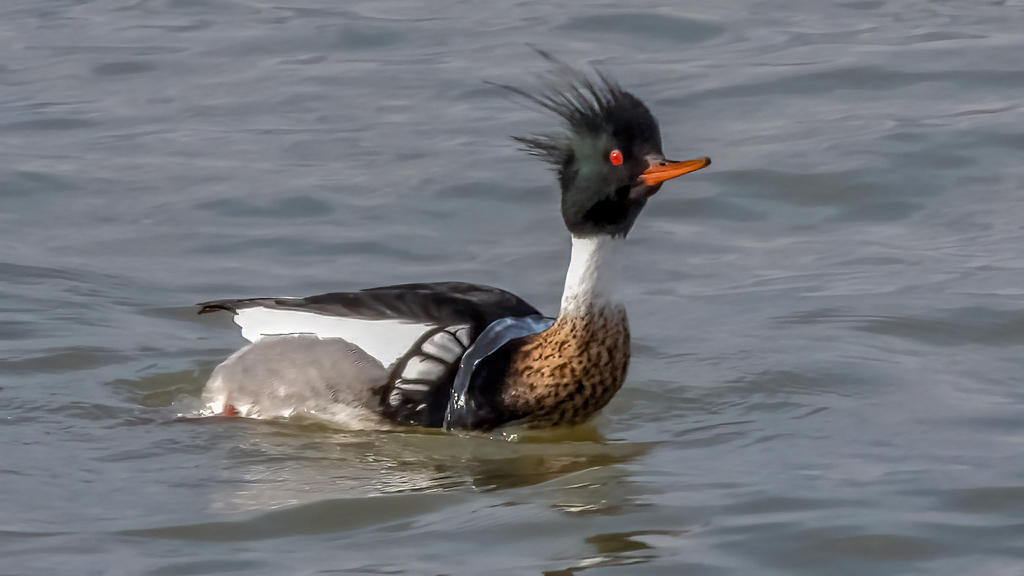
- Red-breasted MerganserMergus serrator
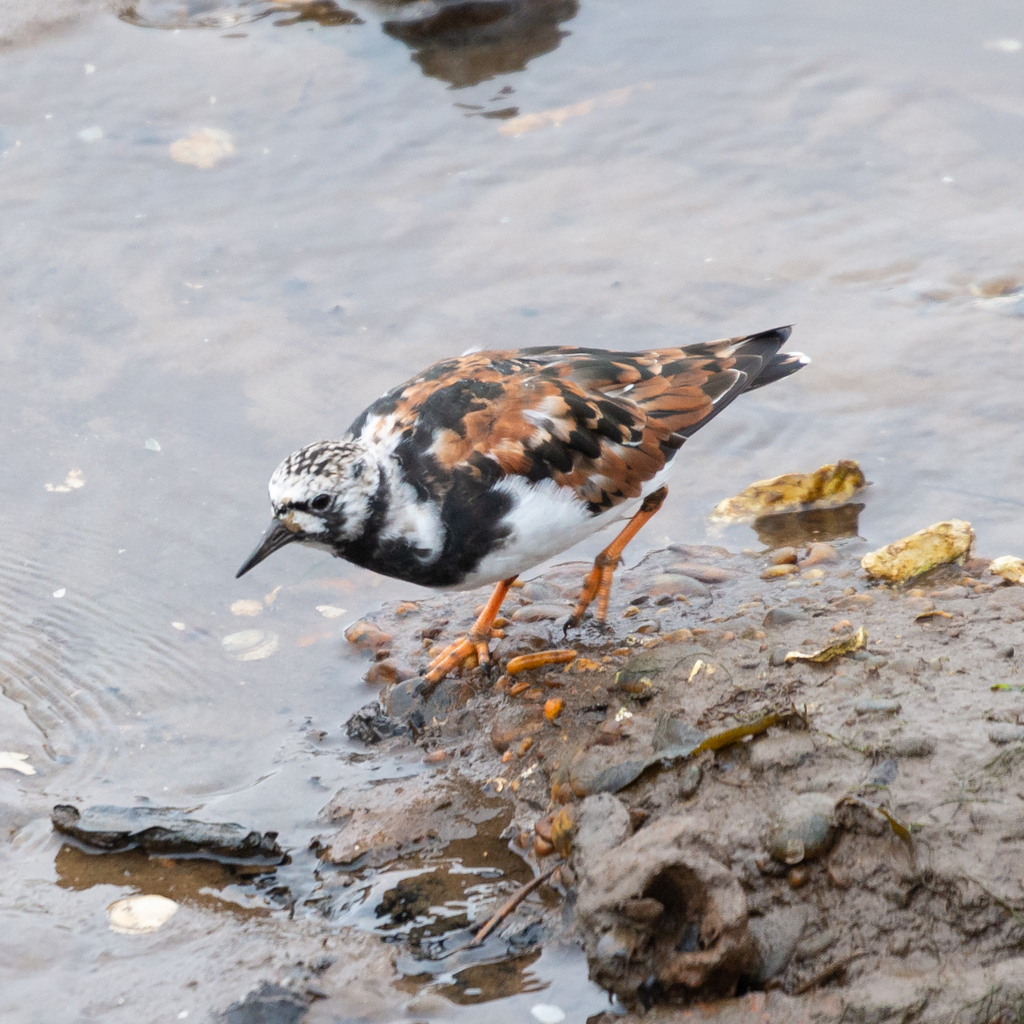
- Ruddy TurnstoneArenaria interpres
- Yellow-throated WarblerDendroica dominica
- Cerulean WarblerDendroica cerulea

Plants 329
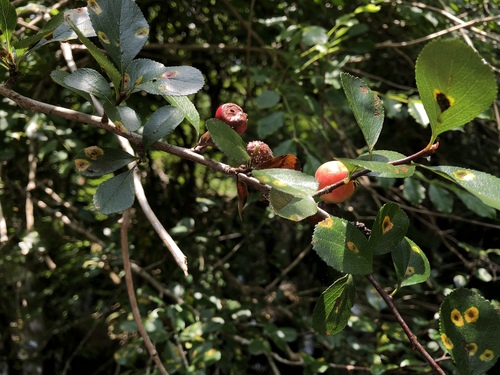
- May HawthornCrataegus aestivalis
- Dense-flower SmartweedPersicaria densiflora
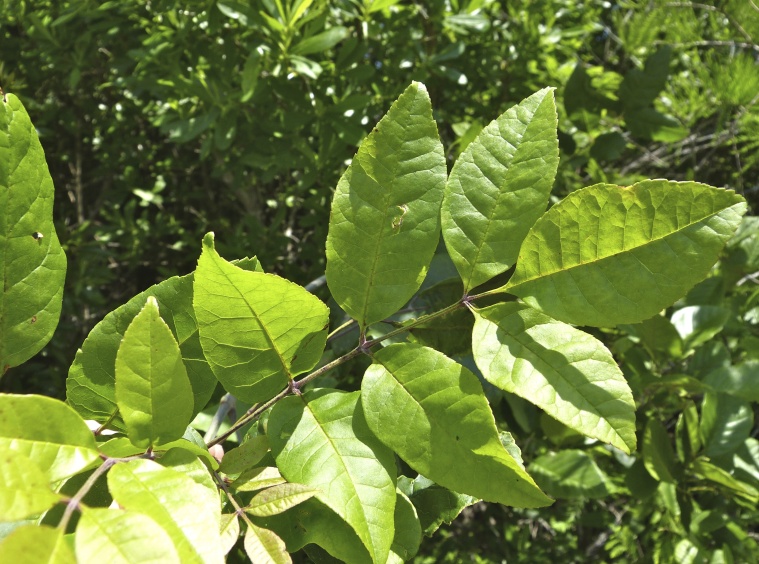
- Carolina AshFraxinus caroliniana
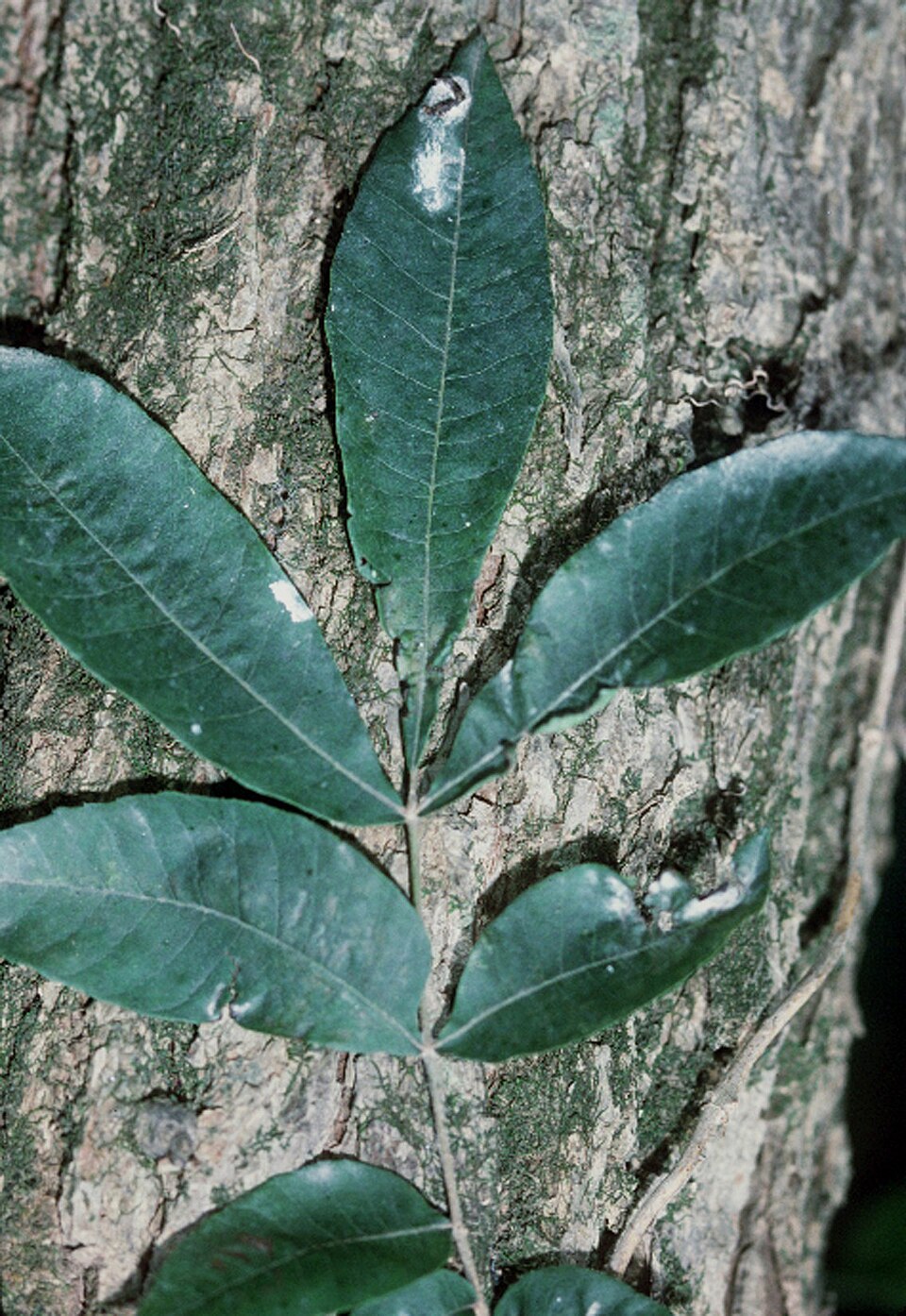
- Water HickoryCarya aquatica
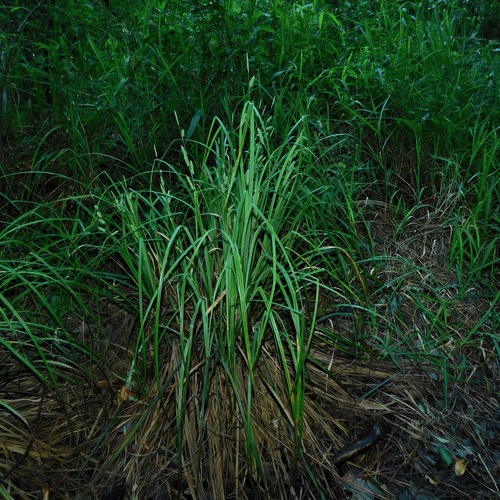
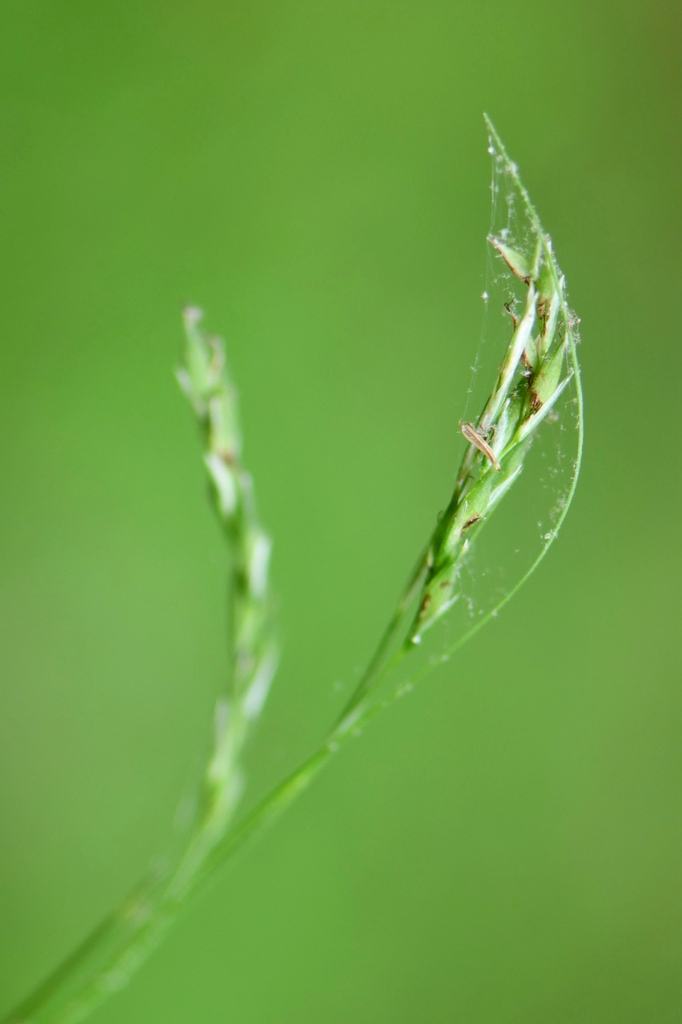
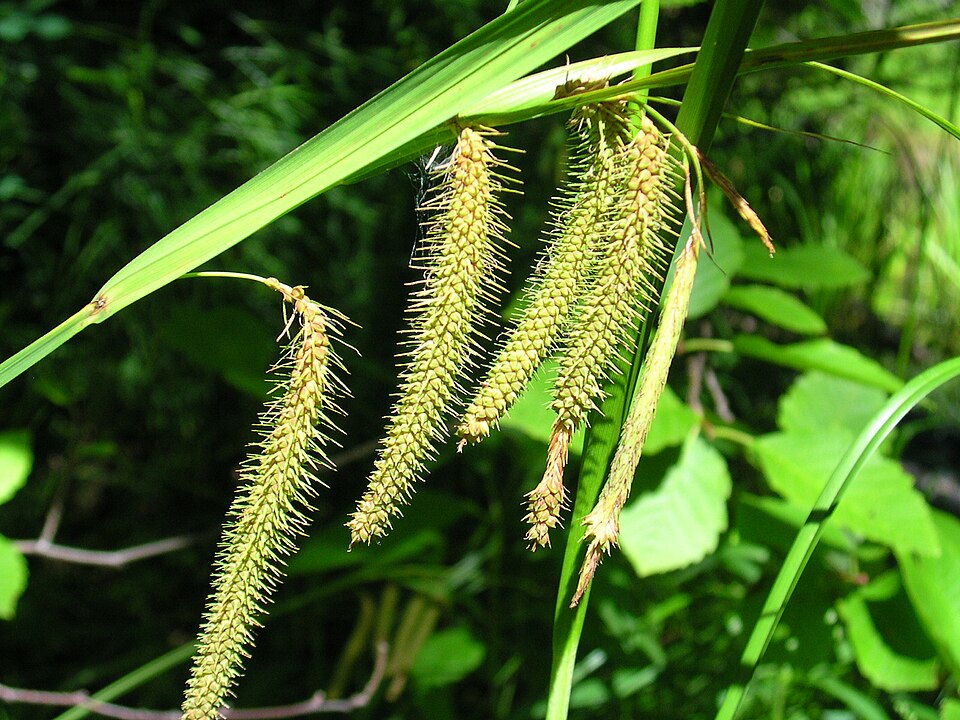
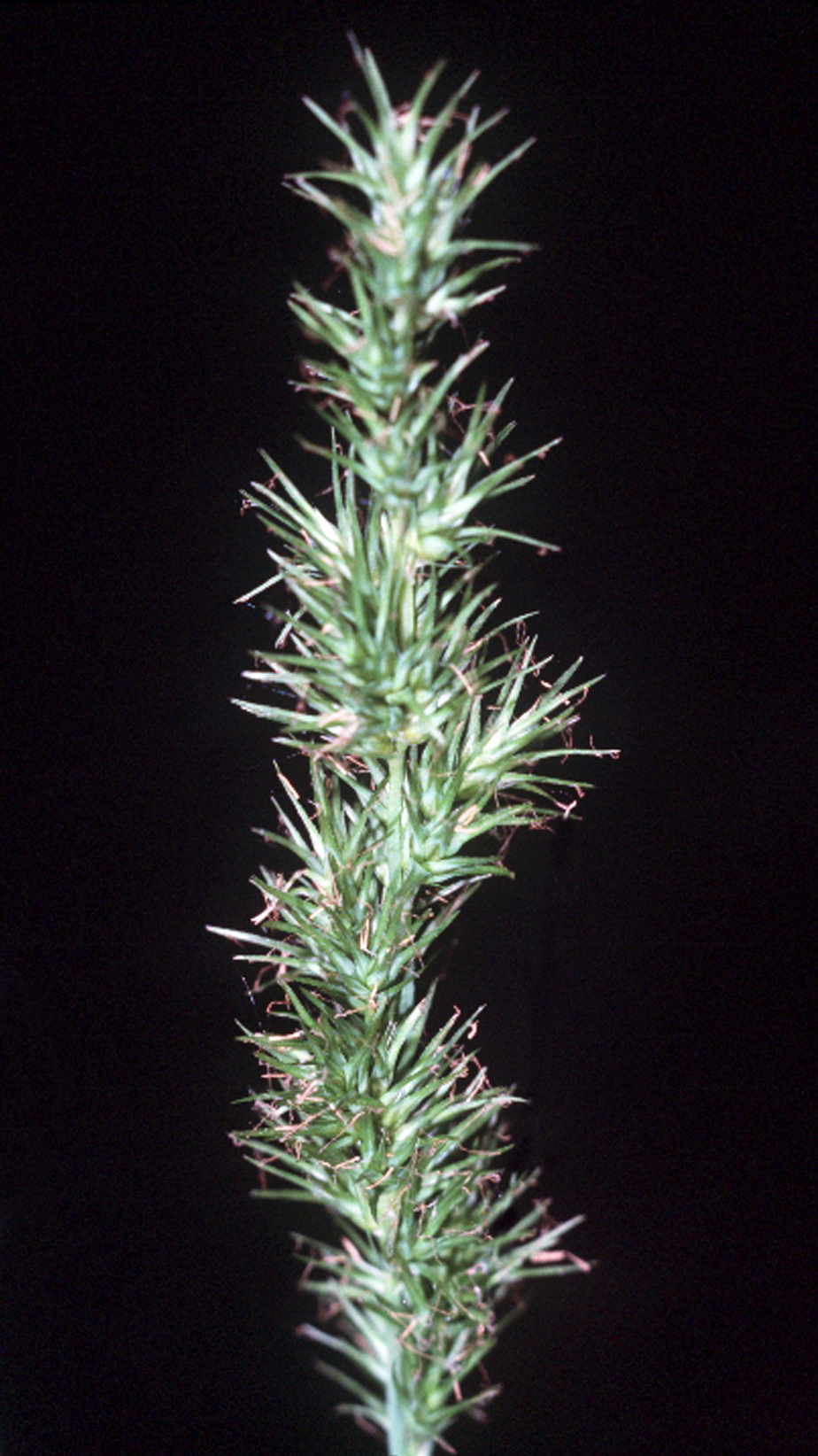
- Bent SedgeCarex styloflexa
- Cypress-swamp SedgeCarex joorii
- Dark-green SedgeCarex venusta
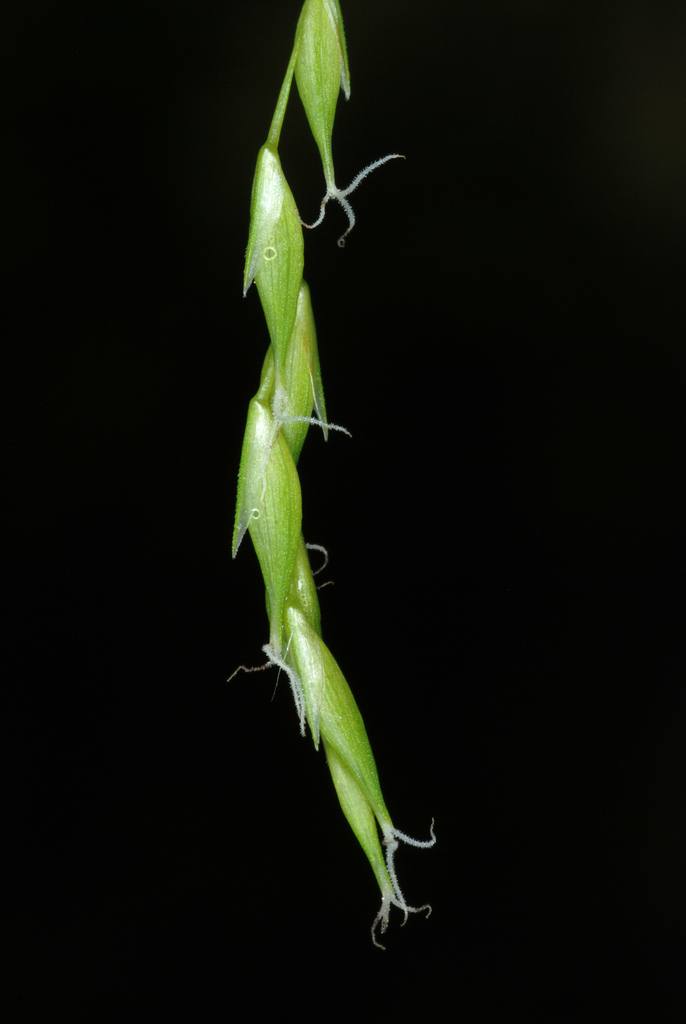
- Fringed SedgeCarex crinita
- Ravenfoot SedgeCarex crus-corvi
- Weak Stellate SedgeCarex seorsa
- White-edge SedgeCarex debilis
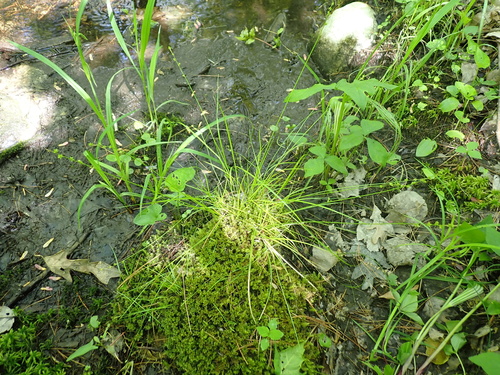
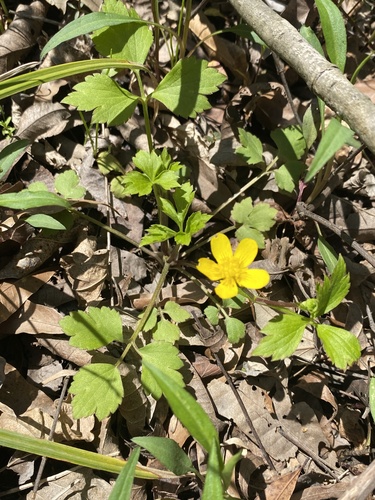
- Swamp ButtercupRanunculus septentrionalis
Pocosins and bay forests
Birds 30
- Northern WaterthrushSeiurus noveboracensis
- Yellow-throated WarblerDendroica dominica
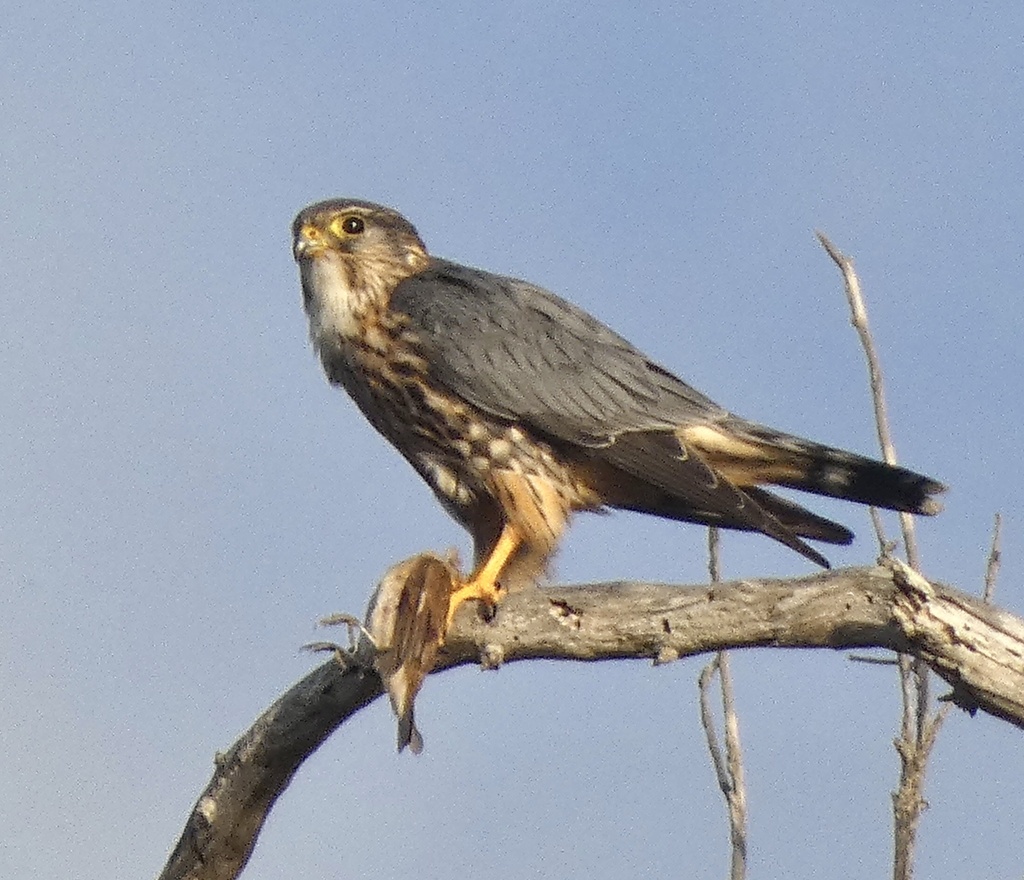
- MerlinFalco columbarius
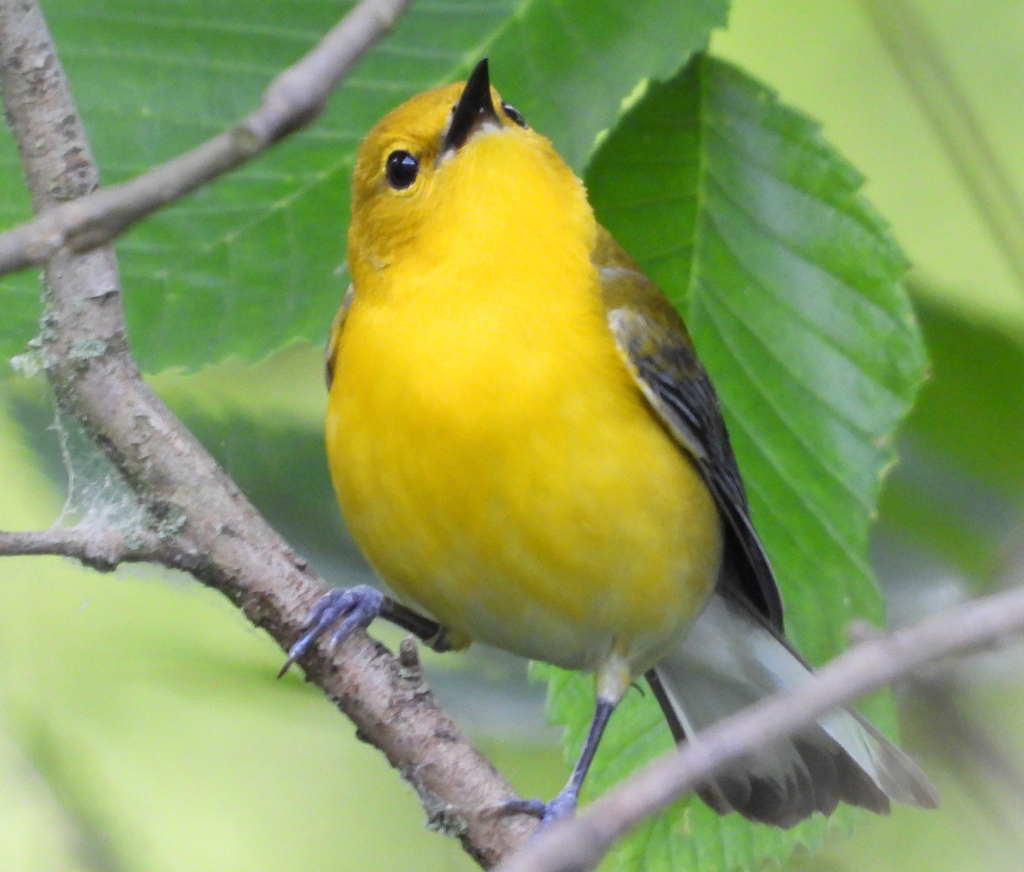
- Prothonotary WarblerProtonotaria citrea
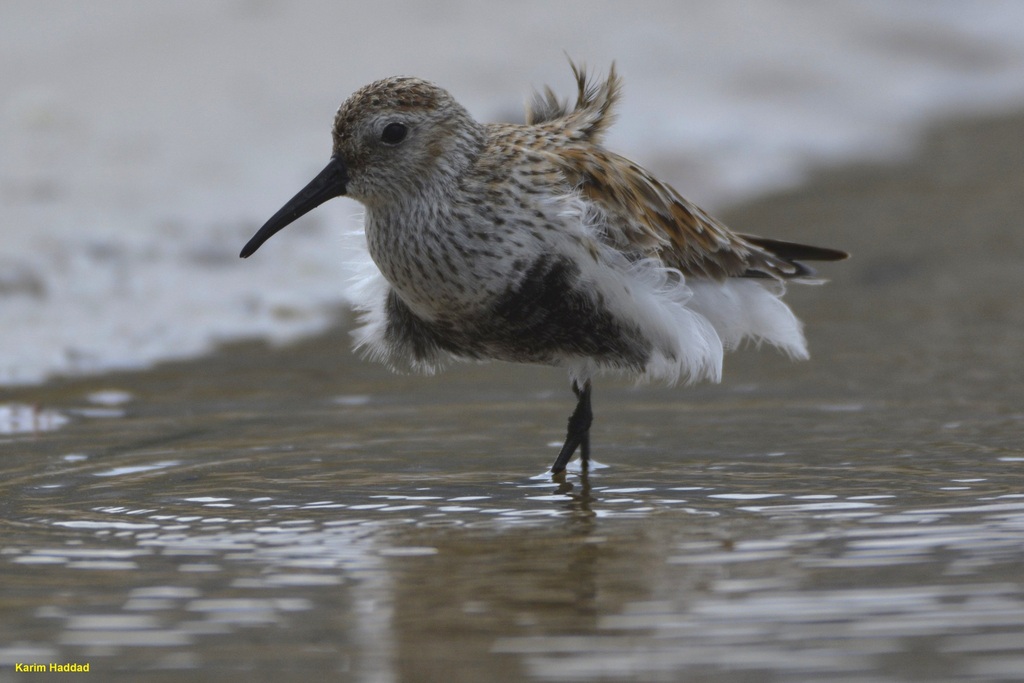
- DunlinCalidris alpina
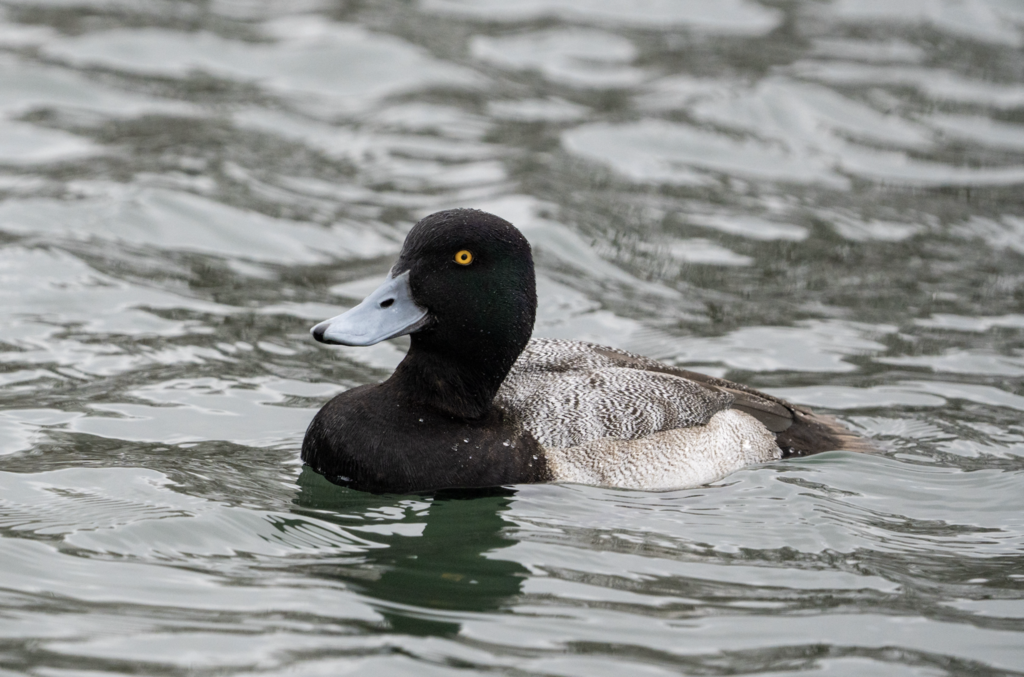
- Lesser ScaupAythya affinis
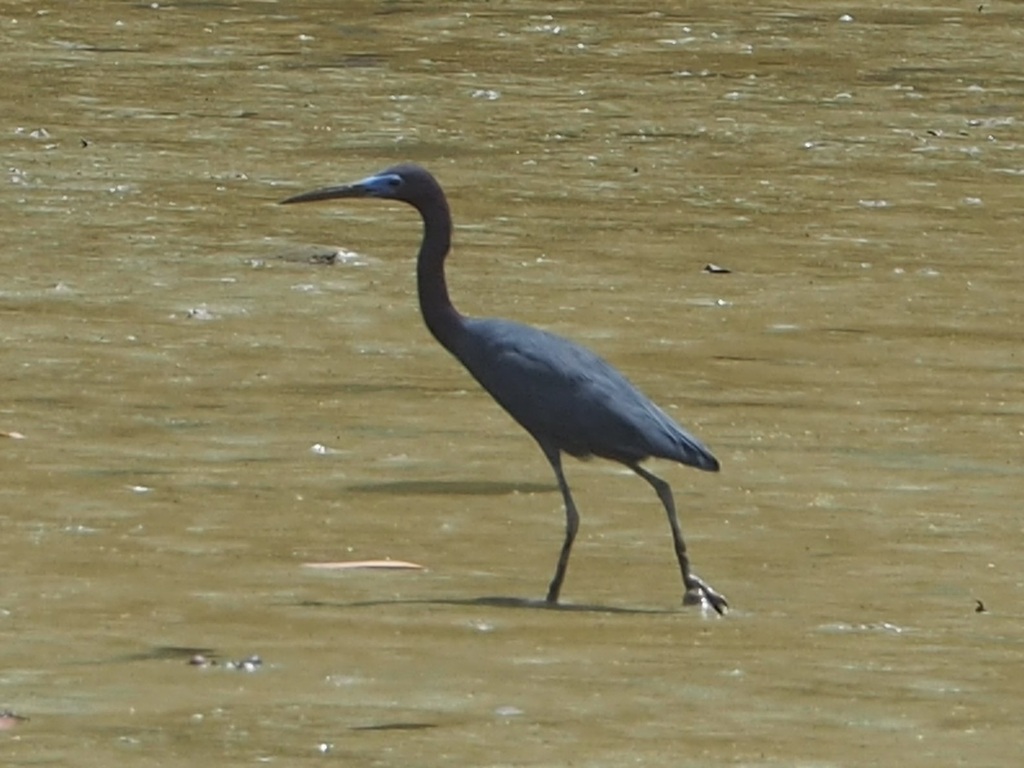
- Little Blue HeronEgretta caerulea
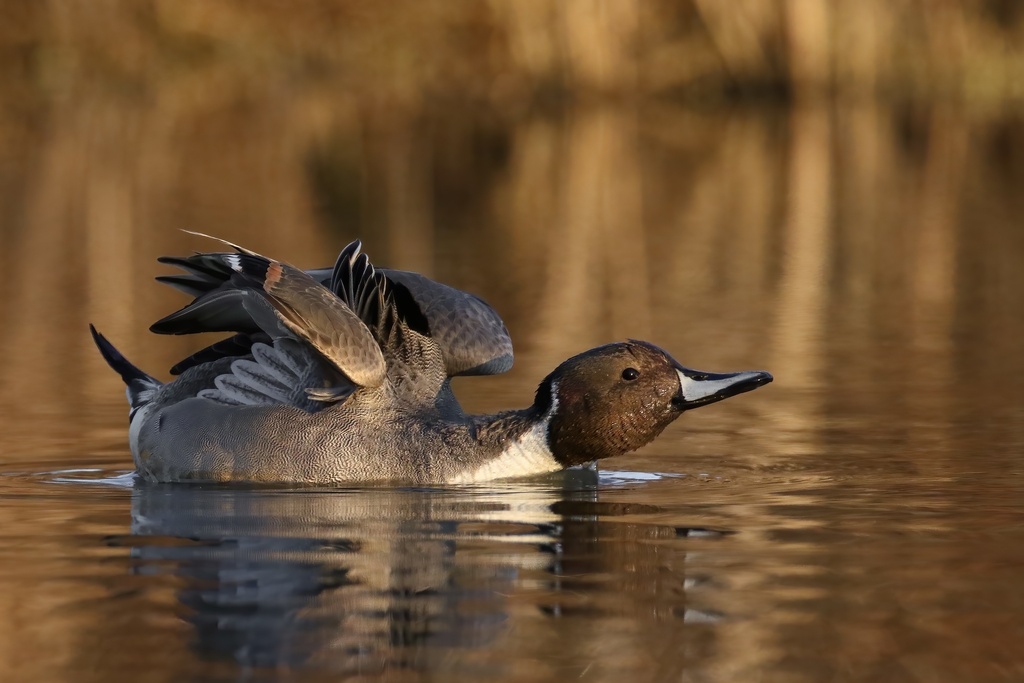
- Northern PintailAnas acuta
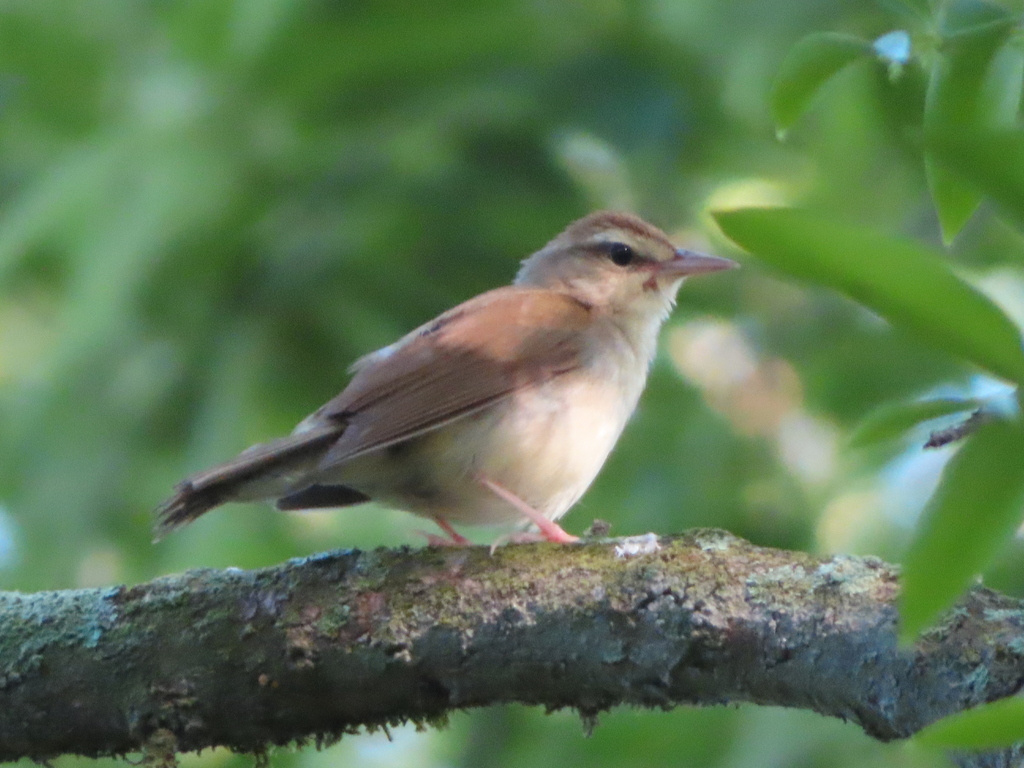
- Swainson's WarblerLimnothlypis swainsonii
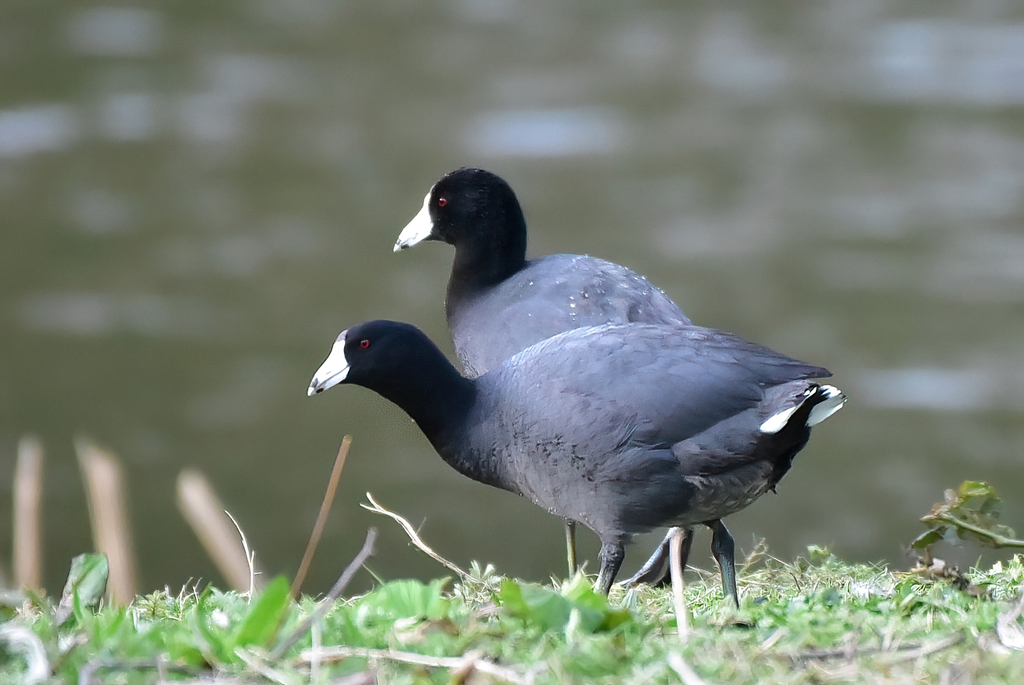
- American CootFulica americana
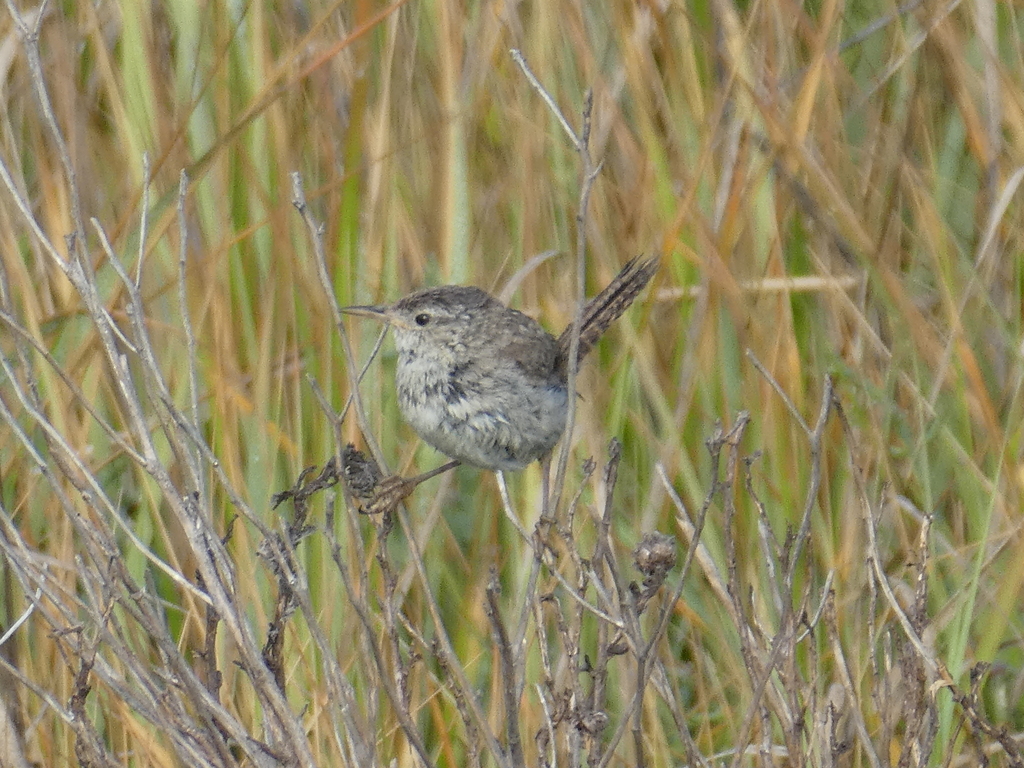
- Marsh WrenCistothorus palustris
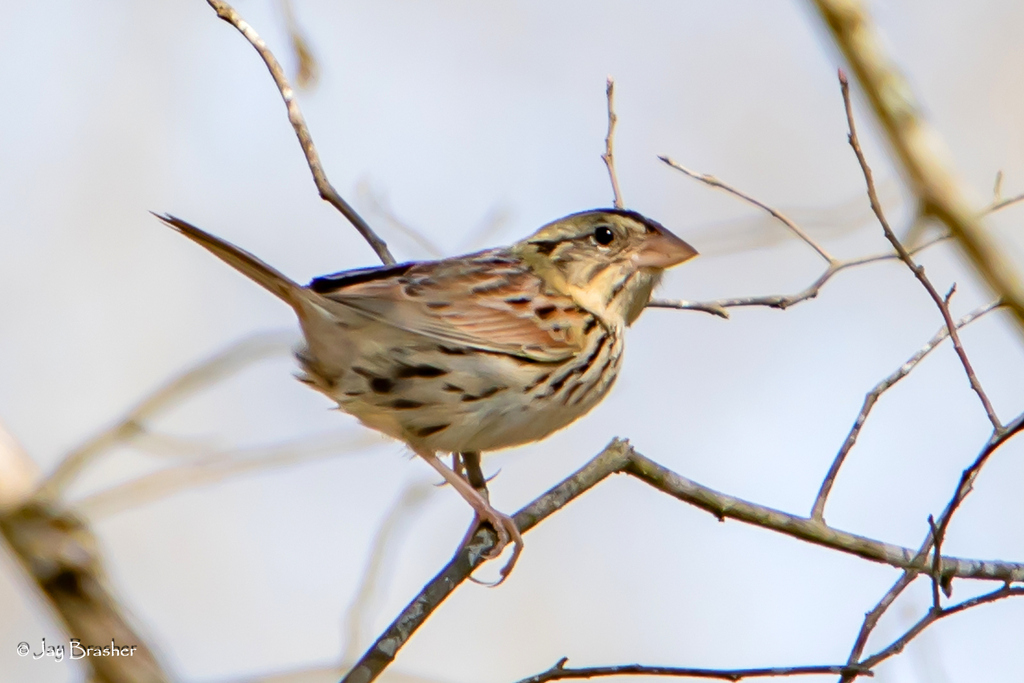
- Henslow's SparrowAmmodramus henslowii
Plants 101
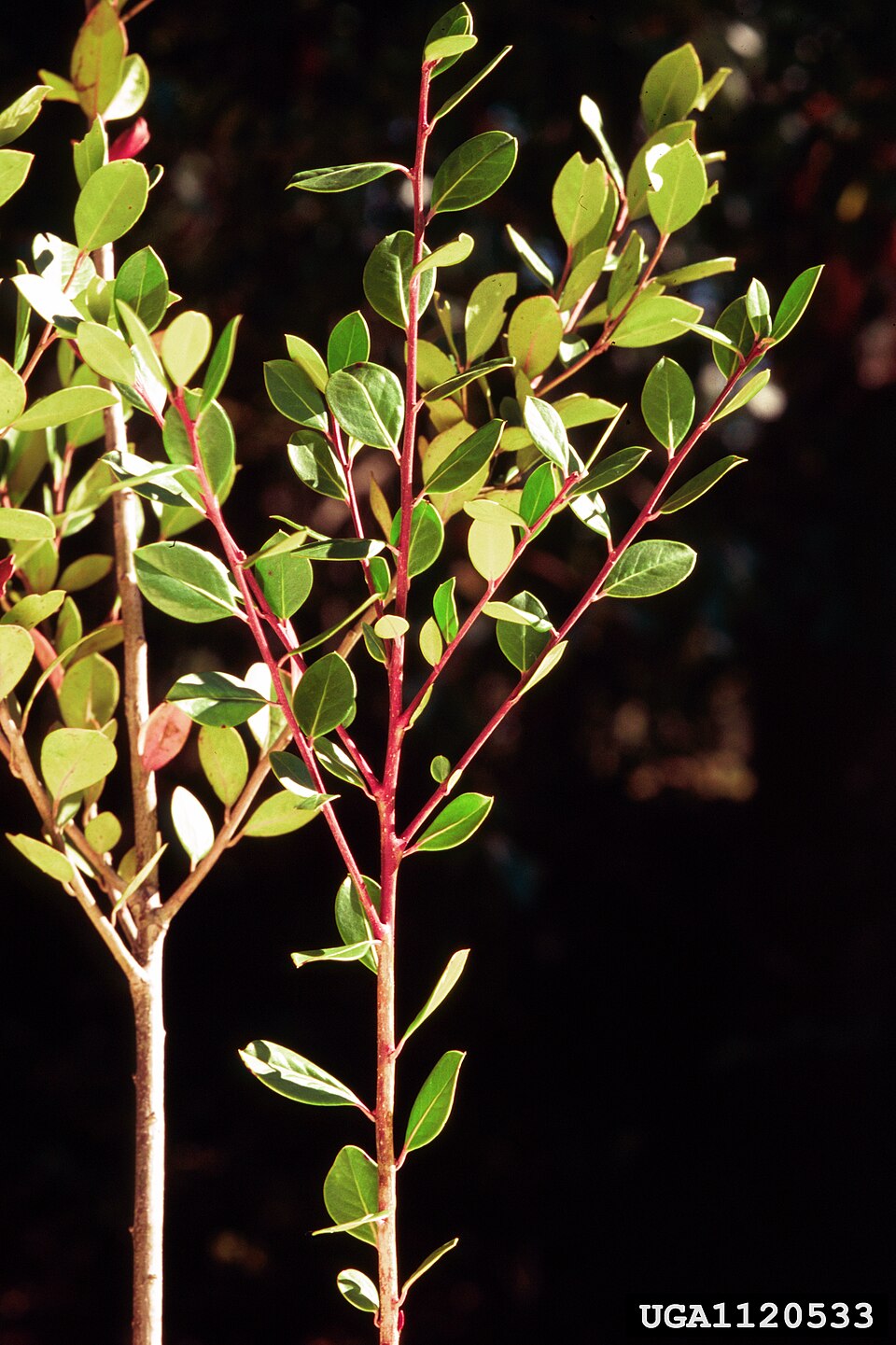
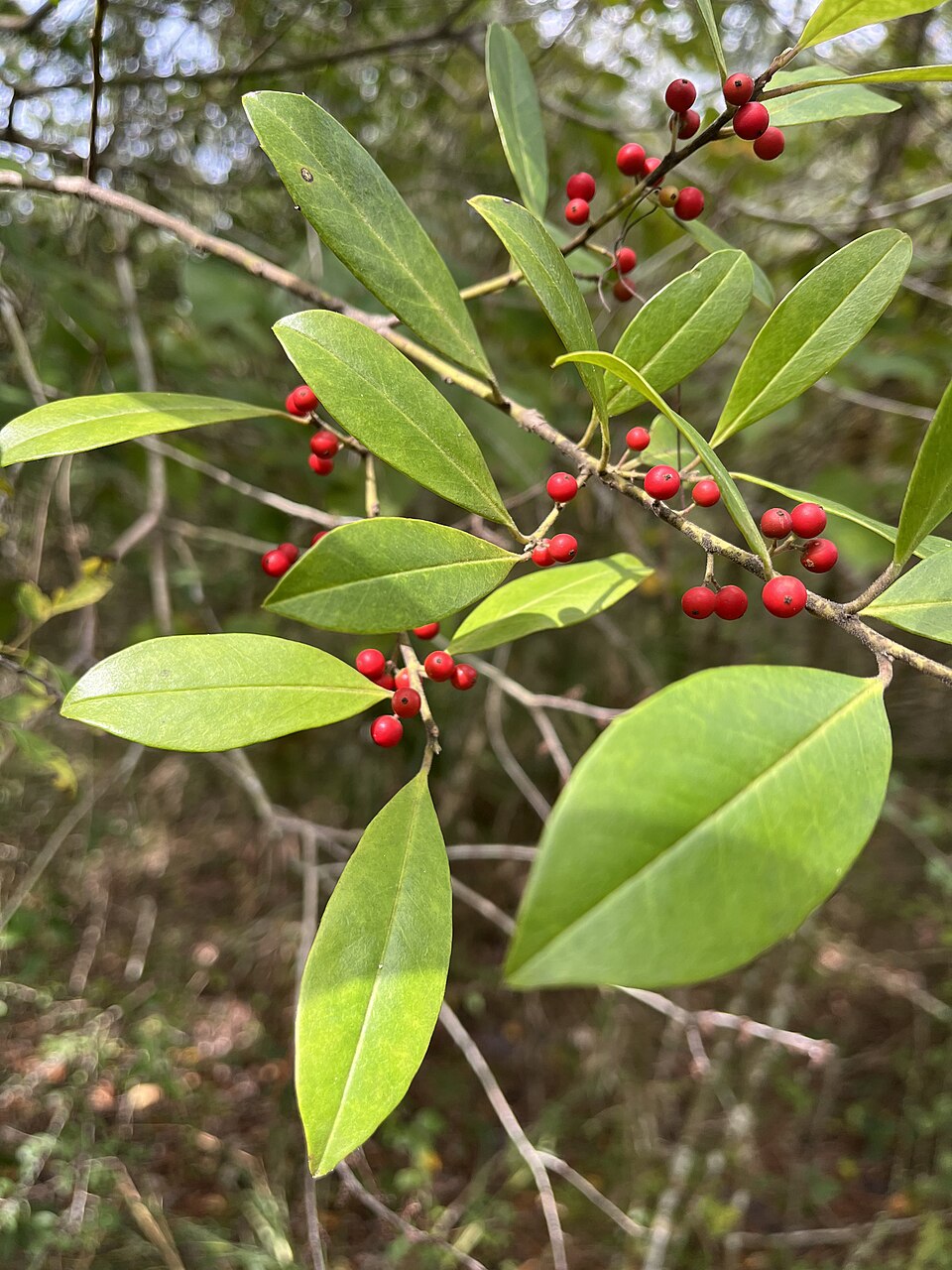
- Large GallberryIlex coriacea
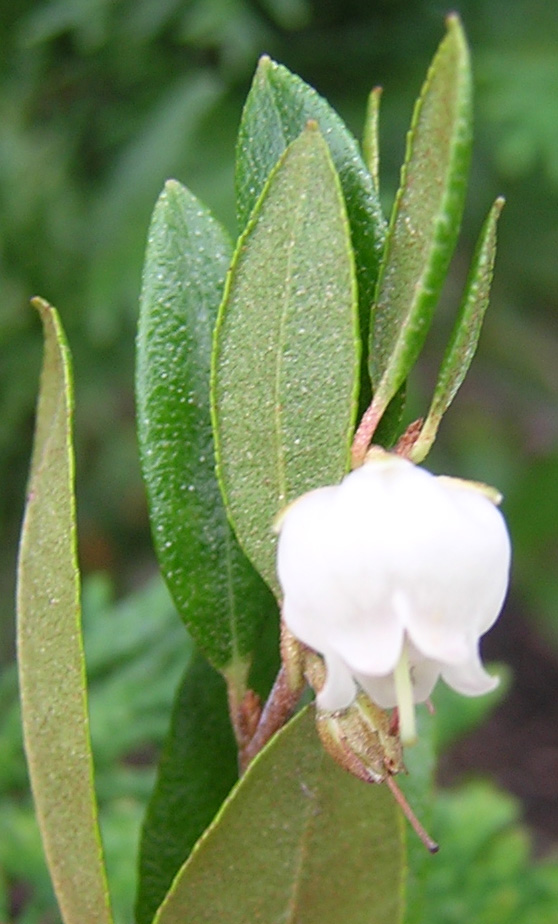
- White-wickyKalmia cuneata
- LeatherleafChamaedaphne calyculata
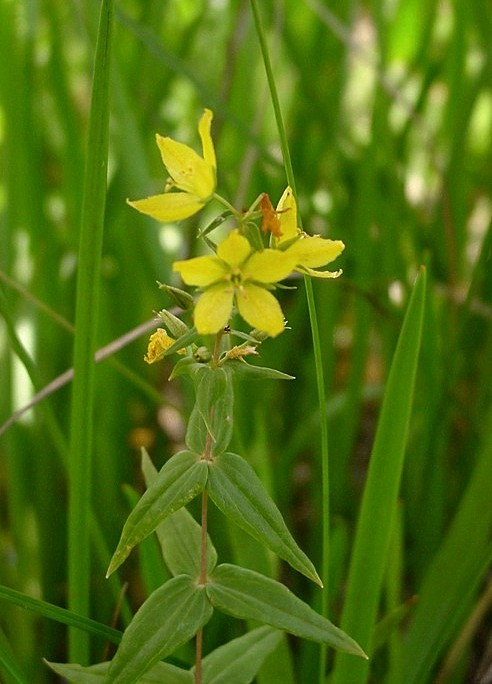
- Roughleaf LoosestrifeLysimachia asperulifolia
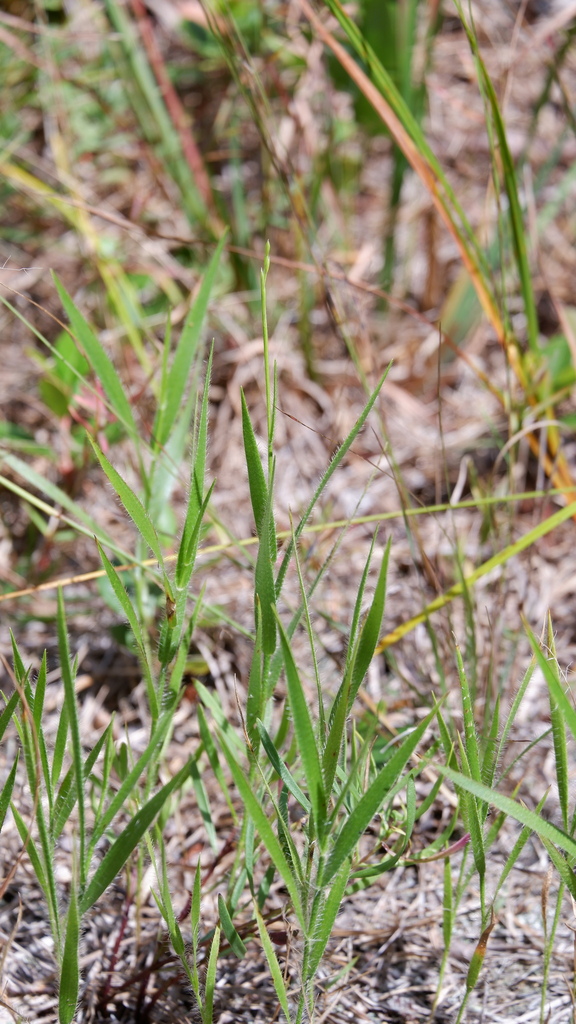
- Pinebarrens Peanut-grassAmphicarpum amphicarpon
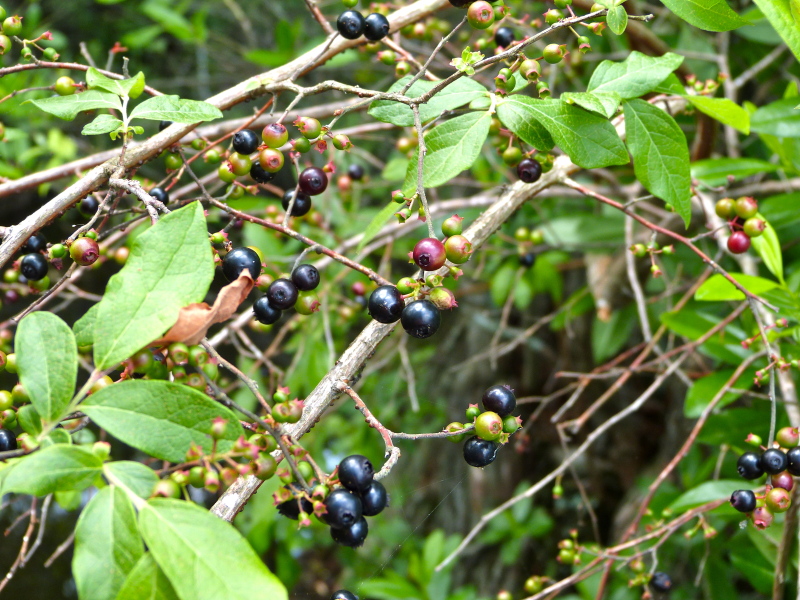
- Black Highbush BlueberryVaccinium fuscatum
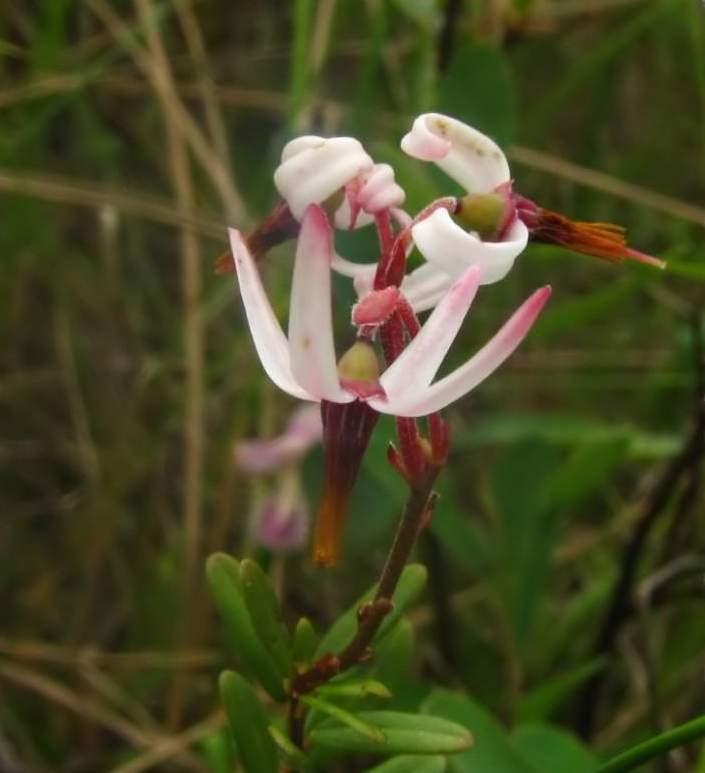
- CranberryVaccinium macrocarpon
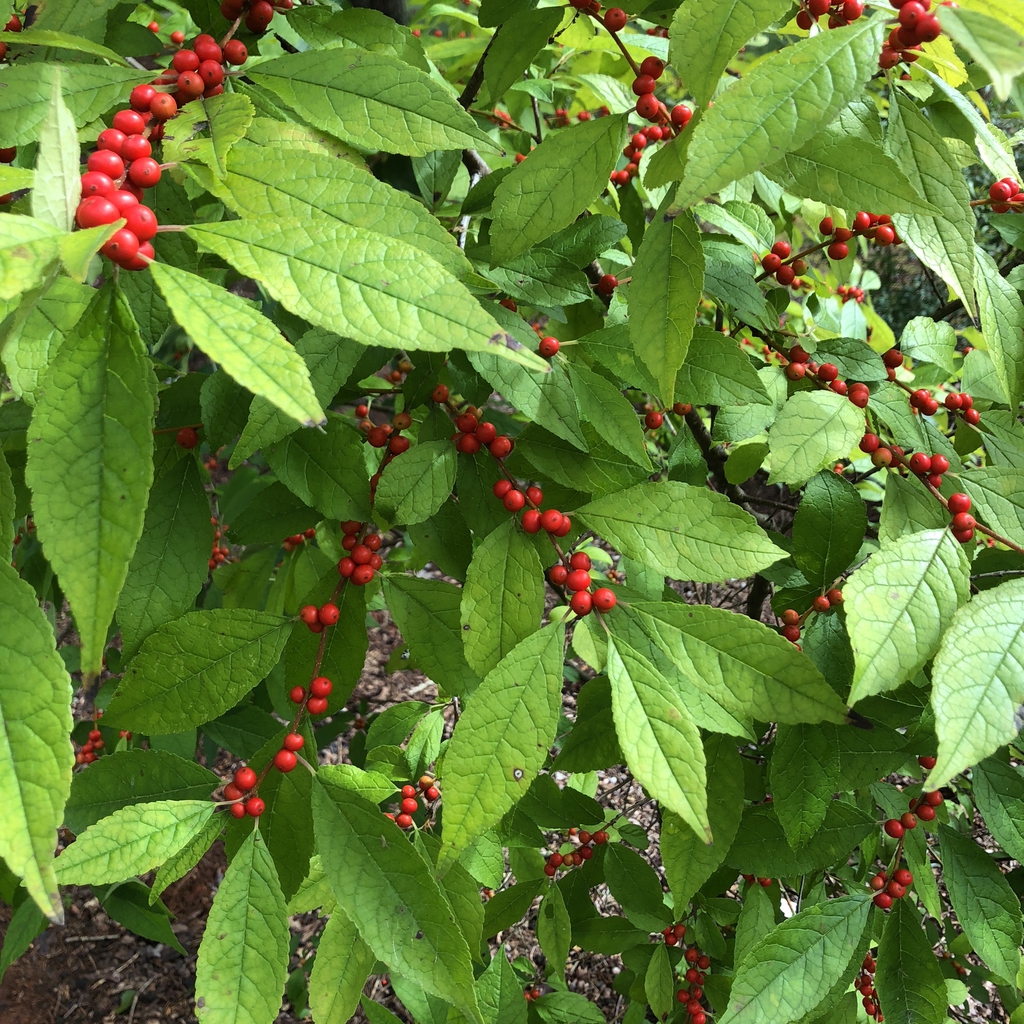
- Common WinterberryIlex verticillata
- Dahoon HollyIlex cassine
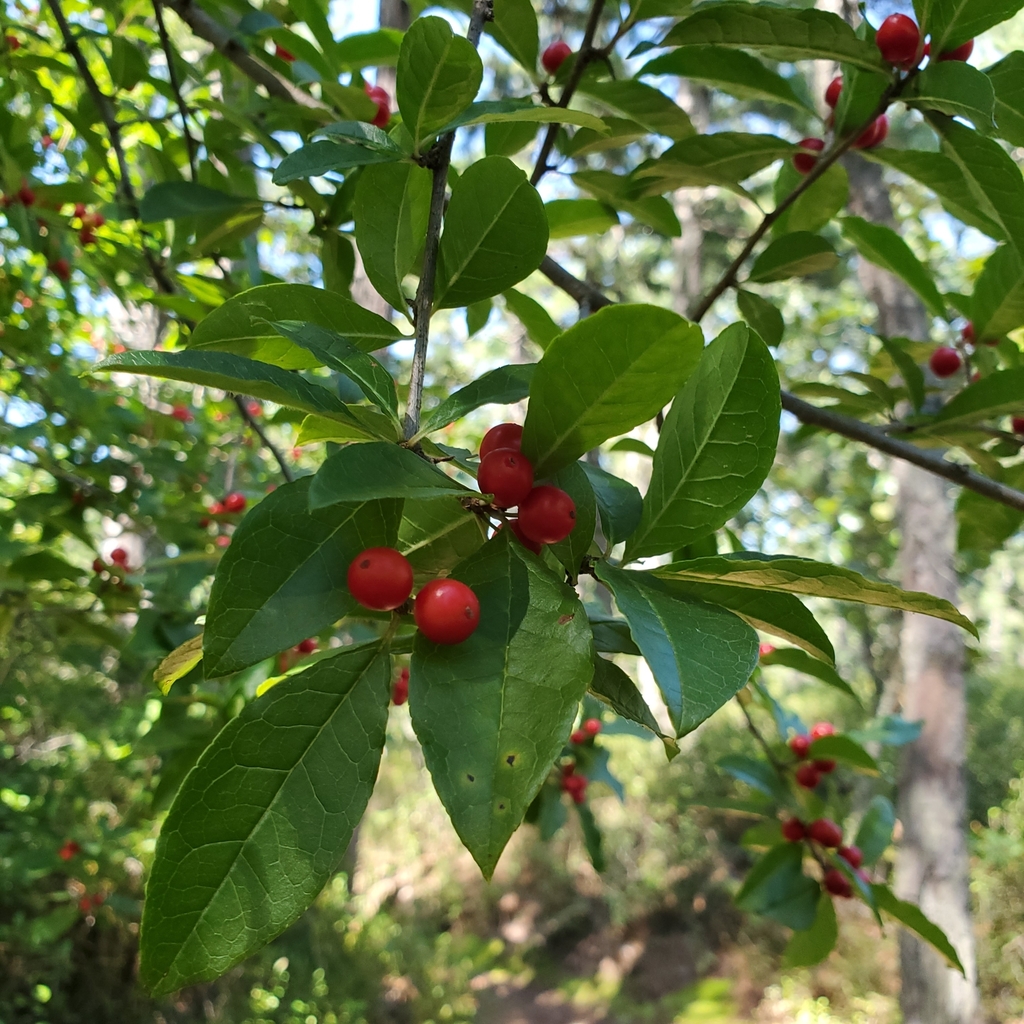
- Smooth WinterberryIlex laevigata
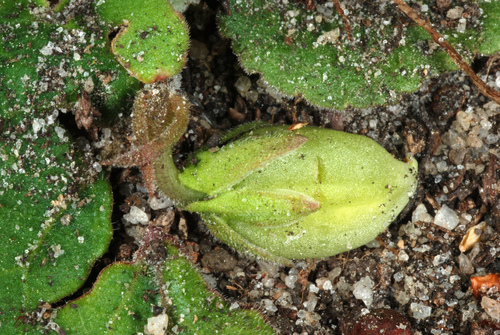
- Carolina VioletViola villosa
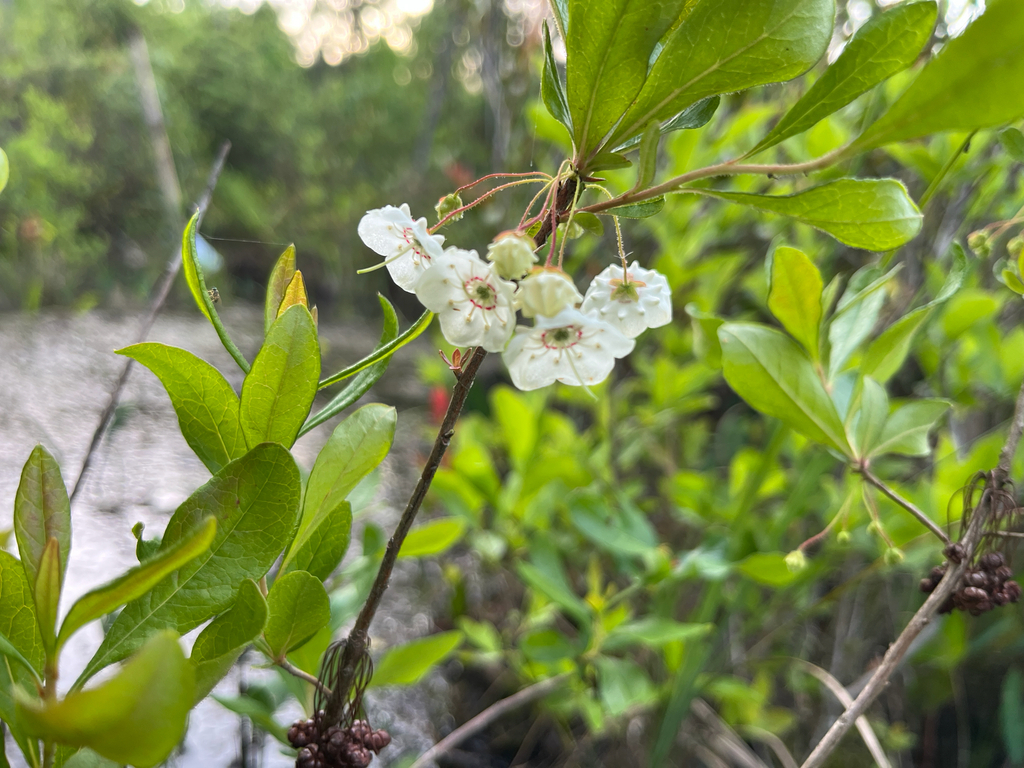
- Carolina LaurelKalmia carolina


Sources
- USGS Gap Analysis Project habitat models (2001)
- USGS GAP summer habitat model for Mississippi Kite
- USGS Gap Analysis Project range maps (2001), modeled by watershed; migratory gives no dates
- NatureServe Explorer (CC BY 4.0), habitat names
- US Census TIGER/Line counties
- Names follow the USGS Gap Analysis Project (2001)