

Common Selfheal
Prunella vulgaris
-30
Harmful
Native to Mississippi (estimated). How scores work Is it native here?
Profile 82%
- Height
- About 1.5 feet
- Light
- 2 or more hours of direct sun
- Soil moisture
- Somewhat dry to average
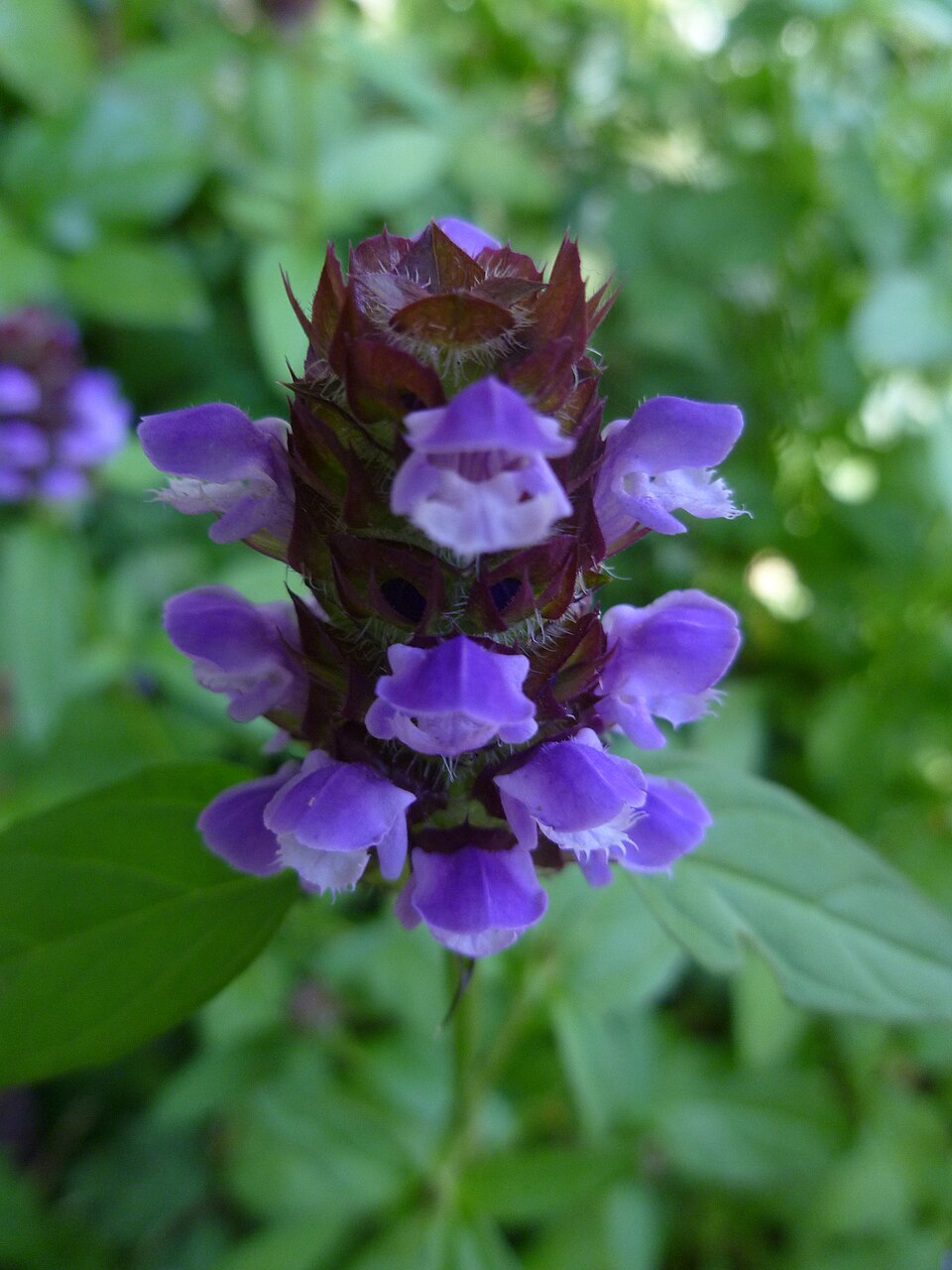
Do not plant. Listed invasive in Mississippi.
Plant this instead
Choose your county to list local plants first.
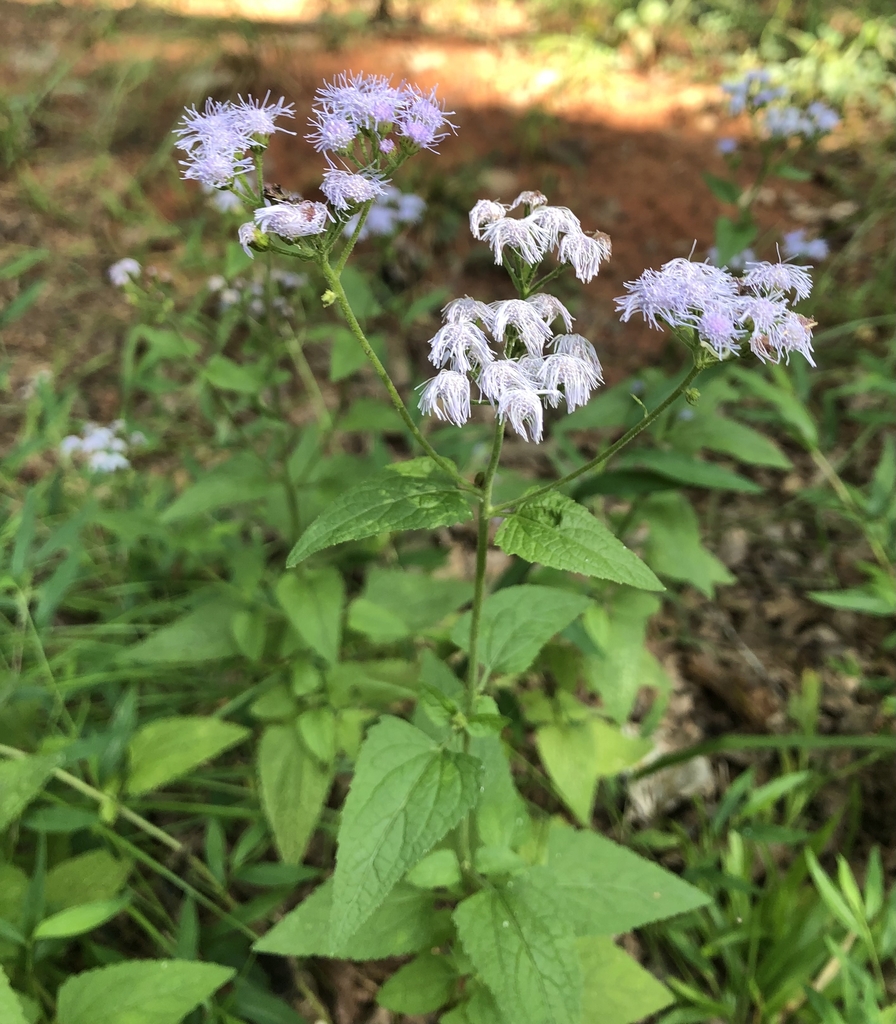
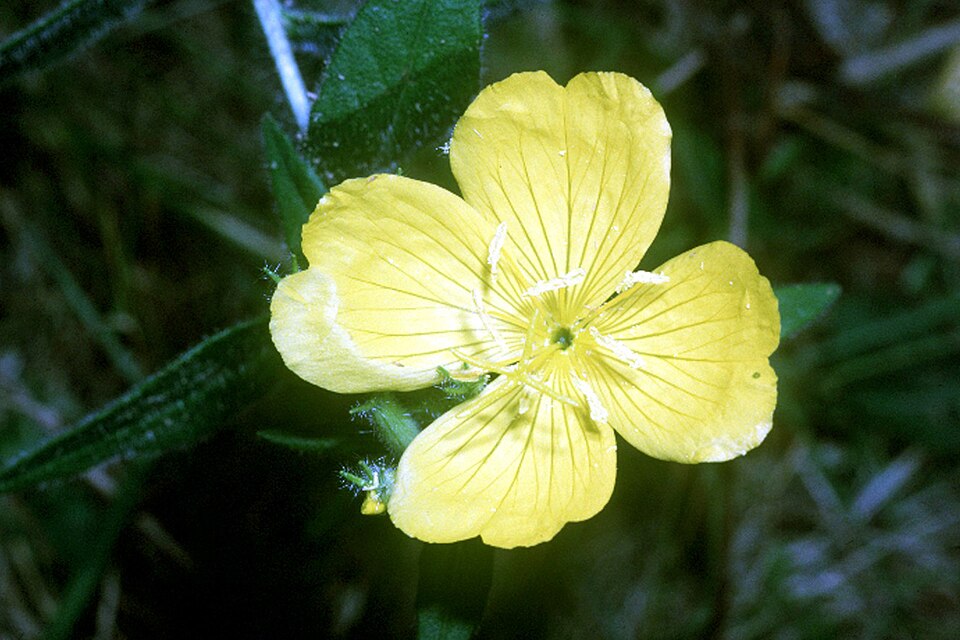
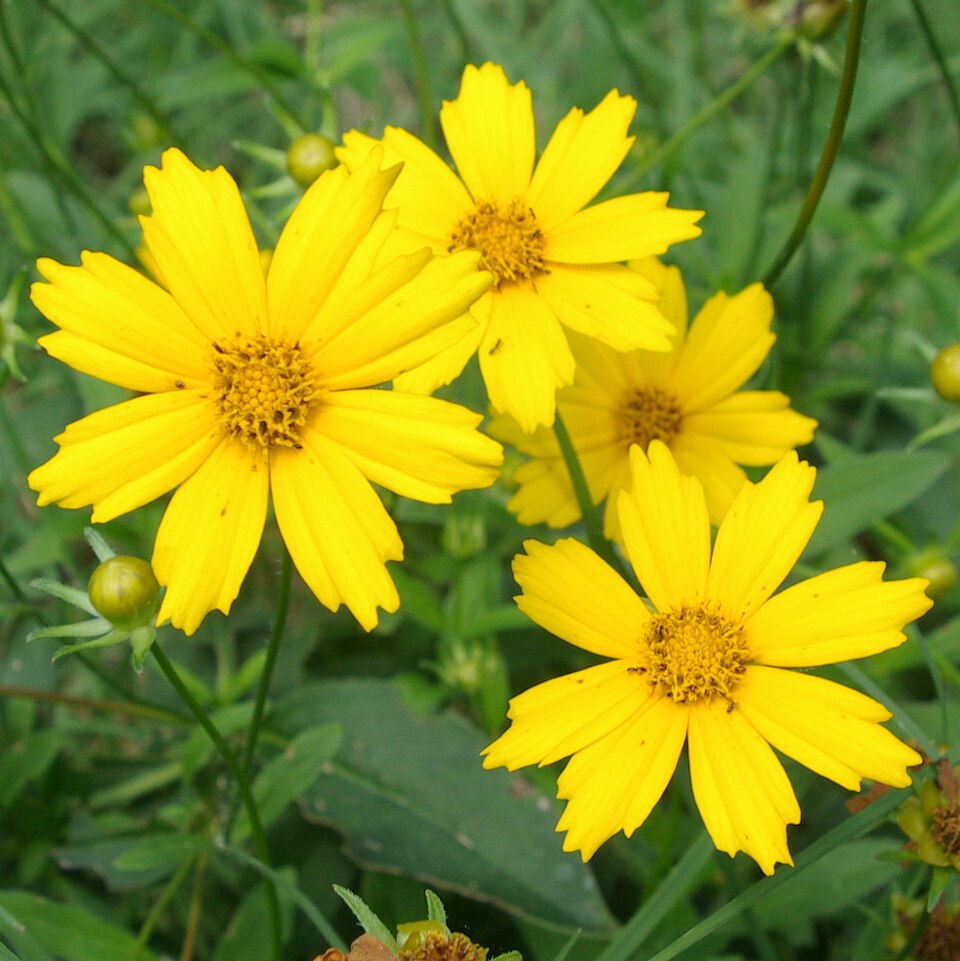
No recorded swaps for this county. Try the garden finder.
At a glance
- Life cycle
- Perennial
- Bloom
- Mid summer
- Fruiting season
- Summer to fall
Not yet recorded · Spread · Leaves
Recorded in 54 Mississippi counties.
Also found with this plant
Wildlife whose habitat models include habitats this plant grows in, in Mississippi. Shared habitat, not food. 114 animals.
- Acadian FlycatcherEmpidonax virescens
- American Black DuckAnas rubripes
- American CrowCorvus brachyrhynchos
- American GoldfinchCarduelis tristis
- American KestrelFalco sparverius
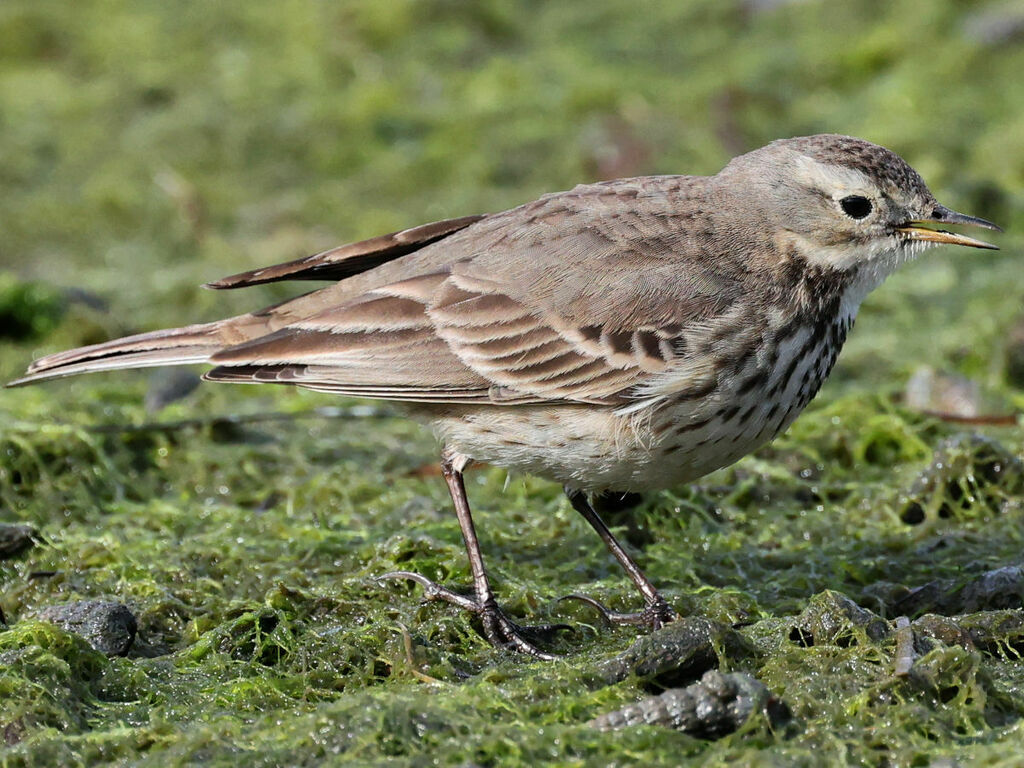
- American PipitAnthus rubescens
- American RedstartSetophaga ruticilla
- American RobinTurdus migratorius
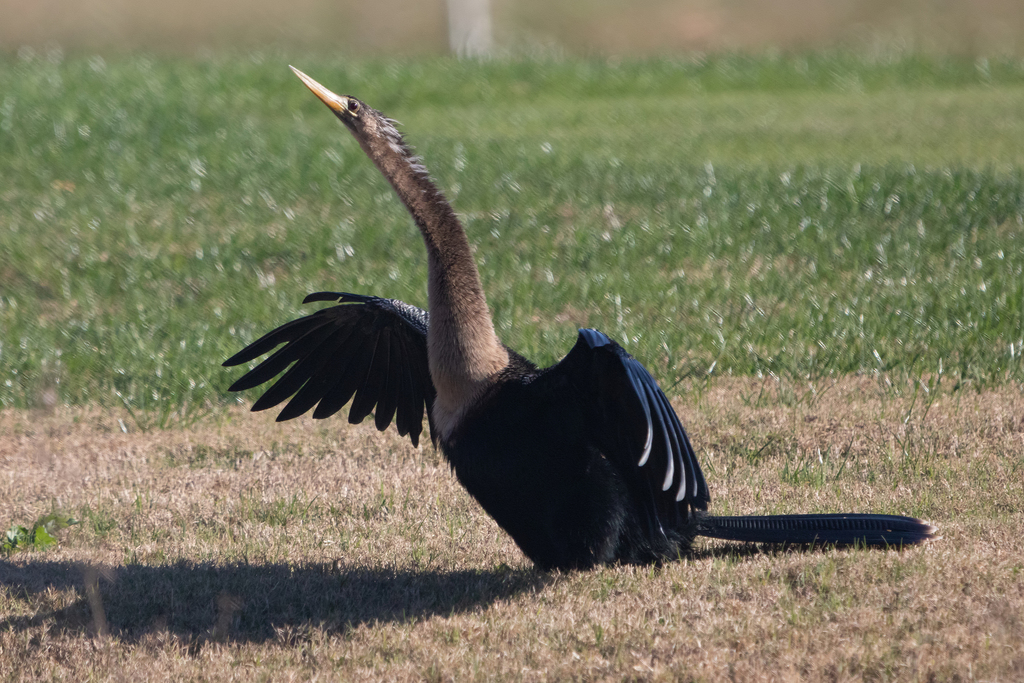
- AnhingaAnhinga anhinga
- Bald EagleHaliaeetus leucocephalus
- Baltimore OrioleIcterus galbula
- Barred OwlStrix varia
- Belted KingfisherMegaceryle alcyon
- Black VultureCoragyps atratus
- Black-and-White WarblerMniotilta varia
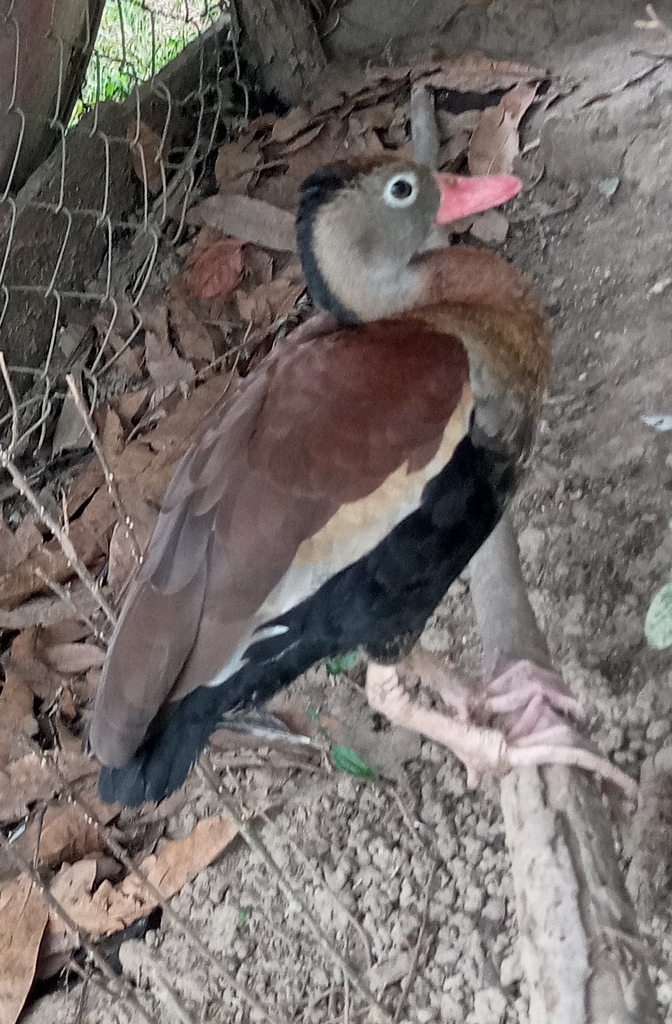
- Black-bellied Whistling-DuckDendrocygna autumnalis
- Black-crowned Night-heronNycticorax nycticorax
- Blue GrosbeakPasserina caerulea
- Blue JayCyanocitta cristata
- Blue-gray GnatcatcherPolioptila caerulea
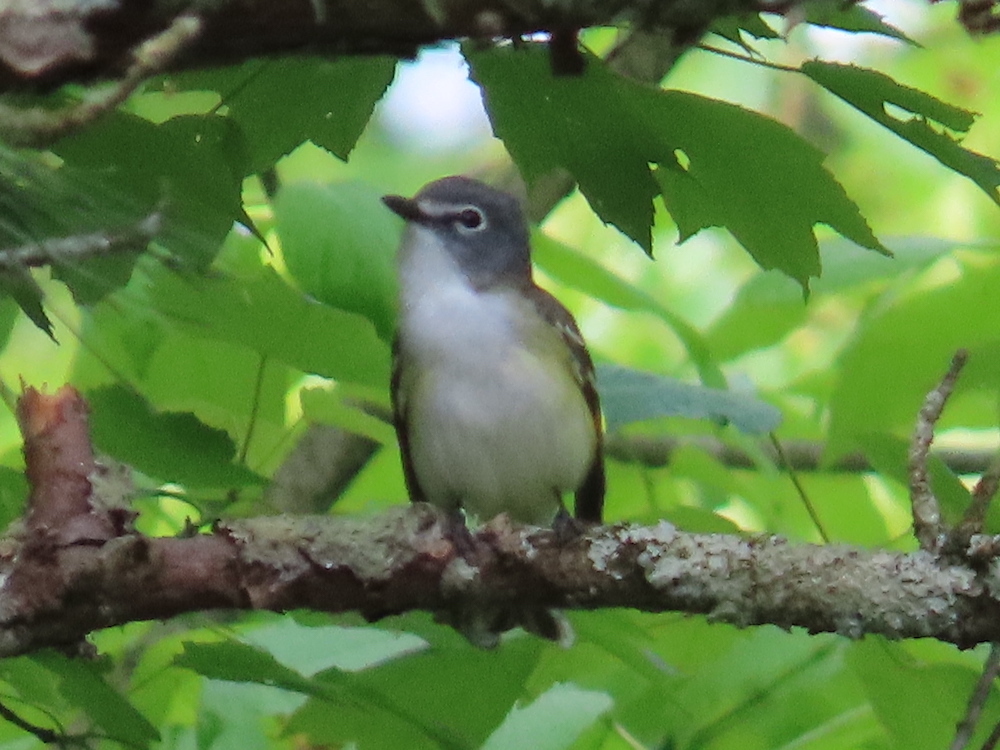
- Blue-headed VireoVireo solitarius
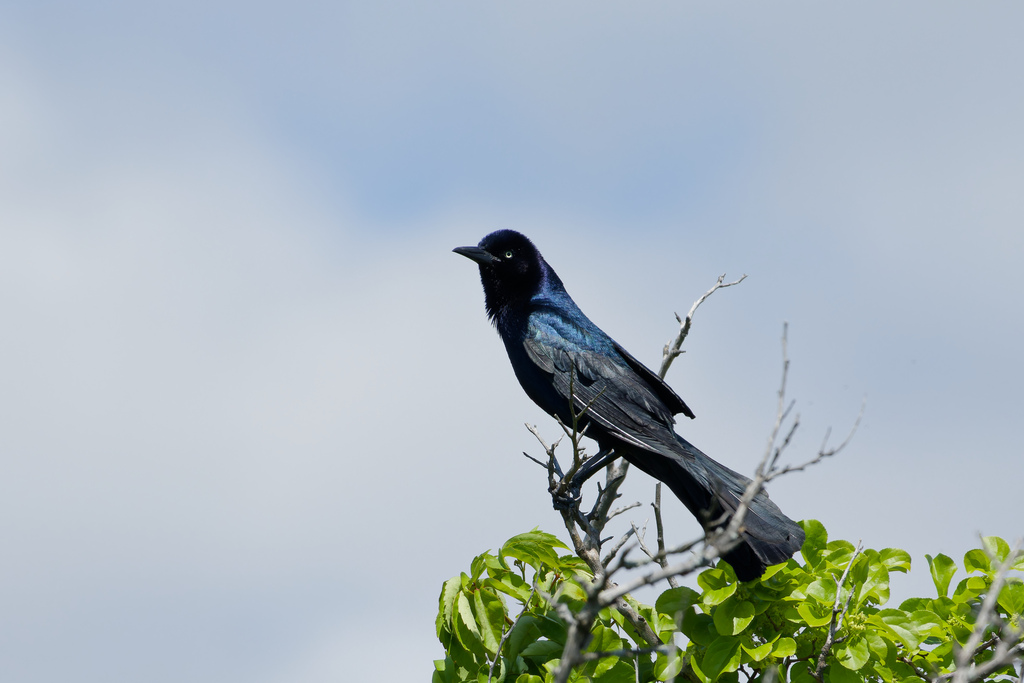
- Boat-tailed GrackleQuiscalus major
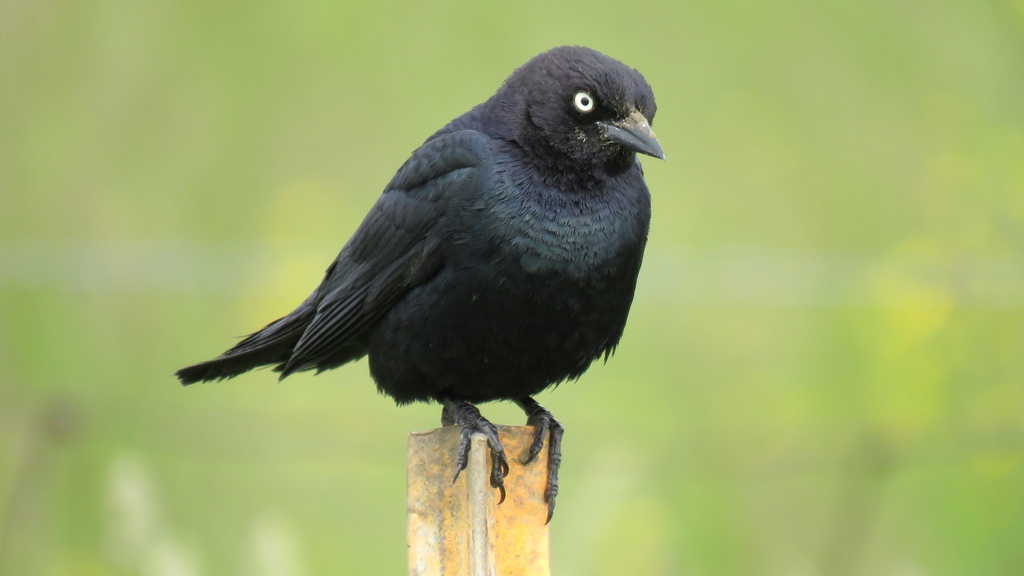
- Brewer's BlackbirdEuphagus cyanocephalus
- Broad-winged HawkButeo platypterus



















Ecological relationships
Who uses this plant?
 —CaterpillarsGenus host records with ranges including MS
 —BeesSoutheastern regional records
 —Specialist beesPollen specialists
 —BirdsRecorded genus food-resource interactions; not a state feeding claim
Flies 2
- Archytas aterrima
- Exoprosopa fasciata
Flower visits · Carlinville, Illinois, USA
Adult butterflies / moths 5
- Ancyloxypha numitor
- Atrytone delaware
- Limochores taumas
- Pholisora hayhurstii
- Pontia protodice
Flower visits · Carlinville, Illinois, USA
No records yet · Ants · Beetles · Other wasps · Other insects
Growing and identification
Plant details
- Family
- Lamiaceae
- Flower color
- Purple
- Growth rate
- Rapid
- Growth habit
- Spreads by runners
- Foliage color
- Gray-green
- Fruit begins
- Summer
- Fruit ends
- Fall
What its natural habitat tells you
Safety has not been reviewed for this plant; check toxicity and thorns before planting.
Growing sources and scope
- Bloom · “Mid summer” · USDA PLANTS · Nationwide species characteristics; local growing conditions may vary
- Flower color · “Purple” · USDA PLANTS · Nationwide species characteristics; local growing conditions may vary
- Foliage color · “Gray-green” · USDA PLANTS · Nationwide species characteristics; local growing conditions may vary
- Fruit begins · “Summer” · USDA PLANTS · Nationwide species characteristics; local growing conditions may vary
- Fruit ends · “Fall” · USDA PLANTS · Nationwide species characteristics; local growing conditions may vary
- Growth habit · “Spreads by runners” · USDA PLANTS · Nationwide species characteristics; local growing conditions may vary
- Growth rate · “Rapid” · USDA PLANTS · Nationwide species characteristics; local growing conditions may vary
- Height · “About 1.5 feet” · USDA PLANTS (ranked first; Minnesota Wildflowers differs) · Nationwide species characteristics; local growing conditions may vary
- Life cycle · “Perennial” · Minnesota Wildflowers
- primary_flower_color · “purple” · USDA PLANTS
Also known as
Heal All; Self Heal
Conservation status
| Mississippi rank | SNR |
|---|---|
| Global rank | G5 |
| MS status | Not verified |
| Federal status | Not verified |
Sources
- USDA PLANTS
- Vascular Plants of North Carolina (NC Natural Heritage Program)
- Mississippi occurrence source
- Shropshire & Tallamy 2025, Lepidoptera of North America north of Mexico, ZooKeys 1261 (ODbL)
- Noori, Seltmann & Orr 2026, A curated and integrated dataset for exploring global bee-plant interactions (GloBI), Zenodo, CC BY 4.0
- Smith, Bachelder, Russell, Morales, Mosher & Seltmann 2024, Bee-Specialization-Modeling v0.6.1 (specialist host table compiled from J. Fowler's pollen specialist bee lists), Zenodo, CC BY 4.0
- Hurlbert, Olsen, Sawyer & Winner 2021, Avian Diet Database, Scientific Data 8: 260 (CC0)
- Narango, Tallamy & Shropshire 2020, Few keystone plant genera support the majority of Lepidoptera species, Nature Communications