

Bird
Baltimore Oriole
Icterus galbula
A summer resident that nests in Mississippi. Found in all 82 counties, across 13 habitats.
- Here
- Summer and on migration
- Nesting
- Nests here
- Range
- All 82 counties
- Habitats
- 13

At a glance
- Group
- Birds
- Here
- Summer and on migration
- Nesting
- Nests here
- Range
- All 82 counties
- Habitats
- 13
- Habitat models
- Summer, Winter
Where it lives
The places its habitat model includes. It is not found everywhere a habitat occurs.
Habitats in Mississippi 13
Each habitat page lists the plants and wildlife also found there.
Dense, evergreen groves of live oak, magnolia and other hardwoods in the southern Coastal Plain, from dry oak domes to wet hydric hammocks and south Florida's tropical hammocks; salt-shaped maritime hammocks are maritime forests.
Disturbed and introduced wetlands
Wet ground taken over by weedy or introduced plants after disturbance, such as common reed, Chinese tallow or tamarisk stands; the upland counterpart is roadsides, fields and disturbed ground.
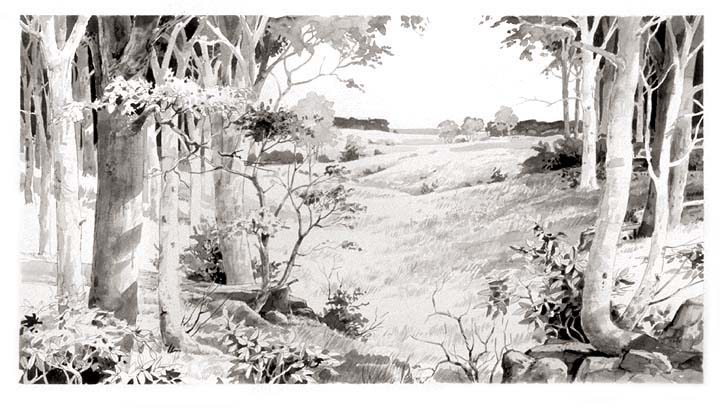
Forests and open woodlands on dry ridges and slopes, often oak or pine.
Floodplain and bottomland forests
Forests on low ground beside rivers and streams that flood from time to time.
Flat, poorly drained uplands and terraces with oaks, sweetgum and sometimes loblolly pine, wet in winter and dry in summer, but neither a floodplain nor a swamp.
Salt-pruned forests and shrub thickets behind coastal dunes.
Forests between dry and moist, often oak-hickory on slopes.
Forests on moist but not wet ground, such as rich slopes and ravines.
Open, grass-dominated places kept open by fire, grazing or thin soil, from tallgrass prairie to Piedmont prairies.
Roadsides, fields and disturbed ground
Ground opened by people: roadsides, old fields, pastures, fencerows and lots.
Forested wetlands with standing water much of the year, such as cypress and gum swamps.
Tree plantations and managed pine
Planted or intensively managed stands of pine or hardwoods grown for timber; a land use rather than a natural community.
Other habitats in its models (77)
Land cover, or classes with no habitat page in Mississippi.
- Developed, Low Intensity Summer and winter.
- Central and Southern Appalachian Northern Hardwood Forest Summer.
- East Gulf Coastal Plain Northern Loess Plain Oak-Hickory Upland - Hardwood Modifier Winter.
- Northeastern Interior Dry Oak Forest-Hardwood Modifier Summer.
- Northeastern Interior Dry Oak Forest - Mixed Modifier Summer.
- Ridge and Valley Calcareous Valley Bottom Glade and Woodland Summer.
- Southern and Central Appalachian Oak Forest - Xeric Summer.
- Northeastern Interior Dry-Mesic Oak Forest Summer.
- Ozark-Ouachita Dry-Mesic Oak Forest Summer.
- Southern Interior Low Plateau Dry-Mesic Oak Forest Summer.
- Crosstimbers Oak Forest and Woodland Summer.
- North-Central Interior Dry-Mesic Oak Forest and Woodland Summer.
- North-Central Interior Dry Oak Forest and Woodland Summer.
- North-Central Interior Beech-Maple Forest Summer.
- North-Central Interior Maple-Basswood Forest Summer.
- Southern and Central Appalachian Oak Forest Summer.
- Allegheny-Cumberland Dry Oak Forest and Woodland - Hardwood Summer.
- Central and Southern Appalachian Montane Oak Forest Summer.
- South Florida Hardwood Hammock Winter.
- Atlantic Coastal Plain Dry and Dry-Mesic Oak Forest Summer.
- Southwest Florida Coastal Strand and Maritime Hammock Winter.
- Southeast Florida Coastal Strand and Maritime Hammock Winter.
- Mississippi River Alluvial Plain Dry-Mesic Loess Slope Forest Summer.
- East-Central Texas Plains Riparian Forest Summer.
- East-Central Texas Plains Floodplain Forest Summer.
- Ozark-Ouachita Dry Oak Woodland Summer.
- Southern Piedmont Mesic Forest Summer.
- Southern Crowley's Ridge Mesic Loess Slope Forest Summer.
- East Gulf Coastal Plain Interior Shortleaf Pine-Oak Forest - Hardwood Modifier Winter.
- Southern Piedmont Dry Oak-(Pine) Forest - Hardwood Modifier Summer.
- East Gulf Coastal Plain Black Belt Calcareous Prairie and Woodland - Woodland Modifier Winter.
- East Gulf Coastal Plain Interior Shortleaf Pine-Oak Forest - Mixed Modifier Winter.
- Southern Piedmont Dry Oak-(Pine) Forest - Mixed Modifier Summer.
- Southern Piedmont Dry Oak-Heath Forest - Mixed Modifier Summer.
- Northern Atlantic Coastal Plain Dry Hardwood Forest Summer.
- Ozark-Ouachita Shortleaf Pine-Oak Forest and Woodland Summer.
- Central Appalachian Oak and Pine Forest Summer.
- Appalachian Hemlock-Hardwood Forest Summer.
- Southern Ridge and Valley Dry Calcareous Forest Summer.
- Central Appalachian Pine-Oak Rocky Woodland Summer.
- Southern and Central Appalachian Cove Forest Summer.
- South-Central Interior Mesophytic Forest Summer.
- Atlantic Coastal Plain Mesic Hardwood and Mixed Forest Summer.
- East Gulf Coastal Plain Interior Upland Longleaf Pine Woodland - Offsite Hardwood Modifier Winter.
- Central and Southern Appalachian Spruce-Fir Forest Summer.
- Florida Peninsula Inland Scrub Winter.
- North-Central Interior Oak Savanna Summer.
- North-Central Oak Barrens Summer.
- Cumberland Sandstone Glade and Barrens Summer.
- Eastern Highland Rim Prairie and Barrens - Dry Modifier Summer.
- Recently Logged Areas Summer and winter.
- Harvested Forest - Grass/Forb Regeneration Summer and winter.
- Recently Burned Summer and winter.
- Recently Burned Forest Summer and winter.
- Recently Burned Grassland Summer and winter.
- Recently Burned Shrubland Summer and winter.
- Introduced Upland Vegetation - Shrub Summer and winter.
- Introduced Upland Vegetation - Forbland Summer and winter.
- Introduced Upland Vegetation - Perennial Grassland Summer and winter.
- Introduced Upland Vegetation - Perennial Grassland and Forbland Summer and winter.
- Northern Atlantic Coastal Plain Basin Swamp and Wet Hardwood Forest Summer.
- Atlantic Coastal Plain Nonriverine Swamp and Wet Hardwood Forest - Taxodium/Nyssa Modifier Summer.
- Atlantic Coastal Plain Nonriverine Swamp and Wet Hardwood Forest - Oak Dominated Modifier Summer.
- Atlantic Coastal Plain Blackwater Stream Floodplain Forest - Forest Modifier Summer.
- Central Appalachian Floodplain - Forest Modifier Summer.
- Central Appalachian Riparian - Forest Modifier Summer.
- South-Central Interior Large Floodplain - Forest Modifier Summer.
- Southern Piedmont Large Floodplain Forest - Forest Modifier Summer.
- East Gulf Coastal Plain Large River Floodplain Forest - Herbaceous Modifier Winter.
- Eastern Great Plains Floodplain Systems Summer.
- Central Interior and Appalachian Riparian Systems Summer.
- Southern Coastal Plain Hydric Hammock Winter.
- Southern Piedmont Small Floodplain and Riparian Forest Summer.
- Atlantic Coastal Plain Small Brownwater River Floodplain Forest Summer.
- Atlantic Coastal Plain Small Blackwater River Floodplain Forest Summer.
- South-Central Interior Small Stream and Riparian Summer.
- North-Central Interior Wet Flatwoods Summer.
Seasons in Mississippi
- Migratory: does not nest here, in 14 of 82 counties.
- Summer: nests here, in 79 of 82 counties.
Also found in this habitat
Plants 420
Plants named in NatureServe descriptions of these habitats that grow in Mississippi. Shared habitat, not food.
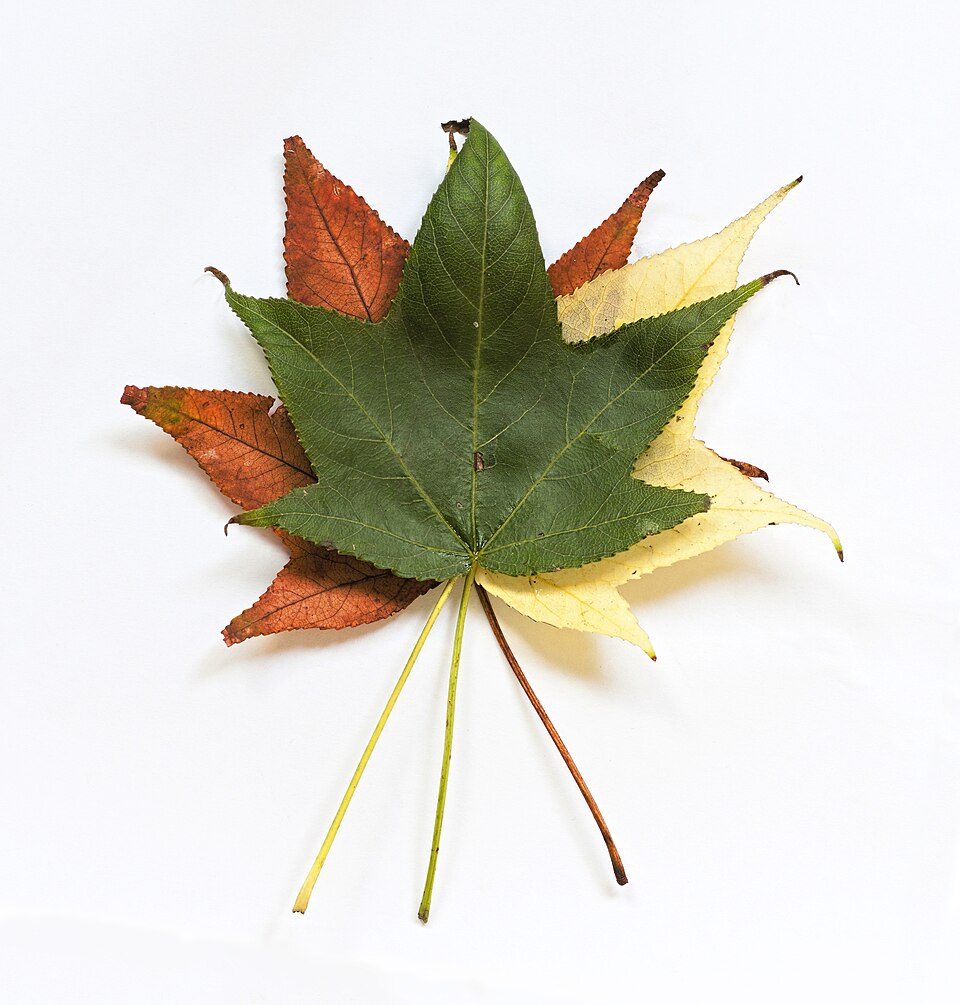
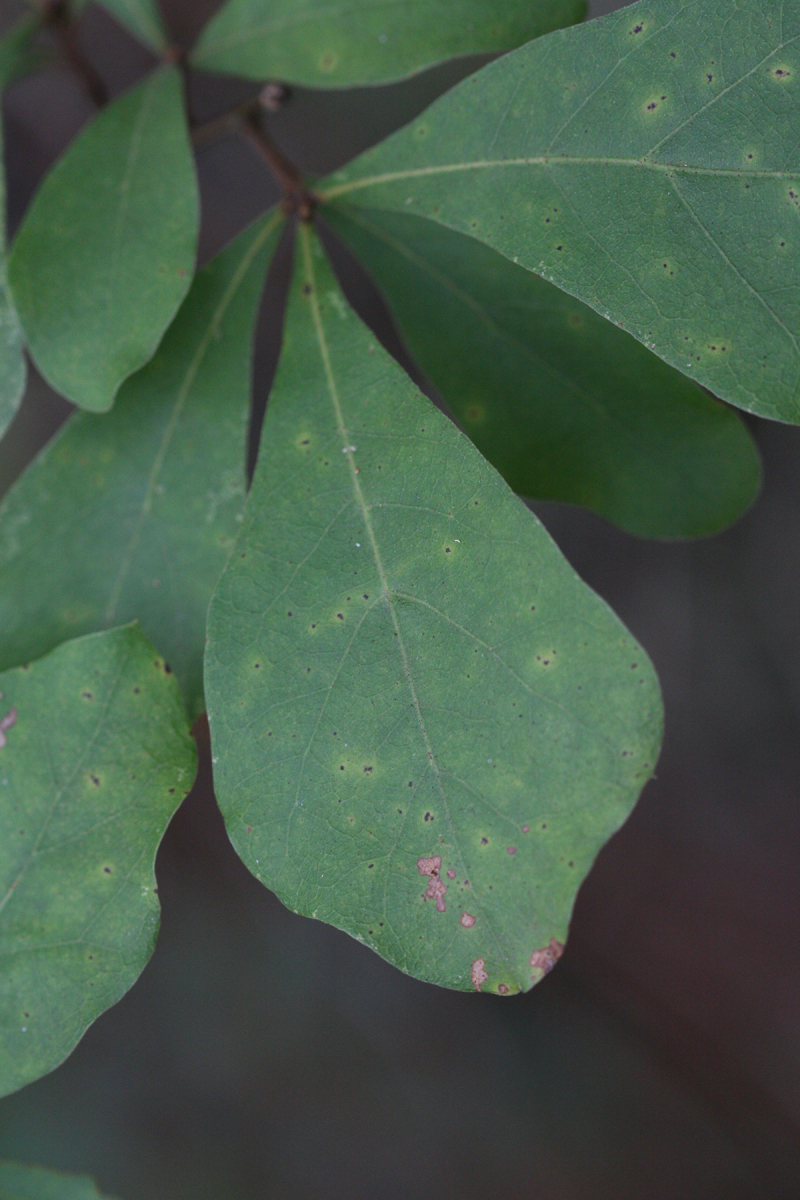
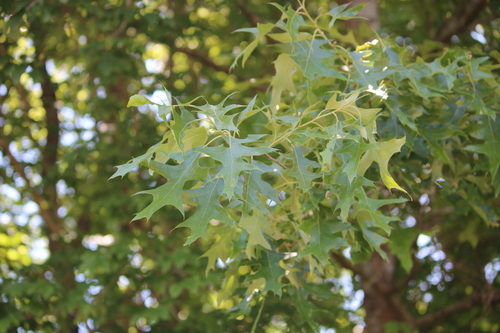
- SweetgumLiquidambar styraciflua
- Water OakQuercus nigra
- Cherrybark OakQuercus pagoda
- Pignut HickoryCarya glabra
- Southern MagnoliaMagnolia grandiflora
- American BeechFagus grandifolia
- Loblolly PinePinus taeda
- TuliptreeLiriodendron tulipifera
- White OakQuercus alba
- Dwarf PalmettoSabal minor
- Poison-ivyToxicodendron radicans
- Red MapleAcer rubrum
- Ravine SedgeCarex impressinervia
- SugarberryCeltis laevigata
- Longleaf SpikegrassChasmanthium sessiliflorum
- Flowering DogwoodCornus florida
- White AshFraxinus americana
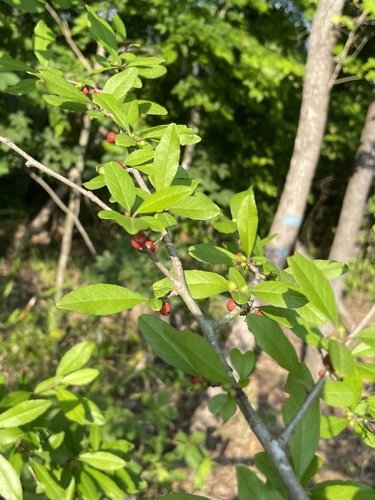
- Possumhaw HollyIlex decidua
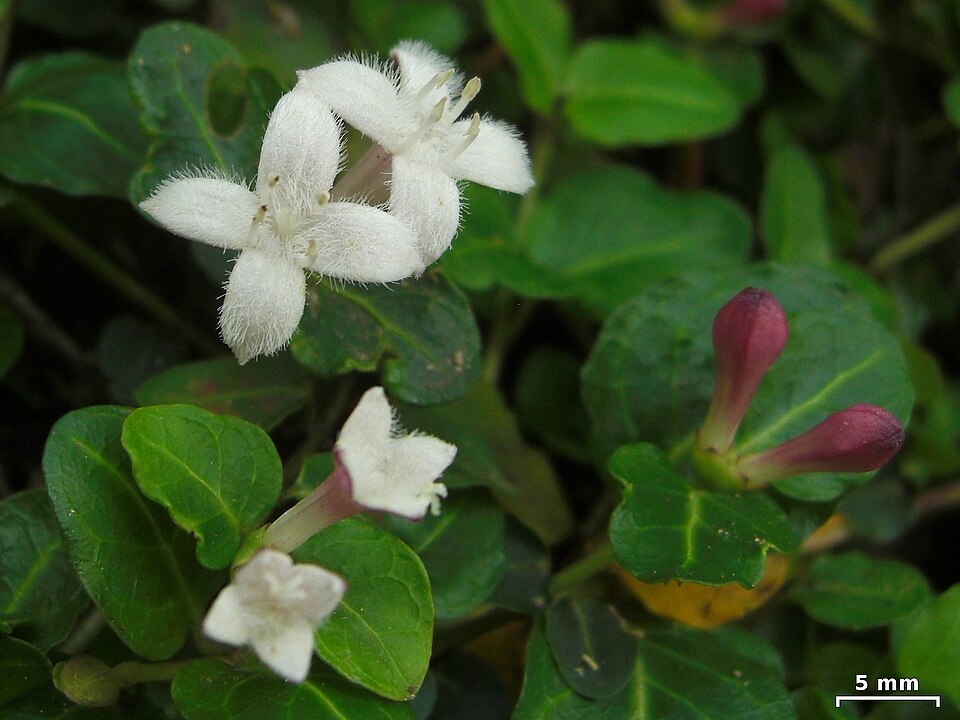
- Partridge-berryMitchella repens
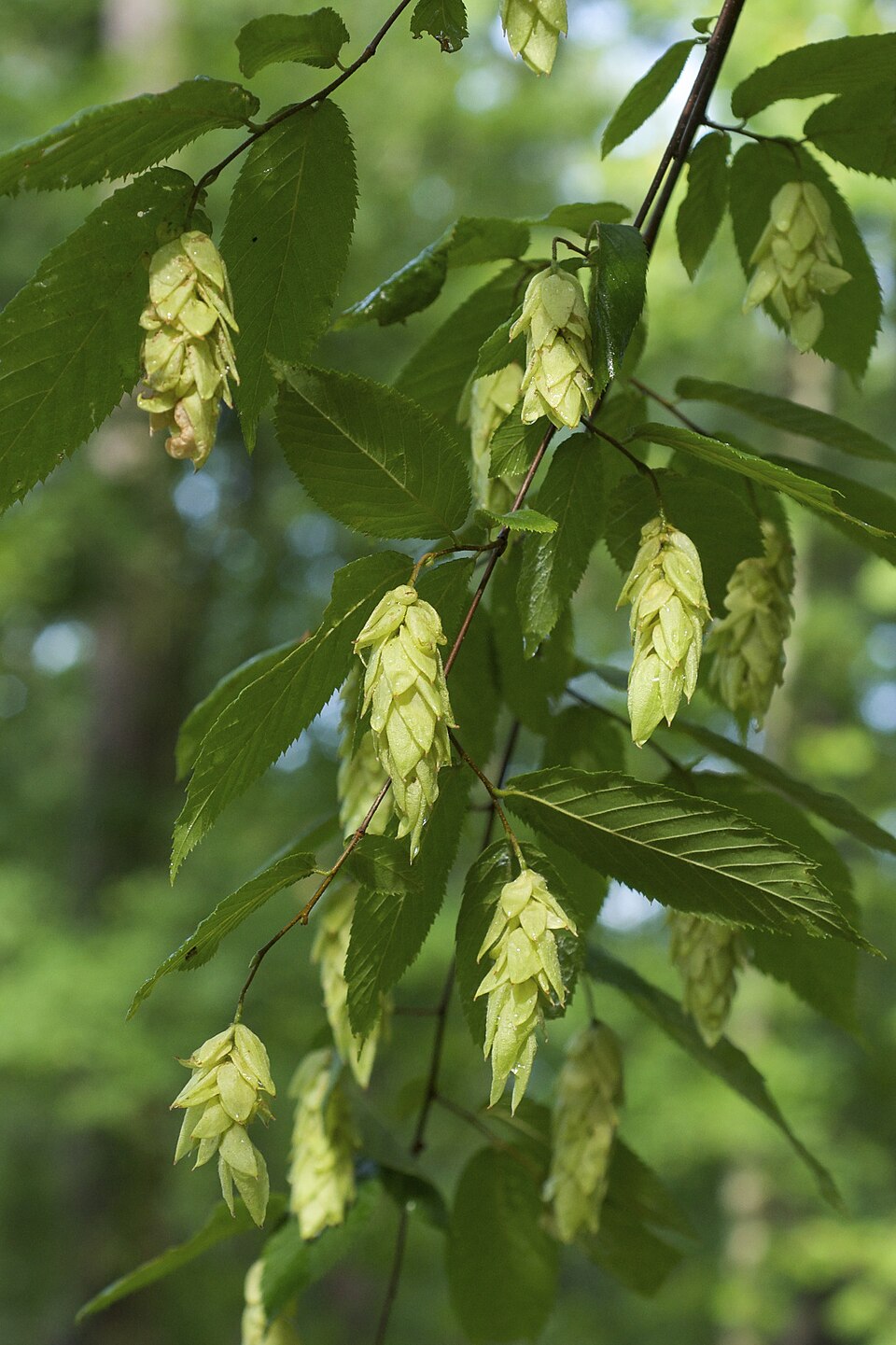
- American Hop-hornbeamOstrya virginiana
- Spruce Pine; Walters Pine; Cedar PinePinus glabra
- Rhapidophyllum hystrixRhapidophyllum hystrix
- Serenoa repensSerenoa repens
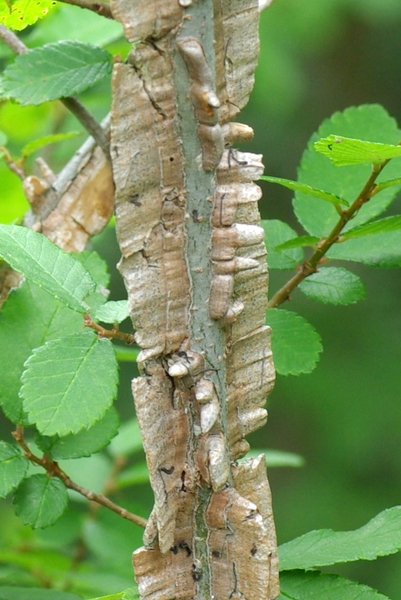
- Winged ElmUlmus alata
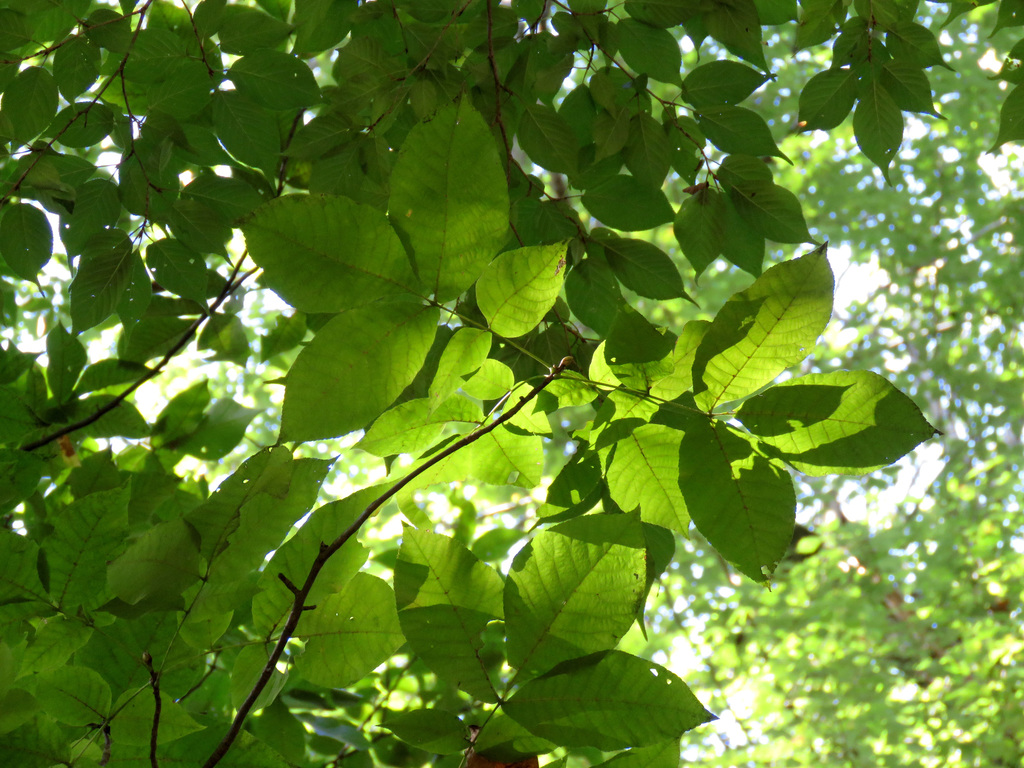
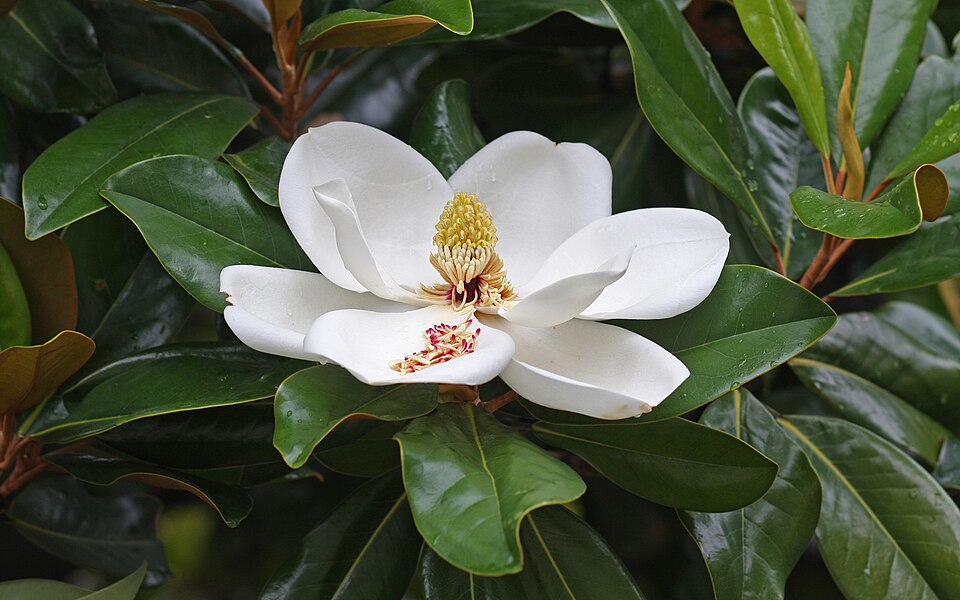
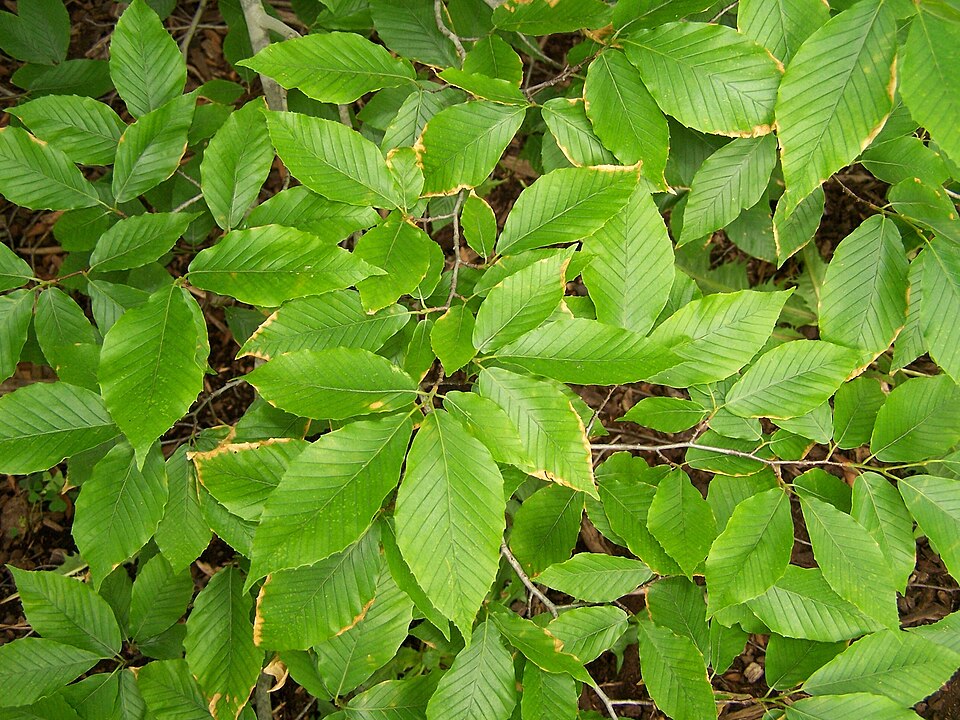
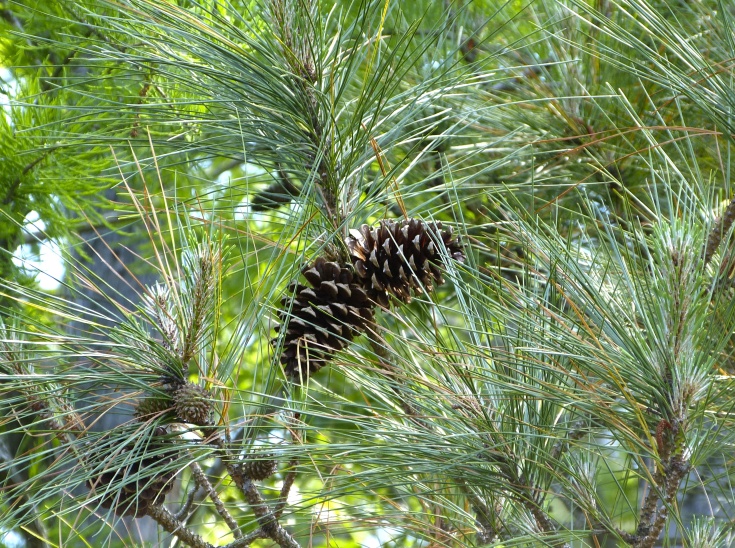
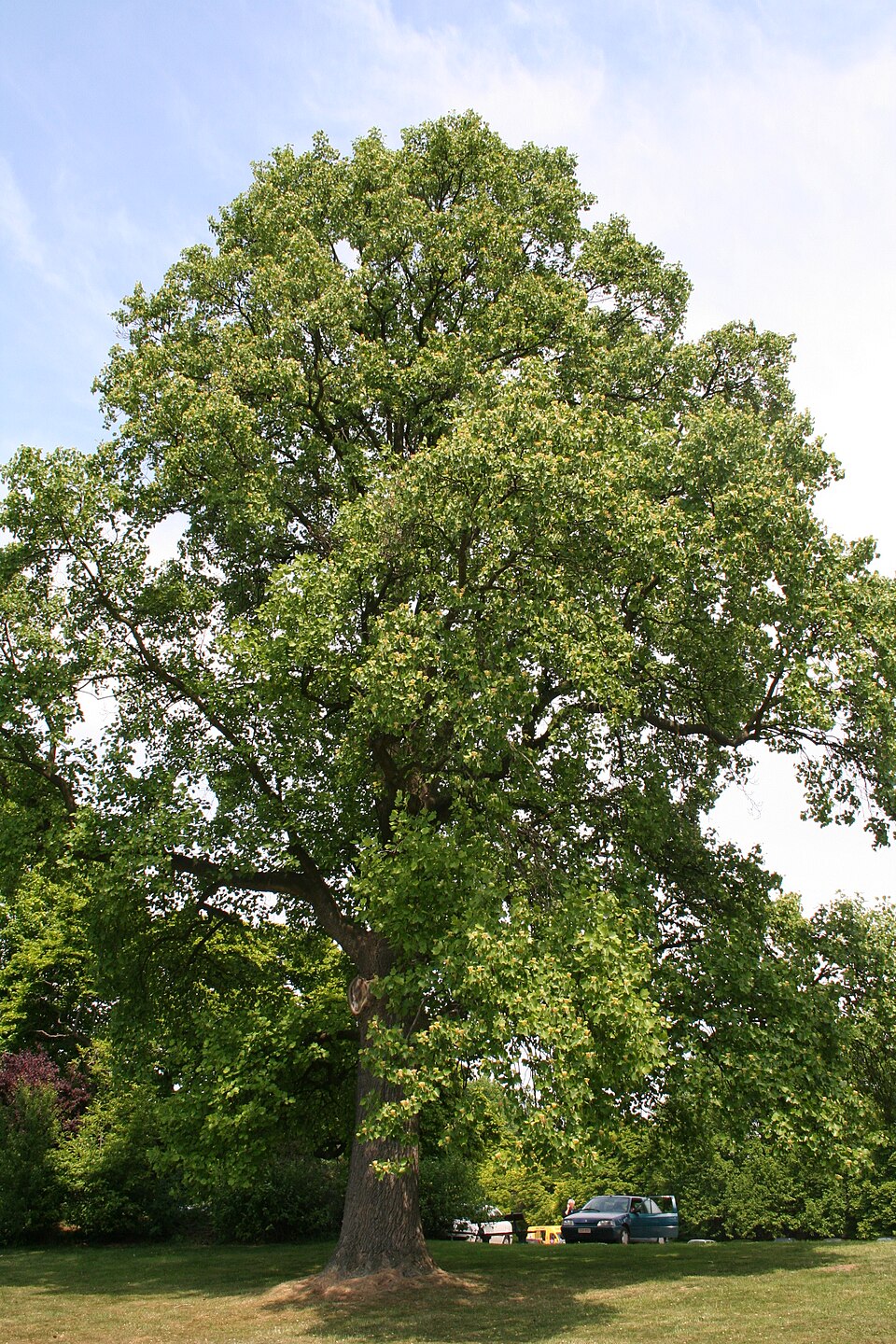
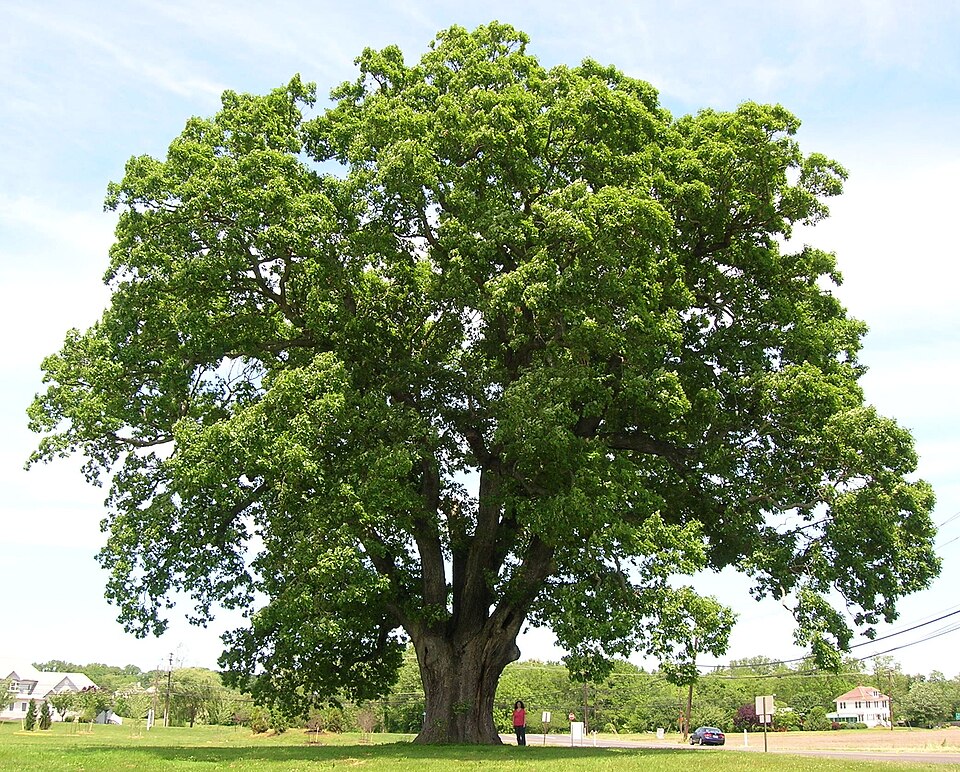
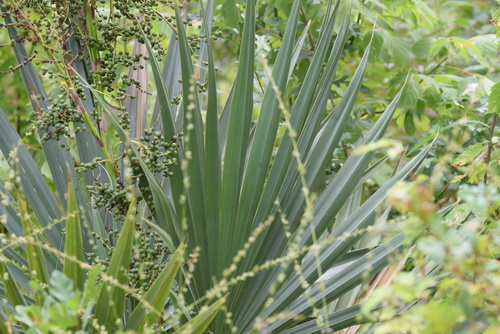
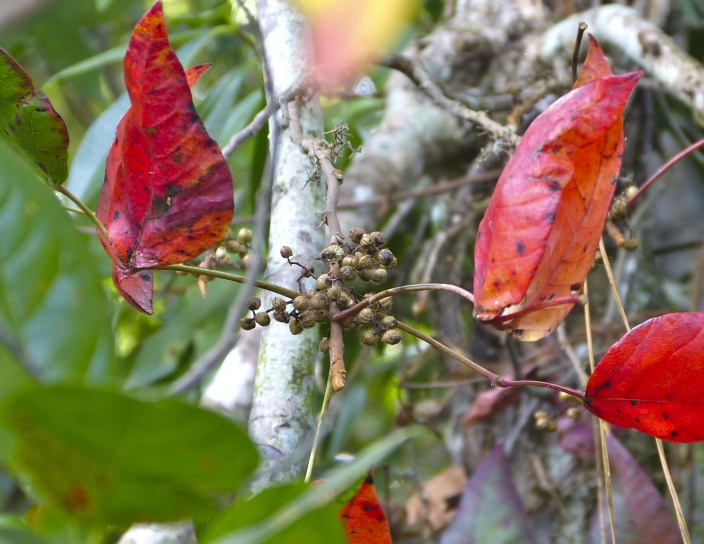
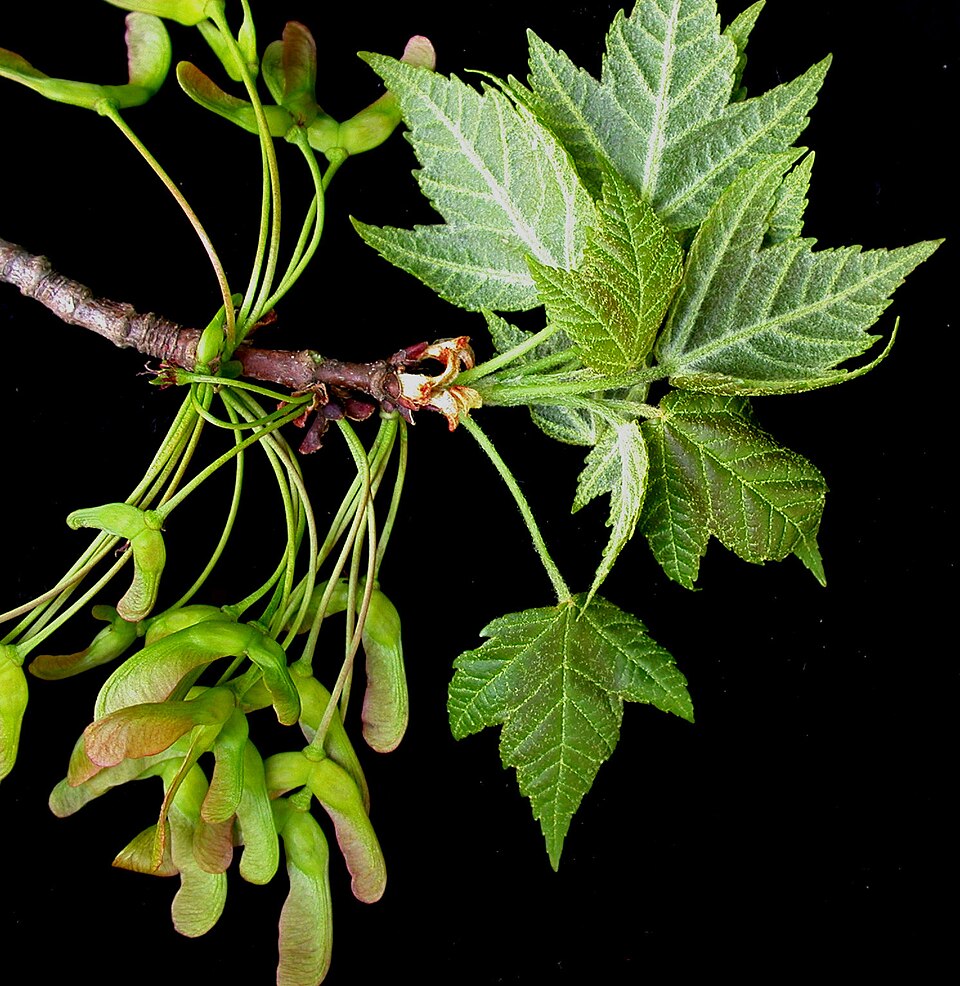
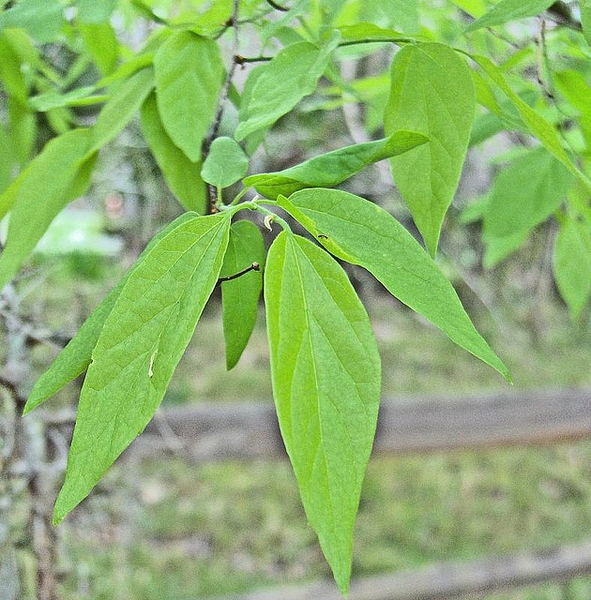
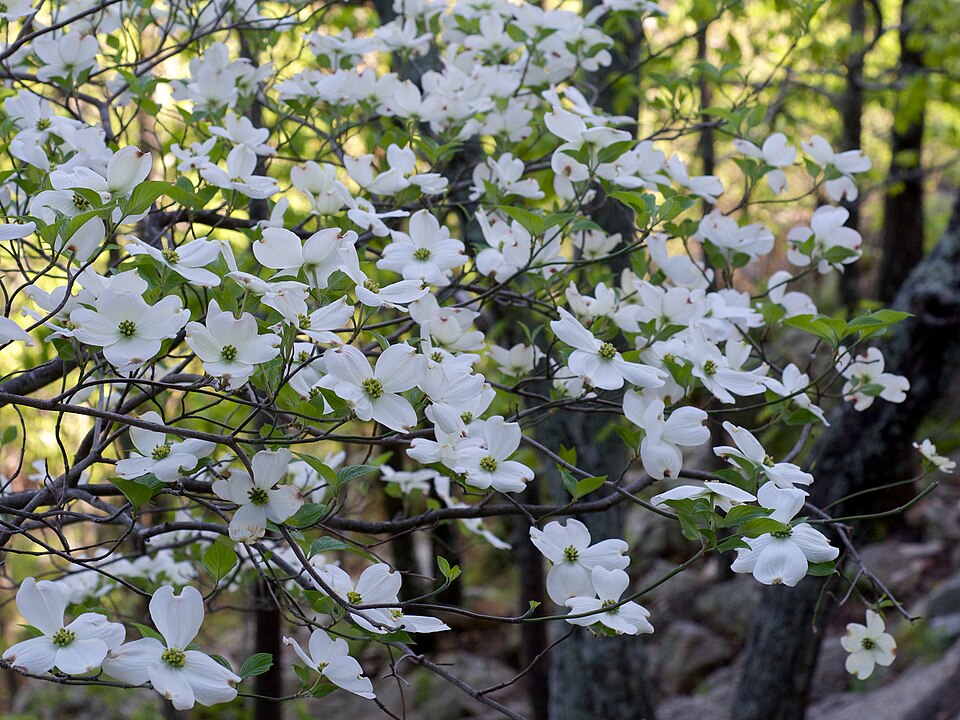
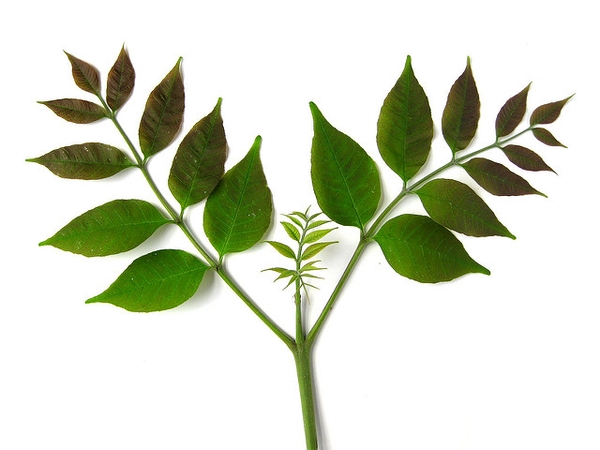
Wildlife 254
Other animals whose habitat models include the same habitats in Mississippi. Not sighting records.
- American CrowCorvus brachyrhynchos
- American GoldfinchCarduelis tristis
- American RobinTurdus migratorius
- Common NighthawkChordeiles minor
- Cooper's HawkAccipiter cooperii
- Eastern KingbirdTyrannus tyrannus
- European StarlingSturnus vulgaris
- Great Horned OwlBubo virginianus
- Northern CardinalCardinalis cardinalis
- Red-tailed HawkButeo jamaicensis
- Red-winged BlackbirdAgelaius phoeniceus
- Sharp-shinned HawkAccipiter striatus
- Turkey VultureCathartes aura
- Yellow-breasted ChatIcteria virens
- Blue GrosbeakPasserina caerulea
- Blue-gray GnatcatcherPolioptila caerulea
- Carolina WrenThryothorus ludovicianus
- Cedar WaxwingBombycilla cedrorum
- Chimney SwiftChaetura pelagica
- Chipping SparrowSpizella passerina
- Common GrackleQuiscalus quiscula
- Common YellowthroatGeothlypis trichas
- Eastern Screech-owlMegascops asio
- Eastern TowheePipilo erythrophthalmus
























NatureServe Explorer, CC BY 4.0. USGS Gap Analysis Project habitat models.
Sources
- USGS Gap Analysis Project habitat models (2001)
- USGS GAP winter habitat model for Baltimore Oriole
- USGS Gap Analysis Project range maps (2001), modeled by watershed; migratory gives no dates
- NatureServe Explorer (CC BY 4.0), habitat names
- US Census TIGER/Line counties
- Names follow the USGS Gap Analysis Project (2001)