

Midwestern Evening-primrose
Oenothera pilosella
Found in fens, marshes, swamps, moist fields, disturbed areas. Weakley, Flora of the Southeastern United States (2025), South Central edition What its natural habitat tells you
Native to Mississippi (estimated). How scores work Is it native here?
Profile 100%
- Height
- About 2 feet
- Spread
- 1.5–2 feet
- Light
- Full sun
- Soil moisture
- Average to wet
Space about 2 ft apart from its recorded spread, about 25 per 100 sq ft. Enter your bed size for a count
Will it fit your yard?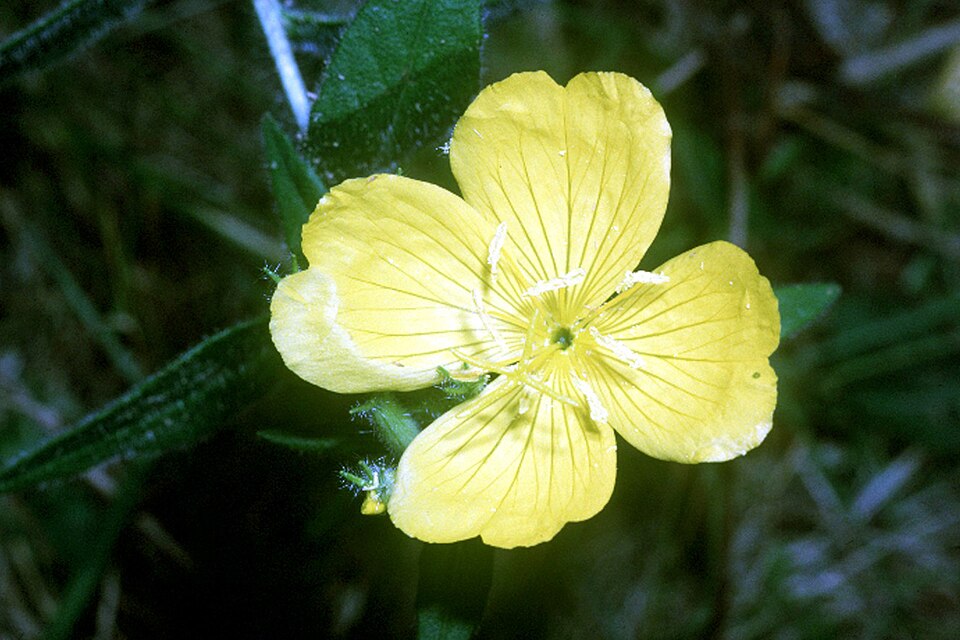

At a glance
- Bloom
- Late spring
- Fruiting season
- Spring to summer
Not yet recorded · Life cycle · Leaves
Recorded in 10 Mississippi counties.
Natural habitats
Places it grows wild. Not a planting requirement. Each habitat page lists the plants and wildlife also found there.
Open, herb-covered wetlands with fresh, non-tidal water.
Forested wetlands with standing water much of the year, such as cypress and gum swamps.
Roadsides, fields and disturbed ground
Ground opened by people: roadsides, old fields, pastures, fencerows and lots.
Who uses this plant?
 22CaterpillarsGenus host records with ranges including MS
Genus host records with ranges including MS · Oenothera
- Amphion floridensisNessus Sphinx
- Apantesis argeArge Tiger Moth
- Atroposia oenotheranaPrimrose Cochylid
- Desmia funeralisGrape Leaffolder Moth
- Eudryas unioPearly Wood-Nymph
- Euhagena emphytiformisGaura Borer Moth
- Eumorpha fasciatusBanded Sphinx
- Eupithecia miserulataCommon Eupithacia, Common Pug
- Hyles lineataWhite-Lined Sphinx
- Mompha albocapitellaWhite-Based Mompha
Show all 22
- Mompha circumscriptellaCircumscript Mompha
- Mompha eloisellaRed-Streaked Mompha
- Papaipema nebrisStalk Borer
- Proserpinus gauraeProud Sphinx
- Schinia floridaPrimrose Flower Moth, Evening Primrose Flower Moth
- Schinia gauraeClouded Crimson
- Sparganothis sulfureanaSparganothis Fruitworm Moth, Sulfur Leafroller, False Yellow-Head
- Spodoptera eridaniaSouthern Armyworm Moth
- Dichomeris agonia
- Mompha brevivittella
- Mompha rufocristatella
- Mompha stellella
 23BeesSoutheastern regional records
Southeastern regional records · Oenothera
Individual names are not available yet.
Noori, Seltmann & Orr 2026, A curated and integrated dataset for exploring global bee-plant interactions (GloBI), Zenodo, CC BY 4.0 4Specialist beesPollen specialists
Pollen specialists · Oenothera
- Lasioglossum aberrans
- Lasioglossum lusorium
- Lasioglossum oenotherae
- Melissodes fimbriatus
 5BirdsRecorded genus food-resource interactions; not a state feeding claim
Recorded genus food-resource interactions; not a state feeding claim · Oenothera
- Columbina passerinaCommon Ground Dove
- Meleagris gallopavoWild Turkey
- Ortalis vetulaPlain Chachalaca
- Tympanuchus pallidicinctusLesser Prairie-Chicken
- Zenaida macrouraMourning Dove
Direct food only: birds recorded eating this genus across North America. Caterpillars on host plants also feed nesting birds. NC Native Plant Society: butterfly gardening
No records yet · Ants · Beetles · Flies · Adult butterflies / moths · Other wasps · Other insects
Plant details
- Family
- Onagraceae
- Hardiness
- Zones 3–8
- Flower color
- Purple
- Growth rate
- Moderate
- Growth habit
- Spreads by runners
- Foliage color
- Gray-green
- Fruit begins
- Spring
- Fruit ends
- Summer
Safety has not been reviewed for this plant; check toxicity and thorns before planting.
Growing sources and scope
- Bloom · “Late spring” · USDA PLANTS (ranked first; Prairie Moon 2026 Cultural Guide differs) · Nationwide species characteristics; local growing conditions may vary
- Flower color · “Purple” · USDA PLANTS (ranked first; Prairie Moon 2026 Cultural Guide differs) · Nationwide species characteristics; local growing conditions may vary
- Foliage color · “Gray-green” · USDA PLANTS · Nationwide species characteristics; local growing conditions may vary
- Fruit begins · “Spring” · USDA PLANTS · Nationwide species characteristics; local growing conditions may vary
- Fruit ends · “Summer” · USDA PLANTS · Nationwide species characteristics; local growing conditions may vary
- Growth habit · “Spreads by runners” · USDA PLANTS · Nationwide species characteristics; local growing conditions may vary
- Growth rate · “Moderate” · USDA PLANTS · Nationwide species characteristics; local growing conditions may vary
- Hardiness · “Zones 3–8” · Missouri Botanical Garden Plant Finder
- Height · “About 2 feet” · USDA PLANTS (ranked first; Missouri Botanical Garden Plant Finder, Prairie Moon 2026 Cultural Guide differ) · Nationwide species characteristics; local growing conditions may vary
- Light · “Full sun” · Missouri Botanical Garden Plant Finder (ranked first; Prairie Moon 2026 Cultural Guide differs)
- Soil · “Medium to wet” · Missouri Botanical Garden Plant Finder (ranked first; Prairie Moon 2026 Cultural Guide differs)
- Spread · “1.5–2 feet” · Missouri Botanical Garden Plant Finder
Also known as
Meadow Evening Primrose; Midwestern Evening Primrose
Conservation status
| Mississippi rank | SNA |
|---|---|
| Global rank | G5 |
| MS status | Not verified |
| Federal status | Not verified |
Will it fit your yard?
Check this plant against your county, sun and soil moisture. Conditions are checked in your browser.
Growing cautions
- Spreads by runners. USDA PLANTS lists its growth form as stoloniferous. USDA PLANTS
For planning only; these do not change the score or Fit.
Sources
- USDA PLANTS
- Weakley, Flora of the Southeastern United States (2025)
- Mississippi occurrence source
- Shropshire & Tallamy 2025, Lepidoptera of North America north of Mexico, ZooKeys 1261 (ODbL)
- Noori, Seltmann & Orr 2026, A curated and integrated dataset for exploring global bee-plant interactions (GloBI), Zenodo, CC BY 4.0
- Smith, Bachelder, Russell, Morales, Mosher & Seltmann 2024, Bee-Specialization-Modeling v0.6.1 (specialist host table compiled from J. Fowler's pollen specialist bee lists), Zenodo, CC BY 4.0
- Hurlbert, Olsen, Sawyer & Winner 2021, Avian Diet Database, Scientific Data 8: 260 (CC0)
- Narango, Tallamy & Shropshire 2020, Few keystone plant genera support the majority of Lepidoptera species, Nature Communications