

Bird
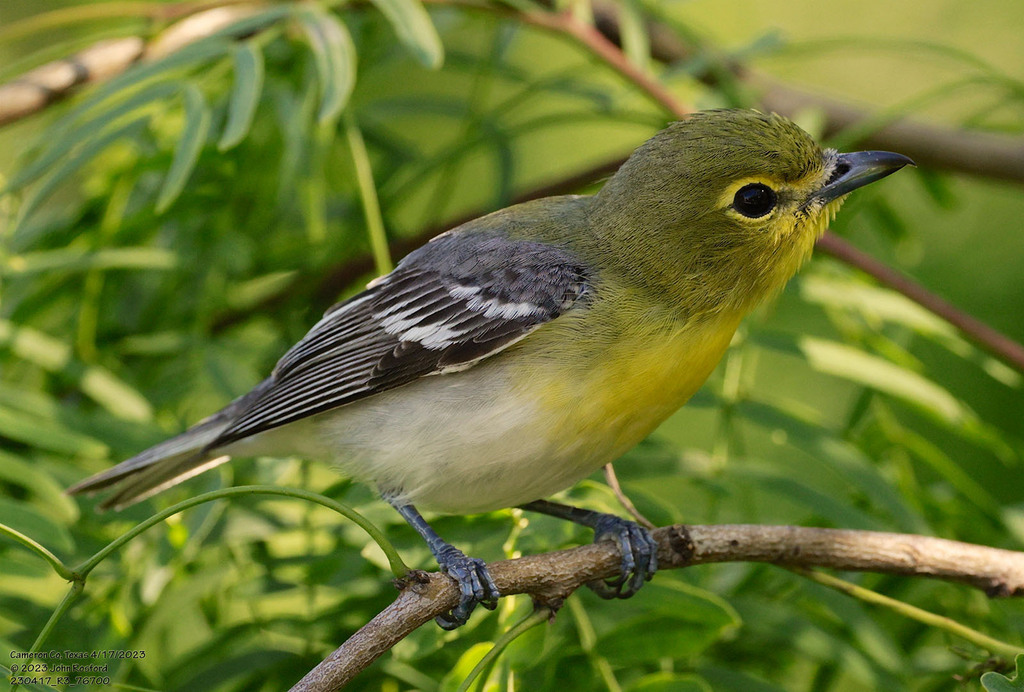
Yellow-throated Vireo
Vireo flavifrons
A summer resident that nests in Arkansas. Found in all 75 counties, across 3 habitats.
- Here
- Summer
- Nesting
- Nests here
- Range
- All 75 counties
- Habitats
- 3
At a glance
- Group
- Birds
- Here
- Summer
- Nesting
- Nests here
- Range
- All 75 counties
- Habitats
- 3
- Habitat models
- Summer
Where it lives
The places its habitat model includes. It is not found everywhere a habitat occurs.
Habitats in Arkansas 3
Each habitat page lists the plants and wildlife also found there.
Disturbed and introduced wetlands
Wet ground taken over by weedy or introduced plants after disturbance, such as common reed, Chinese tallow or tamarisk stands; the upland counterpart is roadsides, fields and disturbed ground.
Roadsides, fields and disturbed ground
Ground opened by people: roadsides, old fields, pastures, fencerows and lots.
Tree plantations and managed pine
Planted or intensively managed stands of pine or hardwoods grown for timber; a land use rather than a natural community.
Other habitats in its models (16)
Land cover, or classes with no habitat page in Arkansas. Those recorded in Arkansas first, the rest by region.
In Arkansas 1
- Crosstimbers Oak Forest and Woodland Summer.
Elsewhere in the South (5)
- Central and South Texas Coastal Fringe Forest and Woodland Summer.
- East-Central Texas Plains Floodplain Forest Summer.
- East-Central Texas Plains Post Oak Savanna and Woodland Summer.
- East-Central Texas Plains Riparian Forest Summer.
- Western Great Plains Floodplain Summer.
Midwest (6)
- North-Central Interior Beech-Maple Forest Summer.
- North-Central Interior Dry Oak Forest and Woodland Summer.
- North-Central Interior Dry-Mesic Oak Forest and Woodland Summer.
- North-Central Interior Maple-Basswood Forest Summer.
- Northwestern Great Plains Riparian Summer.
- Western Great Plains Dry Bur Oak Forest and Woodland Summer.
West (1)
- Western Great Plains Riparian Woodland and Shrubland Summer.
Land cover and other classes (3)
- Developed, Low Intensity Summer.
- Tamaulipan Riparian Systems Summer.
- Western Great Plains Floodplain Systems Summer.
Seasons in Arkansas
- Summer: nests here, in all 75 counties.
Food plants
Diet records by plant genus, from studies across North America. Not a record from this state. Plants matched by genus.
Native plants in these genera 19
- Mapleleaf GoosefootChenopodium simplex
- Chenopodium berlandieri var. boscianumChenopodium berlandieri var. boscianum
- Pitseeded GoosefootChenopodium berlandieri
- Standleys GoosefootChenopodium standleyanum
- Phytolacca americana var. americanaPhytolacca americana var. americana
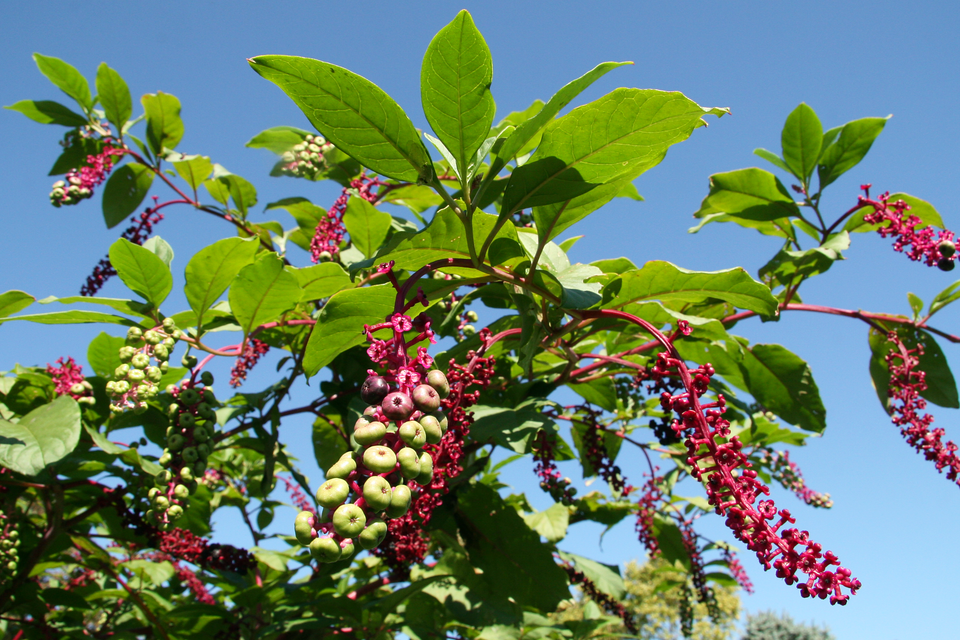
- American PokeweedPhytolacca americana
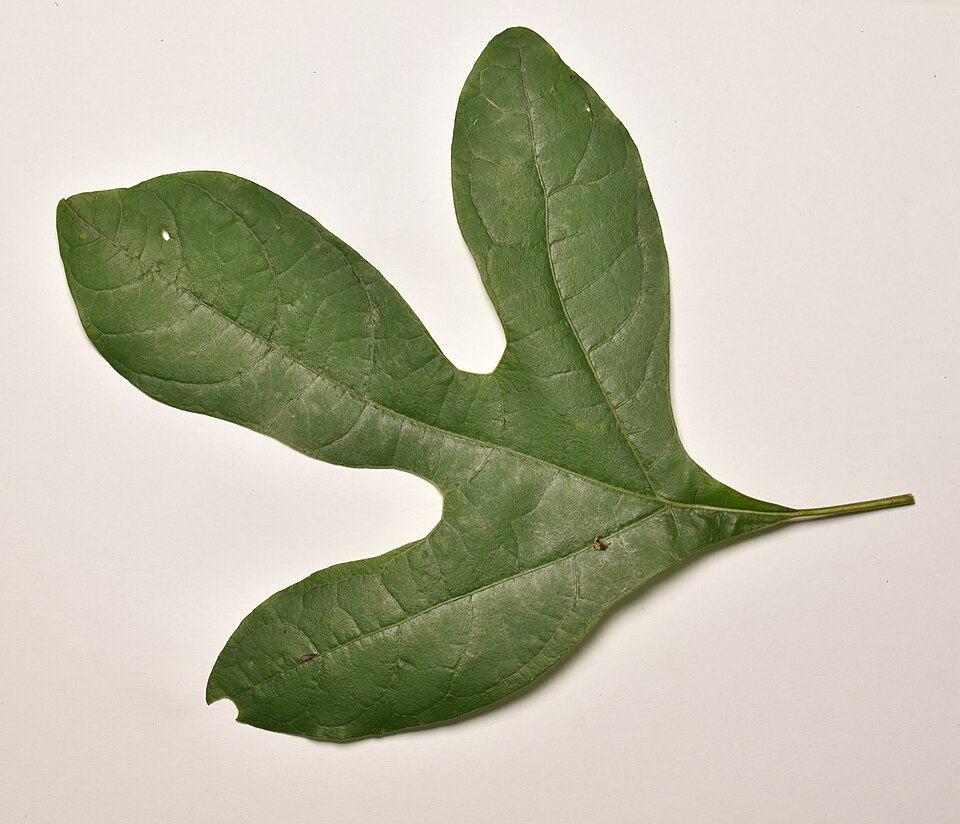
- SassafrasSassafras albidum
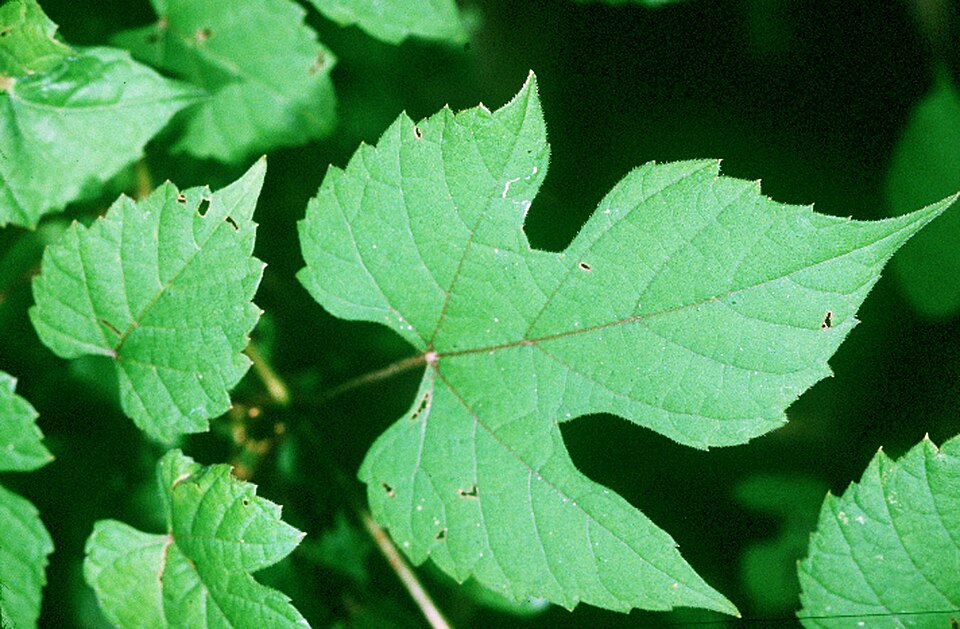
- Red GrapeVitis palmata
- Sand GrapeVitis rupestris
- Summer GrapeVitis lincecumii
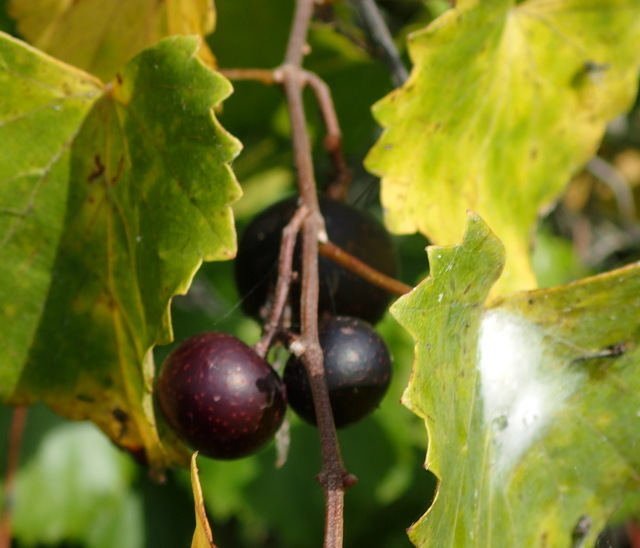
- MuscadineVitis rotundifolia
- Fox GrapeVitis labrusca
- Frost GrapeVitis vulpina
- Possum GrapeVitis baileyana
- Riverbank GrapeVitis riparia
- Summer GrapeVitis aestivalis
- Summer GrapeVitis aestivalis var. aestivalis
- Vitis cinereaVitis cinerea
- Vitis cinerea var. floridanaVitis simpsonii
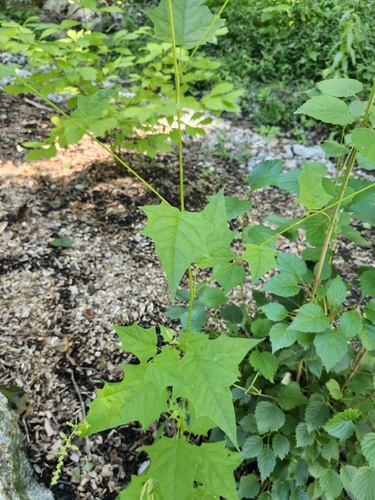
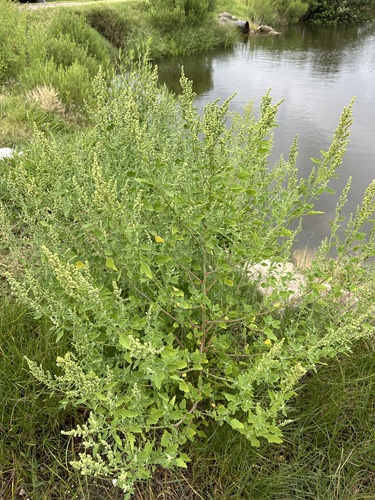
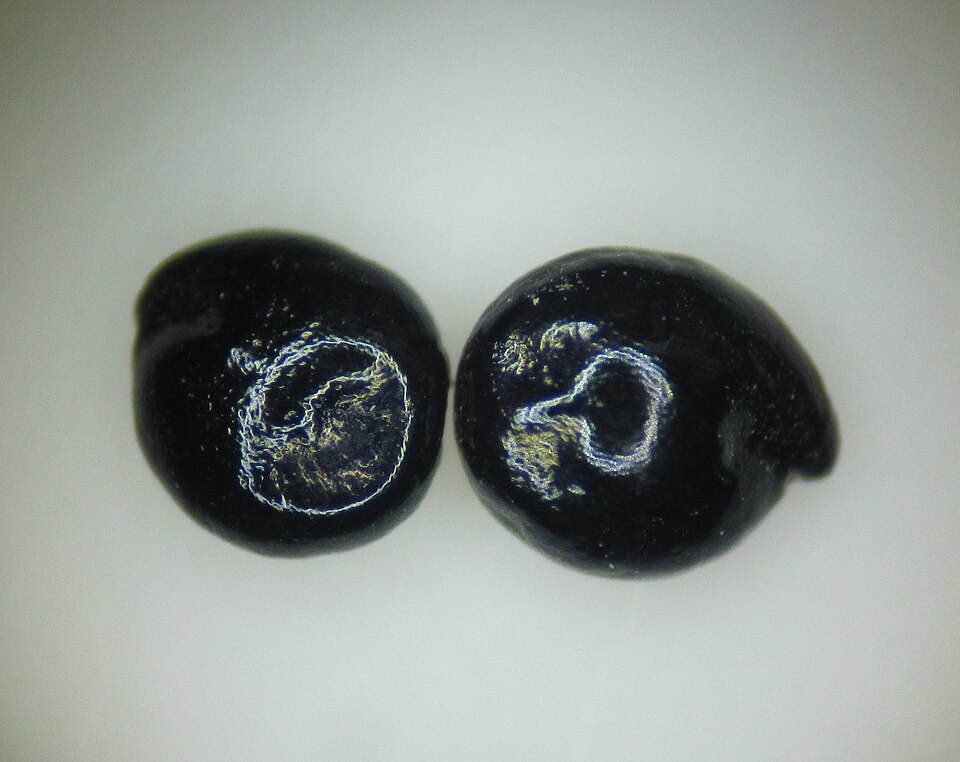
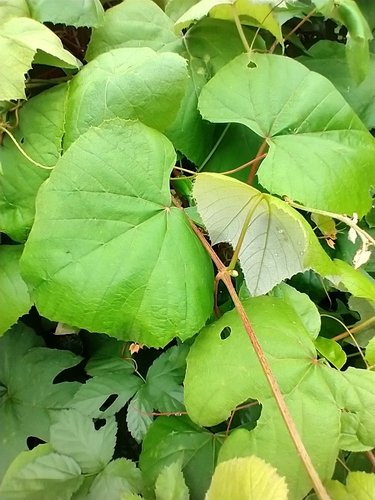
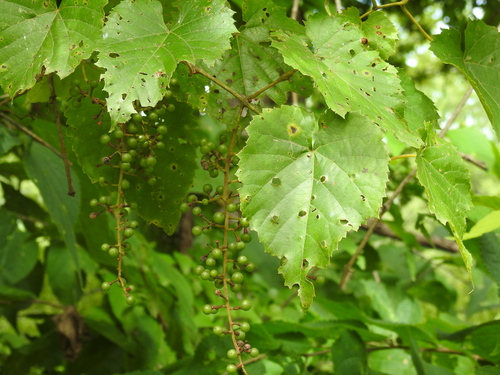
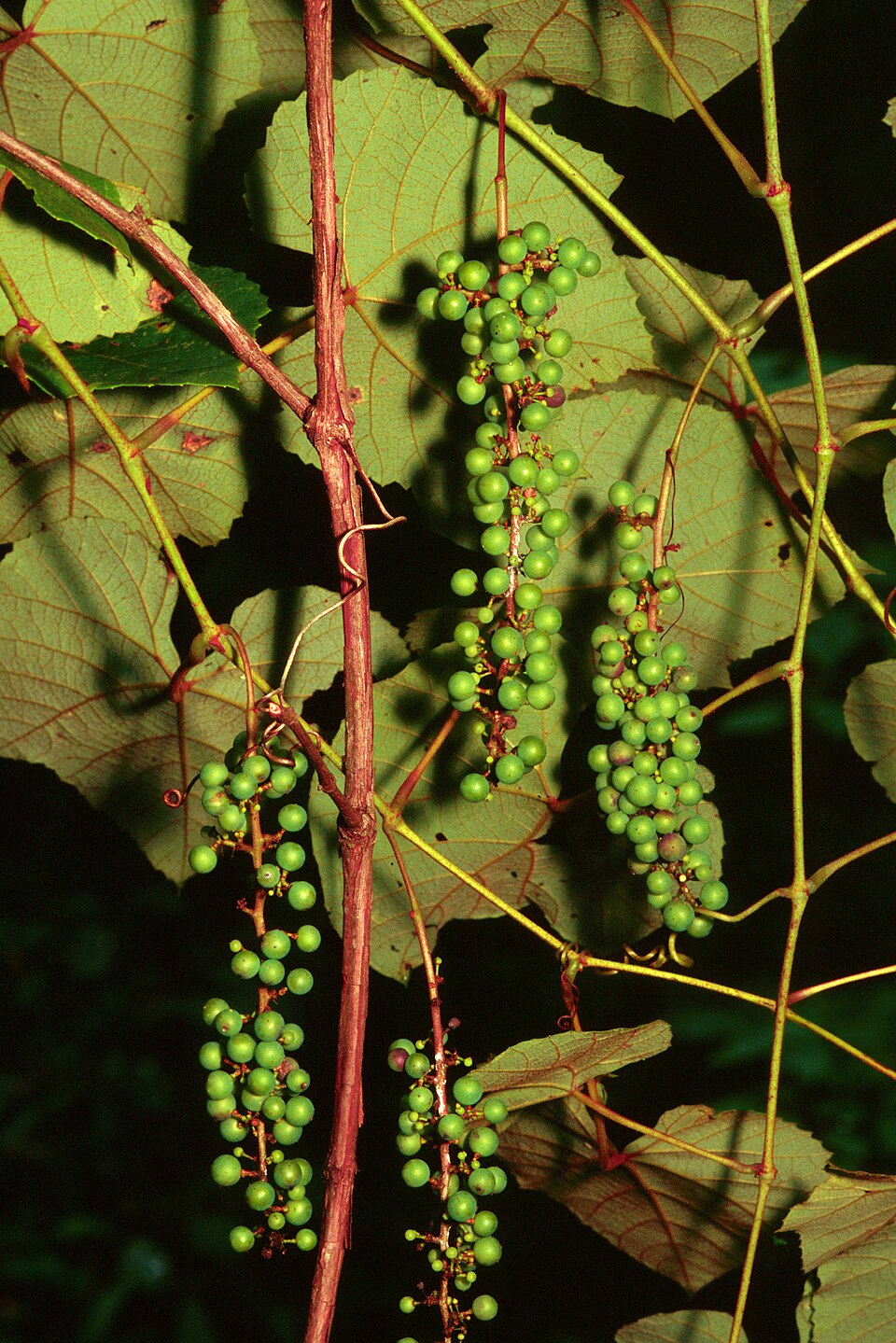
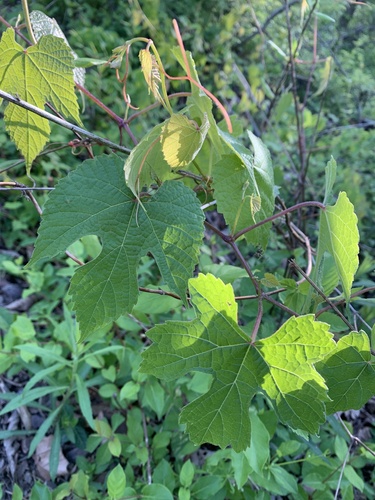
Plant genera in its diet records (4)
- Chenopodium 1 diet record. 4 native plants in Arkansas
- Phytolacca 1 diet record. 2 native plants in Arkansas
- Sassafras 1 diet record. 1 native plant in Arkansas
- Vitis 1 diet record. 12 native plants in Arkansas
Also found in its main habitats
Its main habitats in Arkansas, by how much of its habitat model each one is, with the birds most characteristic of each and the plants that grow wild there. Shared habitat, not food.
Disturbed and introduced wetlands
Birds 102
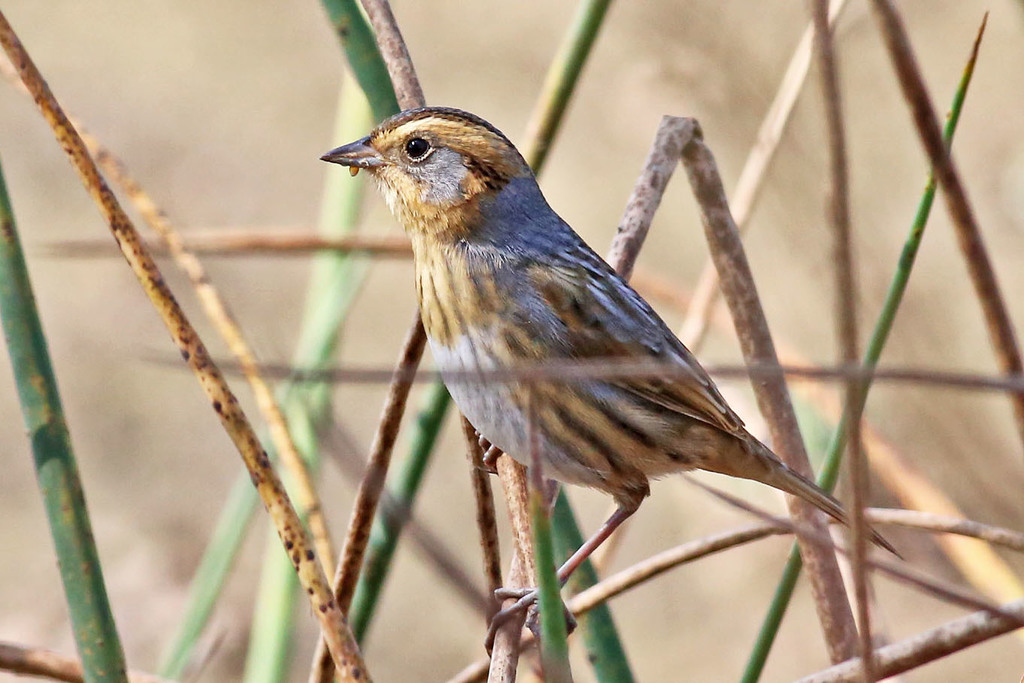
- Nelson's Sharp-tailed SparrowAmmodramus nelsoni
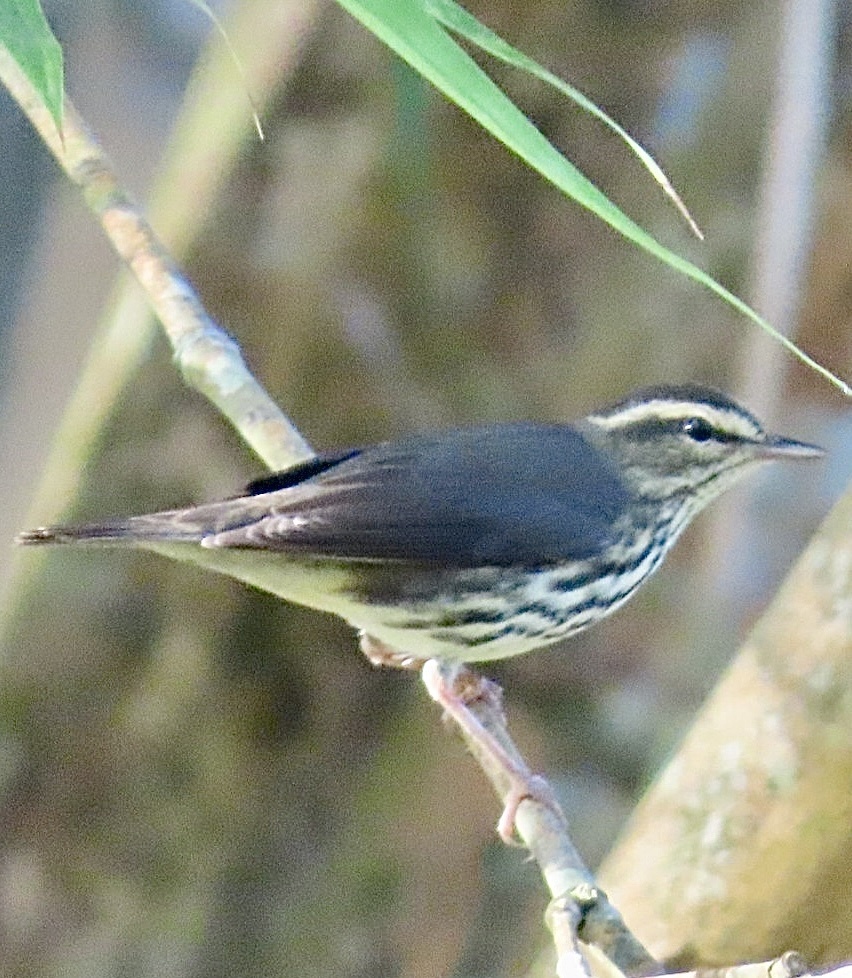
- Northern WaterthrushSeiurus noveboracensis
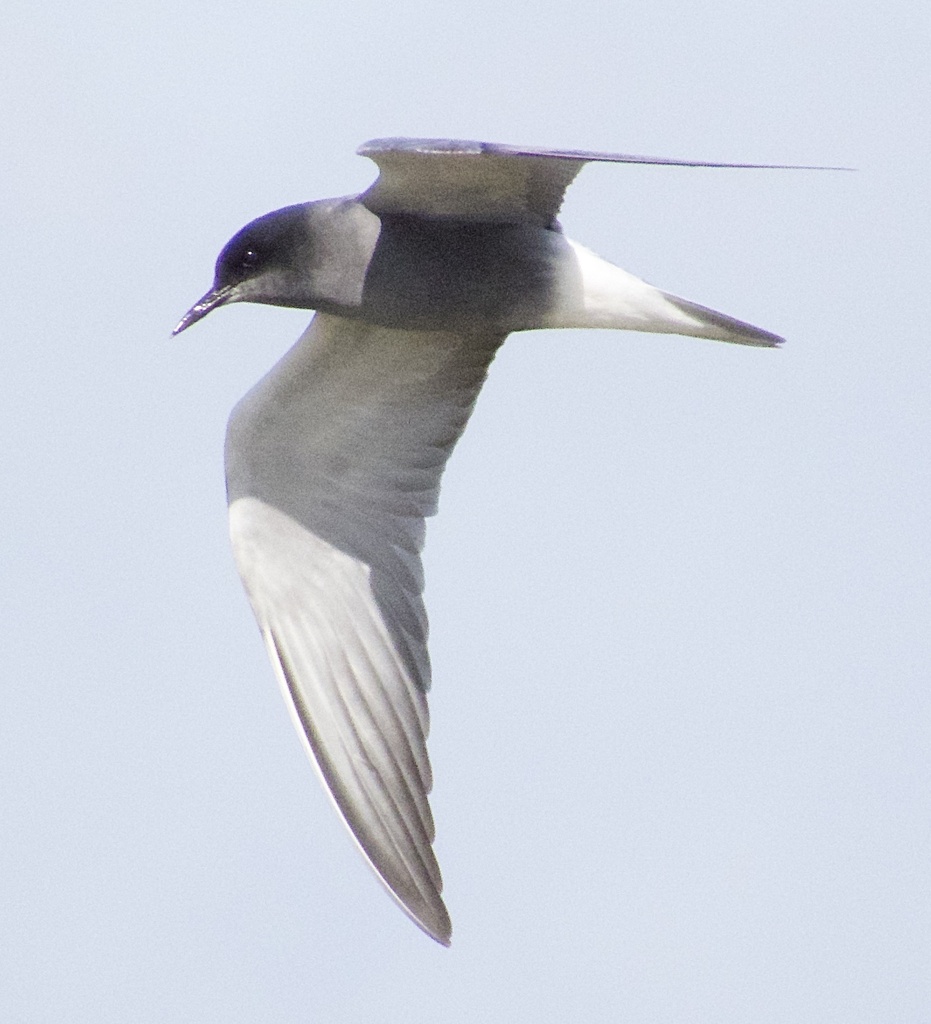
- Black TernChlidonias niger
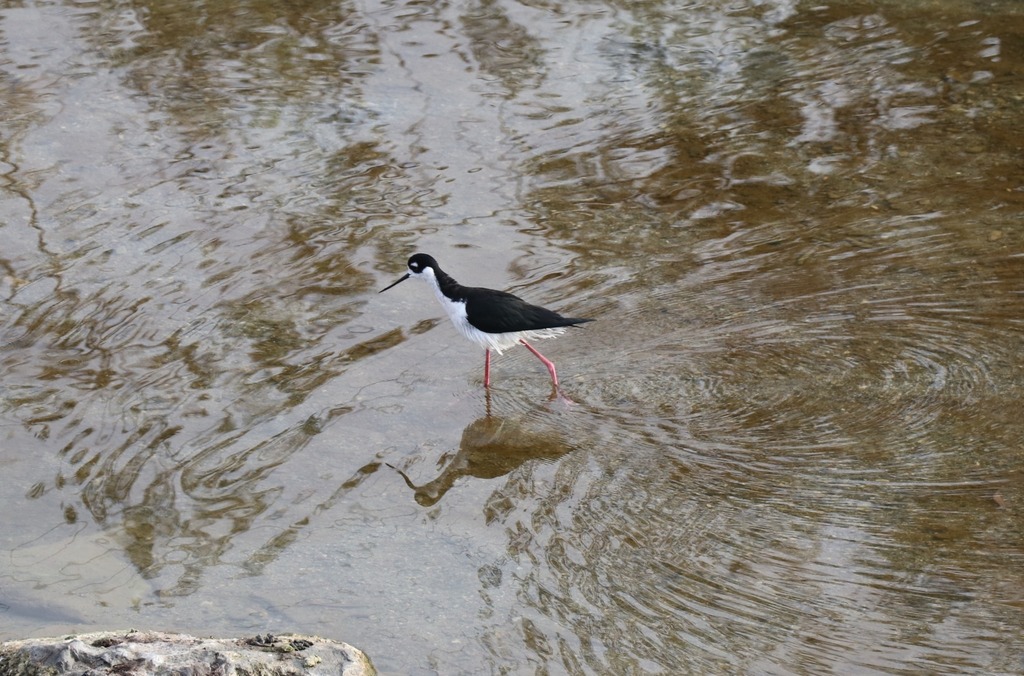
- Black-necked StiltHimantopus mexicanus
- Caspian TernHydroprogne caspia
- Common LoonGavia immer
- Common TernSterna hirundo
- Forster's TernSterna forsteri
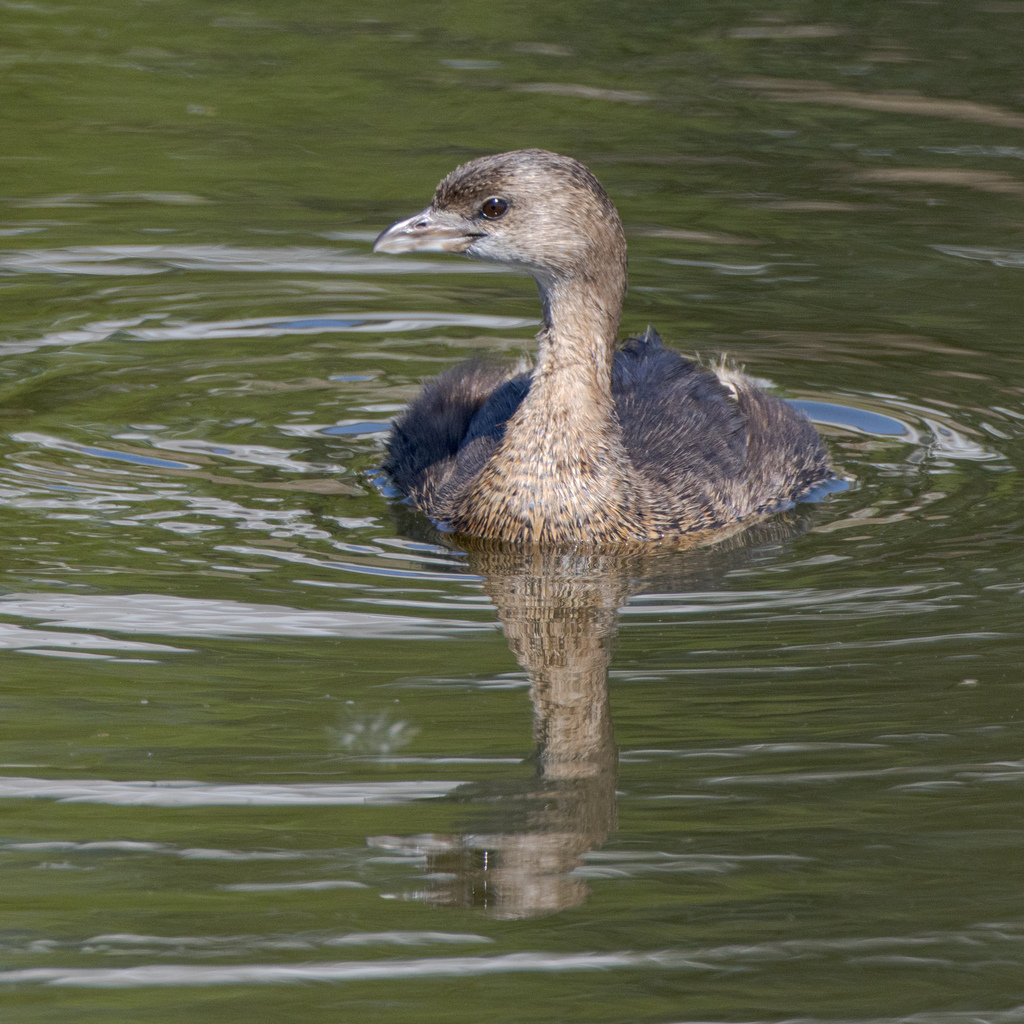
- Pied-billed GrebePodilymbus podiceps
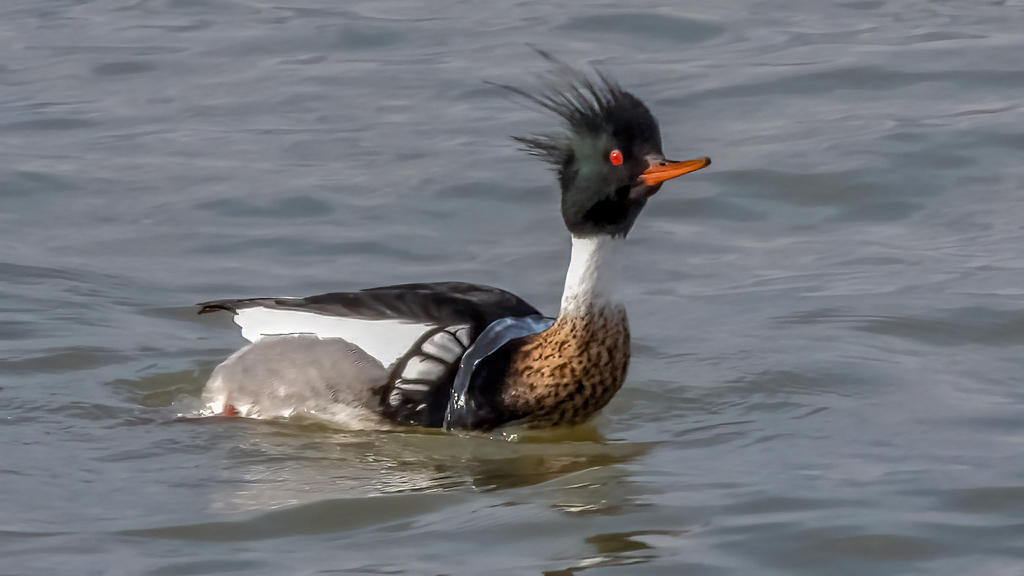
- Red-breasted MerganserMergus serrator
- Western SandpiperCalidris mauri
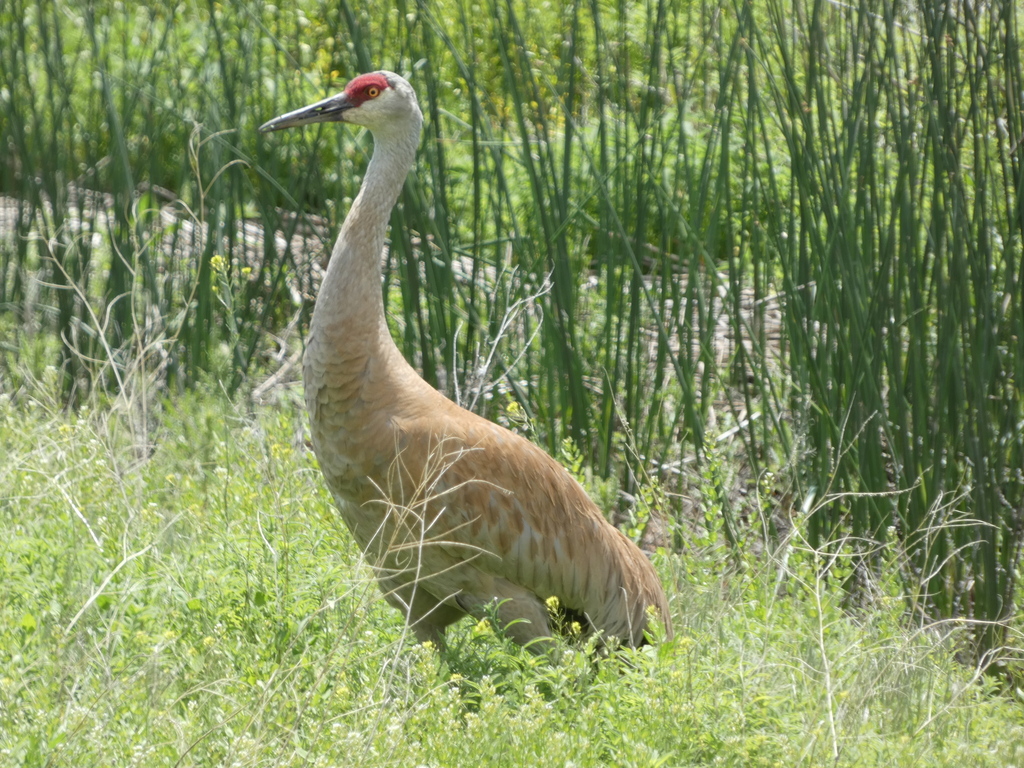
- Sandhill CraneGrus canadensis
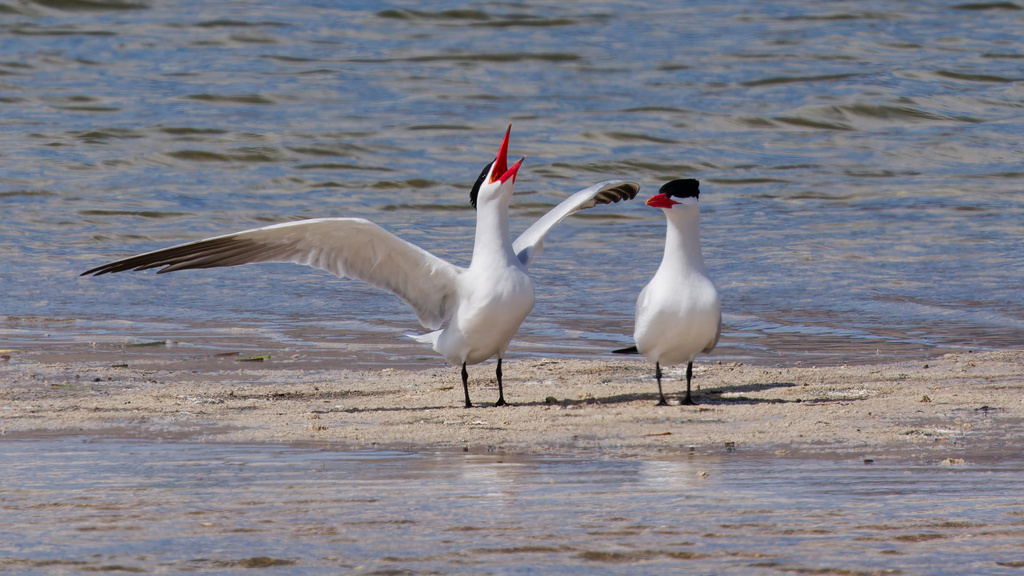
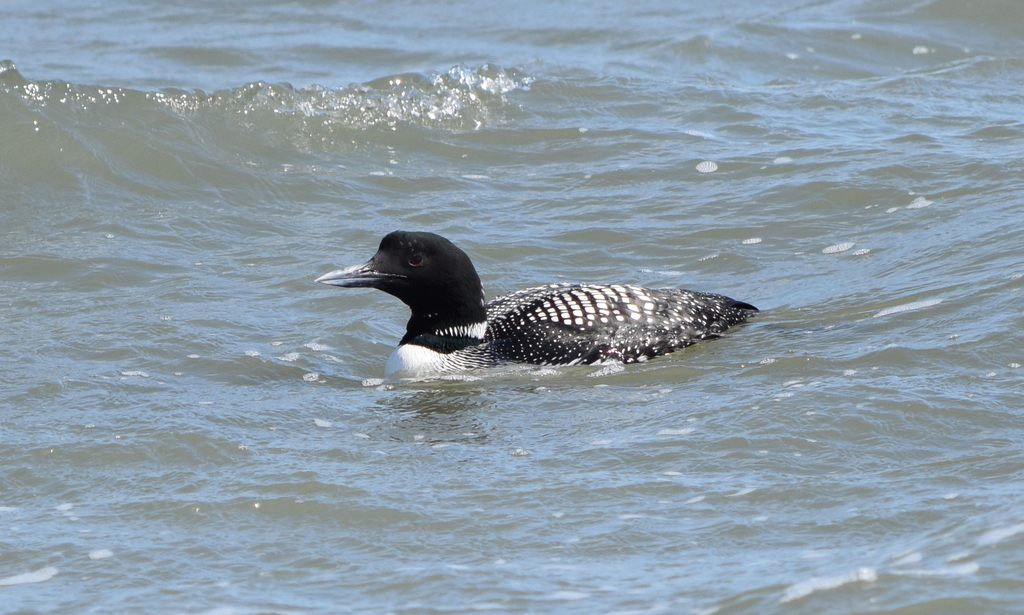
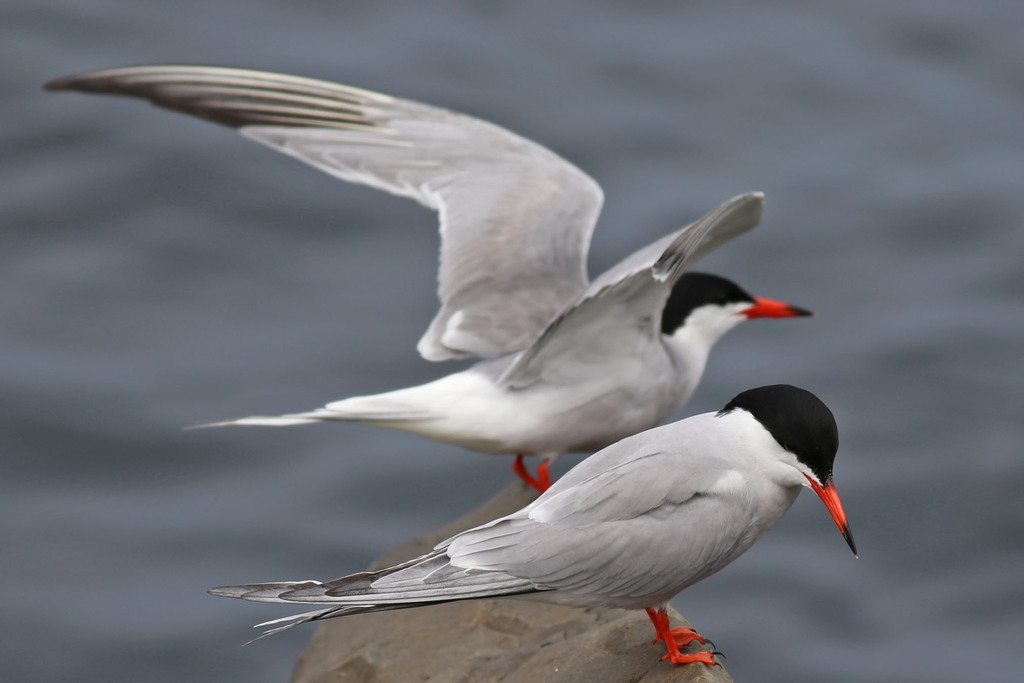
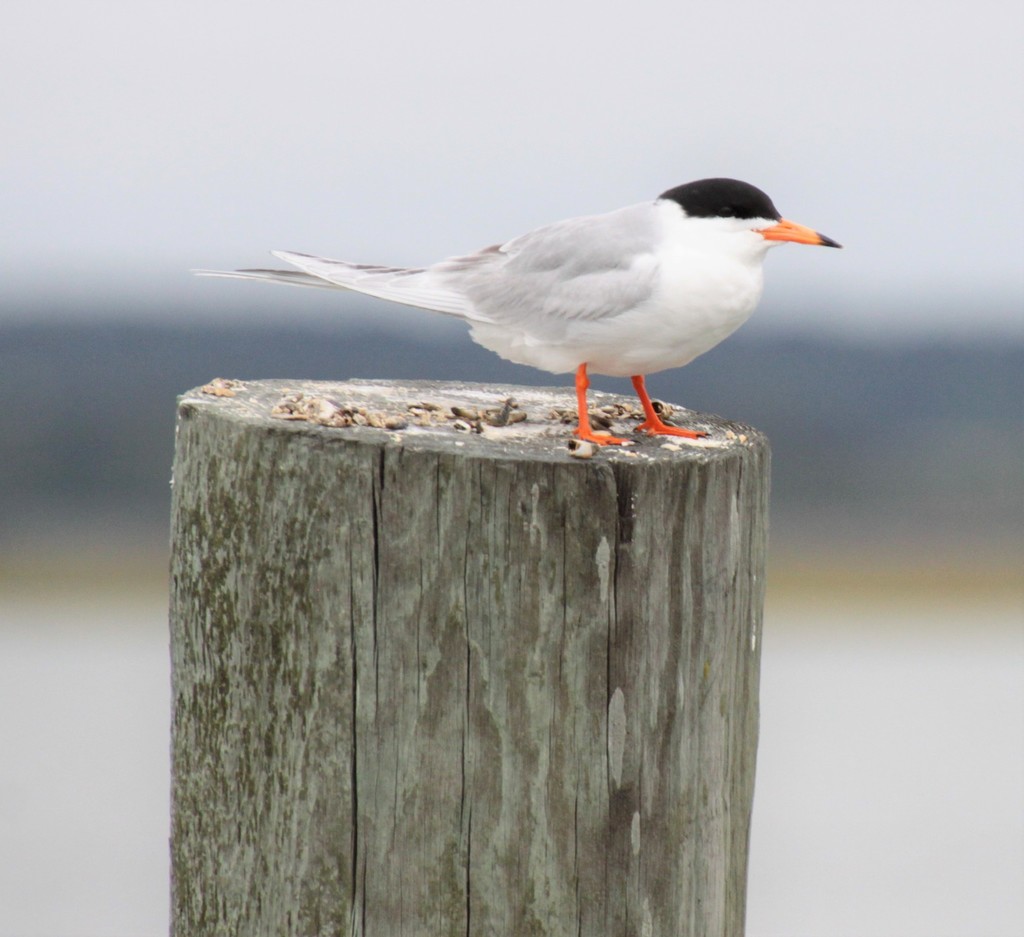
Plants 17
- Slender FimbryFimbristylis autumnalis
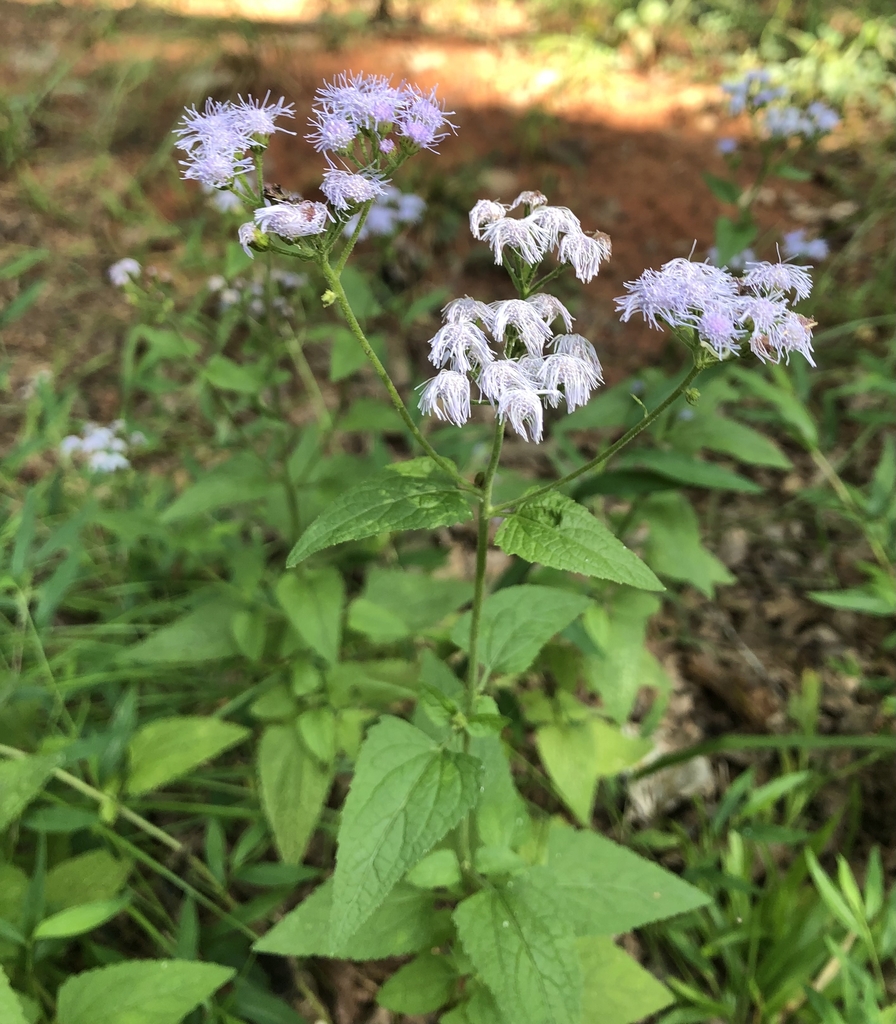
- Blue MistflowerConoclinium coelestinum
- BagpodGlottidium vesicarium
- Oklahoma SedgeCarex oklahomensis
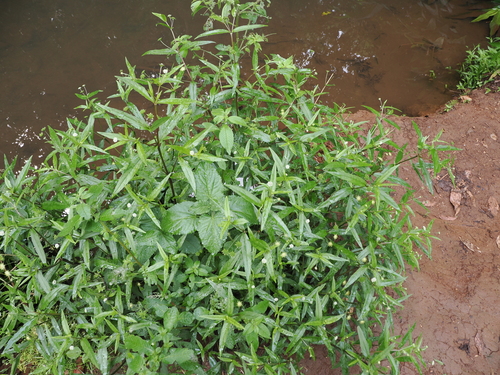
- False DaisyEclipta prostrata
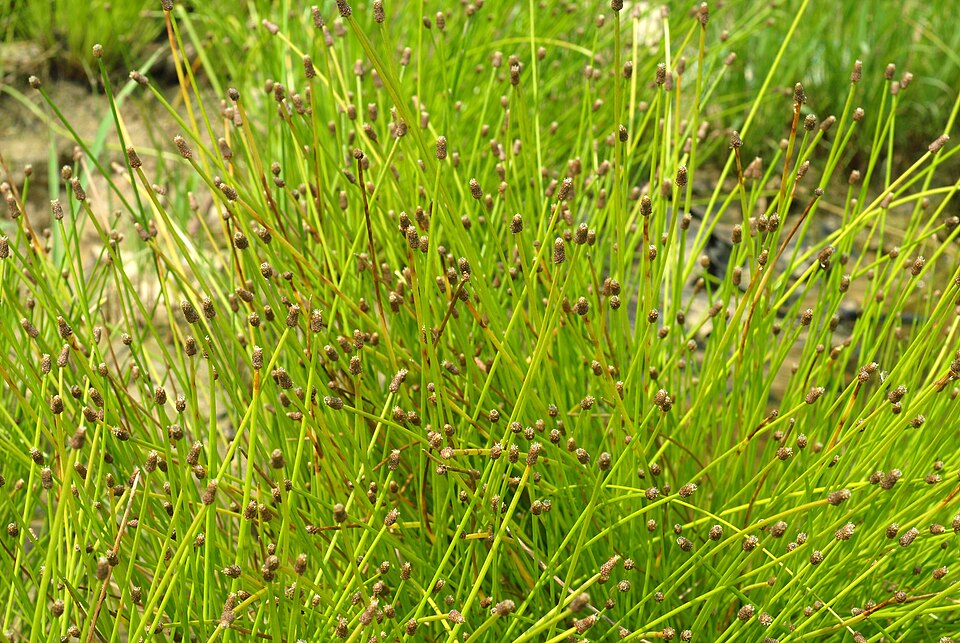
- Blunt Spike RushEleocharis obtusa
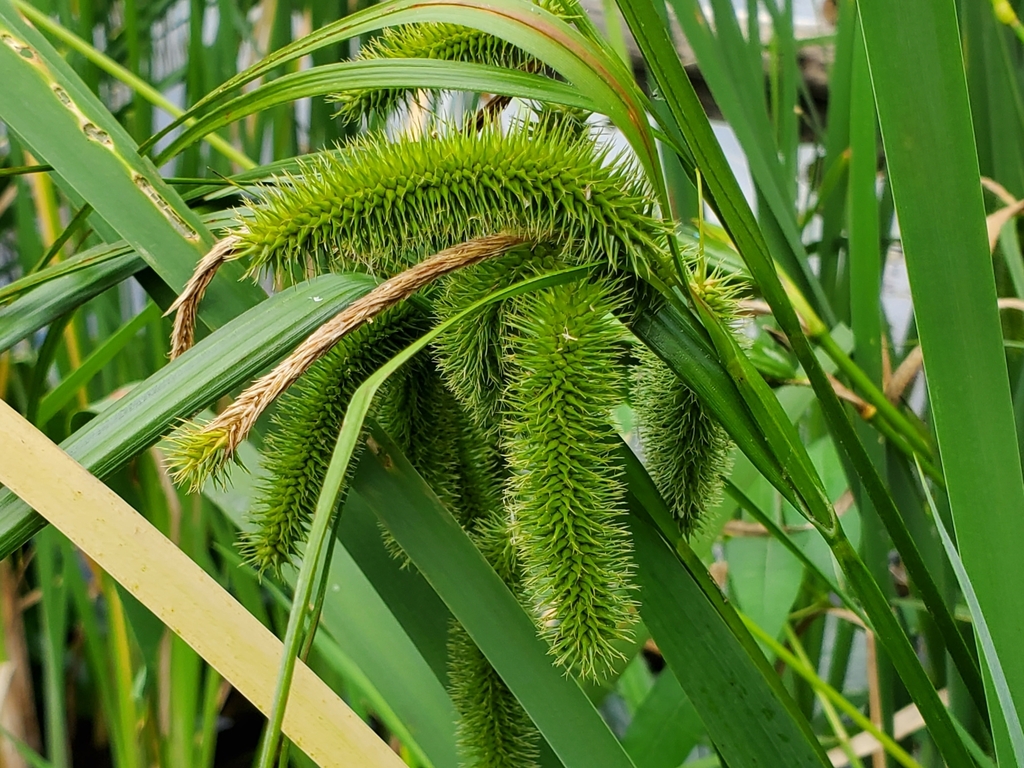
- Bristly SedgeCarex comosa
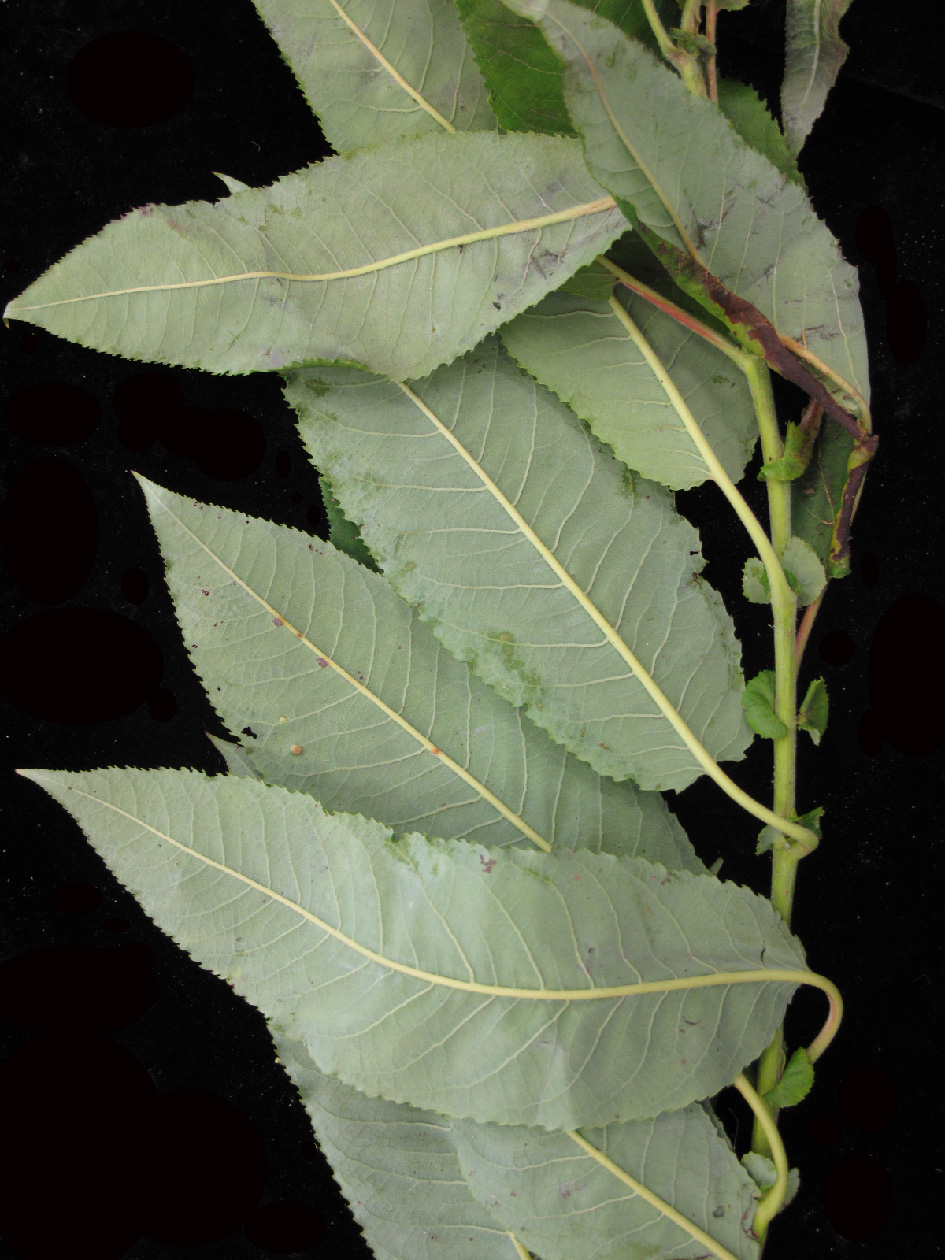
- Heart Leaf WillowSalix eriocephala
- Southern Marsh YellowcressRorippa teres
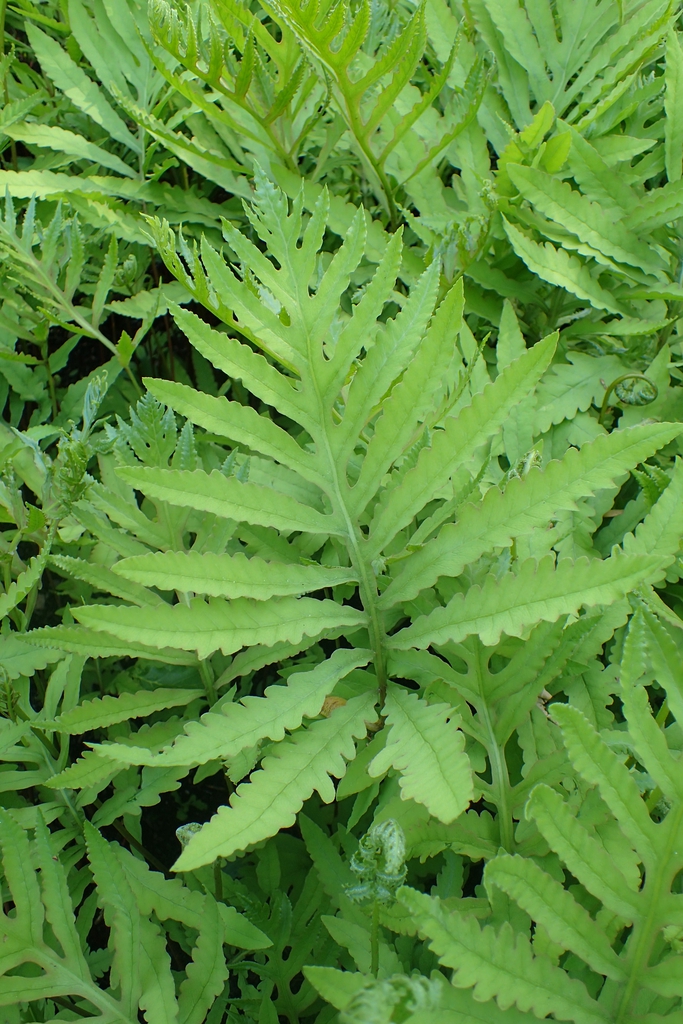
- Sensitive FernOnoclea sensibilis
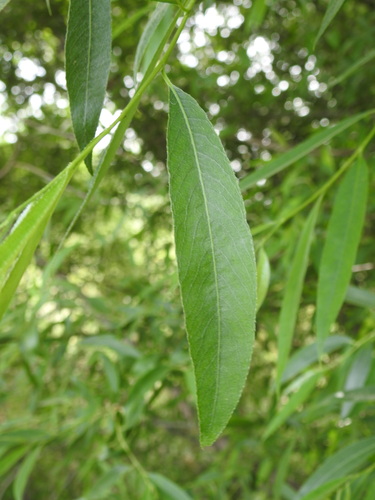
- White WillowSalix alba
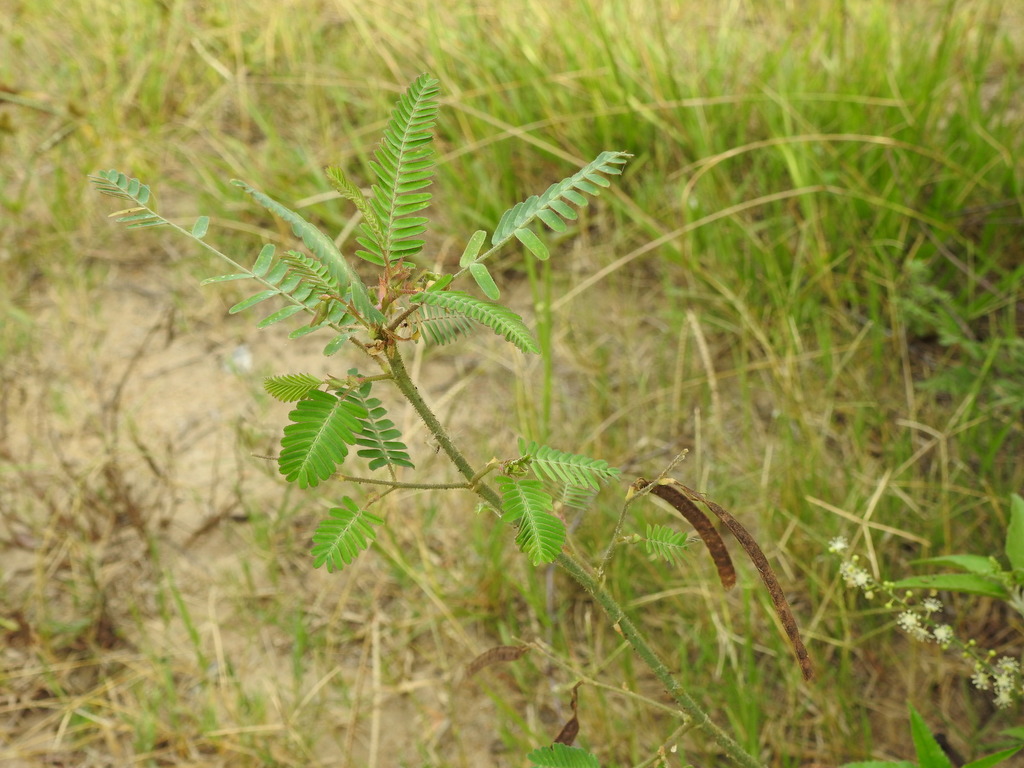
- Zigzag JointvetchAeschynomene rudis
Tree plantations and managed pine
Birds 32
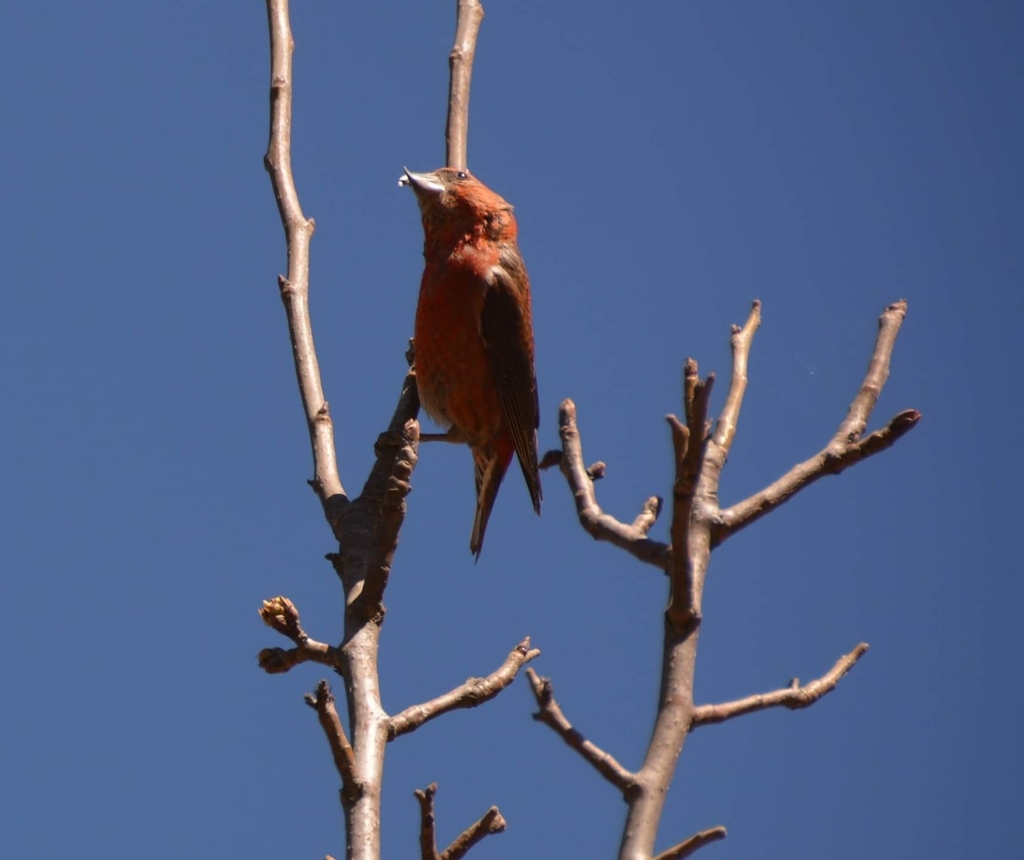
- Red CrossbillLoxia curvirostra
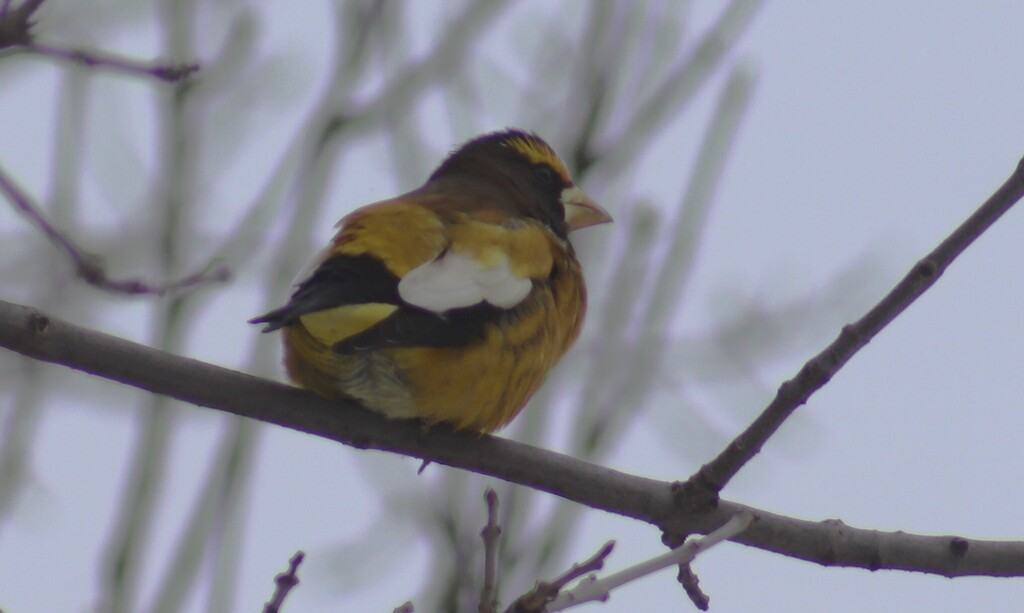
- Evening GrosbeakCoccothraustes vespertinus
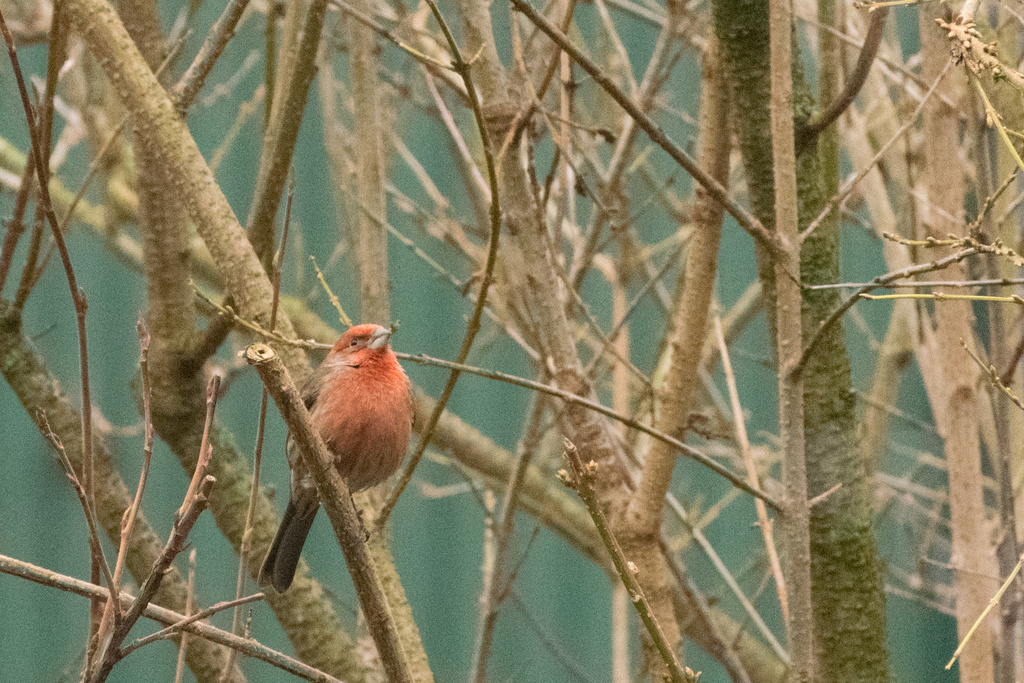
- House FinchCarpodacus mexicanus
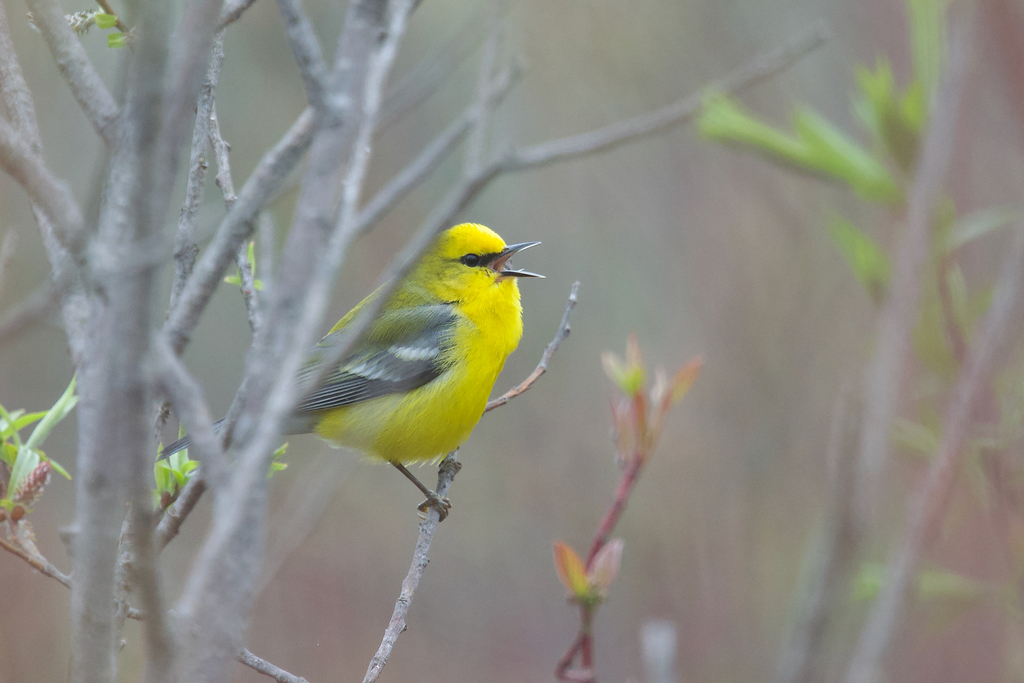
- Blue-winged WarblerVermivora pinus
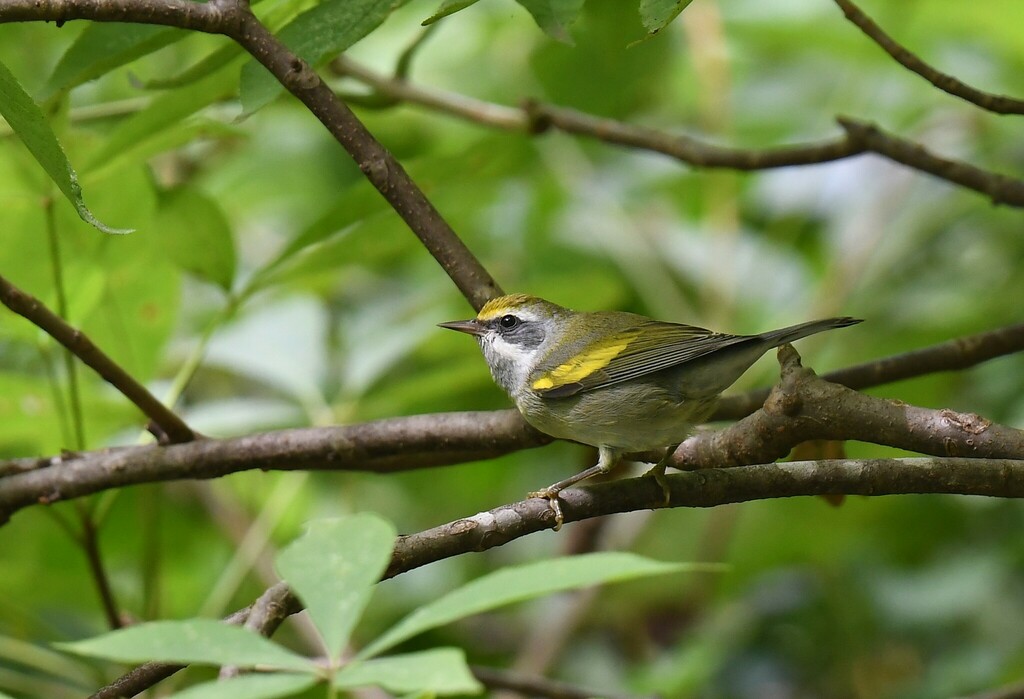
- Golden-winged WarblerVermivora chrysoptera
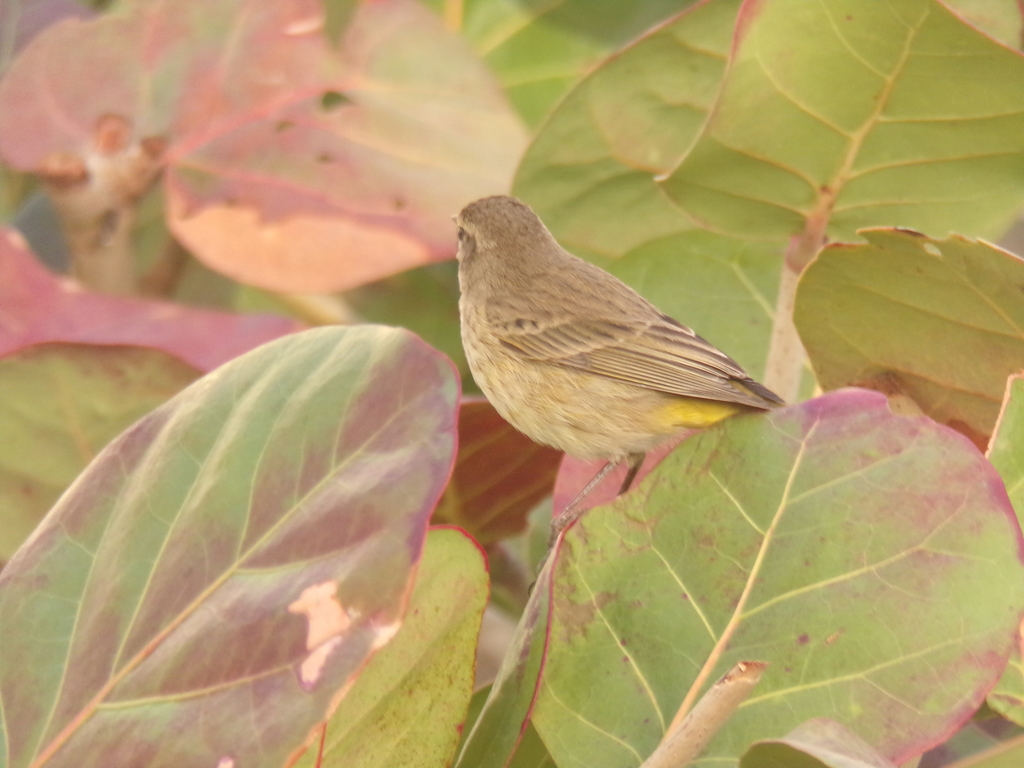
- Palm WarblerDendroica palmarum
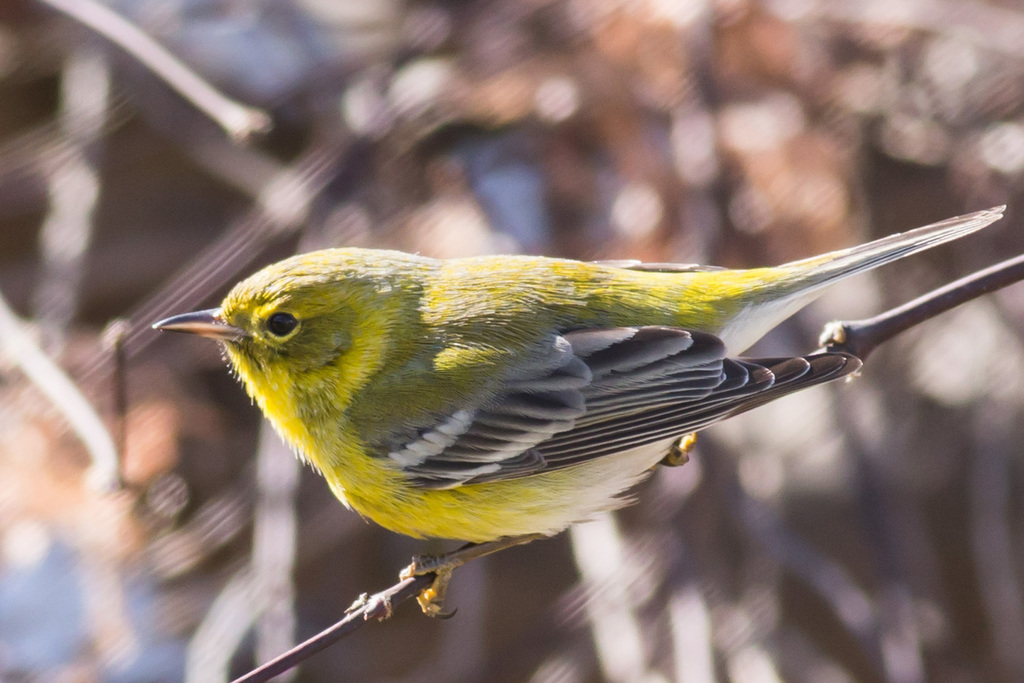
- Pine WarblerDendroica pinus
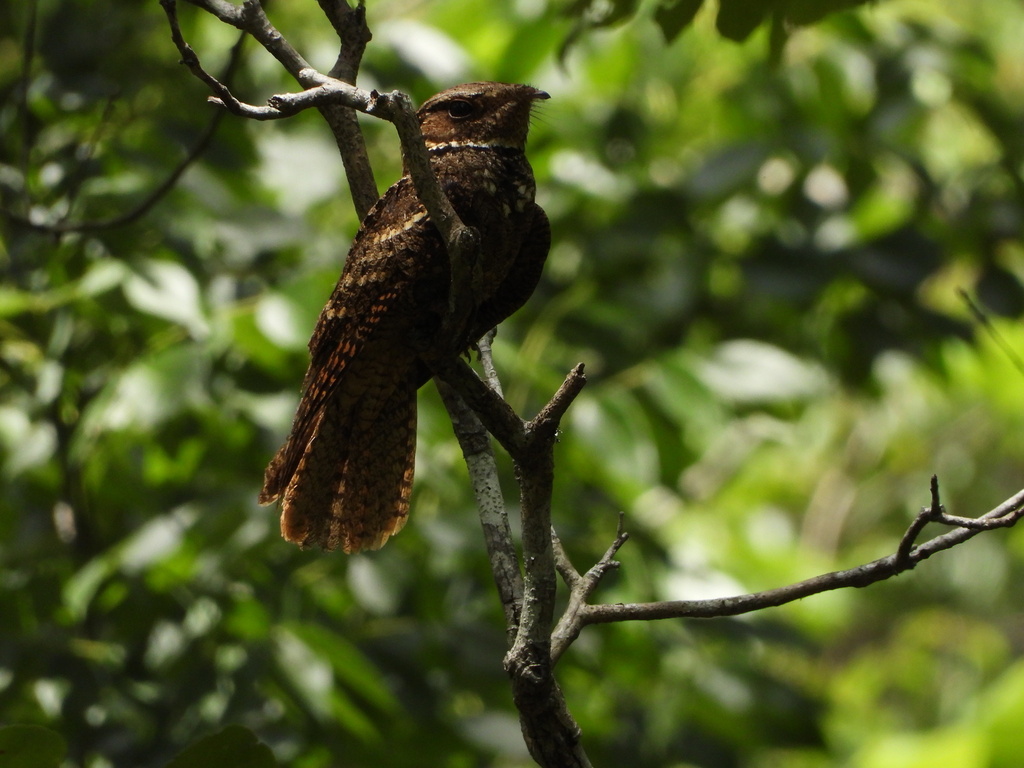
- Chuck-will's-widowCaprimulgus carolinensis
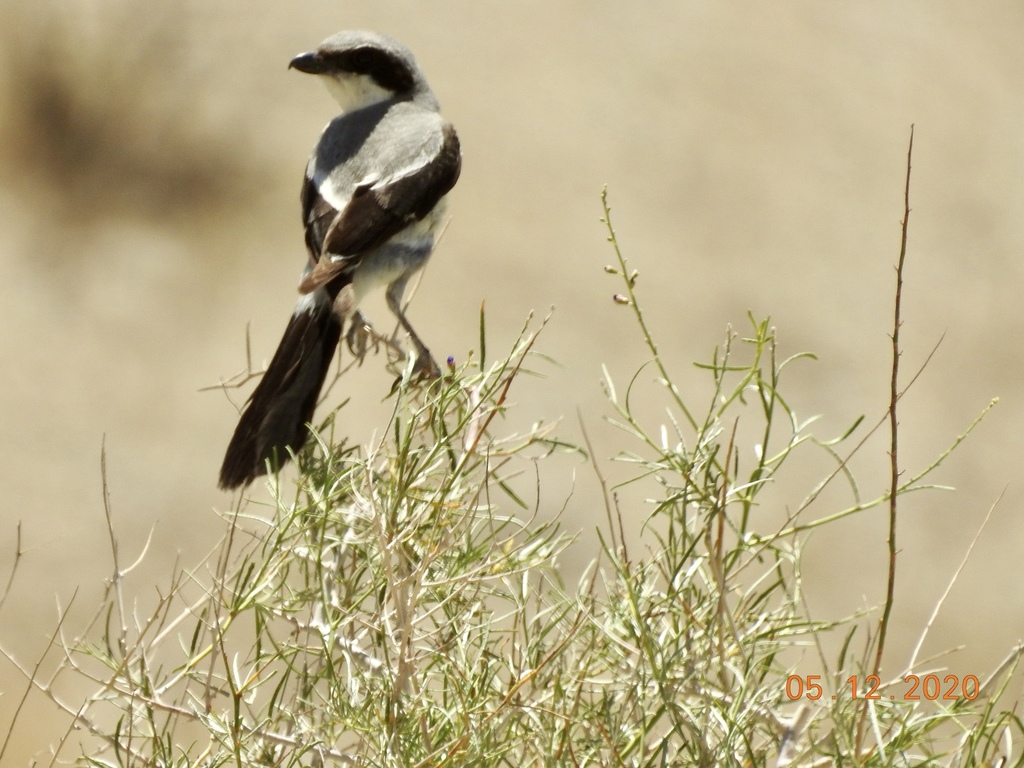
- Loggerhead ShrikeLanius ludovicianus
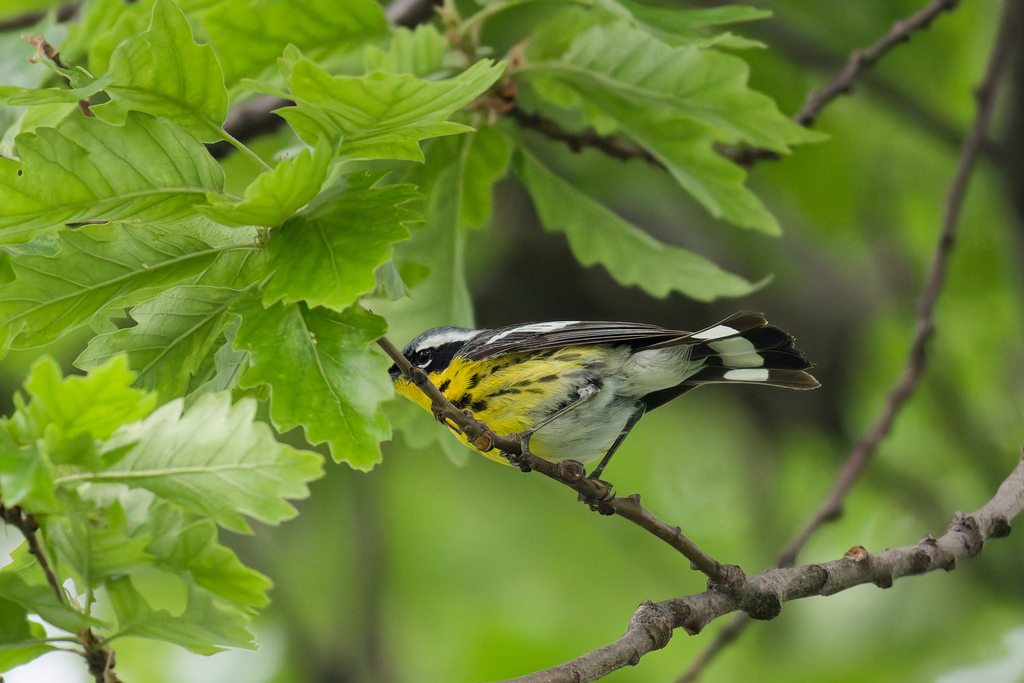
- Magnolia WarblerDendroica magnolia
- Red-shouldered HawkButeo lineatus
- Carolina WrenThryothorus ludovicianus


Plants 1
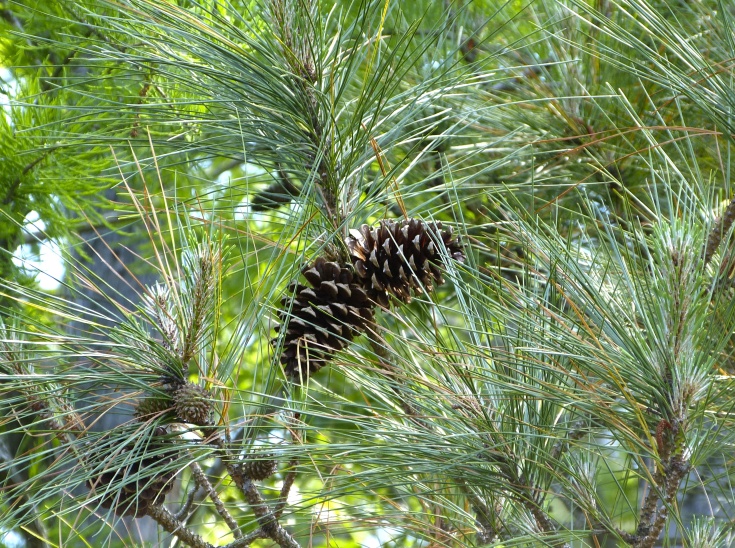
- Loblolly PinePinus taeda
Roadsides, fields and disturbed ground
Birds 85
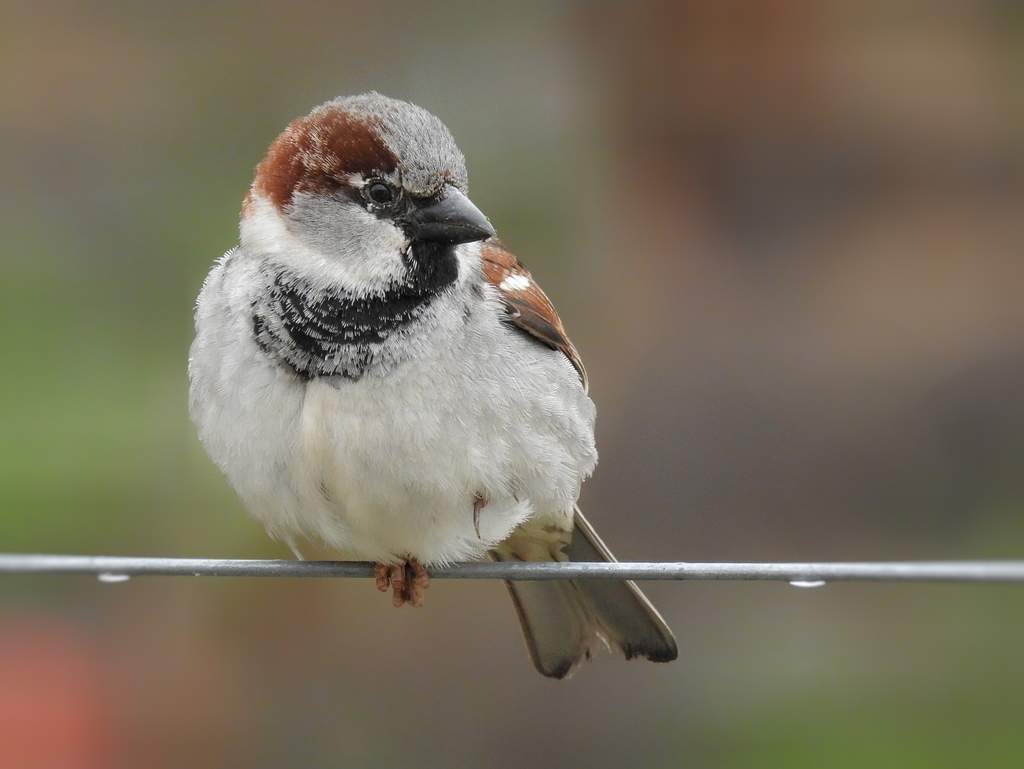
- House SparrowPasser domesticus
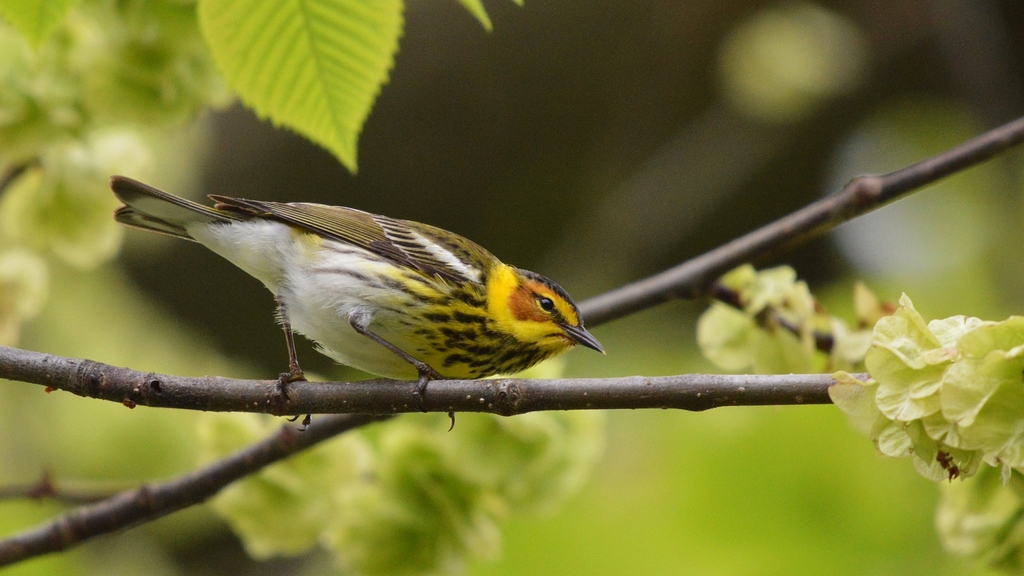
- Cape May WarblerDendroica tigrina
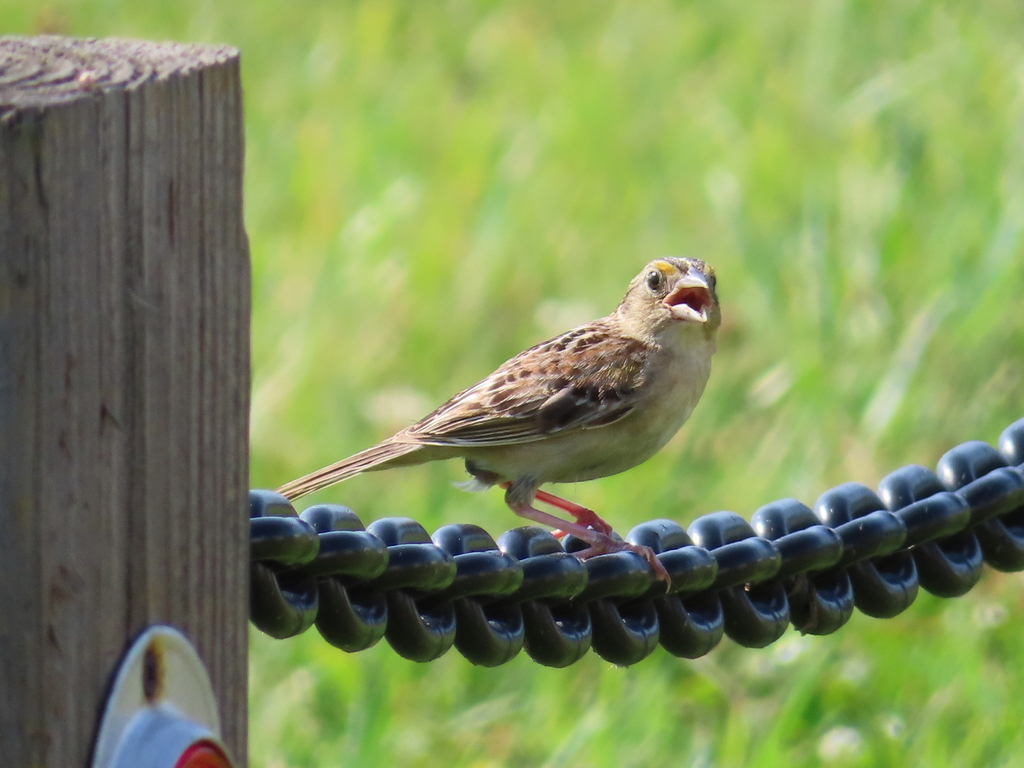
- Grasshopper SparrowAmmodramus savannarum
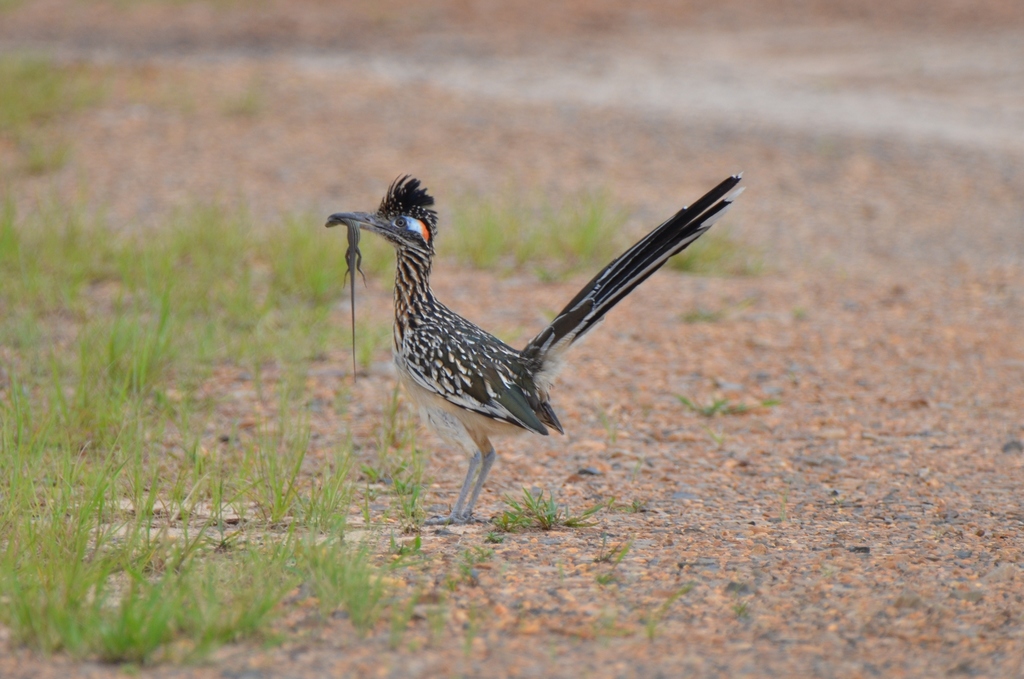
- Greater RoadrunnerGeococcyx californianus
- Interior Least TernSternula antillarum athalassos
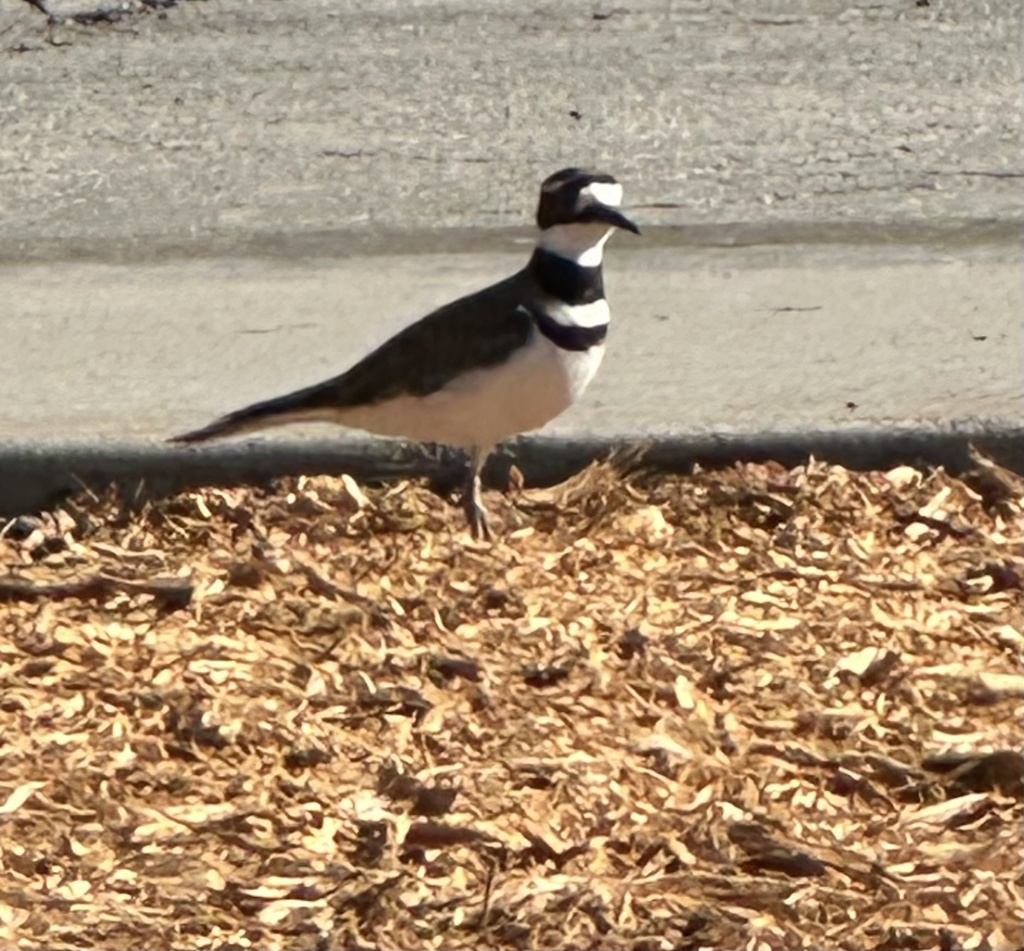
- KilldeerCharadrius vociferus
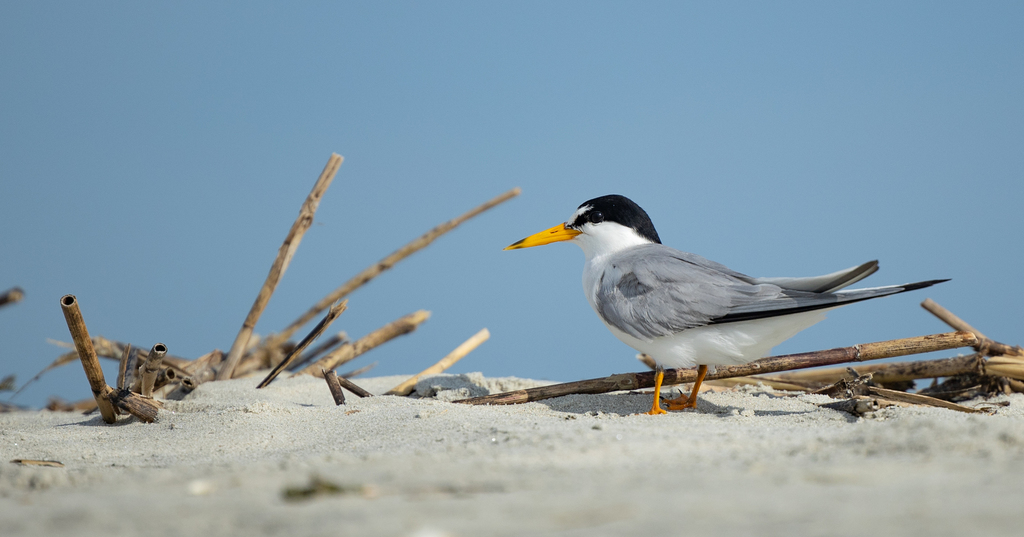
- Least TernSternula antillarum
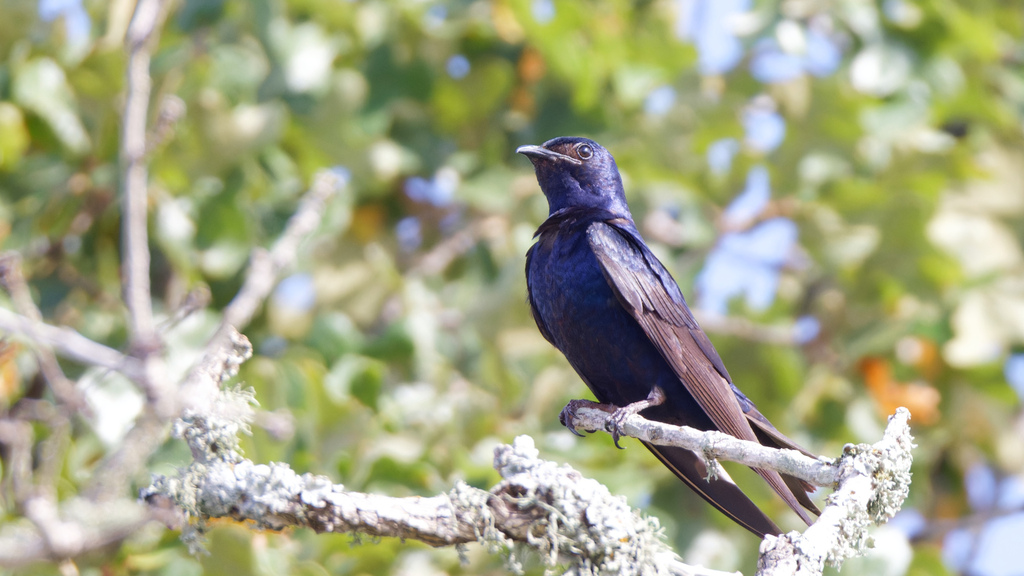
- Purple MartinProgne subis
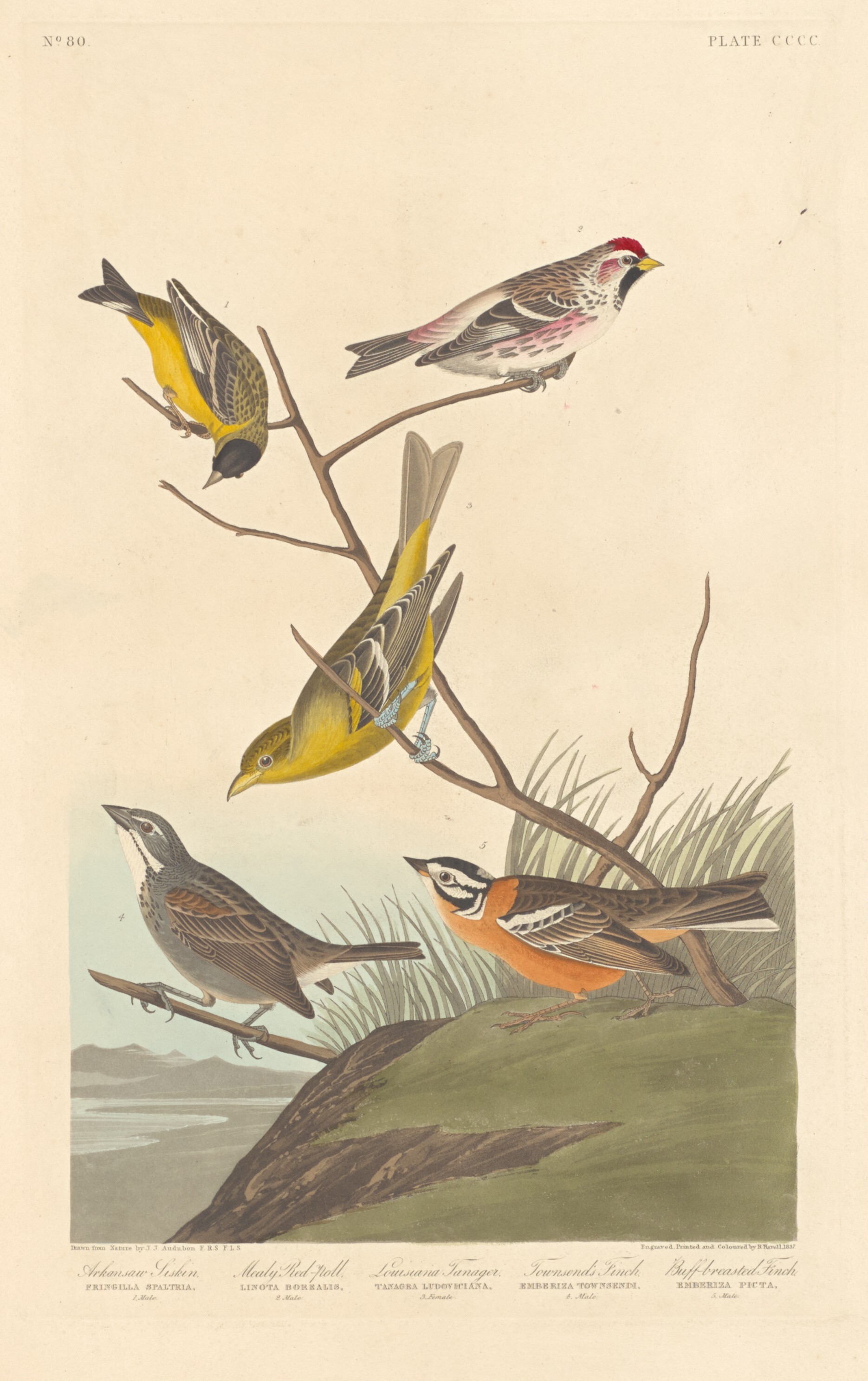
- Red CrossbillLoxia curvirostra
- Rock PigeonColumba livia
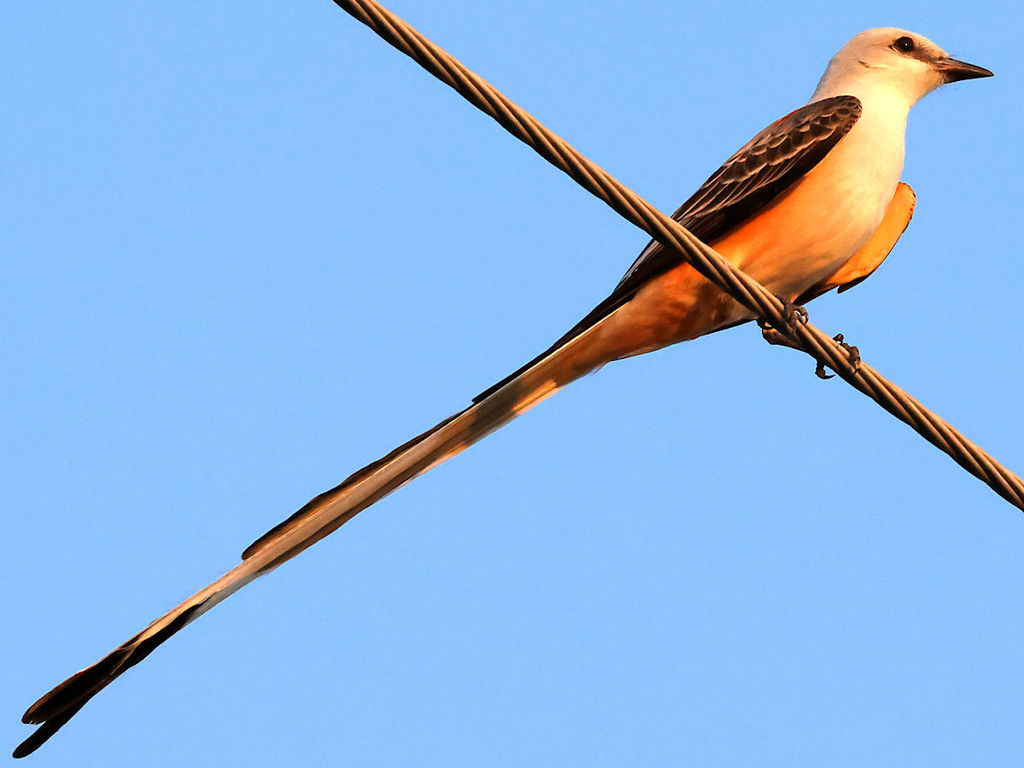
- Scissor-tailed FlycatcherTyrannus forficatus
- Smith's LongspurCalcarius pictus

Plants 888
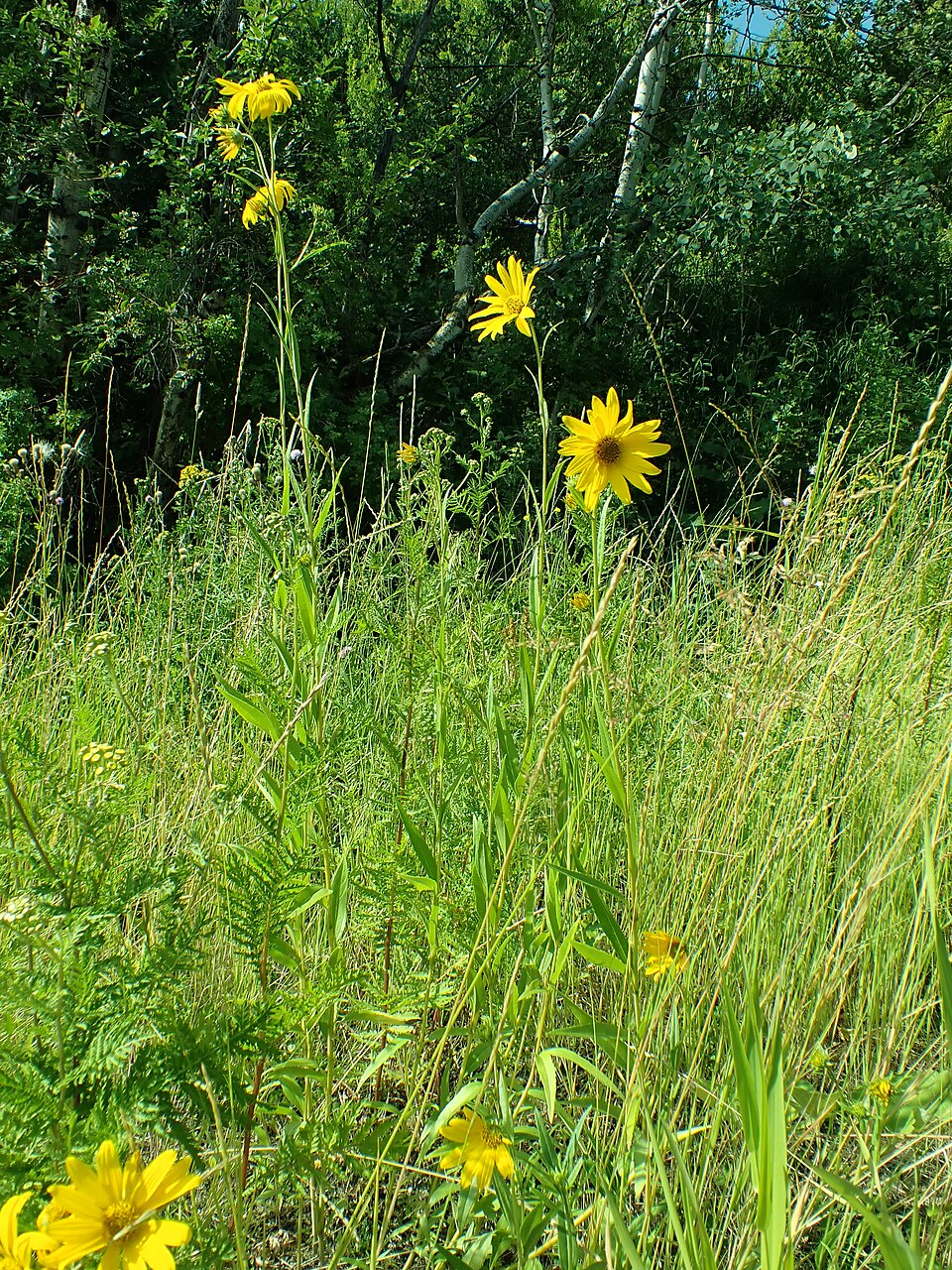
- Maximilian SunflowerHelianthus maximiliani
- Muck SunflowerHelianthus simulans
- Annual FleabaneErigeron annuus
- Canada LettuceLactuca canadensis
- Common Evening-primroseOenothera biennis
- Cutleaf Evening-primroseOenothera laciniata
- Dog-fennelEupatorium capillifolium
- Threadleaf SundropsOenothera linifolia
- Carolina Crane's-billGeranium carolinianum
- Bushy KnotweedPolygonum ramosissimum subsp. prolificum
- Blackeyed SusanRudbeckia hirta var. pulcherrima
- Prostrate KnotweedPolygonum aviculare
Sources
- USGS Gap Analysis Project habitat models (2001)
- USGS GAP summer habitat model for Yellow-throated Vireo Elevation up to 1,100 m
- USGS Gap Analysis Project range maps (2001), modeled by watershed; migratory gives no dates
- NatureServe Explorer (CC BY 4.0), habitat names
- US Census TIGER/Line counties
- Names follow the USGS Gap Analysis Project (2001)
- Avian Diet Database (Hurlbert Lab) (CC0 1.0), diet records by plant genus