

Habitat in Arkansas
Disturbed and introduced wetlands
Wet ground taken over by weedy or introduced plants after disturbance, such as common reed, Chinese tallow or tamarisk stands; the upland counterpart is roadsides, fields and disturbed ground. NatureServe
- Plants
- 17
- Birds
- 165
Plants
Plants that grow wild in this habitat in Arkansas. Not a planting list.
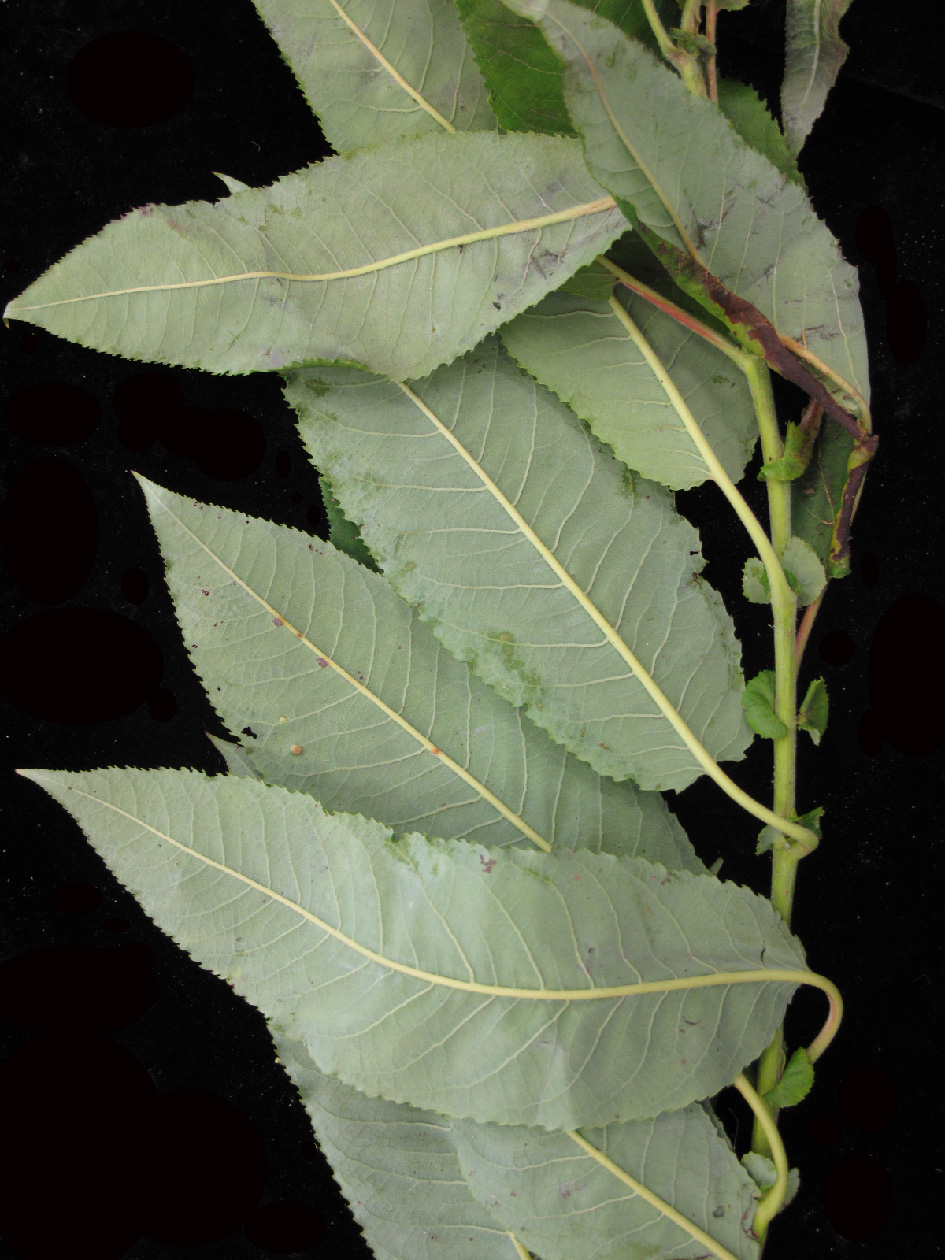
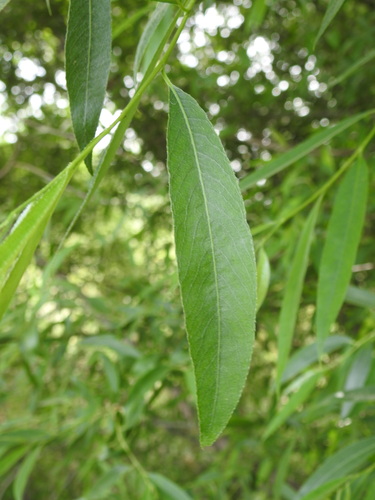
- Heart Leaf WillowSalix eriocephala
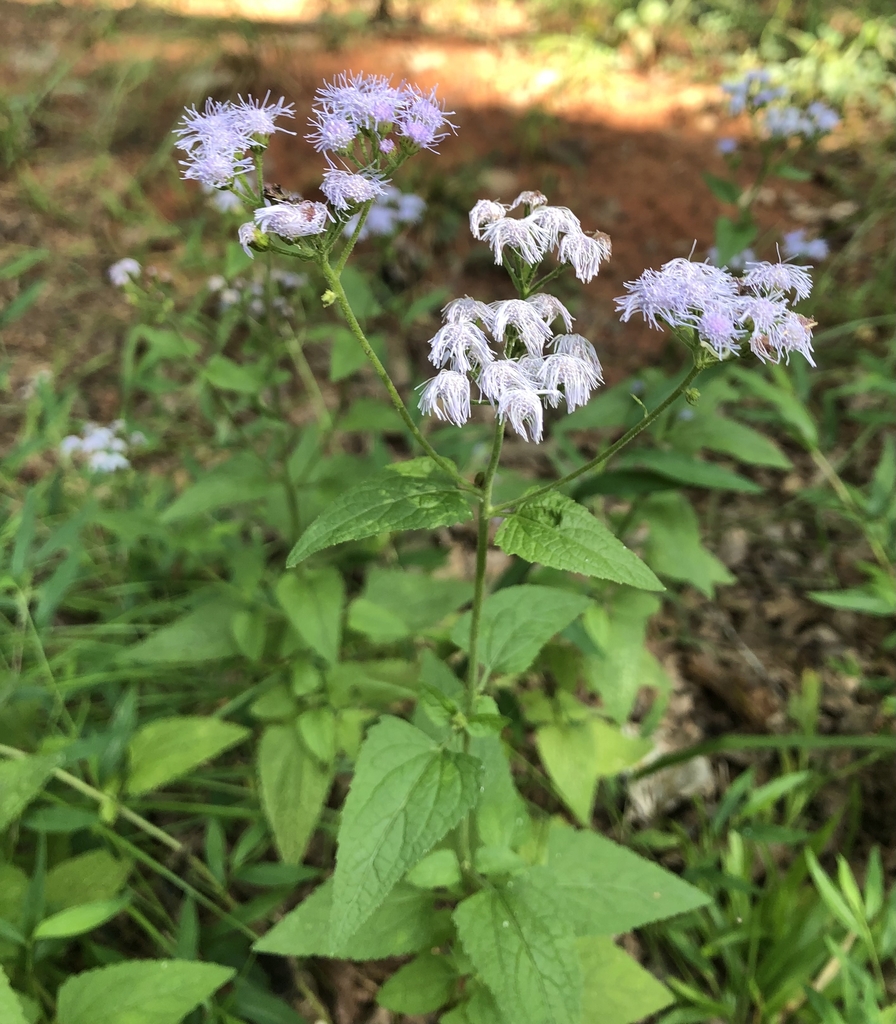
- Blue MistflowerConoclinium coelestinum
- BagpodGlottidium vesicarium
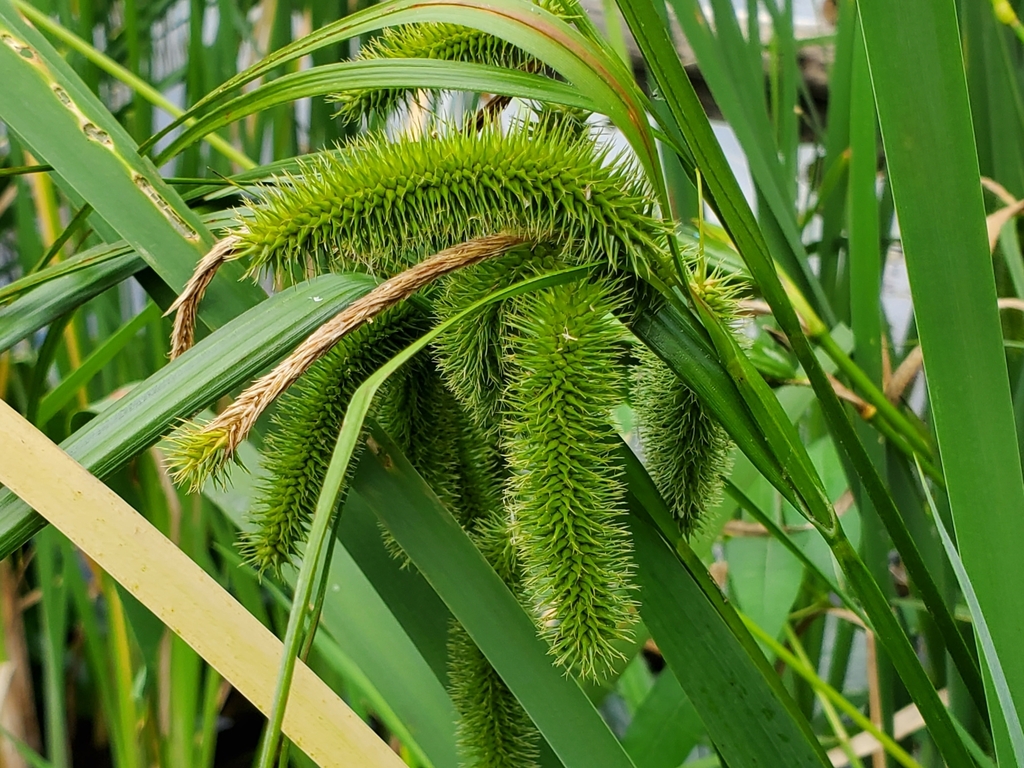
- Bristly SedgeCarex comosa
- Oklahoma SedgeCarex oklahomensis
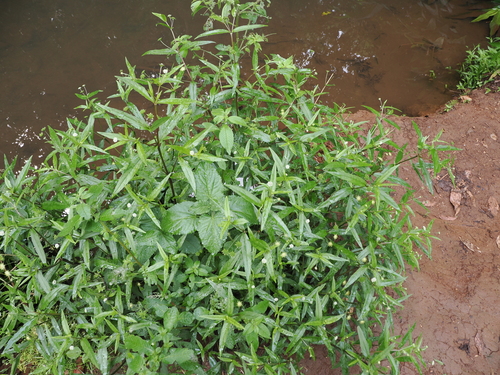
- False DaisyEclipta prostrata
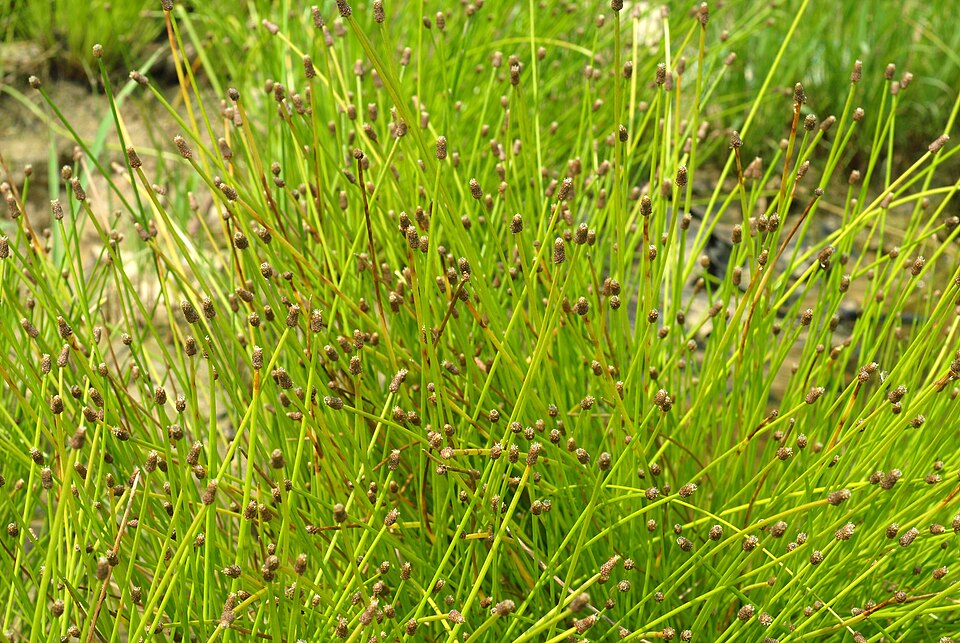
- Blunt Spike RushEleocharis obtusa
- Southern Marsh YellowcressRorippa teres
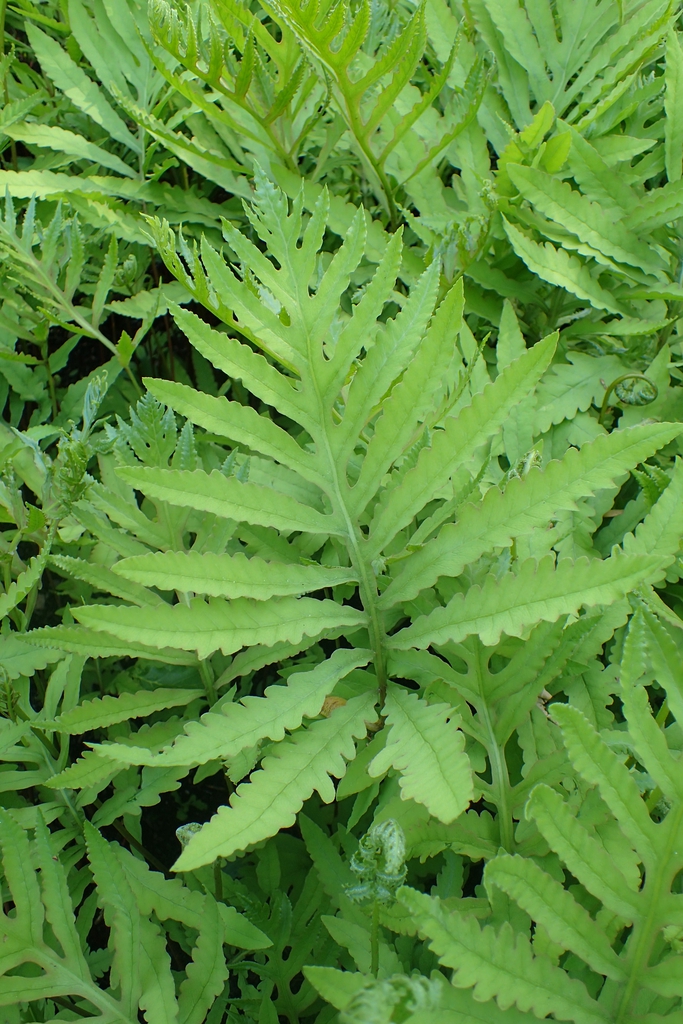
- Sensitive FernOnoclea sensibilis
- Slender FimbryFimbristylis autumnalis
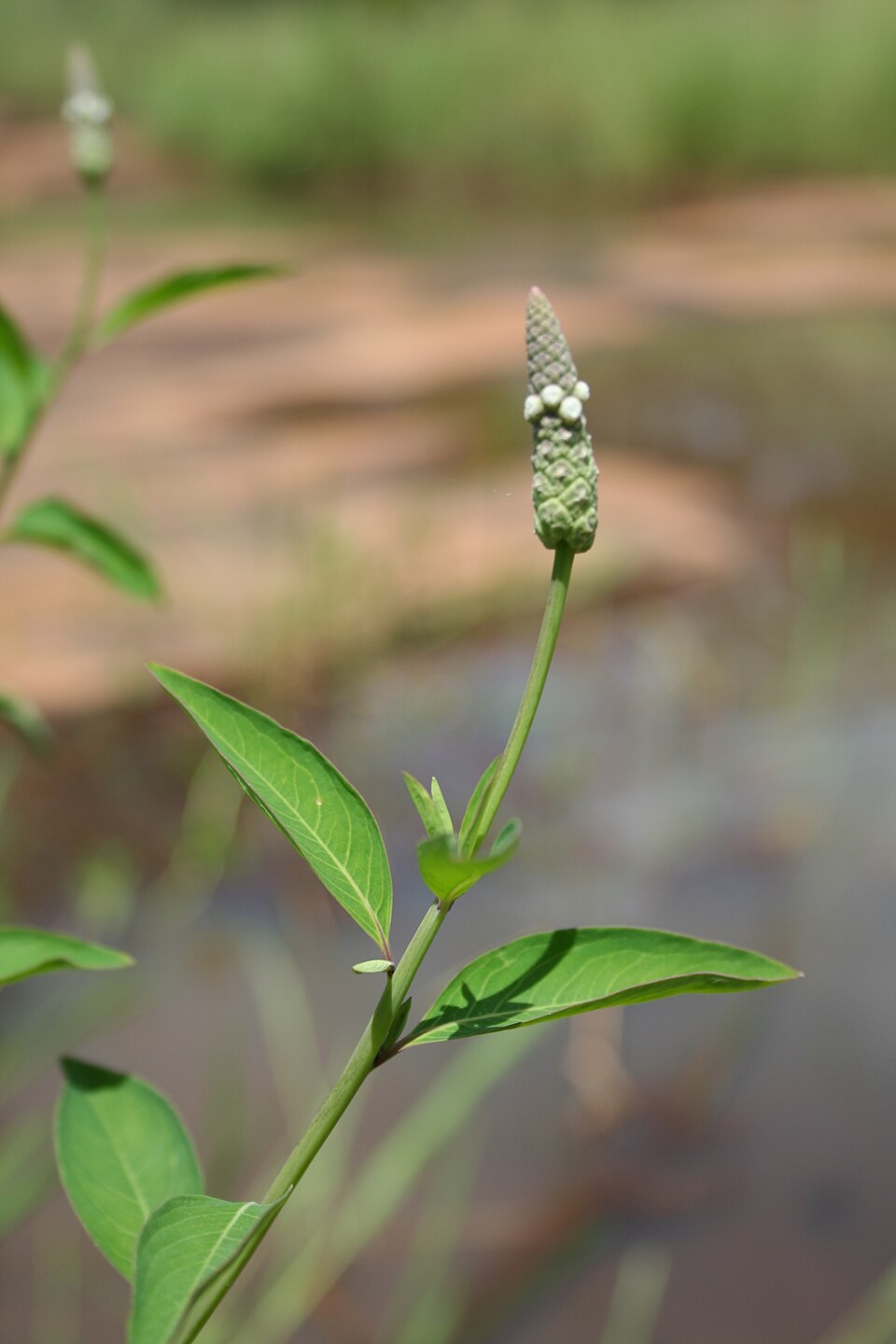
- Chicken-spikeSphenoclea zeylanica
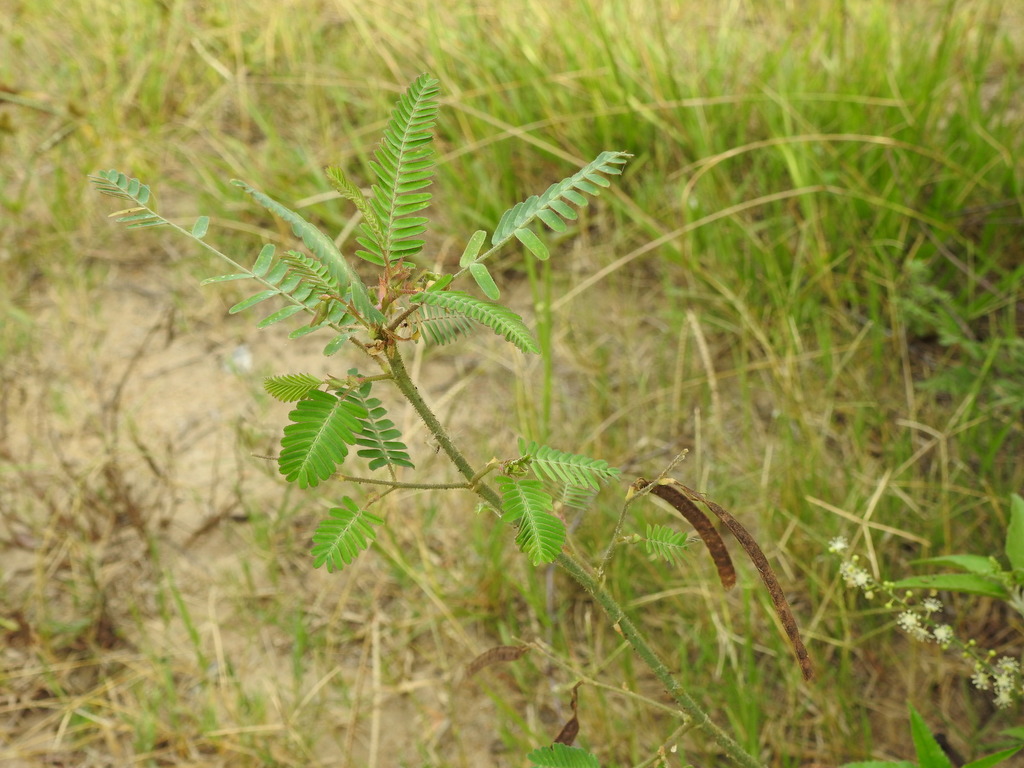
- Indian JointvetchAeschynomene indica
- Ricefield FlatsedgeCyperus iria
- Tropical FlatsedgeCyperus surinamensis
- White WillowSalix alba
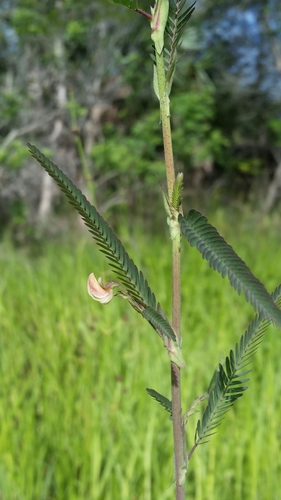
- Zigzag JointvetchAeschynomene rudis
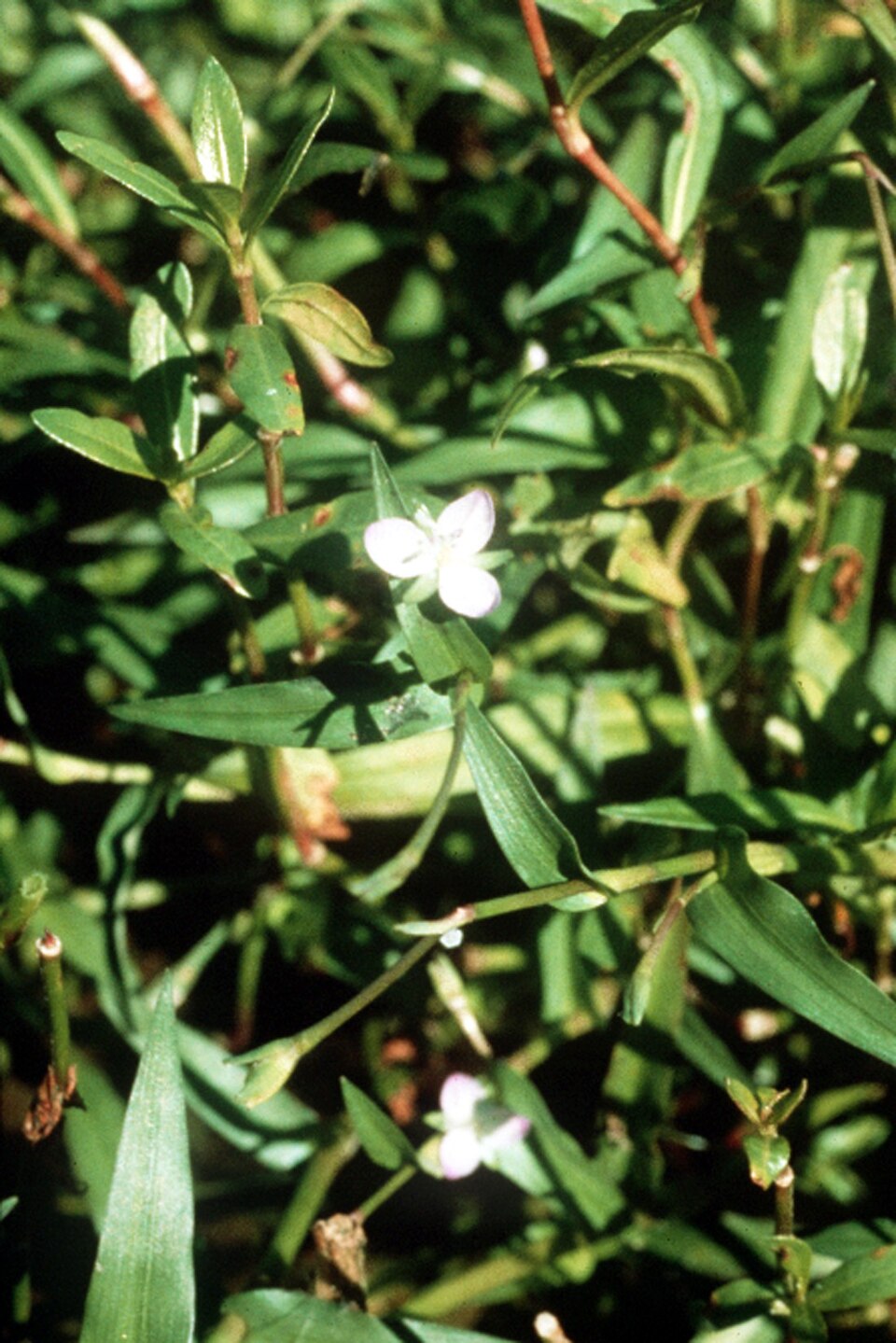
- Marsh DewflowerMurdannia keisak
Wildlife
Animals whose habitat model includes this habitat in Arkansas. Shared habitat, not food.
Birds 165
- Acadian FlycatcherEmpidonax virescens
- Alder FlycatcherEmpidonax alnorum
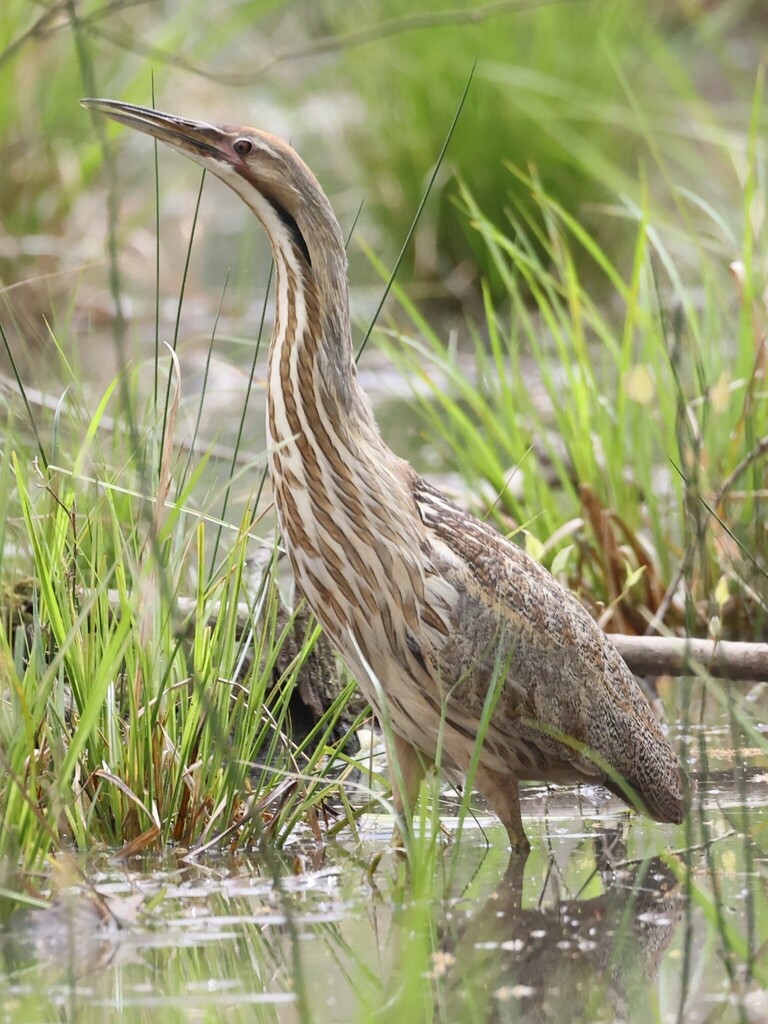
- American BitternBotaurus lentiginosus
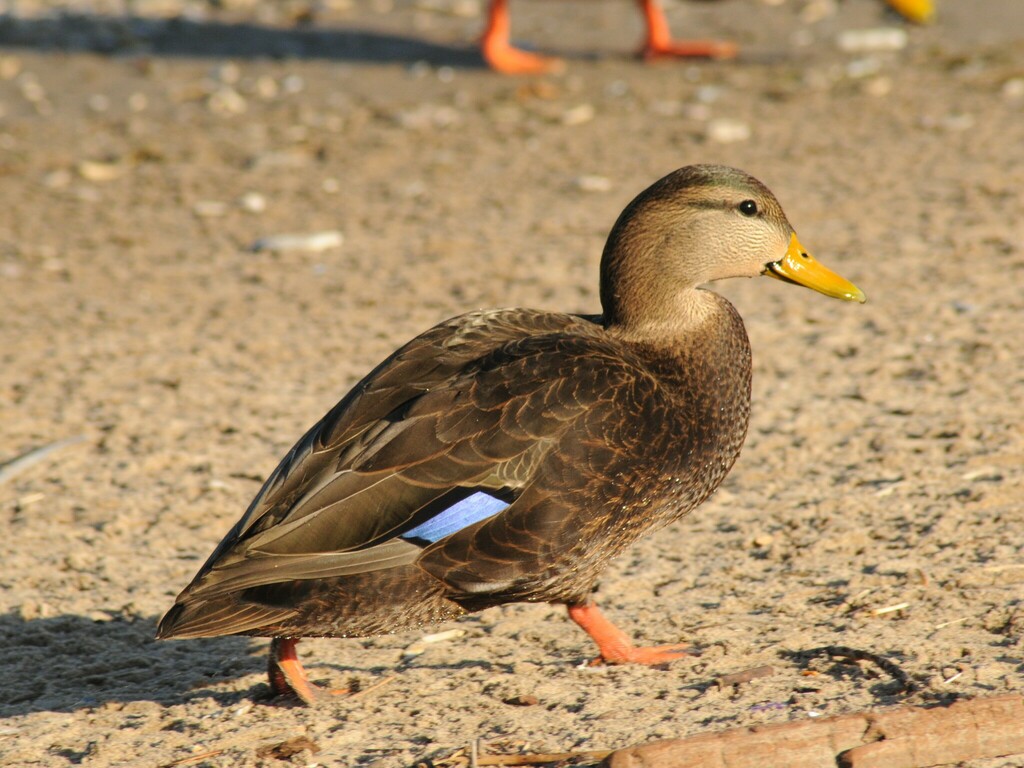
- American Black DuckAnas rubripes
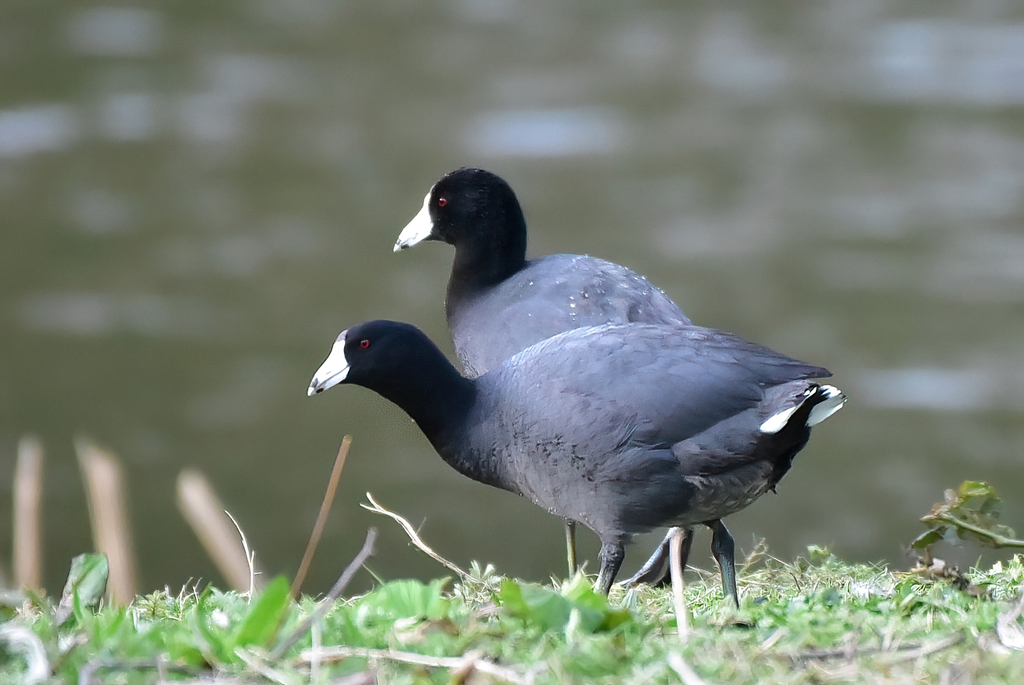
- American CootFulica americana
- American CrowCorvus brachyrhynchos
- American GoldfinchCarduelis tristis
- American KestrelFalco sparverius
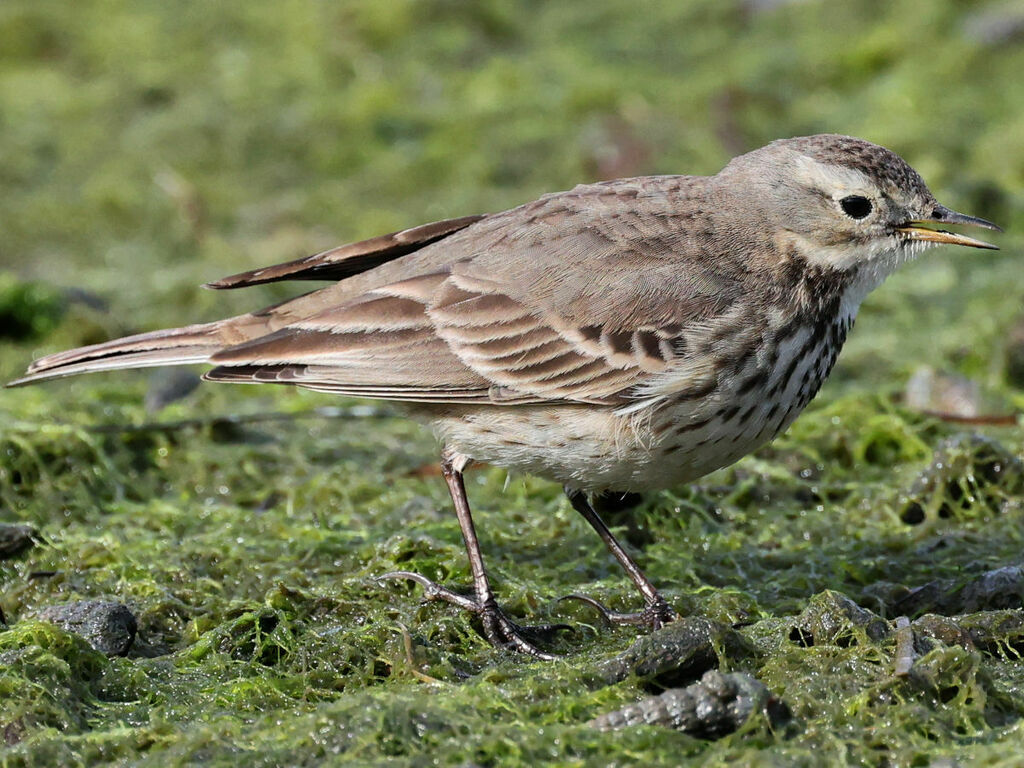
- American PipitAnthus rubescens
- American RedstartSetophaga ruticilla
- American RobinTurdus migratorius
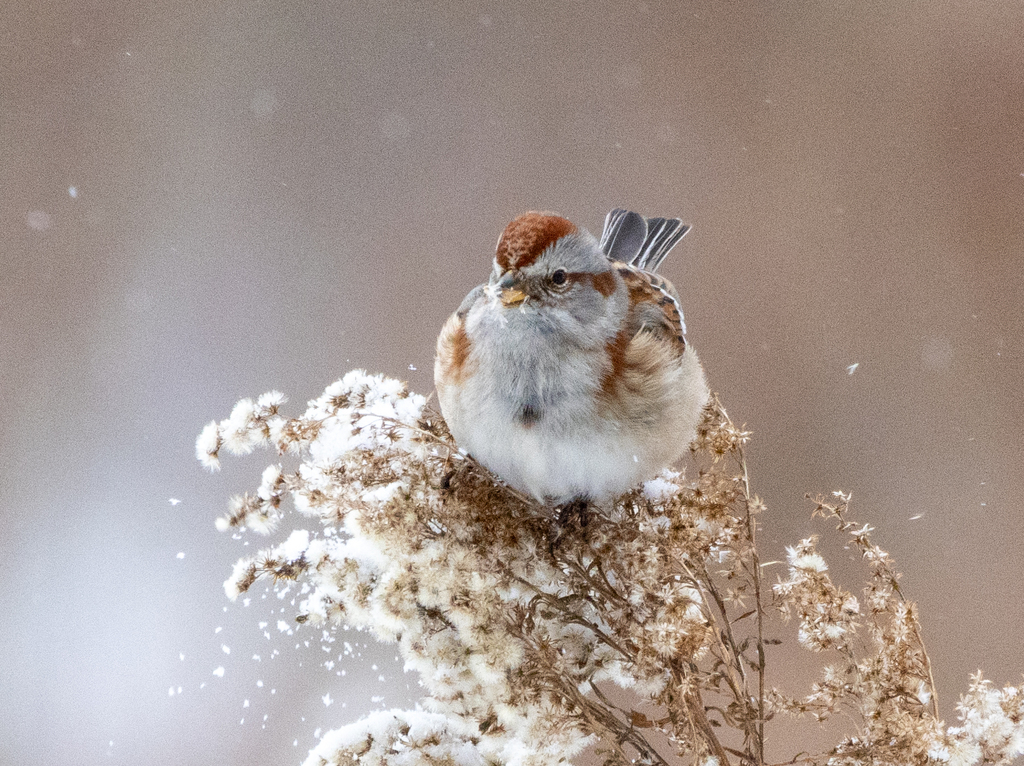
- American Tree SparrowSpizella arborea
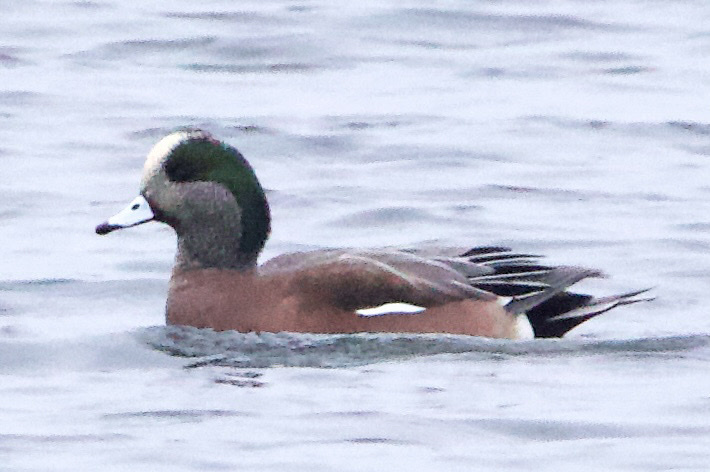
- American WigeonAnas americana
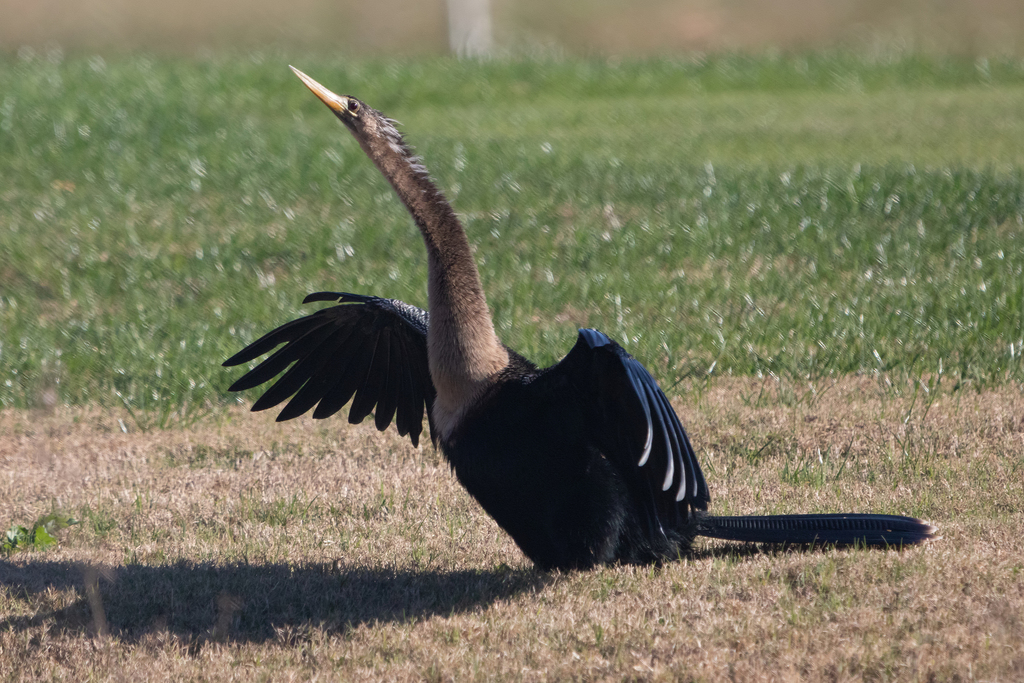
- AnhingaAnhinga anhinga
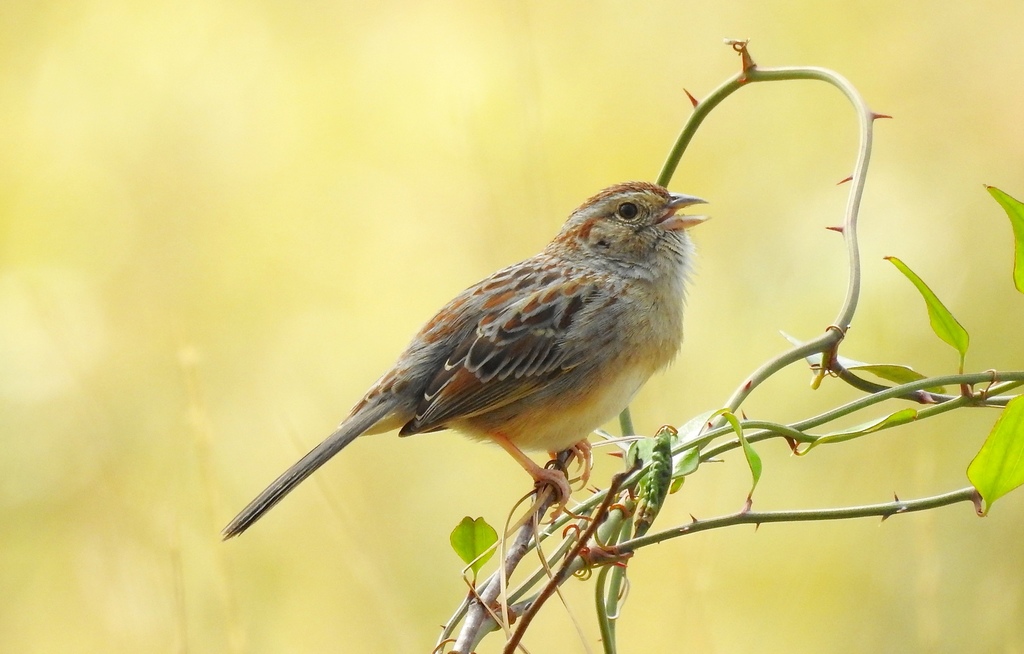
- Bachman's SparrowAimophila aestivalis
- Bald EagleHaliaeetus leucocephalus
- Baltimore OrioleIcterus galbula
- Bank SwallowRiparia riparia
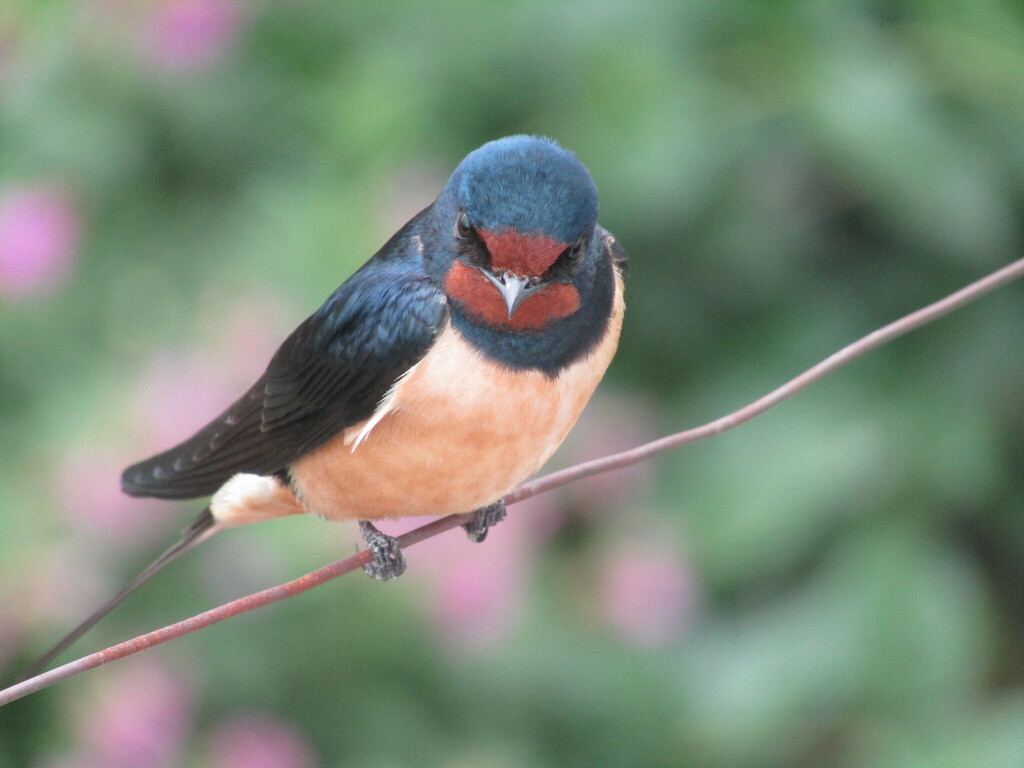
- Barn SwallowHirundo rustica
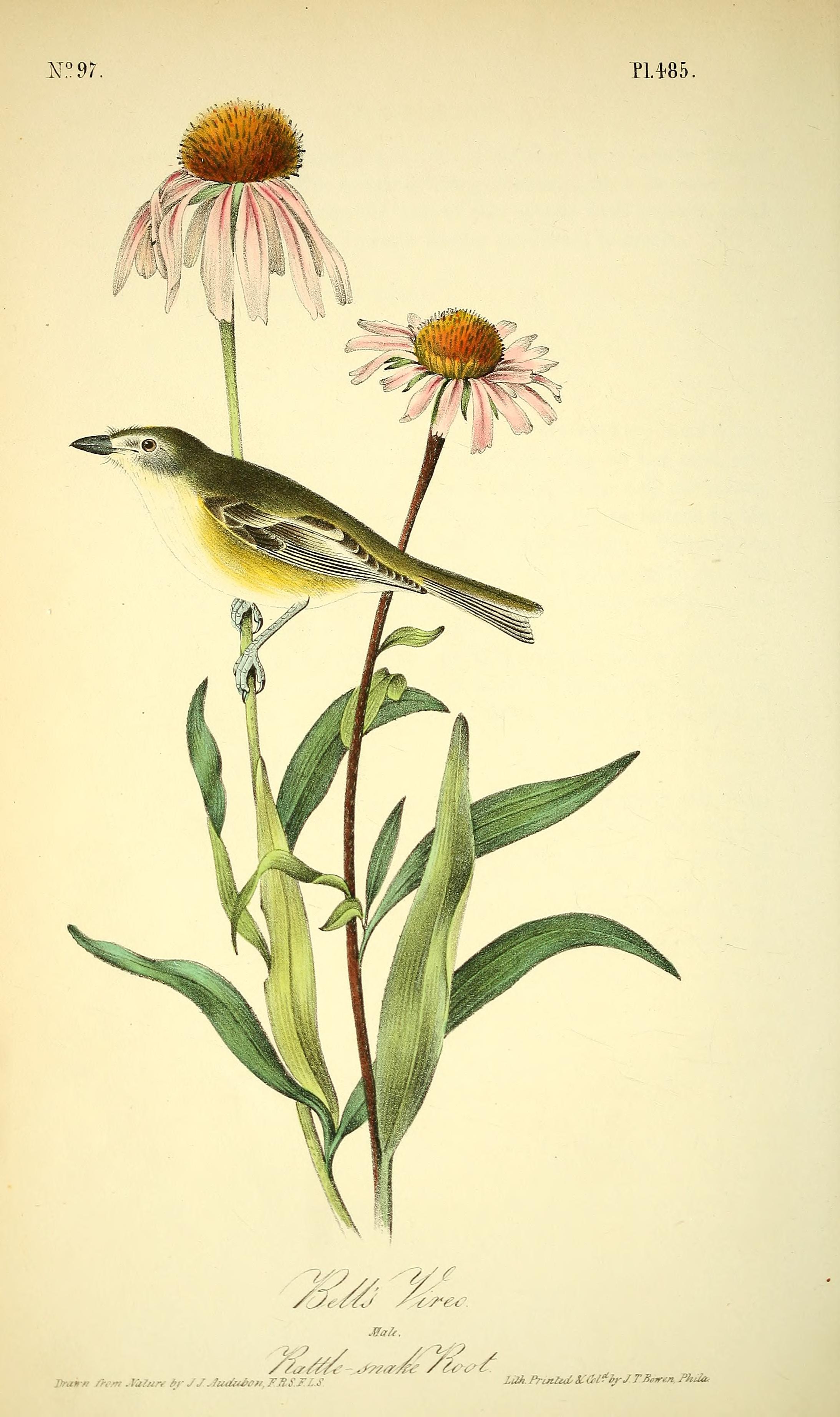
- Bell's VireoVireo bellii
- Belted KingfisherMegaceryle alcyon
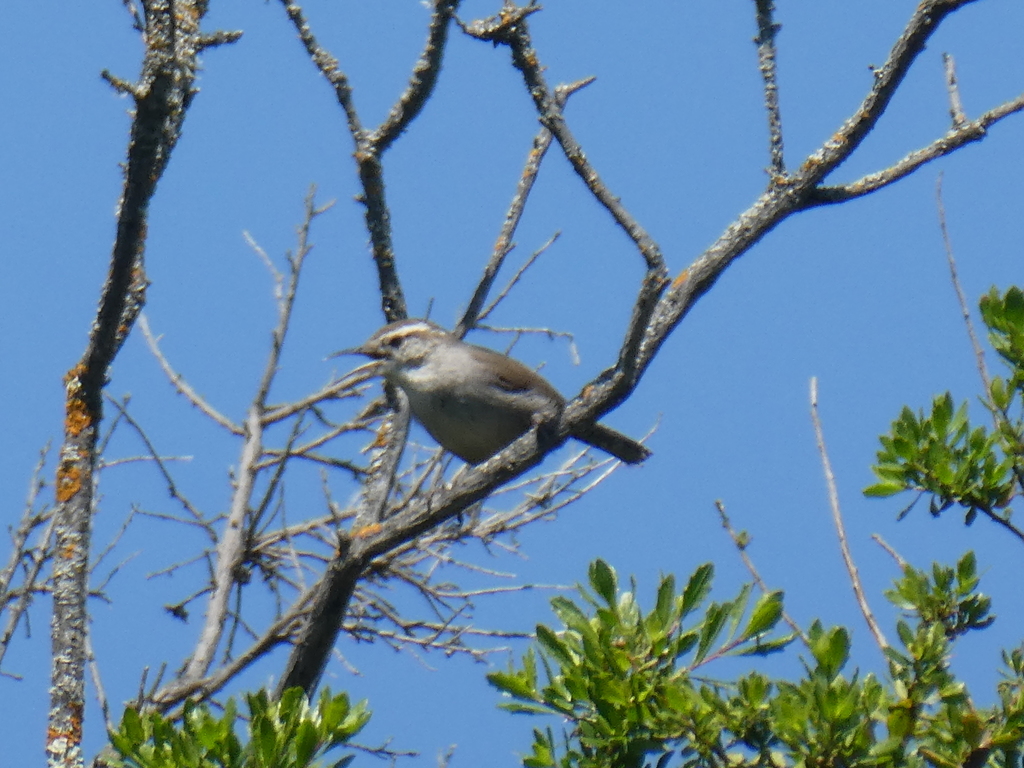
- Bewick's WrenThryomanes bewickii
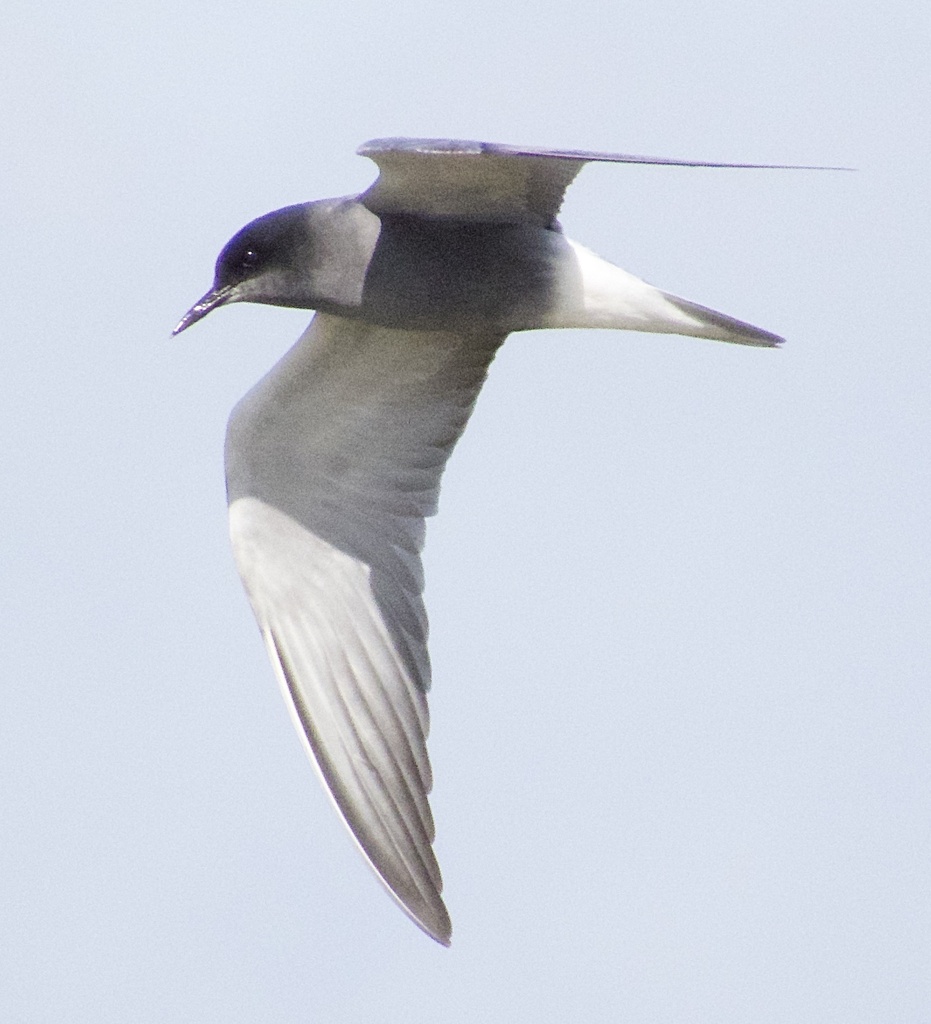
- Black TernChlidonias niger
- Black-and-White WarblerMniotilta varia
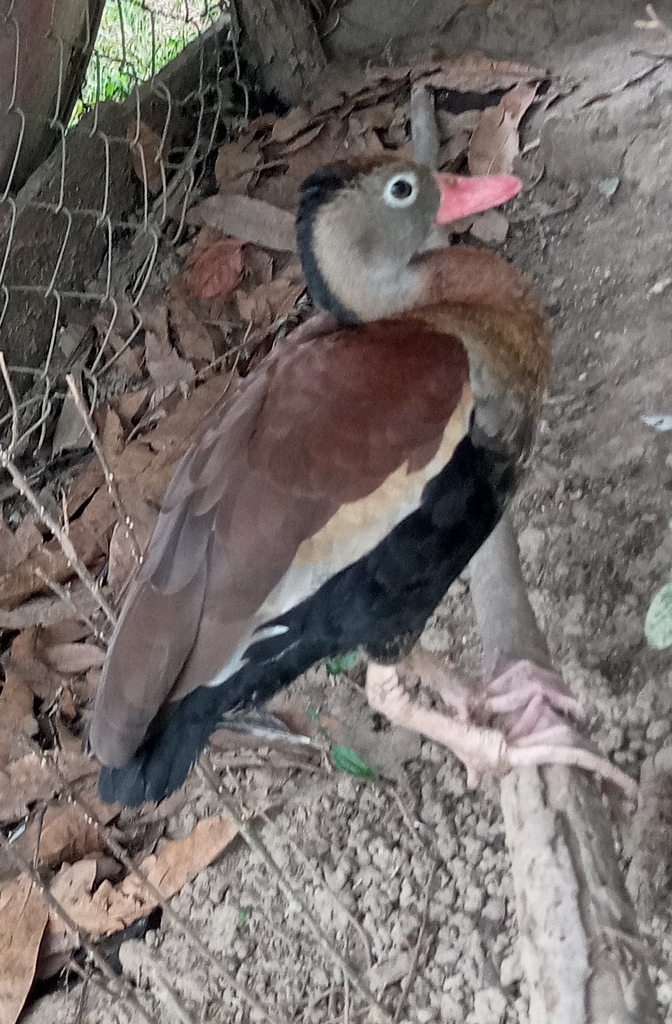
- Black-bellied Whistling-DuckDendrocygna autumnalis
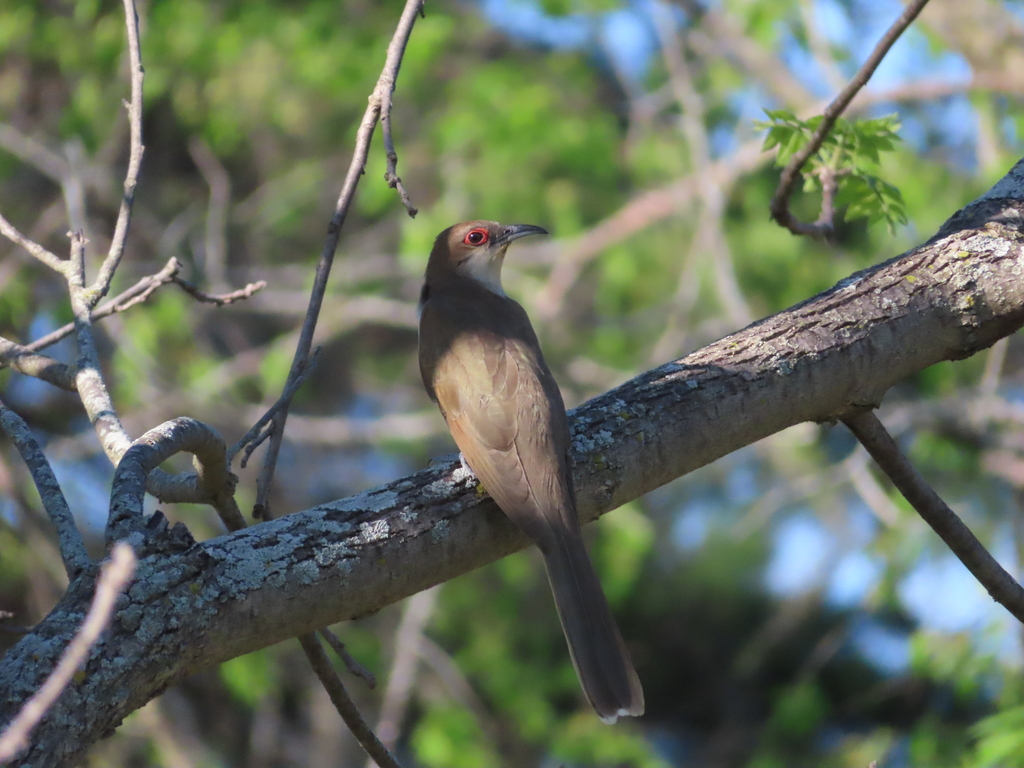
- Black-billed CuckooCoccyzus erythropthalmus
- Black-crowned Night-heronNycticorax nycticorax
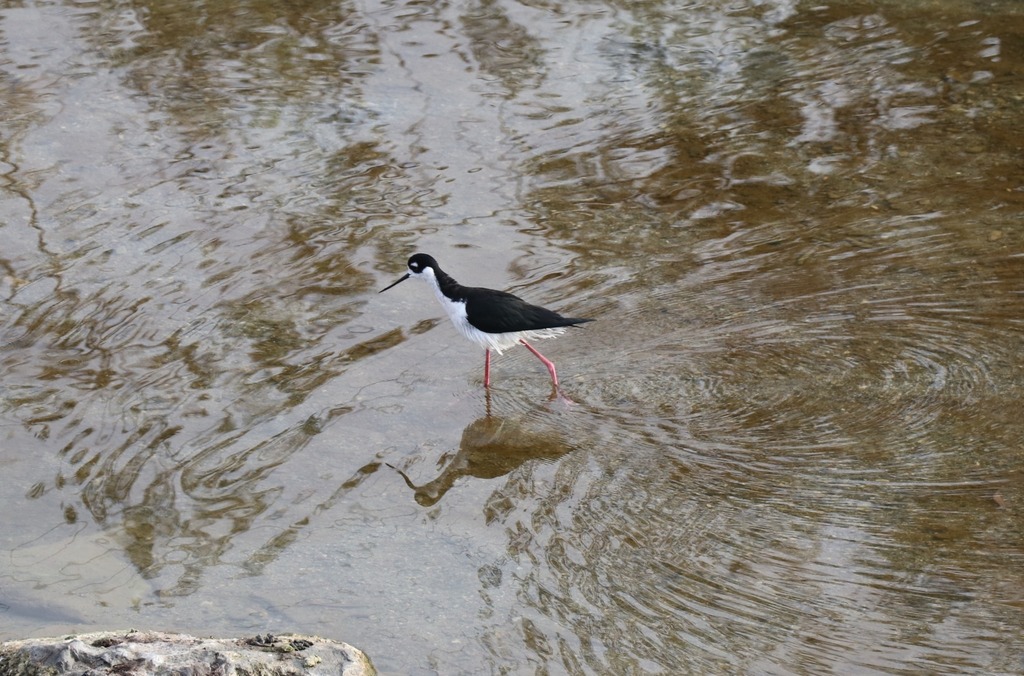
- Black-necked StiltHimantopus mexicanus
- Blue-gray GnatcatcherPolioptila caerulea
- Blue-headed VireoVireo solitarius
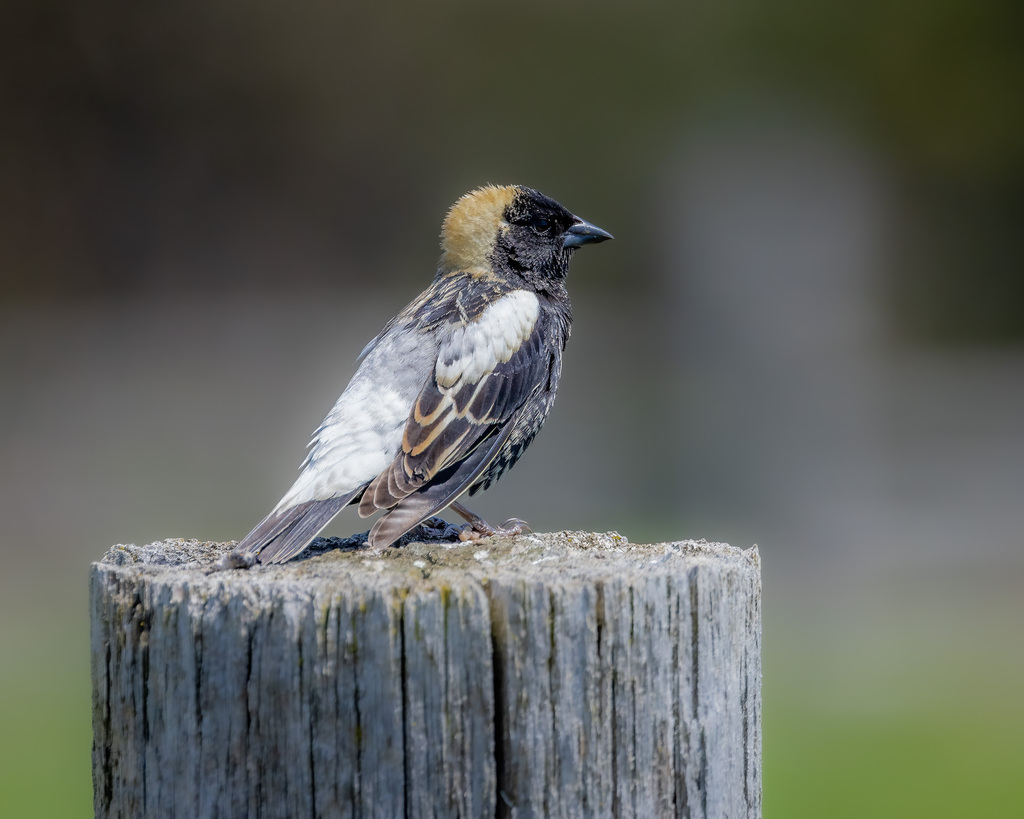
- BobolinkDolichonyx oryzivorus
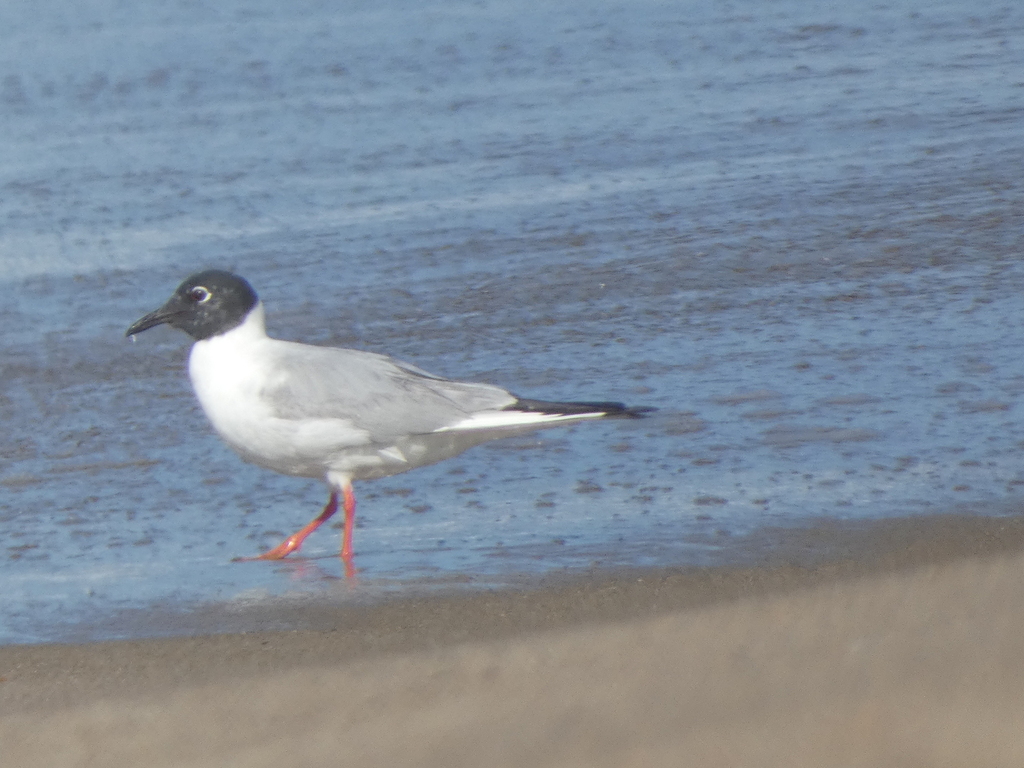
- Bonaparte's GullChroicocephalus philadelphia
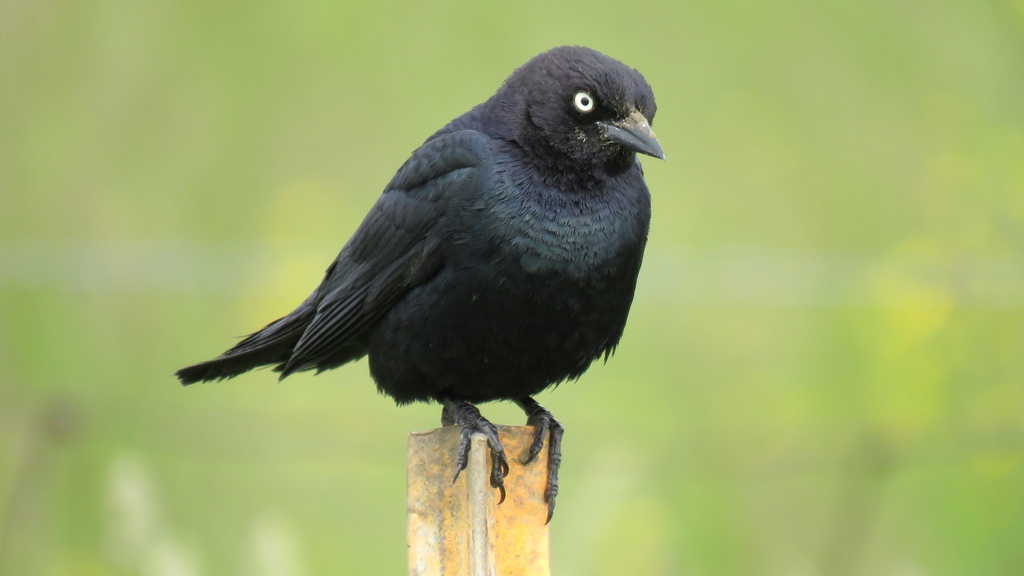
- Brewer's BlackbirdEuphagus cyanocephalus
- Brown-headed CowbirdMolothrus ater
- Canada GooseBranta canadensis
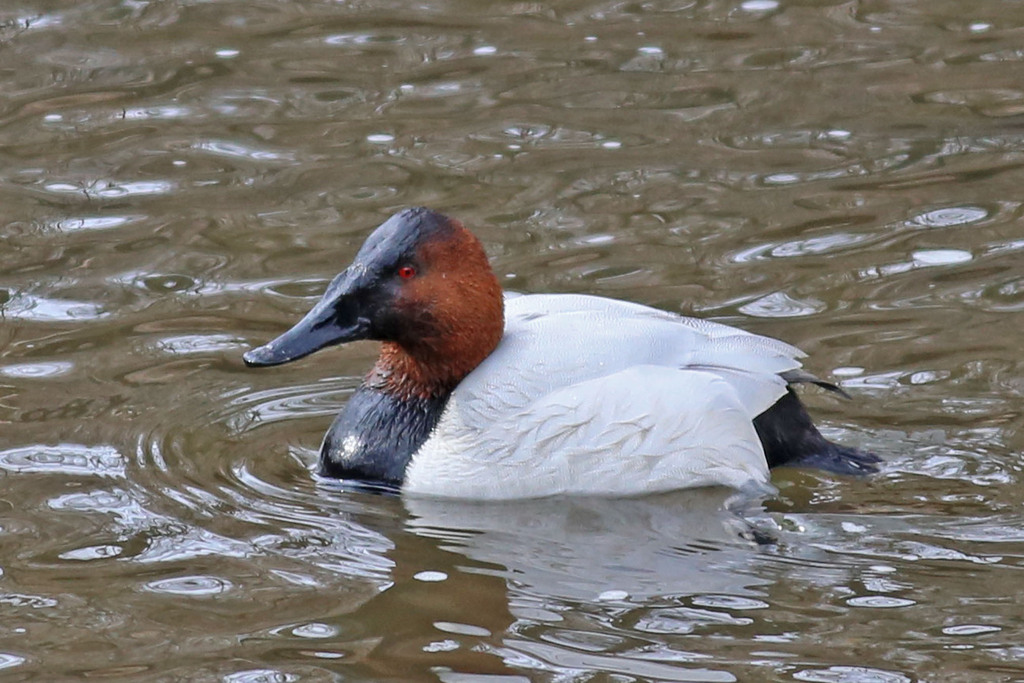
- CanvasbackAythya valisineria
- Carolina ChickadeePoecile carolinensis
- Carolina WrenThryothorus ludovicianus
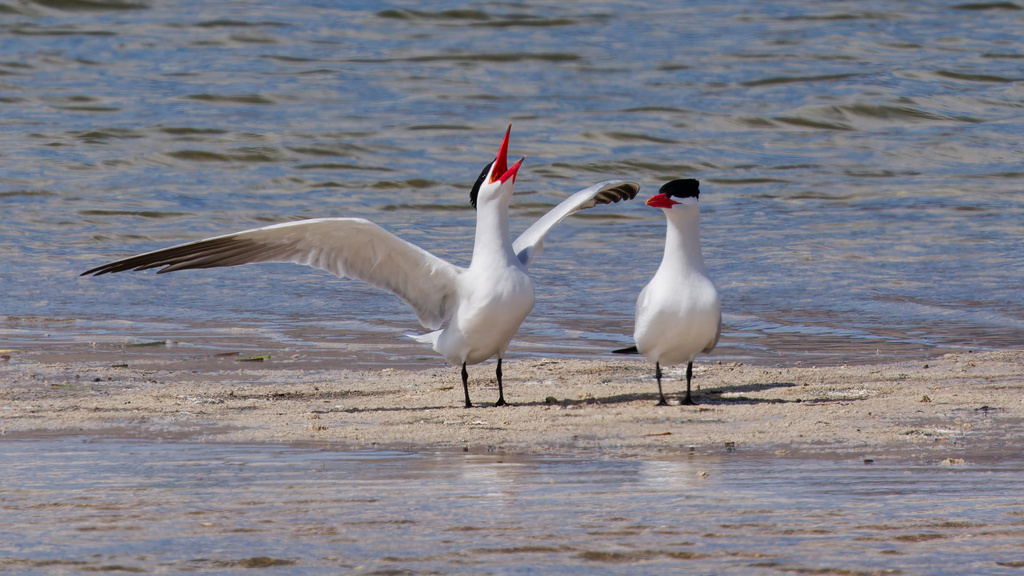
- Caspian TernHydroprogne caspia
- Cedar WaxwingBombycilla cedrorum
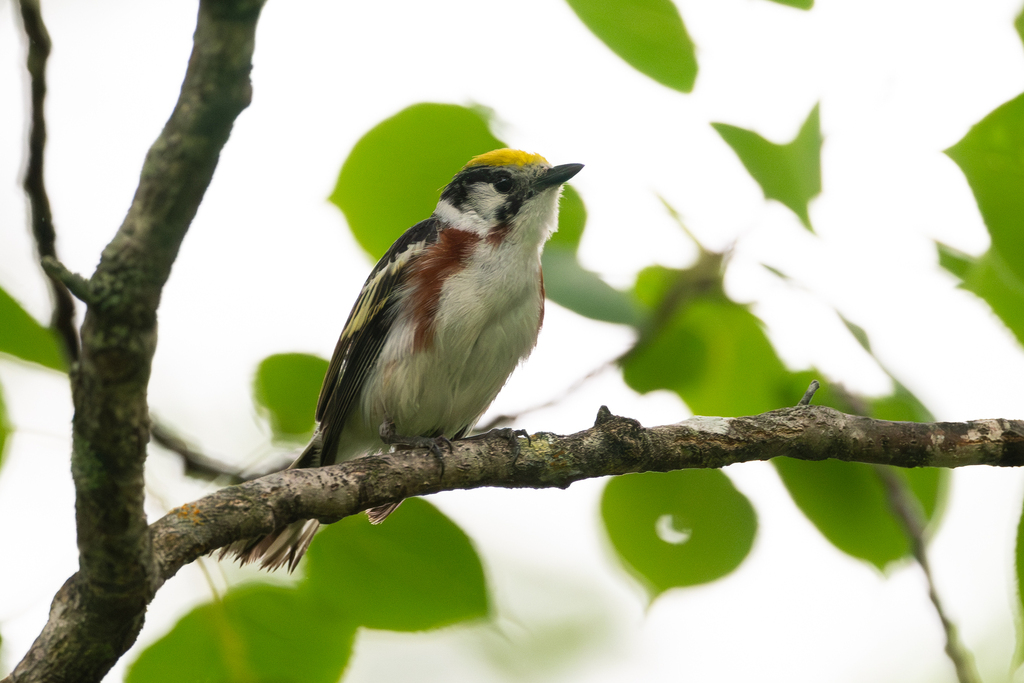
- Chestnut-sided WarblerDendroica pensylvanica
- Chimney SwiftChaetura pelagica
- Chipping SparrowSpizella passerina
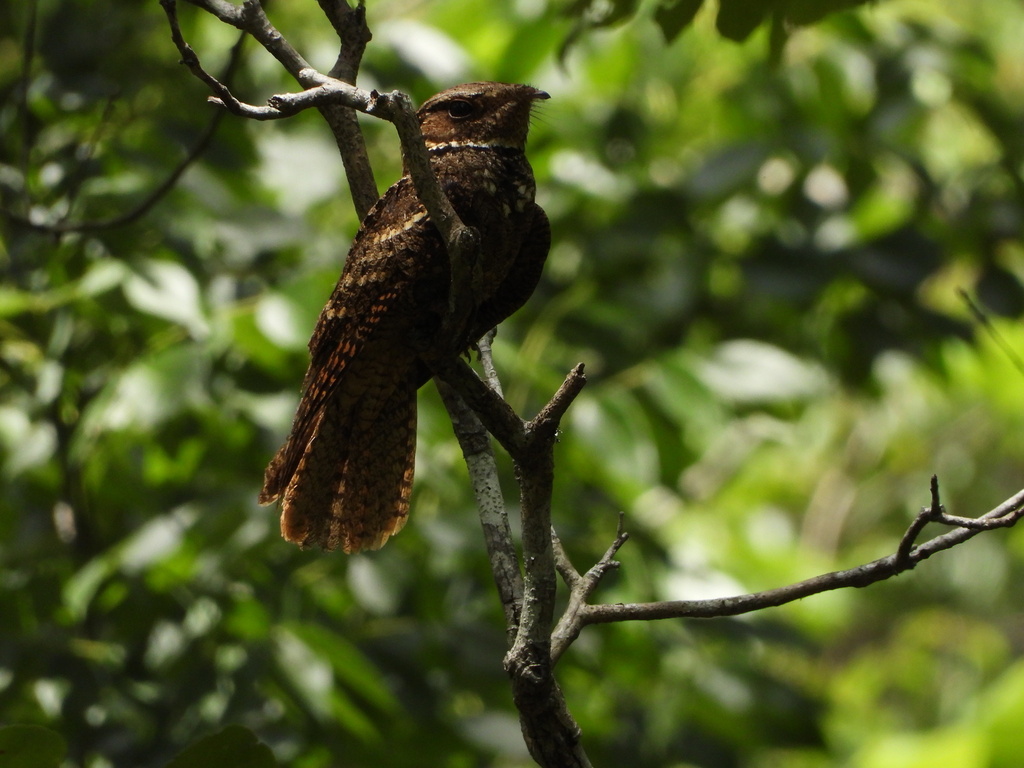
- Chuck-will's-widowCaprimulgus carolinensis
- Cliff SwallowPetrochelidon pyrrhonota
- Common GrackleQuiscalus quiscula
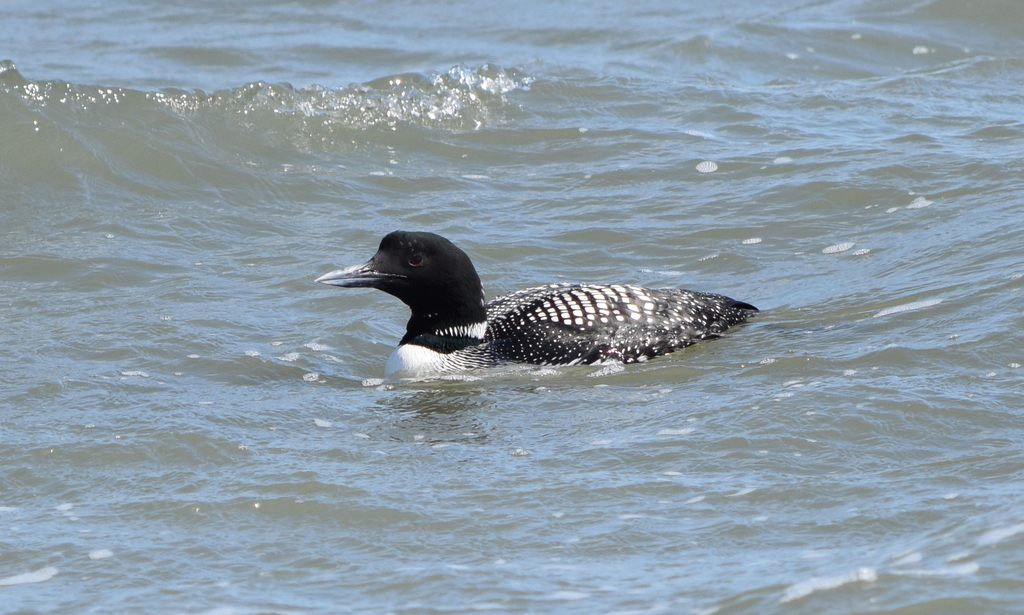
- Common LoonGavia immer
- Common NighthawkChordeiles minor

























Sources
- NatureServe, ecological systems of the United States habitat description
- Weakley, Flora of the Southeastern United States (2025), Carolinas & Georgia edition, habitat text phone app
- NC Parks species accounts
- USDA Forest Service Fire Effects Information System (reviewed notes)
- USGS Gap Analysis Project habitat models (2001)
- USGS Gap Analysis Project range maps (2001)
- NatureServe Explorer ecological systems (CC BY 4.0)
Habitat classes are filed under these habitat types by reviewed matches; descriptions are short glosses.