

Bird
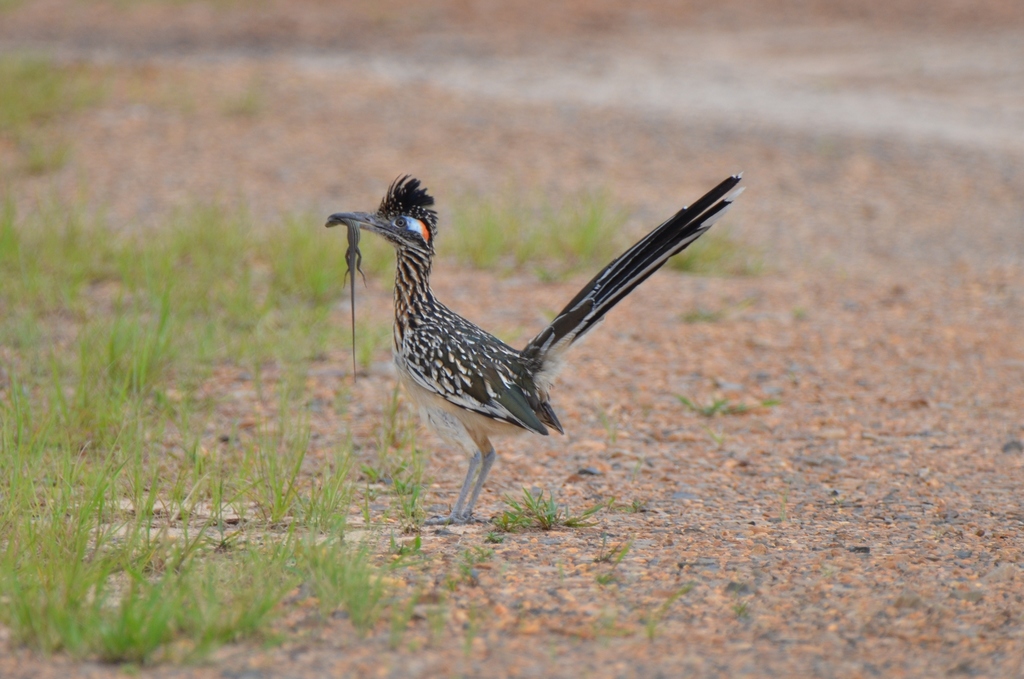
Greater Roadrunner
Geococcyx californianus
Lives in Arkansas all year and nests here. Found in 71 of 75 counties, across 2 habitats.
- Here
- All year
- Nesting
- Nests here
- Range
- 71 of 75 counties
- Habitats
- 2
At a glance
- Group
- Birds
- Here
- All year
- Nesting
- Nests here
- Range
- 71 of 75 counties
- Habitats
- 2
- Habitat models
- Year-round
Where it lives
The places its habitat model includes. It is not found everywhere a habitat occurs.
Habitats in Arkansas 2
Each habitat page lists the plants and wildlife also found there.
Forests and open woodlands on dry ridges and slopes, often oak or pine.
Roadsides, fields and disturbed ground
Ground opened by people: roadsides, old fields, pastures, fencerows and lots.
Other habitats in its models (6)
Land cover, or classes with no habitat page in Arkansas.
- Developed, Low Intensity Year-round.
- Southern Piedmont Dry Oak-(Pine) Forest - Loblolly Pine Modifier Year-round.
- Central Appalachian Oak and Pine Forest Year-round.
- Central Appalachian Pine-Oak Rocky Woodland Year-round.
- Southern Appalachian Montane Pine Forest and Woodland Year-round.
- Central Appalachian Alkaline Glade and Woodland Year-round.
Seasons in Arkansas
- Year-round: nests here, in 71 of 75 counties.
Also found in this habitat
Plants 33
Plants named in NatureServe descriptions of these habitats that grow in Arkansas. Shared habitat, not food.
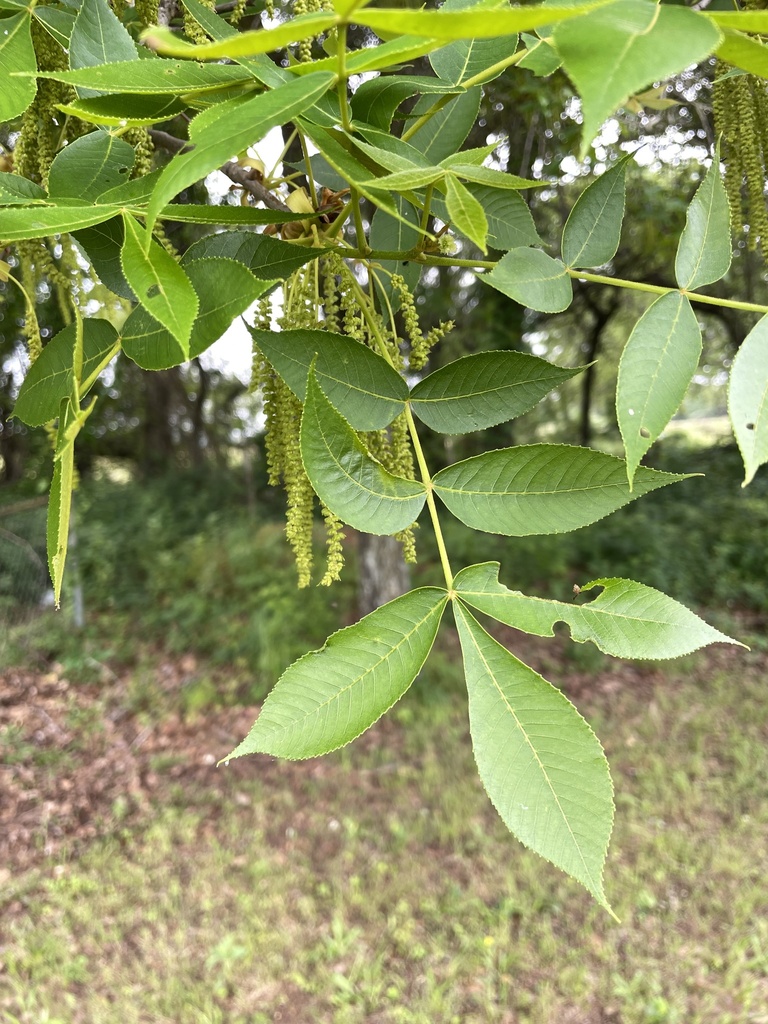
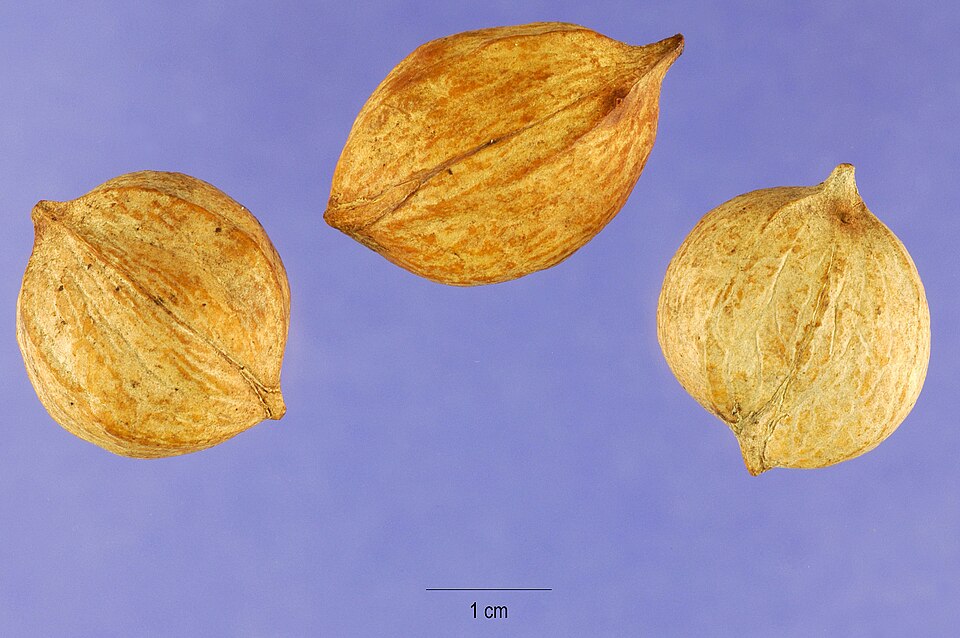
- Black HickoryCarya texana
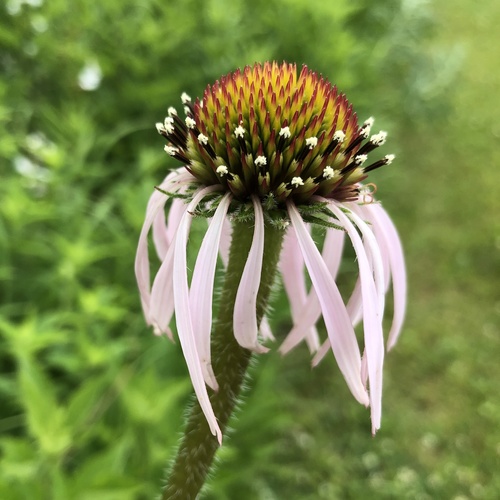
- Pale Purple ConeflowerEchinacea pallida
- Juniperus virginiana var. virginianaJuniperus virginiana var. virginiana
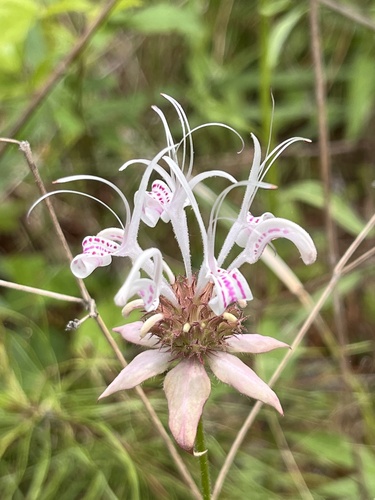
- White Bee BalmMonarda russeliana
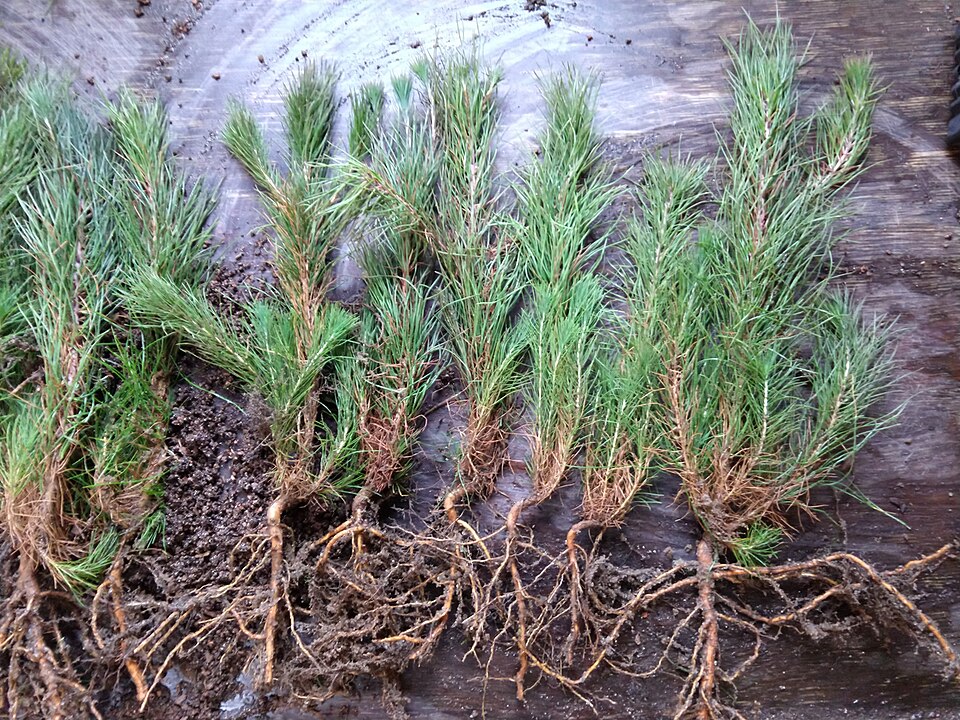
- Shortleaf PinePinus echinata
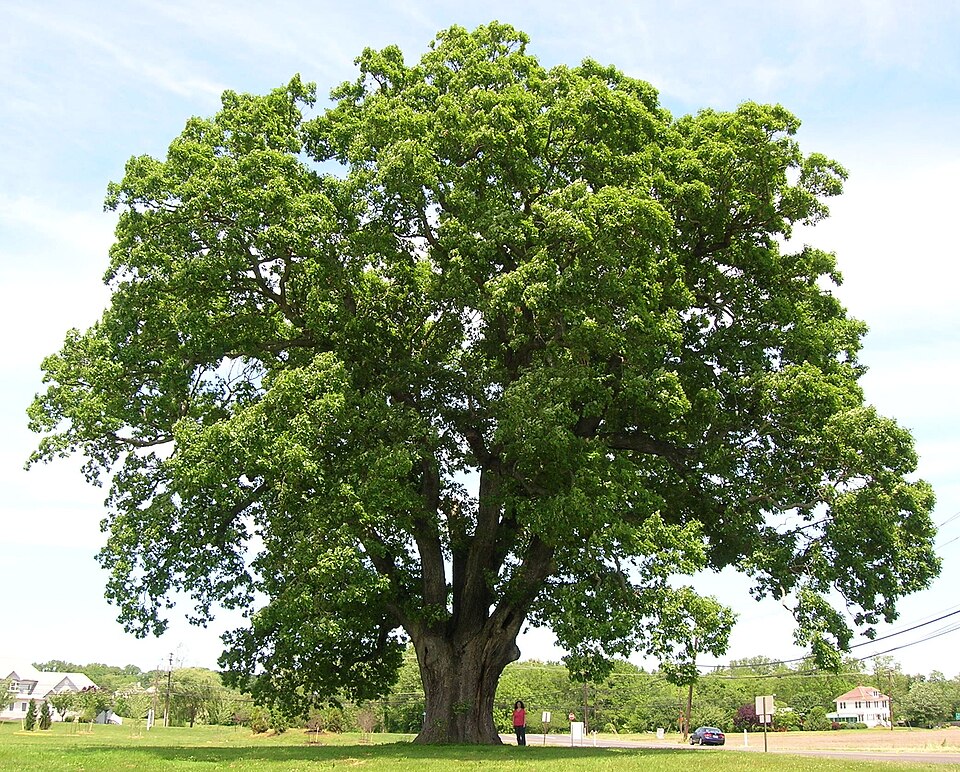
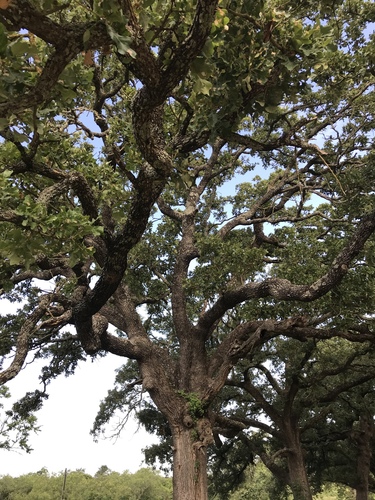
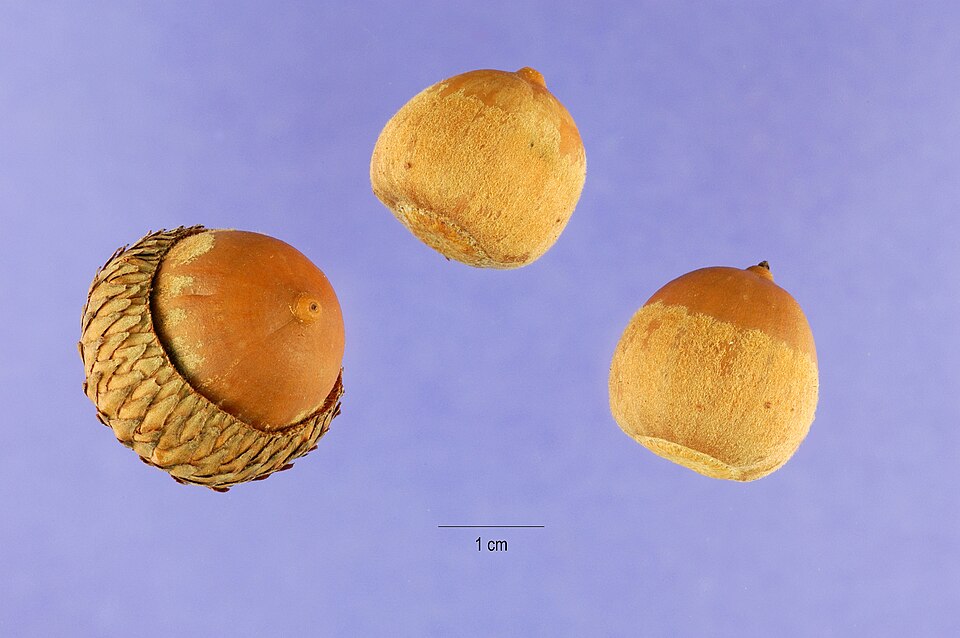
- White OakQuercus alba
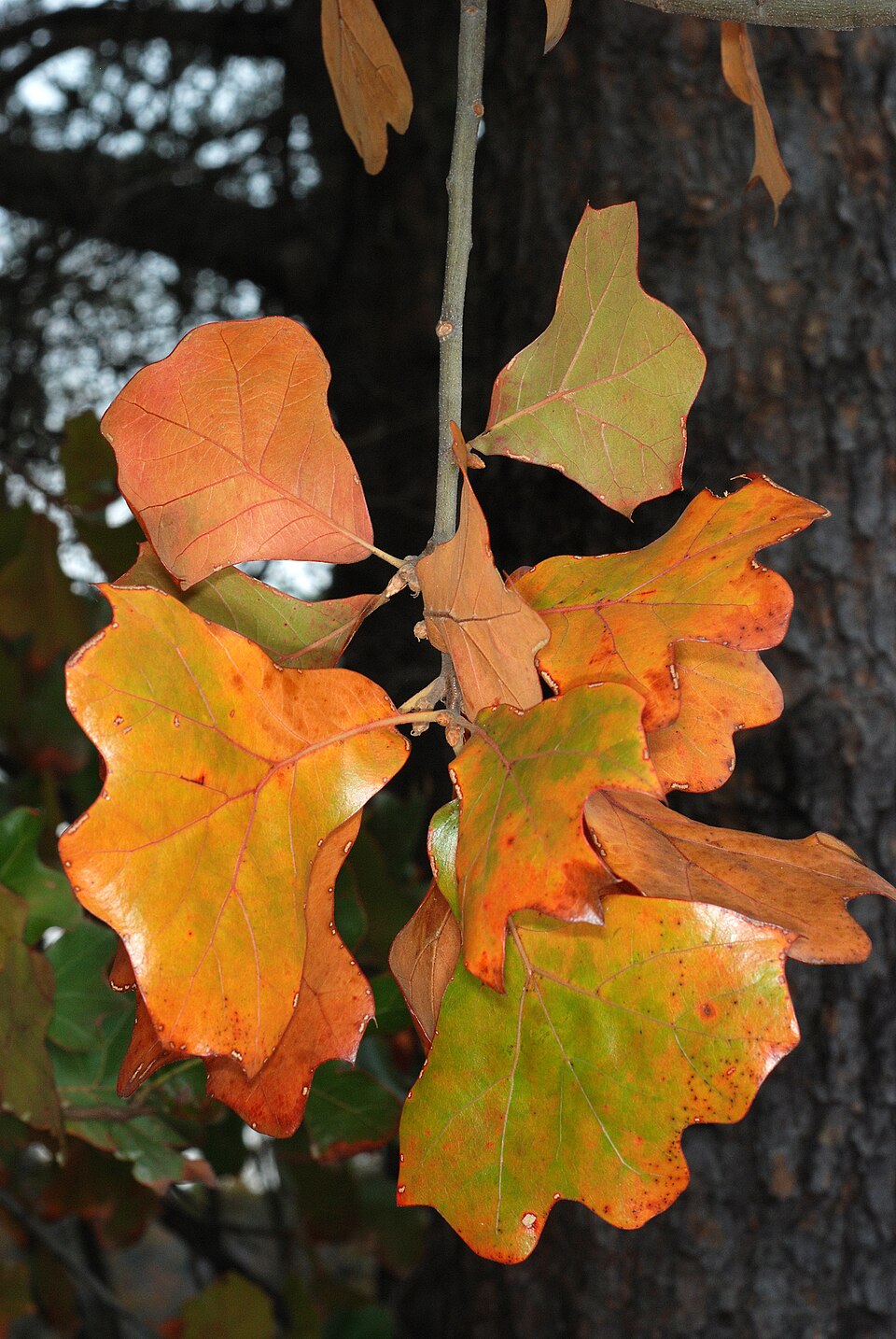
- Blackjack OakQuercus marilandica
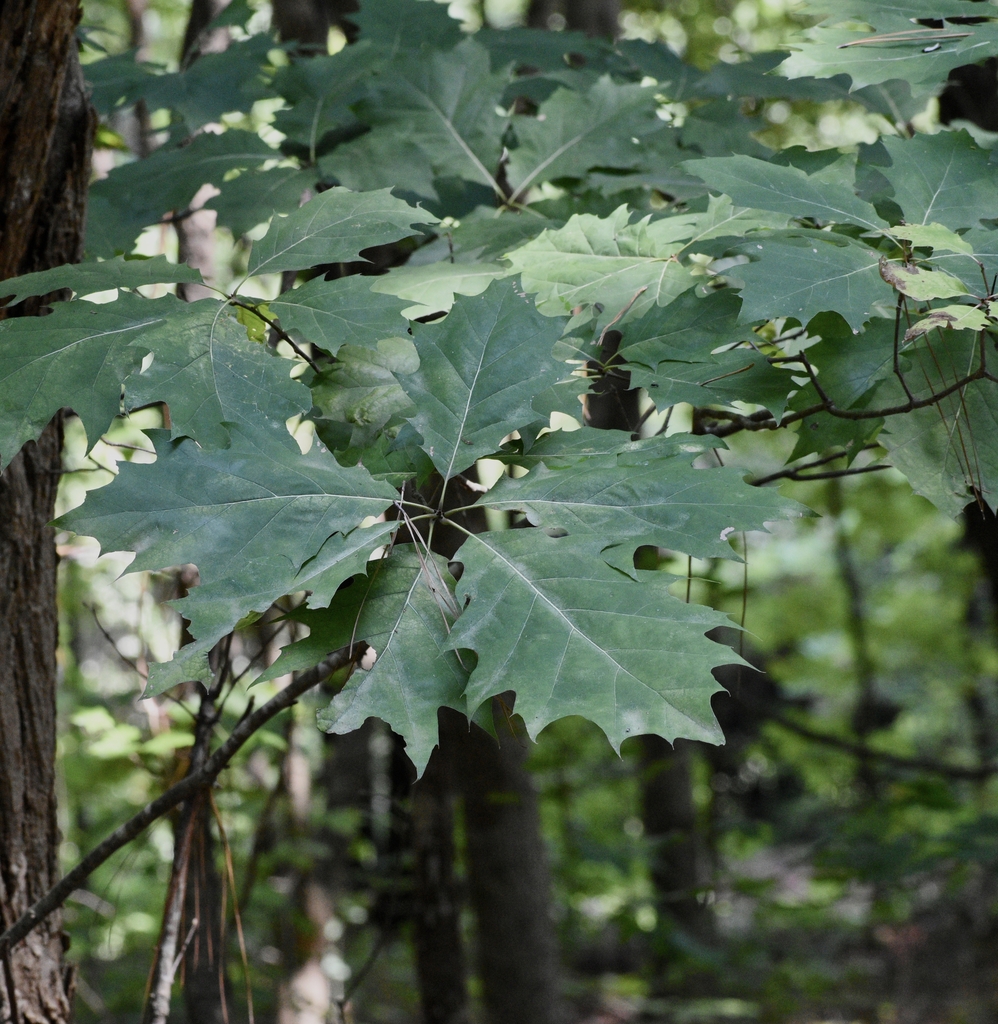
- Northern Red OakQuercus rubra
- Post OakQuercus stellata
- Black OakQuercus velutina
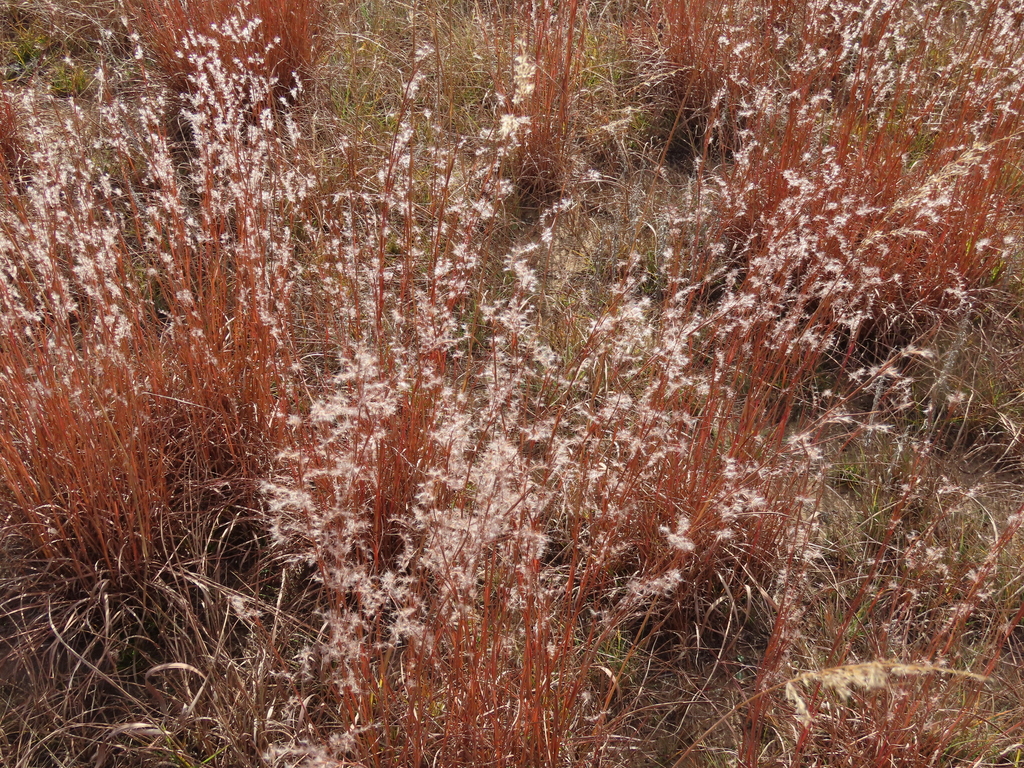
- Little BluestemSchizachyrium scoparium
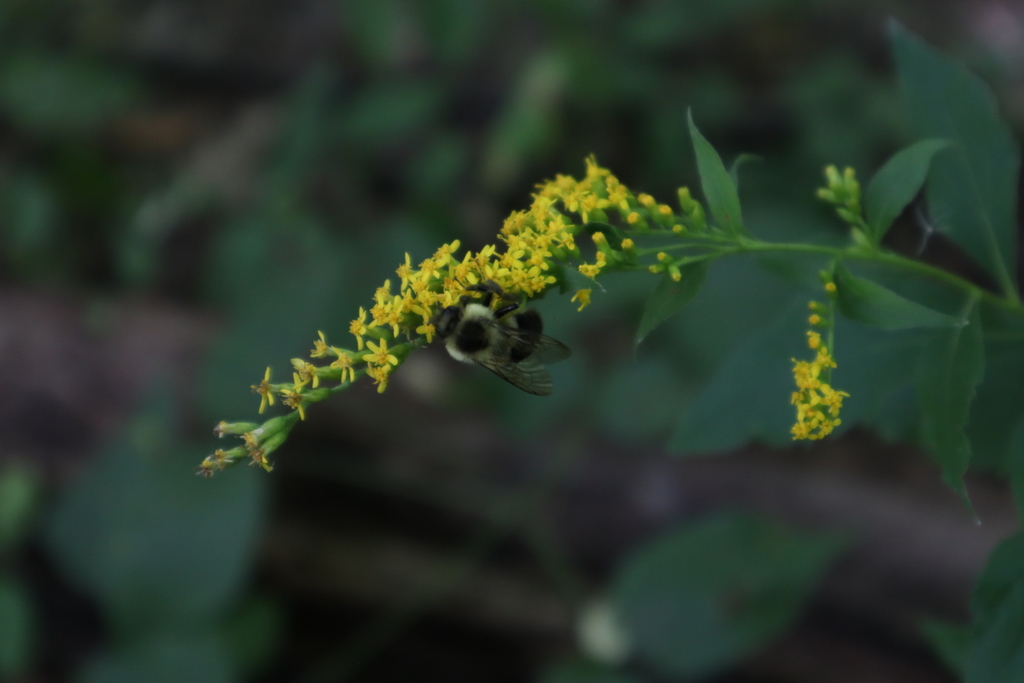
- Elmleaf GoldenrodSolidago ulmifolia
- SparkleberryVaccinium arboreum
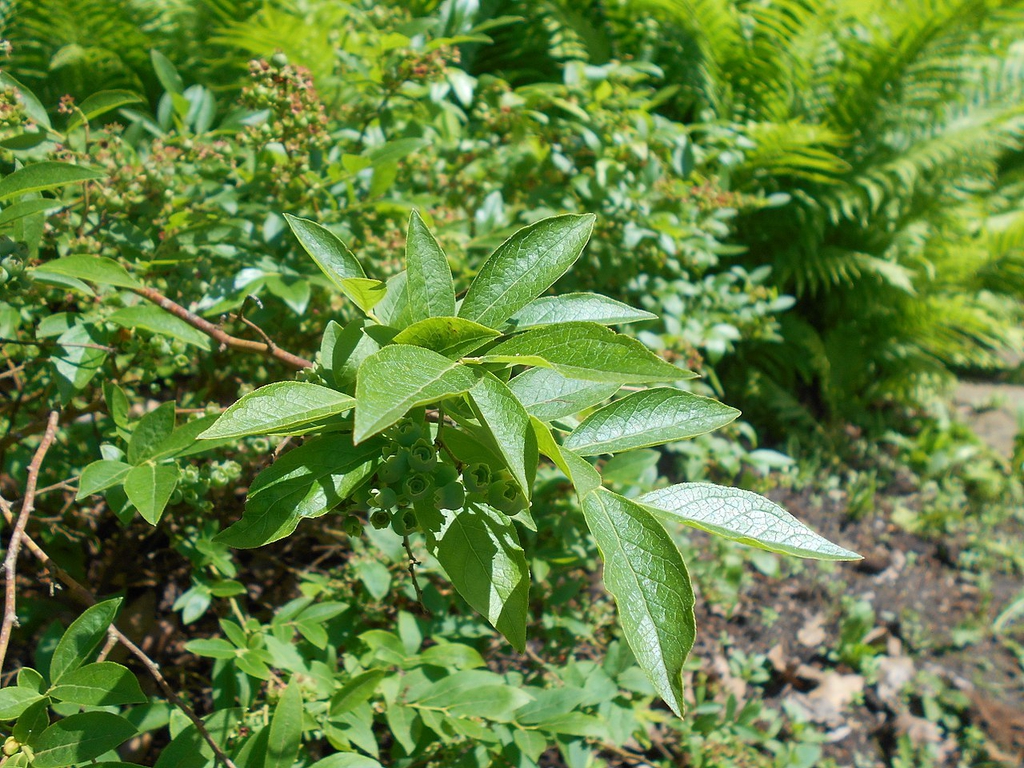
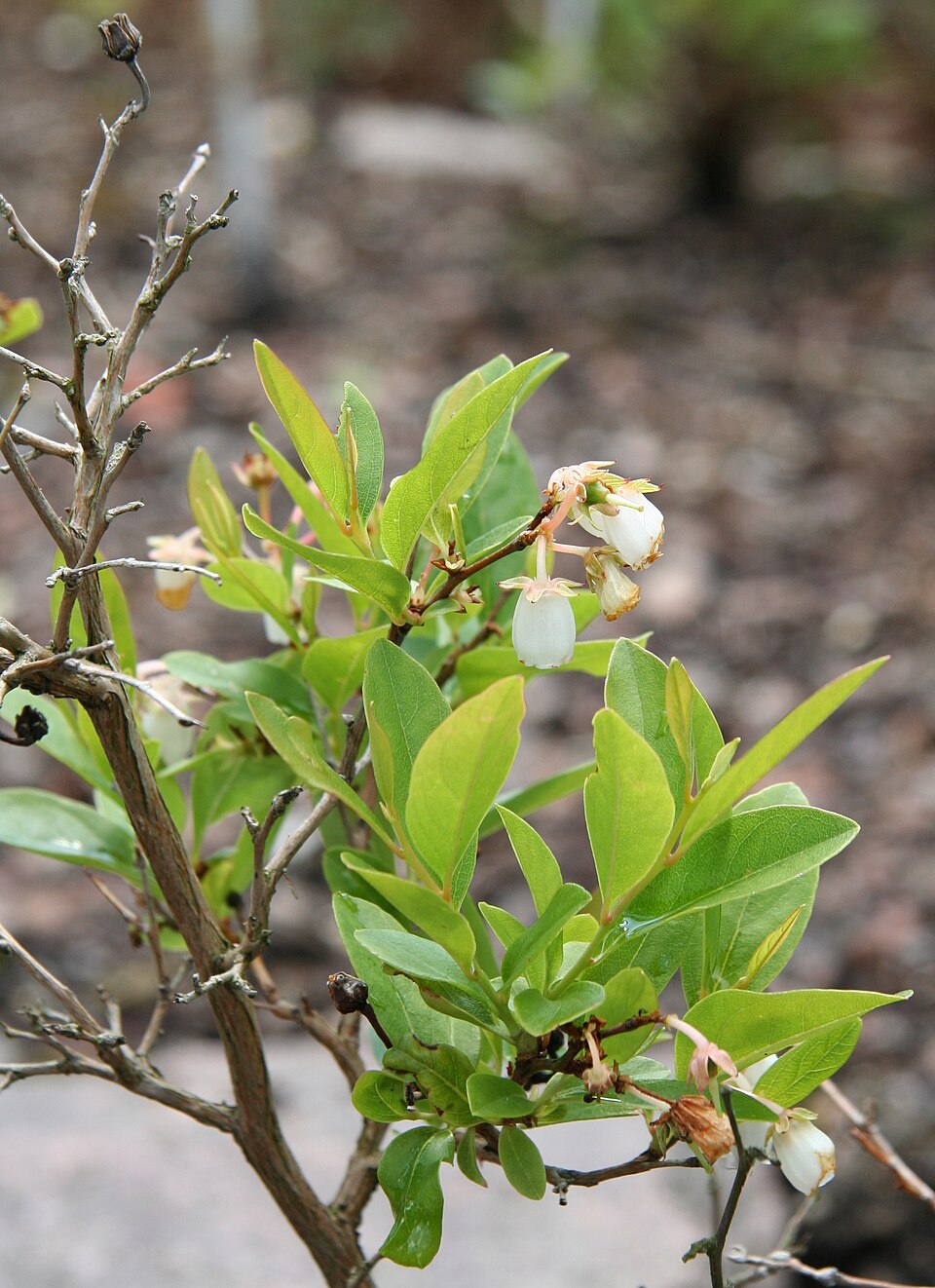
- Hillside BlueberryVaccinium pallidum
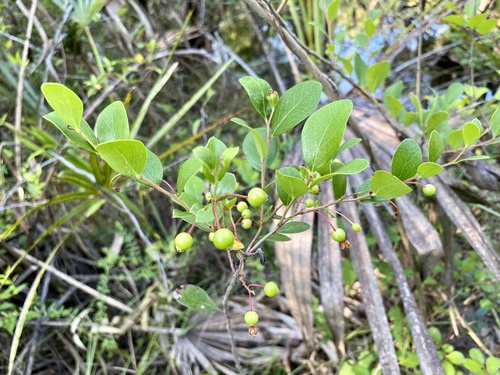
- DeerberryVaccinium stamineum
- Big BluestemAndropogon gerardi
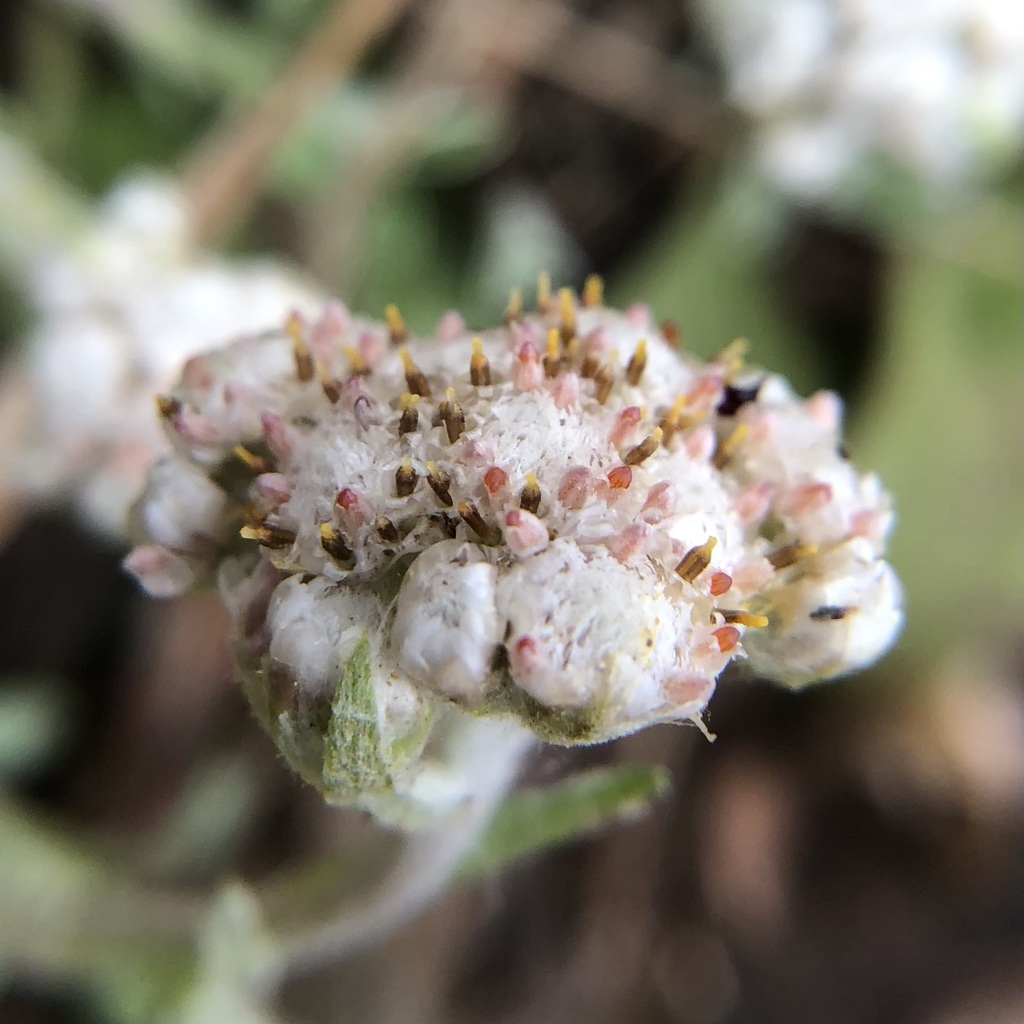
- Plantain-leaf PussytoesAntennaria plantaginifolia
- Mockernut HickoryCarya tomentosa
- Longleaf SpikegrassChasmanthium sessiliflorum
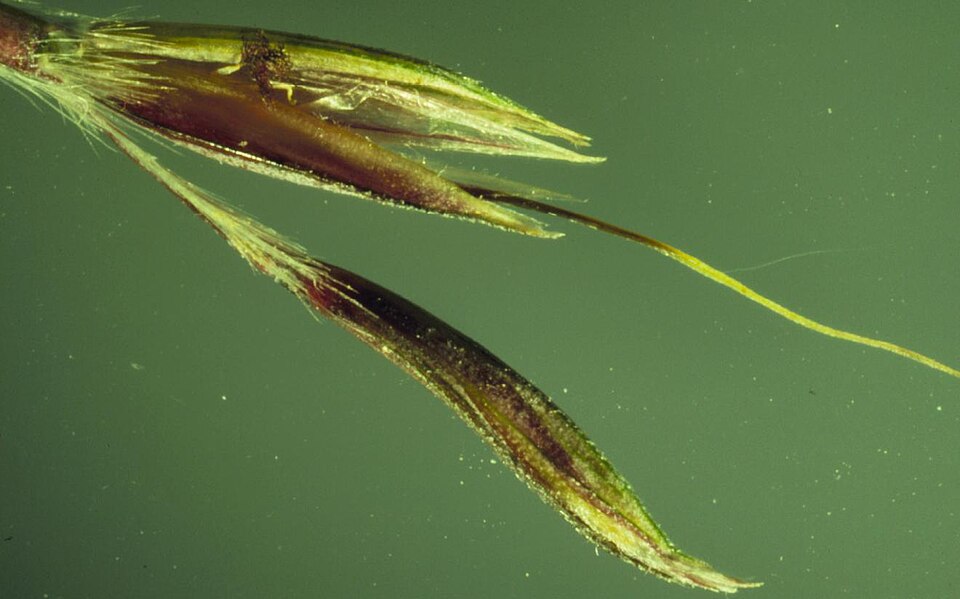
- Poverty OatgrassDanthonia spicata
- Forked Witchgrass; Cypress Panicgrass; Forked Witch Grass; Cypress Panic GrassDichanthelium dichotomum var. dichotomum
- Beaked HawkweedHieracium gronovii
- Ouachita BluetHoustonia ouachitana
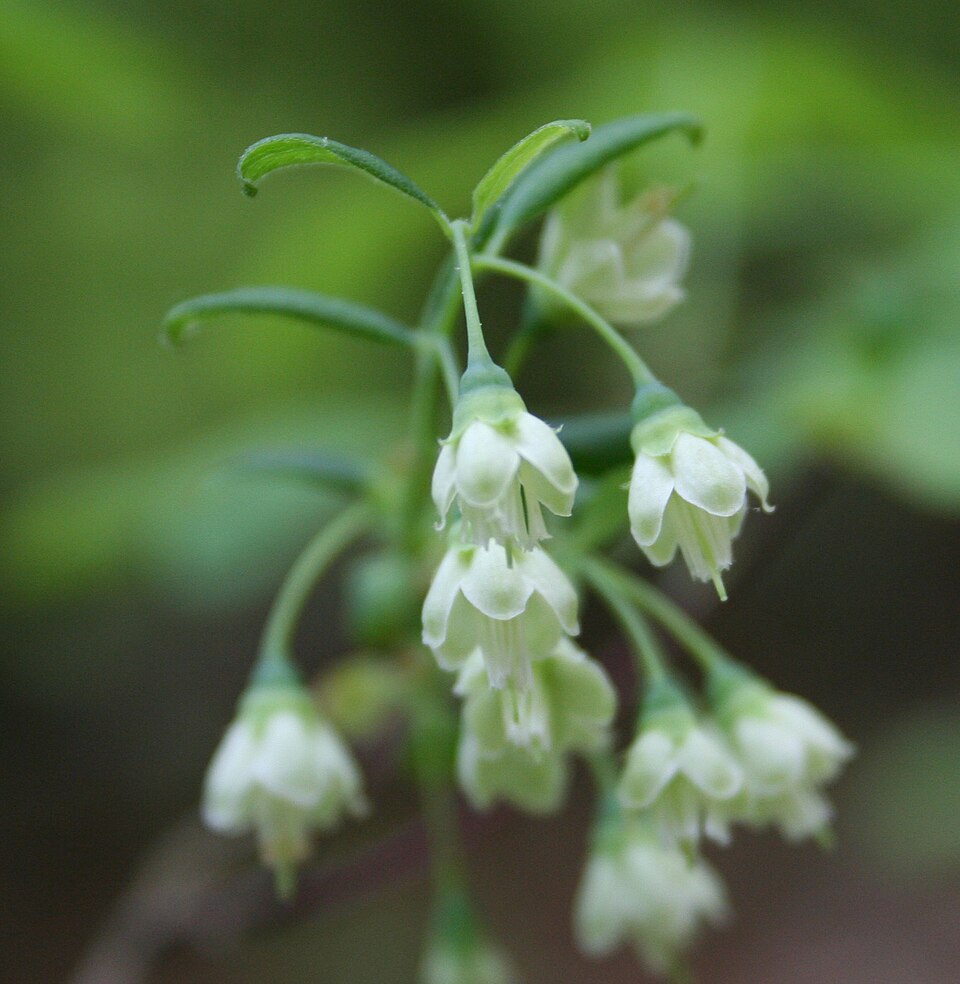
- StaggerbushLyonia mariana
Wildlife 180
Other animals whose habitat models include the same habitats in Arkansas. Not sighting records.
- American GoldfinchCarduelis tristis
- American KestrelFalco sparverius
- American RobinTurdus migratorius
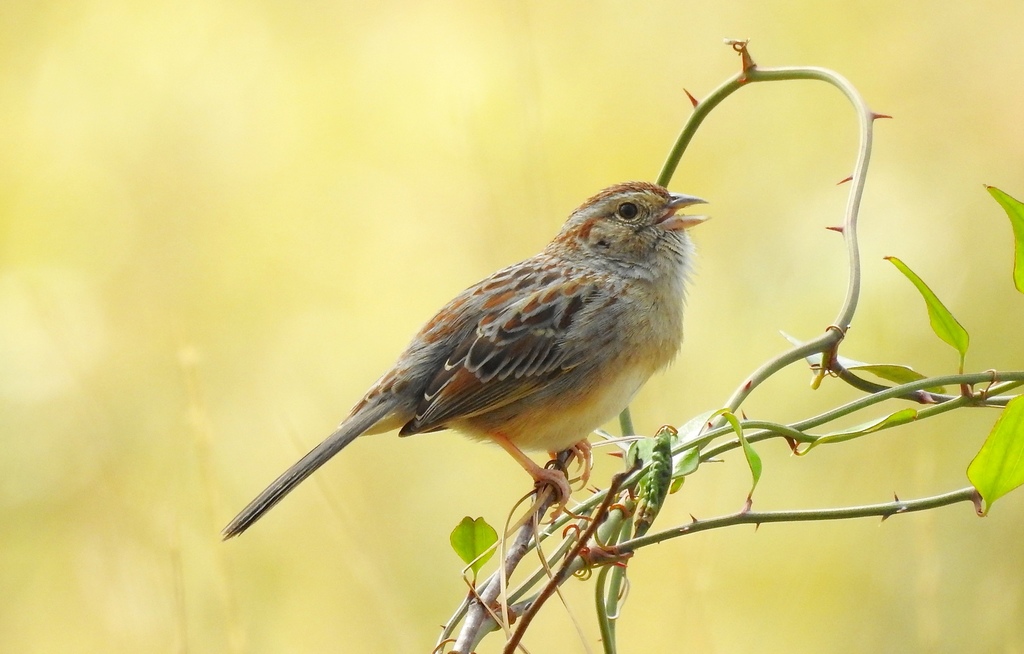
- Bachman's SparrowAimophila aestivalis
- Baltimore OrioleIcterus galbula
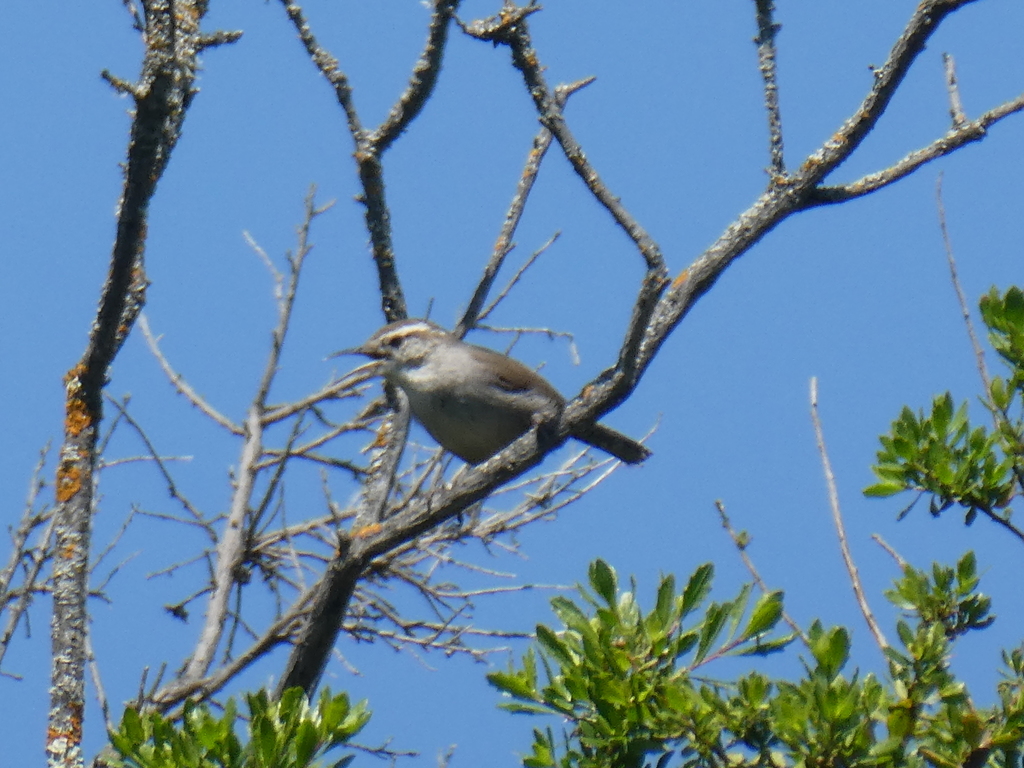
- Bewick's WrenThryomanes bewickii
- Black-billed CuckooCoccyzus erythropthalmus
- Black-crowned Night-heronNycticorax nycticorax
- Blue GrosbeakPasserina caerulea
- Blue-gray GnatcatcherPolioptila caerulea
- Broad-winged HawkButeo platypterus
- Brown ThrasherToxostoma rufum
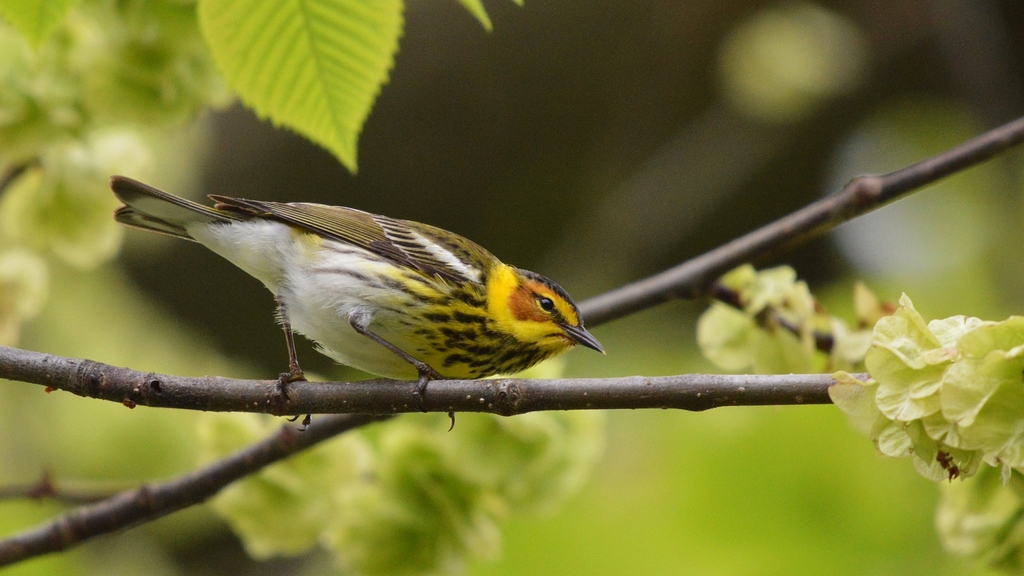
- Cape May WarblerDendroica tigrina
- Carolina ChickadeePoecile carolinensis
- Cedar WaxwingBombycilla cedrorum
- Chimney SwiftChaetura pelagica
- Chipping SparrowSpizella passerina
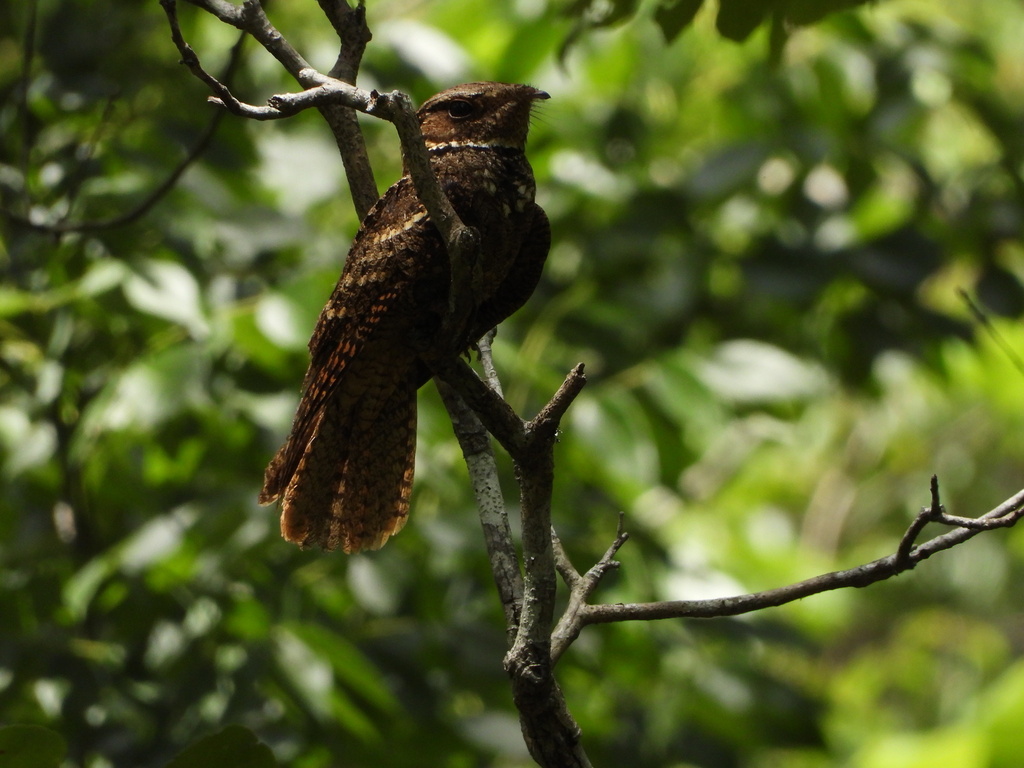
- Chuck-will's-widowCaprimulgus carolinensis
- Common NighthawkChordeiles minor
- Common YellowthroatGeothlypis trichas
- Cooper's HawkAccipiter cooperii
- Dark-eyed JuncoJunco hyemalis
- Eastern BluebirdSialia sialis
- Eastern KingbirdTyrannus tyrannus




















NatureServe Explorer, CC BY 4.0. USGS Gap Analysis Project habitat models.
Sources
- USGS Gap Analysis Project habitat models (2001)
- USGS GAP year-round habitat model for Greater Roadrunner Elevation -60 to 3,000 m
- USGS Gap Analysis Project range maps (2001), modeled by watershed; migratory gives no dates
- NatureServe Explorer (CC BY 4.0), habitat names
- US Census TIGER/Line counties
- Names follow the USGS Gap Analysis Project (2001)