

American Basswood
Tilia americana
Native to West Virginia. How scores work Is it native here?
Profile 100%
- Height
- 60–80 feet
- Spread
- 30–60 feet
- Light
- Full sun, Partial shade
- Soil moisture
- Somewhat dry to moist
Space about 30 ft apart from its recorded spread. Enter your bed size for a count
Will it fit your yard?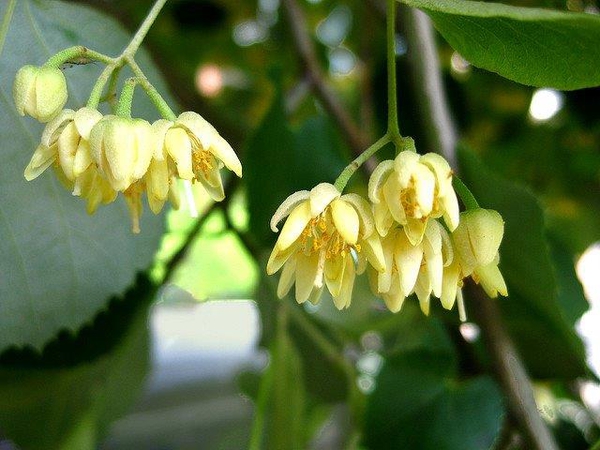
At a glance
- Life cycle
- Woody perennial
- Leaves
- Deciduous
- Bloom
- Late spring
- Fruiting season
- Summer
Recorded in 13 West Virginia counties.
Also found with this plant
Wildlife whose habitat models include habitats this plant grows in, in West Virginia. Shared habitat, not food. 89 animals.
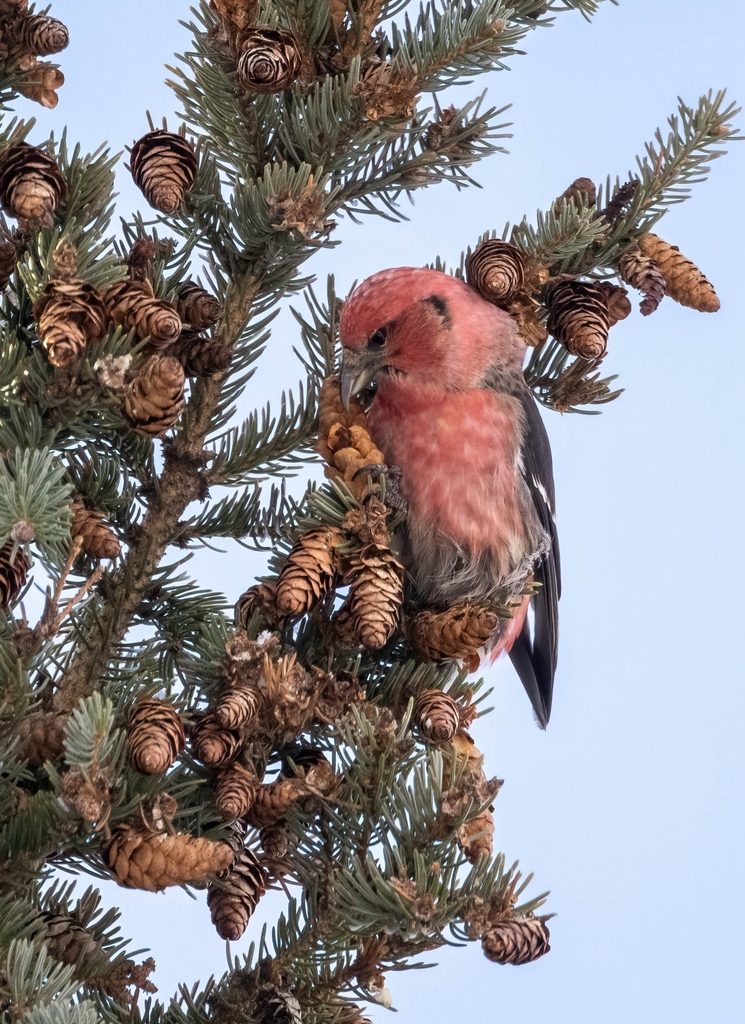
- White-winged CrossbillLoxia leucoptera
- Bank SwallowRiparia riparia
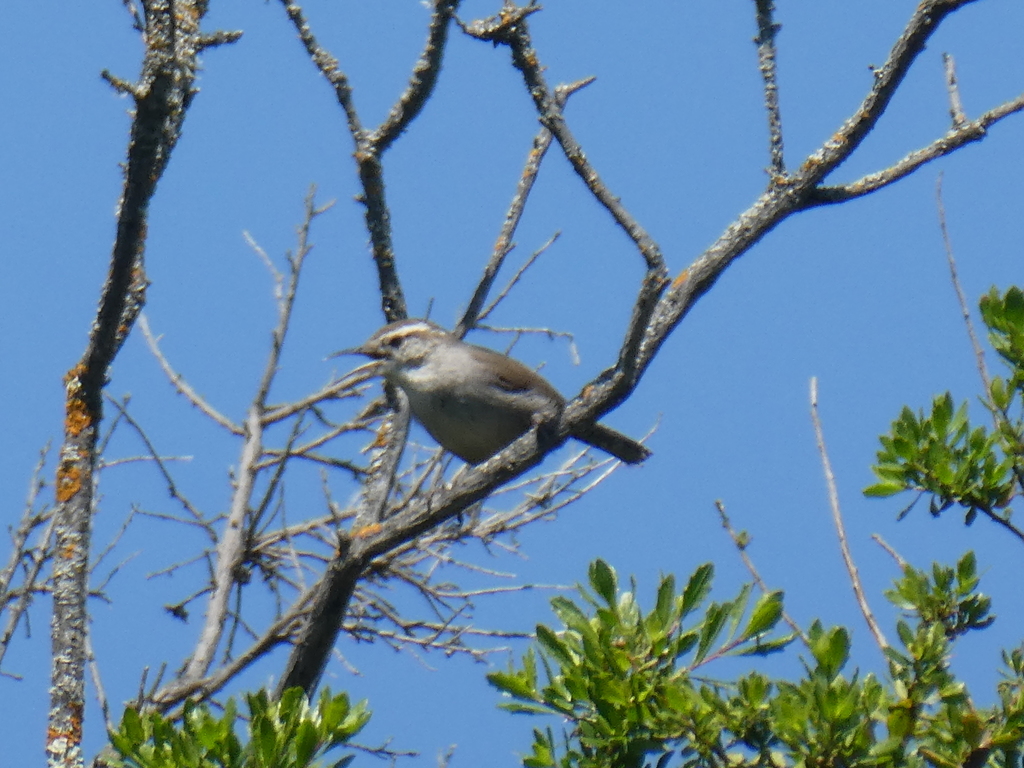
- Bewick's WrenThryomanes bewickii
- Black-crowned Night-heronNycticorax nycticorax
- Brown-headed CowbirdMolothrus ater
- Cliff SwallowPetrochelidon pyrrhonota
- Eastern PhoebeSayornis phoebe
- Fish CrowCorvus ossifragus
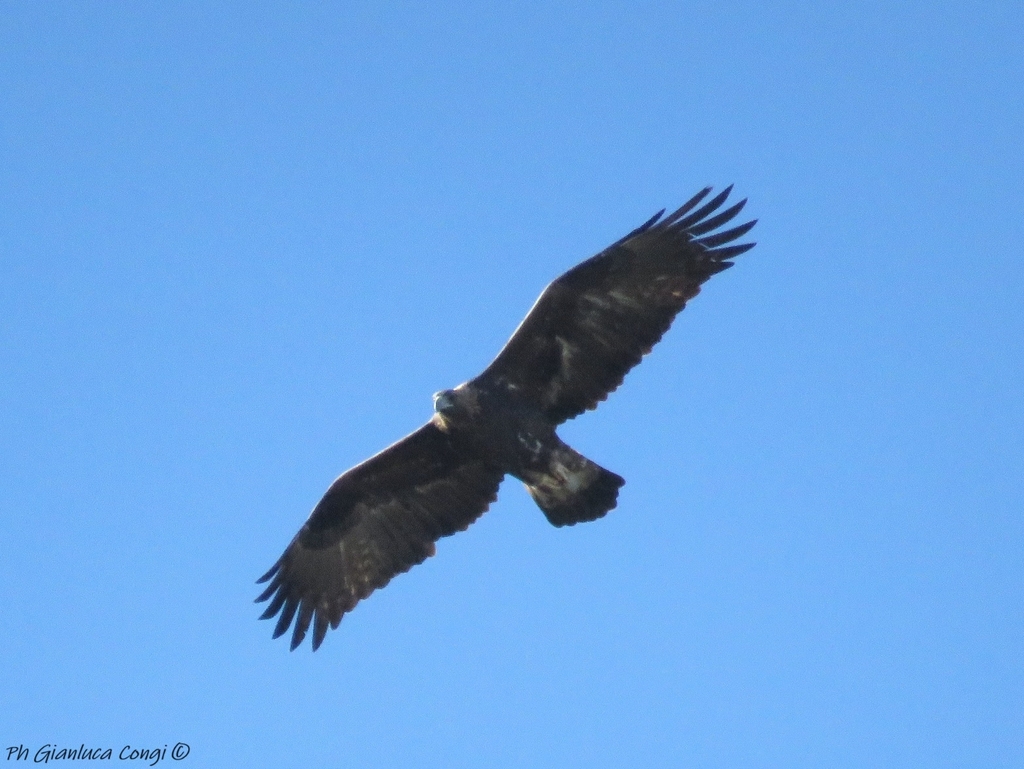
- Golden EagleAquila chrysaetos
- Northern Rough-winged SwallowStelgidopteryx serripennis
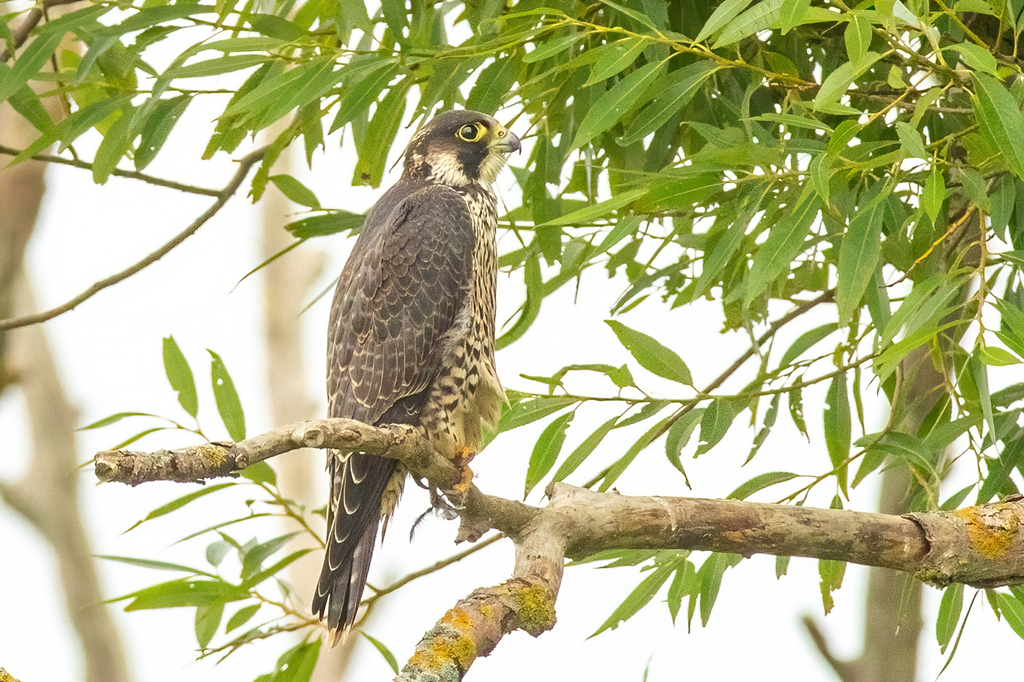
- Peregrine FalconFalco peregrinus
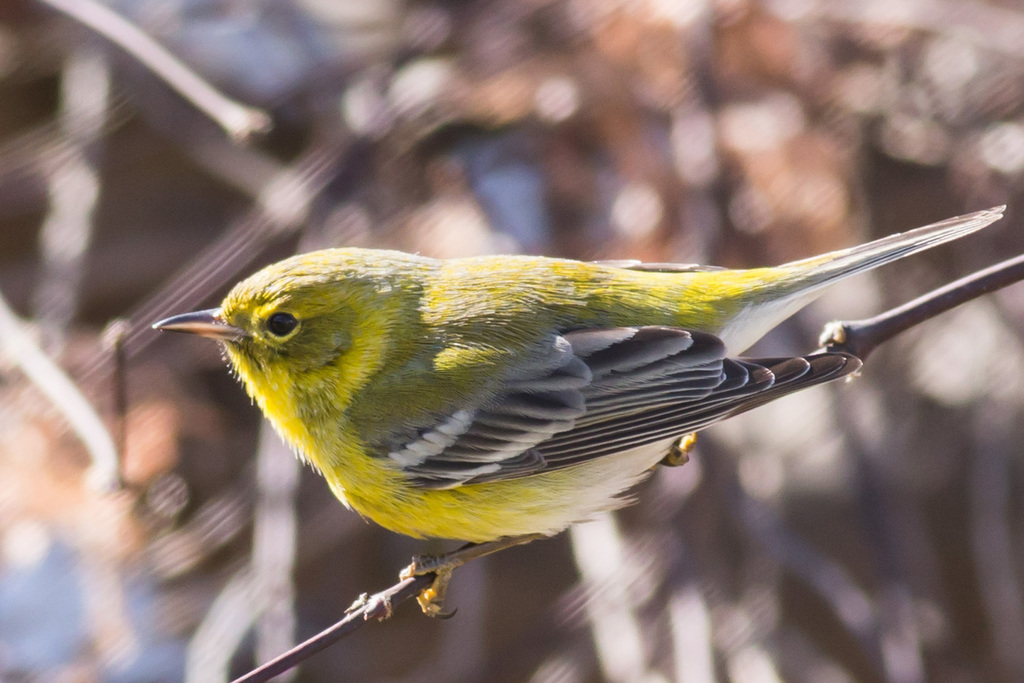
- Pine WarblerDendroica pinus
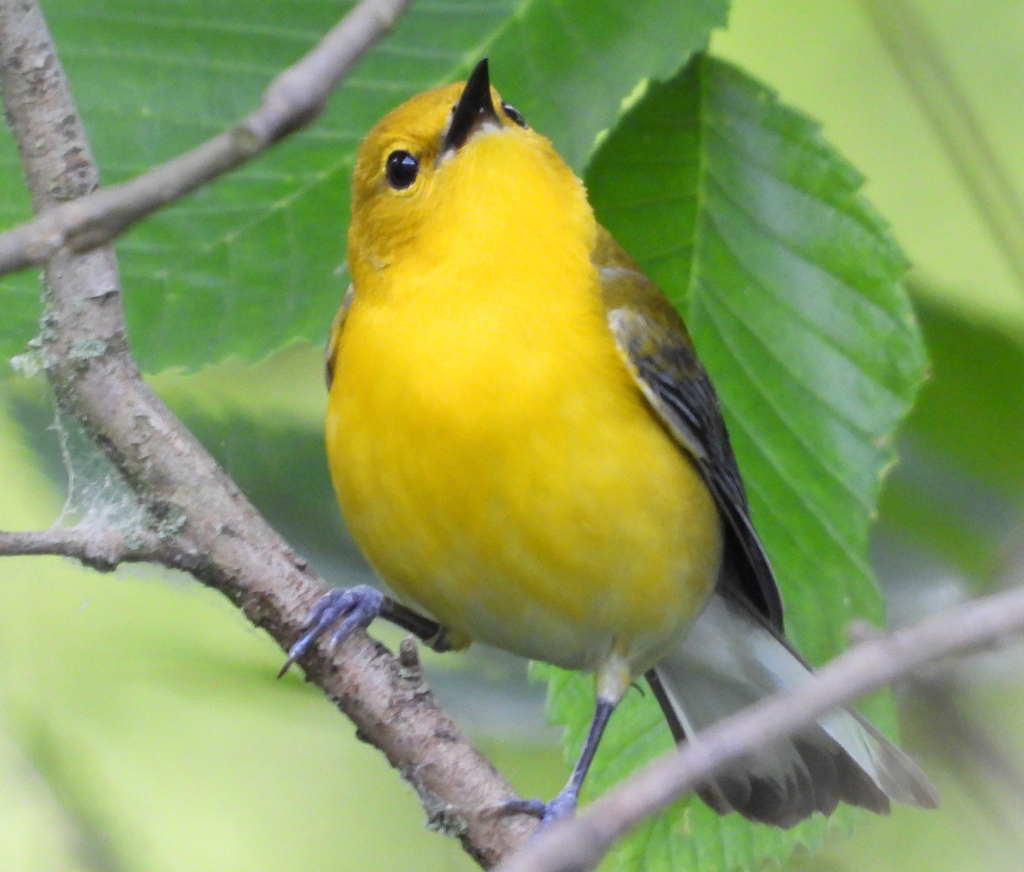
- Prothonotary WarblerProtonotaria citrea
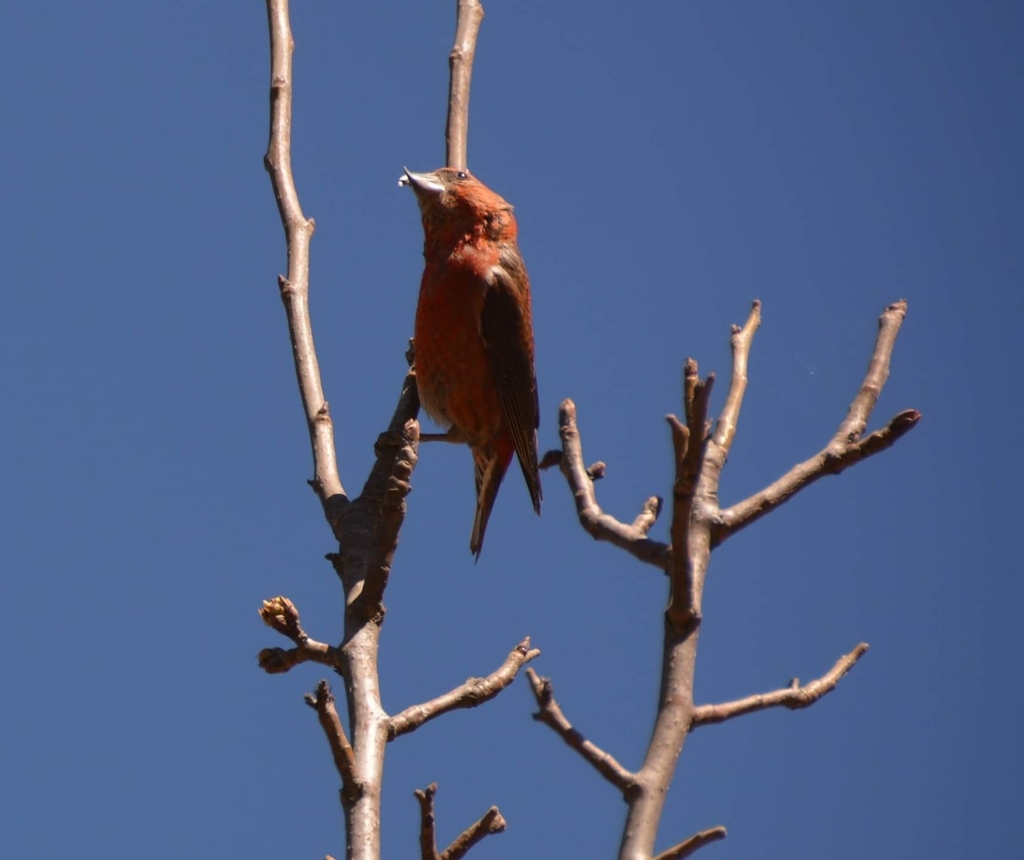
- Red CrossbillLoxia curvirostra
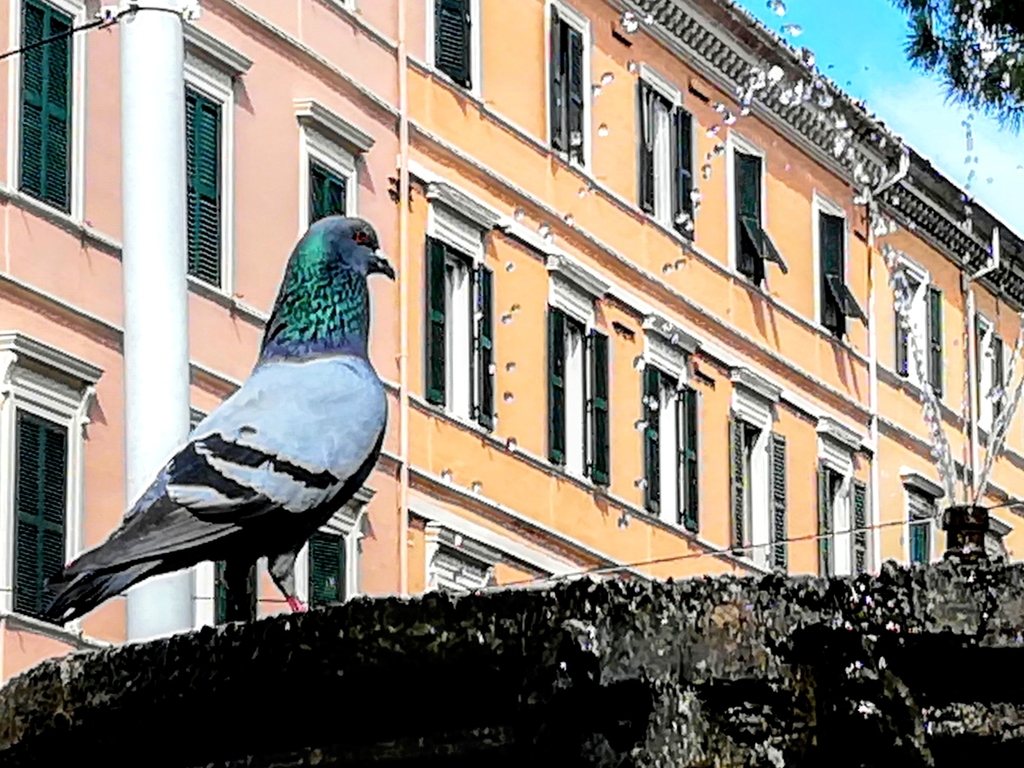
- Rock PigeonColumba livia
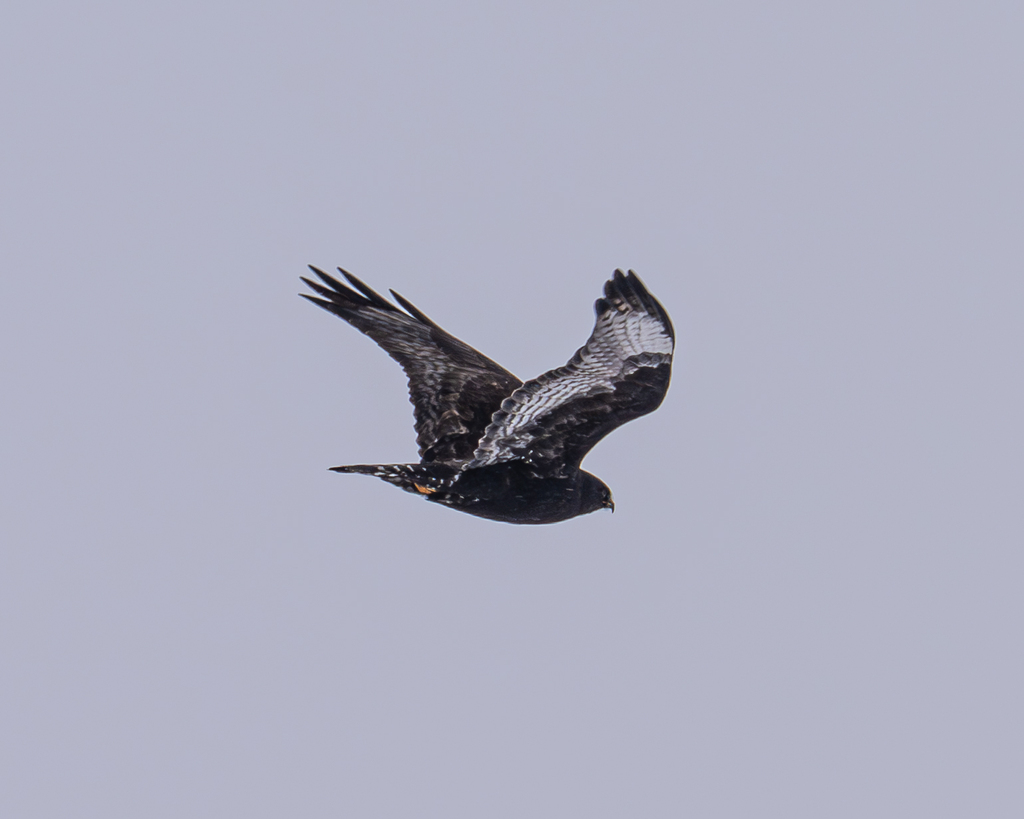
- Rough-legged HawkButeo lagopus
- Yellow-throated WarblerDendroica dominica








Widespread birds also seen here (38)
Found in many habitats here, so not listed above.
- Alder Flycatcher
- American Crow
- American Goldfinch
- American Kestrel
- American Robin
- Belted Kingfisher
- Blue Grosbeak
- Blue Jay
- Blue-gray Gnatcatcher
- Cedar Waxwing
- Chimney Swift
- Chipping Sparrow
- Common Nighthawk
- Common Raven
- Cooper's Hawk
- Dark-eyed Junco
- Eastern Kingbird
- Eastern Towhee
- European Starling
- Fox Sparrow
- Great Crested Flycatcher
- Great Horned Owl
- Least Flycatcher
- Mourning Dove
- Northern Cardinal
- Northern Flicker
- Northern Mockingbird
- Osprey
- Purple Finch
- Red-tailed Hawk
- Ruby-crowned Kinglet
- Sharp-shinned Hawk
- Spotted Sandpiper
- Tufted Titmouse
- Turkey Vulture
- Wild Turkey
- Yellow-breasted Chat
- Yellow-rumped Warbler
Who uses this plant?
 139CaterpillarsGenus host records with ranges including WV
Genus host records with ranges including WV · Tilia
- Acharia stimuleaSaddleback Caterpillar Moth
- Achatia distinctaDistinct Quaker
- Acrobasis indigenellaLeaf Crumpler
- Acronicta americanaAmerican Dagger
- Acronicta impletaYellow-Haired Dagger
- Acronicta interruptaInterrupted Dagger
- Acronicta spinigeraNondescript Dagger
- Actias lunaLuna Moth
- Adoneta spinuloidesPurple-Crested Slug
- Alsophila pometariaFall Cankerworm Moth
Show all 139
- Amphipyra pyramidoidesMiranda Underwing, Copper Underwing, Copper Amphipyra
- Anavitrinella pampinariaCommon Gray, Cranberry Spanworm
- Anisota stigmaSpiny Oakworm Moth, Stigma Moth
- Antaeotricha leucillanaWell-Marked Leaf Tier, Pale Gray Bird-Dropping Moth
- Antheraea polyphemusPolyphemus Moth
- Archips argyrospilaFruit-Tree Leafroller Moth
- Archips cerasivoranaCherry Tent Caterpillar, Cherry Worm, Ugly Nest Caterpillar
- Archips purpuranaOmnivorous Leafroller Moth
- Argyrotaenia velutinanaRed-Banded Leafroller Moth, Jack Pine Tube Moth
- Autographa precationisCommon Looper Moth
- Automeris ioIo Moth
- Biston betulariaSalt-and-Pepper Geometer, Cleft-Headed Looper
- Callosamia prometheaPromethea Silkmoth, Promethea Moth
- Campaea perlataPale Beauty, Fringed Looper
- Catocala cerogamaYellow-Banded Underwing
- Cecrita biundataWavy-Lined Heterocampa
- Cecrita guttivittaMaple Prominent, Saddled Prominent
- Cenopis pettitanaMaple-Basswood Leafroller Moth
- Cerastis tenebriferaReddish Speckled Dart
- Ceratomia amyntorElm Sphinx
- Choristoneura rosaceanaOblique-Banded Leafroller Moth, Rosaceous Leaf Roller
- Citheronia regalisRoyal Walnut Moth, Hickory Horned Devil
- Clostera inclusaAngle-Lined Prominent, Poplar Tent Maker, Poplar Leaf-Tier
- Coelodasys unicornisUnicorn Caterpillar Moth
- Colocasia flavicornisYellowhorn, Saddled Yellowhorn
- Colocasia propinquilineaClosebanded Yellowhorn
- Crocigrapha normaniNorman's Quaker
- Dasychira basiflavaYellow-Based Tussock Moth
- Dasychira obliquataStreaked Tussock Moth
- Datana drexeliiDrexel's Datana
- Datana ministraYellow-Necked Caterpillar Moth
- Dichomeris ligulellaPalmerworm
- Eacles imperialisImperial Moth, Imperial Spiny Caterpillar
- Ellida caniplagaLinden Prominent
- Ennomos magnariaMaple Spanworm Moth, Notchwing Geometer
- Ennomos subsignariaElm Spanworm Moth
- Erannis tiliariaLinden Looper Moth, Western Winter Moth, Lime Looper
- Euchlaena marginariaOchre Euchlaena
- Euclea delphiniiSpiny Oak-Slug Moth
- Eupithecia miserulataCommon Eupithacia, Common Pug
- Eupsilia tristigmataThree-Spotted Sallow, Brown Fruitworm
- Eutrapela clematariaCurved-Tooth Geometer, Purplish Brown Looper
- Euzophera semifuneralisAmerican Plum Borer
- Halysidota tessellarisBanded Tussock Moth, Pale Tiger Moth
- Herpetogramma pertextalisBold-Feathered Grass Moth
- Herpetogramma thestealisZigzag Herpetogramma, Subtle-Feathered Grass Moth
- Hyalophora cecropiaCecropia Silkmoth, Cecropia Moth
- Hypagyrtis unipunctataOne-Spotted Variant
- Hypena baltimoralisBaltimore Bomolocha, Baltimore Snout
- Hypena deceptalisDeceptive Bomolocha, Deceptive Snout, Basswood Owlet Moth
- Hypena eductalisRed-Footed Bomolocha, Red-footed Snout
- Hyphantria cuneaFall Webworm
- Iridopsis defectariaBrown-Shaded Gray, Willow Looper
- Iridopsis ephyrariaPale-Winged Gray
- Isa textulaCrowned Slug
- Lacanobia grandisGrand Arches
- Limenitis arthemisBanded Purple, Red-Spotted Admiral
- Lithacodes fasciolaYellow-Shouldered Slug
- Lithomoia germanaAmerican Brindle
- Lithophane antennataAshen Pinion
- Lithophane bethuneiBethune's Pinion
- Lithophane innominataNameless Pinion
- Lithophane laticinereaBroad Ashen Pinion, Russet Spotted Pinion, Triple-Spotted Pinion
- Lithophane petulcaWanton Pinion
- Lithophane semiustaSinged Pinion
- Lochmaeus bilineataDouble-Lined Prominent
- Lochmaeus manteoVariable Oakleaf Caterpillar Moth
- Lophocampa caryaeHickory Tussock Moth, Hickory Tiger Moth
- Lophocampa maculataSpotted Tussock Moth, Yellow-Spotted Tiger Moth
- Lycia ypsilonWoolly Gray
- Macaria exauspicataSpeckled Granite
- Machimia tentoriferellaGold-Striped Leaftier Moth
- Malacosoma americanaEastern Tent Caterpillar
- Malacosoma disstriaForest Tent Caterpillar
- Melanolophia canadariaCanadian Melanolphia, Variable Redmarked Looper
- Metarranthis duariaRuddy Metarranthis
- Morrisonia confusaConfused Woodgrain
- Morrisonia latexFluid Arches, Fluid Mamestra
- Nematocampa resistariaFilament Bearer, Horned Spanworm Moth
- Nemoria mimosariaWhite-Fringed Emerald
- Nymphalis antiopaMourning Cloak
- Olethreutes nigranumVariable Nigranum, Dark Olethreutes
- Oreana unicolorellaLadder-Marked Caterpillar
- Orgyia definitaDefinite Tussock Moth
- Orgyia leucostigmaWhite-Marked Tussock Moth
- Orthosia alurinaGray Quaker
- Orthosia hibisciSpeckled Green Fruitworm Moth, Speckled Green Quaker
- Orthosia revictaSubdued Quaker
- Packardia elegansElegant Tailed Slug
- Paleacrita vernataSpring Cankerworm Moth
- Palthis angulalisDark-Spotted Palthis
- Pandemis lamprosanaWoodgrain Leafroller
- Pandemis limitataThree-Lined Leafroller Moth
- Panopoda carneicostaBrown Panopoda, Hickory Panopoda
- Pantographa limataBasswood Leafroller Moth
- Paonias excaecataBlinded Sphinx, Blind Eyed Sphinx
- Paonias myopsSmall-Eyed Sphinx
- Papilio canadensisCanadian Tiger Swallowtail
- Papilio glaucusEastern Tiger Swallowtail
- Parallelia bistriarisMaple Looper Moth
- Parasa chlorisSmaller Parasa, Green Slug Moth
- Phaeoura quernariaOak Beauty Moth
- Phigalia strigatariaSmall Phigalia, Small Oak Looper
- Phigalia titeaThe Half-Wing Geometer, Spiney Looper, Eastern Oak Looper
- Philonome clemensellaClemens' Philonome
- Plagodis alcoolariaHollow-Spotted Plagodis
- Plagodis phlogosariaStraight-Lined Plagodis
- Plagodis serinariaLemon Plagodis
- Pococera asperatellaMaple Webworm
- Polygonia interrogationisQuestion Mark
- Probole alienariaDogwood Probole, Alien Probole
- Probole amicariaFriendly Probole
- Prochoerodes lineolaLarge Maple Spanworm Moth
- Prolimacodes badiaSkiff Moth, Skiff Caterpillar
- Psilocorsis reflexellaDotted Leaftier Moth
- Schizura ipomaeaeMorning-Glory Prominent, Checkered-Fringe Prominent
- Sciota vetustellaBelted Leafroller
- Selenia kentariaKent's Geometer
- Sericaglaea signataVariable Sallow
- Smerinthus jamaicensisTwin-Spotted Sphinx
- Symmerista leucitysOrange-Humped Mapleworm
- Tetracis cachexiataWhite Slant-Line
- Thalera pistasciariaPistachio Emerald
- Thyridopteryx ephemeraeformisEvergreen Bagworm Moth
- Tolype velledaLarge Tolype, Large Lappet Moth, Vellada Lappet Moth
- Tortricidia testaceaEarly Button Slug
- Xanthotype sospetaCrocus Geometer
- Zale minereaColorful Zale
- Herpetogramma aquilonalis
 3BeesSoutheastern regional records
Southeastern regional records · Tilia
Individual names are not available yet.
Noori, Seltmann & Orr 2026, A curated and integrated dataset for exploring global bee-plant interactions (GloBI), Zenodo, CC BY 4.0 0Specialist beesPollen specialists
 —BirdsRecorded genus food-resource interactions; not a state feeding claim
Flies 8
- Archytas aterrima
- Calliphora erythrocephala
- Graphomyia americana
- Orthoneura nitida
- Peleteria robusta
- Phormia regina
- Scepsis fulvicollis
- Syrphus americanus
Flower visits · Carlinville, Illinois, USA
Other wasps 1
- Ammobia ichneumonea
Flower visits · Carlinville, Illinois, USA
No records yet · Ants · Beetles · Adult butterflies / moths · Other insects
Plant details
- Family
- Malvaceae
- Hardiness
- Zones 3a–8b
- Soil pH
- Acidic to alkaline
- Flower color
- Cream or yellow
- Growth rate
- Moderate
- Growth habit
- Single stem
- Foliage color
- Green
- Fruit begins
- Summer
- Fruit ends
- Summer
What its natural habitat tells you
Safety has not been reviewed for this plant; check toxicity and thorns before planting.
Growing sources and scope
- Bloom · “Late spring” · USDA PLANTS · Nationwide species characteristics; local growing conditions may vary
- Flower color · “Cream or yellow” · NC Extension Plant Toolbox (ranked first; USDA PLANTS differs)
- Foliage color · “Green” · USDA PLANTS · Nationwide species characteristics; local growing conditions may vary
- Fruit begins · “Summer” · NC Extension Plant Toolbox · Species profile fruit display season; not a local ripening date
- Fruit ends · “Summer” · NC Extension Plant Toolbox (ranked first; USDA PLANTS differs) · Species profile fruit display season; not a local ripening date
- Growth habit · “Single stem” · USDA PLANTS · Nationwide species characteristics; local growing conditions may vary
- Growth rate · “Moderate” · USDA PLANTS · Nationwide species characteristics; local growing conditions may vary
- Hardiness · “Zones 3a–8b” · NC Extension Plant Toolbox
- Height · “60–80 feet” · NC Extension Plant Toolbox (ranked first; USDA PLANTS, Minnesota Wildflowers differ)
- Leaves · “Deciduous” · NC Extension Plant Toolbox
- Life cycle · “Woody perennial” · NC Extension Plant Toolbox
- Light · “Full sun (6 or more hours of direct sunlight a day); Partial shade (direct sunlight only part of the day, 2-6 hours)” · NC Extension Plant Toolbox (ranked first; Virginia DCR Piedmont, Virginia DCR Coastal Plain differ)
- primary_flower_color · “yellow” · USDA PLANTS
- Soil · “Moist; Occasionally dry” · NC Extension Plant Toolbox (ranked first; Virginia DCR Piedmont, Virginia DCR Coastal Plain differ)
- Soil pH · “Acidic to alkaline” · NC Extension Plant Toolbox
- Spread · “30–60 feet” · NC Extension Plant Toolbox
Also known as
American Linden
Conservation status
| West Virginia rank | S5 |
|---|---|
| Global rank | G5 |
| WV status | Not verified |
| Federal status | Not verified |
Will it fit your yard?
Check this plant against your county, sun and soil moisture. Conditions are checked in your browser.
Sources
- NatureServe Explorer
- USDA PLANTS
- Vascular Plants of North Carolina (NC Natural Heritage Program)
- West Virginia occurrence source
- Shropshire & Tallamy 2025, Lepidoptera of North America north of Mexico, ZooKeys 1261 (ODbL)
- Noori, Seltmann & Orr 2026, A curated and integrated dataset for exploring global bee-plant interactions (GloBI), Zenodo, CC BY 4.0
- Smith, Bachelder, Russell, Morales, Mosher & Seltmann 2024, Bee-Specialization-Modeling v0.6.1 (specialist host table compiled from J. Fowler's pollen specialist bee lists), Zenodo, CC BY 4.0
- Hurlbert, Olsen, Sawyer & Winner 2021, Avian Diet Database, Scientific Data 8: 260 (CC0)
- Narango, Tallamy & Shropshire 2020, Few keystone plant genera support the majority of Lepidoptera species, Nature Communications