

Canada Yew
Taxus canadensis
Found in cliffs, bluffs, and rocky slopes over calcareous or mafic rocks, red spruce and hemlock swamps and bogs. Weakley, Flora of the Southeastern United States (2025), Northern Tier edition What its natural habitat tells you
Native to West Virginia. How scores work Is it native here?
Profile 94%
- Height
- 3–5 feet
- Spread
- 6–8 feet
- Light
- Deep shade, Partial shade
- Soil moisture
- Usually moist
Space about 7 ft apart from its recorded spread. Enter your bed size for a count
Will it fit your yard?No photograph yet. Looking for an old drawing…
At a glance
- Life cycle
- Woody perennial
- Leaves
- Evergreen
- Bloom
- April to May
- Fruiting season
- Summer
Recorded in 9 West Virginia counties.
Natural habitats
Places it grows wild. Not a planting requirement. Each habitat page lists the plants and wildlife also found there.
Glades, barrens and outcrops on limestone
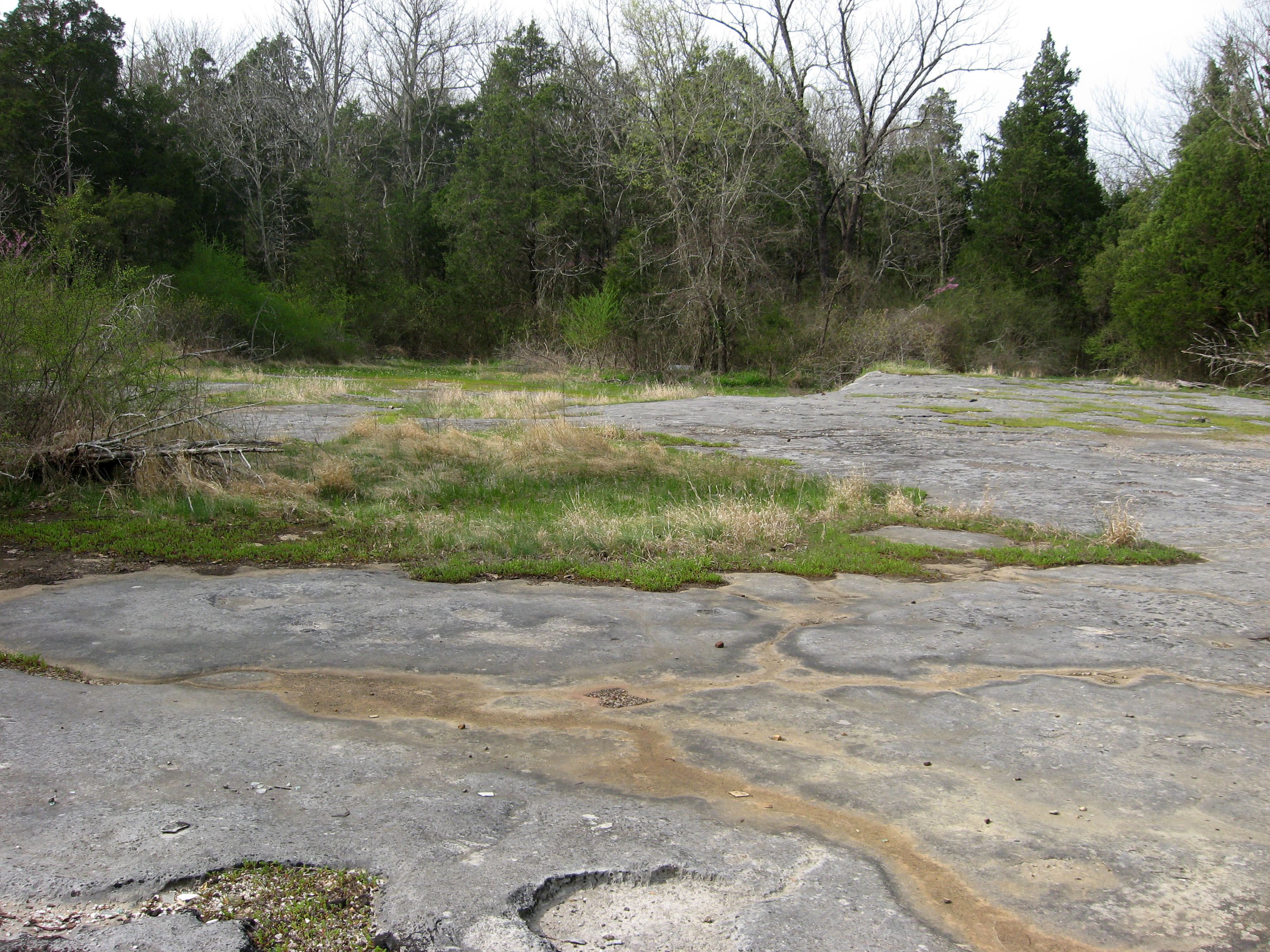
Cliffs, ledges and rocky summits
Cliffs, ledges, rock outcrops, talus and rocky summits where the source does not name the rock. A named rock files the place under its own glade or outcrop type instead.
Glades, barrens and outcrops on mafic or serpentine rock
Open, thin-soil openings, outcrops and cliffs on dark, magnesium- or iron-rich rock such as serpentine, diabase or gabbro.
Forested wetlands with standing water much of the year, such as cypress and gum swamps.
Also found with this plant
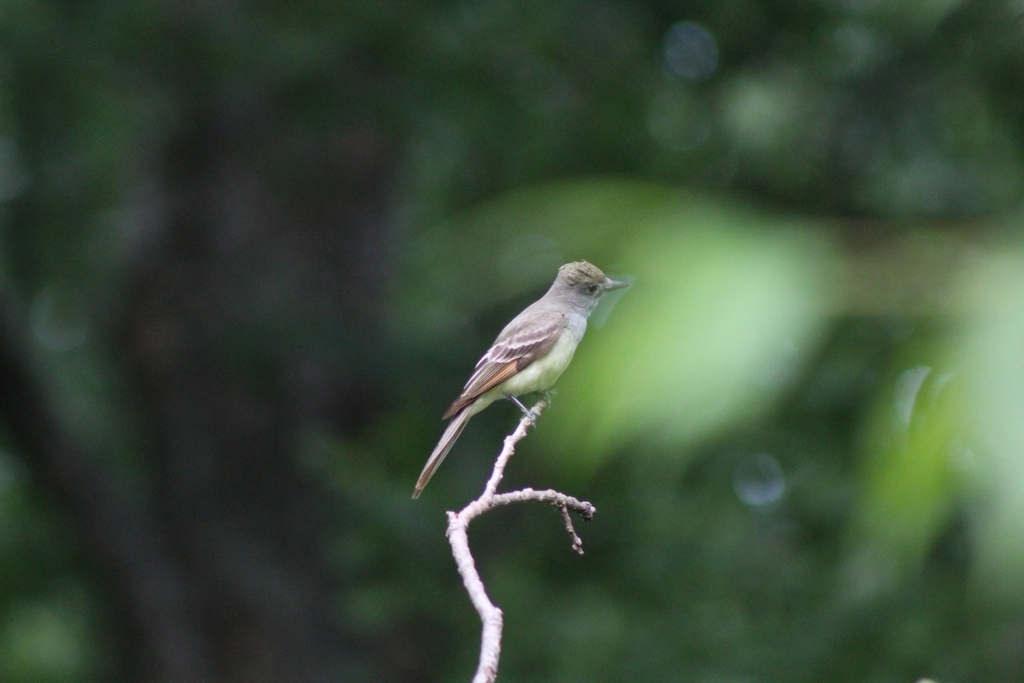
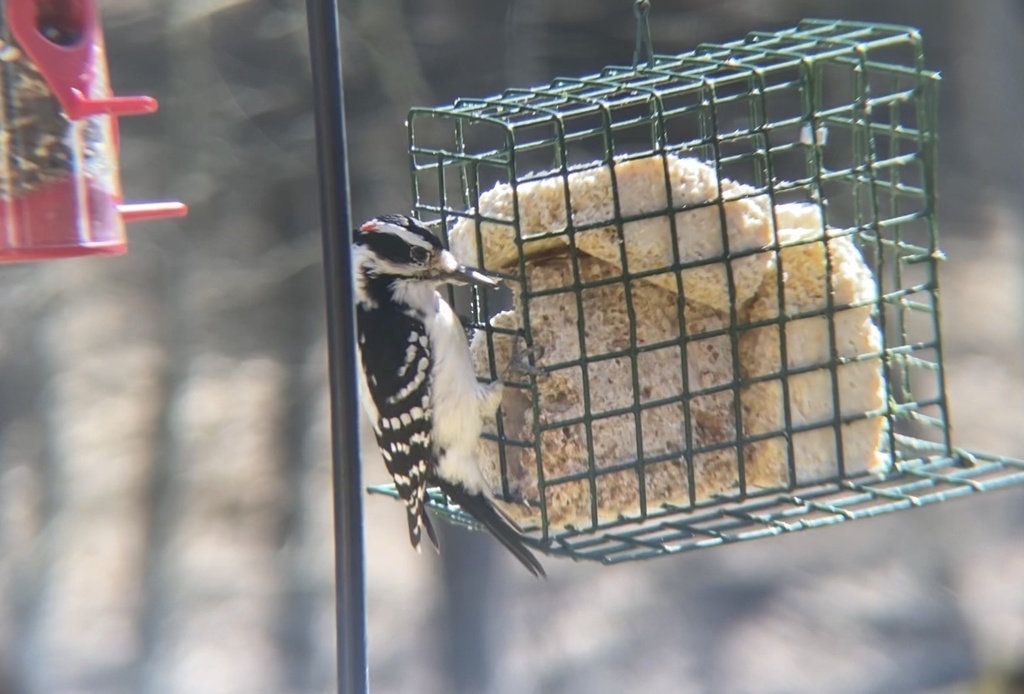
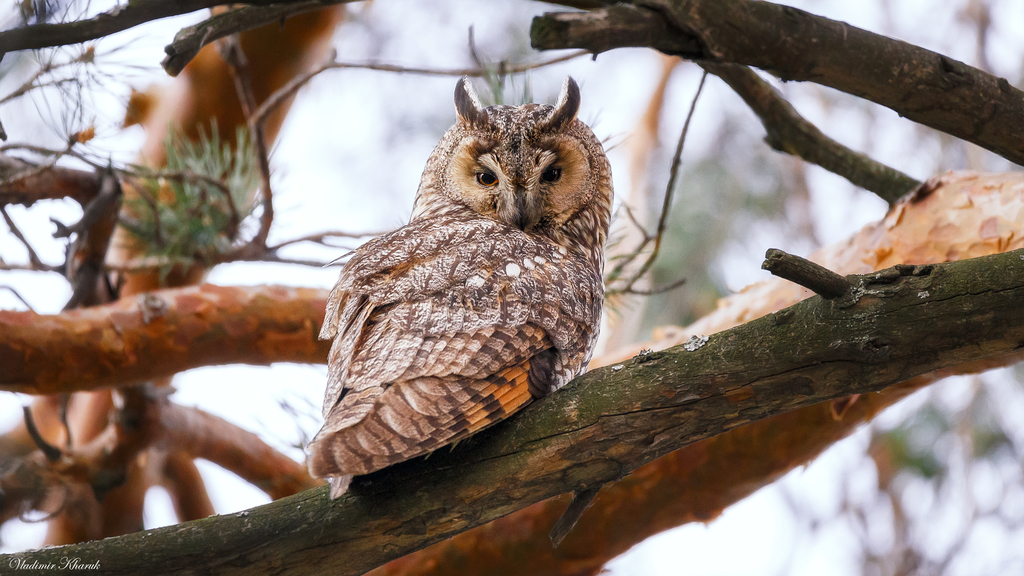
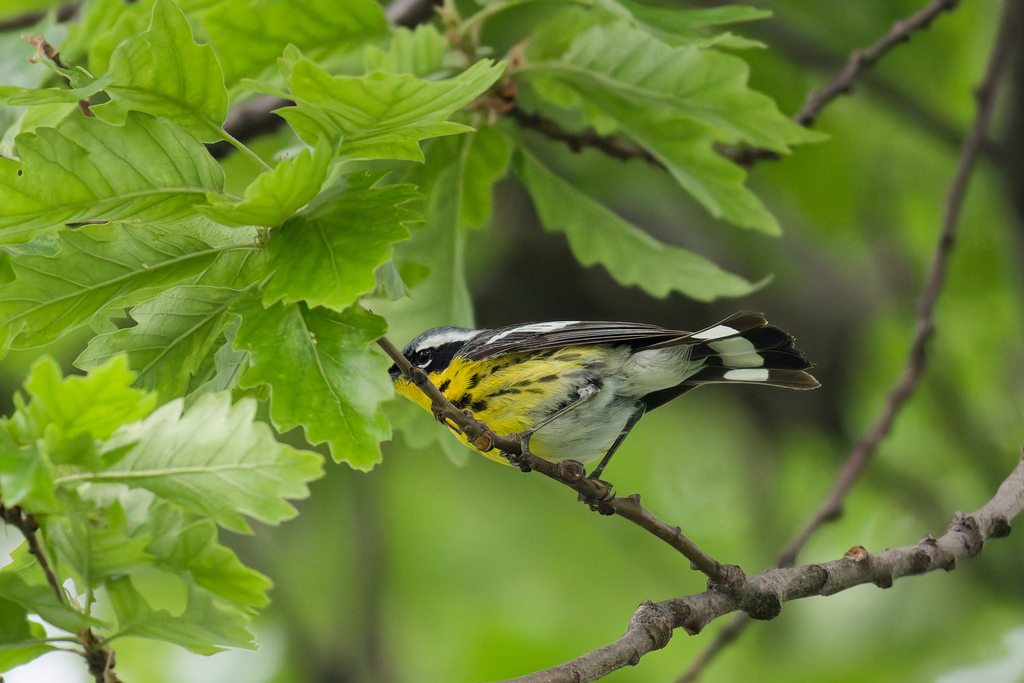
Wildlife whose habitat models include habitats this plant grows in, in West Virginia. Shared habitat, not food. 59 animals.
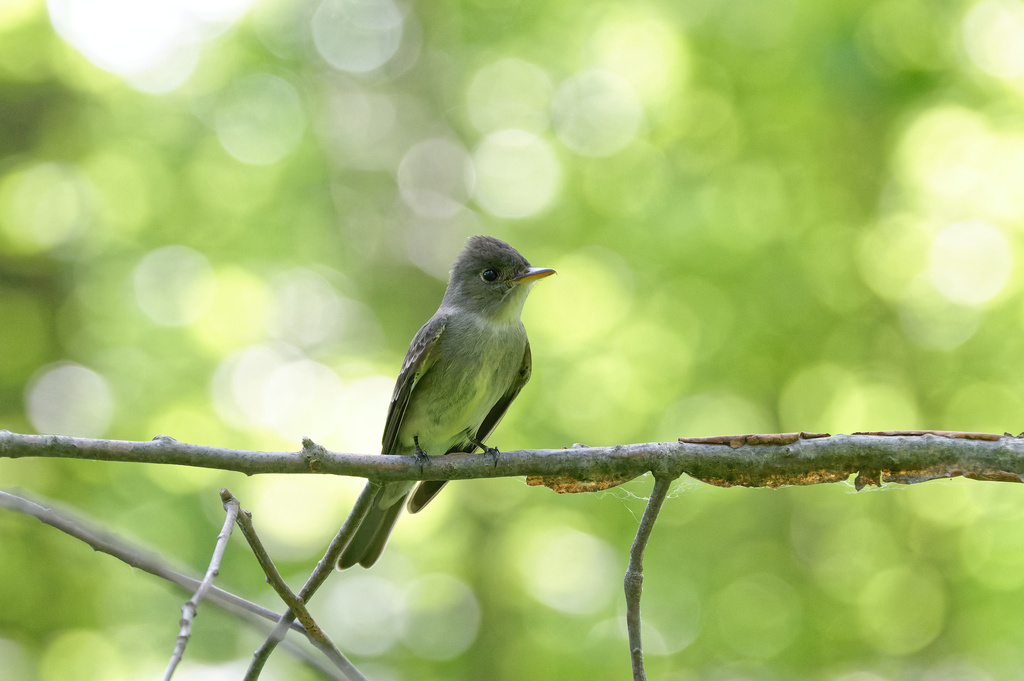
- Eastern Wood-peweeContopus virens
- European StarlingSturnus vulgaris
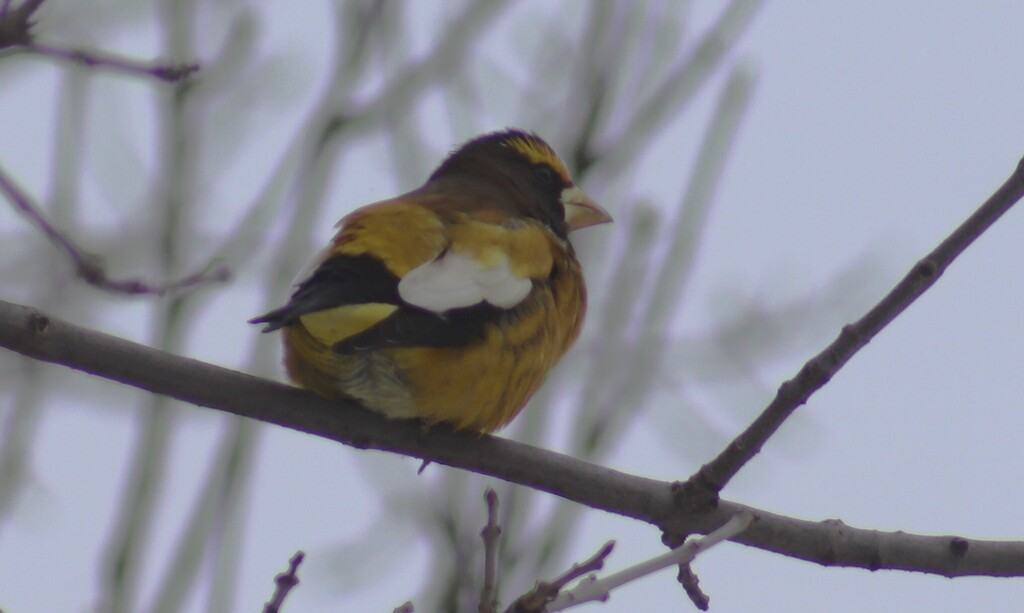
- Evening GrosbeakCoccothraustes vespertinus
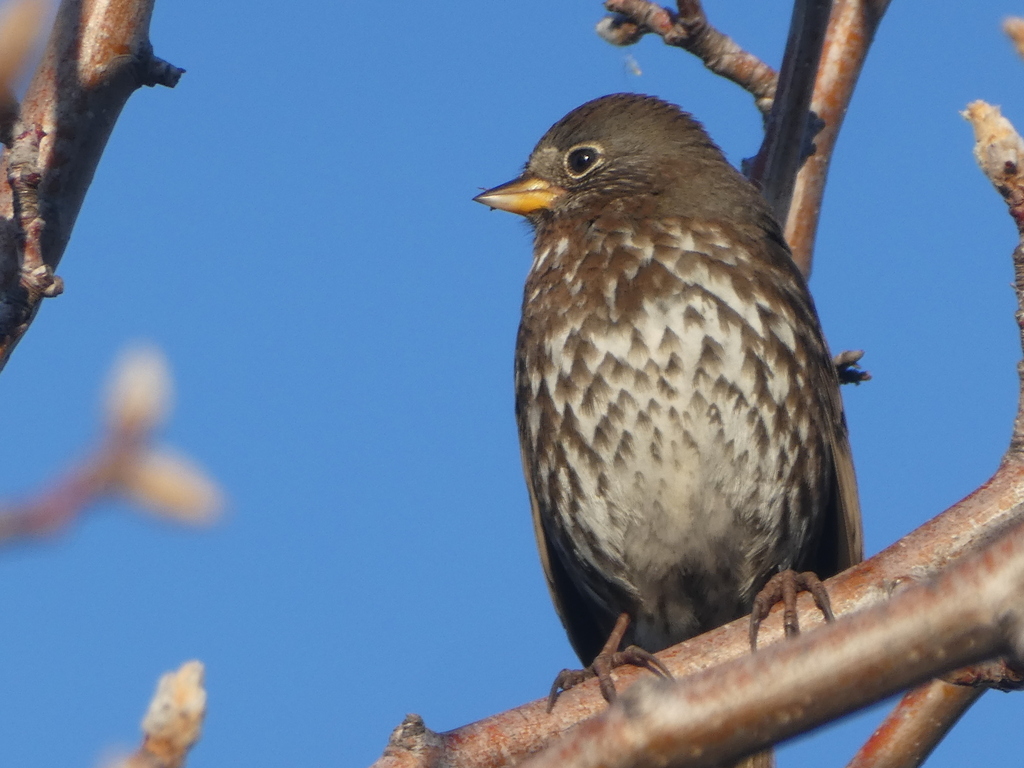
- Fox SparrowPasserella iliaca
- Golden-crowned KingletRegulus satrapa
- Great Crested FlycatcherMyiarchus crinitus
- Great Horned OwlBubo virginianus
- Hairy WoodpeckerPicoides villosus
- Hermit ThrushCatharus guttatus
- Hooded MerganserLophodytes cucullatus
- Long-eared OwlAsio otus
- Magnolia WarblerDendroica magnolia
- Northern CardinalCardinalis cardinalis
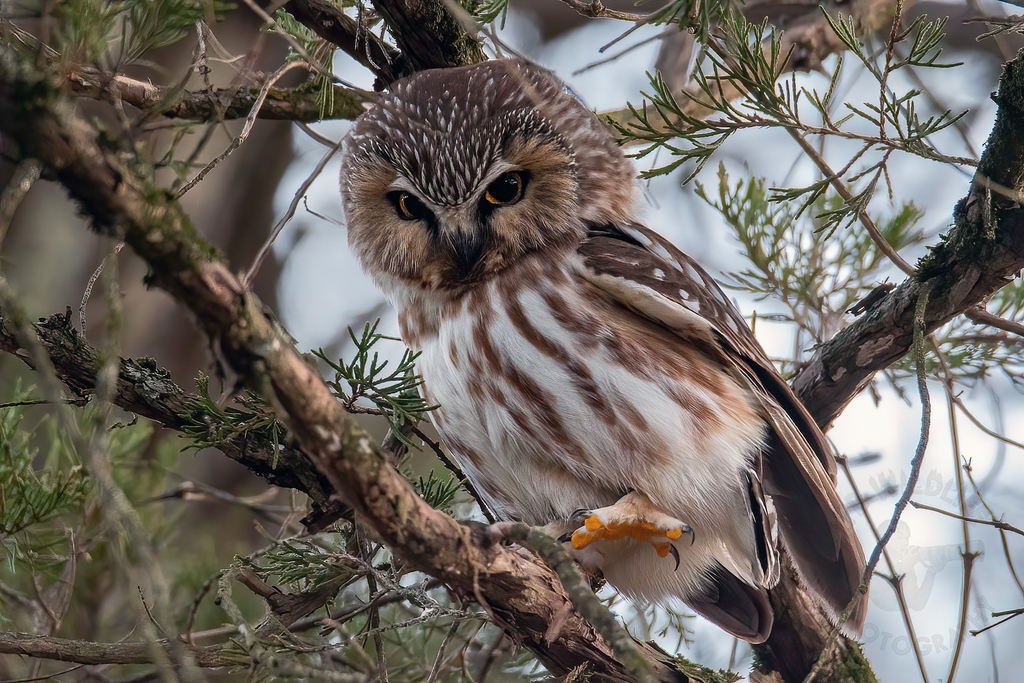
- Northern Saw-whet OwlAegolius acadicus
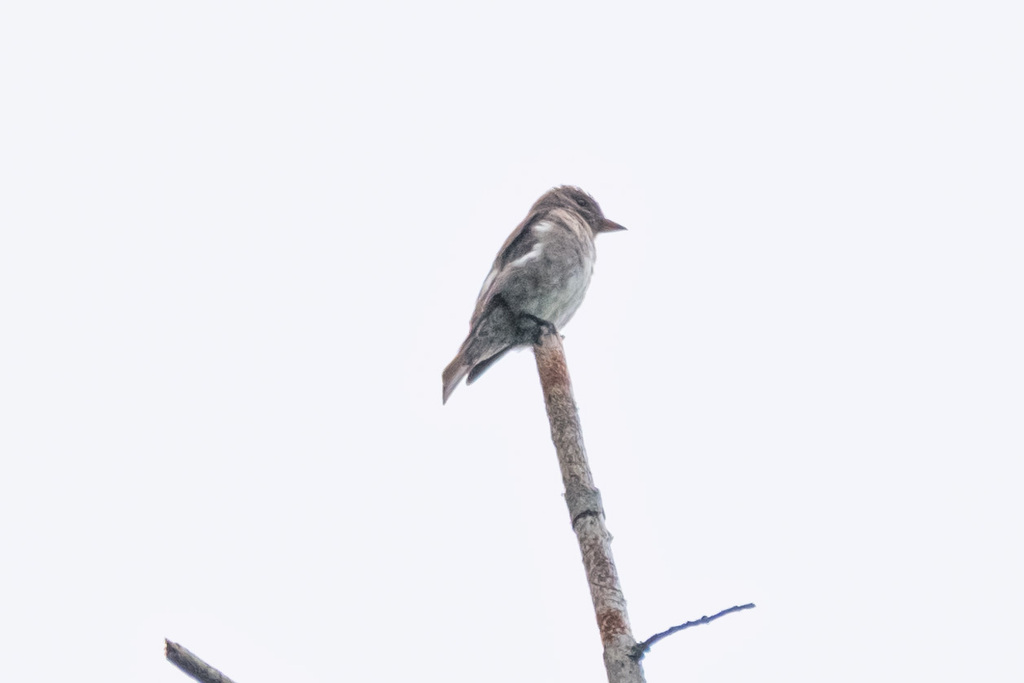
- Olive-sided FlycatcherContopus cooperi
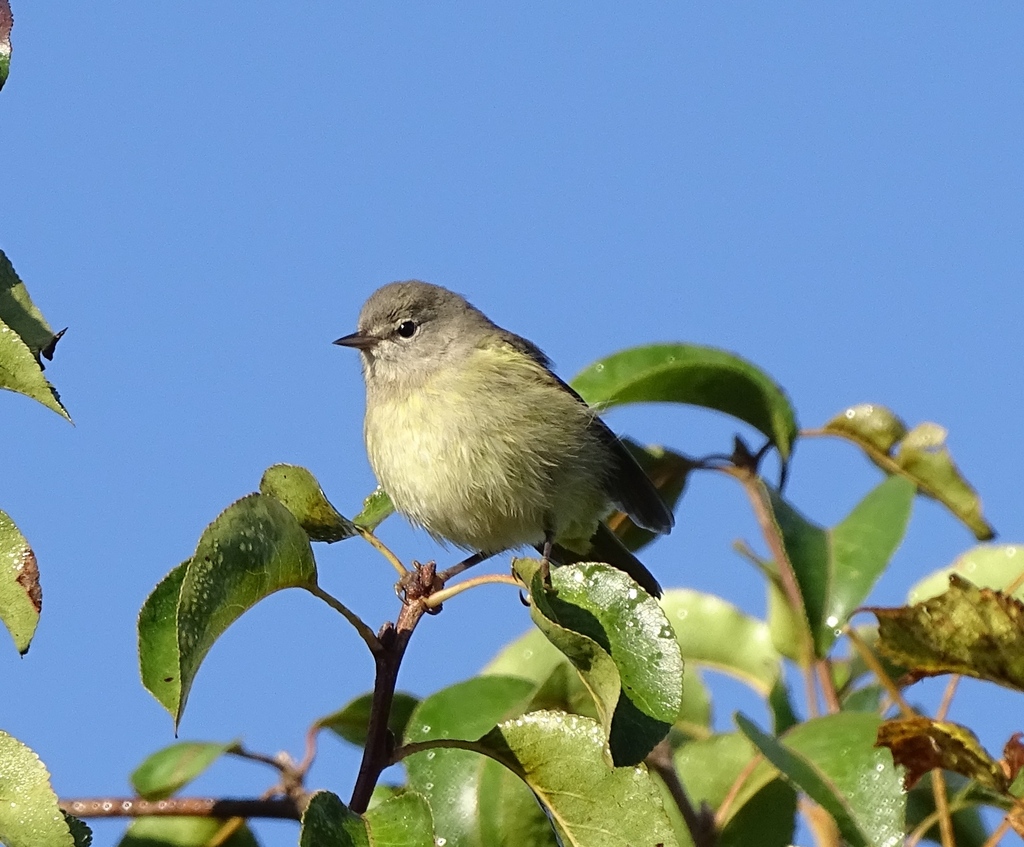
- Orange-crowned WarblerVermivora celata
- OspreyPandion haliaetus
- OvenbirdSeiurus aurocapilla
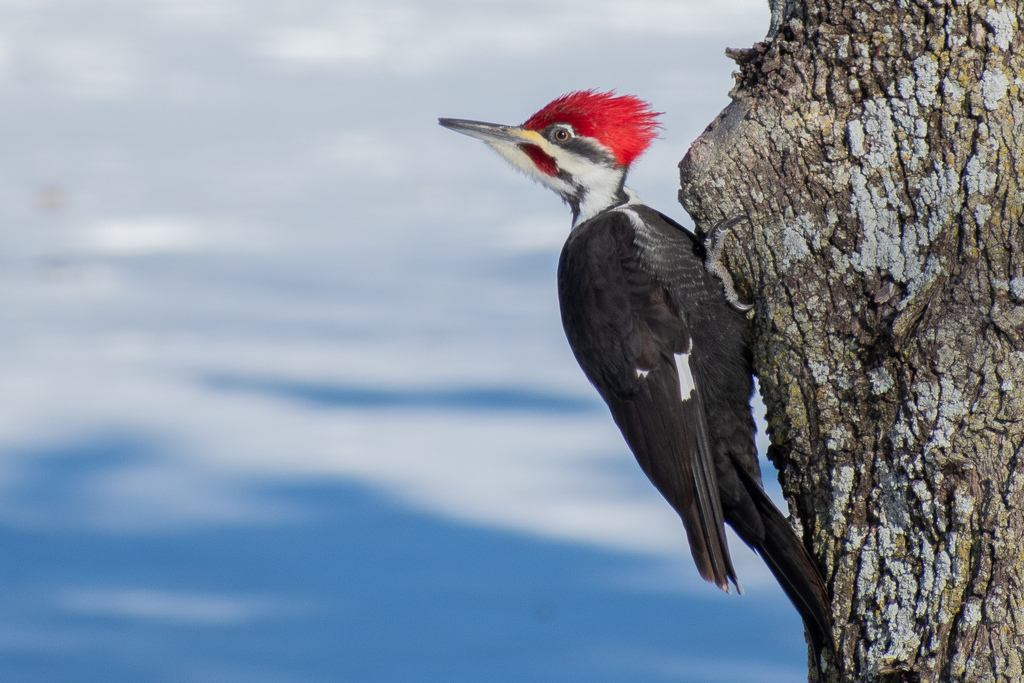
- Pileated WoodpeckerDryocopus pileatus
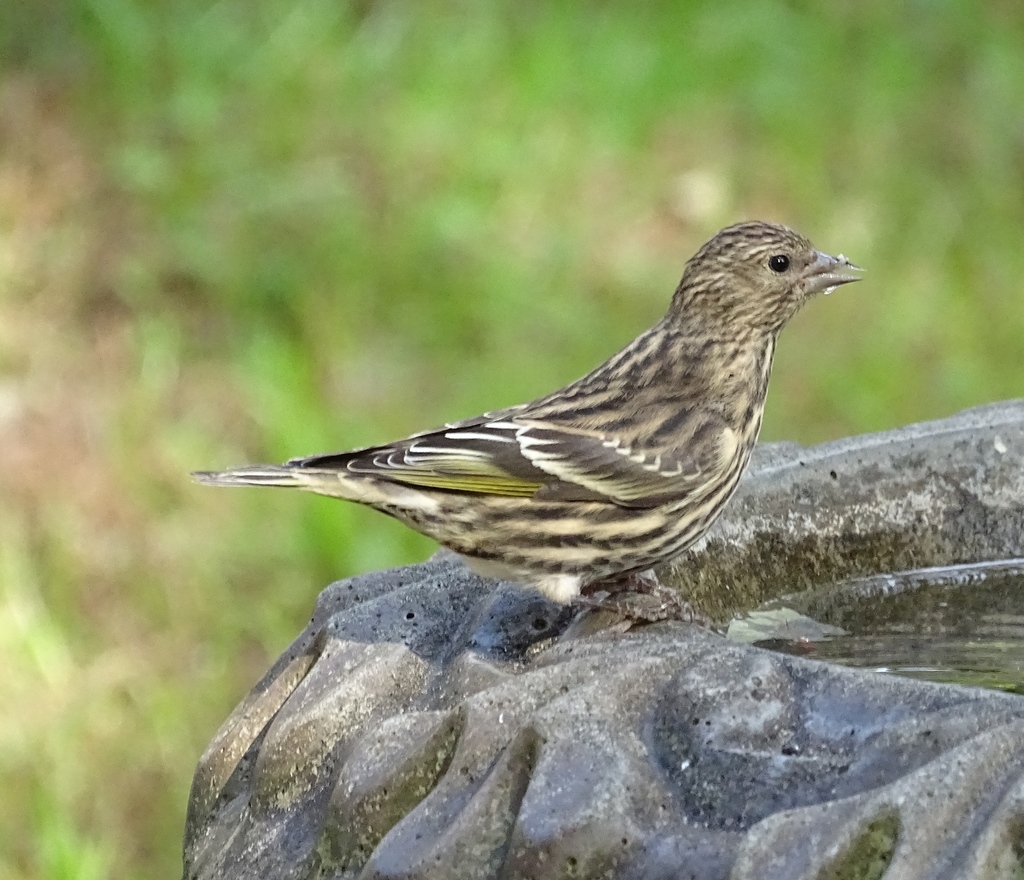
- Pine SiskinCarduelis pinus
- Purple FinchCarpodacus purpureus
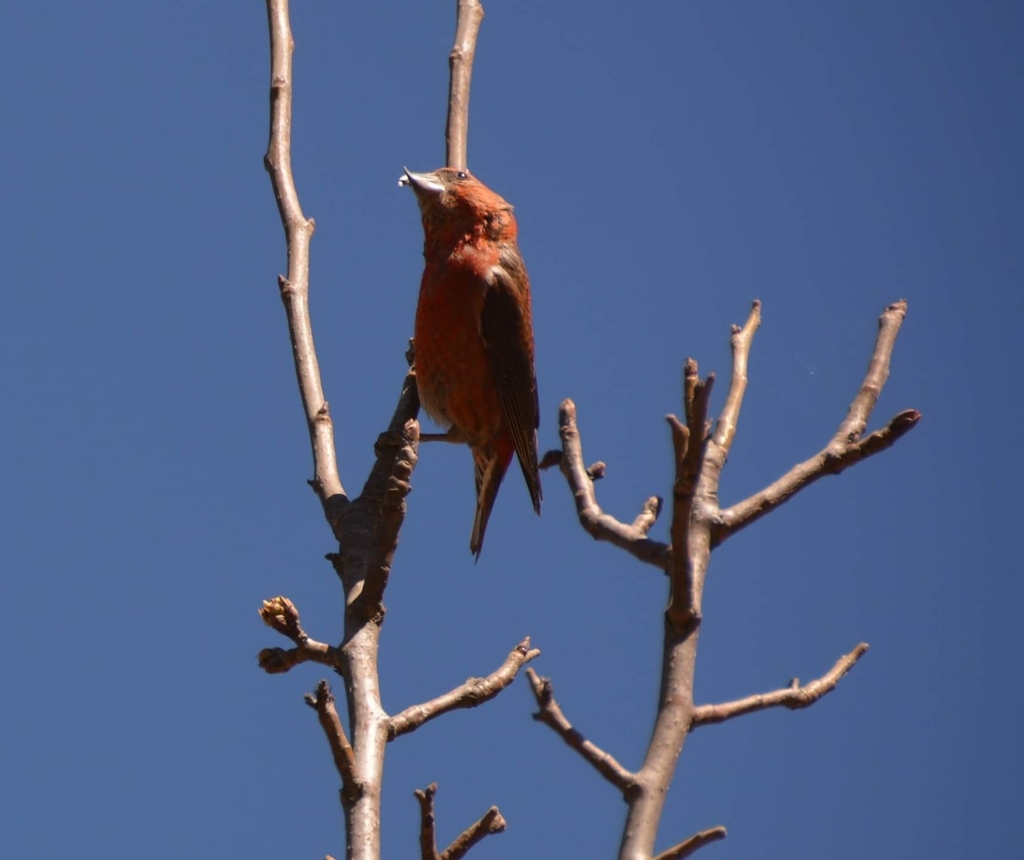
- Red CrossbillLoxia curvirostra
- Red-breasted NuthatchSitta canadensis
- Red-tailed HawkButeo jamaicensis












Who uses this plant?
 5CaterpillarsGenus host records with ranges including WV
Genus host records with ranges including WV · Taxus
- Cladara limitariaMottled Gray Carpet, Yellow-Lined Conifer Looper, Yellow-Lined Forest Looper, Black-Angled Wave
- Eupithecia miserulataCommon Eupithacia, Common Pug
- Hyalophora cecropiaCecropia Silkmoth, Cecropia Moth
- Hyphantria cuneaFall Webworm
- Orgyia leucostigmaWhite-Marked Tussock Moth
 0BeesSoutheastern regional records
 0Specialist beesPollen specialists
 3BirdsRecorded genus food-resource interactions; not a state feeding claim
Recorded genus food-resource interactions; not a state feeding claim · Taxus
- Catharus fuscescensVeery
- Dendragapus obscurusDusky Grouse
- Hylocichla mustelinaWood Thrush
Direct food only: birds recorded eating this genus across North America. Caterpillars on host plants also feed nesting birds. NC Native Plant Society: butterfly gardening
No records yet · Ants · Beetles · Flies · Adult butterflies / moths · Other wasps · Other insects
Plant details
- Family
- Taxaceae
- Hardiness
- Zones 3a–7b
- Flower color
- Cream or yellow
- Growth rate
- Moderate
- Growth habit
- Several stems
- Foliage color
- Green
- Fruit begins
- Summer
- Fruit ends
- Summer
Safety has not been reviewed for this plant; check toxicity and thorns before planting.
Growing sources and scope
- Bloom · “April to May” · Weakley, Flora of the Southeastern United States (2025), Carolinas & Georgia edition (ranked first; USDA PLANTS differs) · Carolinas and Georgia
- Flower color · “Cream or yellow” · NC Extension Plant Toolbox (ranked first; USDA PLANTS differs)
- Foliage color · “Green” · USDA PLANTS · Nationwide species characteristics; local growing conditions may vary
- Fruit begins · “Summer” · USDA PLANTS · Nationwide species characteristics; local growing conditions may vary
- Fruit ends · “Summer” · USDA PLANTS · Nationwide species characteristics; local growing conditions may vary
- Growth habit · “Several stems” · USDA PLANTS · Nationwide species characteristics; local growing conditions may vary
- Growth rate · “Moderate” · USDA PLANTS · Nationwide species characteristics; local growing conditions may vary
- Hardiness · “Zones 3a–7b” · NC Extension Plant Toolbox
- Height · “3–5 feet” · NC Extension Plant Toolbox (ranked first; USDA PLANTS, Minnesota Wildflowers differ)
- Leaves · “Evergreen” · NC Extension Plant Toolbox
- Life cycle · “Woody perennial” · NC Extension Plant Toolbox
- Light · “Deep shade (less than 2 hours to no direct sunlight); Partial shade (direct sunlight only part of the day, 2-6 hours)” · NC Extension Plant Toolbox
- Soil · “Moist; Occasionally wet” · NC Extension Plant Toolbox
- Spread · “6–8 feet” · NC Extension Plant Toolbox
Also known as
American Yew
Conservation status
| West Virginia rank | S3 |
|---|---|
| Global rank | G5 |
| WV status | Not verified |
| Federal status | Not verified |
Will it fit your yard?
Check this plant against your county, sun and soil moisture. Conditions are checked in your browser.
Sources
- NatureServe Explorer
- USDA PLANTS
- Vascular Plants of North Carolina (NC Natural Heritage Program)
- Weakley, Flora of the Southeastern United States (2025), Carolinas & Georgia edition
- West Virginia occurrence source
- Shropshire & Tallamy 2025, Lepidoptera of North America north of Mexico, ZooKeys 1261 (ODbL)
- Noori, Seltmann & Orr 2026, A curated and integrated dataset for exploring global bee-plant interactions (GloBI), Zenodo, CC BY 4.0
- Smith, Bachelder, Russell, Morales, Mosher & Seltmann 2024, Bee-Specialization-Modeling v0.6.1 (specialist host table compiled from J. Fowler's pollen specialist bee lists), Zenodo, CC BY 4.0
- Hurlbert, Olsen, Sawyer & Winner 2021, Avian Diet Database, Scientific Data 8: 260 (CC0)
- Narango, Tallamy & Shropshire 2020, Few keystone plant genera support the majority of Lepidoptera species, Nature Communications